Every November, schools and organizations face an important question: how do we honor veterans and fallen service members in ways that go beyond token gestures? While a moment of silence or assembly carries meaning, many institutions struggle to create Remembrance Day recognition that truly preserves veteran stories, engages communities, and provides lasting tribute worthy of the sacrifice being honored.
Traditional approaches—temporary displays taken down after the holiday, brief ceremonies that feel rushed, or static memorial plaques listing only names—often fall short of creating the profound connection veterans and their families deserve. Physical memorials face space constraints that force difficult decisions about which service members receive recognition, while one-day observances fail to maintain visibility throughout the year.
This comprehensive guide explores Remembrance Day ideas that create meaningful, sustained recognition for veterans and fallen service members. From traditional ceremonies to modern digital memorial solutions, these strategies help schools and organizations develop tribute programs that honor service while educating communities about sacrifice, duty, and the cost of freedom.
Effective veterans recognition extends beyond annual observances—it creates permanent systems that preserve service member stories, engage current generations with military history, and demonstrate that sacrifice receives acknowledgment equal to its significance. Organizations that excel at Remembrance Day programming build cultures where service is celebrated year-round and veterans feel genuinely valued for their contributions.

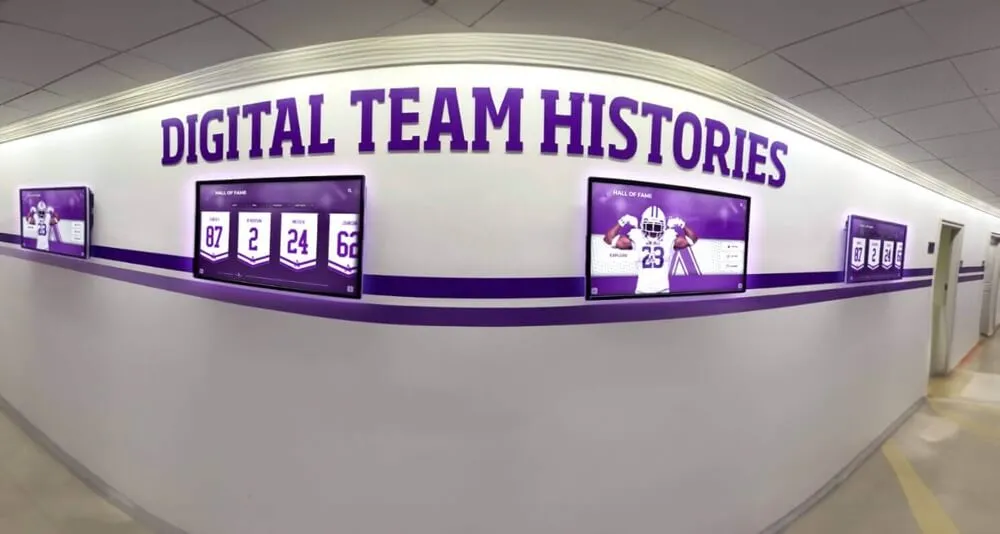
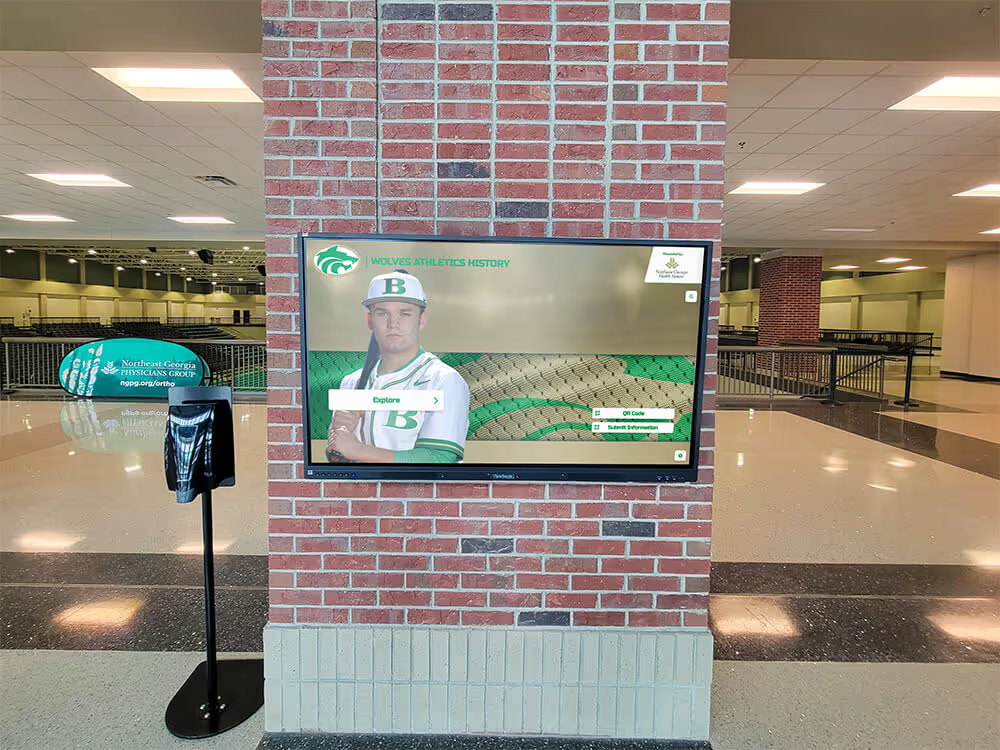
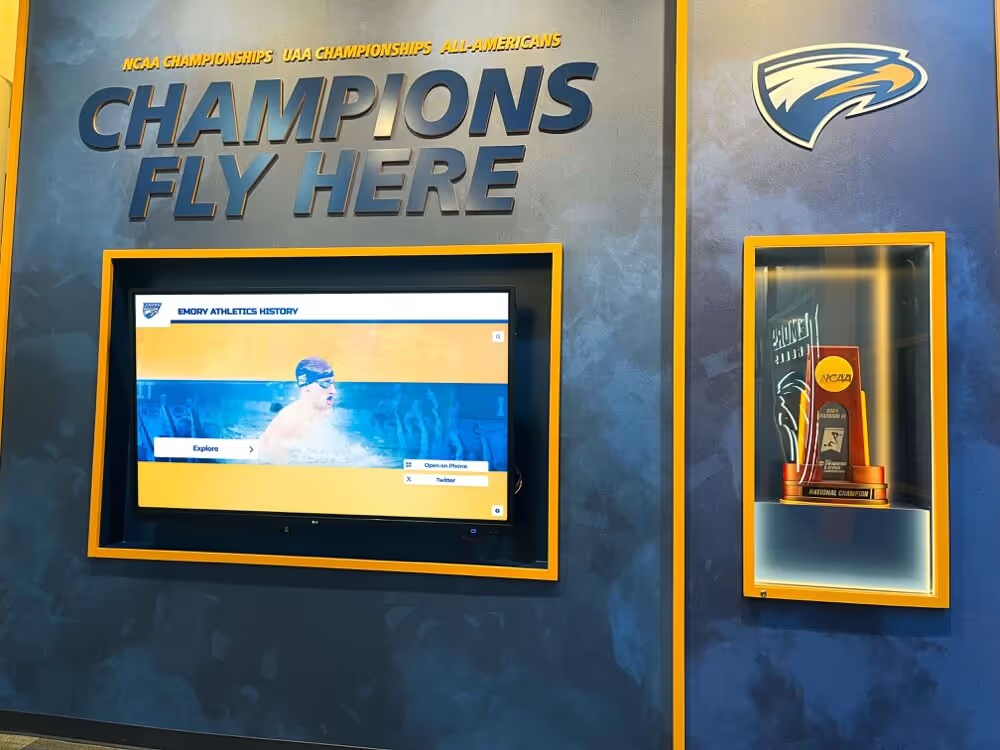
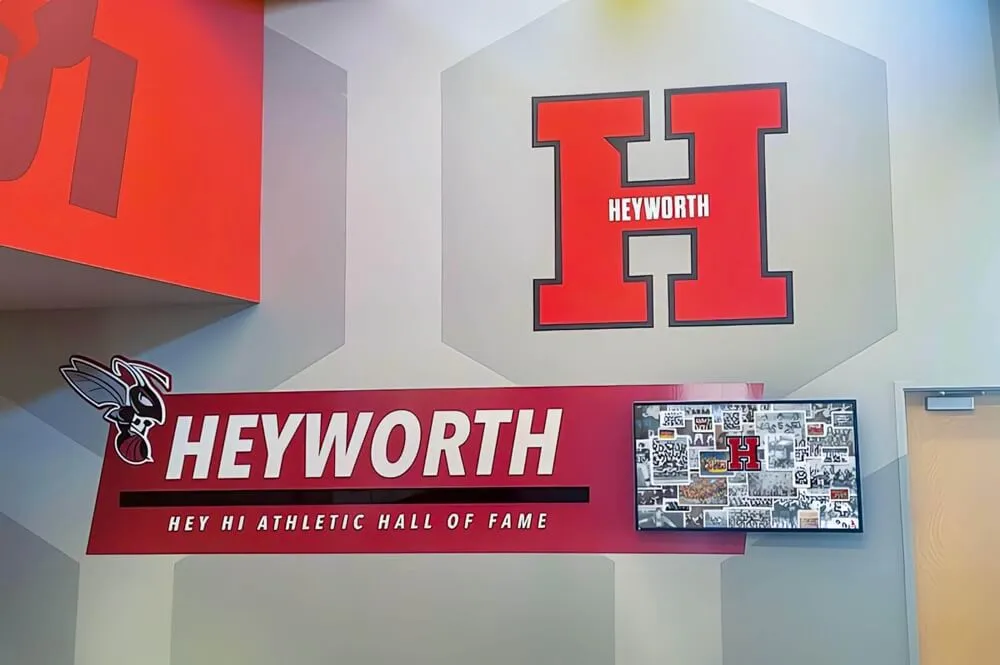
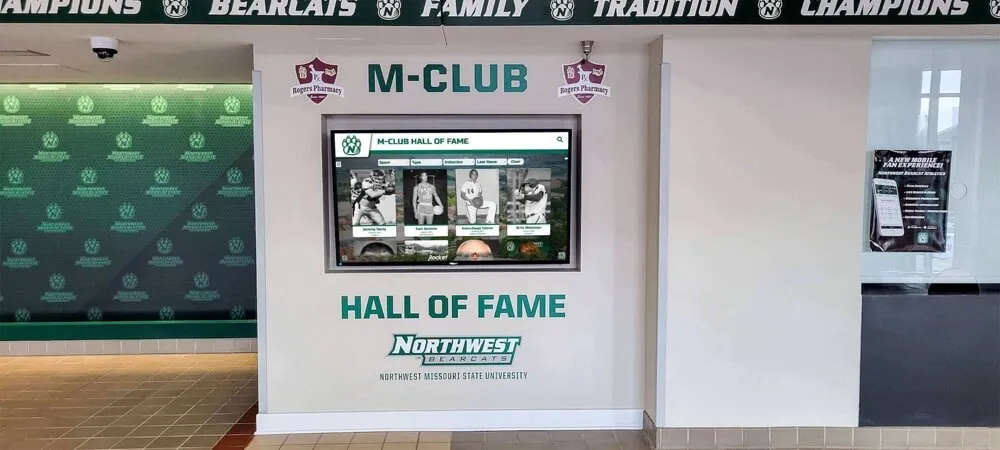
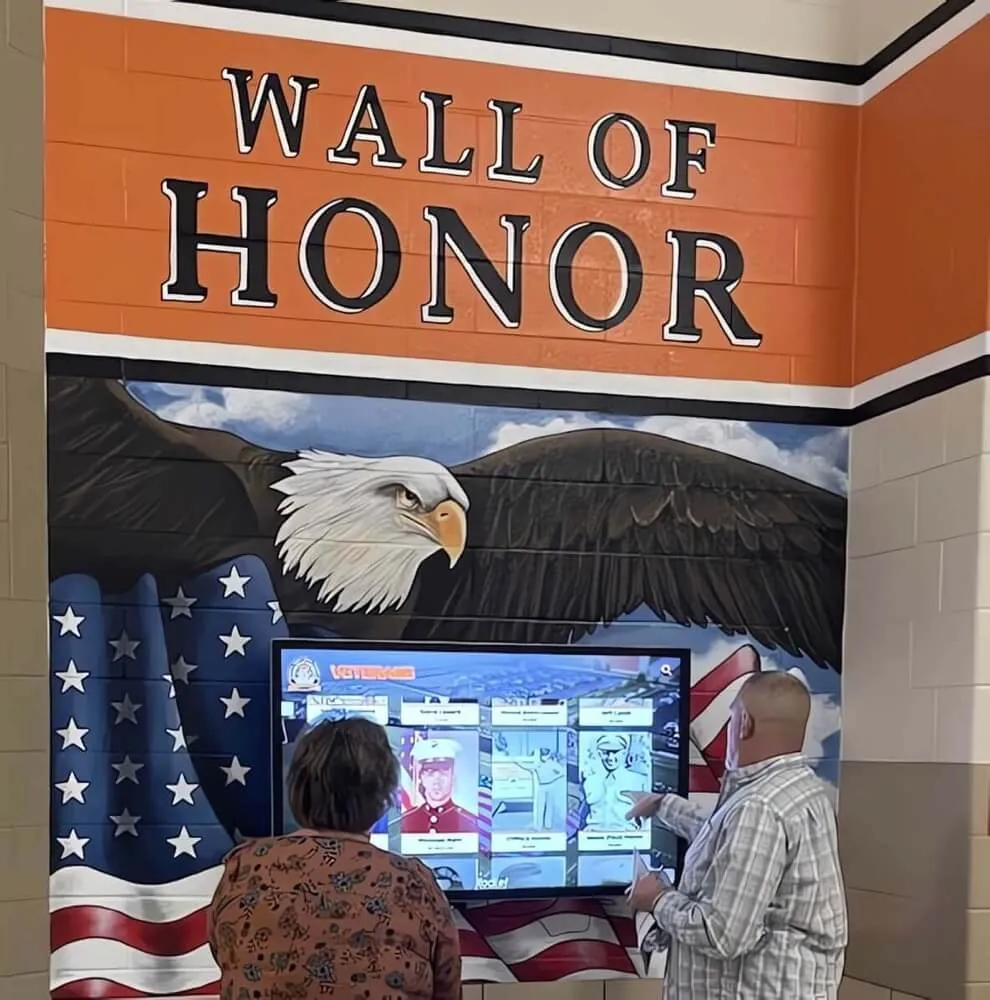
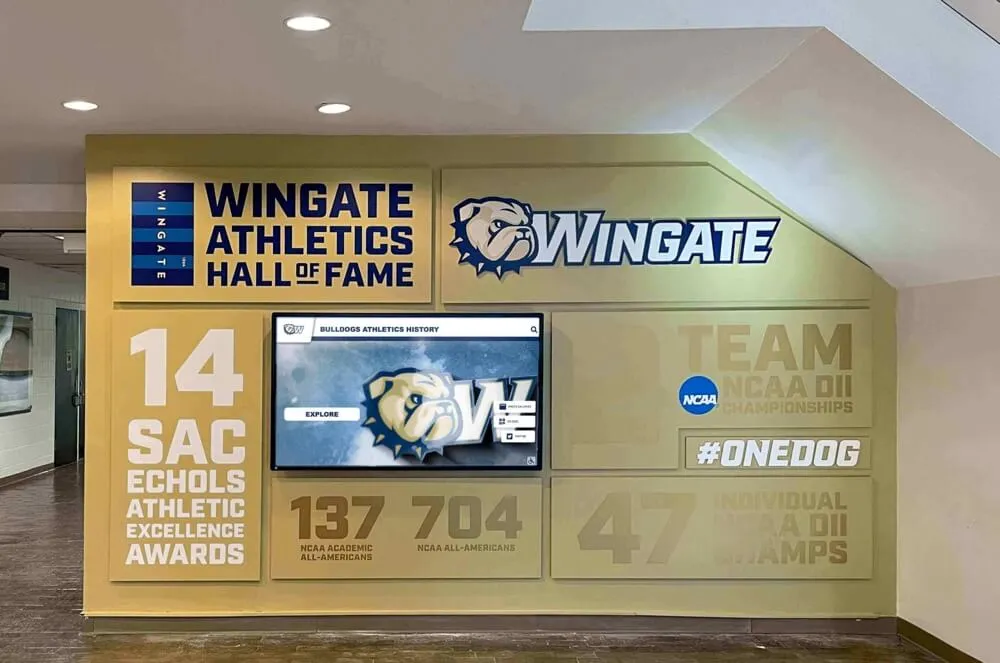
Modern recognition systems honor veterans with permanent visibility throughout facilities while preserving detailed service stories
Understanding Remembrance Day Significance
Remembrance Day holds deep meaning for communities honoring those who served and sacrificed in military service.
History and Observance
Remembrance Day, observed on November 11th in Commonwealth nations, commemorates the armistice that ended World War I at the 11th hour of the 11th day of the 11th month in 1918. While primarily observed in countries like Canada, the United Kingdom, and Australia, the United States observes Veterans Day on the same date with a similar purpose—honoring military veterans who served in the Armed Forces.
Core Remembrance Day Elements
- Two minutes of silence at 11:00 AM local time
- Wearing of red poppies as remembrance symbols
- Wreath-laying ceremonies at war memorials
- Recognition of all who served, with special emphasis on the fallen
- Educational programs connecting current generations to military history
- Community gatherings bringing veterans together with civilians
The poppy tradition stems from Lieutenant Colonel John McCrae’s 1915 poem “In Flanders Fields,” which references the red flowers growing on battlefields in Belgium and France. Today, the poppy represents remembrance of those who died in service while supporting veterans organizations through poppy distribution campaigns.
Schools implementing comprehensive veterans recognition programs create educational experiences that extend beyond single-day observances into year-round awareness.
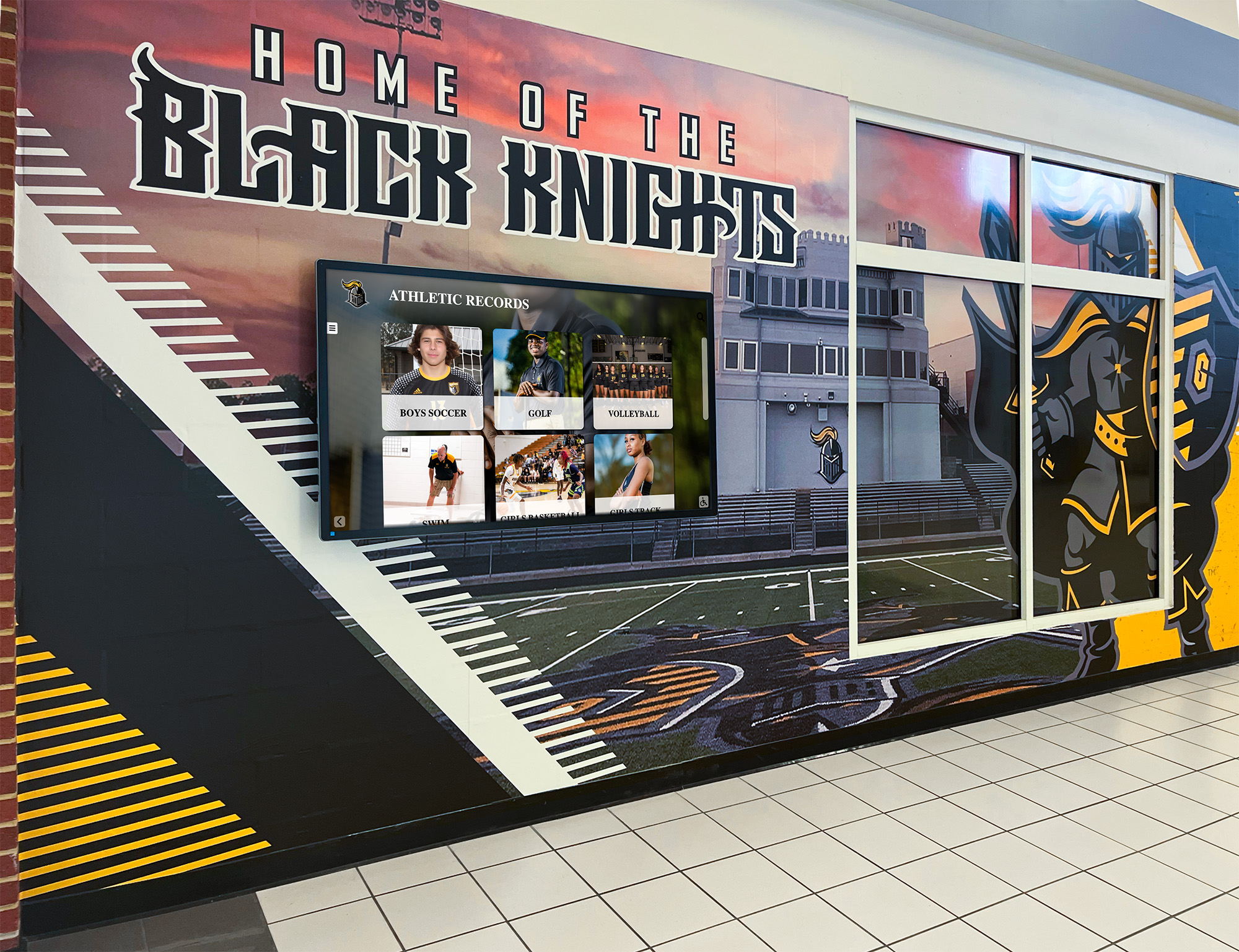
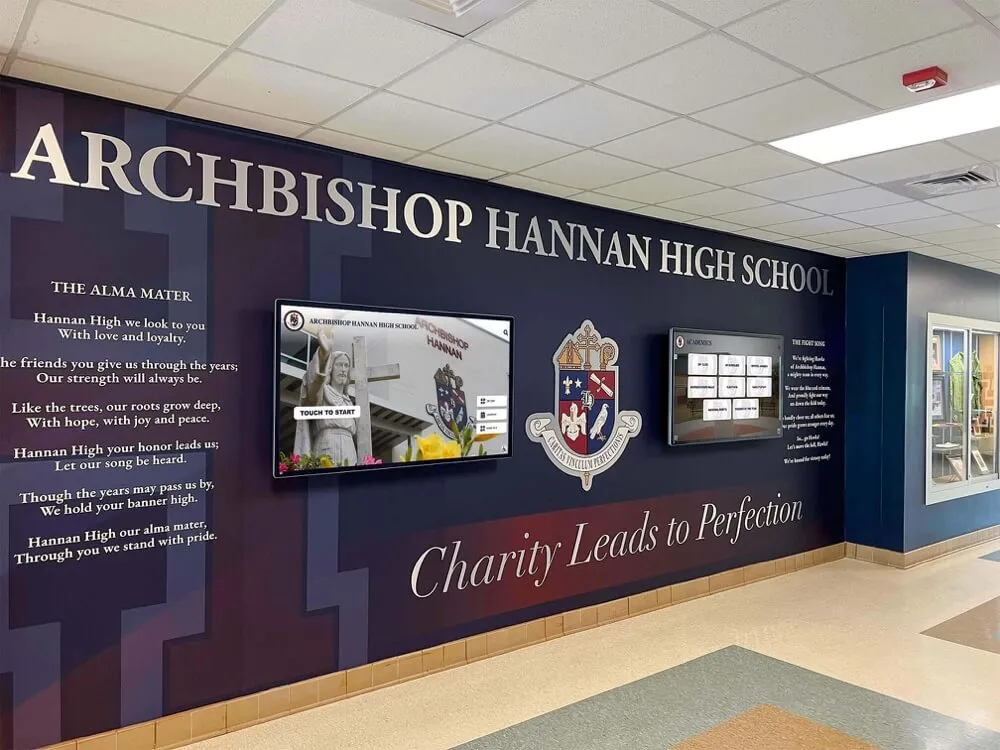
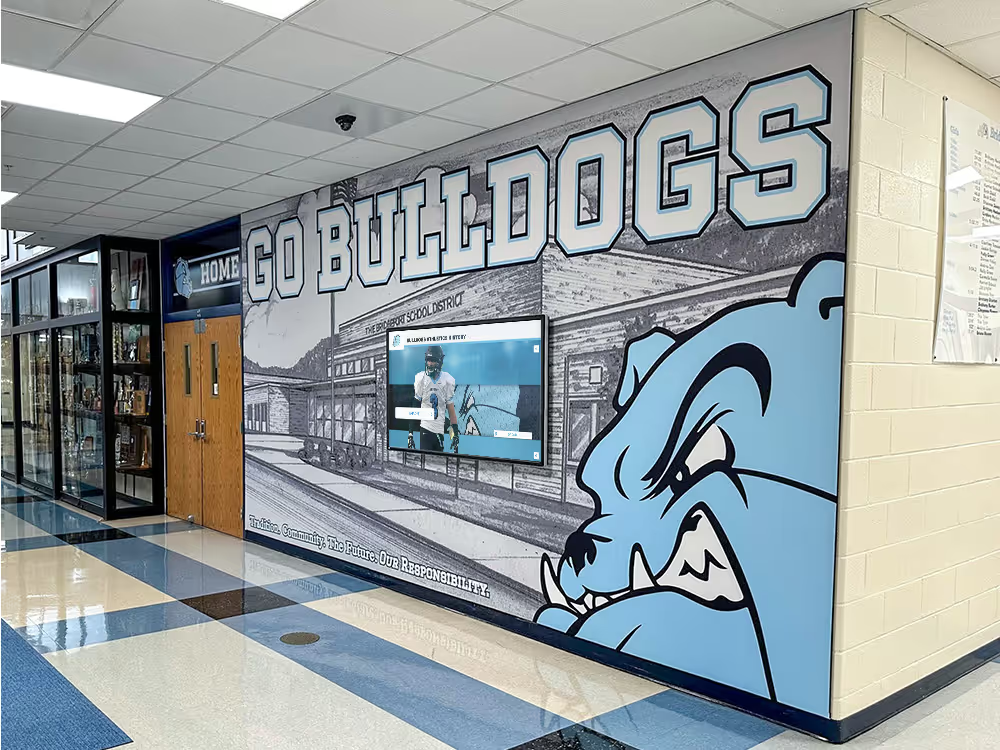
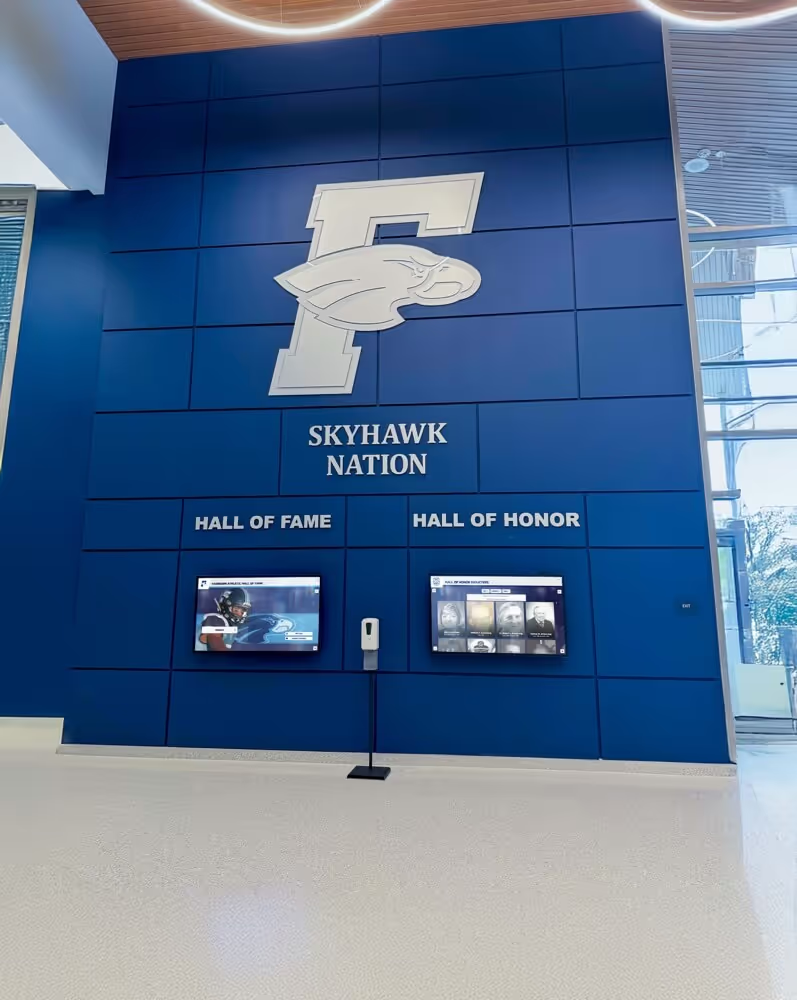
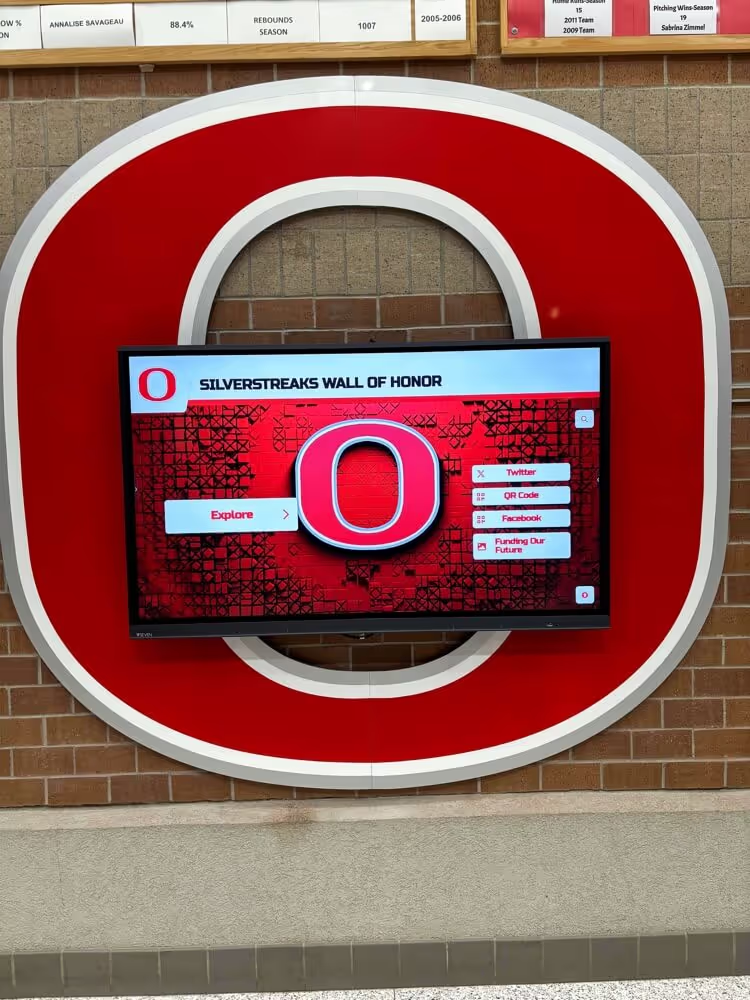
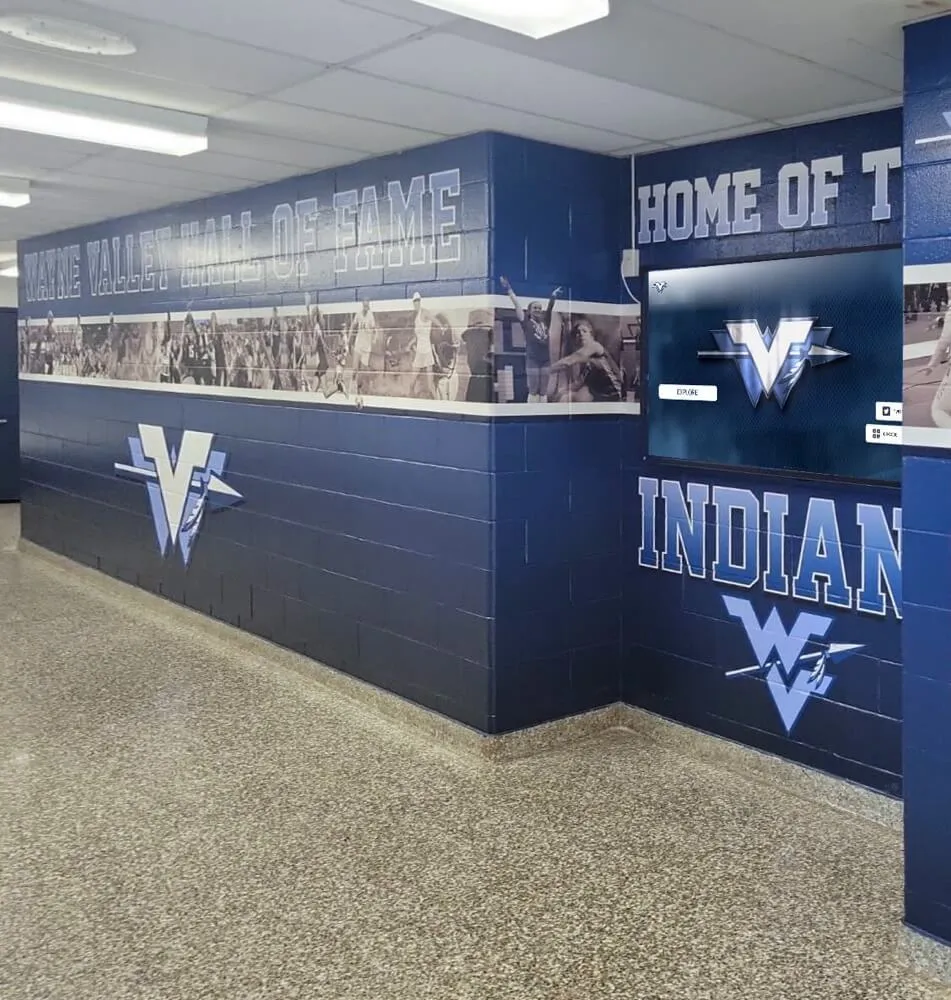
Prominent school hallways provide ideal locations for permanent veterans recognition visible to students, staff, and visitors daily
Why Veterans Recognition Matters in Educational Settings
Schools serve unique roles in preserving military history and teaching values embodied by service members:
Educational Benefits for Students
- Character development through examples of courage, sacrifice, and dedication
- Historical understanding connecting classroom learning to lived experiences
- Citizenship education demonstrating civic duty and national service
- Gratitude cultivation helping students appreciate protected freedoms
- Cross-generational connections bridging students with veteran communities
According to research from military family support organizations, students at schools with strong veterans recognition programs demonstrate significantly higher understanding of military service and greater appreciation for those who serve.
Supporting Veterans and Military Families Veterans recognition provides tangible benefits for those who served:
- Public acknowledgment validating that service and sacrifice receive community appreciation
- Connection points linking veterans to current generations
- Spaces for reflection and remembrance of fallen comrades
- Educational preservation ensuring service stories survive beyond individual lifetimes
- Community belonging demonstrating that service defines institutional identity
Organizations creating permanent military tribute displays report stronger relationships with veteran communities and increased participation in recognition programs.
Remembrance Day vs. Veterans Day vs. Memorial Day
Understanding distinctions between military observances ensures appropriate recognition approaches:
Remembrance Day (November 11 - Commonwealth Nations)
- Honors all who served with emphasis on those who died
- Focuses particularly on World Wars and subsequent conflicts
- Observed primarily in Canada, UK, Australia, and other Commonwealth countries
- Features poppy-wearing tradition and moment of silence
Veterans Day (November 11 - United States)
- Honors all military veterans who served, living and deceased
- Originally called Armistice Day commemorating WWI end
- Celebrates peacetime and wartime service across all branches
- Distinguishes from Memorial Day’s fallen-specific focus
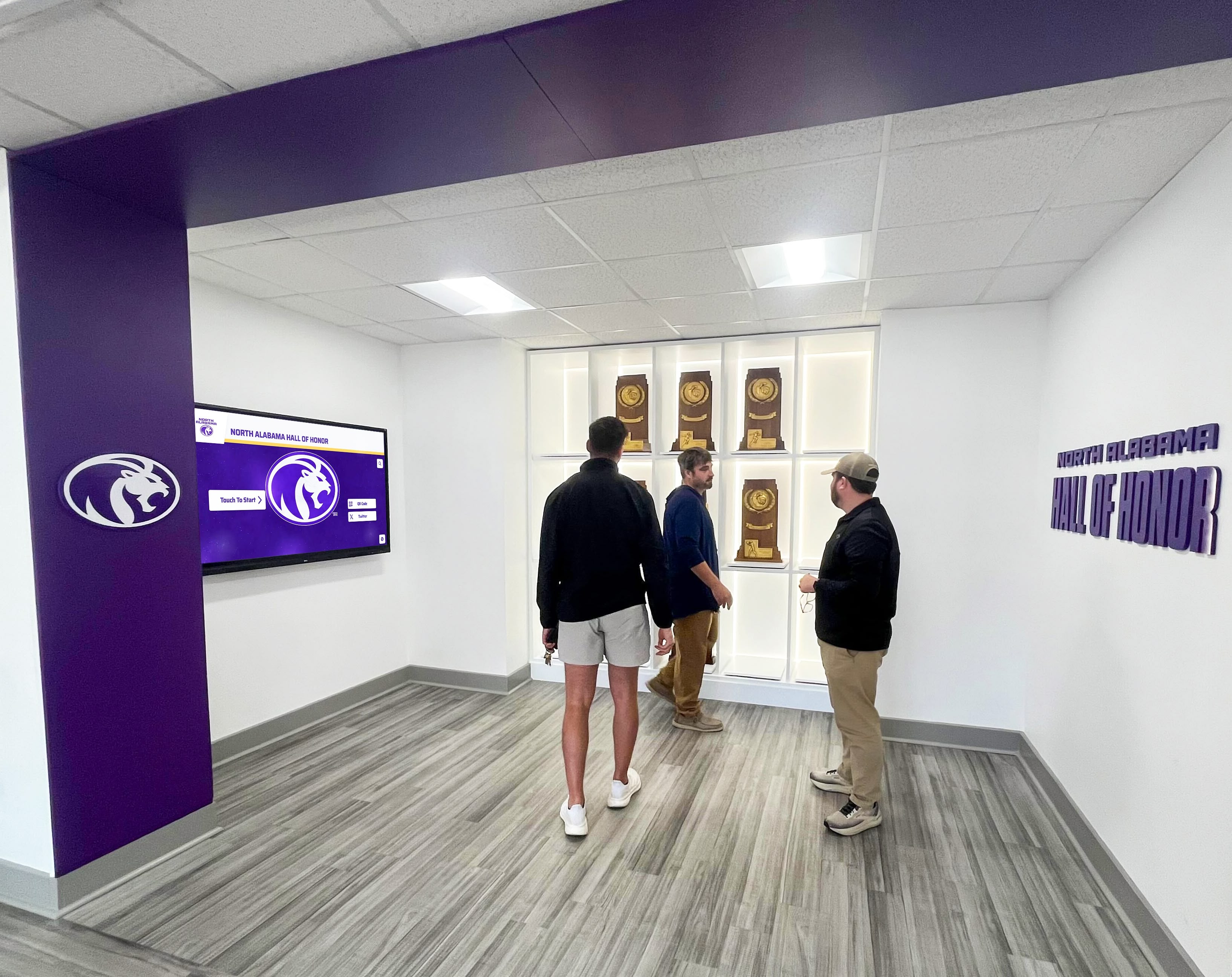
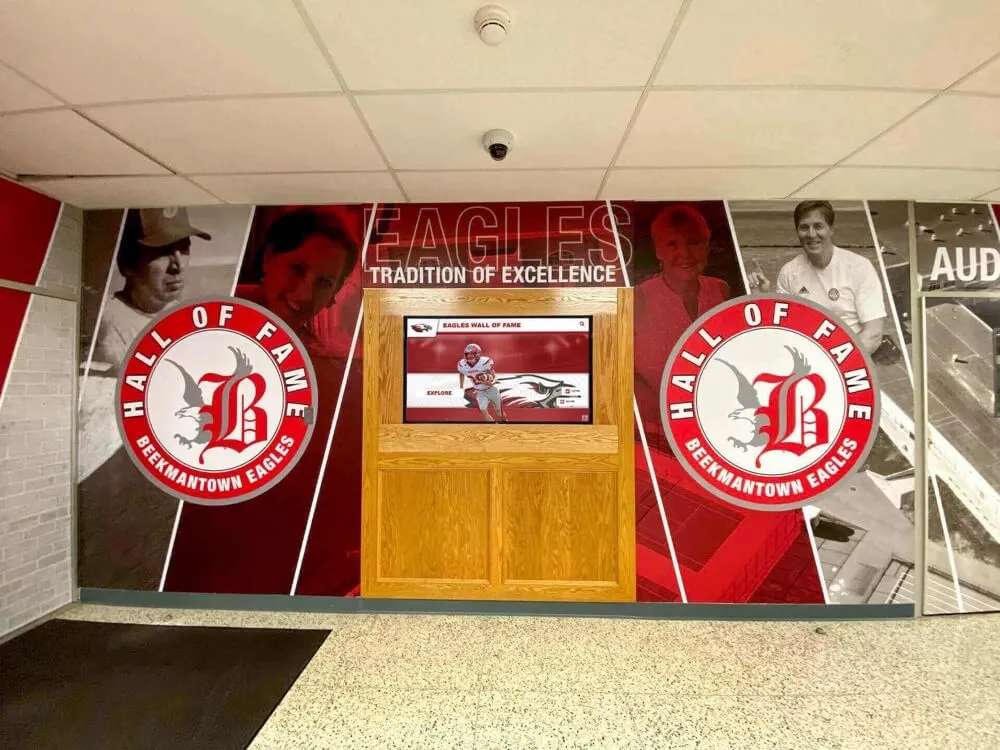
Recognition displays create gathering places where veterans connect with their service histories and share experiences
Memorial Day (Last Monday in May - United States)
- Specifically honors those who died while serving in military
- Solemn observance with cemetery visits and wreath-laying
- Focuses exclusively on fallen service members
- Originally honored Civil War dead before expanding to all conflicts
Schools and organizations should tailor recognition approaches to the specific observance, ensuring appropriate tone and emphasis for each occasion.
Traditional Remembrance Day Activities
Conventional recognition approaches create meaningful experiences honoring veterans while engaging communities in remembrance.
Formal Ceremonies and Assemblies
Structured programs bring communities together for collective recognition and reflection:
Assembly Program Elements
- Opening processional with color guard (ROTC, local veteran organizations, or student honor guard)
- National anthem performance or recording
- Moment of silence at 11:00 AM (or appropriate time for schedules)
- Principal or organizational leader remarks about service significance
- Student or member presentations sharing veteran research or family connections
- Guest speaker address from veteran sharing service experiences
- Reading of honor roll listing local veterans who died in service
- Wreath-laying or symbolic gesture (placing flowers, lighting candles)
- Playing or singing of “Taps” or appropriate memorial music
- Closing reflections and dismissal
Creating Meaningful Ceremonies Avoid perfunctory observances by:
- Involving veterans and military families in planning and participation
- Sharing specific stories rather than generic tributes
- Including age-appropriate education about conflicts and sacrifice
- Recognizing attending veterans individually when appropriate
- Following assemblies with classroom discussions processing the experience
- Documenting ceremonies for institutional archives and absent community members
Learn about ceremony integration with recognition display programs that extend single-event observances into permanent visibility.
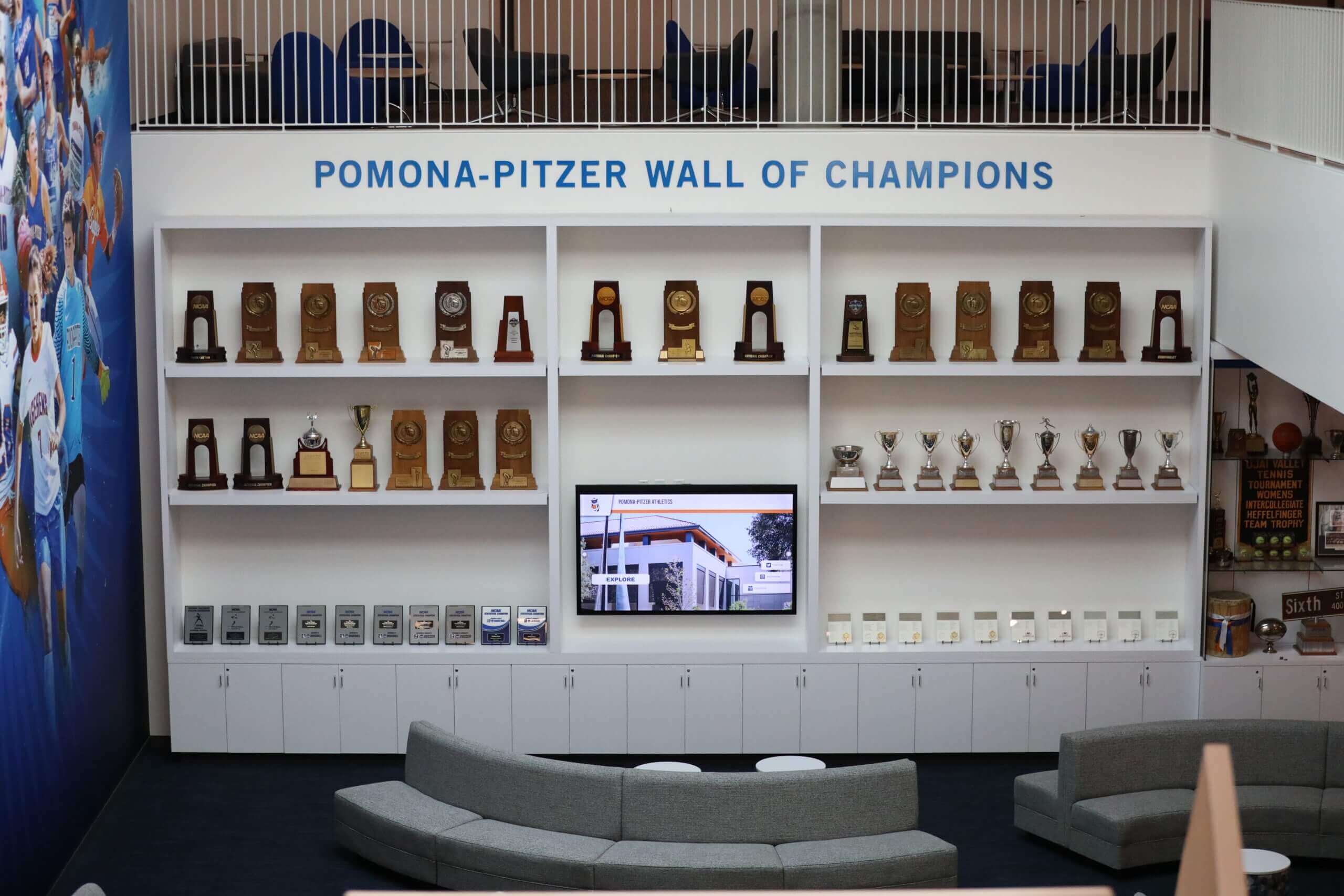
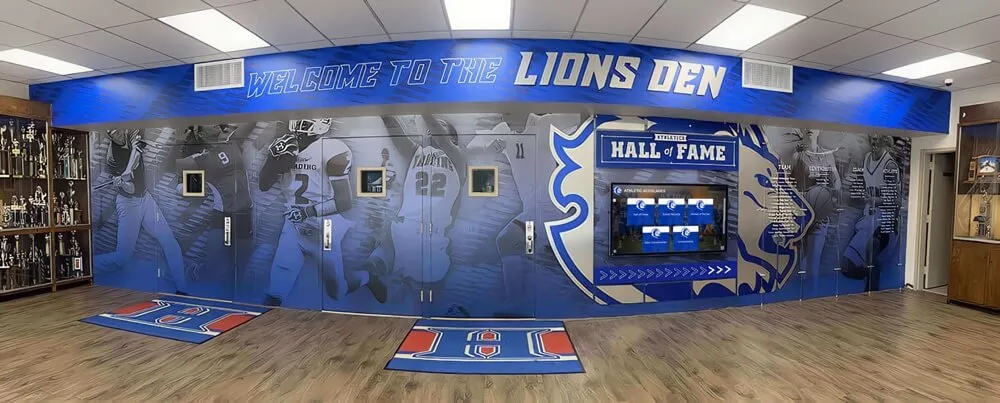
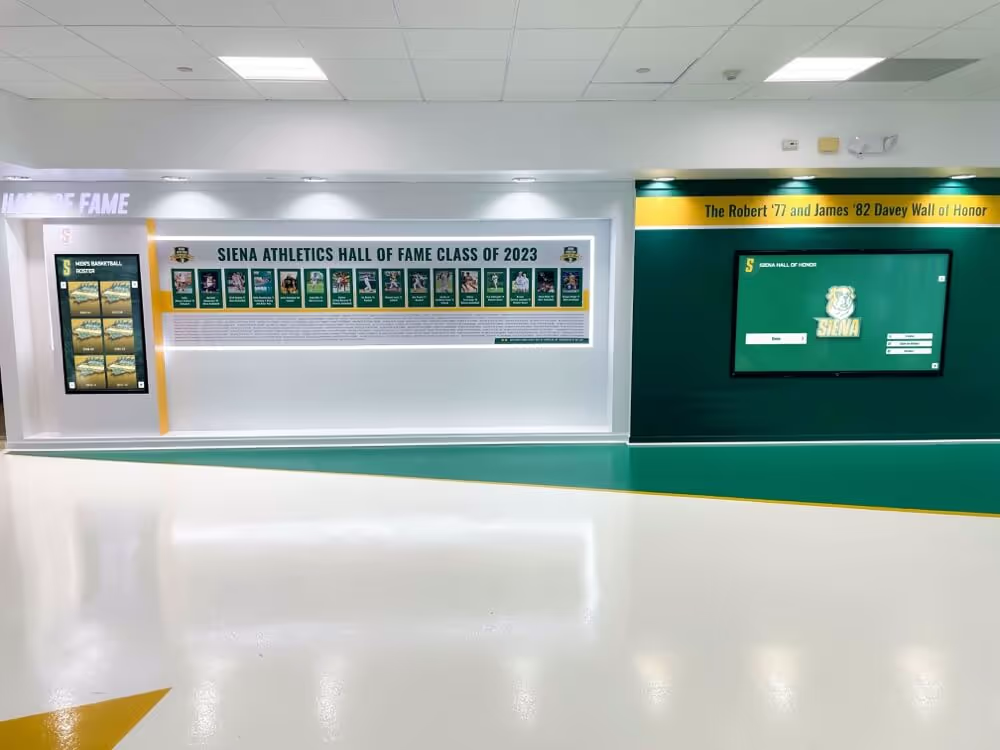
Dedicated recognition spaces provide appropriate venues for Remembrance Day ceremonies and year-round veteran acknowledgment
Poppy Campaigns and Symbolic Recognition
The poppy remains the most recognizable Remembrance Day symbol worldwide:
Poppy Program Implementation
- Partner with local veterans organizations (Royal Canadian Legion, British Legion, Veterans of Foreign Wars) distributing poppies
- Organize school or organization-wide poppy-wearing campaigns
- Create educational programs explaining poppy symbolism and history
- Coordinate poppy sales supporting veterans programs and services
- Design poppy-themed art projects and displays throughout facilities
- Photograph participants wearing poppies for institutional documentation
Alternative Symbolic Gestures Beyond poppies, organizations incorporate additional symbolic elements:
- Remembrance wall displays where community members add veteran names and messages
- Wooden crosses or memorial markers for fallen service members
- Field of honor installations with flags representing each veteran
- Candlelight vigils creating solemn evening observances
- Memorial gardens with plantings dedicated to service members
Student and Staff Participation Projects
- Creation of poppy wreaths for ceremonial laying
- Poppy-themed artwork displayed throughout buildings
- Poetry and writing competitions about remembrance and sacrifice
- Social media campaigns sharing veteran stories and poppy photos
- Fundraising efforts supporting veteran causes and memorial maintenance
Organizations implementing symbolic recognition create visible reminders that extend Remembrance Day awareness beyond single ceremonies into weeks-long observances.
Community Partnership Programs
Effective Remembrance Day recognition extends beyond organizational boundaries into broader community collaboration:
Veterans Organization Partnerships
- Invite Royal Canadian Legion, British Legion, or VFW members for color guard participation
- Coordinate with veteran organizations for speaker programs and panel discussions
- Support poppy campaigns and veterans services fundraising
- Participate in community-wide ceremonies and parades
- Create ongoing relationships extending beyond annual Remembrance Day events
Intergenerational Connection Programs Bridge generations through structured interaction:
- Veteran interview projects pairing students with service members
- Oral history programs preserving veteran stories in institutional archives
- Pen pal initiatives connecting students with active-duty service members
- Veteran mentorship programs linking military experience to student development
- Classroom visits where veterans share service experiences appropriately
Schools developing community recognition partnerships strengthen both Remembrance Day programs and ongoing veterans engagement throughout the year.
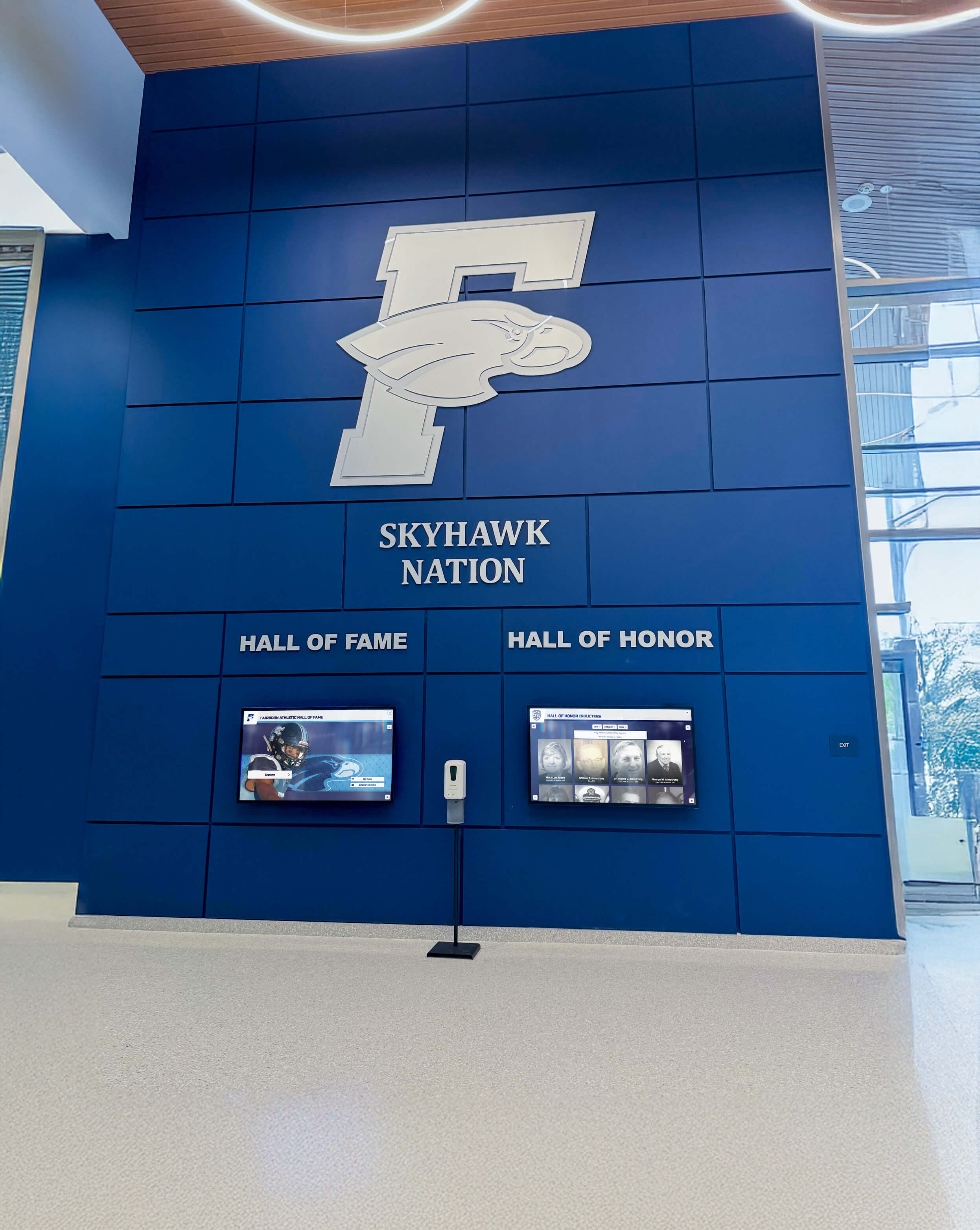
Community-focused recognition spaces facilitate intergenerational programs connecting veterans with current students and members
Creating Permanent Veterans Recognition Displays
Lasting memorial installations extend Remembrance Day recognition into year-round visibility honoring all who served.
Traditional Memorial Approaches
Conventional memorial installations offer timeless dignity appropriate for honoring military service:
Physical Memorial Elements
- Bronze or brass plaques listing veterans by name, rank, and service years
- Stone monuments with engraved honor rolls
- Memorial gardens with dedicated plantings and reflective spaces
- Flagpole areas with commemorative plaques and lighting
- Named facilities or rooms honoring specific veterans or conflicts
- Trophy cases displaying military memorabilia and photographs
Traditional Memorial Advantages Physical memorials communicate permanence through substantial materials and architectural integration. The tangible nature creates spaces where veterans and families gather for reflection. No technical maintenance or power requirements simplify long-term stewardship. Traditional aesthetics appeal to older veteran demographics valuing conventional recognition.
Space and Update Limitations However, traditional approaches impose significant constraints:
- Physical space limitations force difficult decisions about which veterans receive recognition
- Adding new honorees requires construction projects and vendor coordination
- Correcting errors or updating information proves expensive or impossible
- Static presentation provides limited opportunity for storytelling beyond basic information
- Maintenance requirements including cleaning, refinishing, and weather protection
- Accessibility challenges for detailed information display
Organizations balancing traditional aesthetics with practical flexibility increasingly adopt hybrid approaches combining physical elements with digital enhancements.
Digital Memorial Wall Solutions
Modern technology enables veterans recognition that overcomes space limitations while creating engaging tribute experiences:
Comprehensive Digital Recognition Capabilities Solutions like Rocket Alumni Solutions provide memorial systems specifically designed for honoring veterans and service members:
- Unlimited Capacity: Display every veteran connected to your organization without space constraints forcing exclusions
- Detailed Profiles: Share comprehensive service histories including branch, rank, units, deployments, awards, and personal stories
- Photo Galleries: Present multiple images showing service members in uniform and throughout their lives
- Video Testimonials: Preserve veteran voices sharing service experiences in their own words
- Historical Context: Document conflicts, units, and military history educating current generations
- Search and Filter: Enable visitors finding specific veterans instantly by name, conflict, branch, or unit
- QR Code Access: Provide mobile experiences extending memorial access beyond physical displays
Digital platforms overcome fundamental limitations that restrict traditional memorials, enabling schools and organizations recognizing every veteran comprehensively rather than selectively.
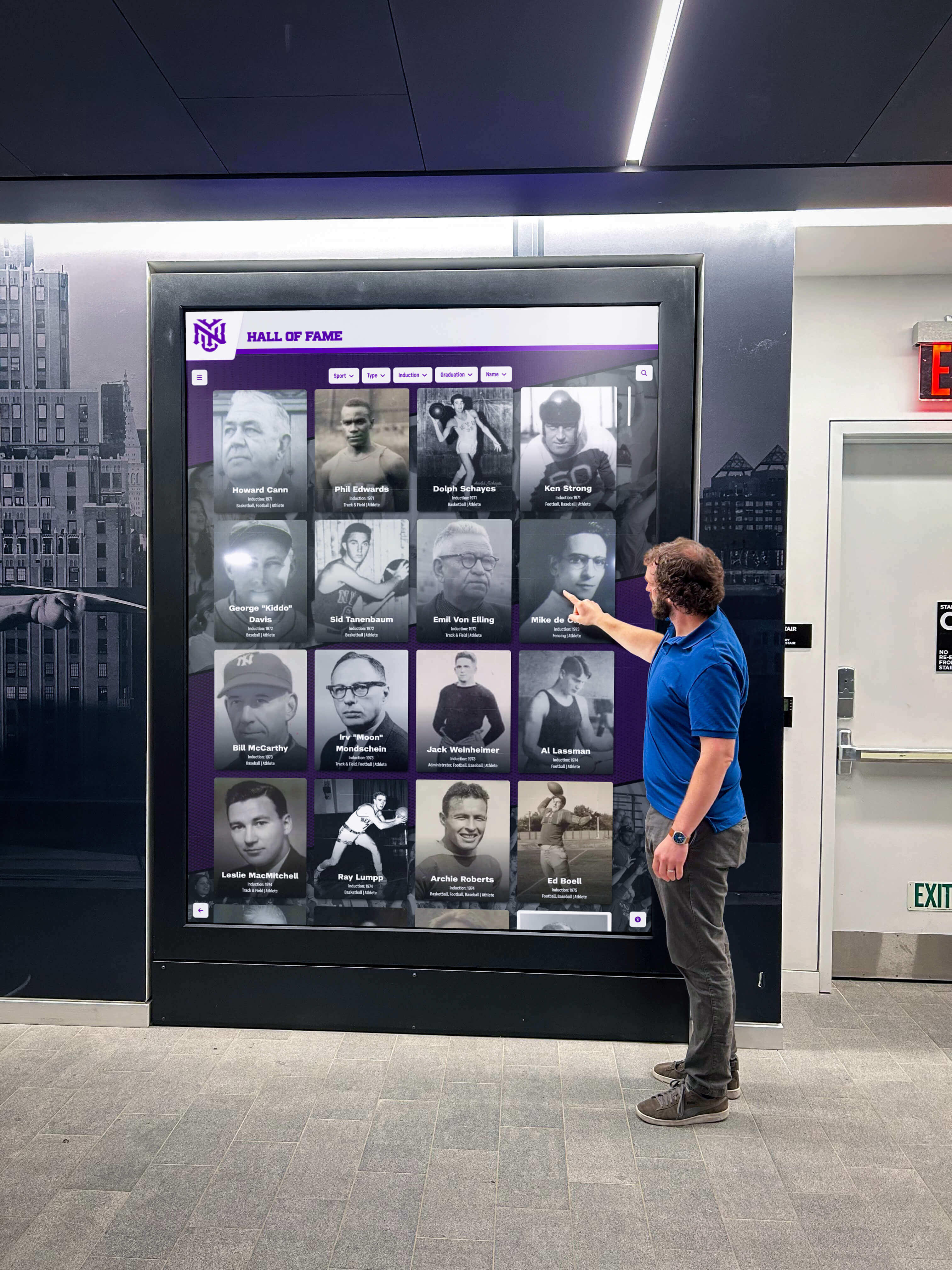
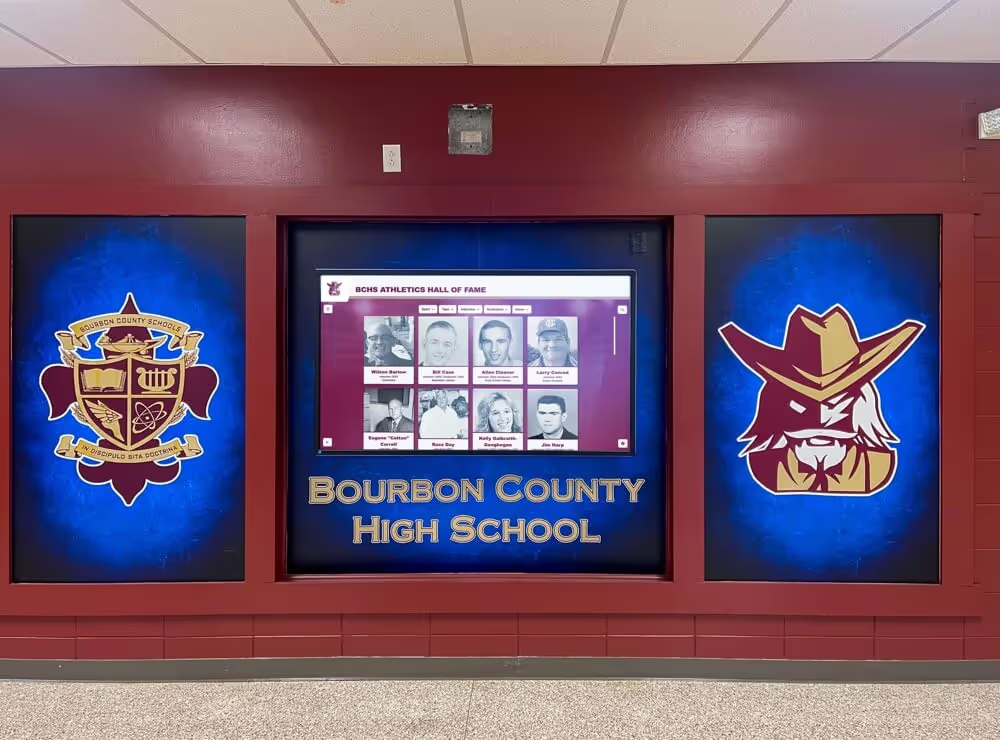
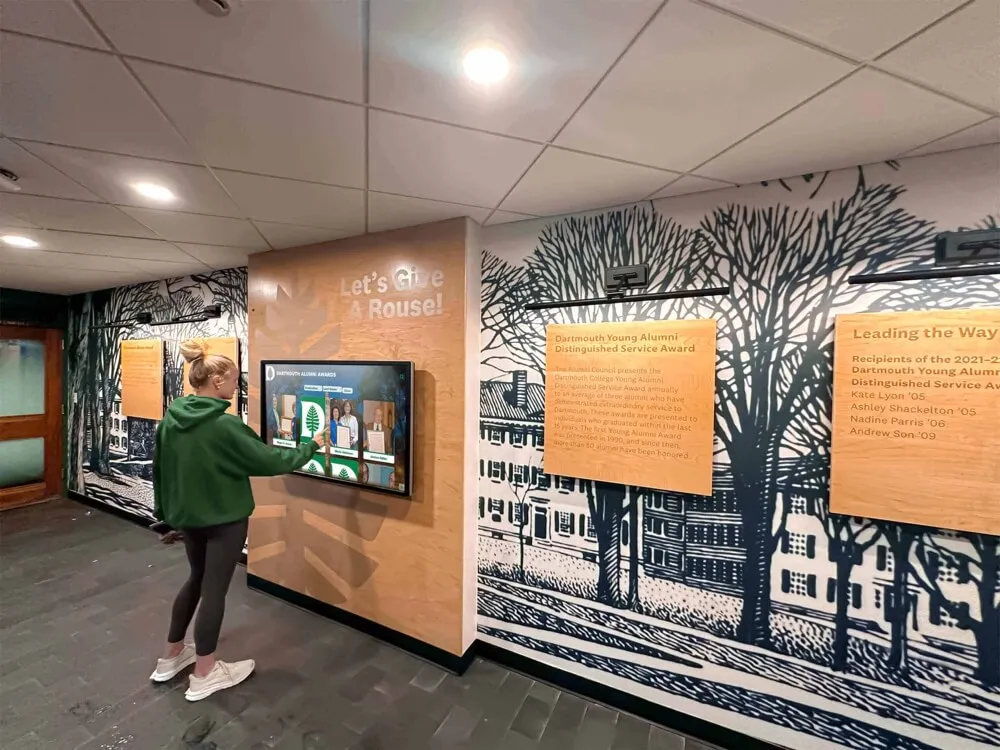
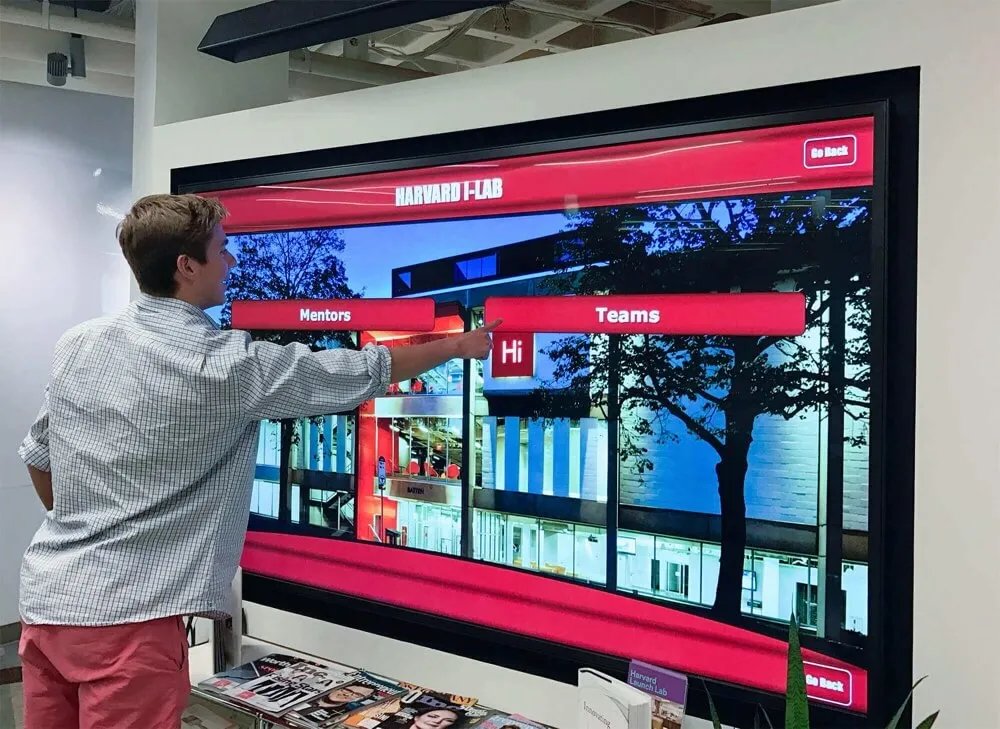
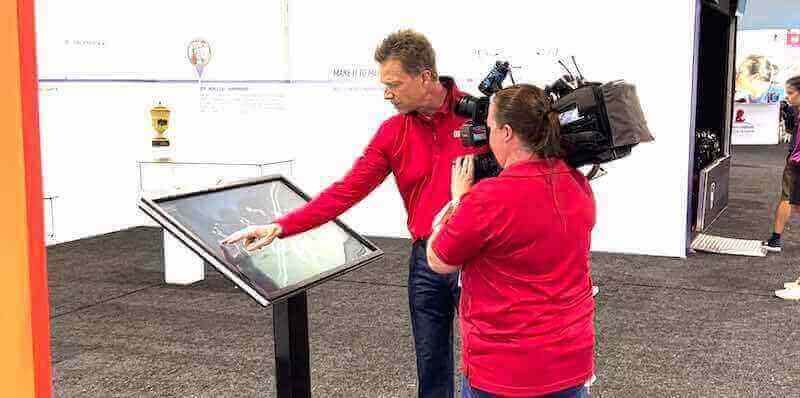
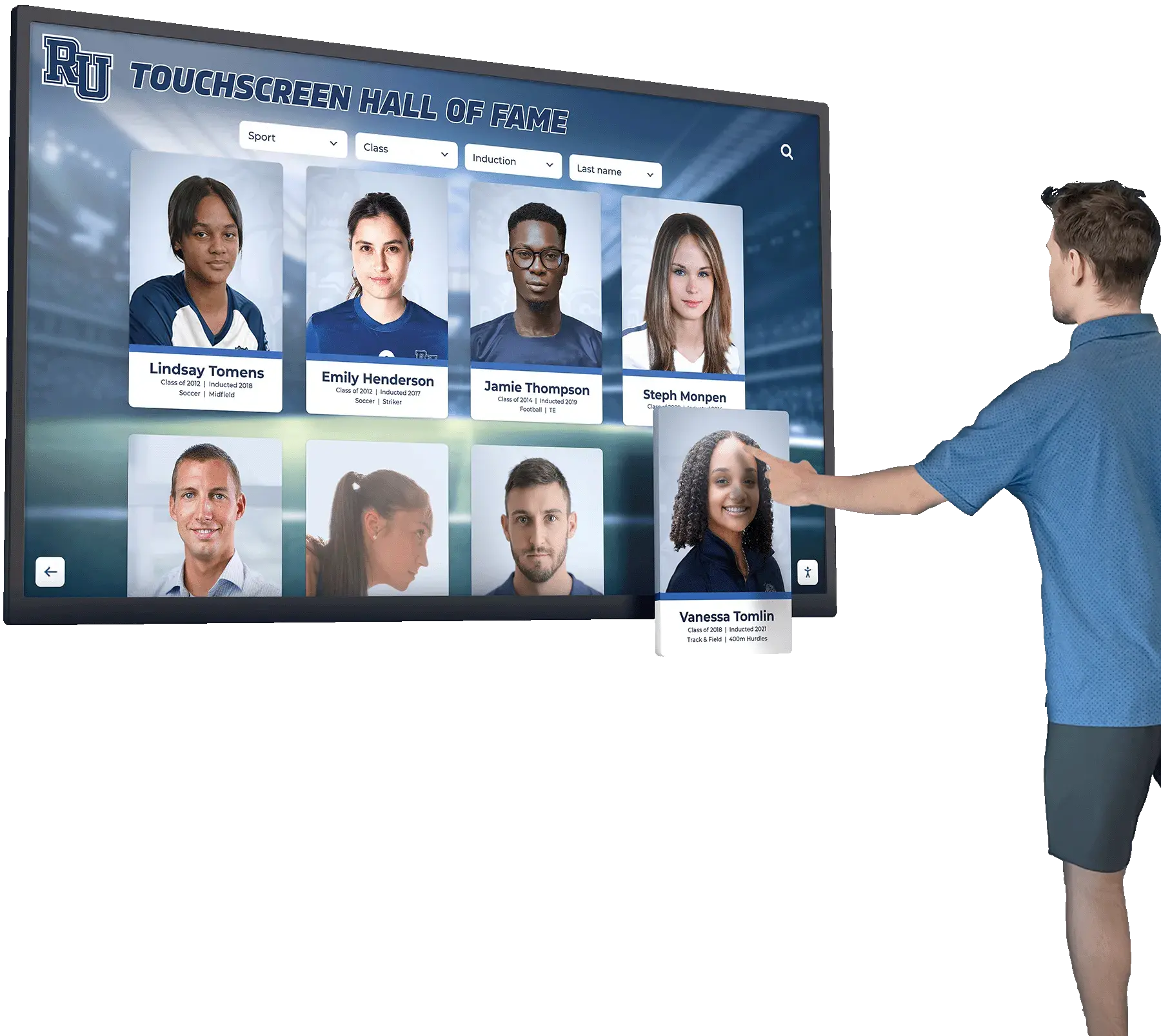
Touchscreen interfaces invite exploration of veteran stories, creating engagement impossible with static name lists
Remote Content Management Benefits Cloud-based systems simplify long-term memorial stewardship:
- Add new veterans instantly without construction or vendor services
- Update service information remotely correcting errors or adding newly discovered details
- Incorporate family-submitted photos and stories without reproduction costs
- Schedule content displays for Remembrance Day and other observances
- Collaborate with veterans organizations and family members managing content
- Ensure backup preservation regardless of display hardware
Schools implementing digital veterans memorial systems report dramatically higher community engagement and family satisfaction compared to traditional static approaches.
Accessibility and Reach Advantages Digital recognition extends beyond physical campus boundaries:
- Web-based memorial directories accessible worldwide to alumni and community members
- Mobile-responsive design enabling smartphone and tablet access
- Social sharing allowing families celebrating recognition with personal networks
- 24/7 availability regardless of building access hours
- ADA WCAG 2.1 AA compliance ensuring visitors with disabilities access memorial content
Hybrid Recognition Approaches
Many organizations combine traditional architectural elements with digital enhancements creating comprehensive memorial systems:
Combined Solution Strategies
- Traditional memorial monuments or plaques in prominent locations
- Adjacent digital touchscreen displays providing expanded veteran information
- QR codes on physical plaques linking to detailed online memorials
- Garden memorials enhanced by digital tribute kiosks
- Integration of both approaches within unified recognition programs
Hybrid Approach Benefits Combined systems provide:
- Timeless dignity of physical memorials with storytelling depth of digital content
- Accommodation of diverse stakeholder preferences for recognition styles
- Flexibility adding digital capabilities to existing traditional installations
- Redundancy ensuring access if digital systems require temporary maintenance
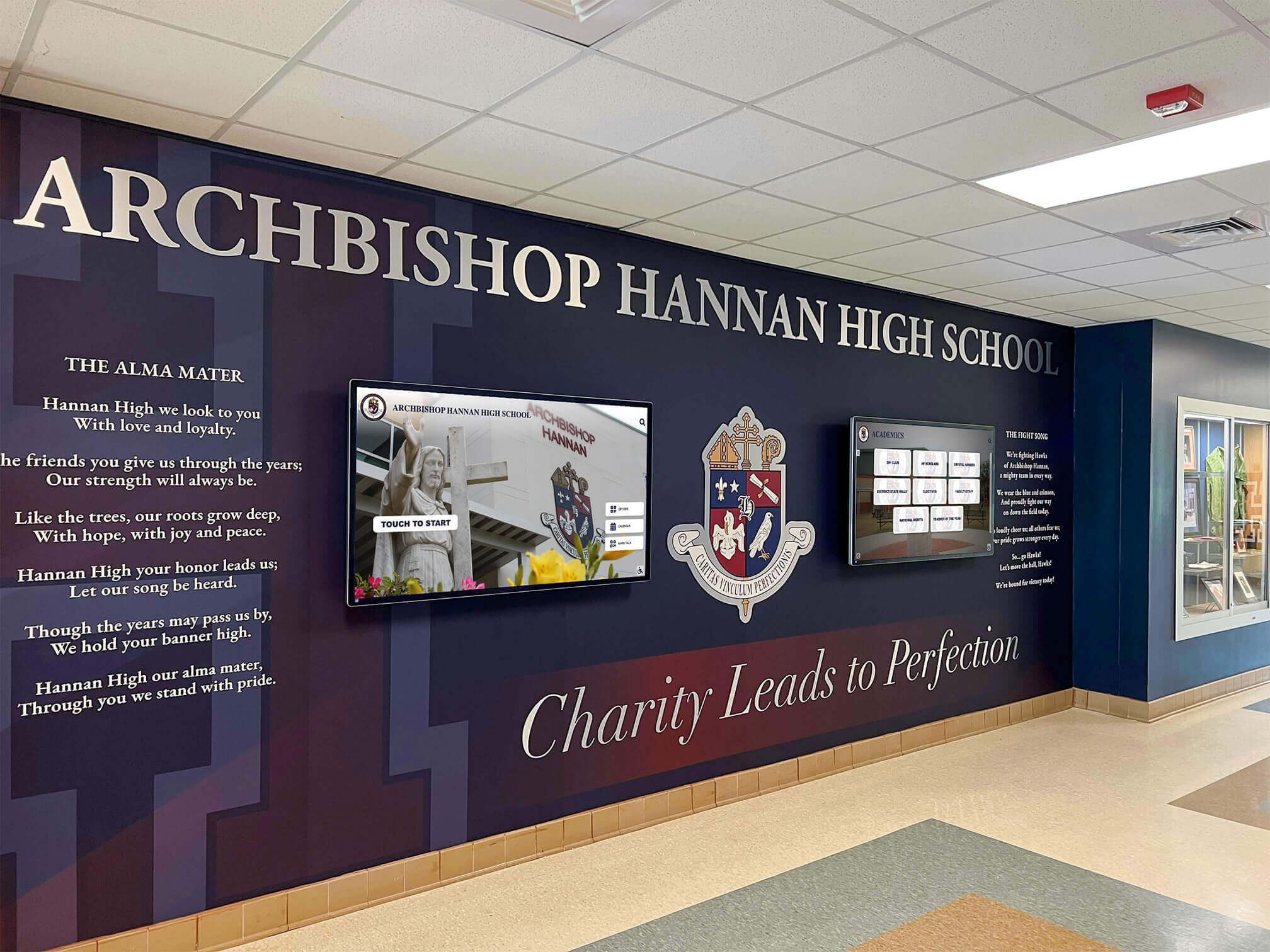
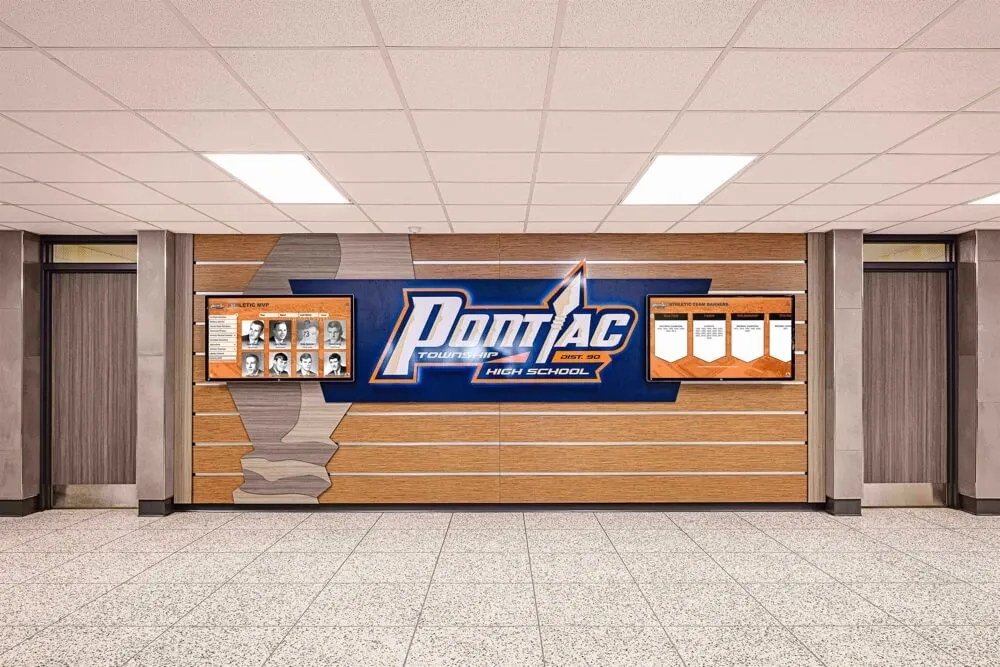
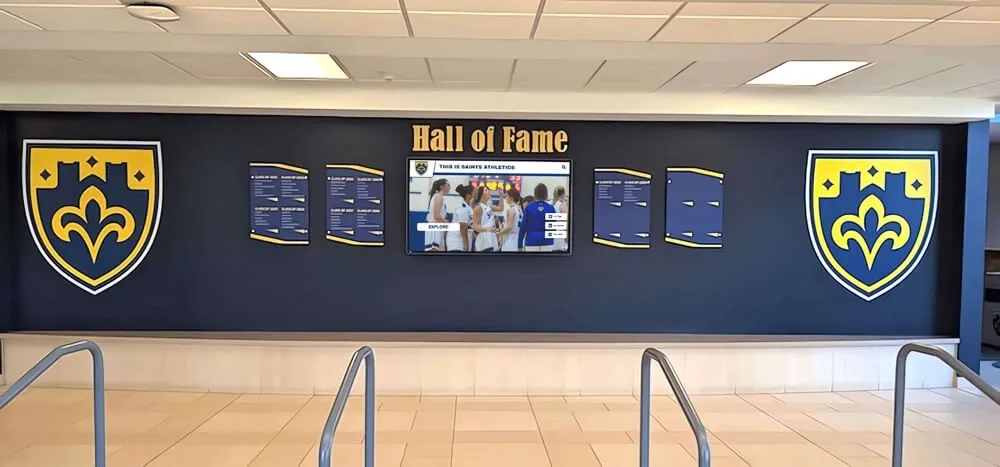
Hybrid approaches integrate traditional architectural elements with modern digital displays for comprehensive recognition
Organizations developing new veterans recognition programs should evaluate which approach—traditional, digital, or hybrid—best serves their community while fitting budget parameters and long-term maintenance capabilities.
Educational Programming for Remembrance Day
Meaningful observance extends beyond ceremonies into comprehensive educational experiences connecting students to military history and service concepts.
Curriculum Integration Strategies
Incorporate Remembrance Day themes across subject areas creating deep understanding:
Social Studies and History Integration
- Study World Wars, Korea, Vietnam, and subsequent conflicts with Remembrance Day context
- Analyze causes of wars and their impacts on societies and individuals
- Research local veterans and their service stories as community history projects
- Examine evolution of veterans recognition and remembrance traditions
- Investigate conscription, voluntary service, and military policy decisions
- Compare international approaches to honoring military service
Language Arts Connections
- Read age-appropriate war literature and veteran memoirs
- Write thank-you letters to veterans and active-duty service members
- Compose biographical research papers about local service members
- Analyze poetry about war, sacrifice, and remembrance (including “In Flanders Fields”)
- Conduct oral history interviews with veterans (with proper support and protocols)
- Create multimedia presentations sharing veteran stories
Schools can incorporate recognition into curricula by researching academic recognition program models that honor diverse achievements including military service.
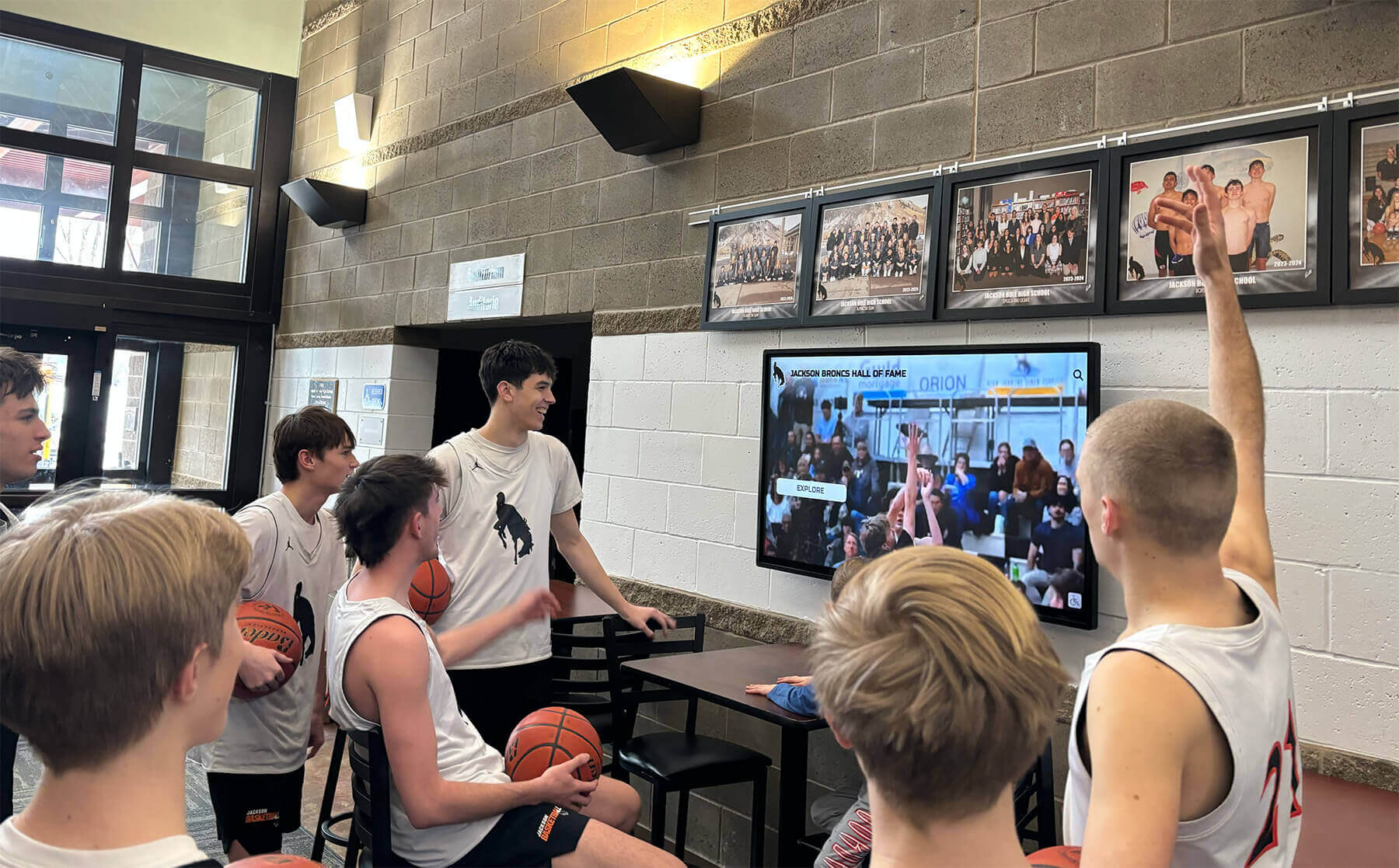
Interactive displays create educational opportunities helping students explore veteran stories and military history
Arts and Creative Expression
- Create poppy-themed artwork and remembrance displays
- Compose music or perform patriotic and memorial songs
- Design memorial projects and symbolic tributes
- Produce documentary films about local veterans and service
- Develop photography exhibitions highlighting veterans and military families
STEM Applications
- Study military technology development and innovation throughout history
- Analyze logistics and strategy in historical conflicts
- Investigate medical advances resulting from battlefield medicine
- Explore cryptography and code-breaking’s role in warfare
- Research engineering challenges in military equipment and infrastructure
Guest Speaker and Presentation Programs
First-person accounts create powerful learning experiences that statistics and textbooks cannot replicate:
Veteran Speaker Series Invite veterans sharing service experiences appropriately for student age groups:
- Contact local veterans organizations for speaker recommendations
- Prepare students with background information and respectful question guidelines
- Create comfortable presentation environments respecting that some experiences remain difficult to discuss
- Record presentations (with permission) for historical archives
- Follow up with reflection activities and thank-you notes
Important Speaker Program Considerations
- Screen speaker content ensuring age-appropriateness for audiences
- Provide counseling support recognizing that military topics may affect some students
- Respect that not all veterans wish to share traumatic experiences publicly
- Offer alternative formats (panel discussions, Q&A) if formal presentations feel uncomfortable
- Coordinate with school counselors for appropriate support protocols
Organizations implementing digital recognition can incorporate speaker content into displays, preserving presentations for future students unable to attend live events.
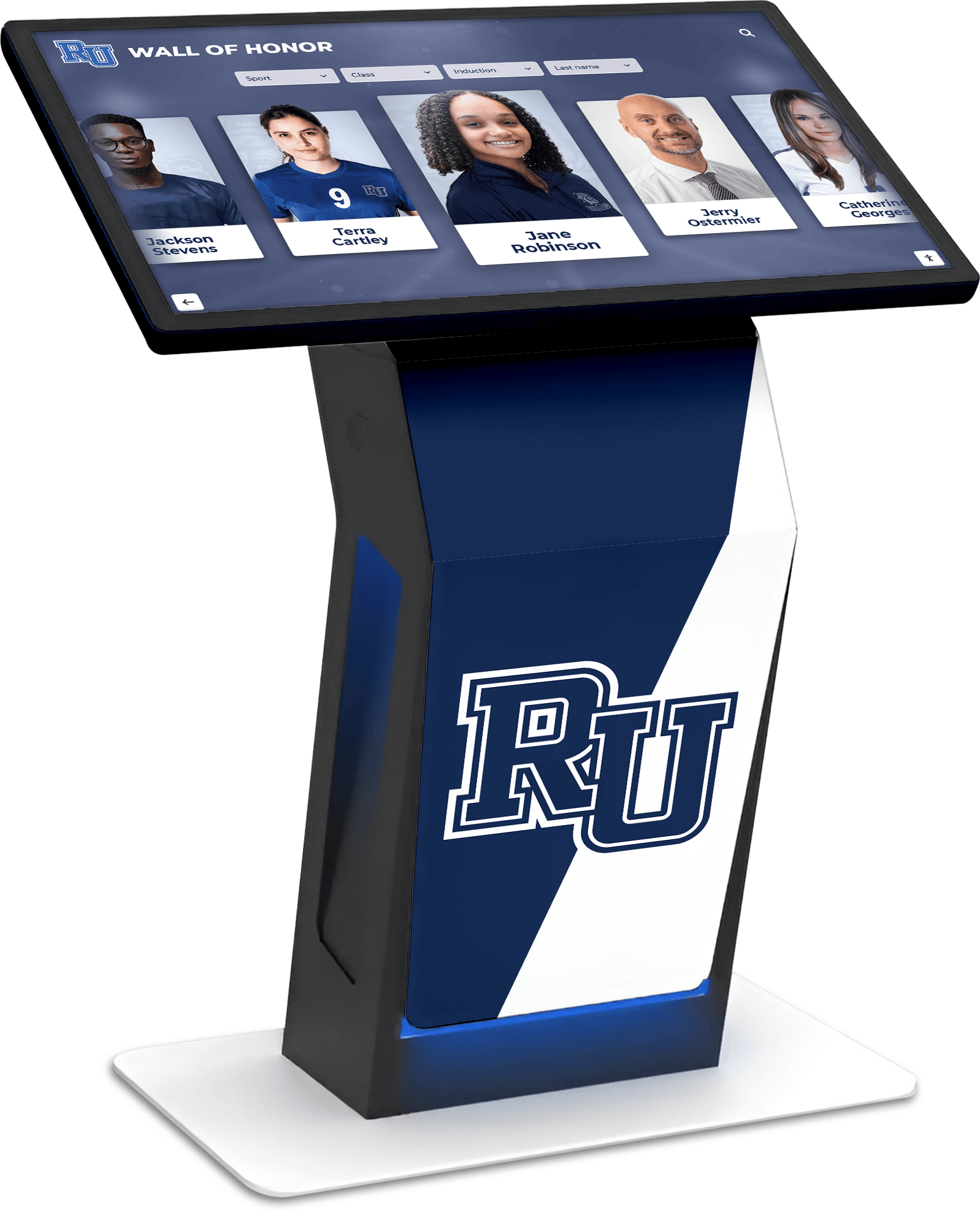
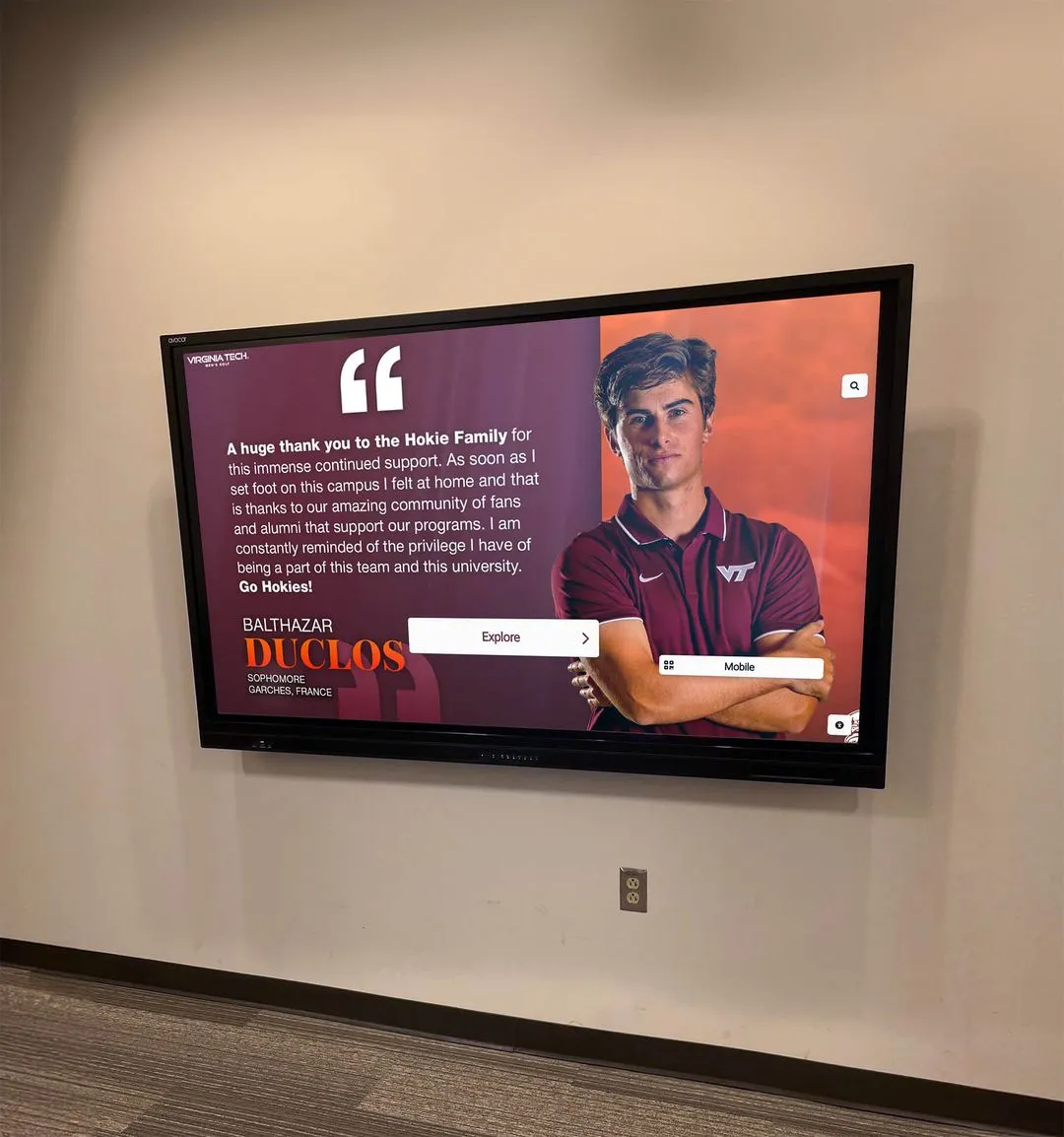
Digital kiosks preserve veteran testimonials and oral histories for ongoing educational access beyond single events
Military Family Perspectives Include perspectives from those who support service members:
- Military spouses discussing challenges and resilience
- Children of service members sharing experiences growing up in military families
- Gold Star families (those who lost service members) offering perspectives on sacrifice
- Active-duty families discussing current deployments and military life
- Veteran families explaining transition challenges from military to civilian life
Research and Documentation Projects
Student-led research creates lasting contributions while teaching research skills:
Veteran Biography Projects Students research and document individual service member stories:
- Interview veterans using prepared question protocols
- Research military records, newspaper archives, and historical documents
- Create biographical presentations or written profiles
- Submit profiles to institutional archives or digital memorial displays
- Present findings during Remembrance Day ceremonies or exhibitions
Archival Preservation Initiatives Develop institutional military history collections:
- Digitize historical documents, photos, and memorabilia
- Create finding aids organizing military-related materials
- Develop online exhibitions showcasing veteran connections
- Partner with local historical societies preserving community military history
- Build institutional knowledge about veterans associated with organization
Research projects transform students from passive observers into active participants preserving veteran stories for future generations.
Service Projects Supporting Veterans
Action-based programming demonstrates that remembrance includes supporting living veterans while honoring those who have passed:
Care Package and Support Programs
Tangible support initiatives connect communities to deployed service members and veterans:
Deployment Care Package Projects
- Coordinate with military support organizations connecting to deployed units
- Organize collection drives for appropriate items (check current military mail guidelines)
- Include letters, cards, and messages from students and community members
- Host packing events where participants assemble and prepare boxes
- Follow up with thank-you responses when available from recipients
Veterans Hospital and Support Initiatives Support programs serving veterans in need:
- Partner with VA hospitals and veterans centers
- Organize visits to veterans facilities (with appropriate protocols and permissions)
- Create holiday cards and seasonal greetings for isolated veterans
- Support veterans food banks and homeless veteran programs
- Participate in service dog fundraising supporting veteran therapy programs
Organizations should partner with established veterans service organizations ensuring support efforts meet actual needs and follow appropriate protocols.
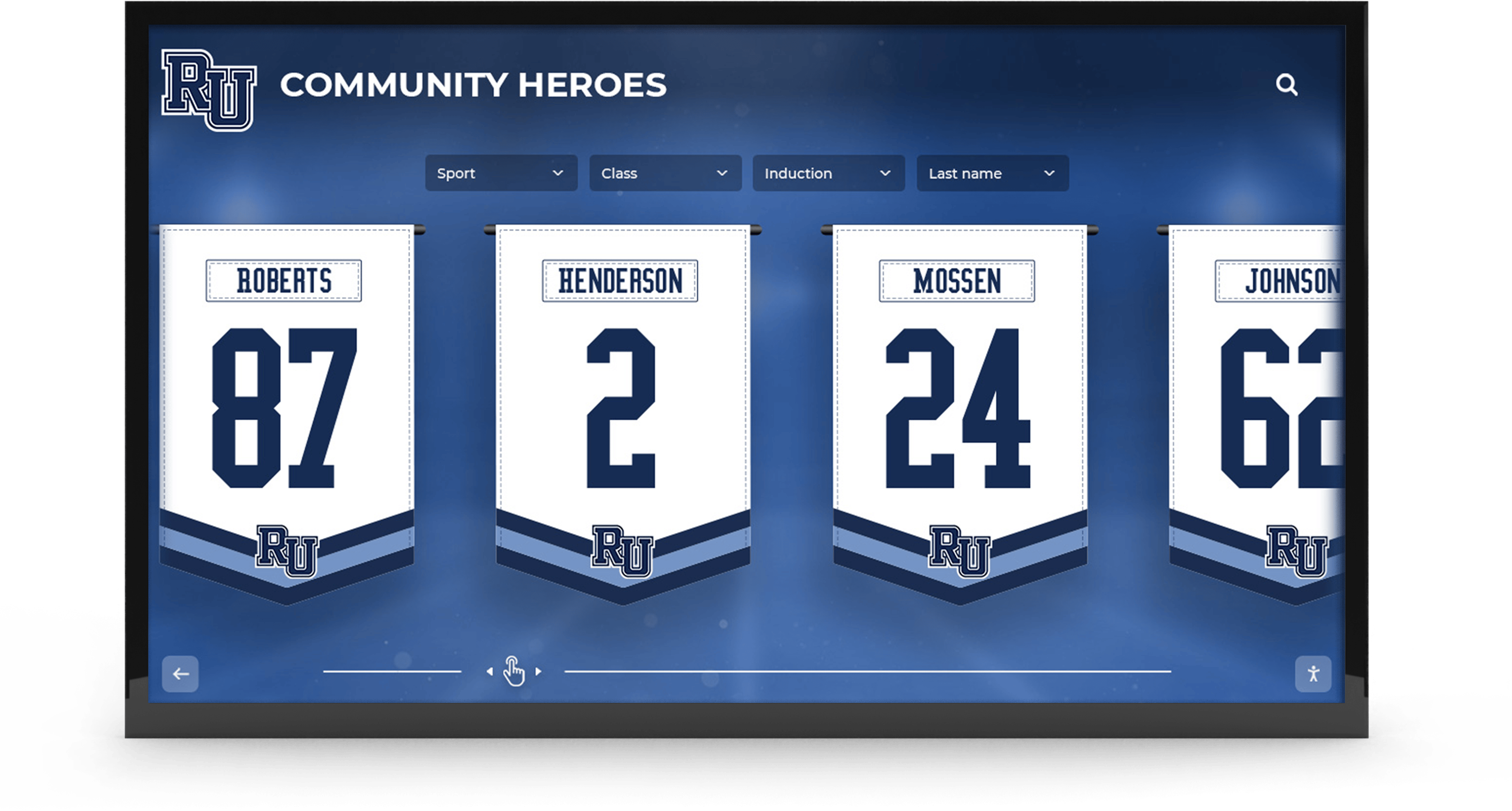
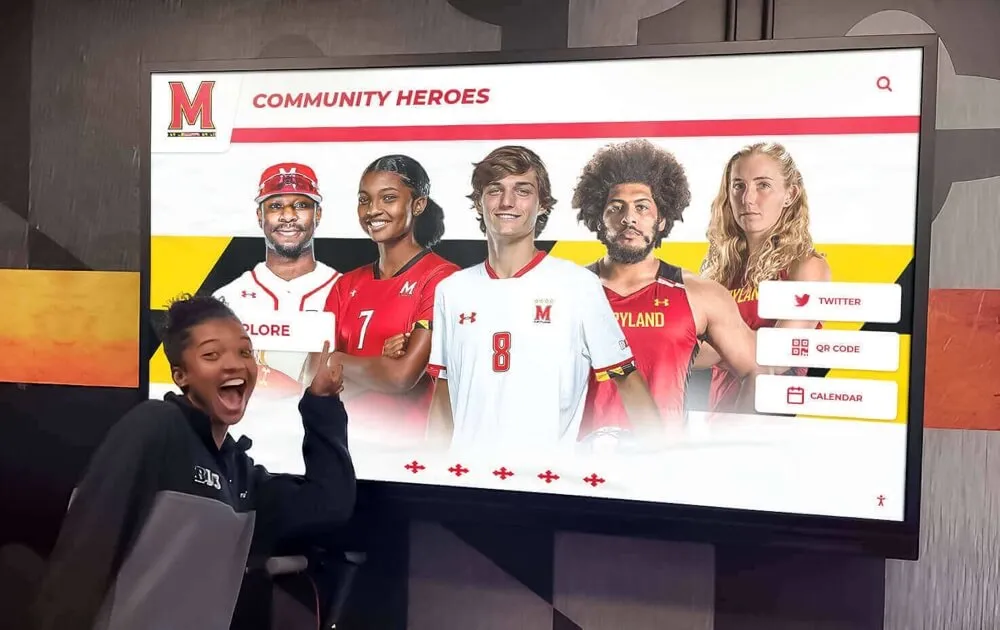
Community heroes displays can highlight veterans alongside other local leaders, demonstrating service as shared community value
Fundraising and Memorial Scholarship Programs
Financial support creates lasting impact honoring veteran sacrifice:
Memorial Scholarship Development
- Establish scholarships honoring specific fallen veterans or military service generally
- Target military family students or those pursuing military service
- Coordinate fundraising campaigns during Remembrance Day observances
- Create endowments providing perpetual scholarship support
- Publicly recognize scholarship recipients and donors connecting current students to veteran legacies
Veterans Organization Support Raise funds supporting local and national veterans programs:
- Poppy campaign participation with proceeds supporting veterans services
- Fundraising walks or runs benefiting veteran causes
- Special event fundraisers (concerts, dinners, auctions) with veteran themes
- Ongoing giving programs directing percentage of donations to veteran organizations
- Corporate matching programs doubling community contributions
Gold Star Family Support Organizations should particularly honor families who lost service members:
- Dedicated memorial scholarships in fallen heroes’ names
- Special recognition during all veterans events and observances
- Private family support and liaison services
- Anniversary recognition on significant dates meaningful to families
- Include fallen heroes prominently in all memorial displays
Community Service and Memorial Maintenance
Practical support maintains memorial spaces while teaching civic responsibility:
Memorial Site Maintenance
- Organize cleanup days at veterans cemeteries and memorial sites
- Plant and maintain memorial gardens honoring service members
- Place flags on veterans graves before Memorial Day and Remembrance Day
- Clean and maintain local war memorials ensuring dignified appearance
- Coordinate with municipal authorities supporting public memorial spaces
Veteran Support Activities Direct assistance programs helping veterans in need:
- Yard work and home maintenance for elderly or disabled veterans
- Technology assistance helping veterans with computers and devices
- Companionship programs reducing isolation among older veterans
- Transportation assistance to medical appointments and veterans services
- Connection to community resources and support programs
Service projects demonstrate that remembrance includes active support for living veterans while honoring those who made ultimate sacrifices.
Integrating Veterans Recognition with Existing Programs
Remembrance Day observance should complement broader institutional recognition systems rather than existing in isolation:
Athletic Program Integration
Many schools connect athletic traditions with military service recognition:
Veterans Recognition Games Designate specific athletic events for veterans acknowledgment:
- Pre-game or halftime military recognition ceremonies
- Color guard presentations by veterans organizations or ROTC
- Veterans honored as honorary team captains
- Reduced or complimentary admission for veterans and military families
- Branch-of-service uniform themes for teams or spectators
- Fundraising proceeds supporting veteran causes
Schools with comprehensive athletic recognition programs can integrate military service alongside athletic achievements in unified recognition systems.
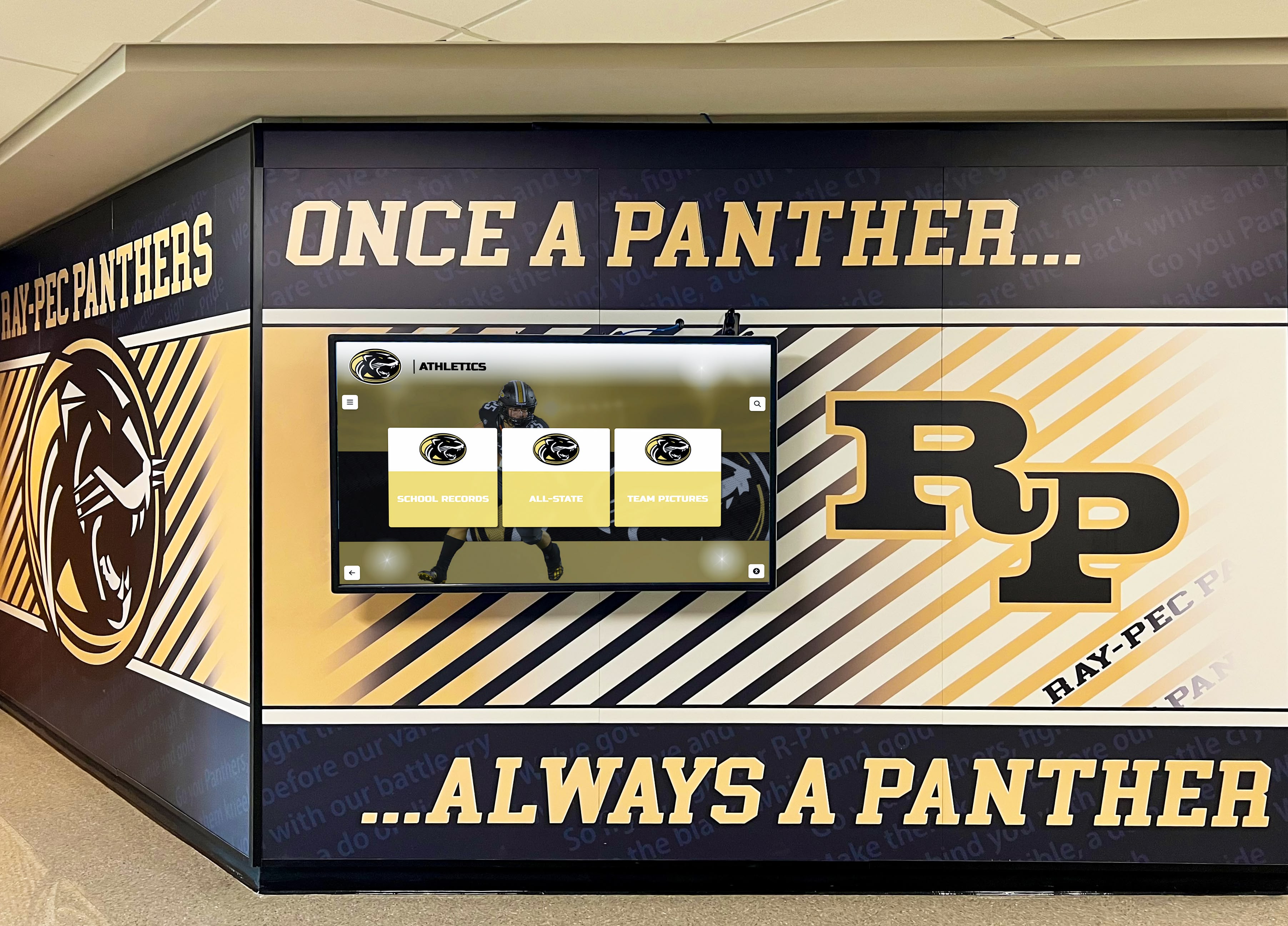
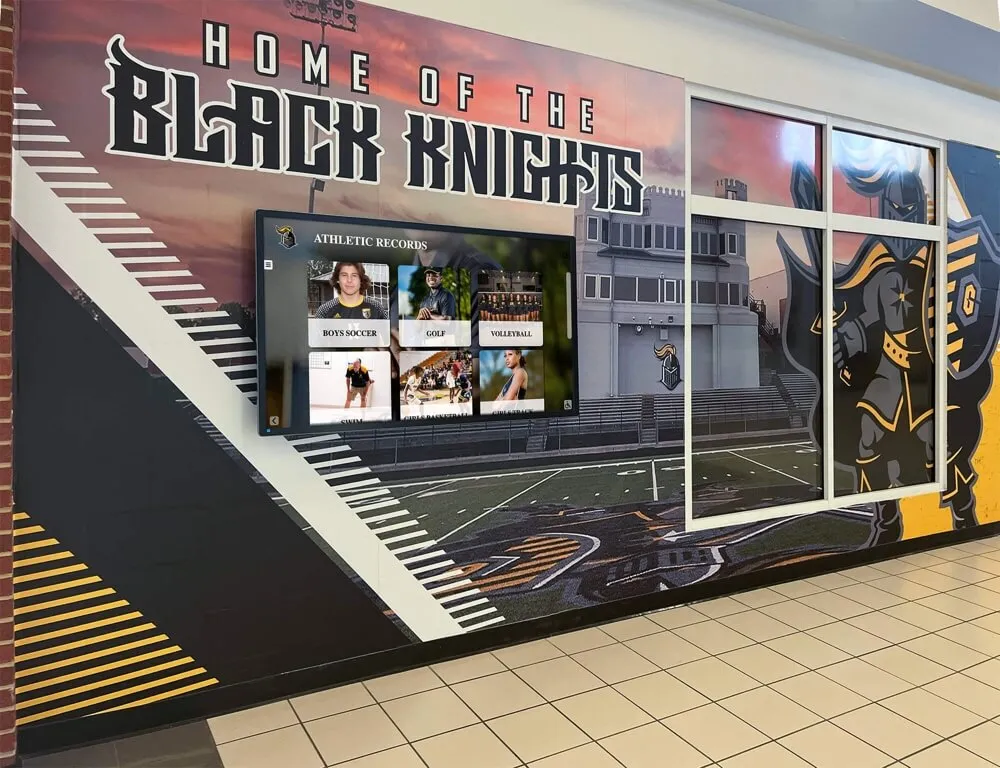
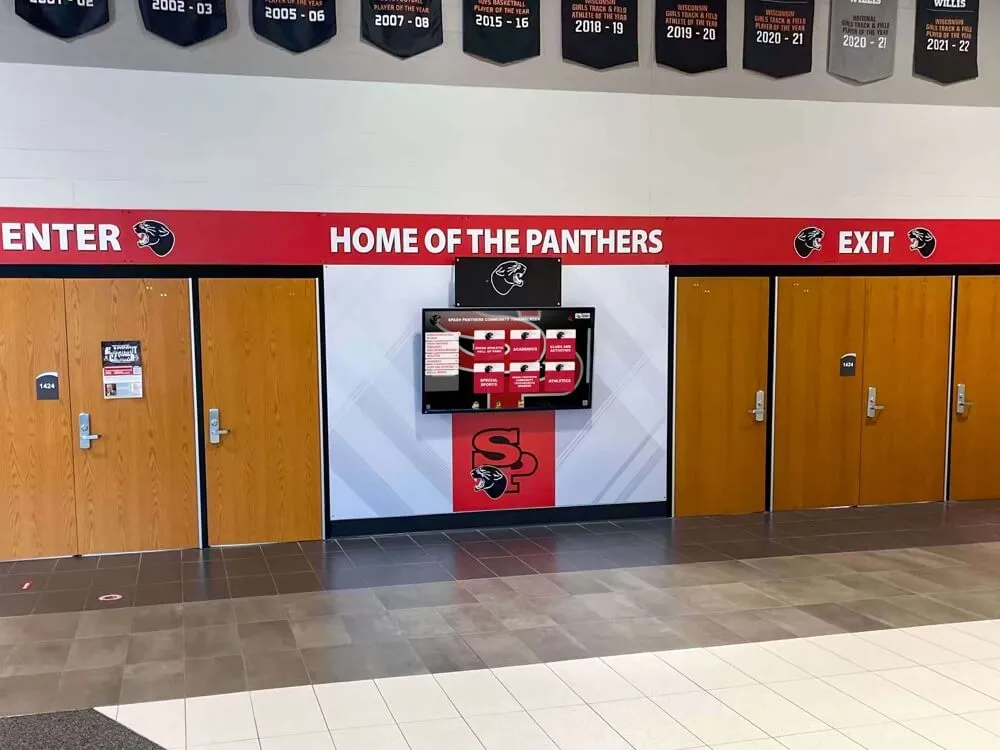
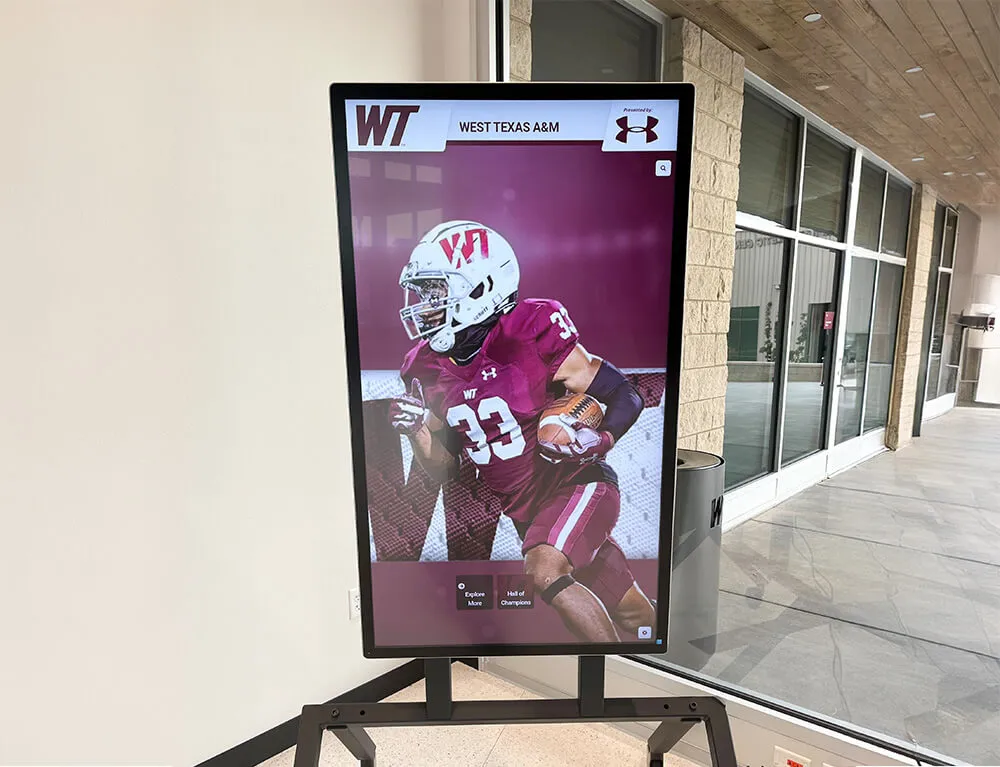
Athletic facilities provide natural locations for veterans recognition alongside sports achievements in unified community tribute systems
Military Academy and Service Recognition Celebrate students receiving military service academy appointments:
- Public announcement and signing day celebrations
- Recognition in athletic and academic displays
- Profile inclusion in student achievement recognition systems
- Alumni connections pairing service academy attendees with interested students
- Career pathway information for students considering military service
Alumni Relations Integration
Military service represents an important dimension of alumni achievement deserving systematic recognition:
Alumni Veterans Database Development
- Add military service fields to alumni information systems
- Document service branch, years of service, and rank
- Track service academy attendance and military careers
- Record military honors, decorations, and promotions
- Connect veteran alumni for networking and mentorship
Veterans Alumni Recognition Events
- Remembrance Day or Veterans Day alumni gatherings
- Military alumni panels during career programs and student events
- Special reunion events for veteran alumni
- Alumni veteran profiles in publications and communications
- Digital alumni recognition systems highlighting military service
Military Alumni Engagement Programs Veteran alumni offer unique perspectives valuable for current communities:
- Career day presentations about military service paths and opportunities
- Leadership development programs drawing on military experience
- Mentorship connecting veteran alumni with current military-interested students
- Service academy admission coaching from alumni who attended
- Deployment support connecting alumni service members with institutional communities
Digital Recognition Systems as Comprehensive Solution
Modern technology enables unprecedented veterans recognition capabilities while addressing limitations inherent in traditional memorial approaches.
Advantages of Digital Veterans Recognition
Digital platforms transform how schools and organizations honor service members:
Space Constraint Elimination Traditional memorials face physical limitations that digital systems overcome completely:
- Recognize unlimited veterans without exclusions forced by space limitations
- Provide comprehensive coverage across all conflicts and service eras
- Equal prominence for all branches and service types
- Detailed profiles impossible with static plaques or limited memorial space
- Historical expansion accommodating newly discovered veteran connections
Engaging Storytelling Capabilities Digital platforms tell veteran stories compellingly through multiple media:
- Photo galleries showing service members in uniform and throughout lives
- Video testimonials preserving veterans sharing experiences in their own words
- Service timeline visualizations documenting deployments and assignments
- Digital preservation of letters, documents, awards, and memorabilia
- Interactive maps showing deployment locations and unit movements
- Historical context displays connecting individual service to broader military history

Intuitive touchscreen interfaces enable visitors exploring veteran profiles, discovering stories that inspire understanding and appreciation
Family and Community Access Digital recognition extends beyond physical campus boundaries:
- Web-based memorial directories accessible to veterans and families worldwide
- Mobile responsive design for smartphone viewing
- Social sharing enabling families celebrating recognition with personal networks
- QR codes connecting physical memorial markers to expanded digital content
- 24/7 availability regardless of building access and operating hours
- Virtual ceremony integration displaying memorials during online events
Schools implementing comprehensive digital veterans recognition platforms create tribute systems that grow and evolve with their communities while preserving service member stories permanently.
Implementation Considerations
Successful digital veterans recognition requires strategic planning ensuring long-term sustainability:
Content Development Approach
- Begin with recent conflicts and veterans with readily available information
- Expand backward through historical research and family engagement
- Partner with veterans organizations for information assistance and validation
- Request submissions from veteran families and military-connected community members
- Create consistent profile templates ensuring quality and dignity
- Develop content guidelines respecting privacy and sensitivity
Hardware Placement Strategy
- Main entrance locations for maximum visibility to visitors
- Common areas and gathering spaces where students and members congregate
- Libraries and media centers for research access
- Administrative areas for community visitor viewing
- Athletic facilities connecting military and athletic service traditions
- Multiple locations if building size and budget permit
Ongoing Management Planning
- Designate staff responsible for content updates and system maintenance
- Create submission processes for new veteran additions and information updates
- Establish annual review schedules ensuring accuracy and completeness
- Plan for Remembrance Day, Veterans Day, and Memorial Day feature content
- Budget for technical support, software subscriptions, and equipment replacement
- Train multiple staff members ensuring continuity if primary administrator leaves
Organizations should view digital veterans recognition as long-term commitment requiring ongoing attention rather than one-time installation projects.
Measuring Recognition Program Impact
Assessment ensures Remembrance Day programs and veterans recognition achieve intended educational and community-building outcomes:
Qualitative Success Indicators
Observational and anecdotal evidence reveals program effectiveness:
Veteran and Family Feedback
- Survey military-connected families about recognition program awareness and satisfaction
- Gather testimonials about recognition’s meaning to veterans and families
- Document stories of positive impact from recognition and programming
- Track veteran family participation in events and programs
- Monitor veterans organizations’ assessment of institutional commitment
Educational and Cultural Observations
- Student attitude changes toward military service and veterans
- Increased understanding of military history and sacrifice among students
- Engagement levels during Remembrance Day ceremonies and programs
- Participation rates in veteran-related service projects and activities
- Quality of student work on veteran research and biography projects
Community Response Assessment
- Veterans organization feedback about partnerships and programs
- Media coverage of recognition programs and Remembrance Day observances
- Alumni veteran engagement with institutional recognition systems
- Community perception of organizational commitment to veterans
- Increased institutional visibility as veterans-supportive organization
Quantitative Metrics
Data provides objective program assessment complementing qualitative feedback:
Participation Data
- Attendance at Remembrance Day ceremonies and veterans events
- Number of veterans identified and recognized in memorial systems
- Student participation in veteran service projects and educational programs
- Care packages, letters, and support items contributed
- Volunteer hours dedicated to veterans support and memorial maintenance
- Fundraising totals for veteran causes and memorial scholarships
Recognition System Engagement
- Digital display interaction rates and session duration
- Web-based memorial platform usage statistics and visitor numbers
- Search queries revealing which veterans receive most interest
- Social media engagement with veterans recognition content
- Mobile access patterns from families and alumni
Regular assessment enables continuous improvement ensuring Remembrance Day programs and veterans recognition remain meaningful, impactful, and worthy of the service being honored.

Digital recognition systems provide engagement analytics demonstrating how communities interact with veteran memorial content
Beyond Remembrance Day: Year-Round Veterans Recognition
While November provides focused opportunity, veterans recognition should extend throughout the year demonstrating sustained commitment:
Additional Military Observances
Incorporate veterans recognition into multiple calendar events beyond Remembrance Day:
Veterans Day (November 11 - United States)
- Coordinate programming with Remembrance Day for dual observance
- Major recognition events honoring all who served
- Veterans assemblies with community and family invitation
- Educational activities teaching about different military service eras
- Recognition of veteran family members and alumni
Memorial Day (Last Monday in May)
- Solemn observances specifically honoring fallen service members
- Cemetery visits placing flags on veterans graves
- Wreath-laying ceremonies at memorials
- Reading of honor rolls listing those who died in service
- Educational distinction between Memorial Day and broader veterans observances
Armed Forces Day (Third Saturday in May - United States)
- Recognition of all military branches and current service members
- Displays highlighting branch histories, specialties, and contributions
- Career information for students interested in military service
- Community partnership events with nearby military installations
Smaller recognition activities tied to military observances throughout the year create sustained visibility demonstrating that veterans appreciation extends beyond single annual events.
Embedding Veterans Recognition in Organizational Culture
Lasting impact comes from systematic integration making veterans recognition part of institutional identity:
Curriculum Integration
- Military service examples in character education programs
- Service learning projects supporting veteran causes
- Career exploration including military service options
- Literature selections including veteran authors and military themes
- History instruction emphasizing service member experiences in all conflicts
Facility Design and Naming
- Memorial gardens and reflection spaces dedicated to veterans
- Building or facility naming honoring local service members
- Hallway displays highlighting military history and service
- Classroom naming programs honoring fallen heroes
- Integration of veterans themes in architecture and campus design
Comprehensive recognition systems should include military service alongside academic, athletic, and community achievements demonstrating that service defines institutional values.
Conclusion: Creating Lasting Veterans Recognition
Remembrance Day provides schools and organizations with focused opportunity to honor veterans and service members, but the most effective programs extend recognition throughout the year and across generations. When institutions systematically celebrate military service—from permanent memorial displays to educational programs and ongoing support for veterans—they create environments where sacrifice is honored, service is valued, and veteran communities feel genuinely appreciated.
The Remembrance Day ideas explored in this guide provide comprehensive frameworks for building recognition systems that honor diverse service experiences while remaining sustainable, meaningful, and aligned with educational missions. From interactive digital displays that preserve service member stories across generations to community partnerships connecting current students with veteran experiences, these approaches transform Remembrance Day from single-day observance to systematic recognition woven throughout organizational culture.
Honor Veterans with Lasting Recognition
Discover how modern digital recognition platforms create permanent veterans tributes that preserve service member stories, engage communities with interactive displays, and provide unlimited capacity to honor all who served. Solutions like Rocket Alumni Solutions eliminate space constraints while creating touchscreen experiences that bring military service to life for current and future generations.
Explore Veterans Recognition SolutionsDigital recognition technology particularly transforms veterans memorials by eliminating the space constraints that historically forced impossible decisions about which service members to recognize. Where traditional memorials can list only limited names on physical plaques, digital platforms showcase unlimited veterans with comprehensive profiles, photos, service histories, and personal stories. This technological advancement ensures every veteran receives appropriate recognition regardless of when they served or how many community members have military connections.
Building effective veterans recognition requires moving beyond limiting assumptions about memorial possibilities and embracing systems that honor all service comprehensively. Start with recognition programs you can implement immediately during Remembrance Day observances, then systematically expand to create year-round visibility and support for veterans and their families.
Every veteran who receives meaningful recognition for their service develops stronger connection to your organization. Military-connected families who see their loved ones honored feel valued and appreciated. And all community members benefit from understanding service, sacrifice, and citizenship that veterans recognition provides.
Your veteran community deserves recognition equal to the sacrifice they made in service to their country. With thoughtful planning, appropriate technology such as solutions like Rocket Alumni Solutions, and consistent implementation, you can create veterans recognition systems that honor every service member while building the supportive, appreciative culture where sacrifice is never forgotten and service is celebrated for generations to come.