



The buzzer sounds milliseconds after the moderator finishes reading the question. A nervous junior from your school leans into the microphone: “The Battle of Hastings, 1066.” Correct. Her teammates erupt in restrained celebration—quiet enough not to disrupt the match, loud enough to show the pride coursing through them. This is quiz bowl, one of the most intellectually demanding yet underrecognized academic competitions in American schools.
While Friday night football games pack stadiums and basketball championships fill gymnasiums, quiz bowl teams often compete in quiet classrooms or libraries, their victories known only to a handful of dedicated coaches, parents, and teammates. These academic athletes spend hours studying literature, science, history, mathematics, and current events, training their minds with the same dedication athletic teams bring to physical conditioning. Yet when championship season ends, their trophies often disappear into closets while athletic achievements dominate school trophy cases.
This comprehensive guide explores the world of quiz bowl—its format, competitive structure, and educational value—then examines how forward-thinking schools celebrate these academic champions with the same visibility and enthusiasm reserved for athletic accomplishments. Whether you’re a coach building program recognition, an administrator seeking better academic celebration strategies, or a parent advocating for your student’s intellectual achievements, these insights help quiz bowl teams receive the prominence their dedication deserves.
Quiz bowl represents the intersection of academic excellence, competitive spirit, and collaborative teamwork. Students who excel in these competitions demonstrate not just knowledge breadth, but the quick thinking, composure under pressure, and strategic reasoning that define intellectual leadership.

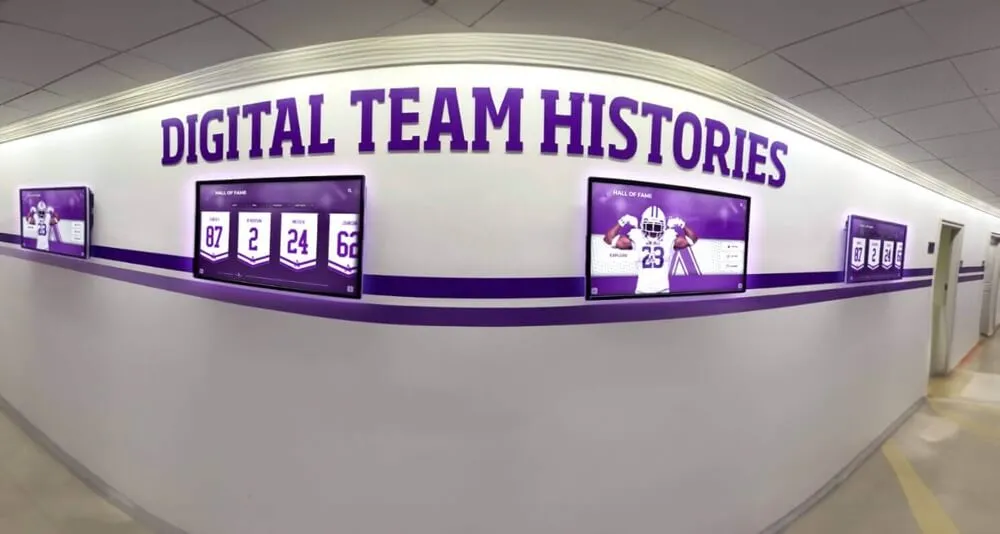
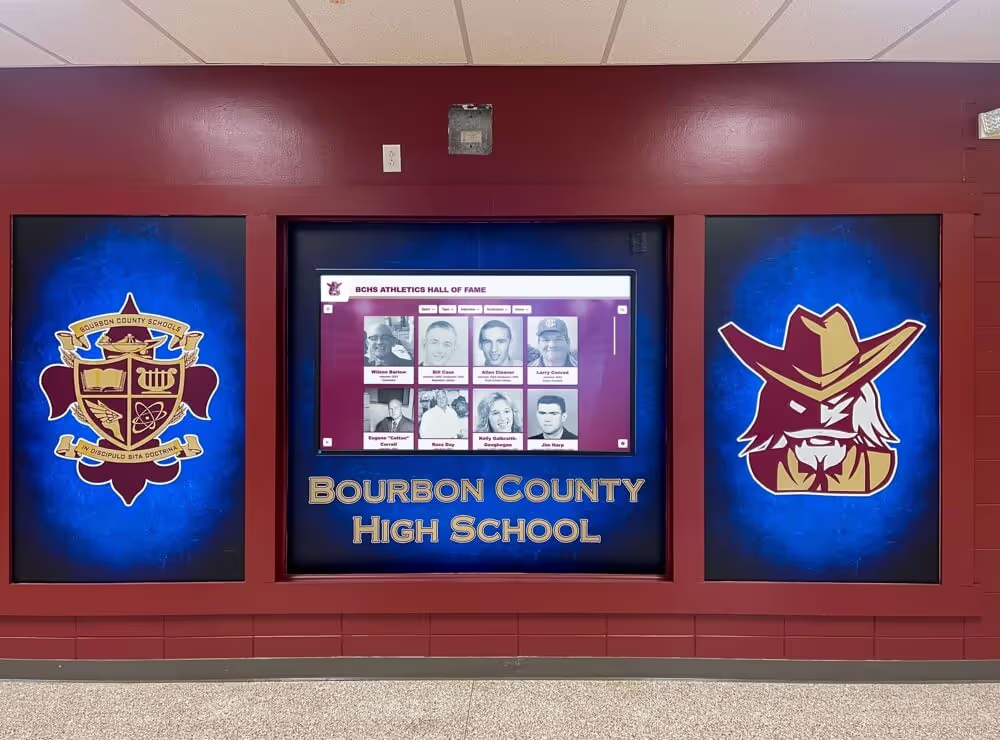
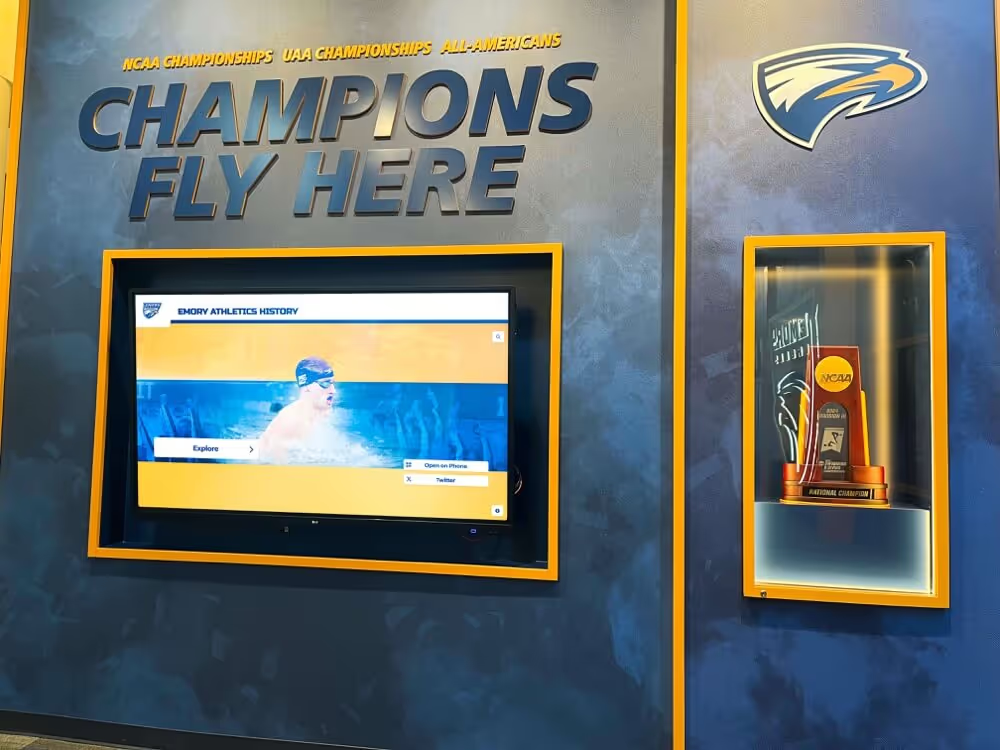
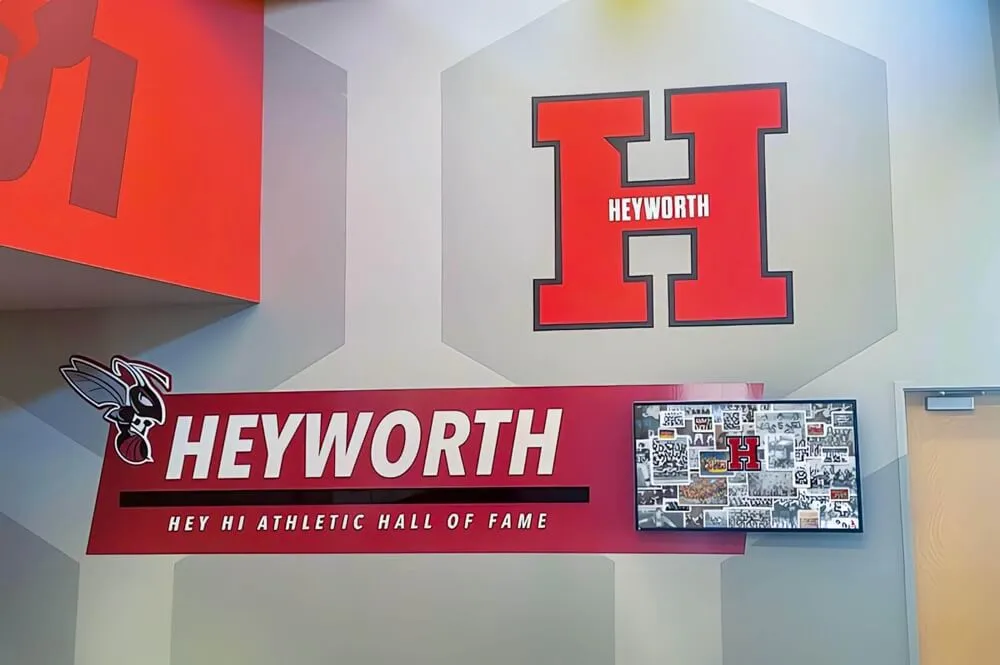
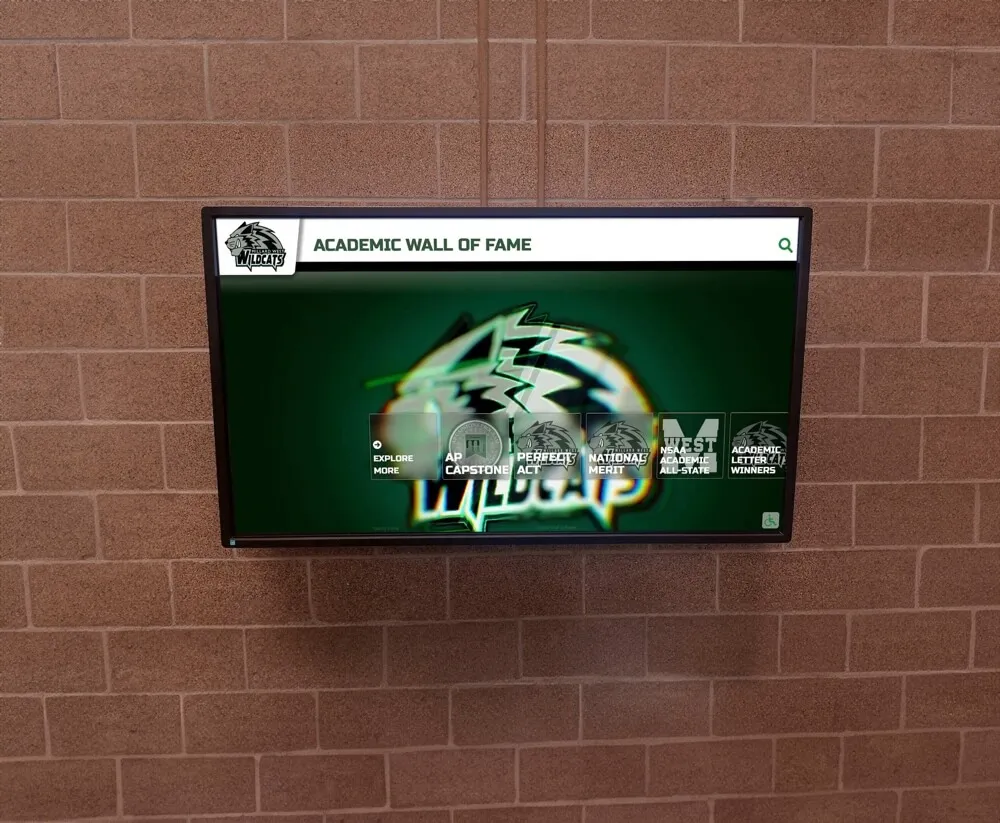
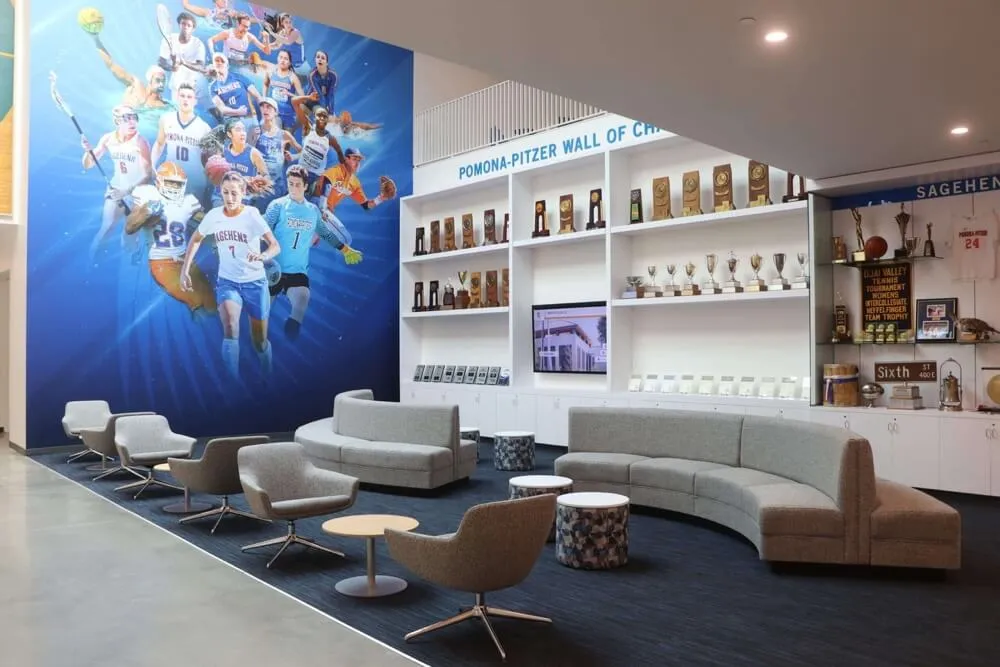
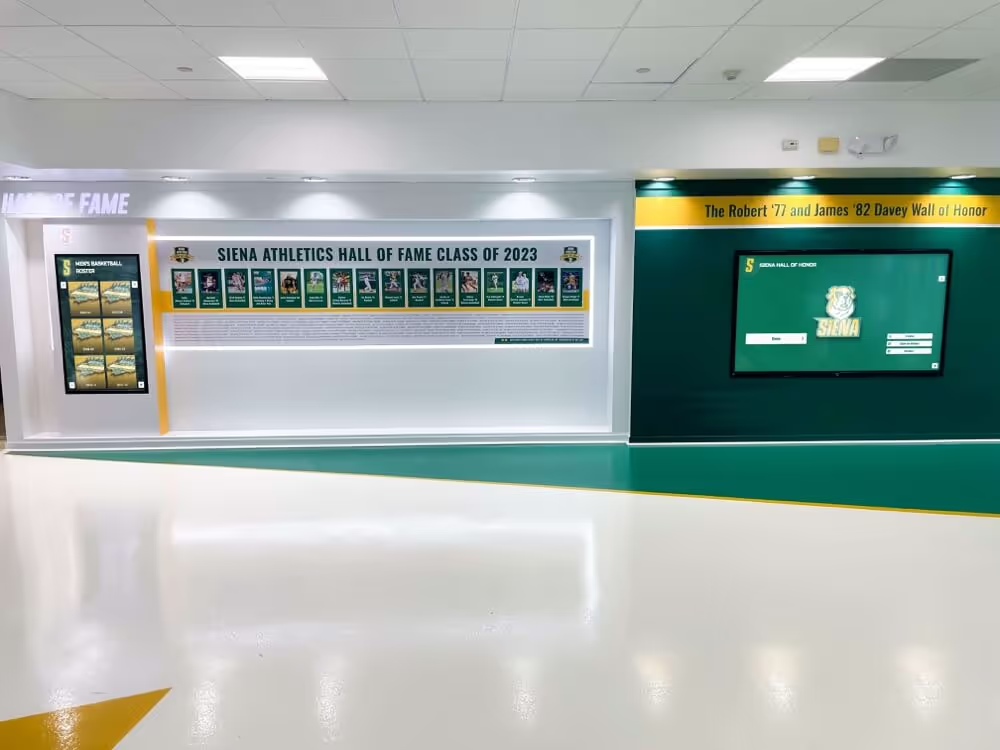
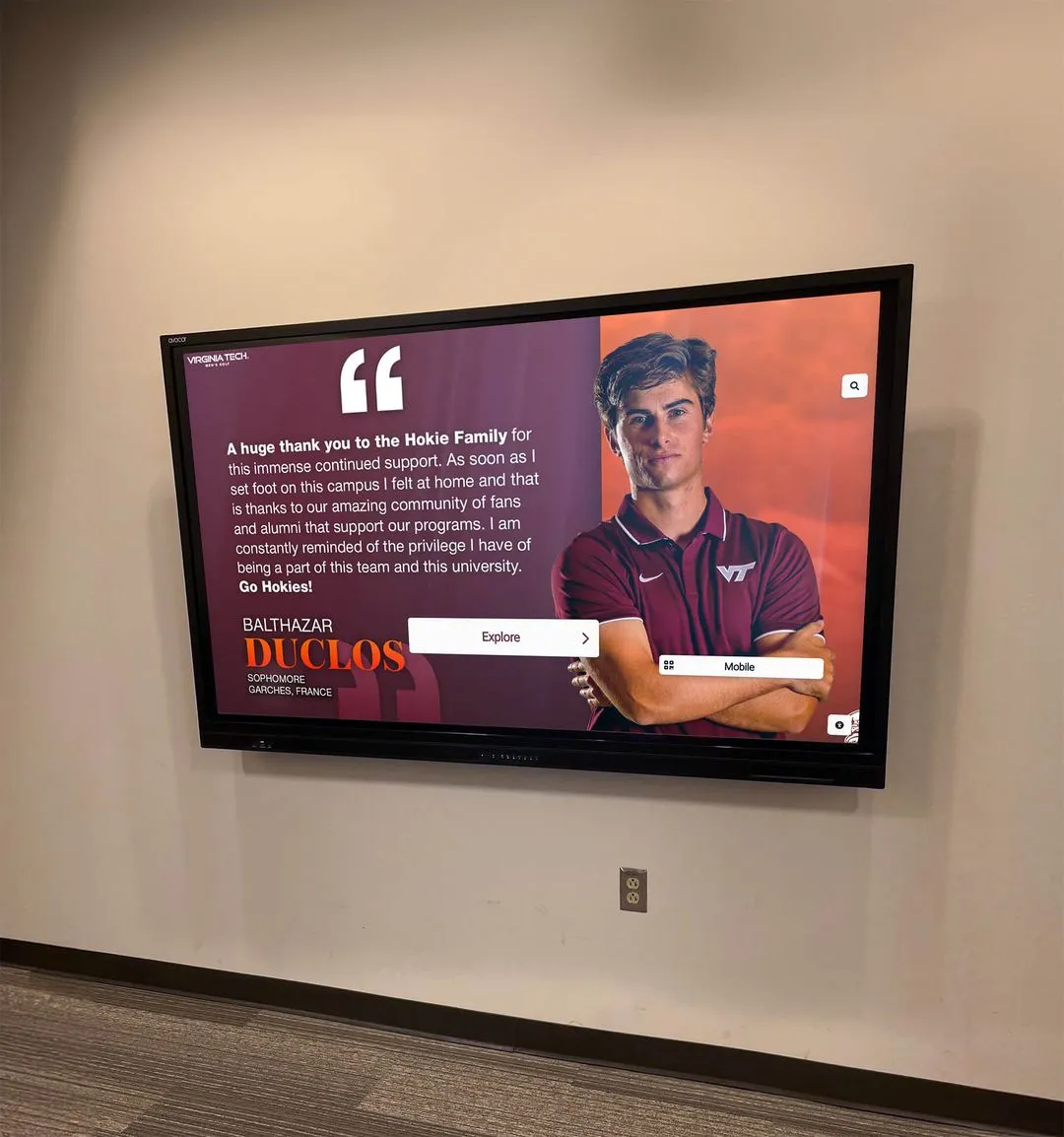
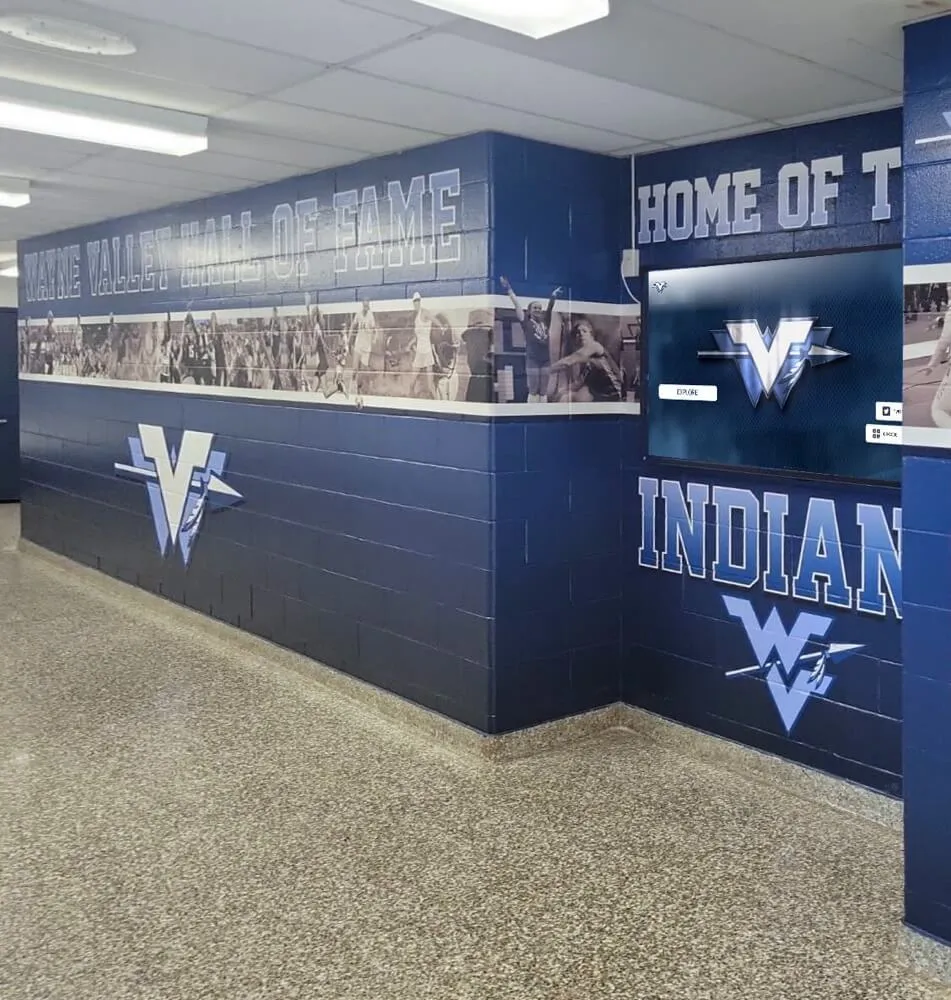
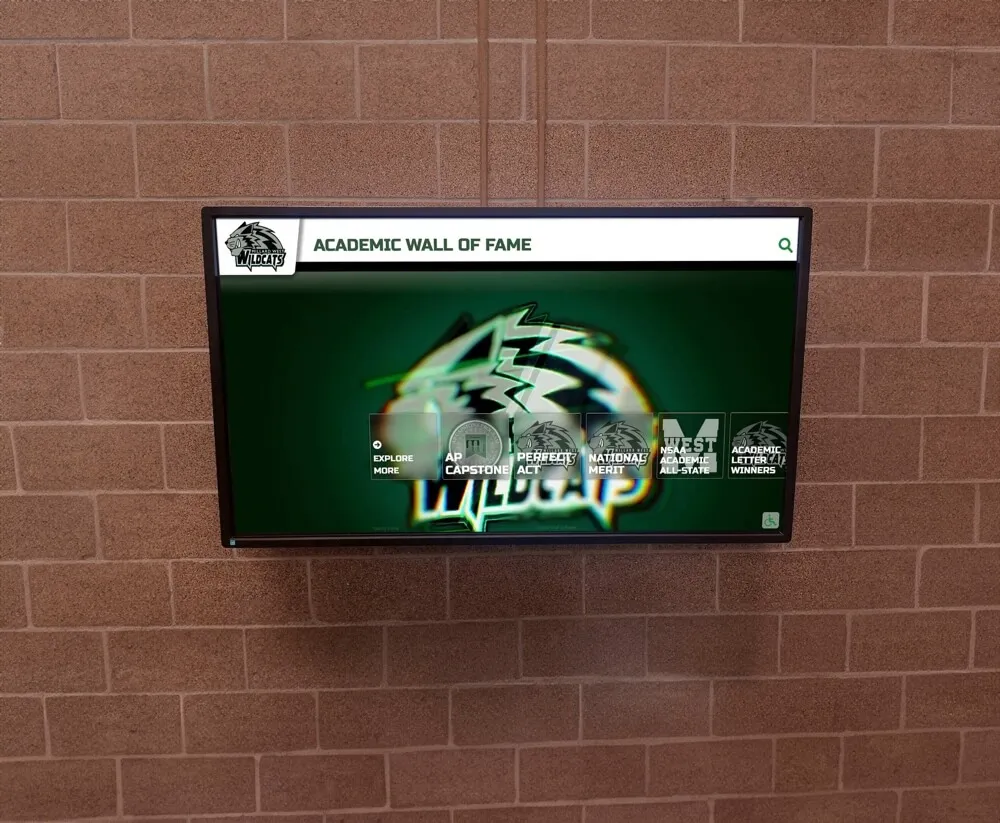
Digital academic recognition displays showcase quiz bowl achievements prominently, elevating intellectual competition to the same visibility as athletic success
What Is Quiz Bowl? Understanding the Competition Format
Before exploring recognition strategies, understanding quiz bowl’s structure and appeal helps schools appreciate why this competition deserves prominent celebration.
The Basic Competition Structure
How Quiz Bowl Works Quiz bowl (also called scholar bowl, academic bowl, or knowledge bowl in various regions) follows a standardized question-and-answer format:
- Teams of four players compete head-to-head against opposing schools
- A moderator reads questions aloud from prepared packets
- Players buzz in when they know the answer
- Correct answers earn points; incorrect answers may result in penalties
- Matches consist of tossup questions (individual) and bonus questions (team collaboration)
- Games typically last 20-30 minutes with 20-25 questions per match
- Highest cumulative score wins the match
Tossup vs. Bonus Questions The two question types test different skills:
- Tossup questions: Read to both teams simultaneously, any player can buzz in at any time during the reading, answering correctly earns 10-15 points and a bonus question opportunity
- Bonus questions: Only the team that answered the tossup correctly hears these, team members collaborate (conferring allowed), usually three-part questions worth 30 total points
This structure rewards both individual knowledge breadth and team collaboration, creating competitions that value diverse intellectual strengths.
Question Categories and Content Areas
Comprehensive Knowledge Requirements Quiz bowl questions span extraordinary breadth:
Literature and Arts
- American, British, and world literature
- Poetry, novels, drama, and short stories
- Classical mythology and folklore
- Visual arts (painting, sculpture, architecture)
- Music history and theory
- Film and popular culture
Science and Mathematics
- Biology, chemistry, physics, earth science
- Astronomy and space exploration
- Mathematics (algebra, geometry, calculus, number theory)
- Computer science and technology
- Scientific history and notable scientists
History and Social Sciences
- American history from colonial period through present
- European history and world civilizations
- Geography (physical and political)
- Government, civics, and political science
- Economics and social studies
- Current events and contemporary issues
Philosophy, Religion, and Thought
- Western and Eastern philosophy
- World religions and religious texts
- Social movements and intellectual history
- Language and linguistics
Schools developing comprehensive academic recognition programs celebrate these diverse knowledge domains equally.
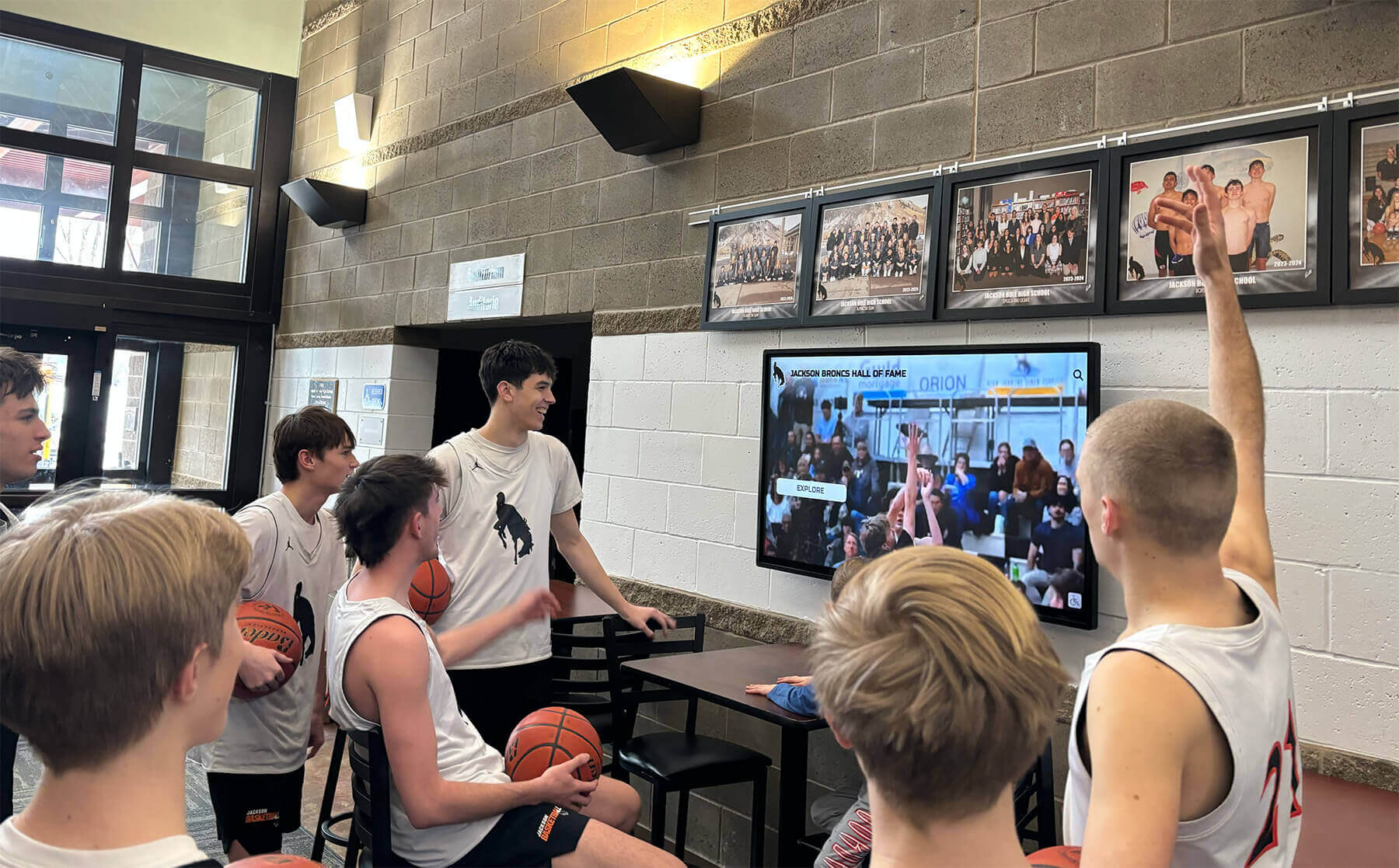
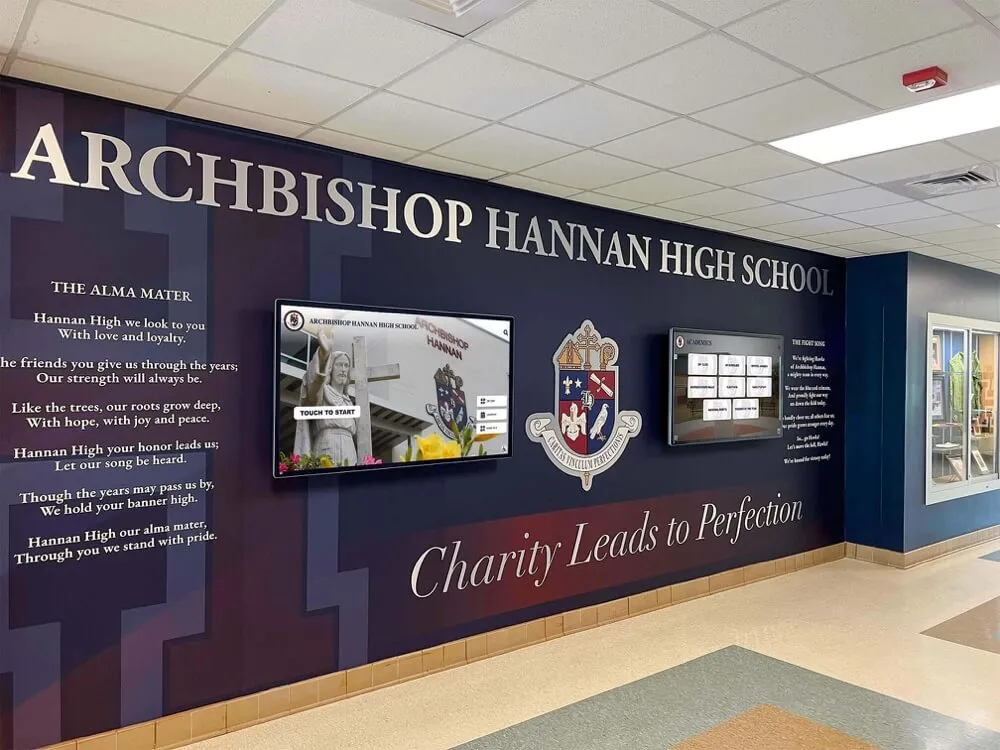
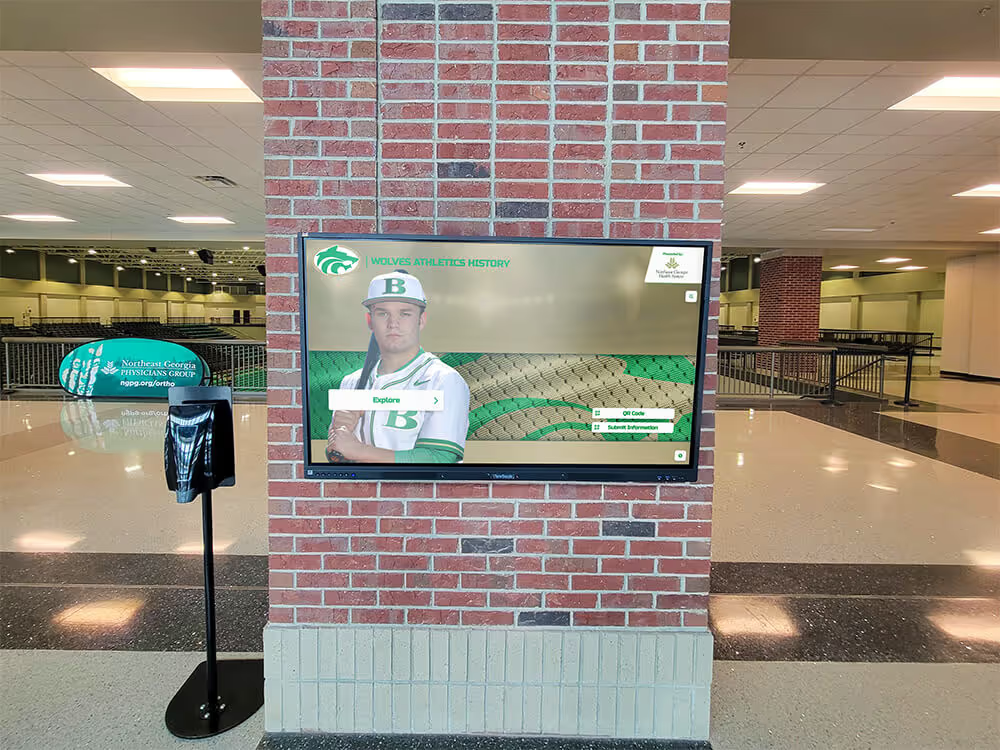
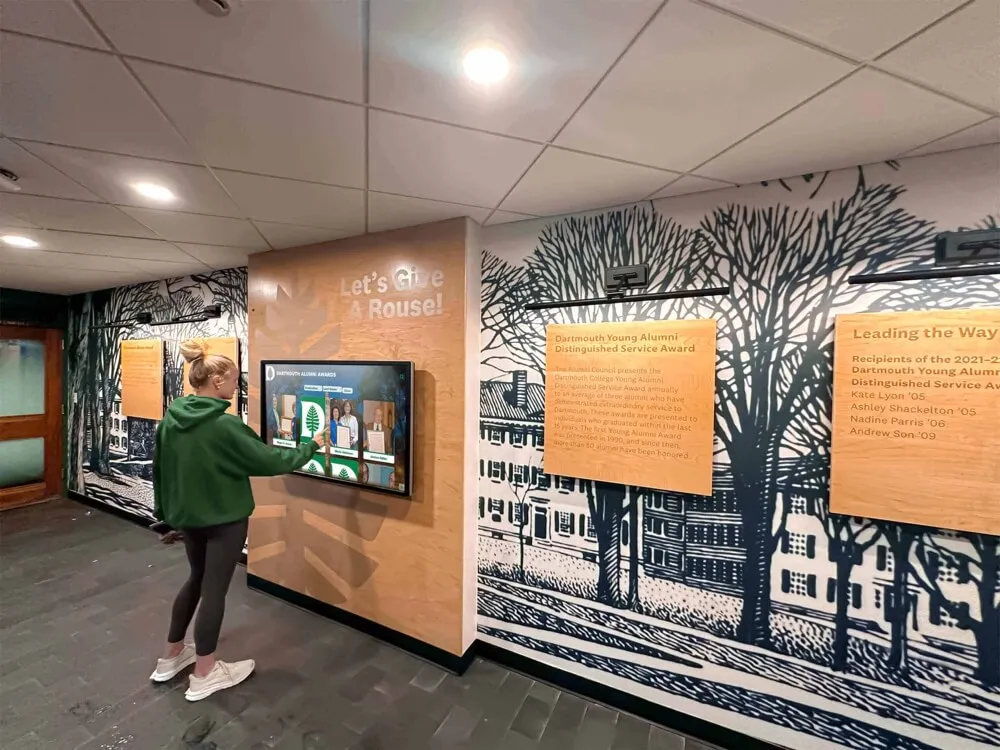
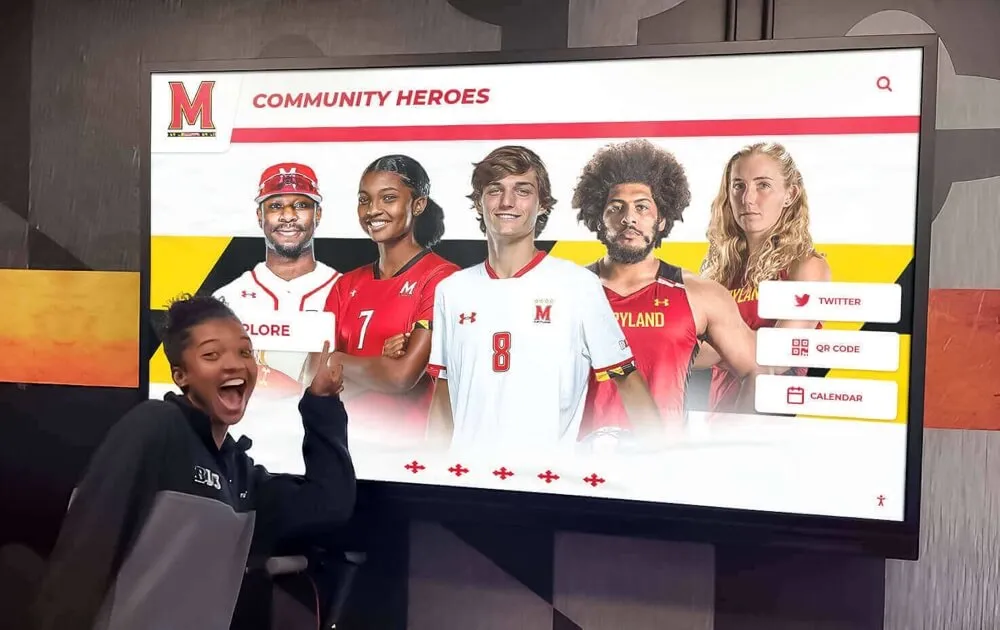
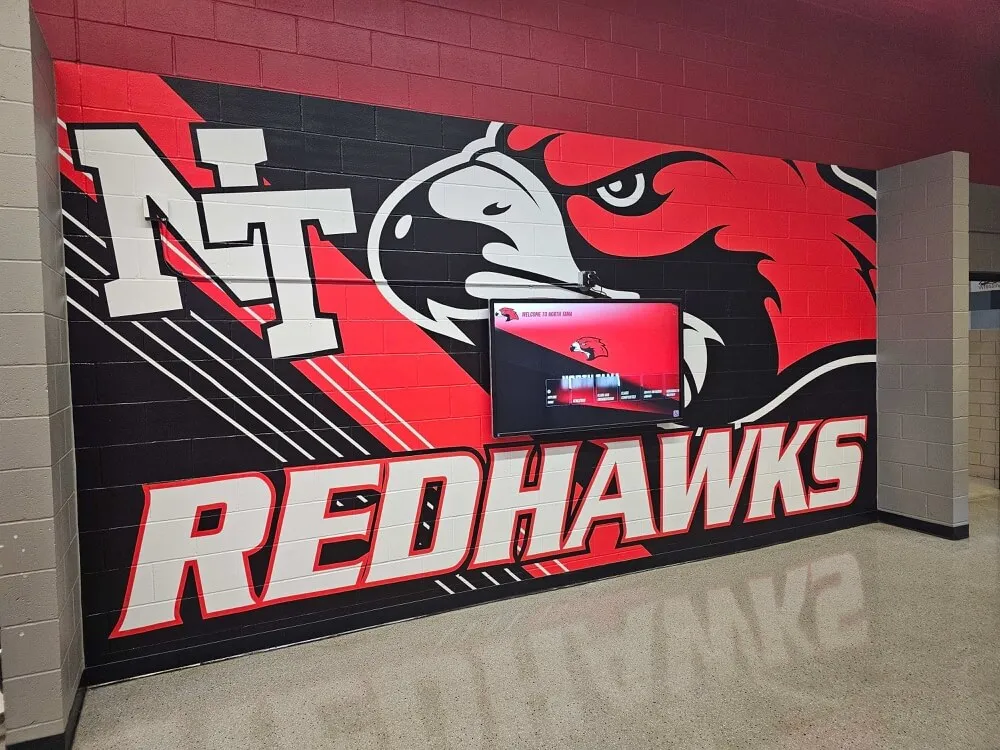
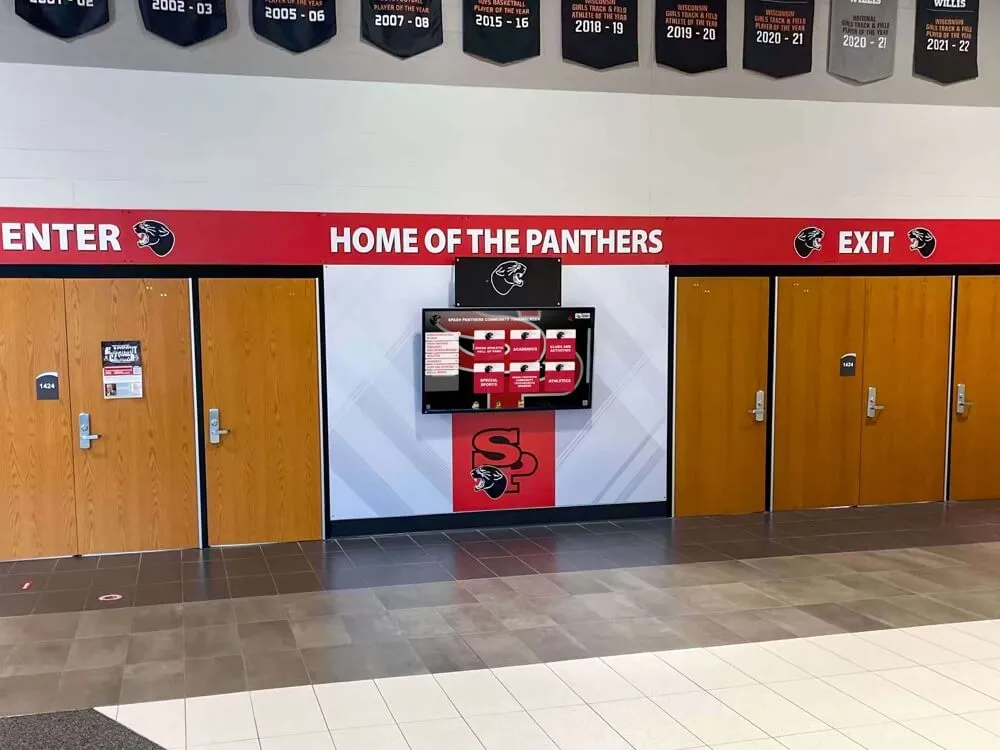
Interactive displays engage students with achievement recognition, creating moments of pride for both athletic and academic accomplishments
The History and Evolution of Quiz Bowl
Understanding quiz bowl’s development provides context for its educational significance and competitive legitimacy.
Origins and Early Development
From Radio to Schools Quiz bowl evolved from mid-20th century broadcast quiz shows:
- Radio and television quiz programs popularized question-answer competition formats in the 1940s-1950s
- College Bowl, launched in 1953, brought academic competition to higher education
- High school programs emerged in the 1960s and 1970s, modeling college formats
- Regional variations developed different names (scholar bowl, academic bowl, knowledge bowl)
- National standardization efforts began in the 1980s-1990s
The Modern Era Contemporary quiz bowl reflects decades of refinement:
- National organizations like NAQT (National Academic Quiz Tournaments) and PACE (Partnership for Academic Competition Excellence) established standardized formats and question writing standards
- Online question databases and practice resources democratized team preparation
- Specialized summer training programs and tournaments expanded competitive opportunities
- Recognition as a legitimate academic activity with state association sanctioning in many regions
Quiz Bowl vs. Academic Decathlon and Other Competitions
Distinctive Competition Characteristics While several academic competitions exist, quiz bowl offers unique features:
Quiz Bowl Characteristics
- Immediate buzzer-based gameplay requiring quick recall
- Head-to-head team competition format
- Oral response with no written components
- Questions across all subject areas within single matches
- Team size typically four players with substitutions allowed
Academic Decathlon Differences
- Written tests in specific subject areas
- Individual scoring with team aggregate
- Structured study curriculum and resources
- Speech, interview, and essay components
- Division structure based on student GPA ranges
Science Olympiad Distinctions
- Event-based competition with hands-on demonstrations
- Building projects and laboratory activities
- Partner teams for specific events
- Specialized study focusing on science and engineering
Schools implementing diverse academic award categories recognize that students excel across different academic competition formats.
Building a Competitive Quiz Bowl Program
Successful quiz bowl teams don’t emerge spontaneously—they require intentional program development and sustained commitment.
Recruitment and Team Formation
Finding Academic Athletes Building strong teams starts with identifying students who combine knowledge with competitive drive:
Ideal Candidate Characteristics
- Broad reading habits across multiple subjects
- Strong grades indicating knowledge retention
- Interest in trivia, general knowledge, or specific academic areas
- Competitive personality comfortable with timed pressure
- Collaborative mindset valuing team success
- Commitment to regular practice and tournament participation
Recruitment Strategies
- Presentations in honors classes and advanced academic courses
- Teacher recommendations identifying strong students
- Freshman orientation activities showcasing quiz bowl
- Social media and morning announcement promotions
- Exhibition matches demonstrating competition excitement
- Alumni team members sharing their experiences
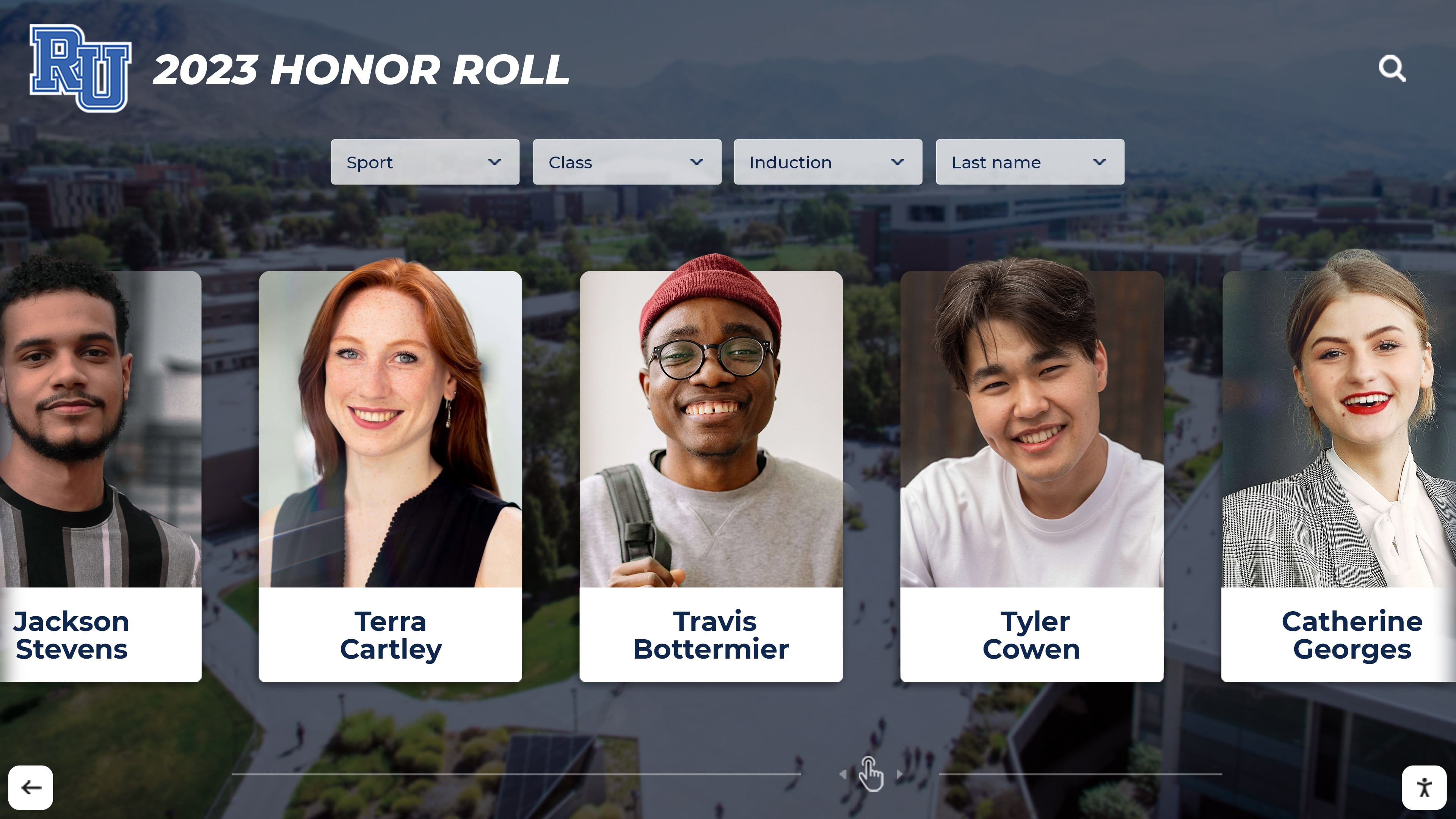
Individual student recognition cards celebrate academic achievements, providing personal acknowledgment that motivates continued excellence
Practice and Preparation Methods
Developing Competitive Excellence Consistent practice transforms knowledge into competition-ready skills:
Regular Practice Sessions
- 2-3 weekly practice meetings during competitive season
- Simulated matches using question packets from previous tournaments
- Subject-area focused practice developing knowledge depth
- Buzzer timing drills improving reaction speed
- Team strategy discussions optimizing player positioning
Individual Study Approaches
- Reading broadly across subject areas not covered in coursework
- Using online quiz bowl databases for self-testing
- Creating subject-specific flashcard systems
- Watching documentary films and educational videos
- Studying previous tournament questions identifying common topics
Coaching and Program Leadership
The Quiz Bowl Coach’s Role Effective coaches provide structure, motivation, and strategic guidance:
Essential Coaching Responsibilities
- Securing practice space and buzzer equipment
- Registering teams for invitational tournaments and state competitions
- Arranging transportation to competitions
- Managing team finances and fundraising efforts
- Developing practice plans balancing various subject areas
- Providing constructive feedback on performance
- Building team culture emphasizing learning over just winning
Schools exploring recognition for senior night celebrations can adapt athletic traditions for academic team seniors.
The Competitive Season and Tournament Structure
Quiz bowl competitions follow hierarchical structures from local invitationals through national championships.
Regular Season Tournaments
Invitational Competitions The competitive calendar includes various tournament opportunities:
Local and Regional Invitationals
- Hosted by schools throughout the competitive season (typically October-March)
- Teams compete in preliminary rounds followed by playoff brackets
- Various difficulty levels accommodate different team experience
- Entry fees typically $50-150 per team
- Opportunities to face diverse competition and gain experience
Conference or League Competitions
- Regular-season matches against geographic rivals
- Season-long standings determining conference champions
- Home-and-away formats or centralized competition sites
- Automatic qualification for state tournaments in some regions
State and National Championships
Championship Competition Pathways Top teams advance through qualifying structures:
State Championship Tournaments
- End-of-season culminating competitions
- Qualification requirements vary by state (winning conference, regional placement, or open entry)
- Often sanctioned by state high school athletic/activities associations
- Recognition comparable to state athletic championships
- Media coverage and community attention in many regions
National Tournament Opportunities Elite teams compete at premier events:
- NAQT High School National Championship Tournament (HSNCT)
- Partnership for Academic Competition Excellence (PACE) National Scholastic Championship
- Invitation-based tournaments for top-ranked teams
- Held in various cities with teams from across the country
- Significant recognition and college recruiting visibility
Programs implementing digital record boards can track quiz bowl statistics and championships alongside athletic achievements.
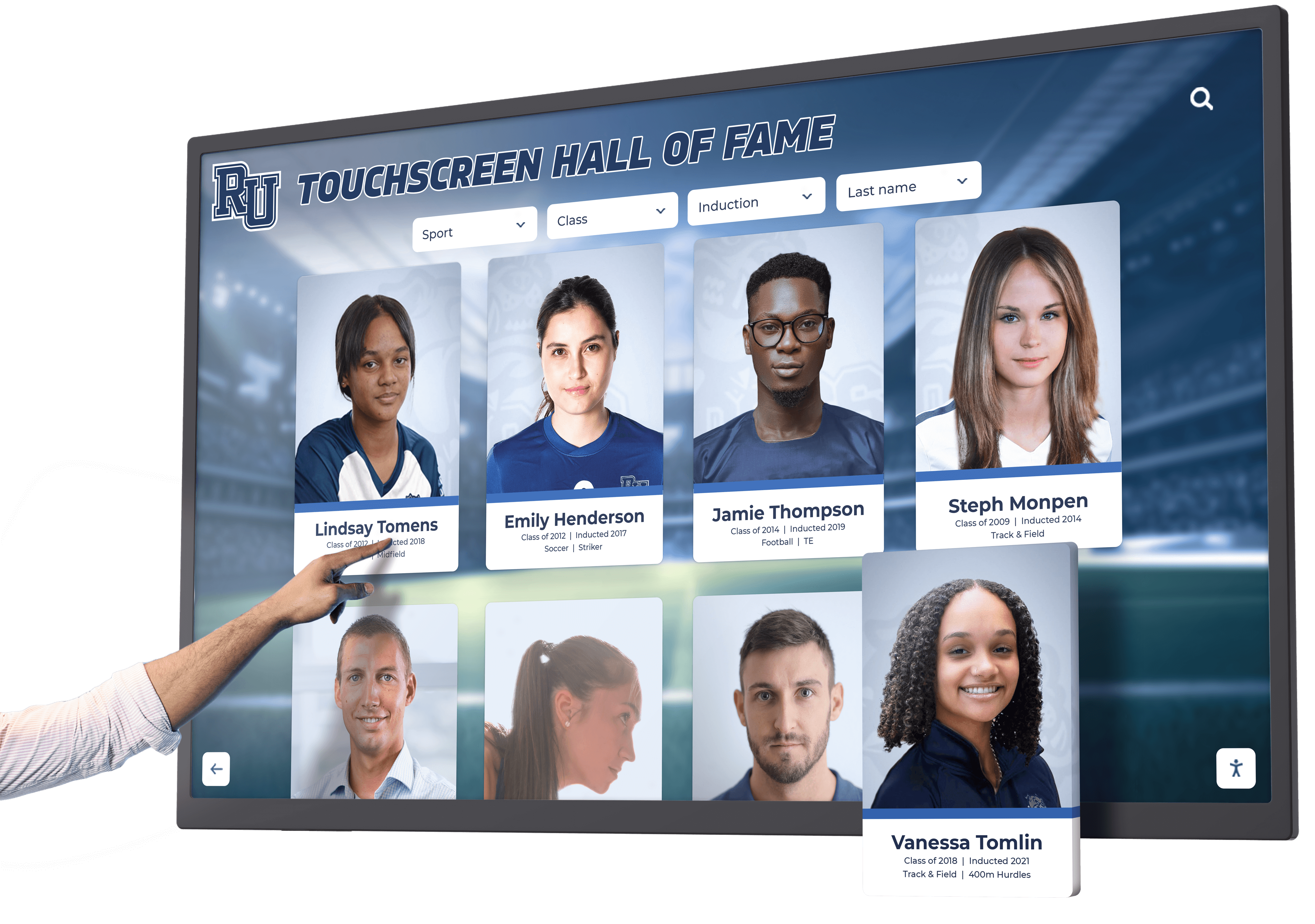
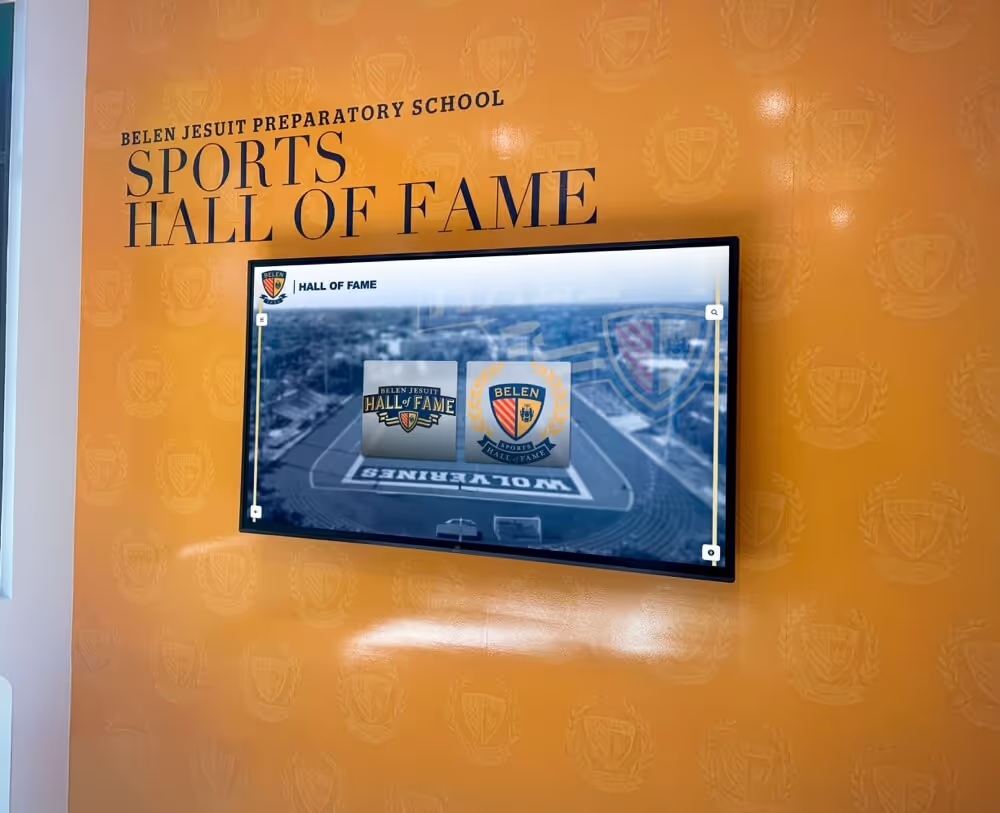
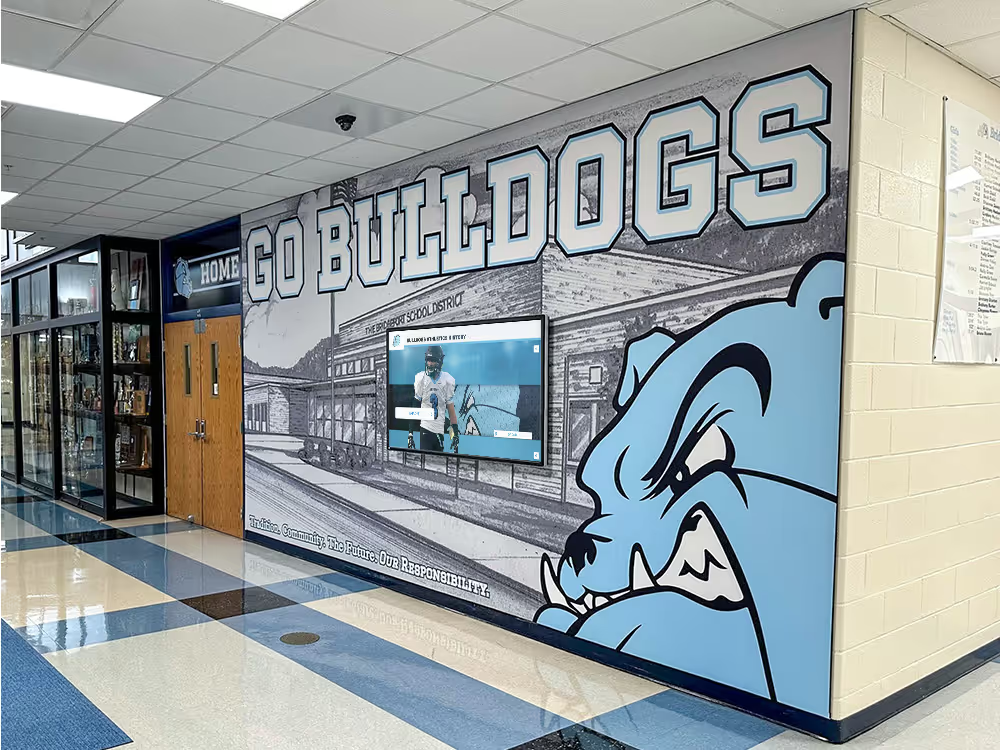
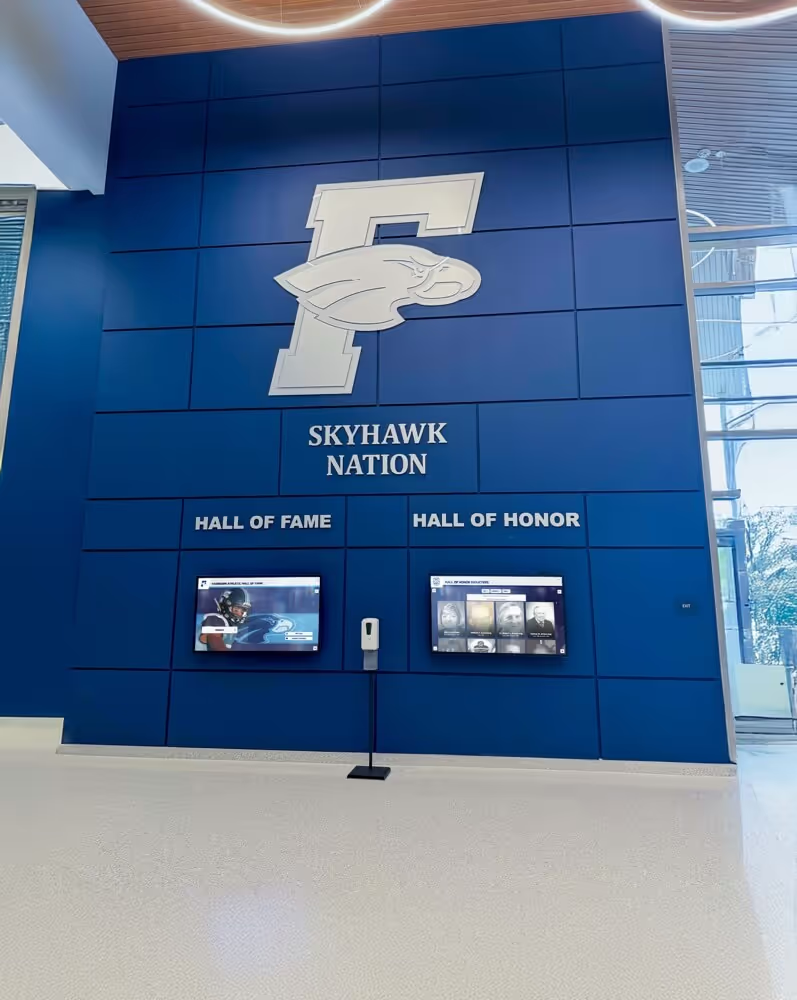
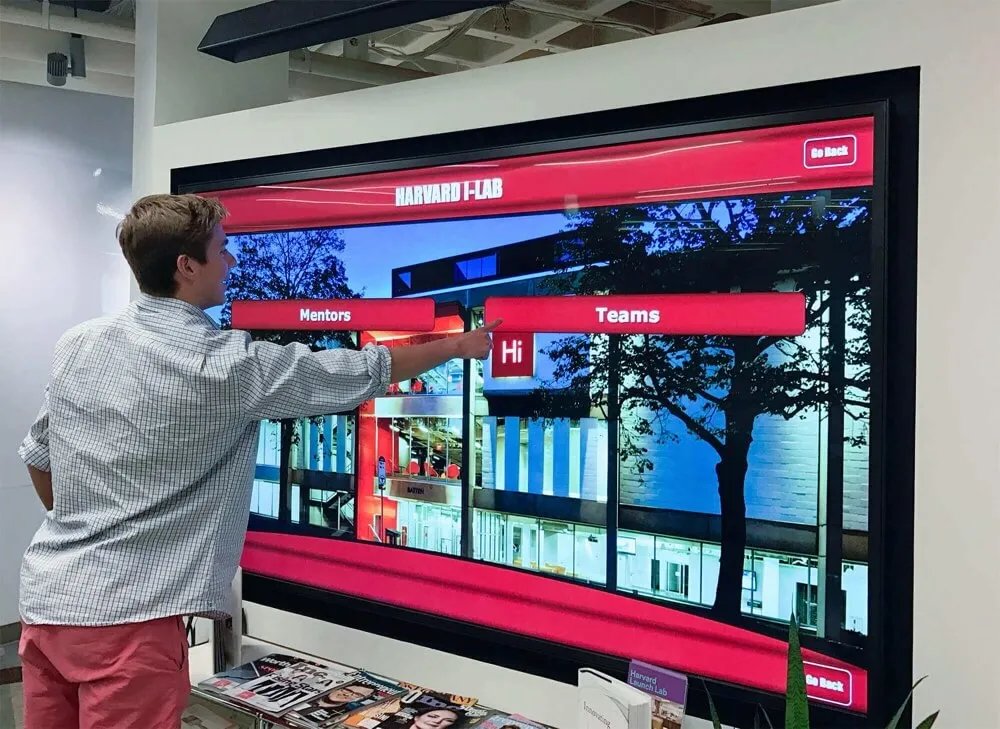
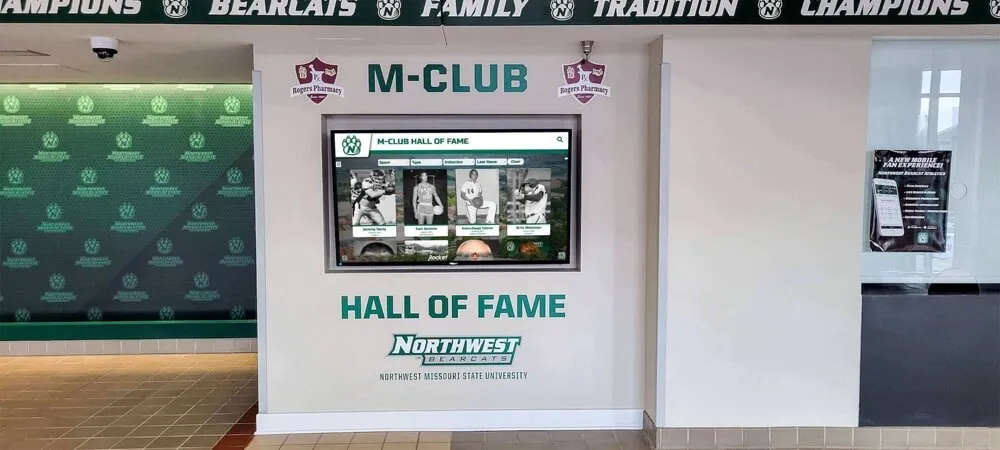
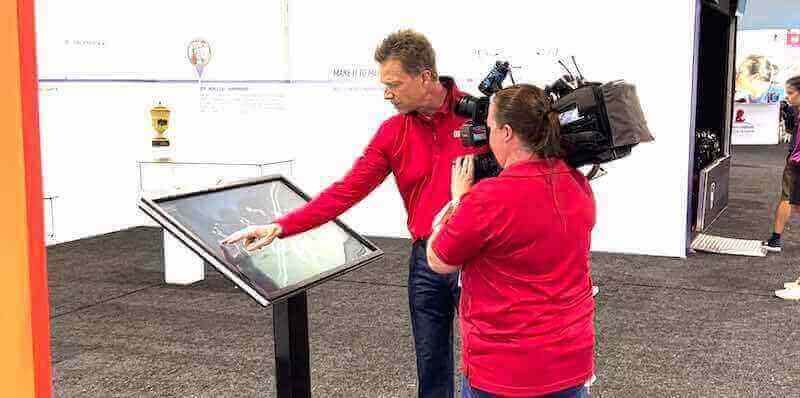
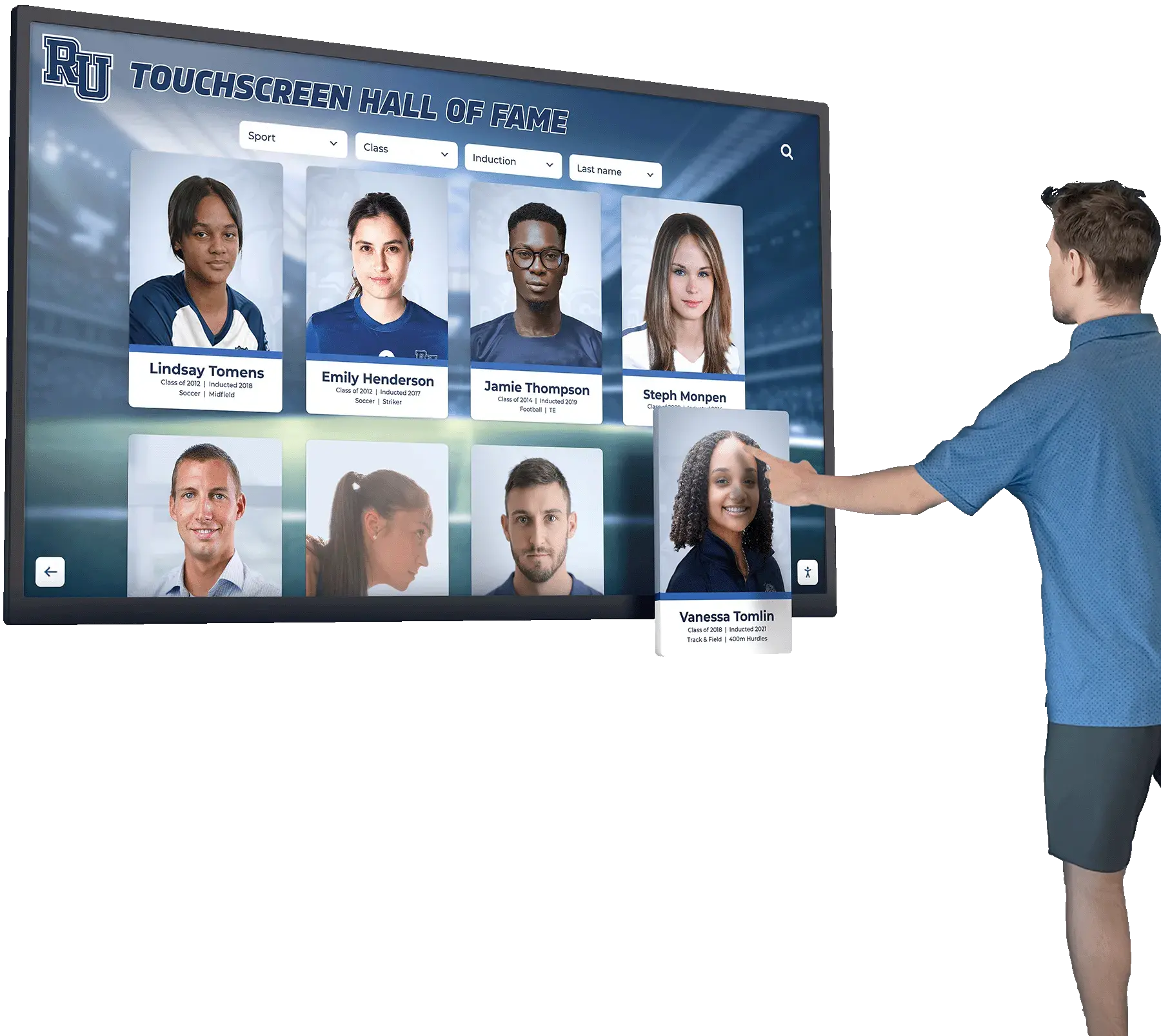
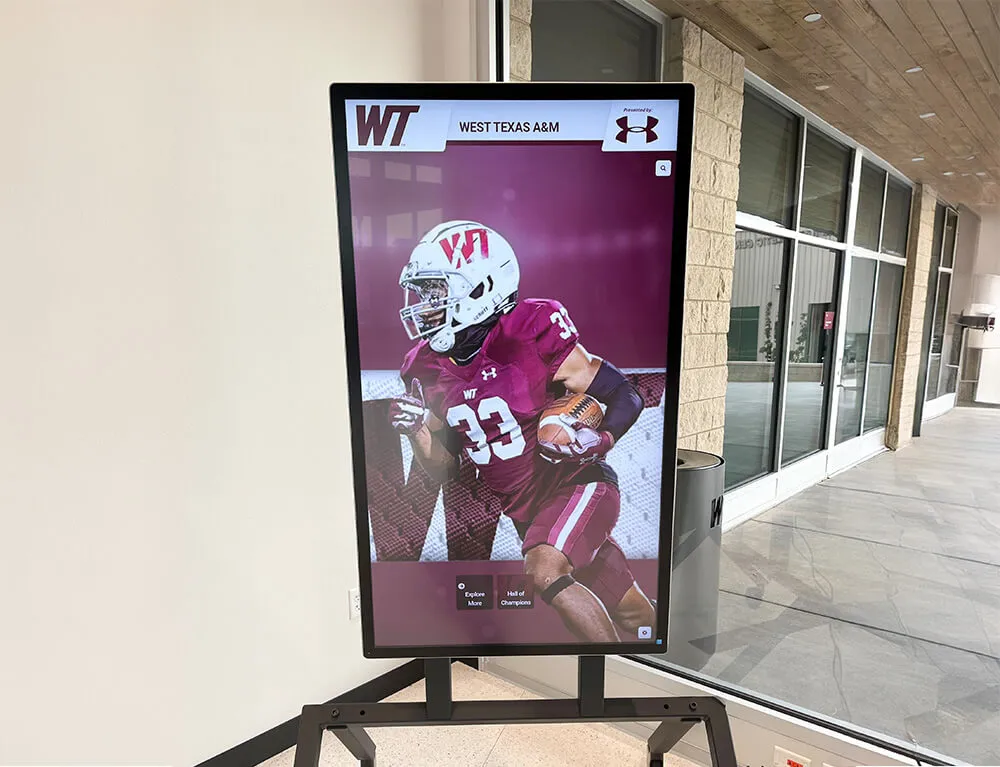
Touchscreen interaction allows visitors to explore comprehensive achievement databases, engaging with both athletic and academic excellence
Why Quiz Bowl Matters: Educational and Personal Benefits
Beyond competitive excitement, quiz bowl participation provides substantial developmental advantages.
Academic Skill Development
Cognitive Benefits Quiz bowl training enhances multiple intellectual capabilities:
Knowledge Breadth and Retention
- Exposure to subjects beyond standard curriculum
- Connection-making across disciplines
- Long-term retention through repeated engagement
- Development of cultural literacy and general knowledge
- Appreciation for learning beyond test preparation
Critical Thinking and Reasoning
- Quick information processing under time pressure
- Pattern recognition identifying question clues
- Strategic decision-making about when to buzz
- Evaluation of partial information to make educated guesses
- Meta-cognitive awareness of personal knowledge strengths and weaknesses
Information Processing Speed Regular quiz bowl practice literally trains faster cognitive processing. Students develop the ability to:
- Parse complex questions identifying key clues quickly
- Access stored knowledge rapidly under pressure
- Make split-second decisions about answer confidence
- Recover quickly from errors and refocus on subsequent questions
Social and Emotional Growth
Interpersonal Development Team-based competition builds valuable personal skills:
Collaboration and Communication
- Working together during bonus question conferences
- Supporting teammates through difficult matches
- Celebrating individual contributions to team success
- Constructive feedback exchange improving performance
- Building friendships around shared intellectual interests
Resilience and Sportsmanship
- Handling defeat gracefully after tough losses
- Maintaining composure when answering incorrectly
- Congratulating opponents after hard-fought matches
- Persisting through challenging practice sessions
- Balancing confidence with intellectual humility
College and Career Advantages
Long-Term Benefits Quiz bowl participation provides tangible advantages:
College Application Enhancement
- Demonstrated commitment to academic excellence
- Leadership opportunities as team captain
- State and national championship recognition
- Unique extracurricular distinguishing applications
- Evidence of intellectual curiosity beyond grades
Scholarship Opportunities Some colleges offer specific scholarships for quiz bowl participants, while many more value the demonstrated academic commitment during holistic admissions review.
Schools highlighting academic achievement alongside athletic success create balanced recognition cultures valuing diverse excellence.
Recognizing Quiz Bowl Achievements: Beyond the Classroom
The intellectual dedication quiz bowl requires deserves recognition matching the prominence given athletic accomplishments.
Traditional Recognition Approaches
School Assembly Acknowledgments Basic recognition includes public acknowledgment:
- Announcement of tournament results during school assemblies
- Recognition of state championship teams or tournament victories
- Introduction of team members and coaches
- Brief explanation of quiz bowl format for broader student body
- Paralleling athletic team recognition during assembly programs
Yearbook and Media Coverage Documentation preserving achievements:
- Team photographs in yearbook academic sections
- Season summary highlights noting significant victories
- Individual senior recognition for multi-year participants
- Local newspaper coverage of championship achievements
- Social media posts celebrating tournament successes
Academic Trophy Case Integration
Physical Trophy Display Quiz bowl trophies deserve prominent placement:
Trophy Case Inclusion Strategies
- Dedicated academic achievement section within trophy cases
- Integration of quiz bowl trophies alongside athletic championships
- Accompanying team photographs and competition details
- Championship plaques noting tournament names, dates, and team members
- Historical achievement preservation showing program development over years
Many schools inadvertently communicate that intellectual achievements matter less than physical ones by relegating academic trophies to administrative offices or library shelves while athletic trophies dominate main lobby displays. Intentional integration sends powerful messages about institutional values.
Schools examining trophy case display approaches discover creative strategies for balancing athletic and academic recognition.
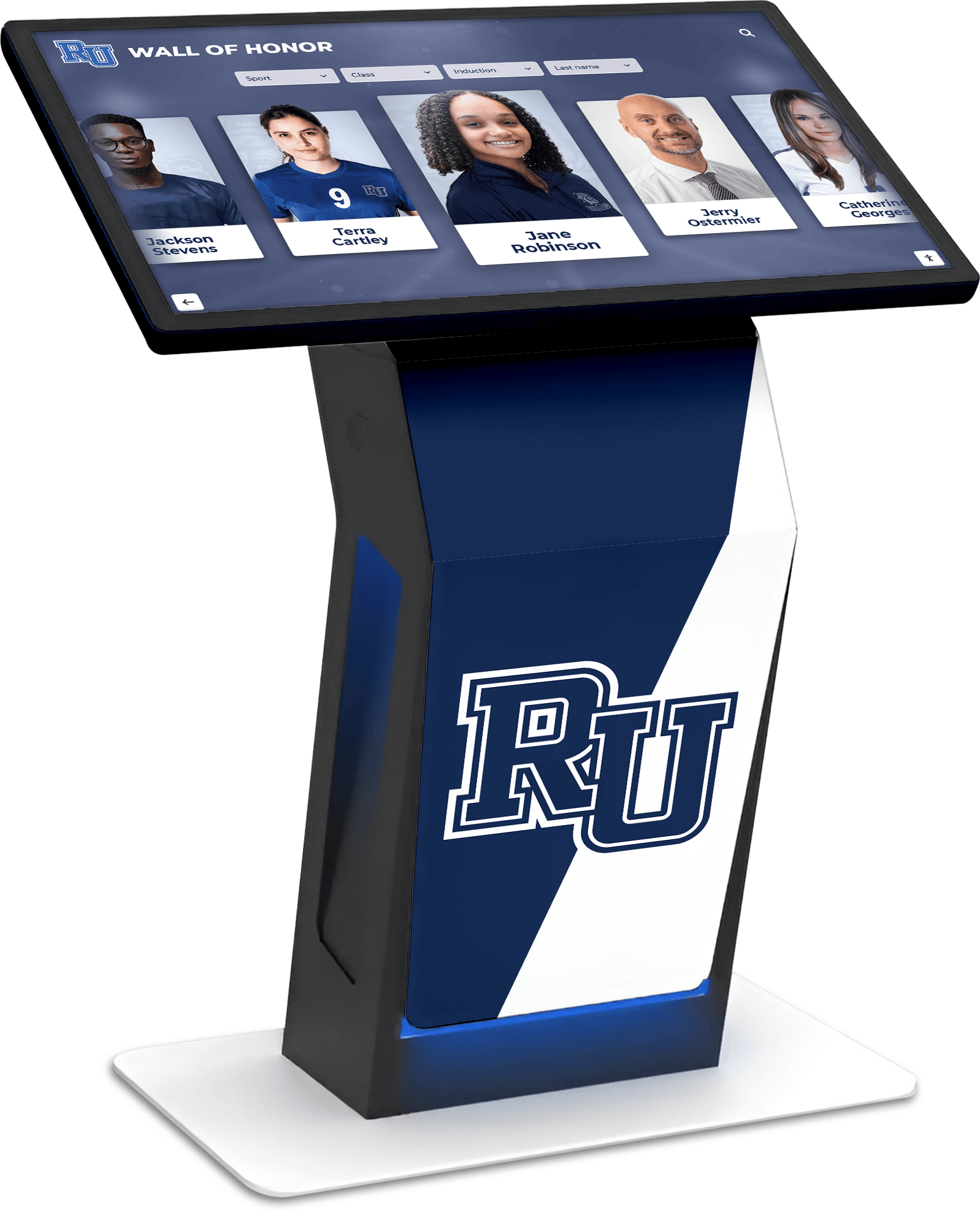
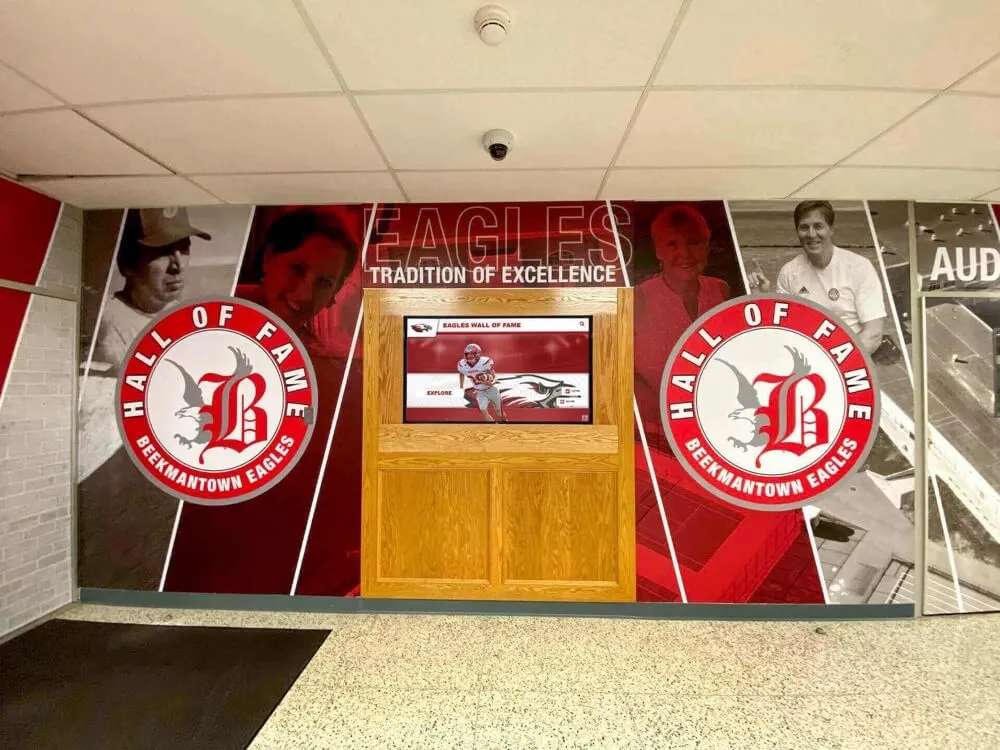
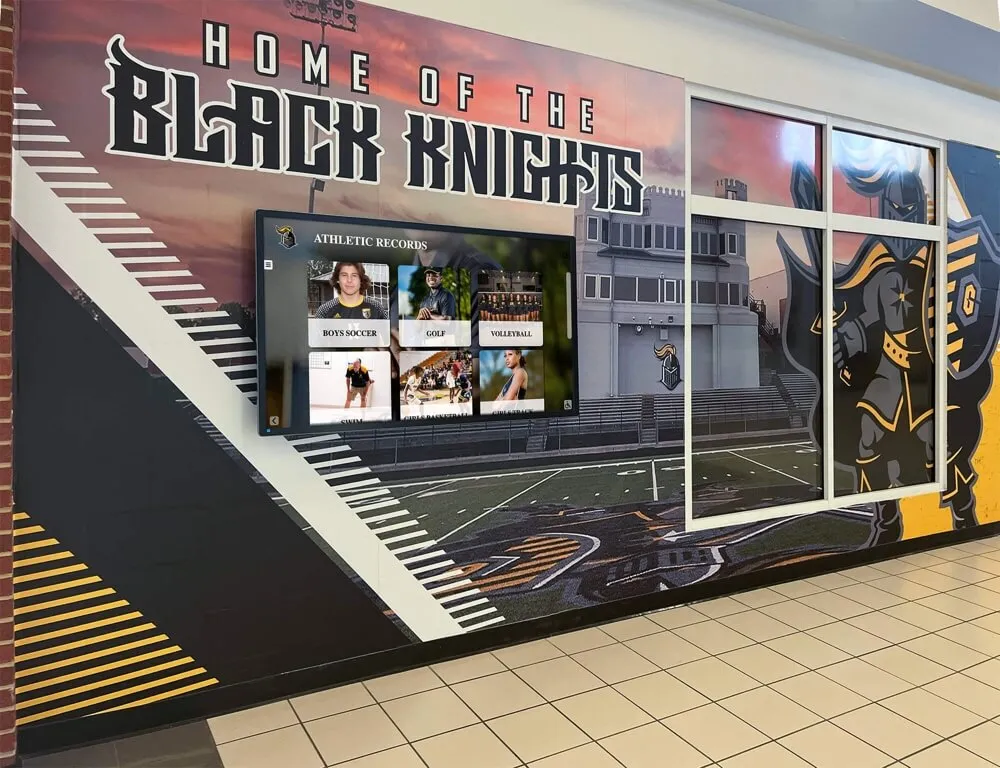
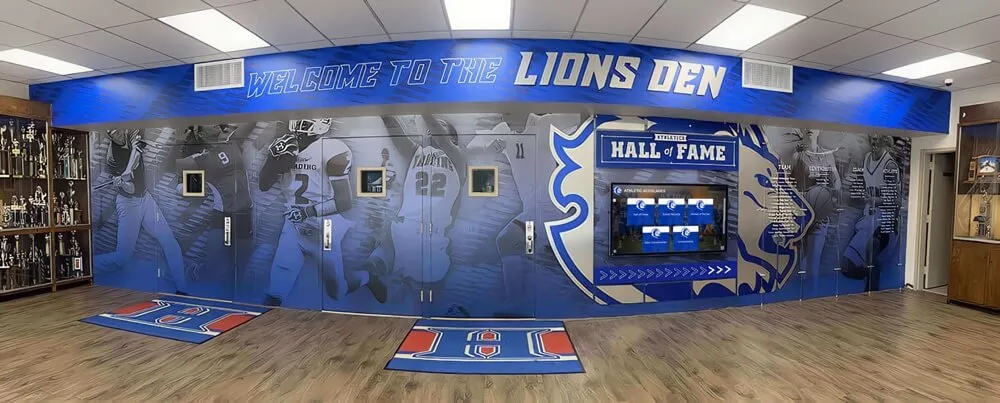
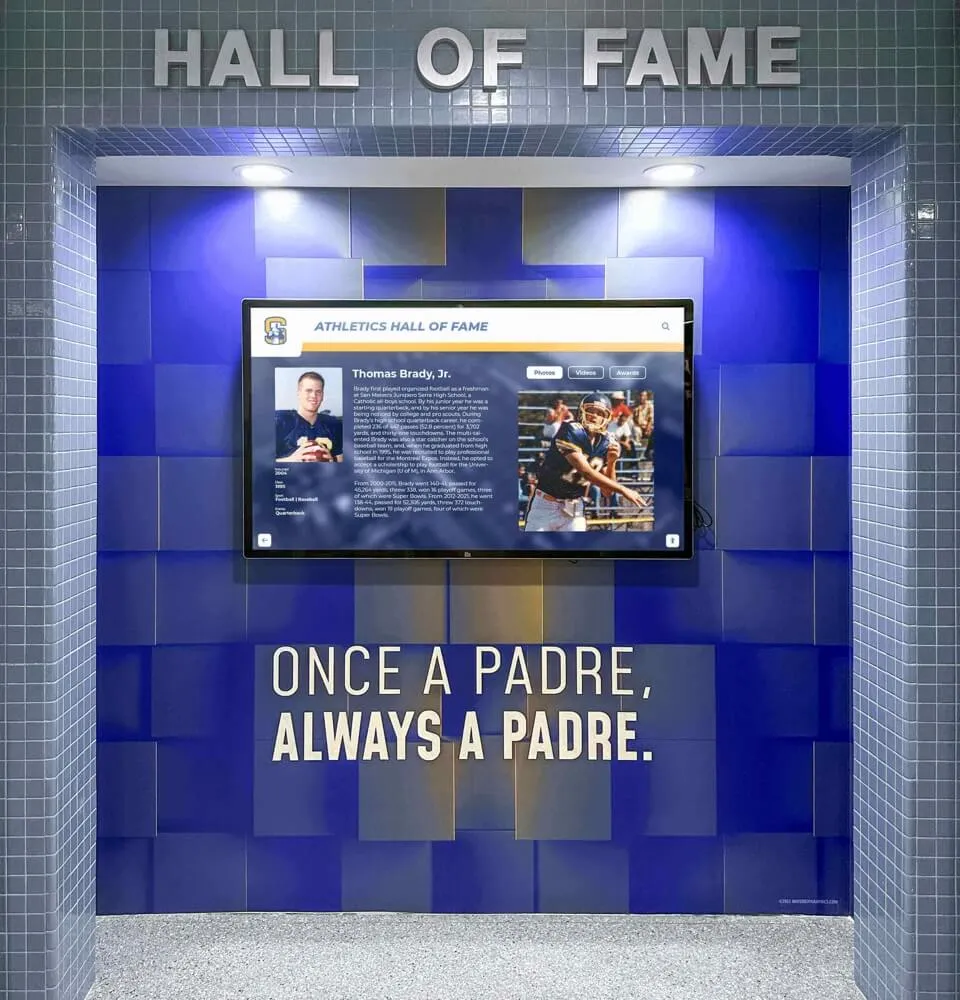
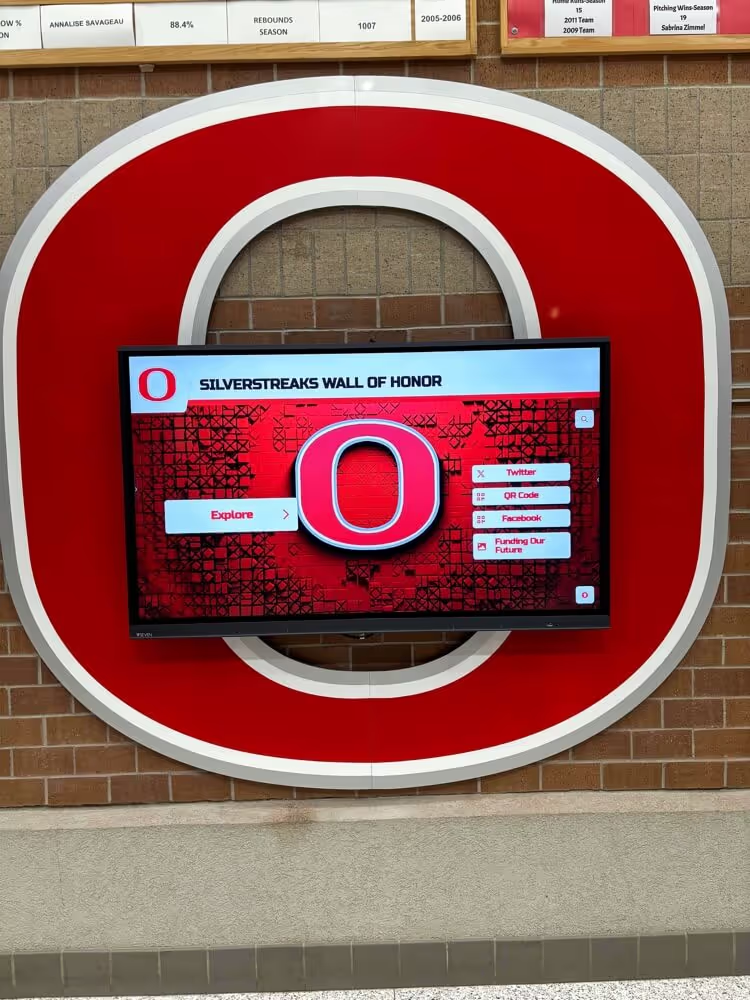
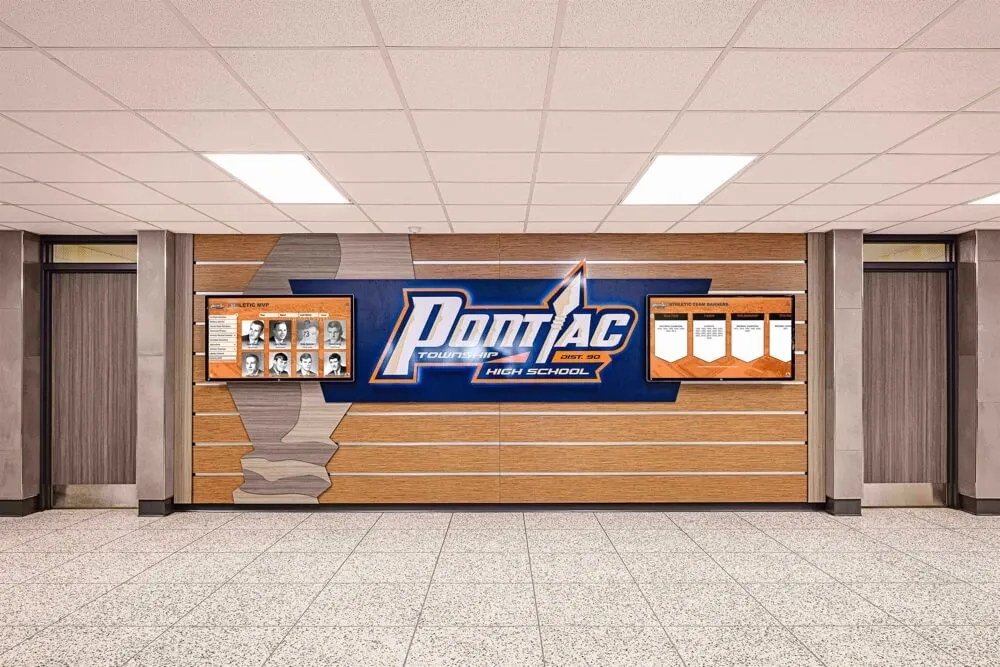
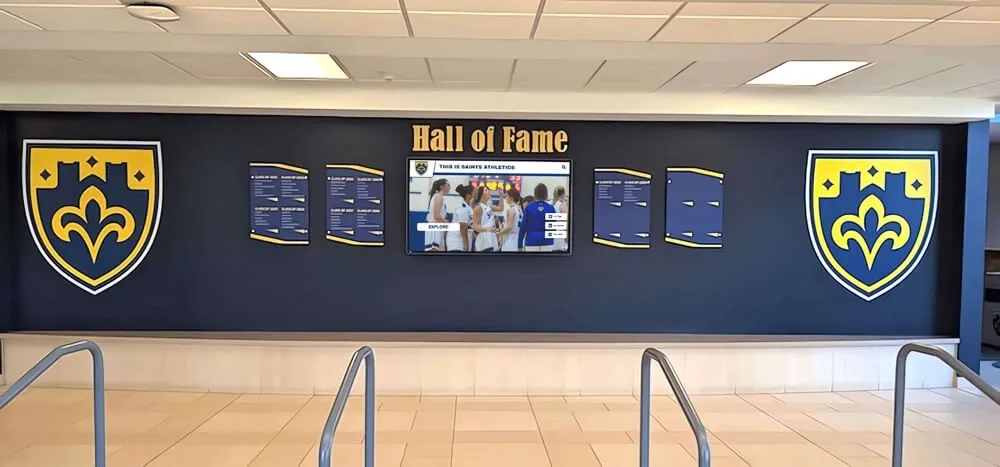
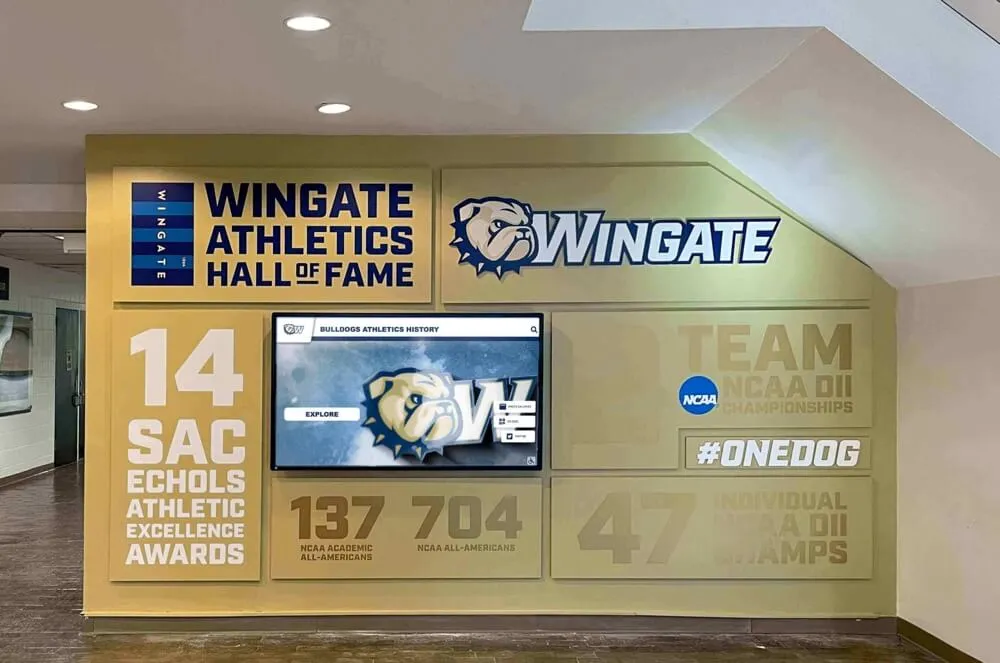
Digital recognition kiosks provide unlimited capacity to celebrate academic achievements including quiz bowl championships and individual excellence
Modern Digital Recognition for Quiz Bowl Excellence
Contemporary technology enables quiz bowl recognition that matches—and often exceeds—what’s possible with traditional trophy cases.
Digital Academic Recognition Displays
Overcoming Physical Trophy Case Limitations Digital platforms solve persistent recognition challenges:
Unlimited Display Capacity Traditional trophy cases force schools to choose which achievements deserve visible recognition. Quiz bowl trophies compete with Science Olympiad medals, debate championships, National Honor Society recognition, and athletic accomplishments for limited physical space. Digital displays eliminate this constraint entirely:
- Every quiz bowl achievement receives permanent recognition
- Historical team records remain accessible indefinitely
- Individual player statistics and contributions get showcased
- Tournament results, team rosters, and season highlights integrate seamlessly
- No storage boxes full of forgotten trophies from years past
Rich Multimedia Integration Digital recognition extends far beyond static trophy photographs:
- Team photographs from competitions and championships
- Tournament bracket results showing paths to victory
- Individual player profiles highlighting knowledge strengths
- Video clips from competition moments (where permitted)
- Season statistics and cumulative program records
- Links to news coverage and recognition articles
Platforms like Rocket Alumni Solutions provide specifically designed systems for academic recognition, offering professional presentation with cloud-based management that allows coaches or administrators to update achievements instantly without requiring IT expertise or physical access to locked display cases.
Interactive Exploration Features
Engaging Recognition Experiences Digital displays transform passive recognition into active engagement:
Student and Visitor Interaction
- Touchscreen navigation allowing exploration by year, tournament, or player name
- Search functionality finding specific competitions or team members instantly
- Detail views providing comprehensive information about each championship
- Connections showing related achievements (same players across multiple years)
- Mobile accessibility extending recognition beyond physical school locations
Current students exploring digital displays discover quiz bowl predecessors who competed years before they arrived, creating connections to school tradition and intellectual legacy. Alumni visiting campus can find their own team records and relive competitive memories through accessible digital archives.
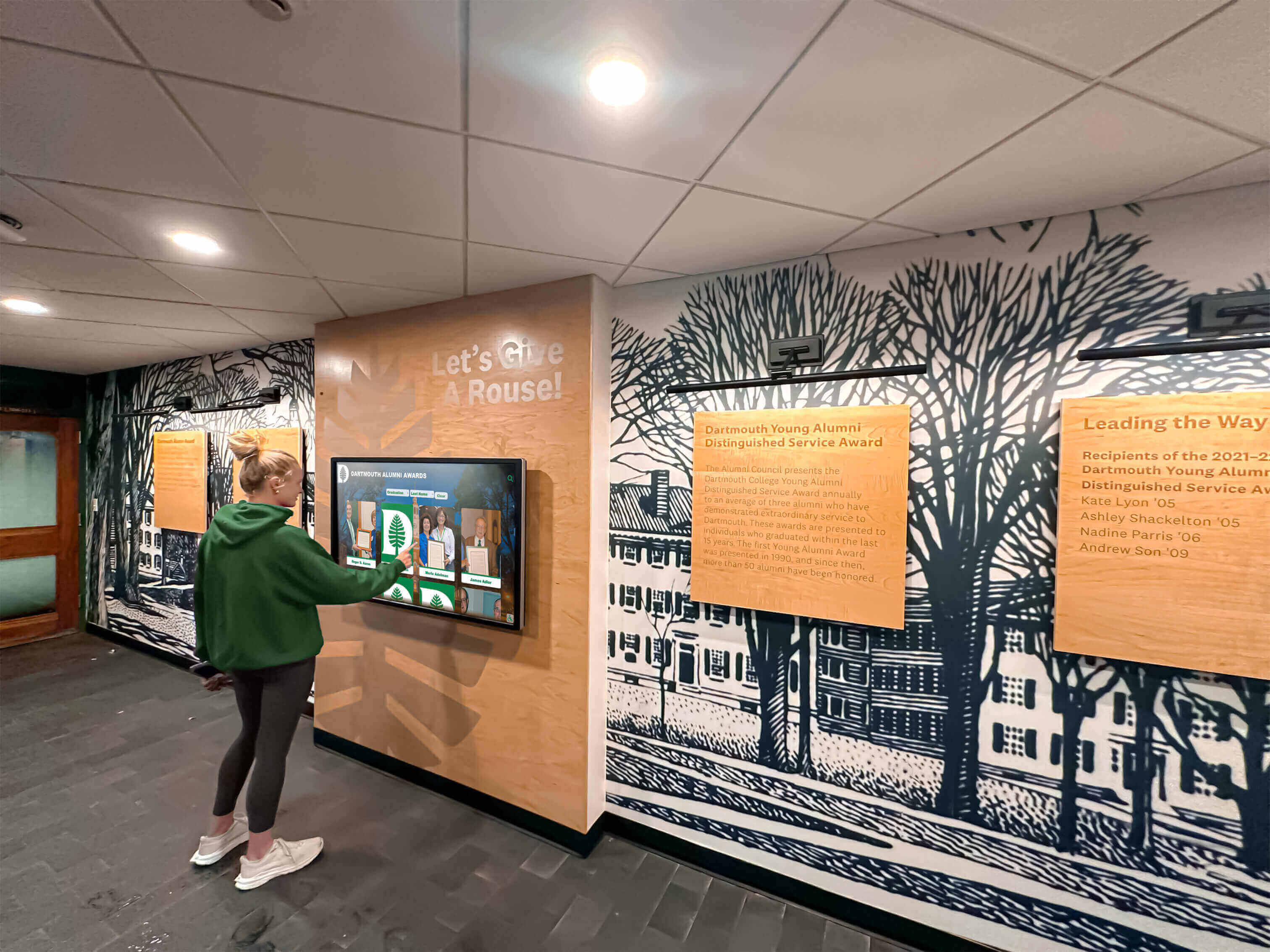
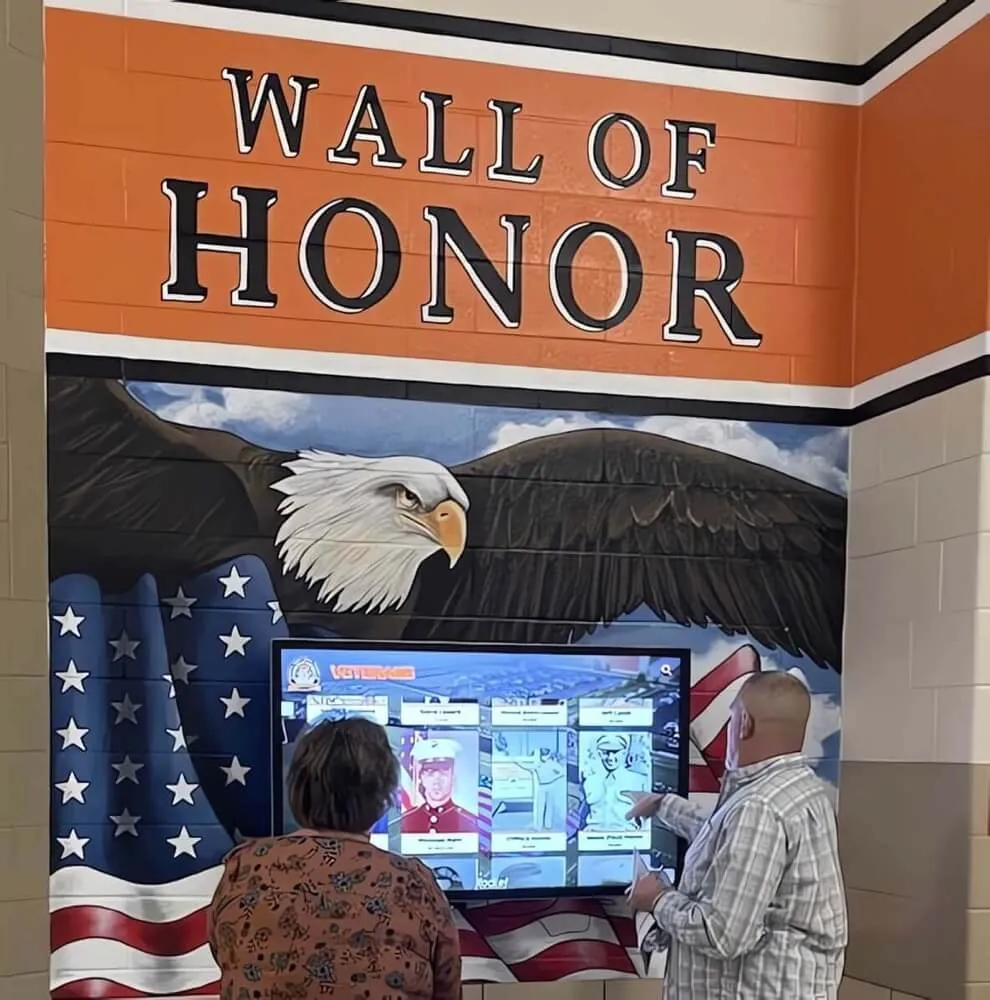
Active student engagement with recognition displays creates meaningful connections to school academic legacy and tradition
Remote Management and Real-Time Updates
Operational Advantages Cloud-based systems simplify recognition administration:
Immediate Achievement Recognition
- Coaches update results immediately after tournament victories
- No waiting for engraving, printing, or physical installation
- Championship recognition happens in real-time
- Remote administration from any internet-connected device
- Scheduled publishing for future-dated content or seasonal rotations
The lag between achievement and recognition matters psychologically. Students returning from Saturday tournaments see their victories displayed Monday morning rather than waiting weeks or months for physical plaques—immediate recognition that reinforces accomplishment significance.
Creative Quiz Bowl Celebration Events
Beyond permanent displays, special events create memorable recognition moments celebrating team and individual excellence.
Academic Recognition Nights
Dedicated Celebration Events Schools hosting academic recognition ceremonies honor intellectual achievement:
Academic Awards Night Format
- Evening ceremony mirroring athletic banquets
- Recognition of all academic competition teams (quiz bowl, debate, Science Olympiad, math team)
- Individual awards for top performers, most improved players, team leadership
- Coach speeches highlighting season accomplishments and memorable moments
- Guest speakers (former team members, university representatives, community leaders)
- Reception allowing families to celebrate together
Programs exploring recognition event planning can adapt celebration strategies across academic programs.
Senior Night Recognition
Honoring Graduating Team Members Athletic programs traditionally celebrate seniors during final home competitions. Quiz bowl programs deserve similar traditions:
Quiz Bowl Senior Night Elements
- Final home match designated as senior recognition event
- Introduction of graduating team members and parent escorts
- Brief biography highlighting each senior’s contributions
- Gifts or awards commemorating their participation
- Photograph opportunities with family, teammates, and coaches
- Social media coverage matching athletic senior night visibility
Championship Celebration Traditions
Building Program Culture Successful programs develop traditions celebrating victories:
Victory Traditions
- Team dinners following state championship victories
- T-shirts or apparel commemorating tournament wins
- School-wide recognition assemblies for major achievements
- Social gathering spaces in academic wings displaying quiz bowl accomplishments
- Annual highlight videos compiling season memories
These traditions communicate that intellectual competition deserves celebration matching what athletic programs receive.
Individual Player Recognition
Acknowledging Personal Excellence Team championships matter, but individual recognition motivates personal improvement:
Individual Honor Categories
- Season MVP based on total points or critical correct answers
- Most Improved Player recognizing significant skill development
- Subject Specialist awards (history expert, literature specialist, science ace)
- Academic All-Conference or All-State selections where available
- Team Captain recognition for leadership contributions
Schools implementing comprehensive student recognition celebrate diverse achievement dimensions.
Building Quiz Bowl Program Visibility and Support
Recognition effectiveness depends partly on broader school community awareness and support.
Raising Quiz Bowl Awareness
Community Education Strategies Many people remain unfamiliar with quiz bowl formats and competitive structures:
Awareness Building Activities
- Exhibition matches during school events allowing broader audiences to watch
- Informational presentations explaining competition formats
- Video recordings of exciting match moments shared via social media
- Student newspaper or website features profiling team members
- Morning announcements covering upcoming tournaments and recent results
Comparison to Familiar References When explaining quiz bowl to unfamiliar audiences, effective comparisons include:
- “Like Jeopardy! but team-based with buzzers”
- “Academic competition similar to athletic tournaments with brackets and championships”
- “Testing knowledge across all subjects from literature to science to history”
Generating Administrative Support
Institutional Recognition and Resources Quiz bowl programs benefit from active administrative support:
Administrative Backing Includes
- Budget allocation for tournament entry fees and transportation
- Excused absences for tournament participation similar to athletic competitions
- Recognition of coaches’ time through stipends or schedule adjustments
- Facility access for practice sessions and equipment storage
- Promotion of achievements through official school communications
Schools treating quiz bowl as a legitimate competitive activity—with corresponding resource allocation and recognition—typically develop stronger programs attracting more participants and achieving greater competitive success.
Programs exploring school design approaches incorporating academic recognition discover that physical space design communicates institutional priorities.
Integrating Quiz Bowl with Broader Academic Culture
The most successful programs connect quiz bowl participation to broader educational values and school identity.
Linking to Academic Excellence Initiatives
Systemic Integration Quiz bowl reinforces schoolwide academic priorities:
Curricular Connections
- Social studies teachers incorporating quiz bowl question formats into review activities
- English teachers highlighting literature commonly featured in competitions
- Science departments recognizing quiz bowl players’ broad knowledge
- Mathematics instructors encouraging problem-solving skill development
- Library media specialists supporting independent research and reading
Academic Honor Society Alignment Many quiz bowl participants also belong to National Honor Society, Honor Roll programs, and other recognition systems. Showcasing these connections demonstrates how intellectual curiosity manifests across multiple achievement dimensions.
Alumni Engagement and Tradition
Building Long-Term Program Legacy Creating connections between current and former team members strengthens program culture:
Alumni Connection Strategies
- Inviting alumni back for practice sessions sharing competition experiences
- Maintaining digital archives allowing former players to find their achievements
- Alumni mentorship programs connecting graduates with current team members
- Fundraising campaigns for equipment or tournament fees involving former participants
- Reunion events bringing together quiz bowl alumni across multiple decades
Digital recognition platforms excel at preserving this legacy. Schools using solutions like Rocket Alumni Solutions maintain comprehensive databases showing every team across decades—searchable, accessible, and permanently preserved. Alumni visiting campus (or browsing remotely) can instantly locate their own teams, discover which current students play their former positions, and reconnect with institutional memory that physical trophy cases can’t accommodate.
Schools examining alumni engagement approaches discover that academic recognition enhances connection strategies.
Comparing Recognition Approaches: Physical vs. Digital
Understanding the strengths and limitations of each recognition method helps schools make informed decisions.
Traditional Physical Trophy Case Recognition
Advantages of Physical Displays
- Tangible trophy presence creates immediate visual impact
- Traditional approach familiar to all stakeholders
- No technology requirements or learning curves
- Visible 24/7 without electricity or internet connectivity
- Creates physical landmarks within school buildings
Limitations of Physical Approaches
- Strict capacity constraints forcing recognition choices
- Maintenance requirements (cleaning, repairs, updates)
- Physical access needed for any changes or additions
- Limited contextual information beyond basic labels
- Historical achievements often displaced by recent trophies
- Storage boxes full of forgotten awards that “don’t fit”
Modern Digital Recognition Platforms
Advantages of Digital Solutions
- Unlimited recognition capacity for all achievements
- Rich multimedia integration (photos, videos, statistics, stories)
- Interactive exploration engaging visitors actively
- Remote management enabling instant updates
- Comprehensive search and filtering functionality
- Mobile accessibility extending beyond physical locations
- Permanent preservation without physical degradation
- Cost-effective over time compared to continual physical expansion
Considerations for Digital Approaches
- Initial technology investment required
- Requires consistent content management and updates
- Some stakeholders may prefer traditional tangible recognition
- Screen visibility depends on ambient lighting conditions
- Technology obsolescence considerations over decades
Hybrid Approaches: Best of Both Worlds
Many schools implement combination strategies:
Hybrid Recognition Models
- Major championship trophies displayed in prominent physical cases
- Digital displays providing comprehensive achievement depth
- Physical awards for tangible ceremony presentations
- Digital archives ensuring nothing gets forgotten in storage
- Complementary systems serving different recognition purposes
This balanced approach satisfies traditionalists valuing physical trophies while solving capacity limitations and engagement challenges through digital enhancement.
Schools evaluating comprehensive recognition strategies benefit from understanding hybrid implementation models.
Practical Implementation: Starting or Improving Quiz Bowl Recognition
Schools at various recognition stages can take concrete steps improving quiz bowl visibility and celebration.
For Schools with Minimal Current Recognition
Building from the Ground Up Starting point strategies requiring minimal investment:
Immediate Actions
- Designate specific trophy case space for academic achievements including quiz bowl
- Create bulletin board displays featuring current team roster and recent results
- Include quiz bowl updates in regular school communication channels
- Photograph team at tournaments and competitions for documentation
- Establish recognition protocols matching athletic announcement practices
First-Year Improvements
- Organize end-of-season recognition event celebrating team achievements
- Purchase or create physical awards for individual excellence categories
- Develop social media presence highlighting team activities and victories
- Secure yearbook space ensuring appropriate team recognition
- Document all tournament results and achievement details for future reference
For Schools with Established Programs Seeking Enhancement
Elevating Existing Recognition Schools with basic quiz bowl recognition can pursue strategic upgrades:
Enhancement Priorities
- Evaluate current trophy case allocation assessing whether academic achievements receive proportional space
- Consider digital recognition platforms overcoming physical capacity constraints
- Develop recognition traditions comparable to athletic program celebrations
- Create historical archives documenting program achievements across multiple decades
- Implement comprehensive individual and team recognition categories
- Expand community awareness through exhibition events and informational campaigns
For Schools Considering Digital Recognition Implementation
Technology Adoption Process Schools exploring digital recognition follow systematic evaluation:
Decision-Making Considerations
- Assess current recognition limitations and specific challenges requiring solutions
- Research digital recognition platforms designed for academic achievement showcasing
- Evaluate total cost of ownership comparing ongoing physical expansion to digital implementation
- Gather stakeholder input from coaches, administrators, students, and alumni
- Pilot digital recognition with single display before campus-wide expansion
- Plan comprehensive content migration strategy documenting historical achievements
Professional platforms like Rocket Alumni Solutions provide turnkey digital recognition specifically designed for schools, eliminating the complexity of building custom solutions while offering expertise in academic and athletic achievement presentation.
Programs exploring digital signage implementation benefit from purpose-built recognition solutions rather than generic display systems.
Celebrate Your Quiz Bowl Champions with Professional Recognition
Discover how digital recognition displays provide unlimited capacity to celebrate quiz bowl achievements alongside all academic and athletic accomplishments. See how schools nationwide showcase intellectual excellence through engaging touchscreen platforms with simple cloud-based management, multimedia integration, and professional presentations that students, families, and alumni explore interactively—creating lasting connections to school tradition and academic pride.
Explore Recognition SolutionsConclusion: Honoring Intellectual Champions with Deserved Prominence
Quiz bowl represents one of the most comprehensive tests of academic knowledge, quick thinking, and competitive poise available to high school students. Participants dedicate countless hours studying subjects ranging from ancient literature to modern physics, training their minds with the same discipline athletes bring to physical conditioning. These intellectual champions develop skills—rapid information processing, collaborative problem-solving, grace under pressure, and insatiable curiosity—that serve them throughout college and career.
Yet too often, quiz bowl teams compete in relative obscurity, their achievements known only to immediate participants while athletic accomplishments dominate school recognition systems. This disparity sends troubling messages about institutional values, suggesting that physical prowess deserves greater celebration than intellectual excellence, that Friday night football games matter more than Saturday academic tournaments, that trophy cases should prioritize athletic hardware while academic awards remain in storage boxes.
Forward-thinking schools reject this false hierarchy, implementing recognition systems that honor diverse excellence dimensions with equal prominence. Whether through intentional trophy case integration, dedicated academic celebration events, or comprehensive digital recognition platforms, these institutions communicate that intellectual competition deserves visibility matching athletic achievement.
The recognition approaches explored throughout this guide provide frameworks for schools at every stage—from basic quiz bowl programs seeking initial visibility through established teams deserving enhanced celebration. Traditional trophy case integration offers familiar recognition that community stakeholders immediately understand. Special celebration events create memorable milestone moments honoring team and individual excellence. Digital recognition platforms overcome physical limitations entirely, enabling unlimited achievement capacity, engaging interactive exploration, and permanent preservation that extends quiz bowl legacy across generations.
Modern digital solutions like Rocket Alumni Solutions specifically address the persistent challenge facing school recognition—limited physical space forcing impossible choices about which achievements deserve visibility. By eliminating capacity constraints through cloud-based platforms offering unlimited recognition, schools showcase every quiz bowl championship, tournament placement, and individual honor without displacing other accomplishments. Students see their victories displayed immediately rather than relegated to storage. Alumni find their own team records preserved decades later. Current team members discover program tradition inspiring their own competitive excellence.
Begin by assessing your current quiz bowl recognition honestly, identifying gaps where these intellectual athletes receive insufficient acknowledgment compared to similar athletic accomplishments. Engage coaches gathering input about achievements deserving greater visibility. Then implement systematically with attention to equal prominence, meaningful celebration traditions, and permanent preservation ensuring quiz bowl excellence receives the lasting recognition that participants’ dedication deserves.
Your quiz bowl champions demonstrate that competition and intellectual curiosity can coexist beautifully, that academic excellence deserves celebration as enthusiastic as athletic victory, and that school pride extends beyond Friday night lights to include Saturday morning buzzers. With thoughtful recognition planning, appropriate technology solutions, and institutional commitment to honoring diverse achievement, you can create environments where every form of excellence—whether earned on playing fields or through encyclopedic knowledge—receives the prominent, lasting, and meaningful celebration that strengthens school culture and inspires future achievement.
Ready to showcase your quiz bowl achievements alongside all forms of school excellence? Explore how digital recognition displays help schools celebrate academic champions with the same visibility, engagement, and permanence traditionally reserved for athletic accomplishments—creating comprehensive recognition cultures that value intellectual achievement as highly as competitive sport.