



High school athletes competing at elite levels share one unmistakable trait: explosive power that separates them from the competition in those critical moments when games hang in the balance. The difference between a defender who closes the gap on a breakaway runner and one who watches helplessly from behind, between a basketball player who elevates above the rim and one who struggles to touch the net, comes down to neuromuscular power developed through systematic plyometric training.
Yet many high school strength programs still emphasize traditional weight training exclusively while overlooking plyometric drills—the training method that directly develops the rapid force production, reactive strength, and explosive movement patterns that translate immediately to competitive performance across every sport from football to track and field.
This comprehensive guide explores evidence-based plyometric drills specifically designed for high school athletes, covering proper progression protocols, sport-specific applications, injury prevention strategies, and training program integration that builds championship-level explosiveness safely and effectively.
Plyometric training harnesses the stretch-shortening cycle—the physiological mechanism enabling muscles to generate maximum force in minimum time—creating athletes who jump higher, accelerate faster, change direction more explosively, and compete with power advantages opponents can’t match through traditional training alone. When coaches implement progressive plyometric programs emphasizing technical precision before intensity, entire teams elevate their athletic ceiling while reducing injury risk compared to athletes lacking foundational power development.

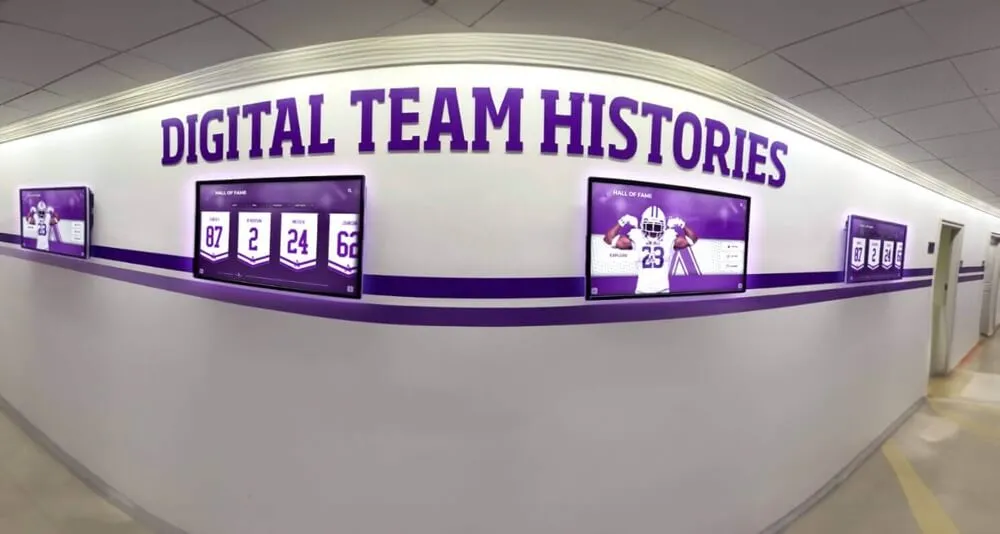
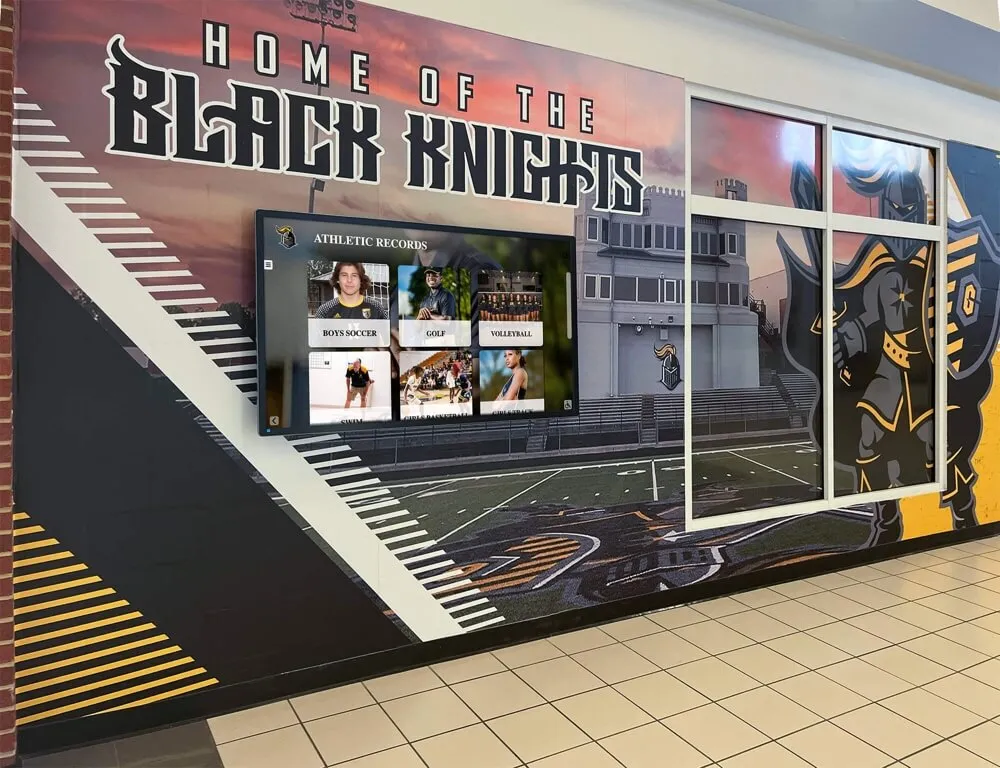
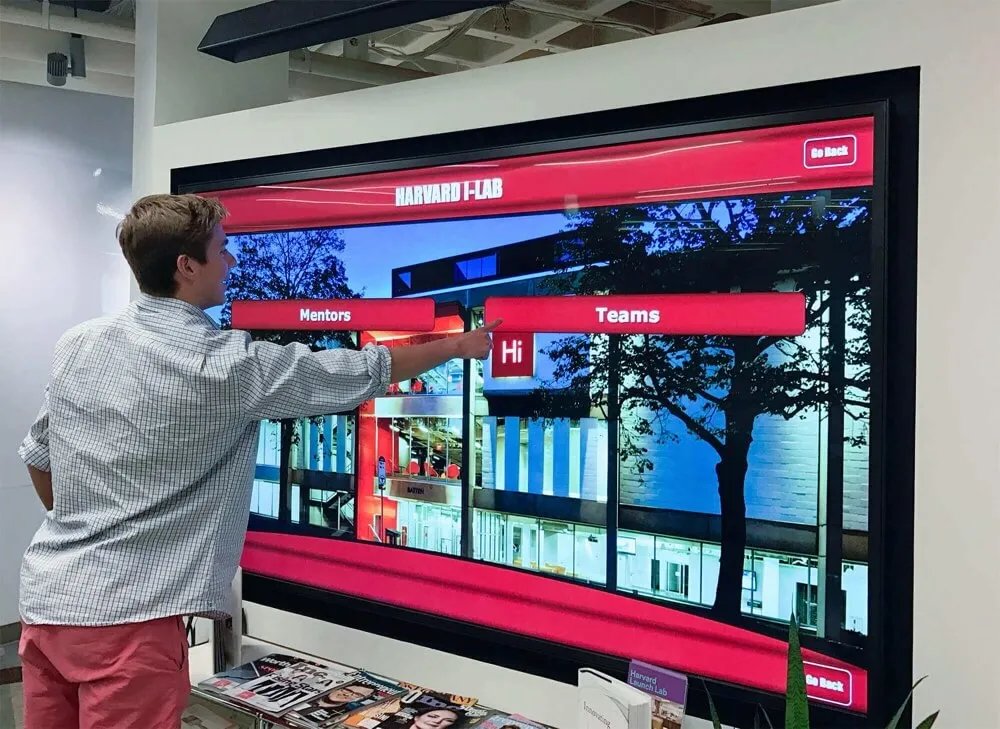
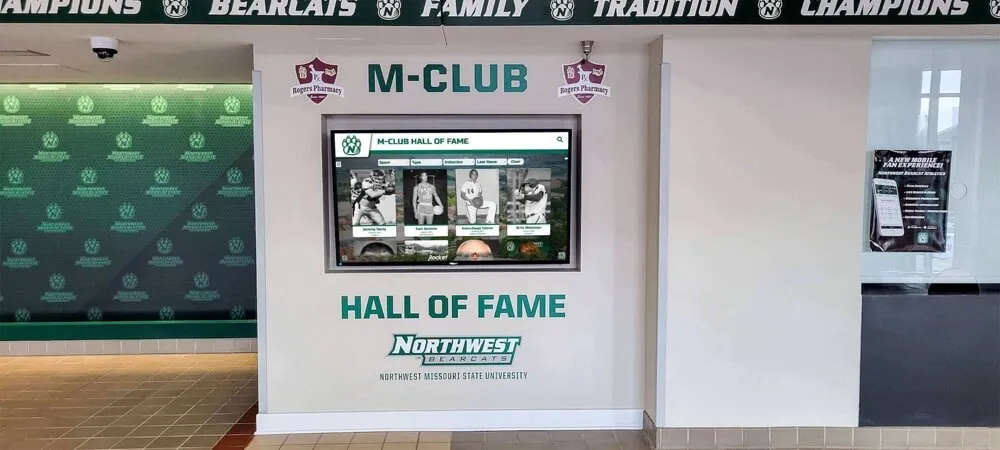
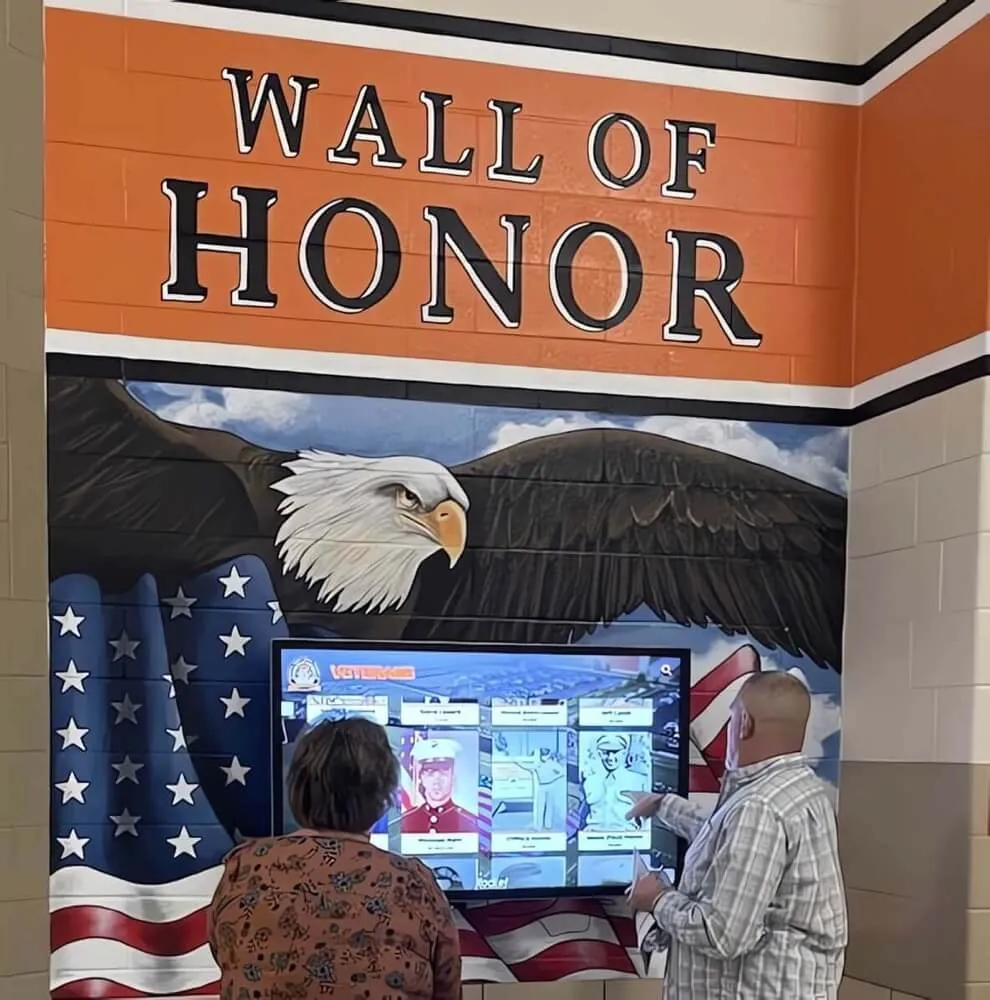
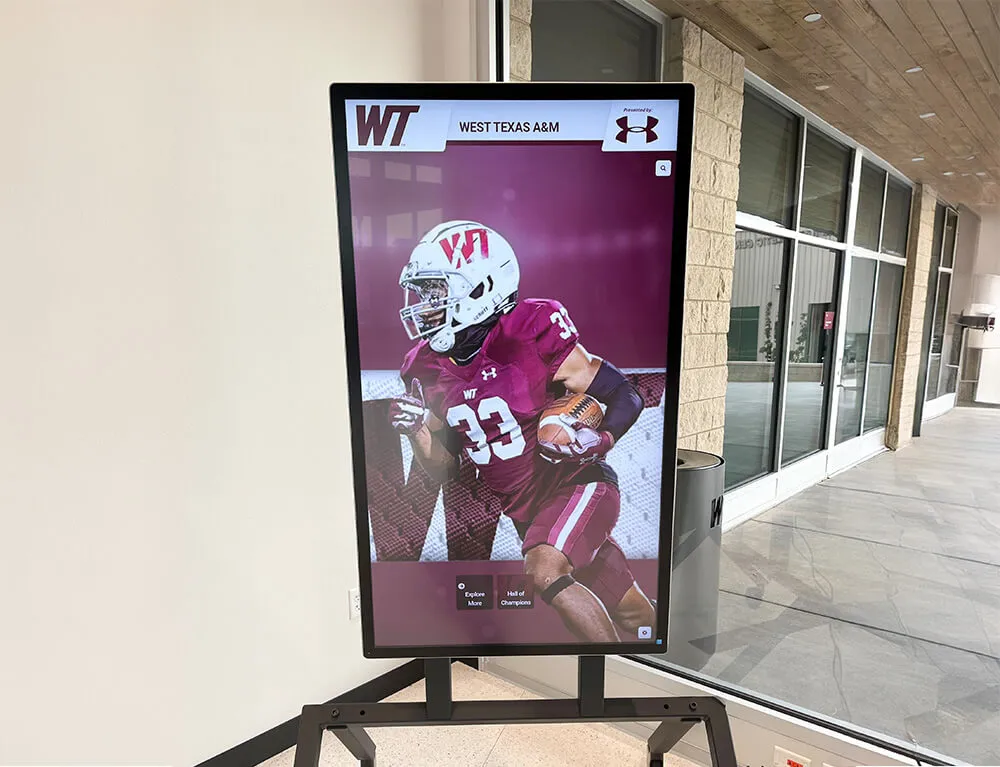
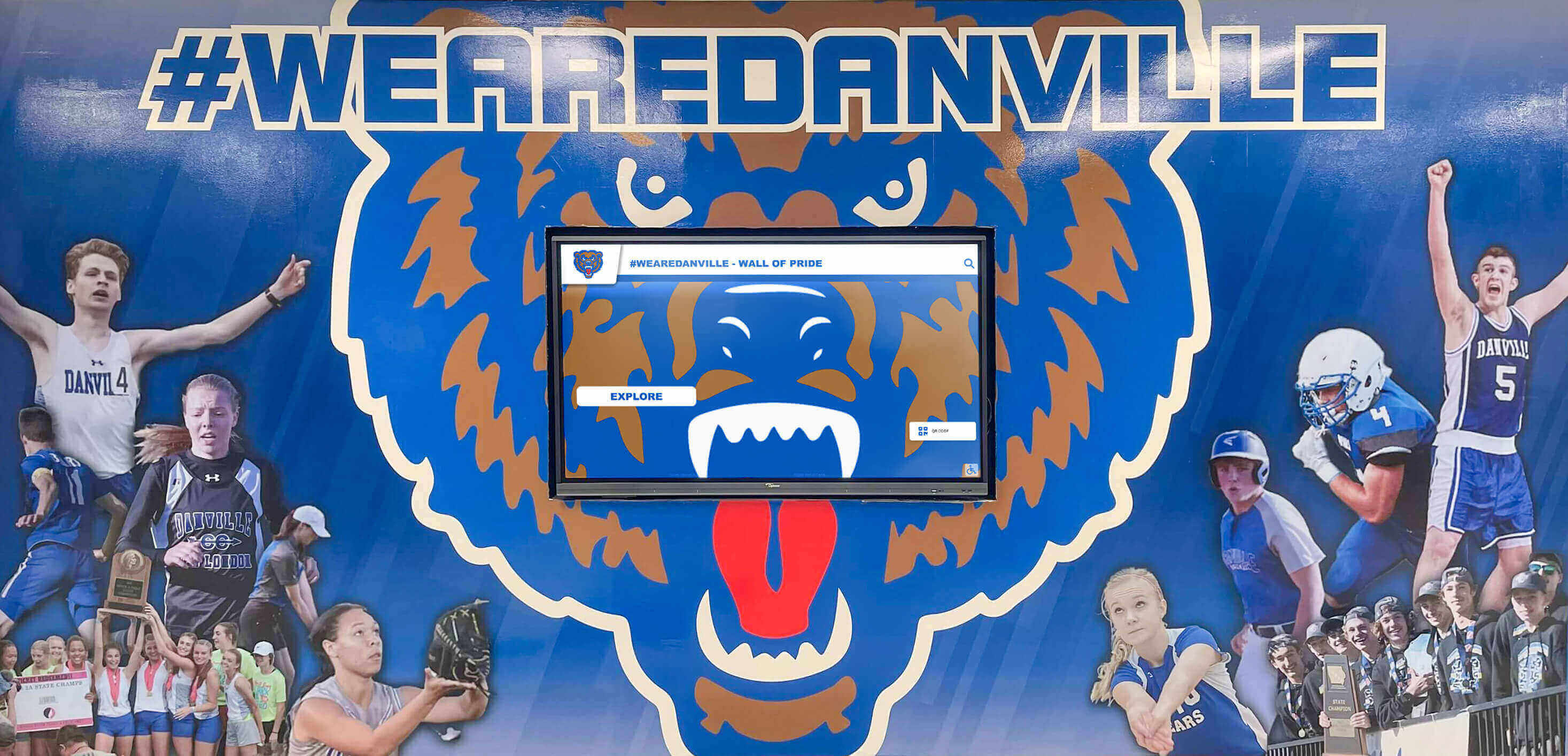
Championship athletic programs track strength and conditioning milestones through comprehensive recognition systems celebrating athlete development throughout the season
Understanding Plyometric Training: The Science of Explosive Power
Before implementing specific drills, coaches and athletes benefit from understanding the physiological mechanisms making plyometrics uniquely effective for power development.
The Stretch-Shortening Cycle Explained
Plyometric exercises exploit the stretch-shortening cycle (SSC)—a three-phase neuromuscular phenomenon creating explosive force production:
Eccentric Phase (Loading)
- Muscle lengthens under tension during landing or countermovement
- Elastic energy stores in muscle-tendon units like compressed springs
- Muscle spindles detect rapid lengthening triggering protective reflexes
- Duration typically 0.1-0.2 seconds for optimal power transfer
- Excessive duration dissipates stored energy reducing plyometric effect
Amortization Phase (Transition)
- Brief transition period between eccentric and concentric phases
- Minimizing this phase maximizes elastic energy utilization
- Trained athletes reduce amortization through improved neuromuscular coordination
- Goal is shortest possible ground contact time maintaining proper mechanics
- Untrained athletes show longer amortization reducing training effectiveness
Concentric Phase (Propulsion)
- Muscle shortens forcefully propelling body upward or forward
- Stored elastic energy releases combined with voluntary muscle contraction
- Creates force production exceeding purely concentric contractions
- Results in explosive movement characteristic of plyometric training
- Develops rapid rate of force development critical for athletic performance
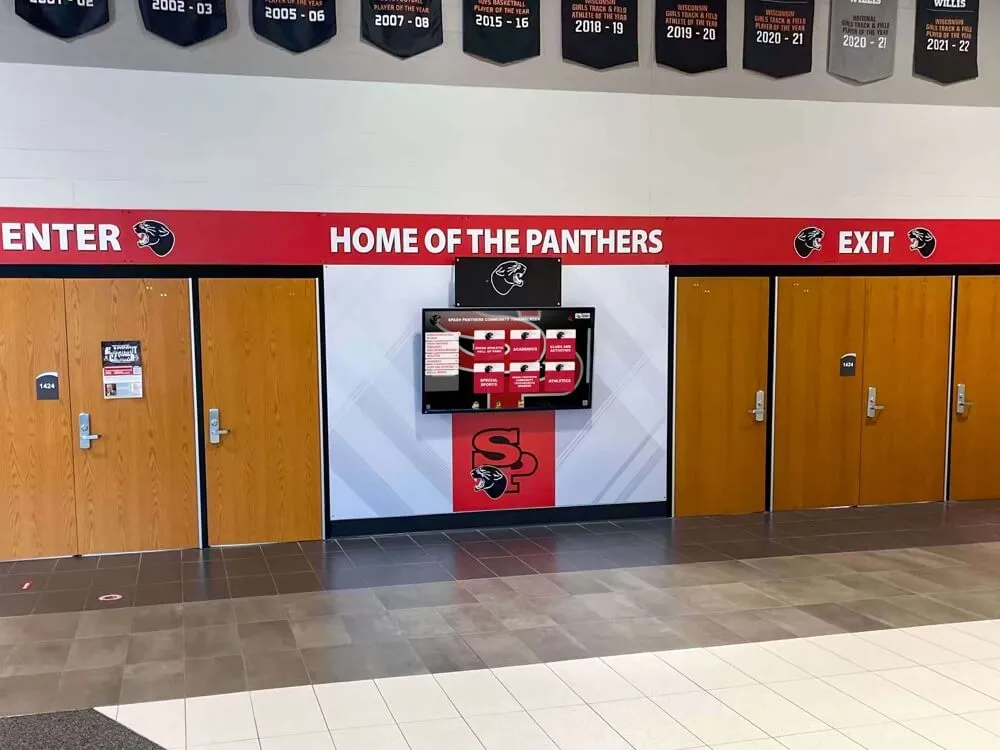
High school programs implementing systematic strength and conditioning tracking enable athletes to monitor power development progress objectively throughout training cycles.
Physiological Adaptations from Plyometric Training
Consistent plyometric training creates multiple physiological adaptations enhancing athletic performance:
Neuromuscular Adaptations
- Increased motor unit recruitment and firing rate
- Enhanced intermuscular coordination between muscle groups
- Improved stretch reflex sensitivity and responsiveness
- Greater rate of force development (how quickly force is generated)
- Enhanced proprioception and kinesthetic awareness
Musculotendinous Adaptations
- Increased tendon stiffness improving elastic energy storage and return
- Enhanced muscle-tendon unit compliance optimizing SSC efficiency
- Strengthened connective tissues reducing injury susceptibility
- Improved muscle fiber recruitment patterns for explosive contractions
- Greater fast-twitch muscle fiber activation and development
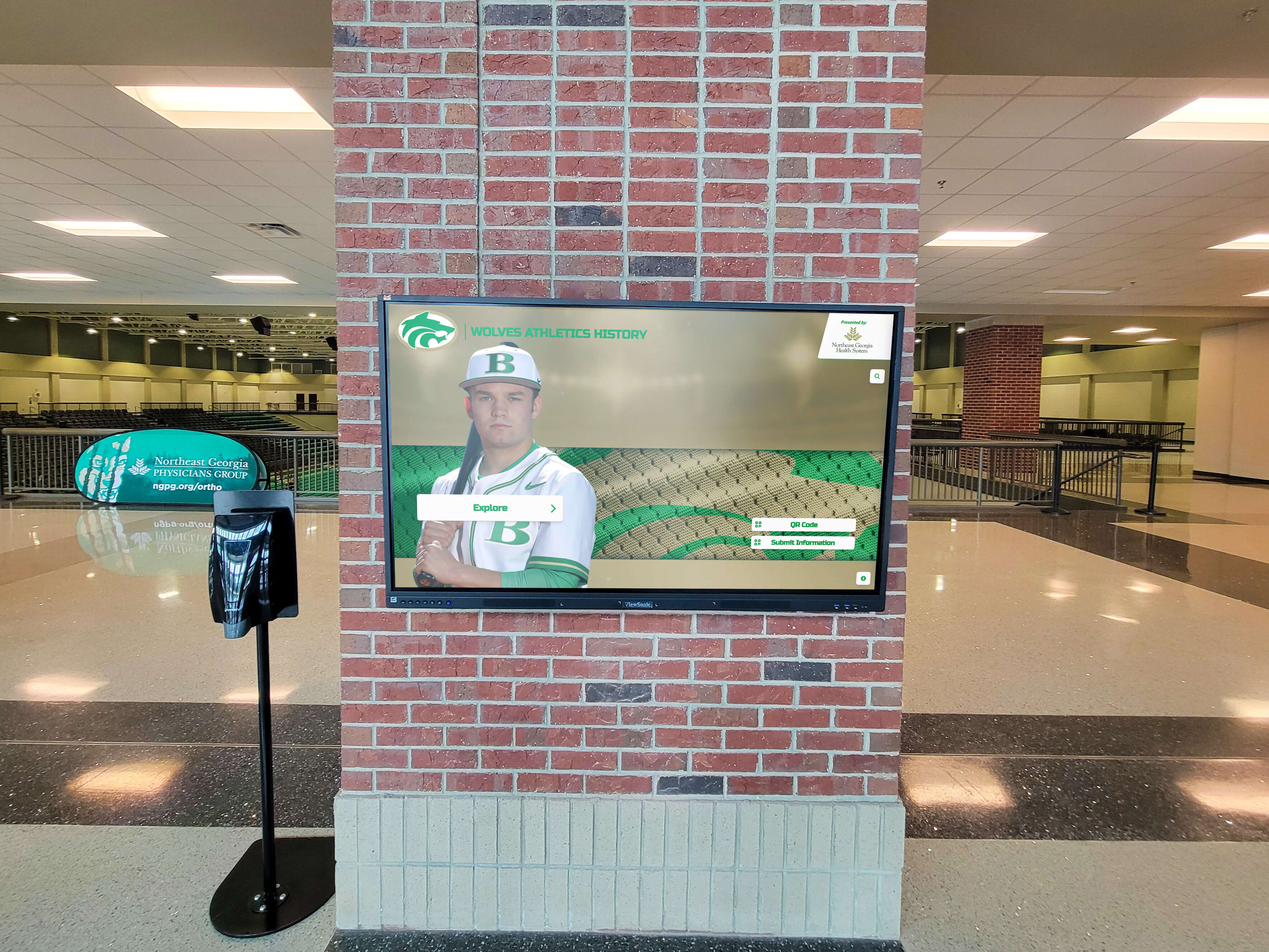
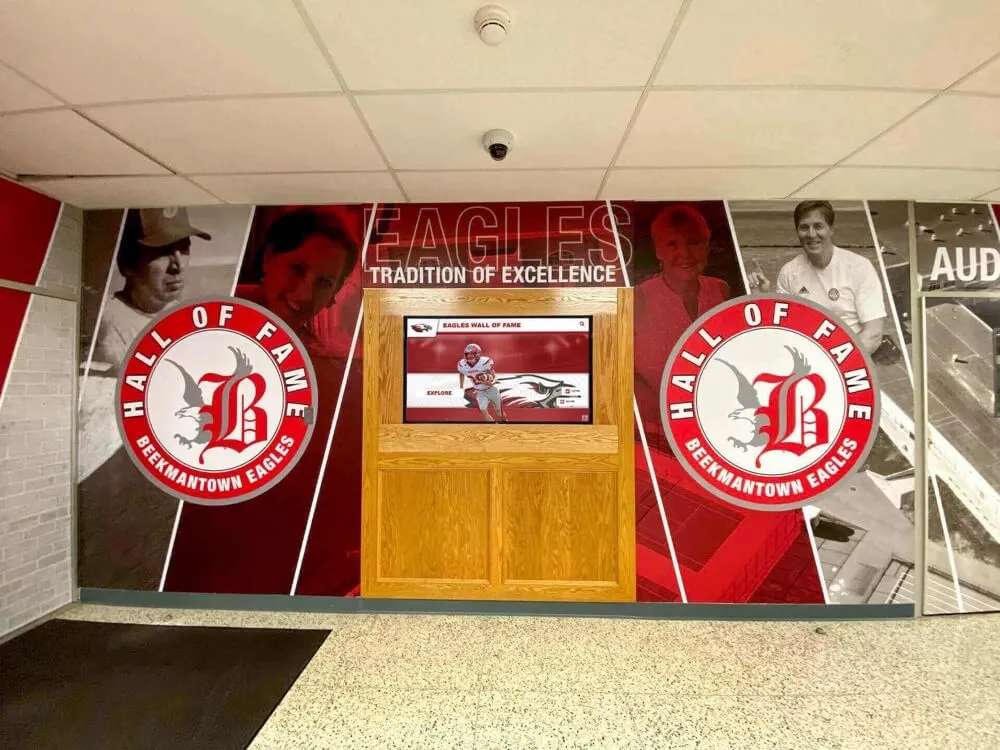
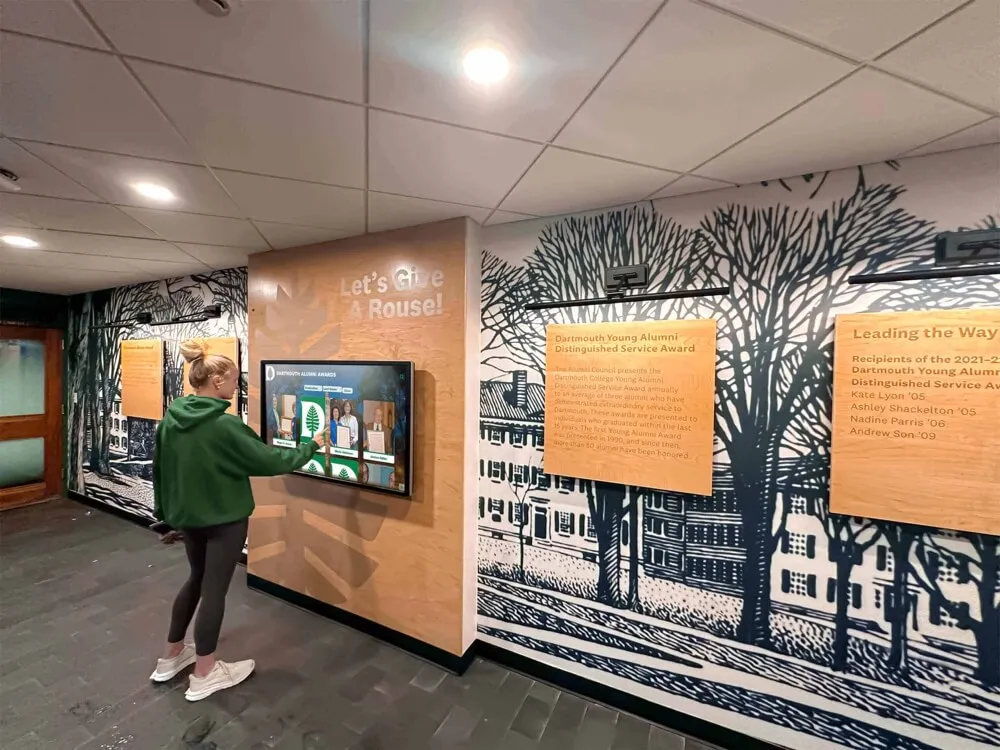
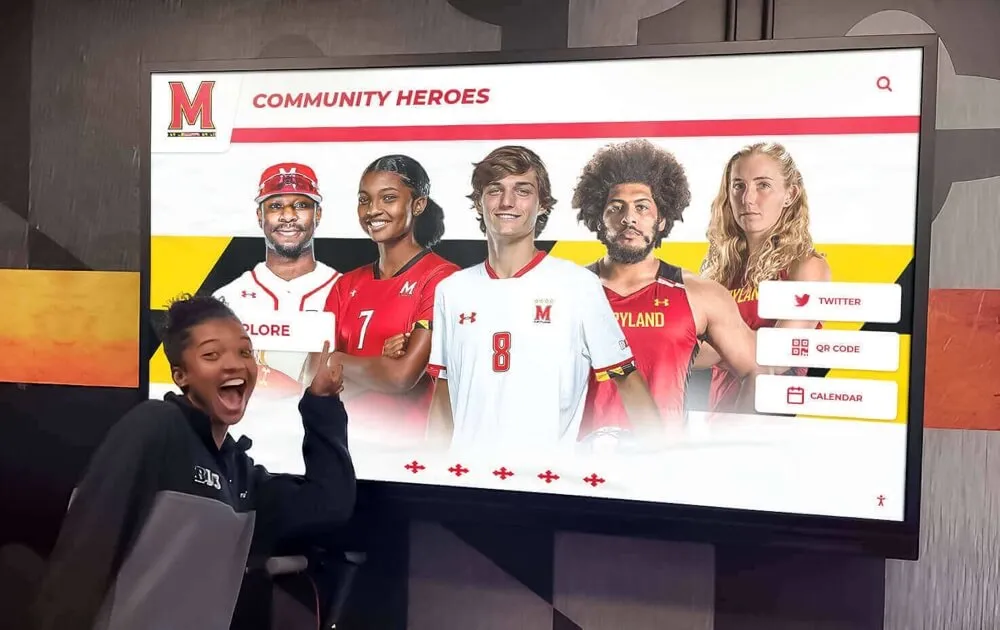
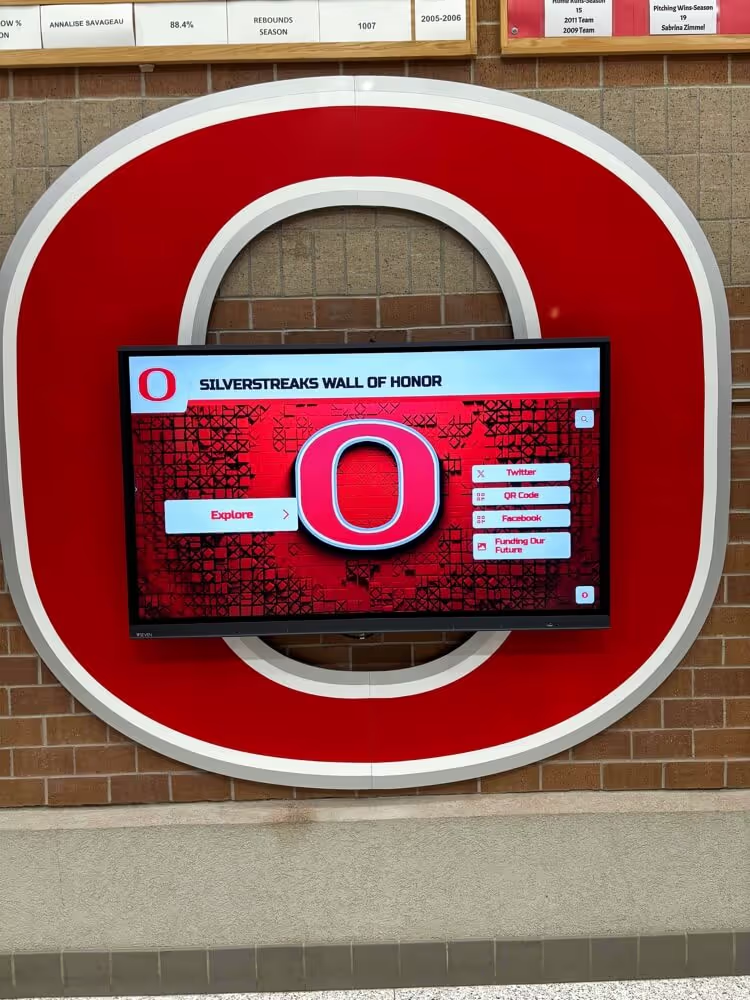
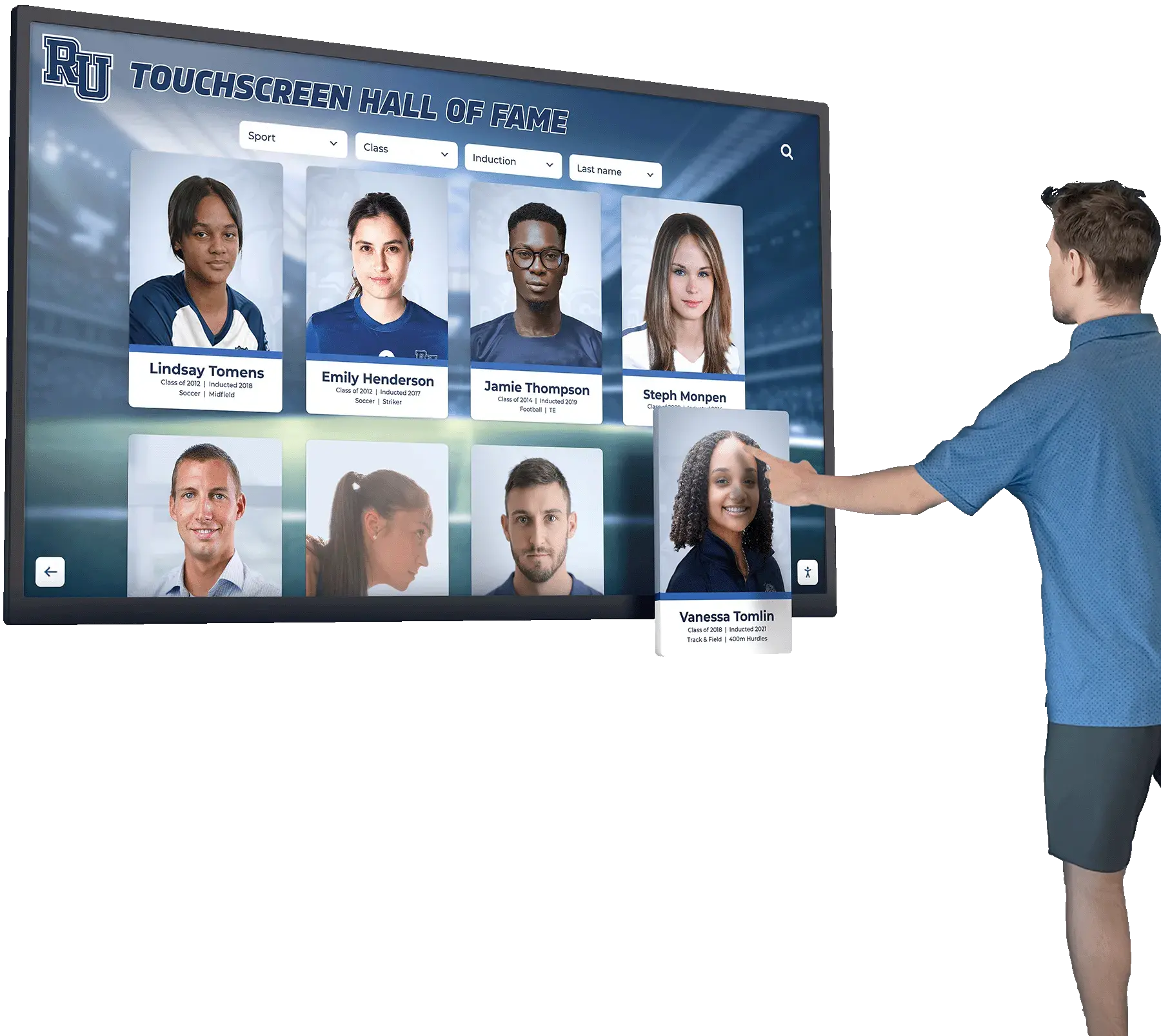
Modern athletic programs celebrate strength milestones and performance records through digital displays that motivate continued athlete development
Performance Improvements
- Vertical jump increases of 4-8% typically observed in trained high school athletes
- Improved acceleration and maximum speed development
- Enhanced change of direction speed and reactive agility
- Increased power output across multiple movement patterns
- Better movement economy reducing energy cost during competition
Research consistently demonstrates that plyometric training combined with traditional strength work produces superior athletic development compared to either training method alone, particularly for high school athletes in critical developmental windows.
Essential Plyometric Drills for High School Athletes
Effective plyometric programs progress systematically from foundational movements establishing proper mechanics to advanced drills developing maximum power output.
Level 1: Foundation Plyometric Drills
Beginning athletes should master these fundamental movements before progressing to higher-intensity variations:
Box Step-Ups with Knee Drive
- Step onto 12-18 inch box driving opposite knee upward explosively
- Focus on powerful hip extension and vertical knee drive
- Controlled eccentric lowering developing landing mechanics
- 2-3 sets of 8-10 repetitions per leg
- Develops single-leg power and landing control essential for advanced plyometrics
Squat Jumps
- Start from quarter-squat position with hands behind head
- Jump vertically using explosive hip and knee extension
- Land softly returning to quarter-squat starting position
- Minimize ground contact time between repetitions
- 2-3 sets of 8-10 repetitions
- Builds fundamental vertical power and landing mechanics
Standing Long Jumps
- Athletic stance with arm swing preparation
- Explosive horizontal jump landing on both feet simultaneously
- Stick landing in balanced position before resetting
- Focus on maximal distance and controlled landing
- 2-3 sets of 5-8 repetitions
- Develops horizontal power projection and deceleration strength
Lateral Bounds
- Single-leg stance pushing laterally to opposite leg
- Stick landing on opposite leg maintaining balance 2-3 seconds
- Emphasize controlled landing absorbing force properly
- Alternate sides completing full set
- 2-3 sets of 6-8 repetitions per side
- Builds lateral power and single-leg stability
Schools recognizing athletes who achieve strength and conditioning milestones create accountability and motivation encouraging consistent training discipline throughout the program.
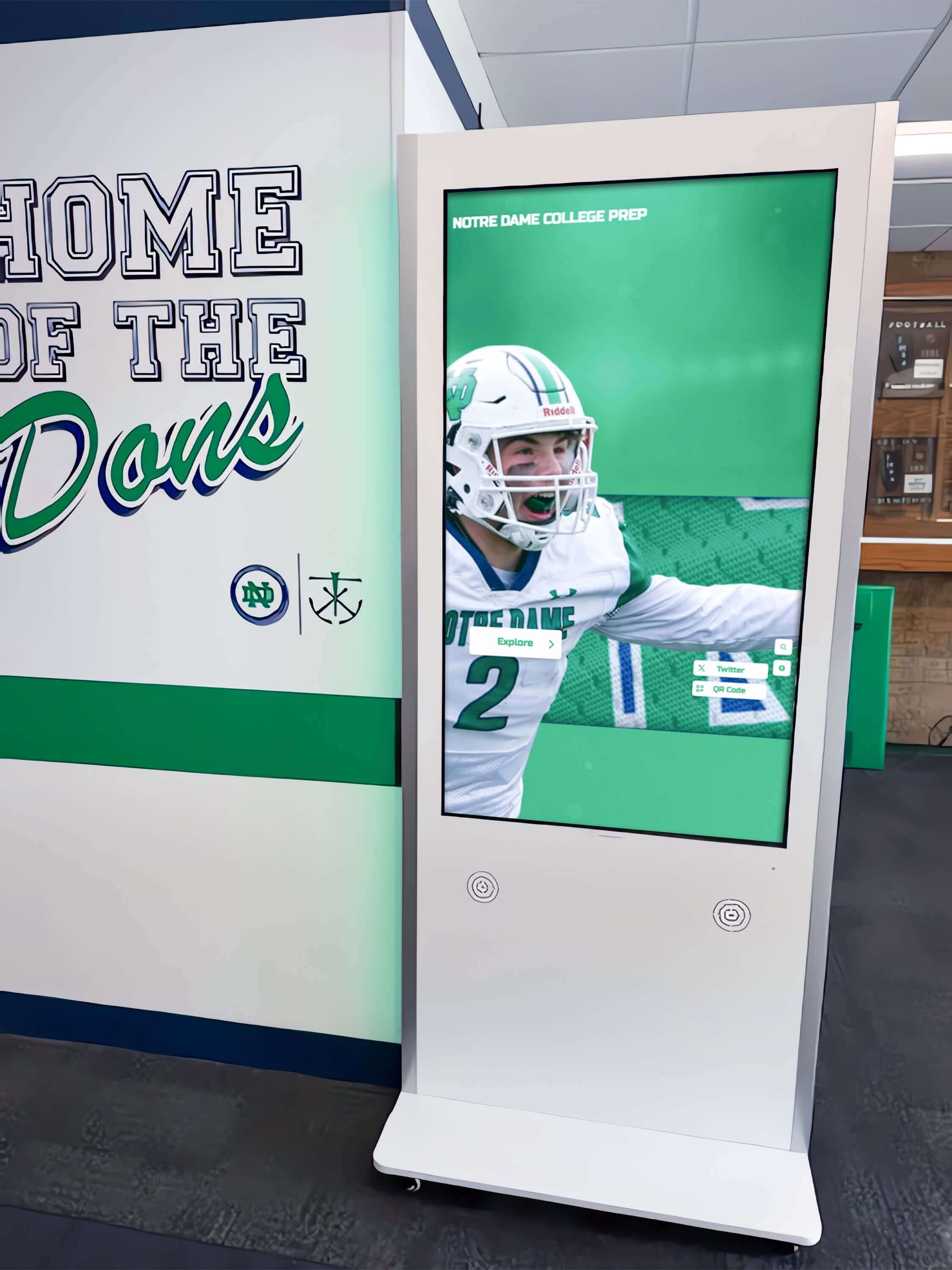
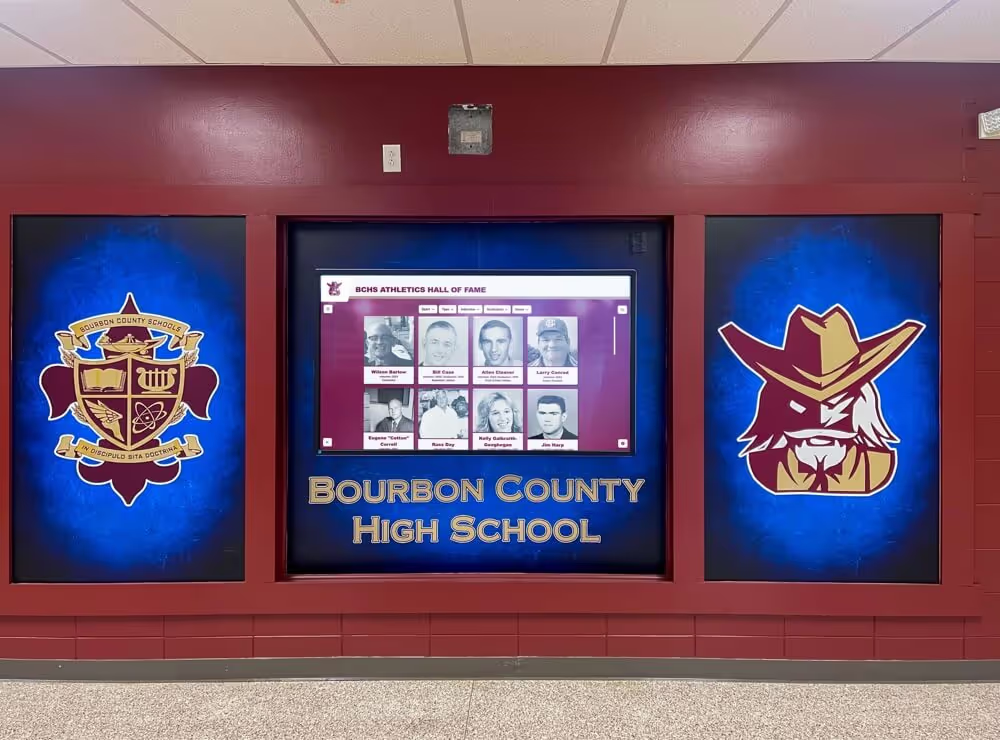
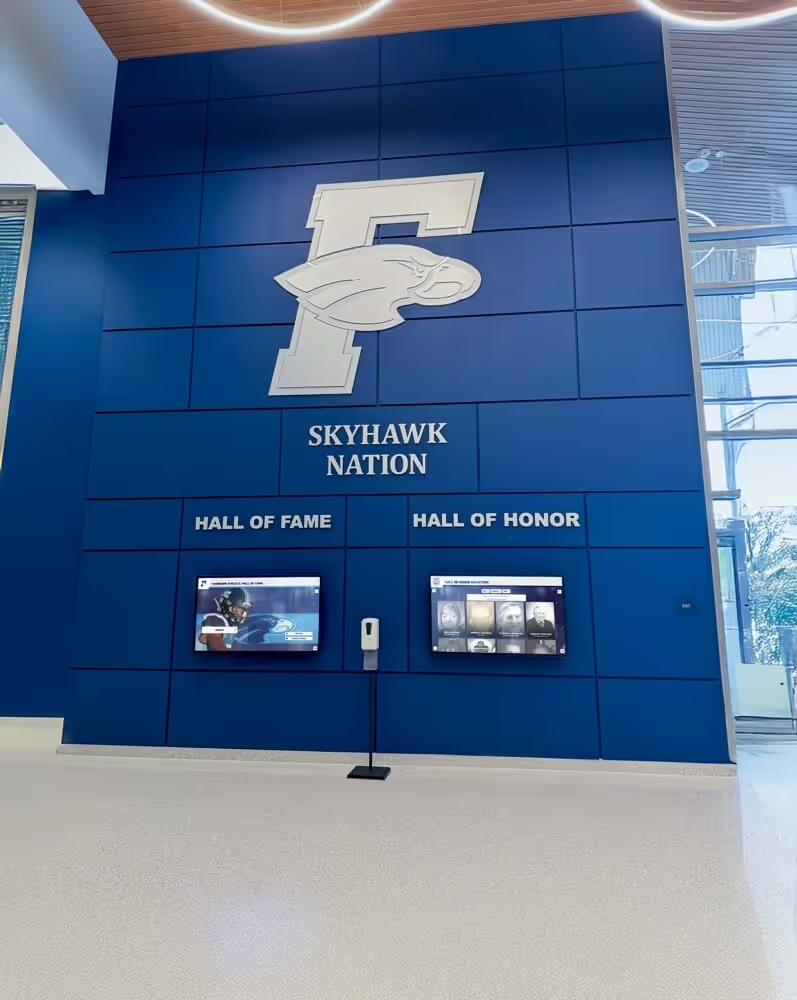
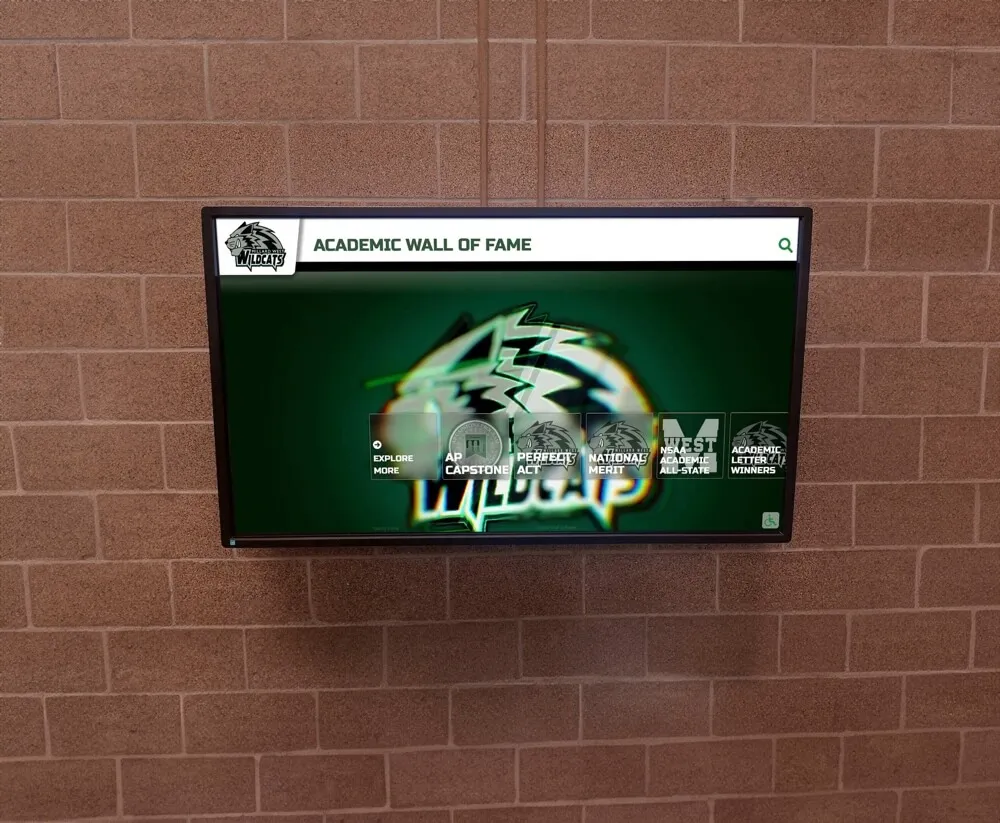
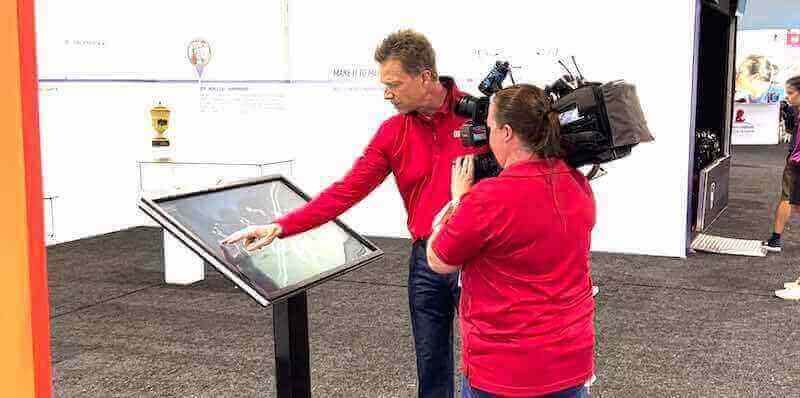
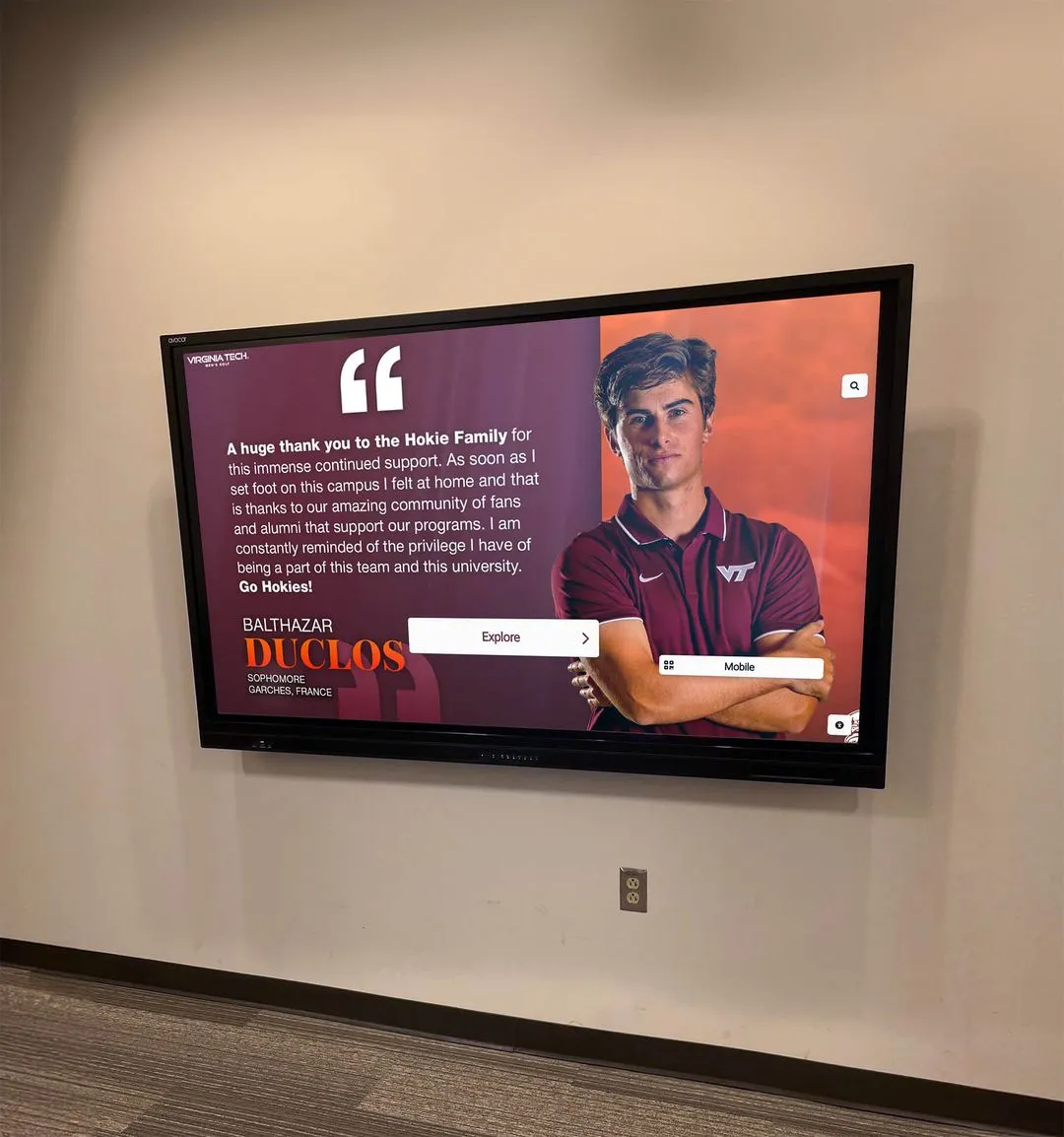
Championship programs use interactive displays enabling athletes to track training progress and performance records throughout their development
Level 2: Intermediate Plyometric Drills
After establishing proper landing mechanics and basic power development, athletes progress to higher-intensity drills:
Depth Jumps
- Step off 12-24 inch box landing on both feet
- Immediately jump vertically or horizontally upon ground contact
- Minimize ground contact time maximizing reactive strength
- Start with lower box heights progressing gradually
- 2-3 sets of 5-8 repetitions
- Develops reactive strength and rapid force production
Continuous Hurdle Hops
- Set up 4-6 hurdles (12-24 inches) spaced 2-3 feet apart
- Jump over each hurdle continuously minimizing ground contact
- Maintain athletic posture throughout drill
- Focus on quick ground contacts and vertical projection
- 2-3 sets of 4-6 hurdles
- Builds repetitive power output and movement rhythm
Single-Leg Box Jumps
- Single-leg stance 12-18 inches from box (12-20 inch height)
- Explosive jump landing on same leg atop box
- Step down under control resetting for next repetition
- 2-3 sets of 5-8 repetitions per leg
- Develops single-leg explosiveness critical for running and jumping sports
Broad Jump to Vertical Jump
- Perform maximal standing long jump
- Upon landing immediately transition to maximal vertical jump
- Combines horizontal and vertical power in single sequence
- 2-3 sets of 4-6 repetitions
- Mimics sport-specific multi-directional power demands
Lateral Hurdle Hops
- Stand beside hurdle (12-18 inches) in athletic stance
- Jump laterally over hurdle landing on opposite side
- Immediately jump back over hurdle to starting position
- Continue for prescribed repetitions minimizing ground contact
- 2-3 sets of 8-12 total jumps (4-6 per side)
- Develops lateral explosiveness and change of direction power
Athletic programs implementing comprehensive performance tracking celebrate improvements in measurable training outcomes like vertical jump and broad jump performance throughout the season.
Level 3: Advanced Plyometric Drills
Advanced athletes with established training foundations can safely perform high-intensity plyometric drills developing maximum power output:
Depth Jumps to Box
- Drop from 24-36 inch box landing on both feet
- Immediately jump vertically onto second box (24-30 inches)
- Requires exceptional reactive strength and landing mechanics
- 2-3 sets of 3-5 repetitions
- Develops maximum reactive power and rate of force development
Single-Leg Continuous Bounds
- Continuous single-leg bounds covering 20-30 meters
- Maximize horizontal distance each bound while maintaining rhythm
- Drive opposite knee upward forcefully each repetition
- 2-3 sets of 20-30 meters per leg
- Builds single-leg power endurance and running-specific explosiveness
Weighted Vest Squat Jumps
- Wear 5-10% bodyweight vest during squat jumps
- Maintain explosive intent and proper mechanics despite added resistance
- 2-3 sets of 6-8 repetitions
- Overloads power development while maintaining movement speed
Altitude Landings
- Drop from 30-42 inch box landing and stabilizing without rebound jump
- Focus entirely on eccentric strength and landing mechanics
- Hold landing position 2-3 seconds demonstrating control
- 2-3 sets of 3-5 repetitions
- Develops extreme eccentric strength and injury-resistant landing patterns
Complex Agility Sequences
- Combine multiple plyometric movements in sport-specific sequences
- Example: Lateral bound → forward bound → depth jump → sprint 10 yards
- Design sequences mimicking actual competition movement demands
- 2-3 sets of 3-5 complete sequences
- Integrates power development with sport-specific movement patterns
Programs tracking individual athlete performance records create objective benchmarks motivating continued improvement throughout multi-year athletic careers.
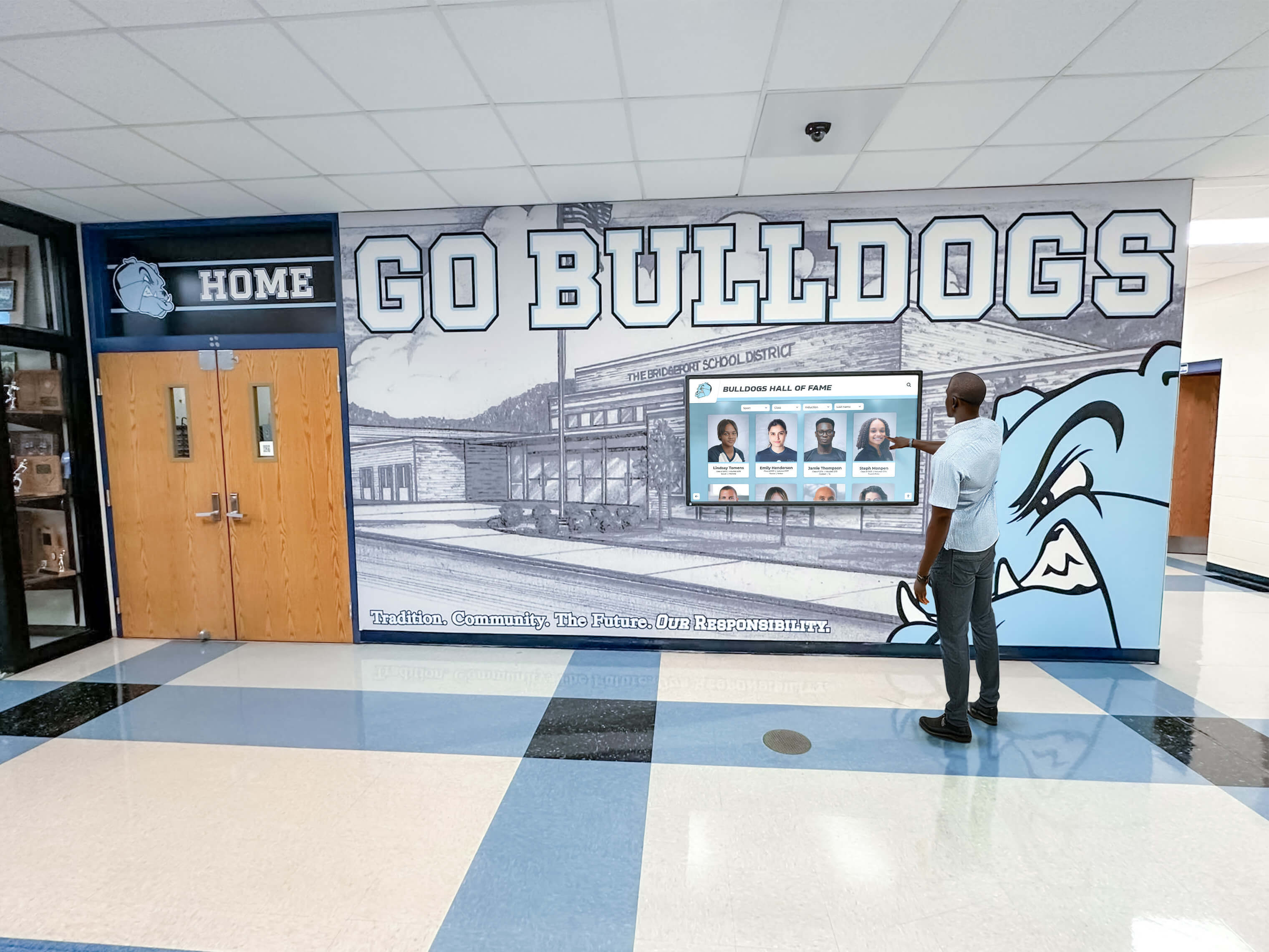
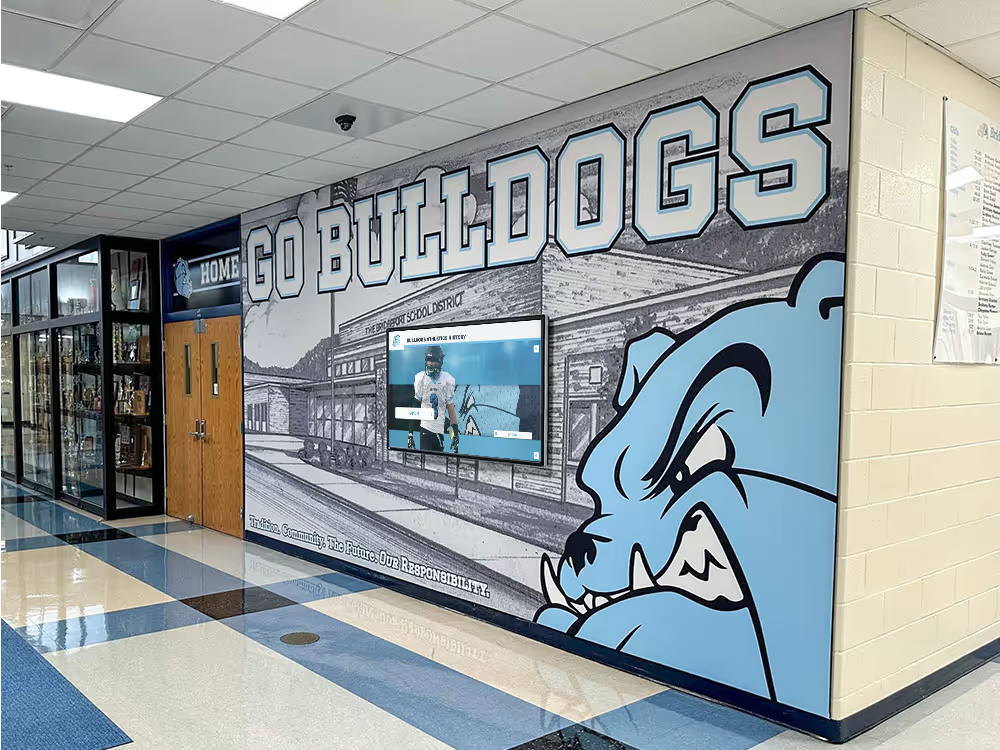
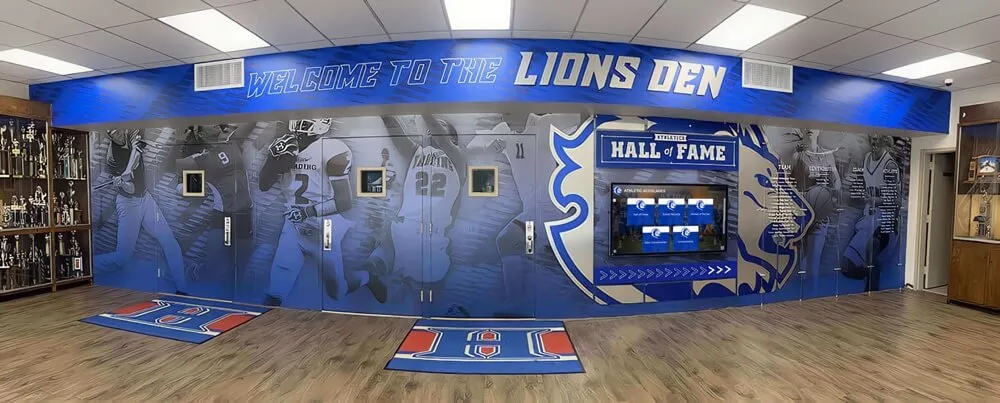
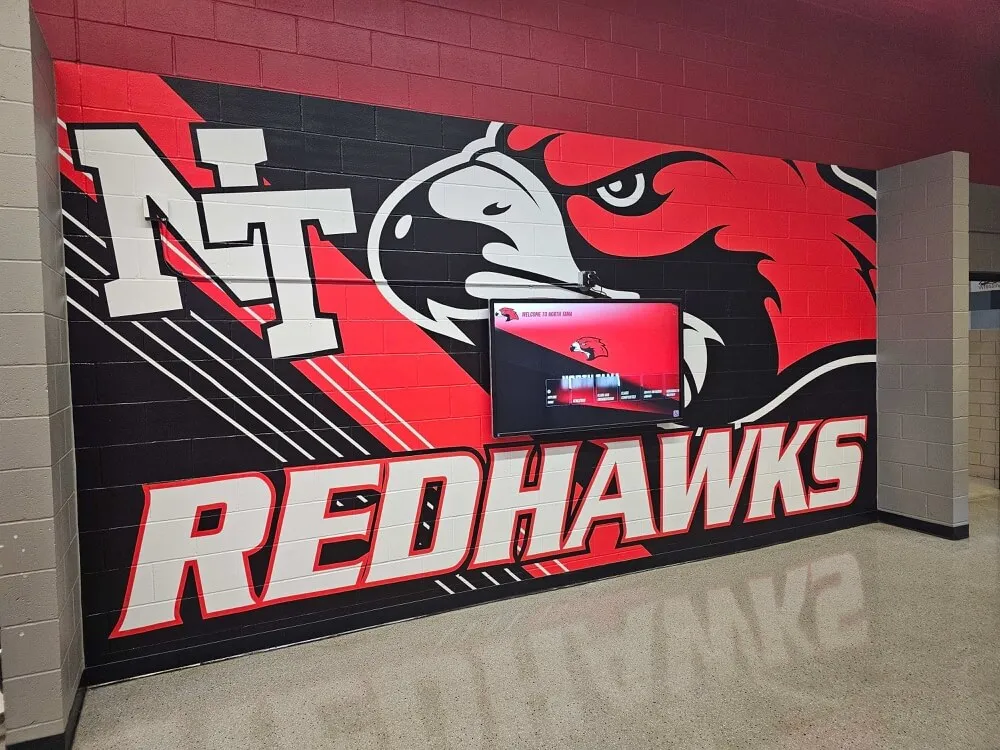
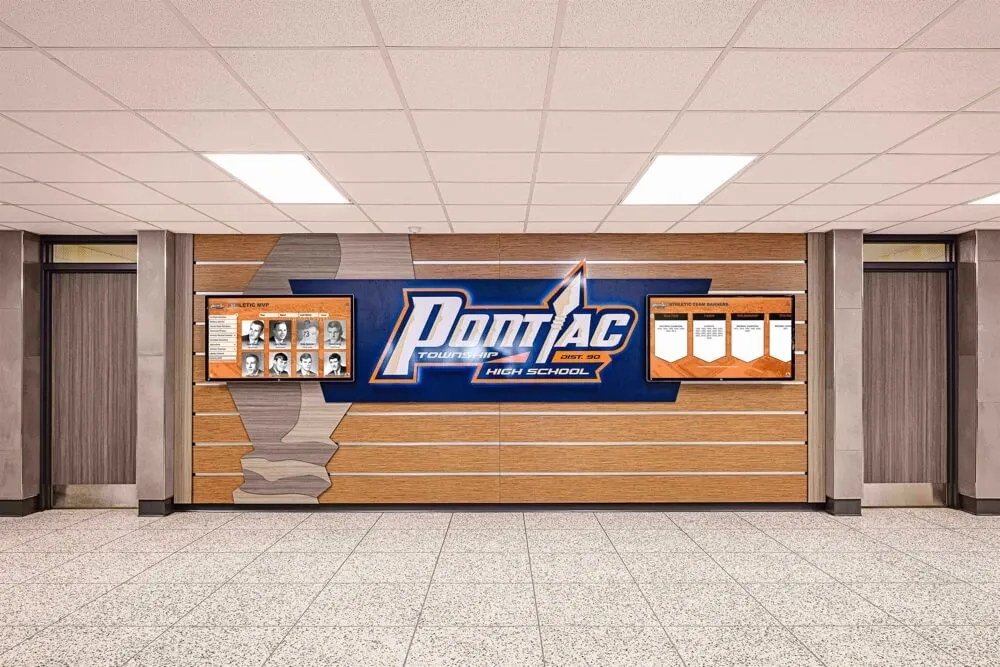
Modern recognition systems enable athletes to view their training achievements and performance milestones alongside team and program records
Sport-Specific Plyometric Applications
Different sports emphasize distinct movement patterns requiring tailored plyometric programming for maximum transfer to competition.
Basketball and Volleyball: Vertical Power Development
Sports emphasizing vertical jumping benefit from plyometric programs prioritizing vertical force production:
Priority Drill Selection
- Depth jumps developing maximum reactive strength
- Continuous vertical jumps building repetitive power
- Single-leg vertical jumps for sport-specific jumping patterns
- Box jumps progressing to maximum achievable heights
- Weighted vest variations overloading vertical power development
Programming Considerations
- Higher volume of vertical-focused drills (60-70% of total plyometric work)
- Progressive box height increases as athletes develop
- Emphasis on minimal ground contact time
- Integration with basketball/volleyball-specific skill work
- Monitoring of vertical jump testing every 2-3 weeks
Schools celebrating athletic achievements across multiple sports recognize both sport-specific performance and underlying physical development milestones.
Football and Soccer: Multi-Directional Explosiveness
Contact sports and field sports require explosive power across multiple movement planes:
Priority Drill Selection
- Lateral bounds developing side-to-side explosiveness
- Broad jumps for horizontal acceleration power
- Multi-directional bounds mimicking cutting patterns
- Single-leg variations addressing running-specific demands
- Complex sequences combining multiple movement directions
Programming Considerations
- Balanced distribution across vertical, horizontal, and lateral drills
- Position-specific variations (linemen vs. skill positions in football)
- Higher total volume supporting longer competition durations
- Integration with agility and change of direction training
- Periodization matching competitive season demands
Track and Field: Sprint and Jump Specific Power
Track athletes require specialized plyometric programming matching event-specific demands:
Sprint Events
- Single-leg continuous bounds developing running-specific power
- Repeated horizontal jumps building acceleration strength
- Depth jumps improving reactive strength for ground contact
- Uphill bounds overloading sprint-specific movement patterns
- High-frequency low-amplitude contacts developing rate of force development
Jumping Events
- Maximum height depth jumps for high jumpers
- Maximum distance bounds for long jumpers and triple jumpers
- Single-leg takeoff variations matching event mechanics
- Complex sequences integrating approach run patterns
- Event-specific technical integration with plyometric foundations
Programs recognizing improvements in fundamental athletic skills create culture emphasizing continuous development rather than static achievement levels.
Plyometric Training Safety and Injury Prevention
Proper plyometric programming emphasizes injury prevention through systematic progression and technical standards.
Prerequisite Strength Standards
Athletes should meet minimum strength requirements before beginning plyometric training:
Lower Body Strength Requirements
- Back squat 1.5x bodyweight for male athletes, 1.25x for female athletes
- Single-leg squat demonstrating full range of motion with proper mechanics
- Ability to perform 5 continuous single-leg calf raises per leg
- Demonstrated hamstring and hip flexor flexibility
- No current lower extremity pain or dysfunction
Core Stability Requirements
- Front plank hold 60+ seconds maintaining neutral spine
- Side plank hold 45+ seconds each side
- Demonstrated anti-rotation stability during movement
- Proper pelvic control during single-leg stance
- Ability to maintain neutral spine during landing mechanics
Athletes lacking these foundational prerequisites face significantly higher injury risk during plyometric training and should focus on strength development before advancing to high-intensity plyometrics.
Progressive Volume Guidelines
Plyometric training volume should progress systematically based on training age and adaptation:
Beginner Athletes (First 6-8 Weeks)
- 40-60 total foot contacts per session
- 2 training sessions per week
- Low to medium intensity drills only
- Full recovery between sets (2-3 minutes)
- Emphasis on perfect technical execution
Intermediate Athletes (8-16 Weeks)
- 60-100 total foot contacts per session
- 2-3 training sessions per week
- Medium intensity drills with occasional high-intensity work
- Adequate recovery between sets (1.5-2 minutes)
- Focus on power output while maintaining mechanics
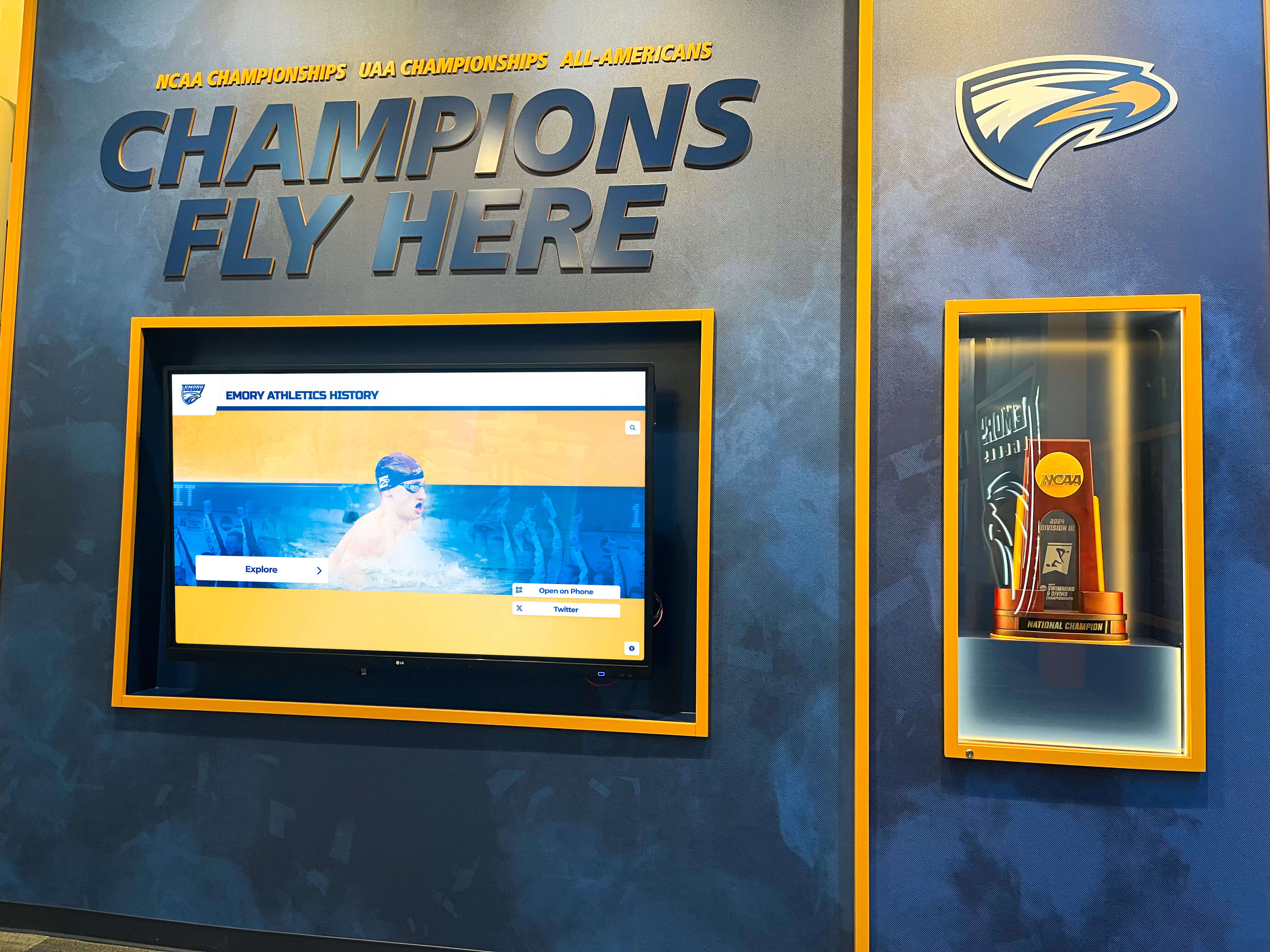
Elite athletic programs celebrate both team championships and individual performance achievements motivating comprehensive athlete development
Advanced Athletes (16+ Weeks)
- 80-120 total foot contacts per session
- 2-4 training sessions per week
- Full spectrum of drill intensities based on training phase
- Reduced rest for specific training goals (45-90 seconds)
- Maximum power output during high-intensity sessions
Recovery between plyometric sessions should be 48-72 hours minimum, with high-intensity sessions requiring 72+ hours before subsequent plyometric work.
Landing Mechanics and Technique Standards
Proper landing mechanics represent the single most important injury prevention factor during plyometric training:
Optimal Landing Position
- Land on forefoot with heel dropping to ground immediately after contact
- Knees tracking over toes without valgus (inward) collapse
- Hips lowering into athletic position absorbing force
- Trunk maintaining upright position without excessive forward lean
- Arms positioned for balance and force absorption assistance
Common Landing Errors to Correct
- Knee valgus collapse increasing ACL injury risk
- Excessive upright posture preventing proper force absorption
- Heels striking first creating impact forces traveling up kinetic chain
- Asymmetric landing patterns indicating bilateral imbalances
- Delayed or insufficient hip and knee flexion during landing
Coaches should video record athletes during plyometric sessions, reviewing landing mechanics and providing immediate technical feedback before progressing training intensity.
Programs celebrating comprehensive athletic development recognize both performance achievements and injury-free seasons demonstrating proper training discipline.
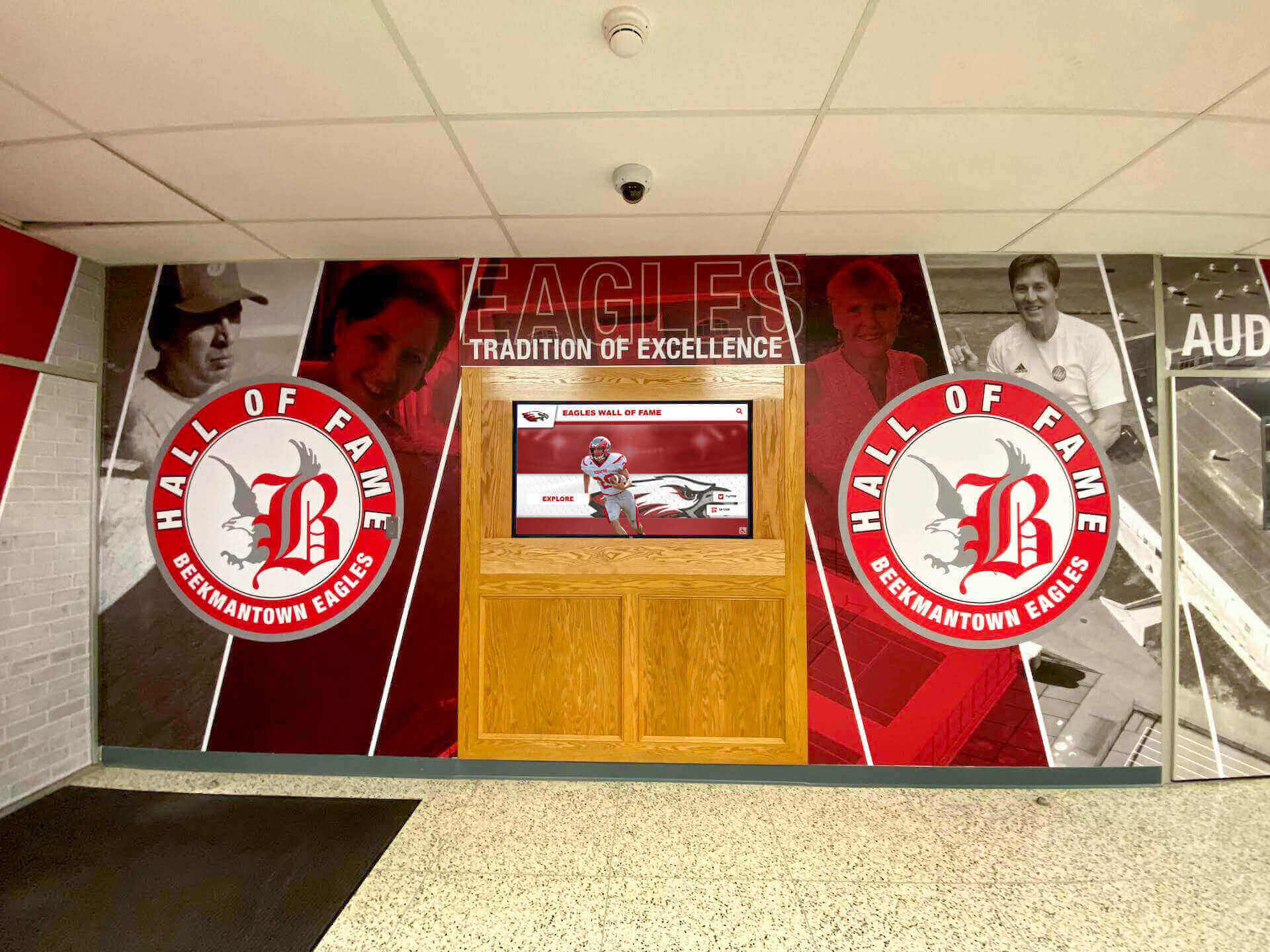
Recognition displays celebrating multi-year athletic careers highlight both peak performances and the consistent training discipline producing championship results
Integrating Plyometrics into Training Programs
Effective plyometric integration requires strategic programming within broader strength and conditioning plans.
Periodization and Season Planning
Plyometric training should vary throughout the annual training cycle matching competitive demands:
Off-Season (Preparation Phase)
- Highest training volume establishing foundations
- Progressive intensity increases across 8-12 week blocks
- Technical mastery emphasized before maximum intensity
- 2-3 sessions per week with adequate recovery
- Combination with maximal strength training
Pre-Season (Competition Preparation)
- Reduced volume with maintained or increased intensity
- Sport-specific drill selection increasing
- Integration with tactical and technical team training
- 2 sessions per week avoiding excessive fatigue
- Power development prioritized over volume accumulation
In-Season (Competition Phase)
- Minimum effective dose maintaining power development
- 1-2 sessions per week based on competition schedule
- Low to moderate volume (40-60 contacts)
- Scheduled minimum 48 hours before competitions
- Monitoring for fatigue and performance decrements
Post-Season (Recovery/Transition)
- Active recovery with minimal plyometric training
- Low-intensity movement preparation for next training cycle
- Address any accumulated injuries or imbalances
- 0-1 sessions per week maintaining basic movement patterns
- Mental and physical restoration before next off-season
Daily Training Session Structure
Plyometric drills should occupy specific positions within broader training sessions optimizing adaptation:
Optimal Session Placement
- Perform plyometrics after thorough dynamic warm-up
- Complete before strength training when both performed same day
- Never perform when fatigued from previous training elements
- Minimum 48 hours after heavy lower body strength sessions
- Consider CNS fatigue from all training components
Sample Combined Training Session
- Dynamic warm-up and movement preparation (10-15 minutes)
- Plyometric drills while completely fresh (15-20 minutes)
- Sport-specific speed or agility work (15-20 minutes)
- Strength training emphasizing different muscle groups (30-40 minutes)
- Cool-down and regeneration work (10-15 minutes)
Performing plyometrics when fresh maximizes neuromuscular adaptation and power development while reducing injury risk compared to fatigued-state training.
Assessment and Progress Monitoring
Regular testing provides objective feedback on training effectiveness:
Key Performance Indicators
- Vertical jump height (countermovement and squat jump variations)
- Broad jump distance
- Reactive strength index (jump height ÷ ground contact time)
- Sport-specific power assessments
- Asymmetry measurements between limbs
Testing Frequency and Protocols
- Baseline testing before beginning plyometric program
- Reassessment every 4-6 weeks during training blocks
- Pre and post-season comparative testing
- Standardized protocols ensuring measurement consistency
- Video documentation of technique alongside quantitative measures
Athletic programs maintaining comprehensive performance records enable multi-year athlete tracking demonstrating long-term development trajectories rather than single-season snapshots.
Common Plyometric Training Mistakes and Solutions
Even experienced programs encounter common pitfalls limiting training effectiveness:
Mistake 1: Inadequate Strength Foundation
Problem: Implementing high-intensity plyometrics before athletes develop sufficient strength creates injury risk without optimal adaptation.
Solution:
- Establish minimum strength standards before plyometric progression
- Maintain concurrent strength training throughout plyometric programs
- Address bilateral strength asymmetries exceeding 10% before single-leg plyometrics
- Prioritize landing mechanics and eccentric strength development early
Mistake 2: Excessive Volume Too Quickly
Problem: Rapid volume increases exceed tissue adaptation capacity causing overuse injuries and performance decrements.
Solution:
- Follow 10% rule: increase weekly volume no more than 10% per week
- Monitor athlete soreness and recovery quality
- Reduce volume immediately if performance decreases session-to-session
- Build training volume over 8-12 week progressive blocks
- Include deload weeks reducing volume 40-50% every 3-4 weeks
Mistake 3: Poor Technical Standards
Problem: Prioritizing volume or intensity over proper mechanics creates inefficient movement patterns and injury risk.
Solution:
- Video record all athletes during initial plyometric sessions
- Provide individual technical feedback before progressing intensity
- Terminate sets when technique deteriorates regardless of prescribed volume
- Implement technical regression when mechanics break down
- Use external coaching cues improving movement patterns
Mistake 4: Inadequate Recovery Between Sessions
Problem: Insufficient recovery between plyometric sessions prevents adaptation and increases injury susceptibility.
Solution:
- Minimum 48 hours between plyometric sessions
- 72+ hours between high-intensity plyometric sessions
- Monitor sleep quality and overall training stress
- Adjust training frequency based on competition schedule
- Recognize individual recovery variations between athletes
Schools implementing systematic athletic recognition programs celebrate not only performance outcomes but also the training discipline and technical mastery producing championship results.
Measuring Success: Performance Benchmarks and Standards
Establishing performance standards provides motivation and objective training goals for high school athletes:
Vertical Jump Benchmarks by Sport and Gender
Male Athletes
- Basketball/Volleyball: 28-32+ inches (elite)
- Football skill positions: 26-30+ inches (elite)
- Football linemen: 22-26+ inches (elite)
- Track and field jumpers: 30-36+ inches (elite)
- Soccer: 24-28+ inches (elite)
Female Athletes
- Basketball/Volleyball: 20-24+ inches (elite)
- Soccer: 18-22+ inches (elite)
- Track and field jumpers: 22-28+ inches (elite)
- Softball: 18-22+ inches (elite)
Broad Jump Benchmarks by Sport and Gender
Male Athletes
- Basketball/Volleyball: 8'6"-9'6"+ (elite)
- Football skill positions: 9'0"-10'0"+ (elite)
- Football linemen: 8'0"-9'0"+ (elite)
- Track and field: 9'6"-11'0"+ (elite)
- Soccer: 8'6"-9'6"+ (elite)
Female Athletes
- Basketball/Volleyball: 7'0"-8'0"+ (elite)
- Soccer: 6'6"-7'6"+ (elite)
- Track and field: 7'6"-9'0"+ (elite)
- Softball: 6'6"-7'6"+ (elite)
Reactive Strength Index Standards
Reactive Strength Index (RSI) measures the ratio of jump height to ground contact time, indicating reactive power quality:
- Excellent: RSI > 2.5
- Good: RSI 2.0-2.5
- Average: RSI 1.5-2.0
- Below Average: RSI < 1.5
High RSI values indicate superior reactive strength and efficient stretch-shortening cycle utilization regardless of absolute jump height.
Programs maintaining detailed athlete performance records enable athletes to track improvement over time and recognize achievement of performance milestones motivating continued development.
Building a Championship Culture Through Recognition
The most successful athletic programs combine systematic training with comprehensive recognition creating culture celebrating both outcome achievements and developmental process:
Performance Milestone Recognition
- Vertical jump improvement achievements (e.g., first athlete to reach 30" vertical)
- Broad jump distance milestones
- Reactive strength index improvements
- Season-long training attendance and consistency
- Technical mastery certifications in plyometric progressions
Team Development Celebrations
- Collective team average improvements in power metrics
- Injury-free training seasons demonstrating proper technique discipline
- Progressive advancement through plyometric training levels
- Pre-season to post-season comparative performance gains
- Multi-year athlete development trajectories
Athletic departments implementing modern recognition systems create visible accountability encouraging consistent training discipline. Digital recognition platforms enable programs to showcase strength and conditioning achievements alongside competitive results, celebrating the comprehensive athletic development producing championship performance.
Programs that recognize training achievements create culture valuing preparation equally with competition, producing athletes who understand that explosive power demonstrated during critical game moments results from months of disciplined plyometric training developing the neuromuscular foundations separating champions from competitors.
Conclusion: From Training Room to Championship Performance
Plyometric training represents the most direct pathway for high school athletes to develop the explosive power, reactive strength, and rapid force production separating elite competitors from those who plateau despite natural talent and sport-specific skill development. When coaches implement systematic plyometric programs emphasizing technical precision, progressive overload, adequate recovery, and sport-specific application, entire teams elevate their athletic ceiling while building injury-resistant movement patterns supporting long-term competitive careers.
The difference between programs producing occasional standout athletes and those developing consistently explosive teams lies in systematic training culture—beginning with proper strength foundations, progressing through carefully designed plyometric protocols, monitoring objective performance improvements, and celebrating the training discipline producing championship results. Athletes who commit to comprehensive plyometric development don’t just jump higher or accelerate faster; they develop the confidence and physical capability to compete aggressively in critical moments knowing their power preparation exceeds opponents who rely on talent alone.
Modern athletic programs combine evidence-based training with comprehensive recognition systems celebrating both competitive achievements and the developmental milestones producing them. By tracking plyometric performance improvements, recognizing training consistency, and showcasing multi-year athlete development trajectories, programs create accountability and motivation that transforms individual commitment into collective championship culture where explosive power becomes team identity rather than individual attribute.
Ready to transform your athletic program’s recognition capabilities and celebrate comprehensive athlete development? Discover how Rocket Alumni Solutions’ digital recognition platforms enable schools to showcase strength and conditioning achievements, track performance milestones, and build championship culture celebrating both training discipline and competitive excellence.