



The difference between good athletes and great athletes often comes down to explosive power—the ability to generate maximum force in minimum time. Whether it’s a basketball player elevating for a rebound, a football player exploding off the line, or a track athlete launching from the blocks, explosive strength separates elite performers from the competition.
Yet many high school strength and conditioning programs focus primarily on traditional weight training while neglecting plyometric drills—the scientifically-proven method for developing the explosive power that translates directly to on-field athletic performance. Athletes spend hours in weight rooms building strength that never converts to the rapid force production sports demand because they lack the neuromuscular training plyometrics provide.
This comprehensive guide explores plyometric drills for high school athletes, progressing from foundational beginner exercises through advanced explosive movements. Whether you’re a strength coach building a complete training program or an athlete seeking to enhance explosive power, these plyometric exercises will help develop the speed, power, and athleticism that define elite competitors.
Effective plyometric training extends beyond random jumping exercises—it requires systematic progression, proper technique emphasis, adequate recovery, and sport-specific application. Schools implementing structured plyometric programs consistently develop athletes with superior vertical jump height, faster sprint times, quicker change-of-direction ability, and reduced injury rates compared to programs relying solely on traditional strength training.

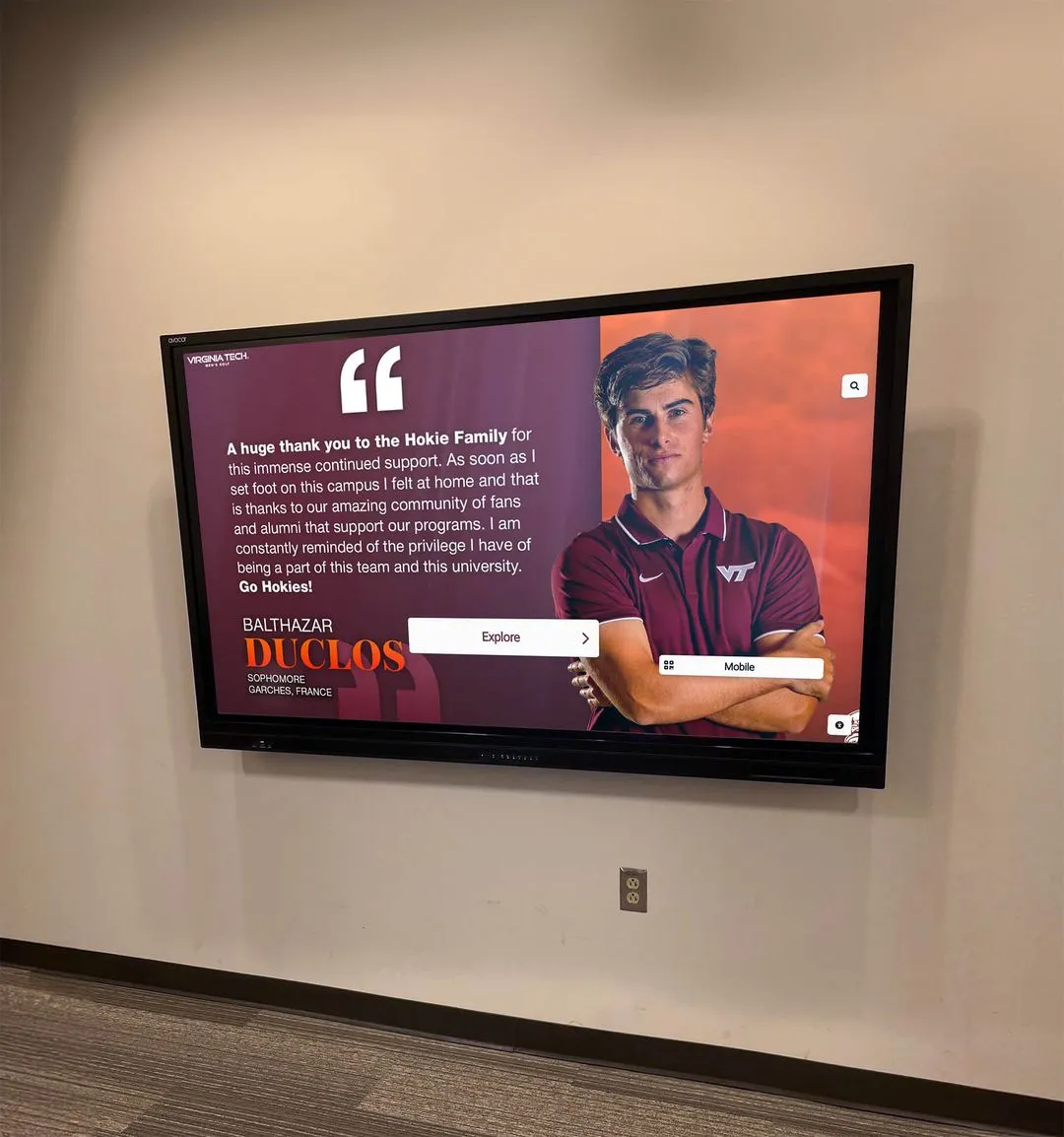
Explosive power developed through plyometric training translates directly to superior athletic performance across all sports
Understanding Plyometric Training: The Science Behind Explosive Power
Before implementing plyometric drills, understanding how plyometric exercises develop athletic power helps coaches and athletes maximize training effectiveness.
What Are Plyometrics?
The Stretch-Shortening Cycle
Plyometric exercises leverage the stretch-shortening cycle (SSC)—the rapid lengthening (eccentric phase) immediately followed by rapid shortening (concentric phase) of muscles:
- Eccentric Phase: Muscle lengthens under tension (landing from a jump, absorbing force)
- Amortization Phase: Brief transition period between lengthening and shortening (crucial to minimize)
- Concentric Phase: Explosive muscle shortening producing force (jumping, throwing, sprinting)
This natural mechanism stores elastic energy during the eccentric phase that releases during the concentric phase, generating more power than concentric muscle action alone. Every time an athlete lands and immediately jumps, changes direction rapidly, or throws with a wind-up, they’re using the stretch-shortening cycle.
Neuromuscular Adaptations
Plyometric training produces specific physiological adaptations:
- Improved rate of force development (how quickly muscles generate maximum force)
- Enhanced neural drive and motor unit recruitment patterns
- Increased muscle-tendon stiffness improving elastic energy storage and release
- Superior intermuscular coordination for complex athletic movements
- Faster reactive strength and reduced ground contact times
These adaptations explain why plyometric training improves athletic performance more effectively than traditional strength training alone—sports demand rapid force production, not just maximum force capacity.
Benefits of Plyometric Training for High School Athletes
Athletic Performance Enhancement
- Increased vertical jump height and broad jump distance
- Improved sprint speed and acceleration
- Enhanced change-of-direction speed and agility
- Superior reactive strength and explosiveness
- Sport-specific power development
Injury Prevention
- Strengthened tendons and connective tissues
- Improved landing mechanics and deceleration control
- Enhanced neuromuscular control and body awareness
- Reduced ACL injury risk through better movement patterns
- Greater joint stability under dynamic loads
Training Efficiency
- Develops multiple fitness qualities simultaneously (strength, power, coordination)
- Requires minimal equipment for effective workouts
- Time-efficient training producing significant results
- Easily integrated with existing strength programs
- Scalable across all athletic ability levels

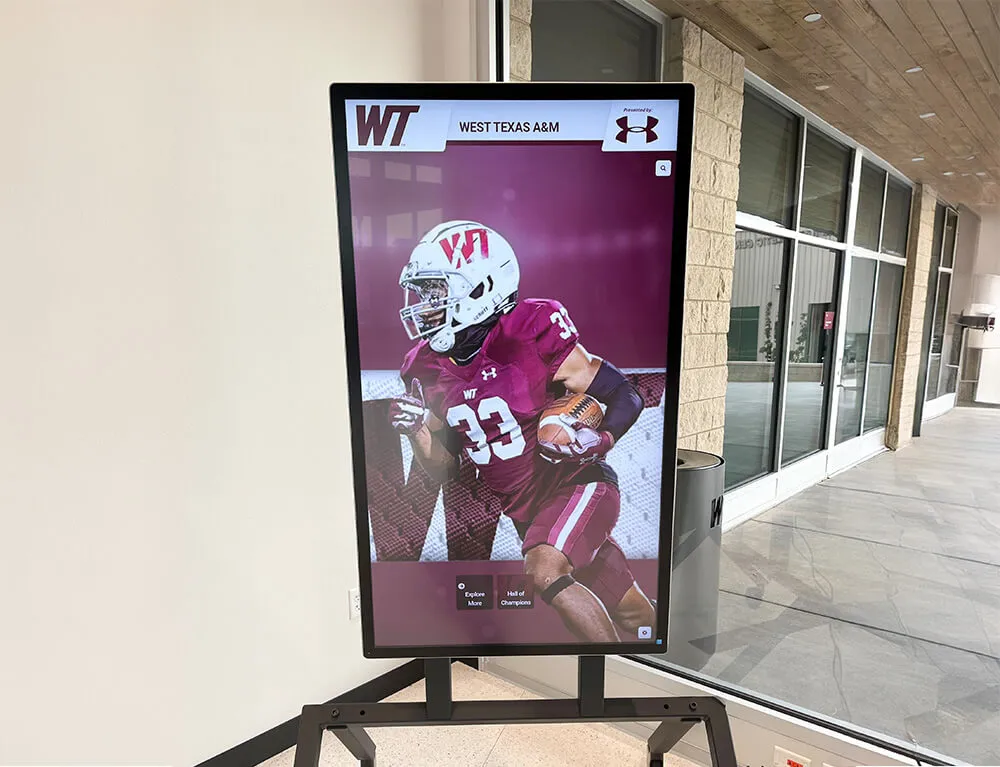
Athletic programs tracking strength and conditioning achievements create accountability and motivation for consistent training
Research published in the Journal of Strength and Conditioning Research consistently demonstrates that athletes combining plyometric training with traditional strength work achieve superior performance improvements compared to strength training alone—particularly in measures most relevant to sports performance like vertical jump, sprint speed, and change-of-direction ability.
Programs implementing comprehensive athletic recognition systems to track and celebrate athletic achievements including strength and conditioning milestones create cultures where athletes maintain training consistency year-round.
Plyometric Training Safety and Prerequisites
Plyometric exercises generate high forces requiring adequate physical preparation before implementation.
Training Prerequisites and Readiness Assessment
Strength Foundation Requirements
Athletes should demonstrate baseline strength levels before beginning plyometric training:
- Squat Strength: Ability to back squat 1.5x bodyweight (or demonstrate single-leg squat control)
- Core Stability: Capacity to maintain neutral spine during dynamic movements
- Landing Mechanics: Proper deceleration technique with soft, controlled landings
- Training Age: Minimum 6-12 months of structured resistance training experience
- Movement Quality: Fundamental movement patterns performed correctly under fatigue
For younger or less experienced athletes, bodyweight strength exercises and basic movement quality work should precede advanced plyometric training.
Medical Clearance and Screening
Prior to plyometric training, athletes should:
- Receive medical clearance for high-intensity training from healthcare providers
- Complete musculoskeletal screening identifying injury history or limitations
- Demonstrate full range of motion in ankles, knees, and hips
- Have no current joint pain or acute injuries
- Show adequate flexibility for landing positions and athletic movements
Essential Safety Guidelines
Proper Progression Principles
- Begin with low-intensity bilateral movements before advancing to high-intensity single-leg exercises
- Master landing mechanics before emphasizing maximum jump height
- Increase volume gradually (no more than 10% weekly increases in total ground contacts)
- Allow adequate recovery between plyometric sessions (48-72 hours minimum)
- Monitor for signs of overtraining including persistent soreness or performance decline
Training Surface and Environment
- Use appropriate surfaces (grass, rubberized tracks, sprung floors) rather than concrete
- Ensure adequate space free from obstacles creating collision risks
- Maintain clean, dry surfaces preventing slips during landings
- Verify sufficient ceiling height for vertical jump exercises
- Provide proper lighting for visual tracking during rapid movements
Coaching and Supervision
- Qualified supervision ensuring technique correction and safety monitoring
- Progressive teaching emphasizing movement quality over intensity
- Appropriate athlete-to-coach ratios allowing individual feedback
- Emergency action plans for potential injuries
- Regular technique assessment preventing compensatory movement patterns
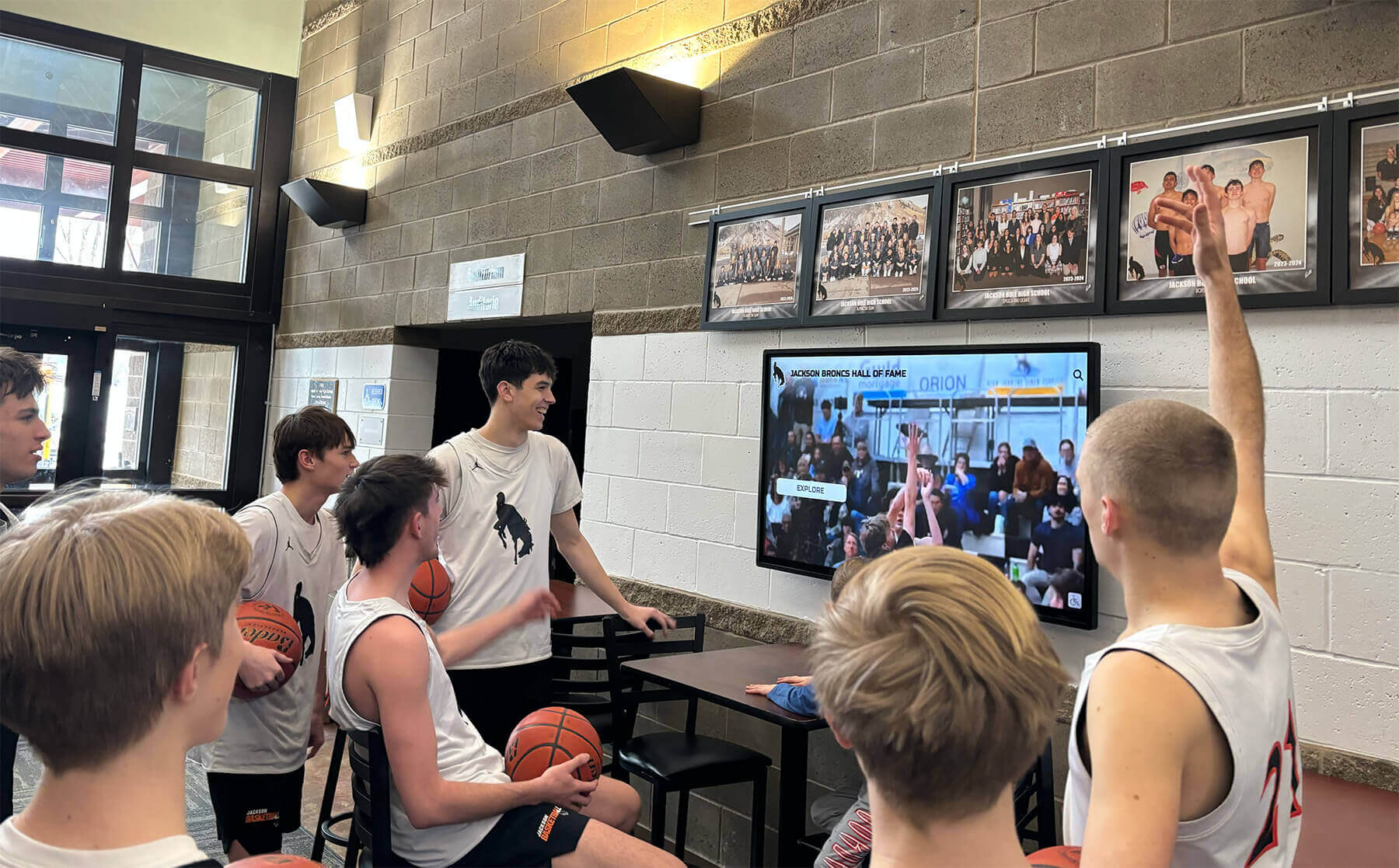
Athletic facilities showcasing training achievements and performance records motivate athletes to pursue excellence in all aspects of preparation
Schools implementing comprehensive athletic facility enhancements including dedicated strength and conditioning spaces create environments supporting safe, effective plyometric training programs.
Beginner Plyometric Drills: Building the Foundation
Athletes new to plyometric training should master fundamental exercises emphasizing proper landing mechanics and basic explosive movements.
Level 1: Low-Intensity Bilateral Exercises
These entry-level plyometric drills develop foundational skills with minimal injury risk.
1. Squat Jumps
Primary benefits: Vertical power development, landing mechanics, hip extension strength
- Stand with feet shoulder-width apart, hands behind head or at sides
- Perform quarter to half squat, then explosively jump straight up
- Extend hips, knees, and ankles fully at takeoff
- Land softly with bent knees, absorbing force through hips and ankles
- Pause 2-3 seconds between repetitions (non-reactive)
Progression: 3 sets x 5-8 repetitions, 60-90 seconds rest between sets
2. Broad Jumps (Standing Long Jump)
Primary benefits: Horizontal power, triple extension coordination, deceleration control
- Start standing with feet hip-width apart
- Swing arms back while loading into quarter squat position
- Explosively swing arms forward while extending hips, knees, and ankles
- Jump forward for maximum distance
- Land balanced with knees bent, absorbing force through entire lower body
- Walk back to starting position between repetitions
Progression: 3 sets x 4-6 repetitions, 90 seconds rest between sets
3. Box Jumps (Low Box 12-18 inches)
Primary benefits: Vertical power, landing precision, confidence building
- Stand facing sturdy box or platform 12-18 inches high
- Swing arms while loading into quarter squat
- Jump explosively onto box, landing softly with both feet simultaneously
- Stand fully upright on box
- Step down carefully (no jumping down initially)
- Reset completely before next repetition
Progression: 3 sets x 5-8 repetitions, 60-90 seconds rest between sets
4. Lateral Jumps Over Line
Primary benefits: Lateral power, ankle stability, change-of-direction mechanics
- Stand on one side of line or low barrier (cone, tape line)
- Jump laterally over line, landing on both feet simultaneously
- Immediately jump back over line to starting position
- Emphasize controlled landings with knees tracking over toes
- Maintain upright torso position throughout movement
Progression: 3 sets x 6-10 repetitions (each direction counts as 1 rep), 60 seconds rest
5. Drop Squats
Primary benefits: Landing mechanics, eccentric strength, deceleration control
- Stand on low box or step (6-12 inches)
- Step off box (don’t jump), landing in quarter squat position
- Absorb landing force through entire lower body
- Hold landing position briefly demonstrating control
- Step back onto box and reset
Progression: 3 sets x 5-8 repetitions, 60 seconds rest between sets

Championship recognition creates cultures where athletes pursue excellence in training, knowing achievements receive permanent celebration
Beginner Programming Guidelines
- Total weekly ground contacts: 60-100 contacts
- Training frequency: 2 sessions per week
- Rest between sessions: 48-72 hours minimum
- Session timing: After thorough warm-up, before heavy strength training
- Duration: 4-6 weeks before progressing to intermediate exercises
Athletes participating in comprehensive athletic award programs recognizing training achievements maintain greater consistency with strength and conditioning programs including plyometric work.
Intermediate Plyometric Drills: Developing Reactive Strength
Once athletes master foundational exercises with proper technique, intermediate plyometric drills introduce reactive elements and increased intensity.
Level 2: Moderate-Intensity Reactive Exercises
6. Pogo Jumps (Ankle Hops)
Primary benefits: Ankle stiffness, minimal ground contact time, reactive strength
- Stand tall with minimal knee bend, feet together
- Rapidly jump using primarily ankle dorsiflexion and plantar flexion
- Minimize ground contact time (quick, bouncy rhythm)
- Keep knees relatively straight emphasizing ankle action
- Land on balls of feet with stiff ankles, immediately rebounding
Progression: 3 sets x 10-15 repetitions, 60-90 seconds rest between sets
7. Tuck Jumps
Primary benefits: Vertical power, core strength, hip flexion speed
- Jump vertically while bringing knees toward chest
- Grab knees briefly at peak of jump
- Land with control, immediately loading for next repetition
- Minimize ground contact time between jumps (reactive)
- Maintain upright torso without excessive forward lean
Progression: 3 sets x 5-8 repetitions, 90 seconds rest between sets
8. Box Jump with Step Down (Reactive)
Primary benefits: Vertical power with deceleration control, work capacity
- Perform box jump onto 18-24 inch box
- Step down facing box (one foot then other)
- Immediately reload and jump back onto box
- Emphasize quick turnaround between landings and jumps
- Maintain quality throughout set without excessive fatigue
Progression: 3 sets x 6-10 repetitions, 90 seconds rest between sets
9. Split Jumps
Primary benefits: Single-leg power, hip flexor strength, unilateral coordination
- Start in split stance (lunge position) with front knee bent 90 degrees
- Jump explosively, switching leg positions in air
- Land in opposite split stance with control
- Immediately jump again, alternating legs each repetition
- Keep torso upright, minimizing forward lean
Progression: 3 sets x 8-12 repetitions (total jumps), 60-90 seconds rest
10. Lateral Bounds
Primary benefits: Lateral power, single-leg stability, change-of-direction strength
- Stand on right leg, left leg hanging
- Push off explosively, jumping laterally to land on left leg
- Stick landing demonstrating balance and control
- Immediately push off left leg, jumping back to right
- Maximize distance while maintaining landing quality
Progression: 3 sets x 6-10 repetitions per side, 90 seconds rest between sets
11. Double-Leg Hurdle Hops
Primary benefits: Horizontal and vertical power combination, reactive strength
- Set up 4-6 hurdles (12-18 inches) spaced 2-3 feet apart
- Jump over each hurdle consecutively with both feet
- Minimize ground contact time between hurdles
- Emphasize quick, reactive jumps rather than maximum height
- Land and immediately explode to next hurdle
Progression: 3 sets x 4-6 hurdles, 2 minutes rest between sets

Athletic recognition displays in prominent facility locations inspire current athletes while showcasing the tradition of excellence they continue
12. Medicine Ball Chest Pass (Explosive)
Primary benefits: Upper body power, core stability, rotational control
- Stand 6-8 feet from wall or partner, holding 4-8 lb medicine ball
- Bring ball to chest, then explosively extend arms throwing ball forward
- Catch ball on rebound (or from partner), immediately load and throw again
- Minimize time between catches and throws (reactive)
- Maintain athletic stance with core engaged
Progression: 3 sets x 8-12 repetitions, 60 seconds rest between sets
Intermediate Programming Guidelines
- Total weekly ground contacts: 100-150 contacts
- Training frequency: 2-3 sessions per week
- Emphasis: Reducing ground contact time while maintaining quality
- Session structure: Mix bilateral and unilateral exercises
- Duration: 6-8 weeks before progressing to advanced exercises
Schools tracking athletic performance improvements through digital record boards help athletes visualize progress from plyometric training programs, maintaining motivation for consistent participation.
Advanced Plyometric Drills: Maximizing Explosive Power
Advanced plyometric exercises generate highest training intensities, demanding excellent technical proficiency and physical preparation.
Level 3: High-Intensity Single-Leg and Reactive Exercises
13. Depth Jumps
Primary benefits: Maximum reactive strength, eccentric strength, rate of force development
- Stand on box 18-30 inches high
- Step off box (don’t jump), landing on both feet
- Upon ground contact, immediately explode upward into maximal vertical jump
- Minimize ground contact time (goal: under 0.2 seconds)
- Focus on rapid force production, not jump height during landing phase
Progression: 3 sets x 3-5 repetitions, 2-3 minutes rest between sets
14. Single-Leg Box Jumps
Primary benefits: Unilateral power, balance, single-leg stability strength
- Stand on one leg facing 12-18 inch box
- Jump onto box landing on same leg
- Demonstrate balance and control on landing
- Step down and reset before next repetition
- Progress to reactive versions only after mastering controlled landings
Progression: 3 sets x 4-6 repetitions per leg, 90-120 seconds rest
15. Single-Leg Bounds (Continuous)
Primary benefits: Horizontal single-leg power, sprint-specific strength
- Begin on right leg, drive knee and opposite arm forward
- Explode forward, maximizing distance in air
- Land on left leg, immediately driving into next bound
- Continue bounding for prescribed distance or repetitions
- Emphasize horizontal distance and quick ground contacts
Progression: 3 sets x 20-30 meters, 2-3 minutes rest between sets
16. Reactive Box Jumps (Continuous)
Primary benefits: Repeated power output, work capacity, mental toughness
- Perform box jump onto 18-24 inch box
- Immediately jump back down to ground
- Upon landing, immediately explode back onto box
- Continue for prescribed repetitions minimizing ground contact
- Maintain jump height throughout set demonstrating power endurance
Progression: 3 sets x 5-8 repetitions, 2 minutes rest between sets
17. Hurdle Hops (Single-Leg)
Primary benefits: Unilateral reactive power, ankle stability, rhythm
- Set up 4-6 hurdles (12-18 inches) spaced appropriately for single-leg bounds
- Hop over hurdles on single leg consecutively
- Minimize ground contact between hurdles
- Switch legs between sets
- Progress to alternating legs only after mastering single-leg versions
Progression: 3 sets x 4-6 hurdles per leg, 2 minutes rest between sets
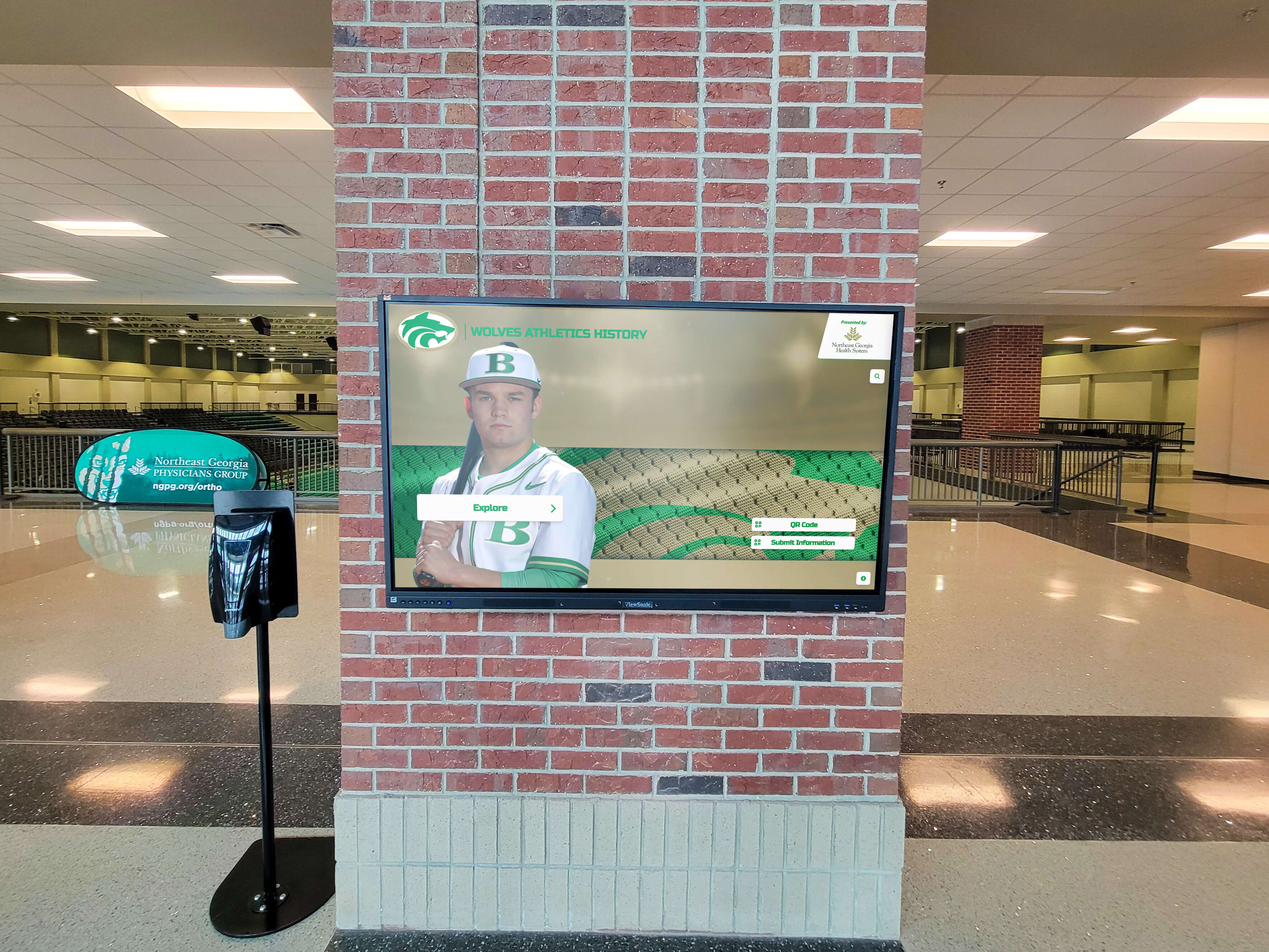
Modern athletic facilities integrate digital recognition celebrating athlete achievements including strength and conditioning milestones
18. Depth Jumps to Barrier
Primary benefits: Maximum vertical power, reactive strength under constraints
- Perform depth jump from box (18-30 inches)
- Upon landing, immediately jump vertically to touch barrier (basketball rim, suspended object)
- Emphasize explosive rebound jump rather than initial drop
- Minimize ground contact time
- Quality over quantity—terminate set when performance declines
Progression: 3 sets x 3-5 repetitions, 3 minutes rest between sets
19. Medicine Ball Overhead Throws
Primary benefits: Total body power, explosive hip extension, core strength
- Stand holding medicine ball (8-12 lbs) overhead
- Perform slight countermovement, loading hips and core
- Explosively extend entire body, throwing ball forward and upward for distance
- Release ball at approximately 45-degree angle
- Retrieve ball, reset completely before next throw
Progression: 3 sets x 4-6 repetitions, 90-120 seconds rest between sets
20. Lateral Hurdle Hops (Single-Leg)
Primary benefits: Lateral power, frontal plane stability, change-of-direction mechanics
- Stand on right leg beside hurdle (12-18 inches)
- Jump laterally over hurdle, landing on same leg
- Stick landing briefly demonstrating control
- Jump back over hurdle to starting position
- Complete all repetitions on one leg before switching
Progression: 3 sets x 5-8 repetitions per leg, 90 seconds rest between sets
Advanced Programming Guidelines
- Total weekly ground contacts: 120-200 contacts (sport-dependent)
- Training frequency: 2-3 sessions per week (never consecutive days)
- Volume management: Monitor cumulative stress from plyometrics, strength training, and sport practice
- Quality emphasis: Terminate exercises when technique deteriorates
- Periodization: Vary intensity and volume across training phases
Athletic programs implementing comprehensive sports recognition celebrating training achievements alongside competitive results create cultures valuing the preparation work that produces performance outcomes.
Sport-Specific Plyometric Applications
Tailoring plyometric training to specific sports optimizes transfer to athletic performance.
Basketball Plyometric Exercises
Vertical Jump Emphasis
- Continuous vertical jumps (rim touches, backboard touches)
- Single-leg depth jumps to vertical barrier
- Reactive box jumps emphasizing maximum height
- Tuck jumps focusing on peak height
Lateral Movement
- Lateral bounds for defensive slides
- Single-leg lateral hurdle hops
- Reactive lateral jumps over line
Rebounding-Specific
- Depth jumps to immediate vertical jump with arm reach
- Box jumps with arm extension at peak
Programs tracking athletic achievements including varsity letter criteria that include strength and conditioning benchmarks motivate consistent training participation.
Football Plyometric Training
Linear Speed Development
- Single-leg bounds for stride power
- Depth jumps to sprint starts
- Broad jumps for horizontal force production
- Resisted bounds developing acceleration strength
Position-Specific Applications
- Linemen: Short-range reactive jumps, medicine ball work
- Skill positions: Maximum velocity bounds, lateral change-of-direction
- Linebackers/defensive backs: Multi-directional reactive exercises
Contact Preparation
- Landing mechanics for injury prevention
- Deceleration drills reducing knee injury risk
- Frontal and transverse plane stability exercises
Soccer Plyometric Drills
Change-of-Direction Emphasis
- Lateral bounds and crossover bounds
- 180-degree reactive jumps
- Multi-directional hurdle hops
Sprint Acceleration
- Single-leg bounds for stride length
- Resisted horizontal jumps
- Reactive starts from various positions
Lower Extremity Resilience
- High-volume ankle stiffness work (pogo jumps)
- Single-leg landing mechanics
- Eccentric strength emphasis for injury prevention
Track and Field Plyometrics
Sprinters
- Maximum horizontal force production (bounds, broad jumps)
- Reactive single-leg exercises
- Acceleration-specific exercises (depth jump to sprint)
Jumpers
- High-intensity vertical and horizontal plyometrics
- Sport-specific approach work
- Maximum reactive strength development
Throwers
- Medicine ball explosive throws (various angles)
- Rotational power exercises
- Total body power development
Schools implementing comprehensive track and field recognition programs celebrating training milestones alongside competitive achievements build cultures where athletes value preparation equally with performance.
Programming Plyometric Training: Integration and Periodization
Strategic programming maximizes plyometric training benefits while managing fatigue and injury risk.
Training Session Structure
Optimal Session Organization
Plyometric exercises should occur when athletes are fresh and can perform with maximum quality:
Dynamic Warm-Up (10-15 minutes)
- Movement preparation activating muscles used in plyometrics
- Progressive intensity building to workout demands
- Specific activation exercises for ankles, knees, hips
Plyometric Exercises (15-25 minutes)
- Highest intensity exercises first when neural system is fresh
- Progress from bilateral to unilateral, simple to complex
- Adequate rest between sets maintaining quality
Strength Training (if combined session)
- Heavy strength work after plyometrics
- Plyometric fatigue doesn’t compromise maximal strength development
- Complementary exercises enhancing plyometric adaptations
Cool-Down (5-10 minutes)
- Light movement reducing muscle tension
- Stretching addressing areas tightened during training
Weekly Training Organization
Sample weekly structure integrating plyometrics with other training:
- Monday: Heavy lower body strength + lower intensity plyometrics
- Tuesday: Upper body strength + sport practice
- Wednesday: Moderate plyometrics (reactive emphasis) + conditioning
- Thursday: Upper body + sport practice
- Friday: High-intensity plyometrics (sport-specific) + light lower body
- Saturday: Competition or rest
- Sunday: Rest
Periodization Across Training Phases
Off-Season Foundation Phase (8-12 weeks)
- Emphasis: Movement quality, landing mechanics, strength foundation
- Volume: Low-moderate (60-100 contacts per week)
- Intensity: Low (bilateral, non-reactive exercises)
- Progression: Master technique before increasing difficulty
Pre-Season Strength Development (6-8 weeks)
- Emphasis: Building reactive strength, increasing work capacity
- Volume: Moderate-high (100-150 contacts per week)
- Intensity: Moderate (introduction of reactive and unilateral exercises)
- Progression: Gradual increase in intensity and complexity
In-Season Maintenance (12-20+ weeks)
- Emphasis: Maintaining power while managing fatigue
- Volume: Low-moderate (60-100 contacts per week)
- Intensity: High (quality over quantity, sport-specific movements)
- Frequency: 1-2 sessions per week maintaining adaptations
Post-Season Recovery (2-4 weeks)
- Emphasis: Active recovery, addressing limitations
- Volume: Minimal structured plyometrics
- Intensity: Very low (basic movements if any)
- Focus: Physical and mental recovery before next training cycle
Volume and Intensity Guidelines
Ground Contact Recommendations by Experience Level
- Beginner Athletes: 60-100 contacts per session, 120-200 per week
- Intermediate Athletes: 100-150 contacts per session, 200-300 per week
- Advanced Athletes: 120-200 contacts per session, 300-450 per week
Intensity Categories
- Low Intensity: Bilateral, non-reactive, low height/distance (squat jumps, box steps)
- Moderate Intensity: Reactive bilateral, basic unilateral (tuck jumps, split jumps)
- High Intensity: Depth jumps, maximum effort single-leg, sport-maximum efforts
Recovery Requirements
- Minimum 48 hours between high-intensity lower body plyometric sessions
- 72+ hours before competition following intense plyometric training
- Reduced volume during high-stress competitive periods
- Active recovery strategies (light movement, soft tissue work, proper nutrition)
Common Plyometric Training Mistakes and Solutions
Avoiding frequent errors optimizes training results while minimizing injury risk.
Mistake 1: Inadequate Strength Foundation
Problem: Beginning intensive plyometrics before developing adequate strength base Consequence: Increased injury risk, poor movement patterns, limited training adaptations Solution: Verify strength prerequisites, emphasize landing mechanics before reactive exercises
Mistake 2: Excessive Volume Too Quickly
Problem: Rapid increases in plyometric training volume Consequence: Overuse injuries (patellar tendinopathy, shin splints, stress fractures) Solution: Follow 10% rule—increase weekly contacts by no more than 10% weekly
Mistake 3: Poor Landing Mechanics
Problem: Landing stiff-legged, knees collapsing inward, excessive forward lean Consequence: Increased ACL injury risk, patellar tendon stress, reduced force absorption Solution: Emphasize landing technique before jump height, video analysis, regression to simpler exercises
Mistake 4: Training When Fatigued
Problem: Performing plyometrics after exhausting practice or strength training Consequence: Compromised technique, reduced training quality, injury risk Solution: Schedule plyometrics early in sessions when neural system is fresh
Mistake 5: Insufficient Recovery
Problem: High-intensity plyometrics on consecutive days or inadequate rest between sets Consequence: Accumulated fatigue, performance decline, overtraining symptoms Solution: Minimum 48 hours between intense sessions, adequate set rest (1-3 minutes depending on intensity)
Mistake 6: Neglecting Individual Differences
Problem: Applying identical programs regardless of sport, position, or athlete needs Consequence: Suboptimal training transfer, unnecessary injury risk Solution: Customize plyometric selection based on sport demands, injury history, individual needs
Mistake 7: Inappropriate Training Surface
Problem: Performing plyometrics on concrete or other hard, unforgiving surfaces Consequence: Excessive impact forces, increased injury risk Solution: Use appropriate surfaces (grass, rubber track, sprung floors), avoid concrete
Measuring Plyometric Training Progress
Tracking performance ensures training effectiveness and maintains athlete motivation.
Assessment Methods
Vertical Jump Testing
- Standing vertical jump (no step)
- Approach vertical jump (with steps)
- Single-leg vertical jump
- Reactive strength index (jump height divided by ground contact time)
Horizontal Power Assessment
- Standing broad jump (bilateral)
- Single-leg horizontal jump
- Triple hop for distance
- Crossover hop for distance
Reactive Strength Testing
- Drop jump reactive strength index
- Repeated vertical jumps (10-second test)
- Single-leg hop test
- Lateral hop test
Sport-Specific Measures
- Sprint times (10m, 20m, 40m)
- Change-of-direction times (pro agility, L-drill)
- Sport-specific movement assessments
- Game performance metrics (blocks, tackles, stolen bases depending on sport)
Creating Progress Tracking Systems
Programs implementing digital athletic record boards tracking strength and conditioning achievements create visibility around training progress, maintaining athlete motivation throughout long preparation cycles.
Effective Tracking Approaches
- Regular testing intervals (every 4-6 weeks)
- Individual athlete profiles tracking long-term development
- Team leaderboards creating positive competition
- Visual displays making progress visible to entire program
- Recognition for achievement milestones motivating consistent effort
Conclusion: Building Explosive Athletes Through Systematic Plyometric Training
Plyometric drills represent the most effective method for developing the explosive power that separates elite high school athletes from competitors. When implemented systematically—progressing from foundational exercises through advanced reactive movements, emphasizing technique quality over training quantity, and integrating strategically with overall athletic development programs—plyometric training produces measurable improvements in vertical jump, sprint speed, change-of-direction ability, and sport-specific power.
The most effective plyometric programs balance scientific training principles with practical implementation realities, customize exercise selection based on individual athlete needs and sport demands, and create cultures where athletes understand that explosive power develops through consistent, progressive training rather than random jumping exercises.
By following the progression outlined in this guide—establishing strength prerequisites and movement quality foundations, advancing through beginner and intermediate exercises before implementing high-intensity advanced movements, and programming plyometric work strategically across training phases—coaches and athletes build the explosive athleticism that translates directly to superior on-field performance.
Every athlete possesses untapped explosive potential waiting to be developed through proper plyometric training. With systematic implementation of these plyometric drills, adequate recovery allowing adaptations to occur, and consistent training sustained across months and years, you’ll develop the power and explosiveness that define elite athletic performance across all sports.
Your athletes’ explosive potential deserves the systematic development these plyometric exercises provide. Through proper progression, quality coaching, and integration with comprehensive strength programs, you can build the explosive power that transforms good athletes into great competitors.
Celebrate Athletic Training Excellence
Discover how digital recognition displays help athletic programs track and celebrate strength and conditioning achievements including plyometric training milestones. Create cultures where athletes take pride in preparation work knowing their training progress receives recognition alongside competitive accomplishments. See how schools nationwide build accountability and motivation through modern athletic achievement platforms.
Book A DemoPrograms implementing comprehensive recognition systems celebrating training achievements—not just game results—create athletic cultures where athletes maintain consistent dedication to strength and conditioning work including plyometric training. When training milestones receive visibility through digital displays and recognition programs, athletes understand that preparation matters as much as performance, building the foundation for sustained athletic excellence across entire programs.