



Picture the gymnasium packed with students, voices rising in unison, the drumline pounding out the fight song, and that electric energy that only happens when an entire school community comes together. Pep rallies create these powerful moments where school spirit transforms from an abstract ideal into tangible enthusiasm that students carry into competitions, classrooms, and throughout their school experience.
Yet many schools struggle to execute pep rallies that genuinely engage today’s students. Default approaches—predictable game formats, lengthy speeches, and activities that worked decades ago—often fall flat with modern audiences checking their phones and waiting for dismissal. Meanwhile, the achievements these rallies celebrate deserve recognition extending far beyond brief assembly moments.
This comprehensive guide explores 30+ creative pep rally ideas that build authentic school spirit while celebrating student achievements. Whether you’re planning your first rally or reimagining an existing tradition, these strategies create memorable experiences that strengthen school culture and make recognition meaningful.
Effective pep rallies do more than fill time before big games—they create strategic experiences uniting communities, recognizing diverse accomplishments, and building institutional pride that lasts beyond the final bell. Schools excelling at spirit-building understand that rallies serve as touchpoints within comprehensive recognition systems celebrating achievements year-round.

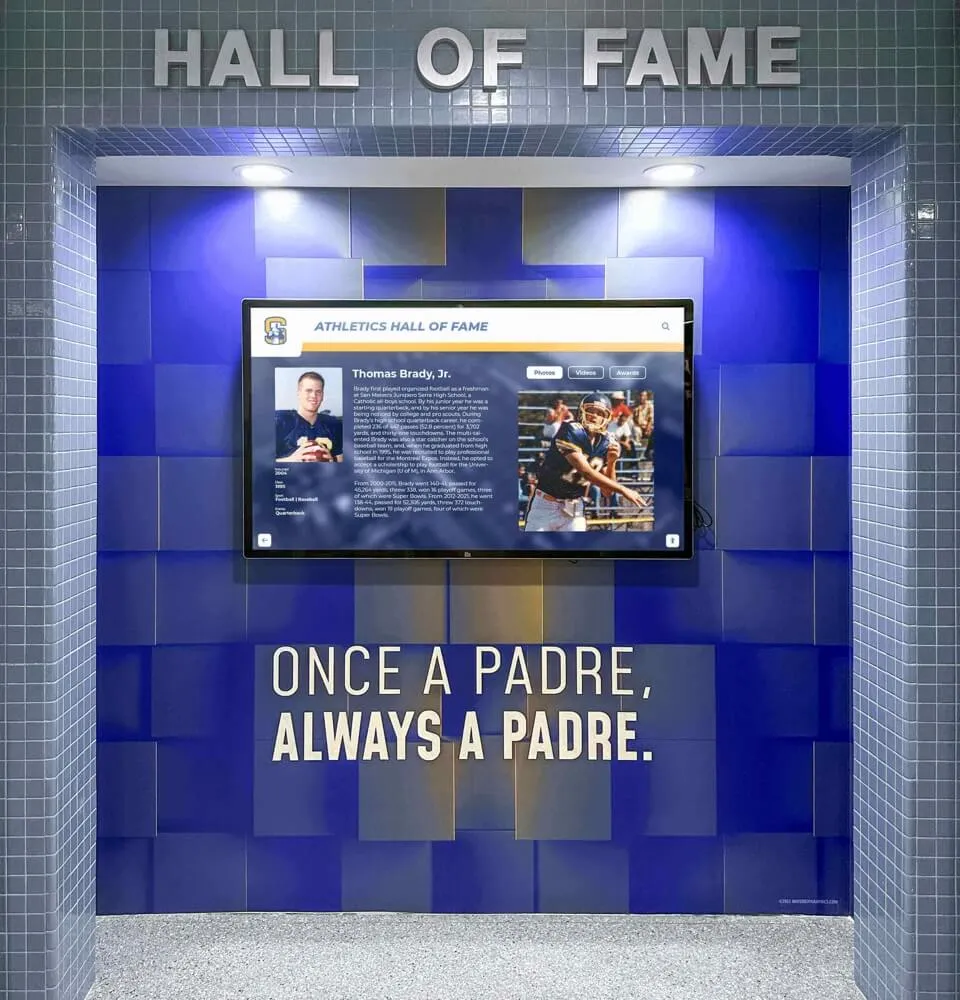
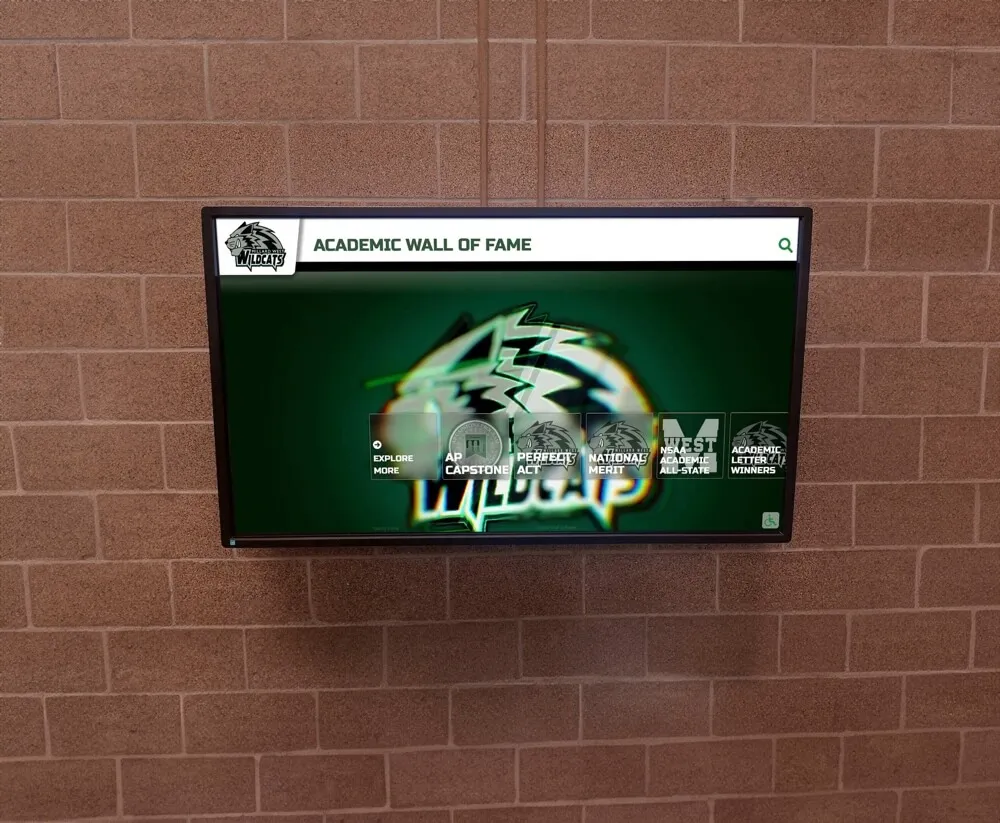
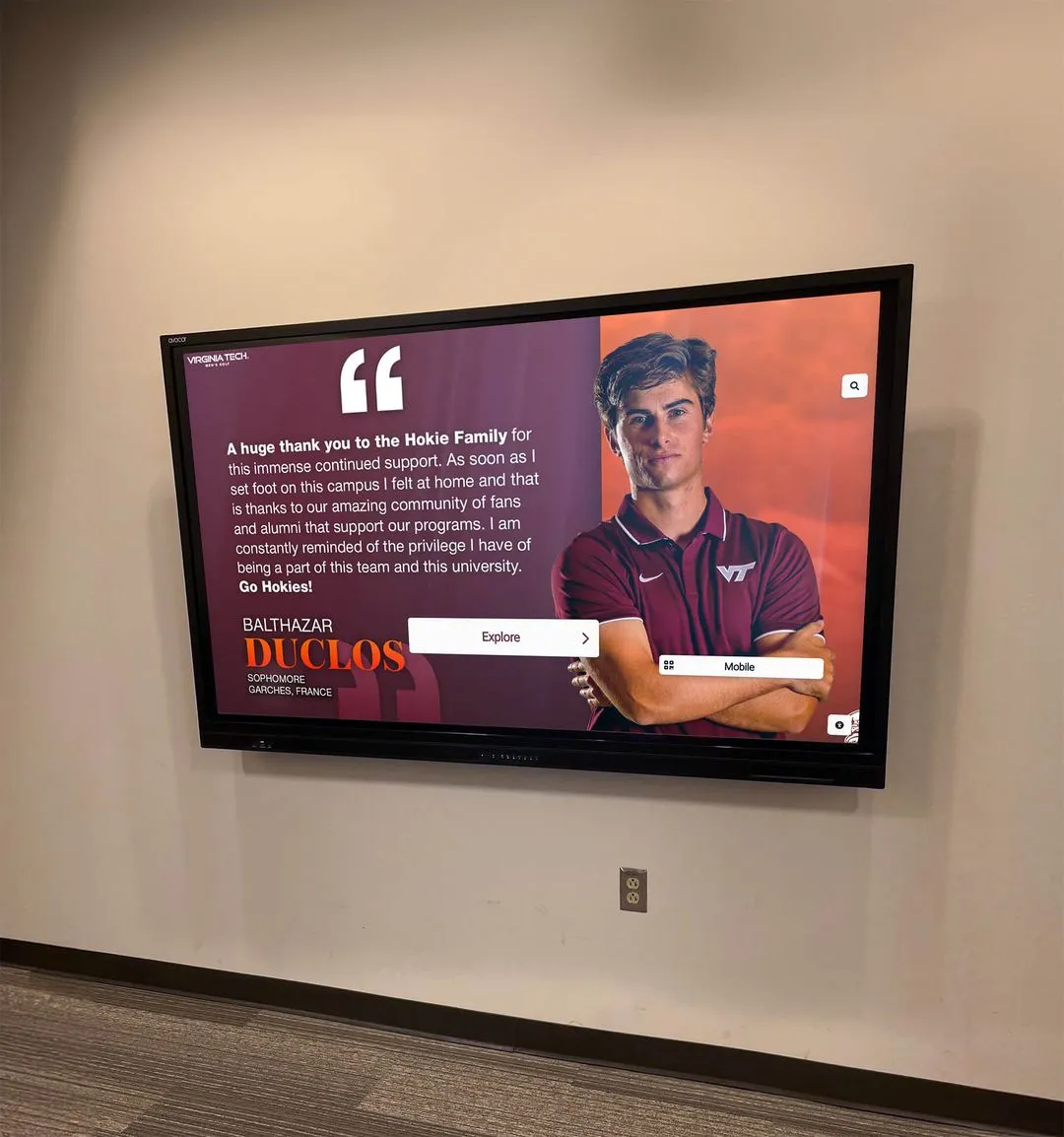
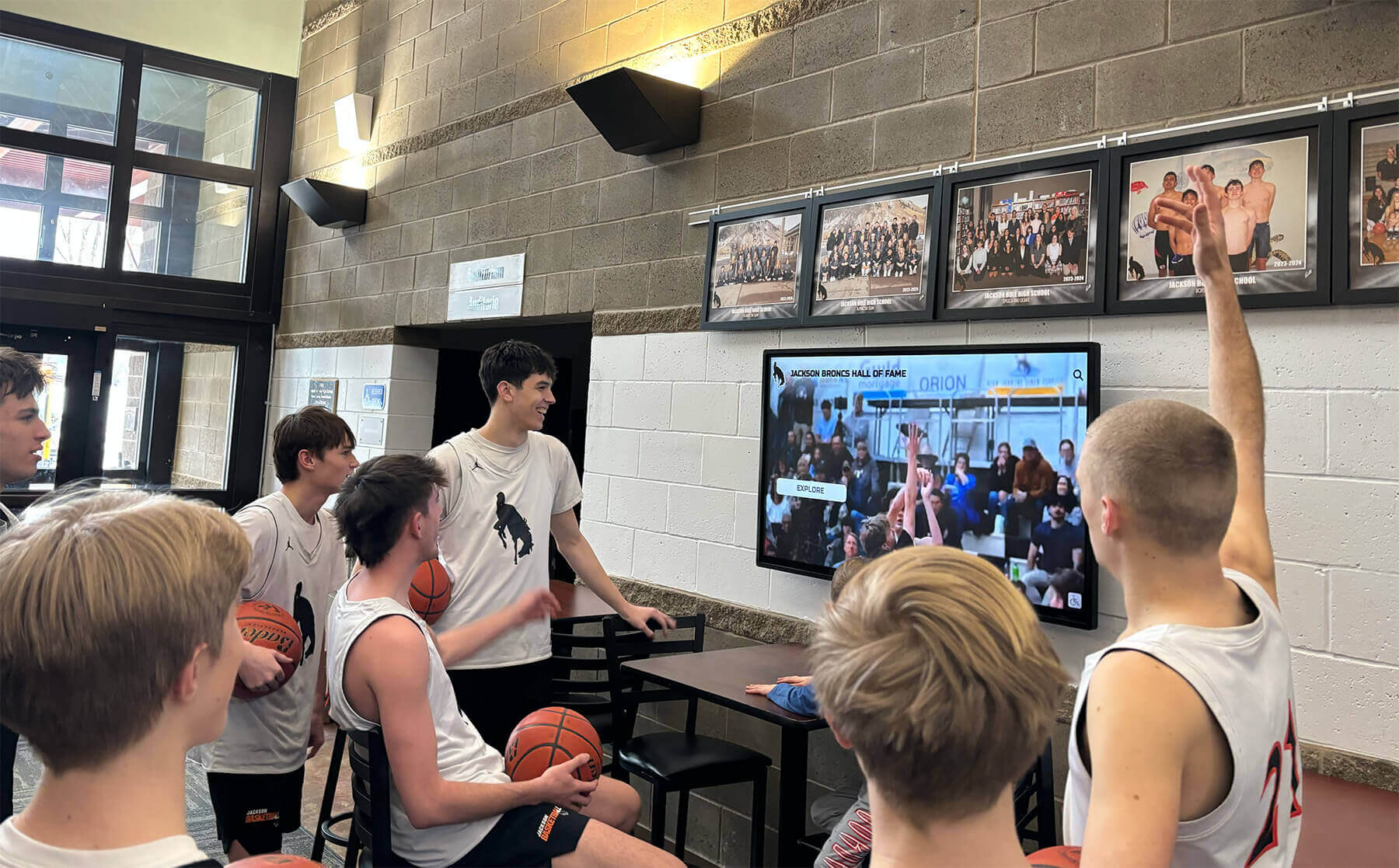
Digital recognition displays engage students with interactive content, creating excitement around achievements before rallies even begin
Understanding What Makes Pep Rallies Effective
Before diving into specific activities, understanding the psychology behind successful rallies helps schools design experiences that genuinely build spirit rather than merely checking an administrative box.
The Purpose Beyond Entertainment
Creating Authentic Community Connection
Effective pep rallies achieve multiple strategic goals:
- Unite students across grade levels, social groups, and activity areas through shared experiences
- Recognize achievements in ways that make students feel genuinely valued by their community
- Build anticipation and excitement around upcoming competitions or school events
- Strengthen institutional pride by connecting current students to school traditions and history
- Create positive memories that shape how students feel about their school experience
- Motivate participants knowing their community supports their efforts
Research on organizational culture consistently demonstrates that shared emotional experiences—collective cheering, genuine laughter, celebration of accomplishments—strengthen social bonds more effectively than information delivery alone. Rallies leveraging this principle transform brief assemblies into culture-building moments with lasting impact.
Recognition That Extends Beyond the Assembly
The most successful schools understand that pep rally recognition represents one touchpoint within comprehensive celebration systems:
Schools increasingly implement permanent digital recognition creating always-accessible displays showcasing achievements. Modern solutions like Rocket Alumni Solutions enable schools to feature unlimited students across all accomplishment categories—athletics, academics, arts, service, and leadership—without physical space constraints limiting who receives recognition.
These systems connect to rally planning by:
- Displaying upcoming rally information throughout the week building anticipation
- Featuring students who will be recognized at assemblies in advance
- Preserving rally moments permanently through photos and achievement documentation
- Extending recognition beyond brief assembly acknowledgment to year-round celebration
- Creating searchable archives allowing families and alumni worldwide to explore accomplishments
What Today’s Students Respond To
Modern Engagement Strategies
Contemporary students require different approaches than previous generations:
Interactive Participation Over Passive Observation
- Activities where students contribute rather than just watch
- Technology integration reflecting how students naturally engage
- Opportunities for creativity and self-expression
- Authentic moments versus overly scripted performances
- Humor and unexpected elements generating genuine reactions
Inclusive Celebration Across All Achievement Types
- Recognition extending beyond varsity athletics to all accomplishments
- Academic, artistic, service, and character achievements receiving equal prominence
- Opportunities for diverse student types to participate and shine
- Avoiding activities that embarrass or alienate particular groups
- Celebration creating belonging rather than highlighting divisions
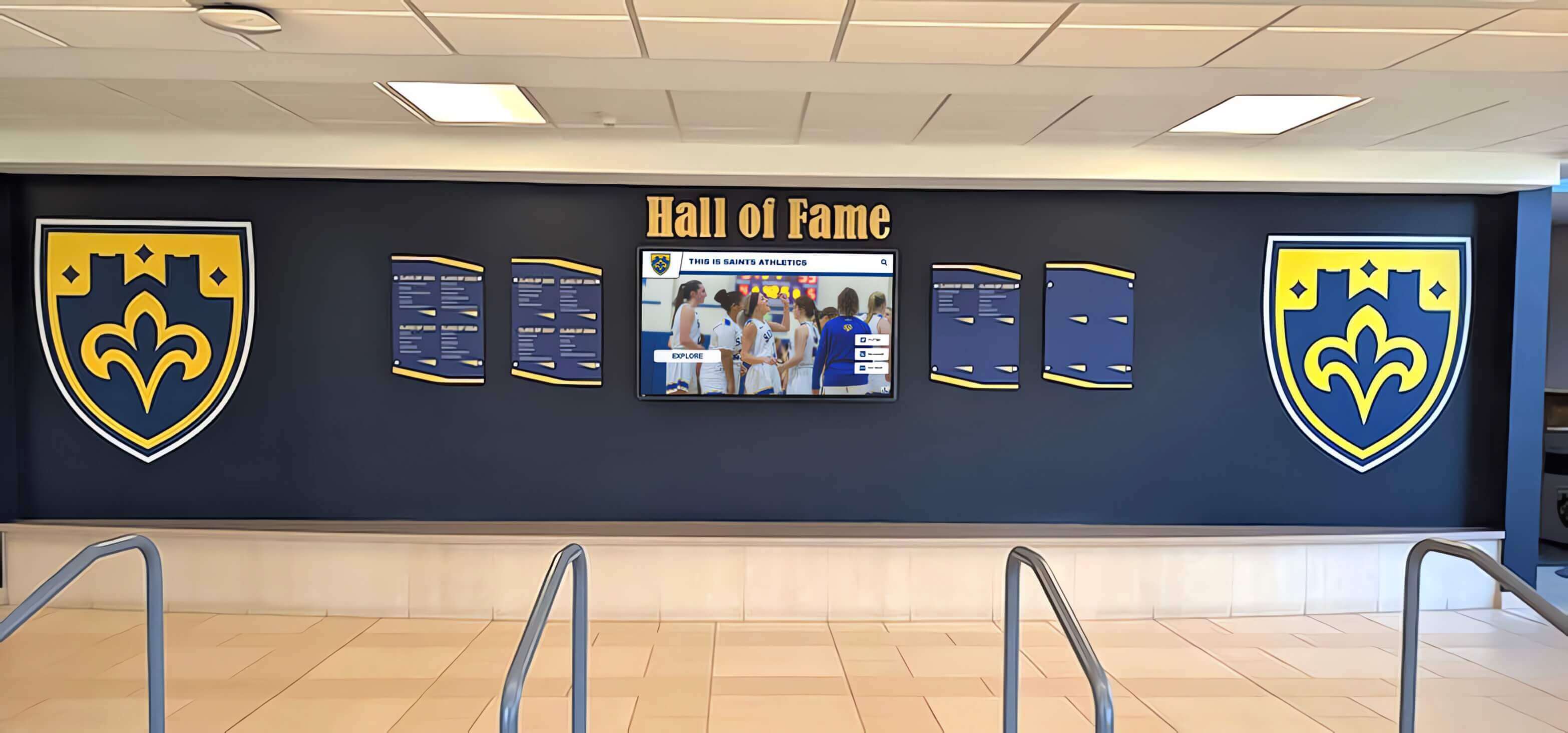
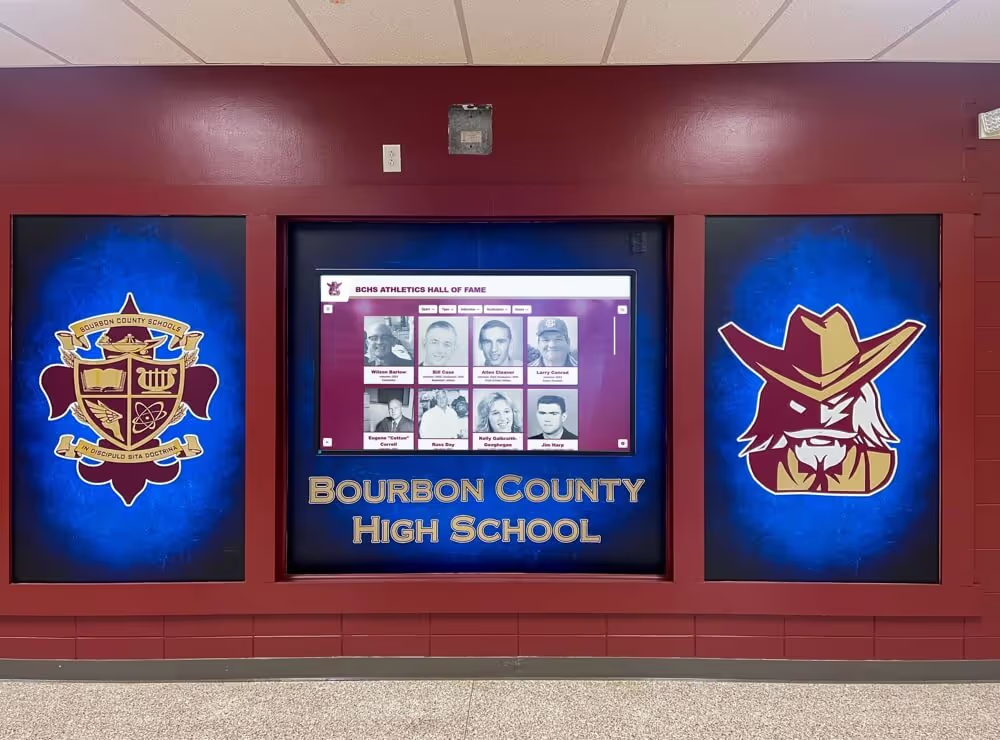
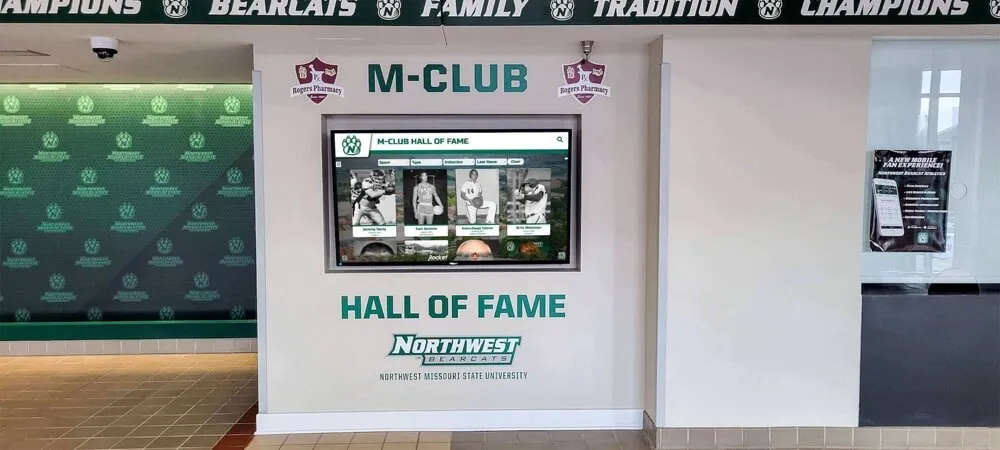
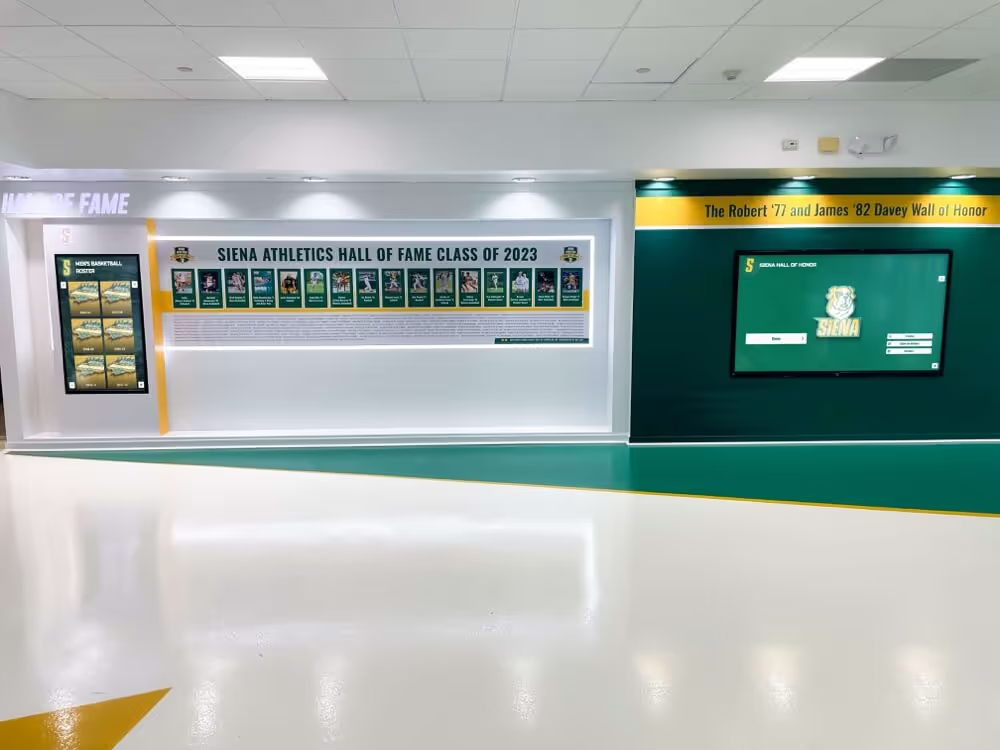
Recognition displays in high-traffic areas create daily touchpoints reinforcing the pride rallies celebrate during special moments
Authenticity Over Production Value
- Student voices and leadership rather than exclusively adult-driven programming
- Real emotion and genuine enthusiasm versus manufactured excitement
- Mistakes and imperfection creating memorable moments rather than polished perfection
- Content students actually care about rather than what administrators think they should value
Schools implementing comprehensive school spirit initiatives find that rallies succeed when integrated within broader culture-building efforts rather than treated as isolated events.
High-Energy Rally Games That Engage Everyone
Physical activities and competitions create excitement while providing visual entertainment keeping entire audiences engaged.
Classic Competition Games
Musical Chairs Tournament
This childhood favorite scales beautifully for large gymnasium settings:
- Start with 12-15 participants representing different grade levels or groups
- Use popular music students recognize interspersed with school fight songs
- Eliminate one chair each round, building suspense toward championship
- Consider class-versus-class format with points toward overall spirit competition
- Include one round with faculty participants for added entertainment
- Final showdown creates dramatic moment with entire school invested in outcome
Implementation Tips: Set up chairs in center of gymnasium ensuring clear sightlines from all angles. Use upbeat music at volume levels enabling participants to hear stops clearly. Have extra volunteers ready to remove eliminated chairs quickly maintaining pace.
Tug-of-War Challenges
Time-tested physical competition requiring teamwork:
- Grade-level teams (10-12 students per side) competing in bracket-style tournament
- Creative matchups: honor roll students versus athletes, band versus choir, teachers versus seniors
- Best two-out-of-three format extending drama and giving losing team comeback opportunity
- Safety protocols including proper grip instruction, stopping signals, and soft landing areas
- Chalk center line or use tape creating clear visual for spectators tracking progress
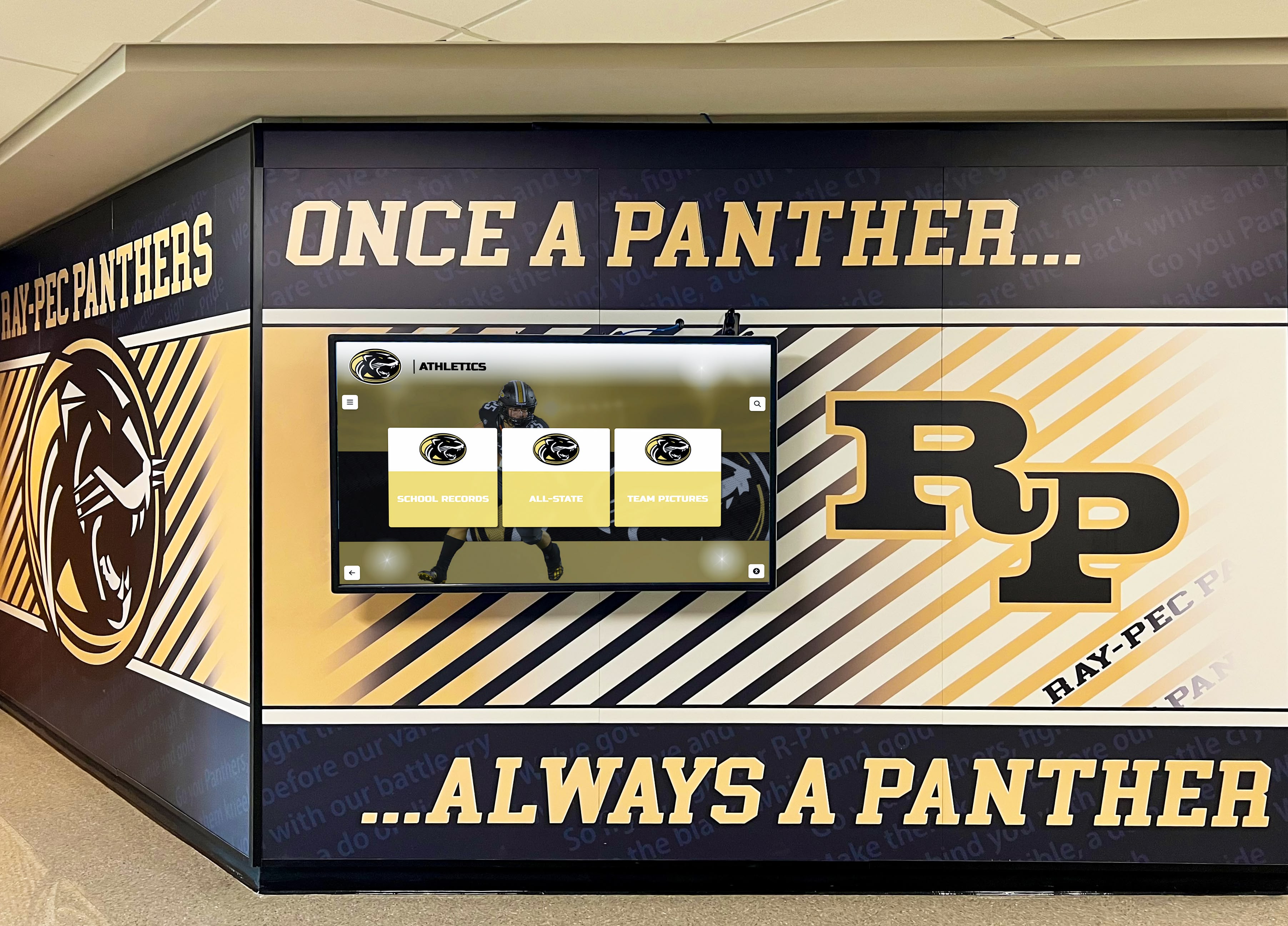
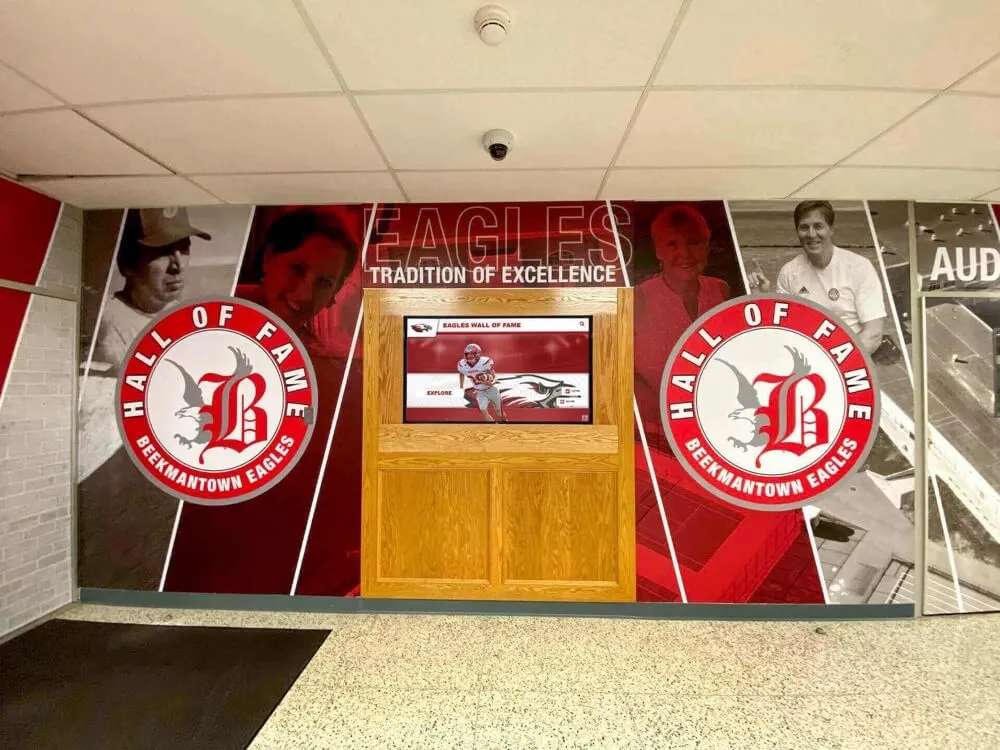
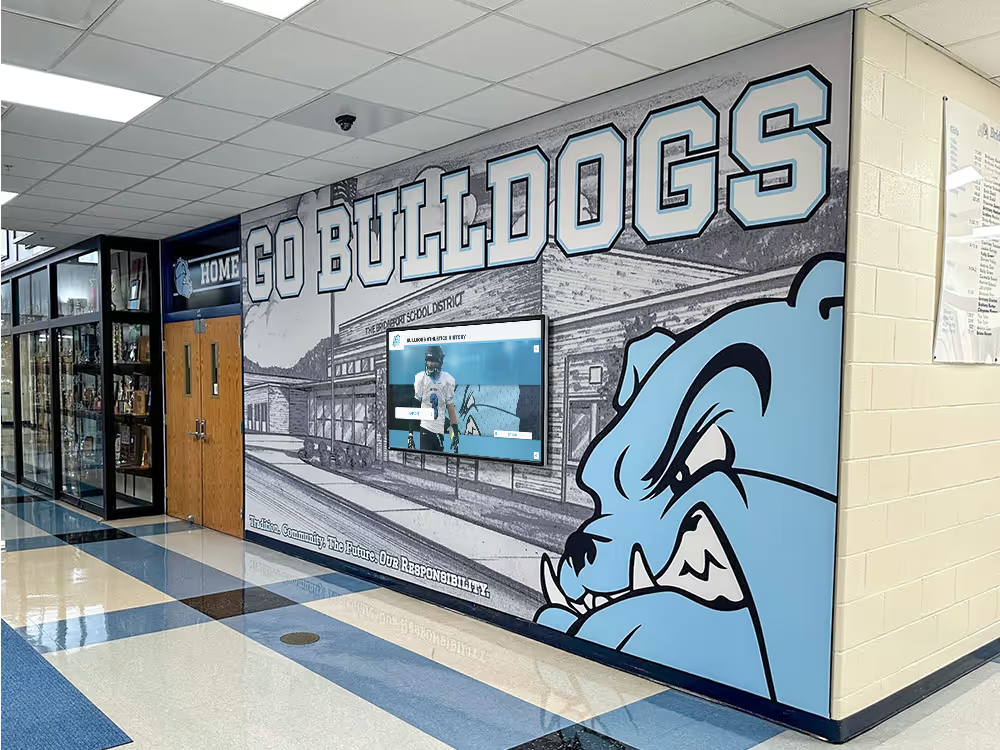
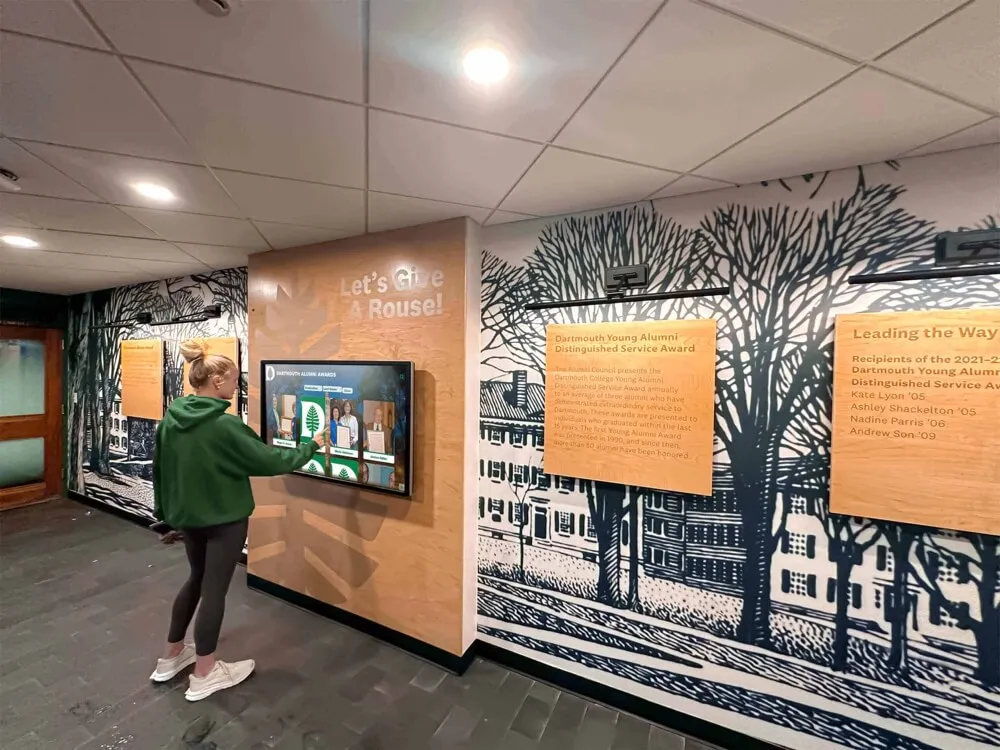
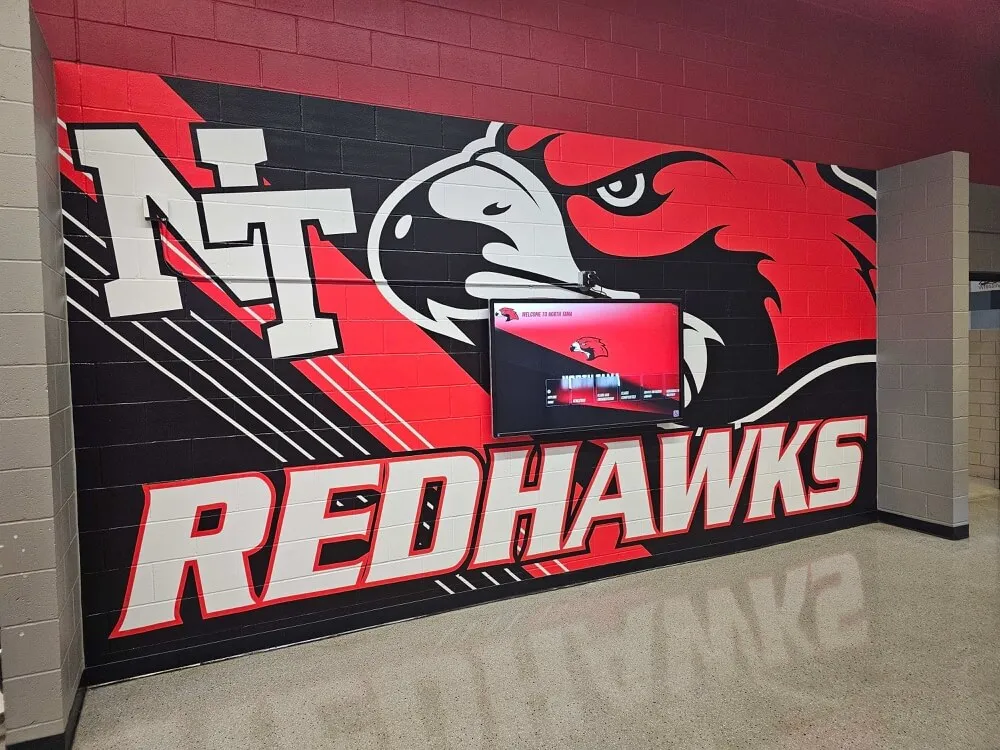
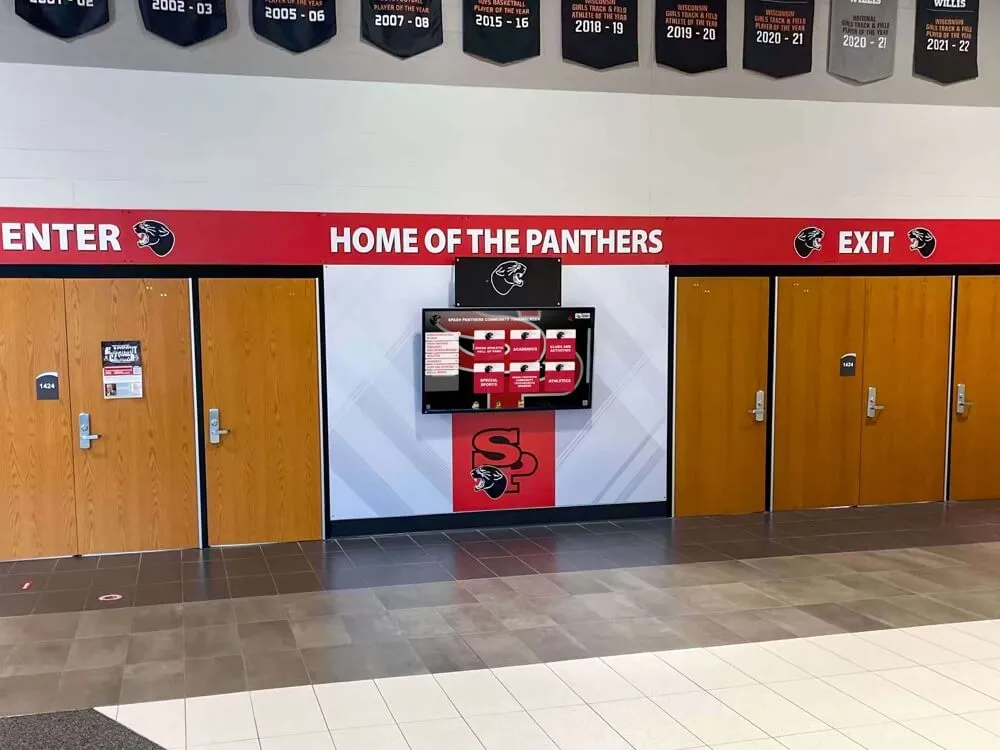
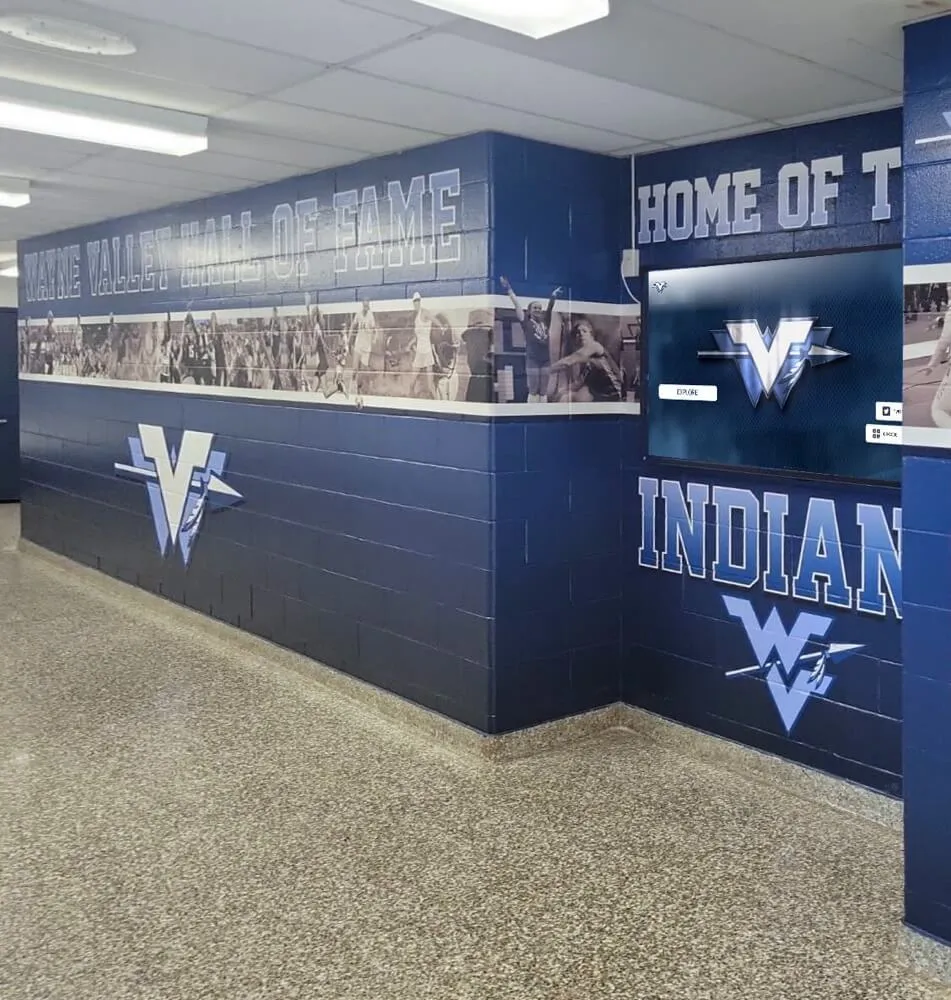
Hallway murals combined with digital displays create immersive pride-building environments reinforcing rally energy throughout daily routines
Relay Race Variations
Fast-paced team competitions maintaining audience attention:
Obstacle Course Relay
- Simple course using PE equipment: crawl under tables, weave through cones, balance on beam
- Relay format with teammates tagging next participant
- Sport teams or grade-level teams competing for fastest combined time
- Visual elements ensuring spectators can follow action from bleachers
Dizzy Bat Relay
- Participants spin predetermined rotations with forehead on bat, then run toward finish line
- Relay teams competing for fastest completion
- Guaranteed laughter as dizzy participants attempt straight lines
- Safety spotters preventing falls and ensuring soft landing areas
Three-Legged Race
- Partners tie adjacent legs together attempting coordinated sprint
- Tournament bracket narrowing to championship team
- Staff partnerships against student teams adding entertainment
Schools planning athletic recognition programs find that rally games provide natural opportunities to feature teams while building excitement around upcoming competitions or end-of-season celebrations.
Skill-Based Challenges
Basketball Shooting Contest
Simple demonstrations showcasing athletic ability:
- Free throw competition: participants attempt 10 shots, highest score wins
- Three-point contest with multiple shooting locations
- HORSE game with creative shot attempts
- Athletes from different sports competing creates cross-program engagement
- Faculty participation adds humor and school unity
Paper Airplane Distance Challenge
Non-athletic competition appealing to different student talents:
- Participants design paper airplanes attempting maximum distance or accuracy
- Engineering and physics students often excel, demonstrating school values academics alongside athletics
- Target zones at varying distances award different point values
- Multiple rounds allowing strategy development between attempts
- Simple materials (paper, tape) making setup easy
Dance or Lip Sync Battle
Performance showcase creating variety:
- Pre-selected students or groups perform prepared routines (1-2 minutes each)
- Styles from hip-hop to comedy lip sync creating entertainment variety
- Audience applause meter or judge panel determining winner
- Showcases performing arts talent alongside traditional athletics
- Student choreography and song selection ensuring age-appropriate content
Implementation Considerations: Require rehearsal and pre-approval of all performances. Establish clear guidelines about appropriate music and choreography. Provide quality sound system ensuring audio clarity throughout venue.
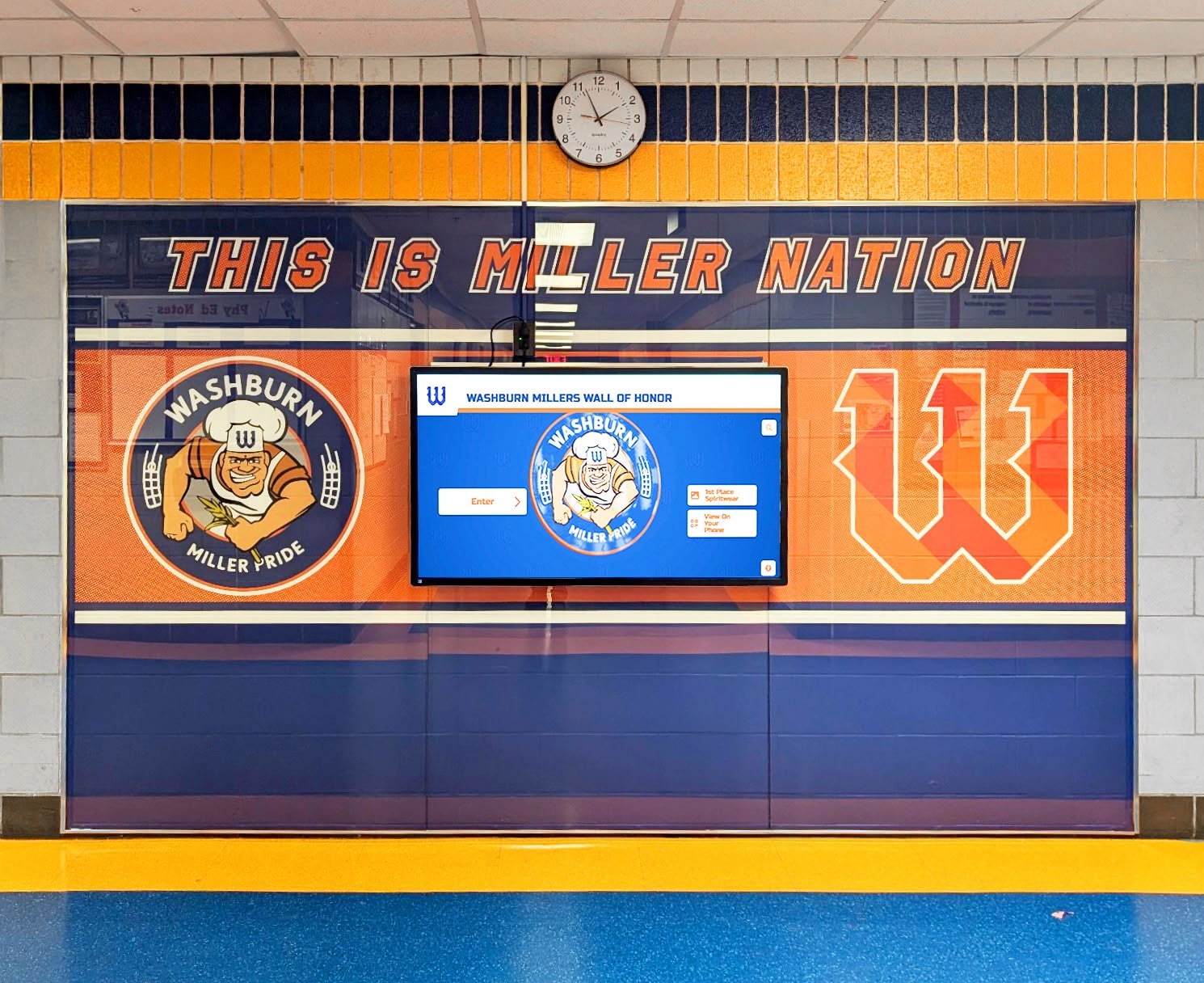
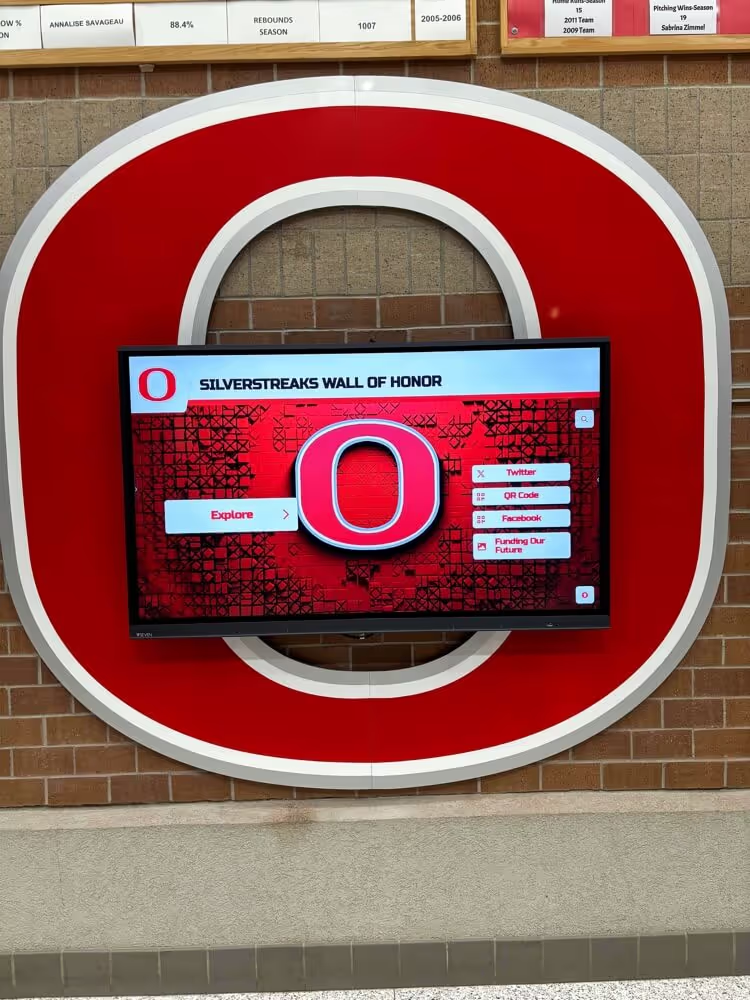
Digital honor walls feature current students and achievements, building anticipation throughout the week before rally celebrations
Interactive Activities Building Participation
Activities involving broader student body rather than just selected participants create more inclusive engagement.
Scavenger Hunt Challenges
Audience Participation Scavenger
Involve entire student sections:
- Announce specific items audience members might have: school ID with specific year, spirit wear in school colors, specific colored items, school-related accessories
- Team representatives race into bleachers finding items from classmates
- First team returning with all requested objects to designated area wins
- Encourages audience engagement and creates interaction between participants and spectators
- Unpredictable outcomes maintaining suspense throughout activity
Gymnasium Scavenger Hunt
Pre-placed items creating fast-paced search:
- Hide school spirit items, mascot images, or achievement-related objects throughout venue before students arrive
- Team representatives receive list, race to locate all items
- First team finding everything and returning to starting point wins
- Items connect to school history, traditions, or current events being celebrated
- Time limits preventing excessive disruption to overall rally flow
Group Coordination Challenges
Human Pyramid Building
Cooperative activity requiring communication:
- Teams receive 90 seconds to build largest stable human pyramid
- Safety requirements: gym mats, trained spotters, maximum height restrictions
- Points awarded for size, stability, and creativity
- Cheerleading or gymnastics team demonstrations showing proper technique before competition
- Successful pyramids must hold formation for 10 seconds for official judging
- Bonus points if teams can dismantle without anyone falling (emphasizing teamwork throughout)
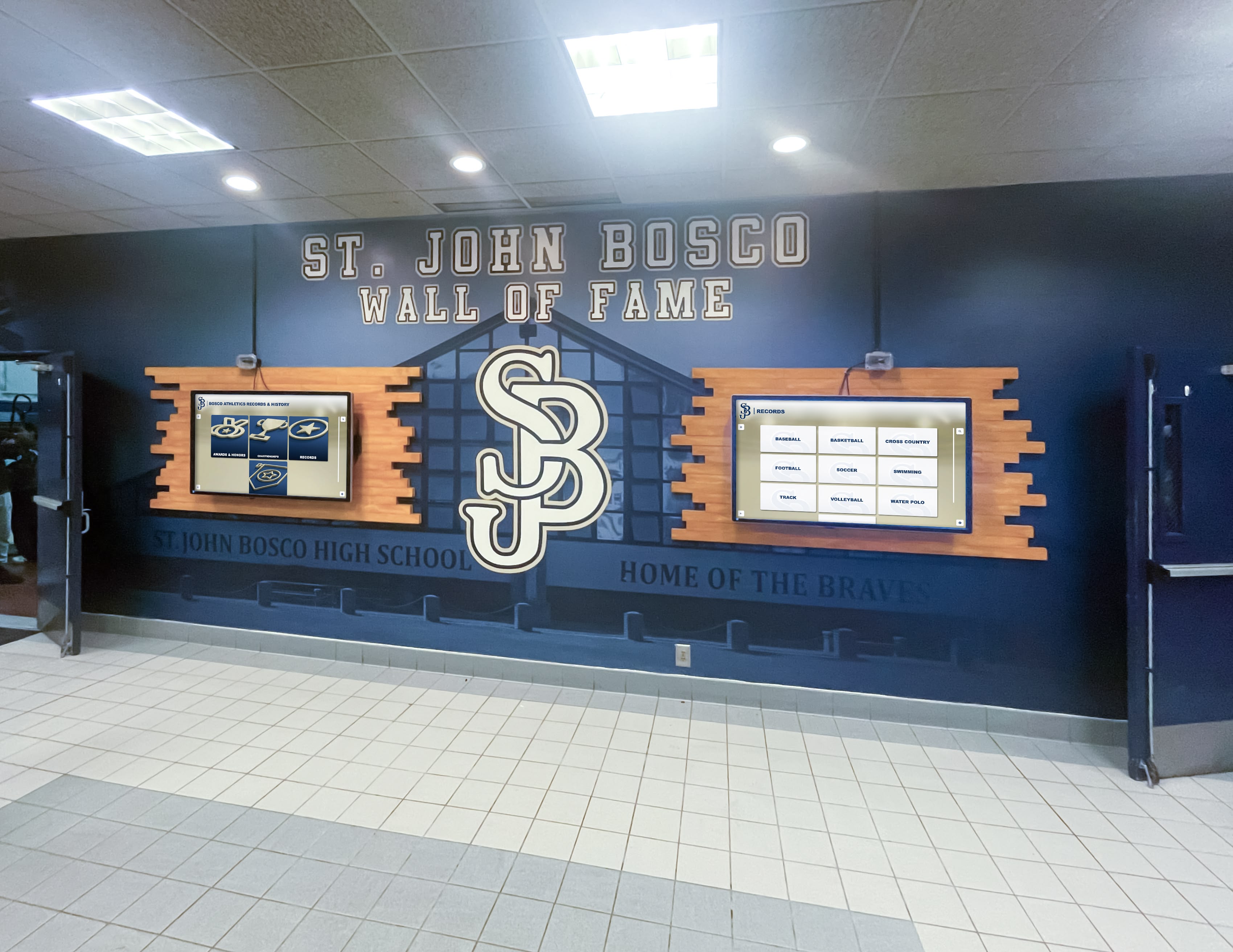
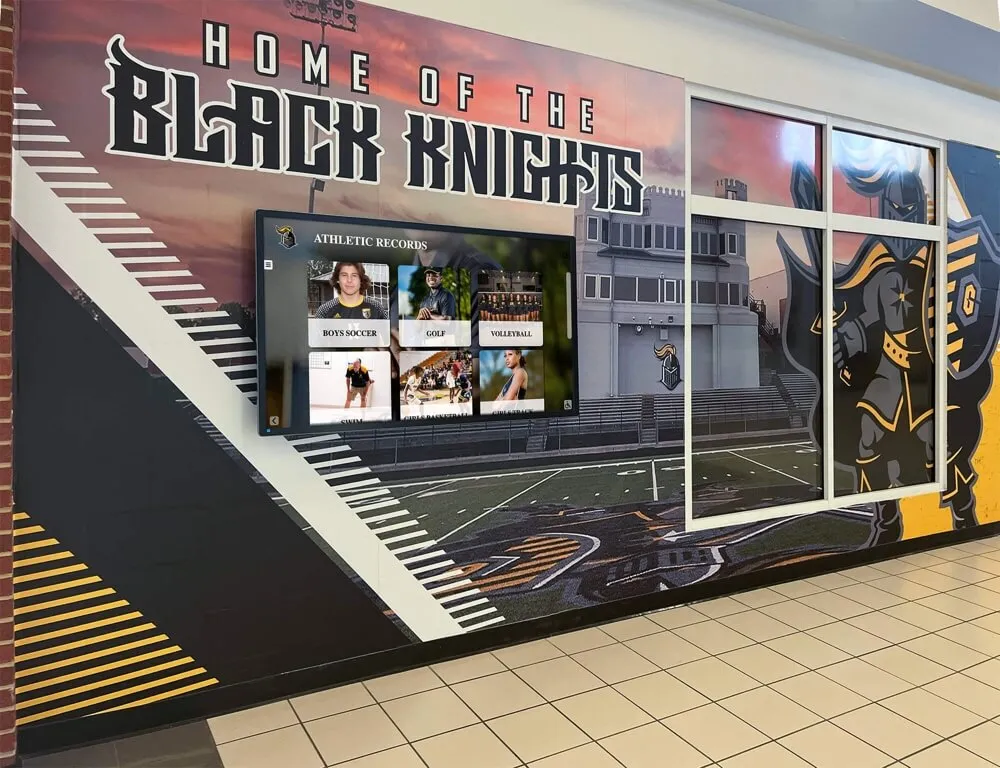
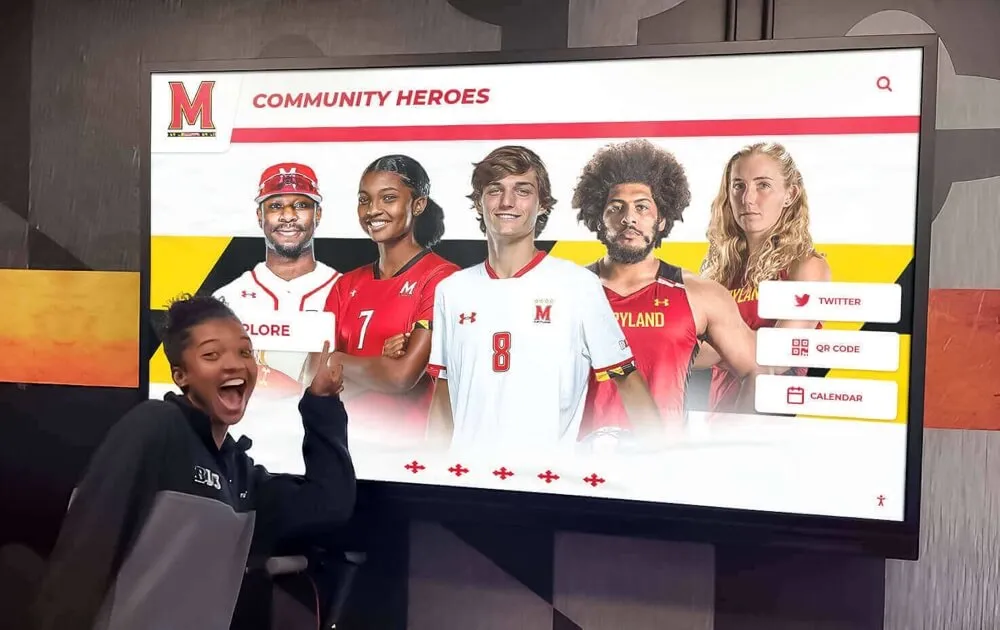
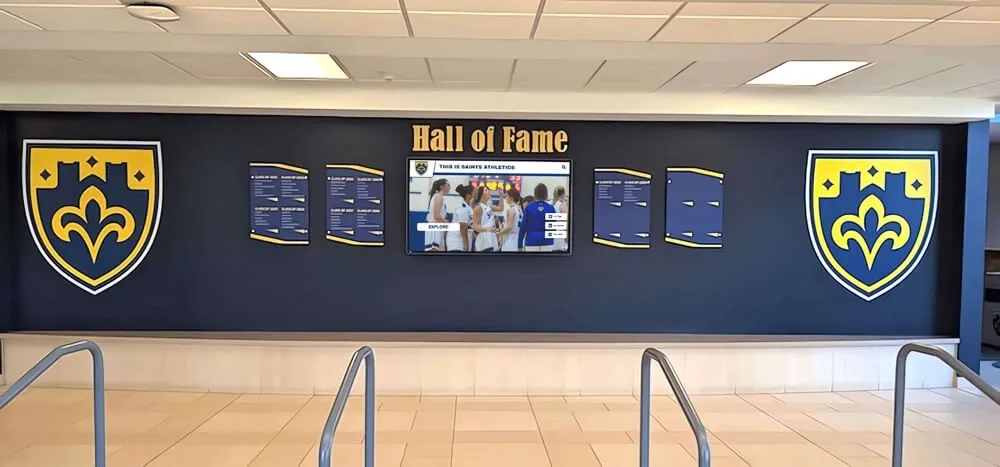
Multiple coordinated displays showcase diverse achievements simultaneously, perfect for rallies recognizing various teams and accomplishments
Chain Reaction Challenge
Creative engineering competition:
- Teams create chain reactions using provided simple materials (dominoes, balls, ramps, cups)
- Setup time followed by attempt phase where teams trigger their sequences
- Longest successful chain reaction or most creative sequence wins
- Demonstrates problem-solving and teamwork
- Visual entertainment as audience watches reactions unfold
Schools implementing comprehensive end-of-year recognition leverage rallies as preview opportunities, building anticipation for award ceremonies while maintaining focus on current celebrations.
Viral Challenge Adaptations for Modern Audiences
Contemporary activities students recognize from social media translate effectively to rally contexts when adapted appropriately.
Trending Challenge Modifications
Dizzy Bottle Flip Combo
Merge two popular challenges:
- Participants spin predetermined rotations around bat or bottle
- While dizzy, attempt bottle flip landing upright
- Multiple difficulty levels adjusting spin count and distance
- Successfully landed flips score points
- Visual comedy from dizzy attempts generates laughter and engagement
Balloon Pop Relay Race
Fast-paced competition with clear visual progress:
- Teams receive inflated balloons at starting line (one per team member)
- Participants must pop balloons using only body pressure: sitting, stepping, or squeezing (no hands, no sharp objects)
- After popping balloon, sprint back to tag next teammate
- First team completing all balloon pops wins
- Loud popping sounds and frantic energy create excitement
Variation: Place messages inside some balloons requiring teams to complete mini-challenges before advancing, adding strategic elements.
Sensory Challenges
Mystery Box Identification
Non-food sensory game:
- Participants reach into boxes feeling objects without seeing them
- Describe or identify items based solely on touch
- School-related items: sports equipment pieces, mascot items, textbooks, trophies
- Audience attempts guessing along with participants
- Safe objects preventing injury or extreme discomfort
- Amplified audio ensures entire venue hears participant reactions
Blindfolded Taste Test (if food allowed)
Sensory challenge generating humor:
- Blindfolded participants taste common foods attempting identification
- School cafeteria items creating connection to daily student experience
- Faculty participation particularly entertaining to students
- Careful consideration of allergies and dietary restrictions
- Clear communication to participants about what types of foods will be used
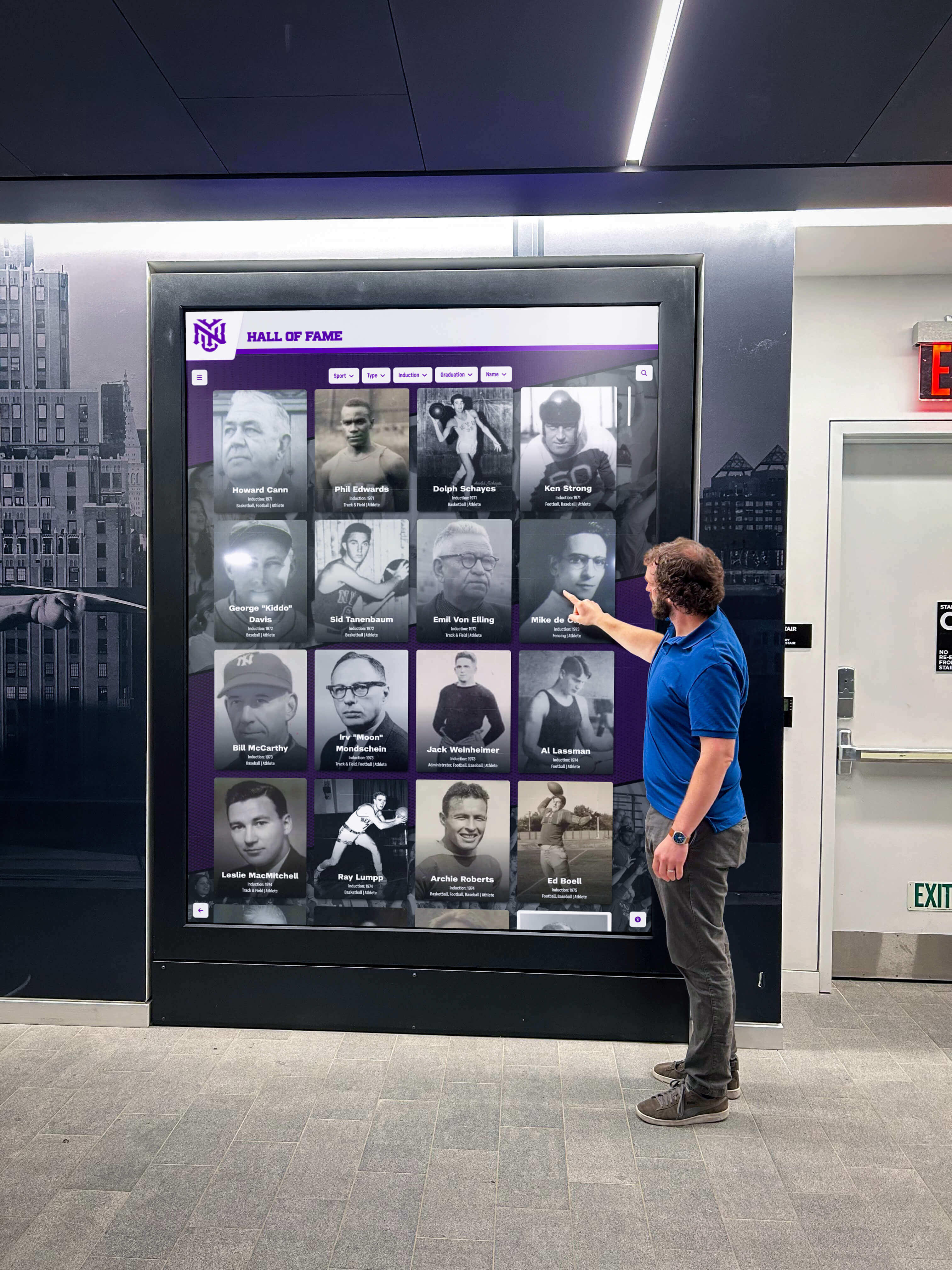
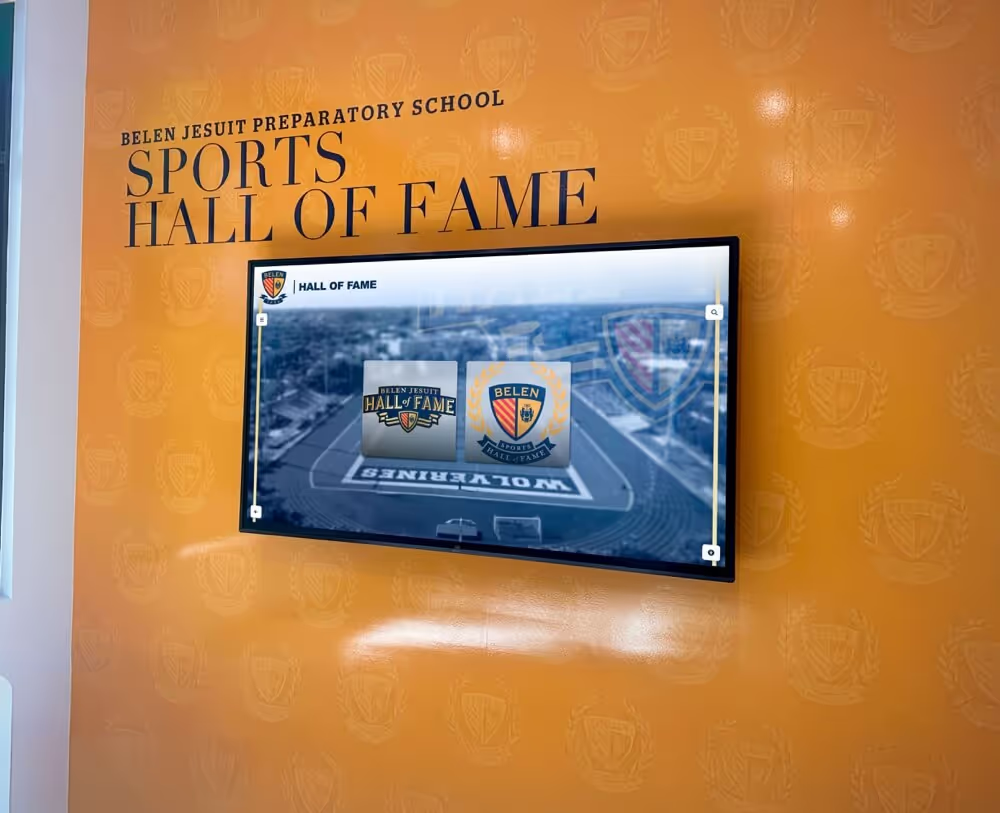
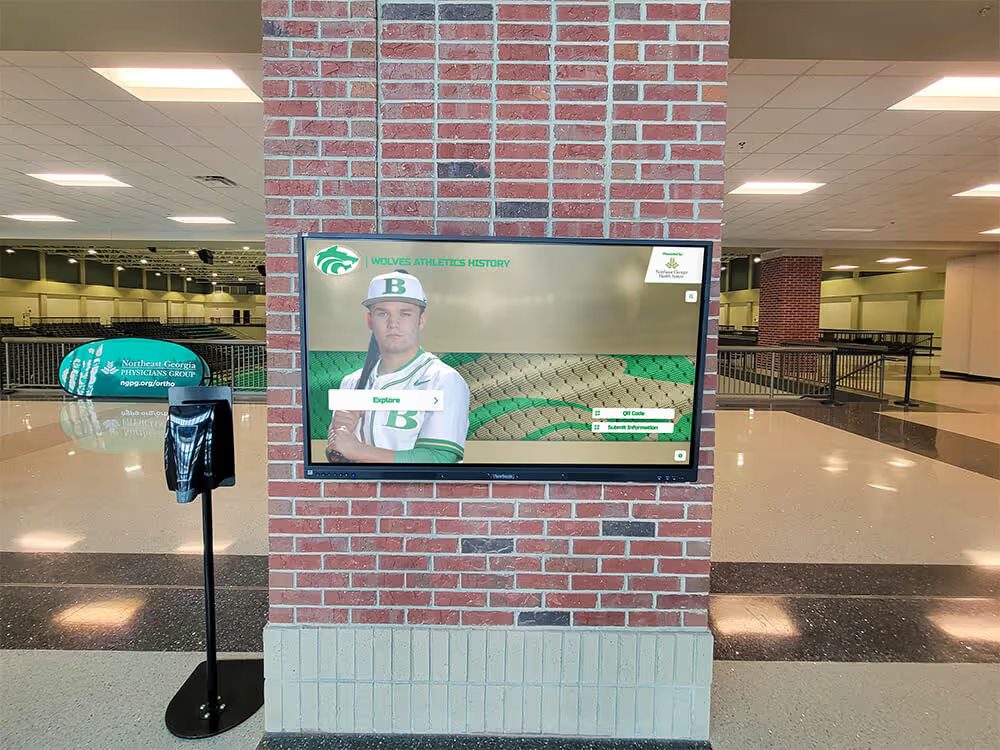
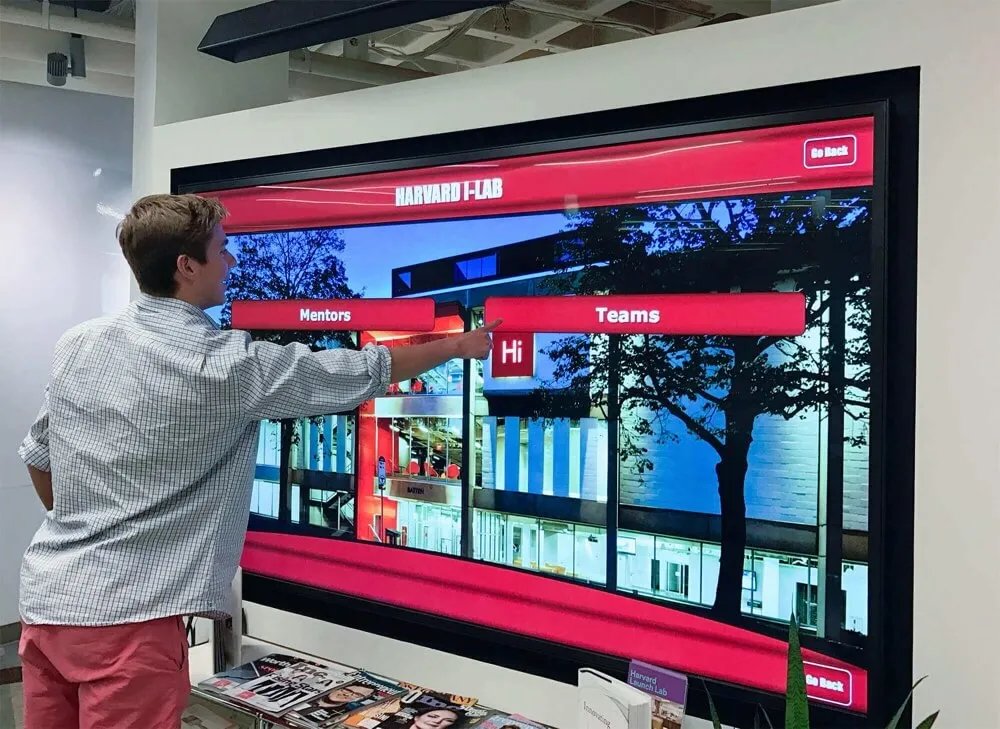
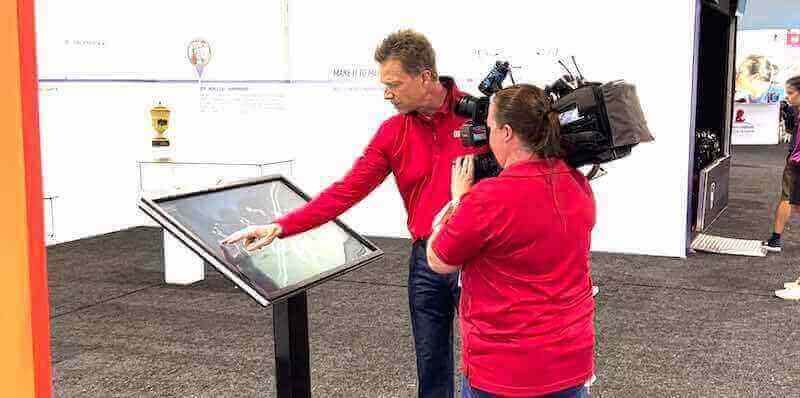
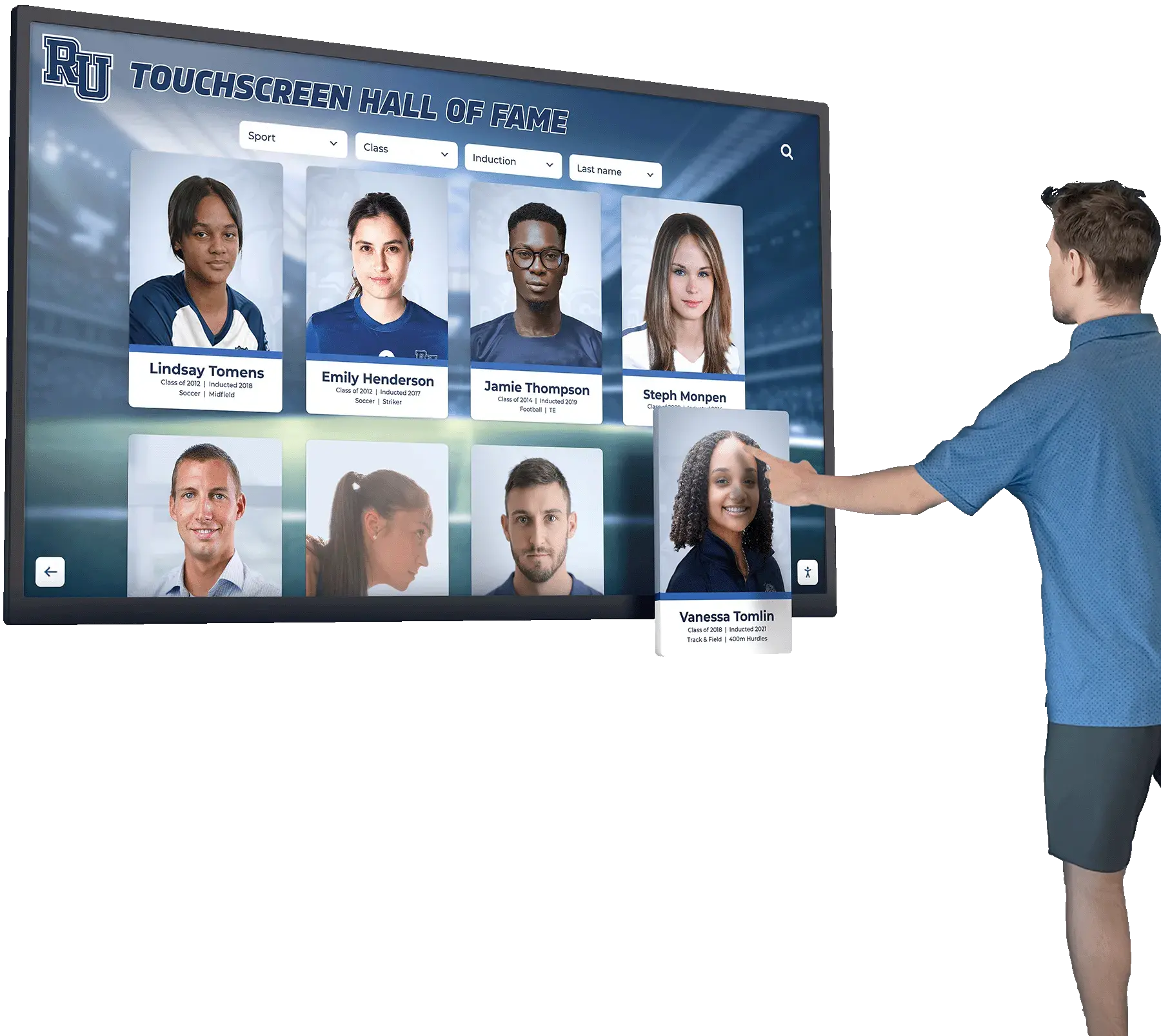
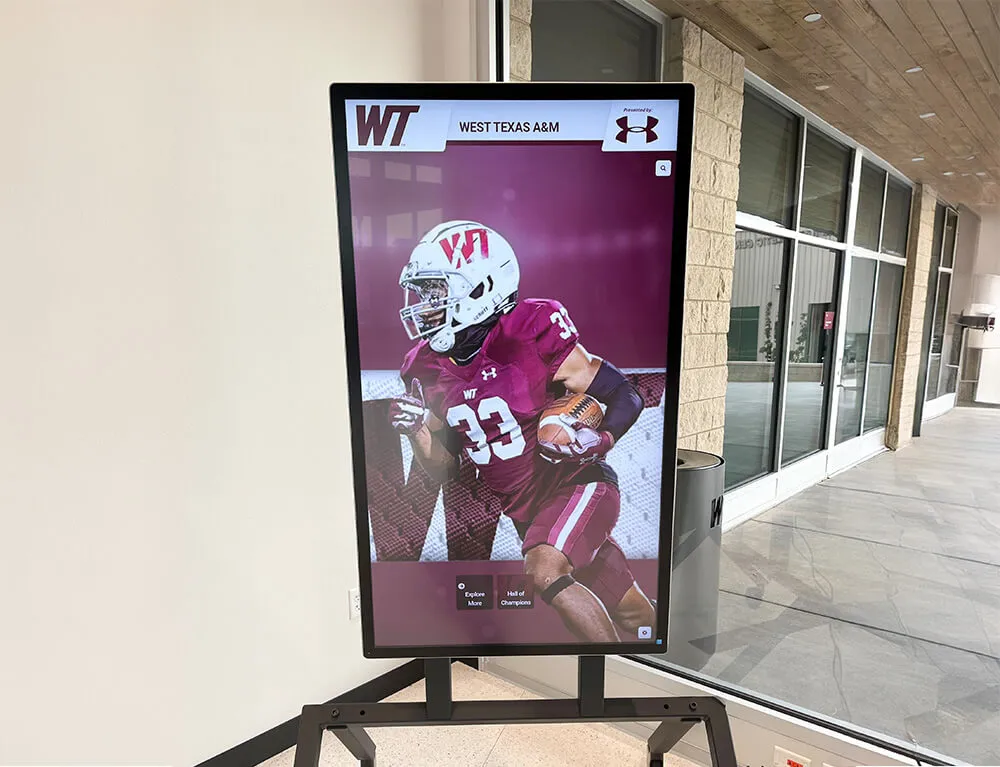
Interactive touchscreens engage students with searchable content allowing personal exploration of achievements and school traditions
Faculty and Staff Participation Ideas
Teacher and administrator involvement creates memorable moments while demonstrating school-wide unity and adult support for student activities.
Teacher Competition Games
Staff versus Student Matchups
Direct competition highlighting good sportsmanship:
- Free throw shooting contest with scorekeeping displaying results
- Volleyball serve accuracy challenge at targets
- Soccer penalty kick showdown
- Sprint race with teacher head start creating competitive balance
- Dance-off with faculty attempting current trends versus student skills
Consider featuring coaches and athletic staff competing, demonstrating their abilities while creating cross-generational connections. Student victory generates celebration; faculty victory creates good-natured rivalry and respect.
Teacher Dress-Up Challenge
Lighthearted spirit competition:
- Faculty members arrive in creative school spirit outfits beyond standard apparel
- Categories: most creative, most enthusiastic, best use of school colors, best team representation
- Student judges evaluating entries and providing commentary
- Fashion show presentation across gymnasium with music
- Photo opportunities and social media documentation extending rally impact
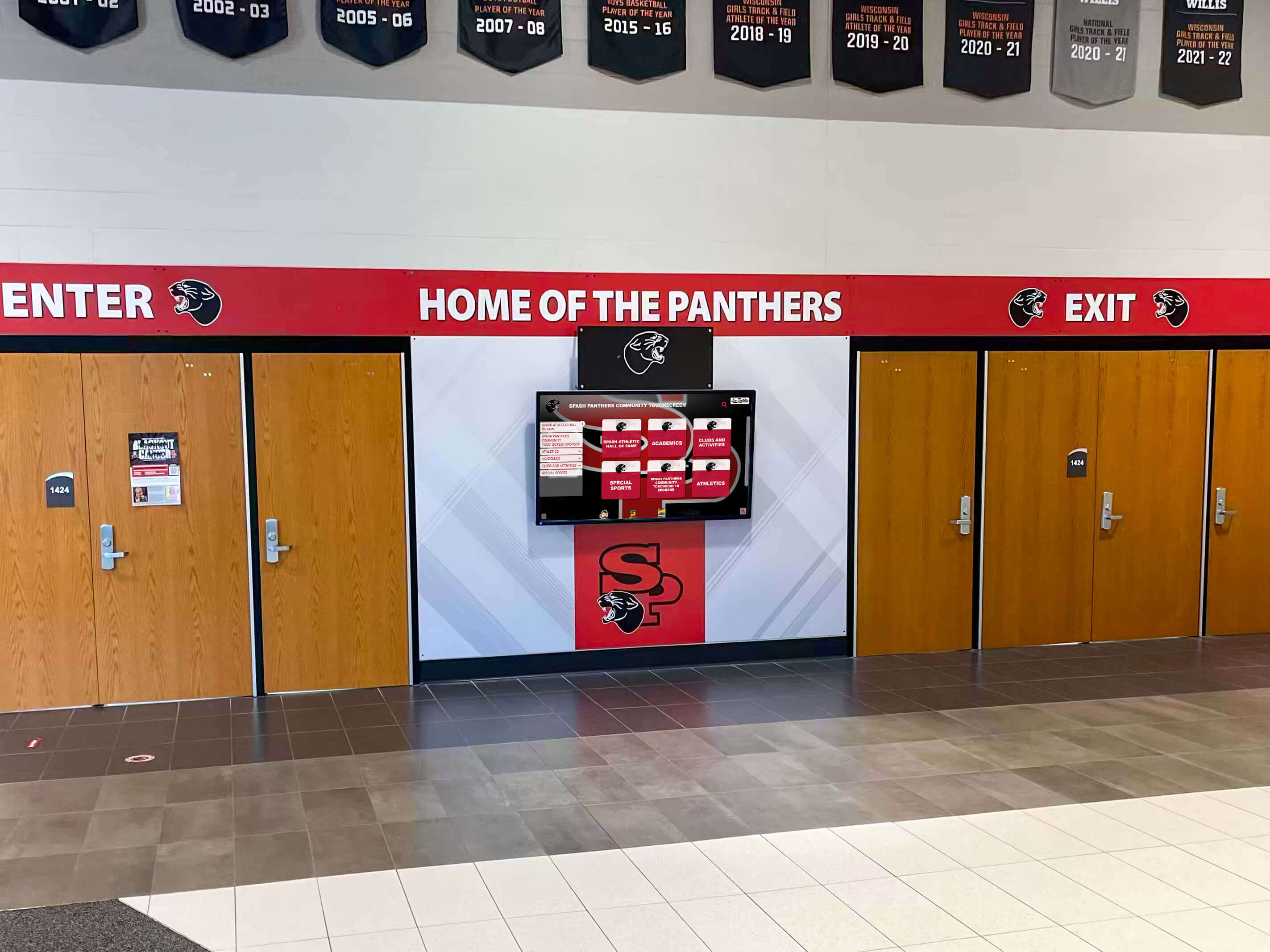
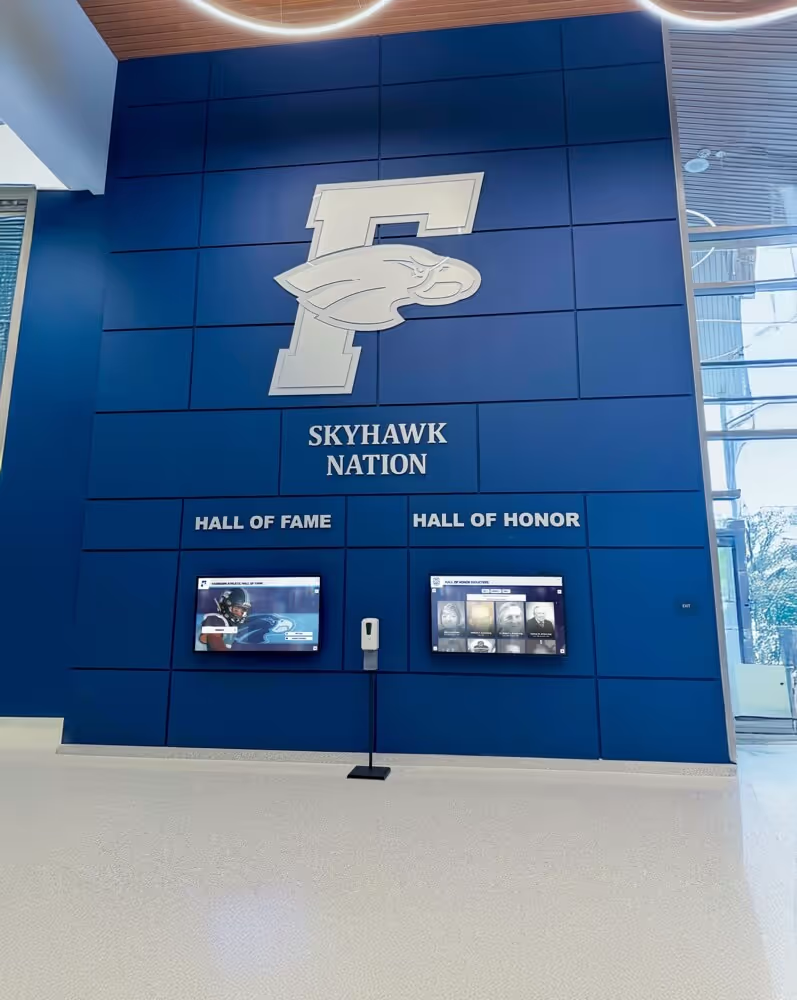
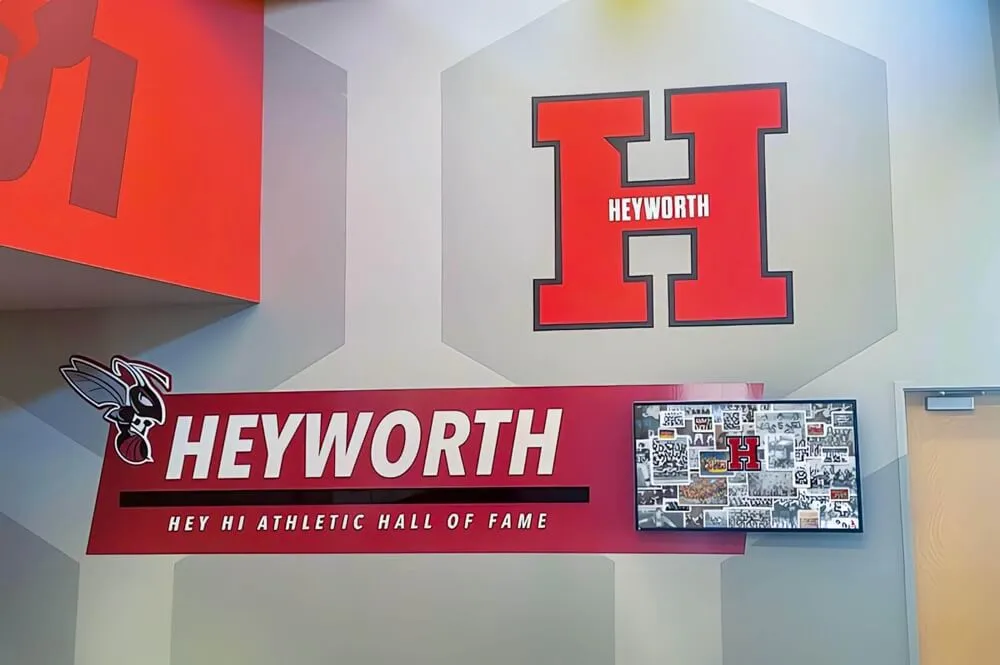
Entrance displays welcome everyone with school pride messaging, setting the tone for rallies and daily community culture
Administrator Spotlight Activities
Principal Challenge
School leader participates in student-selected challenge:
- Examples: pie-eating contest, dance-off, athletic skill attempt, improvised performance
- Shows administrators as accessible humans supporting school spirit
- Win or lose creates positive memory and strengthens school culture
- Can become annual tradition students anticipate each year
- Document through photos and video for historical preservation
Dunk Tank or Consequence Challenge
Special event integration:
- Top fundraising class earns opportunity to trigger consequence for principal or popular teacher
- Options: dunk tank, silly string spray, whipped cream pie, bucket of confetti
- Combines school spirit with charitable giving or achievement recognition
- Careful planning ensuring dignity while allowing good-natured fun
- Clear communication with participating staff ensuring genuine willingness
Schools implementing athletic banquet programs use rallies as preview opportunities, announcing award recipients or building anticipation for end-of-season celebrations while maintaining focus on upcoming competitions.
Creative Large-Audience Competitions
Activities designed specifically for big gymnasium or auditorium settings maximize visual impact and inclusive participation.
Class Spirit Competitions
Grade-Level Chant Battle
Organized spirit measurement:
- Each grade receives opportunity to demonstrate school pride through volume and enthusiasm
- Judge panel or decibel meter evaluating performance
- Pre-taught class chants ensuring organized sound versus chaotic yelling
- Points toward overall class competition if school uses spirit point systems
- Final round combines all grades for unified school cheer creating crescendo
Creative Cheer Development
Advance preparation creating unique content:
- Classes develop original cheers during advisory periods or homeroom time in weeks before rally
- Presentations at rally judged on creativity, execution, and enthusiasm
- Winning cheer potentially adopted as new school tradition
- Involves broader participation beyond just selected game participants
- Students appreciate seeing their creative work performed school-wide
Mascot-Centered Activities
Mascot Race or Challenge
Visual spectacle using school symbols:
- Multiple people in mascot costumes compete in relay or obstacle course
- Oversized costumes creating comedy and coordination difficulty
- Photography opportunities for yearbook and publications
- Could include neighboring school mascots for rivalry drama (if friendly competition appropriate)
- Strong connection to school identity and traditions
Mascot Appearance Hunt
Audience engagement during transitions:
- School mascot (person in costume) appears throughout venue during rally
- Random appearances in student sections creating excitement
- Students capturing photos with mascot for social media posting
- Keeps audience engaged during activity transitions or setup periods
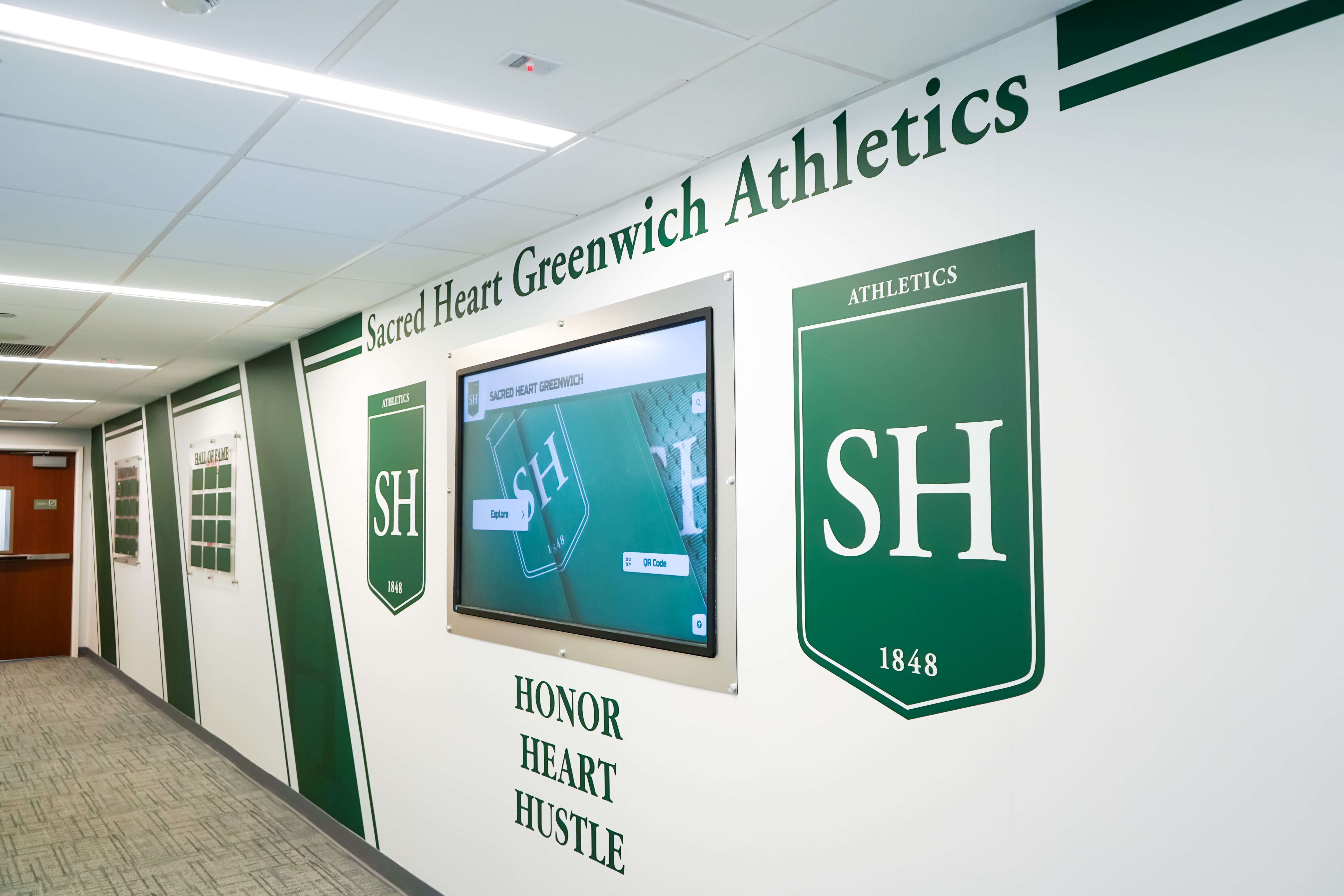
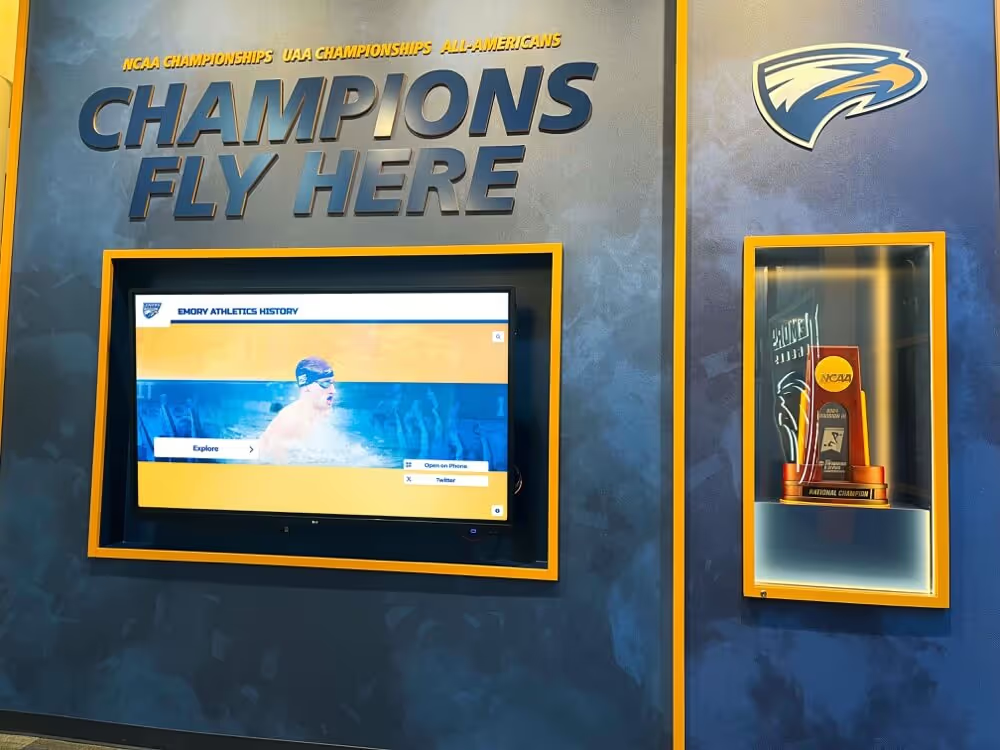
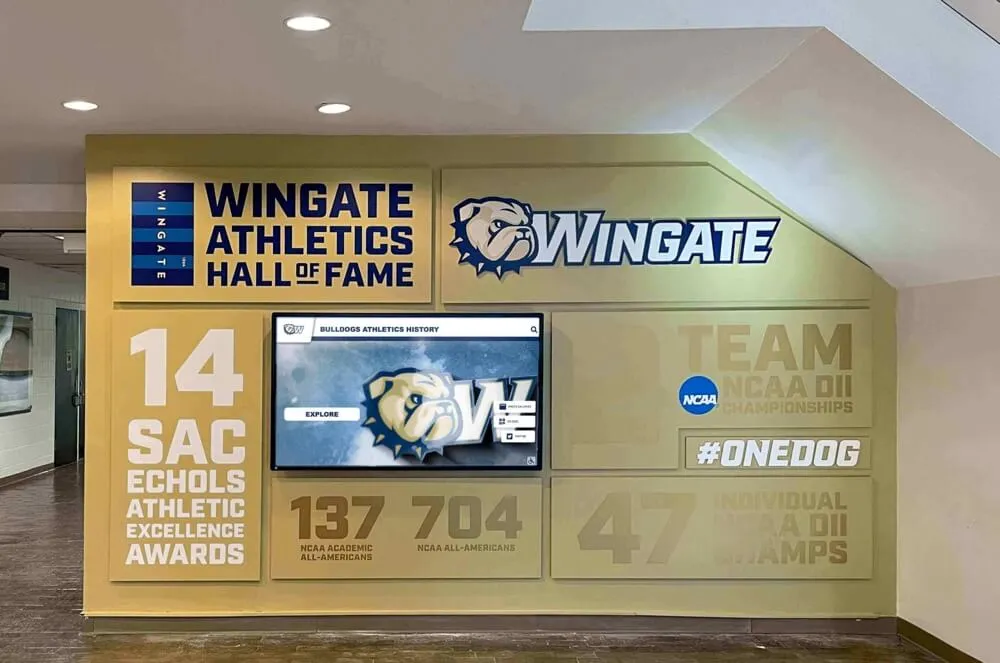
Championship shields and achievement displays provide visual context for rally celebrations, connecting current events to program traditions
Special Performance Showcases
Student Talent Spotlight
Brief performance opportunities:
- Pre-selected students showcase special talents during rally (1-2 minutes each)
- Musical performances, magic tricks, impressive athletic demonstrations, comedy routines
- Demonstrates school values diverse talents beyond traditional rally activities
- Careful screening ensuring appropriate content and quality execution
- Creates “halftime show” breaking up competitive activities
Alumni Appearance or Message
Connection to school legacy:
- Distinguished alumni provide brief motivational message or congratulations
- Former athletes who competed at college or professional levels inspire current students
- Video messages from alumni unable to attend in person
- Demonstrates that current students continue proud traditions
- Particularly effective for milestone anniversaries or significant competitions
Schools implementing comprehensive athletic recognition systems feature rally content on permanent displays, extending brief assembly recognition to year-round celebration visible throughout campus.
Strategic Rally Planning and Execution
Effective rallies require thoughtful organization ensuring smooth execution and sustained engagement throughout the program.
Optimal Program Structure
Rally Flow and Timing
Successful rallies balance variety with pacing:
Opening Segment (5-8 minutes)
- Dramatic entrance of teams or groups being honored with music
- National anthem or school song establishing ceremonial tone
- Welcome from emcee (student body president, charismatic senior, or administrator)
- Brief overview of rally agenda setting expectations
- Opening energy builder getting everyone immediately participating
Main Programming (25-35 minutes)
- Mix of 4-6 activities maintaining variety in activity types
- Alternate high-energy games with brief recognition moments preventing fatigue
- Intersperse physical competitions with creative challenges
- Include at least one faculty participation activity
- Feature student performances (cheerleaders, dance team, band) between games
- Team or individual introductions celebrating those being honored
Closing Segment (5-8 minutes)
- Final high-energy activity or all-school unified cheer
- Fight song performance involving entire audience
- Dismissal instructions and reminder of upcoming events or games
- Team walkout through student tunnel or designated path creating memorable visual
- Clear transition to next period or dismissal avoiding confusion
Total rally length ideally 35-50 minutes for high school audiences. Longer events risk losing engagement; shorter programs feel rushed and incomplete.
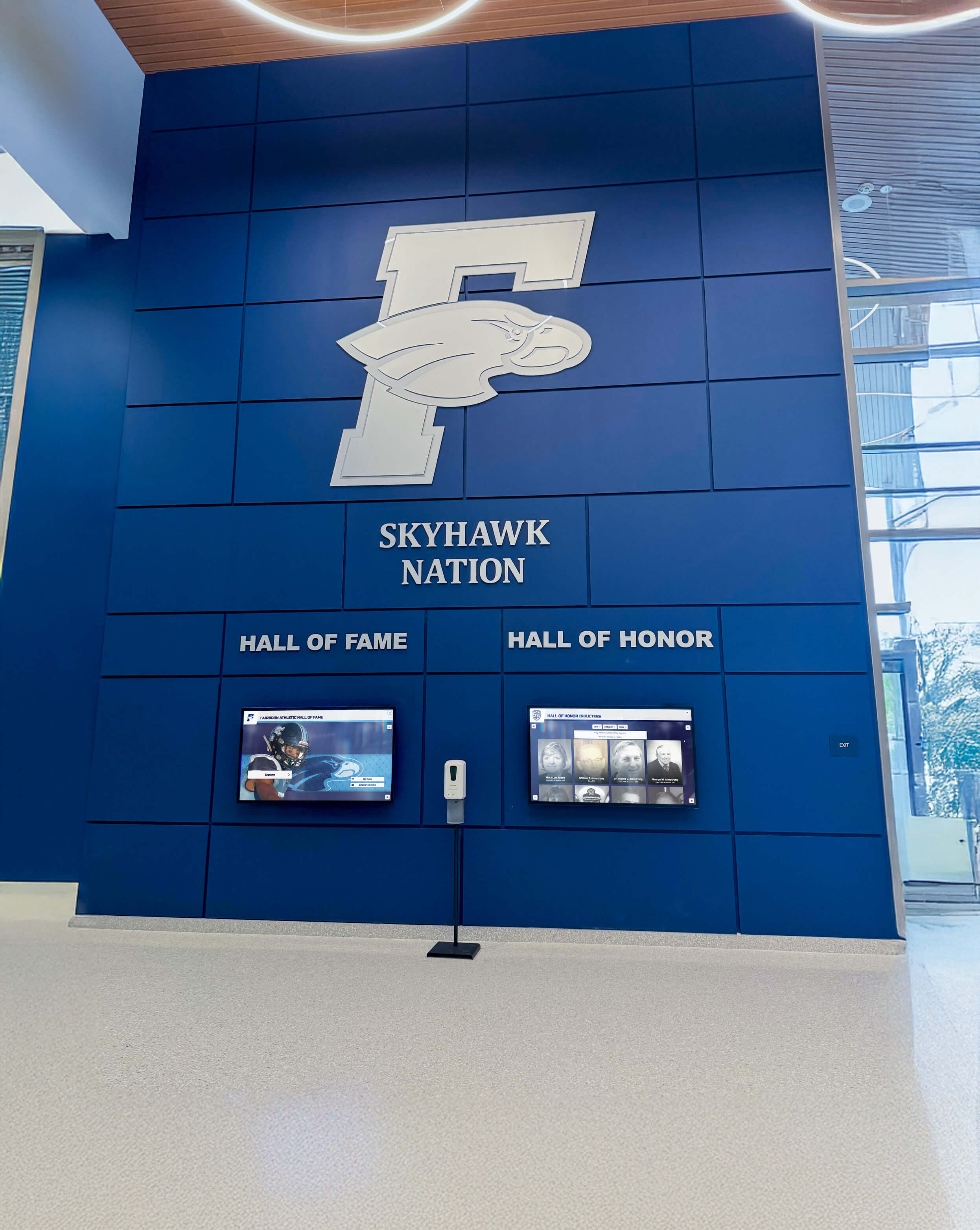
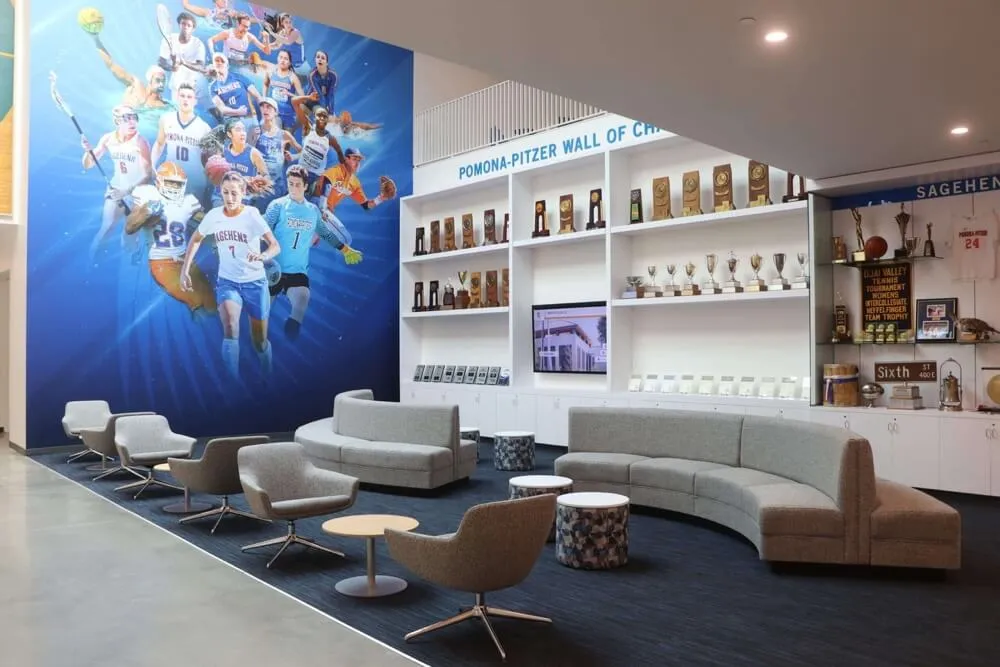
Lobby recognition areas provide natural gathering spaces before rallies, building anticipation while showcasing program excellence
Game Selection Strategy
Balancing Activities for Diverse Interests
Effective rallies include multiple activity types appealing to different students:
- Physical competitions: Relay races, athletic challenges, tug-of-war (appeal to athletic students)
- Creative activities: Dance battles, performance showcases, artistic challenges (engage arts-oriented students)
- Intellectual games: Trivia, problem-solving challenges, strategy activities (recognize academic achievers)
- Humorous entertainment: Dizzy challenges, sensory games, unexpected situations (generate laughter from everyone)
- Inclusive participation: Class competitions, audience scavenger hunts, spirit contests (allow broader involvement)
- Unexpected elements: Teacher participation, surprise guests, unusual activities (create memorable moments)
Varying activity types maintains attention across different personality types and ensures no single group feels excluded or bored.
Equipment and Setup Considerations
Practical planning prevents delays:
- Select activities using equipment already available (PE department supplies, basic materials)
- Arrange setup requiring minimal transition time between activities (under 2 minutes)
- Have backup activities prepared in case primary plans encounter problems
- Assign specific staff or students to equipment setup and removal
- Test all audio-visual equipment before students arrive
- Create designated activity zones with clear boundaries
- Prepare all materials in advance rather than gathering during rally
Safety and Risk Management
Preventing Physical and Psychological Harm
Responsible planning addresses potential problems:
Physical Safety Protocols
- Select activities appropriate for skill levels and physical abilities
- Ensure clear gymnasium floor free of obstacles or tripping hazards
- Provide adequate space between activities and audience seating
- Have medical personnel or trained staff present for emergencies
- Establish stopping signals and safety rules for physical competitions
- Use appropriate safety equipment (mats for falls, cones for boundaries)
- Brief participants on safety expectations before each activity
Psychological Safety Considerations
- Voluntary participation avoiding forced involvement creating embarrassment
- Activity selection preventing humiliation or bullying situations
- Clear expectations about appropriate audience behavior and cheering
- Faculty supervision throughout all student sections
- Inclusive activities where diverse students can potentially succeed
- Avoid activities highlighting body size, physical limitations, or personal characteristics
- Emcee intervention if audience behavior becomes inappropriate
Administrative Requirements
- Review all planned activities with administration days before rally
- Document safety protocols and supervision plans
- Communicate with families if particularly active games planned
- Liability considerations for physical competitions
- Emergency response procedures clearly established
- Weather or facility backup plans if needed
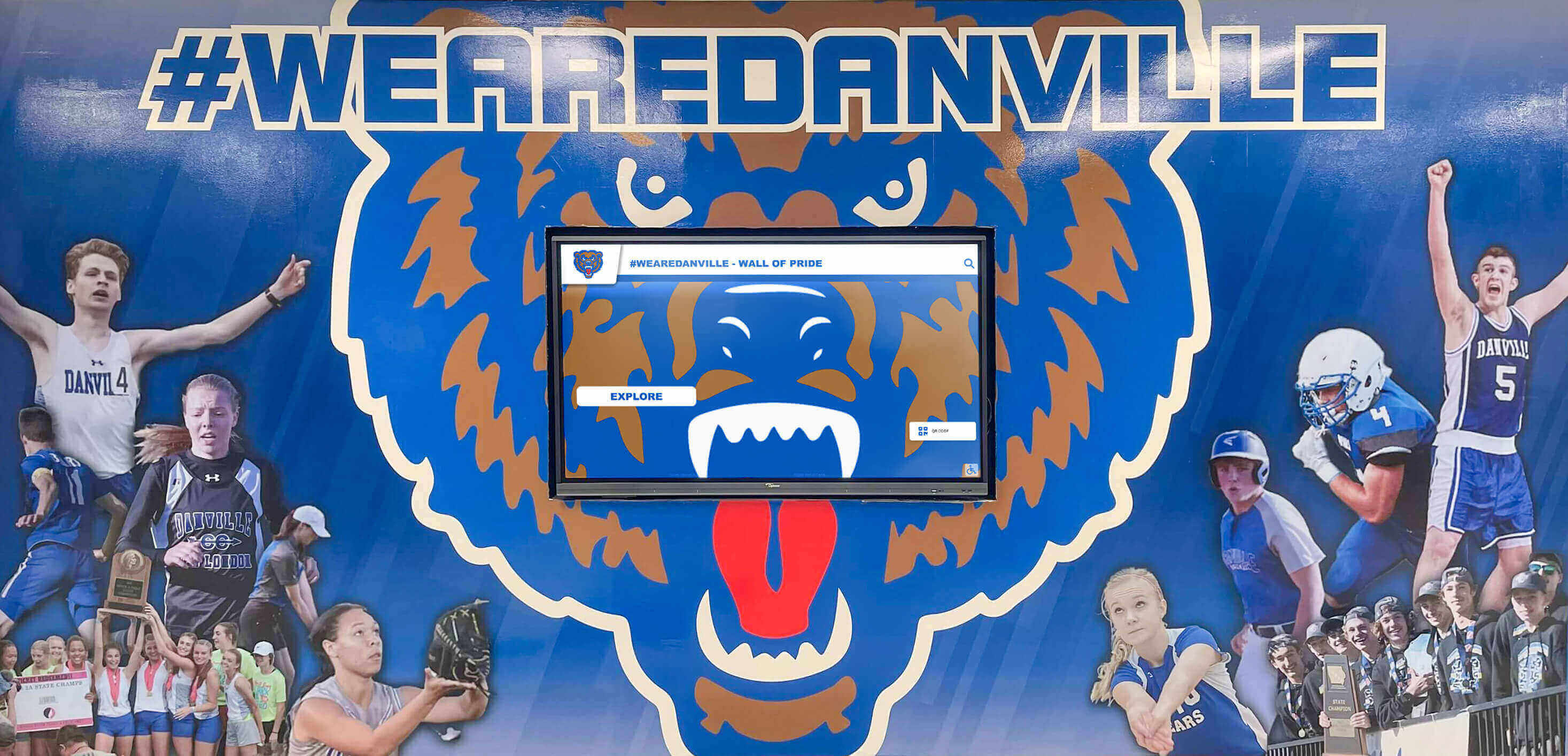
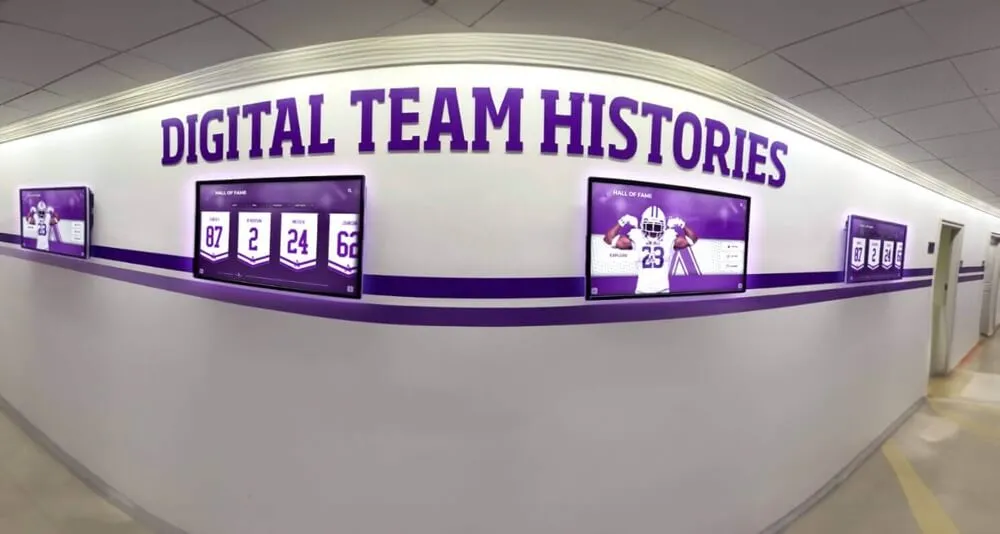
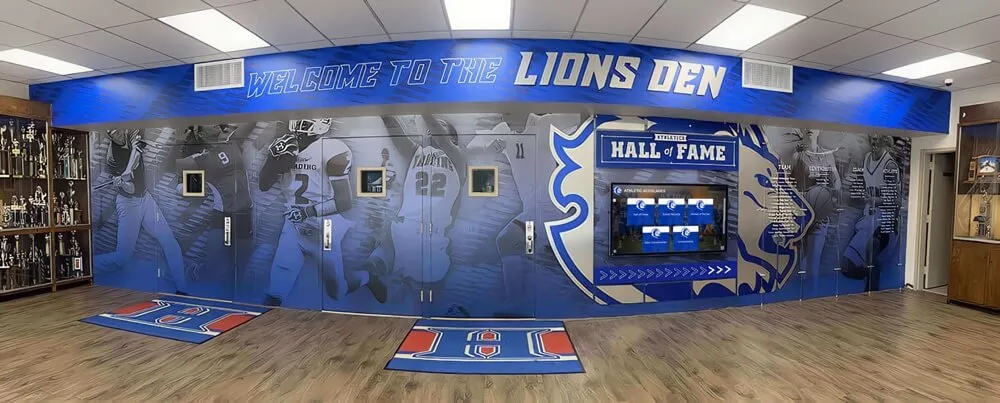
Branded athletic corridors create immersive school spirit environments where recognition displays extend rally energy throughout facilities
Schools implementing comprehensive field day programs adapt successful outdoor activities for indoor rally contexts, leveraging tested games proven to engage students safely.
Meaningful Recognition Within Rally Context
The most successful rallies balance entertainment with genuine acknowledgment of achievements and contributions deserving celebration.
Athlete and Team Recognition Strategies
Effective Introduction Approaches
Honor competitors and performers appropriately:
Starting Lineup Presentations
- PA announcement with player name, position, grade level, and notable achievement
- Athletes run through student tunnel or stand for applause and recognition
- Brief athletic accomplishments, season statistics, or college commitments
- Senior recognition highlighting final season and career contributions
- Team captains speaking briefly about upcoming competition or season goals
Full Program Acknowledgment
- Varsity and junior varsity teams standing together showing program depth
- Underclassmen recognition demonstrating program future and continuity
- Team managers, trainers, and support staff receiving appreciation
- Coaching staff introductions including assistants and volunteer coaches
- School administration acknowledgment of athletic department support
Beyond Athletics: Comprehensive Achievement Celebration
- Academic competition teams (Science Olympiad, Math Bowl, Debate) receiving equal prominence
- Arts program achievements (all-state music, theatre productions, visual arts awards)
- Service and character recognition (community service leaders, positive influence awards)
- Student leadership positions and contributions to school culture
- Special recognition for students achieving multiple areas simultaneously
Modern schools implement digital recognition systems showcasing these achievements permanently. Solutions like Rocket Alumni Solutions provide unlimited capacity to celebrate accomplishments across all categories without physical space constraints, displaying comprehensive student profiles accessible year-round to the entire community.
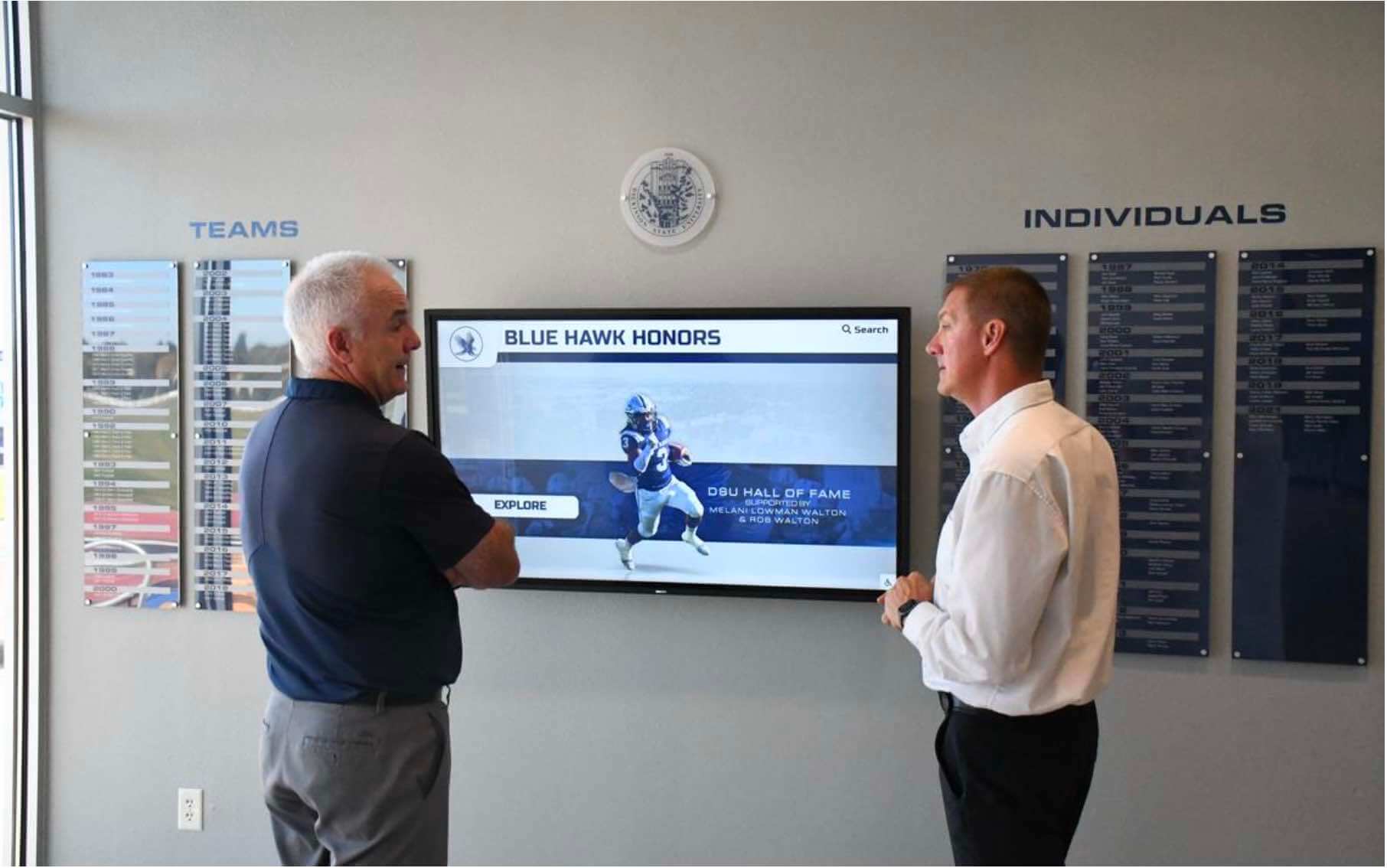
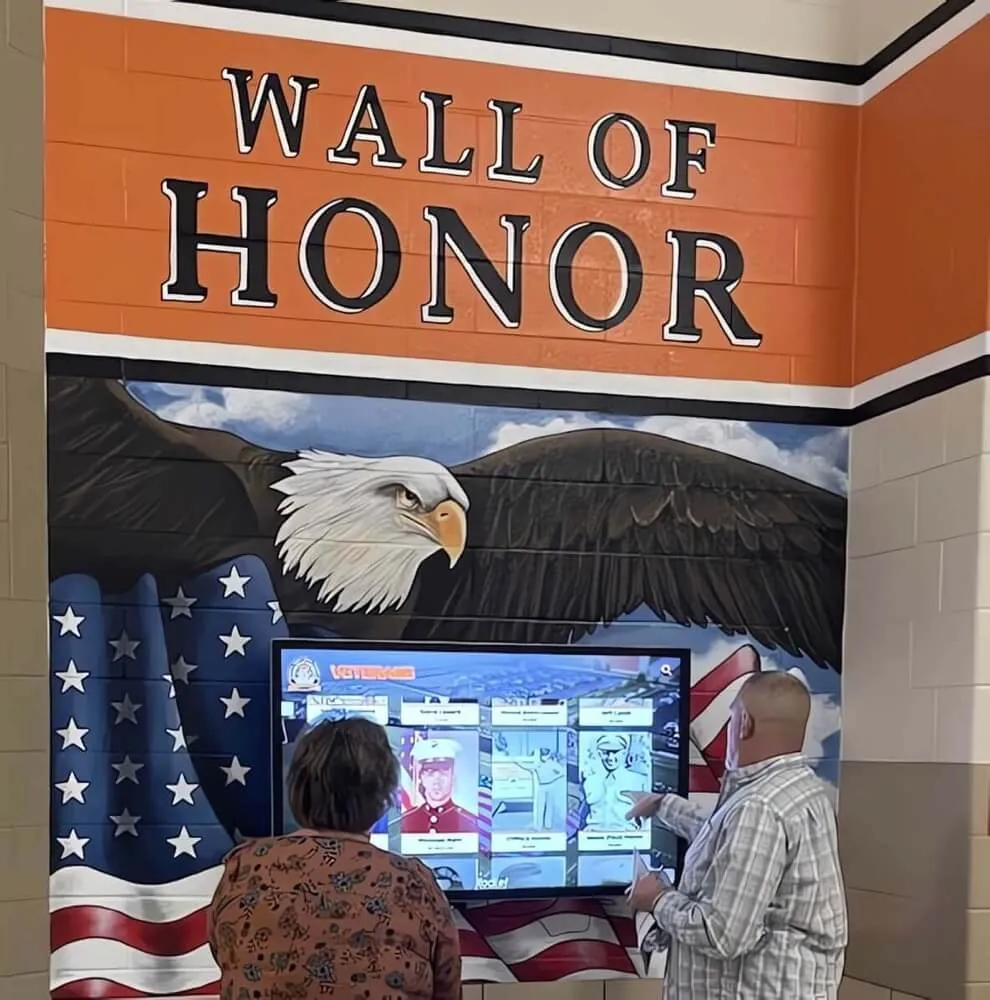
Interactive displays allow exploration of detailed achievement profiles, connecting rally celebrations to comprehensive recognition systems
Highlighting Team Achievements and School Records
Building Pride Through Historical Context
Connect current participants to institutional legacy:
Achievement Highlights
- Championship banners and titles in specific sports or activities
- School records current athletes are pursuing, approaching, or defending
- Playoff appearance streaks and tournament success history
- Recent victories over traditional rivals creating context for upcoming competitions
- Individual milestones like 1,000-point scorers, state qualifiers, or special honors
Visual Displays Enhancing Recognition
Schools leverage technology to display this information professionally during rallies:
- Large screens showing athlete profiles with photos and statistics
- Video highlight reels from recent victories or memorable moments
- Statistical comparison graphics connecting current to historical achievements
- Interactive elements allowing exploration of complete team histories
- QR codes enabling mobile access for families unable to attend in person
These displays create presentation quality rivaling college and professional environments while celebrating individuals within program context and institutional tradition.
Spirit Point Systems and Sustained Engagement
Creating Year-Long Competitions
Many schools implement point systems building ongoing class competition:
Spirit Point Categories
- Rally game results and competition outcomes
- Spirit week dress-up participation and creativity
- Athletic event attendance and student section enthusiasm
- Community service hours or charitable giving competitions
- Academic achievement milestones worthy of celebration
- Positive behavior recognition and character demonstrations
Winner Recognition and Incentives
- Regular updates on class standings maintaining interest between rallies
- End-of-year recognition ceremony for winning class
- Privileges like preferred parking, special lunch options, or unique events
- Trophy or plaque displaying winning classes creating visible tradition
- Digital displays showing current standings throughout school
Schools implementing comprehensive homecoming programs integrate rallies within week-long celebrations, building cumulative excitement through connected activities and recognition.
Extending Rally Impact Beyond the Assembly
The best pep rallies generate momentum lasting well beyond dismissal, creating sustained effects on school culture and community engagement.
Documentation and Memory Preservation
Capturing Rally Highlights
Professional documentation preserves meaningful moments:
Photography and Videography
- Student journalists or yearbook staff capturing action shots and candid moments
- Video recording for absent athletes, families, or community members
- Multiple camera angles ensuring comprehensive coverage of activities
- Posed photos of recognized individuals and teams for publications
- Crowd shots demonstrating enthusiasm and school spirit
Content Distribution Strategies
- Highlight reels edited for social media (Instagram, TikTok, YouTube)
- Best moments compilation for school website homepage
- Rally photo galleries for community viewing
- Video announcements in following days showing rally highlights
- Historical documentation preserving traditions for future reference
Social Media Integration
Extend reach beyond physical attendance:
- Official event hashtag encouraging student sharing and participation
- Live posting during rally for absent families and community members unable to attend
- Athlete spotlights featuring competitors in upcoming events
- Behind-the-scenes content showing preparation and setup
- Engagement with student and family posts about rally experiences
- Alumni interaction sharing memories from their school years
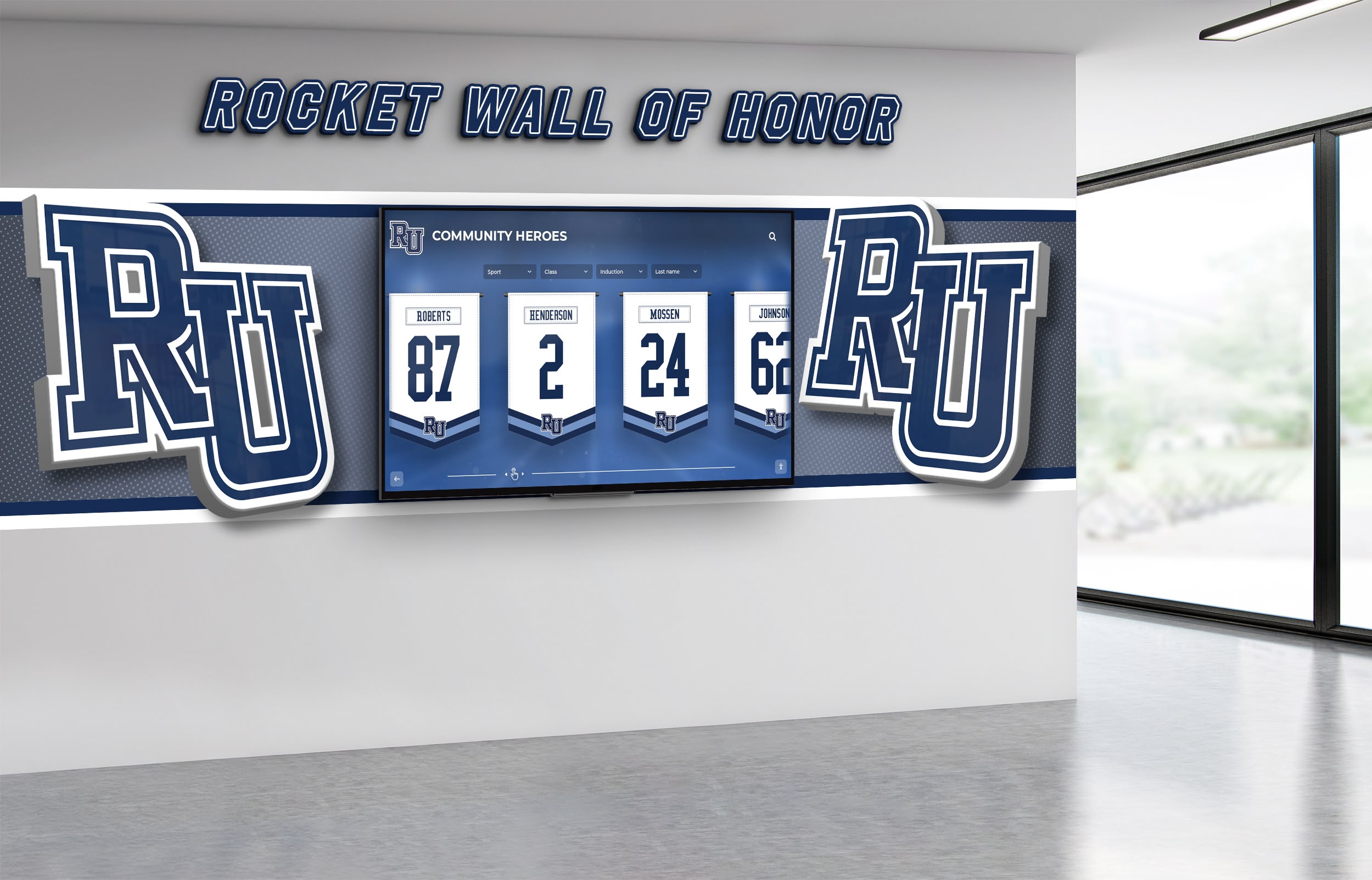
Modern recognition systems feature upcoming competitors in the days before rallies, building anticipation throughout the school community
Connecting Rallies to Permanent Recognition Systems
Year-Round Pride Building
Pep rallies serve as touchpoints within comprehensive celebration infrastructure:
Athletic and activity programs increasingly implement permanent digital recognition extending rally acknowledgment beyond brief assembly moments. These systems provide:
Continuous Achievement Showcase
- Upcoming event information building anticipation between rallies
- Current season participant profiles with photos and accomplishments
- Historical program achievements providing context and tradition
- Championship memories and memorable victories preserved permanently
- Interactive exploration allowing personal discovery of interests
Mobile Accessibility and Family Engagement
- QR codes enabling smartphone access from anywhere in the world
- Families unable to attend rallies still explore achievements
- Alumni maintaining connection to current program through digital access
- Prospective students and athletes researching program excellence
- Community members understanding school commitment to recognition
Solutions like Rocket Alumni Solutions transform episodic rally recognition into permanent digital showcases accessible to current students, families, alumni, and prospective participants. Interactive displays positioned in athletic facilities, main lobbies, and high-traffic gathering spaces extend pep rally energy throughout the entire school year while providing unlimited recognition capacity impossible with traditional physical trophy cases.
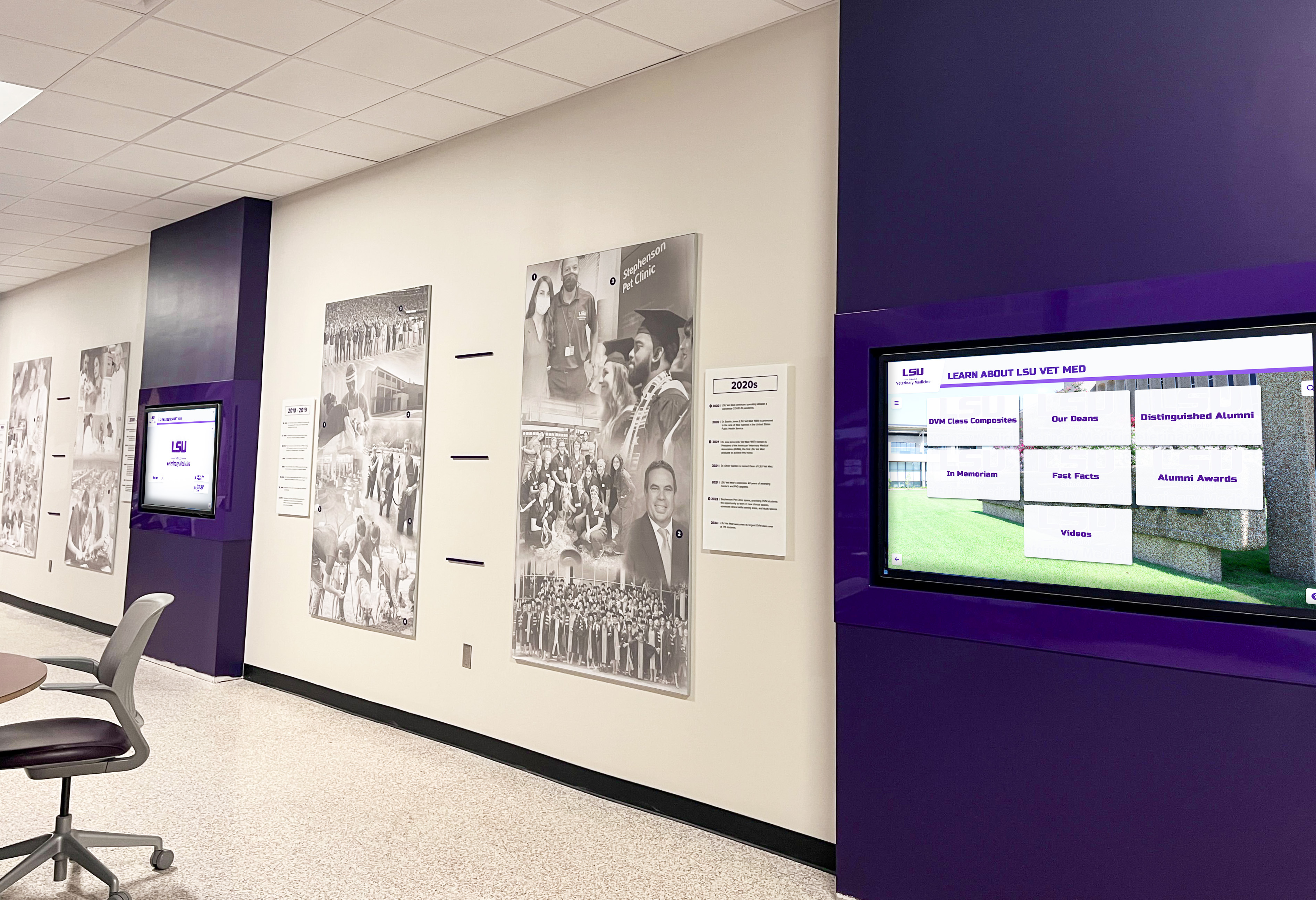
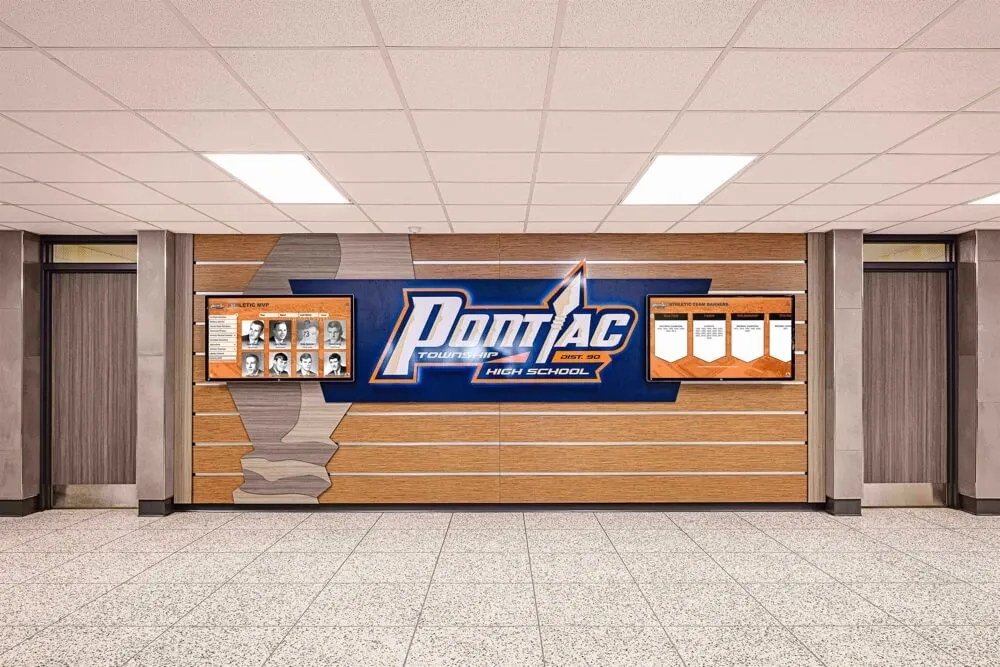
Multiple coordinated displays create immersive recognition environments reinforcing rally messages throughout students' daily experiences
Budget and Equipment Considerations
Practical planning ensures rally success without excessive costs or complicated logistics.
Essential Rally Equipment
Basic Infrastructure Needs
Most schools already possess necessary items:
Audio-Visual Requirements
- Quality sound system reaching entire venue with clear, undistorted audio
- Wireless microphones for emcees, coaches, and activity participants
- Music playback capability (streaming service, laptop connection, or professional DJ equipment)
- Video display screens if showing athlete profiles, highlight videos, or scorekeeping
- Backup audio equipment in case primary system encounters problems
- Testing all equipment thoroughly before students arrive preventing delays
Activity-Specific Equipment
- Sports equipment from PE department (balls, cones, ropes, athletic gear)
- Folding chairs for musical chairs or relay station markers
- Boundary markers: cones, tape, chalk lines for clear activity zones
- Basic supplies: balloons, paper, craft materials for various games
- Timing equipment: stopwatches, visible timers, or scoreboard access
- Props and costume pieces for entertainment activities
- Tables for equipment staging between activities
Safety and Logistics
- First aid kit with ice packs, bandages, and basic medical supplies
- Cleaning supplies for inevitable spills or messes from certain activities
- Extension cords and power strips for electronic equipment needs
- Step stools or platforms for visibility if venue has sightline challenges
- Staff radios or communication system for coordination during event
Budget-Friendly Rally Planning
Minimizing Costs While Maximizing Impact
Great rallies need not require significant financial investment:
Free or Minimal-Cost Activities
Most effective rally games use equipment schools already own:
- Musical chairs and freeze dance (music only)
- Relay races using standard PE equipment
- Dance and performance showcases (no materials needed)
- Tug-of-war with athletic department rope
- Skill challenges with existing sports equipment
- Faculty participation requiring only volunteer time
- Scavenger hunts using items already available
- Spirit competitions requiring no materials
Strategic Investment Priorities
Limited budgets should focus spending on:
- Sound system enhancement if existing equipment inadequate ($300-800 rental)
- Professional emcee or DJ if school lacks expertise ($400-1,000 depending on market)
- Spirit prizes (school merchandise, gift cards, special privileges) ($150-400)
- Decoration supplies in school colors creating visual environment ($75-200)
- Digital display rental if school lacks screens ($400-800)
Total basic rally costs typically range $600-2,000 with most expenses representing optional enhancements rather than requirements. Many successful rallies operate on minimal budgets focusing on excellent execution of simple activities rather than expensive productions.
Funding Sources
- Student government activity budgets allocated specifically for school spirit
- Athletic booster club support for sports-focused rallies
- Sponsor partnerships with local businesses (recognition during rally in exchange for funding)
- Spirit week fundraising earlier in year designated for rally enhancement
- PTA or parent organization contributions supporting school culture
Extend Rally Recognition Beyond the Assembly
Discover how digital recognition displays transform brief pep rally celebrations into year-round pride builders. Showcase unlimited achievements across athletics, academics, arts, and service. Display upcoming event information building anticipation. Preserve championship memories and create searchable archives connecting current students to decades of tradition. See how schools nationwide build authentic spirit through comprehensive recognition technology.
Explore Recognition SolutionsCommon Rally Challenges and Practical Solutions
Understanding frequent obstacles helps schools avoid predictable problems and plan effective responses.
Challenge: Student Disengagement
Problem: Students treating rally as phone-scrolling time rather than actively participating
Solutions:
- Fast-paced programming with minimal downtime creating constant action
- Varied activity types appealing to different interests preventing boredom with single format
- Audience participation activities making phone use impossible during involvement
- Volume and energy creating environment where phone screens lose appeal
- Student leadership modeling enthusiastic engagement influencing peers
- Clear expectations communicated before rally about respectful participation
- Recognition of engaged classes or sections reinforcing desired behavior
Challenge: Inappropriate Behavior or Poor Sportsmanship
Problem: Jeering, heckling, or mean-spirited commentary during activities
Solutions:
- Pre-rally announcements establishing behavioral expectations and consequences
- Administrator visibility and strategic positioning throughout venue
- Immediate intervention for problematic behavior with consistent consequences
- Positive reinforcement of appropriate cheering and support when observed
- Activity selection avoiding situations naturally inviting mockery or embarrassment
- Faculty supervision distributed throughout all student sections
- Emcee addressing concerns immediately if behavior becomes inappropriate
- Focus on celebration rather than humiliation in all activity design
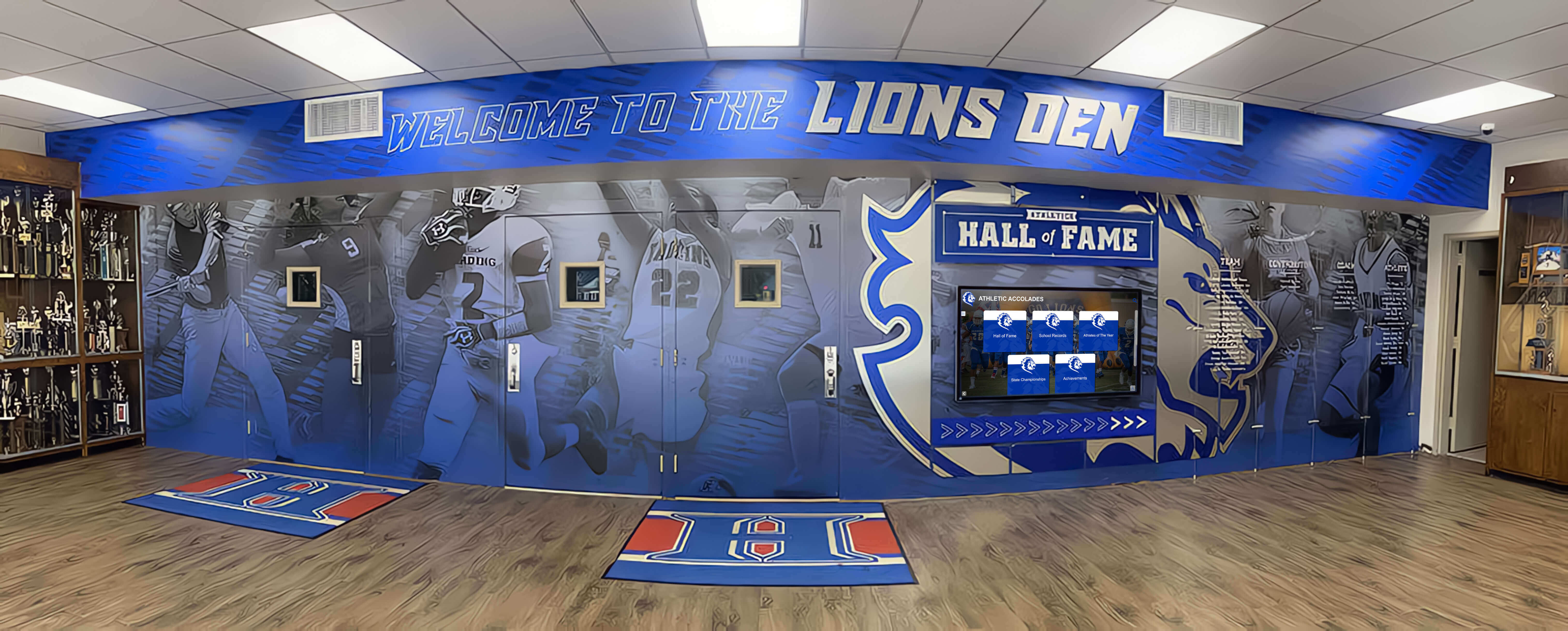
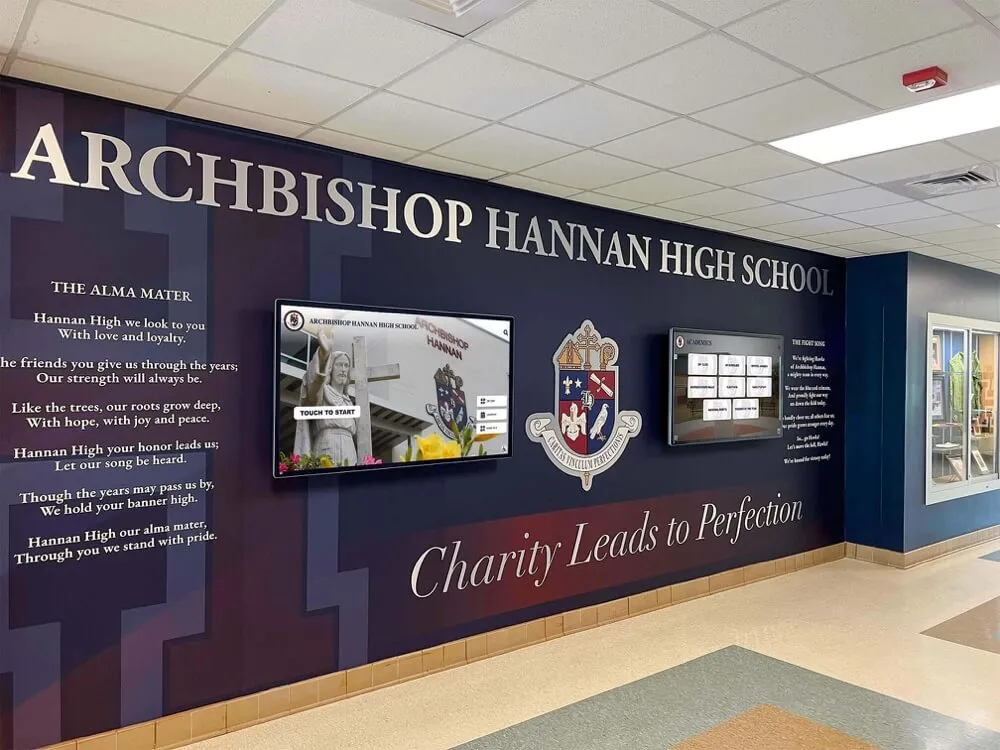
Integrated physical and digital recognition creates comprehensive pride-building environments supporting the culture rallies celebrate
Challenge: Running Over Time or Poor Pacing
Problem: Rally extending beyond scheduled period creating dismissal chaos or cutting into instructional time
Solutions:
- Detailed timeline allocating specific minutes to each element with buffer time
- Designated timekeeper signaling emcee about schedule adherence throughout event
- Backup plan identifying which activities can be shortened or eliminated if behind schedule
- Rehearsal or walk-through beforehand identifying time-consuming elements requiring adjustment
- Pre-determined maximum speech lengths for coaches, administrators, and student speakers
- Starting promptly at scheduled time rather than waiting for stragglers
- Efficient transitions between activities with equipment pre-staged
- Flexibility adjusting on the fly when necessary to maintain schedule
Challenge: Lack of Volunteer Participants
Problem: Awkward silences or delays when calling for activity volunteers
Solutions:
- Pre-recruitment of participants days before rally rather than cold-calling during assembly
- Class representative system requiring volunteers from each grade ensuring participation
- Faculty participation filling gaps when student volunteers prove insufficient
- Incentives making participation attractive: spirit points, small prizes, recognition
- Starting with activities not requiring volunteers to build energy and enthusiasm first
- Student leaders modeling by volunteering for early activities encouraging peers
- Friend group participation (allowing pairs or small groups) encouraging multiple volunteers together
- Backup participants identified in advance in case primary volunteers unavailable
Schools planning recognition programs for various activities leverage rallies as opportunities to preview upcoming awards while building current event excitement.
Building Sustainable Rally Traditions
The most impactful pep rallies become anticipated annual traditions strengthening school culture year after year.
Developing Signature School-Specific Elements
Creating Unique Traditions
Design activities specific to your institution creating distinctive identity:
- Games honoring school founders, historical figures, or community heroes
- Competitions reflecting geographic location or unique community characteristics
- Activities incorporating school mascot in creative, memorable ways
- Traditions dating back decades with documented historical significance
- Alumni involvement during milestone anniversaries or special years
- Signature music, chants, or routines students anticipate each year
- Trophy or recognition for activity winners displayed prominently creating history
Documentation and Institutional Memory
Preserve traditions for future generations:
- Written documentation of activity rules, setup, and execution
- Video recordings showing how traditions are properly conducted
- Historical context explaining origin and significance of activities
- Transition planning ensuring knowledge transfers when leaders graduate
- Digital archives accessible to future planning committees
- Alumni stories connecting current students to tradition origins
Student Leadership and Ownership
Empowering Student Organizers
Transfer rally planning responsibility to students with appropriate support:
Student Planning Committee Structure
- Student government or dedicated spirit committee owning primary planning
- Faculty advisor providing guidance on safety, logistics, and appropriateness
- Training and transition process ensuring institutional knowledge preservation
- Budget management teaching real-world event planning and resource allocation
- Coordination with athletic department, performing groups, and administration
- Post-rally evaluation and documentation for continuous improvement
Benefits of Student Leadership
- Higher peer engagement when classmates see friends leading rather than exclusively adults
- Authentic activity selection reflecting what students actually find engaging
- Leadership development and event planning experience for student organizers
- Ownership creating investment in rally success and school spirit broadly
- Fresh ideas and perspectives adults might not consider
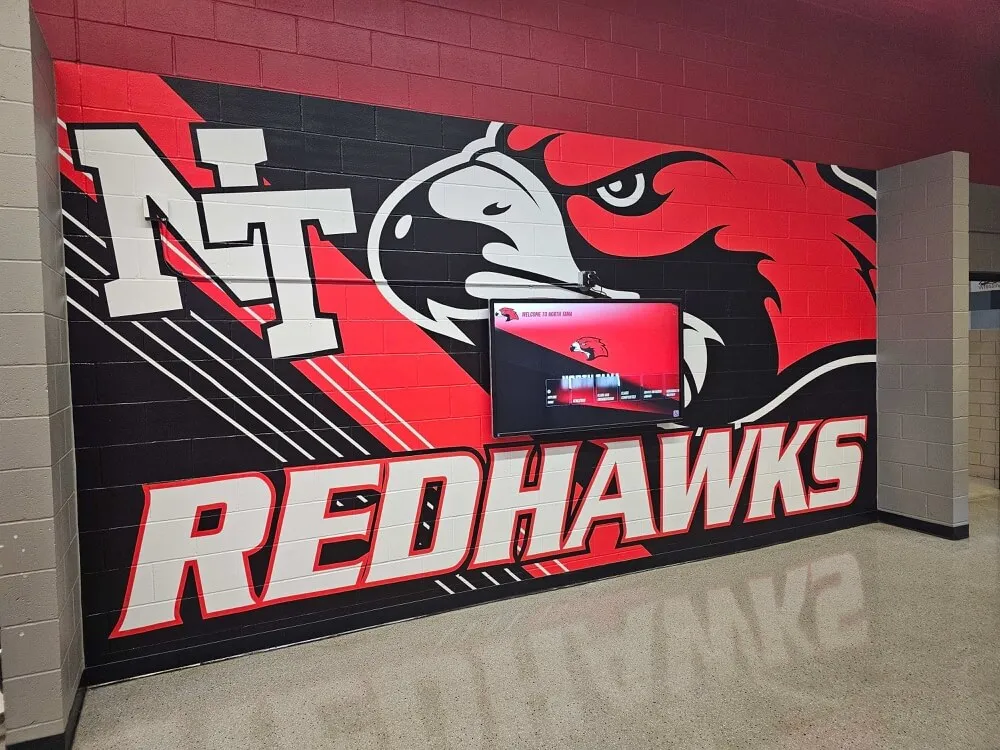
Branded athletic corridors with digital displays extend rally energy throughout facilities, maintaining spirit between special events
Continuous Improvement Process
Learning From Each Rally
Systematic evaluation strengthens future events:
Post-Rally Debrief
- Planning team meeting within days while memories remain fresh
- Student body feedback surveys or informal polling about highlights and concerns
- Administrator observations about logistics, management, and culture impact
- Participant feedback from those directly involved in activities
- Faculty input about student engagement and behavior observations
- Attendance and engagement level assessment compared to previous rallies
Documentation for Future Reference
- Activity descriptions with timing notes and execution details
- Equipment lists with setup requirements and transition logistics
- “Keep, Change, Remove” assessment for each element
- Budget actual costs versus estimates for future planning
- Volunteer and staffing notes about coverage and responsibilities
- Photos and videos showing successful execution for reference
Best practices involve maintaining shared digital files accessible to future planning committees, ensuring institutional knowledge persists despite graduation, staff changes, and personnel turnover.
Conclusion: Creating Spirit-Building Experiences That Matter
Pep rallies represent far more than brief assemblies before competitions—when planned thoughtfully with purpose and creativity, they become powerful traditions uniting school communities, recognizing diverse achievements, and building institutional pride students carry throughout their lives. The most successful rallies balance engaging activities maintaining attention with genuine acknowledgment demonstrating that student contributions receive the celebration they deserve.
By implementing the 30+ pep rally ideas explored throughout this guide—from high-energy competitions and creative challenges to meaningful recognition and inclusive participation—schools create comprehensive experiences resonating with all students regardless of interests or involvement areas. Strategic planning addressing game selection, timing, safety, and recognition transforms mandatory assemblies into beloved traditions strengthening culture and community bonds.
The recognition systems schools implement around pep rallies matter tremendously for sustained impact. Moving beyond brief assembly acknowledgment toward comprehensive celebration of achievement creates environments where students feel genuinely valued. Modern digital recognition displays preserve rally moments permanently while connecting current events to decades of tradition, transforming episodic celebrations into sustained pride building accessible year-round to entire communities.
Your students deserve pep rally experiences reflecting the care, creativity, and commitment they demonstrate daily through athletics, academics, arts, service, and leadership. With appropriate activity selection, inclusive participation structures, efficient execution, and recognition systems celebrating both current achievements and historical excellence, you create rally traditions students anticipate eagerly, participants remember gratefully, and communities celebrate proudly.
Ready to enhance how your school celebrates achievements and builds authentic spirit year-round? Explore how digital recognition solutions extend pep rally recognition from brief moments to permanent celebration, discover comprehensive school spirit strategies integrating rallies within broader culture initiatives, learn about athletic recognition best practices connecting celebrations to permanent systems, or see how schools showcase diverse student accomplishments through modern technology building pride that motivates current students while inspiring future generations.