



The gymnasium erupts with cheers as students flood the bleachers, the band strikes up the fight song, and the entire school community gathers for one electric purpose: celebrating athletic teams heading into competition. Pep rallies create these pivotal moments where school spirit transforms from abstract concept into tangible energy that athletes carry onto the field, court, or track.
Yet too many schools default to predictable pep rally formats—brief coach speeches, cheerleader routines, and awkward silences as students check their phones waiting for dismissal. Athletic programs invest countless hours preparing for competition, but the send-off rally feels like an afterthought rather than the motivating celebration athletes deserve before representing their school.
This comprehensive guide explores 25+ engaging pep rally game ideas that transform mandatory assemblies into unforgettable spirit events. Whether you’re planning a homecoming send-off for 1,500 students or an intimate winter sports rally in your gym, these activities build authentic excitement while celebrating the athletes who make school pride possible.
Effective pep rallies extend beyond entertainment—they create strategic experiences that unite student bodies, motivate athletic teams, recognize diverse contributions, and reinforce institutional pride in ways students remember for years. Schools excelling at rally planning develop signature traditions that strengthen program culture while maximizing the brief time when entire communities gather with shared purpose.

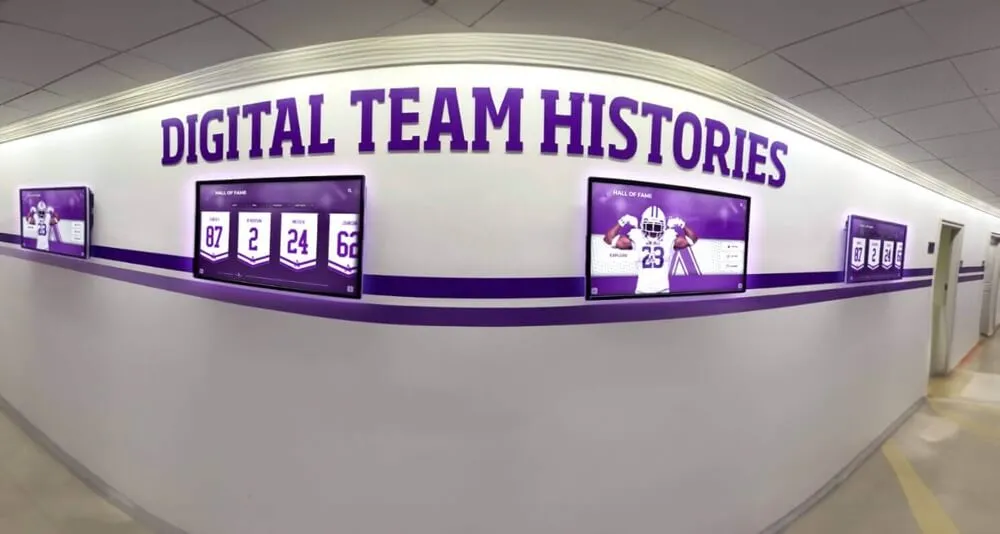
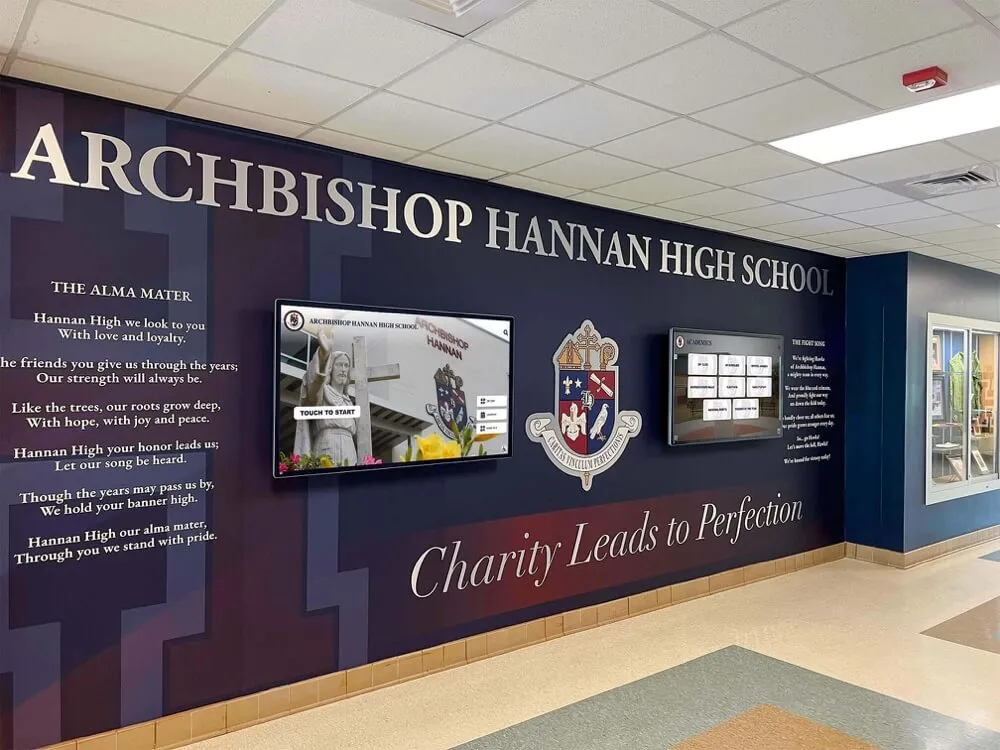
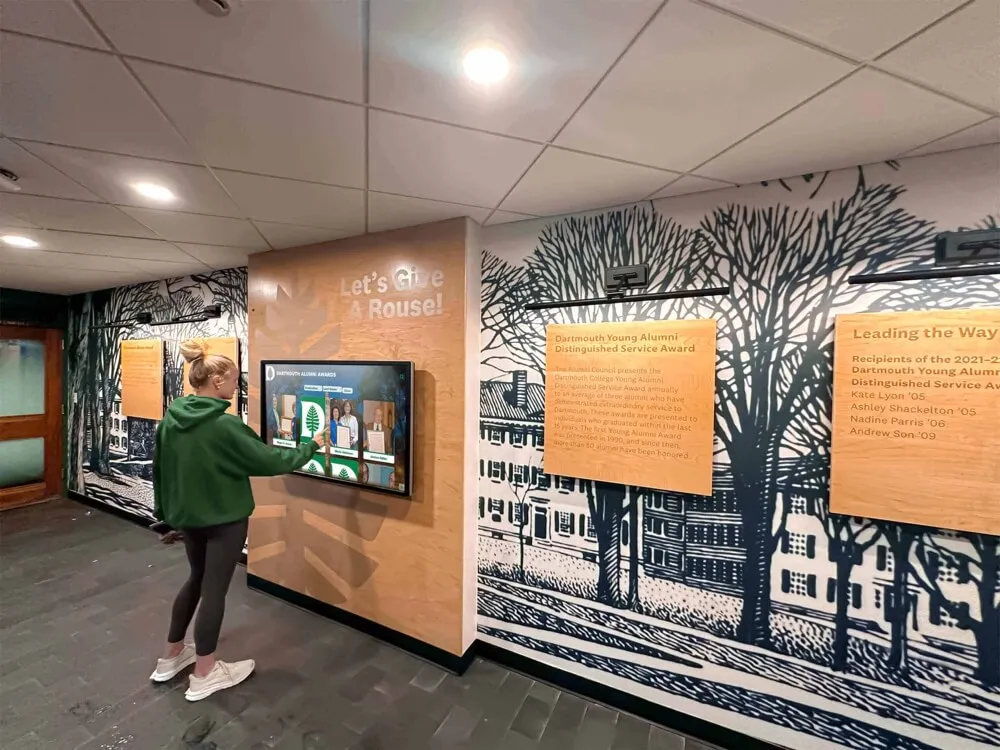
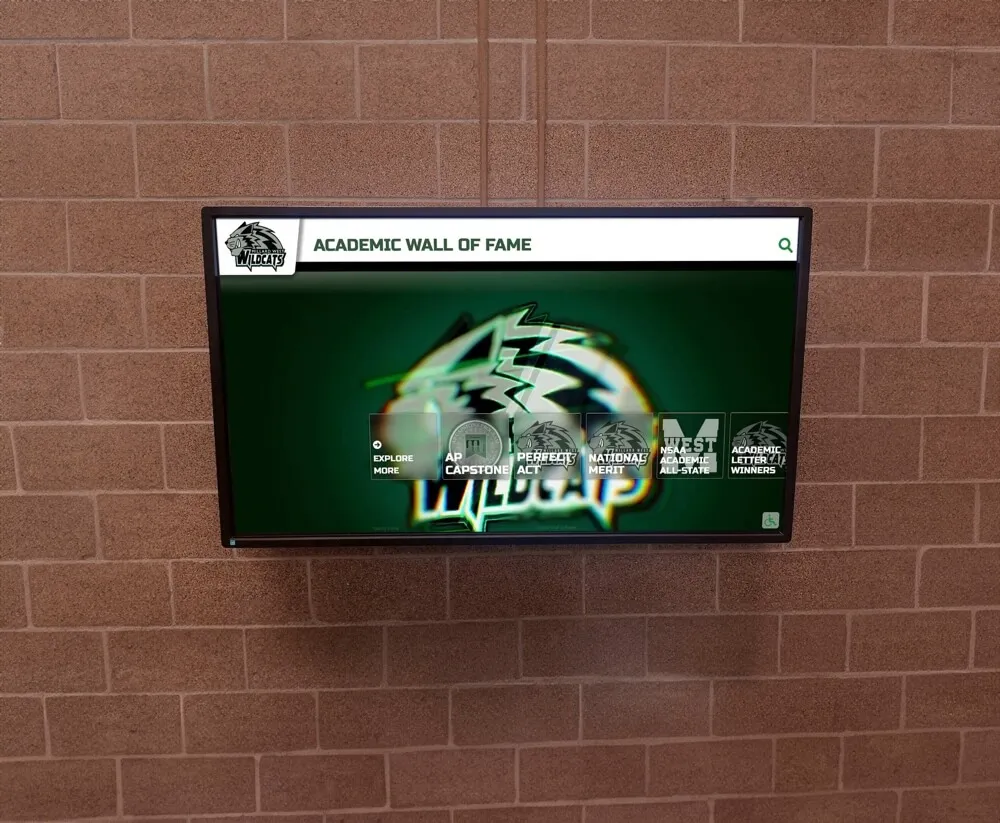
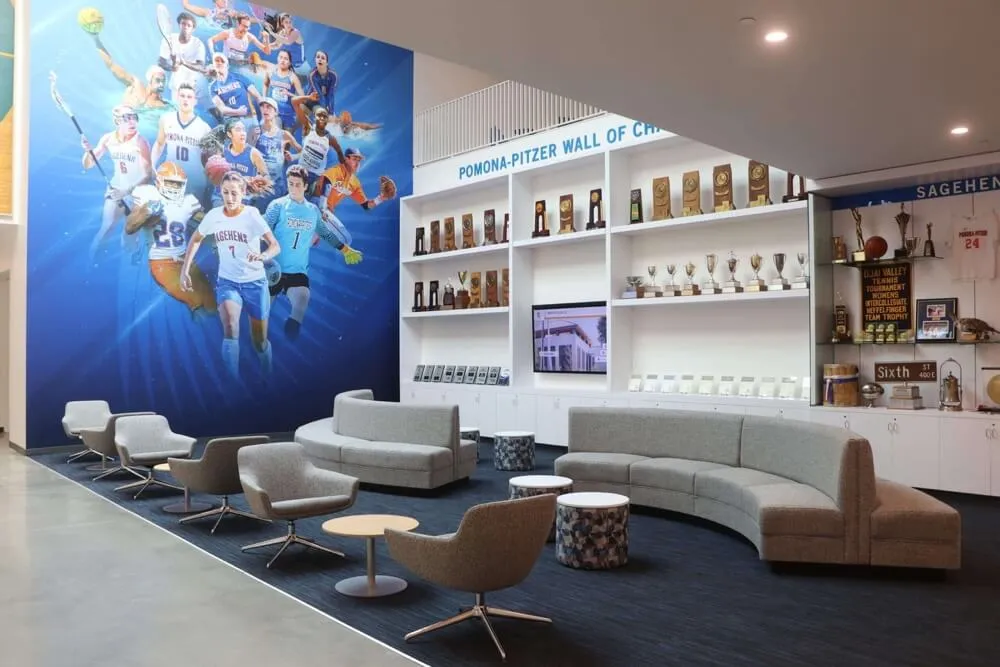
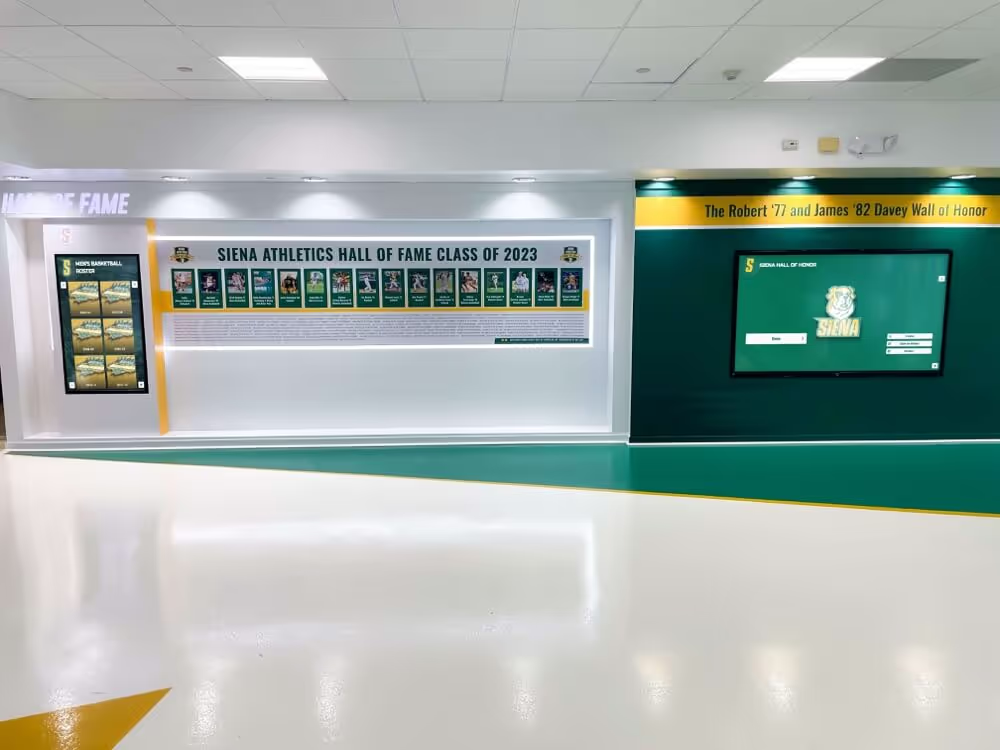
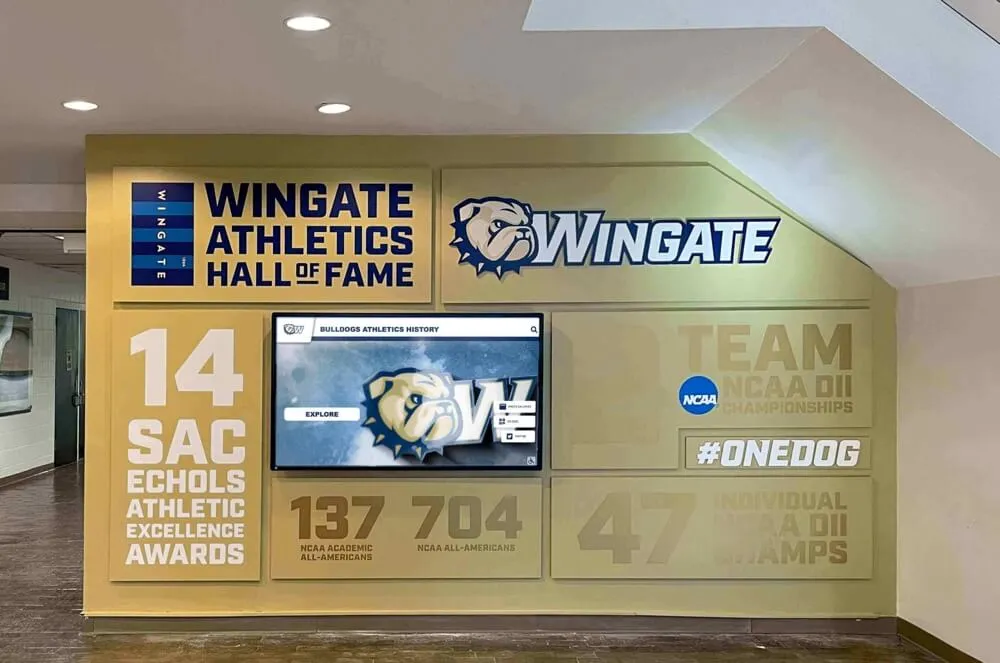
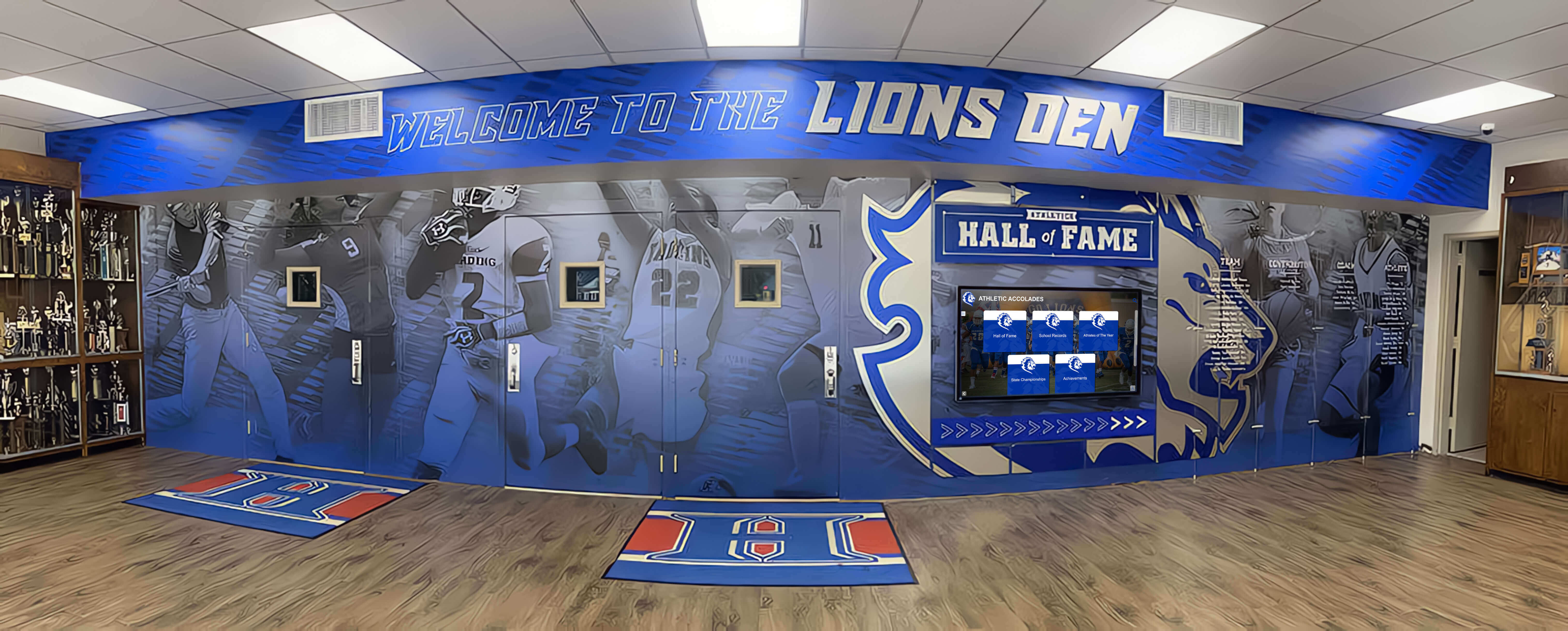
Athletic recognition displays create pride-building context for pep rallies, showcasing the tradition athletes continue when they compete
Why Pep Rally Games Matter for School Spirit
Before exploring specific activities, understanding how effective rally games strengthen school culture helps administrators and student organizers prioritize elements that deliver maximum impact.
The Psychology of Collective Energy
Building Authentic School Pride
Pep rallies succeed when they create genuine emotional connections rather than manufactured enthusiasm:
- Shared experiences unite students across grade levels, friend groups, and social divisions
- Public recognition makes athletes feel valued and supported by broader communities
- Competitive games create investment in outcomes and emotional engagement
- Humor and unexpected moments generate authentic reactions and positive memories
- Traditions repeated annually create institutional identity connecting past and present students
Research on group dynamics consistently shows that shared emotional experiences—laughter, excitement, collective cheering—strengthen social bonds and organizational culture more effectively than passive information delivery. The most successful pep rallies leverage this by creating genuine moments rather than scripted performances.
Motivating Athletes Through Community Support
The most important rally audience isn’t the general student body—it’s the athletes about to compete:
- Visible community support demonstrates that performance matters beyond individual achievement
- Public recognition reinforces that athletic commitment receives institutional appreciation
- Team introductions build confidence and competitive fire
- Peer enthusiasm creates accountability to perform at highest levels representing school pride
- Rally energy athletes carry onto competition fields, courts, and tracks
Coaches consistently report that well-executed pep rallies improve team morale and competitive intensity. Athletes feeling genuinely supported by their school community perform differently than those competing with indifferent backing.
What Makes Rally Games Effective
The Elements of Engaging Activities
Successful pep rally games share common characteristics:
Wide Appeal and Inclusive Participation
- Activities students want to watch, not just tolerate during mandatory attendance
- Clear rules spectators understand instantly without lengthy explanations
- Visual humor translating across the gymnasium or auditorium
- Opportunities for different personality types to shine (athletes, performers, comedians)
- Suspense and competition maintaining attention
Practical Implementation
- Quick setup requiring minimal preparation between activities
- Safety-conscious activities preventing embarrassing or dangerous situations
- Equipment needs schools can easily acquire or already possess
- Flexibility adapting to varying facility sizes and student populations
- Volunteer availability for student participants who genuinely want involvement
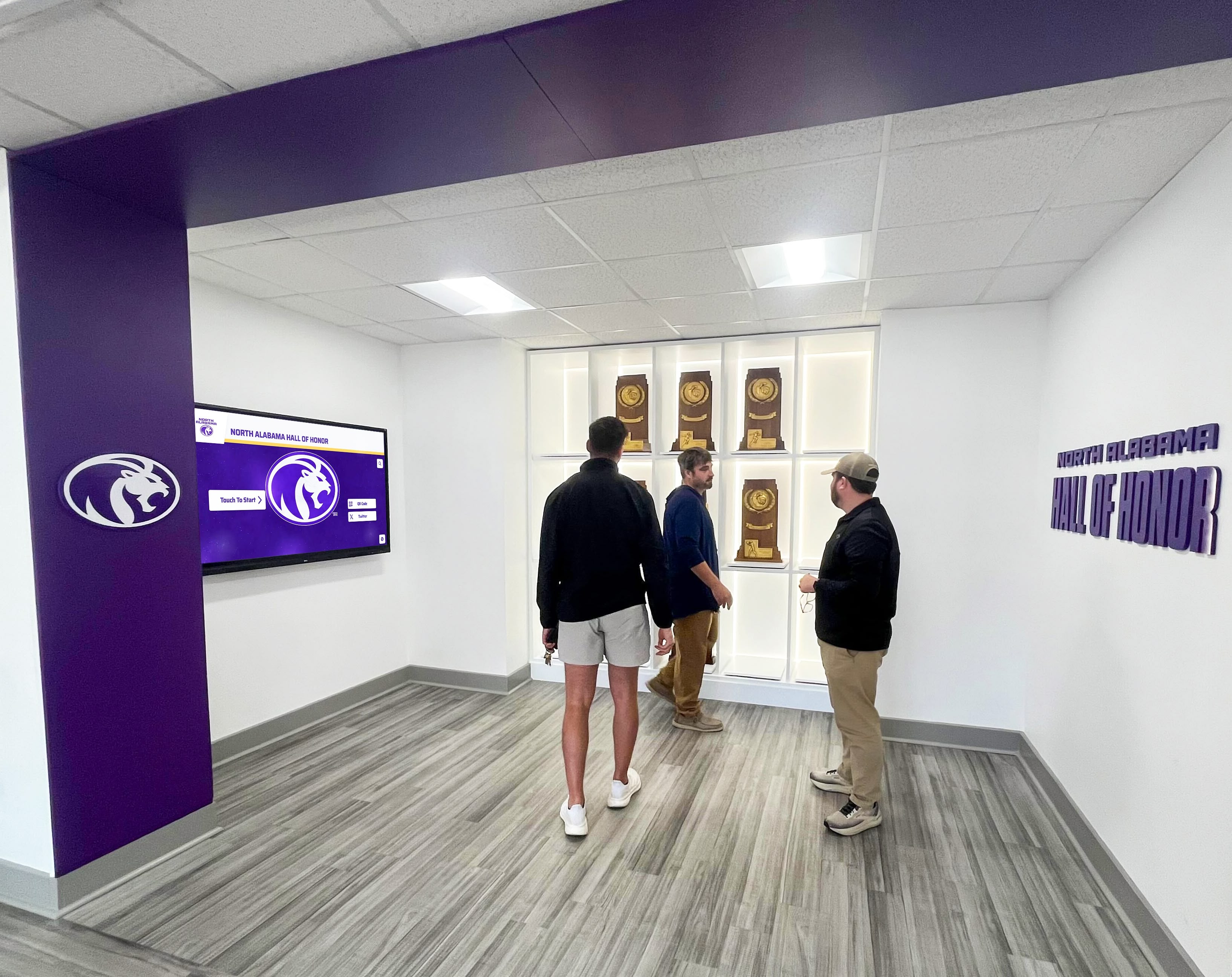
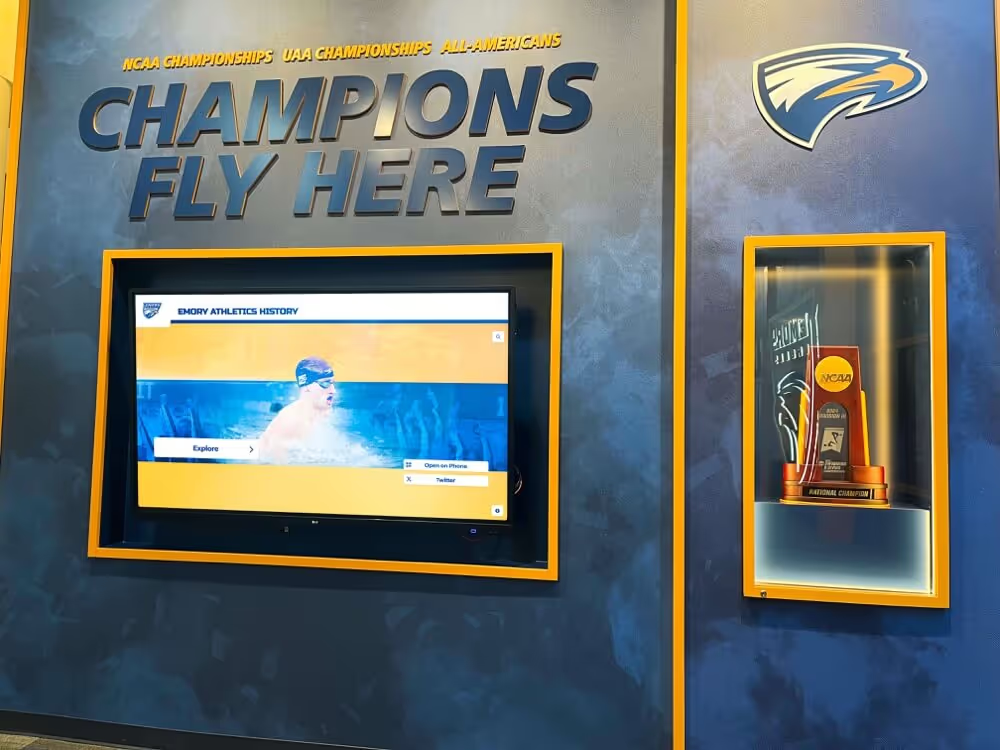
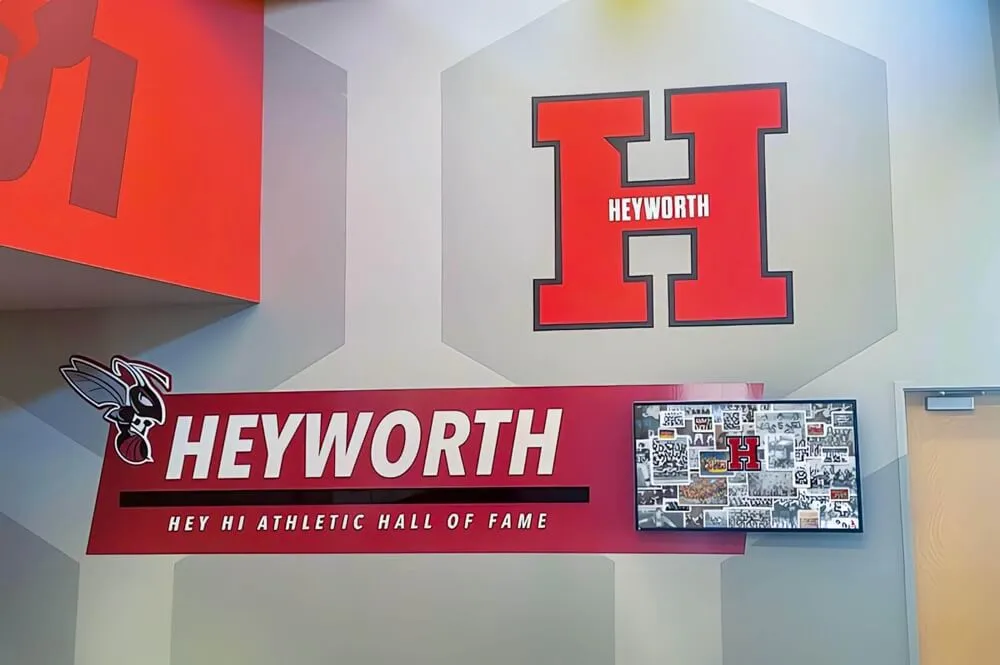
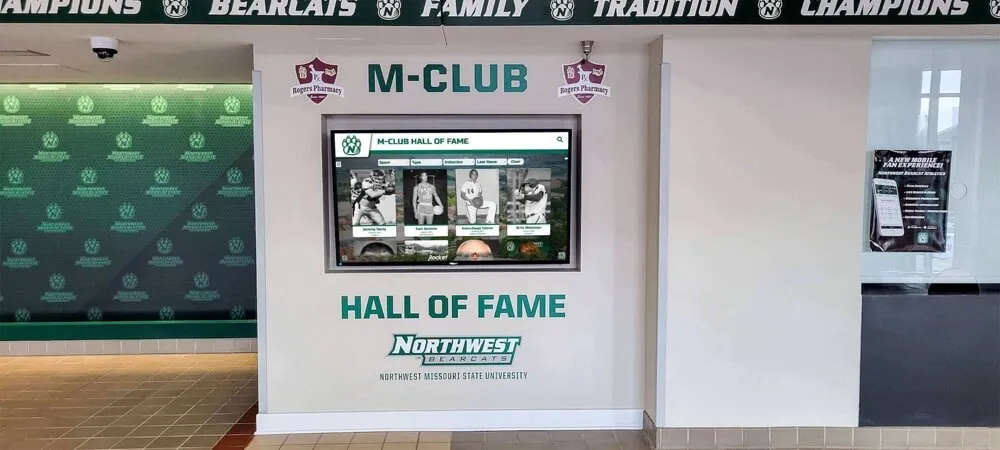
Athletic recognition areas provide natural gathering spaces before rallies, building anticipation while showcasing program excellence
Schools implementing comprehensive spirit week programs find that pep rallies serve as culminating celebrations when integrated with broader school culture initiatives throughout the academic year.
Classic Pep Rally Games That Always Work
Some activities remain staples because they consistently generate enthusiasm while requiring minimal preparation.
Musical Chairs Variations
Large-Scale Musical Chairs Tournament
Scale up this childhood game for dramatic gymnasium entertainment:
- Start with 15-20 student participants representing different grade levels
- Use upbeat school fight song or popular music everyone recognizes
- Eliminate one chair each round building suspense
- Final two participants compete for championship bragging rights
- Consider class-versus-class tournaments with points toward overall competition
Freeze Dance Challenge
Modern variation adding creativity element:
- Participants dance when music plays, freeze in position when it stops
- Judges eliminate anyone moving after music ends
- Creative freeze poses encouraged (athletic stances, funny positions)
- Multiple rounds narrowing field to final champion
- Staff or teacher participation adds humor and engagement
Relay Race Competitions
Obstacle Course Relay
Physical challenge showcasing speed and coordination:
- Set up simple obstacle course across gymnasium floor
- Teams complete stations: crawl under tables, weave through cones, balance challenges
- Relay format with teammates tagging next participant
- Grade-level teams or sport teams competing against each other
- Visual excitement keeping entire audience engaged
Dizzy Bat Relay
Classic game generating guaranteed laughter:
- Participants place forehead on bat handle, spin circles predetermined number of times
- Attempt to run straight line to finish after spinning
- Relay format with teams competing for fastest combined time
- Hilarious visual entertainment as dizzy participants struggle with balance
- Safety consideration: soft landing areas and spotters preventing falls
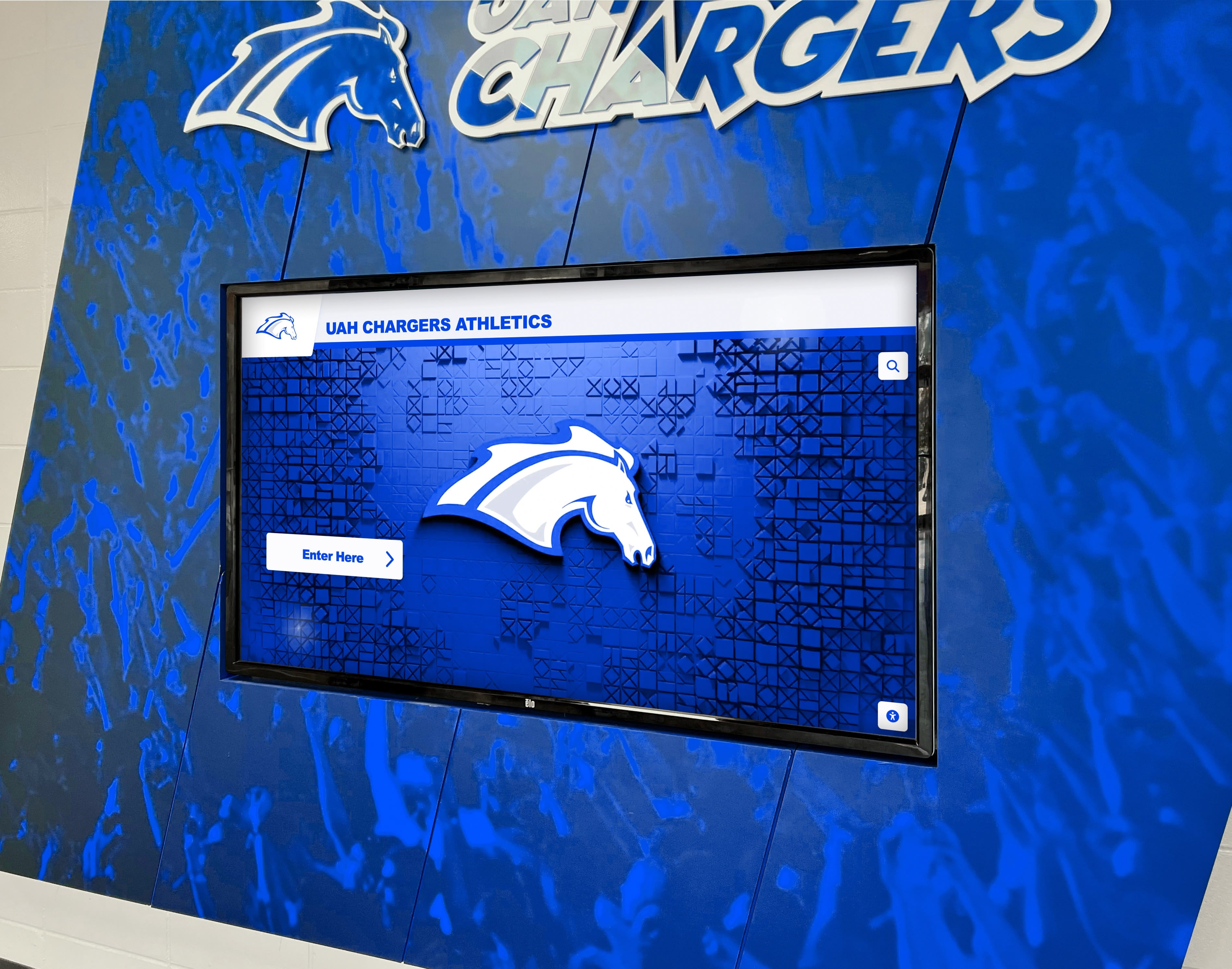
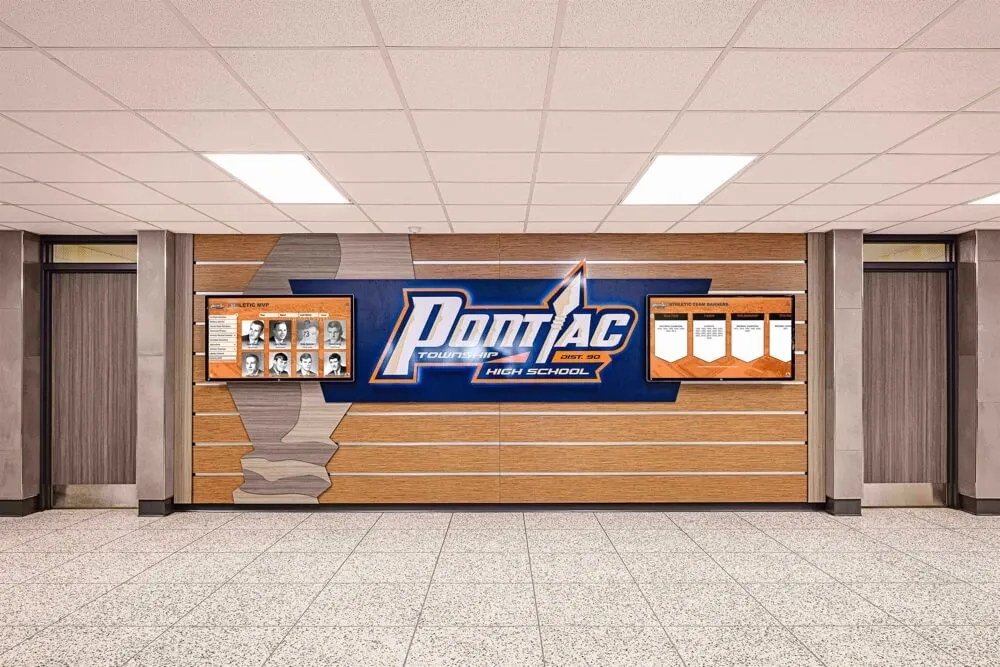
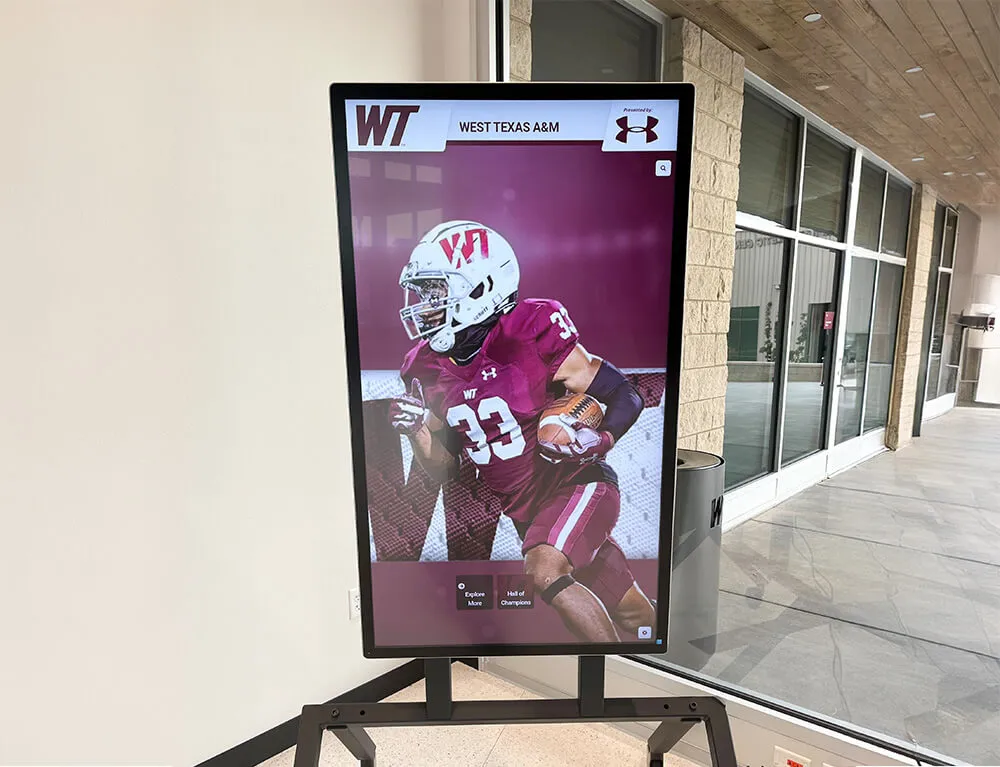
Modern athletic facilities integrate digital displays showcasing team rosters and schedules, perfect for featuring athletes heading into competition
Tug-of-War Competitions
Traditional Class Competition
Time-tested battle requiring teamwork:
- Grade level representatives (typically 10-15 students per side)
- Best two-out-of-three format building drama
- Careful participant selection ensuring balanced competition
- Safety protocols including proper grip instruction and stopping procedures
- Faculty versus student matches adding entertainment value
Unique Participant Matchups
Creative alternatives maintaining interest:
- Honor roll students versus athletes
- Homecoming court versus student government
- Band members versus choir students
- Club presidents versus team captains
- Teachers versus seniors
Schools implementing sports banquet recognition programs find that pep rallies provide natural opportunities to preview end-of-season celebrations while building current competition excitement.
Team-Based Competitions Building Unity
Activities emphasizing cooperation strengthen both participant teams and spectator engagement.
Human Pyramid Building Contest
Timed Pyramid Challenge
Cooperative activity requiring communication:
- Teams receive two minutes to build largest stable human pyramid
- Safety requirements: spotters, mat surfaces, height restrictions
- Photography capturing final formations for judging
- Points awarded for height, stability, and creativity
- Cheerleader or gymnastics team demonstrations showing proper technique
Pyramid Dismount Coordination
Add complexity requiring complete teamwork:
- Points awarded only if pyramid dismantles without anyone falling
- Coordination and planning crucial for success
- Teaches valuable lesson about supporting teammates
- Visual metaphor for athletic team cooperation
Three-Legged Race Tournaments
Classic Partner Coordination
Simple game requiring surprising teamwork:
- Partners tie adjacent legs together at ankle
- Race predetermined distance across gymnasium
- Tournament bracket format with advancing winners
- Staff partnerships competing against student teams
- Final championship race determining ultimate winner
Multi-Person Variations
Increase difficulty and humor:
- Four-person teams with middle participants having both legs tied
- Coordination challenge escalating with additional participants
- Slower pace but higher entertainment value
- Careful course design preventing dangerous collisions
Scavenger Hunt Challenges
Gymnasium Scavenger Hunt
Fast-paced search competition:
- Organizers hide school-spirit items throughout venue before rally
- Team representatives race to find specific objects
- First team locating all items and returning to starting point wins
- Items tied to school history, colors, or traditions
- Time limits preventing excessive disruption to overall rally flow
Audience Participation Scavenger
Involve broader student body:
- Request specific items audience members might have (school ID, spirit items, specific colors)
- Team representatives race into bleachers finding items from classmates
- First team returning with all requested objects wins
- Encourages audience engagement and participation
- Unpredictable outcomes maintaining suspense
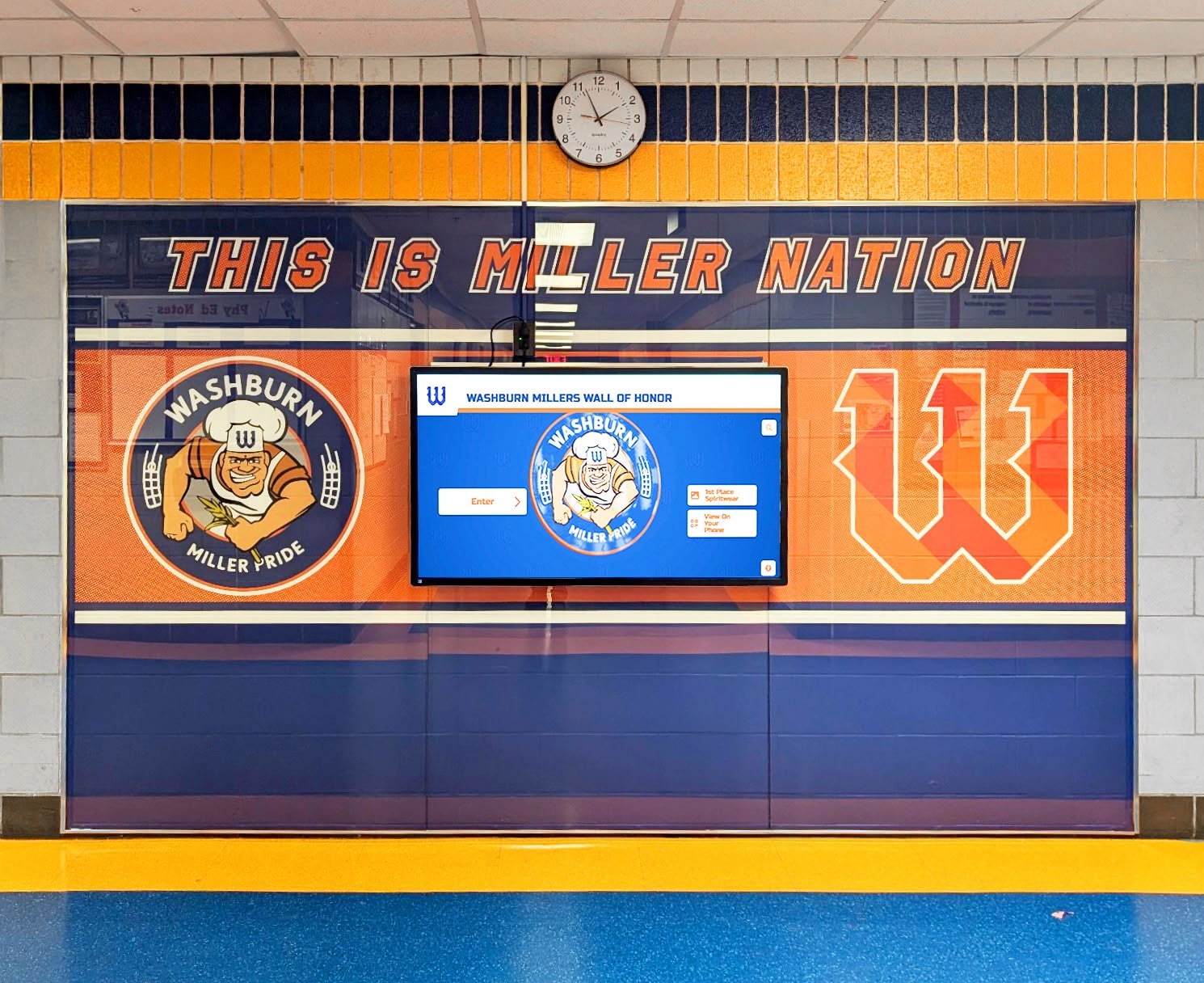
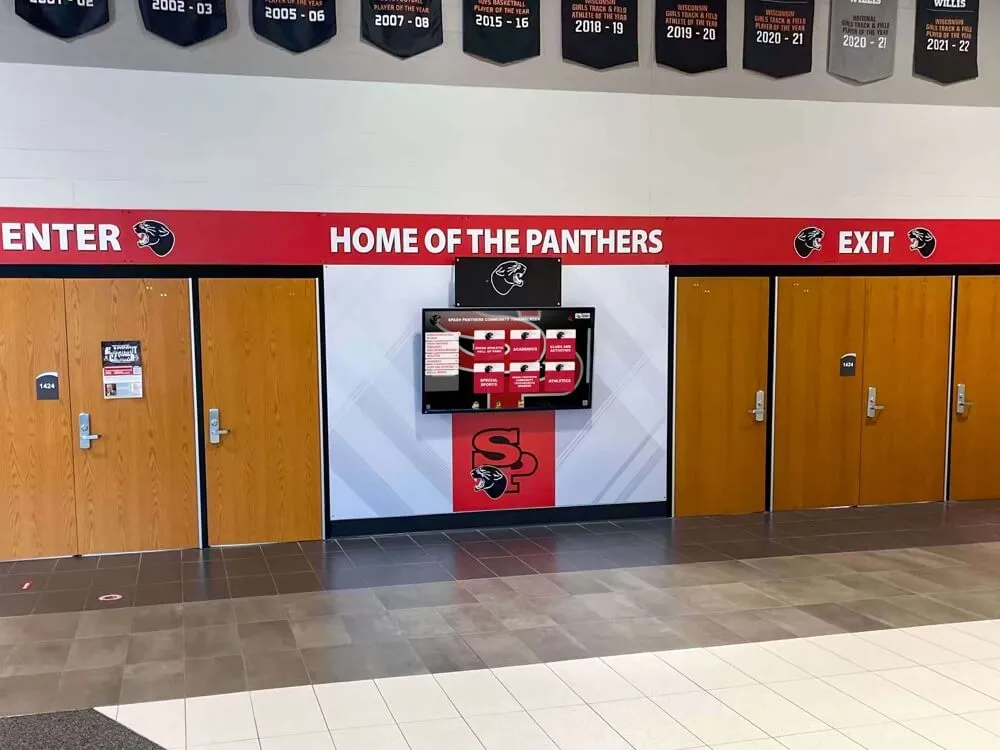
Hallway recognition displays feature current athletes and upcoming competitions, building rally anticipation throughout the school week
Skill-Based Challenges Showcasing Talent
Activities highlighting specific abilities create diverse recognition opportunities beyond traditional athletics.
Free Throw or Three-Point Contest
Basketball Shooting Competition
Straightforward skill demonstration:
- Participants attempt predetermined number of shots from free-throw line or three-point arc
- Highest score within time limit wins
- Athletes from different sports competing creates cross-sport engagement
- Faculty or staff participation adds entertainment
- Consider men’s and women’s basketball team members demonstrating skills
HORSE Variation
Modified game fitting rally timing:
- Two participants compete in shortened HORSE format
- Shot creativity encouraged for audience entertainment
- Quick rounds keeping pace appropriate for assembly context
- Winner advances to face next challenger
- Championship determined by surviving multiple challengers
Paper Airplane Distance Contest
Creative Engineering Challenge
Non-athletic competition appealing to different talents:
- Participants design paper airplanes attempting maximum distance
- Grade-level representatives or volunteers from audience
- Throwing attempts from designated launch line
- Physics and engineering students often excel
- Demonstrates school values academic achievement alongside athletics
Accuracy Challenge Variation
Add skill component to basic distance:
- Target zones at varying distances award different point values
- Combination of distance and accuracy determining winner
- Multiple attempts allowed with best single throw counting
- Creates strategy element beyond pure throwing power
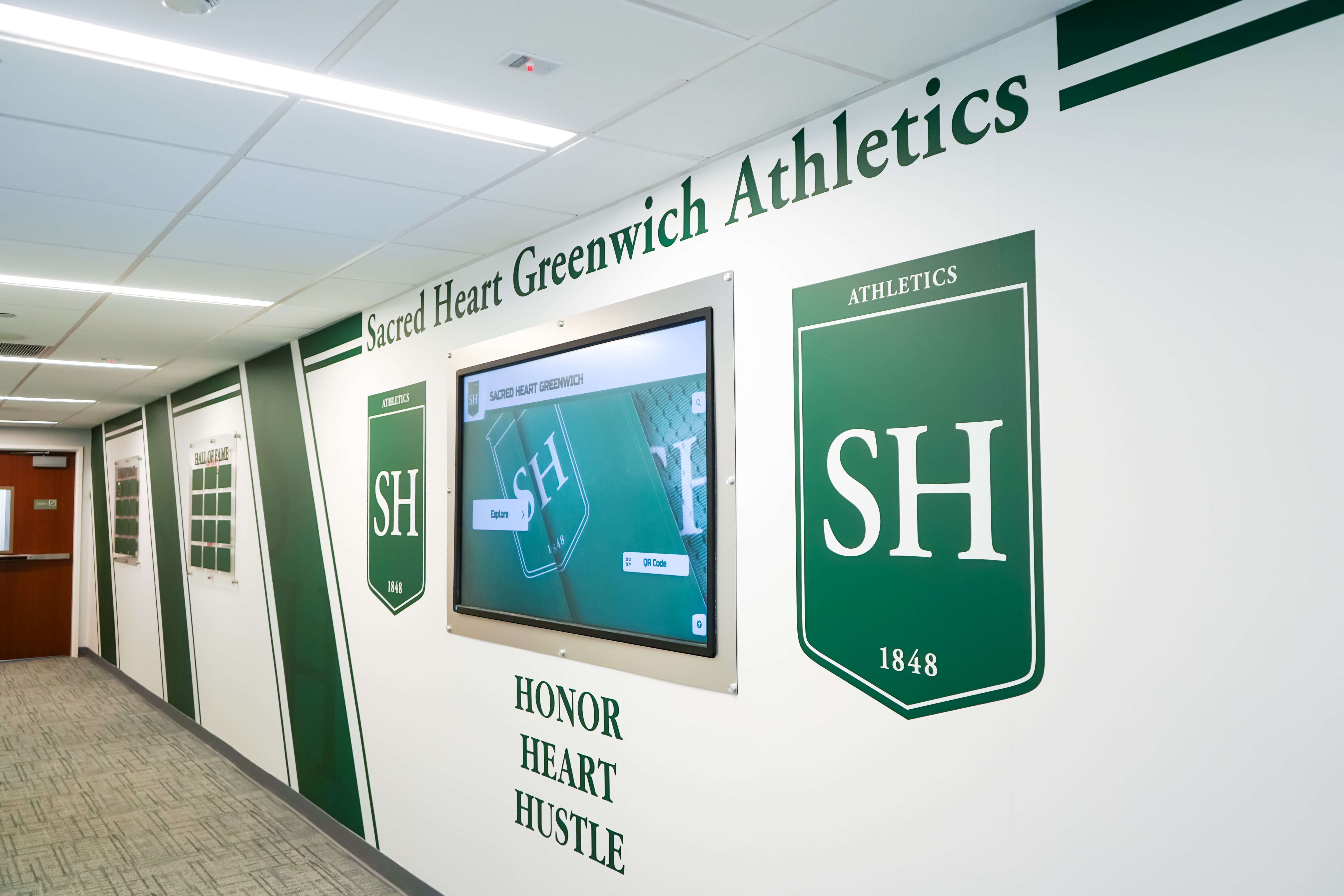
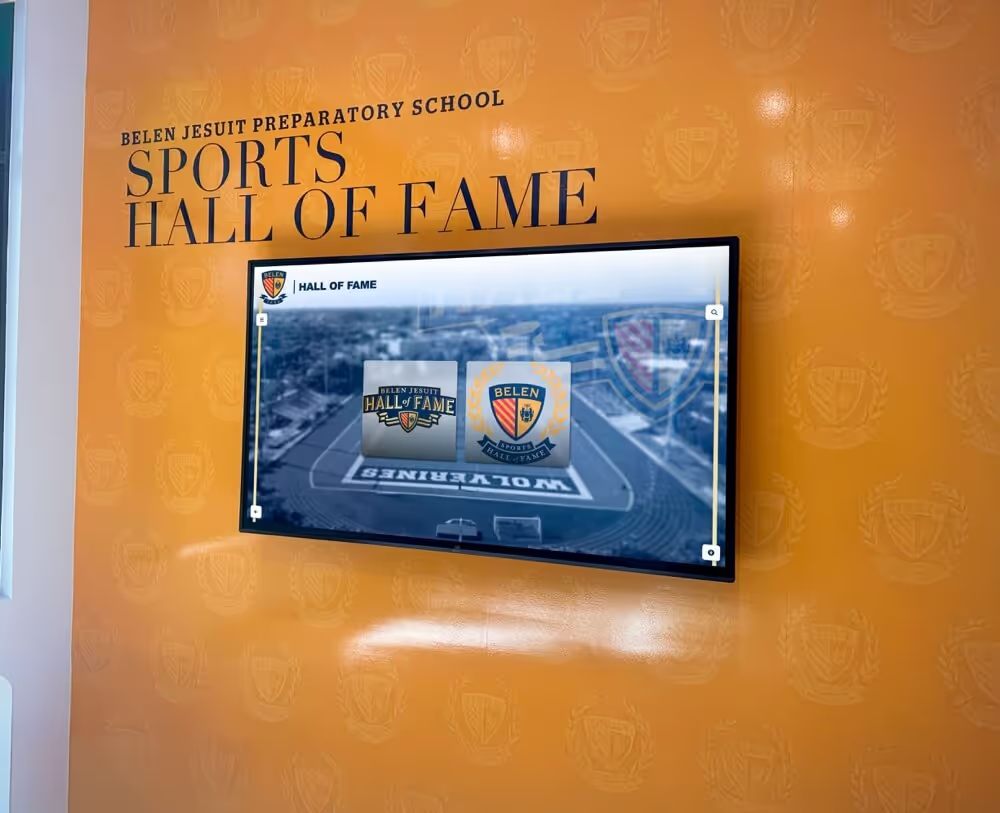
Athletic corridor displays celebrate championship shields and team achievements, providing visual context for rally celebrations
Dance or Lip Sync Battle
Student Performance Showcase
Talent demonstration building to competition:
- Pre-selected students or groups perform prepared routines
- Variety of styles from hip-hop to comedy lip sync performances
- Audience applause meter determining winner
- Showcases performing arts alongside traditional athletics
- Requires rehearsal but generates strong audience engagement
Impromptu Dance-Off
Spontaneous energy without extensive preparation:
- Volunteers called to gymnasium floor with no advance warning
- DJ or band plays short music segments
- Participants improvise dance moves
- Judges evaluate creativity, energy, and crowd response
- Multiple rounds narrowing to final champion
Schools planning end-of-year recognition programs leverage pep rallies as preview opportunities, building anticipation for comprehensive celebration while maintaining current competition focus.
Viral Challenge Adaptations for Modern Audiences
Contemporary activities students already know from social media translate well to pep rally contexts.
Dizzy Bat or Dizzy Bottle Flip
Combined Challenge
Merge two trending activities:
- Participants spin predetermined rotations around bat or bottle
- Attempt bottle flip landing upright while dizzy
- Successfully landed flips score points or advance participants
- Multiple difficulty levels adjusting spin count
- Visual comedy from dizzy attempts generates laughter
Balloon Pop Relay
Timed Team Challenge
Fast-paced competition with clear visual progress:
- Teams receive balloons at starting line
- Participants must pop balloons using only body pressure (sitting, stepping, squeezing)
- After popping balloon, sprint back to tag next teammate
- First team popping all balloons wins
- Loud pops and frantic energy create excitement
Variation: Balloon Message Hunt
Add strategy element:
- Some balloons contain special messages or challenges
- Teams must complete challenges before advancing
- Unexpected elements maintain audience interest
- Prize opportunities for specific balloon discoveries
Blindfolded Food Identification
Taste or Touch Challenge
Sensory game generating humor:
- Blindfolded participants taste common foods attempting identification
- Uncommon combinations or textures increasing difficulty
- Staff participation particularly entertaining
- Food selection considering allergies and dietary restrictions
- Audio amplification ensuring audience hears reactions
Mystery Texture Challenge
Non-food alternative accommodating restrictions:
- Participants reach into boxes feeling objects without seeing
- Describe or identify items based solely on touch
- School-related items (sports equipment, textbooks, mascot items)
- Audience trying to guess along with participants
- Safe objects preventing injury or extreme discomfort
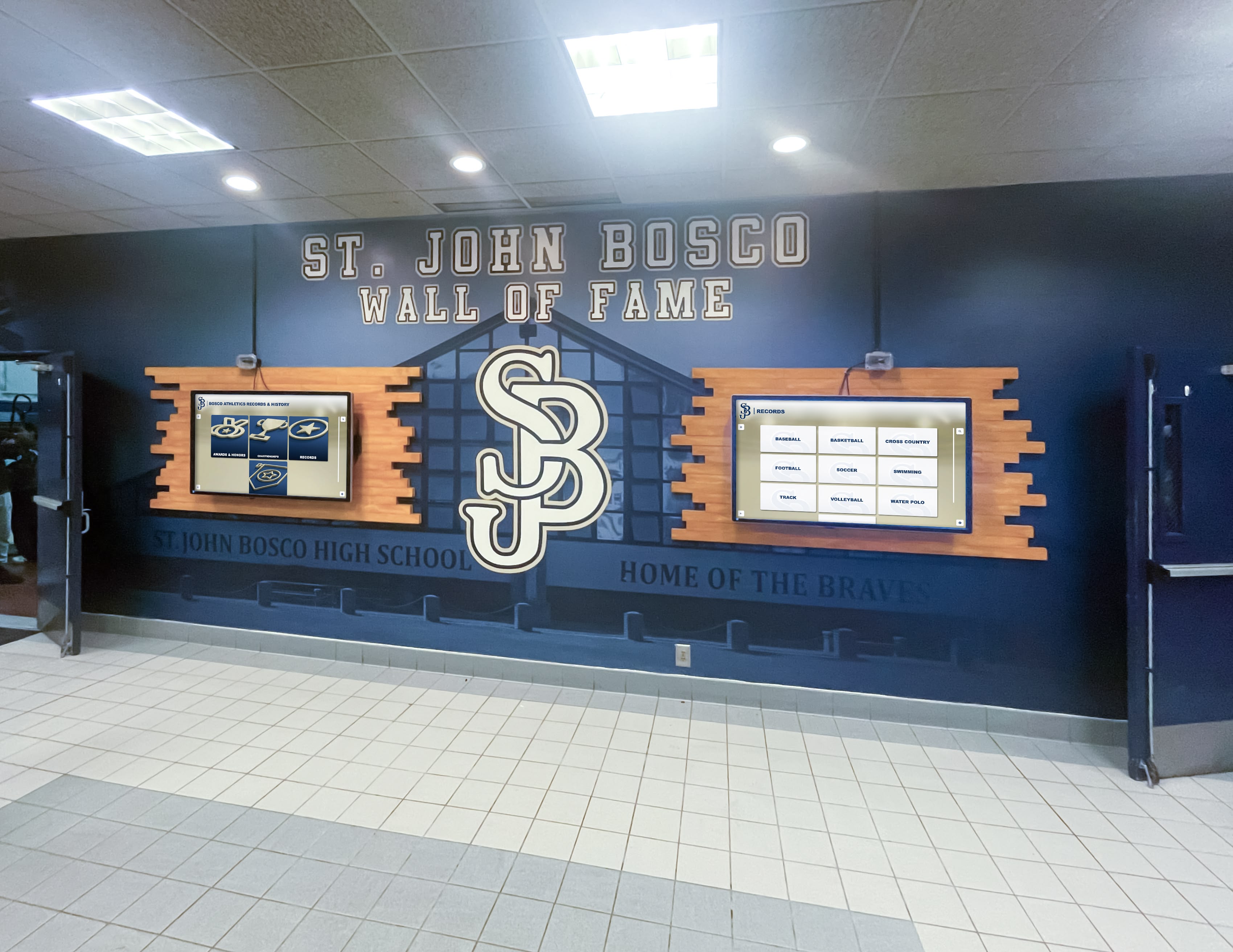
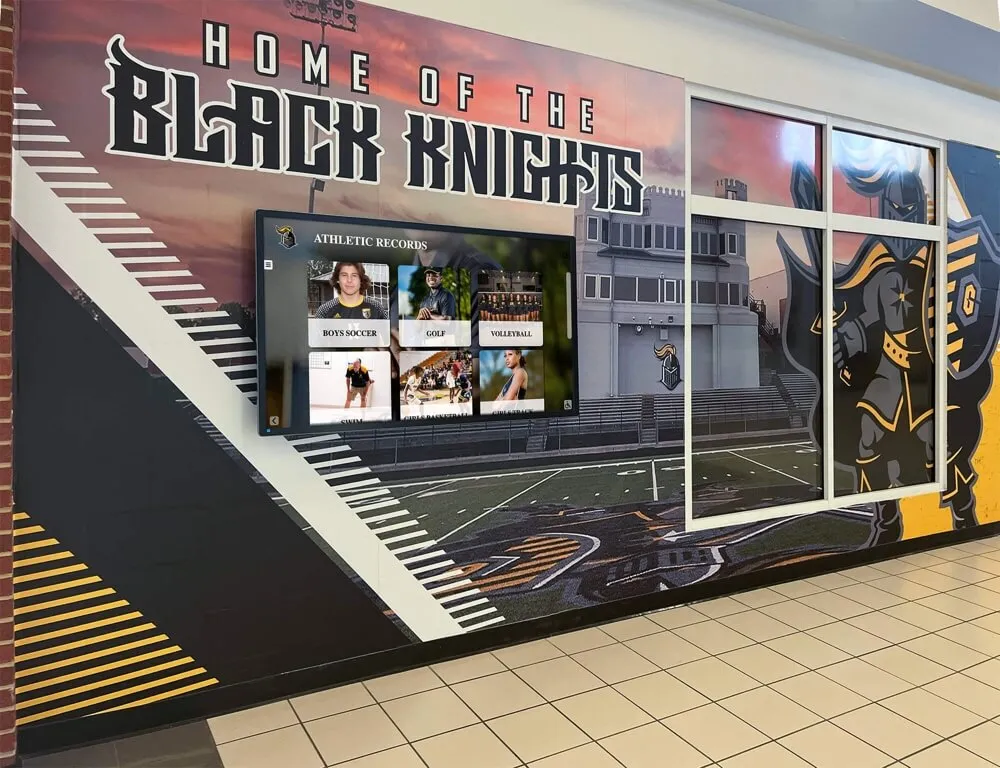
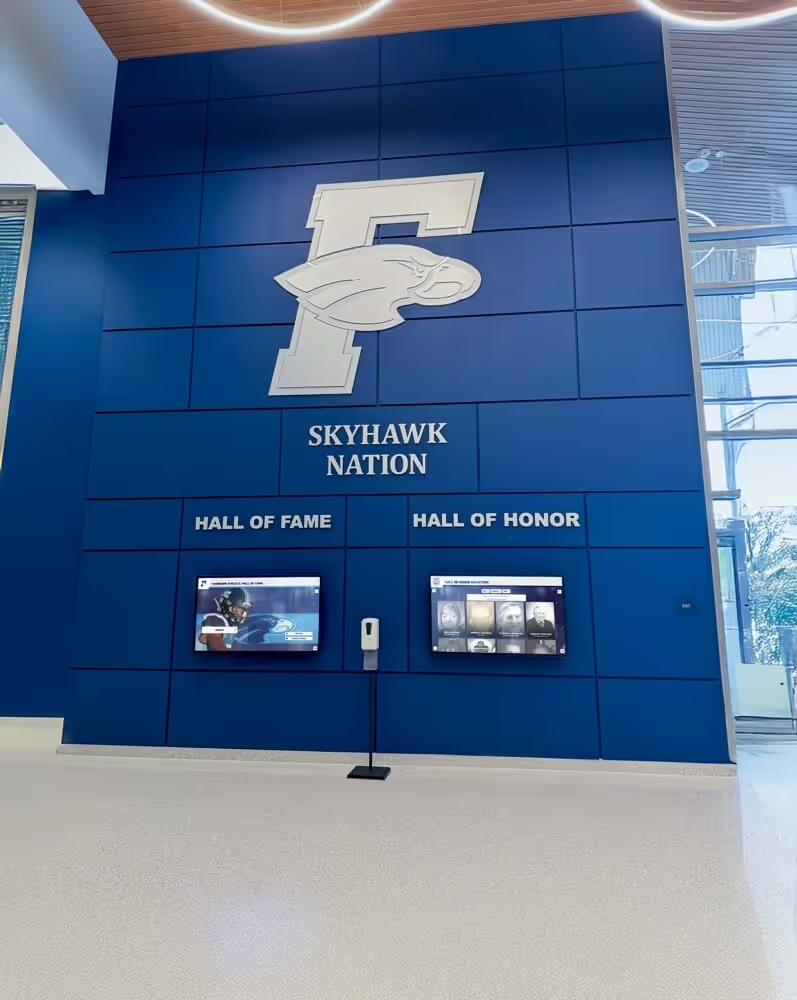
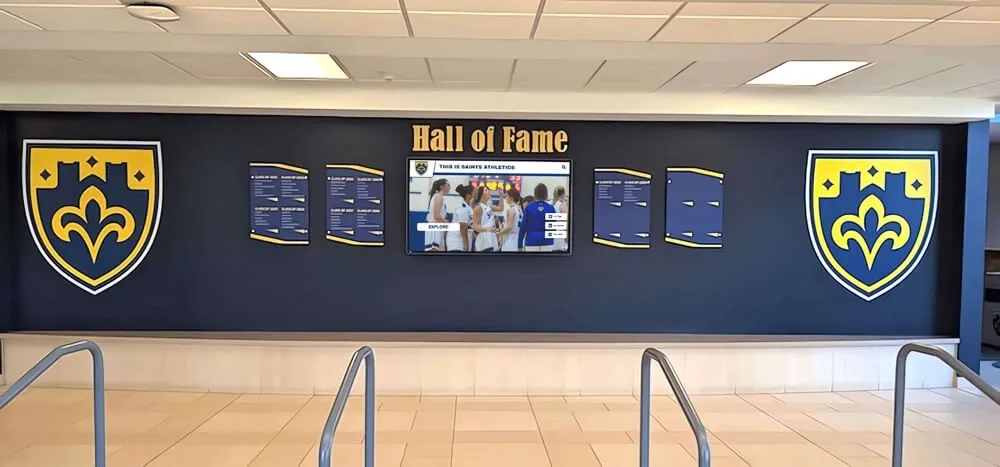
Dual-screen installations showcase multiple teams and athletes simultaneously, perfect for rallies featuring several competing sports
Faculty and Staff Participation Games
Teacher involvement creates memorable moments while demonstrating school-wide athletic support.
Teacher Dress-Up Challenge
Spirit Wear Fashion Show
Lighthearted competition showcasing school pride:
- Faculty members arrive in creative school spirit outfits
- Categories: most creative, most enthusiastic, best use of school colors
- Student or faculty judges evaluating entries
- Catwalk presentation across gymnasium floor
- Photo opportunities and social media documentation
Decades Day Variation
Theme integration when coordinated with spirit week:
- Teachers dress representing different decades
- Period-appropriate music accompanying presentations
- Historical connection to school traditions
- Educational element combined with entertainment
Staff versus Students Competitions
Athletic Challenge Matches
Direct competition highlighting good sportsmanship:
- Basketball free throw contest
- Volleyball serve or pass competition
- Soccer penalty kick showdown
- Track sprint race (with teacher head start)
- Arm wrestling or tug-of-war battles
Consider featuring coaches competing against students to demonstrate athletic staff abilities while maintaining appropriate competitive spirit.
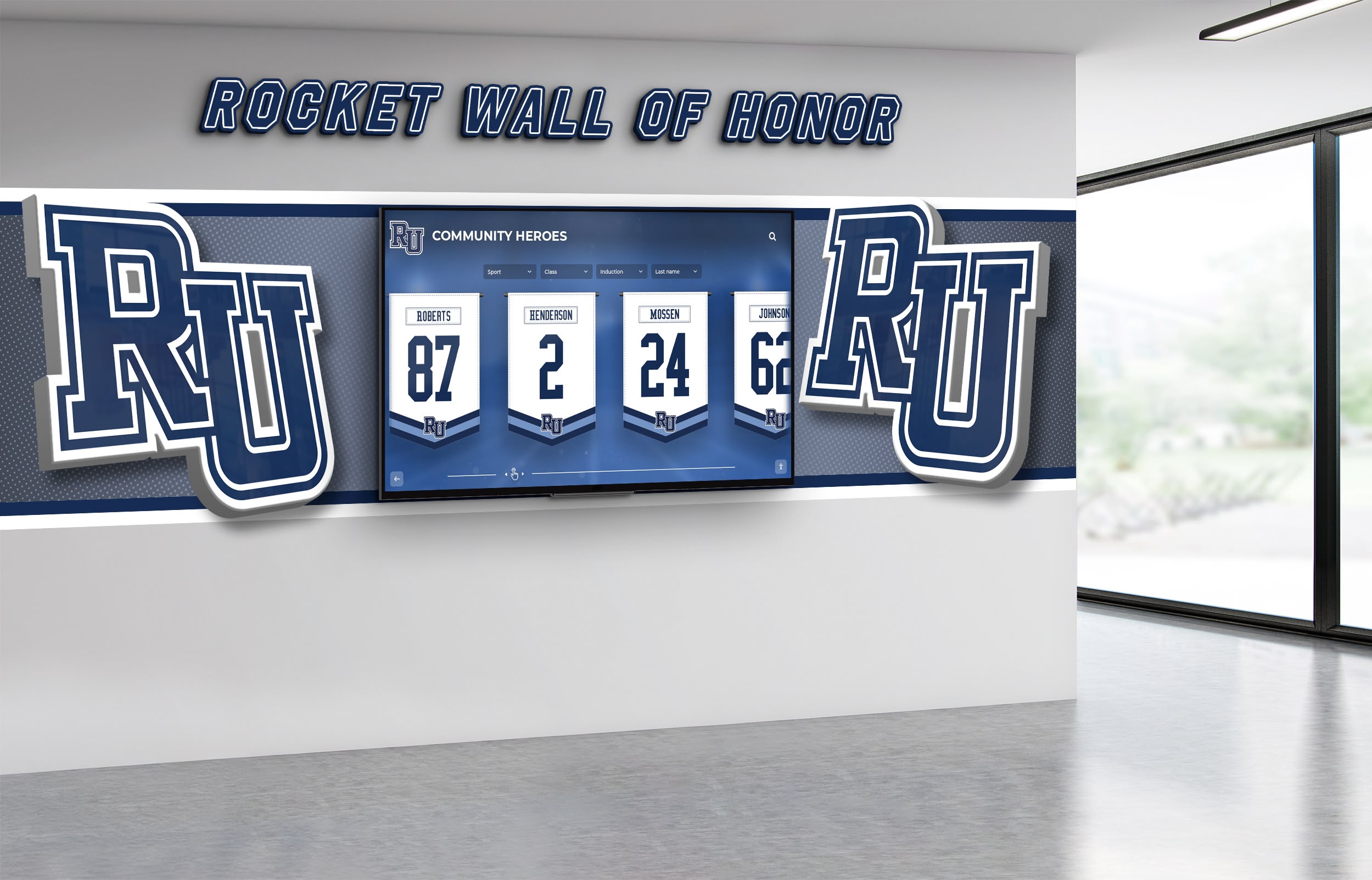
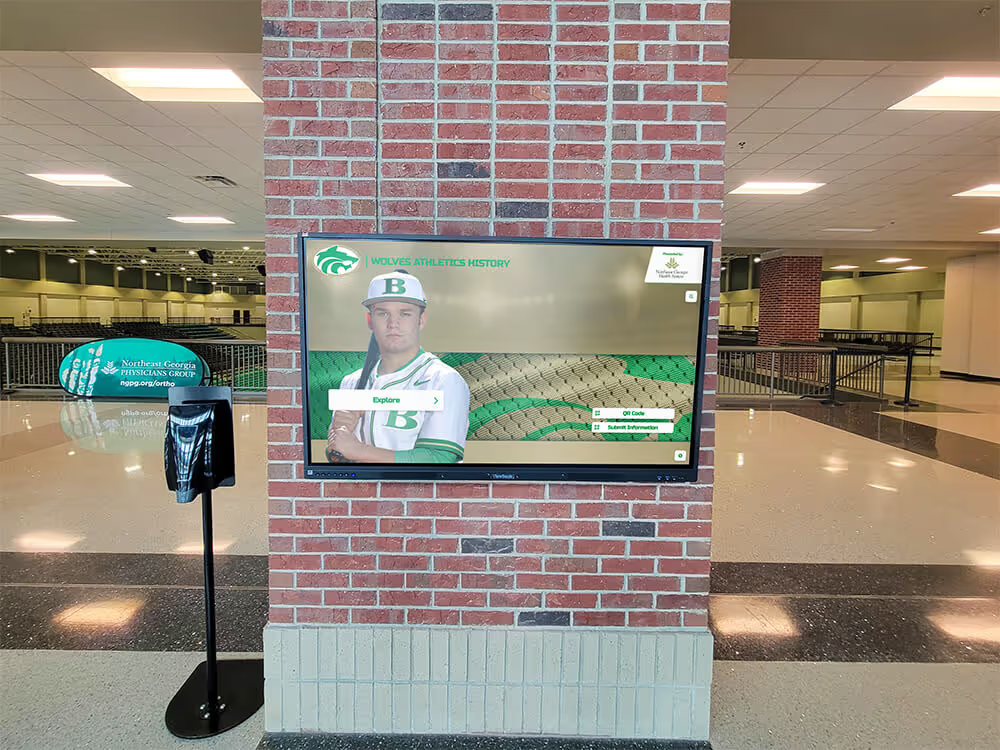
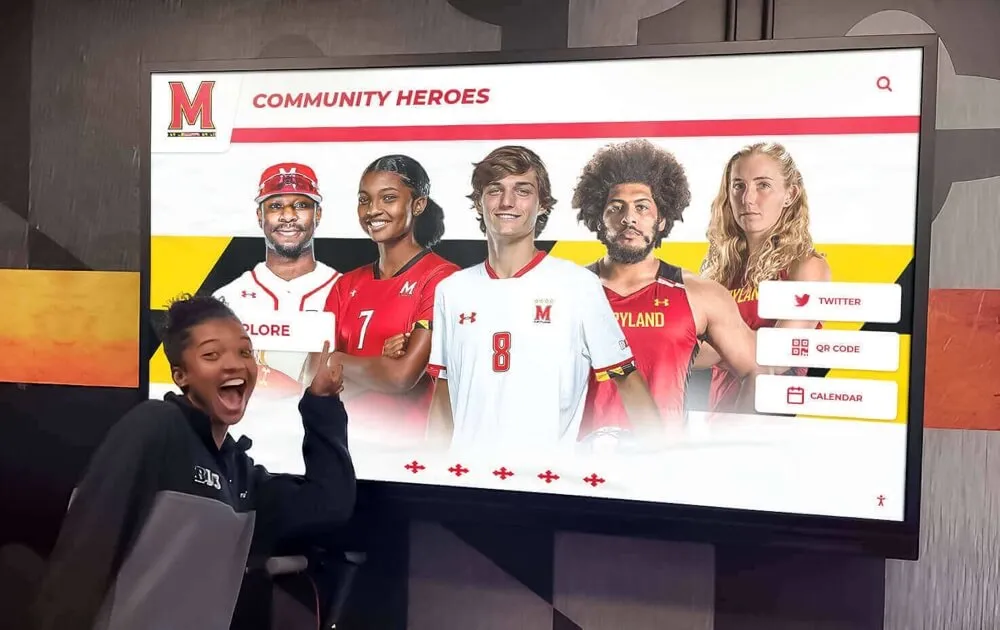
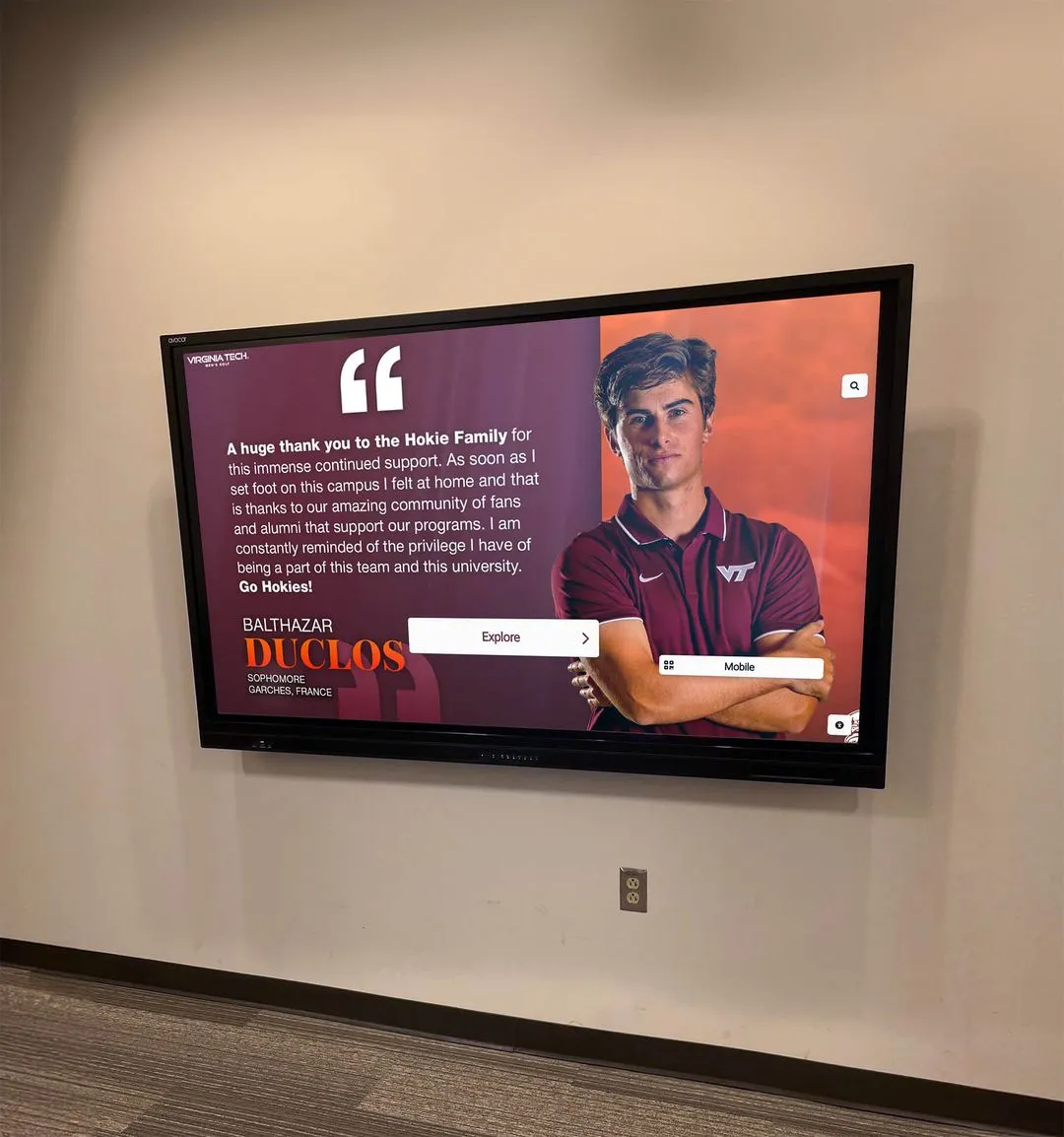
Digital jersey displays can feature athletes competing in upcoming games, connecting rally energy to specific competitors representing the school
Principal or Administrator Challenge
School Leader Spotlight
Good-natured competitions building community:
- Principal participates in student-selected challenge
- Examples: pie-eating contest, dance-off, sports skill attempt
- Shows administrators as accessible and fun-supporting school spirit
- Win or lose creates positive memory and school culture
- Annual tradition students anticipate
Dunk Tank or Messy Consequence
Special event fundraising integration:
- Top fundraising class earns opportunity to dunk principal
- Silly string spray, pie throw, or whipped cream consequences
- Combines school spirit with charitable giving
- Careful planning ensuring dignity while allowing fun
- Photographs preserving memorable moments
Schools implementing comprehensive athletic recognition find that pep rallies provide ideal venues for announcing awards and celebrating achievements while building excitement for upcoming competition.
Creative Competitions for Large Audiences
Games designed specifically for big gymnasium or auditorium settings maximize visual impact.
Class Chant or Cheer Competition
Spirit Volume Challenge
Organized noise measurement:
- Each grade level gets opportunity to demonstrate school spirit
- Decibel meter or judge panel evaluating enthusiasm
- Pre-taught class chants ensuring organized sound
- Points toward overall class competition if applicable
- Builds to crescendo with all grades combining for school cheer
Creative Cheer Development
Advance preparation option:
- Classes develop original cheers during advisory or homeroom
- Presentations at pep rally with creativity judging
- Best cheer adopted as new school tradition
- Involves broader student participation beyond athlete-only focus
Human Foosball or Soccer
Life-Size Table Game
Innovative large-scale activity:
- Participants hold ropes or poles limiting movement to specific areas
- Ball rolled into play with teams attempting to score
- Mimics table foosball restricted motion
- Requires gymnasium space but creates unique visual
- Combines strategy with physical challenge
Target Practice Variations
Simpler implementation option:
- Participants attempt soccer ball kicks at targets
- Scoring zones with different point values
- Distance and accuracy combining for winner determination
- Quick individual attempts maintaining rally pace
Mascot Games and Spirit Integration
Mascot Race or Challenge
Visual spectacle using school symbols:
- Multiple people in mascot costumes compete in relay or obstacle course
- Oversized costumes creating comedy and difficulty
- Photography opportunities for school publications
- Could include neighboring rival school mascots for dramatic effect
- Connection to school identity and traditions
Mascot Scavenger Hunt
Audience engagement activity:
- Hidden school mascot images or small mascot toys throughout venue
- First students finding items return to designated area for prizes
- Keeps audience engaged during transitions
- School spirit items as prizes reinforcing culture
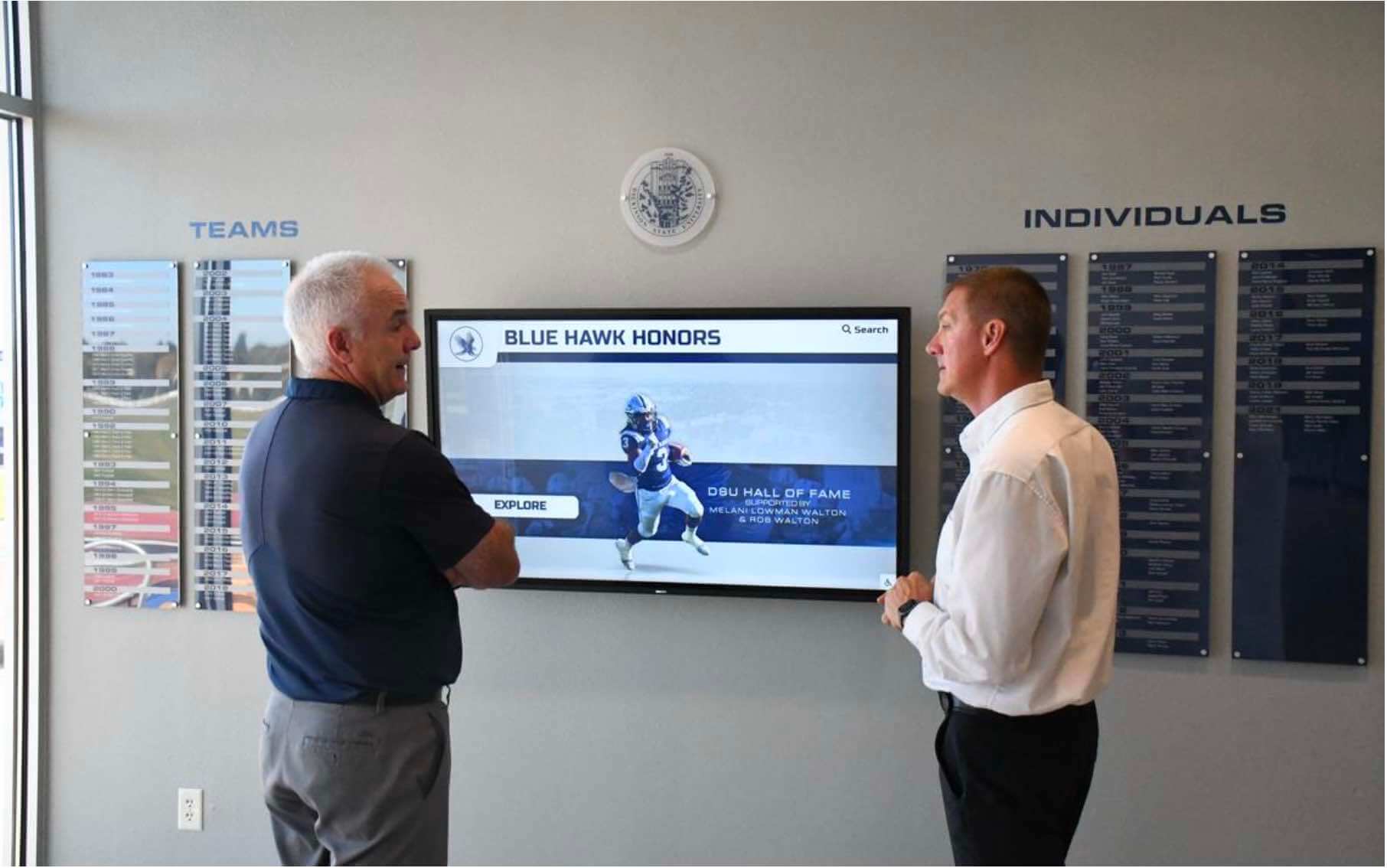
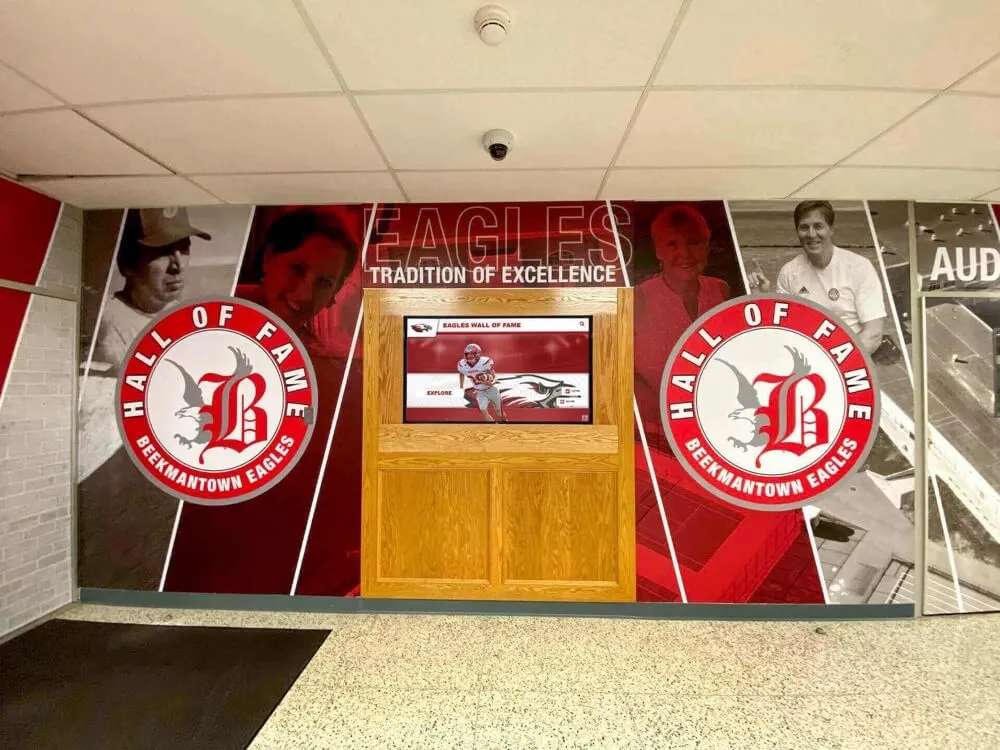
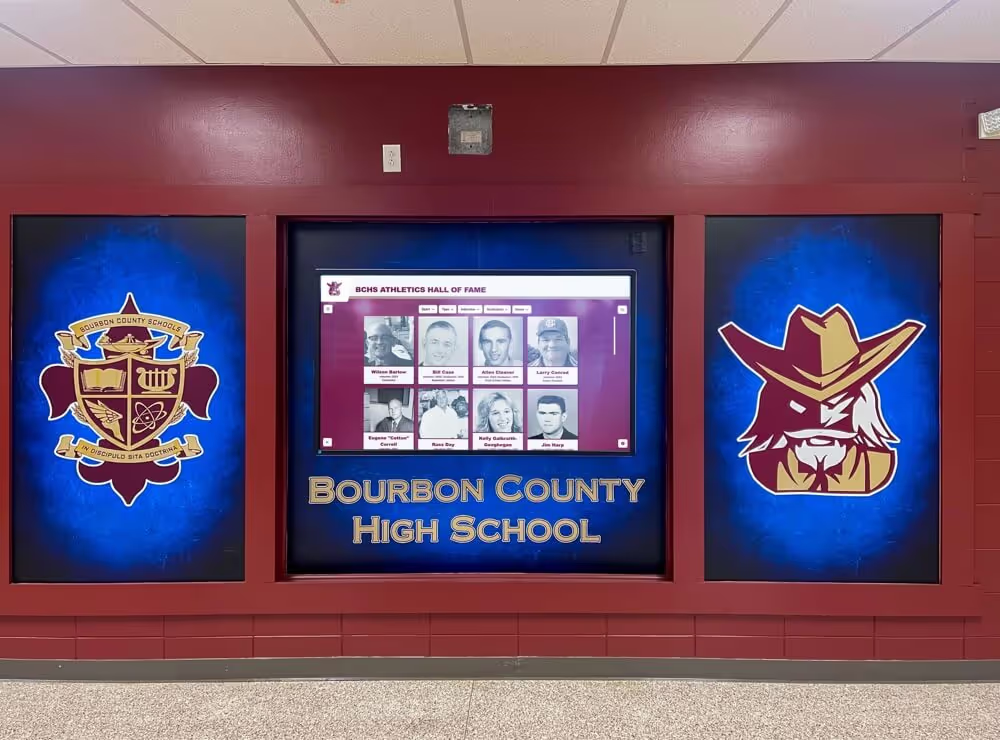
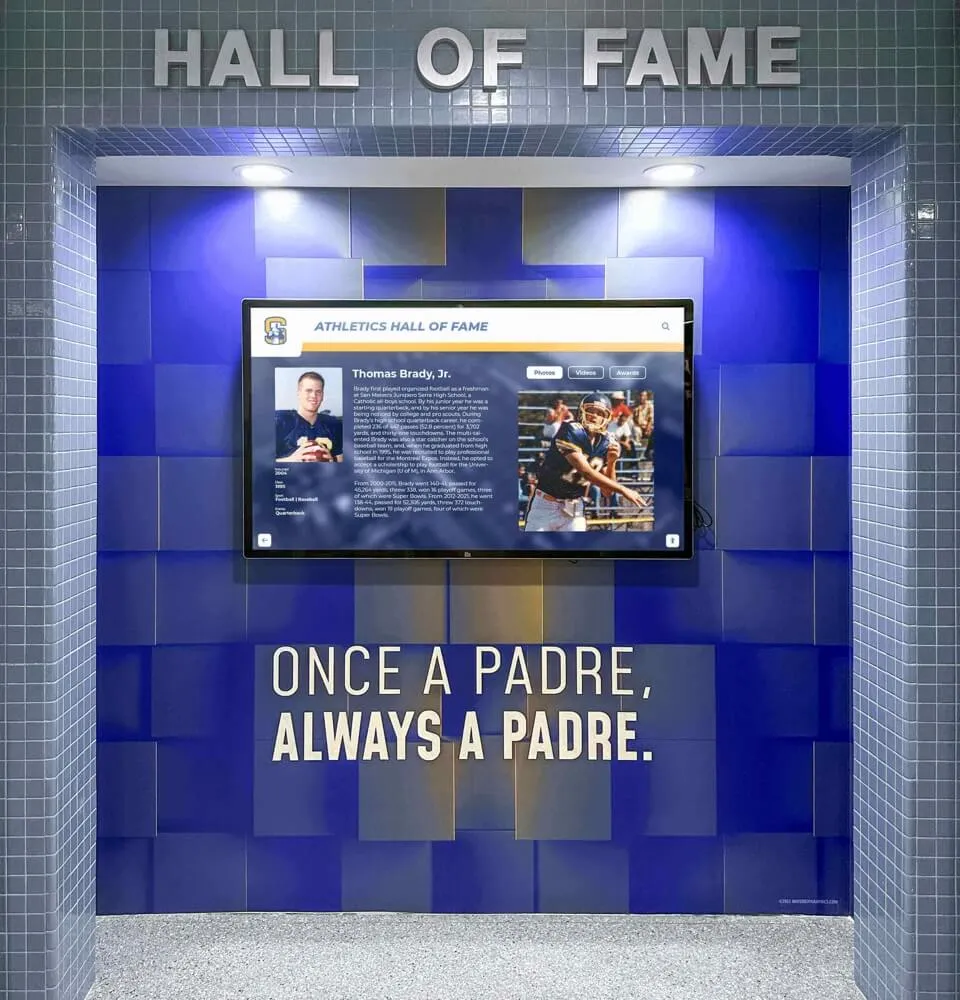
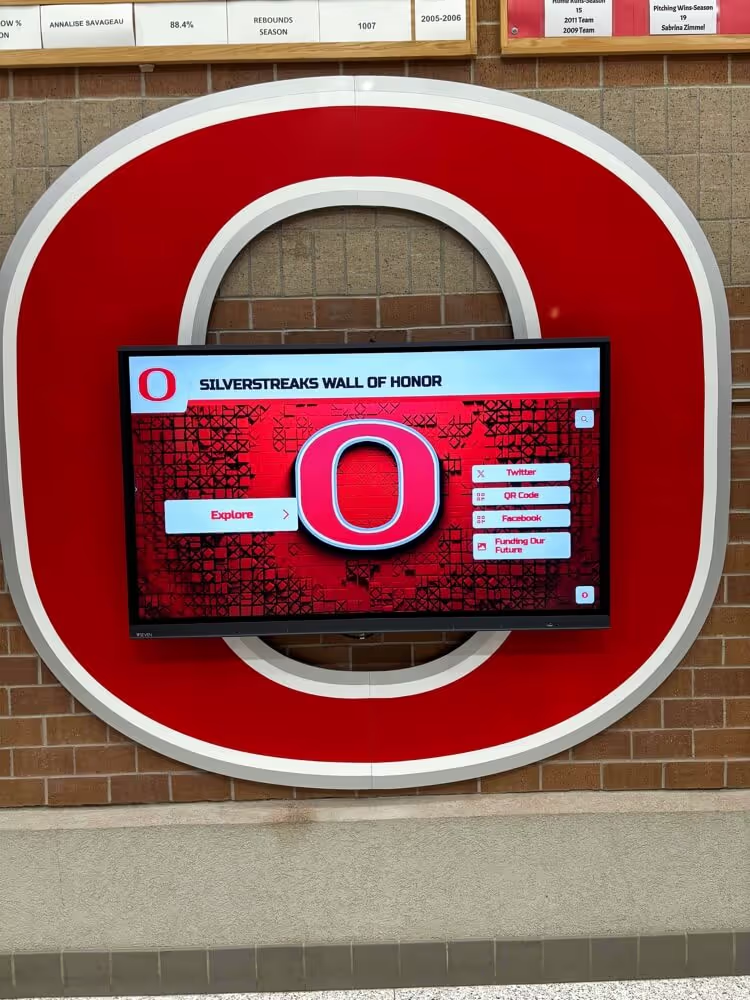
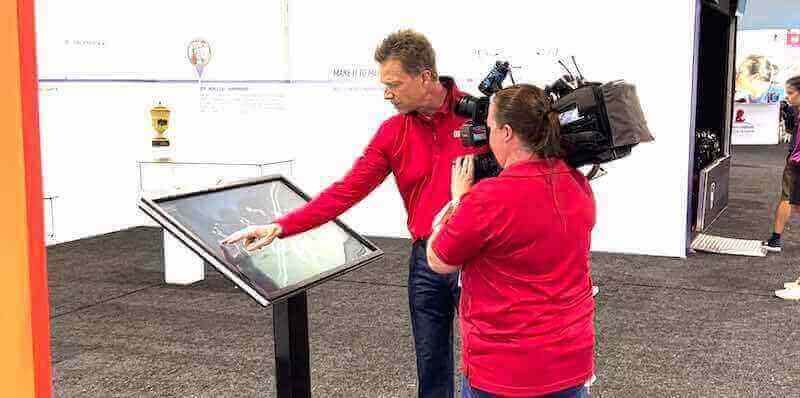
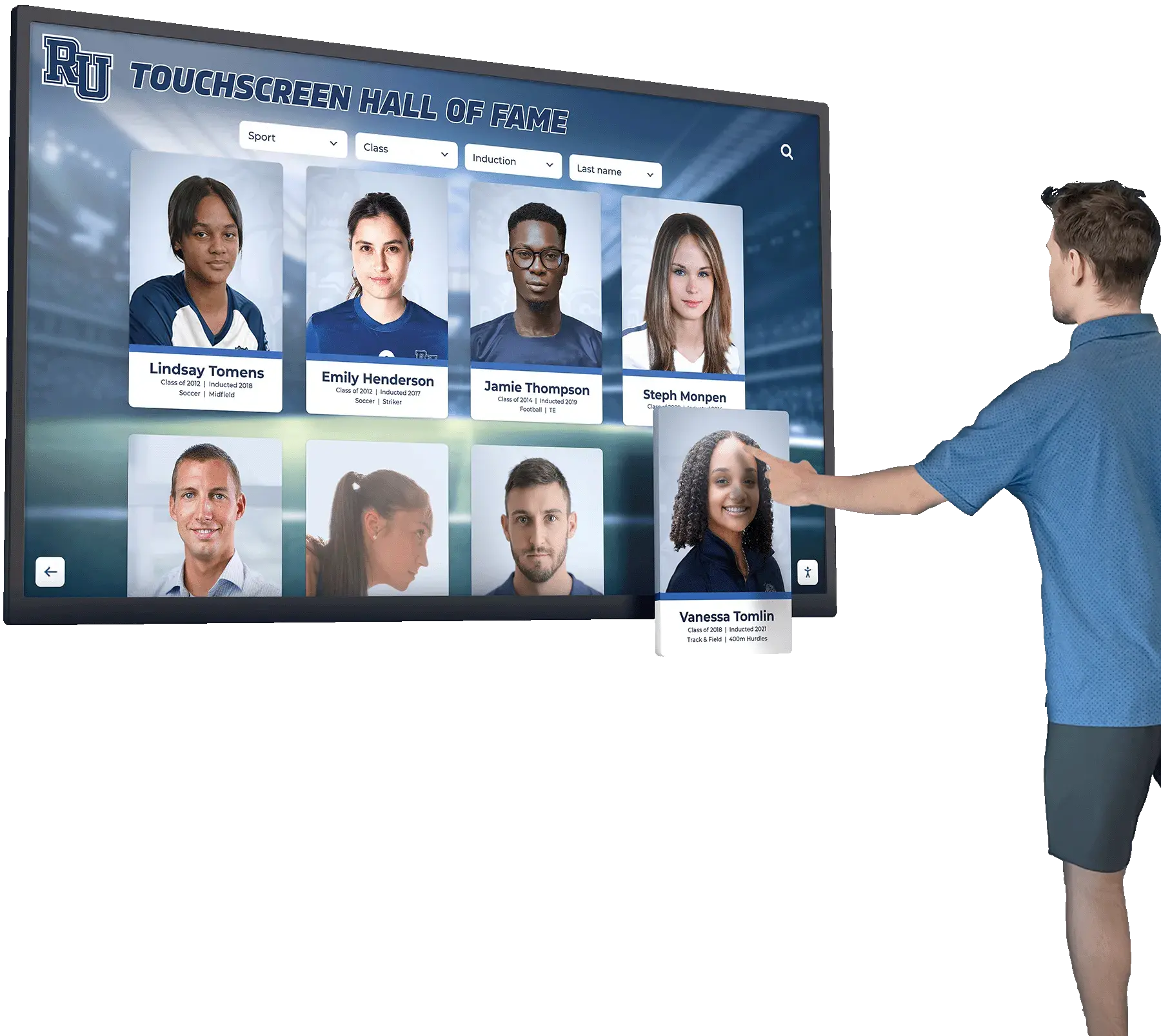
Interactive displays allow athletes to explore hall of fame profiles before rallies, connecting current competitors to program legacy
Planning Your Pep Rally for Maximum Impact
Strategic organization ensures smooth execution and sustained audience engagement throughout the event.
Rally Structure and Timing
Optimal Program Flow
Successful rallies balance variety with pacing:
Opening (5-10 minutes)
- Grand entrance of teams being honored with fight song or entrance music
- Welcome from emcee (student body president, popular senior, or administrator)
- National anthem or school song establishing ceremonial tone
- Overview of rally agenda and competition format if applicable
- Initial energy builder getting entire audience participating
Main Programming (20-30 minutes)
- Mix of 3-5 games or activities maintaining variety
- Intersperse high-energy games with brief recognition moments
- Team introductions featuring starters or full roster acknowledgment
- Coach speeches (brief motivational messages, not extended talks)
- Student performances (cheerleaders, dance team, band)
Closing (5-10 minutes)
- Final high-energy activity or all-school cheer
- Fight song performance involving entire audience
- Dismissal instructions and reminder of game schedule
- Team walkout through student tunnel or designated exit creating memorable visual
Total rally length typically 30-45 minutes for high school audiences, longer events risk losing engagement.
Game Selection Strategy
Balancing Activities for Diverse Interests
Effective rallies include multiple game types:
- Physical competitions: Appeal to athletic students (relay races, sports challenges)
- Creative activities: Showcase different talents (dance battles, creative challenges)
- Humorous entertainment: Generate laughter (dizzy challenges, food identification)
- Inclusive participation: Allow broader involvement (class competitions, audience scavenger hunts)
- Unexpected elements: Create memorable moments (teacher participation, surprise guests)
Varying activity types maintains attention across different personality types and interest areas within student body.
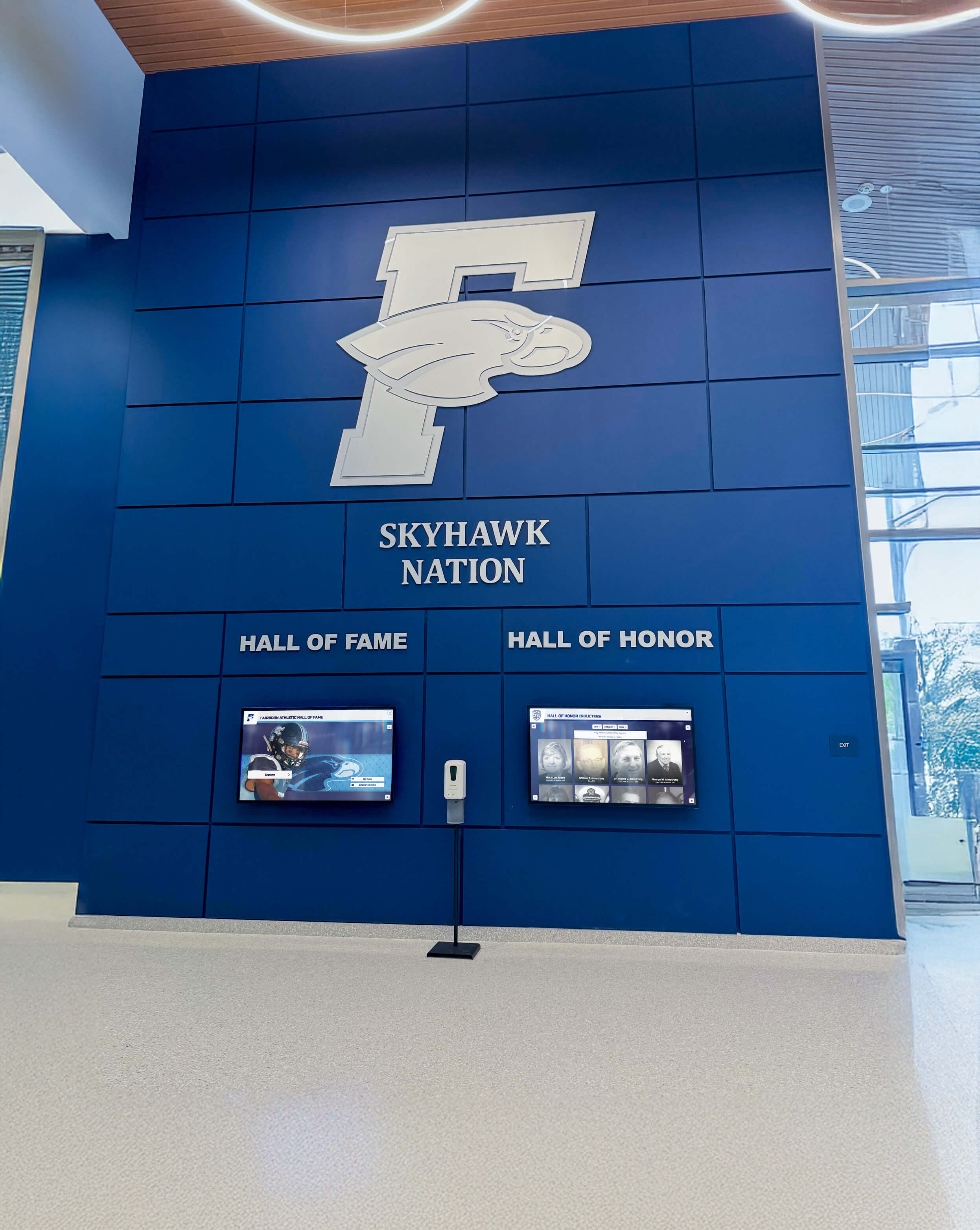
Recognition lobbies provide natural gathering spaces before and after rallies, extending spirit building beyond the assembly itself
Safety and Risk Management
Preventing Injuries and Embarrassment
Responsible planning addresses potential problems:
Physical Safety Considerations
- Appropriate activity selection avoiding dangerous stunts
- Clear gymnasium floor free of obstacles or tripping hazards
- Adequate space between activities and audience
- Medical personnel or trained staff present for emergencies
- Backup plans for activities going wrong or equipment failures
Psychological Safety
- Voluntary participation avoiding forced involvement creating embarrassment
- Activity selection preventing humiliation or bullying situations
- Clear guidelines about appropriate cheering and audience behavior
- Teacher supervision preventing mean-spirited interactions
- Inclusive activities where diverse students can succeed
Administrative Approval
- Review all planned activities with administration before rally
- Liability considerations for physical competitions
- Documentation of safety protocols and supervision plans
- Communication with parents if particularly active games planned
- Emergency response procedures established
Schools implementing field day programs can adapt many successful activities for indoor pep rally contexts, leveraging tested games proven to engage students safely.
Incorporating School Traditions and Recognition
The most successful pep rallies balance entertainment with genuine athletic recognition and institutional tradition.
Athlete Introduction and Recognition
Team Presentation Strategies
Honoring competitors effectively:
Starting Lineup Introductions
- PA announcement with player name, position, and grade level
- Athletes run through student tunnel or stand for applause
- Brief athletic accomplishments or season statistics
- Senior recognition highlighting final season participation
- Photography capturing moment for programs and publications
Full Roster Acknowledgment Ensuring all team members receive recognition:
- Varsity and JV teams standing together demonstrating program depth
- Underclassmen acknowledgment showing program future
- Team managers, trainers, and support staff inclusion
- Coach and assistant coach introductions
- School administration acknowledgment of athletic department support
Schools implementing digital recognition displays find that athletic hall of fame systems provide natural rally content, showcasing current athletes within context of program tradition and excellence.
Highlighting Team Achievements and Records
Building Pride Through Historical Context
Connecting current teams to institutional legacy:
- Championship banners and titles in specific sports
- School records athletes are pursuing or defending
- Playoff appearance streaks and tournament success
- Recent victories over traditional rivals
- Individual athlete achievements (college commitments, all-conference selections)
Modern schools leverage solutions like Rocket Alumni Solutions to display this information on large screens during rallies, showing athlete profiles and statistics that create professional presentation rivaling college and professional sports environments while celebrating individuals within program context.
Spirit Point Systems and Class Competitions
Sustained Engagement Across School Year
Many schools implement point systems creating ongoing competition:
Spirit Point Categories
- Rally attendance and participation
- Game activity results during assemblies
- Dress-up theme participation during spirit weeks
- Athletic event attendance and student section presence
- Community service or charitable giving
- Academic achievement recognition
Winner Recognition and Rewards
- Regular updates on class standings building anticipation
- End-of-year recognition for winning class
- Privileges like parking benefits or special events
- Trophy or plaque display in school showcasing tradition
- Digital displays showing current standings between rallies
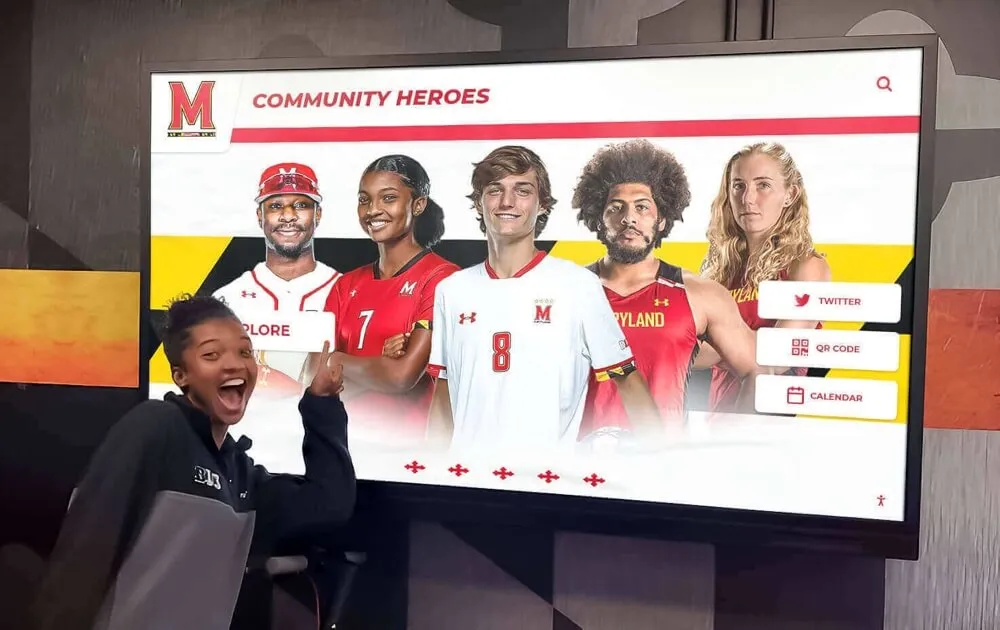
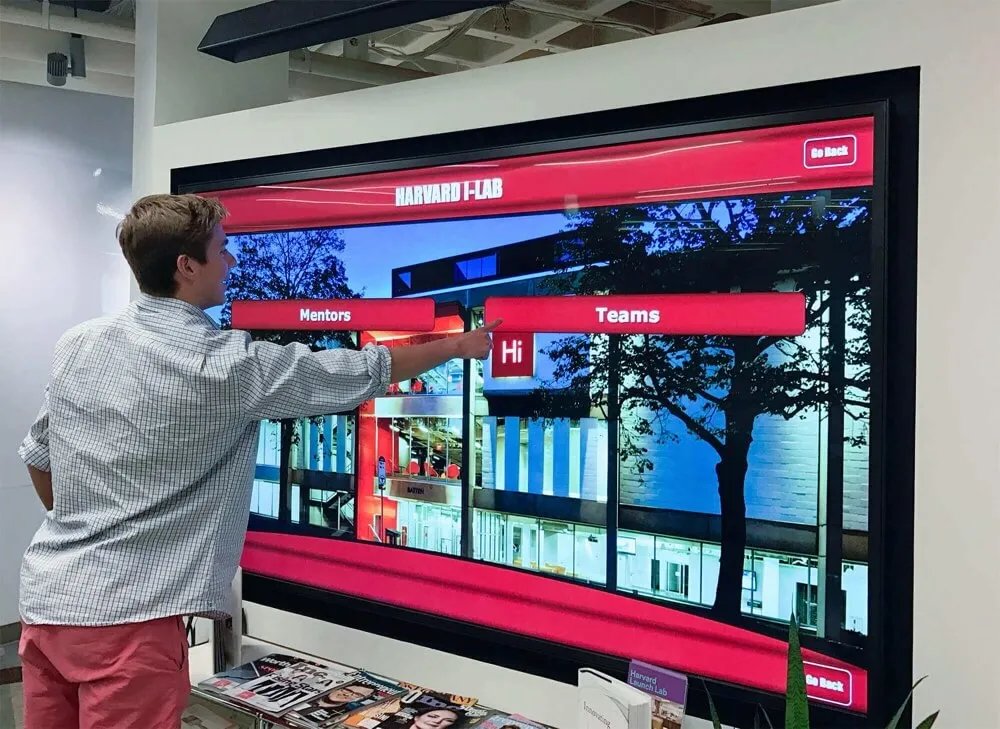
Interactive displays engage students before rallies, allowing them to explore athlete profiles and build personal connections to competitors
Creating Lasting Rally Impact Beyond the Event
The best pep rallies generate momentum extending well beyond assembly dismissal.
Documentation and Memory Preservation
Capturing Rally Highlights
Professional documentation preserves special moments:
- Photography team (student journalists, yearbook staff) capturing action shots
- Video recording for athletes missing school or family members
- Highlight reels for social media and school website
- Best moments compilation for future rally promotion
- Documentation of traditions for historical preservation
Social Media Integration
Extending reach beyond physical attendance:
- Event hashtag encouraging student sharing
- Live posting during rally for absent community members
- Athlete spotlights featuring competitors in upcoming games
- Behind-the-scenes content showing rally preparation
- Community engagement building anticipation for competitions
Connecting Rallies to Broader Athletic Recognition
Year-Round Pride Building
Pep rallies serve as touchpoints within comprehensive recognition systems:
Athletic programs increasingly implement permanent digital recognition creating always-accessible celebration beyond episodic rallies. These systems showcase:
- Upcoming game information building anticipation between rallies
- Current season athlete profiles and statistics
- Historical program achievements providing context
- Championship memories and memorable victories
- Interactive exploration allowing personal discovery
Solutions like Rocket Alumni Solutions transform brief rally recognition into permanent digital showcases accessible to current students, families, alumni, and prospective athletes. Interactive displays in athletic facilities, main lobbies, and gathering spaces extend pep rally energy throughout the school year while providing unlimited recognition capacity impossible with physical trophy cases.
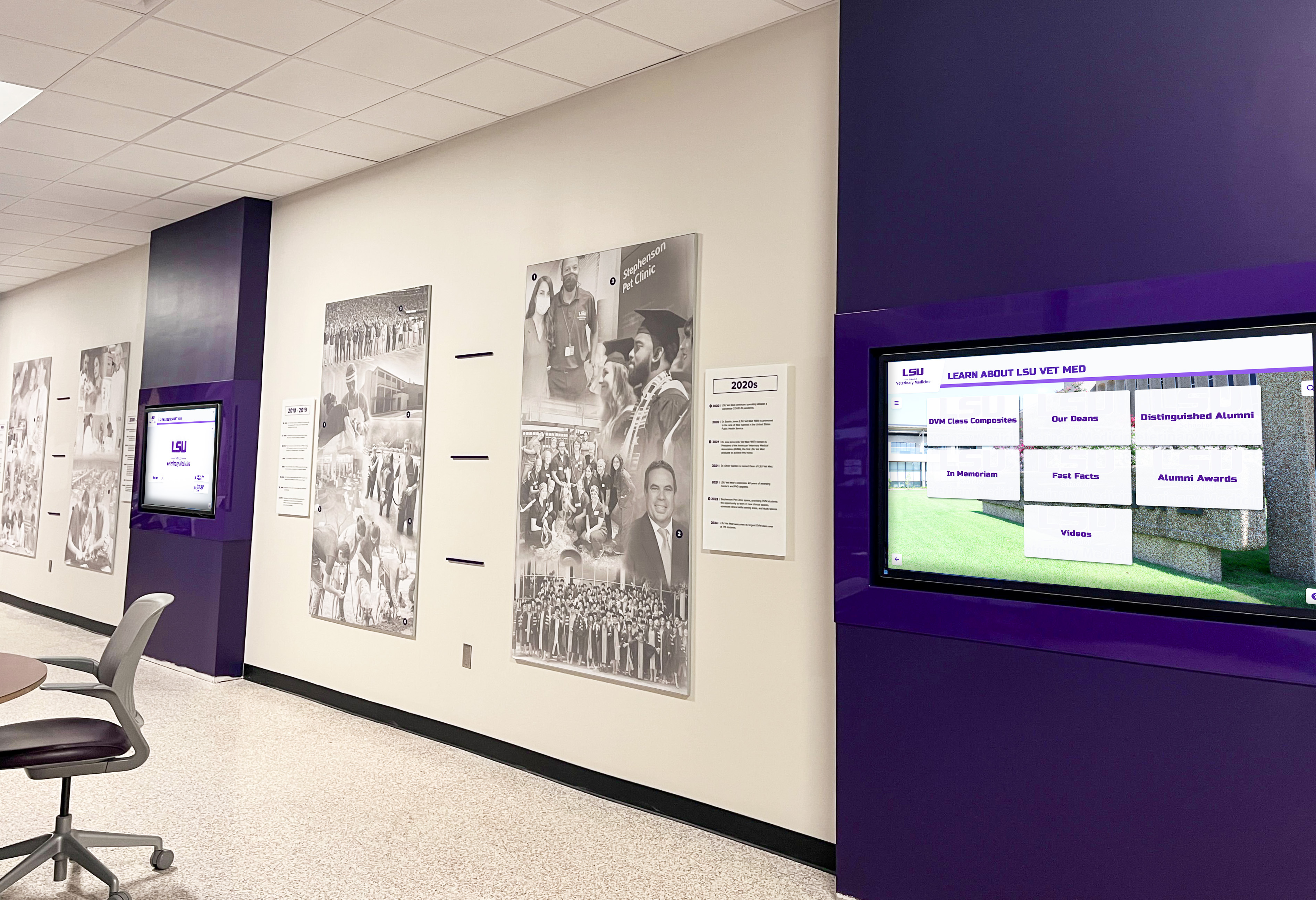
Multiple coordinated displays create immersive recognition environments that reinforce rally messages throughout students' daily routines
Equipment and Budget Considerations
Practical planning ensures rally success without excessive costs or complicated logistics.
Essential Rally Equipment
Basic Infrastructure Needs
Most schools already possess necessary items:
Audio-Visual Requirements
- Quality sound system reaching entire venue with clear audio
- Microphones (wireless preferred) for emcees and participants
- Music playback capability (streaming device, laptop, or DJ equipment)
- Video display screens if showing athlete profiles or highlight videos
- Proper audio testing before student arrival preventing delays
Activity-Specific Equipment
- Sports equipment (basketballs, soccer balls, etc.) from PE department
- Chairs for musical chairs or relay station use
- Cones, markers, and boundary tape for races and courses
- Balloons, paper, and basic craft supplies for various activities
- Stopwatches or timing systems for competitive events
- Props and costume pieces for entertainment activities
Safety and Logistics
- First aid kit and ice packs for minor injuries
- Cleaning supplies for spills or messes from activities
- Extension cords and power strips for electronic needs
- Tables for equipment staging and activity stations
- Step ladders or platforms for visibility if needed
Budget-Friendly Rally Planning
Minimizing Costs While Maximizing Impact
Great rallies need not require significant expenditure:
Free or Low-Cost Activities Most effective rally games use equipment schools already own:
- Musical chairs and freeze dance (only music needed)
- Relay races using PE department equipment
- Dance and lip sync battles (no materials required)
- Tug-of-war with rope from athletic department
- Skill challenges with existing sports equipment
- Faculty competitions requiring only participation
Strategic Investment Areas
Limited budgets should prioritize:
- Quality sound system rental if school equipment inadequate ($200-500)
- Professional DJ if school lacks music expertise ($300-600)
- Spirit items for prizes (school merchandise, gift cards) ($100-300)
- Decoration supplies in school colors ($50-150)
- Photography or videography services if no student media program ($200-500)
Total basic rally costs typically range $500-1,500 with most expenses optional enhancements rather than requirements. Many successful rallies operate on minimal budgets focusing on well-executed activities rather than expensive productions.
Funding Sources
- Student government activity budgets
- Athletic booster club support
- Sponsor partnerships with local businesses (recognition during rally)
- Fundraising earlier in year specifically for rally enhancement
- PTA or parent organization contributions
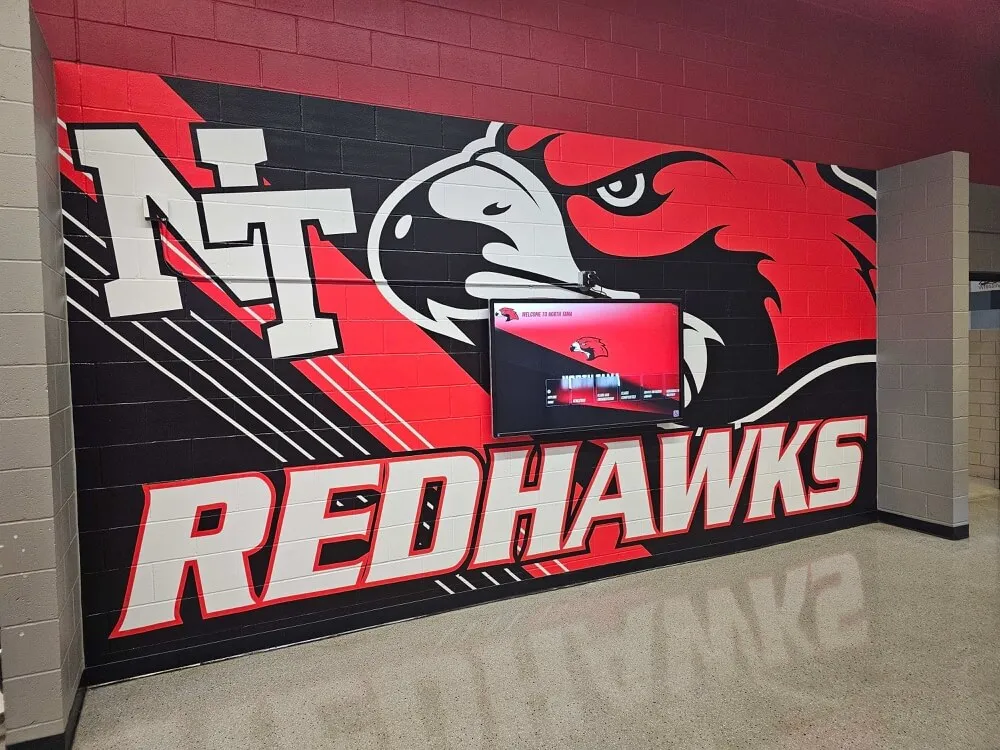
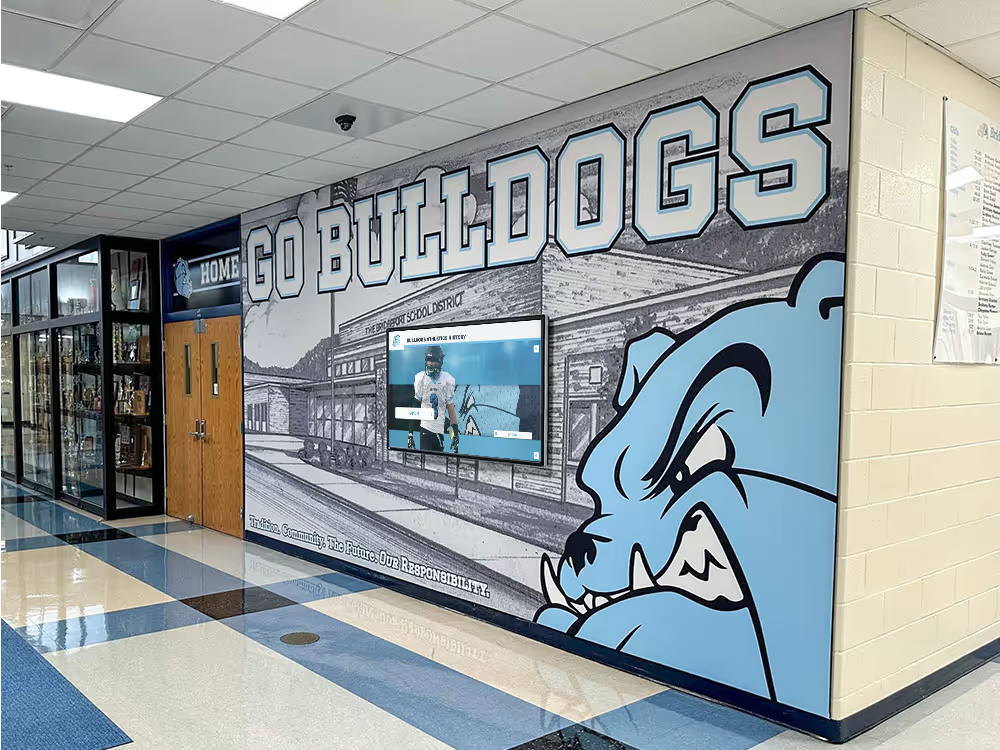
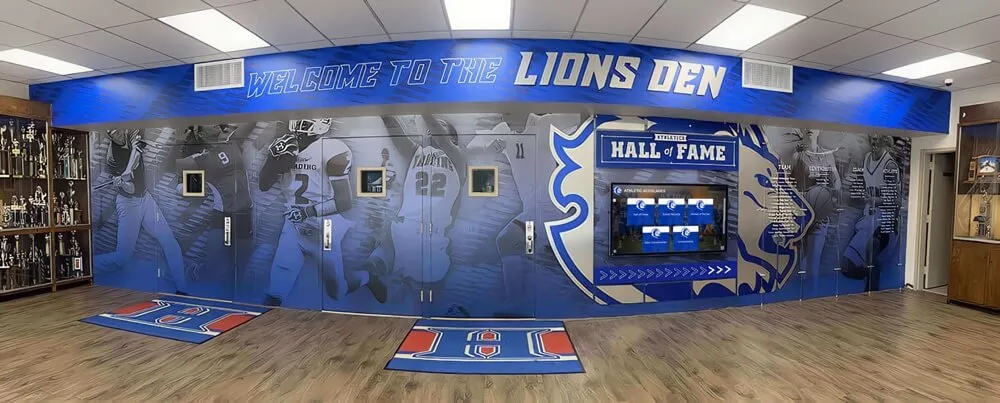
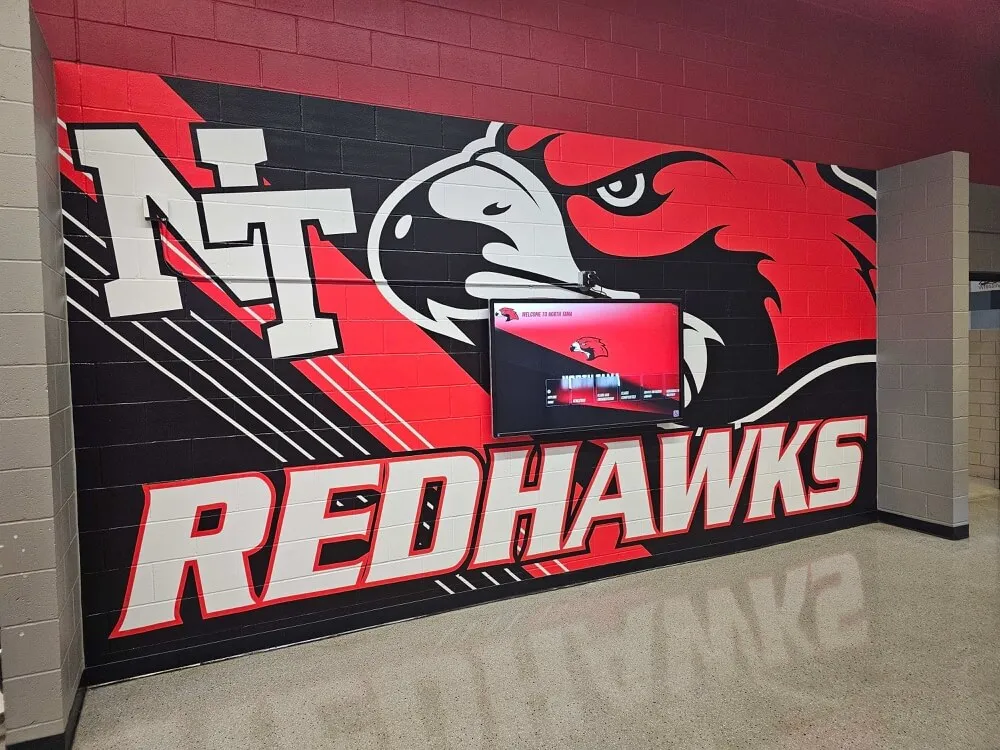
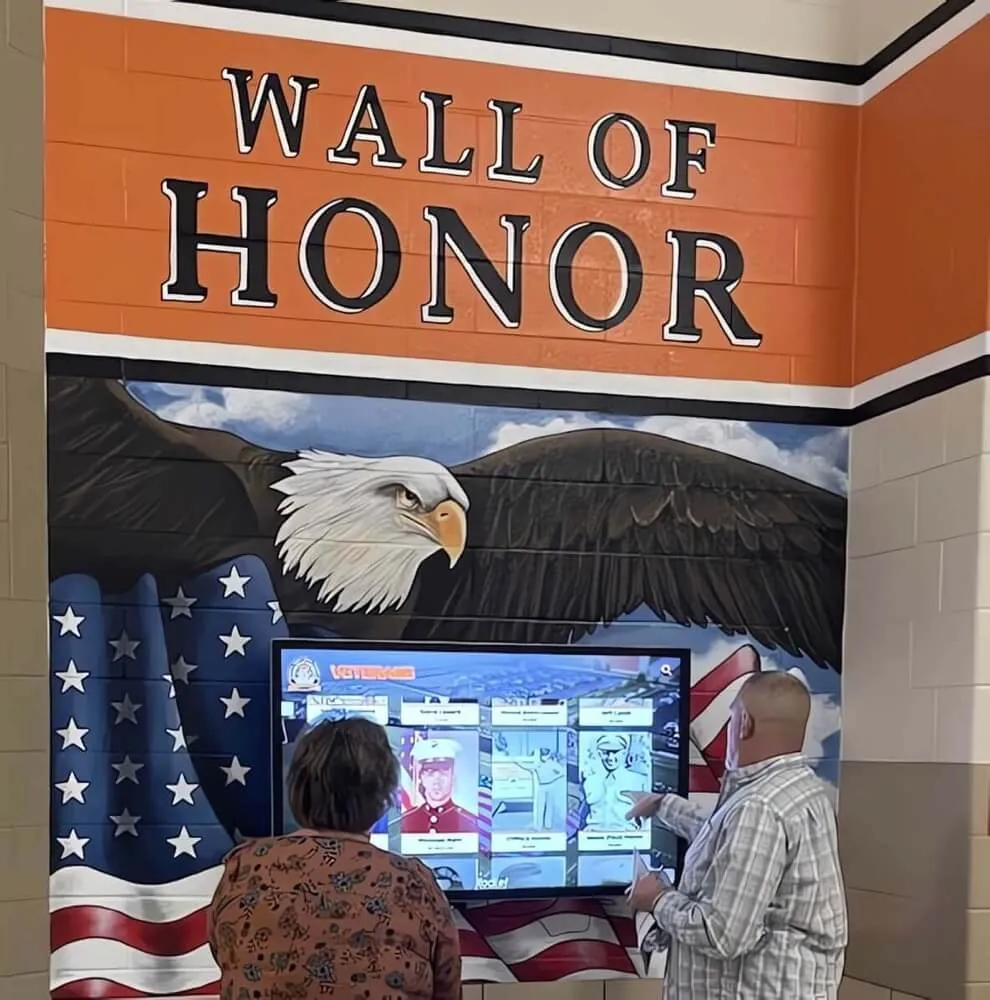
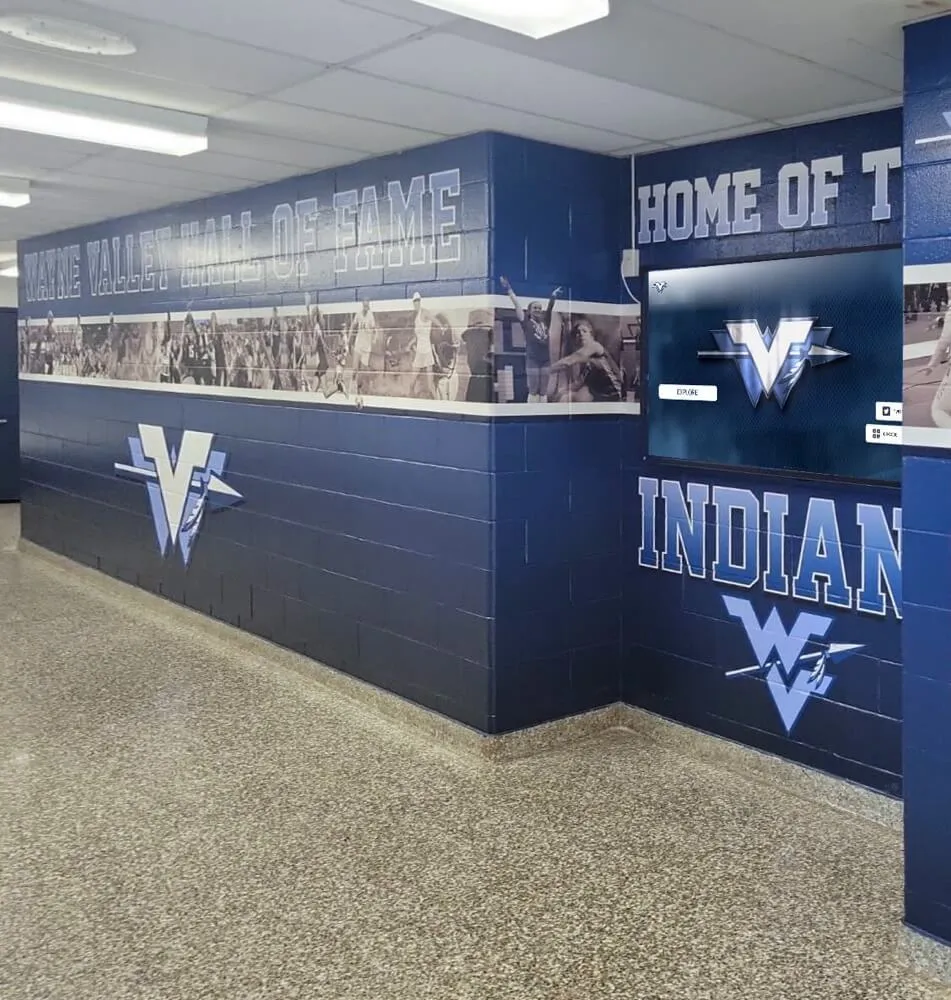
Athletic hallway murals combined with digital displays create pride-building environments where rally energy extends throughout the school
Common Pep Rally Challenges and Solutions
Understanding frequent obstacles helps schools avoid predictable problems.
Challenge: Student Disengagement and Phone Use
Problem: Students treating rally as phone-scrolling time rather than engaging with program
Solutions:
- Fast-paced programming with minimal downtime between activities
- Varied game types appealing to different interests preventing boredom
- Audience participation activities making phone use impossible
- Volume and energy creating environment where phone screens pale by comparison
- Student leadership and peer influence modeling engagement
- Clear expectations communicated before rally about participation
Challenge: Inappropriate Behavior or Poor Sportsmanship
Problem: Jeering, heckling, or mean-spirited commentary during activities
Solutions:
- Pre-rally assemblies or announcements establishing behavioral expectations
- Administrator visibility and positioning throughout venue
- Immediate consequences for problematic behavior
- Positive reinforcement of appropriate cheering and support
- Activity selection avoiding situations inviting mockery
- Teacher supervision in all student sections
- Focus on celebration rather than humiliation ensuring all activities maintain dignity
Challenge: Running Over Time or Poor Pacing
Problem: Rally extending beyond scheduled period creating dismissal chaos
Solutions:
- Detailed timeline with specific minutes allocated to each element
- Designated timekeeper signaling emcee about schedule adherence
- Backup plan for cutting activities if running behind schedule
- Rehearsal or walk-through identifying time-consuming elements
- Buffer time built into schedule accounting for transitions
- Pre-determined maximum speech lengths for coaches and administrators
- Starting promptly when scheduled rather than waiting for late arrivals
Schools implementing effective talent show programs develop transferable skills in pacing, student performance coordination, and audience engagement applicable to pep rally planning.
Challenge: Lack of Volunteer Participants
Problem: Awkward silences when calling for game volunteers
Solutions:
- Pre-recruitment of participants before rally rather than asking during assembly
- Class requirements where representatives must volunteer ensuring participation
- Teacher or staff participation filling gaps when student volunteers insufficient
- Prizes or incentives making participation attractive
- Starting with activities not requiring volunteers to build energy first
- Student leader modeling by participating in early activities
- Friend group participation encouraging multiple volunteers together
Extend Rally Recognition Beyond the Assembly
Discover how digital recognition displays transform brief pep rally celebrations into year-round pride builders. Showcase unlimited athlete achievements, display upcoming competition information, preserve championship memories, and create searchable archives connecting current competitors to decades of program tradition. See how schools nationwide build authentic athletic pride through comprehensive recognition technology.
Explore Recognition SolutionsBuilding Sustainable Rally Traditions
The most impactful pep rallies become anticipated annual traditions strengthening school culture year after year.
Signature School-Specific Games
Developing Unique Traditions
Create activities specific to your institution:
- Games honoring school founders or historical figures
- Competitions reflecting geographic location or community character
- Activities incorporating school mascot in creative ways
- Traditions dating back decades with historical significance
- Alumni involvement in special anniversary years
Student Leadership and Planning Involvement
Empowering Student Organizers
Transfer rally planning to student government or spirit committees:
- Student selection of games and activities increasing peer buy-in
- Training and transition ensuring institutional knowledge preservation
- Administrative oversight maintaining safety and appropriateness
- Budget management teaching real-world event planning skills
- Coordination with athletic department, cheerleaders, and administration
Student-planned rallies generate higher peer engagement when classmates see friends leading celebrations rather than exclusively adult-driven programming.
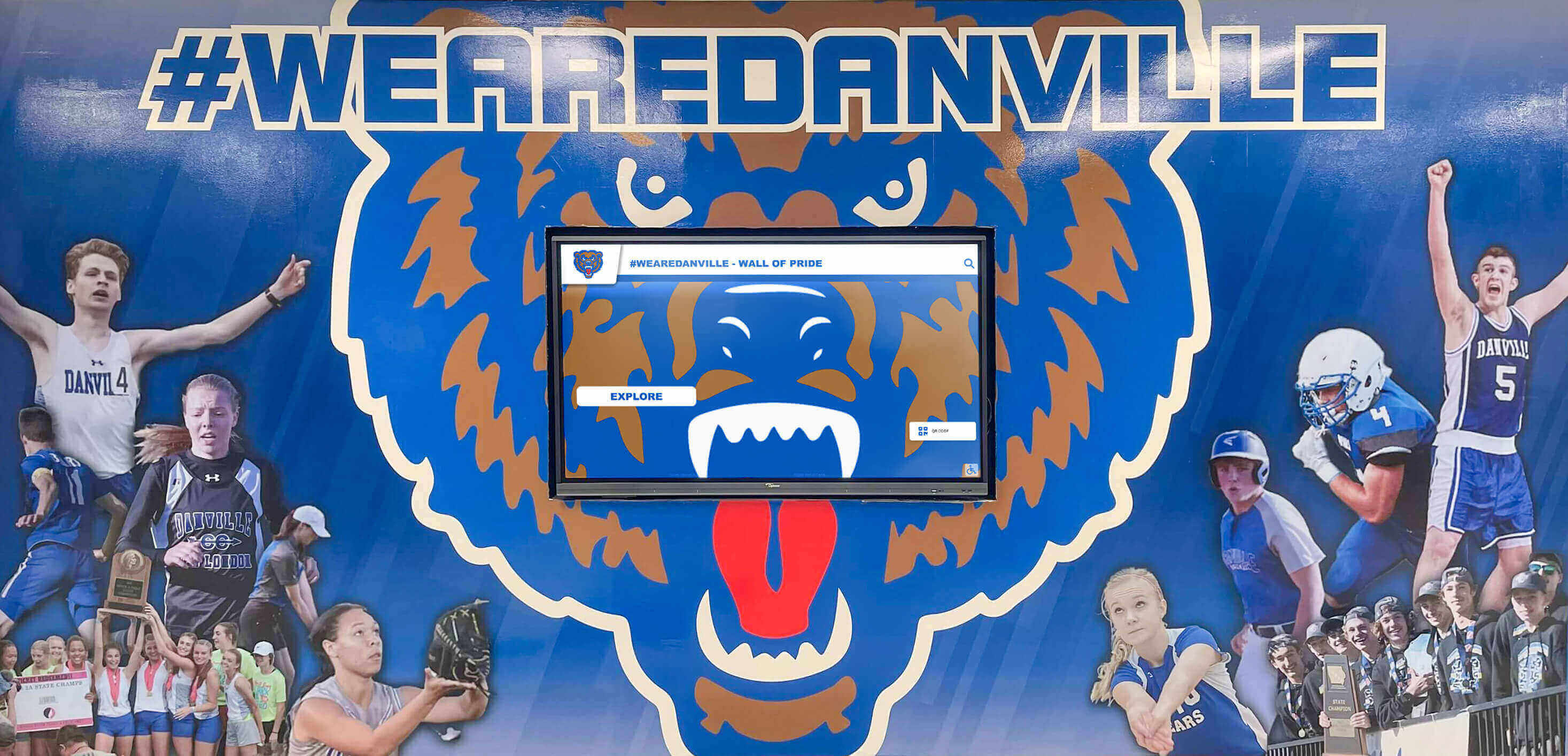
Entrance displays featuring team information and upcoming games extend pep rally messaging to daily student traffic patterns
Year-Over-Year Evolution
Continuous Improvement Process
Learn from each rally to strengthen future events:
Post-Rally Evaluation
- Student government or planning team debrief
- Student body feedback surveys or informal polling
- Administrator observations about logistics and management
- Athlete input about recognition and motivation impact
- Attendance and engagement level assessment
Documentation for Future Planning
- Activity descriptions and timing notes
- Equipment lists and setup requirements
- What worked well to repeat
- What should be modified or eliminated
- Volunteer and staffing notes
- Budget actual costs versus estimates
Best practice involves maintaining digital records accessible to future planning committees ensuring institutional knowledge persists through graduation and personnel changes.
Conclusion: Creating Rallies That Truly Build Spirit
Pep rallies represent far more than mandatory assemblies filling time before athletic competitions—when planned thoughtfully, they become powerful traditions uniting school communities, motivating athletes through visible support, and creating positive memories students carry for decades. The most successful rallies balance entertaining activities maintaining engagement with genuine recognition demonstrating that athletic commitment receives institutional appreciation.
By implementing the 25+ pep rally game ideas explored in this guide—from classic competitions like musical chairs and relay races to modern challenges like viral bottle flips and dance battles—schools create comprehensive rally experiences engaging students across all interests and personality types. Strategic planning addressing game selection, timing, safety, and recognition transforms rallies from obligatory events to beloved traditions strengthening school culture and competitive fire.
The recognition systems schools implement around pep rallies matter tremendously. Moving beyond brief assembly acknowledgment toward comprehensive celebration of athletic achievement creates environments where competitors feel genuinely supported. Digital recognition displays preserve rally moments permanently while connecting current events to program traditions spanning decades, transforming episodic celebrations into sustained pride building.
Your athletes deserve pep rally send-offs reflecting their dedication, preparation, and commitment to representing your school community. With appropriate game selection, inclusive participation structures, efficient timing, and recognition systems celebrating both current competitors and historical excellence, you create rally traditions students anticipate eagerly, athletes remember gratefully, and communities celebrate proudly.
Ready to enhance how your school celebrates athletic achievements and builds authentic competitive spirit? Explore how digital recognition solutions extend pep rally recognition from brief assembly moments to year-round pride builders, discover comprehensive athletic celebration strategies connecting rallies to broader recognition programs, learn about school spirit week planning integrating rallies within comprehensive culture initiatives, or see how schools showcase academic and athletic excellence through modern recognition technology building pride that motivates current athletes while inspiring future competitors.