



School districts nationwide are rediscovering what educators have long understood: learning doesn’t have to happen exclusively within four walls. Outdoor classrooms provide dynamic environments where students connect academic concepts to the natural world, develop environmental awareness, and experience education through hands-on exploration that traditional classrooms cannot replicate. As research increasingly demonstrates the cognitive, physical, and emotional benefits of outdoor learning, forward-thinking schools are investing in purposefully designed outdoor educational spaces.
Yet creating effective outdoor classrooms requires more than simply placing desks under trees. Successful outdoor learning environments balance accessibility with natural aesthetics, incorporate weather-appropriate infrastructure, provide flexible spaces serving multiple curriculum areas, and integrate technology supporting modern pedagogical approaches. Schools that thoughtfully design outdoor classrooms create valuable educational assets serving students across subject areas and grade levels for decades.
This comprehensive guide explores creative outdoor classroom ideas that educational leaders use to transform underutilized outdoor spaces into vibrant learning environments. From site selection and infrastructure planning to curriculum integration and technology considerations, these strategies help schools design outdoor classrooms that genuinely enhance educational programming while connecting students to the natural world.
Effective outdoor classroom design addresses practical challenges—weather exposure, accessibility requirements, safety considerations, and maintenance demands—while creating inspiring environments that motivate students and support diverse teaching methodologies. Schools succeeding with outdoor learning spaces recognize these environments as serious educational investments deserving the same thoughtful planning applied to indoor facilities.

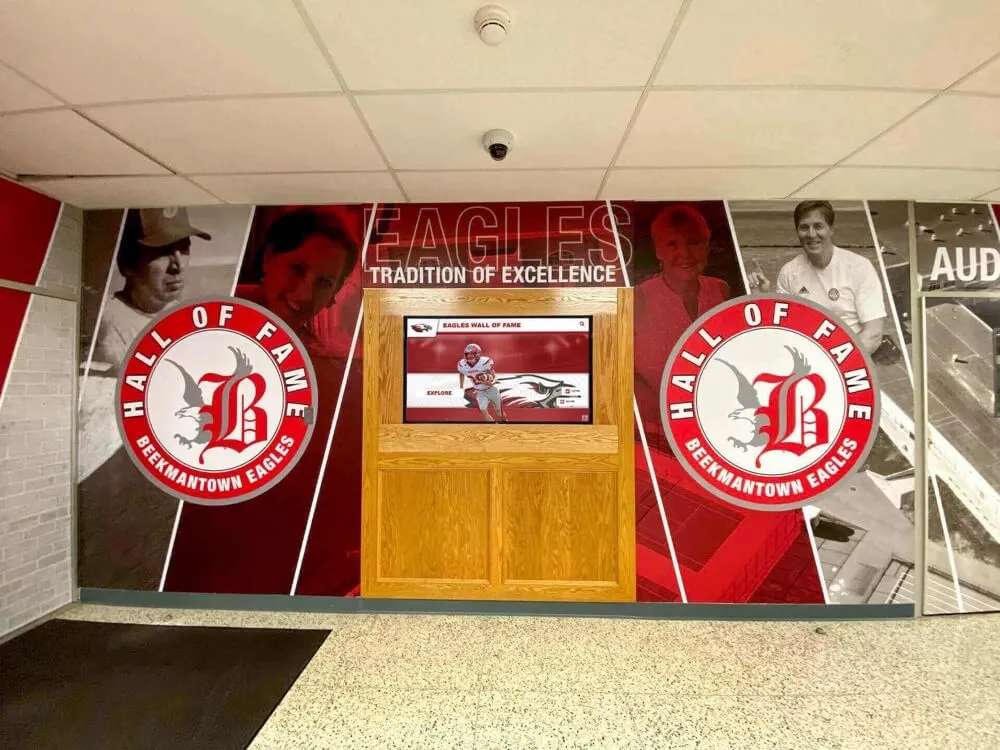
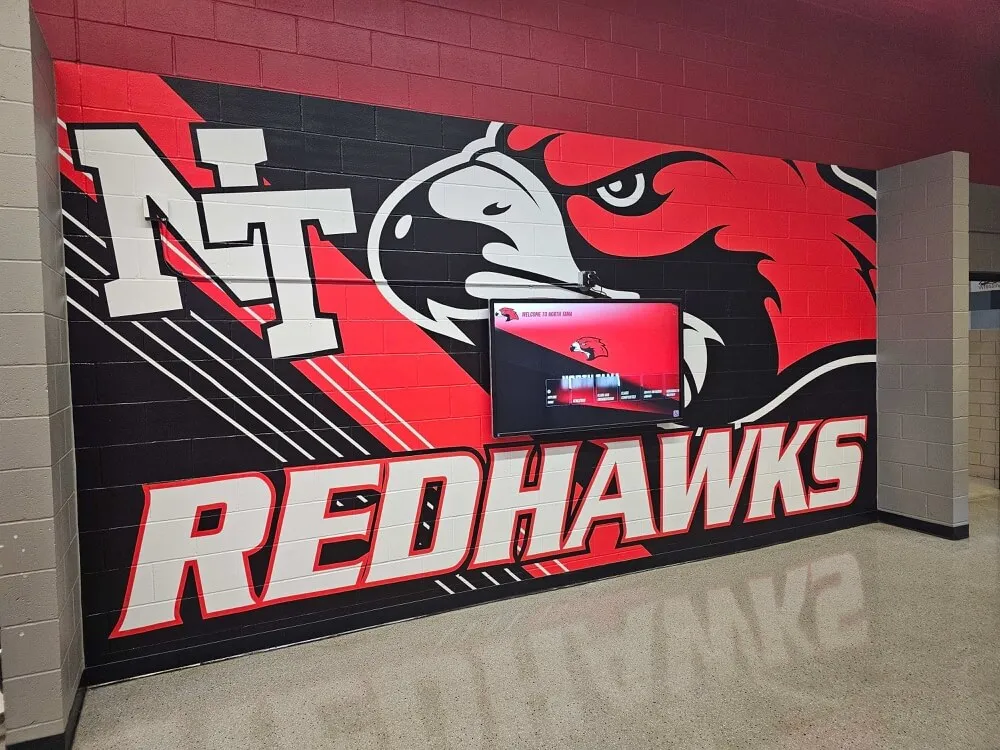
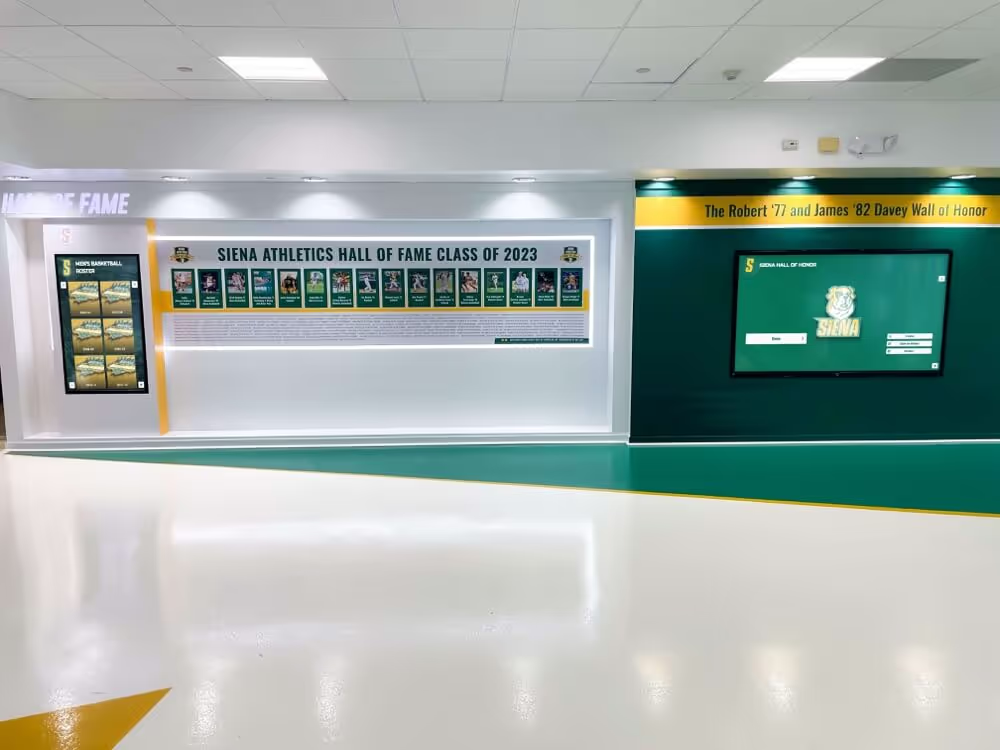
Well-designed schools create seamless transitions between indoor and outdoor learning environments through thoughtful architectural and landscape planning
The Educational Case for Outdoor Classrooms
Understanding the research-backed benefits of outdoor learning helps school leaders justify investments and design spaces that maximize educational impact.
Academic Performance and Engagement Benefits
Outdoor learning environments influence student achievement across multiple dimensions:
Increased Student Engagement and Attention
Research consistently demonstrates that students exhibit higher engagement levels during outdoor instruction compared to identical lessons taught indoors. The novelty of outdoor settings, combined with multisensory environmental stimuli, naturally captures and maintains student attention. Students who struggle to remain focused in traditional classrooms often show markedly improved concentration during outdoor learning activities.
The American Institutes for Research found that students participating in residential outdoor science programs showed 27% gains in science content knowledge compared to control groups receiving traditional classroom instruction on the same material.
Enhanced Science and Environmental Literacy
Outdoor classrooms provide unparalleled opportunities for authentic science education:
- Direct observation of ecological systems and natural phenomena
- Hands-on experimentation and inquiry-based learning
- Weather pattern monitoring and meteorological study
- Seasonal change documentation across school years
- Species identification and biodiversity assessment
- Science-focused recognition programs celebrating student environmental achievement
Schools implementing outdoor science education report significant improvements in student understanding of ecological concepts compared to textbook-only approaches.
Cross-Curricular Learning Applications
Well-designed outdoor classrooms support instruction across disciplines:
- Mathematics: measurement, geometry, data collection and graphing
- Language arts: nature writing, outdoor reading, environmental storytelling
- Social studies: local history, geography, community connections
- Arts: nature-inspired visual arts, outdoor performance spaces
- Physical education: movement, orienteering, outdoor recreation skills
- Academic recognition across subjects celebrating outdoor learning achievements
Teachers report that outdoor settings often enable differentiated instruction more effectively than traditional classrooms, as varied natural features provide multiple entry points for students at different skill levels.
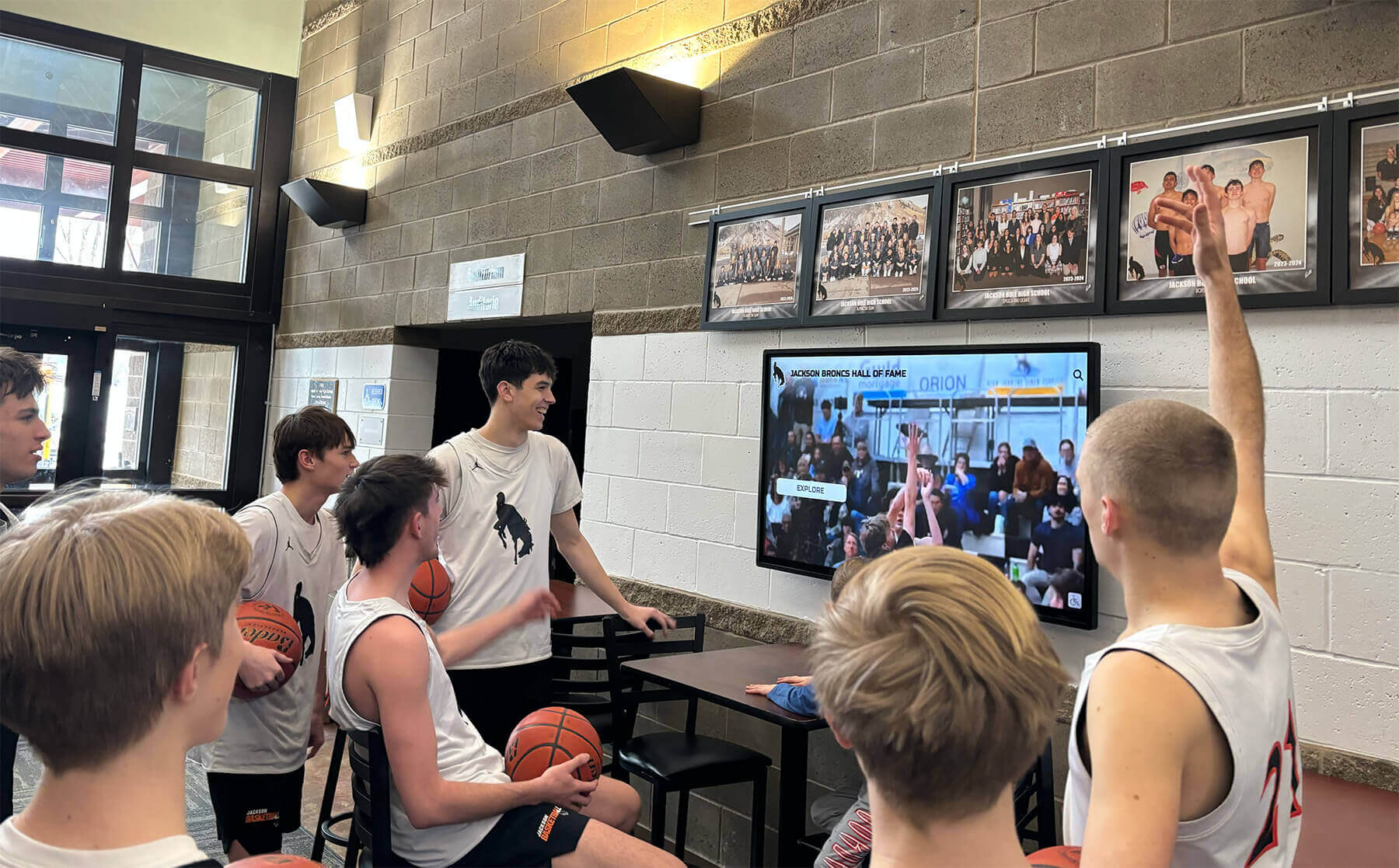
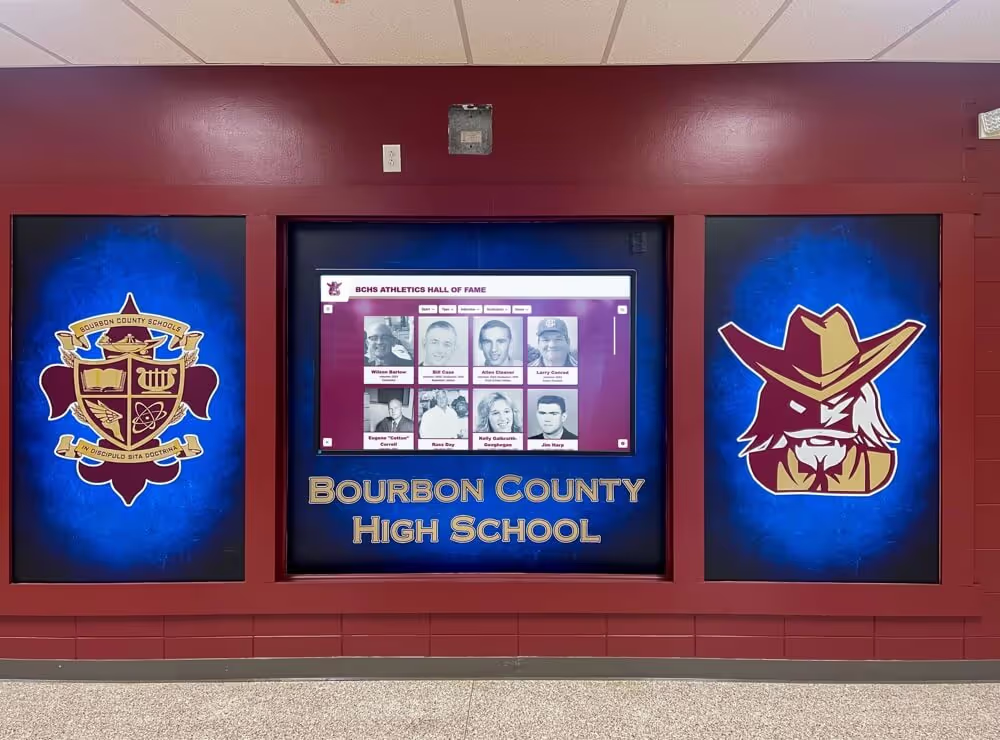
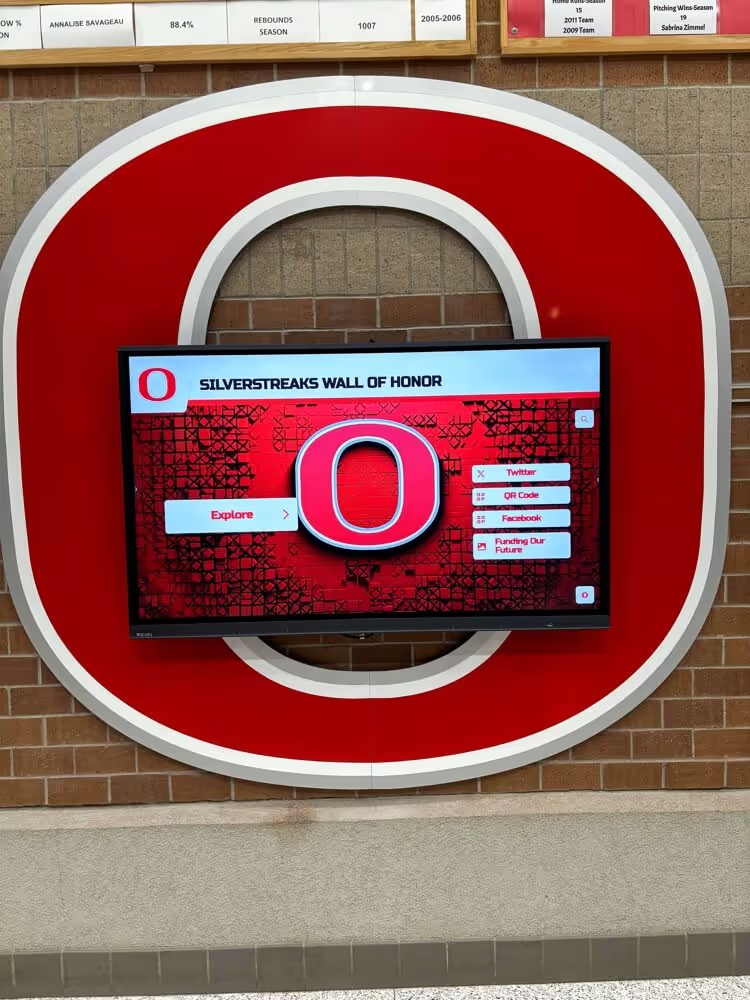
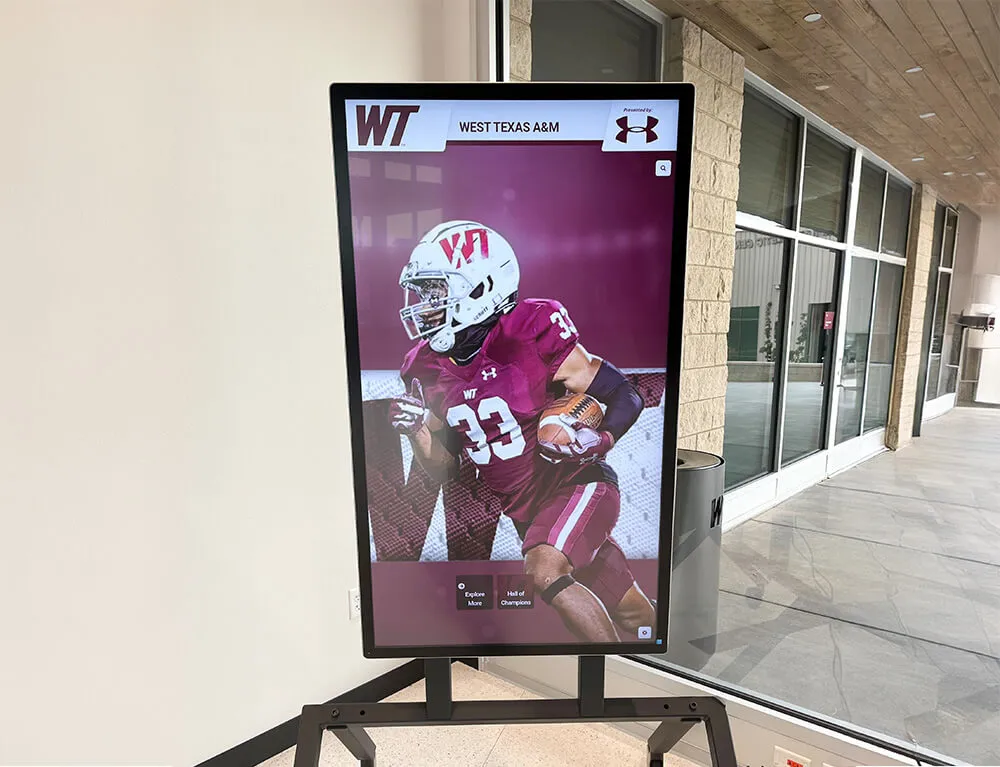
Modern educational environments blend traditional learning with technology-enhanced engagement opportunities
Physical and Mental Health Advantages
Outdoor learning environments address growing concerns about student wellness:
Physical Activity Integration
Outdoor classrooms naturally incorporate movement into learning:
- Reduced sedentary time during school days
- Opportunities for kinesthetic learning supporting diverse learning styles
- Informal physical activity during transitions and exploration
- Fresh air and natural light exposure supporting circadian rhythms
- Connection to nature reducing stress and improving mood
The Centers for Disease Control and Prevention reports that students spending more time outdoors show improved physical fitness markers and reduced obesity rates compared to peers with primarily indoor school experiences.
Mental Health and Stress Reduction
Natural environments provide documented mental health benefits for students:
- Reduced anxiety and stress levels during outdoor instruction
- Improved attention for students with ADHD and attention difficulties
- Enhanced emotional regulation in natural settings
- Increased social cooperation and reduced behavioral incidents
- Greater sense of autonomy and competence through outdoor exploration
Schools implementing regular outdoor learning report fewer disciplinary referrals and improved classroom climate on days incorporating outdoor instruction.
Sensory Development and Environmental Connection
Outdoor experiences support developmental needs increasingly absent from modern childhood:
- Multisensory engagement with natural materials and phenomena
- Seasonal awareness and connection to ecological cycles
- Environmental stewardship values through direct nature contact
- Risk assessment and navigation in less controlled environments
- Wonder and curiosity cultivation through unstructured natural exploration
Site Selection and Space Planning Fundamentals
Strategic site selection establishes the foundation for functional outdoor classrooms:
Evaluating Potential Outdoor Classroom Locations
Successful outdoor classroom placement requires assessment of multiple factors:
Accessibility and Proximity Considerations
- Direct access from relevant classrooms minimizing transition time
- ADA-compliant pathways ensuring universal access
- Visibility from building enabling teacher supervision
- Proximity to restrooms and water sources
- Distance from parking areas and traffic noise
- Security considerations and boundary definition
Elementary schools typically benefit from outdoor classrooms immediately adjacent to primary grade classrooms, while secondary schools may position outdoor spaces near science laboratories or environmental science classrooms.
Sun Exposure and Shade Assessment
Analyze sun patterns throughout the day and across seasons:
- Morning sun providing warmth for early classes
- Afternoon shade preventing overheating during warm months
- Seasonal variation in sun angle affecting shade patterns
- Existing tree canopy providing natural shade
- Need for constructed shade structures in open areas
- Balance between sun exposure for warmth and shade for comfort
Site visits at different times of day during various seasons reveal usage patterns and comfort considerations that aren’t apparent from single assessments.

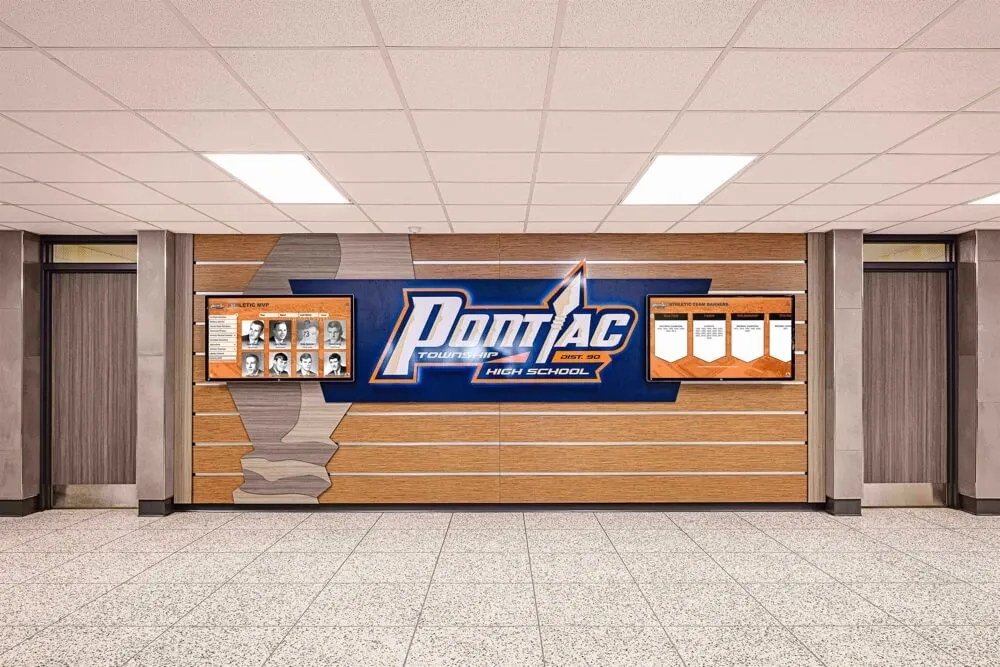
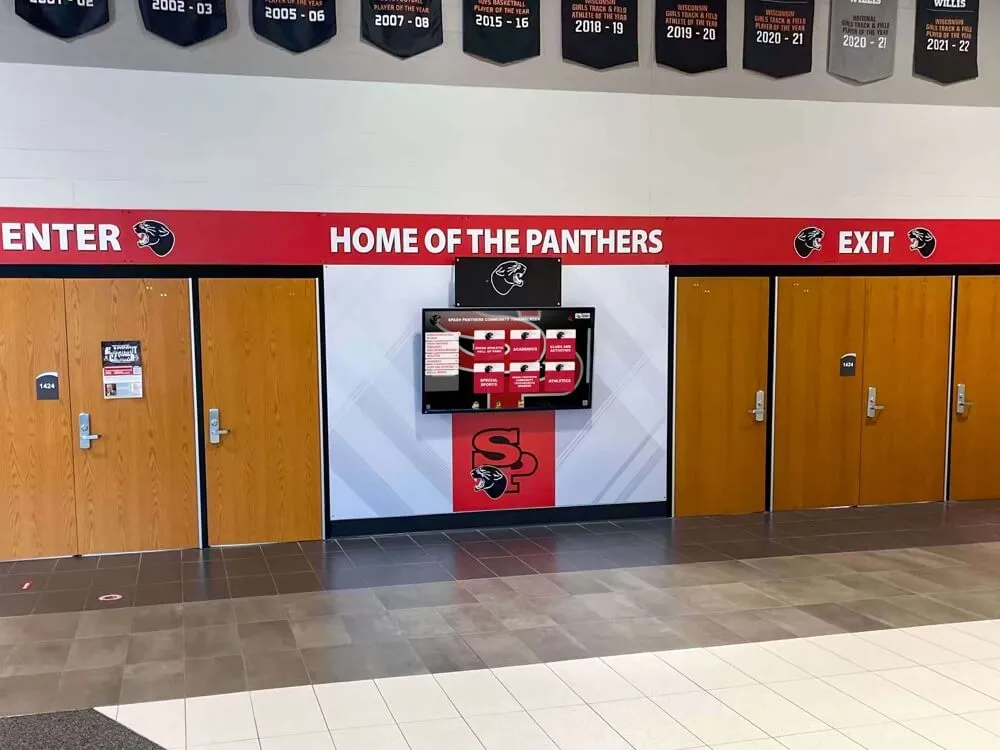
School entrances and gathering spaces establish institutional character while supporting community connection
Drainage and Weather Exposure Analysis
Evaluate how the site responds to weather events:
- Natural drainage patterns and potential flooding areas
- Wind exposure and need for windbreaks
- Snow accumulation patterns in winter climates
- Soil drainage characteristics affecting usability after rain
- Existing vegetation providing weather protection
- Microclimate factors creating warmer or cooler zones
Sites with excellent drainage enable year-round use, while poorly drained locations may only be usable during dry periods.
Defining Outdoor Classroom Zones and Functions
Effective outdoor classrooms incorporate distinct zones serving different educational purposes:
Instruction and Demonstration Areas
Central gathering spaces for whole-class instruction:
- Amphitheater seating arrangements using natural slopes or constructed terracing
- Teacher demonstration area visible from all student positions
- Weather-resistant whiteboard or display surfaces
- Adequate space for 20-30 students with comfortable sight lines
- Acoustic considerations ensuring teacher voice carries effectively
- Optional permanent or portable audio amplification
Small Group Collaboration Spaces
Distinct areas enabling simultaneous small group activities:
- Multiple seating clusters at various locations throughout space
- Natural or constructed barriers creating visual separation between groups
- Varied seating options including logs, boulders, benches, or ground seating
- Sufficient spacing preventing audio interference between groups
- Mix of sun and shade enabling groups to choose preferred conditions
Hands-On Investigation and Experimentation Zones
Dedicated areas for active exploration and messy learning:
- Garden beds for planting and observation
- Soil study areas with digging permissions
- Water features for aquatic investigation
- Composting demonstration sites
- Weather monitoring equipment locations
- Tool storage for investigation equipment
Quiet Reading and Reflection Areas
Comfortable spaces for individual work and contemplation:
- Seating positioned for solitary use
- Natural features creating sense of enclosure
- Shade enabling extended comfortable sitting
- Pleasant views supporting relaxation
- Distance from active zones minimizing distraction
Essential Infrastructure and Hardscape Elements
Durable infrastructure enables consistent outdoor classroom use across weather conditions and seasons:
Seating Solutions for Outdoor Learning
Outdoor seating must balance comfort, durability, and educational functionality:
Natural Seating Options
Incorporating landscape features as seating:
- Large boulders providing stable, permanent seating
- Logs from removed trees offering rustic seating and learning props
- Earthen berms creating amphitheater-style terraced seating
- Tree stumps from necessary removals serving as individual seats
- Grassy areas for informal ground seating in good weather
Natural seating requires minimal maintenance and integrates seamlessly with landscape aesthetics while providing authentic outdoor experience.
Constructed Permanent Seating
Purpose-built seating designed for educational use:
- Curved bench arrangements facilitating group discussion
- Amphitheater-style tiered seating for presentations
- Picnic tables enabling written work and project activities
- Individual seats at varying heights accommodating different ages
- Weather-resistant materials requiring minimal maintenance

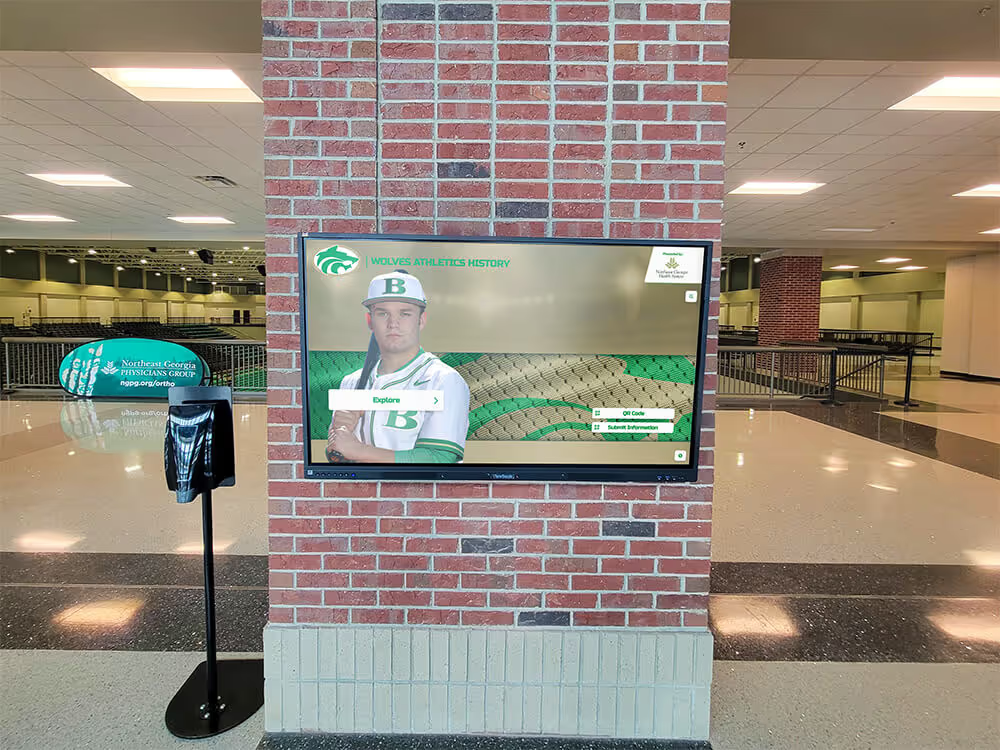
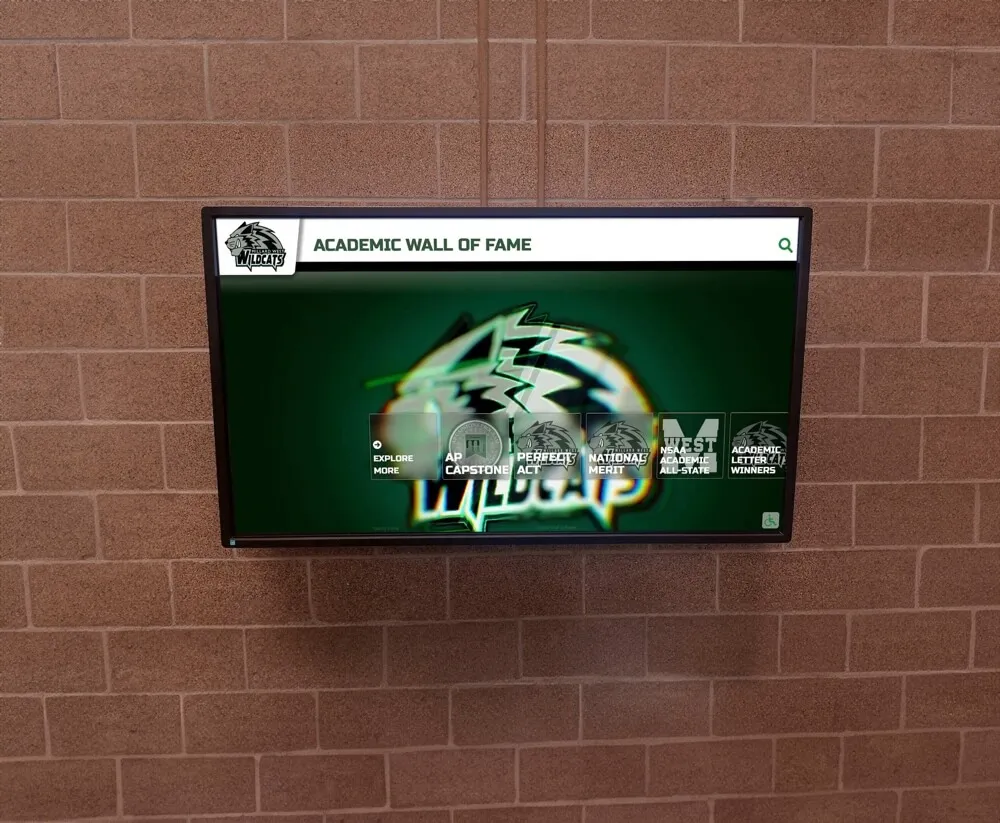
Modern educational technology integrates into learning environments supporting diverse instructional approaches
Flexible and Portable Seating
Moveable options enabling space reconfiguration:
- Lightweight stackable stools for easy rearrangement
- Cushions or mats for temporary ground seating
- Folding chairs stored nearby for formal instruction
- Rolling carts bringing seating and materials outdoors simultaneously
Portable seating enables teachers to adapt outdoor classroom configuration to specific lesson needs.
Weather Protection and Shade Structures
Strategic weather protection extends outdoor classroom usability:
Permanent Shade Structures
Constructed coverings providing reliable weather protection:
- Pavilions with solid roofs protecting from rain and sun
- Pergolas with partial shade from slatted roofs
- Shade sails creating modern aesthetic while blocking sun
- Covered walkways connecting outdoor classrooms to buildings
- Gazebos providing enclosed feeling with open sides
Permanent structures represent significant investment but dramatically increase outdoor classroom utilization by enabling use during light rain and intense sun.
Natural Shade Development
Long-term shade solutions through strategic planting:
- Fast-growing shade trees providing increasing coverage over years
- Vine-covered arbors creating seasonal shade
- Strategic shrub placement blocking low-angle sun
- Preservation of existing mature trees during site development
Natural shade develops gradually but provides superior environmental benefits including air quality improvement, habitat creation, and temperature reduction.
Retractable and Temporary Options
Flexible weather protection for varied needs:
- Retractable awnings providing sun protection when needed
- Large umbrellas offering portable shade
- Pop-up canopy tents for temporary programs
- Removable shade cloth during extreme weather periods
Technology Integration in Outdoor Classrooms
Modern outdoor classrooms can incorporate technology supporting contemporary pedagogical approaches:
Weather-Resistant Display and Presentation Equipment
Technology enables multimedia instruction in outdoor settings:
Outdoor-Rated Digital Displays
Specialized displays designed for outdoor environments:
- Sunlight-readable high-brightness screens visible in daylight
- Weather-resistant enclosures protecting electronics from elements
- Covered mounting positions providing rain protection
- Secure installations preventing theft or vandalism
- Digital signage capabilities for educational content and wayfinding
Schools can display educational content, instructional videos, or student work through outdoor displays, bringing multimedia learning to natural settings.
Portable Projection Solutions
Flexible display options for occasional use:
- Battery-powered projectors enabling presentations without electrical access
- Portable projection screens or white surfaces for image display
- Mobile device connectivity enabling teacher content sharing
- Weather-appropriate storage protecting equipment between uses

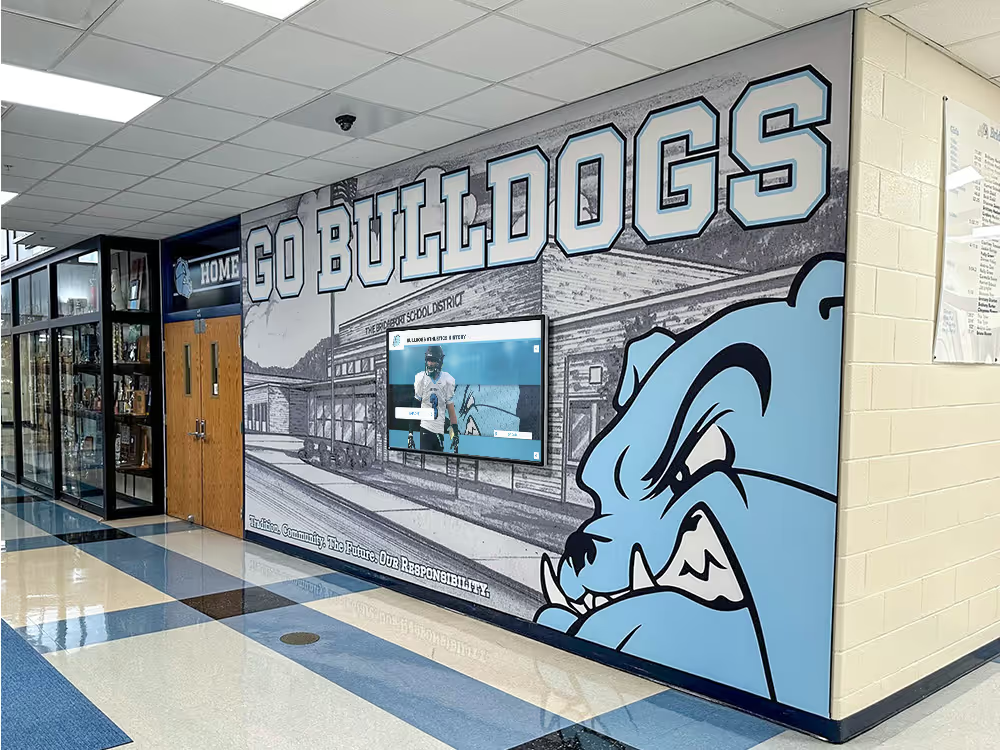
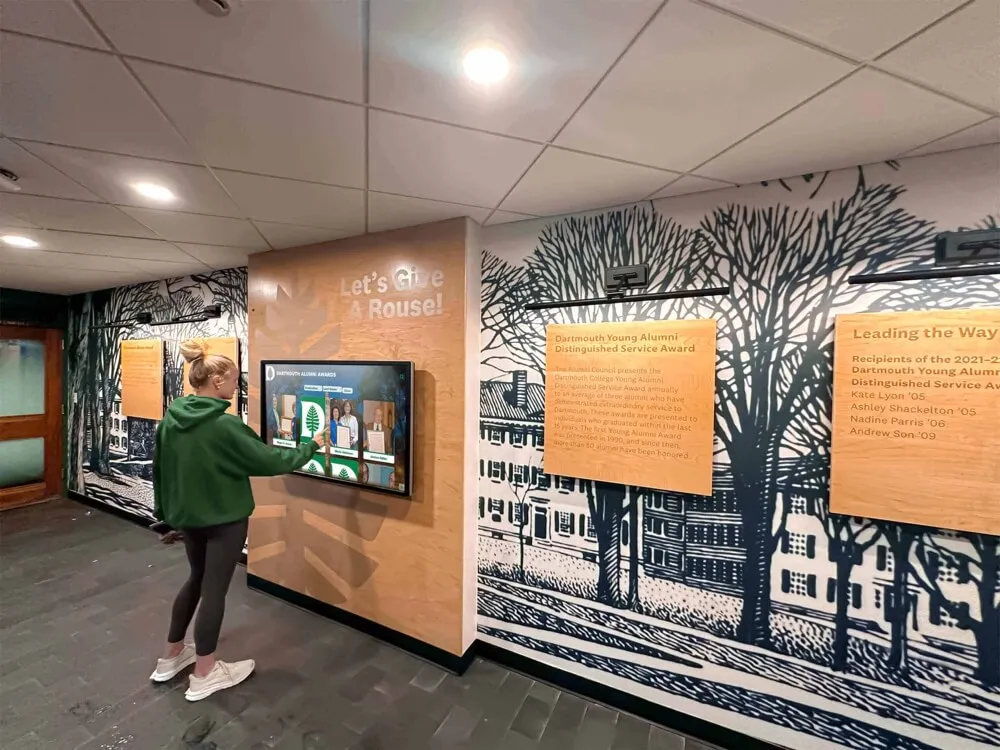
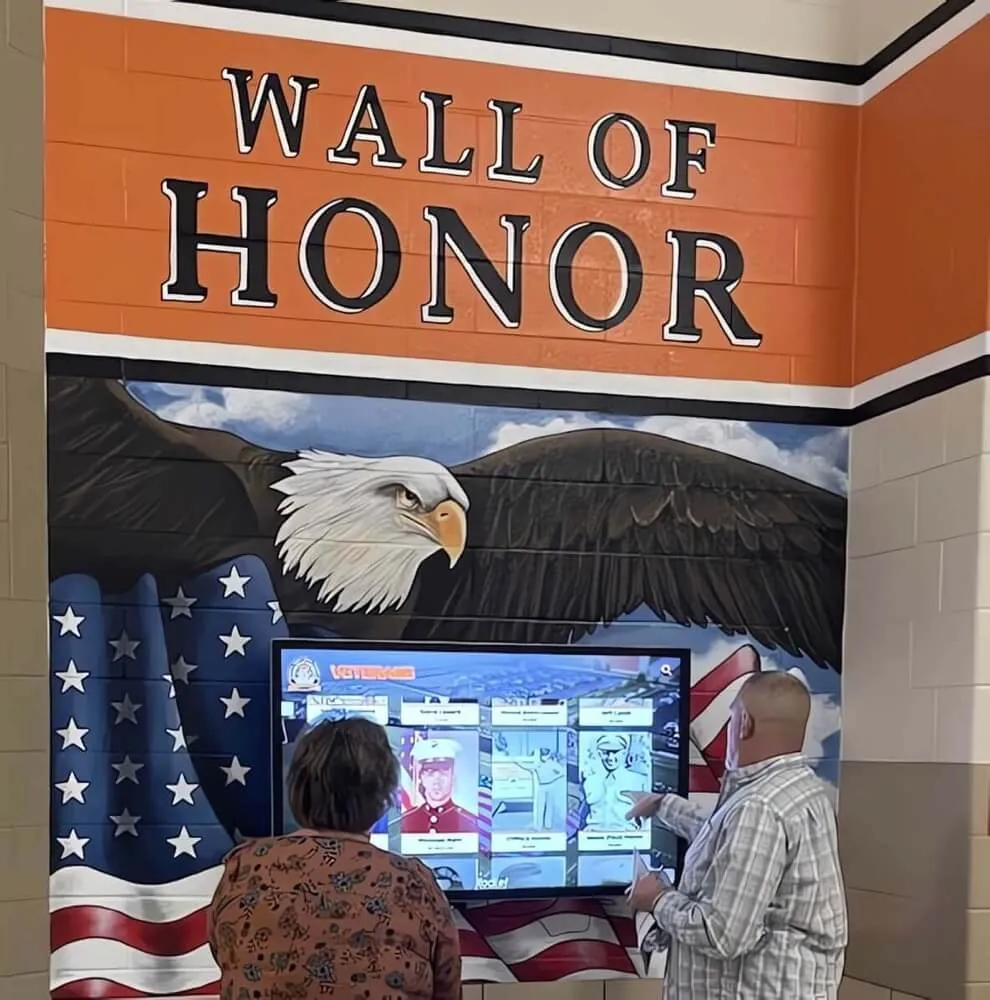
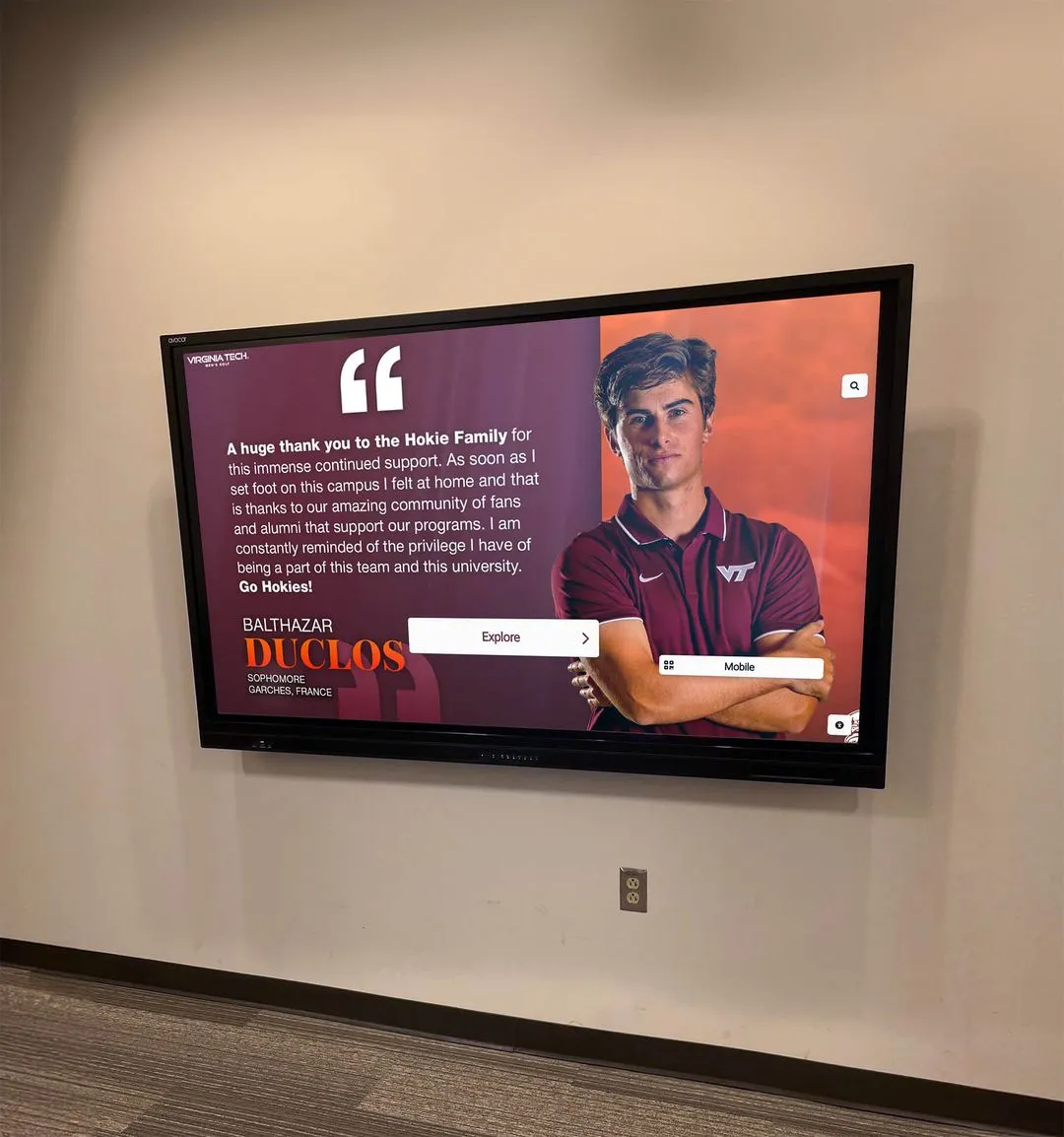
Interactive displays engage students with content relevant to their experiences and achievements
Connectivity and Power Infrastructure
Supporting technology use requires careful infrastructure planning:
Electrical Access Solutions
- Underground conduit running power to outdoor classroom areas
- Weather-resistant outlets with protective covers and GFCI protection
- Solar power systems for remote locations without electrical access
- Charging stations enabling device use during outdoor lessons
- Adequate circuit capacity supporting multiple simultaneous devices
Wireless Connectivity
- WiFi network extension reaching outdoor classroom zones
- Cellular boosters in areas with weak mobile signals
- Hotspot devices providing backup connectivity
- Network security ensuring appropriate student access
- Bandwidth sufficient for classroom of students accessing online resources simultaneously
Educational Technology Applications
Technology in outdoor classrooms enables unique learning experiences:
Environmental Monitoring and Data Collection
- Weather stations collecting real-time meteorological data
- Soil moisture and temperature sensors enabling agriculture study
- Water quality testing equipment for stream or pond investigation
- Trail cameras documenting wildlife activity
- Time-lapse photography tracking seasonal changes or plant growth
Students analyzing data from environmental sensors develop authentic scientific investigation skills while studying local ecosystems.
Digital Documentation and Creation
- Tablets or laptops enabling outdoor research and documentation
- Digital microscopes bringing small organisms into focus
- Cameras for nature photography and visual documentation
- Audio recording equipment for soundscape analysis
- GPS devices for mapping and geocaching activities
QR Code Learning Trails and Augmented Reality
- QR codes linking to plant identification information throughout space
- Augmented reality overlays providing historical context for locations
- Self-guided learning trails students explore independently
- Multilingual content access supporting English language learners
- Digital archives documenting outdoor learning program evolution
Landscaping and Natural Elements Integration
Thoughtful landscape design transforms outdoor classrooms into educational assets:
Educational Gardens and Planting Areas
Gardens provide hands-on learning across multiple disciplines:
Curriculum-Aligned Garden Designs
- Vegetable gardens teaching agriculture, nutrition, and seasonal cycles
- Native plant gardens demonstrating local ecology and habitat
- Pollinator gardens attracting butterflies, bees, and hummingbirds
- Sensory gardens featuring plants with distinct textures, scents, and colors
- Historical or cultural gardens reflecting heritage plants and traditional uses
Garden Infrastructure Considerations
- Raised beds improving accessibility and soil quality
- Irrigation systems ensuring plant survival during breaks
- Tool storage nearby enabling easy student garden maintenance
- Composting areas teaching decomposition and nutrient cycling
- Signage identifying plants and explaining garden purposes
Gardens maintained collaboratively by students develop responsibility and environmental stewardship while providing continuously evolving learning resources.
Water Features for Aquatic Study
Water elements enable unique educational opportunities:
Educational Water Feature Options
- Rain gardens demonstrating stormwater management
- Small ponds supporting aquatic ecosystem study
- Streams or water channels for erosion investigation
- Recirculating fountains for water cycle observation
- Rain barrels teaching water conservation
Safety and Maintenance Requirements
Water features require careful planning addressing safety and liability:
- Shallow depths and graduated edges preventing drowning hazards
- Fencing or barriers around deeper water areas
- Regular maintenance preventing mosquito breeding
- Water quality management ensuring safety for student interaction
- Clear supervision protocols during water-based activities
Natural Play and Exploration Elements
Incorporating elements supporting unstructured exploration:
Loose Parts and Natural Materials
- Logs, branches, and stumps for building and imaginative play
- Rocks, pinecones, and seed pods for sorting and investigation
- Sand or dig pits for sensory exploration
- Natural art materials for creative expression
- Seasonal items reflecting current natural phenomena
Habitat Features Attracting Wildlife
Creating opportunities for wildlife observation:
- Bird houses and feeders attracting diverse species
- Brush piles providing small animal habitat
- Native plantings supporting insects and pollinators
- Water sources for wildlife
- Observation blinds enabling non-intrusive wildlife viewing
Students documenting wildlife observations develop scientific skills while building appreciation for biodiversity.
Accessibility and Universal Design Principles
Outdoor classrooms must welcome students of all abilities:
Physical Accessibility Requirements
Ensuring outdoor classrooms serve all students:
Pathway and Surface Considerations
- Hard-surfaced pathways wide enough for wheelchair access
- Firm, stable ground surfaces in primary activity areas
- Gradual slopes rather than steps between levels
- Accessible routes to all major outdoor classroom zones
- Handrails and supports where terrain requires
- Clear wayfinding supporting independent navigation
Adaptive Seating and Work Surfaces
- Varied table heights accommodating wheelchairs
- Transfer points enabling students to move from wheelchairs to natural seating
- Accessible raised garden beds at appropriate heights
- Space around activity areas enabling wheelchair maneuvering
- Backrests and armrests for students needing postural support
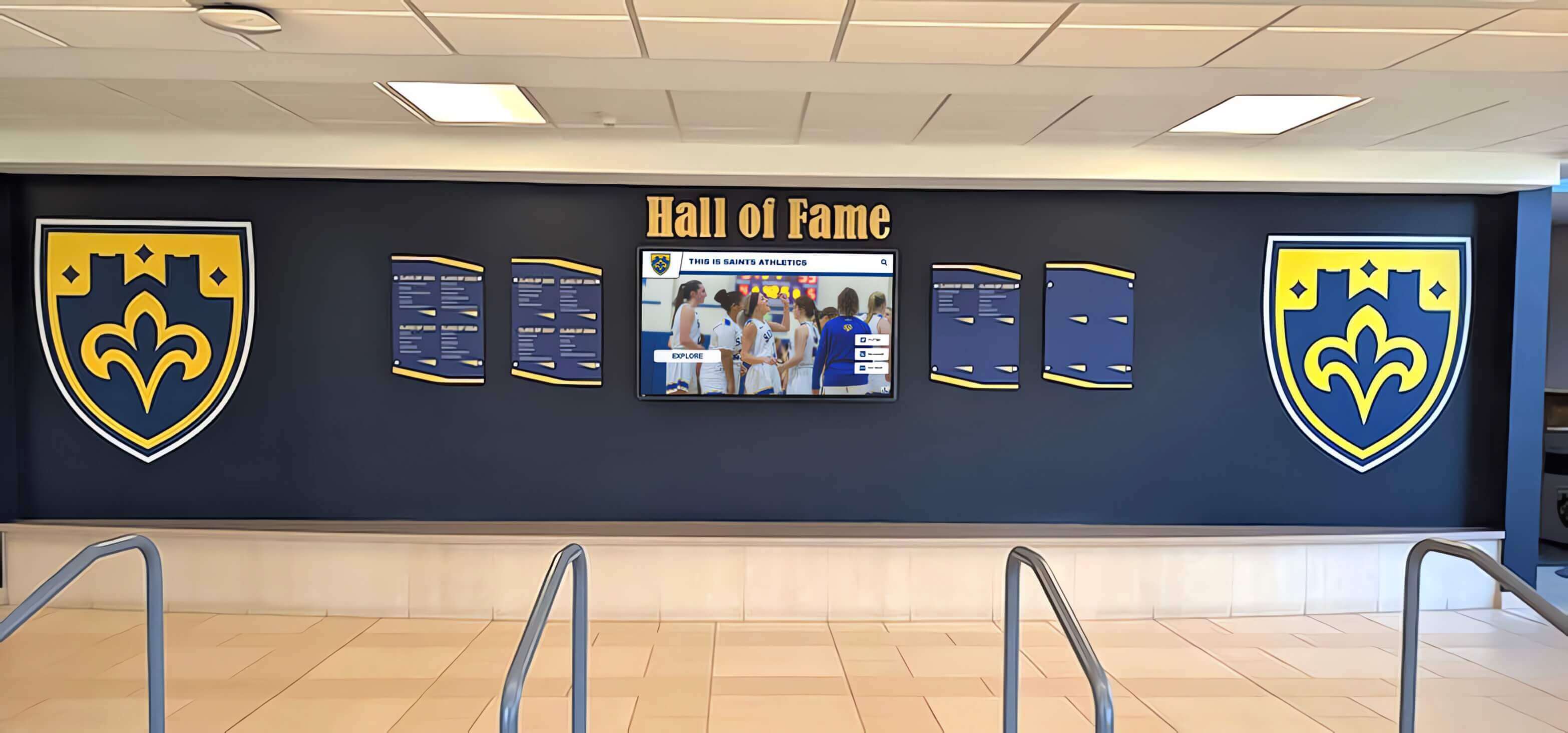
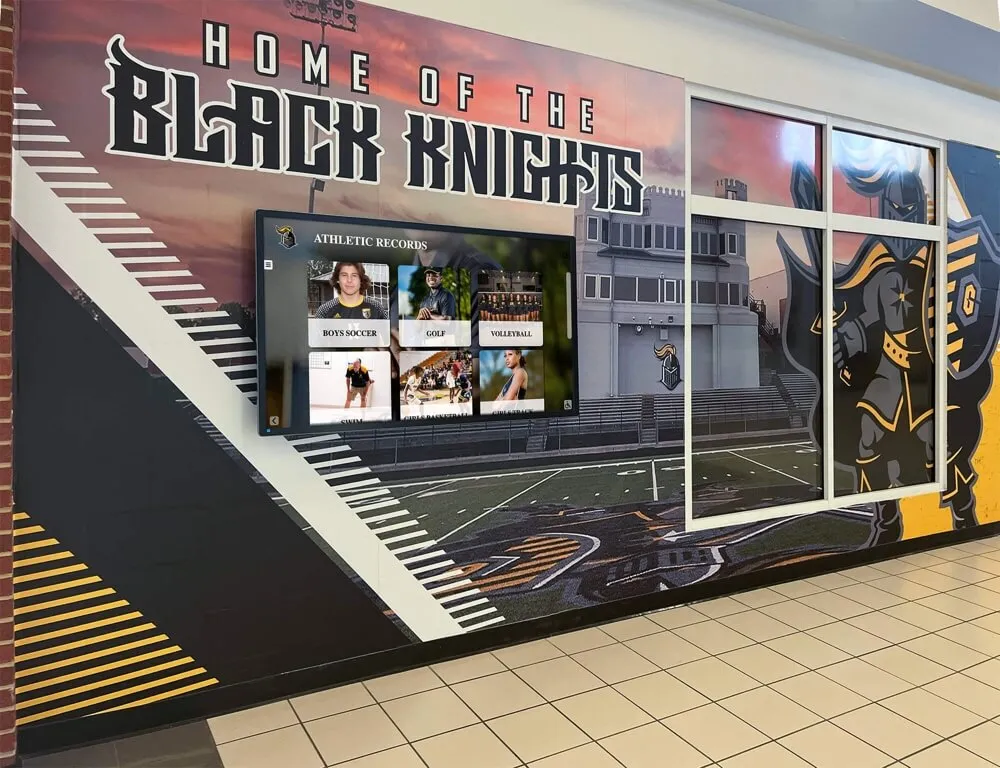
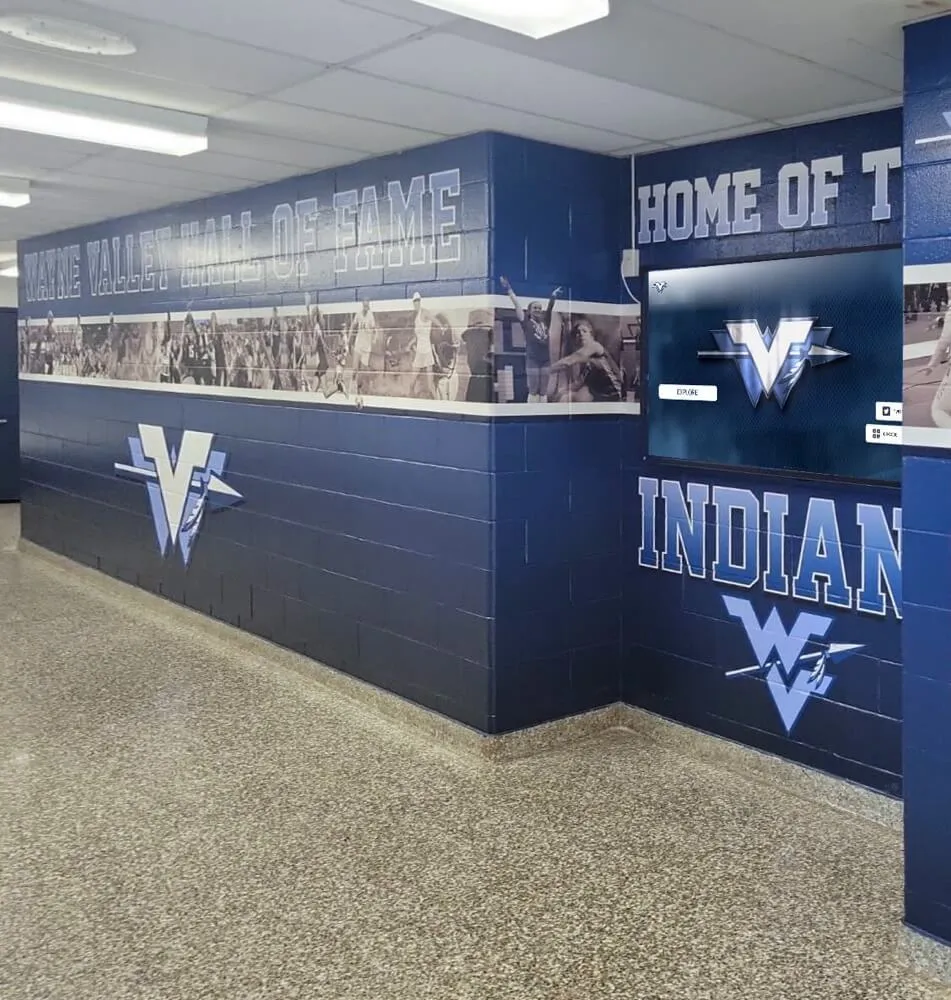
School entrances establish identity while creating welcoming environments for entire school community
Sensory and Cognitive Accessibility
Supporting diverse learning needs through thoughtful design:
Sensory-Friendly Design Elements
- Quiet zones for students sensitive to stimulation
- Visual schedules and clear activity area markers
- Consistent organizational systems reducing cognitive load
- Gradual exposure to outdoor stimuli for students unaccustomed to natural settings
- Option to observe before participating in unfamiliar activities
Multi-Sensory Learning Opportunities
- Tactile exploration through varied natural textures
- Auditory learning from environmental sounds
- Visual observation of natural phenomena
- Olfactory engagement with plant scents
- Kinesthetic learning through movement and manipulation
Universal design principles ensure outdoor classrooms serve students across the full spectrum of abilities and learning styles.
Curriculum Integration and Programming
Successful outdoor classrooms require intentional integration into educational programming:
Subject-Specific Outdoor Learning Applications
Science and Environmental Education
- Ecosystem observation and documentation
- Weather pattern tracking across seasons
- Plant and animal life cycle study
- Soil composition investigation
- Water cycle demonstration through rain gardens
- Environmental stewardship recognition celebrating student achievement
Mathematics in Natural Settings
- Measurement activities using natural objects
- Geometric shape identification in nature
- Data collection and graphing of environmental observations
- Estimation and counting with natural materials
- Spatial reasoning through outdoor navigation
- Pattern recognition in natural phenomena
Language Arts Outdoors
- Nature journaling and descriptive writing
- Outdoor reading in comfortable natural settings
- Poetry inspired by seasonal changes
- Storytelling using natural props and settings
- Vocabulary development through environmental exploration
- Research projects investigating local ecology
Arts Integration
- Plein air painting and nature sketching
- Natural materials sculpture and construction
- Land art and environmental installations
- Nature photography and visual documentation
- Outdoor performance spaces for drama and music
- Movement and dance inspired by natural elements
Professional Development for Outdoor Teaching
Teachers benefit from training supporting effective outdoor instruction:
Outdoor Classroom Management Strategies
- Establishing behavioral expectations for outdoor learning
- Attention-getting signals effective in open environments
- Managing materials and equipment in outdoor settings
- Safety protocols and emergency procedures
- Maximizing instructional time during outdoor transitions
- Weather-appropriate scheduling and backup planning
Pedagogical Approaches for Outdoor Learning
- Inquiry-based investigation methods
- Place-based education connecting curriculum to local context
- Citizen science projects contributing to authentic research
- Experiential learning cycles emphasizing reflection
- Nature-based mindfulness and social-emotional learning
Schools implementing outdoor classroom programming typically provide dedicated professional development ensuring teachers feel confident and competent teaching outdoors.
Safety, Maintenance, and Sustainability
Successful outdoor classrooms require systematic attention to safety and upkeep:
Safety Protocols and Risk Management
Outdoor environments present different safety considerations than traditional classrooms:
Environmental Hazard Assessment
- Regular inspections identifying poisonous plants requiring removal
- Bee or wasp nest monitoring and removal when necessary
- Checking for animal burrows or wildlife hazards
- Weather monitoring with clear lightning and severe weather protocols
- Sun exposure management and sunscreen availability
- Tick and insect prevention education
Infrastructure Safety Maintenance
- Regular inspection of seating, structures, and pathways
- Prompt repair of trip hazards or damaged equipment
- Snow and ice removal in winter climates
- Drainage maintenance preventing standing water
- Secure storage of tools and potentially hazardous materials
Supervision and Emergency Preparedness
- Clear supervision protocols with adequate adult-to-student ratios
- Communication systems enabling emergency contact from outdoor areas
- First aid supplies readily accessible
- Defined boundaries preventing students from wandering
- Parent notification regarding outdoor learning activities
Ongoing Maintenance Requirements
Outdoor classrooms require regular maintenance sustaining functionality:
Seasonal Maintenance Tasks
- Spring: garden bed preparation, mulching, structure inspection
- Summer: irrigation, weeding, invasive species management
- Fall: leaf management, winterization of water features, planting bulbs
- Winter: snow removal, ice prevention, damage assessment
Regular Cleaning and Upkeep
- Pathway sweeping and debris removal
- Seating cleaning preventing mildew and deterioration
- Garden maintenance and seasonal planting
- Structure inspection and minor repairs
- Technology equipment testing and maintenance
Student Involvement in Maintenance
Engaging students in outdoor classroom care develops responsibility:
- Age-appropriate maintenance tasks integrated into curriculum
- Rotating student garden care responsibilities
- Service learning projects addressing maintenance needs
- Student leadership roles coordinating upkeep efforts
Budget Considerations and Funding Strategies
Creating outdoor classrooms requires financial planning and creative funding approaches:
Phased Development Approaches
Outdoor classrooms can develop incrementally:
Phase 1: Basic Infrastructure
Initial minimal investment creating usable space:
- Site clearing and basic pathway creation
- Simple seating from natural materials or basic benches
- Defined boundaries and basic signage
- Essential plantings establishing future landscape
Phase 2: Enhanced Functionality
Improvements increasing utility and appeal:
- Permanent shade structures or improved seating
- Educational gardens and planting areas
- Water access and irrigation infrastructure
- Weather-resistant demonstration surfaces
Phase 3: Advanced Features
Long-term enhancements completing vision:
- Technology integration including displays and connectivity
- Specialized features like amphitheaters or water elements
- Artistic elements and custom installations
- Comprehensive signage and interpretive elements
Phased approaches enable schools to begin using outdoor classrooms while continuing fundraising for additional features.
Funding Sources and Grant Opportunities
Educational Foundation Grants
Numerous foundations support outdoor learning initiatives:
- Environmental education-focused foundations
- Science education improvement grants
- Healthy schools and wellness initiative funding
- Community greening and beautification programs
- Digital technology integration grants supporting outdoor learning technology
Corporate Sponsorships and Partnerships
Local businesses often support visible community projects:
- Material donations from lumber yards or landscape suppliers
- Financial sponsorship with appropriate recognition
- Employee volunteer days providing labor
- Equipment loans or donations
Community Fundraising
Engaging school community in supporting outdoor classrooms:
- Parent organization campaigns and special events
- Alumni donations supporting facility improvements
- Crowdfunding campaigns with project milestones
- Memorial gift opportunities honoring community members
- Student-led fundraising developing leadership skills
Service Organization Projects
Eagle Scout projects, Lions Club initiatives, and other service organizations frequently adopt outdoor classroom development as community service projects.
Recognition and Documentation of Outdoor Learning
Celebrating outdoor learning program achievements builds support and motivation:
Showcasing Student Environmental Achievement
Outdoor Learning Recognition Programs
- Environmental stewardship awards for student contributions
- Garden program leadership recognition
- Citizen science project participant acknowledgment
- Outdoor education milestones and accomplishments
- Student achievement displays celebrating outdoor learning
Solutions like Rocket Alumni Solutions can showcase environmental achievements alongside traditional academic recognition, ensuring outdoor learning receives appropriate visibility and validation within school culture.
Documentation and Communication
- Regular photo documentation of outdoor classroom activities
- Student-created content sharing outdoor learning experiences
- Social media highlighting outdoor programming
- Newsletter features celebrating outdoor education
- Digital archives preserving outdoor classroom program history and evolution
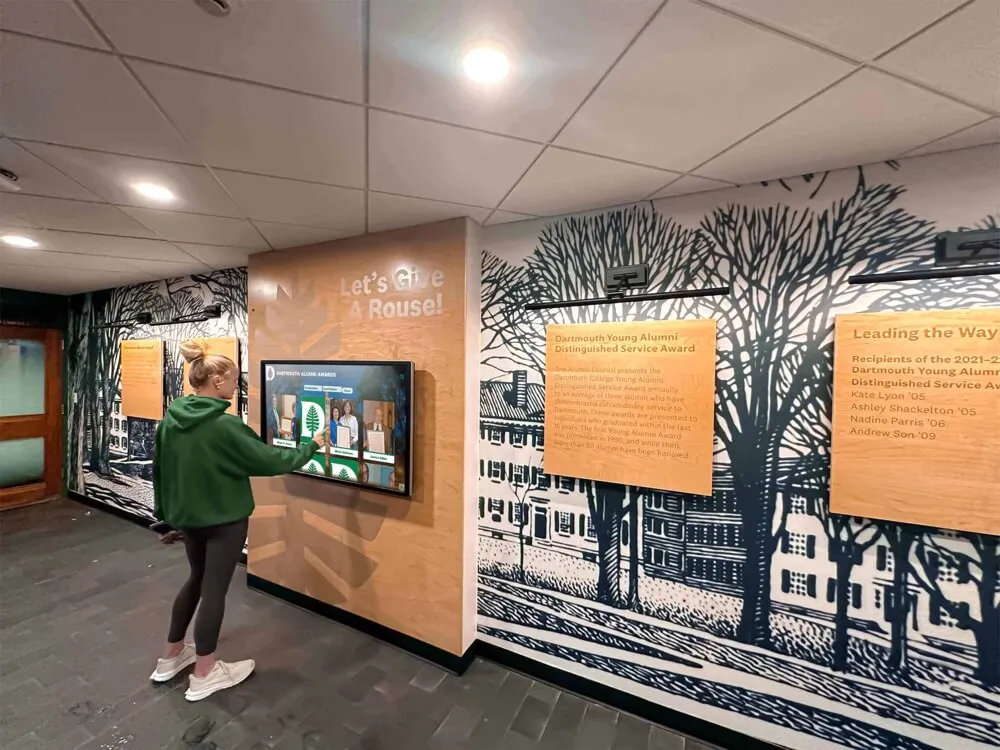
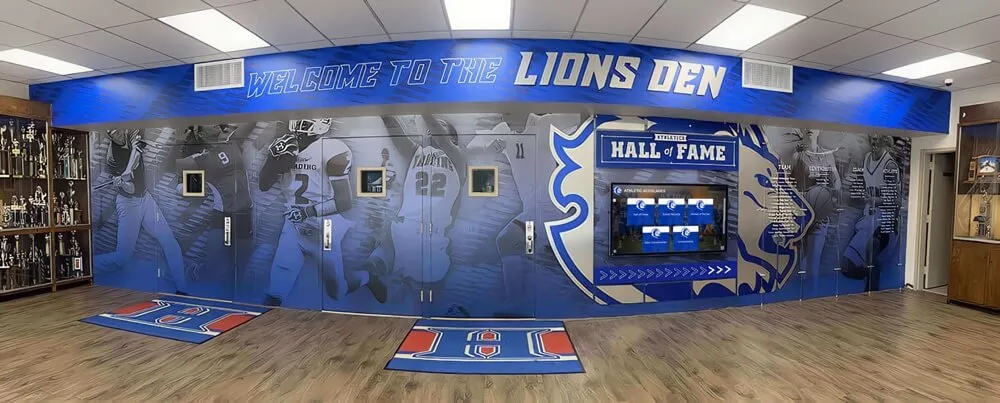
Modern educational spaces blend physical environments with digital engagement opportunities creating comprehensive learning experiences
Celebrate Outdoor Learning Achievement with Digital Recognition
Extend your outdoor classroom program impact by showcasing environmental stewardship, science achievement, and outdoor learning milestones through professional digital displays. Create comprehensive recognition celebrating students' connections to nature and environmental education accomplishments alongside traditional academic honors.
Explore Recognition SolutionsMeasuring Outdoor Classroom Impact and Success
Evaluating outdoor classroom effectiveness ensures programs achieve educational goals:
Student Outcome Assessment
Academic Metrics
- Science content knowledge gains through pre/post testing
- Environmental literacy development assessment
- Cross-curricular learning application in outdoor settings
- Student engagement levels during outdoor vs. indoor instruction
- Academic achievement recognition for outdoor learning accomplishments
Social-Emotional and Behavioral Indicators
- Student stress and anxiety levels on outdoor learning days
- Behavioral incident rates during outdoor instruction
- Peer cooperation and collaboration quality
- Environmental attitudes and stewardship behaviors
- Physical activity levels and fitness improvements
Program Utilization and Teacher Adoption
Usage Tracking
- Frequency of outdoor classroom use across grade levels
- Diversity of subjects taught in outdoor settings
- Duration of outdoor learning sessions
- Weather-related cancellations and alternative planning
- Teacher confidence and competence in outdoor instruction
Stakeholder Feedback
- Teacher satisfaction with outdoor classroom facilities
- Student preferences regarding outdoor learning
- Parent awareness and support for outdoor programming
- Community perception of outdoor education initiatives
Regular assessment enables continuous improvement ensuring outdoor classrooms remain valued educational resources serving student needs effectively.
Conclusion: Creating Outdoor Learning Spaces That Transform Education
Outdoor classroom ideas that successfully enhance educational programming share common characteristics: they address practical considerations including accessibility, weather protection, and safety while creating inspiring environments that connect students to nature; they incorporate infrastructure supporting diverse instructional approaches across subject areas; they integrate seamlessly with existing curriculum rather than functioning as isolated add-ons; and they receive sustained attention through regular maintenance, professional development, and community support.
The most effective outdoor classrooms reject the assumption that meaningful learning requires traditional indoor environments. Natural settings provide multisensory engagement that captures student attention, hands-on investigation opportunities impossible in conventional classrooms, environmental connections fostering ecological literacy and stewardship, physical activity integration supporting wellness, and learning experiences students remember and reference years later.
Modern outdoor classrooms can incorporate technology extending learning possibilities through weather-resistant displays providing multimedia instruction in natural settings, environmental monitoring equipment enabling authentic data collection and analysis, digital documentation tools helping students capture and share outdoor discoveries, and connectivity infrastructure supporting research and communication. Solutions like Rocket Alumni Solutions can extend outdoors through weather-protected displays celebrating environmental achievement and outdoor learning milestones, ensuring this important programming receives recognition alongside traditional academics.
Creating successful outdoor classrooms requires sustained commitment to thoughtful site selection addressing accessibility and environmental conditions, durable infrastructure enabling year-round utilization, landscape design supporting educational objectives while honoring natural aesthetics, curriculum integration ensuring outdoor spaces receive regular purposeful use, and systematic maintenance preserving functionality and safety. By implementing strategic outdoor classroom design, schools create valuable educational assets serving students across grades and subjects for decades.
Your school’s outdoor spaces represent opportunities to transform how students experience education. With thoughtful planning balancing educational purpose with environmental sustainability, strategic investment in weather-appropriate infrastructure, intentional curriculum integration, and ongoing commitment to maintenance and programming, you can create outdoor learning environments where students develop academic knowledge, environmental awareness, and lasting connections to the natural world.
Ready to enhance your outdoor classroom program with modern recognition displays celebrating environmental achievement and outdoor learning milestones? Discover comprehensive solutions helping schools showcase the full breadth of student accomplishment including environmental stewardship, outdoor education participation, and nature-based learning achievements alongside traditional academic recognition.