



Every year, thousands of students in welding shops, healthcare labs, culinary kitchens, IT classrooms, and automotive bays earn credentials and skills that will define their careers. The National Technical Honor Society exists specifically to recognize those students — and yet NTHS remains far less understood than its academic counterpart NHS, even among the administrators and CTE coordinators who work with these students daily.
National Technical Honor Society was founded in 1984 in Levelland, Texas, to fill a genuine gap in student recognition: career and technical education had no equivalent to the honor societies that acknowledged traditional academic achievement. Four decades later, NTHS chapters operate in high schools and postsecondary institutions across all 50 states, and the organization has become the standard-bearer for recognizing excellence in the programs that prepare students directly for workforce entry.
This guide covers everything schools need to know about NTHS — what it is, how it differs from other honor societies, how to establish and run a chapter, what membership means for students, and how to build recognition systems that give CTE honor society achievement the visibility it deserves.
Career and technical education students who reach NTHS eligibility have often been working harder and more purposefully than students in any other program in the building. The recognition they receive should reflect that. Understanding the National Technical Honor Society framework helps administrators, CTE directors, and school counselors create recognition pathways that match the real significance of technical achievement.

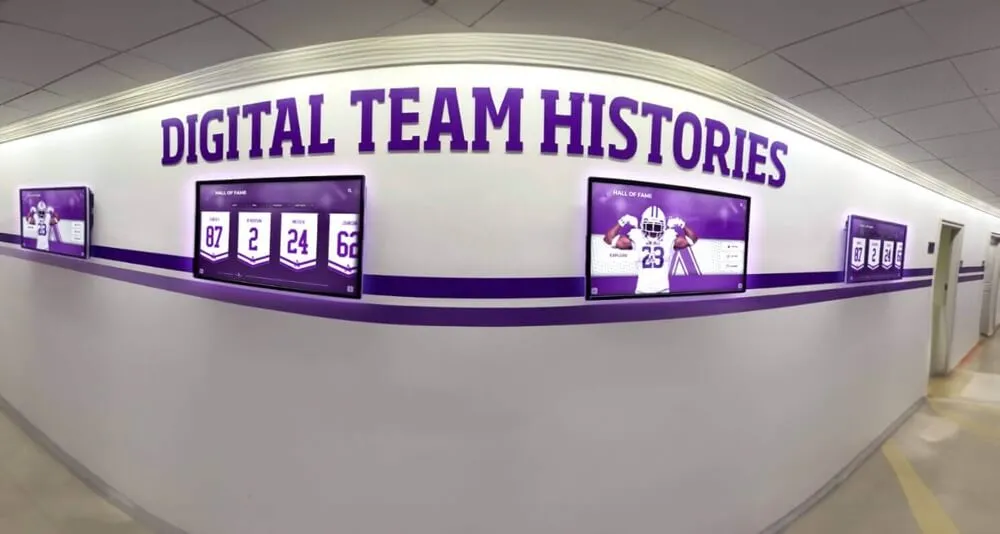
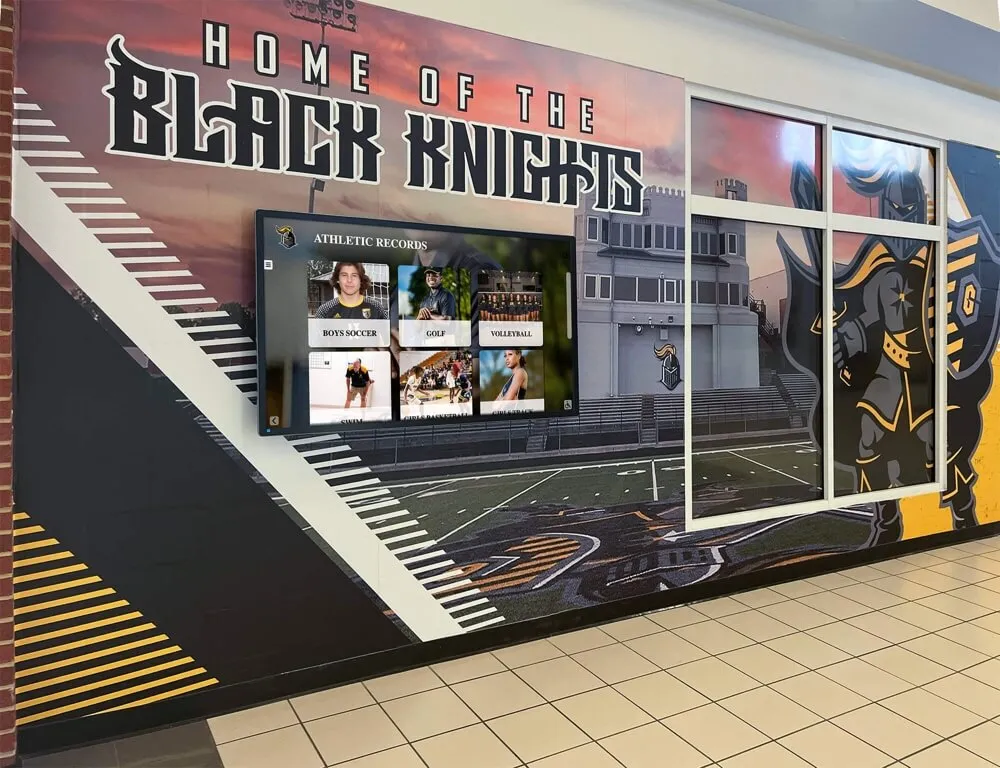
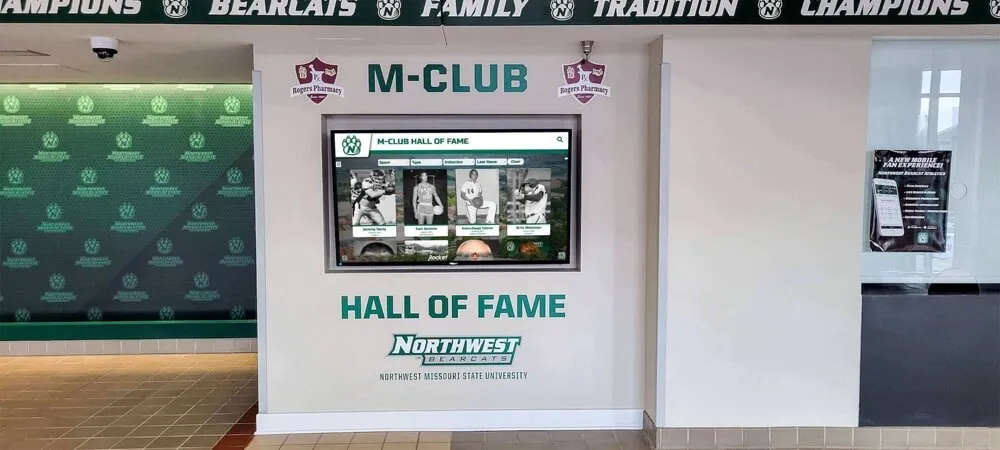
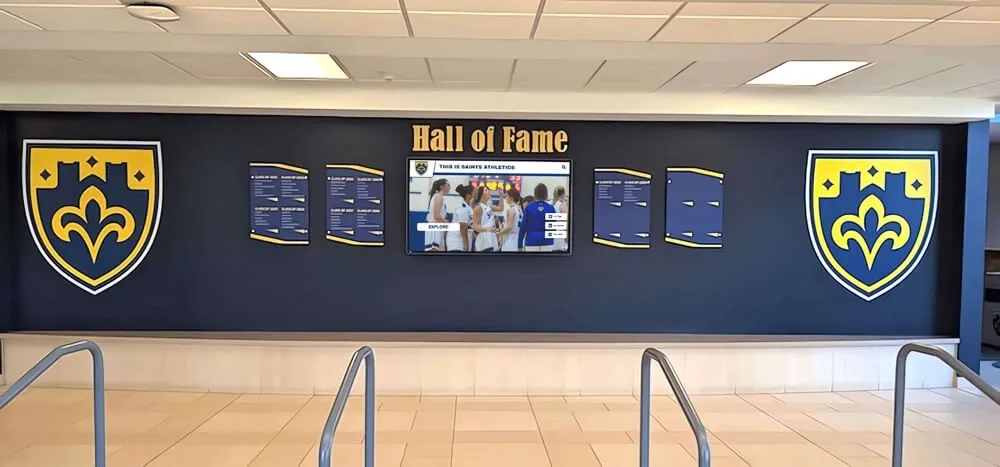
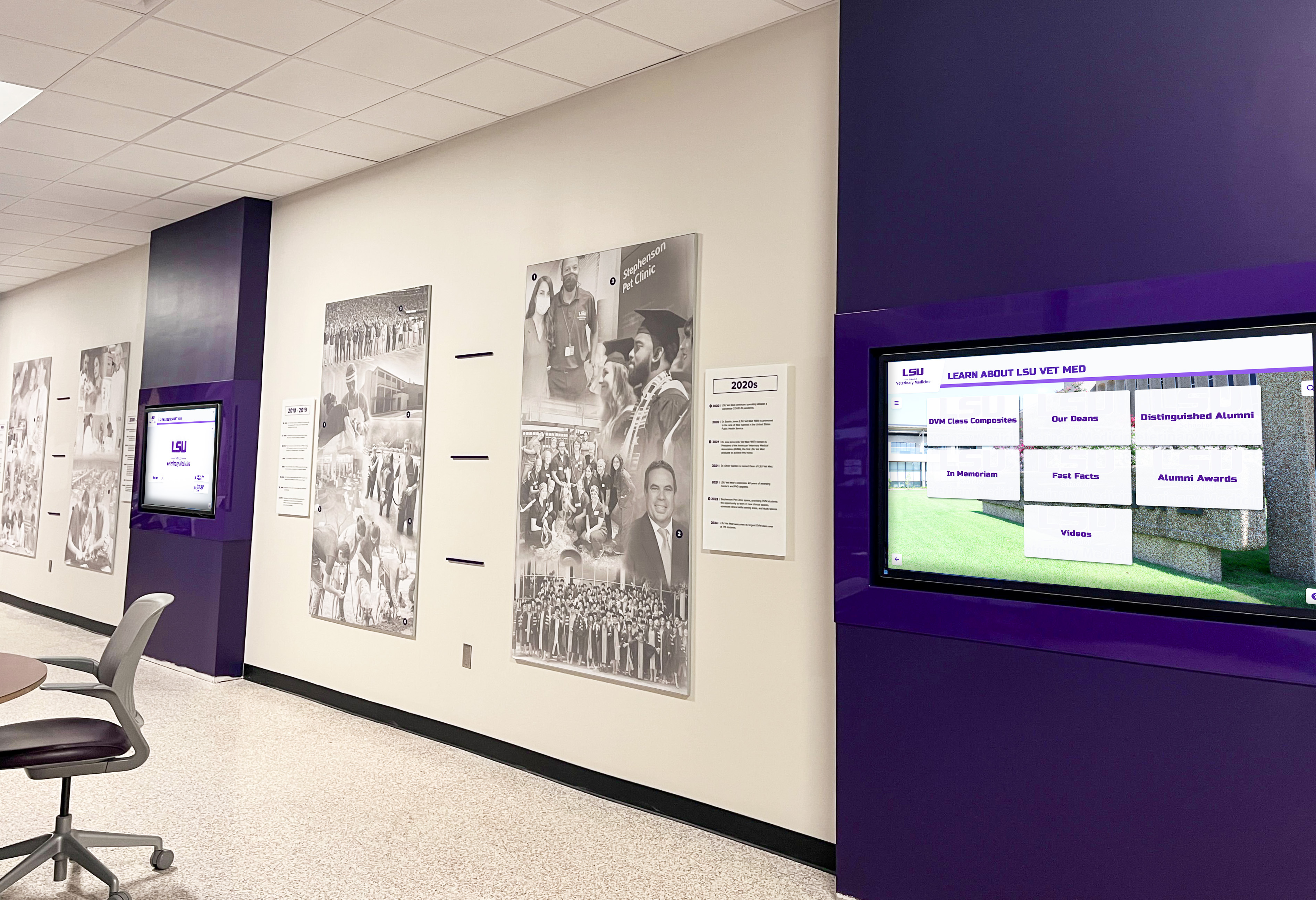
Modern digital displays give schools the capacity to celebrate CTE achievement and NTHS membership with the same visibility as any other honor
What Is the National Technical Honor Society?
The National Technical Honor Society (NTHS) is a nonprofit student organization that recognizes outstanding achievement in career and technical education. It operates on a chapter model, with individual chapters chartered at high schools and postsecondary institutions, each managed by a faculty advisor and operating under the national organization’s standards.
NTHS membership is an earned distinction — not a club students join voluntarily. Students must meet specific eligibility criteria set by their chapter (within NTHS national guidelines), be nominated or selected, and be formally inducted. The process mirrors that of traditional honor societies: faculty identification of qualifying students, review against criteria, selection, and induction ceremony.
NTHS Mission and Core Values
The organization’s stated mission centers on honoring student achievement in career and technical education, developing character and citizenship, and building a network of technically skilled graduates who carry NTHS membership throughout their professional lives. The core values recognized by NTHS chapters include:
- Technical skill and mastery — demonstrated competency in a CTE pathway
- Academic performance — grade point average thresholds in CTE coursework and overall
- Attendance and reliability — consistent presence reflecting workplace readiness
- Character and citizenship — conduct and ethical standards consistent with professional expectations
- Leadership — contribution to the school, community, or CTE program beyond minimum requirements
This multi-criteria approach distinguishes NTHS from simple GPA-based recognition. A student who earns NTHS membership has demonstrated sustained excellence across all these dimensions, not just test scores.
NTHS by the Numbers
NTHS has grown substantially since its 1984 founding. The organization now counts hundreds of thousands of members and maintains chapters in every state. According to the National Technical Honor Society, member students have collectively received millions of dollars in scholarship awards through NTHS-affiliated programs. These figures make NTHS one of the largest student recognition organizations specifically tied to career and technical education in the United States.
For schools with robust CTE departments — and increasingly, that means most comprehensive high schools — NTHS represents the most direct and credentialed way to formally recognize the students who exemplify what those programs are designed to produce.
How NTHS Differs from NHS and Other Honor Societies
One of the most common questions administrators have is how NTHS relates to the National Honor Society. The answer matters both for how schools position NTHS and for how students understand what membership represents.
National Honor Society vs. National Technical Honor Society
NHS recognizes students based on scholarship, service, leadership, and character — with scholarship defined by overall academic GPA, typically 3.0 or higher. NHS membership signals broad academic achievement across all subjects and is generally awarded to students performing at the top of their class across traditional coursework.
NTHS recognizes students specifically in career and technical education pathways. The scholarship criterion focuses on CTE coursework performance and may include overall GPA as well, but the defining context is technical mastery and professional readiness — not classroom academics alone.

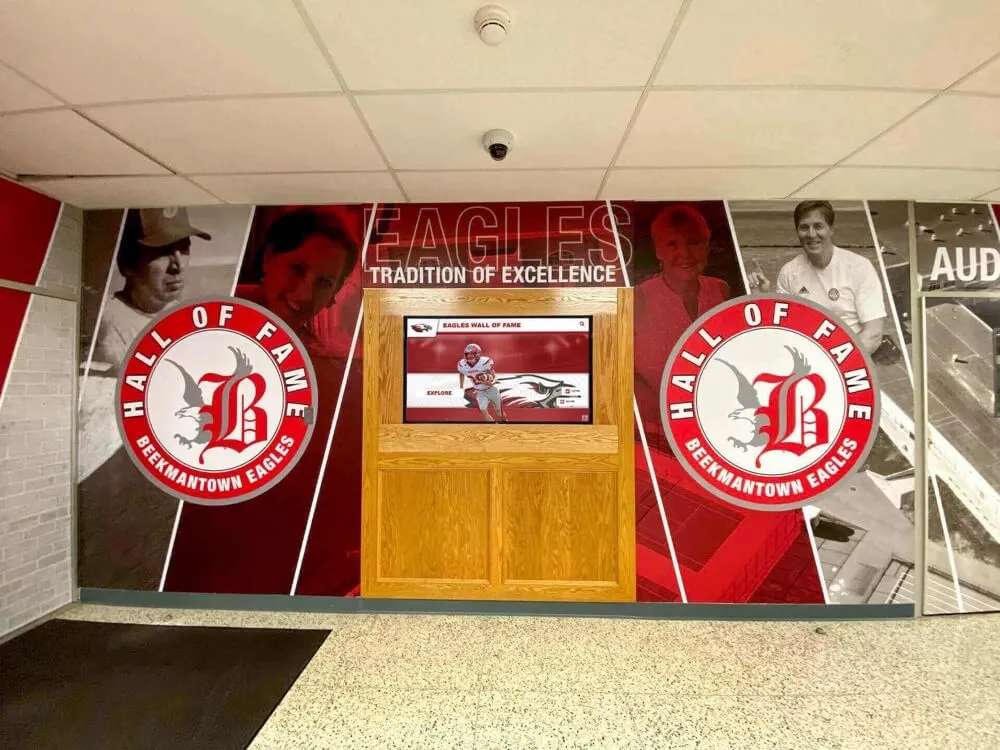
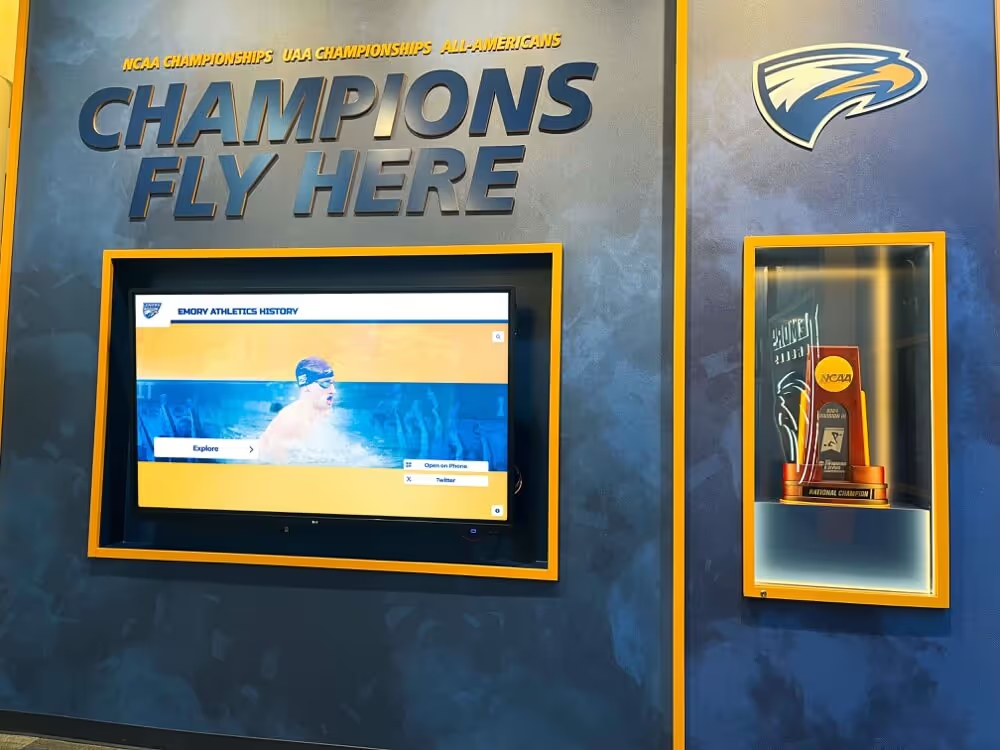
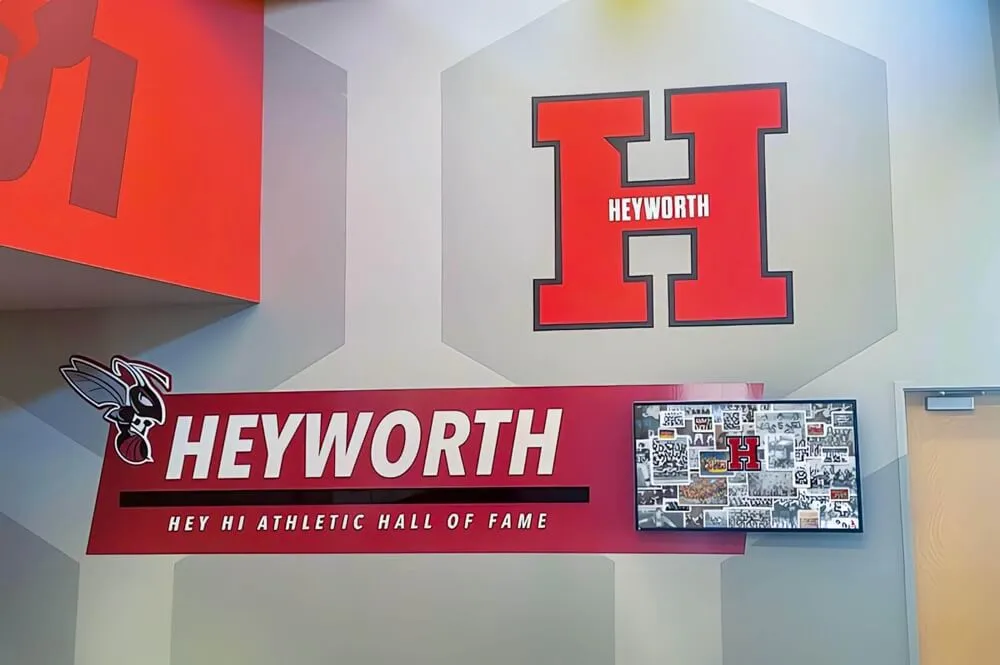
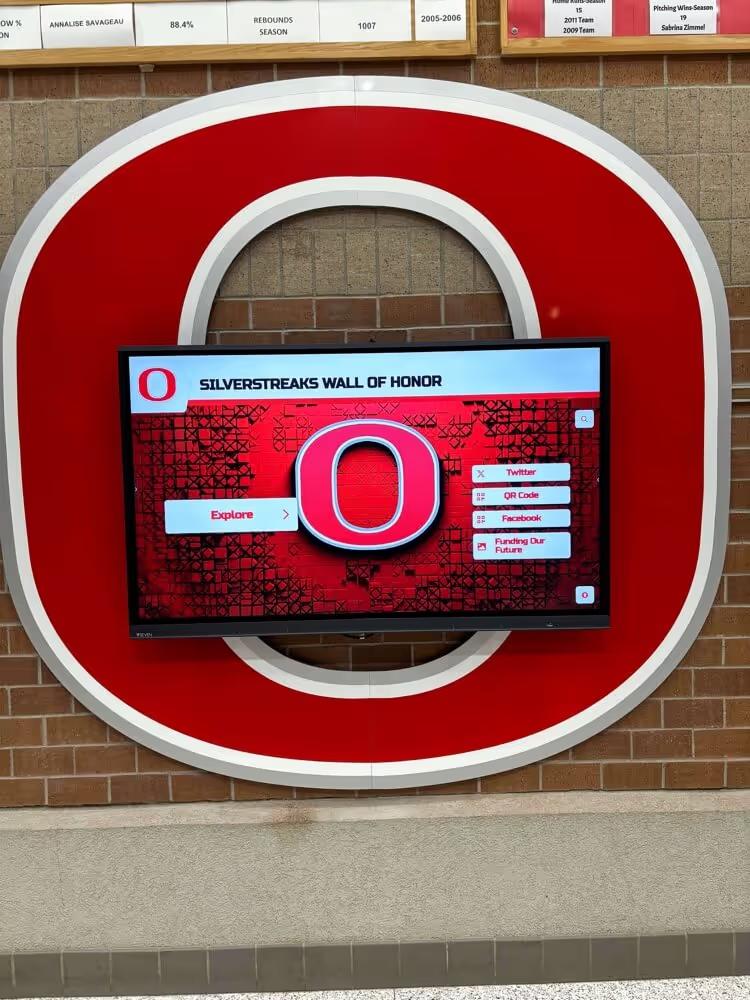
Well-designed recognition spaces bring NTHS alongside athletic and academic honors in the school's public-facing identity
This difference is important for several reasons. First, a student can belong to both NHS and NTHS — they are not competing societies. Second, a student who excels in CTE programs but carries a B average in traditional academics may not qualify for NHS but can absolutely qualify for NTHS. This makes NTHS uniquely valuable as a recognition mechanism: it creates a pathway to honor society distinction for a student population that NHS does not reach.
Other honor societies also intersect with the CTE space. Organizations like FBLA (Future Business Leaders of America) and HOSA (Health Occupations Students of America) run competitive programs that recognize achievement in specific technical fields. NTHS is distinct in that it functions as a recognition society — a membership organization — rather than a competitive program. Explore the National Beta Club recognition guide for another example of how honor societies serve different student populations.
NTHS Eligibility Requirements
NTHS sets national baseline standards that individual chapters must meet, while allowing chapters some flexibility to establish additional criteria that reflect local program expectations. The following represents the national standard criteria as published by the organization.
Academic Requirements
Students must demonstrate strong academic performance, particularly in CTE coursework:
- Overall GPA: Minimum 3.0 on a 4.0 scale (or equivalent) cumulative grade point average
- CTE coursework GPA: Strong performance specifically in career and technical education courses, often held to a higher standard than the overall threshold
- Grade level: Students must have completed sufficient coursework to demonstrate technical competency — typically this means students in 10th grade or above, though chapter policies vary
Some chapters set the bar higher. A chapter in a highly competitive CTE program may require a 3.5 overall GPA and a 4.0 in program-specific coursework. The national floor is a floor, not a ceiling.
Attendance Requirements
NTHS places notable weight on attendance because reliability is a foundational professional competency. Most chapters require:
- Attendance rate at or above a school-defined threshold — typically 90–95% of scheduled days
- Few or no unexcused absences in the current or most recent academic year
- Punctuality in CTE classes specifically
This criterion reflects the real-world standards students will face in their technical careers. An NTHS chapter that ignores attendance is missing a core element of what the honor represents.
Character and Conduct Standards
NTHS membership is a character distinction, not just a grade distinction. Chapters typically consider:
- No significant disciplinary record — specific thresholds vary by chapter policy
- Demonstrated ethical conduct in the classroom and program setting
- Positive contributions to the school community
- Conduct consistent with the values of the student’s CTE pathway (professional behavior appropriate to the field)
Faculty and program advisors typically review character criteria and have discretion to exclude students who meet academic thresholds but demonstrate conduct inconsistent with NTHS values.
Citizenship and Community Involvement
Leadership and service are assessed similarly to NHS, though with a CTE lens:
- Participation in CTE student organizations (FBLA, SkillsUSA, HOSA, FFA, etc.)
- Demonstrated leadership in program activities or competitions
- Community service relevant to the student’s technical field
- Mentoring or supporting other CTE students
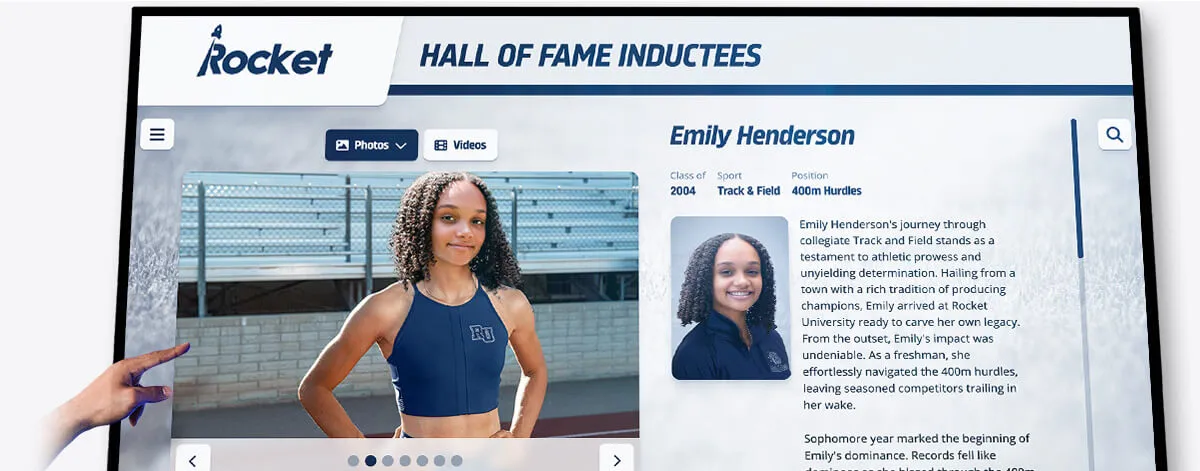
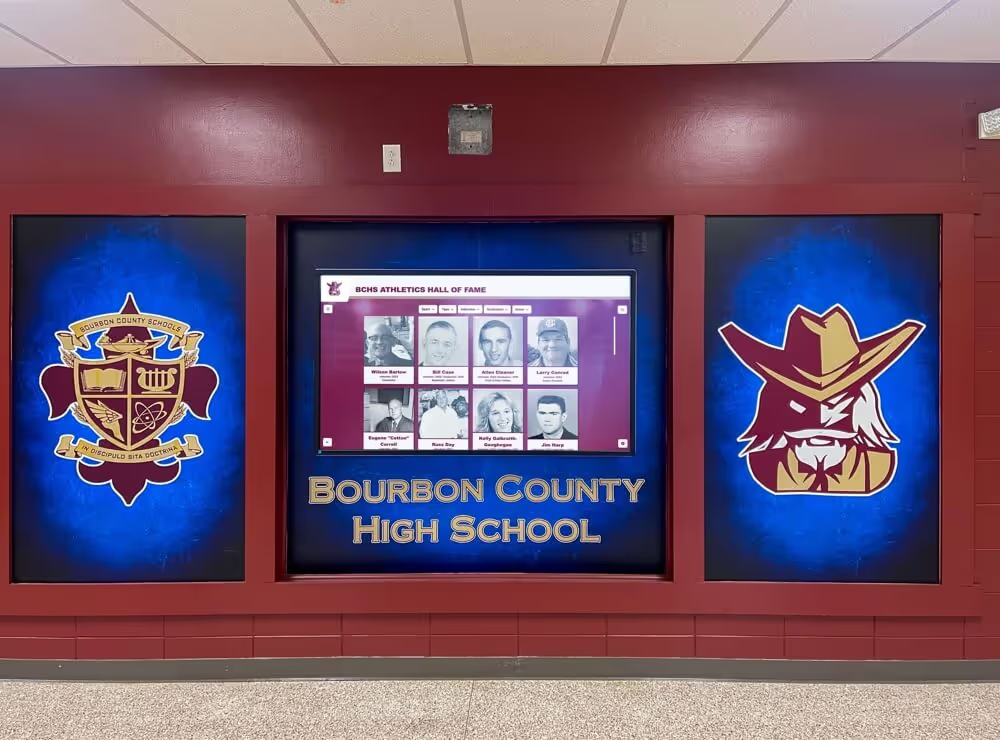
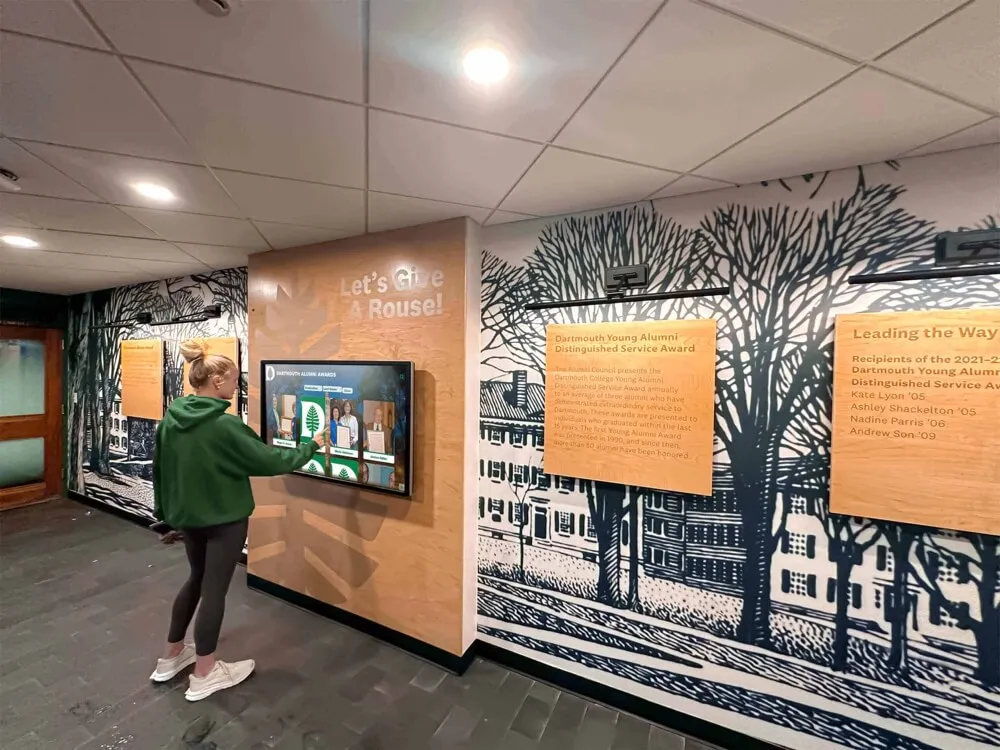
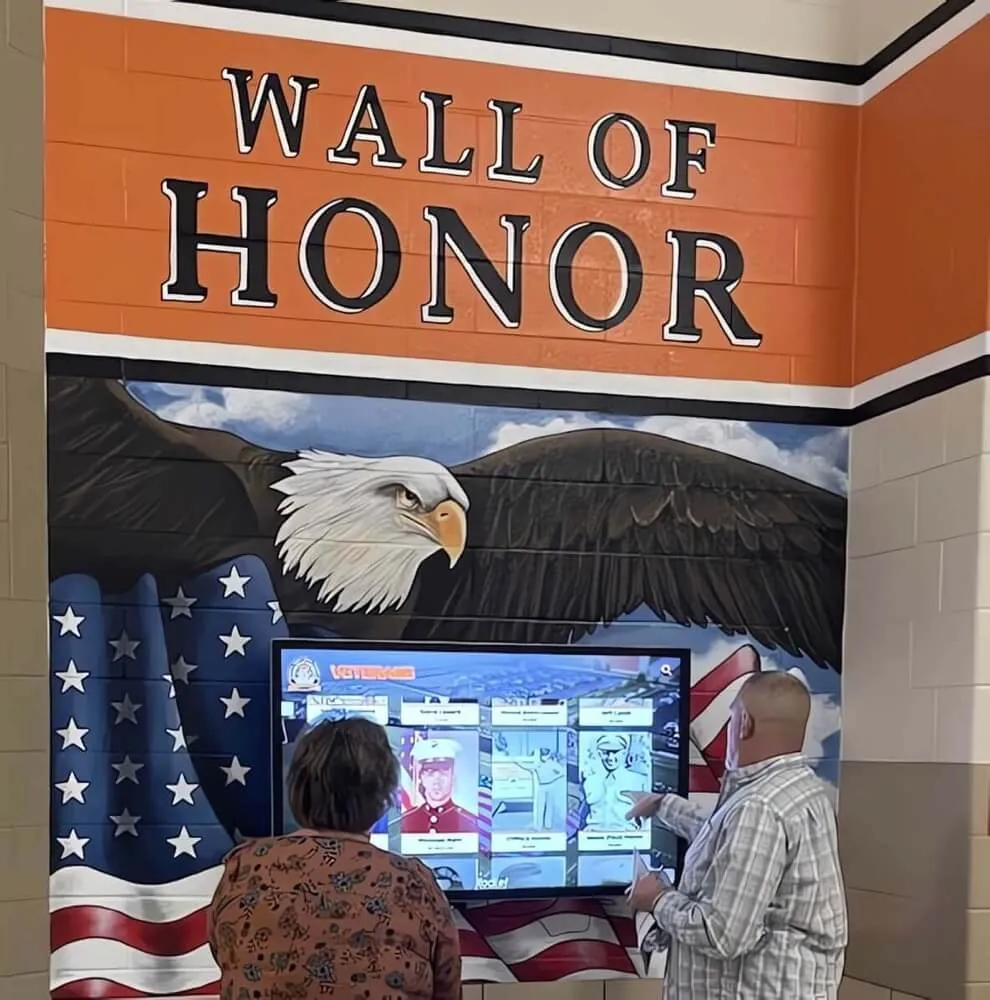
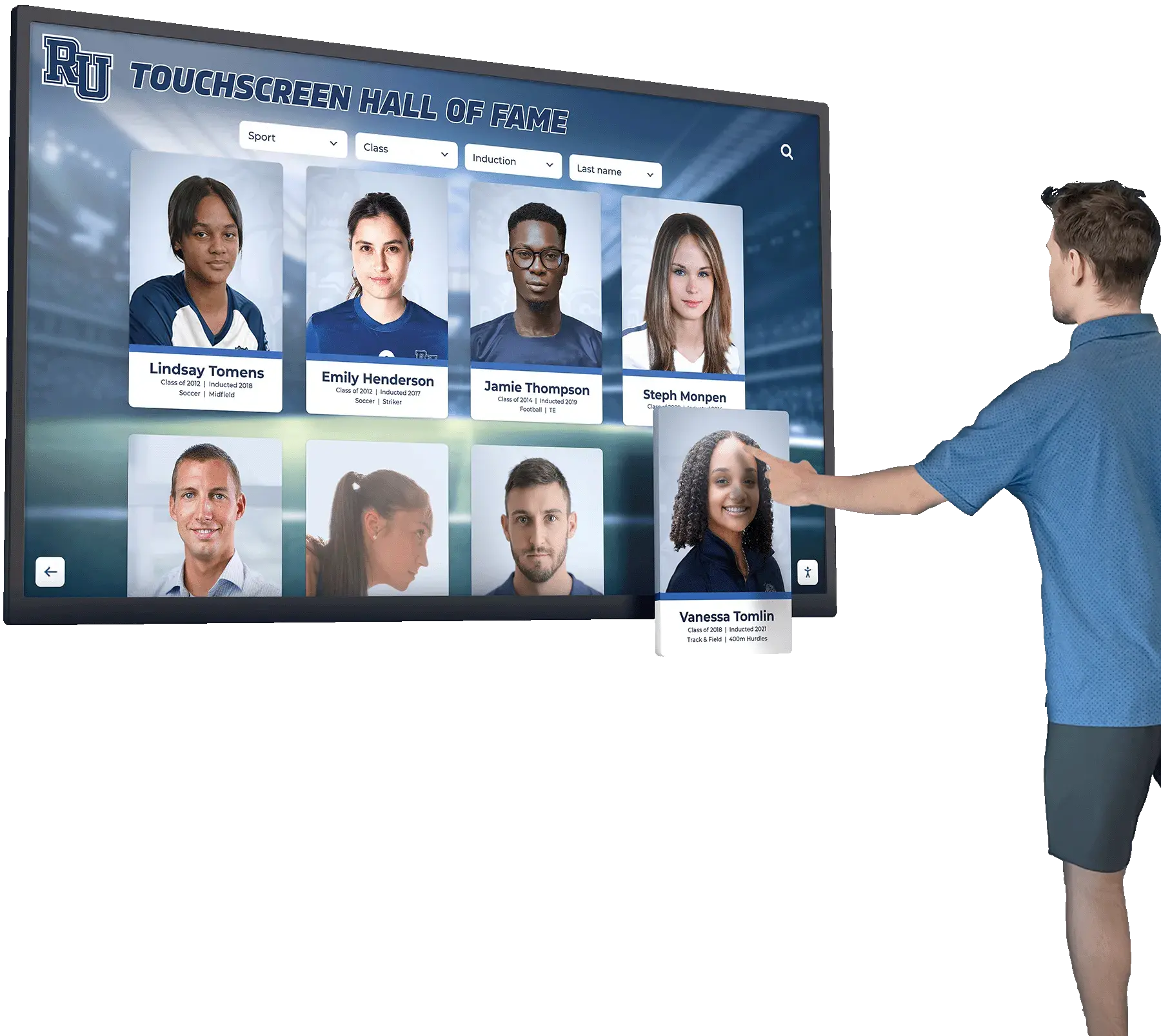
Interactive displays let NTHS members explore recognition profiles and showcase their technical achievements to visitors and peers
How Selection Works
Most NTHS chapters follow a faculty nomination or self-application process:
- Eligibility screening: Advisor or administration identifies students who meet GPA and attendance floors
- Application or nomination: Students submit materials demonstrating character and leadership criteria, or faculty members nominate
- Review committee: A faculty panel evaluates candidates against all criteria
- Selection: Committee approves members and induction is scheduled
- Induction ceremony: Formal event welcoming new members
Transparency about this process matters. Students who understand what NTHS membership requires — and why — are more motivated to achieve it.
For context on highest academic awards in high school and how institutions define and celebrate top honors across programs, it helps to see how NTHS fits within a broader recognition ecosystem.
Benefits of NTHS Membership for Students
Students who earn NTHS membership gain both tangible and long-term benefits that extend well beyond high school.
Scholarships and Financial Awards
NTHS administers and facilitates a significant scholarship program. According to the NTHS organization, affiliated scholarships have totaled in the millions of dollars awarded to member students over the organization’s history. Scholarship opportunities include:
- NTHS-administered national scholarships open to all NTHS members
- Chapter-level scholarship awards funded by local businesses, industry partners, and advisory boards
- Partner scholarships from employers in technical fields seeking to recruit NTHS-affiliated candidates
- Postsecondary institutional scholarships at community colleges and technical schools that recognize NTHS membership
For students pursuing technical careers that don’t require four-year degrees, these scholarships can represent significant tuition support for community college, technical training, or apprenticeship programs.
College and Career Applications
NTHS membership on a transcript or resume communicates specific, verifiable information to admissions offices and employers:
- The student exceeded GPA thresholds in technical coursework
- The student demonstrated professional-level attendance and reliability
- Faculty who observe students’ work and character recognized this student as exceptional
- The student belongs to a nationally recognized organization with standardized criteria
For students applying to postsecondary programs in healthcare, culinary arts, information technology, construction trades, automotive technology, and other technical fields, NTHS membership distinguishes their application with program-relevant evidence of achievement. Employers in technical industries — many of whom recognize NTHS specifically — view this membership as meaningful pre-hire evidence of work readiness.
Professional Network and Identity
NTHS membership connects students to a national network of technically trained peers and alumni. The organization maintains member listings and facilitates connections that can support job searches, mentorship, and professional development across technical fields.
Perhaps equally important is the identity dimension. A student who completes a CTE pathway and earns NTHS induction leaves high school with a concrete, recognized credential that says: you were outstanding in your field. For students who may not see themselves as “academic” in the traditional sense, this recognition provides confirmation that what they accomplished matters — and that a national organization agrees.
How to Start an NTHS Chapter at Your School
Schools without an existing NTHS chapter can petition the national organization to establish one. The process is straightforward, though it requires sustained faculty commitment to manage the chapter effectively.
Requirements for Chartering a Chapter
To charter a new NTHS chapter, schools generally must:
- Have an active CTE program — the chapter should serve students enrolled in career and technical education pathways
- Designate a faculty advisor — a committed teacher or CTE director willing to manage the chapter long-term
- Submit a charter application to NTHS national headquarters
- Pay charter fees — NTHS charges both a one-time charter fee and annual per-member dues for recognition materials
- Commit to induction ceremonies and ongoing chapter activities consistent with NTHS standards
The national organization provides chapter start-up materials, guidelines for establishing local eligibility criteria, induction ceremony scripts and resources, and ongoing support through the NTHS website and member services.
The Role of the Chapter Advisor
The faculty advisor is the operational engine of any NTHS chapter. Responsibilities include:
- Managing the annual eligibility review and selection process
- Coordinating induction ceremonies
- Ordering and distributing membership materials (pins, cords, certificates, cards)
- Communicating with national NTHS headquarters for renewals and updates
- Promoting NTHS awareness among students and faculty
- Maintaining chapter records and membership documentation
Schools that lose an active advisor often see chapter activity decline significantly. Building redundancy — cross-training a second faculty member or establishing a clear succession plan — protects chapter continuity when personnel changes occur.
Sustaining Chapter Activity
Active NTHS chapters do more than induct members annually. Strong chapters also:
- Organize community service projects aligned with CTE pathway interests
- Host recognition events for current and past members
- Connect members with scholarship application resources
- Involve industry partners in mentorship or networking events
- Recognize outgoing seniors at graduation with NTHS cords, pins, or honors
See student achievement certificates and recognition approaches for practical ideas schools use to formally acknowledge academic and technical achievement milestones.
NTHS Induction Ceremony: Making It Meaningful
The induction ceremony is the most visible moment in the NTHS calendar and deserves careful planning. Unlike a simple awards presentation, an NTHS induction formally marks a student’s admission to a recognized honor society — a distinction that should feel significant.
Ceremony Elements
A well-executed NTHS induction ceremony typically includes:
Opening and Mission Statement The advisor or a student officer reads or presents the NTHS mission, values, and criteria — so all attendees understand what membership represents and what standards inductees met.
Individual Recognition Each inductee is called by name and presented with their membership materials. Many chapters have a parent or mentor present the pin or cord as a symbolic gesture involving family in the recognition.
Membership Materials Standard NTHS membership materials include:
- Gold membership pin
- Membership card
- Certificate of induction
- Gold honor cord (for graduation wear)
- Chapter-specific awards as applicable
Induction Pledge New members formally accept the responsibilities of NTHS membership by taking the NTHS pledge, affirming commitment to the values of technical excellence, character, and service.
Remarks from Industry or Community Partners Inviting an employer, technical school representative, or community partner to speak at the induction reinforces the real-world significance of CTE achievement and NTHS membership.
Timing and Venue
Most chapters hold induction ceremonies:
- In spring following the academic year eligibility review (common for honoring juniors and seniors)
- In the fall for students who qualified at the end of the prior year
- At school events such as academic awards nights or in dedicated ceremonies in the auditorium
The venue and ceremony production signal to students how seriously the school takes NTHS membership. A ceremony held in a half-empty classroom communicates less significance than one held in the school auditorium with parents invited, programs printed, and photography arranged.
For academic recognition programs in general, the infrastructure schools build around ceremonies directly affects how much students and families value the recognition.
Displaying NTHS Achievement: Physical and Digital Options
One of the most common missed opportunities in CTE departments is inadequate long-term recognition. The induction ceremony happens, the pin gets awarded — and then what? Schools that stop there are leaving the recognition impact largely unrealized.
Lasting recognition requires that NTHS membership remains visible throughout the school year and across the years that follow. This is where display strategy matters.
Physical Display Options
Traditional approaches to displaying NTHS membership include:
- Plaques and boards listing each year’s inductees, mounted in the CTE wing or main hallway
- Trophy case inclusions with NTHS materials, certificates, or chapter awards
- Bulletin boards featuring photos of inductees, updated each induction cycle
- Banners recognizing NTHS in CTE department common areas
Physical displays serve an important purpose: they make NTHS achievement visible to students who haven’t yet qualified, signaling that this recognition is attainable and valued. See wall display case ideas for schools for implementation examples that work in CTE and academic recognition contexts.
The limitation of physical displays is capacity. A plaque can hold only so many names before it becomes impractical. Schools with decades of NTHS history can’t display all inductees in physical format without significant wall space.
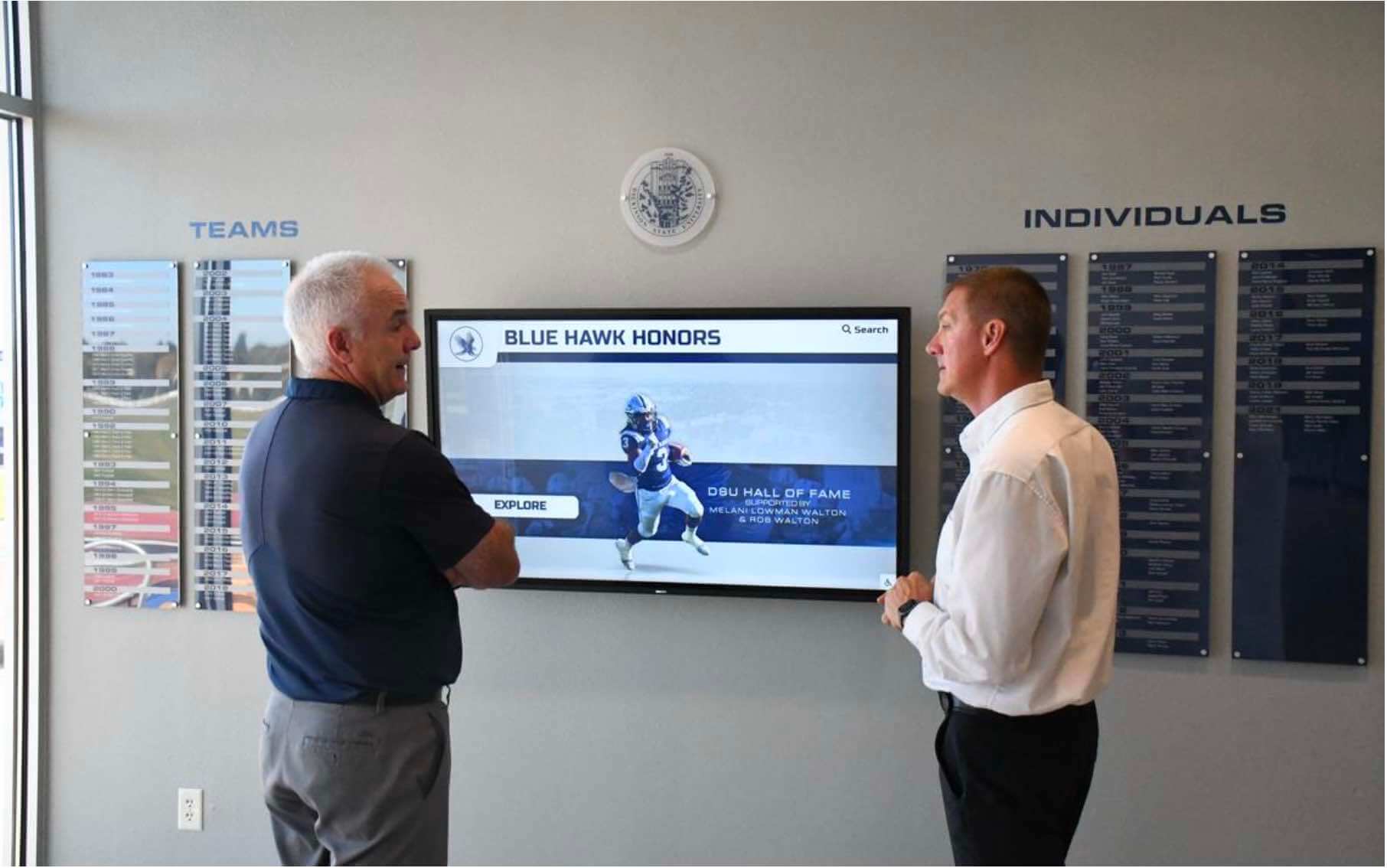
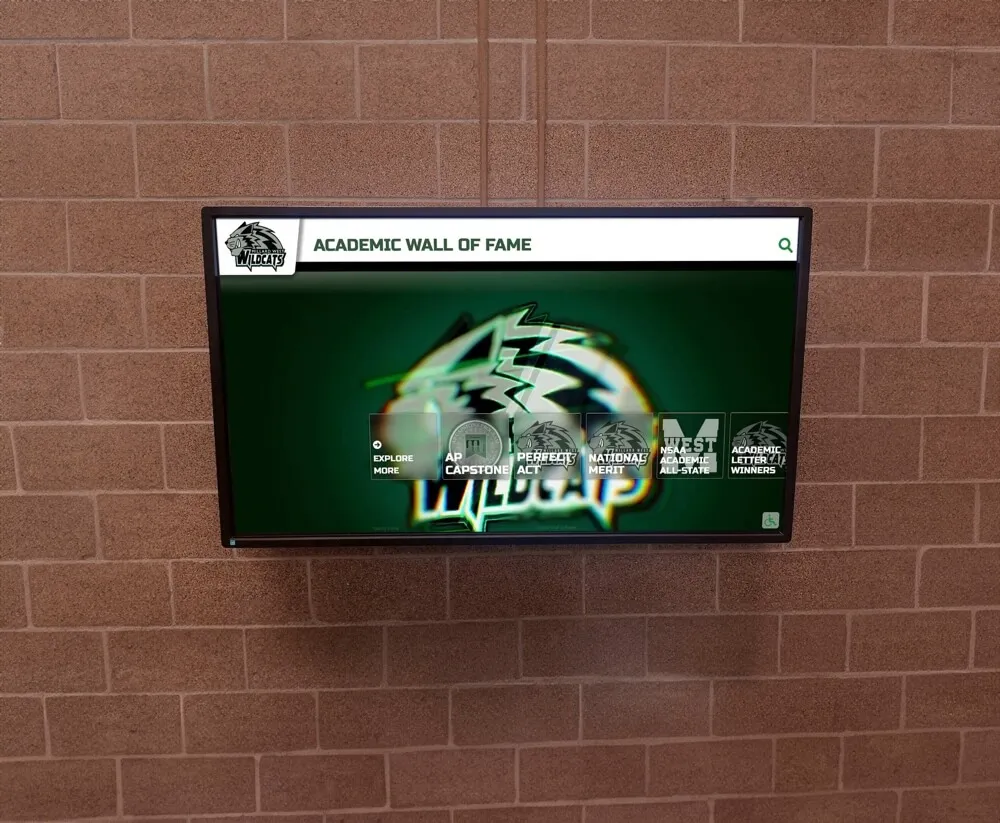
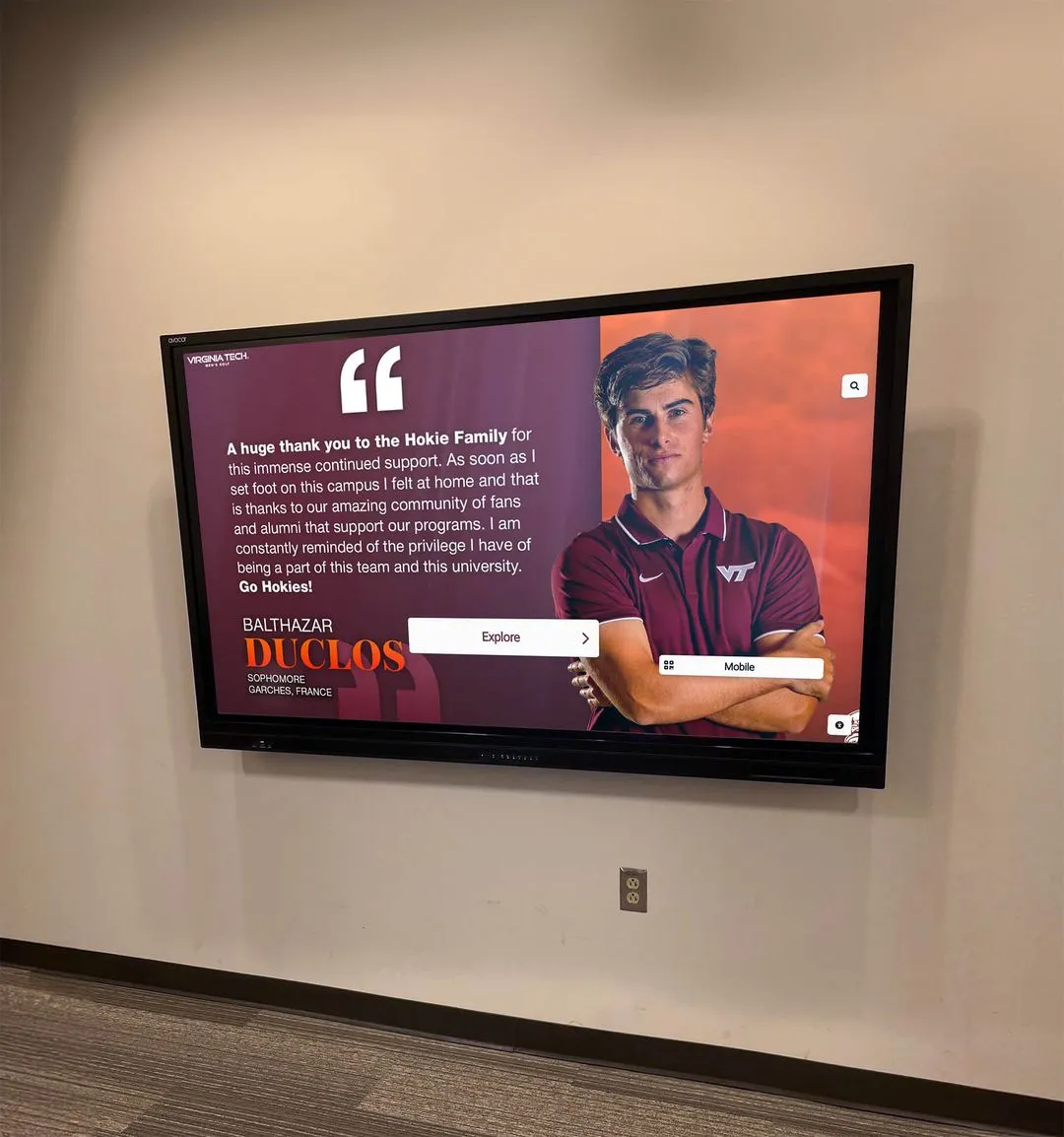
Interactive digital displays allow visitors to explore NTHS member profiles, filter by year or program, and engage with the school's CTE recognition history
Digital Recognition Displays for NTHS
Digital trophy case platforms and touchscreen recognition displays solve the capacity and engagement problems that physical displays can’t address. For NTHS recognition specifically, digital displays offer several distinct advantages:
Unlimited Member Capacity A touchscreen display can hold every NTHS inductee in school history — with photos, program details, and achievement notes — without any space constraints. Year one and year forty coexist in the same system, making the cumulative NTHS legacy visible in a way physical plaques never could.
CTE Program Integration Digital recognition systems can organize inductees by CTE pathway — welding, healthcare, IT, culinary, automotive — so students and visitors can explore recognition by the programs that matter to them. This program-level recognition reinforces the identity of each CTE department alongside the broader NTHS honor.
Photo and Profile Pages Rather than a name on a plaque, digital systems can feature each inductee’s photo, program, year, any notable achievements or certifications, and post-graduation updates. This transforms recognition from a list into a story.
Remote Updates Without IT Involvement Cloud-based content management means advisors can update inductee information, add new class photos, and publish new inductions from any internet-connected device — without submitting IT tickets or waiting for web developer time. Updates in under five minutes is a realistic expectation with modern digital recognition platforms.
Explore honor roll touchscreen displays and how schools integrate academic and technical honor recognition into unified hallway displays.
Accessibility and Compliance Quality digital recognition platforms meet ADA and WCAG 2.1 AA accessibility standards, ensuring displays serve all visitors regardless of ability. QR codes enable students and families to view NTHS recognition on mobile devices — extending visibility beyond the physical display location.
Building a Full NTHS Recognition Ecosystem
Schools that do NTHS recognition well don’t rely on a single ceremony or a single display. They build a recognition ecosystem that reinforces NTHS achievement at multiple touchpoints throughout the year.

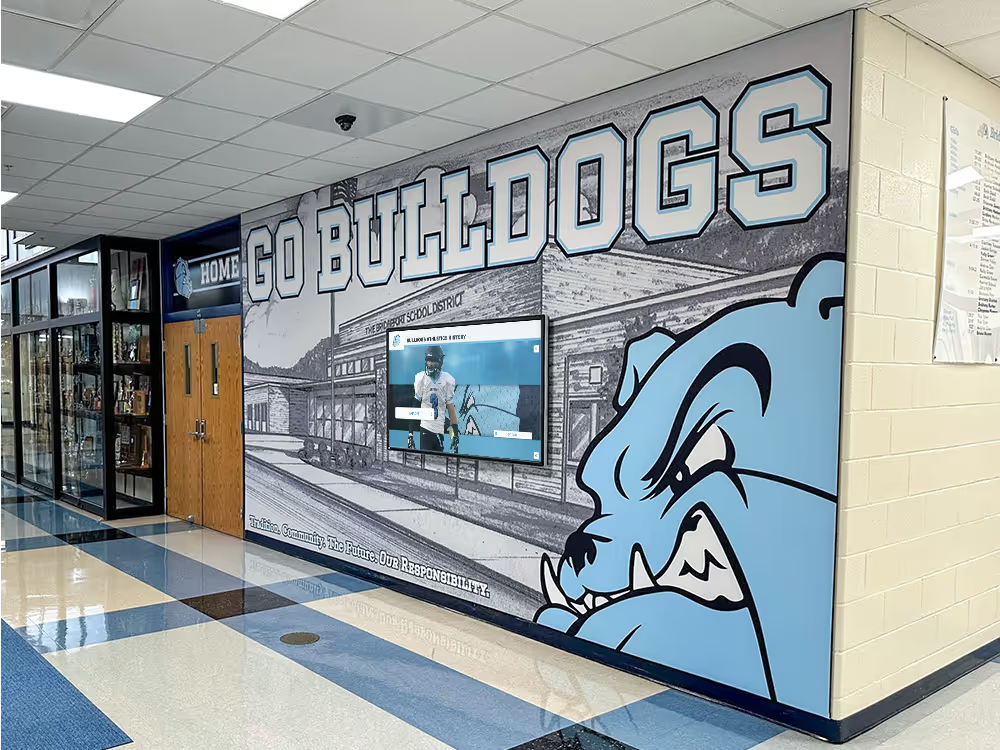
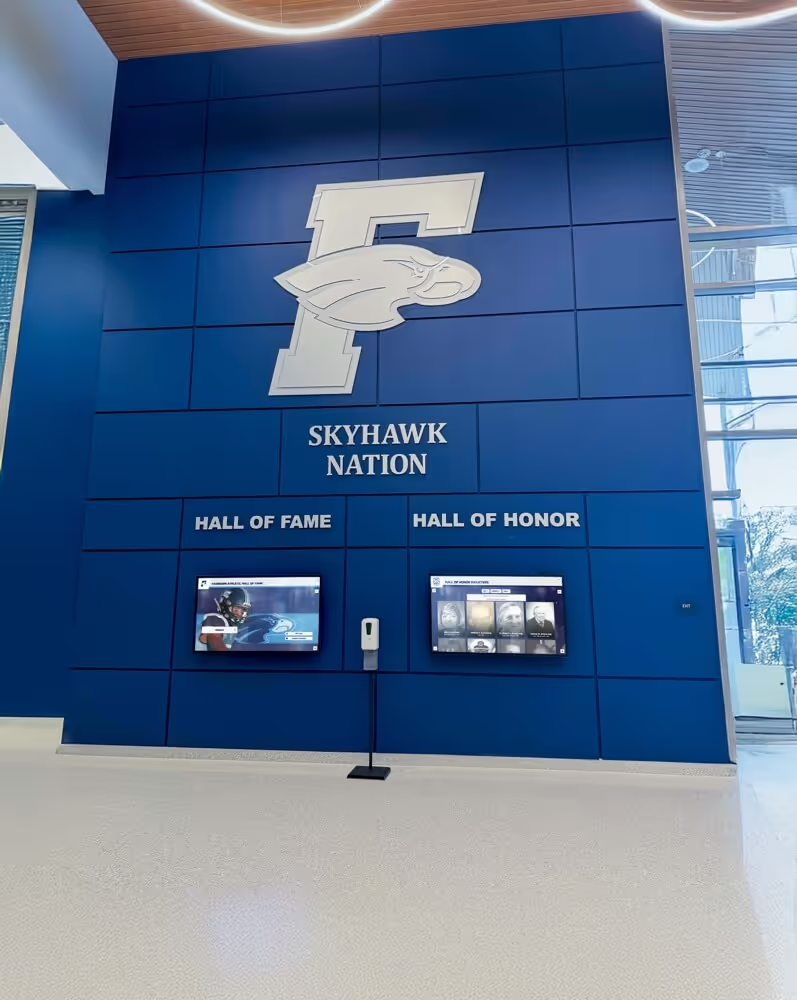
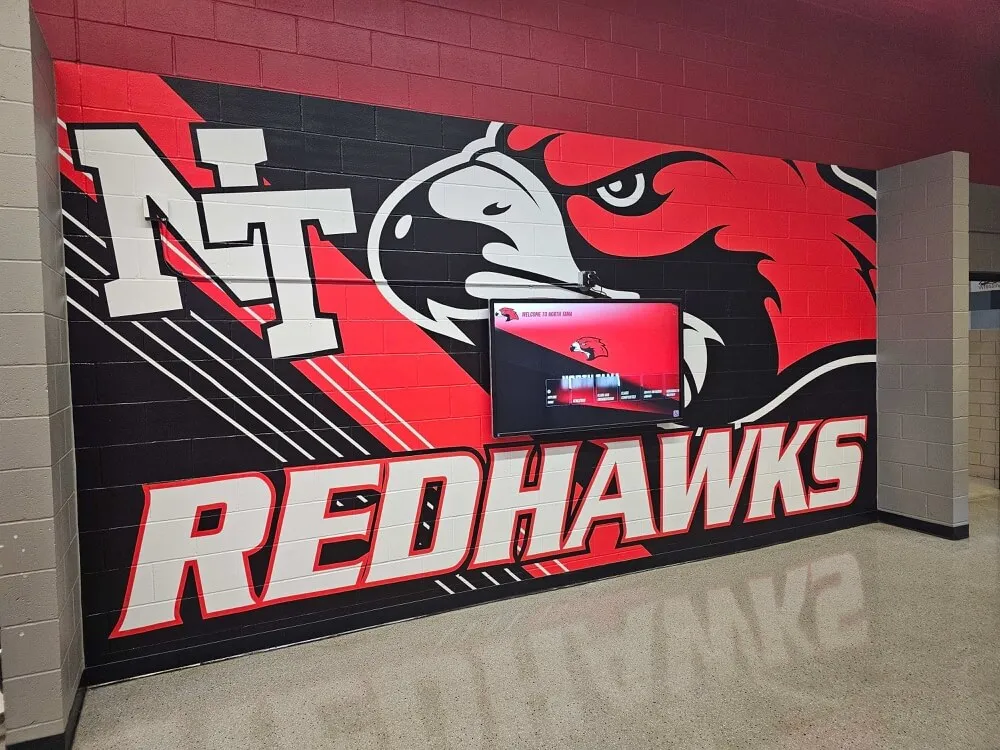
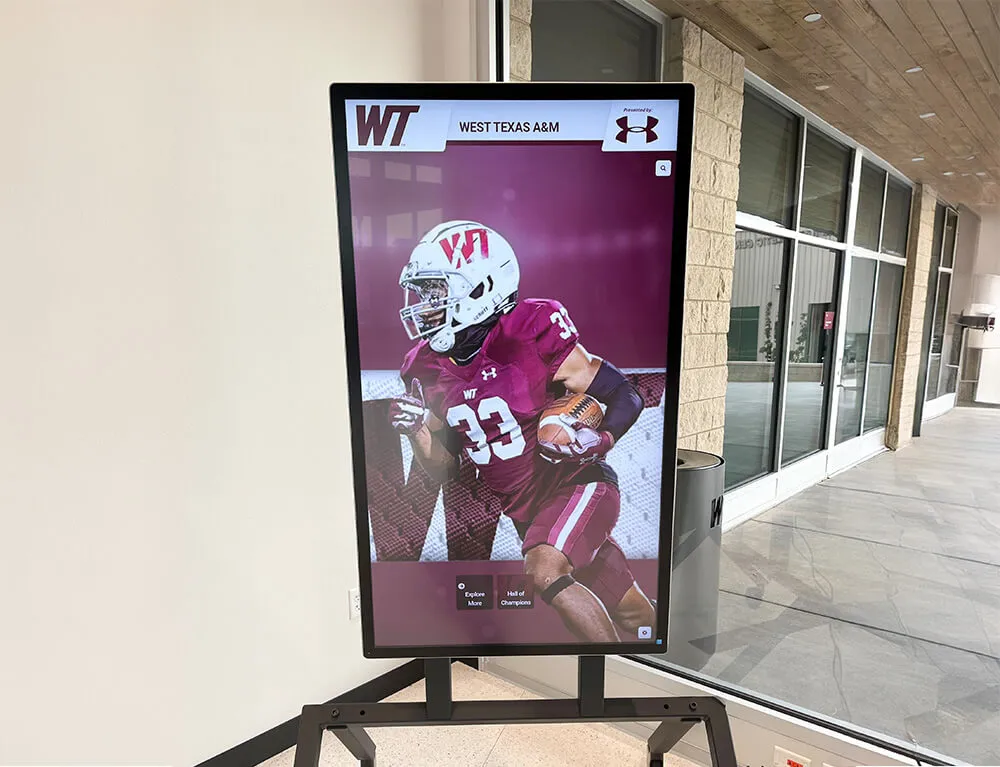
Touchscreen kiosks placed in high-traffic lobby areas give NTHS recognition visibility to every student, parent, and visitor who enters the building
Ceremony — The Event
The induction ceremony is the emotional center of NTHS recognition. It’s the moment families attend, photographs are taken, and students experience the formal acknowledgment of their achievement. No other recognition touchpoint replaces it.
Visible Display — The Reminder
Permanent or semi-permanent displays in high-traffic areas remind the school community throughout the year that NTHS exists, that membership is an honor, and that these specific students earned it. Honor cords and graduation recognition represent the most public visibility NTHS members receive — but only for the graduating class. Year-round displays fill the gap.
Communication — The Amplification
Social media posts, morning announcements, school newsletters, and local press notices extend recognition beyond the school building. When a student’s NTHS induction appears on the school’s Instagram or in the local paper, it reaches family networks and community members who never enter the building.
Digital Archives — The Legacy
Long-term digital archives give NTHS membership historical weight. A student who was inducted five years ago should still appear in the school’s recognition system — not just for nostalgia, but because that historical depth gives current students context for what they’ve achieved. Compare your class of 2026 inductees to those from 2006. That continuity is part of what makes honor society membership meaningful.
See academic excellence awards and recognition systems for approaches schools use to build recognition environments where honor distinctions carry long-term significance.
NTHS Recognition and the School’s Public Identity
Recognition of NTHS achievement is not just a student welfare issue — it’s a school identity issue. Schools with visible, well-maintained NTHS recognition communicate to students, families, and community partners that career and technical education is valued at the highest levels of institutional culture.
CTE Programs in the Context of School Pride
Athletic trophy cases are common in virtually every school in America. Academic honor society plaques appear in most school hallways. But CTE achievement recognition — NTHS member boards, SkillsUSA championship displays, industry certification walls — remains inconsistent and often underdeveloped.
This inconsistency sends a message, whether intended or not. Students who observe elaborate athletic display infrastructure alongside minimal CTE recognition absorb a hierarchy of what the school values. Schools that invest in NTHS recognition — through ceremonies, displays, and digital platforms — actively push back against that hierarchy.

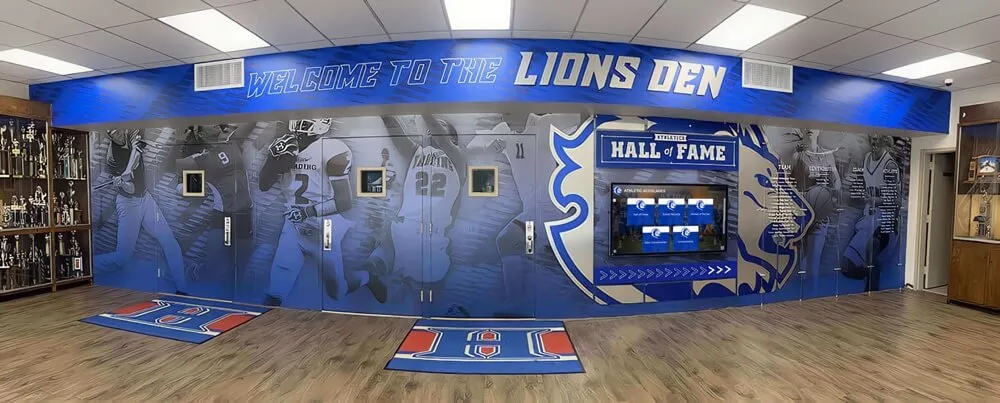
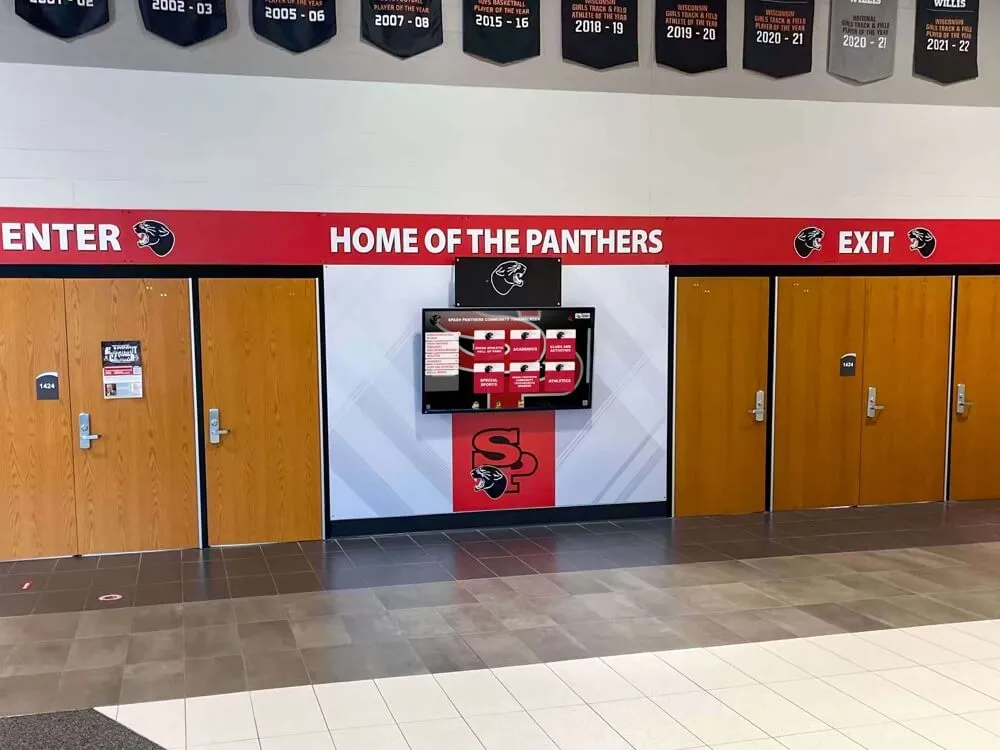
Recognition hallways that incorporate CTE honors alongside athletic and academic achievements signal institutional investment in the full range of student excellence
Recruiting and Enrollment Impact
When prospective students and families tour a school and see active, well-maintained NTHS recognition, it signals that the CTE programs are serious, that achievement in those programs is valued, and that students who excel will be recognized for it. This visibility supports CTE enrollment by making the programs’ achievement culture visible to families at the evaluation stage.
Community college advisors and employers who partner with high school CTE programs also take note of NTHS infrastructure. A chapter with strong induction rates, visible school support, and documented achievement history is a more credible partner program.
Explore digital hall of fame software for schools and how institutions are building integrated recognition environments that serve athletics, academics, and CTE programs from a single platform.
Common Questions About NTHS
Can a student be in both NHS and NTHS?
Yes. The societies are not mutually exclusive. A student who meets both NHS and NTHS criteria can hold membership in both, and many high achievers in dual-enrollment or academically strong CTE pathways do exactly that.
Does NTHS membership appear on a college transcript?
NTHS membership is typically listed on the student transcript as an extracurricular or honor distinction, depending on how the school records honors designations. Students should confirm with their school registrar how NTHS is documented. It also appears on resumes and the Common App activities section.
What is the NTHS honor cord color?
NTHS honor cords are gold. Students who are inducted wear gold cords at graduation, visually distinguishing NTHS members from the broader graduating class. Some chapters also use white or blue accents depending on regional or chapter-specific traditions. Review honor cord colors by GPA and honor society for context on how different honor organizations differentiate membership through graduation regalia.
How much does it cost to start an NTHS chapter?
NTHS charges a charter fee for new chapters and annual per-member fees for materials including pins, certificates, and membership cards. Specific fee schedules are available directly through the NTHS organization’s website at nths.org. Schools should budget for both the charter setup cost and ongoing annual membership material costs.
How is NTHS different from SkillsUSA?
SkillsUSA is a career and technical student organization (CTSO) focused on competitions, professional development, and chapter activities. NTHS is an honor society — a recognition organization that selects members based on achievement criteria. Students can participate in SkillsUSA competitions and also be inducted into NTHS; the organizations serve different but complementary purposes.
What Rocket Alumni Solutions Offers for CTE and NTHS Recognition
Schools looking to elevate how they display NTHS achievement alongside broader student recognition have a straightforward option in Rocket Alumni Solutions. The platform’s touchscreen digital trophy cases and interactive wall-of-fame systems are designed specifically for the school recognition context — including academic honor societies, CTE achievement, athletics, and alumni milestones in a single unified display.
For NTHS recognition specifically, Rocket’s platform allows advisors to:
- Create individual inductee profiles with photos, CTE program details, and achievement notes
- Organize recognition by induction year, CTE pathway, or program area
- Update the display remotely via cloud-based CMS without IT intervention
- Publish new inductee content on a scheduled basis to align with ceremony timing
- Display NTHS recognition alongside athletic championships, honor roll, and other achievements in the same interactive system
- Meet ADA and WCAG 2.1 AA accessibility standards automatically
The result is a recognition environment where NTHS membership has the same visual weight and long-term archival depth as any other honor the school celebrates — and where the cumulative history of the chapter is always accessible and always up to date.
Conclusion: NTHS Recognition That Reflects What Students Earned
The National Technical Honor Society was built on a straightforward premise: students who excel in career and technical education deserve formal, nationally recognized honor society distinction. Four decades after its founding, that premise is more relevant than ever as CTE programs grow in enrollment, institutional importance, and direct career-pathway value.
Schools that invest in NTHS — through charter establishment, strong selection processes, meaningful induction ceremonies, and lasting recognition displays — build recognition cultures where technical excellence is treated with the seriousness it deserves. Students who earn NTHS membership have typically put in years of program-specific work to qualify. The recognition they receive should honor that effort in proportion.
The best digital wall of fame implementations don’t treat CTE recognition as an afterthought. They integrate NTHS alongside every other form of student achievement in a unified, high-visibility environment that tells the full story of what your school’s students accomplish.
Start with a clear selection process and a ceremony that families want to attend. Build toward displays that make NTHS visible every day, not just in April. Document the history of your chapter so that year-one inductees appear alongside this year’s class in a system that grows more valuable every year.
Your CTE students are doing extraordinary work. Give them the recognition infrastructure that extraordinary work deserves.
Build a Recognition Display Your NTHS Chapter Is Proud Of
Discover how Rocket Alumni Solutions' touchscreen digital trophy case platform can help your school celebrate NTHS members, CTE achievement, and every other student honor — all in one modern, cloud-managed display.
Explore Recognition Solutions