



The athletic director glances at the growing list of seniors headed to compete at the collegiate level—seven student-athletes across four sports committed to continuing their careers beyond high school. These moments represent years of dedication, countless early morning workouts, academic balance, and family sacrifice culminating in earned opportunities to compete at the next level.
Yet too many schools treat National Signing Day as a brief announcement during morning classes or a quick social media post rather than the profound achievement it represents. Student-athletes who earned college opportunities deserve recognition matching their accomplishment, while younger athletes need visible examples showing that college athletics remains an attainable goal through sustained commitment.
This comprehensive guide explores how high schools can meaningfully celebrate National Signing Day 2026, creating recognition experiences that honor college-bound athletes, inspire younger teammates, engage families, and build lasting traditions showcasing your program’s commitment to athlete development beyond wins and losses.
National Signing Day celebrations extend beyond ceremonial photo opportunities—they create strategic recognition demonstrating that your athletic program values comprehensive athlete development, celebrates academic and athletic achievement equally, and maintains relationships with athletes whose success continues beyond graduation. Schools excelling at signing day recognition create signature traditions that strengthen program culture while providing permanent visibility for athletes who represent the highest level of program accomplishment.

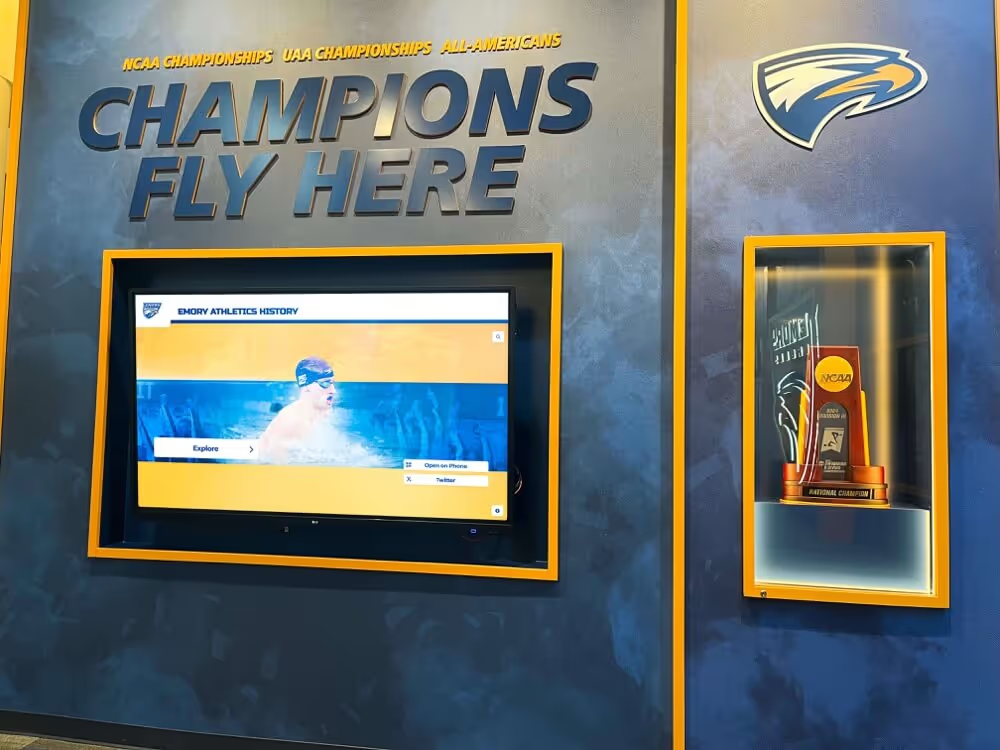
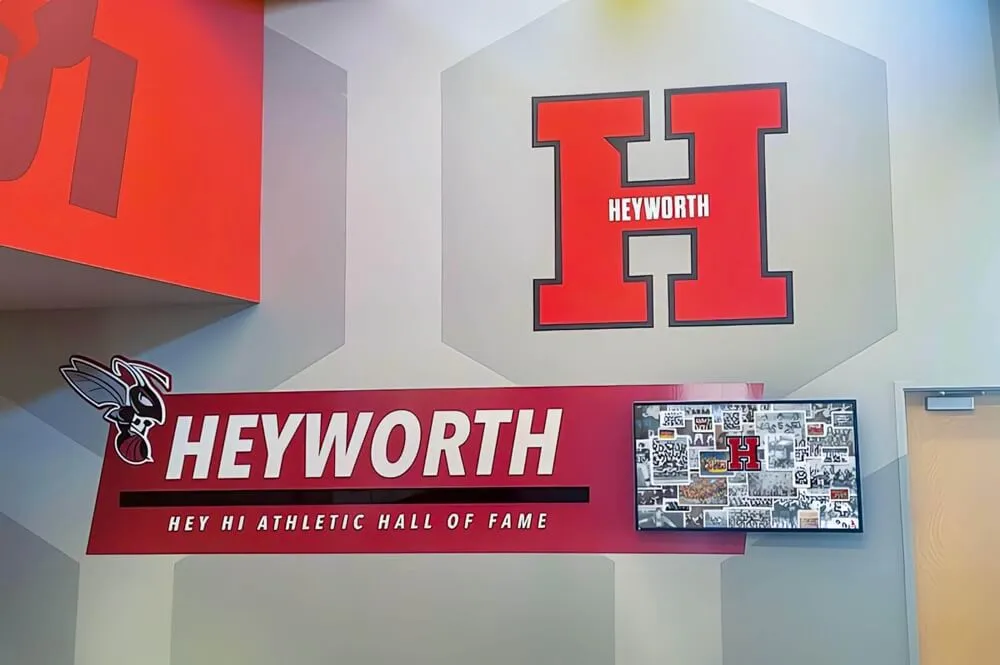
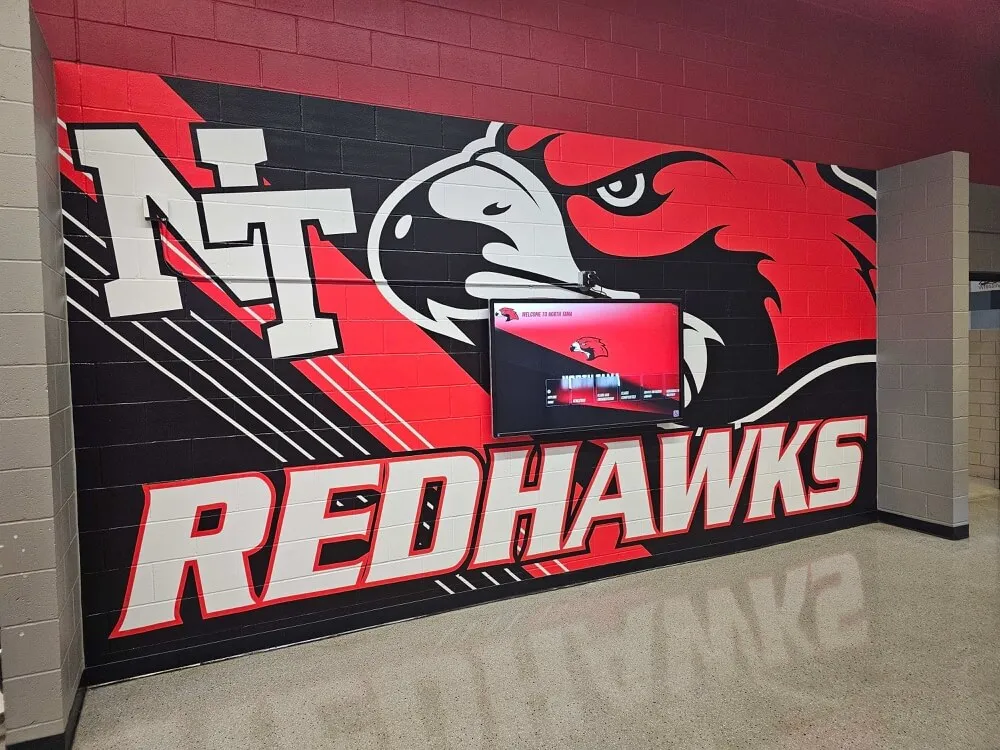
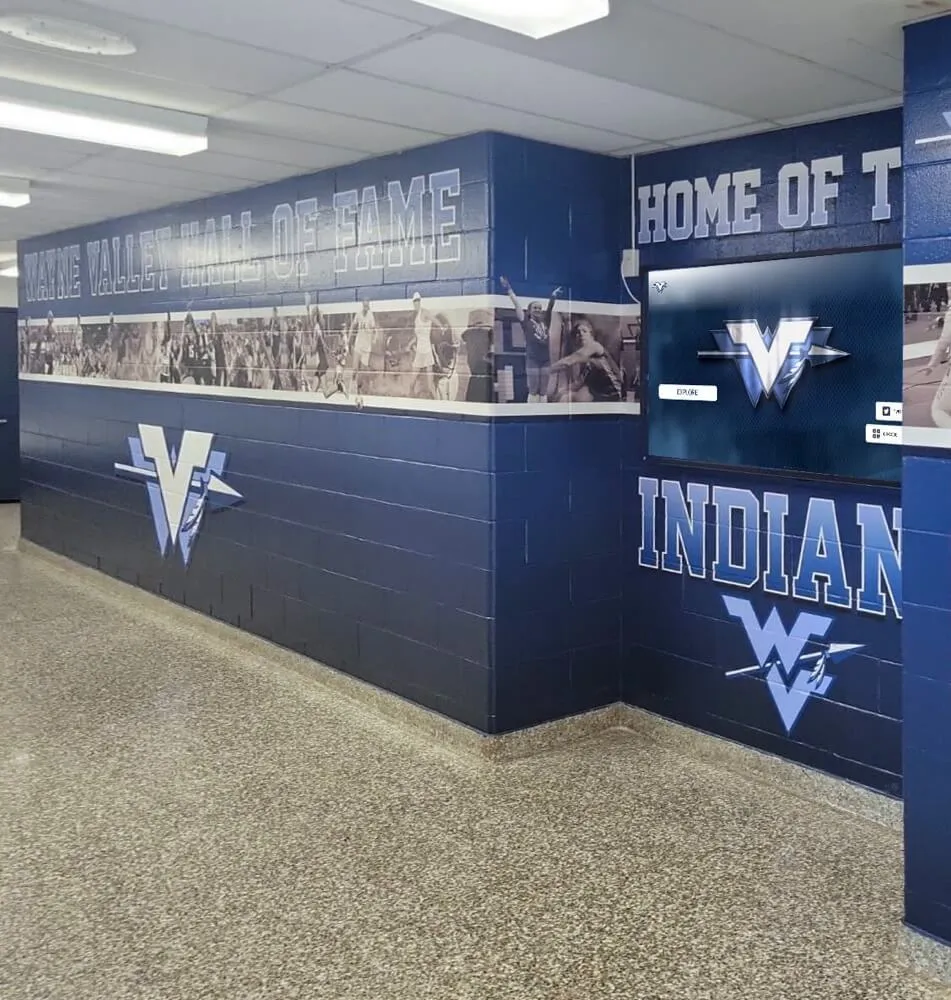
Recognition displays celebrating college-bound athletes create visible inspiration for younger student-athletes pursuing similar goals
Understanding National Signing Day 2026: Key Dates and Context
Before planning celebrations, athletic directors benefit from understanding the signing period structure governing when athletes can officially commit.
National Signing Day 2026 Timeline
Early Signing Period (Winter 2025-2026) The early signing period varies by sport but typically includes:
- Football: December 18-20, 2025 (early signing period)
- Basketball: November 13-20, 2025 (early signing period)
- Other Sports: November 13-20, 2025 (early signing period for most NCAA sports)
Traditional National Signing Day (Spring 2026)
- Football: February 4, 2026 (traditional National Signing Day)
- Other Sports: April 16-May 15, 2026 (regular signing period)
These dates allow student-athletes to formalize their commitments by signing National Letters of Intent (NLI), binding agreements between athletes and NCAA Division I and II institutions offering athletic scholarships.
Why Multiple Signing Periods Matter
Early vs. Traditional Signing The introduction of early signing periods changed recruiting dynamics:
- Approximately 85-90% of football recruits sign during the early period
- Early signing reduces recruiting pressure during senior athletic seasons
- Traditional signing day captures later commits and athletes waiting for academic qualifications
- Spring signing period accommodates sports with later competitive seasons
Planning Recognition Around Both Periods Progressive schools plan recognition for multiple signing periods:
- December ceremony celebrating early-period signees
- February recognition for traditional National Signing Day football commits
- Spring celebration for athletes signing during regular period
- Cumulative year-end recognition showcasing all college-bound athletes together
This approach ensures every athlete receives appropriate recognition regardless of when they officially committed.
Who Signs on National Signing Day
Athletes Eligible for NLI Signing
- NCAA Division I and II athletic scholarship recipients
- Athletes in all sports offering athletic scholarships (football, basketball, baseball, soccer, track, volleyball, swimming, tennis, and more)
- Student-athletes meeting academic eligibility requirements
Athletes Not Signing NLI Some college-bound athletes don’t participate in formal signing:
- NCAA Division III athletes (Division III doesn’t offer athletic scholarships)
- Athletes receiving academic scholarships rather than athletic aid
- Junior college commits (use different signing processes)
- Athletes committing to NAIA institutions (separate signing system)
Schools should recognize ALL college-bound athletes regardless of signing status—the achievement of continuing athletics collegiately deserves celebration whether or not formal NLI signing occurs.

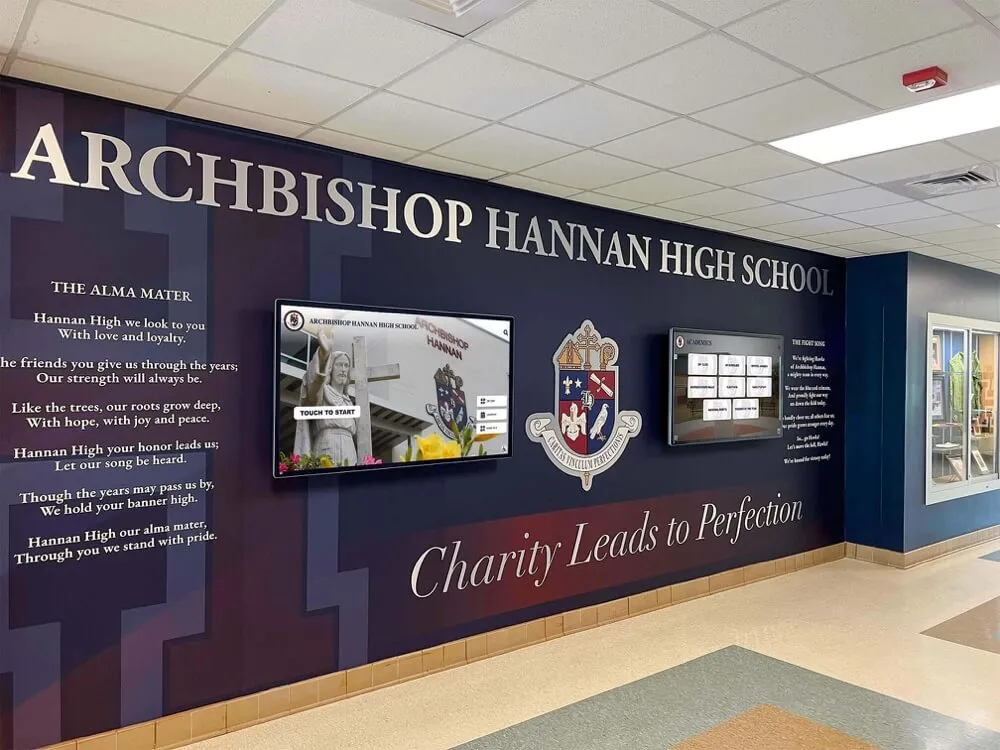
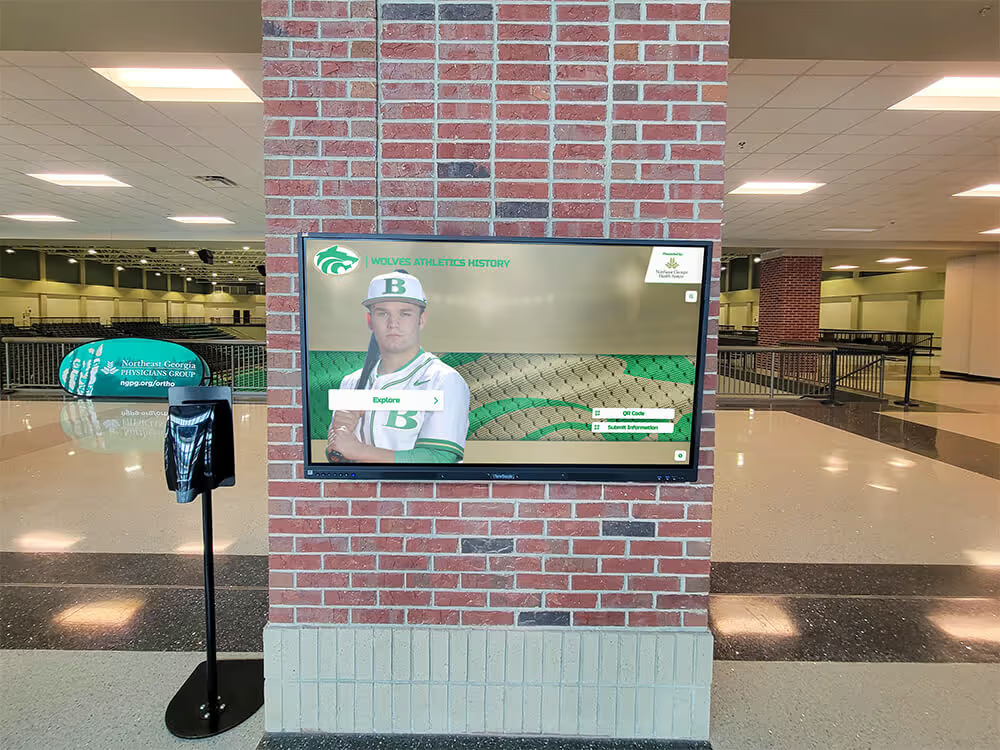
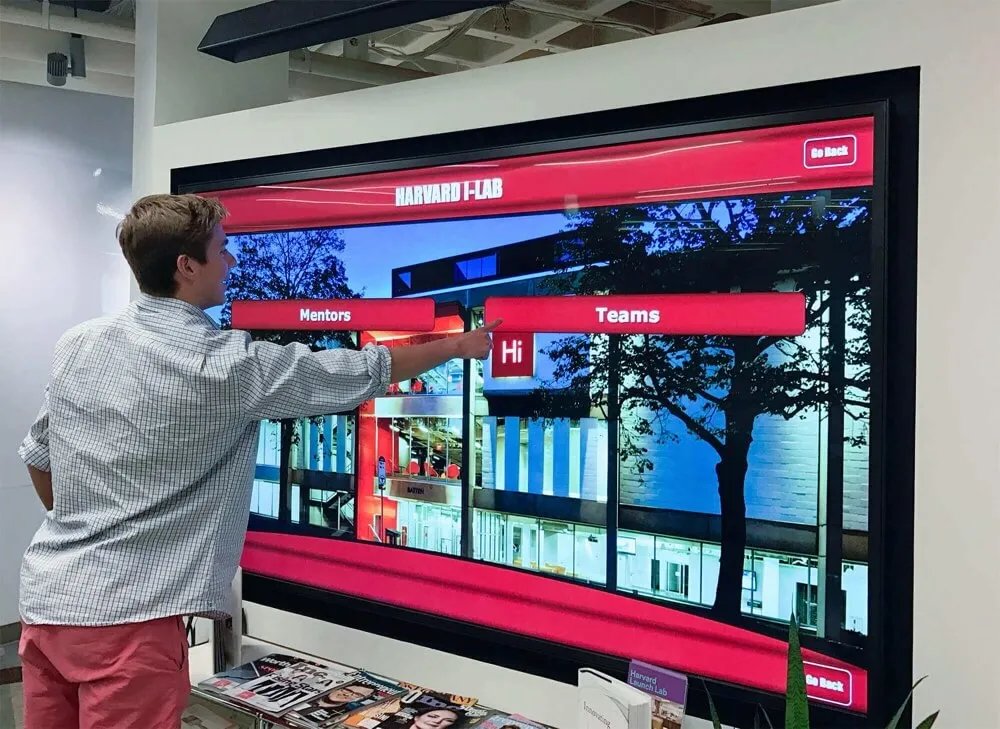
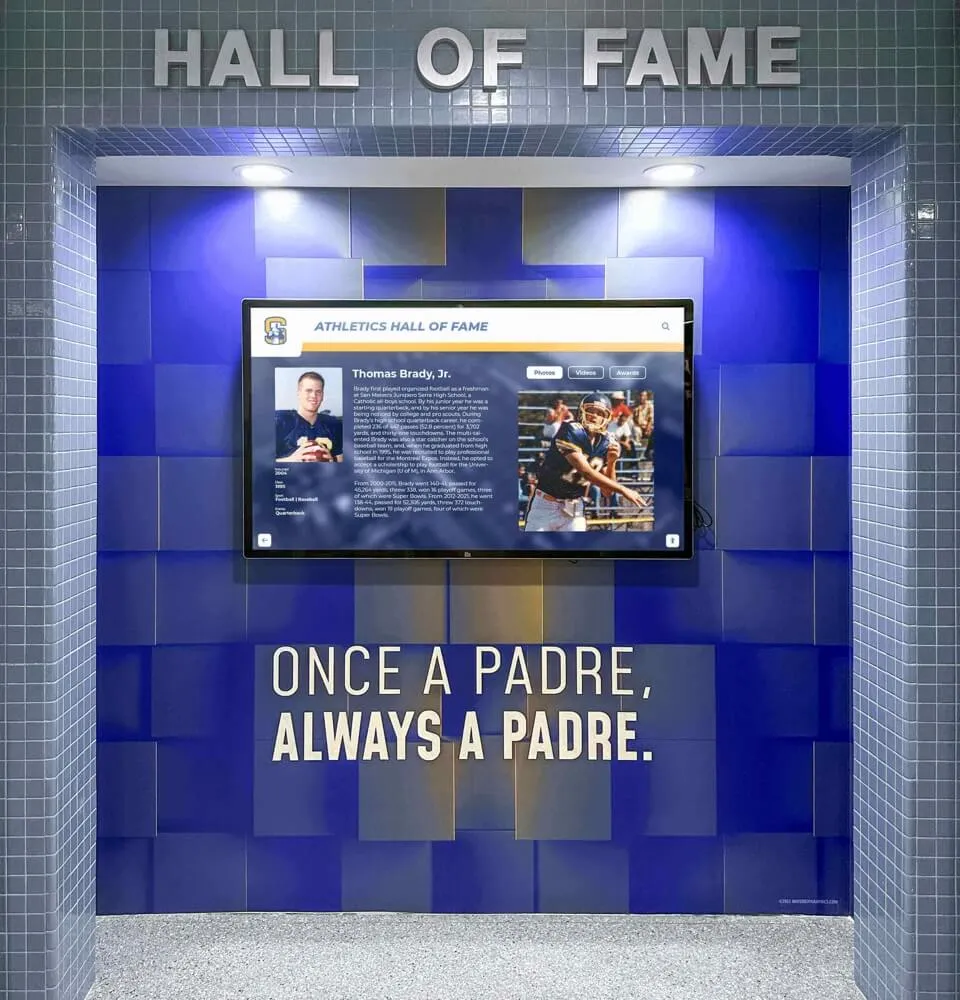
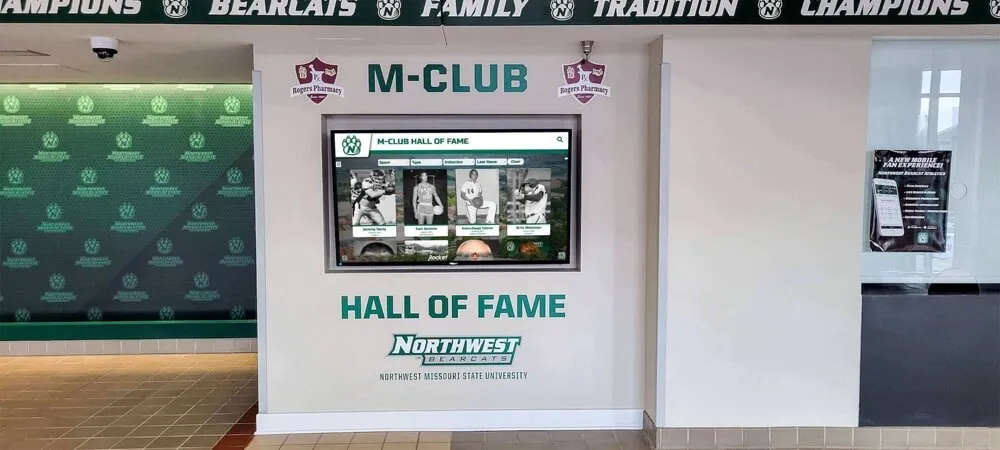
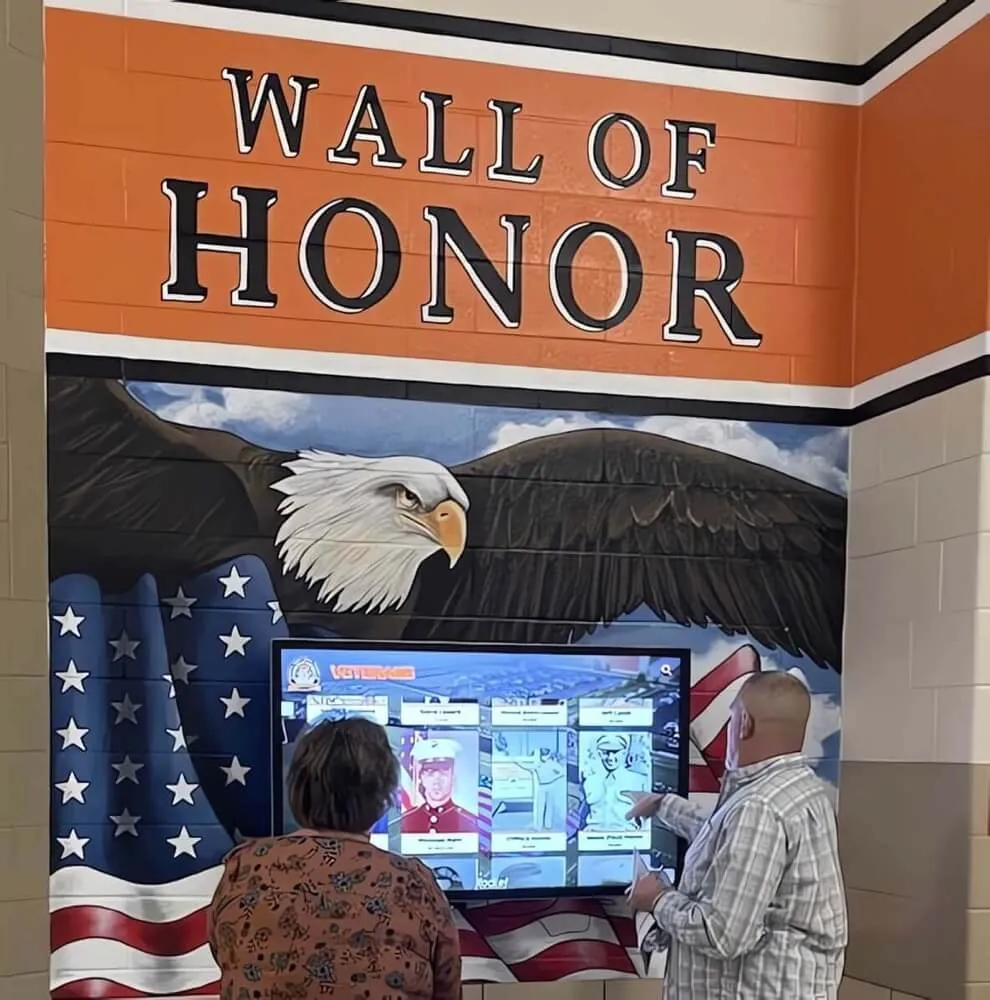
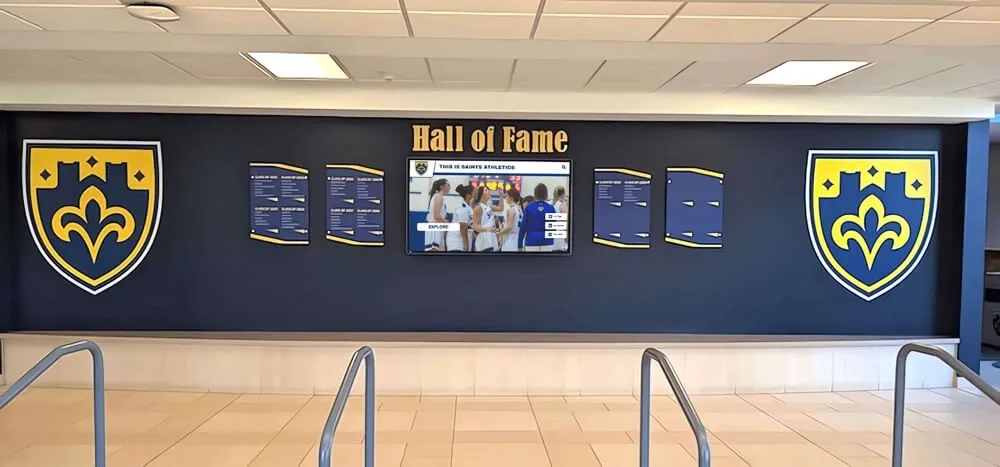
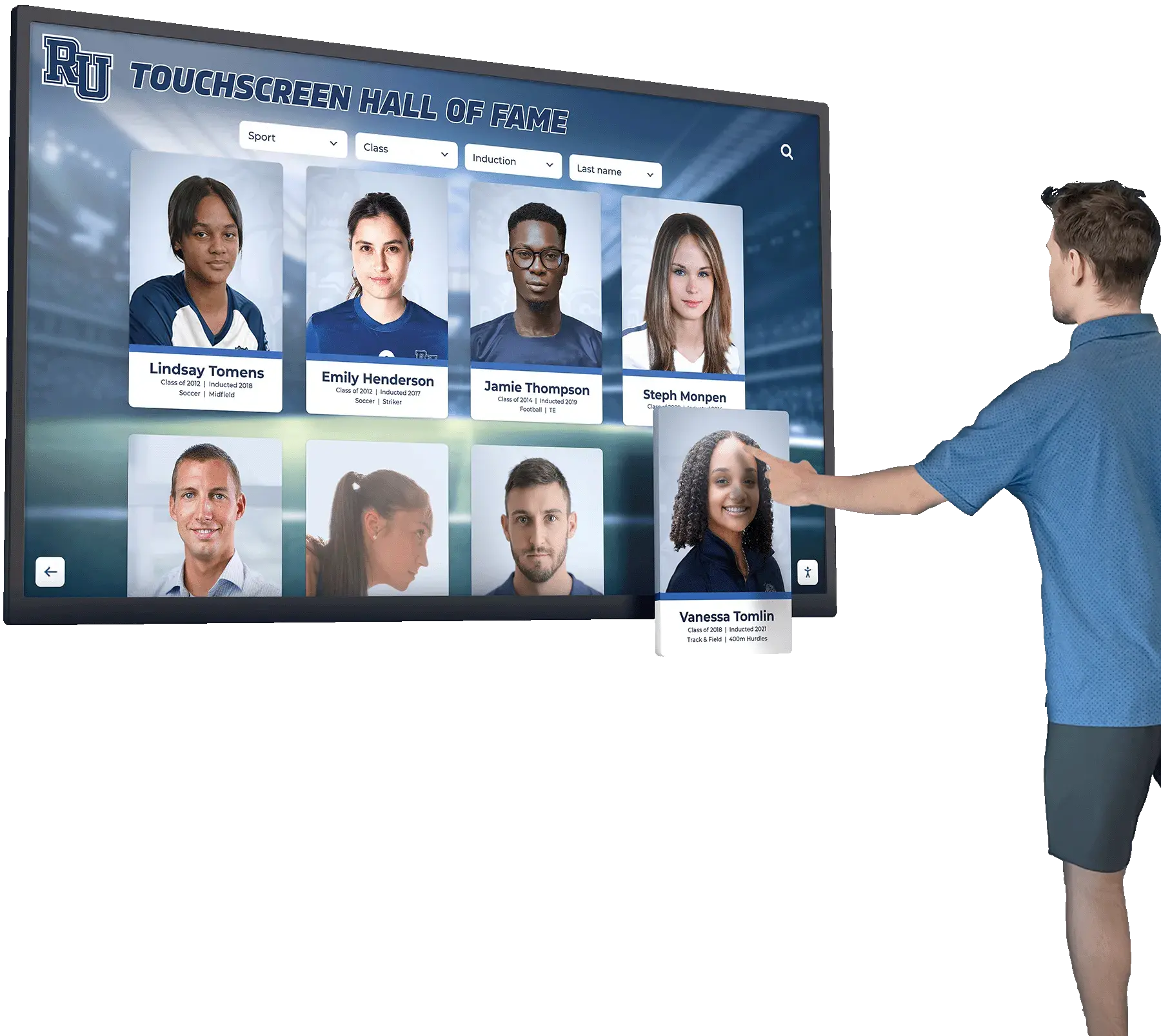
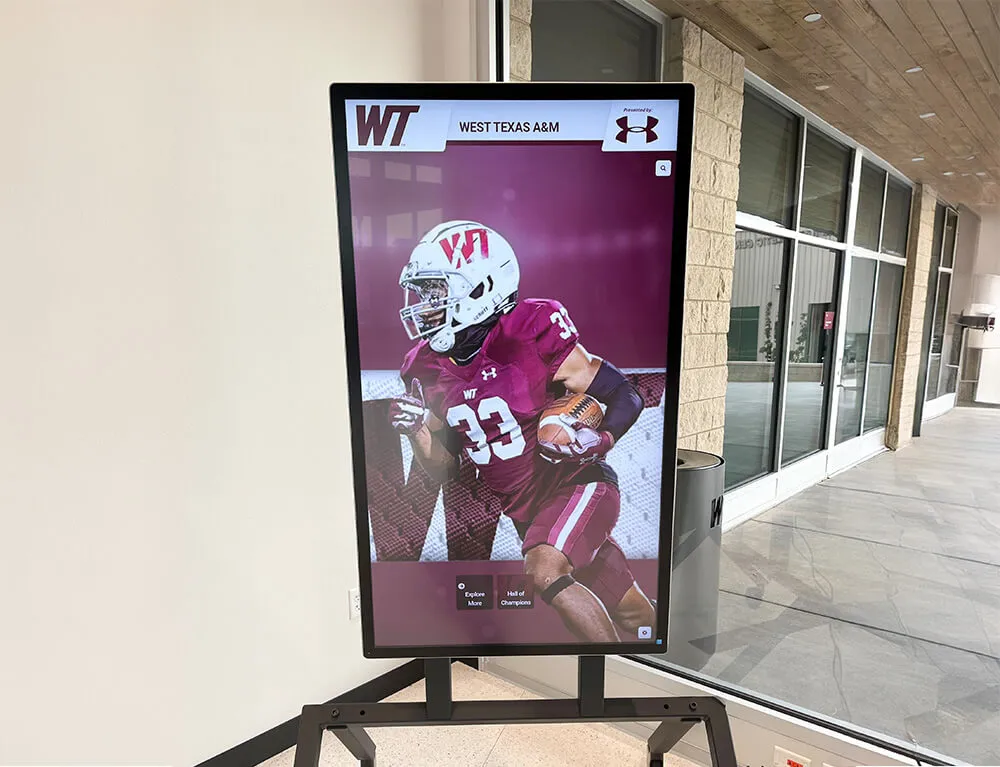
Interactive displays allow visitors to explore college-bound athlete profiles, achievements, and destination schools
The Significance of College Athletic Commitment
Statistical Context Understanding how rare college athletic opportunities are helps schools appreciate what signings represent:
- Approximately 7% of high school athletes compete at NCAA level (all divisions)
- Only 2% of high school athletes receive Division I or II athletic scholarships
- Football: roughly 6.5% of high school players compete collegiately
- Basketball: approximately 3.5% advance to college level
- Other sports vary but generally range from 5-12% depending on sport
When student-athletes sign to compete collegiately, they join an exclusive group demonstrating exceptional athletic ability, academic achievement, work ethic, and character meeting rigorous college program standards.
Schools implementing comprehensive athletic recognition systems find that signing day celebrations become cornerstone events showcasing program excellence beyond competitive results.
Planning Memorable National Signing Day 2026 Celebrations
Effective signing day recognition balances formal ceremony with personal touches creating meaningful experiences for athletes and families.
Traditional Signing Day Ceremony Elements
The Signing Ceremony Itself Core elements most schools include:
Location Selection
- School library (traditional, intimate setting with media/family seating)
- Athletic facility (gymnasium, field house, stadium club room)
- Main lobby (high-visibility location showcasing achievement)
- Cafeteria or auditorium (accommodates larger gatherings)
- Media center (professional setting with school branding backdrop)
Ceremony Components
- Welcome from athletic director or principal
- Introduction of each signing athlete
- Brief biography highlighting athletic and academic achievements
- Recognition of family members and coaches
- Athlete remarks about college choice and gratitude
- Formal signing moment (athletes sign NLI or commitment paperwork)
- Photo opportunity with family, coaches, and administrators
- Display of college gear (hats, jerseys, pennants from destination schools)
Timing Considerations
- Morning ceremonies: Allow media coverage before deadlines, minimize academic disruption
- Afternoon ceremonies: Provide more family availability, can extend celebration
- Evening events: Create formal atmosphere, maximize community attendance
- Duration: 45-90 minutes depending on number of signees
Modern Enhancements to Traditional Celebrations
Visual and Media Elements Today’s signing day events increasingly incorporate:
- Professional photography and videography documenting the moment
- Video tribute packages highlighting each athlete’s career
- Social media live streaming for extended family and community
- Large display screens showing athlete highlights during ceremony
- Professional backdrop with school branding and sponsor recognition
- Media packets with athlete biographies for press distribution
Creating Personalized Recognition Individual touches that elevate ceremonies:
- Custom signing day posters featuring each athlete
- Personalized jerseys with destination college logos
- Memory books compiled by teammates and coaches
- Statistical career summaries and milestone achievements
- Framed photos from significant moments
- Messages from college coaches (video or written)
- Recognition of academic achievements alongside athletic honors
Athletes remember these personal elements decades later, making the additional effort worthwhile for creating meaningful experiences.
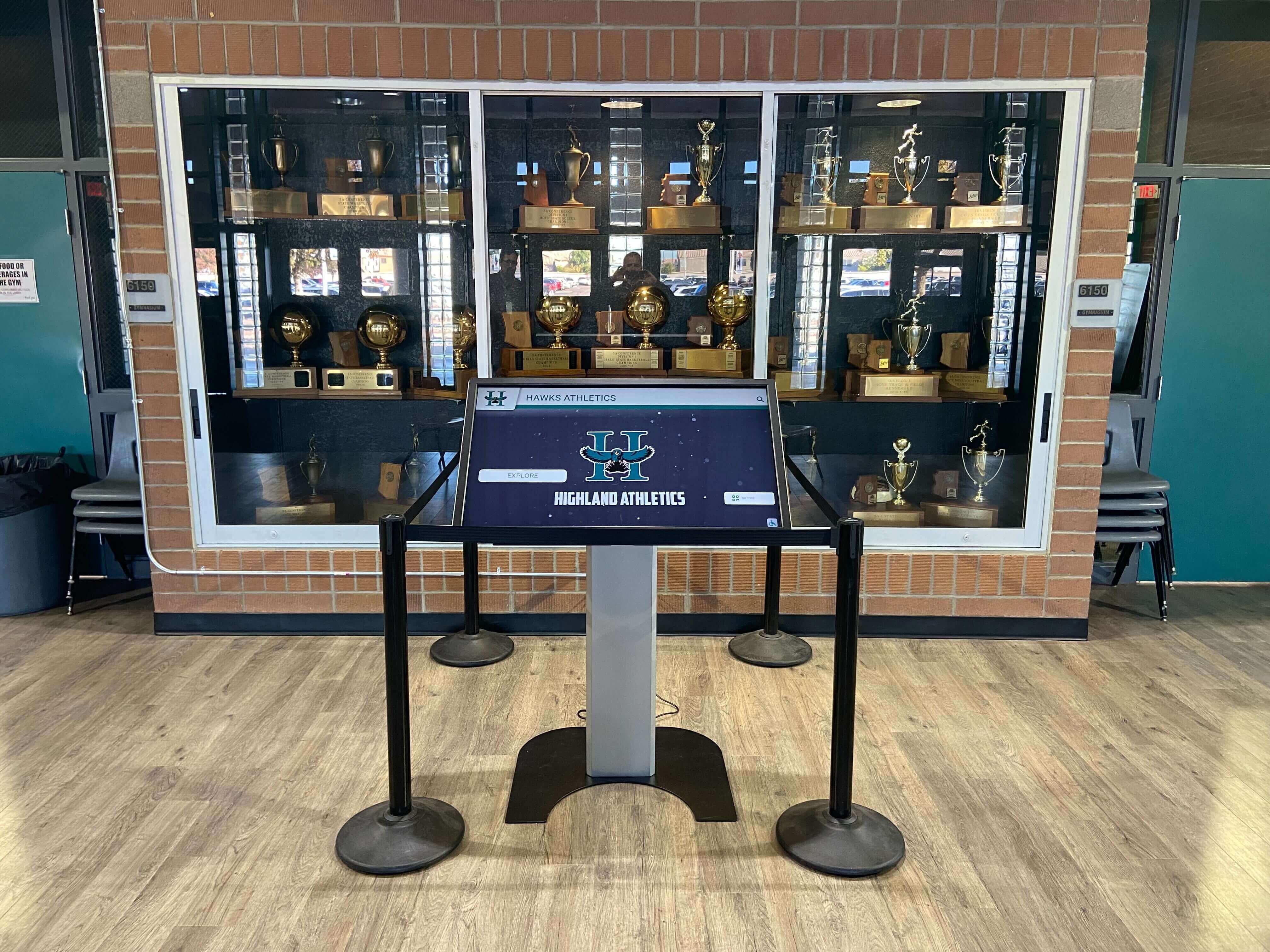
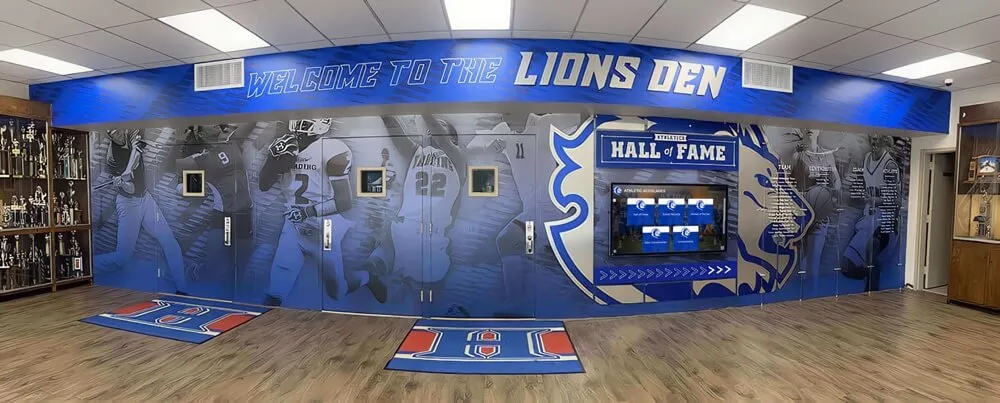
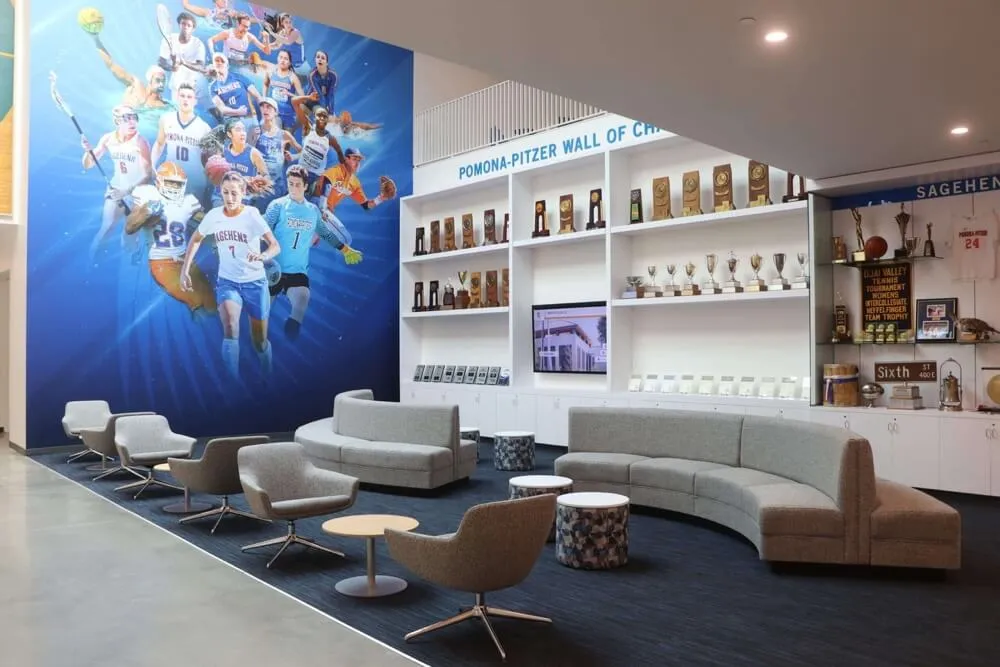
Integrating signing day recognition into trophy case displays creates permanent visibility for college-bound athletes
Family and Community Engagement Successful ceremonies honor supporting cast:
- Reserved seating for immediate family members
- Recognition of parents/guardians during athlete introductions
- Invitation for youth program coaches who developed athletes
- Inclusion of academic advisors and counselors who aided eligibility
- Acknowledgment of teammates contributing to athlete development
- Community member attendance (boosters, youth program families)
The signing ceremony celebrates not just individual athletes but entire support systems making college athletics possible.
Schools implementing donor recognition strategies often recognize boosters whose financial support provided equipment, travel, or facilities enabling athlete development during signing day events.
Creating Permanent Signing Day Recognition Displays
While ceremonies create memorable moments, permanent recognition provides lasting visibility inspiring future athletes.
Traditional Display Approaches
Physical Recognition Options Schools historically commemorated signings through:
Wall of Fame Plaques
- Individual plaques for each college-bound athlete
- Information including name, sport, graduation year, destination college
- Mounted in athletic hallway, gymnasium, or lobby area
- Professional engraving maintaining consistent aesthetic
- Chronological or sport-specific organization
Trophy Case Recognition
- Dedicated section for college signings within existing cases
- Photos, college pennants, and achievement summaries
- Updated annually with new signees
- Limited by physical space constraints
- Requires manual updates and physical access
Poster Boards and Banners
- Large-format posters featuring signing day photos
- Temporary banners celebrating current year’s signees
- Less permanent but highly visible during relevant season
- Cost-effective for schools with limited budgets
- Requires replacement as recognition becomes outdated
The Digital Recognition Advantage
Unlimited Capacity Physical displays face space limitations—a trophy case accommodates perhaps 50-75 plaques before overcrowding occurs. After decades of college-bound athletes, schools face difficult decisions about which athletes to feature and which to remove.
Digital recognition displays eliminate capacity constraints:
- Unlimited athlete profiles without physical space restrictions
- Every college-bound athlete receives permanent recognition regardless of era
- Historical signings from 1970s receive equal visibility to current athletes
- No removal decisions required as programs grow
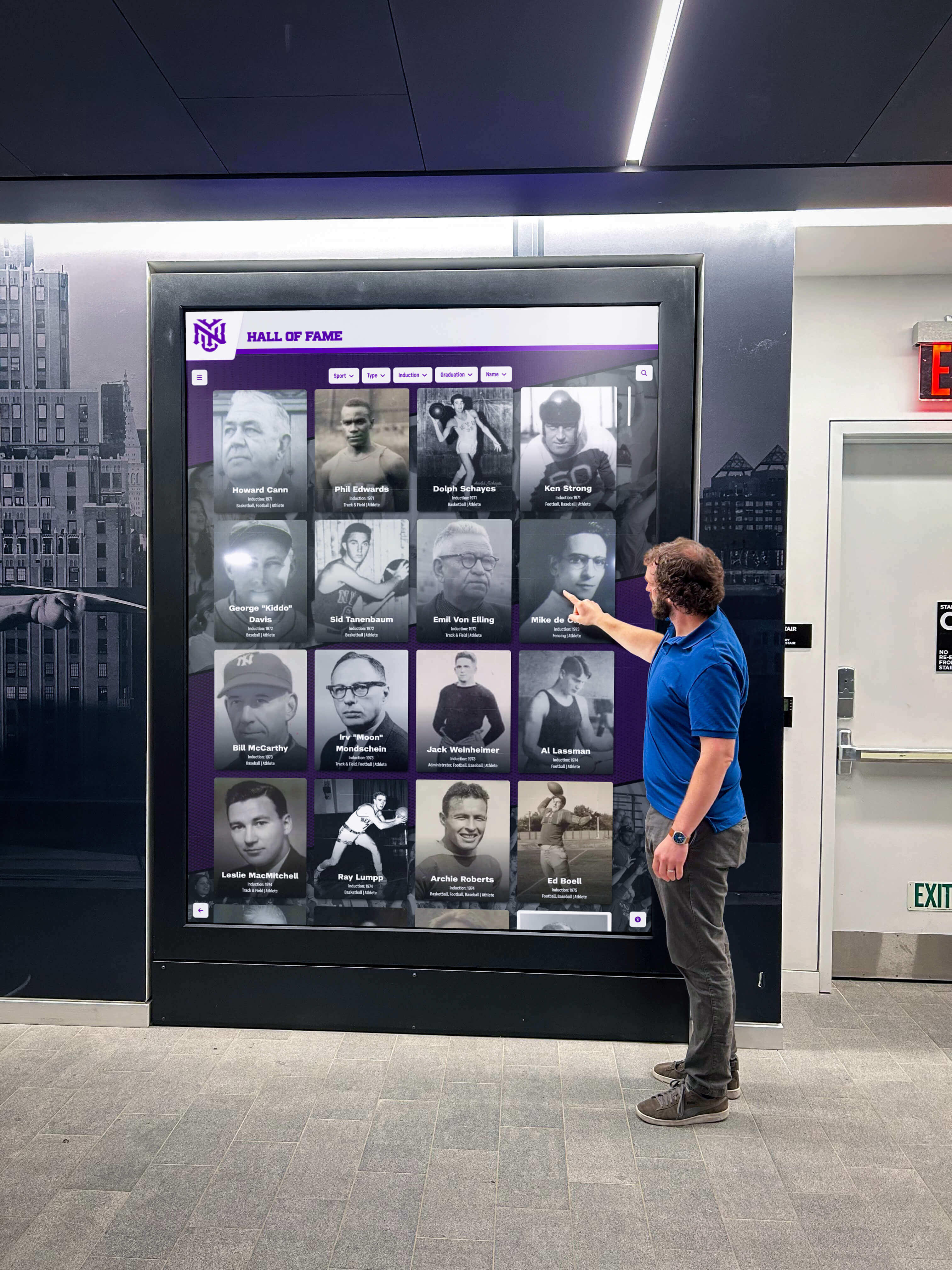
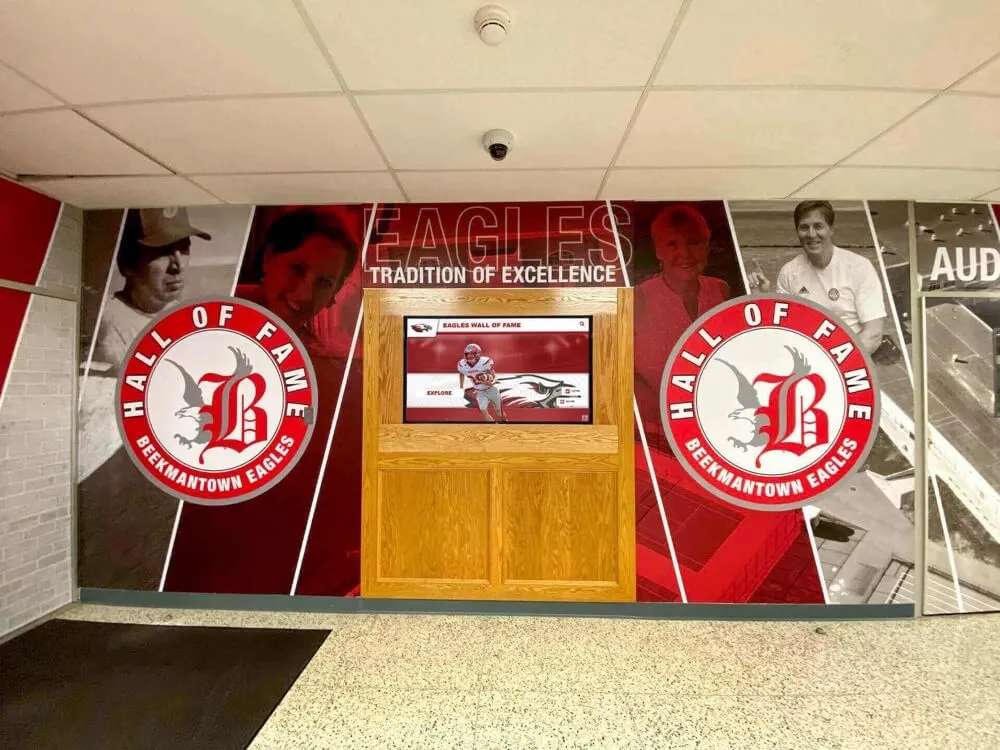
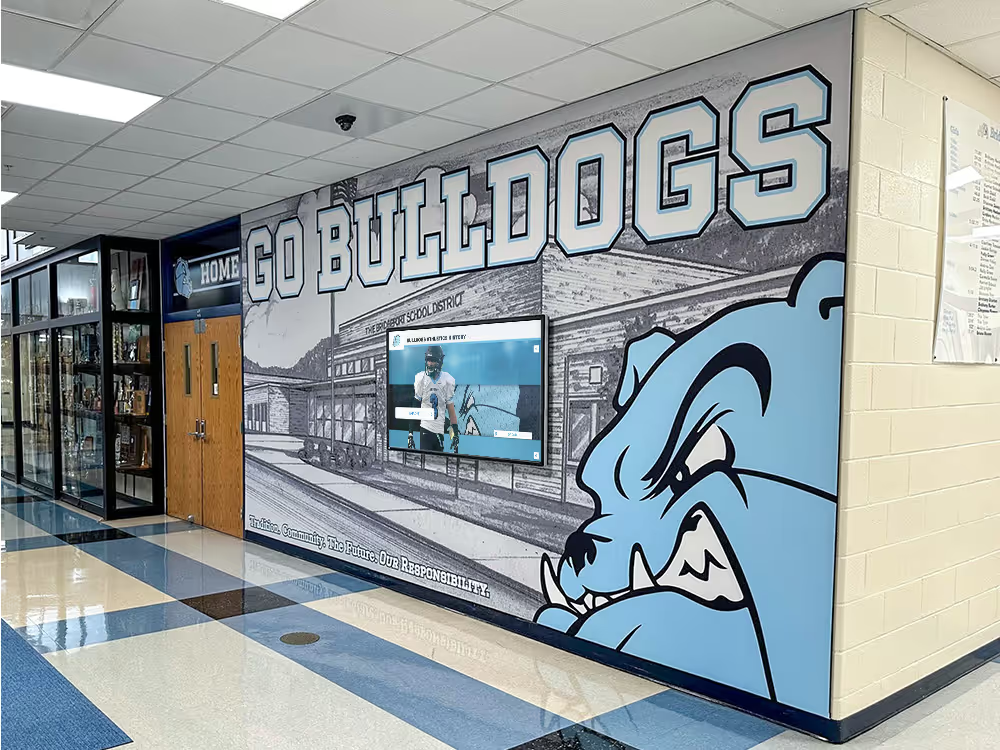
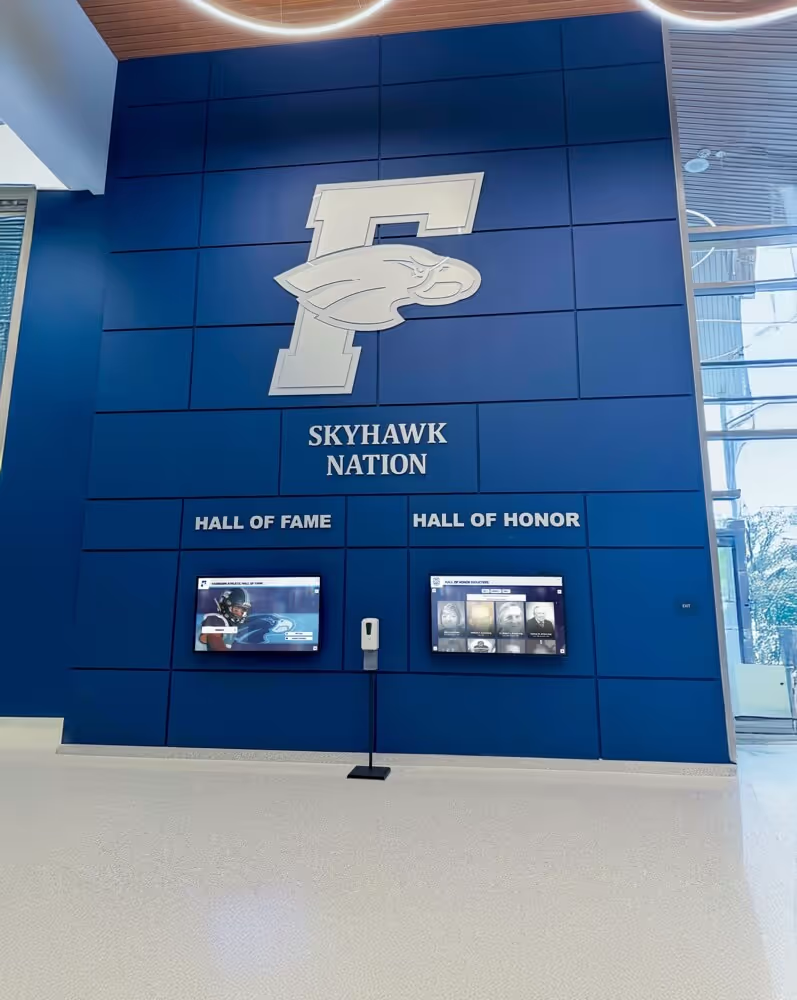
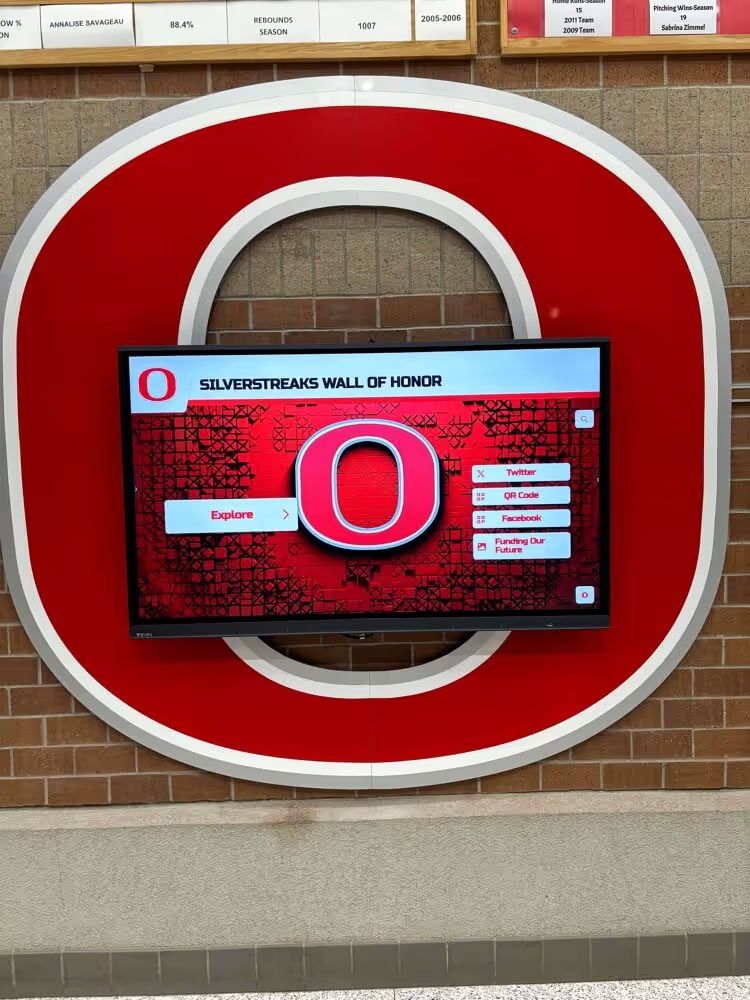
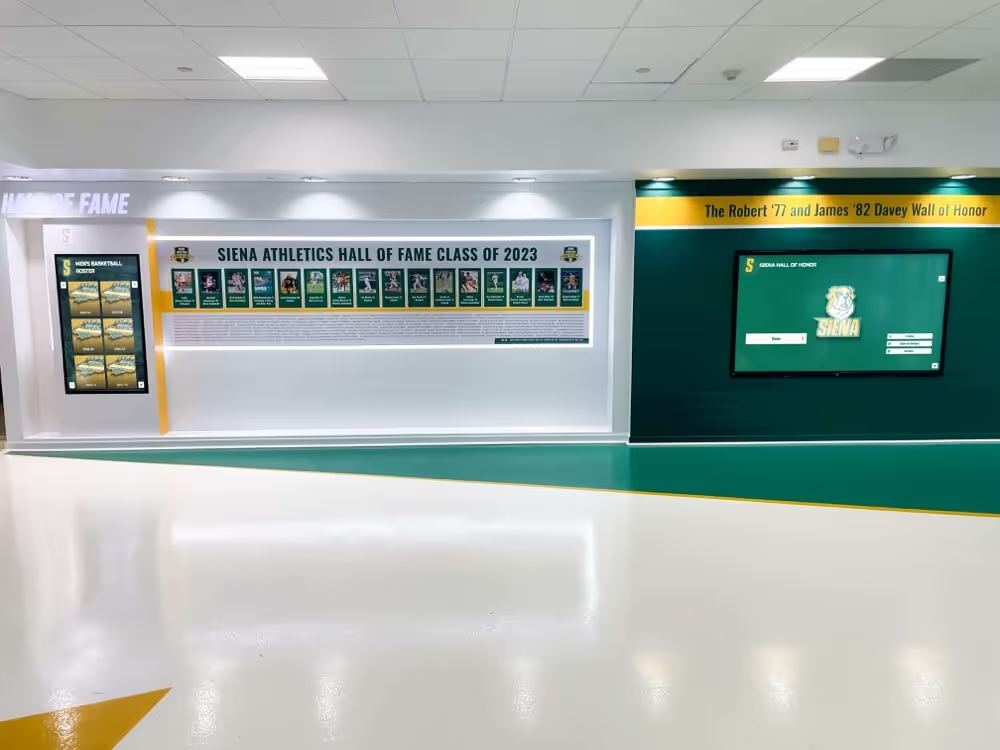
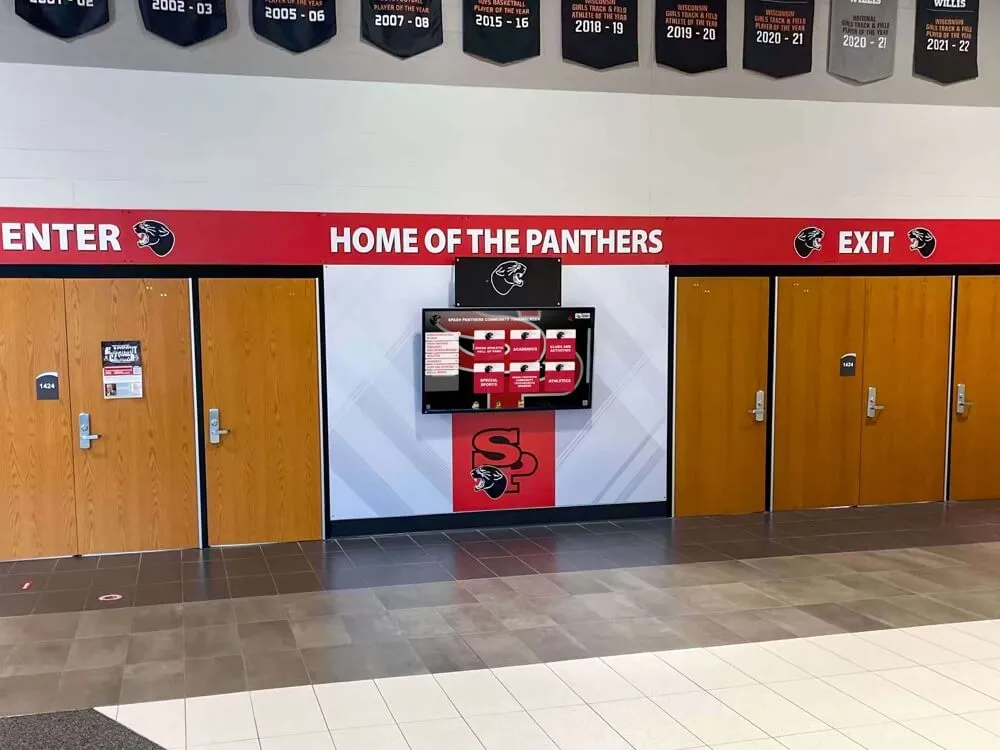
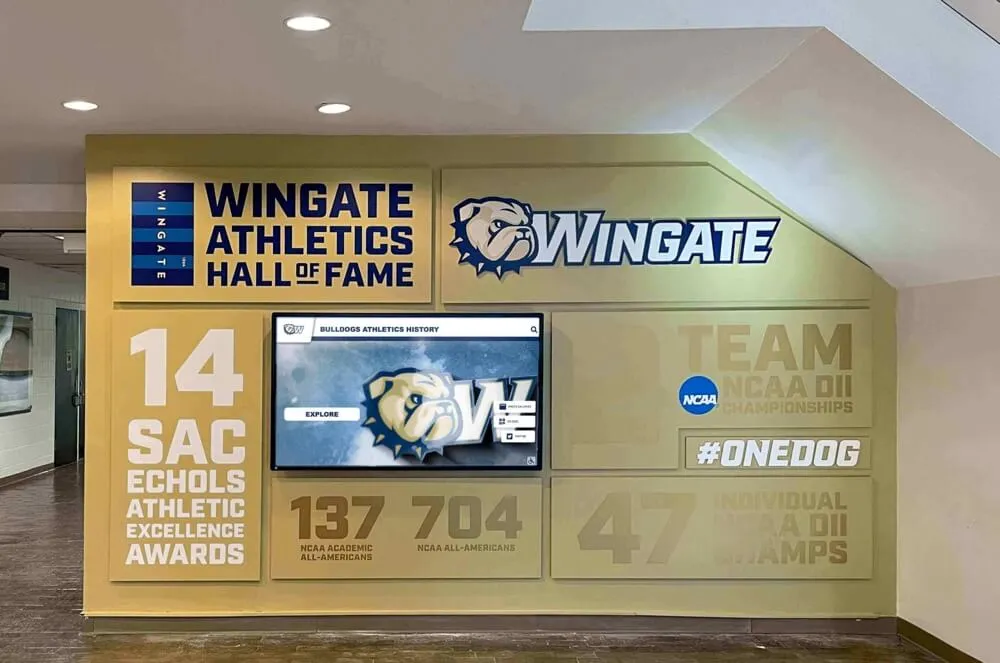
Lobby displays create high-visibility recognition for college-bound athletes visible to all visitors entering athletic facilities
Rich Multimedia Content Digital platforms enable recognition impossible with static displays:
- Full athletic career statistics and achievements
- Photo galleries from freshman through senior year
- Video highlights from competition and signing day
- College destination information with logos and school colors
- Academic honors and extracurricular involvement
- Post-graduation updates tracking college athletic careers
- “Where Are They Now?” content showing career paths
Easy Updates and Maintenance Traditional displays require:
- Physical access to facilities for any changes
- Professional engraving or printing for new additions
- Facility staff coordination and scheduling
- Material costs for each new plaque or update
- Potential display downtime during updates
Modern recognition technology allows:
- Remote content updates from any internet-connected device
- Instant corrections to information errors
- Real-time additions during signing periods
- No facility access or IT department coordination required
- Cost-effective updates without recurring material expenses
Schools exploring digital versus traditional display options consistently cite update flexibility as a primary advantage influencing decision-making.
Interactive Features Enhancing Engagement
Touchscreen Functionality Interactive displays create engaging experiences:
- Browse college-bound athletes by sport, year, or destination college
- Search functionality finding specific athletes instantly
- Filtering by achievement level (Division I, II, III, NAIA, JUCO)
- Sorting by destination conference (SEC, Big Ten, ACC, etc.)
- Comparison views showing multiple athletes simultaneously
QR Code Access Mobile integration extends recognition beyond physical location:
- QR codes enabling smartphone access to full athlete profiles
- Parents and athletes sharing recognition digitally with extended family
- Alumni accessing recognition content remotely
- Prospective families researching program college placement during tours
- Community members engaging with content without facility access
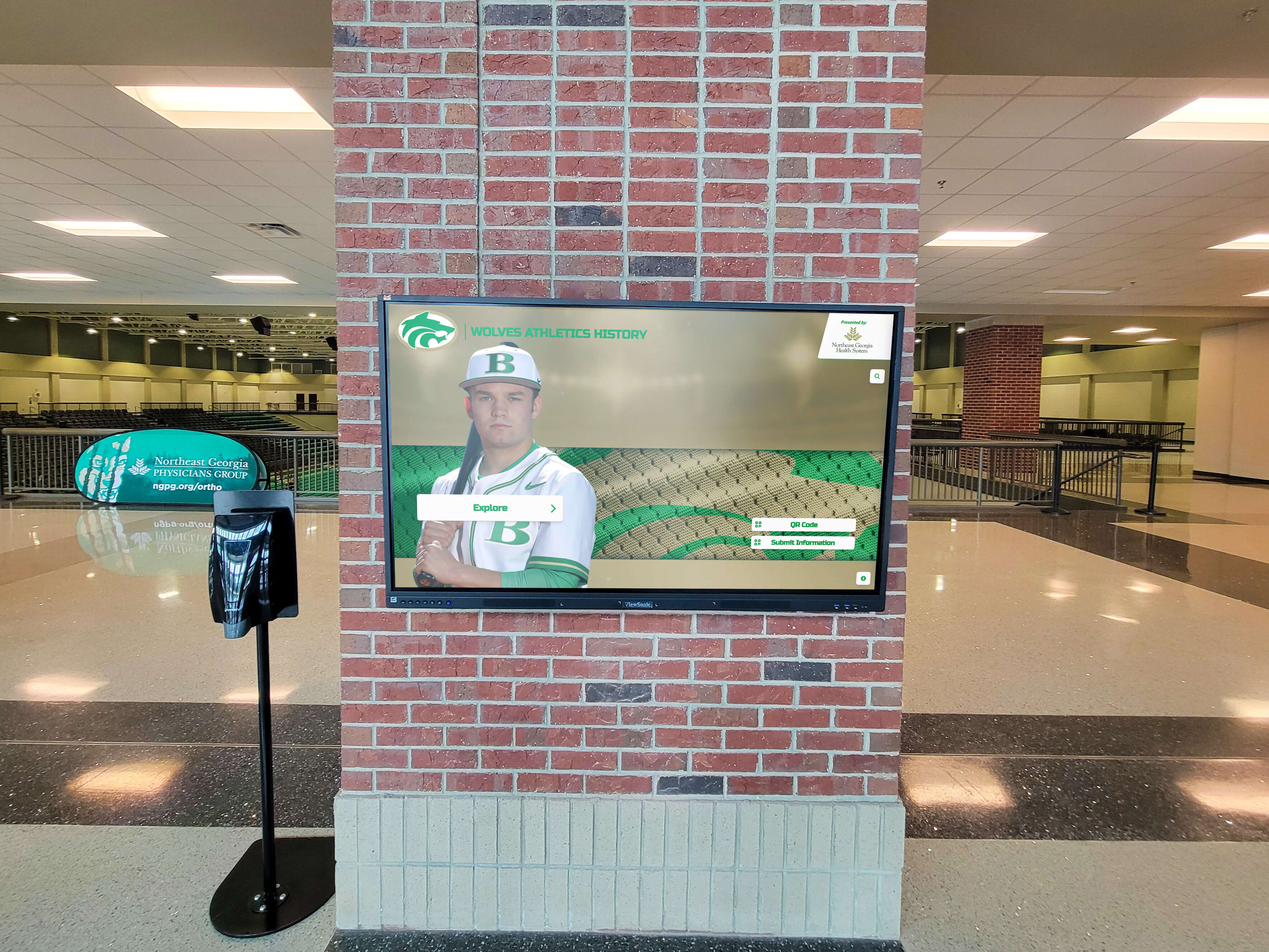
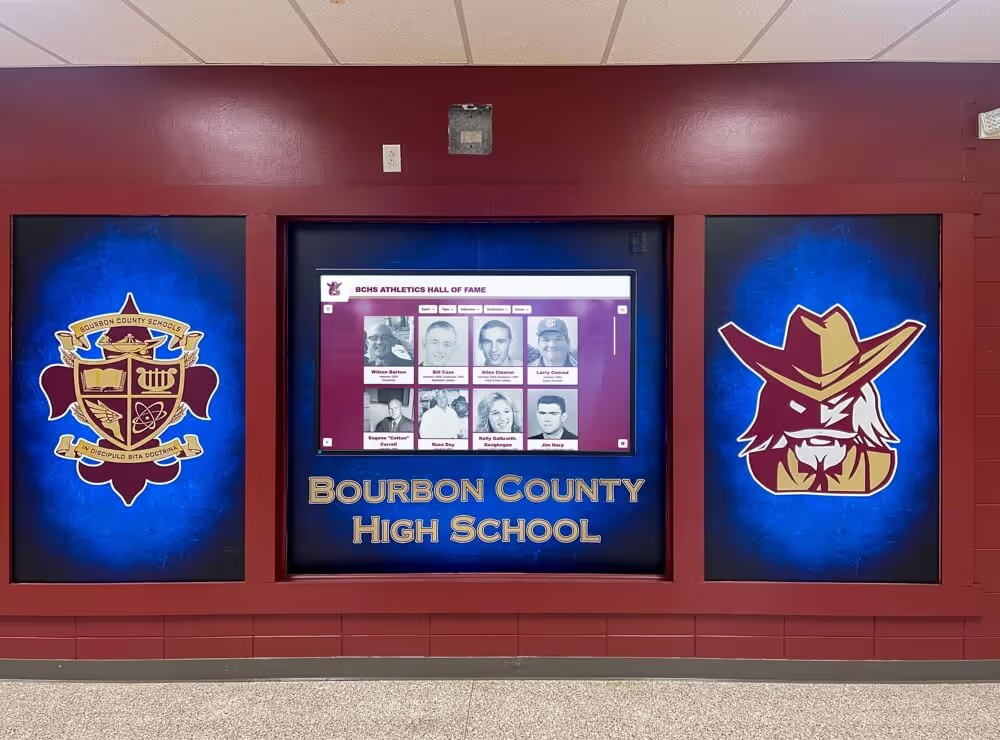
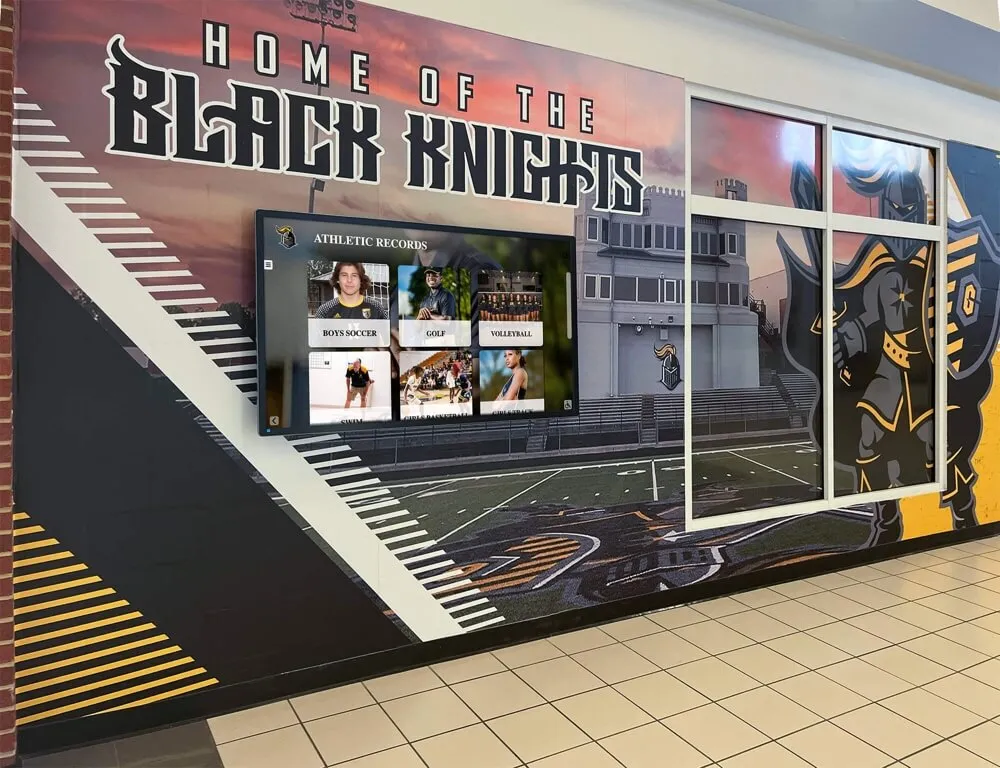
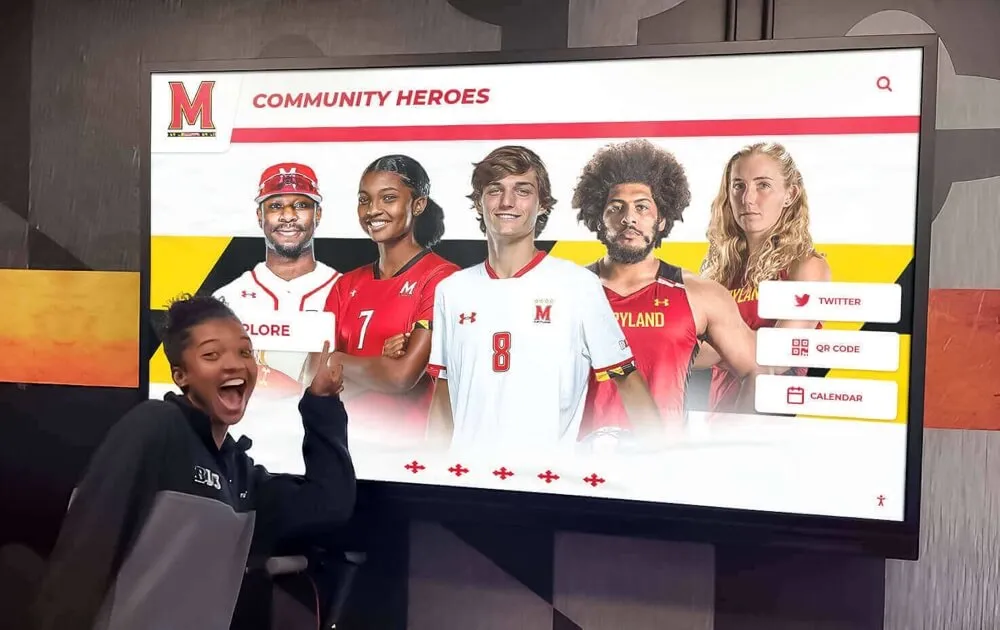
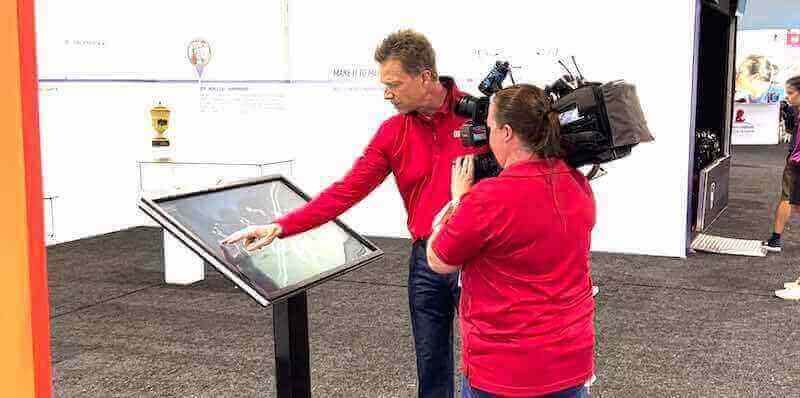
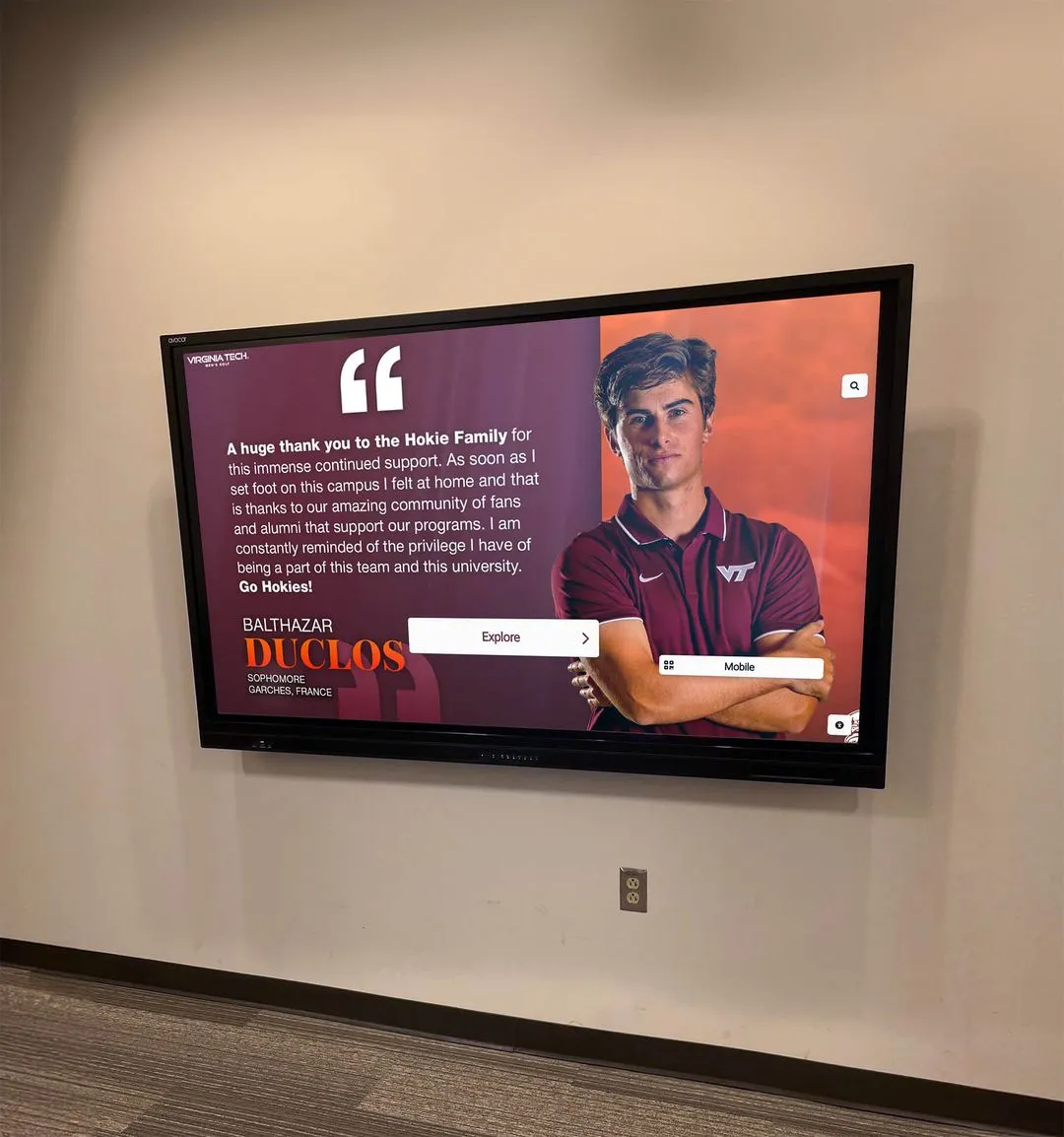
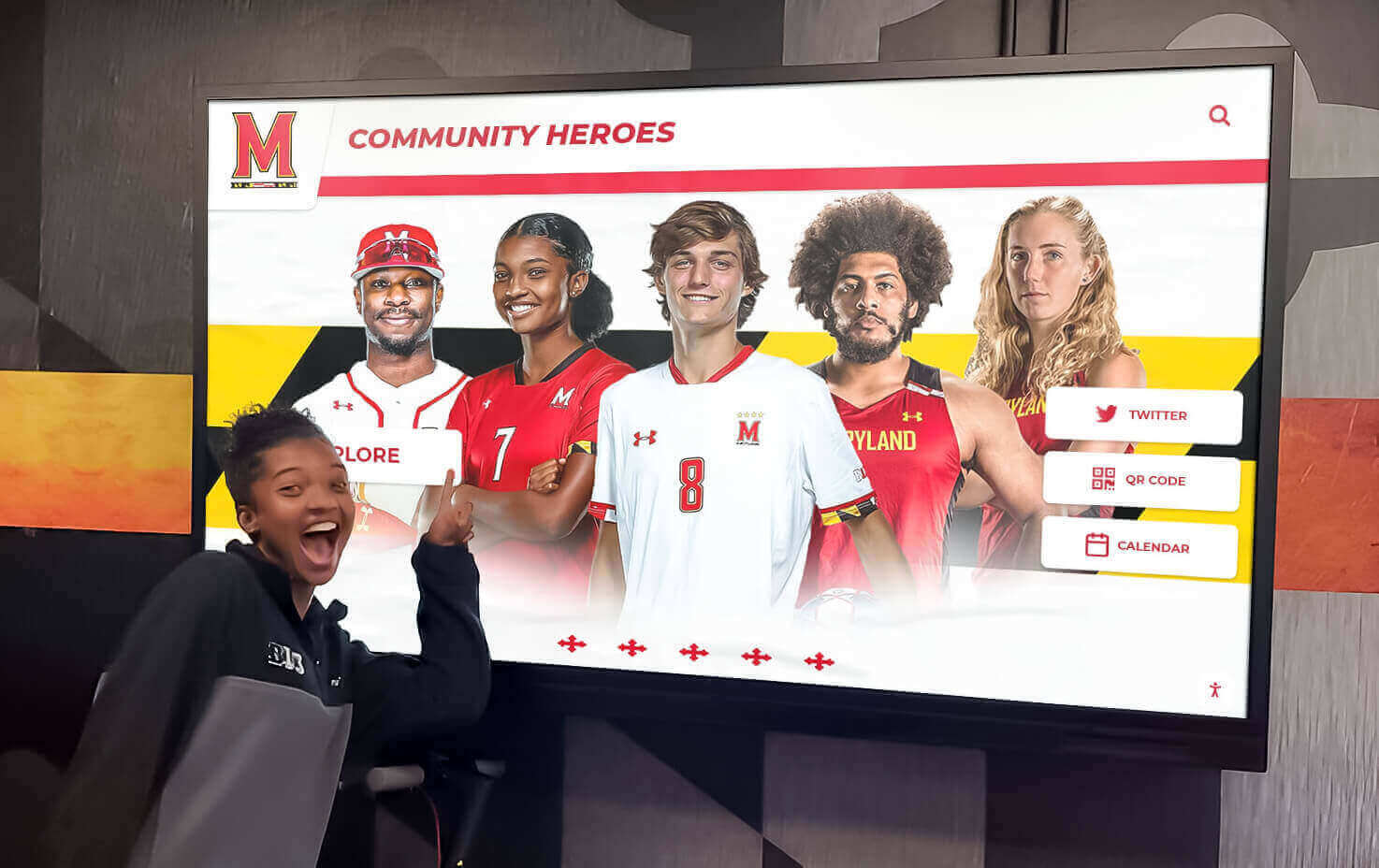
High-impact digital displays showcase individual athlete achievements in premium facility locations
Social Sharing Integration Modern recognition systems facilitate:
- One-click sharing of athlete profiles to social media platforms
- Automated posting of new signings to program accounts
- Branded graphics generating consistent visual identity
- Increased program visibility through shareable content
- Alumni engagement as former athletes share their recognition
This digital sharing capability multiplies recognition impact far beyond visitors physically viewing displays in your facilities.
Maximizing Signing Day for Recruitment and Program Building
Strategic schools leverage signing day recognition for long-term program benefits beyond honoring current athletes.
Recruitment Messaging and Visibility
Showcasing College Placement Track Record Visible signing day recognition becomes powerful recruitment messaging:
For Prospective Athletes
- Demonstrates program’s track record developing college-level talent
- Shows specific colleges and levels (D1, D2, D3) program athletes reach
- Provides concrete examples of pathways from your program to college athletics
- Creates aspiration (“I want my photo in that display someday”)
- Differentiates your program from competitors without visible college placement
For Parents Evaluating Programs Parents researching programs for their middle school athletes specifically ask:
- “How many of your athletes continue playing in college?”
- “What colleges have your players gone to?”
- “Do you have relationships with college coaches?”
Comprehensive signing day displays answer these questions instantly and powerfully, providing social proof your program delivers college athletic opportunities.
Building Program Culture and Tradition
Creating Aspirational Benchmarks When younger athletes regularly see college-bound seniors celebrated:
- College athletics becomes normalized expectation rather than exceptional outlier
- Specific pathway from freshman to college athlete becomes visible
- Academic and athletic standards required become clear
- Program culture shifts toward comprehensive development beyond high school
Strengthening Alumni Connection Signing day recognition maintaining visibility for graduates:
- Alumni returning to campus see themselves represented and remembered
- Creates lasting emotional connection to program and school
- Builds willingness to support program (volunteer coaching, mentorship, donations)
- Establishes athletes as ambassadors connecting current and future generations
Programs developing strong alumni engagement strategies find signing day recognition serves as foundation for ongoing relationship building.
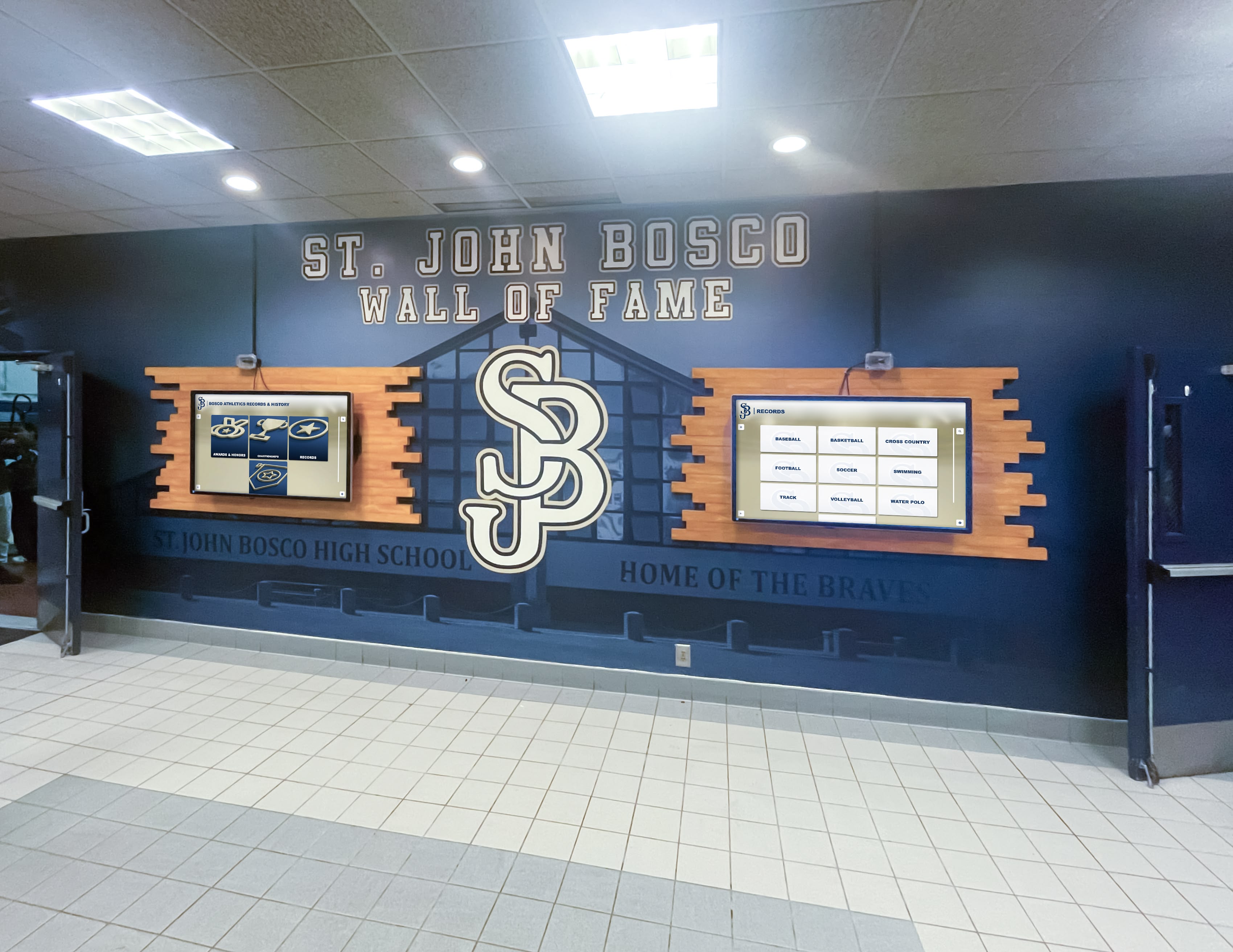
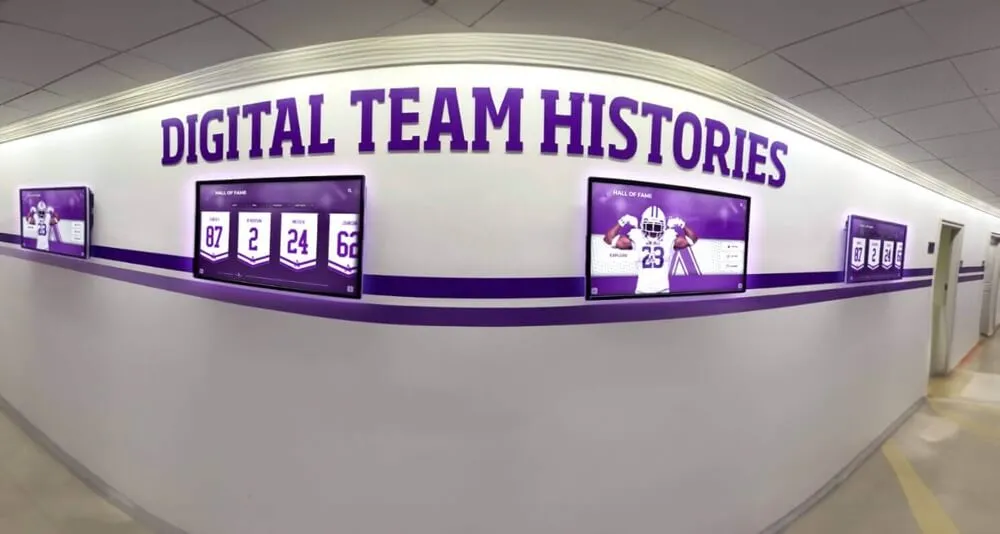
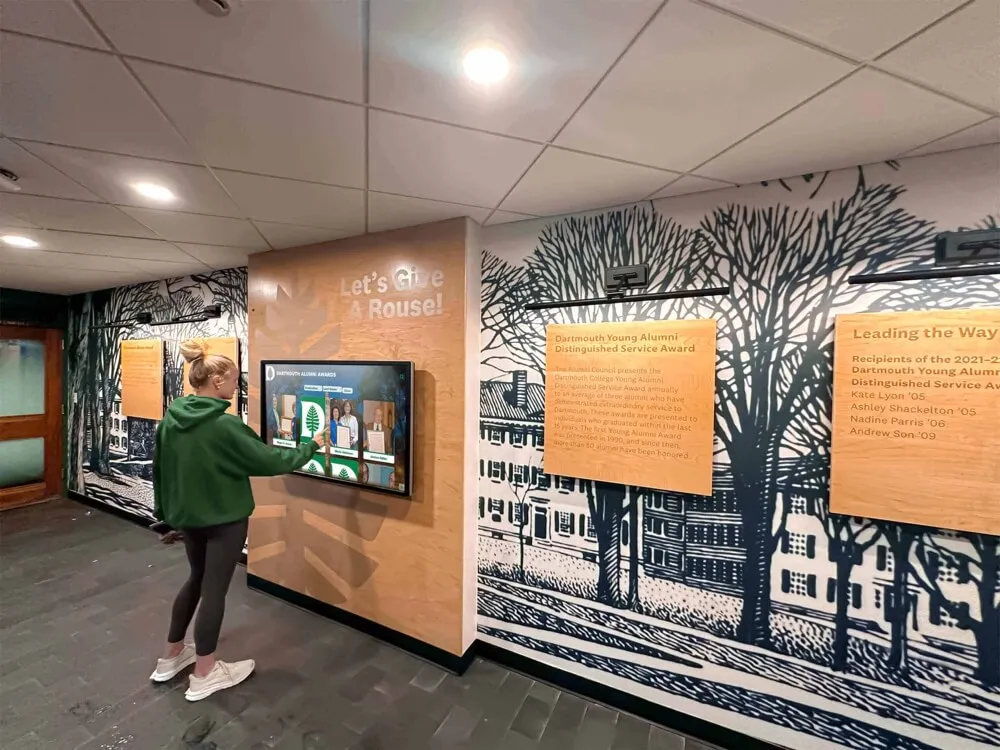
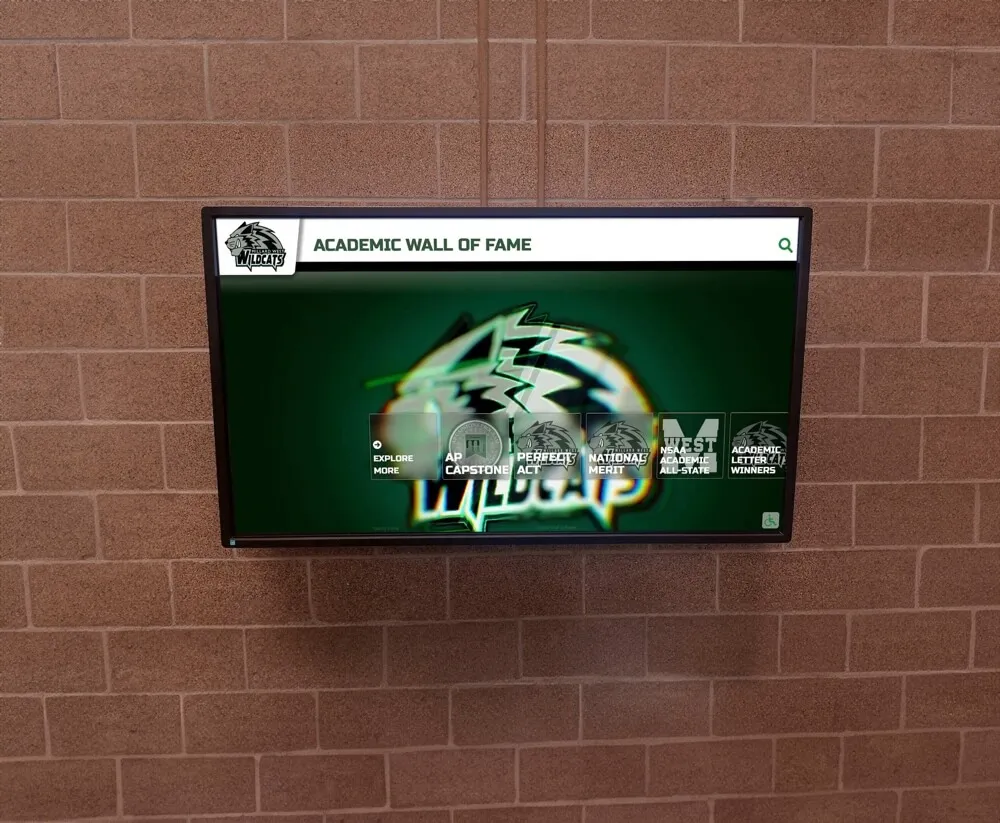
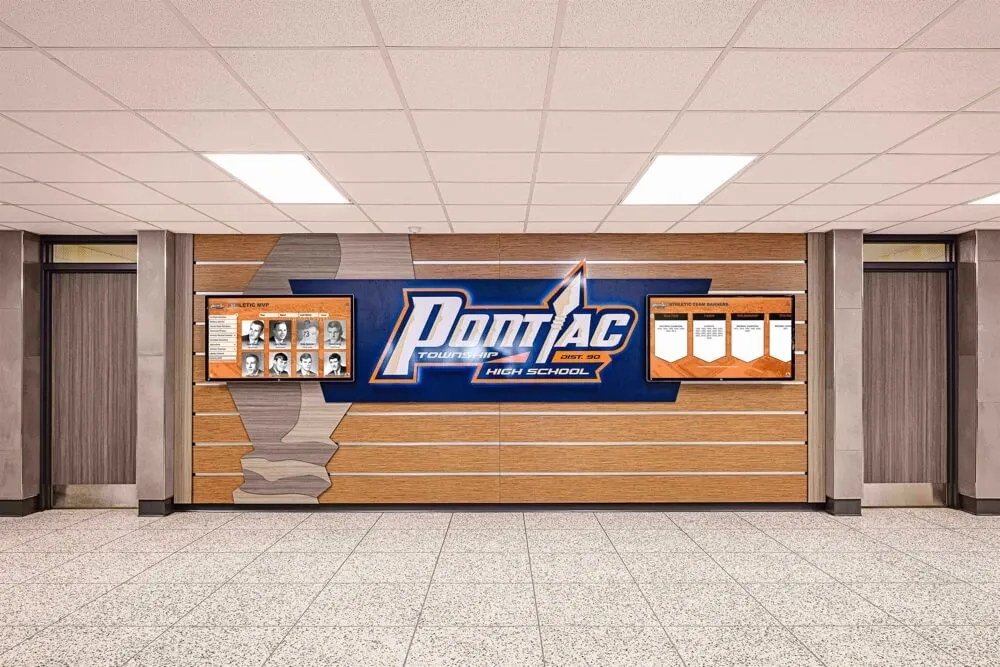
Multi-screen hallway installations provide prominent visibility for signing day athletes in high-traffic areas
Community Pride and School Identity
Beyond the Athletic Department Signing day recognition benefits entire institutions:
- Demonstrates school produces college-ready students athletically and academically
- Creates positive media coverage and community conversation
- Provides marketing content for school websites and materials
- Strengthens school reputation attracting enrollment
- Builds community pride in institutional excellence
Donor and Booster Engagement Financial supporters need visible evidence their investments produce results:
- College signings represent tangible return on booster funding
- Recognition displays create permanent visibility for sponsored programs
- Signing day events provide cultivation opportunities for major donors
- Success metrics justify continued and increased financial support
Strategic fundraising programs often highlight college placement rates and signing day achievements when soliciting athletic department contributions.
Practical Planning: Signing Day Checklist for Athletic Directors
Executing memorable National Signing Day 2026 celebrations requires advanced planning and coordination across multiple stakeholders.
3-4 Months Before (September-November for February signing)
Initial Planning
- Identify anticipated signing athletes across all sports
- Select ceremony date, time, and location
- Establish budget for ceremony, recognition, and permanent displays
- Form planning committee (coaches, administrators, booster representatives)
- Research display options (traditional plaques, digital systems, or hybrid approach)
Facility and Logistics
- Reserve ceremony space and ensure setup access
- Coordinate with facilities staff on display installation if new recognition system
- Arrange audio-visual equipment (microphones, screens, sound system)
- Plan seating arrangement accommodating families, media, and attendees
- Confirm parking and building access for attendees
6-8 Weeks Before
Athlete Coordination
- Meet with signing athletes to collect information for programs and displays
- Gather photos, statistics, achievements, and biographical content
- Confirm college destinations and obtain official college logos
- Coordinate with families on ceremony involvement and guest lists
- Work with athletes on any remarks they’ll deliver during ceremony
Media and Marketing
- Send media advisories to local newspapers, radio, and television
- Prepare press releases with athlete information
- Create social media content strategy for event coverage
- Design printed programs if distributing to attendees
- Develop ceremony script and speaking points
2-3 Weeks Before
Final Arrangements
- Confirm all attendees and finalize seating charts
- Order or prepare signing day materials (posters, banners, college gear displays)
- Rehearse ceremony flow and timing
- Brief student assistants or volunteers on roles
- Test all audio-visual equipment
Recognition Display Preparation
- Finalize content for permanent displays (digital or physical)
- Install new recognition systems or update existing displays
- Test interactive features and ensure proper functioning
- Prepare QR codes or mobile access if applicable
- Arrange photographer/videographer for documentation
Ceremony Day
Setup and Execution
- Arrive early for complete room setup and equipment testing
- Provide clear signage directing attendees to ceremony location
- Assign greeters to welcome families and media
- Conduct brief pre-ceremony check-in with signing athletes
- Execute ceremony following prepared script
Post-Ceremony
- Host informal reception allowing families to celebrate together
- Facilitate media interviews with athletes and coaches
- Capture group photos with all signing athletes
- Ensure all athletes receive commemorative materials
- Thank volunteers, staff, and supporting organizations
Follow-Up (Days After)
Maximizing Impact
- Post ceremony photos and videos to school website and social media
- Send thank-you notes to participants, volunteers, and attendees
- Distribute media coverage to school community
- Update permanent recognition displays with official signing information
- Share digital access links with athlete families
- Archive ceremony materials for future reference
Schools implementing systematic recognition approaches find that processes established for signing day transfer effectively to other recognition programs throughout the year.
Addressing Common Signing Day Challenges
Even well-planned celebrations encounter obstacles requiring thoughtful solutions.
Managing Multiple Signing Periods
The Challenge With early signing periods in November-December and traditional signing in February-May, schools struggle to create unified recognition when athletes sign months apart.
Solutions That Work
- Hold separate ceremonies for each signing period, celebrating athletes when they officially commit
- Designate single comprehensive celebration after spring signing period concludes, honoring all college-bound seniors together
- Create permanent displays updating in real-time as athletes sign throughout the year
- Recognize early signees during winter athletic events, traditional signees at spring events
- Host single ceremony with recognition that some athletes signed months earlier
Choose approaches matching your school size and signee numbers—larger programs with many signees across multiple sports often prefer separate ceremonies, while smaller schools combine recognition.
Recognizing Non-Scholarship Athletes
The Challenge Not all college-bound athletes receive scholarships—Division III doesn’t offer athletic aid, and some Division I/II athletes choose programs for academic scholarships or preferred fit rather than athletic money.
The Inclusive Approach The achievement of continuing athletics collegiately deserves recognition regardless of scholarship status:
- Include ALL college-bound athletes in signing day celebrations
- Explicitly communicate that Division III and academic scholarship athletes are honored equally
- Avoid language emphasizing “full-ride” or scholarship amounts
- Frame recognition around continuing athletic careers, not financial awards
- Recognize walk-on athletes joining Division I/II programs without initial scholarships
The character, work ethic, and commitment required to compete collegiately exists regardless of scholarship status—inclusive recognition reflects this reality.
Budget Constraints
The Challenge Not every program has substantial budgets for elaborate ceremonies and expensive permanent displays.
Cost-Effective Alternatives
- Partner with booster clubs to sponsor signing day events and recognition
- Utilize existing school spaces rather than renting external venues
- Create student-designed posters and banners using in-house printing
- Leverage parent volunteers for photography, catering, and setup
- Implement digital displays that scale with your program growth over time
- Focus budget on elements creating lasting impact (permanent recognition) over consumables (decorations, food)
Meaningful recognition comes from thoughtful execution, not necessarily expensive elements—many of the most cherished signing day memories cost virtually nothing to create.
Equity Across Sports
The Challenge Football historically dominated National Signing Day attention, while athletes in smaller sports or women’s sports received less recognition despite comparable achievements.
Creating True Equity
- Celebrate signing days for ALL sports, not just football
- Provide equal ceremony quality regardless of number of signees
- Feature all sports prominently in permanent recognition displays
- Ensure equal media coverage and promotion across sports
- Allocate budget proportionally based on signees, not traditional sport prestige
- Monitor recognition patterns identifying unintentional disparities
Schools committed to athletic equity find signing day recognition serves as visible demonstration of institutional values regarding equal opportunity and celebration.
Looking Beyond National Signing Day 2026: Sustaining Recognition
The most effective schools view signing day not as isolated event but as component within comprehensive recognition philosophy.
Year-Round Athletic Recognition Culture
Integrated Recognition Systems Signing day gains meaning within broader recognition:
- End-of-season athletic awards celebrating all participants, not just college-bound athletes
- Academic achievement recognition for student-athletes maintaining eligibility
- Senior night traditions honoring all graduating athletes regardless of college plans
- Hall of fame inductions celebrating historic program excellence
- Community engagement recognition for athletes serving beyond competition
When college signing becomes one element within comprehensive recognition, athletes at all levels feel valued for their contributions.
Tracking Post-Graduation Success
Maintaining Alumni Connection The most valuable signing day recognition systems enable ongoing updates:
- Track college athletic achievements (conference championships, academic honors, records)
- Update displays with graduate degrees, professional careers, or continuing sport involvement
- Celebrate former athletes who become coaches, teachers, or community leaders
- Create “Where Are They Now?” content maintaining alumni visibility
- Build mentorship connections between current athletes and college-competing alumni
This ongoing engagement transforms one-time signing day recognition into living history showcasing program impact across generations.
Building on National Signing Day 2026 Success
Creating Sustainable Traditions Use National Signing Day 2026 to establish or refine traditions that will serve your program for decades:
- Document everything—what worked, what didn’t, attendee feedback, timing insights
- Establish repeatable processes reducing planning burden for future years
- Create signature elements unique to your program that athletes anticipate
- Build stakeholder buy-in (administration, coaches, boosters) for ongoing support
- Invest in recognition infrastructure (digital displays, ceremony spaces) serving long-term needs
The planning you do for National Signing Day 2026 creates foundation for recognition culture benefiting your athletic program for years ahead.
Conclusion: Making National Signing Day 2026 Meaningful
National Signing Day 2026 offers your high school an opportunity to celebrate student-athletes who achieved extraordinary accomplishments while creating experiences and recognition that strengthen program culture for years to come. Whether you have one athlete continuing their career or twenty, each deserves meaningful recognition acknowledging the dedication, character, and achievement their commitment represents.
The most successful programs move beyond treating signing day as administrative formality or perfunctory photo opportunity. They create thoughtful ceremonies honoring athletes and families, implement recognition systems providing permanent visibility for college-bound athletes, and leverage signing day as strategic component of recruitment, culture-building, and community engagement.
As you plan for National Signing Day 2026, remember that the goal extends beyond celebrating individual athletes—though that remains paramount. You’re building traditions younger athletes will aspire toward, creating visible examples of program excellence for prospective families, strengthening community pride in your institution, and establishing recognition demonstrating your athletic program’s commitment to comprehensive athlete development.
The planning, coordination, and resources you invest in making National Signing Day 2026 meaningful will return dividends through stronger program culture, enhanced recruitment positioning, deeper alumni connections, and most importantly, lasting positive memories for the student-athletes who earned the opportunity to continue competing at the collegiate level.
Ready to create recognition displays that celebrate your college-bound athletes year-round? Explore how interactive touchscreen systems can transform signing day recognition while building comprehensive athletic halls of fame showcasing your program’s excellence for generations to come.