



Earning a berth to the national high school cheerleading championship represents the pinnacle of achievement for competitive cheer programs. After months of grueling practices, local and regional competitions, and unwavering dedication, only elite teams reach the national stage where they compete against the country’s finest squads for prestigious championship titles.
High school cheerleading has evolved far beyond sideline entertainment into a highly athletic, competitive sport requiring exceptional tumbling skills, synchronized stunting, dynamic choreography, and flawless execution under intense pressure. National championships showcase this evolution, bringing together teams who have mastered complex routines that blend gymnastics, dance, and acrobatics into breathtaking two-and-a-half-minute performances judged on technical precision and artistic expression.
This comprehensive guide explores everything schools need to know about the national high school cheerleading championship—from understanding different competition organizations and divisions to qualification pathways, competition day expectations, and how programs preserve these remarkable achievements for ongoing recognition within their school communities.
Cheerleading squads reaching nationals represent exceptional athletic programs demonstrating not just talent but sustained commitment to excellence, comprehensive training programs, strong coaching leadership, and school communities supporting competitive cheer as legitimate varsity athletics. Understanding how national championships work helps programs set realistic goals while celebrating teams achieving this remarkable milestone appropriately.

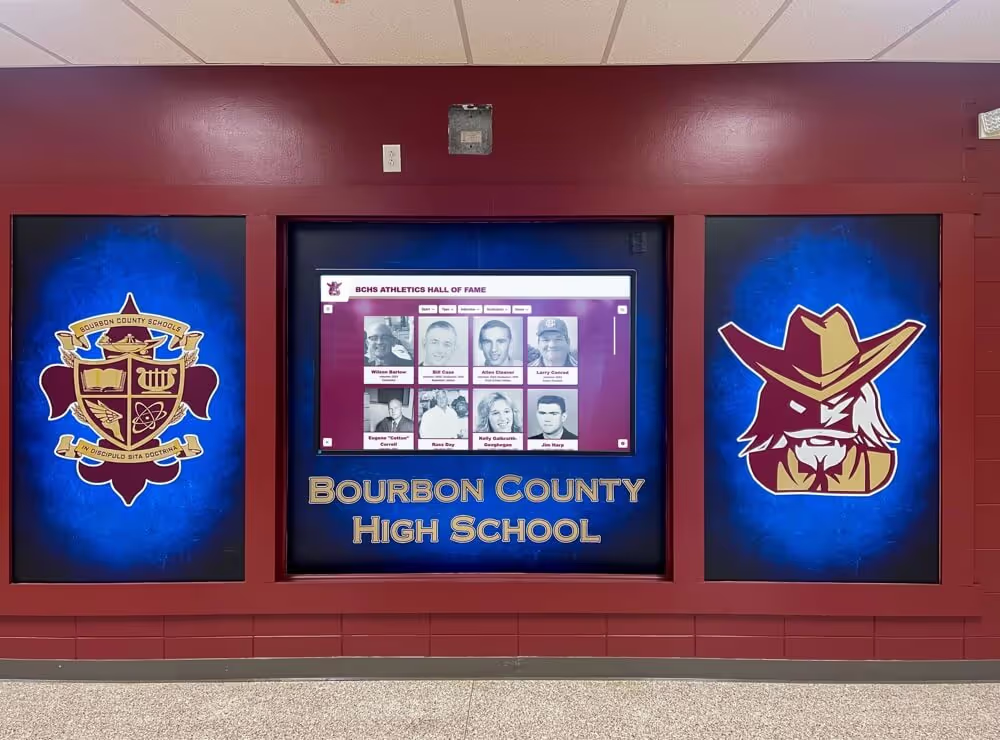
Schools preserve national championship achievements through permanent recognition displays, ensuring these remarkable accomplishments inspire future athletes
Understanding National Championship Organizations
Multiple organizations host national high school cheerleading championships, each with distinct philosophies, competition structures, and qualification requirements.
Major National Championship Events
UCA National High School Cheerleading Championship
The Universal Cheerleaders Association hosts one of the most prestigious national competitions, typically held annually at ESPN’s Wide World of Sports Complex in Orlando, Florida. UCA’s championship has been crowning national champions since 1980, establishing deep traditions within competitive cheerleading culture.
Key UCA Championship Features:
- Multiple competition divisions by school size and team composition
- Strict safety guidelines and deduction protocols
- Emphasis on traditional cheerleading elements alongside athleticism
- National television coverage bringing visibility to championship teams
- Bid system through regional competitions and video submissions
- Two-day competition format with preliminary and final rounds
UCA championships attract hundreds of teams annually, creating highly competitive environments where margins between victory and defeat often measure in fractions of points.
NCA High School National Championship
The National Cheerleaders Association, founded in 1948 as one of cheerleading’s original organizations, hosts championship events in Dallas, Texas. NCA competitions emphasize technical precision, innovative choreography, and crowd engagement elements reflecting cheerleading’s dual role as both sport and school spirit activity.
NCA Championship Characteristics:
- Division structures accommodating various program sizes and formats
- Technical scoring emphasizing execution quality over difficulty alone
- Traditional cheer elements including jumps, tumbling, stunting, and pyramids
- Partner stunting and group stunt sequences
- Required crowd-leading and cheer incorporation sections
- Multi-day event format with preliminary rounds and finals
USA Spirit Nationals
USA Spirit Championships, affiliated with USA Cheer, represent the national governing body’s official championship event. These competitions align closely with STUNT (a newer college cheerleading format) and emphasize standardized scoring criteria, safety protocols, and athletic progression pathways.
USA Spirit National Features:
- Standardized divisions across age and competition levels
- Comprehensive safety certification requirements for coaches
- Emphasis on progressive skill development
- Connection to college cheerleading through consistent rule sets
- Regional qualification through sanctioned events
- Focus on cheerleading as recognized athletic discipline
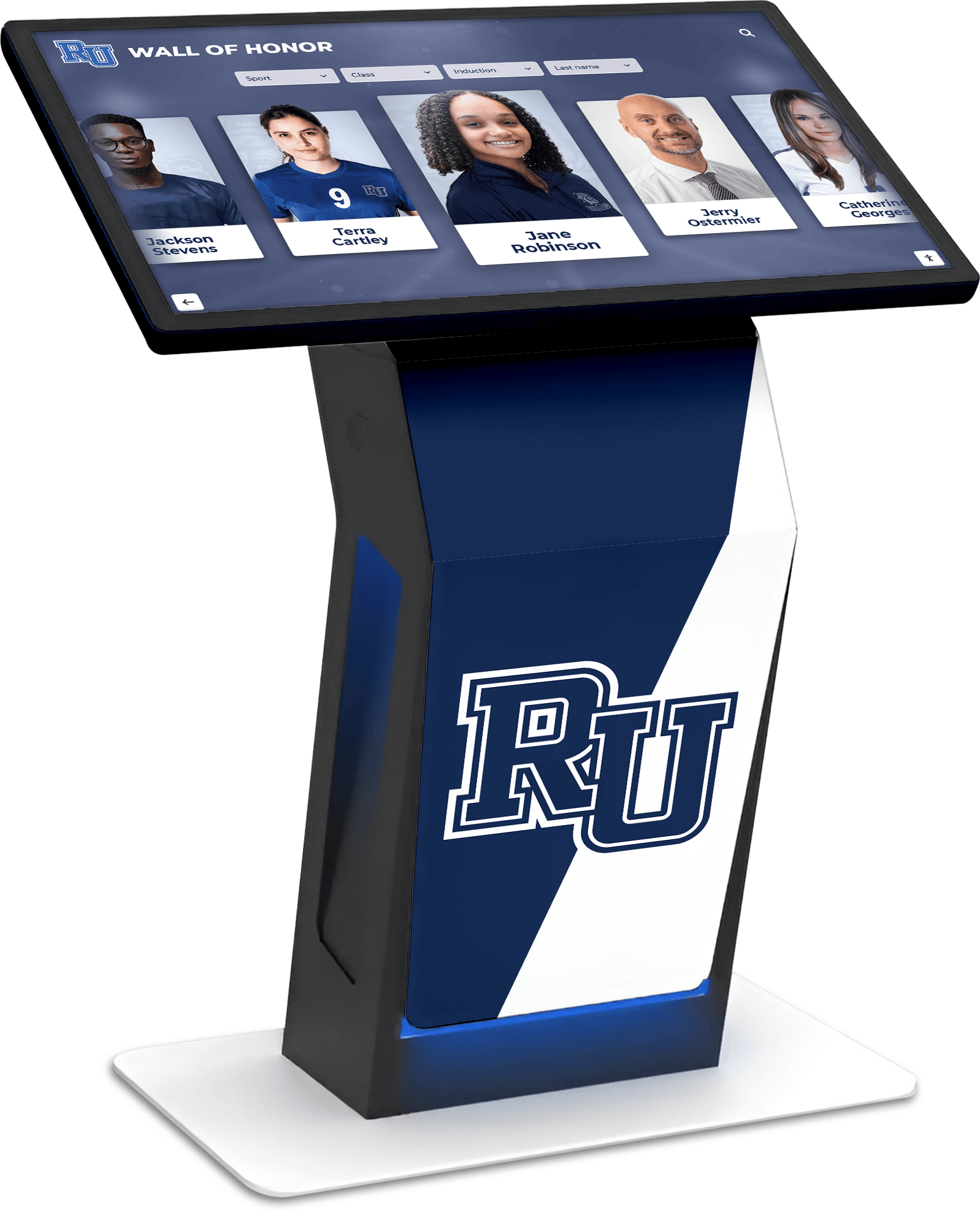
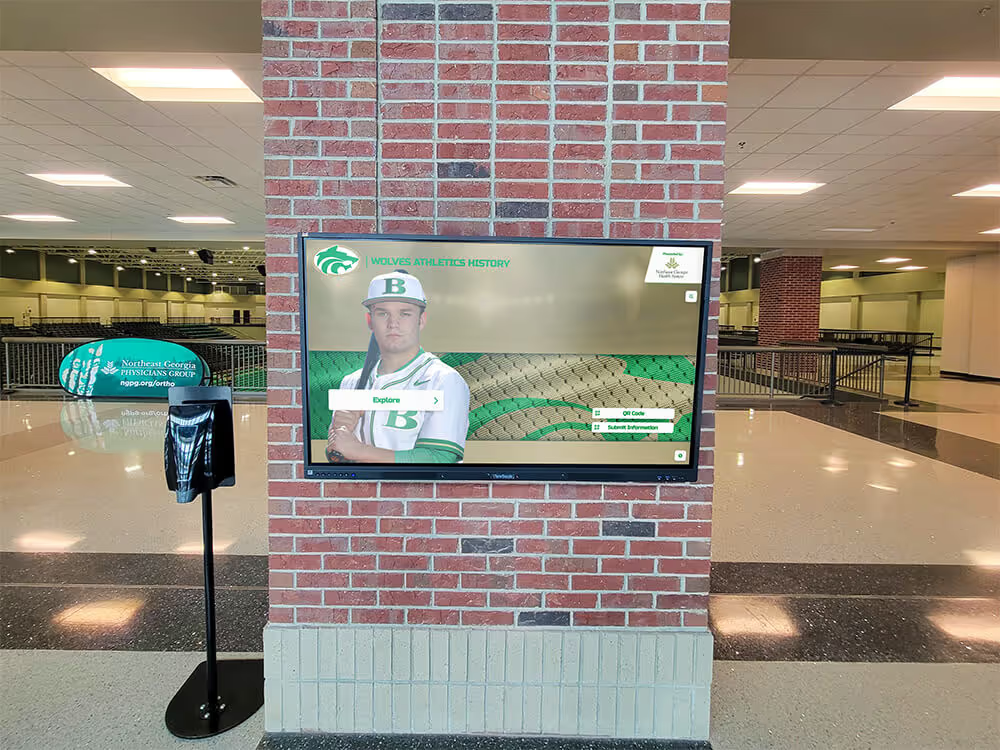
Digital recognition kiosks provide unlimited capacity to showcase cheerleading championship achievements alongside other athletic accomplishments
Spirit of America Championships
Varsity Spirit hosts Spirit of America events bringing together elite teams from across the country in various locations. These championships provide additional national-level competition opportunities for programs seeking multiple platforms to demonstrate excellence.
Choosing the Right Championship Path
High school programs typically focus efforts on one primary national championship event based on several factors:
Competition Philosophy Alignment
- Program values (traditional cheer vs. pure athleticism focus)
- Coaching staff experience and training background
- Team strengths and competitive advantages
- Regional competition traditions and expectations
- College recruitment considerations for senior athletes
Logistical Considerations
- Event location and travel requirements
- Competition timing relative to school calendar
- Budget constraints for registration, travel, and lodging
- Qualification requirements and accessibility
- Team size and division availability
Programs should research different championship organizations thoroughly, attend competitions as spectators when possible, and consult with experienced coaches determining which national championship best serves their team’s goals, capabilities, and development trajectory.
Competition Divisions and Categories
National championships organize teams into divisions ensuring fair competition among programs with similar resources, experience levels, and team structures.
Division Structures
School Size Divisions
Most national championships establish divisions based on school enrollment, recognizing that larger schools typically have bigger talent pools, more extensive resources, and different competitive advantages than smaller institutions:
- Small Division: Schools typically under 500-750 students
- Medium Division: Schools ranging 750-1,500 students
- Large Division: Schools exceeding 1,500-2,000 students
- Super Large Division: Major high schools over 2,000 students (where applicable)
Exact enrollment thresholds vary by championship organization and may adjust periodically based on participation patterns and competitive balance considerations.
Team Composition Categories
Championships distinguish between different team formats and gender compositions:
All-Girl Teams: Traditional squads composed entirely of female athletes, typically the largest and most competitive divisions at national championships. All-girl teams showcase complex pyramids, synchronized tumbling, and intricate stunting requiring exceptional coordination and trust.
Coed Teams: Squads including both male and female athletes leverage height and strength advantages for more elaborate partner stunts and basket tosses. Coed divisions often feature the most spectacular aerial elements and require additional technical execution given the complexity of mixed-gender stunting.
Game Day Divisions: Some championships include divisions specifically for sideline cheerleading and crowd-leading performance, evaluating traditional game day skills including crowd response, fight songs, situational cheers, and band chants alongside basic stunting and tumbling.
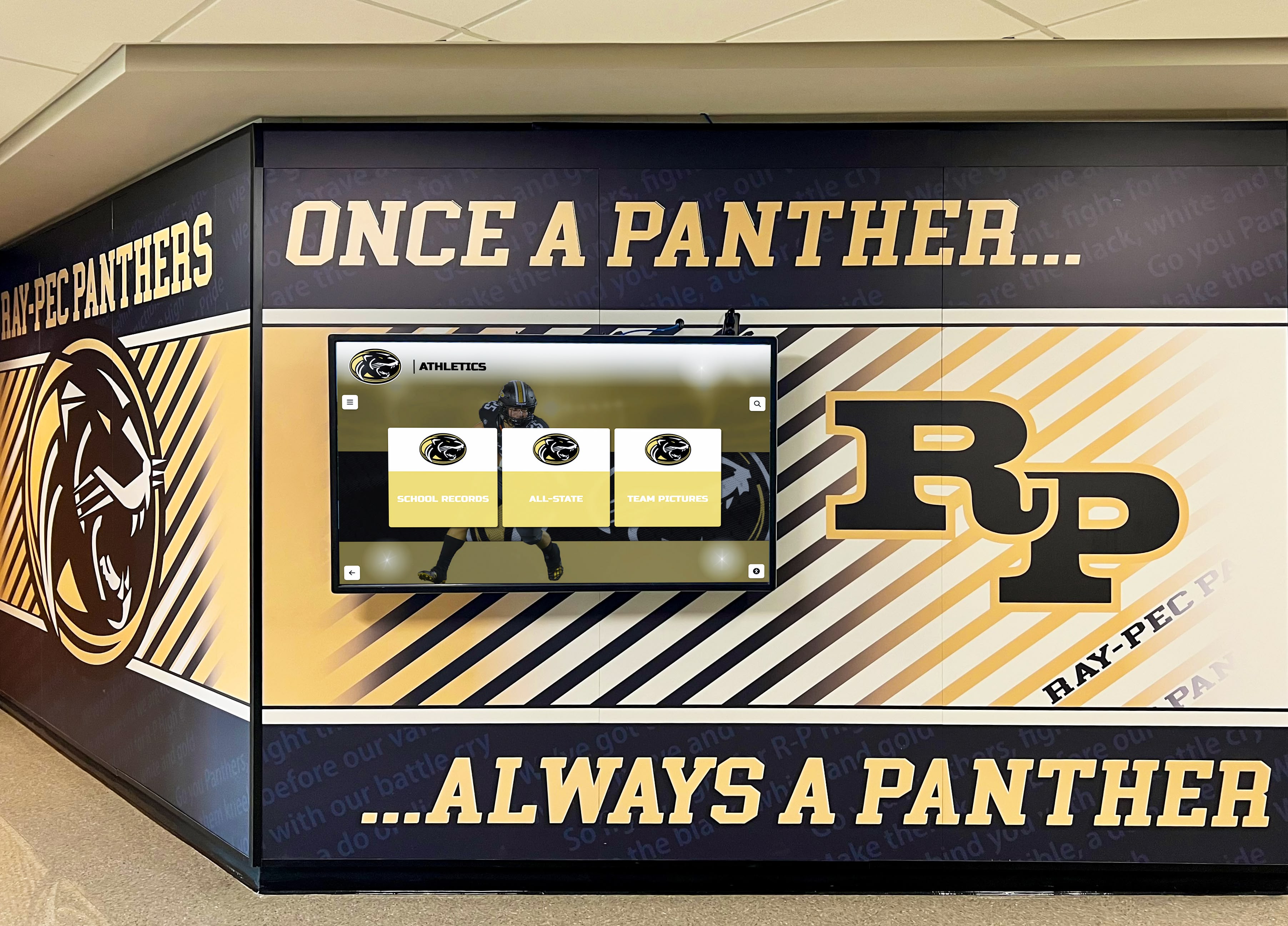
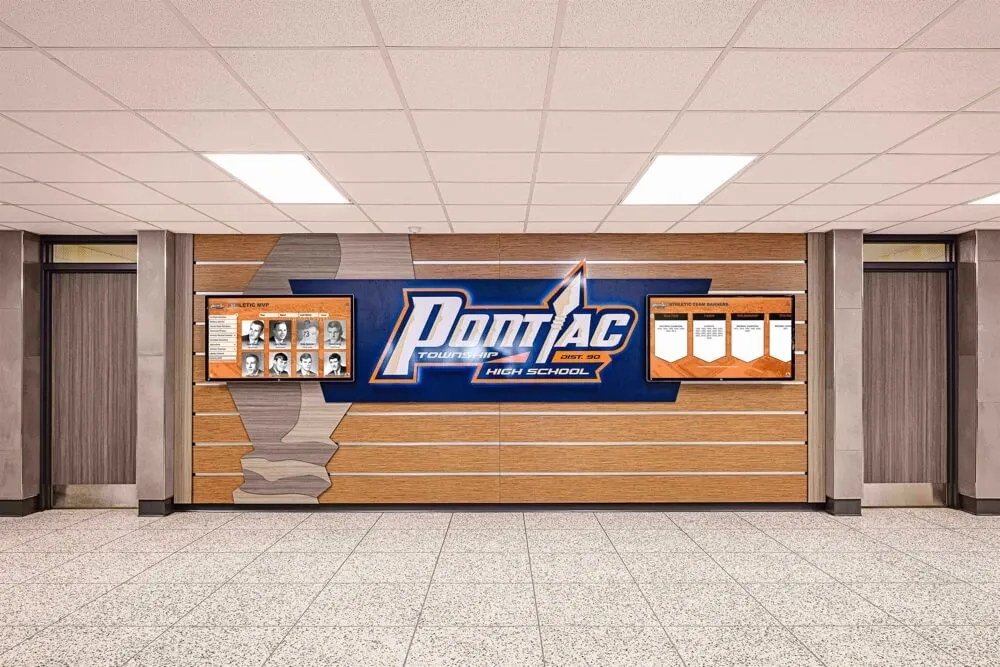
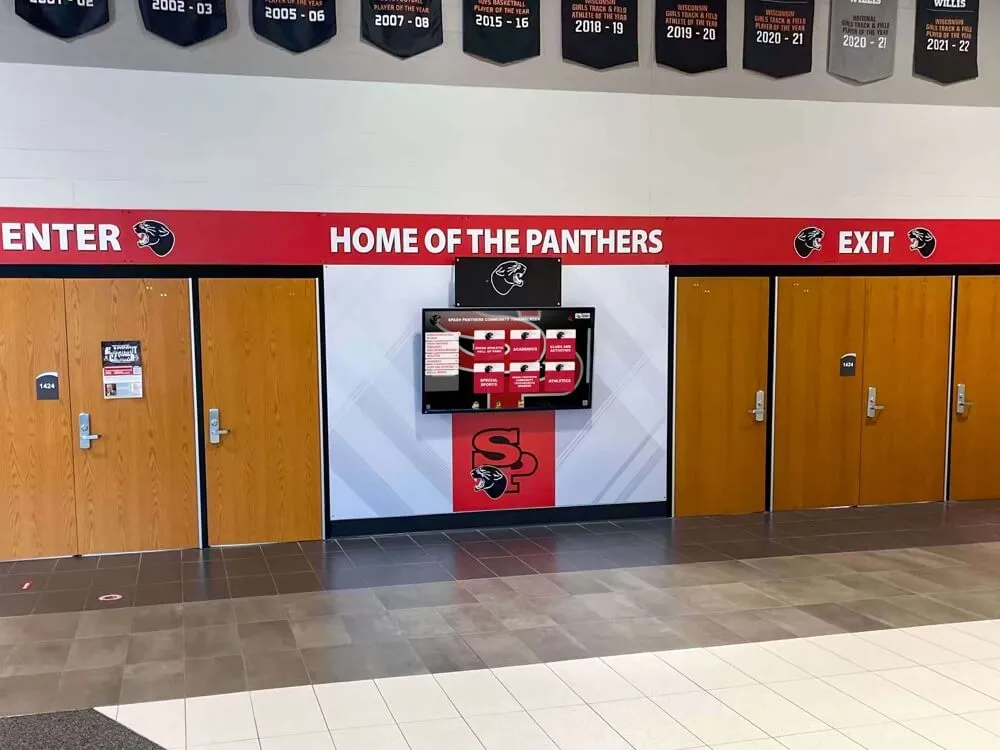
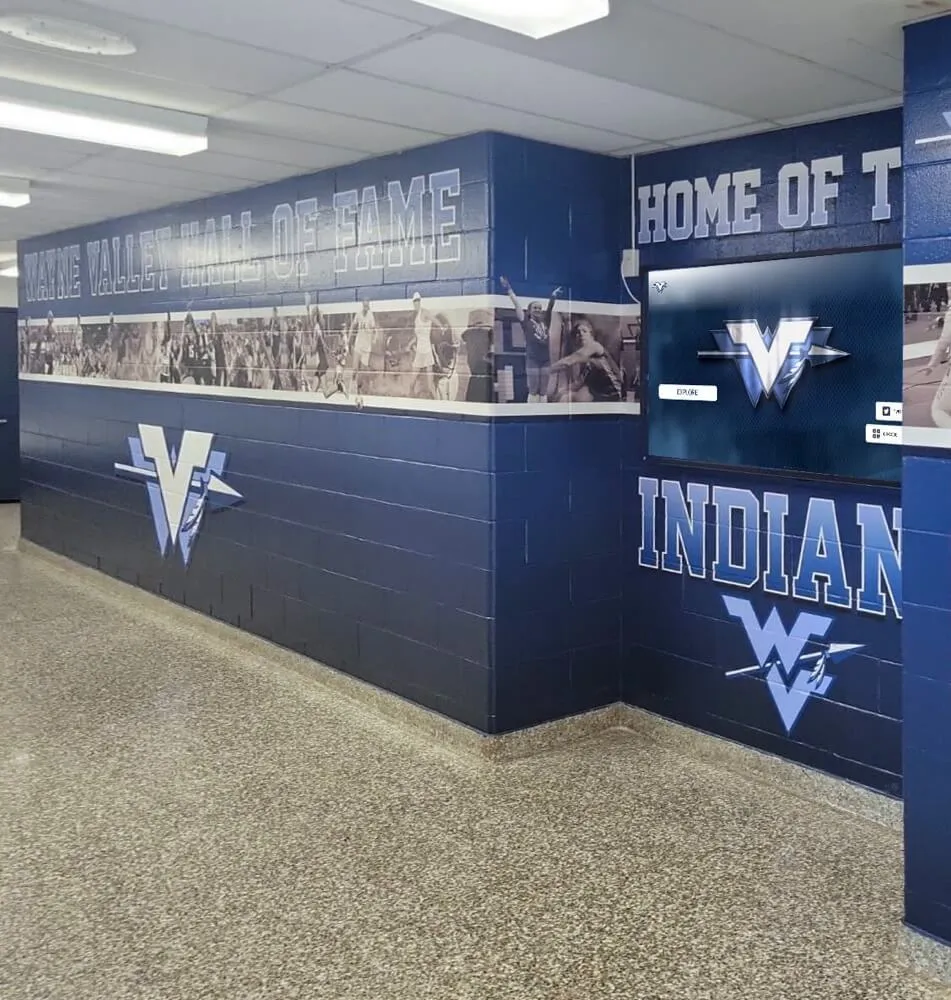
Hallway athletic displays create prominent spaces showcasing national championship recognition alongside other sports achievements
Team Size Categories
Some competitions further subdivide divisions by roster size:
- Small Squad: Typically 5-12 athletes
- Medium Squad: Generally 13-20 athletes
- Large Squad: Usually 21-30 athletes
Team size categories ensure smaller programs aren’t disadvantaged competing against squads with 30 athletes creating fuller visual impact and deeper talent rosters enabling more complex choreography and stunt sequences.
Non-Tumbling and Junior Varsity Divisions
Many national championships include divisions accommodating developmental programs and athletes without advanced tumbling skills:
Non-Tumbling Categories: Divisions prohibiting or severely restricting tumbling elements, focusing evaluation on stunting, pyramids, jumps, dance, and synchronization. These divisions make national competition accessible to programs in regions where gymnastics training facilities remain limited or teams emphasizing traditional cheerleading elements over gymnastics-heavy routines.
Junior Varsity Competitions: Separate championship opportunities for JV squads, providing younger or less experienced athletes with national competition experience while building toward varsity-level participation in subsequent years. JV divisions typically feature slightly less restrictive skill requirements and modified difficulty expectations.
Schools implementing comprehensive athletic recognition programs ensure championship achievements across all divisions receive equal visibility and celebration.
Qualification Pathways to Nationals
Earning national championship berths requires navigating qualification systems varying by championship organization but typically involving regional competitions, video submissions, or invitation criteria.
Regional Competition Qualification
Traditional Advancement System
Most national championships use regional qualifying competitions where teams earn bids based on scores and placement:
Automatic Bids: Top finishers in regional competitions receive guaranteed national championship berths. Exact qualification spots vary by region size and division competitiveness—larger regions may advance 3-5 teams per division while smaller regions might qualify only 1-2 squads.
At-Large Bids: Teams scoring above specified thresholds but not placing high enough for automatic advancement may receive at-large bids based on comparative scores across all regional events. At-large selection ensures exceptionally strong programs aren’t excluded due to particularly competitive regional brackets.
Paid Bids vs. Partial Bids: Some qualification systems distinguish between full-paid bids (including registration fee coverage) and partial bids (discounted registration), with paid bids representing higher achievement recognition and financial assistance for programs managing championship expenses.
Video Submission Pathways
Remote Qualification Options
Several championship organizations accept video submission for teams unable to attend regional qualifiers due to geographic limitations, scheduling conflicts, or budget constraints:
Video Requirements:
- Professional-quality recording meeting technical specifications
- Unedited full routine performance
- Specific angle and camera positioning guidelines
- Submission deadlines typically several weeks before nationals
- Required documentation of team eligibility
Scoring Process:
- Panel of certified judges reviews submissions
- Scores compared against regional qualifier results
- Qualification determined by meeting minimum thresholds or ranking within division cutoffs
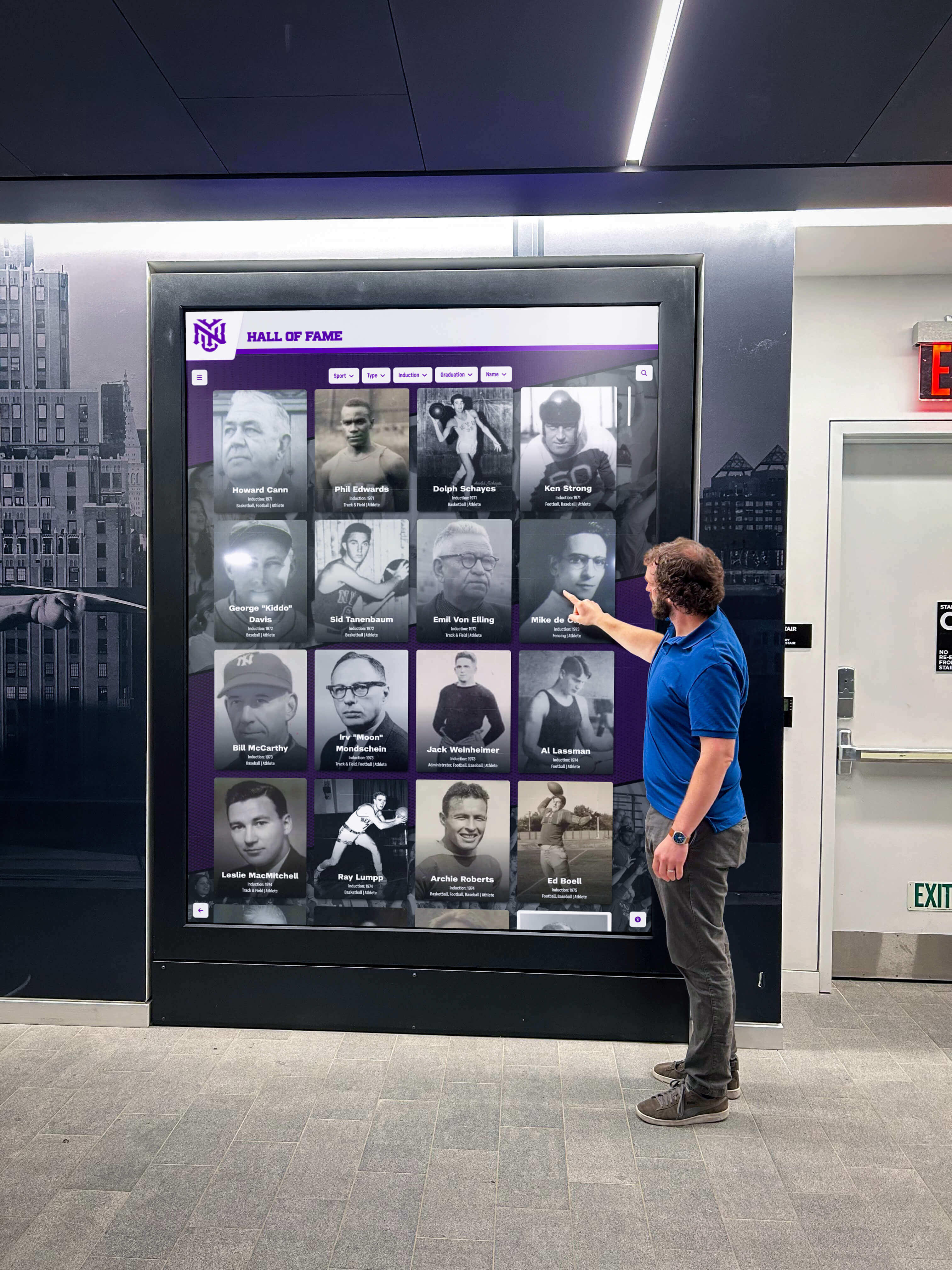
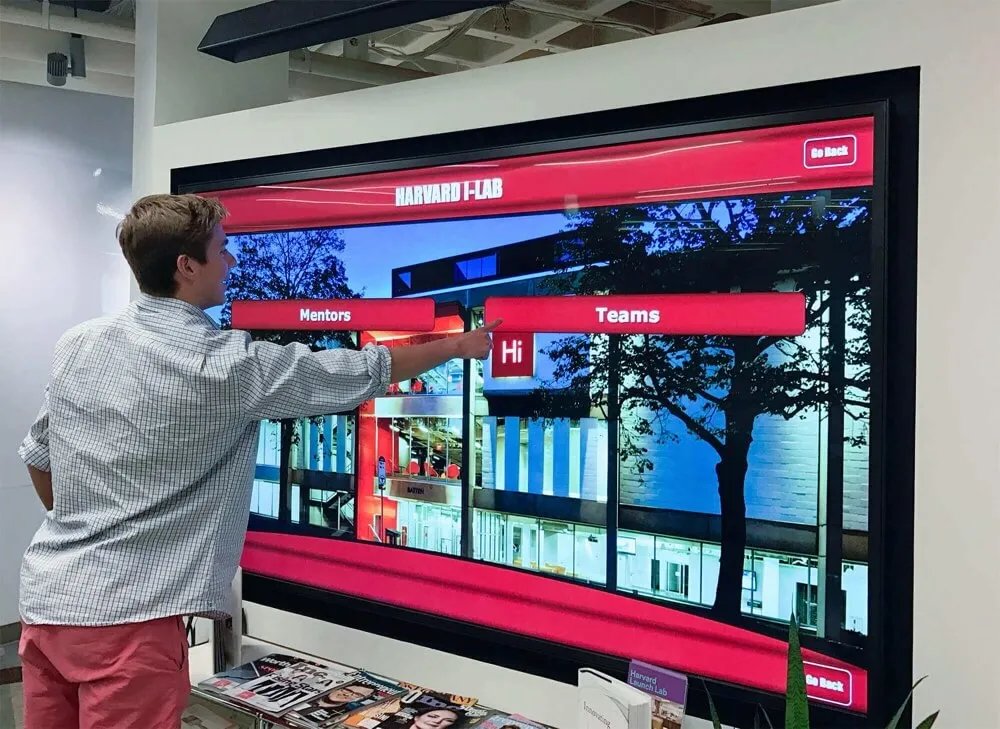
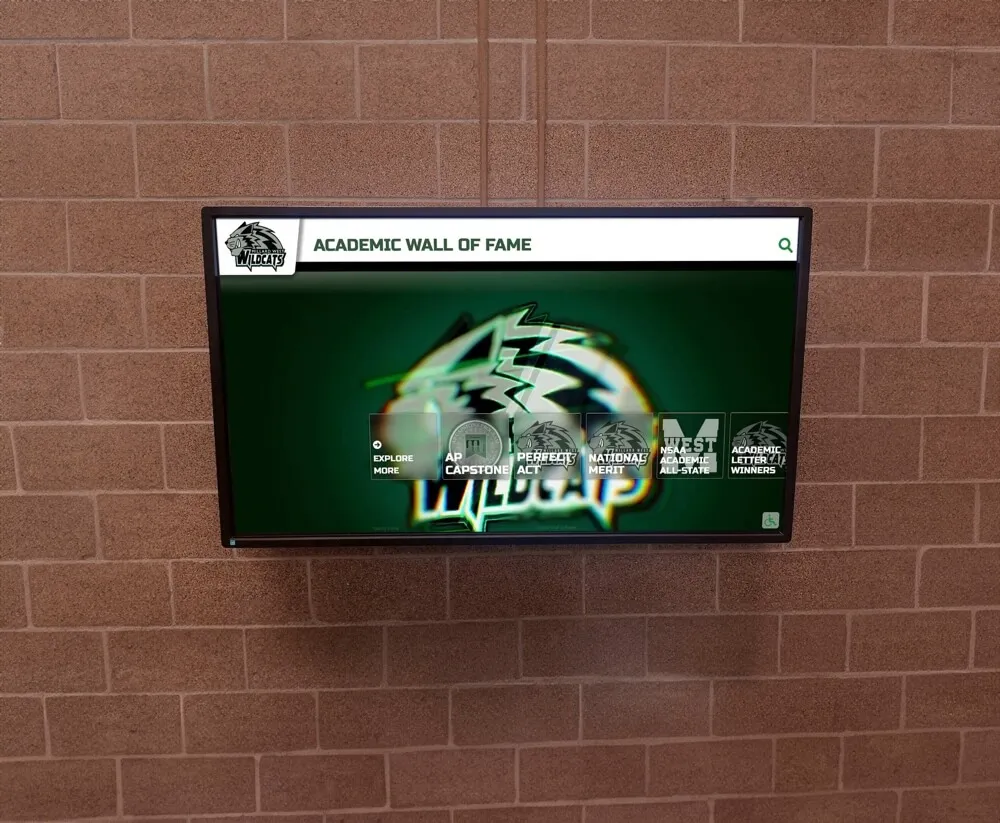
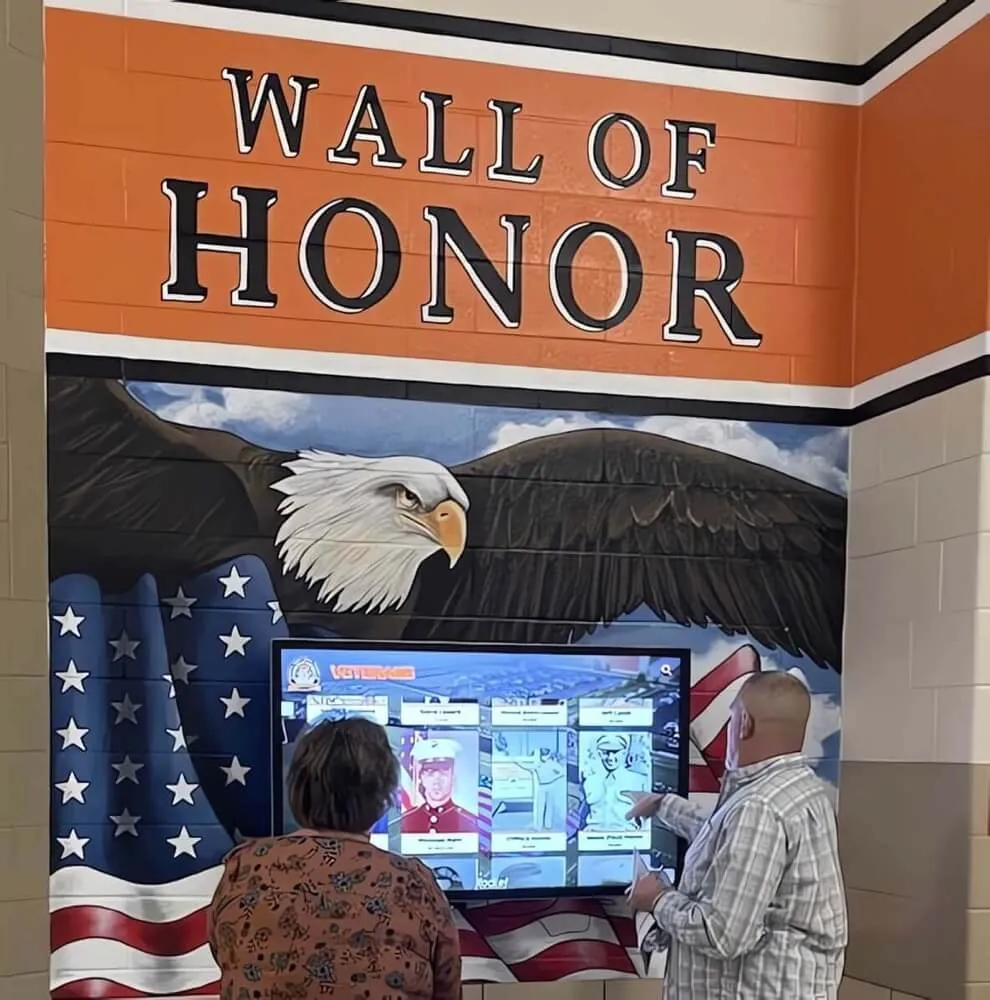
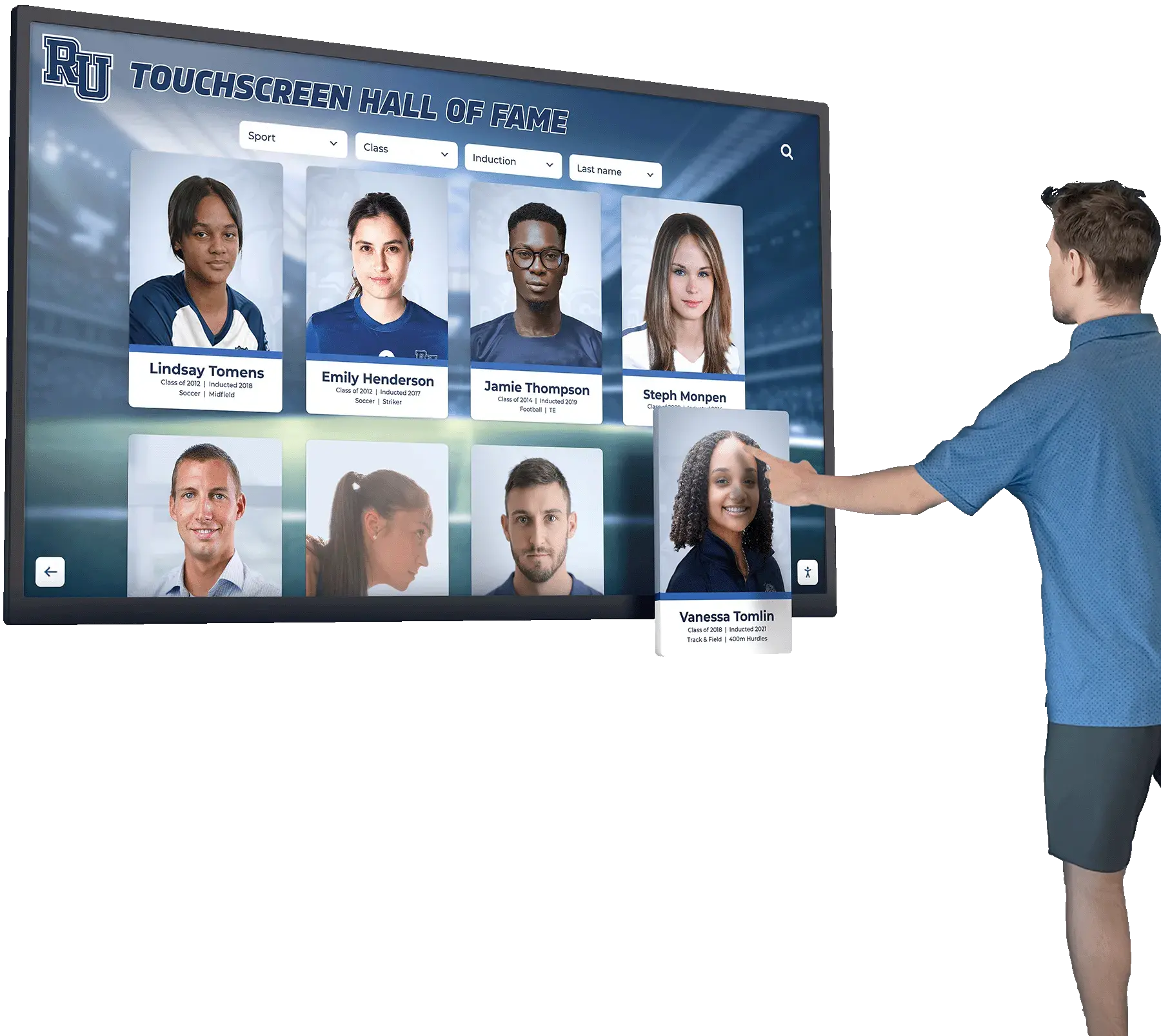
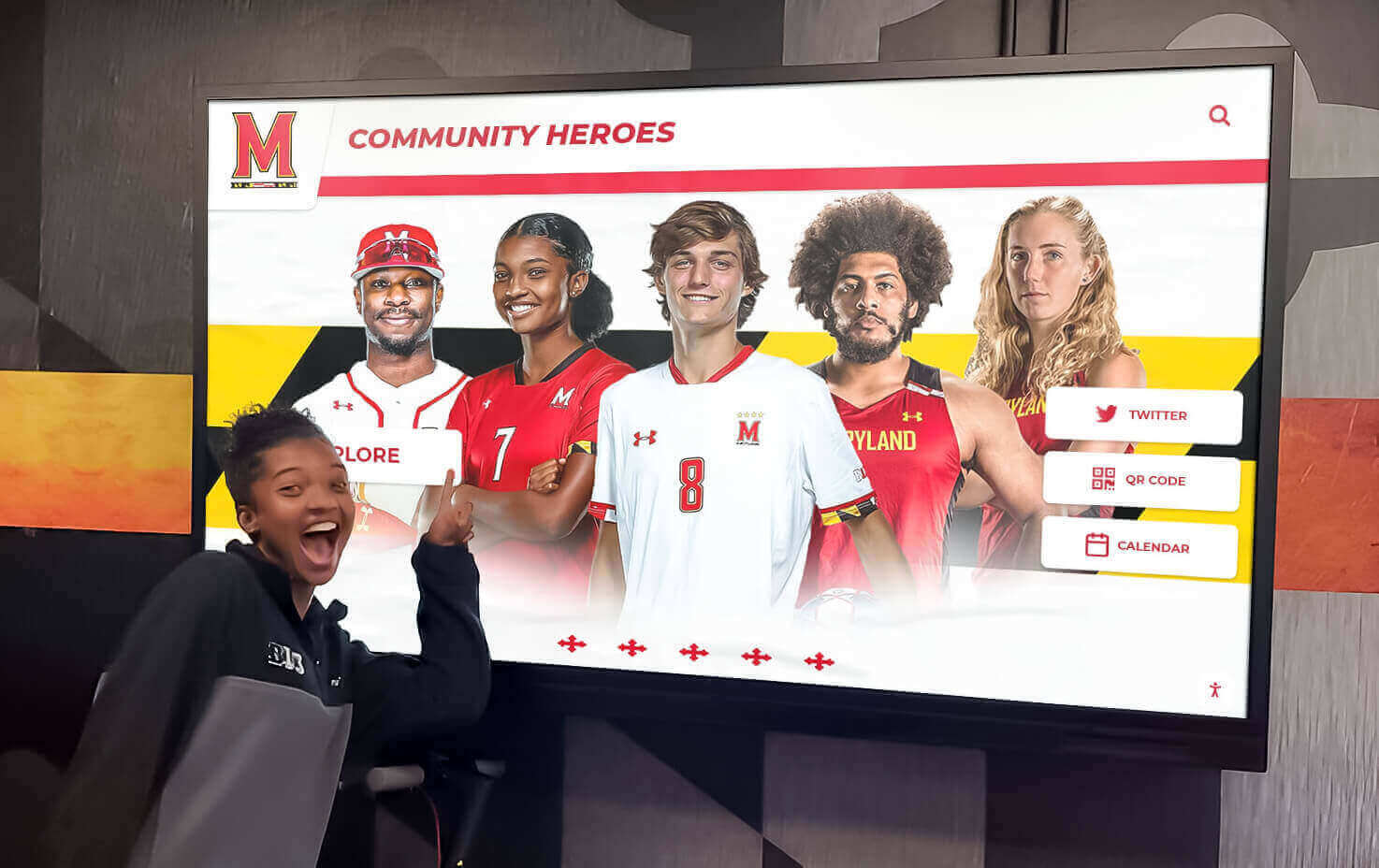
Interactive touchscreen displays invite exploration of championship achievements, allowing visitors to browse team accomplishments through intuitive interfaces
Video qualification provides access for geographically isolated programs but typically proves more challenging than live regional competition due to inability to correct mistakes through multiple rounds and loss of performance energy that live audiences and competitive environments generate.
At-Large and Invitation Systems
Alternative Qualification Methods
Coach Reputation and Program History: Established programs with consistent national-level performance may receive invitations based on historical results and coaching staff credentials, particularly for newer championship events building competitive fields.
State Championship Performance: Strong performances at state-level competitions may factor into at-large bid considerations or direct qualification for certain national events, recognizing state championships as legitimate markers of competitive excellence.
Showcase Events: Some teams earn national berths through strong performances at large showcase competitions attracting national-caliber programs, with top finishers receiving automatic qualification or preferential consideration.
Programs should carefully review specific qualification requirements for their target national championship early in the season, ensuring adequate time to prepare competitive routines and navigate required preliminary competitions or submission processes successfully.
Championship Scoring and Judging Criteria
Understanding how national championships evaluate performances helps teams prepare strategically and maximize scoring potential across different judging categories.
Technical Execution Scoring
Stunting and Pyramids (Typically 30-35% of Score)
Judges evaluate:
- Synchronization across multiple stunt groups
- Proper technique in lifts, transitions, and dismounts
- Difficulty and creativity of stunt sequences
- Height and controlled execution
- Smooth transitions between formations
- Safety and control throughout sequences
Advanced programs incorporate baskets, extended two-and-a-half high pyramids, and creative transitional stunts showcasing exceptional skill levels while maintaining flawless execution and safety.
Tumbling (Typically 15-20% of Score)
Assessment focuses on:
- Skill difficulty (standing tumbling, running tumbling)
- Execution quality and landing technique
- Synchronization in group tumbling passes
- Variety of skills demonstrated
- Incorporation throughout routine
- Proper form and technique
Elite national-level teams typically feature multiple athletes with standing back handspring to full twisting layouts, running fulls, and synchronized group tumbling passes demonstrating both individual skill and exceptional team training.
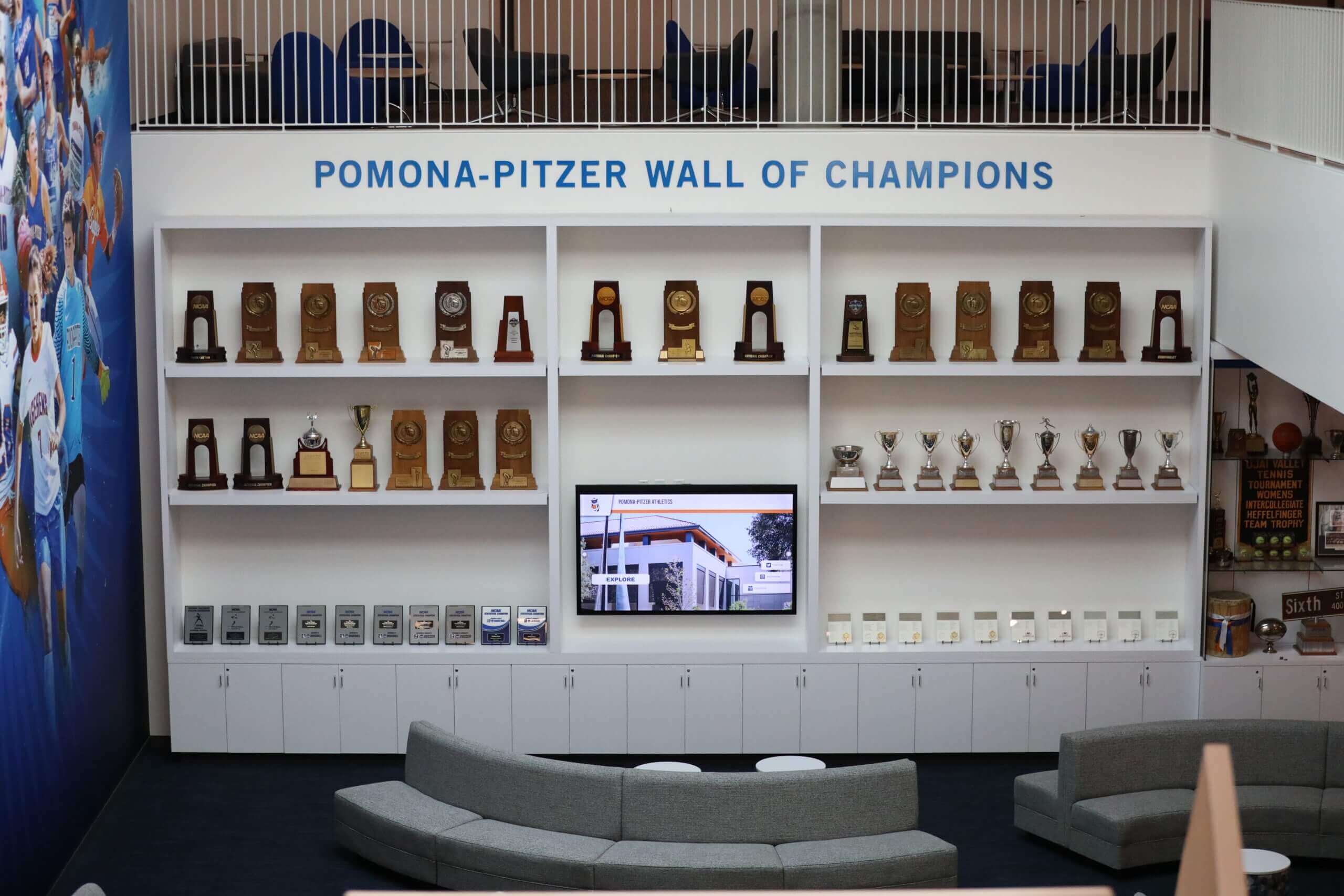
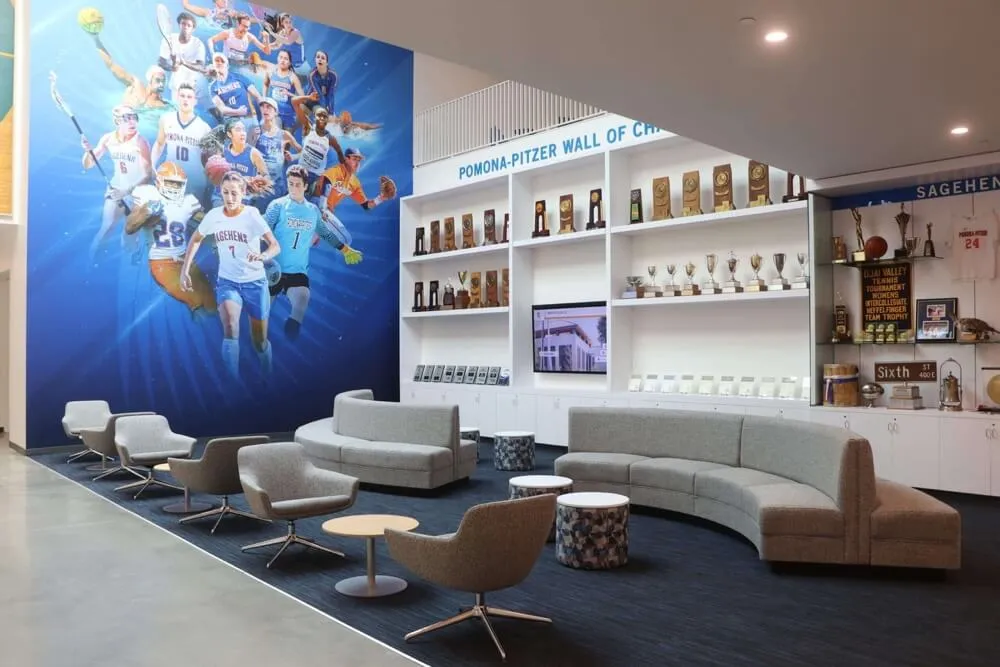
Athletic facility lounges create ideal display spaces showcasing national championship trophies and recognition prominently
Jumps (Typically 10-15% of Score)
Judges examine:
- Technical execution (proper approach, form, landing)
- Height and amplitude
- Synchronization across squad
- Variety of jump types
- Integration with routine choreography
National-caliber teams demonstrate toe-touch, pike, hurdler, and double-nine jumps with exceptional height, tight form, and perfect synchronization making jumps appear effortless.
Artistic and Performance Elements
Choreography and Creativity (Typically 15-20% of Score)
Evaluation includes:
- Originality and innovation in routine composition
- Effective use of floor space and formations
- Smooth transitions and flow between elements
- Music selection and editing quality
- Theme integration and visual impact
- Strategic pacing and energy management
Creative choreography distinguishes exceptional routines from merely technically proficient performances, showcasing program personality while maintaining continuous visual interest throughout two-and-a-half minutes.
Performance and Showmanship (Typically 10-15% of Score)
Judges assess:
- Facial expressions and engagement
- Energy level and enthusiasm
- Crowd connection and projection
- Confidence and stage presence
- Team unity and synchronization
- Routine selling and commitment
Performance quality separates teams with equivalent technical skills—squads demonstrating genuine joy, confidence, and connection with audiences and judges earn crucial additional points in highly competitive divisions.
Deductions and Penalties
Major Deductions:
- Safety violations (typically 5-10 points)
- Time violations (routine over/under allowed duration)
- Music/vocal violations
- Uniform non-compliance
- Illegal skills or rule violations
- Drops or falls (1-5 points depending on severity)
Minor Deductions:
- Bobbles or instability (0.5-2 points)
- Execution errors
- Timing issues
- Formation problems
At national championships where scores often span less than two points between first and fifth place, single bobbles or execution errors can determine championship outcomes. Programs competing at this level drill routines hundreds of times ensuring muscle memory and consistency under pressure.
Building Competitive Routines
Strategic Routine Construction
Successful national championship routines balance maximum difficulty with consistent execution:
Opening Sequence: Strong, attention-grabbing opening combining synchronized tumbling, dramatic formations, and high-energy choreography immediately demonstrating program caliber to judges.
Stunt Sections: Progressive stunt sequences building from foundational skills through advanced pyramids and elite-level elements, demonstrating both technical mastery and creative choreography.
Tumbling Showcases: Strategic placement of individual and synchronized tumbling passes highlighting program strengths while maintaining energy and visual interest throughout routine duration.
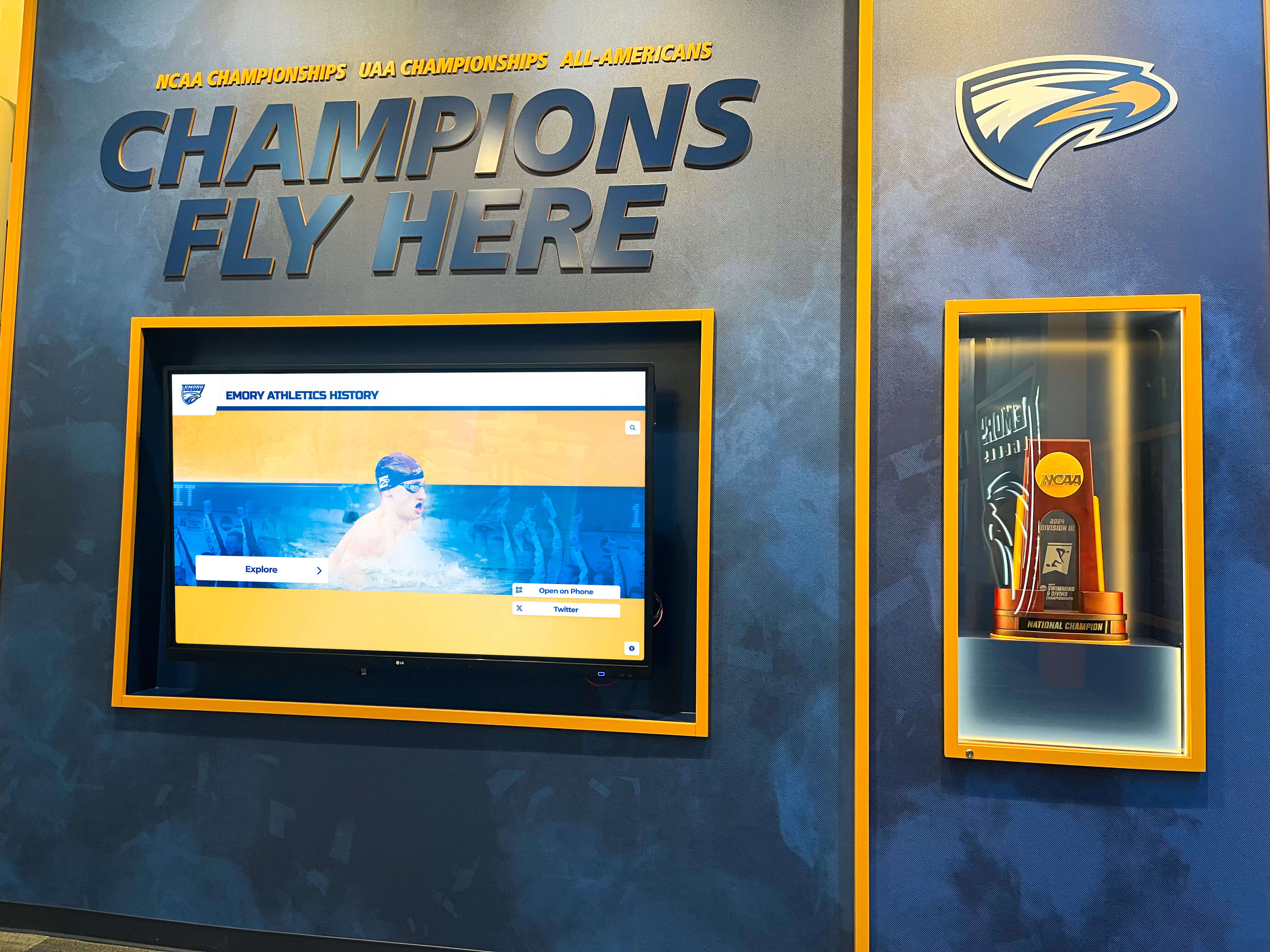
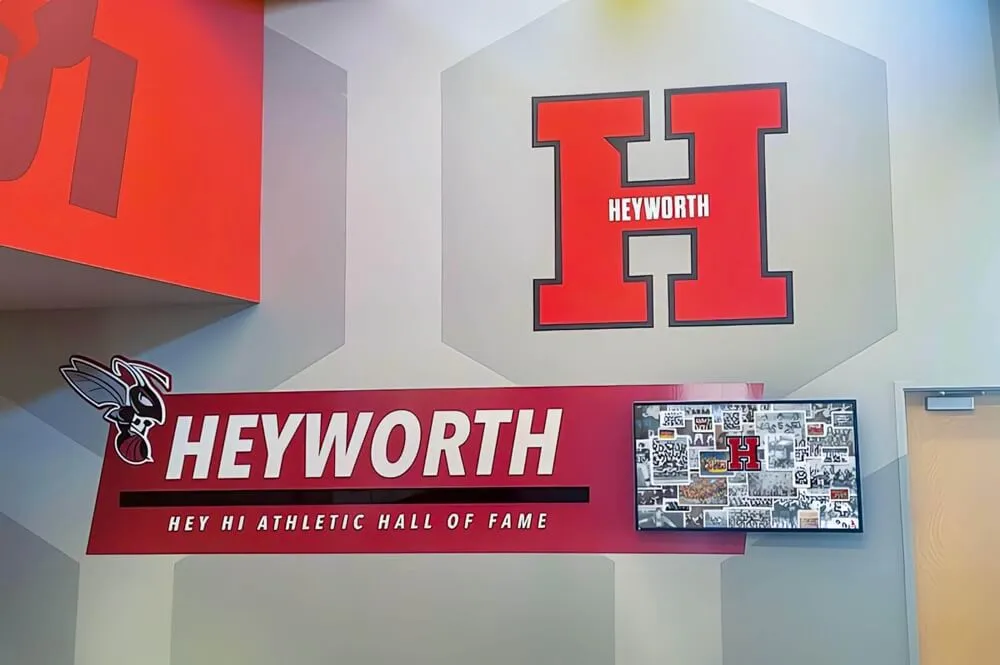
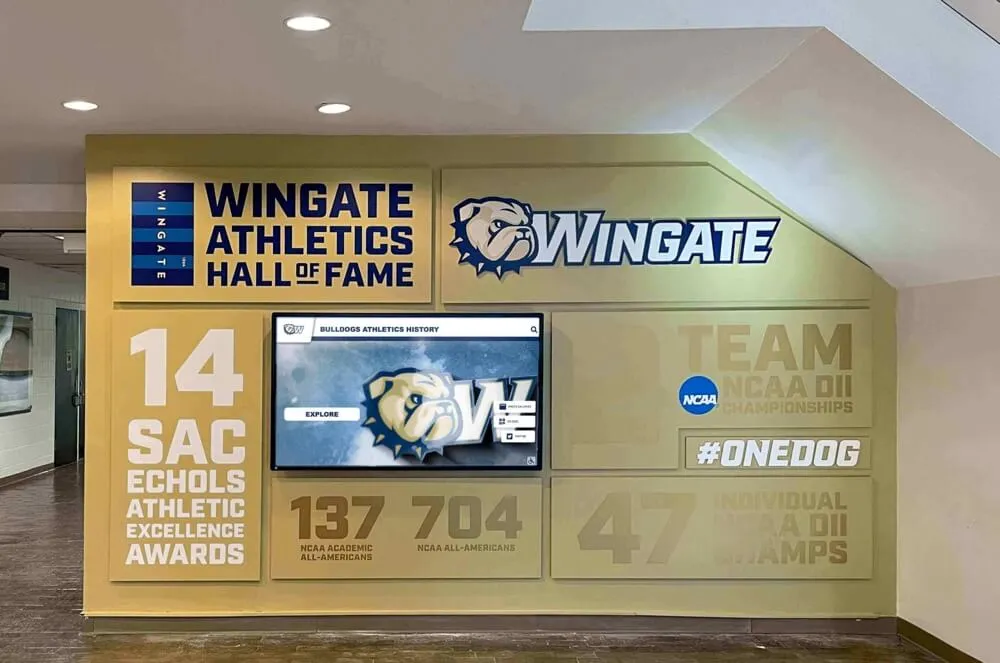
Championship walls recognize national achievements while providing space for comprehensive athletic recognition across multiple sports
Performance Peaks: Designated moments of maximum visual impact—typically including highest-difficulty stunts or most spectacular tumbling—strategically placed to create memorable impressions with judges.
Closing Sequences: Strong finishes bringing squads together in unified formations, demonstrating synchronization and completing routines with high energy and confidence that leaves lasting positive impressions.
Elite programs invest heavily in professional choreography, music editing, and creative consultation ensuring routines maximize scoring potential across all judging categories while showcasing unique program strengths.
Competition Day Experience
Understanding what to expect at national championships helps teams prepare mentally and logistically for high-pressure competition environments.
Event Schedule and Format
Multi-Day Competition Structure
Most national championships span 2-3 days with specific formats:
Day 1 - Preliminary Rounds: All teams perform in assigned time blocks, typically organized by division. Scores determine advancement to finals or establish preliminary seeding. Teams usually arrive several hours before scheduled performance time for check-in, warm-up, and preparation.
Day 2 - Semi-Finals (if applicable): Larger divisions may include semi-final rounds narrowing fields to top finishers advancing to championship finals. Semi-finals create additional pressure while providing teams opportunities to improve performances from preliminary rounds.
Final Day - Championship Finals: Top teams from each division perform again, often with preliminary scores zeroed or partially factored into final standings depending on championship format. Finals typically occur during prime viewing times with larger audiences and enhanced production value.
Performance Timing:
- Check-in: 60-90 minutes before scheduled performance
- Warm-up area access: 45-60 minutes before performance
- Stage warm-up: 2-3 minutes immediately before competing
- Performance duration: 2 minutes 30 seconds (exact timing varies by organization)
- Score posting: 10-30 minutes after division completion
Venue and Facility Considerations
Major Championship Venues
National championships typically occur at premier athletic facilities:
ESPN Wide World of Sports Complex (Orlando, FL): Purpose-built championship venue featuring professional lighting, sound systems, elevated competition surfaces, extensive seating, and broadcast capabilities. The complex hosts UCA Nationals and numerous other championship events.
Kay Bailey Hutchison Convention Center (Dallas, TX): Massive convention space accommodating multiple competition areas, extensive warm-up facilities, and thousands of spectators for NCA Championships.
Schools implementing digital recognition displays showcase championship venue photos and competition moments, preserving these significant achievements permanently.
Venue Features:
- Specialized spring floors optimizing tumbling performance
- Professional lighting and sound systems
- Large video screens displaying team performances
- Designated warm-up areas separate from competition floor
- Spectator seating accommodating thousands
- Vendor areas and team gathering spaces
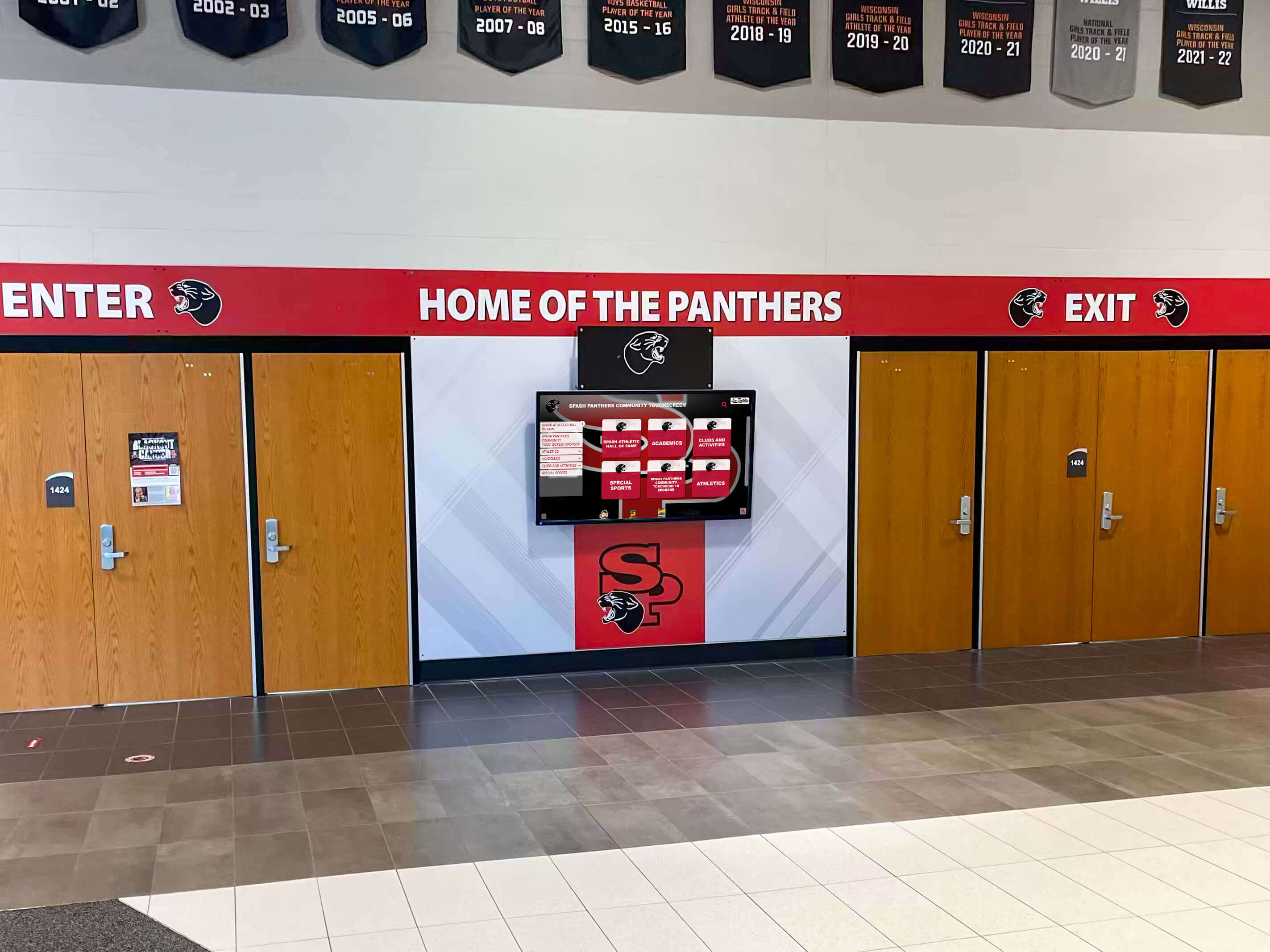
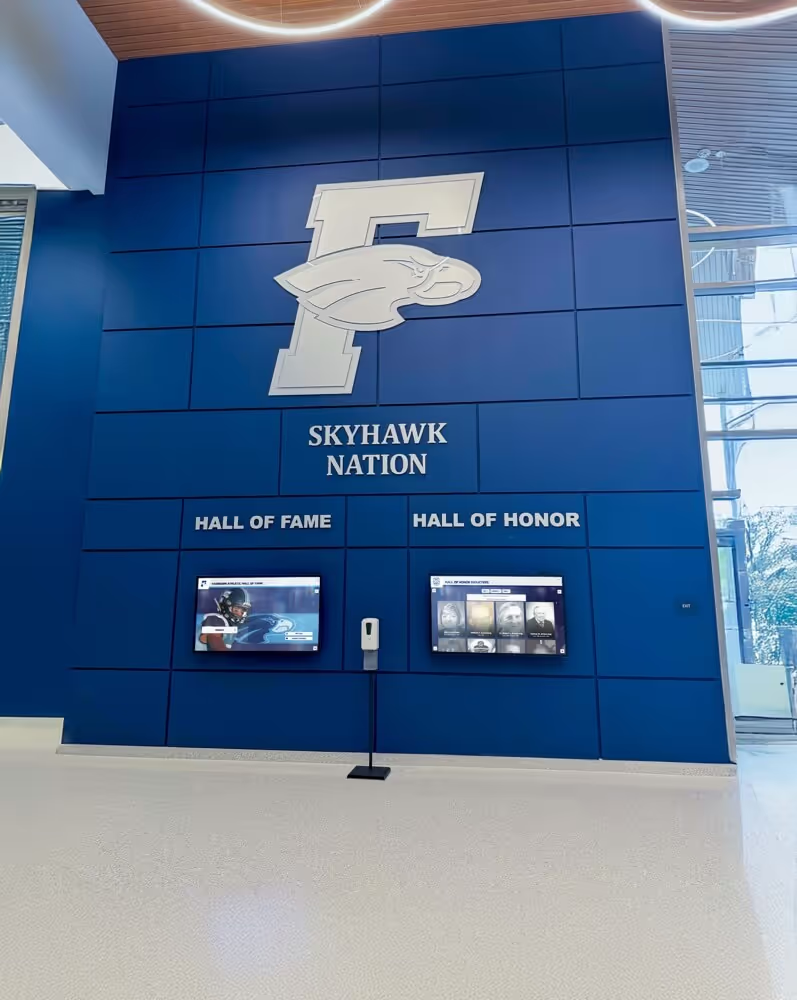
School entrance displays welcome visitors while showcasing championship achievements and program pride prominently
Team Preparation and Logistics
Pre-Competition Preparation
Travel and Lodging: Teams typically arrive 1-2 days before competition allowing adjustment to venue, time zone changes if applicable, and reduction of travel fatigue. Most programs stay at designated championship hotels offering team rates and proximity to competition venues.
Practice and Training: Many programs arrange local practice facility rentals for light workouts maintaining conditioning and confidence without risking injury through intense training immediately before competition. Practice focuses on routine review, timing work, and mental preparation rather than skill development.
Uniform and Equipment: Teams conduct thorough uniform inspections ensuring compliance with competition rules regarding length, coverage, and decoration. Backup uniforms and bow supplies prevent last-minute wardrobe malfunctions from affecting competition readiness.
Mental Preparation: Coaches implement visualization exercises, team bonding activities, and confidence-building strategies helping athletes manage performance anxiety and maintain focus under pressure. National championship environments prove mentally challenging even for experienced competitors.
Competition Day Routine
Typical Team Schedule:
Morning:
- Team breakfast and meeting
- Light stretching and mental preparation
- Venue arrival and check-in
- Uniform and makeup preparation
- Initial warm-up period
Pre-Performance:
- Designated warm-up area access
- Routine run-throughs focusing on timing and confidence
- Team huddle and motivation
- Final uniform checks
- Stage warm-up (brief, structured)
Performance:
- Competition floor entrance
- 2:30 routine execution
- Immediate exit and decompression
- Team gathering for support and unity
Post-Performance:
- Light cool-down and recovery
- Score review and division tracking
- Team bonding and stress relief
- Finals preparation if advancing
Programs create detailed minute-by-minute schedules ensuring smooth logistics, reducing stress, and allowing athletes to focus mental energy on performance rather than wondering about timing or next steps.
Training for National-Level Competition
Reaching national championship caliber requires year-round training programs, progressive skill development, and comprehensive athletic preparation beyond routine practice alone.
Skill Development Timeline
Off-Season Training (Spring/Summer)
Foundation Building:
- Individual skill progression (tumbling, stunting, jumps)
- Strength and conditioning programs
- Flexibility training and injury prevention
- Technique refinement with specialized coaches
- Private tumbling lessons and stunt camps
- Summer intensive training programs
Elite programs dedicate off-season months to individual skill advancement rather than routine choreography, recognizing that technical capabilities developed during this period determine routine difficulty options during competitive season.
Early Season (Fall)
Routine Development:
- Team formation and skill assessment
- Routine choreography and music editing
- Initial routine learning and cleaning
- Formation work and transitions
- Performance development
- Early season competitions for experience
Coaches design routines strategically based on team strengths, available skills, and competitive goals, creating formations maximizing visual impact while ensuring every athlete’s strengths contribute to overall performance.
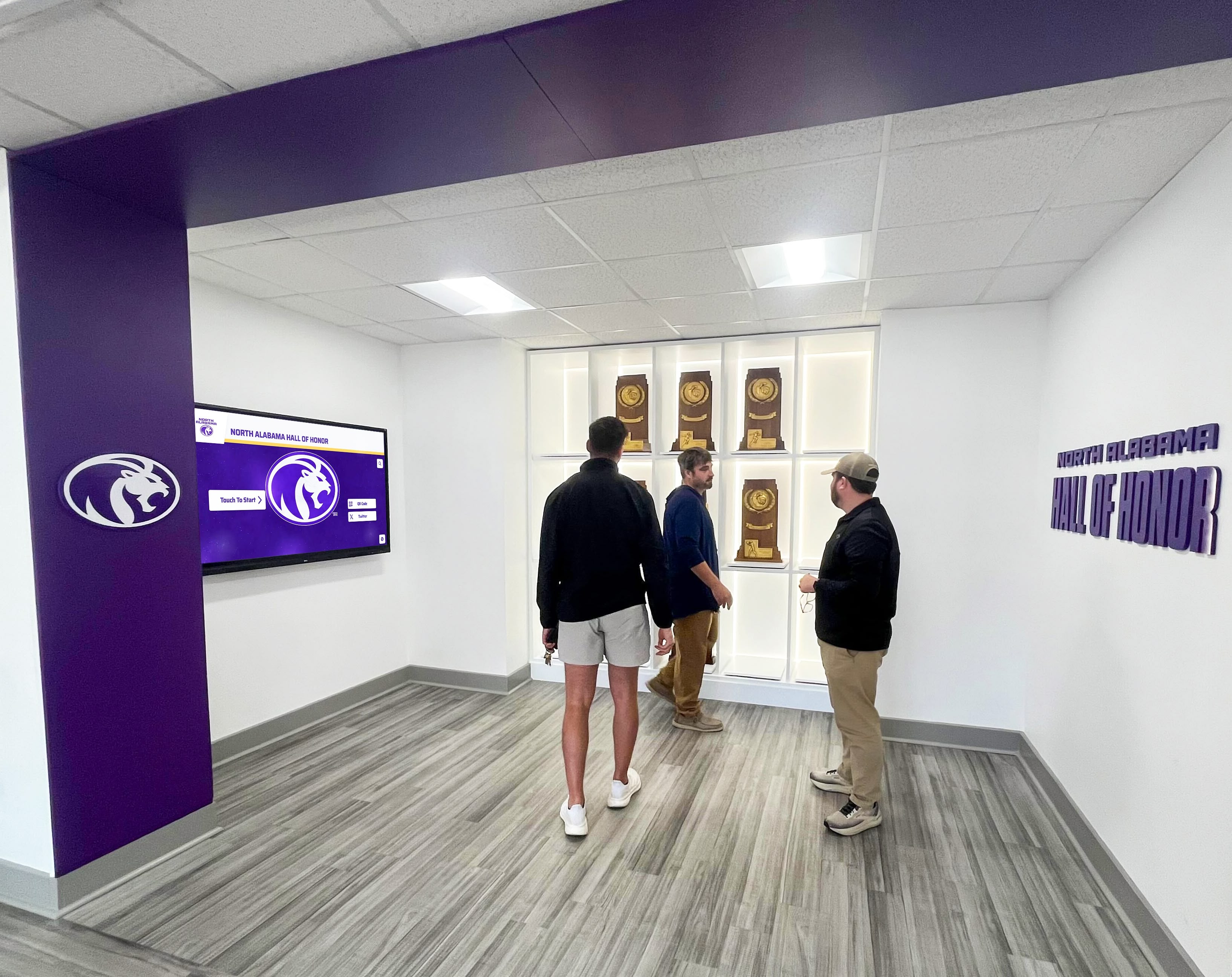
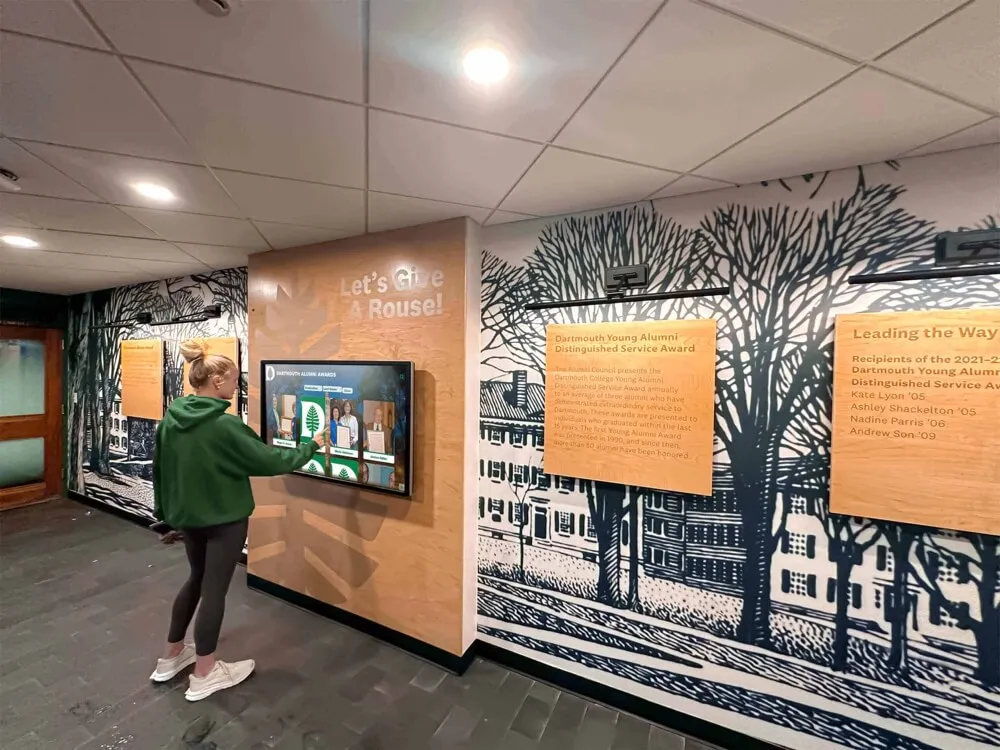
Recognition displays create gathering spaces for team celebrations and championship commemorations, preserving program achievements permanently
Competition Season (Winter/Early Spring)
Performance Refinement:
- Daily routine repetitions building consistency
- Regional qualifier preparation
- Mental preparation and pressure simulation
- Performance cleaning and perfecting
- Strategic adjustments based on competition feedback
- Finals preparation for national championship
Teams competing at nationals typically perform their routines 200-300 times throughout the season, developing muscle memory and confidence enabling flawless execution even under intense championship pressure.
Safety and Injury Prevention
Comprehensive Safety Protocols
National-level cheerleading demands rigorous safety programs:
Certified Coaching: Programs should employ coaches with safety certifications from recognized organizations (USASF, AACCA) ensuring proper progression, spotting techniques, and skill teaching methodology protecting athlete wellbeing.
Progressive Skill Building: Athletes master foundational skills thoroughly before attempting advanced elements, following established progressions reducing injury risk while building confidence and proper technique.
Proper Equipment: Access to spring floors, quality mats, stunting equipment, and safe training facilities proves essential for developing advanced skills necessary for national competition while minimizing injury potential.
Athletic Training Support: Programs benefit from certified athletic trainer access for injury evaluation, rehabilitation protocols, and return-to-competition decisions ensuring athletes compete safely at demanding national championship levels.
Schools implementing comprehensive athletic programs ensure cheerleading receives resources equivalent to other varsity sports, including proper training facilities, coaching expertise, and medical support.
Physical Conditioning Requirements
Strength Training:
- Core strength for stability and control
- Upper body development for stunting
- Leg power for tumbling and jumping
- Grip strength for basing and spotting
Flexibility Work:
- Split and jump flexibility
- Back flexibility for tumbling
- Shoulder flexibility for stunting
- Injury prevention through mobility
Cardiovascular Conditioning:
- Stamina for high-intensity 2:30 routines
- Recovery between practice repetitions
- Tournament endurance (multiple rounds)
- Overall athletic development
National-caliber cheerleaders train like elite athletes in any sport, dedicating substantial time to physical conditioning beyond skill practice ensuring bodies withstand demanding competitive requirements while executing at peak performance levels.
Financial Considerations and Fundraising
National championship participation represents significant investment requiring careful financial planning and often extensive fundraising efforts.
Competition Costs
Registration and Entry Fees
- National championship registration: $400-$800 per team
- Division and category entry fees
- Video submission costs if applicable
- Music licensing and copyright fees
- Safety certification and compliance documentation
Travel and Lodging
- Transportation (bus rental, flights): $2,000-$8,000 depending on distance
- Hotel accommodations (3-4 nights): $4,000-$10,000 for team and coaches
- Ground transportation and parking
- Food and meal allowances
- Emergency funds for unexpected expenses
Total travel costs vary dramatically based on team location relative to championship venue, team size, and lodging/transportation choices.
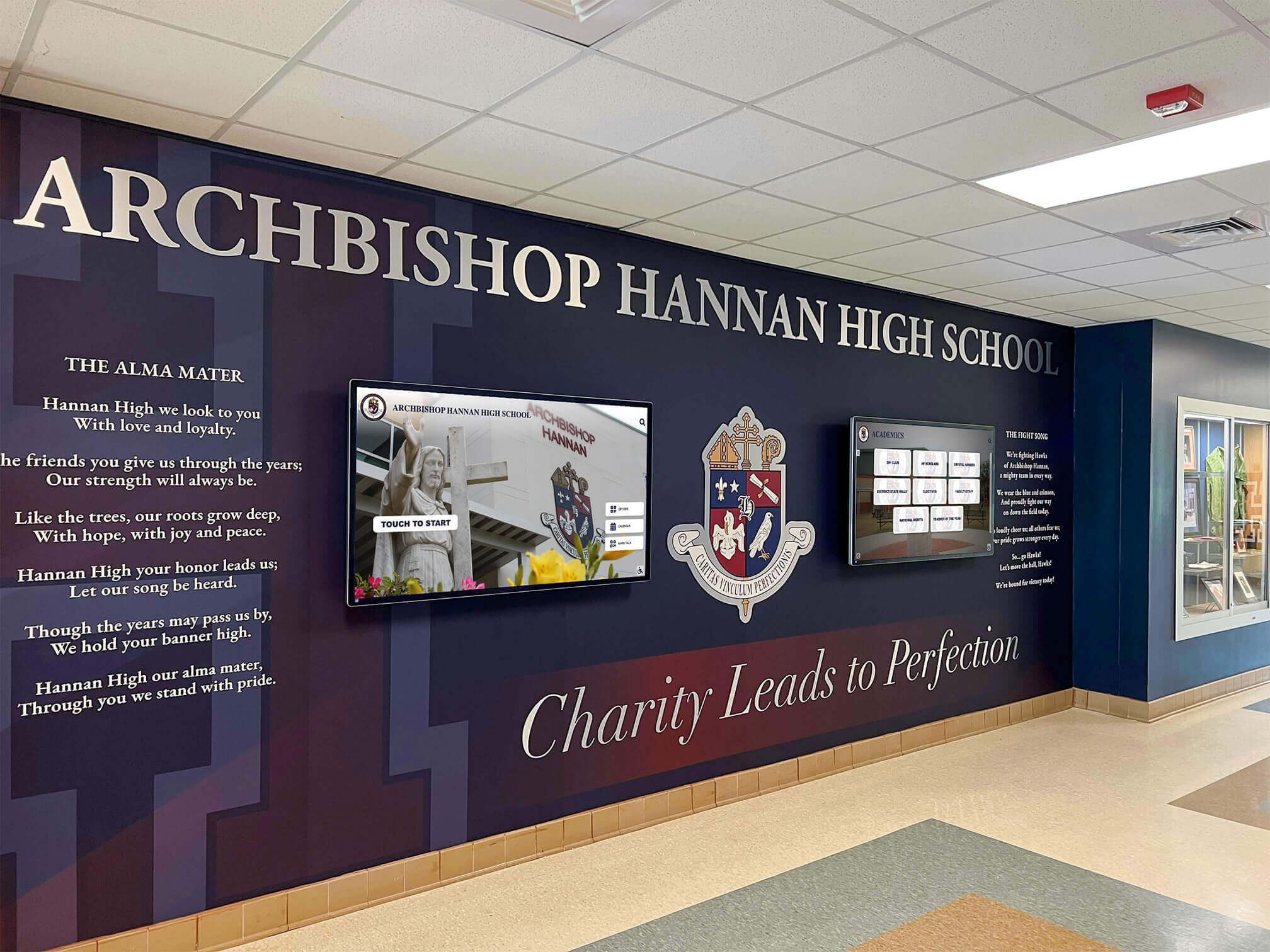
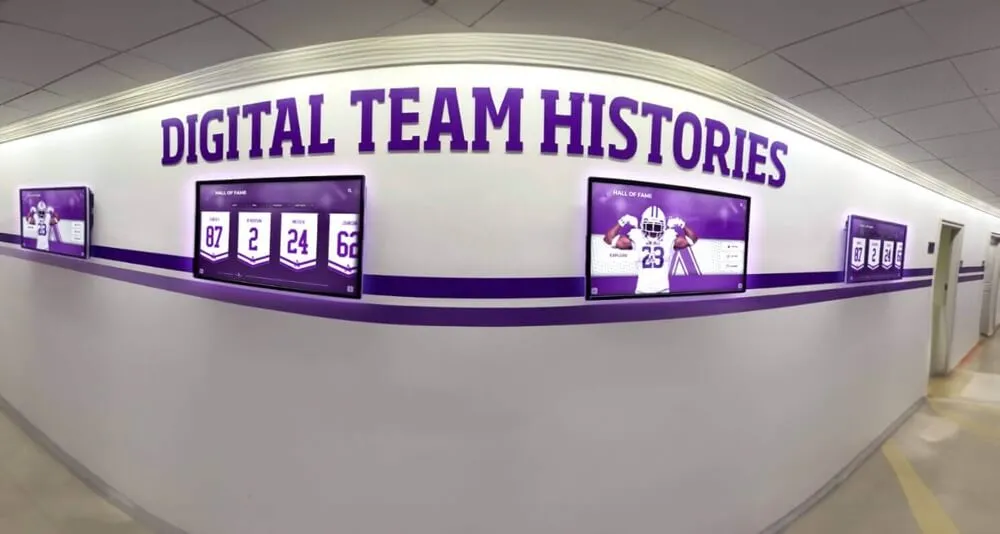
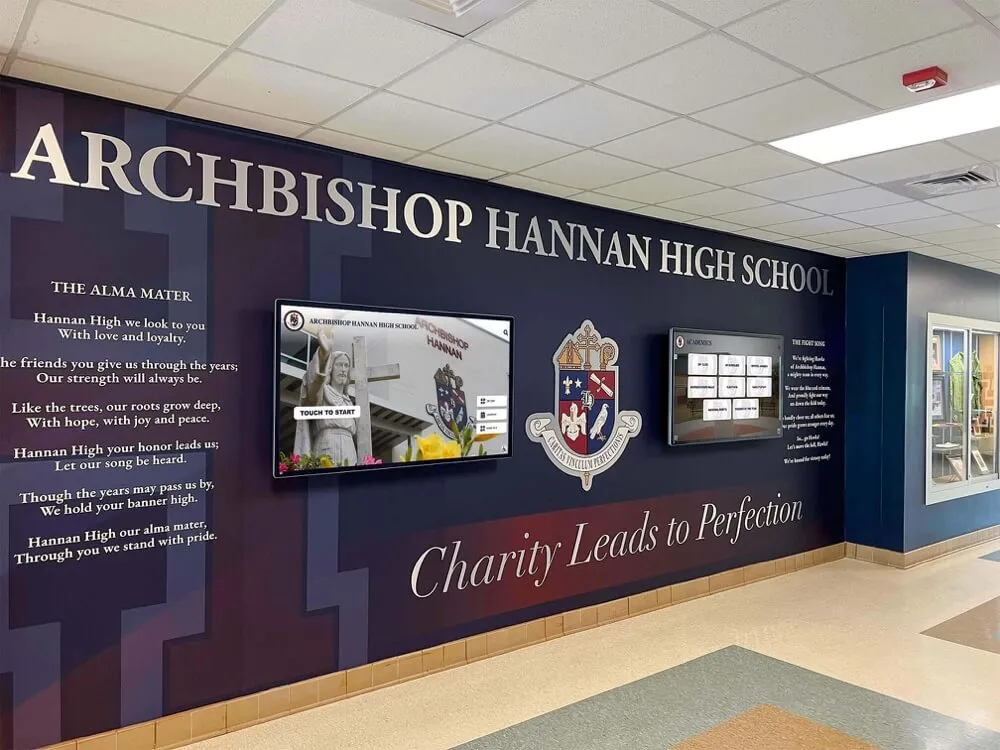
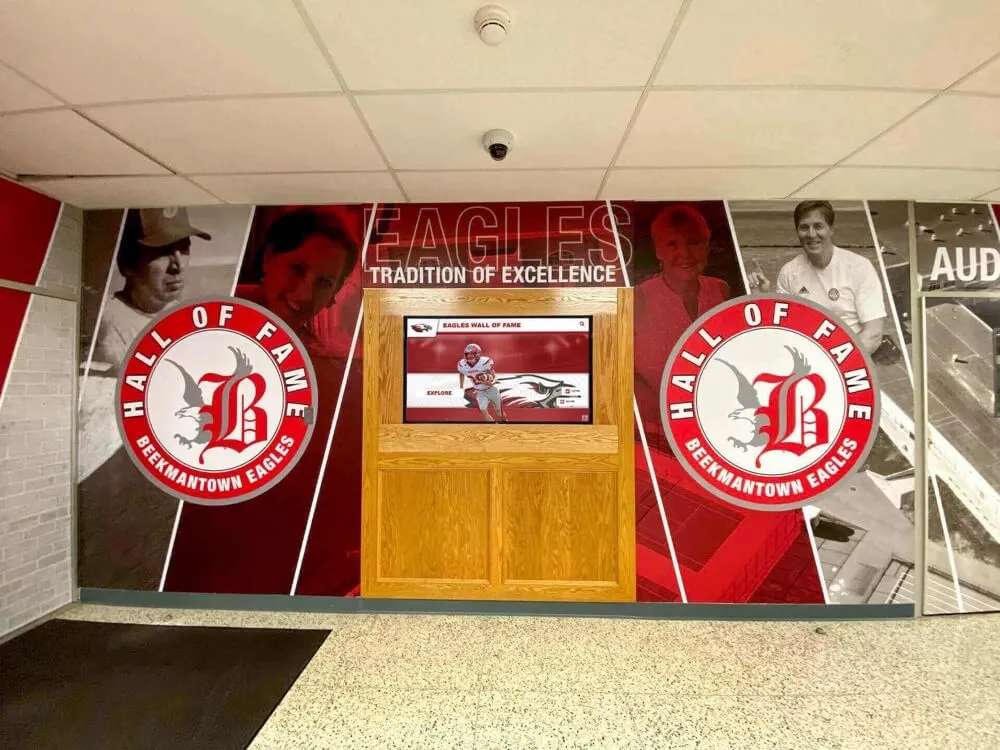
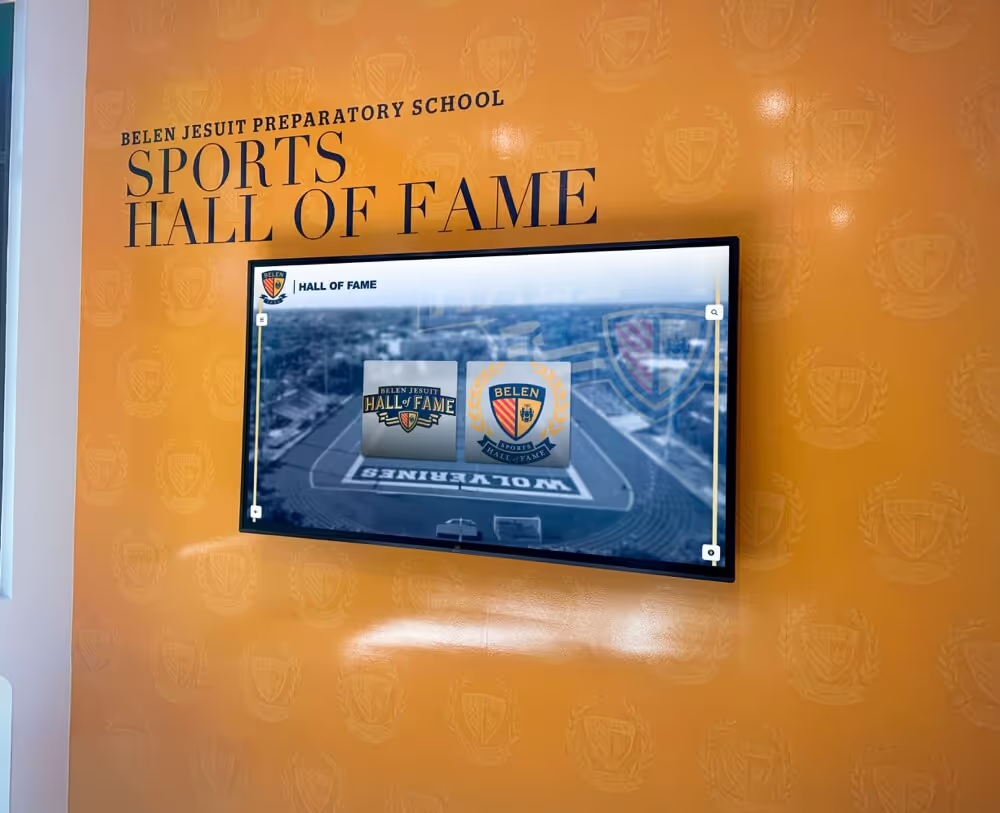
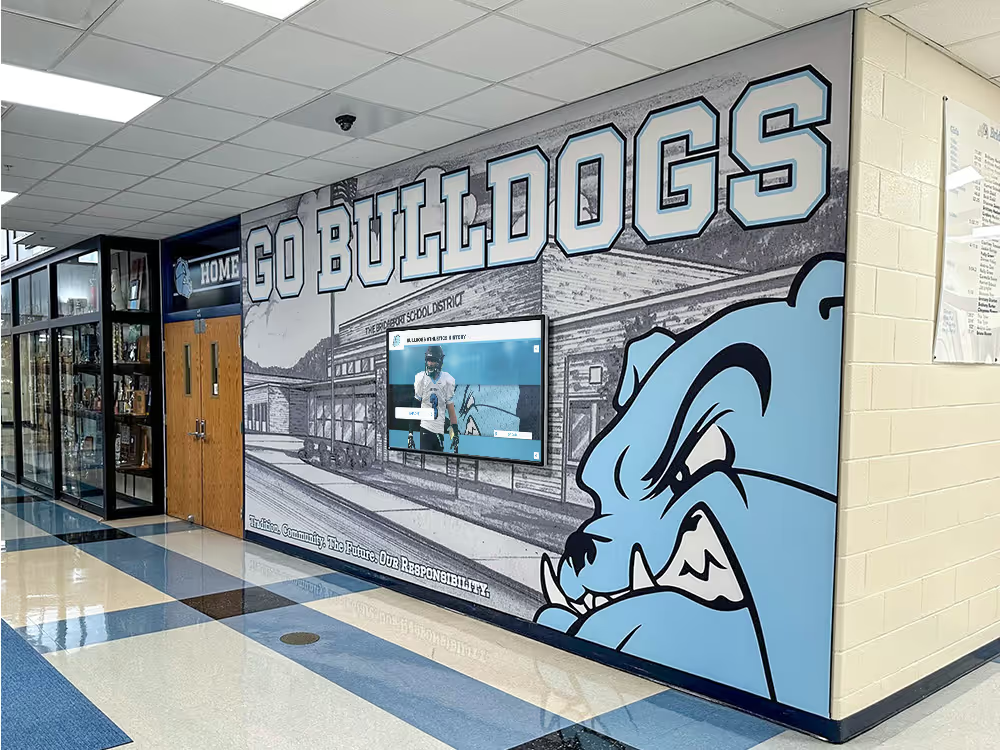
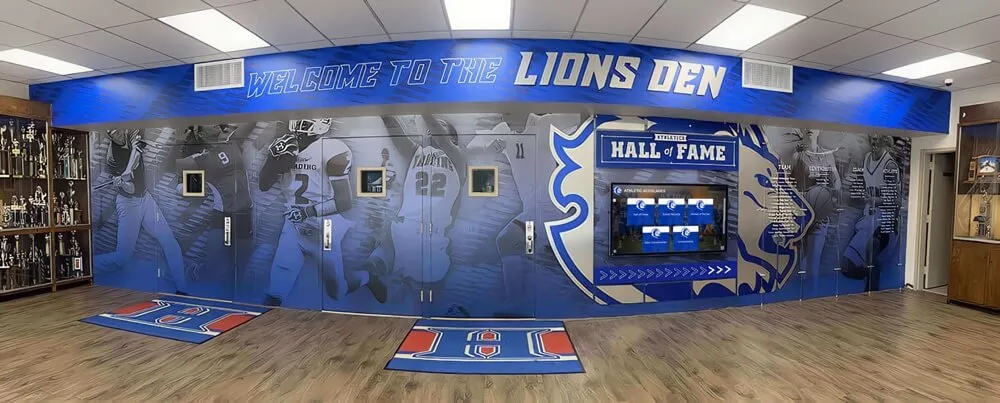
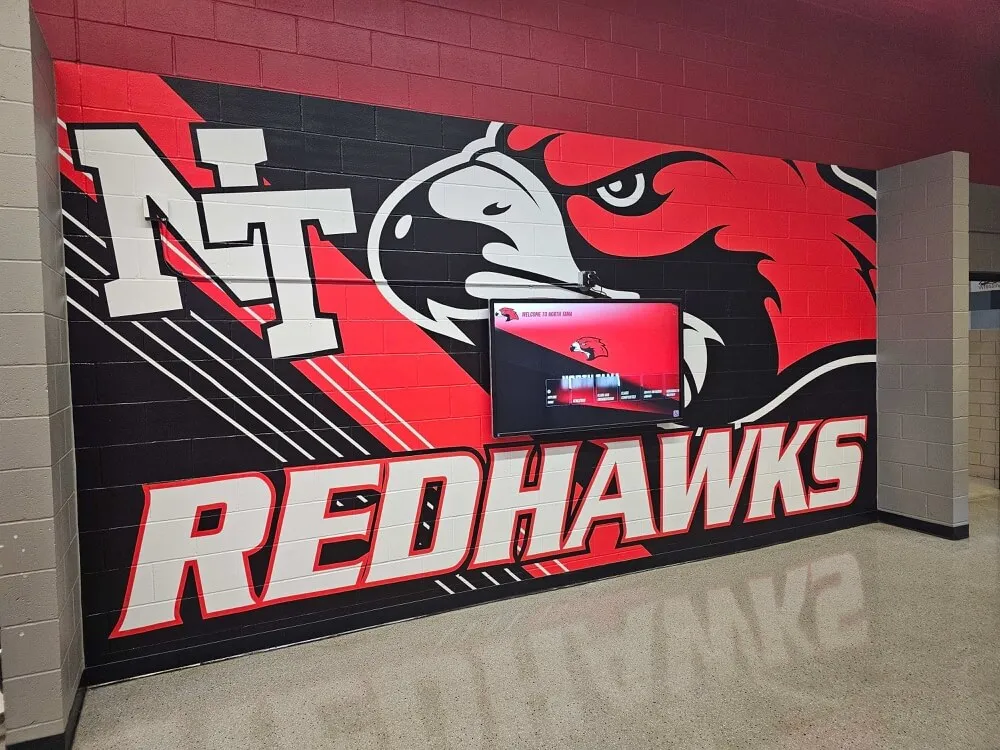
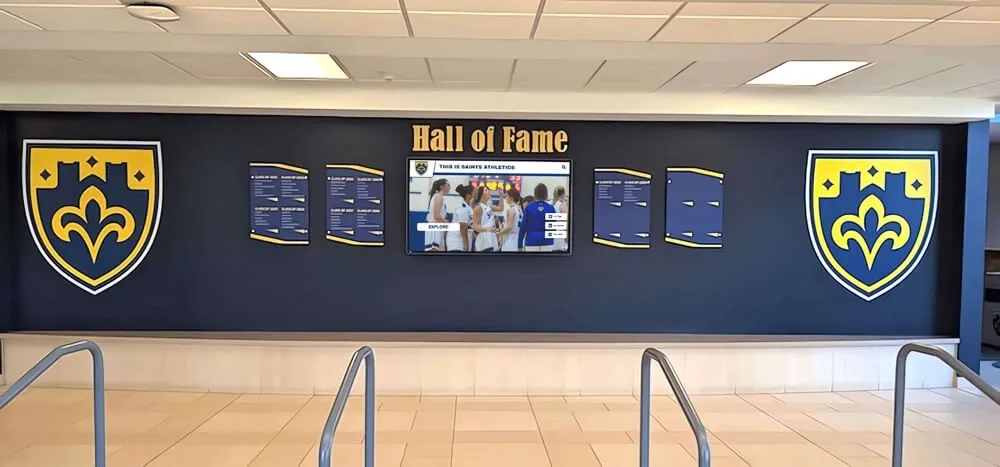
Lobby displays combine traditional murals with modern digital screens, creating comprehensive recognition showcasing national championship achievements
Uniform and Equipment
- Competition uniforms: $150-$300 per athlete
- Practice wear and training gear
- Bows, shoes, and accessories
- Music editing and production
- Choreography consultation fees: $1,500-$5,000
Training and Preparation
- Stunt clinics and training camps: $200-$500 per athlete
- Private tumbling instruction: $50-$100 per lesson
- Choreographer fees
- Facility rental for additional practice
- Coaching staff travel and expenses
Total national championship costs typically range from $15,000-$40,000 depending on team size, travel distance, and program resources, presenting substantial financial challenges for many school cheerleading programs.
Fundraising Strategies
Traditional Fundraising Events
Programs employ diverse fundraising approaches generating needed championship funds:
Product Sales: Car washes, bake sales, cookie dough or candle sales, spirit wear merchandise, holiday wrapping paper, restaurant fundraiser partnerships, and discount card programs provide steady revenue streams throughout seasons.
Events and Activities: Cheer clinics for youth programs ($15-$30 per participant), stunt demonstrations at community events, cheerleading camps and skill sessions, team dinner fundraisers, and competition hosting (entry fees as revenue) generate larger funding amounts through organized activities.
Sponsorships and Donations: Local business sponsorships, booster club support, alumni donations, parent association funding, and community benefactor contributions provide significant funding while building community investment in team success.
Schools can reference comprehensive fundraising strategies applicable to athletic programs seeking substantial funds for championship participation.
Financial Assistance and Equity
Ensuring Inclusive Participation
Coaches and administrators should address financial barriers preventing talented athletes from participating:
Payment Plans: Structured payment schedules spreading costs across months rather than requiring large lump sums help families manage expenses within household budgets.
Scholarship Funds: Team scholarship programs supported through fundraising assist families facing financial hardship, ensuring participation remains based on talent and commitment rather than financial means alone.
Tiered Fundraising: Requiring all athletes participate in fundraising activities reduces individual family burden while building team unity through shared responsibility for championship funding.
School District Support: Athletic departments allocating budgets supporting competitive cheerleading equivalent to other varsity sports demonstrate commitment to program equity and recognition as legitimate athletics.
Financial accessibility ensures national championship opportunities remain available to deserving athletes regardless of family economic circumstances, maintaining program integrity and competitive excellence.
Preserving Championship Recognition
Teams earning national championship berths and titles deserve recognition extending far beyond competition weekend, creating lasting legacy within school communities and inspiring future program generations.
Traditional Recognition Methods
Physical Trophies and Awards
Championship recognition typically includes:
- Team championship trophies for placement
- Individual championship medals or awards
- Coach recognition plaques
- Championship banners hung in gymnasiums
- Trophy case displays
- Team photos commemorating achievement
Traditional physical recognition creates tangible evidence of achievement that athletes treasure throughout their lives while visibly demonstrating program excellence to school communities.
Limitations of Traditional Recognition
Physical displays face inherent constraints:
- Limited trophy case space
- Aging and deterioration over time
- Static presentation without context or detail
- Accessibility only to campus visitors
- Difficulty updating or expanding
- Storage challenges for extensive achievement histories
As programs accumulate achievements across multiple years, decades, and sports, physical space constraints force difficult decisions about what recognition receives prominent display versus storage or removal.
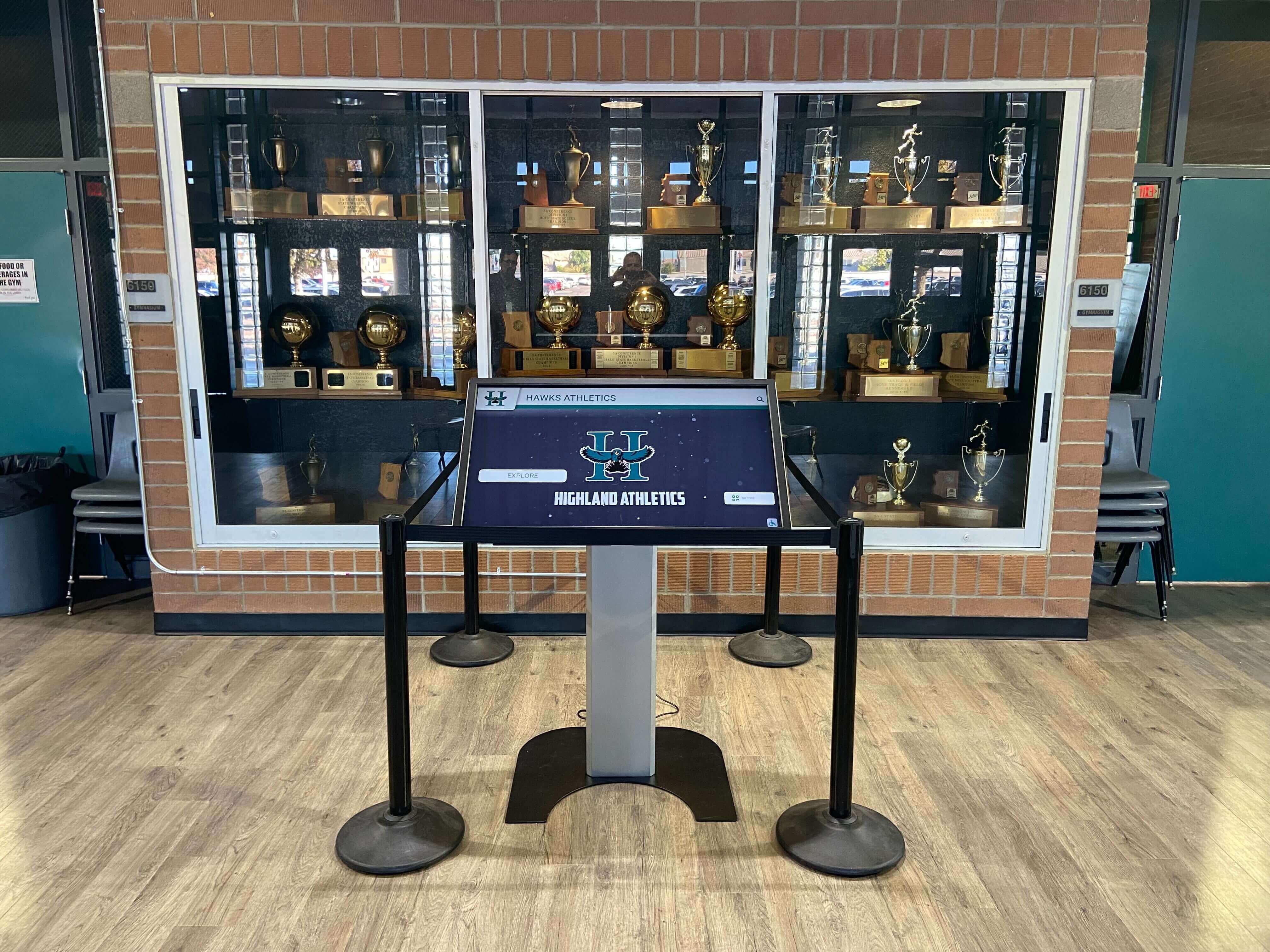
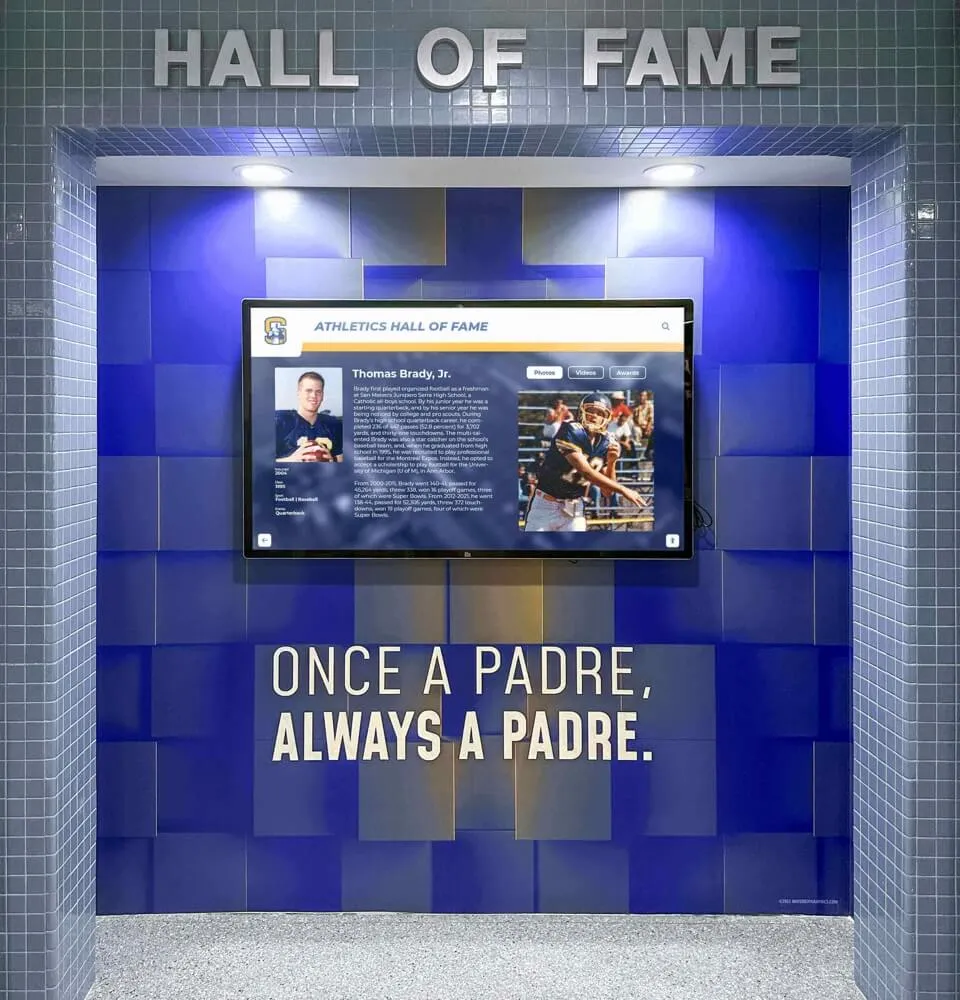
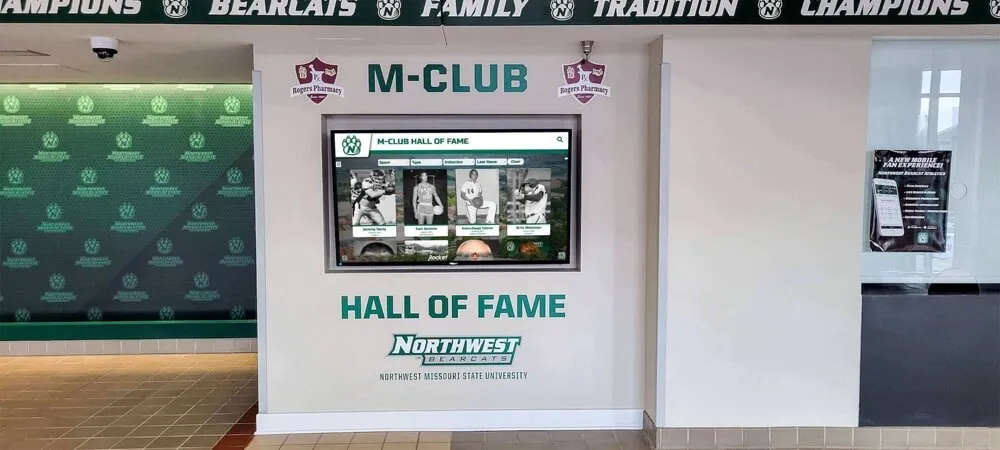
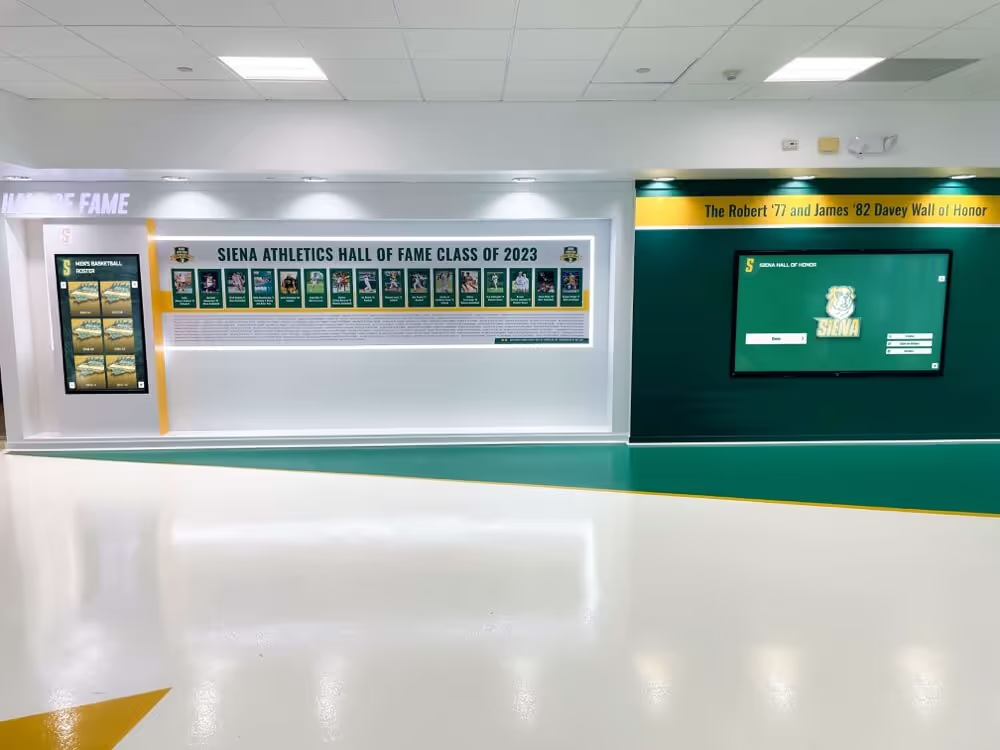
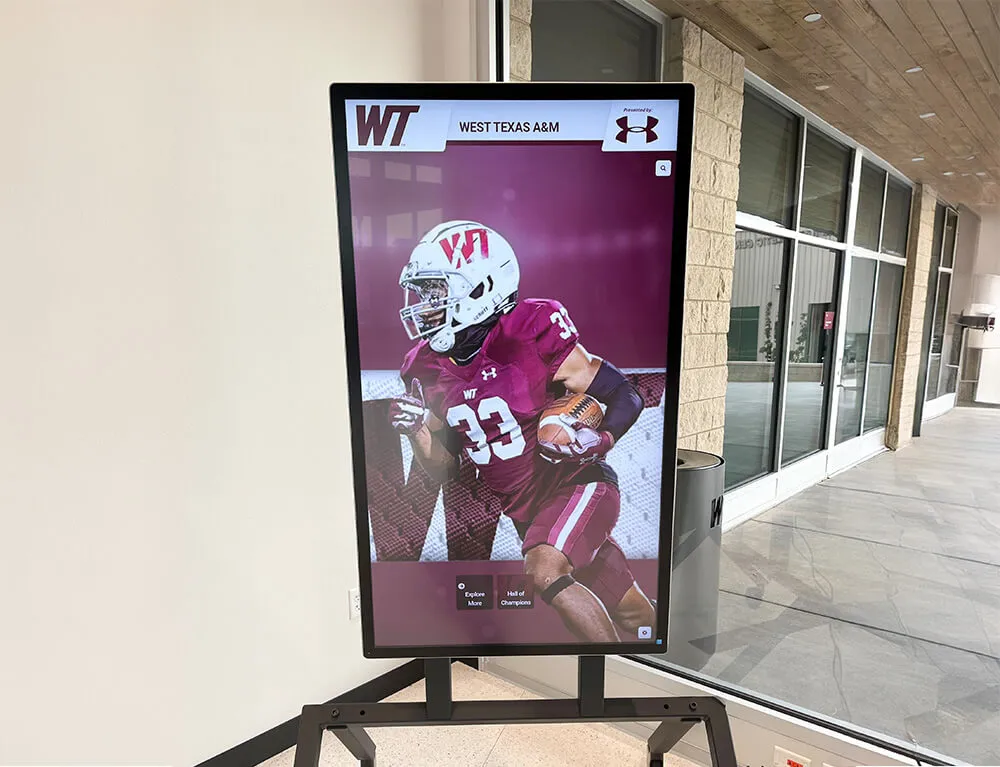
Digital kiosks complement traditional trophy displays, providing unlimited recognition capacity for championship achievements across all sports
Modern Digital Recognition Solutions
Unlimited Recognition Capacity
Digital recognition platforms solve traditional display limitations while enhancing engagement and accessibility:
Key Digital Recognition Advantages:
- Unlimited athlete profiles without physical space constraints
- Comprehensive championship documentation with photos, videos, and detailed information
- Easy updates adding new achievements instantly
- Interactive exploration allowing detailed browsing
- Mobile accessibility extending recognition beyond campus
- Searchable databases finding specific athletes or achievements
- Statistical tracking across program history
- Social media integration enabling easy sharing
Solutions like Rocket Alumni Solutions provide platforms specifically designed for athletic recognition, offering professional presentations with sophisticated content management enabling coaches and administrators to showcase national cheerleading championship achievements permanently alongside all other athletic accomplishments.
Programs implementing digital trophy case systems report significantly higher student engagement compared to traditional static displays, with touchscreen interactivity encouraging exploration and discovery of program history including championship achievements.
Championship Content Features
Digital platforms enable comprehensive championship documentation:
- Individual athlete profiles from championship teams
- Routine videos and performance highlights
- Championship placement and division details
- Season journey and qualification pathway
- Coach recognition and program milestones
- Historical championship tracking across years
- Alumni connections linking former champions with current athletes
This level of detail proves impossible with traditional trophy case displays but creates rich historical records celebrating championship achievements comprehensively while inspiring current athletes with visible pathways to similar success.
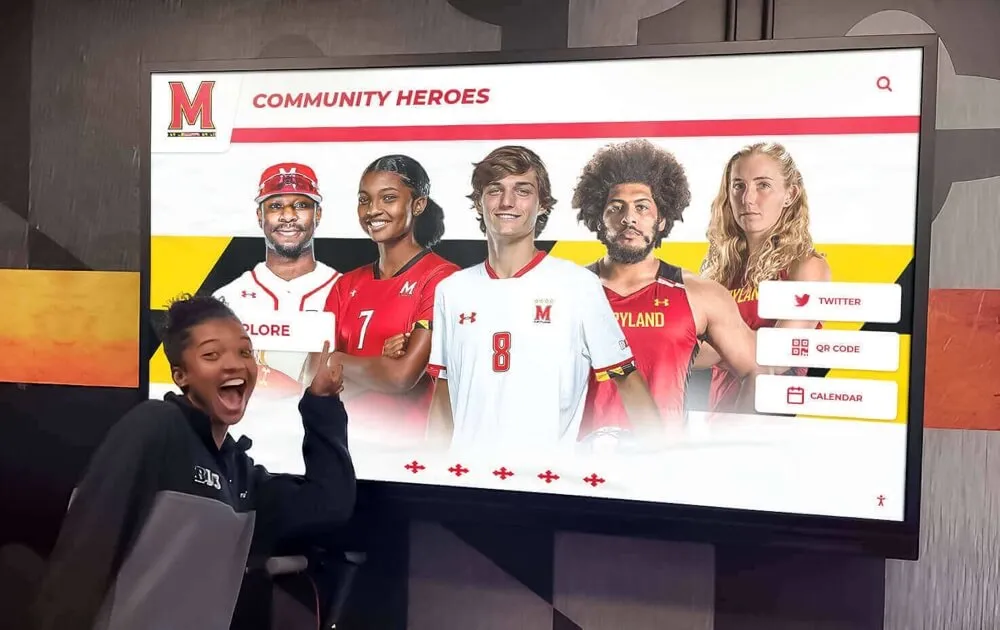
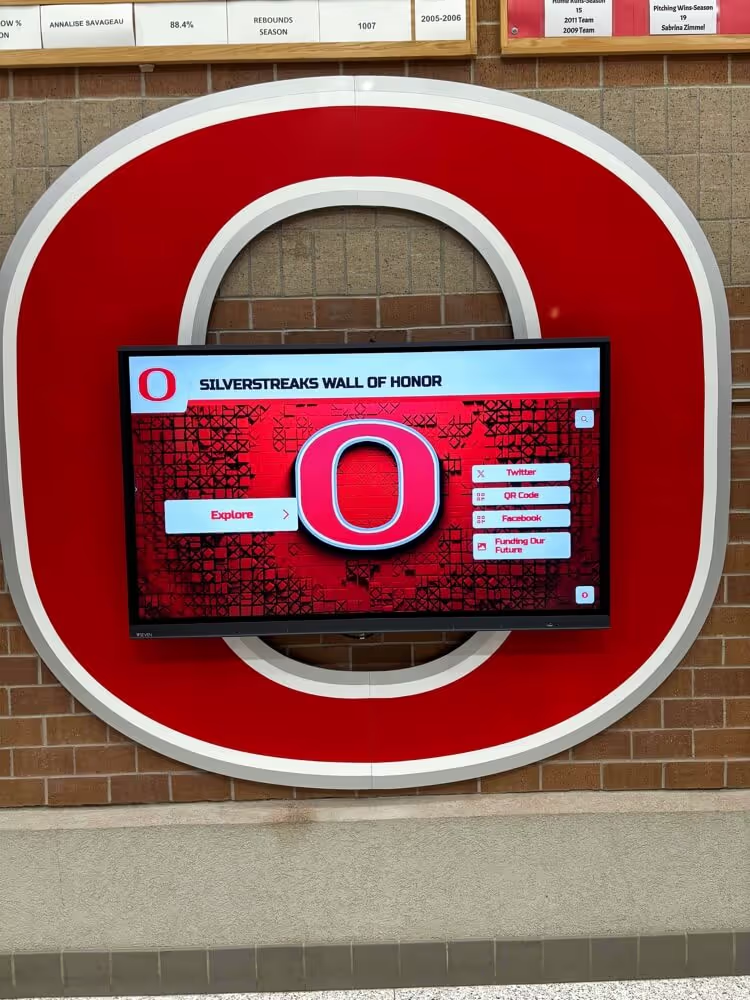
Interactive digital kiosks provide professional presentation of championship achievements with easy navigation and comprehensive athlete recognition
Building Program Legacy
Historical Documentation
Successful programs systematically preserve championship history:
Season Archives: Complete documentation of championship seasons including rosters, routine descriptions, competition scores, regional qualifier results, and progression from tryouts through nationals creates comprehensive historical records demonstrating program development.
Athlete Recognition: Individual profiles highlighting championship team members ensure participants receive lasting acknowledgment, maintaining connections with program as they graduate and potentially return as supporters, volunteers, or coaches.
Coach Legacy: Recognition of coaching staff leadership, philosophy, and contributions to championship success honors individuals building program excellence while demonstrating institutional commitment to competitive cheerleading.
Tradition Building: Consistent championship recognition creates program traditions that current athletes strive to continue, establishing expectations of excellence and demonstrating that national-level achievement remains possible through dedication and proper training.
Digital platforms enable preserving extensive documentation impossible with physical displays, creating living archives that grow more valuable as programs accumulate history across multiple championship seasons and coaching tenures.
Supporting Championship-Caliber Programs
Schools serious about competitive cheerleading reaching national championship level must provide comprehensive support infrastructure comparable to other varsity athletic programs.
Facility and Equipment Requirements
Practice Facilities
National-caliber programs require:
- Dedicated practice space (gymnasium or specialized facility)
- Spring floors enabling safe tumbling development
- Quality mats and stunting equipment
- Adequate ceiling height for pyramids and tosses
- Storage for equipment and uniforms
- Access to strength and conditioning facilities
Many programs struggle developing national-level skills without proper facilities, forcing teams to rent off-campus gymnastics facilities or limiting skill progression due to safety concerns on inadequate surfaces.
Equipment Investment
Essential equipment includes:
- Quality performance mats (8-12 inch thick spring mats)
- Landing mats and crash pads for skill development
- Spotting blocks and training aids
- Audio systems for routine practice
- Video recording equipment for performance analysis
- First aid and athletic training supplies
Equipment costs range from $5,000-$20,000+ for comprehensive training setup, representing significant investment but proving essential for safe skill development and competitive readiness.
Coaching and Professional Development
Qualified Coaching Staff
Championship programs employ properly certified coaches:
- USASF safety certifications (required)
- CPR and First Aid training
- Background checks and safety screening
- Continuing education and skill development
- Experience coaching at competitive levels
- Understanding of current rules and safety guidelines
Schools should compensate competitive cheer coaches comparably to other varsity sport coaches, recognizing time commitment, expertise requirements, and responsibility level involved in developing national-caliber programs.
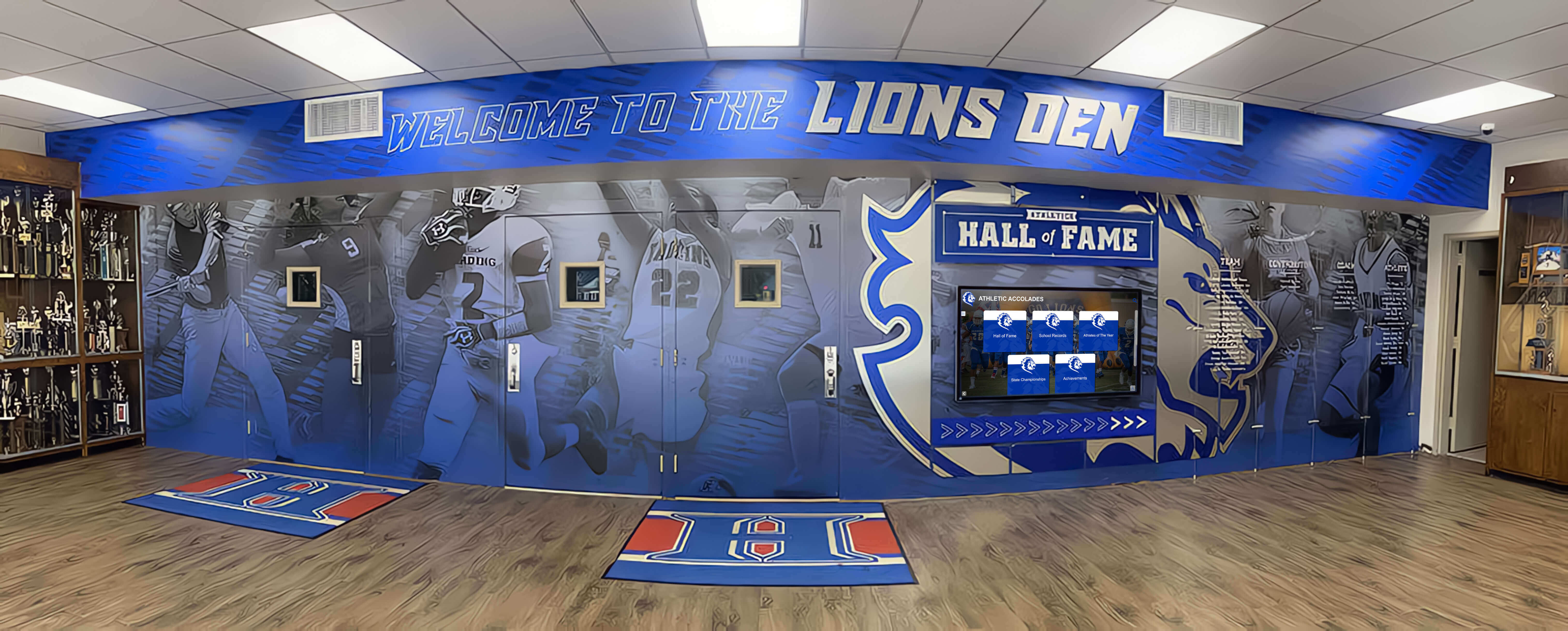
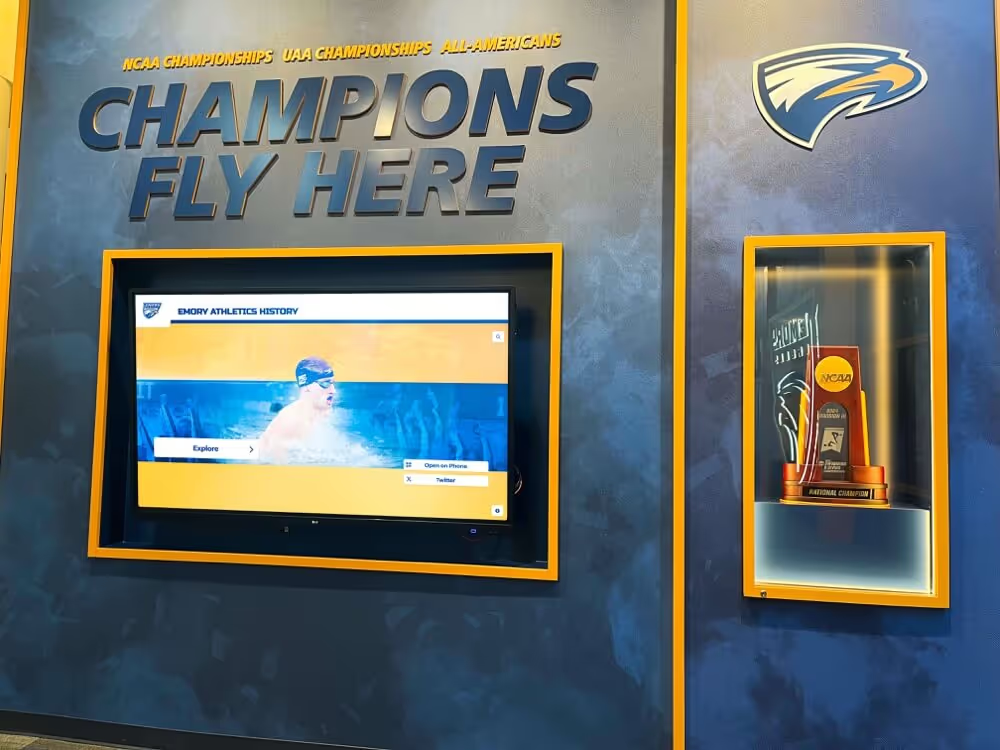
Athletic facilities showcase trophy cases and recognition murals celebrating championship achievements prominently
Professional Development Resources
Coaches benefit from ongoing education:
- National championship attendance for scouting and learning
- Coaching clinics and certification courses
- Choreography workshops and creative development
- Rules and safety training updates
- Networking with successful programs
- Industry publication and resource access
Investment in coaching development directly improves program quality, competitive success, and athlete safety—making professional development funding a strategic priority for schools committed to championship-level cheerleading.
Administrative Support and Recognition
Varsity Sport Status
Competitive cheerleading deserves recognition equivalent to traditional sports:
- Varsity letters for participants
- Equal funding allocation
- Athletic department inclusion
- Scheduling priority for facilities
- Academic eligibility monitoring
- Athletic training access
Schools treating competitive cheer as auxiliary activity rather than legitimate varsity athletics undermine programs attempting to compete at national championship levels while sending messages that diminish athlete accomplishments and program importance.
Programs can reference guidance on comprehensive athletic recognition ensuring cheerleaders receive acknowledgment equivalent to other athletes.
Post-Championship Recognition and Celebration
Returning championship teams deserve celebration and recognition commensurate with their remarkable achievement.
School and Community Recognition
Immediate Celebration
Upon return from nationals, schools should organize:
- School-wide announcements and assemblies
- Social media celebration and promotion
- Local media interviews and press releases
- Community recognition events
- School district acknowledgment
- Permanent display updates
Championship achievement impacts entire school communities, providing opportunities for collective pride and celebration demonstrating institutional values regarding athletic excellence and student achievement.
Award Ceremonies and Banquets
Formal recognition events should include:
- Individual athlete recognition and awards
- Coach acknowledgment and appreciation
- Season highlight videos and photos
- Championship trophy presentation
- Senior recognition for graduating athletes
- Family and supporter appreciation
Schools planning celebrations can reference comprehensive awards ceremony planning guidance ensuring memorable recognition events.
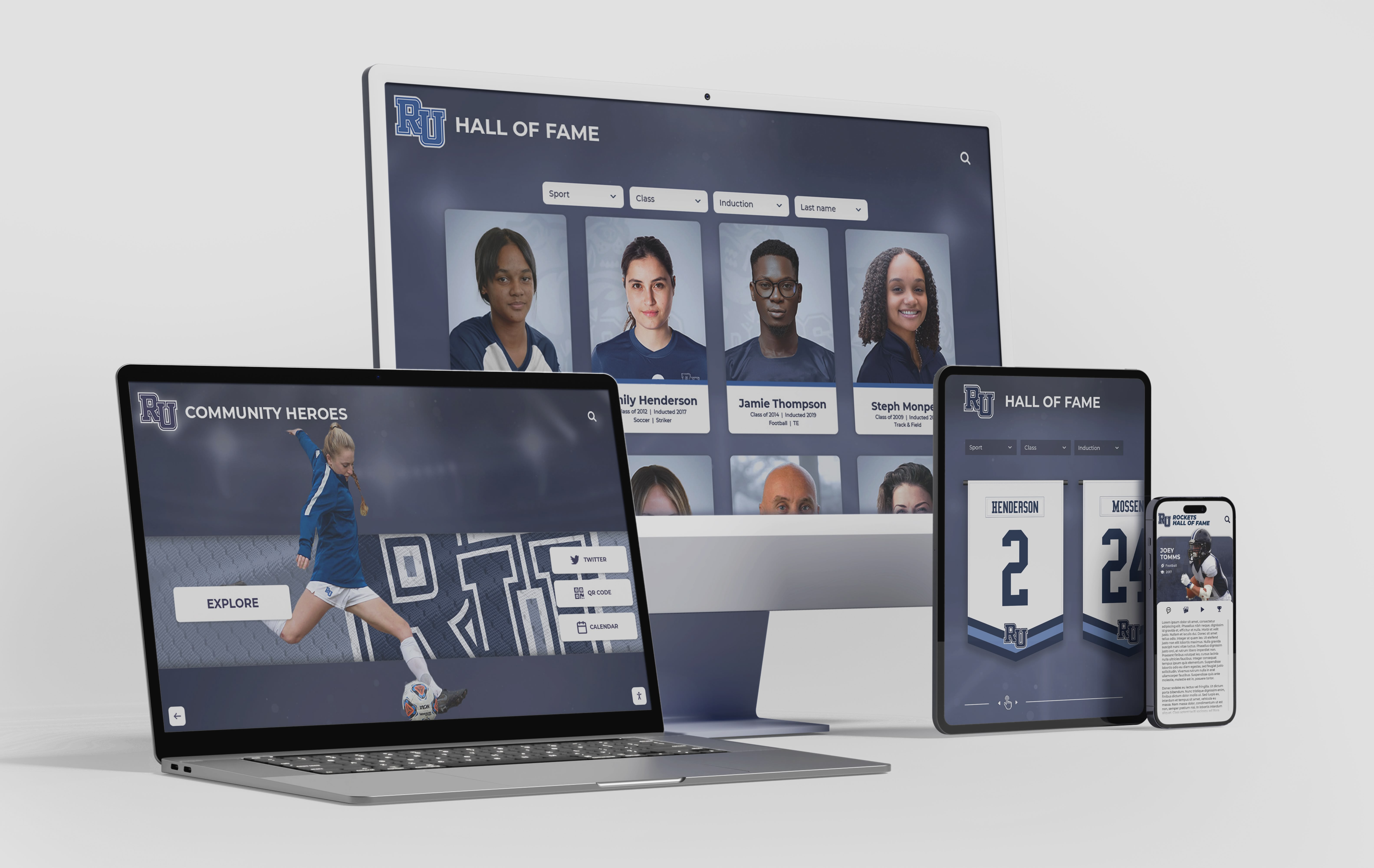
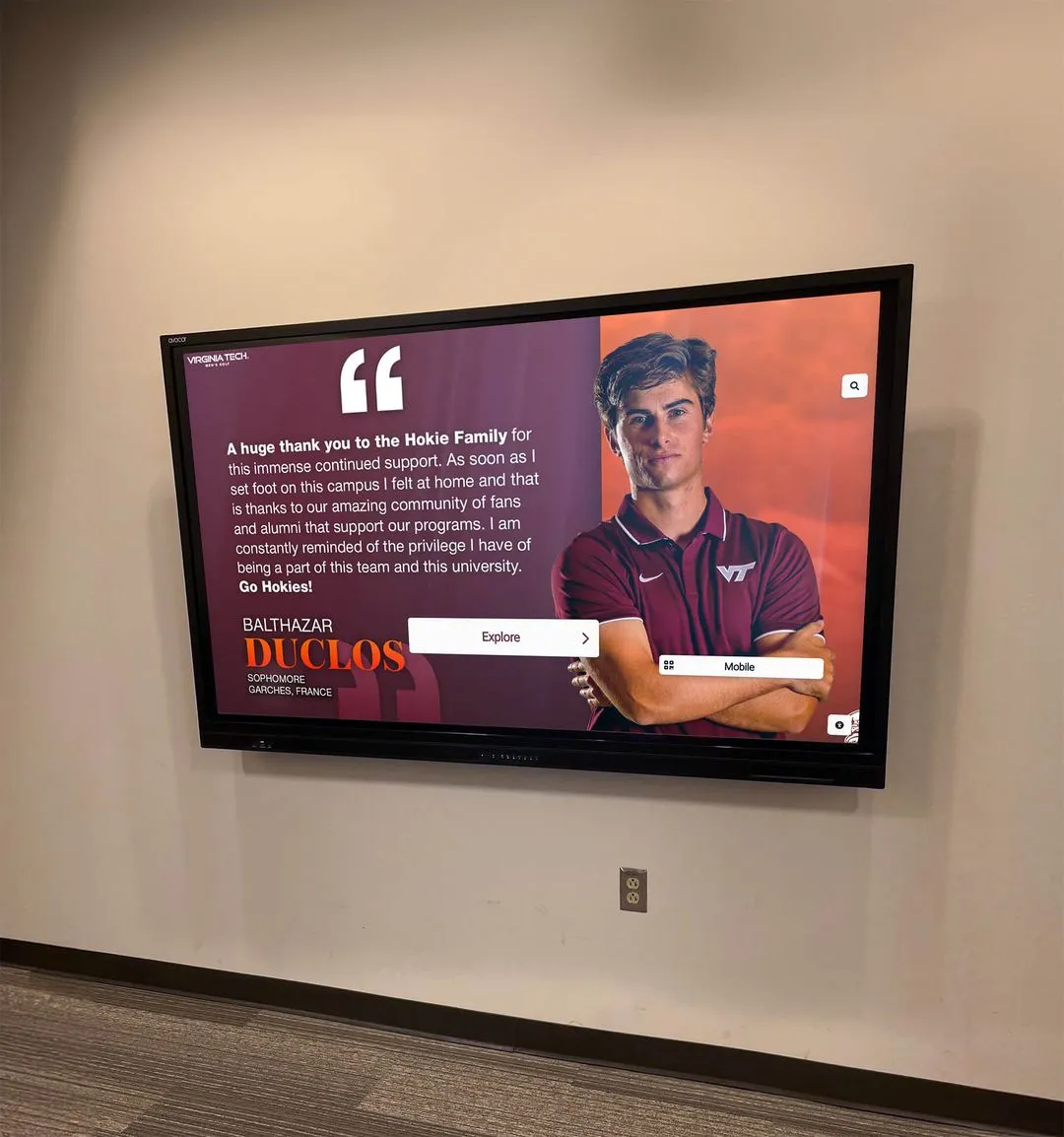
Modern recognition systems provide mobile accessibility, enabling families and community members to explore championship achievements remotely
Alumni Engagement and Connection
Building Lasting Relationships
Championship recognition creates natural alumni engagement opportunities:
- Alumni profiles connecting former and current athletes
- Mentorship programs pairing graduates with current team members
- Reunion events bringing championship teams together
- Fundraising appeals based on program pride
- Volunteer opportunities for former athletes
- Career networking leveraging cheerleading connections
Digital recognition platforms facilitate alumni connections by creating permanent records accessible to graduates regardless of location, maintaining bonds between athletes and programs throughout their lives while building supporter bases benefiting future teams.
Schools implementing comprehensive alumni recognition strategies create lasting connections that strengthen programs through ongoing support, mentorship, and community building.
The Future of High School Competitive Cheerleading
National championships continue evolving as cheerleading gains recognition as legitimate athletic competition requiring elite-level skill and dedication.
Growing Recognition and Support
Expanding Opportunities
Competitive cheerleading experiences rapid growth in recognition and participation:
- Increasing state high school association sanctioning
- Growing college scholarship opportunities
- ESPN and broadcast television coverage
- Social media visibility and promotion
- Improved safety standards and coaching certification
- Professional training resources and facilities
This momentum benefits high school programs as improved infrastructure, coaching quality, and community understanding enable more teams to pursue national championship goals with adequate support and recognition.
College Recruitment Connections
Athletic Scholarship Pathways
National championship participation significantly enhances college recruitment prospects:
- Direct exposure to college coaches attending nationals
- Video footage demonstrating elite-level skill
- Resume credentials validating commitment and achievement
- Network connections within collegiate cheerleading community
- Scholarship negotiation leverage based on proven ability
Athletes competing at national championships gain substantial advantages in college recruitment, accessing scholarship opportunities and program placements unavailable to athletes without national competition experience regardless of individual skill levels.
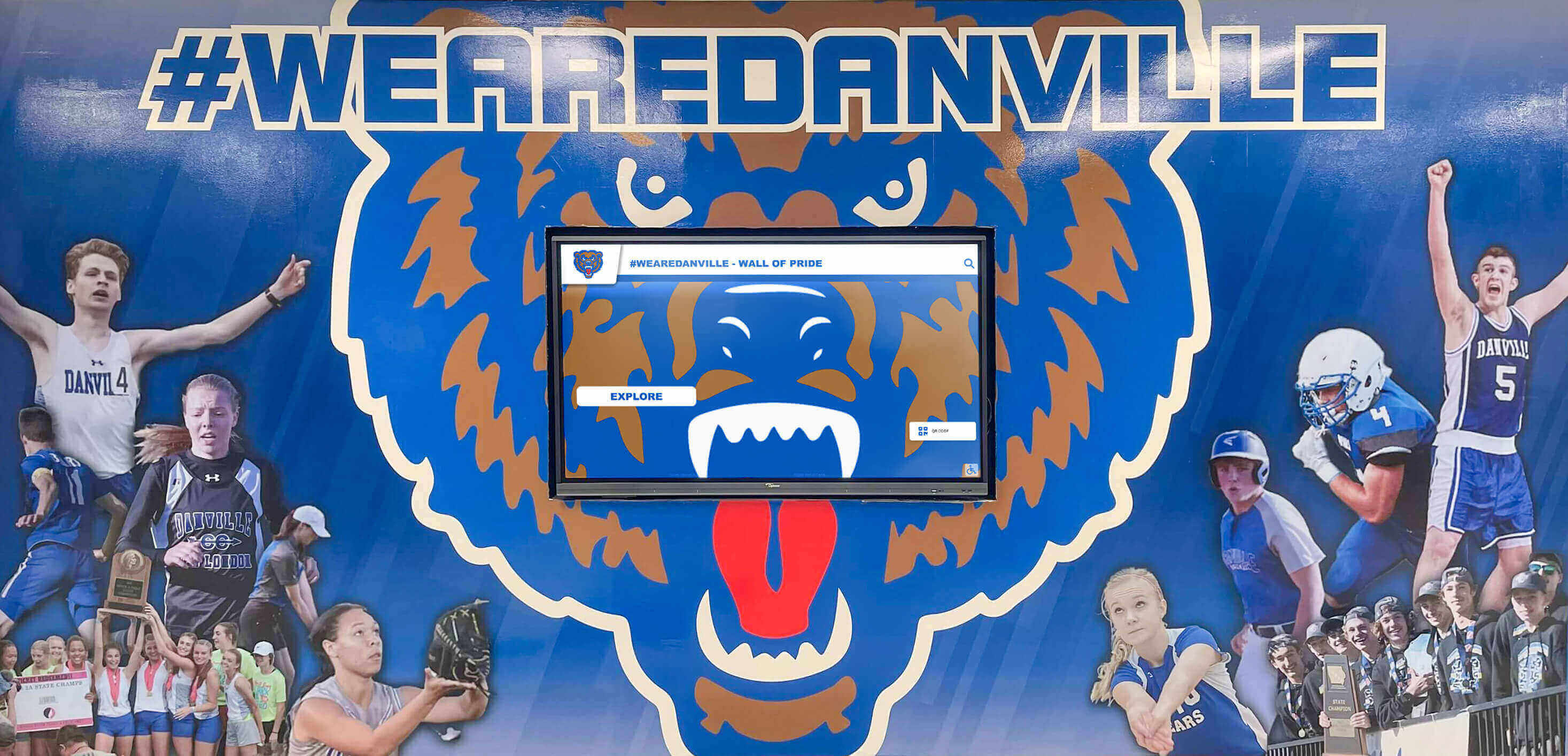
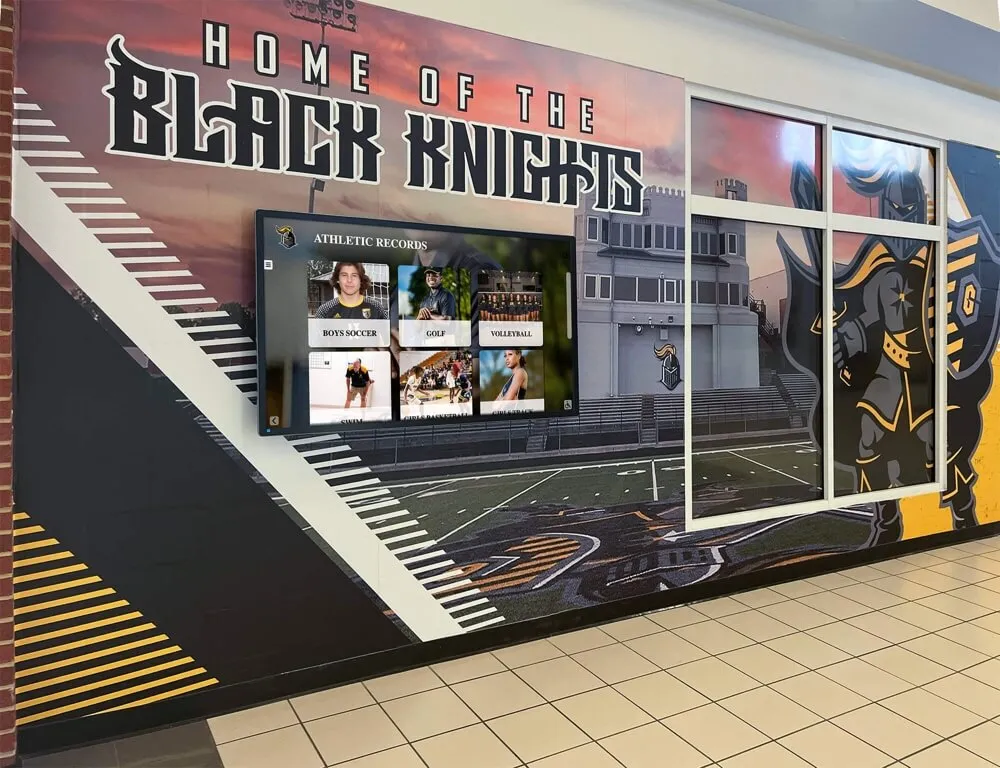
Athletic murals combined with digital displays create comprehensive recognition showcasing championship achievements prominently throughout school facilities
Technology and Innovation
Enhanced Competition Experience
Technology continues improving championship experiences:
- Live streaming enabling remote viewing by families and supporters
- Advanced scoring systems providing real-time feedback
- Video review capabilities for close calls and disputes
- Social media integration expanding championship visibility
- Digital programs and mobile apps enhancing spectator experience
- Virtual reality training tools improving skill development
These technological advances make national championships more accessible, transparent, and engaging while supporting athlete development through innovative training methodologies previously unavailable to high school programs.
Preserve Your Championship Achievements Permanently
Discover how digital recognition displays enable unlimited showcase capacity for national cheerleading championship teams, providing professional presentations with photos, videos, and comprehensive athlete profiles. See how schools nationwide celebrate championship achievements alongside all athletic accomplishments with engaging touchscreen displays accessible to students, families, and community members.
Book A DemoConclusion: Celebrating Championship Excellence
Reaching the national high school cheerleading championship represents extraordinary achievement requiring years of dedicated training, exceptional athletic ability, comprehensive program support, and unwavering commitment to excellence. Teams earning championship berths join elite company of programs demonstrating the highest levels of competitive cheerleading skill, teamwork, and performance quality.
Understanding championship structures, qualification pathways, competition expectations, and training requirements helps programs set realistic goals while providing roadmaps for sustained competitive development. Schools committed to championship-level cheerleading must invest in qualified coaching, proper facilities, adequate funding, and comprehensive support infrastructure recognizing competitive cheer as legitimate varsity athletics deserving resources comparable to traditional sports.
Most importantly, championship achievements deserve recognition extending far beyond competition weekends. Whether through traditional trophy displays or modern digital platforms providing unlimited showcase capacity, schools must preserve these remarkable accomplishments permanently, inspiring future athletes while honoring the dedication and excellence of championship teams and coaches.
Digital recognition solutions like Rocket Alumni Solutions overcome traditional display limitations, enabling comprehensive championship documentation with photos, videos, individual athlete profiles, and detailed historical records accessible to current students, families, alumni, and broader school communities. These platforms ensure championship achievements receive the visibility and celebration they deserve while building program legacies that strengthen competitive cheerleading for generations.
Your cheerleading program’s journey toward national championship competition demonstrates commitment to athletic excellence, student development, and competitive achievement. With proper preparation, comprehensive support, and appropriate recognition, you can build programs where national championships represent attainable goals inspiring current athletes while celebrating those who have already achieved this remarkable distinction.
Ready to showcase your cheerleading program’s championship achievements with professional recognition extending beyond physical trophy limitations? Explore how digital recognition displays help schools celebrate unlimited athletic accomplishments while creating engaging experiences strengthening program pride, motivating athlete development, and building lasting connections throughout school communities.