



Every March, Minnesota transforms into the hockey capital of America as the state high school hockey tournament takes center stage. For over seven decades, this event has captivated communities, created legendary moments, and established traditions that define Minnesota’s unique sports culture. The tournament isn’t just about determining state champions—it’s a celebration of small-town pride, athletic excellence, and the passionate hockey culture that makes Minnesota truly the “State of Hockey.”
Schools across Minnesota recognize that tournament participation represents a pinnacle achievement deserving permanent recognition. From Section championship banners to individual player achievements, the tournament creates countless opportunities to honor athletes, commemorate historic runs, and preserve institutional legacy for generations of students, alumni, and community members who rally around their teams every season.
This comprehensive guide explores the rich history and enduring traditions of the Minnesota high school hockey tournament while examining how modern schools celebrate these achievements through innovative recognition programs that keep tournament memories alive long after the final horn sounds.
The Minnesota State High School League hockey tournament stands apart from high school sports championships nationwide through its unique atmosphere, passionate following, and cultural significance within communities across the state. Understanding this tradition helps schools create recognition programs that appropriately honor participation and achievement at this prestigious event.

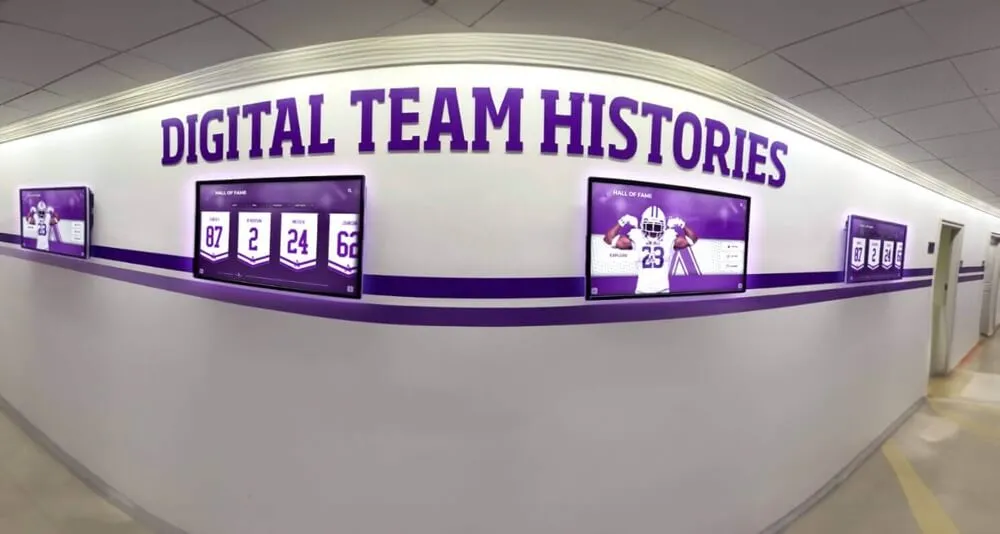
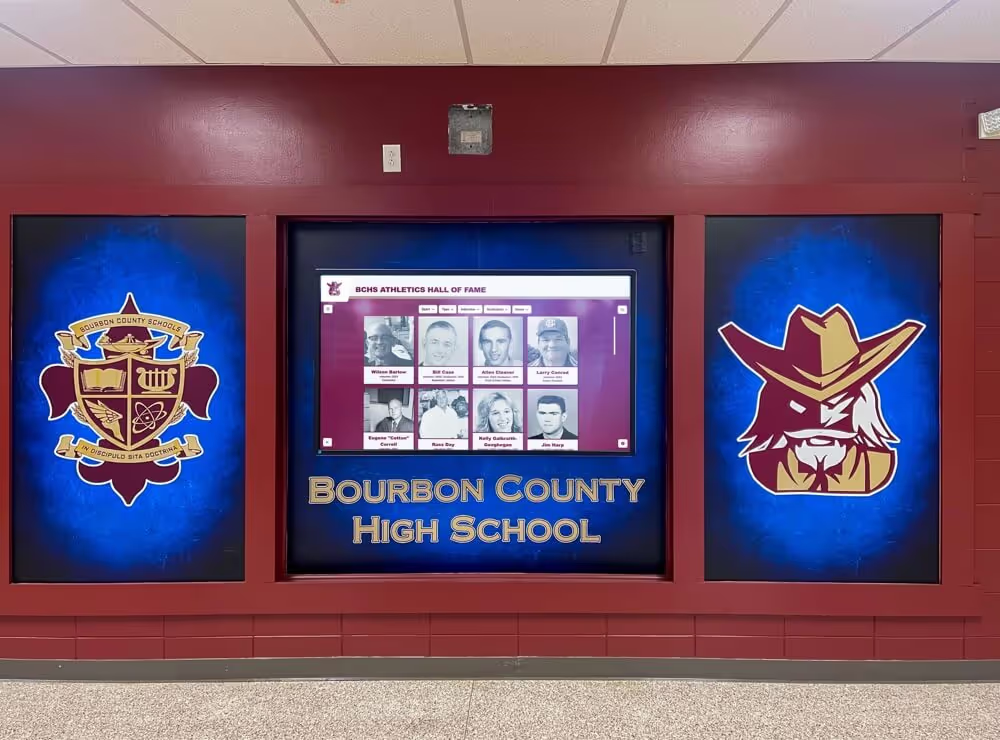
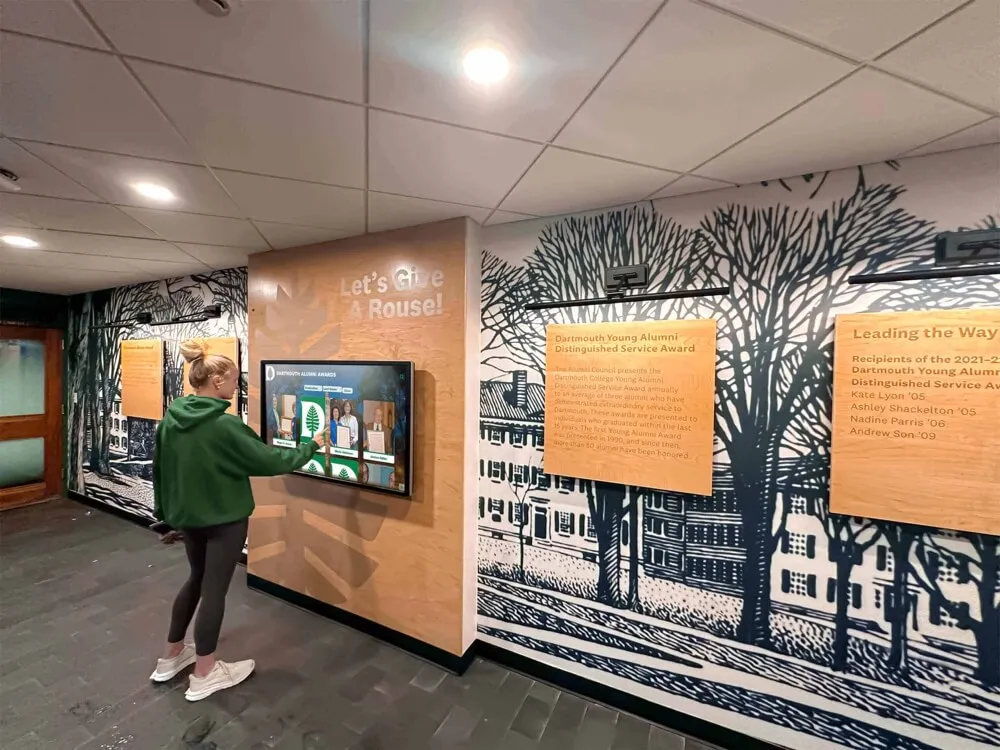
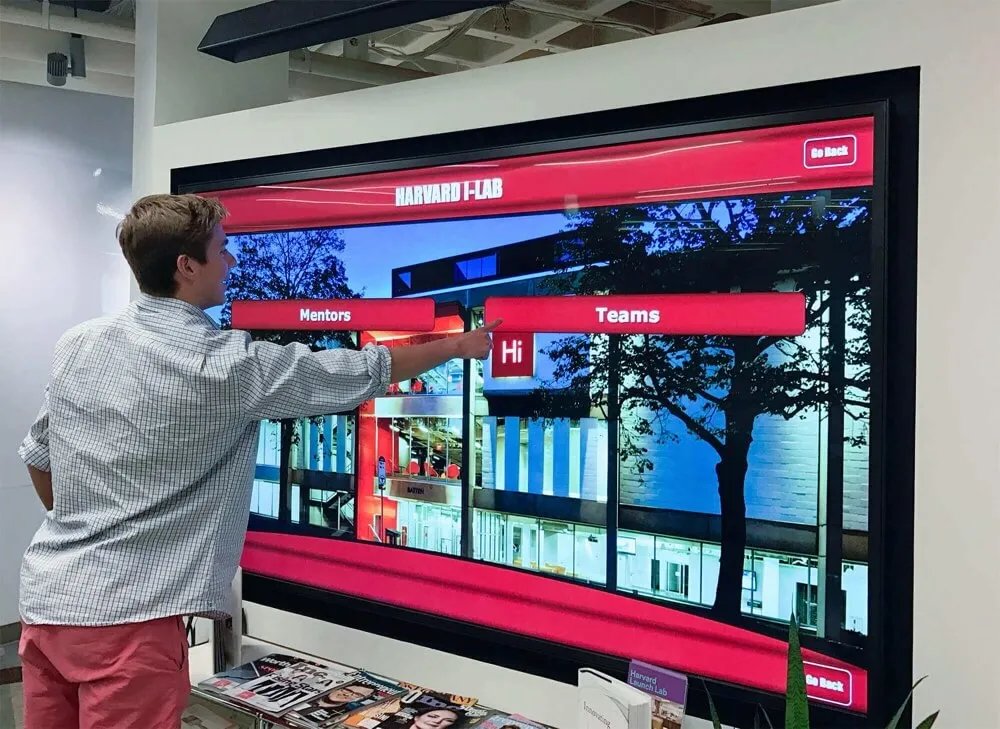
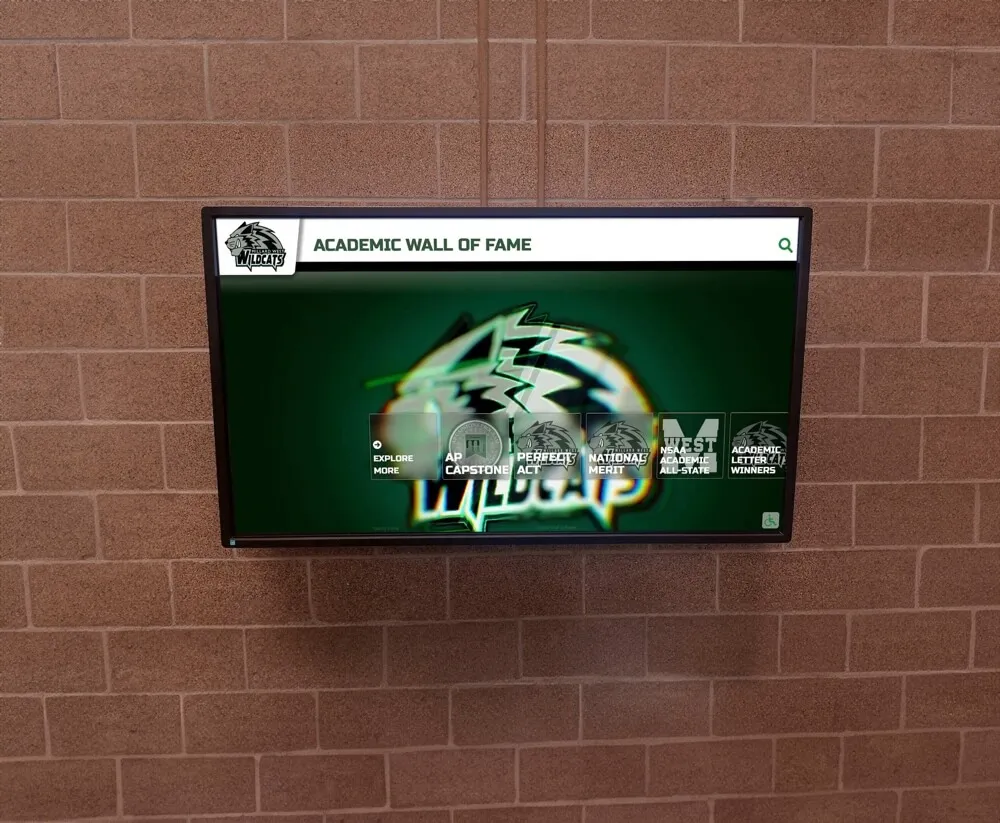
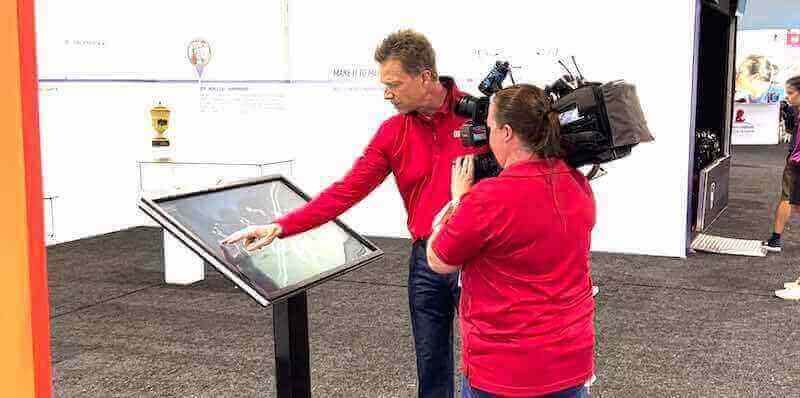
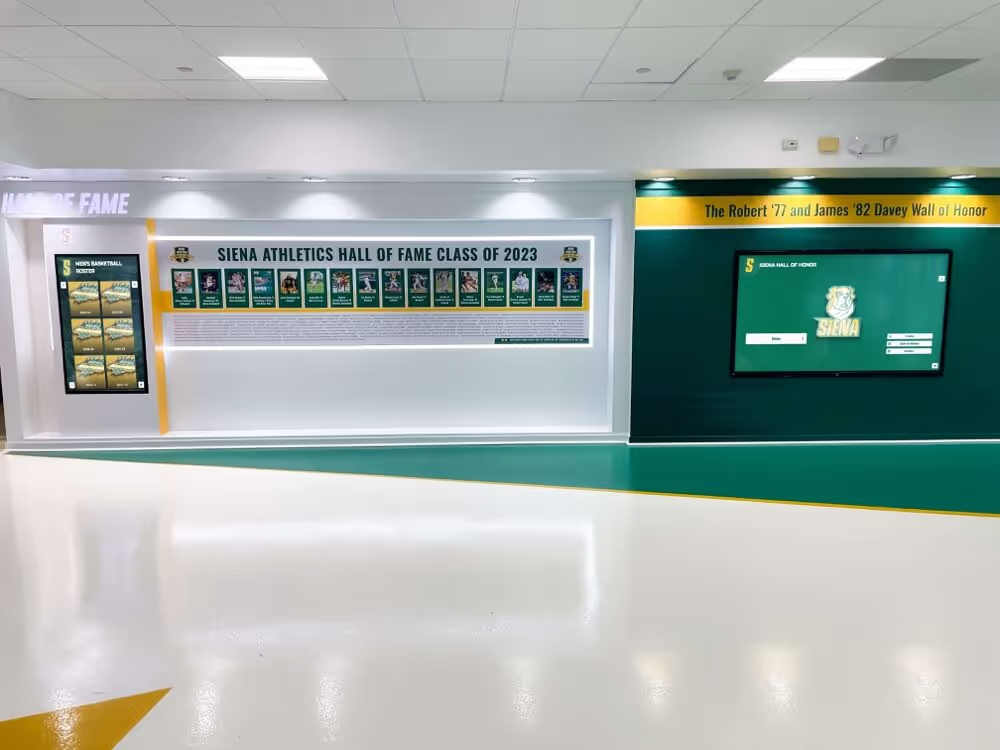
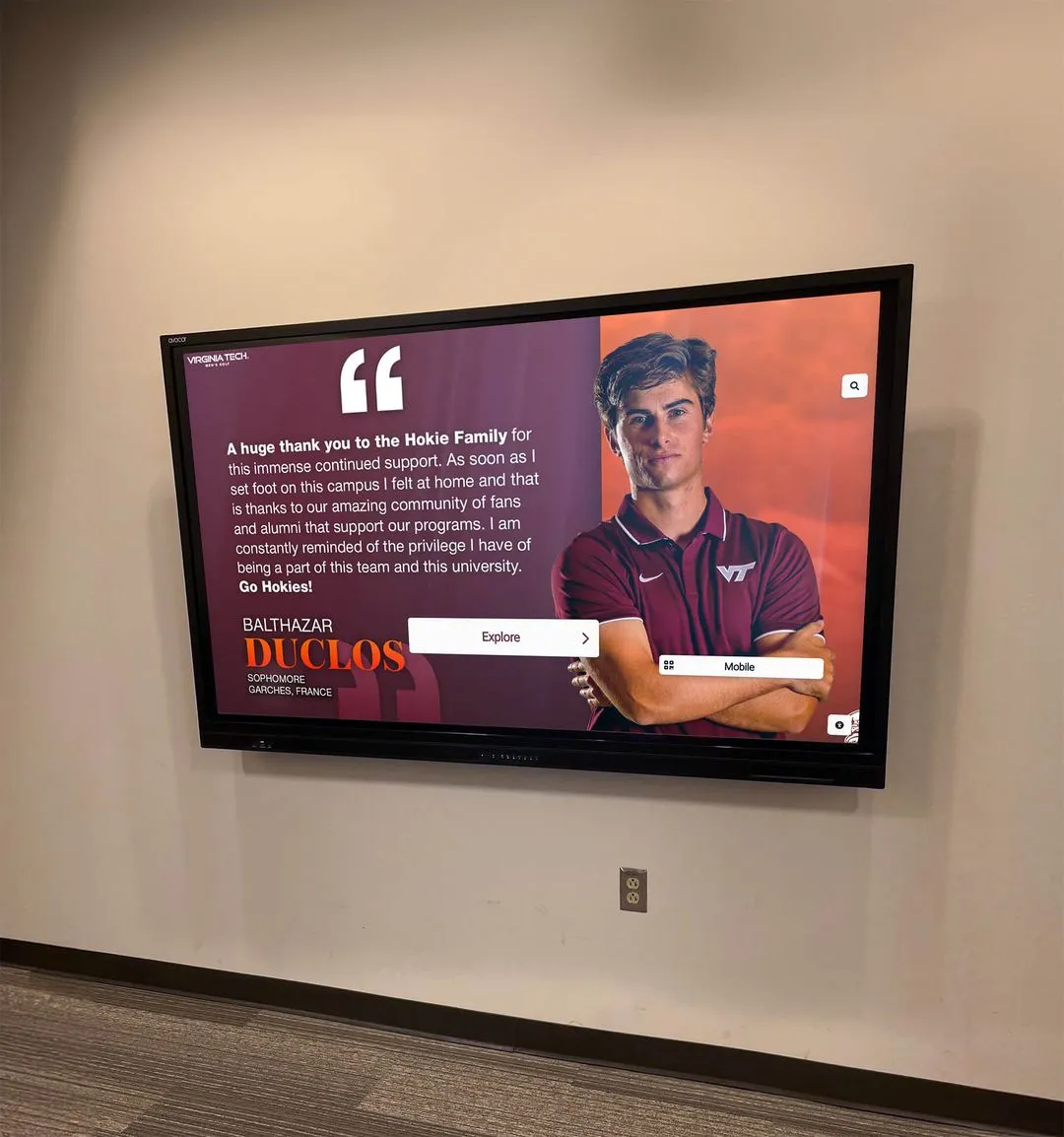
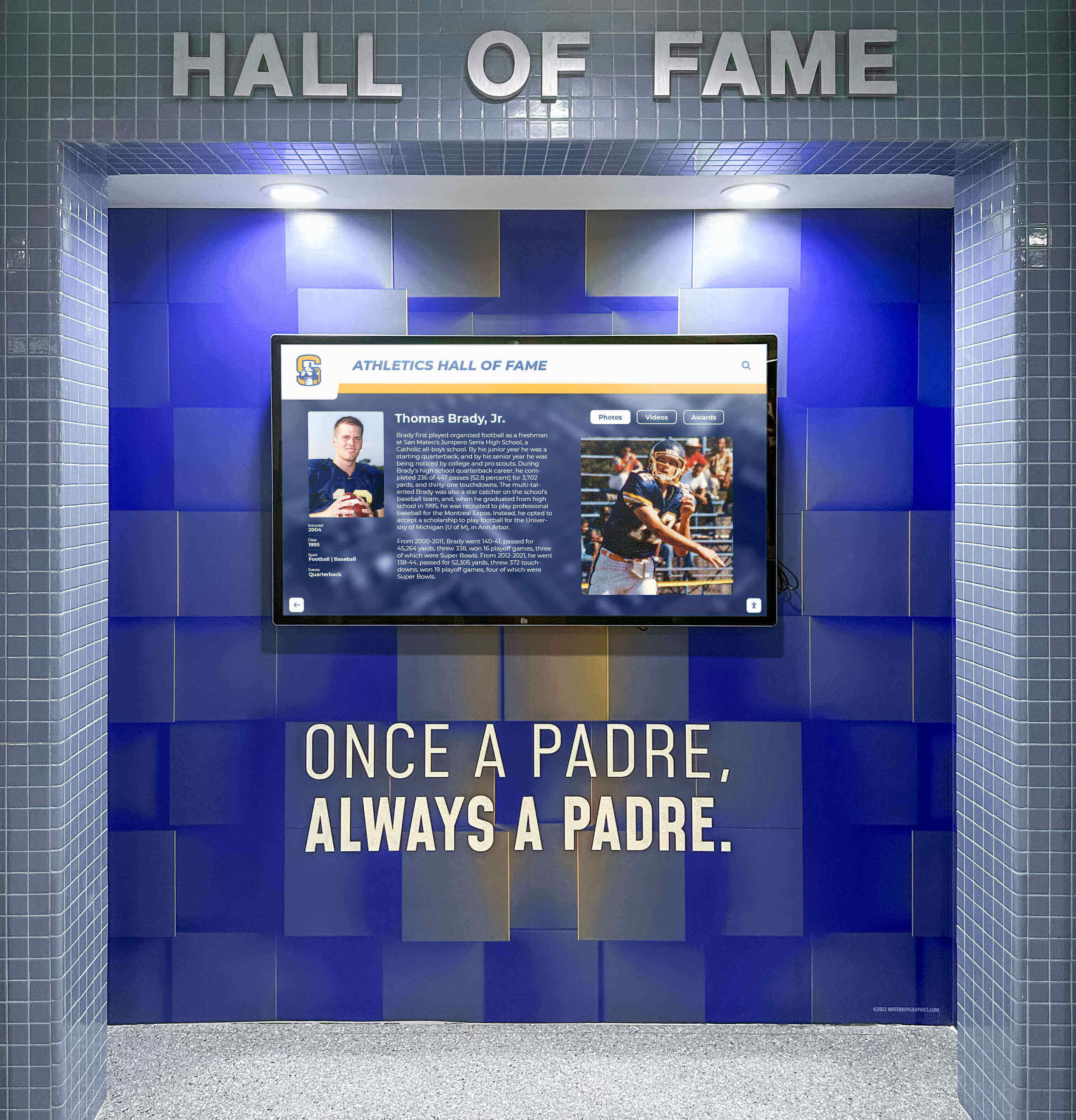
Modern athletic recognition displays showcase tournament achievements, championship seasons, and individual player accomplishments
The History of Minnesota High School Hockey Tournament
The tournament’s origins and evolution reflect Minnesota’s deep connection to hockey culture and the sport’s importance within educational communities statewide.
Early Beginnings and Growth
The Minnesota State High School League began sponsoring boys’ hockey in 1945, establishing what would become one of the most anticipated annual sporting events in the state.
Foundational Years
The inaugural tournament featured just eight teams competing at St. Paul Auditorium. Early tournaments established traditions and competitive intensity that would define the event for decades. Small-town schools competed alongside urban powers, creating David-versus-Goliath narratives that captivated fans. The single-class format meant every participating school had realistic championship aspirations.
During these formative years, legendary programs emerged and dynasties began. Schools like Eveleth, International Falls, and Minneapolis Southwest established early dominance while building traditions their communities celebrate today through athletic hall of fame displays honoring pioneering players and coaches.
Venue Evolution
The tournament’s home evolved alongside its growing popularity:
- St. Paul Auditorium hosted early tournaments before fire destroyed the venue in 1982
- St. Paul Civic Center became the tournament home from 1973-1993
- Xcel Energy Center has hosted since 2000, providing NHL-caliber facilities
Each venue change reflected the tournament’s expanding footprint and cultural significance. Modern facilities at Xcel Energy Center accommodate larger crowds while maintaining the intimate atmosphere that makes the tournament special.
The Two-Class Era Begins
Enrollment growth and competitive balance concerns led to the 1994 expansion from one class to two, fundamentally changing tournament structure while preserving traditions.
Class A and Class AA
The two-class system created distinct competitive environments:
- Class AA for larger enrollment schools, predominantly urban and suburban programs
- Class A for smaller schools, featuring many greater Minnesota communities
- Separate tournaments running concurrently at the same venue
- Double the teams and games, extending tournament excitement
This restructuring allowed more schools to experience tournament participation while creating championship opportunities for programs that struggled competing against much larger schools. Small-town communities embraced Class A championships with passion equal to their Class AA counterparts.
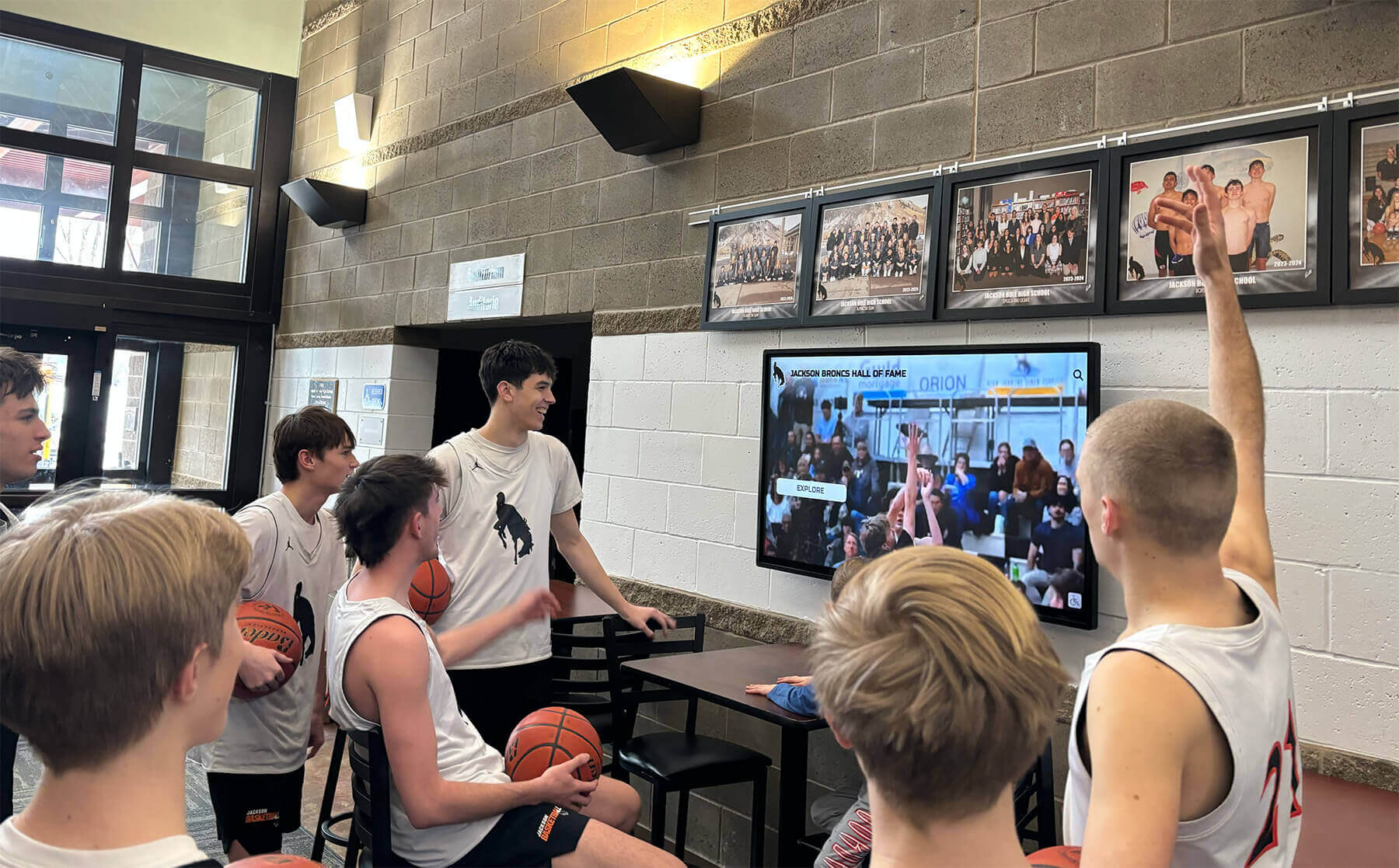
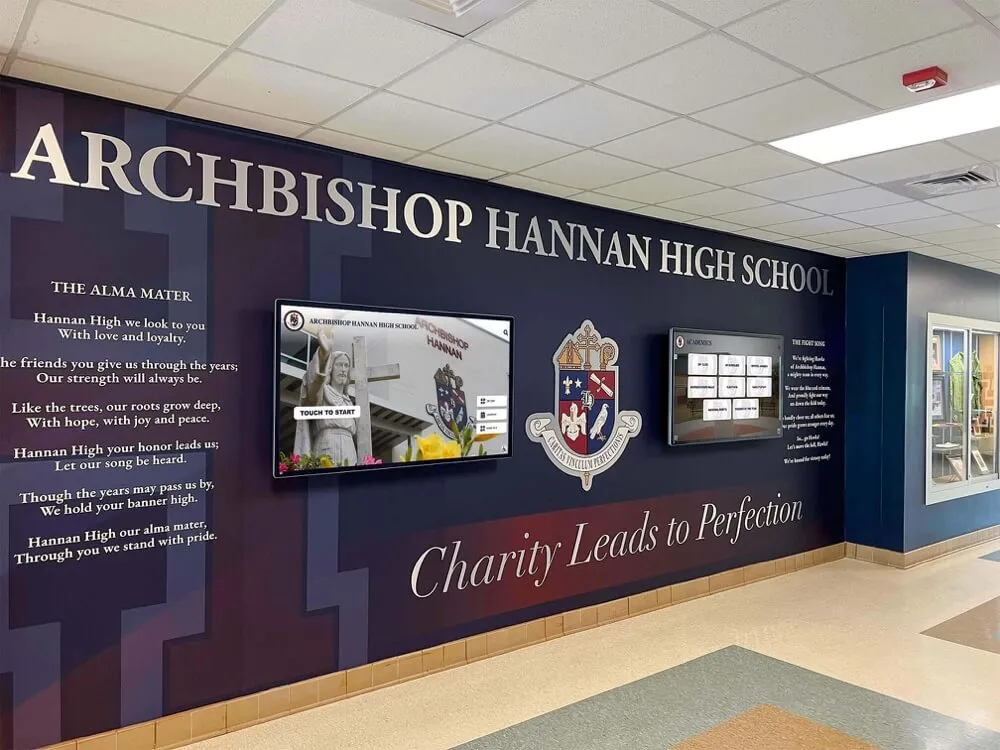
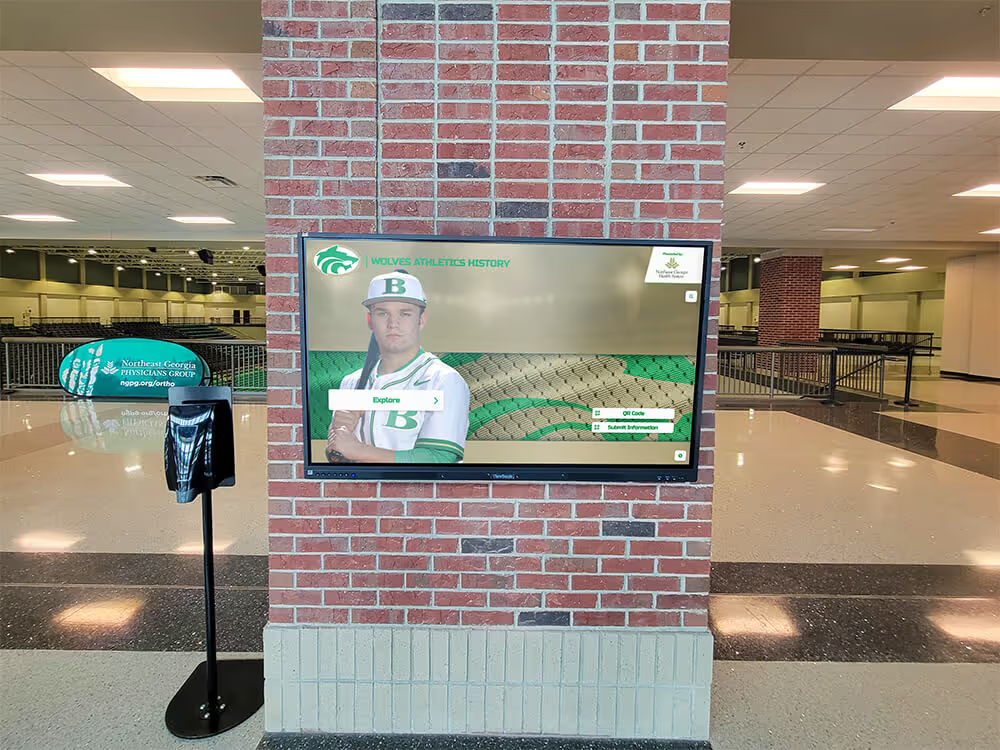
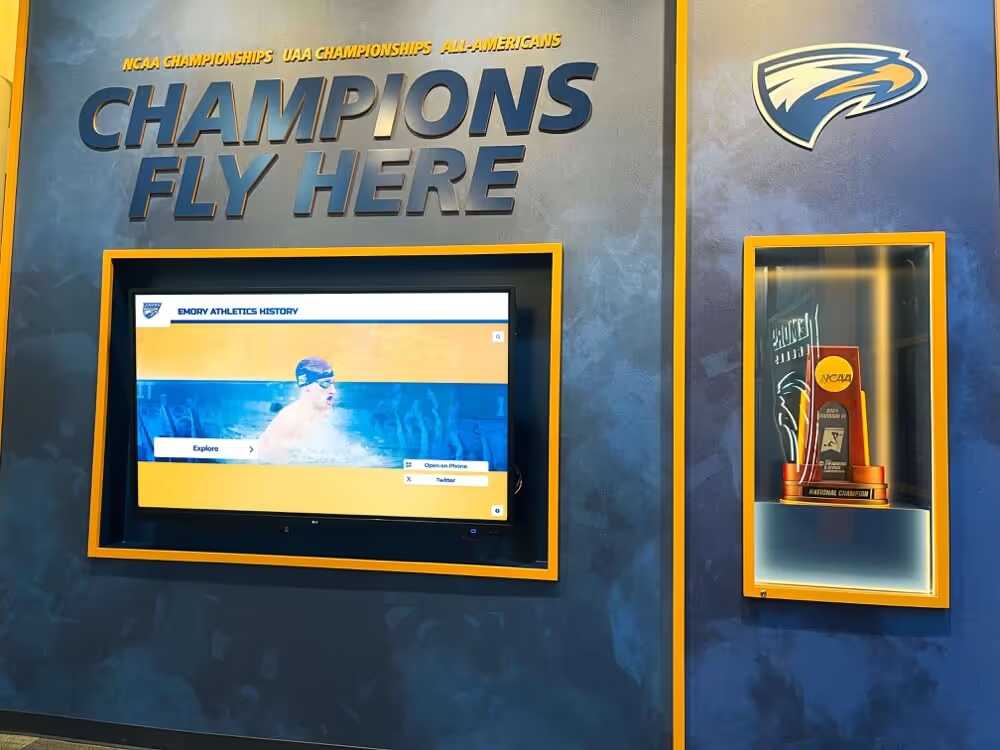
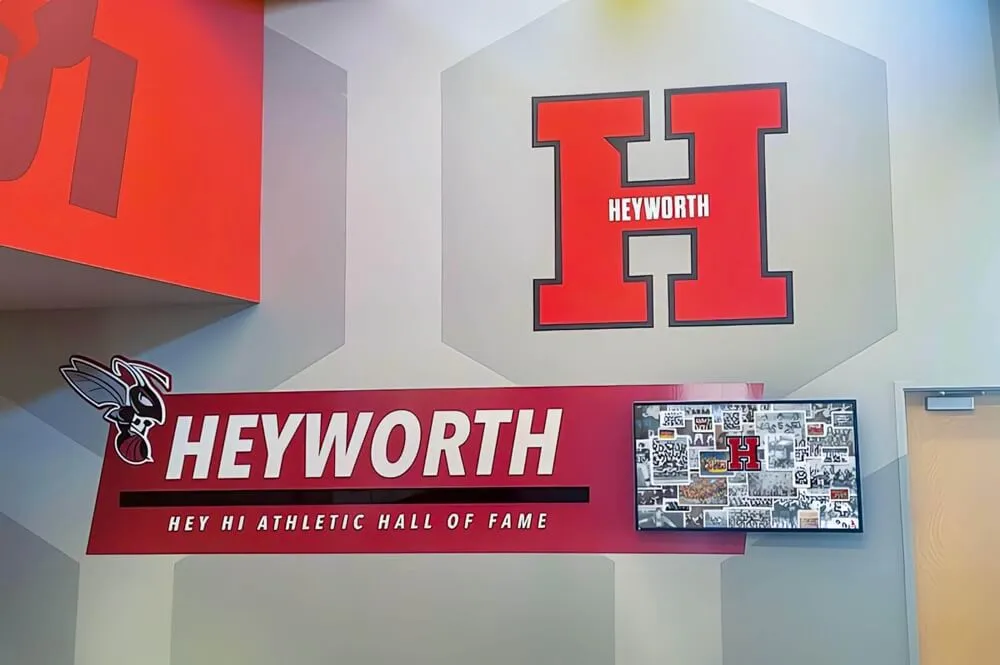
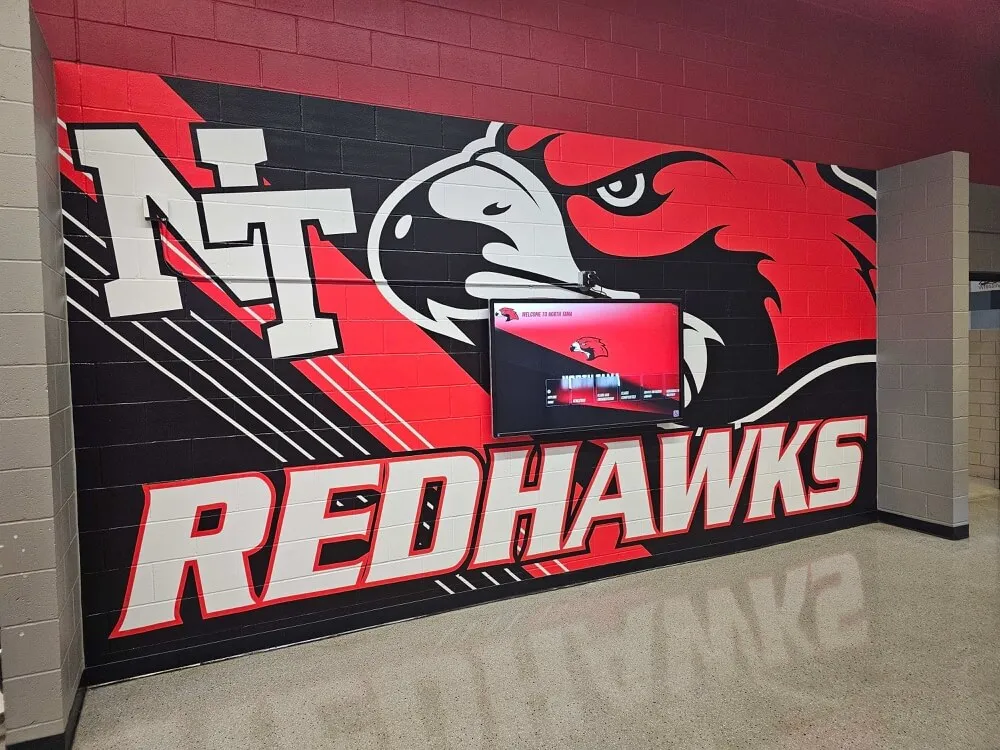
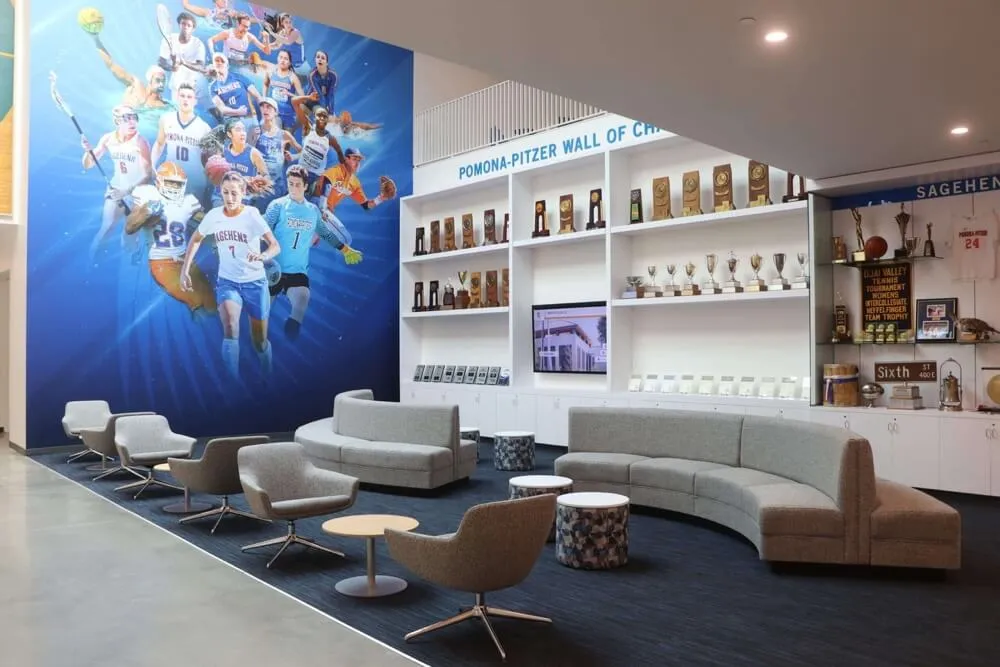
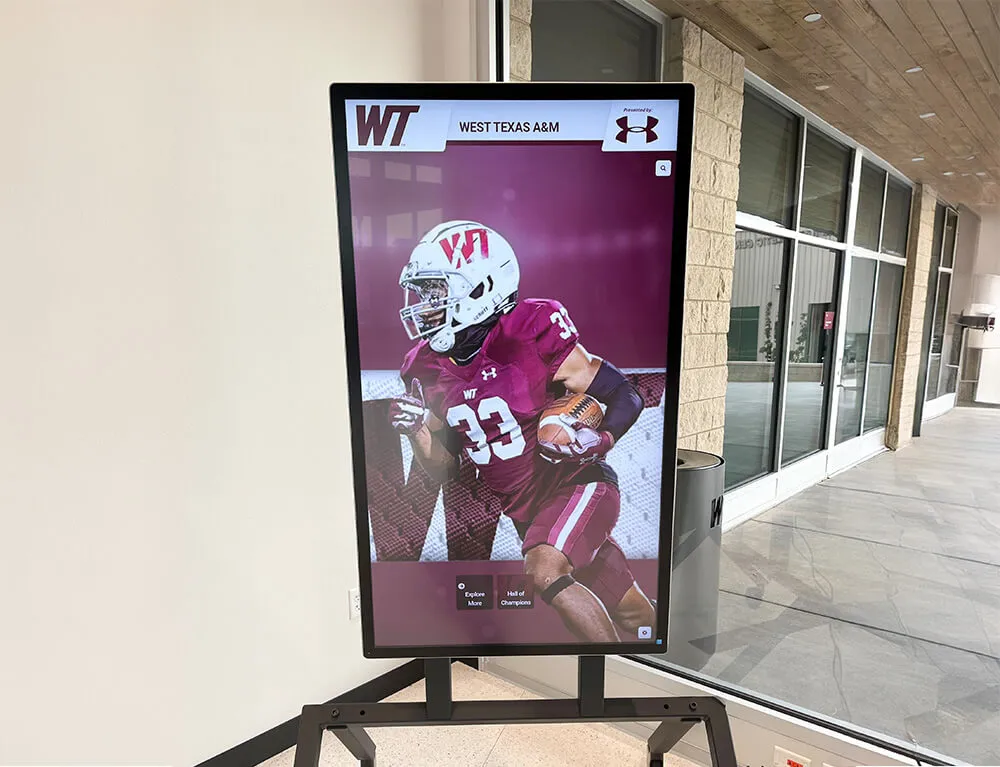
Student athletes explore past tournament achievements through interactive displays that preserve institutional athletic heritage
Preserving Tradition Through Change
Despite structural changes, core tournament traditions persisted. Opening ceremonies maintained their pageantry. School fight songs echoed through arenas. Television coverage brought the tournament to viewers statewide. The March tradition continued uninterrupted, connecting past champions with current competitors.
Schools commemorate their tournament history across both eras through comprehensive athletic recognition programs that celebrate every generation of tournament participants.
The Girls’ Tournament: Establishing a Parallel Tradition
Minnesota became an early leader in girls’ high school hockey, creating opportunities and traditions parallel to the established boys’ tournament.
Pioneering Girls’ Hockey
Girls’ hockey participation grew throughout the 1990s as more schools established programs and communities embraced opportunities for female athletes.
Tournament Recognition
The Minnesota State High School League sponsored the first girls’ hockey tournament in 1995, making Minnesota among the first states providing official championship opportunities for female hockey players. The tournament established immediate credibility and community support, with passionate followings developing quickly.
Like their male counterparts, girls’ tournament participants deserve recognition celebrating their achievements. Schools implement recognition displays for female athletes that honor tournament participation and championship success equally.
Growth and Expansion
Girls’ hockey expanded to two classes in 2008, mirroring the boys’ tournament structure. Participation continues growing as more schools launch programs and youth hockey develops female players. Tournament attendance increases annually as communities rally around girls’ teams with enthusiasm matching boys’ tournament support.
Schools preserve girls’ tournament history through comprehensive recognition ensuring female athletes receive visibility equal to male tournament participants in athletic halls of fame and trophy displays.
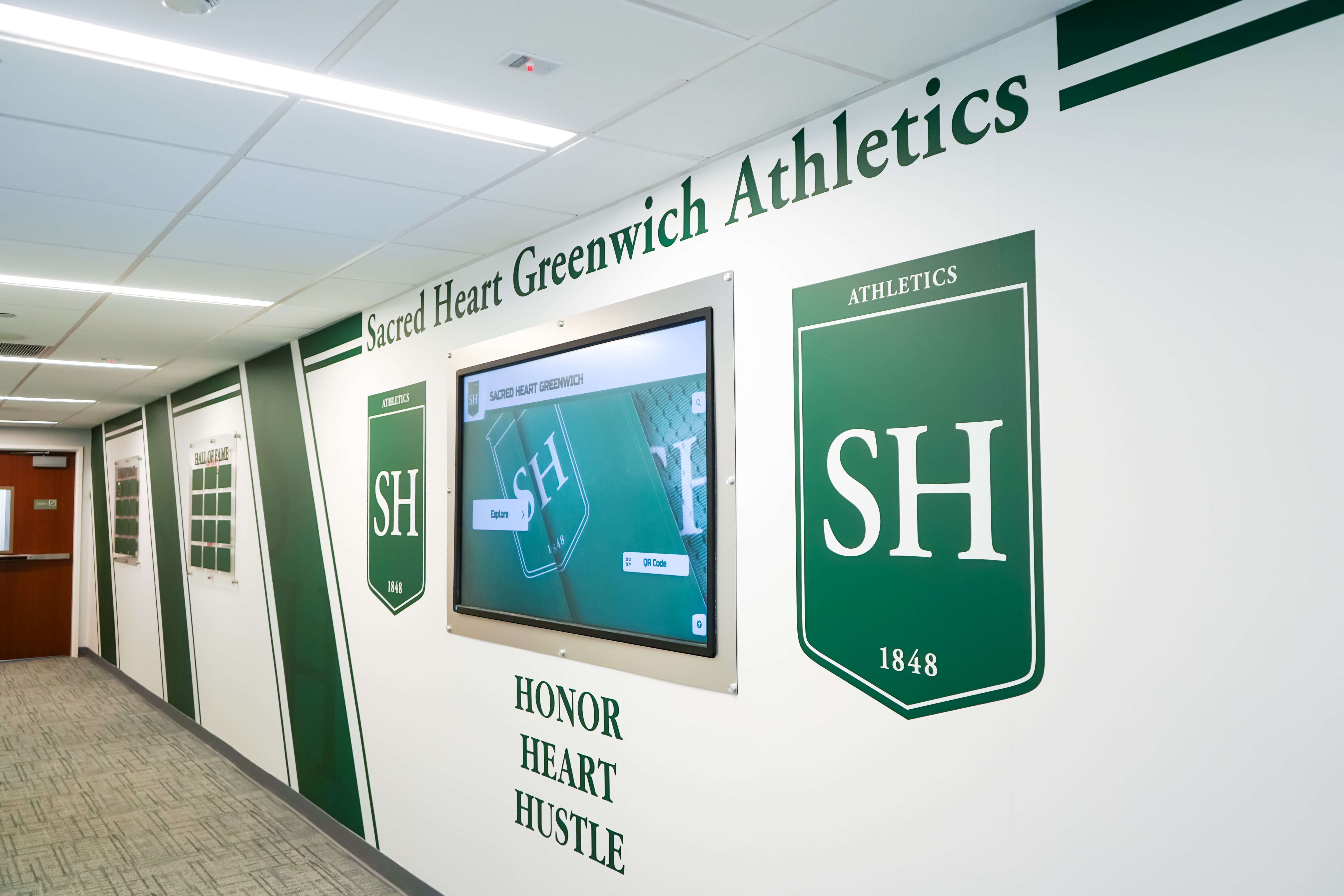
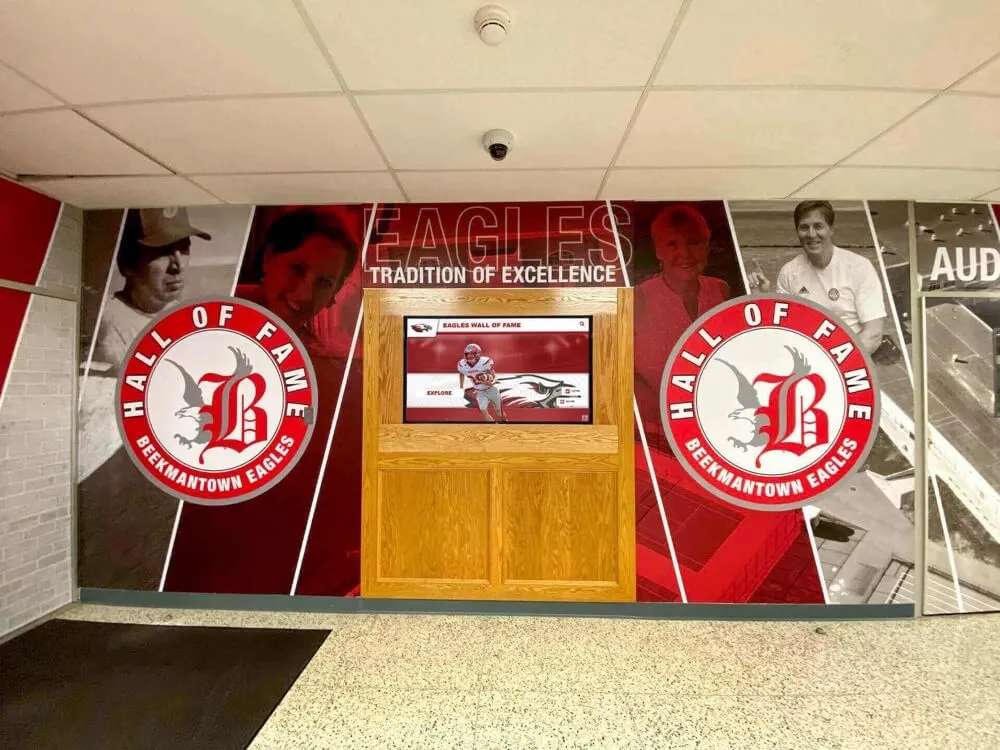
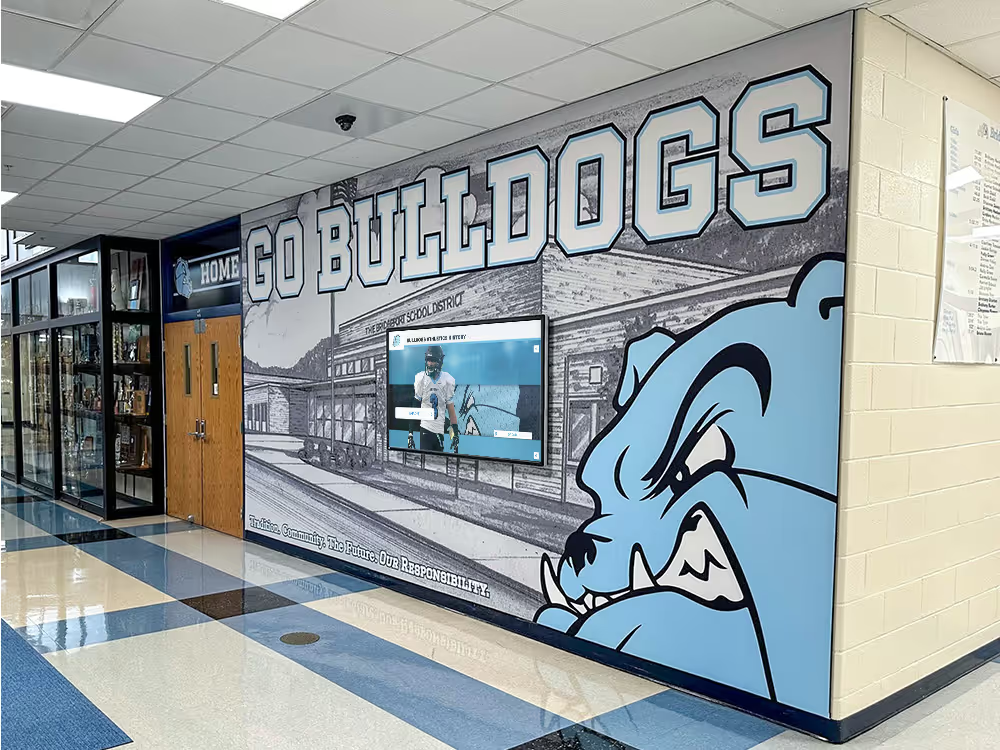
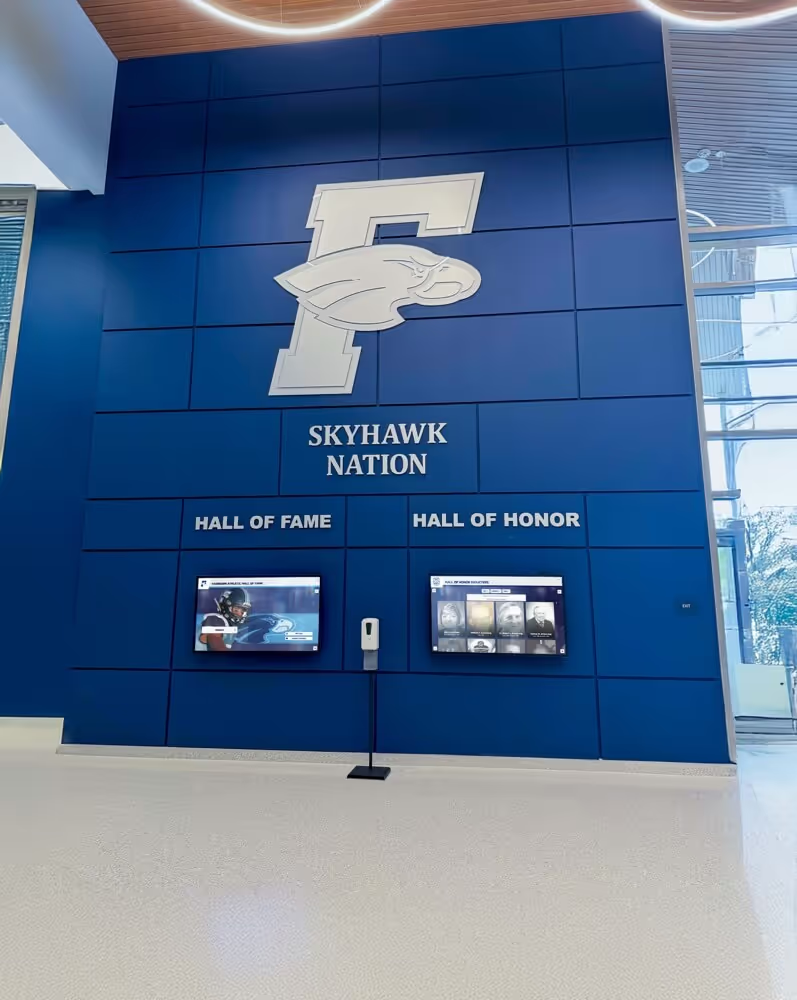
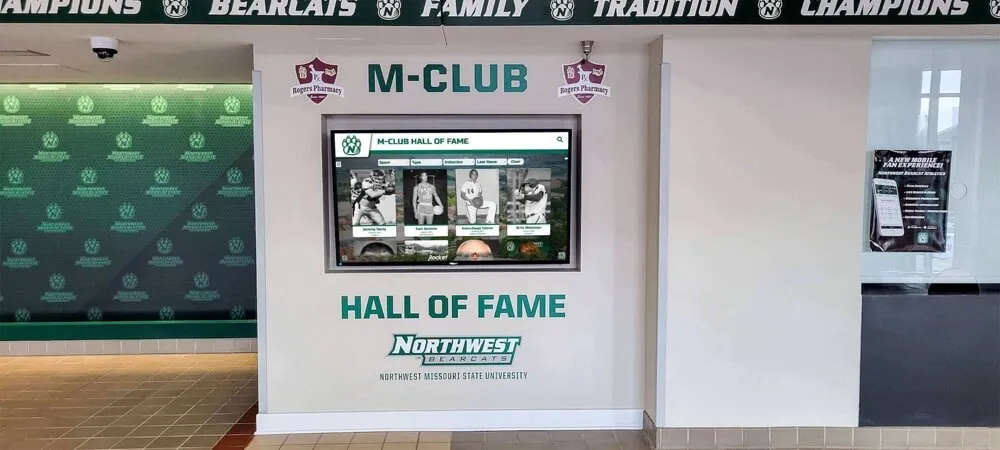
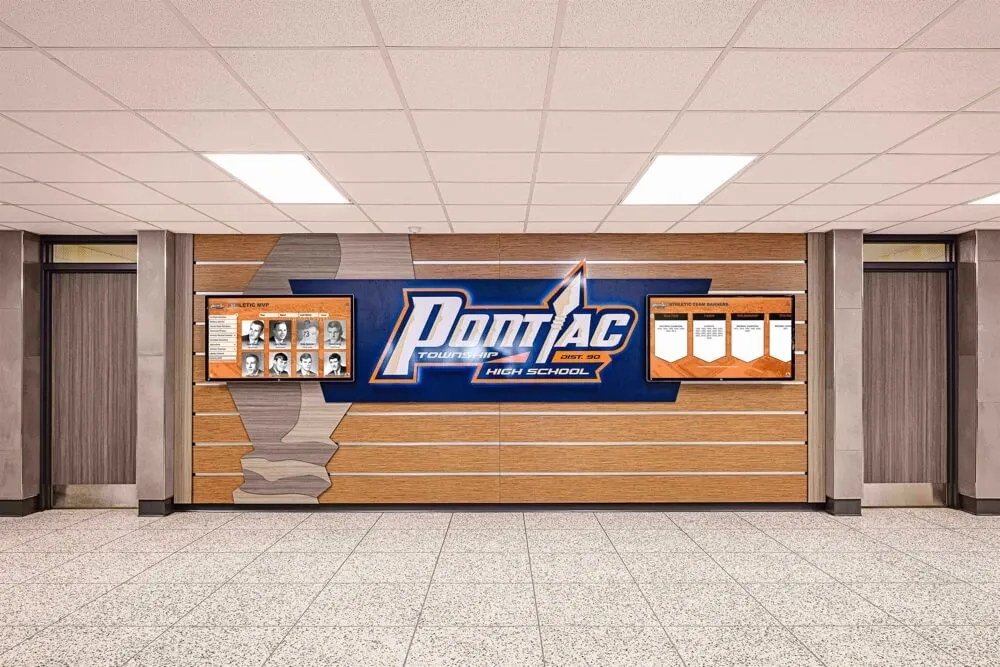
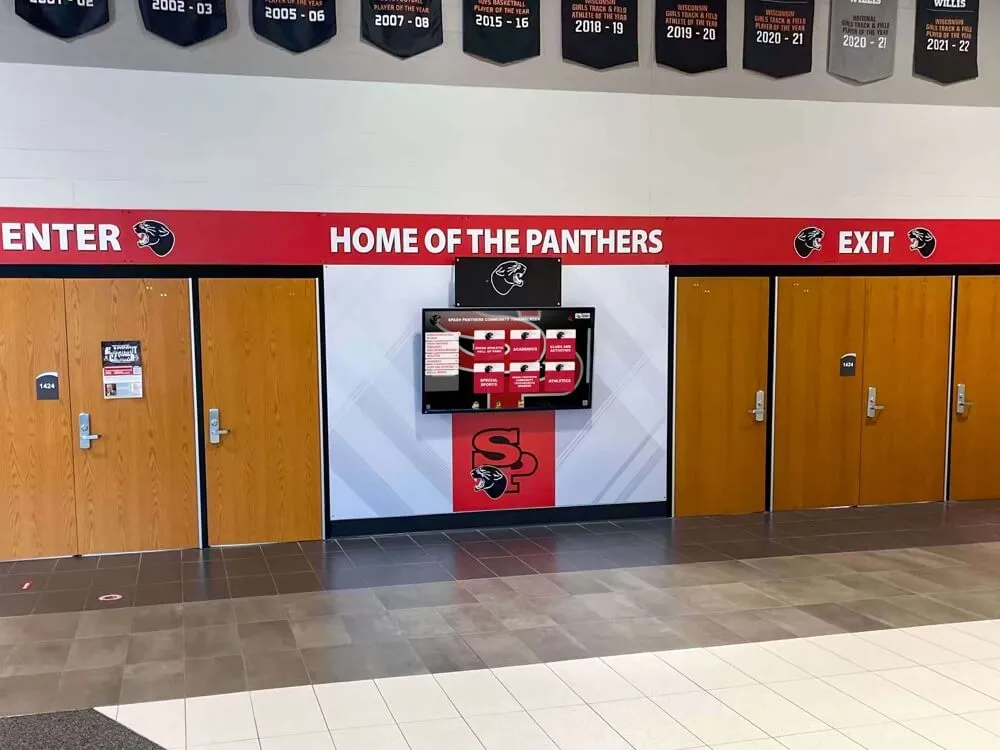
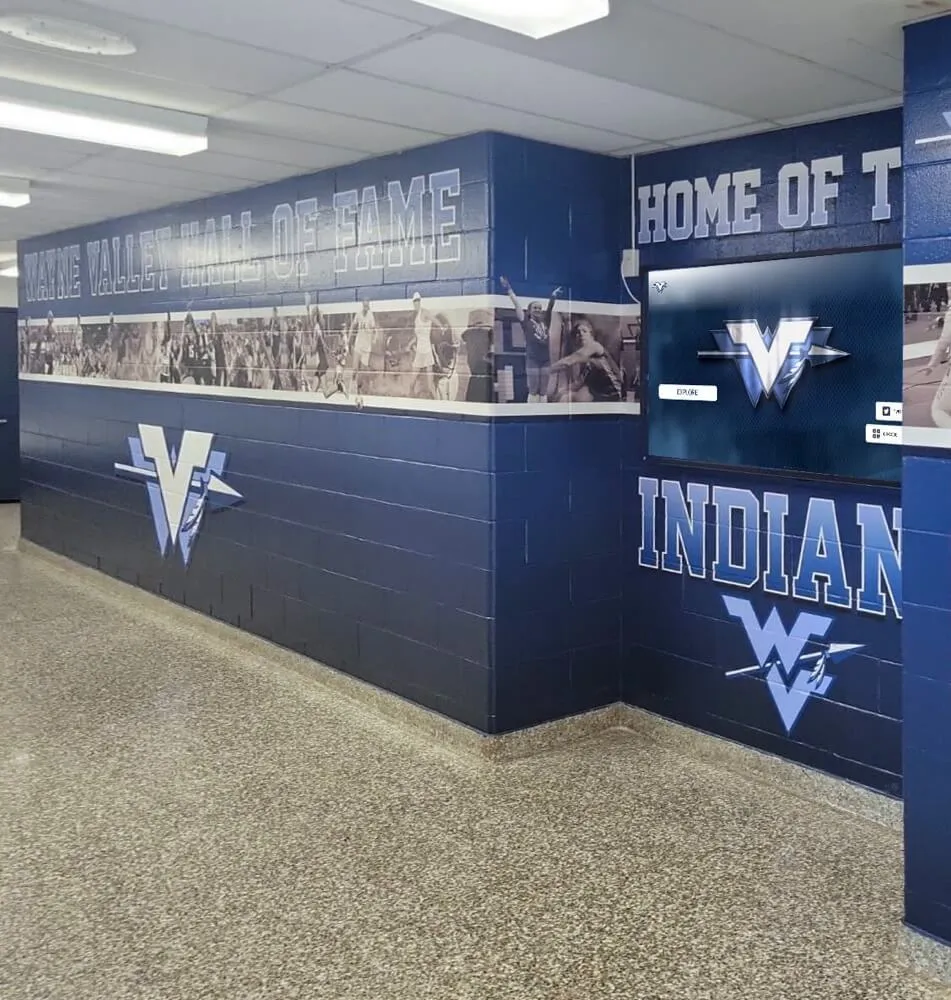
Hallway recognition displays create daily touchpoints with athletic achievements, keeping tournament tradition visible throughout the school year
Tournament Traditions That Define Minnesota Hockey
Distinctive customs and traditions separate the Minnesota tournament from high school championships elsewhere, creating unique experiences for participants and spectators.
The Opening Ceremony Experience
Tournament opening ceremonies represent emotional highlights, introducing teams and establishing the event’s significance.
School Presentations
Each team receives individual recognition during opening ceremonies. Schools present their colors while student sections chant fight songs and cheers. Player introductions follow specific protocols honoring all participants equally. Video boards display school information, enrollment, and tournament history.
These ceremonies create lasting memories athletes cherish throughout their lives. Schools commemorate opening ceremony participation through photos and recognition displays celebrating the honor of representing their communities on the state’s biggest high school stage.
The Section Championship Journey
Reaching the state tournament requires success through Section playoffs, creating dramatic elimination scenarios throughout Minnesota.
Section Tournament Intensity
Section tournaments feature their own passionate crowds and community investment. Single-elimination pressure creates unforgettable moments and heartbreaking defeats. Section championships represent significant achievements deserving recognition alongside state tournament success. Community parades and celebrations follow Section victories in many towns.
Schools recognize Section championship achievements through athletic recognition displays honoring teams that earned tournament berths even when state championships prove elusive.
The Tournament Upset Culture
Tournament history features legendary upsets where underdogs defeated heavily-favored opponents, creating stories communities retell for generations.
Memorable Upsets
Lower-seeded teams regularly defeat tournament favorites, creating March Madness-style drama. Goaltenders become instant legends through standout tournament performances. Last-second goals and overtime victories provide unforgettable finishes. Small schools defeating metropolitan powers create David-versus-Goliath narratives celebrating throughout greater Minnesota.
These upset victories often represent community highlights deserving permanent recognition. Schools preserve upset victory memories through digital recognition systems that tell complete game stories with photos, statistics, and narrative descriptions.
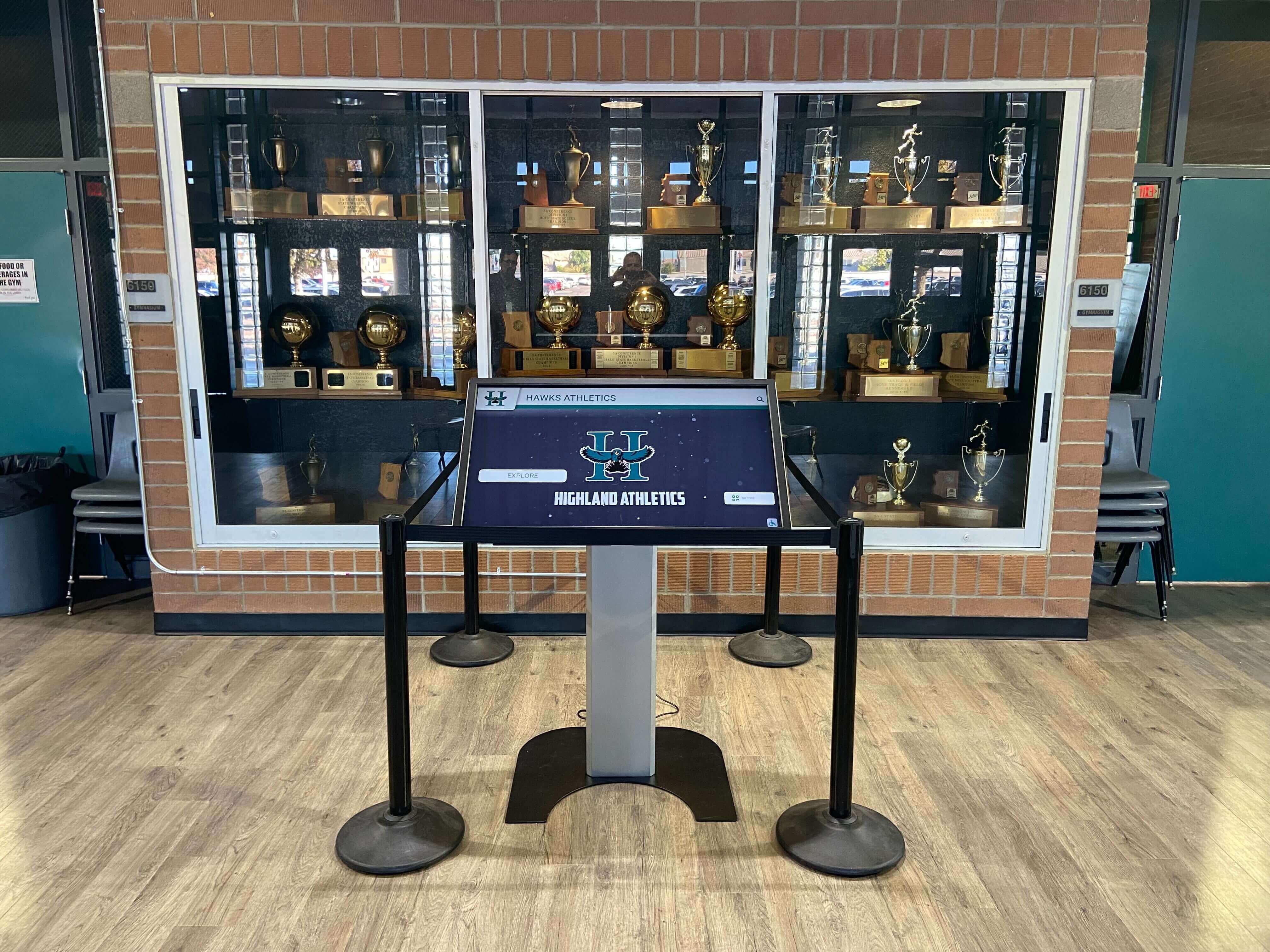
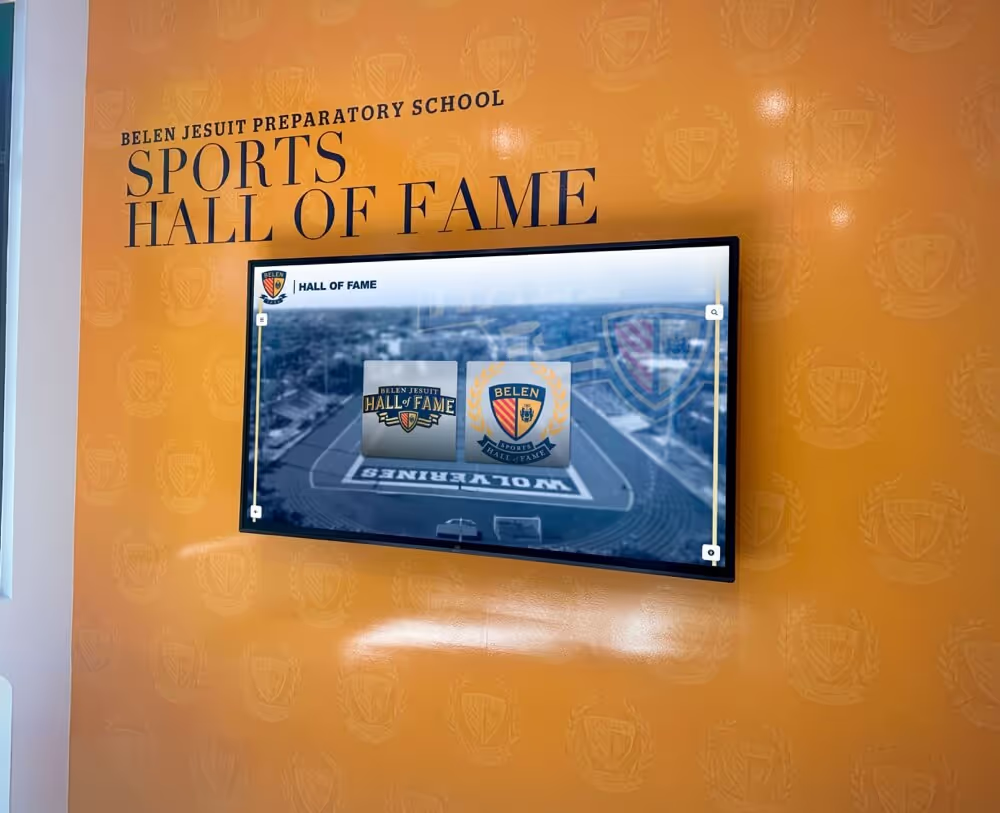
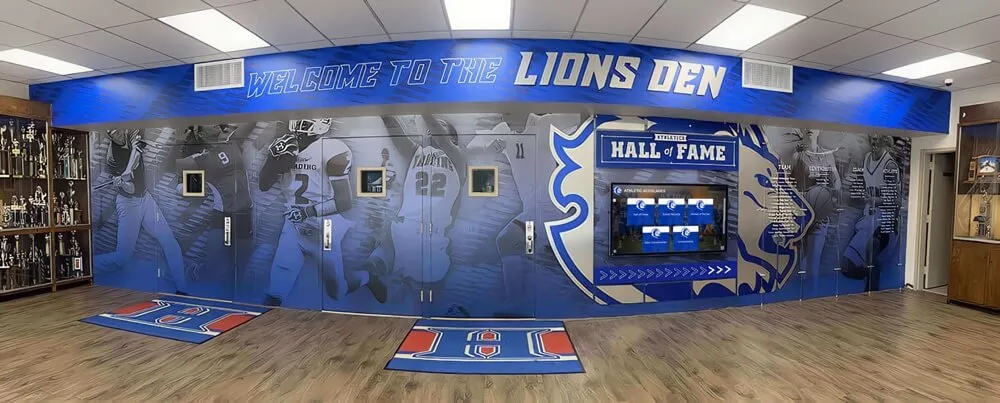
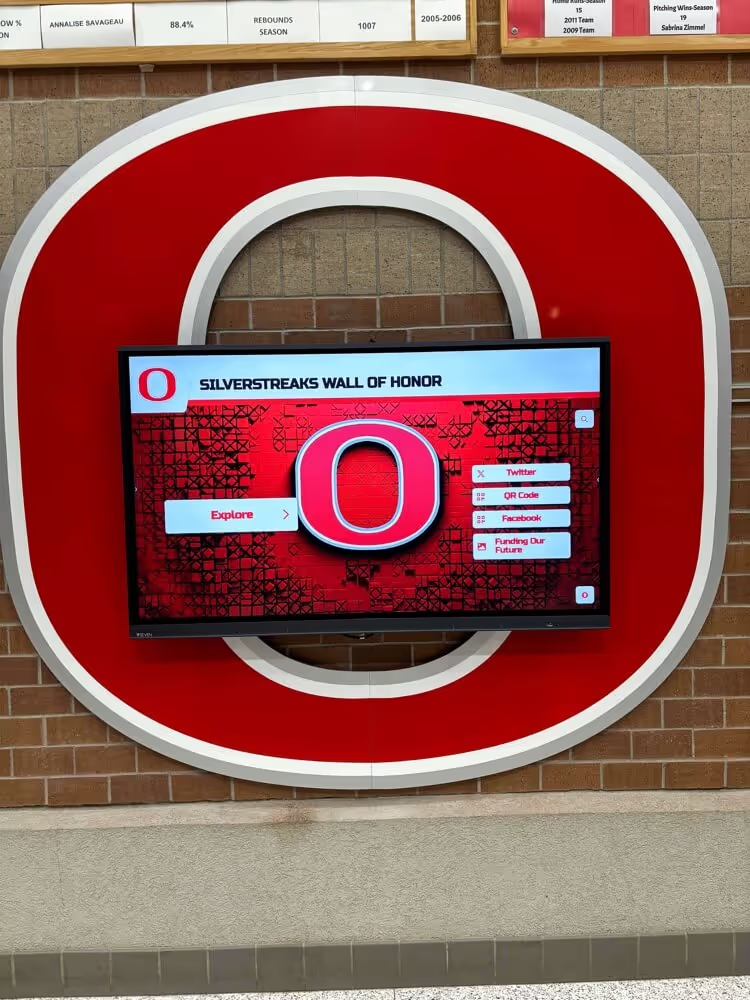
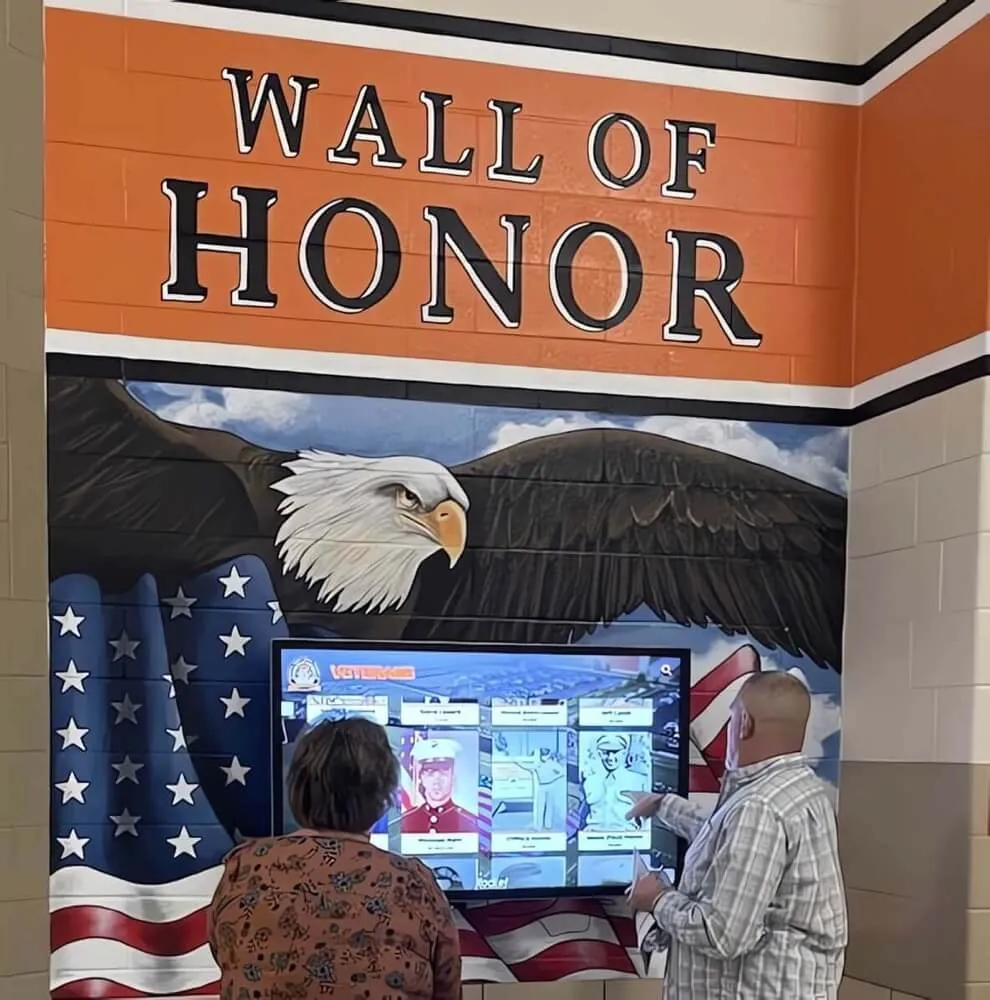
Interactive displays integrated with traditional trophy cases expand recognition capacity while maintaining physical artifact importance
Student Section Energy
Tournament crowds feature passionate student sections creating electric atmospheres that distinguish Minnesota’s tournament from other state championships.
Fan Traditions
Student sections coordinate themed attire and synchronized cheers. Schools develop unique chants and songs identified with their programs. Creative signs and banners demonstrate school spirit and tournament excitement. Respectful rivalry between student sections creates competitive yet sportsmanlike environments.
This student engagement reflects the tournament’s cultural importance within Minnesota high school life. Schools capture this atmosphere through tournament photos included in recognition displays celebrating not just athletes but entire community support.
Championship Moments and Legendary Performances
Tournament history features remarkable individual performances and team achievements that established legends still celebrated decades later.
Historic Championship Runs
Certain championship seasons stand out through dominant performances or unlikely victories that captured imaginations statewide.
Dynasty Teams
Programs like Edina, Hill-Murray, and Minnetonka established championship dynasties through multiple titles. Sustained excellence required exceptional coaching, youth program development, and institutional commitment. Back-to-back championships created special recognition opportunities. Some schools won championships across multiple decades, demonstrating program longevity.
Schools with championship traditions create comprehensive digital halls of fame documenting every championship season with rosters, statistics, and season highlights that preserve institutional athletic heritage.
Cinderella Stories
Underdog championship victories create enduring community pride and celebration. Teams from small towns defeating suburban powers become folklore. First-time tournament participants winning championships create unforgettable narratives. These championship runs often represent once-in-a-generation achievements for communities.
Such special seasons deserve recognition proportional to their community significance through permanent displays honoring championship teams and individual contributors.
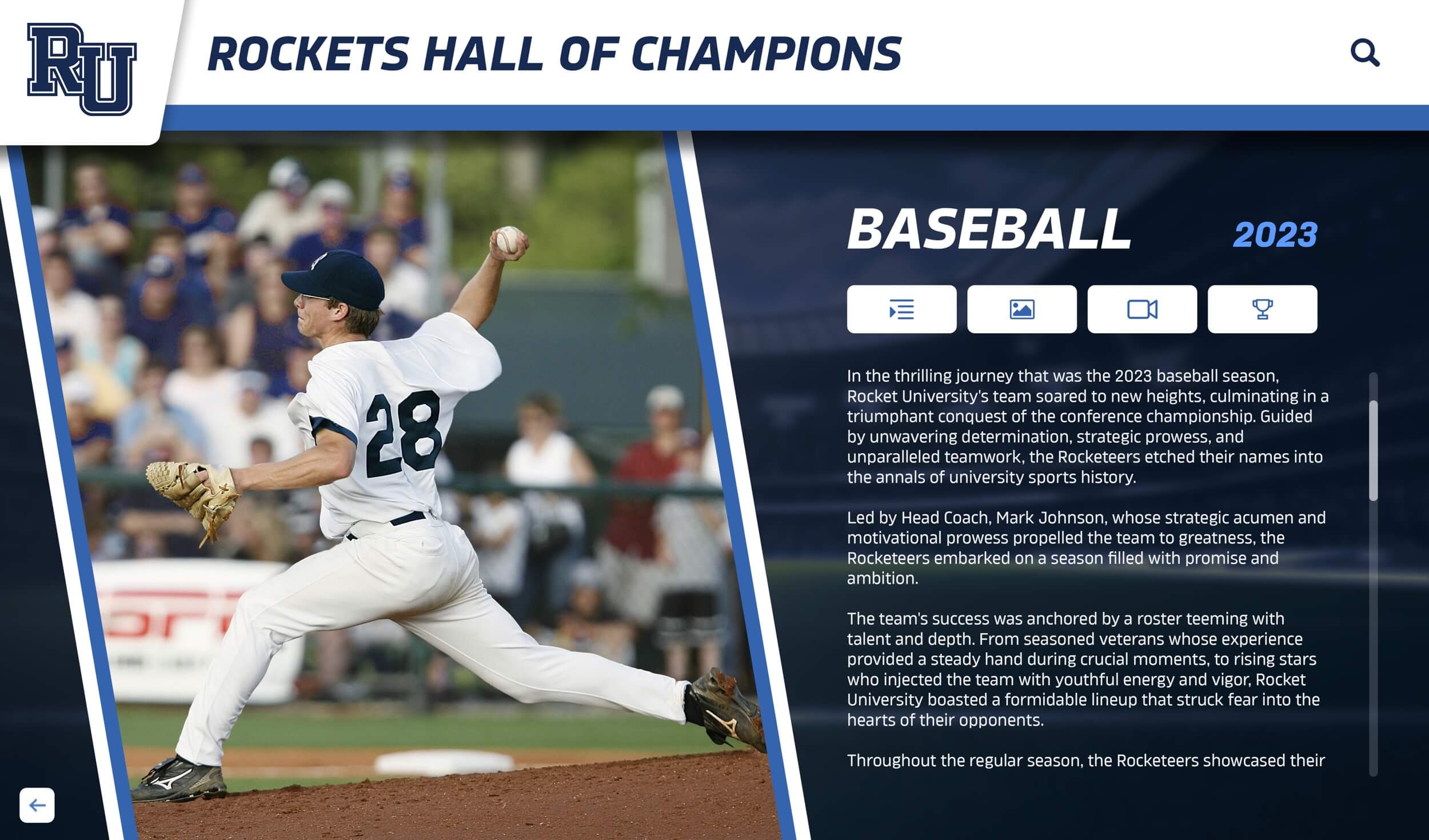
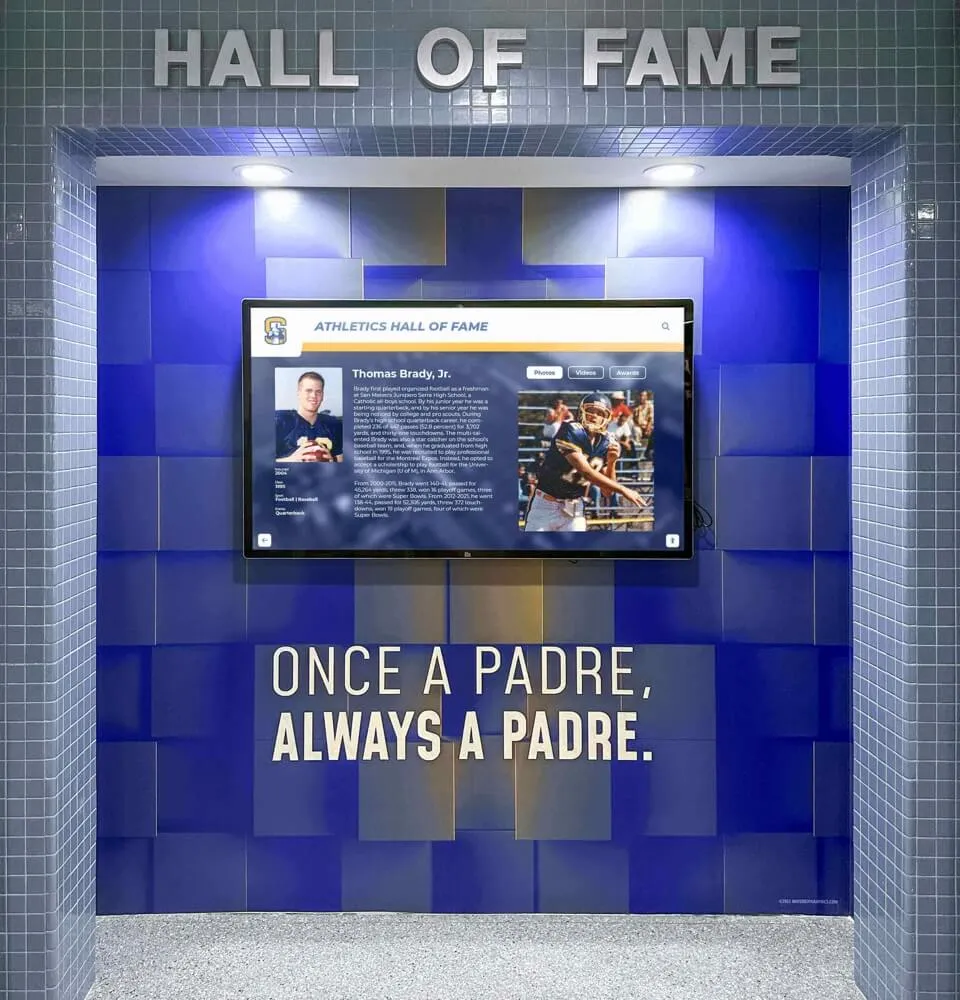
Individual athlete profiles celebrate tournament achievements with statistics, photos, and career highlights
Individual Tournament Legends
Outstanding individual performances create tournament legends remembered alongside championship teams.
Goaltending Greatness
Tournament history features goaltenders delivering legendary performances:
- Shutout performances in championship games under intense pressure
- Save totals exceeding 50 in single games against overwhelming odds
- Goaltenders carrying lower-seeded teams through improbable tournament runs
- Career tournament save percentage records spanning multiple appearances
Schools honor exceptional goaltenders through individual recognition highlighting tournament statistics and clutch performances. Modern recognition systems can showcase save statistics, shutout achievements, and video highlights of championship-saving stops.
Scoring Records and Offensive Excellence
Tournament scoring records create legends celebrated for generations:
- Single-game hat tricks in championship contests
- Tournament career point records accumulated across multiple years
- Overtime goals delivering championships or tournament victories
- Playmaking excellence through assist records
Individual achievement recognition should celebrate scoring excellence through statistics, game-by-game performance data, and contextual information about record-setting achievements within sports awards displays honoring athletic excellence.
Modern Tournament Operations and Media Coverage
Contemporary tournament operations and extensive media coverage amplify the event’s significance while creating new traditions alongside established customs.
Television and Streaming Coverage
Comprehensive broadcast coverage brings tournament action to viewers throughout Minnesota and beyond.
Broadcasting Evolution
Tournament television coverage evolved from limited local broadcasts to comprehensive statewide coverage. All tournament games receive live television or streaming coverage through various platforms. Multiple camera angles and professional production quality match college and professional broadcasts. Pre-game and post-game shows provide analysis and interviews expanding coverage beyond games themselves.
This extensive coverage increases tournament significance while creating permanent video records of games. Schools can incorporate broadcast footage into recognition displays, preserving championship moments through video highlights in interactive athletic displays.
Social Media Era Impact
Social media transformed how communities experience and celebrate tournament participation and success.
Digital Engagement
Real-time social media updates keep communities connected to games regardless of location. Players become local celebrities through social media following and engagement. Highlight videos circulate rapidly, amplifying great goals and saves. Tournament hashtags create shared conversation spaces uniting fans statewide.
Schools should integrate social media content into recognition displays, showcasing community celebration and broader tournament impact beyond just game results. Digital recognition platforms enable embedding social media feeds and user-generated content celebrating tournament achievements.
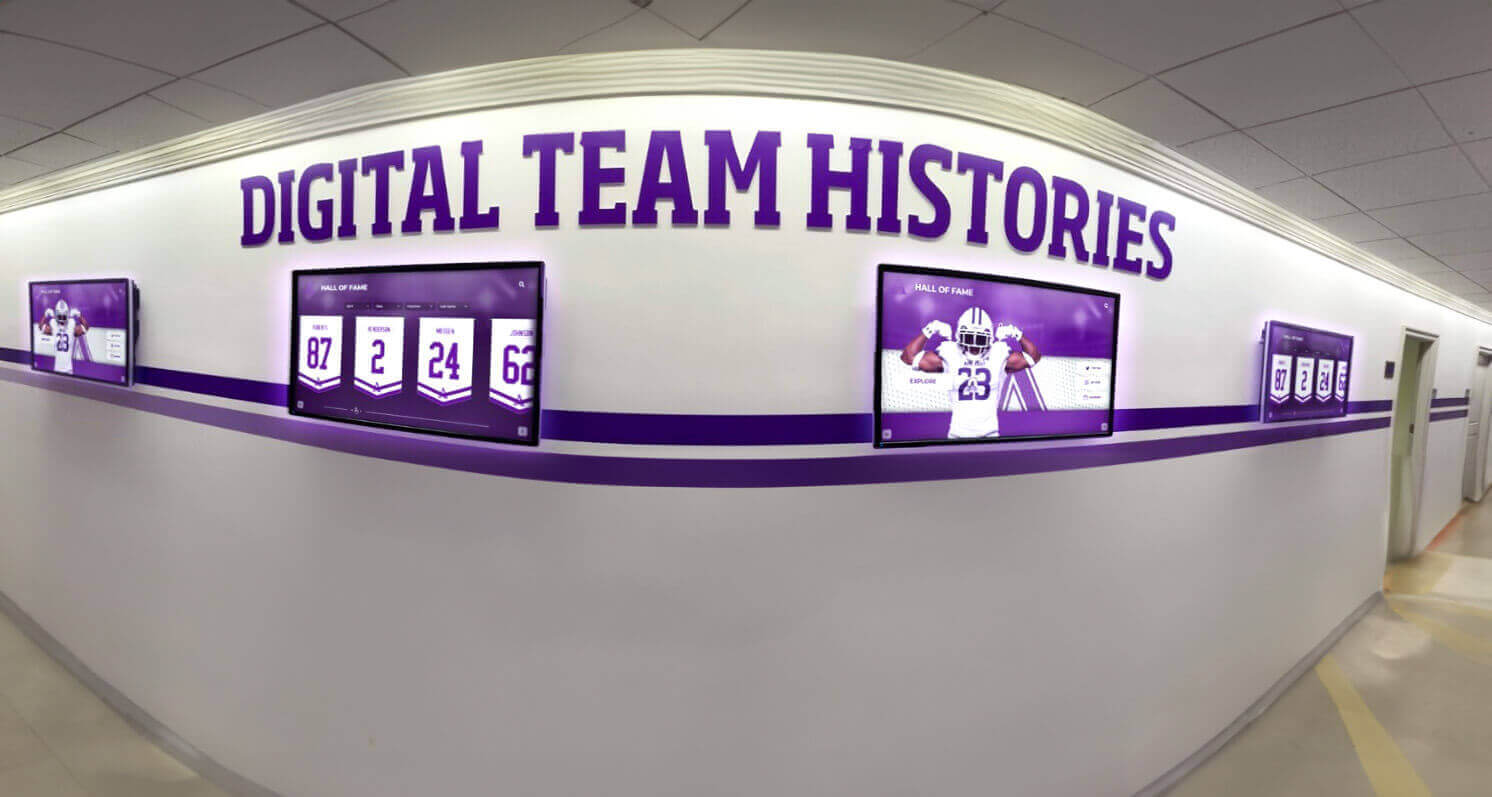
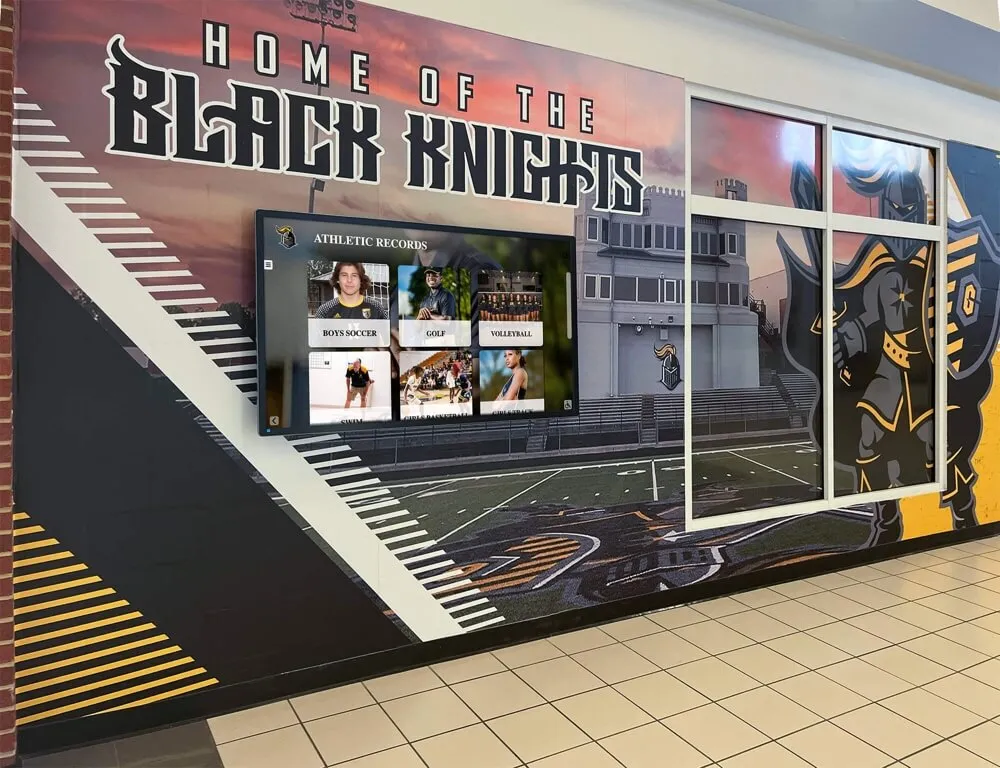
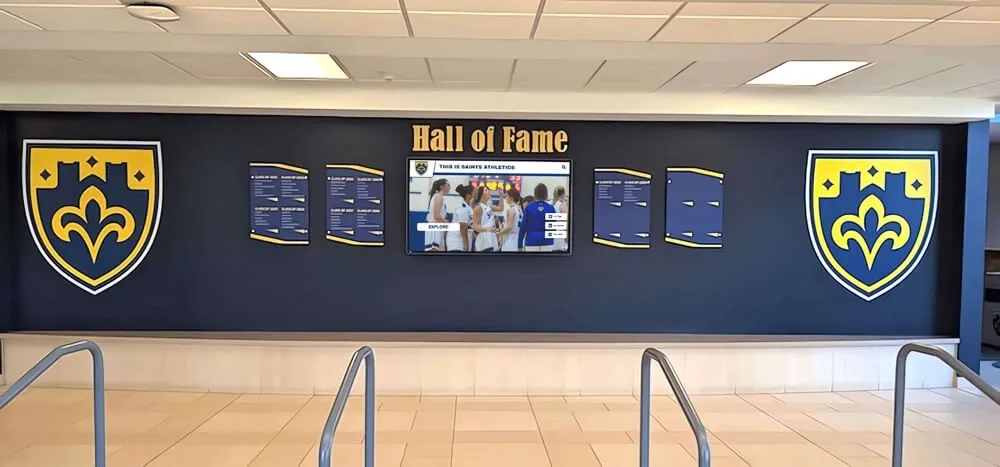
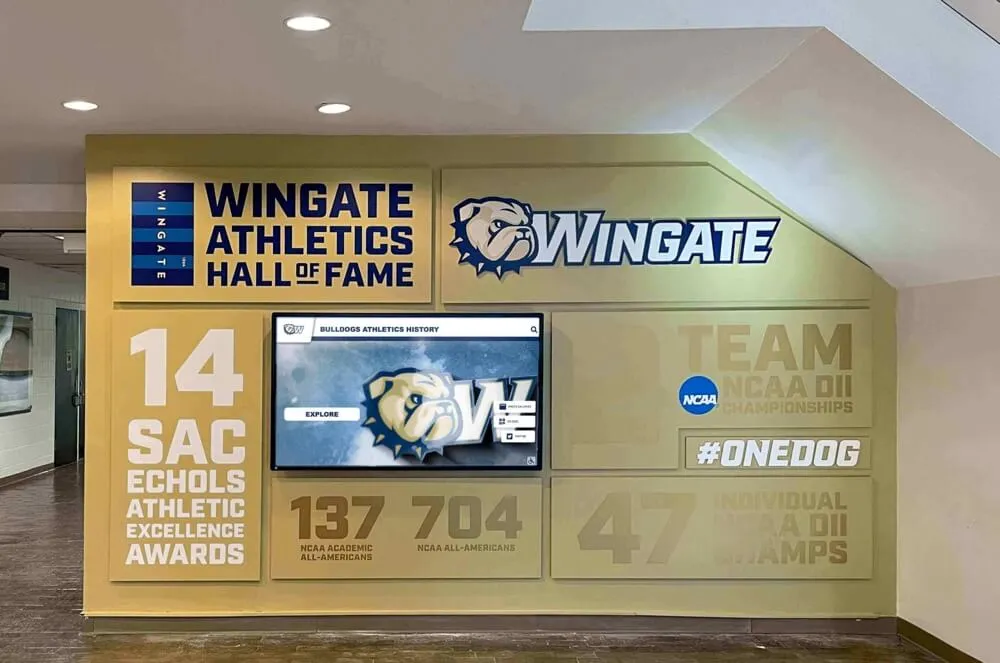
Multiple coordinated displays throughout athletic facilities ensure comprehensive recognition of tournament achievements and program history
Recognizing Tournament Achievement: Modern Display Solutions
Schools face decisions about how to permanently commemorate tournament participation, Section championships, and state titles in ways that honor athletes while inspiring future generations.
Traditional Championship Banners
Gymnasium banners represent time-honored recognition of tournament success and championship achievement.
Banner Programs
Most Minnesota high schools display championship and Section title banners prominently in gymnasiums or arenas. Banner designs typically include year, team designation, and achievement level. Schools establish protocols determining which achievements merit banner recognition. Physical space constraints eventually limit banner capacity as programs accumulate successes over decades.
While banners remain important visible symbols, schools increasingly supplement them with additional recognition providing greater detail and context. Traditional banners work best alongside modern digital displays that eliminate space limitations while preserving banner tradition.
Digital Recognition Displays for Hockey Programs
Modern technology enables comprehensive recognition impossible with traditional physical displays alone.
Unlimited Recognition Capacity
Solutions like Rocket Alumni Solutions provide hockey programs with unlimited capacity to recognize:
- Every tournament participant across all years with individual profiles
- Complete championship team rosters with player photos and statistics
- Section championship teams and qualification achievements
- Individual record holders and statistical leaders
- Coach profiles and career achievement summaries
- Season-by-season team records and tournament results
Digital platforms eliminate the impossible choices physical space constraints impose, ensuring every deserving achievement receives appropriate recognition. Schools can honor recent tournament teams alongside historical championship squads from decades past within single comprehensive systems.
Interactive Exploration Features
Touchscreen displays enable visitors exploring hockey history through intuitive interfaces:
- Search functionality finding specific players, teams, or seasons instantly
- Filtering by achievement type, year, or championship level
- Detailed player profiles with statistics, photos, and career highlights
- Video integration showcasing championship goals and tournament highlights
- Timeline views presenting program history chronologically
These interactive features create engagement impossible with static plaques or banners, transforming recognition from passive viewing into active exploration that builds deeper connections with program tradition.
Learn more about comprehensive athletic recognition through digital trophy case solutions designed specifically for high school athletic programs.
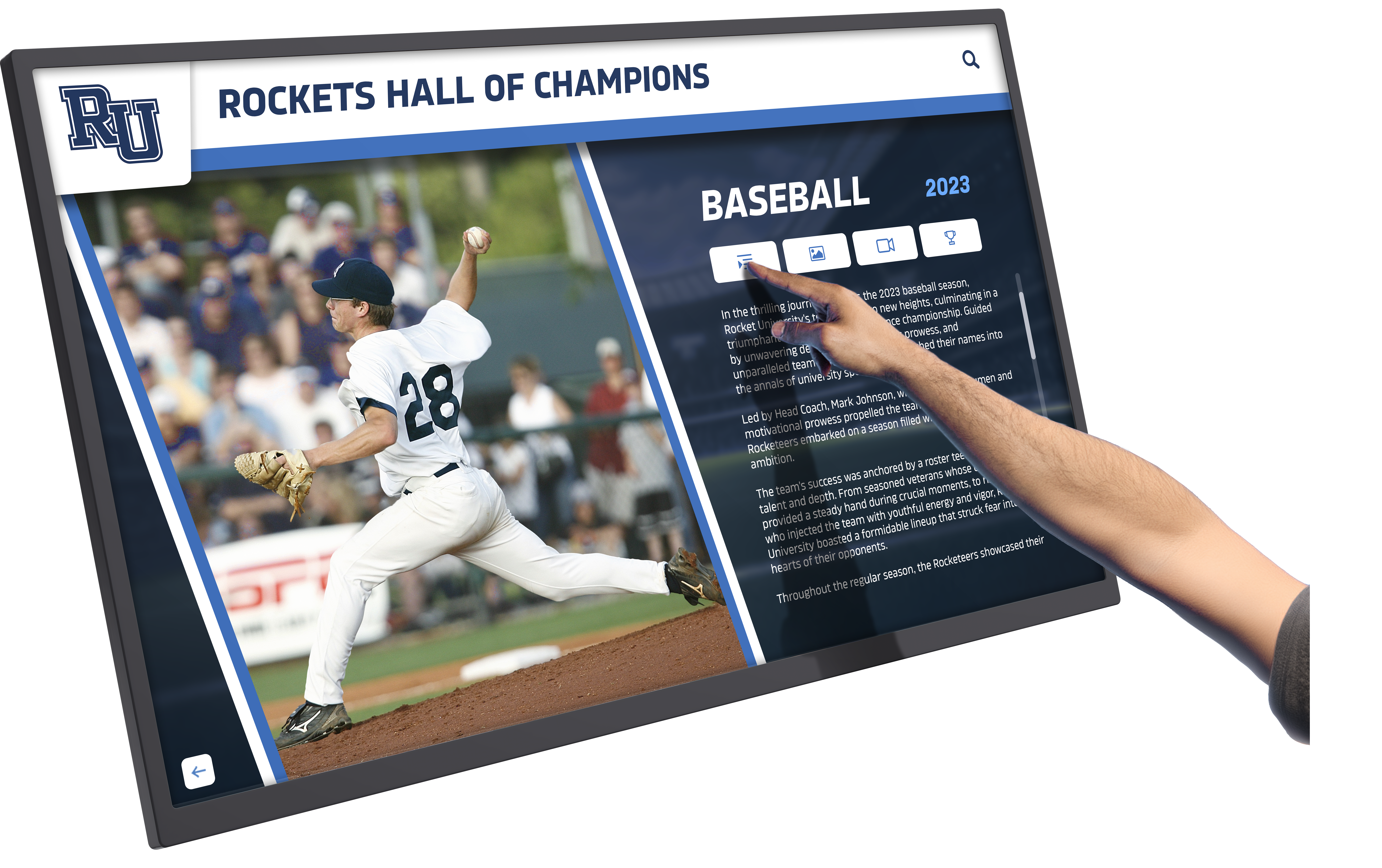
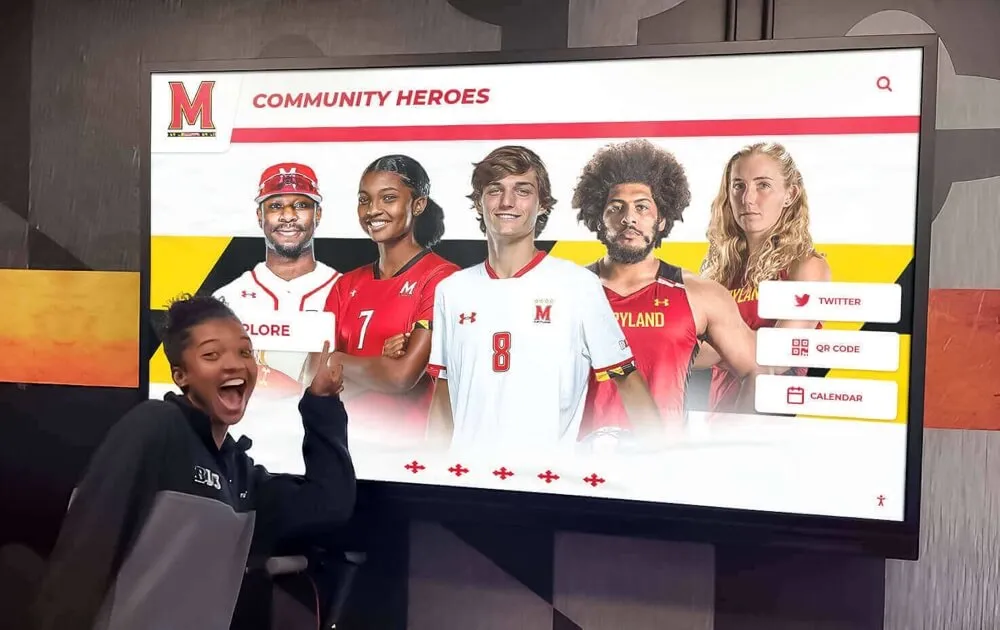
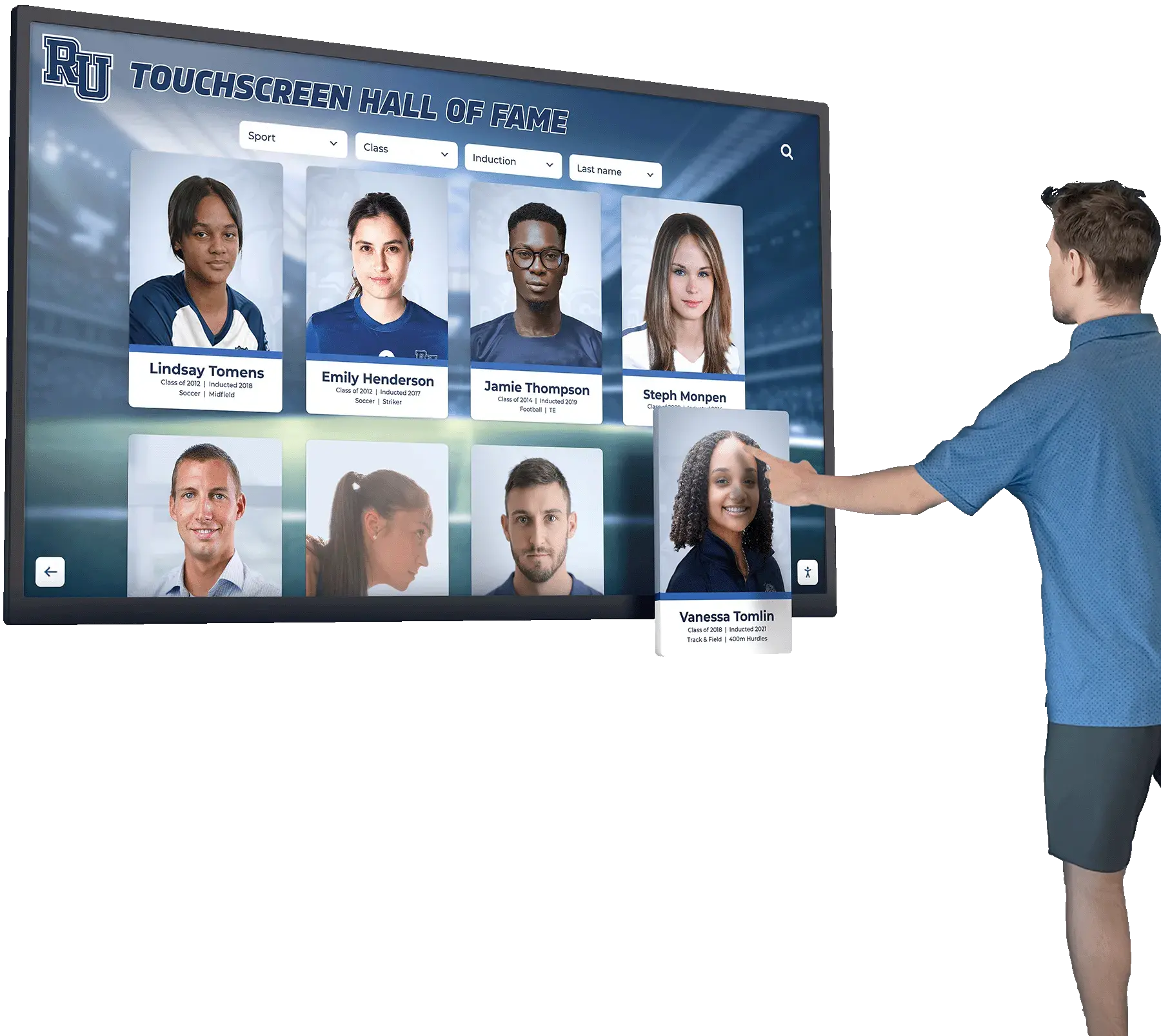
Touchscreen interfaces enable intuitive exploration of tournament history, player achievements, and championship seasons
Cloud-Based Management Simplicity
Administrative burden represents a critical consideration when schools evaluate recognition system options.
Remote Content Updates
Modern digital recognition platforms provide cloud-based management enabling athletics staff to:
- Update content remotely from any internet-connected device without physical access to displays
- Add tournament participants immediately following season conclusion
- Update statistics and achievements as records fall
- Schedule content publication automating annual recognition updates
- Manage multiple displays across campus from single administrative interface
Schools report 80-90% reduction in administrative time spent maintaining athletic recognition after implementing cloud-managed digital systems compared to traditional approaches requiring physical plaques, engraving, and installation coordination.
Sustainable Recognition Programs
Cloud management ensures recognition sustainability through staff transitions. Multiple administrators can receive appropriate access permissions maintaining continuity. Training requires minimal time due to intuitive interfaces designed for non-technical users. Backup and recovery capabilities protect against data loss. Automatic software updates maintain security and functionality without manual intervention.
Implementing Tournament Recognition Programs
Schools planning comprehensive tournament recognition should consider strategic approaches ensuring appropriate achievement acknowledgment across all eras.
Defining Recognition Criteria
Clear criteria ensure consistent, fair recognition across program history.
Achievement Levels
Schools typically recognize:
- State tournament qualification (Section championship)
- Tournament victory advancement through bracket rounds
- Tournament semifinal appearance (final four)
- Championship game appearance (runner-up)
- State championship victories
Some programs also recognize regular season conference championships, significant upset victories, or individual All-Tournament team selections. Criteria should reflect institutional values while maintaining recognition significance through appropriate selectivity.
Honoring Historical Achievements
Comprehensive recognition includes historical achievements alongside contemporary successes.
Historical Research
Implementing recognition requires researching past tournament participation:
- Reviewing Minnesota State High School League archives for tournament rosters
- Consulting yearbooks and school records documenting team members
- Interviewing alumni and retired coaches collecting institutional knowledge
- Digitizing historical photos for inclusion in modern recognition displays
- Verifying statistics and achievement details ensuring accuracy
This research ensures comprehensive recognition honoring all eras, not just recent teams with readily available digital records. Solutions like digital athletic halls of fame accommodate unlimited historical content alongside current achievements.
Location and Visibility Considerations
Strategic placement maximizes recognition impact and community engagement.
High-Traffic Display Locations
Effective placement ensures maximum visibility:
- Main gymnasium or arena lobbies where hockey families gather
- Athletic corridors connecting locker rooms to competition areas
- School main entrances ensuring all visitors encounter athletic tradition
- Alumni gathering spaces in fieldhouses or athletic facilities
- Cafeterias and student commons maximizing daily student exposure
Multiple displays throughout facilities can present different content aspects, with championship summaries in main lobbies and detailed player profiles in team-specific areas.
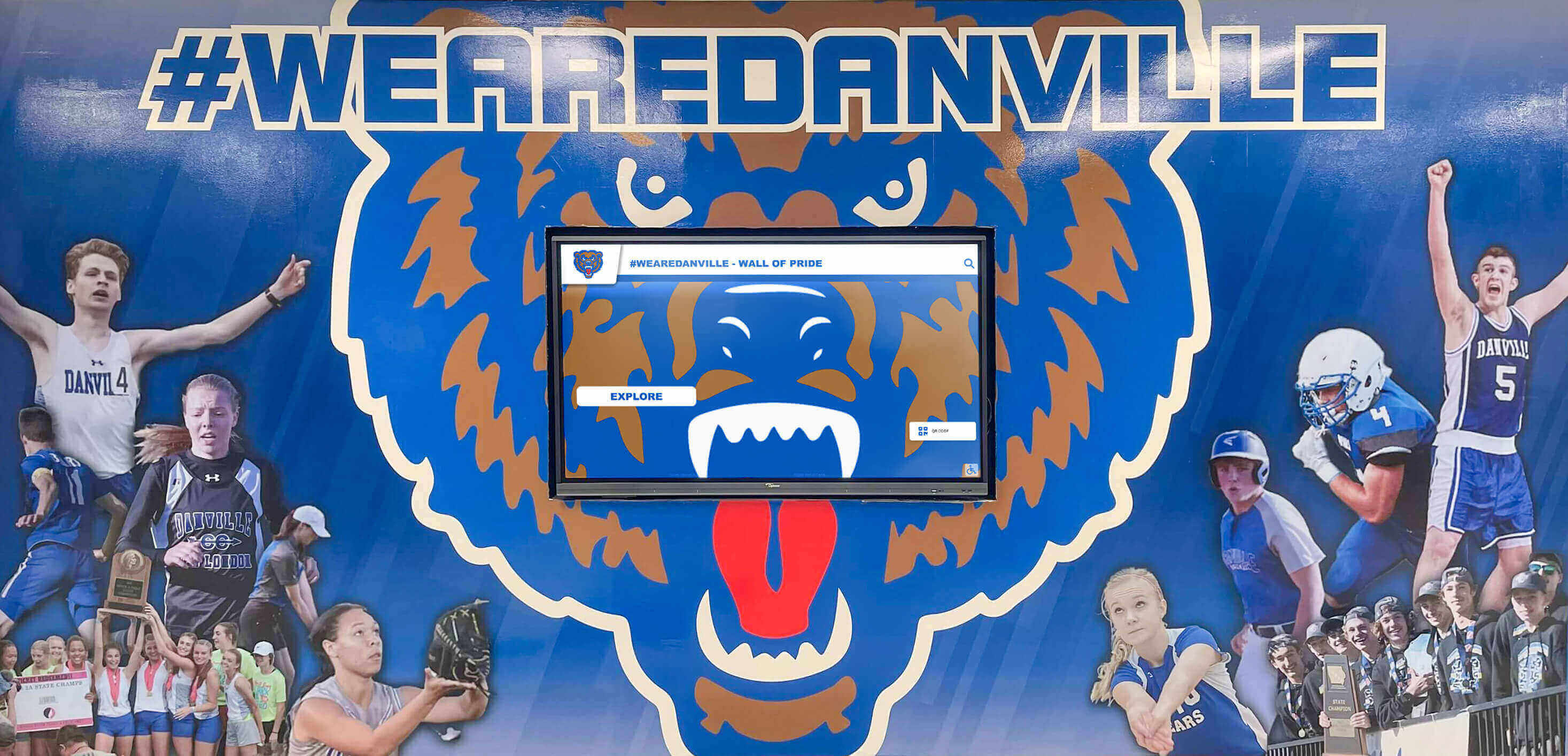
Athletic corridor placement ensures daily visibility for current athletes inspired by tournament tradition and past achievements
Budget Planning and Implementation
Recognition investment requires realistic financial planning addressing both initial and ongoing costs.
Digital Recognition Investment
Comprehensive digital recognition systems typically involve:
- Commercial-grade touchscreen displays: $3,000-8,000 per unit depending on size
- Professional installation including mounting and network: $1,000-3,000
- Software platform annual subscription: $2,000-8,000 for unlimited content
- Initial content development and historical data migration: $3,000-15,000
- Total initial investment: $10,000-35,000 for complete implementation
While initial investment appears substantial, digital systems eliminate ongoing costs associated with traditional recognition. No engraving fees for new achievements. No construction for banner installation. No physical space constraints requiring difficult recognition decisions as achievements accumulate.
Schools can explore funding through booster club support, alumni contributions, naming opportunities for recognition displays, or capital campaign integration when facilities undergo renovation. The investment delivers permanent recognition infrastructure serving programs indefinitely.
The Future of Minnesota Tournament Tradition
As Minnesota hockey continues evolving, tournament traditions adapt while preserving core elements that define the event’s unique character and community significance.
Maintaining Tradition Through Change
Tournament organizers balance innovation with tradition preservation ensuring contemporary relevance while honoring historical customs.
Evolving While Honoring History
Future tournament evolution will likely include enhanced technology integration in venues and broadcasts, expanded coverage through streaming and digital platforms, continued growth in girls’ hockey participation and visibility, potential discussions about class structure and tournament format, and adaptation to changing youth hockey participation patterns.
Through all changes, core tournament traditions will likely persist—opening ceremonies, passionate student sections, March tournament timing, and the fundamental community pride that makes Minnesota high school hockey special. Schools preserve these traditions through recognition programs honoring every era while documenting evolution.
Recognition Technology Advancement
Athletic recognition will continue benefiting from technology innovation improving engagement and administration.
Emerging Capabilities
Future recognition systems may incorporate:
- Artificial intelligence enhancing search and content recommendations
- Augmented reality overlaying historical content on physical environments
- Social media integration showcasing real-time tournament celebration
- Mobile app extensions enabling recognition access beyond fixed displays
- Video integration presenting game highlights and championship moments
- Analytics tracking which achievements generate most engagement
Organizations like Rocket Alumni Solutions continue developing platforms specifically for athletic recognition, ensuring schools benefit from technology advancement without requiring replacement of entire recognition infrastructure. Cloud-based systems enable feature additions through software updates rather than hardware replacement.
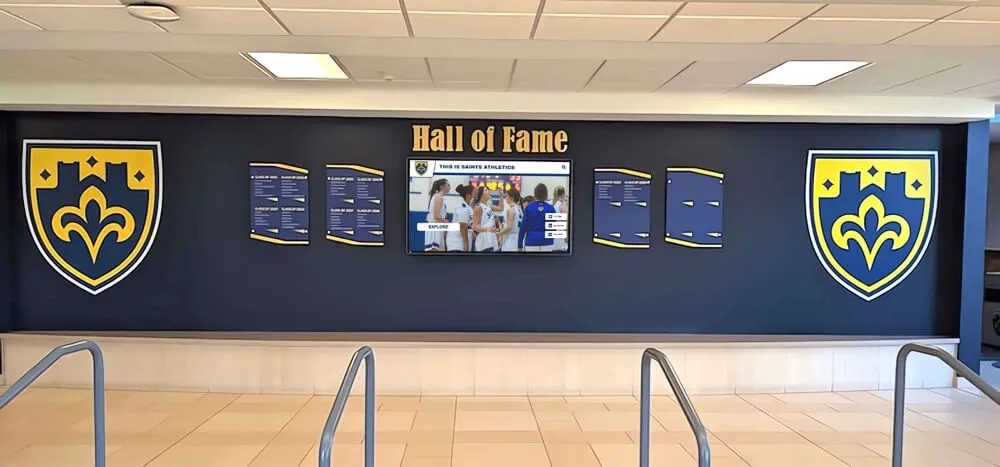
Hybrid approaches combine traditional physical elements with digital displays, bridging heritage recognition with modern engagement capabilities
Building Championship Culture Through Recognition
Beyond commemorating past achievements, effective recognition programs contribute to building winning cultures that propel future tournament success.
Inspiring Future Generations
Visible athletic tradition motivates current athletes while establishing expectations and institutional identity.
Recognition’s Motivational Impact
Daily exposure to championship history and tournament tradition influences student athletes through establishing visible program standards and achievement expectations, creating role models demonstrating excellence pathways, building pride and desire to contribute to institutional legacy, and connecting current teams with historical success and community tradition.
Athletes report that recognition of past achievements increases motivation to create their own tournament memories worthy of similar honor. Schools implementing comprehensive recognition often observe improved participation, commitment, and performance as athletic tradition becomes more visible and celebrated.
Community Connection and Alumni Engagement
Tournament recognition strengthens bonds between schools and broader communities while fostering alumni engagement.
Recognition as Community Asset
Athletic recognition serves communities beyond just student athletes:
- Alumni return to campus specifically to view tournament recognition and find themselves
- Parents and families explore displays celebrating their students’ achievements
- Community members take pride in local tournament success and tradition
- Prospective students and families evaluate program tradition during visits
- Media coverage incorporates recognition when featuring tournament previews
This community connection justifies recognition investment beyond just athletic department benefits. Tournament tradition becomes institutional and community identity, preserved and celebrated through thoughtful recognition.
Explore comprehensive approaches to alumni engagement through athletic recognition that strengthen connections across generations.
Conclusion: Honoring Minnesota’s Hockey Heritage
The Minnesota high school hockey tournament represents far more than athletic competition—it embodies community pride, educational tradition, and the unique hockey culture that defines the State of Hockey. For over seven decades, the tournament has created moments, memories, and legends that schools and communities celebrate long after final horns sound and championship trophies are awarded.
Appropriately recognizing tournament achievement requires moving beyond basic acknowledgment to comprehensive celebration that honors every participant, preserves institutional heritage, and inspires future generations. Traditional approaches including championship banners and trophy cases remain important but face fundamental limitations as achievements accumulate and space constraints force difficult recognition decisions.
Celebrate Your Tournament Tradition with Modern Recognition
Discover how comprehensive digital recognition displays designed specifically for athletic programs enable unlimited capacity to honor tournament achievements, championship seasons, and individual excellence—without physical space constraints or ongoing maintenance complexity.
Explore Recognition SolutionsModern digital recognition platforms like Rocket Alumni Solutions eliminate traditional limitations through unlimited recognition capacity, interactive exploration features, cloud-based management simplicity, and engaging experiences that transform passive viewing into active discovery. Schools implementing comprehensive digital recognition report dramatically higher engagement, reduced administrative burden, and greater flexibility accommodating program evolution over decades.
The strategies explored in this guide provide frameworks for Minnesota schools to create recognition programs appropriately honoring tournament tradition while inspiring current athletes and engaging broader communities. From understanding tournament history and traditions to implementing modern recognition technology, these approaches enable athletics departments making informed decisions that serve programs for generations.
Your school’s tournament achievements—whether Section championships, tournament appearances, or state titles—represent the pinnacle of Minnesota high school athletic competition. These accomplishments deserve recognition reflecting their significance within your institution and community. With thoughtful planning, appropriate technology, and commitment to comprehensive recognition, you can create systems that honor every achievement while building the championship culture that produces future tournament success.
The tournament tradition continues evolving, but the pride, passion, and community connection remain constant. Ensure your school celebrates this heritage through recognition that honors past achievements, inspires current athletes, and preserves Minnesota hockey tradition for generations to come. Explore how modern athletic recognition systems can transform how your school celebrates tournament excellence and athletic tradition.