Military Appreciation Month, observed every May, provides schools with an important opportunity to recognize the service members, veterans, and military-connected families within their communities. For many schools, a significant portion of students come from military families—whether they have parents serving on active duty, family members who are veterans, or relatives who made the ultimate sacrifice for their country.
Yet recognition efforts often fall short of their potential impact. A single assembly or moment of silence, while meaningful, doesn’t create the sustained visibility and appreciation that service members and their families deserve. Military-connected students face unique challenges including frequent relocations, deployment-related separations, and the stress of having loved ones in harm’s way. Schools that meaningfully honor military service create supportive environments where these students feel valued and understood.
This comprehensive guide explores evidence-based strategies for honoring service members and military families throughout Military Appreciation Month and beyond, creating lasting recognition that strengthens your school community.
Effective military recognition extends beyond token gestures—it creates systematic approaches that honor service while educating students about sacrifice, citizenship, and community responsibility. Schools that excel at military appreciation build inclusive environments where service members and their families feel genuinely valued year-round.

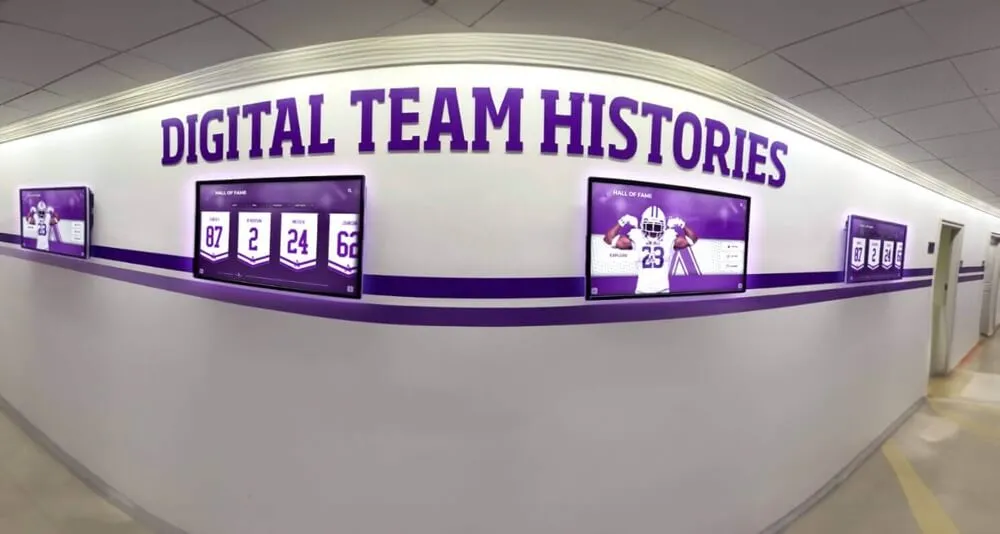
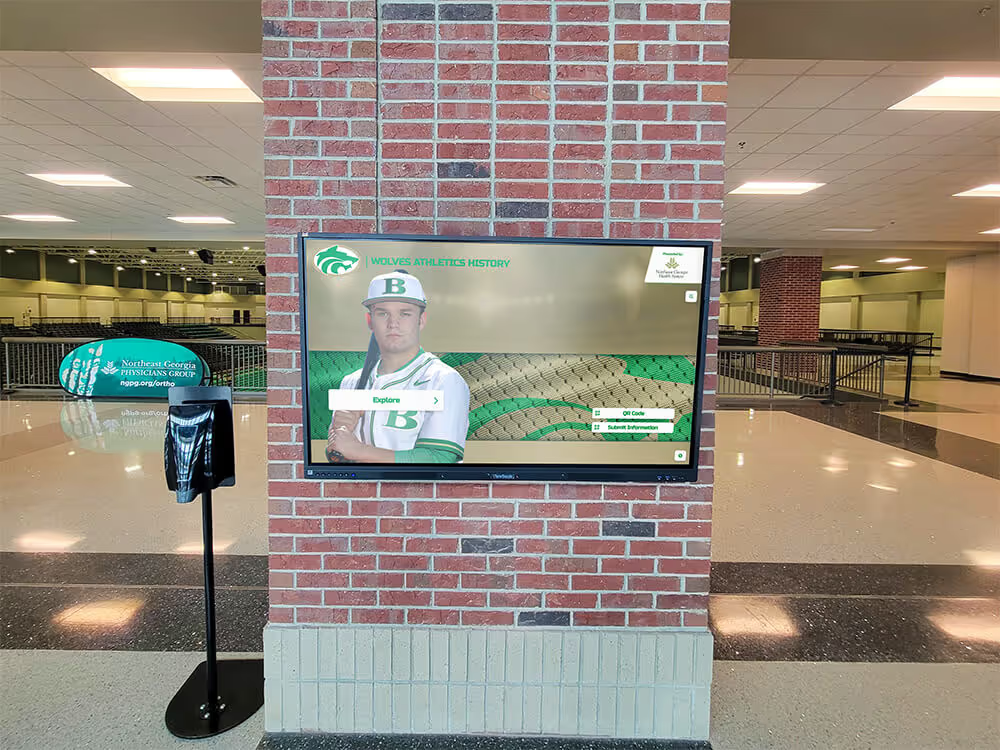
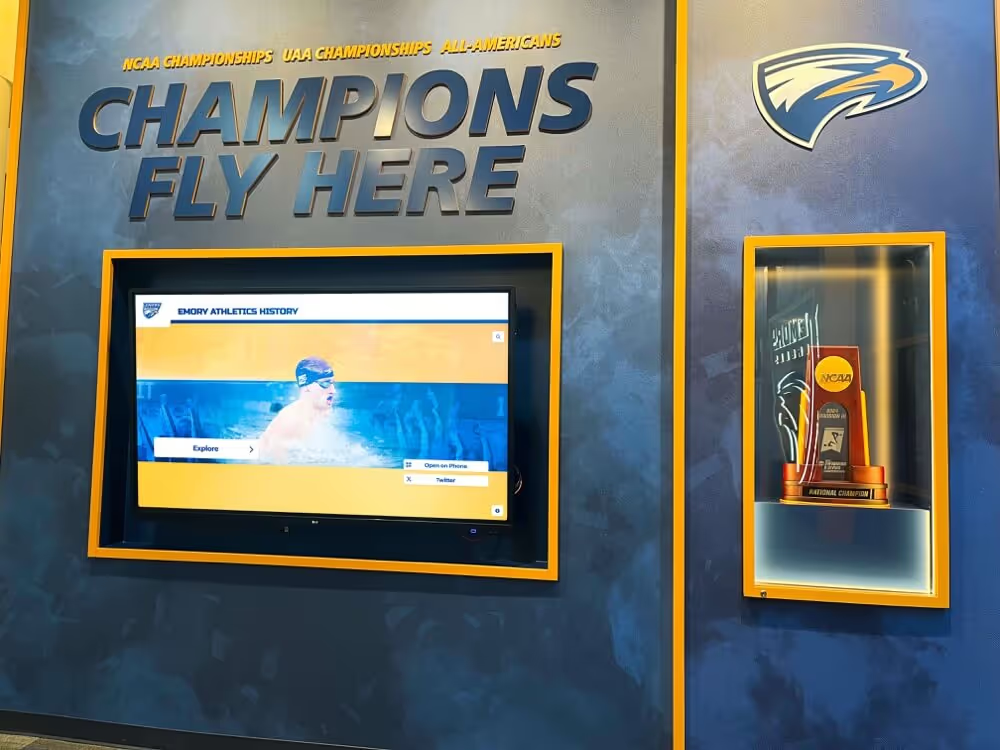
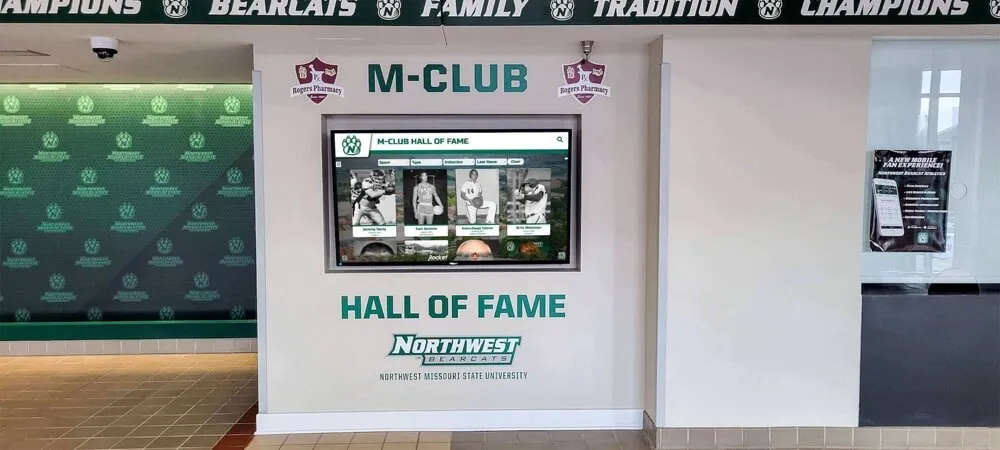
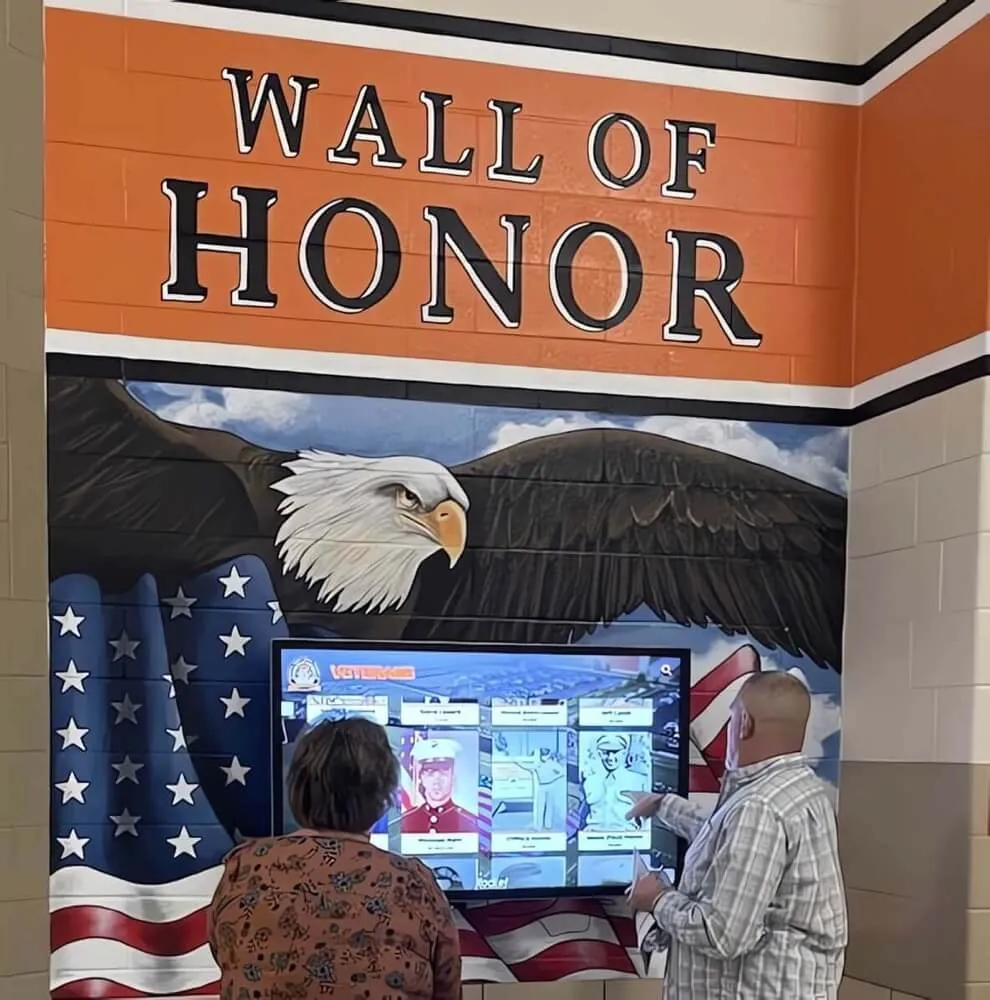
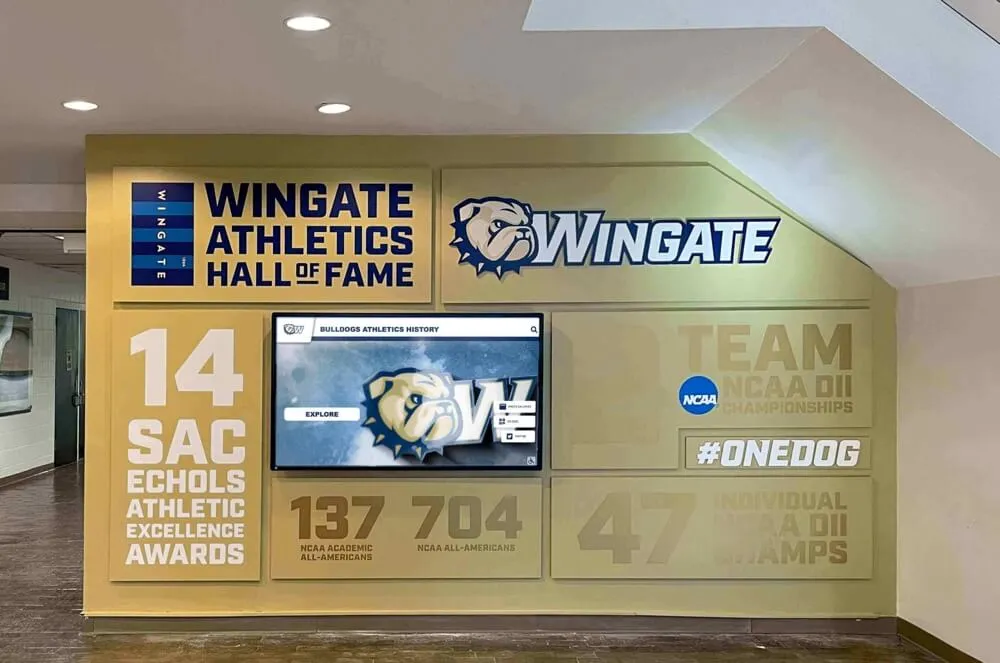
Modern recognition systems honor military service members with permanent visibility throughout school facilities
Understanding Military Appreciation Month
Military Appreciation Month provides a dedicated time for recognizing the men and women who serve in the United States Armed Forces and their families.
History and Significance
Military Appreciation Month has deep roots in American tradition:
Historical Background
- Congress designated May as Military Appreciation Month in 1999
- The month includes several significant military observances and anniversaries
- Recognizes all branches of military service: Army, Navy, Air Force, Marines, Coast Guard, and Space Force
- Honors both active-duty service members and veterans who previously served
- Acknowledges military families who support and sacrifice alongside service members
Key Dates Within Military Appreciation Month Throughout May, several specific recognition days create opportunities for focused celebration:
- Military Spouse Appreciation Day (Friday before Mother’s Day): Recognizes the contributions and sacrifices of military spouses
- Armed Forces Day (Third Saturday in May): Honors all branches of military service
- Memorial Day (Last Monday in May): Commemorates service members who died in military service
These specific observances within the broader month provide natural anchors for school recognition programs and educational activities.
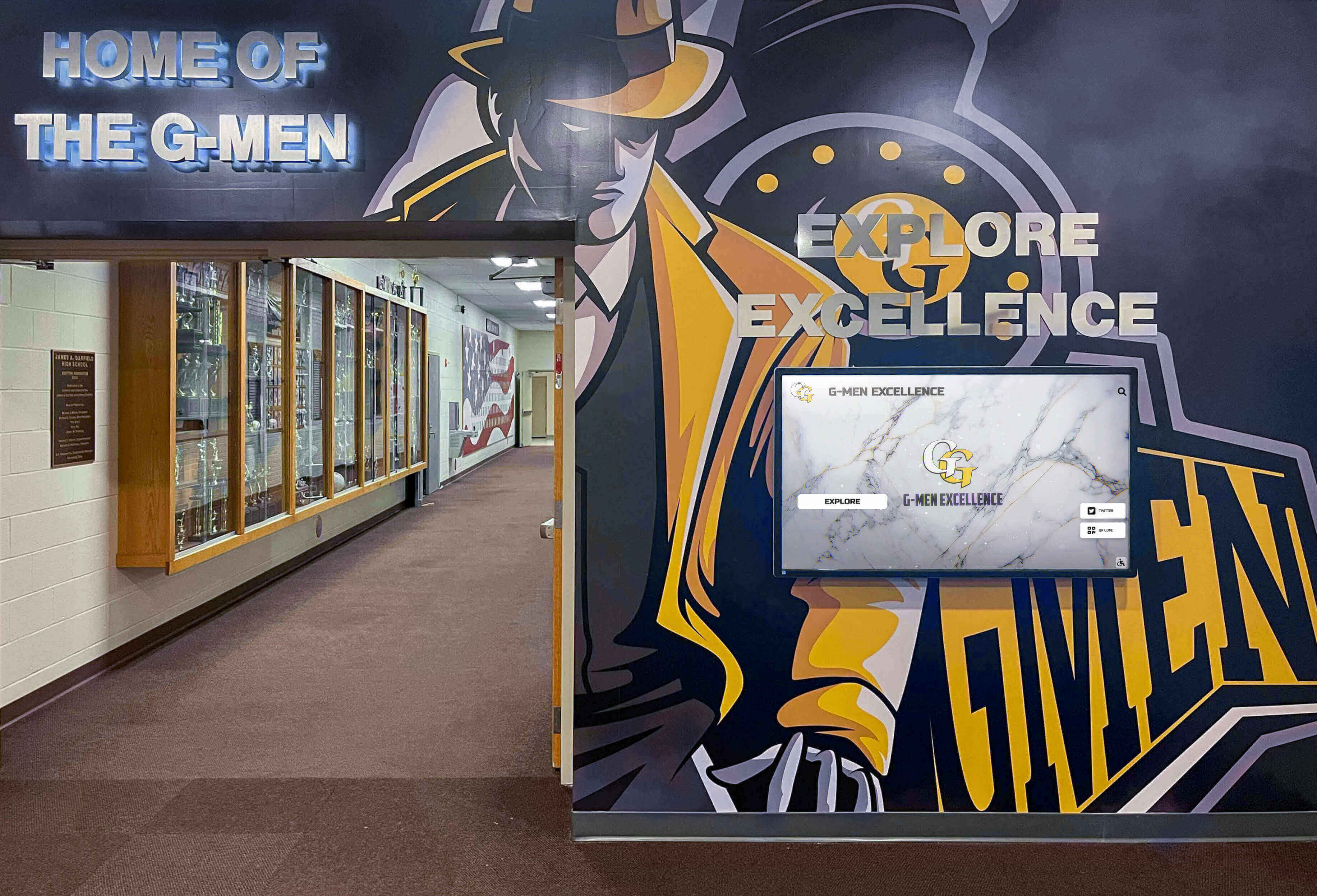
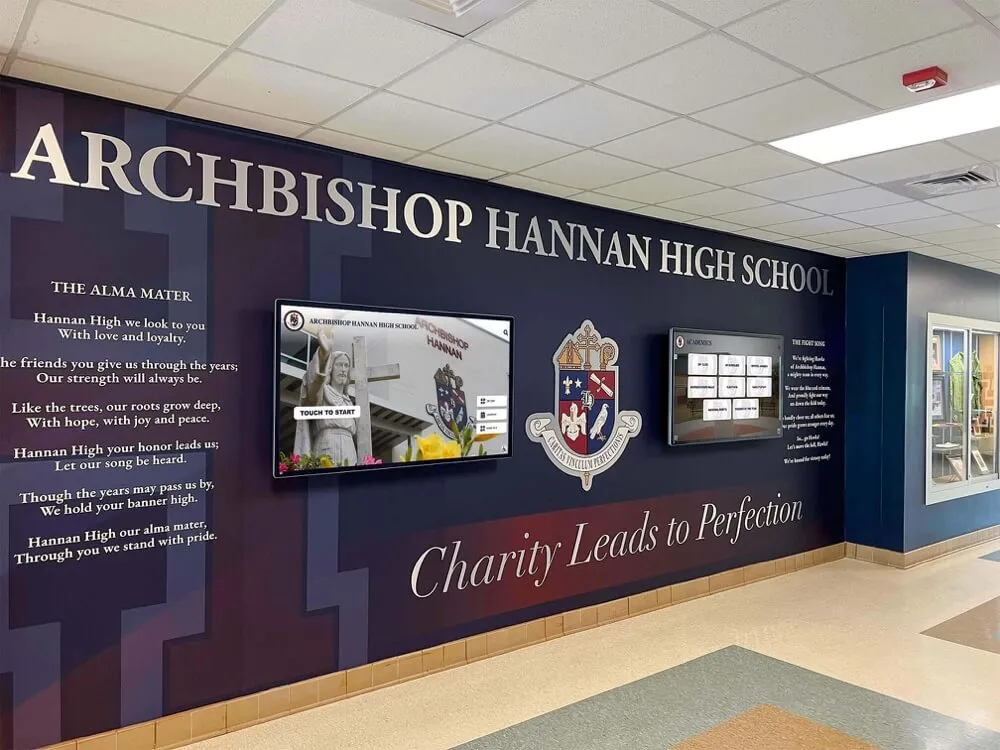
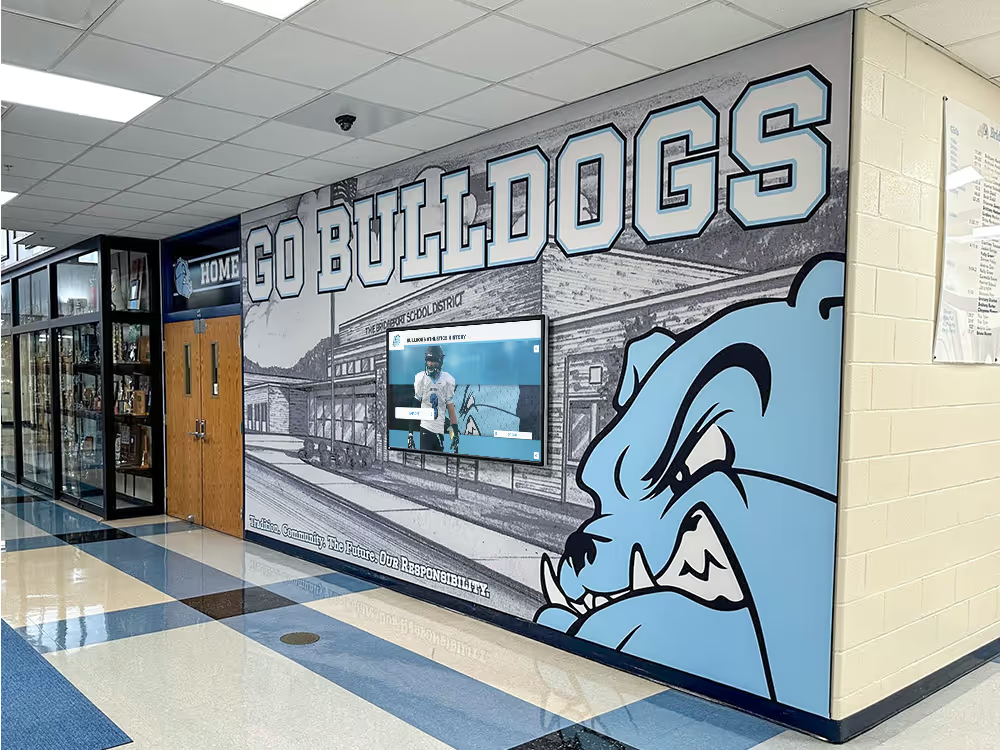
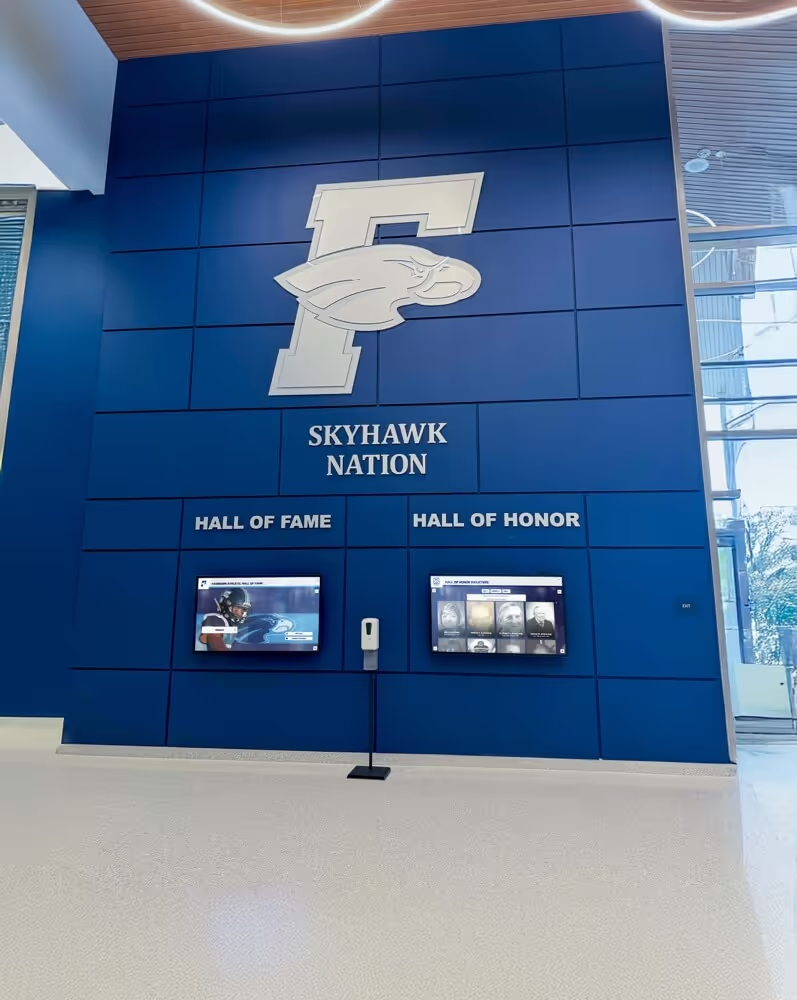
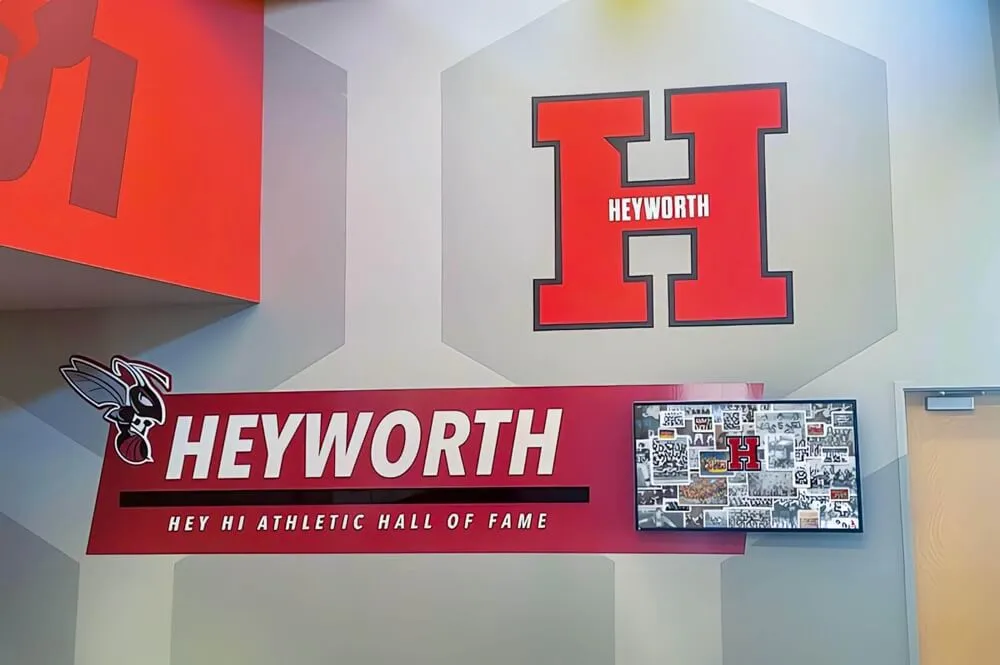
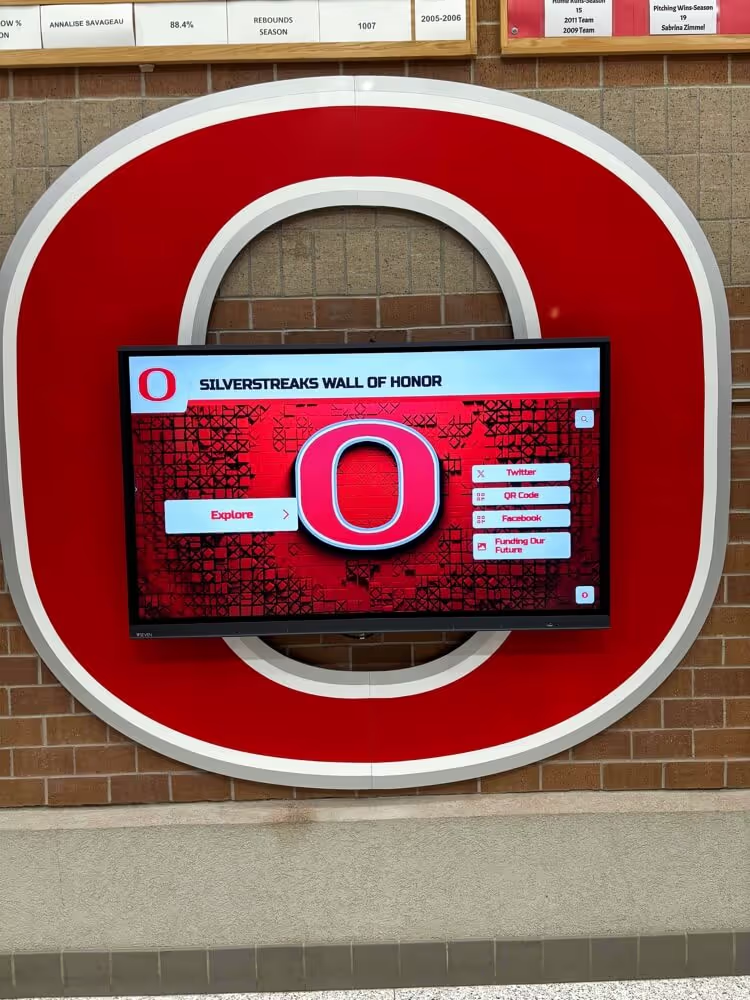
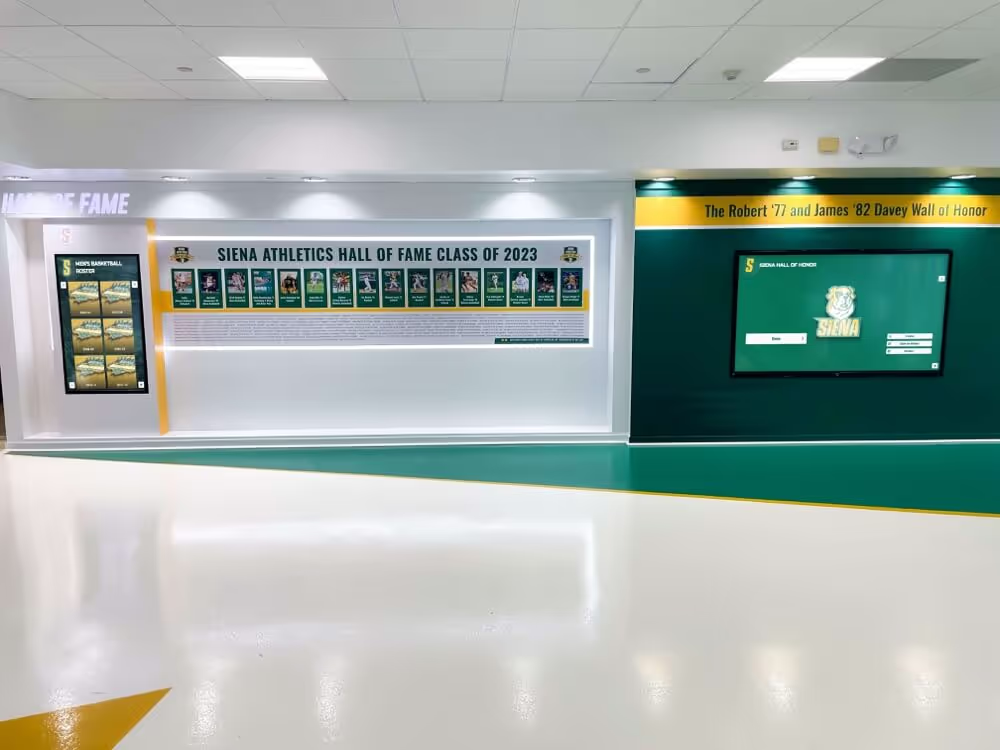
Athletic facilities and common areas provide high-visibility spaces for military recognition displays
Why Military Recognition Matters in Schools
Schools serve as community centers where military recognition creates meaningful impact:
Supporting Military-Connected Students According to the U.S. Department of Defense Education Activity, military-connected children face unique challenges:
- Average of 6-9 school moves between kindergarten and 12th grade for highly mobile military students
- Deployment-related stress affecting academic performance and social connections
- Difficulty building long-term friendships and sense of belonging
- Gaps in educational continuity due to frequent relocations
- Higher rates of anxiety and emotional challenges during deployment cycles
Recognition programs signal to military families that their service is valued, creating welcoming environments where military-connected students feel seen and supported.
Educational Value for All Students Military recognition provides learning opportunities extending beyond military families:
- Citizenship education connecting students to national service concepts
- Character development through examples of sacrifice and commitment
- History instruction through service member stories and experiences
- Perspective-building about service, duty, and community responsibility
- Gratitude cultivation and understanding of protected freedoms
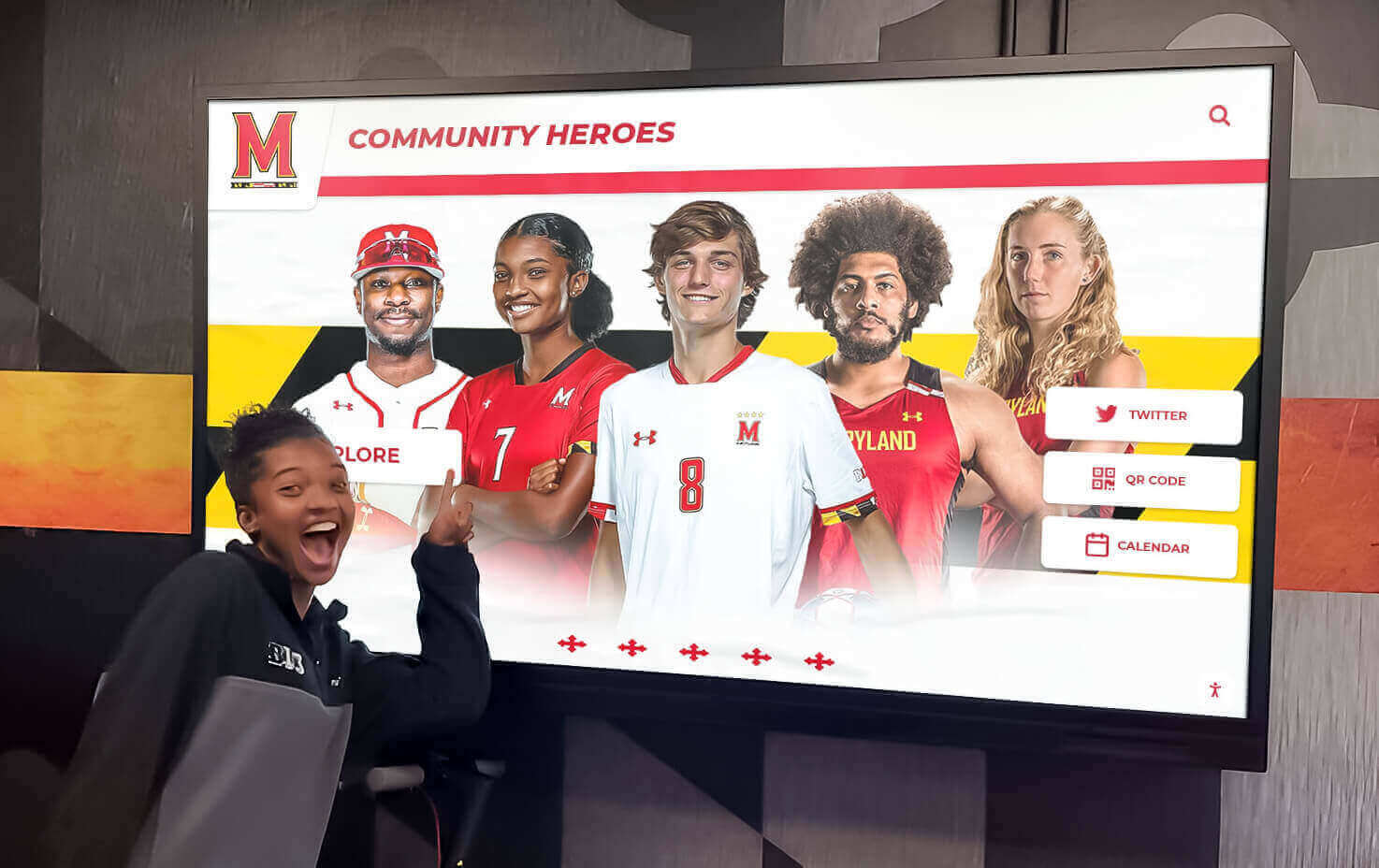
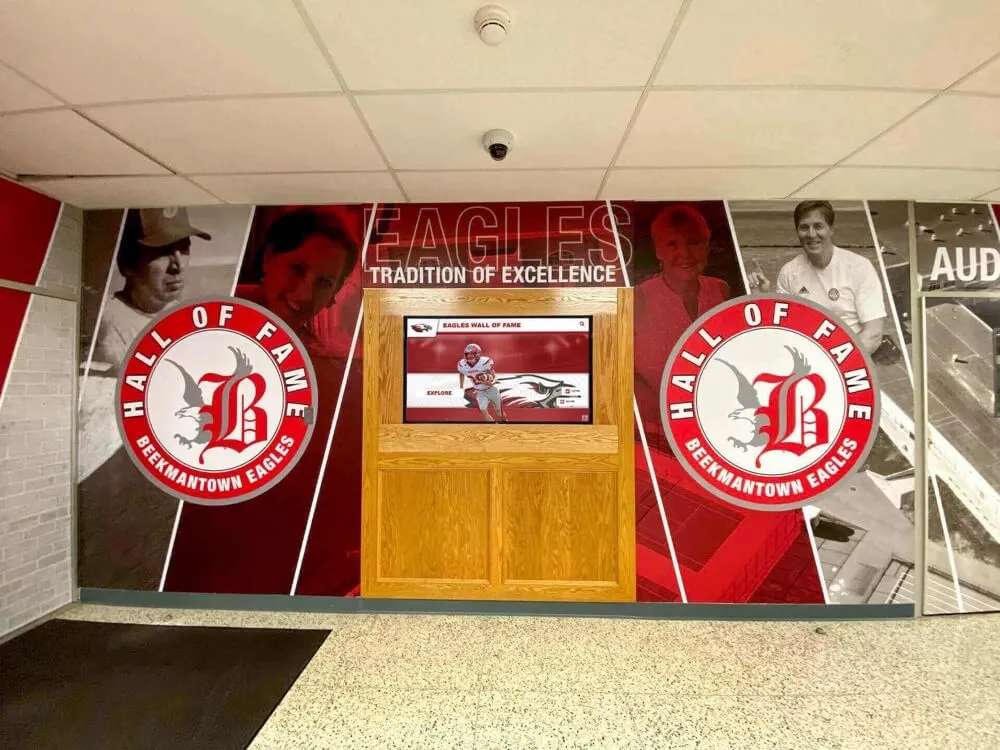
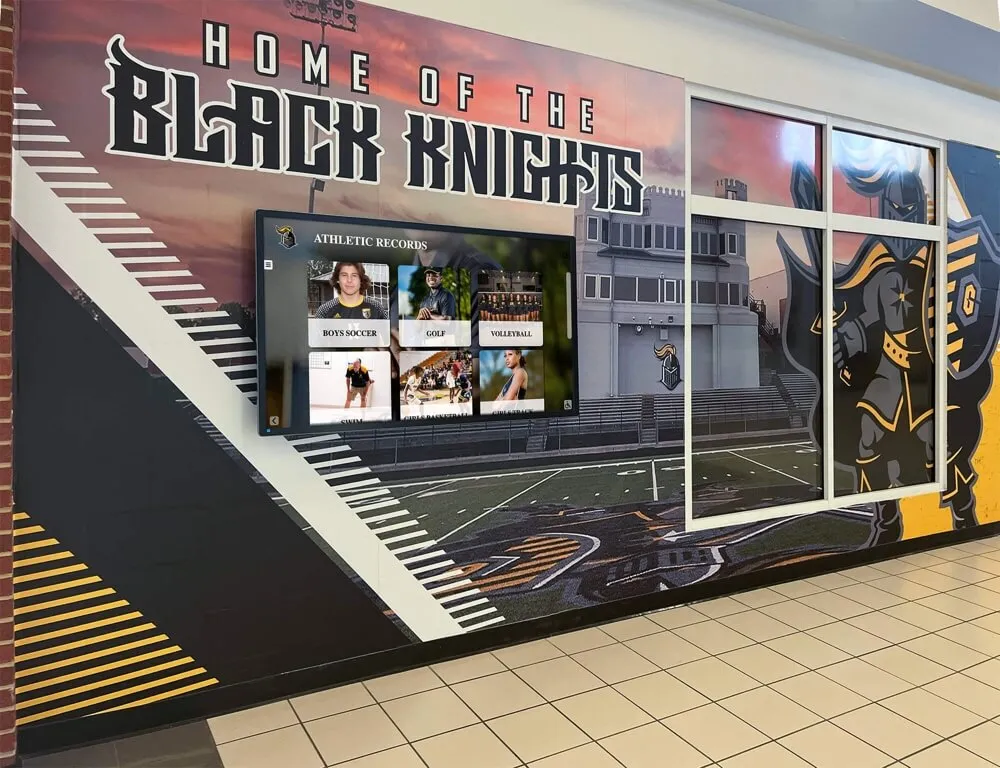
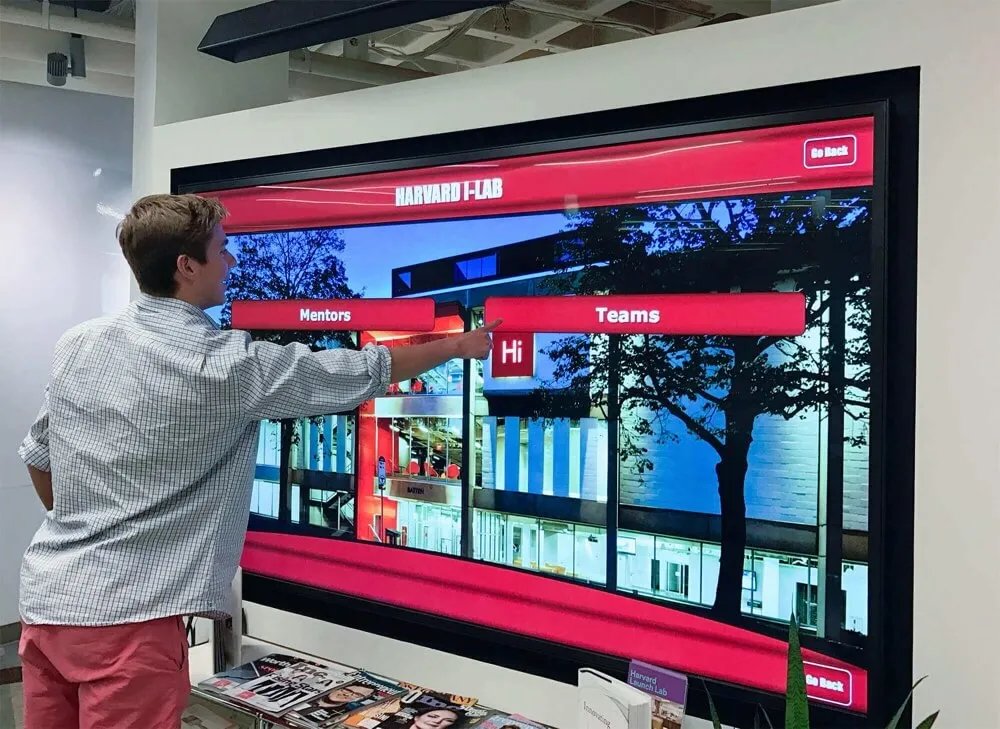
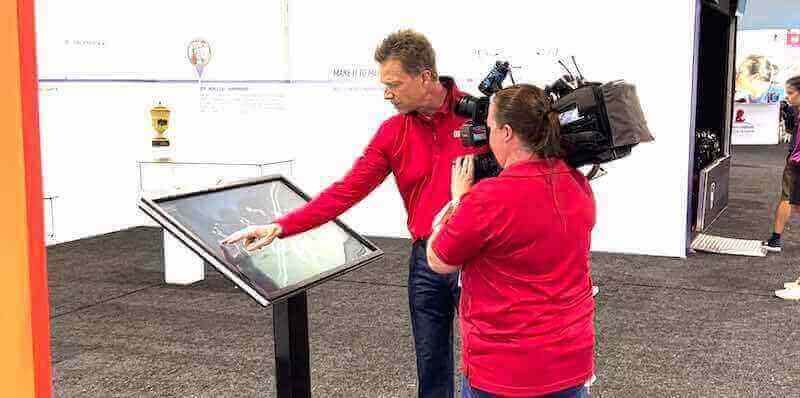
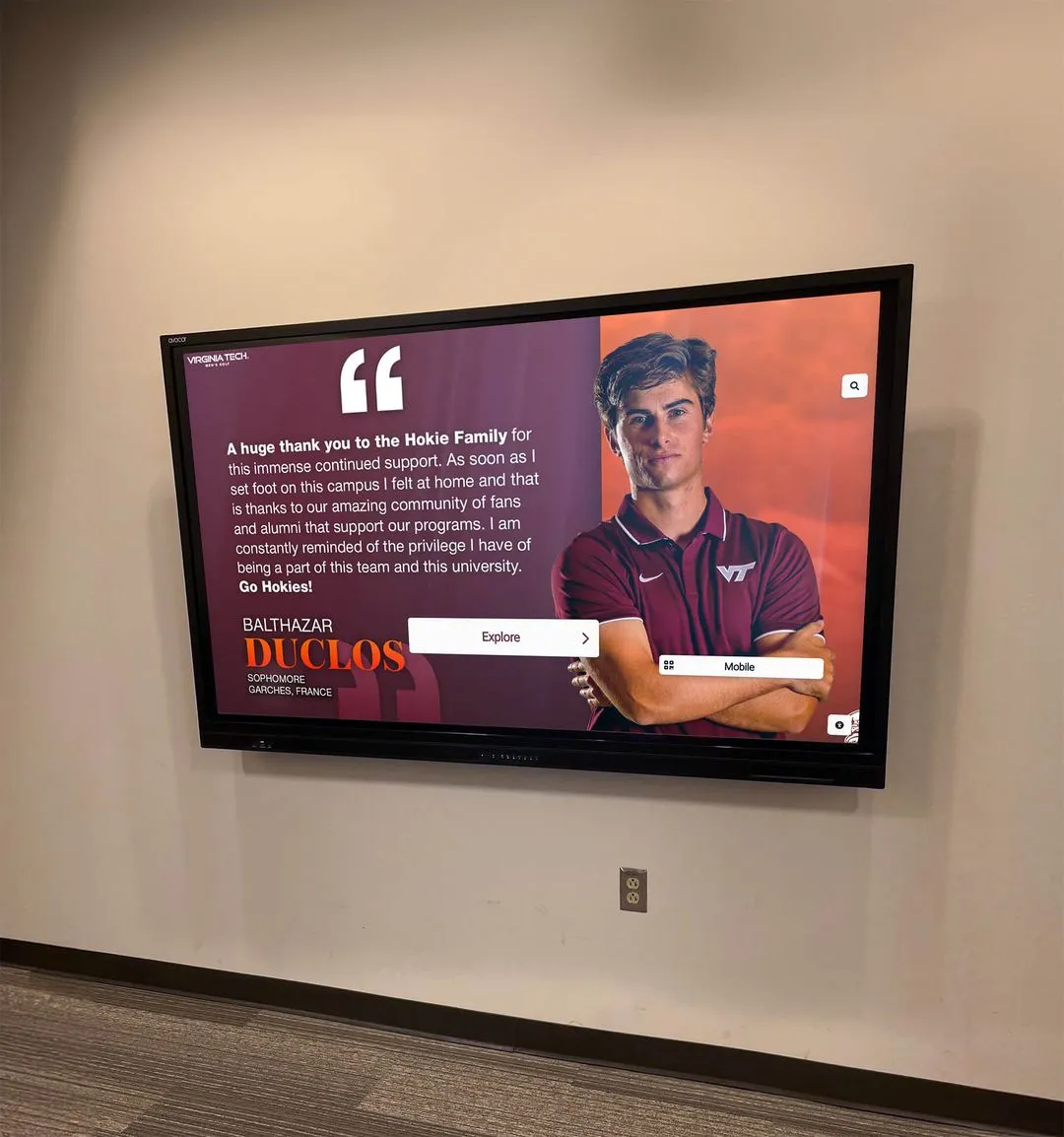
Interactive displays engage students with service member stories and military history
Community Connection Strengthening Schools that honor military service strengthen broader community bonds:
- Veterans and service members feel connected to younger generations
- Local military installations develop stronger relationships with nearby schools
- Alumni who served maintain engagement with their alma mater
- Community members gain gathering places for shared remembrance
- Intergenerational conversations bridge civilian-military understanding gaps
Identifying Service Members in Your School Community
Effective recognition begins with understanding who in your community has military connections.
Building Your Military Community Database
Systematic identification ensures no service members go unrecognized:
Student Information System Data
- Add military-connected family status fields to enrollment forms
- Include questions about active-duty service members in the household
- Request information about veteran family members
- Track deployment status to provide appropriate support during separations
- Document branch of service for accurate recognition
Community Outreach Approaches Direct communication helps identify less visible military connections:
- Distribute surveys to all families requesting military service information
- Include military connection questions in school newsletters and communications
- Partner with local veterans organizations identifying community members
- Contact nearby military installations for family connection opportunities
- Work with American Legion, VFW, and similar organizations
Alumni Military Service Recognition Schools often overlook alumni who served after graduation:
- Alumni surveys including military service questions
- Class reunion information gathering
- Obituary monitoring identifying deceased veteran alumni
- Alumni engagement programs that include service member outreach
- Historical records research documenting past graduates who served
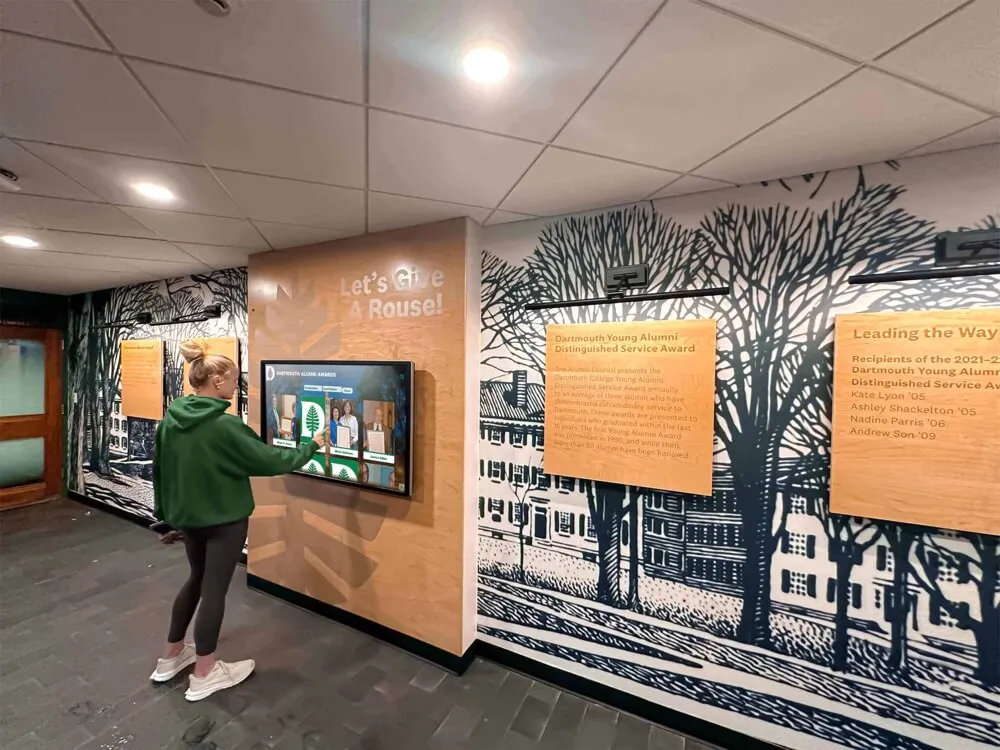
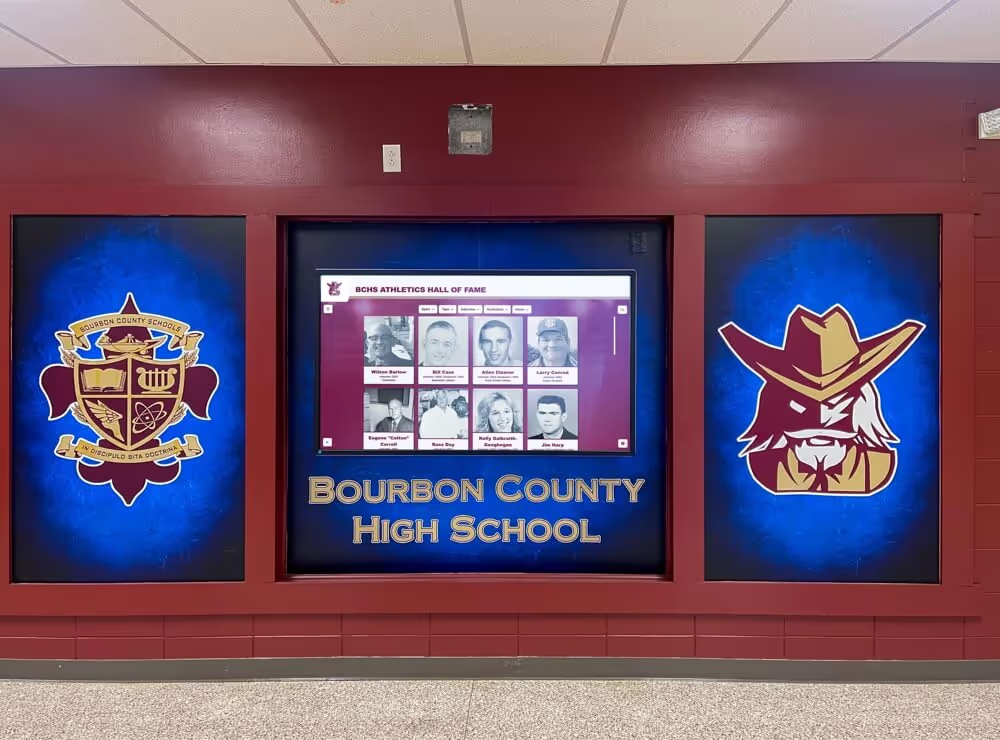
Alumni recognition systems can incorporate military service alongside academic and professional achievements
Privacy and Sensitivity Considerations
Military recognition requires careful attention to privacy and security:
Information Sharing Guidelines
- Obtain explicit permission before publicly identifying active-duty family members
- Never share specific deployment locations or timing for security reasons
- Respect families who prefer not to participate in public recognition
- Avoid identifying information that could compromise operational security
- Follow military family preferences about recognition participation
Supporting Diverse Military Experiences Recognition should accommodate varied service experiences:
- Honor all branches of service equally
- Recognize both combat and support roles with equal dignity
- Include Guard and Reserve members alongside active-duty service
- Acknowledge that military service experiences vary widely
- Respect that some veterans prefer private recognition over public acknowledgment
Educational Programs for Military Appreciation Month
Military Appreciation Month provides opportunities for meaningful education connecting students to service concepts.
Curriculum Integration Strategies
Incorporating military themes across subject areas creates comprehensive understanding:
Social Studies and History Integration
- Study significant military conflicts and their historical context
- Analyze how military service shaped American history
- Examine the role of different military branches throughout history
- Investigate local military history and regional contributions
- Research Medal of Honor recipients and their acts of valor
Language Arts Connections
- Read age-appropriate military-themed literature and first-person accounts
- Write thank-you letters to active-duty service members
- Create biographical research projects about service members
- Analyze war poetry and veteran writers’ perspectives
- Conduct oral history interviews with veterans
Explore comprehensive recognition programs for schools that honor diverse achievements including military service.

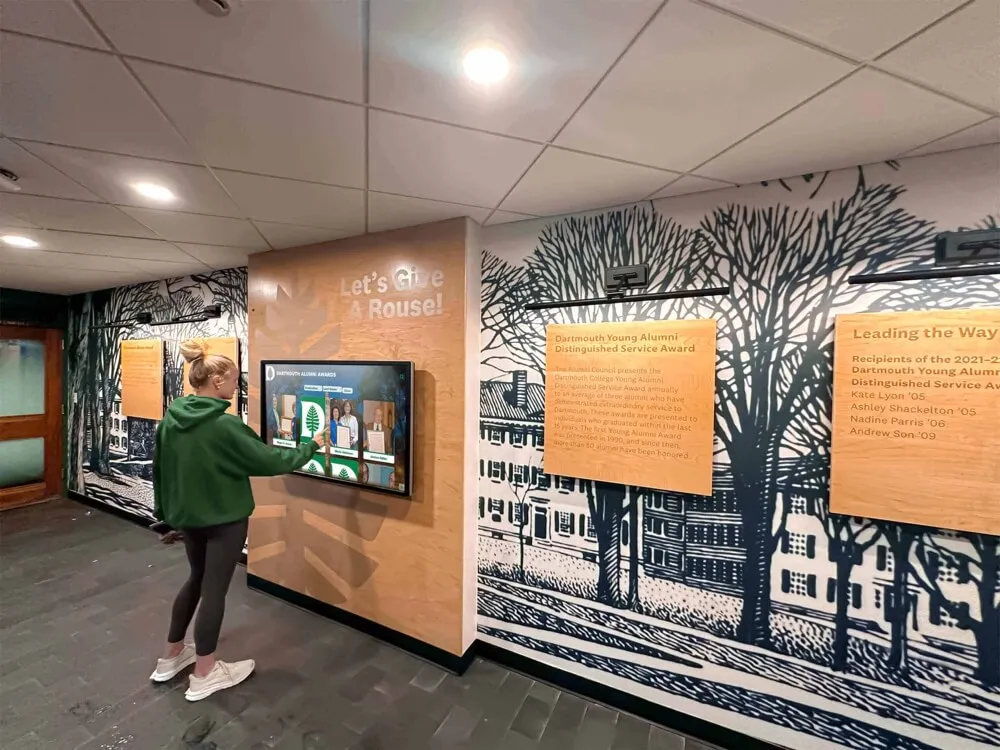
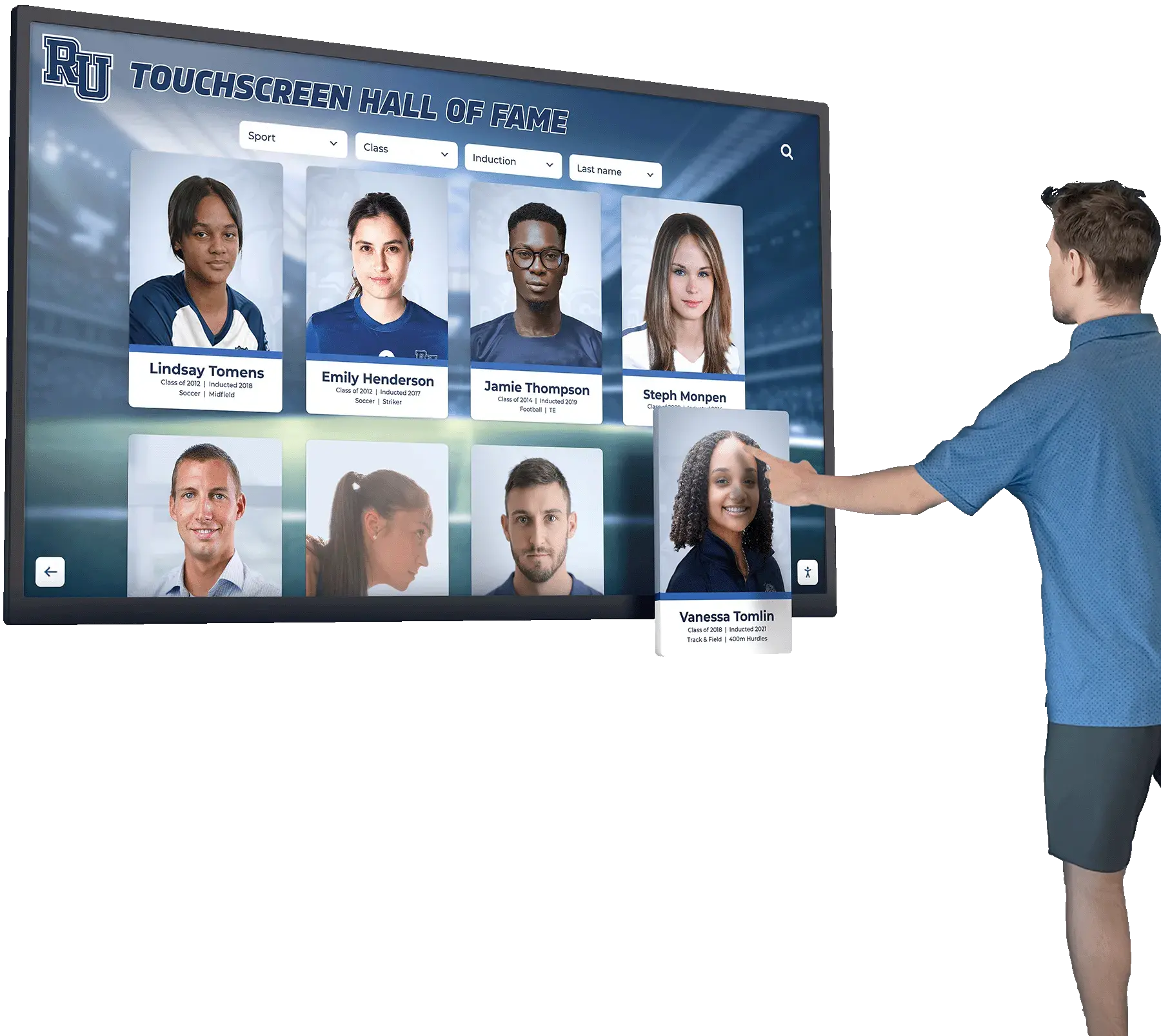
Touchscreen technology enables students to explore service member profiles and military history interactively
STEM Applications
- Study military technology development and innovation
- Investigate logistics and supply chain management in military operations
- Analyze cryptography and code-breaking historical significance
- Explore engineering challenges in military equipment and infrastructure
- Research medical advances resulting from military medical programs
Arts Integration
- Create patriotic art projects and displays
- Study military music traditions and marching bands
- Design thank-you cards and care package decorations
- Develop photo exhibitions highlighting military families
- Produce documentary projects about local veterans
Guest Speaker and Presentation Programs
First-person accounts create powerful learning experiences:
Veteran Speaker Series
Invite veterans to share their experiences:
- Contact local veterans organizations for speaker recommendations
- Prepare students with background information and appropriate questions
- Create comfortable, respectful presentation environments
- Record presentations (with permission) for historical archives
- Follow up with thank-you notes and reflection activities
Schools implementing digital recognition systems can incorporate veteran speaker content into permanent displays.

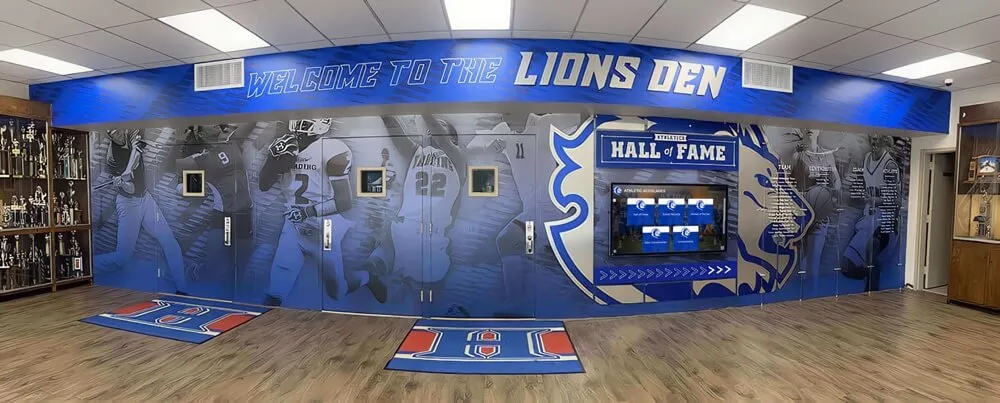
Lobby displays provide premier visibility for military recognition alongside athletic and academic achievements
Active-Duty Military Visits When possible, arrange visits from active-duty personnel:
- Coordinate with nearby military installations for volunteer programs
- ROTC programs from local universities provide accessible speakers
- National Guard and Reserve units often participate in community outreach
- Military recruiters can provide educational information about service
- Virtual presentations enable connections with deployed service members
Military Family Panel Discussions Military spouses and children offer unique perspectives:
- Panel discussions sharing experiences of military family life
- Military spouse presentations about challenges and resilience
- Peer presentations by military-connected students
- Family deployment experience sharing appropriate for age groups
- Resources and support system information for military families
Recognition Events and Ceremonies
Formal recognition events create memorable experiences honoring service members and their families.
School Assembly Programs
Well-designed assemblies provide whole-school recognition opportunities:
Assembly Program Components
- Opening color guard presentation (ROTC, local VFW, or student honor guard)
- Invocation or moment of reflection
- National anthem performance or recording
- Principal or superintendent remarks about military service importance
- Student-led presentations about military history or sacrifice
- Recognition of attending service members and military families
- Guest speaker address from veteran or active-duty service member
- Presentation of thank-you letters or care packages
- Closing reflection or patriotic song
Making Assemblies Meaningful Avoid pro forma ceremonies by creating genuine engagement:
- Involve military-connected students in planning and participation
- Use multimedia presentations including photos and video
- Share specific stories and examples rather than generic platitudes
- Recognize attending service members individually when appropriate
- Create age-appropriate programming for different grade levels
- Follow assemblies with classroom discussions processing the experience
Learn about comprehensive recognition event strategies that can incorporate military appreciation elements.
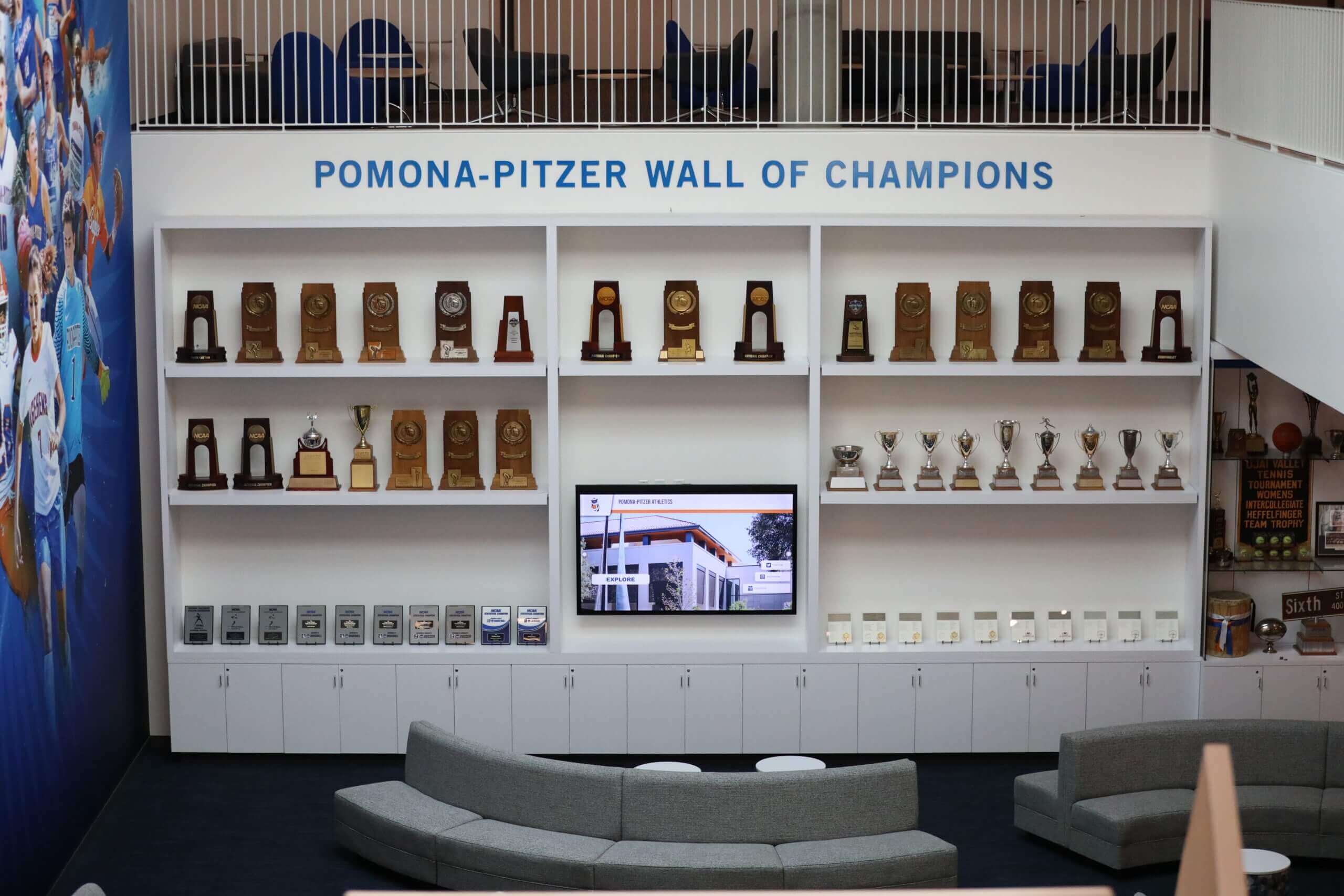
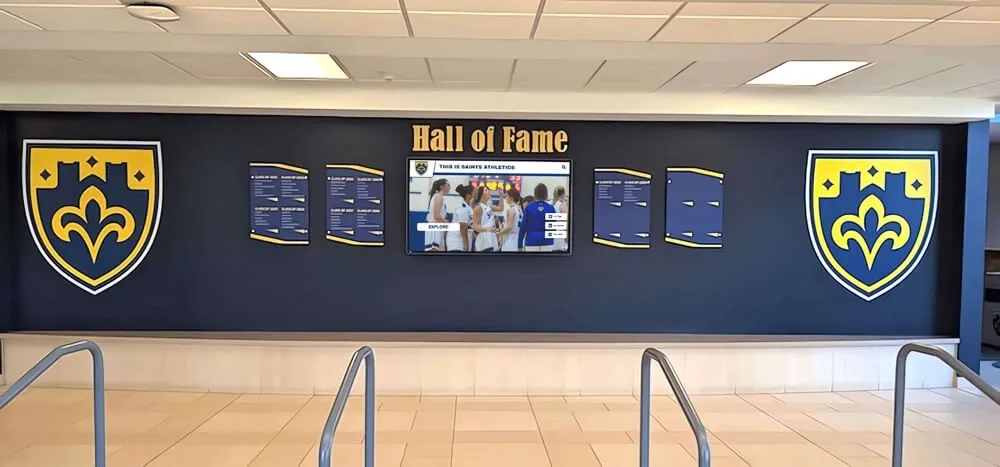
Dedicated recognition spaces create appropriate venues for military appreciation ceremonies
Memorial Day Observances
Schools should thoughtfully observe Memorial Day’s solemn purpose:
Memorial Day Educational Focus
- Distinguish Memorial Day from Veterans Day (honoring the fallen vs. all who served)
- Research local fallen service members and their stories
- Visit local cemeteries placing flags on veterans’ graves
- Create memorial displays honoring fallen heroes from your community
- Observe moment of silence at specific time (3:00 PM local time on Memorial Day)
Memorial Day Ceremony Elements
- Reading of names of local fallen service members
- Wreath-laying ceremony at school memorial
- Taps performance (live or recorded)
- Poetry readings about sacrifice and remembrance
- Student reflections on the meaning of Memorial Day
- Family invitations for gold star families (those who lost service members)
Schools can create permanent memorials through fallen heroes recognition displays that honor ultimate sacrifice.
Armed Forces Day Celebrations
Armed Forces Day (third Saturday in May) provides opportunity to celebrate all military branches:
Multi-Branch Recognition
- Display information about all six military branches
- Organize activities representing different branch specialties
- Invite representatives from multiple branches when possible
- Create comparative displays about branch histories and roles
- Recognize students with family connections to each branch
Community Partnership Events
- Coordinate with nearby military installations for participation
- Military equipment displays (when available and appropriate)
- Uniform exhibitions showing branch variations and specializations
- Career information tables for students interested in service
- Family-friendly activities connecting school and military communities
Creating Permanent Military Recognition Displays
Lasting recognition extends military appreciation beyond May into year-round visibility.
Digital Recognition Solutions for Military Tribute
Modern digital displays overcome traditional memorial limitations while creating engaging recognition:
Unlimited Service Member Profiles Digital platforms eliminate the space constraints that force difficult decisions about whom to recognize:
- Unlimited capacity to recognize all alumni, staff, and community members who served
- Comprehensive profiles including photos, service branch, years of service, and accomplishments
- Historical archives preserving military service across generations
- Easy additions as new service connections are discovered
- No renovation required to add newly recognized service members
Solutions like Rocket Alumni Solutions provide interactive military recognition displays that preserve service member stories and artifacts digitally.
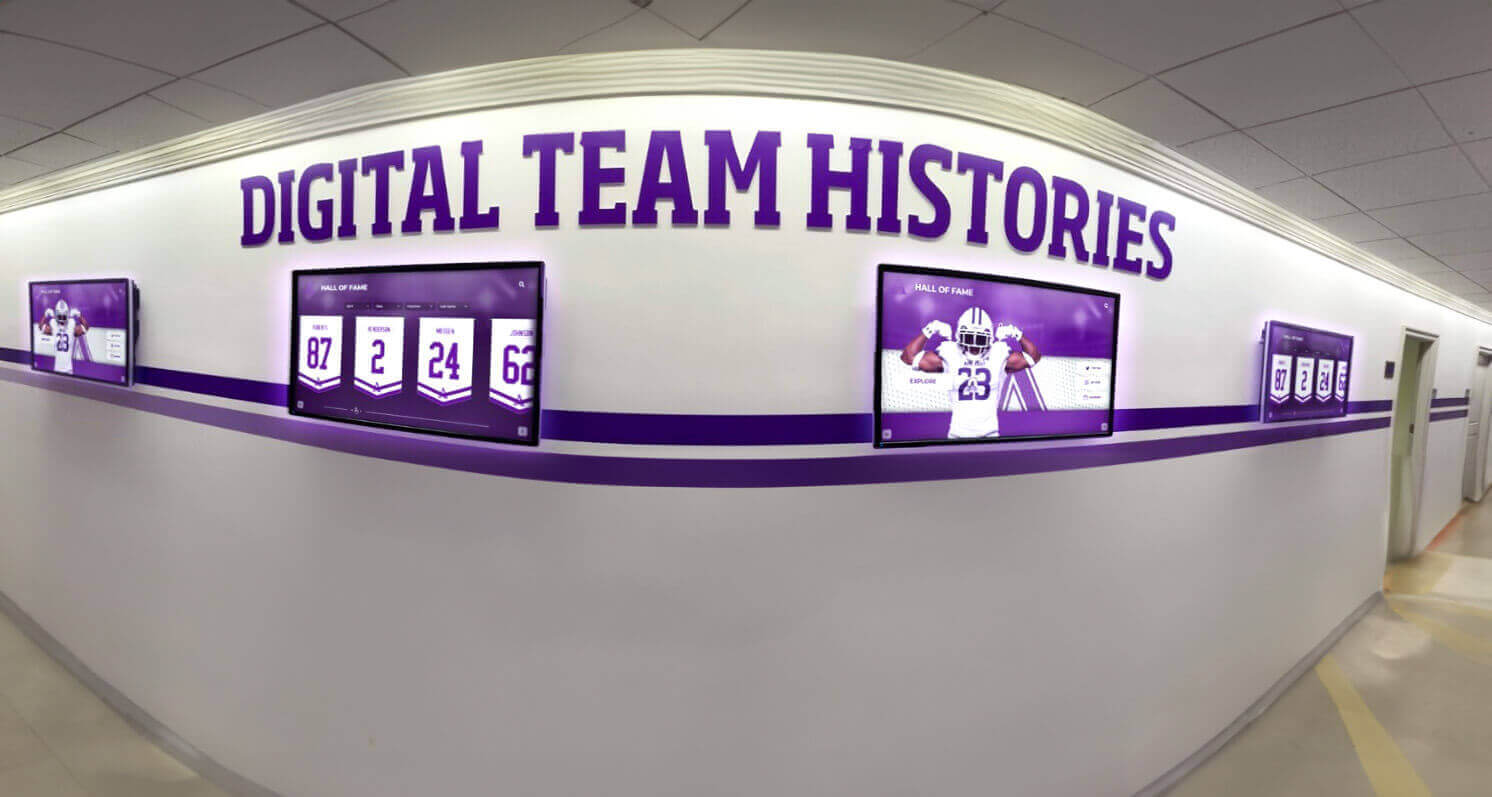
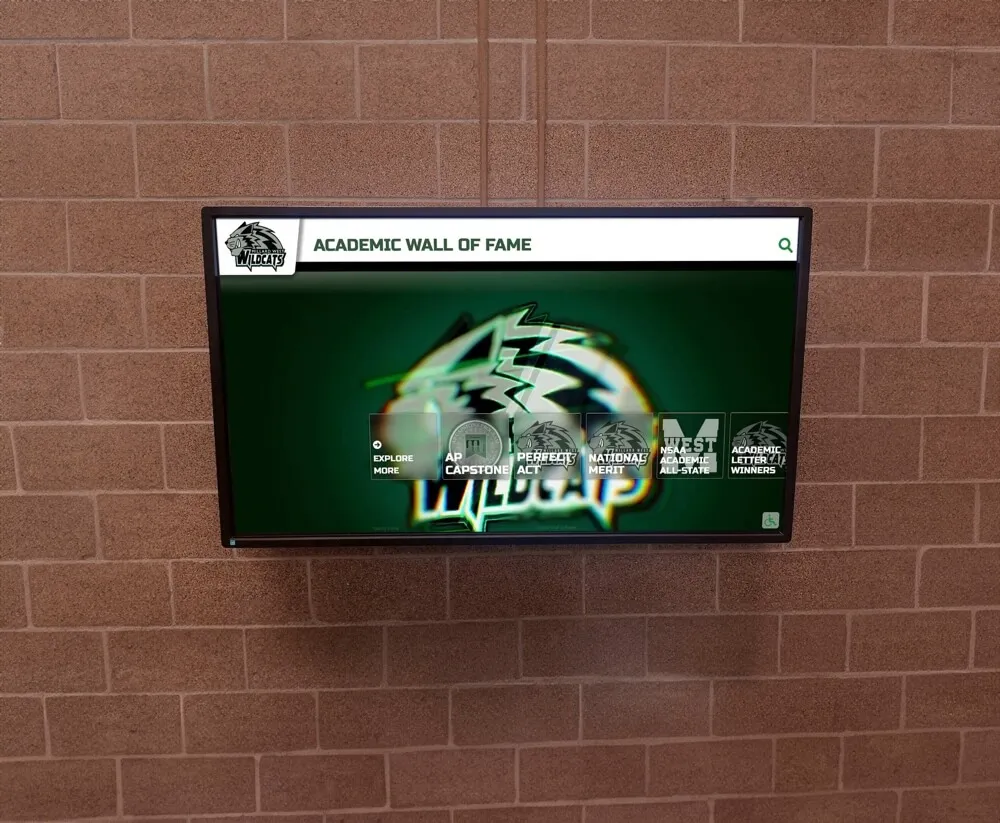
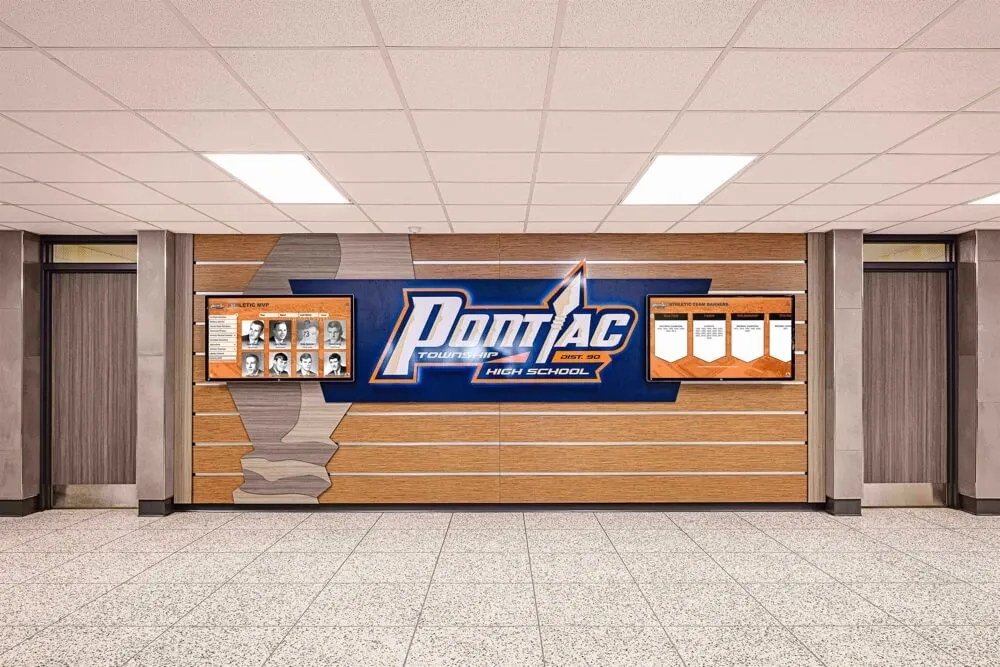
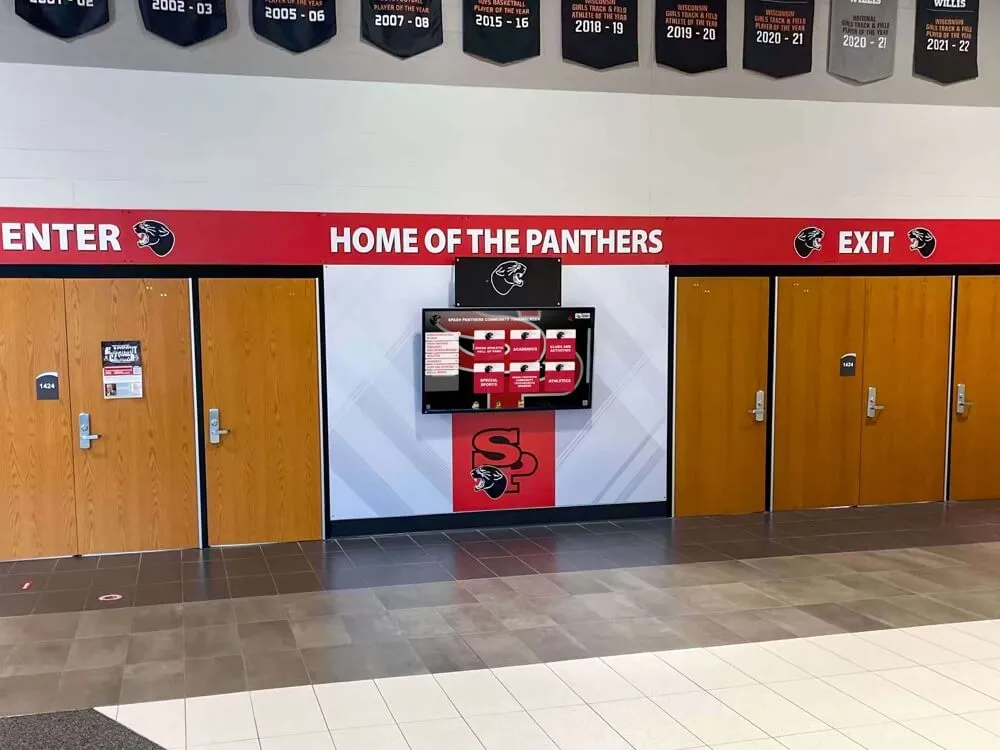
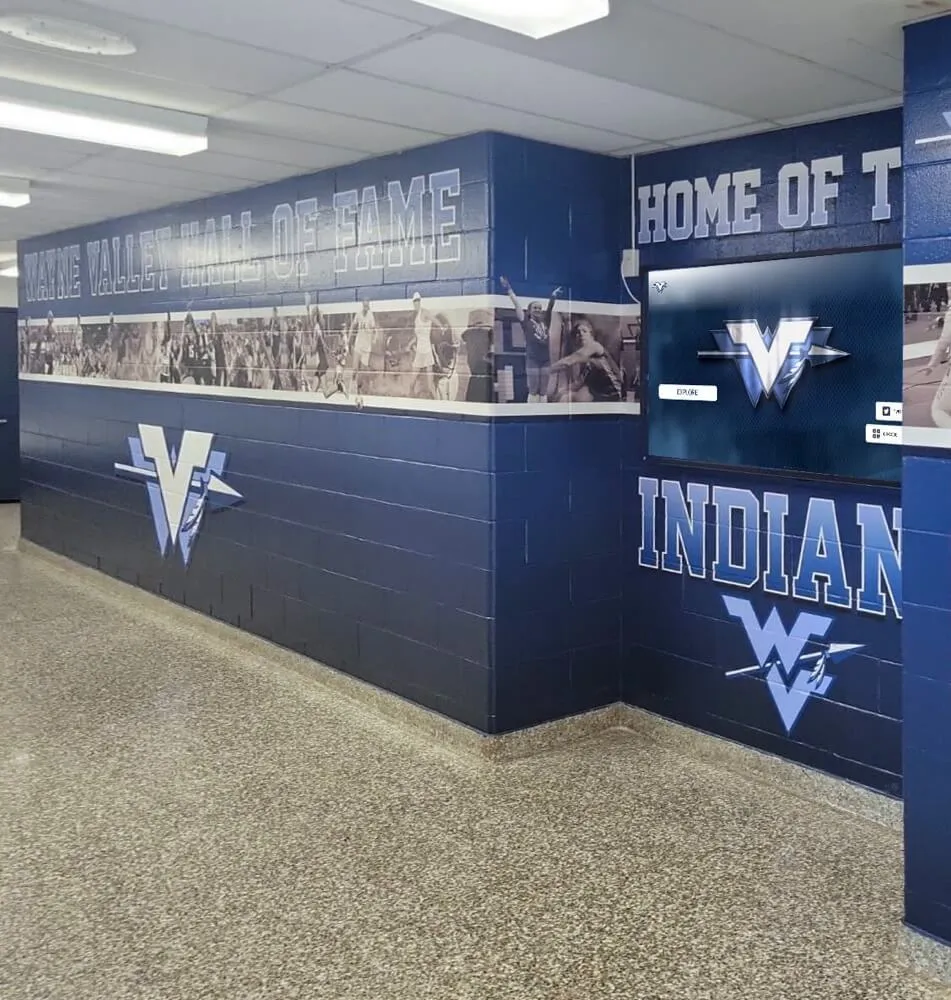
Multiple displays throughout hallways create comprehensive recognition systems honoring all achievements including military service
Interactive Exploration Features Touchscreen systems create engagement impossible with static memorials:
- Search functionality to find specific service members by name
- Filter by military branch, era of service, or conflict
- Detailed service histories with photos and biographical information
- Video testimonials from veterans sharing their experiences
- Integration of historical photos, documents, and memorabilia
- QR codes enabling mobile access to expanded profiles
Remote Content Management Cloud-based systems simplify ongoing recognition management:
- Update displays from any internet-connected device
- Add new service members without physical display modification
- Schedule content for specific observances (Memorial Day, Veterans Day, etc.)
- Bulk import historical service member data
- Collaborate with multiple staff members managing different content areas
Schools implementing comprehensive digital recognition systems report significant increases in community engagement and service member family satisfaction.
Traditional Memorial Elements
Digital recognition complements rather than replaces appropriate traditional elements:
Physical Memorial Plaques
Tangible memorials provide important symbolism:
- Honor roll plaques listing alumni who served
- Dedicated memorial plaques for fallen heroes
- Branch-specific recognition plaques
- Wall of Honor combining plaques with digital displays
- Memorial benches or landscaping elements
Physical elements paired with digital displays create comprehensive recognition systems honoring tradition while embracing modern engagement capabilities.

Integrated systems combine traditional plaques with digital displays for comprehensive recognition
Memorial Gardens and Outdoor Spaces Dedicated outdoor areas provide reflection spaces:
- Flagpole areas with memorial elements
- Garden spaces with veteran-specific plantings
- Memorial walkways with engraved pavers
- Outdoor amphitheaters for ceremonies
- Benches dedicated to specific service members
Flag Display Protocols Proper flag etiquette demonstrates respect:
- Display American flag prominently following U.S. Flag Code
- Consider POW/MIA flag alongside American flag
- Lower flags to half-staff on appropriate occasions
- Ensure flags receive proper retirement when worn
- Consider branch-specific flags in multi-flag displays
Learn about creating comprehensive historical recognition displays that can incorporate military service timelines.
Supporting Military-Connected Students
Recognition programs should connect to ongoing support for students with military ties.
Deployment Support Programs
Active-duty family deployments create unique challenges requiring school response:
Pre-Deployment Support
- Designate staff member as deployment liaison
- Provide resources about deployment’s academic and emotional impacts
- Create communication plans between school and deploying service member
- Establish check-in schedules with affected students
- Connect students with school counselors and support services
During Deployment Support
- Regular check-ins with students having deployed parents
- Flexible assignment deadlines during difficult deployment periods
- Deployment countdown calendars and communication activities
- Care package creation projects in classrooms
- Peer support groups for military-connected students
Reunion and Reintegration Support
- Recognize family reunions following deployments
- Provide transition support as family dynamics readjust
- Allow flexibility during reintegration periods
- Continue counseling availability through transition
- Celebrate homecomings appropriately
Research indicates students receiving deployment-specific support maintain better academic performance and experience fewer behavioral challenges during separation periods.
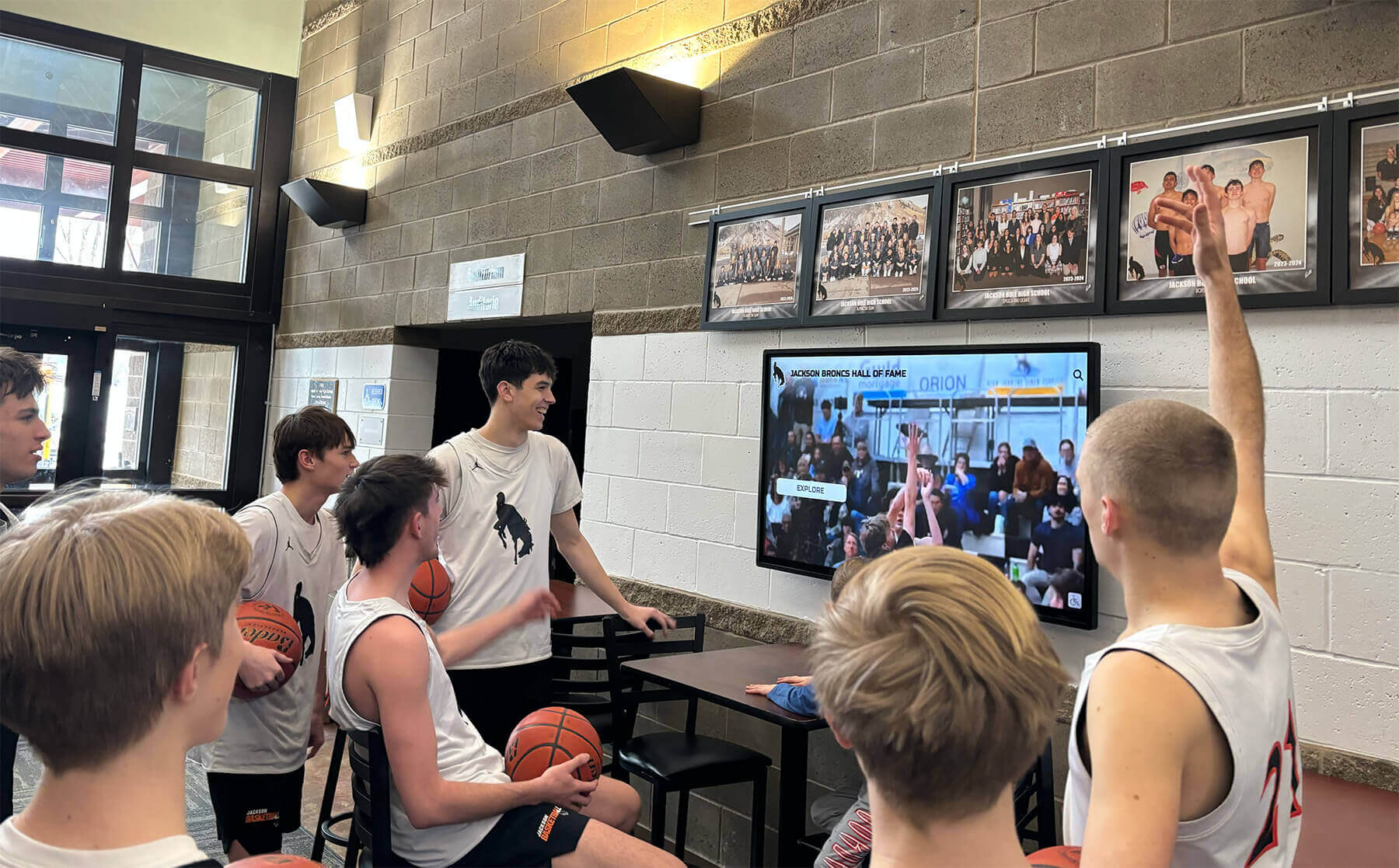
Interactive displays create gathering spaces where military-connected students see their families honored
Military Family Liaison Programs
Designated staff support improves outcomes for military-connected students:
Liaison Responsibilities
- Serve as primary contact for military families
- Coordinate recognition programs and events
- Connect families with community resources
- Facilitate school transitions for students changing duty stations
- Advocate for military-connected student needs
- Maintain relationships with nearby military installations
Transition Support for Highly Mobile Families Military-connected students face unique challenges during relocations:
- Streamlined enrollment processes for arriving students
- Transcript evaluation and appropriate course placement
- Buddy programs pairing new military students with mentors
- Orientation programs addressing military family needs
- Accelerated participation in activities and organizations
- Records transfer coordination with sending schools
Military Student Identifier Many states now require military student identifiers in student information systems, enabling:
- Tracking of military-connected student performance
- Targeted support services and interventions
- Deployment-related need identification
- Communication during transitions
- Data analysis about military student outcomes
Community Partnership Strategies
Effective military recognition extends beyond school walls into broader community engagement.
Partnering with Veterans Organizations
Local veterans groups provide expertise and participation:
American Legion and VFW Partnerships
- Color guard participation in school events
- Veteran speaker coordination
- Flag education programs
- Memorial decoration assistance
- Scholarship opportunities for students
Military Installation Collaboration Schools near military bases should develop formal partnerships:
- Joint educational programs and events
- Base commander participation in recognition ceremonies
- Career day participation from military representatives
- Facility tours for students (when appropriate)
- Resource sharing for military family support
Explore community partnership recognition opportunities that can incorporate military themes.
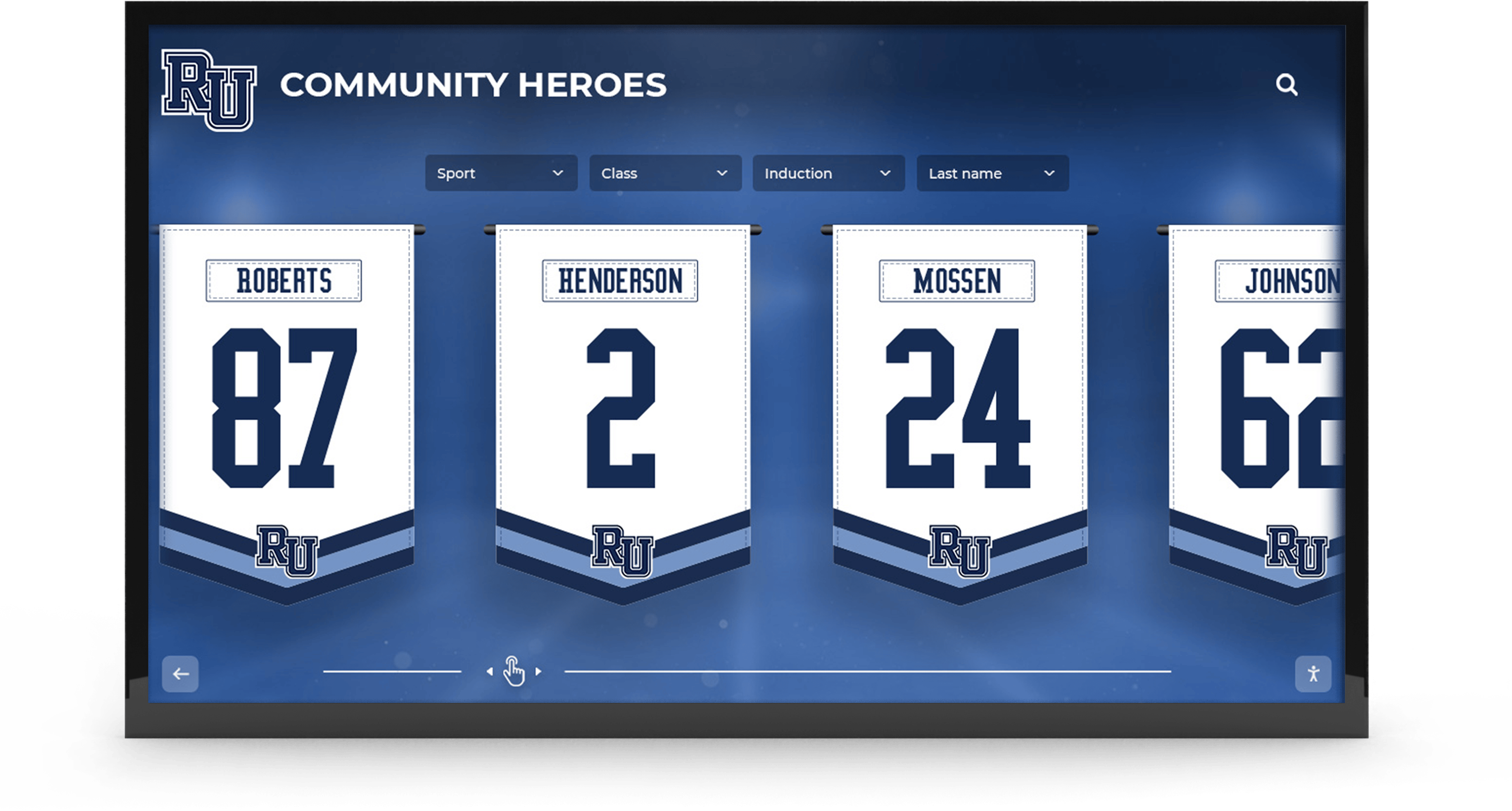
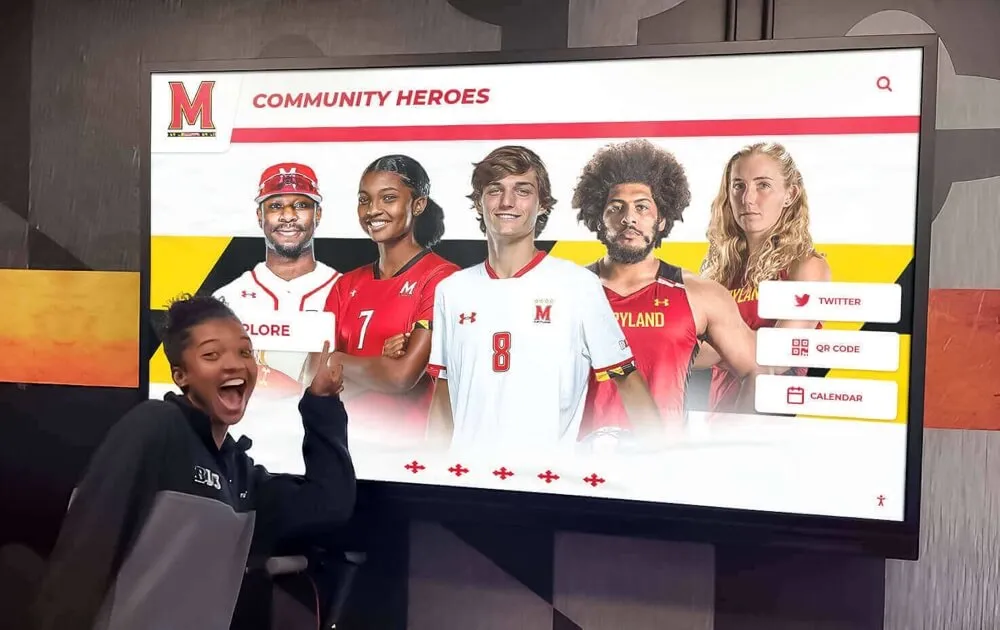
Community heroes displays can highlight military service members alongside other local leaders
Service Projects and Fundraising
Student-led service projects teach citizenship while supporting military causes:
Care Package Programs
- Coordinate with organizations sending packages to deployed troops
- Classroom collection of appropriate items
- Card and letter writing to accompany physical items
- Assembly events where students pack boxes
- Follow-up communication from recipients when possible
Veteran Support Initiatives
- Partnerships with homeless veteran organizations
- Fundraising for service dog programs for veterans
- Support for veterans hospitals and medical facilities
- Assistance with local veteran memorial maintenance
- Participation in veteran home visits and companionship programs
Gold Star Family Support Schools should particularly honor families who lost service members:
- Memorial scholarships in fallen heroes’ names
- Dedicated recognition in all military events
- Private family liaison and support services
- Include fallen heroes prominently in permanent memorials
- Anniversary recognition on dates significant to families
Learn about creating tribute and memorial displays that honor those who made ultimate sacrifices.
Integrating Military Recognition with Existing Programs
Military appreciation should complement broader school recognition systems.
Athletic Program Integration
Many schools have strong traditions connecting athletics and military service:
Military Appreciation Games Designate specific athletic events for military recognition:
- Pre-game or halftime military recognition ceremonies
- Color guard presentations by veterans organizations
- National anthem by military family member or veteran
- Recognition of attending service members
- Reduced or complimentary admission for military families
- Military branch-specific uniform nights for teams
Schools with comprehensive athletic recognition programs can integrate military service alongside athletic achievements.
Service Academy Recognition Celebrate students receiving appointments to military service academies:
- Public announcement and recognition ceremonies
- Profile inclusion in athletic and academic displays
- Signing day celebrations similar to college athletics
- Alumni connections with current service academy attendees
- Career pathway information for interested students
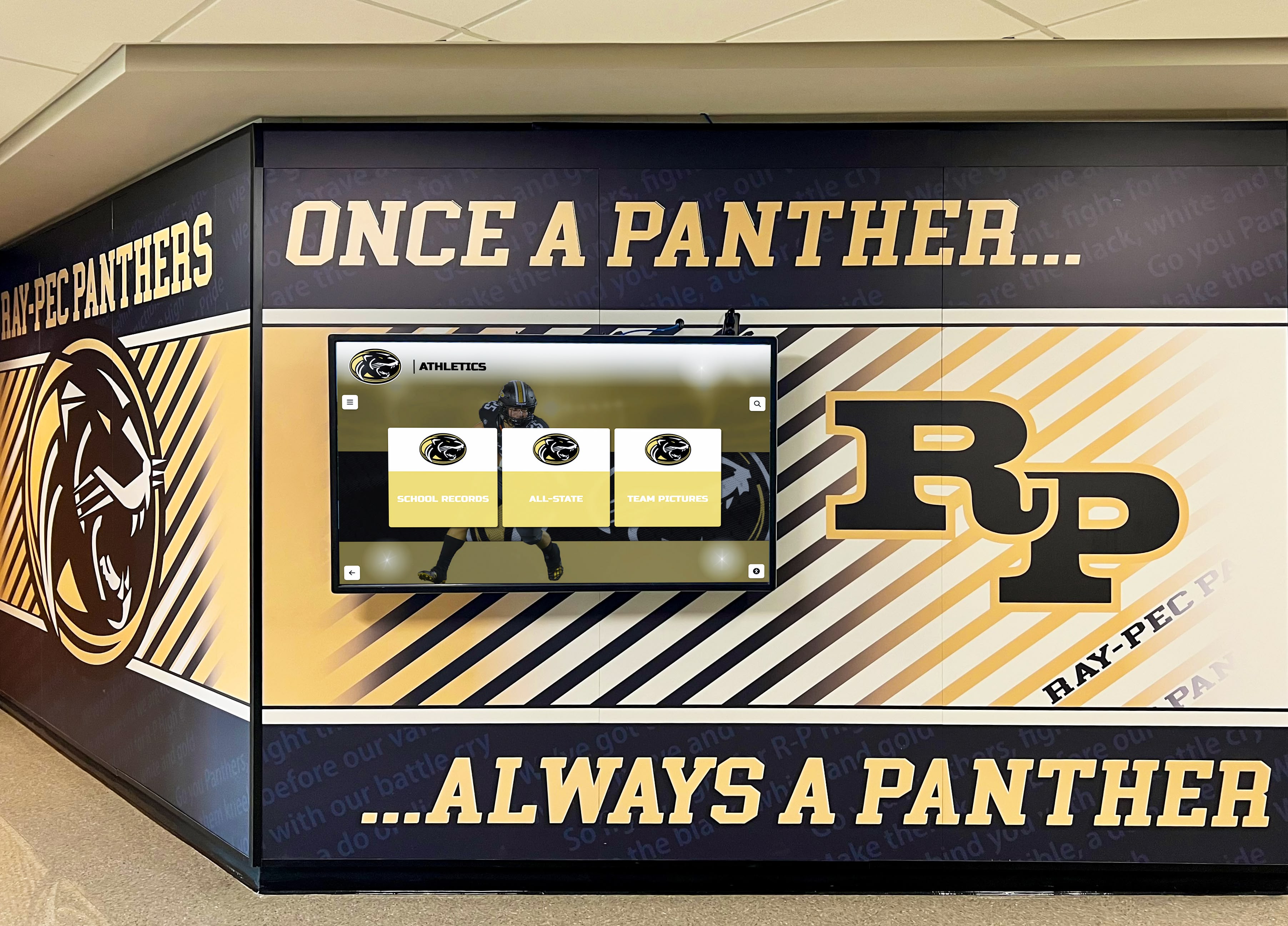
Athletic facilities provide natural locations for military recognition alongside sports achievements
Alumni Relations Integration
Military service represents an important dimension of alumni achievement:
Alumni Military Service Tracking
- Add military service fields to alumni databases
- Include service information in alumni profiles
- Track service academy attendance and military careers
- Document military honors and promotions
- Connect military alumni for networking and mentorship
Military Alumni Recognition Events
- Veterans Day alumni gatherings
- Military alumni panels during career programs
- Special reunion events for military-connected alumni
- Military alumni featuring in school publications
- Alumni military service highlighted in digital recognition systems
Alumni Speaker Programs Military alumni offer unique perspectives:
- Career day presentations about military service paths
- Leadership development programs drawing on military experience
- Veteran alumni sharing transition experiences
- Service academy alumni discussing admission processes
- Alumni connections to current military-interested students
Digital Recognition Systems as Comprehensive Solution
Modern technology enables unprecedented military recognition capabilities while addressing traditional memorial limitations.
Advantages of Digital Military Recognition
Digital platforms transform how schools honor service members:
Space Constraint Elimination Traditional memorials face physical limitations that digital systems overcome:
- No limit to number of service members recognized
- Comprehensive coverage across all conflicts and eras
- Equal prominence for all branches and service types
- Detailed profiles impossible with static plaques
- Historical expansion without facility renovation
Engaging Storytelling Capabilities Digital platforms tell service member stories compellingly:
- Photo galleries showing service members in uniform and civilian life
- Video testimonials from veterans sharing experiences
- Service timeline visualizations
- Digital preservation of letters, documents, and memorabilia
- Interactive maps showing deployment locations
Family and Community Access Digital recognition extends beyond physical campus:
- Web-based access for alumni and community worldwide
- Mobile responsive design for smartphone viewing
- Social sharing enabling families to celebrate recognition
- QR codes connecting physical and digital experiences
- 24/7 availability regardless of building access
Schools implementing comprehensive digital recognition platforms create military tribute systems that grow and evolve with their communities.
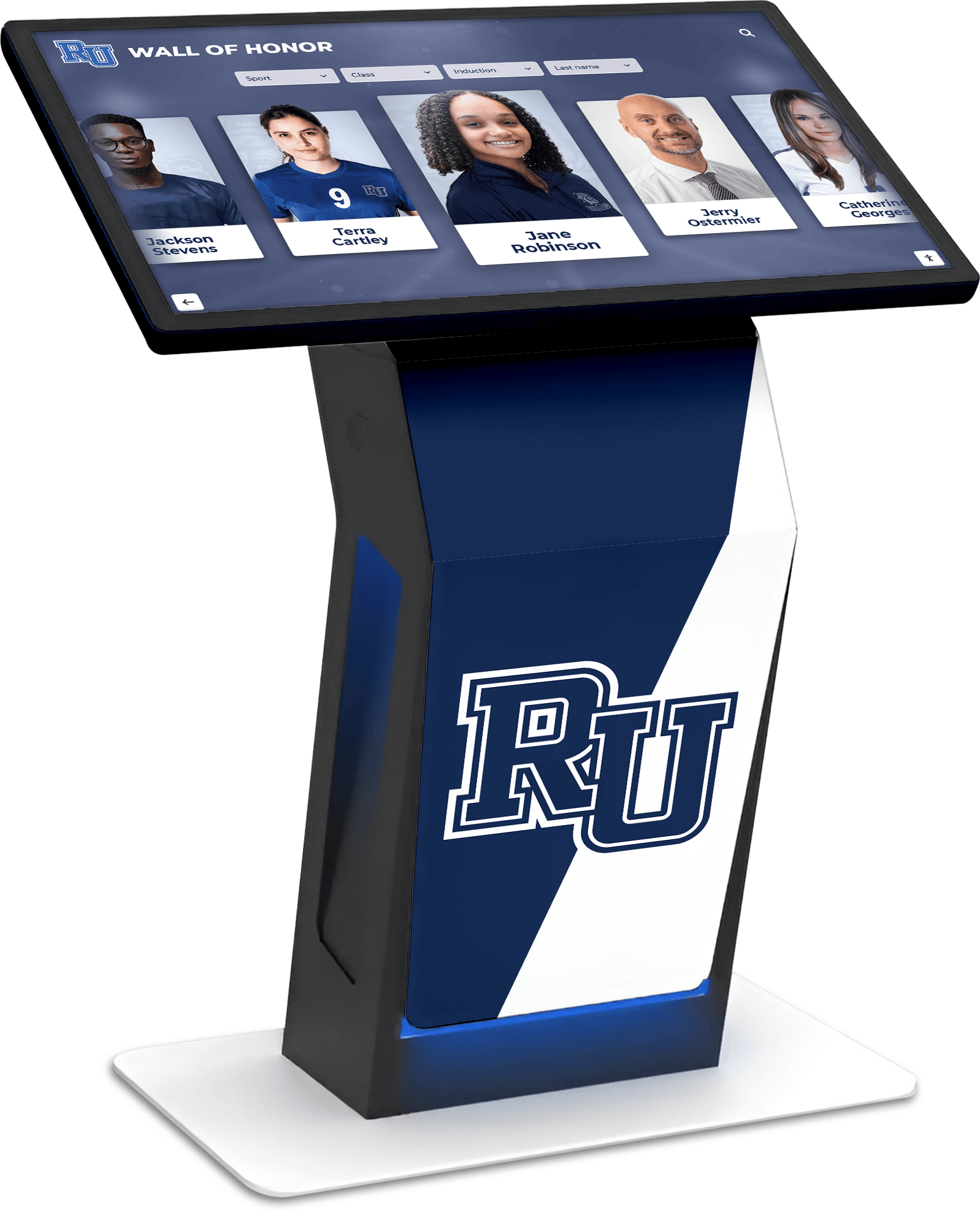
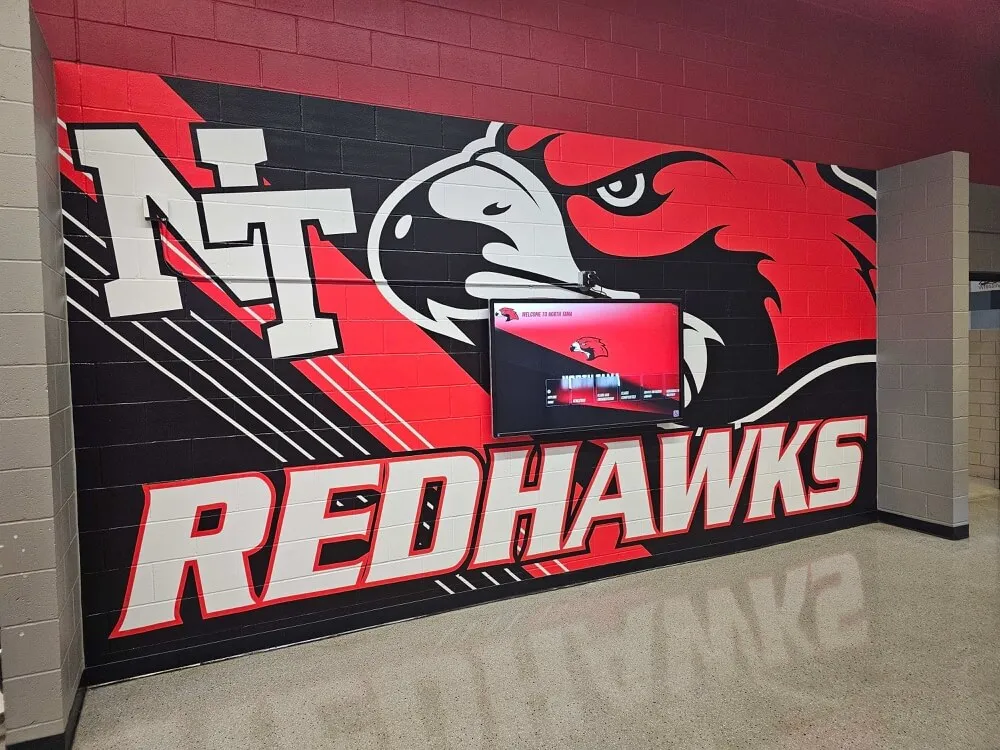
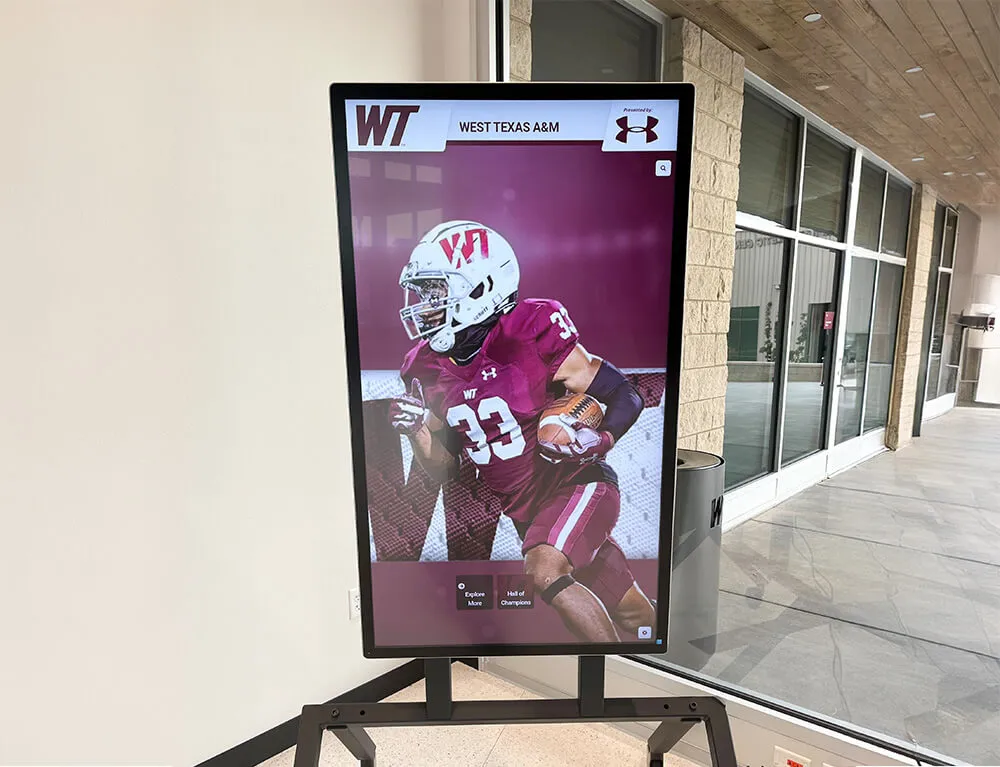
Dedicated recognition kiosks create focal points for military appreciation in prominent school locations
Implementation Considerations
Successful digital military recognition requires strategic planning:
Content Development Approach
- Begin with alumni who served in recent conflicts
- Expand backward through historical research
- Engage veterans organizations for information assistance
- Request submissions from military families
- Create consistent profile templates ensuring quality
Hardware Placement Strategy
- Main entrance locations for maximum visibility
- Commons areas where students gather
- Libraries and media centers for research access
- Administrative office areas for visitor viewing
- Athletic facilities connecting military and athletic traditions
Ongoing Management Planning
- Designate staff responsible for content updates
- Create submission processes for new service members
- Establish annual review and addition schedules
- Plan for Memorial Day and Veterans Day updates
- Budget for technical support and software subscriptions
Learn about comprehensive implementation in digital hall of fame buying guides applicable to military recognition.
Measuring Military Recognition Program Impact
Assessment ensures recognition efforts achieve intended goals and justify resource investment.
Qualitative Success Indicators
Observational and anecdotal evidence reveals program effectiveness:
Military Family Feedback
- Survey military-connected families about recognition program awareness
- Gather testimonials about recognition’s meaning to families
- Assess whether programs make military students feel valued
- Document stories of positive impact from recognition
- Track family participation in military-themed events
School Culture Observations
- Monitor student attitudes toward military service
- Assess increased civilian student understanding of military life
- Observe engagement during military recognition events
- Track participation in military-related service projects
- Note discussions and questions about military service
Community Response
- Veteran organization feedback about school partnerships
- Media coverage of recognition programs and events
- Alumni military member engagement with school
- Local community perception of school’s military support
- Military installation relationships and collaboration depth
Quantitative Metrics
Data provides objective program assessment:
Participation Data
- Attendance at military recognition events and ceremonies
- Number of service members identified and recognized
- Student participation in military-related projects
- Care packages and support items collected and sent
- Thank-you letters written to service members
Academic and Behavioral Metrics
- Achievement patterns for military-connected students
- Attendance rates during and after deployment periods
- Discipline referral patterns for military-connected students
- Counseling service utilization by military families
- School satisfaction survey results from military families
Recognition System Engagement
- Digital display interaction rates and session duration
- Web-based recognition platform usage statistics
- Social media engagement with military recognition content
- Search queries for specific service members
- Mobile access patterns from families and alumni
Regular assessment enables continuous improvement ensuring military recognition programs remain meaningful, impactful, and aligned with community needs.
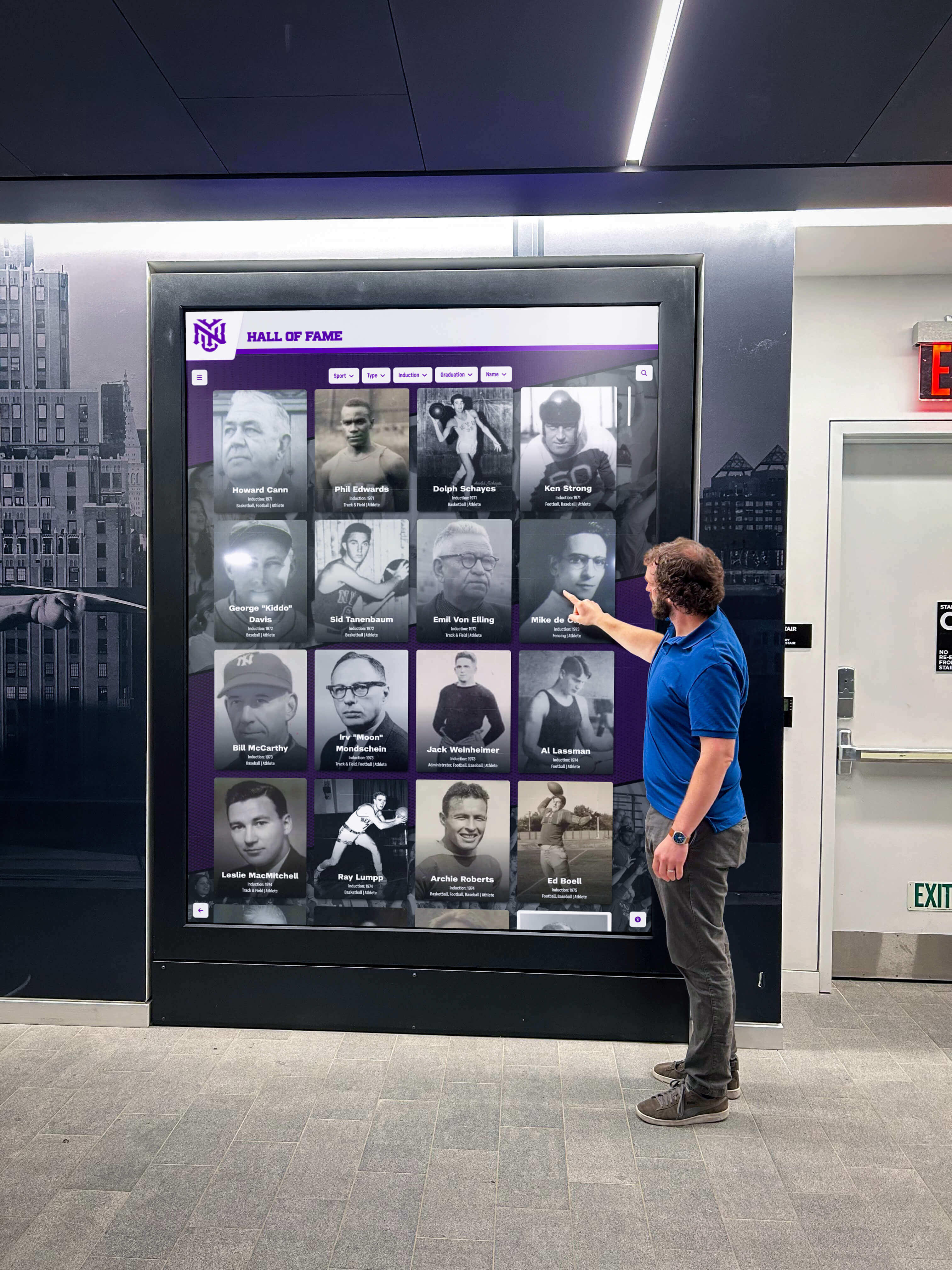
Digital systems provide engagement analytics showing how community members interact with military recognition
Beyond Military Appreciation Month: Year-Round Recognition
While May provides focused opportunity, military recognition should extend throughout the school year.
Additional Military Observances
Incorporate military recognition into multiple calendar events:
Veterans Day (November 11)
- Major recognition events honoring all who served
- Distinguished from Memorial Day’s focus on the fallen
- Veterans assemblies with broader community invitation
- Classroom activities teaching about different military eras
- Recognition of veteran family members and alumni
Pearl Harbor Remembrance Day (December 7)
- Educational programs about World War II
- Recognition of Greatest Generation veterans
- Research projects about local WWII service members
- Integration with broader world history curriculum
Purple Heart Day (August 7)
- Recognition of wounded warriors and their sacrifices
- Education about military medals and honors
- Highlight combat-wounded veterans in community
Military Branch Birthdays Each military branch has an official birthday that can be recognized:
- Army: June 14
- Navy: October 13
- Air Force: September 18
- Marine Corps: November 10
- Coast Guard: August 4
- Space Force: December 20
Smaller recognition activities tied to branch birthdays create ongoing visibility throughout the year.
Embedding Military Recognition in School Culture
Lasting impact comes from systematic integration:
Curriculum Connections
- Military service examples in character education programs
- Service learning projects supporting military causes
- Career exploration including military service options
- Literature selections including military themes and veteran authors
- History instruction emphasizing service member experiences
Facility Design and Naming
- Military memorial gardens and reflection spaces
- Building or facility naming honoring local service members
- Hallway displays highlighting military history
- Classroom naming programs honoring fallen heroes
- Integration of military themes in school architecture and design
Comprehensive school recognition systems should include military service alongside academic and athletic achievements.
Conclusion: Creating Lasting Military Recognition
Military Appreciation Month provides schools with a focused opportunity to honor service members, veterans, and military-connected families, but the most effective programs extend recognition throughout the year and across generations. When schools systematically celebrate military service—from permanent recognition displays to educational programs and ongoing support for military families—they create environments where sacrifice is honored, service is valued, and military-connected students feel genuinely supported.
The strategies explored in this guide provide comprehensive frameworks for building recognition systems that honor diverse service experiences while remaining sustainable, meaningful, and aligned with educational missions. From interactive digital displays that preserve service member stories across generations to community partnerships that connect students with veterans, these approaches transform military appreciation from occasional token gestures to systematic recognition woven throughout school culture.
Honor Service Members with Lasting Recognition
Discover how modern digital recognition platforms create permanent military tributes that preserve service member stories, engage students with interactive displays, and provide unlimited capacity to honor all who served. Solutions like Rocket Alumni Solutions eliminate space constraints while creating touchscreen experiences that bring military service to life for current and future generations.
Explore Military Recognition SolutionsDigital recognition technology particularly transforms military appreciation by eliminating the space constraints that historically forced impossible decisions about which service members to recognize. Where traditional memorials can list only limited names on physical plaques, digital platforms showcase unlimited service members with comprehensive profiles, photos, service histories, and personal stories. This technological advancement ensures every veteran receives appropriate recognition regardless of when they served or how many alumni have military connections.
Building effective military recognition requires moving beyond limiting assumptions about memorial possibilities and embracing systems that honor all service comprehensively. Start with recognition programs you can implement immediately during Military Appreciation Month, then systematically expand to create year-round visibility and support for service members and their families.
Every service member who receives meaningful recognition for their sacrifice develops stronger connection to your school community. Military-connected students who see their families honored feel valued and supported. And all students benefit from understanding service, sacrifice, and citizenship that military recognition provides.
Your military-connected families deserve recognition equal to any other school achievement. With thoughtful planning, appropriate technology such as solutions like Rocket Alumni Solutions, and consistent implementation, you can create military appreciation systems that honor every service member while building the supportive, patriotic school culture where all students thrive and sacrifice is never forgotten.