



Schools and organizations face a profound responsibility when creating memorial walls: honoring those who have passed while creating lasting tributes that comfort families, inspire communities, and preserve legacies for future generations. Yet many institutions struggle to design memorial displays that balance dignity with engagement, provide adequate space for multiple honorees, and maintain relevance as time passes.
Traditional memorial approaches—brass plaques on walls, garden stones, or static displays—often prove inadequate for evolving recognition needs. Physical space constraints limit how many individuals receive acknowledgment, updating becomes prohibitively expensive when families request changes, and static presentations fail to share the full stories behind the names on display.
This comprehensive guide explores memorial wall ideas that create meaningful tribute experiences while addressing practical considerations including space limitations, budget constraints, and long-term maintenance requirements. From traditional architectural installations to modern digital solutions, these strategies help organizations design recognition that truly honors those who made lasting differences in their communities.
Creating effective memorial recognition extends beyond simple name displays—it requires thoughtful design that respects grief, celebrates contributions, provides comfort to families, and creates educational opportunities for current community members. Organizations that excel at memorial tributes create spaces where loss transforms into legacy, grief finds solace in community remembrance, and individual stories inspire continued service.

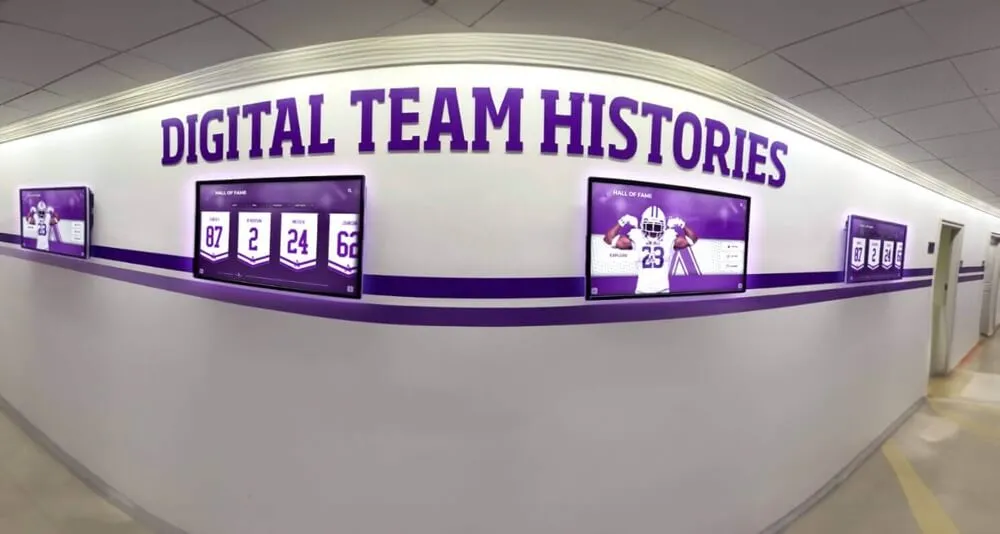
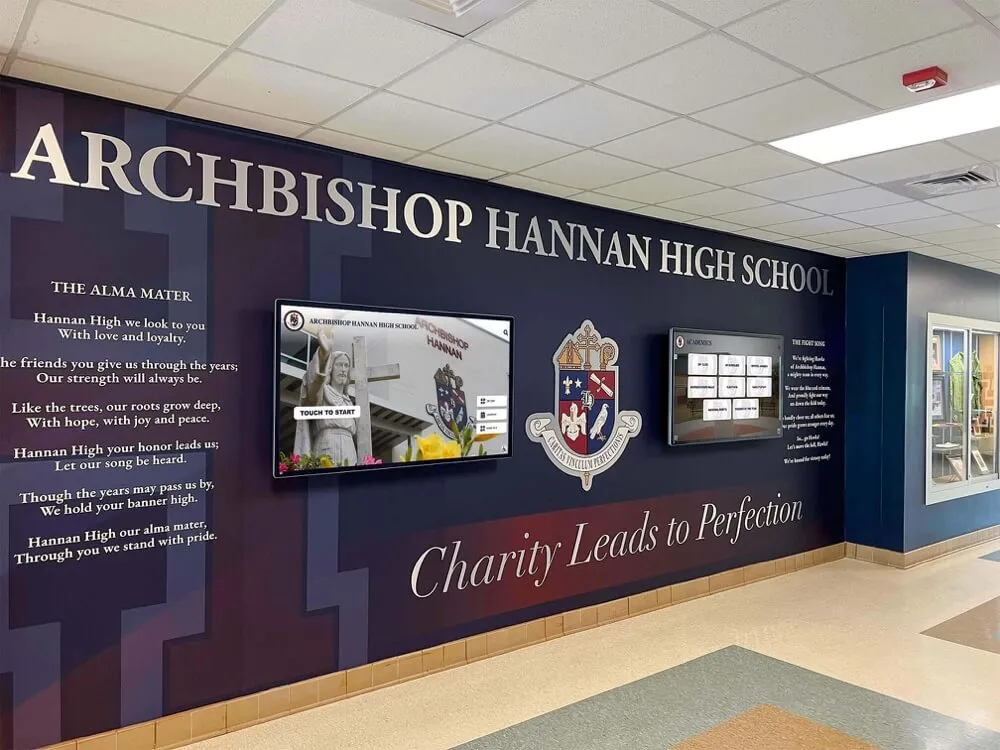
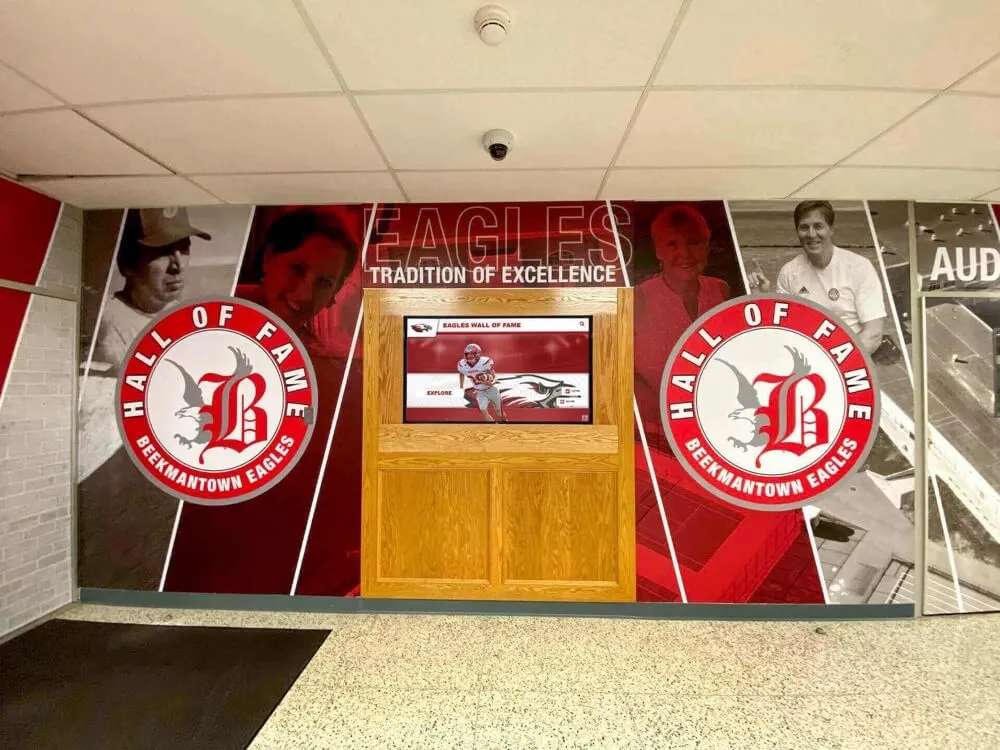
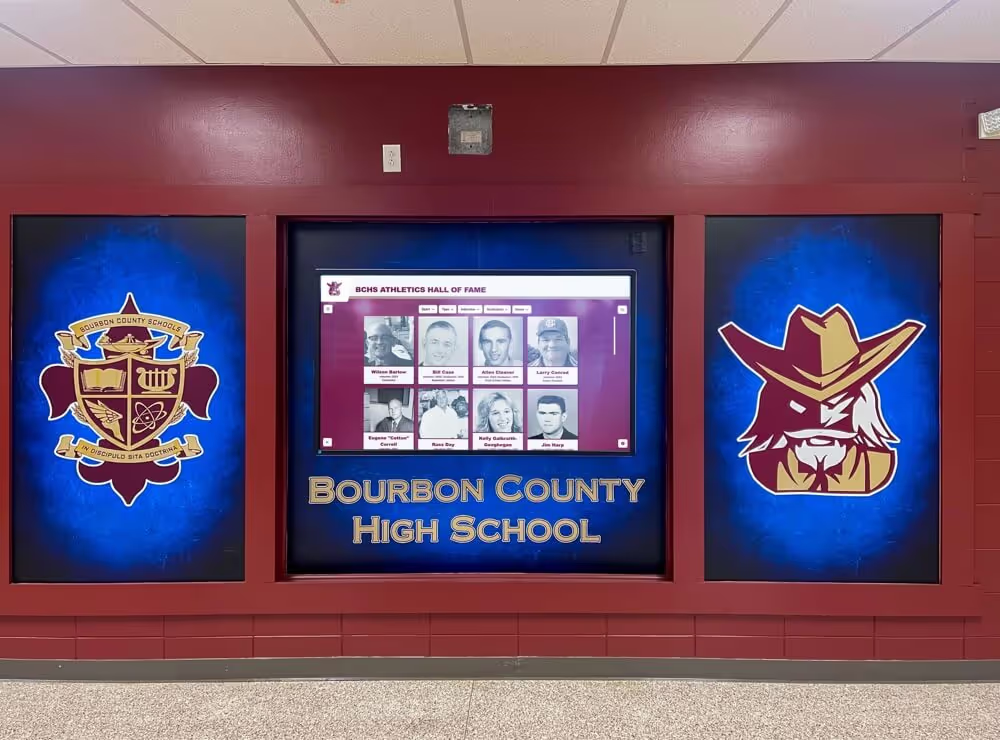
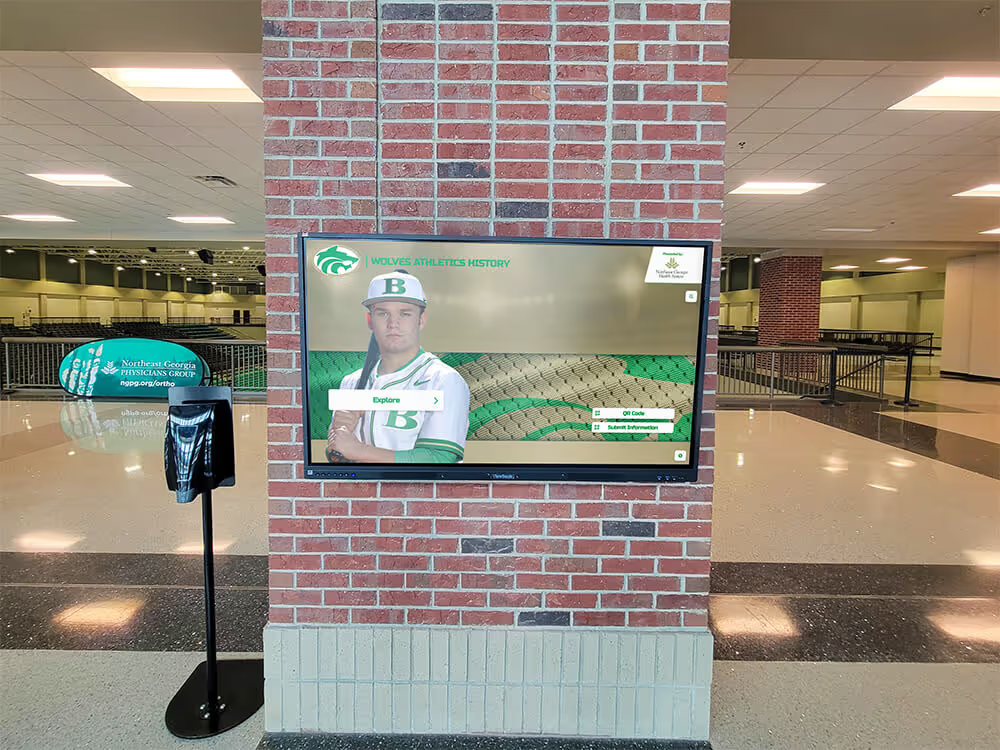
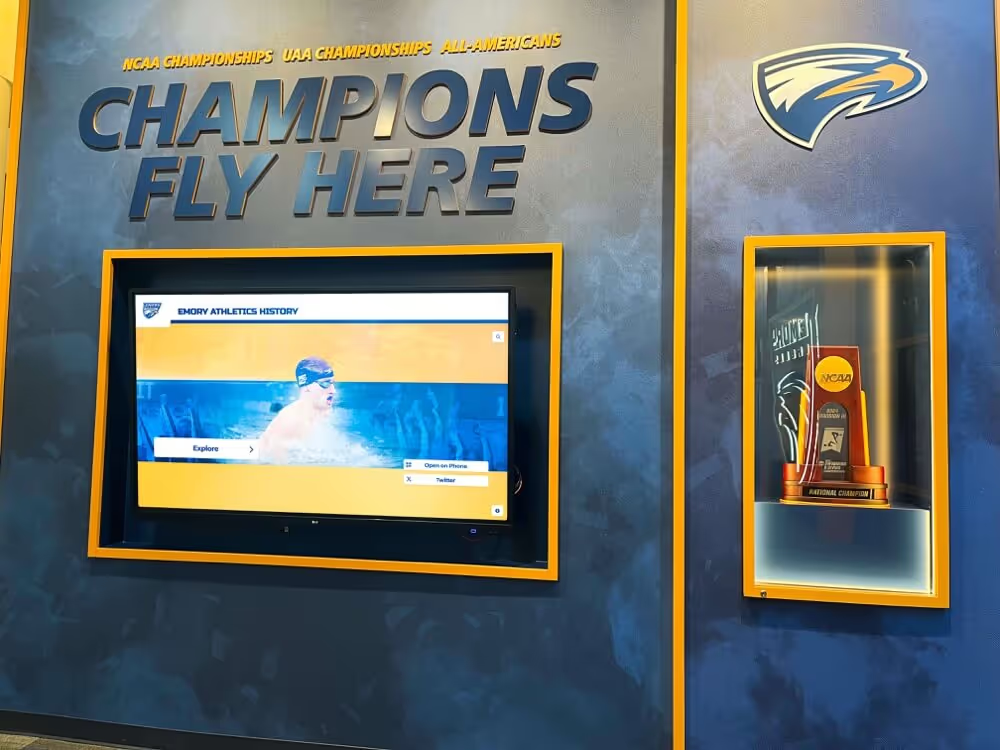
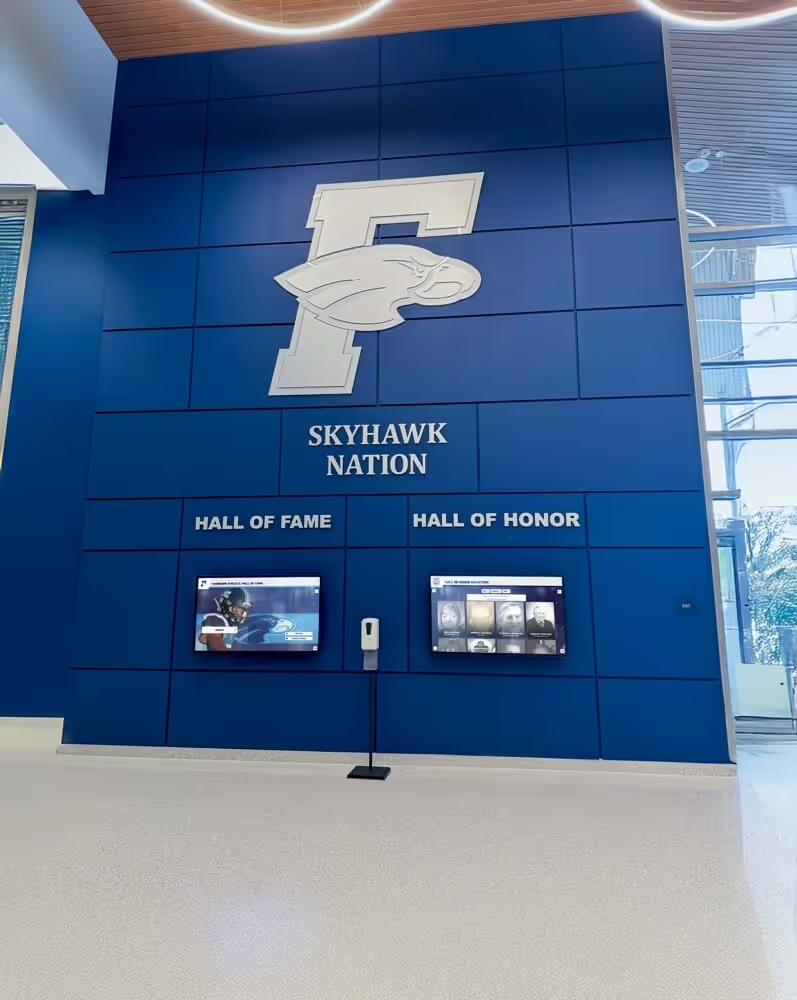
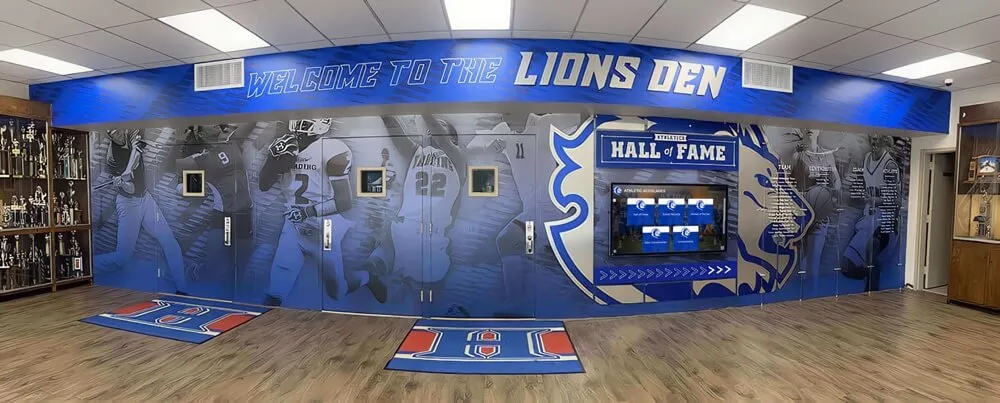
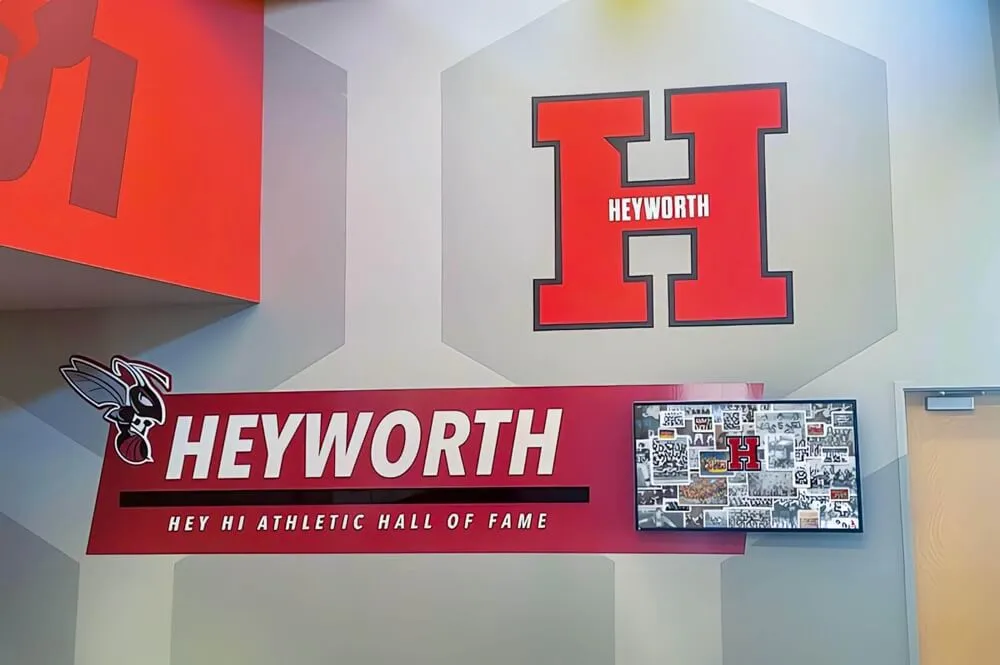
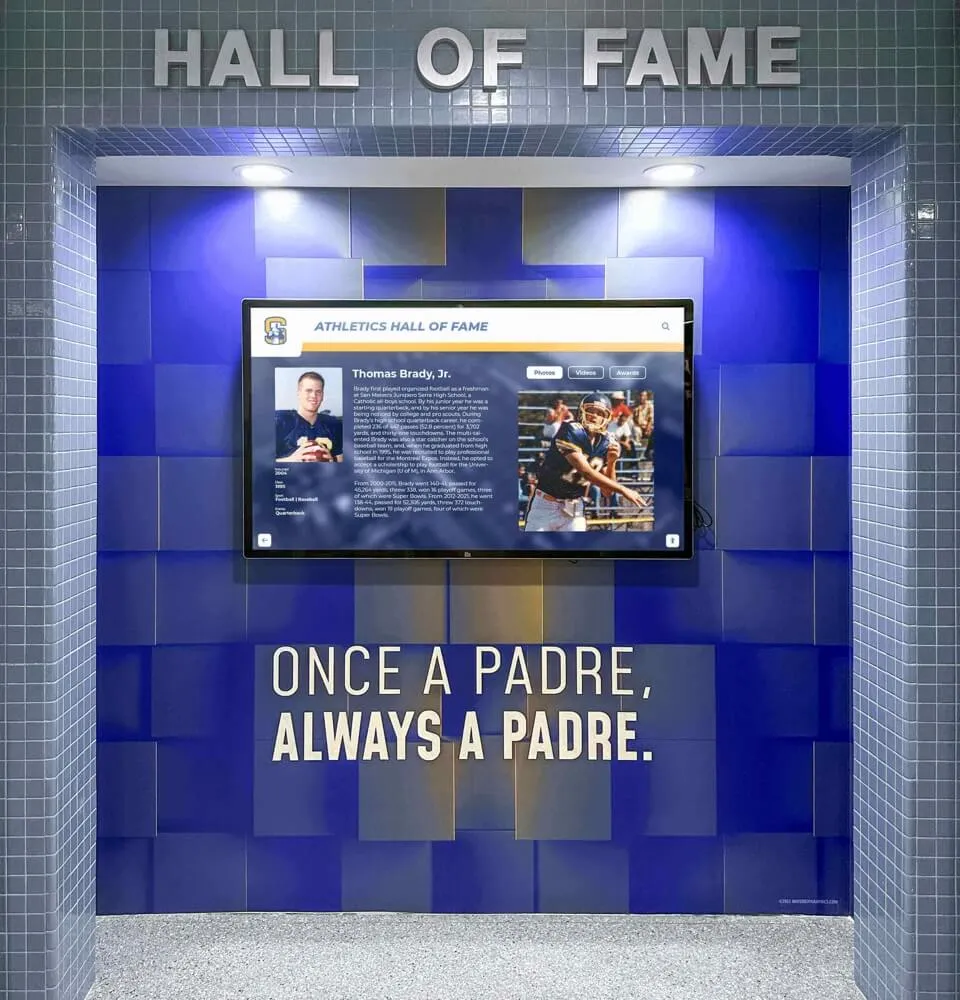
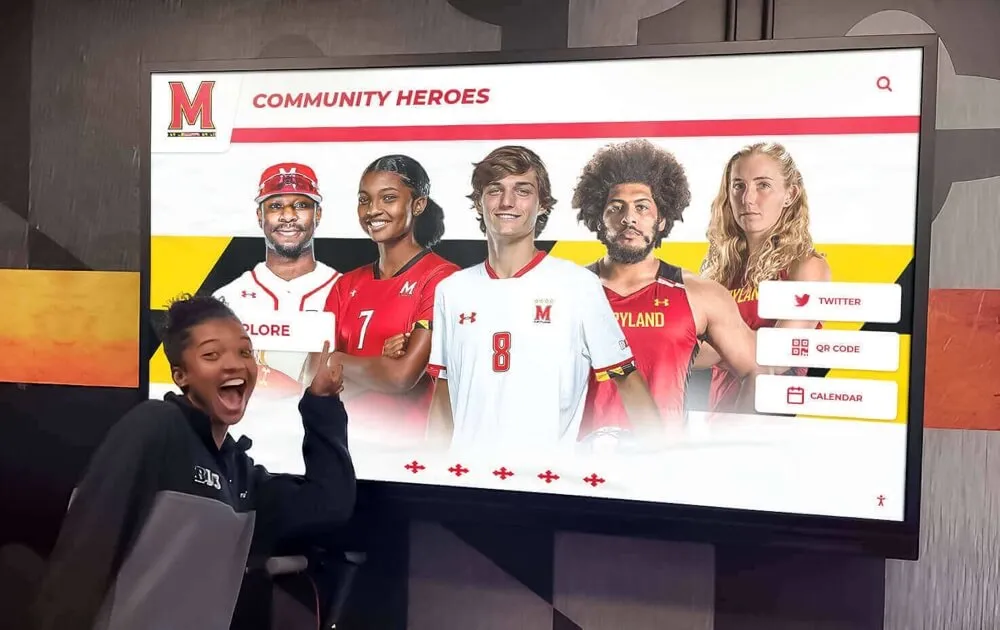
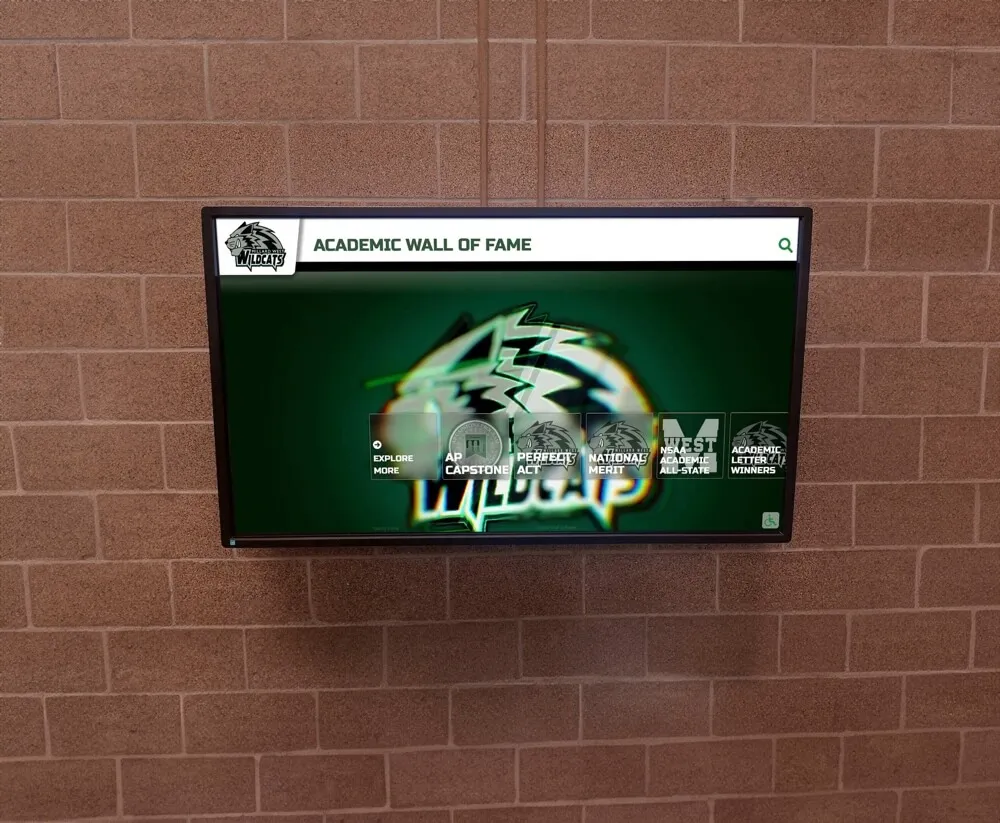
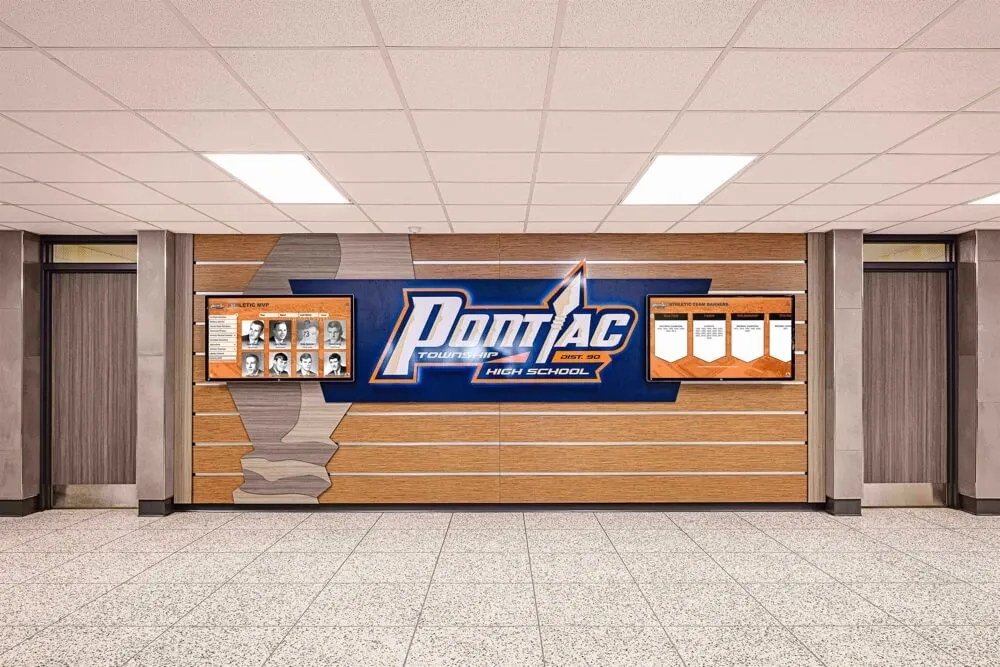
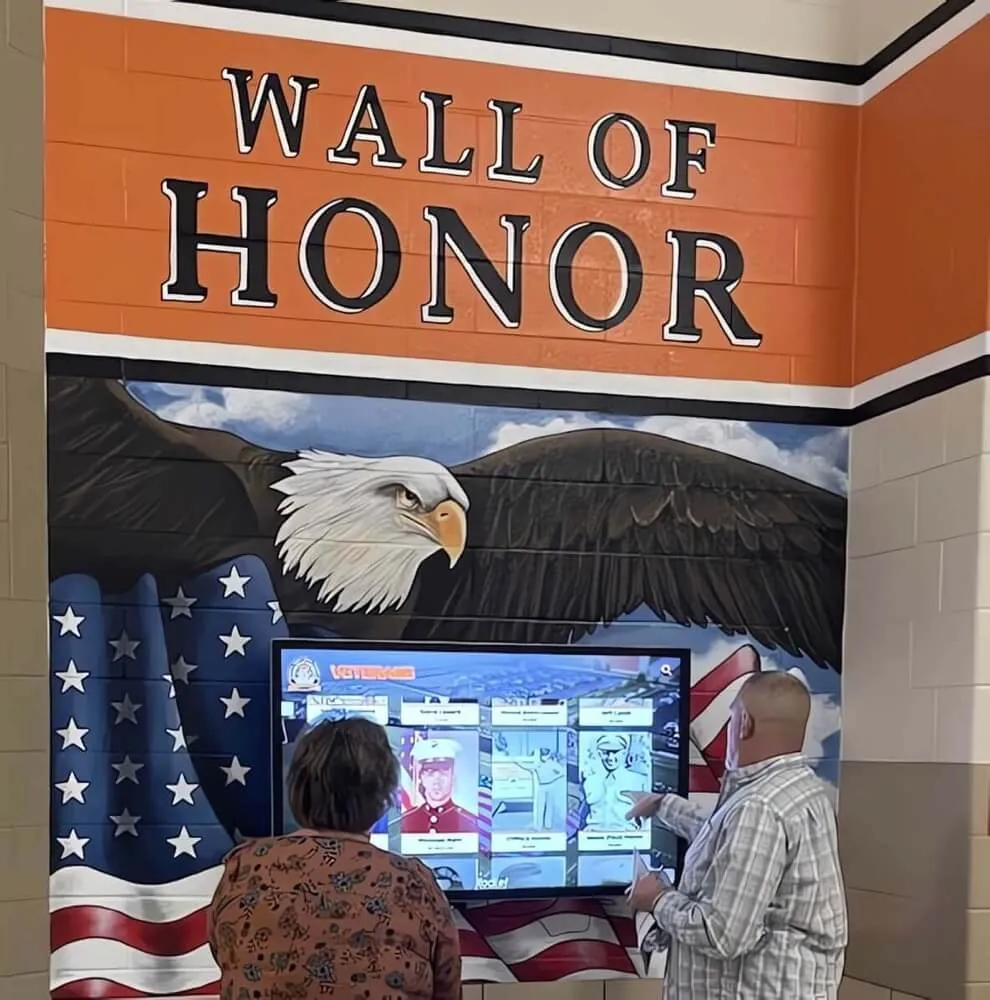
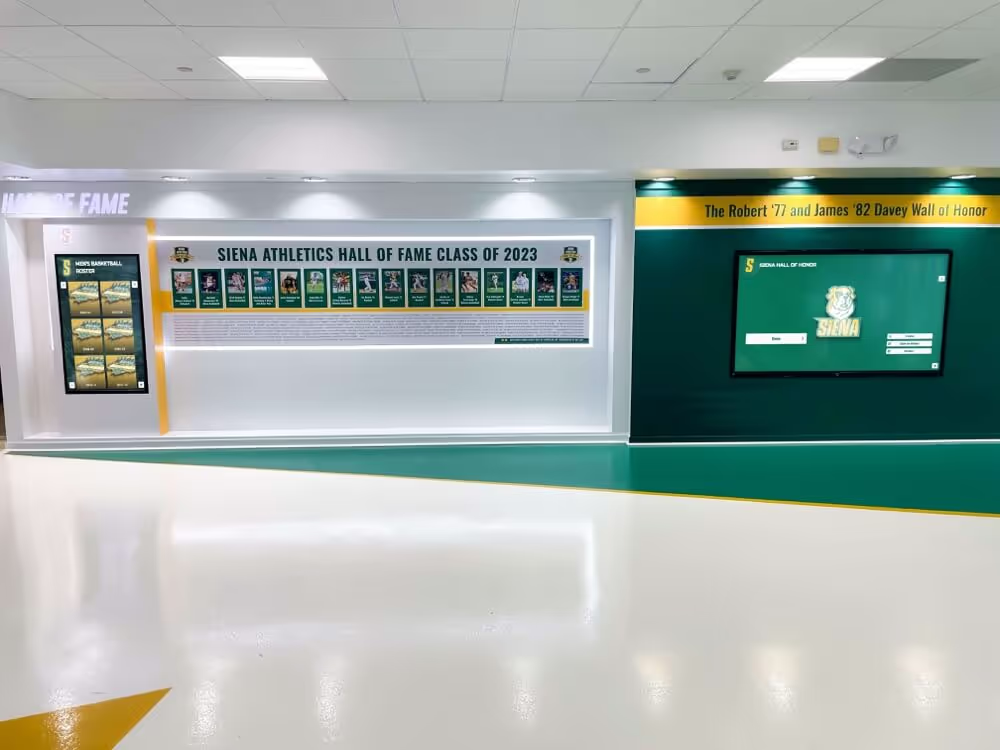
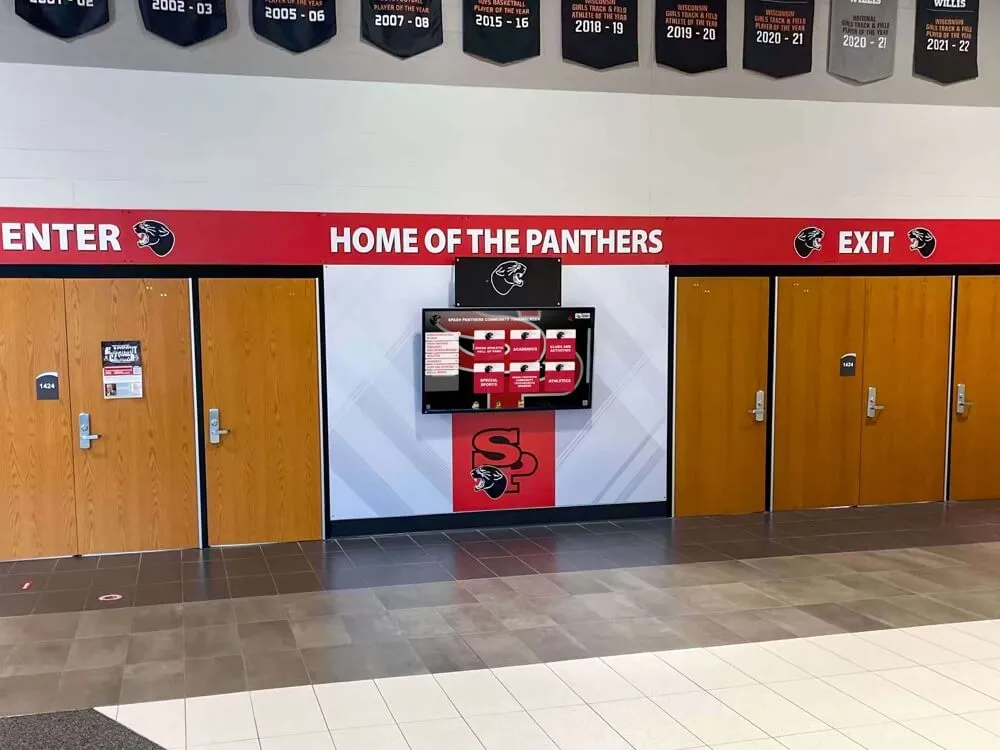
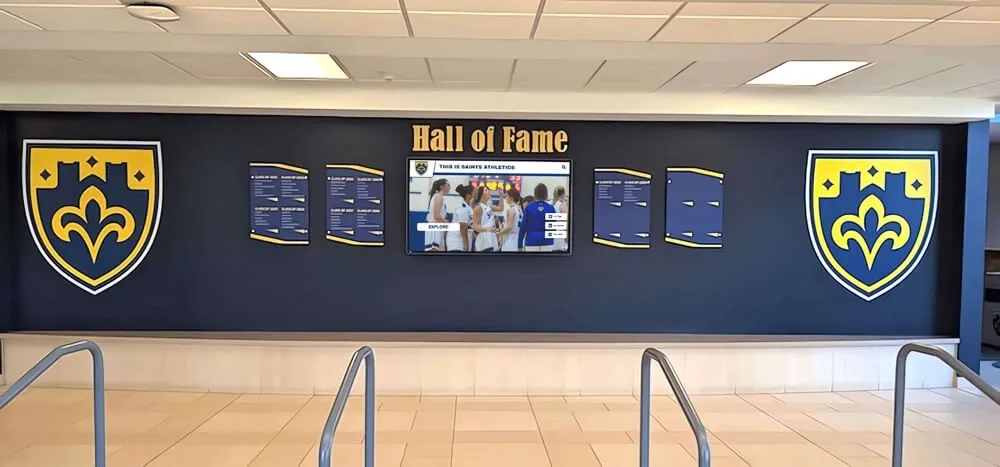
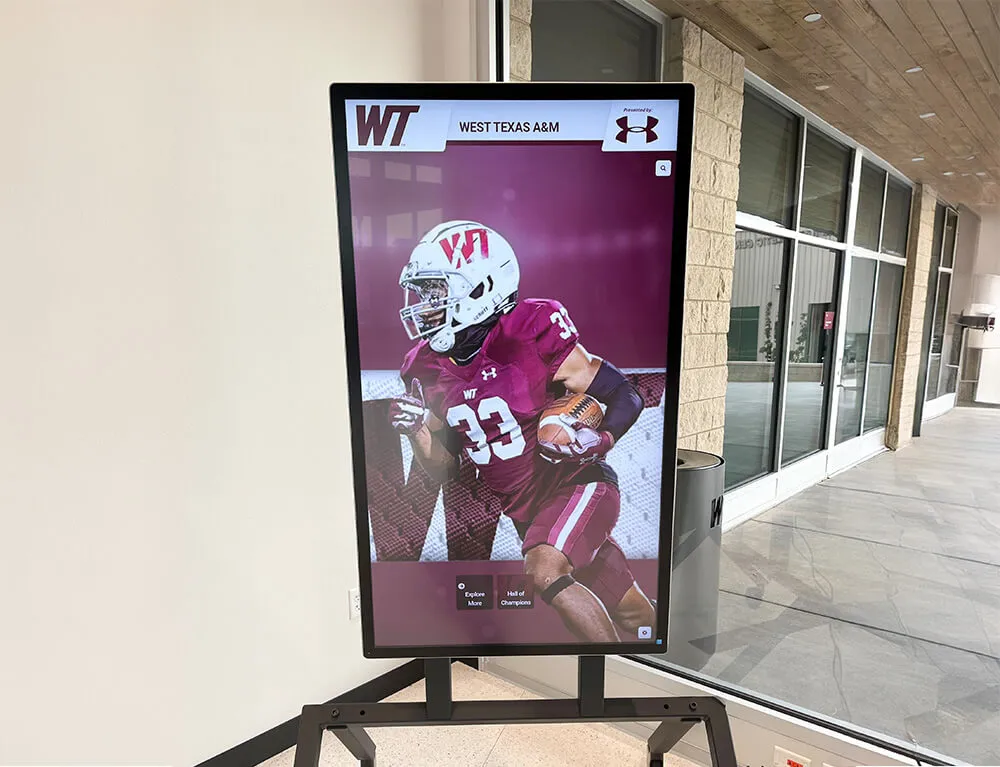
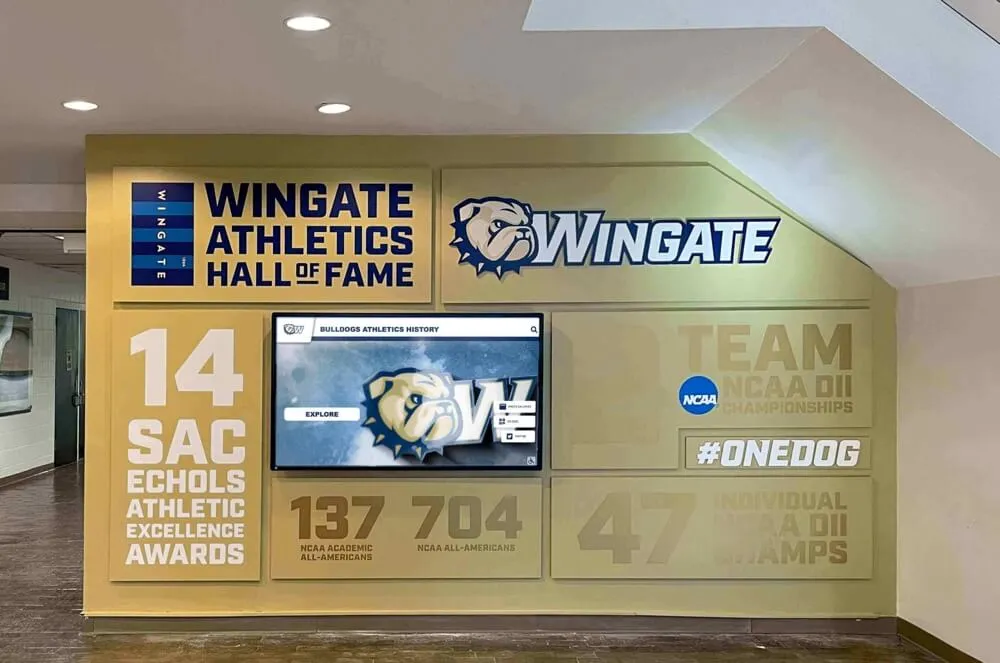
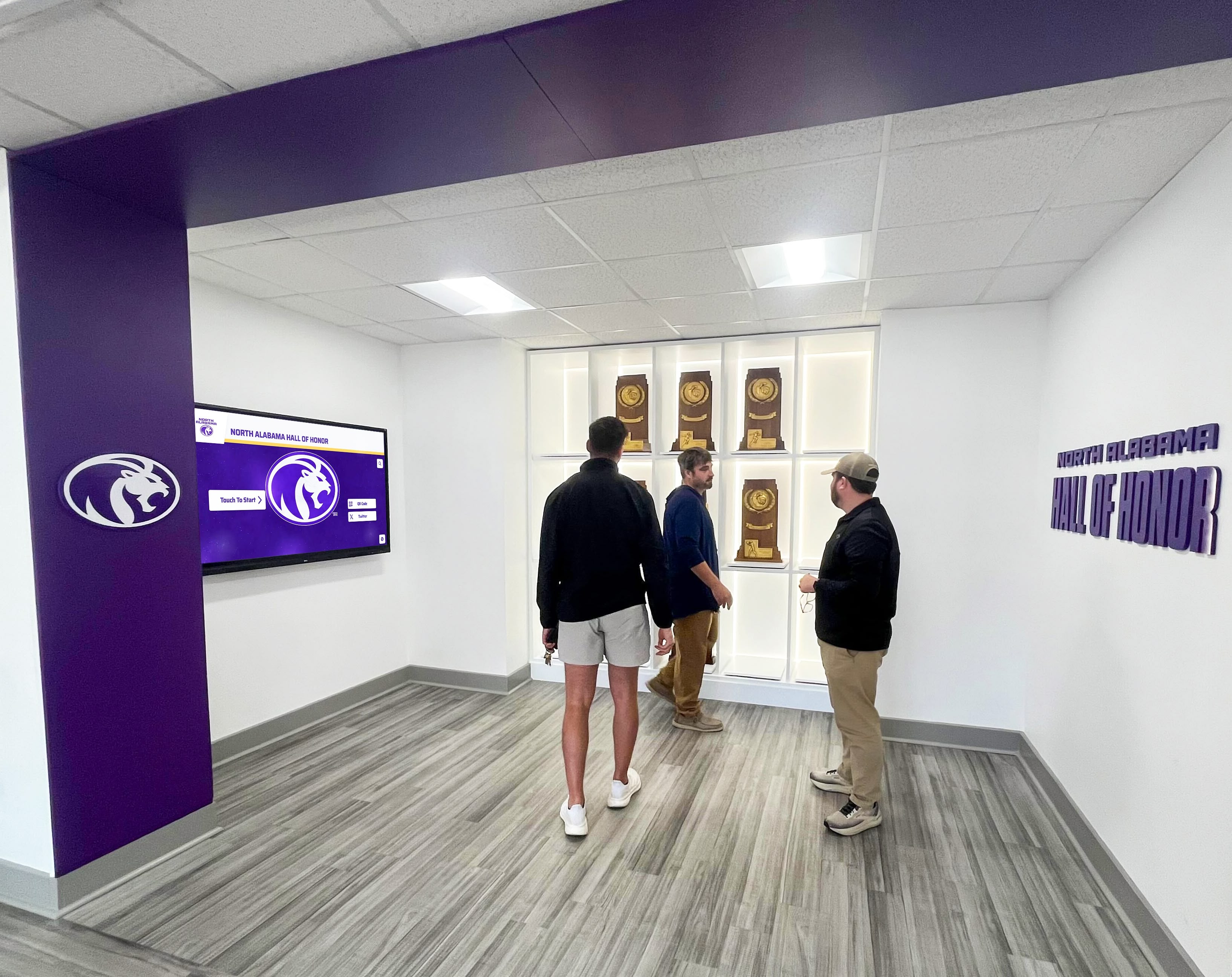
Memorial displays create dedicated spaces where communities gather to honor those who made lasting impacts
Understanding the Purpose of Memorial Walls
Before exploring specific design approaches, organizations must clarify the core purposes memorial recognition serves for different stakeholders.
Honoring Lives and Preserving Legacy
Memorial walls fulfill essential functions for families and communities:
Family Comfort and Connection
- Public recognition validates that loved ones’ contributions receive lasting acknowledgment
- Dedicated memorial spaces provide families with tangible locations to visit and reflect
- Permanent displays ensure individuals remain part of institutional memory
- Community recognition demonstrates that lives had meaningful impact beyond immediate circles
- Ongoing visibility provides comfort that loved ones are not forgotten as years pass
According to grief counseling research, families consistently identify permanent public recognition as one of the most meaningful forms of organizational support following loss. Memorial walls create physical spaces where grief finds expression through community remembrance.
Institutional Memory Preservation Memorial recognition serves critical archival purposes:
- Documentation of faculty, staff, and alumni who shaped institutional development
- Preservation of contributions that might otherwise fade from collective memory
- Historical context helping current community members understand organizational evolution
- Recognition of sacrifice during wartime, tragedies, or service to dangerous professions
- Connection between past and present reinforcing continuity across generations
Schools implementing comprehensive memorial programs report stronger alumni connections and increased understanding of institutional values among current students.
Inspiring Current Community Members
Effective memorial displays extend beyond backward-looking remembrance to forward-focused inspiration:
Educational Value
- Stories of service, dedication, and sacrifice model important values
- Recognition of varied contributions demonstrates multiple paths to meaningful impact
- Historical context helps current members understand challenges previous generations faced
- Memorial narratives create teachable moments about character and commitment
- Biographical details personalize abstract concepts like service and sacrifice
Motivational Impact Memorial recognition influences current community behavior when it:
- Demonstrates that contributions receive lasting acknowledgment
- Shows that individual actions create ripple effects benefiting many
- Provides role models whose values align with organizational missions
- Creates aspiration to serve at levels worthy of eventual recognition
- Reinforces that sacrifice and service define institutional identity
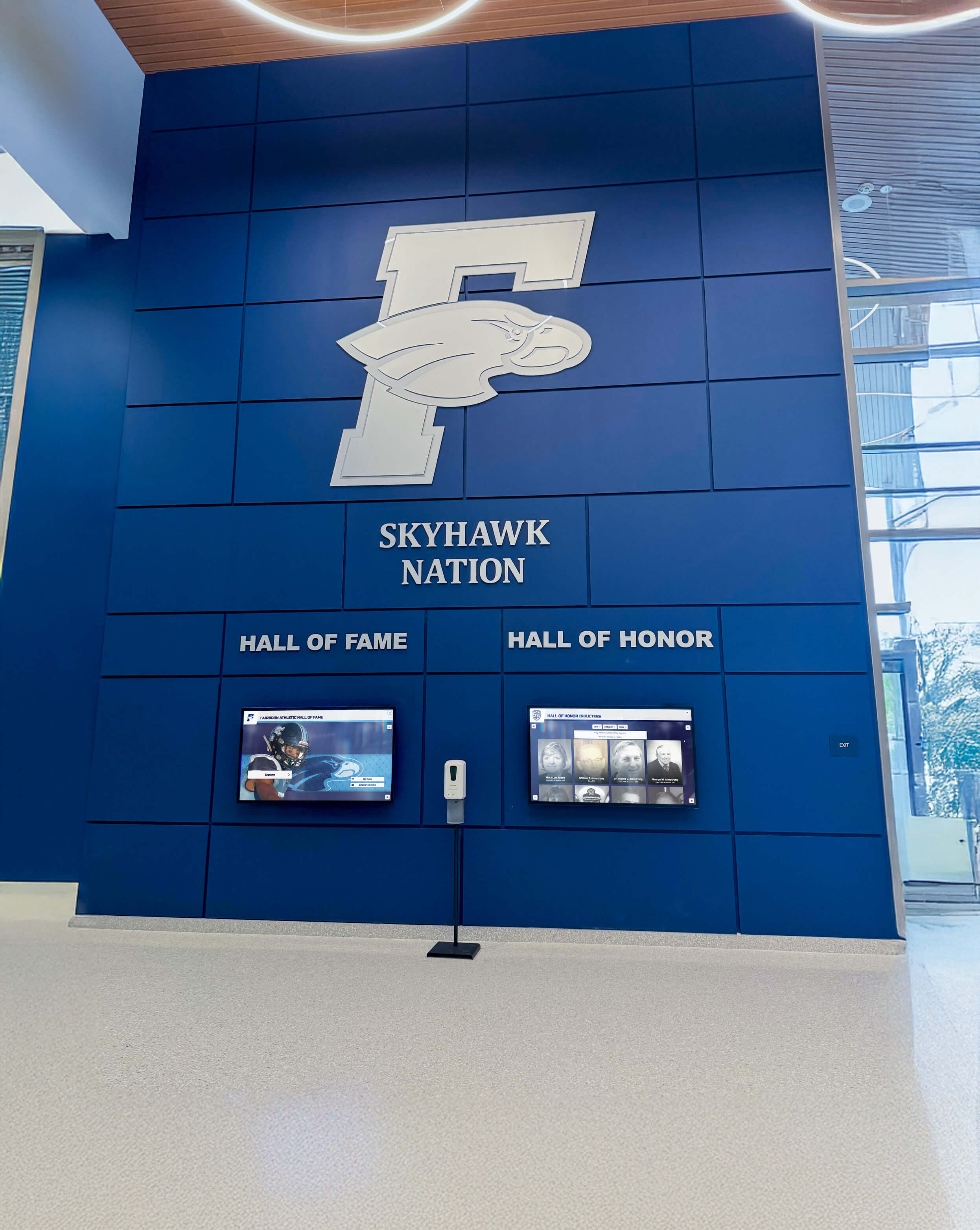
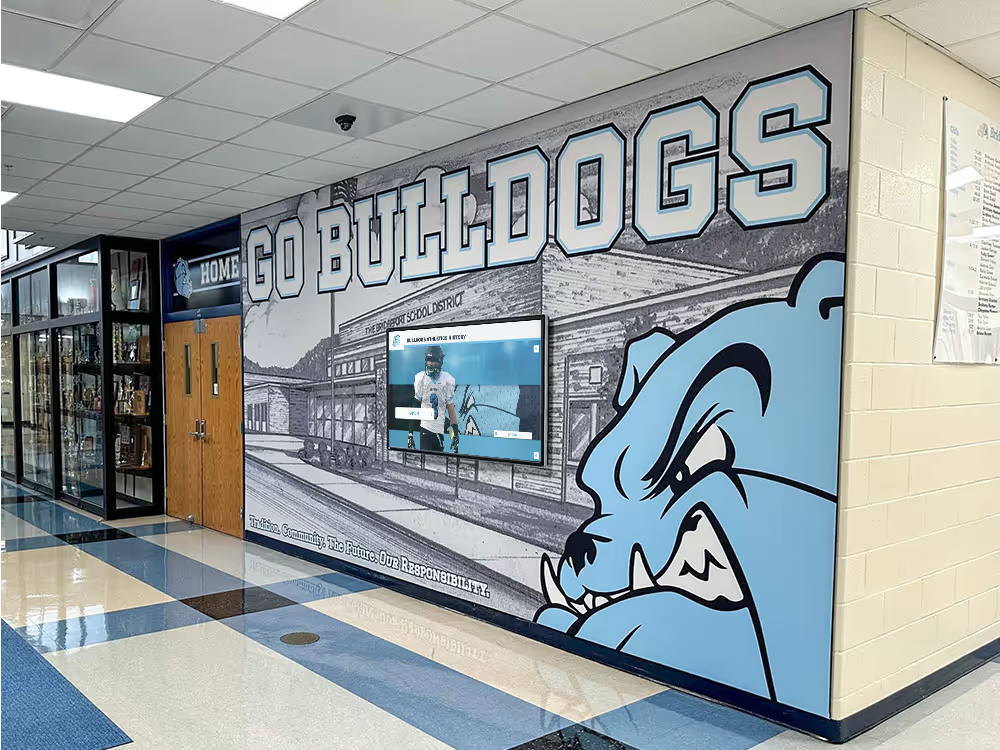
Strategic placement in high-traffic areas ensures memorial recognition remains visible to students, staff, and visitors
Traditional Memorial Wall Design Approaches
Conventional memorial installations offer timeless dignity while integrating with architectural environments.
Bronze and Stone Memorial Plaques
Classic materials communicate permanence and reverence appropriate for memorial purposes:
Material Characteristics
- Cast bronze plaques provide traditional elegance with exceptional durability
- Granite and marble offer natural materials associated with memorial contexts
- Engraved text creates permanent inscription resistant to wear
- Patina development adds character over decades
- Substantial physical presence conveys importance and gravitas
Design Considerations Traditional plaques typically include:
- Individual name plaques arranged chronologically or alphabetically
- Birth and death dates providing biographical context
- Brief descriptive text explaining roles or contributions
- Military rank, service years, or other relevant identifications
- Organizational or unit affiliations connecting honorees to specific contexts
- Decorative elements like insignia, crosses, or symbolic imagery
Implementation Factors Schools and organizations considering traditional plaques should understand:
- Individual plaque costs typically range from $200-600 depending on size and material
- Architectural framing and mounting systems add $5,000-20,000 for comprehensive installations
- Limited space constraints force difficult decisions about whose names appear
- Adding new honorees requires construction coordination and facility access
- Corrections or updates prove expensive or impossible once plaques are mounted
- Cleaning and maintenance ensure legibility over decades
Learn about comprehensive recognition approaches in digital wall of honor displays.
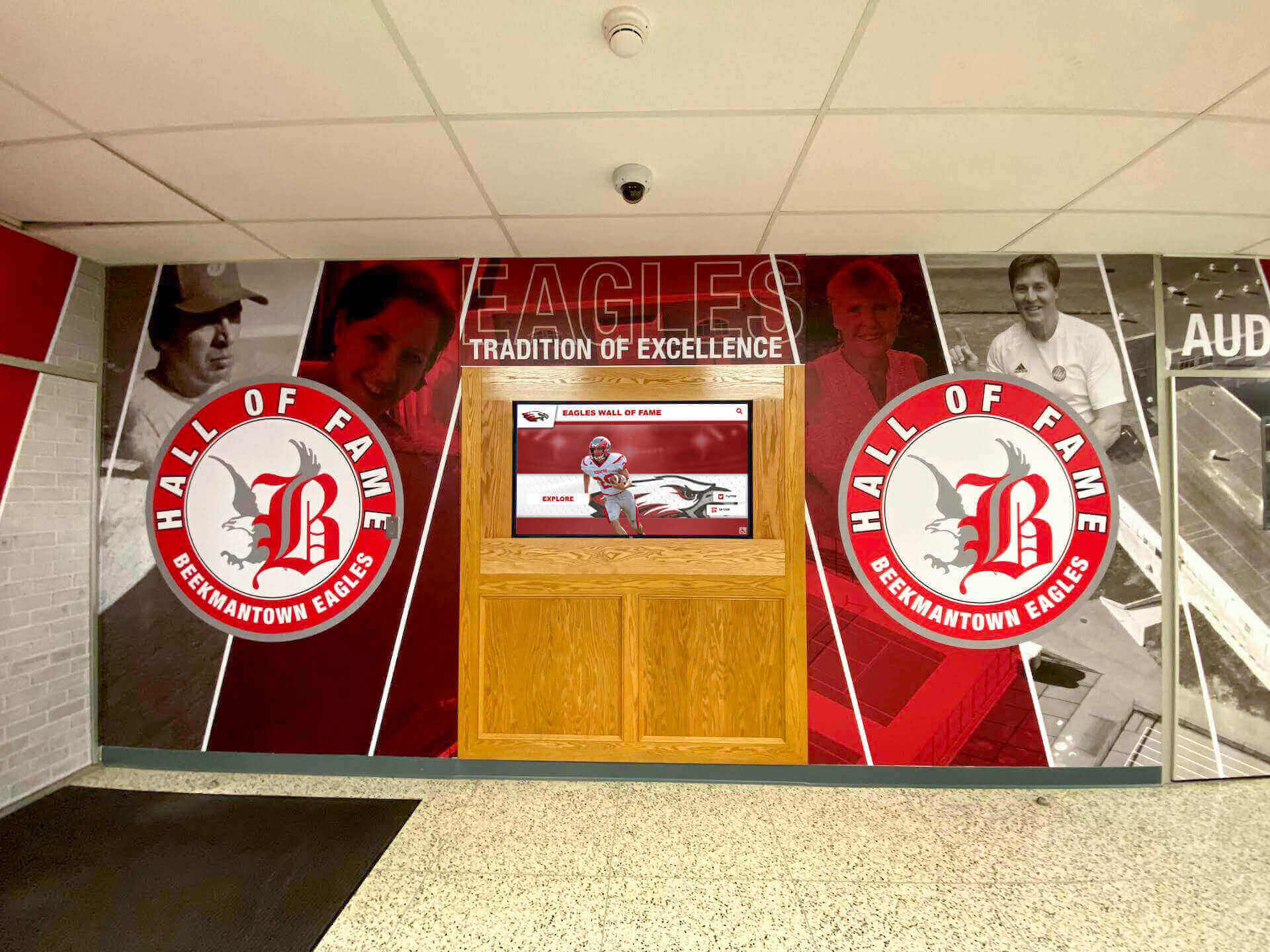
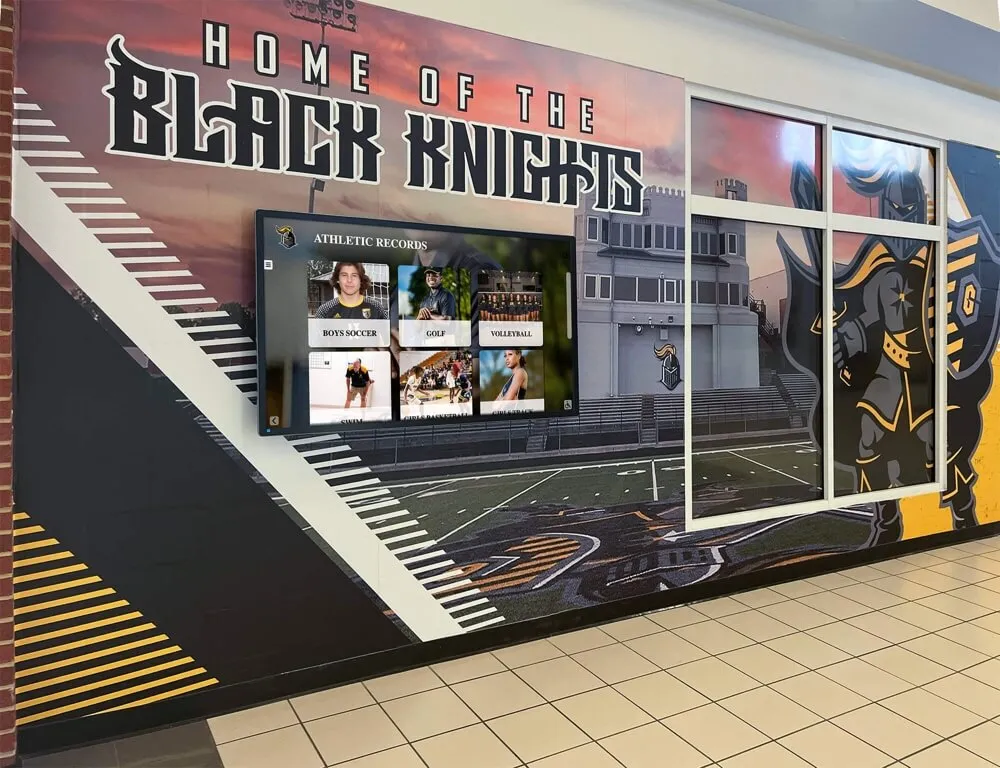
Traditional memorial walls integrate with school architecture while providing permanent tribute recognition
Memorial Gardens and Outdoor Spaces
Landscape-based memorial recognition creates contemplative environments for reflection:
Design Elements Outdoor memorial spaces typically incorporate:
- Dedicated garden areas with benches, pathways, and plantings
- Memorial trees or groves with individual tree dedications
- Stone markers or monuments listing names and details
- Water features like fountains or reflecting pools creating peaceful atmospheres
- Seasonal plantings ensuring year-round beauty and interest
- Lighting for evening visibility and enhanced aesthetics
Advantages of Outdoor Memorials Landscape recognition offers unique benefits:
- Natural settings provide appropriate contemplative environments for grief and remembrance
- Organic growth and seasonal change create living metaphors for life and renewal
- Outdoor spaces accommodate groups for memorial services and annual remembrance events
- Garden maintenance creates ongoing engagement opportunities for families and volunteers
- Environmental stewardship connects memorial purposes to sustainability values
Planning Considerations Organizations developing outdoor memorials must address:
- Climate appropriateness for plant selections ensuring long-term viability
- Maintenance requirements including seasonal care, irrigation, and landscape management
- Accessibility ensuring all families can visit regardless of physical abilities
- Security protecting memorial elements from vandalism or weather damage
- Budget for both initial installation and ongoing landscape maintenance
- Space planning allowing growth as additional honorees are added
Architectural Integration Approaches
Some organizations integrate memorial recognition directly into building design:
Integration Strategies
- Memorial corridors or dedicated hallways with architectural recognition elements
- Named rooms, wings, or facilities honoring individual contributions
- Stained glass windows in religious institutions depicting lives of service
- Floor inlays with names incorporated into tile or terrazzo patterns
- Structural elements like columns or beams with engraved dedications
- Building entrance monuments creating prominent memorial statements
Benefits and Challenges Architectural integration provides:
- Seamless incorporation demonstrating memorial importance to institutional identity
- Daily visibility as community members move through spaces
- Protection from weather and vandalism through interior placement
- Potential for creative design reflecting organizational character and values
However, architectural approaches require:
- Coordination during construction or major renovation projects
- Significant upfront investment difficult to modify later
- Long-term commitment to specific recognition formats
- Construction expertise and specialized fabrication capabilities
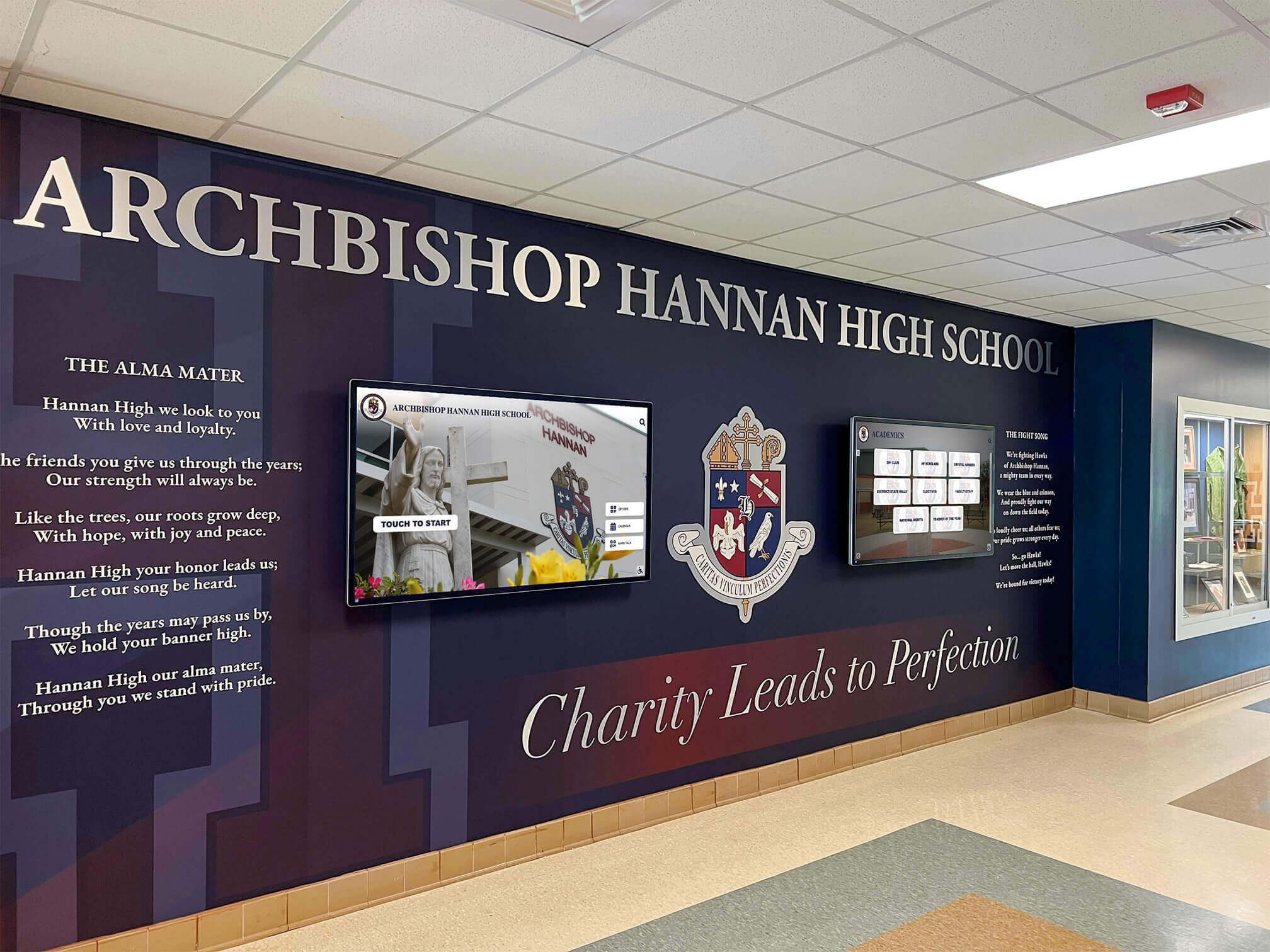
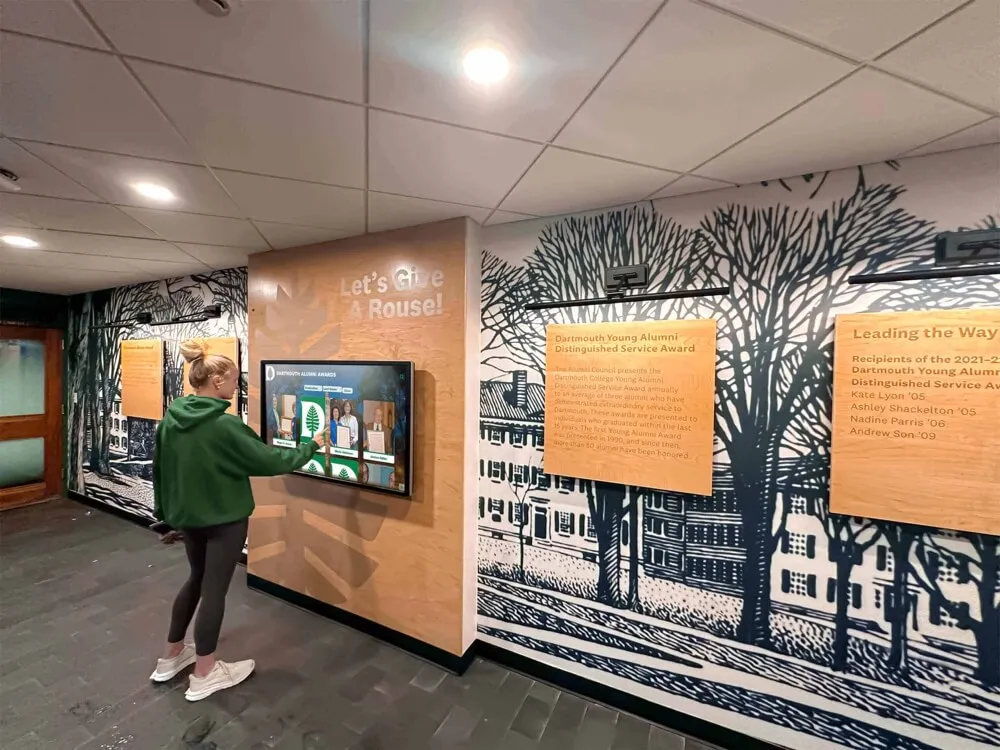
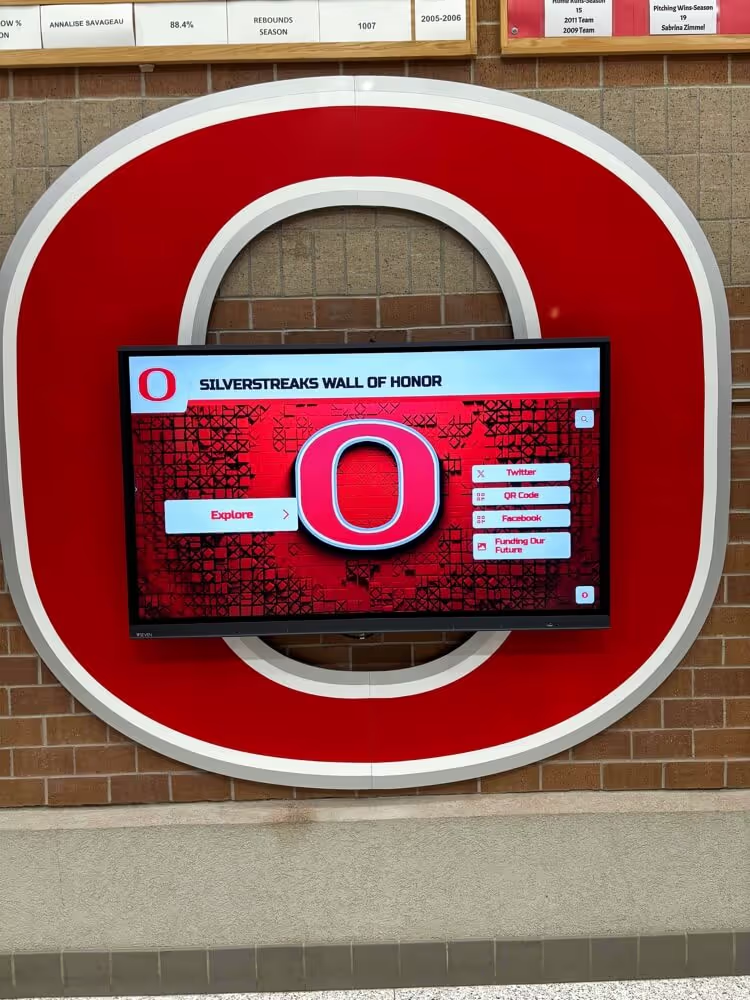
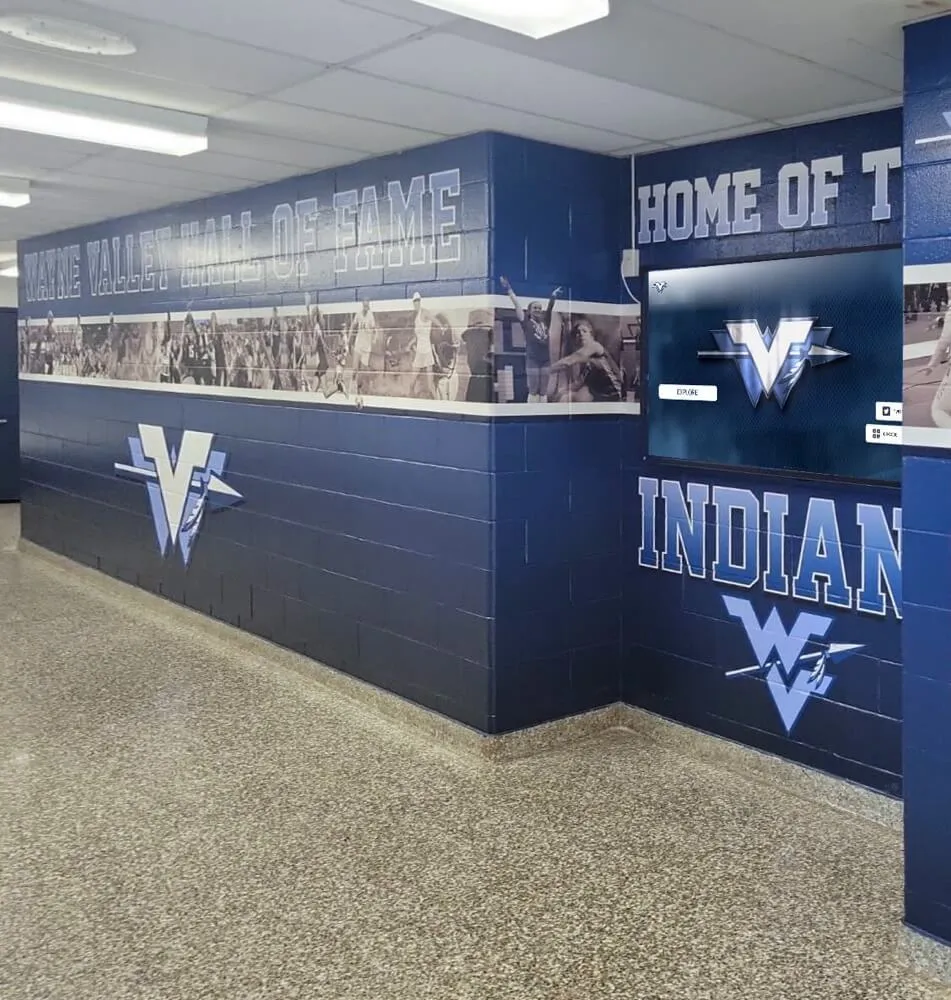
Architectural integration combines traditional elements with modern technology for comprehensive memorial recognition
Modern Digital Memorial Wall Solutions
Technology enables memorial recognition that overcomes space limitations while providing rich storytelling capabilities.
Interactive Touchscreen Memorial Displays
Digital platforms transform static name lists into engaging tribute experiences:
Core Capabilities Modern digital memorial systems provide:
- Unlimited honoree capacity eliminating space constraints that limit traditional approaches
- Detailed biographical profiles sharing life stories beyond basic name and date information
- Photo galleries displaying multiple images showing individuals throughout their lives
- Video testimonials from family members, colleagues, and community members
- Audio recordings preserving voices and favorite quotes in permanent archives
- Timeline displays contextualizing lives within historical events and institutional development
- Search functionality enabling visitors to locate specific individuals instantly
- Categorization by unit, department, era, or other relevant organizational structures
Solutions like Rocket Alumni Solutions offer memorial-specific platforms designed for tribute purposes, providing dignified presentation with comprehensive content management.
Engagement Advantages Interactive memorial displays create experiences impossible with traditional plaques:
- Visitors spend 5-10 minutes exploring stories rather than seconds scanning names
- Multimedia presentations bring individuals to life through personal stories and memories
- Family members contribute photos, stories, and memories enriching recognition over time
- Students research and create memorial profiles as educational projects connecting them to institutional history
- Annual memorial ceremonies incorporate digital displays for visual presentation during programs
Organizations implementing digital memorial recognition report significantly higher engagement from students, families, and community members compared to traditional static displays.
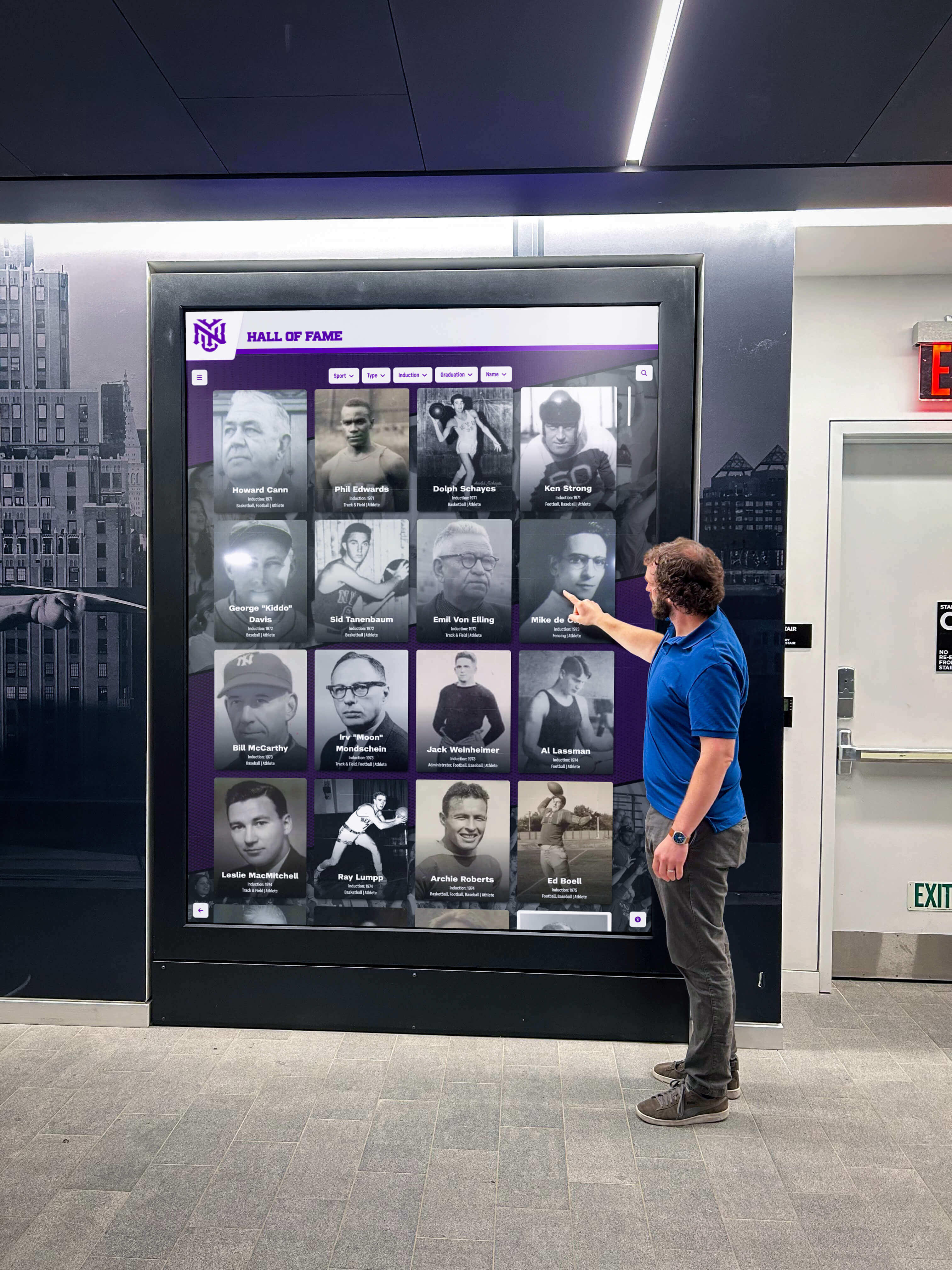
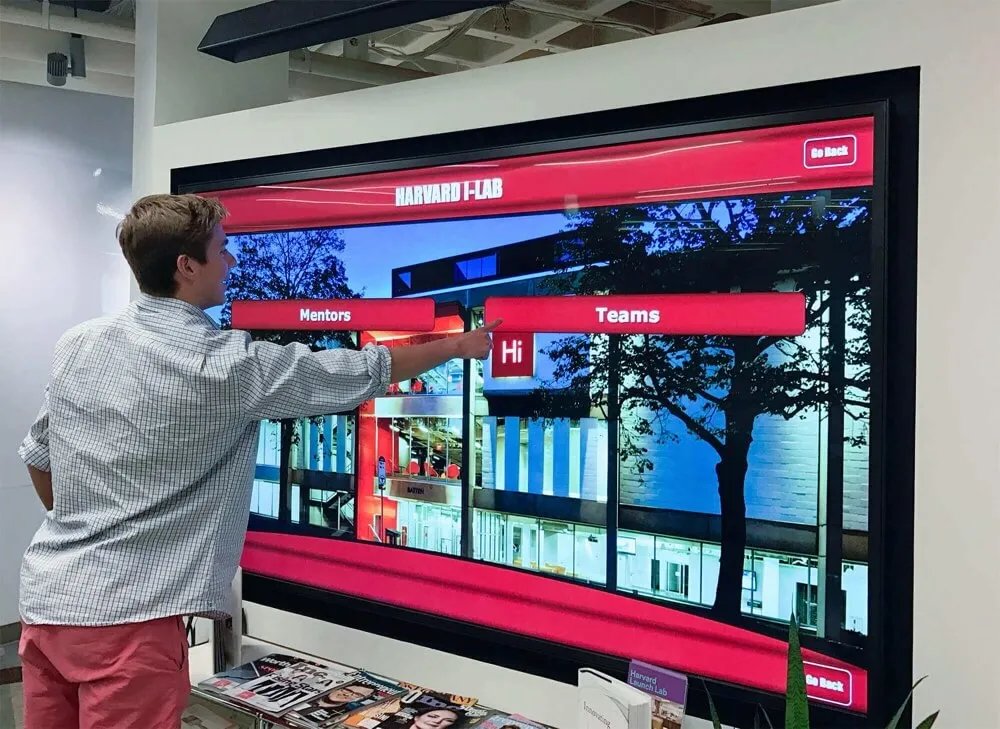
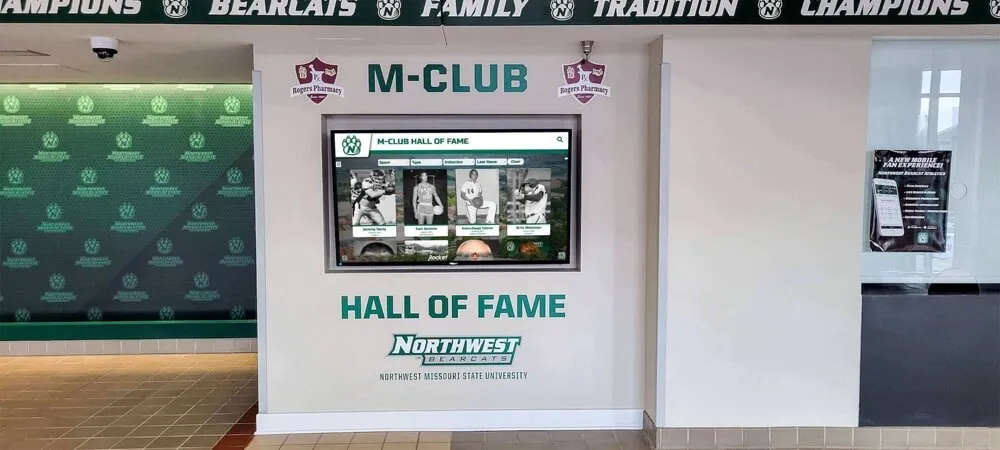
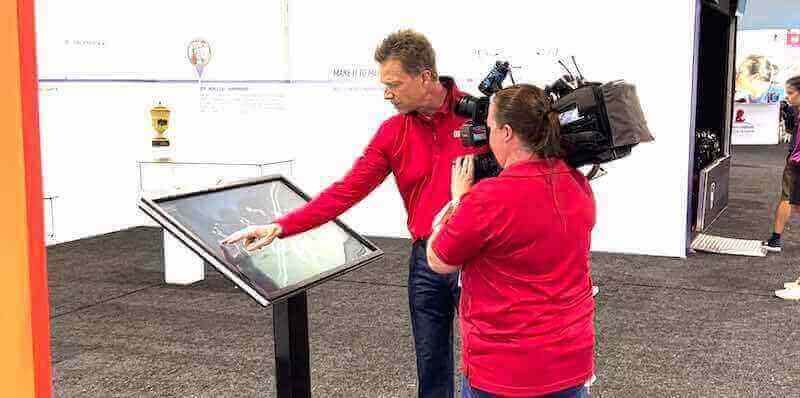
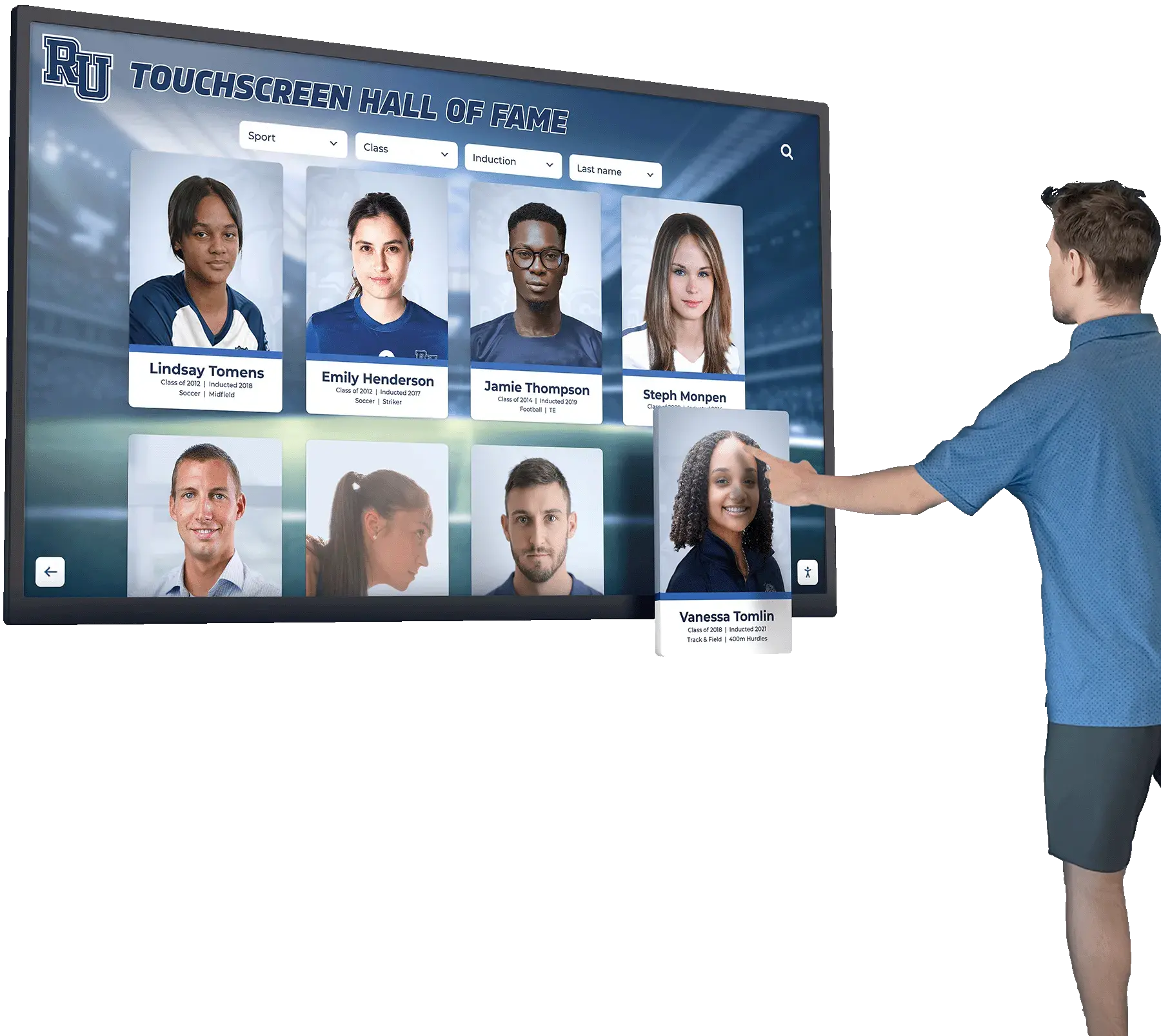
Touchscreen interfaces enable visitors to explore detailed memorial tributes at their own pace
Cloud-Based Content Management
Digital memorial systems provide administrative advantages addressing common maintenance challenges:
Management Benefits
- Add new honorees instantly without construction projects or vendor coordination
- Update biographical information remotely correcting errors or adding details
- Incorporate family-submitted photos and stories without physical reproduction costs
- Scheduled unveiling coordinates recognition timing with memorial services
- Role-based permissions allow appropriate family and staff access
- Backup systems ensure memorial content preservation regardless of display hardware
Family Collaboration Features Modern memorial platforms enable family participation:
- Family portals for submitting photos, stories, and biographical details
- Draft review processes allowing families to verify accuracy before publication
- Ongoing contribution opportunities as families discover additional photos or memories
- Privacy controls respecting family preferences regarding information sharing
- Anniversary notifications ensuring families know memorial recognition continues
Schools report that family collaboration capabilities transform memorial walls from administrative obligations into meaningful partnership opportunities strengthening institutional relationships during difficult times.
Accessibility and Reach Digital memorial recognition extends beyond physical campus:
- Web-based memorial directories accessible to alumni and community worldwide
- Mobile-responsive designs enabling access from smartphones and tablets
- Social sharing capabilities allowing families to celebrate memorial recognition
- QR codes linking physical memorial markers to expanded online content
- Virtual memorial ceremonies streaming memorial displays to remote participants
- Public library integration extending community access beyond school or organizational facilities
Hybrid Traditional-Digital Approaches
Many organizations combine traditional architectural elements with digital enhancements:
Combined Solutions
- Traditional memorial plaques or monuments in prominent locations
- Digital touchscreen displays adjacent to physical recognition
- QR codes on traditional plaques linking to expanded online memorials
- Garden memorials enhanced by digital tribute kiosks nearby
- Architectural installations incorporating digital display integration
Benefits of Hybrid Approaches Combining traditional and digital elements provides:
- Timeless dignity of physical materials with storytelling depth of digital content
- Accommodation of varied stakeholder preferences for recognition styles
- Flexibility adding digital capabilities to existing traditional installations
- Redundancy ensuring memorial accessibility if digital systems require maintenance
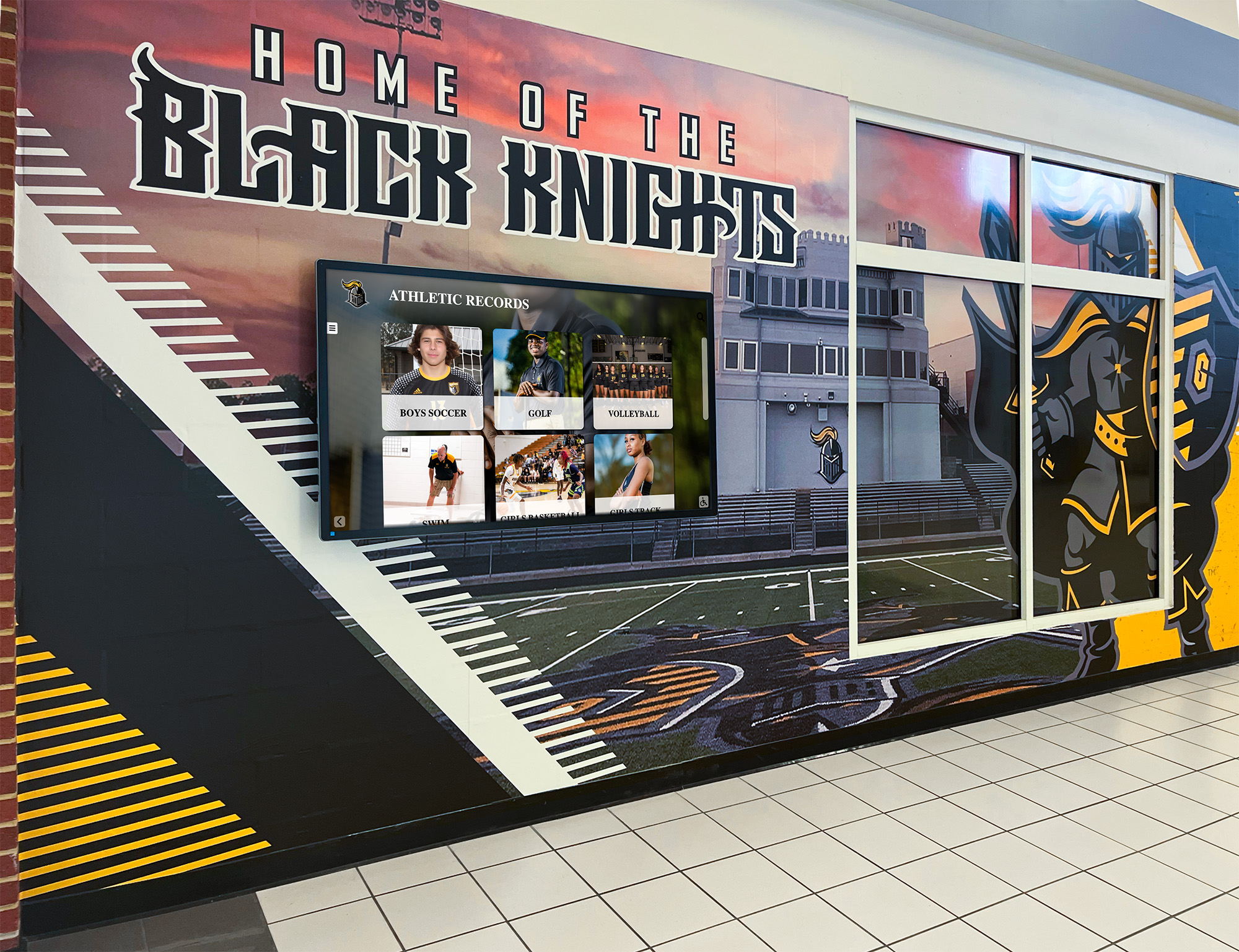
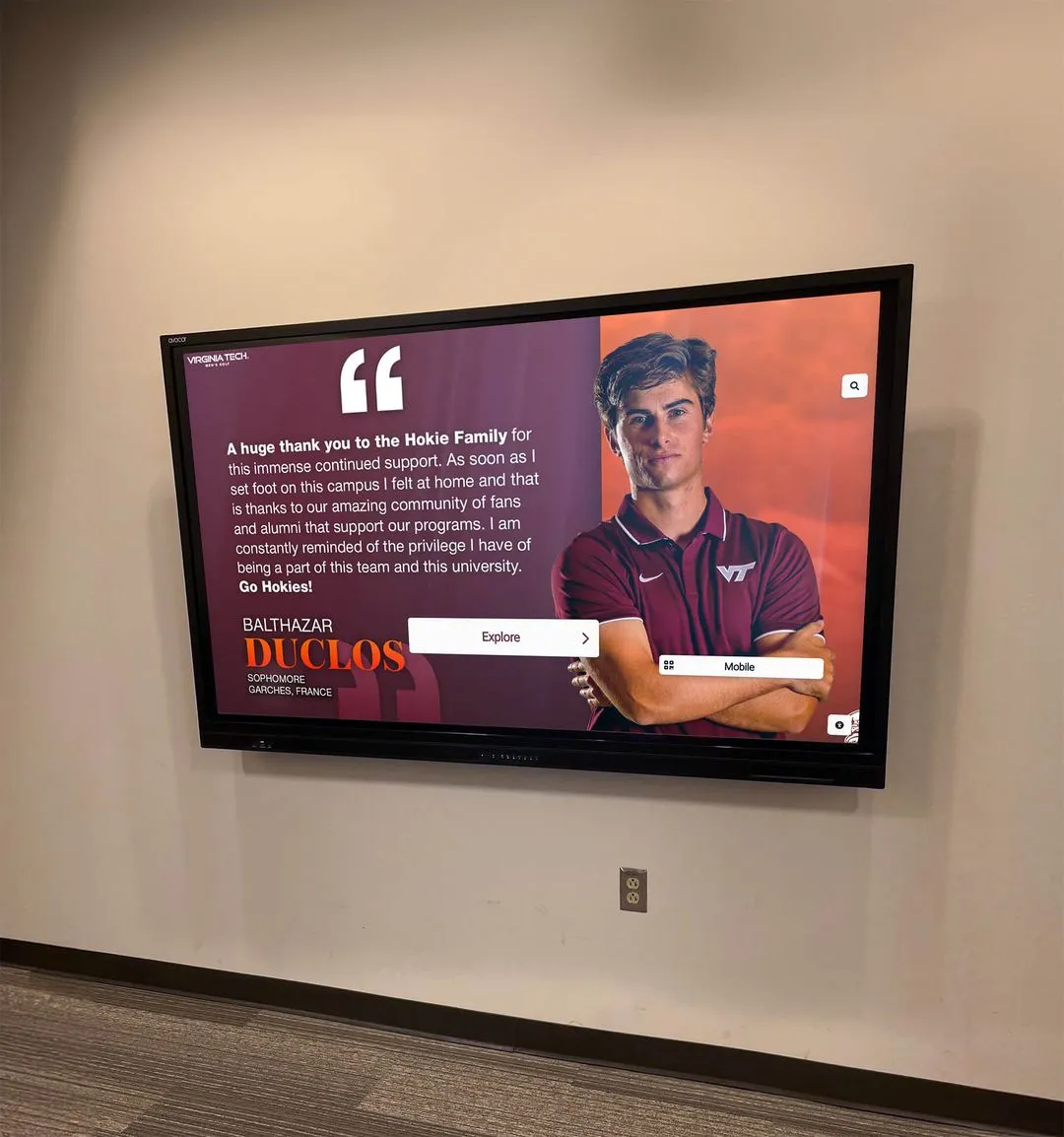
Hybrid approaches combine permanent architectural elements with flexible digital content systems
Organizing Memorial Recognition by Category
Effective memorial walls accommodate different types of loss while maintaining appropriate dignity and respect.
Fallen Alumni and Students
Schools face the heartbreaking necessity of memorializing students and young alumni:
Recognition Approaches
- Separate memorial sections distinguishing students from faculty and staff
- Chronological organization by graduation year or class affiliation
- Activity and involvement details celebrating passions and contributions
- Academic and athletic achievement recognition honoring excellence
- Peer and teacher reflections personalizing memorial tributes
- Senior class memorial pages within larger class recognition systems
Sensitivity Considerations Student memorials require particular care:
- Age-appropriate recognition respecting developmental stages
- Family collaboration ensuring memorial content aligns with family wishes
- Peer grief support coordinating memorial recognition with counseling services
- Anniversary acknowledgment recognizing memorial dates and graduation years
- Scholarship connections when memorial funds support current students
Schools implementing student memorial programs should partner with counseling staff, engage family input comprehensively, communicate memorial processes to entire community, plan annual remembrance events bringing community together, and integrate memorial recognition into new student orientation.
Faculty, Staff, and Administrators
Recognizing employees who shaped organizational development:
Professional Recognition Elements Memorial tributes for faculty and staff typically include:
- Years of service and departments documenting professional contributions
- Teaching or administrative achievements highlighting career impacts
- Mentorship relationships describing influence on students and colleagues
- Program development accomplishments showing institutional legacy
- Awards and honors received during careers
- Retirement reflections when individuals passed after leaving service
Balancing Professional and Personal Effective staff memorials:
- Acknowledge professional excellence while including personal details that humanize individuals
- Feature colleague testimonials describing working relationships and lasting impacts
- Include student tributes demonstrating teaching and mentorship influence
- Incorporate family perspectives providing context beyond professional roles
- Celebrate passions and interests outside work showing complete life pictures
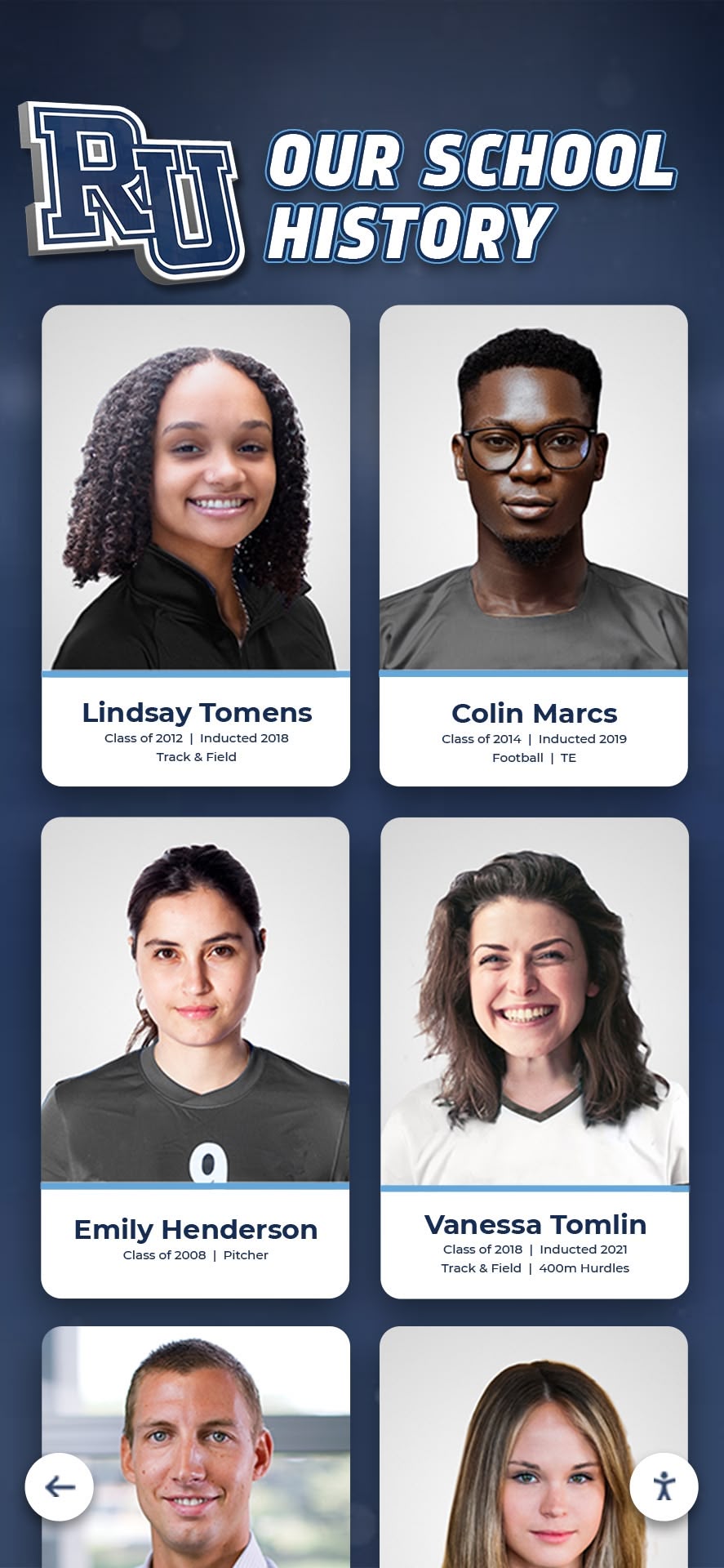
Detailed memorial profiles celebrate complete lives including professional achievements and personal passions
Military Veterans and Service Members
Organizations honoring military service require specialized recognition approaches:
Military-Specific Elements
- Branch of service identification with appropriate insignia
- Rank and unit designations providing military context
- Service dates and deployment information
- Combat decorations and awards documenting valor
- Conflict or war identification (World War II, Vietnam, Iraq, Afghanistan, etc.)
- Veterans Day memorial programming connecting memorial recognition to national observances
Gold Star Family Recognition Special consideration for families who lost service members:
- Dedicated Gold Star family recognition within memorial displays
- Family testimony about service member dedication and sacrifice
- Connection between military service and organizational values
- Educational context explaining conflicts and historical significance
- Annual memorial ceremonies coordinated with Veterans Day or Memorial Day
Coordination with Military Organizations Schools and organizations should:
- Partner with local VFW, American Legion, or similar organizations
- Incorporate military honor guard participation in unveiling ceremonies
- Coordinate with national military memorial standards and protocols
- Connect with state or federal veterans affairs departments
- Engage Gold Star families throughout planning and implementation
Community Leaders and Contributors
Recognizing civic leaders and community members who shaped local development:
Recognition Categories
- Civic leadership including elected officials and public servants
- Volunteer service contributions across multiple organizations
- Philanthropic giving enabling community programs and facilities
- Professional expertise benefiting community organizations
- Emergency responders including police, firefighters, and medical personnel
- Teacher recognition for educators who served across decades
Community Context Effective community leader memorials:
- Explain contributions for audiences unfamiliar with local history
- Connect individual service to organizational or community outcomes
- Feature testimonials from those who benefited from leadership
- Document historical context showing challenges leaders addressed
- Demonstrate ongoing relevance of contributions to current community
Designing for Dignity and Respect
Memorial recognition requires particular sensitivity regarding tone, content, and presentation.
Visual Design Principles
Aesthetic choices should communicate reverence and respect:
Color and Material Selection
- Neutral, subdued color palettes avoiding bright or playful tones
- Quality materials communicating importance and permanence
- Elegant typography with appropriate gravitas
- Symbolic imagery like doves, crosses, or eternal flames (when culturally appropriate)
- Consistent design language creating cohesive memorial presentation
Spatial Considerations Memorial displays benefit from:
- Dedicated areas separated from general recognition or celebratory displays
- Quiet locations enabling contemplation and reflection
- Adequate lighting ensuring visibility without harshness
- Seating areas allowing families to spend time in memorial presence
- Accessibility accommodating visitors with mobility limitations
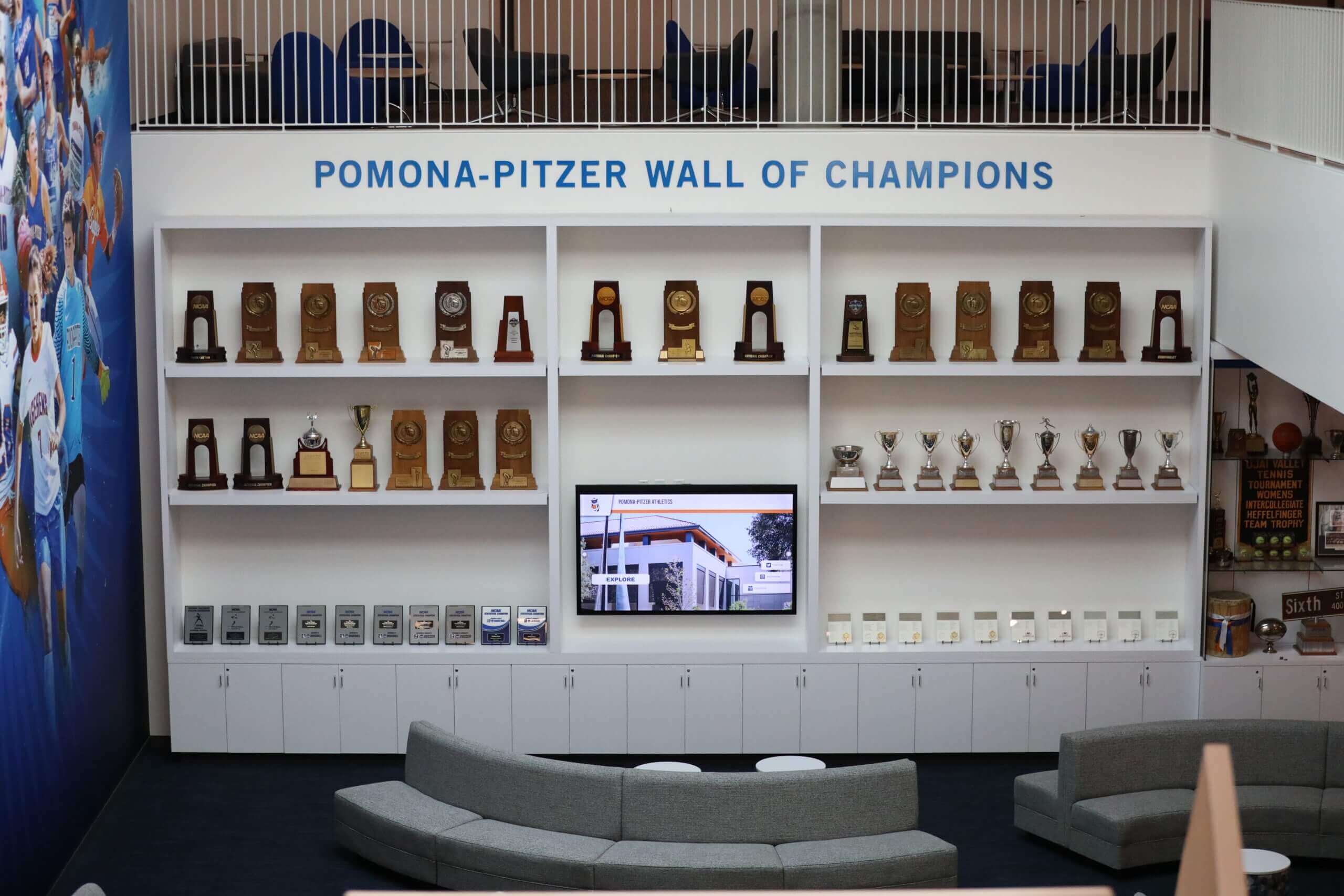
Thoughtful spatial design creates contemplative environments for memorial reflection and remembrance
Content Guidelines and Family Sensitivity
Memorial content requires careful balance between celebration and respect for grief:
Biographical Content Standards
- Factual accuracy verified through family consultation
- Positive focus celebrating contributions and character
- Appropriate detail balancing completeness with conciseness
- Sensitive handling of cause of death (generally avoided except for military service members)
- Family approval processes ensuring content aligns with wishes
Tone and Language Memorial text should:
- Avoid clichés and overly sentimental language
- Focus on specific contributions rather than generic praise
- Use past tense appropriately while celebrating ongoing legacy
- Respect cultural and religious diversity in memorial language
- Include direct quotes adding authentic voice when appropriate
Family Collaboration Protocols Organizations should:
- Contact families early in memorial planning processes
- Provide clear guidelines about content requirements and parameters
- Offer draft review ensuring family approval before publication
- Respect privacy preferences regarding personal information sharing
- Establish timelines allowing adequate family input without indefinite delays
- Provide flexibility accommodating family emotional readiness for memorial participation
Organizations implementing memorial tribute programs report that early family engagement and transparent processes significantly improve memorial recognition quality while providing comfort to grieving families.
Annual Remembrance Events
Memorial walls gain meaning through ongoing community engagement:
Commemoration Opportunities
- Annual memorial ceremonies honoring all those recognized
- New honoree unveiling events coinciding with memorial additions
- Memorial Day, Veterans Day, or similar observances
- Homecoming or reunion integration connecting alumni to memorial recognition
- Graduation ceremonies acknowledging fallen classmates
Event Components Effective memorial ceremonies typically include:
- Recognition of new memorial additions with family participation
- Moment of silence or memorial prayer (as culturally appropriate)
- Student or community member reflections on memorial meaning
- Musical selections creating appropriate atmosphere
- Reception time enabling family and community connection
- Wreath laying or symbolic gestures honoring those memorialized
Budget Considerations for Memorial Recognition
Memorial displays represent significant investments requiring careful financial planning.
Traditional Memorial Costs
Physical memorial installations typically involve:
Initial Investment
- Individual bronze plaques: $200-600 each
- Stone or granite markers: $500-2,000 per marker
- Architectural framing systems: $5,000-25,000
- Installation and construction: $3,000-15,000
- Professional design services: $2,000-10,000
- Landscaping (for garden memorials): $10,000-100,000+
Ongoing Expenses
- Adding new memorial elements: $300-800 per addition
- Cleaning and maintenance: $500-2,000 annually
- Landscape care (garden memorials): $2,000-10,000 annually
- Periodic refurbishment: $3,000-15,000 every 10-15 years
Total costs for traditional memorial walls serving 25-50 honorees typically range from $20,000-75,000 initially, with ongoing annual costs of $1,000-5,000.
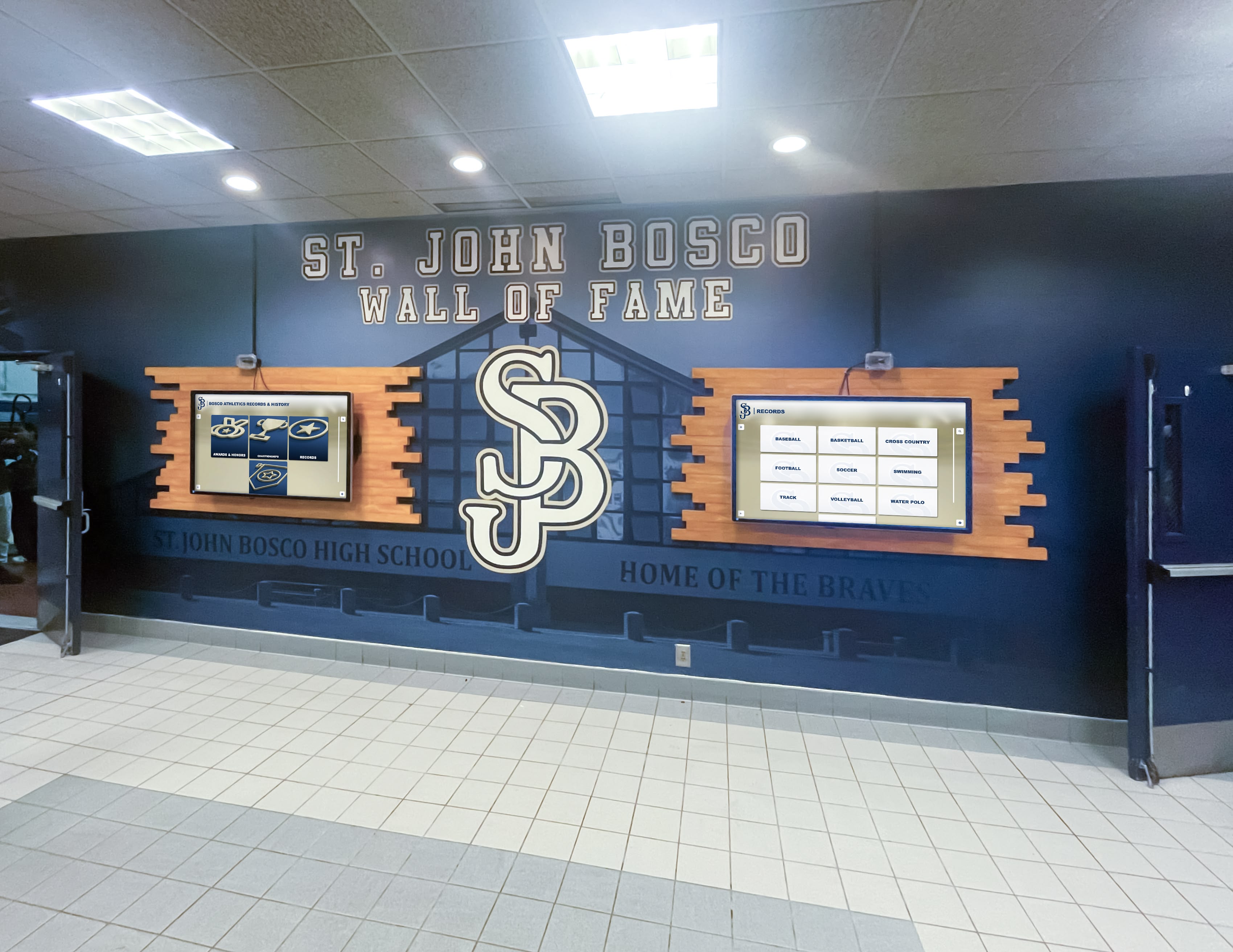
Digital memorial systems provide cost-effective alternatives to expensive physical memorial construction
Digital Memorial System Costs
Technology-based memorial recognition typically involves:
Implementation Investment
- Commercial-grade touchscreen display: $3,000-8,000
- Computer and operating system: $800-2,000
- Professional mounting and installation: $1,000-3,000
- Software platform subscription (annual): $2,000-8,000
- Initial content development: $3,000-12,000
- Total initial investment: $10,000-33,000
Ongoing Operational Costs
- Annual software subscription: $2,000-8,000 (includes updates, support, hosting)
- Content additions: $0 (self-service) or $500-2,000 (outsourced)
- Display warranty/replacement planning: $300-800 annually
- Family collaboration platform: typically included in subscription
Digital systems often show 40-60% lower total cost of ownership over 10 years compared to traditional approaches, particularly when organizations regularly add new memorial honorees.
Funding Strategies
Organizations successfully fund memorial recognition through:
Development Approaches
- Memorial fund campaigns soliciting family and alumni contributions
- Dedicated endowments supporting ongoing memorial maintenance
- Corporate sponsorship for specific memorial display components
- Community foundation grants focused on memorial or historical preservation
- Veteran organization support for military memorial sections
- Alumni association funding from operating budgets or special appeals
- Capital campaign integration within larger facility projects
Family Contribution Options
- Individual memorial profile sponsorships
- Memorial bench or garden element dedications
- Scholarship fund connections honoring loved ones
- Annual giving in memory of specific individuals
- Estate gifts supporting long-term memorial maintenance
Organizations should clearly communicate that memorial recognition does not require financial contribution from families, while providing options for those wishing to support memorial programs.
Implementation Planning and Process
Creating effective memorial recognition requires systematic planning and sensitive stakeholder engagement.
Memorial Committee Formation
Diverse representation ensures appropriate decision-making:
Committee Composition
- School or organizational leadership providing oversight and authority
- Development staff coordinating family communication and fundraising
- Facilities management addressing technical and maintenance considerations
- Counseling or pastoral care staff ensuring sensitivity to grief
- Alumni or veteran representatives providing community perspective
- Family representatives (rotating) offering direct family input
- Communications staff managing announcements and publicity
Committee size typically ranges from 7-10 members, balancing diverse perspectives with efficient decision-making.
Selection Criteria and Standards
Clear eligibility guidelines ensure consistent, fair memorial recognition:
Inclusion Criteria Organizations typically memorialize:
- Current students who pass during enrollment
- Alumni who pass within specified timeframes (e.g., within 50 years of graduation)
- Faculty and staff who pass during employment or retirement
- Community members with significant organizational connections
- Military service members from institutional community
- Individuals whose contributions significantly impacted organizational development
Timeline Requirements
- Students: No waiting period, memorial recognition occurs following appropriate grief interval
- Faculty/Staff: Recognition following death, with family consultation on timing
- Alumni: Policies vary from immediate recognition to specified post-graduation timeframes
- Community Members: Case-by-case evaluation based on contribution significance
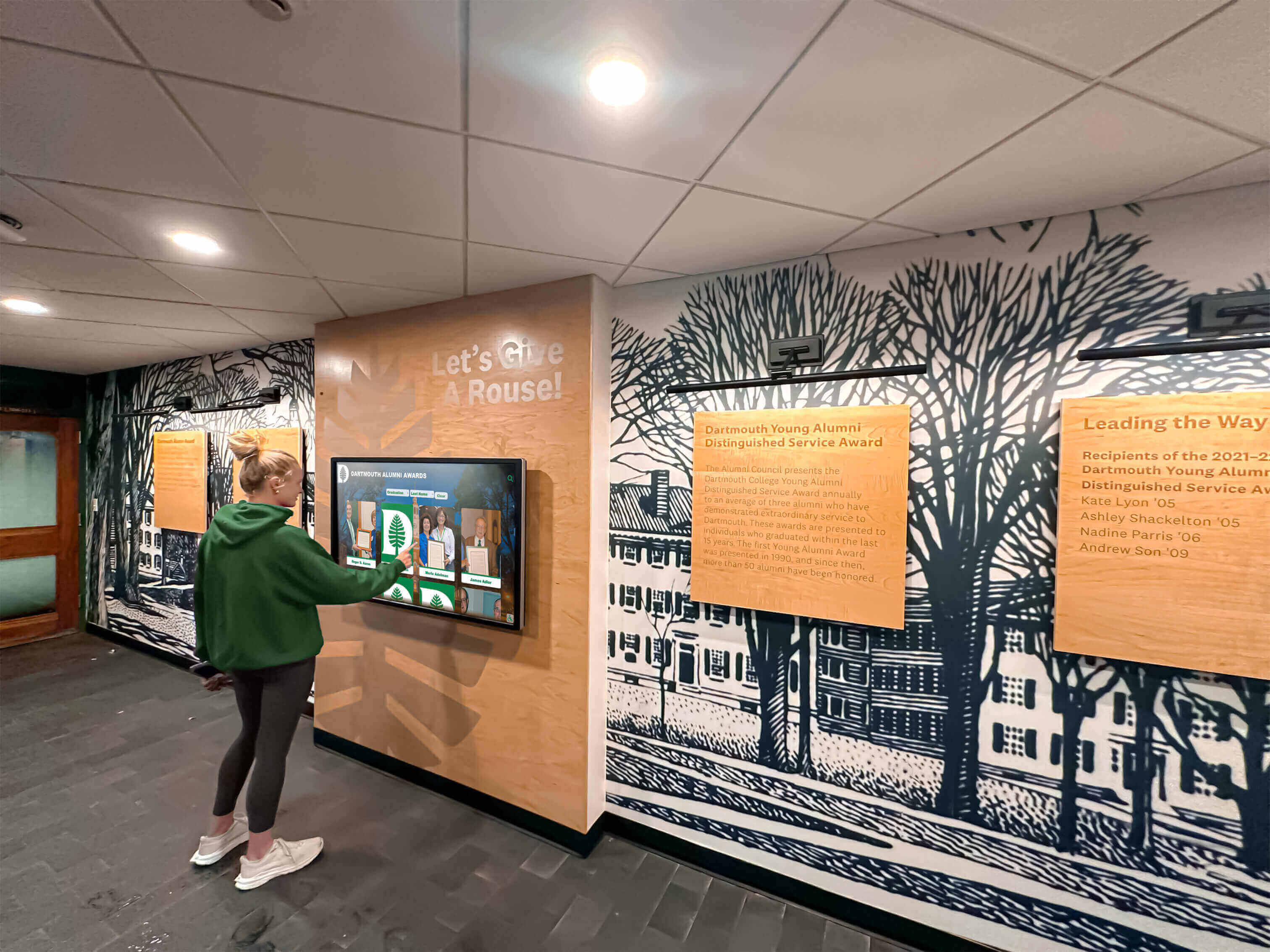
Memorial recognition creates educational opportunities helping students understand institutional history and community values
Implementation Timeline
Typical memorial wall projects follow phased approaches:
Phase 1: Planning and Design (2-4 months)
- Committee formation and initial planning meetings
- Budget development and funding source identification
- Location selection and facilities assessment
- Design approach determination (traditional, digital, or hybrid)
- Family communication protocols establishment
- Content collection processes development
Phase 2: Content Development (3-6 months)
- Historical research identifying honorees for initial memorial
- Family outreach collecting biographical information and images
- Content writing and editing ensuring consistency and dignity
- Family review and approval processes
- Photo and document digitization for digital platforms
- Design refinement based on actual content volumes
Phase 3: Construction or Installation (1-3 months)
- Physical memorial fabrication or digital system procurement
- Installation coordination with facilities management
- Content population and system testing
- Final family review before unveiling
- Staff training on system operation and maintenance
- Communication planning for unveiling announcement
Phase 4: Unveiling and Ongoing Operation
- Formal unveiling ceremony with family and community participation
- Communication rollout through multiple channels
- Integration with annual remembrance programming
- Ongoing family engagement for content additions and updates
- Regular maintenance ensuring memorial accessibility and quality
Organizations implementing memorial recognition should allow 6-12 months from initial planning to unveiling, ensuring adequate time for sensitive family engagement and quality content development.
Special Memorial Wall Applications
Different organizational contexts require tailored memorial recognition approaches.
K-12 Schools
Primary and secondary schools memorializing students, faculty, and alumni:
Unique Considerations
- Student memorial protocols coordinating with grief counseling services
- Parent communication strategies during tragic circumstances
- Peer involvement opportunities enabling student participation in memorial development
- Integration with school history curriculum teaching institutional legacy
- Annual graduation acknowledgment of fallen classmates from current year
- Academic recognition coordination showing complete school community
K-12 Memorial Features Schools often include:
- Student artwork and poetry celebrating lost classmates
- Peer testimonials from friends and teammates
- Teacher reflections on student character and contributions
- Yearbook photos and activity involvement documentation
- Scholarship information supporting current students in memory of fallen classmates
Colleges and Universities
Higher education institutions managing larger, more complex memorial programs:
Campus-Wide Memorial Systems
- Comprehensive databases memorializing alumni across decades or centuries
- School, department, or program-specific memorial sections
- Athletic team memorial recognition for fallen student-athletes
- Greek life memorial sections honoring fraternity and sorority members
- Military memorial areas recognizing service across conflicts
- Notable alumni recognition within broader memorial context
Research University Additions
- Faculty research legacy documentation preserving scholarly contributions
- Graduate student memorial recognition
- Staff who served across decades of institutional development
- Benefactor memorialization when major donors pass
Military Organizations and Veteran Groups
Specialized memorial approaches for military contexts:
Military Memorial Elements
- Casualty status and circumstances (KIA, DOW, training accidents, etc.)
- Unit and deployment specifics providing military context
- Medal of Honor or other decoration recognition
- Prisoner of war or missing in action designations
- Branch of service and rank at time of death
- Integration with national military memorial databases
- Gold Star family support resources and connections
Ceremonial Protocols Military memorial ceremonies often incorporate:
- Honor guard participation from active duty or veteran organizations
- Flag presentations and appropriate folding ceremonies
- Taps performance or recorded presentation
- Missing man formation for aviators
- Rifle volleys for fallen service members
- Coordination with national days of remembrance
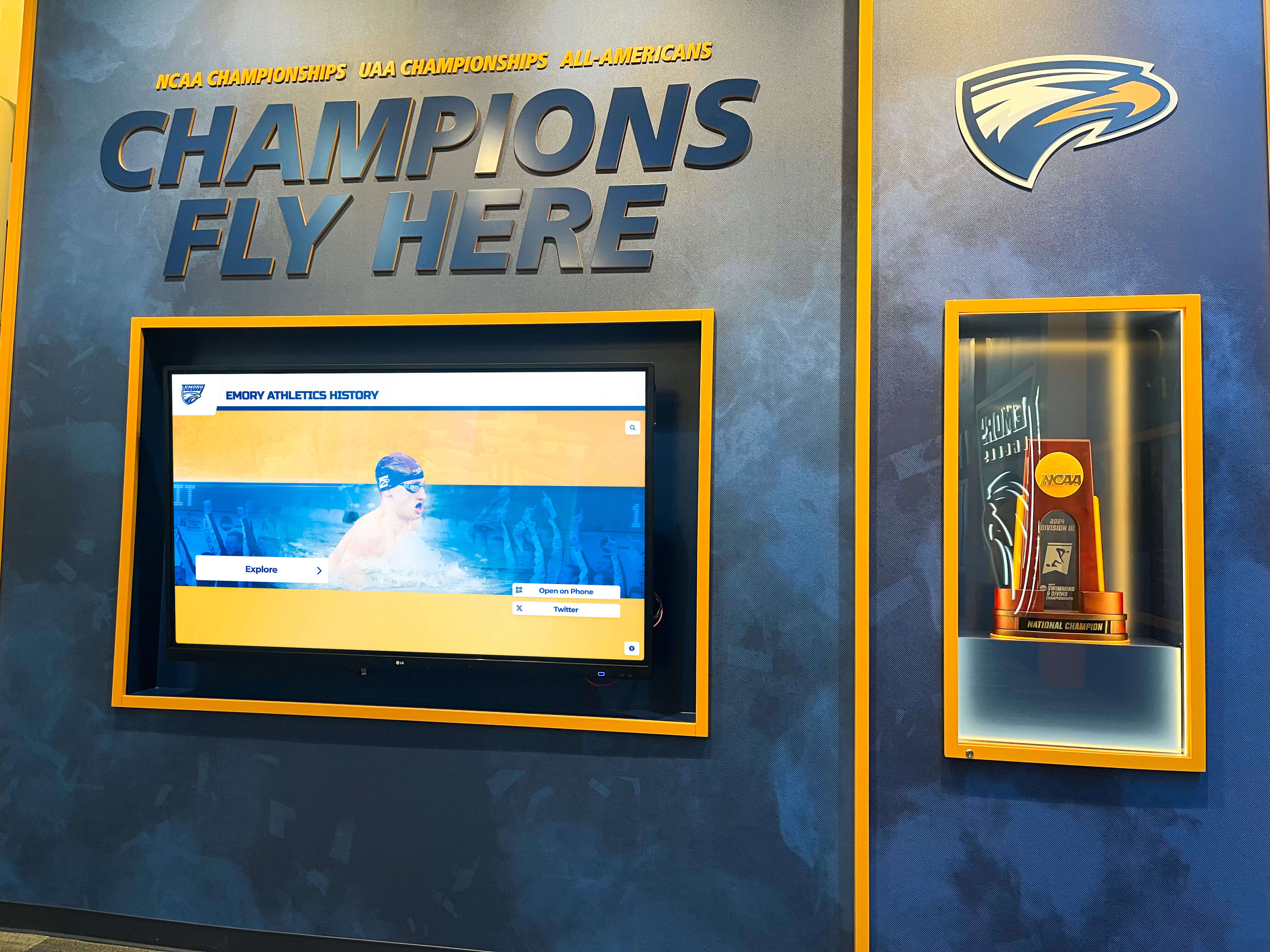
Military memorial sections provide specialized recognition honoring service member sacrifice and dedication
Corporate and Organizational Settings
Businesses and civic organizations memorializing founders, leaders, and employees:
Workplace Memorial Considerations
- Professional focus balanced with personal recognition
- Company history documentation showing organizational development
- Founder and leadership succession memorialization
- Long-term employee recognition celebrating decades of service
- Workplace safety memorials for job-related fatalities
- Retiree memorial sections honoring those who passed after leaving employment
Corporate Culture Integration Effective workplace memorials:
- Reinforce organizational values through memorial narratives
- Demonstrate company commitment to employee recognition beyond employment
- Create gathering spaces for employee reflection and connection
- Support grief resources and employee assistance programs
- Balance memorial visibility with appropriate workplace environment
Maintaining Memorial Displays Over Time
Long-term memorial recognition success requires ongoing attention and periodic renewal.
Content Updates and Additions
Memorial programs must accommodate new honorees while maintaining existing recognition:
Addition Protocols
- Established timelines for reviewing and adding new memorial honorees
- Family notification processes when new deaths occur
- Content collection workflows gathering necessary information
- Review and approval procedures ensuring quality and consistency
- Scheduled unveiling coordinating new additions with annual events
- Communication announcing memorial additions to broader community
Update Requirements Existing memorial content occasionally requires:
- Corrections when family members identify errors or request changes
- Additional content as families discover historical photos or documents
- Biographical updates when posthumous honors or recognition occurs
- Technical updates ensuring digital platforms remain current
- Format migrations preserving content as technology evolves
Physical Maintenance and Technical Support
Memorial displays require regular care maintaining quality and accessibility:
Traditional Memorial Maintenance
- Regular cleaning removing dirt, weathering, and environmental damage
- Plaque refurbishment addressing tarnishing or wear
- Landscape care for garden memorials maintaining appearance
- Structural inspection ensuring mounting systems remain secure
- Periodic refinishing or repair addressing aging and damage
- Documentation photographically recording memorial condition over time
Digital System Maintenance
- Display cleaning maintaining touch sensitivity and visual clarity
- Software updates ensuring security and functionality
- Content backup protecting against data loss
- Hardware monitoring identifying potential failures before they occur
- Warranty and support contract management
- Replacement planning for equipment reaching end of service life
Schools and organizations should budget 2-5% of initial memorial investment annually for ongoing maintenance, ensuring recognition remains accessible and dignified for families and community members.
Periodic Memorial Program Evaluation
Regular assessment ensures memorial recognition continues serving intended purposes:
Evaluation Questions
- Are families satisfied with memorial presentation and accessibility?
- Do current community members engage with memorial recognition?
- Does memorial content accurately reflect institutional history?
- Are all relevant groups appropriately represented?
- Do memorial processes work efficiently for administrators?
- Does memorial recognition integrate effectively with broader programs?
Refinement Opportunities Assessment may reveal needs for:
- Design updates refreshing appearance while maintaining dignity
- Technology upgrades enabling new capabilities
- Content enhancement deepening biographical information
- Accessibility improvements ensuring universal access
- Process streamlining reducing administrative burden
- Programming additions creating more meaningful engagement
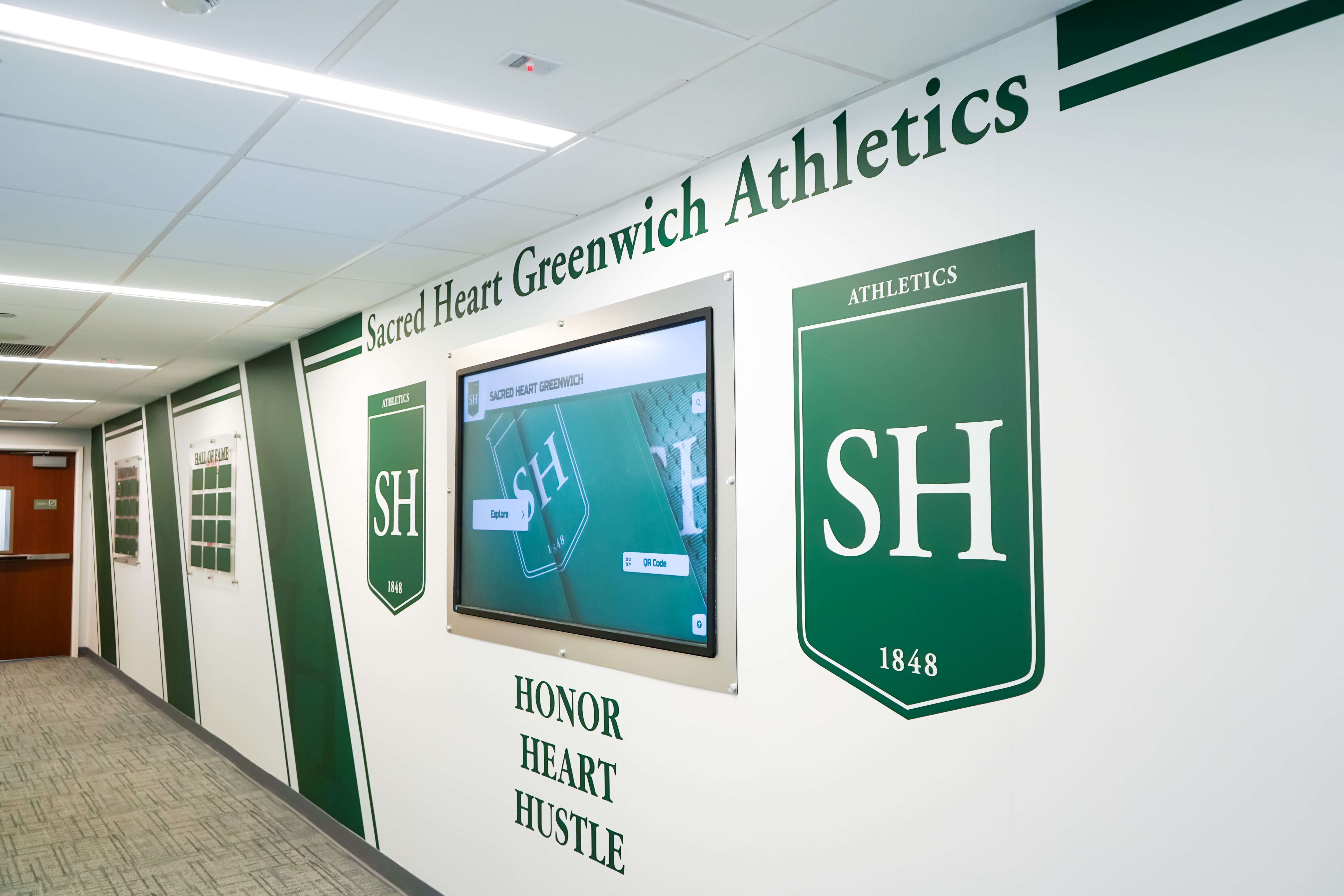
Regular maintenance and periodic updates ensure memorial recognition remains dignified and accessible for decades
Conclusion: Creating Memorial Recognition That Truly Honors
Memorial walls represent sacred trusts—organizations bear responsibility for honoring lives lost while providing comfort to families and inspiration to current community members. Effective memorial recognition balances reverence with accessibility, celebration with acknowledgment of loss, and preservation of past with relevance for present and future.
The memorial wall ideas explored in this guide provide comprehensive frameworks for creating tribute displays serving diverse organizational needs and honoring various types of loss. From traditional bronze plaques to modern digital memorial platforms, these approaches enable schools and organizations to create recognition that truly honors those who made lasting differences in their communities.
Transform Your Memorial Recognition
Discover how modern digital memorial displays enable unlimited tribute capacity, rich biographical storytelling, and family collaboration while overcoming the space limitations of traditional approaches. Create memorial recognition that honors every individual while providing comfort to families and inspiration to current community members.
Explore Memorial Display SolutionsOrganizations should approach memorial recognition with appropriate gravity, understanding that the care taken in honoring those who have passed reflects institutional character and values. Transparent processes, meaningful family engagement, and dignified presentation create memorial tributes that provide comfort while preserving legacies for generations.
Digital memorial platforms like Rocket Alumni Solutions address fundamental limitations of traditional physical memorials while enhancing rather than diminishing the dignity memorial recognition requires. Unlimited capacity ensures every individual receives appropriate acknowledgment, rich multimedia capabilities enable comprehensive life story celebration, family collaboration features strengthen relationships during difficult times, and cloud-based management simplifies long-term stewardship.
Begin with achievable memorial recognition appropriate to your organizational scale and resources, then systematically expand creating comprehensive tributes celebrating all who shaped your community. Every name on your memorial wall represents a life that mattered, contributions that created lasting impact, and a family deserving institutional recognition and comfort.
Your organization’s memorial recognition demonstrates values more powerfully than mission statements or strategic plans. With thoughtful planning, appropriate technology, and consistent care, you can create memorial displays that honor every loss while inspiring current community members toward their own meaningful contributions.
Ready to create memorial recognition worthy of those you honor? Learn more about comprehensive digital recognition solutions designed specifically for schools and organizations memorializing fallen community members.