



Planning a memorial service carries profound responsibility—honoring someone’s life, comforting grieving families, and creating ceremonies that appropriately reflect the deceased’s impact and values. The memorial service program serves as both a practical guide for attendees and a cherished keepsake families treasure for years, making thoughtful program design essential to meaningful commemorations.
Yet many schools, organizations, and families struggle with memorial program creation. Generic templates feel impersonal and fail to capture unique individuals being honored. Inadequate planning leads to programs missing crucial elements or containing errors that compound family distress. Without clear frameworks, well-intentioned planners create programs that feel rushed, incomplete, or inappropriate for the solemnity of memorial occasions.
This comprehensive guide provides memorial service program ideas, templates, and examples that help schools, religious organizations, community groups, and families create dignified tributes. From essential program elements through modern recognition approaches that preserve memories permanently, these proven strategies ensure memorial services honor loved ones appropriately while providing comfort to those who mourn.
Memorial services represent far more than procedural obligations—they provide structured opportunities for communities to gather in shared grief, celebrate lives that shaped them, and create meaningful rituals that facilitate healing. The programs guiding these ceremonies deserve the same thoughtfulness and care that memorial planning itself requires.

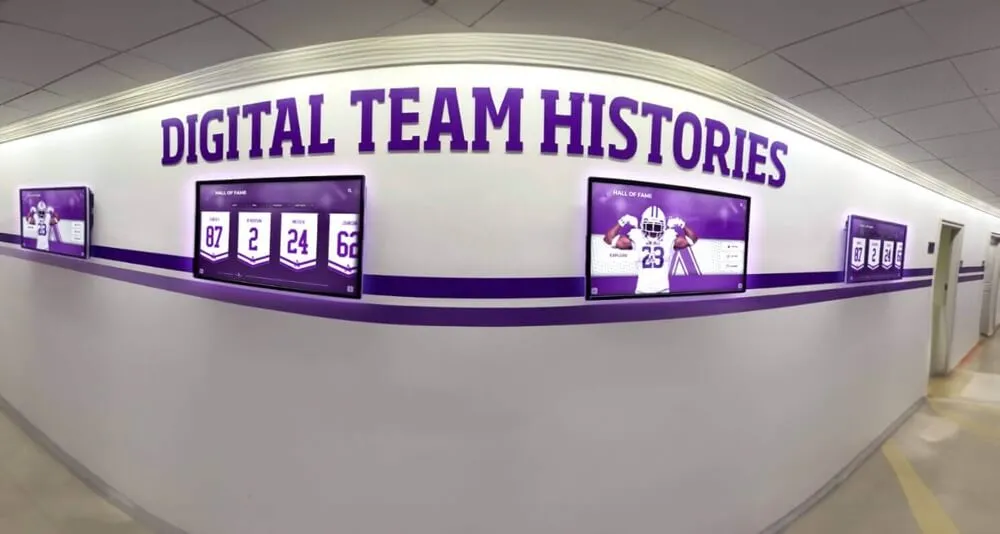
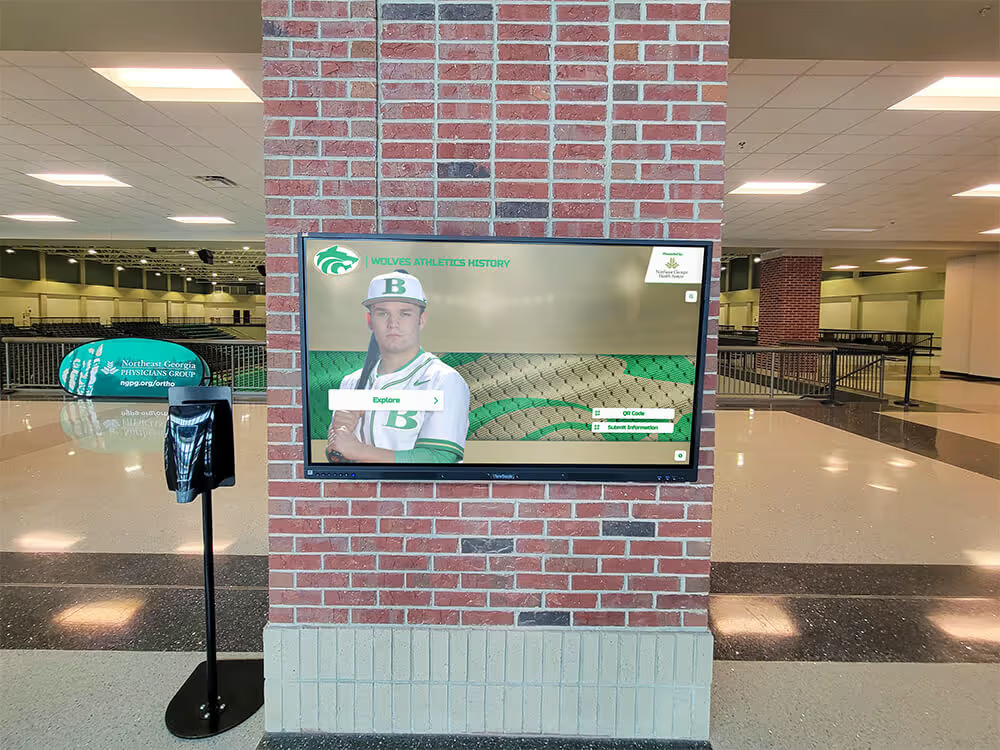
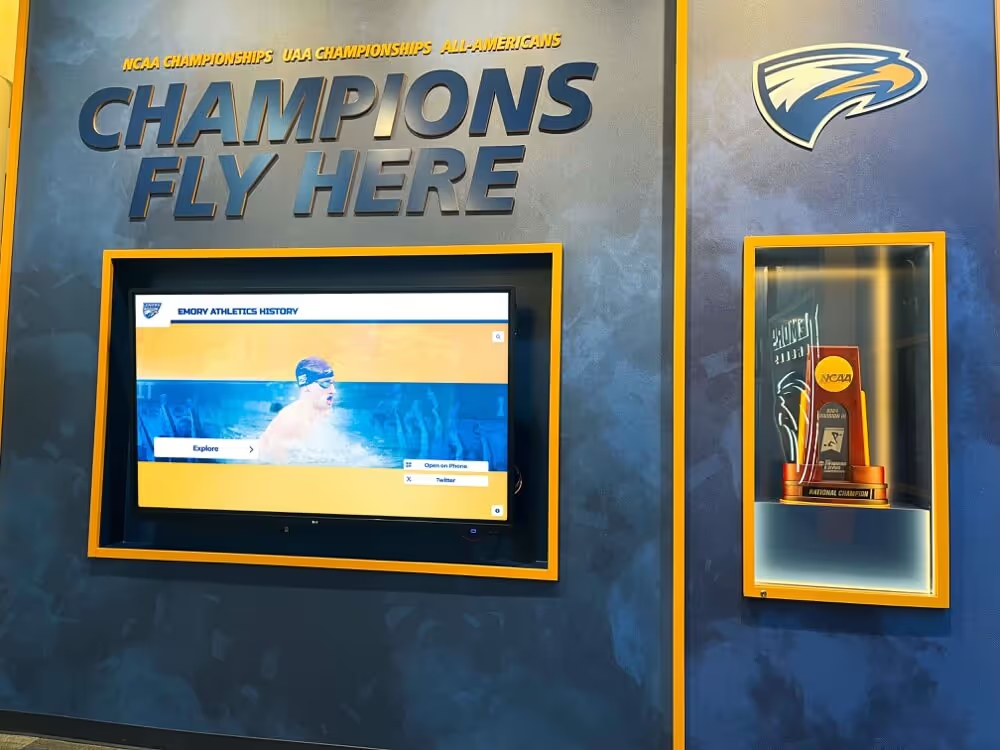
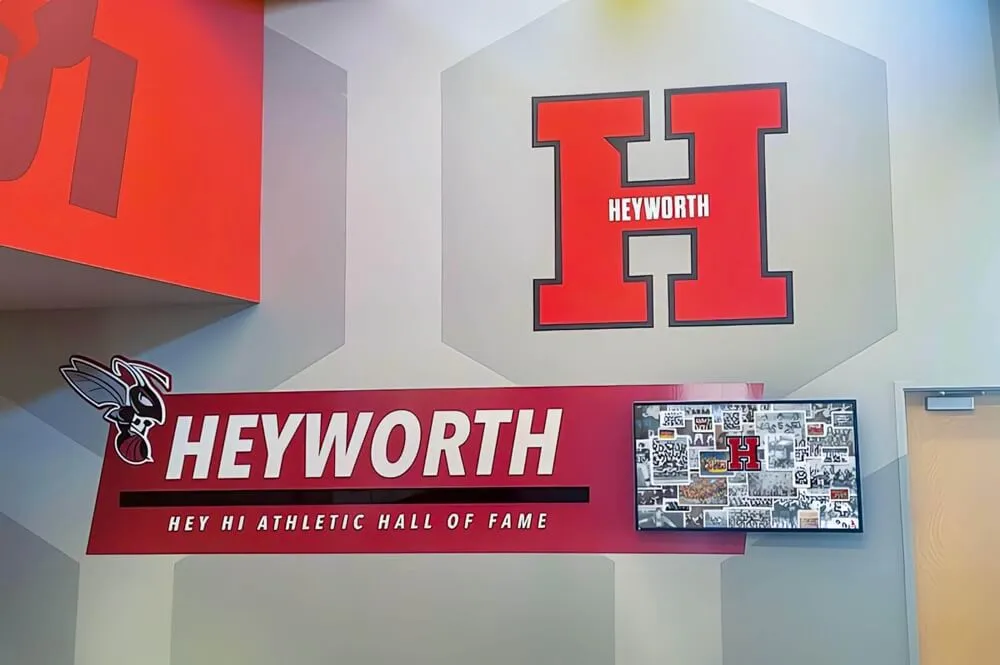
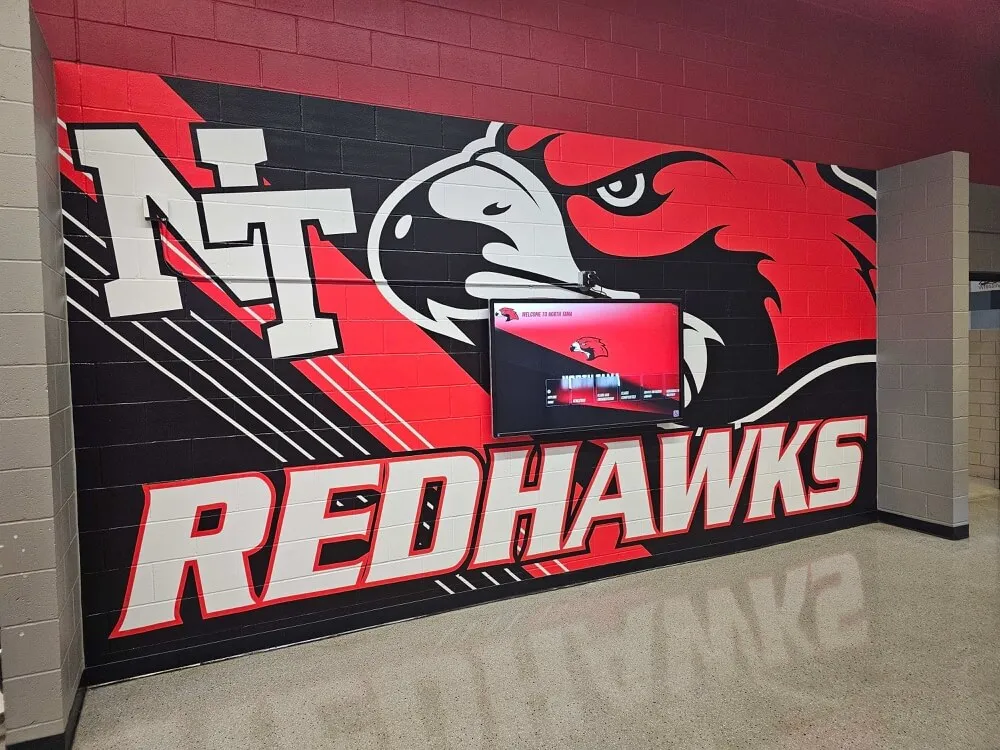
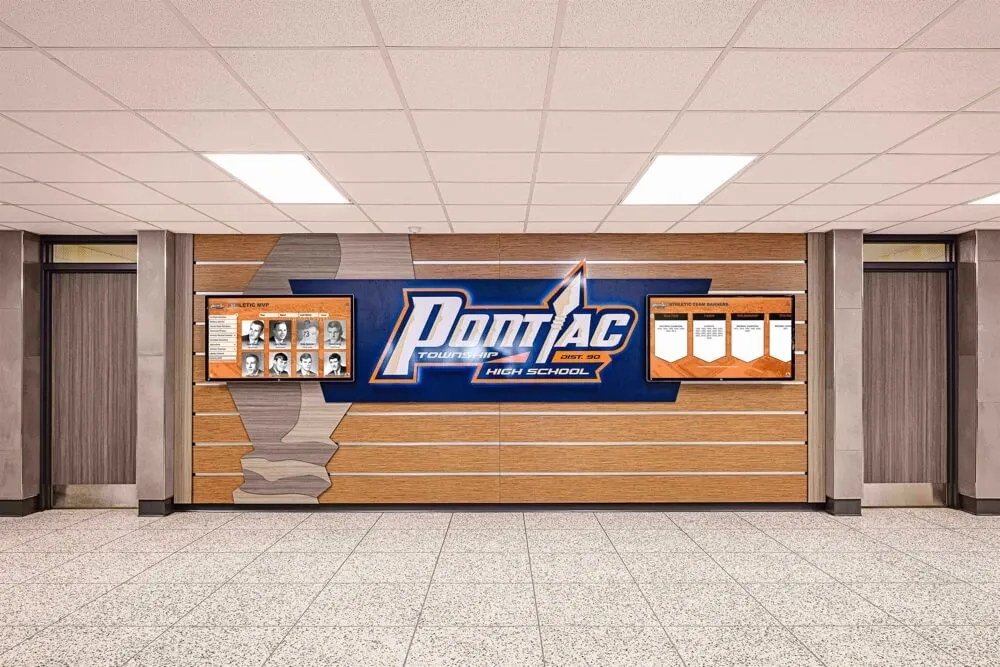
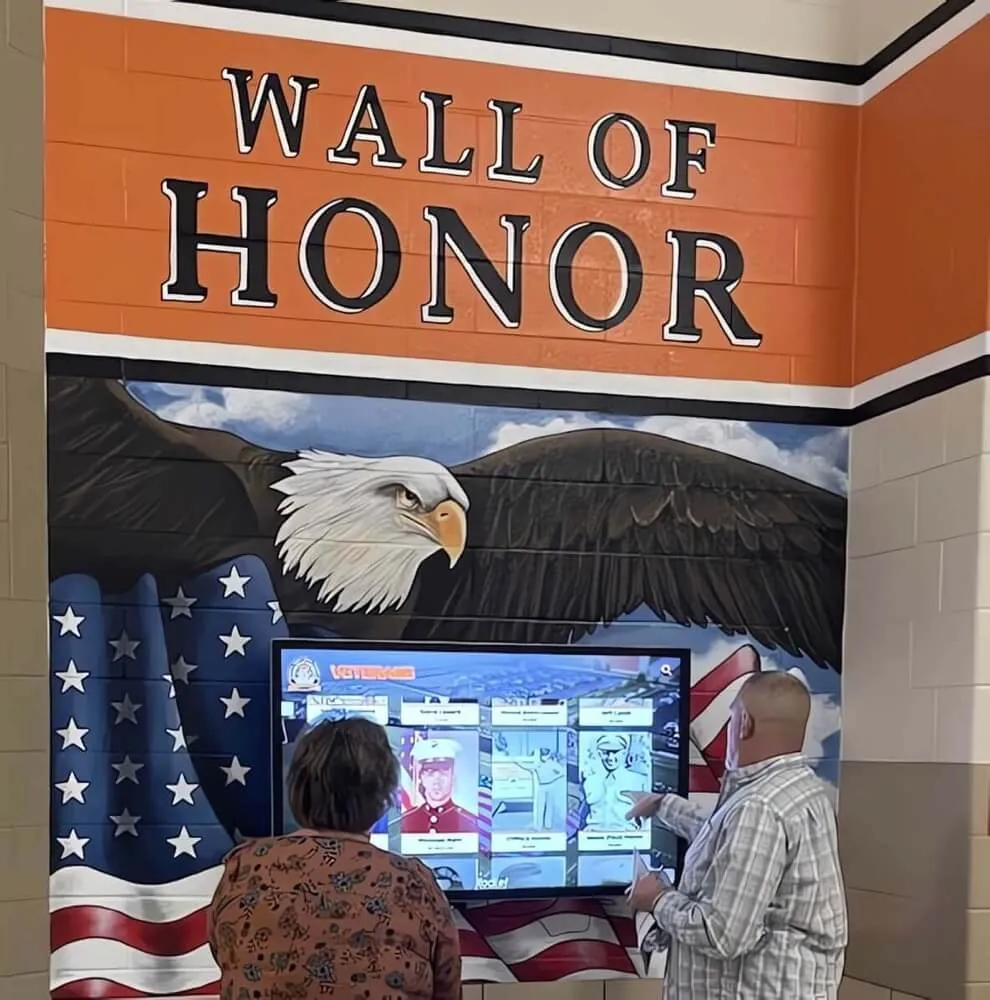
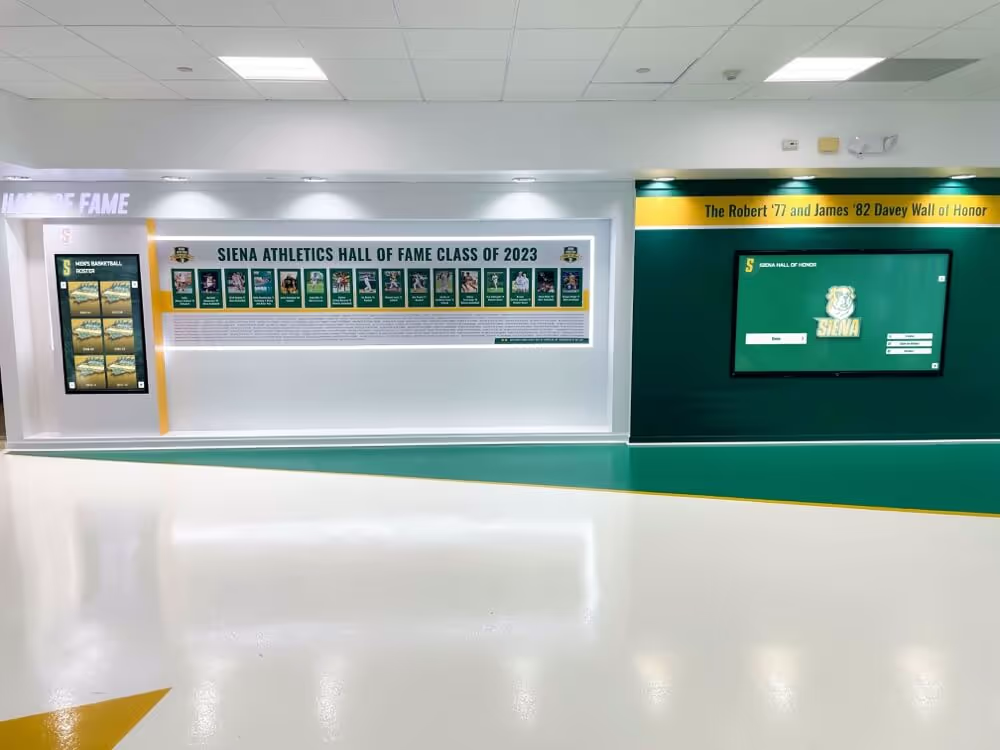
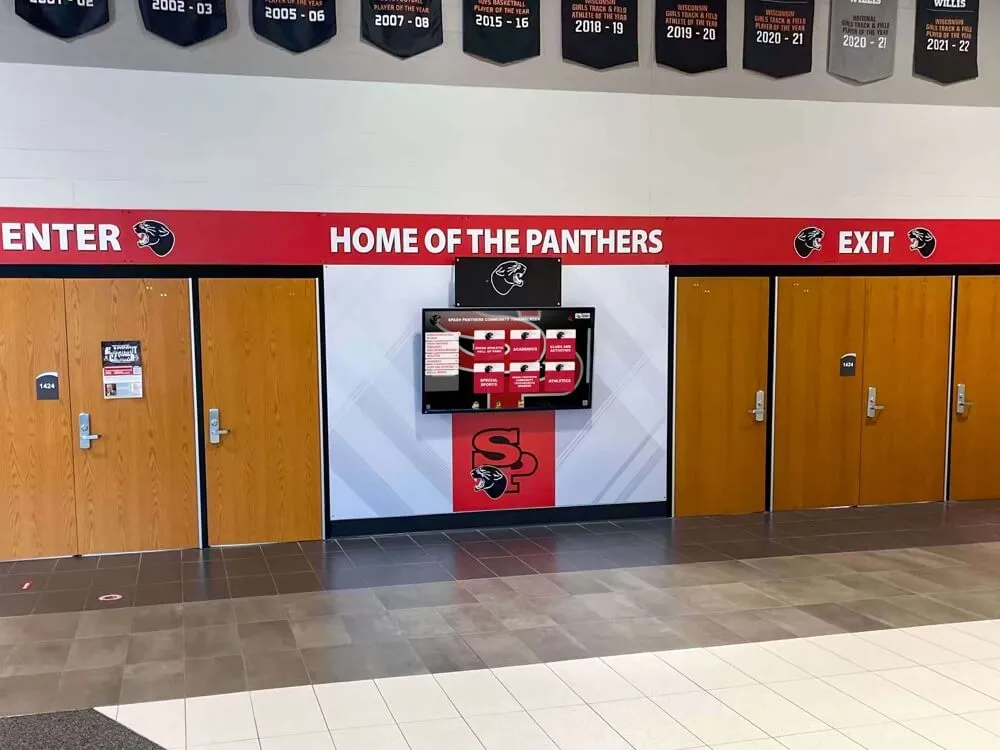
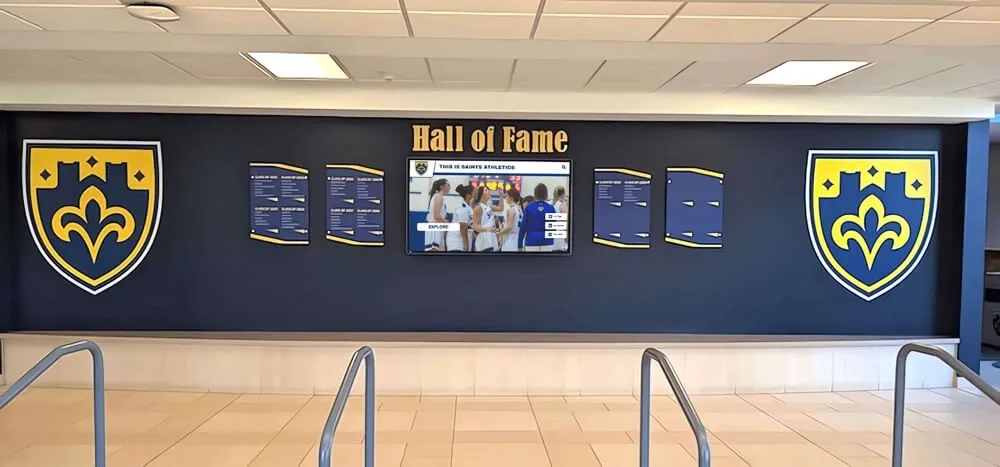
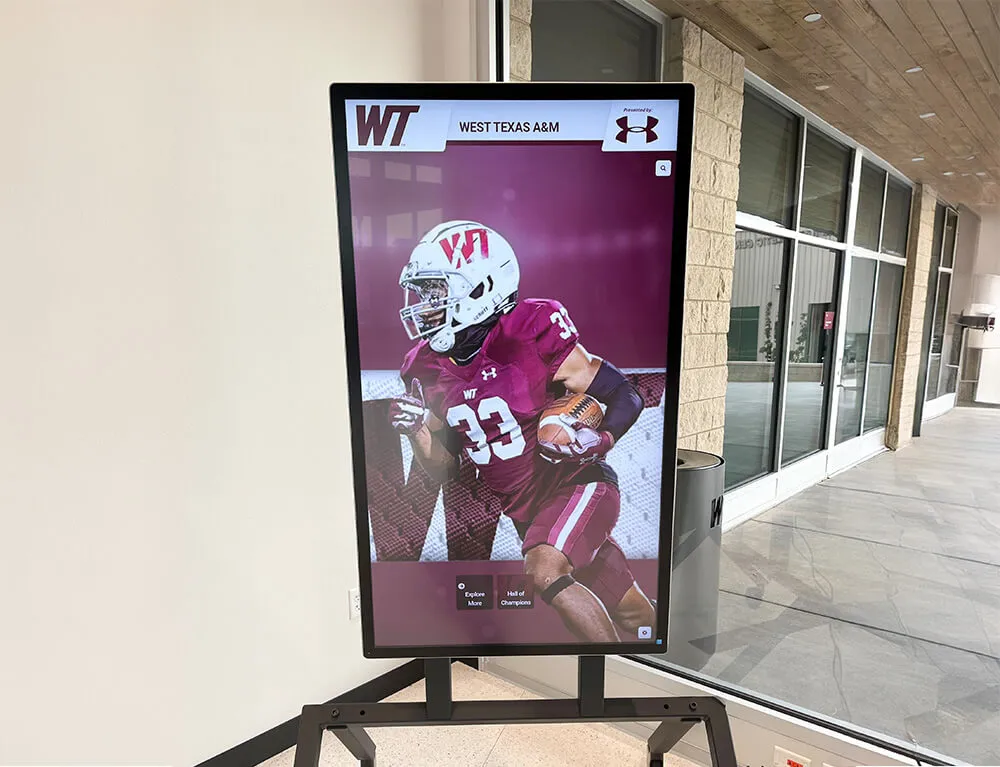
Permanent memorial displays provide lasting tributes that extend beyond single memorial services
Understanding Different Types of Memorial Services
Before creating memorial programs, understanding various memorial service formats helps ensure program design aligns with service style and family preferences.
Traditional Funeral Services
Traditional funeral services typically include:
- Viewing or visitation period before the service
- Formal religious or secular ceremony
- Eulogy or multiple speakers sharing memories
- Musical selections and readings
- Formal processional and recessional
- Graveside committal service following the main ceremony
These services require comprehensive programs guiding attendees through multiple ceremonial elements while providing context about the deceased’s life and accomplishments.
Celebration of Life Services
Celebration of life services emphasize joyful remembrance rather than somber mourning:
- Less formal atmosphere focusing on positive memories
- Personal stories and shared laughter encouraged
- Displays featuring photos, memorabilia, and achievements
- Sometimes held weeks or months after death
- Often in non-traditional venues (community centers, parks, favorite locations)
Programs for celebrations of life adopt less formal tones while still maintaining appropriate respect and dignity.
Memorial Services for Schools and Educational Institutions
Schools planning memorial services for students, staff, or community members face unique considerations:
- Age-appropriate content sensitive to young attendees
- Balancing commemoration with educational responsibilities
- Creating inclusive services respecting diverse beliefs
- Supporting grieving students and staff
- Preserving memories through permanent recognition displays
School memorial services require particular sensitivity and planning expertise.
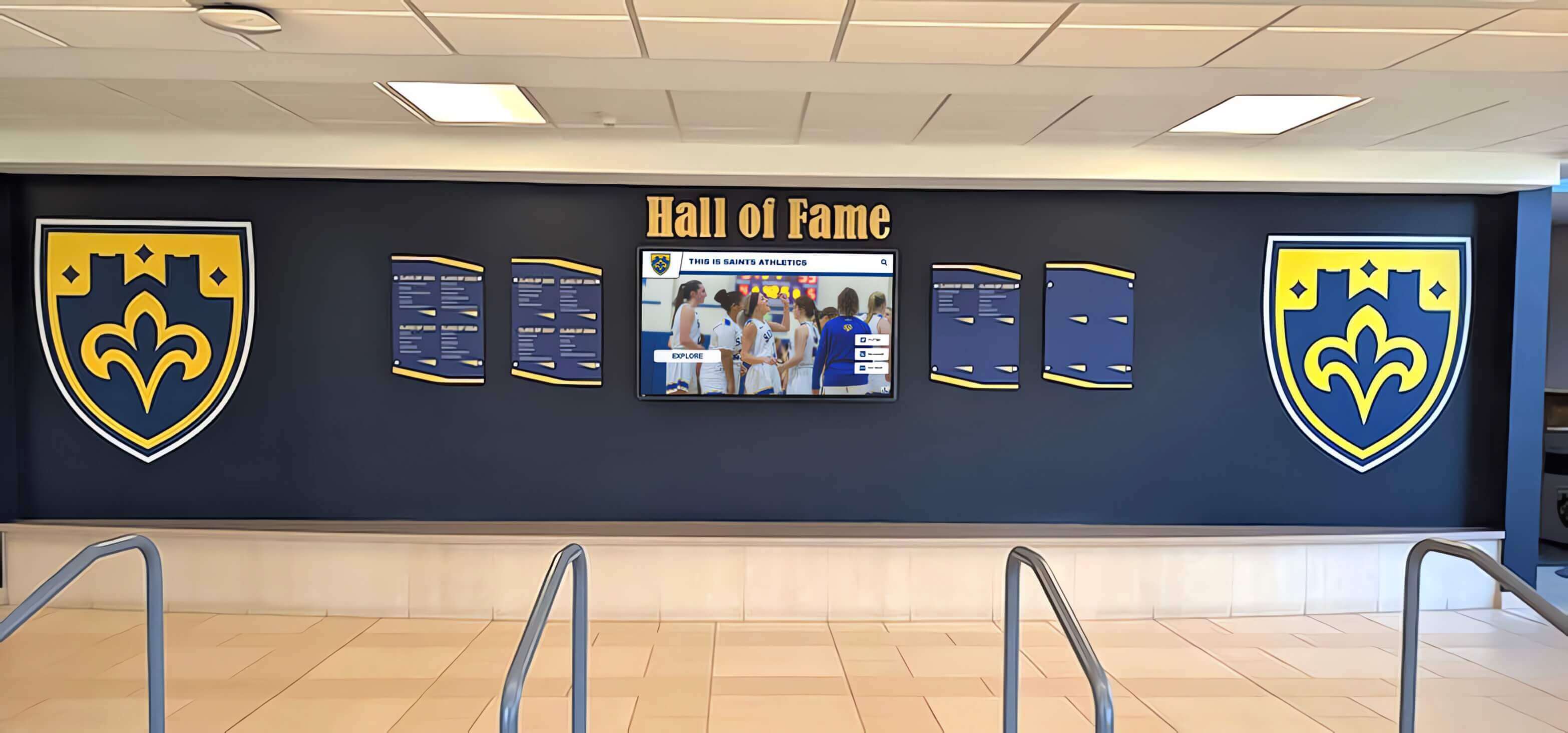
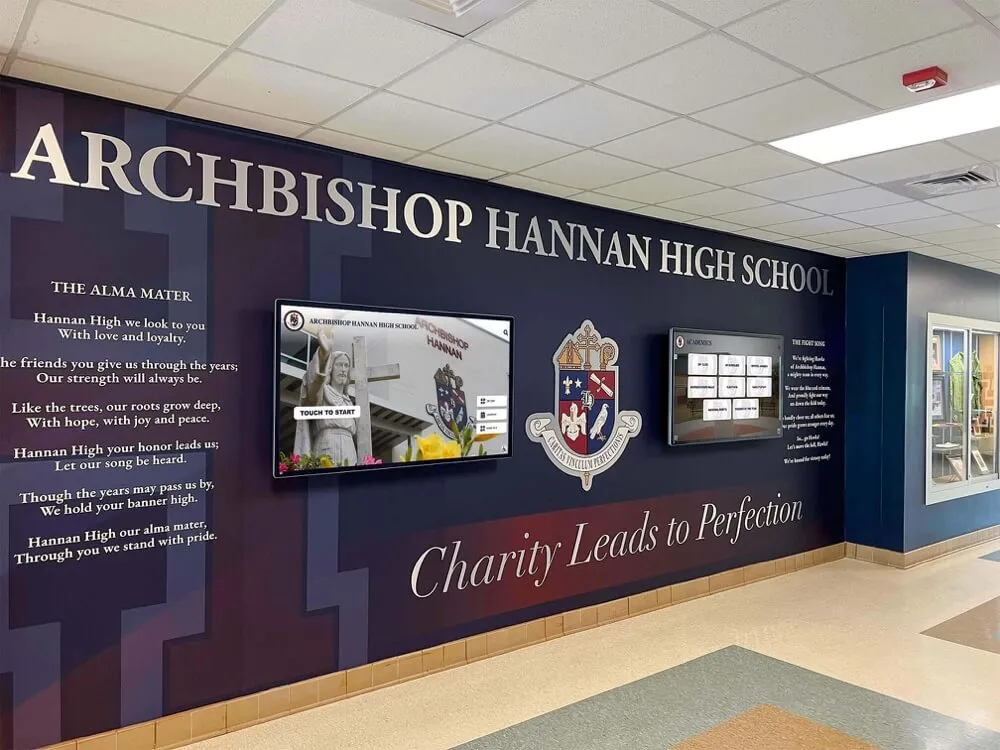
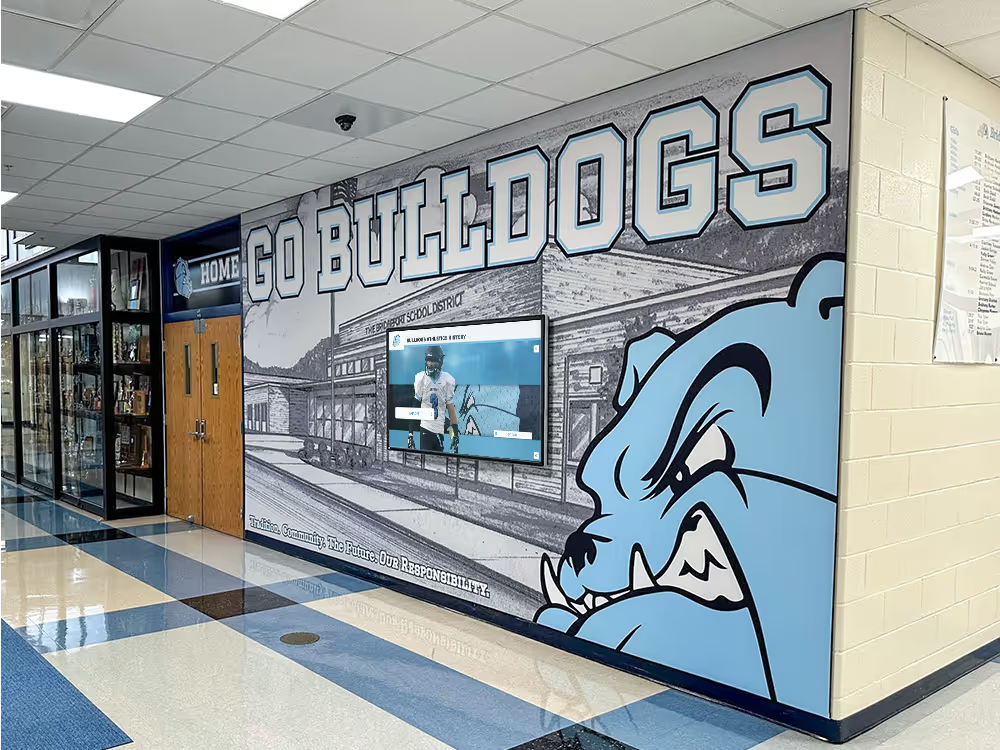
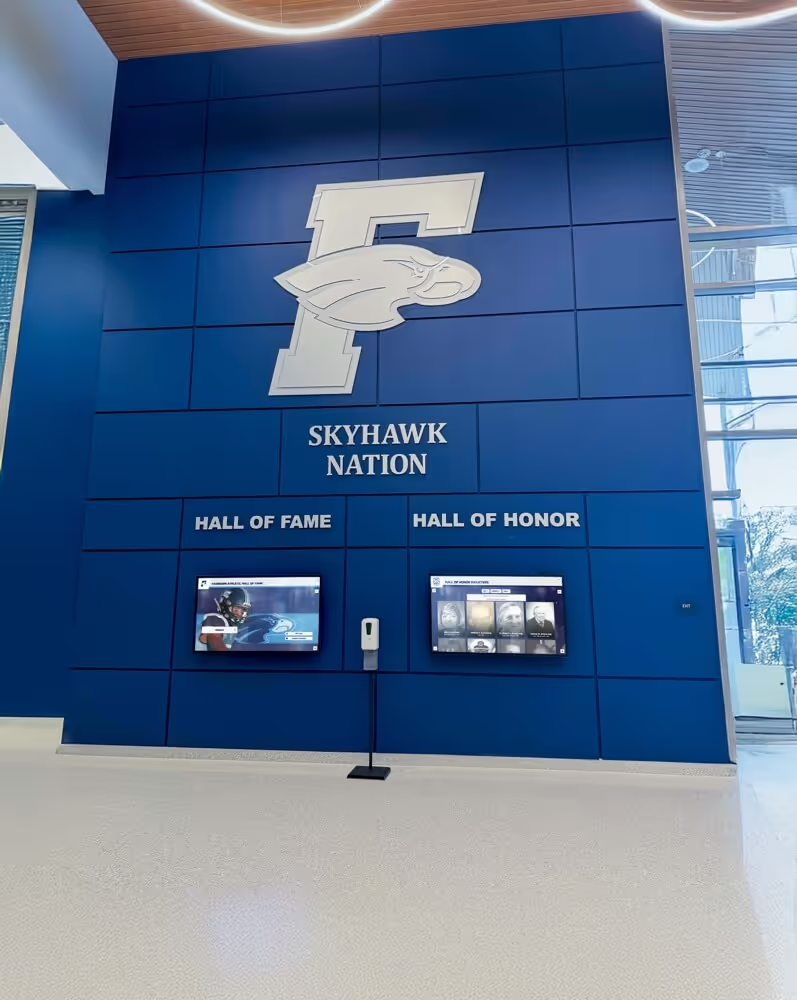
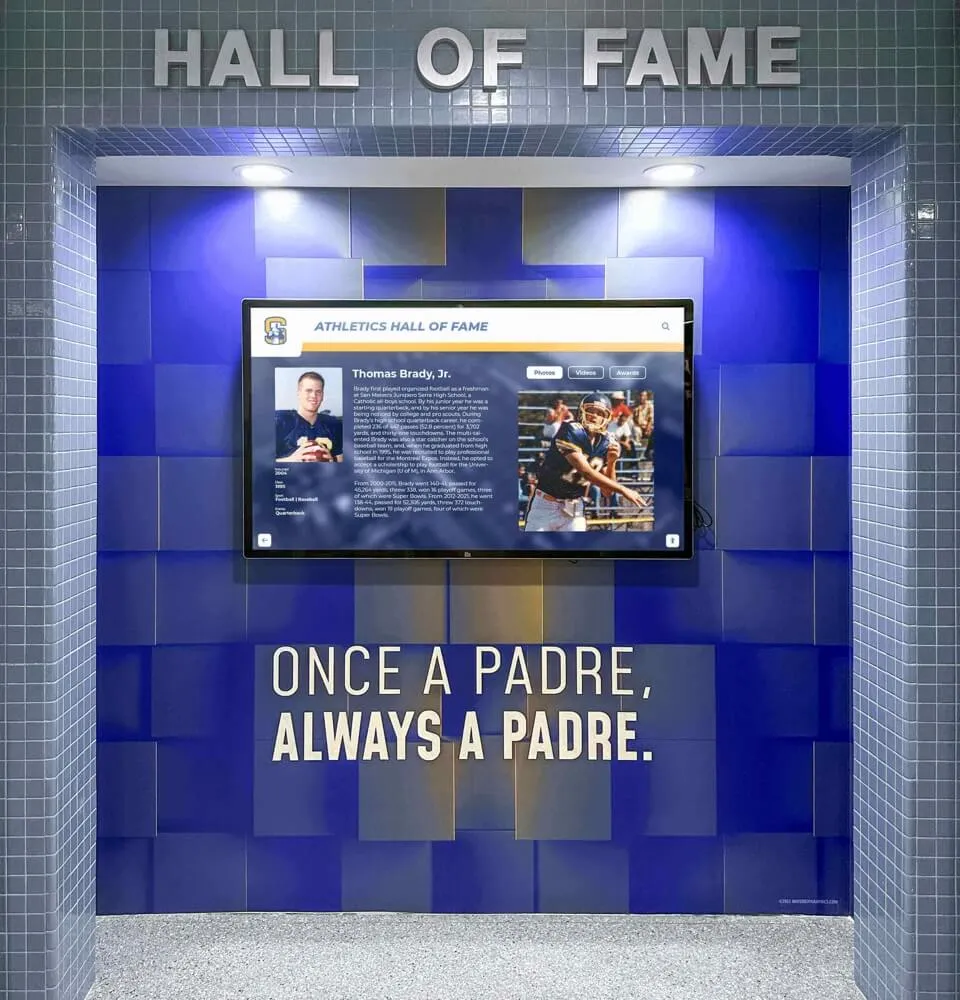
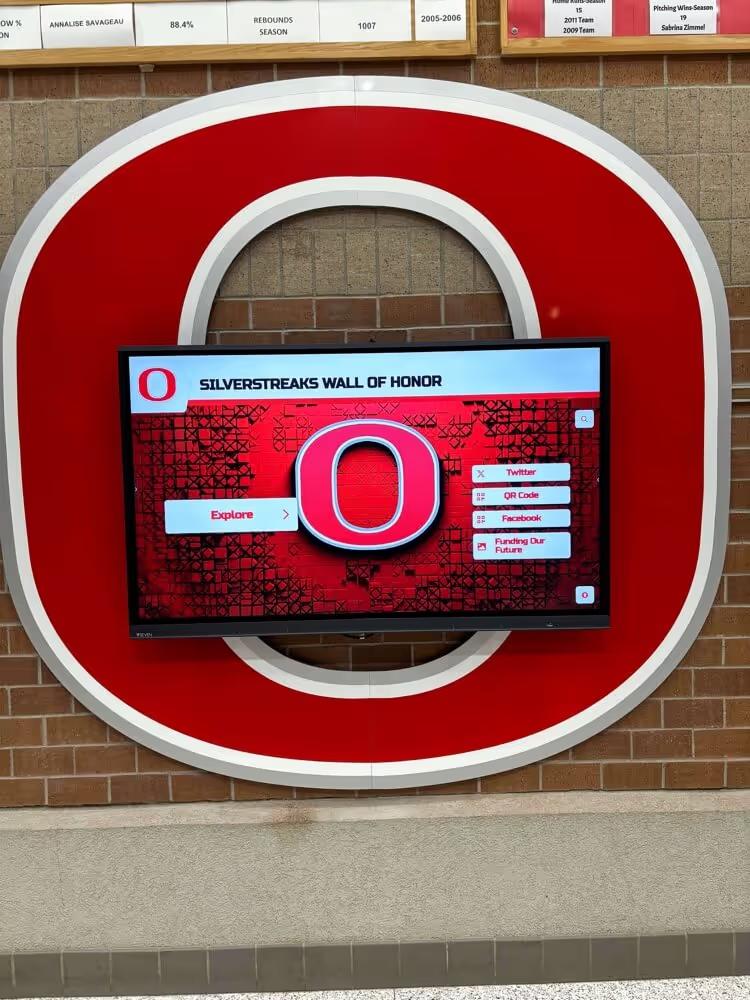
School memorial walls honor beloved community members with permanent recognition displays
Community and Organizational Memorial Services
Organizations honoring longtime members, volunteers, or supporters design services reflecting:
- The individual’s contributions to the organization
- Shared experiences within the community
- Organizational values and mission
- Ongoing legacy and continued impact
These services often incorporate organizational traditions, symbols, and recognition programs that contextualize the deceased’s involvement.
Essential Memorial Service Program Components
Effective memorial programs include specific elements that serve both practical and commemorative purposes.
Cover Design Elements
The program cover creates the first impression and sets the memorial service tone:
Required Information
- Full name of the deceased
- Birth date and date of passing
- Service date, time, and location
- Photo (typically a formal portrait or favorite image)
Design Considerations
- Dignified fonts avoiding overly decorative or casual styles
- Appropriate color schemes (often neutral tones, but cultural variations exist)
- Meaningful imagery (religious symbols, nature scenes, hobby-related images)
- Quality paper stock conveying respect and permanence
Avoid cluttered designs or excessive decoration that detracts from the memorial’s solemnity and the deceased’s dignity.
Order of Service Section
This crucial program component guides attendees through the ceremony:
Typical Order of Service Structure
- Prelude (musical selection while guests arrive)
- Opening remarks or welcome
- Opening prayer or reading (if appropriate)
- Hymn or musical selection
- Scripture readings or literary passages
- Eulogy or remembrances
- Additional musical selections
- Closing prayer or reflection
- Committal service details (if applicable)
- Postlude and dismissal
List each element with timing when helpful. Include hymn verses or reading texts when you want attendees to participate actively.
Biographical Information
The biographical section helps attendees—particularly those who knew the deceased in limited contexts—understand their complete life story:
What to Include
- Birth location and family background
- Educational achievements
- Career highlights and professional accomplishments
- Military service (if applicable)
- Community involvement and volunteer work
- Hobbies, interests, and passions
- Family information (spouse, children, grandchildren)
- Notable achievements or recognitions
Length Considerations
- Brief programs: 100-200 word summary
- Standard programs: 300-500 word overview
- Comprehensive programs: Full biographical narrative
Write in warm, personal tones that capture personality rather than reading like resume summaries.
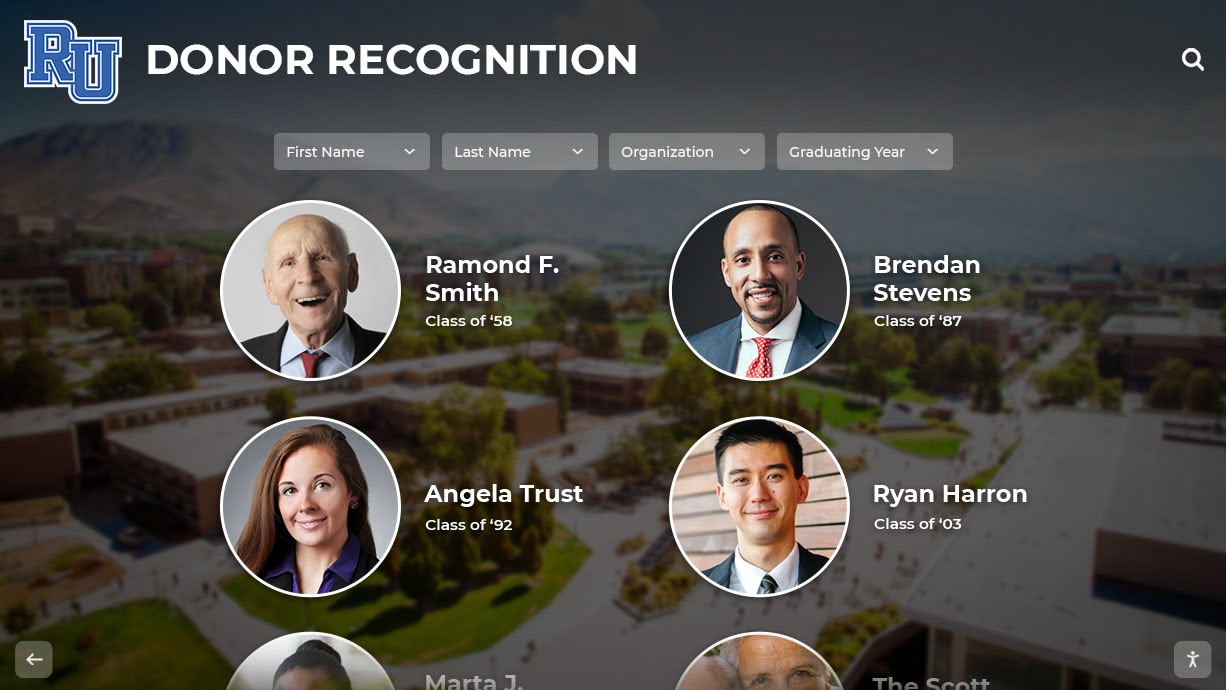
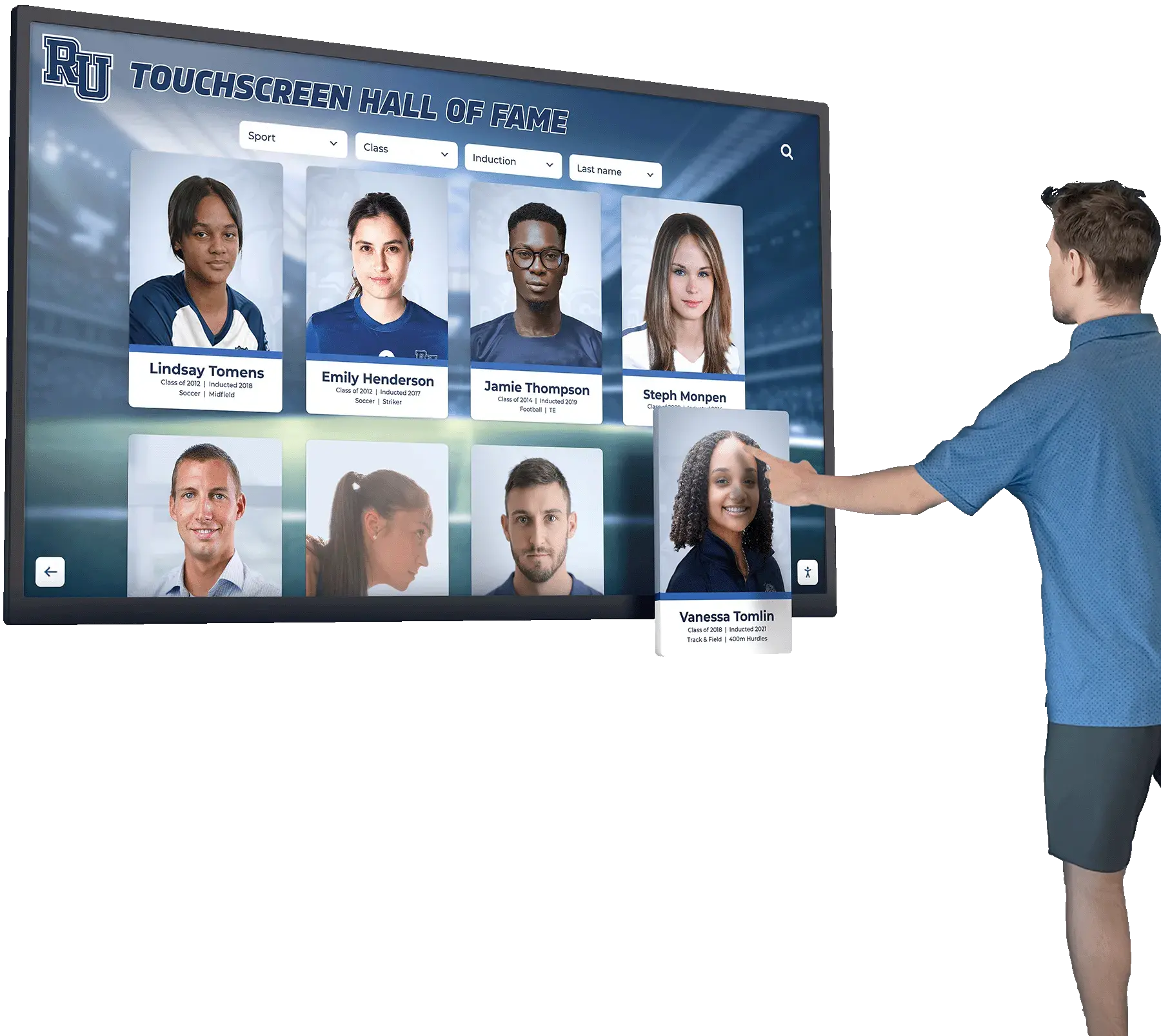
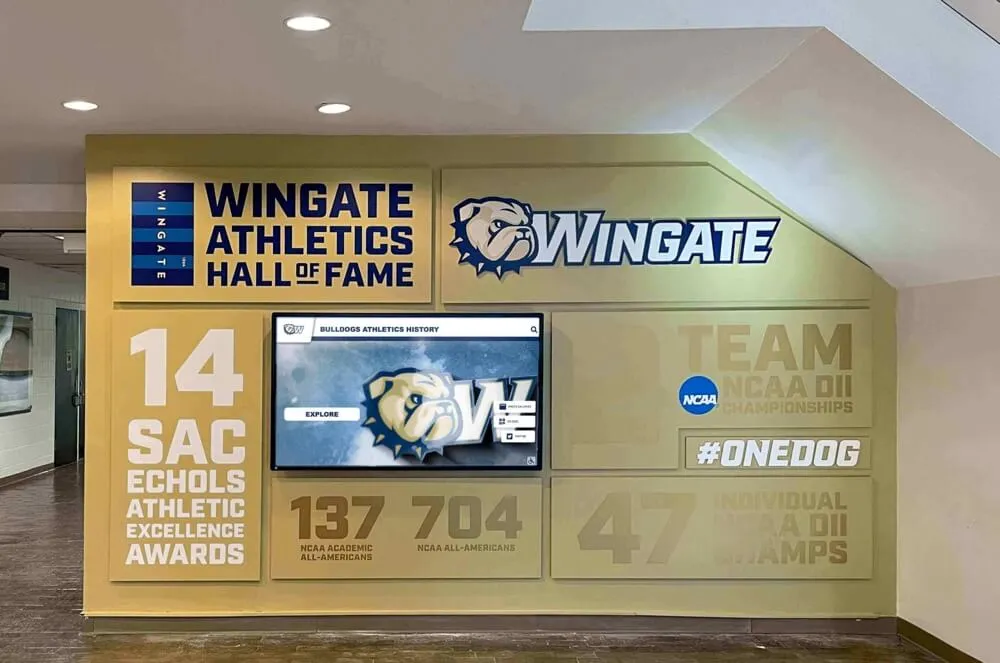
Memorial recognition displays preserve comprehensive biographical information and life stories
Photographs and Visual Elements
Visual elements transform programs from purely functional documents into cherished keepsakes:
Photo Selection Guidelines
- Include 3-7 photos spanning different life stages
- Mix formal portraits with candid moments capturing personality
- Show the deceased engaged in beloved activities or with loved ones
- Ensure photo quality allows clear reproduction
- Obtain family approval for photo selections
Photo Layout Options
- Timeline arrangement showing life progression
- Themed groupings (family, career, hobbies)
- Collage style with multiple smaller images
- Full-page feature photos with captions
Acknowledgments and Thank You Section
This section allows families to express gratitude to those who provided support:
Typical Acknowledgments
- Medical care providers and hospice staff
- Pallbearers and honorary pallbearers
- Clergy or officiant
- Musicians and speakers
- Those providing flowers, food, or other practical support
- Organizations that sent tributes or donations
- Anyone who offered significant comfort during illness or after death
Keep acknowledgments genuine and specific rather than generic.
Memorial Donations and Legacy Information
Many families request memorial donations to meaningful causes rather than flowers:
How to Include Donation Information
- Specify preferred charity or organization
- Include contact information or website
- Explain connection between the organization and the deceased when relevant
- Provide alternative options if families want choices
- Note if scholarship funds, memorial funds, or ongoing projects have been established
Organizations planning comprehensive recognition programs might establish memorial funds supporting causes the deceased championed.
Memorial Service Program Template Options
Different memorial service styles require adapted program formats.
Traditional Folded Bulletin Template
The most common format uses standard 8.5" x 11" paper folded in half, creating four panels:
Panel 1 (Front Cover)
- Photo
- Full name
- Dates
- Service information
Panel 2 (Inside Left)
- Order of service
- Opening readings or prayers
Panel 3 (Inside Right)
- Biographical information
- Photos
Panel 4 (Back Cover)
- Acknowledgments
- Memorial donation information
- Closing poem or reflection
This format provides adequate space while remaining cost-effective and easy to produce.
Booklet-Style Program Template
For more comprehensive tributes, booklet formats offer expanded space:
8-12 Page Booklet Structure
- Cover with photo and name
- Order of service (pages 2-3)
- Full biography (pages 4-5)
- Photo collage or timeline (pages 6-7)
- Tributes from family or community members (pages 8-9)
- Acknowledgments and memorial information (pages 10-11)
- Back cover with meaningful quote or image
Booklet formats work particularly well for individuals with extensive community involvement or long, accomplished lives deserving detailed recognition.
Single-Page Memorial Program
For simpler services or budget constraints, single-page programs provide essential information:
Front Side
- Photo, name, dates at top
- Brief biography (150-200 words)
- Order of service
Back Side
- Additional photo
- Meaningful quotes, poems, or readings
- Acknowledgments
While more limited, thoughtful design ensures single-page programs still feel respectful and complete.
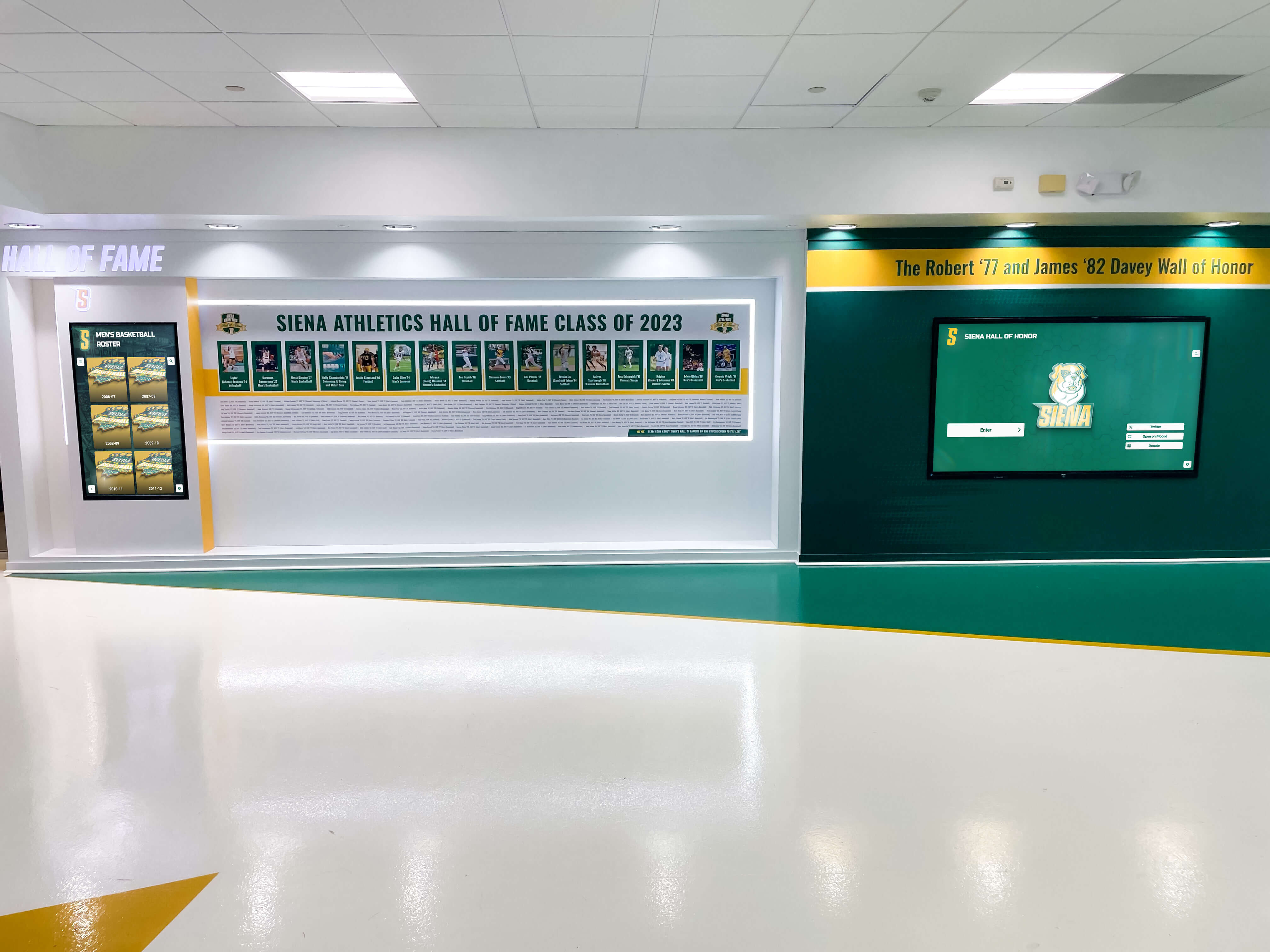
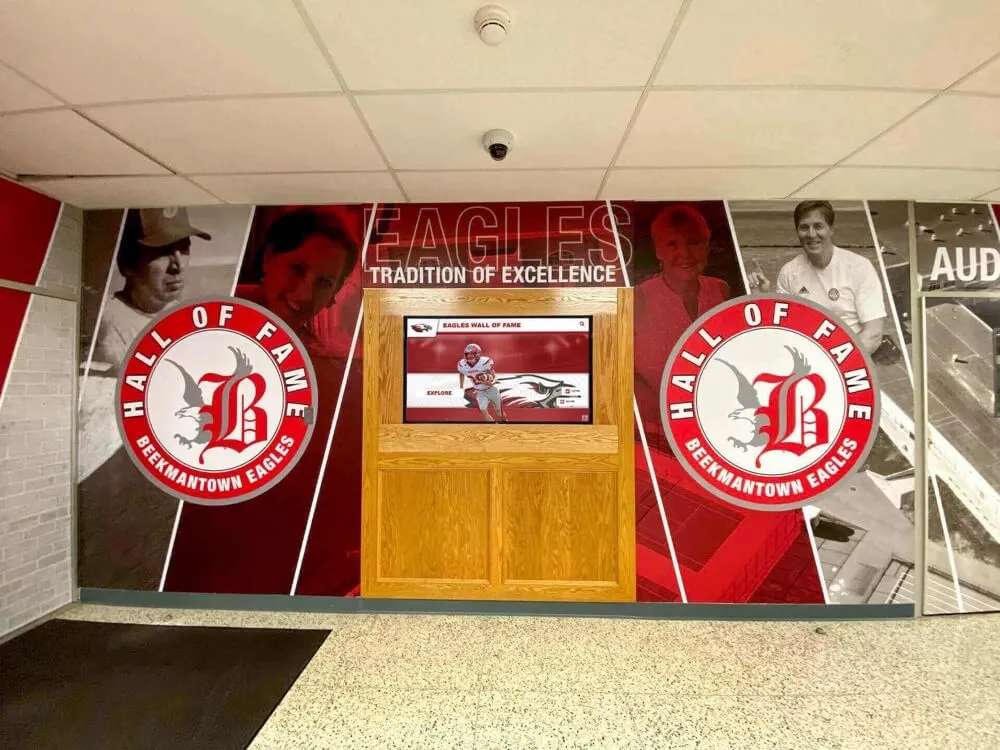
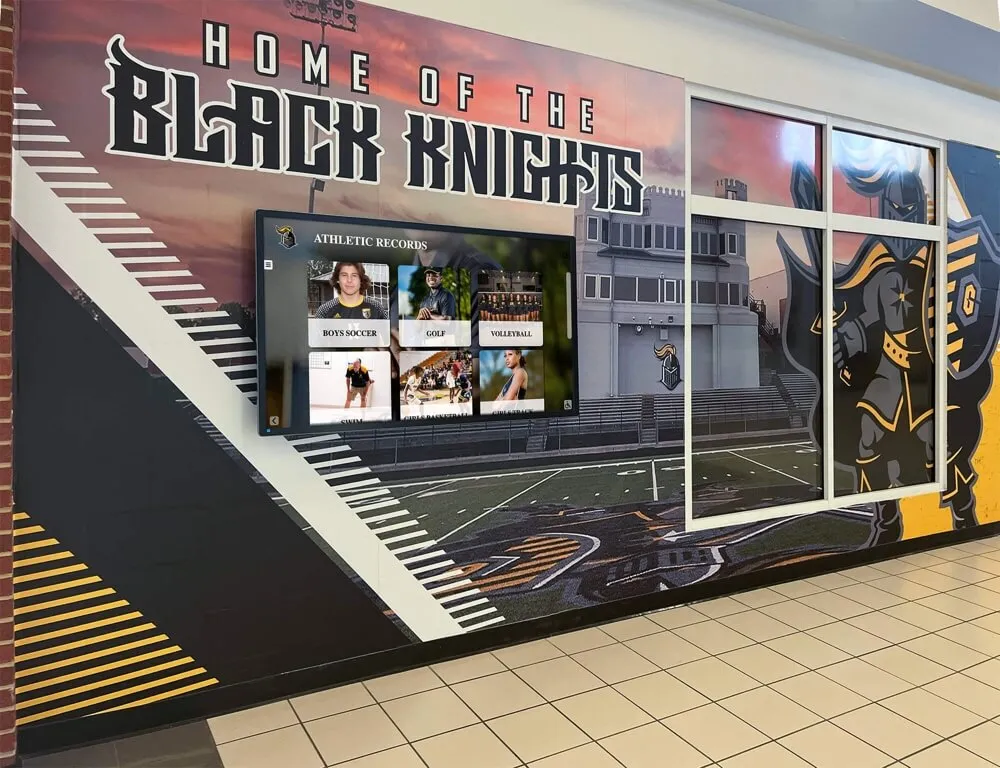
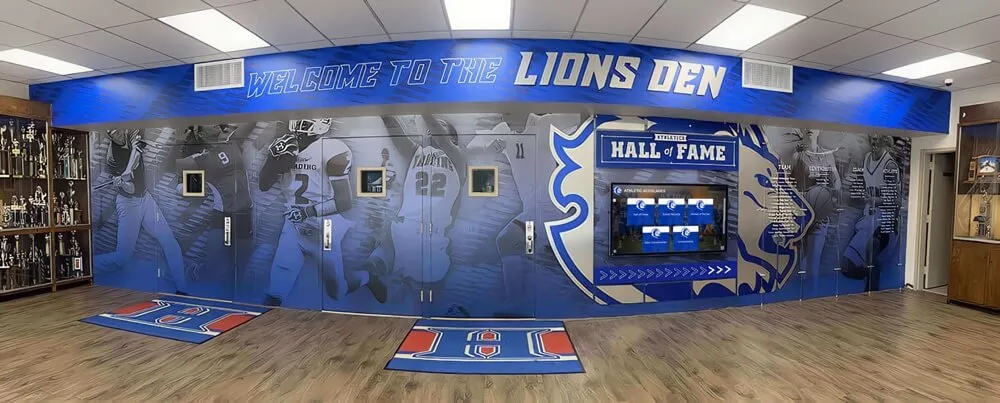
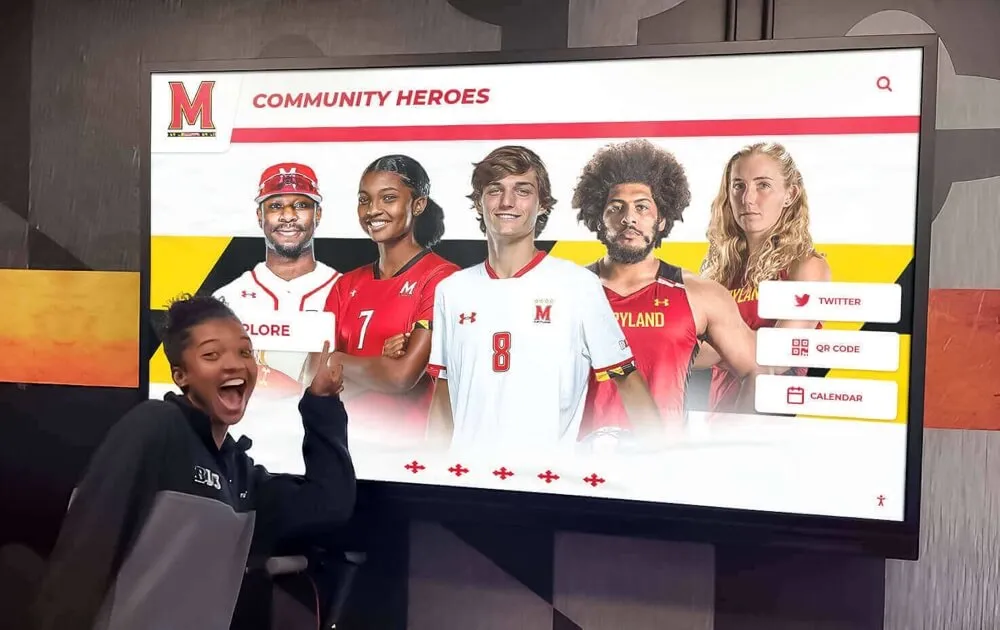
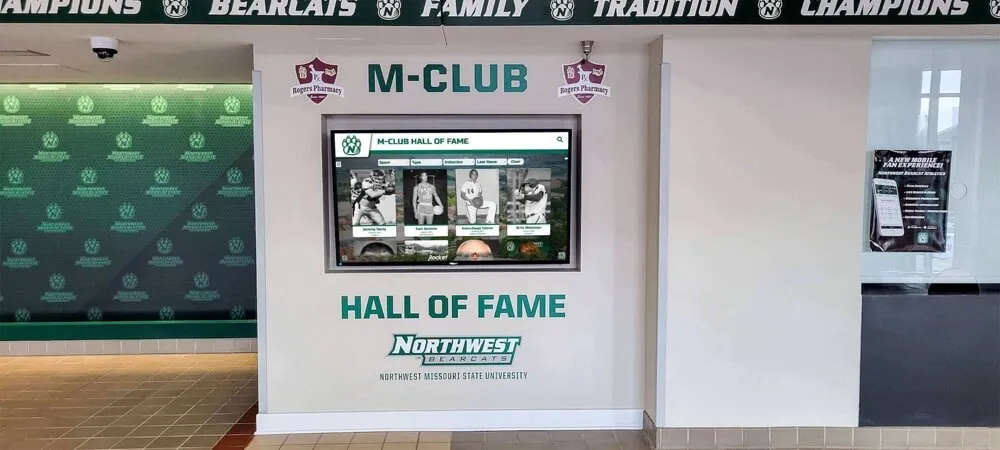
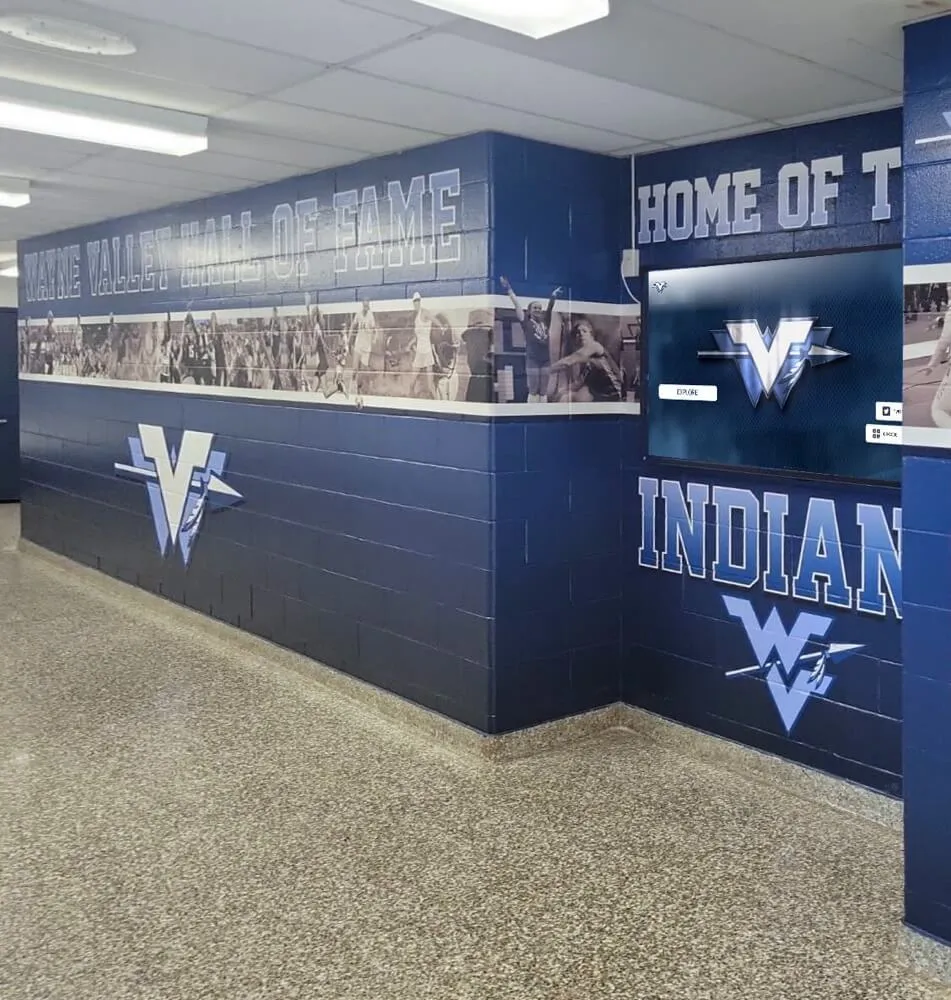
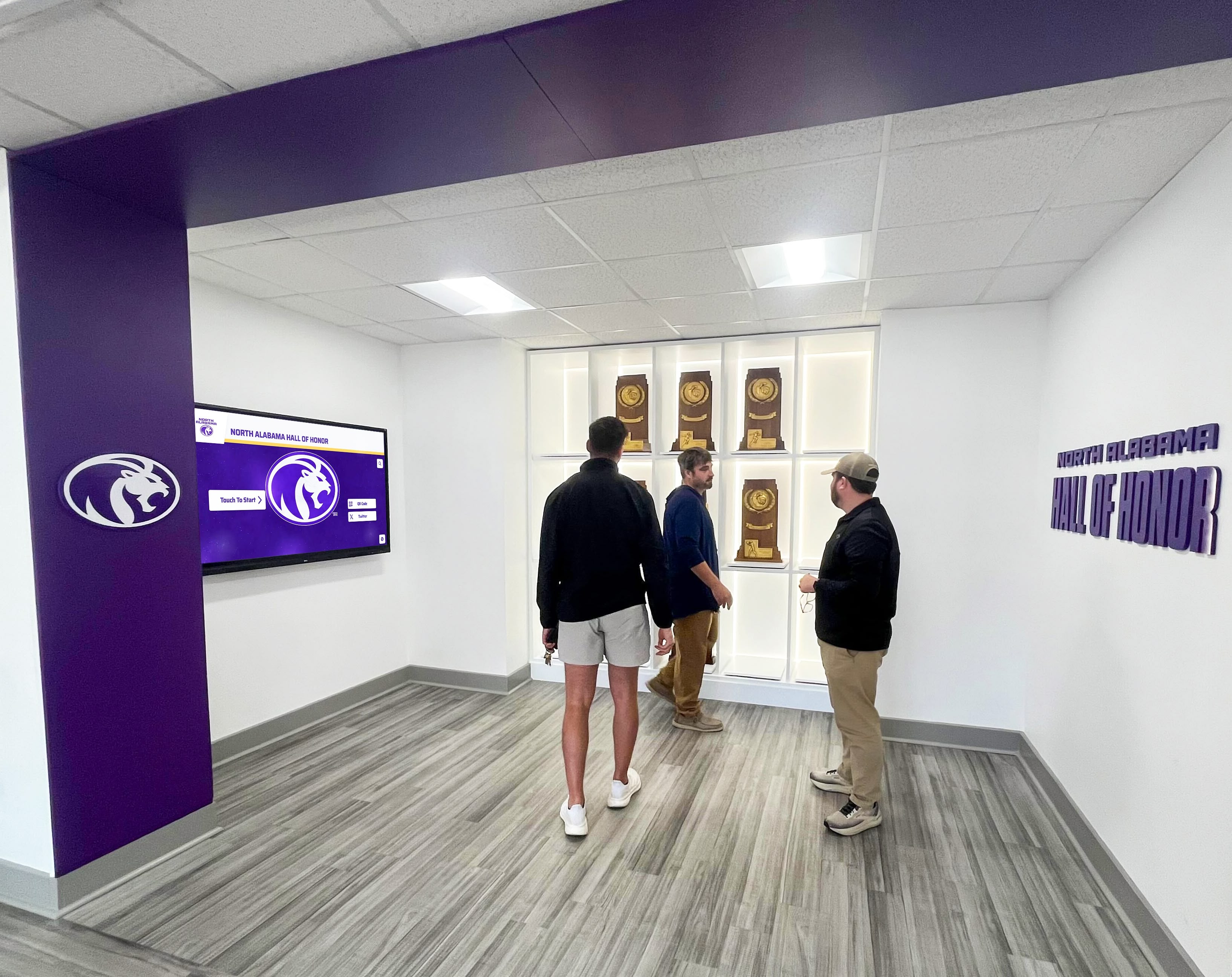
Permanent memorial displays honor multiple individuals within organizational communities
Digital Memorial Program Template
Some families and organizations create digital program versions for:
- Distant attendees joining virtually
- Permanent online memorial pages
- Easy sharing with extended networks
- Interactive memorial displays in organizational settings
Digital formats allow multimedia elements including videos, audio recordings, and extensive photo galleries impossible in printed programs.
Writing Meaningful Memorial Service Content
The words chosen for memorial programs significantly impact how attendees experience services and how families remember these tributes.
Crafting Effective Eulogies and Remembrances
Whether you’re writing eulogy content for the program or guidance for speakers:
Opening Elements
- Acknowledge the loss and gathering purpose
- Express appreciation for attendees
- Establish personal connection to the deceased
Body Content
- Share 3-5 specific stories illustrating character
- Include humorous anecdotes when appropriate (celebrating personality rather than mocking)
- Describe impact on family, friends, and community
- Mention significant accomplishments without excessive listing
- Note values and beliefs that guided their life
Closing Components
- Reflect on legacy and ongoing influence
- Offer comfort or hope to mourners
- Express gratitude for the deceased’s life and relationships
Effective eulogies balance honesty with kindness, celebrating genuine individuals rather than creating unrealistic idealizations.
Selecting Appropriate Readings and Quotes
Memorial programs often include meaningful passages:
Religious Readings
- Psalm 23 (“The Lord is my shepherd”)
- 1 Corinthians 13 (Love passage)
- John 14:1-3 (“Let not your hearts be troubled”)
- Ecclesiastes 3:1-8 (“To everything there is a season”)
- Relevant passages from other faith traditions
Secular Readings and Poetry
- “Do Not Stand at My Grave and Weep” by Mary Elizabeth Frye
- “Remember Me” by Margaret Mead
- “When Great Trees Fall” by Maya Angelou
- Excerpts from favorite literature or philosophy
- Original poems by family members
Quotes for Reflection
- “What we have once enjoyed we can never lose. All that we love deeply becomes a part of us.” - Helen Keller
- “Those we love don’t go away, they walk beside us every day.” - Anonymous
- “The life of the dead is placed in the memory of the living.” - Marcus Tullius Cicero
Select readings resonating with the deceased’s beliefs and personality rather than generic selections.
Tone and Language Considerations
Memorial program writing requires careful attention to:
Appropriate Formality
- Match language to service style (formal religious services vs. casual celebrations of life)
- Use respectful terminology throughout
- Avoid overly casual language even in less formal services
- Maintain dignity while capturing personality
Inclusivity and Sensitivity
- Acknowledge diverse attendees with varying relationships to the deceased
- Use inclusive language respecting all faiths or absence of faith
- Consider age-appropriateness when children will attend
- Balance family grief with celebration of life
Clarity and Brevity
- Keep sentences clear and readable
- Avoid unnecessarily complex vocabulary
- Break longer content into digestible sections
- Edit ruthlessly—memorial programs shouldn’t overwhelm readers
Design Tips for Professional Memorial Programs
Thoughtful design ensures programs are both beautiful and functional.
Typography and Layout Best Practices
Font Selection
- Use 2-3 fonts maximum throughout the program
- Choose highly readable fonts for body text (11-12 point minimum)
- Select dignified fonts appropriate for memorial contexts
- Ensure adequate contrast between text and background
- Avoid decorative fonts for body text
Layout Principles
- Maintain consistent margins (minimum 0.5 inches)
- Use white space effectively—avoid cramming too much content
- Align text and images consistently
- Create clear visual hierarchy guiding readers through sections
- Balance text-heavy pages with visual elements
Color Schemes and Imagery
Traditional Color Palettes
- Neutral tones: Black, white, gray, cream
- Subdued colors: Navy, burgundy, forest green, soft purple
- Nature-inspired: Earth tones, sky blue, sage green
Less Traditional Options
- Bright colors reflecting joyful personality
- Favorite colors of the deceased
- Colors associated with hobbies or passions
- Cultural color traditions
Image Selection
- Use high-resolution photos (300 DPI minimum for printing)
- Choose meaningful background images subtly supporting content
- Include religious or spiritual symbols when appropriate
- Incorporate symbols representing hobbies, careers, or passions
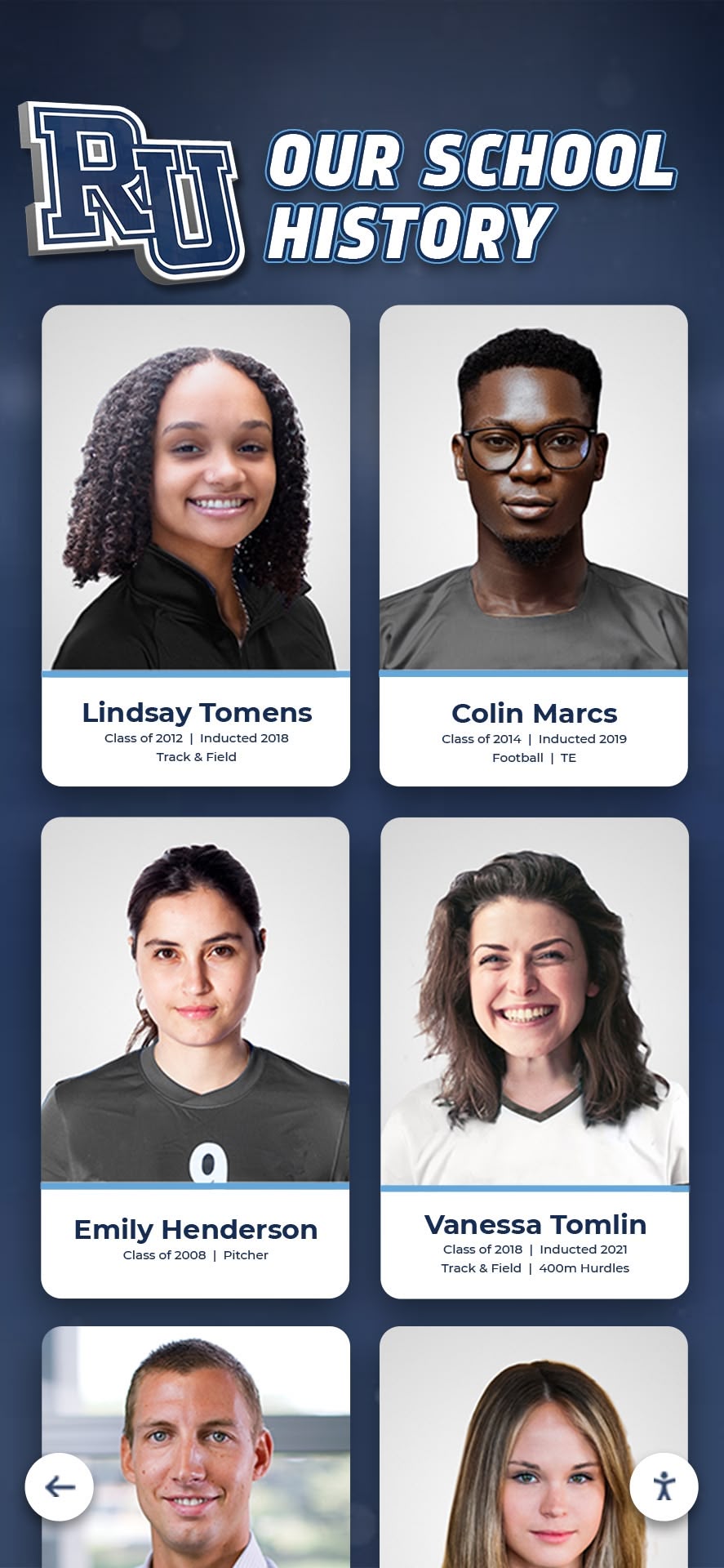
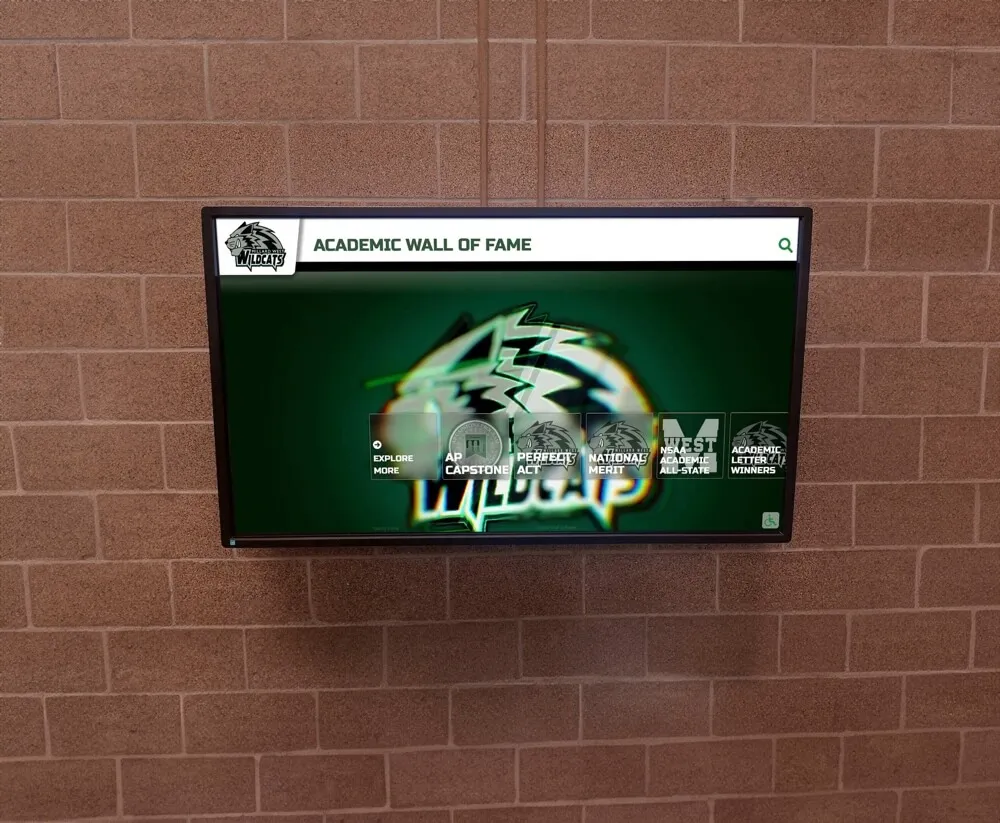
Photo galleries and portrait collections preserve memories of honored community members
Printing and Paper Considerations
Paper Stock Options
- Standard weight (20-24 lb): Budget-friendly for basic programs
- Card stock (65-110 lb): More substantial feel, better for keepsakes
- Matte finish: Reduces glare, feels more formal
- Glossy finish: Makes photos more vibrant
- Textured paper: Adds elegance but ensure readability
Printing Recommendations
- Professional printing services for large quantities or complex designs
- High-quality color printers for smaller batches
- Test prints before final production
- Print extras (plan for 20-30% more than expected attendance)
- Consider both color and black-and-white options based on budget
Cultural and Religious Considerations
Memorial programs should respect diverse traditions and beliefs.
Religious Traditions
Different faith traditions have specific memorial customs:
Christian Services
- Often include hymns, scripture readings, prayers
- May reference resurrection, eternal life, or heaven
- Cross or other Christian symbols common
- Committal services often include specific liturgies
Jewish Memorial Services
- Traditional prayers like Kaddish included in programs
- Hebrew text often appears alongside English translations
- Star of David symbols
- Seven-day mourning period (Shiva) sometimes referenced
Islamic Funeral Customs
- Brief programs as services are typically shorter and simpler
- Quranic verses in Arabic with translations
- Emphasis on deceased’s faith and good deeds
- Segregated seating sometimes reflected in program layout
Other Traditions
- Buddhist services emphasize impermanence and rebirth
- Hindu traditions vary but often include mantras and specific rituals
- Secular services focus on life accomplishments and human connections
- Cultural variations within religious traditions require family consultation
Secular Memorial Services
Non-religious memorial services require thoughtful approaches:
- Focus on life impact, relationships, and legacy
- Include humanist readings, philosophy, or literature meaningful to the deceased
- Emphasize memory, influence, and continuing bonds
- Celebrate human experience without religious framework
- Respect diverse attendee beliefs through inclusive language
Memorial Service Program Ideas for Schools
Educational institutions planning memorial services face unique considerations requiring specialized program approaches.
Student Memorial Services
When schools lose students, memorial programs should:
Age-Appropriate Content
- Use language accessible to peers
- Include student contributions (artwork, poetry, favorite memories)
- Balance sadness with celebration of the student’s life
- Provide grief resources and counseling information
- Respect family wishes about religious content
Meaningful Elements
- Photos from school activities and events
- Quotes from teachers, coaches, and friends
- Information about memorial scholarships or tribute funds
- Details about ongoing recognition through school memorial displays
- Contact information for grief support services
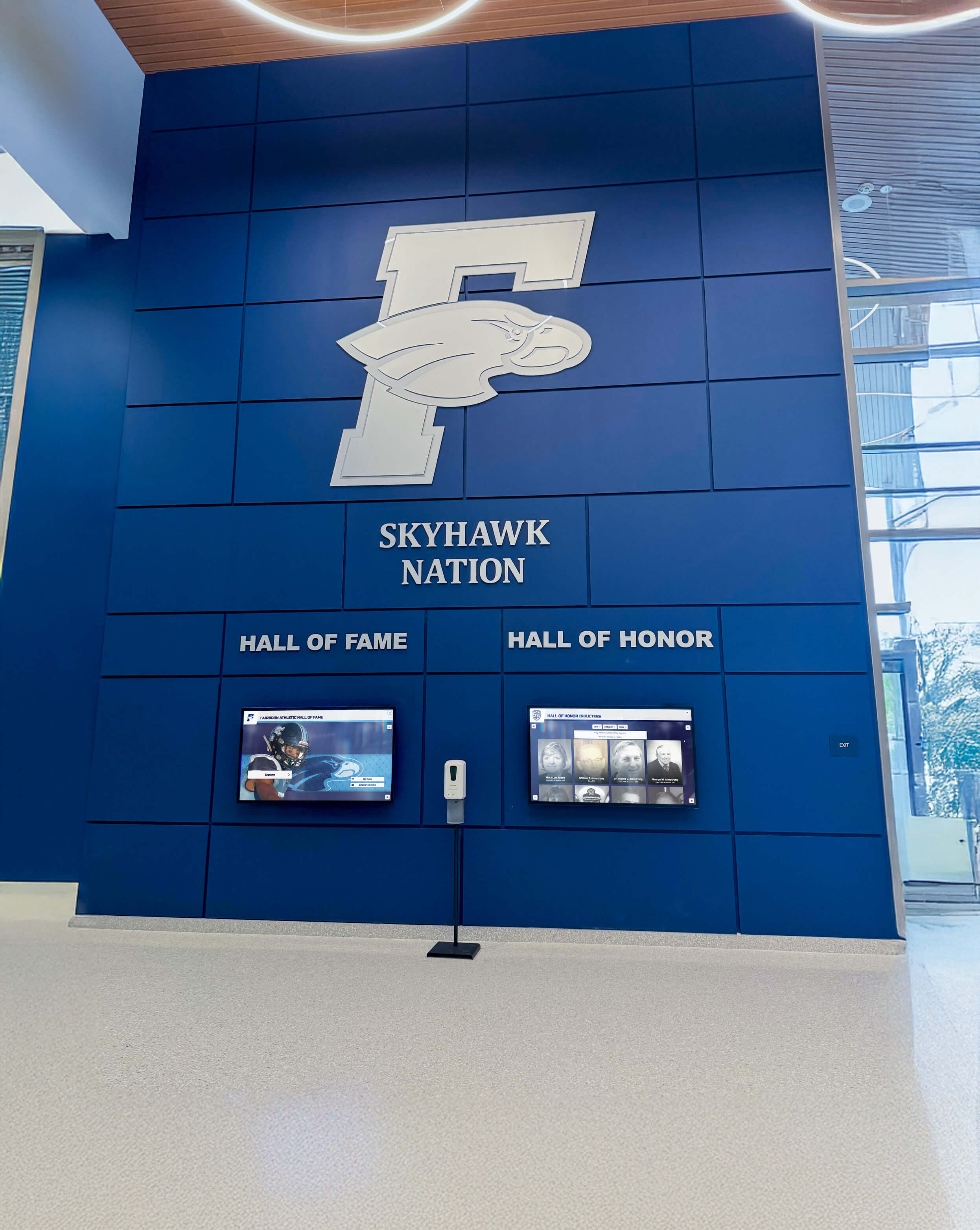
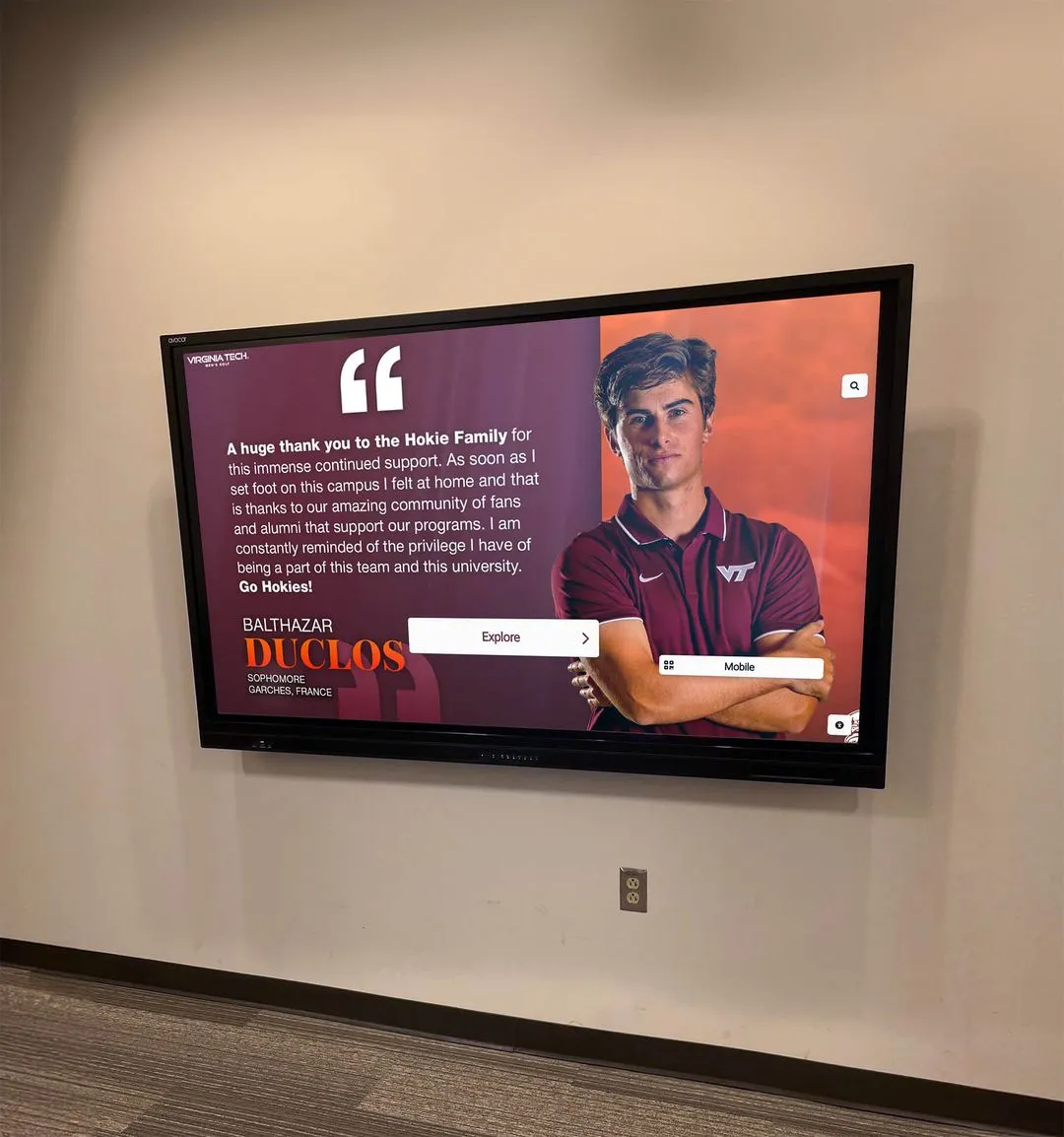
School memorial spaces provide permanent recognition for beloved students and community members
Faculty and Staff Memorials
Programs honoring teachers, administrators, or staff should:
- Highlight professional contributions and teaching impact
- Include tributes from students whose lives they influenced
- Feature photos from school events and classroom moments
- Mention awards, recognitions, and career milestones
- Note established memorial scholarships or named programs
- Provide information about permanent memorial recognition
School Community Member Tributes
When honoring coaches, volunteers, boosters, or community supporters:
- Describe specific contributions to the school
- Include photos from events, activities, and programs they supported
- Feature statements from students, staff, and families who benefited
- Note continuing programs or facilities named in their honor
- Explain lasting recognition through memorial walls and displays
Schools planning comprehensive memorial programs should consider how temporary ceremonies connect to permanent recognition ensuring honored individuals remain visible parts of school history.
Creating Lasting Memorial Recognition Beyond the Service
Memorial services provide crucial immediate opportunities for communal mourning and celebration, but the most meaningful tributes extend far beyond single ceremonies.
Limitations of Traditional Memorial Approaches
Traditional memorial methods face significant constraints:
Physical Memorial Plaques
- Limited space for biographical information
- Difficult and expensive to update if errors occur
- No capacity for photos or multimedia
- Static presentation offering no interactivity
- Weather damage when placed outdoors
- High costs for quality materials and installation
Memorial Bulletin Boards
- Temporary displays replaced after weeks or months
- Limited viewing opportunities for extended families
- Physical degradation of photos and materials over time
- Space constraints limiting information and images
- No accessibility for remote family members
Memorial Books or Yearbooks
- Expensive to produce and distribute
- Limited to single creation time with no updates
- Physical books get lost, damaged, or stored away
- No ability to share broadly with extended networks
Digital Memorial Recognition Solutions
Modern technology transforms how organizations create lasting memorial tributes:
Comprehensive Digital Profiles
Solutions like Rocket Alumni Solutions enable schools and organizations to create permanent memorial displays featuring:
- Unlimited photos showing different life stages and contexts
- Complete biographical narratives with no space constraints
- Videos including memorial service recordings, tribute messages, or favorite memories
- Interactive timelines showing life progression and achievements
- Connections to other memorial profiles (family members, colleagues, classmates)
- Searchable databases ensuring honored individuals remain discoverable
Accessibility and Permanence
Digital memorial displays provide advantages physical memorials cannot match:
- Touchscreen kiosks in school lobbies or organizational spaces enable exploration
- Web-based access allows distant family members to view tributes anytime
- Mobile-friendly designs accommodate smartphone viewing
- QR codes connect physical memorial spaces to comprehensive digital content
- Cloud-based systems ensure content never degrades or gets lost
- Regular backups preserve memories permanently
Administrative Simplicity
Managing memorial content becomes straightforward:
- Remote updates from any internet-connected device
- Immediate corrections if errors are discovered
- Adding new memorial tributes takes minutes, not weeks
- No physical installation or construction required
- Scheduled publishing coordinates with memorial service dates
- Family members can submit photos and memories easily
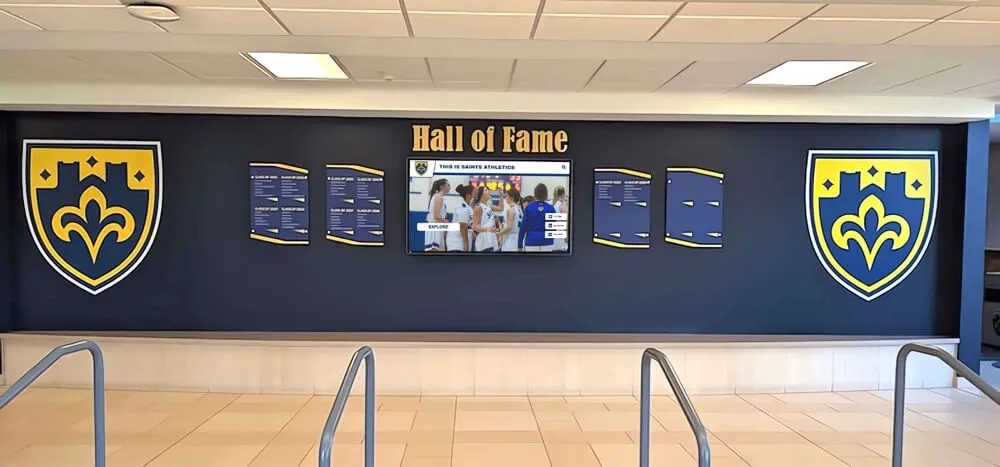
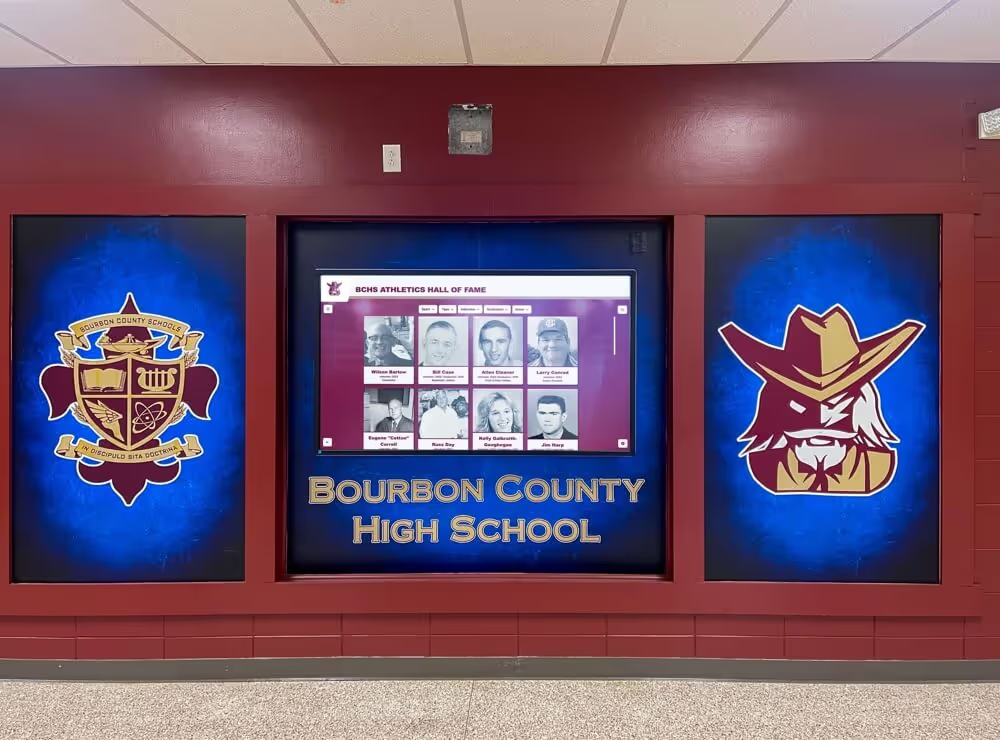
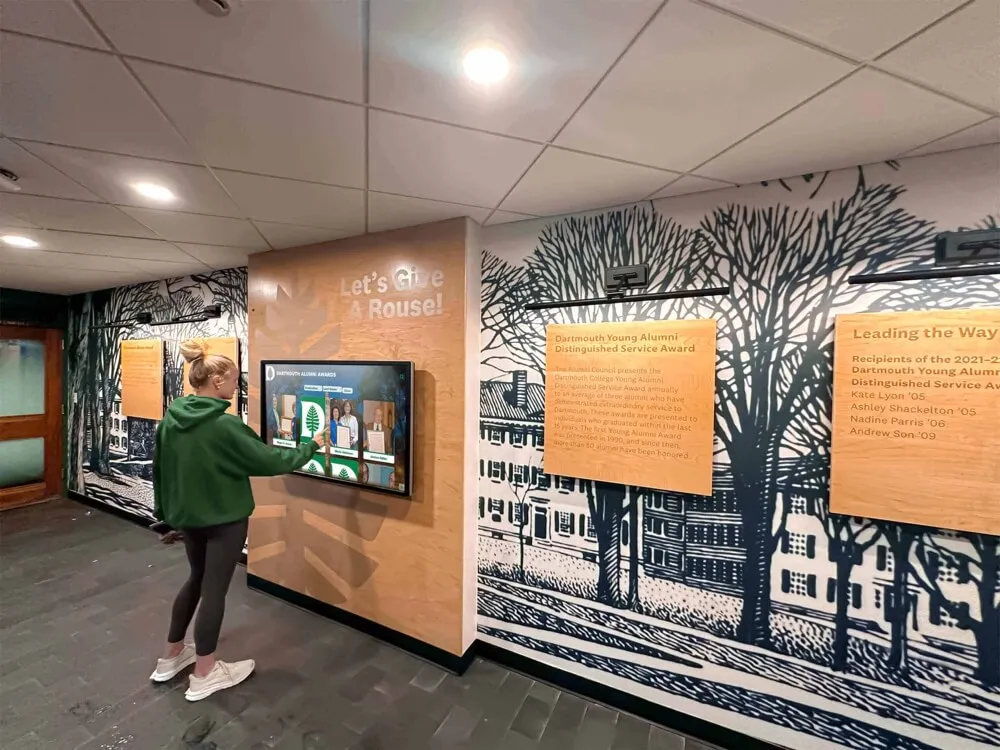
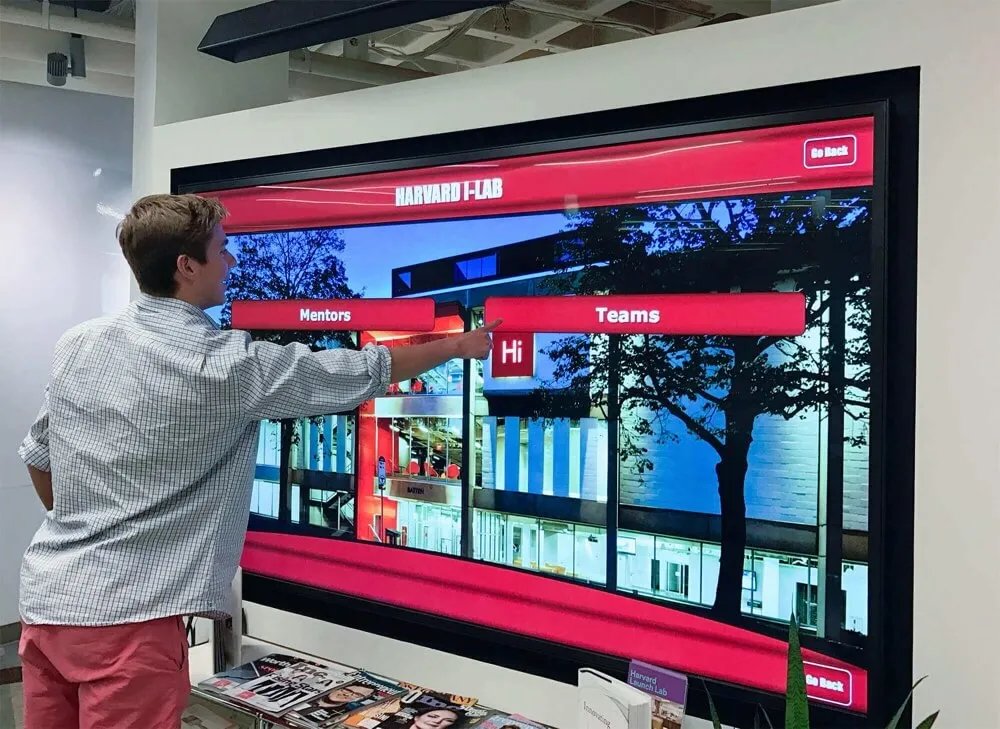
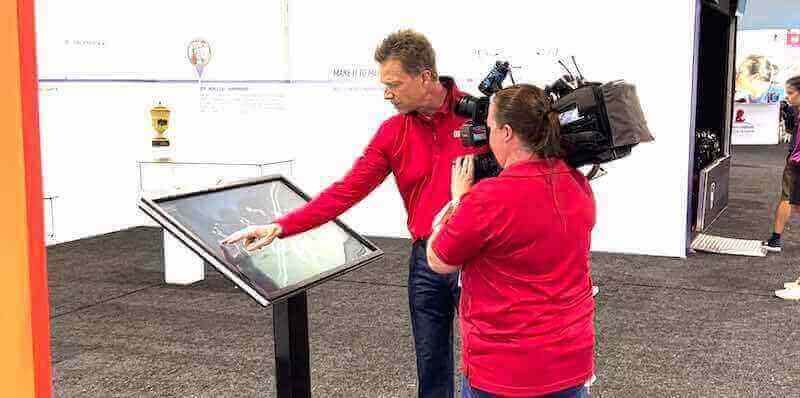
Interactive memorial displays combine traditional recognition with modern technology for comprehensive tributes
Integrating Memorial Services with Ongoing Recognition
The most thoughtful memorial approaches connect single services with permanent systems:
During the Memorial Service
- Reference permanent memorial displays or online tributes being established
- Provide QR codes in programs linking to comprehensive digital memorials
- Explain how families and friends can contribute memories and photos
- Announce memorial scholarship funds or named programs
- Show digital memorial displays during services through video presentations
After the Service
- Add memorial service program content to permanent digital displays
- Include photos from the service itself
- Feature video recordings of eulogies and remembrances
- Update profiles with additional memories shared after the service
- Connect memorial tributes to broader organizational recognition programs
Schools implementing comprehensive digital recognition systems discover that memorial tributes integrate seamlessly alongside athletic achievements, academic honors, and alumni recognition—creating holistic celebrations of all community members who shaped institutional history.
Memorial Service Program Checklist
Ensure comprehensive program planning with this checklist:
Four Weeks Before Service
- Confirm service date, time, and location
- Gather biographical information from family
- Collect photos spanning different life stages
- Select program format (folded bulletin, booklet, single page)
- Choose readings, music, and ceremonial elements
- Determine order of service
Two Weeks Before Service
- Write biographical content
- Draft eulogy or speaker guidelines
- Design program layout
- Select color scheme and design elements
- Write acknowledgments section
- Finalize memorial donation information
One Week Before Service
- Review complete draft with family
- Make requested revisions
- Proofread carefully for errors
- Print test copy to check layout and clarity
- Confirm final attendance estimates
Two Days Before Service
- Print final programs with 20-30% extra copies
- Assemble booklet programs if applicable
- Prepare distribution plan for service
- Coordinate with ushers or greeters
- Create digital version if offering online access
After the Service
- Preserve master copies of programs
- Create digital archives of all memorial materials
- Upload content to permanent memorial displays
- Share digital versions with extended family
- Gather feedback for future memorial planning
Resources for Memorial Service Planning
Additional support and guidance for memorial planning:
Professional Services
Funeral Homes and Memorial Planners Most funeral homes offer program creation services including:
- Template selection and customization
- Design and layout assistance
- Professional printing
- Guidance on appropriate content and customs
Graphic Designers For unique, personalized programs, professional designers provide:
- Custom layouts reflecting personality and style
- Advanced photo editing and enhancement
- Sophisticated design elements
- Premium printing coordination
Online Template Resources
Numerous websites offer memorial program templates:
- Microsoft Office templates (Word and Publisher)
- Canva memorial program designs
- Adobe Spark templates
- Specialized memorial program software
Ensure selected templates allow sufficient customization and produce professional results.
Community and Organizational Support
Many organizations provide memorial planning assistance:
- Religious institutions offering liturgical guidance
- School counseling offices supporting student memorial services
- Veterans organizations assisting with military memorial honors
- Community centers providing venue and planning support
Create Lasting Memorial Recognition That Extends Beyond the Service
Memorial service programs provide crucial guidance during ceremonies, but lasting tributes require permanent recognition systems that preserve memories year after year. Digital memorial displays enable schools and organizations to honor loved ones through comprehensive profiles, unlimited photos, and interactive presentations accessible to extended families and communities. Transform temporary memorial services into enduring recognition ensuring honored individuals remain permanently celebrated within your organizational history.
Explore Memorial Recognition SolutionsCommon Memorial Service Program Mistakes to Avoid
Even well-intentioned planners make mistakes that detract from memorial services:
Content Errors
Spelling and Factual Mistakes
- Misspelled names (absolutely verify spelling with multiple sources)
- Incorrect dates, locations, or survivor information
- Inaccurate biographical details
- Wrong photo captions or attributions
These errors distress families and undermine program credibility. Multiple people should proofread final versions before printing.
Inappropriate Tone or Content
- Overly casual language in formal services
- Inside jokes or references outsiders won’t understand
- Controversial topics or divisive opinions
- Excessive focus on grief rather than celebration
- Generic content lacking personal touches
Incomplete Information
- Missing order of service details
- Inadequate biographical information
- No acknowledgments of key supporters
- Missing memorial donation information
- Absent contact information for ongoing memorial programs
Design Problems
Poor Readability
- Font sizes too small for older attendees
- Insufficient contrast between text and backgrounds
- Overly decorative fonts obscuring content
- Dense text blocks without breaks
Layout Issues
- Cluttered designs cramming too much content
- Inconsistent formatting creating confusion
- Poor photo quality or inappropriate image selection
- Unbalanced pages with awkward white space
Printing Quality
- Low-resolution images appearing pixelated
- Color inconsistencies between proof and final prints
- Thin paper feeling cheap or flimsy
- Poor paper cutting creating uneven edges
Planning and Logistics Failures
Insufficient Quantities
- Printing too few programs for attendance
- Running out during service causing embarrassment
- No extras for family members wanting keepsakes
Last-Minute Rushes
- Starting too late and making rushed decisions
- Accepting first drafts without adequate review
- Printing immediately before service with no time for corrections
Coordination Problems
- Programs not matching actual service order
- Speakers or musical selections changed without program updates
- Information conflicting with other memorial materials
Conclusion: Creating Memorial Programs That Honor and Comfort
Memorial service programs serve dual purposes—providing practical guidance during ceremonies while creating lasting keepsakes families treasure indefinitely. Thoughtfully designed programs honor deceased individuals appropriately, comfort mourners through structured remembrance, and preserve memories in tangible forms extending far beyond single memorial services.
Effective memorial program creation balances dignity with personality, includes essential practical information while telling meaningful stories, respects diverse traditions and beliefs, and connects temporary memorial services to permanent recognition ensuring honored individuals remain visible parts of organizational and family histories.
Organizations and schools implementing comprehensive memorial approaches discover that thoughtful program design represents just one element of meaningful remembrance. The most impactful memorial tributes combine well-planned services with permanent recognition systems—digital memorial displays providing unlimited space for photos, comprehensive biographies, and interactive presentations ensuring loved ones receive ongoing celebration rather than fading from institutional memory after brief memorial ceremonies.
Whether planning your first memorial service or seeking to improve established programs, remember that these tributes represent final opportunities to honor lives well-lived. Investing time and care in memorial program creation demonstrates respect for deceased individuals, provides comfort to grieving families, and creates lasting recognition ensuring legacies endure permanently within the communities they shaped.
Ready to transform memorial recognition at your school or organization? Discover comprehensive solutions combining meaningful memorial service support with permanent digital recognition, ensuring honored individuals receive the lasting tributes their lives deserve.