



Legacy giving represents one of the most powerful yet underutilized fundraising strategies available to schools, universities, and nonprofit organizations. While annual fund campaigns and major gift solicitations address immediate operational needs, legacy gifts—also known as planned gifts or bequest gifts—create enduring financial foundations that sustain missions across generations. Research consistently shows that organizations with robust legacy giving programs receive 15-30% of their total contributed revenue from these planned gifts, often representing the largest single donations in institutional history.
Yet many development offices struggle to initiate meaningful legacy giving conversations with supporters. The perception that planned giving requires complex legal knowledge, exclusively targets elderly donors, or demands significant staff investment prevents countless organizations from accessing transformational philanthropic support. Donors who would gladly include beloved institutions in estate plans never receive invitations to do so, while organizations miss opportunities to secure their long-term financial sustainability through carefully cultivated legacy relationships.
This comprehensive guide explores how schools and nonprofits can build effective legacy giving programs that honor donor intentions while creating sustainable revenue streams supporting missions for decades to come. From identifying legacy prospects and initiating estate planning conversations through recognizing bequest commitments and stewarding multi-generational relationships, these proven strategies help development professionals create philanthropic legacies that outlive individual donors while strengthening organizational capacity to serve communities perpetually.
Successful legacy giving programs balance respectful donor conversations with organizational sustainability needs, creating environments where supporters view estate gifts as natural extensions of lifetime philanthropic relationships rather than uncomfortable final acts.

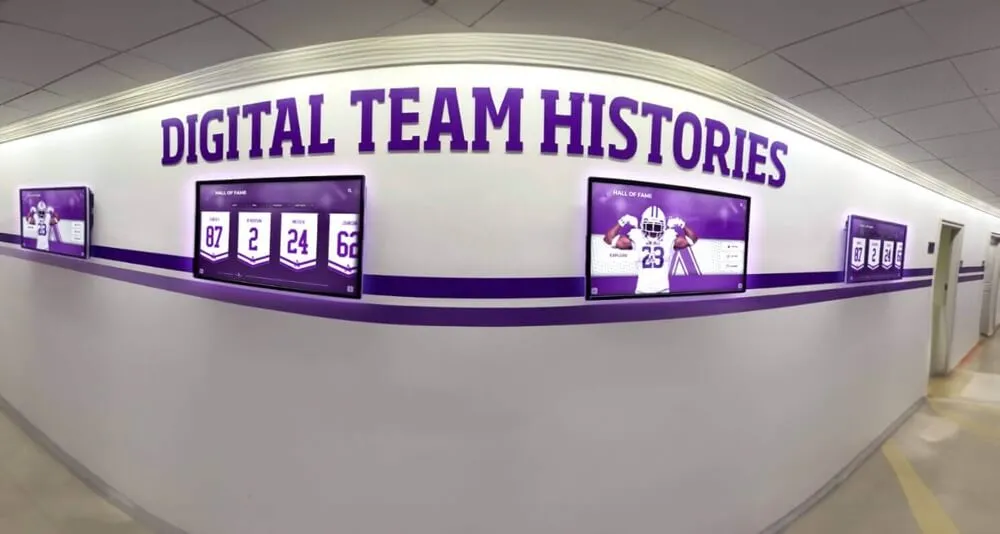
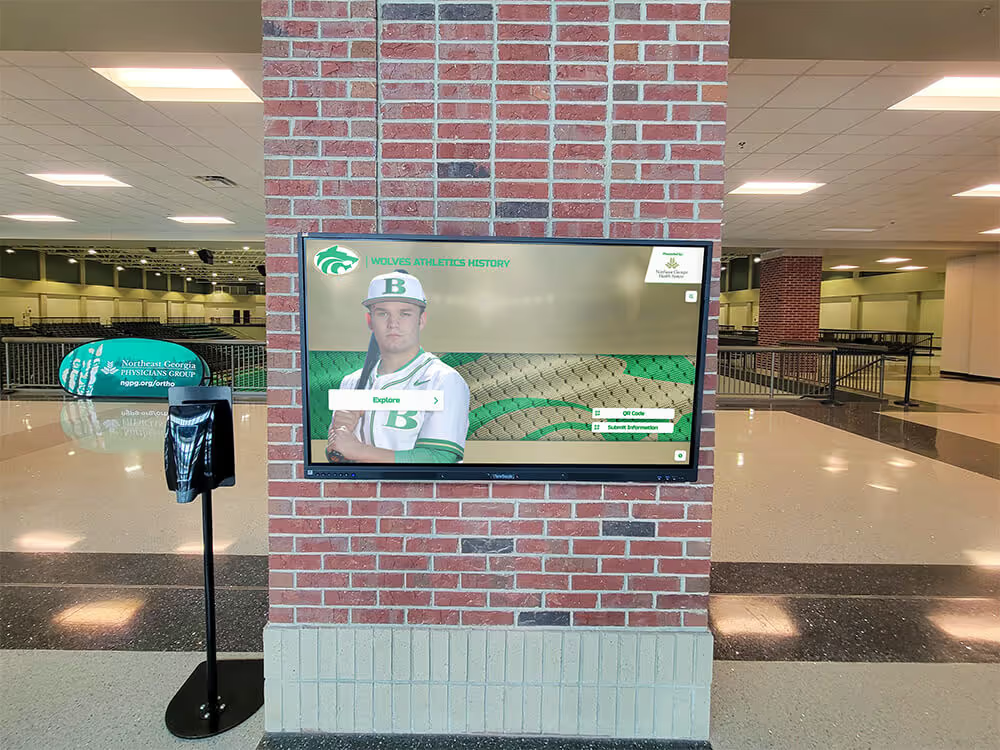
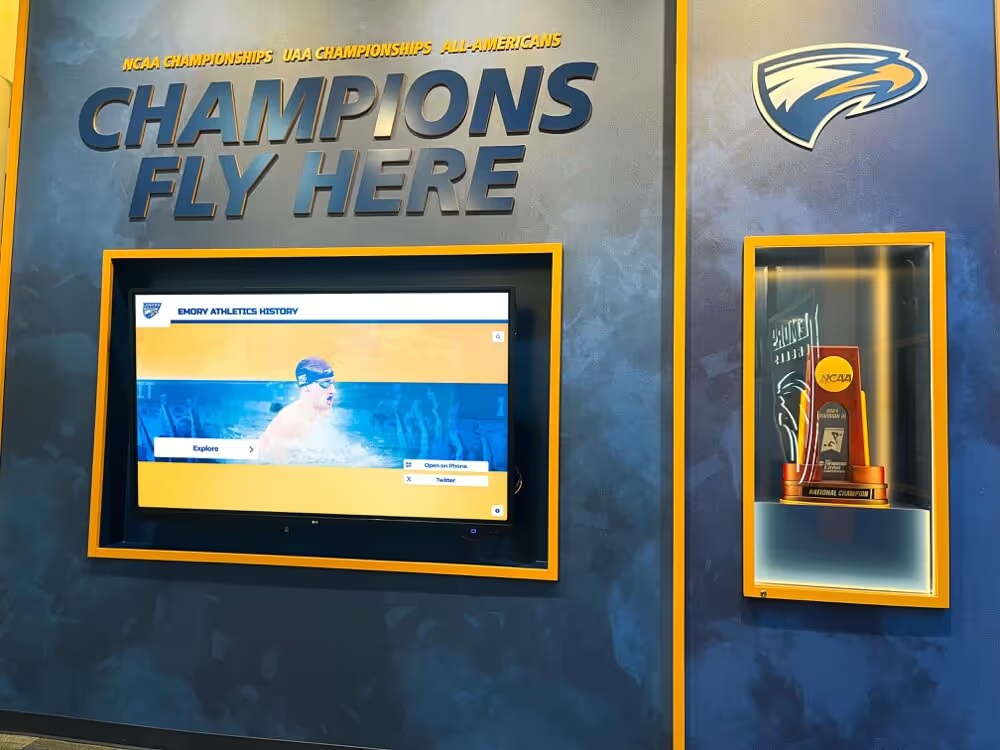
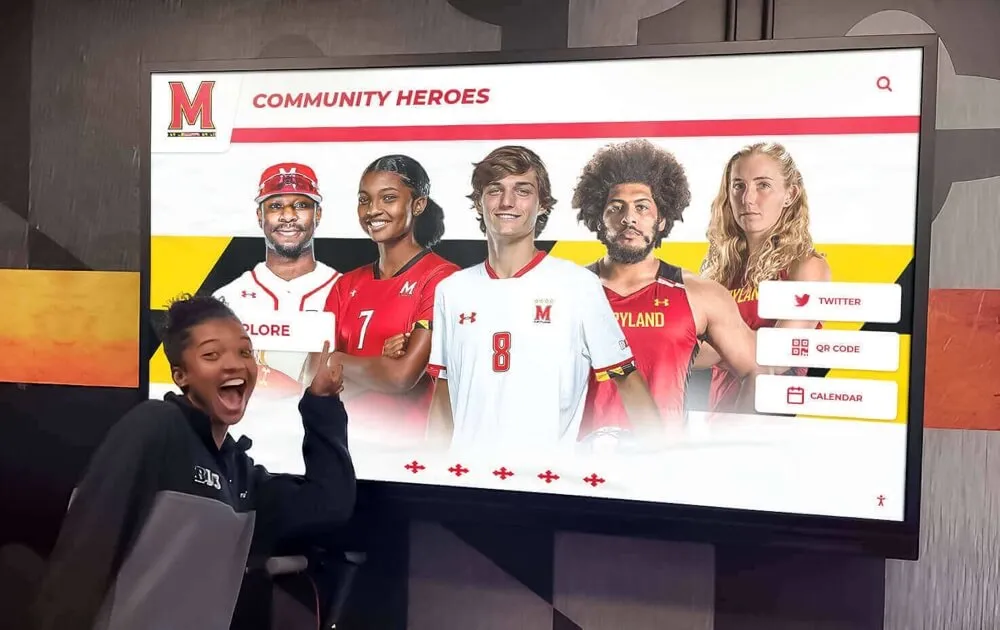
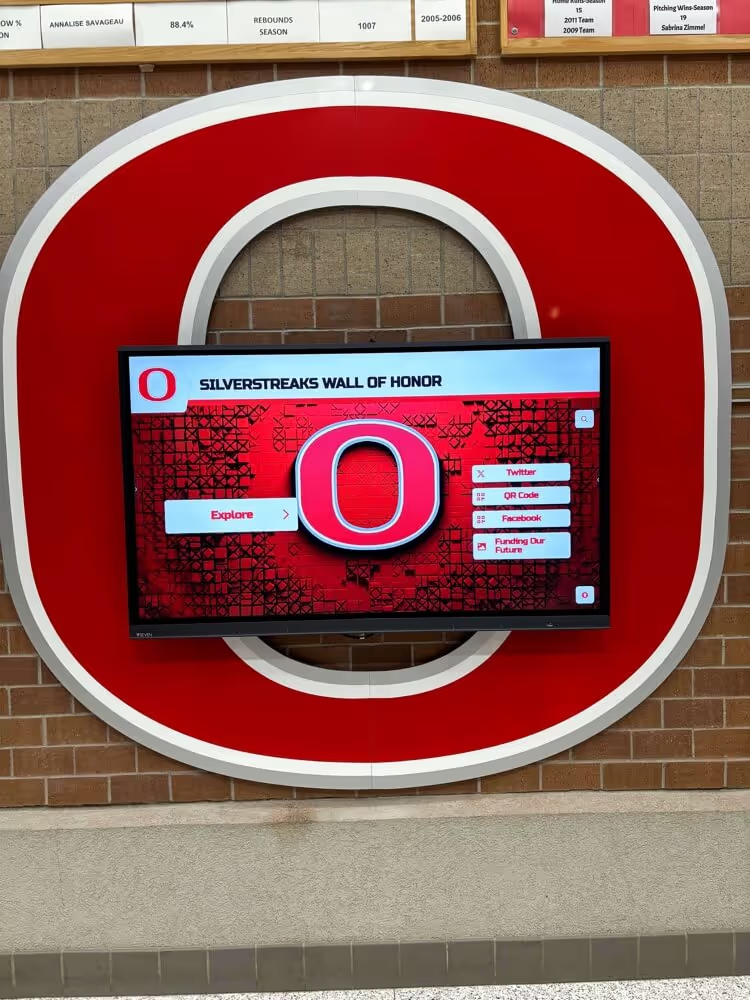
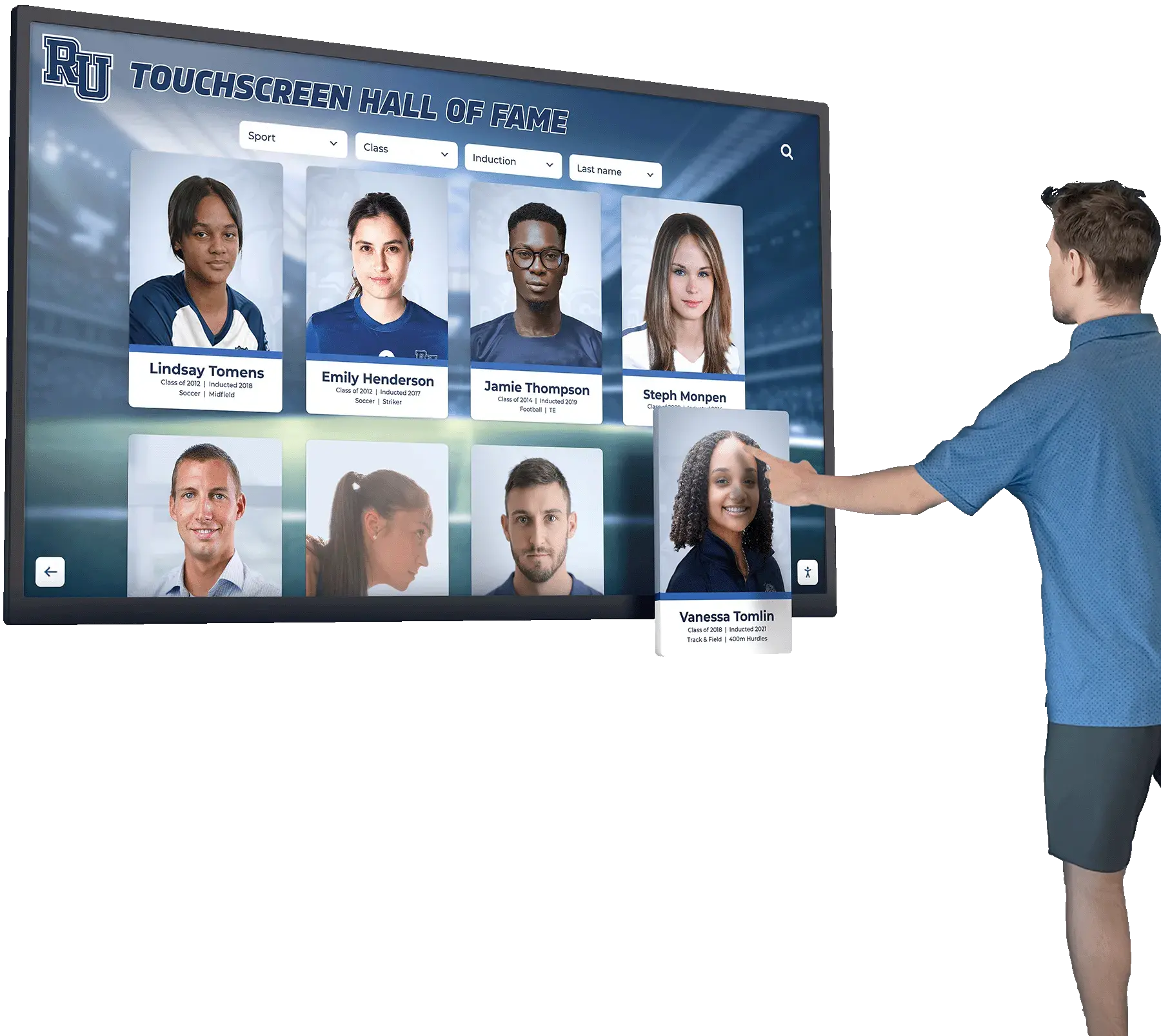
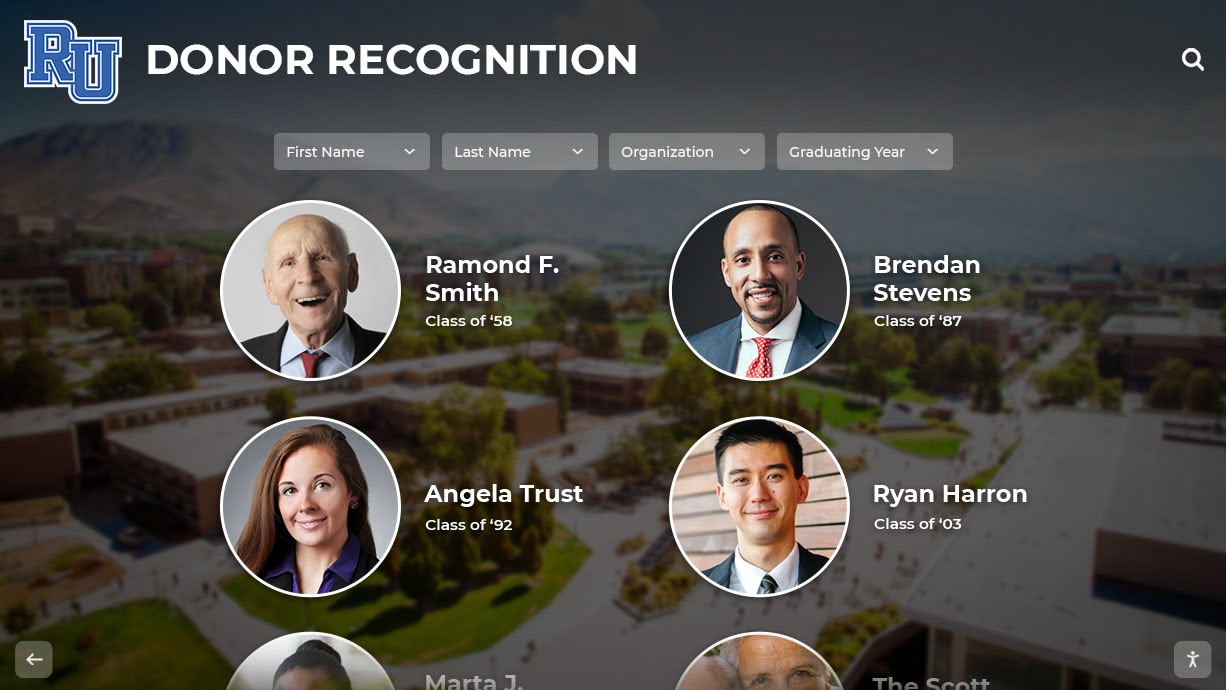
Legacy giving programs create lasting philanthropic relationships that organizations honor through permanent recognition celebrating multi-generational support
Understanding Legacy Giving: Beyond the Basics
Before implementing legacy giving strategies, development professionals must understand what distinguishes planned gifts from other philanthropic vehicles and why these contributions deserve specialized cultivation approaches.
What Is Legacy Giving?
Legacy giving encompasses any major gift made as part of overall financial or estate planning, typically realized after a donor’s lifetime. While the terminology varies—planned giving, deferred giving, gift planning, estate gifts, bequest gifts—all refer to philanthropic commitments structured through financial instruments that provide benefits to both donors and recipient organizations.
Common Legacy Giving Vehicles
Bequest Gifts
- Charitable bequests in wills or living trusts
- Most common form of legacy giving (representing 80-85% of planned gifts)
- Donors designate fixed amounts, percentages of estates, or residual beneficiary status
- No immediate financial impact on donors during lifetime
- Organizations receive gifts only upon estate settlement
Beneficiary Designations
- Naming organizations as beneficiaries of retirement accounts (IRAs, 401(k)s)
- Life insurance policy beneficiary designations
- Transfer-on-death account designations
- Extremely simple to establish requiring only beneficiary forms
- Tax-efficient giving method for retirement account distributions
Charitable Remainder Trusts
- Donors receive income during lifetime with remainder to charity
- Immediate charitable deduction for present value of future gift
- Removes appreciated assets from estates
- Professional trust management required
Charitable Gift Annuities
- Donors make contributions receiving fixed lifetime payments
- Predictable income stream with favorable tax treatment
- Simple alternative to trusts for older donors
- Organizations assume investment and payment obligations
Why Legacy Giving Matters for Organizational Sustainability
Development offices implementing comprehensive legacy giving programs discover benefits extending far beyond individual gift values:
Financial Stability and Endowment Growth
Legacy gifts typically represent organizations’ largest individual contributions. Average bequest gifts range from $35,000 to $250,000 depending on organizational type and donor demographics—significantly larger than typical annual fund contributions. These substantial gifts enable:
- Endowment establishment or expansion providing perpetual income
- Capital project funding supporting facilities and infrastructure
- Program development creating new mission-driven initiatives
- Financial reserves buffering against economic volatility
- Strategic investments impossible through annual operating budgets
Organizations implementing donor recognition programs that celebrate legacy commitments report 25-40% higher legacy gift closure rates compared to organizations providing minimal bequest society acknowledgment.
Donor Relationship Deepening
Legacy giving conversations fundamentally differ from transactional solicitations. Discussing estate plans requires donors reflecting on values, priorities, and desired impacts beyond lifetimes. These meaningful dialogues strengthen emotional connections between supporters and missions while revealing:
- Deeper understanding of what aspects of organizational work most resonate with donors
- Family histories and multi-generational connections to institutions
- Motivations driving philanthropic commitments
- Opportunities for current giving aligned with estate planning intentions
- Prospect research insights informing major gift cultivation
Multi-Generational Engagement
Legacy giving naturally extends relationships across generations. Donors including organizations in estate plans often:
- Involve children and grandchildren in philanthropic decision-making
- Create family giving traditions spanning multiple generations
- Inspire subsequent generations to maintain support relationships
- Provide opportunities for family legacy recognition honoring multiple family members
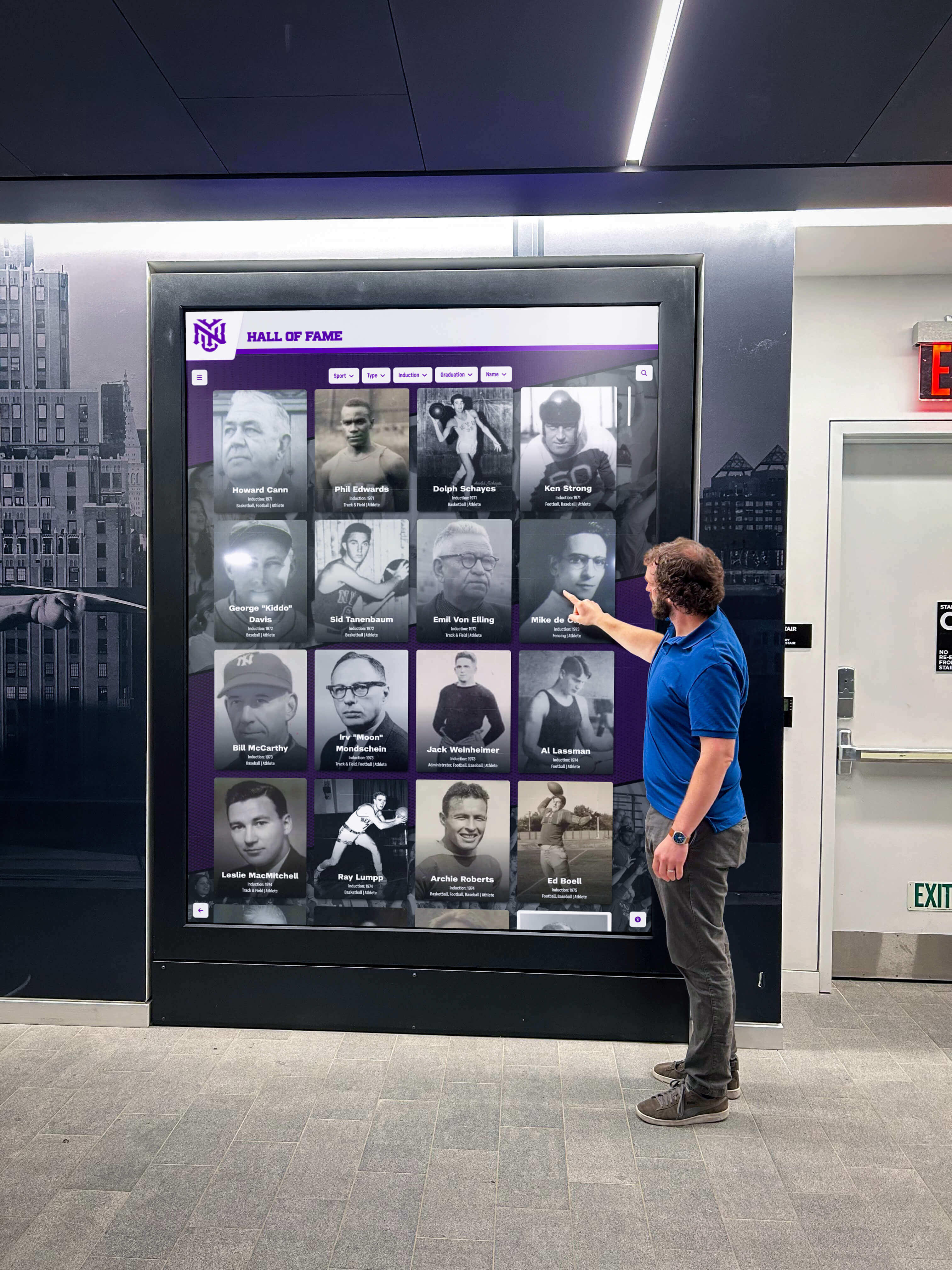
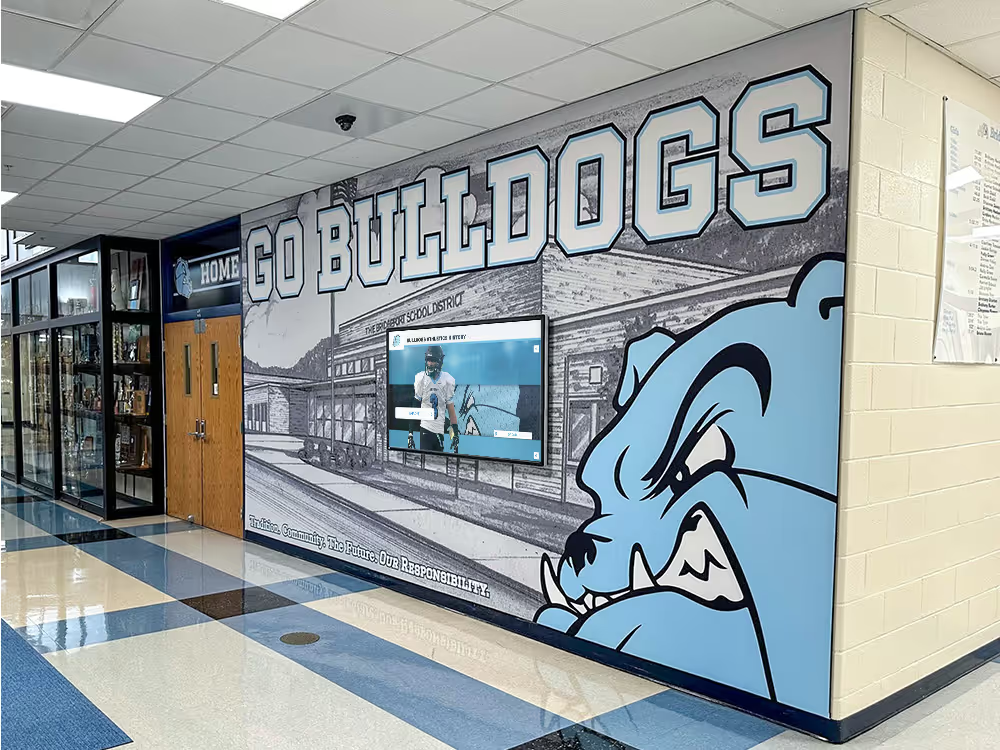
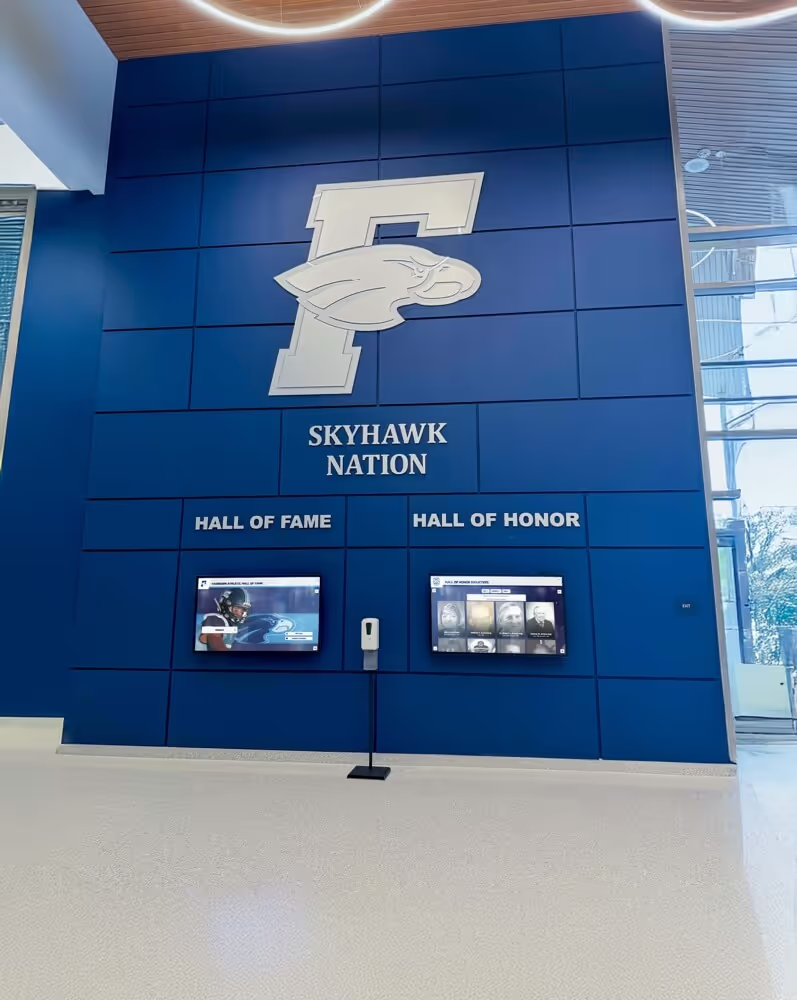
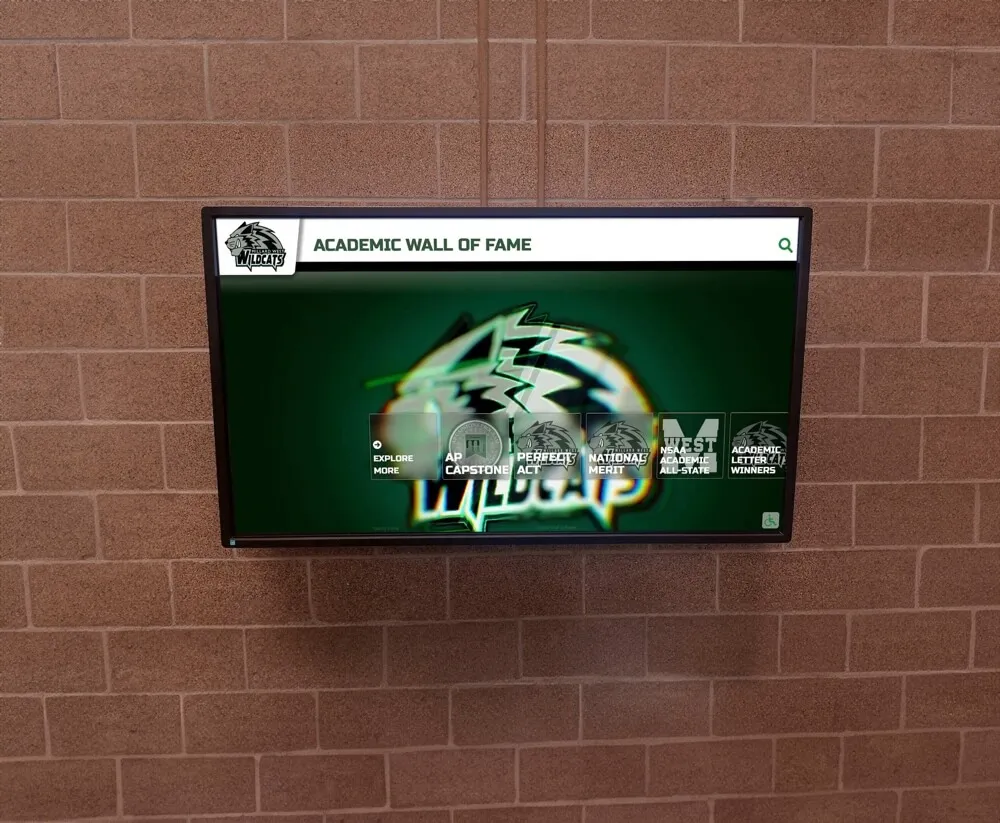
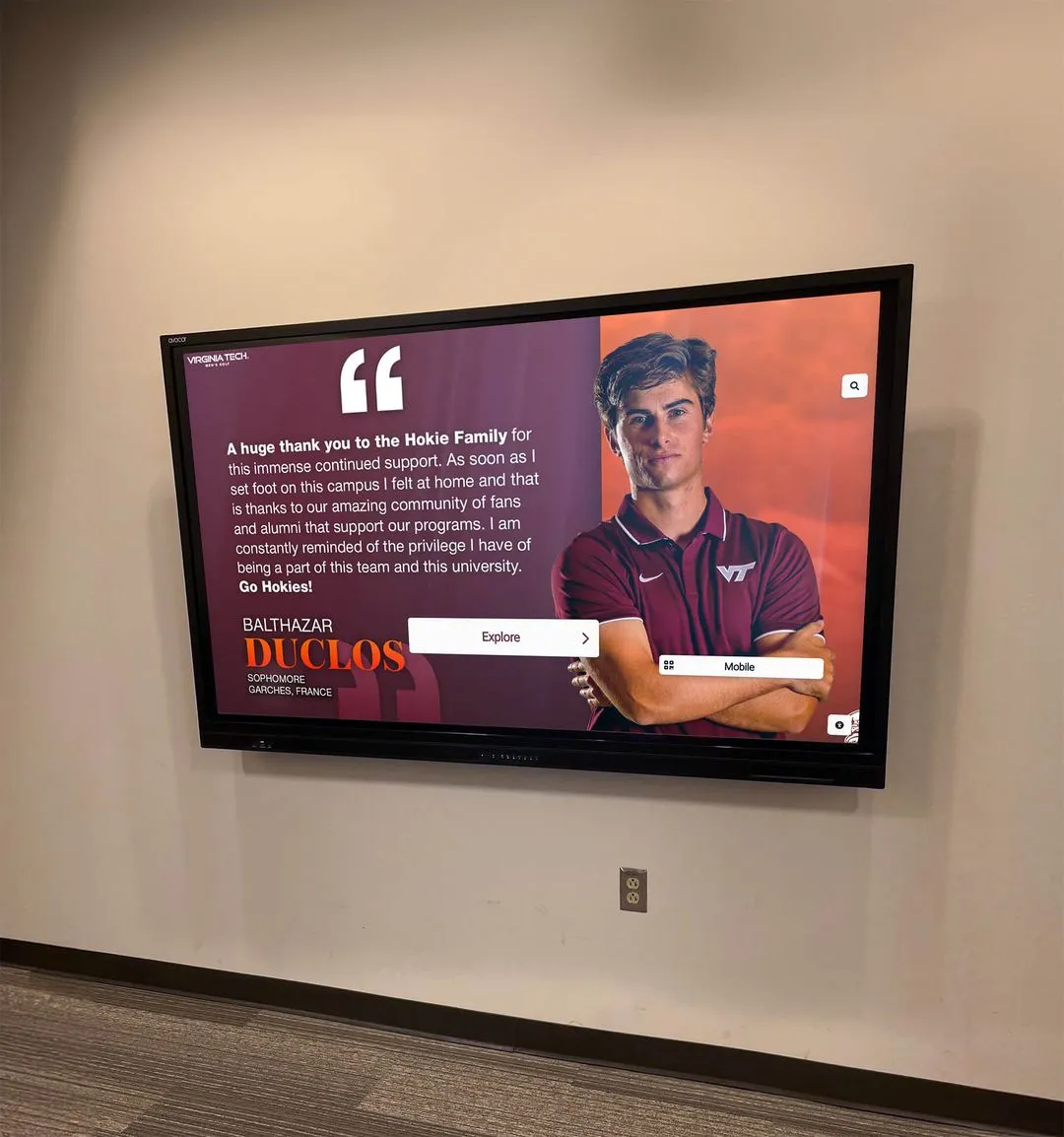
Interactive recognition displays enable organizations showcasing legacy donor stories and inspiring future planned gift commitments
Building Your Legacy Giving Program: Foundation Elements
Effective programs require systematic approaches addressing prospect identification, marketing, cultivation, and stewardship.
Establishing a Legacy Society
Legacy societies—also called Heritage Circles, Founder’s Clubs, or Planned Giving Societies—provide branded frameworks organizing bequest recognition and stewardship:
Naming and Identity Development
Society names should:
- Reflect organizational history or values (Heritage Society, Legacy Circle)
- Honor founding figures or significant institutional leaders
- Create aspirational identity donors value joining
- Remain timeless rather than tied to current campaigns
- Communicate permanence and institutional commitment
Membership Criteria and Levels
Most legacy societies employ inclusive approaches:
- Any documented bequest commitment regardless of estimated value
- Beneficiary designations of retirement accounts or life insurance
- Charitable remainder trusts or gift annuities with remainder to organization
- Real estate or other non-cash estate gifts
- Optional recognition tiers based on estimated gift values
Inclusive criteria encourage participation from donors at all capacity levels while communicating that legacy giving represents values and commitment rather than exclusively wealth.
Benefits and Recognition
Legacy society membership typically includes:
- Permanent recognition on honor walls or in donor directories
- Annual appreciation events exclusively for legacy donors
- Special communications about organizational impact and strategic direction
- Involvement opportunities in governance or advisory capacities
- Priority access to leadership and behind-the-scenes experiences
- Memorial recognition programs honoring donors after estate settlement
Identifying Legacy Giving Prospects
Contrary to common assumptions, ideal legacy giving prospects don’t necessarily represent organizations’ wealthiest donors or exclusively elderly supporters.
Demographic and Psychographic Indicators
Research identifies prospect characteristics correlating with legacy giving likelihood:
Age and Life Stage
- Individuals 55+ (though younger donors increasingly include organizations in estate plans)
- Empty nesters completing family obligations
- Retirees with established estates
- Individuals experiencing health changes prompting estate planning
- Couples updating estate plans after marriages or divorces
Giving Patterns
- Consistent annual donors across multiple years (loyalty indicator)
- Modest gift amounts from individuals with apparent greater capacity
- Donors who give despite lacking substantial current income (commitment indicator)
- Supporters who maintained giving through financial setbacks
- Alumni/constituents who engage beyond financial contributions
Relationship Depth
- Long-term organizational involvement (volunteers, board members, committee participants)
- Multiple touchpoint engagement across programs
- Expressed emotional connections to mission
- Personal beneficiary experiences from organizational services
- Family legacy relationships spanning generations
Behavioral Indicators Suggesting Legacy Interest
Development staff should note donors who:
- Ask questions about endowments or long-term institutional plans
- Mention estate planning or financial advisors in conversations
- Inquire about naming opportunities or permanent recognition
- Express concerns about organizational sustainability
- Reference desire for impact outlasting lifetimes
- Tour facilities or programs with unusual interest in history and longevity
Organizations implementing comprehensive recognition systems that showcase legacy donor stories report that current donors become 3-5 times more likely to inquire about estate giving when regularly exposed to legacy recognition.

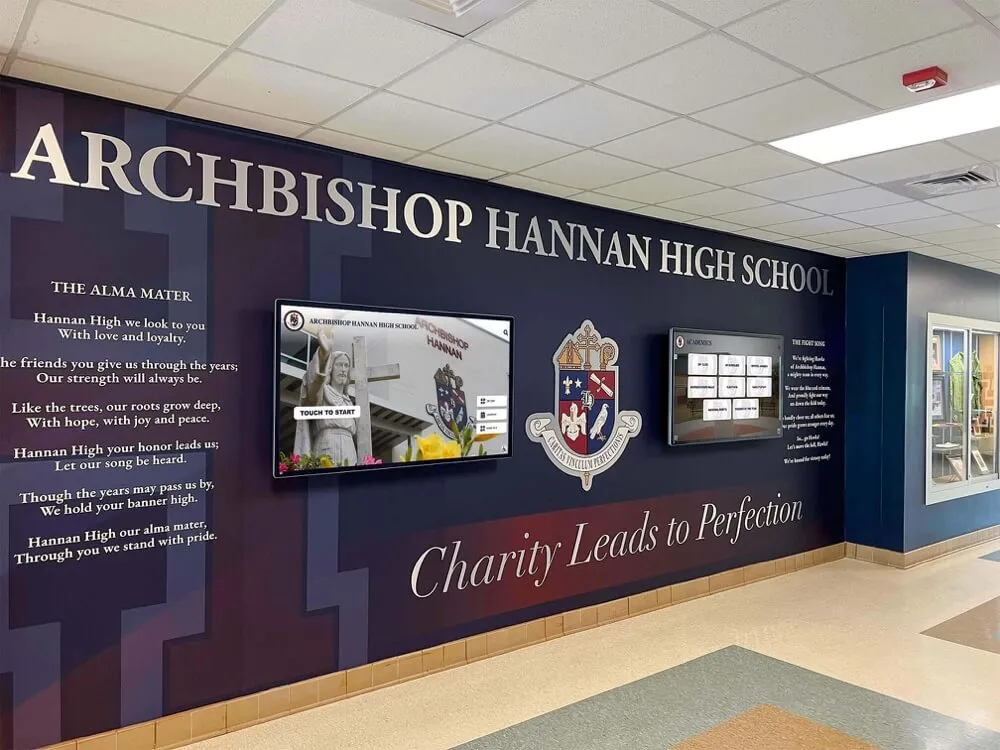
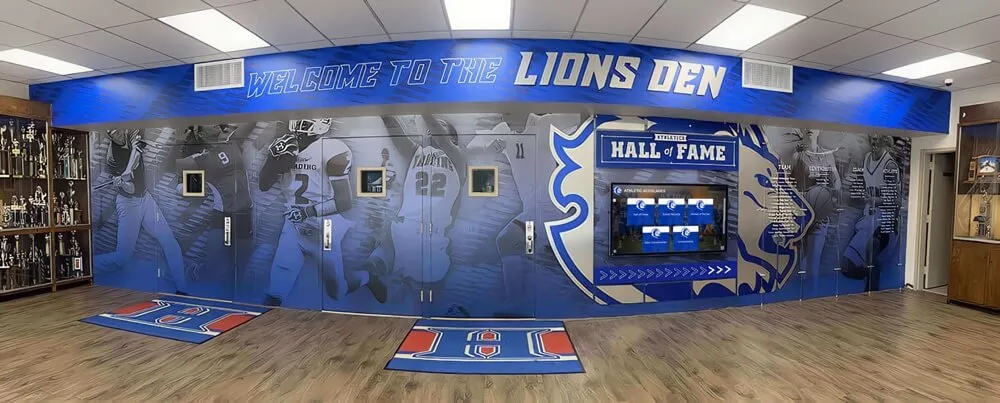
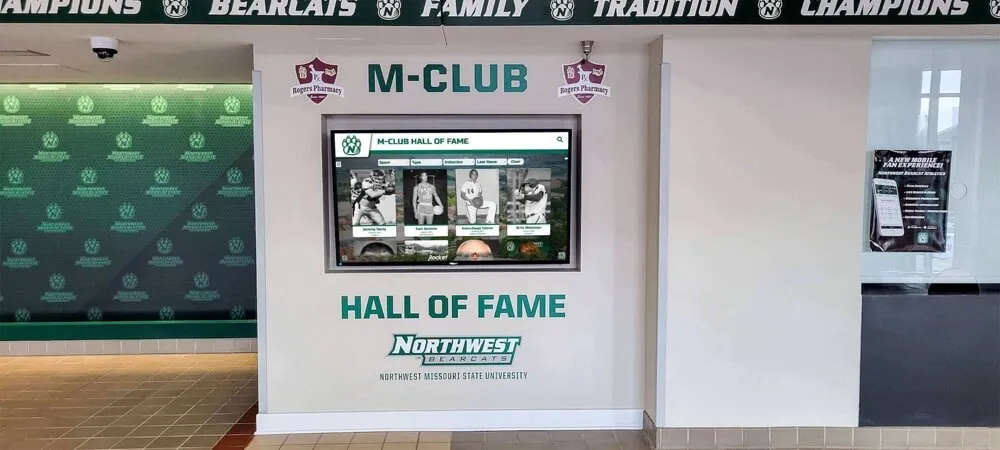
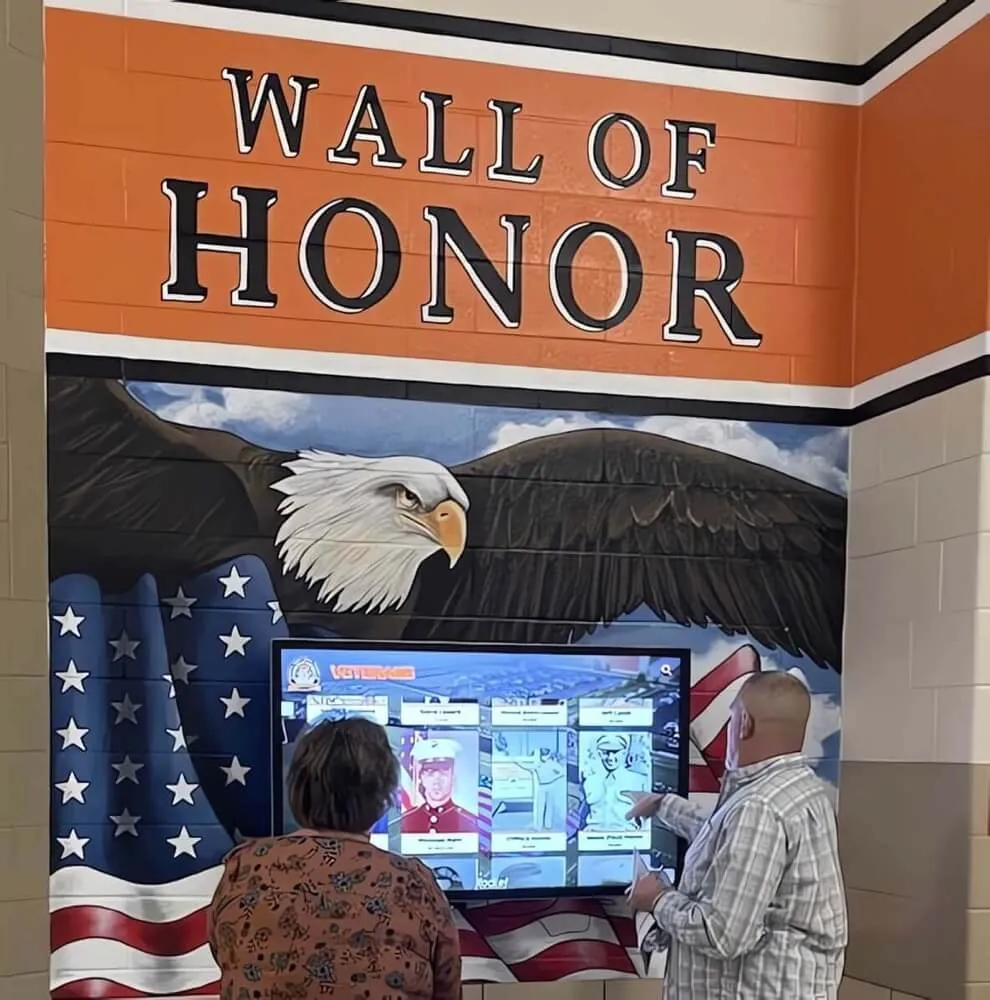
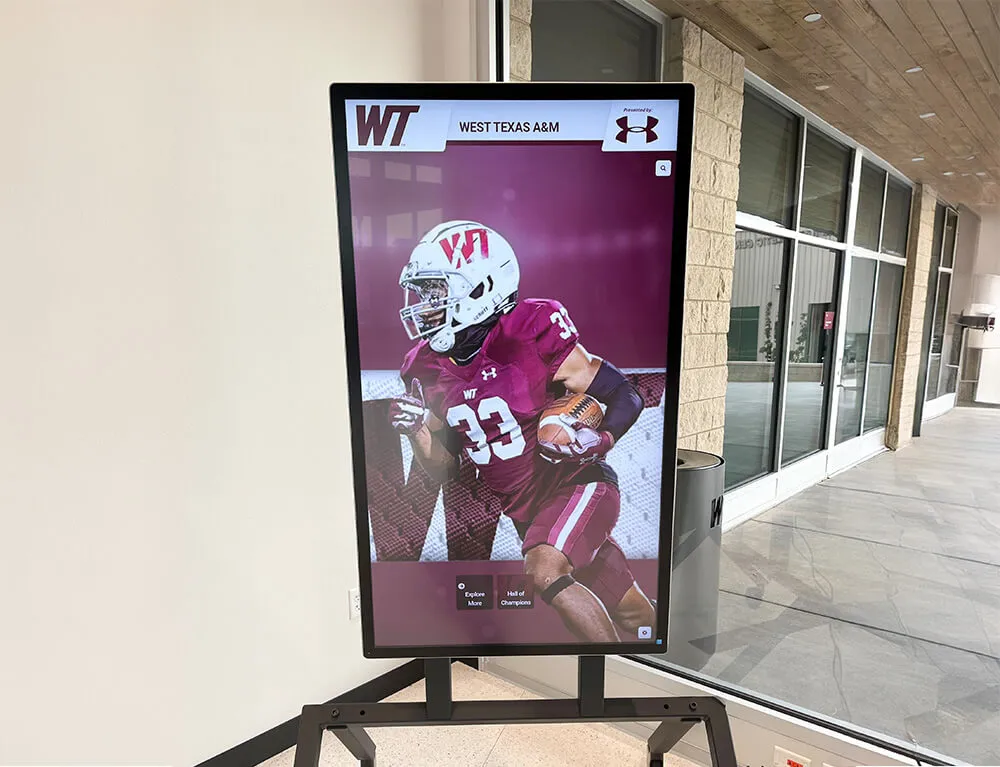
Recognition walls showcasing legacy donors inspire others to consider planned gifts while honoring those who've made bequest commitments
Initiating Legacy Giving Conversations
Many development professionals express discomfort discussing estate planning with donors, yet research shows supporters appreciate these conversations when approached respectfully.
Creating Natural Conversation Opportunities
Legacy discussions should feel organic rather than formulaic solicitations:
Integration with Donor Stewardship
Weave legacy giving into broader cultivation:
- Annual fund appeals including legacy giving inserts or sections
- Thank you communications mentioning legacy society opportunities
- Donor appreciation events featuring legacy donor testimonials
- Newsletter profiles highlighting bequest donors and their motivations
- Recognition occasions where legacy donors receive special acknowledgment
Life Stage Triggering Events
Certain moments create natural estate planning contexts:
- Retirement transitions
- Significant birthdays or anniversaries
- Birth of grandchildren
- Deaths of family members or friends
- Major gift conversations revealing capacity exceeding current giving
- Capital campaign involvement prompting comprehensive giving discussions
Educational Programming Approaches
Many donors appreciate information before solicitation:
- Estate planning workshops (often co-sponsored with legal or financial professionals)
- Webinars explaining planned giving vehicles and tax benefits
- One-on-one consultations with planned giving officers
- Written guides explaining bequest language and beneficiary designations
- Case studies showing how legacy gifts created specific impacts
Overcoming Common Conversation Barriers
Addressing Age Sensitivity
Donors sometimes interpret legacy giving conversations as suggestions they’re “old” or nearing life’s end. Effective framings include:
Instead of: “As you think about your estate plans…” Try: “Many of our supporters in all life stages include [organization] in their long-term philanthropic planning…”
Instead of: “Have you considered a bequest?” Try: “Some families find estate gifts enable larger impact than current income allows. Has your family discussed these kinds of plans?”
Simplifying Perceived Complexity
Legacy giving often seems intimidating or complicated. Demystify through:
- Emphasizing that simple bequests require only single sentence in wills
- Explaining that beneficiary designations take literally 5-10 minutes
- Offering sample bequest language donors can provide to attorneys
- Clarifying that organizations don’t require knowing specific amounts
- Communicating that intentions can change and gifts remain revocable
- Providing planned giving staff as resources for donor advisors
Respecting Family Privacy
Some donors hesitate discussing estate plans involving family considerations:
- Never pressure donors to disclose gift amounts
- Accept confidential commitments without public recognition requirements
- Offer flexible recognition options respecting privacy preferences
- Emphasize that documented intentions help organizational planning without requiring disclosure of estate details
- Position legacy conversations as optional opportunities rather than expectations
Marketing and Communication Strategies
Systematic marketing increases legacy giving awareness and inquiry:
Integrated Campaign Components
Print Materials
- Legacy society brochures explaining benefits and membership
- Planned giving guides outlining different gift vehicles
- Sample bequest language sheets for attorneys
- Recognition materials showcasing current legacy society members
- Annual report sections highlighting legacy gift impact
Digital Channels
- Website sections dedicated to legacy giving and estate planning
- Email campaigns featuring legacy donor testimonials
- Social media profiles highlighting bequest society members
- Virtual legacy society appreciation events
- Online pledge forms for legacy gift documentation
Personal Outreach
- Direct mail to identified prospects
- Personal phone calls from board members or volunteers
- Handwritten notes from leadership
- Face-to-face meetings with planned giving officers
- Professional advisor relationship development
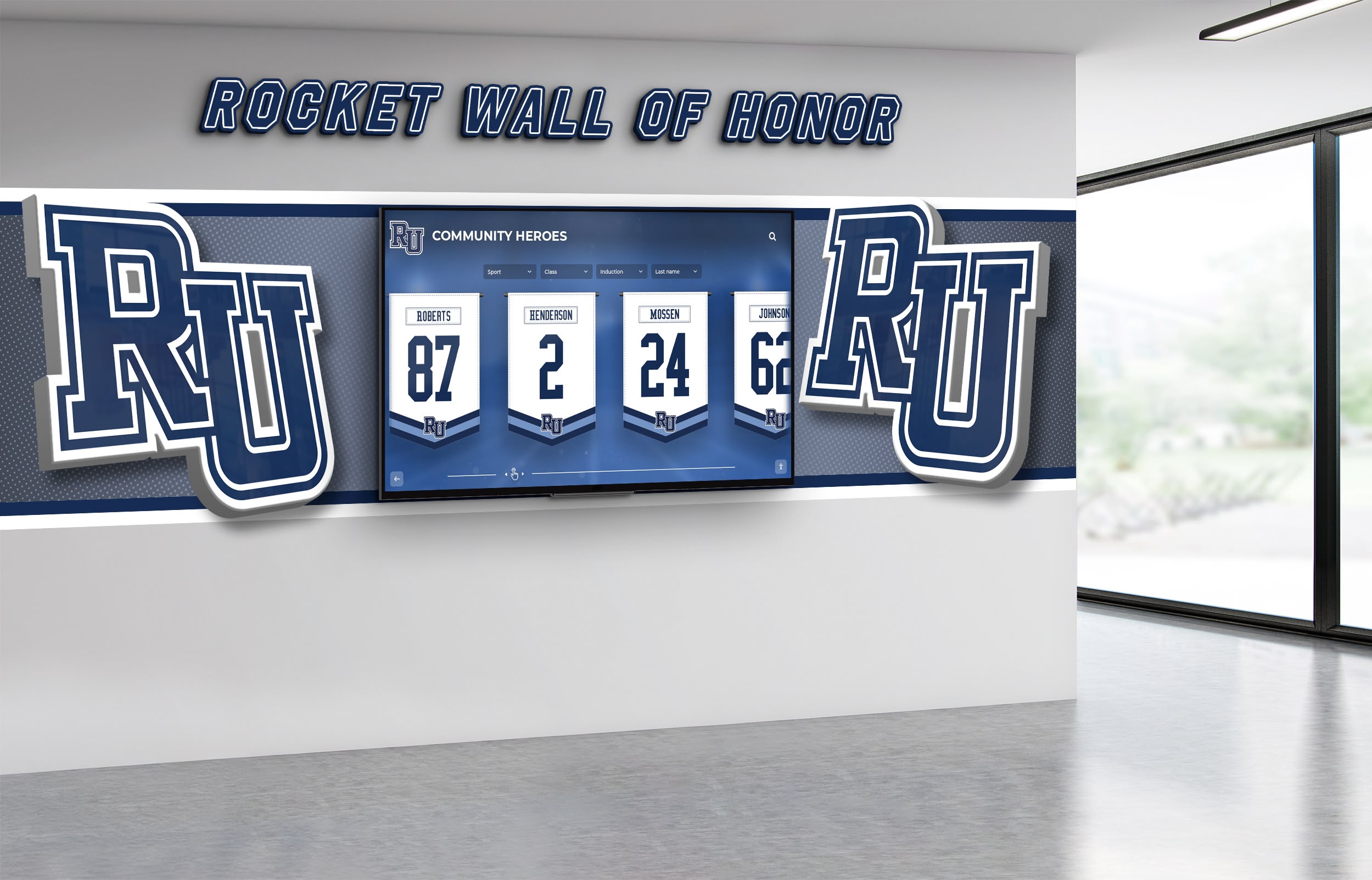
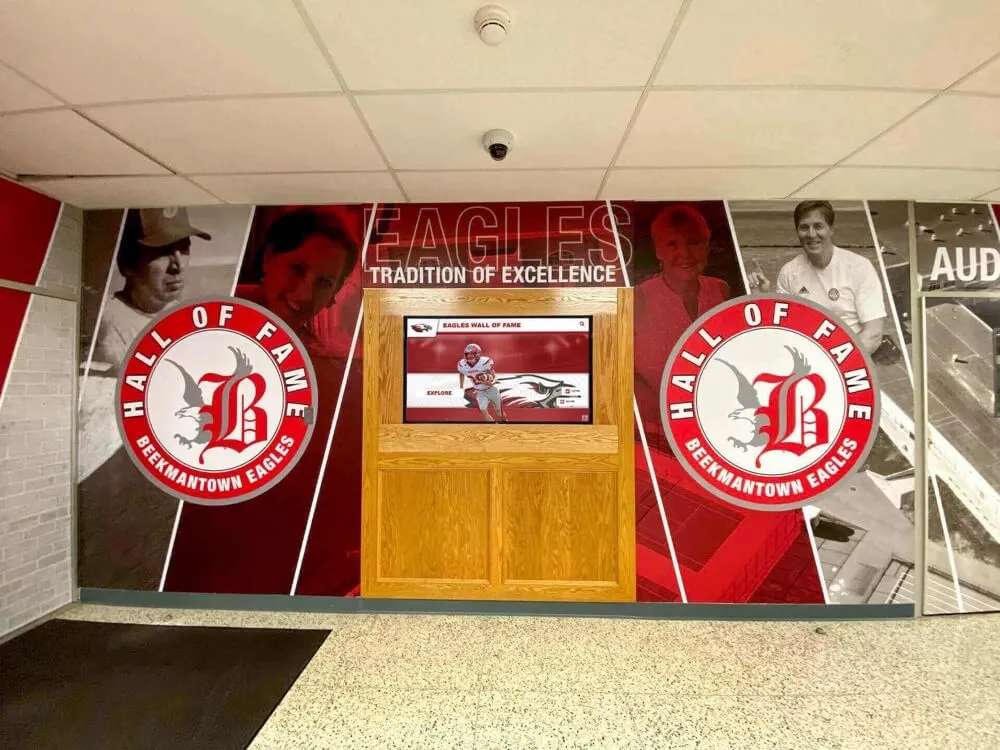
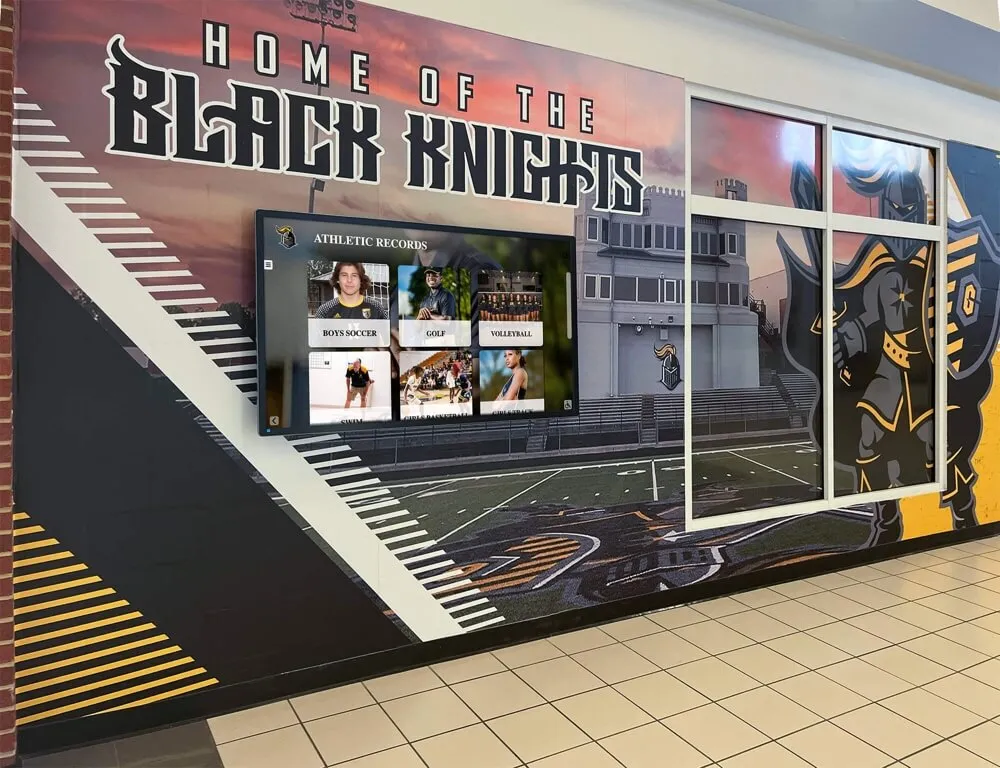
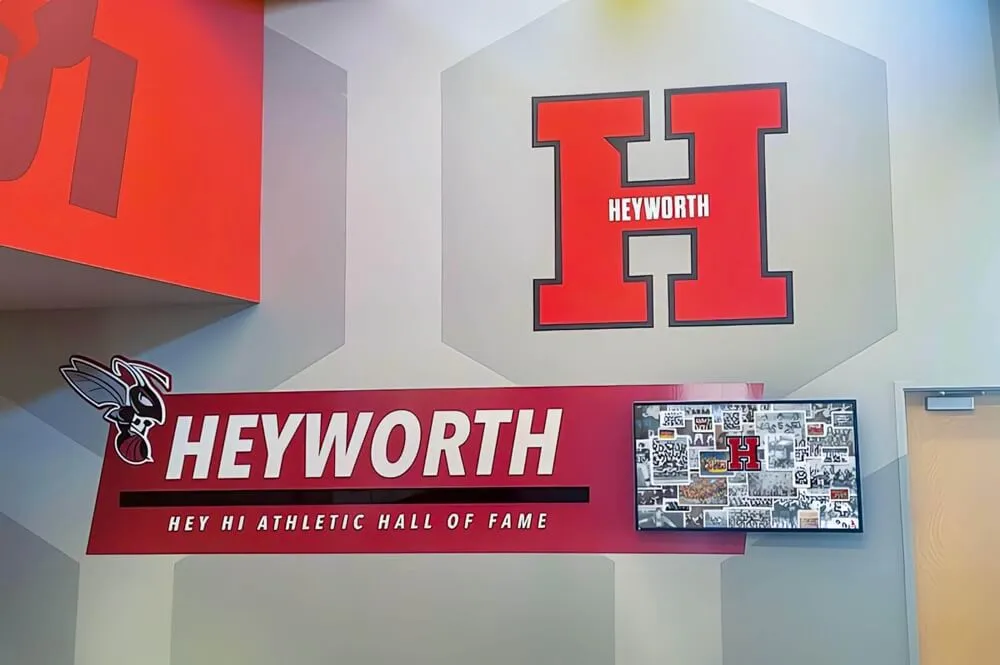
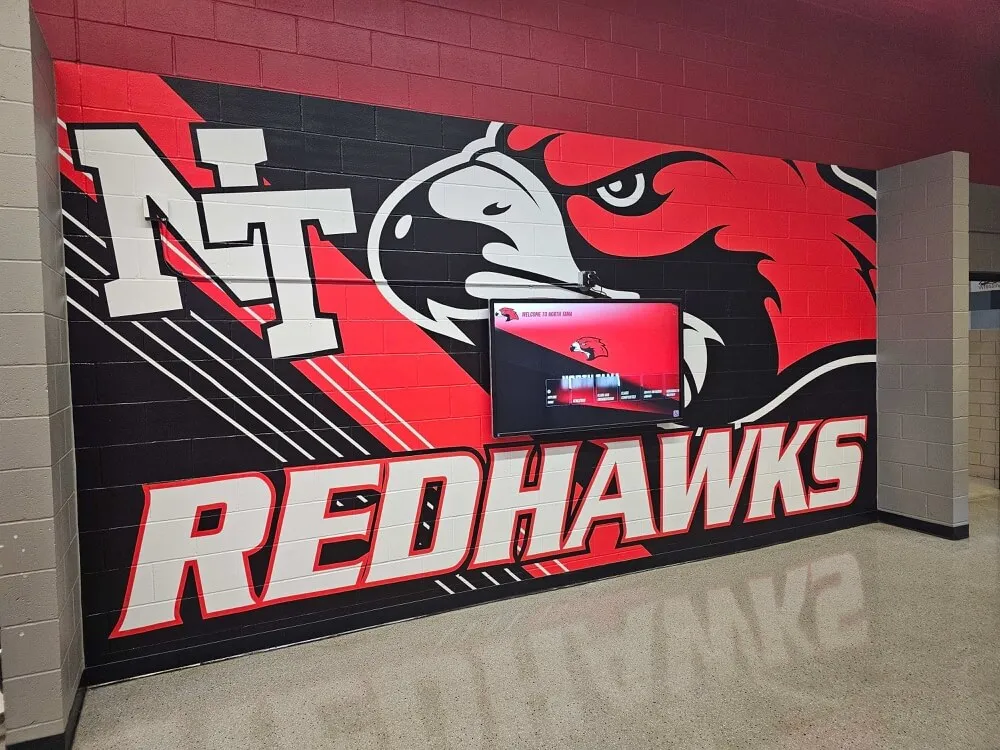
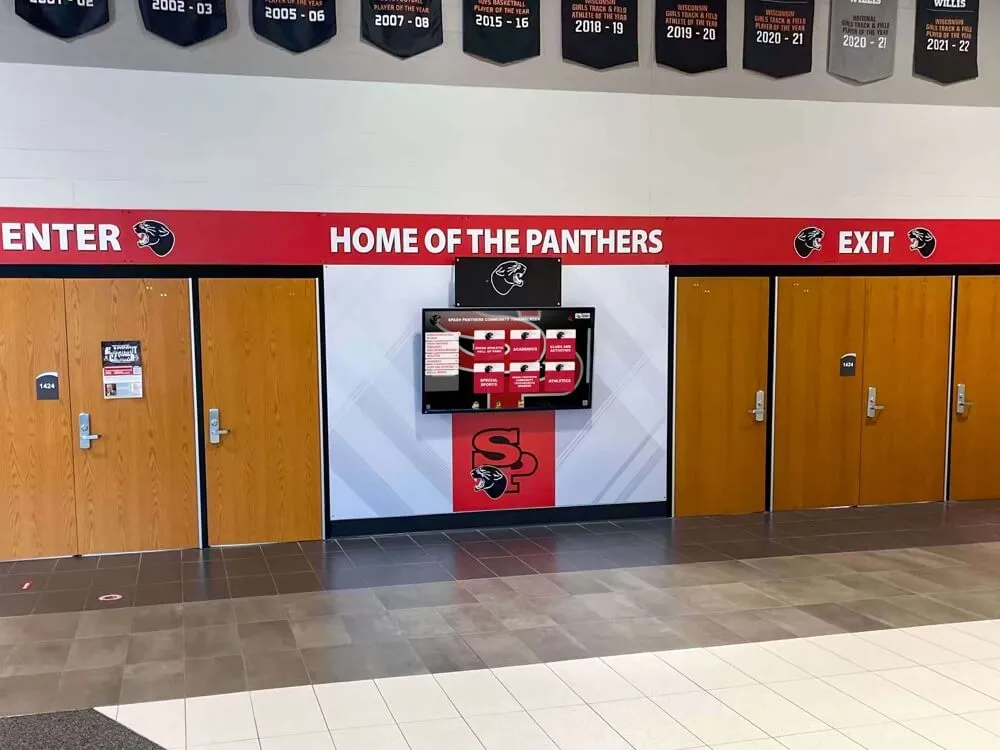
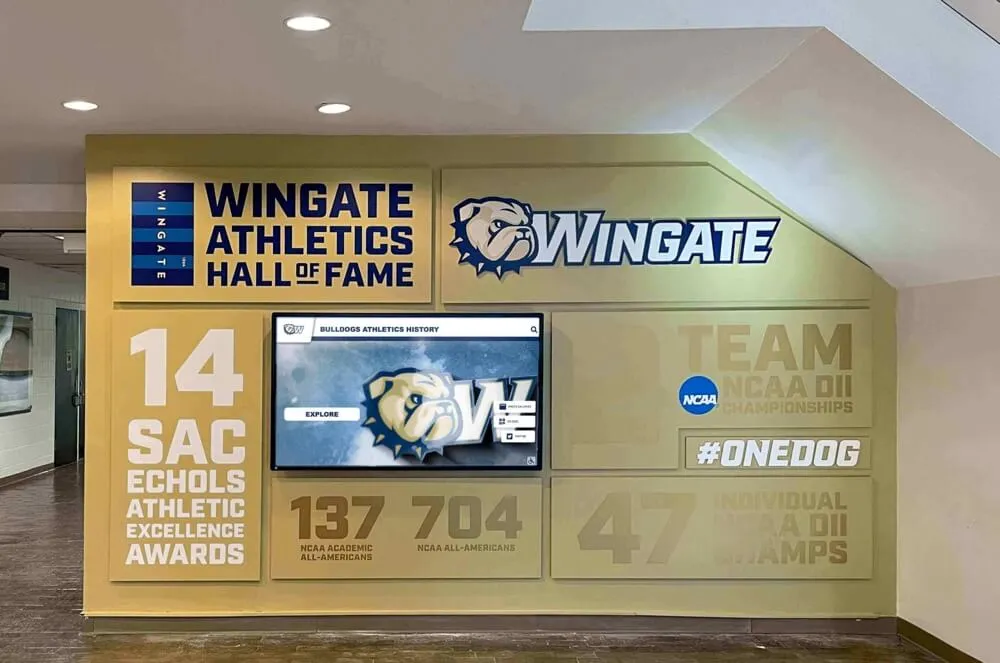
Modern recognition displays in high-traffic areas ensure legacy donors receive ongoing visibility and appreciation
Recognizing and Stewarding Legacy Donors
Once donors make legacy commitments, thoughtful stewardship sustains relationships and inspires continued engagement.
Documentation and Gift Agreements
While bequest gifts remain revocable, organizations benefit from documentation:
Legacy Intention Forms
Simple pledge documents should request:
- Donor name and contact information
- Type of planned gift (bequest, beneficiary designation, trust, etc.)
- Estimated gift value if donor comfortable sharing
- Intended purpose or restriction if applicable
- Recognition preferences (public, confidential, anonymous)
- Family member contacts if appropriate
Legal Documentation Verification
Organizations cannot demand proof but can encourage:
- Copy of relevant will or trust sections (if donor willing to share)
- Attorney confirmation letters verifying bequest language
- Beneficiary designation copies for retirement accounts or insurance
- Trust documents for remainder gifts
- Real estate deed documentation for property gifts
Documentation helps organizations:
- Count commitments toward campaign goals where appropriate
- Plan for future gift utilization aligned with donor intentions
- Ensure proper gift crediting and recognition
- Facilitate estate settlement after donor passes
- Reduce family disputes about donor intentions
Public Recognition Strategies
Appropriate recognition honors legacy commitments while inspiring others:
Traditional Recognition Approaches
Donor Walls and Plaques
- Dedicated legacy society recognition walls or sections
- Individual plaques or name listings for bequest donors
- Tiered recognition based on estimated gift values
- Campus or facility naming opportunities for transformational bequests
- Memorial gardens or outdoor recognition spaces
Printed Recognition
- Annual report legacy society listings
- Donor directory inclusions
- Legacy society membership certificates
- Newsletters featuring legacy donor profiles
- Campaign materials highlighting bequest commitments
Modern Digital Recognition
Organizations increasingly implement interactive recognition through digital platforms:
Unlimited Capacity Recognition
- Digital displays accommodating unlimited legacy donors without space constraints
- Searchable databases enabling visitors finding specific donors
- Detailed donor profiles sharing philanthropic motivations and family histories
- Photo galleries and video testimonials from legacy society members
- Impact documentation connecting gifts to specific organizational outcomes
Solutions like Rocket Alumni Solutions provide dedicated recognition platforms designed specifically for donor acknowledgment, offering:
- Permanent visibility in high-traffic lobbies and gathering spaces
- Remote content management enabling instant recognition updates
- Mobile access through QR codes extending recognition beyond physical locations
- Accessibility compliance ensuring inclusive donor celebration
- Integration with broader institutional recognition ecosystems
Engagement Features
- Legacy donor story rotations featuring different members monthly
- Giving impact visualizations showing collective legacy society contributions
- Multi-generational family recognition honoring philanthropic traditions
- Historical timeline displays documenting organizational evolution supported by planned gifts
- Virtual legacy society communities connecting donors across geography
Ongoing Stewardship and Engagement
Legacy donor relationships require sustained attention:
Annual Touchpoints
Effective stewardship includes:
- Exclusive legacy society appreciation events (receptions, dinners, special programs)
- Personalized annual reports showing investment performance and program impact
- Birthday or anniversary recognition from leadership
- Holiday cards or seasonal greetings acknowledging support
- Priority access to organizational leadership and insider experiences
- Quarterly newsletters exclusively for legacy society members
Impact Communication
Legacy donors especially appreciate understanding how bequests create lasting change:
- Case studies showing previous legacy gifts’ impact
- Financial projections demonstrating how future bequests will support mission
- Program updates in areas donors designated for support
- Student, client, or beneficiary testimonials enabled by endowment gifts
- Facility tours showing capital improvements funded through estate gifts
- Recognition of academic achievements supported by scholarship endowments
Family Engagement Strategies
Involving donor families strengthens multi-generational relationships:
- Invitations for family members to legacy society events
- Recognition opportunities honoring entire families not just individual donors
- Scholarship or program updates sent to subsequent generations
- Multi-generational giving opportunities complementing estate plans
- Student recognition programs involving legacy donor families in celebrating achievements
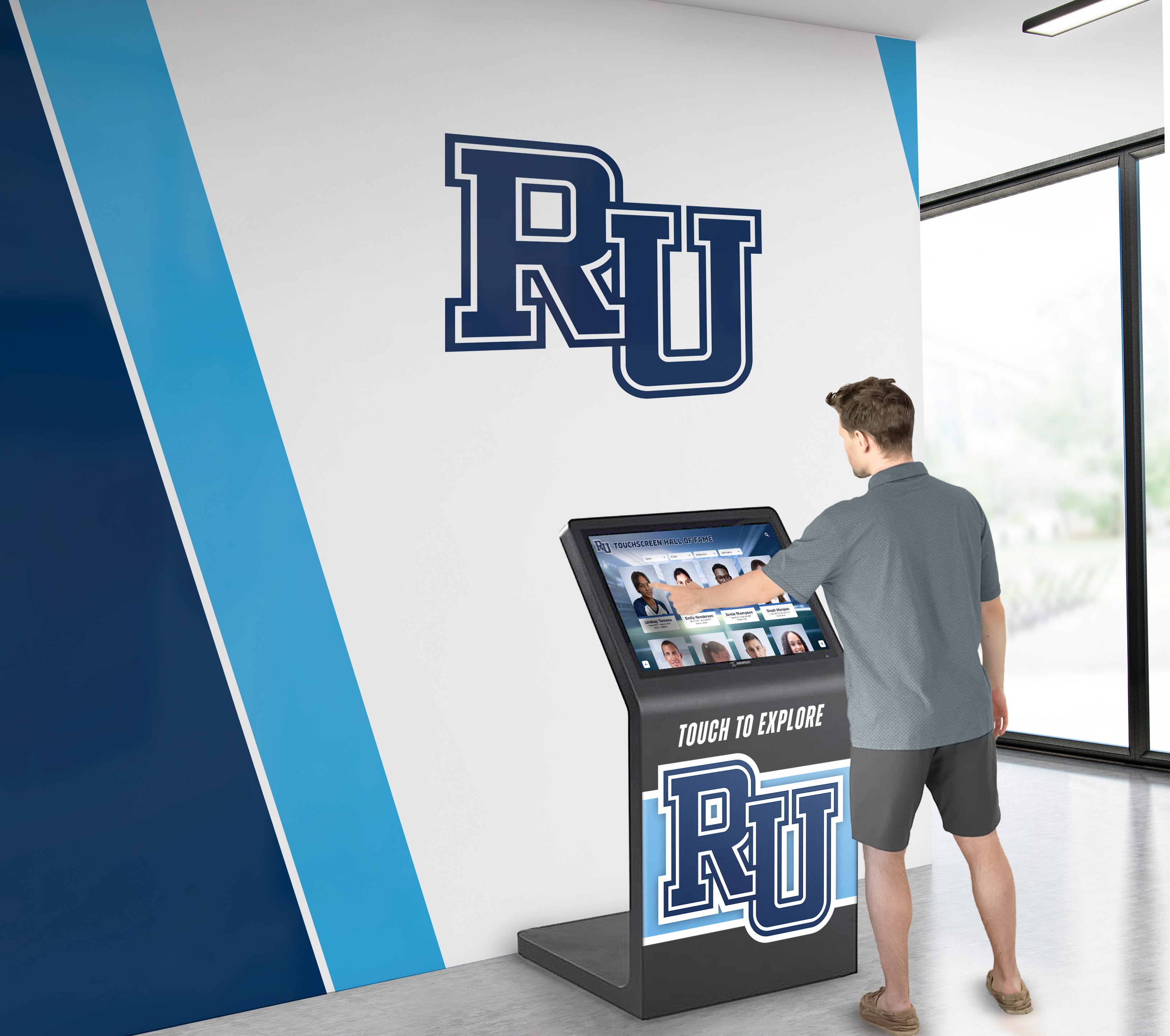
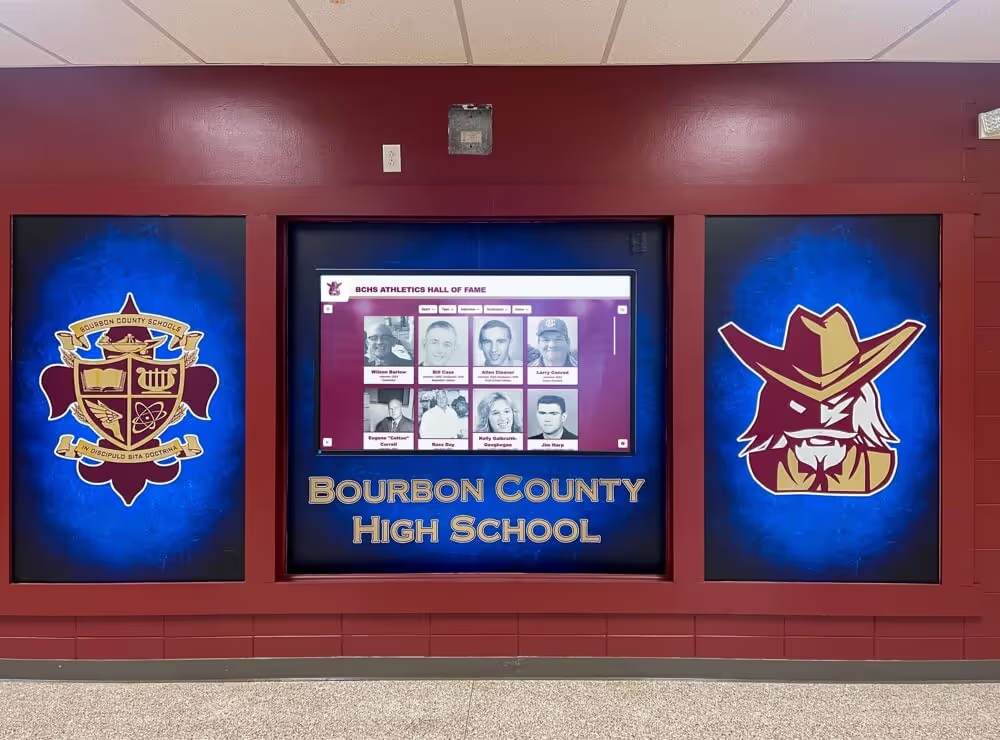
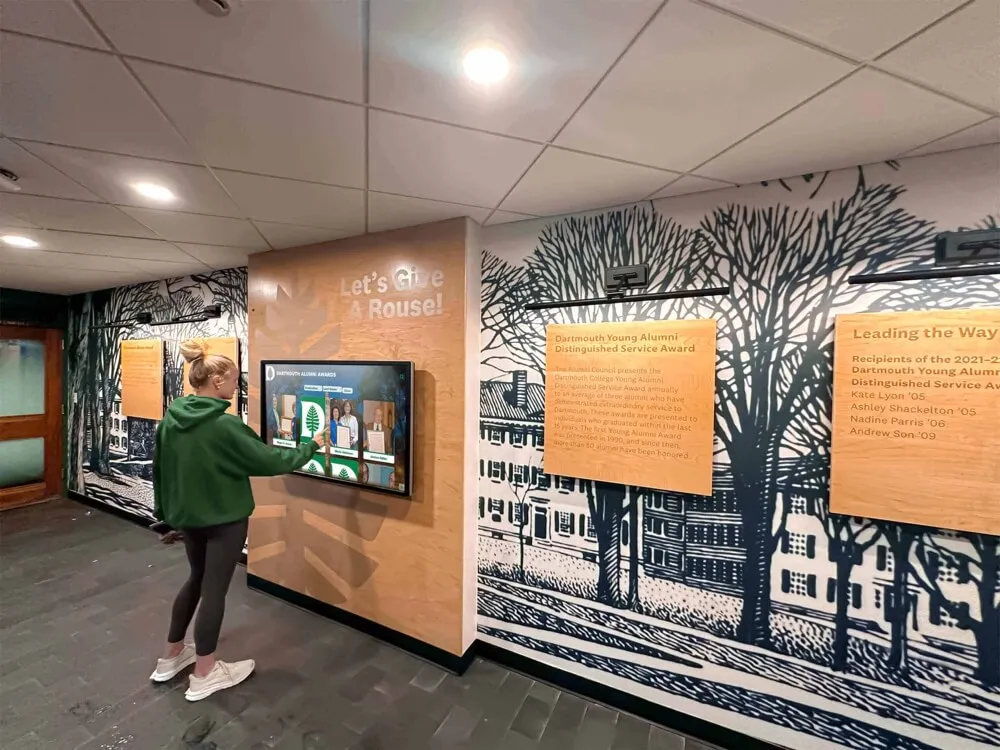
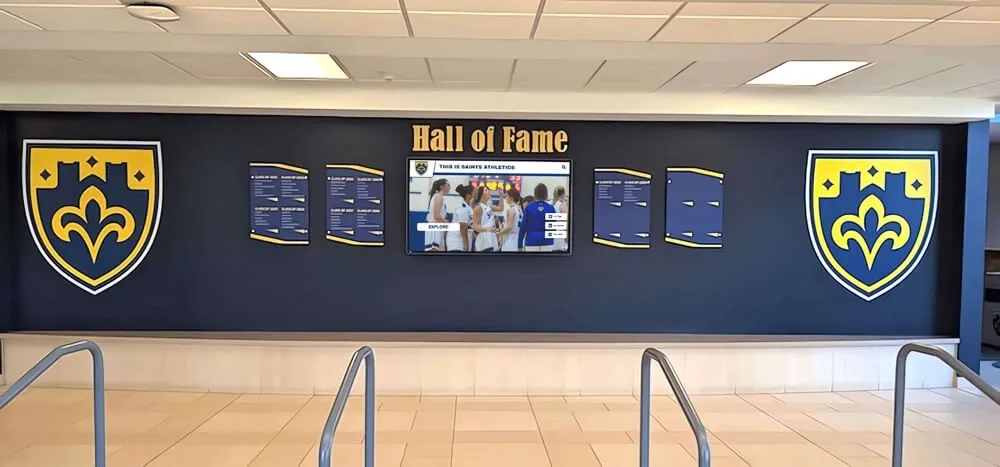
Interactive touchscreen kiosks enable visitors exploring legacy donor stories while providing engaging recognition experiences
Specialized Legacy Giving Strategies for Schools and Universities
Educational institutions possess unique advantages and challenges in legacy giving cultivation.
Alumni Legacy Programs
Natural Constituency Advantages
Schools benefit from:
- Built-in prospect pools through alumni databases
- Existing emotional connections from educational experiences
- Multi-touchpoint engagement through reunions, athletics, and campus events
- Generational family relationships creating legacy giving traditions
- Geographic alumni chapters enabling nationwide cultivation
- Student connection stories creating compelling impact narratives
Reunion-Based Legacy Marketing
Milestone reunions create ideal legacy giving moments:
- 25th, 40th, and 50th reunions coincide with estate planning life stages
- Reunion campaigns incorporating legacy society enrollment goals
- Class legacy societies encouraging collective bequest participation
- Reunion weekend legacy giving workshops and information sessions
- Class gift challenges including legacy commitment counting
- Reunion books highlighting classmates who’ve made bequest commitments
Athletic Department Legacy Programs
Athletic fundraising extends naturally into legacy giving:
Athlete and Fan Engagement
- Former athlete estate gifts supporting scholarships or facilities
- Fan legacy societies tied to specific sports or traditions
- Athletic hall of fame recognition including legacy society members
- Championship reunion events cultivating legacy commitments
- Season ticket holder legacy programs
- Coaching legacy funds honoring influential mentors
Faculty and Staff Legacy Opportunities
Internal constituencies often make meaningful legacy commitments:
Employee Giving Programs
- Payroll deduction programs for current giving coupled with bequest pledges
- Retirement planning workshops including legacy giving options
- Emeriti faculty legacy society memberships
- Service milestone recognition including legacy giving information
- Benefits communication integrating charitable beneficiary designation options
- Legacy gifts enabling endowed positions honoring retiring faculty
Working with Professional Advisors
Financial planners, estate attorneys, and accountants significantly influence client charitable planning.
Building Advisor Networks
Relationship Development Strategies
- Professional advisor symposiums educating about institutional priorities
- Continuing education credits for attorneys and financial planners
- Recognition programs acknowledging advisors who facilitate major gifts
- Resource materials advisors can share with clients
- Technical assistance helping advisors structure complex gifts
- Networking opportunities connecting advisors with institutional leadership
Providing Technical Resources
Advisors appreciate:
- Sample bequest language for various gift types
- Gift acceptance policies clarifying what organizations can accept
- Immediate response to technical questions about gift structuring
- Coordination with organizational legal counsel on complex gifts
- Tax documentation supporting client charitable deductions
- Professional courtesy and respect for advisor-client relationships
Gift Acceptance Policies and Procedures
Clear policies prevent problematic gifts while facilitating straightforward bequests:
Developing Comprehensive Policies
Address:
- Accepted asset types (cash, securities, real estate, personal property, business interests)
- Minimum gift thresholds if applicable
- Restricted gift acceptance criteria
- Environmental assessment requirements for real estate
- Gift valuation procedures
- Donor recognition standards
- Endowment administration policies
- Gift modification or redirection circumstances
Measuring Legacy Giving Program Success
Quantitative and qualitative metrics assess program effectiveness:
Key Performance Indicators
Documented Commitments
- Number of legacy society members enrolled annually
- Total estimated bequest value documented
- Conversion rate from prospects contacted to pledges secured
- Percentage of donor base with documented planned gift intentions
- Legacy society growth rate year-over-year
- Gift realization rate (pledges received vs. pledged)
Realized Gifts
- Annual bequest revenue received
- Average bequest gift size
- Legacy gifts as percentage of total contributed revenue
- Estate settlement timeline from notification to receipt
- Restricted vs. unrestricted bequest proportions
Program Activity Metrics
- Prospect identification rate
- Legacy giving conversation volume
- Marketing piece distribution and engagement
- Event attendance for legacy programming
- Website traffic to planned giving pages
- Professional advisor engagement frequency
Qualitative Success Factors
Donor Satisfaction Indicators
- Testimonials from legacy donors about stewardship quality
- Family feedback after estate settlement
- Advisor compliments on organizational professionalism
- Donor retention among legacy society members
- Upgrade frequency from legacy donors to current major gifts
- Referrals from satisfied legacy donors
Organizational Culture Shifts
- Board member legacy society participation rate
- Staff understanding of legacy giving importance
- Integration of legacy messaging across all communications
- Recognition quality and visibility
- Celebration of legacy gift milestones
- Institutional commitment to long-term sustainability
Conclusion: Building Philanthropic Legacies That Endure
Legacy giving represents more than fundraising strategy—it embodies organizational commitment to sustained mission delivery across generations while honoring donors’ deepest values and longest-lasting impact aspirations. Schools and nonprofits implementing thoughtful legacy giving programs create dual benefits: donors achieve meaningful philanthropic legacies outliving individual lifetimes, while organizations secure financial foundations enabling perpetual service to communities and constituencies.
The most successful legacy giving programs integrate estate planning conversations naturally throughout donor relationships rather than treating planned gifts as separate fundraising silos. Development professionals who cultivate donors holistically—understanding life circumstances, family considerations, and values motivations—position organizations to receive transformational bequest commitments that fundamentally reshape institutional capacity and programmatic reach.
Recognition plays essential roles in legacy giving cultivation and stewardship. Donors making bequest commitments deserve acknowledgment reflecting gift significance while inspiring others to consider similar estate planning. Modern recognition approaches through interactive digital displays enable organizations honoring unlimited legacy donors through searchable profiles, detailed impact stories, and professional presentations ensuring planned giving receives visibility proportionate to its transformational potential.
Organizations should evaluate current legacy giving efforts honestly, identifying gaps in prospect cultivation, marketing consistency, recognition quality, and stewardship systematization. Even modest programs starting with basic legacy society frameworks, simple bequest language resources, and authentic donor appreciation create foundations for increasingly sophisticated planned giving initiatives generating millions in future revenue.
Honor Legacy Donors Through Permanent Recognition
Transform legacy giving stewardship by implementing modern recognition displays that celebrate bequest commitments through unlimited capacity profiles, compelling donor stories, and accessible presentations inspiring future planned gifts. Digital recognition systems ensure your legacy society members receive ongoing visibility and appreciation while demonstrating to all supporters the lasting impact of estate planning philanthropy.
Explore Recognition SolutionsYour legacy donors deserve recognition reflecting the profound trust they’ve placed in your organization by including you in estate plans. Their commitment to supporting your mission beyond their lifetimes represents extraordinary faith in your stewardship and lasting impact. Honor that trust through thoughtful cultivation, meaningful stewardship, and recognition that celebrates not just financial contributions but the values, dreams, and philanthropic legacies these generous supporters create through planned giving.
Begin today by identifying current supporters whose giving patterns, engagement depth, and life circumstances suggest legacy giving interest. Initiate authentic conversations about long-term impact. Develop simple legacy society frameworks providing structure for recognition and stewardship. Most importantly, view legacy giving as relationship deepening rather than transactional fundraising—because supporters who include your organization in estate plans don’t just give money, they give their ultimate votes of confidence in your mission’s enduring importance.
Ready to build a legacy giving program that sustains your mission for generations? Discover how comprehensive donor recognition displays strengthen planned giving stewardship while inspiring future bequest commitments through professional, accessible recognition celebrating your most committed supporters.