



Lacrosse stands apart from other team sports through its unique combination of speed, physicality, and specialized positioning that creates fast-paced action unlike anything else on the field. Understanding lacrosse positions represents the foundation for players developing their skills, coaches building effective team strategies, and families supporting athletes navigating this increasingly popular sport.
Each lacrosse position demands distinct physical attributes, technical skills, and tactical responsibilities that contribute to team success. Attack players master close-quarters scoring techniques and ball movement. Midfielders transition between offense and defense while covering the most ground. Defenders protect the goal through positioning and physicality. Goalies serve as last-line defenders requiring split-second reflexes and mental toughness.
This comprehensive guide explores every lacrosse position in detail, from offensive attackmen and middies to defensive players and goalies, providing insights for players, coaches, and families seeking to understand this dynamic sport’s strategic complexity.
Whether you’re a young player discovering which position fits your strengths, a coach developing position-specific training, or a parent learning the game alongside your athlete, mastering position fundamentals creates the foundation for lacrosse excellence. Programs that effectively teach positional responsibilities while recognizing player development build cultures where athletes thrive at every level.

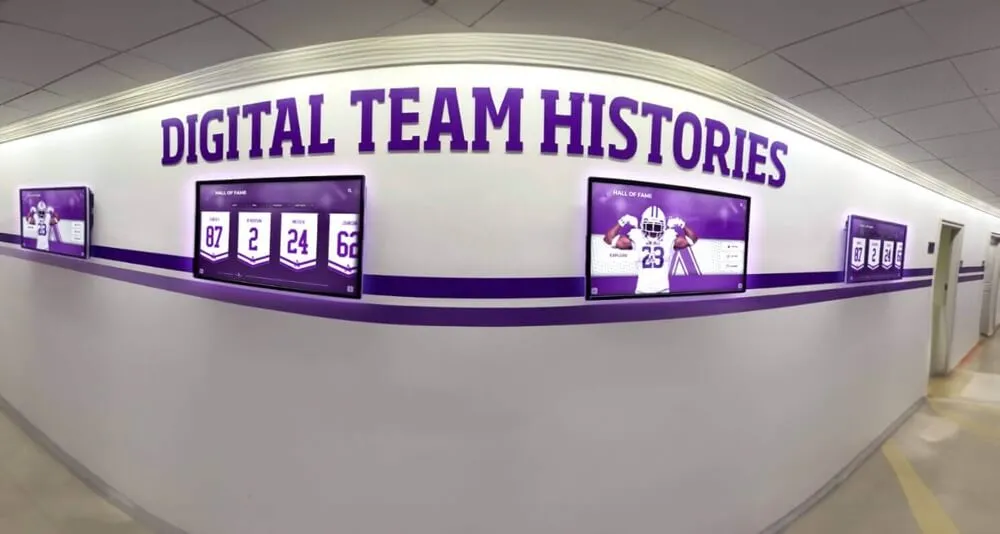
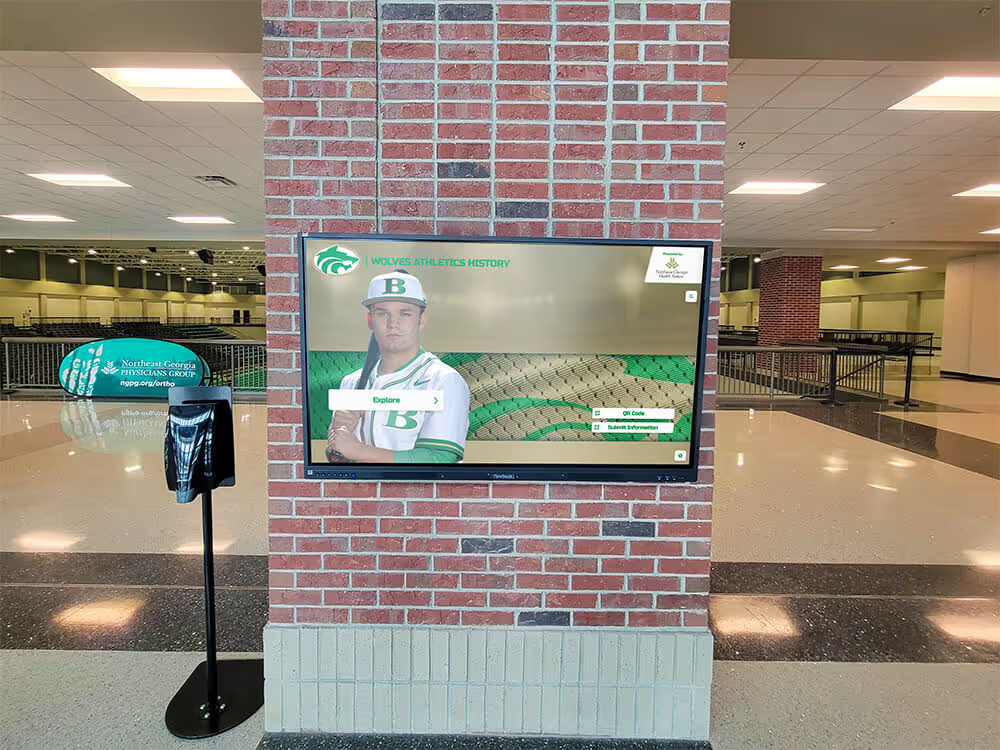
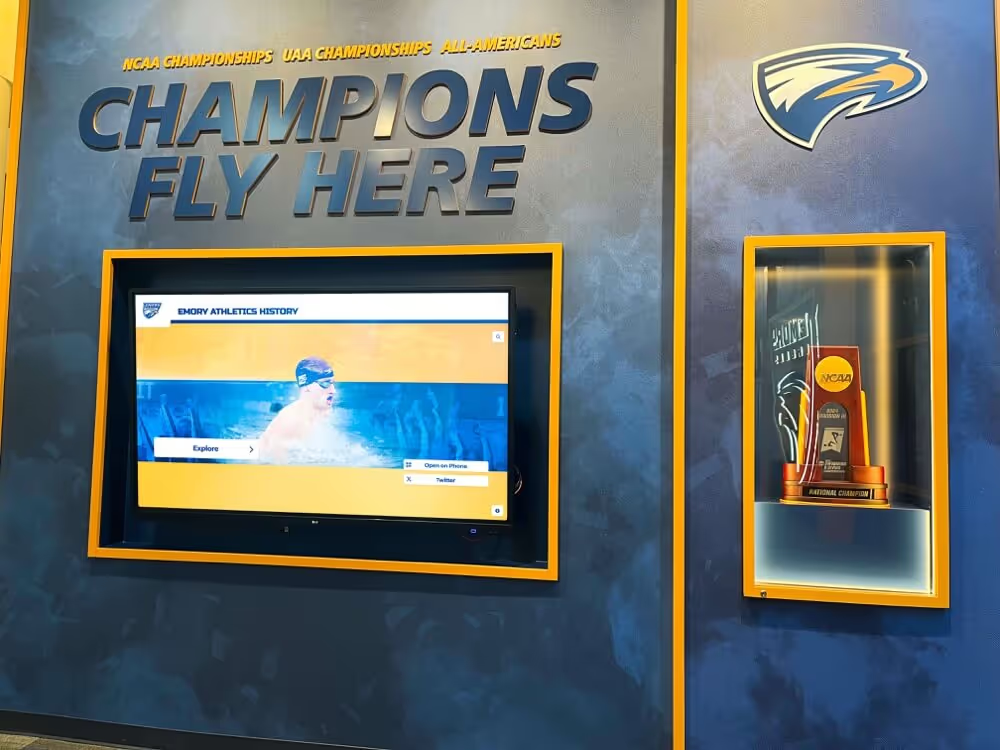
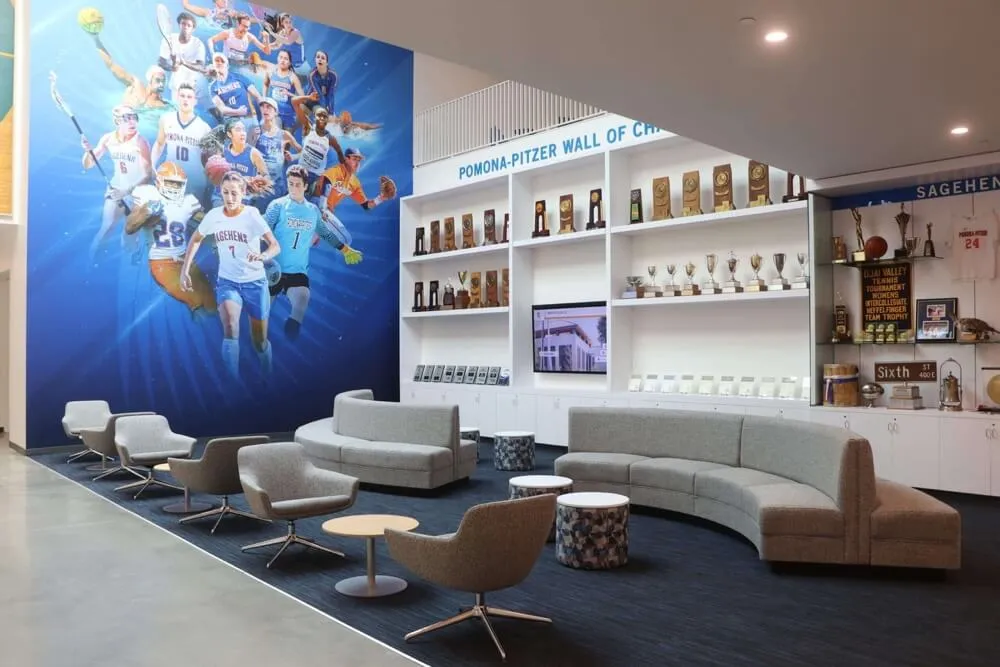
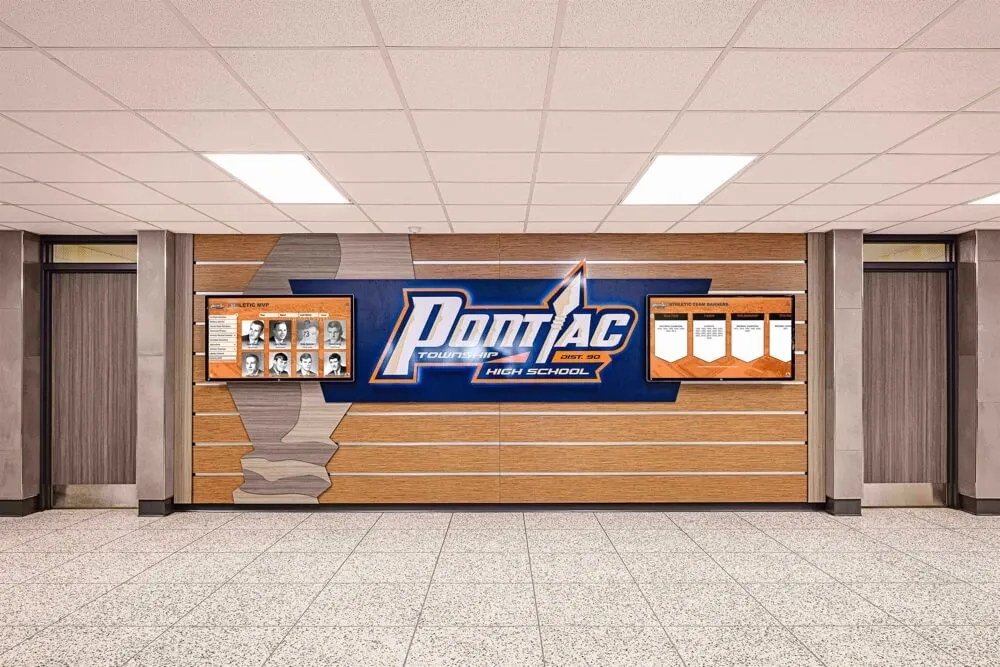
Athletic recognition displays track position-specific achievements and records, celebrating players who excel in specialized roles
Understanding Lacrosse Position Structure
Before diving into individual positions, understanding how lacrosse structures its playing field and position categories provides essential context.
Field Lacrosse Position Overview
Basic Position Categories
Lacrosse divides players into four primary position groups, each with specific field zones and responsibilities:
The Four Position Groups
- Attack (3 players): Offensive specialists focusing on scoring and ball movement
- Midfield (3 players): Two-way players transitioning between offense and defense
- Defense (3 players): Defensive specialists protecting the goal area
- Goalie (1 player): Last line of defense preventing opponent scores
Field Division and Restraining Lines
Lacrosse fields feature restraining lines creating offensive and defensive zones:
- Offensive restraining line limits how many defenders can cross into defensive zone
- Defensive restraining line limits how many attackers can cross into offensive zone
- Three attackers and three defenders must remain on opposite sides during play
- Midfielders transition freely across restraining lines
This structure creates strategic depth where teams must balance offensive pressure with defensive stability while managing transitions.
Men’s vs. Women’s Lacrosse Position Differences
Significant Rule and Position Variations
While position names remain similar, men’s and women’s lacrosse feature important differences:
Men’s Lacrosse Characteristics
- Full contact allowed including body checking
- 10 field players plus goalie (11 total)
- Longer poles for defenders and long-stick midfielders
- More physical defensive play
- Defined restraining box for penalties
- Faceoffs after each goal
- Emphasis on physical matchups
Equipment Differences
- Helmets with facemasks required
- Shoulder pads and elbow pads
- Gloves protecting hands
- Mouthguards mandatory
- Cleats and athletic cups
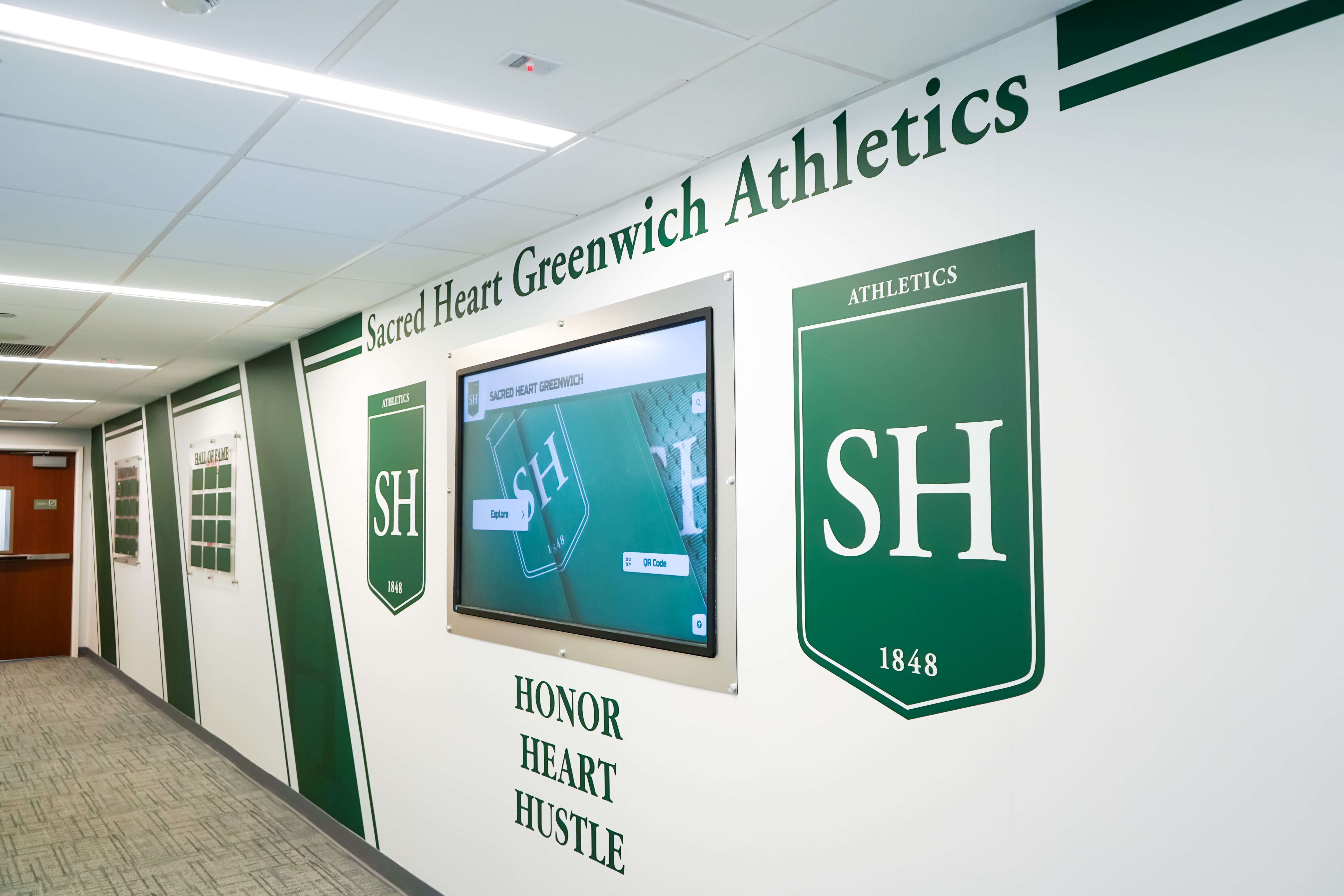
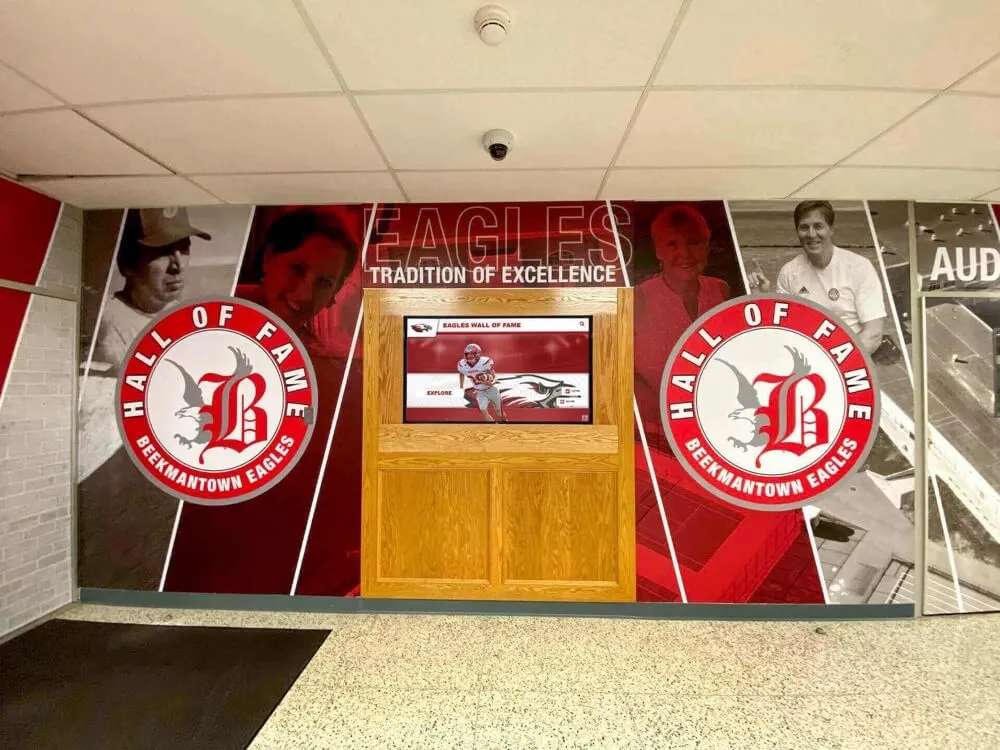
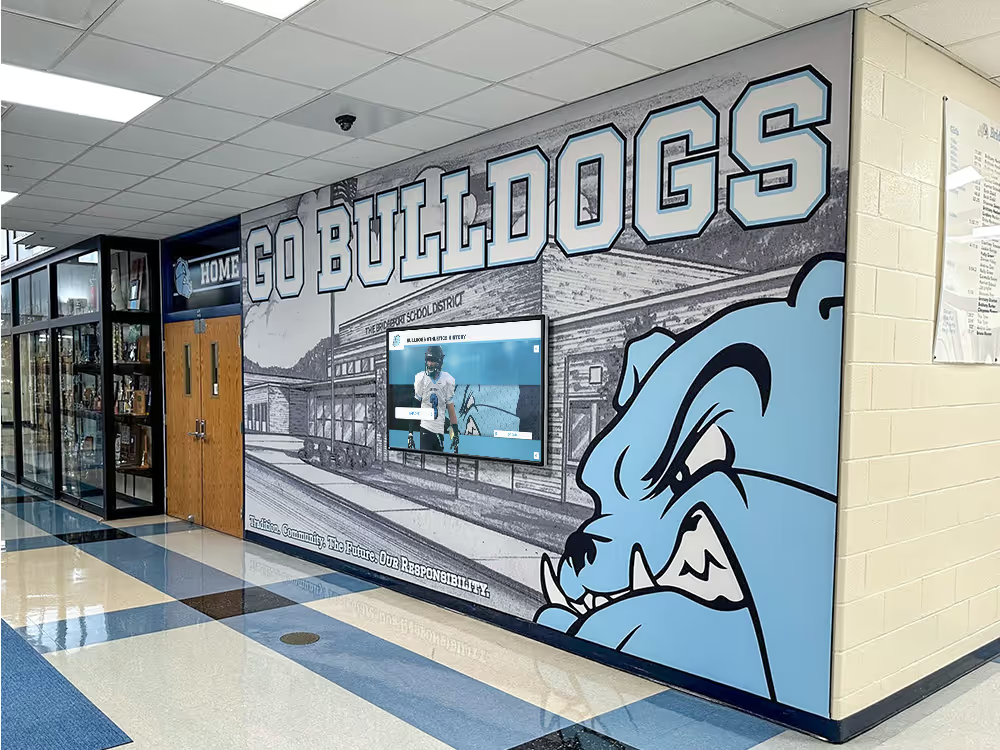
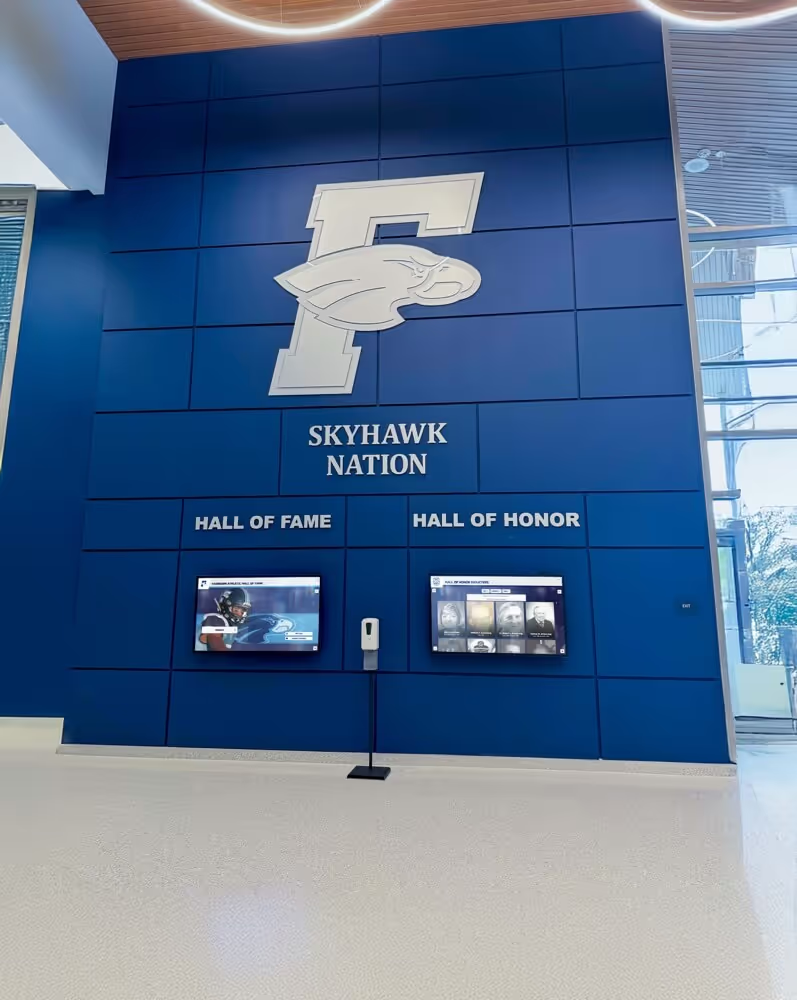
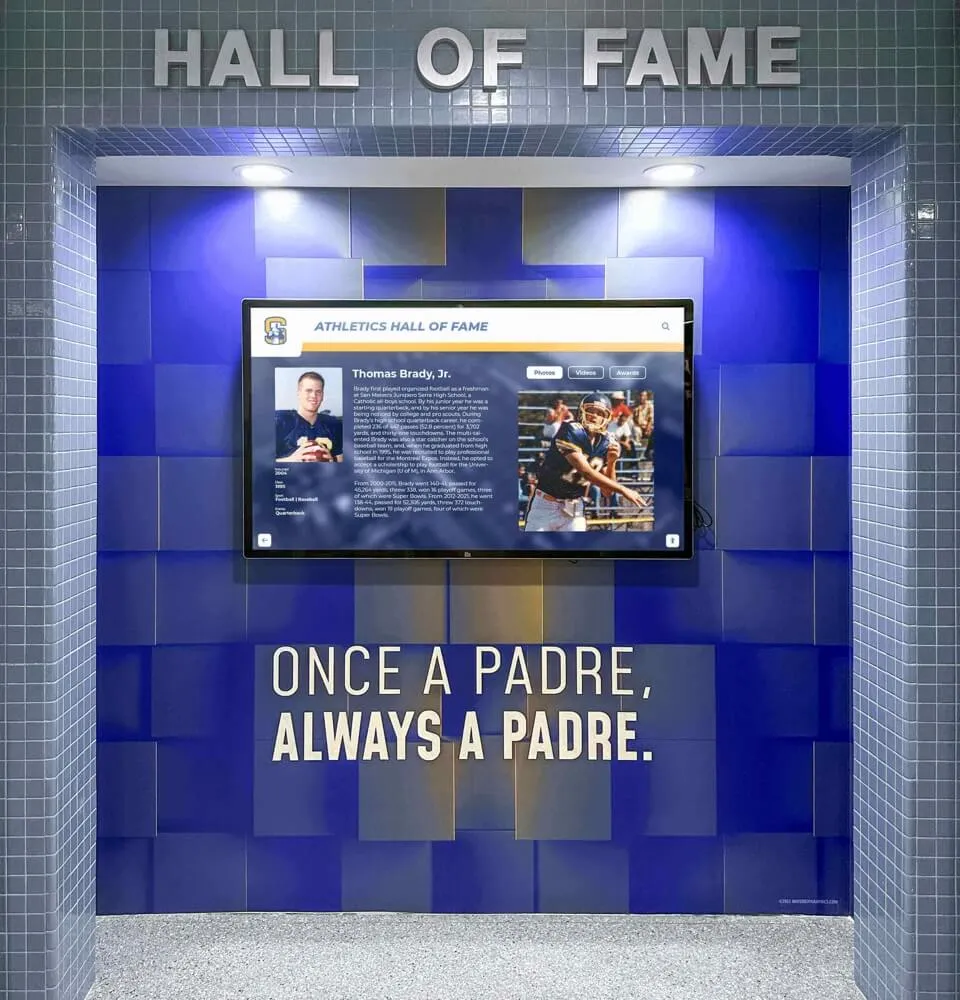
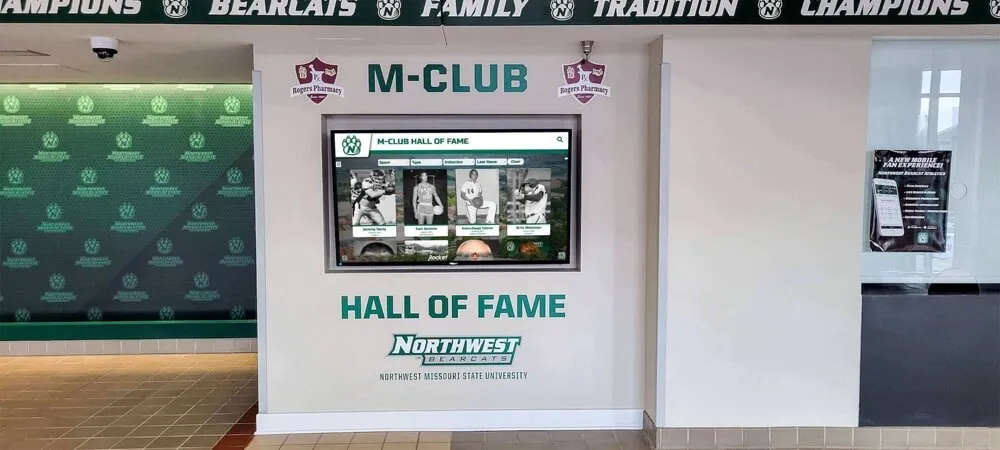
Lacrosse programs celebrating position-specific excellence through permanent recognition displays build pride across specialized roles
Women’s Lacrosse Characteristics
- Minimal contact with strict checking rules
- 12 field players plus goalie (13 total)
- All sticks similar length
- Emphasis on stick skills and positioning
- Different penalty administration
- Draw after each goal instead of faceoff
- Focus on finesse and ball control
These differences significantly impact how positions function, with men’s lacrosse emphasizing physicality while women’s lacrosse prioritizes stick work and spatial awareness. Programs excelling at athletic development tailor position training to these distinct game styles.
Attack Positions: Scoring Specialists
Attack players serve as primary offensive weapons, operating in the offensive zone with singular focus: scoring goals and creating opportunities.
Attack Role and Responsibilities
The Offensive Engine
Attackmen remain behind the offensive restraining line, dedicating themselves entirely to offensive production:
Primary Responsibilities
- Scoring goals through individual skill and team plays
- Moving the ball to create shooting angles
- Setting picks for teammates to get open
- Feeding passes to open shooters
- Controlling ground balls in offensive zone
- Riding opponents after turnovers (applying defensive pressure)
- Understanding defensive weaknesses and exploiting matchups
Positioning and Movement
- Operating primarily within 20 yards of goal
- Creating space through cutting and dodging
- Utilizing picks and off-ball movement
- Reading defensive slides and rotations
- Finding soft spots in zone defenses
- Timing cuts to the goal for feeds
- Balancing ball movement with shooting opportunities
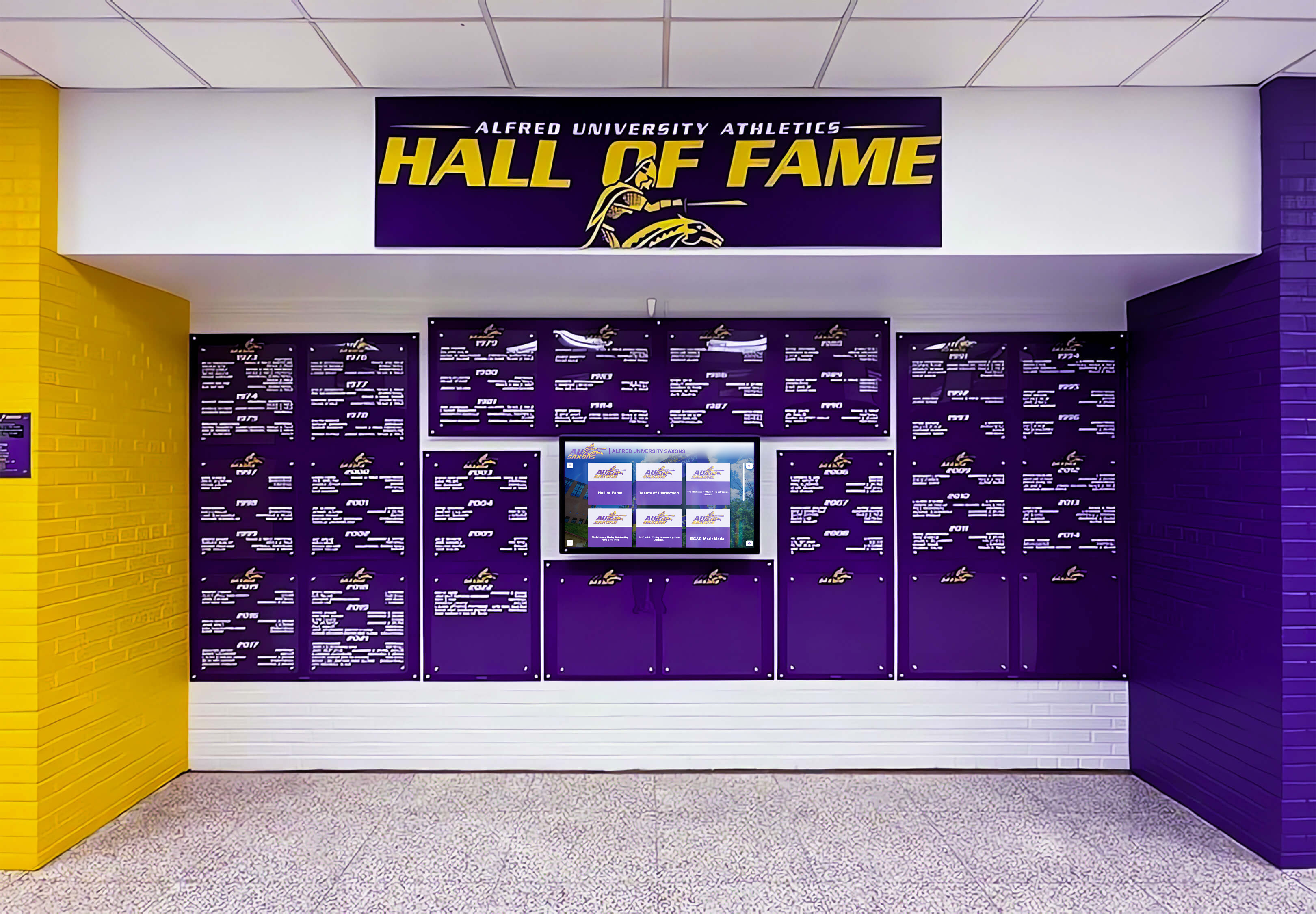
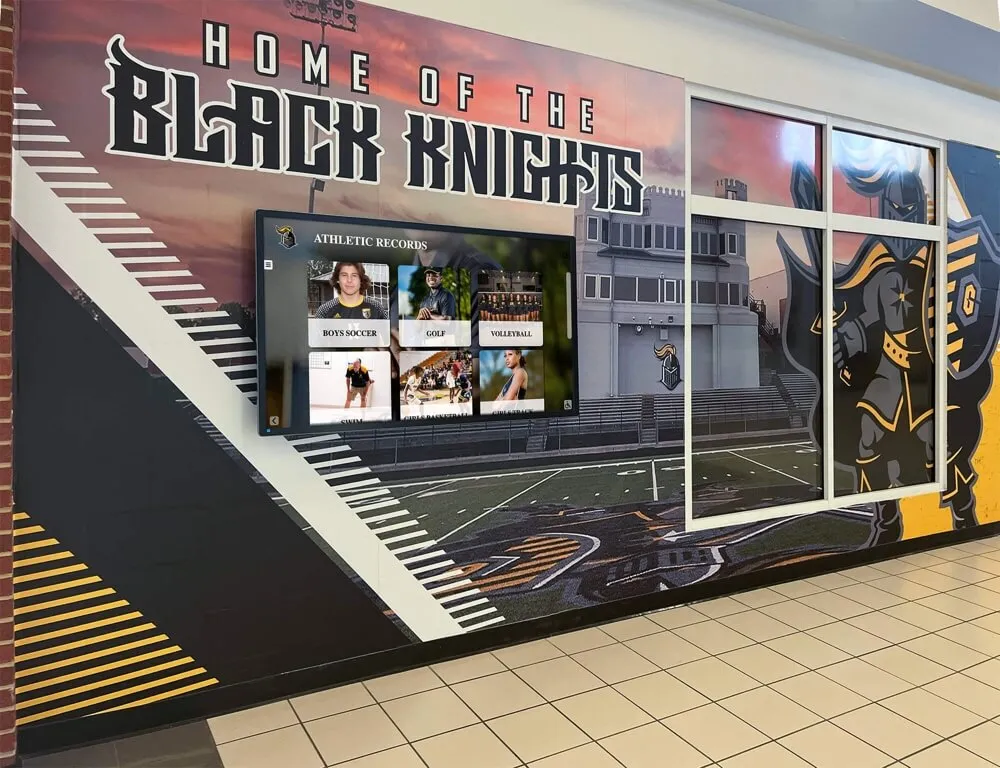
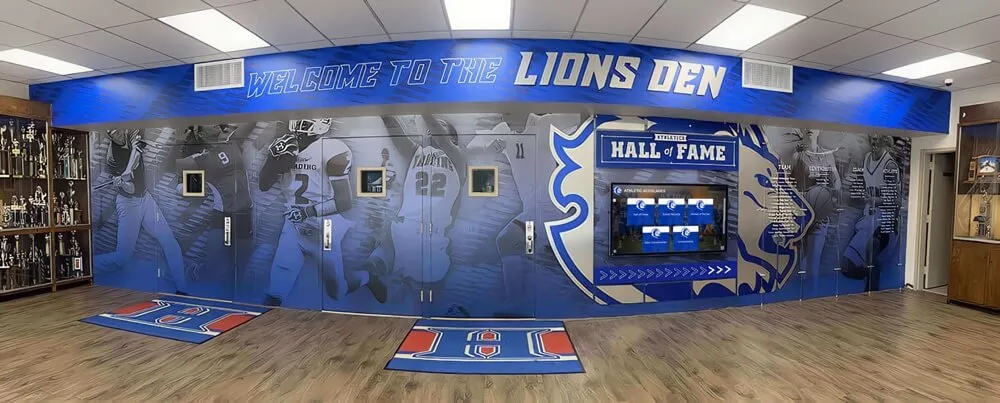
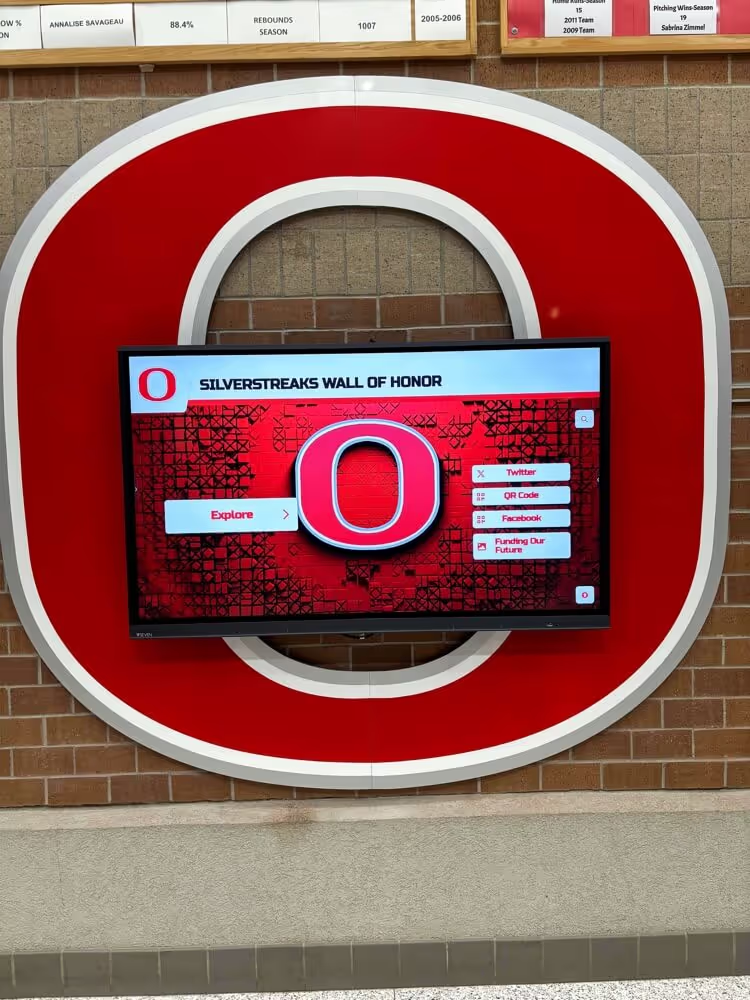
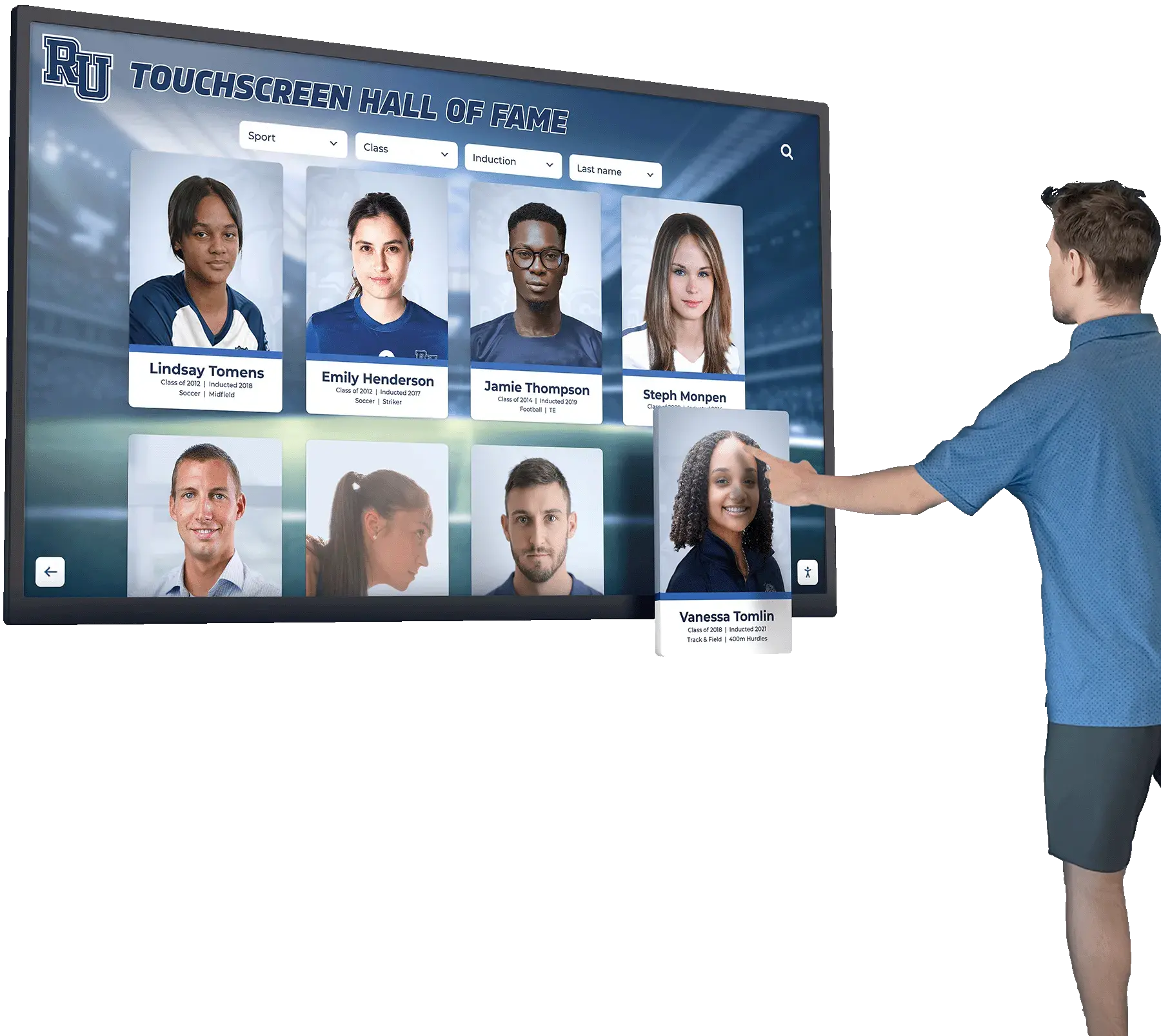
Position-specific achievement recognition celebrates attackmen who reach scoring milestones and career accomplishment thresholds
Essential Attack Skills
Technical and Physical Requirements
Elite attackmen develop specific skill sets separating them from other positions:
Stick Skills
- Exceptional shooting accuracy with both hands
- Quick release getting shots off under pressure
- Passing precision to moving targets
- Ball protection when facing defensive pressure
- Ground ball pickups in traffic
- One-handed cradle enabling extended reach
- Behind-the-back and trick shots when appropriate
Offensive Techniques
- Dodging moves creating separation (split dodge, roll dodge, face dodge)
- Pick setting and using picks effectively
- Off-ball cutting creating shooting angles
- Feeding from behind the goal (X position)
- Understanding shot selection and high-percentage opportunities
- Finishing through contact in men’s lacrosse
- Utilizing free space in women’s lacrosse
Mental Aspects
- Reading defensive formations quickly
- Recognizing hot hands and getting them the ball
- Maintaining composure during shooting slumps
- Understanding time and score situations
- Communicating with fellow attackmen
- Studying opponent defensive tendencies
Programs developing well-rounded attackmen create offensive recognition opportunities celebrating scoring achievements and career milestones.
Attack Position Variations
Specialized Offensive Roles
Within the three attack positions, players often assume specific roles:
X Attackman (Behind the Goal)
- Operates primarily from behind goal (X position)
- Initiates offensive sets with ball movement
- Draws slides opening up teammates
- Feeds cutters and shooters
- Requires excellent vision and passing
- Controls tempo of offensive possessions
Wing Attackmen
- Play on sides of the goal (crease area)
- Receive feeds from X and shoot
- Set picks for fellow attackers
- Cut through crease area
- Finish in tight spaces
- Create space through movement
Shooter/Finisher
- Designated primary shooting threat
- Looks to score first, feed second
- Takes perimeter shots with range
- Attacks goal in settled situations
- Draws defensive attention opening others
- Requires confidence and shooting volume
Feeder/Playmaker
- Distributes ball to open teammates
- Runs offensive sets and calls plays
- High lacrosse IQ understanding defense
- Creates more than scores personally
- Draws slides and finds open man
- Field general quarterbacking attack
Coaches matching player strengths to specialized attack roles maximize offensive efficiency while developing athletes who understand their specific contributions to team success.
Midfield Positions: Two-Way Warriors
Midfielders represent the most versatile and demanding position, playing both offense and defense while covering the entire field.
Midfield Role and Responsibilities
The Complete Player Position
Midfielders operate without restraining line limitations, creating unique responsibilities:
Offensive Duties
- Transitioning ball from defense to offense
- Supporting attack with extra offensive player
- Shooting from perimeter and outside areas
- Setting picks for attackmen
- Providing passing outlets during clears
- Creating numbers advantages on fast breaks
- Secondary scoring threats behind attackers
Defensive Duties
- Defending opponent midfielders across field
- Supporting defenders when outnumbered
- Applying pressure during rides
- Recovering on transition defense
- Communicating defensive assignments
- Clearing ball after defensive stops
- Providing help defense on drives

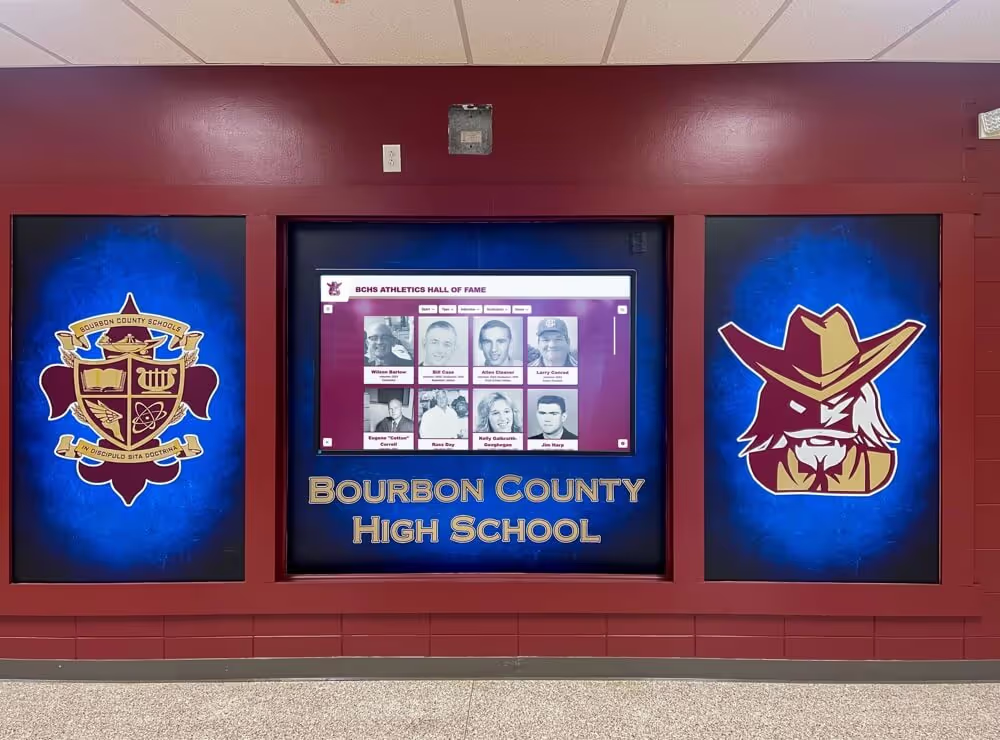
Comprehensive athletic recognition acknowledges midfielders' two-way contributions beyond just scoring statistics
Physical Demands
- Running more than any other position
- Sustaining high-intensity efforts throughout shifts
- Quick recovery between possessions
- Endurance for 60-minute games
- Speed for transition opportunities
- Strength for physical battles
Programs developing elite midfielders emphasize conditioning equally with technical skills, recognizing that versatility requires exceptional fitness.
Midfielder Variations and Specializations
Different Midfielder Types
Teams typically employ multiple midfielder styles creating balanced units:
Offensive Midfielder (O-Mid)
- Emphasizes offensive production and scoring
- Plays primarily when team has possession
- Strong shooting and dodging skills
- Creates matchup advantages against defensive midfielders
- Substitutes off during defensive possessions
- Similar skill set to attackmen with more range
Defensive Midfielder (D-Mid)
- Focuses on defensive responsibilities
- Matches up against opponent’s top offensive midfielders
- Plays during critical defensive situations
- Excellent athlete with defensive instincts
- May carry long pole in men’s lacrosse (LSM)
- Clearing skills to transition after stops
Two-Way Midfielder
- Balances offensive and defensive responsibilities
- Stays on field for complete possessions
- Versatility playing both ends
- High lacrosse IQ and conditioning
- Reads game situations adjusting role
- Most valuable midfielders in many systems
Long-Stick Midfielder (LSM - Men’s Only)
- Uses defensive long pole (6-foot maximum)
- Primarily defensive role with occasional offense
- Covers opponent’s best offensive midfielder
- Provides extra length disrupting passing lanes
- Matches up against dodgers with extended reach
- Critical defensive specialist in modern men’s game
Schools recognizing that midfielders excel across multiple dimensions celebrate diverse contributions through comprehensive achievement tracking beyond simple statistics.
Essential Midfielder Skills
The Well-Rounded Skill Set
Successful midfielders master broader skill ranges than specialized positions:
Offensive Skills
- Solid shooting from distance
- Adequate dodging creating shots
- Passing to attackmen and fellow middies
- Off-ball movement supporting attack
- Understanding spacing and timing
- Fast break finishing
- Ground ball prowess
Defensive Skills
- Individual defense guarding assignments
- Help defense providing support
- Transition defense preventing fast breaks
- Riding technique pressuring clears
- Communication directing teammates
- Positioning cutting off lanes
- Stick checking disrupting opponents
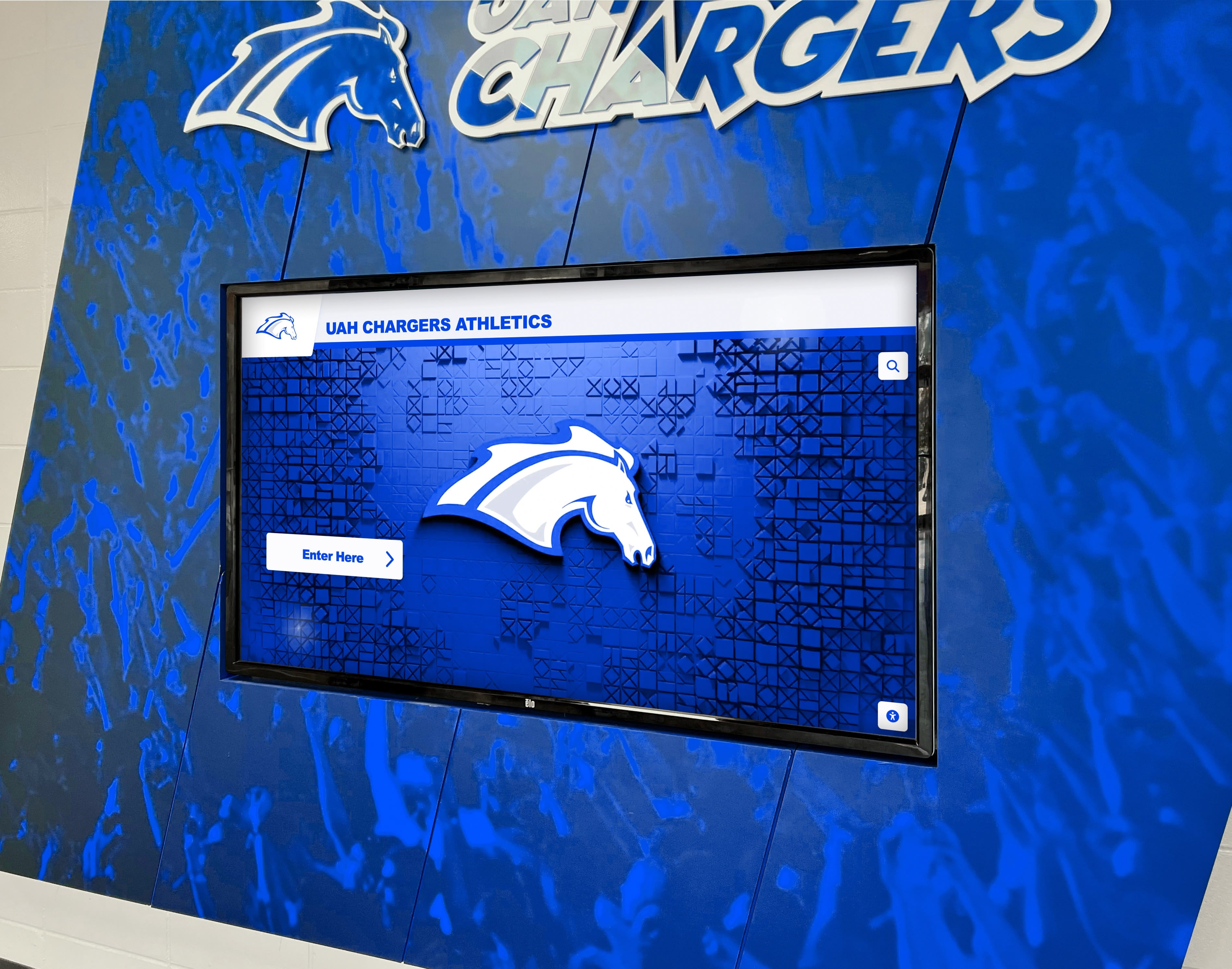
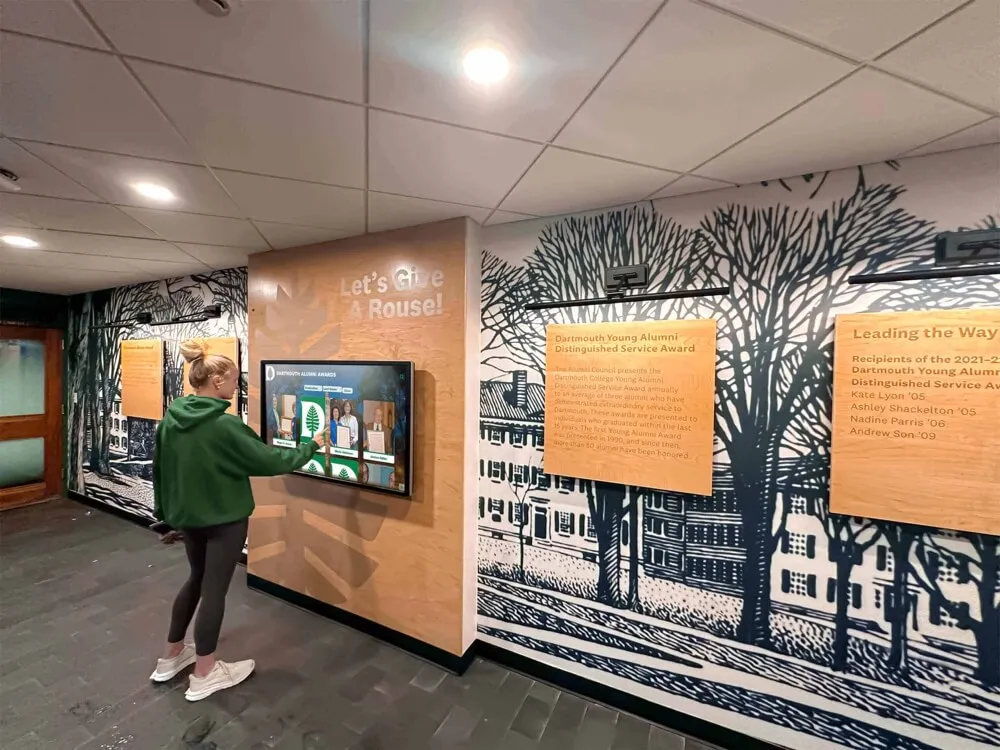
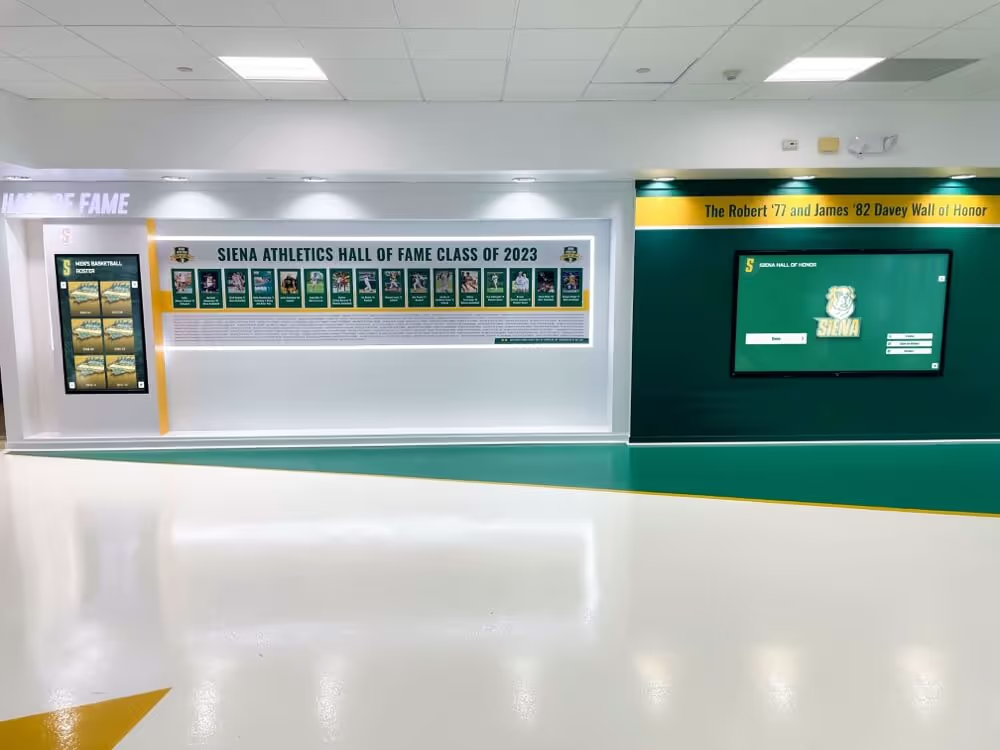
Digital recognition platforms track comprehensive midfielder statistics including transition metrics traditional scoreboards miss
Universal Requirements
- Face-off ability for specialized midfielders
- Exceptional cardiovascular endurance
- Mental toughness during exhaustion
- Quick thinking transitioning roles
- Leadership communicating across units
- Versatility adapting to game situations
Elite midfielders become team MVPs by impacting games across all phases, making them invaluable to programs prioritizing complete player development.
Defense Positions: Protective Specialists
Defenders serve as the wall protecting the goalie, using positioning, physicality, and stick skills to prevent opponent scoring opportunities.
Defensive Role and Responsibilities
The Last Line Before the Goalie
Defensemen remain behind the defensive restraining line, dedicating themselves to preventing goals:
Primary Responsibilities
- Guarding attacking players preventing shots
- Protecting the crease area near goal
- Clearing ball after defensive stops
- Communicating defensive slides and rotations
- Providing backup for beaten teammates
- Recovering loose balls in defensive zone
- Reading offensive sets and disrupting plays
- Supporting goalie with proper positioning
Defensive Principles
- Forcing attackers to weak hands
- Maintaining proper body position
- Using stick length to advantage (men’s lacrosse)
- Preventing dangerous shooting angles
- Sliding and recovering on drives
- Protecting behind the goal (X defense)
- Understanding when to pressure versus contain
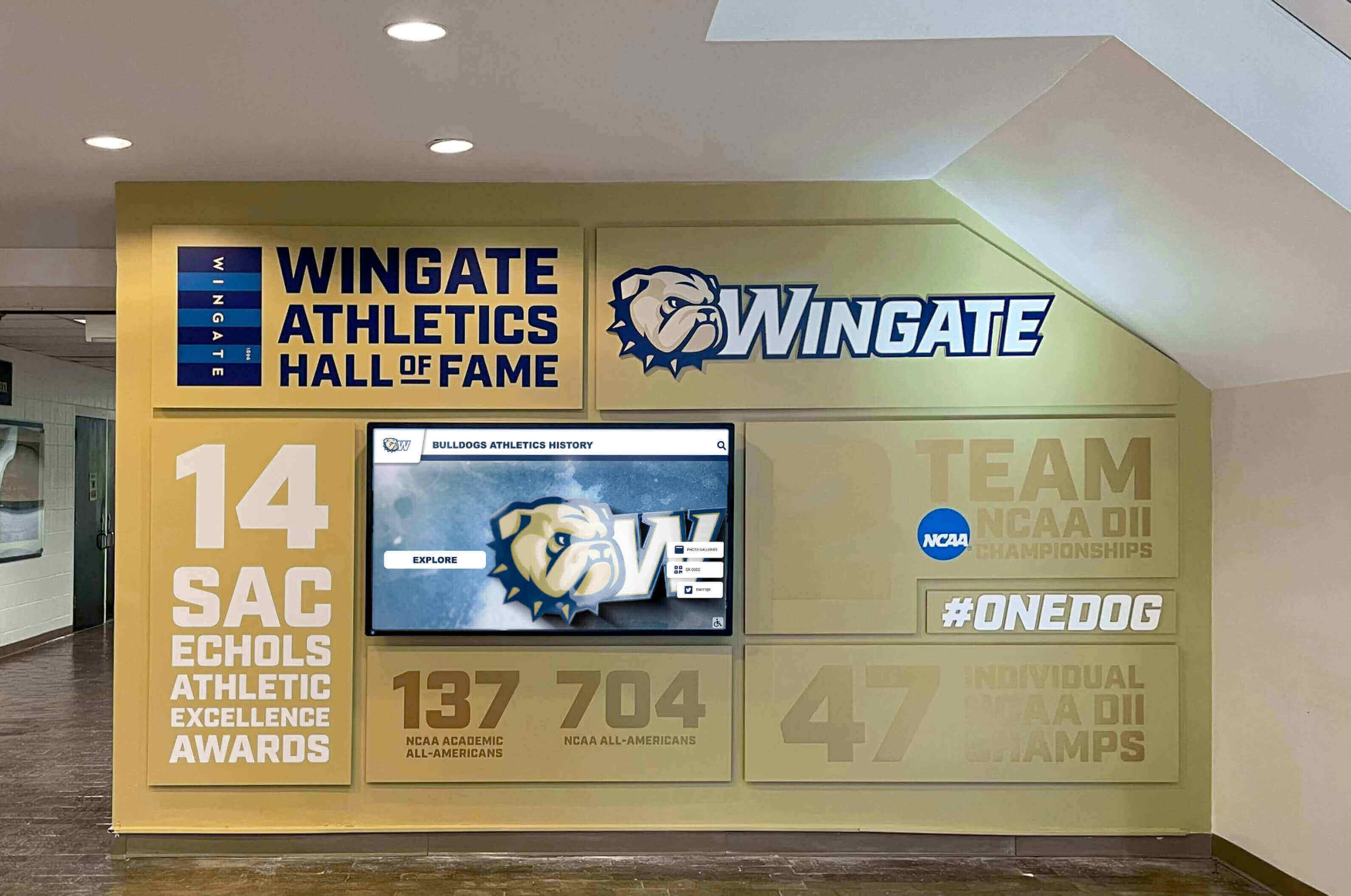
Defensive players achieving career milestones deserve equal recognition alongside offensive stars through comprehensive achievement displays
Essential Defensive Skills
Technical and Physical Capabilities
Elite defenders develop specific attributes enabling defensive dominance:
Men’s Lacrosse Defensive Skills
- Body checking technique and timing
- Long pole handling and control
- One-handed checks disrupting shooters
- Footwork staying in front of dodgers
- Physicality without drawing penalties
- Clearing passes initiating offense
- Ground ball dominance in scrums
Women’s Lacrosse Defensive Skills
- Precise stick checks within rules
- Positional defense without body contact
- Intercepting passes with active sticks
- Forcing turnovers through pressure
- Understanding free space rules
- Verbal communication directing teammates
- Recovery speed after being beaten
Universal Defensive Requirements
- Mental toughness after being scored on
- Focus maintaining assignment discipline
- Communication calling out picks and slides
- Field awareness tracking multiple threats
- Clearing ability under pressure
- Leadership anchoring defensive unit
- Film study recognizing opponent tendencies
Programs emphasizing defensive excellence create comprehensive recognition celebrating defenders whose contributions often go unnoticed in highlight reels but prove essential to winning.
Defensive Position Variations
Specialized Defensive Roles
Within the three-defender system, players often assume specific responsibilities:
Point Defender (Top of Zone)
- Defends behind the goal (X area)
- Initiates defensive slides
- Communicates rotations to teammates
- Prevents high-percentage feeds
- Requires speed recovering after slides
- Often matches opponent’s best feeder
Wing Defenders
- Guard sides of defensive zone
- Slide to help point defender
- Prevent wing shots and feeds
- Protect crease on ball movement
- Match up against wing attackers
- Balance help with assignment responsibility
Crease Defender
- Protects front of goal
- Prevents crease dives and cuts
- Communicates with goalie
- Clears attackers from dangerous areas
- Anchors defensive zone structure
- Requires physicality and positioning
Shut-Down Defender
- Matches opponent’s best scorer
- Individual defense focus
- Limits sliding responsibilities
- Physical and aggressive style
- Accepts challenge of toughest assignment
- Takes pride in offensive player frustration
Coaches recognizing individual defensive strengths create specialized roles maximizing each defender’s unique capabilities while building cohesive units.
Goalie Position: The Last Line of Defense
Goalies occupy lacrosse’s most mentally demanding position, requiring split-second reactions, unwavering confidence, and leadership abilities.
Goalie Role and Responsibilities
The Defensive Anchor
Goalies serve as more than shot-stoppers—they quarterback the entire defensive unit:
Primary Responsibilities
- Stopping shots on goal
- Directing defensive positioning and slides
- Initiating clears after saves
- Communicating offensive threats to defenders
- Making saves in traffic and on breakaways
- Controlling defensive pace and energy
- Studying opponent shooting tendencies
- Maintaining composure after goals
Mental Demands
- Short memory after allowing goals
- Confidence despite constant scoring attempts
- Focus for 60 minutes with intermittent action
- Leadership directing six field defenders
- Poise in high-pressure situations
- Resilience bouncing back from bad games
- Competitive fire driving defensive unit
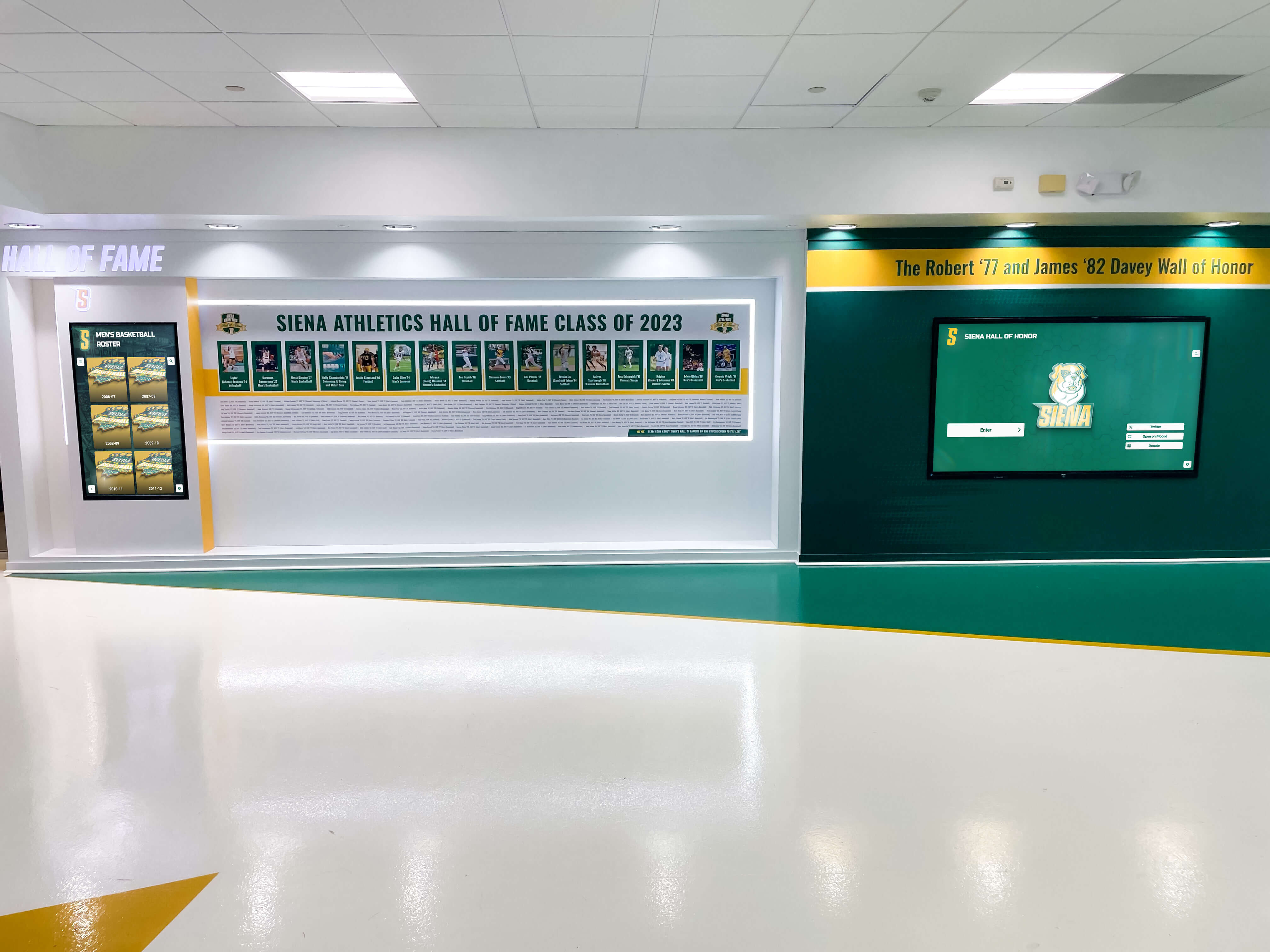
Goalie achievements including save percentage and career saves milestones deserve prominent celebration in athletic recognition displays
Essential Goalie Skills
Technical and Physical Requirements
Elite goalies develop comprehensive skill sets separating great from average:
Save Techniques
- High shots requiring quick hands
- Low shots demanding flexibility
- Side shots testing lateral movement
- Close-range reaction saves
- Positioning reducing shooting angles
- Using body to block when stick unavailable
- Recovery after initial save attempt
Stick Skills
- Outlet passes initiating clears
- Long passes in transition
- One-handed saves extending reach
- Stick fakes drawing shooter commitment
- Ground ball pickups near crease
- Clearing passes under pressure
Physical Attributes
- Quick reflexes and hand-eye coordination
- Flexibility for low saves
- Adequate size covering goal area
- Lateral quickness moving post-to-post
- Upper body strength for clearing passes
- Endurance maintaining focus
Leadership Qualities
- Vocal communication directing defense
- Composure calming teammates under pressure
- Accountability taking responsibility for goals
- Film study preparing for opponents
- Confidence inspiring defensive unit
- Positive energy after defensive stops
Programs developing exceptional goalies recognize this position requires specialized training beyond general team practice.
Face-Off Specialist: The Possession Battle
While technically a midfielder, face-off specialists (FOGO - Face-Off Get-Off in men’s lacrosse) deserve separate recognition for this critical specialized role.
Face-Off Role and Importance
Controlling Possessions
Face-offs after each goal and quarter make this specialized skill incredibly valuable:
Why Face-Offs Matter
- Teams winning face-offs control possession time
- More possessions create more scoring opportunities
- Face-off advantage changes momentum
- Critical in close games and end-game situations
- Can neutralize opponent offensive advantages
- Reduces defensive workload
- Creates transition opportunities
Face-Off Specialist Characteristics
- Explosiveness and hand speed
- Wrestling/physical leverage techniques
- Multiple clamp and move variations
- Reading opponent tendencies
- Conditioning for repeated max efforts
- Mental toughness after losses
- Immediate transition after wins
Face-Off Techniques and Skills
Specialized Training
Face-off specialists dedicate significant practice time to this unique skill:
Common Techniques (Men’s)
- Clamp and control ball
- Rake pulling ball backward
- Motorcycle grip exploding forward
- Counter moves based on opponent
- Wing communication and coordination
- Ground ball scrambles after loose balls
- Quick exits to sideline after wins
Draw Techniques (Women’s)
- Controlled draw pulling ball upward
- Immediate transition after whistle
- Body positioning creating advantage
- Quick stick work securing possession
- Communication with wings
- Adjustment based on opponent style
Training Beyond Face-Offs
Elite FOGO players develop additional skills:
- Defensive capabilities when possession lost
- Clearing outlet passes after wins
- Ground ball expertise in scrums
- Conditioning for entire game
- Film study of opposing specialists
- Mental preparation for pressure situations
- Team understanding of critical importance
Schools tracking face-off statistics alongside traditional metrics recognize the measurable impact these specialists provide through possession control.
Finding Your Position: Matching Skills to Roles
Players new to lacrosse often wonder which position fits their abilities and interests.
Position Selection Factors
Matching Athletes to Positions
Consider these factors when determining ideal positions:
Physical Attributes
- Tall/Long Reach: Defense, goalie, LSM
- Speed: Midfield, attack
- Strength: Defense, midfield
- Endurance: Midfield
- Quickness: Attack, midfield
- Hand-Eye Coordination: Goalie, attack
Skill Preferences
- Love Scoring: Attack positions
- Enjoy Physical Play: Defense, LSM
- Want All-Around Role: Midfield
- Leadership: Goalie, midfield
- Specialized Focus: FOGO, goalie
- Ball Skills: Attack, midfield
Mental Characteristics
- Competitive Aggression: Defense, attack
- Mental Toughness: Goalie
- High Lacrosse IQ: Midfield, attack
- Selflessness: Defense, two-way midfield
- Patience: Defense
- Confidence: Attack, goalie
Position Development Pathways
Youth Through High School Progression
Position development follows typical progression:
Youth Lacrosse (U10-U12)
- Players try multiple positions
- Emphasis on general stick skills
- Limited specialization
- Everyone plays offense and defense
- Developing fundamental understanding
- Discovering natural strengths and interests
Middle School (U14)
- Beginning position specialization
- Players gravitate toward preferences
- Coaches identify physical fits
- Skill development becomes position-specific
- Understanding tactical responsibilities
- Some flexibility remaining
High School
- Defined position specialization
- Position-specific training
- Clear roles and responsibilities
- Potential position changes based on team needs
- Advanced tactical understanding
- College recruitment by position
Programs allowing players to explore positions before specializing create well-rounded athletes who understand the game from multiple perspectives.
Position-Specific Training and Development
Maximizing potential requires position-focused practice beyond general team training.
Position-Specific Skill Development
Targeted Training Approaches
Elite players supplement team practice with specialized work:
Attack Training Focus
- Shooting repetitions (hundreds daily)
- Dodging technique against defenders
- Feeding accuracy to moving targets
- Pick setting and using picks
- Ground balls in traffic
- Finishing through contact
- Film study of defensive schemes
Midfield Training Focus
- Conditioning and sprint work
- Two-way transition drills
- Shooting from distance
- Defensive positioning
- Face-off practice (specialists)
- Clearing under pressure
- Versatility across situations
Defense Training Focus
- Individual defense footwork
- Stick checking technique
- Sliding and recovery patterns
- Long pole skills (men’s)
- Clearing passes and outlets
- Communication drills
- Film study of offensive players
Goalie Training Focus
- Shot-stopping repetitions
- Positioning and angle work
- Clearing passes and outlets
- Communication with defense
- Reaction drills
- Flexibility and lateral movement
- Mental preparation techniques
Programs creating position-specific development pathways accelerate player improvement while building depth across all positions.
Recognizing Position-Specific Excellence
Traditional lacrosse recognition often overemphasizes offensive statistics while undervaluing defensive contributions and specialized roles.
Beyond Scoring Statistics
Comprehensive Achievement Recognition
Progressive programs celebrate diverse positional contributions:
Attack Recognition
- Career goals and assists
- Single-season scoring records
- Game-winning goals
- Assist-to-turnover ratios
- Shooting percentage
- Ground balls in offensive zone
- Clutch performance in key games
Midfield Recognition
- Two-way statistics (goals + caused turnovers)
- Transition goals and assists
- Face-off winning percentage
- Ground balls across full field
- Iron person awards (full games played)
- Plus/minus ratings
- Versatility and position flexibility
Defense Recognition
- Caused turnovers
- Goals allowed per game
- Successful clears
- Ground balls in defensive zone
- Defensive player awards
- Shutdown performance against top scorers
- Leadership and communication
Goalie Recognition
- Save percentage
- Goals against average
- Career saves milestones
- Shutouts
- Clearing percentage
- Big save recognition
- Tournament MVP awards
Modern Recognition Solutions
Digital Platforms Celebrating All Positions
Traditional trophy cases struggle to capture diverse positional excellence across years of program history. Modern digital recognition systems solve this challenge by:
- Showcasing unlimited positions and specialized roles
- Tracking position-specific statistics beyond goals
- Highlighting defensive achievements equally with offensive
- Preserving goalie milestones and clutch performances
- Celebrating face-off specialists and their impact
- Creating searchable position-based archives
- Providing multimedia presentations with game footage
Solutions like Rocket Alumni Solutions enable lacrosse programs to maintain comprehensive position-by-position records, celebrating every contributor from attackmen scoring championships to defenders earning all-conference honors to goalies reaching career save milestones. This inclusive recognition approach builds program culture valuing all positions equally while creating searchable archives families access worldwide.
Schools implementing comprehensive recognition report increased player satisfaction across all positions, stronger defensive unit cohesion, and improved retention as athletes in non-scoring roles feel genuinely valued for their specific contributions.
Programs celebrating position-specific excellence through permanent recognition build cultures where players take pride in mastering their specialized roles rather than simply chasing scoring statistics.
Conclusion: Mastering Your Lacrosse Position
Understanding lacrosse positions represents far more than memorizing where players stand on the field—it involves recognizing the specialized skills, physical demands, mental requirements, and tactical responsibilities that make each role essential to team success. From attackmen orchestrating offensive sets to defenders protecting the goal, from versatile midfielders covering the full field to goalies quarterbacking the defensive unit, every position contributes uniquely to the beautiful complexity of lacrosse.
Players discovering their ideal position find roles matching their physical attributes, skill preferences, and competitive personalities, creating opportunities to excel through specialized development. Coaches understanding position nuances build balanced rosters while creating training programs developing position-specific excellence. Families learning these positional details support young athletes more effectively while appreciating the diverse contributions that win games beyond simple scoring statistics.
The lacrosse positions explored throughout this comprehensive guide—attack, midfield, defense, goalie, and face-off specialists—each demand dedication to craft mastery. Success comes from embracing your position’s unique demands, developing specialized skills through focused training, understanding tactical responsibilities within team systems, and taking pride in contributions regardless of visibility in box scores.
Celebrate Position-Specific Excellence in Your Lacrosse Program
Discover how comprehensive digital recognition displays enable unlimited celebration of lacrosse achievements across all positions—from career scoring milestones to defensive awards, goalie save records to face-off dominance. See how programs nationwide honor specialized contributions through searchable archives accessible to families and recruits worldwide, building pride across every position while preserving program history permanently.
Explore Lacrosse Recognition SolutionsProgressive lacrosse programs recognize that comprehensive achievement celebration extending beyond offensive statistics creates cultures where defenders, goalies, and face-off specialists feel equally valued alongside high-scoring attackmen. Digital recognition platforms enabling unlimited position-by-position tracking solve the physical space constraints limiting traditional trophy cases, creating permanent archives showcasing every contributor to program excellence across decades of competition.
As your program develops players across all lacrosse positions, remember that position mastery requires specialized training, tactical understanding, mental toughness, and commitment to role excellence. The athletes dedicating themselves to becoming elite defenders deserve equal recognition to prolific scorers. Goalies making championship-saving stops warrant permanent celebration. Face-off specialists controlling possession earn measurable acknowledgment. And programs honoring all positions equally build winning cultures where players embrace specialized roles knowing their contributions receive genuine appreciation.
Whether you’re a player working to master your position, a coach developing specialized training, or a program leader building comprehensive recognition systems, understanding and celebrating the unique demands of every lacrosse position creates foundation for sustained excellence and athlete development that extends far beyond the playing field.