



Gaming has moved from basement recreation rooms to varsity competition rosters. Across the country, schools are launching esports programs that engage students who might never try out for traditional athletics—offering competition, teamwork, scholarship opportunities, and school pride through digital arenas instead of physical fields.
Yet many administrators struggle to understand how to build legitimate esports programs. Questions about equipment requirements, coaching qualifications, appropriate games, league participation, and how to celebrate digital achievements alongside traditional athletics create hesitation. Meanwhile, students passionate about competitive gaming find no outlet for their skills at schools that haven’t adapted to this rapidly growing recognition category.
This comprehensive guide provides school administrators, athletic directors, and faculty sponsors with practical strategies for establishing successful esports teams—from initial program approval through competitive play, recognition, and building sustainable programs that offer students genuine athletic-level experiences.
Effective esports programs extend far beyond simply providing computers and gaming licenses. Successful schools create structured competitive environments with dedicated coaching, practice schedules, performance analysis, team recognition, and the same systematic support traditionally reserved for football and basketball programs.

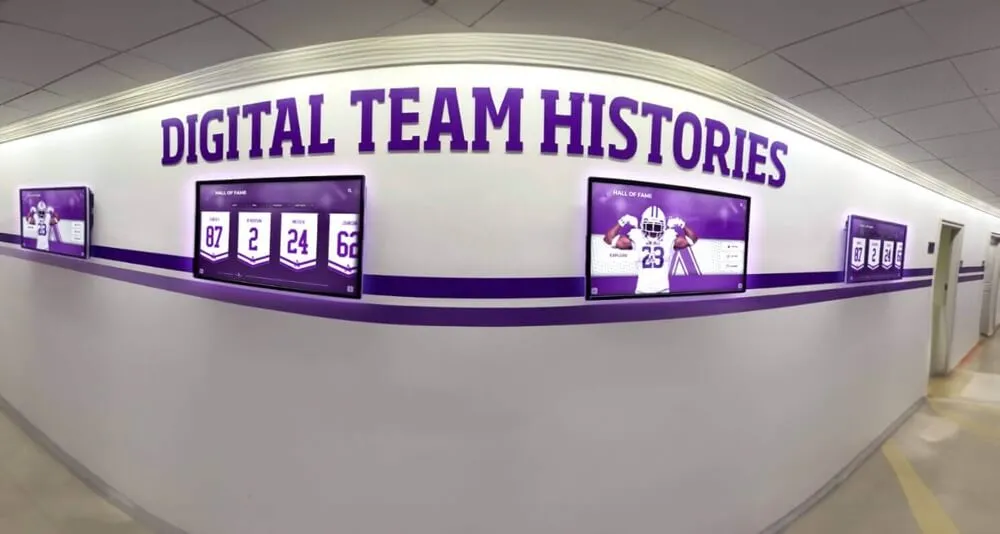
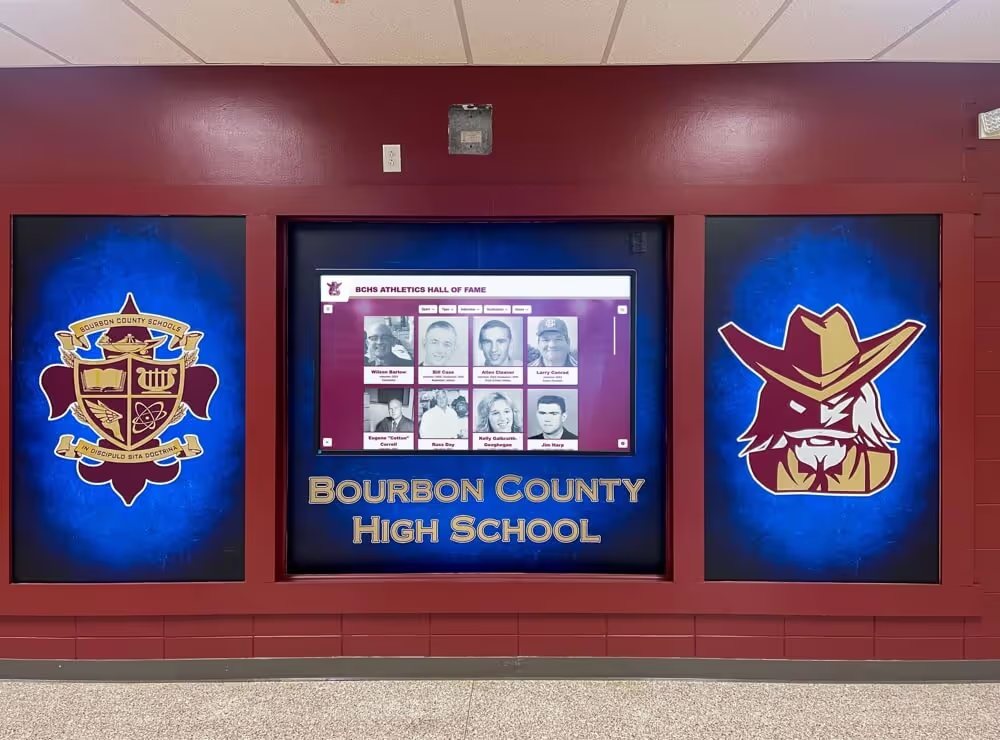
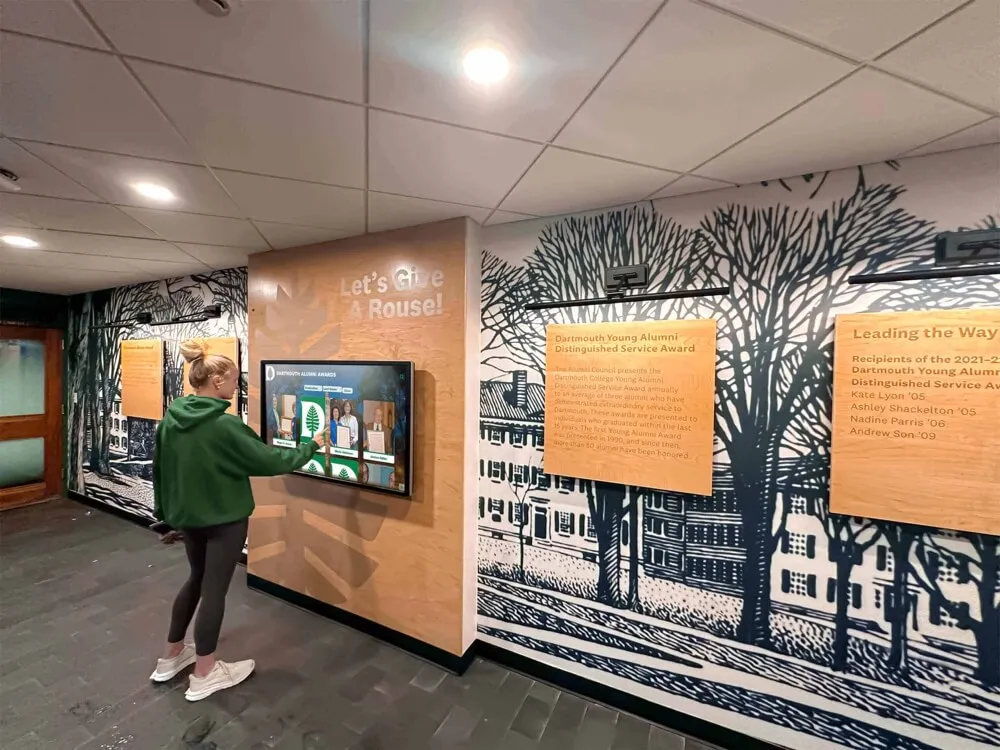
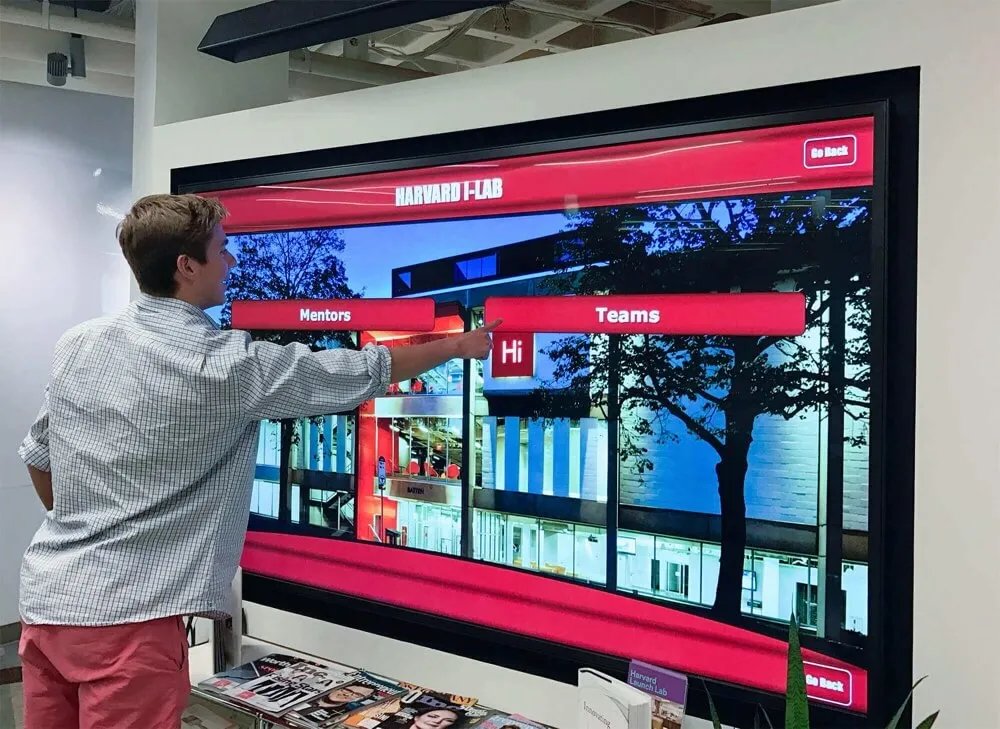
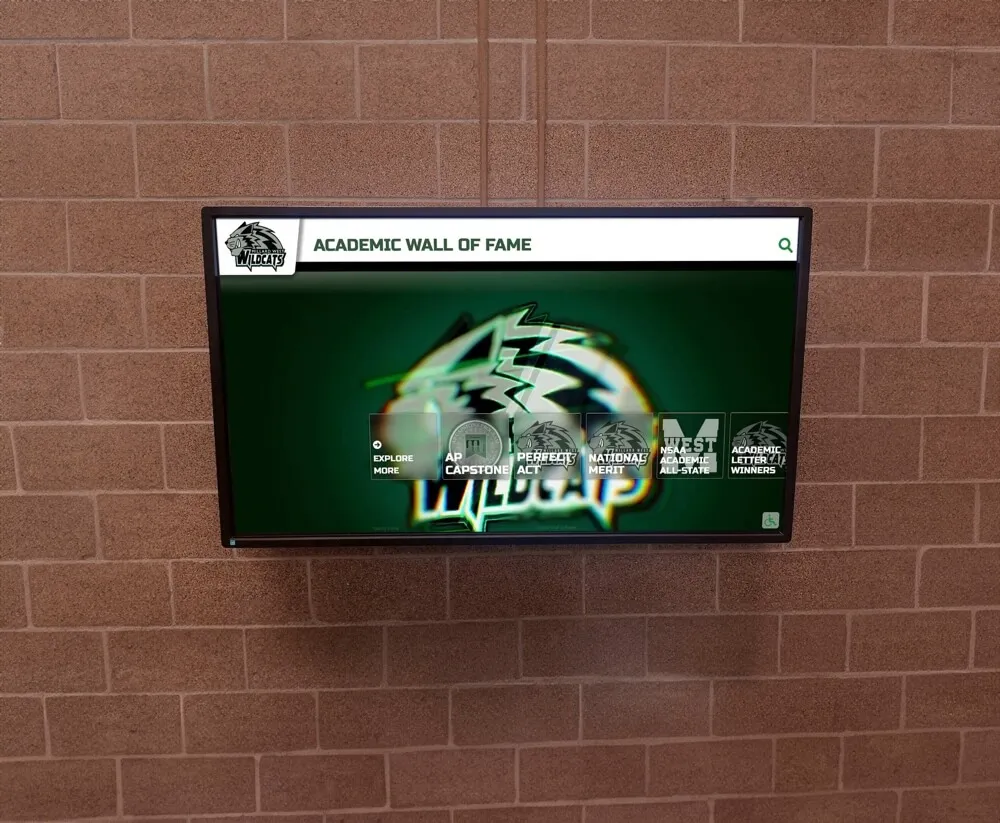
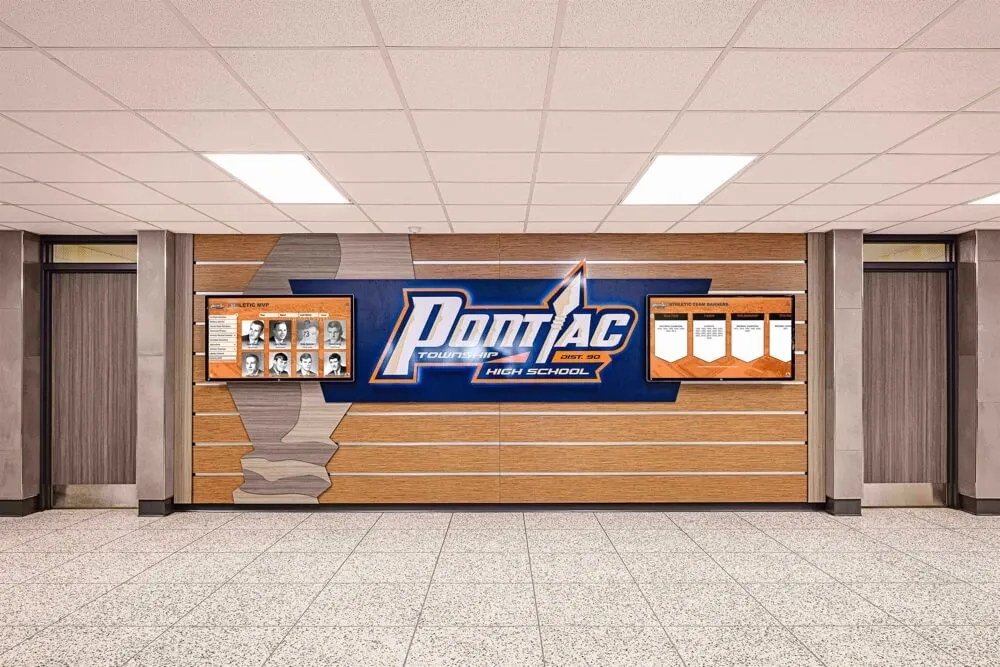
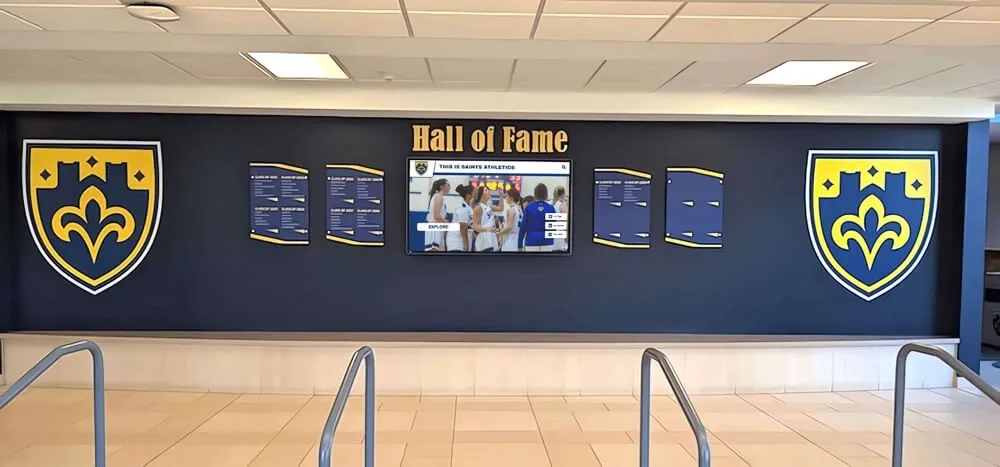
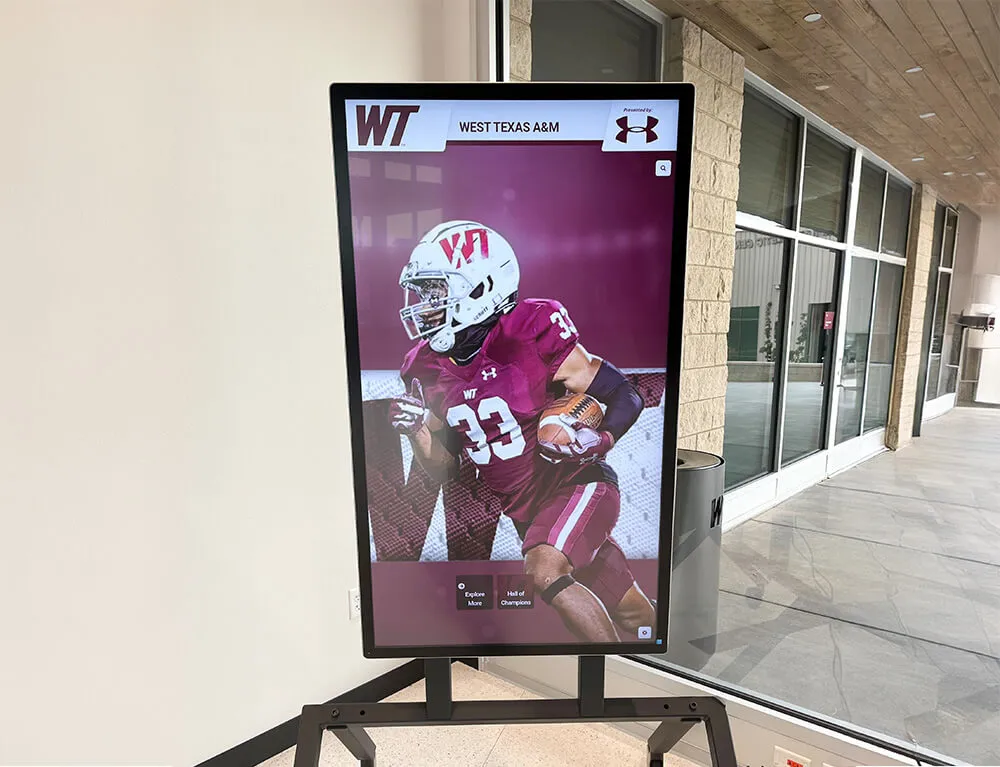
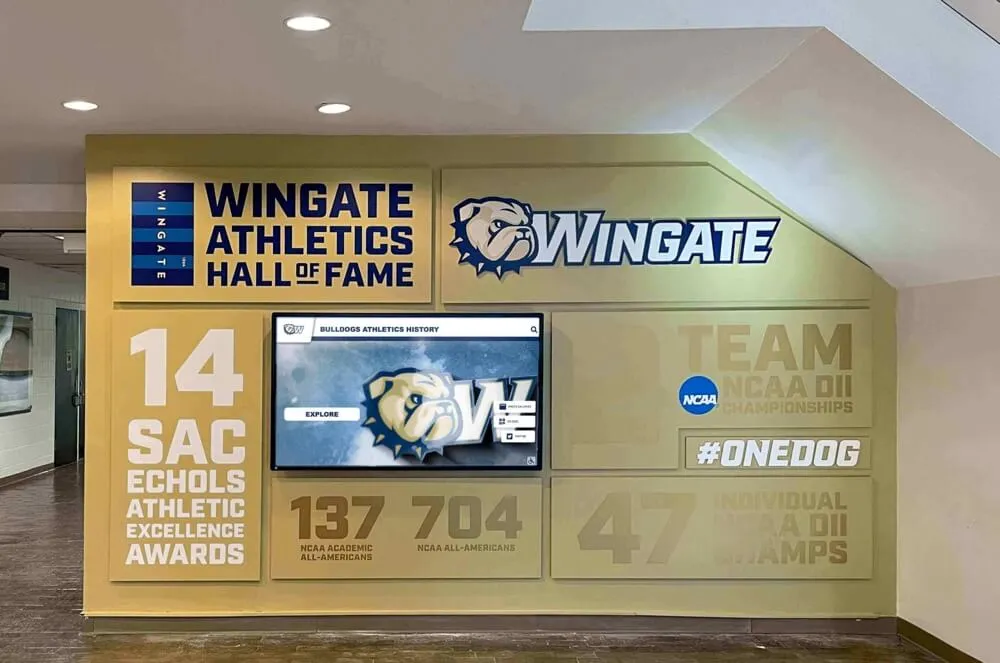
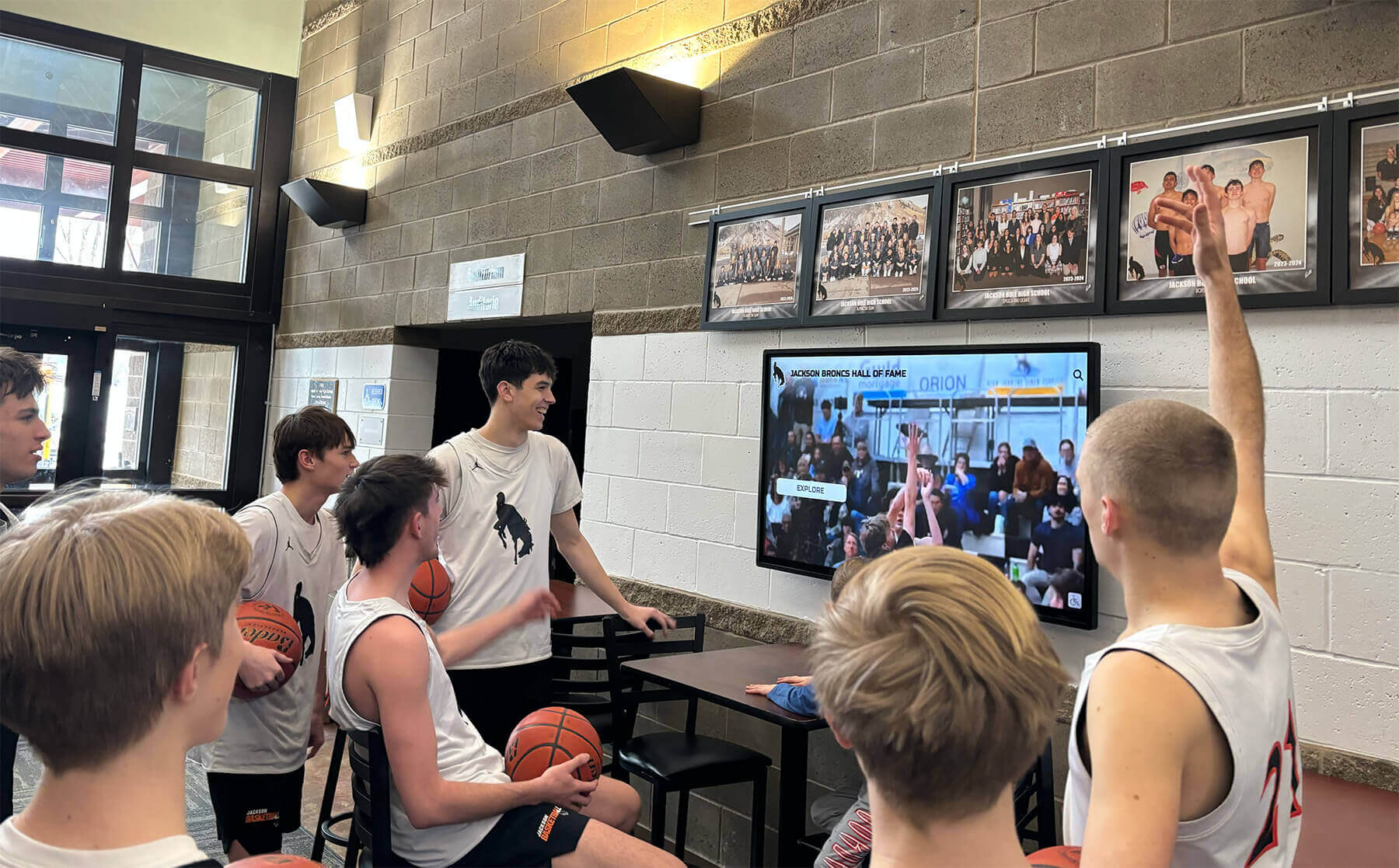
Modern digital displays engage students with competitive achievements across all programs—including emerging esports teams
Understanding the Esports Movement in Education
Before launching an esports program, administrators benefit from understanding the broader educational context and competitive landscape.
The Growth of Scholastic Esports
Competitive gaming has evolved into a legitimate athletic category with remarkable growth:
National Participation Statistics
- Over 3,500 U.S. high schools and middle schools now field official esports teams
- More than 170,000 students compete in organized scholastic esports leagues
- The National Federation of State High School Associations (NFHS) recognizes esports as an emerging sport
- State athletic associations across 16 states have sanctioned esports as an official varsity sport
- College esports scholarships now exceed $16 million annually across over 200 universities
According to the NFHS Network, scholastic esports viewership has grown 115% year-over-year, demonstrating significant spectator interest beyond participant engagement.
Educational Value Recognition
- Research demonstrates that structured esports programs improve STEM skills and digital literacy
- Team-based gaming develops communication, collaboration, and strategic thinking
- Competitive gaming requires the same dedication, practice, and performance analysis as traditional sports
- Esports creates engagement pathways for students who don’t connect with conventional athletics
- Gaming competitions foster school pride and community identity like traditional athletic programs
Benefits of School Esports Programs
Structured esports teams provide significant student development opportunities:
Student Engagement and Inclusion
- Reaches students traditionally disconnected from school athletics and activities
- Provides competitive outlet for diverse student populations
- Creates belonging opportunities for students interested in gaming and technology
- Offers lower physical barriers compared to traditional athletics
- Builds confidence through achievement in skill-based competition
Academic and Career Connections
- Develops technology skills directly applicable to careers in gaming, software development, and digital media
- Creates pathways to collegiate esports scholarships and competitive opportunities
- Builds résumé-worthy achievements for college applications
- Connects to STEM education and computer science curriculum
- Introduces careers in game design, streaming, event production, and esports management
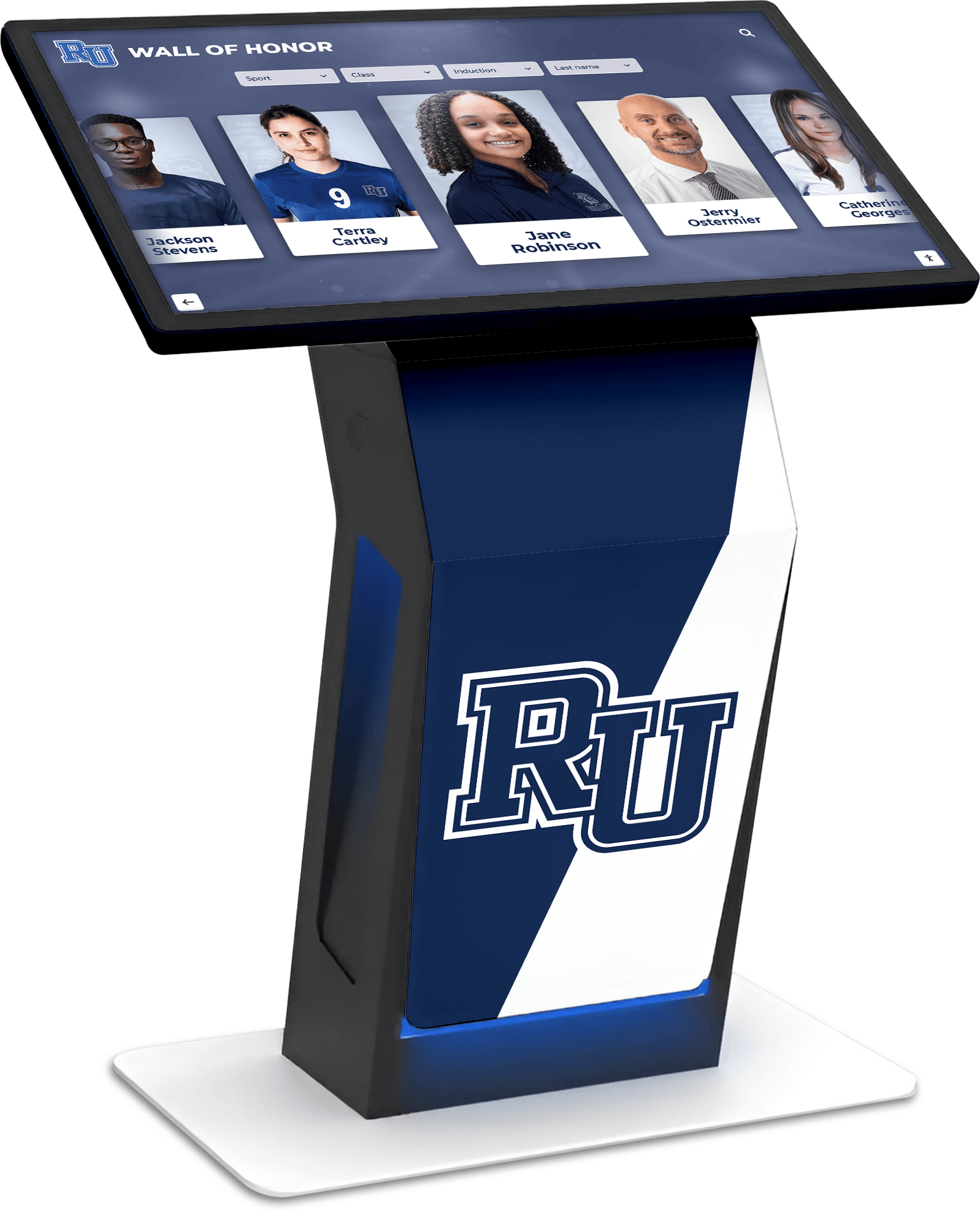
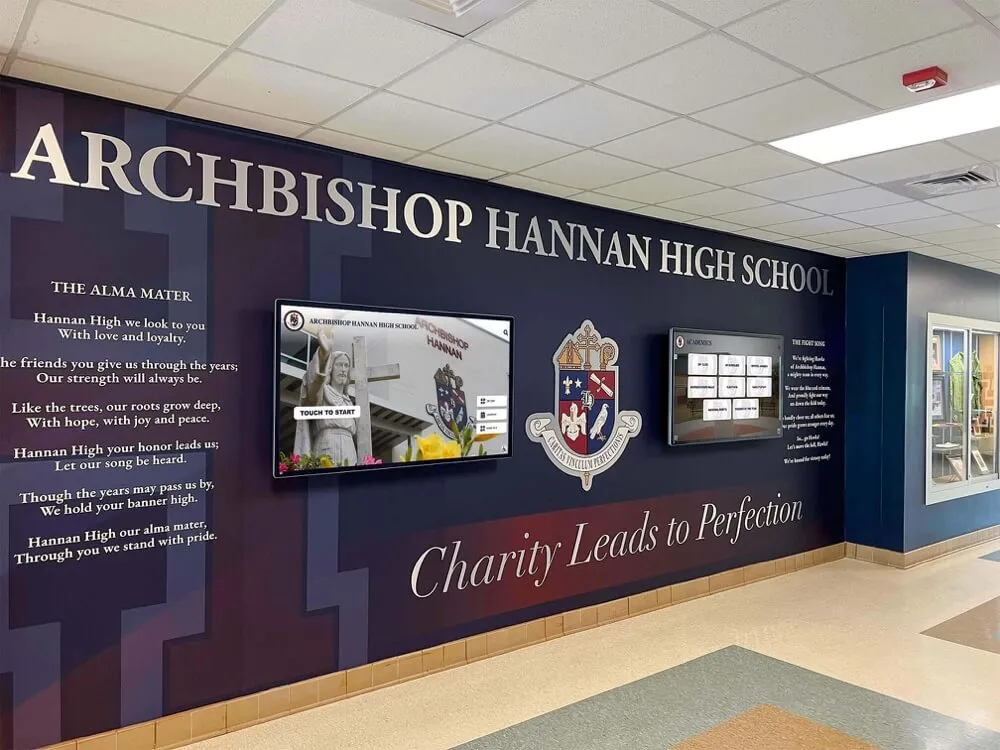
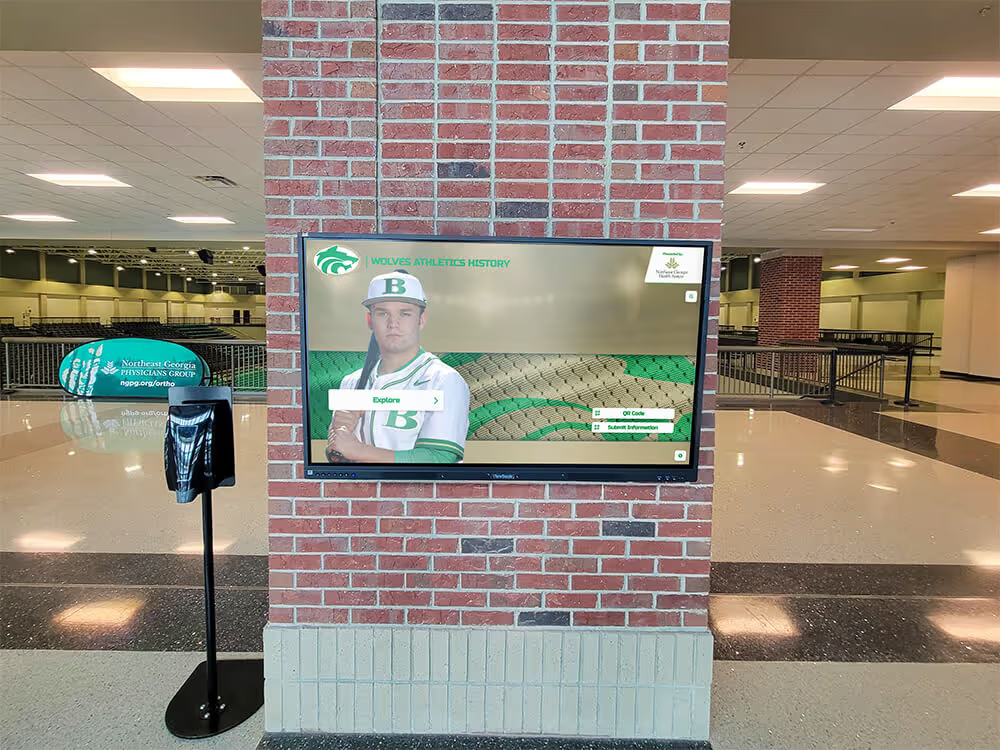
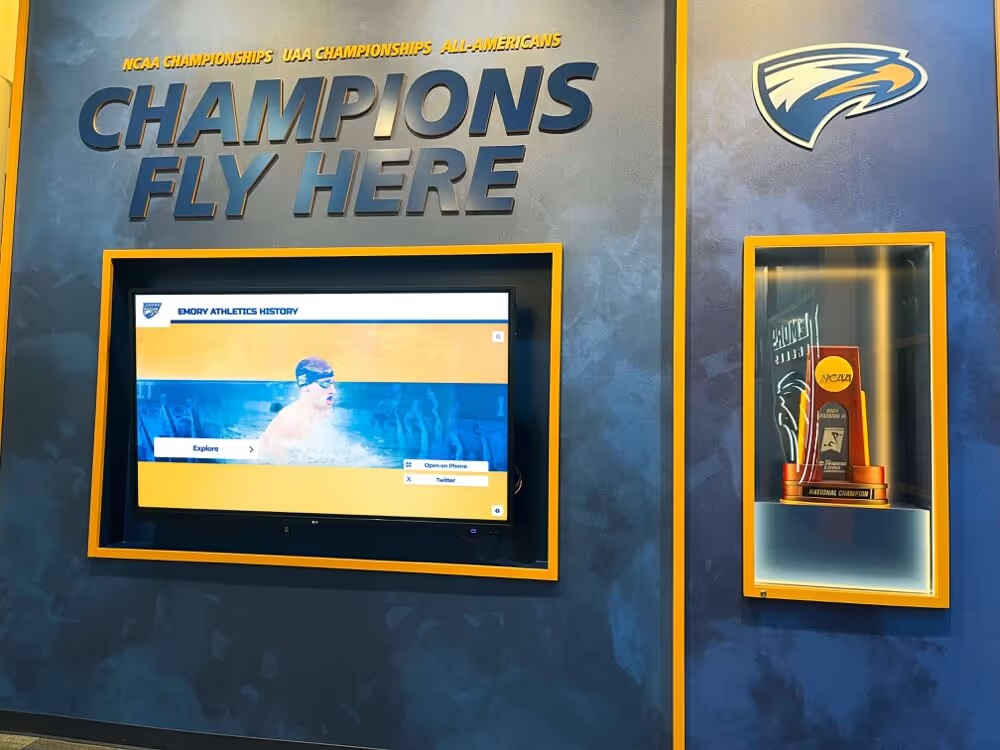
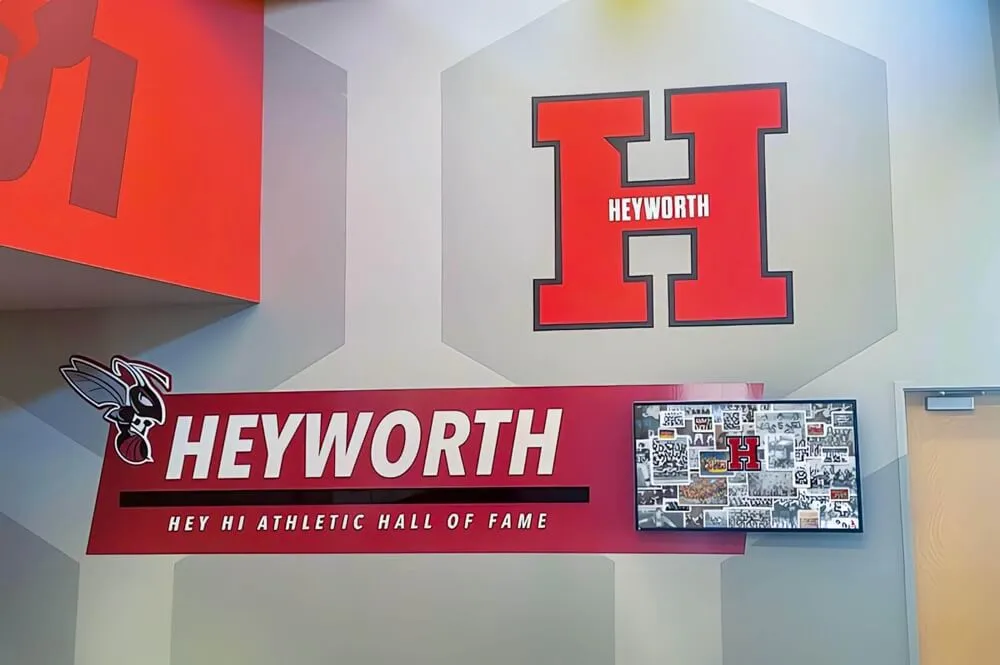
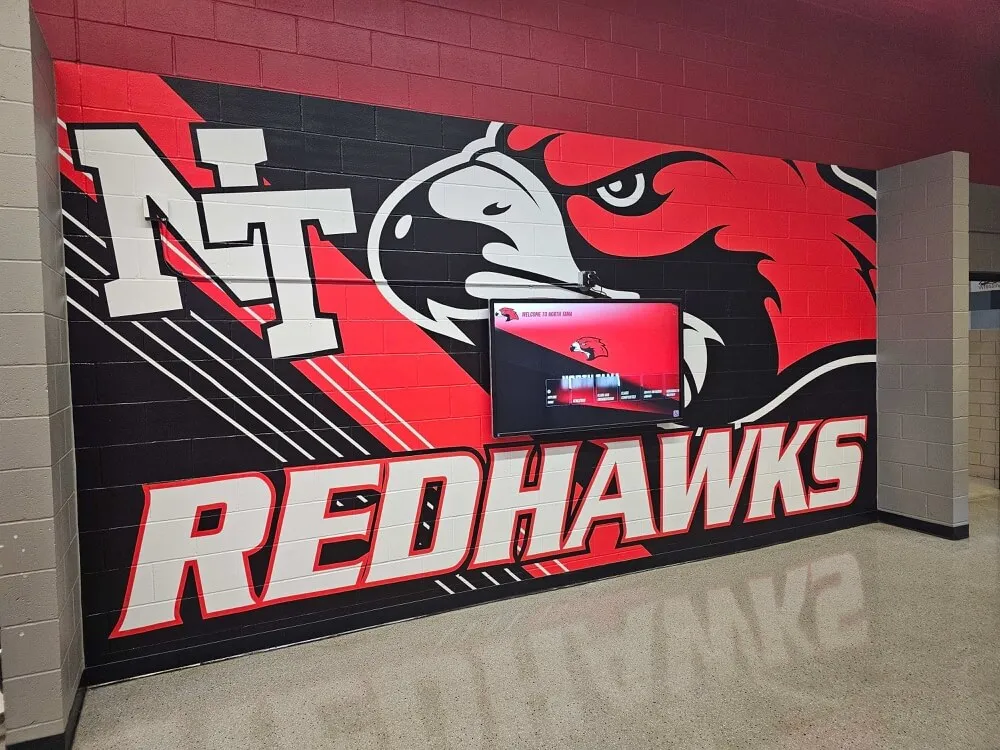
Digital recognition displays provide equal visibility for esports achievements alongside traditional athletic accomplishments
School Culture Enhancement
- Broadens definition of “athlete” and competitive achievement
- Creates additional school pride and community engagement opportunities
- Generates spectator events through live-streamed competitions
- Provides content for school media and communications
- Establishes modern programs demonstrating institutional innovation
Schools implementing comprehensive recognition programs find that celebrating esports achievements alongside traditional athletics strengthens rather than dilutes school pride.
Building Administrative Support and Program Approval
Launching an esports program requires securing stakeholder buy-in and addressing common administrative concerns.
Making the Case to School Leadership
Effective program proposals address predictable administrator questions:
Educational Justification Present esports as legitimate educational activity rather than recreational gaming:
- Structured practice and competition schedule mirroring traditional athletics
- Faculty coaching and supervision ensuring appropriate oversight
- Performance analysis and strategy development requiring critical thinking
- Team collaboration and communication skill development
- Technology literacy advancement supporting academic goals
Addressing Screen Time Concerns Administrators often worry about encouraging additional screen time:
- Structured esports practice is goal-oriented and supervised, unlike passive entertainment
- Programs emphasize physical health with required breaks, stretching, and fitness components
- Screen time occurs within defined practice windows rather than open-ended gaming
- Esports participation can replace unstructured recreational gaming with purposeful practice
- Programs typically incorporate educational components around gaming industry and careers
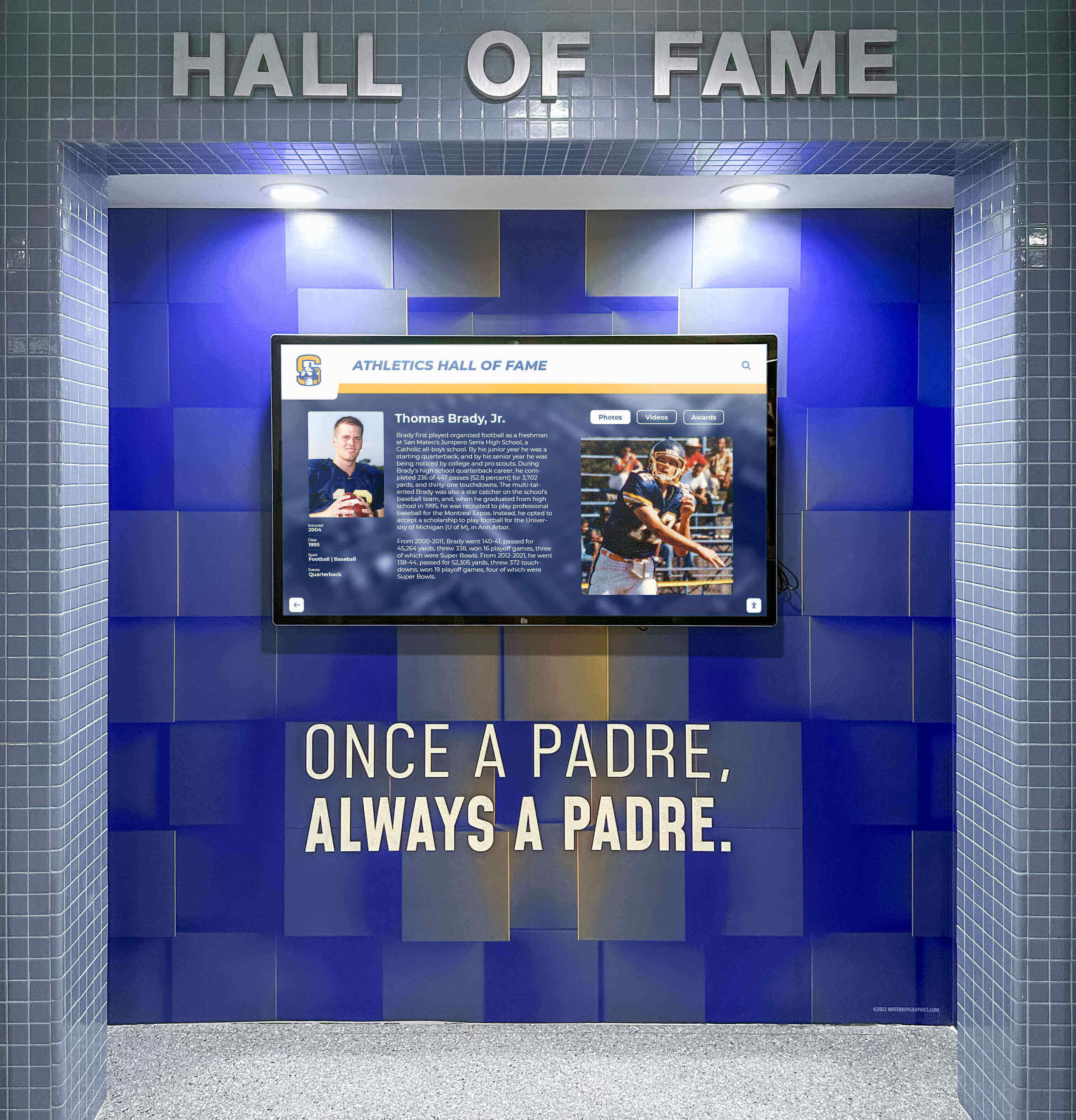
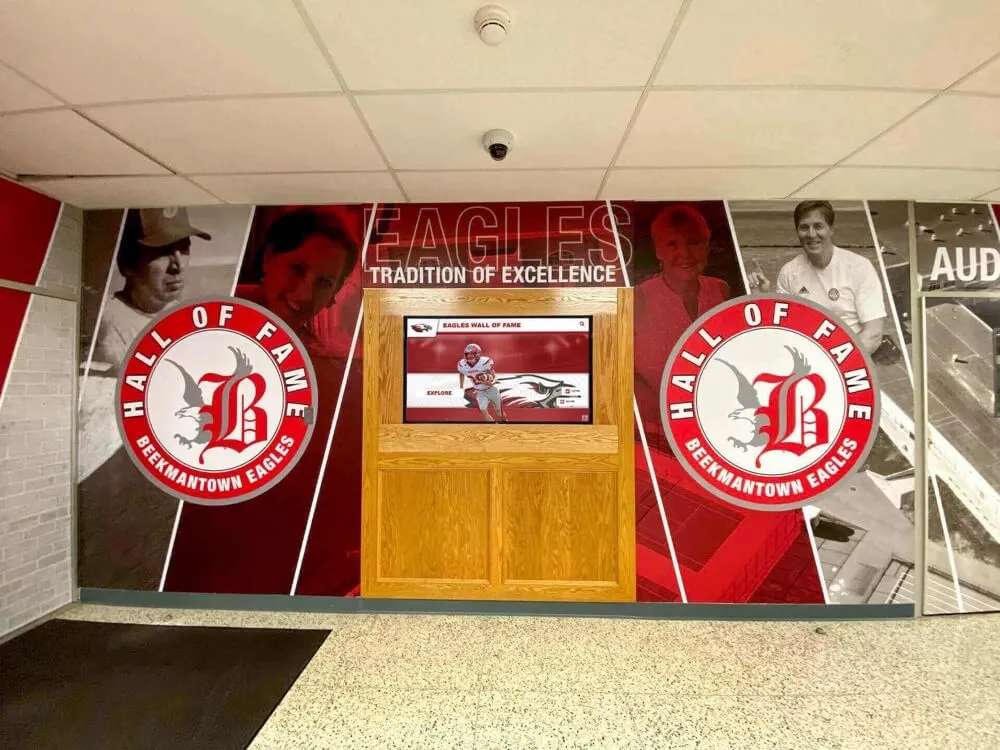
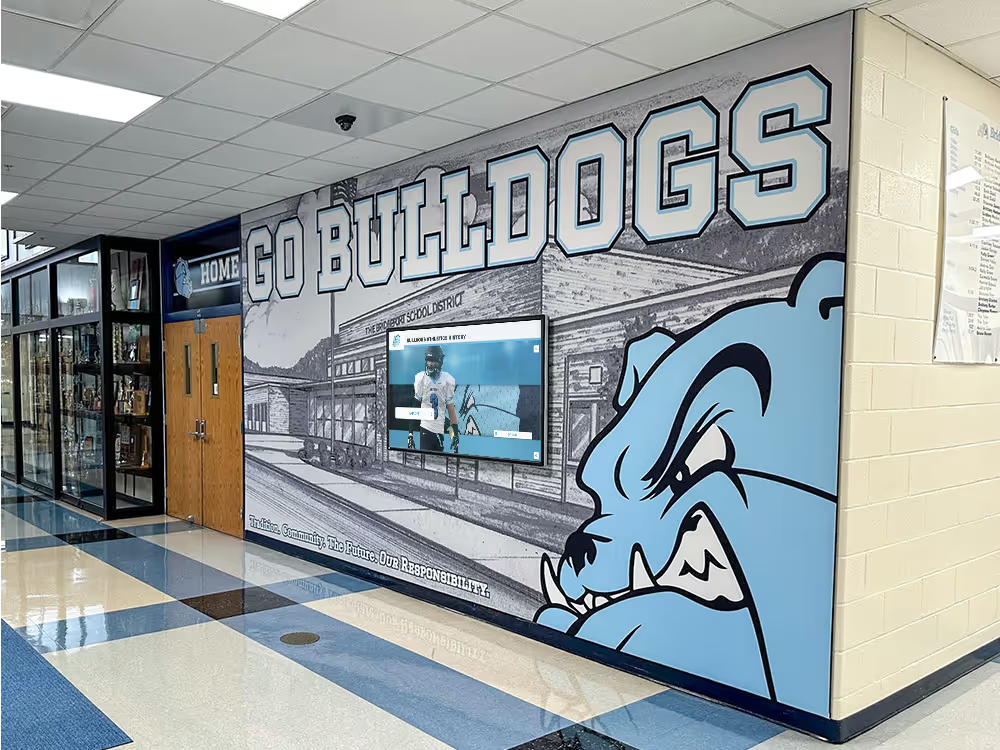
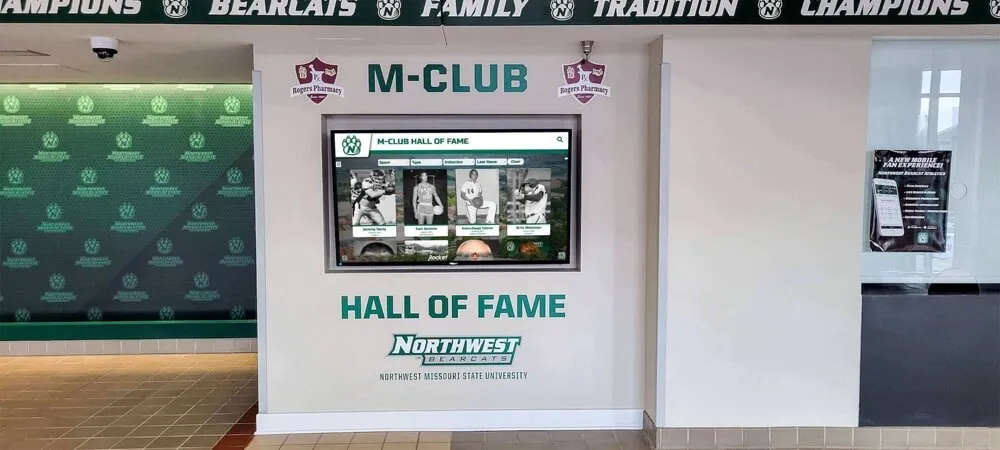
Professional recognition displays elevate esports to the same institutional status as traditional athletic programs
Financial Planning and Budget Justification Demonstrate cost-effectiveness compared to traditional sports:
- Lower per-participant cost than football, basketball, or most traditional athletics
- Equipment serves multiple purposes (computers used for academic applications as well)
- No field maintenance, facility rental, or transportation costs for most competitions
- Potential revenue through spectator events and sponsorship opportunities
- Grant funding and corporate sponsorship available specifically for esports programs
Risk Management and Safety Address liability and student safety considerations:
- Lower physical injury risk compared to contact sports
- Supervision requirements similar to other academic activities
- Clear acceptable use policies and code of conduct expectations
- Online safety protocols and digital citizenship education
- Structured oversight similar to other school clubs and activities
Navigating Athletic Department Integration
Determining esports organizational home requires consideration:
Athletic Department Placement Many schools integrate esports as official athletic program:
- Provides access to athletic department resources and recognition
- Signals that esports represents legitimate competitive activity
- Enables participation in state athletic association sanctioned competitions
- Allows esports athletes to receive same recognition as traditional sport participants
- Creates pathway to varsity letters and athletic awards
Alternative Organizational Structures Some schools position esports outside athletics:
- Academic department sponsorship (technology, media, business)
- Student activities or club structure with competitive focus
- Separate esports program with dedicated budget and oversight
- Hybrid model combining athletic competition with academic curriculum integration
- Community partnership with local gaming organizations or colleges
The optimal structure depends on institutional culture, available resources, and competitive goals. However, schools finding greatest success typically provide esports with similar resources and recognition as traditional athletic programs regardless of organizational placement.
Selecting Appropriate Games and Competition Structure
Game selection and competitive framework significantly impact program success and student engagement.
Age-Appropriate Game Selection Criteria
Not all competitive games suit educational environments. Schools should evaluate titles based on:
Educational Suitability Standards
- Content rating: ESRB rating appropriate for student age (typically E for Everyone or T for Teen for high school programs)
- Violence levels: Avoid games with realistic violence, gore, or mature themes
- Educational value: Prefer games emphasizing strategy, teamwork, and problem-solving
- Positive community: Select games with supportive player communities and established competitive integrity
- Spectator appeal: Choose games that parents, administrators, and community members can understand and appreciate
Commonly Selected Scholastic Titles
Most scholastic esports programs focus on these established competitive games:
Strategy and Team-Based Games
- Rocket League: Soccer with rocket-powered cars; emphasizes teamwork, physics understanding, and strategic positioning
- League of Legends: Team-based strategy game requiring coordination, communication, and tactical planning
- Overwatch 2: Team-based shooter emphasizing diverse character abilities, role specialization, and objective-based gameplay
- Valorant: Tactical team shooter combining strategy with precise execution
- Chess: Traditional strategy with robust online competitive infrastructure
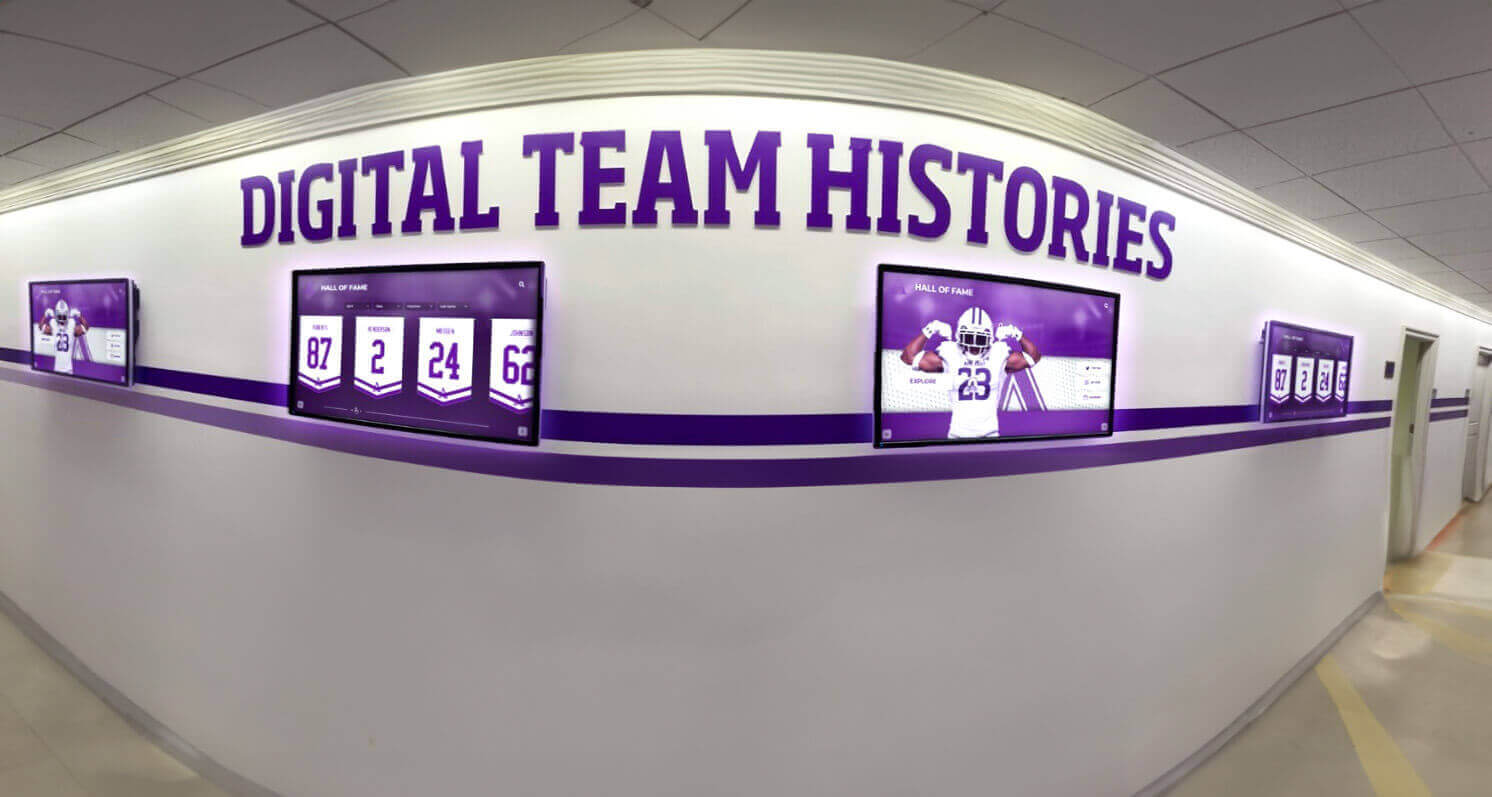
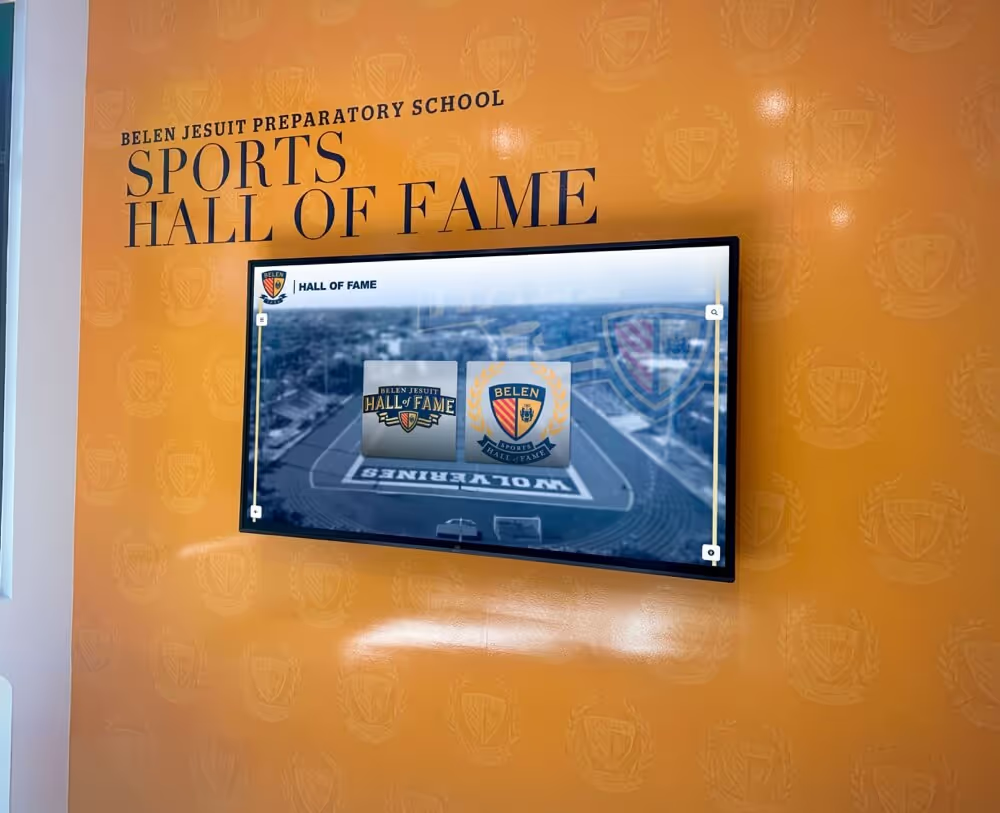
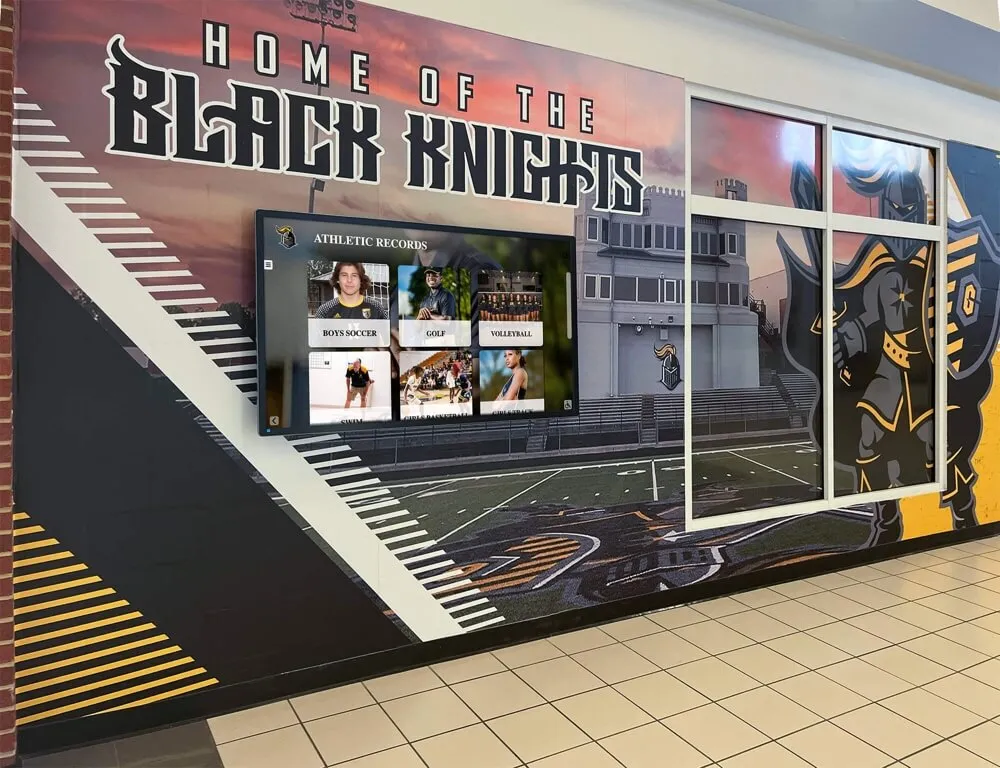
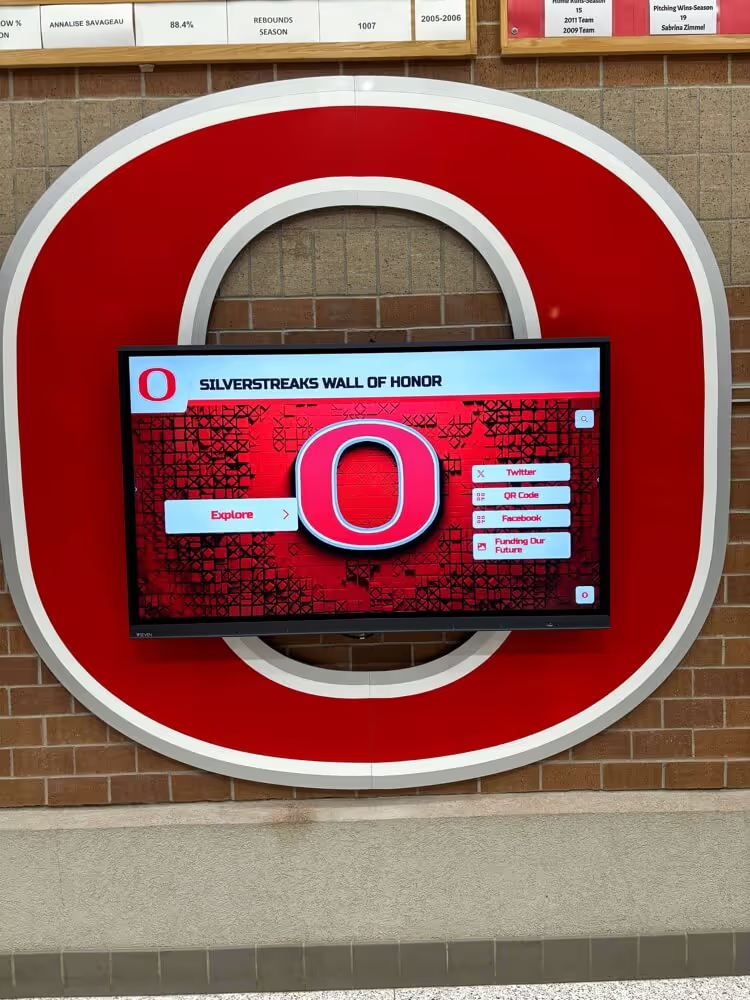
Team history displays document esports achievements alongside traditional sport championships
Sports Simulation Games
- FIFA/EA Sports FC: Soccer simulation emphasizing sports knowledge and strategic play
- NBA 2K: Basketball simulation teaching sport understanding
- Madden NFL: Football simulation requiring strategic thinking and play calling
Individual Competition Games
- Super Smash Bros. Ultimate: Fighting game with broad appeal and established tournament structure
- Mario Kart: Racing game offering accessible competition and team formats
- Fortnite: While popular, schools should carefully evaluate content appropriateness for their community
League Participation and Competition Options
Structured competition provides legitimacy and motivation for team practice and development.
National Scholastic Esports Leagues
Several established organizations provide scholastic competition infrastructure:
PlayVS
- Largest scholastic esports league with NFHS recognition
- State athletic association partnerships enabling official varsity status
- Structured seasonal competition with playoffs and championships
- Platform provides game licenses, league management, and competition infrastructure
- Serves middle school and high school programs across multiple game titles
NASEF (North America Scholastic Esports Federation)
- Free participation removing financial barriers
- Educational focus emphasizing academic integration and career pathways
- Club-based structure supporting schools starting programs
- Scholarship opportunities for participating students
- International reach enabling global competition opportunities
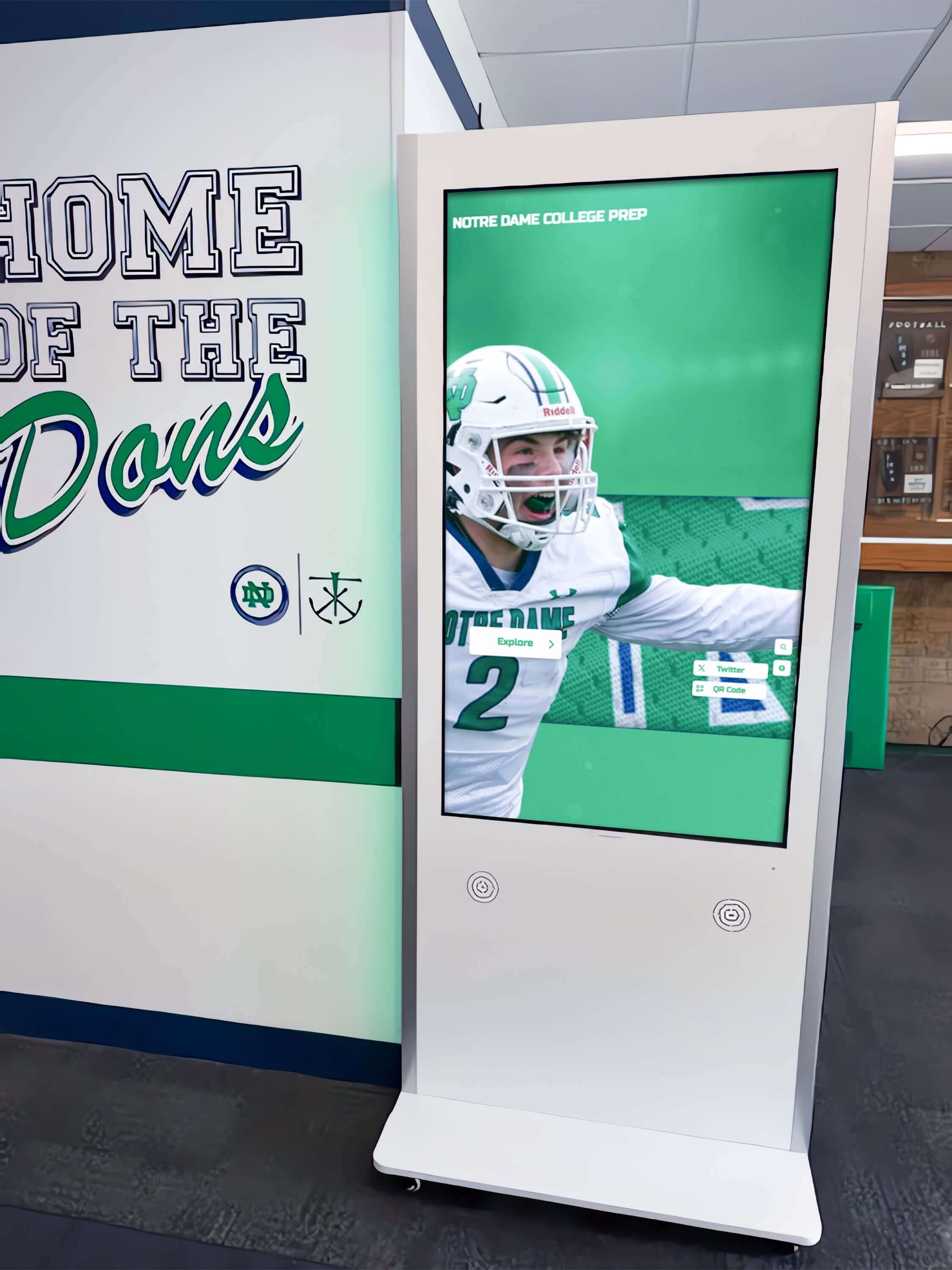
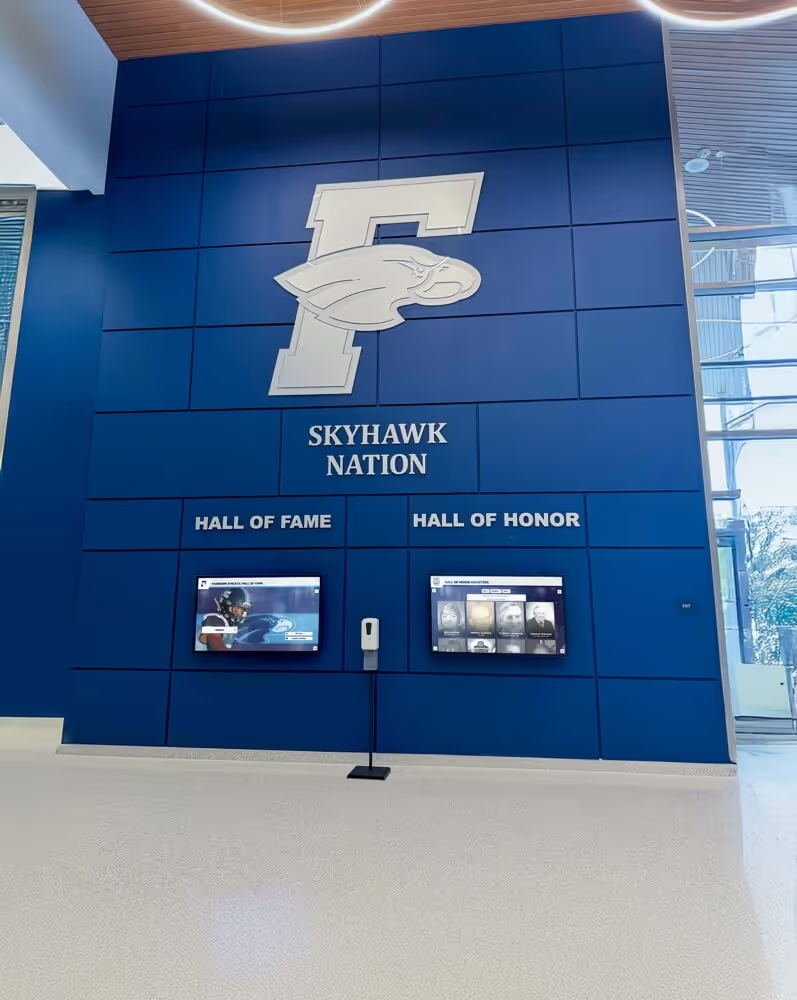
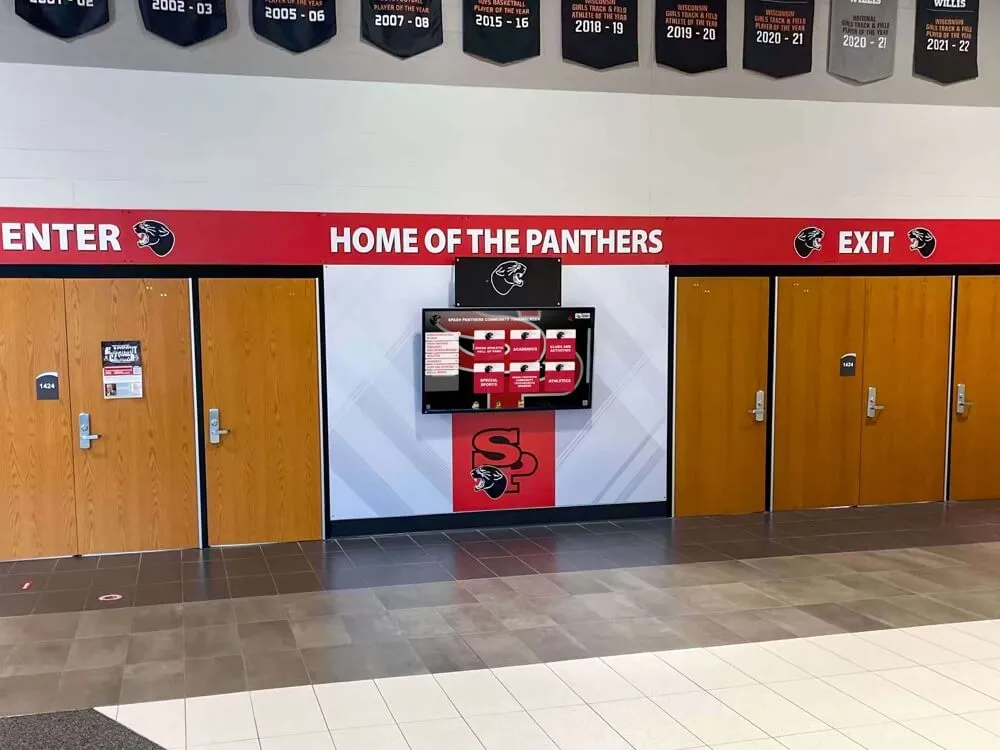
Strategic placement of recognition displays in high-traffic areas ensures esports achievements receive visibility equal to traditional sports
HSEL (High School Esports League)
- Comprehensive competition across multiple game titles
- Community building focus fostering positive gaming culture
- Professional broadcast production for championship events
- Scholarship connections with partner universities
- Discord-based community support for coaches and participants
Additional Competition Options
- State athletic association sponsored esports competitions
- Regional tournament circuits and invitational events
- College-hosted high school tournaments
- Local gaming centers and community league partnerships
- Online ladder competitions and ranking systems
League selection should consider costs, game offerings, competition level, and alignment with program goals and institutional values.
Equipment, Technology, and Facility Requirements
Esports programs require specific technology infrastructure and practice space considerations.
Essential Equipment and Specifications
Building competitive-ready gaming setups requires investment in appropriate hardware:
Gaming Computer Requirements Minimum specifications for competitive esports vary by game, but generally require:
- Processor: Intel i5 or AMD Ryzen 5 (current generation)
- Graphics Card: NVIDIA GTX 1660 or AMD RX 5600 XT minimum for most competitive titles
- RAM: 16GB DDR4 memory
- Storage: 500GB SSD (solid state drive for fast load times)
- Monitor: 144Hz refresh rate, 1ms response time, 24" screen size
- Peripherals: Gaming mouse (adjustable DPI), mechanical keyboard, quality headset with microphone
Budget considerations: Complete competitive gaming stations typically cost $1,200-1,800 per seat when purchasing quality components. Schools can reduce costs by:
- Starting with fewer stations (4-6 computers support 20+ students through rotating practice schedules)
- Utilizing existing computer labs with graphics card upgrades
- Purchasing refurbished gaming components from reputable suppliers
- Seeking corporate sponsorship from gaming hardware companies
- Applying for esports-specific educational grants and funding programs
Console Gaming Options Console-based esports offer lower-cost entry points:
- Nintendo Switch: Super Smash Bros., Mario Kart, Splatoon competitions ($300 per console)
- PlayStation/Xbox: FIFA, NBA 2K, Madden, racing simulations ($500 per console)
- Console stations require quality monitors, controllers, and online subscriptions
- Lower overall cost but potentially fewer collegiate scholarship pathways
Network Infrastructure and Internet Requirements
Competitive gaming demands reliable, high-speed internet connectivity:
Bandwidth Requirements
- Minimum 100 Mbps download, 20 Mbps upload for 4-6 simultaneous competitors
- Dedicated network avoiding competition with general school traffic during matches
- Wired ethernet connections preferred over WiFi for stability and latency reduction
- Quality of Service (QoS) network configuration prioritizing gaming traffic
- Backup internet connection for competition day redundancy
IT Considerations
- Firewall configuration allowing game client connections
- Software update management ensuring current game versions
- User account management and access controls
- Content filtering balanced with game functionality requirements
- Technical support plan for troubleshooting during practice and competition
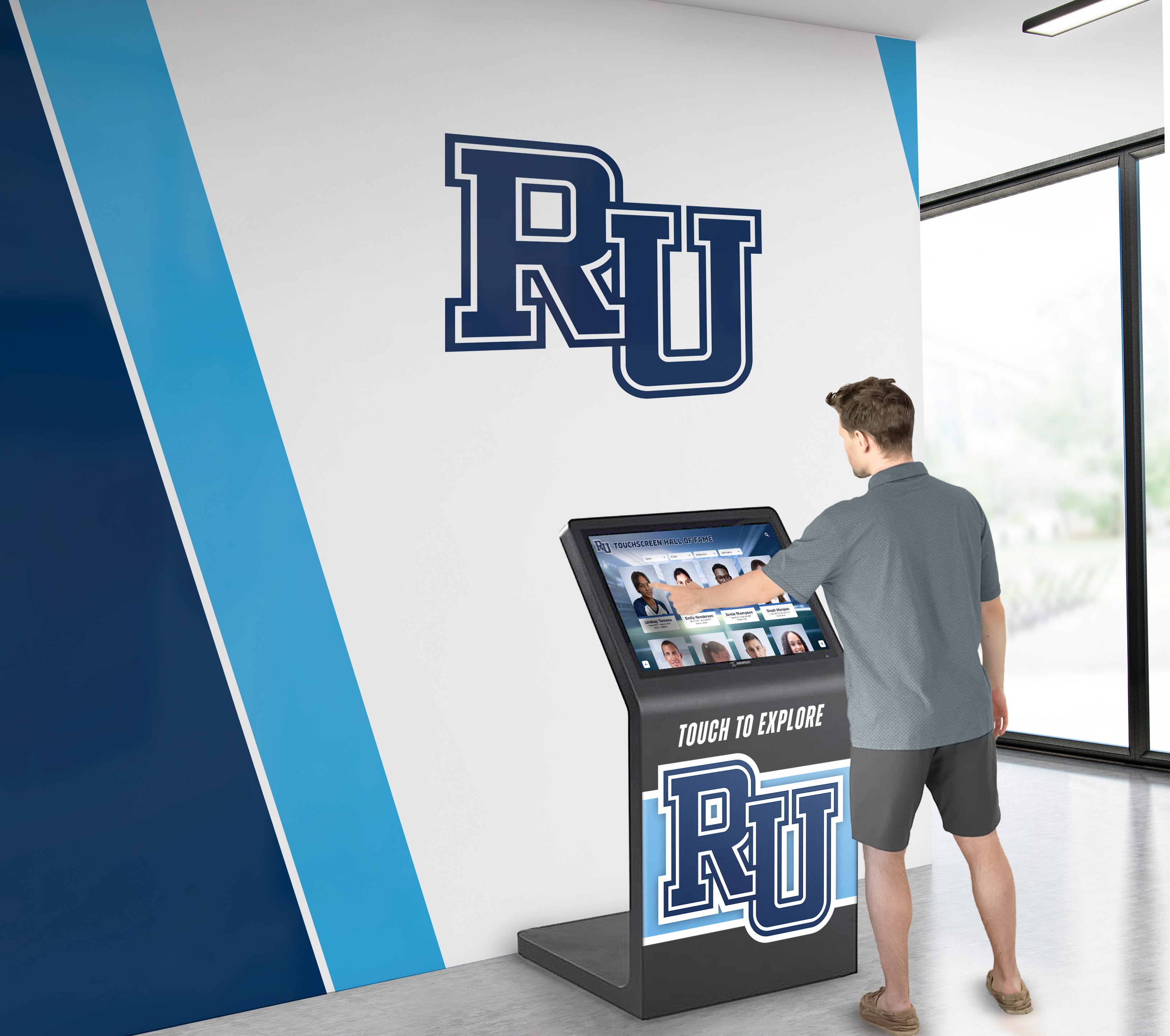
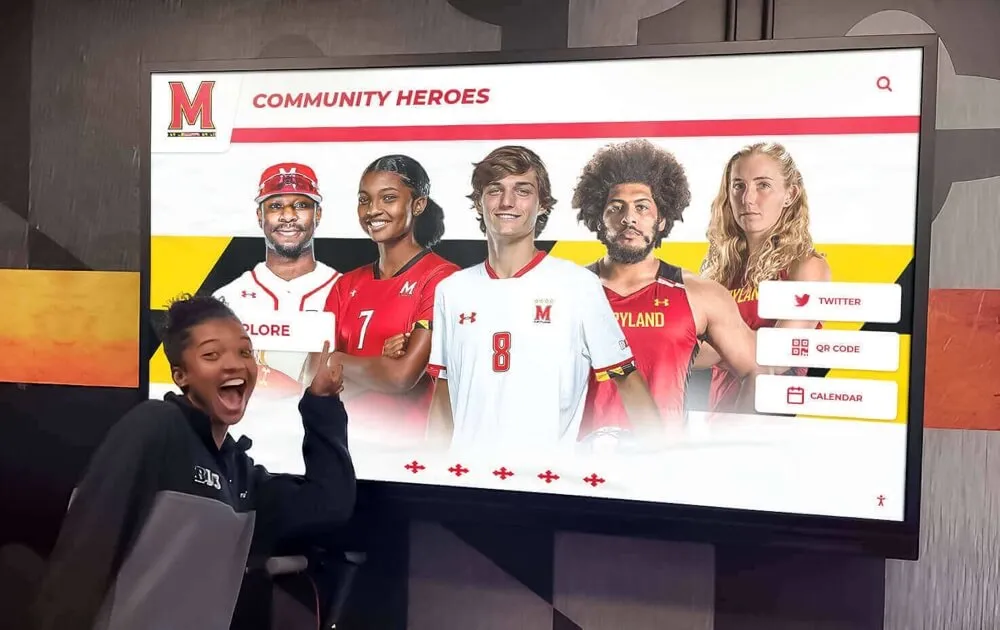
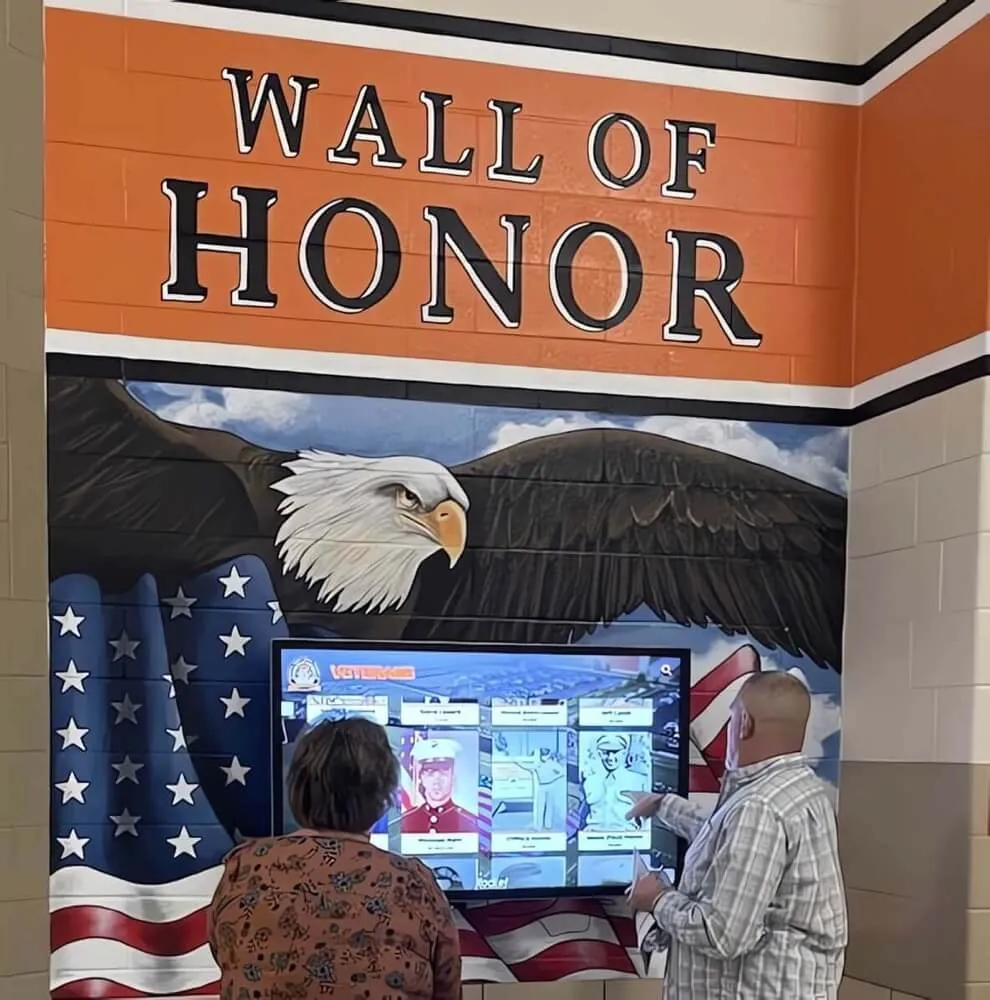
Interactive recognition kiosks enable students to explore esports team achievements and individual player profiles
Practice Facility and Space Planning
Designating appropriate practice space supports program development:
Ideal Practice Space Characteristics
- Dedicated computer lab or gaming room enabling consistent setup and team culture development
- Adequate ventilation and temperature control for extended equipment operation
- Appropriate lighting reducing screen glare while maintaining visibility
- Ergonomic furniture supporting healthy posture during extended practice sessions
- Storage for equipment, peripherals, and team materials
- Secure environment protecting valuable gaming equipment
Alternative Space Solutions Schools lacking dedicated esports facilities can utilize:
- Existing computer labs with scheduled access for team practice
- Library media centers during after-school hours
- Classroom spaces with mobile gaming cart systems
- Partnership with local gaming cafés or community centers
- Hybrid approach combining on-campus and remote practice
Coaching, Leadership, and Program Structure
Successful esports programs require dedicated leadership providing structure, mentorship, and competitive guidance.
Finding and Developing Esports Coaches
The ideal esports coach combines gaming knowledge with educational expertise:
Coach Qualification Considerations
- Gaming knowledge: Understanding of competitive gaming, strategy, and game-specific mechanics
- Educational background: Teaching or youth development experience providing student management skills
- Technical competency: Basic troubleshooting ability for gaming hardware and software
- Organizational skills: Practice planning, roster management, and competition coordination
- Communication ability: Teaching complex concepts and providing constructive performance feedback
Coach Candidate Sources
- Technology or computer science teachers with gaming interest
- Traditional athletic coaches interested in expanding into esports
- Recent alumni with competitive gaming experience and mentorship interest
- Parents or community members with gaming industry backgrounds willing to volunteer
- College esports players or coaches available for part-time positions
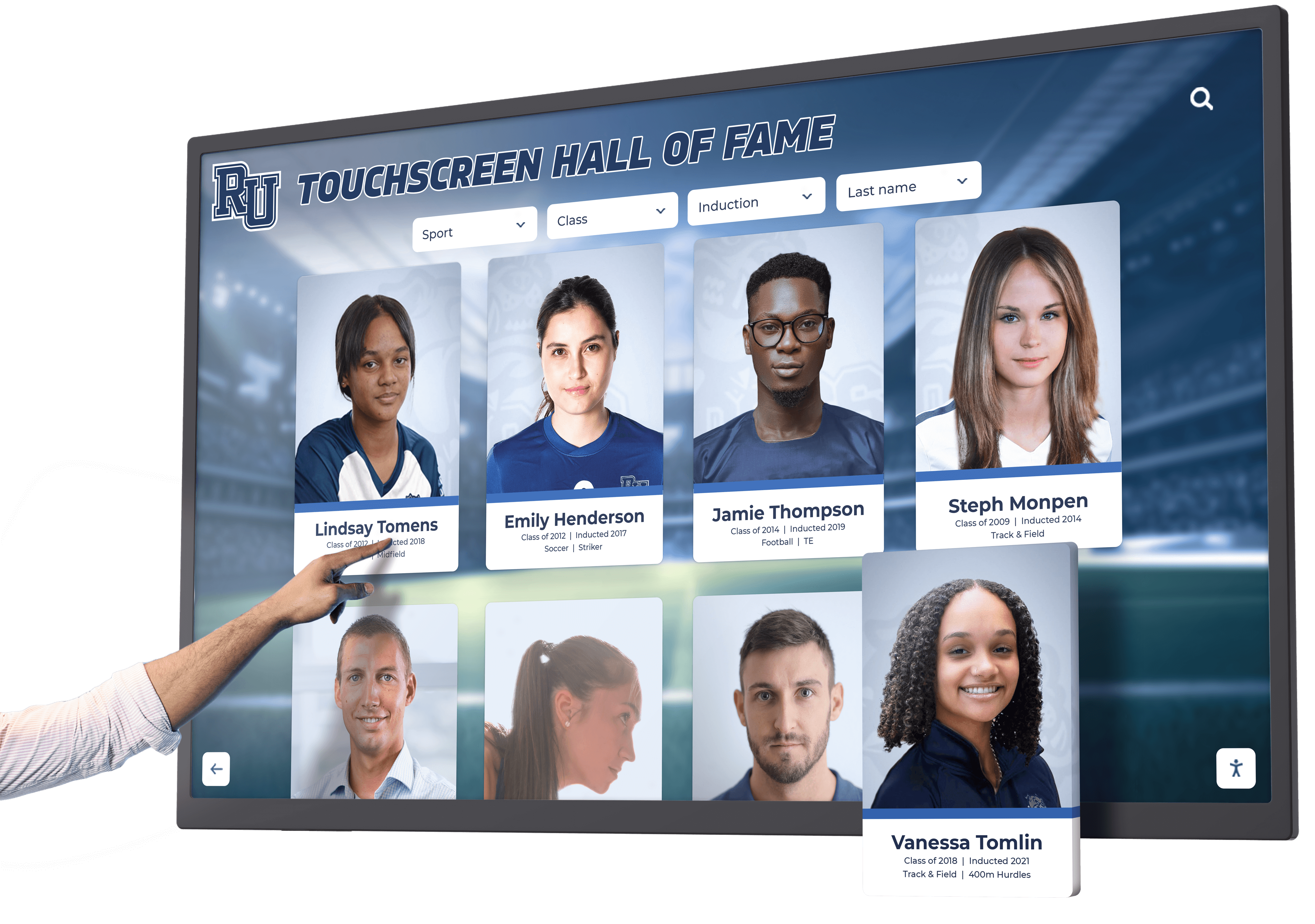
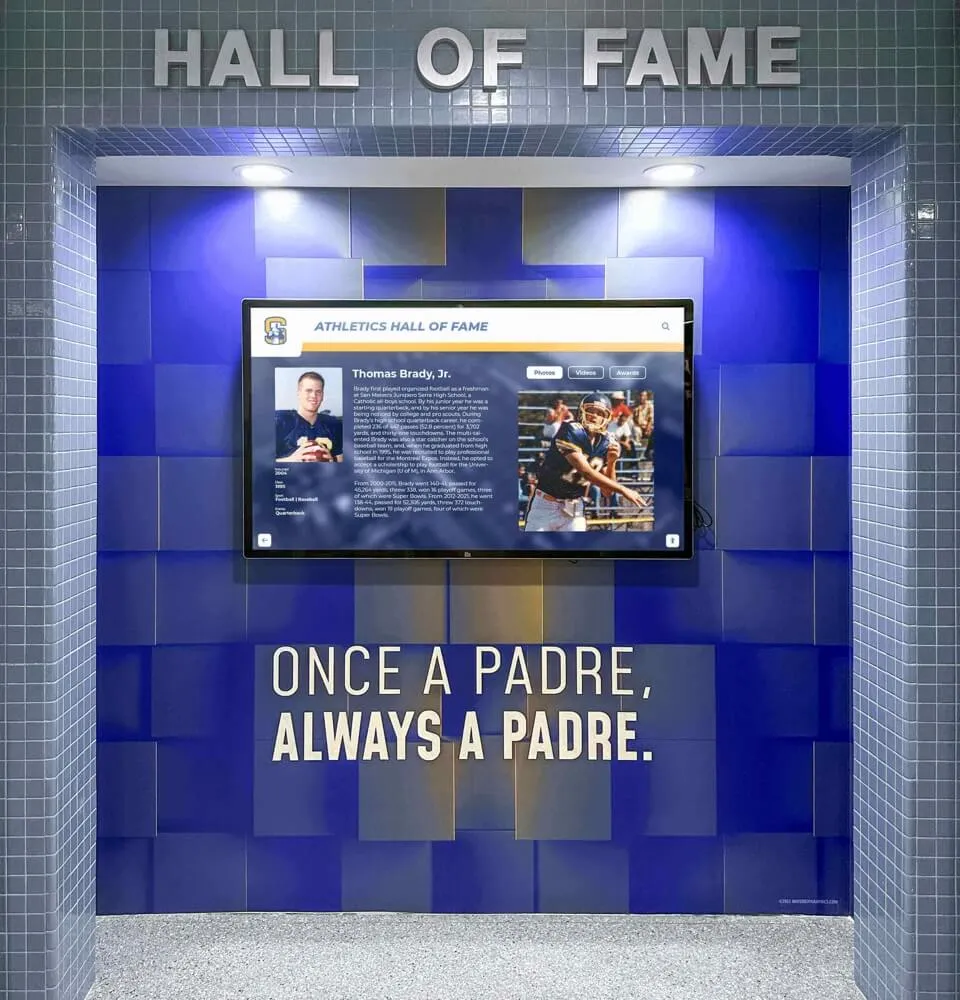
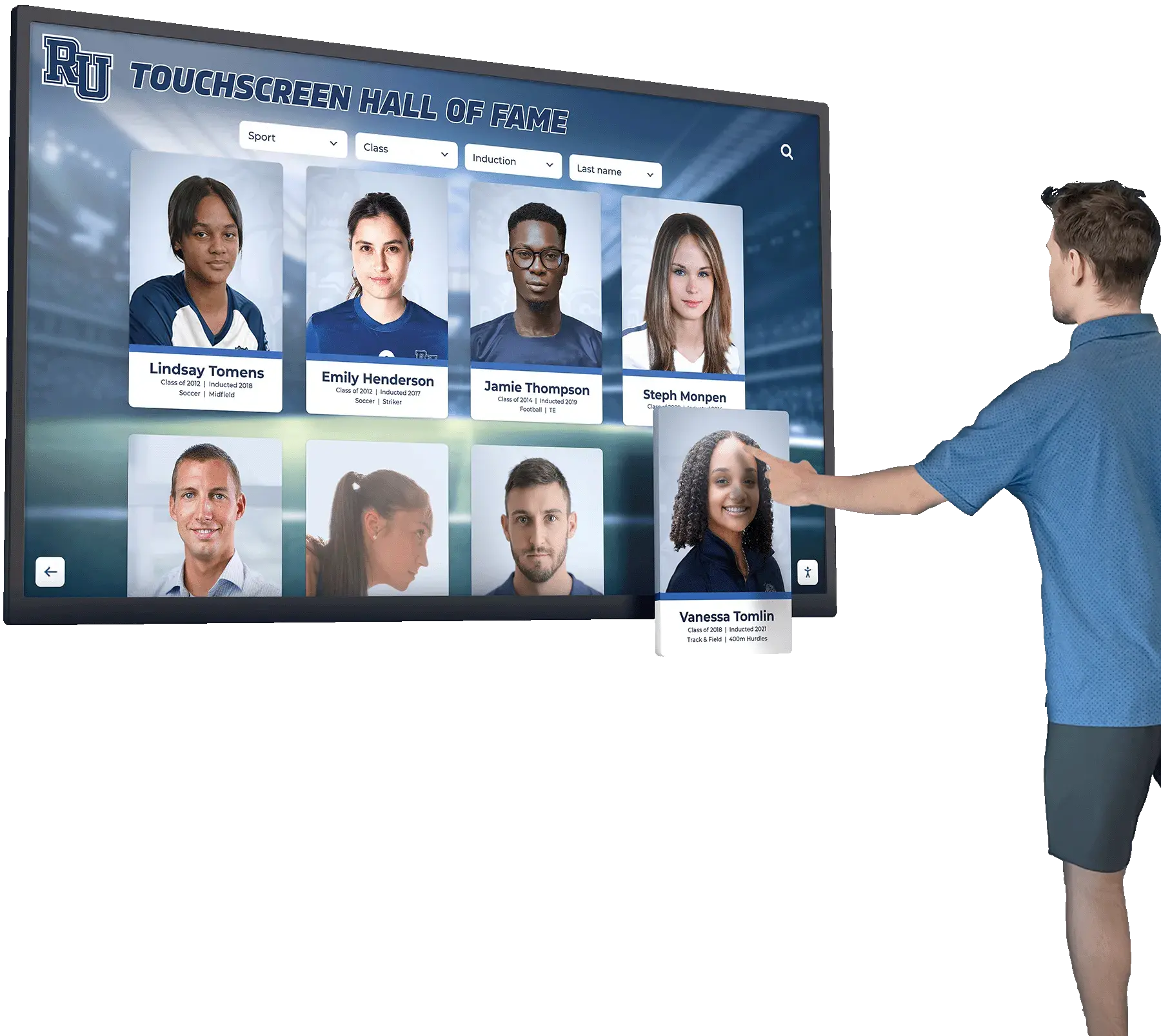
Touchscreen recognition systems showcase individual esports player achievements alongside traditional athlete profiles
Coach Development Resources Multiple organizations provide esports coaching education:
- NASEF Scholastic Esports Coach Certification program
- NFHS Learn esports coaching courses
- Individual game developer coaching resources and training materials
- League-specific coaching communities and Discord groups
- Traditional coaching education adapted for esports context
Compensation Considerations Esports coaches deserve compensation comparable to other athletic or activity sponsors:
- Stipend structures matching other varsity coaches or club sponsors
- Professional development funding for coaching education
- Equipment budget for coaching analysis tools and resources
- Recognition as legitimate athletic staff members
- Inclusion in athletic department coaching appreciation initiatives
Building Team Structure and Competitive Rosters
Organizing teams requires consideration of game formats and skill development:
Roster Size and Team Organization
- Most competitive games require 5-6 player teams with substitutes
- Programs typically field multiple teams at different skill levels (varsity, JV, developmental)
- Student capacity of 15-25 participants per game title enables practice groups and competition depth
- Multi-game programs support broader student interest with specialized teams per title
- Practice squad systems allow newer players to develop while supporting varsity competitors
Tryouts and Player Selection Establishing fair, transparent selection processes:
- Open tryout periods allowing all interested students to demonstrate ability
- Skill assessment combining game performance with communication and teamwork evaluation
- Initial placement on developmental teams with advancement opportunities
- Attendance and academic eligibility requirements matching other school activities
- Merit-based selection focusing on performance rather than social connections
Creating Practice Plans and Development Programs
Structured practice mirrors traditional athletic programs with intentional skill development and team building.
Effective Esports Practice Structure
Productive practice sessions balance multiple development components:
Typical Practice Session Outline (2-hour practice)
- Warm-up (15 minutes): Individual skill drills, mechanical practice, aim training
- Team strategy (20 minutes): Map study, opponent analysis, play discussion and planning
- Scrimmage practice (60 minutes): Full team practice games, communication emphasis, strategy implementation
- Individual coaching (15 minutes): One-on-one feedback, role-specific development, performance analysis
- Cool-down and review (10 minutes): Team debrief, upcoming competition preparation, announcements
Seasonal Practice Schedules Esports programs typically follow seasonal structures:
- Preseason: Team formation, tryouts, basic skill development, strategy introduction
- Regular season: League competition, 3-4 practice sessions weekly, match preparation
- Playoffs: Intensified practice, detailed opponent analysis, peak performance focus
- Off-season: Individual skill development, tournament participation, recruiting and program building
Performance Analysis and Improvement Systems
Competitive gaming offers robust data analysis opportunities:
Game Analysis Tools
- Built-in replay systems for match review and strategy evaluation
- Third-party analysis platforms providing detailed performance statistics
- Screen recording software capturing gameplay for coaching review
- Communication analysis evaluating team coordination effectiveness
- Comparison metrics benchmarking performance against competitors
Individual Development Plans Like traditional athletes, esports competitors benefit from personalized development:
- Position-specific skill development goals
- Mechanical proficiency benchmarks and practice targets
- Communication and leadership skill improvement
- Mental performance and competitive mindset development
- Academic performance monitoring ensuring eligibility maintenance
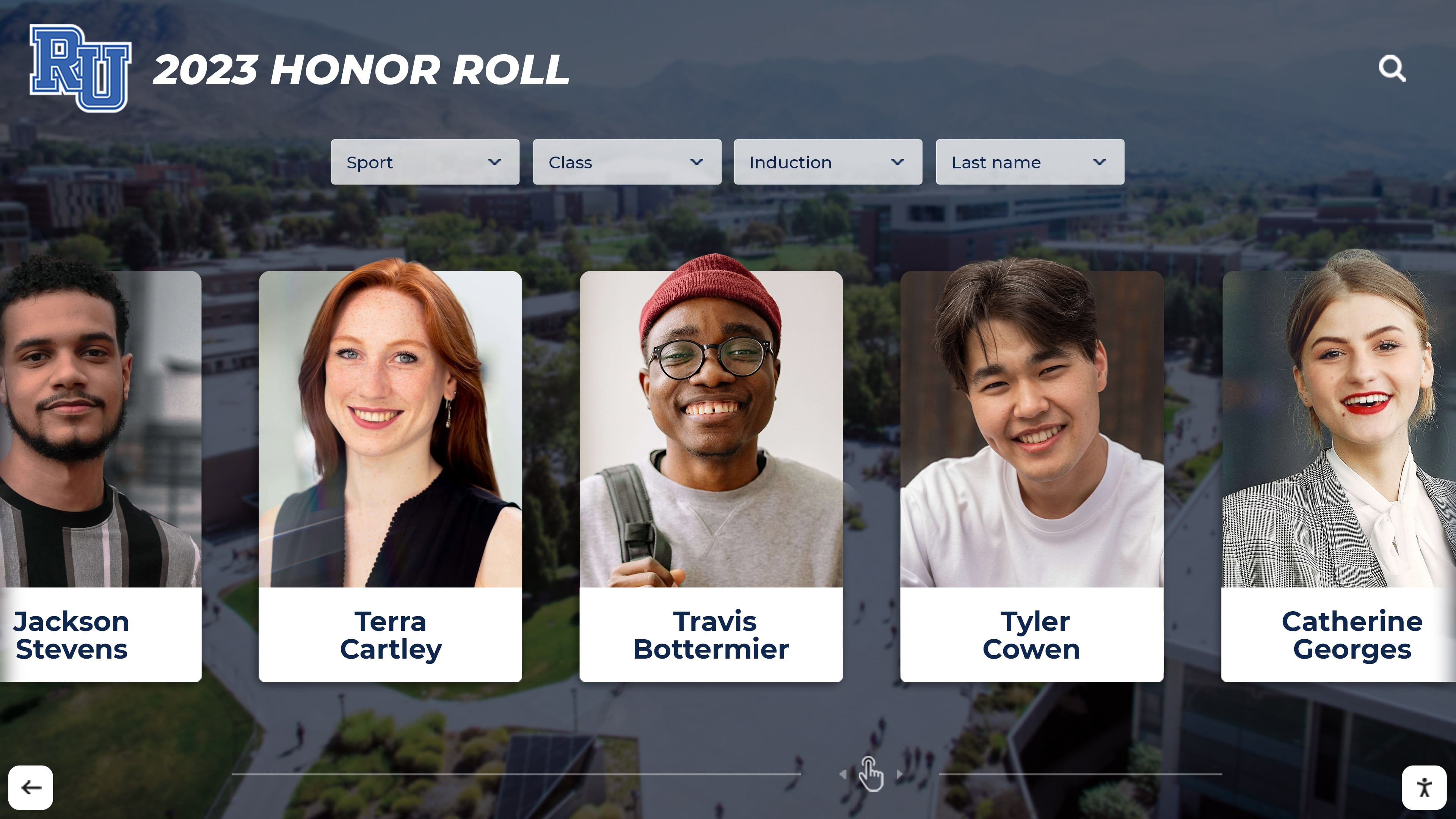
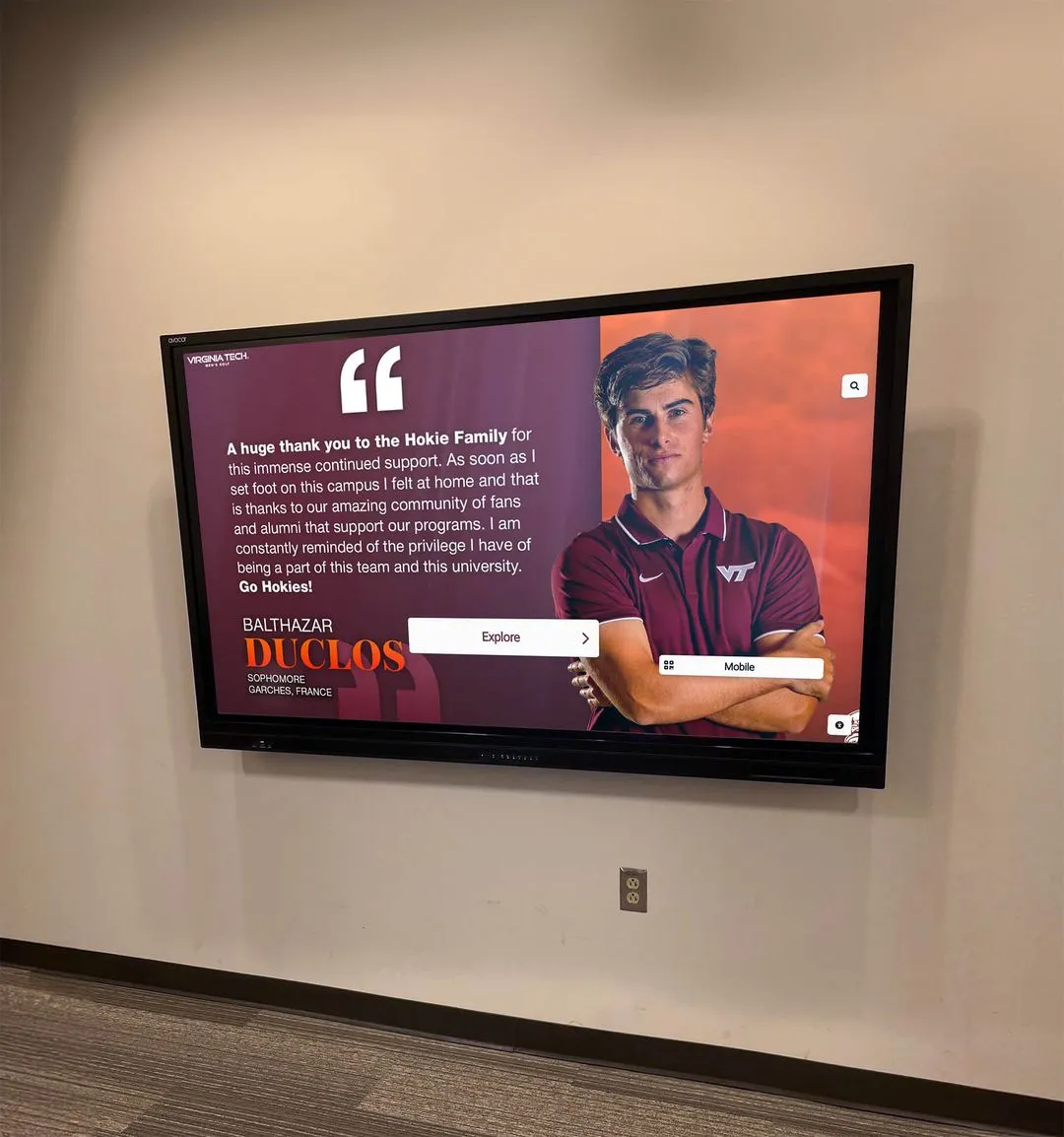
Individual player profiles celebrate specific achievements and provide detailed recognition for esports team members
Balancing Physical Health and Wellness
Comprehensive esports programs incorporate physical wellness as performance enhancement:
Physical Health Components
- Required stretching routines preventing repetitive strain injuries
- Vision break protocols reducing eye strain during extended screen time
- Posture awareness and ergonomic positioning education
- Cardiovascular fitness activities improving focus and stamina
- Nutrition education emphasizing performance-supporting dietary choices
Mental Health and Performance Psychology
- Stress management techniques for high-pressure competition
- Growth mindset development handling wins and losses productively
- Team communication skills building positive competitive culture
- Time management supporting academic success alongside esports commitment
- Healthy gaming habits distinguishing competitive practice from recreational play
Schools implementing comprehensive athlete development approaches create esports programs providing genuine student growth opportunities beyond gaming skill improvement.
Recognition, Awards, and Celebrating Achievement
Esports competitors deserve recognition equal to traditional athletic achievements—a challenge many schools struggle to implement effectively.
Creating Equal Recognition Systems
Legitimate esports programs provide athletes with recognition paralleling other sports:
Varsity Letter Eligibility Esports participants meeting criteria should earn varsity letters:
- Participation requirements: minimum practice attendance, match participation thresholds
- Performance standards: contributing to team success, demonstrated commitment
- Character expectations: academic eligibility, positive conduct, sportsmanship
- Letter jacket patches and traditional recognition acknowledging esports as legitimate athletic achievement
Awards and Recognition Programs Comprehensive end-of-season recognition celebrating various contributions:
- Most Valuable Player awards recognizing top performers
- Most Improved Player celebrating development and dedication
- Leadership awards honoring team captains and positive influence
- Sportsmanship recognition for exemplary conduct
- Academic achievement awards for scholar-esports athletes
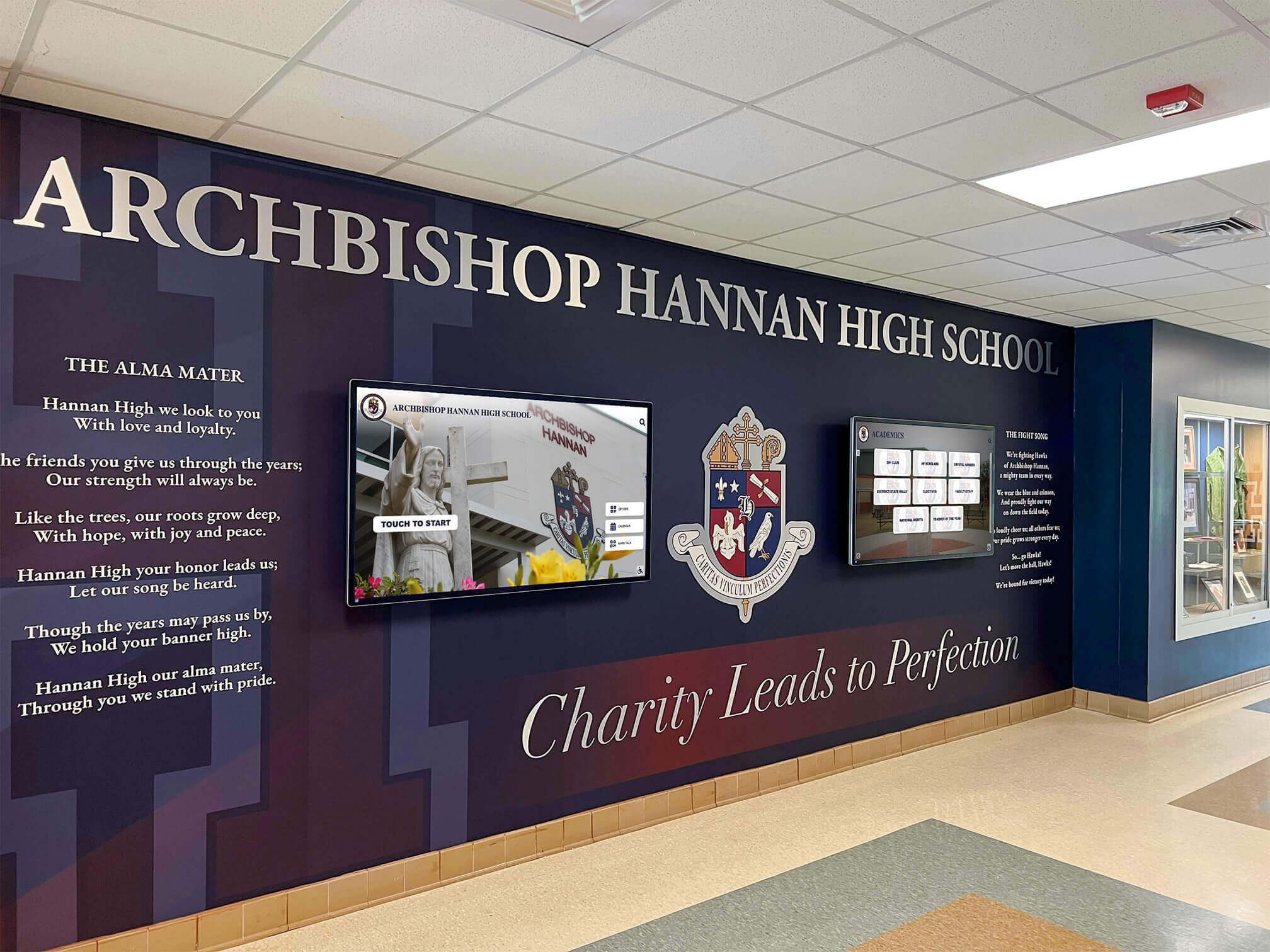
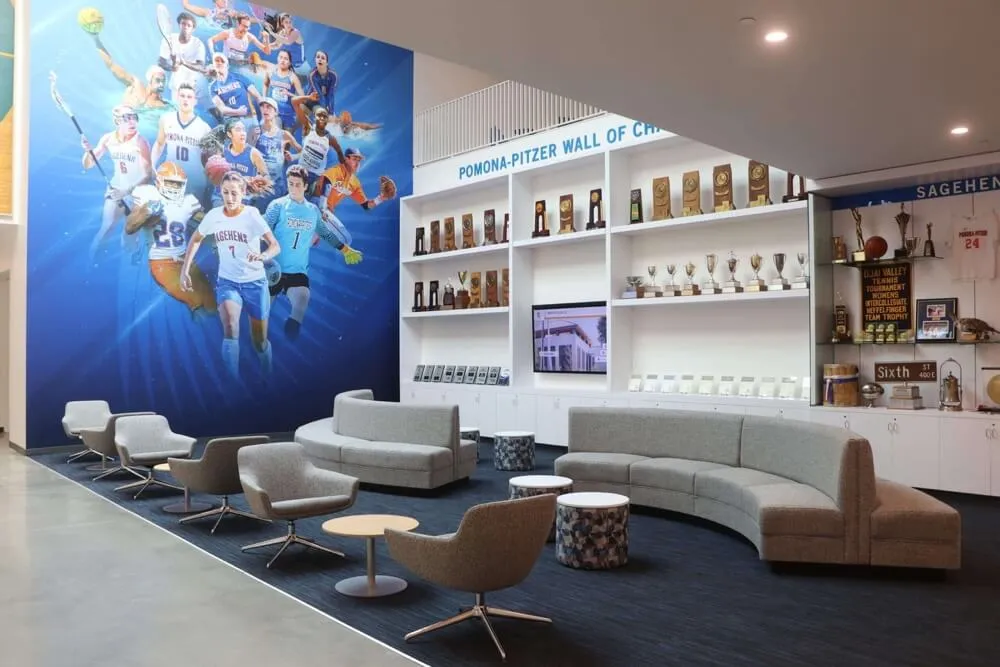
Modern school lobbies integrate esports achievements into comprehensive recognition displays celebrating diverse accomplishments
Digital Recognition Display Solutions
Physical trophy cases cannot adequately showcase individual esports athletes, team rosters, and ongoing achievement updates—creating the need for modern recognition approaches.
Limitations of Traditional Recognition
- Physical plaques cannot showcase individual player profiles, statistics, and contributions
- Static displays cannot update with new achievements during active seasons
- Traditional trophy cases lack space for multiple esports teams and game titles
- Physical recognition cannot display video highlights or competition footage
- Limited engagement opportunities for students exploring esports achievements
Digital Recognition Advantages Solutions like Rocket Alumni Solutions specifically address esports recognition challenges:
- Unlimited recognition capacity: Single display showcases unlimited players across all game titles without space constraints
- Dynamic updates: Cloud-based management enables instant updates with new achievements, roster changes, and competition results
- Multimedia presentation: Integration of player profiles, team photos, competition highlights, and detailed statistics
- Equal visibility: Esports achievements displayed alongside traditional athletics in comprehensive digital trophy cases
- Interactive exploration: Touchscreen functionality enables students to explore player profiles, team history, and season statistics
- Mobile accessibility: QR codes allow families and alumni to view esports achievements remotely
Schools implementing digital recognition report significantly higher student engagement with esports achievements and stronger institutional legitimacy for competitive gaming programs.
Celebrating Championships and Milestones
Major achievements deserve prominent celebration:
Season Championship Recognition
- Trophy or banner presentation matching traditional sports
- School-wide announcements celebrating league championships
- Display in high-traffic areas ensuring visibility equal to other athletic achievements
- Recognition assemblies similar to traditional sports celebrations
- Media coverage in school communications and local press
Individual Achievement Milestones
- All-conference and all-state esports team selections
- League MVP and performance award recognition
- Player milestone achievements (games played, specific performance thresholds)
- Academic all-esports team recognition for scholar-athletes
- College commitment and scholarship announcement celebrations
Building Spectator Engagement and Community Support
Unlike traditional sports with obvious spectator appeal, esports requires intentional strategies for building community engagement and understanding.
Creating Spectator-Friendly Competition Events
Making esports competitions accessible to non-gaming audiences:
Live Viewing Events
- Large screen displays showing competition with commentary explaining gameplay
- Viewing parties in school commons or cafeteria creating event atmosphere
- Student broadcast teams providing play-by-play and analysis for spectators
- Pre-match profiles introducing players and explaining competition significance
- Halftime or intermission entertainment maintaining audience engagement
Streaming and Digital Spectating
- Live streaming competitions on platforms like Twitch or YouTube enabling remote viewing
- Social media promotion building anticipation and attracting viewers
- Archived matches allowing families to watch competitions on-demand
- Highlight reels showcasing exceptional plays and exciting moments
- Season recap videos celebrating team achievements and individual performances
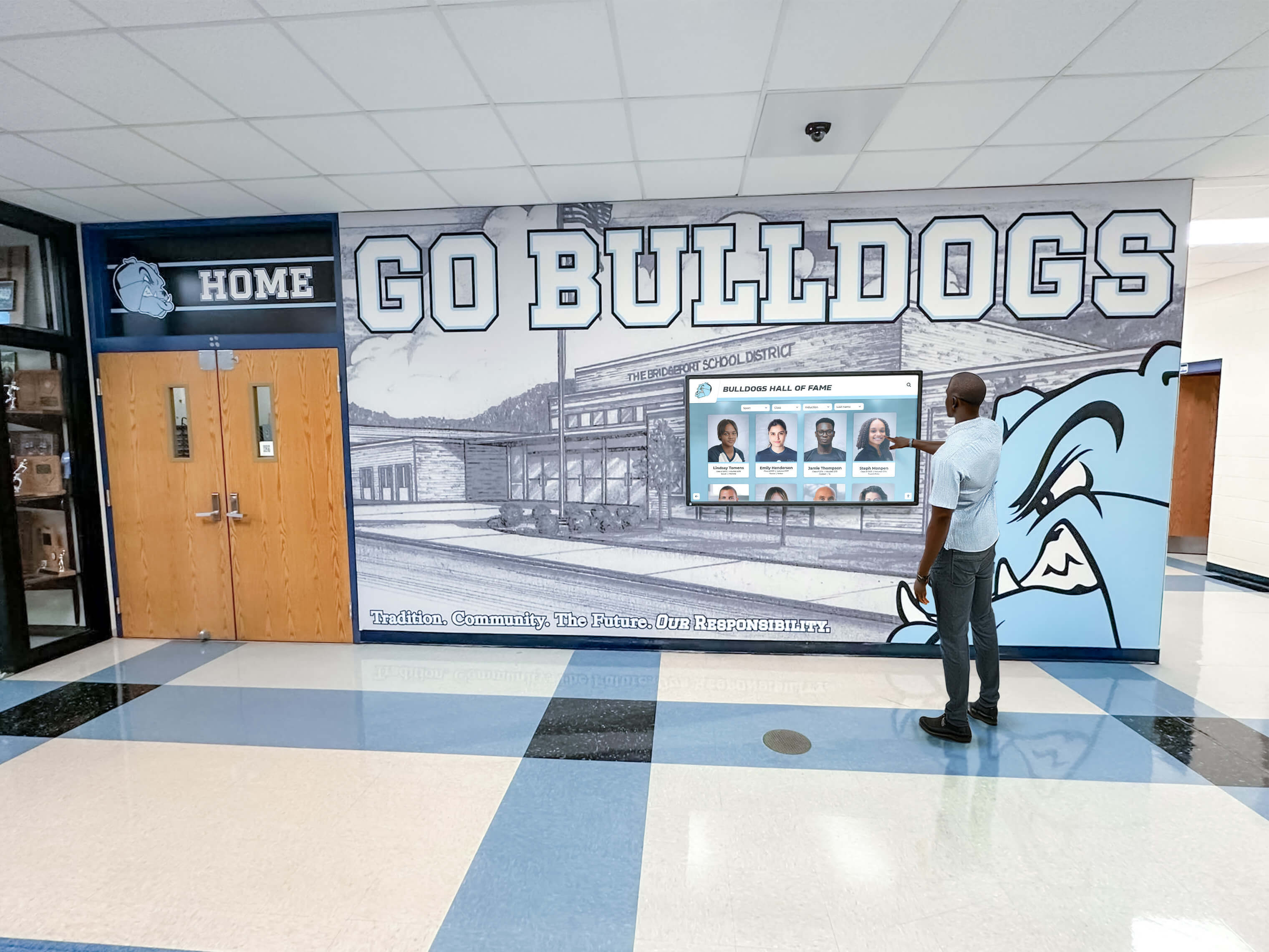
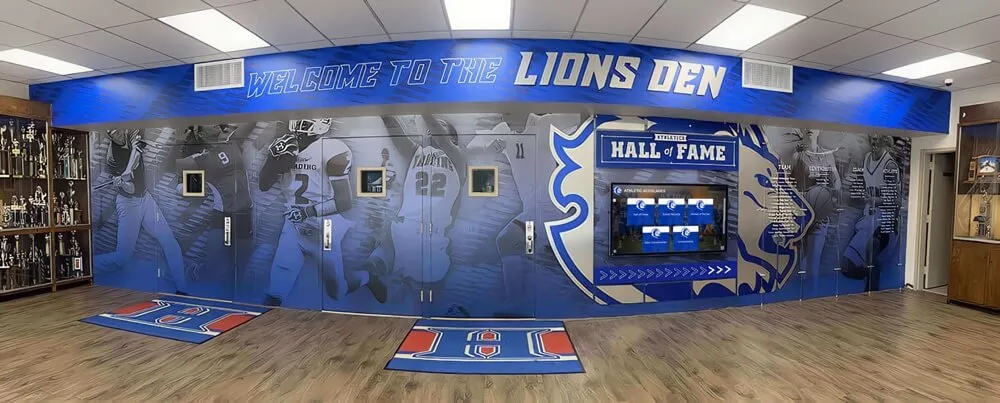
Interactive displays in school hallways enable parents and visitors to explore esports programs alongside traditional athletic achievements
Educating Parents and Community Members
Building esports program support requires helping stakeholders understand competitive gaming:
Parent Information Sessions
- Program overview presentations explaining esports structure and benefits
- Demonstration matches with commentary helping parents understand gameplay
- Question-and-answer sessions addressing concerns and building understanding
- Scholarship information showing collegiate pathway opportunities
- Student testimonials sharing personal growth and program impact
Community Engagement Strategies
- Local business sponsorship opportunities for equipment and team support
- Community esports events and gaming tournaments raising awareness
- Media coverage in local newspapers and community publications
- School board presentations demonstrating program value and student impact
- Alumni esports player features showing successful program graduates
Budget Planning and Funding Strategies
Establishing sustainable esports programs requires realistic financial planning and diverse funding sources.
Initial Startup Budget Considerations
Building an esports program from scratch involves several cost categories:
Essential Startup Costs (assuming 6-station setup)
- Gaming computers: $7,200-10,800 (6 stations × $1,200-1,800)
- Monitors: $1,200-1,800 (6 monitors × $200-300)
- Peripherals: $900-1,500 (keyboards, mice, headsets for 6 stations)
- Gaming chairs/furniture: $1,200-2,400 (6 chairs × $200-400)
- Network upgrades: $500-2,000 (if required)
- Software licenses: $1,000-3,000 (game licenses, operating systems)
- League participation fees: $500-2,000 annually
- Total initial investment: $12,500-21,500
Ongoing Annual Costs
- League fees and competition entry: $1,000-2,500
- Software license renewals and game updates: $500-1,000
- Equipment maintenance and replacement: $1,000-2,000
- Internet connectivity upgrades: $500-1,500
- Coach stipend or salary: $2,000-5,000
- Travel for in-person tournaments (optional): $1,000-3,000
- Total annual operating costs: $6,000-15,000
Funding Sources and Revenue Opportunities
Multiple funding strategies support esports program development:
Grant Programs and Sponsorships
- Corporate sponsorship from gaming hardware manufacturers (Logitech, HyperX, Alienware)
- Local business sponsorship providing equipment or financial support
- Educational technology grants supporting STEM and digital literacy programs
- Gaming company educational initiatives (Riot Games, Epic Games education programs)
- Booster club fundraising specifically for esports program development
Sustainable Revenue Streams
- Spectator admission for championship events and viewing parties
- Concessions and merchandise sales during esports competitions
- Summer gaming camps and community programs generating revenue while building program
- Streaming channel monetization through subscriber and advertising revenue
- Community tournament hosting with entry fees and sponsorship
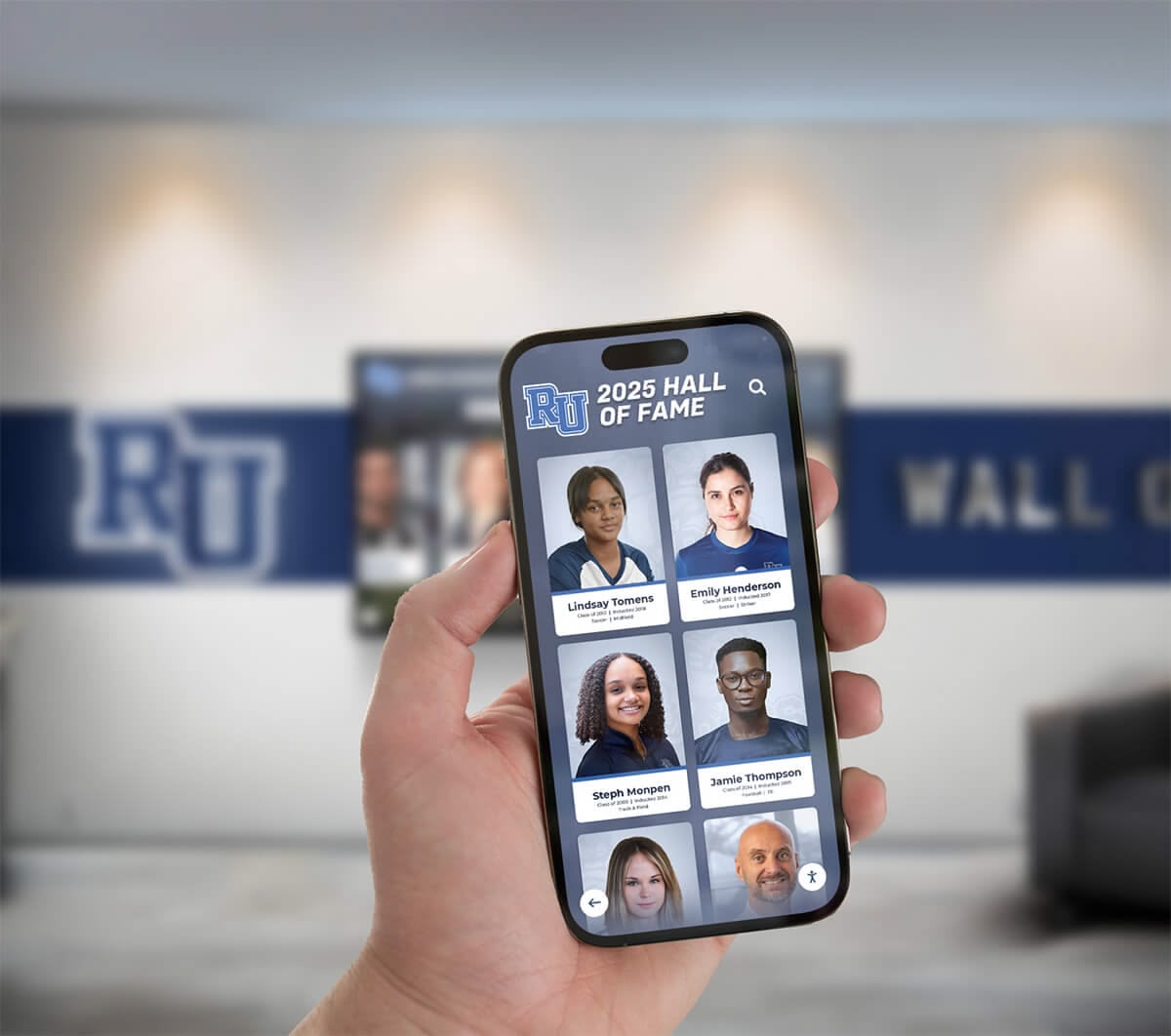
Mobile-accessible recognition systems enable families worldwide to explore esports achievements and stay connected to school programs
Cost Reduction Strategies
- Partnership with local gaming cafés providing practice space and equipment
- Computer lab dual-use with graphics card upgrades rather than dedicated equipment
- Console-based program using existing school technology infrastructure
- Volunteer coaching from community members reducing staffing costs
- Equipment donation programs from upgrading businesses or individuals
Addressing Common Challenges and Concerns
Schools implementing esports programs encounter predictable obstacles requiring proactive solutions.
Managing Online Safety and Digital Citizenship
Competitive gaming occurs in online environments requiring appropriate safeguards:
Internet Safety Protocols
- Restricted communication settings limiting interaction to team members during competition
- Monitored Discord servers or communication platforms for team coordination
- Clear acceptable use policies addressing online behavior expectations
- Anti-bullying policies extending to digital gaming environments
- Parent permission requirements and informed consent for online participation
Teaching Digital Citizenship Esports programs provide opportunities for positive online behavior education:
- Sportsmanship expectations applying to digital competition environments
- Appropriate communication and language standards during gameplay
- Handling online toxicity and negative player behavior constructively
- Understanding online privacy and personal information protection
- Representing school positively in digital spaces and gaming communities
Ensuring Academic Eligibility and Balance
Like traditional athletics, esports requires academic performance standards:
Eligibility Requirements
- Minimum GPA requirements matching other athletic programs
- Regular progress monitoring ensuring academic success
- Mandatory study hall or tutoring for struggling student-athletes
- Practice suspension for students falling below academic standards
- Balance promotion emphasizing education as primary priority
Time Management Development Successful esports athletes develop essential life skills:
- Practice schedules avoiding interference with academic commitments
- Homework completion before optional practice participation
- Time management coaching helping students balance multiple commitments
- Communication with teachers ensuring athletic participation doesn’t compromise coursework
- Academic achievement recognition equal to competitive success
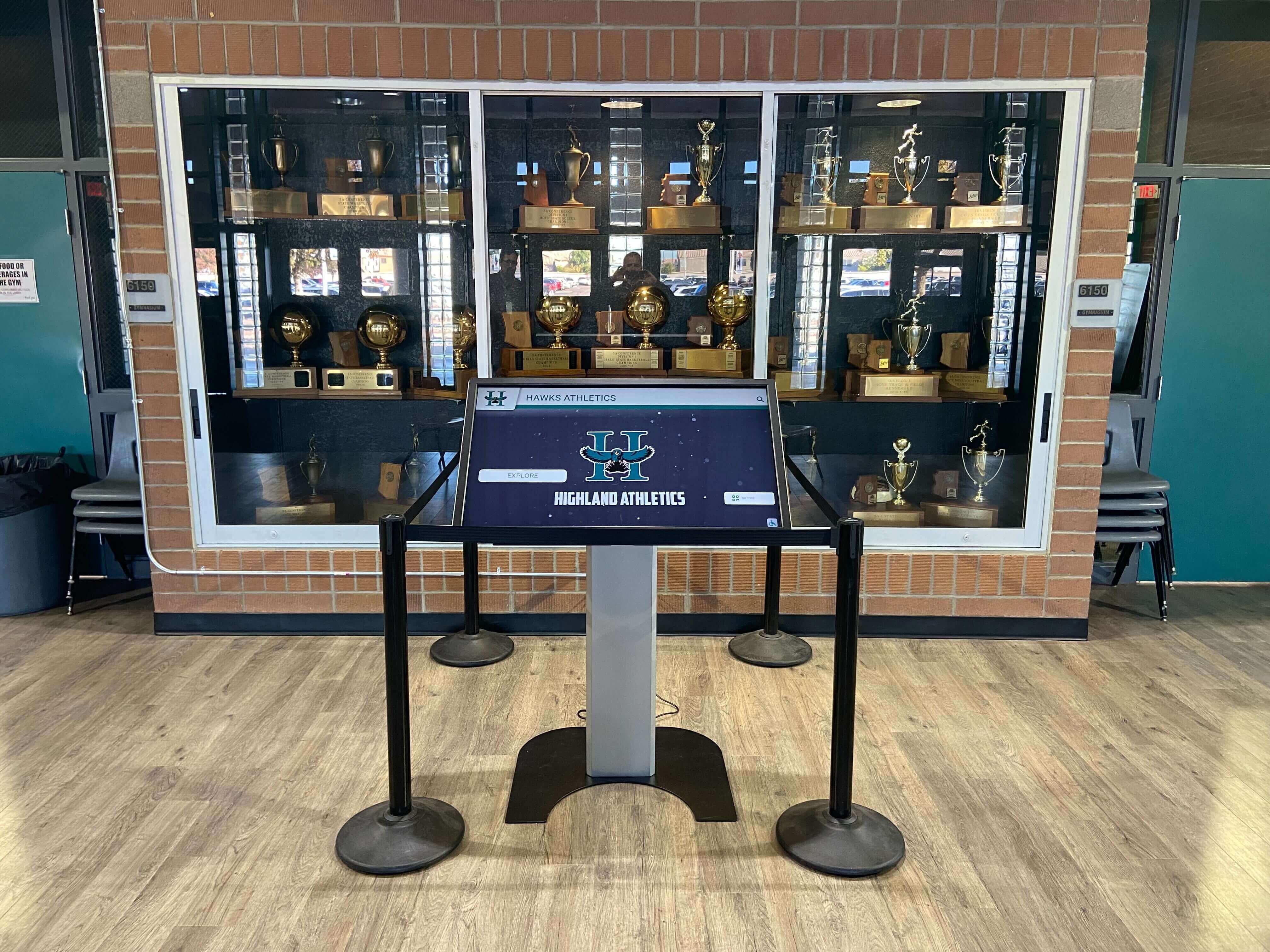
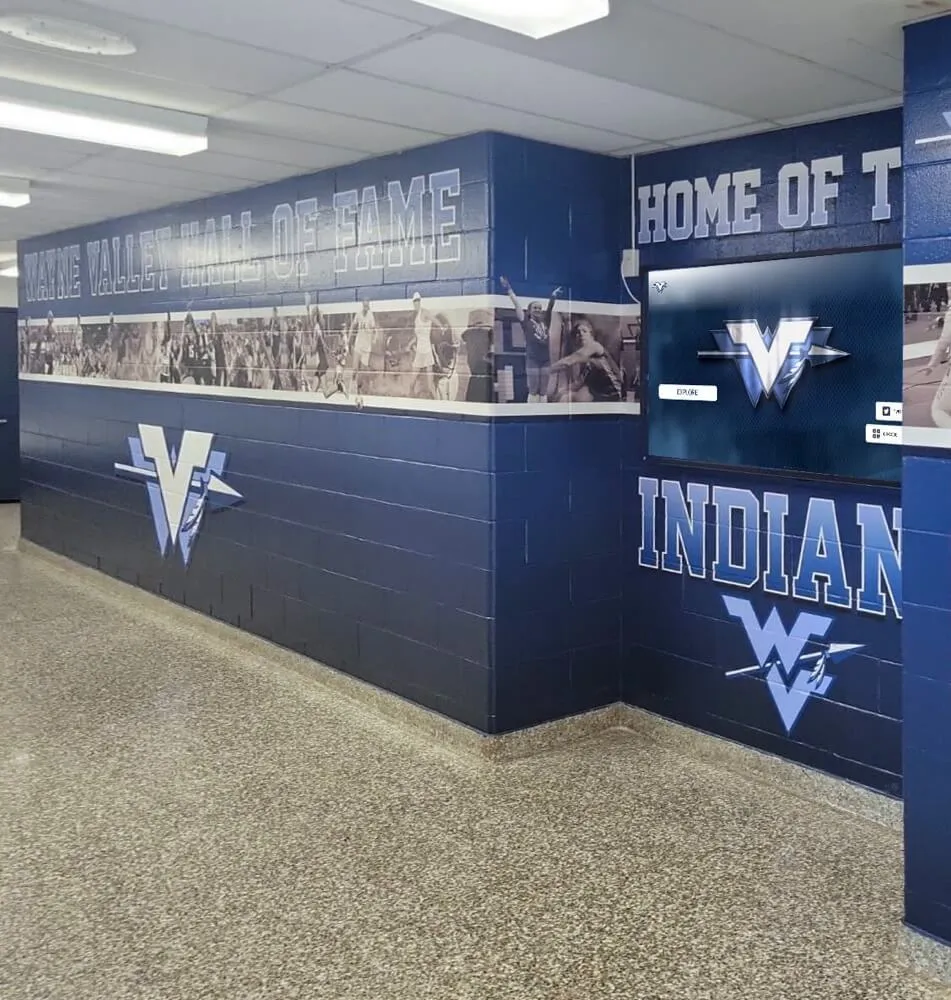
Modern touchscreen displays integrate seamlessly with traditional trophy cases while providing space for unlimited esports recognition
Building Inclusive and Positive Team Culture
Competitive gaming communities sometimes struggle with toxicity—schools must intentionally cultivate positive environments:
Inclusion and Diversity Efforts
- Active recruitment ensuring diverse participation across gender, race, and background
- Zero-tolerance policies for discriminatory language or behavior
- Leadership development programs emphasizing inclusive team culture
- Female-identifying and gender-minority student support and encouragement
- Team-building activities fostering positive relationships beyond gameplay
Conflict Resolution and Team Dynamics
- Coach training in managing team conflicts and interpersonal issues
- Clear expectations around respectful disagreement and constructive feedback
- Team norms developed collaboratively emphasizing mutual support
- Mediation processes addressing disputes fairly and productively
- Character development emphasis alongside competitive skill building
Pathways to Collegiate Esports and Career Opportunities
Helping students understand post-secondary esports opportunities justifies program investment and motivates participation.
Collegiate Esports Landscape
University esports programs have expanded dramatically in recent years:
Scholarship Opportunities
- Over 200 colleges and universities offer esports programs with scholarship funding
- Scholarship values ranging from partial book scholarships to full-ride academic and athletic packages
- NACE (National Association of Collegiate Esports) member schools offering varsity esports
- NCAA emerging sport consideration creating potential for future athletic department integration
- Two-year and four-year institutions providing diverse collegiate pathway options
Recruitment Process Support Schools should help esports athletes navigate college recruitment:
- Highlight video creation showcasing competitive performance
- Communication with college esports coaches and program directors
- College visit coordination to esports facilities and team meetings
- Application guidance emphasizing esports achievements and leadership development
- Portfolio development documenting competitive statistics and team accomplishments
Gaming Industry Career Connections
Esports programs introduce career pathways in rapidly growing industries:
Gaming and Esports Career Options
- Professional esports player and competitor
- Game developer, designer, and programmer
- Esports team manager and coaching positions
- Event production, broadcasting, and commentary
- Streaming and content creation careers
- Marketing and sponsorship management in gaming industry
- Tournament administration and league operations
Career Exposure Opportunities
- Industry professional guest speakers sharing career journeys
- Behind-the-scenes content examining esports production and operations
- Internship connections with gaming companies and esports organizations
- Student leadership in event production and team management
- Career fair participation connecting students with gaming industry employers
Programs emphasizing career connections position esports as pathway to professional opportunities rather than purely recreational activity.
Implementation Timeline and Action Steps
Schools ready to launch esports programs benefit from phased implementation approaches.
Year One: Foundation Building
Semester One: Planning and Approval (Fall)
- Research esports models and best practices
- Build administrative support and secure program approval
- Identify coach and facility resources
- Develop budget and secure initial funding
- Select league affiliation and game titles
Semester Two: Program Launch (Spring)
- Purchase equipment and establish practice facility
- Recruit initial team members through interest meetings
- Begin practice and skill development
- Participate in exhibition matches or informal competition
- Build recognition systems for celebrating early achievements
Year Two: Competitive Development
Semester One: Competitive Season (Fall)
- Formal tryouts and team selection
- League competition participation
- Regular practice schedule and skill development
- Parent and community engagement events
- Media coverage and program promotion
Semester Two: Program Expansion (Spring)
- Additional game title or competition level expansion
- Refined practice plans based on year-one experience
- Recognition events celebrating championship seasons
- Recruitment for following year
- Summer camp or off-season program development
Year Three: Program Maturity
Established programs focus on sustainability and excellence:
- Multiple competition levels (varsity, JV, developmental)
- Consistent league championship contention
- Strong student participation and community support
- Comprehensive recognition integrated with other athletic programs
- Alumni network and mentorship program development
Conclusion: Building Legitimate Esports Programs Students Deserve
Esports represents not a replacement for traditional athletics but an expansion of competitive opportunities reaching students who might never try out for football or basketball. When schools create structured programs with appropriate coaching, equipment, recognition, and institutional support, they provide genuine athletic experiences developing teamwork, dedication, strategic thinking, and school pride through digital competition.
The strategies explored in this guide provide comprehensive frameworks for building successful esports programs from initial approval through competitive excellence. From securing administrative buy-in to selecting appropriate games, from establishing practice structures to celebrating championships with digital recognition displays, these approaches transform competitive gaming from recreational activity to legitimate school program.
Celebrate Esports Achievements with Equal Recognition
Discover how digital recognition displays provide unlimited capacity to showcase esports teams alongside traditional athletics, creating equal visibility for all competitive achievements. See how schools nationwide give esports athletes the recognition they've earned through modern, interactive display solutions.
Explore Recognition SolutionsStart where you are with resources currently available—whether launching a small club with existing computer lab equipment or building comprehensive programs with dedicated facilities and staffing. The essential element isn’t budget size but commitment to providing structured, supportive competitive opportunities for students passionate about gaming.
Every school that establishes legitimate esports programming sends powerful messages: that achievement takes multiple forms, that all students deserve pathways to competition and recognition, and that institutions willing to evolve meet students where their interests and talents actually exist. Your gaming students have been developing teamwork, strategic thinking, and competitive skills independently—now provide the structure, coaching, and recognition that transforms individual gaming into genuine athletic programs.
Esports is not a fad or temporary trend—it represents fundamental shift in how students compete, connect, and demonstrate excellence. Schools embracing this evolution position themselves as forward-thinking institutions preparing students for modern careers while providing immediate competitive outlets building school pride and community identity. The question isn’t whether to start an esports program, but how quickly you can provide these opportunities to students already eager to represent their school through competitive gaming.