



School athletic programs across the country face a consistent challenge: limited budgets that can’t keep pace with rising equipment costs, facility maintenance needs, and opportunities for student-athletes to compete at higher levels. While school districts provide baseline funding, exceptional athletic programs require additional financial support that standard budgets simply cannot provide.
This is where booster clubs become essential. These parent-led support organizations bridge the funding gap, transforming adequate athletic programs into exceptional ones that give student-athletes the resources, recognition, and opportunities they truly deserve. Yet many schools that would benefit tremendously from booster support lack these organizations simply because no one knows where to begin.
Starting a booster club might seem overwhelming, but with the right roadmap, any motivated group of parents and supporters can establish an effective organization that generates sustainable funding, builds community engagement, and creates lasting impact for decades to come. This comprehensive guide provides the step-by-step framework you need to launch a successful booster club at your school.
Whether you’re a parent frustrated by inadequate athletic funding, an athletic director seeking sustainable program support, or an administrator recognizing the need for supplementary resources, this guide walks you through every stage of booster club formation—from initial planning through long-term sustainability strategies that ensure your organization thrives for years ahead.

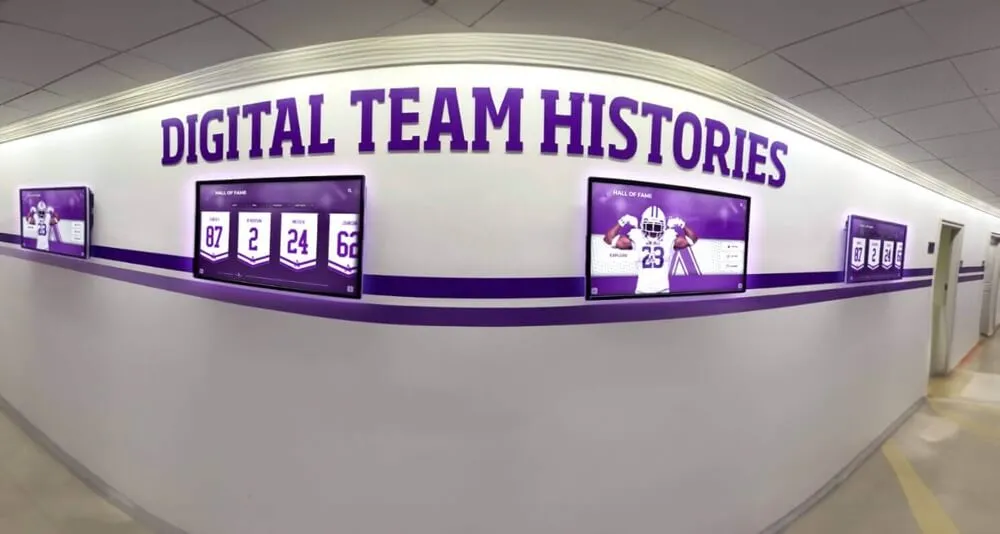
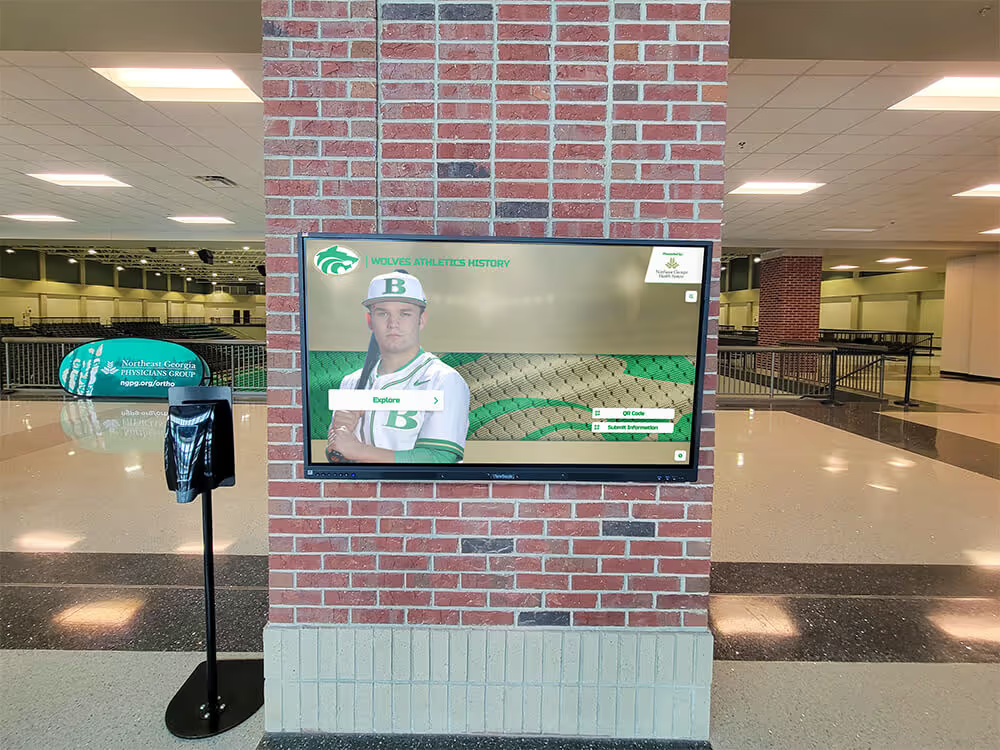
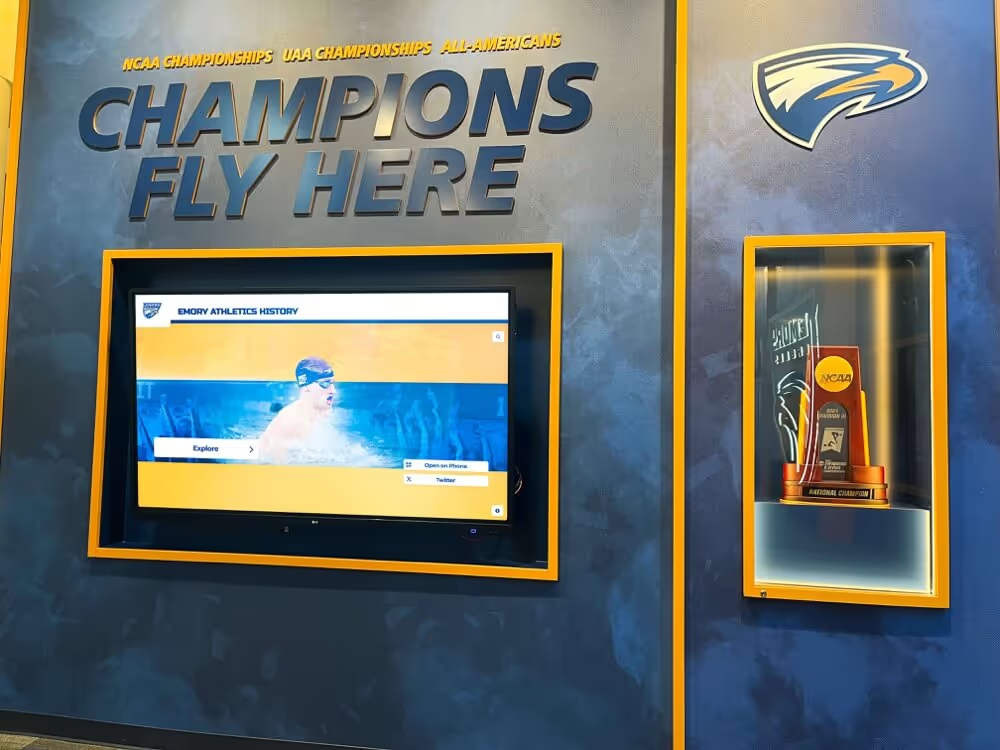
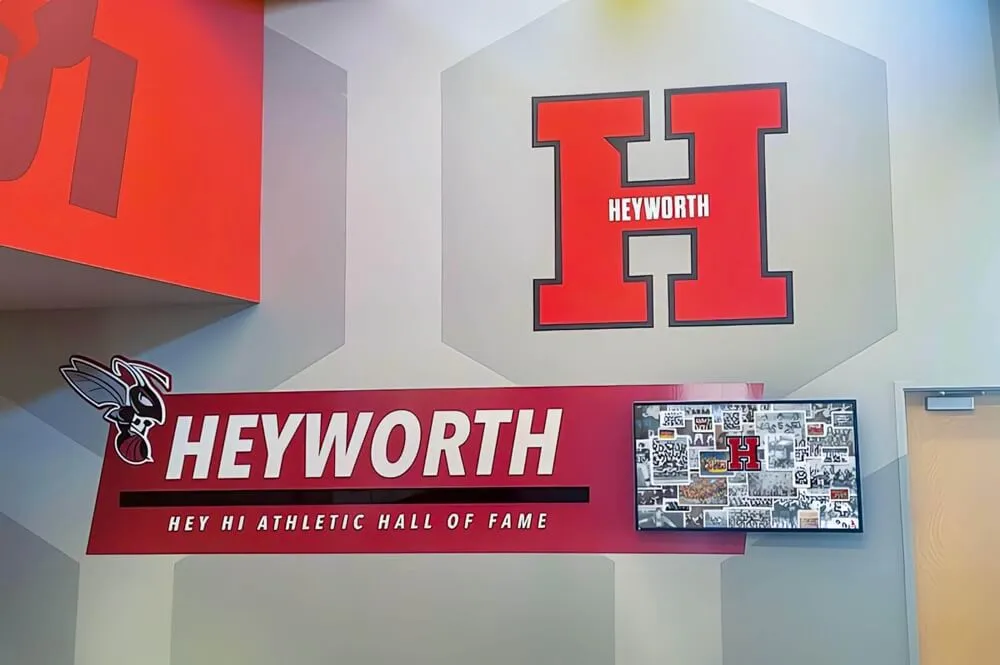
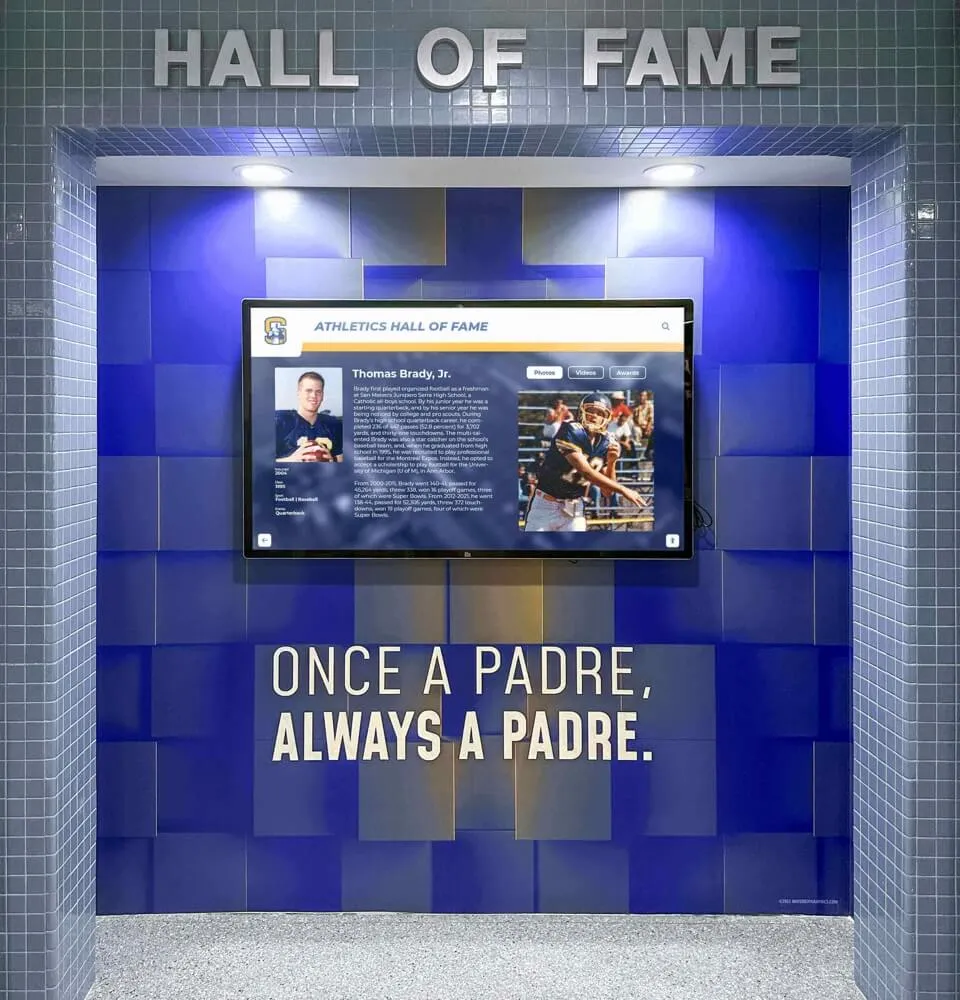
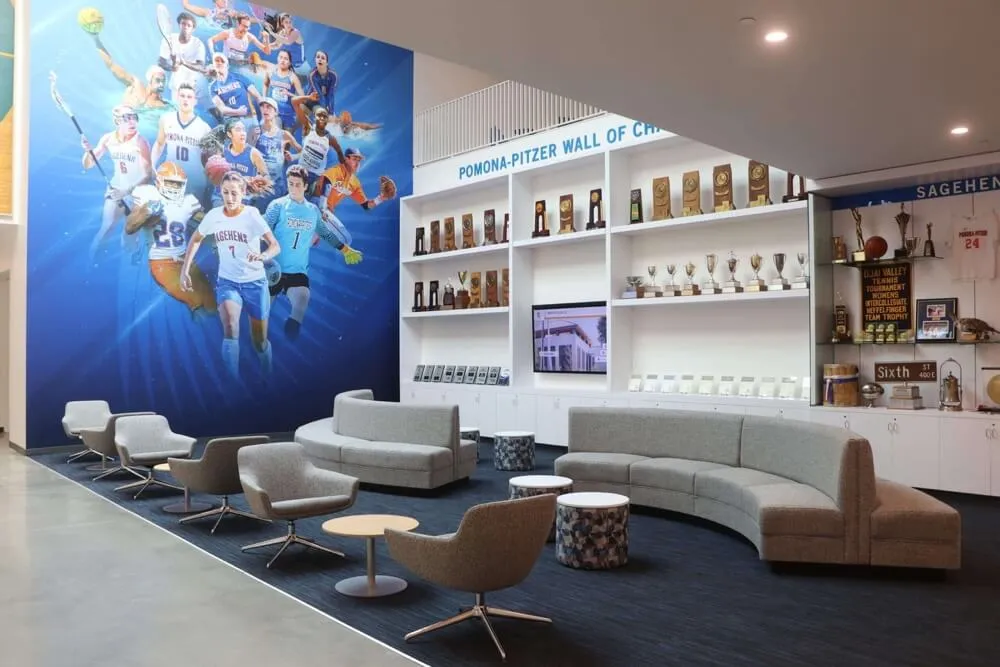
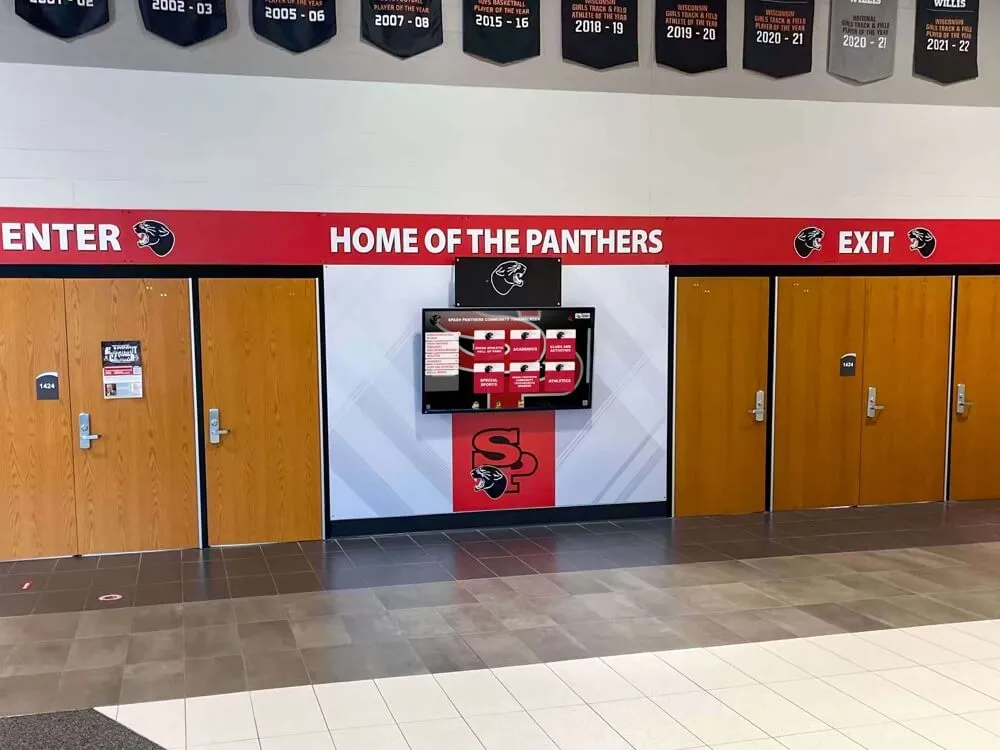
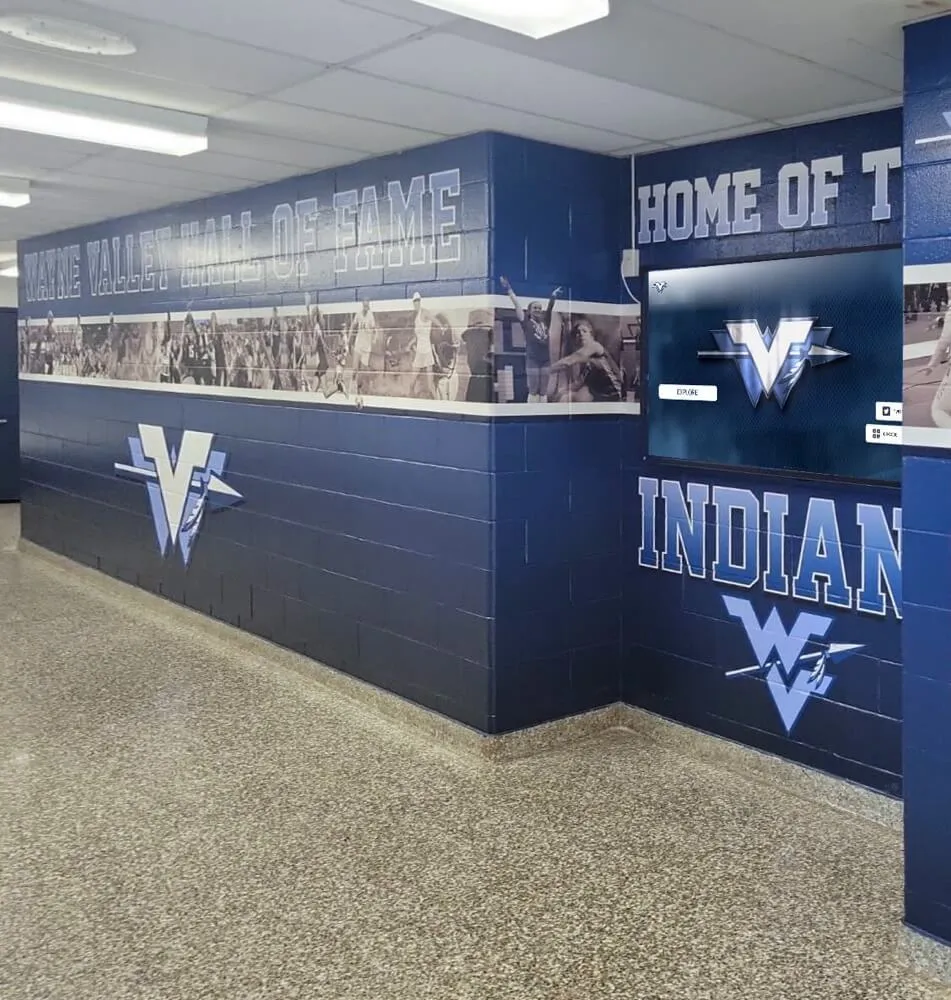
Modern booster clubs fund comprehensive recognition displays that showcase athletic achievements while providing visible tributes to supporter contributions
Understanding Booster Club Basics Before You Start
Before diving into formation logistics, understanding what booster clubs are and how they function within school systems establishes the foundation for successful development.
What Is a Booster Club?
At its core, a booster club represents an organized group of parents, alumni, community members, and supporters dedicated to enhancing athletic programs through fundraising, volunteer support, and advocacy.
Primary Functions
- Raising supplementary funds beyond school athletic budgets
- Purchasing equipment, uniforms, and training resources
- Supporting facility improvements and maintenance
- Funding travel expenses for tournaments and competitions
- Organizing recognition events celebrating athletic achievements
- Building community connections around athletic programs
- Coordinating volunteer support for games and events
Successful booster clubs operate as independent nonprofit organizations that partner closely with school athletic departments while maintaining separate legal and financial structures. This independence provides flexibility in fundraising and spending while maintaining alignment with school missions and values.
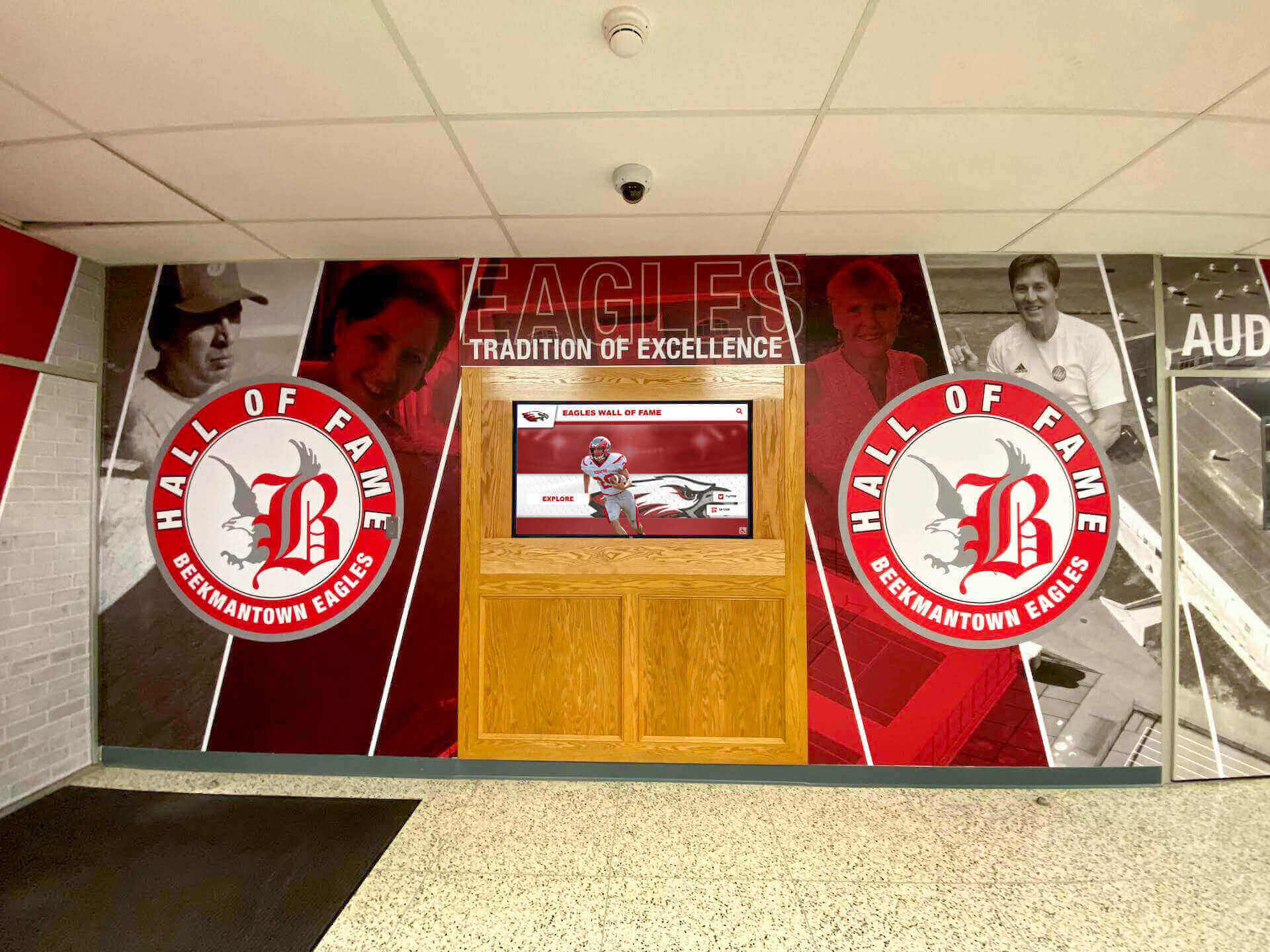
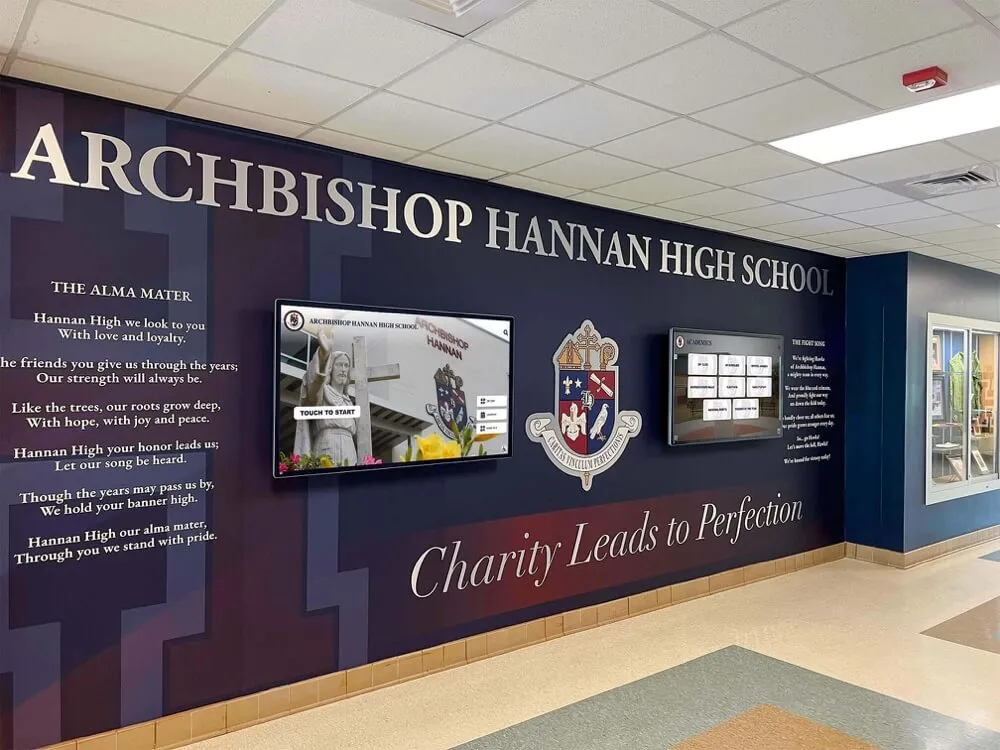
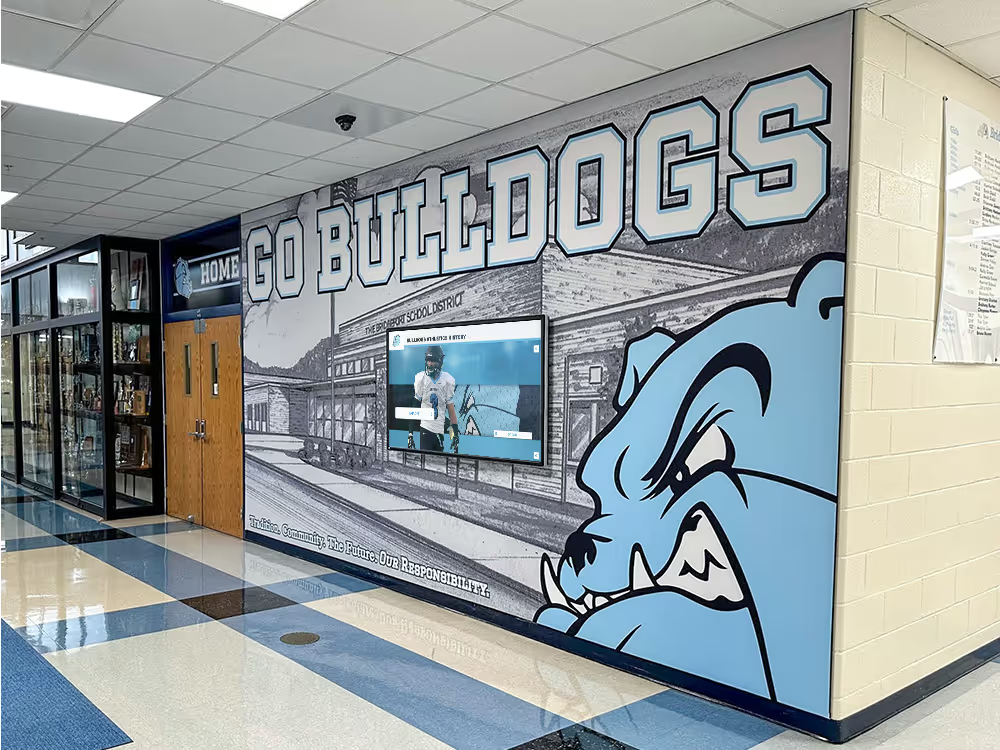
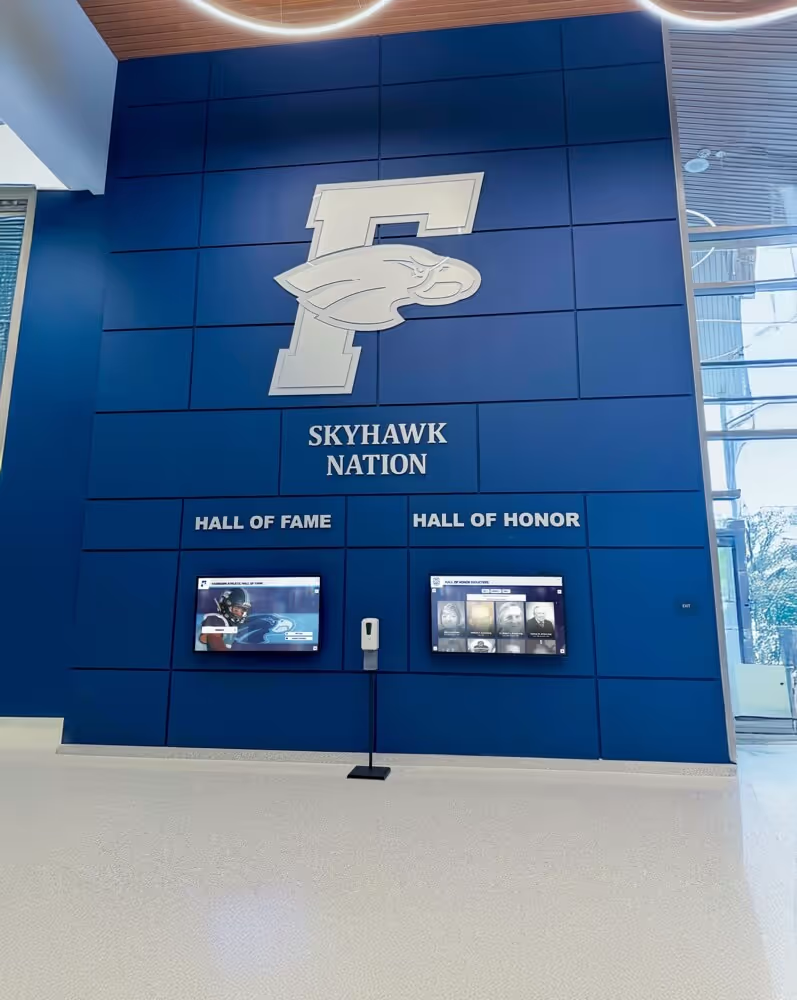
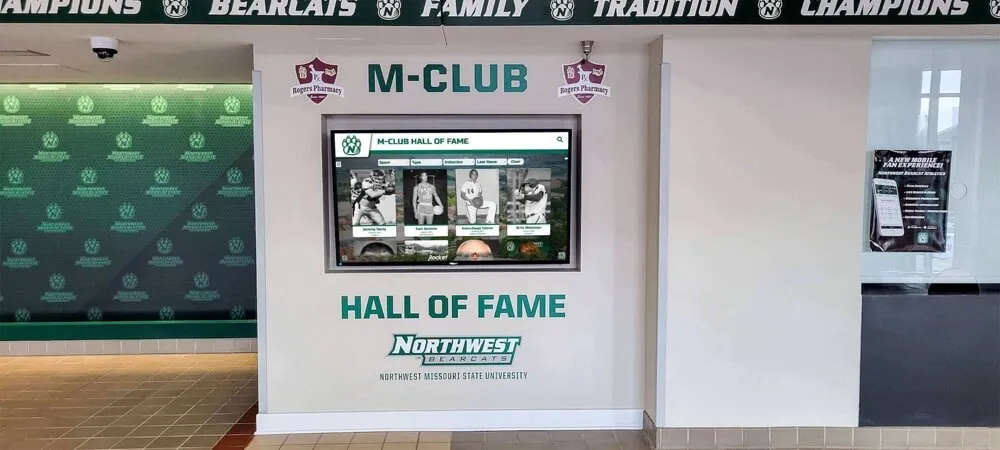
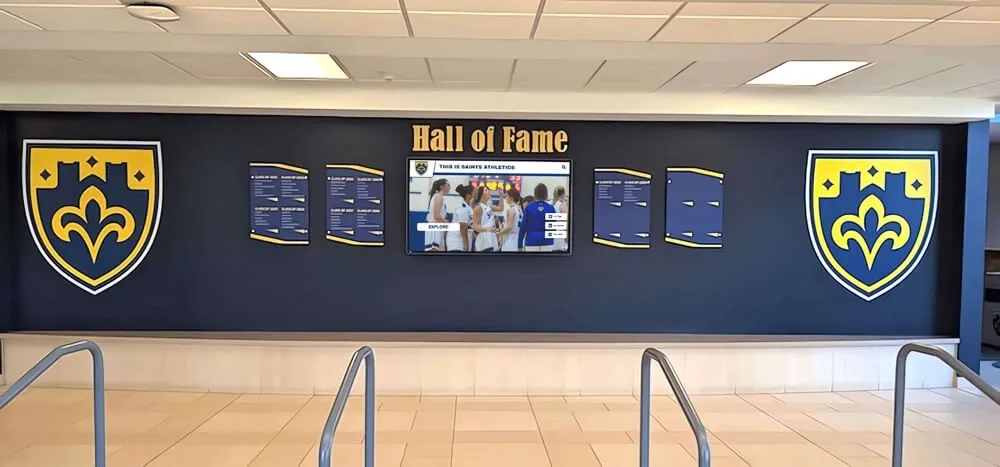
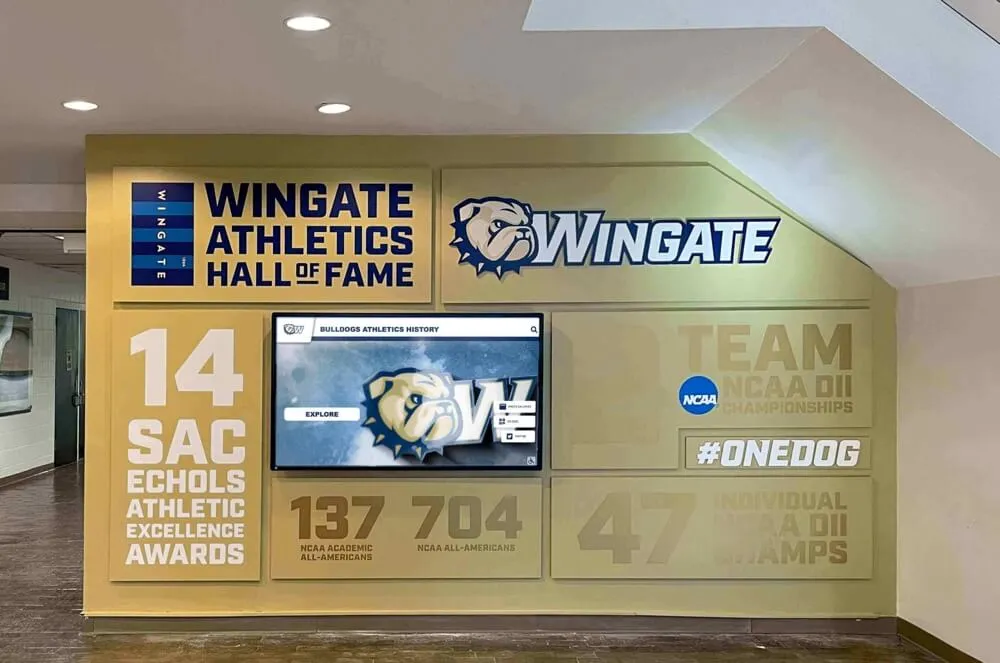
Booster-funded recognition displays in prominent lobby locations showcase athletic excellence while demonstrating tangible organizational impact
Benefits of Establishing a Booster Club
Understanding the concrete benefits helps build support for the formation effort:
For Student-Athletes
- Access to better equipment and training resources
- Increased competitive opportunities through expanded schedules
- Enhanced facilities creating professional training environments
- Comprehensive recognition programs celebrating achievements permanently
- Scholarship opportunities supporting college education
- Leadership development through program participation
For Athletic Programs
- Reliable supplementary funding beyond district budgets
- Community engagement creating broader support networks
- Volunteer assistance reducing administrative burdens
- Ability to pursue ambitious facility and equipment improvements
- Enhanced program visibility and school pride
- Sustainable resources independent of budget fluctuations
For School Communities
- Stronger connections between families and athletic programs
- Pride-building traditions around sports excellence
- Community gathering opportunities at athletic events
- Visible improvements showcasing community investment
- Alumni engagement with current programs
- Enhanced school reputation and competitive standing
Research from the National Federation of State High School Associations indicates that schools with active booster clubs provide 40-60% more athletic resources than schools relying solely on district funding, creating measurable advantages for student-athlete development and competitive success.
Common Booster Club Misconceptions
Several myths about booster clubs create unnecessary hesitation:
Misconception 1: “It’s Too Complicated” Reality: While booster clubs require organization, the process follows clear steps manageable by motivated volunteers without specialized expertise.
Misconception 2: “We Need Large Numbers” Reality: Effective booster clubs can start with as few as 5-10 committed individuals, expanding naturally as success builds momentum.
Misconception 3: “It Takes Years to See Impact” Reality: Well-planned booster clubs generate tangible results within their first year through strategic initial projects demonstrating immediate value.
Misconception 4: “Only Big Schools Can Support Them” Reality: Booster clubs succeed at schools of all sizes, with smaller schools often seeing proportionally greater impact from concentrated supporter engagement.
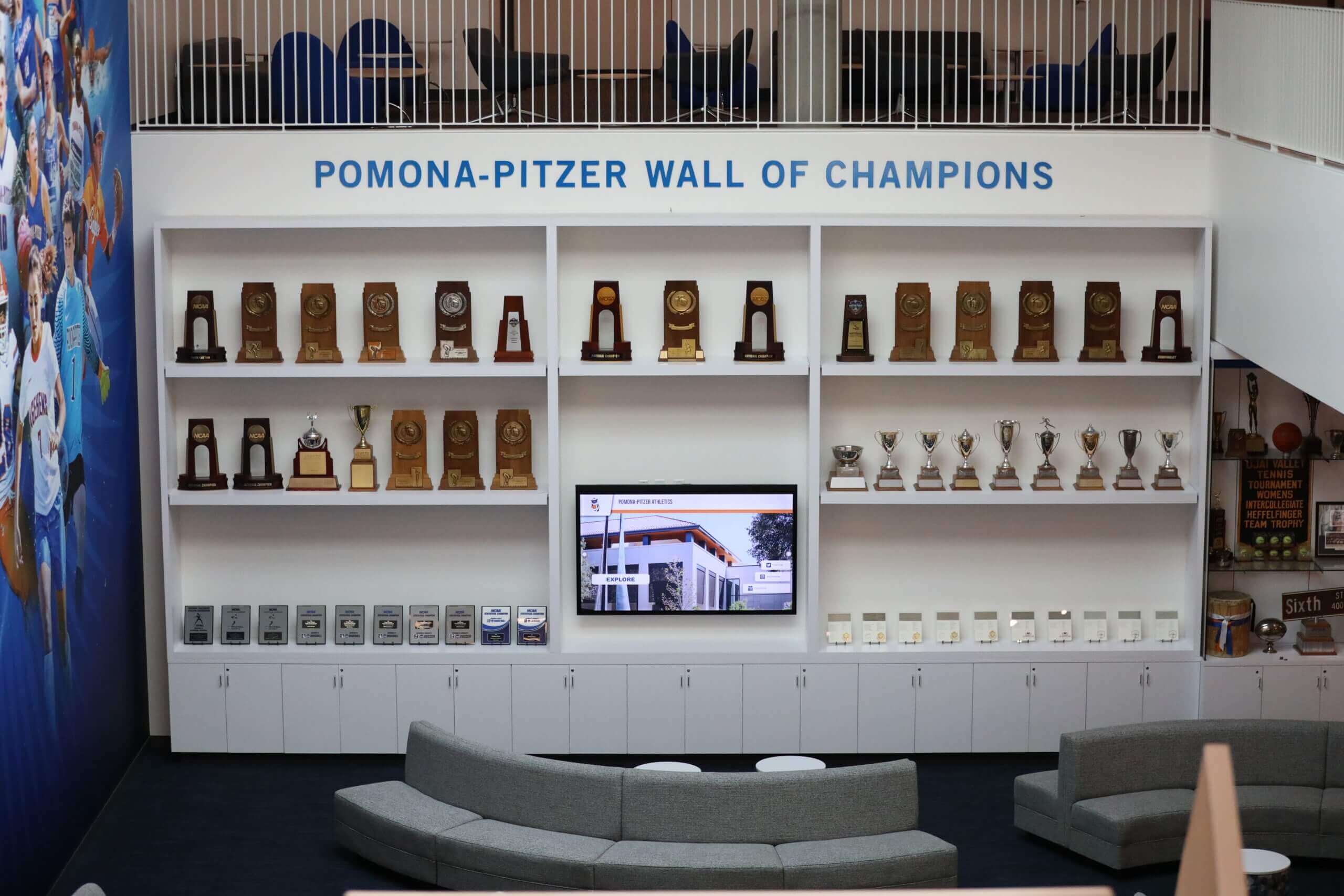
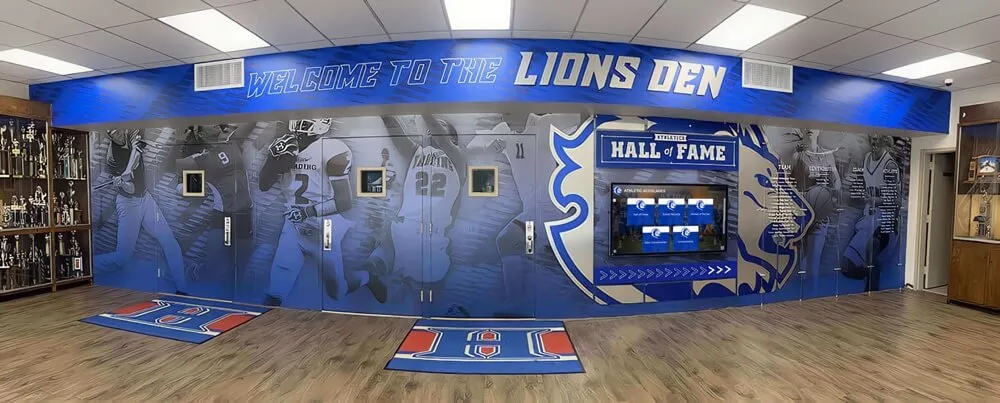
Athletic lounges featuring achievement displays create venues for booster events while showcasing organizational investment
Misconception 5: “Fundraising Is the Only Function” Reality: While fundraising remains important, successful booster clubs provide comprehensive support including volunteer coordination, community building, and program advocacy.
Understanding that booster club formation represents manageable, high-impact work overcomes initial hesitation and builds confidence for the formation process ahead.
Phase 1: Initial Planning and Assessment
Successful booster club launches begin with thorough planning that establishes clear direction, builds stakeholder support, and creates realistic implementation roadmaps.
Assessing Need and Interest
Before formal organization begins, verify sufficient need and community interest:
Identifying Athletic Program Gaps
Work with athletic directors to document specific needs booster support could address:
- Equipment inadequacies or outdated gear requiring replacement
- Facility maintenance or improvement needs beyond district budgets
- Travel limitations preventing tournament or showcase participation
- Recognition deficiencies where achievements lack appropriate celebration
- Training resource gaps limiting athlete development opportunities
- Budget constraints forcing difficult choices between programs
Document these needs concretely with specific examples, cost estimates, and impact descriptions. This documentation becomes essential for making the case to potential supporters and demonstrating tangible improvement opportunities.
Gauging Parent and Community Interest
Assessment methods include:
- Informal conversations with athletic parents at games and events
- Online surveys distributed through school communication channels
- Meetings with parent groups and existing school organizations
- Athletic director and coach input about supporter engagement
- Alumni network outreach exploring broader community interest
- Review of previous fundraising attempts and participation levels
Positive indicators include:
- Regular attendance at athletic events by engaged parents
- Existing informal support activities (team meals, volunteer help)
- Community pride in athletic traditions and achievements
- Previous successful fundraising for specific needs
- Parent frustration about resource limitations
- Alumni interest in reconnecting with athletic programs
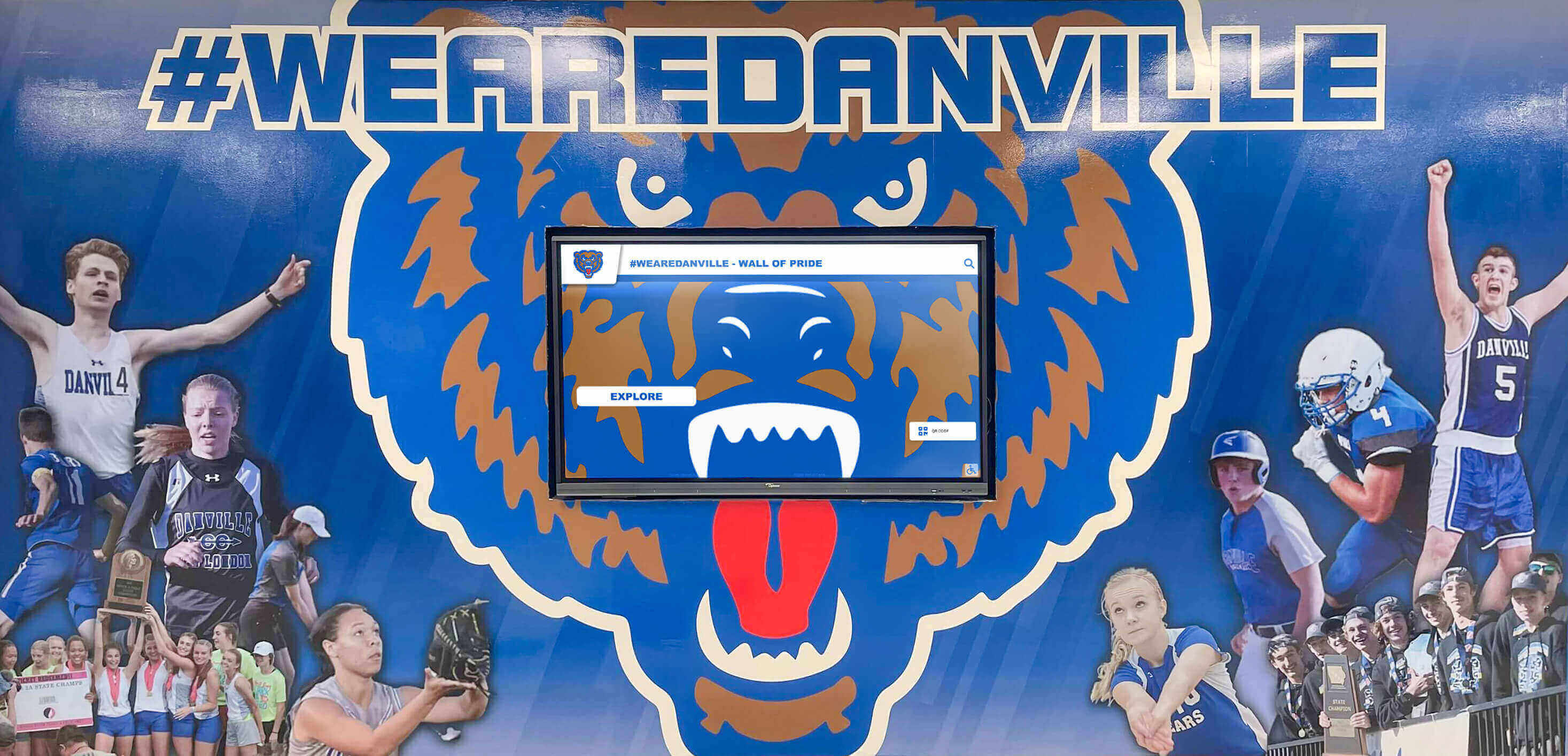
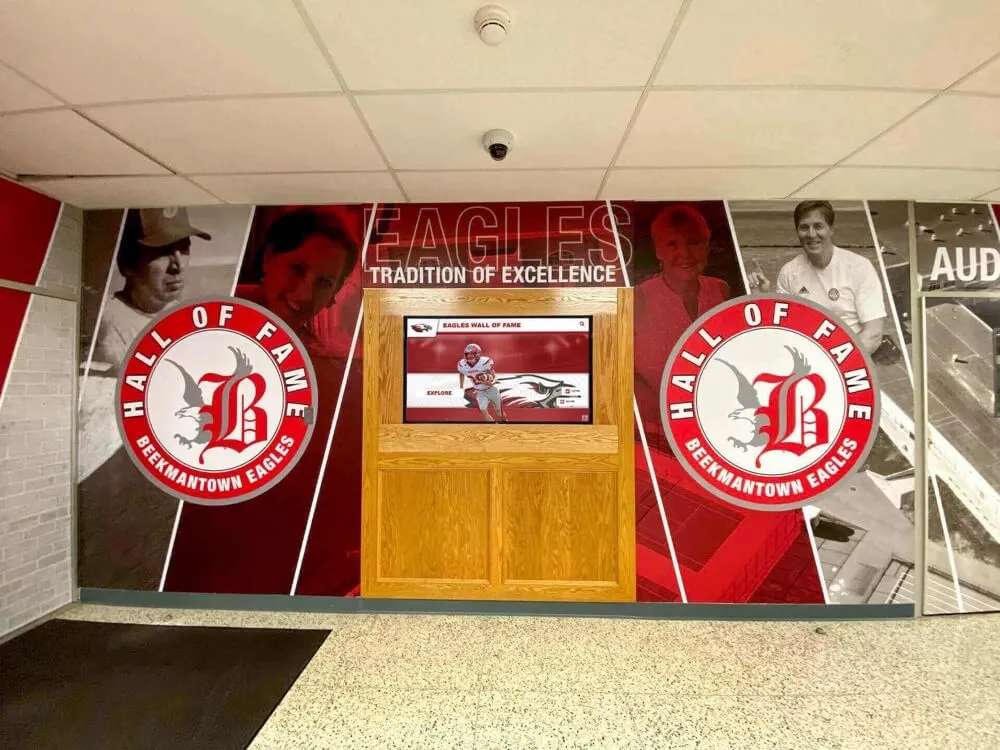
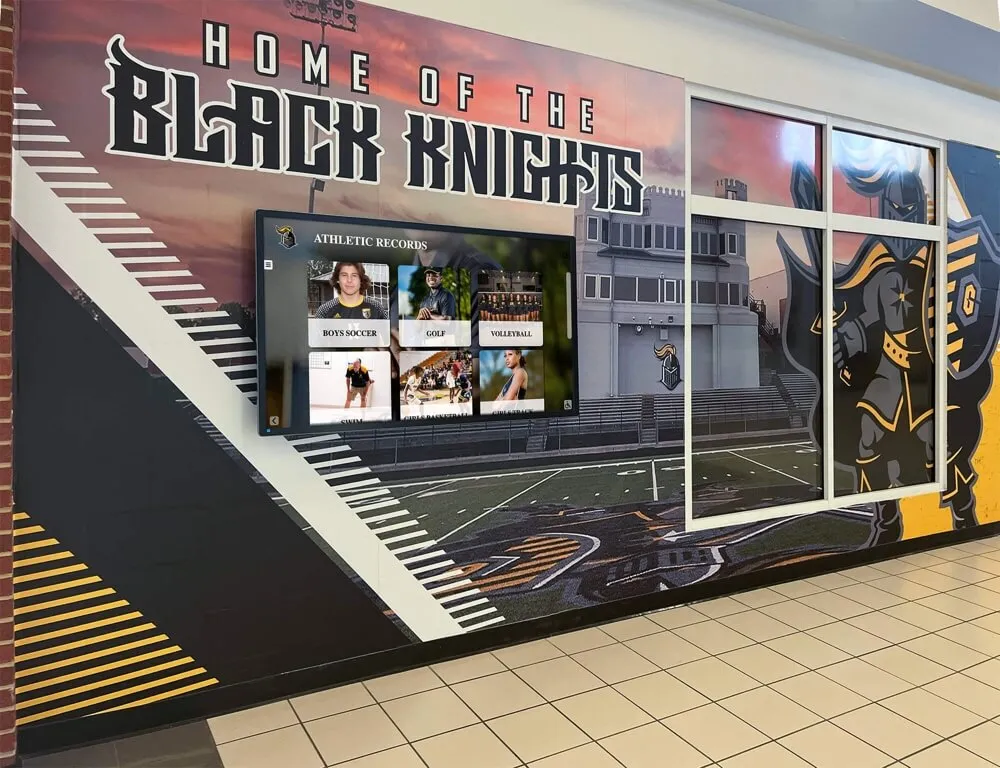
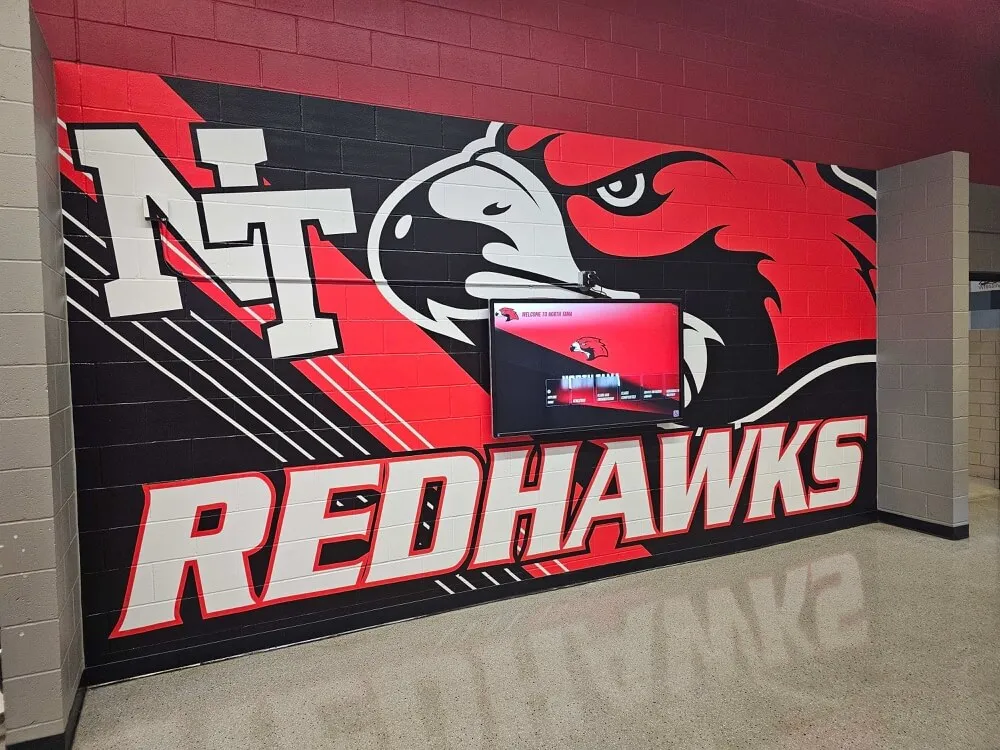
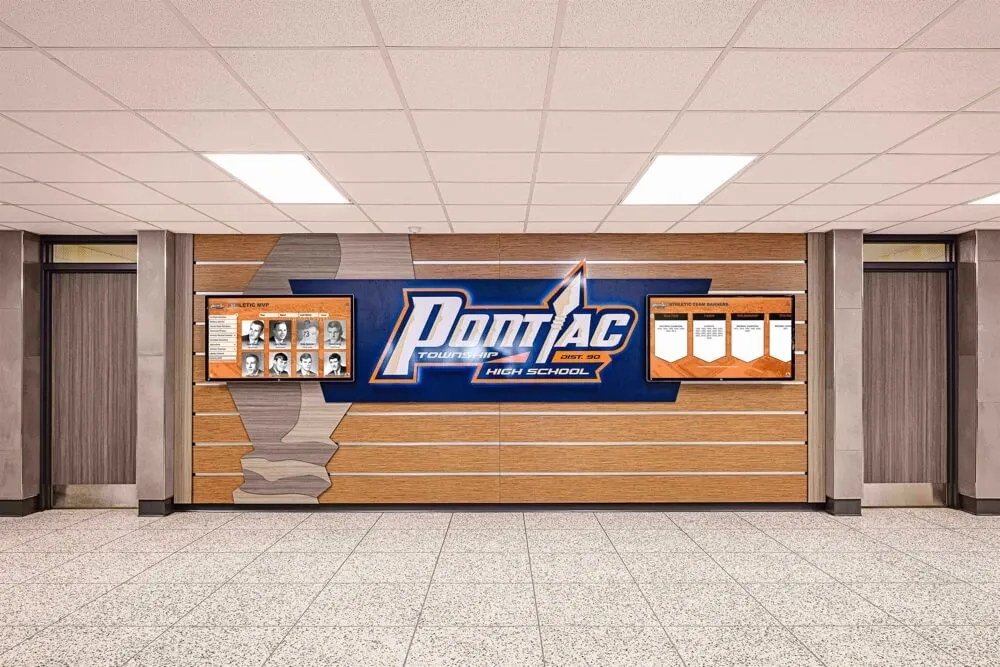
Athletic branding combined with digital displays creates immersive environments that booster clubs fund and maintain
Securing School Administrative Support
Booster club success requires strong school partnerships from the beginning:
Athletic Director Buy-In
The athletic director becomes your most important school partner:
- Schedule dedicated meeting to discuss booster club formation
- Present documented needs assessment and community interest
- Discuss partnership structure and communication protocols
- Clarify roles, boundaries, and decision-making processes
- Address any concerns about booster involvement in programs
- Establish mutual expectations for the relationship
Successful partnerships balance booster support with athletic department autonomy. The athletic director provides program direction while the booster club supplies resources and volunteer support within established parameters.
School Administration Approval
Gain principal and district support through:
- Formal presentation to school principal about formation plans
- District policy review ensuring compliance with existing regulations
- Discussion of liability, insurance, and legal structure requirements
- Coordination with other school organizations (PTA/PTO)
- Clarification of facility use policies for meetings and events
- Documentation of school board requirements if applicable
Many districts have established policies governing booster organizations. Understanding and following these requirements from the beginning prevents conflicts and ensures sustainable partnerships.
Getting Coach Input
Coaches provide valuable perspective on program needs:
- Individual meetings with head coaches across all sports
- Discussion of specific equipment, facility, or resource needs
- Understanding coaching philosophies and program goals
- Addressing concerns about parent involvement in athletics
- Building trust about booster support without interference
- Establishing communication channels for ongoing coordination
Coaches who feel heard and respected become valuable advocates helping the booster club direct resources effectively while maintaining appropriate boundaries between support and coaching decisions.
Forming Your Founding Leadership Team
Strong initial leadership determines long-term success:
Identifying Core Volunteers
Successful founding teams typically include:
- Parents with time availability and organizational skills
- Individuals with relevant professional experience (finance, marketing, event planning)
- Representatives from multiple sports ensuring broad program support
- Community members or alumni with school connections
- People with existing networks for fundraising and volunteer recruitment
- Individuals committed for multi-year involvement ensuring continuity
Ideal founding teams include 5-10 individuals representing diverse perspectives while sharing commitment to comprehensive athletic program support across all sports rather than favoring specific teams.
Defining Initial Roles
Early organizational structure includes:
- Interim President: Overall coordination of formation efforts
- Interim Treasurer: Financial planning and initial banking setup
- Interim Secretary: Documentation of meetings and formation process
- Fundraising Lead: Initial revenue generation strategies
- Communications Lead: Outreach and membership recruitment
These interim roles eventually transition to formal elected positions once official incorporation completes and membership expands.
Establishing Formation Timeline
Realistic formation timelines typically span 4-6 months:
- Month 1: Planning, assessment, and team formation
- Month 2-3: Legal incorporation and IRS nonprofit application
- Month 3-4: Banking, insurance, and operational setup
- Month 4-5: Membership recruitment and bylaws approval
- Month 5-6: First formal meeting and initial programming launch
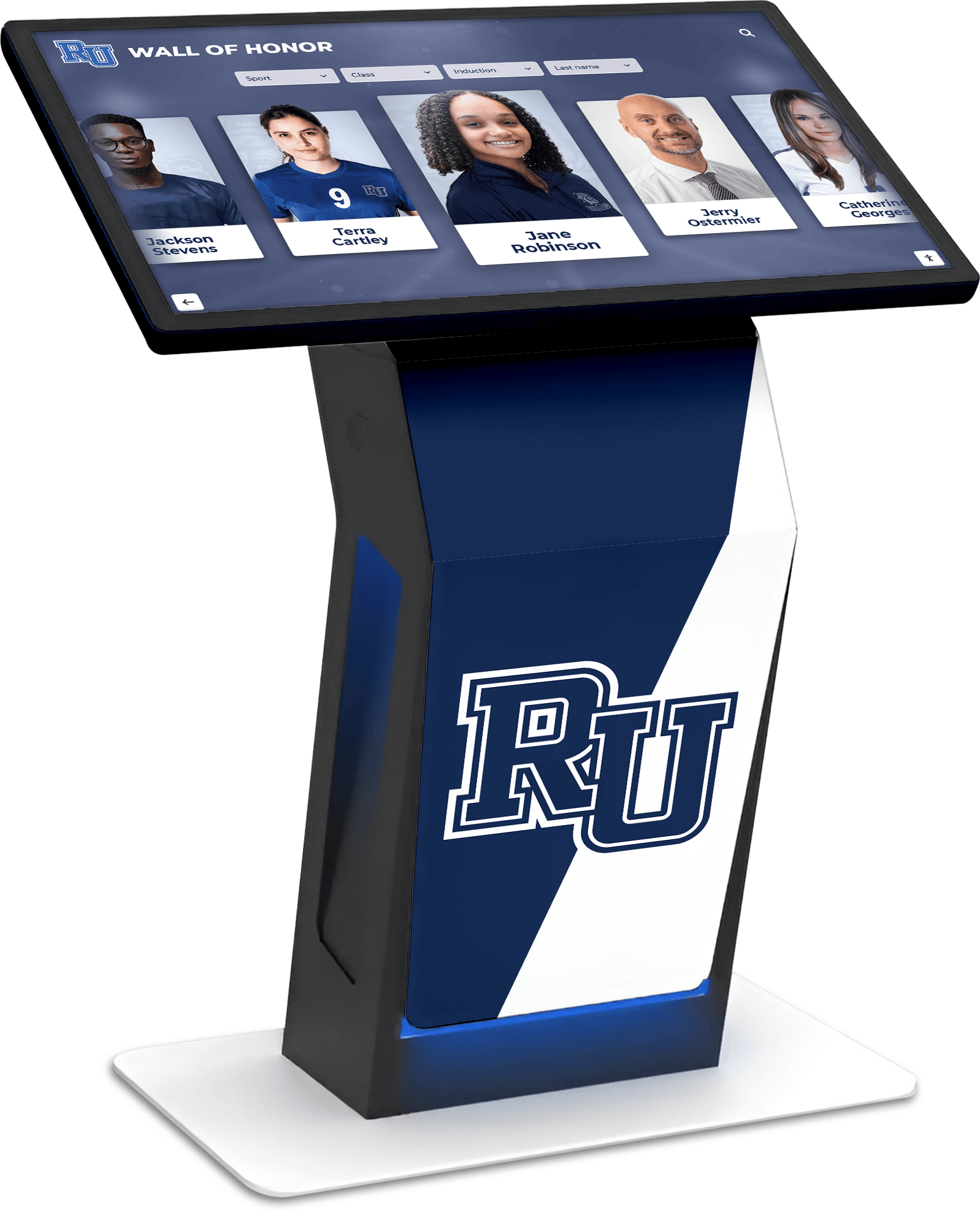
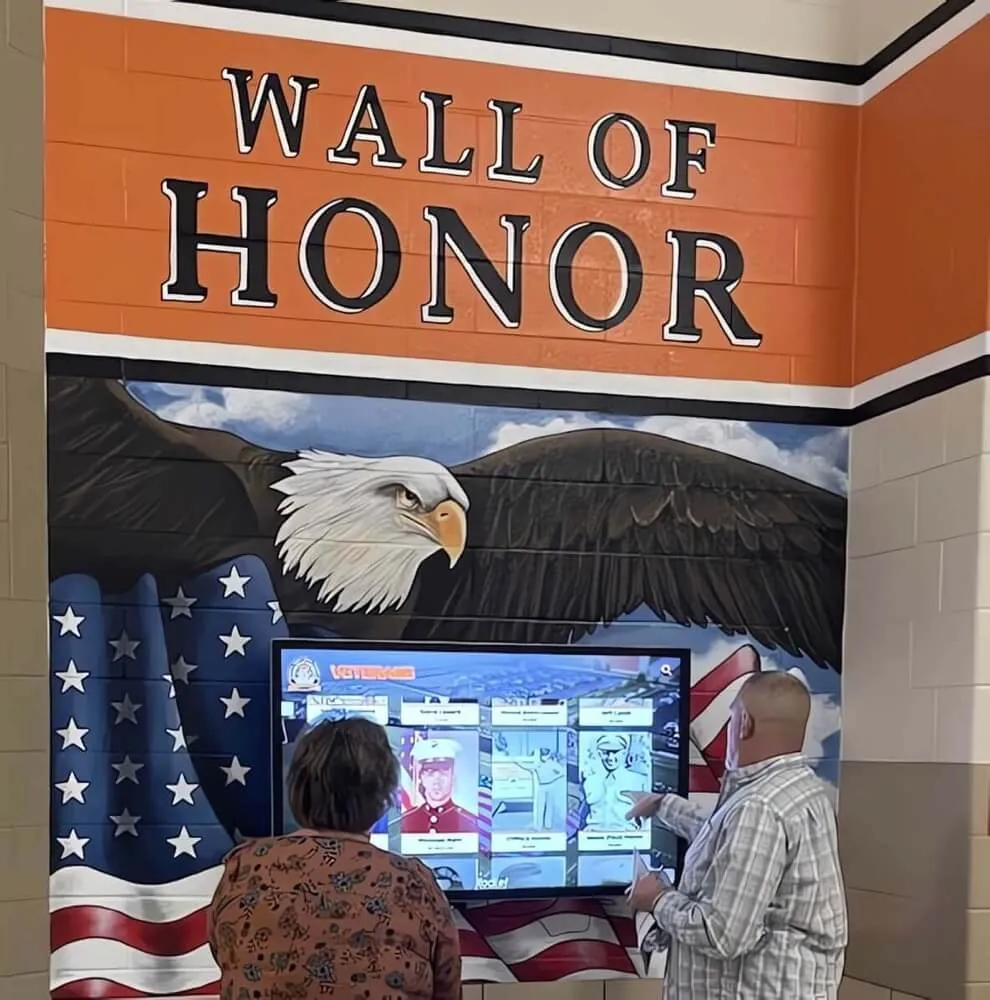
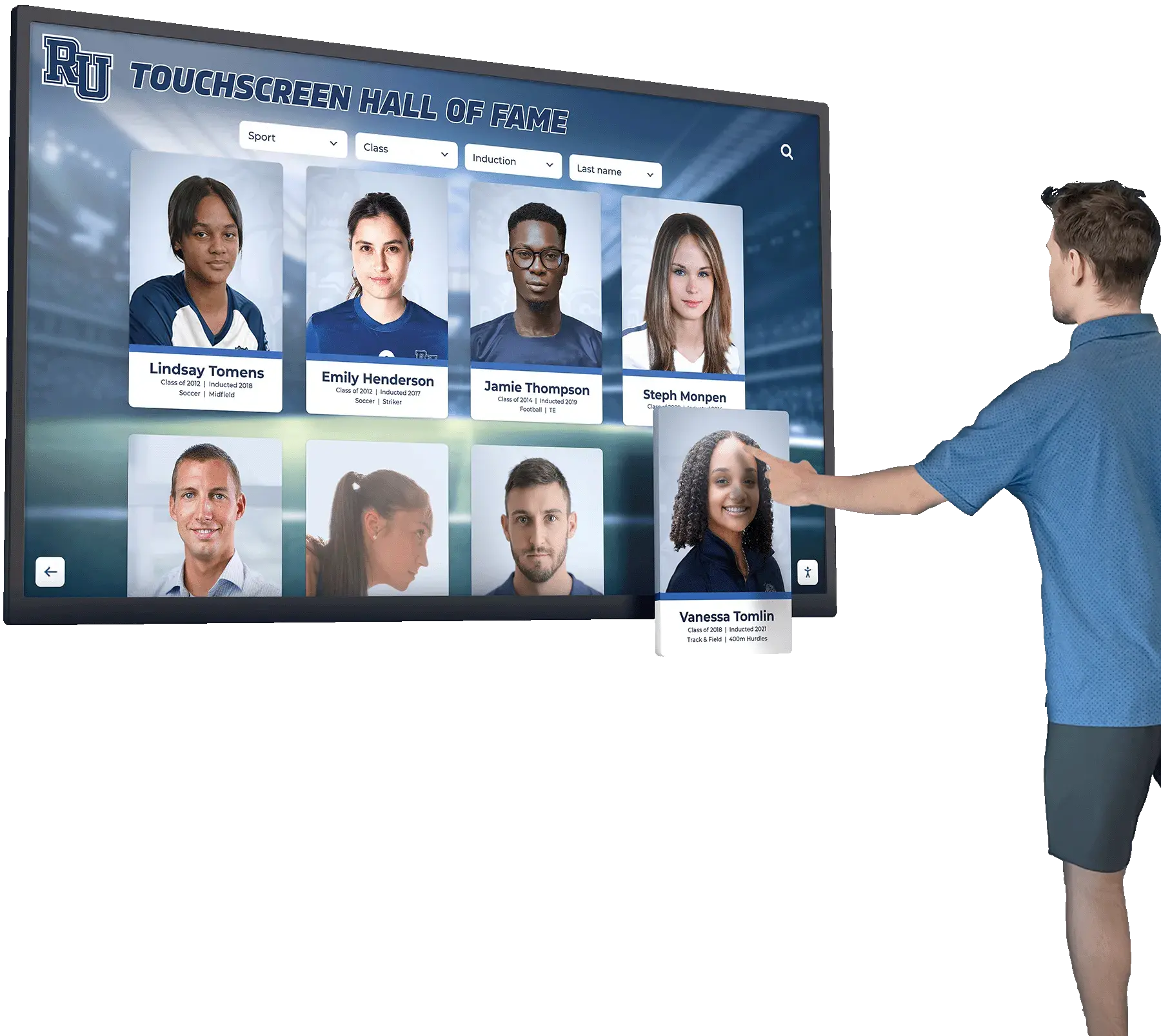
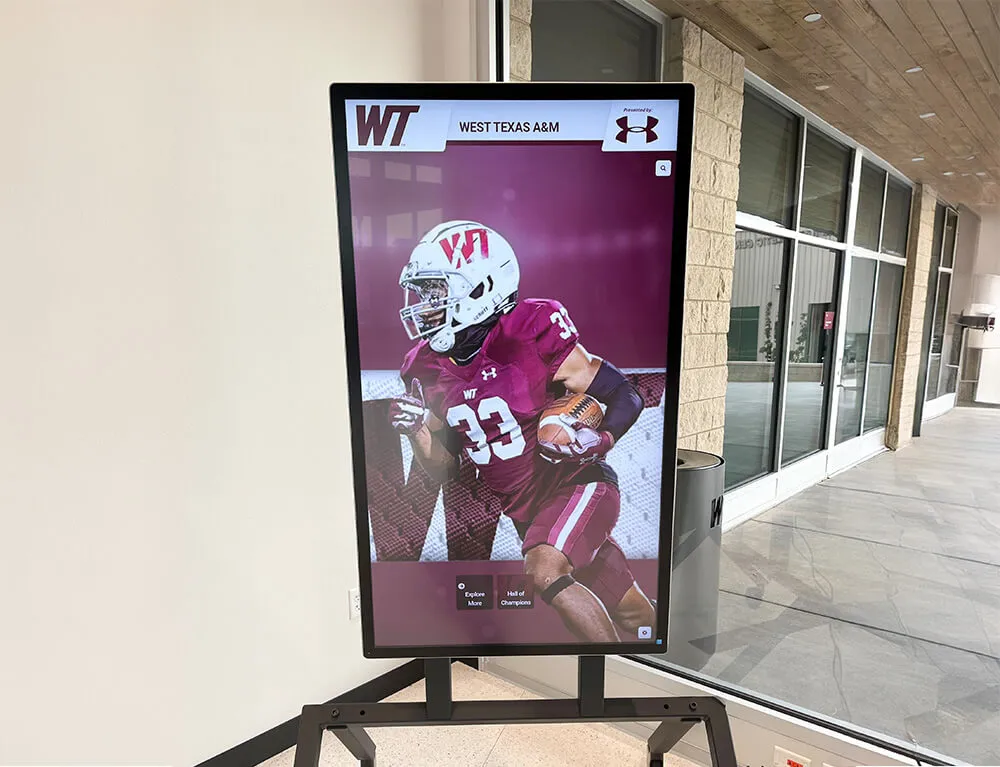
Modern recognition kiosks provide unlimited tribute capacity enabling booster clubs to offer ongoing recognition opportunities
Patient, methodical formation establishes strong foundations preventing common startup problems that plague hastily organized booster clubs lacking proper structure and planning.
Phase 2: Legal Formation and Organizational Structure
Proper legal establishment ensures legitimacy, provides liability protection, and enables tax-deductible contributions essential for effective fundraising.
Choosing Your Legal Structure
Most booster clubs incorporate as 501(c)(3) nonprofit organizations:
Benefits of 501(c)(3) Status
- Donors receive tax deductions for contributions
- Organization pays no federal income tax on revenue
- Access to grant opportunities requiring nonprofit status
- Enhanced credibility with corporate sponsors and major donors
- Legal separation from school district providing liability protection
- Ability to open bank accounts and contracts in organization name
Alternative Structures
Some booster clubs operate under alternative arrangements:
- School district subsidiary (simpler but less autonomy and no donor tax deductions)
- Unincorporated association (easiest formation but no liability protection)
- 501(c)(4) social welfare organization (political advocacy but no deductible donations)
For most booster clubs, independent 501(c)(3) incorporation provides optimal balance of benefits, flexibility, and fundraising capability.
Incorporation Process
State incorporation establishes your booster club as legal entity:
Articles of Incorporation
File formation documents with your state (typically Secretary of State office):
- Official organization name (must include “Inc.” or “Incorporated”)
- Statement of nonprofit purpose aligned with IRS requirements
- Registered agent designation (individual receiving legal notices)
- Principal office address
- Initial board member names and addresses
- Dissolution clause specifying asset distribution if organization ends
Requirements and fees vary by state but typically cost $50-150. Many states provide online filing accelerating approval times.
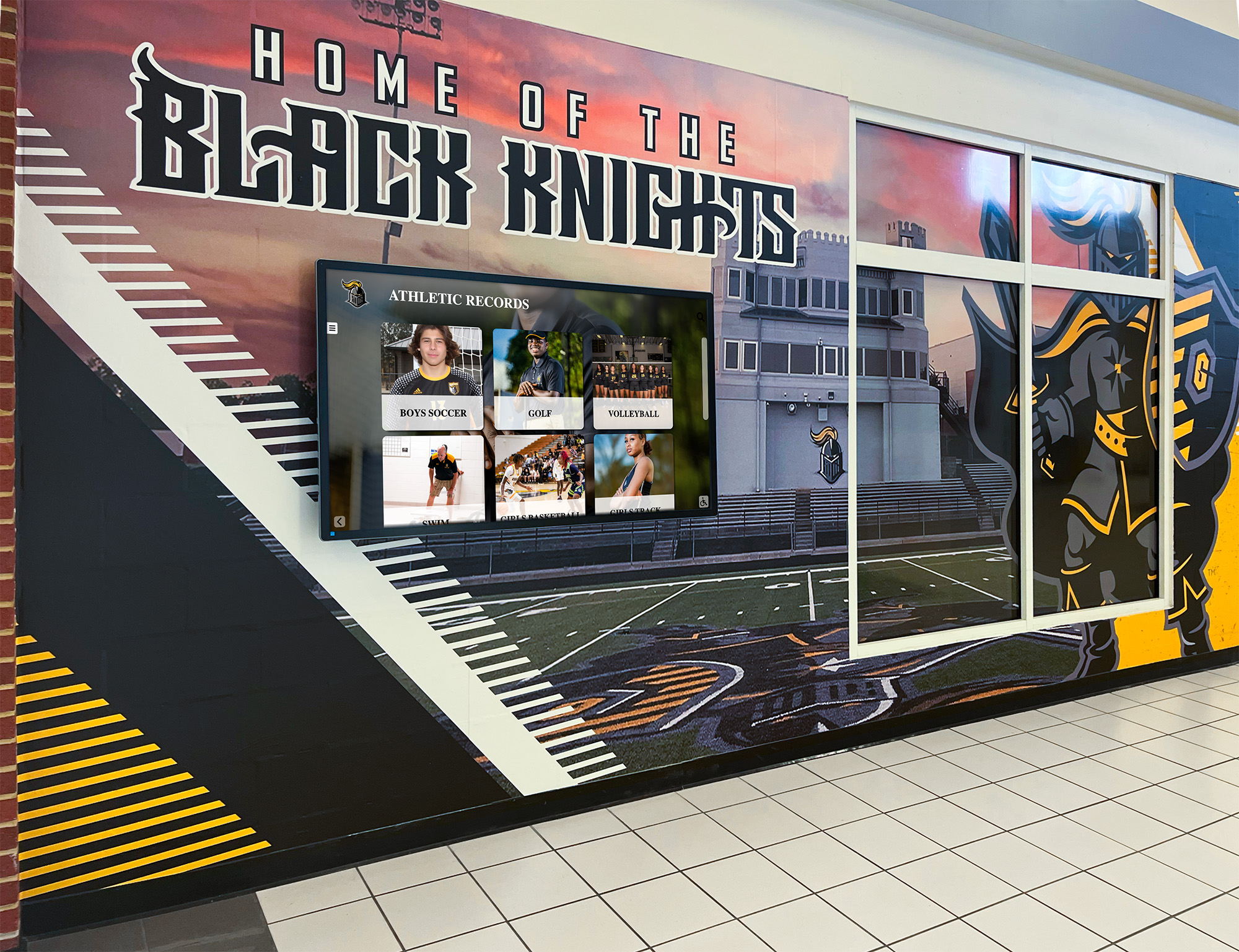
Hallway displays document program history and achievement while showcasing booster club investment in lasting recognition infrastructure
Bylaws Development
Bylaws establish internal governance rules:
- Membership structure (open membership vs. dues-based)
- Board composition and officer roles
- Election procedures and term limits
- Meeting frequency and quorum requirements
- Voting procedures for major decisions
- Financial management and approval authority
- Conflict of interest policies
- Amendment procedures for future bylaw changes
Many state booster associations provide sample bylaws adaptable to local needs. Legal review ensures compliance with state nonprofit requirements and school district policies.
Federal Tax-Exempt Status Application
Apply for IRS tax-exempt status through Form 1023 or simplified Form 1023-EZ:
Form 1023-EZ Eligibility (Simplified Process)
- Gross receipts under $50,000 annually
- Assets under $250,000
- Faster processing (typically 2-4 weeks)
- Lower filing fee ($275 as of 2025)
- Less documentation required
Form 1023 (Traditional Process)
- Required for organizations exceeding 1023-EZ thresholds
- More detailed financial projections and narrative explanations
- Longer processing time (3-6 months typical)
- Higher filing fee ($600 as of 2025)
- May require professional assistance
Most new booster clubs qualify for Form 1023-EZ, significantly simplifying the process. Upon approval, the IRS issues determination letter confirming tax-exempt status that donors and sponsors require for tax deductions.
Establishing Financial Infrastructure
Proper financial management builds stakeholder trust:
Opening Bank Accounts
Separate bank accounts establish financial independence:
- Business checking account in organization’s legal name
- Savings account for reserves and capital campaign funds
- Potential additional accounts segregating restricted donations
- Dual signature requirement preventing single-person financial control
- Online banking access for transparency and monitoring
Bring incorporation documents, EIN (Employer Identification Number), and board resolution authorizing account opening. Many banks offer free nonprofit banking reducing overhead costs.
Financial Management Systems
Implement basic financial controls:
- Accounting software (QuickBooks Nonprofit, Wave, or specialized nonprofit systems)
- Receipt documentation for all revenue and expenses
- Dual approval for expenditures above specified thresholds
- Regular treasurer reports at monthly board meetings
- Annual financial audit or review by independent party
- Transparent financial reporting to general membership
Strong financial practices from the beginning prevent misunderstandings and build confidence among donors and school administrators who need assurance that funds are managed responsibly.
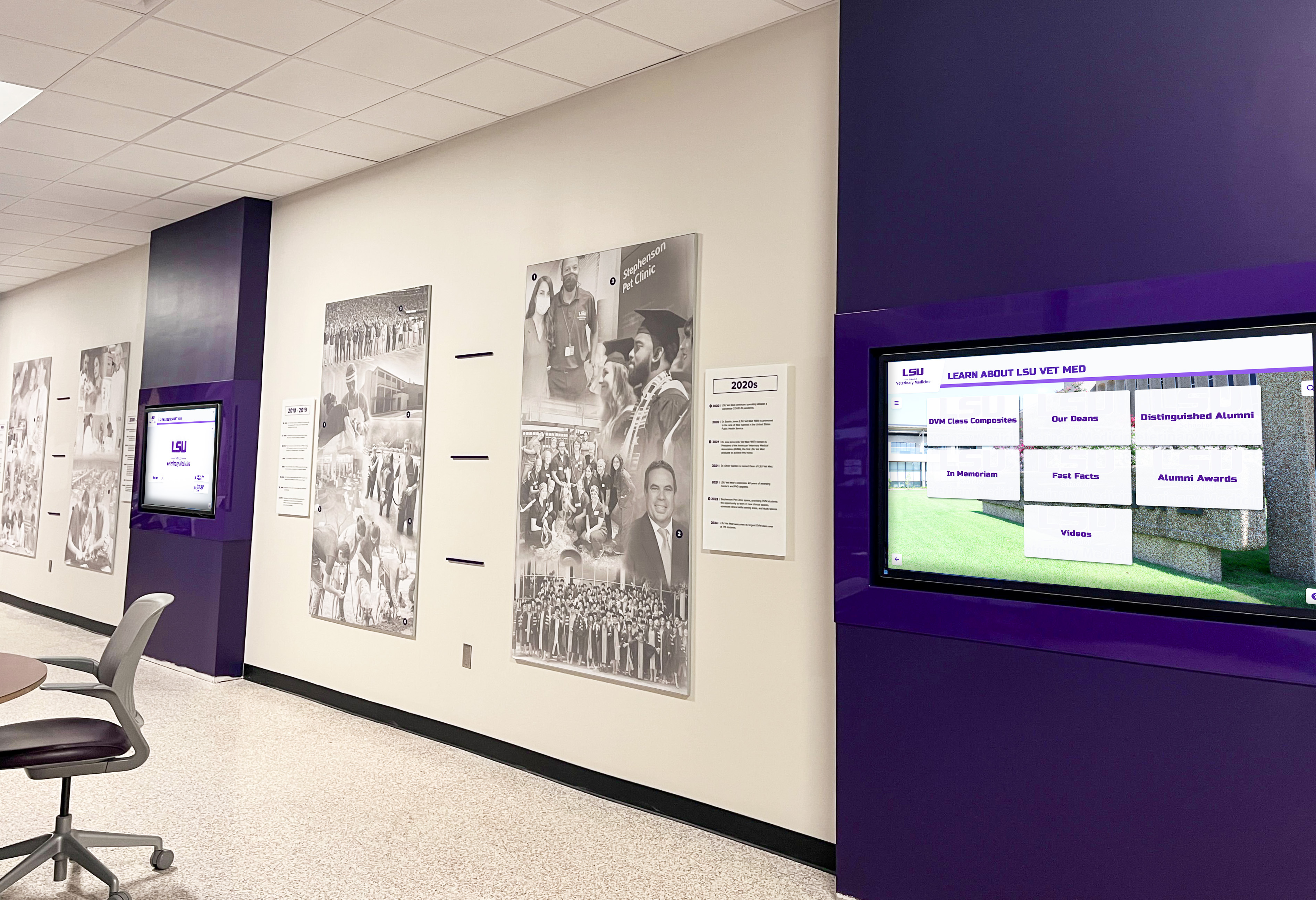
Multiple coordinated displays create comprehensive recognition environments showcasing booster investment across facilities
Insurance Coverage
Adequate insurance protects volunteers and assets:
- General liability insurance ($1-2 million coverage typical)
- Directors and officers (D&O) insurance protecting board members
- Event insurance for specific fundraisers and activities
- Property insurance if organization owns significant assets
- Workers compensation if organization has employees (rare for booster clubs)
Insurance costs vary but typically range $500-2,000 annually for comprehensive coverage. Many state booster associations offer group insurance programs providing affordable options specifically designed for athletic support organizations.
Phase 3: Building Membership and Engagement
Sustainable booster clubs require broad membership extending beyond founding leadership:
Membership Structure Options
Different models work for different communities:
Open Membership Model
- Any interested person can join and participate
- Simple structure promoting maximum inclusion
- Voting rights typically extend to all members
- No financial barrier to participation
- May include attendance requirements for voting privileges
Dues-Based Membership
- Annual membership fees ($25-100 typical range)
- Dues provide baseline operating revenue
- Creates defined voting membership
- May offer tiered levels with graduated benefits
- Requires clear value proposition for membership investment
Hybrid Approach
- Open participation in activities and events
- Voting membership requires dues or participation
- Multiple engagement levels (supporting, active, leadership)
- Flexible structure accommodating various commitment levels
- Balances inclusion with sustainable funding
Most successful booster clubs embrace inclusive approaches that minimize barriers while creating clear pathways for deeper engagement. The goal involves building broad support rather than creating exclusive clubs limited to affluent families or parents of star athletes.
Recruitment and Communication Strategies
Growing membership requires proactive outreach:
Initial Recruitment Campaigns
- Presentations at back-to-school nights and parent meetings
- Distribution of information packets at athletic events
- Announcements through school communication channels
- Personal invitations from coaches and athletic directors
- Social media campaigns explaining mission and opportunities
- Website with clear information about joining and involvement
Communicating Value Proposition
Effective recruitment messaging emphasizes:
- Specific program improvements booster support enables
- Student-athlete benefits from enhanced resources
- Community-building aspects beyond just fundraising
- Various involvement levels from leadership to occasional volunteering
- Transparency about time commitments and expectations
- Success stories from comparable schools
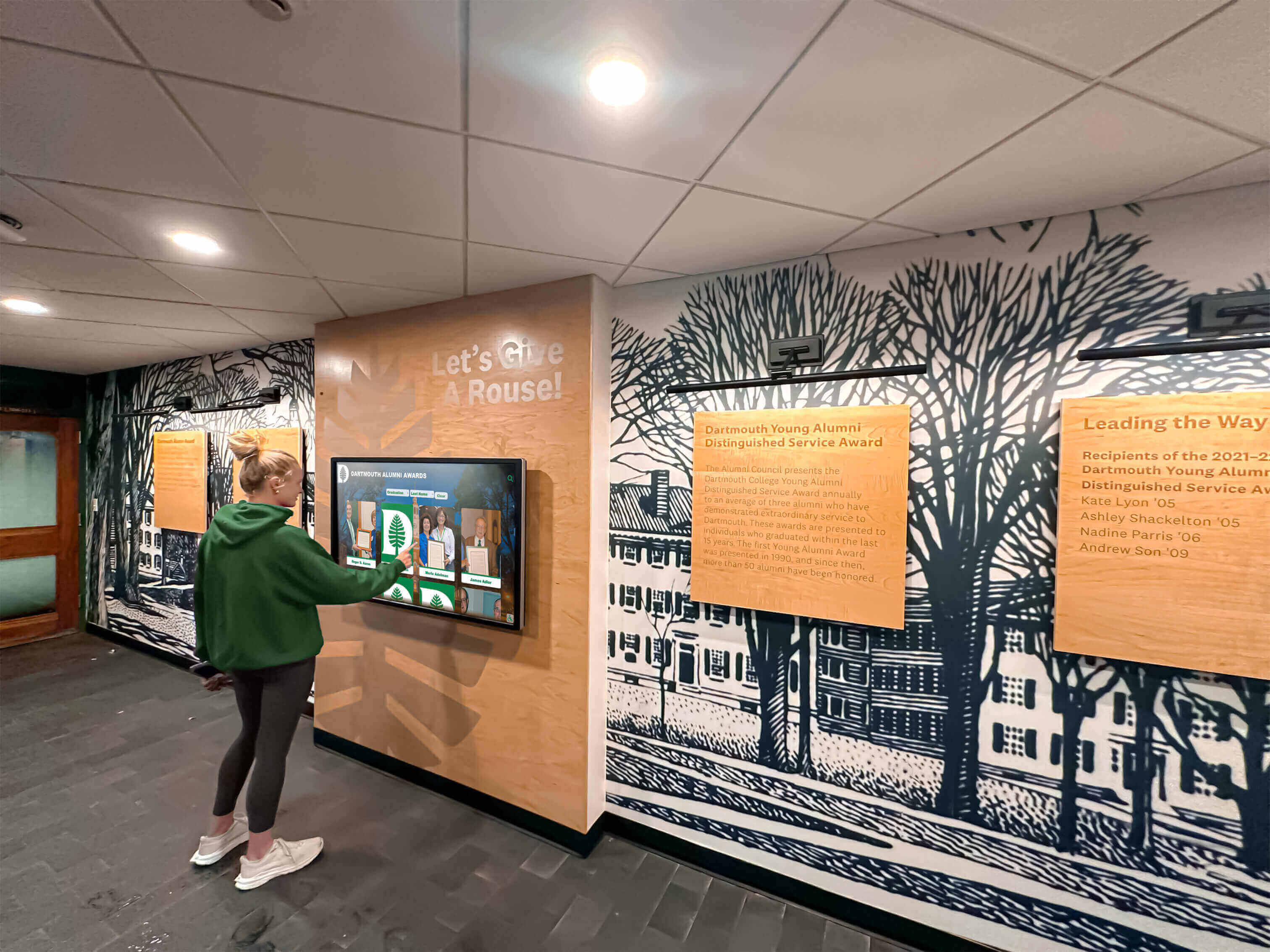
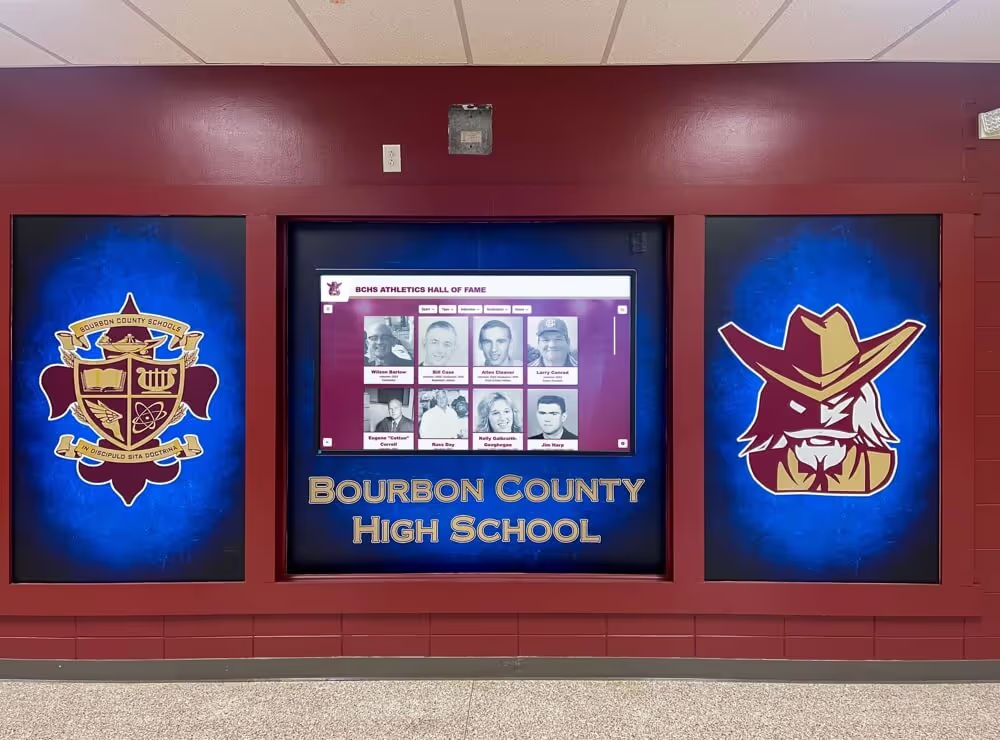
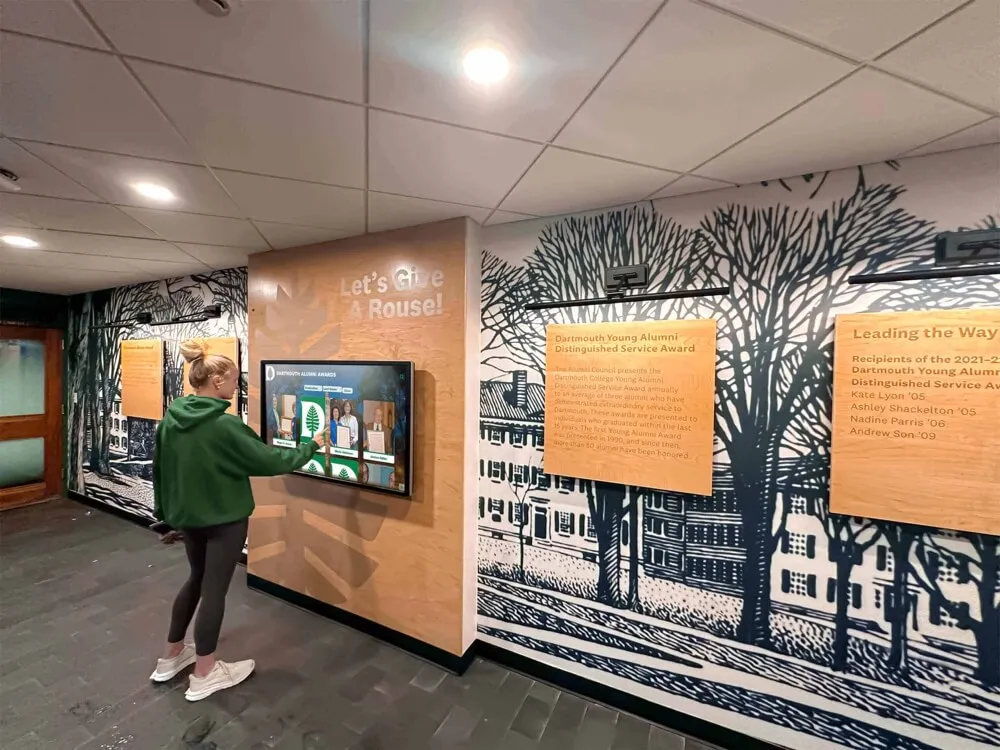
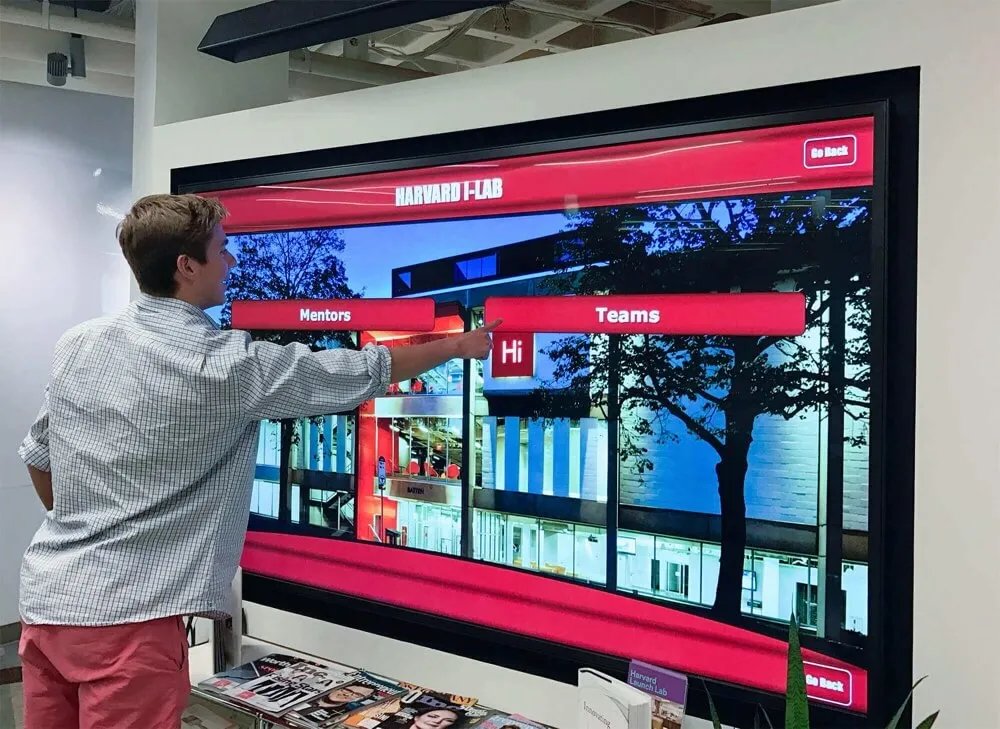
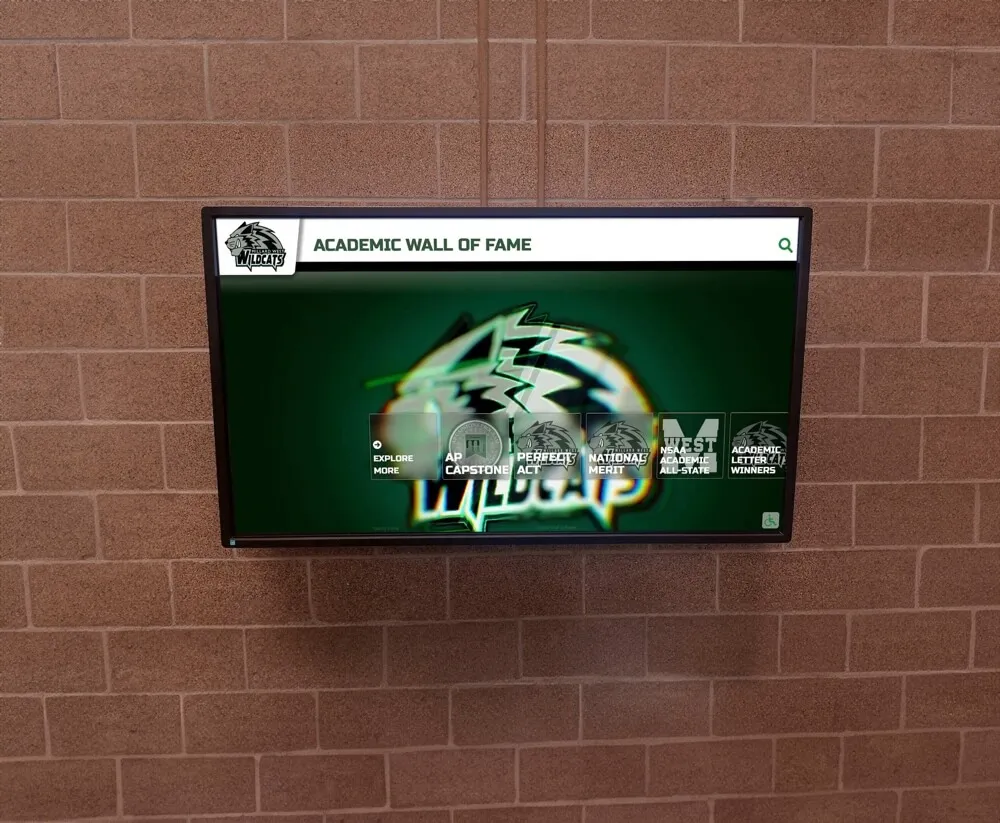
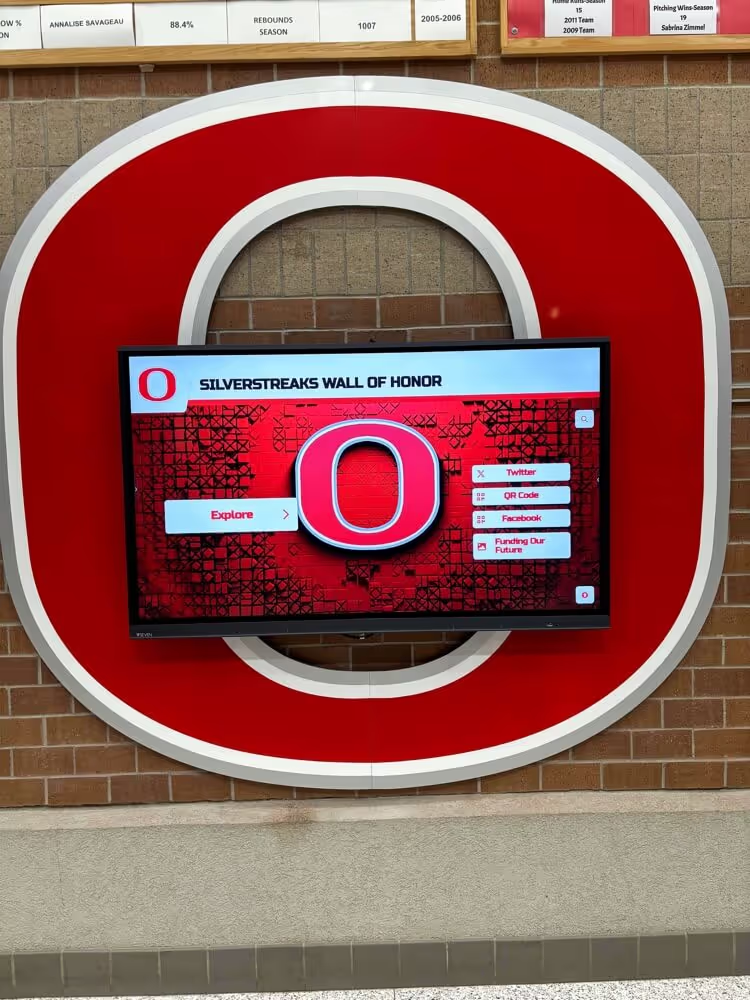
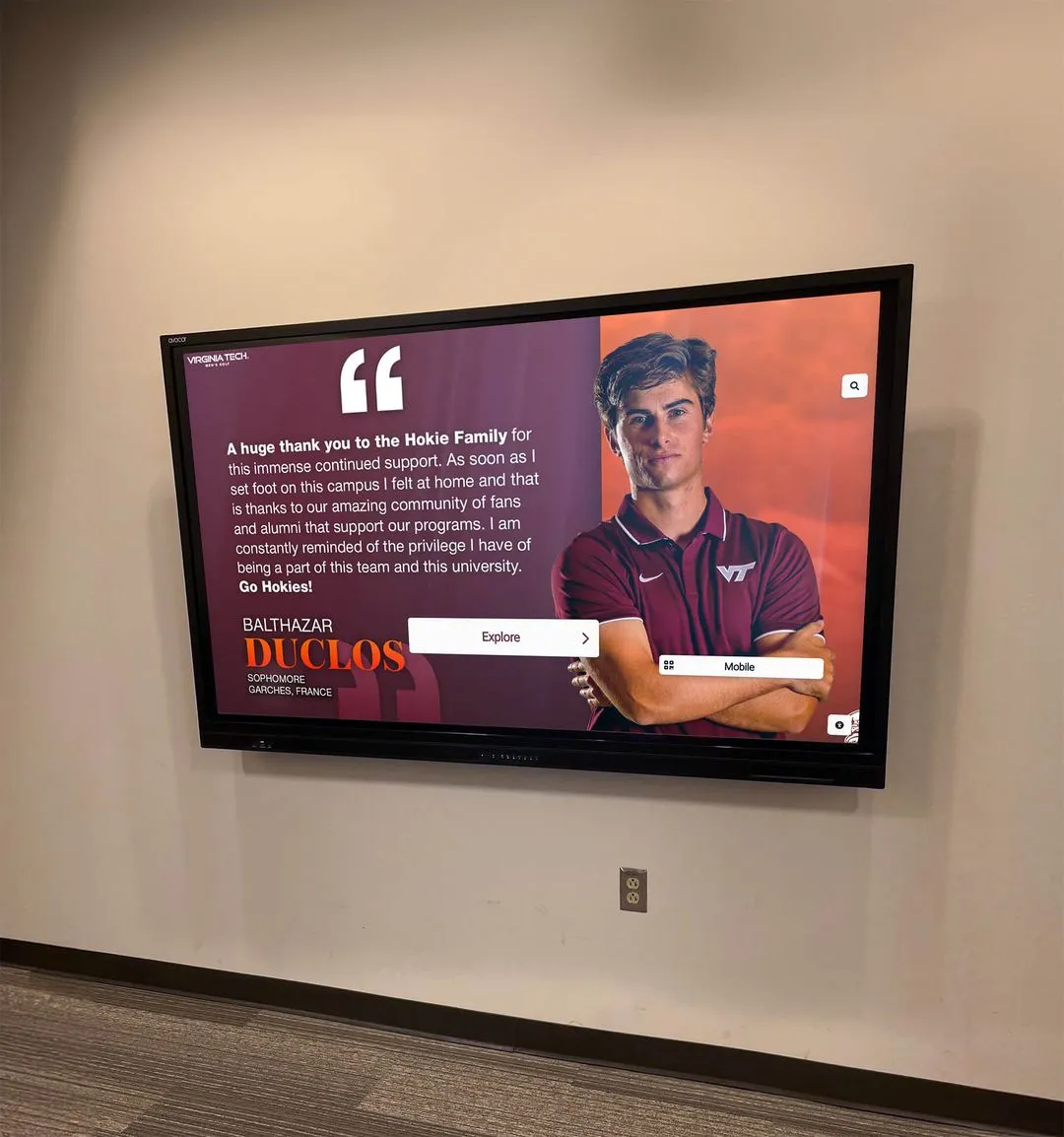
Interactive displays engage students with program history while demonstrating tangible results of booster club support
Ongoing Communication Systems
Maintain engagement through regular communication:
- Monthly email newsletters with updates and opportunities
- Social media presence (Facebook groups, Instagram, Twitter)
- Website with calendar, news, and resource information
- Text messaging for time-sensitive announcements
- Quarterly membership meetings beyond board gatherings
- Annual reports showcasing accomplishments and financial transparency
Consistent, professional communication demonstrates organizational competence while keeping members informed and engaged with ongoing activities and needs.
Creating Inclusive Participation Opportunities
Broad participation requires diverse engagement pathways:
Committee Structure
Specialized committees distribute workload:
- Fundraising committee planning specific campaigns
- Events committee organizing recognition and social gatherings
- Volunteer coordination committee managing game-day support
- Recognition committee overseeing athlete celebration programs
- Facilities committee addressing improvement projects
- Communication committee managing outreach and visibility
Committee membership provides structured involvement for those not seeking board positions while ensuring manageable workload distribution preventing volunteer burnout.
Volunteer Management
Effective volunteer systems maximize participation:
- Online signup platforms (SignUpGenius, VolunteerSpot, etc.)
- Clear role descriptions with time expectations
- Recognition programs celebrating volunteer contributions
- Training and support ensuring volunteers feel prepared
- Flexibility accommodating varying availability
- Social components making volunteer work enjoyable
Research shows that organizations making volunteering easy, meaningful, and social sustain stronger participation rates than those treating volunteers as unlimited free labor without appreciation or support.
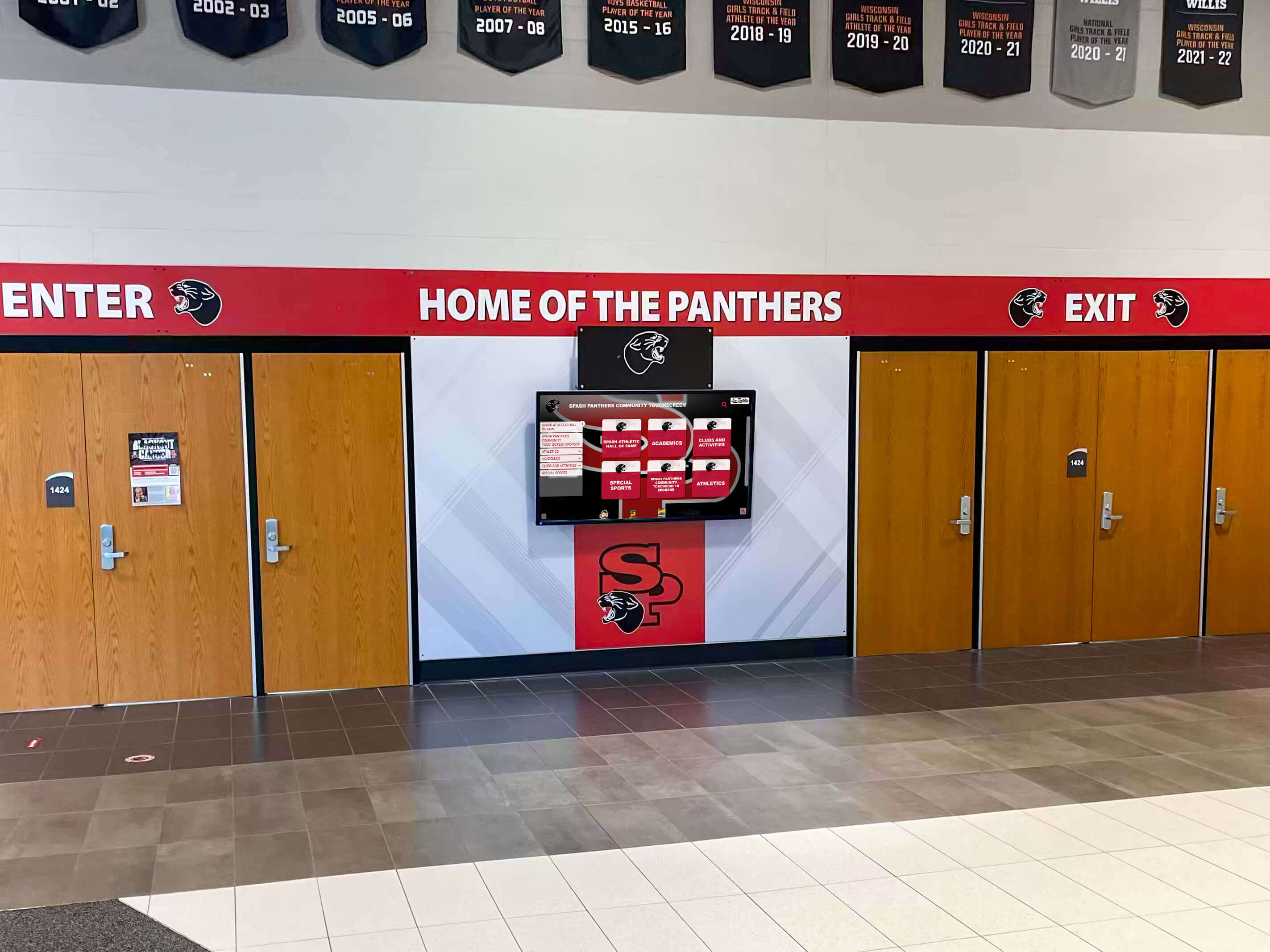
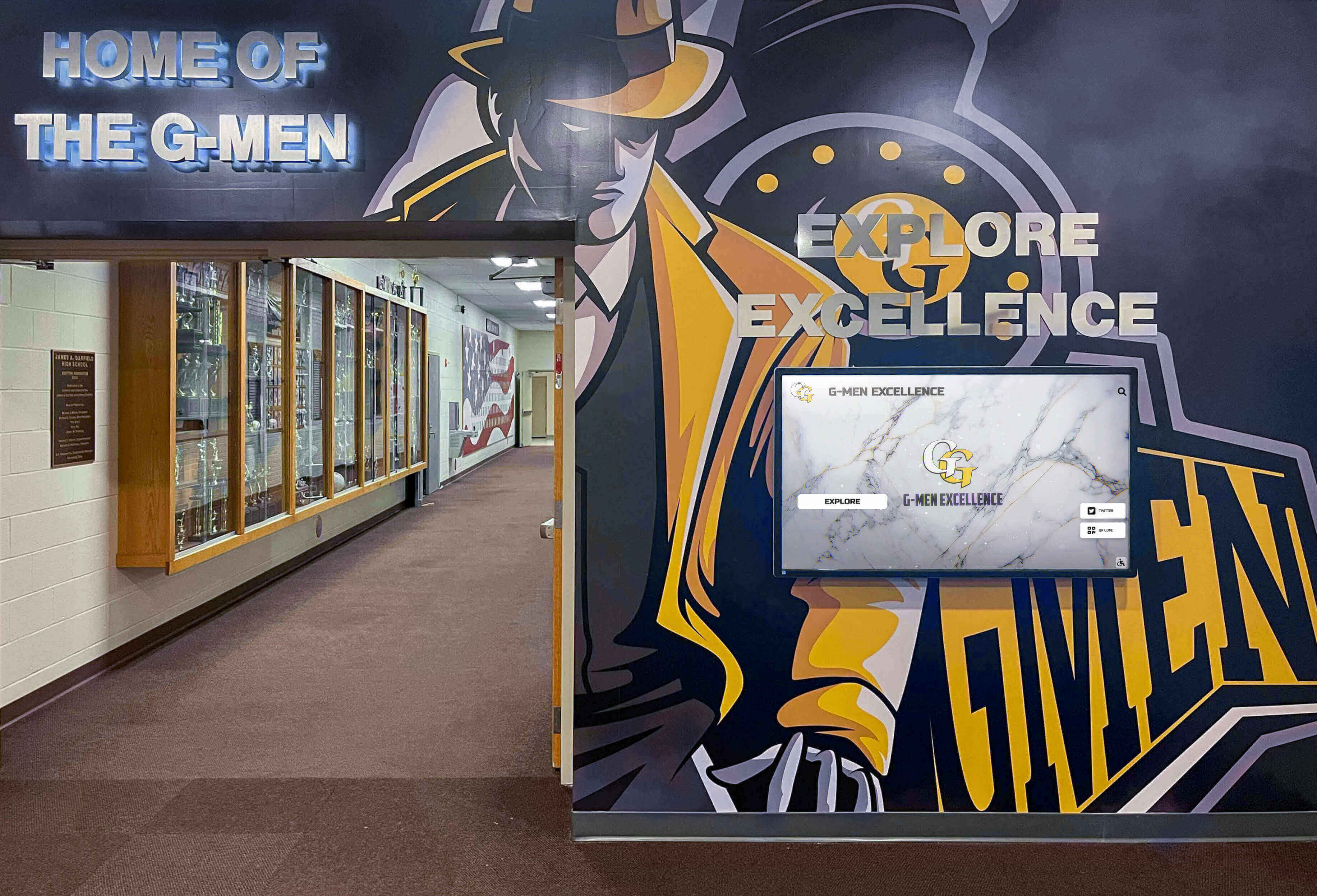
Entrance displays welcome everyone with athletic pride demonstrating booster commitment to comprehensive program celebration
Building Equitable Cross-Program Support
Successful booster clubs support all athletic programs equitably:
All-Sports Model vs. Sport-Specific Clubs
Most schools benefit from unified all-sports booster clubs:
- Single organization supporting entire athletic program
- Equitable resource distribution across all sports
- Economies of scale for fundraising and administration
- Simplified coordination with athletic department
- Prevention of resource competition between sports
- Stronger alignment with school missions emphasizing comprehensive athletics
Some large schools maintain sport-specific booster clubs (football booster, basketball booster, etc.), but this model risks creating funding disparities favoring high-profile programs while smaller sports struggle.
Equitable Funding Formulas
Establish clear principles for resource distribution:
- Base funding levels ensuring all sports receive minimum support
- Needs-based allocation addressing specific program requirements
- Consideration of program size, season costs, and equipment needs
- Rotation of featured fundraisers highlighting different sports
- Equal recognition and celebration across all programs
- Digital recognition systems showcasing achievements from every sport equally
Transparent funding policies communicated clearly prevent perceptions of favoritism that undermine member support and create internal conflicts.
Phase 4: Initial Fundraising and Revenue Generation
New booster clubs need early financial success building momentum and credibility:
Starting with Manageable Fundraisers
First-year fundraising should emphasize proven approaches requiring modest upfront investment:
Membership Drives
If implementing dues-based membership, initial membership campaigns provide:
- Predictable baseline revenue for operating expenses
- Clear value proposition (supporting student-athletes)
- Simple execution requiring minimal organizational infrastructure
- Foundation for future engagement and volunteer recruitment
- Opportunity to communicate mission and build supporter database
Target realistic first-year membership goals based on school size (50-100 members at small schools, 150-300 at larger schools).
Spirit Wear and Apparel Sales
Team-branded merchandise generates reliable revenue:
- Partner with established apparel companies handling production and fulfillment
- Pre-order models eliminating inventory risk
- Online stores extending sales beyond single events
- 30-40% profit margins after production costs
- Builds school pride while generating revenue
- Can feature player names or parent tributes for higher-value items
Time sales around season kickoffs, senior nights, or championship runs when enthusiasm peaks.
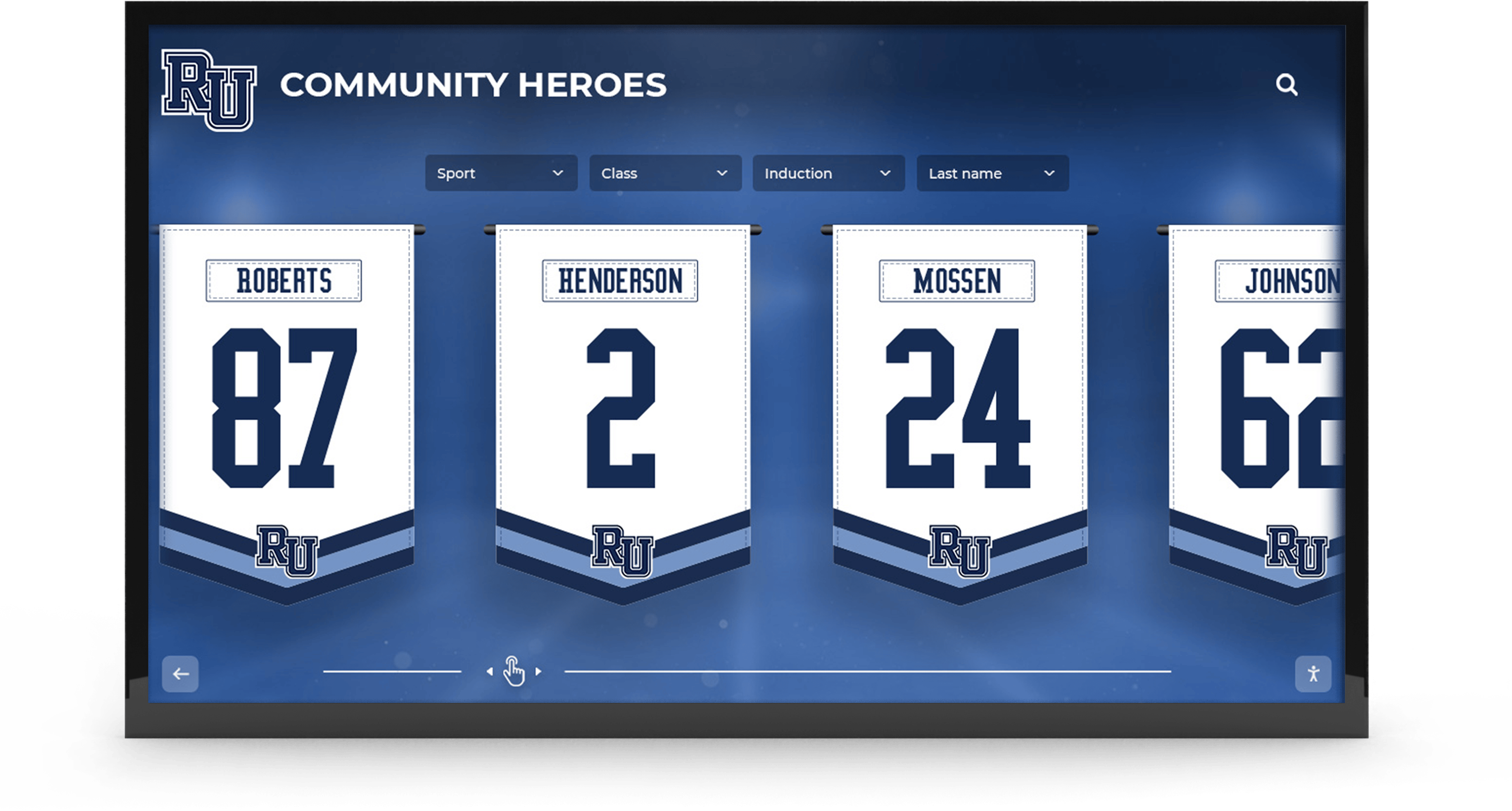
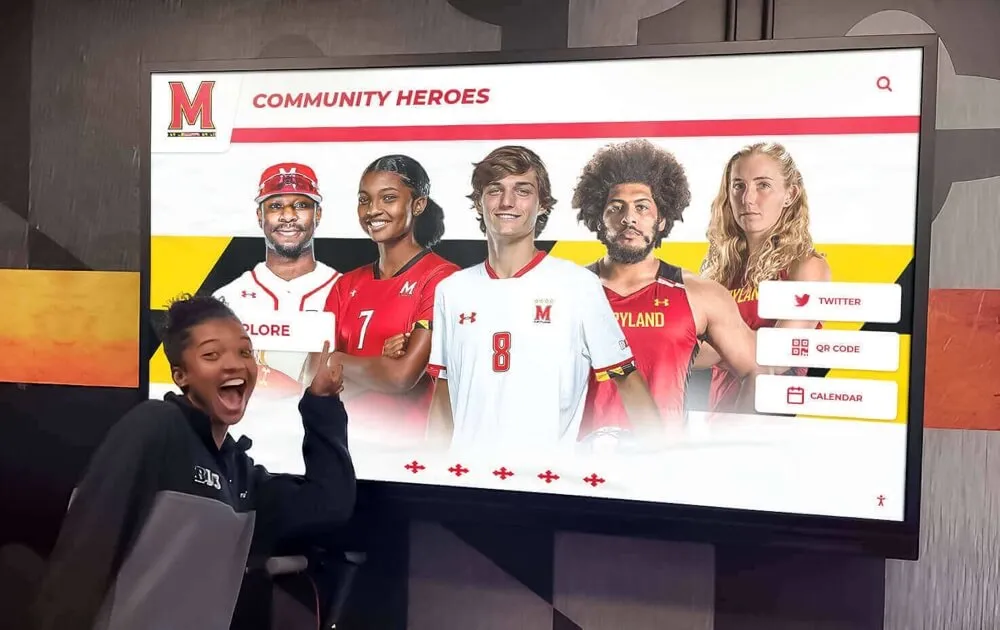
Digital displays celebrate community heroes while creating sponsorship inventory for booster fundraising campaigns
Percentage Nights at Local Restaurants
Restaurant fundraisers offer low-effort revenue:
- Restaurants donate percentage of sales (typically 10-20%) during specific timeframes
- Requires only promotional effort from booster club
- Builds relationships with local business partners
- Creates social gathering opportunities building community
- Can schedule multiple events throughout year
- Generates $300-1,000 per event depending on participation
Approach family-friendly chain restaurants (Chipotle, Panera, etc.) and local establishments that benefit from promoting community connections.
Building Corporate Sponsorship Programs
Business partnerships create sustainable revenue streams:
Developing Tiered Sponsorship Packages
Structured levels simplify business decisions:
- Platinum ($5,000+): Premier visibility including facility naming opportunities, banner placement, program advertisements, social media recognition, and inclusion on digital recognition displays
- Gold ($2,500-4,999): Prominent recognition through banners, website features, event sponsorship, program listings
- Silver ($1,000-2,499): Website recognition, program listings, social media mentions, banner acknowledgment
- Bronze ($500-999): Program listings, website recognition, social media acknowledgment
- Supporting ($250-499): Program listings and website recognition
Clear benefit descriptions justify investment while visible recognition provides marketing value businesses need.
Corporate Outreach Strategies
Successful sponsorship recruitment involves:
- Personal asks from board members with business connections
- Written proposals describing sponsorship benefits and athletic program impact
- Emphasis on community visibility and marketing value
- Multi-year commitment options with cost savings
- Recognition showcasing sponsor support prominently
- Stewardship communications thanking sponsors and demonstrating impact
Target businesses with community presence, family-oriented customer bases, and marketing budgets supporting local partnerships (banks, healthcare providers, automotive dealers, insurance agencies, restaurants, retail businesses).
Establishing First Signature Project
Early visible success builds credibility and momentum:
Selecting High-Impact Initial Projects
Ideal first projects demonstrate tangible improvement:
- Specific equipment purchase addressing documented need
- Facility enhancement visible to all stakeholders
- Recognition system celebrating athletic achievements
- Technology upgrade enabling new capabilities
- Safety improvement addressing concrete concern
Avoid dispersing initial funds across many small purchases that lack visible impact. Concentrated investment in signature project creates memorable demonstration of booster club value.
Capital Campaign Approaches
Larger projects may require focused campaigns:
- Specific funding goal with clear timeline
- Case statement explaining project need and impact
- Recognition opportunities for major donors
- Progress tracking toward goal creating urgency
- Celebration upon completion acknowledging contributors
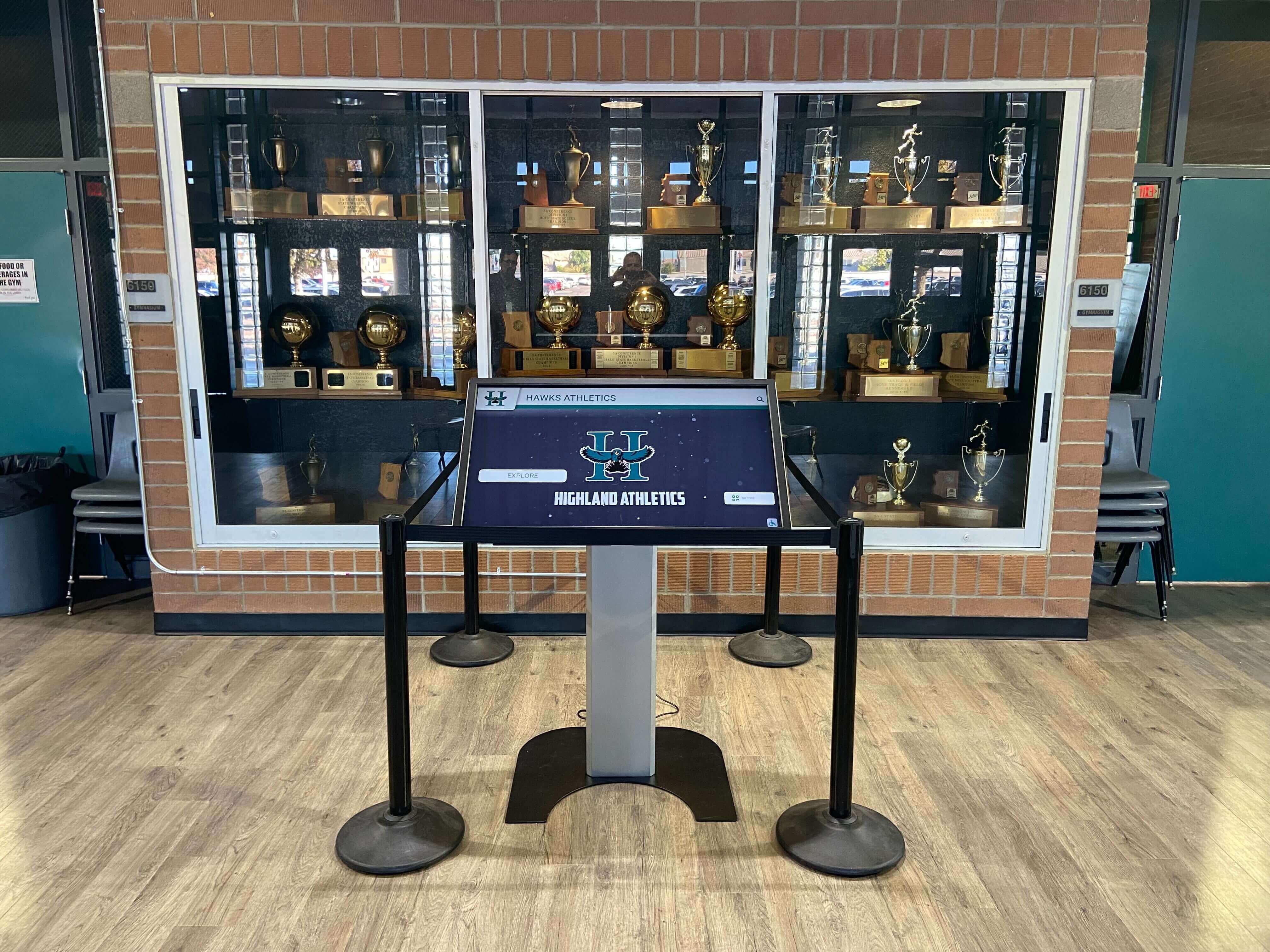
Digital kiosks expand trophy case capacity showcasing unlimited achievements through booster-funded recognition technology
Modern Recognition Infrastructure as Signature Investment
Many forward-thinking booster clubs select comprehensive digital recognition systems as foundational investments:
- Creates permanent infrastructure outlasting typical equipment purchases
- Showcases athletic achievements from all programs equally
- Provides ongoing recognition opportunities generating perpetual revenue
- Demonstrates booster club commitment to celebrating student-athletes
- Creates professional, prominent displays building program pride
- Establishes visible legacy of founding booster club leadership
Solutions like Rocket Alumni Solutions provide digital trophy case platforms that transform traditional limited trophy cases into unlimited recognition systems accommodating decades of achievement while creating ongoing tribute opportunities that generate sustained booster revenue.
Phase 5: Developing Sustainable Operations
Long-term success requires systems ensuring continuity beyond founding leadership:
Creating Operational Documentation
Institutional knowledge preservation prevents crisis during leadership transitions:
Essential Documentation
Maintain accessible records including:
- Complete bylaws and governance documents
- Financial procedures and approval authorities
- Fundraising event playbooks with timelines and vendor contacts
- Sponsorship agreements and recognition obligations
- Volunteer role descriptions and training materials
- Athletic department partnership agreements and communication protocols
- Meeting minutes documenting major decisions
- Historical financial records and reports
Store documentation in shared cloud drives (Google Drive, Dropbox, etc.) accessible to current and future board members rather than personal computers of individual volunteers.
Standard Operating Procedures
Document recurring processes:
- Monthly financial close and reporting procedures
- Fundraiser planning and execution checklists
- Membership renewal and recruitment processes
- Communication calendar and content planning
- Event coordination templates and timelines
- Sponsorship fulfillment and stewardship tasks
Detailed procedures enable new volunteers to assume responsibilities without extensive training while ensuring consistent quality across leadership changes.
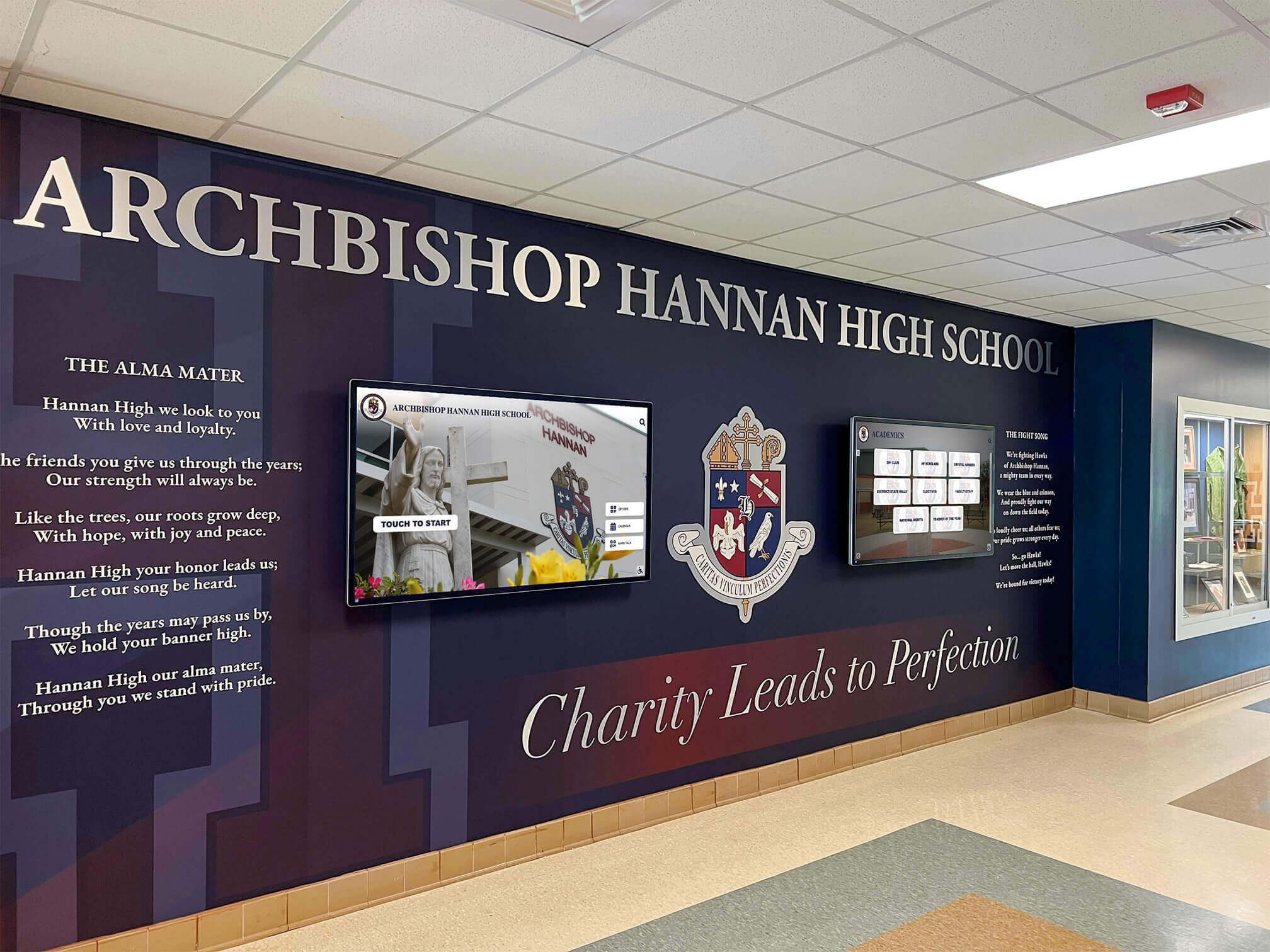
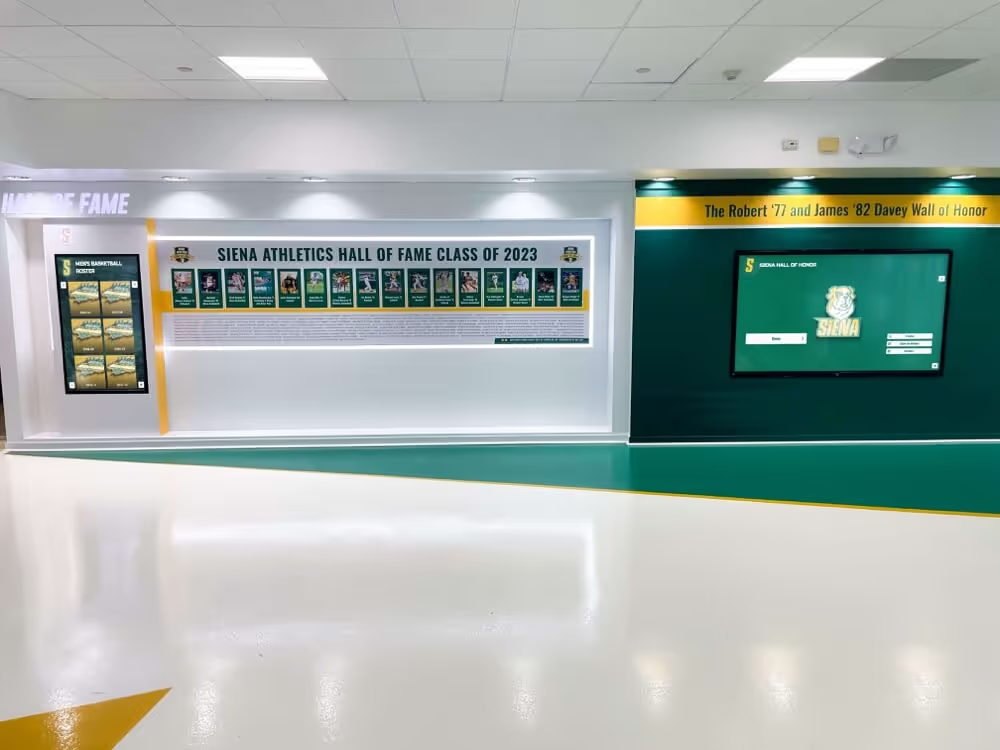
Lobby displays integrate booster-funded digital recognition with traditional school branding creating comprehensive recognition environments
Establishing Leadership Succession Plans
Sustainable organizations plan for inevitable leadership transitions:
Term Limits and Board Rotation
Healthy governance includes:
- Two or three-year terms for board positions
- Consecutive term limits (typically two terms maximum)
- Staggered term expirations ensuring continuity
- Mandatory rotation preventing entrenched leadership
- Vice president or president-elect positions preparing future leaders
While founding leaders naturally serve longer initially, establishing rotation principles from the beginning normalizes transitions and prevents unhealthy dependence on specific individuals.
Leadership Development Pipeline
Cultivate future leaders systematically:
- Committee chair positions developing organizational skills
- Board observer opportunities before formal service
- Mentorship pairing incoming with outgoing board members
- Leadership training through state booster associations
- Transparent succession planning discussed openly
- Advisory roles for past presidents maintaining institutional memory
Organizations that develop leaders continuously maintain strength across multiple leadership generations rather than experiencing crisis when founding members inevitably move on.
Knowledge Transfer Protocols
Formalize transition processes:
- Overlapping board terms (June election with July transition)
- Dedicated handoff meetings between outgoing and incoming officers
- Written transition memos documenting current projects and concerns
- Password and account access transfer procedures
- Introduction meetings with key school administrators and partners
- First-quarter board meeting focused on orientation
Smooth transitions maintain momentum and prevent the institutional knowledge loss that commonly derails organizations during leadership changes.
Building Athletic Department Partnership Protocols
Healthy ongoing relationships require clear structures:
Regular Communication Rhythms
Prevent misunderstandings through consistent interaction:
- Monthly meetings between booster leadership and athletic director
- Quarterly full board meetings including athletic director
- Pre-season meetings for each sport coordinating support
- Post-season debriefs identifying improvements
- As-needed communication for immediate issues or opportunities
Regular interaction builds trust while providing forums for addressing concerns before they escalate into conflicts.
Decision-Making Authority Boundaries
Document clear understanding of respective roles:
- Athletic director maintains complete authority over coaching, playing time, and program management decisions
- Booster club holds authority over fundraising methods, spending priorities (within athletic director guidance), and volunteer coordination
- Collaborative decisions about facility projects, equipment purchases, and recognition programs
- Mutual consultation on matters affecting both organizations
- Conflict resolution procedures involving school administration when necessary
Written partnership agreements prevent common sources of tension that undermine booster-school relationships and ultimately harm student-athletes.
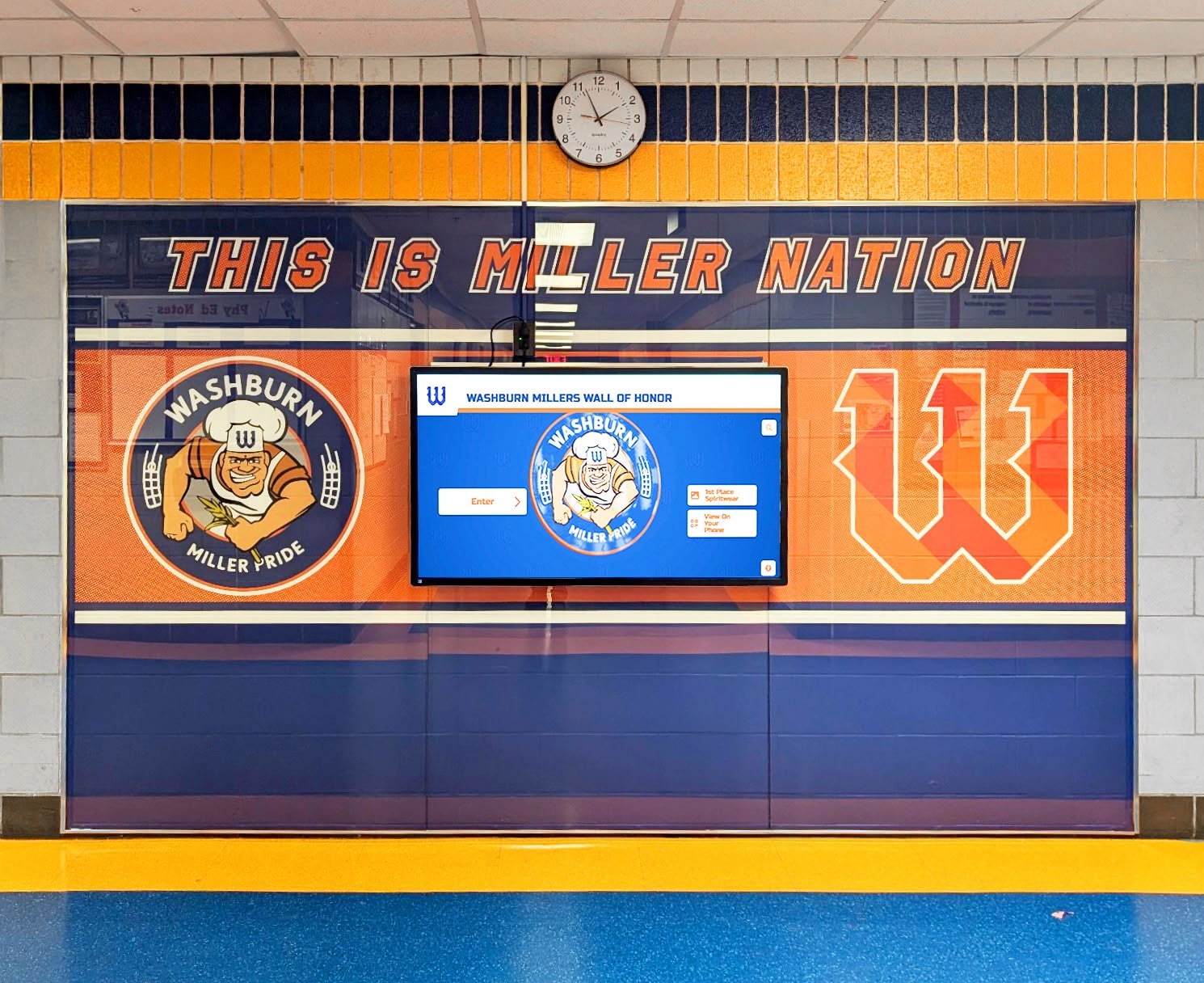
Hallway displays show ongoing booster impact through comprehensive achievement documentation accessible to entire school community
Financial Sustainability Strategies
Long-term financial health requires diversified revenue:
Multiple Revenue Stream Development
Avoid over-dependence on single fundraisers:
- Annual membership dues providing baseline operating revenue
- Multiple smaller fundraising events throughout year
- Corporate sponsorship programs generating recurring income
- Individual major donor cultivation for capital projects
- Digital recognition tributes creating perpetual giving opportunities
- Endowment building for long-term sustainability
Diversification protects against individual fundraiser underperformance or community economic downturns affecting specific revenue sources.
Reserve Fund Building
Financial reserves enable resilience:
- Operating reserves covering 3-6 months of expenses
- Emergency funds addressing unexpected needs or opportunities
- Capital reserves for major facility or equipment projects
- Consistent allocation of annual surpluses toward reserves
- Clear policies about reserve usage and replenishment
Reserve funds prevent crisis when major fundraisers underperform or unexpected opportunities require rapid response.
Long-Term Financial Planning
Strategic financial thinking extends beyond annual budgets:
- Three to five-year financial projections and goals
- Capital improvement planning coordinated with school facilities plans
- Endowment consideration for eventual perpetual program support
- Succession planning for major donors approaching life transitions
- Infrastructure investment in systems generating ongoing revenue
Forward-thinking financial management ensures booster clubs evolve from year-to-year operations toward building lasting institutional resources supporting athletic programs indefinitely.
Phase 6: Expanding Impact and Building Legacy
Established booster clubs should continuously enhance their impact:
Implementing Comprehensive Recognition Programs
Student-athlete recognition represents one of the highest-impact booster investments:
Beyond Traditional Trophy Cases
Physical trophy case limitations restrict recognition capacity:
- Limited space forcing difficult choices about what to display
- Expensive expansion requiring construction and renovation
- Static displays providing minimal achievement information
- Inability to recognize all deserving athletes from all sports
- Deterioration and damage requiring ongoing maintenance
Modern booster clubs increasingly invest in digital recognition infrastructure overcoming these constraints:
- Unlimited recognition capacity without physical space limitations
- Comprehensive coverage ensuring all sports receive equal celebration
- Detailed athlete profiles with photos, statistics, and achievements
- Easy updates from any location through cloud-based management
- Remote accessibility enabling alumni worldwide to view recognition
- Interactive exploration engaging current students with program tradition
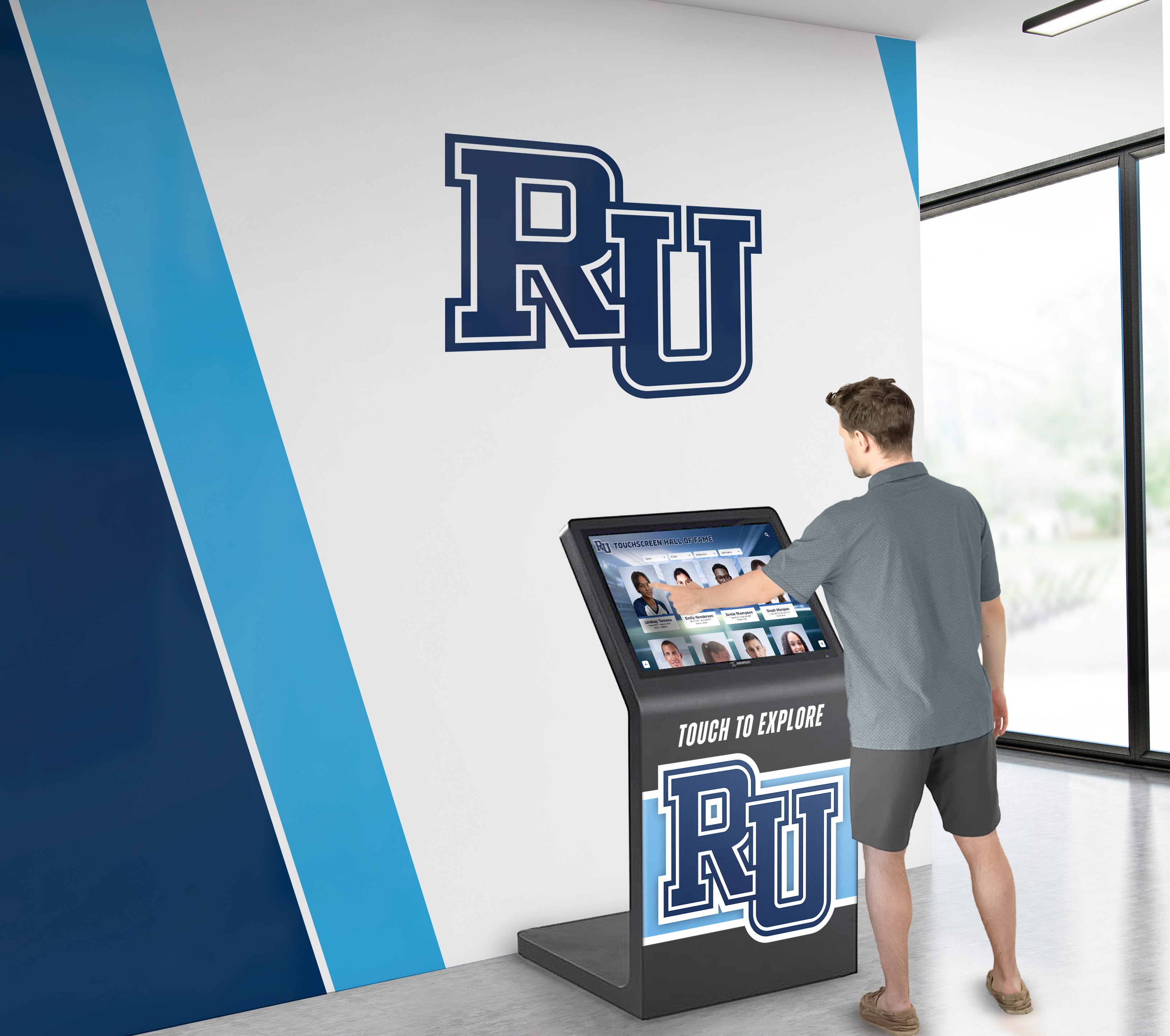
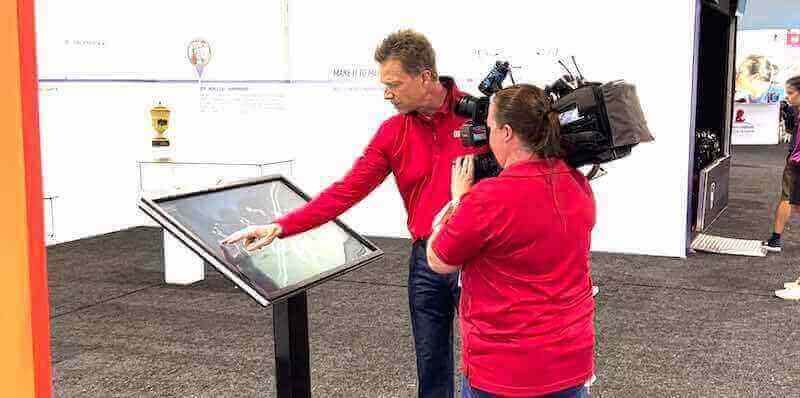
Professional recognition kiosks create engaging experiences showcasing booster-funded infrastructure celebrating athletic excellence
Recognition as Ongoing Revenue Source
Digital platforms transform recognition from expense into perpetual fundraising opportunity:
- Annual recognition renewal programs keeping donors visible
- Tribute additions as families celebrate new milestones and achievements
- Sponsorship rotations providing fresh visibility to multiple donors
- Upgraded recognition levels for increased contributions
- Team-specific displays funded through season-by-season support
- Individual athlete profiles sponsored by families and community members
Unlike static plaques requiring construction for additions, digital platforms accommodate unlimited recognition without space constraints—enabling booster clubs to continually offer tribute opportunities generating sustained revenue long after initial installation investment.
Engaging Alumni and Building Traditions
Strong booster clubs create connections spanning generations:
Alumni Involvement Strategies
Former athletes represent valuable supporter constituencies:
- Alumni athlete databases maintained and updated regularly
- Reunion events during homecoming or championship competitions
- Alumni recognition within digital hall of fame displays
- Mentorship programs connecting former and current athletes
- Giving campaigns targeting alumni networks
- Social media groups maintaining alumni connections
Alumni engagement builds sustainable support extending decades beyond individual parent involvement tied to current student participation.
Tradition Building Initiatives
Create memorable experiences strengthening program identity:
- Annual recognition banquets celebrating seasonal achievements
- Championship celebration traditions for title teams
- Senior night ceremonies honoring graduating athletes
- Hall of fame induction ceremonies recognizing legendary achievements
- Athletic award programs establishing valued honors
- Homecoming and alumni game traditions
Traditions create emotional connections increasing supporter investment while providing frameworks for ongoing recognition and celebration that becomes integral to school culture.
Advocacy and Program Development
Mature booster clubs expand beyond fundraising:
Athletic Program Advocacy
Represent athletic interests constructively:
- School board presentations about athletic facility needs
- Community education about athletic program benefits
- Media relations showcasing program achievements
- Partnership with academic recognition initiatives ensuring balanced school-wide excellence
- Legislative advocacy for school funding and athletics support
Effective advocacy positions athletics as essential educational components developing character, leadership, and lifelong health rather than frivolous extracurricular activities competing with academic priorities.
Program Innovation Support
Enable athletic department to pursue ambitious improvements:
- Funding new sport program additions responding to student interest
- Supporting facility renovation projects beyond district capital budgets
- Enabling technology integration improving coaching and performance
- Providing resources for athlete wellness and sports medicine
- Supporting leadership development programs for student-athletes
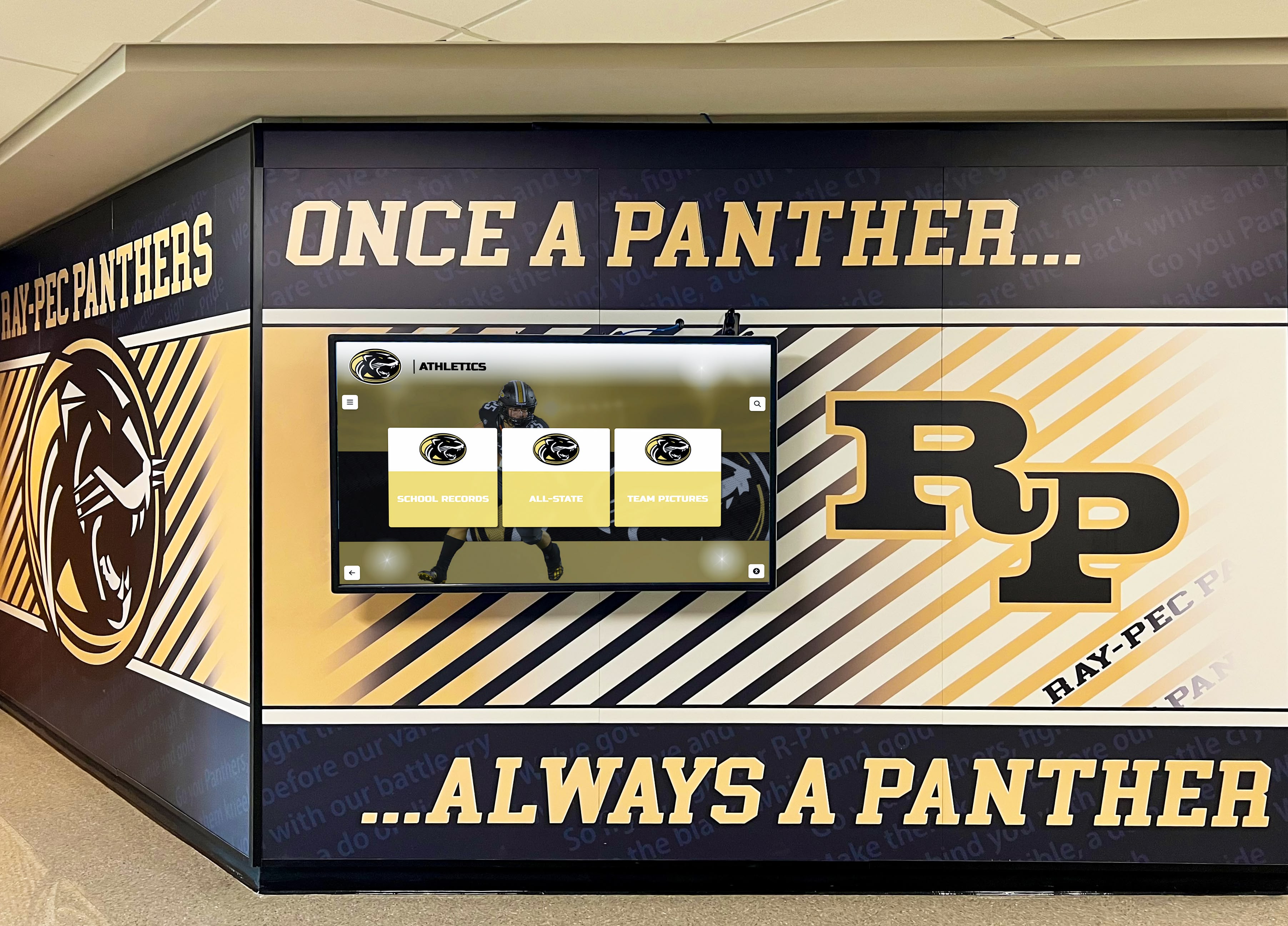
Corridor displays demonstrate booster investment in comprehensive athletic recognition infrastructure throughout facilities
Progressive booster clubs enable athletic directors to implement visions that budget limitations would otherwise prevent, transforming adequate programs into exceptional ones that genuinely develop champions in sport and life.
Common Challenges and Solutions
Understanding typical obstacles helps new booster clubs navigate difficulties:
Managing Volunteer Burnout
Challenge: Small groups of volunteers assume excessive workload leading to exhaustion.
Solutions:
- Distribute tasks across many individuals rather than concentrating on few people
- Create specific, time-limited volunteer roles with clear expectations
- Implement term limits for leadership preventing prolonged service
- Recognize and appreciate volunteers regularly and meaningfully
- Build deep volunteer benches ensuring adequate coverage
- Say “no” to opportunities exceeding organizational capacity
Sustainable operations prioritize volunteer wellbeing over maximizing activities, understanding that healthy volunteers committed long-term provide more value than exhausted volunteers who quickly quit.
Addressing Sport Equity Concerns
Challenge: High-profile sports receive disproportionate attention while smaller programs feel neglected.
Solutions:
- Establish funding formulas distributing resources equitably
- Set minimum support levels for all sports regardless of profile
- Rotate featured fundraisers spotlighting different programs
- Ensure recognition systems showcase all sports equally
- Include representatives from diverse sports in leadership
- Communicate equity commitment clearly and consistently
All-sports booster clubs embracing comprehensive support build stronger overall programs than organizations favoring specific teams based on visibility or booster member interests.
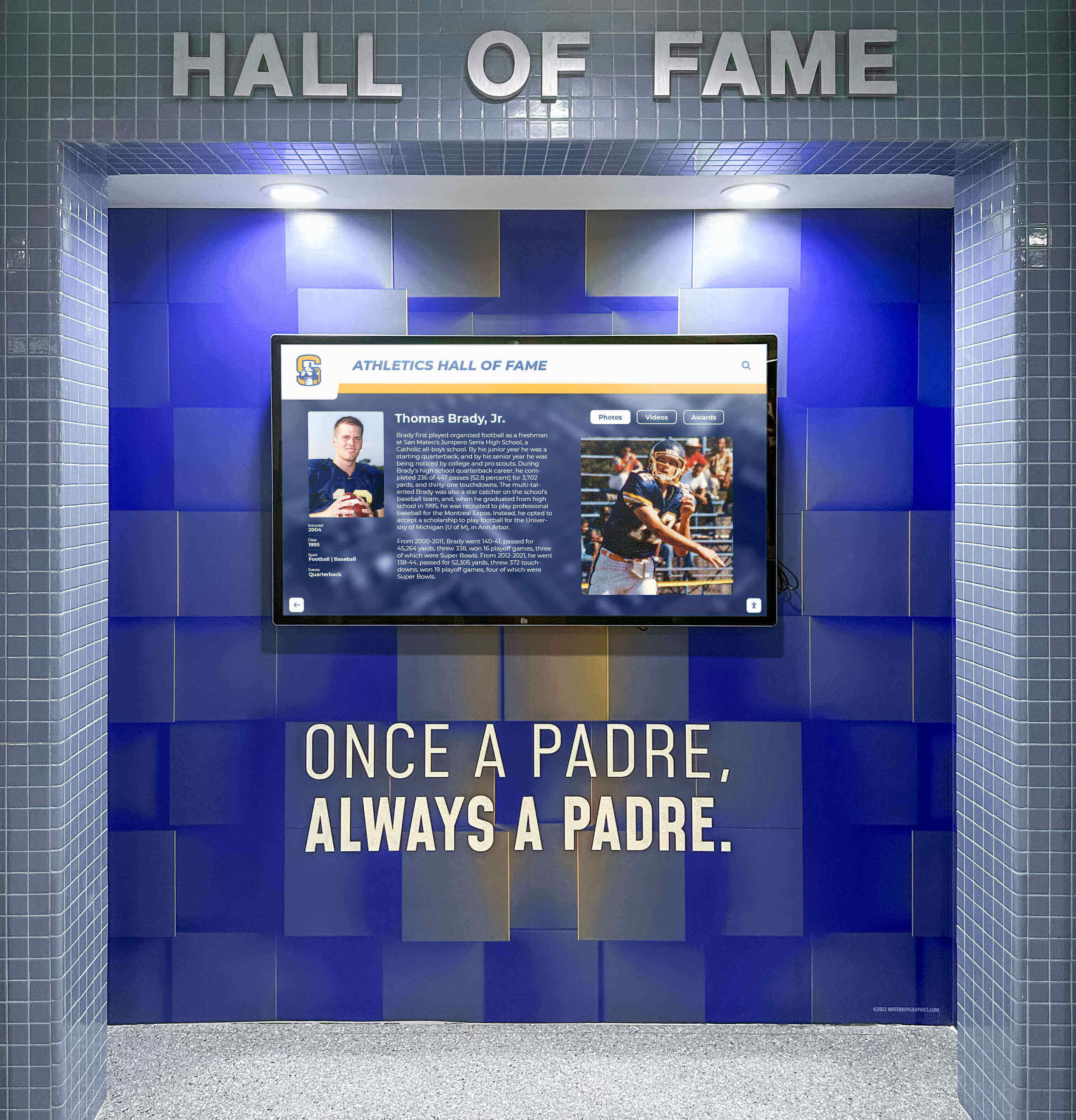
Professional athletic displays create prestigious recognition environments demonstrating booster commitment to program excellence
Maintaining Financial Transparency
Challenge: Stakeholders question fund usage or perceive favoritism in spending decisions.
Solutions:
- Regular detailed financial reports shared with membership and school
- Athletic director involvement in major spending decisions
- Clear written policies about allocation and approval processes
- Annual independent audits providing third-party verification
- Public recognition of all donations and their specific uses
- Transparent communication about funding priorities and rationale
Financial transparency builds trust essential for sustained giving while preventing rumors and misunderstandings that undermine supporter confidence.
Navigating Athletic Department Conflicts
Challenge: Disagreements about booster role, spending priorities, or program decisions.
Solutions:
- Return to written partnership agreements clarifying respective authorities
- Focus discussions on student-athlete best interests
- Involve school administration for mediation when needed
- Address problems directly rather than avoiding difficult conversations
- Maintain respectful communication even during disagreements
- Remember that athletic director holds final authority over programs
Healthy relationships withstand occasional disagreements through mutual respect, clear boundaries, and shared commitment to student-athlete development above adult preferences.
Resources and Next Steps
State and National Booster Organizations
Connect with broader networks providing resources:
- National Federation of State High School Associations (NFHS) booster resources
- State high school athletic association booster support programs
- State booster club associations offering insurance, training, and networking
- Regional conferences and workshops for booster leadership
- Online forums and communities sharing best practices
External connections provide valuable learning opportunities, templates, and support accelerating organizational development.
Getting Professional Assistance
Consider expert help for specific needs:
- Accountant consultation for financial system setup and tax compliance
- Attorney review of incorporation documents and school agreements
- Insurance broker specializing in nonprofit coverage
- Fundraising consultants for major campaign planning
- Recognition technology providers like Rocket Alumni Solutions for comprehensive display implementation
Professional services represent wise investments preventing costly mistakes and accelerating progress toward organizational goals.
Your Formation Action Plan
Transform this guide into concrete steps:
Months 1-2: Planning Foundation
- Assess athletic program needs and community interest
- Form founding leadership team (5-10 committed individuals)
- Gain school administrative and athletic director support
- Research state requirements and comparable booster clubs
- Develop preliminary bylaws and governance structure
Months 3-4: Legal Formation
- File articles of incorporation with state
- Apply for federal EIN and 501(c)(3) status
- Open bank accounts and establish financial systems
- Secure liability and D&O insurance coverage
- Finalize bylaws and initial operating procedures
Months 5-6: Operational Launch
- Conduct membership recruitment campaign
- Hold first official membership meeting with bylaw approval
- Elect formal board of directors
- Launch initial fundraising activities
- Begin first signature project demonstrating impact
Year 1 Goals
- Establish 50-300 active members (scale to school size)
- Generate $10,000-50,000 revenue through diversified fundraising
- Complete one visible signature project showing tangible improvement
- Build strong athletic department partnership
- Create operational systems supporting sustainability
- Lay groundwork for expanded programming in year two
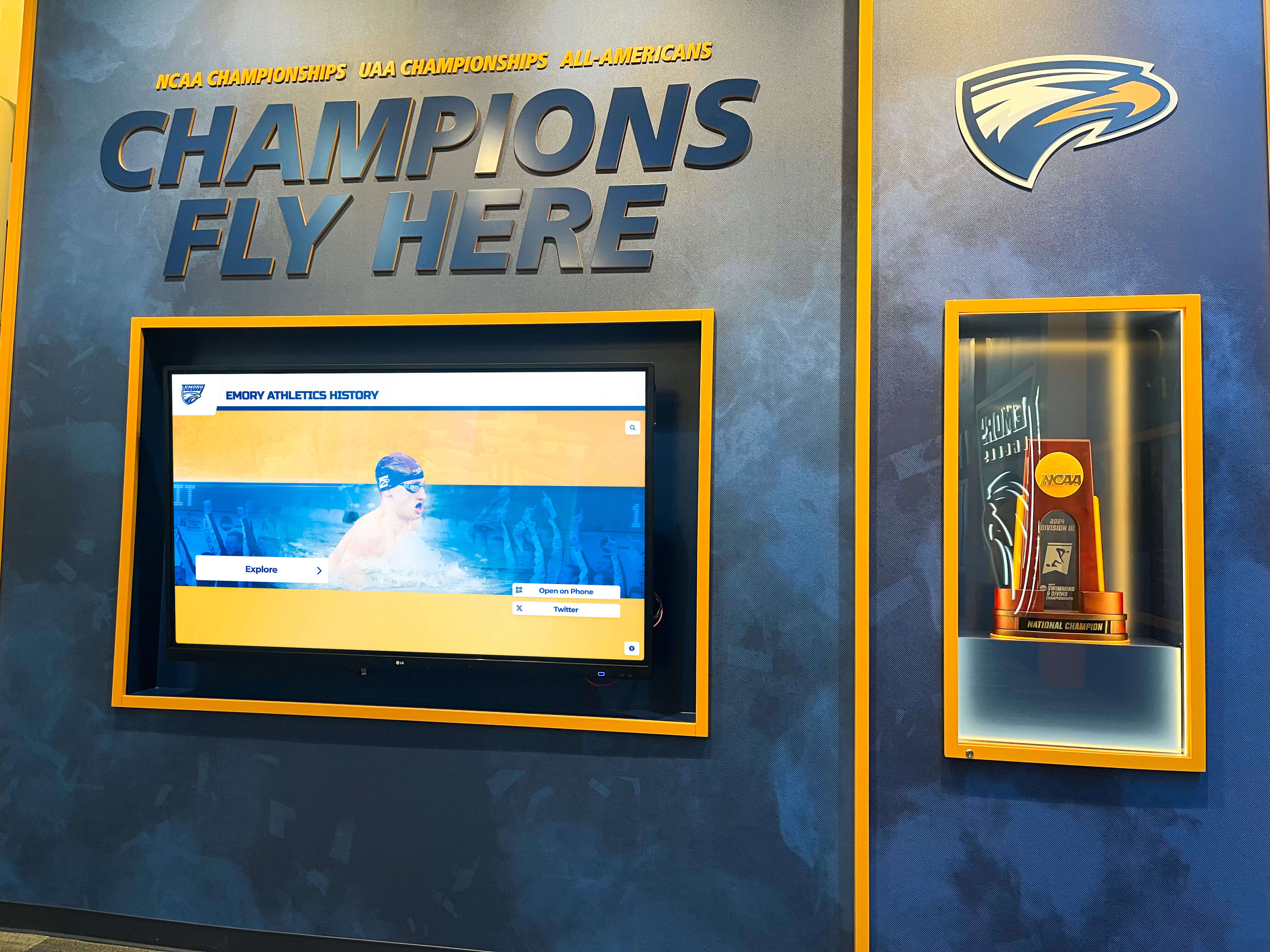
Championship displays document program excellence while showing tangible results of booster support and community investment
Create Lasting Recognition Infrastructure for Your Booster Club
Discover how digital recognition displays transform booster club impact from temporary equipment purchases to permanent celebration systems showcasing unlimited achievements. See how schools nationwide preserve athletic legacies while creating ongoing recognition revenue through comprehensive digital platforms that accommodate every sport, athlete, and supporter.
Explore Recognition SolutionsConclusion: Building Lasting Athletic Program Support
Starting a booster club represents one of the most impactful contributions you can make to your school’s athletic programs. While the formation process requires dedicated effort across several months, the resulting organization creates sustainable support benefiting student-athletes for decades to come. From enhanced equipment and facilities to comprehensive recognition systems celebrating achievement, booster clubs bridge the gap between limited school budgets and the resources exceptional athletic programs require.
The journey from initial conversation to fully operational booster club follows clear steps: thorough planning and assessment, proper legal formation establishing credibility and tax benefits, strategic membership building creating broad support, effective initial fundraising demonstrating tangible value, and sustainable operational systems ensuring longevity beyond founding leadership.
Throughout this process, remember that perfect execution matters less than genuine commitment to supporting student-athletes comprehensively across all sports. Start with manageable goals, build momentum through early successes, and expand programming as organizational capacity grows. The athletic programs at your school—and the student-athletes they serve—will benefit immeasurably from your dedication to establishing this vital support organization.
Many successful booster clubs identify signature legacy projects distinguishing their organizations and creating lasting visible impact. Increasingly, forward-thinking groups select modern recognition infrastructure as foundational investments. Digital displays showcasing athletic achievements from all programs equally create professional celebration spaces while providing perpetual fundraising opportunities through ongoing tribute additions. These systems become permanent testaments to booster club commitment extending far beyond typical equipment purchases that eventually wear out and require replacement.
Whether you’re the parent initiating this conversation, the athletic director supporting formation, or the administrator providing necessary approvals, your role in establishing booster club support creates ripple effects touching hundreds of student-athletes annually for years ahead. The investment of time and energy required pales compared to the transformative impact on athletic programs and the young people they develop.
Ready to begin your booster club formation journey? Start by gathering your initial leadership team, scheduling that first meeting with your athletic director, and taking the concrete steps outlined in this guide. Your school’s student-athletes are waiting for the enhanced resources, opportunities, and recognition that only dedicated booster club support can provide.