



Few events capture the magic of high school quite like homecoming. That special week in fall when alumni return to campus, students buzz with excitement, and communities unite to celebrate school pride creates memories that last lifetimes. Yet behind every successful homecoming celebration lies a collection of time-honored traditions that give the event its meaning and power.
These traditions—from crowning the homecoming court to painting spirit banners—aren’t just fun activities. They serve as cultural touchstones connecting current students to decades of alumni who participated in the same rituals. They build identity, create belonging, and establish rhythms that define what it means to be part of a particular school community. Schools that thoughtfully maintain and evolve these traditions create homecoming experiences students eagerly anticipate and fondly remember.
This comprehensive guide explores the essential homecoming traditions every high school should know, from classic ceremonies to modern innovations, providing practical insights for schools establishing new celebrations or revitalizing existing ones.
Understanding homecoming traditions helps schools create celebrations that resonate deeply with students while honoring the historical roots that give these events their significance. Whether your school has decades of homecoming history or you’re building traditions from scratch, these time-tested elements provide frameworks for creating meaningful experiences that strengthen school culture and build lifelong connections.

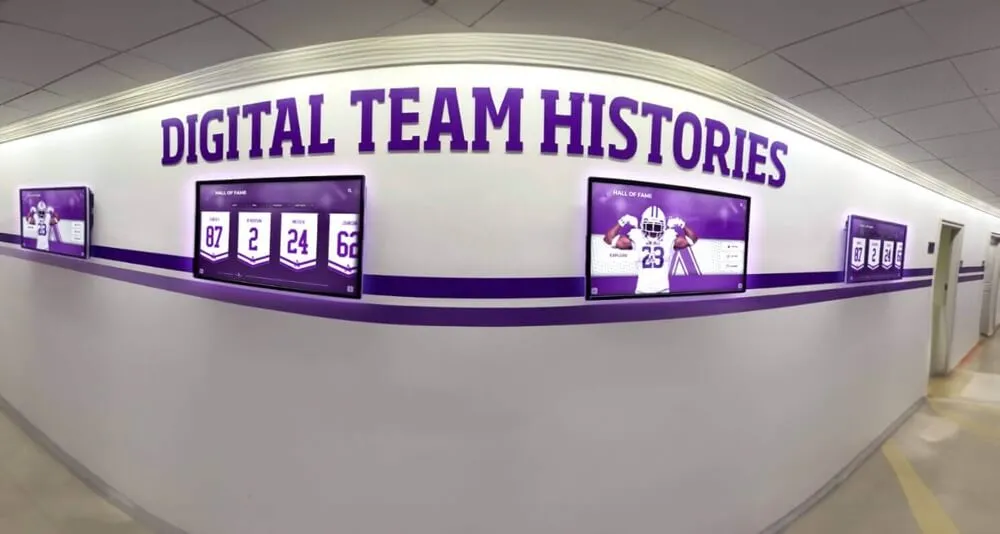
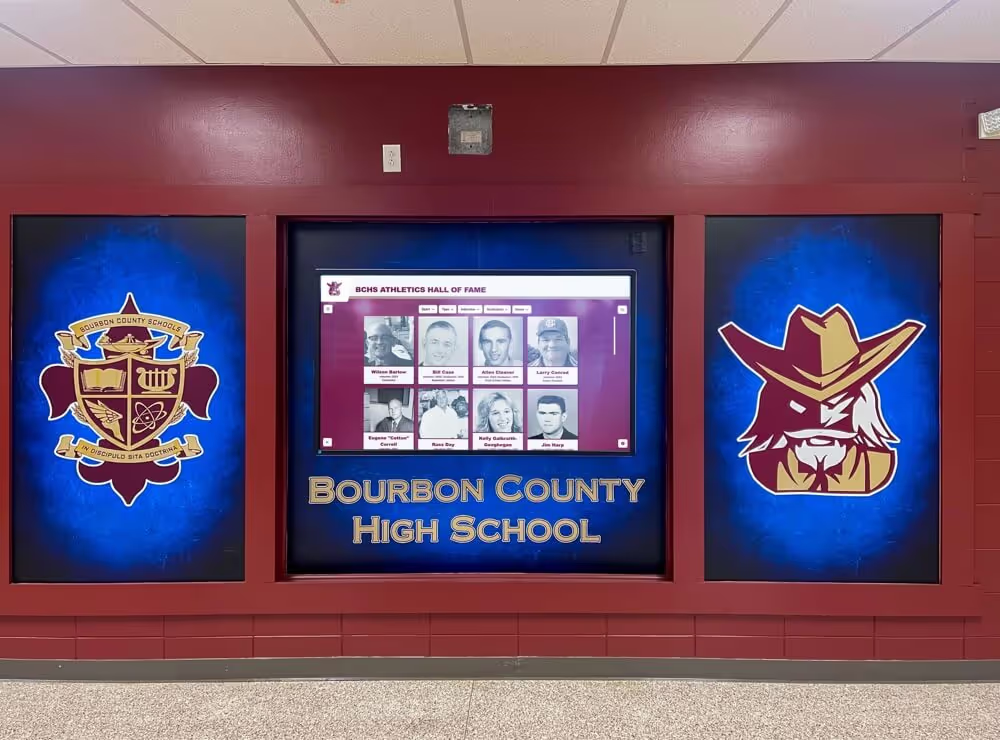
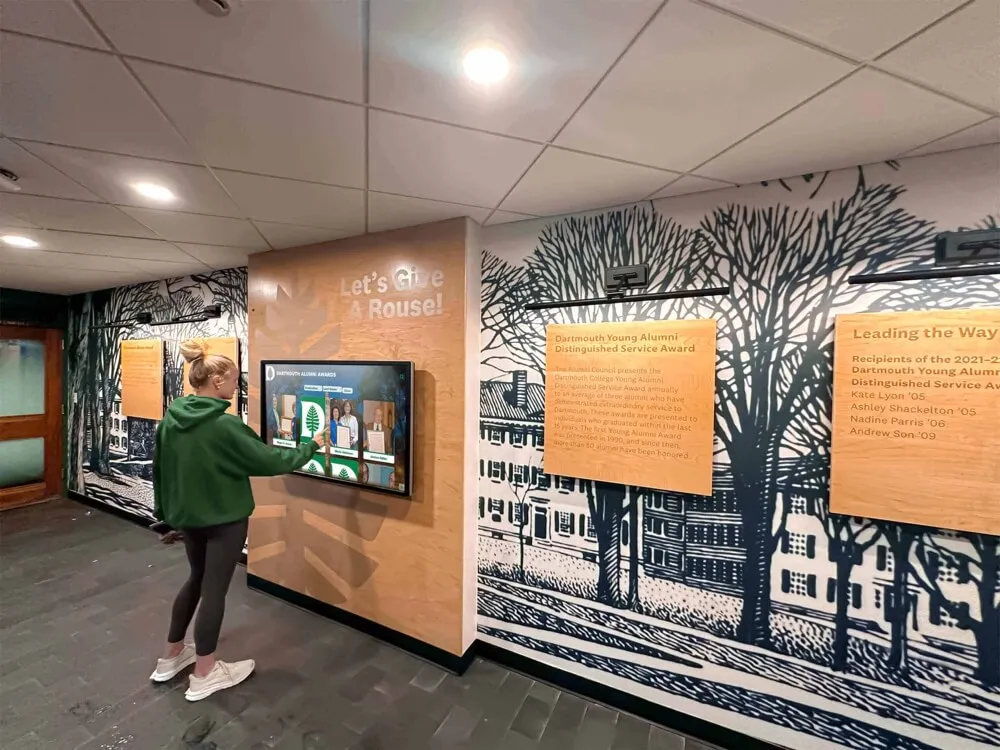
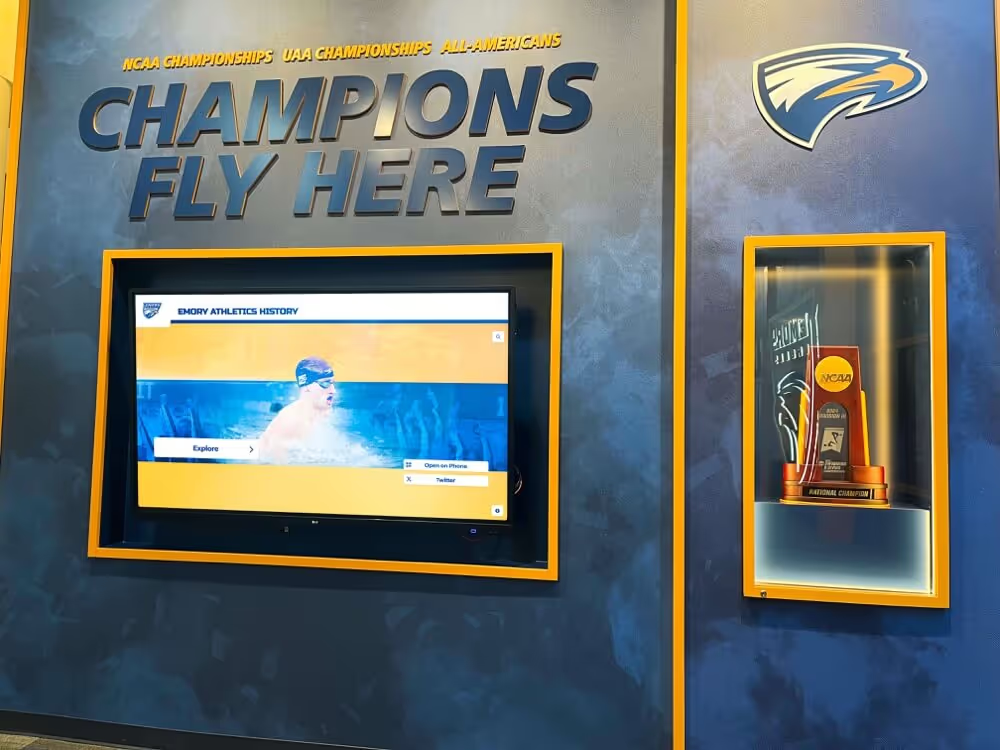
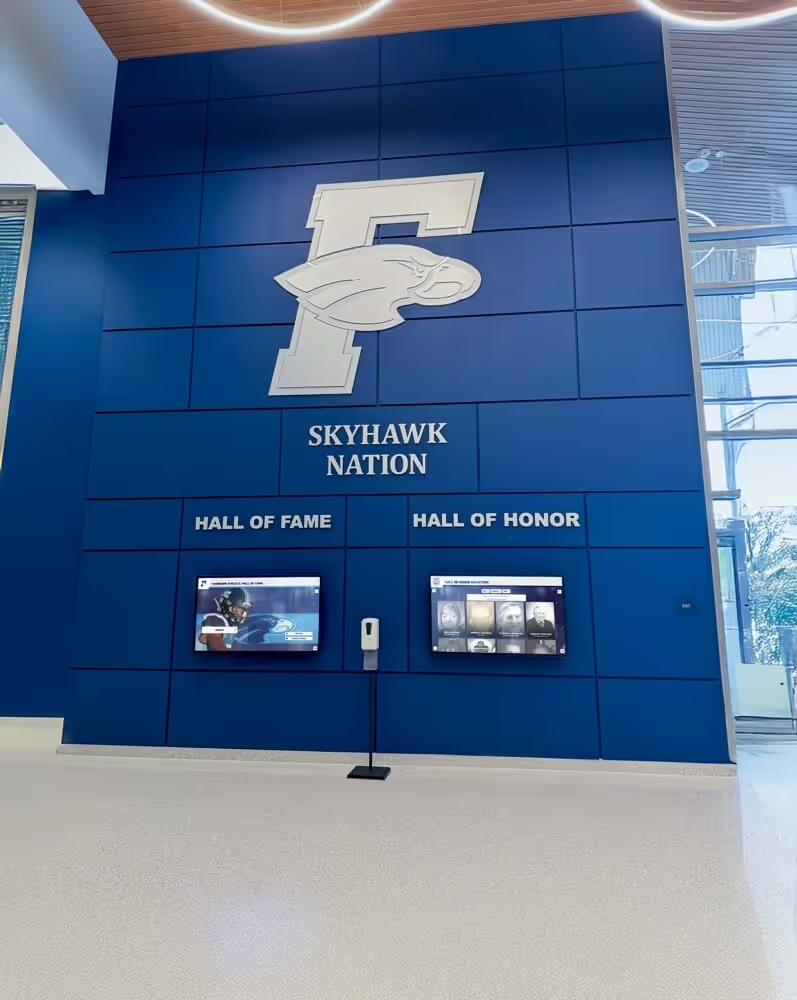
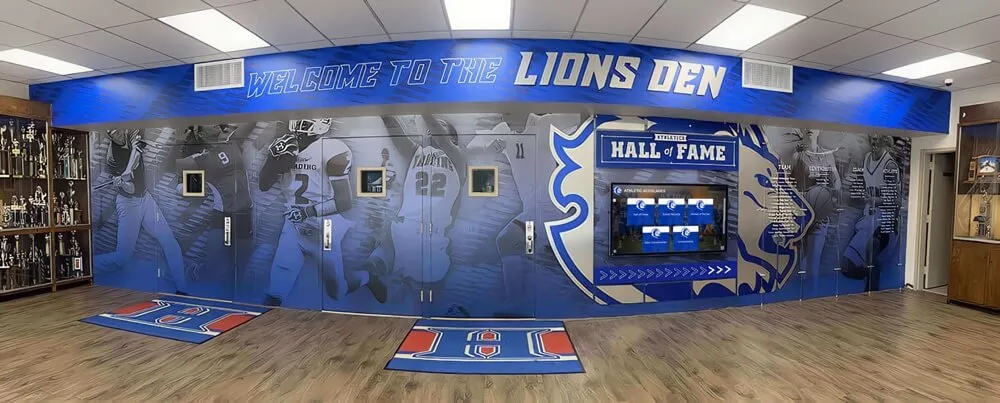
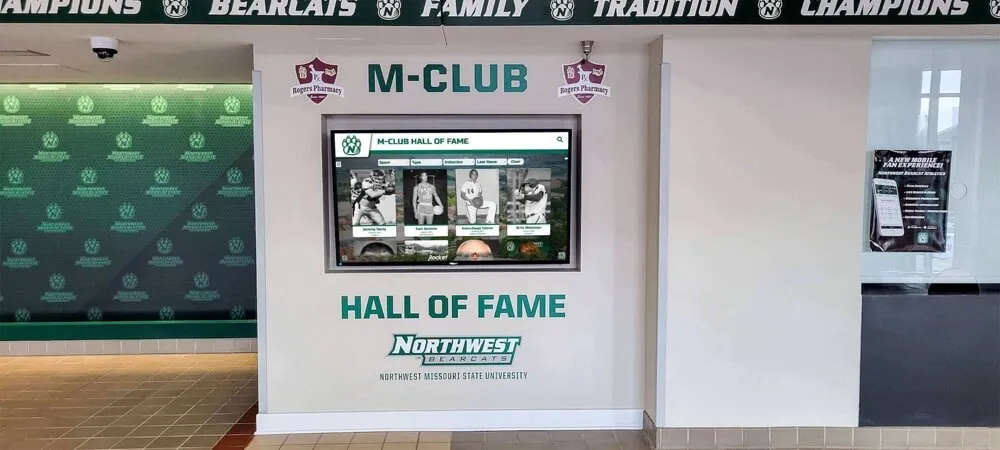
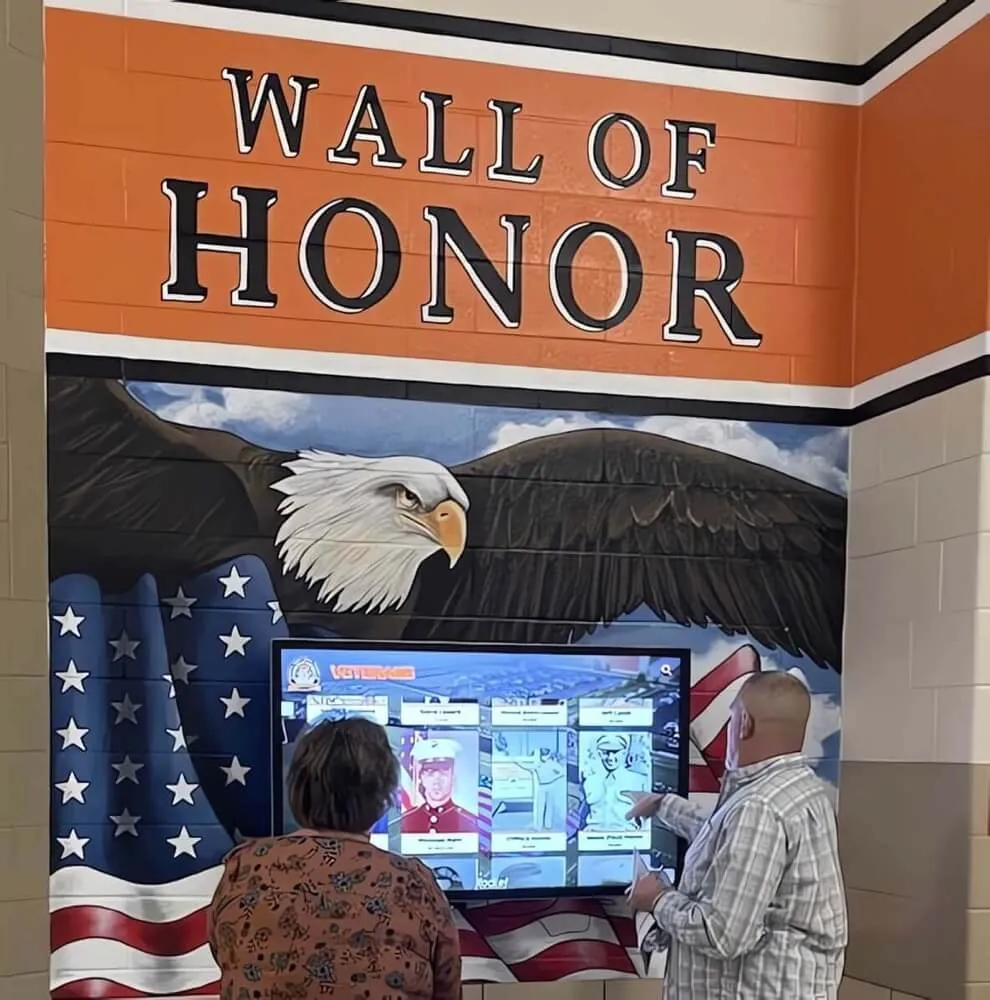
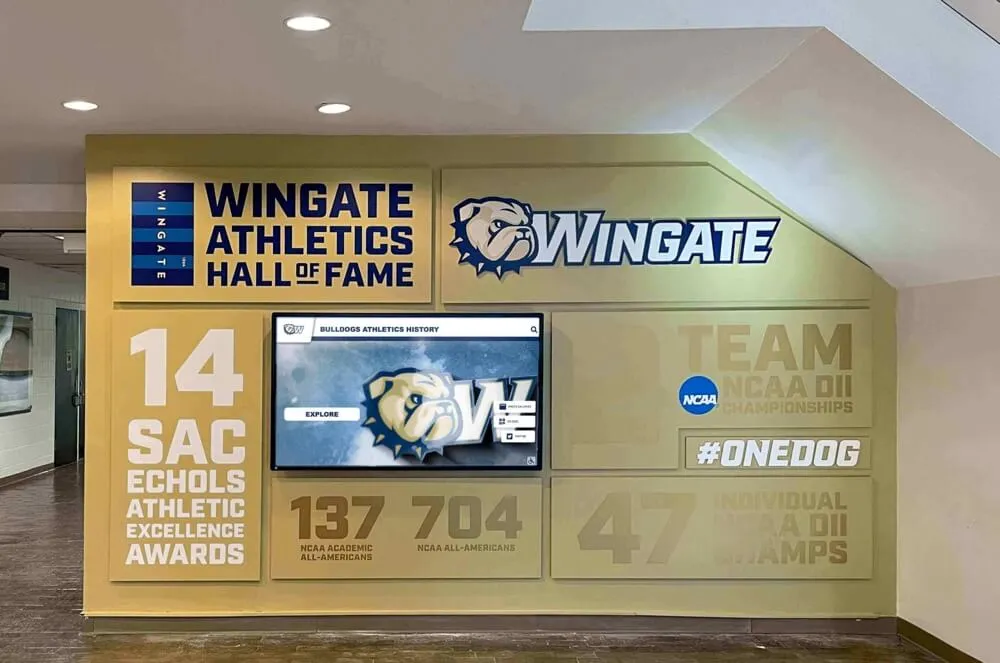
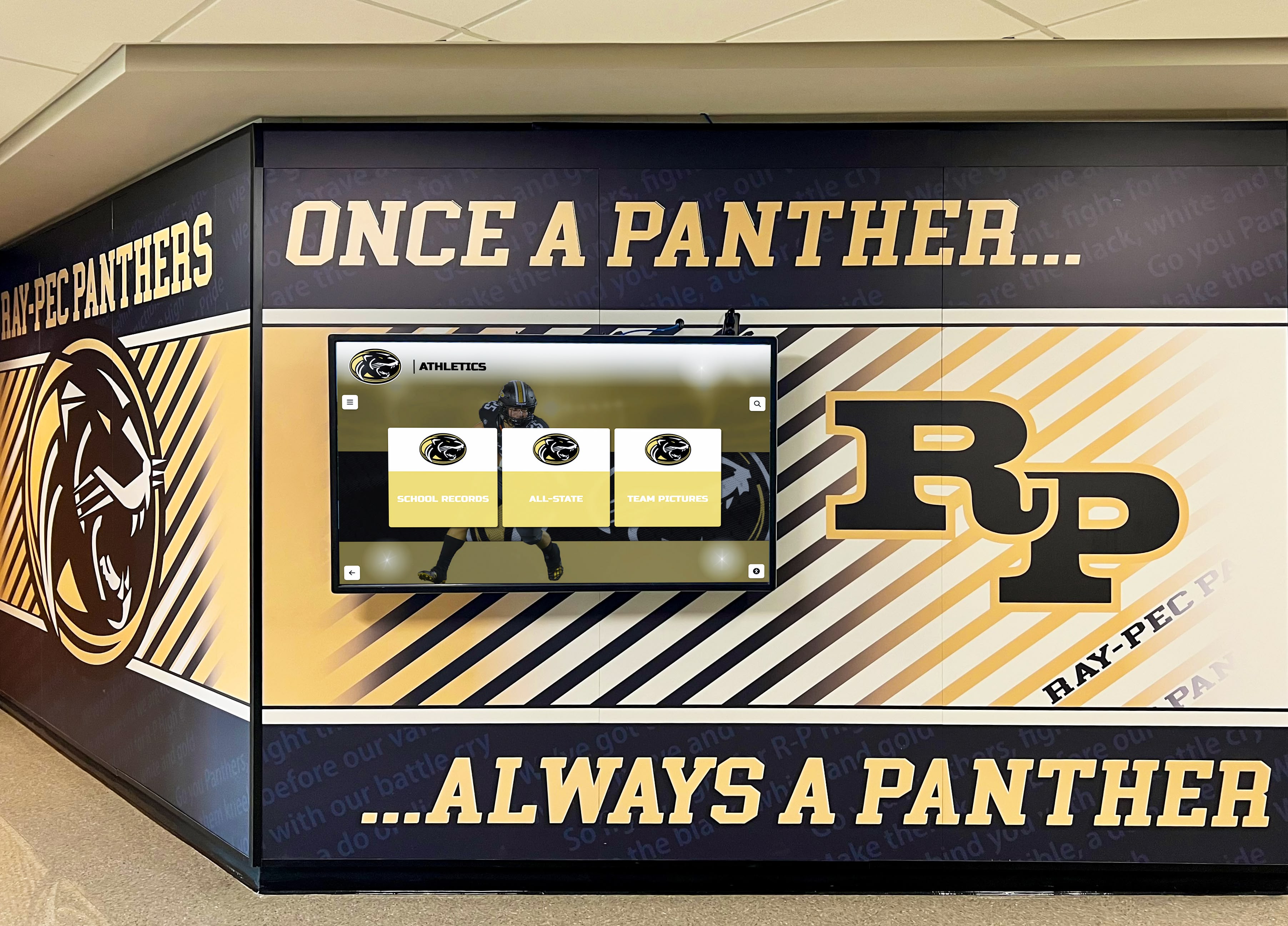
Schools that celebrate homecoming traditions year-round through permanent displays build pride that extends beyond a single week
The Origins and Purpose of Homecoming
Before diving into specific traditions, understanding homecoming’s historical context helps schools appreciate why these celebrations matter and how they’ve evolved.
Historical Roots
Early 20th Century Beginnings
Homecoming originated in American colleges during the early 1900s, with the University of Missouri hosting the first documented homecoming celebration in 1911. The event was designed to welcome alumni back to campus during football season, strengthening connections between current students and graduates while building institutional pride.
The tradition quickly spread across colleges and universities before filtering down to high schools throughout the 1920s and 1930s. What began as simple alumni gatherings evolved into elaborate week-long celebrations incorporating parades, dances, athletic competitions, and coronation ceremonies that have become staples of American high school culture.
Evolution Across Generations
Homecoming traditions have continuously adapted to reflect changing social values while maintaining core elements:
- 1920s-1940s: Simple alumni gatherings centered around football games
- 1950s-1960s: Addition of homecoming courts, dances, and more elaborate ceremonies
- 1970s-1980s: Expansion of spirit week activities and class competitions
- 1990s-2000s: Increased focus on inclusivity and broader student participation
- 2010s-Present: Integration of technology, social media engagement, and what is homecoming becoming more inclusive celebrations
The Purpose Behind the Celebration
Multiple Strategic Objectives
Well-executed homecoming traditions accomplish several important goals simultaneously:
Building School Pride and Identity
- Creates shared experiences connecting students across grade levels
- Establishes cultural touchstones defining school community
- Generates positive associations with school attendance
- Reinforces mascot, colors, and institutional symbols
- Creates traditions students anticipate annually
Connecting Past and Present
- Welcomes alumni back to campus strengthening institutional bonds
- Demonstrates continuity and tradition spanning generations
- Provides mentorship opportunities between current students and graduates
- Builds donor relationships supporting school programs
- Creates sense of belonging to something larger than current enrollment
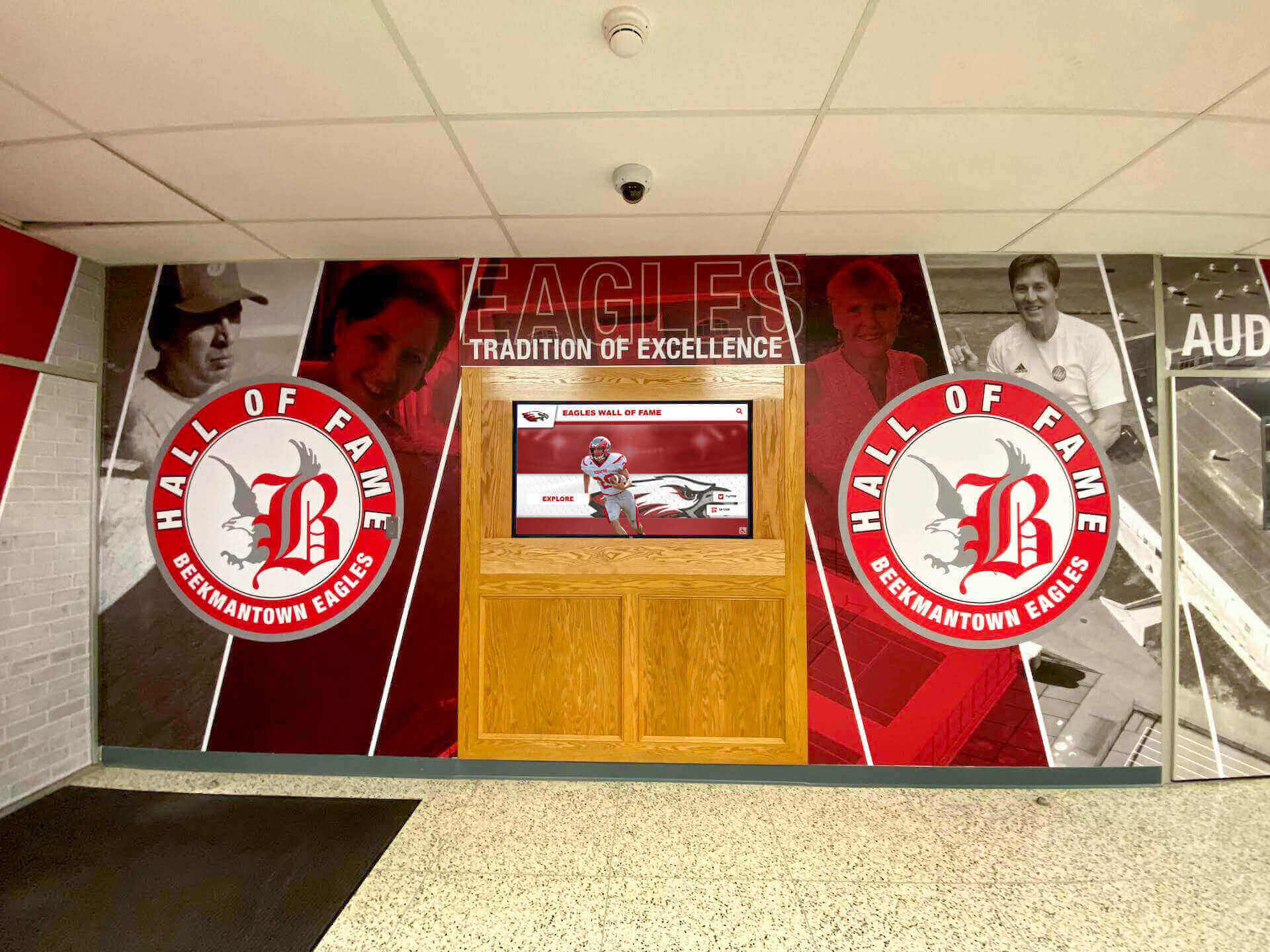
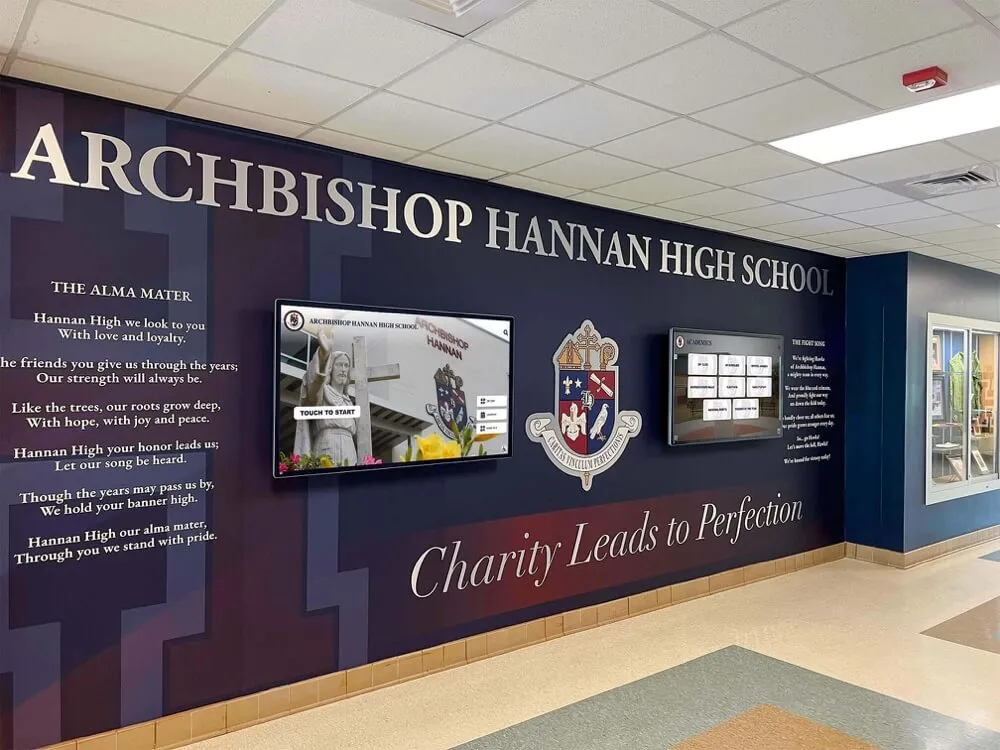
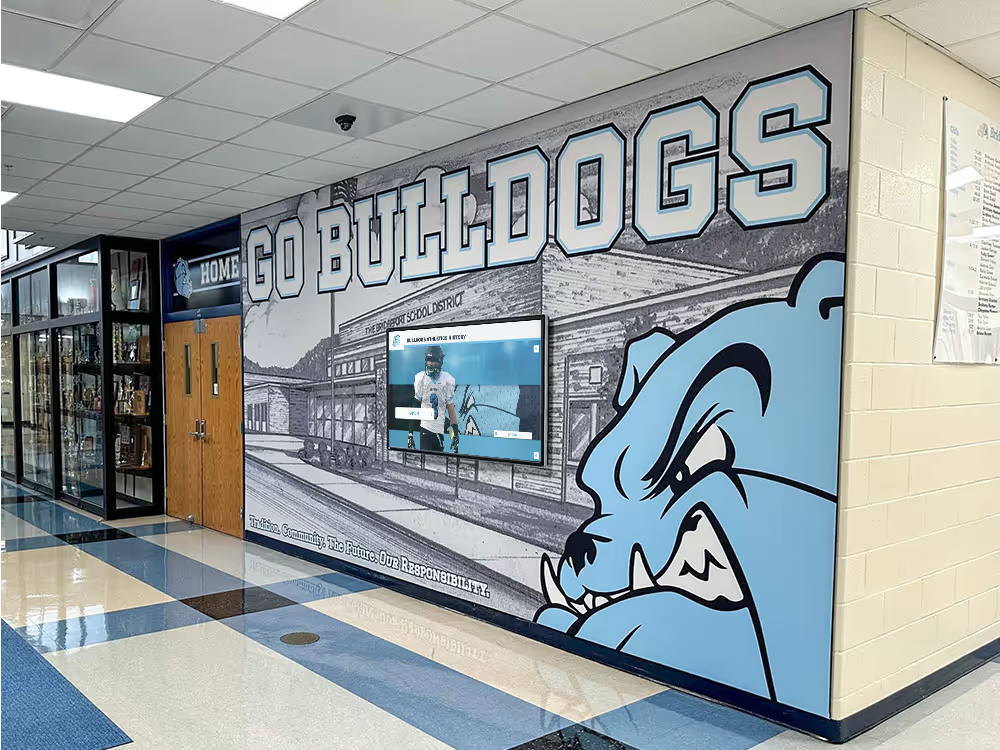
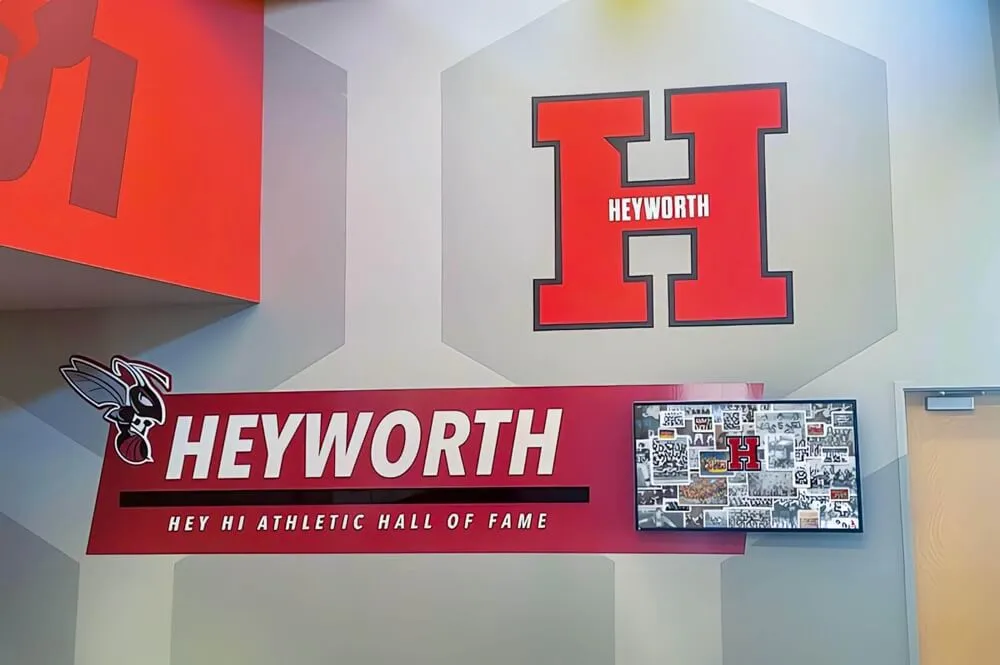
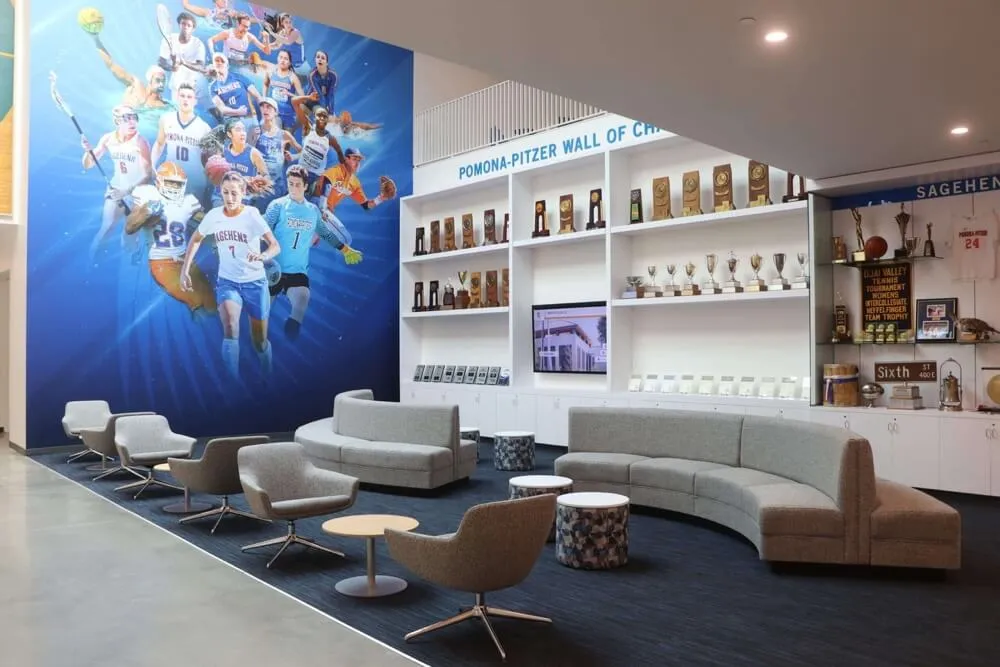
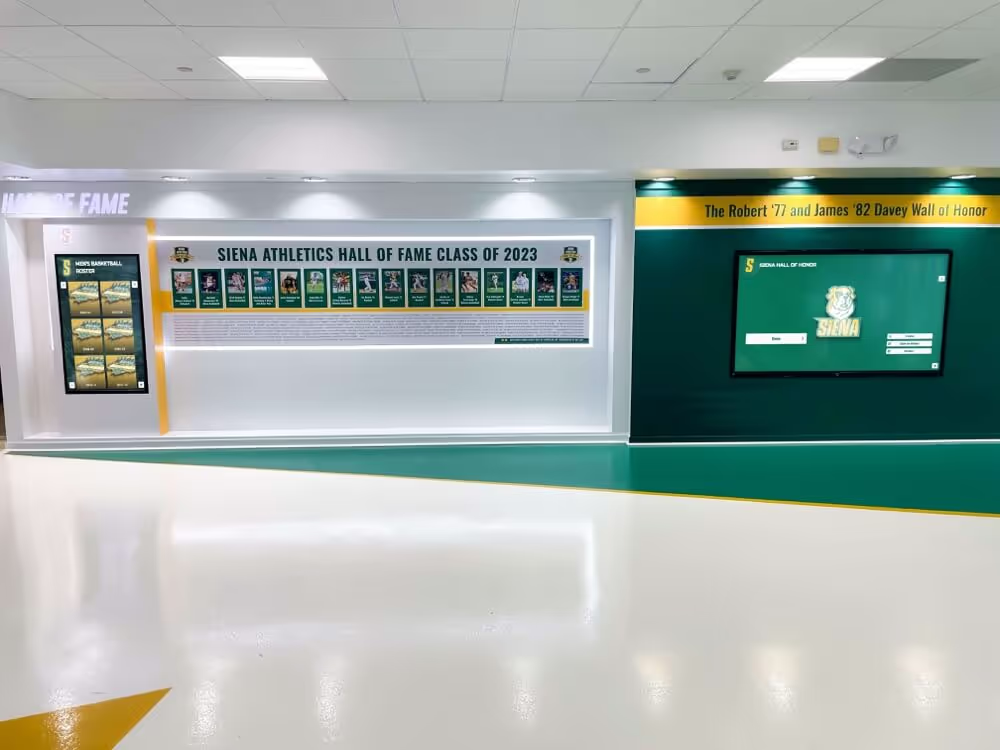
Permanent recognition displays in school lobbies celebrate homecoming traditions and connect current students with alumni history
Celebrating Achievement and Leadership
- Recognizes student leadership through court selection
- Honors athletic achievement and school representation
- Celebrates creative expression through floats and decorations
- Acknowledges students who embody school values
- Creates positive recognition opportunities motivating excellence
Strengthening Community Bonds
- Brings families together for shared celebration
- Engages broader community in school activities
- Builds positive relationships between students and staff
- Creates inclusive participation opportunities across diverse groups
- Generates positive visibility and reputation for institution
Schools understanding these deeper purposes create homecoming celebrations that feel meaningful rather than obligatory, building traditions that genuinely strengthen school culture.
The Homecoming Court: Selection and Celebration
The homecoming court represents one of the most recognized and anticipated traditions, honoring students who exemplify school spirit, leadership, and character.
Understanding Homecoming Court
What the Court Represents
The homecoming court consists of students selected by peers to represent their school during homecoming festivities. Typically organized by grade level, the court includes:
Traditional Structure
- Senior Court: Multiple nominees with homecoming king and queen selected as final honorees
- Junior Court: Junior class representatives, sometimes called prince and princess
- Sophomore Court: Sophomore representatives acknowledging underclass participation
- Freshman Court: First-year students participating in tradition
Modern Variations
- Gender-neutral positions respecting all students
- Individual recognition rather than paired couples
- Expanded courts ensuring broader representation
- Category-based selection recognizing specific qualities
- Integrated selection with academic recognition programs
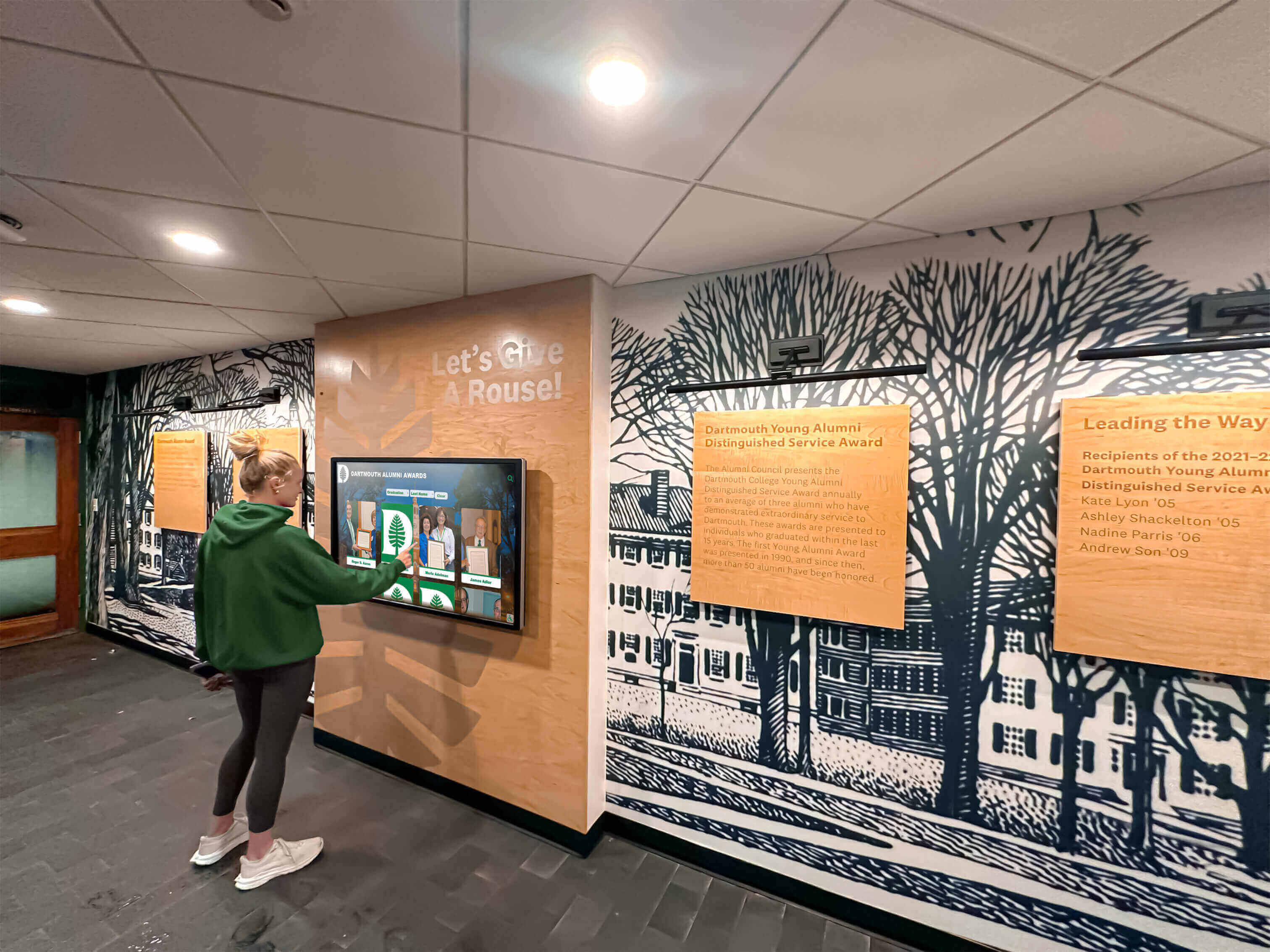
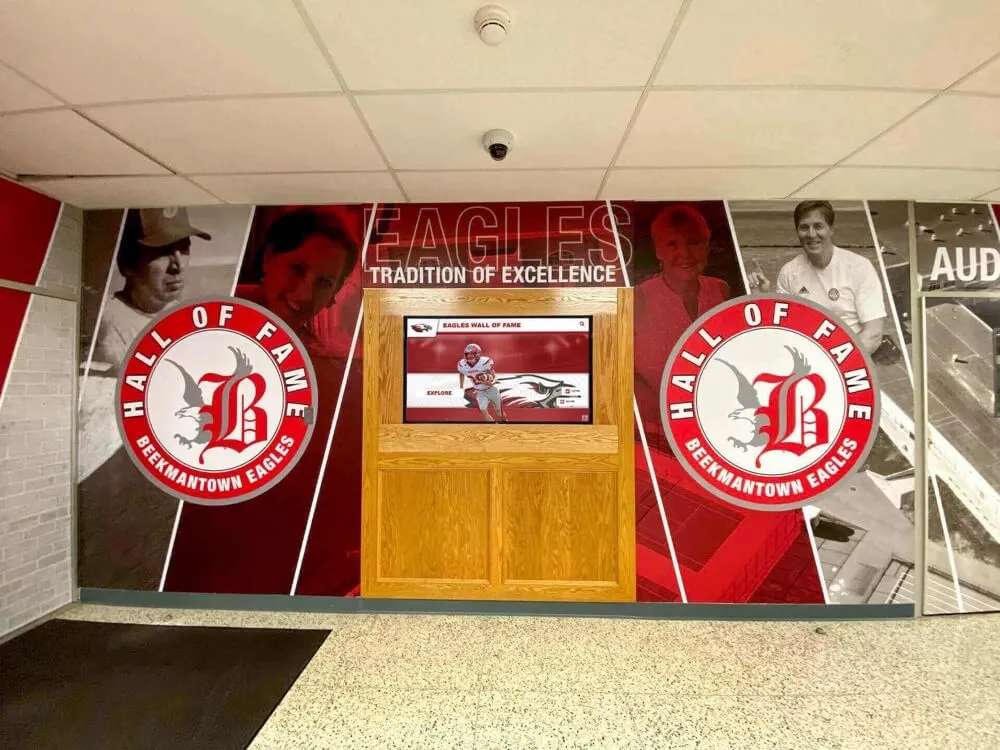
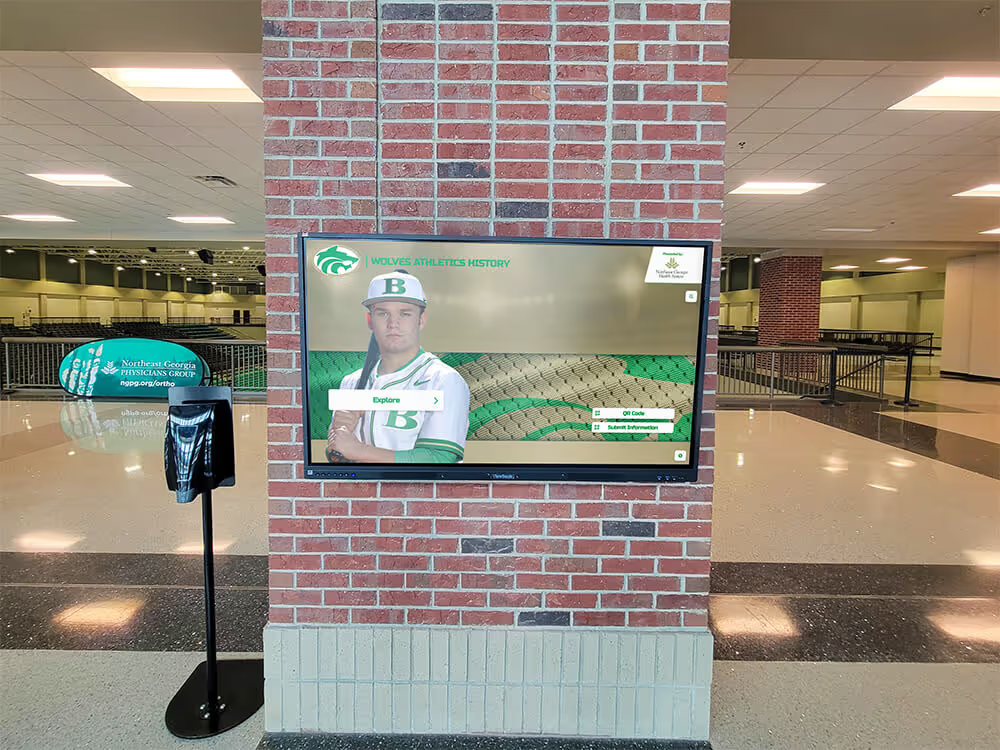
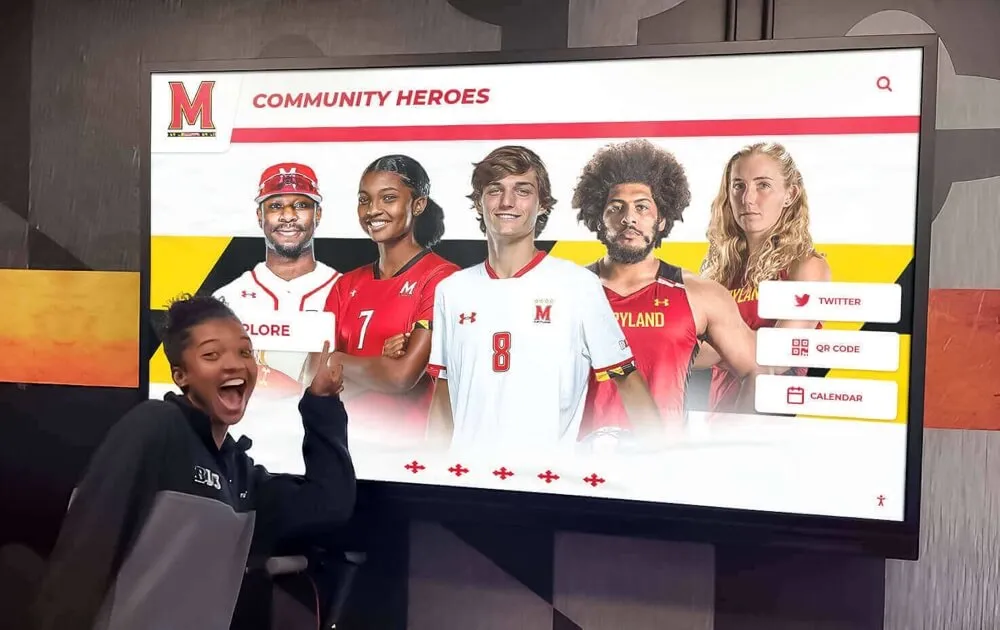
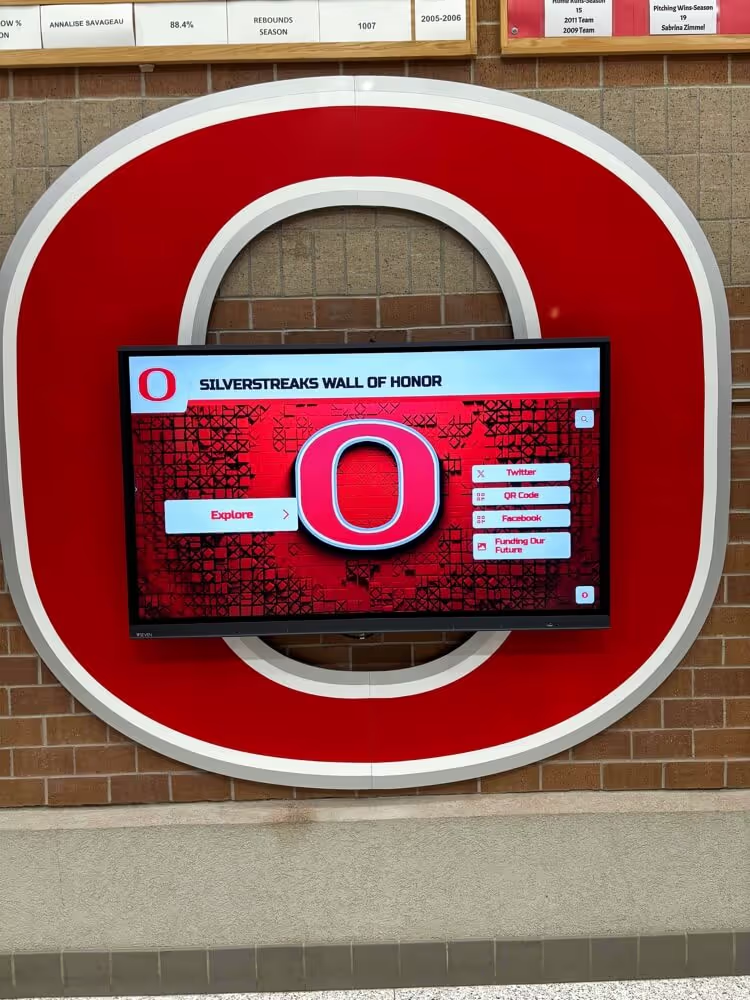
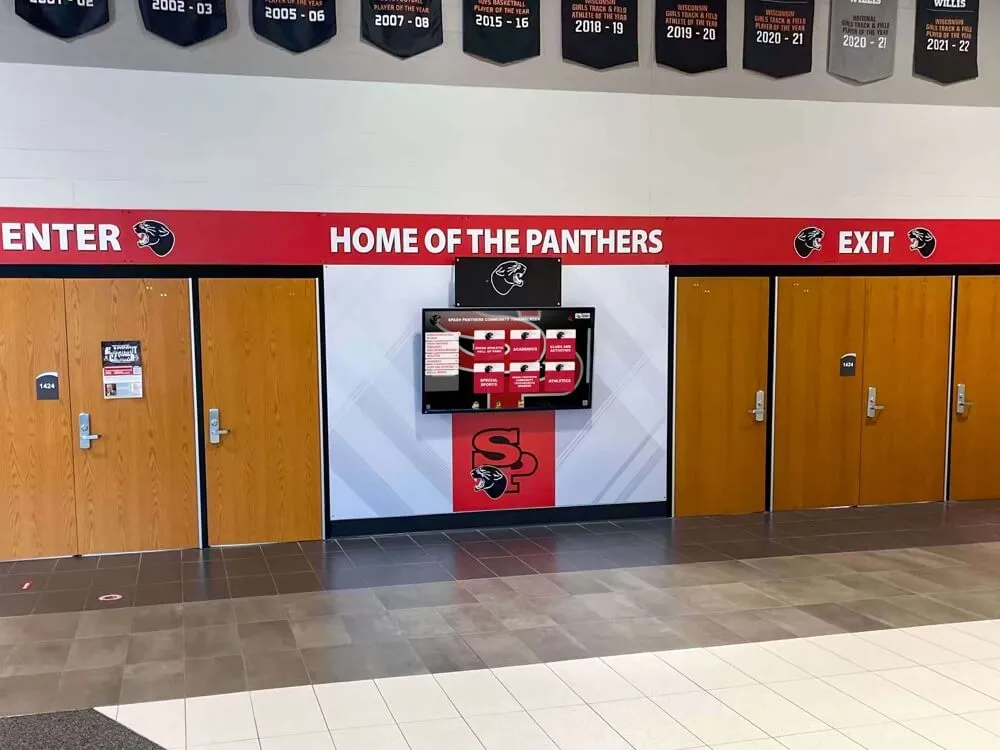
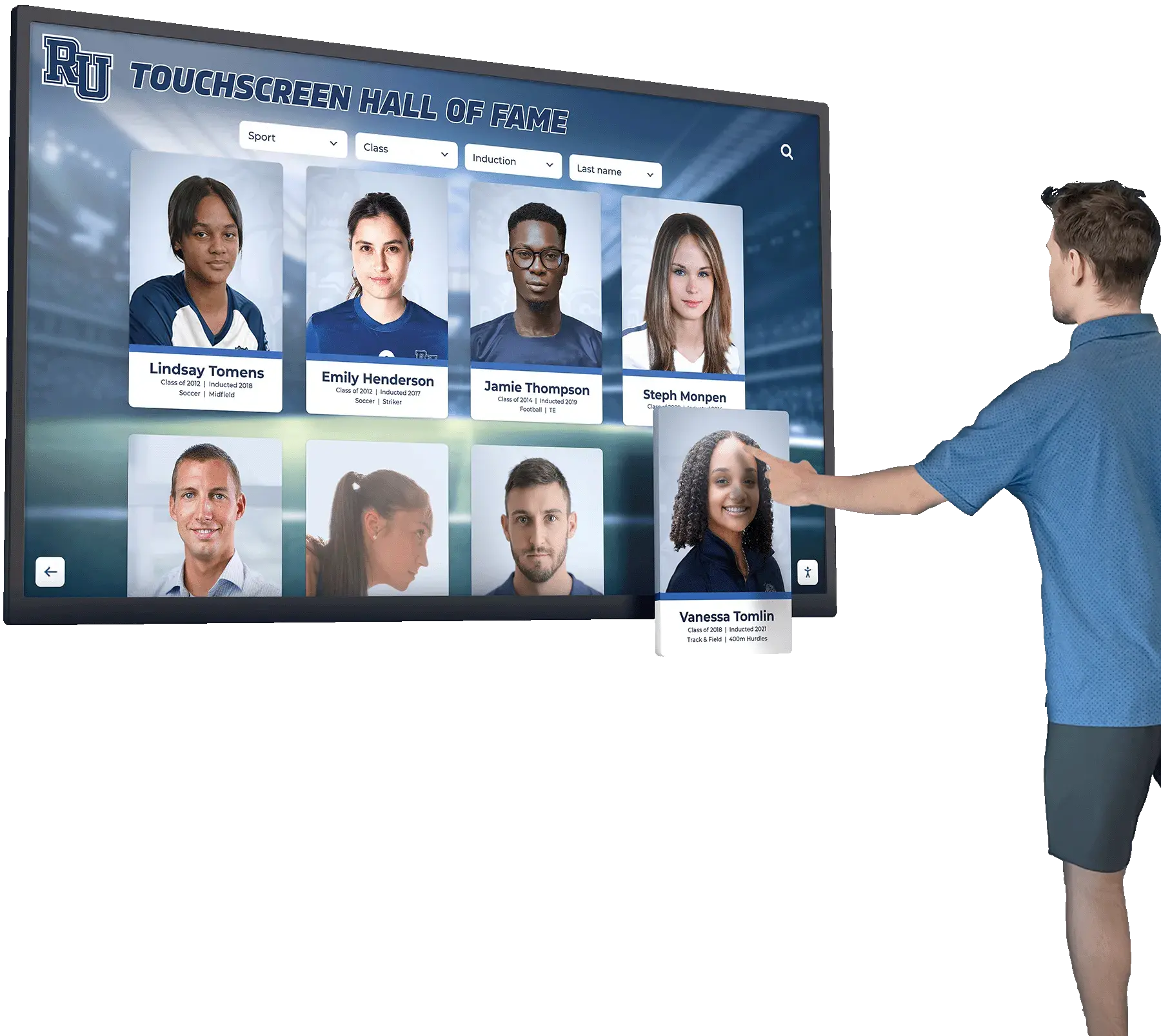
Interactive displays allow students to explore homecoming court history and see themselves as part of ongoing traditions
Selection Process and Criteria
Nomination and Voting Procedures
Schools implement various approaches to ensure fair and meaningful selection:
Nomination Phase
- Open peer nominations where students nominate classmates
- Minimum eligibility requirements (GPA, conduct, participation)
- Teacher input alongside student nominations
- Self-nomination with peer endorsements
- Activity-based nominations from clubs and teams
Voting Procedures
- Grade-level voting for respective courts
- All-school voting for senior king and queen
- Preliminary rounds narrowing large nominee pools
- Anonymous voting preventing social pressure
- Clear communication about selection criteria
Selection Criteria to Emphasize
- Leadership demonstration and positive influence
- School spirit and institutional pride
- Character and values alignment
- Academic standing and achievement
- Community service and contribution
- Extracurricular involvement and participation
- Kindness and inclusive treatment of others
Progressive schools frame selection around character and contribution rather than popularity, creating processes where all nominees feel honored regardless of final results.
Coronation Ceremony Traditions
Celebrating Court Members Meaningfully
The coronation ceremony represents the culminating moment of homecoming court tradition:
Typical Ceremony Elements
- Court member processional entrance during halftime
- Individual introductions with biographical information
- Recognition of accomplishments and activities
- Escort by family members or special mentors
- Crown or sash presentation for king and queen
- Photo opportunities and congratulatory moments
- Final walk showcasing entire court
Creating Memorable Presentations
- Professional announcer providing engaging introductions
- Video montages featuring each court member
- Musical accompaniment creating appropriate atmosphere
- Quality crowns, sashes, or symbolic recognition items
- Photography capturing memories for preservation
- Social media coverage extending celebration reach
- Digital display updates featuring honorees
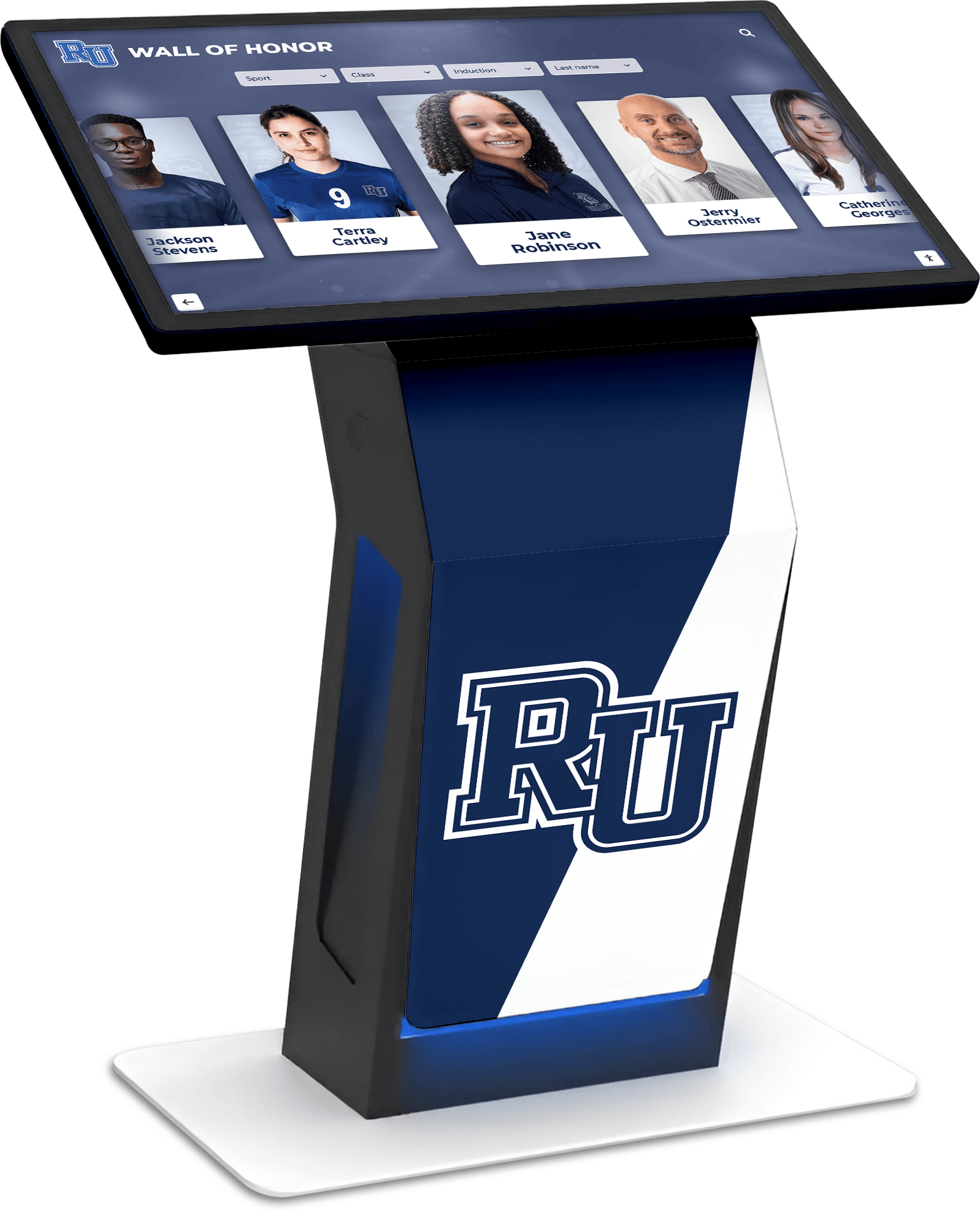
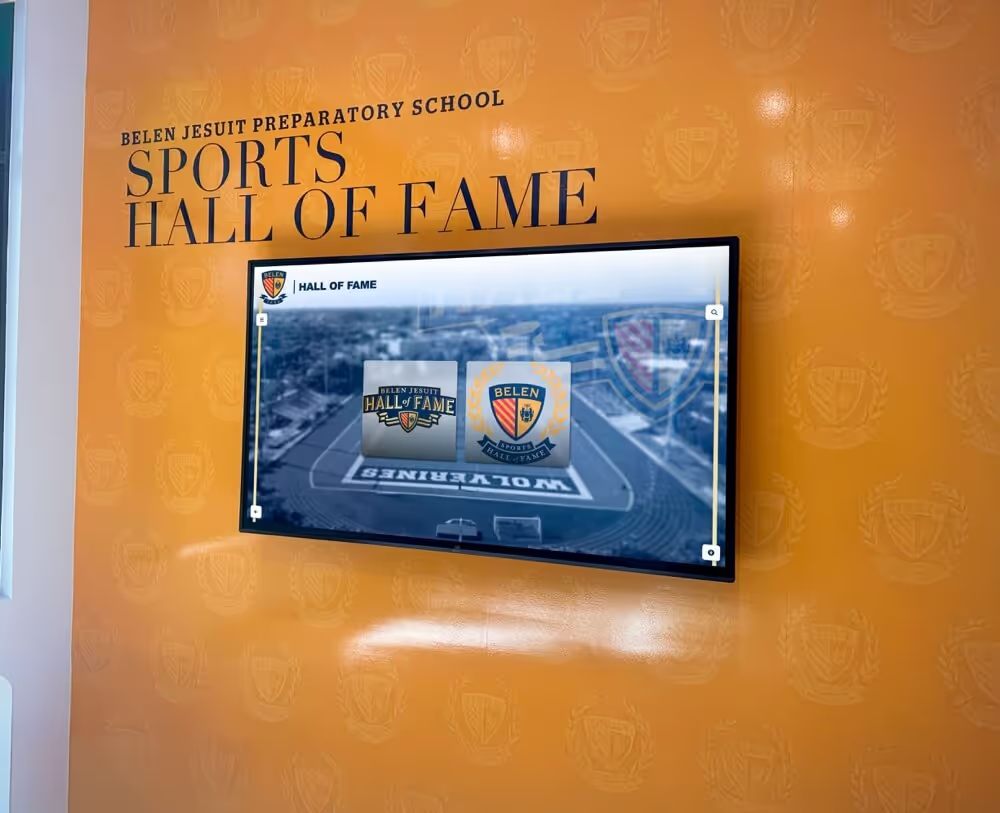
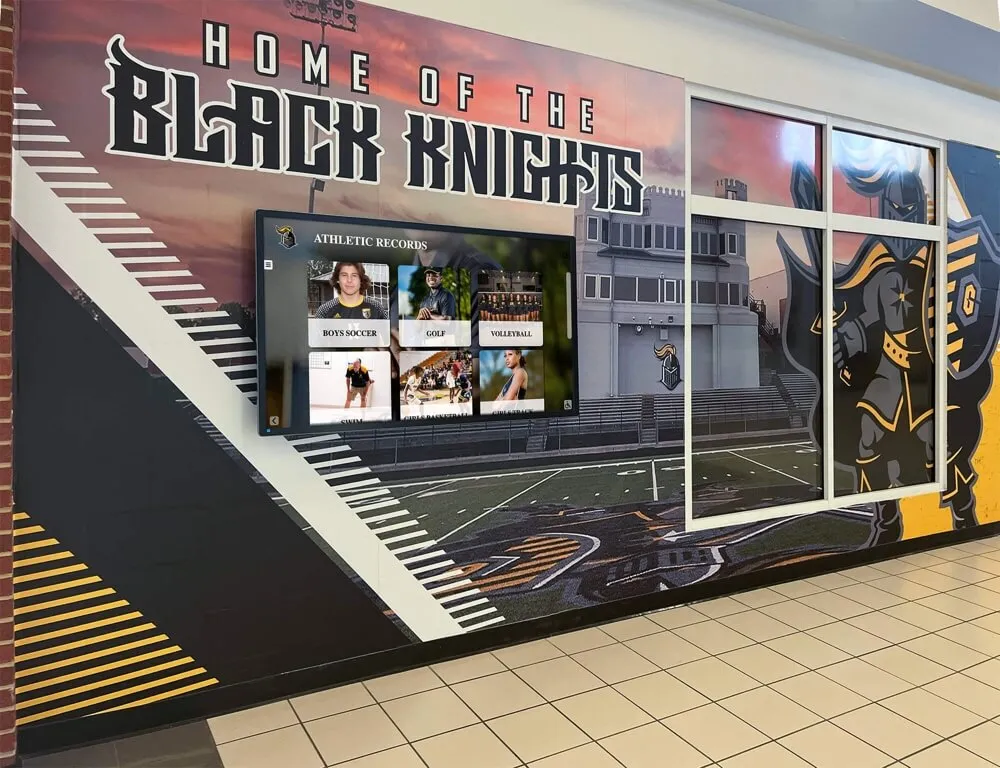
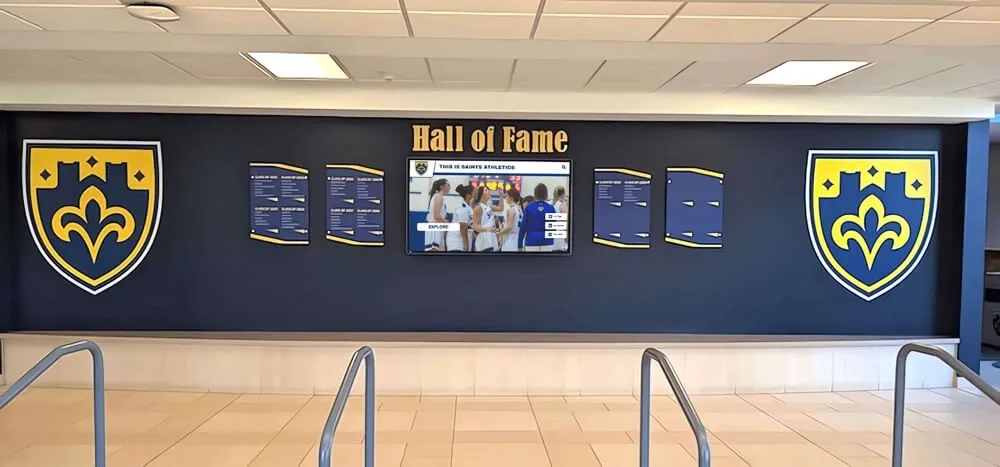
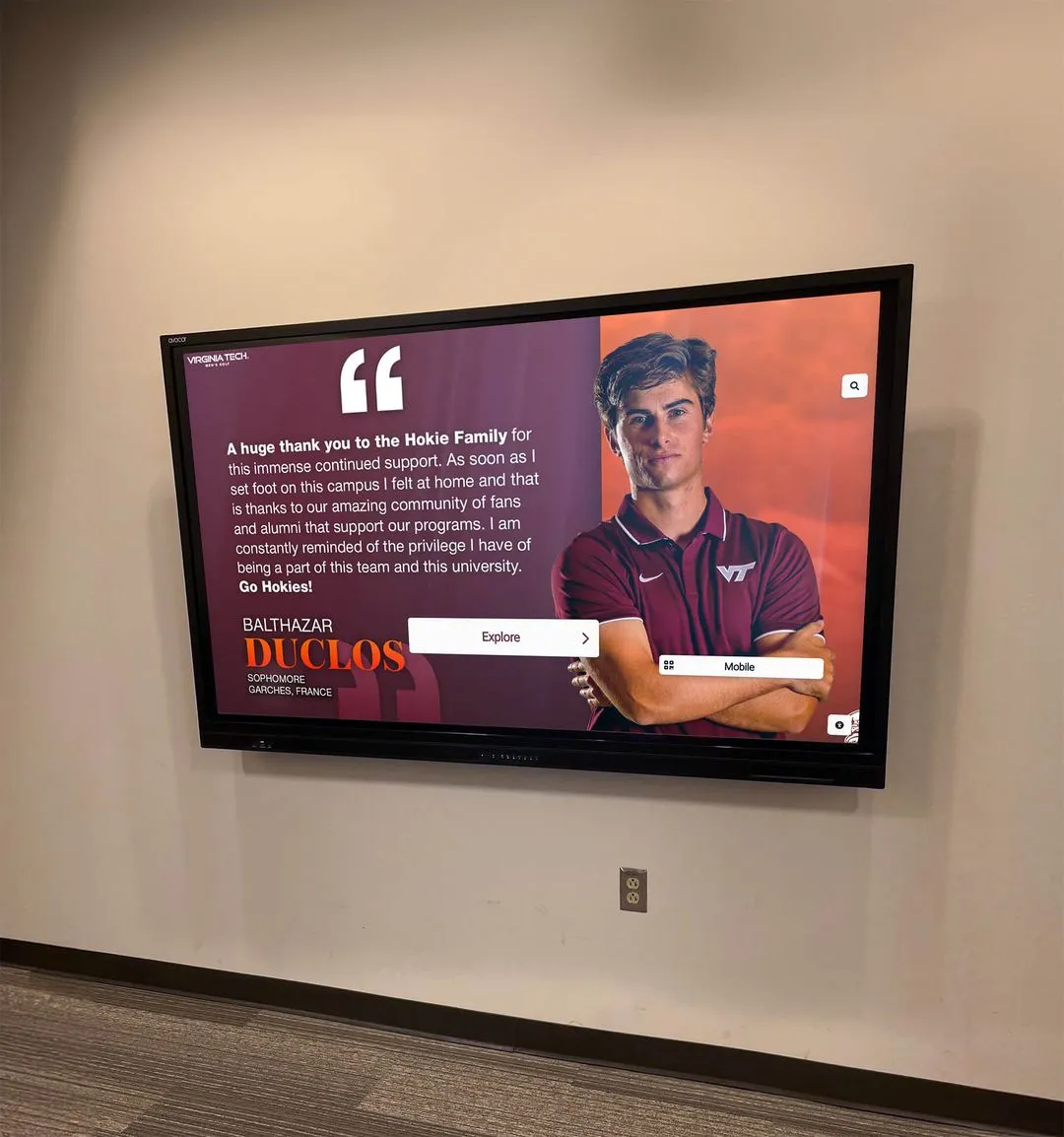
Modern recognition kiosks preserve homecoming court memories permanently with interactive displays accessible year-round
Extending Recognition Beyond the Ceremony
Smart schools preserve homecoming court memories permanently:
- Yearbook features with detailed profiles
- Physical displays in trophy cases or hallways
- Digital recognition displays showcasing all court members
- Social media celebration throughout homecoming season
- Website features highlighting current and historical courts
- Alumni engagement connecting previous court members
Solutions like Rocket Alumni Solutions enable unlimited homecoming court recognition without space constraints, creating searchable archives connecting current celebrations to decades of tradition while allowing families worldwide to explore accomplishments.
Spirit Week: Daily Themes and Activities
Spirit week transforms ordinary school days into celebration opportunities, building excitement throughout the week leading to homecoming weekend.
Essential Daily Theme Ideas
Classic Dress-Up Days
Spirit week typically features five themed dress days encouraging creative participation:
Monday: Color Day
- School colors day demonstrating pride
- Class color competition with different grades wearing assigned colors
- Crazy color day with mismatched or neon clothing
- Tie-dye day celebrating creativity
Tuesday: Decade Day
- Students dress representing different historical eras
- Specific decade assignments by grade level
- Retro fashion showcasing various time periods
- Historical figure day representing notable people
Wednesday: Character Day
- Twin day where students coordinate matching outfits
- Career day showcasing future aspirations
- Character day representing fictional figures
- Superhero day celebrating powers and strengths
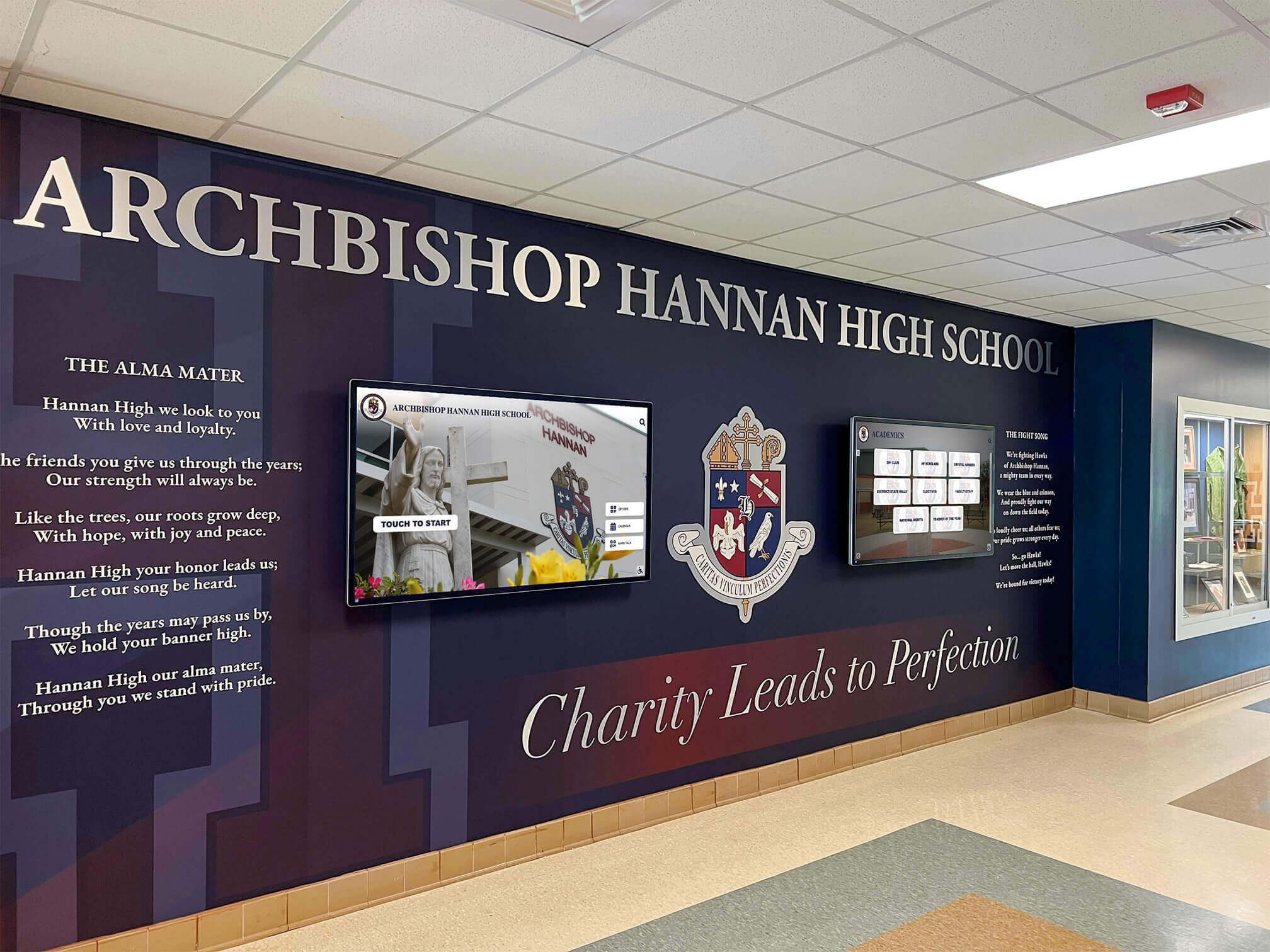
School lobbies serve as gathering spaces during spirit week activities while showcasing permanent recognition displays
Thursday: School Pride Day
- Jersey day wearing school athletic gear
- Class shirt day with grade-specific designs
- School colors overload with maximum spirit
- Mascot day featuring school symbol
Friday: Game Day
- Traditional school colors and spirit gear
- Formal dress for evening homecoming dance
- Black-out or white-out coordinated colors
- Rally day with pep assembly preparation
Modern Theme Variations
- Meme day reflecting internet culture
- Throwback day wearing nostalgic fashion
- Favorite movie or TV show day
- Sports team jersey day (professional teams)
- Hat day or crazy hair day
- Pajama day for comfort
Daily Activity Traditions
Building Excitement Throughout the Week
Beyond dress-up themes, daily activities maintain energy and participation:
Class Competitions
- Hallway decoration contests with judging criteria
- Spirit point systems accumulating throughout week
- Social media engagement competitions
- Charitable giving competitions between grades
- Banner painting and display creation
- School event activities building anticipation
Lunchtime Activities
- Mini pep rallies in cafeteria
- Student versus teacher competitions
- Talent showcases and performances
- Trivia contests about school history
- Photo booth opportunities with props
- Announcements about upcoming activities
Evening Events
- Bonfire gatherings before game day
- Float construction work sessions
- Powder puff football games
- Community service projects
- Alumni meet-and-greet events
- Decorating and preparation activities
Culminating Pep Rally
- Friday assembly celebrating spirit week
- Class competition result announcements
- Team introductions and recognition
- Cheerleading and band performances
- Games and entertainment elements
- Spirit award presentations
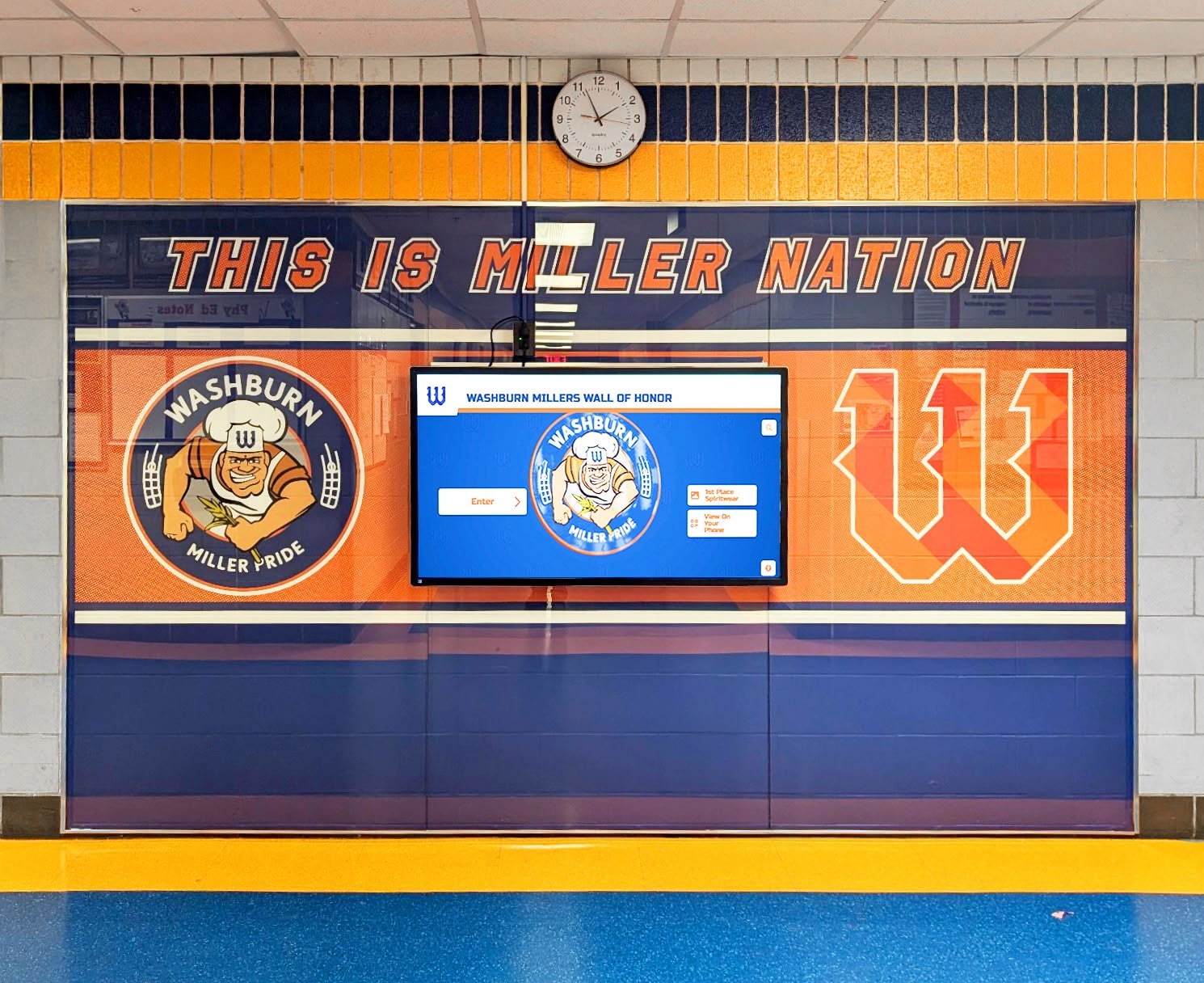
Hallway displays feature spirit week activities and competition results, maintaining visibility throughout the year
Schools implementing comprehensive spirit week programming create contagious enthusiasm that spreads beyond participating students to broader school communities, generating positive culture that extends throughout academic years.
The Homecoming Parade: Community Celebration
The homecoming parade brings school celebration into the broader community, showcasing creativity while building visibility and pride.
Essential Parade Elements
Float Competitions
Class floats represent the most visible and anticipated parade elements:
Float Design and Construction
- Grade-level float competitions with judging categories
- Theme coordination with homecoming celebration
- Weeks of planning and construction preparation
- Student leadership and project management skills
- Creative expression through design and decoration
- Float building traditions connecting classes
Judging Criteria
- Theme execution and creativity
- Construction quality and craftsmanship
- Spirit demonstration and energy
- Participant enthusiasm and coordination
- Overall visual impact and memorability
- School pride integration
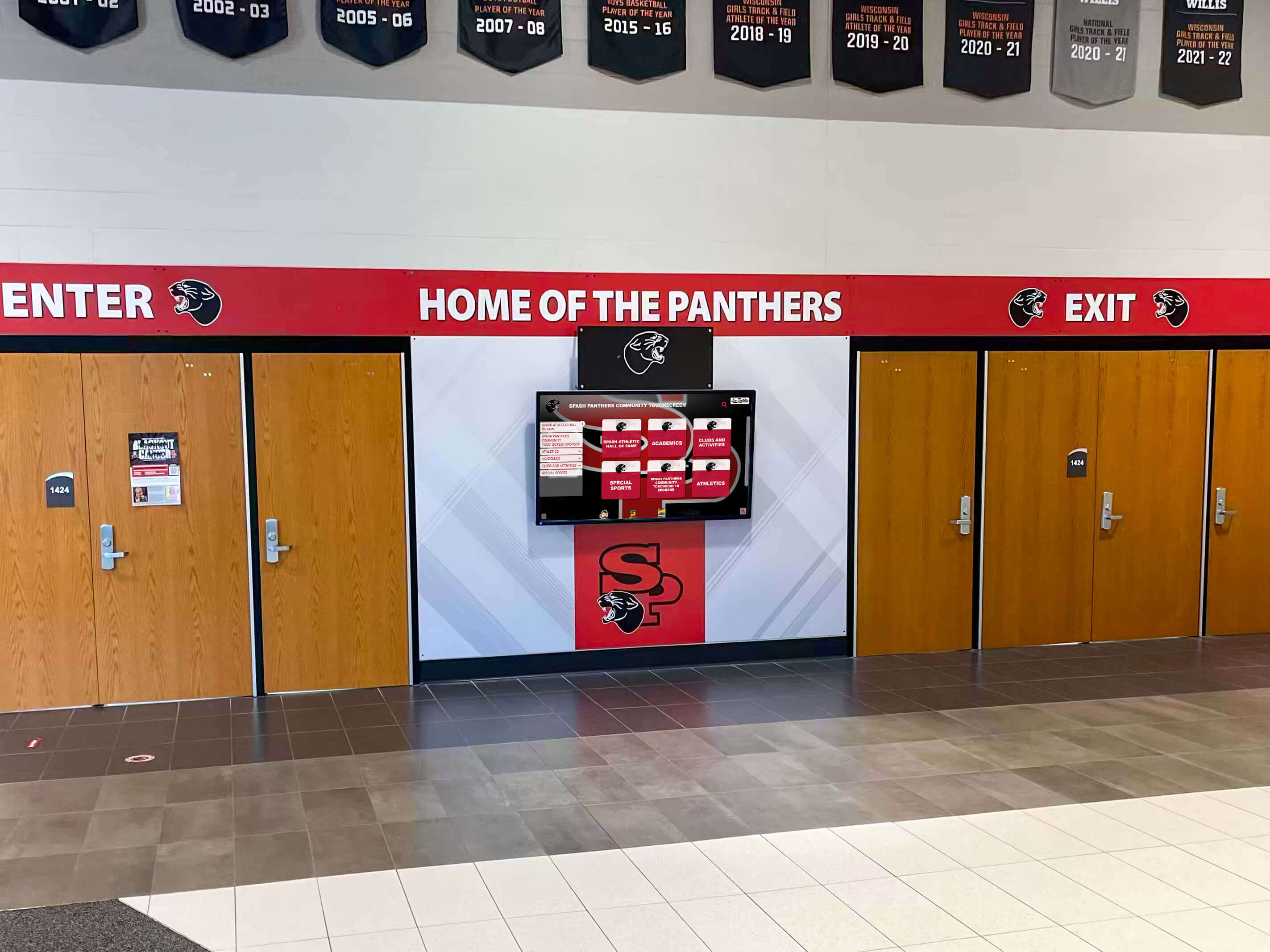
Entrance displays welcome parade attendees while showcasing school pride and upcoming celebration details
Additional Parade Participants
Beyond floats, successful parades include diverse elements:
School Participants
- Marching band performing school fight songs
- Cheerleading squads demonstrating routines
- Dance teams with choreographed performances
- Athletic teams riding vehicles or walking
- Student organization representatives
- Homecoming court members on special vehicles
- Mascot appearances creating excitement
Community Involvement
- Alumni groups marching together
- Youth feeder program participants
- Local business sponsor vehicles
- Community organization representatives
- Emergency service vehicles (fire trucks, police)
- Local elected officials showing support
Parade Route and Logistics
Planning Successful Processions
Thoughtful logistics ensure safe, enjoyable parade experiences:
Route Selection
- Starting point accommodating float staging
- Path through main community areas
- Ending at or near school campus
- Adequate width for floats and vehicles
- Minimal traffic disruption considerations
- Spectator viewing opportunities
Safety and Organization
- Street closure permits and coordination
- Police or security presence for safety
- Medical support availability
- Participant spacing and movement coordination
- Clear communication about timing and procedures
- Emergency protocols for incidents
Extending Parade Impact
Smart schools maximize parade benefits:
- Photography and videography documenting event
- Social media coverage during procession
- Local media partnerships generating publicity
- Post-parade recognition of float winners
- Digital displays preserving parade memories permanently
- Integration with broader homecoming celebration
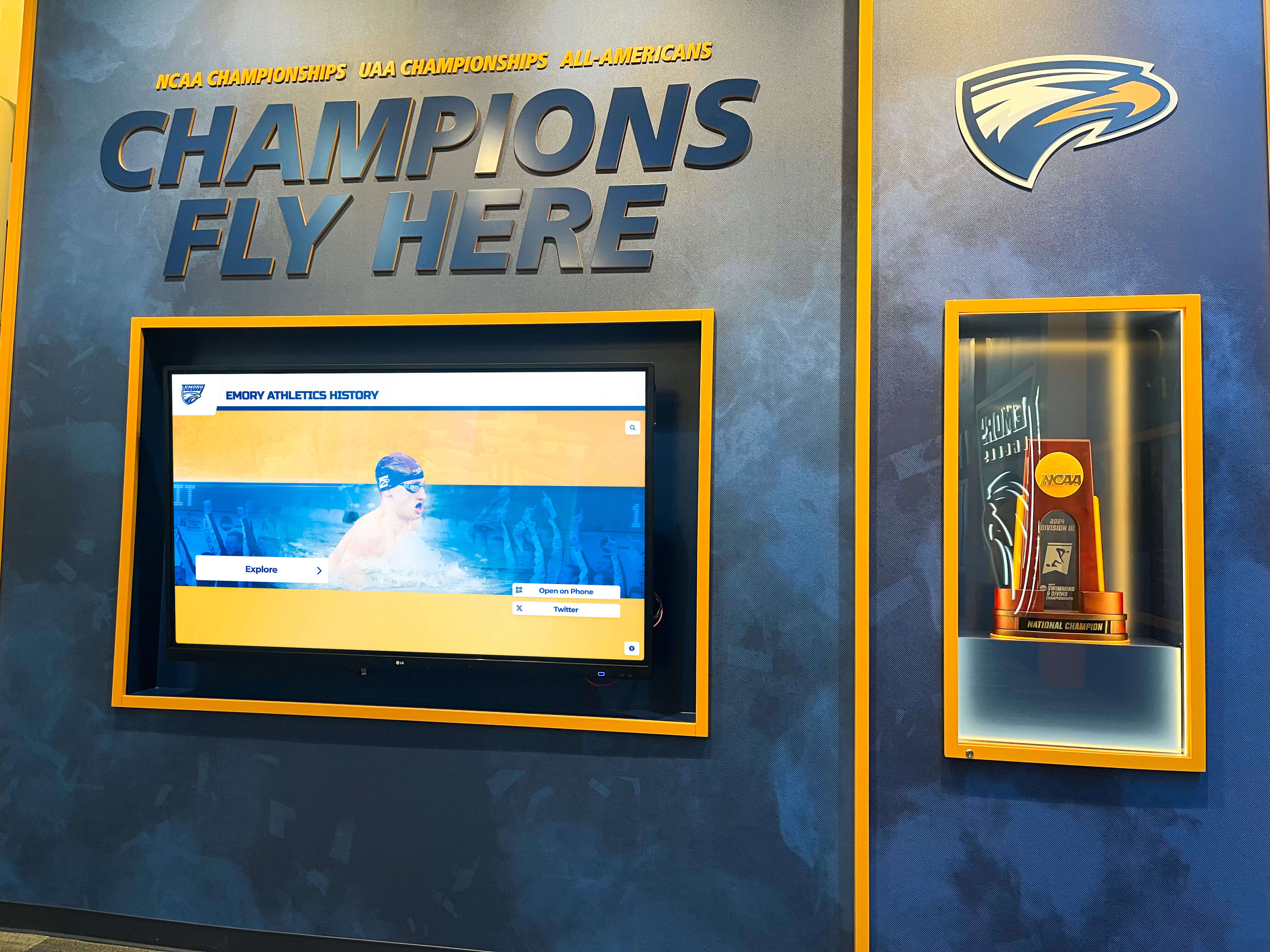
Trophy and achievement displays document program excellence supporting parade celebrations of athletic success
Parades that successfully engage community members build positive reputation and visibility for schools while creating shared celebration moments that strengthen institutional pride across diverse stakeholder groups.
The Homecoming Game: Athletic Competition and Celebration
The homecoming athletic competition—traditionally football—serves as the centerpiece event where school spirit reaches its peak.
Pre-Game Traditions
Building Anticipation and Excitement
Activities before kickoff set the tone for celebration:
Tailgating and Pre-Game Gatherings
- Alumni tailgate events reconnecting graduates
- Family picnics creating community atmosphere
- Student organization tents and activities
- Booster club hospitality for guests
- Music and entertainment in stadium areas
- Food vendors and concession operations
Ceremonial Elements
- Senior recognition for graduating athletes
- Introduction of homecoming court members
- Alumni recognition ceremonies
- Special honorees acknowledgment
- Team entrance traditions
- National anthem or school song performance
Halftime Ceremonies
The Pinnacle Homecoming Moment
Halftime represents the ceremonial heart of homecoming celebration:
Crown Ceremony
- Homecoming court presentation to crowd
- Individual court member introductions
- King and queen announcement and crowning
- Photo opportunities on field or court
- Congratulations from school officials
- Final presentation to attendees
Additional Halftime Elements
- Marching band halftime show performance
- Cheerleading or dance team performances
- Recognition of special alumni or donors
- Announcement of parade or spirit week winners
- Presentation of special awards or honors
- Entertainment maintaining audience engagement

Recognition walls combine traditional elements with digital displays, creating comprehensive celebration spaces for homecoming events
Maximizing Halftime Impact
- Professional sound system for clear announcements
- Quality photography documenting ceremony
- Video board presentations where available
- Organized participant movement preventing confusion
- Appropriate time management respecting game flow
- Social media sharing extending celebration reach
Post-Game Traditions
Extending Celebration Beyond Competition
Win or lose, homecoming celebration continues:
Immediate Post-Game
- Student gatherings and socialization
- Photo opportunities at decorated areas
- Alumni receptions and networking
- Class reunions at designated spaces
- Team and family celebrations
- Preparation for evening dance events
Schools implementing comprehensive athletic recognition ensure homecoming games receive appropriate celebration while connecting athletic achievement to broader school pride initiatives.
The Homecoming Dance: Social Celebration
The homecoming dance provides social gathering opportunity where students celebrate friendships and community in more formal setting.
Dance Planning Essentials
Creating Memorable Social Events
Successful homecoming dances require thoughtful planning:
Venue Selection and Setup
- School gymnasium or cafeteria transformation
- External venue rental for special atmosphere
- Decoration creating immersive environment
- Lighting and sound system ensuring quality
- Photo backdrop and picture opportunities
- Seating areas for conversation and rest
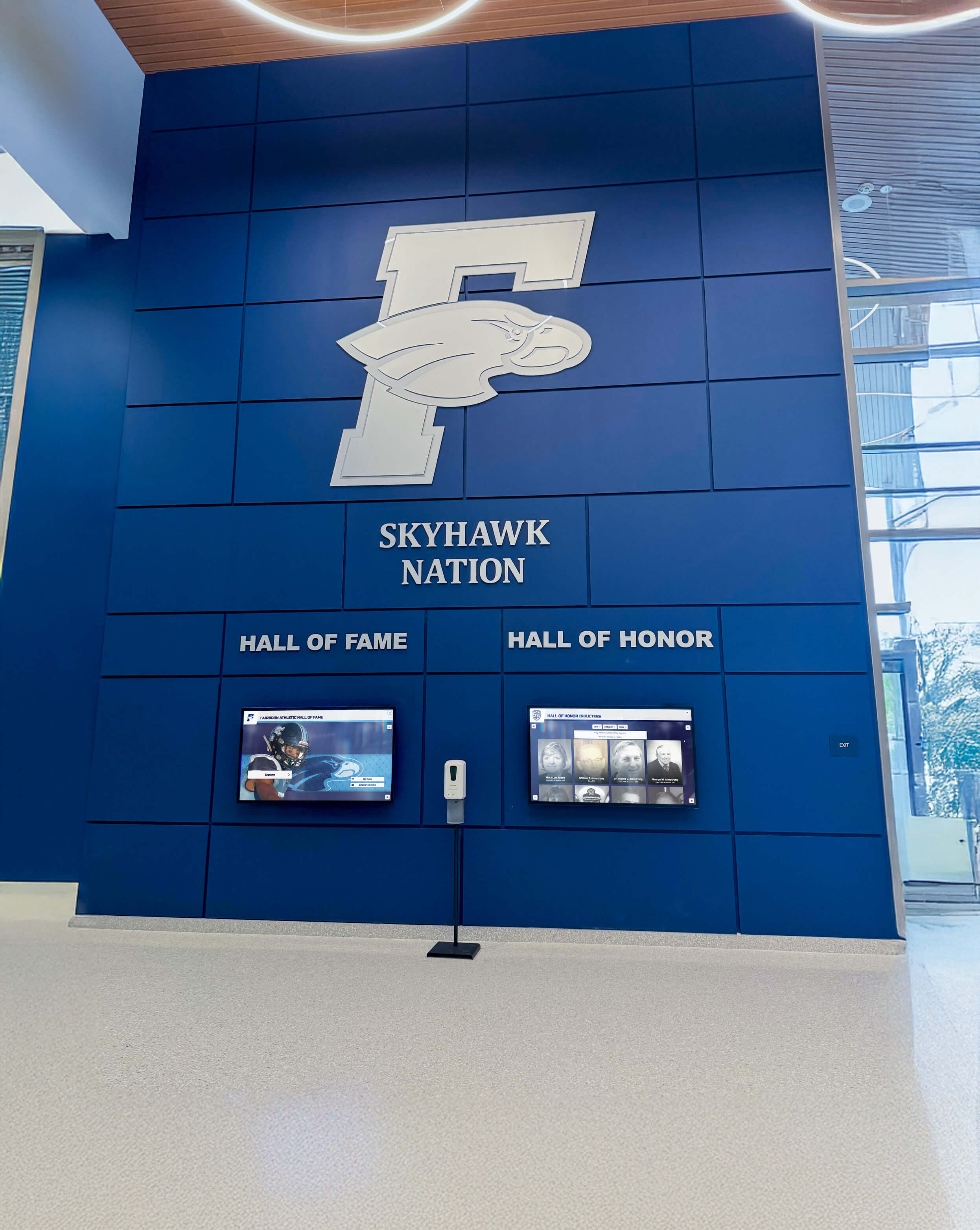
School lobbies host pre-dance gatherings while showcasing recognition displays celebrating student achievement
Theme Integration
Dance themes coordinate with overall homecoming celebration:
Popular Homecoming Dance Themes
- Classic elegance with sophisticated decoration
- Seasonal themes highlighting fall atmosphere
- Cultural celebration showcasing diversity
- Masquerade or mystery themes
- Hollywood glamour red carpet entrance
- Garden or outdoor nature themes
- School colors and pride focus
- Athletic banquet planning coordination for multi-purpose events
Dance Traditions and Activities
Beyond Social Dancing
Engaging dances incorporate varied activities:
Traditional Elements
- Court member recognition and special dances
- Crowning ceremony if not conducted at game
- Group dances and line dances
- Slow dances and fast-paced songs
- Photo opportunities throughout evening
- Refreshment service and socialization spaces
Interactive Activities
- Photo booth with props and backgrounds
- Interactive games during breaks
- Award presentations (best dressed, best dancer)
- Surprise performances or entertainment
- Student DJ or live music performances
- Social media sharing stations
Creating Inclusive Atmospheres
Modern homecoming dances emphasize inclusion:
- Welcoming all students regardless of relationship status
- Diverse music selection appealing to varied tastes
- Alternative activities beyond dancing only
- Clear behavior expectations and enforcement
- Adult supervision ensuring safety
- Accessible spaces for all abilities
- Gender-neutral language and traditions
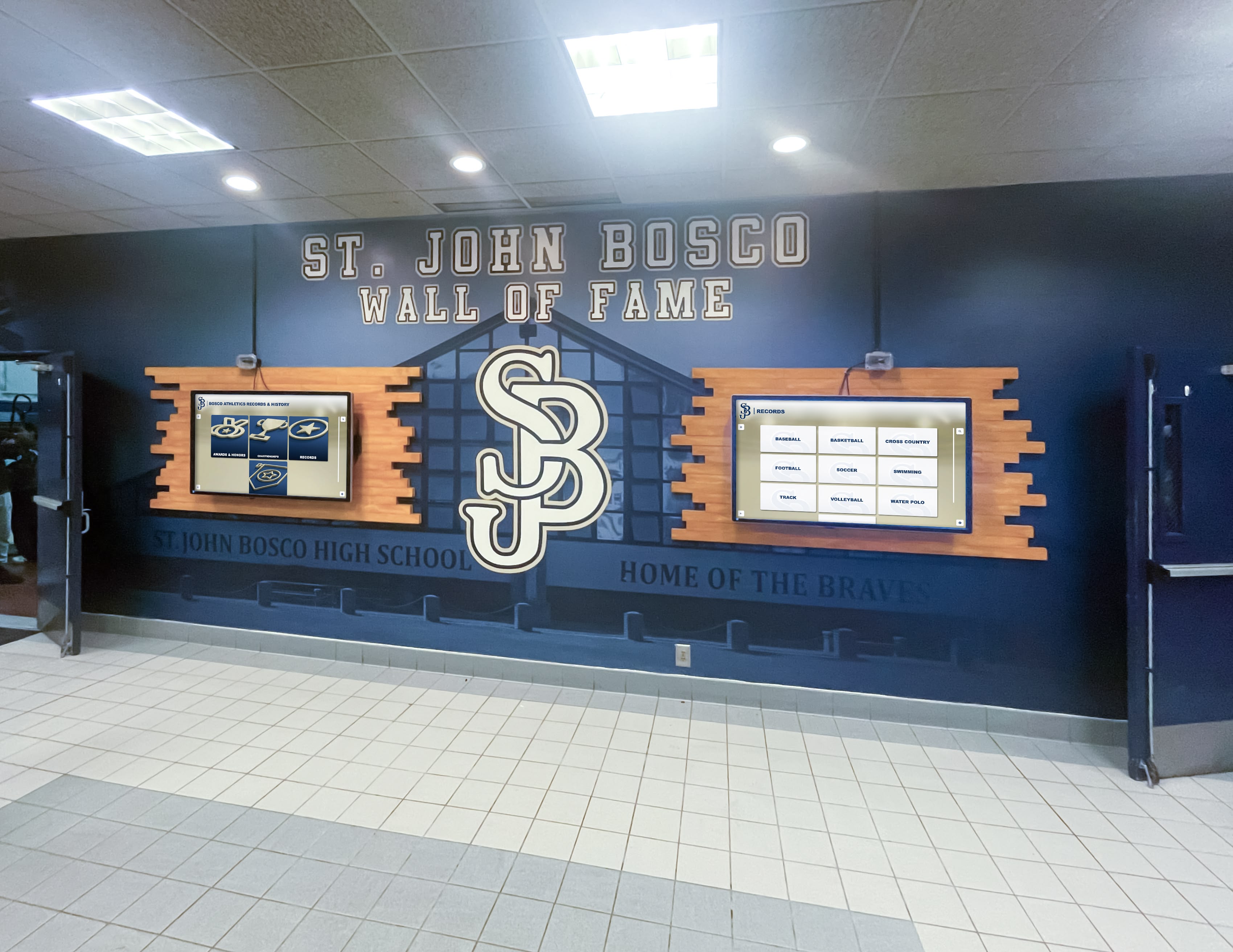
Multiple coordinated displays accommodate diverse recognition needs supporting various homecoming celebration elements
Schools creating positive, inclusive dance experiences build memories students treasure while demonstrating values of respect, celebration, and community that define exceptional institutions.
Lesser-Known Homecoming Traditions Worth Adopting
Beyond major ceremonies, smaller traditions add unique character to homecoming celebrations.
Creative Spirit Traditions
Building Unique School Identity
Lesser-known traditions differentiate school celebrations:
Spirit Activities
- Hall decorating competitions with elaborate themes
- Locker decorating for senior athletes or court members
- Window painting on cars displaying school pride
- Sidewalk chalk art throughout campus
- Banner creation and display across buildings
- Countdown calendar marking days until homecoming
Alumni Engagement Traditions
- Time capsule opening from previous anniversaries
- Alumni career panels and networking events
- Decade-specific reunions during homecoming weekend
- Hall of fame induction ceremonies
- Donor recognition events celebrating supporters
- Historical tours showcasing school evolution
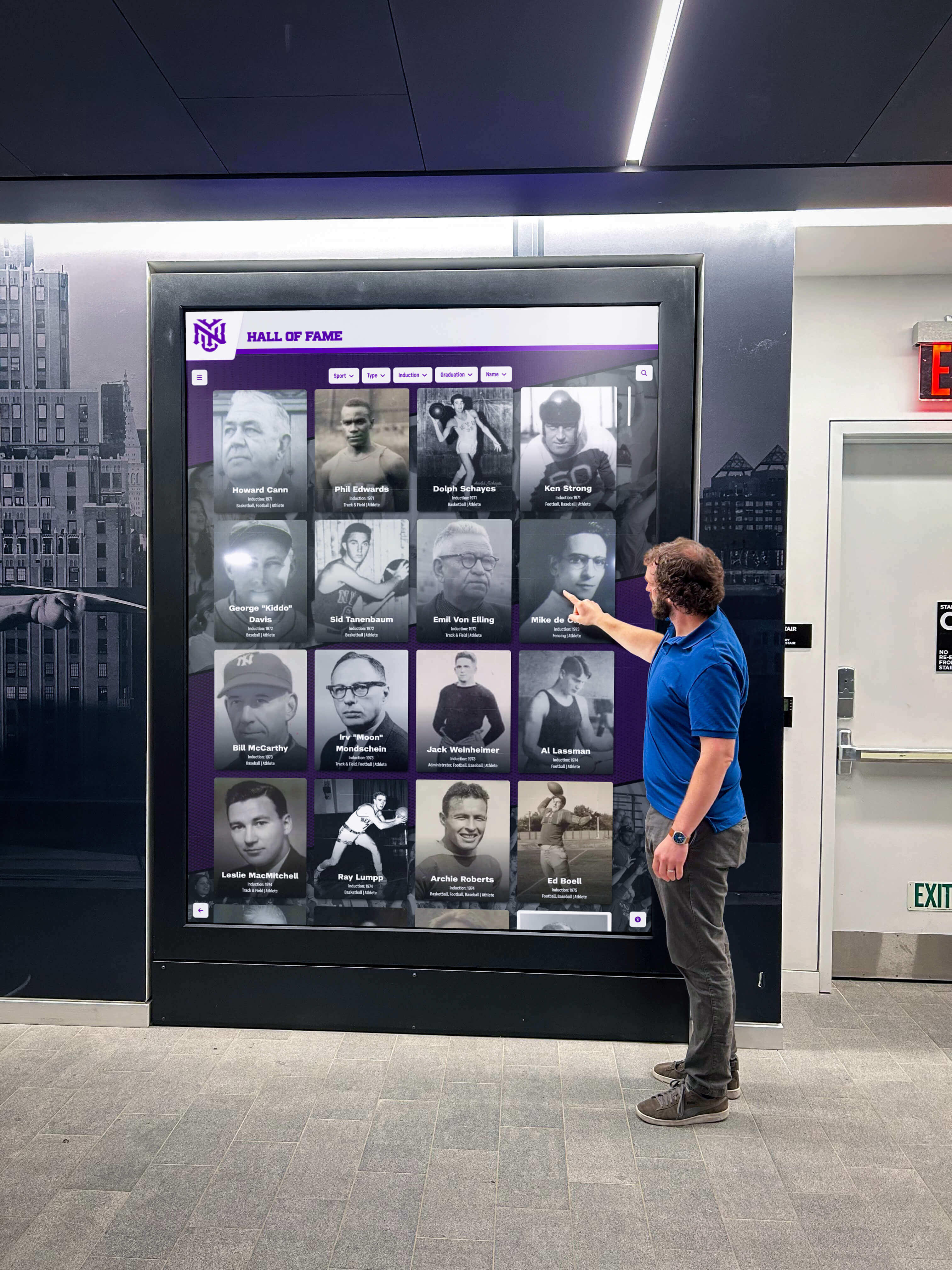
Interactive displays engage alumni during homecoming visits, allowing exploration of their era and current school achievements
Unique Ceremonial Elements
Adding Distinctive Touches
Special ceremonies create memorable moments:
Symbolic Traditions
- Torch passing ceremony between classes
- Senior tribute to underclassmen leaders
- Teacher appreciation moments
- Community service recognition
- Historical artifact displays
- School history presentations
- Victory bell or spirit stick traditions
Performance Traditions
- Original song or chant creation
- Student talent showcase performances
- Alumni band or choir performances
- Historical reenactments
- Video montages celebrating school history
- Recognition of academic achievement alongside social celebration
Service and Giving Traditions
Combining Celebration with Purpose
Progressive schools integrate service into homecoming:
Community Service Components
- Charitable food or clothing drives during spirit week
- Volunteer day preceding homecoming weekend
- Fundraising competitions between grade levels
- Community cleanup projects
- Alumni donation campaigns
- Scholarship fundraising initiatives
- Partnership with local nonprofits
Educational Elements
Thoughtful schools incorporate learning:
- Historical presentations about school evolution
- Career panels featuring successful alumni
- Academic achievement celebrations
- Digital tools demonstrating school history
- Student project showcases
- Athletic record displays
- Arts and performance exhibitions
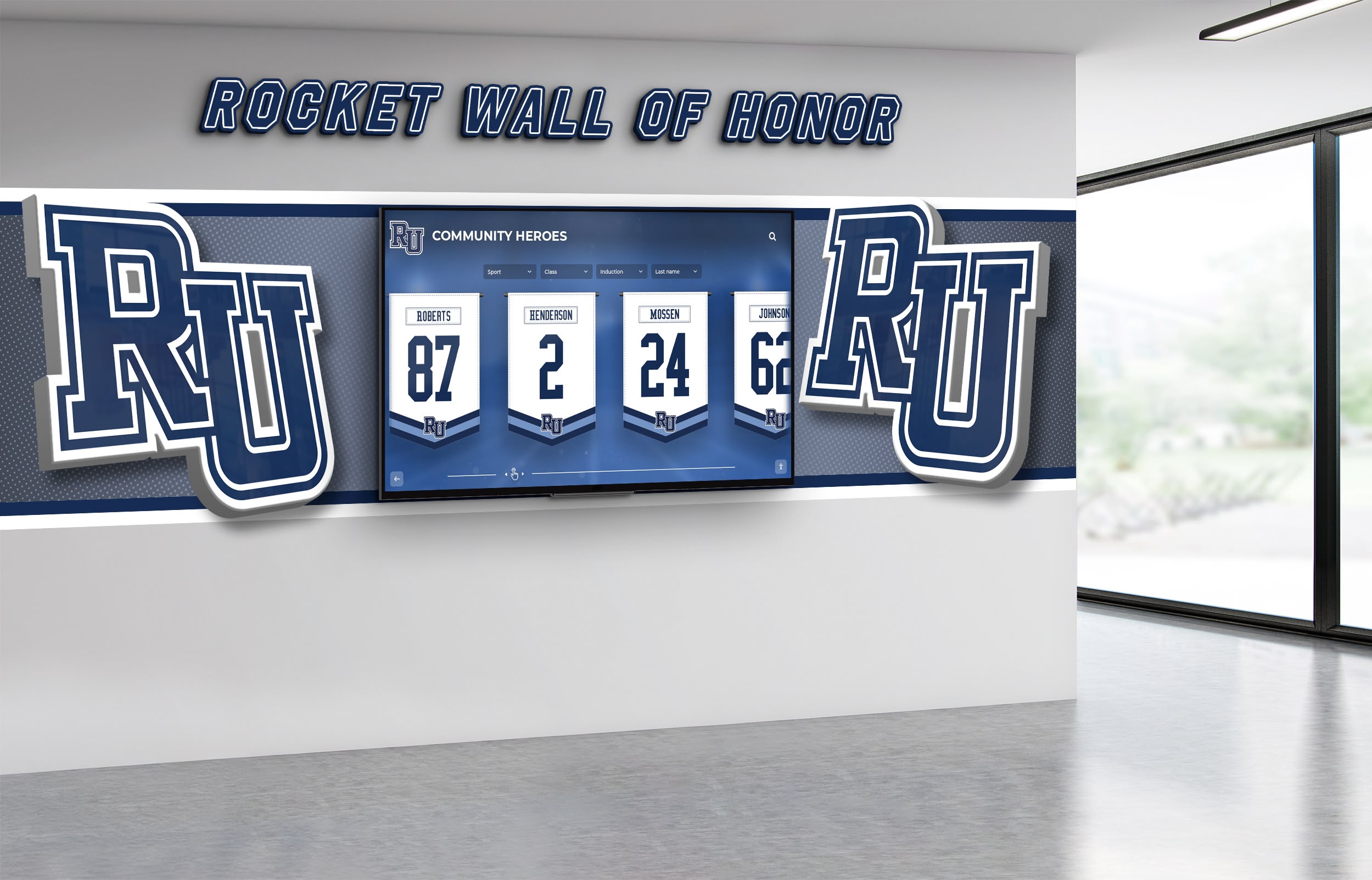
Modern recognition systems showcase historical achievements supporting educational homecoming elements about school legacy
Schools balancing celebration with service and education create homecoming experiences that feel meaningful rather than superficial, teaching values while building community and pride.
Preserving Homecoming Memories: Modern Recognition Approaches
Traditional trophy case plaques and yearbook pages provide limited ongoing homecoming recognition beyond brief celebrations.
Challenges with Traditional Recognition
Physical Recognition Limitations
Schools relying exclusively on traditional methods face predictable constraints:
Space Constraints
- Trophy cases fill quickly with annual homecoming courts
- Limited wall space for parade winners and spirit champions
- Difficult to provide equal visibility across multiple years
- Rotating displays mean historical recognition disappears
- Physical expansion requires renovation or construction
Limited Engagement
- Static plaques provide minimal information beyond names
- No ability to share accomplishments or stories
- Graduating students rarely return to see recognition
- Current students may not engage with older photographs
- Families without campus access can’t view recognition
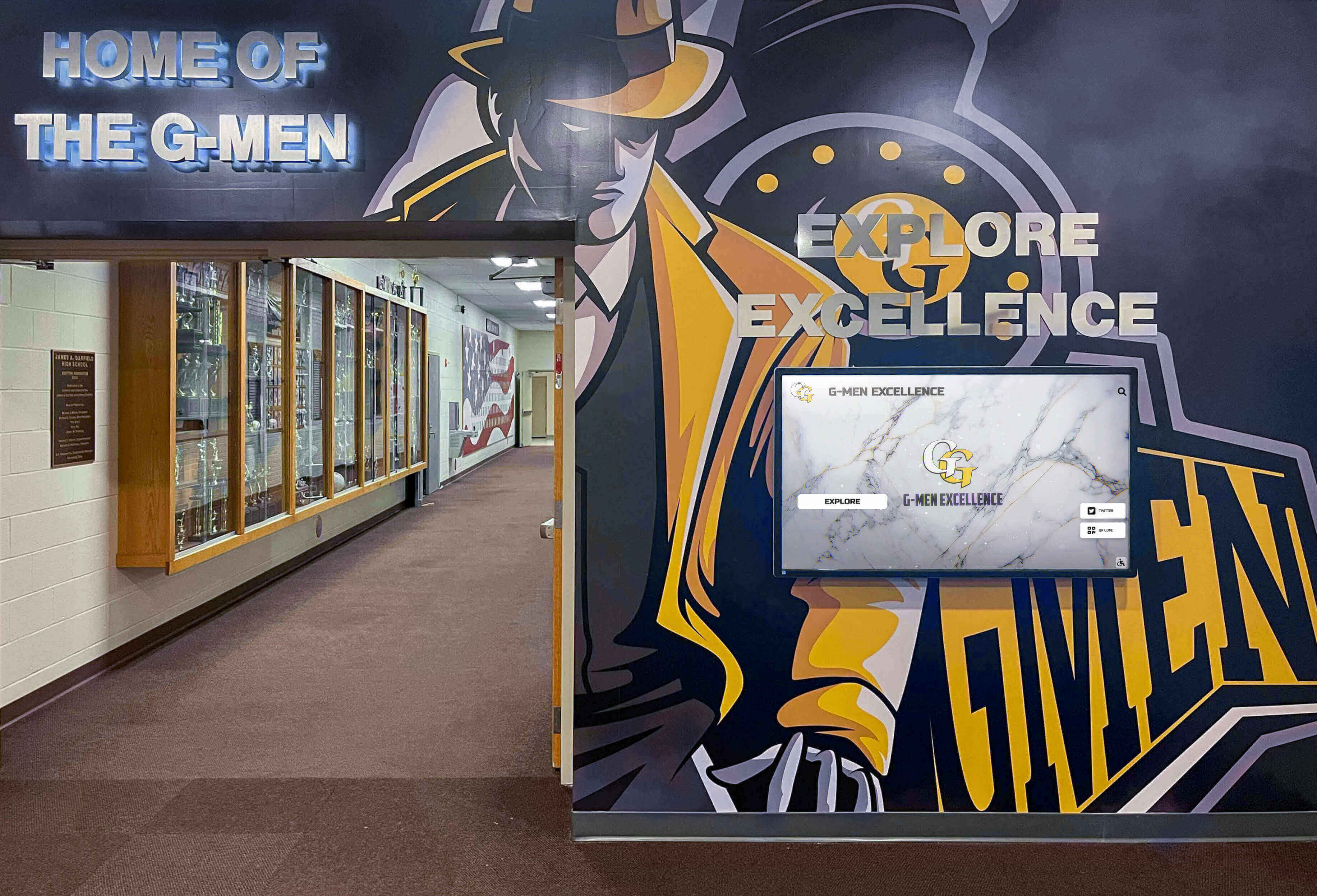
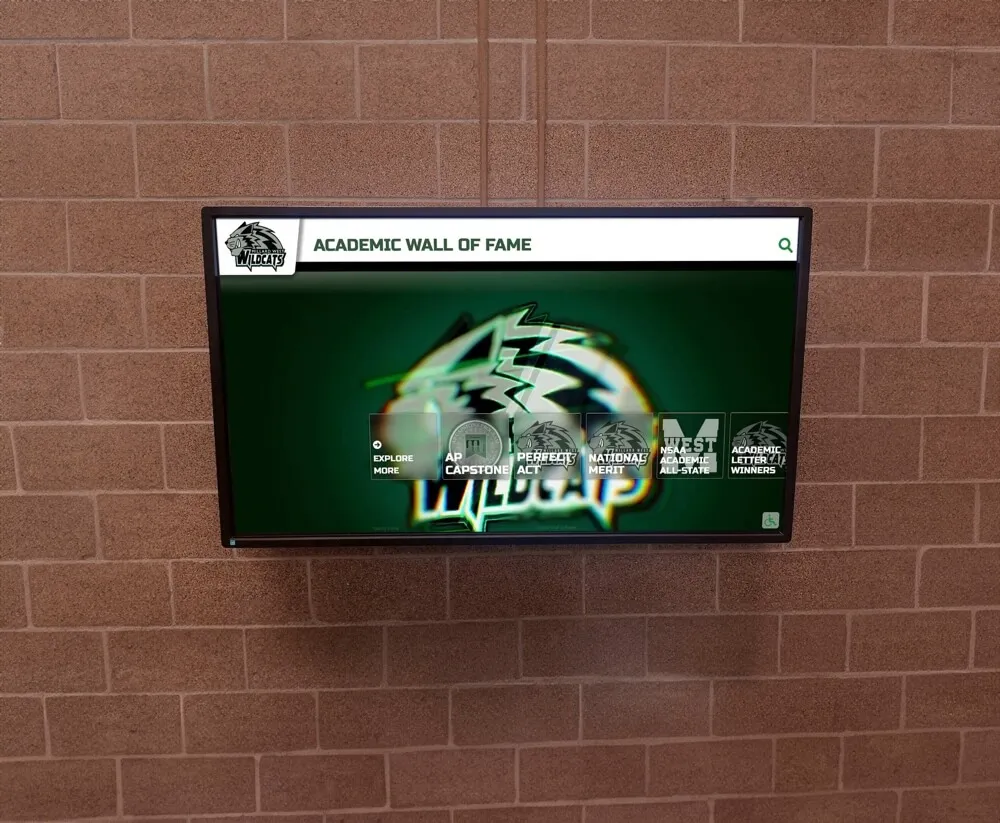
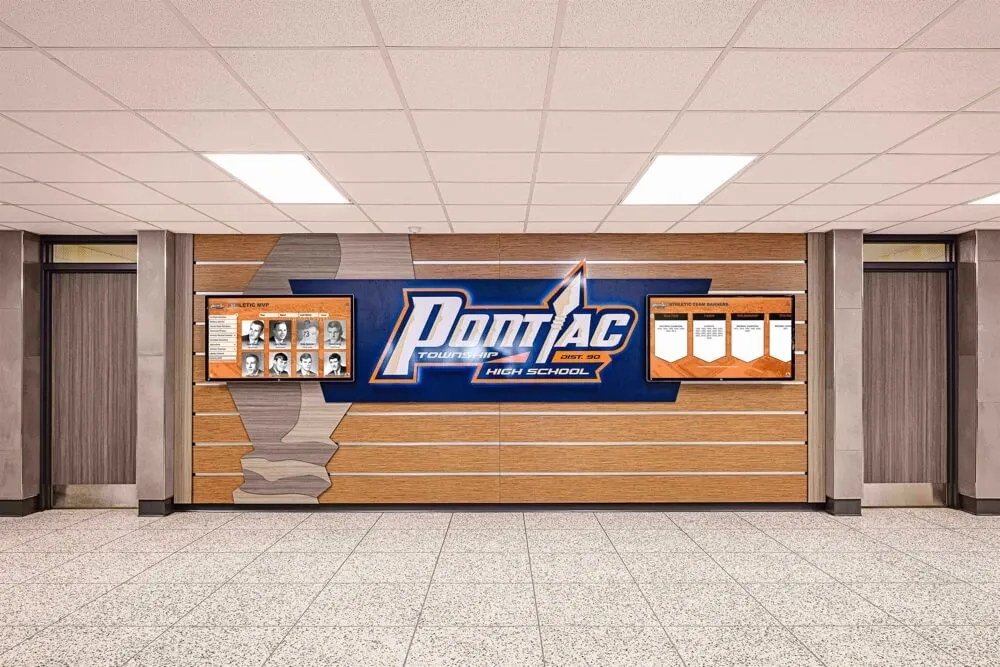
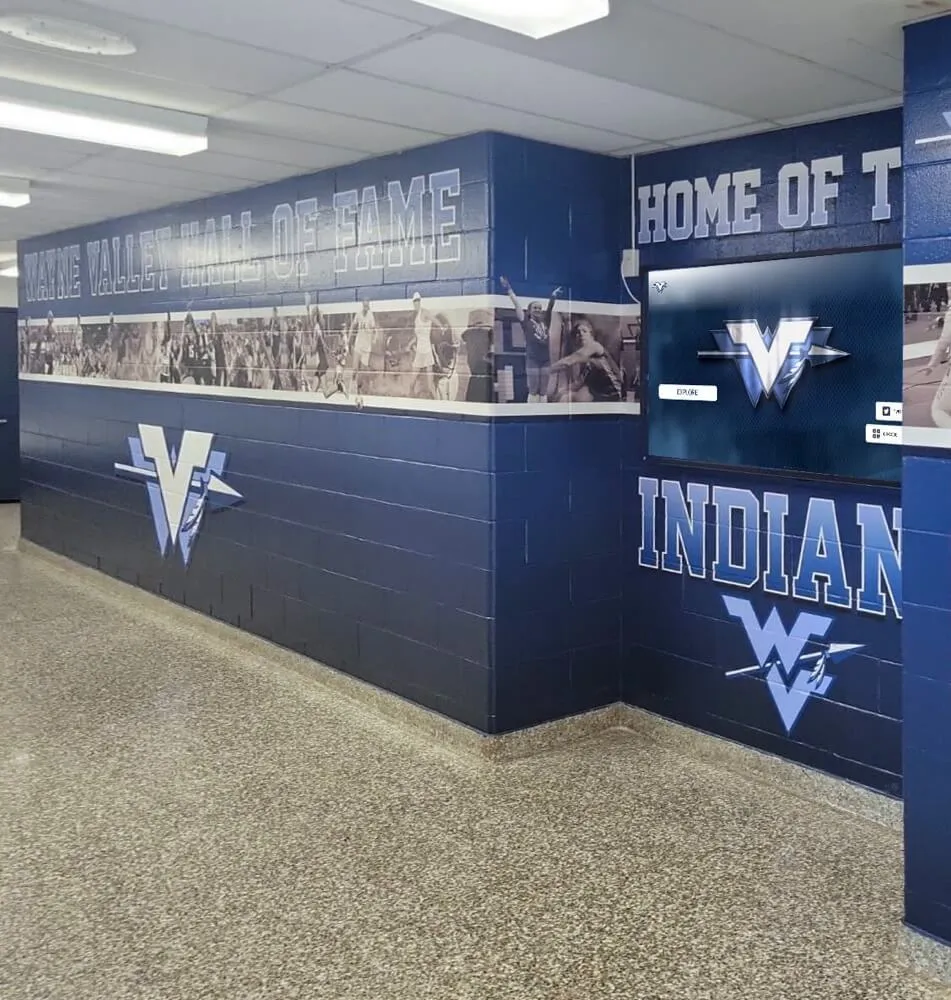
Hallway displays combining traditional trophy cases with digital screens provide comprehensive recognition accommodating unlimited homecoming memories
Update Difficulties
- Adding new recipients requires physical modifications
- Maintaining consistent quality proves challenging
- Costs accumulate with each annual addition
- Timeline delays between celebration and recognition
- Historical displays become outdated over time
Digital Recognition Solutions
Unlimited Capacity and Enhanced Storytelling
Modern schools increasingly implement comprehensive digital recognition systems addressing traditional limitations:
Advantages of Digital Platforms
Solutions like Rocket Alumni Solutions transform homecoming recognition:
- Unlimited capacity showcasing every homecoming court member, float winner, and spirit champion from school history
- Easy updates adding current year’s honorees without physical construction
- Multimedia presentations with photos, videos, and detailed biographical information
- Interactive exploration allowing searchable discovery of specific years or students
- Remote accessibility enabling families and alumni worldwide to view recognition
- Professional presentations enhancing institutional prestige and celebration
- Cost-effective long-term solution versus ongoing physical expansion
- Integration capabilities connecting to existing school communication systems
Implementation Approaches
Digital recognition takes multiple forms:
- Touchscreen kiosks in main lobbies or entrances
- Wall-mounted displays in high-traffic hallways
- Mobile-responsive websites accessible anywhere
- QR codes linking to detailed profiles
- Social media integration extending reach
- Cloud-based management enabling remote updates
- Historical timeline displays documenting school evolution
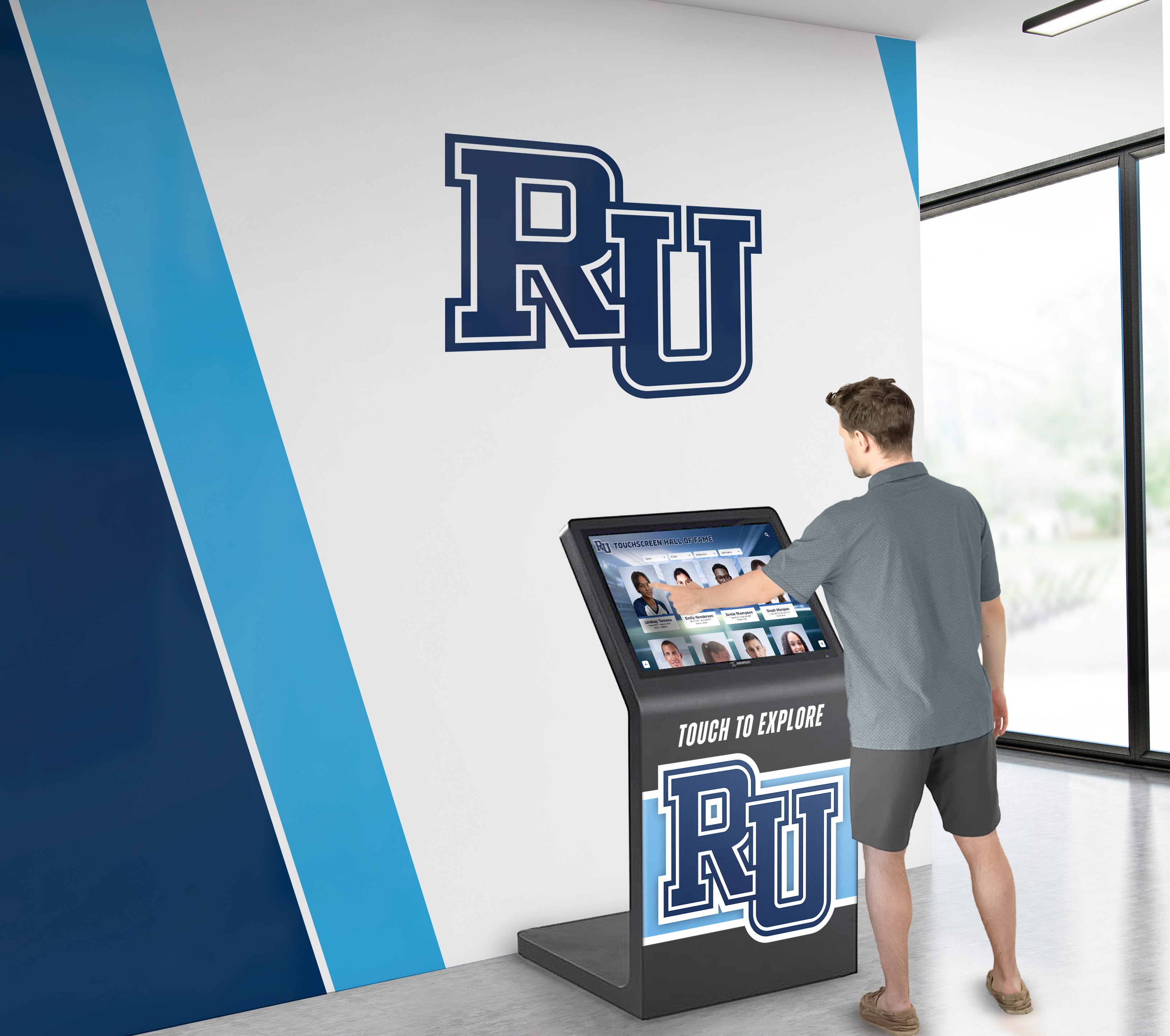
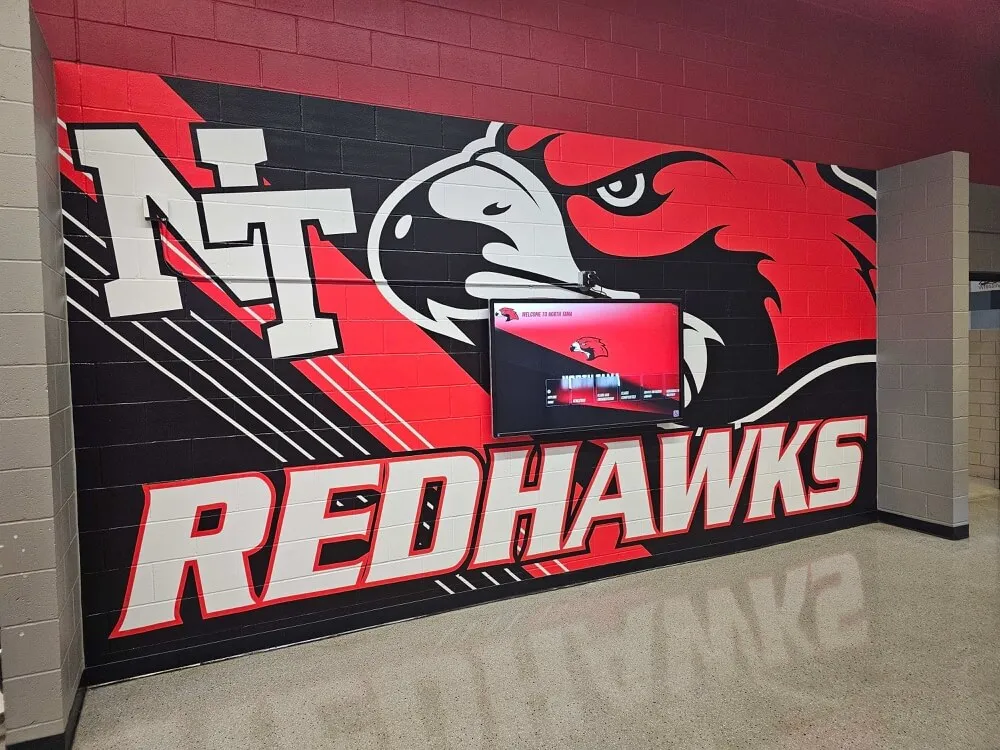
Interactive kiosks enable students, families, and alumni to explore comprehensive homecoming archives with searchable access
Extending Recognition Impact
Digital systems extend celebration beyond homecoming week:
- Pre-event promotion featuring upcoming court nominees
- Real-time updates during homecoming celebrations
- Post-event galleries preserving memories permanently
- Year-round visibility maintaining tradition importance
- Alumni engagement enabling graduates to revisit memories
- Recruitment tools showcasing vibrant school culture
- Donor recognition opportunities supporting programs
Schools implementing comprehensive digital recognition report significantly higher student engagement and institutional pride while solving space constraints that traditionally limited recognition capacity.
Building and Maintaining Homecoming Traditions
Successful homecoming celebrations require intentional planning and cultivation across academic years.
Establishing New Traditions
Starting from Scratch or Revitalizing Programs
Schools building homecoming programs benefit from strategic approaches:
Research and Planning Phase
- Survey students, families, and staff about desired elements
- Research traditions at similar schools for inspiration
- Consider community context and resources available
- Identify key stakeholders and planning committee members
- Establish realistic timeline for implementation
- Create budget aligned with available resources
Pilot and Refine Approach
- Start smaller and expand as tradition establishes
- Implement core elements first (court, game, dance)
- Add complexity gradually based on capacity
- Gather feedback after initial celebrations
- Adjust based on participant experiences
- Document successes and challenges
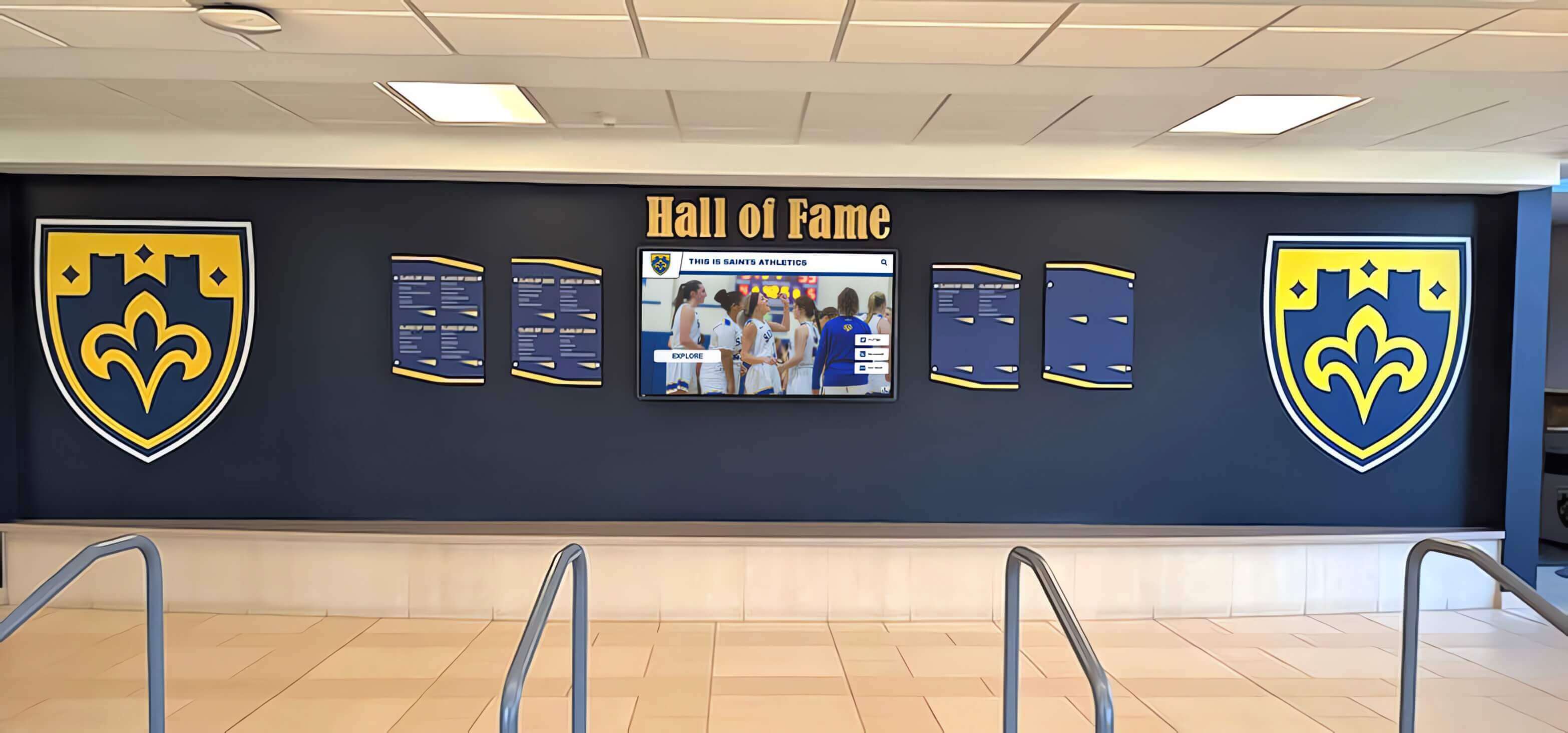
Lobby recognition areas provide focal points for homecoming celebrations while maintaining year-round visibility of tradition
Building Momentum
Traditions strengthen through consistency and improvement:
- Maintain core elements year after year
- Add enhancements without abandoning basics
- Celebrate participation more than perfection
- Build institutional memory through documentation
- Create handoff processes between student leaders
- Recognize organizers and volunteers appropriately
- Integrate with broader school culture initiatives
Maintaining Established Traditions
Keeping Celebrations Fresh While Honoring History
Mature homecoming programs require balance between consistency and innovation:
Honoring Core Traditions
- Maintain signature elements defining school celebration
- Respect historical significance of established practices
- Preserve ceremonies alumni recognize and remember
- Document tradition history and evolution
- Celebrate milestone anniversaries appropriately
- Connect current students to historical roots
Strategic Evolution
Smart schools adapt without abandoning tradition:
Evolution Strategies
- Update elements reflecting current student interests
- Improve production quality and presentation
- Enhance inclusivity and accessibility
- Integrate technology appropriately
- Address problematic aspects of historical traditions
- Expand participation opportunities
- Add contemporary elements alongside classic traditions
- Museum-style displays documenting evolution
Avoiding Common Pitfalls
- Changing too much too quickly
- Abandoning traditions without understanding significance
- Over-commercializing celebrations
- Creating exclusivity instead of inclusion
- Focusing on spectacle over meaning
- Ignoring feedback from stakeholders
- Losing sight of purpose and values
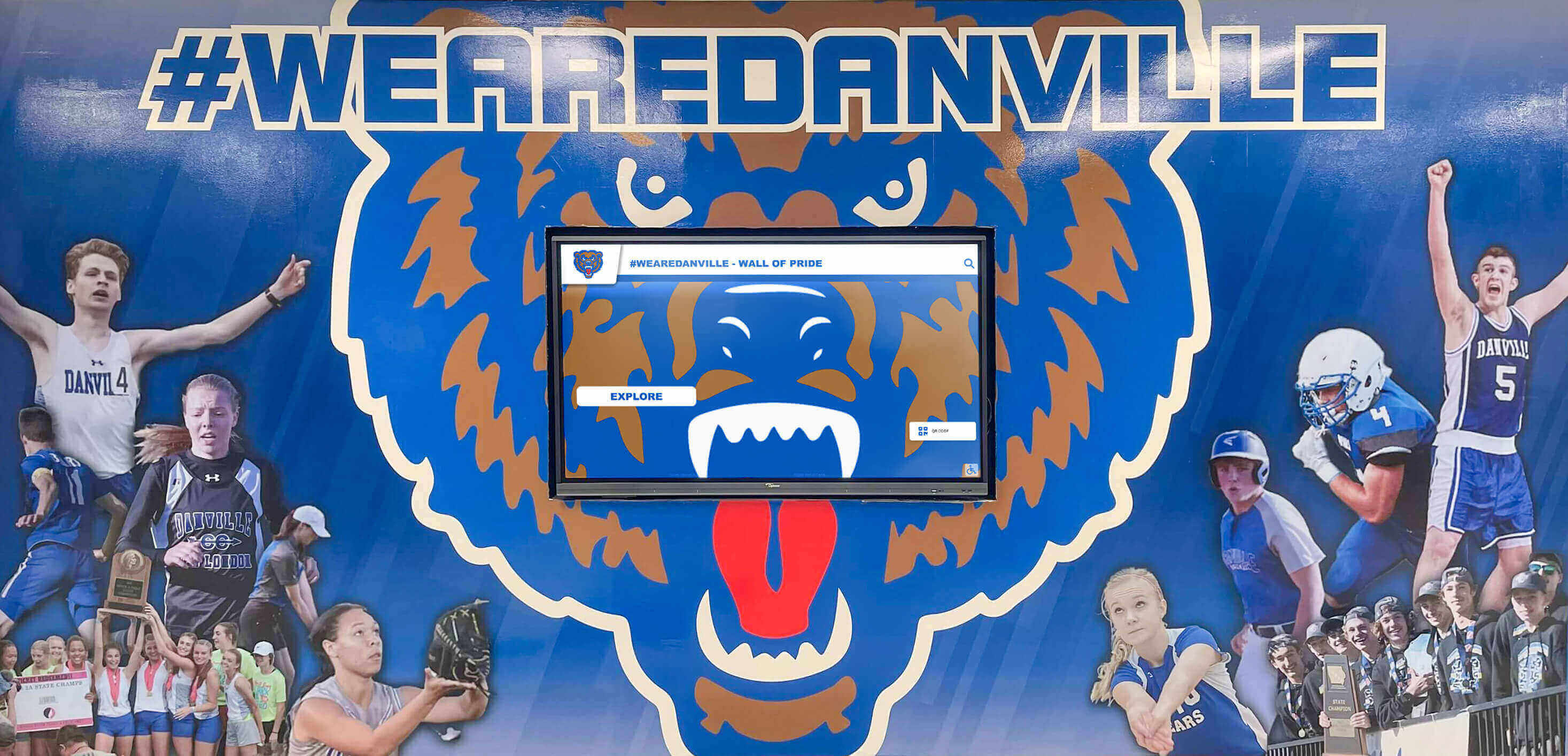
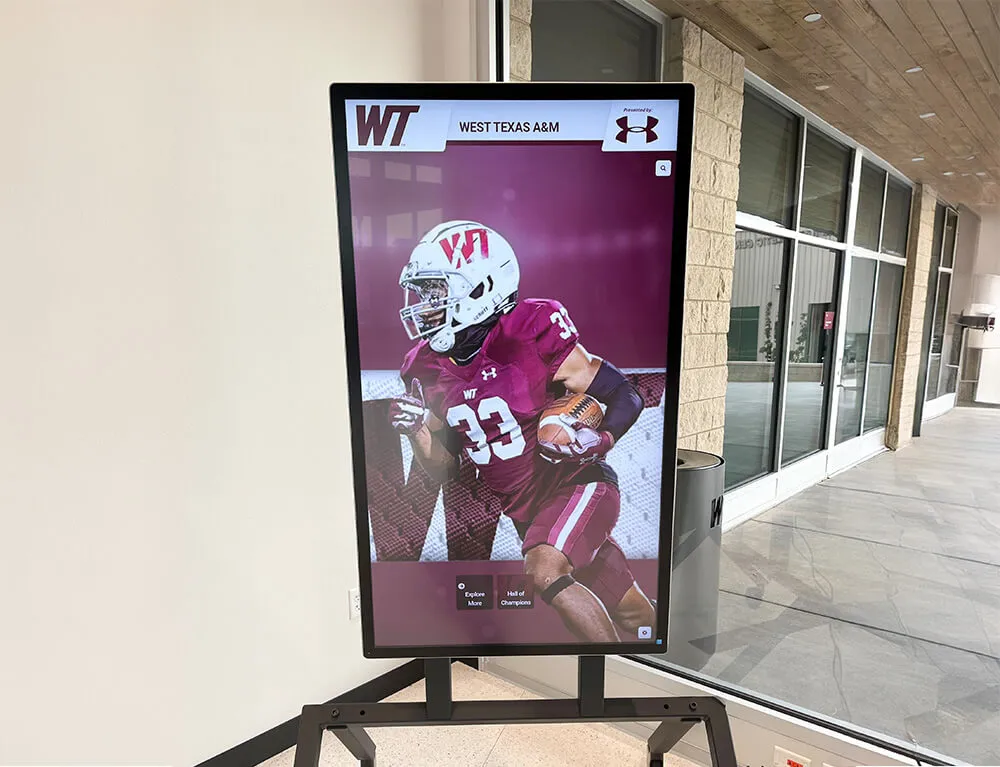
Athletic corridors celebrate homecoming game traditions while maintaining daily visibility of program excellence
Measuring Tradition Impact
Assessing Celebration Effectiveness
Data-informed approaches improve homecoming programs:
Quantitative Measures
- Participation rates in various activities
- Attendance at game, dance, and events
- Alumni return and engagement levels
- Social media reach and engagement
- Fundraising or charitable giving results
- Budget efficiency and resource utilization
Qualitative Assessment
- Student satisfaction and enthusiasm
- Family appreciation and feedback
- Staff and faculty input
- Community perception and support
- Long-term impact on school culture
- Alignment with institutional values
- Emotional connections and memory creation
Schools implementing systematic evaluation create homecoming programs that improve continuously while maintaining the core elements that make celebrations meaningful and memorable.
Conclusion: Creating Lasting Homecoming Traditions
Homecoming traditions represent more than fun diversions from academic work—they create defining moments in high school experience, build institutional identity spanning generations, and establish rhythms that strengthen school culture throughout academic years. When thoughtfully planned and consistently maintained, these celebrations become anticipated highlights students remember fondly decades later while current participants eagerly await each year.
The essential homecoming traditions explored throughout this guide—from court selection and spirit week activities to parade celebrations and dance socials—provide frameworks for creating meaningful experiences resonating with diverse student populations. Success comes from balancing established traditions with thoughtful evolution, prioritizing inclusion and participation over exclusivity, and creating recognition extending beyond brief ceremonies to permanent celebration.
Smart schools recognize that preserving homecoming memories requires modern approaches transcending physical trophy case limitations. Digital recognition displays enable unlimited celebration of homecoming participants across decades, creating searchable archives connecting current students to historical traditions while allowing families worldwide to explore accomplishments. This integration of brief celebration peaks with sustained recognition builds cultures where acknowledgment feels constant rather than episodic.
Preserve Your Homecoming Traditions Permanently
Discover how digital recognition displays enable unlimited homecoming celebration, interactive exploration of tradition history, and permanent preservation of memories accessible to students, families, and alumni worldwide. See how schools nationwide honor homecoming participants with professional presentations maintaining visibility throughout the year while building pride connecting generations.
Explore Recognition SolutionsAs you plan this year’s homecoming celebration, remember that the most meaningful traditions balance entertainment with genuine recognition, create inclusive participation opportunities welcoming all students, and connect current celebrations to historical roots giving events deeper significance. Whether establishing new traditions or maintaining beloved established ones, intentional planning focused on purpose and values creates homecoming experiences that strengthen school culture while building memories students carry throughout their lives.
The homecoming traditions your school cultivates today become the cherished memories alumni recall at reunions decades from now—invest in creating celebrations worthy of that lasting significance. With thoughtful tradition selection, consistent execution, inclusive participation structures, and modern recognition systems preserving achievements permanently, you build homecoming programs that truly matter to your school community while creating connections spanning generations of students who proudly share your school identity.