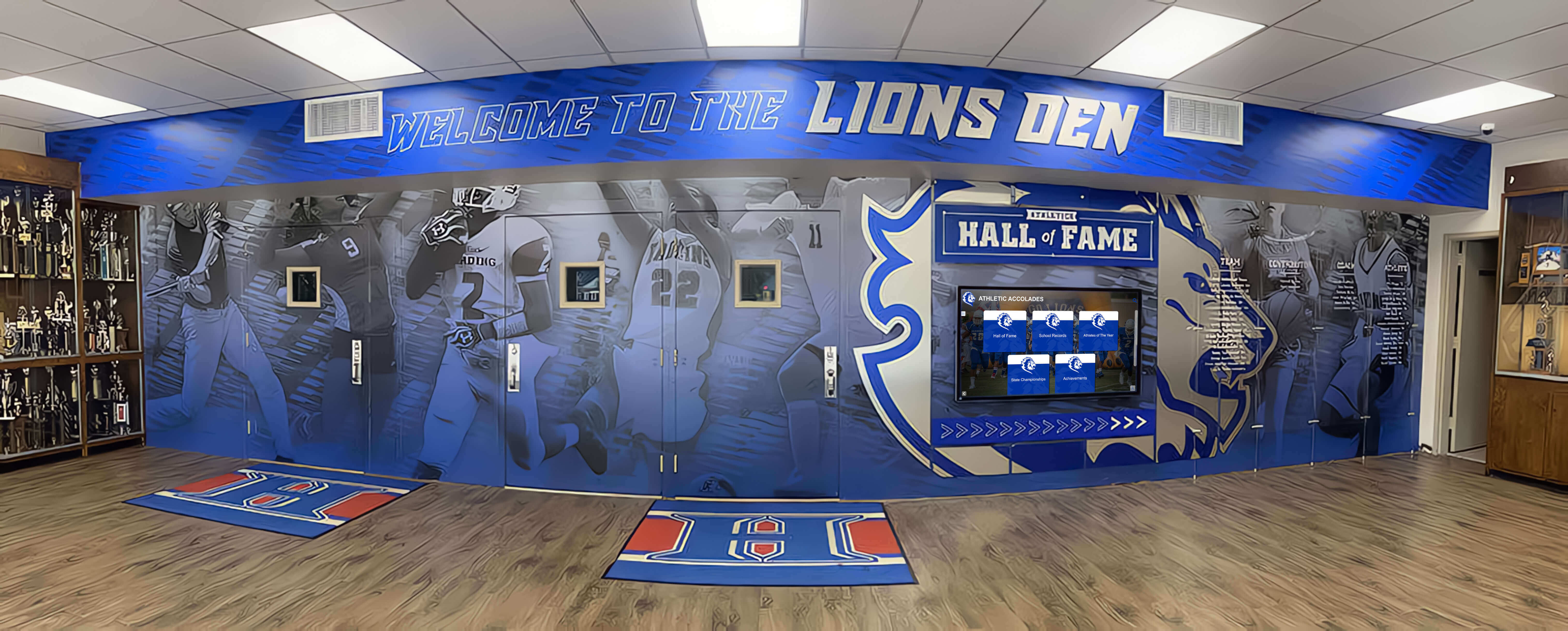
The Easiest Touchscreen Solution


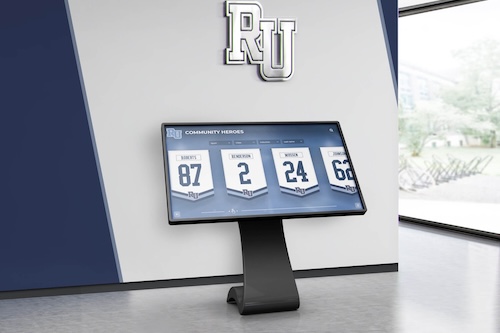

Live Example: Rocket Alumni Solutions Touchscreen Display
Interact with a live example (16:9 scaled 1920x1080 display). All content is automatically responsive to all screen sizes and orientations.
When a historic wooden trophy base shows a glossy, amber-toned surface that might be an original shellac or natural-resin coating, the right first step is documentation — not cleaning. Photograph the full surface from consistent angles, record every area where the finish appears different from the surrounding field (lifting, cloudy, cracked, or re-coated), note any inscribed dates or base markings that give the trophy a manufacture period, and log all of this in the awards database before the trophy is moved or touched with any cloth. The Canadian Conservation Institute’s guidance on caring for furniture finishes is clear that characterizing old natural resin coatings is very difficult and that cleaning of degraded surfaces belongs to an experienced conservator — not to staff-applied products. A complete intake record created before any cleaning attempt is the single most important step your school can take to protect both the original coating and the recognition history that trophy carries.
School trophy collections assembled across the late nineteenth and mid-twentieth centuries often include wooden bases with original finish coatings that have survived decades in display cases with little intervention. Those coatings — which may include shellac spirit varnish, oil-based varnish, French polish, wax, or combinations applied at manufacture or during later repairs — represent part of the object’s material history. Before any cleaning session, display rotation, or conservation referral, a structured intake record gives staff, future handlers, and any conservator who reviews the piece an accurate starting point.
This guide covers wooden trophy bases only. The Canadian Conservation Institute’s guidance on furniture finishes applies specifically to coated wood surfaces. Metal figurines, cast-resin columns, plastic components, and mixed-material trophies require separate material-specific assessments — the guidance here does not extend to those elements.

Trophy cases assembled over multiple decades frequently hold wooden bases with original coatings that have never been formally documented — a structured intake record creates the baseline every future handling session and conservation consultation needs
Why Intake Records Come Before Any Cleaning
The most common error in trophy case maintenance is cleaning before documenting. Once a cloth — dry or damp — has passed over a degraded finish, the question of what changed during that session becomes unanswerable. A natural resin coating that has aged may be partially removable by a dry cloth; a wax overcoat can smear or redistribute; a partially delaminating varnish layer can lift further. None of these outcomes are visible in a photograph taken after handling.
The Canadian Conservation Institute’s guide Care of Furniture Finishes identifies the preconditions for any cleaning decision on a coated wooden surface: “it is necessary to determine what type of coating it is, whether or not it is stable, if it has been modified or refinished and what the effect of the cleaning technique will be.” None of those determinations are possible without a prior condition record. The intake workflow in this guide structures the information-gathering phase so that the cleaning or referral decision that follows has a documented basis.
The same intake discipline applies to other fragile historic materials in school collections. The albumen team photograph intake process for documenting cracking before athletic archive digitization follows a parallel logic: document the condition of a fragile original before handling, because handling changes what you can then record.
What the CCI Guidance Says About Natural Resin Coatings on Wood
The CCI guide’s section on natural resin coatings is the most directly applicable reference for historic shellac and varnish finishes on trophy bases. Several findings from that section are foundational to this intake process.
Identification is genuinely difficult. The CCI notes that “characterizing old, natural resin coatings is very difficult because over the centuries many different recipes that include resins, waxes, dyes and oils have been used… in innumerable combinations.” This matters because it means that a finish’s visual appearance — including its gloss, color, and texture — cannot reliably indicate what the coating actually is. A shiny amber surface might be shellac spirit varnish, copal oil varnish, a wax overcoat applied over a historic resin, or a combination of original and repair coatings applied at different times.
Gloss alone does not confirm shellac. The CCI guide identifies shellac as an evaporative (solvent-release) finish — it dries by solvent evaporation rather than polymerizing. French polish, which the CCI describes as “a common gloss finish frequently found on mahogany furniture from the 19th century,” is produced by applying shellac in multiple layers by rubbing with a wadded cloth. But many other finishes also produce a high-gloss surface, and a historic shellac finish that has aged, yellowed, or been waxed may no longer appear glossy at all. Gloss level is not a reliable identification indicator for any historic natural resin coating.
Degraded surfaces require conservator referral. The CCI is explicit: “Cleaning of degraded, natural resin coatings… should always be referred to an experienced conservator.” Degraded surfaces are more soluble and more vulnerable to cleaning interventions than intact ones. The guide also notes that “solubility can also vary widely between original and repaired surfaces (and past interventions may be well hidden).” A historic trophy base that has been wiped, polished, or had a section re-finished at some point in its life may have areas of significantly different solubility within the same visual surface — with no clear visual boundary between original and repair.
Light and water are the primary damage agents. The CCI guide identifies light exposure as causing “slow and insidious degradation that eventually causes the finish to discolour, crack and become loose.” Water produces “rapid and obvious damage” to natural resin coatings. Both are relevant to trophy case environments where cases may have been illuminated by fluorescent fixtures for decades and where routine cleaning programs may have used damp cloths on surfaces without distinguishing finish type.
Commercial polish is not appropriate for historic objects. The CCI guide specifically states that commercial furniture finish restoration products and polishes are not recommended for wooden objects with historic significance. These products “usually contain waxes, oils or silicones, which can create a sticky build-up on surfaces that attracts dust and dirt” and can also “create compatibility issues with additional coatings that may be applied to the surface during future conservation treatments.” If the goal is accurate condition documentation, nothing should be applied to the surface before intake is complete.
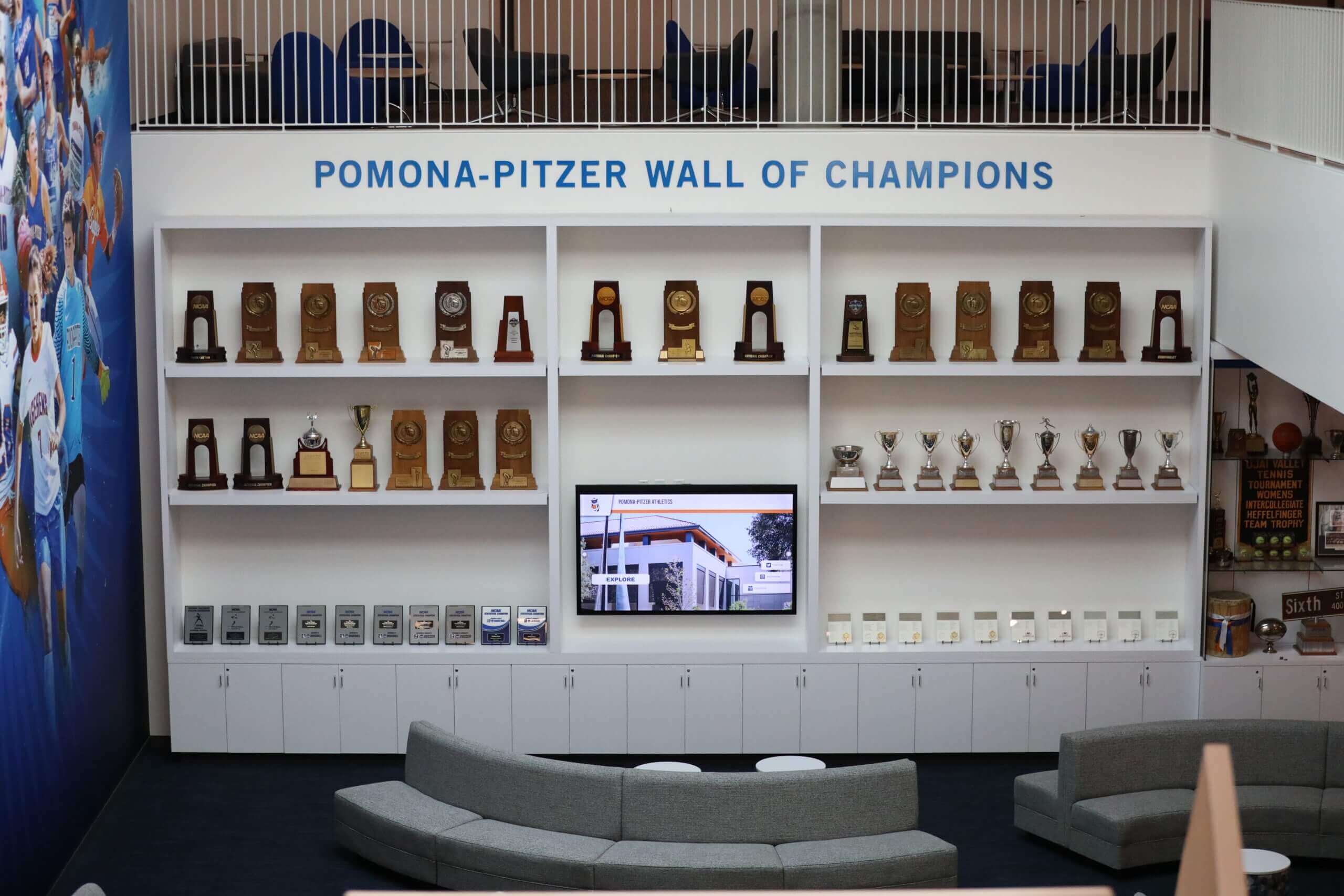
Wooden trophy bases in active display may have original coatings that have never been formally assessed — condition documentation before a display rotation establishes the baseline for future conservation decisions
Decision Table: Continue Staff Documentation or Refer to a Conservator
This table applies only to the wooden base component of a trophy. Review each observed condition before beginning any intake session. A “Refer” outcome means the base should not be cleaned, wiped, or moved beyond what is necessary for safe padded storage pending conservator contact.
| Condition Observed on the Wooden Base | Recommended Action |
|---|---|
| Finish appears intact, continuous, no visible lifting or cracking | Document with photographs; proceed with full intake workflow |
| Localized dulling or color variation that appears old and stable | Document; note location and extent; proceed with intake workflow with this area flagged |
| Any area where finish is lifting, bubbling, or delaminating from wood | Do not handle the delaminating area; document in place; conservator referral |
| Active flaking or powdering of surface material | Do not dry-brush or wipe; photograph and note affected area; conservator referral |
| Evidence of prior re-coating (different sheen across sections, visible overlap lines) | Document location and extent; note “possible overcoat or repair” in record; conservator assessment before any cleaning |
| Surface appears to have been treated with a commercial polish (residue, uneven sheen) | Document and photograph; conservator assessment before further cleaning |
| Cracks in the finish that extend into the wood surface | Do not handle affected area; conservator referral |
| White haze, blanching, or cloudiness over any portion of the finish | Do not attempt to clean; photograph; conservator referral |
| Strong or unusual chemical odor from the base | Do not handle without gloves; document; conservator referral |
Schools developing formal condition review practices for their recognition collections can also apply the accession discipline described in the athletic hall of fame accession form for documenting every artifact before display — accession records and finish intake records share the same core logic: capture the existing state of an object before it enters any display or conservation workflow.
Why Schools Cannot Confirm Shellac Without a Conservator
The traditional field identification for shellac involves testing whether the coating dissolves in denatured alcohol. This test requires applying solvent to the object surface — an action that risks damaging an original coating, particularly if the finish is already degraded, if the surface has been waxed over shellac, or if a repair has introduced a different coating in the area being tested. The CCI guide’s framework for natural resin coatings requires knowing what the coating is before applying any solvent — performing a solubility test to answer that question reverses the safe order of operations in a way that puts the finish at risk.
Portable spectroscopic analysis — specifically Fourier-transform infrared (FTIR) spectroscopy — can identify the resin type non-destructively on many historic finishes without sampling the object. This is a conservator-level tool, not staff equipment. For school trophy programs, the practical implication is to document the finish’s visual characteristics as thoroughly as possible during intake and leave material identification to the conservator who reviews the piece.
An intake record that accurately captures appearance, variation, and stability is useful input for a conservator regardless of whether staff can name the coating type. Documenting what you can observe does not require knowing what the coating is — and that documentation is what makes a conservator’s first assessment efficient.
Understanding the provenance and custody history of a trophy also helps interpret finish condition. A trophy that changed hands, was loaned for an anniversary event, or was stored off-site for years may have been cleaned or re-coated outside the school’s records. The athletic memorabilia provenance form for documenting ownership, history, and display rights provides a structure for capturing exactly this kind of background — previous custody history that may explain gaps in the finish or evidence of repairs whose origin is unknown.
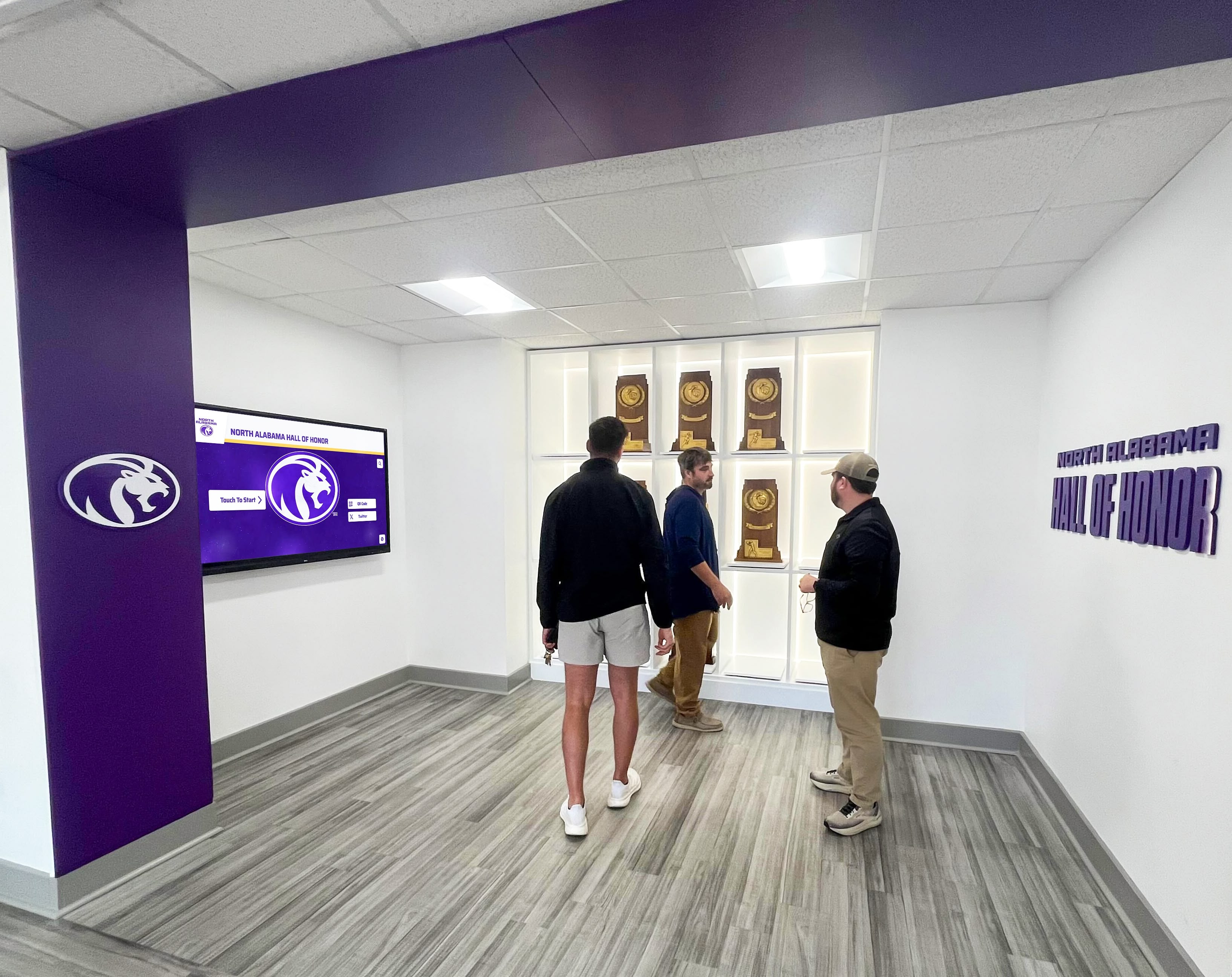
A two-person intake session — one documenting visually, one recording in the database — produces more complete and consistent records than solo assessment, particularly when close-up photography of finish details is required
7-Step Shellac Finish Intake Workflow
This workflow applies to any historic wooden trophy base where an original or suspected-original natural resin coating is present. Complete all steps in order. Steps 1 through 4 must be completed before the trophy is moved from its current location.
Step 1 — Confirm and update the database entry. Verify the trophy has an entry in the awards database. Record the current location specifically — case number and shelf position — before any movement. Confirm a database backup is current before creating new photographic records in that session.
Step 2 — Photograph the full base in place, before touching it. Photograph all four sides of the base plus the top surface (the column junction area) and the underside. Use consistent, diffuse lighting to show the overall finish character — avoid direct flash that produces specular reflections obscuring finish detail. Include at least one photograph that shows the base in the context of the whole trophy and its current case position.
Step 3 — Photograph finish variation in detail. For every area where the finish looks different from the surrounding field — different sheen level, color, texture, cracking, or apparent age — take a close-up photograph. Include a ruler or coin as a scale reference in each close-up frame. Use raking light (a flashlight held at a low angle to the surface) to reveal texture and any edge lifting that straight-on photography misses. Raking light is especially useful for detecting repair overlap lines that are invisible in normal lighting.
Step 4 — Apply the decision table before moving the trophy. Review all observed conditions against the decision table above. If any condition triggers a conservator referral, stop the workflow here. Document the decision and date in the database entry. Do not move or clean the trophy until the conservator has assessed it.
Step 5 — Handle safely to the inspection surface. Support the trophy from below at all times — never lift by the figurine, column, or any projecting element. Use clean cotton gloves or a padded tray for transport. Move to a padded, stable, flat work surface. Note any sounds or visible changes that occur during the move and add them to the record immediately.
Step 6 — Document inscriptions and base markings. Photograph all engraved plates and inscription text under raking light to reveal relief clearly. Transcribe all text — year, award title, recipient name, school — into the digital record. Check the underside and visible joint seams for manufacturer stamps, date stamps, or material markings. Document all of this in the database entry and link photographs directly to the entry.
Step 7 — Record the outcome and display conditions. Enter one of three outcomes in the database: “cleared for current display conditions,” “cleared with conditions noted” (with conditions specified), or “referred to conservator — do not clean or display.” If cleared with conditions, record the specific display environment details — lighting type, UV exposure level, case material — that the clearance is contingent on. If referred, record the conservator contact information and the referral date.
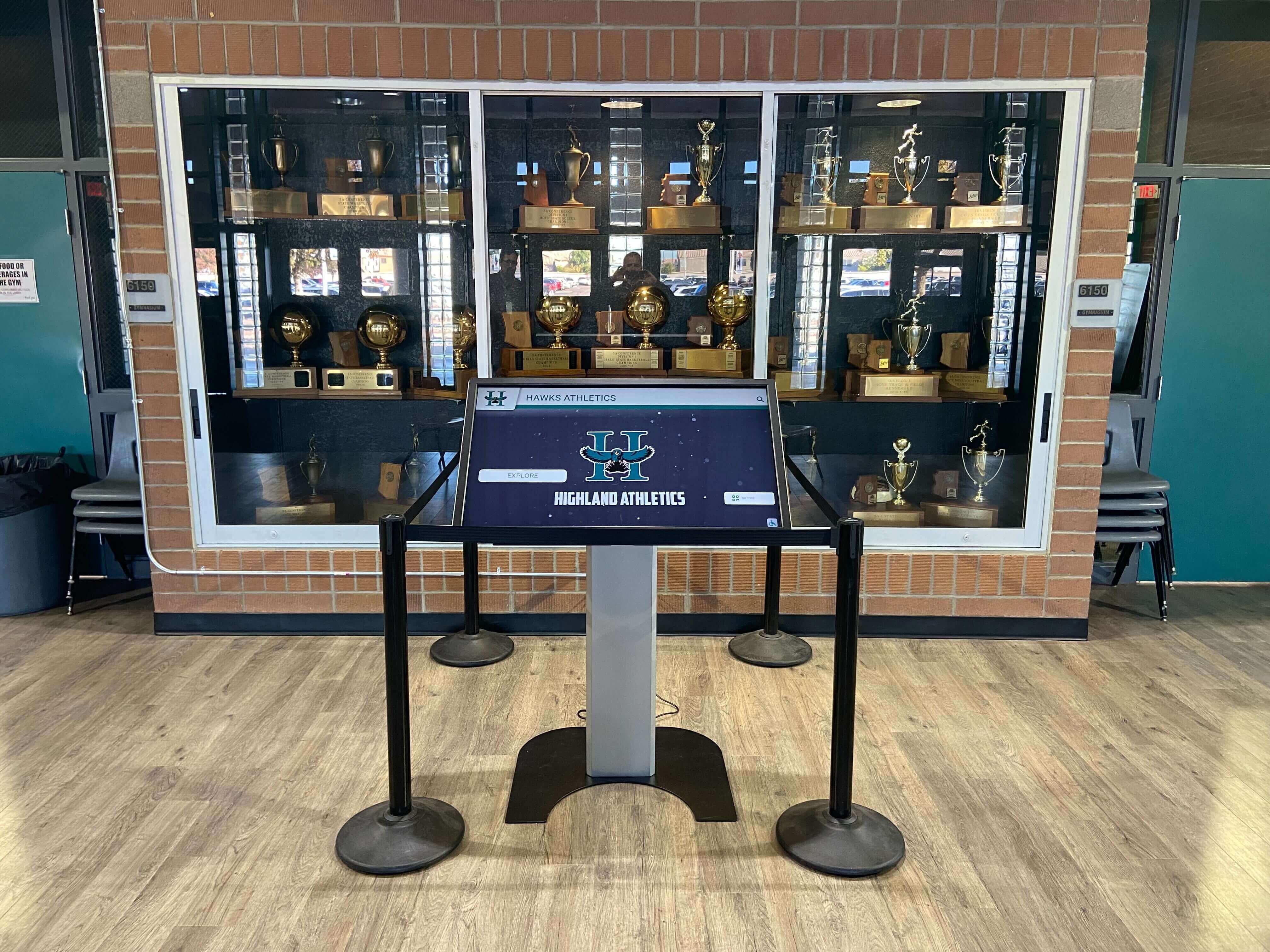
Digital recognition records entered during each intake session become the condition history for a trophy — accessible to future staff and conservators even when physical handling records are unavailable
Shellac Finish Intake Record Template
Complete one record per trophy per handling session. File in the awards database linked to the trophy’s primary record entry.
| Field | What to Record |
|---|---|
| Item ID | Unique identifier matching label on trophy or case inventory |
| Trophy description | Physical description: base material (wood species if visible), approximate dimensions, approximate manufacture period if inscribed |
| Award inscription | All engraved text: sport, season, award name, recipient name, school, year |
| Current location | Case number, shelf position, or storage location before any movement |
| Finish character — overall | Surface as observed: gloss level (high / medium / matte / variable), color (amber, dark, pale, variegated), texture (smooth, grainy, crackled), apparent film continuity |
| Finish continuity | Continuous across entire base / discontinuous (note areas of variation) |
| Variation areas | For each area of different appearance: location, approximate extent, description (different sheen, color shift, crack pattern, visible repair overlap line) |
| Edge and joint condition | Finish at corners and joints: tight / lifting / missing / uncertain — note each joint independently |
| Evidence of prior intervention | Visible signs of re-coating, polishing product residue, or cleaning history: yes / no / uncertain (describe if yes) |
| Light history | Known or estimated display lighting type: fluorescent / incandescent / LED / unknown; approximate years at this location if known |
| Photographs taken | Y / N; number of images; file storage path; raking-light images taken: yes / no |
| Decision table outcome | Cleared / Cleared with conditions / Referred to conservator |
| Conditions if cleared | Lighting conditions, UV exposure level, case material, and any handling restrictions that apply to this clearance |
| Staff completing intake | Name and title |
| Date of intake | Date record completed |
| Conservator contact if referred | Name, organization, date of contact |
Finish Continuity: What to Look For and How to Record It
Finish continuity is the most useful single observation in a shellac finish intake. An original coating that has remained intact, without re-coating or repairs, presents a continuous character — consistent sheen level, aging pattern, and color — across the entire base surface. Discontinuity — areas where the sheen, color, or texture differs from the surrounding field — indicates that the finish has been modified at some point in the trophy’s history.
Continuity observations to record:
Sheen variation across sections. One section significantly glossier or more matte than adjacent sections at the same lighting angle suggests a re-coating or localized repair. Record the location, approximate area, and how the sheen differs.
Color variation in the coating (not the wood). An area that appears lighter, darker, or differently amber-toned than surrounding finish areas — not explained by the underlying wood grain visible through the finish — may indicate a repair coating applied with a different resin or dilution. Record location and extent.
Visible overlap lines. A faint edge or line where one finish level steps to another is direct evidence of a re-coating boundary. Note location and direction. These lines are often visible only in raking light from a specific angle.
Different crackle patterns in adjacent sections. Aged natural resins develop characteristic crack patterns over time. Two sections of a base that show different crackle patterns — different scale, direction, or depth — may have aged under different conditions or represent coatings applied at different times. Photograph each pattern area separately with raking light.
When a base shows clear discontinuity — two or more distinct finish zones — the intake record should document this regardless of whether the cause is apparent. A conservator reviewing the record may be able to determine from those observations whether the discontinuity reflects a repair, a previous cleaning, or manufacturing variation, and that determination directly affects treatment recommendations.
Understanding how baseline documentation shapes future decisions applies across material categories in school recognition programs. Just as incoming new banner materials are verified against supplier test data, the championship banner fabric tear-strength checklist for what schools should ask suppliers to verify illustrates the broader principle: a well-documented baseline — for new materials or historic ones — is what future assessments measure against.
What to Avoid Before and During Intake
Several actions commonly applied to trophy cases as routine maintenance are inappropriate for wooden bases where an original natural resin coating may be present.
Do not apply any commercial furniture polish or restoration product. The CCI guide explicitly cautions against these products for historically significant wooden objects, noting that they create residue and can complicate future conservation treatments. This includes wax-based polishes, silicone sprays, lemon-oil products, and products described as “natural” or “gentle.”
Do not attempt to consolidate or re-adhere lifting finish areas. A delaminating natural resin area may appear to need adhesive. Applying any consolidant before conservator assessment may interfere with treatment options and bond in ways that cannot be reversed. Document the lifting area in detail and refer.
Do not dry-brush or wipe flaking or powdering areas. Any area where the finish is actively flaking or powdering should not be disturbed before conservator assessment — that material may be part of the original surface record the conservator needs intact to assess the deterioration mechanism accurately.
Do not move a referred trophy to a significantly different environment. Abrupt environmental transitions — from climate-controlled display to unheated or uncooled storage — create dimensional movement in the wooden substrate that stresses an already delaminating finish.
Do not substitute photographic documentation for a written record. Photographs record what the surface looked like. A written record captures what the observer interpreted, which sections were considered stable, and what decision was made. Both are necessary. A photograph without a written interpretation leaves the next handler to re-read the image from scratch without context.
Digital Records as Surrogates During Conservation Review
When a historic wooden trophy base is referred to a conservator and removed from display, the recognition content it carries — the name of the recipient, the award year, the sport and achievement — does not need to disappear from public view at the same time. Schools that maintain a parallel digital recognition record can keep every inductee’s name and achievement fully accessible regardless of what is happening with the physical trophy.
A digital recognition record functions as a permanent surrogate: the award history remains searchable and accessible by students, staff, and alumni on a touchscreen kiosk or through a QR code linked from the display case, while the physical object undergoes assessment off-site. Schools that display digital recognition alongside physical cases maintain full recognition continuity when individual pieces rotate in and out for conservation — a capability that becomes especially valuable for collections with multiple period trophies requiring staggered conservation attention.
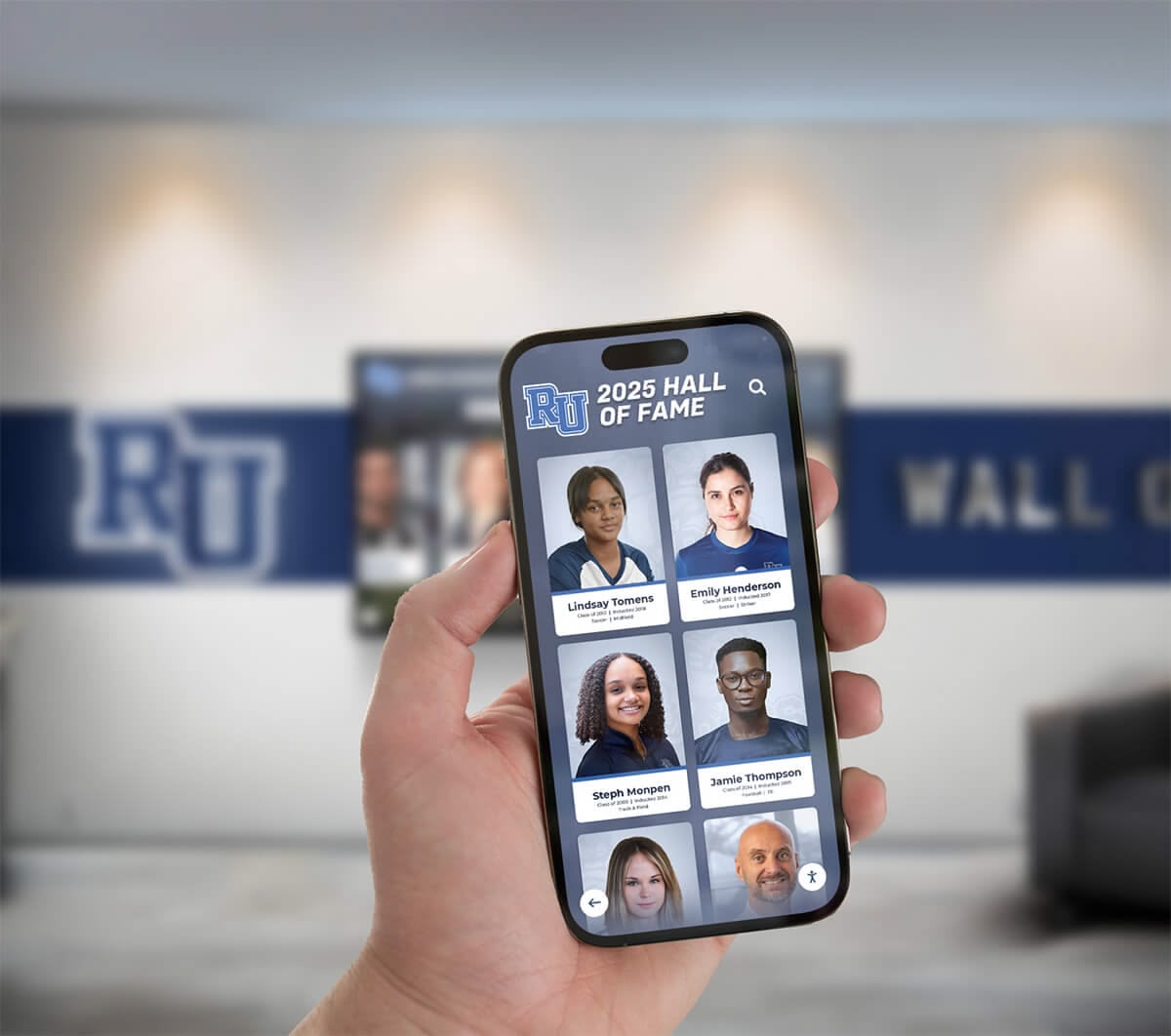
Inscription data captured during the intake workflow — award name, recipient, year, sport — remains accessible through a digital recognition record and QR code even when the physical trophy is removed from display for conservation assessment
The inscription documentation gathered during shellac finish intake maps directly to fields in a recognition database. Schools that complete intake documentation consistently across every handling session will find that their digital records remain current regardless of whether the physical trophy is in the case.
For schools that use touchscreen kiosks as recognition display platforms, the display system’s performance characteristics affect how consistently staff and visitors can navigate the digital record when a physical trophy is absent. The touchscreen latency UX checklist for interactive displays addresses how display responsiveness shapes the reliability of a digital recognition system — relevant context when planning how kiosk-based records will function as a display-continuity tool during conservation workflows.
Frequently Asked Questions
What is shellac, and why does it appear as a finish on historic trophy bases? Shellac is a natural resin secreted by the lac insect and dissolved in denatured alcohol to produce a spirit varnish — an evaporative finish that dries by solvent evaporation. The Canadian Conservation Institute’s furniture finishes guidance identifies shellac as one of the traditional solvent-release natural resin coatings used historically on wood surfaces. French polish, described in that guidance as a common gloss finish on 19th-century mahogany furniture, is produced by applying shellac in multiple rubbed layers. Trophy manufacturers working in the late 19th and early 20th centuries used shellac and similar finishes on wooden bases because these coatings were durable under the conditions of that era, produced a high-gloss appearance, and were widely available.
Can staff confirm a trophy base has shellac by looking at its gloss level? No. Gloss level is not a reliable indicator for shellac or any other specific natural resin coating. The CCI furniture finishes guide notes that identifying old natural resin coatings is “very difficult” because many recipes and combinations were used historically. Multiple finish types — oil varnishes, wax overcoats, synthetic lacquers applied at a later repair — can produce glossy surfaces. An original shellac finish that has aged, yellowed, or been waxed over may no longer appear glossy. Material identification requires spectroscopic analysis by a conservator, not visual assessment alone.
Does the CCI furniture finishes guidance apply to all parts of the trophy? No. The CCI guide addresses furniture finishes — coatings on wooden surfaces. It applies to the wooden base of a historic trophy. It does not apply to the metal figurine, cast-resin or metal column, plastic components, or shell or celluloid inlays that may be part of the same trophy. Mixed-material trophies require material-specific guidance for each component — what is appropriate for a wooden base coated with a natural resin is not necessarily appropriate for an adjacent metal, plastic, or composite element.
Why is the alcohol solubility test not recommended as a staff identification procedure? The traditional field test for shellac involves applying denatured alcohol to a small area and observing whether the coating dissolves. This applies solvent directly to the object surface. The CCI guide’s framework for natural resin coatings requires knowing what the coating is before applying any solvent — using a solubility test to identify the coating reverses the safe order of operations and puts a potentially degraded surface at risk. If the surface is degraded, a solvent test can remove original material that a conservator would need intact for accurate diagnosis. Material identification belongs with a conservator using non-destructive equipment.
What if the base was clearly polished or cleaned by a previous athletic director? Document it. Record the visible evidence — areas of different sheen, product residue buildup, or changed surface texture — in the intake record with photographs. Note “evidence of prior cleaning or polishing product application” in the intake form and specify the area and character of that evidence. A conservator reviewing the record can assess whether the prior intervention has changed the surface condition in ways that affect treatment options.
How many photographs should a shellac finish intake produce? Enough to document the current state of the full base surface and every area of finish variation, from angles another person could replicate at the next handling session. At minimum: all four sides plus the top junction area and the underside; a close-up with scale reference for each area of variation or concern; at least one raking-light image of the full base to reveal surface texture; and raking-light images of all inscription plates. For a base with no visible discontinuity or damage areas, that is typically ten to fifteen images. For a base with multiple repair indicators or damaged areas, more images covering those areas in detail are appropriate.
Should intake records accompany a trophy when it goes to a conservator? Yes. The intake record, with its photographs and written condition observations created before any conservator handling, gives the conservator a documented baseline — what the surface looked like in the school’s environment before transport and before examination. That baseline is directly relevant to treatment planning. Where the intake record captures evidence of prior repairs or product applications, that information may affect treatment options in ways the conservator needs to know before beginning any assessment.
When should a school contact a conservator for a trophy base with suspected shellac? Any time the decision table above returns a “Refer” outcome — areas of lifting, active flaking or powdering, evidence of prior repair whose extent is unknown, white haze, or unusual odor. Additionally, if the finish shows clear discontinuity with no documented explanation, a conservator’s assessment before any cleaning is appropriate. A trophy that has been on display for decades without formal assessment — particularly under fluorescent lighting — warrants conservation review before any cleaning decision is made, even if the surface appears generally stable.
Keep Every Athletic Achievement Visible While the Hardware Is Under Review
Rocket Alumni Solutions builds cloud-managed digital trophy cases and interactive halls of fame for schools nationwide — unlimited recognition capacity, ADA WCAG 2.1 AA compliant touchscreens, QR code mobile access, and remote content management that keeps every inductee's name and achievement accessible to students, families, and alumni. When a historic trophy base requires conservator review and leaves the display case, your digital record stays complete and visible. See how schools are building permanent digital recognition programs that protect their history regardless of the condition of the physical case.
Request a Custom DemoLive Example: Rocket Alumni Solutions Touchscreen Display
Interact with a live example (16:9 scaled 1920x1080 display). All content is automatically responsive to all screen sizes and orientations.