



School trophies awarded between roughly the 1920s and the early 1960s often rest on bases that may be phenol-formaldehyde resin — produced commercially under trade names including Bakelite, Catalin, and Durez. Recognizing those bases provisionally before a trophy returns to public display matters because phenolics respond poorly to solvents, abrasive polishes, and rough handling. An equally important caution: a base that looks identical to Bakelite might be casein-formaldehyde, urea-formaldehyde, hard rubber, or a later epoxy casting — and each material has different vulnerabilities. This checklist guides athletic staff through provisional visual assessment, safe support, condition photography, and conservation referral before a historic trophy is re-installed.
Many of the storied rivalry trophies and conference championship awards that schools have kept for generations were manufactured during an era when phenol-formaldehyde was the standard material for molded bases. The historic rivalries and the trophies they play for span a century of athletic competition, and the physical hardware from that era carries material vulnerabilities that modern resin awards do not share. Getting the handling right before display is an act of stewardship — and it starts with knowing what you might have.

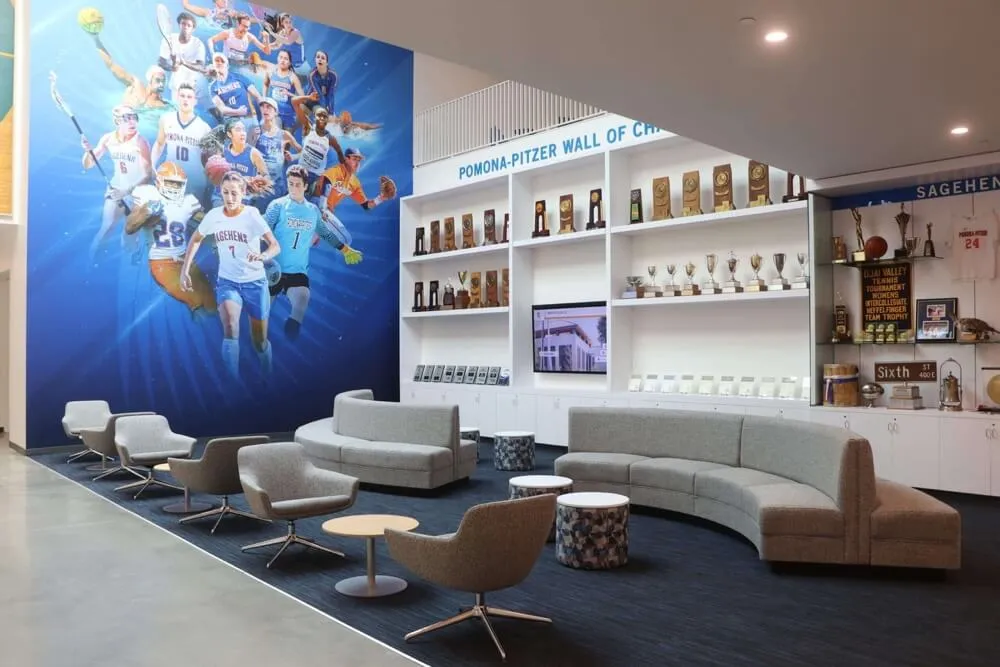
Trophy cases housing awards from multiple eras may contain bases from several material families — each requires its own handling assessment before display
What Phenol-Formaldehyde Bases Are and Why They Need Different Handling
Phenol-formaldehyde (PF) is a thermoset plastic. Unlike thermoplastics, which can be re-melted, thermosets form permanent crosslinked networks during manufacturing — they char rather than melt under heat stress. This chemistry explains why a PF trophy base does not respond the way a modern acrylic or ABS base does to polishing compounds, organic solvents, or temperature extremes.
PF resins used in trophy and award bases were almost always combined with filler materials — wood flour most commonly, sometimes mineral powder or cotton fiber — to improve moldability and mechanical strength. That filling produces the characteristic dark brown or black coloration associated with “Bakelite.” The phenolic resin itself is amber-colored; the filler and pigments create the dark, opaque appearance. The Canadian Conservation Institute’s guidance on caring for plastics and rubbers in heritage collections classifies PF as having low sensitivity to thermal oxidation — indicating a long potential stable lifespan under appropriate conditions — but medium sensitivity to UV exposure, meaning prolonged display under unfiltered fluorescent or natural light produces gradual surface changes.
Not all dark trophy bases are phenolic. Several materials can appear visually similar and were used in award bases during overlapping periods:
- Casein-formaldehyde (CF): Made from milk protein; denser than PF per unit volume; significantly more vulnerable to water damage and surface marring
- Urea-formaldehyde (UF): Often lighter colors, sometimes translucent to opaque white or cream; when pigmented dark can resemble PF
- Hard rubber (Ebonite/Vulcanite): Very dark, heavier feel; a malignant plastic that emits sulfur compounds during active deterioration — these emissions can corrode adjacent metals
- Filled epoxy (post-1950s): Often lighter at equivalent thickness; different surface sheen and fracture character
- Modern ABS or acrylic: Lighter, more resonant when tapped; smooth glassy fracture
Infrared spectroscopy (IRS) is the preferred method for definitively distinguishing these materials. As the CCI guideline states, spot tests are “notoriously ambiguous” and require sampling from the object — an approach that is not appropriate for intact school artifacts. The referral pathway in this checklist routes bases with uncertain identity to a conservator or materials laboratory rather than any on-site test that risks surface damage.
Provisional Identification: Visual and Physical Indicators
The following characteristics support a provisional working identification — not a confirmed material determination. Use this to decide the level of caution warranted during handling and to inform the conservation referral.
| Indicator | Points Toward PF (Filled Phenolic) | Points Away from PF | Refer to Conservator If |
|---|---|---|---|
| Color | Dark brown, black, or marbled dark tones | Cream, off-white, or pale uniform color | Color is inconsistent with known PF fillers and no other ID is available |
| Weight | Heavier than modern acrylic of the same size | Lighter than expected for the volume | Unexpectedly heavy per volume — may be CF, which is denser than PF |
| Aged surface | Matte, sometimes chalky or finely crazed | Glossy throughout with no surface haze | Surface crazing or cracking is visible anywhere on the base |
| Fracture surface (pre-existing chip only) | Dull, fibrous or granular fracture | Smooth, glassy fracture | Any new chip or crack from handling — stop, document, do not continue |
| Water response | Surface mottling or hazing from past moisture contact | No change after brief water contact | Significant softening or haze — especially characteristic of CF |
| Adjacent metal corrosion | Minimal corrosion on nearby screws or plates | Active corrosion on adjacent metal fasteners | Active corrosion suggests hard rubber base rather than PF; hard rubber is a malignant plastic |
| UV/light history | Localized yellowing near former display fixture position | Even coloration throughout | Differential yellowing combined with active surface loss |
These indicators support a working hypothesis. A conservator or laboratory using portable infrared spectroscopy can provide a confirmed identification without removing a sample from the object.
The Historic School Trophy Bakelite Base Handling Checklist
Complete each item in sequence before moving, cleaning, or re-installing a trophy with a suspected phenolic base. Later steps assume earlier ones are done.
Pre-Handling Records
- Confirm the trophy has an entry in the awards database; verify the database backup is current before beginning a records session — physical base backup verification should be confirmed before each handling cycle, not after records have been created
- Assign or confirm a unique item ID matching any physical label on the object
- Record current location specifically — case number or storage shelf, not just “trophy room”
- Record the date and the name of the staff member conducting the assessment
Condition Photography Before Touching
- Photograph all four sides plus the top and bottom before moving the trophy
- Photograph any existing chips, cracks, crazing, or surface haze at close range — include a ruler or coin as a scale reference in at least one frame
- Photograph inscription plates and engraved text at an angle under raking light to reveal relief clearly
- Photograph the trophy in its current storage or case location before it is moved
Provisional Material Assessment
- Note the base color, surface texture, and estimated weight compared to known modern resin bases of similar size
- Check the underside for manufacturer markings, country of origin stamps, or mold numbers
- Check for existing fractures, crazing, or chips — document each location precisely
- Check for surface haze, whitish bloom, or powdery deposits — note extent and photograph
- Check adjacent metal components (plates, figurines, attachment bolts) for surface corrosion — active corrosion on adjacent metal may indicate hard rubber rather than PF
- Complete the evidence table above and record the provisional identification result in the database entry
Safe Handling
- Support the trophy from below at all times — never lift by the figurine, arms, or any projecting feature
- Use padded gloves or move via a padded tray; bare hands transfer oils that affect aged plastic surfaces
- Avoid flexing or twisting the base — thermoset plastics are more brittle than they appear, especially if the base has been exposed to cold or low-humidity conditions
- Do not place the base in direct contact with rubber shelf liners, rubber bands, or vulcanized foam — these materials can transfer plasticizers and acids to susceptible plastic surfaces
- Move to a padded, flat, stable work surface before further inspection
Inscription Documentation
- Photograph all engraved plates under raking light to capture inscription depth
- Transcribe all engraved text — year, award title, recipient name, school — into the digital record
- Link the photographic record to the database entry so inscription context survives regardless of future base condition; the award history attached to a physical object should be preserved with stable record linkage, not at risk of orphaned data if a parent entry is later updated — this is the same concern addressed by athletic awards database linked-record policy
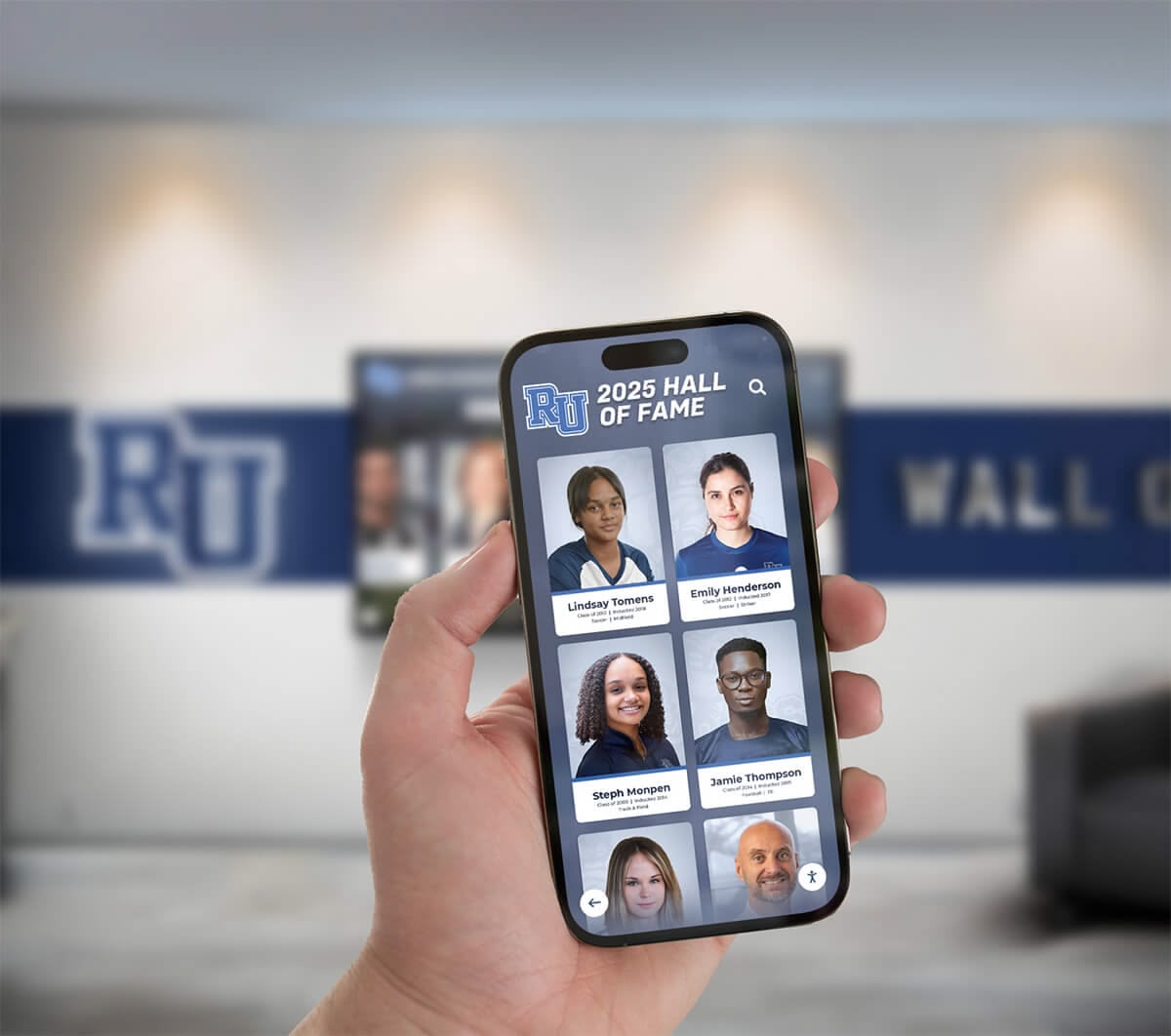
Inscription text photographed and transcribed at each handling session remains accessible in digital records even when the physical base enters a conservation workflow
Conservation Referral Decision
- If any active deterioration is present — new cracking, powdery surface loss, strong chemical odor, or significant crazing — do not proceed to display; refer to a conservator before re-installation
- If the provisional material identification is uncertain, note “material type unconfirmed” in the database record and flag for conservator review before display
- If the trophy will be displayed under UV-emitting light sources (unfiltered fluorescent or direct sunlight), note this as a condition concern in the record
- Record the referral decision explicitly: “cleared for display as-is,” “cleared with conditions noted,” or “referred to conservator — do not display”
Storage Conditions if Not Proceeding to Display
- Store in a padded box or tray with inert polyethylene foam interleaving — avoid rubber or neoprene contact
- Avoid cold storage where possible — thermoset bases become more brittle at lower temperatures, and handling cold bases increases fracture risk; this brittleness-in-cold pattern is the same material concern addressed by cold-crack handling guidance for championship vinyl for winter transport of banner materials
- Store away from UV light exposure and away from other items suspected of being vulcanized rubber or cellulose nitrate, both of which are malignant plastics that emit corrosive gases
7-Step Referral Workflow
Step 1 — Log the trophy before handling. Create or confirm the database entry and verify the current backup before beginning any records session. Photograph the trophy in its current location before moving it.
Step 2 — Complete condition photography. All sides, inscription plates, and any existing damage areas — all before moving the item. Use raking light for inscriptions. Record a scale reference in the damage photographs.
Step 3 — Complete the provisional material assessment. Fill out the evidence table above. Record the provisional identification and any indicators that complicate a clear reading.
Step 4 — Handle safely to inspection surface. Support from below on a padded surface. Use gloves or a padded tray. Note any resistance, sounds, or new visible damage during the move — stop immediately if anything new appears.
Step 5 — Transcribe and link inscription data. Photograph and transcribe all engraved text. Link photographs to the database record. Confirm the record structure will preserve this data even if the base entry is later updated. Schools that archive ceremony footage alongside physical records should also ensure those recordings are navigable — school athletic recognition video chapter navigation covers the practical steps for making long ceremony recordings accessible by inductee and award, so inscription context in video form is as retrievable as the database record.
Step 6 — Make the conservation referral decision. Active deterioration, uncertain material identity, or high-risk display conditions all trigger a referral before re-installation. Document the decision and date in the database record.
Step 7 — Return to display or storage with conditions recorded. If cleared for display, note the lighting conditions, UV exposure risk, and the handling record date. If referred to a conservator, store under archival conditions and document the conservator contact and referral date.
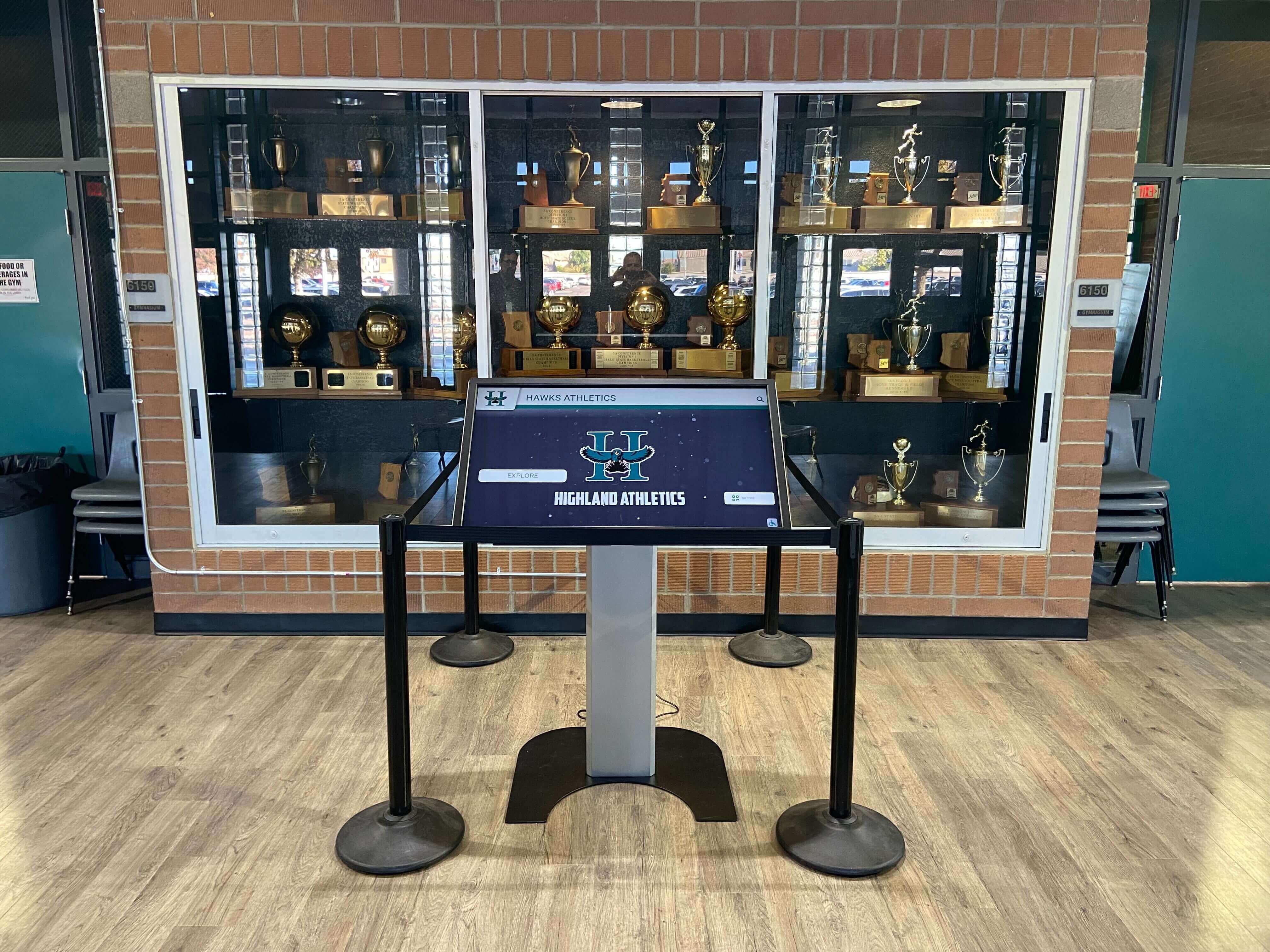
A digital record updated at each handling session creates a condition history that staff can query at future display rotations and conservation consultations
Filled Phenolics vs. Other Period Resins: Key Distinctions
The most common source of misidentification in school trophy collections is treating all dark, heavy bases from older trophies as phenolic without accounting for the range of materials manufactured during the same decades.
Filled phenolics are the dominant type in school award bases from roughly 1920–1960. Wood flour filler produces a granular fracture surface, dark brown to black coloration, and a characteristic heft. Mineral-filled phenolics tend to be harder and often grayer. Most school trophy bases, if they are PF at all, are filled phenolics — not the cast variety.
Cast phenolics (Catalin and similar) are unfilled — polymerized in molds without filler, producing translucent and often brightly colored objects used in decorative items and costume jewelry. Trophy bases are rarely cast phenolic; when they are, the characteristic amber-to-deep-red translucent appearance is usually recognizable.
Casein-formaldehyde can be mistaken for filled phenolic in dark colorways, but CF is significantly more susceptible to water damage. A CF base that has been repeatedly cleaned with damp cloths may show warping, swelling, or surface crazing patterns that PF would not exhibit under the same treatment. CF is also denser per unit volume than PF.
Urea-formaldehyde was used for lighter-colored tableware and award bases from the 1930s onward. When pigmented dark it can resemble PF, but its fracture is typically smoother and less fibrous than a wood-flour-filled phenolic, and it tends to show more uniform chalking as it ages.
Hard rubber (Vulcanite, Ebonite) is the material most important to identify correctly. It is classified as a malignant plastic — its deterioration releases sulfur compounds that corrode adjacent metals and can damage nearby materials. If a base shows adjacent metal corrosion and the base itself has a distinctly heavy, dense feel, a conservator should evaluate it before further handling or display.
When the material type matters for conservation decisions — which it does for storage conditions, cleaning guidance, and display environment — confirmed identification by a conservator or materials laboratory is the only reliable basis for those decisions.
Display Environment Considerations for Period Trophy Bases
Once a trophy with a phenolic or suspected phenolic base is cleared for display, two environmental factors warrant attention.
UV exposure: The CCI guideline classifies PF as having medium sensitivity to UV and sunlight. Years of display under unfiltered fluorescent lighting or near windows will produce gradual surface changes — subtle yellowing and surface chalking — at a rate that accelerates if the base has already begun to show early surface degradation. UV-filtering case glazing and LED case lighting reduce ongoing light damage. This is not an urgent concern for structurally stable bases in routine display conditions, but it becomes relevant when a base already shows surface haze or powdery loss.
Temperature and humidity stability: Thermoset plastics tolerate moderate humidity better than many thermoplastics, but CF and UF bases that have already absorbed moisture damage may be more sensitive than fresh material. Stable conditions — avoiding cycles of high and low humidity — are the conservative recommendation for any period plastic.
Adjacent materials in storage: Do not place phenolic bases in direct contact with vulcanized rubber shelf liners, neoprene gaskets, or items suspected of being hard rubber. The CCI guideline identifies vulcanized rubber as a malignant plastic whose deterioration emissions can corrode adjacent metals. Polyethylene foam, Tyvek, or barrier-film interleaving between items in shared storage is the standard archival practice.
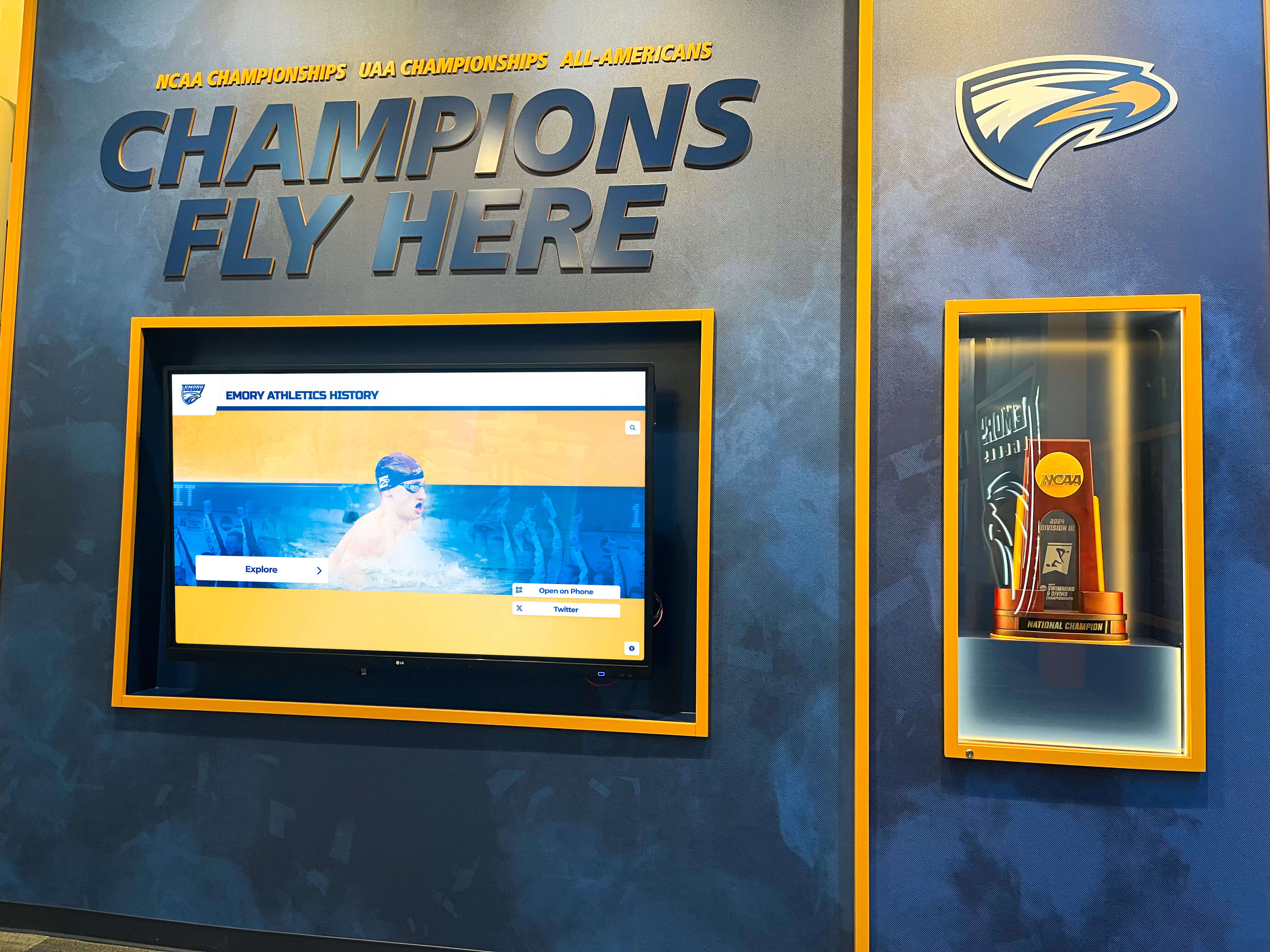
Trophy hardware from multiple decades may include bases from different material families — each requires individual assessment rather than a single handling protocol applied to the entire collection
What a Conservator Can Determine That Staff Cannot
The referral step in the checklist is not a formality. A conservator or materials laboratory brings capabilities that visual and tactile inspection cannot replicate.
Portable infrared spectroscopy (IRS): A portable FTIR spectrometer can identify the polymer type non-destructively in many cases, distinguishing PF from CF, UF, hard rubber, and modern resins without removing a sample from the object. This is the preferred identification method described in the CCI guideline.
Condition assessment: A conservator can assess whether surface crazing is stable — old damage that has not propagated further — or active, indicating ongoing shrinkage stress that will worsen. That distinction determines whether a base needs consolidation before it can be safely handled again.
Storage and display recommendations: Material-specific storage guidance requires knowledge of the actual material type. A conservator who has confirmed the identity of the base can specify storage materials, humidity targets, and maximum display durations with more precision than a general protocol permits.
Cleaning guidance: The CCI guideline is explicit that abrasive cleaners, organic solvents, bleaches, and wax should not be used on plastic objects. A conservator-directed surface stabilization, if needed, uses methods specific to the identified material and its current condition — not a generic polishing recipe applied across material types.
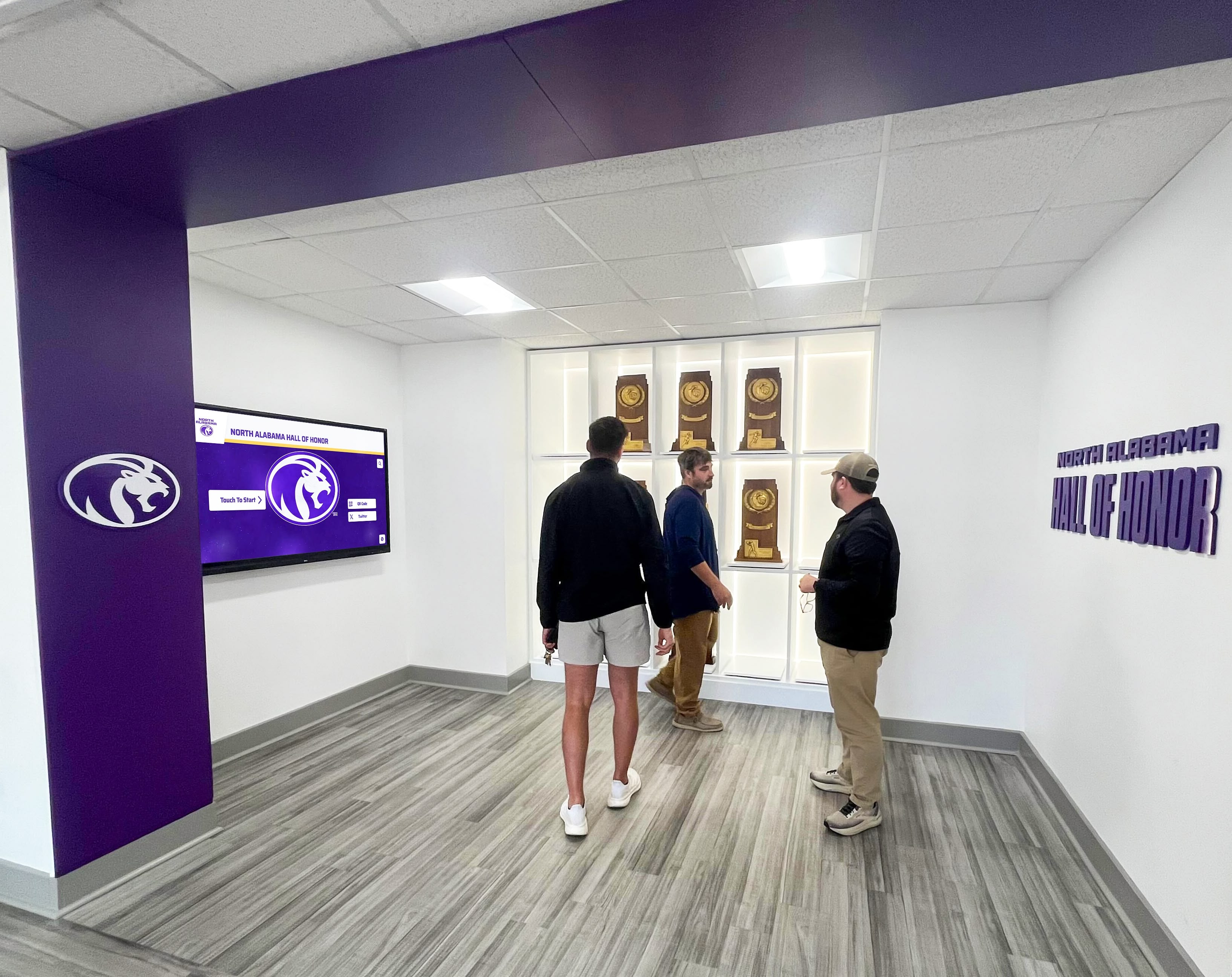
Trophy reviews conducted at each display rotation build an institutional condition record — changes in surface appearance become visible against documented baselines from prior handling sessions
Frequently Asked Questions
How do I provisionally identify a suspected Bakelite trophy base without destructive tests? Visual and physical assessment can support a working identification — look for dark brown or black coloration, matte or finely crazed aged surface, and heavier-than-expected weight for the volume. A granular or fibrous fracture surface on any pre-existing chip points toward a wood-flour-filled phenolic. However, no visual assessment distinguishes PF from CF, UF, or hard rubber with certainty. A conservator using portable infrared spectroscopy can confirm identity without sampling the object. Do not perform heat, solvent, scratch, or sniff tests on school artifacts.
Are all dark, heavy trophy bases from older trophies Bakelite? No. Casein-formaldehyde, urea-formaldehyde, hard rubber (Vulcanite/Ebonite), and early epoxy castings can all produce dark-colored bases that appear similar to phenolic at a glance. Hard rubber is the most important to distinguish correctly because it is a malignant plastic whose deterioration emissions can corrode adjacent metal components. If adjacent metal shows active corrosion, refer to a conservator before further handling.
What is a “filled phenolic,” and why does it matter? Most trophy-base phenolics were produced by combining the resin with filler materials — wood flour being the most common — during molding. The filler affects fracture character, weight, coloration, and sensitivity to moisture. An unfilled cast phenolic (Catalin) behaves differently and looks quite different, often showing translucent amber or red tones. Most school trophy bases are filled phenolics if they are PF at all. Treating them like cast phenolics — or like modern acrylic — can lead to inappropriate cleaning or storage decisions.
Can we clean a suspected phenolic base before display? Dry brushing with a soft natural-hair brush to remove loose dust is the lowest-risk cleaning approach. Do not use solvents (including alcohol wipes, acetone, or commercial plastic cleaners), abrasive polishes, wax, or wet cloths on a period plastic base without conservator guidance for the specific confirmed material. Products appropriate for modern acrylic are not appropriate for aged thermoset bases, which may have degraded surface layers sensitive to both solvents and mechanical abrasion.
Why does the checklist prohibit rubber shelf liners near phenolic bases? Vulcanized rubber is a malignant plastic — it emits sulfur-compound gases during deterioration that can corrode adjacent metals. Many common shelf liners, pads, and protective wraps contain vulcanized rubber or neoprene. Inert polyethylene foam is the standard archival alternative for storage and display applications where period plastic objects are involved.
What should we do if a base is actively crumbling or cracking? Stop handling and do not return the trophy to display. Photograph the base in detail, note the location and extent of active damage, and refer to a conservator before doing anything else. Active structural deterioration — new cracks, friable surface loss, or significant crazing — requires professional stabilization before the object can be safely handled, transported, or displayed.
Should we maintain digital records of inscription text separately from the physical trophy? Yes. Inscription text is a primary historical record of who received the award, when, and for what achievement. If the base deteriorates, that information may become unreadable on the physical object. Photograph inscriptions at each handling session under raking light, transcribe the text into the digital record, and link the photographs to the entry. Schools that also archive induction ceremony recordings should ensure those recordings are chapter-navigable, so the ceremony from the year a trophy was first presented is as retrievable as the database record — school athletic recognition video chapter navigation guidance addresses that parallel access challenge for ceremony footage and historic sports archives.
Do these handling steps apply to trophies that have already been displayed for years? Yes, and with added urgency. A trophy that has been on open display for decades has accumulated UV exposure, humidity cycling, and physical handling from staff who may not have had preservation guidance. Completing the checklist for a long-displayed trophy gives you a current condition baseline, identifies any deterioration that has developed since last review, and ensures the inscription documentation is captured before the base is handled again or moved to a new display location.
Preserve Every Name, Every Year, Every Award — Permanently
Rocket Alumni Solutions builds interactive digital trophy cases and halls of fame for schools nationwide. Cloud-managed updates, unlimited record capacity, ADA WCAG 2.1 AA compliant touchscreens, and QR code access keep inscription context and award history accessible even as physical bases age or enter conservation workflows. When historic hardware is removed from display for assessment, your digital record stays complete and visible.
Schedule a Demo