



Watch a typical Tuesday transform into something extraordinary: freshmen arrive dressed as characters from different decades, sophomores sport vibrant color-coordinated outfits, juniors embrace creative twin-day combinations, and seniors proudly wear their class colors. This is spirit week—when ordinary school days become celebrations of community, creativity, and shared identity that unite students across every grade level and interest group.
The most successful spirit weeks accomplish far more than filling Instagram feeds with costume photos. They create inclusive environments where every student finds ways to participate, build traditions that strengthen school culture year after year, and generate memorable moments that deserve recognition extending beyond a single week. Yet many schools struggle with repetitive themes, low participation rates, or spirit weeks that fail to engage diverse student populations.
The solution lies in thoughtful theme selection that balances creativity with accessibility, connects daily activities to broader school values, and preserves these celebrations through lasting recognition. Whether you’re planning your school’s first spirit week or refreshing an established tradition, the right combination of themes creates enthusiasm that permeates your entire school community.
Why Spirit Week Matters for School Culture
Spirit weeks represent far more than costume contests and photo opportunities. These carefully planned celebrations serve as cultural touchstones that strengthen student connections, build community identity, and create shared experiences students remember long after graduation.
Research consistently demonstrates that students who feel connected to their school community show higher attendance rates, improved academic performance, and greater overall wellbeing. Spirit weeks provide structured opportunities for students to express individuality while simultaneously celebrating collective identity—a balance particularly important during adolescence when peer connection and personal identity development converge.
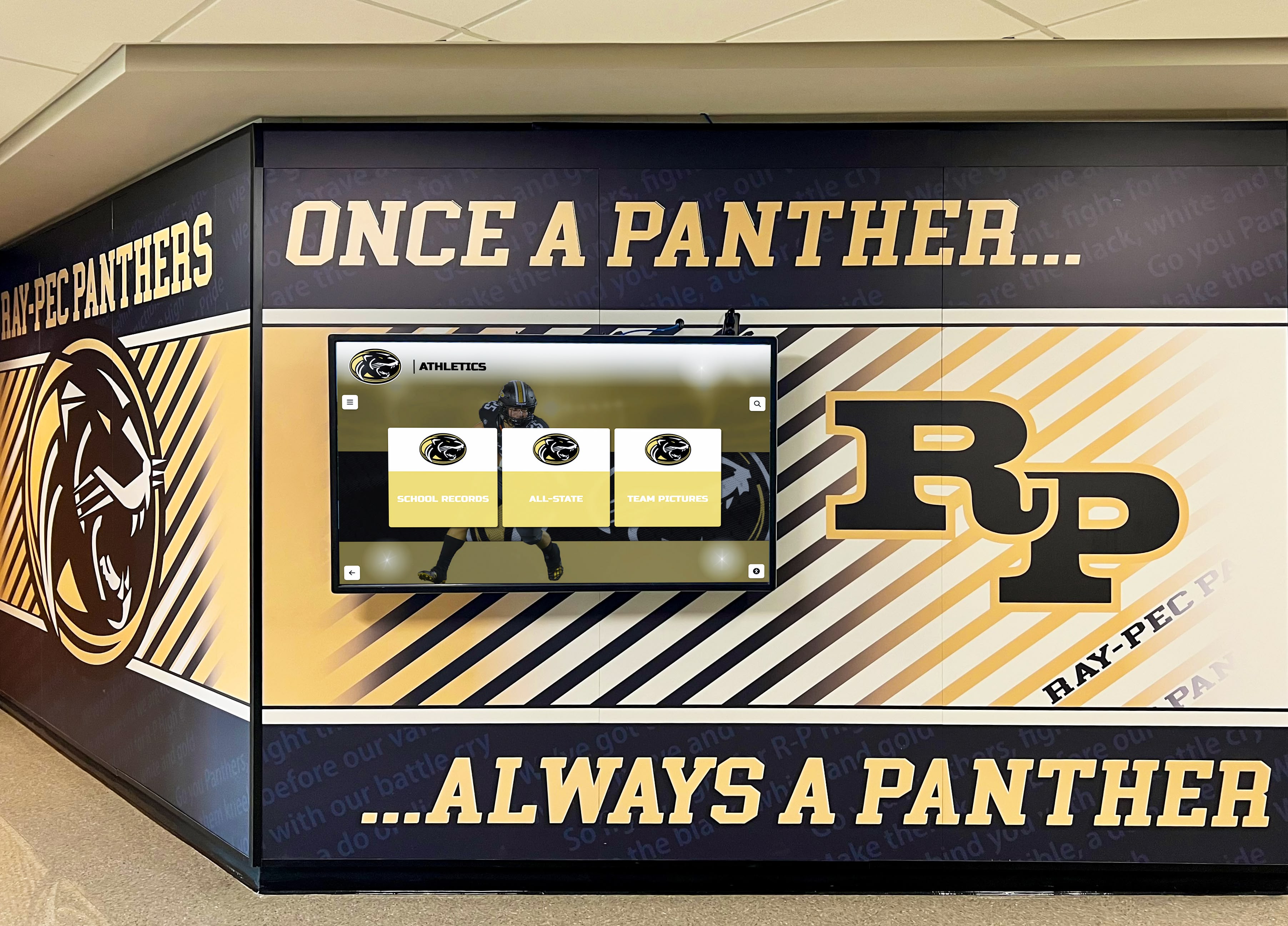
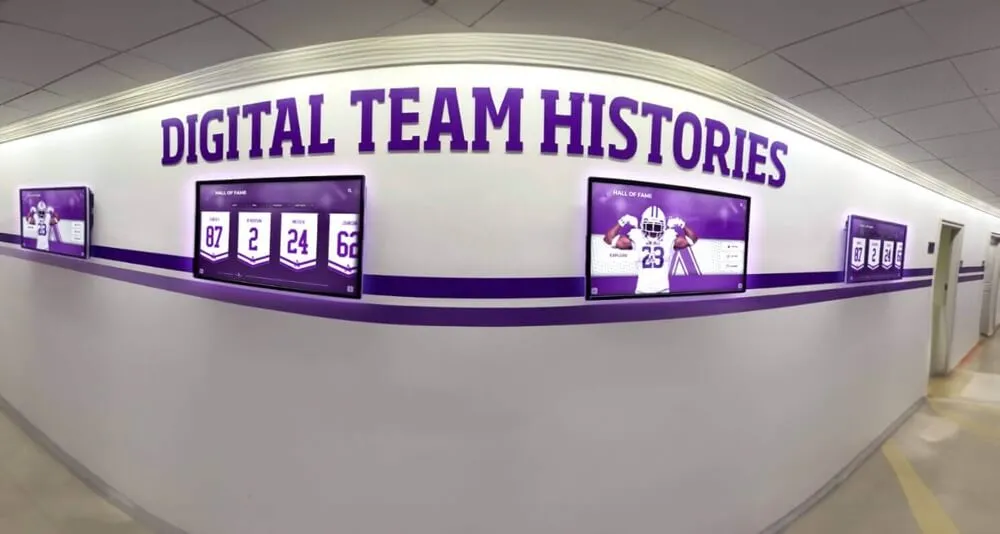
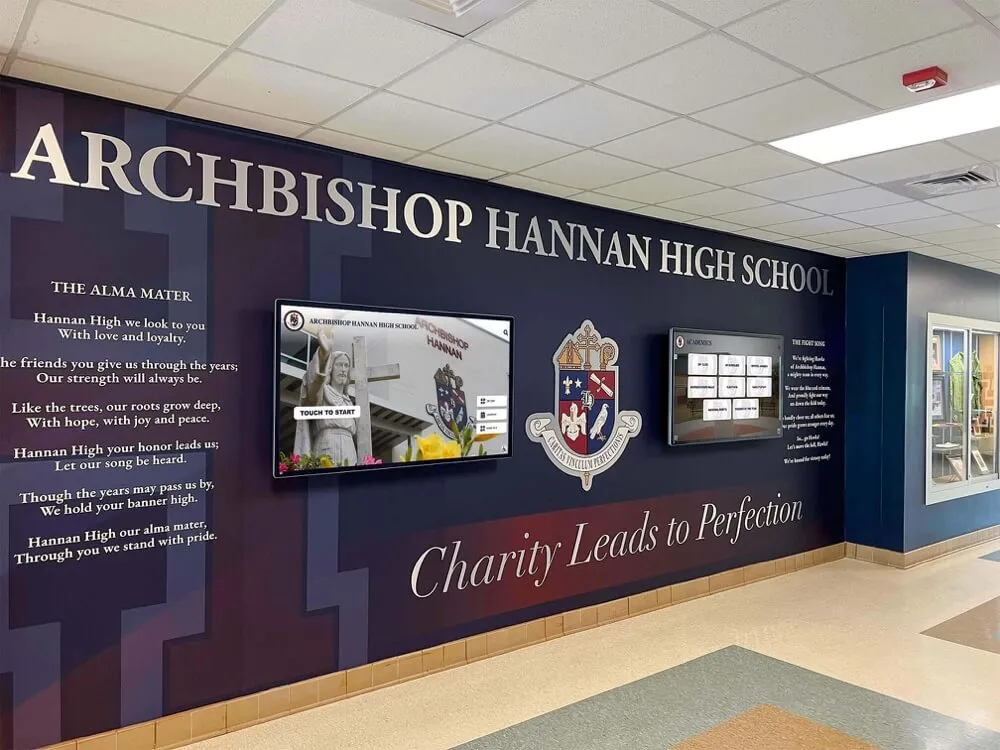
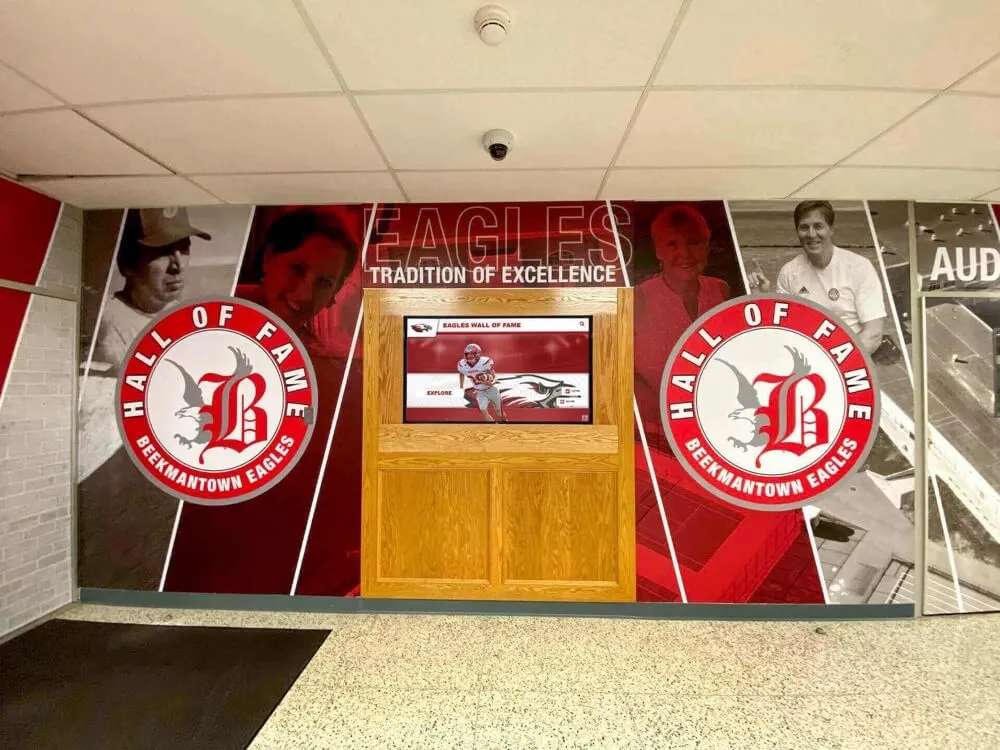
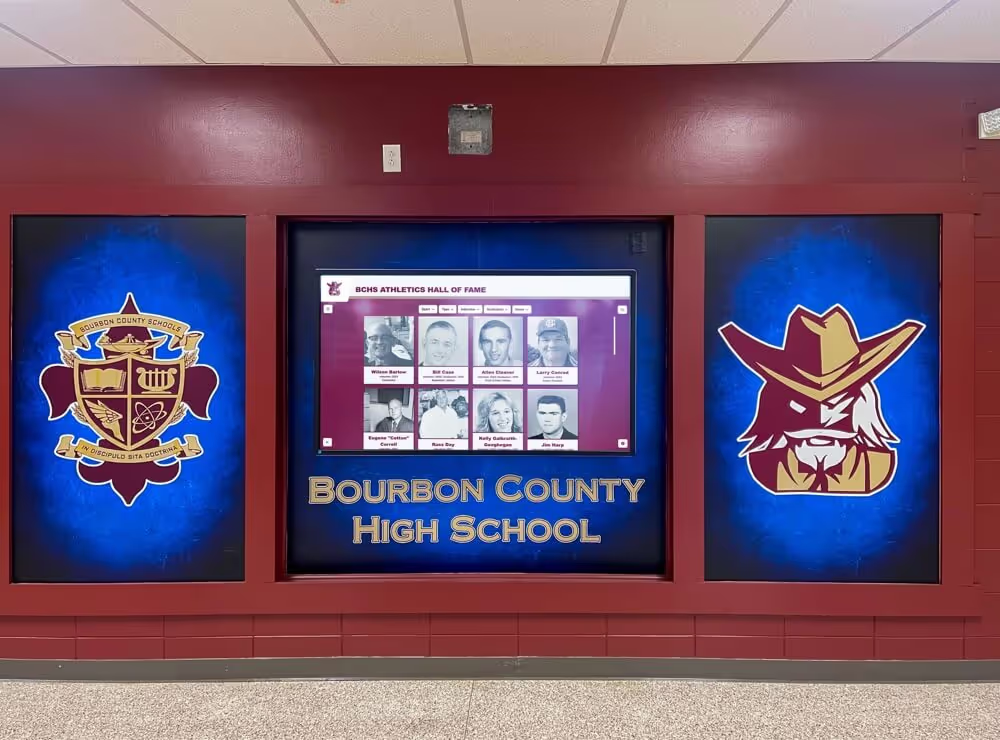
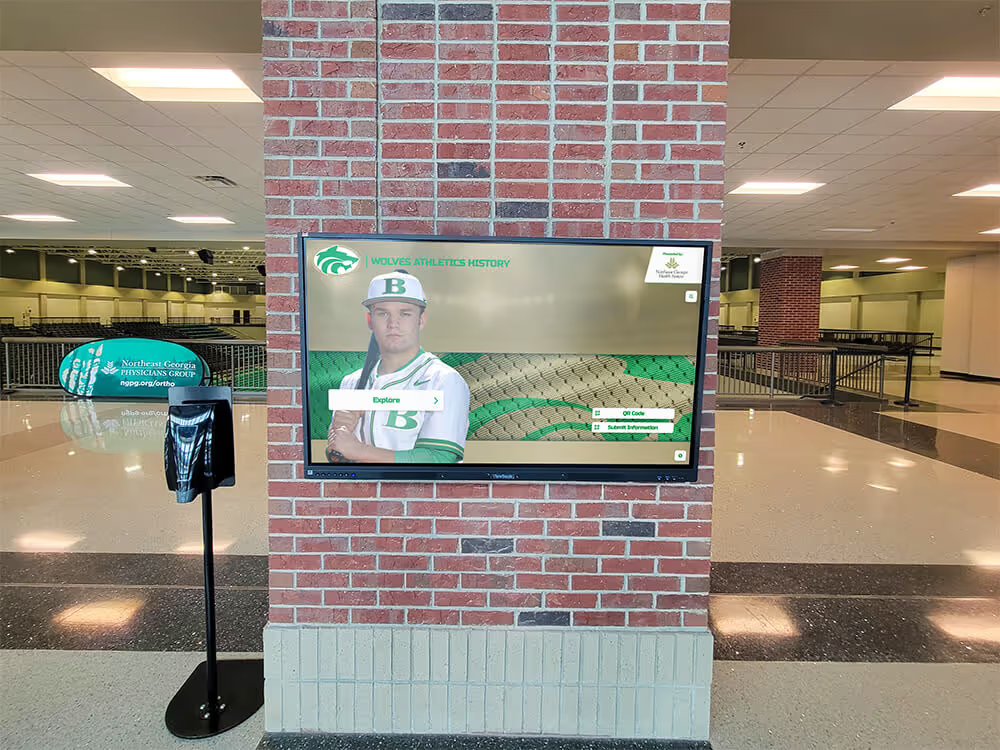
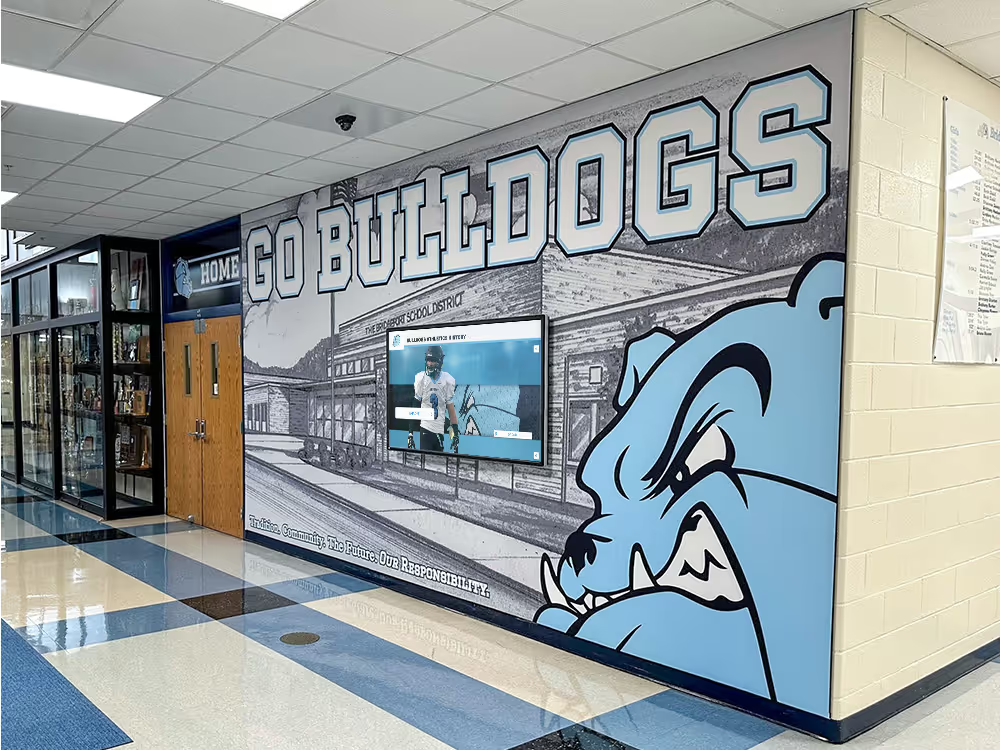
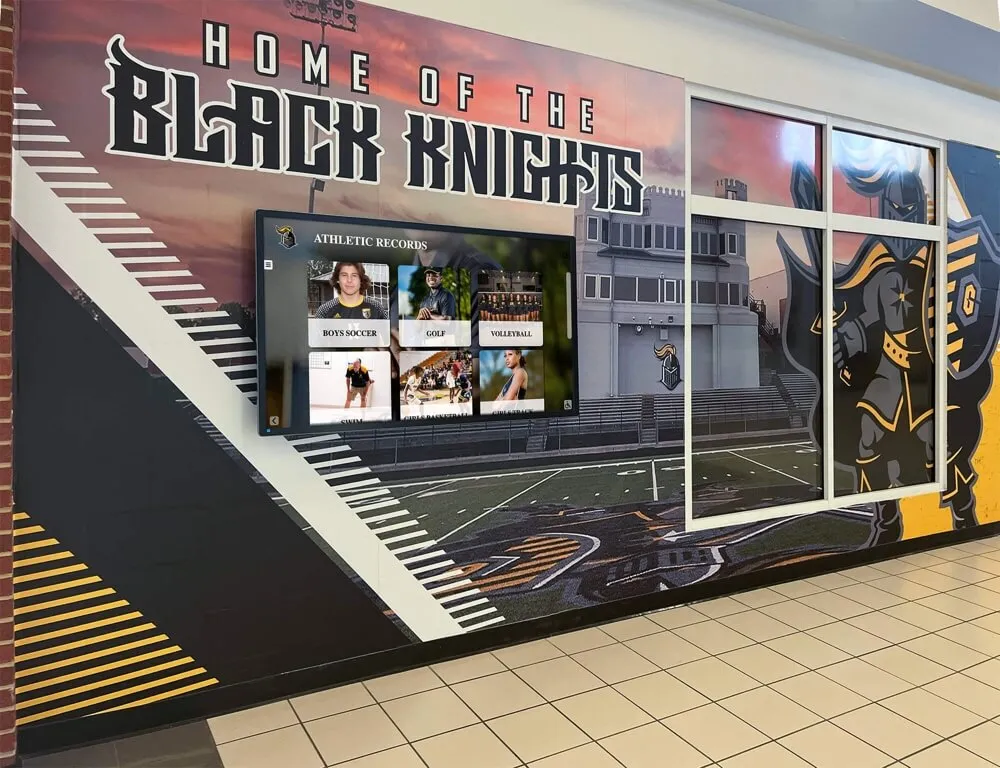
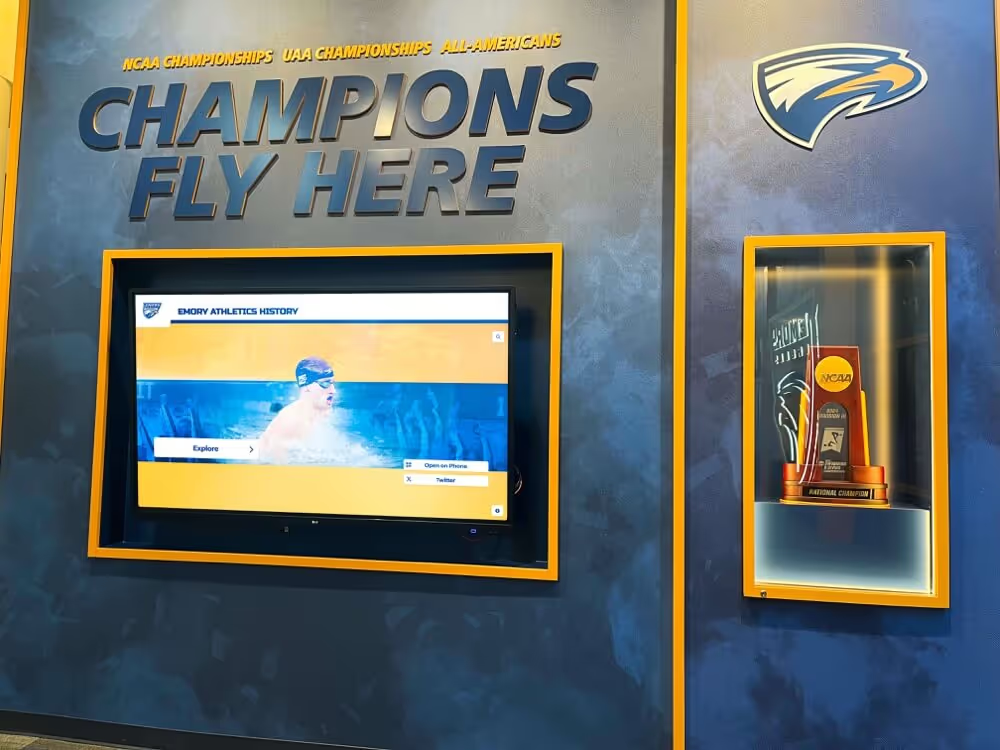
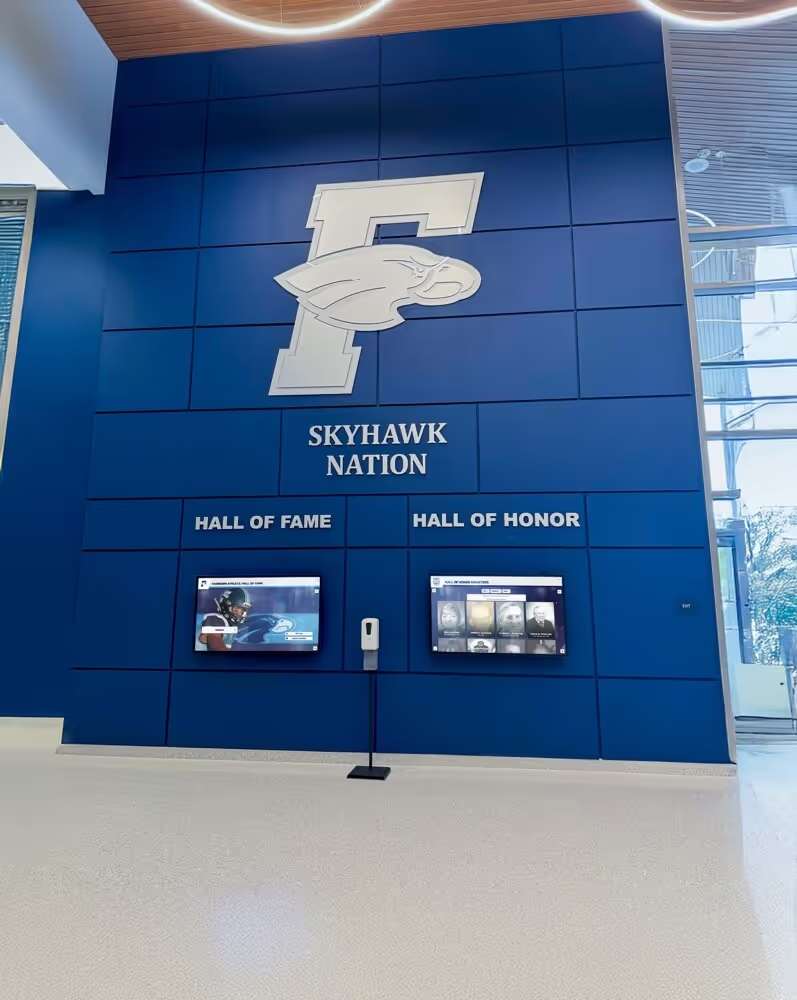
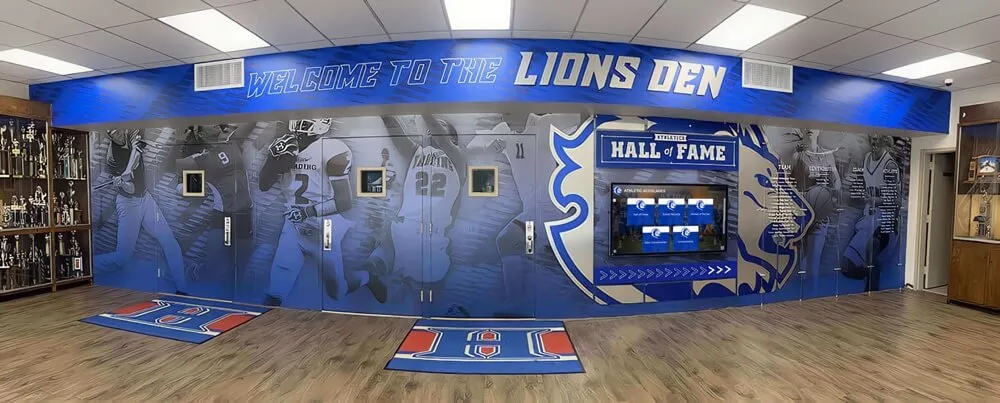
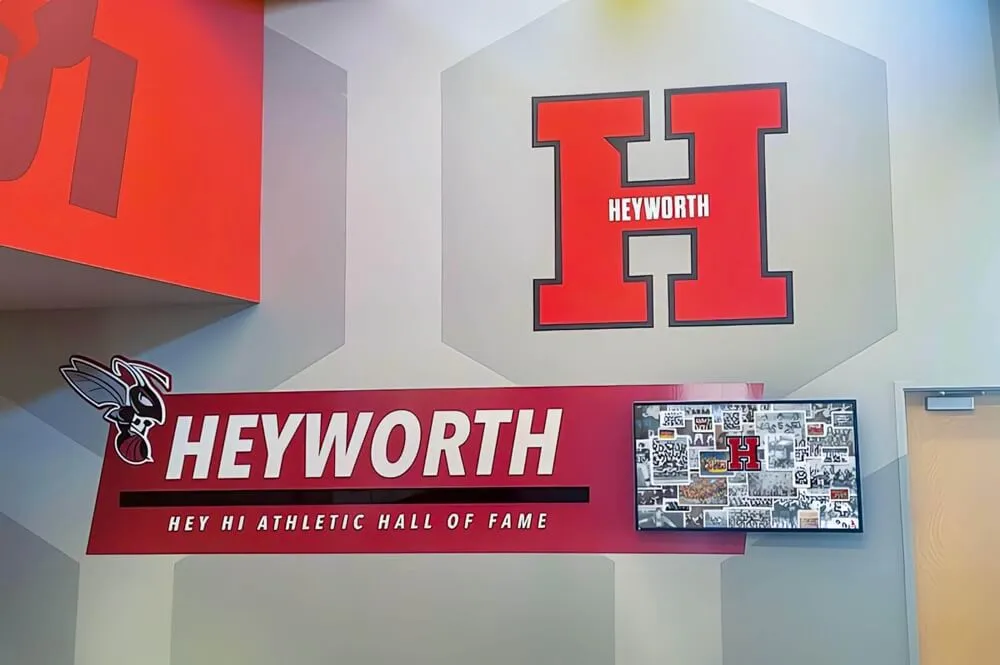
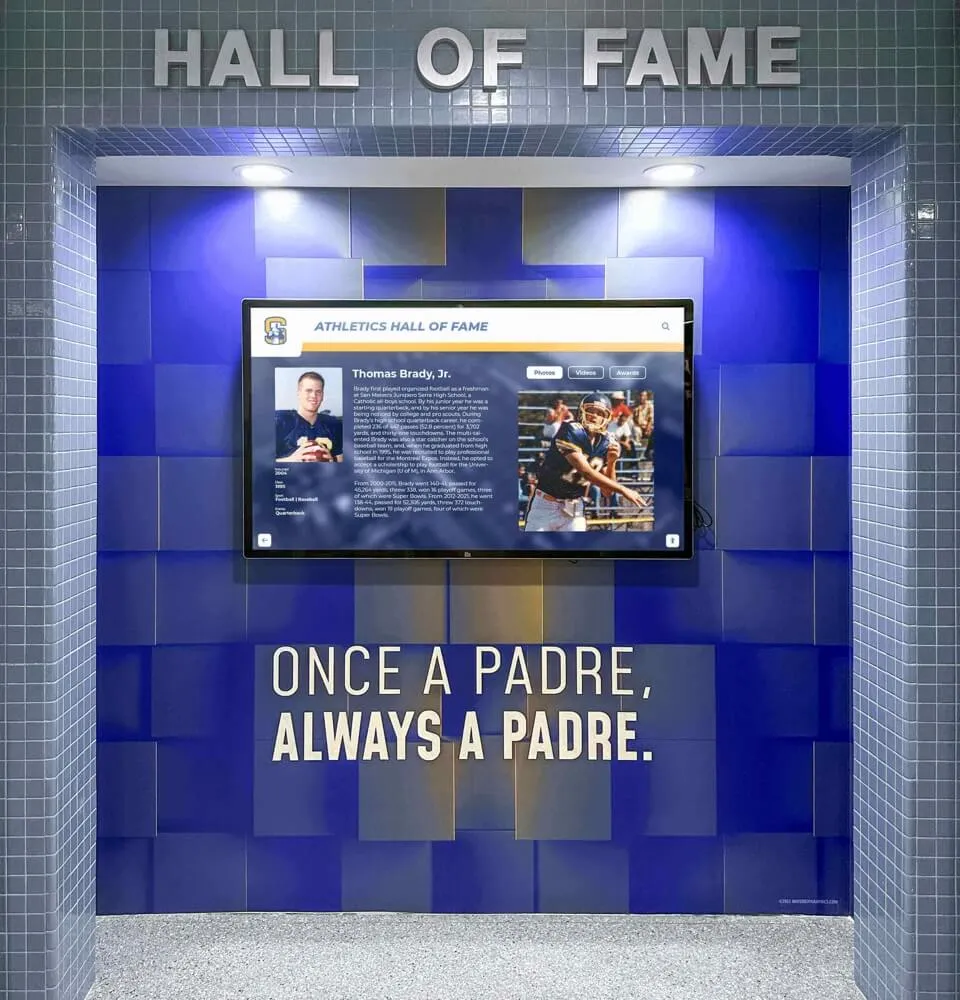
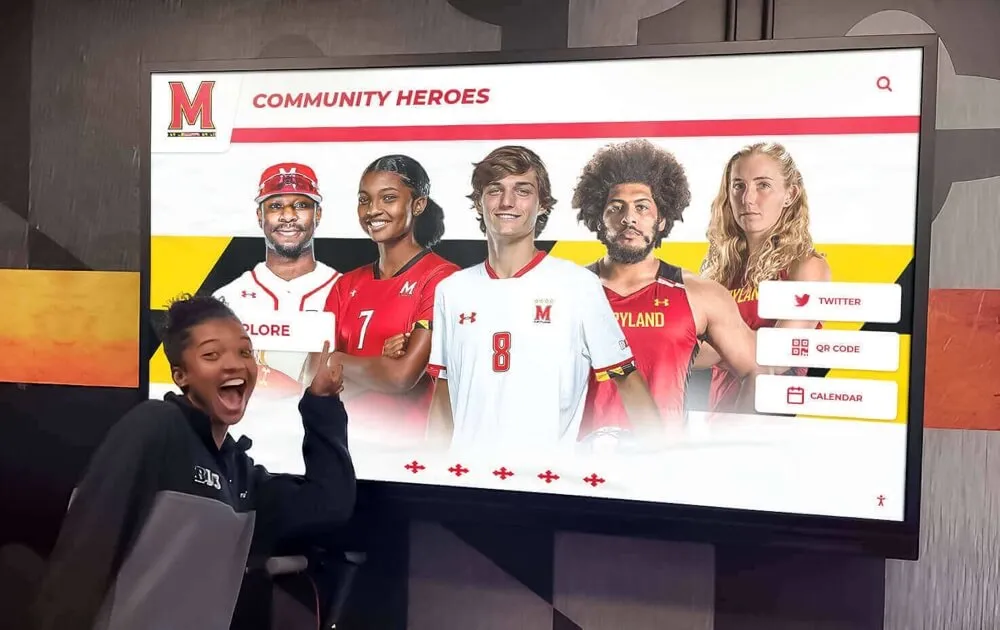
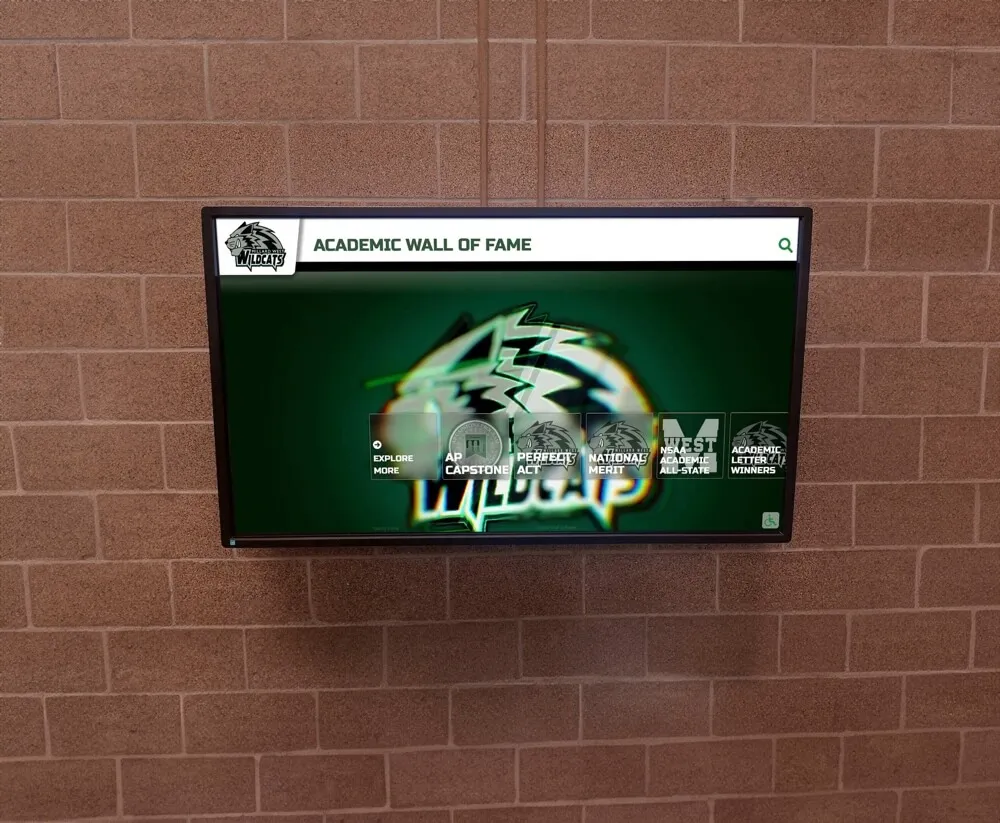
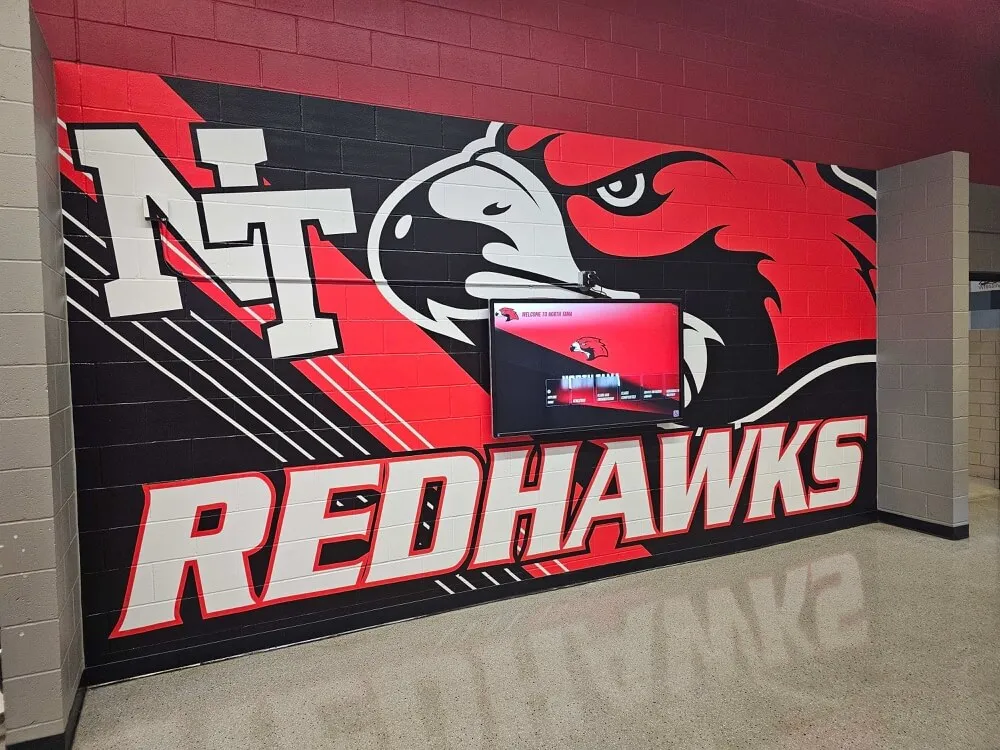
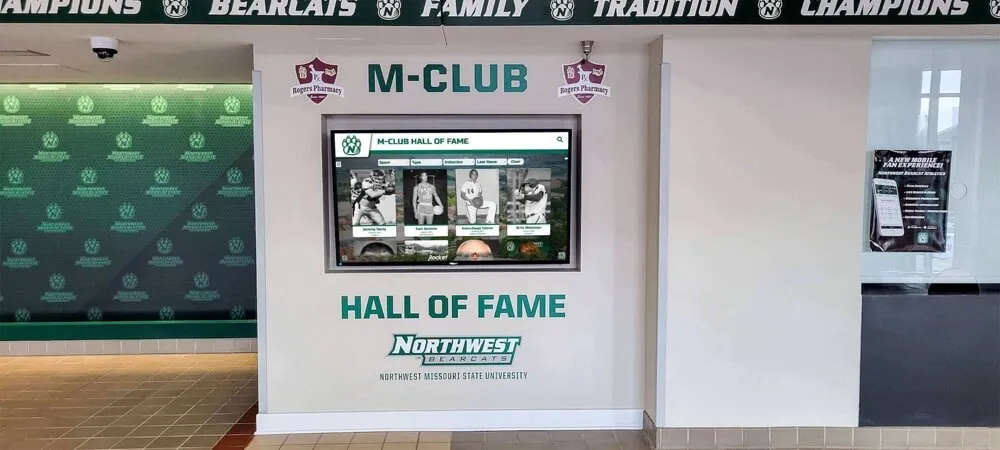
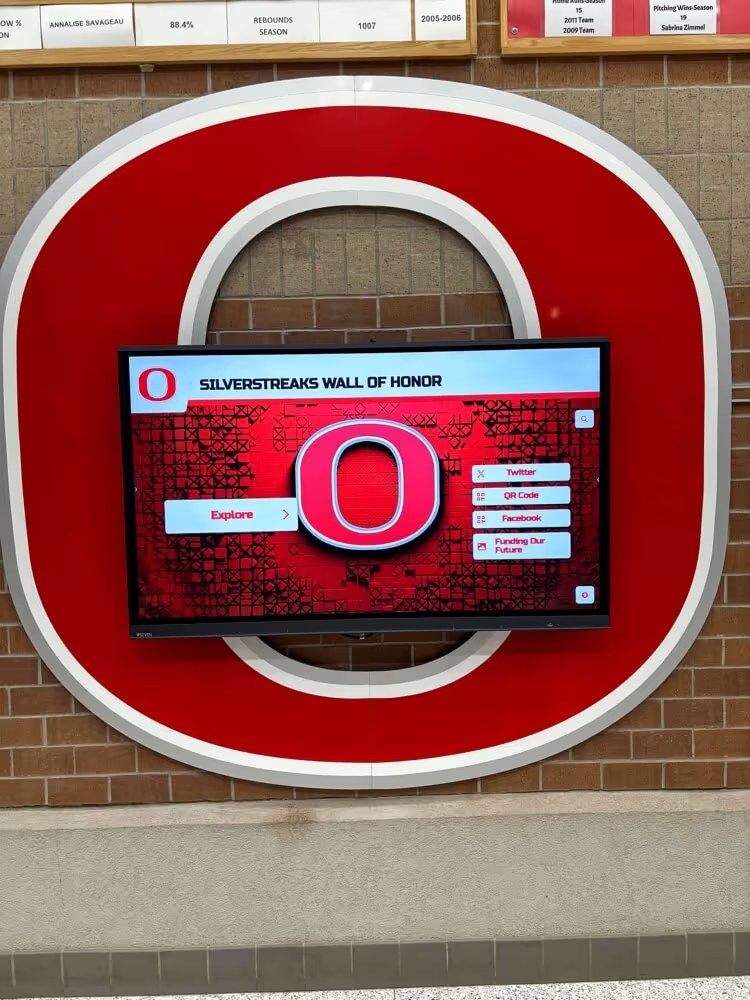
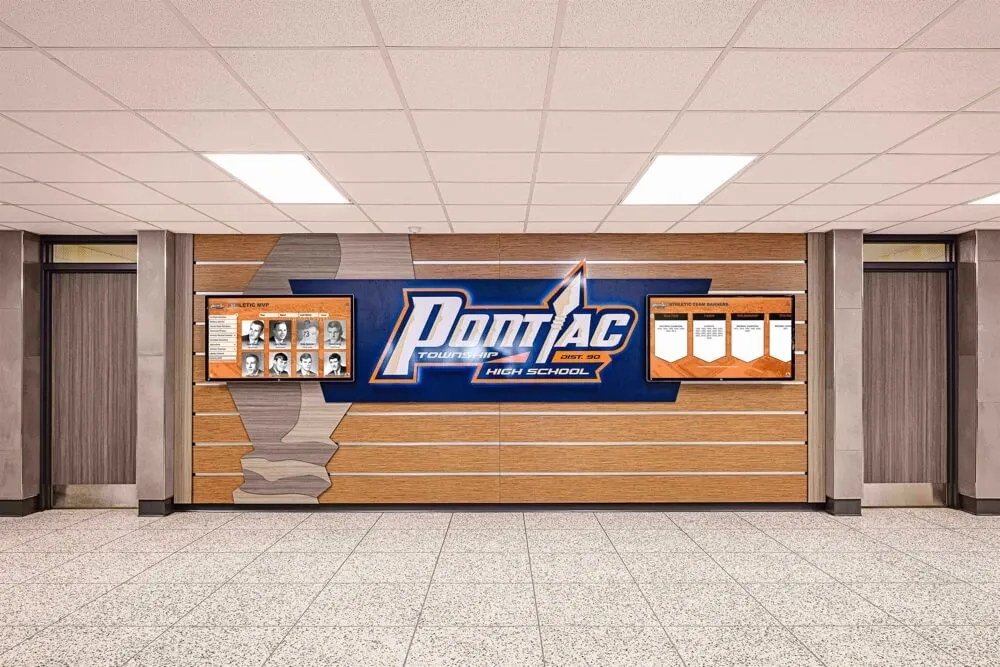
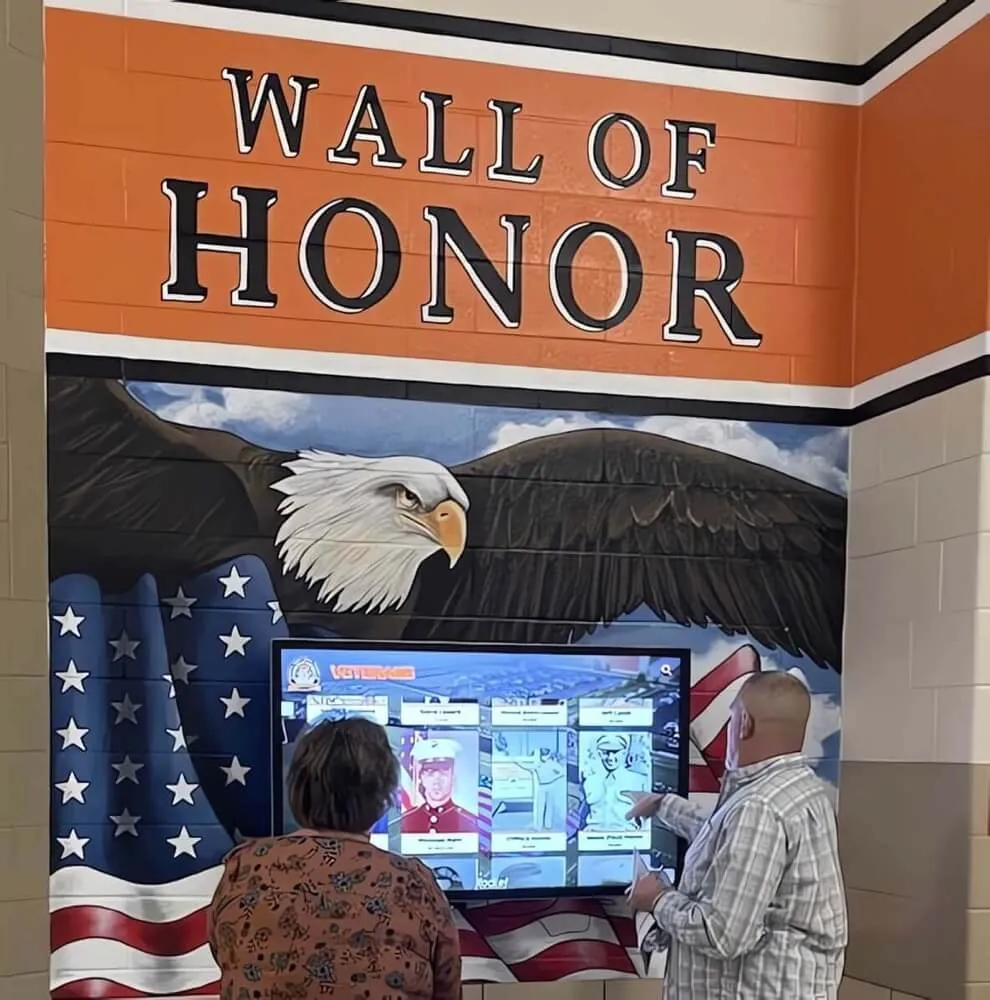
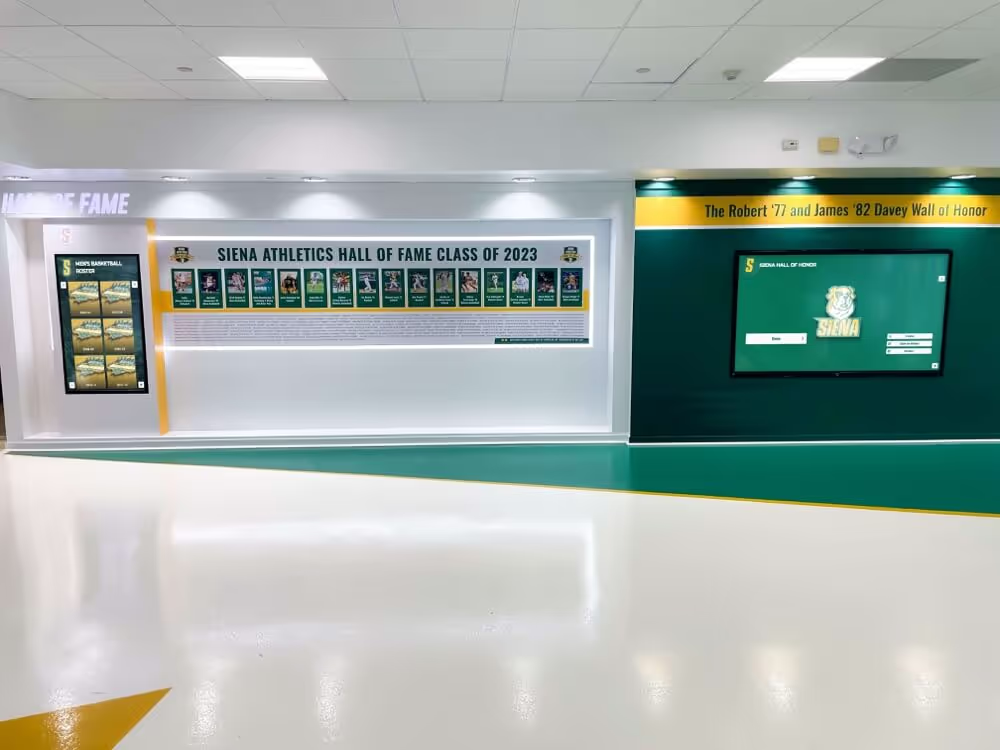
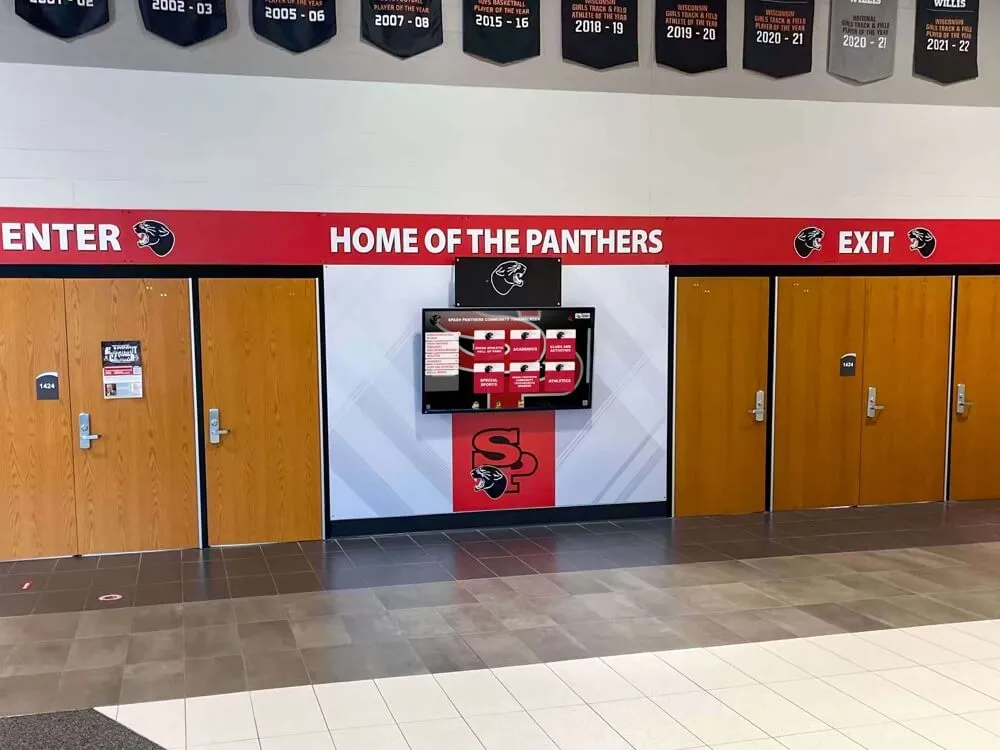
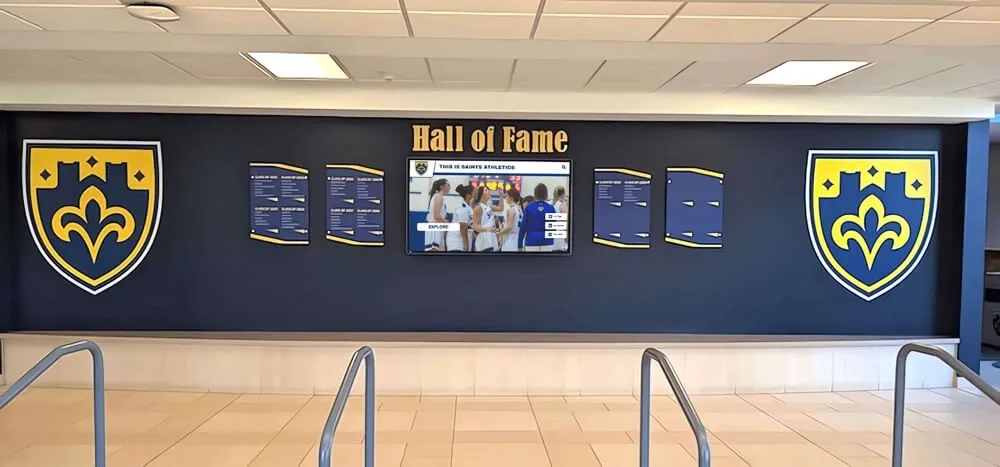
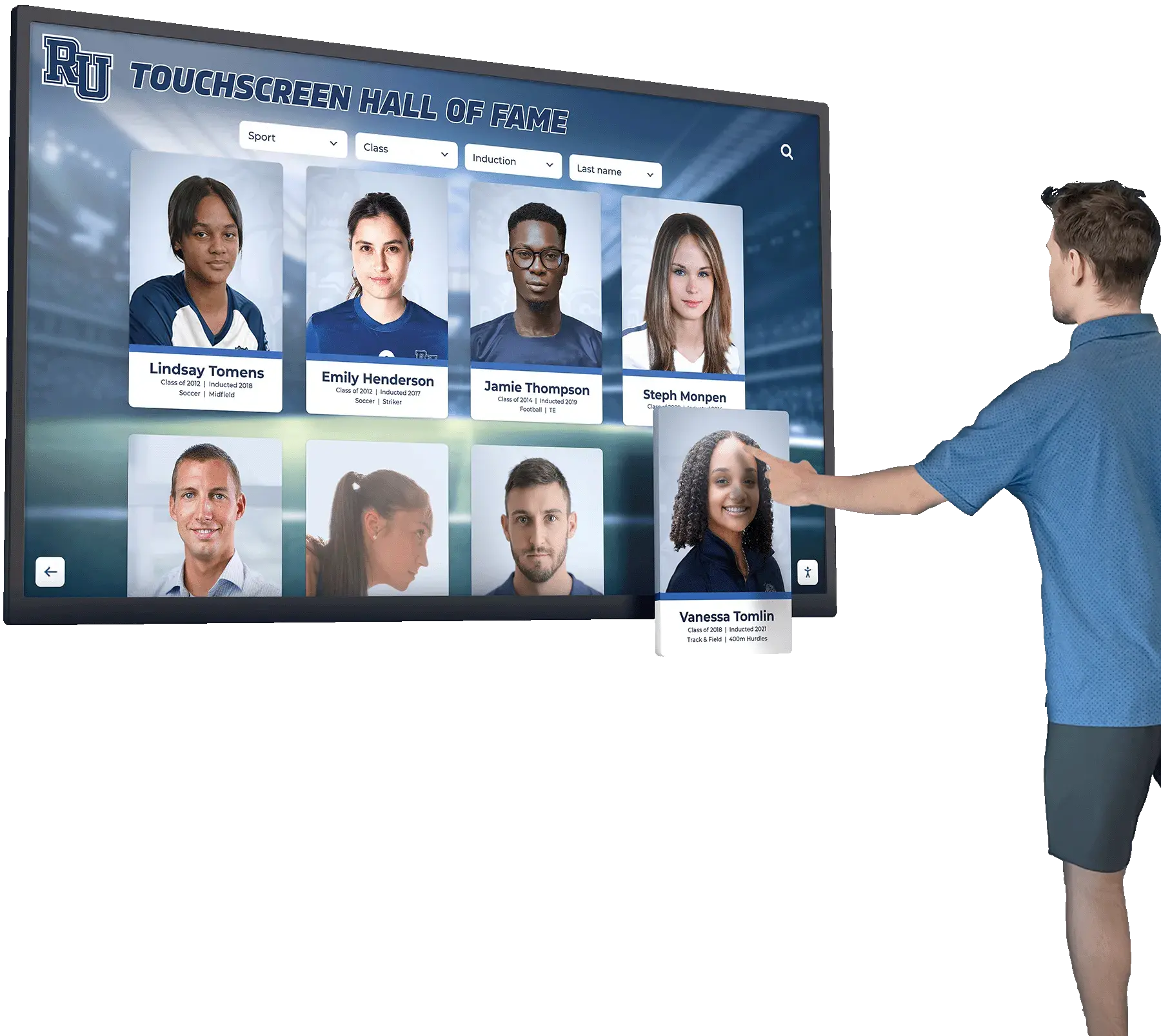
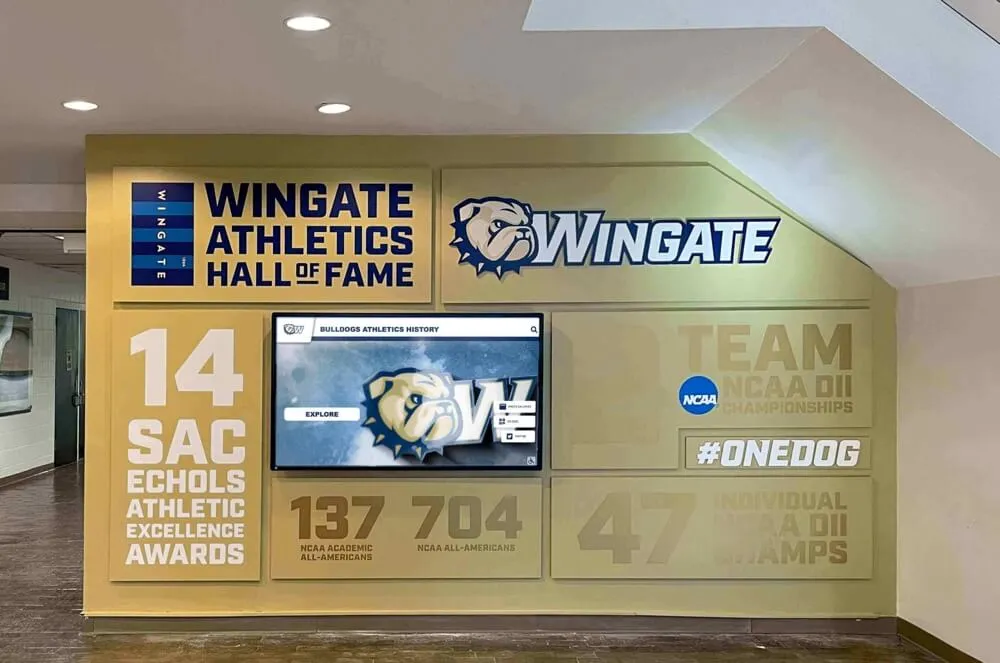
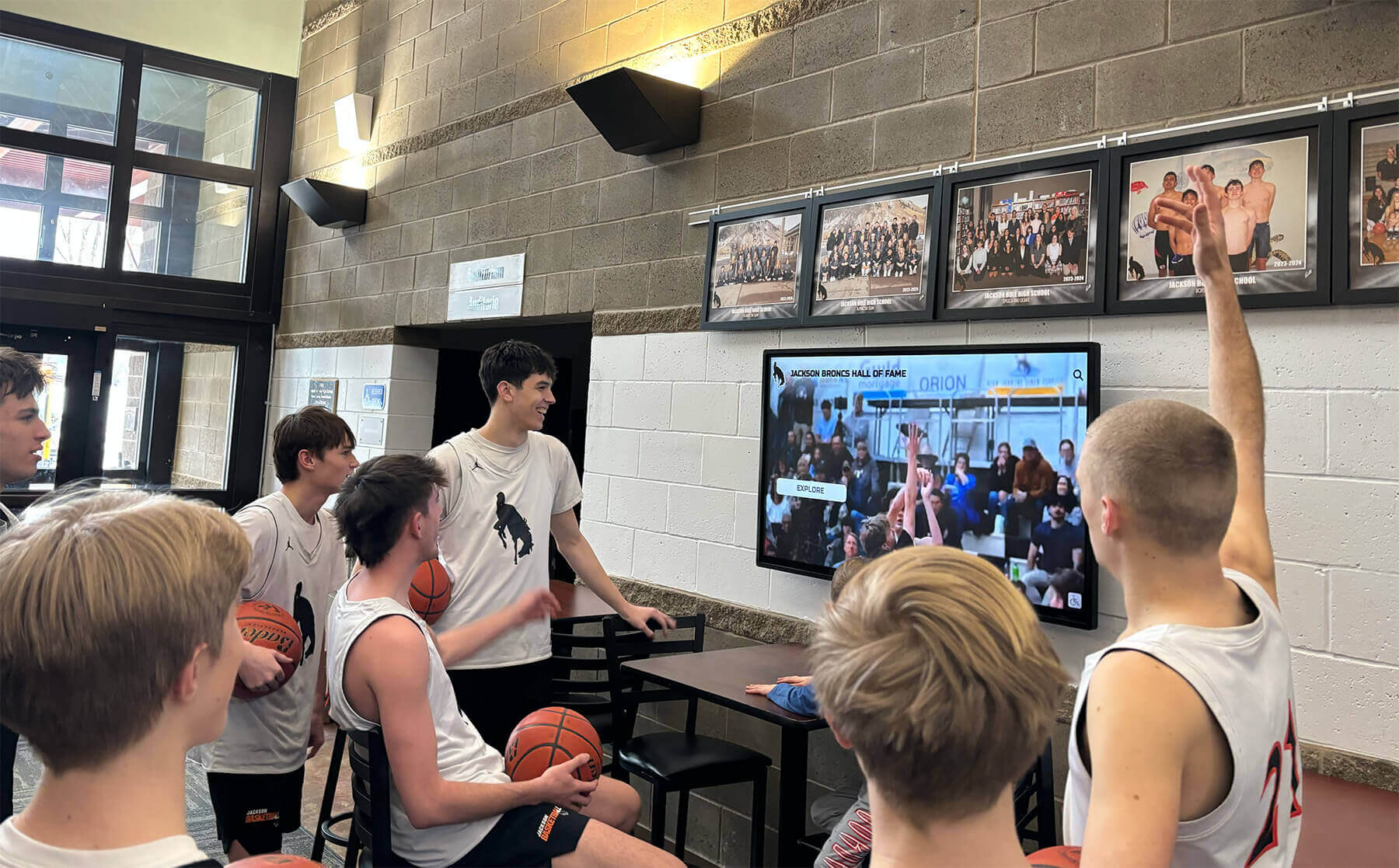
The physical environment reinforces these connections. Schools that showcase student participation, celebrate diverse achievements, and maintain visible reminders of community traditions create spaces where pride becomes tangible. Digital recognition displays in main hallways transform temporary spirit week excitement into permanent celebrations, allowing schools to feature photos from each day’s theme, highlight creative participants, and build anticipation for future events.
Classic Spirit Week Themes That Always Work
Certain spirit week themes have earned their place in high school traditions through consistent student engagement and universal accessibility. These tried-and-true themes provide solid foundations for spirit week planning.
Decades Day Themes
1. Decades Day (Combined): Students choose any decade from the 1950s through the 2000s, creating a time-traveling hallway effect that appeals to diverse fashion interests.
2. ’80s Day: Neon colors, big hair, leg warmers, and vintage band t-shirts make this consistently popular choice both accessible and visually striking.
3. ’90s Day: Students embrace grunge fashion, denim-on-denim, scrunchies, and early hip-hop styles that many find in parents’ closets.
4. ’70s Day: Tie-dye, bell bottoms, peace signs, and disco vibes create colorful participation opportunities.
5. ’50s & ’60s Day: Poodle skirts, leather jackets, mod fashion, and flower power themes appeal to students interested in classic American culture.
Color and Pattern Days
6. Color Wars: Each grade level claims a color and competes for the most participation, creating visible school-wide engagement.
7. Neon Day: Bright fluorescent colors in any combination allow students to participate without specific costume requirements.
8. Black and White Day: Simple, elegant, and accessible—students can participate with items already in their wardrobes.
9. Pattern Clash Day: Stripes with polka dots, plaids with florals—encouraging intentionally mismatched outfits celebrates creativity without costume investment.
10. Rainbow Day: Each grade or student group represents a different color of the rainbow, creating spectacular group photos.
11. School Colors Day: The simplest and most inclusive theme—students proudly wear school colors to demonstrate institutional pride.
Many schools use pep rally games throughout spirit week to maintain momentum and encourage participation across all themes.
Creative Character and Media-Inspired Themes
Students enthusiastically embrace opportunities to embody favorite characters, celebrities, and pop culture icons. These themes tap into shared media experiences while allowing personal expression.
Character and Celebrity Days
12. Character Day: Students dress as any character from movies, books, TV shows, video games, or comics, creating diverse hallway encounters.
13. Superhero Day: From Marvel and DC to original creations, superhero themes inspire creative costume design at every investment level.
14. Disney Day: With decades of characters spanning multiple genres, Disney themes offer something for everyone’s taste and comfort level.
15. Storybook Character Day: Literary characters from childhood favorites to contemporary young adult novels provide sophisticated costume opportunities.
16. Celebrity Day: Students embody favorite musicians, actors, athletes, or historical figures, often creating impressive detail in their portrayals.
17. Cartoon Character Day: Animated favorites from classic Saturday morning cartoons to contemporary streaming shows appeal across age groups.
18. Video Game Character Day: Gaming culture’s mainstream acceptance makes this theme highly engaging, especially for students who might skip traditional dress-up days.
Dynamic Duo and Group Themes
19. Twin Day: Students coordinate matching outfits with friends, emphasizing connection and collaboration.
20. Triplet or Squad Day: Expanding beyond pairs, small groups create coordinated looks that showcase friendship circles.
21. Dynamic Duo Day: Famous pairs from history, entertainment, or literature inspire creative partnered costumes.
22. Generation Day: Different generations (Baby Boomers, Gen X, Millennials, Gen Z) create opportunities to explore cultural differences through fashion and style.
Career and Academic-Themed Days
Professional and academic themes connect spirit week celebrations to students’ future aspirations while maintaining fun and accessibility.
23. Career Day: Students dress as their dream profession or create humorous takes on various careers, from doctors to astronauts to professional athletes.
24. College Day: Students wear apparel from colleges they hope to attend, colleges family members attended, or simply favorite college sports teams—also connecting to college recruitment programs many schools highlight.
25. Teacher Dress-Up Day: Students respectfully mimic teacher style and mannerisms, creating amusing role reversals that teachers often enjoy.
26. Future Profession Day: Similar to career day but specifically focused on students’ actual professional goals, creating meaningful conversations about aspirations.
27. What I Wanted to Be When I Grew Up Day: Students dress as childhood dream careers, often resulting in adorable astronaut, firefighter, and princess costumes.
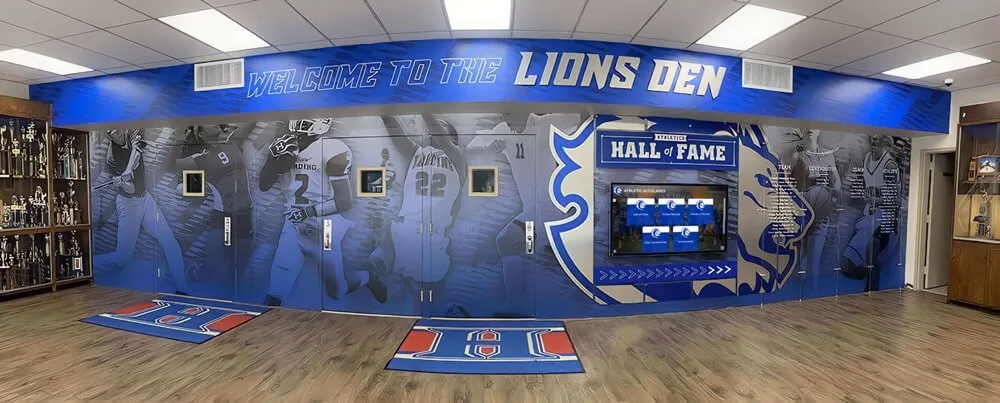
Schools often preserve spirit week moments alongside other significant achievements. Digital displays make it simple to showcase these celebrations next to academic recognition programs and honor roll achievements.
Sports and Athletic Spirit Themes
Athletic-inspired themes naturally align with homecoming weeks or playoff seasons, though they work effectively throughout the school year.
28. Jersey Day: Students wear jerseys from any sport—school teams, professional favorites, or recreational leagues they participate in.
29. Sports Team Day: Students represent favorite professional teams through apparel, face paint, or creative costumes.
30. Olympic Day: Each class or advisory represents a different country, complete with flags, colors, and national pride.
31. Extreme Sports Day: Skateboarding, surfing, snowboarding, and other action sports inspire casual, comfortable costume options.
32. Athlete Day: Students dress as favorite athletes or generic sports participants, celebrating athletic achievement across all sports.
33. Fitness Day: Workout clothes, athletic wear, and gym attire create comfortable participation opportunities while celebrating health and wellness.
Recognizing senior athletes during spirit week adds extra significance when these events coincide with playoff seasons or senior nights.
Fun and Quirky Creative Themes
The most memorable spirit days often embrace humor, creativity, and unexpected concepts that encourage students to think outside conventional costume boxes.
34. Pajama Day: Comfortable, accessible, and universally beloved—students appreciate this low-effort, high-comfort option.
35. Mismatch Day: Nothing matches—different shoes, clashing patterns, inside-out clothes—celebrating intentional chaos.
36. Hat Day: Simple accessory-based participation accommodates students uncomfortable with full costumes.
37. Sunglasses Day: Another accessory option that creates cool photo opportunities without requiring costume changes.
38. Crazy Hair Day: Temporary color, wild styling, hats, wigs—hair-focused themes inspire impressive creativity.
39. Toga Day: Classic, simple to create with bedsheets, and instantly recognizable—though schools should establish appropriate guidelines.
40. Tourist Day: Bucket hats, Hawaiian shirts, cameras, and fanny packs create humorous tourist caricatures.
41. Farmers/Country Day: Flannel shirts, overalls, cowboy boots, and country western wear appeal especially well in rural communities.
42. Beach/Tropical Day: Summer clothes, leis, sunglasses, and flip-flops (weather permitting) bring warm-weather vibes regardless of actual climate.
43. Opposite Day: Students dress as the opposite gender (with appropriate guidelines and sensitivity), wear clothes backward or inside-out, or embody opposite personality traits.
44. Sleep-Over Theme: Pajamas, robes, slippers, and blankets—essentially an extended pajama day with additional comfort accessories.

Seasonal and Holiday-Inspired Themes
Aligning spirit week with seasons or holidays creates natural timing while tapping into existing excitement around these periods.
45. Halloween/Costume Day: If spirit week falls near Halloween, a traditional costume day becomes an obvious choice with built-in student enthusiasm.
46. Holiday Sweater Day: Ugly Christmas sweaters or festive holiday attire work well for December spirit weeks.
47. Spring/Floral Day: Bright colors, floral patterns, and spring-inspired outfits celebrate seasonal changes.
48. Winter Wonderland Day: Cozy sweaters, winter accessories, and cold-weather fashion create comfortable theme participation.
49. Back to School Day: Students dress as younger versions of themselves or embrace elementary school aesthetics.
50. Summer Day: When spirit week occurs during colder months, summer themes provide warm-weather nostalgia through beach attire and bright colors.
Cultural Celebration and Heritage Themes
Culturally-focused themes require thoughtful planning to ensure celebration rather than appropriation, but when executed with proper guidance, they create meaningful recognition of diversity.
51. Cultural Heritage Day: Students celebrate their own cultural backgrounds through traditional clothing, flags, or symbolic accessories—never asking students to dress as cultures not their own.
52. Around the World Day: Each grade level or classroom represents a different country through colors, flags, or appropriate cultural symbols researched and presented respectfully.
53. Storybook Characters from Around the World: Literary characters from diverse global traditions provide culturally rich costume inspiration.
Many schools incorporate these celebrations into broader recognition programs, creating what amounts to a digital wall of fame that honors student diversity and achievement throughout the year.
Planning Your Spirit Week Calendar
The difference between chaotic spirit week experiences and smoothly-executed celebrations often comes down to strategic planning and thoughtful theme sequencing.
Strategic Theme Sequencing
Start your week with highly accessible themes requiring minimal preparation—Color Day or School Colors Day works perfectly for Monday when students might forget or lack time for elaborate costumes. Build toward more involved themes mid-week when students have momentum, and finish with the most anticipated or creative theme on Friday before homecoming games or major events.
Avoid scheduling costume-heavy themes on days with important assessments, standardized testing, or complex class activities. Consider physical education class schedules—skip Toga Day when students have gym class, and remember that some costume elements might need removal for laboratory sciences or career-technical classes with safety equipment requirements.
Inclusion and Accessibility Considerations
The most successful spirit weeks achieve high participation rates by ensuring every student finds accessible ways to participate regardless of family income, personal comfort levels, or physical abilities.
Establish clear guidelines indicating students can participate at any investment level—school colors day works with a single color accessory, decades day accepts one era-appropriate item, and character day welcomes both elaborate costumes and simple symbolic choices. Specifically communicate that full costumes are never required and single-element participation counts equally.
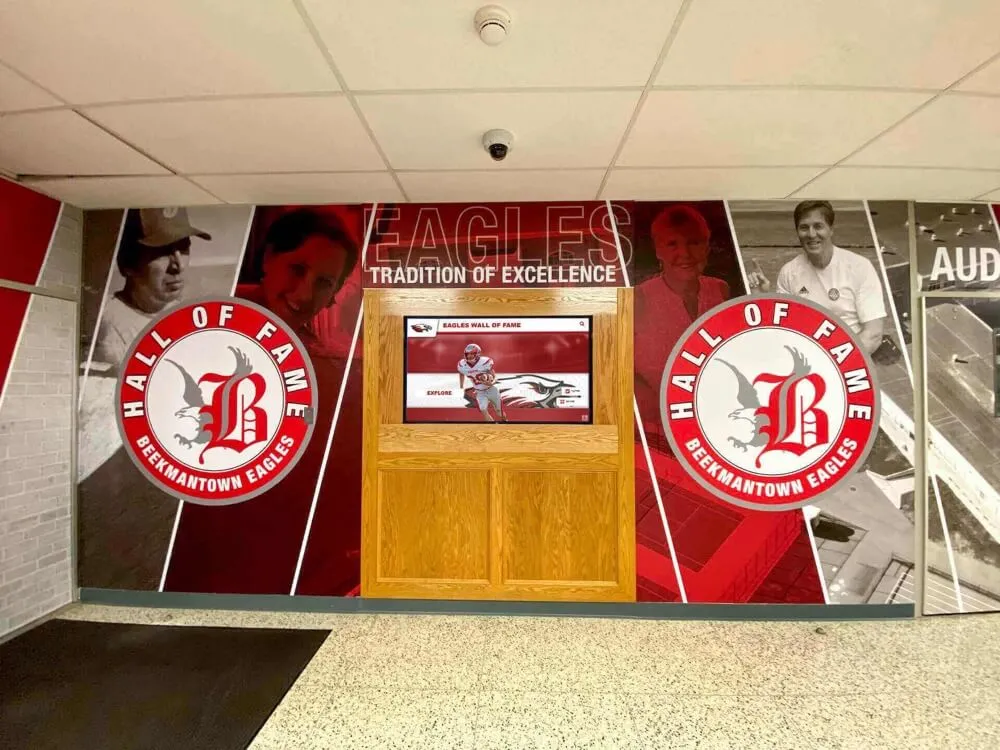
Provide costume closet resources where students can borrow spirit week items, ensuring economic barriers don’t prevent participation. Partner with drama departments, ask for community donations, or maintain rolling collections from previous years.
Consider cultural sensitivity in theme selection. Avoid themes requesting students to dress as cultures not their own (Native American Day, Mexican Day, etc.), as these often result in stereotypical or offensive portrayals. Instead, create opportunities for students to celebrate their own heritage or represent cultures through research-based, respectful educational presentations.
Maximizing Participation and Engagement
Generating enthusiasm requires more than simply announcing daily themes. Strategic promotion and ongoing engagement maintain momentum throughout the week.
Pre-Week Promotion Strategies
Begin promotion three weeks before spirit week begins. Create visual reminders throughout school hallways, share daily theme previews on social media, and send reminders to families through school communication systems.
Student leadership involvement dramatically increases participation. Recruit student council members, class officers, or volunteer spirit ambassadors to model participation, create promotional content, and encourage peers. Consider filming short video promotions featuring teachers and administrators demonstrating theme ideas—seeing school leaders participate removes participation barriers for hesitant students.
Create simple digital countdown displays in main hallways, cafeterias, or near entrances, building anticipation through the days leading to spirit week.
During-Week Engagement Activities
Maintain energy through the week with participation contests, photo opportunities, and recognition programs. Designate specific locations for spirit week photo stations with themed backdrops, props, and good lighting—students enthusiastically queue for memorable group photos.
Consider class competitions awarding points for participation percentage, creative interpretation, or collaborative displays. Announce daily winners during afternoon announcements, creating anticipation for following days.
Schedule brief spirit week showcases during lunch periods—informal fashion shows, judging competitions, or simple recognition assemblies where students see peers celebrated. These mid-day celebrations maintain enthusiasm and encourage students to participate remaining days.
Preserving Spirit Week Memories Year-Round
The most meaningful spirit weeks create lasting impact extending far beyond Friday afternoon dismissal. Thoughtful documentation and ongoing recognition transform temporary events into permanent school culture elements.
Creating Lasting Recognition
Traditional bulletin boards featuring spirit week photos provide temporary recognition, but these displays typically disappear after a few weeks when the next event requires wall space. Physical photo collages fade, get damaged, or end up in storage rather than continuously celebrating participation.
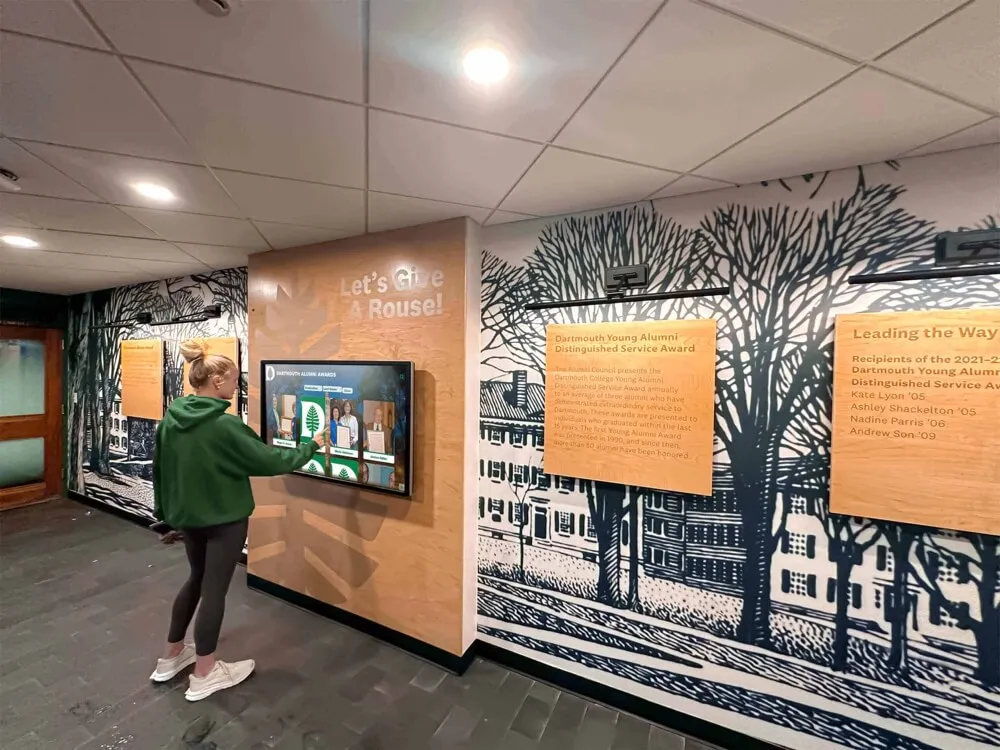
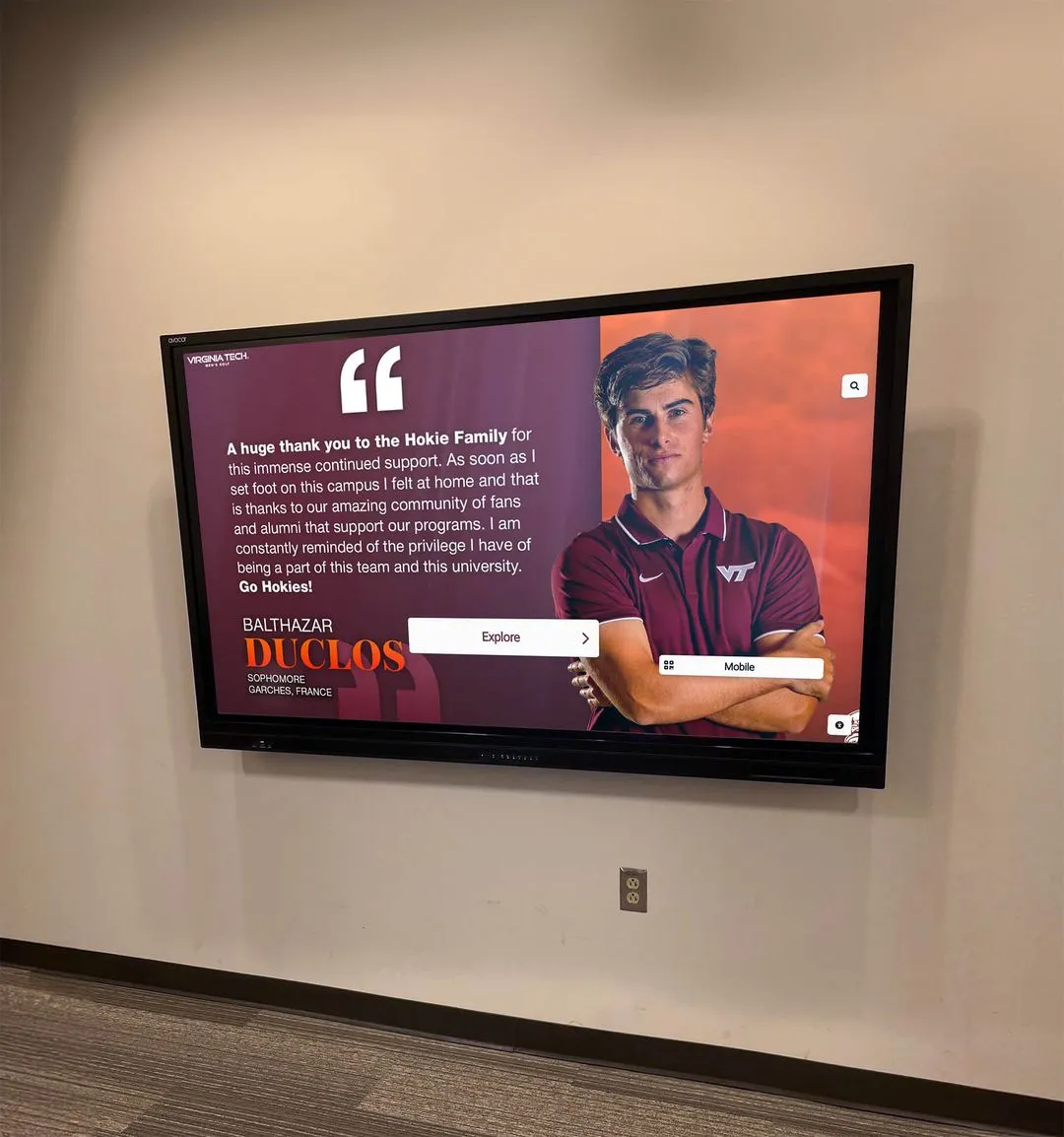
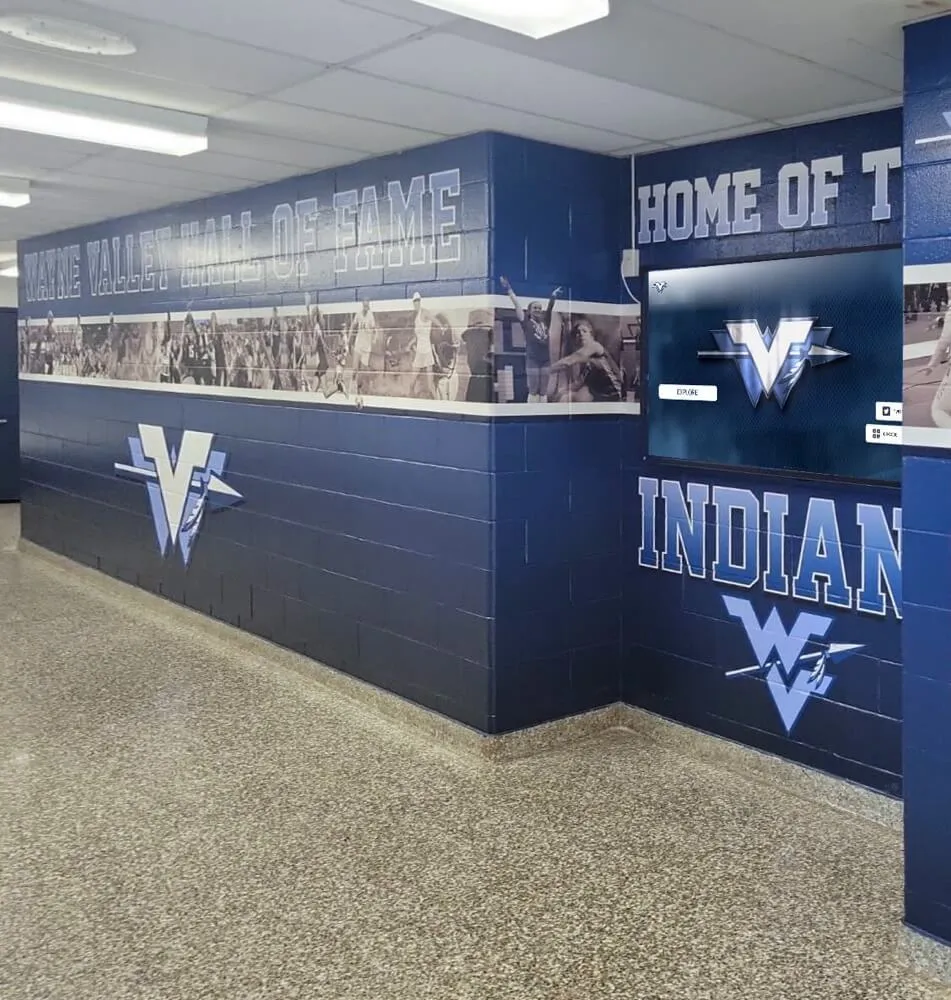
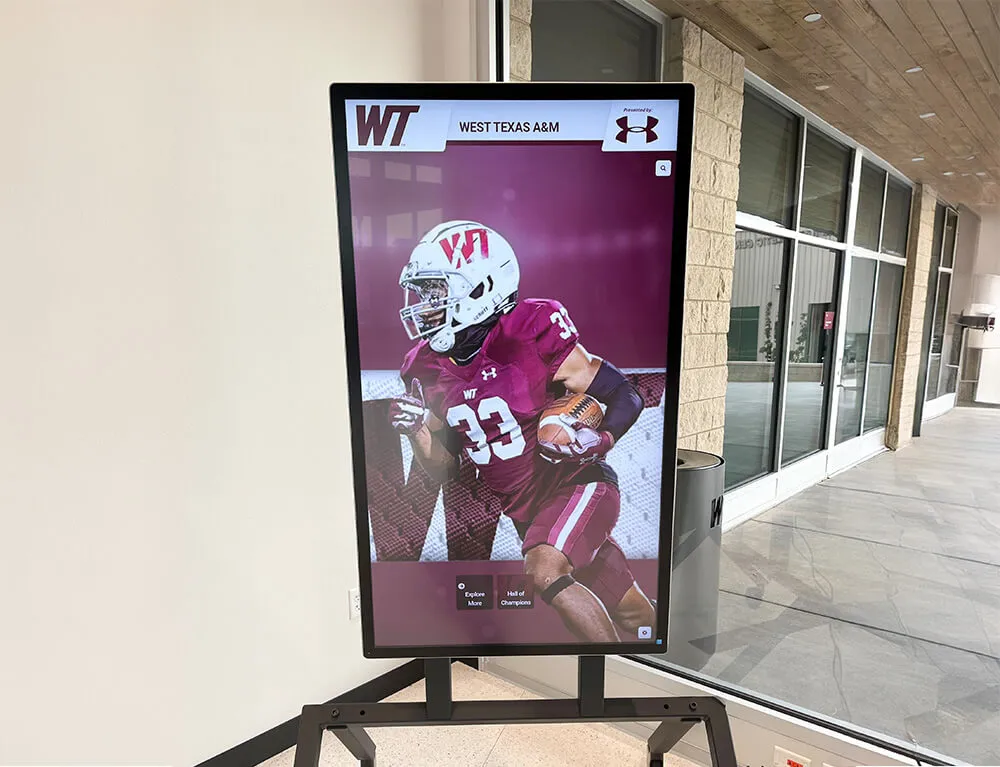
Solutions like Rocket Alumni Solutions transform how schools preserve and celebrate spirit week memories. Digital recognition displays in school lobbies and main hallways showcase rotating spirit week photo galleries alongside athletic achievements, academic honors, and other school celebrations. Rather than competing for limited bulletin board space, spirit week memories maintain prominent placement throughout the year.
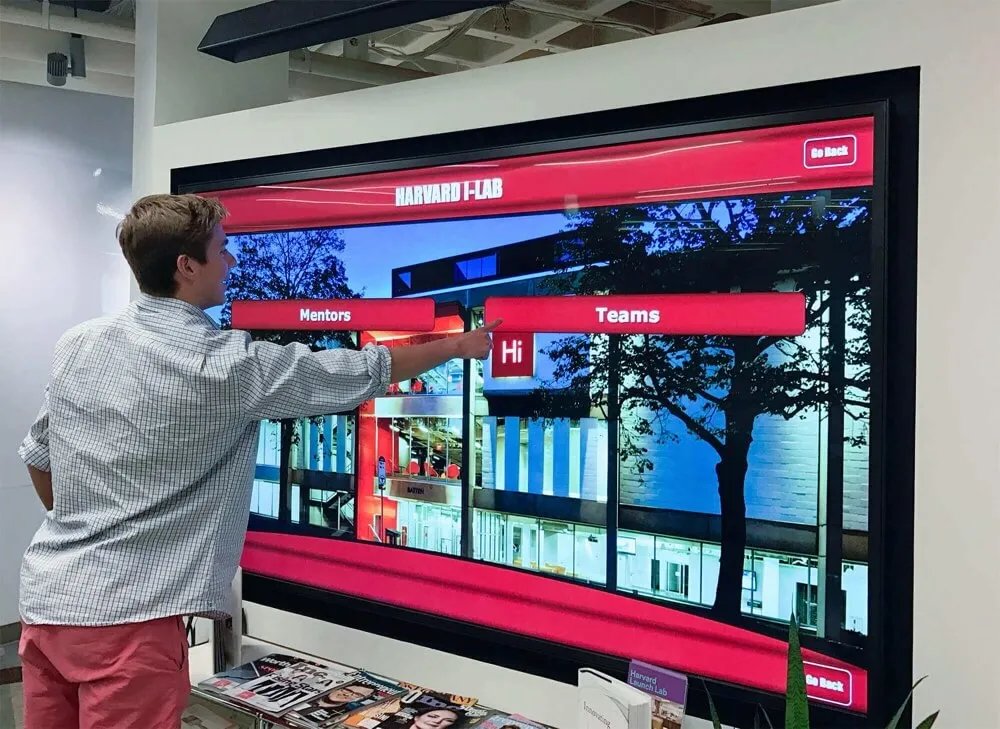
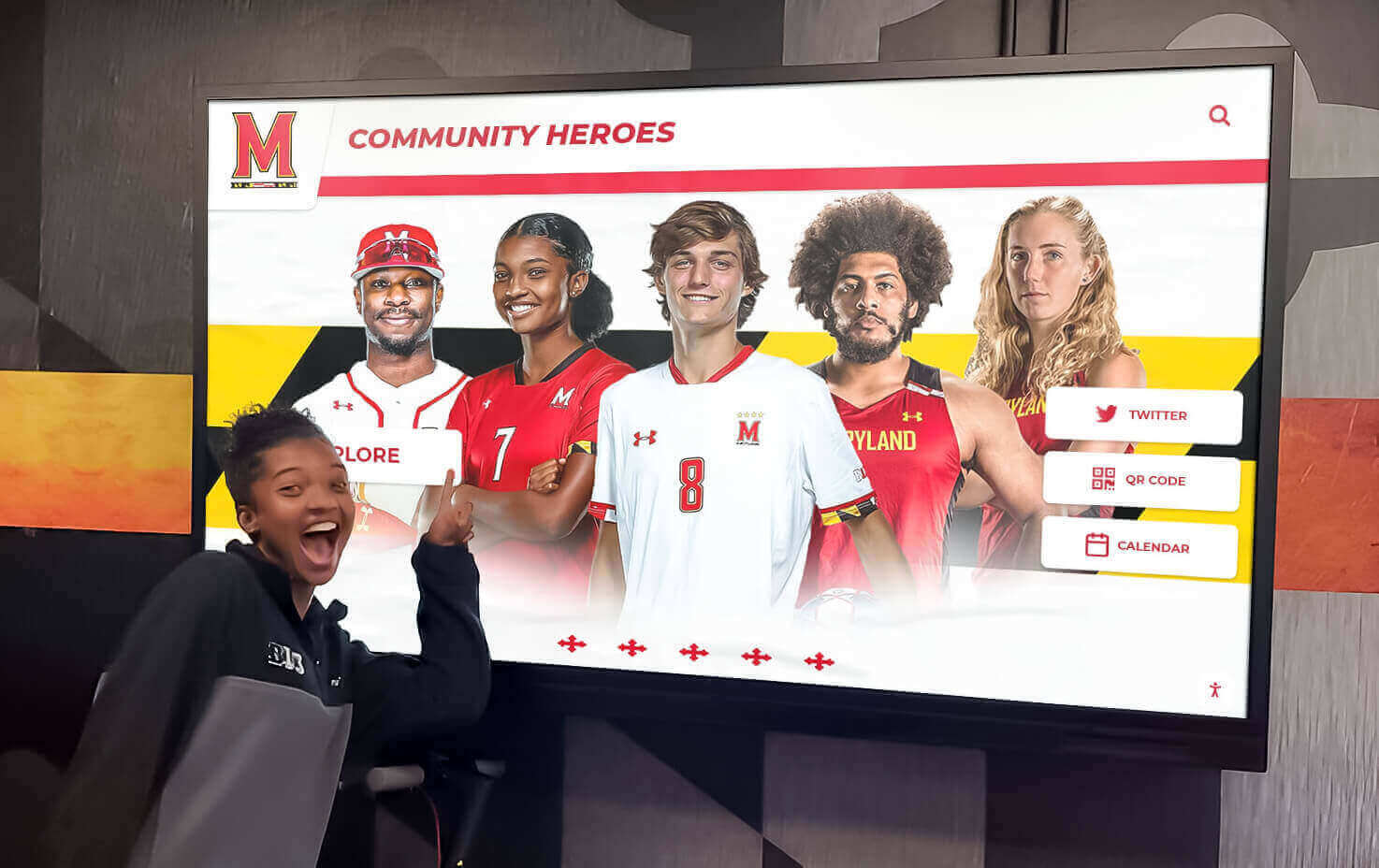
These touchscreen systems allow schools to feature photos from every theme day, highlight creative participants by name and grade, include student quotes about favorite moments, and compare participation across years. Parents and community members visiting the school see continuous evidence of vibrant school culture, and current students encounter regular reminders of the inclusive, celebratory community they belong to.
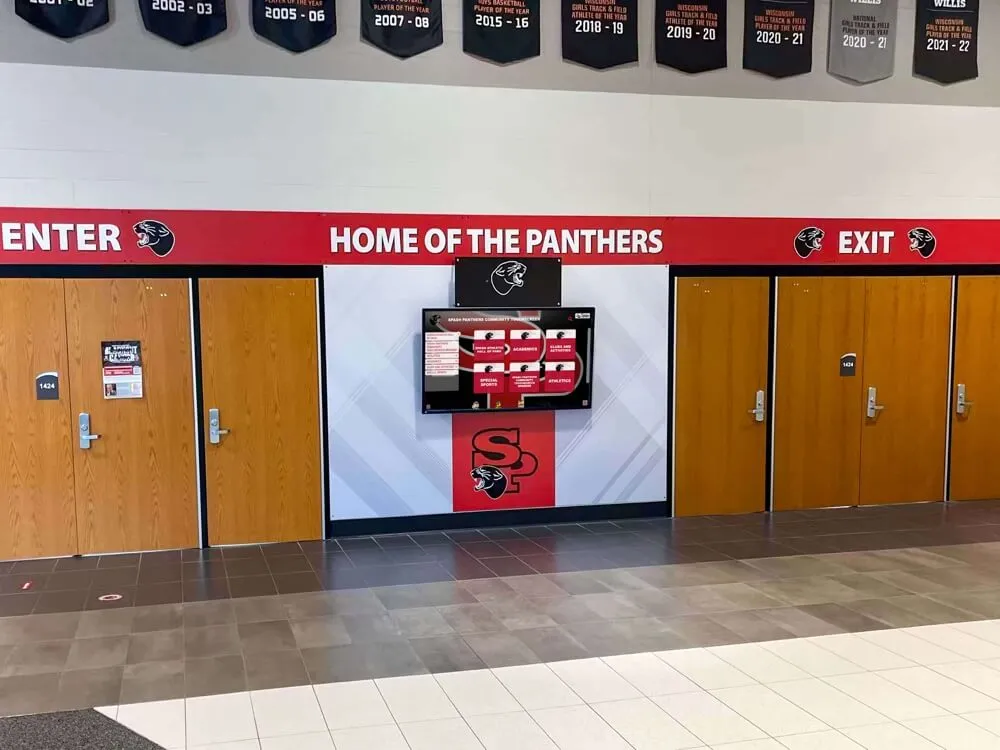
The preservation aspect becomes particularly meaningful for seniors. Spirit week photos from their freshman year through senior year create visual documentation of their growth and sustained community participation—memories worth celebrating long after graduation, similar to how schools honor National Honor Society inductees and other academic milestones.
Connecting Spirit Week to School Values
The most impactful spirit weeks extend beyond entertainment to reinforce core institutional values and educational goals.
Integrating Academic and Character Themes
Consider dedicating specific days to values your school emphasizes. “Leadership Day” could feature students dressing as role models—historical figures, community leaders, or family members who demonstrate leadership qualities. “Kindness Day” might involve spirit activities combined with service projects or peer recognition programs.
Connect themes to curriculum when possible. If English classes study particular literary periods, align a spirit day with those eras. When history courses cover specific decades, those decades become natural spirit week themes with built-in educational reinforcement.
Some schools successfully integrate spirit week with broader school initiatives. Anti-bullying campaigns might coincide with “Be Yourself Day” celebrating individuality. Unity Day could feature students wearing orange while participating in activities promoting inclusion and acceptance.
Building Year-Round Spirit
Spirit week shouldn’t exist as an isolated annual event but rather as the most concentrated expression of school spirit cultivated throughout the year. Schools that maintain consistently high spirit week participation typically demonstrate strong daily culture through ongoing recognition programs, regular celebrations of achievement, and physical environments reinforcing community pride.
Regular mini-spirit days—monthly themed casual days, Friday school colors traditions, or holiday dress-up opportunities—maintain baseline spirit and make annual spirit week feel like natural cultural expression rather than forced participation.
Recognition displays featuring spirit week memories alongside athletic achievements, academic awards, artistic accomplishments, and community service projects demonstrate that your school celebrates achievement in all its forms. This comprehensive approach to recognition creates environments where students feel valued regardless of their specific talents or interests.
Measuring Spirit Week Success
Evaluation helps improve future spirit weeks and demonstrates impact to stakeholders questioning resource allocation for spirit activities.
Quantitative Success Metrics
Track participation rates by day and grade level. Calculate percentage of students participating each day and identify patterns—which themes achieved highest participation? Which days showed lower engagement? Where do specific grade levels excel or struggle?
Photography documentation enables retrospective participation counting while creating archives for future recognition. Assign student photographers or recruit yearbook staff to systematically photograph participating students throughout each day.
Social media engagement provides measurable data—post reach, interaction rates, content shares, and follower growth during spirit week indicate community engagement extending beyond current students.
Qualitative Assessment
Student feedback provides crucial information that statistics miss. Brief post-spirit week surveys asking students about favorite themes, participation barriers they encountered, suggestions for future improvements, and overall experience quality yield actionable insights.
Teacher observations about classroom atmosphere during spirit week, student interactions across grade levels, and overall building energy levels help assess cultural impact beyond participation numbers.
Parent and community response—comments during school events, social media reactions, and community conversation about spirit week—indicates whether these celebrations enhance school reputation and community connections.
Overcoming Common Spirit Week Challenges
Even carefully planned spirit weeks encounter obstacles. Anticipating common challenges and preparing solutions ensures smoother execution.
Low Participation Rates
When participation lags, evaluate theme accessibility. Themes requiring specific costume purchases, significant preparation time, or niche cultural knowledge naturally limit participation. Replace these with simpler alternatives focusing on color, accessories, or clothing combinations students already own.
Lack of awareness often prevents participation. Increase promotion frequency and variety—use multiple communication channels, provide visual reminders in all school spaces, and leverage student ambassadors to spread information through peer networks.
Some students need permission to participate. When school leaders—principals, teachers, coaches, counselors—visibly participate in spirit days, they signal that participation is valued rather than frivolous. Administrator participation in spirit week might seem trivial, but it powerfully influences student comfort with participation.
Theme Fatigue
Schools rotating the same themes annually often experience declining enthusiasm. Refresh your theme list every 2-3 years, incorporating student suggestions and emerging cultural trends. Student council surveys asking for theme ideas generate student investment and ensure themes reflect current student interests.
Disruption Concerns
Some teachers worry spirit week costumes disrupt learning or create classroom management challenges. Address these concerns proactively through clear guidelines about appropriate participation, specific rules about costume elements that must be removed during certain classes, and emphasis that education remains the priority with spirit week enhancing rather than replacing academic focus.
Consider scheduling spirit week activities during lunch periods or designated school time rather than requiring teachers to manage activities during instructional minutes. Brief daily recognitions during passing periods or afternoon announcements maintain spirit without extensive class time investment.
Creating Your Custom Spirit Week
While this comprehensive list provides 50+ theme options, the most successful spirit weeks reflect unique school cultures, student populations, and community values.
Start by surveying students about their favorite themes from this list and additional suggestions. Involve student council, class officers, and diverse student representatives in selection processes—their buy-in dramatically increases peer participation.
Consider your school calendar and environment. What other events coincide with spirit week? Homecoming? Playoff games? School anniversaries? Align themes with these events when relevant. What’s your climate during spirit week? Skip beach day in February if your location experiences snow and freezing temperatures—or embrace the contrast for humorous effect.
Balance your week with varied theme types. Mix simple, accessible themes (color days, hat day) with more involved creative options (character day, decades day). Include themes appealing to different student interests—athletic themes, academic connections, creative costume opportunities, and simple accessory-based participation.
Most importantly, create structures that preserve and celebrate the community connections spirit week generates. When students see themselves represented in ongoing school recognition—whether through digital displays showcasing spirit week photos, interactive touchscreen galleries featuring diverse achievements, or physical displays celebrating participation—they understand that their contributions to school culture are valued.
Transform Spirit Week Memories Into Lasting Recognition
Don't let your spirit week photos disappear into storage after a few weeks on a bulletin board. Discover how digital recognition displays preserve student memories, celebrate participation year-round, and strengthen school culture through continuous recognition.
Explore Recognition SolutionsLooking for more ways to build school spirit and celebrate students? Explore our guides on school fight songs and traditions and digital photo galleries for school events to discover more creative ways to strengthen your school community.