The Easiest Touchscreen Solution

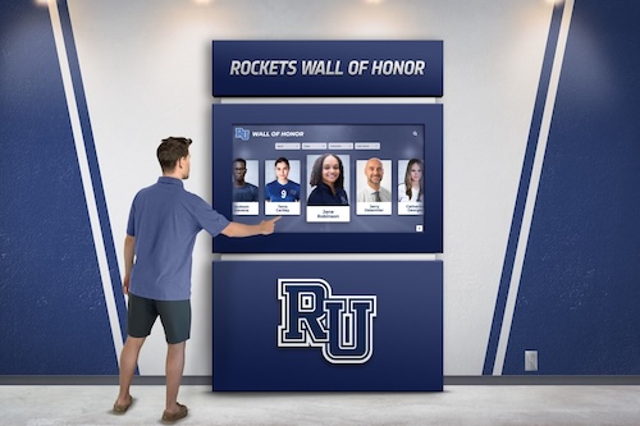
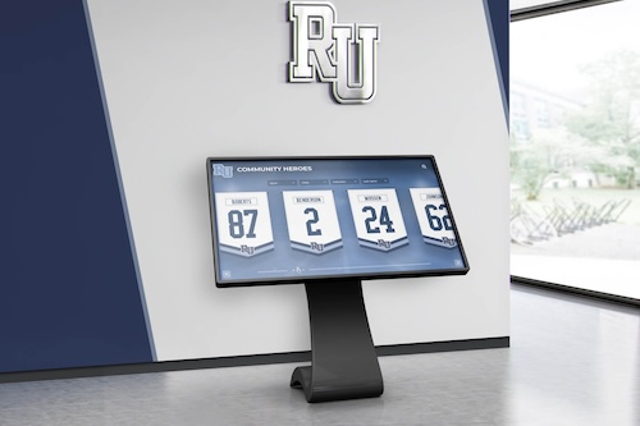
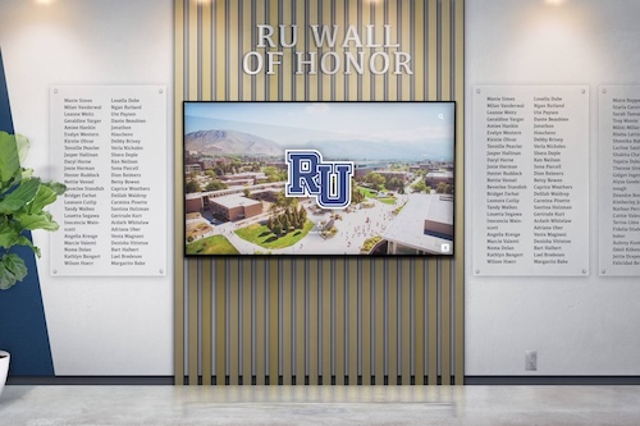
Live Example: Rocket Alumni Solutions Touchscreen Display
Interact with a live example (16:9 scaled 1920x1080 display). All content is automatically responsive to all screen sizes and orientations.
A polished trophy display or digital recognition entry can honor a year’s worth of hard sailing—provided every caption tells the right story. The Clifford Mallory, Toby Baker, and Cressy Trophies represent three separate national championships under the Interscholastic Sailing Association (ISSA), each with its own format and attribution. Confusing them in a trophy caption, school yearbook, or digital recognition entry quietly erases the distinction that made the win meaningful in the first place.
This guide helps athletic directors and school history editors celebrate sailing honors accurately: which trophy belongs to which competition, what the season or year label should say, and how to structure a clear caption or digital entry for a high school sailing trophy display. It is a school recognition reference—not a guide to sailing technique, race tactics, eligibility rules, or regatta organization.
Before writing a caption or preparing a digital entry, it helps to know why these three trophies are easy to mix up—and exactly how they differ.
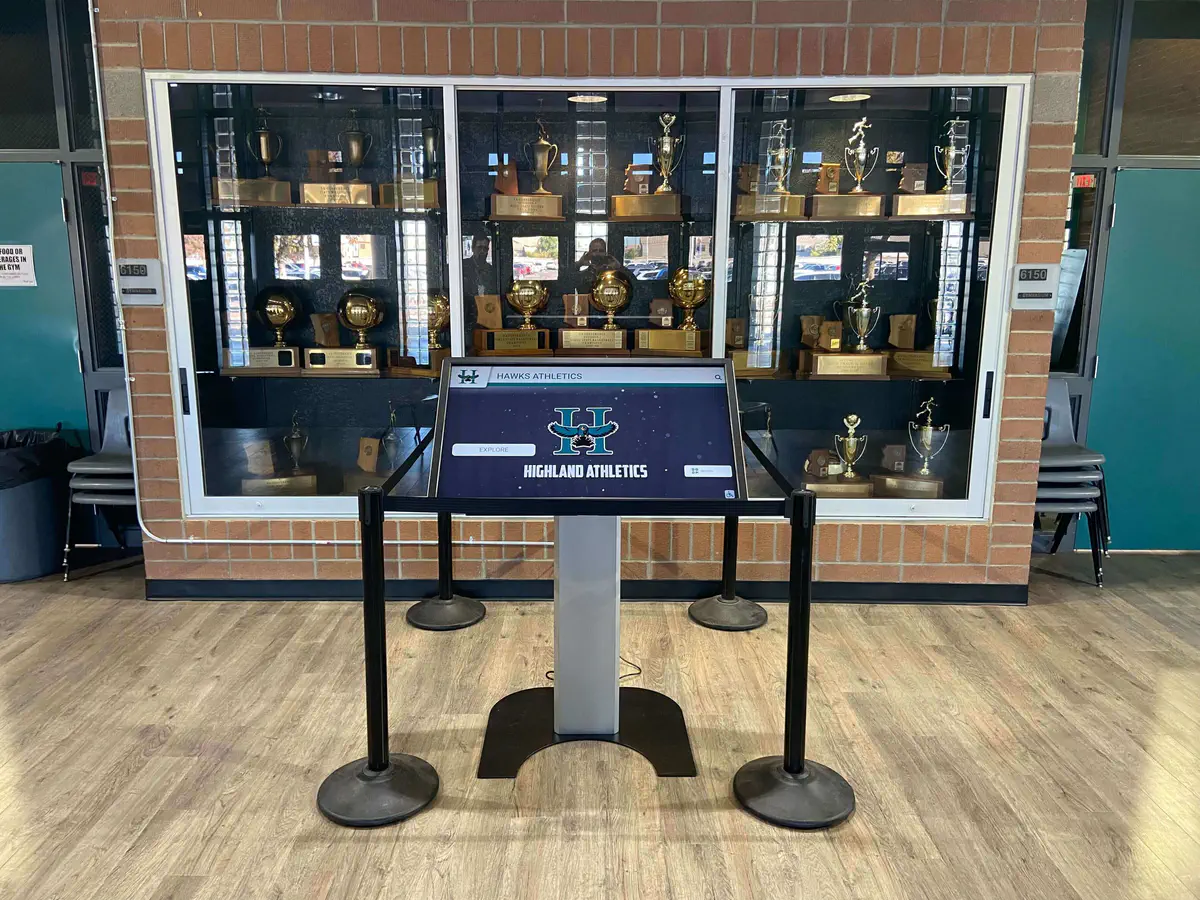
A school trophy case that integrates a digital display can present sailing honors alongside other athletic achievements—provided each entry carries an accurate caption that identifies the event, format, and attribution.
Why Getting the Label Right Matters
A sailing championship caption that names the wrong event, conflates a team result with an individual award, or uses the wrong season span undercuts the record it was meant to preserve. Parents, alumni, and future athletic directors rely on those labels when they research program history. Getting it right at the time of publication saves significant correction work later.
The three ISSA trophies share an organizational umbrella and sometimes overlap in the competitive calendar, which is precisely why each needs a clear and distinct label in any display.
The Clifford D. Mallory Trophy: Fleet Racing School Championship
The Mallory Trophy is the oldest award in school sailing. It was selected and presented to the ISSA (then the IYRA) by Clifford Mallory and his son when the elder Mallory served as Commodore of Indian Harbor Yacht Club in Greenwich, Connecticut, and as President of NAYRU—the predecessor of US Sailing. The trophy’s sterling silver model of an Atlantic-class sloop reflects its origins in that class.
What the Mallory measures: A school team’s overall performance in fleet racing. The winning entry belongs to the school, not to a single sailor or crew pair. Because fleet racing produces a school/team champion, Mallory captions should always identify the winning school as the awarded party.
Current format: In recent years, the ISSA Nationals have been sailed in doublehanded dinghies using a two-division format (Division A and Division B), with an overall team score (sometimes labeled TOT on the results page). That two-division, doublehanded structure was initiated when the U.S. Naval Academy took over hosting after many years at the U.S. Coast Guard Academy, where competition used keel sloops and Ravens. Before that stewardship, formats varied—including a brief dinghy venture with Fireflies at St. George’s School in 1959. The competition now rotates among ISSA districts.
Preserving historical context matters here: do not project the current doublehanded two-division format backward onto decades when the event was sailed in Atlantic-class sloops or other classes. Use the format description appropriate to the specific year being captioned.
What the results page shows: The 2026 ISSA Mallory National Championship results list each school’s Division A score, Division B score, and total (TOT) score separately. A strong Division A or Division B result is not the same as the overall championship. The school with the best overall TOT across both divisions wins the trophy. A caption that names one division’s performance as the championship title misrepresents the record.
Key caption facts to preserve:
- Event name as listed (e.g., “2026 ISSA Double-handed Championship (Mallory Trophy)”)
- Winning school name exactly as listed in official results
- Season/year as listed (single calendar year for Mallory)
- Format label (doublehanded, two-division fleet racing) if the display has space
- Source: hssailing.org/trophy-case/clifford-mallory-trophy/161
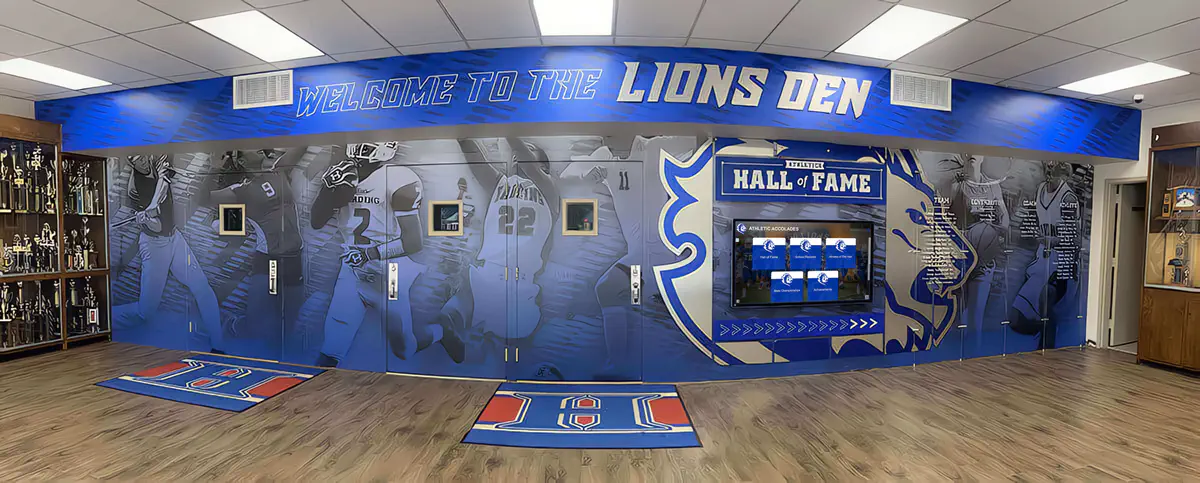
Trophy cases that display the actual event name and division label alongside a school's name build a record that future administrators can verify against official sources.
What to avoid in Mallory captions:
- Do not describe a division-level score or single-race result as proof of the overall title
- Do not list the Mallory as an individual sailor’s award—it is a school/team championship
- Do not project the current doublehanded format onto years when the event used keel sloops or other boat classes
The Toby Baker Trophy: National Team-Racing Championship
The Baker Trophy honors Toby Baker, Tabor Academy’s long-time head sailing coach, in recognition of his commitment to high school sailing and to team racing in particular. Toby served as President and Treasurer of ISSA and as President of the New England School Sailing Association. His influence helped interscholastic sailing grow into a national organization. The ISSA Board of Directors established the National Team-Racing Championship for the Baker Trophy in 1990, and the official Baker Trophy history includes links to individual year results pages where championship details can be verified.
What the Baker measures: A school team’s performance in team racing—a format structurally different from fleet racing. In team racing, boats from two opposing teams race against each other simultaneously, using tactical cooperation to place their boats favorably. The Baker Trophy is a school team title, not an individual award.
An important distinction from Mallory: A school that excels in fleet racing does not automatically perform the same way in team racing, and vice versa. A school holding both trophies in the same year has won two separate championships in two different sailing formats—worth noting in the display rather than merging into one entry.
The Baker championship venue now rotates among ISSA districts.
A note on rosters: The sailor names listed on the official trophy history page for a given Baker year represent the documented championship participants for that event. A school’s full season roster may be larger than the championship roster. The display entry should reflect what the official record says about the championship itself, with a source URL for verification.
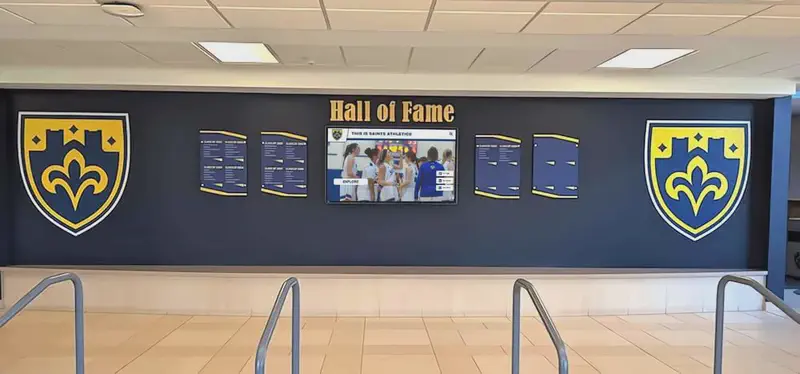
A display that pairs each trophy entry with its source URL makes it straightforward for a future history editor to verify the championship format and attributed sailors.
Key caption facts to preserve:
- Event name as listed (e.g., “2026 ISSA Team Race National Championship (Baker Trophy)”)
- Winning school name exactly as listed in official results
- Season/year as listed (single calendar year for Baker)
- Format label: ISSA National Team-Racing Championship
- Source: hssailing.org/trophy-case/baker-trophy/162
The Cressy Trophy: National Singlehanded Championship
The Cressy Trophy was originally a multi-division invitational high school regatta hosted by the U.S. Naval Academy starting in 1979, sailed in 420s and Lasers. The Deed of Gift was changed in 1985 to rededicate it as the National High School Singlehanded Championship, sailed in Lasers. Since 1990, ISSA has recognized it as the official national singlehanded title.
What the Cressy measures: An individual sailor’s performance in singlehanded racing. This is the clearest distinction from Mallory and Baker: the honor belongs to the named sailor, not to a school team. A school’s display should attribute the Cressy result to the sailor by name, with the school listed as that sailor’s institution—not as the “champion school” in the same sense as a fleet or team racing title.
Season labels span two calendar years: The Cressy is raced in the fall of the preceding calendar year. Its entries appear as two-year spans—for example, “2025-2026 ISSA Singlehanded Nationals (Cressy Trophy)” for the regatta sailed in fall 2025. Do not rewrite this into a single calendar year or align it to an academic-year convention that differs from the official label. Use the two-year label exactly as listed on the official page.
Category labels change over time: The official Cressy Trophy history shows how category names have evolved. Current entries use ILCA 7 (Open), ILCA 6 (Girls), and ILCA 6 (Boys). Earlier entries used Full Rig and Radial. Before 1985, the format was entirely different—the early records list multiple sailors from a winning school rather than individual category champions. Do not apply today’s three-category structure to older entries, and do not assume every year has the same number of categories.
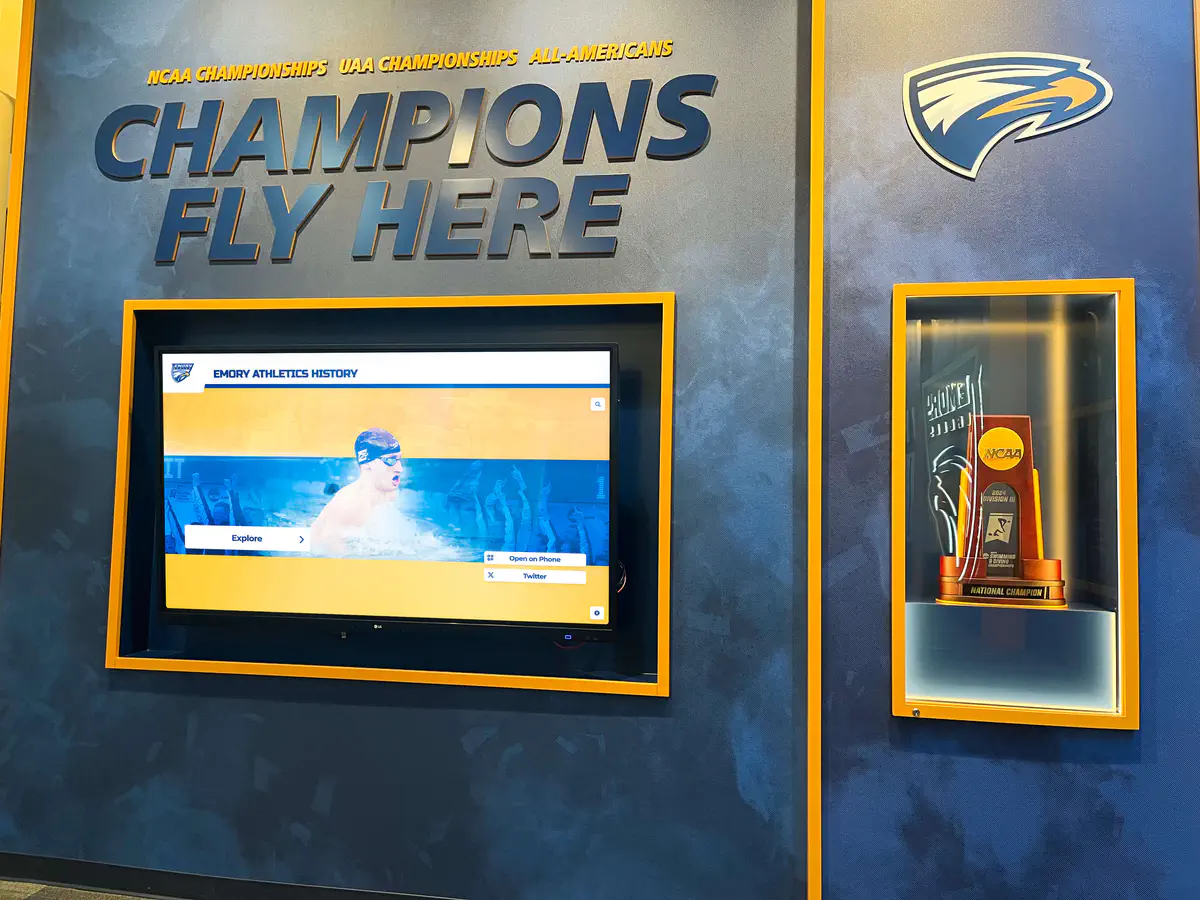
Sports that produce individual champions alongside team honors benefit from displays that make the distinction explicit in every caption—attributing the right result to the right person.
A note on the 2026-2027 Cressy entry: The official page shows category links for ILCA 7 (Open), ILCA 6 (Girls), and ILCA 6 (Boys) for the 2026-2027 season, with a listed venue of American YC. No winner list appears yet. Absence of a listed winner is not evidence that no race occurred or that no champion was named—it reflects the status of the page at the time of this writing. Check the official source for current results before finalizing any display entry for that season.
Key caption facts to preserve:
- Season label as listed (two-year span, e.g., “2025-2026”)
- Category as listed (ILCA 7 Open / ILCA 6 Girls / ILCA 6 Boys, or the label used in that specific year)
- Sailor name and school as listed in official results
- Source: hssailing.org/trophy-case/cressy-trophy/160
What to avoid in Cressy captions:
- Do not turn a singlehanded individual result into a whole-team title
- Do not rewrite the two-year season label into a single calendar year
- Do not retroactively apply “ILCA 7” or “ILCA 6” to years that used “Full Rig” or “Radial”
- Do not assume absence of a winner listing means no race occurred
Caption Templates with Unmistakable Placeholders
The following templates show the minimum fields a clear sailing honor entry should include. Replace each bracketed item with the exact text from the official source, preserving punctuation, capitalization, and the two-year span where the source uses one.
Mallory — fleet racing, school/team title
[Exact event title as listed on hssailing.org] School: [Winning school name as listed in official results] Season/Year: [Year as listed, e.g., 2026] Format: ISSA Fleet Racing National Championship — Doublehanded, Two Divisions Source: https://hssailing.org/trophy-case/clifford-mallory-trophy/161
Baker — team racing, school/team title
[Exact event title as listed on hssailing.org] School: [Winning school name as listed in official results] Season/Year: [Year as listed, e.g., 2026] Format: ISSA National Team-Racing Championship Source: https://hssailing.org/trophy-case/baker-trophy/162
Cressy — singlehanded, individual sailor title
[Exact event title as listed, including two-year span] Sailor: [Sailor name and school as listed in official results] Category: [Category as listed, e.g., ILCA 7 Open / ILCA 6 Girls / ILCA 6 Boys] Season/Year: [Two-year label as listed, e.g., 2025-2026] Source: https://hssailing.org/trophy-case/cressy-trophy/160
A digital recognition entry can expand these placeholders with photos and additional context supplied by the school—while keeping the official labels intact.
Common Errors That Flatten the Record
A few patterns appear regularly when sailing honors move from paper records to a trophy case or digital entry:
Treating a division score as the championship. The Mallory results page shows Division A, Division B, and total scores separately. A school that scores well in one division has earned recognition for that division performance, but the Mallory Trophy goes to the school with the best overall total. Only use “Mallory Trophy winner” for the school that tops the overall standings.
Calling a Cressy result a school championship. A sailor from [School Name] who wins the ILCA 7 Open has earned an individual national singlehanded title. The school should absolutely display that honor—attributed to the sailor by name, with the school listed as that sailor’s institution. Describing it as “[School Name] wins Cressy” without the sailor’s name and category erases the individual achievement the trophy was designed to honor.
Applying today’s Cressy categories to past seasons. If a 1995 or 2003 entry used a different format with different labels, the display should reflect the labels used in that year. Do not add “ILCA 7 Open” or “ILCA 6 Boys” to an entry that predates those labels.
Skipping the season label entirely. “Won the Baker Trophy” is simpler to engrave but harder to verify twenty years later. Including “2024 ISSA Team Race National Championship (Baker Trophy)” gives any future research a clear starting point.
Conflating physical trophy possession with the award record. A school that physically holds a traveling trophy for a given year may keep the documentation in a separate file. When a source is unclear, resolve the question with the school, district, or the official ISSA page before publishing the caption.
Complementing a Physical Trophy with a Digital Entry
A sailing trophy on a shelf tells visitors that something was accomplished. A caption—physical or digital—tells them what. A well-structured digital recognition entry can carry more context than an engraved plaque: the event name in full, the category, the season label in its official two-year form, and a note that distinguishes the format (fleet racing vs. team racing vs. singlehanded).
Digital recognition does not replace the physical trophy, the championship banner, or the team photo. It adds a layer of verifiable detail that the physical display cannot hold. A school-supplied photo of the team at the regatta, a scan of the official results page, or a brief note from the coach who was present—these complement the official record without overwriting it.
Source availability and physical ownership do not automatically confer rights to reproduce photographs or official documents. If a school wants to include a regatta photo or results screenshot in a digital display, that question belongs with the school’s communications contacts, not with the display platform.
What a complete digital entry can carry:
- Official event name and season/year label, exactly as listed
- Format and category (fleet / team / singlehanded; division; boat class where relevant)
- School or sailor attribution as appropriate to the specific trophy
- Verified finish or honor drawn from the official source
- Source URL or document for future verification
- School-supplied context: coach’s note, team photo with neutral caption, link to full results
One photo from a regatta or a single entry in a results program is not proof of a complete season roster. Keep attributions anchored to what the official record confirms.
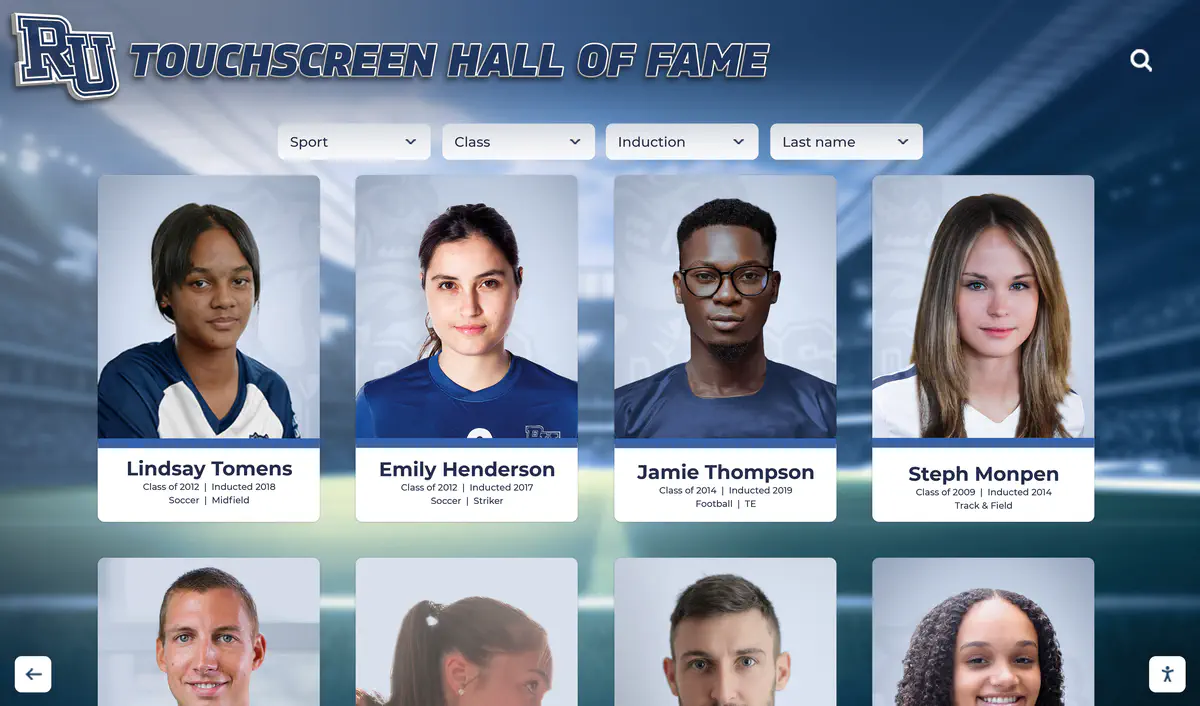
Digital recognition entries can hold more detail than a physical plaque—provided each field is drawn from a verified source rather than assembled from memory or inference.
Editorial Worksheet: Blank Planning Table
Use this table as a staff planning aid when preparing trophy captions or digital recognition entries for sailing honors. It is an editorial worksheet—not a required import format, platform feature, or approval gate. Fill each column from the official source document before writing the caption. Leave cells blank rather than guessing, and note “verify with [source owner]” in any cell where the information is unclear.
If a discrepancy appears—for example, a school’s internal records list a sailor not reflected in the official ISSA page—resolve it by consulting the source owner for the affected caption. There is no need to freeze verified entries for other years while one caption is being checked.
Sailing Honor Editorial Worksheet
| School/team as listed | Season/year as listed | Exact event/trophy | Format and category as listed | Verified finish/honor | Sailor/team attribution | Source URL/document/page |
|---|---|---|---|---|---|---|
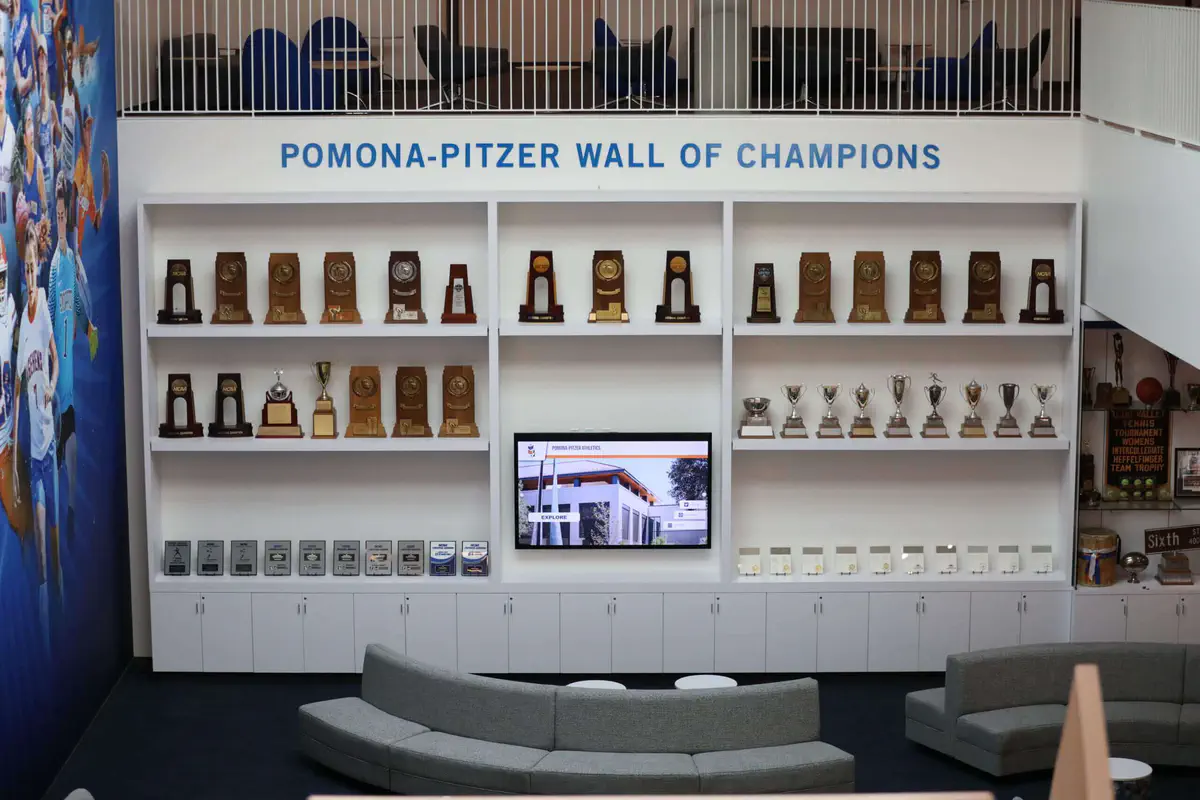
A well-organized recognition space gives every trophy a label that holds up to future scrutiny—name, event, year, format, and a path back to the original source.
Related Resources
For cross-checking school recognition records against external reference data, the athletic award data reconciliation report at AwardsDisplay.com is an optional editorial resource that may be useful when auditing existing trophy entries or resolving discrepancies.
The official ISSA primary sources cited in this guide are the authoritative starting point for all sailing caption work:
- Clifford D. Mallory Trophy history — fleet racing results and year-specific entries, with links to individual year results
- Toby Baker Trophy history — team racing results and links to individual year results pages
- Cressy Trophy history — singlehanded results, two-year season labels, category links, and historical format notes
Bring Your School's Sailing Honors Into the Digital Trophy Case
A digital recognition display can hold the full caption that a physical trophy case or championship banner cannot always fit: official event name, season label, format, category, and attribution all in one place. Connect with the team to explore how your school's sailing achievements—alongside your other athletic honors—can be preserved and presented with clarity, accuracy, and lasting school pride.
Get in TouchLive Example: Rocket Alumni Solutions Touchscreen Display
Interact with a live example (16:9 scaled 1920x1080 display). All content is automatically responsive to all screen sizes and orientations.