The Easiest Touchscreen Solution
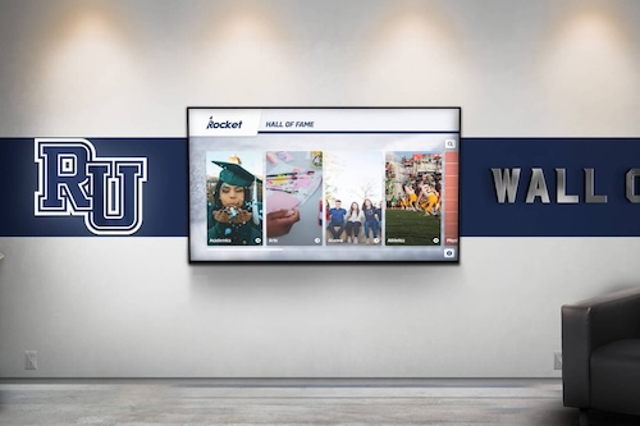
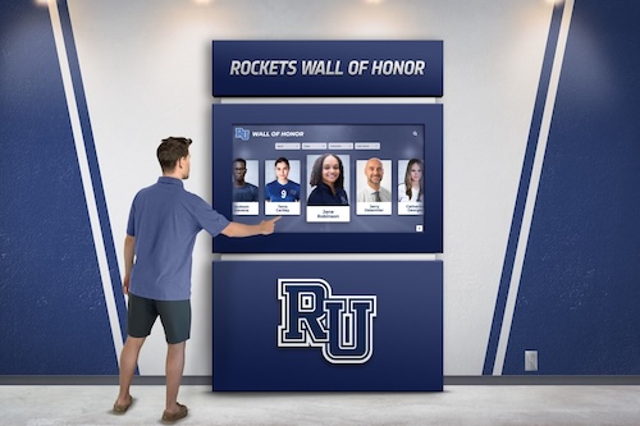
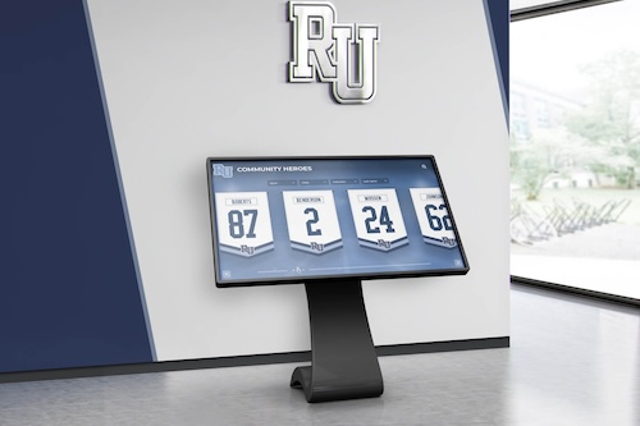
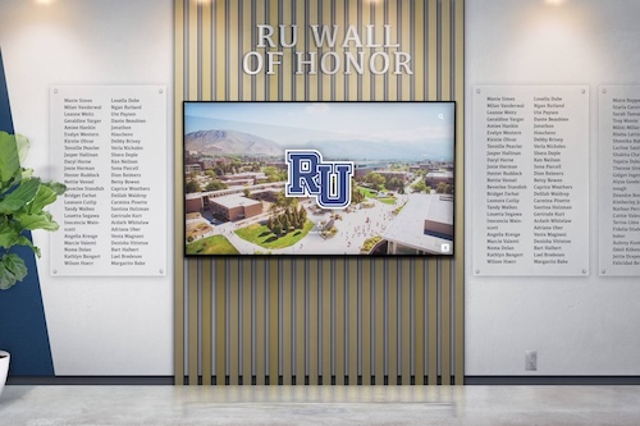
Live Example: Rocket Alumni Solutions Touchscreen Display
Interact with a live example (16:9 scaled 1920x1080 display). All content is automatically responsive to all screen sizes and orientations.
The trophy, the bracket sheet, and the scorecard arrive together, but they certify different things. The team trophy carries the official state title — earned by the school that won the championship match in the bracket. The game-by-game Baker scores on the championship-match scorecard are intermediate match results, not a standalone certification. The individual state title belongs to a bowler whose qualifying series ranked highest across all entries, regardless of where that bowler’s school finished in the team bracket. All three can be in the same display for the same tournament year. None of them can substitute for the others on a single label.
Keeping them in separate entries — each with its own heading, recipient, and source citation — protects the accuracy of each when staff or institutional memory changes.
The shortest answer: label each entry with what its governing body says it certifies. Use the award’s official name, the year, and the administering association’s name. Stop before adding claims the source does not support.
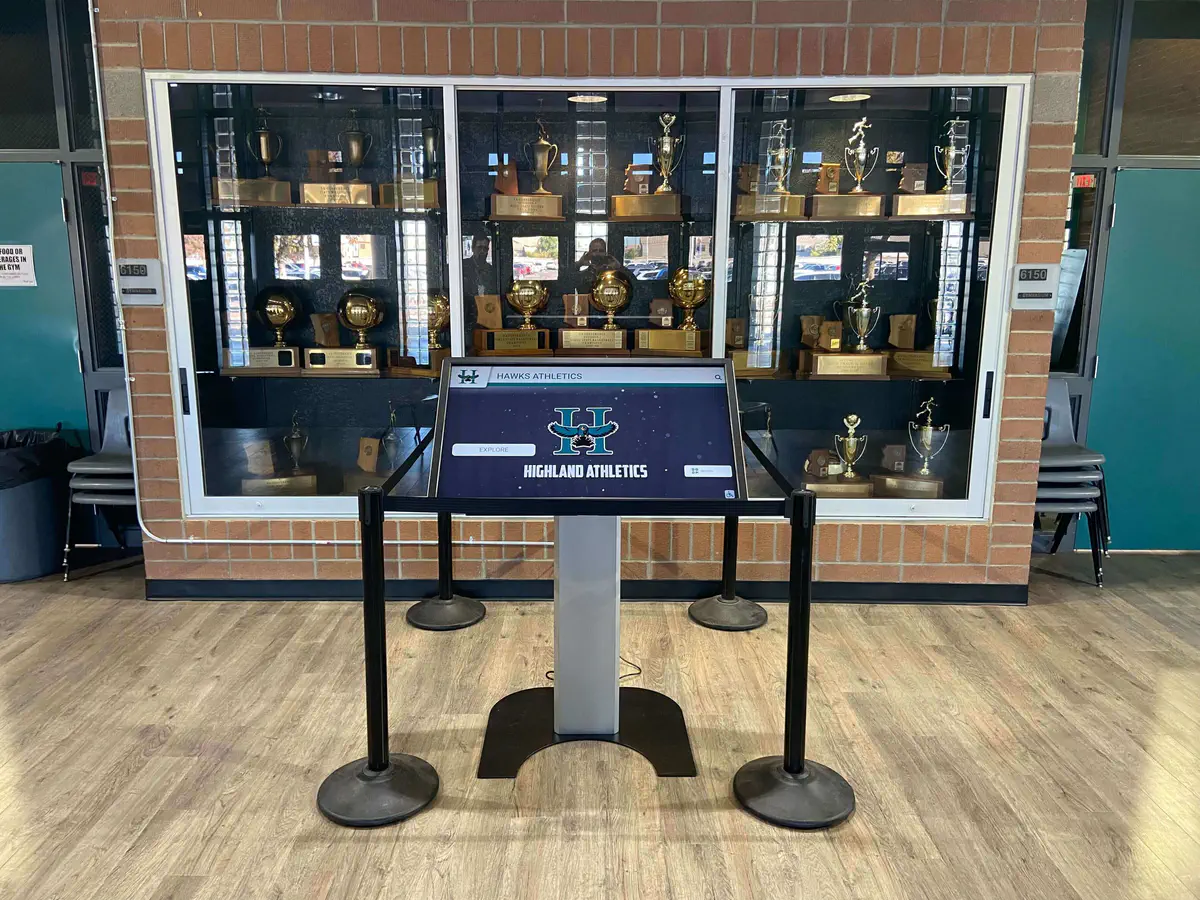
A digital display beside a physical trophy case allows each type of bowling recognition — team title, bracket result, and individual series — to occupy its own labeled entry that can be edited without replacing hardware.
What a Baker Score Is — and Is Not
In a Baker-format team game, five bowlers rotate through the frames of a single game — each bowler covering one or more frames — producing one combined game total for the team. A championship bracket match runs until one team wins three games (best of five), and each game’s total is a Baker score.
That format means a game-by-game Baker sequence is a record of how the match unfolded, not a standalone performance metric. The Baker scores tell you which team won each game and by how much. They do not independently certify the state championship; the bracket outcome does that. A school that lost the championship match has Baker game scores from that match without holding the title.
Some state formats — including certain Kansas competitions — combine American Tenpins individual scoring with Baker games into a single combined team total. In those cases, the Baker portion is a component of the combined total, not a separately awarded category.
Three Separate Objects: Ohio Boys Division I 2026
The 2026 OHSAA Boys Division I Bowling State Tournament Coverage puts all three labeling decisions in a single event.
The team championship entry. Cincinnati St. Xavier defeated Cincinnati Elder 3–1 in the championship match to claim the program’s first boys bowling state title. That result — winner, opponent, match margin, and the association’s tournament name — is what the team-title entry carries. It does not need to include the game-by-game Baker scores from the match, Elder’s bracket path, or the individual title outcome. Each of those is a separate entry with its own source.
Bracket path and seeding — separate from the title. St. Xavier entered the eight-team bracket as the fourth seed and reached the championship match by defeating No. 5 Avon Lake and No. 8 Gahanna Lincoln. Those intermediate results belong in a bracket-results entry if you choose to display them. The team-title entry does not establish them, and they do not establish the team-title entry. Elder’s runner-up result — the school’s first appearance in the championship match — is a separate entry for Elder, sourced from the same OHSAA tournament coverage.
Championship-match Baker scores — a scorecard entry. The game-by-game Baker scores from the championship match (St. Xavier: 189–212–225–204; Elder: 202–200–207–202) are intermediate match results. If your display includes a bracket or scorecard section, those numbers belong there. They do not belong on the team-title placard, because the scorecard shows the match progression. The team-title entry shows only what the state association certified.
Individual state title — a third separate entry. A Gahanna Lincoln senior earned the boys individual state title by posting the highest qualifying three-game series among competitors across the full bracket field. That honor is assigned independently of the team bracket. Gahanna Lincoln did not win the team championship — the team was eliminated in the semifinals — but a bowler from that school earned a separate, verifiable individual recognition. The individual title is a Gahanna Lincoln entry, not a St. Xavier entry, and it belongs in its own display line with its own source citation.
One common labeling error is to place the individual title under the team champion’s entry — either because both happened in the same tournament or because the editor wants to consolidate. The Ohio result illustrates why that conflates two separate certifications: the individual title went to a bowler whose team did not reach the championship match, and the individual award has no dependency on the team bracket outcome.
A second common error is noting the bracket seed on the team-title placard as added context. The seed is accurate information, but the team-title certification does not include it. A display entry that reads “fourth-seeded state champions” implies the seed is part of the award, which the OHSAA result does not say. Seed and title are different facts that belong in different entries.
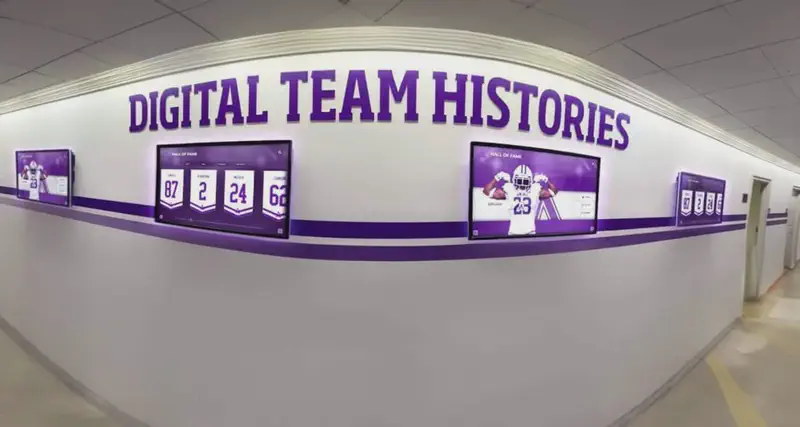
Separate display panels for each recognition category — team title, bracket results, individual honors — keep each entry accurate to its own source without one implying the other.
Baker Series as a Component: Kansas Girls Class 4-1A 2026
The March 2026 KSHSAA Covered recap of the Girls Class 4-1A championship illustrates a different labeling issue: the Baker series as a component of a combined team total, not a separately awarded category.
Ottawa won the Class 4-1A girls team championship with a combined total of 2,900, which included both American Tenpins individual games and four Baker games. Ottawa’s Baker series in that tournament was 753 — the highest Baker total among the competitors and 70 higher than any challenger. Buhler finished as runner-up at 2,750. The combined format in Kansas differs from Ohio’s bracket-only Baker structure; the two should not be assumed to work the same way for display purposes.
The labeling point for a display editor is this: the 753 Baker series is part of how Ottawa’s 2,900 total was composed. It is not a separately awarded title, and it is not the same kind of result as an Ohio bracket-match game score. A display entry that labels the 753 as a “Baker championship” or as a distinct award would misrepresent what the KSHSAA result certifies. The team-title entry for Ottawa correctly reads as the Class 4-1A team championship, with the 2,900 combined total as supporting context sourced from the KSHSAA recap. The Baker series figure belongs as supporting detail under that team entry — not as a separate award category.
The categories that commonly appear on bowling record boards — high game, high series, season average, high team game, high team series, and tournament wins — illustrate the distinction further. A Baker series total fits within team-game or team-series record categories, not within the championship-title category. Record board entries and championship-title entries carry different standards of attribution and belong in different sections of a display.
The individual title in that tournament was separately awarded to a Buhler bowler whose qualifying performance ranked highest individually. That is a Buhler individual-honor entry — separate from Ottawa’s team-title entry and separate from the Baker series figure.
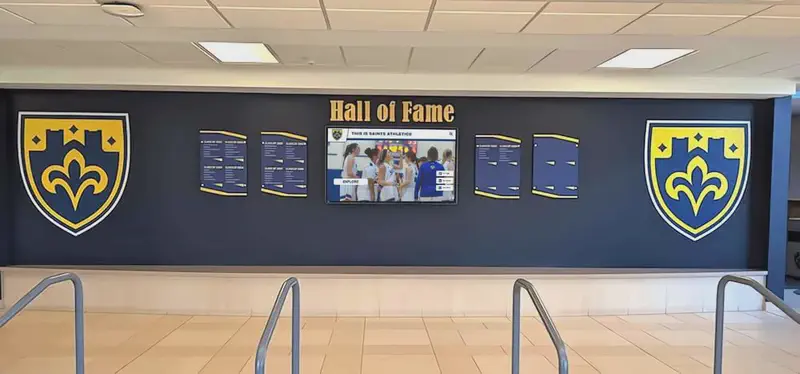
A recognition display that separates championship plaques from supporting scorecard data keeps each entry accurate to its certification, without a team score implying a distinct award category that the source does not assign.
Two Illustrative Label Templates
The following templates use square-bracket placeholders. They are starting points — fill each field from verified primary sources before publishing. Neither template is a finished caption.
Team-title entry (team trophy placard):
[School name] | [Boys/Girls] Bowling — [Division/Class] State Champions | [Year] [State Association] State Tournament | Source: [official results URL]
This entry does not include game-by-game Baker scores from the championship match, the team’s bracket seed, the opponent’s name, or the individual title. It certifies only what the state association’s championship result certifies: that the named school won the team bracket.
Bracket scorecard entry (separate from the team-title placard):
[School name] | Championship Match — Baker game scores: [G1]–[G2]–[G3]–[G4] | Result: [won/lost] [X–Y] | [Year] [State Association] State Tournament, [Division/Class] | Source: [official results URL]
This entry carries the intermediate match data. It does not establish the team title on its own. A school that lost the championship match has valid Baker game scores from that match without holding the title. If the scorecard is for the winning school, the team-title entry and the scorecard entry can appear side by side in the display — neither references the other as proof of its own claim.
Individual title entry (always a third, separate entry):
A school with a bowler who earned the individual state title holds a third display entry, separate from both the team-title placard and the scorecard. That entry carries the school name, the individual honor category, the year and association, and a source URL.
If the source records for a bowler’s series total show a discrepancy between the reported figure and what the game-by-game scores sum to, omit the total from the display entry and note only that the individual title was verified from official tournament coverage. A figure the source records do not consistently report should not appear on a durable label.
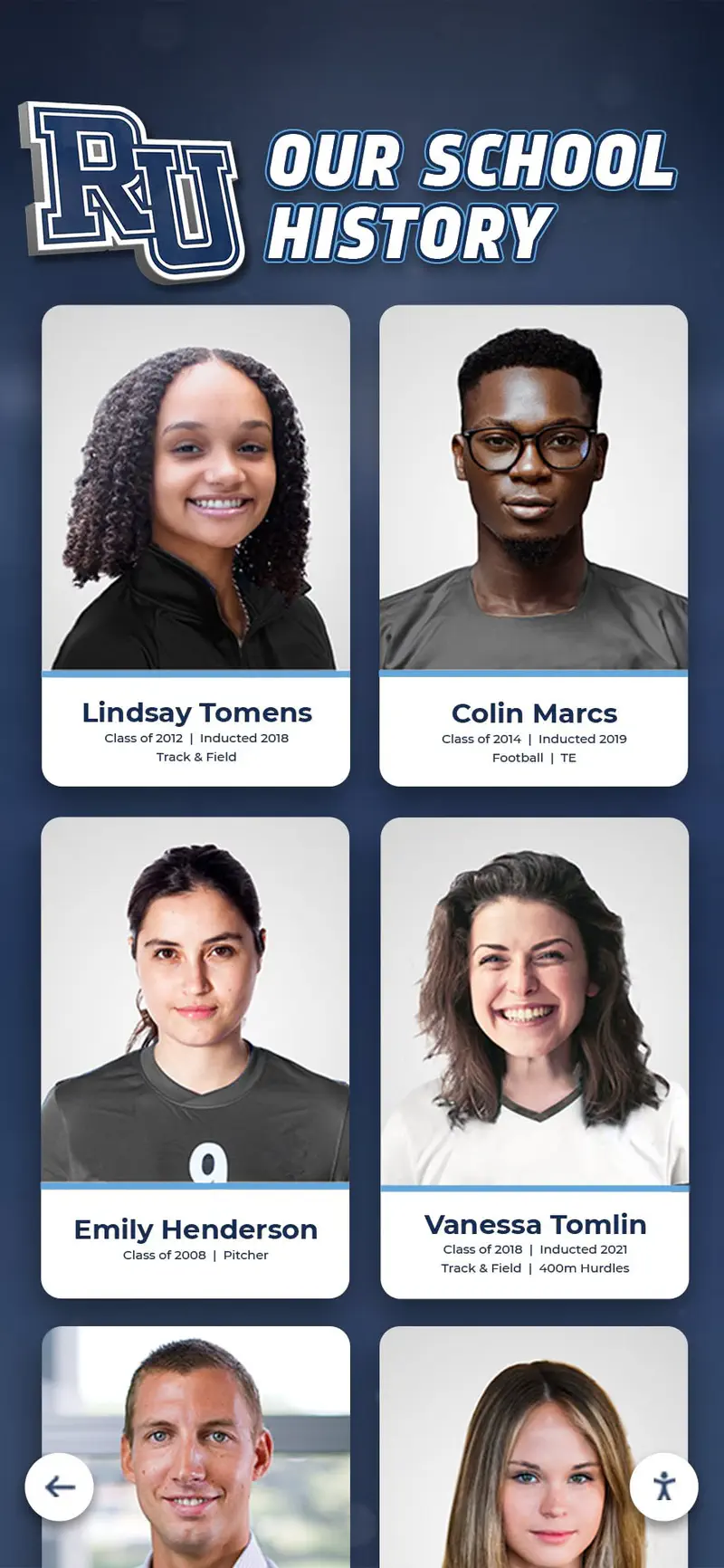
Portrait-style entries work well for individual state titles, where the award belongs to the bowler and is separate from any team-bracket result that happened in the same tournament.
An Optional Source Check Before Writing Any Label
A display entry that cannot be traced to a source is a display entry that cannot be defended when someone asks. Before writing a final label, an optional check covers:
- The official name of the award as the administering body uses it
- The year and the division or class the result applies to
- The name of the administering association
- A source URL that returns the original result or tournament coverage
- Whether the team-title entry, the bracket-scorecard entry, and the individual-title entry are cataloged as separate rows in the display inventory
That last point prevents double-counting. If the team-title entry and the bracket-scorecard entry are already on separate rows, neither one needs to reference the other. If the individual title has not been entered yet, the right action is to create a separate entry for it rather than add it to the team-title entry for convenience.
A source URL that was accurate at the time of publication may eventually redirect or be archived. Including it in the display entry — or in a background record attached to the display entry — preserves the connection between the physical object and the official result even after staff changes.
Keeping Entries Editable After the Fact
A label engraved on a trophy or placard is fixed. If the original label described the Baker series as the “championship score” rather than a game-by-game match record, correcting it means new hardware or a separate correction placard. A digital recognition display allows staff to edit labels, add source URLs, and separate entries that were initially combined, without replacing physical objects.
A school that holds a first-time team bowling championship alongside a separate individual title from the same tournament can maintain each as a distinct entry in a digital display — team title on one entry, individual title on another, bracket scorecard as a third — with each carrying its own source URL and no cross-contamination of claims. When the state association’s tournament page is updated or archived, the source URL remains in the digital record, keeping the connection between the entry and the official result intact for future staff who were not present when the hardware arrived.
Platforms built for multi-category recognition let staff add, edit, and correct entries remotely — maintaining separate rows for program-level and event-level awards side by side — without altering the physical hardware already in the case. The trophy stays on the shelf. The digital layer carries the category distinctions, the official award name, and the source URL that the engraved plate cannot accommodate or revise once it leaves the shop.
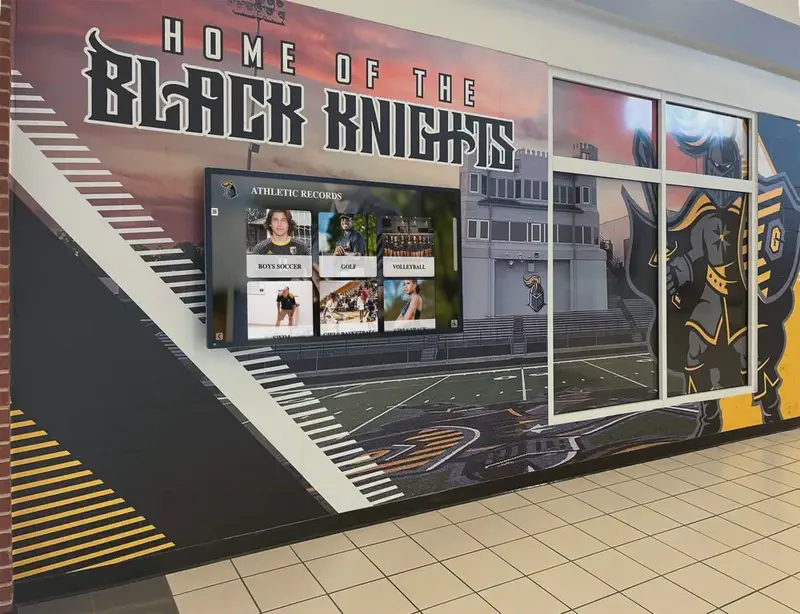
Separate display panels alongside physical trophy cases allow the team-title entry, the bracket-scorecard entry, and the individual-title entry to remain distinct and editable without altering the hardware already in the case.
Schedule a conversation about your school’s bowling recognition display
Live Example: Rocket Alumni Solutions Touchscreen Display
Interact with a live example (16:9 scaled 1920x1080 display). All content is automatically responsive to all screen sizes and orientations.