



The heart and hustle award recognizes something no box score captures—the athlete who dives for every loose ball, lifts teammates during a losing streak, and gives the same effort in a Tuesday practice as in a Friday playoff game. Defining that quality clearly enough to stand up to scrutiny, and displaying it with the permanence it deserves, is what separates a meaningful program tradition from an award that quietly disappears after a few seasons.
This guide lays out objective criteria coaches can use to define the heart and hustle award, a selection process that keeps it from becoming a popularity contest, creative presentation ideas for banquet night, and display strategies that keep the honor visible long after the ceremony ends.
The heart and hustle award carries real weight when athletes know exactly what earns it—and when they can see the names of past recipients on the wall every day they walk into the gym.

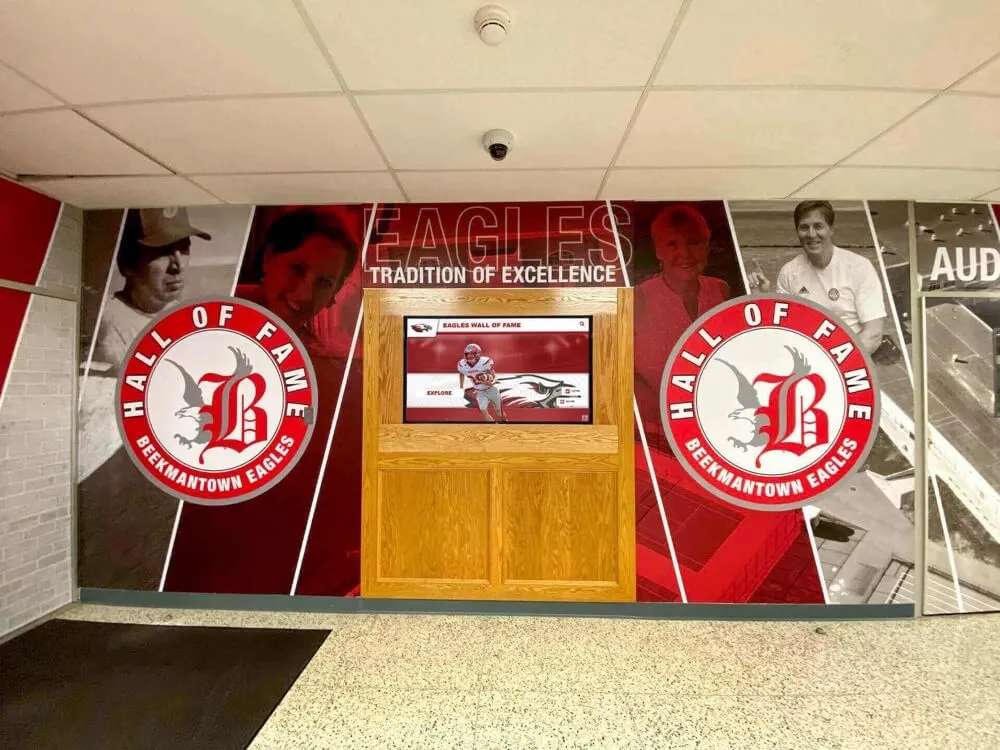
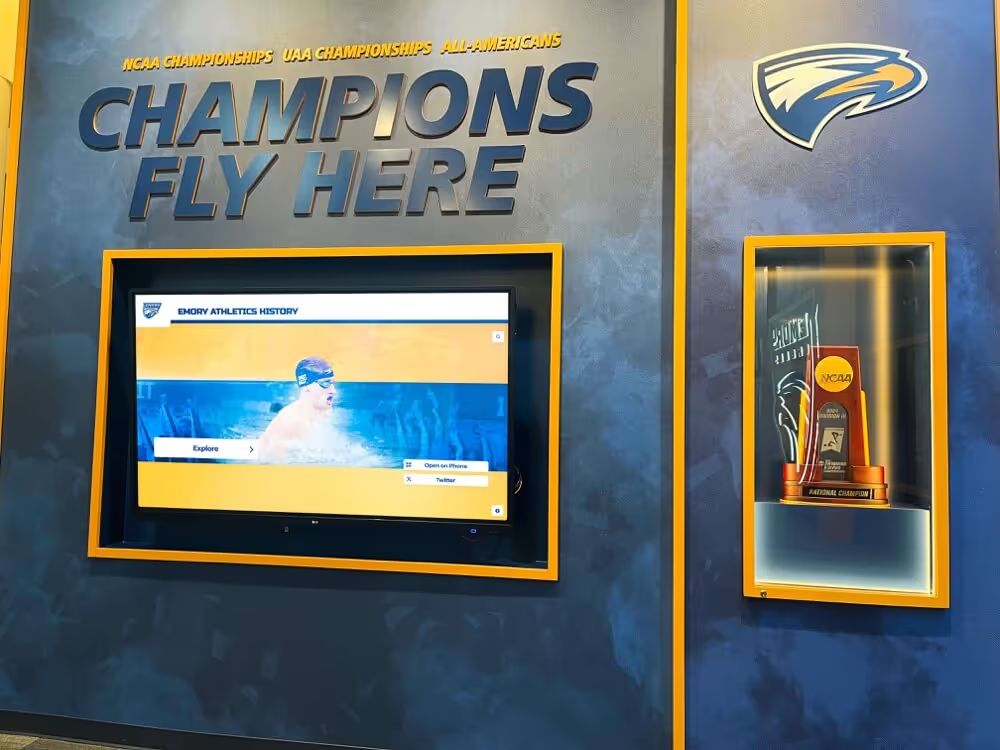
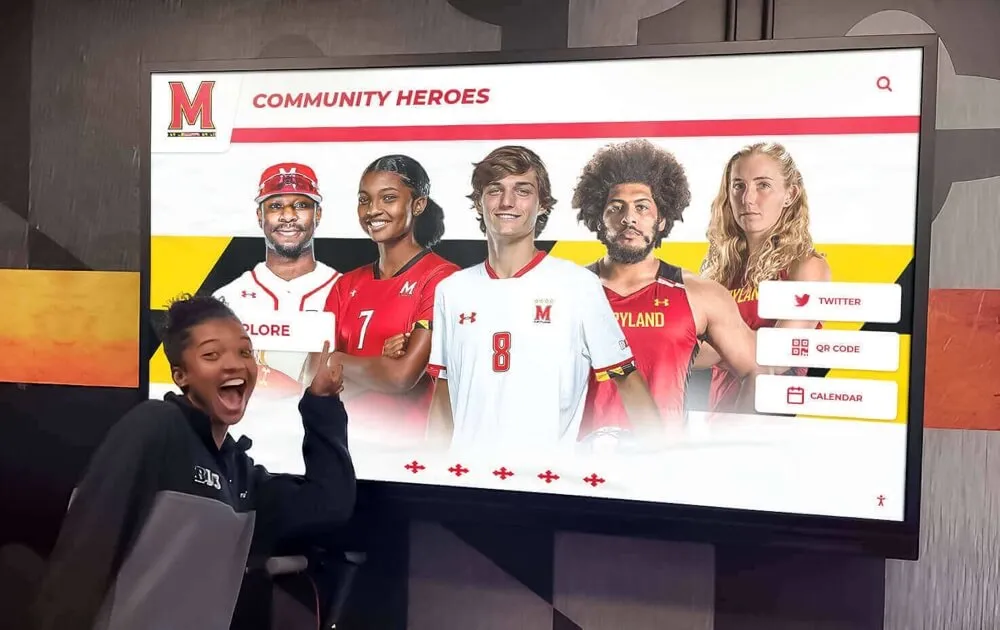
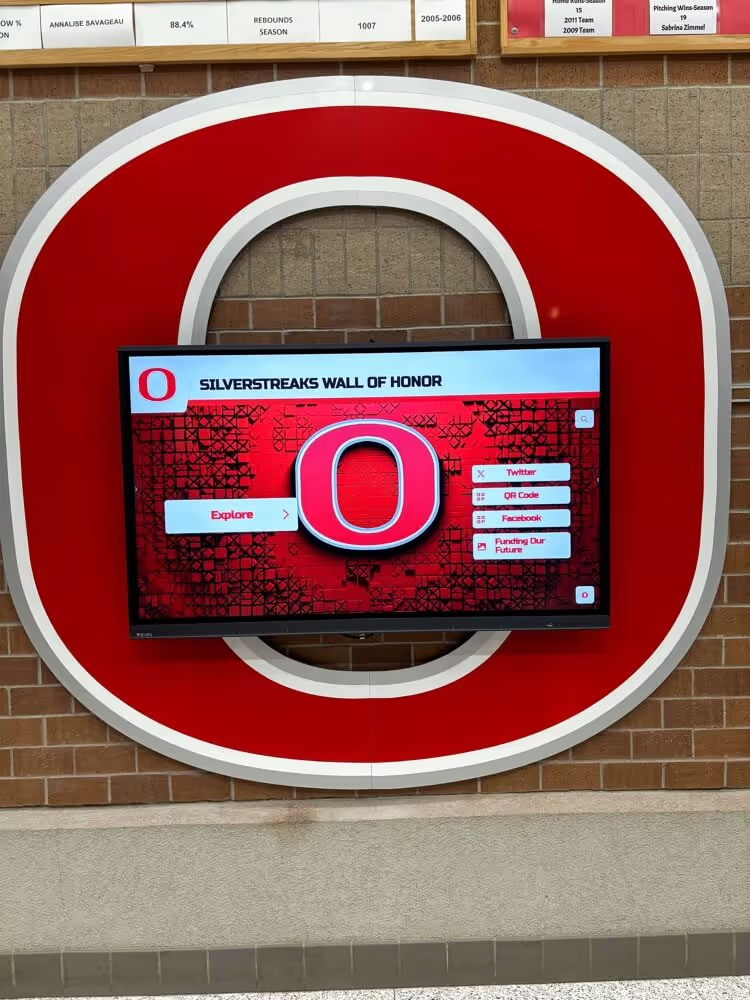
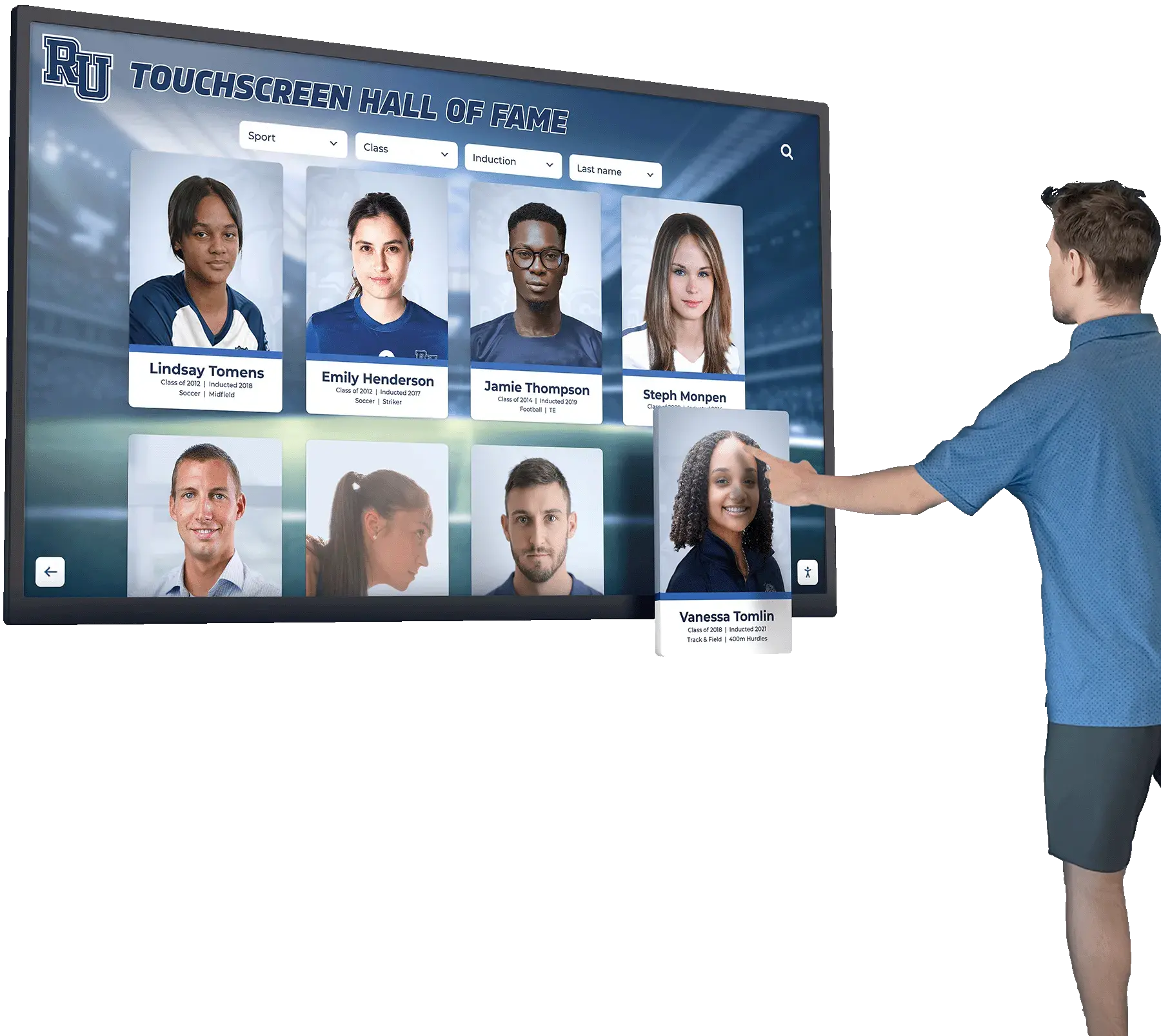
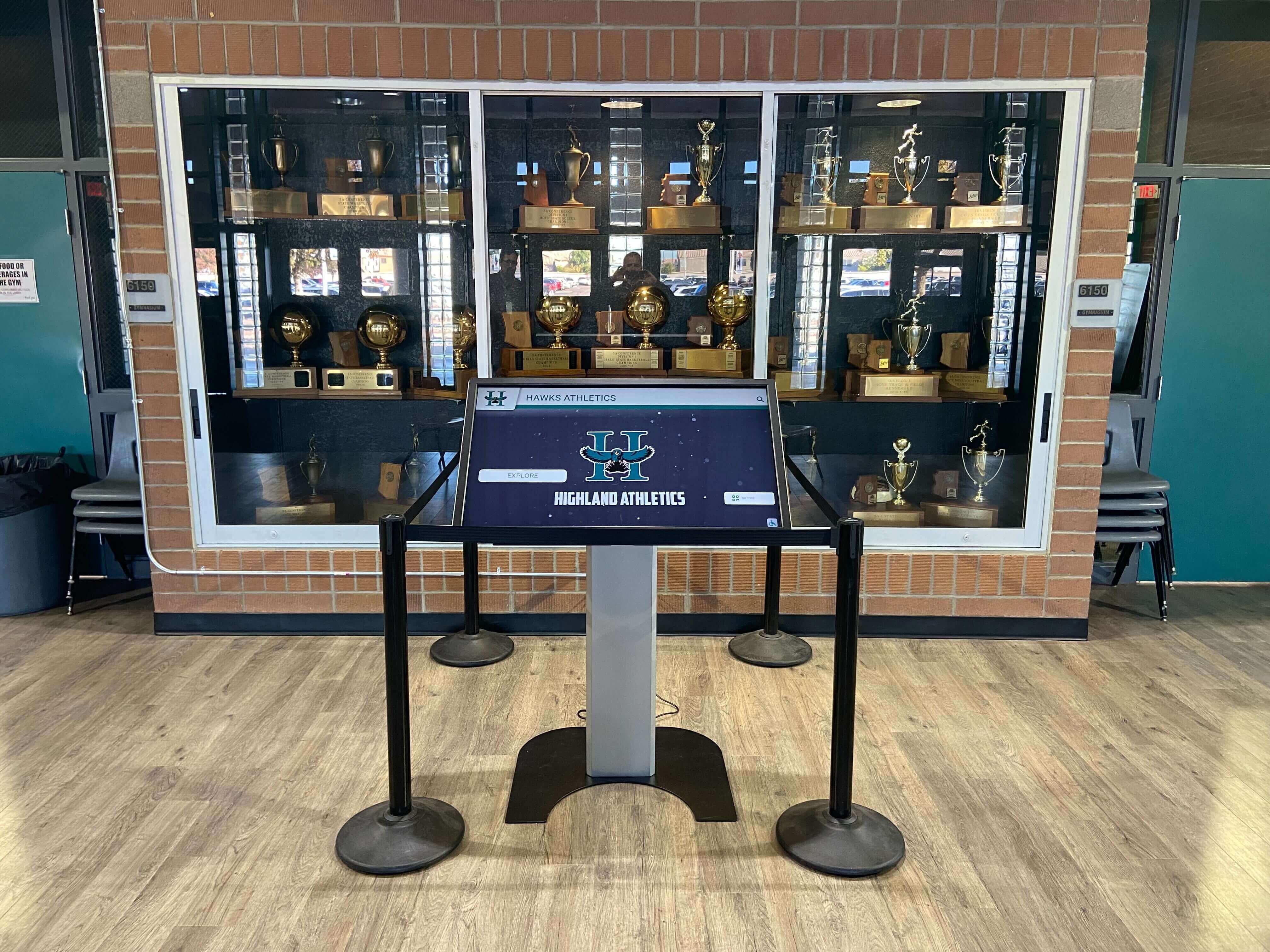
An interactive display in a trophy case lets coaches surface every heart and hustle recipient across program history without running out of wall space
What Is the Heart and Hustle Award?
The heart and hustle award is a character-based athletic honor given to a student-athlete who consistently demonstrates exceptional effort, positive attitude, and selfless team contribution regardless of their statistical output or starting role. It is distinct from an MVP award (which rewards performance) and different from a sportsmanship award (which focuses on conduct toward opponents). The heart and hustle award lives at the intersection of effort and character—qualities that coaches observe in practice, in travel, and in adversity.
Most programs give one award per team per season, though some athletic departments give a cross-sport version at the annual banquet to recognize the single athlete whose hustle defined their program year.
The award is most credible when it goes to athletes who would not otherwise appear on an all-conference ballot—players who earn the recognition because of how they play, not how much.
Defining the Criteria: What “Heart and Hustle” Actually Means
Vague criteria produce contested decisions. The strongest programs document the heart and hustle award around observable behaviors before nominations open each season. The four dimensions below give coaches a concrete framework.
1. Consistent Effort Regardless of Circumstances
Effort is the most visible component, but it needs to be defined against adversity—not just when the team is winning.
Observable indicators include:
- Sprinting through conditioning drills at the end of a long practice
- Communicating loudly on defense even when the game is out of reach
- Giving the same energy in a blowout loss as in a rivalry win
- Recovering immediately from mistakes without extended visible frustration
- Arriving early or staying late without being asked
The key word is consistent. Any athlete can sprint hard once. The heart and hustle award belongs to athletes who sustain that standard over a full season.
2. Positive Attitude Through Adversity
Attitude under adversity is harder to observe and easier to define poorly. Narrow it to specific situations:
- Maintaining energy and encouragement on the bench after being replaced mid-game
- Responding to a coach correction with focus rather than deflection
- Keeping the locker room tone constructive after a difficult loss
- Supporting teammates during their recognition moments without visible jealousy
- Staying engaged during film sessions, travel delays, and administrative downtime
This dimension separates heart and hustle from generic “good teammate” recognition. The question is not whether an athlete is pleasant—it is whether they actively lift team culture when it would be easy not to.
3. Team-First Decision Making
Heart and hustle recipients consistently make choices that benefit the team over themselves:
- Accepting a positional change, role reduction, or JV/varsity move without public resistance
- Setting screens, taking charges, or doing defensive work that rarely shows in a stat line
- Sacrificing individual statistics for a team outcome (taking a walk instead of swinging, taking a charge, bunting)
- Volunteering for the least desirable assignments in practice drills
- Mentoring younger players during the season, not just at banquets
Teams use recognition board displays to document this kind of invisible contribution alongside traditional performance awards—giving it equal institutional weight.

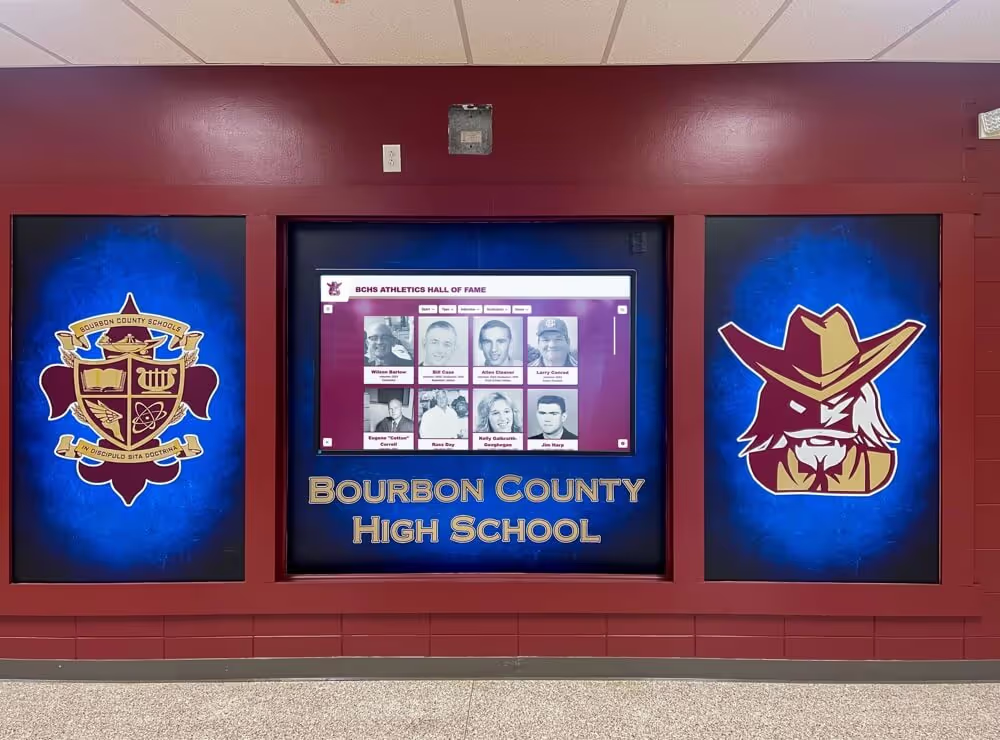
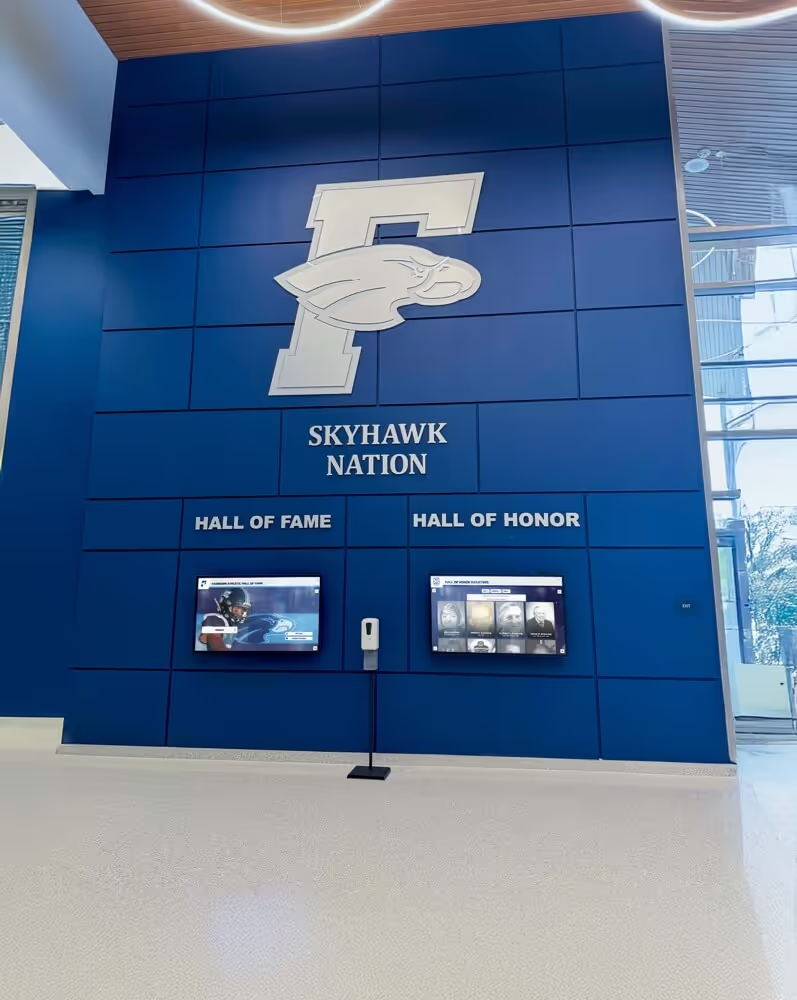
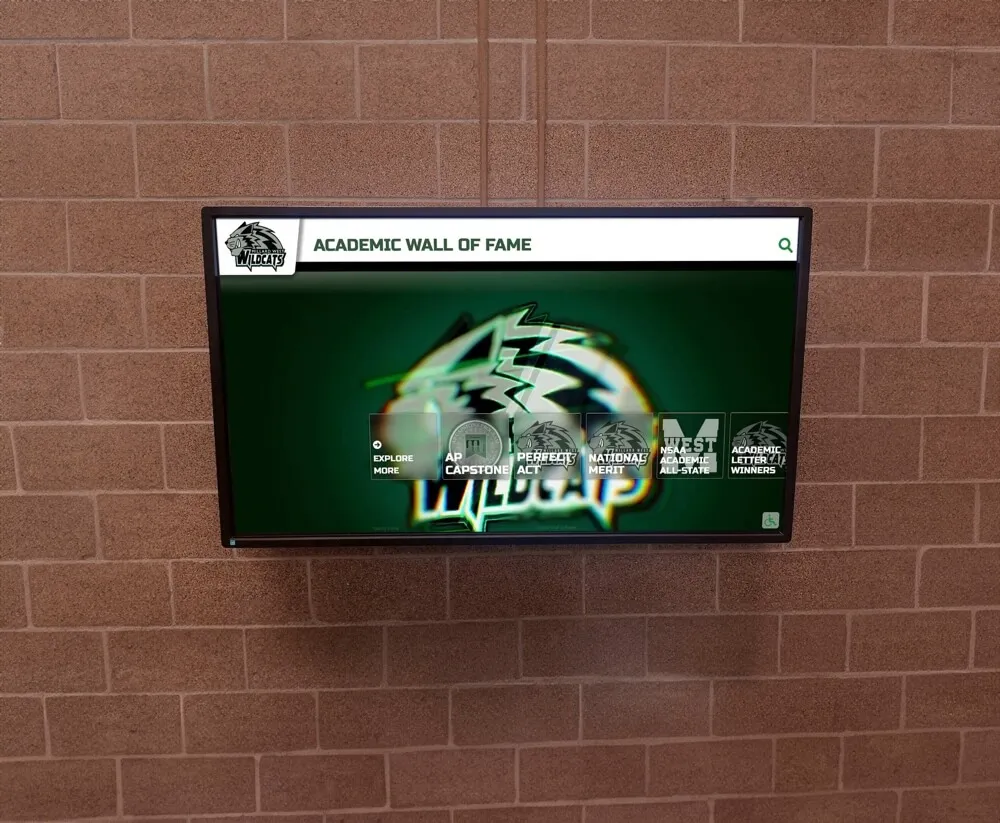
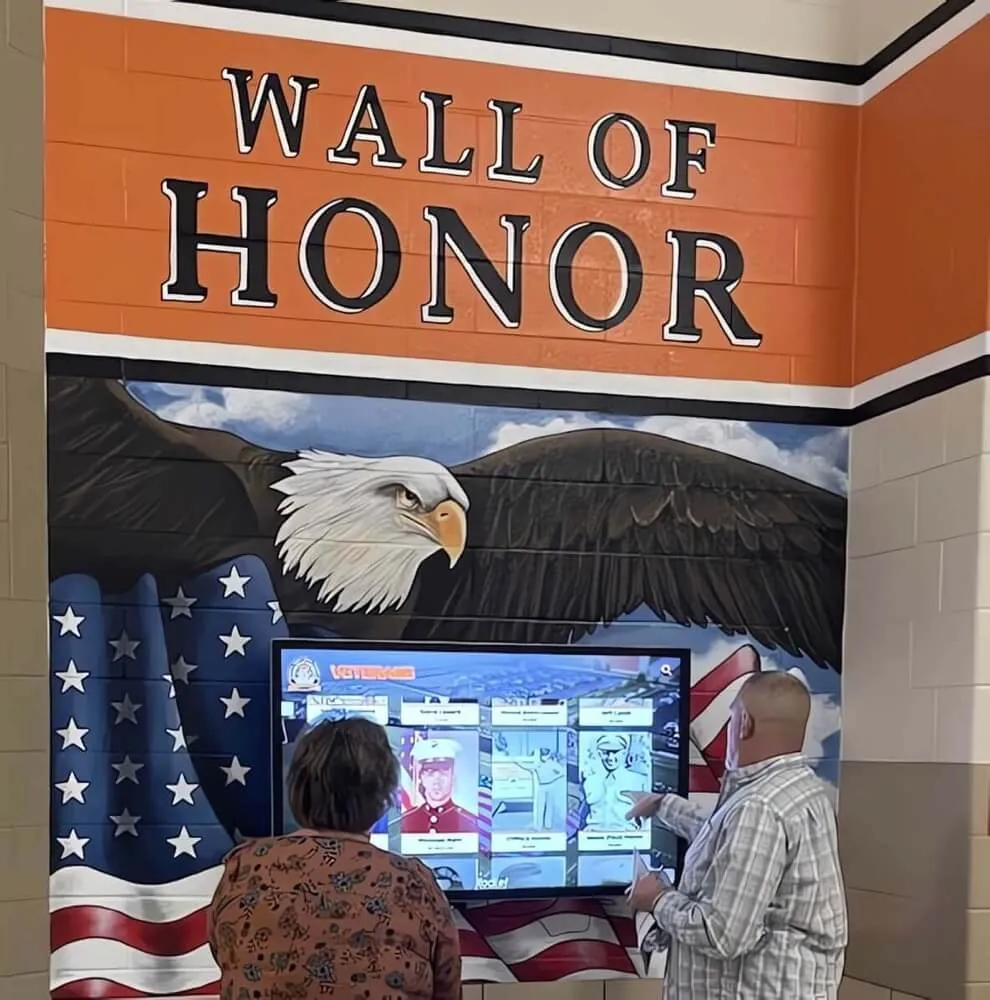
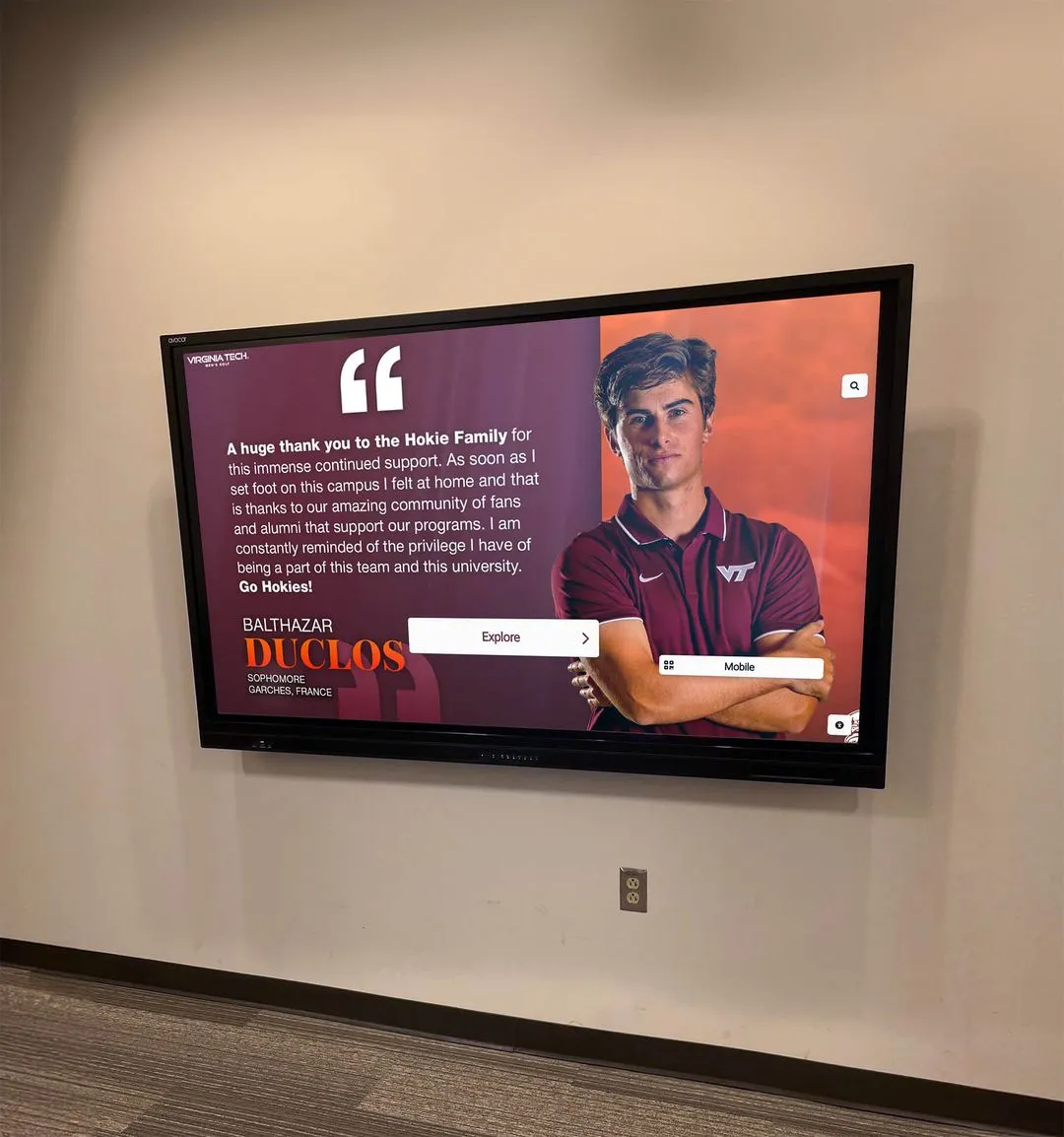
Honor walls keep heart and hustle recipients visible to current athletes throughout the season—reinforcing what the program values daily
4. Coachability and Responsiveness to Feedback
The fourth dimension distinguishes athletes who want to grow from those who merely perform well:
- Implementing corrections between practice sessions, not just in the moment of feedback
- Asking clarifying questions rather than arguing with adjustments
- Acknowledging errors without making excuses
- Adapting to a new role without requiring extended convincing
- Demonstrating improvement in targeted areas from week to week
Coachability matters because the heart and hustle award is partly about cultural contagion. Athletes who model this quality raise the standard for the entire team. Coaches evaluating this dimension should document specific examples from practice logs rather than relying on general impressions.
Sample Criteria Table
The table below shows how a program can structure the heart and hustle award with defined thresholds that reviewers can consistently apply:
| Dimension | What to Observe | Minimum Standard |
|---|---|---|
| Effort | Conditioning completion rate, sprint quality late in practice | No documented effort lapses; consistent full-effort rating from two or more coaches |
| Attitude | Bench conduct, reaction to substitution, locker room tone | No conduct incidents; peer and coach nomination supported by specific examples |
| Team-first | Voluntary role acceptance, practice sacrifice, teammate support | At least one documented instance of unsolicited team-first behavior per month |
| Coachability | Correction retention, feedback response, adaptation speed | Demonstrable improvement in at least two coached areas over the season |
| Eligibility | Academic standing | Meets school athletic GPA and conduct requirements |
Publishing this table in the athlete handbook—or displaying it near the trophy case—gives every athlete a clear target from day one. Programs that share criteria publicly consistently find that the behaviors they measure start appearing more frequently throughout the roster.
How to Run the Selection Process (Without Creating a Popularity Contest)
The most common failure of heart and hustle programs is drifting toward a vote that rewards name recognition rather than the qualities the award is meant to honor. Three structural choices prevent that drift.
Use a Documented Nomination Process
Open peer voting without documentation produces results based on friendships. A stronger model:
- Coach nominations — each coach on staff submits one nominee with written examples from practice and game observations
- Peer nominations (optional) — athletes submit nominations with a required sentence explaining what they observed, not just who they like
- Athletic director review — confirms that each finalist meets the documented criteria
- Final selection — head coach or a small panel makes the decision based on submitted evidence
Requiring written examples forces nominators to think beyond personal relationships. Programs evaluating candidates for a varsity letter program use similar documentation standards for exactly this reason—criteria on paper reduce contested outcomes.
Separate the Award from MVP Voting
If your program combines MVP, sportsmanship, and heart and hustle into a single ballot, separate them. Each award should have a distinct set of criteria and a distinct selection pathway. Conflating them produces an outcome where the same athlete wins everything or where the heart and hustle award goes to the MVP’s best friend.
A clear separation also signals to athletes that different forms of excellence receive separate, equally valued recognition—which is the cultural point the award is meant to make.

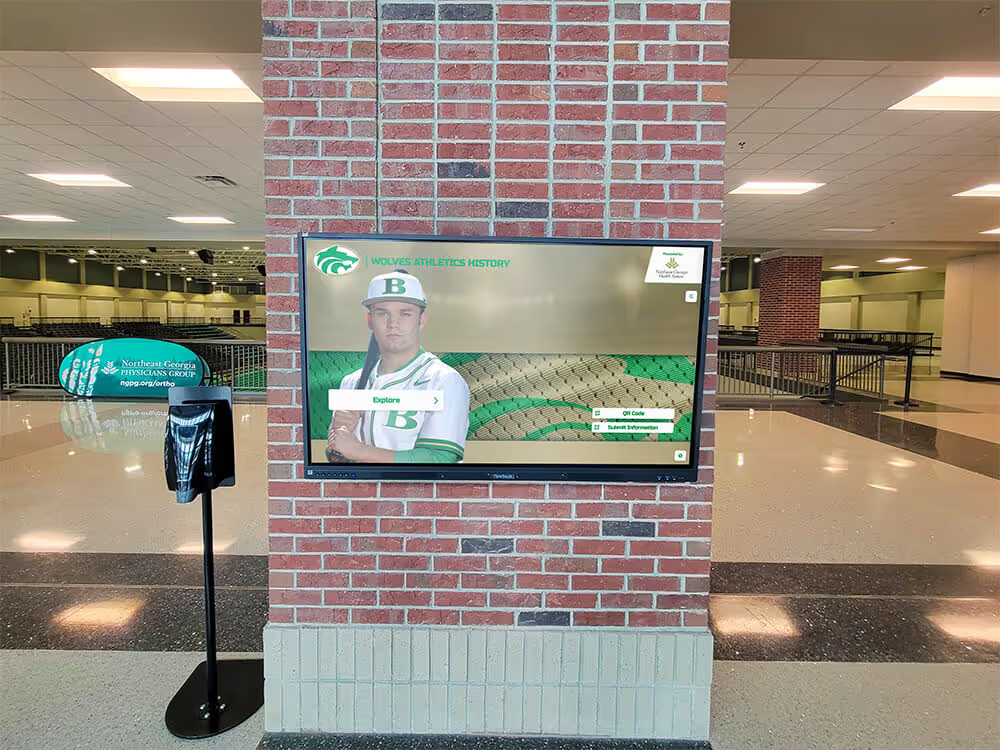
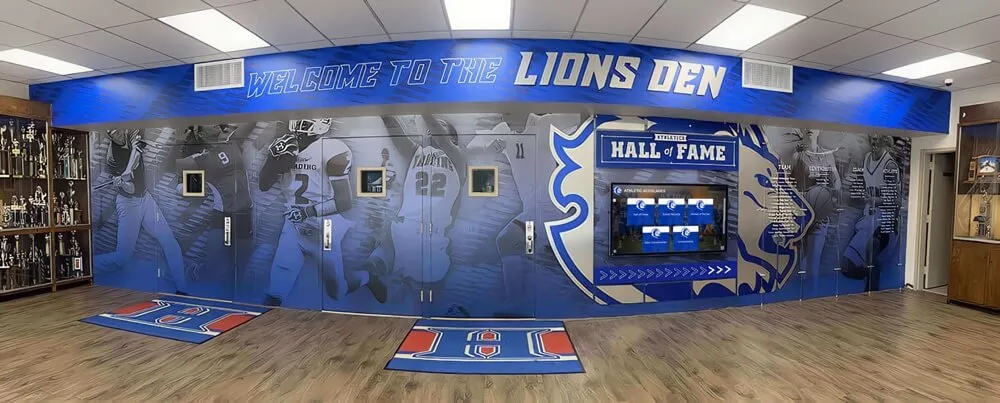
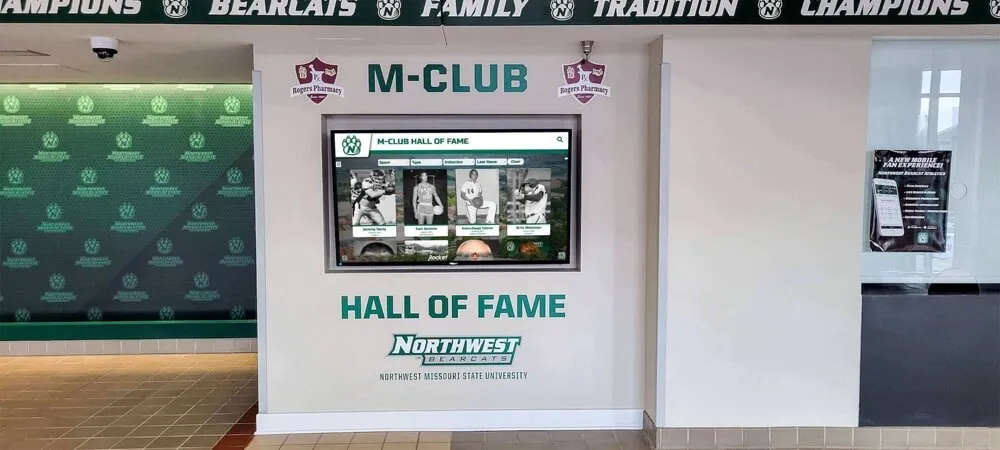
Searchable digital displays let families look up specific award categories—making heart and hustle recognition as easy to find as championship banners
Document the Decision for Future Consistency
Once the selection is made, write down why this athlete received the award. A two-sentence summary attached to the award record does three things: it preserves institutional knowledge when coaches change, it demonstrates to the recipient that the decision was thoughtful, and it gives future selection panels a calibration example.
Programs using cloud-based recognition systems attach these notes directly to the athlete’s digital profile, so the context travels with the honor indefinitely. That documentation becomes especially valuable when coaches want to recognize senior athletes at year-end celebrations by referencing the specific qualities that earned each honor.
Recognition Ideas for the Heart and Hustle Award
Presentation shapes how an award is received. These ideas scale from a simple team banquet to a program-wide recognition event.
At the Team Banquet
Tell the story, not just the name. The most effective presentations spend sixty seconds describing what the recipient did—a specific practice moment, a game decision, a response to adversity. This makes the recognition feel earned and gives the rest of the team a concrete picture of what the award looks like in action.
Involve a peer. Having a teammate, rather than the head coach alone, deliver part of the presentation adds credibility. It signals that the recognition reflects the whole team’s perception, not just coaching preference.
Connect it to a past recipient. If your program has been giving this award for more than a year, referencing a previous winner the current team knows—and drawing the parallel to this year’s recipient—creates a sense of tradition and standard. Teams often create senior night gift baskets for award recipients that include a program history card listing past heart and hustle honorees.
Physical Award Options
- Custom trophy or plaque with the recipient’s name, sport, season, and one line describing the standard they met—not generic text
- Personalized player graphic that coaches can use in social media posts and banquet slideshows; player of the game graphics scale well to heart and hustle announcements
- Team poster featuring the recipient alongside program imagery; a team poster template can be customized to highlight heart and hustle honorees specifically
- Framed photo from the season with an engraved plate—a display-ready item that families actually keep
Digital and Social Recognition
Social announcements extend the recognition beyond the room. A graphic post naming the recipient, explaining the award’s meaning, and tagging the athlete’s handle gives the recognition visibility that a banquet certificate alone cannot match. Schools that want to develop consistent visual assets for end-of-year awards benefit from a standardized template across sports.
Displaying the Heart and Hustle Award Permanently
A banquet award that disappears into a closet accomplishes a fraction of what the same recognition displayed year-round achieves. Here is how programs keep heart and hustle recognition visible.
Dedicated Wall Space Near the Gym
A simple plaque wall near the gym entrance or locker room corridor with each year’s recipient builds a visible legacy over time. Athletes pass these displays daily during the season—they become ambient motivation rather than ceremonial archives. List the recipient, the sport, and the season. Some programs add the one-sentence description of why the award was given.
The limitation is physical space. After ten or fifteen years, plaque walls fill up, and older recipients often get removed or relocated to storage.
Digital Trophy Case Displays
Touchscreen athletic displays solve the capacity problem. A digital system stores every recipient of every award category across every year the program has existed—all accessible from a single screen. Visitors browse by name, sport, or year. Coaches update records remotely after each banquet without scheduling IT support.
Key features that matter specifically for heart and hustle recognition:
- Narrative profiles — the award description travels with the athlete record, so the why stays visible alongside the name
- Photo integration — action photographs from the season accompany the award record
- Searchable archives — alumni can find their own recognition years later without contacting the athletic office
- QR code access — athletes and families scan to view the full record on a personal device
- Cross-sport display — heart and hustle recipients from all sports appear in a unified view alongside performance-based honors
Schools building comprehensive athletic recognition programs—including interactive collegiate-level experiences for high school athletes—find that character awards displayed alongside championship banners reinforce the message that hustle matters as much as winning.
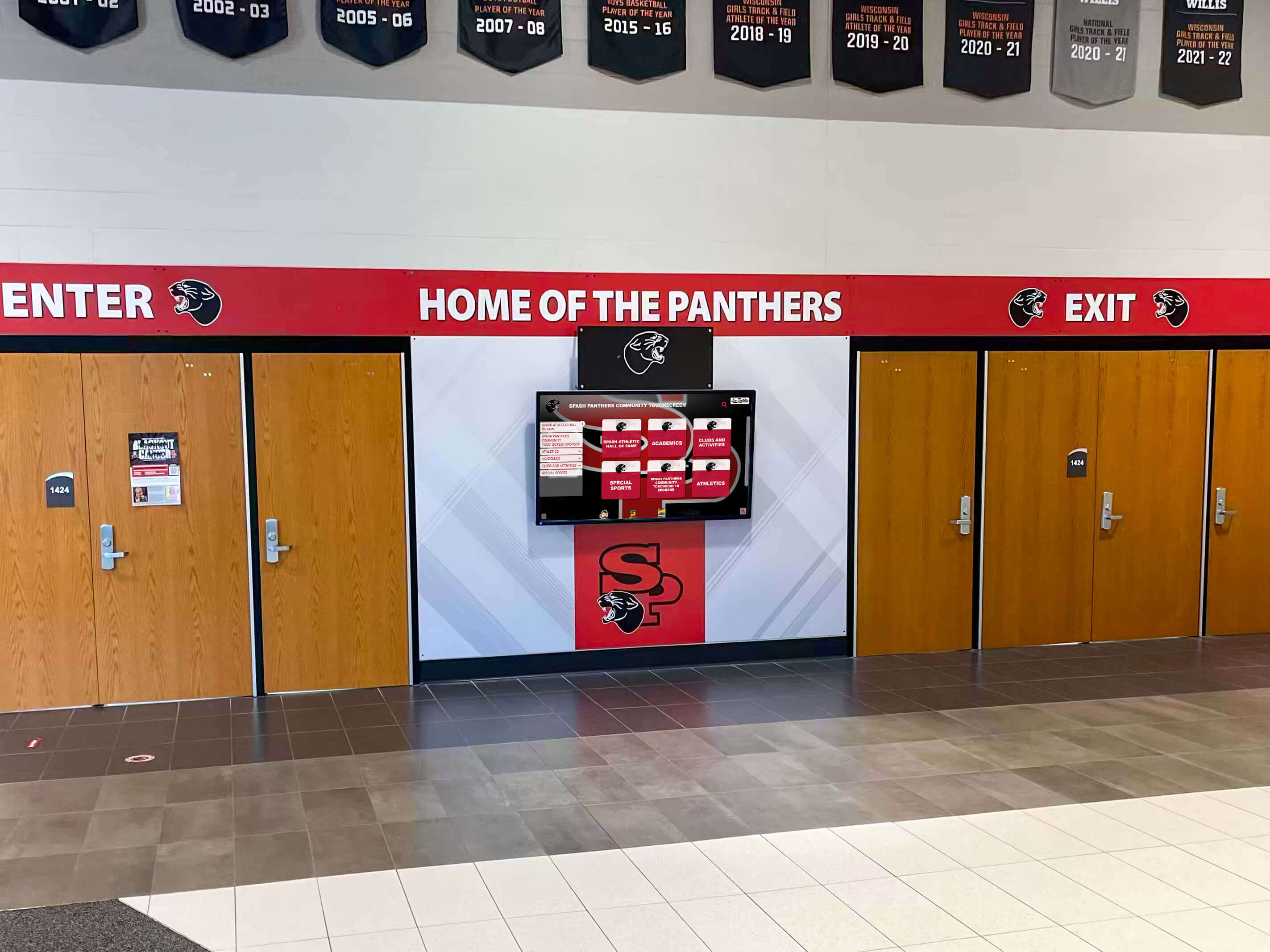
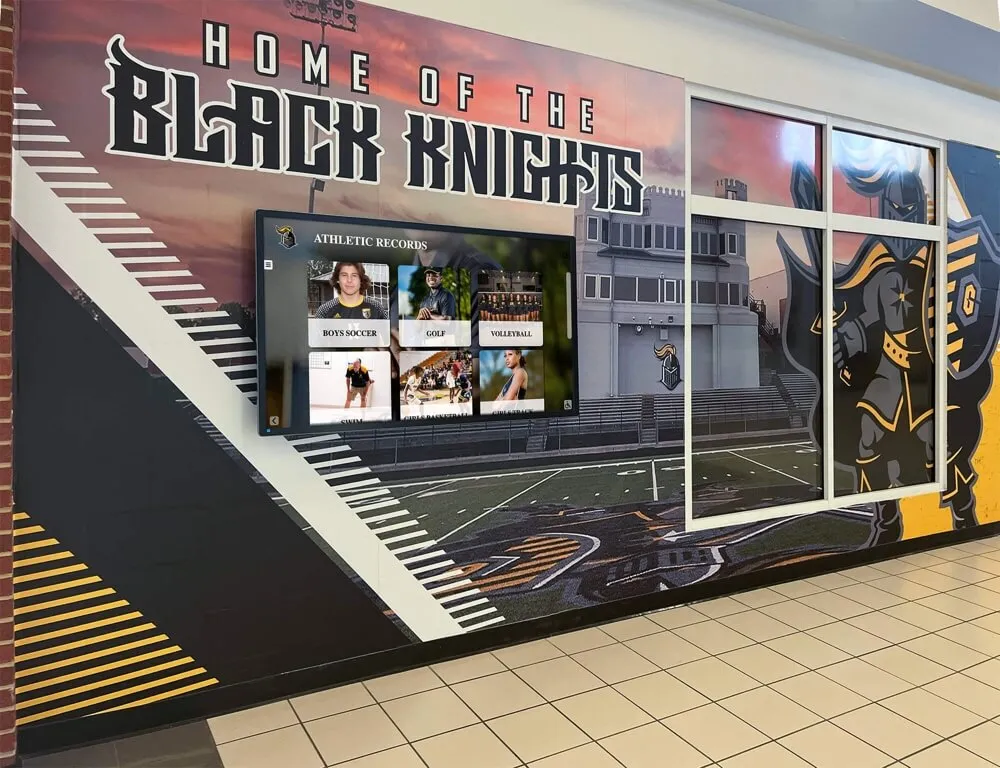
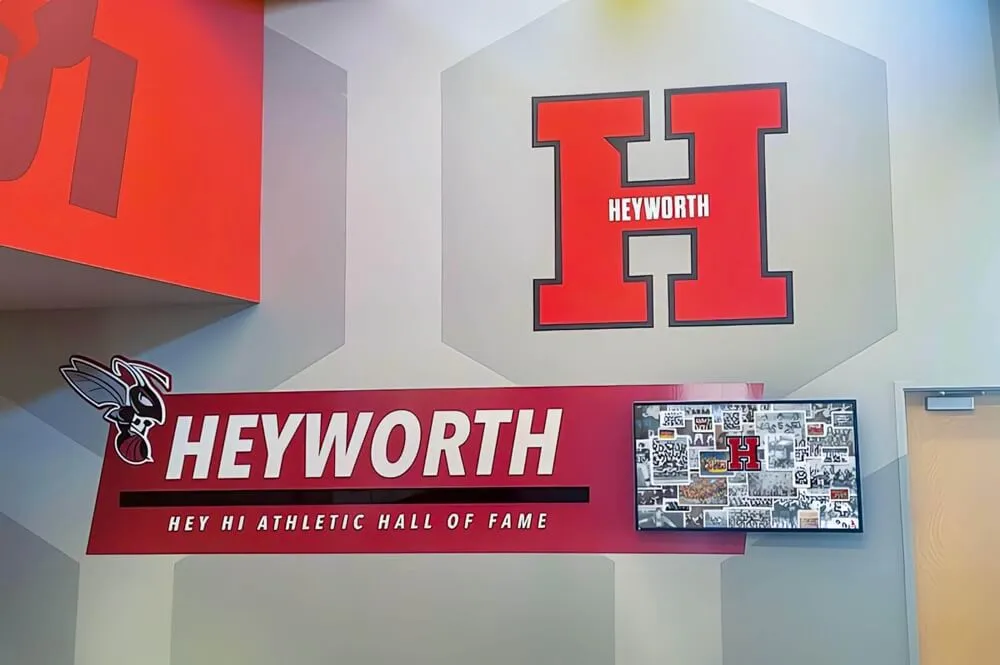
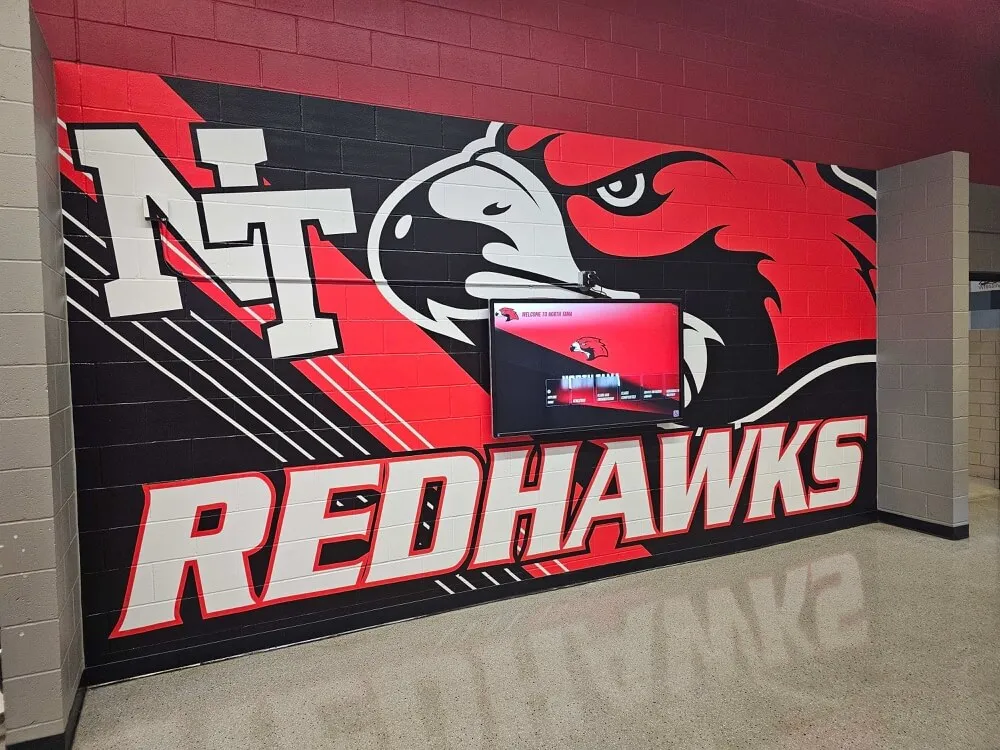
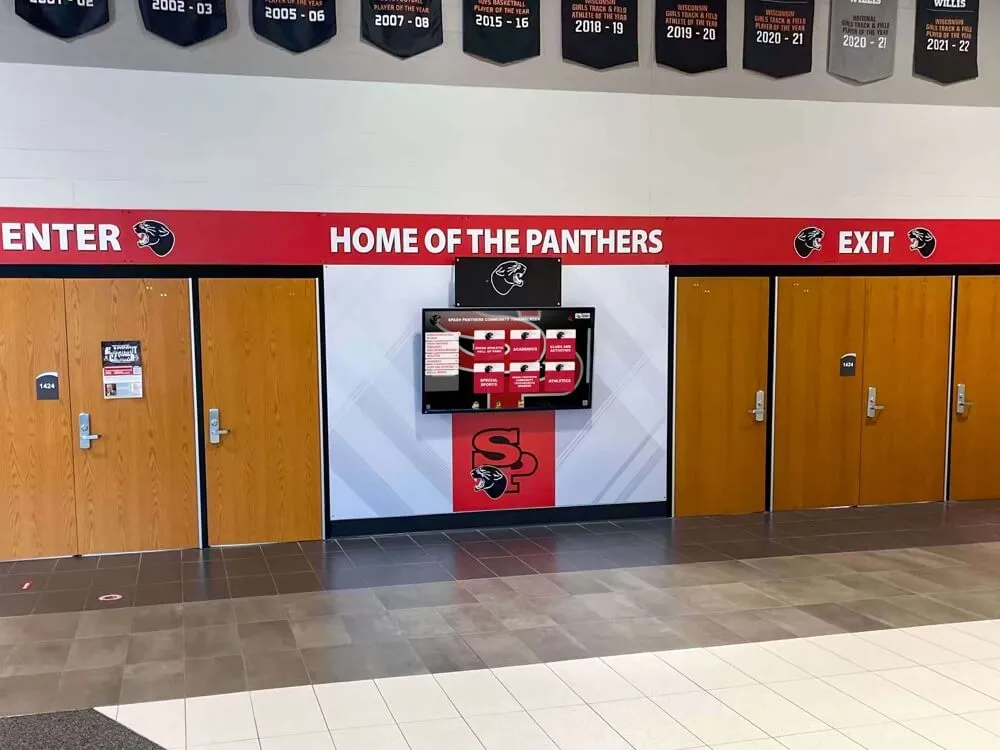
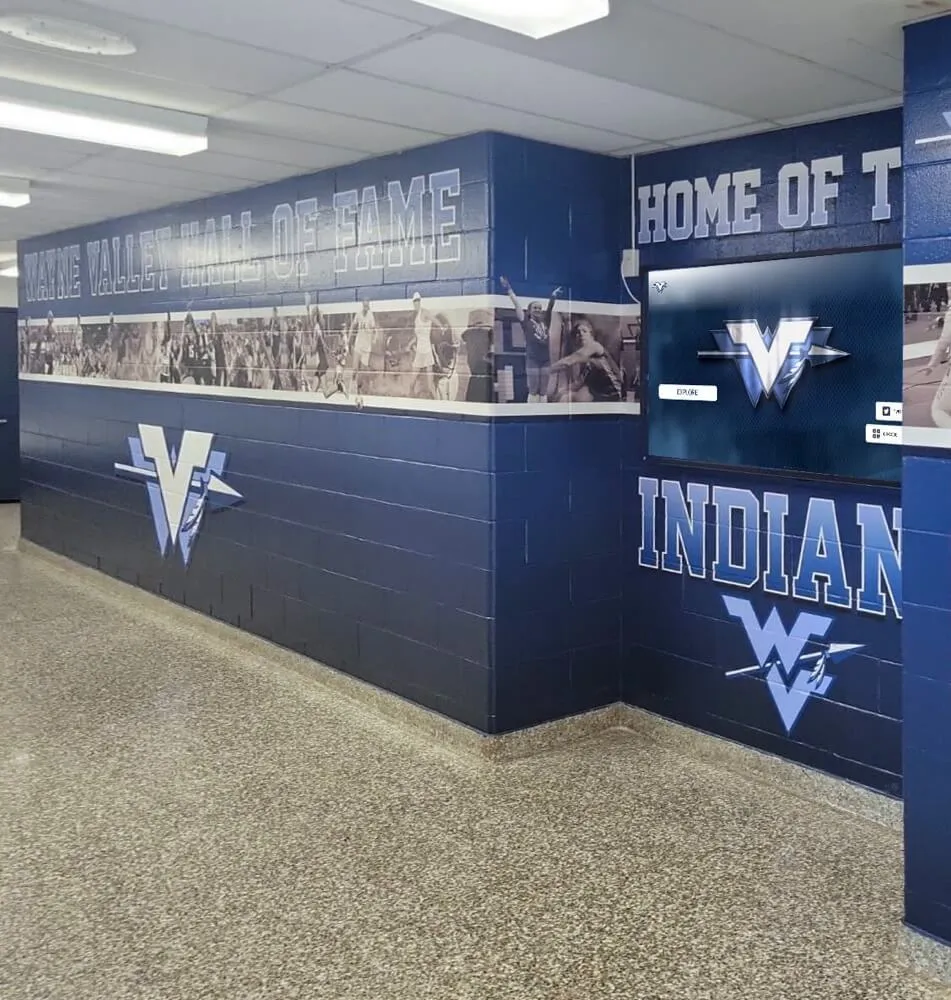
Entrance displays featuring character award recipients send a clear message to visitors, current athletes, and recruits about what the program values
Trophy Case Integration
Placing the heart and hustle award inside the main trophy case alongside championship hardware makes a statement about institutional values. When a visitor sees a heart and hustle plaque displayed next to a state championship trophy, the program communicates that both achievements belong in the same space. Hockey programs that use touchscreen trophy case displays integrate this kind of multi-category recognition into rink lobby installations, giving visiting teams and fans a full picture of the program’s culture.
Hallway Recognition Boards
Some programs maintain a separate character recognition board in the athletic hallway—distinct from the championship display but equally prominent. This separation makes a deliberate point: heart and hustle recognition is not a consolation prize displayed where the trophies didn’t fit. It is a distinct honor with its own dedicated space. Digital recognition boards in school hallways can cycle through current and historical recipients, keeping the display fresh without requiring manual updates.
Naming the Award for Your Program
Many schools rename the heart and hustle award to honor a specific person or tradition. Common approaches:
- Named after a coach or former athlete — connects current players to a valued figure in program history
- Program-specific language — “The Extra Mile Award,” “The Iron Man Award,” “The Foundation Award” — names that reflect the program’s identity without requiring explanation
- Named after a founding value — some programs anchor it to a phrase from their team charter
Whatever name you choose, keep it distinct from the MVP and sportsmanship awards. If athletes are confused about which award recognizes what, the program’s recognition system is not communicating clearly. Programs evaluating how elite athletic environments structure recognition can look at how Olympic training centers define and celebrate character-based contributions alongside performance measures.
Common Mistakes to Avoid
Rotating it through the roster. When coaches feel pressure to give every senior the award at some point in their career, the standard disappears. The heart and hustle award should be competitive in the same way the MVP is—not every eligible athlete earns it every year.
Skipping the criteria documentation. An award program without written criteria depends entirely on individual judgment. When coaches change, the award’s meaning changes. Document the criteria, publish them, and review them annually.
Presenting it last at the banquet. Placing the heart and hustle award at the end of a long program signals lower priority. Consider presenting it earlier, with more time for the story, to communicate that character recognition is not an afterthought.
Forgetting the archive. Programs that give this award for years but never build a recipient list lose institutional memory. When the coach who started the tradition leaves, the award’s history goes with them. A coach gift for the outgoing program leader often includes a gymnastics or multi-sport recognition package that incorporates program history—which only exists if someone maintained records.
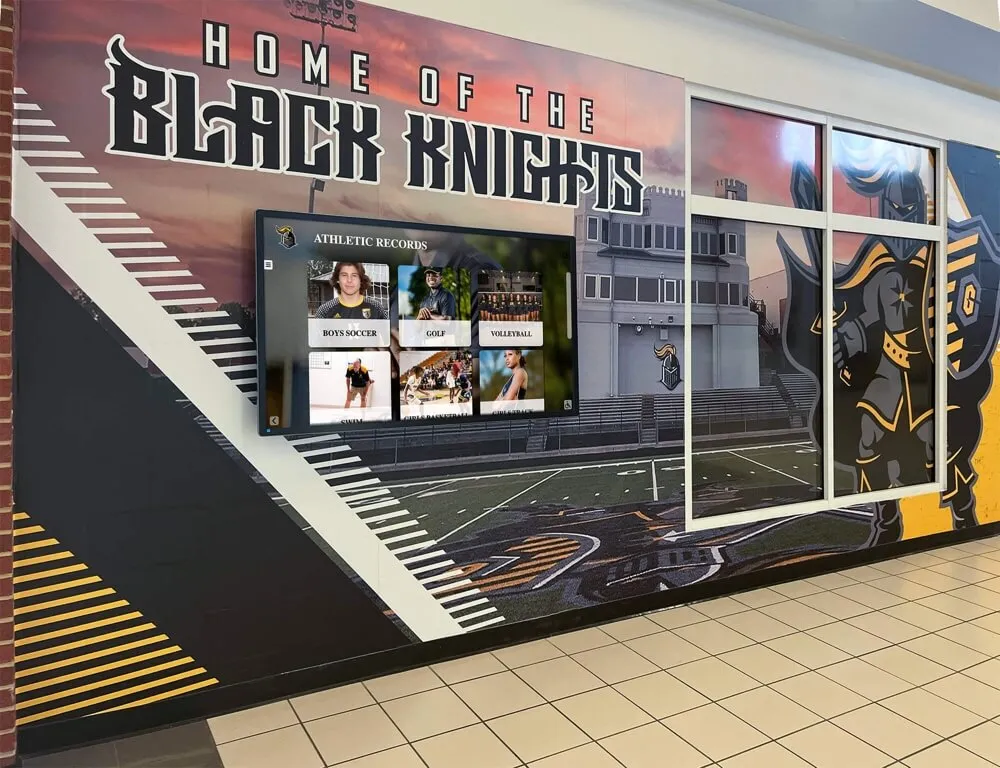
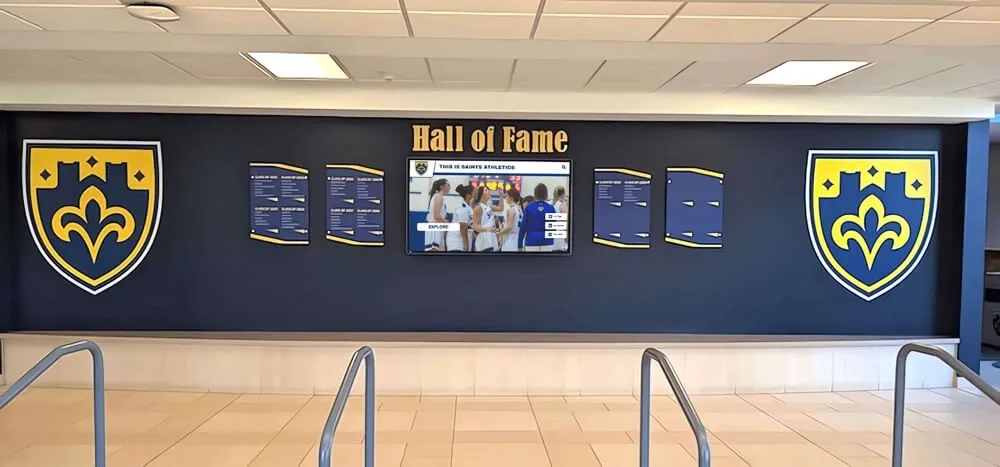
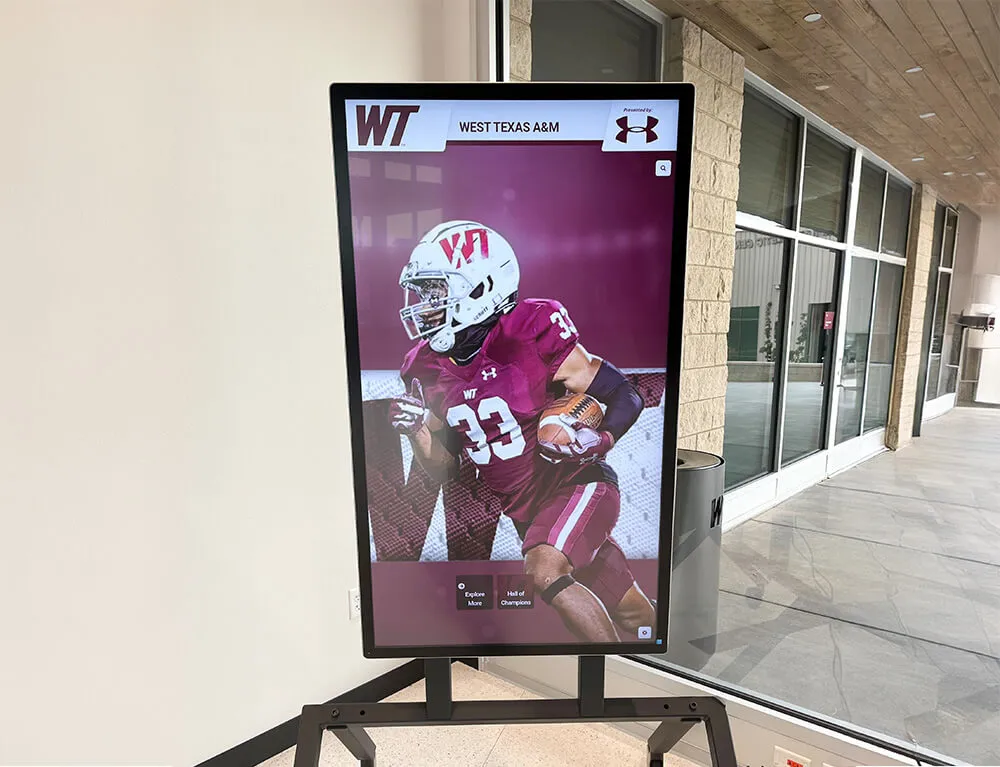
Athletic hallway displays featuring character award records alongside performance milestones build program identity that current athletes and alumni both connect to
See how schools display character awards on interactive touchscreen systems.
FAQ: Heart and Hustle Award
What is the heart and hustle award in school sports?
The heart and hustle award is a character-based athletic honor recognizing a student-athlete who consistently demonstrates exceptional effort, positive attitude, coachability, and team-first decision making—regardless of their statistical output or roster position. It is designed to honor contributions that do not appear in a box score.
How do you choose a heart and hustle award winner?
The strongest selection processes combine coach nominations backed by specific documented examples with an athletic director eligibility review. Some programs add optional peer nominations that require a written explanation of what the nominator observed. Separating this award from MVP and sportsmanship voting on a single ballot prevents criteria from blending together and keeps the selection focused on the specific qualities the award is meant to honor.
What criteria should the heart and hustle award use?
Effective criteria focus on four observable dimensions: consistent effort regardless of game or practice circumstances, positive attitude under adversity, team-first decision making, and responsiveness to coaching feedback. Each dimension should be defined with specific behaviors coaches can observe and document throughout the season—not assessed through a general impression at banquet time.
Should the heart and hustle award go to a starter or a reserve player?
Either is eligible, but the award tends to carry more meaning when it goes to a player who would not win the MVP or all-conference award. When the heart and hustle award consistently goes to starters, the implicit message is that hustle matters most when it is already producing a starting role. Selecting reserve players, role players, or mid-roster athletes who exemplify the criteria reinforces the award’s distinct purpose.
How do you display the heart and hustle award permanently?
Options range from dedicated plaque walls near the gym to digital touchscreen displays that store every recipient across every year in a searchable, browsable format. Digital systems are especially useful for programs that have been giving the award for more than five years, because they eliminate the physical space constraints that cause older plaques to migrate into storage. Cloud-managed systems allow coaches to update records remotely without IT support.
Can multiple athletes win the heart and hustle award in one season?
Some programs give one award per team and one cross-sport award at the all-sports banquet—two awards total per year. Others give one per sport, per season. Giving more than one per team per season is possible but risks diluting the award. If a program wants to recognize multiple athletes for effort and character, naming a runner-up or honorable mention separately from the primary recipient is a common solution.
Ready to make heart and hustle recognition as permanent and searchable as your championship banners?