



Schools nationwide face the important challenge of establishing hall of fame programs that fairly recognize exceptional achievement while maintaining credibility and community trust. These programs serve as permanent records of institutional excellence, celebrating athletes, coaches, scholars, and contributors who exemplified the highest standards in their respective fields. When selection processes lack clarity or consistency, they generate controversy and undermine the very recognition they aim to provide.
Most schools struggle with fundamental questions: What specific achievements qualify someone for hall of fame induction? How do selection committees balance objective statistics with subjective contributions like leadership and character? Who should serve on selection committees, and how should voting work? Once inductees are selected, what display methods best honor their achievements while engaging current students?
This comprehensive guide examines how successful schools establish fair, transparent hall of fame selection criteria and implement modern digital displays that showcase inductees effectively. From nomination procedures through permanent recognition, you’ll discover proven strategies that preserve institutional legacy while inspiring current students through the achievements of those who came before them.
Effective hall of fame programs require two critical components: credible selection processes that stakeholders respect and trust, paired with engaging display systems that make recognition visible and meaningful to current students. Schools that excel at both create lasting traditions that strengthen community identity while validating achievement in ways recipients genuinely value.

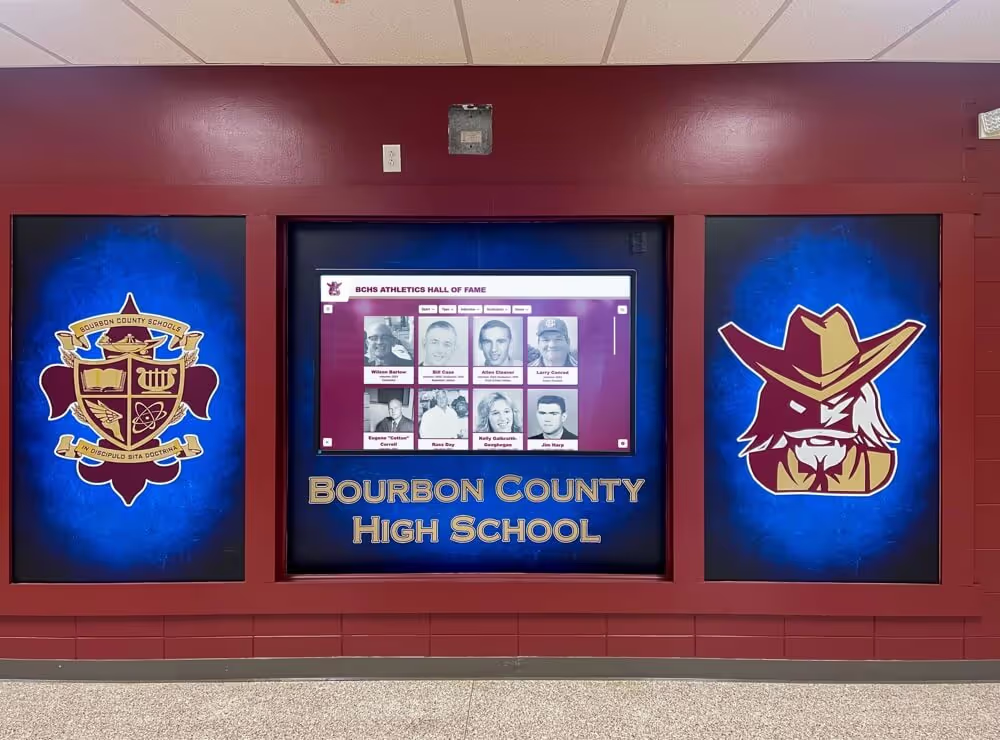
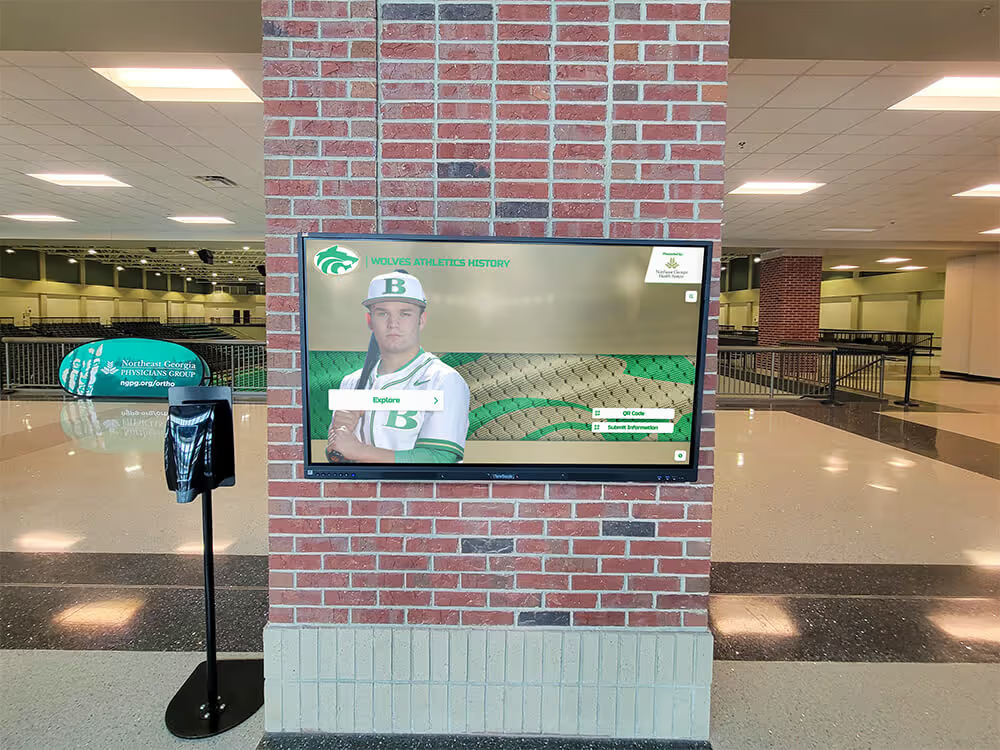
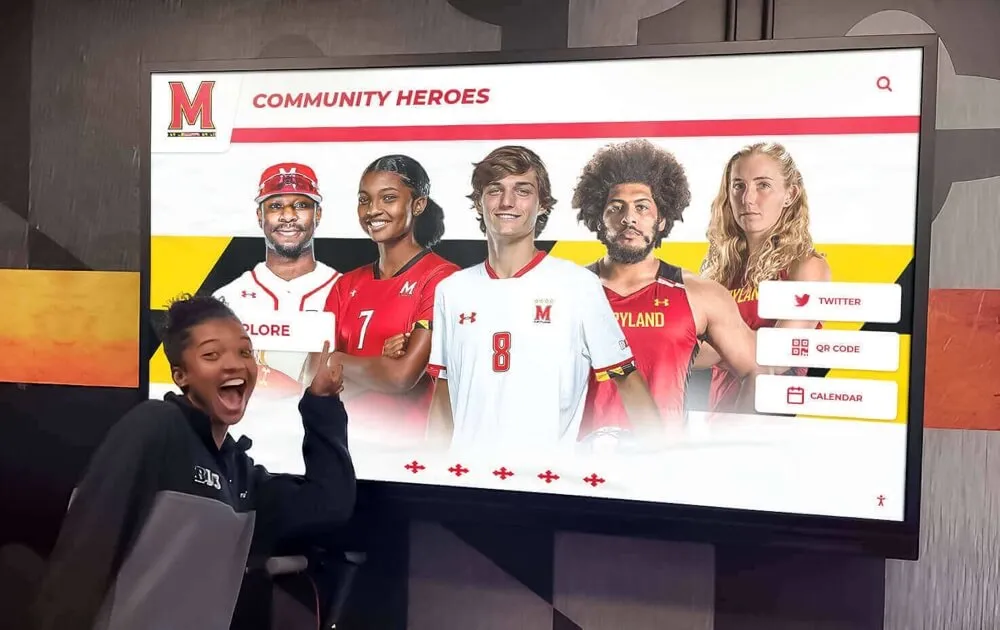
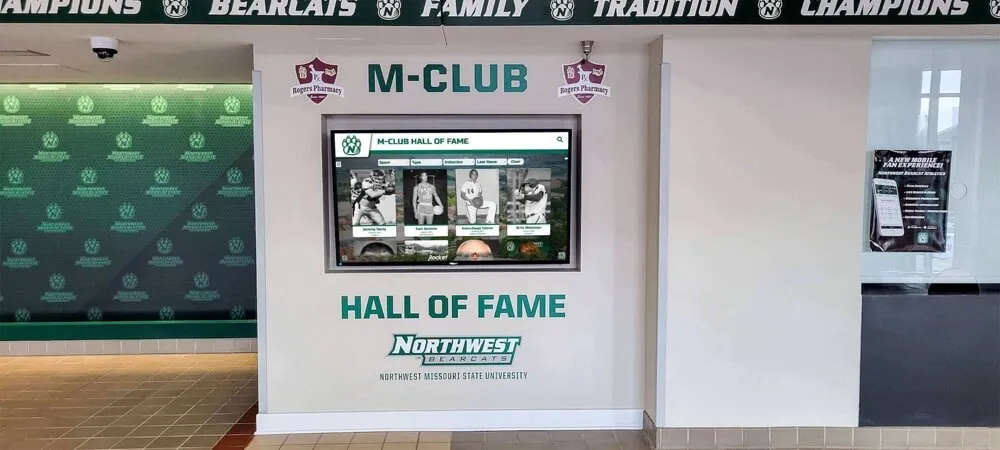
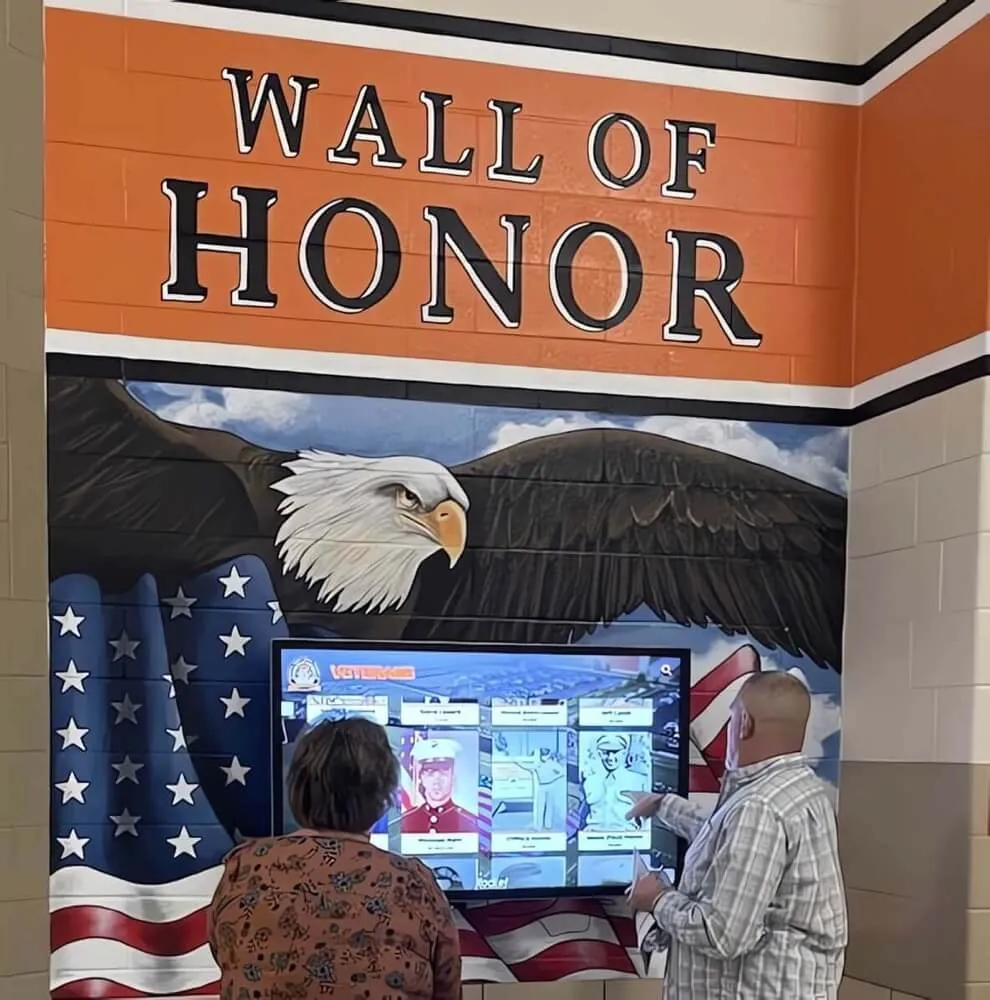
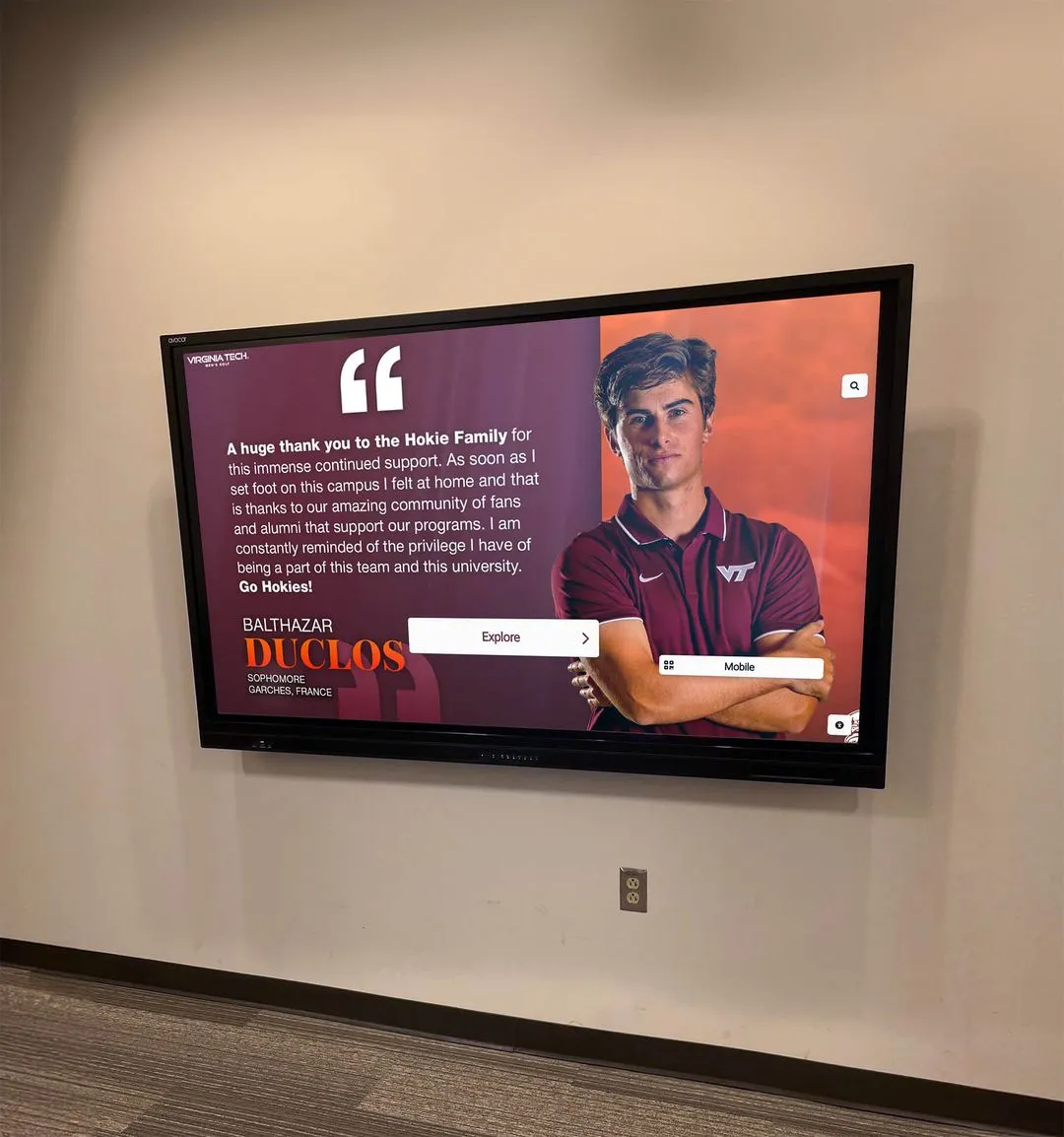
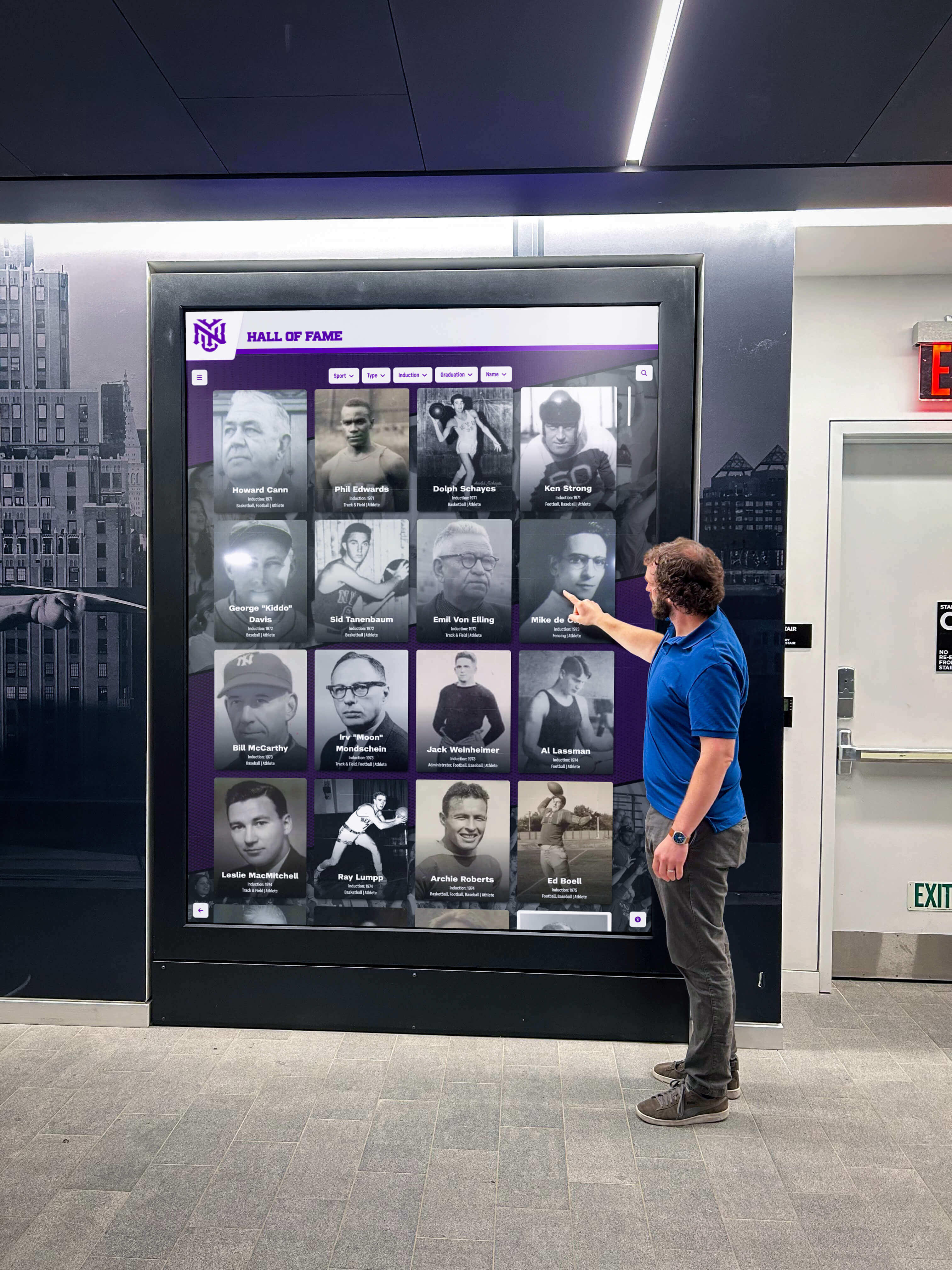
Modern hall of fame displays enable visitors to explore inductee profiles through interactive touchscreens in school lobbies
Understanding Hall of Fame Program Objectives
Before establishing selection criteria, schools must clarify what their hall of fame programs aim to accomplish.
Primary Recognition Goals
Different institutions prioritize different recognition objectives:
Celebrating Peak Achievement Many programs focus primarily on the highest levels of accomplishment:
- State championship teams and athletes
- Record-setting individual performances
- All-state and all-American selections
- Athletes achieving professional or Olympic success
- Academic scholars earning national recognition
This approach creates exclusive recognition reserved for truly exceptional achievement, making induction highly meaningful but limiting the total number of inductees.
Honoring Sustained Excellence Other schools recognize consistent high-level performance over time:
- Multi-year varsity contributors
- Career statistical achievement thresholds
- Four-year athletic participation with distinction
- Sustained academic excellence across multiple years
- Long-term coaching tenures and program building
Acknowledging Diverse Contributions Comprehensive programs include multiple recognition categories:
- Athletic achievement across all sports
- Academic and scholarly excellence
- Performing arts and creative accomplishments
- Community service and character demonstration
- Administrative and support staff contributions
- Booster and volunteer support recognition
The most inclusive programs establish multiple induction categories ensuring diverse achievement types receive appropriate acknowledgment.

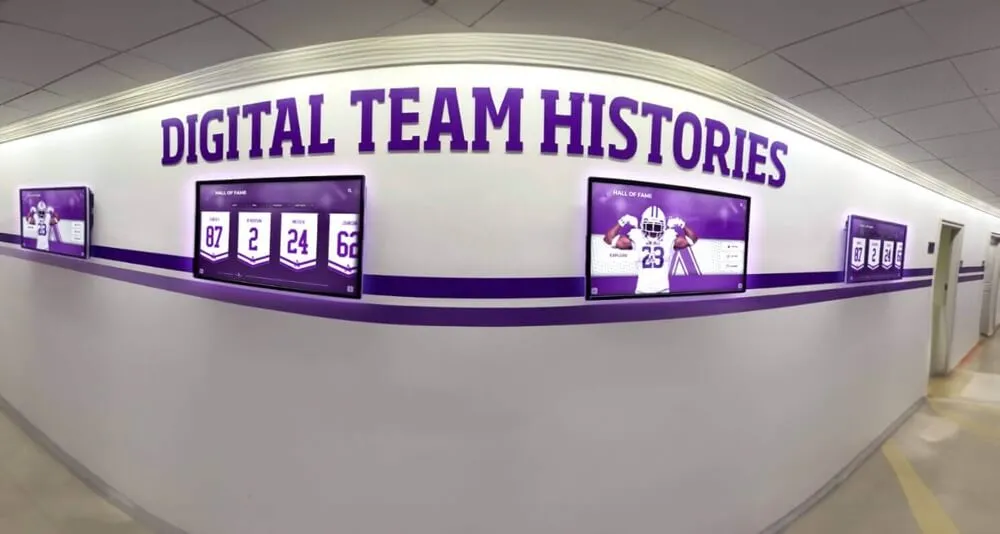
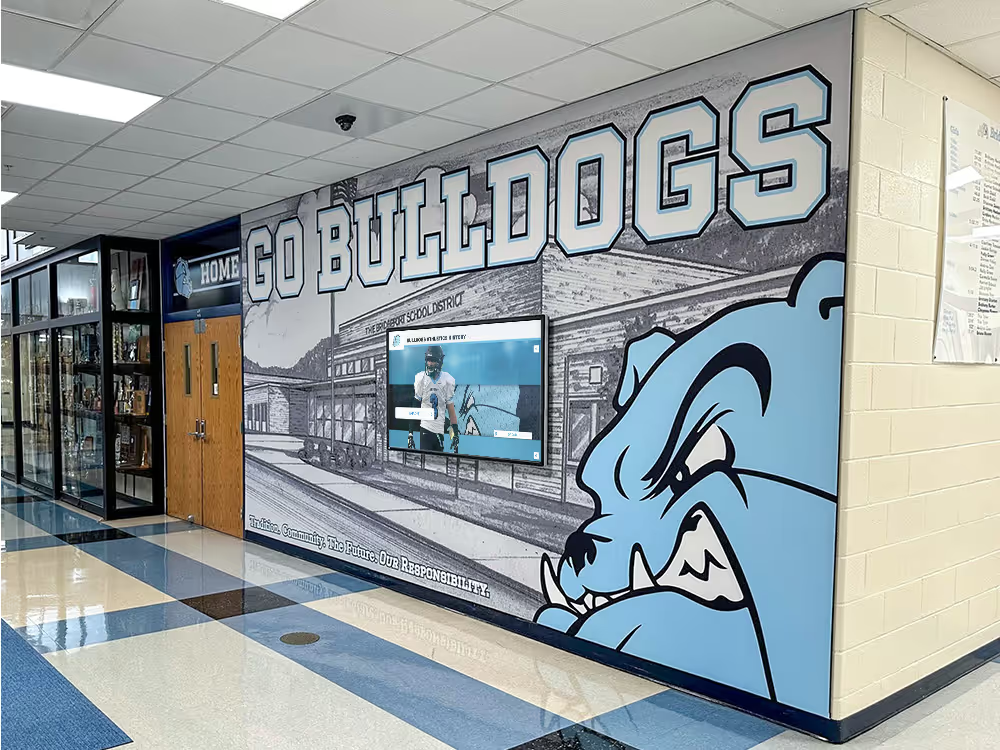
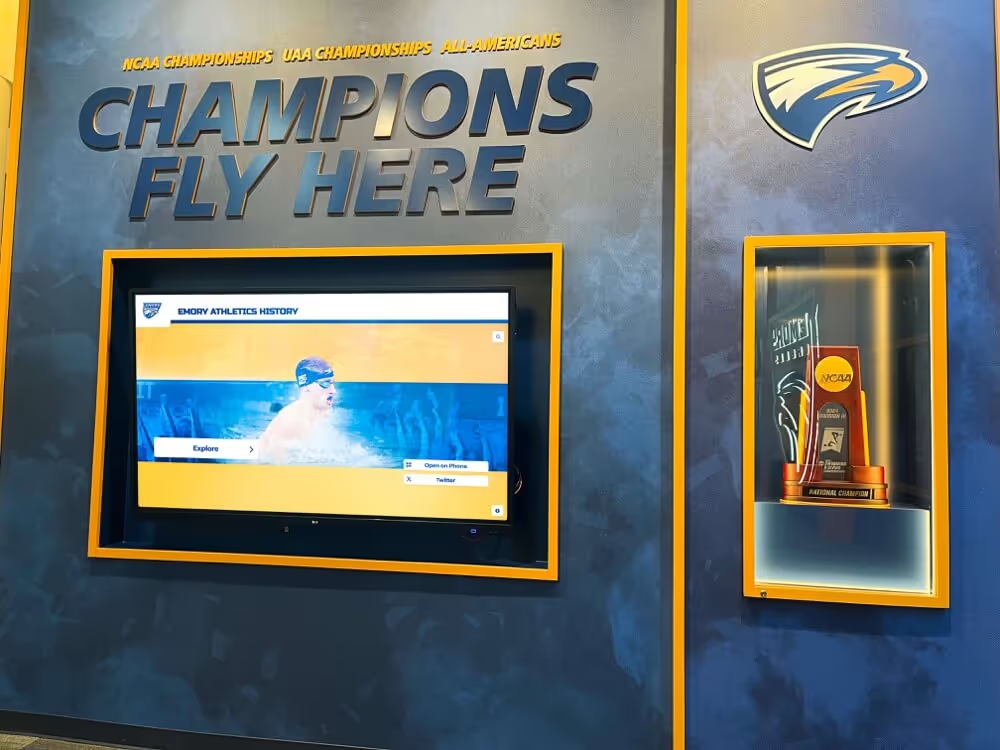
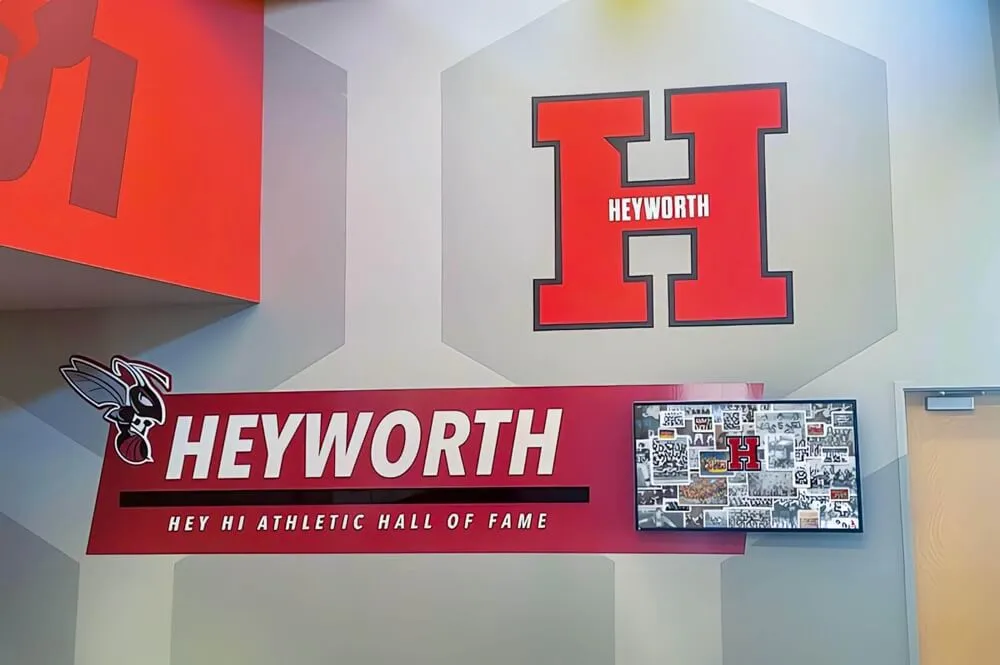
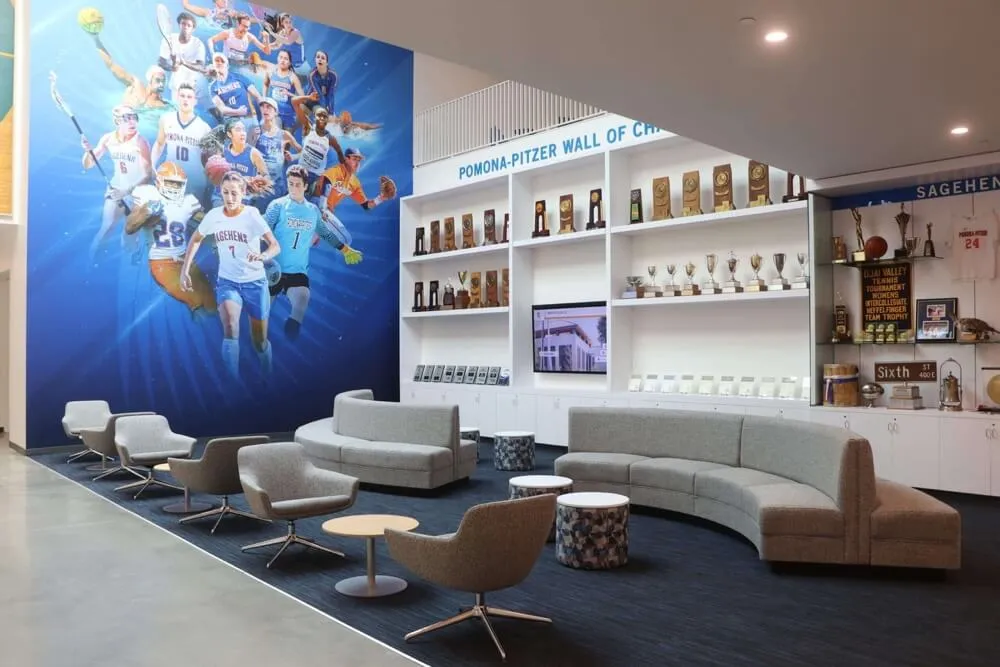
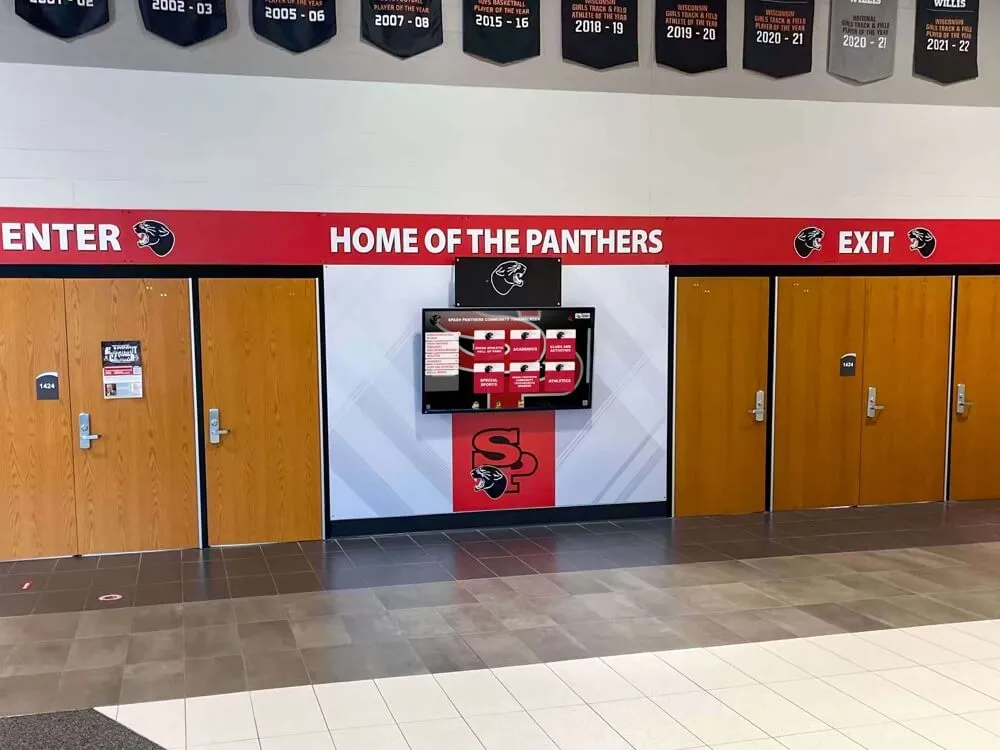
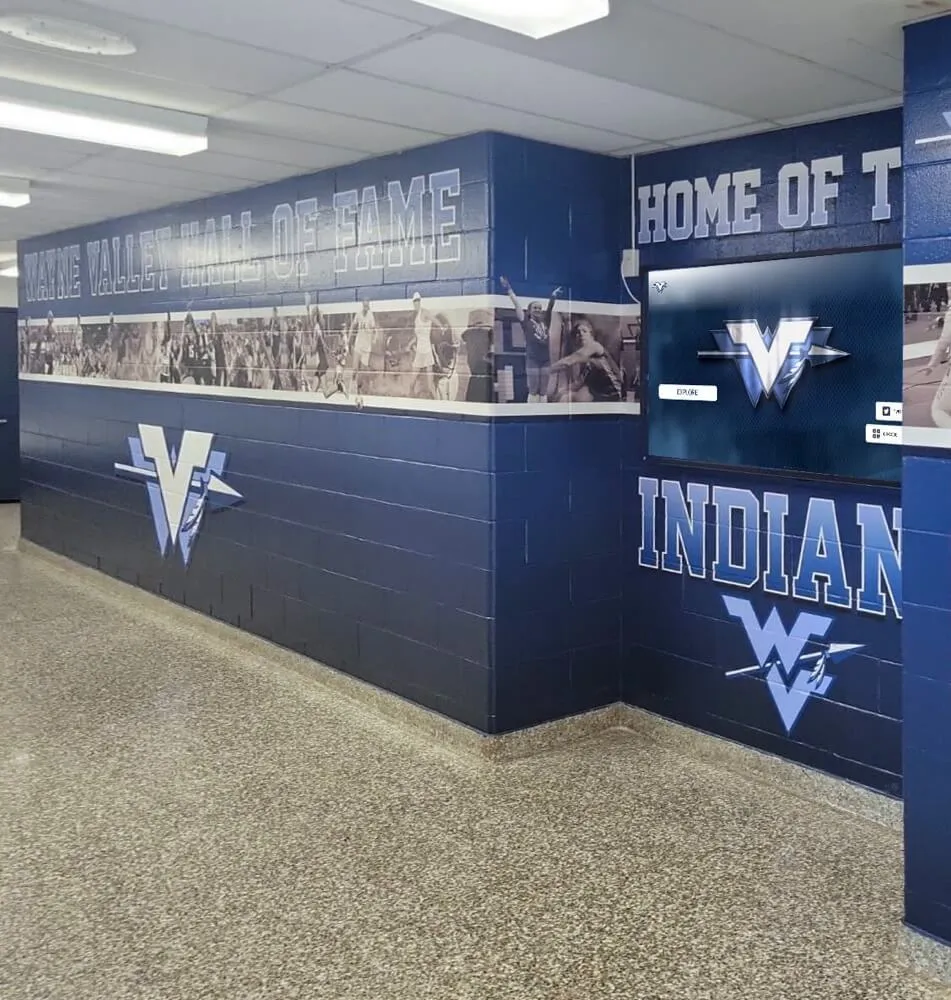
Dedicated athletic halls of fame display championship teams, individual athletes, and coaching legends
Balancing Exclusivity with Inclusivity
Programs must decide how selective induction should be:
Highly Selective Approach
- Fewer than 1% of graduates receive induction
- Recognition feels exceptionally meaningful due to rarity
- Creates aspirational standard for current students
- May exclude worthy candidates due to competitive thresholds
- Generates significant discussion and interest around selections
Moderately Inclusive Approach
- Approximately 3-5% of graduates eventually receive recognition
- Balances meaningful recognition with reasonable access
- Allows multiple induction categories with different standards
- Recognizes both peak achievement and sustained contribution
- Maintains credibility while honoring more individuals
Schools implementing comprehensive athletic recognition programs typically establish clear criteria defining selection standards while explaining the rationale behind their chosen selectivity level.
Establishing Eligibility Requirements
Clear eligibility standards form the foundation of credible selection processes.
Waiting Period Requirements
Most hall of fame programs require time to pass before individuals become eligible for consideration:
Standard Waiting Periods
- Athletes: 10 years following graduation enables perspective on lasting impact and post-high school achievement
- Coaches and Staff: 5 years after retirement or departure from the school allows reflection on overall career impact
- Teams: 10 years following championship season provides historical context and sustained significance
- Special Contributors: No waiting period typically applies for community supporters and volunteers
These waiting periods serve important purposes:
- Allow sufficient time to assess lasting impact versus temporary achievement
- Create distance preventing recency bias from influencing selections
- Enable evaluation of post-graduation success for athletes
- Provide perspective on how achievements compare to subsequent performances
Minimum Achievement Standards
Objective benchmarks help define the achievement level warranting consideration:
Athletic Achievement Thresholds
- Conference championship team membership
- All-conference or all-state selection
- School record holders in statistical categories
- 1,000-point scorers in basketball
- Career win totals for individual sport athletes
- State tournament qualifiers or placers
Academic Excellence Markers
- Valedictorian or salutatorian status
- National Merit Scholar recognition
- Perfect ACT or SAT scores
- State or national academic competition success
- Sustained high GPA across multiple years
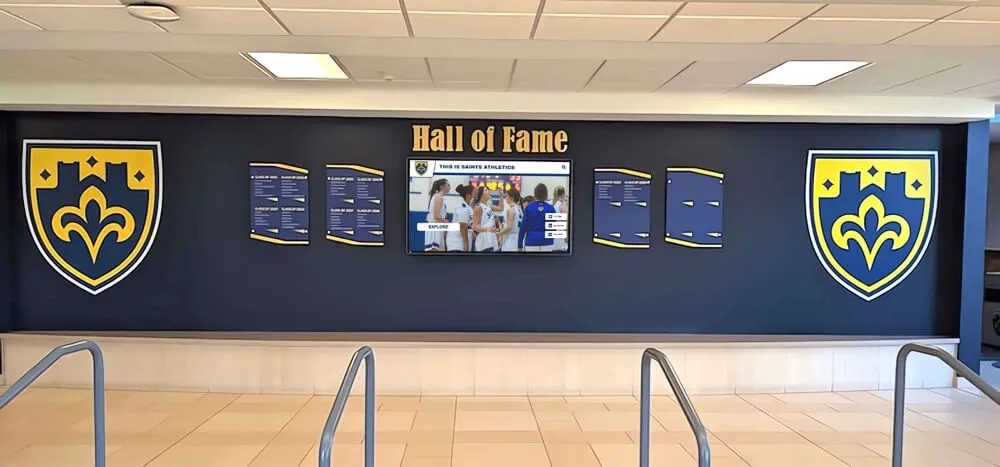
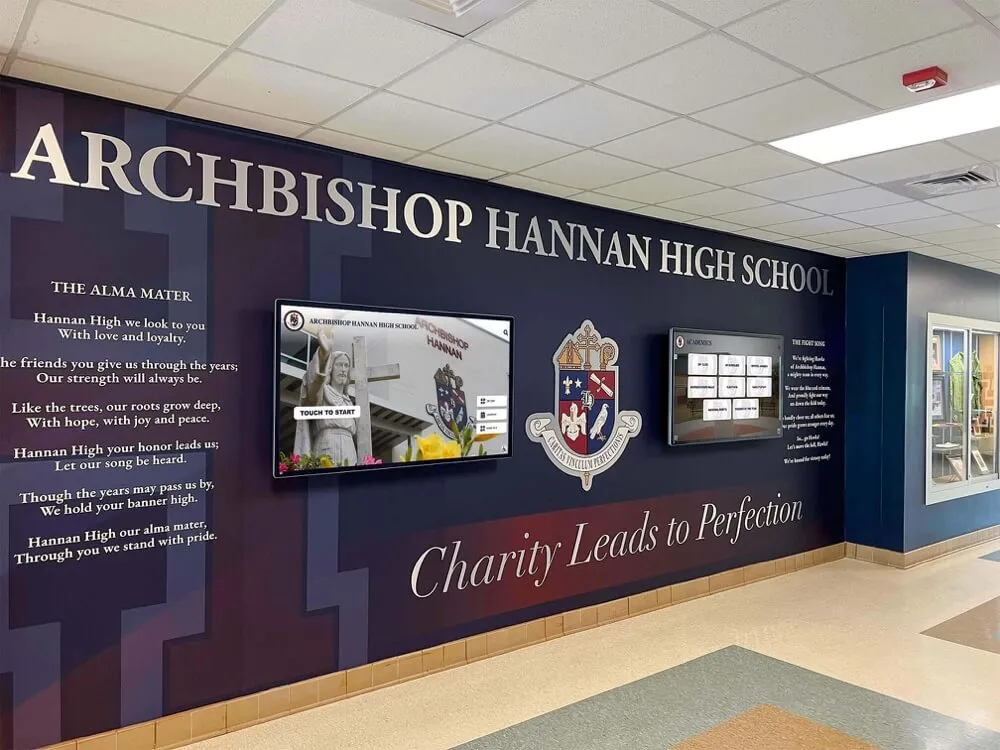
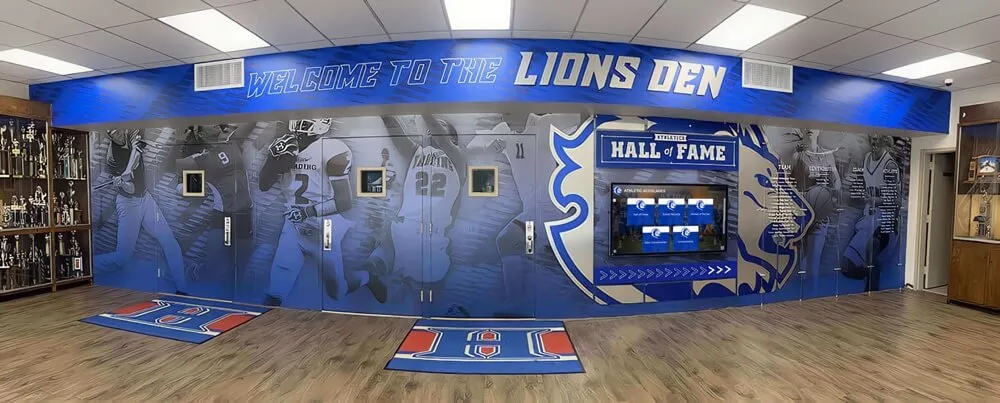
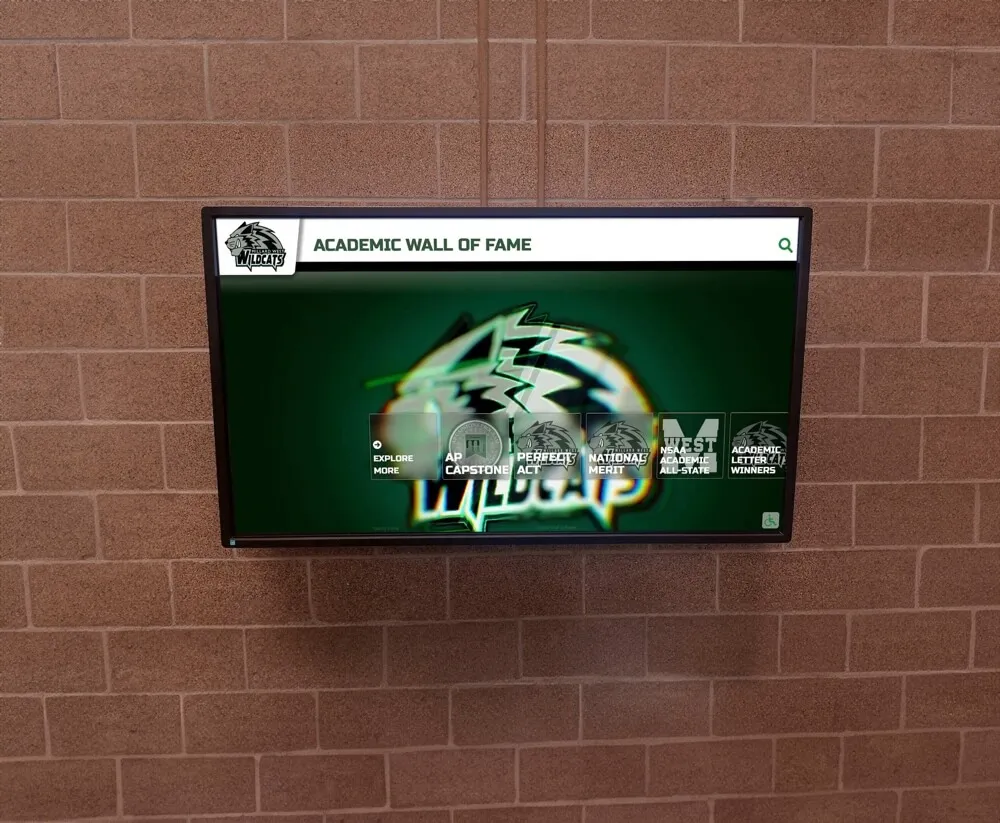
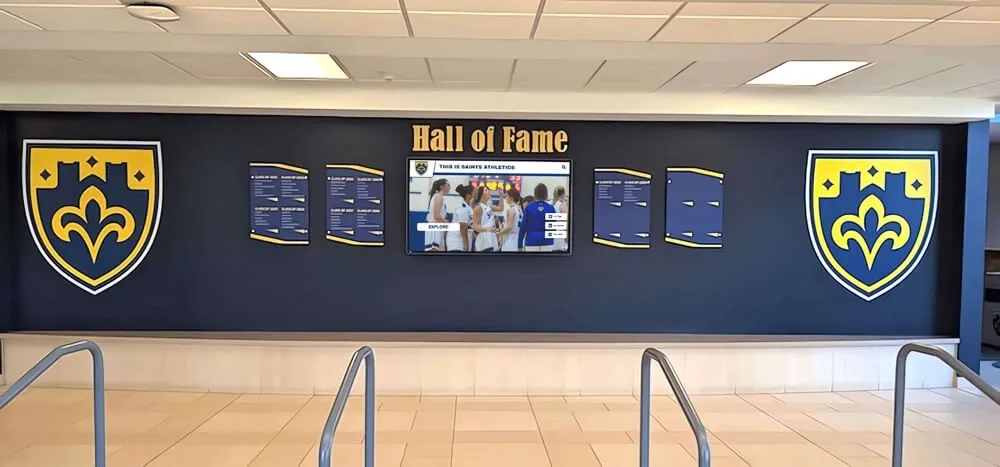
Many schools combine traditional elements like shields with modern digital displays for comprehensive recognition
Character and Citizenship Requirements
Beyond achievement metrics, most programs include conduct standards:
Eligibility Requirements
- Demonstrated good citizenship during school enrollment
- Sportsmanship and ethical behavior standards
- Adherence to school and team rules
- Positive representation of institutional values
- No serious disciplinary issues or code violations
Post-Graduation Conduct Considerations Some programs reserve the right to deny recognition based on serious post-graduation conduct issues:
- Criminal convictions involving significant offenses
- Behavior contradicting fundamental institutional values
- Public scandals bringing negative attention to the school
- Ethical violations in professional contexts
These provisions should be exercised rarely and only in extreme circumstances, with clear documentation of the reasoning behind such decisions.
Forming Effective Selection Committees
Committee composition directly affects selection credibility and stakeholder confidence.
Committee Structure and Membership
Diverse representation ensures balanced evaluation:
Core Committee Members (typically 7-12 people total)
- Athletic director or activities coordinator (often serves as chair)
- Current head coaches representing different sports and seasons
- School administrators ensuring alignment with institutional values
- Former coaches with historical knowledge and perspective
- Booster club or alumni association representatives
Advisory Members (may rotate annually)
- Alumni athletes from different eras and sports
- Former inductees providing insight into selection standards
- Community members offering external perspective
- School board members when appropriate
- Local media representatives familiar with program history
Staggered term rotations (typically 3-year terms with one-third rotating annually) maintain institutional knowledge while incorporating fresh perspectives and preventing committee stagnation.

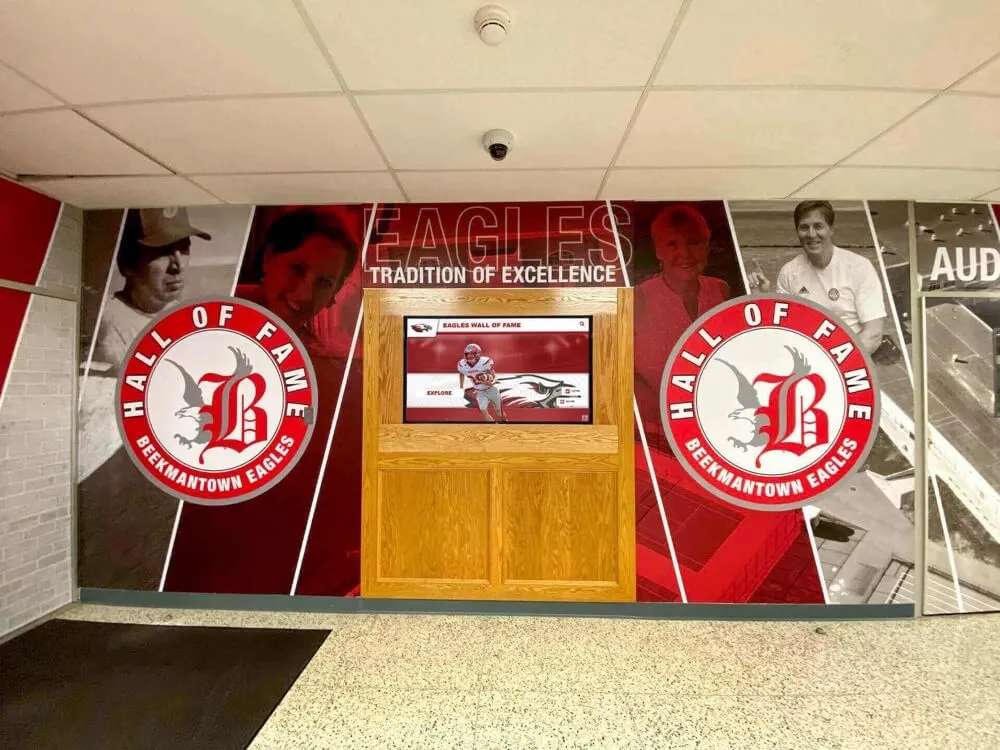
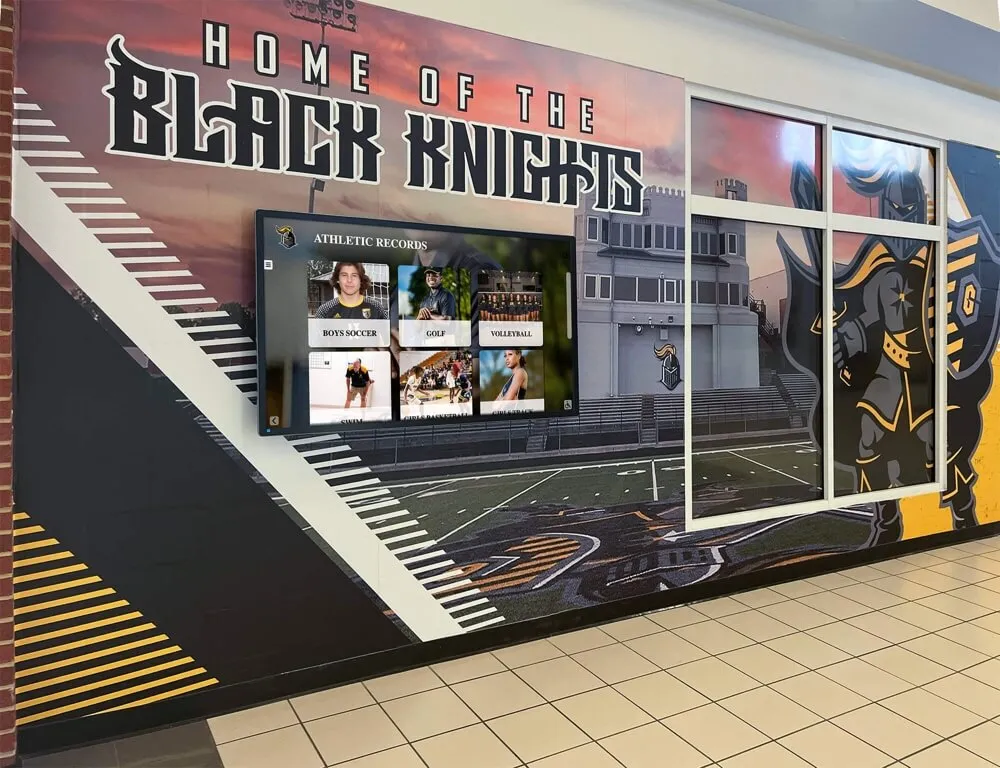
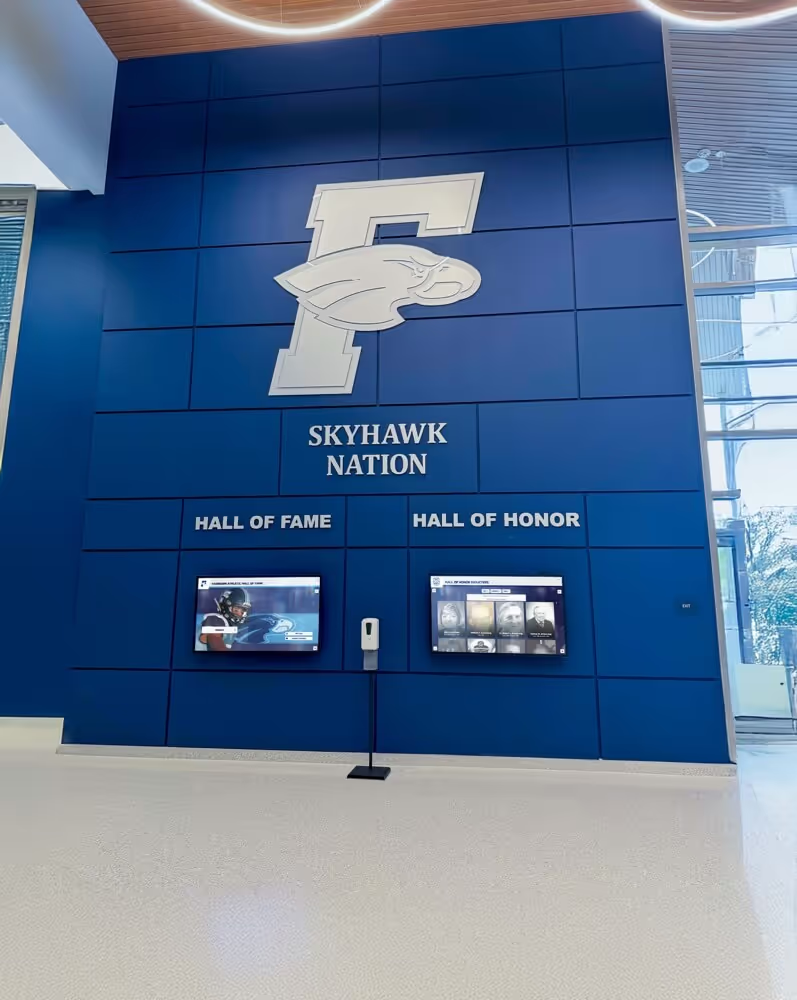
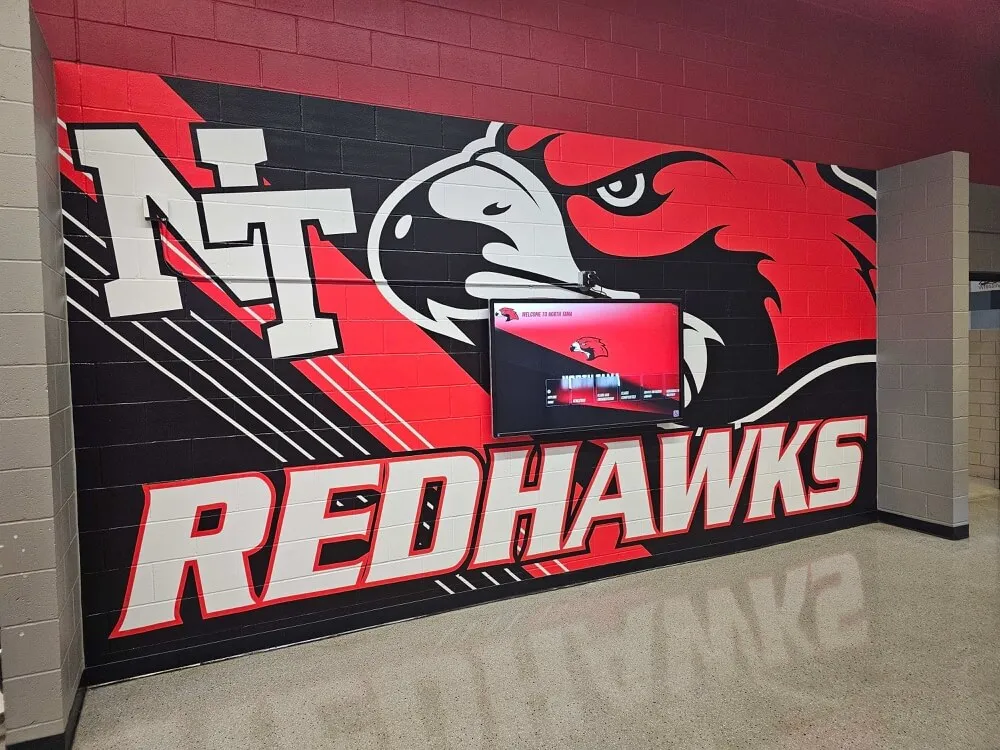
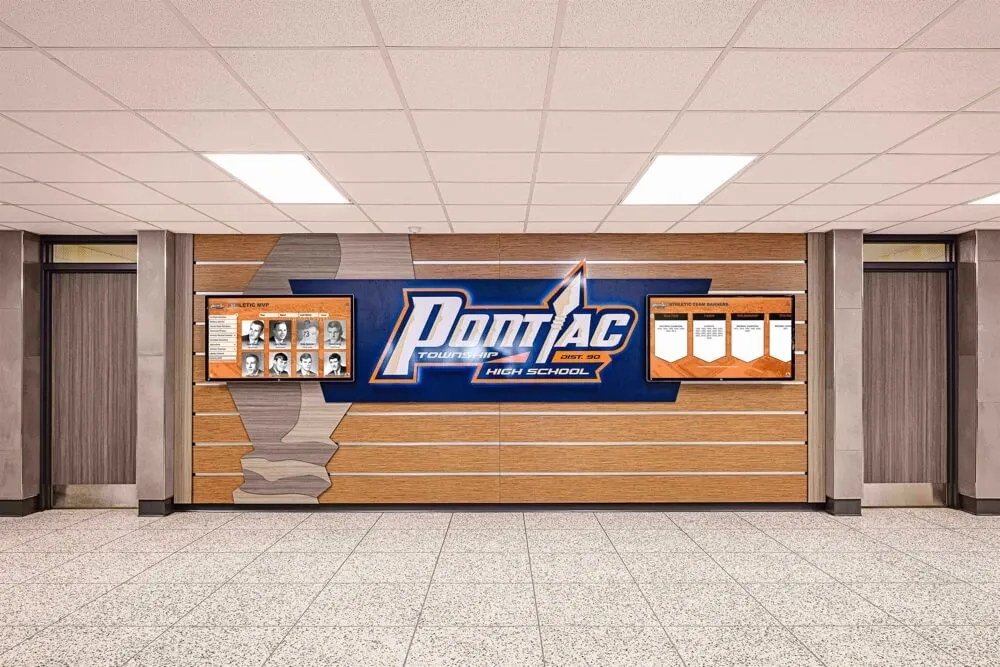
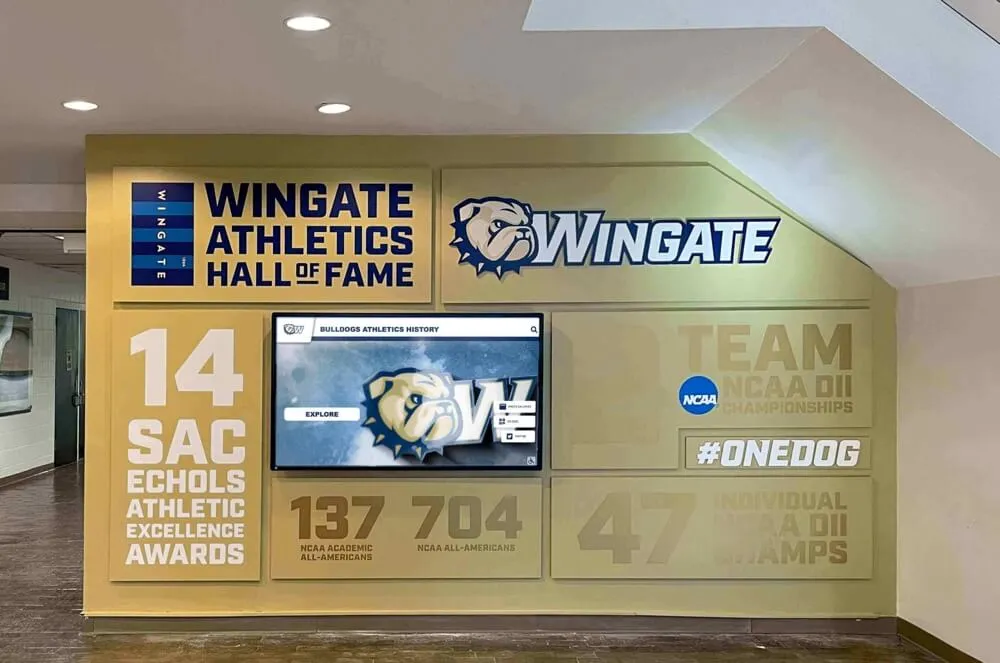
Professional lobby installations create impressive recognition environments celebrating hall of fame inductees
Committee Operating Procedures
Transparent processes build stakeholder trust:
Meeting Schedule and Format
- Annual meeting cycle aligned with induction ceremony timing
- Nomination review period allowing thorough evaluation
- Formal deliberation meetings with all members present
- Secret ballot voting maintaining objectivity
- Documentation of selection rationale for institutional records
Voting Thresholds
- Supermajority requirements (typically 70-80% support) ensure broad consensus
- Prevents narrow majority decisions that may lack widespread support
- Creates higher bar reflecting the significance of hall of fame recognition
- Allows reconsideration if nominees fall just short of threshold
Conflict of Interest Policies
- Committee members recuse themselves from discussions about family members
- Coaches abstain from voting on their own athletes when appropriate
- Clear guidelines about when recusal is required versus recommended
- Transparent disclosure of potential conflicts before deliberations
The Nomination Process
Well-designed nomination systems ensure worthy candidates receive consideration.
Open Nomination Procedures
Most credible programs accept nominations from multiple sources:
Who Can Nominate
- Alumni and former students
- Current and former faculty and staff
- Community members familiar with candidates
- Family members of potential inductees
- Committee members identifying deserving candidates
- Athletic directors researching historical achievers
Open nomination processes prevent selection committees from becoming insular or overlooking worthy candidates who lack vocal advocates.
Nomination Requirements and Documentation
Thorough nomination packages enable informed evaluation:
Required Nomination Materials
- Completed nomination form with candidate information
- Detailed achievement summary with specific accomplishments
- Statistical documentation (career stats, awards, honors)
- Letters of recommendation from coaches, teachers, or community members
- Supporting materials like news clippings, photos, or program records
- Character assessment addressing citizenship and conduct
Deadline and Submission Process
- Clear deadlines announced well in advance (typically 3-4 months before selection)
- Multiple submission methods (email, online forms, postal mail)
- Confirmation of receipt provided to nominators
- Timeline communicated so nominators know when decisions will be made
Schools should promote nomination opportunities through alumni engagement channels, athletic websites, school newsletters, and booster meetings to ensure broad awareness.
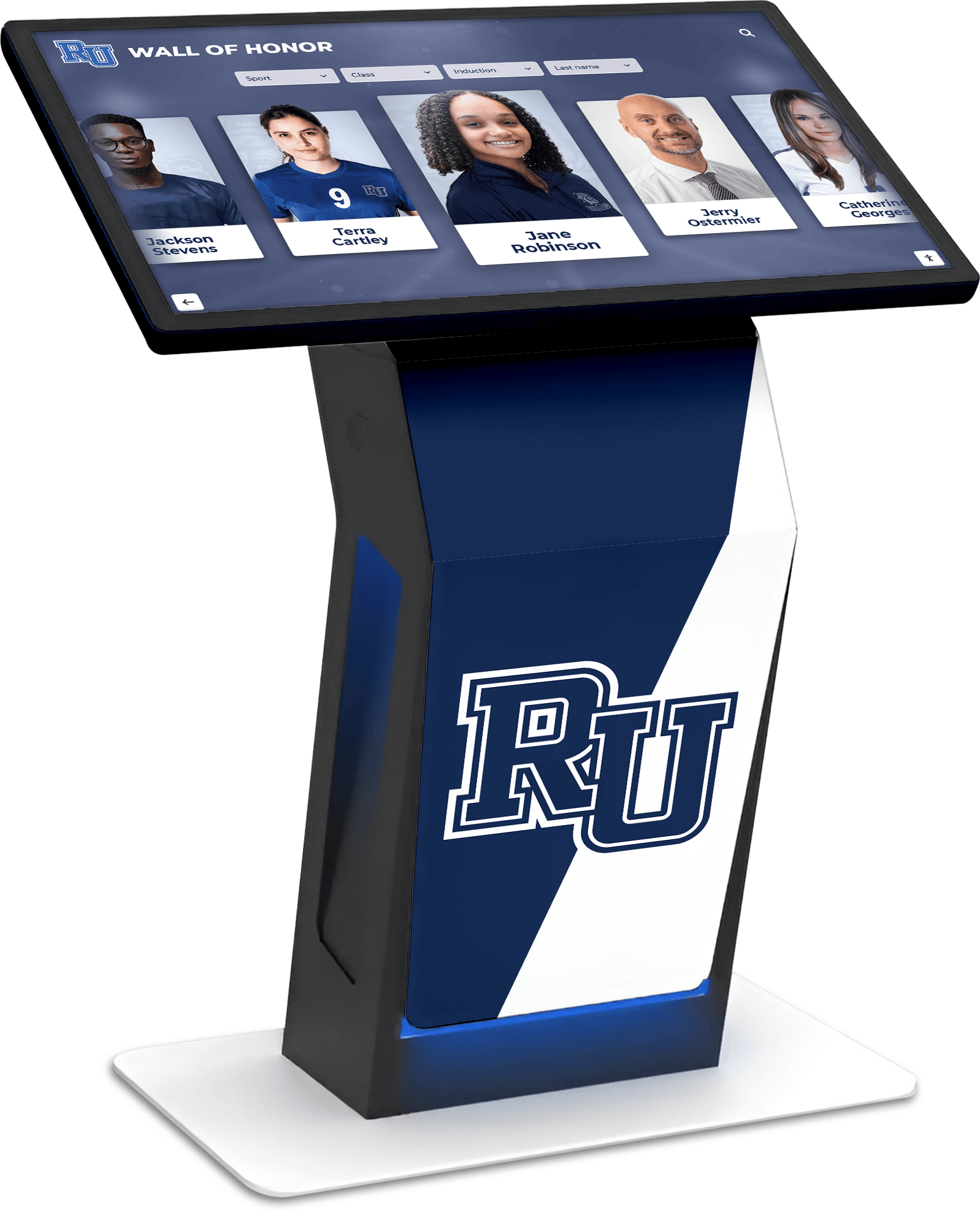
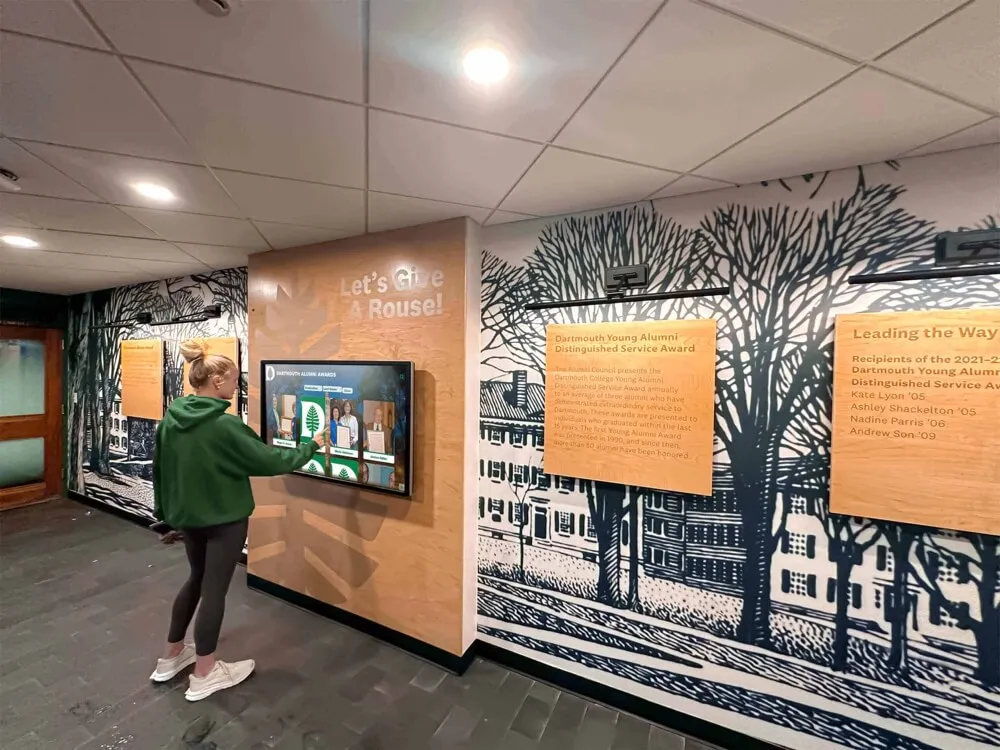
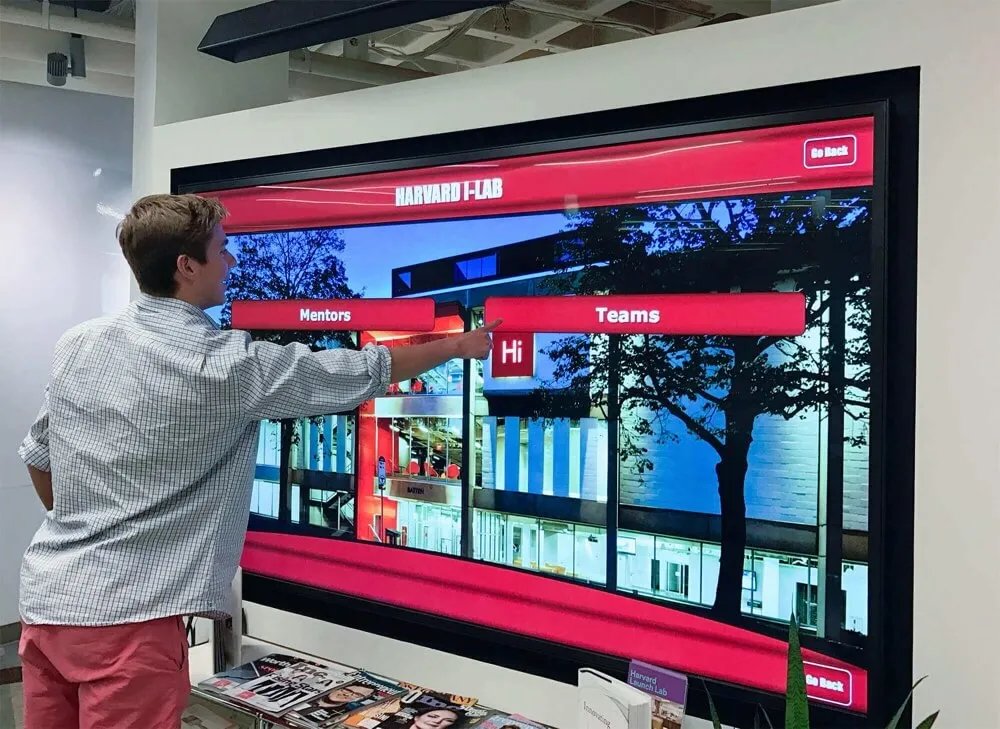
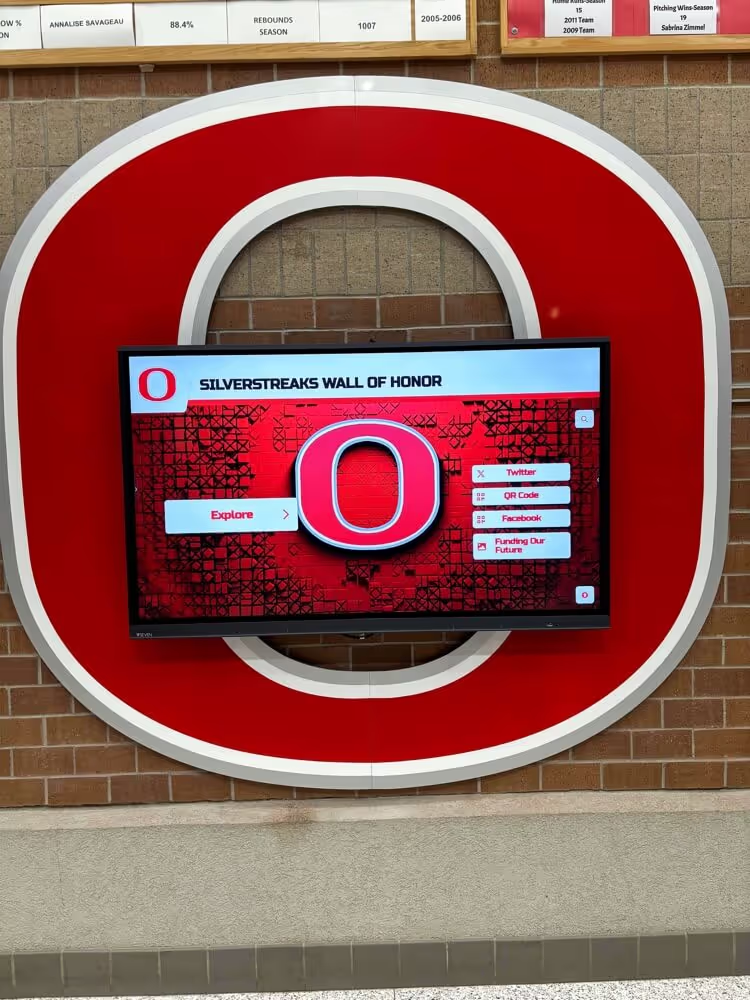
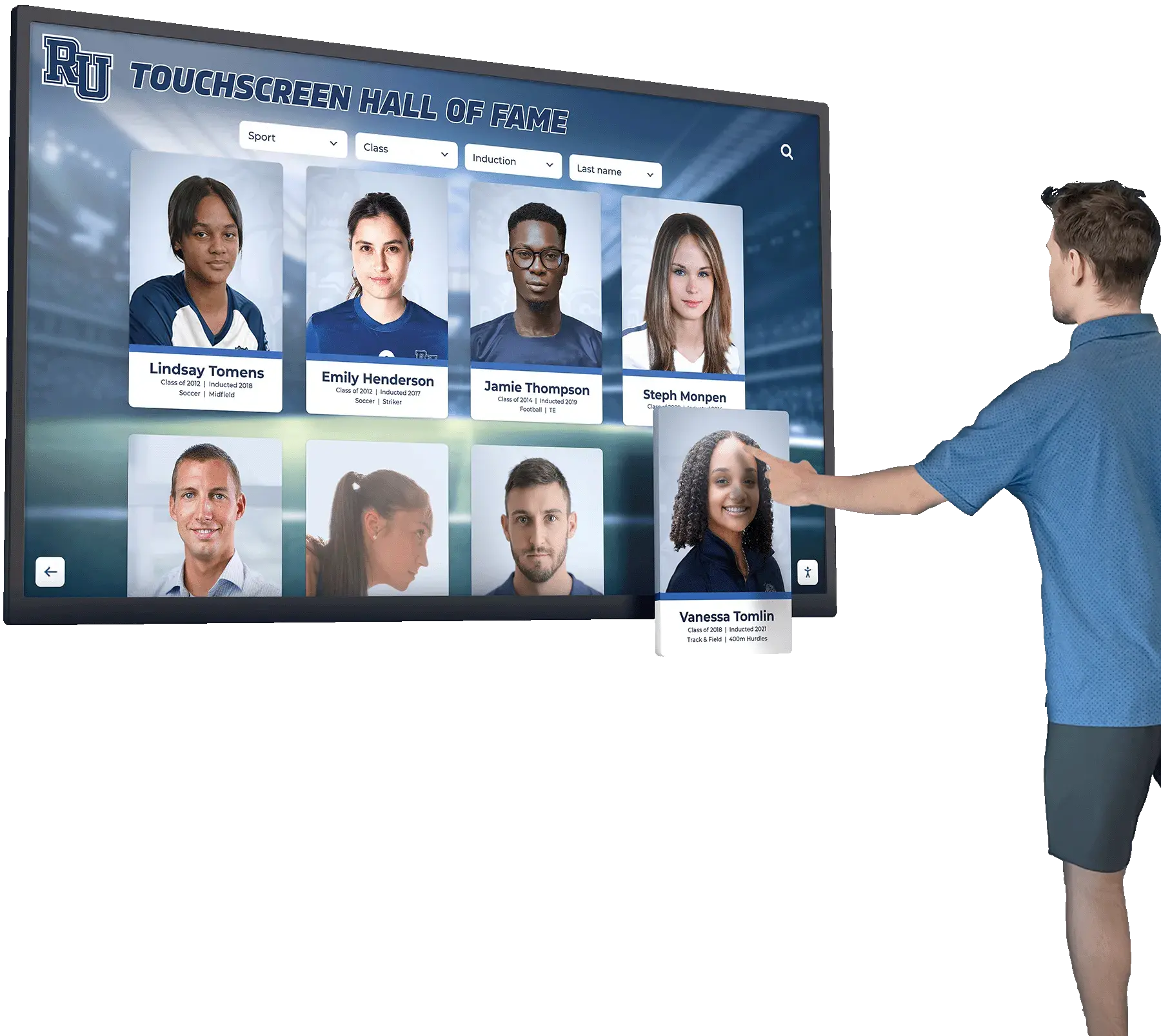
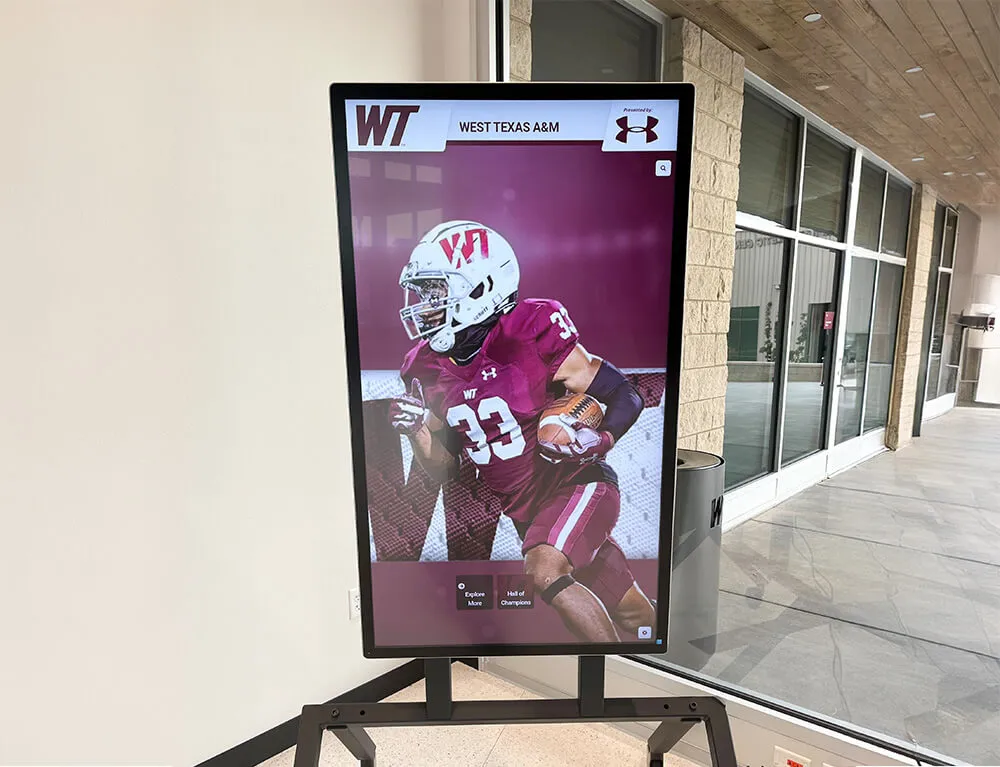
Touchscreen kiosks enable intuitive exploration of hall of fame inductee profiles and achievements
Selection Committee Evaluation Process
Systematic evaluation approaches ensure fair, consistent assessment.
Creating Evaluation Rubrics
Standardized scoring helps maintain objectivity:
Achievement Category Scoring (example rubric)
Athletic Excellence (40 points maximum)
- Championship participation and individual titles
- All-conference, all-state, all-American selections
- Statistical achievement and records
- Post-graduation athletic success
Impact and Contribution (30 points maximum)
- Leadership demonstrated during participation
- Influence on program development
- Role model impact on teammates
- Contribution to team or school success
Character and Citizenship (20 points maximum)
- Sportsmanship and ethical conduct
- Academic achievement during athletic participation
- Community service and school involvement
- Representation of institutional values
Legacy and Recognition (10 points maximum)
- Honors and awards received
- Media recognition and visibility
- Lasting impact on program or school
- Continued connection to institution
Rubrics ensure all committee members evaluate nominees using consistent standards rather than subjective impressions.
Deliberation and Discussion Process
Structured discussion produces informed decisions:
Review Phase
- Committee members receive nomination packets 4-6 weeks before meeting
- Individual review period allowing members to evaluate materials independently
- Members complete scoring rubrics for each nominee before meeting
- Questions or clarifications addressed before formal deliberation
Discussion Phase
- Systematic review of each nominee with focused discussion
- Nomination advocates present strongest case for each candidate
- Open discussion allowing diverse perspectives
- Focus on documented achievements rather than popularity
- Time limits per nominee ensuring all receive fair consideration
Voting Phase
- Secret ballot voting after discussion concludes
- Clear recording of vote totals for institutional records
- Supermajority threshold determines selection
- Immediate announcement to committee of results
- Documentation of close votes for future reference
Announcing Selection Results
Communication strategies affect how recognition is perceived.
Notifying Selected Inductees
Personal notification demonstrates respect:
Initial Contact
- Phone calls to inductees or family members (for deceased inductees)
- Follow-up written communication with ceremony details
- Advance notice (typically 6-8 weeks) allowing calendar arrangement
- Personal conversation explaining selection significance
- Coordination regarding family attendance and special needs
Gathering Inductee Information
- Updated biographical information and photos
- Career achievement details and current activity
- Family information for ceremony acknowledgment
- Preferences regarding ceremony participation
- Materials needed for displays and programs
Public Announcement Strategies
Broader communication builds excitement and community awareness:
Media Relations
- Press releases to local media outlets
- Social media announcements with inductee photos and achievement summaries
- School website features with detailed profiles
- Alumni publication coverage
- Video announcements when resources allow
Internal Communication
- School newsletter and announcement features
- Athletic program recognition during competitions
- Student assembly or morning announcement recognition
- Posters or displays in school lobbies
- Countdown communications building anticipation
Communicating with Non-Selected Nominees
Maintaining positive relationships requires thoughtful communication:
- Thank you messages acknowledging nomination and achievements
- Explanation that selection timing doesn’t diminish contributions
- Encouragement that future consideration remains possible
- Invitation to nomination again in future years
- Appreciation for willingness to be considered
Planning Induction Ceremonies
Formal ceremonies create memorable recognition moments.
Ceremony Timing and Format
Event structure should honor inductees appropriately:
Annual Induction Events Most programs hold ceremonies annually during:
- Homecoming weekends maximizing alumni attendance
- Significant athletic event weekends (rivalry games, tournament competitions)
- Dedicated hall of fame banquet events
- End-of-season celebrations connecting past and present
Ceremony Program Elements
- Welcome and program overview
- Introduction of selection committee members
- Individual inductee presentations with video tributes
- Acceptance speeches from inductees
- Physical recognition presentation (plaques, jackets, certificates)
- Group photo opportunities
- Reception enabling conversation and celebration
Learn more about comprehensive ceremony planning strategies that create meaningful experiences for inductees and attendees.

Digital displays enable detailed inductee profiles accessible through intuitive touch interfaces
Displaying Inductees Through Digital Technology
Modern platforms transform how schools present hall of fame recognition.
Limitations of Traditional Physical Displays
Conventional recognition methods face significant constraints:
Physical Space Restrictions
- Wall plaques accommodate limited numbers before filling available space
- Trophy cases overflow as programs add inductees annually
- Expanding recognition requires construction and significant expense
- Older inductees may be removed to accommodate recent selections
- Equal visibility across all sports and eras becomes impossible
Static Information Limitations
- Plaques display minimal biographical information
- No capacity for photos, statistics, or detailed achievement documentation
- Stories behind achievements remain untold
- Updates or corrections require physical replacement
- Engagement limited to brief reading of inscriptions
Accessibility Challenges
- Physical displays exist only on campus
- Alumni and families must visit in person to view recognition
- No searchability or filtering capability
- Displays in hallways may receive little attention from students
- Photography and sharing difficult without proper lighting and positioning
Advantages of Digital Hall of Fame Displays
Modern recognition platforms address traditional limitations:
Unlimited Recognition Capacity
Solutions like Rocket Alumni Solutions eliminate space constraints entirely:
- Showcase unlimited inductees across all eras without removing anyone
- Add new inductees instantly without construction or installation costs
- Provide equal visibility for all sports, programs, and achievement types
- Preserve complete institutional history dating back to program origins
- Never face difficult decisions about whose recognition to remove
Rich Multimedia Presentations
Digital platforms tell complete inductee stories:
- Professional photos showing inductees during their achievement years
- Video highlights from competitions and performances
- Comprehensive statistics and career achievement summaries
- Biographical information about post-graduation accomplishments
- Historical context explaining significance of achievements
- Multiple photos showing different moments and milestones
Schools implementing digital recognition systems report 5-10x higher student engagement compared to traditional wall plaques.
Interactive Exploration Features
Touchscreen displays transform passive viewing into active discovery:
Search and Discovery Capabilities
- Students search for specific inductees by name
- Filter by sport, achievement type, or graduation year
- Alphabetical directories enabling quick navigation
- Timeline views showing program evolution chronologically
- Random discovery encouraging exploration
Detailed Inductee Profiles
- Full biographical pages for each hall of fame member
- Career statistics and achievement documentation
- Awards and honors received
- Post-graduation accomplishments
- Personal statements or quotes when available
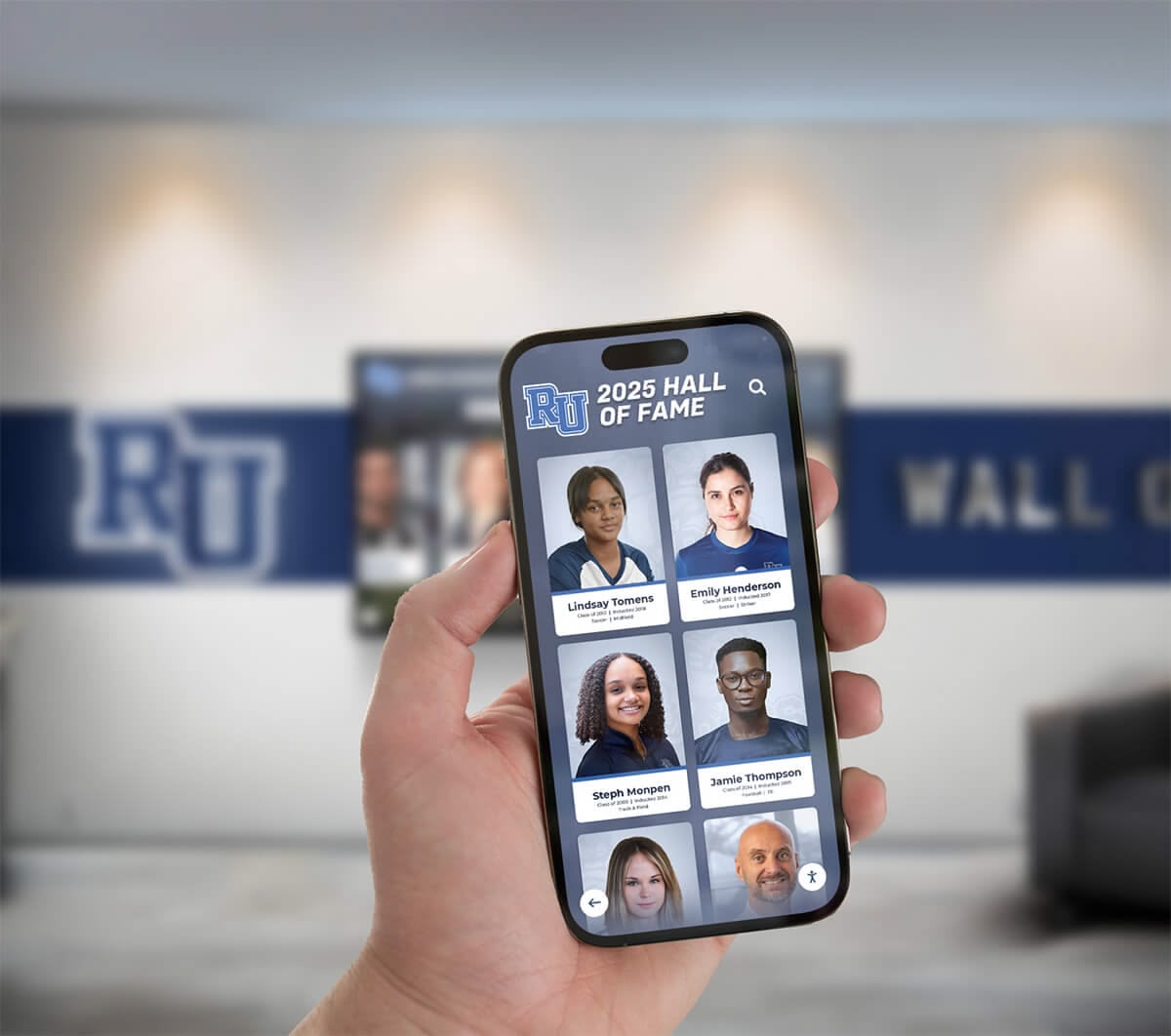
Mobile accessibility extends hall of fame recognition beyond physical displays, enabling viewing from anywhere
Remote Content Management
Cloud-based systems simplify ongoing administration:
Simple Update Process
- Update displays from any internet-connected device
- No technical expertise required for content management
- Add new inductees within minutes after ceremony concludes
- Scheduled publishing automation for coordinated announcements
- Role-based permissions ensuring appropriate staff access
Athletic directors and administrators report 80-85% reduction in time spent maintaining hall of fame recognition after implementing digital systems.
Web and Mobile Accessibility
Recognition extends beyond physical campus:
- Online hall of fame portals accessible to alumni worldwide
- Mobile-optimized viewing on smartphones and tablets
- QR code connections linking physical spaces to expanded digital content
- Social sharing capabilities enabling inductees to celebrate online
- Integration with school websites and communication platforms
Strategic Display Placement
Location significantly affects recognition visibility and engagement:
High-Traffic Lobby Areas
- Main entrance lobbies ensuring visitor exposure
- Athletic facility entrances where student-athletes gather
- Commons and cafeteria spaces with daily student traffic
- Administrative areas visible during campus tours
- Gymnasium lobbies providing game-day visibility
Research indicates that displays in main hallways receive 10-15x more interaction than those located only in athletic facilities or less-traveled corridors.
Maintaining Long-Term Program Credibility
Sustained success requires ongoing attention and continuous improvement.
Annual Program Review
Regular assessment ensures continued effectiveness:
Participation Metrics
- Number of nominations received annually
- Committee member engagement and attendance
- Ceremony attendance trends
- Digital display interaction rates
- Community awareness indicators through surveys
Equity Analysis
- Representation across different sports
- Gender balance in inductee selection
- Historical era representation ensuring diverse decades receive recognition
- Achievement type distribution
- Comparison with overall athletic and academic participation patterns
Program Evolution and Adaptation
Successful programs evolve with changing institutional needs:
Recognition Category Expansion Consider adding categories as programs mature:
- Sport-specific halls of fame for major programs
- Single-season achievement recognition
- Coach milestone acknowledgment
- Student-athlete academic excellence categories
- Distinguished service and contribution recognition
Technology Enhancement
Digital systems should advance with improving capability:
- Enhanced video integration as archives expand
- Social media connection enabling direct sharing
- Advanced analytics tracking engagement patterns
- Mobile app development extending accessibility
- Virtual hall of fame experiences for remote viewing
Special Considerations for Different Institution Types
Recognition approaches should adapt to institutional context.
High School Hall of Fame Programs
Secondary schools face unique considerations:
Community Connection Emphasis
- Recognition strengthens local community identity
- Integration with homecoming and reunion events
- Local business sponsorship opportunities
- Media partnerships amplifying visibility
- Connection to athletic recruiting and program reputation
Balancing Multiple Constituencies
- Alumni expectations for historical recognition
- Current student inspiration and engagement
- Booster and parent organization involvement
- Community pride and institutional identity
- Administrative priorities and resource allocation
College and University Recognition
Higher education institutions manage more complex systems:
Multi-Sport Coordination Programs with 15-20+ varsity sports require systematic approaches:
- Rotation ensuring all sports receive regular representation
- Separate selection committees for different program divisions
- Coordinated induction classes balancing sports and eras
- Clear communication about selection frequency by sport
Professional-Level Presentation Standards Universities typically implement more sophisticated display systems:
- Large-format touchscreen displays in multiple facilities
- Professional photography and video production
- Comprehensive statistical databases
- Integration with athletics department websites
- Donor recognition opportunities within hall of fame programs
Implementation Timeline and Planning
Strategic rollout ensures successful program launch.
Initial Program Development (Months 1-3)
Foundation Building
- Form initial planning committee
- Research other programs and best practices
- Draft preliminary selection criteria
- Determine budget and funding sources
- Identify potential selection committee members
Selection Process Design (Months 4-6)
Procedural Development
- Finalize selection criteria and eligibility standards
- Create nomination forms and materials
- Establish committee operating procedures
- Develop evaluation rubrics and scoring systems
- Plan nomination promotion strategy
Inaugural Class Selection (Months 7-9)
First Selection Cycle
- Launch nomination process
- Gather nominations and documentation
- Committee review and evaluation
- Selection decisions and inductee notification
- Public announcement and ceremony planning
Recognition Display Implementation (Months 10-12)
Permanent Recognition Systems
- Design physical or digital displays
- Gather inductee materials and content
- Install display systems and technology
- Train staff on content management
- Launch recognition with ceremony and publicity
Transform Your Hall of Fame Recognition
Discover how modern digital displays eliminate space constraints while providing unlimited recognition capacity for hall of fame inductees. Interactive touchscreens showcase detailed profiles with photos, videos, and comprehensive achievement documentation. Cloud-based management enables instant updates and remote accessibility for alumni worldwide.
Book a DemoConclusion: Building Hall of Fame Programs That Endure
Successful hall of fame programs combine two essential elements: credible selection processes that stakeholders trust and respect, paired with engaging display systems that make recognition visible and meaningful to current students. When schools establish transparent criteria, diverse selection committees, thorough nomination procedures, and fair evaluation processes, they create recognition programs that genuinely celebrate achievement while maintaining institutional credibility.
The most forward-thinking schools pair these selection processes with modern digital recognition displays that eliminate traditional space limitations while providing interactive exploration capabilities. Digital platforms showcase unlimited inductees through detailed profiles, multimedia presentations, and searchable databases—ensuring every hall of fame member receives ongoing visibility rather than competing for limited wall space or trophy case positions.
Traditional wall plaques and trophy cases served well in previous eras, but physical displays cannot scale to accommodate growing programs while maintaining equal visibility for all inductees. Digital recognition platforms like Rocket Alumni Solutions address these fundamental limitations by providing unlimited capacity, rich storytelling capabilities, instant updates, and accessibility extending far beyond physical campus locations.
Schools beginning new hall of fame programs or modernizing existing recognition should invest equal attention in both selection credibility and display effectiveness. Transparent nomination and evaluation processes build stakeholder confidence that inductees genuinely deserve recognition. Professional digital displays ensure those achievements receive the ongoing celebration they merit.
Your institution’s exceptional achievers deserve recognition reflecting the significance of their accomplishments. Thoughtful selection criteria identify the individuals who exemplified excellence, while modern display technology ensures their achievements inspire current students, engage alumni, and preserve institutional legacy for generations.
Ready to explore how digital recognition transforms hall of fame programs? See how schools nationwide showcase inductees through interactive displays that combine unlimited capacity with professional presentation—creating comprehensive programs where selection excellence meets recognition innovation.