



Graduation ceremonies represent the culmination of years of academic dedication, and the visible symbols worn and announced at these events—Latin honors, colored cords, medals, and stoles—communicate achievement levels that carry significance far beyond the ceremony itself. Yet confusion often surrounds what these distinctions actually mean, how students earn them, and why certain graduates wear multiple honor cords while others wear none.
For students and families, understanding graduation recognition helps contextualize academic accomplishments and appreciate the prestige associated with various honors. For educators and administrators, these recognition systems serve dual purposes: celebrating individual achievement while establishing institutional standards that motivate excellence throughout student populations. Schools face the ongoing challenge of determining appropriate honor thresholds, fairly recognizing diverse achievements, and creating lasting visibility for academic excellence that extends beyond single graduation ceremonies.
This comprehensive guide demystifies graduation recognition systems, exploring everything from the historical origins of Latin honors to modern digital displays that preserve graduate achievements permanently. Whether you’re a student working toward honors, a family member trying to understand graduation regalia, or a school administrator designing recognition programs, this resource provides the clarity you need.
Understanding how schools recognize graduation excellence helps students set achievement goals, enables families to appreciate accomplishment significance, and equips institutions to design comprehensive recognition systems that celebrate academic success meaningfully and permanently.

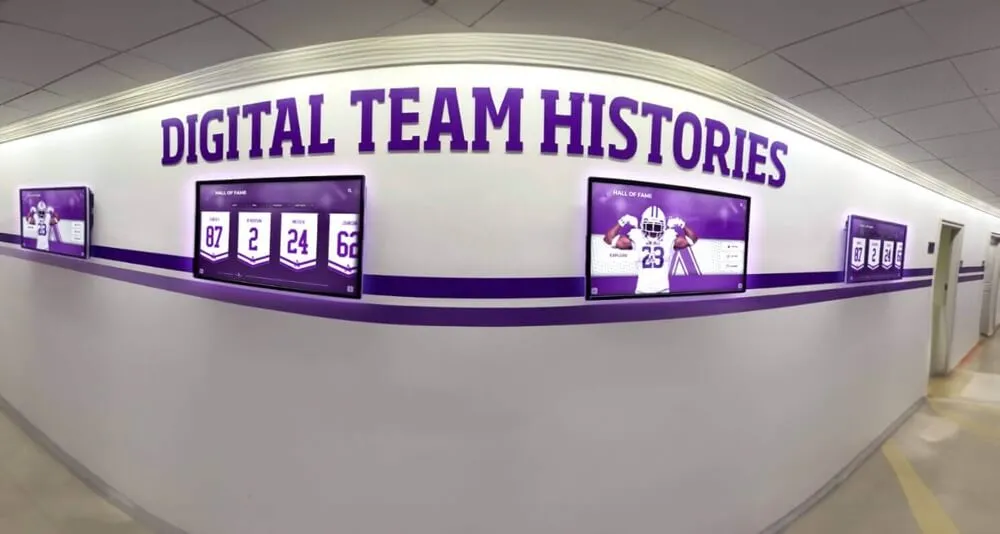
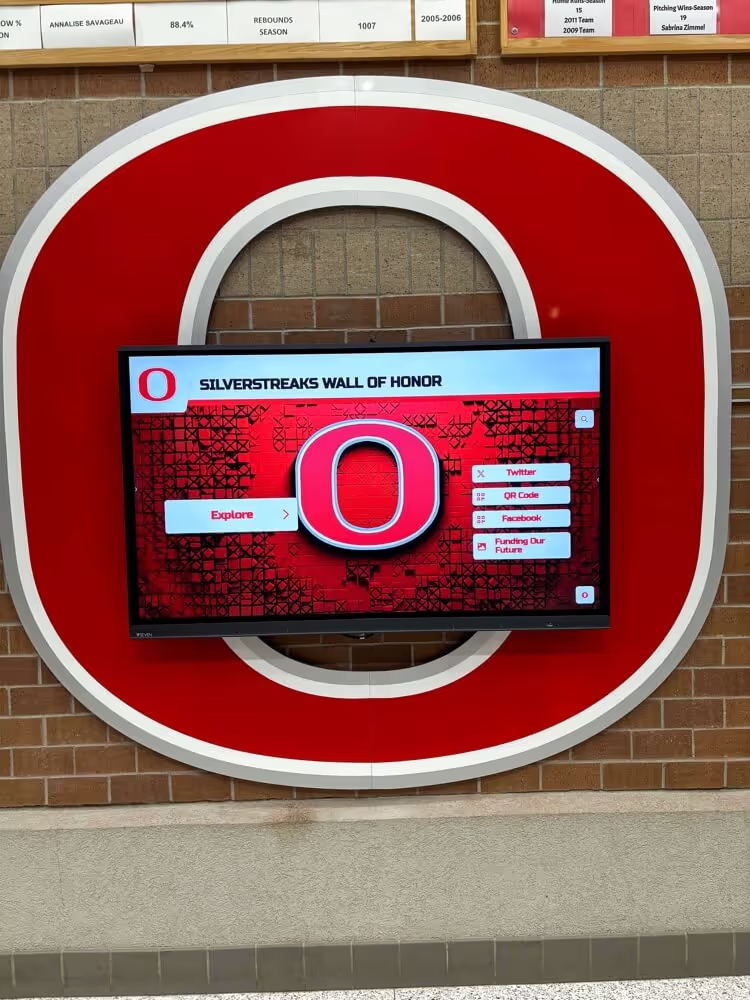
Modern schools showcase academic achievement through prominent displays that give graduation recognition lasting visibility beyond ceremonies
Understanding Latin Honors: The Traditional Academic Distinction
Latin honors represent the most widely recognized graduation distinction system in American education, with origins tracing back centuries to European university traditions.
What Are Latin Honors?
Latin honors (also called Latin distinctions or honors designations) are academic achievement recognitions conferred at graduation based on cumulative grade point average or class rank. These honors appear on diplomas, transcripts, and graduation programs, providing standardized markers of exceptional academic performance.
The Three Traditional Latin Honor Levels
American institutions typically recognize three Latin honor designations, listed from highest to lowest:
- Summa Cum Laude (“with highest praise” or “with highest honor”)
- Magna Cum Laude (“with great praise” or “with great honor”)
- Cum Laude (“with praise” or “with honor”)
These designations originated in European universities and were adopted by American institutions beginning in the 19th century. Harvard College introduced the system to American higher education in the 1870s, and the practice gradually spread to both universities and high schools nationwide.
Historical Context and Tradition
European Origins
The Latin honors system emerged from medieval European universities where Latin served as the universal language of scholarship. Academic ceremonies conducted entirely in Latin included graduation recognitions acknowledging students who demonstrated exceptional mastery of their studies.
American Adoption and Evolution
As American colleges established themselves in the 18th and 19th centuries, many adopted European academic traditions including Latin honors. The system provided standardized ways to distinguish exceptional graduates within each class, creating aspirational achievement targets that motivated academic excellence.
High schools began implementing Latin honors during the 20th century, adapting university traditions to secondary education contexts. Today, Latin honors remain widespread at both high school and university levels, though specific implementation varies significantly among institutions.

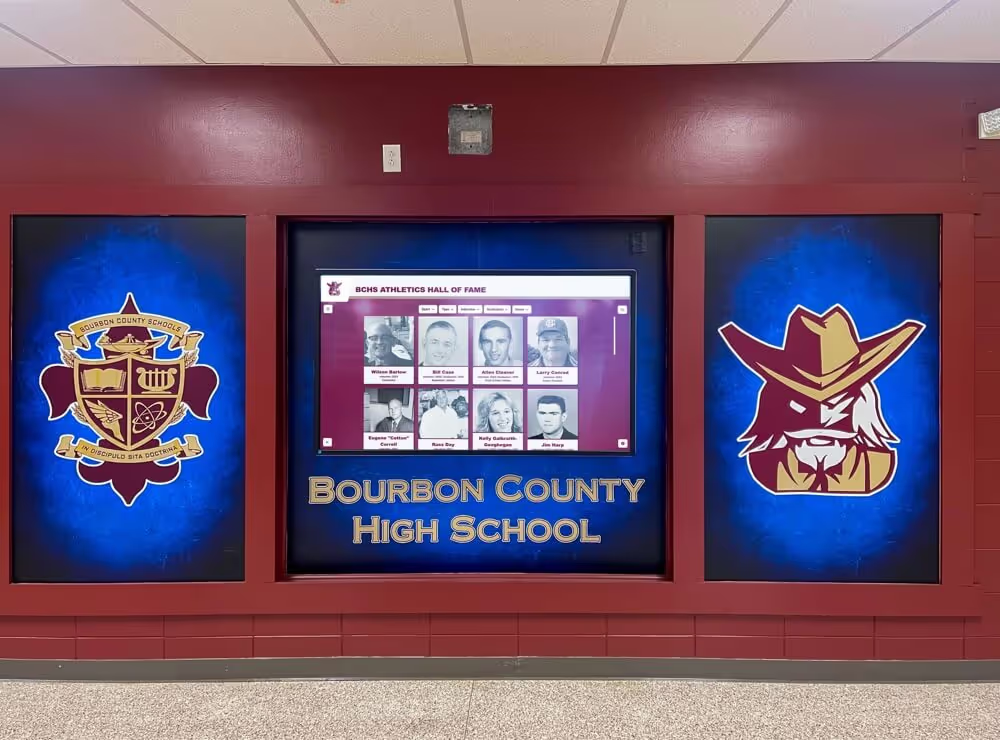
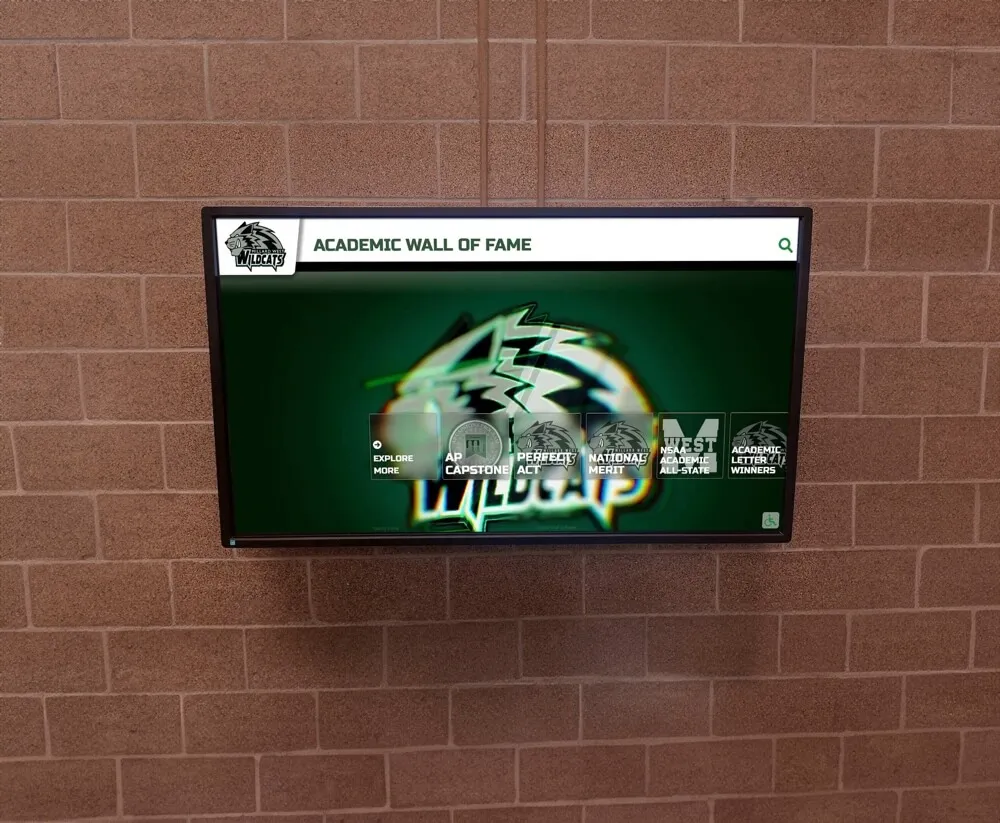
Digital displays enable detailed graduate profiles showcasing Latin honors alongside other academic achievements
How Latin Honors Are Calculated
Schools and universities employ various methodologies for determining Latin honor eligibility, creating significant variation in what these designations represent across institutions.
GPA-Based Systems
Most institutions use grade point average thresholds to determine Latin honors:
Common High School GPA Thresholds (Unweighted 4.0 Scale)
- Summa Cum Laude: 3.9-4.0 GPA
- Magna Cum Laude: 3.7-3.89 GPA
- Cum Laude: 3.5-3.69 GPA
Common High School Weighted GPA Thresholds
- Summa Cum Laude: 4.5+ GPA
- Magna Cum Laude: 4.25-4.49 GPA
- Cum Laude: 4.0-4.24 GPA
These thresholds vary considerably among schools based on local grading philosophies, student population characteristics, and institutional traditions. Some schools set thresholds ensuring specific percentages of graduates receive honors, while others establish absolute GPA requirements regardless of how many students qualify.
Percentage-Based Systems
Some institutions determine Latin honors based on class rank percentages rather than absolute GPA:
- Summa Cum Laude: Top 5% of graduating class
- Magna Cum Laude: Top 10% of graduating class
- Cum Laude: Top 20% of graduating class
Percentage-based systems ensure relatively consistent honor distribution across years even when overall class achievement levels fluctuate. However, they create more competitive dynamics where students compete directly against classmates rather than working toward absolute achievement standards.
University Latin Honors Calculations
Colleges and universities employ even more varied approaches:
- Some use cumulative GPA across all coursework
- Others calculate honors based only on major-specific courses
- Many exclude transfer credits from honors calculations
- Some require thesis or capstone project completion for highest honors
- Certain institutions limit honors to specific percentages of each graduating class
Students and families should verify their specific institution’s Latin honors policies rather than assuming standardized definitions, as significant variation exists even among similar schools.
Weighted vs. Unweighted GPA Considerations
The choice between weighted and unweighted GPA calculations significantly impacts Latin honors distribution.
Unweighted GPA Approach
- Treats all courses equally on 4.0 scale
- A grade equals 4.0 regardless of course difficulty
- Simpler calculation without subjective weighting decisions
- May discourage challenging course enrollment
- Creates higher concentration at 4.0 GPA ceiling
Weighted GPA Approach
- Adds extra points for honors, AP, IB, dual enrollment courses
- Rewards academic rigor and challenging coursework
- Enables GPAs exceeding 4.0
- Requires clear weighting policies
- More accurately reflects achievement given course difficulty
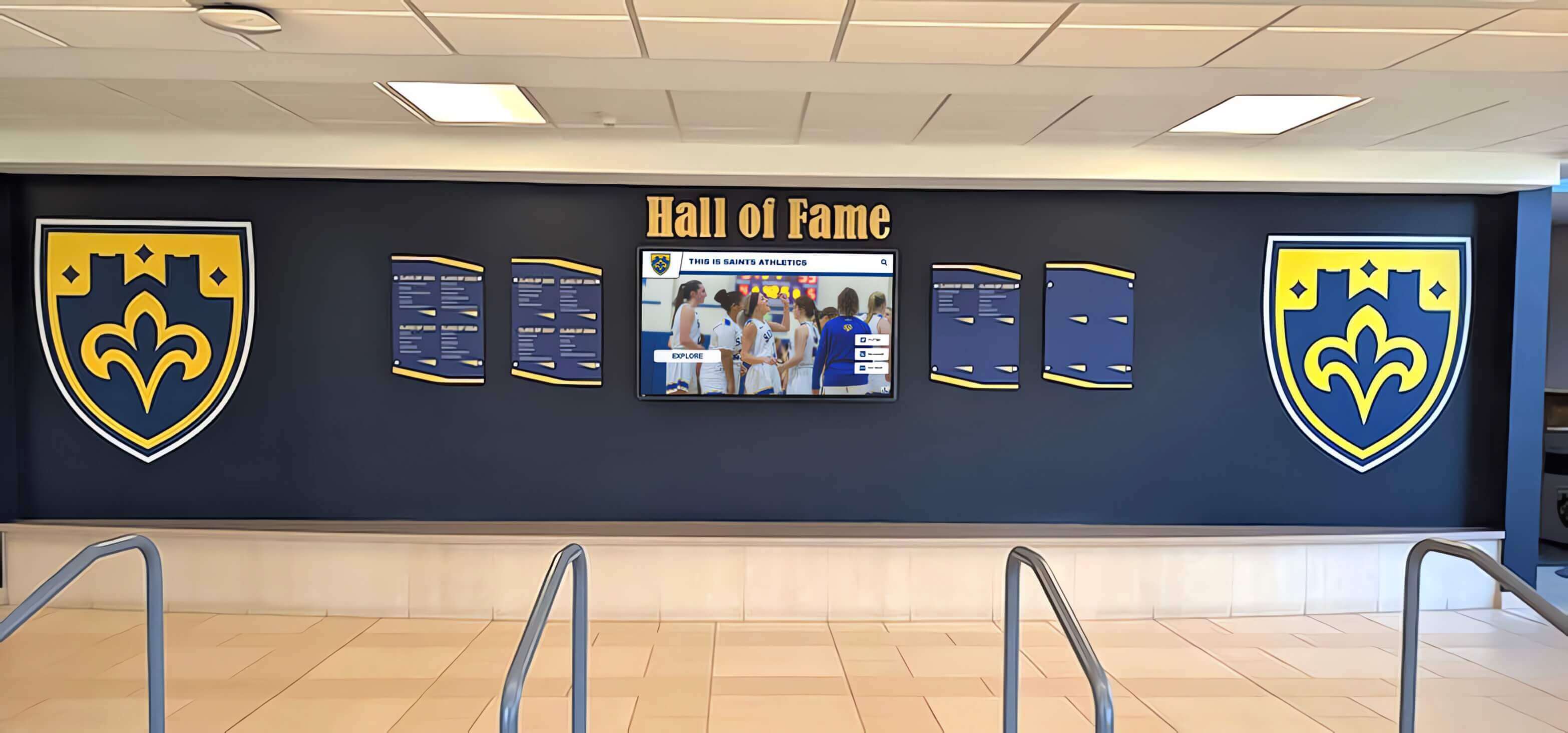
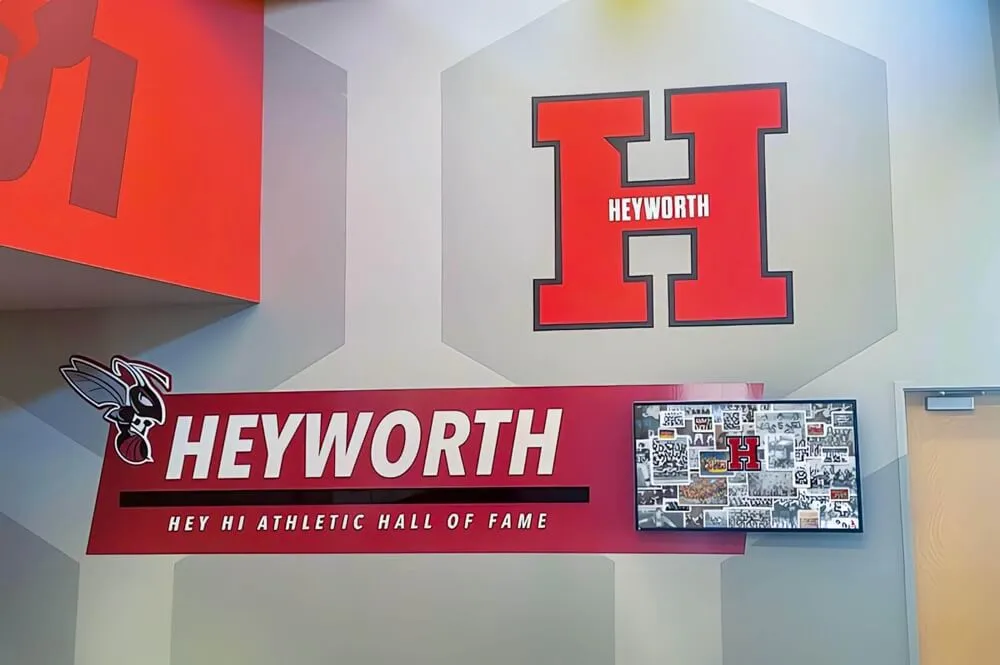
Prominent lobby displays ensure Latin honors recipients receive ongoing recognition beyond graduation ceremonies
Schools implementing comprehensive recognition systems often reference resources about understanding class rank and GPA to help students understand how academic calculations determine graduation honors.
Variations and Alternative Systems
Not all schools use traditional Latin honors terminology or three-tiered structures.
Alternative Designation Names
- “Highest Distinction,” “High Distinction,” “Distinction”
- “First Honors,” “Second Honors,” “Honors”
- “With High Honor,” “With Honor”
- Subject-specific honors (e.g., “Mathematics Honors Graduate”)
Extended Honor Levels Some schools implement four or more honor tiers:
- Summa Cum Laude
- Magna Cum Laude
- Cum Laude
- Cum Laude (lower threshold)
- Honor Graduate (participation recognition)
These variations reflect institutional preferences and student population characteristics, with schools adjusting systems to ensure appropriate percentages of graduates receive recognition while maintaining honor prestige and meaning.
Graduation Cords: Understanding the Colorful Distinctions
Beyond Latin honors appearing on diplomas, colored cords worn during graduation ceremonies provide visible recognition of various achievements, affiliations, and distinctions.
What Are Honor Cords and What Do They Signify?
Honor cords (also called graduation cords or honor ropes) are twisted cords worn around the neck during graduation ceremonies, typically featuring two or three intertwined strands that drape down the front of graduation gowns. These cords serve as visual markers identifying students who achieved specific academic milestones, participated in particular organizations, or earned specialized recognition.
Common Honor Cord Categories
Academic Achievement Cords
- Gold cords: Often signify Latin honors or high GPA achievement
- Silver cords: Frequently represent second-tier academic honors
- White cords: Sometimes indicate perfect attendance or specific academic distinctions
- School-specific colors: Match institutional colors for highest academic achievement
Honor Society Cords
- National Honor Society: Often gold and white, blue and gold, or school-specific colors
- Subject-specific honor societies: Varied colors based on national organization standards
- International honor societies: Distinctive colors established by organizational guidelines
Understanding what various cords represent helps families appreciate graduate accomplishments and enables schools to create comprehensive recognition systems. Resources about valedictorian and top academic achievement provide additional context for highest academic honors.

Interactive displays enable students and visitors to explore graduation achievement databases and honor cord meanings
Honor Cord Color Meanings and Standards
While no universal standard dictates cord color meanings across all institutions, certain conventions exist within American graduation traditions.
Traditional Academic Honor Cord Colors
Gold Honor Cords The most common academic achievement cord color, gold typically represents:
- Latin honors (any level)
- High GPA achievement (3.5+ or higher thresholds)
- National Honor Society membership
- Academic excellence and scholarly achievement
Many schools exclusively use gold cords for their highest academic honors, making gold the most prestigious and widely recognized graduation cord color.
Silver or White Honor Cords Often representing secondary academic distinctions:
- Second-tier Latin honors (Cum Laude at schools differentiating honor levels)
- Honor roll achievement
- Perfect or excellent attendance
- Academic improvement recognition
Red, White, and Blue Combinations Patriotic color combinations frequently signify:
- Student government leadership
- Civic engagement and service
- Citizenship awards
- Military or veteran recognition programs
Purple, Royal Blue, and Teal Cords These colors often indicate:
- Subject-specific honors (purple for creative arts, blue for communications)
- Community service achievement
- Leadership program completion
- School-specific recognition programs
Honor Society Cords and Regalia
National honor societies establish specific cord colors and regalia for member recognition during graduation.
National Honor Society (NHS) Cords Individual school chapters often determine NHS cord colors, resulting in variation:
- Gold and white twisted cords (common)
- Blue and gold combinations
- School colors with NHS designation
- Stoles or sashes instead of cords at some schools
Subject-Specific Honor Society Cords
Different academic disciplines maintain specialized honor societies with distinctive colors:
STEM Honor Societies
- Science National Honor Society: Often blue and gold
- Mu Alpha Theta (Mathematics): Blue and gold combinations
- Technology honor societies: Various colors based on chapter
Humanities Honor Societies
- National English Honor Society: Crimson and white
- Rho Kappa (Social Studies): Blue and gold
- World Language honor societies: Colors varying by language
Arts Honor Societies
- National Art Honor Society: Often gold with specific color accents
- Tri-M Music Honor Society: Varied based on chapter
Students participating in multiple honor societies may wear multiple cords, creating varied and colorful graduation regalia that visually represents diverse achievements.
Additional Graduation Regalia: Stoles, Medals, and Sashes
Beyond cords, graduates may wear other ceremonial items recognizing achievement and affiliation.
Graduation Stoles Longer fabric pieces worn over shoulders like scarves:
- Often designate honor society membership
- May represent cultural organizations
- Can indicate religious affiliations
- Sometimes recognize specific achievements or programs
Honor Medallions Metal medallions worn on ribbons around the neck:
- Often mark highest academic achievement levels
- May recognize specific competitions or awards
- Sometimes indicate valedictorian/salutatorian status
- Can represent organization leadership positions

Integrated recognition systems preserve graduation honors permanently while enabling unlimited honoree additions
Honor Cords vs. Stoles vs. Medals Understanding distinctions helps schools design appropriate recognition:
- Cords: Best for tiered academic achievement levels
- Stoles: Ideal for organization membership and affiliation
- Medals: Appropriate for highest individual distinctions
- Combined approach: Uses multiple regalia types for comprehensive recognition
Academic Achievement Recognition Beyond Latin Honors
While Latin honors and cords represent primary graduation recognition systems, schools acknowledge diverse academic accomplishments through various additional methods.
Valedictorian and Salutatorian Recognition
The highest individual academic honors recognize students graduating with top GPAs in their classes.
Valedictorian Designation The student graduating with the highest cumulative GPA receives valedictorian recognition:
- Traditional graduation speech opportunity
- Special recognition during ceremonies
- Designation on diploma and transcript
- Permanent school records and archives
- Often significant scholarship opportunities
When multiple students tie with identical highest GPAs, schools may designate multiple co-valedictorians or employ tiebreaker methodologies varying by institution. Resources about honor roll recognition and display provide additional context for celebrating top academic achievers.
Salutatorian Designation The second-highest GPA earner receives salutatorian recognition:
- Often delivers greeting or welcoming graduation address
- Receives similar ceremonial recognition as valedictorian
- Carries significant prestige and college application value
- Recorded permanently in school achievement records
Schools implementing comprehensive student recognition programs ensure valedictorian and salutatorian honors receive appropriate celebration alongside other academic achievements.
Departmental and Subject-Specific Graduation Awards
Academic department awards recognize exceptional achievement within individual subject areas.
Common Departmental Award Categories
Core Academic Subjects
- Outstanding Achievement in Mathematics
- Excellence in English Language Arts
- Science Department Recognition
- Social Studies Distinguished Scholar
- World Language Proficiency Awards
Specialized Disciplines
- Fine Arts Excellence Awards
- Technology and Computer Science Recognition
- Career and Technical Education Achievement
- Physical Education and Health Distinction
- Interdisciplinary Studies Awards
These subject-specific recognitions provide opportunities for students to receive graduation acknowledgment even when they don’t achieve overall highest GPA levels. Students excelling in particular areas receive deserved recognition for specialized achievement and demonstrated expertise.
Special Recognition Categories
Beyond traditional academic metrics, many schools recognize additional achievement dimensions at graduation.
Achievement Growth Recognition
- Most Improved Student awards
- Academic Progress recognition
- Overcoming obstacles acknowledgment
- Growth trajectory honors
Character and Leadership Awards
- Citizenship recognition
- Service and community engagement awards
- Leadership achievement honors
- Character distinction awards
- Positive influence recognition
Specialized Program Completion
- International Baccalaureate Diploma recognition
- Career pathway completion certificates
- Dual enrollment or early college program recognition
- Specialized academy or magnet program distinction
- Advanced technical certification acknowledgment
Schools designing comprehensive graduation recognition should create multiple pathway opportunities ensuring diverse student achievement receives appropriate celebration during ceremonies and through permanent records.
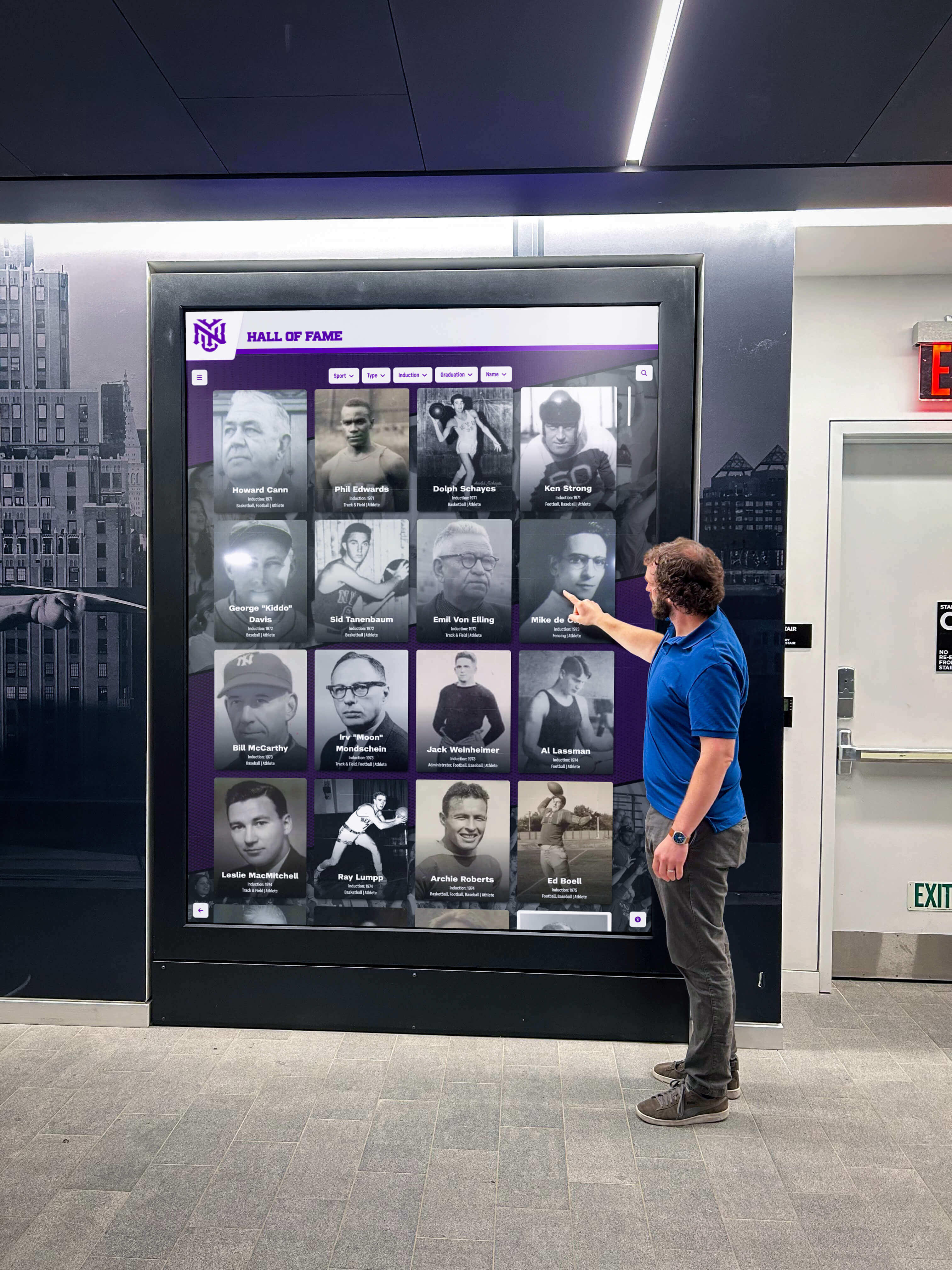
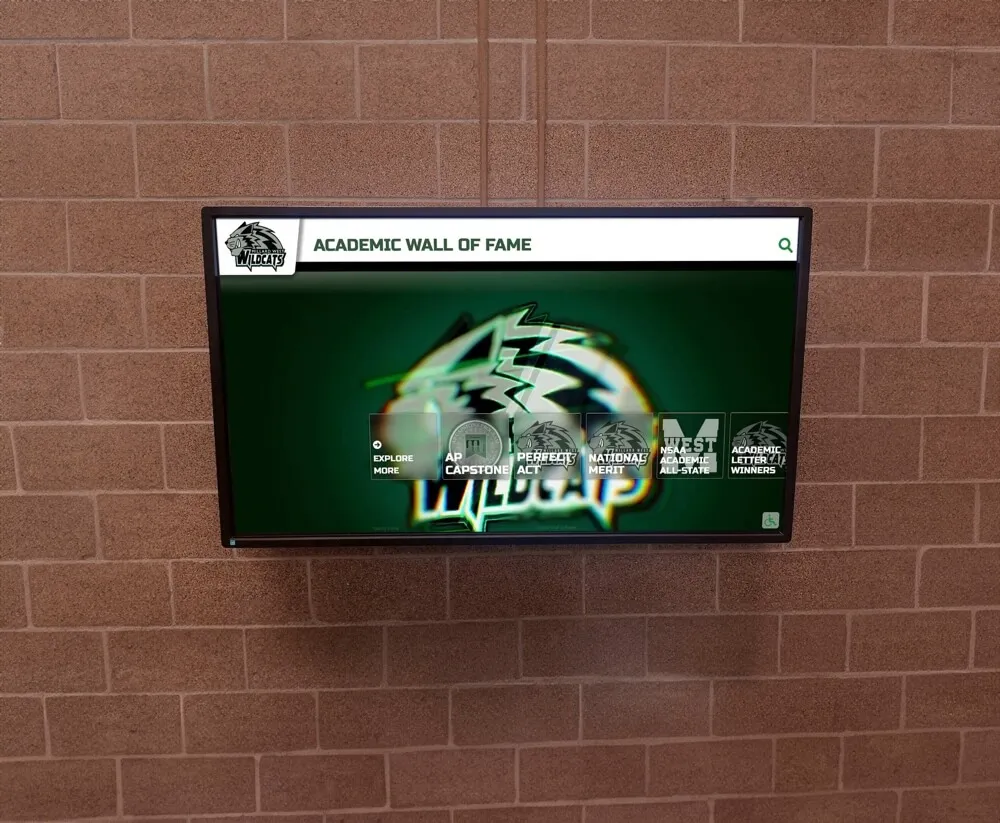
Interactive displays provide engaging ways for families and community members to explore graduation achievement histories
GPA Requirements and Calculation Considerations
Understanding how schools calculate grade point averages clarifies how students can work toward graduation recognition goals.
Weighted vs. Unweighted GPA Systems
The most fundamental distinction in academic achievement calculation involves whether schools weight course difficulty.
Unweighted GPA Systems (4.0 Scale)
Traditional unweighted systems treat all courses equally:
- A grade = 4.0 points regardless of course level
- B grade = 3.0 points across all courses
- C grade = 2.0 points uniformly
- Maximum achievable GPA is 4.0
Advantages of Unweighted Systems
- Simplicity and transparency in calculation
- Equal treatment of all academic achievement
- No subjective decisions about course difficulty weighting
- Easier comparison across different schools
- Reduces gaming of system through course selection
Disadvantages of Unweighted Systems
- Doesn’t reward rigorous coursework selection
- May discourage students from challenging themselves
- Treats AP/IB courses same as regular courses
- Can advantage students taking easier schedules
- Doesn’t reflect course difficulty variation
Weighted GPA Systems (5.0+ Scale)
Weighted systems add extra points for advanced courses:
- Regular course A = 4.0 points
- Honors course A = 4.5 points
- AP/IB course A = 5.0 points
- Enables GPAs exceeding 4.0
Advantages of Weighted Systems
- Rewards academic rigor and challenging coursework
- Encourages students to take advanced classes
- More accurately reflects achievement considering difficulty
- Prevents grade-conscious students from avoiding challenges
- Provides differentiation beyond perfect grades
Disadvantages of Weighted Systems
- More complex calculation methodology
- Requires clear policies about which courses receive weighting
- Can disadvantage students at schools offering fewer advanced courses
- May create competitive pressure and course selection gaming
- Harder to compare GPAs across different schools
Schools must communicate clearly which GPA system determines graduation honors, as this fundamental choice significantly impacts recognition distribution and student strategic planning.
Course Inclusion and Exclusion Policies
Not all courses necessarily count toward graduation honor GPA calculations.
Typically Included Courses
- All core academic subjects (English, math, science, social studies)
- World language courses
- Advanced Placement and International Baccalaureate courses
- Honors-level coursework
- Most academic electives
Sometimes Excluded Courses
- Physical education classes
- Teacher aide or office assistant periods
- Pass/fail graded courses
- Independent study in some contexts
- Some career-technical courses depending on school policy
Variable Treatment
- Dual enrollment and early college courses (policies vary widely)
- Online coursework from external providers
- Summer school courses
- Credit recovery program grades
- Middle school high school credit courses
Clear, written policies documented in student handbooks prevent confusion and disputes about graduation honor calculations. Schools should communicate these policies to incoming freshmen so students understand from the beginning which courses impact their graduation recognition prospects.
Transfer Student Considerations
Students changing schools during high school require special consideration in graduation honor calculations.
Common Transfer Student Policies
Full Integration Approach
- All courses from previous schools count toward GPA
- Transcripts converted to current school’s grading scale
- Full eligibility for all graduation honors
- Advantage: Recognizes complete high school achievement
- Challenge: Comparing different grading systems fairly
Current School Only Approach
- Only courses completed at current school count toward honors
- Minimum years of attendance required for honor eligibility
- Advantage: Ensures fairness using consistent grading standards
- Challenge: May disadvantage highly mobile students
Hybrid Approaches
- Minimum residency requirement (often 2 years) for eligibility
- Honors calculated on current school courses but recognition of transfer achievement
- Special consideration for unique circumstances
- Case-by-case evaluation for exceptional situations
Schools should establish clear transfer student policies well in advance and communicate them during enrollment processes so families understand graduation recognition implications before making school choice decisions.
Merit Scholarship Connections
Graduation recognition directly influences scholarship opportunities.
Scholarship Types Linked to Graduation Honors
Institutional Scholarships Many colleges offer automatic scholarships for:
- Latin honors graduates
- Valedictorians and salutatorians
- Students exceeding specific GPA thresholds
- Honor society members
- Academic award recipients
Local Community Scholarships Community organizations frequently prioritize:
- High academic achievers with graduation recognition
- Students demonstrating consistent excellence
- Recipients of specific school awards
- Graduates with combined academic and service achievement
Understanding connections between merit-based scholarships and academic recognition helps students appreciate the tangible value of working toward graduation honors.

Mobile access enables graduates and families to explore recognition from anywhere, extending visibility beyond campus
External Merit Scholarships National scholarship programs often require or prioritize:
- Minimum GPA thresholds qualifying for Latin honors
- Class rank positioning (top 10%, top 5%, etc.)
- Specific honor society membership
- Documented graduation recognition
The cumulative scholarship value for students earning high graduation recognition can reach tens or hundreds of thousands of dollars across four undergraduate years, providing substantial return on academic investment during high school.
Displaying and Preserving Graduation Recognition
Traditional graduation recognition—diplomas stored in closets, yearbook photos, and brief ceremony acknowledgments—provides limited ongoing visibility for achievement that represents years of dedication.
Challenges with Traditional Recognition Approaches
Physical recognition systems face inherent limitations restricting their effectiveness and longevity.
Space Constraints
- Trophy cases fill quickly with decades of graduate names
- Wall space limits how many honorees receive permanent display
- Physical plaques deteriorate over time
- Adding new graduates requires removing historical recognition
- Limited room for comprehensive achievement information
Engagement Limitations
- Static plaques show only names and graduation years
- No ability to share graduate stories or post-graduation achievements
- Graduates rarely return to campus to see recognition
- Current students may not engage with outdated displays
- Families and alumni worldwide cannot access recognition
Maintenance Challenges
- Physical displays require regular cleaning and repair
- Updating information means replacing or modifying hardware
- Rearranging recognition necessitates physical work
- Costs accumulate for ongoing maintenance
- Aging displays look less professional over time
These limitations mean that graduation recognition—representing significant student achievement—often fades from visibility soon after ceremonies conclude, missing opportunities for ongoing celebration and inspiration.
Modern Digital Recognition Solutions
Schools increasingly implement digital recognition displays that eliminate traditional limitations while providing enhanced engagement and visibility.
Unlimited Recognition Capacity
Digital platforms like Rocket Alumni Solutions enable unlimited graduate showcase:
- Single display presents every honor graduate from school history
- No need to remove historical recognition when adding current graduates
- Equal visibility for all honorees regardless of graduation year
- Comprehensive archives preserving institutional traditions permanently
- Ability to feature Latin honors, cord recognition, awards, and achievements equally
Interactive Features and Rich Profiles
Digital displays transform simple name plaques into engaging profiles:
- Detailed information about graduation honors and Latin distinctions
- Photos from graduation ceremonies and academic achievements
- Lists of awards, scholarships, and college destinations
- Post-graduation updates showing career successes
- Video segments from graduation speeches or interviews
- Searchable databases enabling visitors to find specific years or students
Remote Management and Easy Updates
Cloud-based systems simplify ongoing administration:
- Add new graduates each year from any internet-connected device
- Update information or add photos after graduation
- Schedule content publishing coordinating with graduation ceremonies
- No physical maintenance or display reorganization required
- Alumni worldwide can access recognition online from anywhere
Solutions like digital recognition displays provide professional systems giving graduation recognition the permanent, visible celebration it deserves while inspiring current students with examples of achievement.
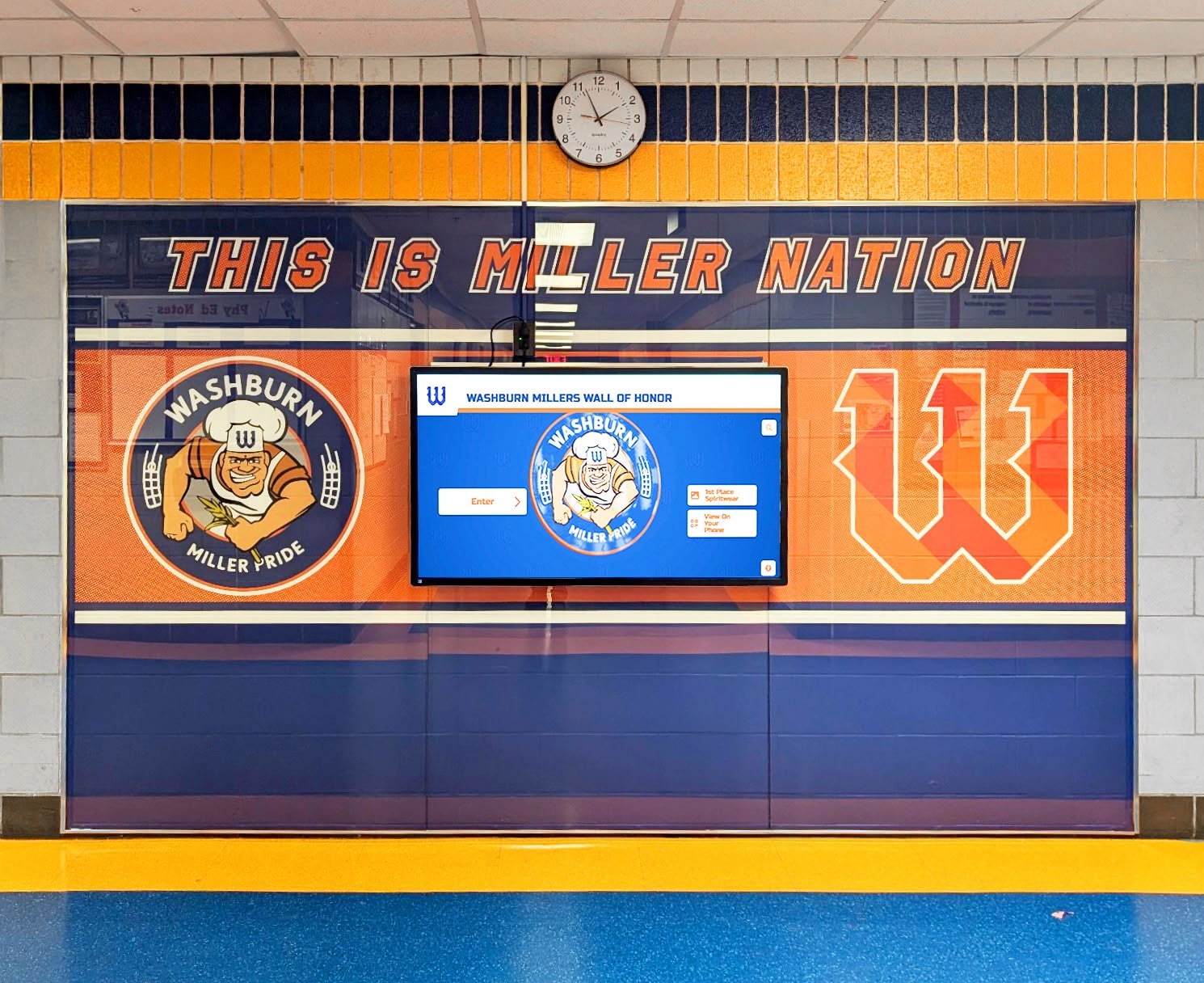
Hallway displays ensure graduation recognition receives ongoing daily visibility rather than remaining hidden in archives
Benefits of Prominent Recognition Display
Making graduation recognition permanently visible throughout school facilities creates multiple positive effects.
Student Motivation and Aspiration
When current students regularly see graduation honor recognition:
- Achievement becomes aspirational and culturally valued
- Students understand concrete goals they can work toward
- Visible standards clarify what excellence looks like
- Peer recognition examples inspire effort and dedication
- Academic culture strengthens throughout student populations
Family and Community Engagement
Accessible recognition enables:
- Families to celebrate graduate achievements with extended relatives
- Alumni to revisit their accomplishments and maintain school connections
- Community members to see institutional academic excellence
- Prospective families to understand school achievement culture
- Social media sharing that extends recognition reach
Institutional Identity and Culture
Prominent academic recognition:
- Signals that intellectual achievement receives priority
- Balances athletic recognition with academic celebration
- Creates institutional traditions strengthening community
- Provides evidence of educational quality and standards
- Builds pride among current and former community members
Schools implementing comprehensive graduation recognition displays report that graduates and families express significantly higher satisfaction when achievements remain visible and accessible long after ceremonies conclude.
Planning Effective Graduation Recognition Programs
Schools establishing or improving graduation recognition benefit from systematic approaches ensuring fair, meaningful, and motivating systems.
Establishing Clear Recognition Criteria
Transparent policies build trust and enable students to understand achievement pathways.
Documentation Requirements
Effective policies include:
- Written criteria defining each recognition level
- Clear specification of GPA calculation methodology (weighted/unweighted)
- Explicit course inclusion and exclusion lists
- Transfer student eligibility policies
- Tiebreaker procedures when applicable
- Timeline for honor determination and announcement
Communication Standards
Clear communication ensures understanding:
- Policies shared with students and families starting freshman year
- Annual reminders about graduation recognition criteria
- Available counselor consultation about academic planning
- Written documentation preventing disputes
- Updates provided when policies change
Schools should publish graduation recognition policies in student handbooks, websites, and orientation materials ensuring transparency from the moment students begin high school.
Timeline Management for Recognition Programs
Systematic timelines ensure smooth recognition implementation.
Annual Recognition Process
Fall Semester (August - December)
- Review senior transcripts and current GPA standings
- Remind students of final semester grade importance
- Order graduation honor cords and regalia
- Plan graduation ceremony logistics
- Prepare recognition announcements
Spring Semester (January - May)
- Calculate final GPAs after coursework completion
- Determine final graduation honors for each student
- Notify students privately before public announcements
- Order personalized recognition items (stoles, medals)
- Finalize graduation ceremony programs
- Prepare permanent recognition displays
Post-Graduation (June - August)
- Update digital and physical recognition displays
- Add graduates to school historical records
- Track college destinations for future recognition
- Maintain alumni connection systems
- Evaluate recognition program effectiveness
Systematic processes ensure recognition proceeds smoothly while preventing last-minute complications that can diminish ceremony quality or cause student disappointment.
Creating Equitable Recognition Opportunities
Fair recognition systems provide achievement opportunities across diverse student populations.
Multiple Recognition Pathways
Comprehensive programs should include:
- Absolute achievement recognition (GPA-based honors)
- Relative improvement awards (growth and progress)
- Subject-specific excellence (departmental recognition)
- Character and leadership honors
- Service and community engagement recognition
- Specialized program completion acknowledgment
Multiple pathways ensure recognition opportunities exist for students with varied strengths, backgrounds, and starting points, creating inclusive academic culture that motivates excellence throughout populations.
Addressing Equity Considerations
Schools should ensure:
- Fee-free access to recognition opportunities
- Equal honor society and advanced course availability
- Support systems helping all students access rigorous coursework
- Recognition criteria that don’t systematically advantage specific subgroups
- Awareness of how policies impact diverse student populations
Regular evaluation of recognition program demographics helps schools identify and address systematic barriers preventing equitable achievement access.
Graduation Recognition Beyond the Ceremony
The most effective recognition extends past single graduation events into lasting acknowledgment and celebration.
Permanent Recognition Display Strategies
Physical Campus Recognition
High-visibility display locations:
- Main entrance areas welcoming visitors with immediate achievement visibility
- School lobbies where students and families gather regularly
- Prominent hallways with consistent daily foot traffic
- Library or academic center areas emphasizing scholarly achievement
- Administration office areas where community members visit
Digital and Online Recognition
Extended reach through technology:
- School websites featuring graduate achievement databases
- Social media celebration highlighting individual honorees
- Email newsletters announcing recognition
- Digital displays with QR codes enabling mobile access
- Online alumni directories connecting past and present
Comprehensive recognition combines physical campus visibility with digital accessibility, ensuring achievement celebration reaches maximum audiences while remaining accessible to alumni worldwide.
Connecting Graduates with Current Students
Recognition systems can facilitate meaningful connections between honored graduates and current students working toward their own goals.
Mentorship Opportunities
- Alumni return to share experiences and advice
- Virtual connections between honor graduates and current students
- Career exploration featuring successful graduates
- Panel discussions with recently graduated honors students
- Scholarship and internship opportunities from alumni
Inspiration and Motivation
- Current students see concrete examples of achievable success
- Understanding that peers achieved recognition motivates effort
- Visible pathways from current student to recognized graduate
- Stories showing diverse routes to achievement
- Normalized expectation that excellence is attainable
These connections strengthen school communities while providing tangible benefits for both current students and returning alumni who value ongoing institutional relationships.
Post-Graduation Achievement Tracking
The most compelling recognition systems update as graduates achieve success beyond high school.
Alumni Achievement Updates
Enhance recognition by adding:
- College attendance and graduation information
- Advanced degrees and professional certifications
- Career achievements and professional roles
- Notable accomplishments and recognition
- Continued community service and leadership
Digital recognition systems enable ongoing updates that static plaques cannot accommodate, creating living recognition that grows richer as graduates progress through their lives and careers. This ongoing acknowledgment deepens alumni connections while providing current students with inspiring examples of long-term success trajectories.
Common Questions About Graduation Recognition
Students, families, and educators frequently seek clarification about graduation recognition systems.
What GPA Do You Need for Latin Honors?
Latin honors GPA requirements vary significantly among institutions. Common high school thresholds include:
- Summa Cum Laude: 3.9-4.0 unweighted or 4.5+ weighted
- Magna Cum Laude: 3.7-3.89 unweighted or 4.25-4.49 weighted
- Cum Laude: 3.5-3.69 unweighted or 4.0-4.24 weighted
Students should verify their specific school’s policies as thresholds differ based on institutional grading philosophy, student population characteristics, and local traditions. Some schools use percentage-based systems (top 5%, 10%, 20%) rather than absolute GPA thresholds.
How Many Honor Cords Can You Wear at Graduation?
Most schools allow students to wear multiple honor cords representing different achievements, though specific policies vary. Common approaches include:
- Unlimited cords with students wearing all earned recognition
- Practical limits based on appearance (typically 3-5 cords maximum)
- School-imposed maximums to maintain ceremony uniformity
- Priority systems when students qualify for more cords than practical to wear
Students earning numerous recognitions might wear combinations of cords, stoles, and medals rather than exclusively cords to represent diverse achievements appropriately.
Do Latin Honors Appear on Diplomas?
Yes, Latin honors typically appear on both diplomas and official transcripts. The honors designation becomes part of permanent academic records, appearing wherever graduation credentials are documented. This permanent notation provides lasting recognition that colleges, employers, and graduate schools can verify throughout graduates’ lives.
How Do Colleges View High School Latin Honors?
College admissions officers consider high school Latin honors as supporting evidence of academic achievement within holistic application reviews. While honors alone don’t determine admissions decisions, they provide:
- Validation of sustained academic excellence
- Context for GPA within school’s grading system
- Evidence of achievement relative to peers
- Additional credential strengthening overall applications
Latin honors carry particularly strong weight when accompanied by rigorous coursework, strong standardized test scores, and other achievement indicators creating comprehensive profiles of academic capability.
Should Schools Eliminate Class Ranking and Latin Honors?
This question generates significant debate within educational communities. Arguments include:
For Maintaining Rankings and Honors
- Provides clear achievement recognition
- Creates aspirational goals motivating excellence
- Offers standardized comparison for college admissions
- Maintains valued traditions
- Celebrates top achievers appropriately
For Eliminating or Modifying Systems
- Reduces unhealthy competitive pressure
- Encourages course selection based on interest rather than GPA protection
- Addresses grade inflation concerns
- Creates more inclusive achievement culture
- Reflects values emphasizing learning over ranking
Many schools seek middle ground approaches maintaining recognition while reducing competitive pressure—such as expanding honors eligibility, celebrating diverse achievement types, and emphasizing growth alongside absolute achievement.
Preserve Graduation Recognition Permanently
Discover how modern digital recognition displays enable unlimited graduate showcase, interactive exploration, and permanent celebration of Latin honors, academic achievements, and graduation excellence. Give your graduates the lasting recognition they deserve through professional systems that keep traditions alive for current students while enabling alumni worldwide to revisit their accomplishments.
Explore Recognition SolutionsConclusion: Celebrating Graduation Achievement Meaningfully
Graduation recognition—from Latin honors designations to colorful ceremonial cords—represents more than temporary acknowledgment during single ceremonies. These systems celebrate years of academic dedication while establishing institutional cultures that value and motivate intellectual excellence. When schools approach graduation recognition thoughtfully, establishing transparent policies, providing clear communication about achievement pathways, and creating permanent recognition extending beyond ceremonies, these traditions become powerful expressions of educational values that resonate throughout students’ lives.
The strategies explored in this guide provide frameworks for understanding and implementing graduation recognition systems that honor achievement appropriately while maintaining healthy academic cultures. From Latin honors calculations to digital recognition displays providing permanent visibility, these approaches transform graduation recognition from fleeting ceremonies into lasting traditions woven throughout institutional culture.
Modern schools increasingly recognize that preserving graduation memories requires more than yearbook pages and stored diplomas. Digital recognition displays provide unlimited capacity to showcase every honor graduate with detailed profiles, graduation photos, achievement documentation, and post-graduation success stories—creating interactive experiences that keep traditions alive for current students while enabling alumni to revisit their accomplishments from anywhere.
As you plan your institution’s graduation recognition approach or work toward your own graduation honors, remember: the goal isn’t simply identifying top achievers—it’s creating comprehensive systems that celebrate intellectual excellence while building traditions that strengthen communities, inspire current students, and create connections spanning generations. With thoughtful planning, transparent processes, and appropriate recognition technology, graduation traditions become powerful expressions of what educational communities value most about academic achievement.
Ready to transform your graduation recognition program? Explore how digital recognition solutions can help you celebrate Latin honors, academic achievements, and graduation excellence with professional presentations that preserve memories long after ceremonies conclude.