



Every May, schools and universities around the country prepare to send off graduating classes—and with them comes one of the most meaningful conversations in education: who earned what, and how should those achievements be recognized? Graduation honors exist precisely to answer those questions, giving institutions a structured language for distinguishing levels of academic excellence and giving graduates a permanent record of their hard work.
Yet the terminology can be confusing. What exactly separates a student who graduates cum laude from one who graduates magna cum laude? How does a high school honor roll relate to college Latin honors? And once the ceremony is over, how do schools ensure these distinctions remain visible—to current students, future enrollees, and proud alumni—rather than disappearing into a storage box?
This guide walks through every major graduation honors tier, explains the GPA thresholds and selection criteria schools use, and explores practical display ideas that make recognition lasting rather than fleeting.
From honor roll certificates handed to middle schoolers through departmental distinction conferred at doctoral ceremonies, graduation honors form a continuous thread connecting academic achievement to community recognition. Understanding the full landscape of these tiers helps administrators design programs that are fair, transparent, and genuinely motivating.

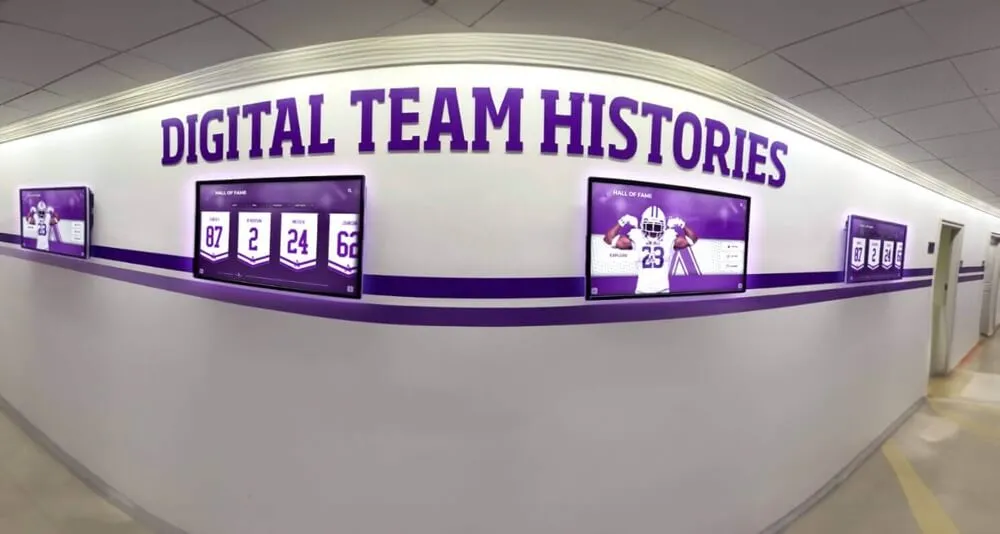
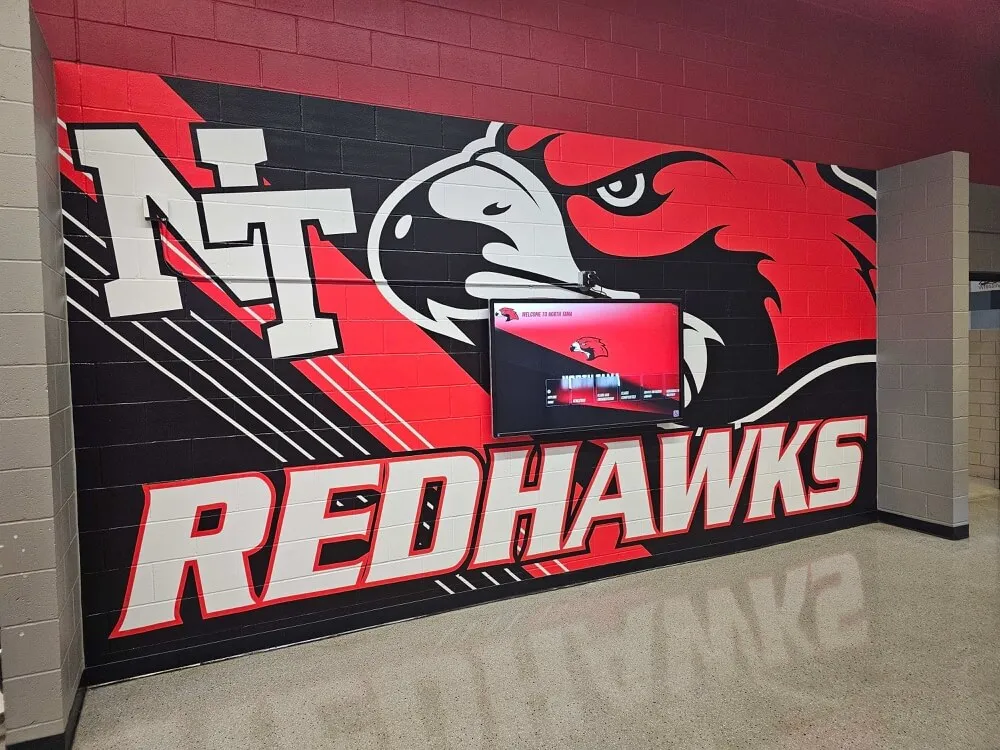
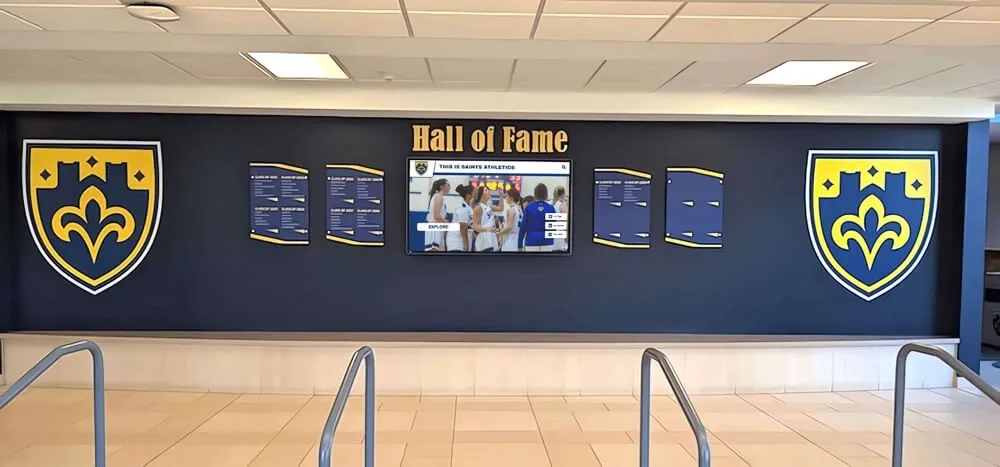
A permanent wall of honor gives graduation achievements lasting visibility long after ceremonies conclude
What Are Graduation Honors?
At the most basic level, graduation honors are formal designations awarded to students who meet or exceed specific academic thresholds by the time they complete a degree or program. They serve several interconnected purposes:
- Recognizing sustained effort: Honors reflect years of consistent academic commitment, not a single strong semester
- Differentiating achievement: Tiered systems let schools acknowledge gradations of excellence rather than a simple pass/fail distinction
- Motivating future students: Visible honor displays inspire younger students to aim higher
- Providing documentation: Honor designations appear on transcripts, diplomas, and permanent records that follow graduates into careers and graduate school applications
The specific structures vary significantly between high school and higher education, and even between individual institutions within those levels. What remains constant is the underlying purpose: attaching permanent, credible recognition to exceptional academic work.
High School Graduation Honors
High schools use several overlapping recognition systems, each measuring achievement in a slightly different way.
Honor Roll
The honor roll is the most widespread academic recognition system at the secondary level. Most schools maintain multiple tiers:
High Honor Roll (or Principal’s List)
- Typically requires a GPA of 4.0 on an unweighted scale, or equivalent to straight A grades
- Signals consistent excellence across all subjects, not just a single course
- Often published publicly each semester, creating ongoing recognition opportunities
Honor Roll
- Generally requires a GPA in the 3.5–3.99 range (A/B average)
- Broader than High Honors, acknowledging strong overall performance
- Some schools publish names in local newspapers or on school websites
Merit Roll
- Covers the 3.0–3.49 range at many schools, though thresholds vary
- Recognizes solid academic performance and encourages continued improvement
Sustained multi-year participation—graduating having made the honor roll every semester across all four years—is itself often recognized with a special award or diploma notation. For hall of fame selection criteria that inform multi-year recognition programs, schools increasingly look at consistent performance over time rather than single-year peaks.
Valedictorian and Salutatorian
The valedictorian is the student graduating with the highest cumulative GPA in the class; the salutatorian holds the second-highest standing. These designations carry special ceremony roles—traditionally, the valedictorian delivers a farewell address and the salutatorian opens graduation ceremonies.
Key considerations for schools managing these honors:
- Weighted vs. unweighted GPA: Most modern high schools use weighted GPAs that assign additional points for AP, IB, or honors coursework. Policies must be transparent and communicated from freshman year
- Multiple valedictorians: When several students tie for the top GPA, many schools now recognize all of them as co-valedictorians rather than employing tiebreakers
- Transfer student eligibility: Clear policies about how grades from previous schools factor in prevent disputes and ensure fairness
National Honor Society Recognition
NHS membership is one of the most prestigious high school recognitions precisely because it extends beyond GPA. The four pillars of selection—scholarship, service, leadership, and character—mean that NHS graduates earned recognition on dimensions that transcend grade point averages alone.
NHS membership at graduation is typically noted in ceremony programs and printed on diplomas or honor cords. Schools with strong NHS chapters often maintain dedicated display spaces celebrating inducted members by graduation year.

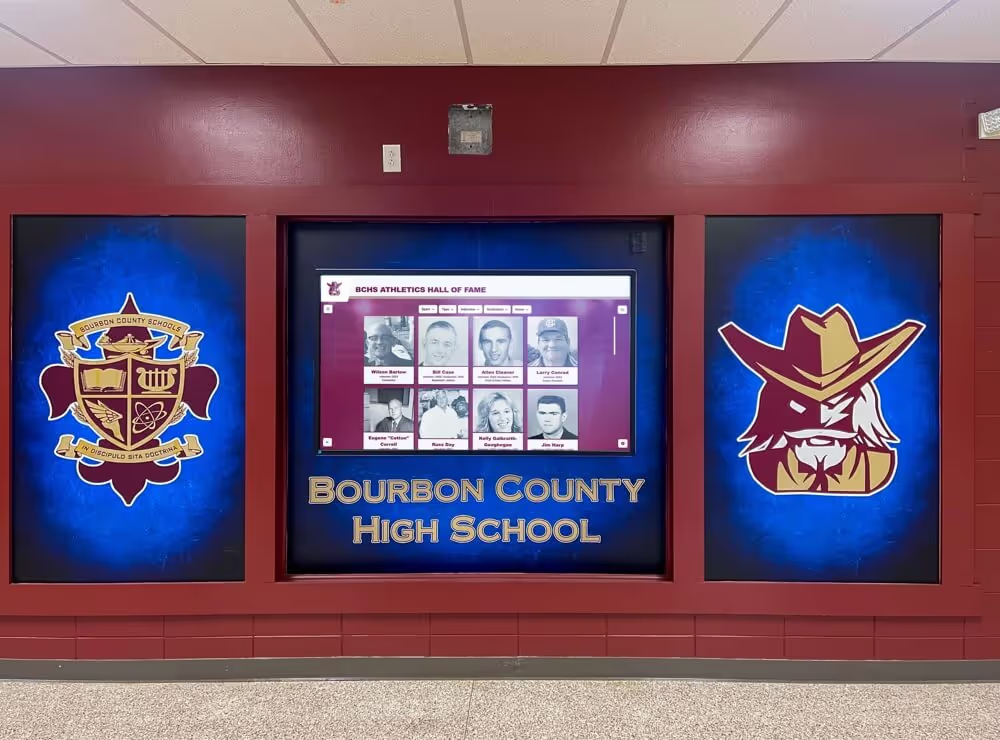
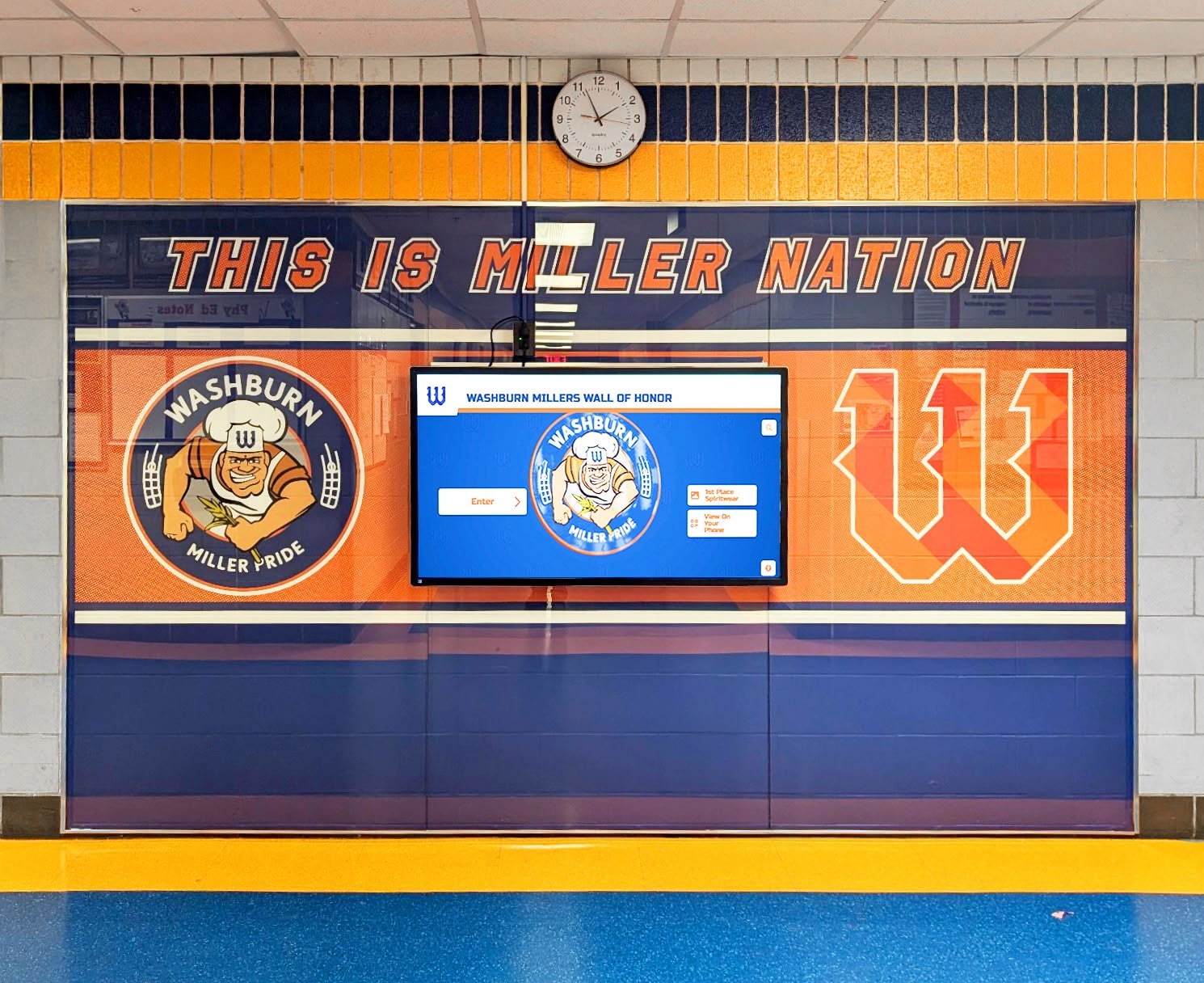
Individual recognition cards create personal connections between achievement and identity, making honor roll participation feel meaningful
Advanced Placement and IB Program Honors
The College Board’s AP Scholar program provides a standardized national recognition framework:
- AP Scholar: Scores of 3 or higher on three or more AP exams
- AP Scholar with Honor: Average score of at least 3.25 across all AP exams, with 3 or higher on four or more
- AP Scholar with Distinction: Average of 3.5 or higher on all AP exams, with 3 or higher on five or more
- National AP Scholar: Average of 4 or higher on all AP exams, with 4 or higher on eight or more
International Baccalaureate graduates receive diploma distinction based on total points earned across the IB scoring system, with 40+ points (out of 45 maximum) typically recognized as exceptional achievement.
These designations are particularly valuable because they are externally validated by national organizations, giving them credibility beyond any single school’s internal standards.
College and University Graduation Honors
Higher education honors systems tend to be more formalized and internationally recognizable than their high school counterparts. The Latin honors system dominates American college graduation recognition.
Latin Honors: Cum Laude, Magna Cum Laude, and Summa Cum Laude
Latin honors designations are the most prestigious academic recognition most college graduates can earn. For a complete breakdown of these tiers and their historical origins, this detailed guide to Latin honors rankings covers the full history and how institutions determine thresholds.
Here is how they typically break down:
Cum Laude (“With Praise”)
- Usually awarded to students graduating with a GPA of approximately 3.5–3.69
- The entry point for Latin honors recognition
- Graduates receive this designation on their diploma and transcript
- Recognized during the graduation ceremony, typically with different honor cords or stoles
Magna Cum Laude (“With Great Praise”)
- Typically requires a GPA of approximately 3.7–3.89
- A significant distinction placing graduates in the upper academic tier
- Recognized more prominently in ceremony programs and regalia
Summa Cum Laude (“With Highest Praise”)
- The highest Latin honor, generally requiring a 3.9 GPA or higher
- Often reserved for the top 1–5% of the graduating class, depending on institutional policy
- Carries the most significant distinction in academic record documentation
Why Thresholds Vary
Unlike AP Scholar designations, which use nationally standardized cutoffs, Latin honors thresholds are set by individual institutions. A university known for grade deflation might award summa cum laude starting at 3.85; another with historically higher GPAs might set the bar at 3.95. Students and families should understand that the designation itself is meaningful regardless of the specific threshold, since each institution calibrates its own standards.

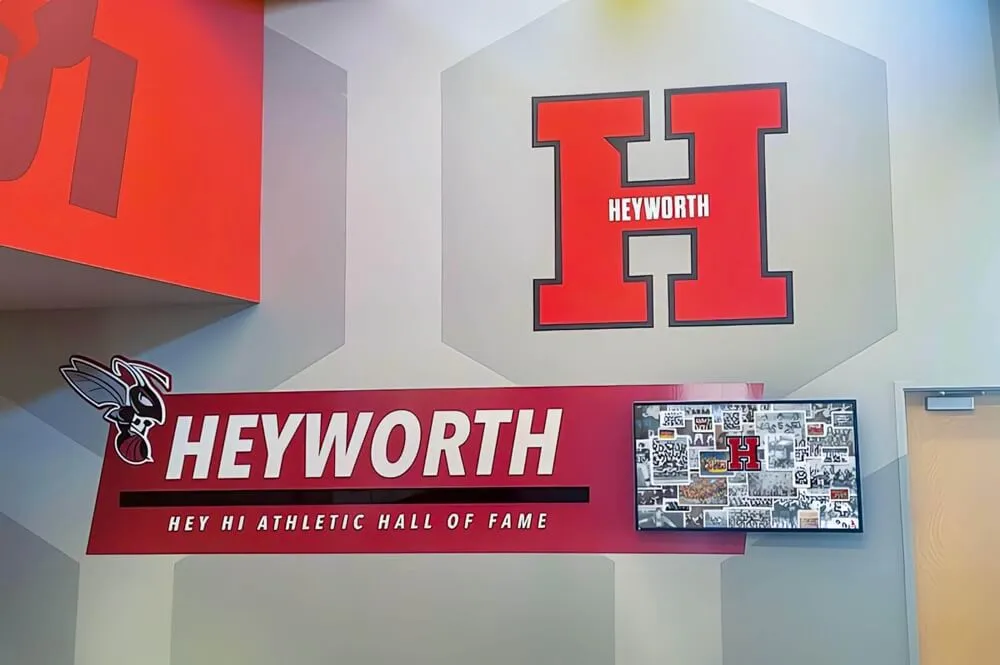
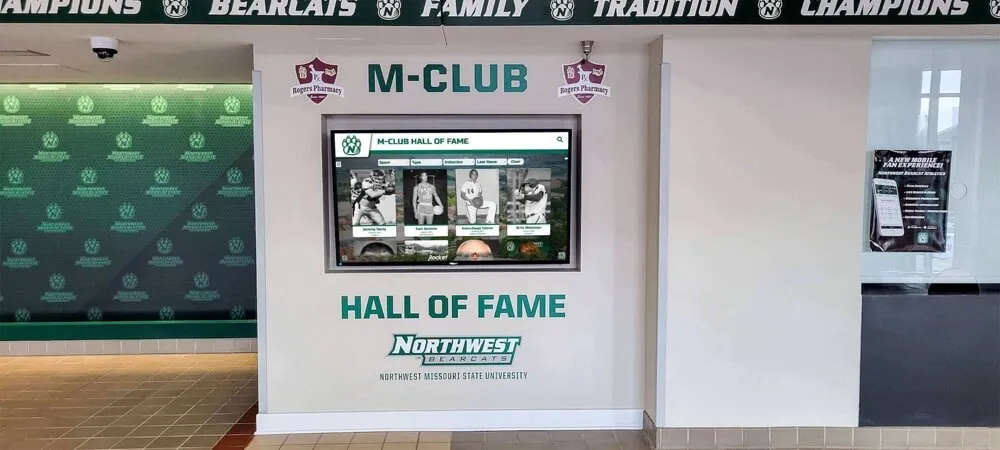
University-level recognition programs provide a template for the same comprehensive, tiered approach applied to academic honors displays
Departmental Honors and Distinction
Many universities offer an additional layer of recognition: graduation with departmental honors or distinction in a specific major. These programs typically require:
- Completion of an honors thesis or capstone project
- Maintenance of a minimum GPA within the major (often higher than the Latin honors threshold)
- Faculty recommendation confirming the quality of completed work
- Sometimes a formal oral examination or public presentation
Departmental honors complement Latin honors rather than replacing them. A student might graduate magna cum laude with distinction in economics—two separate but complementary recognitions that together paint a more complete picture of achievement.
Dean’s List vs. Graduation Honors
A common point of confusion: the Dean’s List is a semester-by-semester recognition, not a graduation designation. Students make the Dean’s List by hitting a GPA threshold (usually 3.5 or higher) in a given semester. Graduation honors, by contrast, reflect cumulative performance across the entire degree.
Students can make the Dean’s List every semester without necessarily graduating with Latin honors if their GPA across all terms falls short of the institution’s graduation threshold. Conversely, some students earn Latin honors despite missing the Dean’s List during one difficult term, because cumulative GPA is what determines graduation recognition.
Honors College Programs
Separate from Latin honors, many universities run dedicated Honors College programs with their own designation. Students who complete honors coursework, thesis requirements, and service hours graduate with an honors college designation on their diploma—a recognition that emphasizes the rigor of their curriculum rather than simply their GPA.
These students may or may not also earn Latin honors; the two systems are independent. Graduation ceremonies at such institutions often include a separate honors convocation for honors college graduates.
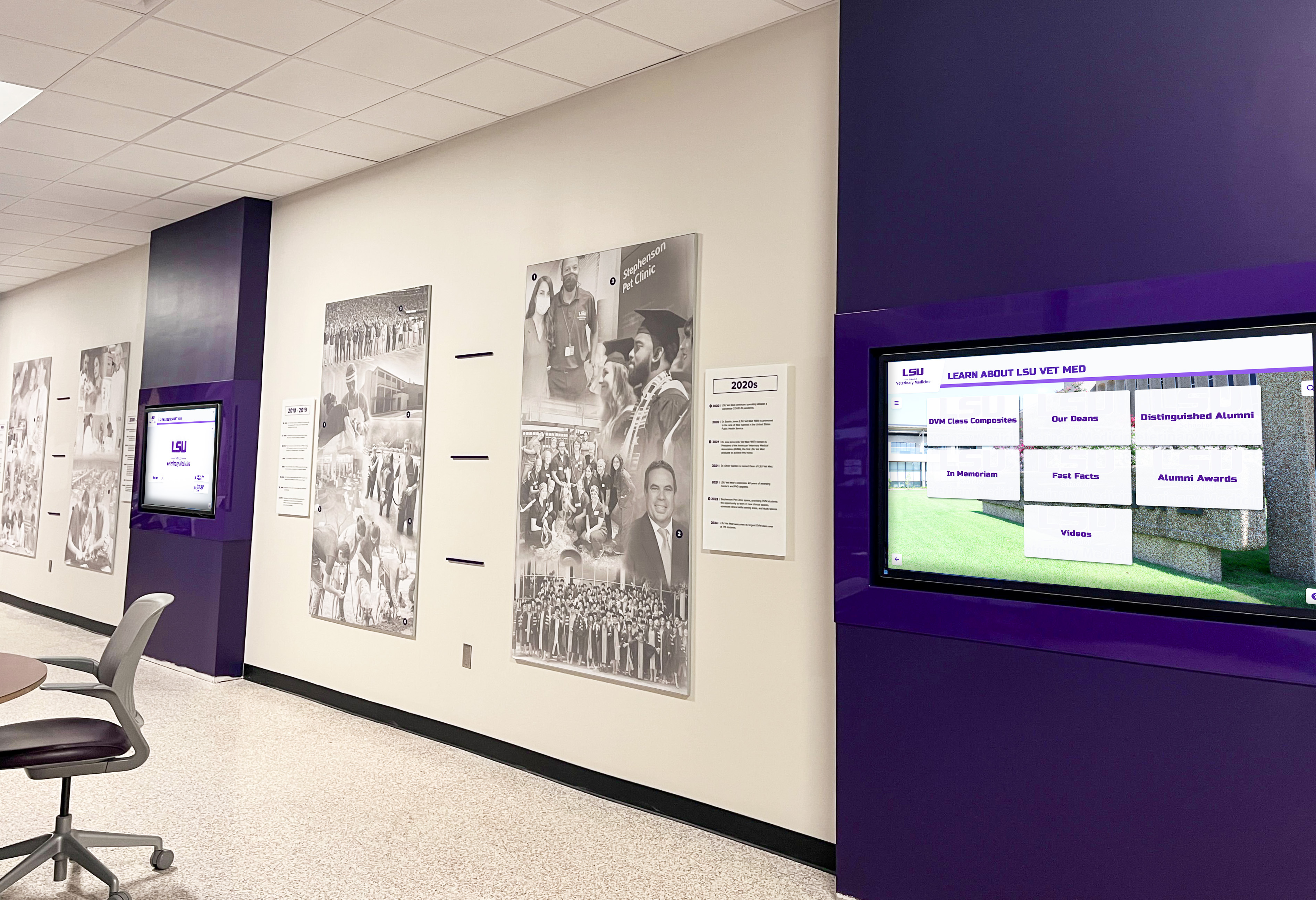
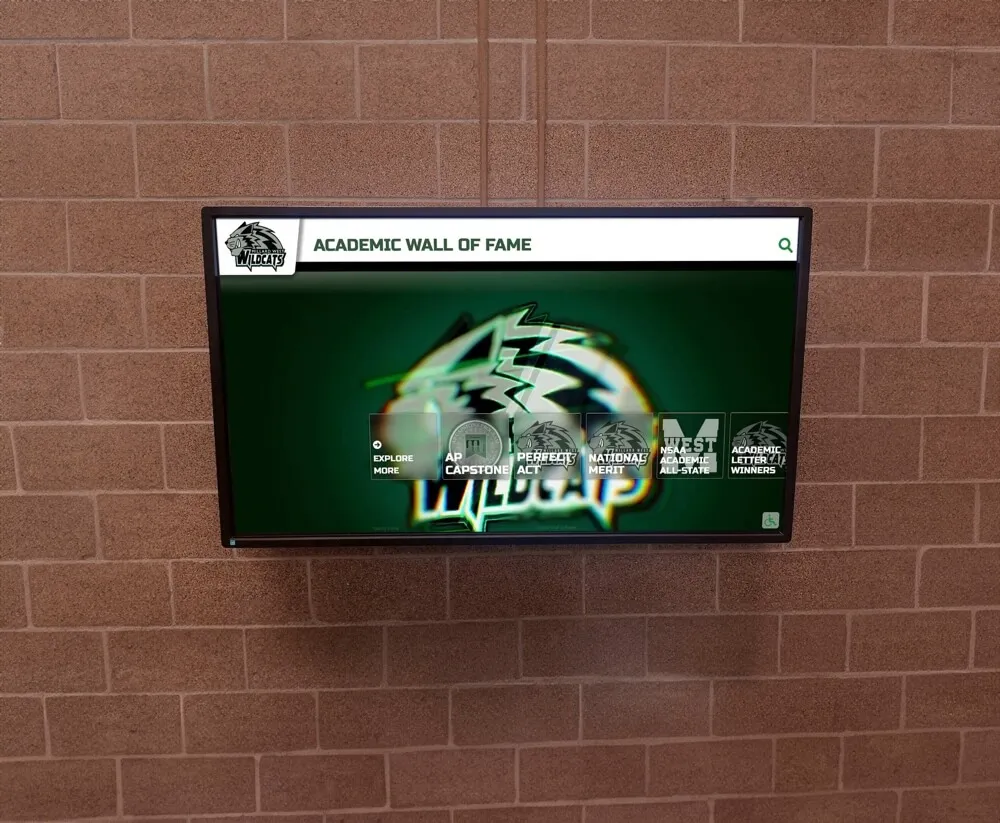
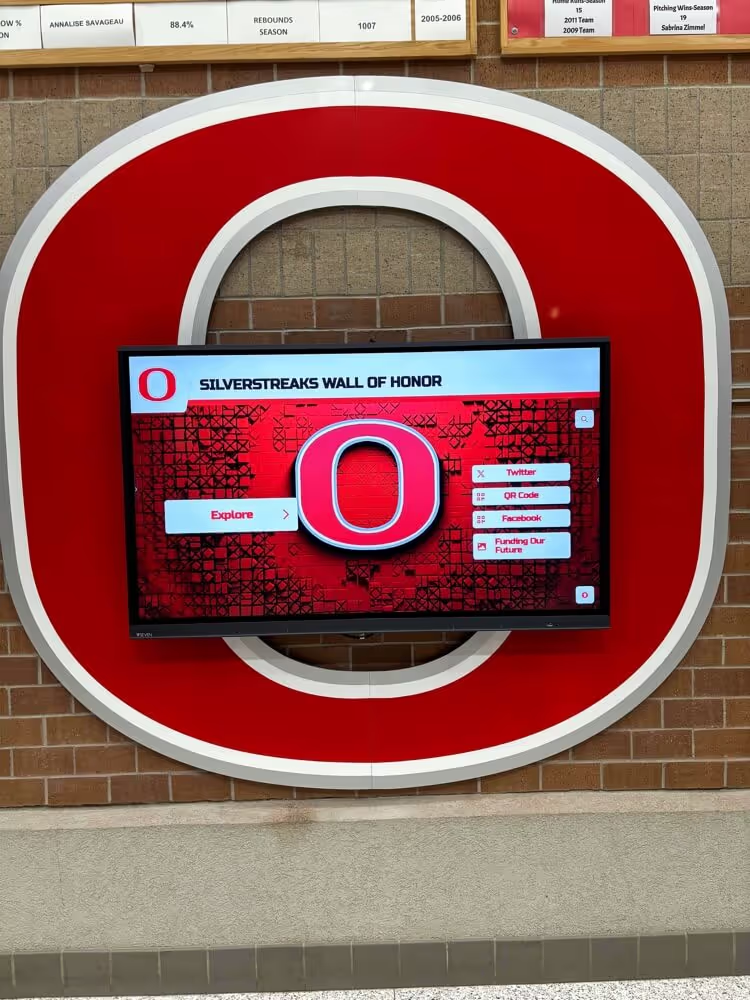
Hallway digital displays transform otherwise passive corridors into active recognition environments
How GPA Thresholds Are Set and Applied
Whether at the high school or university level, the methodology behind graduation honors thresholds matters as much as the thresholds themselves.
Fixed vs. Percentage-Based Thresholds
Schools use one of two primary approaches:
Fixed GPA Thresholds Set a specific GPA cutoff that applies to every graduating class—for example, summa cum laude always requires 3.9 or higher. This approach is simple to communicate and apply consistently across years. The downside is that in years with unusually high or low overall academic performance, the number of graduates earning each designation can fluctuate significantly.
Percentage-Based Thresholds Award Latin honors to the top 5%, top 10%, and top 15% of each graduating class, adjusting the actual GPA cutoff each year based on that class’s performance distribution. This approach maintains stable proportions of honored graduates year over year but can feel less transparent to students who want to know exactly what GPA they need.
Most institutions use fixed thresholds for clarity; percentage-based approaches are more common at highly selective schools trying to preserve the relative prestige of honors designations across years.
Weighted Coursework and Major-Specific Calculations
At the college level, all courses typically count equally toward GPA for graduation honors purposes—there is no weighting system for more difficult subjects. At the high school level, weighted GPA calculations mean that students who challenge themselves with AP and IB courses can potentially earn higher cumulative GPAs, which is by design: schools want to reward academic ambition, not just raw grades.
For academic achievement boards that display honors by graduation year, debate team achievement board design principles offer useful frameworks for organizing tiered recognition in a visually coherent way.
Graduation Honors Regalia and Ceremony Recognition
Beyond diploma notations and transcript records, graduation honors come to life through the physical regalia students wear during ceremonies.
Honor Cords
Honor cords are the most visible graduation honors marker—the braided fabric cords worn draped around the neck over graduation gowns. Color coding typically follows institutional convention:
- Gold cords: Often signal valedictorian, summa cum laude, or highest academic honors
- Silver cords: Frequently associated with salutatorian or magna cum laude designations
- White or cream cords: Common for cum laude or general honor roll recognition
- NHS blue and gold cords: Specific to National Honor Society membership
- Stole-style regalia: Some programs use draped stoles rather than cords for graduation honors recognition
Because cord colors vary by institution, graduation programs typically include a legend explaining each color’s meaning. This is also why physical and digital displays showing the graduating class are valuable—they capture the honors context that ceremony programs alone may not preserve.
Diploma and Transcript Notation
The most permanent recognition is the notation on diplomas and official transcripts. A magna cum laude designation appearing on a transcript follows a graduate through job applications, graduate school admissions, and professional licensing processes for the rest of their career. Schools must ensure these notations are accurate and use standardized language that will be recognizable to external audiences for decades.
Yearbook documentation also plays a role in preserving graduation honors for institutional memory. For ideas on making that documentation meaningful, senior quote and graduation recognition ideas capture the spirit of celebrating individual graduates while preserving a collective record.
Display Ideas for Graduation Honors
Recognition that exists only on a piece of paper or during a ceremony has limited reach. The most effective schools create ongoing, visible displays that make graduation honors part of the daily experience for current students and returning alumni.
Traditional Display Methods
Mounted Plaque Boards Many schools maintain hallway or lobby plaque boards listing valedictorians and salutatorians by graduation year. These create a permanent visual record but have obvious limitations: space fills up, older plaques become hard to read, and adding new entries requires physical installation. Trophy shelf ideas that adapt to growing recognition collections offer practical guidance for schools managing expanding physical displays.
Honor Roll Bulletin Boards and Printed Lists Publishing semester honor roll lists on hallway bulletin boards provides visibility throughout the school year. However, these tend to be temporary by nature—they come down when the next semester’s list is posted, meaning most students’ recognition exists only in a narrow window.
Trophy Cases with Academic Recognition Sections Many schools dedicate a portion of their physical trophy case to academic achievements: honor society plaques, academic competition trophies, and graduation honors boards. The challenge here is the same as with plaque boards: physical space is finite, and displays require maintenance to remain current and engaging.
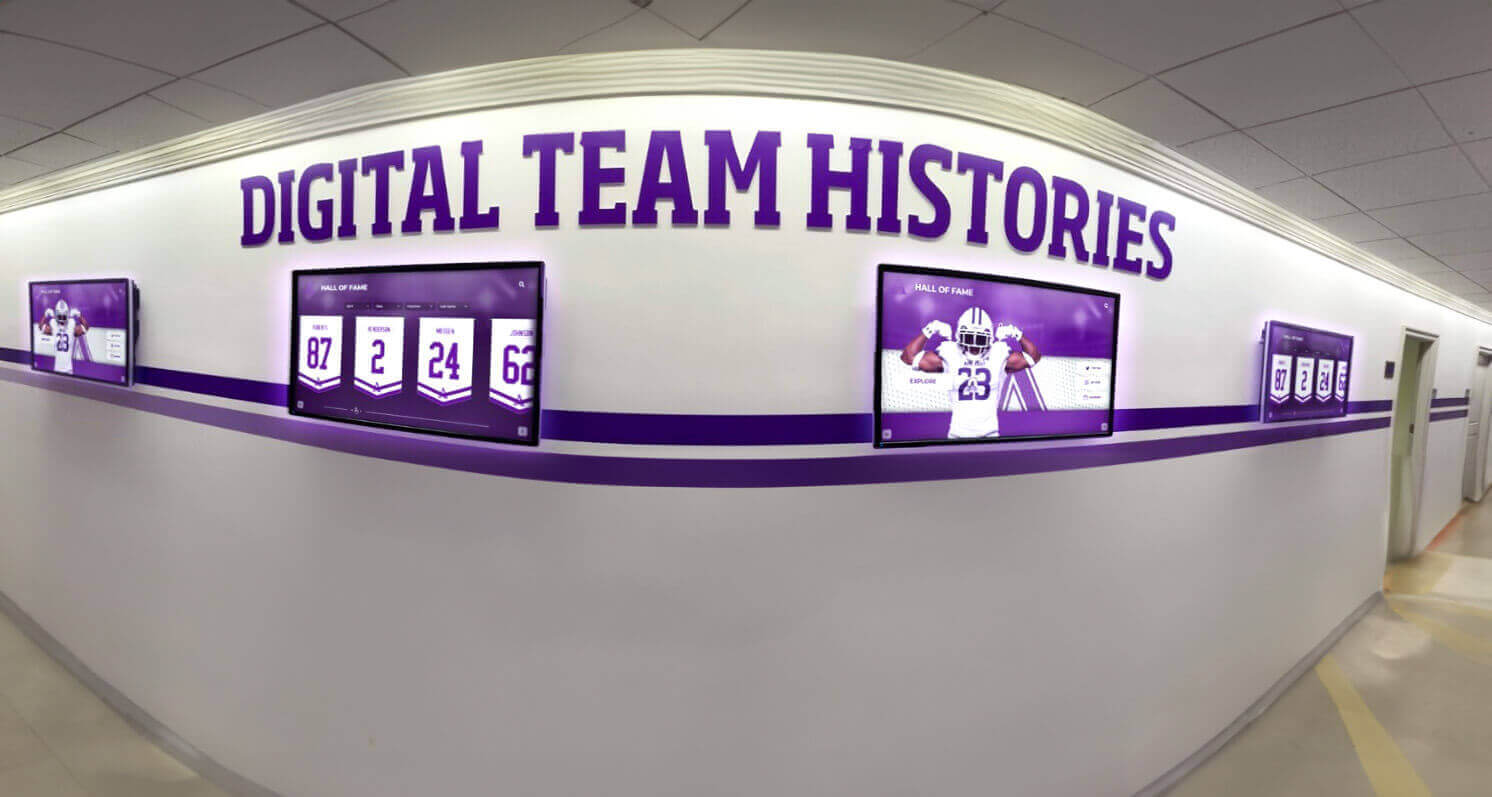
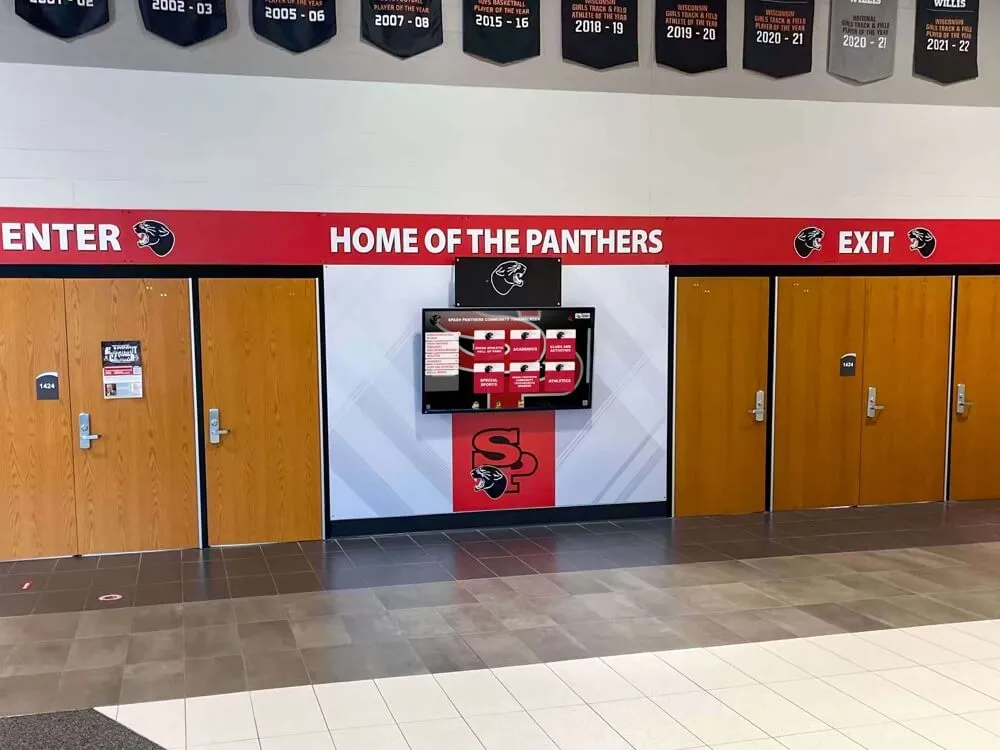
Digital hallway displays bring academic recognition into high-traffic areas where students see it every day
Modern Digital Display Solutions
Digital recognition platforms address the fundamental limitations of physical displays: space constraints, maintenance burden, and limited accessibility for remote audiences.
Unlimited Capacity Without Physical Constraints
A digital recognition display can house every honor roll student, every valedictorian, and every Latin honors graduate from the school’s entire history—without running out of wall space. When a new cohort graduates, adding their records takes minutes rather than months, and no old records need to be removed to accommodate new ones.
For schools that have never systematically preserved graduation honors recognition, digital platforms also offer an opportunity to retroactively document historical achievements, creating an archive that connects current students to the academic traditions of previous generations.
Interactive Exploration and Rich Profiles
Rather than a name and graduation year on a plaque, digital touchscreen displays allow schools to build full graduate profiles: photos, honors tier, specific achievements, clubs and activities, and even post-graduation information when alumni choose to share it. Students browsing the display in the hallway can search by year, by honors tier, or by name—turning a static list into an engaging experience.
For schools planning alumni events around graduation recognition, alumni recognition event ideas connect physical recognition displays to broader engagement programming that brings graduates back to campus.
Remote and Online Accessibility
Not all recognition audiences are in the building. Families who attended graduation but live out of town, alumni who graduated decades ago, and prospective students researching a school’s academic culture—all of these audiences benefit from recognition that exists beyond a physical hallway. Cloud-based digital platforms extend honors displays to web portals accessible from any device. For schools using modern interactive technology, understanding the full range of touchscreen display software capabilities is essential for making the most of these platforms.
Showcase Every Graduation Honor Permanently
Digital Trophy Case helps schools display unlimited graduation honors—valedictorians, Latin honors graduates, honor roll achievers—through interactive touchscreen displays and online portals that families and alumni can access from anywhere. Cloud-based management means you can update recognition in minutes, without IT support or physical installation delays.
Explore Recognition SolutionsBuilding a Recognition Culture Around Graduation Honors
The most effective graduation honors programs do more than present certificates during a ceremony—they build a culture where academic excellence is visible, celebrated, and connected to the broader life of the school community.
Making Honors Visible Year-Round
Recognition confined to graduation ceremonies and year-end awards nights leaves a significant motivational gap. Students who aspire to graduate with honors benefit from seeing that achievement celebrated continuously throughout the year:
- Semester honor roll announcements in hallways and on digital displays
- Mid-year recognition for students who have maintained honors standing across multiple semesters
- Connections between current honor roll students and the historical display showing previous years’ graduates
- Class meetings or assemblies where honors criteria are explained to underclassmen who are still building toward graduation
Schools that run strong spirit-week and school-culture programming understand how recognition events create community cohesion. High school spirit week frameworks can incorporate academic recognition themes that reinforce the value of honors achievement alongside athletic and social celebrations.
Connecting Graduation Honors to Alumni Engagement
Graduation honors create natural alumni engagement hooks. Former valedictorians, summa cum laude graduates, and long-standing honor roll members are often among a school’s most engaged and philanthropically active alumni precisely because their academic experience formed a strong positive connection to the institution.
Schools that maintain accessible, searchable records of historical honors graduates can leverage these records during reunion planning, fundraising campaigns, and mentorship program outreach—giving engagement programs a concrete hook that connects donors and volunteers to the academic achievement legacy they helped support.

Multi-device accessibility ensures graduation honors recognition reaches alumni and families wherever they are
Equity and Transparency in Honors Programs
Any graduation honors system carries the risk of becoming an insiders’ advantage—where students who arrive knowing the rules (or who have parents who know the rules) optimize toward honors while first-generation students or those without college-educated parents miss the opportunity simply from lack of awareness.
Addressing this requires proactive communication:
- Publishing GPA thresholds and honors criteria clearly in student handbooks and on school websites, starting at freshman orientation
- Counselor conversations during academic planning sessions that explicitly address what honors graduation requires
- Multilingual communication for families whose primary language is not English
- Recognition that honors at graduation is the culmination of decisions made in 9th grade—not a surprise announcement in senior spring
Introducing academic recognition culture in elementary and middle school—through assemblies, classroom honor boards, and visible acknowledgment of effort—builds the aspirations that carry students through to graduation honors achievement years later.
Common Questions About Graduation Honors
Does graduating with honors affect college admission? Yes, Latin honors and valedictorian designations are meaningful on college applications. They signal sustained excellence rather than a single strong semester, and they often appear prominently in scholarship applications where selection committees weight academic achievement heavily.
Are graduation honors notated on diplomas? At the college level, yes—Latin honors typically appear on diplomas and transcripts. At the high school level, practices vary: some schools note valedictorian or salutatorian status on diplomas or include a separate academic honors certificate, while others reserve diploma space for graduation year and program name only.
Can honors be revoked after announcement? This is rare, but schools maintain the right to revoke honors designations if academic integrity violations are discovered prior to diploma conferral. Policies should address this scenario clearly in student handbooks.
How do graduate schools view Latin honors? Graduate admissions committees are familiar with Latin honors and understand that thresholds vary by institution. They typically contextualize GPA and honors within the applicant’s undergraduate institution, looking at cumulative GPA alongside standardized test scores and letters of recommendation rather than treating honors as a standalone qualifier.
Conclusion: Honoring What Students Earned
Graduation honors represent some of the most consequential academic recognition a student will ever receive—designations that appear permanently on transcripts, follow graduates into careers, and reflect years of sustained effort. Schools that invest in understanding their own tiered systems, communicating criteria clearly, and creating meaningful long-term displays for honors graduates transform a single graduation ceremony moment into a lasting institutional tradition.
Whether you’re refining a high school honor roll program, updating Latin honors thresholds at the university level, or designing a recognition display that will showcase graduating scholars for decades to come, the principles are the same: be transparent about criteria, be consistent in application, and make recognition visible beyond the moment it is conferred.
The graduates who worked through four years of AP courses to earn that valedictorian designation, or who maintained a 3.9 GPA across 120 college credit hours to graduate summa cum laude, deserve recognition that lasts as long as their achievement does.
See how digital recognition displays help schools preserve graduation honors permanently—with interactive, cloud-managed platforms that make every honor roll achiever, every valedictorian, and every Latin honors graduate visible and searchable for students, families, and alumni for years to come.