



The bell rings for an all-school assembly, and instead of groans, students eagerly file into the gymnasium. The energy is electric—not because class is cancelled, but because assemblies at your school have earned a reputation for being genuinely engaging, meaningful, and sometimes even inspiring. This is what happens when schools move beyond the tired format of lengthy speeches and create assembly experiences that connect with students across every grade level.
Too many schools treat assemblies as obligatory interruptions rather than opportunities to strengthen culture, celebrate achievement, and deliver messages that resonate with students. Default assembly formats—administrators reading announcements, guest speakers students tune out, or recognition ceremonies that feel rushed and impersonal—waste valuable time when entire school communities gather in one space.
The most effective assemblies balance entertainment with purpose, create inclusive participation opportunities, and extend recognition beyond brief stage moments. Whether you’re planning monthly assemblies, special recognition events, or one-time programs, the right approach transforms these gatherings into experiences students genuinely value and remember long after the final dismissal bell.
Why School Assemblies Matter More Than You Think
School assemblies serve as cultural anchors—regular touchpoints that reinforce values, celebrate community, and create shared experiences that unite diverse student populations. When executed effectively, these gatherings accomplish goals that individual classroom instruction cannot.
Research consistently demonstrates that students who feel connected to their school community show improved attendance, better academic performance, and higher overall wellbeing. Assemblies provide structured opportunities for this connection, allowing students to see themselves as part of something larger than their immediate friend groups or academic tracks.
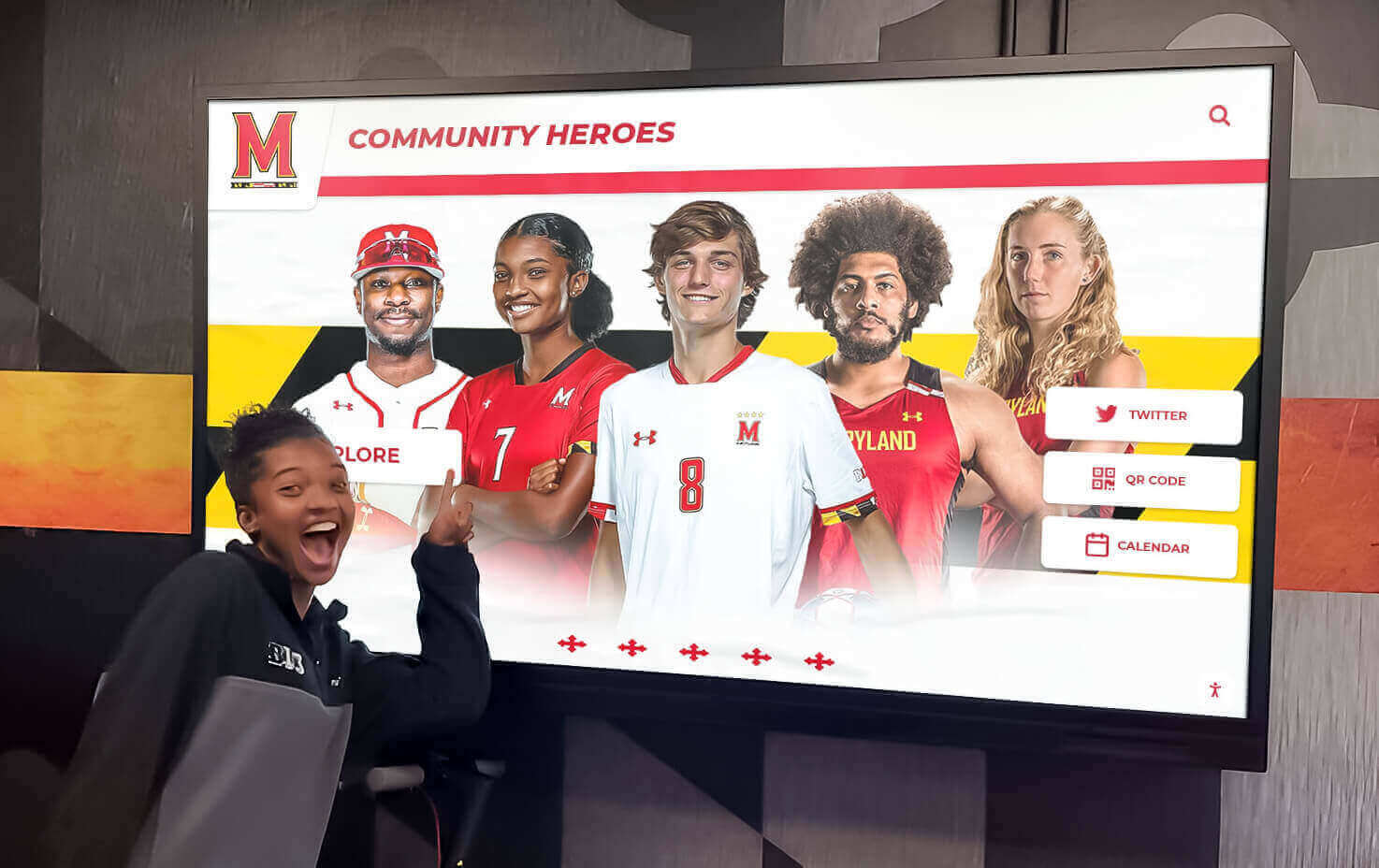
The recognition component carries particular significance. Public acknowledgment during assemblies motivates continued excellence while demonstrating to all students that achievement comes in multiple forms—academic success, athletic accomplishment, artistic expression, character development, and community service all deserve celebration. Schools that effectively highlight these diverse types of recognition awards create environments where every student finds pathways to acknowledged success.
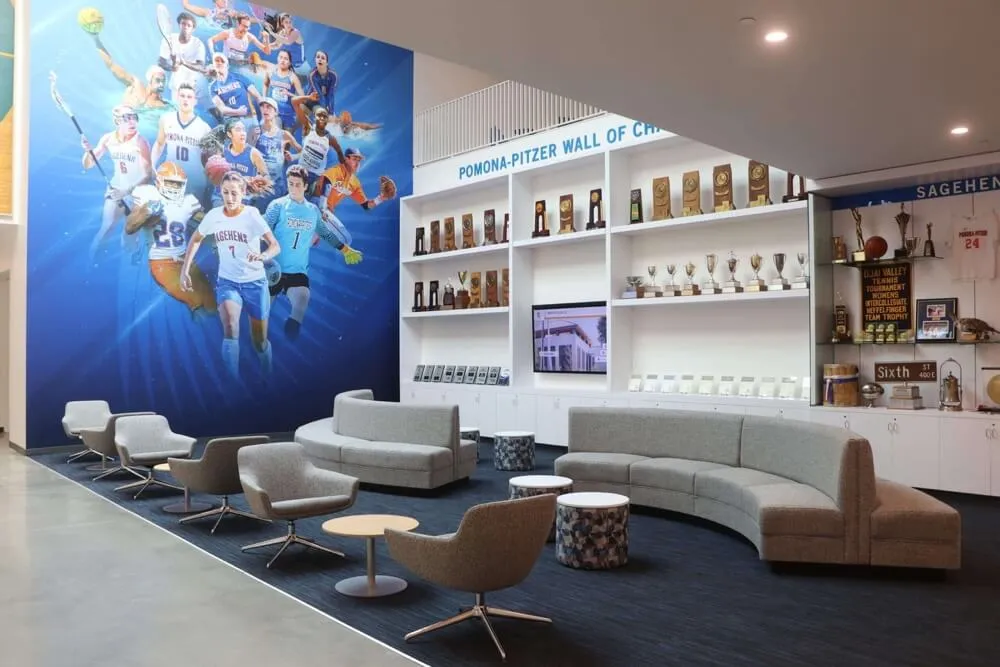
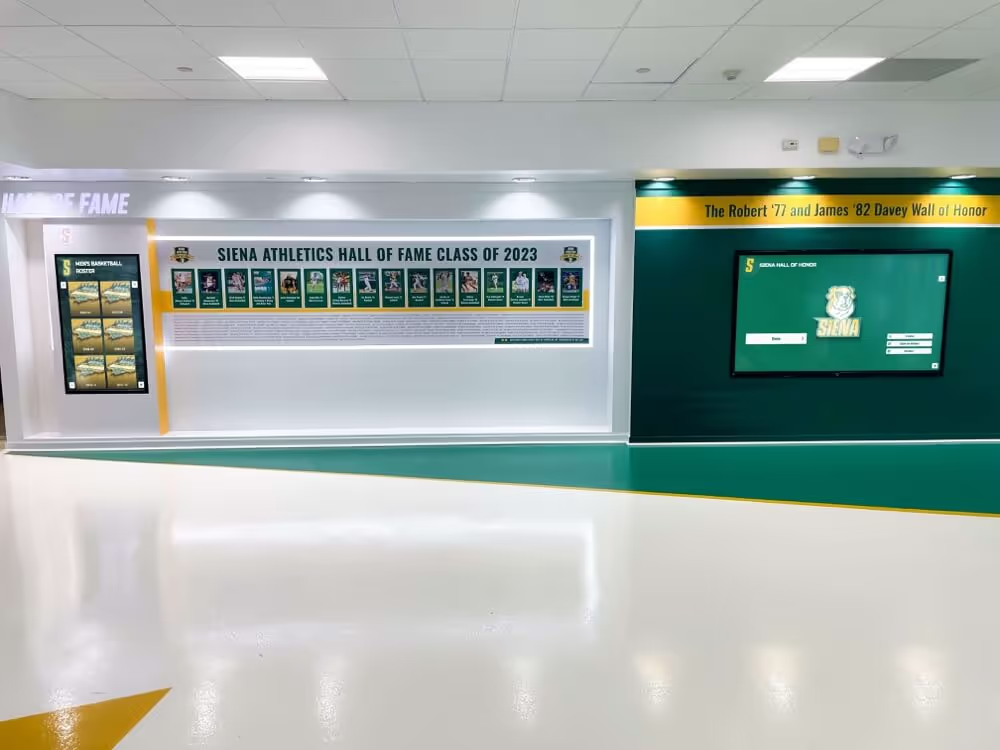
Yet the impact of assembly recognition typically ends when students return to classrooms. The most forward-thinking schools extend these moments through permanent recognition displays, transforming temporary applause into lasting celebration that visitors, families, and students encounter throughout the school year.
Recognition and Awards Assemblies
Recognition assemblies represent the most common—and often most meaningful—assembly types schools conduct. These gatherings celebrate student achievement while modeling the values and accomplishments your institution prioritizes.
Academic Achievement Assemblies
1. Honor Roll and Academic Excellence Ceremonies: Quarterly or semester assemblies recognizing students who achieve specific GPA thresholds create consistent academic motivation. Consider tiered recognition levels (principal’s honor roll, honor roll, honorable mention) ensuring students at various achievement levels receive acknowledgment.
2. Subject-Specific Academic Awards: Dedicate assemblies to celebrating excellence in particular disciplines—STEM achievement assemblies, literacy celebrations, or arts recognition events. This focused approach allows deeper recognition of specific accomplishments rather than rushing through dozens of award categories.
3. Student of the Month Celebrations: Monthly assemblies featuring students who demonstrate academic growth, positive character, or community contribution create regular recognition opportunities. Including criteria beyond pure academic performance ensures diverse students receive spotlight moments.
4. National Honor Society Inductions: Formal induction ceremonies for National Honor Society members add gravitas to this significant achievement, emphasizing scholarship, service, leadership, and character values.
5. End-of-Year Academic Awards: Comprehensive year-end assemblies recognizing top performers in each subject area, perfect attendance, most improved students, and special academic achievements provide culminating celebrations that honor sustained excellence.
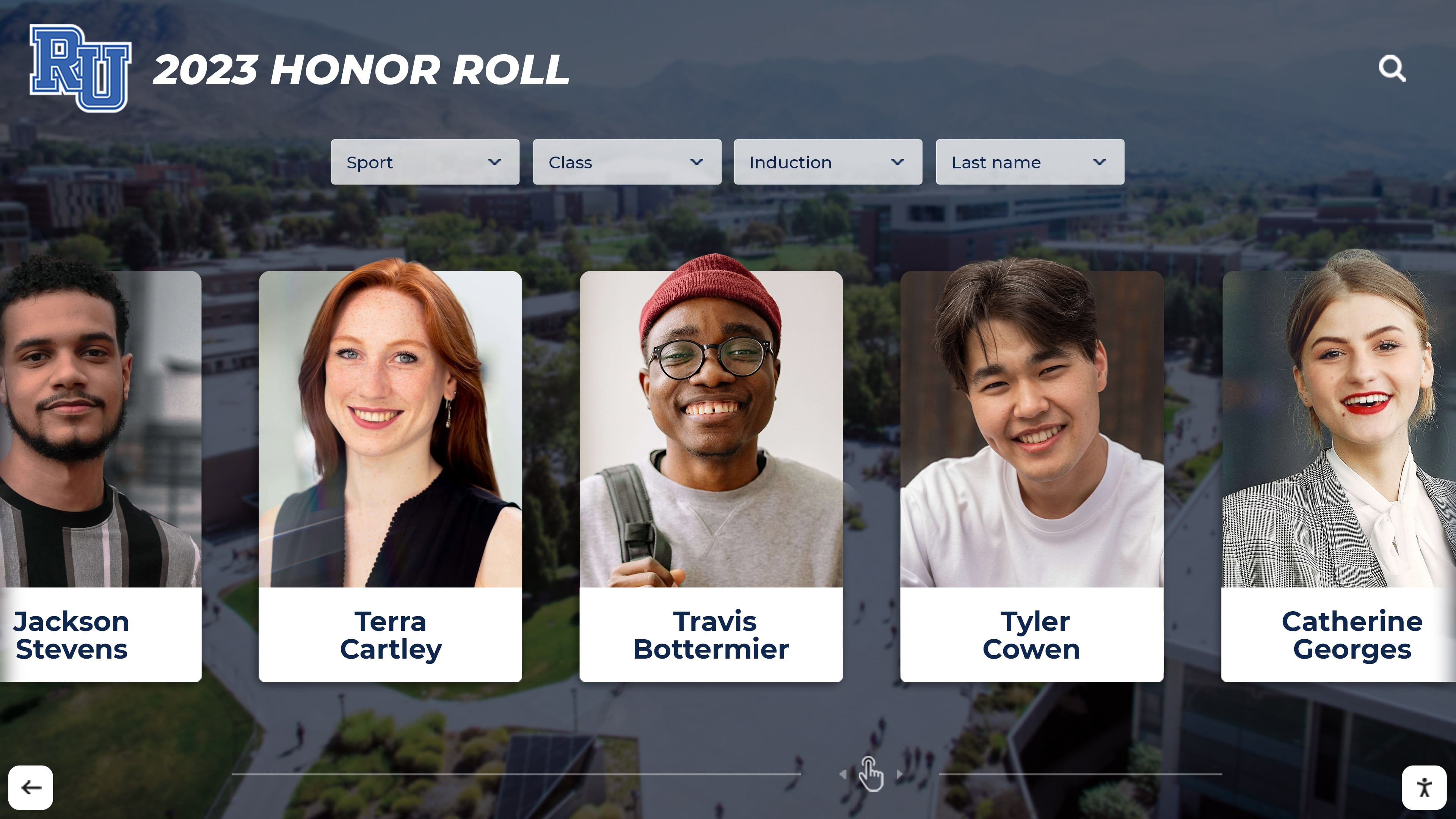
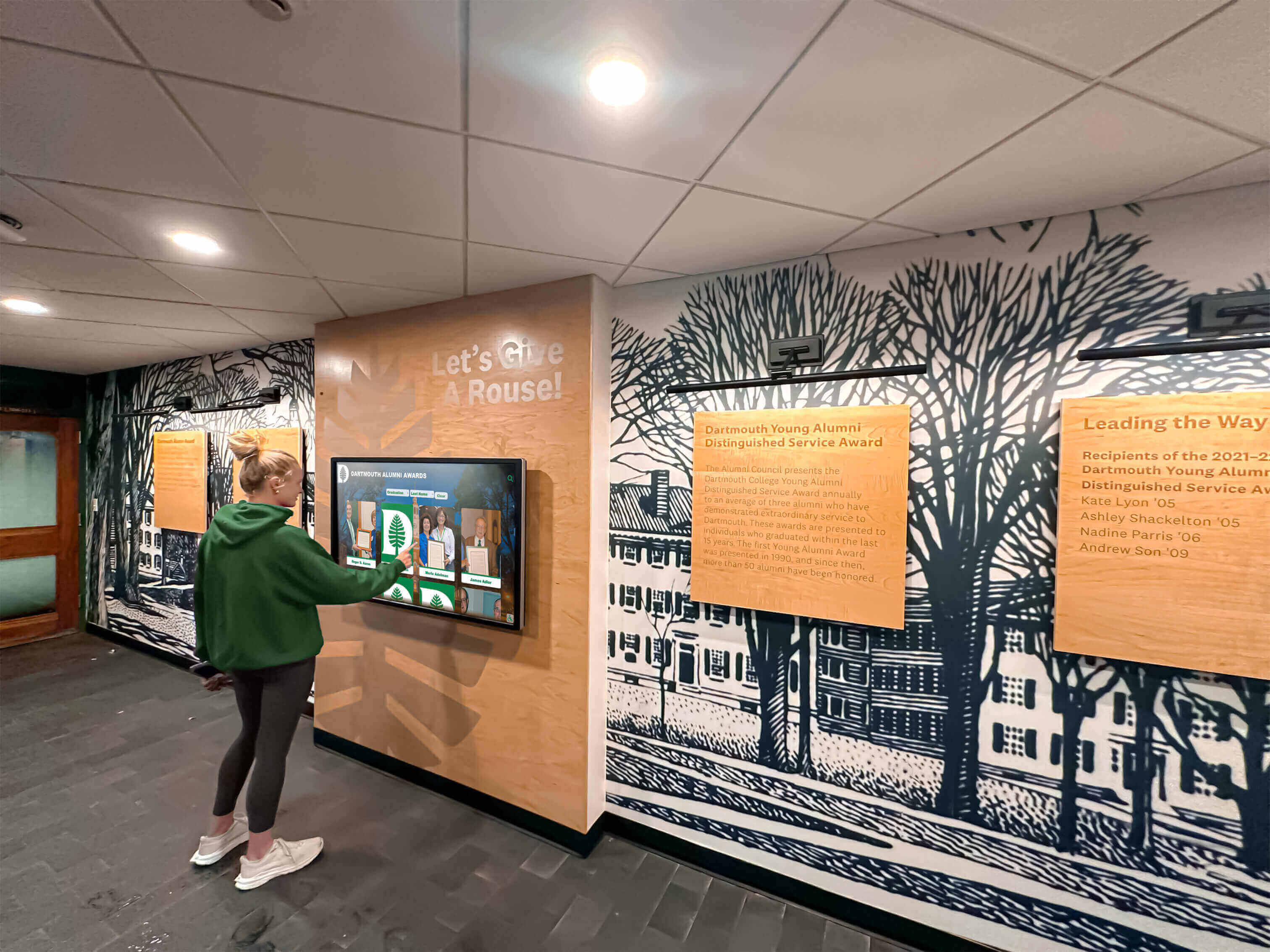
Many schools enhance recognition impact by featuring honored students in permanent displays. Digital recognition systems allow schools to showcase end-of-year awards recipients year-round in school lobbies, creating lasting visibility for academic achievement.
Athletic Recognition Assemblies
6. Fall/Winter/Spring Sports Kickoff Rallies: Season-opening assemblies introducing teams, coaches, and schedules build excitement while demonstrating school-wide support for athletic programs.
7. Championship Celebrations: Assemblies honoring teams or individuals who win conference championships, state titles, or significant tournaments allow entire school communities to share in athletic success.
8. Senior Athlete Recognition: Dedicated assemblies honoring graduating athletes—particularly those continuing athletics in college—celebrate their contributions while inspiring younger students. These events pair naturally with student athlete signing day celebrations.
9. Sportsmanship Award Assemblies: Recognition programs specifically celebrating positive athletic character, teamwork, and sportsmanship emphasize that sports teach values beyond winning.
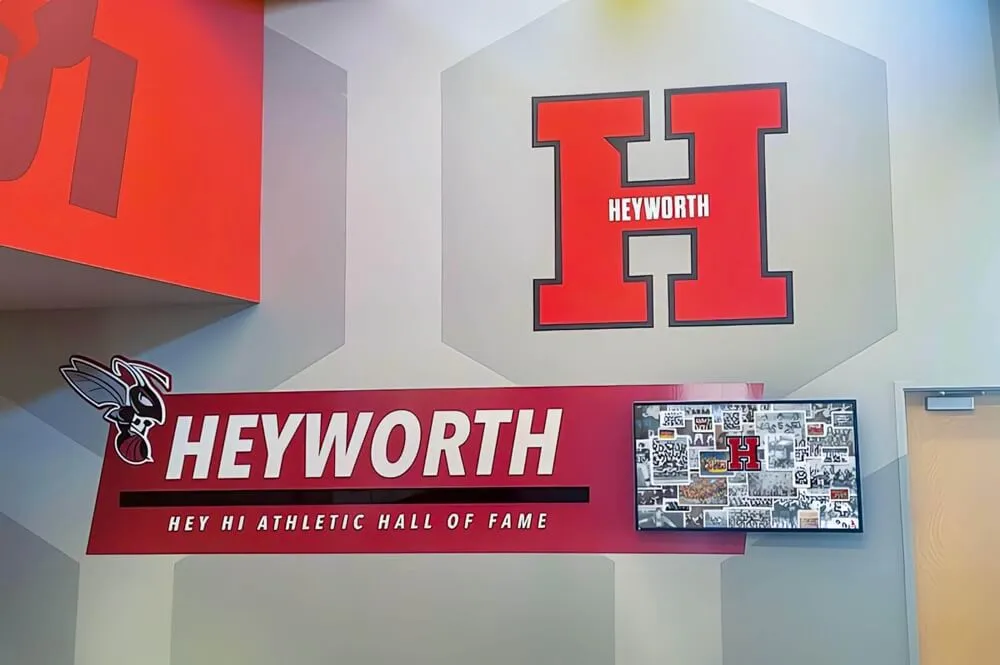
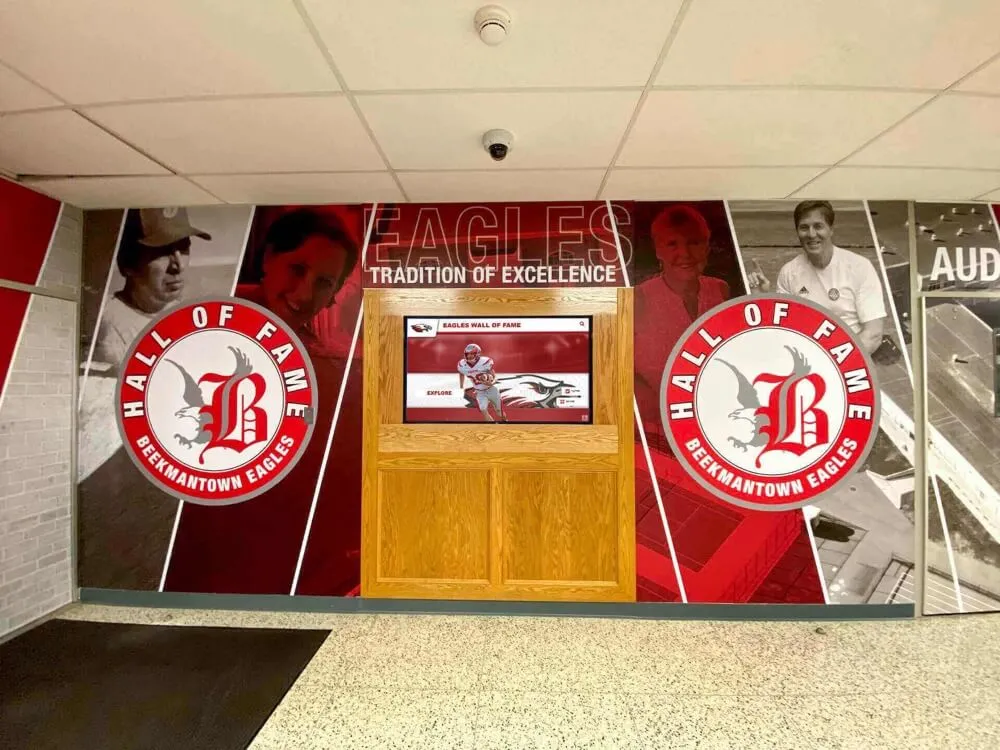
10. Athletic Hall of Fame Inductions: Annual assemblies inducting outstanding former athletes into your school’s hall of fame connect current students to institutional legacy while honoring alumni achievement.
Arts and Extracurricular Recognition
11. Fine Arts Showcases: Assemblies featuring performances from choir, band, orchestra, dance, or theater programs while recognizing superior ratings at competitions or festivals celebrate artistic achievement.
12. Visual Arts Exhibitions: Transform assembly spaces into gallery walks featuring student artwork, photography, and creative projects, with recognition for award-winning pieces.
13. Academic Competition Celebrations: Assemblies honoring debate teams, robotics clubs, math teams, quiz bowl participants, and other academic competition groups demonstrate that intellectual pursuits carry the same prestige as athletics.
14. Club and Organization Recognition: Annual assemblies spotlighting diverse clubs—from FFA chapters to service organizations—acknowledge the varied ways students contribute to school culture.
15. Service Learning Celebrations: Assemblies recognizing students who complete significant community service hours or lead impactful service projects reinforce the importance of community contribution.
Character Education and Social-Emotional Learning Assemblies
Character development assemblies address values, behavior expectations, and social-emotional skills—essential components of comprehensive education that classroom instruction alone cannot fully address.
Values-Based Programs
16. Anti-Bullying Assemblies: Programs specifically addressing bullying prevention, bystander intervention strategies, and creating inclusive school cultures respond to critical social dynamics.
17. Kindness Campaign Kickoffs: Assemblies launching school-wide kindness initiatives—random acts of kindness challenges, compliment campaigns, or buddy programs—set expectations while generating enthusiasm.
18. Diversity and Inclusion Celebrations: Assemblies honoring cultural heritage months, discussing inclusion principles, or celebrating diversity within your school community promote understanding and acceptance.
19. Character Trait Spotlights: Monthly assemblies focusing on specific character traits (responsibility, integrity, perseverance, respect, empathy) with student examples and interactive activities reinforce behavioral expectations.
20. Peer Recognition Assemblies: Student-nominated recognition programs where classmates acknowledge peers demonstrating positive character create authentic appreciation moments.
Mental Health and Wellness Programs
21. Mental Health Awareness Assemblies: Programs addressing stress management, anxiety coping strategies, and mental health resource awareness respond to increasing student wellness needs.
22. Growth Mindset Programs: Assemblies featuring growth mindset principles, famous failures leading to success, and strategies for embracing challenges help students develop resilience.
23. Social Media and Digital Citizenship: Programs addressing responsible technology use, digital footprint awareness, and online behavior expectations provide crucial guidance for connected generations.
24. Study Skills and Executive Function Workshops: Interactive assemblies teaching organizational strategies, time management techniques, and effective study methods support academic success.
Interactive and Educational Assembly Programs
The most engaging assemblies transform passive audiences into active participants through interactive elements, demonstrations, and hands-on learning experiences.
STEM and Educational Programs
25. Science Demonstration Shows: High-energy assemblies featuring dramatic science experiments, physics demonstrations, or chemistry shows make STEM concepts entertaining and memorable.
26. Author and Literacy Events: Visiting authors discussing their work, reading excerpts, and engaging students in writing activities promote literacy while exposing students to creative careers.
27. Living History Presentations: Historical reenactors, veterans sharing experiences, or community members discussing historical events bring curriculum to life through personal narratives.
28. Career Exploration Panels: Assemblies featuring diverse professionals discussing their career paths, daily responsibilities, and educational requirements help students envision future possibilities.
29. College and Career Readiness Programs: Assemblies addressing college application processes, financial aid information, scholarship opportunities, or career pathway options provide practical guidance, particularly valuable alongside high school award programs that strengthen college applications.
Skill-Building Interactive Programs
30. Leadership Development Workshops: Interactive assemblies teaching leadership principles, team-building exercises, and communication skills develop student capacity while identifying emerging leaders.
31. Financial Literacy Programs: Assemblies covering budgeting basics, understanding credit, savings strategies, or entrepreneurship provide practical life skills often missing from standard curriculum.
32. Environmental Education Events: Programs addressing sustainability, conservation, climate science, or environmental careers raise awareness while inspiring student action.
33. Health and Nutrition Education: Interactive programs teaching nutrition principles, physical fitness benefits, or healthy lifestyle choices support overall student wellness.
Cultural Celebration and Heritage Programs
Culturally-focused assemblies honor diversity within your school community while educating students about traditions, histories, and perspectives beyond their immediate experiences.
34. Cultural Heritage Month Programs: Assemblies celebrating Black History Month, Hispanic Heritage Month, Asian American and Pacific Islander Heritage Month, or other cultural observances feature student performances, speaker presentations, and educational content.
35. International Festival Assemblies: Programs showcasing music, dance, food, and traditions from countries represented in your student body celebrate diversity while promoting cultural understanding.
36. Native American Heritage Programs: Assemblies honoring indigenous cultures, histories, and contemporary contributions—ideally featuring Native speakers and performers—provide education often absent from standard curriculum.
37. Women’s History Month Celebrations: Programs highlighting women’s achievements, historical figures, and ongoing equity efforts recognize contributions while inspiring all students.
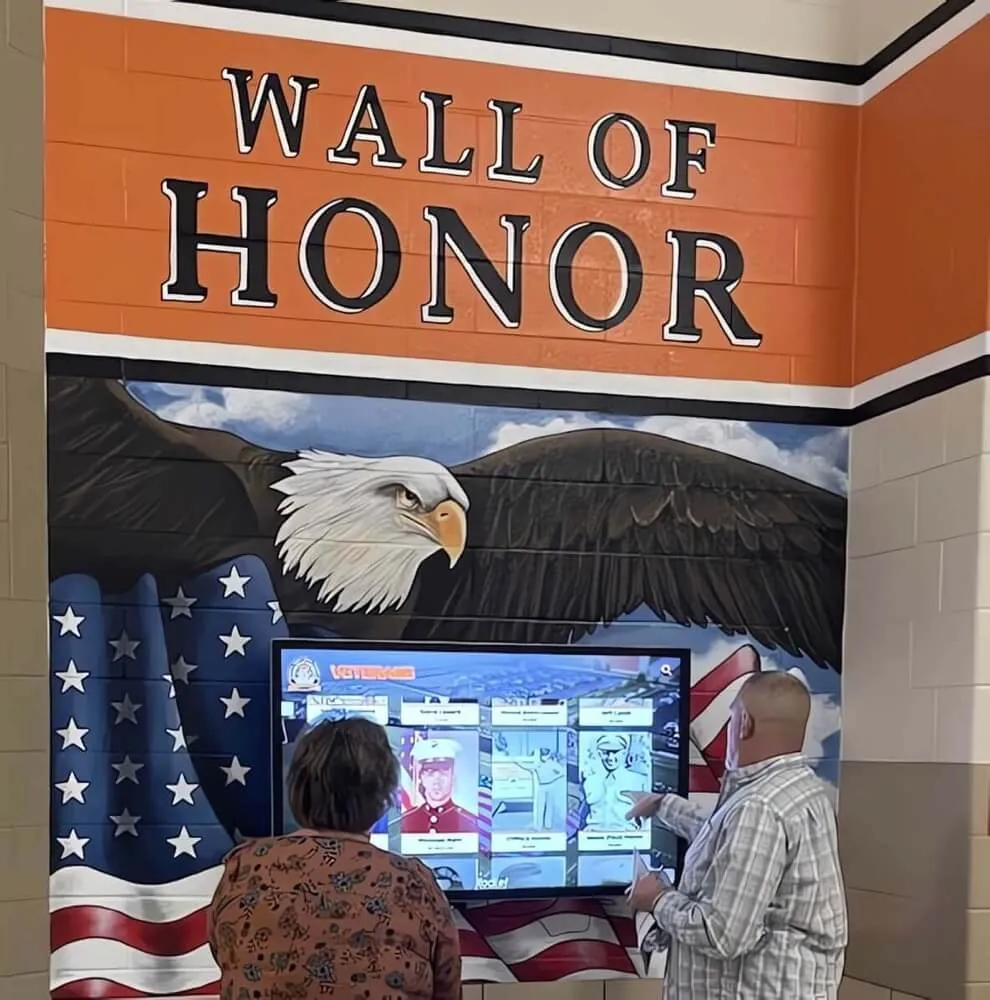
38. Veterans Day and Memorial Day Tributes: Assemblies honoring military service members, particularly those connected to your school community, teach patriotism and gratitude. Many schools create memorial displays recognizing fallen heroes year-round.
39. Unity and Community Building Events: Assemblies specifically designed to strengthen connections across grade levels, cliques, or social divisions through team-building activities and shared experiences.
Spirit-Building and Entertainment Assemblies
Pure entertainment and spirit-building assemblies serve legitimate educational purposes—reducing stress, building community connections, and creating positive associations with school attendance.
40. Pep Rallies and Spirit Assemblies: High-energy gatherings before major sporting events, featuring games, performances, and school spirit activities build excitement while uniting school communities. Effective pep rally planning creates engaging experiences students anticipate rather than endure.
41. Talent Show Assemblies: Student-performed talent showcases celebrate diverse abilities while providing performance opportunities for students who might not participate in traditional fine arts programs.
42. Lip Sync Battles: Teacher versus student or class versus class lip sync competitions create hilarious entertainment while humanizing educators and building school spirit.
43. Homecoming Celebrations: Assemblies surrounding homecoming week—court introductions, spirit competitions, or celebration events—mark significant annual traditions.
44. Holiday Entertainment Programs: Seasonal assemblies featuring performances, activities, or celebrations around major holidays provide festive experiences while marking school year progression.
45. End-of-Year Celebration Assemblies: Final assemblies celebrating the completed school year, recognizing graduating seniors, or previewing summer programs create positive closing experiences.
Special Guest and Motivational Speaker Programs
External speakers and performers bring fresh perspectives, specialized expertise, and outside credibility that can impact students differently than messages from familiar school staff.
46. Motivational Speaker Programs: Professional speakers addressing topics like overcoming adversity, achieving goals, maintaining positive attitudes, or developing resilience provide inspiration through compelling personal narratives.
47. Athlete and Celebrity Appearances: Former professional athletes, entertainment industry professionals, or local celebrities speaking about their journeys, challenges, and successes capture student attention while delivering meaningful messages.
48. Alumni Panel Discussions: Returning graduates sharing college experiences, career paths, or life after high school provide relatable guidance while strengthening institutional connections across generations.
49. Community Leader Presentations: Local business owners, elected officials, nonprofit leaders, or other community figures discussing civic engagement, career opportunities, or community issues connect students to broader contexts.
50. Safety and Prevention Programs: Specialized presenters addressing topics like distracted driving, substance abuse prevention, or internet safety deliver critical information with expertise and often personal experience that enhances message credibility.
Performance-Based Programs
51. Professional Performing Arts Groups: Touring theater companies, musical ensembles, dance troupes, or comedy groups provide high-quality entertainment while exposing students to professional artistry.
52. Cultural Performance Groups: Performers representing specific cultural traditions—traditional dancers, musicians, or storytellers—combine entertainment with cultural education.
53. Interactive STEM Shows: Professional science entertainers or educational performance groups presenting physics, chemistry, or engineering concepts through dramatic demonstrations make learning engaging.
Planning Effective Assemblies: Best Practices
Simply selecting engaging assembly topics doesn’t guarantee successful execution. Thoughtful planning, clear objectives, and attention to logistics separate memorable assemblies from wasted time.
Define Clear Objectives
Every assembly should accomplish specific goals beyond “filling time” or “getting students out of class.” Whether recognizing achievement, teaching character principles, building school spirit, or providing information, clearly defined objectives guide programming decisions and allow success assessment.
Consider your timing and audience. Elementary assemblies typically work best at 30-45 minutes maximum, middle school assemblies at 45-60 minutes, and high school assemblies rarely maintaining engagement beyond 60 minutes. Adjust content complexity and presentation styles to match developmental stages—interactive elements crucial for younger students, sophisticated content and peer involvement critical for high schoolers.
Involve Students in Planning and Execution
Student involvement dramatically increases assembly engagement. Student council members, class officers, or assembly planning committees can suggest topics, provide feedback on proposed programs, help with logistics, and participate in presentations. When students see peers on stage or recognize that assembly content reflects their input, they’re far more likely to engage meaningfully.
Consider incorporating student performances, student-led recognition presentations, or student hosts who introduce segments and guide transitions. These roles develop leadership skills while creating authentic moments that resonate more effectively than adult-only programming.
Create Inclusive Recognition Moments
When assemblies include recognition components, ensure these moments honor students authentically rather than rushing through name lists. Provide context about what students accomplished, feature specific examples of their work or achievements when possible, and create opportunities for appropriate applause and celebration.
Avoid recognition approaches that inadvertently exclude or diminish. When only a handful of students receive recognition while hundreds watch, those watching should feel inspired rather than defeated. Frame recognition around effort and growth alongside achievement, highlighting diverse pathways to acknowledgment.
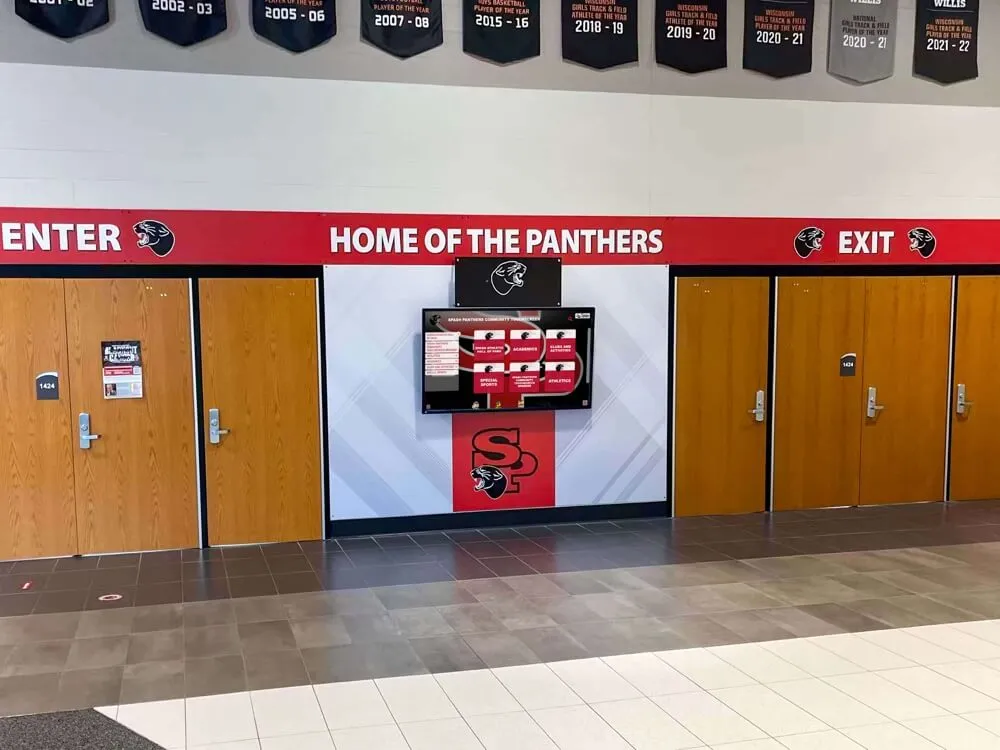
Many schools find that digital recognition systems elegantly solve the challenge of balancing comprehensive recognition with limited assembly time. Rather than rushing through 200 honor roll names during an assembly, schools can acknowledge categories of achievement during the gathering while featuring individual student profiles on digital displays throughout the building, allowing extended recognition without assembly time constraints.
Extending Assembly Recognition Beyond the Event
Traditional assemblies create meaningful moments, but those moments often exist only in attendee memories—maybe a participation certificate filed away, perhaps a brief mention in the school newsletter. The achievements celebrated during assemblies deserve ongoing visibility that reinforces their significance and inspires continued excellence.
The Challenge of Temporary Recognition
Physical recognition displays face inherent limitations. Bulletin boards showcasing award recipients disappear after a few weeks when new content requires that space. Photo collages from assemblies go into storage when hallway displays get updated. Achievement certificates live in desk drawers rather than visible locations. These temporary approaches fail to maximize the motivational value of recognition—for honored students who want their accomplishments remembered, and for other students who need visible examples of achievable success.
Digital Recognition Solutions
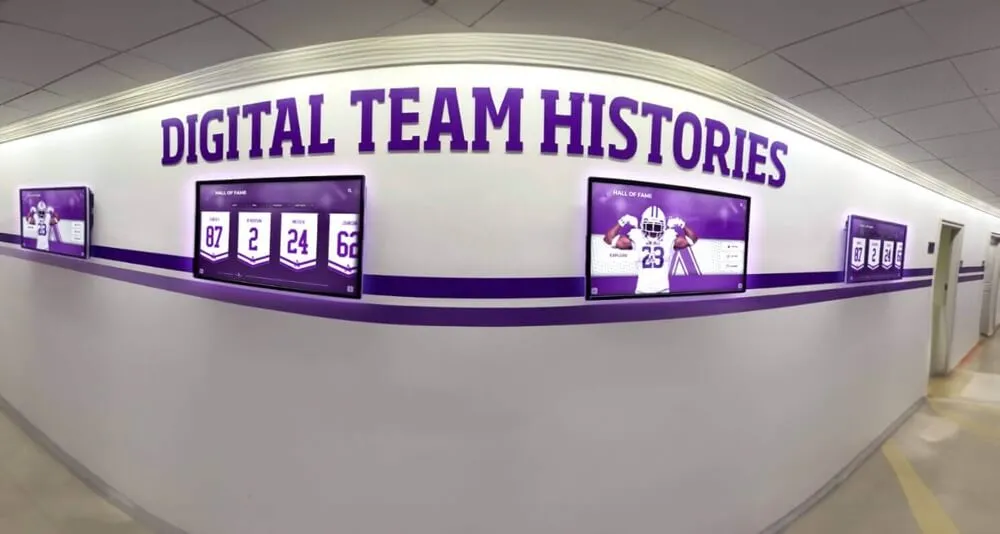
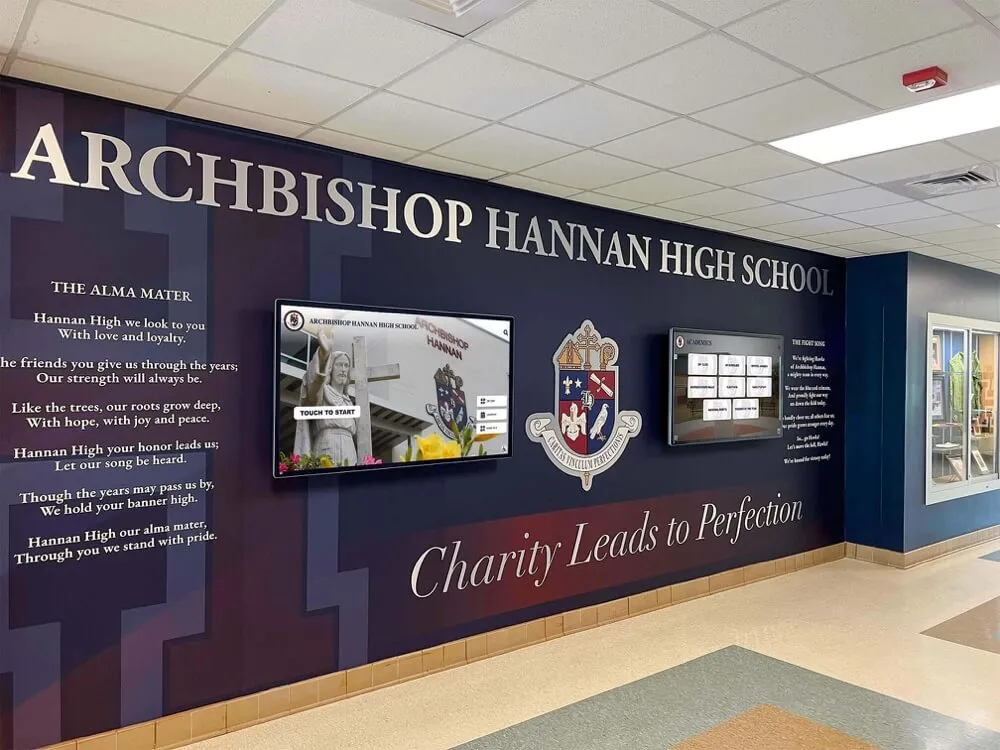
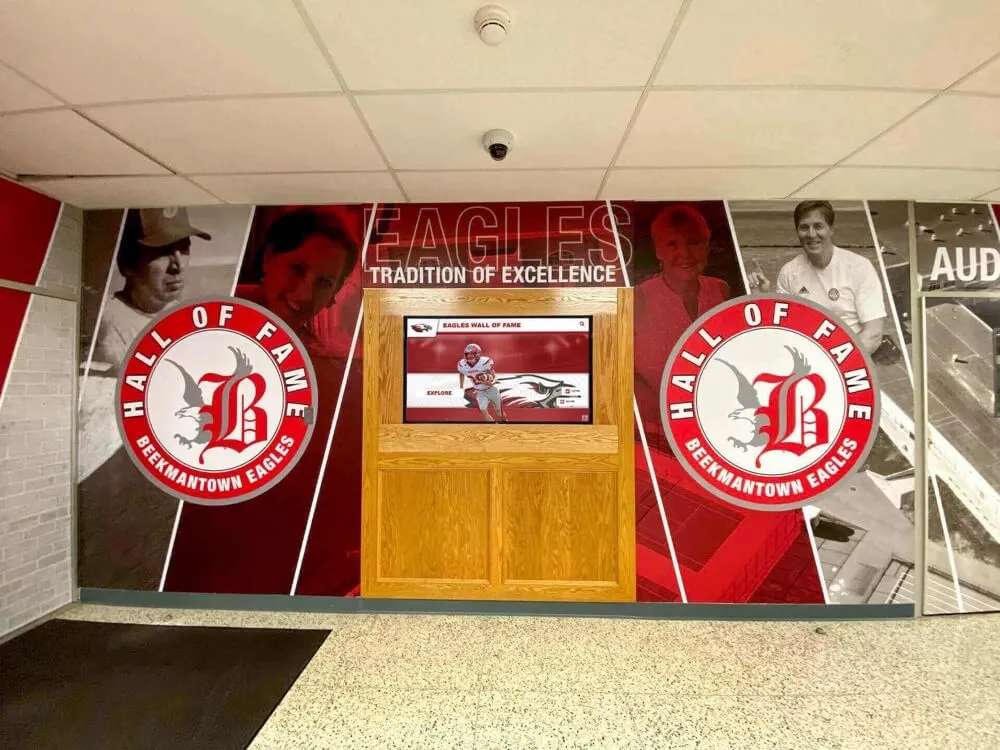
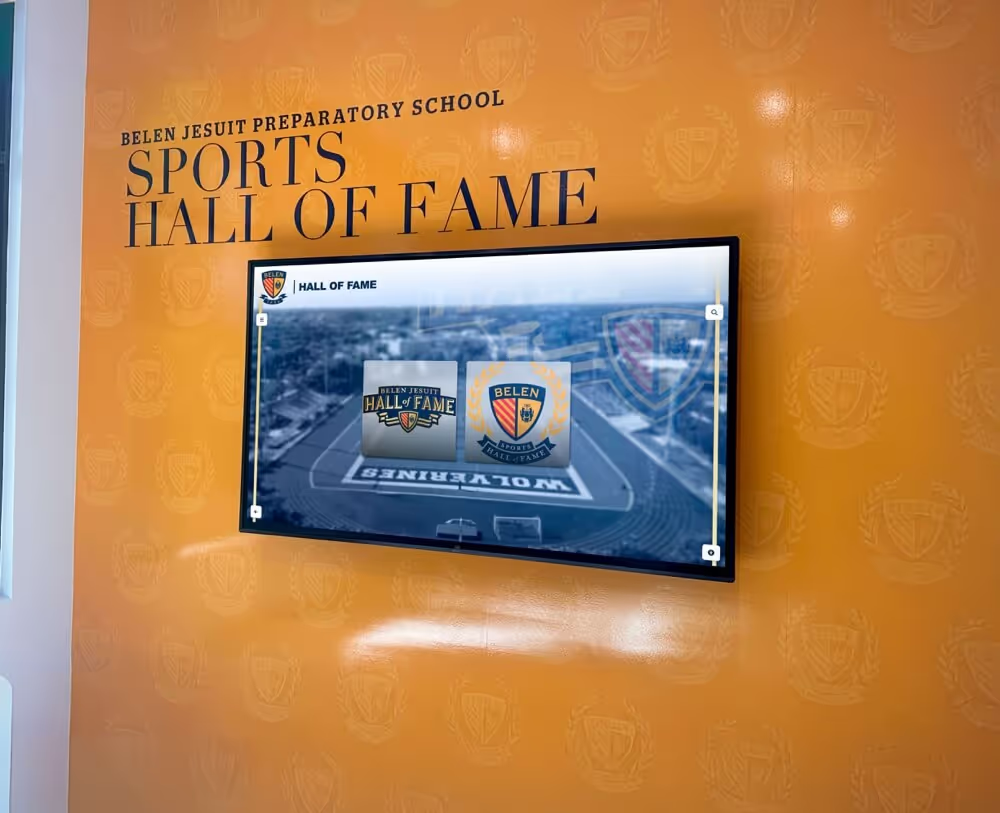
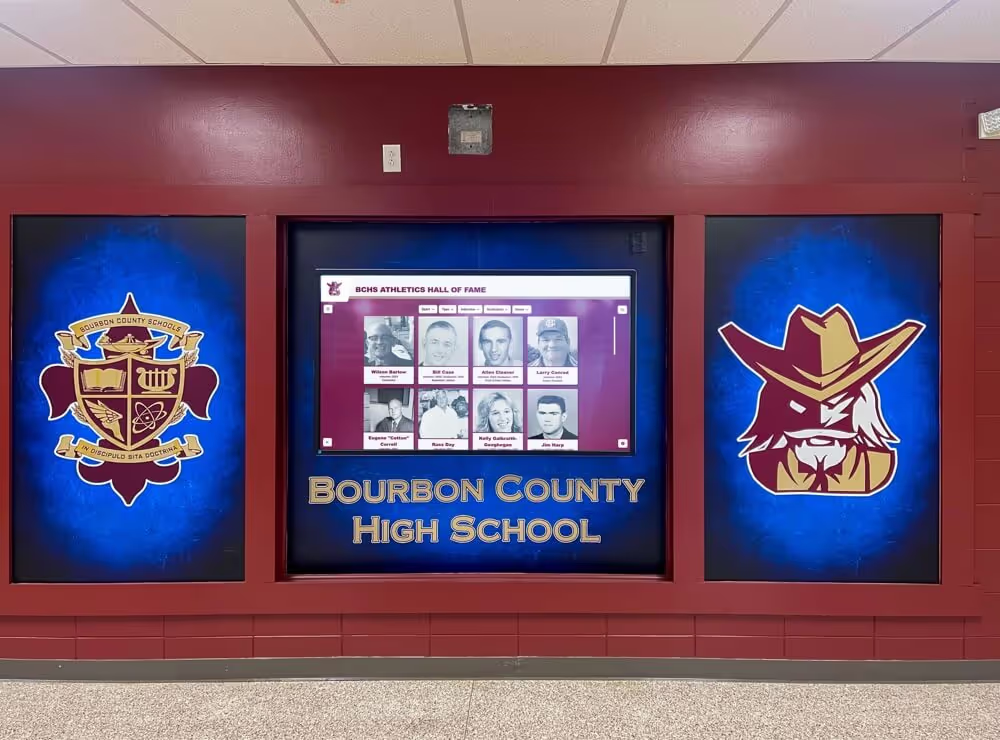
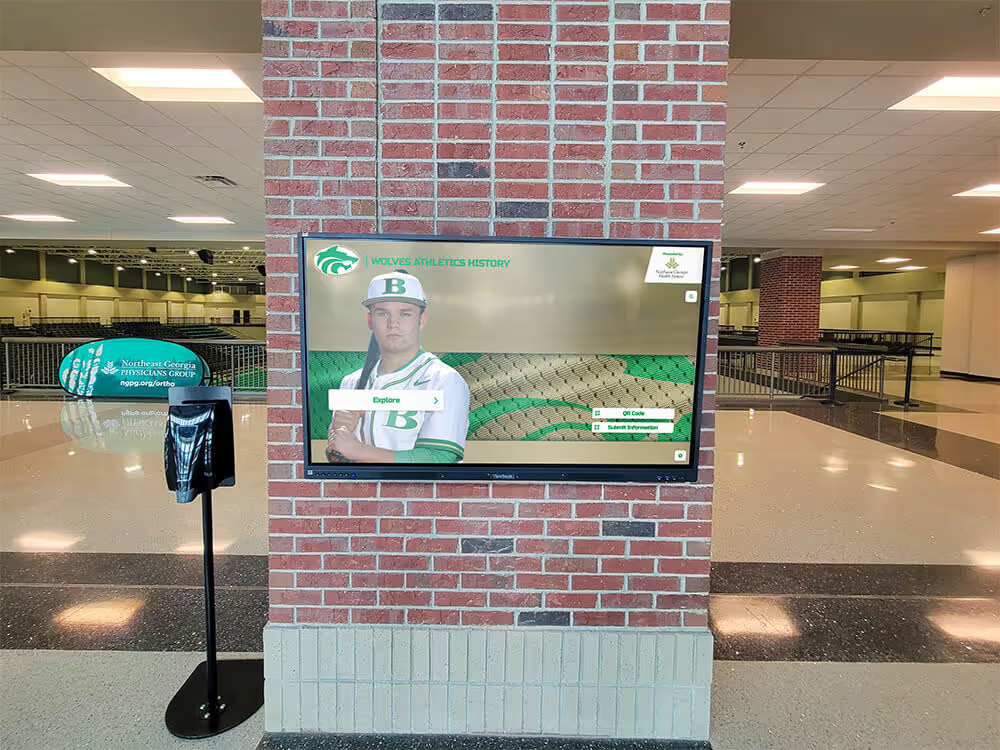
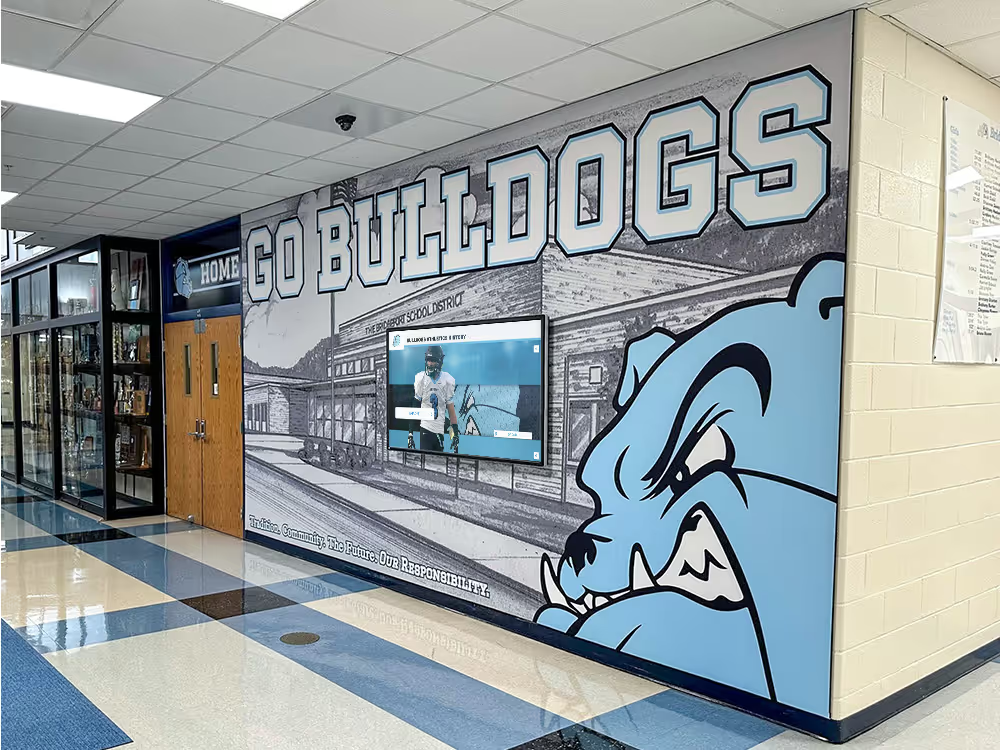
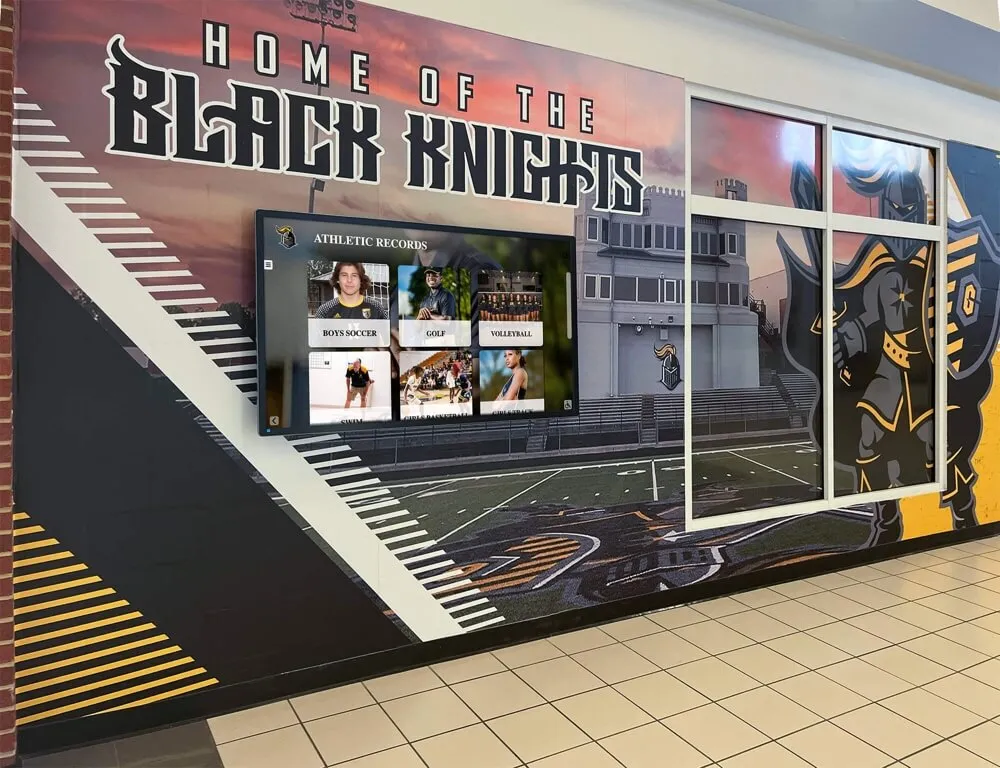
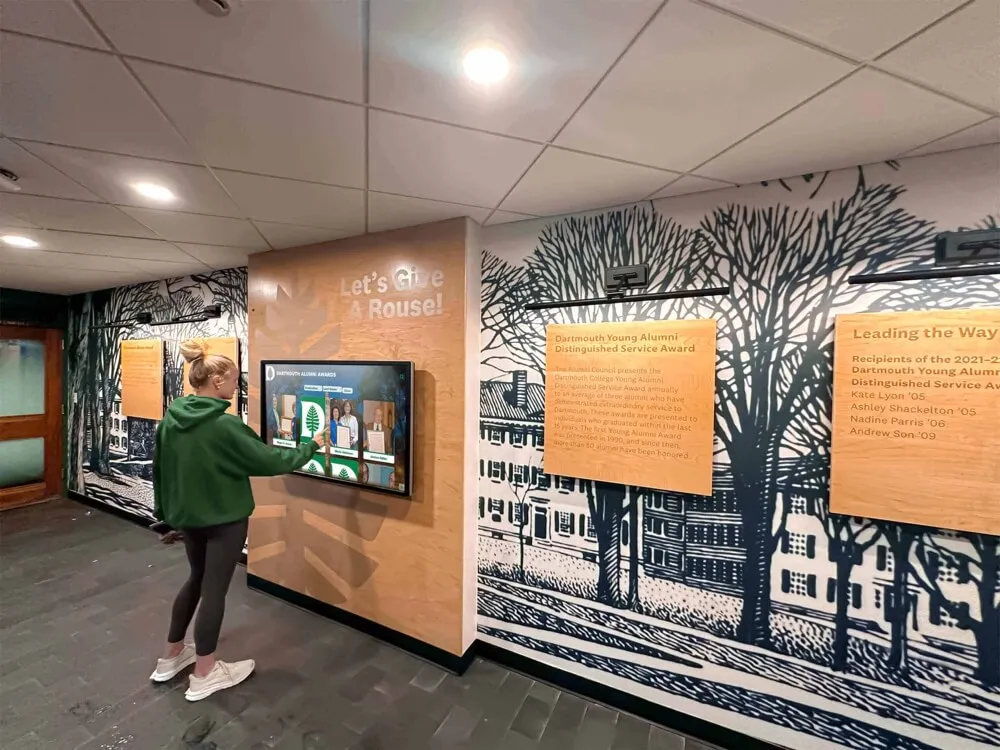
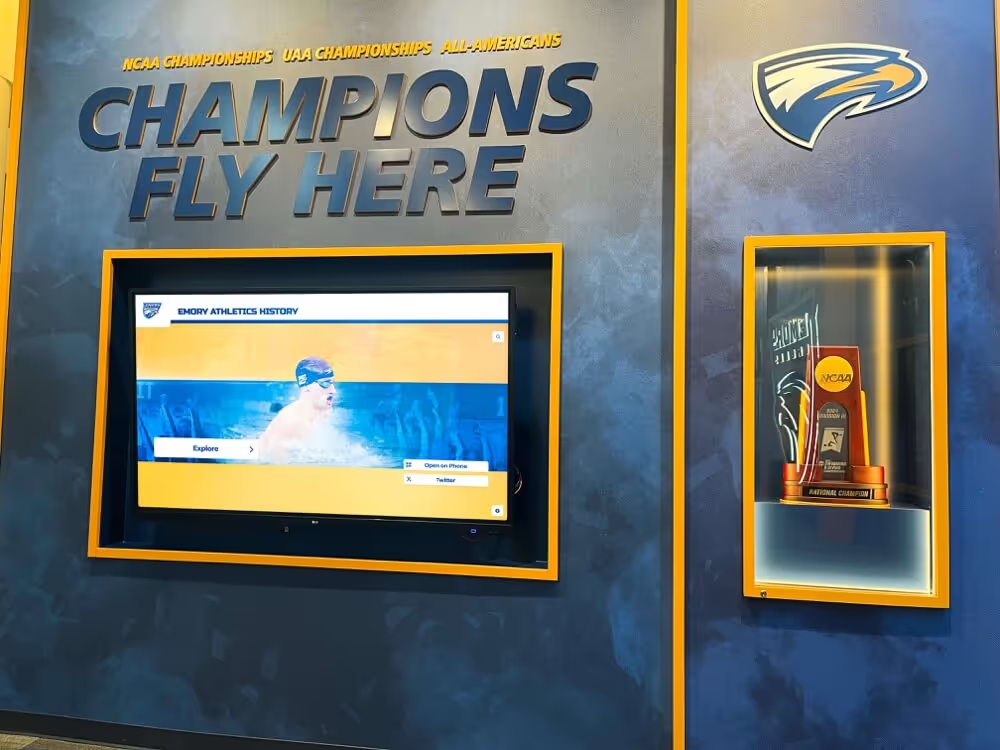
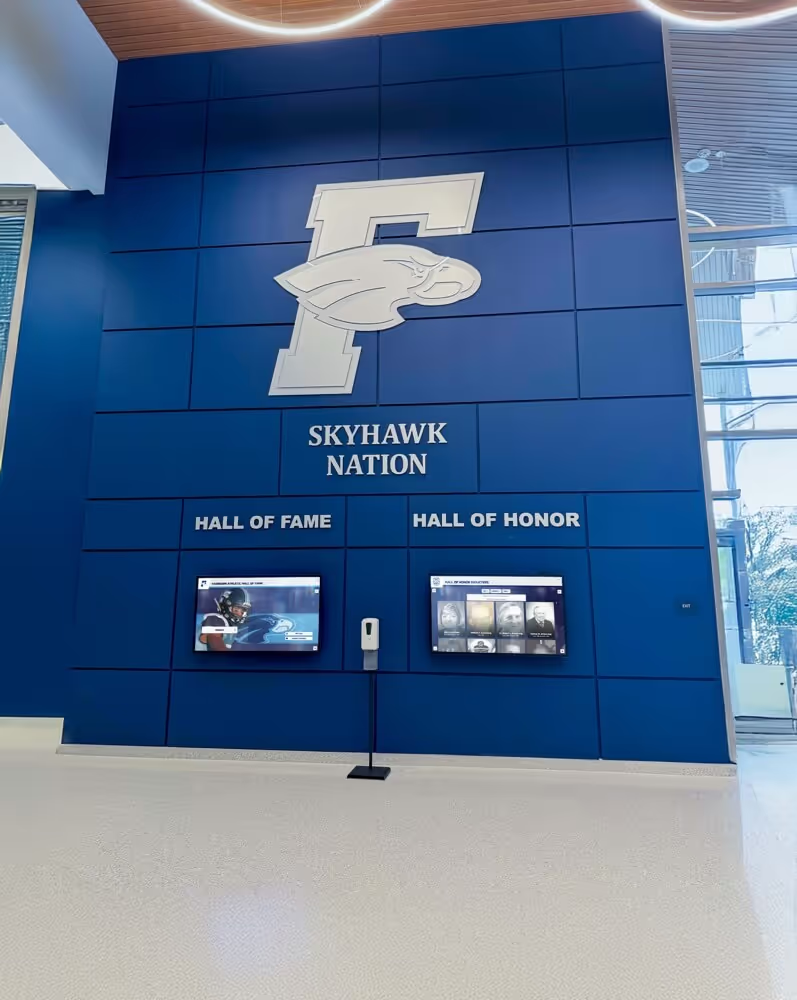
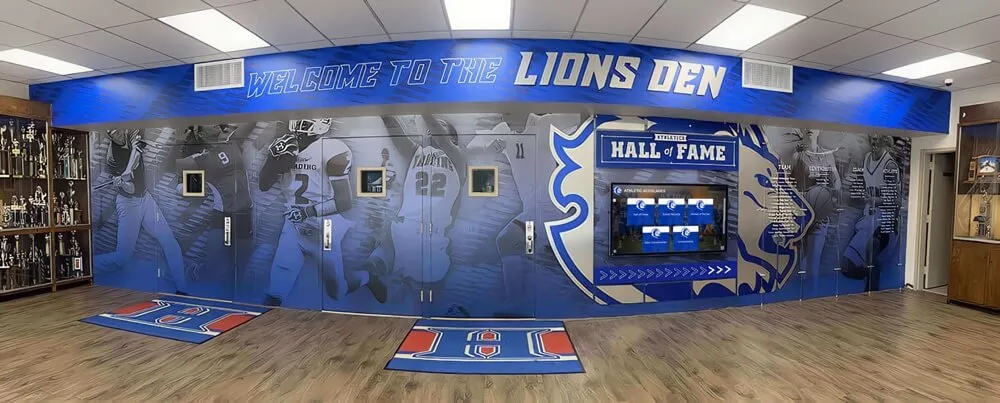
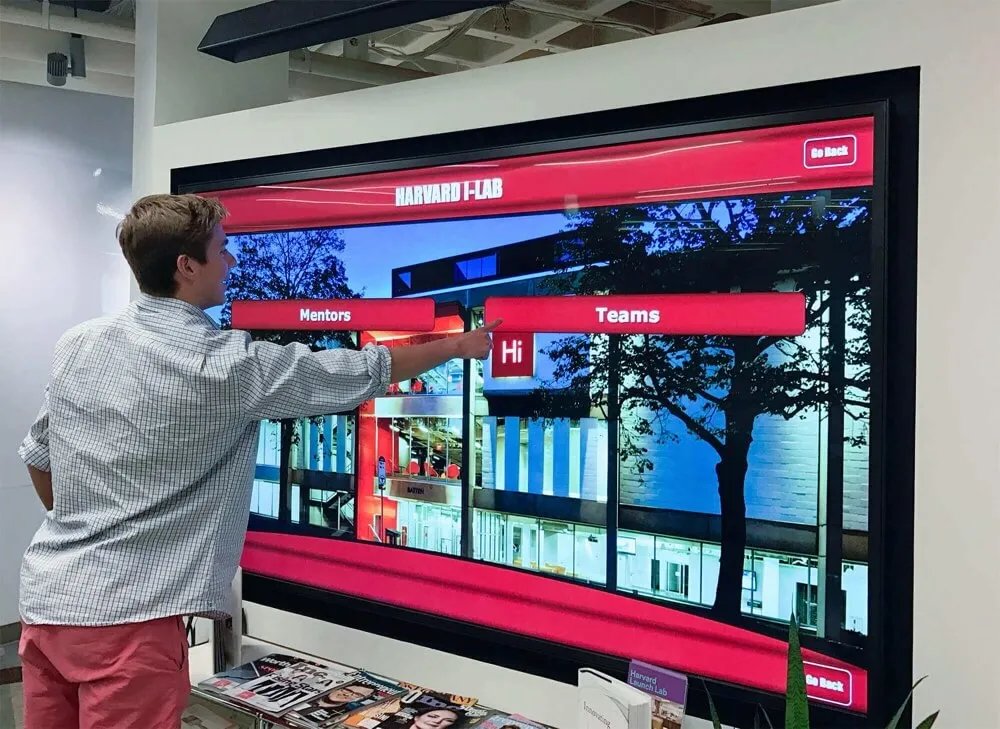
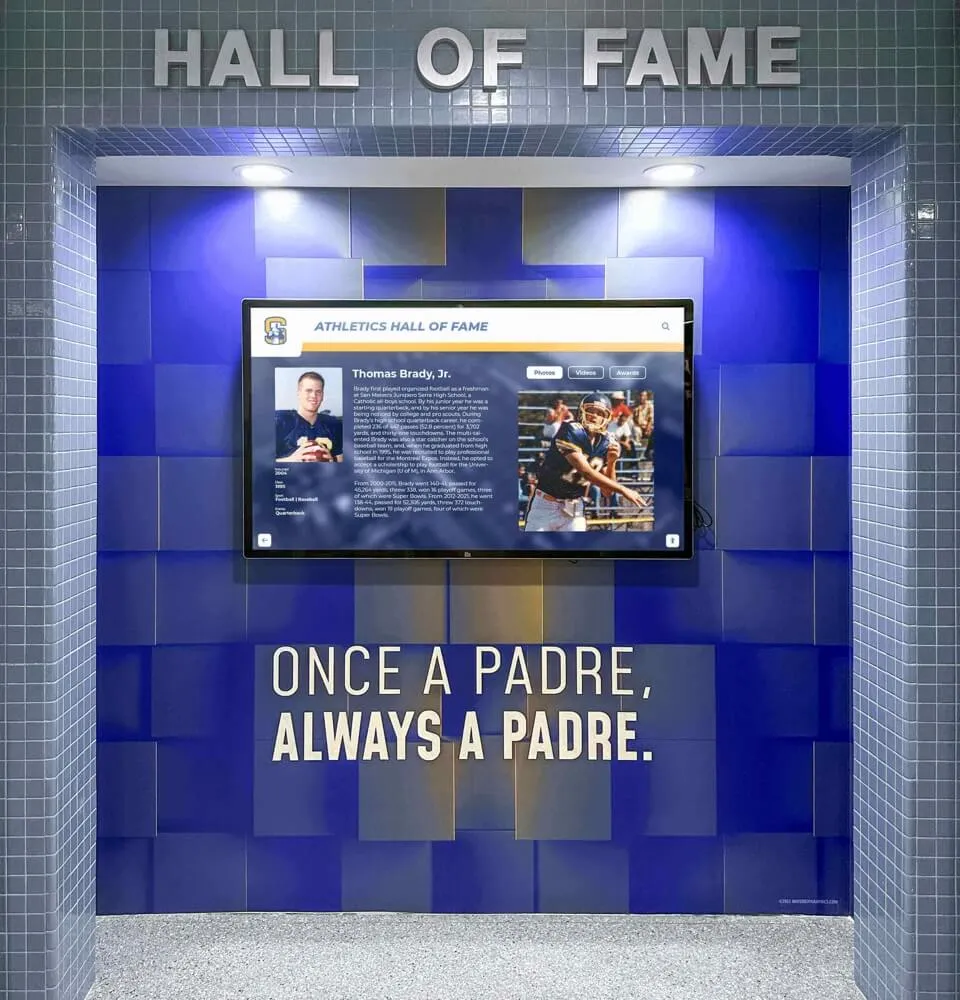
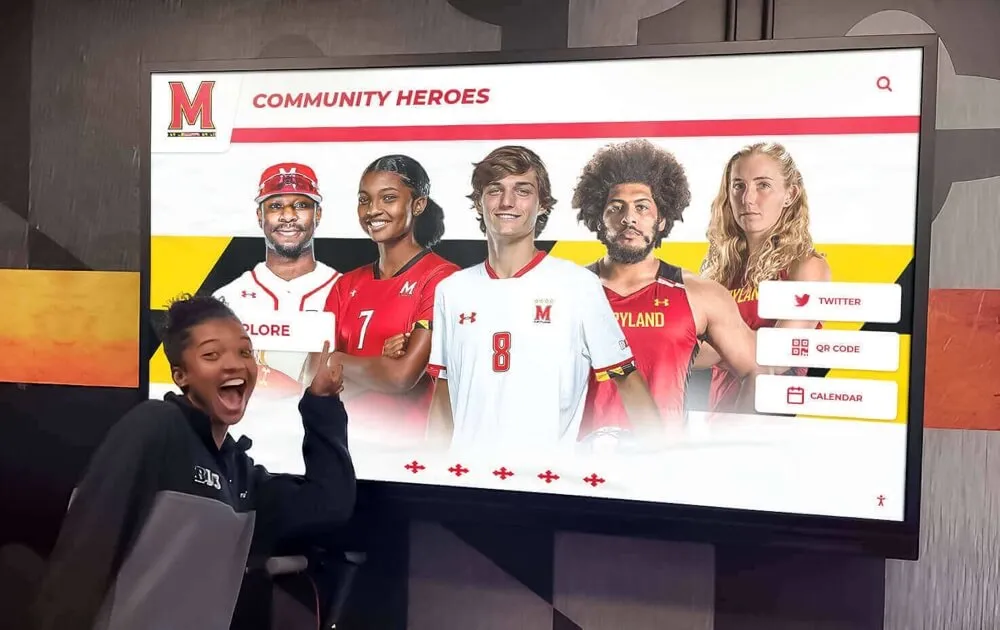
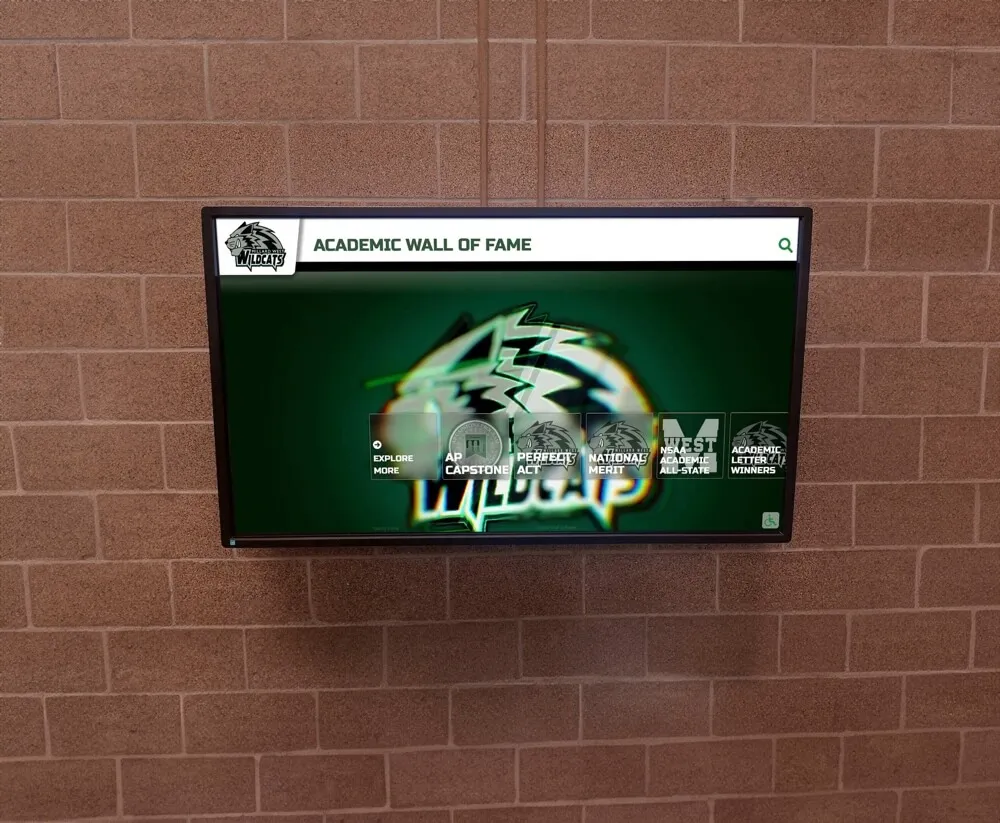
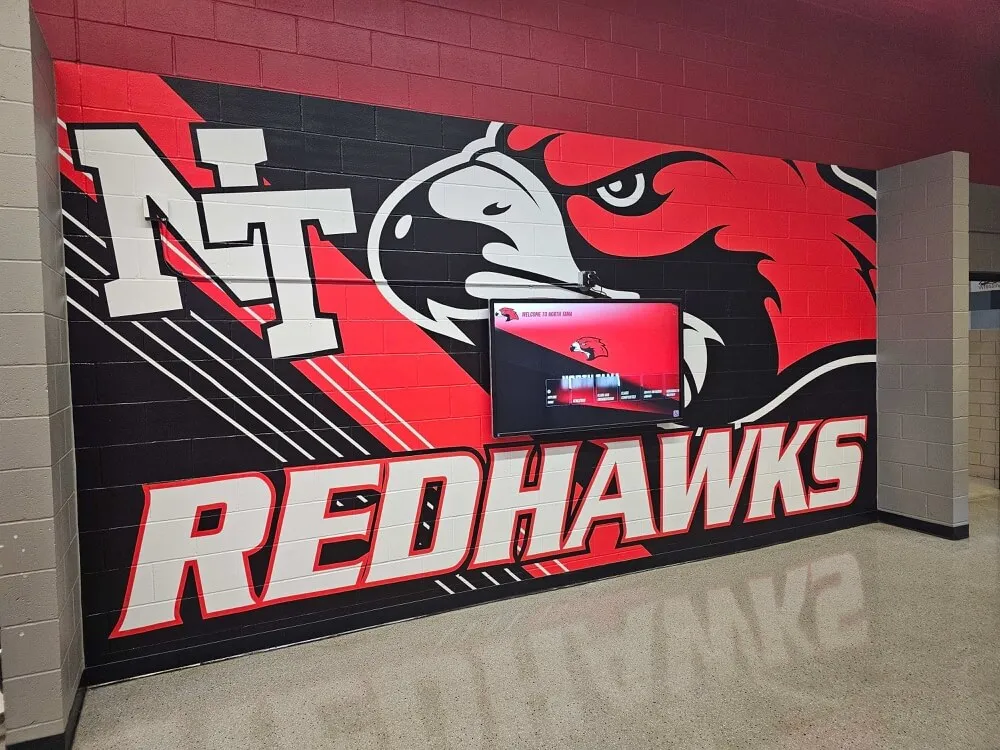
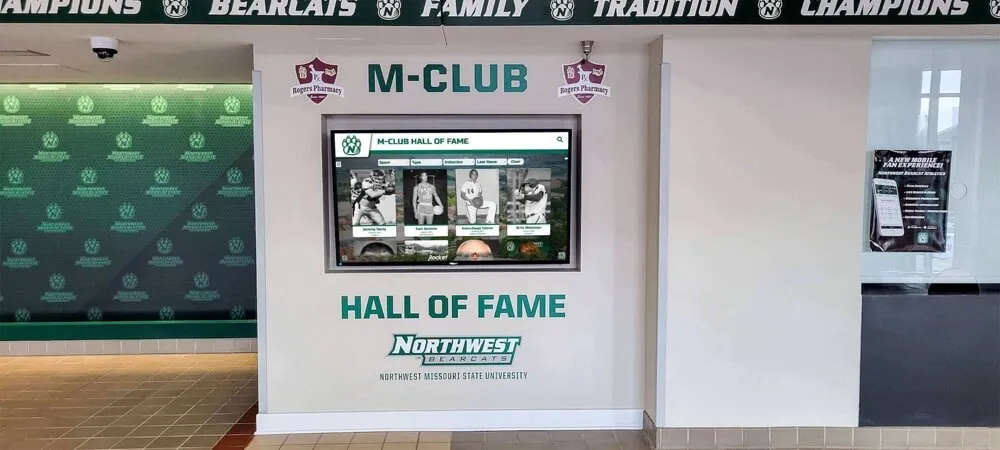
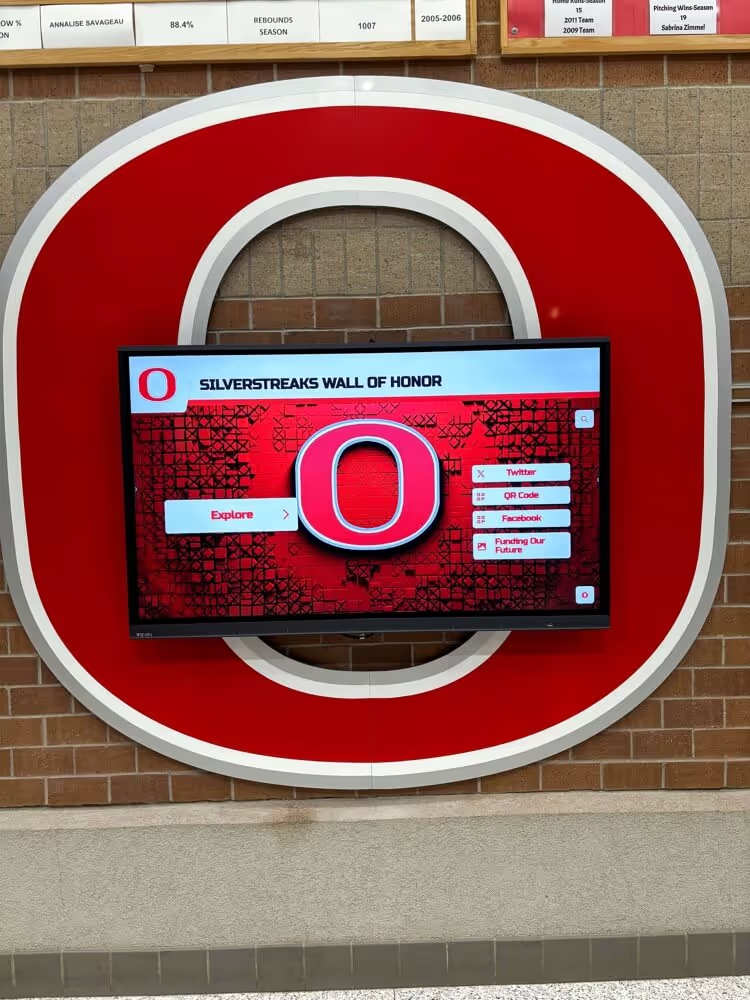
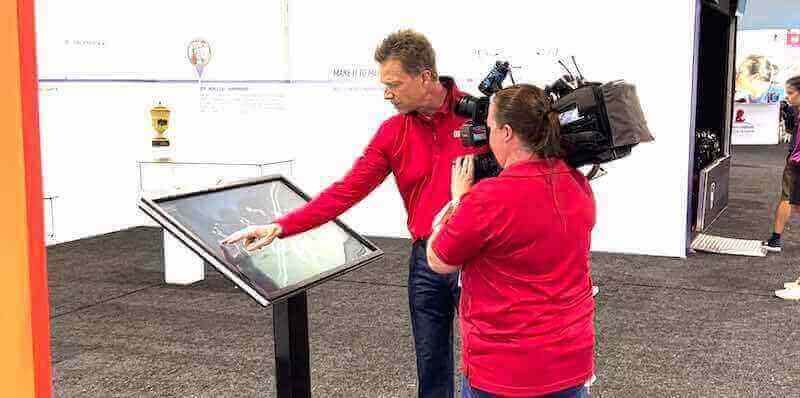
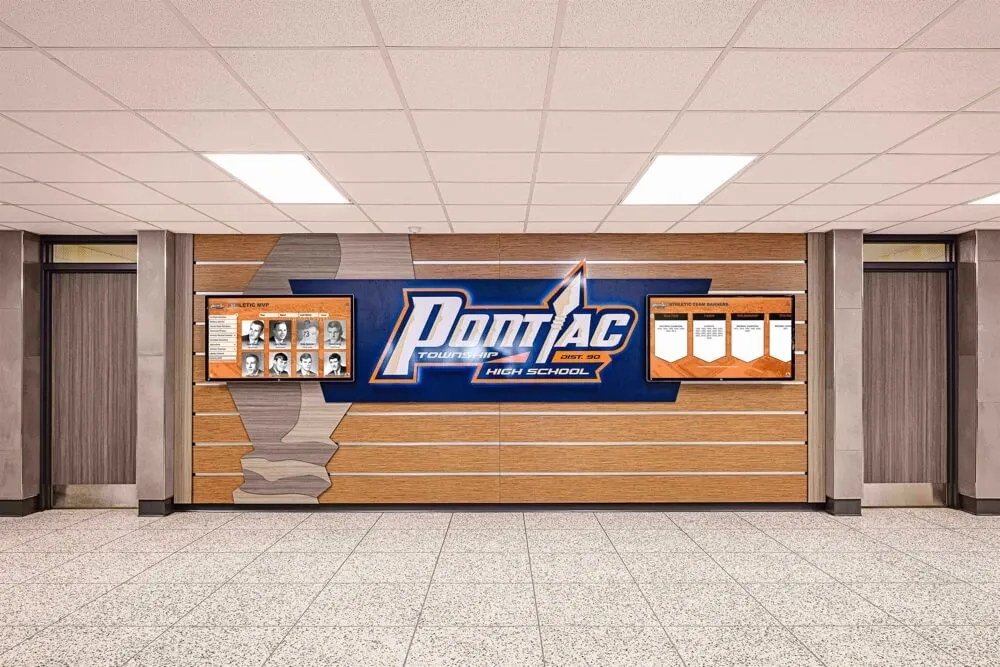
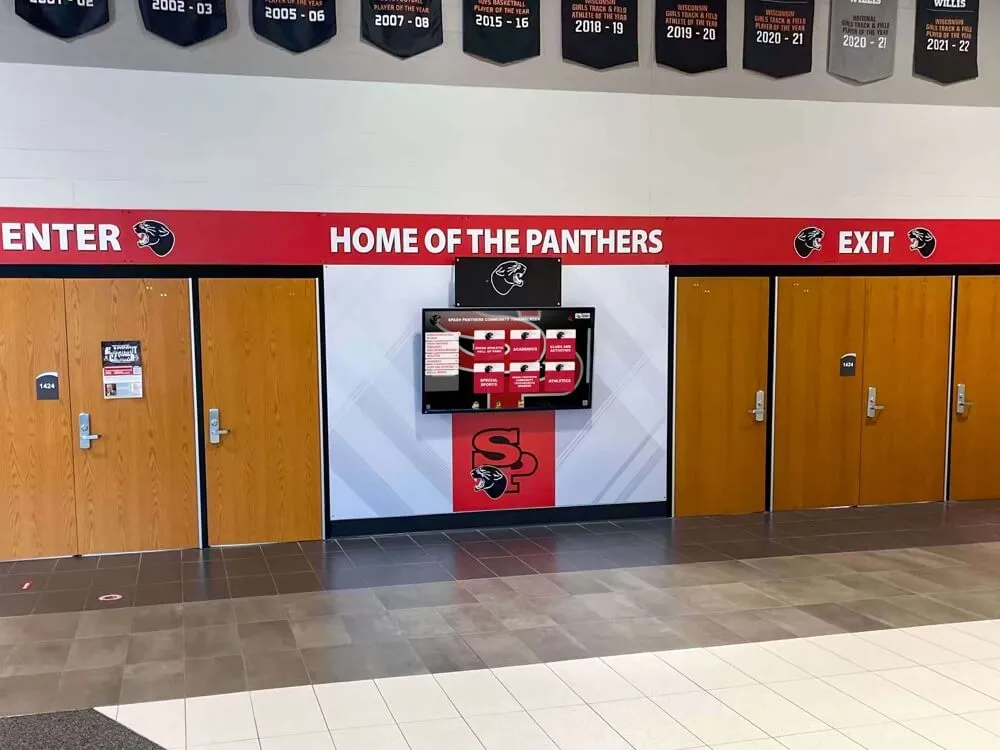
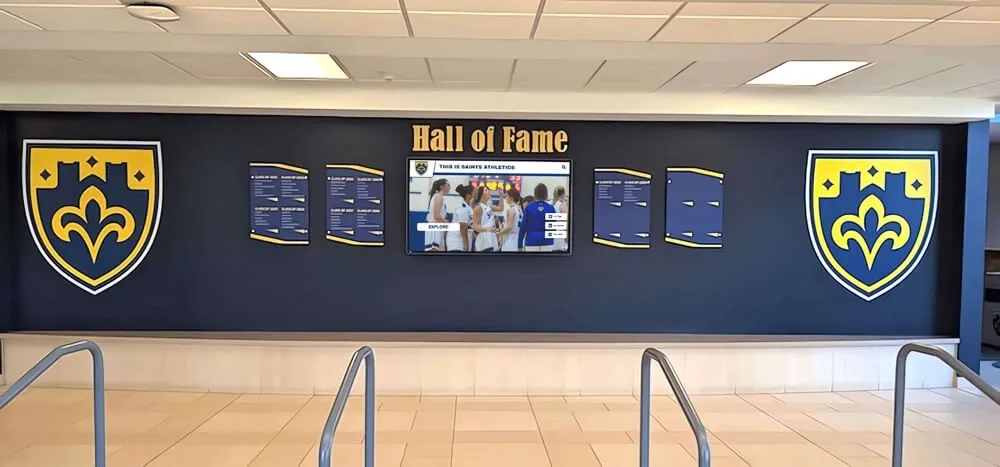
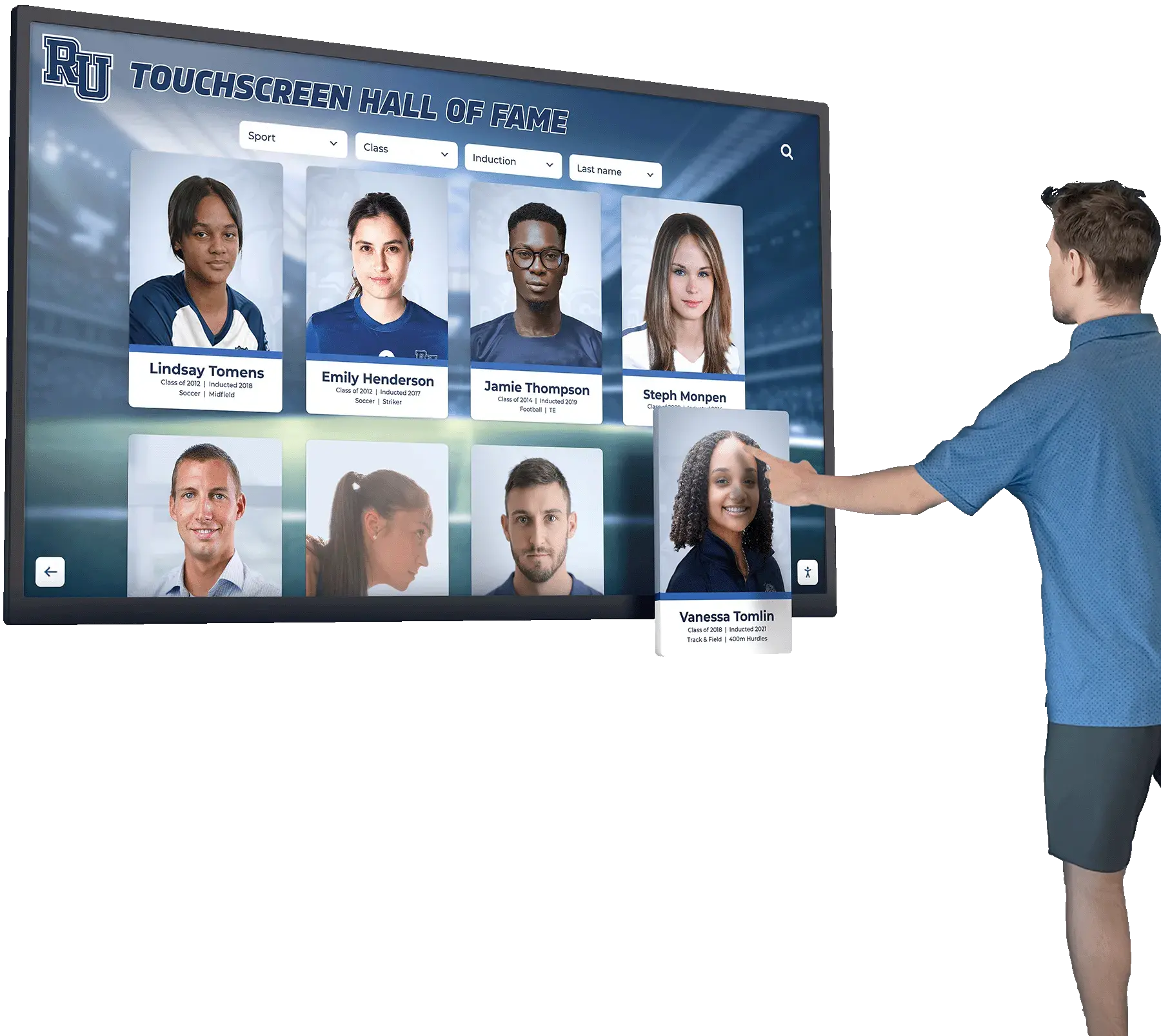
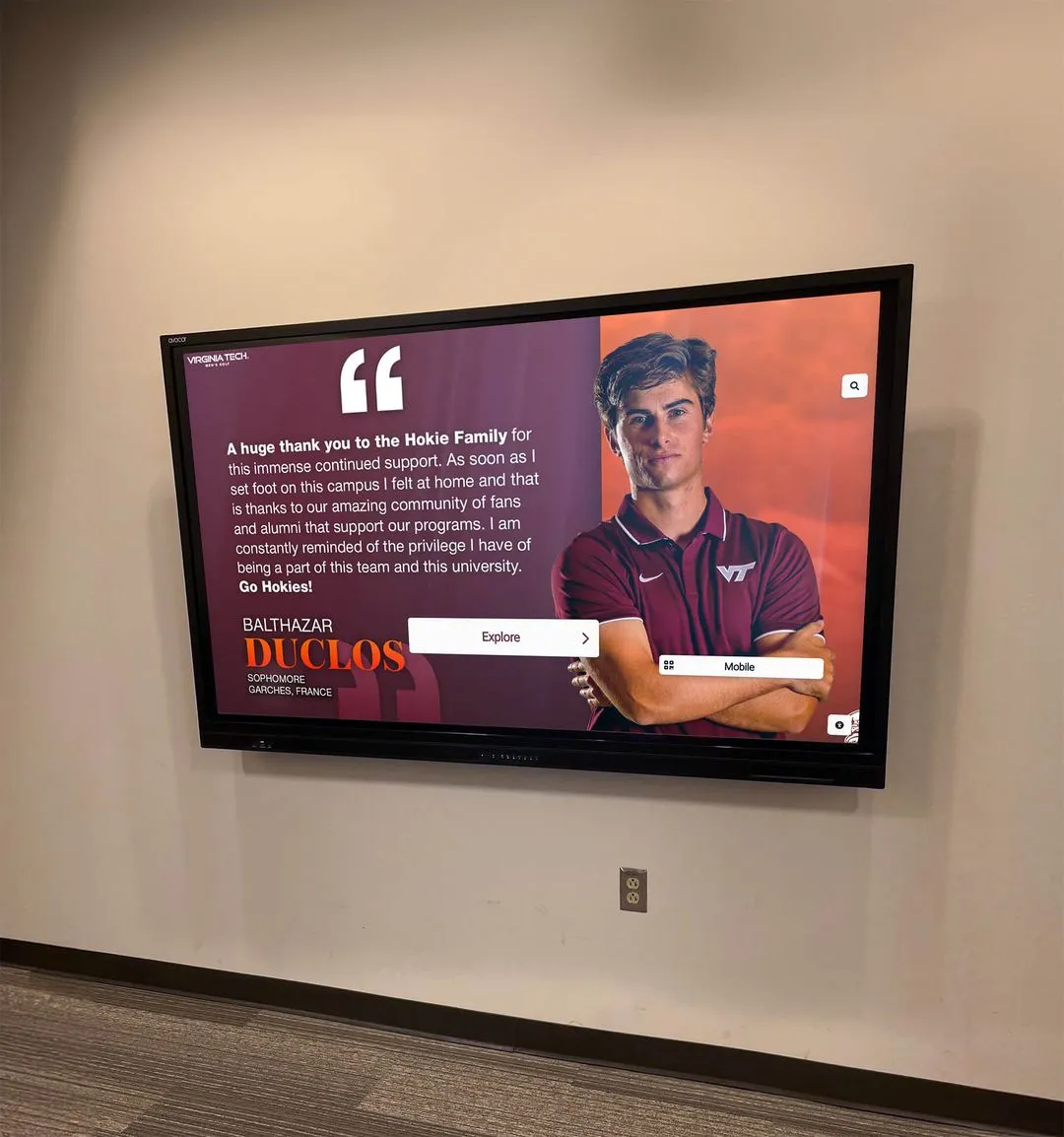
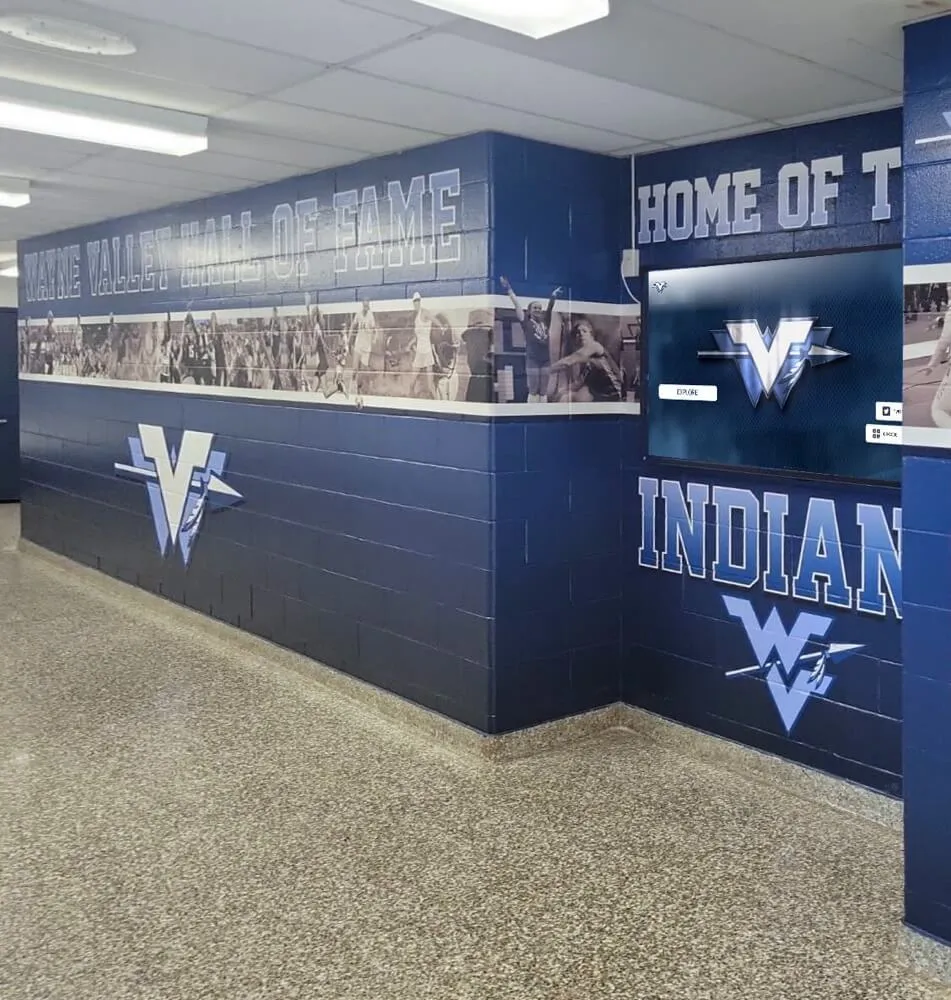
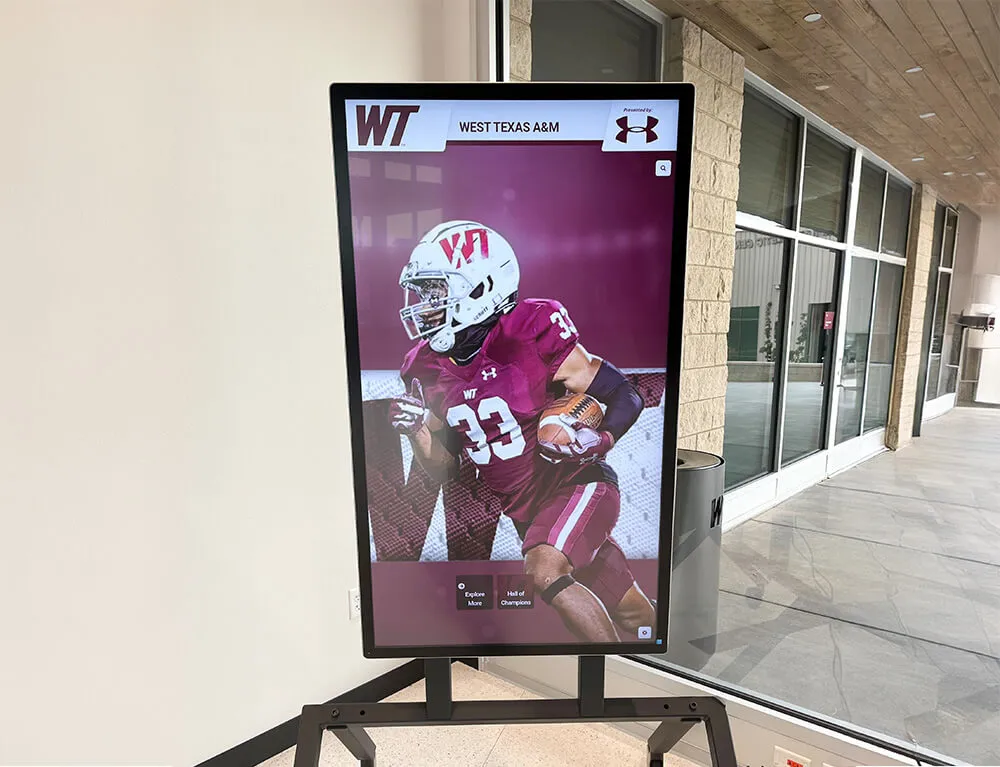
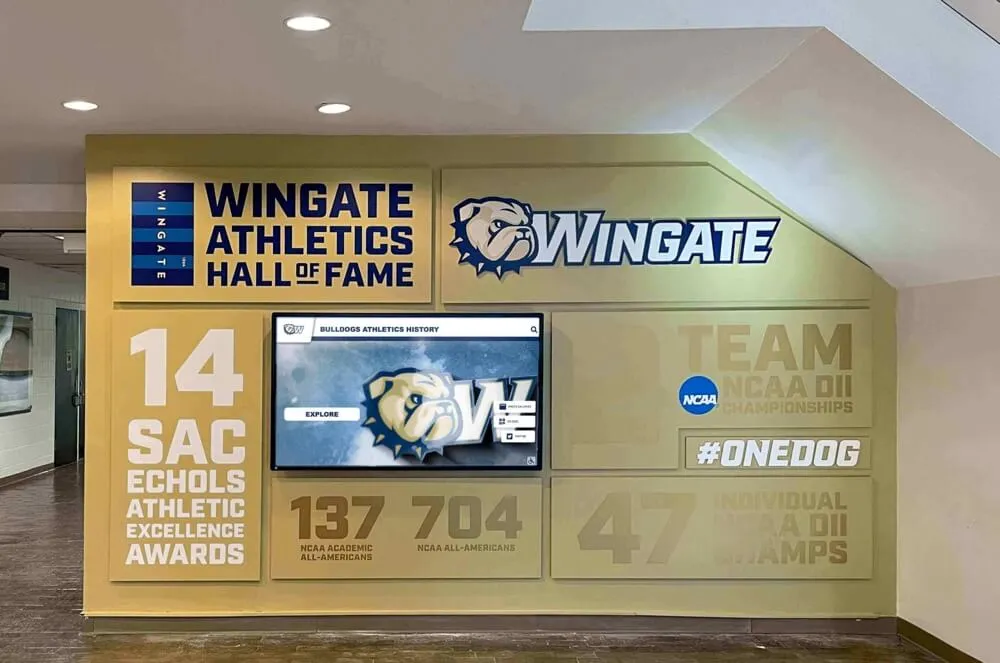
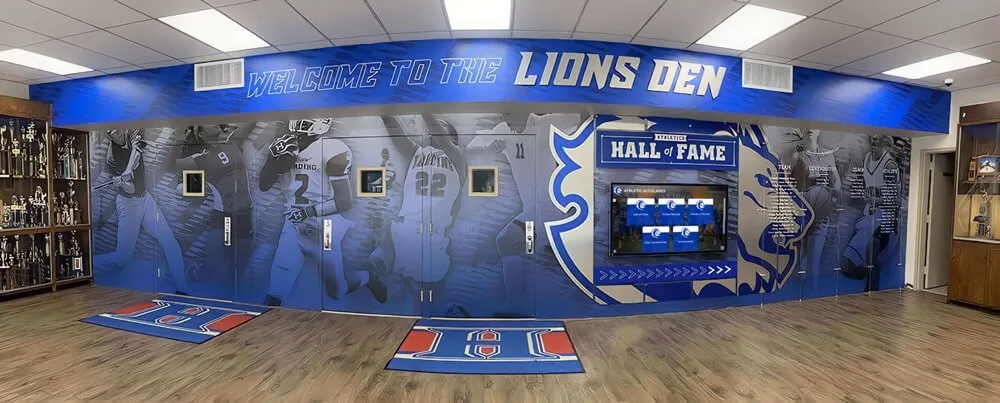
Solutions like Rocket Alumni Solutions fundamentally transform how schools preserve and celebrate assembly recognition moments. Touchscreen recognition displays positioned in school lobbies, near main offices, or in cafeterias feature comprehensive profiles of students honored during assemblies—not just names and achievements, but photos, detailed accomplishments, and personal information that makes recognition meaningful.
These systems showcase unlimited achievements without physical space constraints. The same display can feature honor roll recipients, athletic champions, service award winners, arts competition successes, and character recognition—all regularly rotated to maintain fresh content while preserving comprehensive historical records. Students, families, and visitors encounter continuous evidence of your school’s celebratory culture, and assembly recognition extends from brief applause to permanent institutional memory.
The technology also enables recognition updates without IT intervention. When your next assembly honors new achievers, administrators can update digital displays within minutes using cloud-based content management systems, ensuring recognition appears immediately rather than waiting for physical displays to be printed, posted, and maintained.
Building Recognition into School Culture
The most effective schools view assemblies as recognition starting points rather than endpoints. Assembly acknowledgment initiates recognition that continues through digital displays, social media features, website updates, newsletter highlights, and classroom celebrations. This multi-channel approach ensures that achievement receives appropriate visibility while demonstrating institutional commitment to celebrating excellence.
Consider creating permanent digital archives of assembly programs, award recipients, and special moments. Schools using comprehensive recognition systems can build student achievement displays that document institutional history while making that history accessible to current and future community members.
Measuring Assembly Effectiveness
Regular assessment helps improve future assemblies and demonstrates value to stakeholders questioning time investment in large-group gatherings.
Student Feedback and Engagement
Simple post-assembly surveys asking students to rate engagement, identify key takeaways, suggest future topics, or provide general feedback yield actionable insights. Brief feedback forms—physical or digital—distributed after assemblies or incorporated into advisory periods generate data informing future planning.
Observe engagement during assemblies. Are students attentive or distracted? Does energy level remain consistent or drop significantly? Do students participate voluntarily when opportunities arise? These real-time observations guide immediate adjustments and inform future programming.
Teacher and Staff Input
Educators who supervise students during assemblies notice engagement patterns, hear student reactions, and understand whether assembly messages connect with actual student behavior. Regular feedback opportunities for staff—brief surveys, planning committee meetings, or informal conversations—provide valuable perspective.
Impact Assessment
For assemblies with specific objectives—character education programs intended to reduce negative behaviors, academic assemblies aimed at increasing achievement motivation, or information sessions designed to improve college applications—track relevant metrics before and after. While direct causation proves difficult, trending improvements suggest programming impact.
Creating Your Assembly Calendar
Strategic assembly planning involves more than selecting individual programs. Comprehensive calendar development ensures appropriate frequency, balanced content, and strategic timing that maximizes impact while minimizing instructional disruption.
Frequency Considerations
Assembly frequency depends on school size, schedule constraints, and community preferences. Monthly assemblies maintain regular connection while avoiding over-saturation. Quarterly assemblies work well for schools prioritizing instructional time. Some schools schedule assemblies only around major events—opening of school, homecoming, academic recognition periods, end of year—treating them as significant occasions rather than routine interruptions.
Consider grade-specific assemblies for topics particularly relevant to certain age groups—freshman orientation programs, sophomore career exploration, junior standardized test preparation, senior graduation planning. These targeted assemblies deliver focused content without requiring full-school gatherings.
Balanced Content Mix
Balance recognition assemblies with educational programs, cultural celebrations with entertainment events, serious topics with lighter content. Variety maintains student interest and demonstrates that assemblies serve multiple purposes rather than just one type of programming.
Plan assemblies around school calendar events when possible. Schedule athletic recognition after championship seasons, cultural celebrations during appropriate heritage months, and character education programs when behavioral data suggests student need. Strategic timing enhances relevance while connecting assembly content to broader school experiences.
Logistical Planning
Book external speakers and performers well in advance—often 6-12 months for popular programs. Reserve spaces, arrange audio-visual equipment, coordinate with food service if assemblies affect lunch schedules, communicate with transportation if timing impacts bus schedules, and inform families about any schedule changes.
Create clear protocols for student behavior expectations, entry and exit procedures, seating arrangements, and emergency procedures. Consistent expectations and smooth logistics allow focus on content rather than crowd management.
Transform Assembly Recognition Into Lasting Celebration
Don't let assembly achievements fade from memory after brief applause. Discover how digital recognition displays preserve student accomplishments, extend assembly impact year-round, and strengthen school culture through continuous celebration of excellence.
Explore Recognition SolutionsLooking for more ways to celebrate students and strengthen school culture? Explore our guides on building effective student engagement strategies and creating impactful athletic recognition programs to discover additional approaches for celebrating achievement and building community pride.