Every Friday night under the lights, quarterbacks step to the line of scrimmage and begin their vocal cadence—a carefully orchestrated sequence of calls, numbers, and signals that determines exactly when the ball snaps and the play begins. For young players learning the position, parents watching from the stands, and coaches teaching fundamentals, understanding football snap count represents one of the sport’s most essential yet often misunderstood strategic elements.
The snap count isn’t just about starting plays. Elite quarterbacks weaponize cadence to draw defenses offside, identify coverage schemes, make last-second adjustments, and create competitive advantages before the ball is ever snapped. The difference between “Blue 42, Blue 42, Set, Hut!” and other variations can mean the difference between a five-yard penalty against the defense or a blown blocking assignment that gets the quarterback sacked.
This comprehensive guide explains everything about football snap count, from basic definitions through advanced applications. You’ll discover how snap counts work, explore variations including hard counts and silent counts, understand the psychological warfare happening at the line of scrimmage, and learn proven coaching strategies for teaching cadence to high school and youth quarterbacks developing pre-snap leadership skills.
Understanding snap count fundamentals provides quarterbacks with powerful tools for controlling tempo, manipulating defenses, and demonstrating the leadership that defines great signal-callers. For coaches and players committed to mastering pre-snap strategy, this knowledge transforms cadence from simple play initiation into strategic advantage.

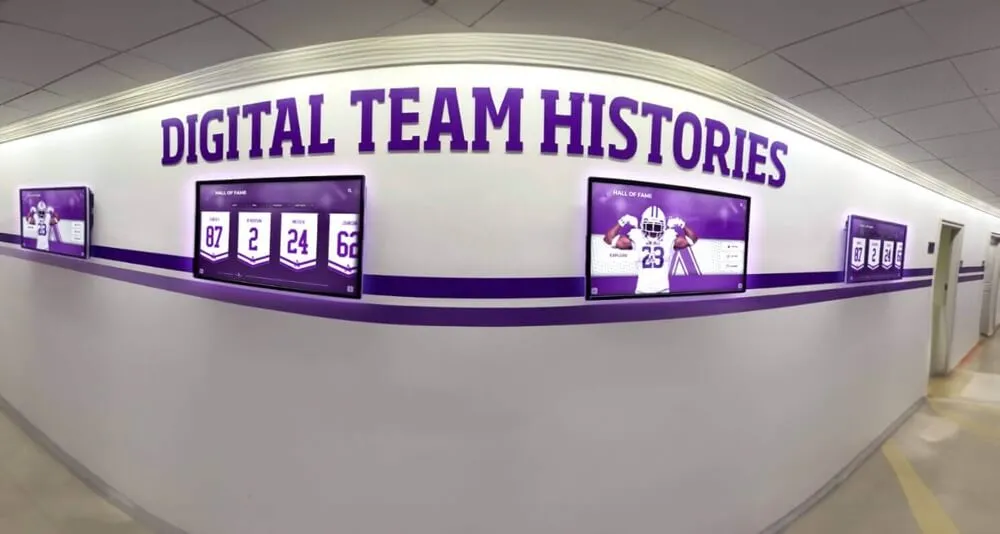
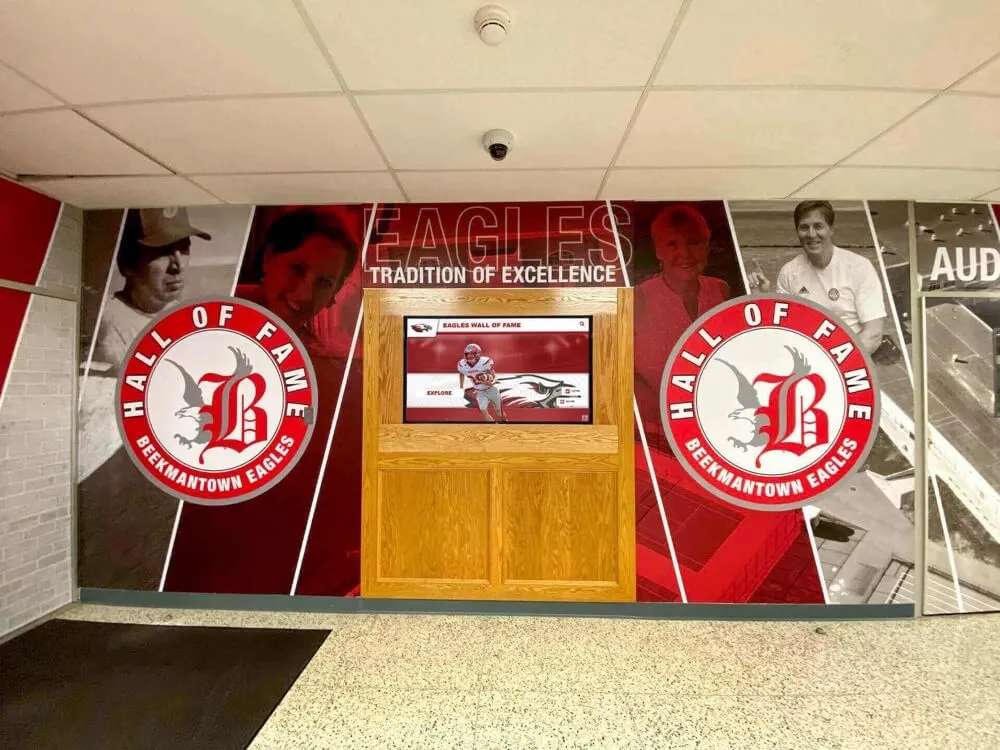
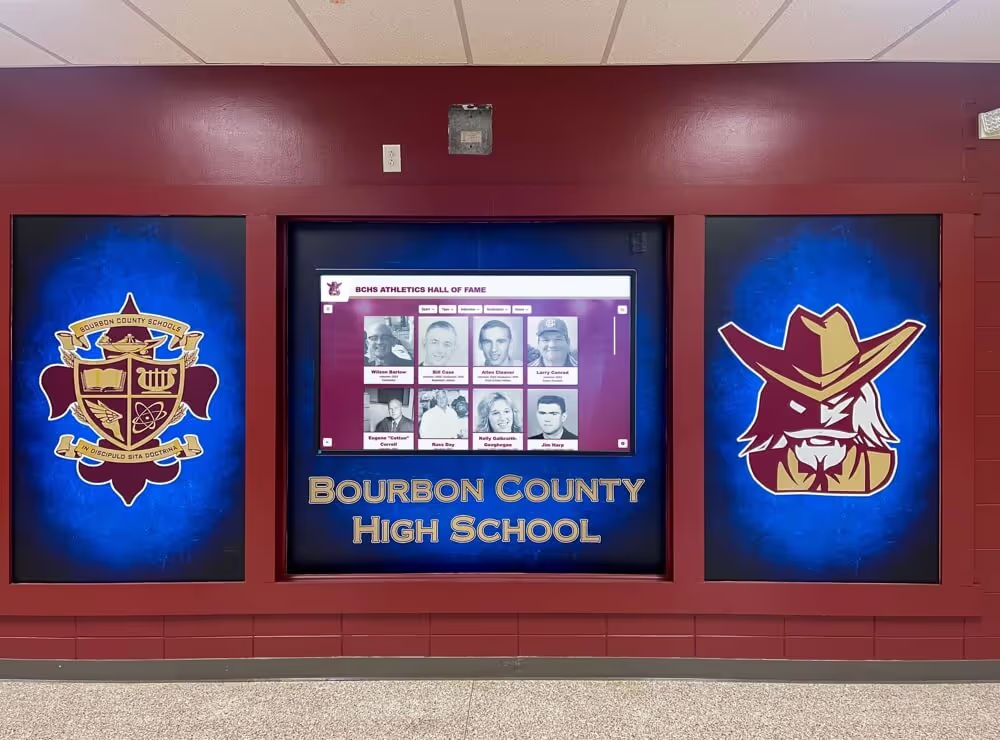
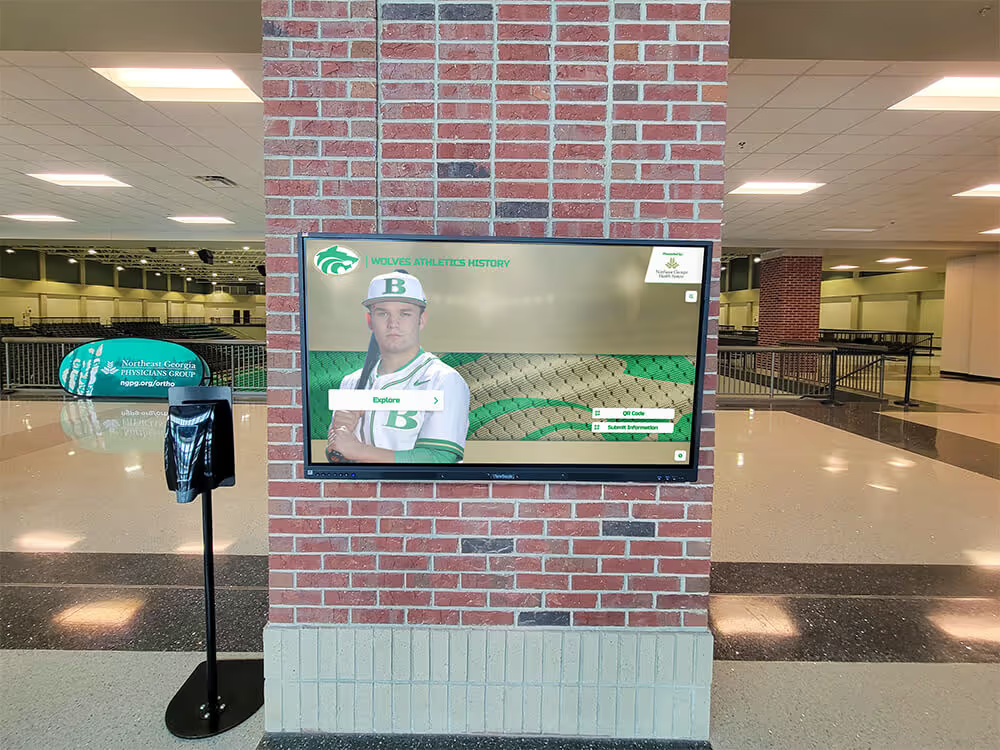
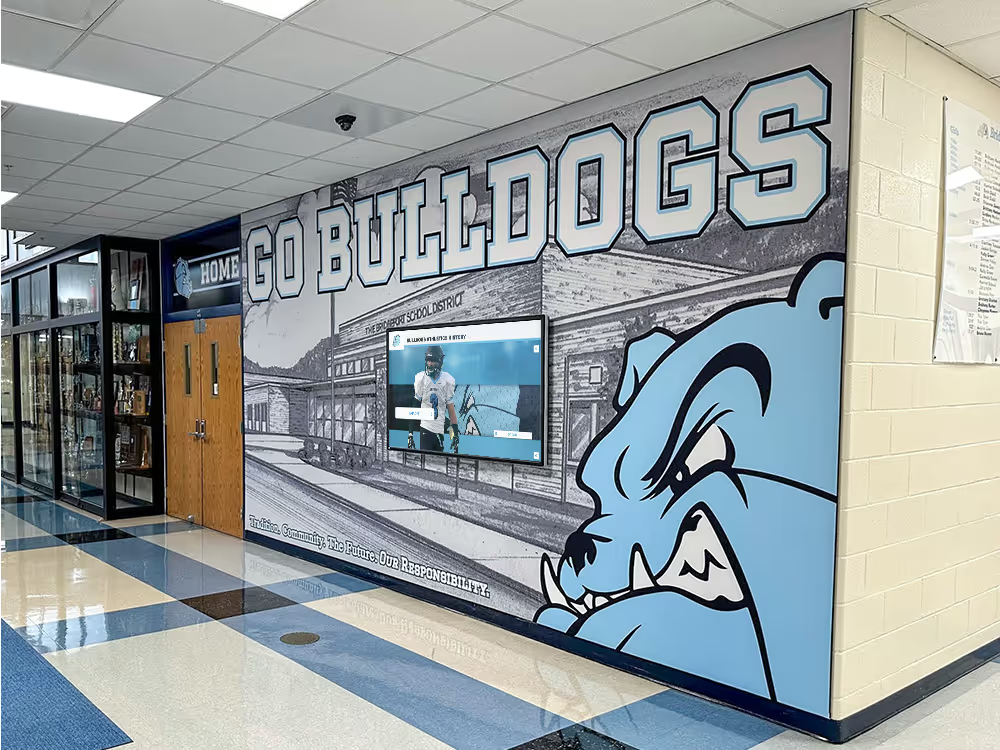
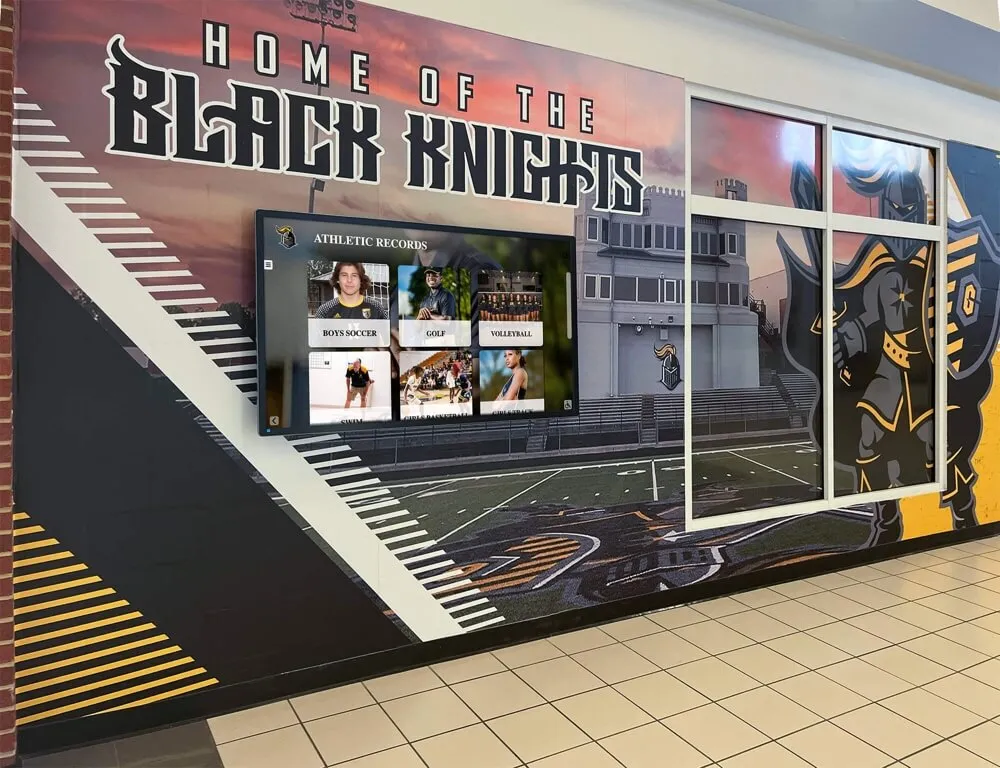
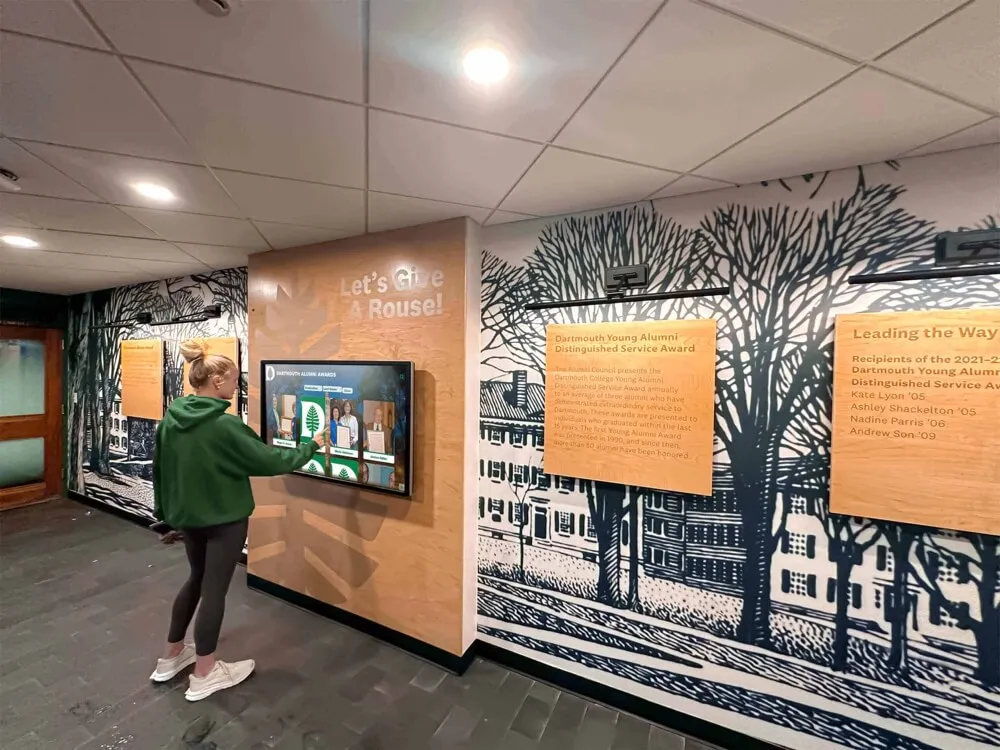
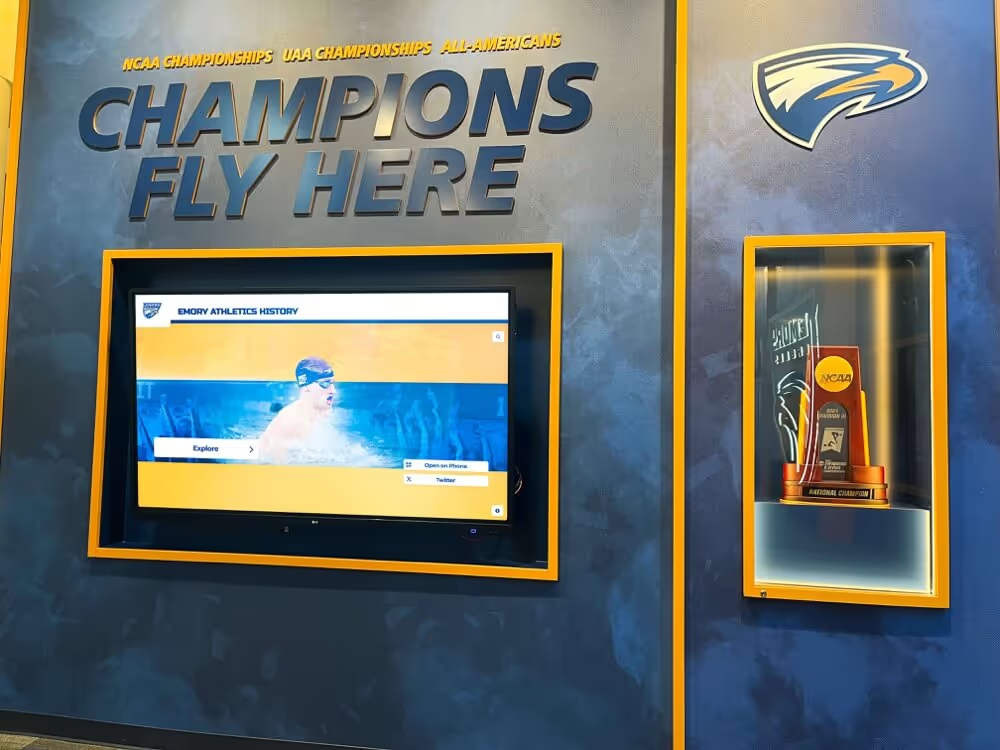
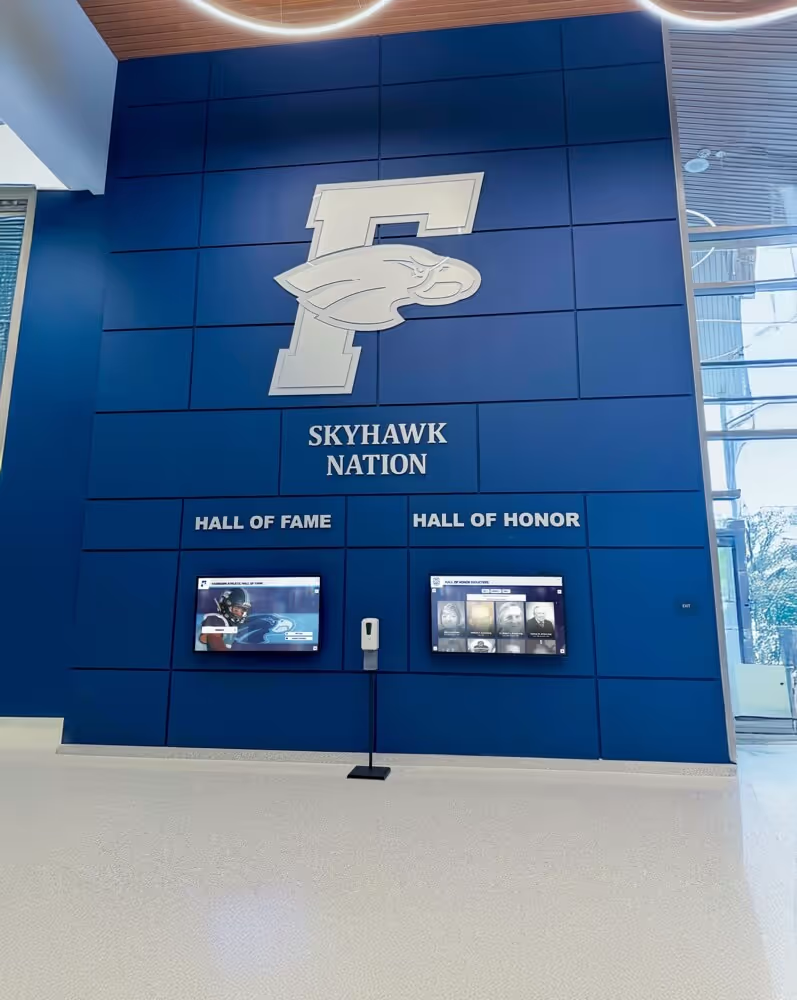
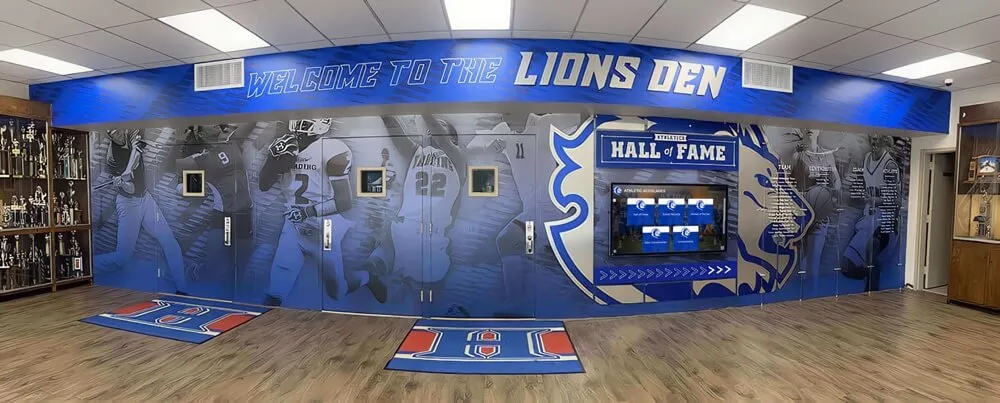
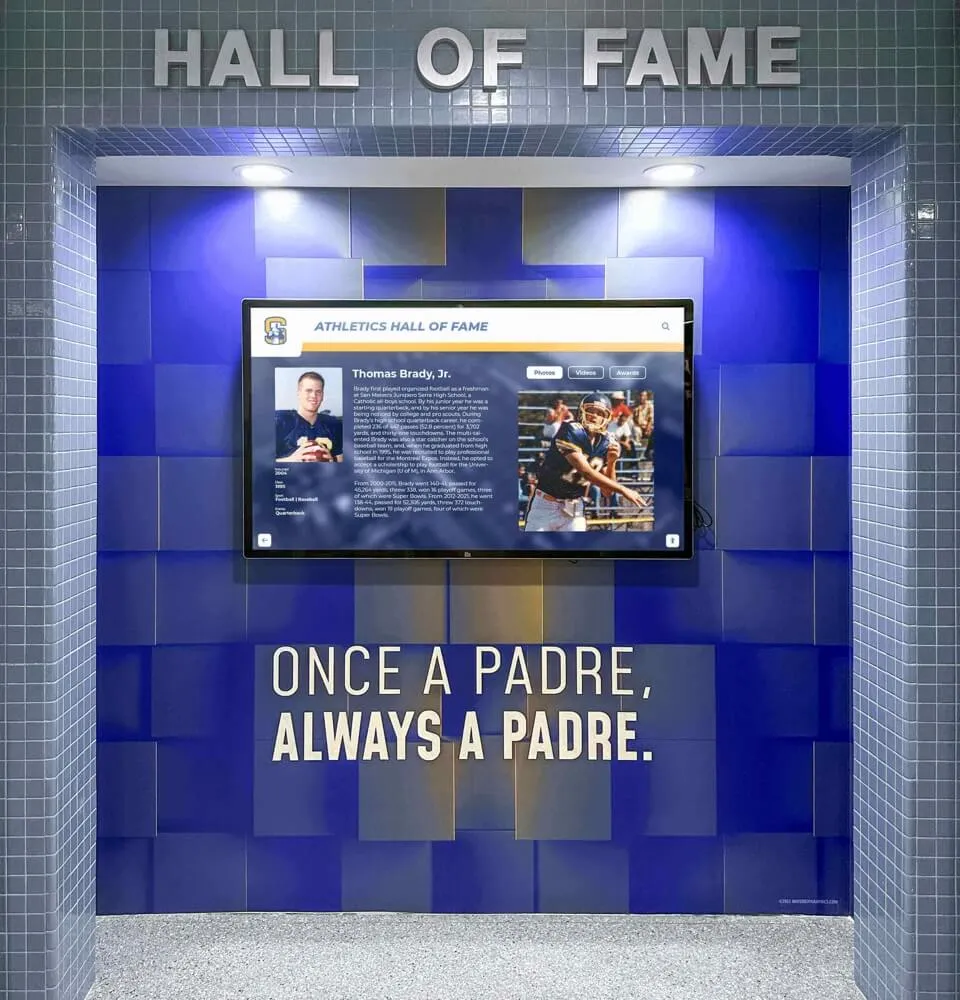
Modern digital displays celebrate football excellence while preserving the strategic fundamentals that define championship programs
What Is Football Snap Count? Definition and Basics
The snap count is the verbal cadence a quarterback uses to communicate when the center should snap the ball to begin a play. While it appears simple—the quarterback calls signals, the center hikes the ball—this fundamental football mechanic involves precise coordination, strategic variation, and psychological gamesmanship.
The Standard Snap Count Structure
Basic Cadence Components
A typical snap count contains several distinct elements:
Pre-Snap Signals
- Line-of-scrimmage arrival and offensive alignment
- Initial defensive read and potential audible calls
- Protection adjustments based on defensive front
- Motion or shift instructions if play design requires
- Rhythm establishment before formal cadence begins
The Cadence Sequence
- Color/Direction Call: “Blue” or “Red” (often dummy calls with no real meaning)
- Number Call: “42” or “80” (identification, rarely the actual snap count)
- Set Call: Formal “Set” or “Hut” establishing offensive readiness
- Snap Trigger: The predetermined “Hut” number when the ball snaps
A classic example: “Blue 42, Blue 42, Set, Hut, Hut!” with the snap occurring on the second “Hut.”
Why Snap Count Matters
Offensive Coordination The snap count creates essential synchronization:
- All eleven offensive players move simultaneously at snap
- Precise timing enables complex blocking schemes
- Receivers begin routes at exact moments
- Running backs hit holes with proper timing
- Pass protection engages at coordinated instant
Without coordinated snap count execution, offensive plays break down before they begin. A tackle who moves early commits a false start penalty. A receiver who jumps late runs an improperly timed route that disrupts play design.
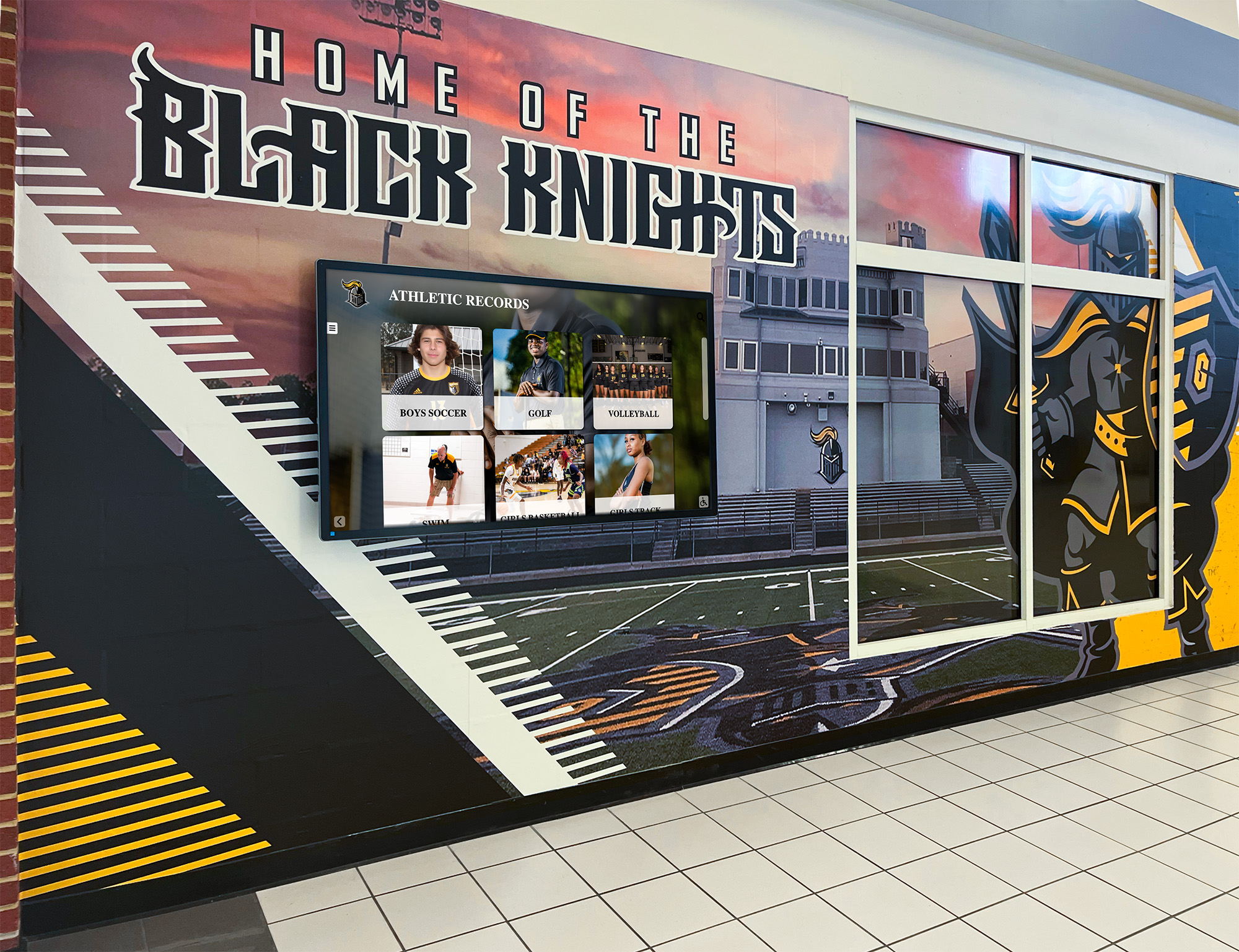
Championship programs build on mastery of fundamentals like snap count coordination that separate elite teams from average ones
Defensive Disruption Smart snap count usage creates advantages:
- Varying snap timing prevents defenses from anticipating ball movement
- Hard counts draw offside penalties giving free first downs
- Quick counts catch defenses during substitution or alignment
- Extended cadence freezes aggressive pass rushers
- Unpredictable rhythm disrupts defensive timing
Standard Snap Count vs. On-The-Line Calls
Huddle-Called Snap Count Traditional approach with predetermined timing:
- Quarterback announces snap count in huddle (“on two”)
- All offensive players know exact cadence moment
- Consistency builds rhythm and timing precision
- Less flexibility for pre-snap adjustment
- Requires discipline maintaining count memory
Line-Of-Scrimmage Flexibility Modern quarterbacks often maintain adjustment capability:
- Base snap count established in huddle
- Quarterback retains authority to change count at line
- Hand signals or code words communicate adjustments
- “Kill” calls cancel plays requiring complete stop
- Advanced systems require significant quarterback command
High school programs teaching leadership development through athletics recognize snap count mastery as critical quarterback growth opportunity.
The History of Snap Count in Football
Understanding snap count evolution provides context for modern applications and variations.
Early Football and Snap Development
Origins: Late 1800s
Early football bore little resemblance to today’s game:
- Scrimmage line concepts formalized in 1880s rule changes
- Center “snapback” replaced rugby-style scrums
- Initially no formal snap count—centers snapped when ready
- Defensive players could charge immediately after ball placement
- Chaotic starts with little coordination or timing precision
Rule Evolution Creating Snap Count Need
Progressive rule changes necessitated formal snap counts:
- Neutral zone creation (1906) requiring both sides to set before snap
- Shift and motion rules demanding coordinated offensive movement
- Forward pass legalization (1906) requiring precise route timing
- Evolving penalties for false starts and offside infractions
- Strategic complexity requiring synchronized eleven-player execution
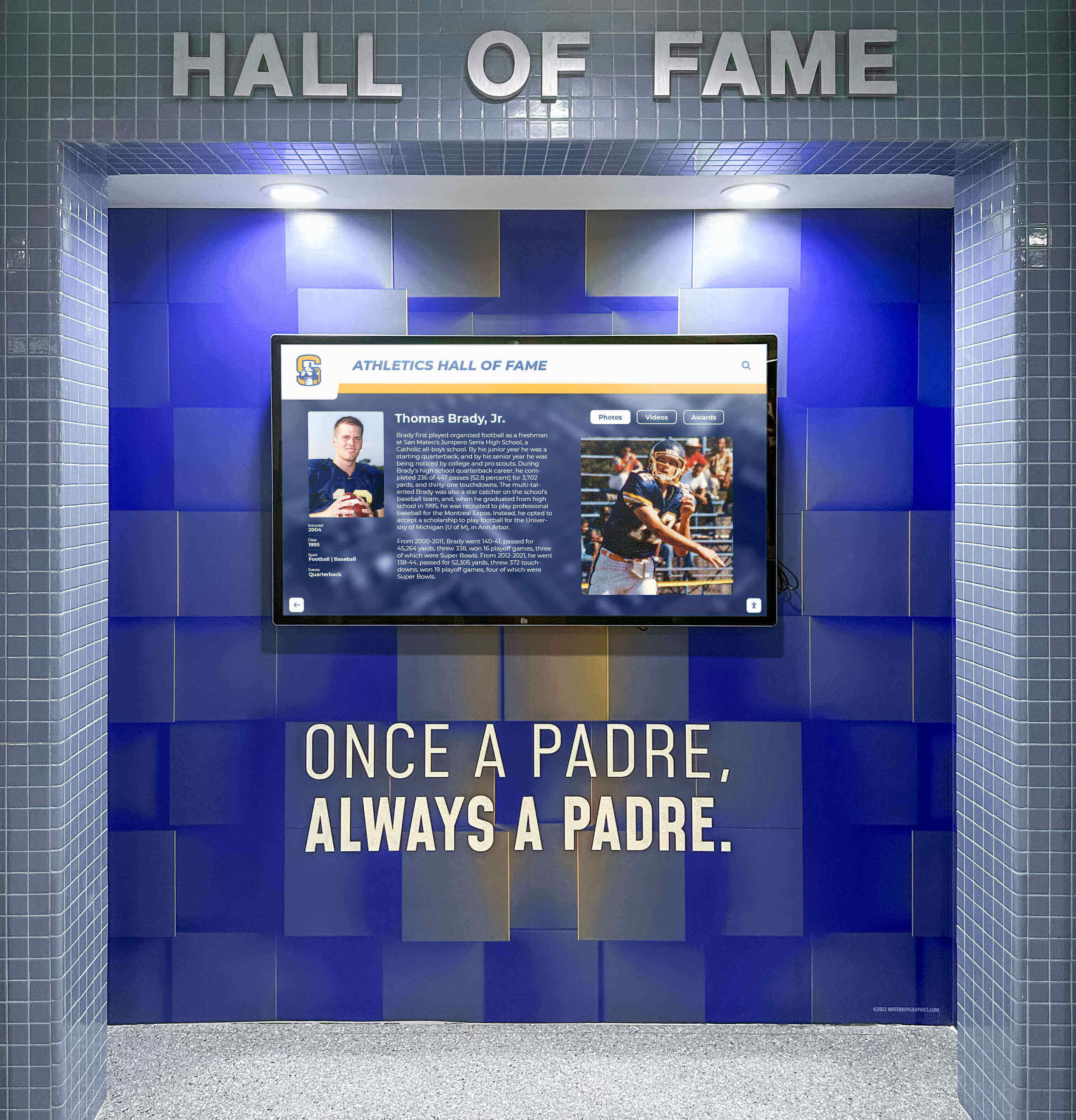
Programs that master technical fundamentals like snap count coordination earn recognition preserved in halls of fame celebrating championship excellence
Professional Football Influence
NFL Snap Count Innovation
Professional quarterbacks weaponized cadence strategy:
- Johnny Unitas mastered hard count in 1950s-60s drawing countless penalties
- Joe Montana’s quick count exploitation during 1980s dynasty years
- Peyton Manning’s legendary audible system combining snap count variation
- Aaron Rodgers’ hard count mastery becoming signature skill
- Tom Brady’s quick snap exploitation of defensive confusion
These innovations trickled down to college and high school levels as coaches recognized snap count’s strategic potential beyond basic play initiation.
College and High School Adoption
Youth and amateur programs adapted professional concepts:
- High school quarterbacks learned cadence variation techniques
- Coaching clinics taught snap count as strategic weapon
- Offensive systems built around quarterback’s cadence control
- Leadership development through pre-snap command responsibility
- Practice emphasis on snap count precision and variation
Types of Snap Counts: From Standard to Silent
Different snap count variations serve specific strategic purposes and situational needs.
Standard Snap Count Variations
“On One” - Quick Snap First sound triggers the snap:
- Minimal cadence before ball movement
- Used when speed and surprise matter most
- Exploits defensive substitution or confusion
- Requires perfect offensive discipline (no early movement)
- Common in hurry-up and no-huddle situations
“On Two” - Most Common Second sound triggers snap:
- Provides rhythm and timing consistency
- Standard count for most offensive plays
- Balance between surprise and coordination
- Allows offensive line to establish leverage
- Defensive expectation making variations effective
“On Three or Higher” - Extended Count Multiple sounds before snap:
- Creates uncertainty about exact snap moment
- Tests defensive discipline watching ball
- Identifies overeager defenders jumping early
- Allows additional pre-snap reads and adjustments
- Can indicate play action or misdirection coming
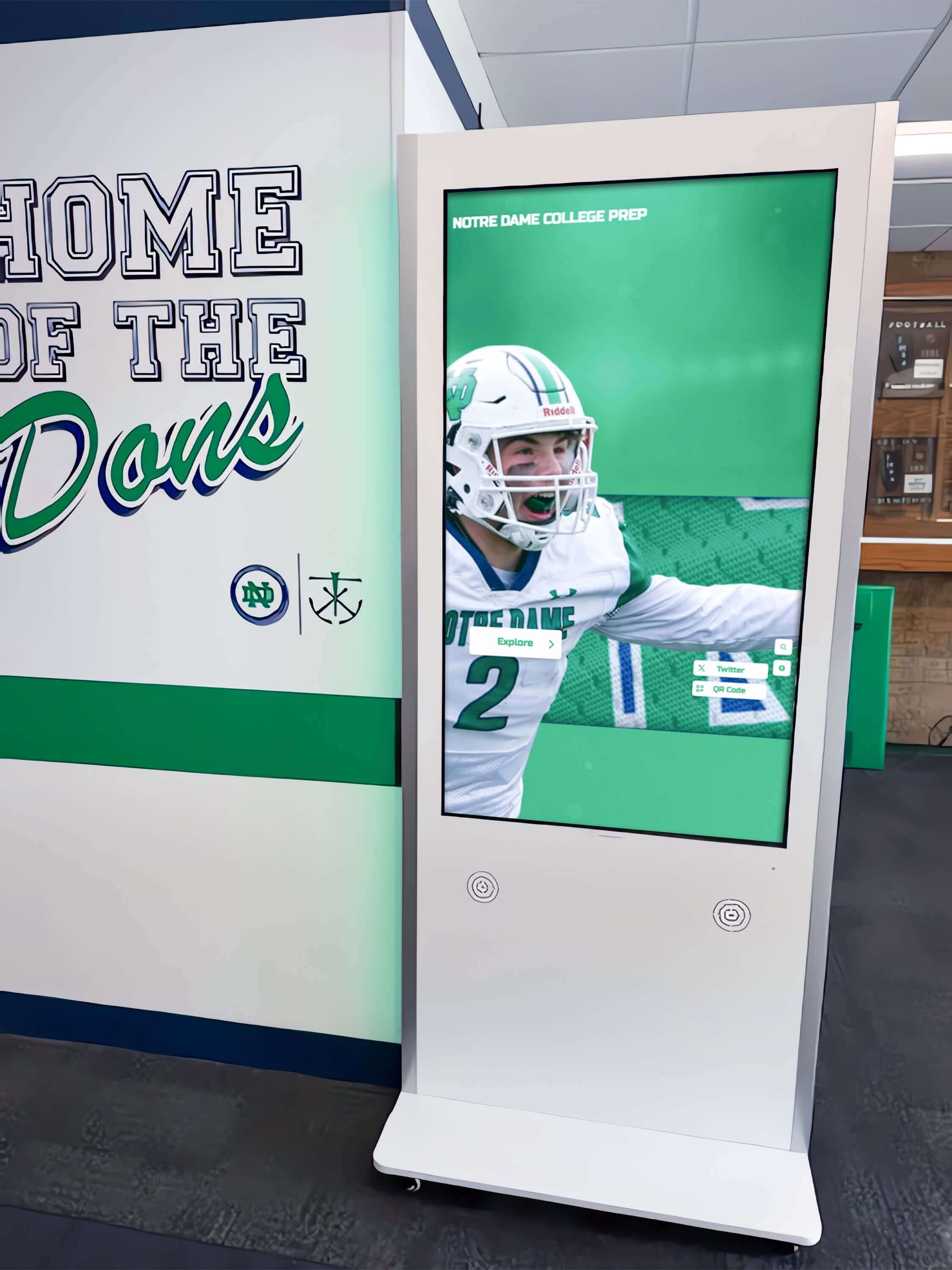
Championship programs preserve football excellence through displays that honor athletes mastering every game dimension from snap count to game-winning plays
The Hard Count: Drawing Defenders Offside
What Is a Hard Count?
The hard count represents cadence’s most aggressive strategic application—deliberately designed to trick defenses into jumping offside before the actual snap.
Hard Count Technique
- Quarterback uses emphatic, snap-like inflection on dummy call
- Exaggerated voice tone mimics actual snap trigger
- Offensive line maintains discipline staying completely still
- Defensive players anticipating snap jump across neutral zone
- Five-yard penalty and automatic first down when successful
When to Deploy Hard Counts
Strategic situations maximizing effectiveness:
- Third or fourth and short: Free first down converts critical situations
- Goal line: Offside penalty provides significant field position advantage
- Against aggressive defenses: Undisciplined defenses with high pressure rates
- Following timeout: Defenses may lack snap count information after break
- With quarterback under center: Traditional formation where hard count works best
Professional quarterbacks like Aaron Rodgers have built reputations on hard count mastery, earning dozens of free first downs throughout careers. According to NFL tracking data, elite hard count practitioners draw 8-12 offside penalties per season through cadence manipulation alone—a significant competitive advantage.
The Silent Count: Crowd Noise Solutions
Silent Count Definition and Purpose
When crowd noise makes verbal communication impossible, offenses employ silent counts using visual triggers instead of audible cadence.
Silent Count Mechanics
- Quarterback uses leg lift, head bob, or hand movement as snap trigger
- Center watches quarterback, snaps on predetermined visual signal
- Rest of offensive line watches center for ball movement
- No verbal calls—pure visual coordination
- Essential in hostile road environments with extreme noise
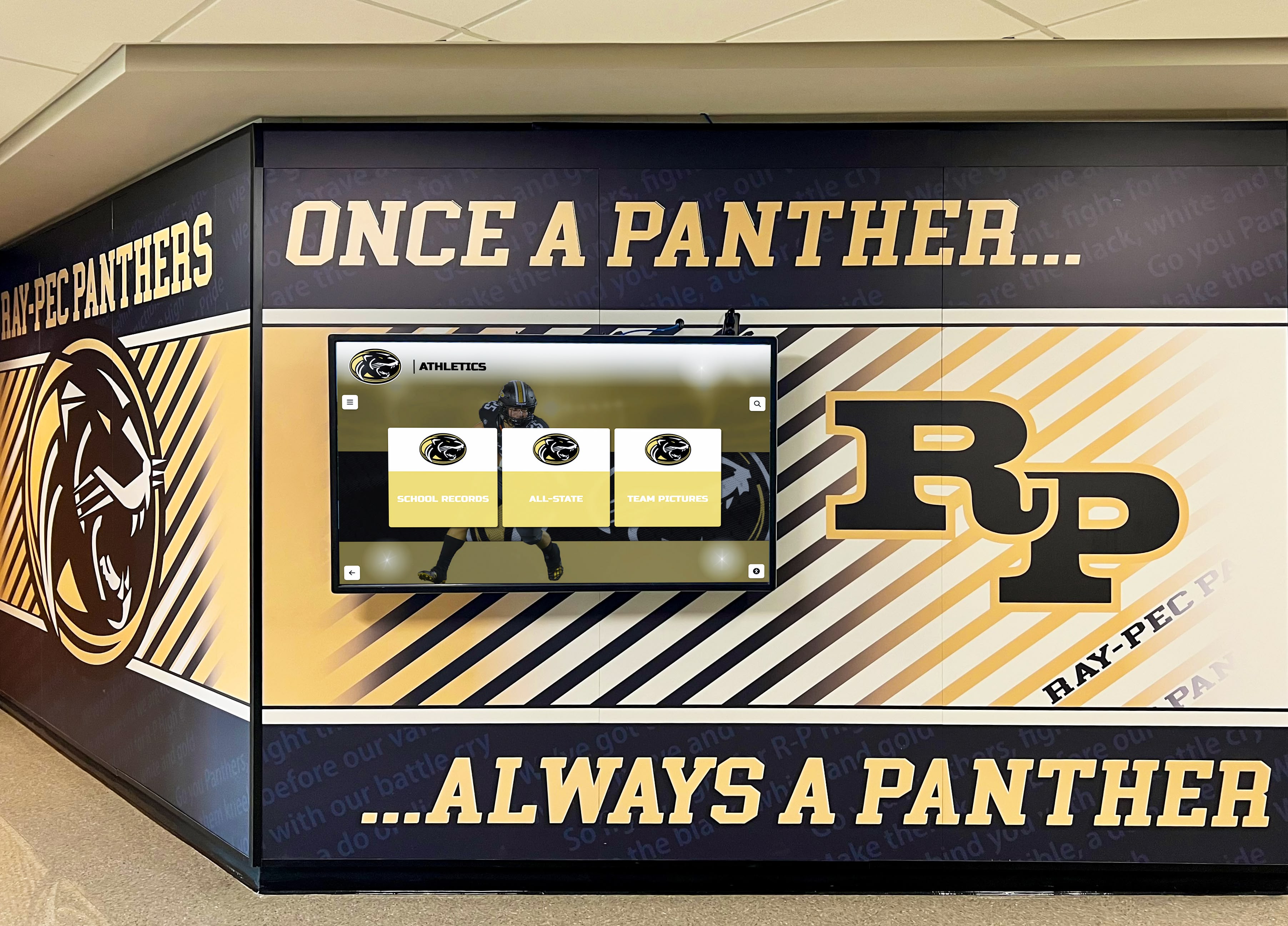
Modern athletic programs balance tradition with innovation, mastering fundamentals while celebrating achievement through contemporary recognition systems
Silent Count Challenges
Visual snap counts create specific difficulties:
- Timing imprecision: Harder to synchronize eleven players visually
- False start risk: Players may react to quarterback movement that isn’t signal
- Limited flexibility: Difficult to audible or make complex adjustments
- Practice requirement: Needs extensive repetition building coordination
- Tell prevention: Quarterbacks must avoid predictable signal patterns
When Silent Count Is Necessary
Specific situations requiring visual snaps:
- Road games in notoriously loud stadiums
- Playoff atmospheres with crowd intensity
- Indoor facilities amplifying crowd noise
- After penalties when crowd energized
- End-of-game situations with maximum noise
High school programs preparing for championship competitions across all sports benefit from understanding pressure-situation protocols like silent count applications.
Specialty Snap Counts
The “Alert” System Automatic audible based on defensive alignment:
- Pre-snap recognition triggers immediate play change
- Specific cadence word activates backup play
- Common against blitzes or unexpected coverages
- “Kill, Kill, Kill” call canceling original play
- Requires sophisticated offensive understanding
No-Huddle Rapid Fire High-tempo offense eliminating huddles:
- Quarterback calls plays at line using coded signals
- Minimal cadence before quick snap
- Prevents defensive substitution and communication
- Physically exhausting for defenses over game duration
- Made famous by programs like Oregon and Chip Kelly offense
How Quarterbacks Use Snap Count Strategy
Elite signal-callers weaponize cadence beyond basic coordination, creating advantages through psychological manipulation and strategic variation.
Pre-Snap Reads and Adjustments
Using Cadence to Identify Defense
Extended snap counts allow critical information gathering:
Coverage Recognition
- Safeties rotating late reveal coverage shells
- Linebackers shifting expose blitz or zone tendencies
- Cornerback positioning indicates man versus zone
- Defensive line stances suggest pass rush or run focus
- Communication between defenders reveals assignments
Making Protection Calls
- Identifying blitzers and sliding protection accordingly
- Calling “hot” routes against overload blitzes
- Adjusting running play direction away from defensive strength
- Communicating blocking assignments to running backs
- Setting maximum protection when needed
Rhythm and Tempo Control
Dictating Game Pace
Snap count timing influences overall game tempo:
Fast Tempo Strategy
- Quick counts prevent defensive substitution
- Maintain offensive rhythm and momentum
- Tire defensive players reducing effectiveness
- Prevent complex defensive adjustments
- Capitalize on opponent confusion or mistakes
Slow Tempo Strategy
- Extended cadence allows maximum pre-snap adjustment
- Gives quarterback time for reads and audibles
- Controls clock when protecting leads
- Allows offensive line to set properly
- Reduces plays over game (helps when defending)
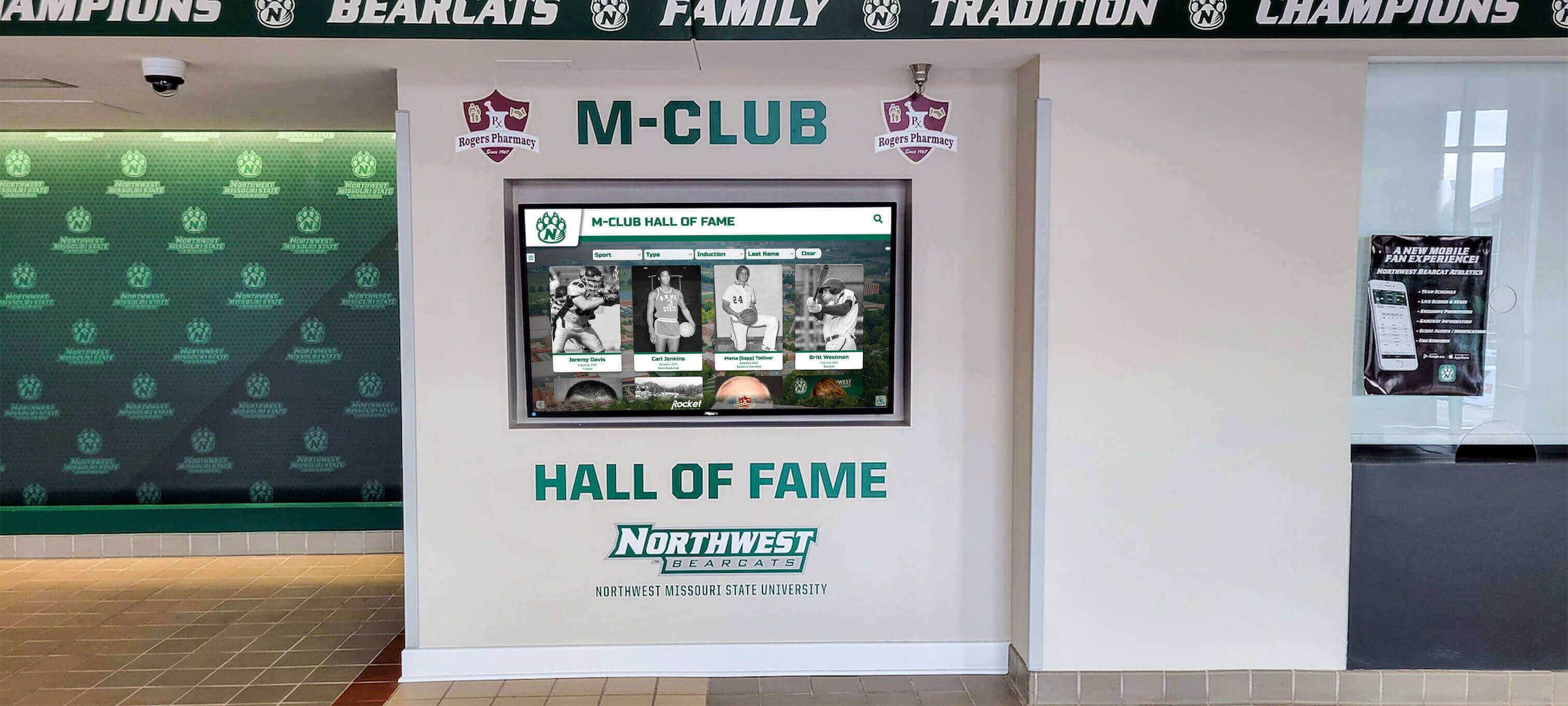
Programs honoring athletic achievement recognize that championships are built on fundamental mastery including quarterback snap count command
Psychological Warfare at the Line
Creating Mental Pressure
Cadence manipulation frustrates and confuses defenses:
Uncertainty Generation
- Varying snap timing prevents rhythm and anticipation
- Keeps defensive linemen guessing ideal jump timing
- Forces linebackers to stay patient instead of attacking
- Creates hesitation undermining aggressive play
- Mental energy spent on snap timing rather than assignments
Discipline Testing
- Hard counts expose undisciplined players repeatedly
- Young or inexperienced defenders more vulnerable
- Penalties demoralize defenses and energize offenses
- Forces defensive coaches to emphasize discipline over aggression
- Creates compounding advantage throughout game
Exploiting Fatigue
- Late-game defenses show reduced discipline when tired
- Extended cadence physically taxes defenders maintaining stance
- Quick snaps catch exhausted defenses slow to align
- Psychological fatigue reduces mental sharpness on snap timing
- Conditioning advantages magnify snap count effectiveness
Teaching Snap Count to High School Quarterbacks
Coaching cadence fundamentals requires systematic progression building mastery and confidence.
Fundamental Building Blocks
Week 1-2: Basic Cadence Mechanics
Initial teaching focuses on technical execution:
Voice Projection and Clarity
- Loud enough for all offensive players to hear clearly
- Consistent volume throughout cadence
- Clear enunciation preventing confusion
- Commanding tone establishing leadership presence
- Practice projection in noisy environments simulating game conditions
Rhythm and Timing Consistency
- Establishing predictable spacing between calls
- Maintaining tempo under pressure
- Avoiding rushed or panicked cadence
- Building muscle memory through repetition
- Recording and reviewing cadence for self-assessment
Schools developing student leadership programs recognize quarterback development as prime opportunity for building confidence and command skills.
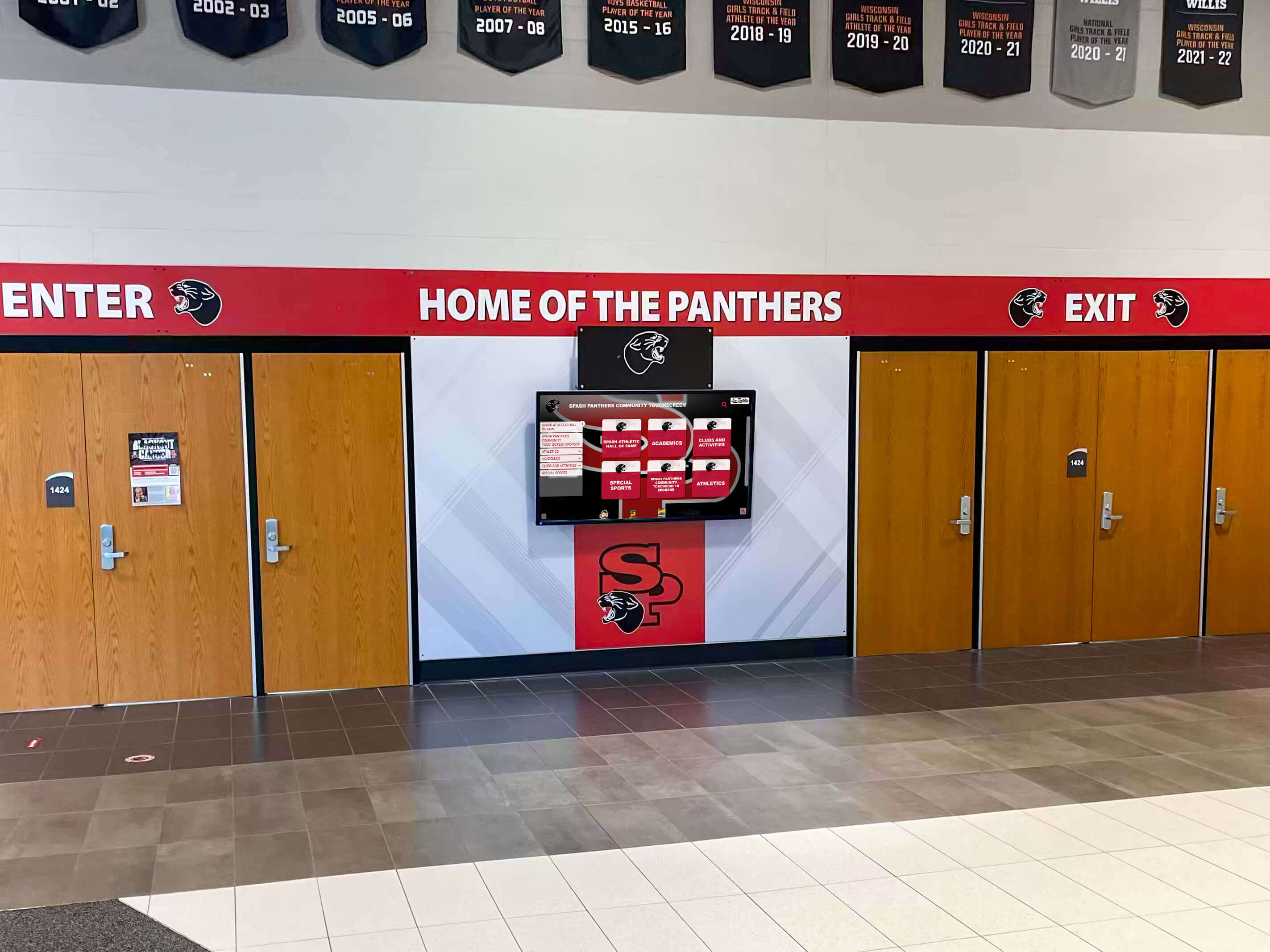
Student-athletes developing quarterback leadership skills through snap count mastery deserve recognition alongside peers excelling in every program dimension
Progressive Skill Development
Week 3-4: Variation Introduction
Once basic cadence is mastered, add strategic variation:
Teaching the Hard Count
- Explanation of purpose and strategic value
- Demonstration of voice inflection difference
- Practice with offensive line maintaining discipline
- Situational awareness of when to deploy
- Film study of successful hard count examples
Silent Count Introduction
- Visual signal options and selection
- Coordination practice with center
- Full offensive line synchronization drills
- Simulated noise environment practice
- Building comfort and precision
Advanced Applications
Weeks 5+: Game-Situation Mastery
Integrating cadence into complete quarterback development:
Combining Cadence with Pre-Snap Reads
- Scanning defense while delivering cadence
- Making protection calls without rushing snap
- Audible systems integrated with snap count
- Time management with play clock pressure
- Multi-tasking complex cognitive and verbal tasks
Situational Snap Count Decisions
- Short-yardage hard count opportunities
- Two-minute drill quick snap execution
- Goal line silent count in loud environments
- Third-down conversion situations
- Red zone efficiency with cadence variety
Practice Drill Progressions
Essential Snap Count Drills
Drill 1: Cadence Repetition
- Quarterbacks cycle through various counts
- No defense—pure mechanical repetition
- Focus on volume, clarity, consistency
- Recording and playback for self-evaluation
- 50-100 repetitions building vocal endurance
Drill 2: Hard Count Challenge
- Defensive linemen attempt to time snap
- Quarterbacks use hard count to draw offside
- Point system rewarding successful deception
- Immediate feedback on effectiveness
- Builds confidence in hard count application

Student-athletes mastering quarterback fundamentals join teammates across all activities deserving recognition in comprehensive achievement systems
Drill 3: Silent Count Coordination
- Simulated noise environment with music or crowd recordings
- Quarterback and offense execute visual snap
- Focus on synchronization and precision
- Gradual speed increase building game-speed execution
- Confidence building for hostile road environments
Drill 4: Two-Minute Drill Tempo
- Clock management combined with snap count control
- Quick tempo execution with minimal cadence
- Communication efficiency under time pressure
- Simulated game scenarios building experience
- Leadership development in pressure situations
Programs emphasizing comprehensive student recognition understand that athletic skill development parallels academic achievement in building well-rounded graduates.
Common Snap Count Mistakes and Corrections
Identifying and fixing typical errors accelerates quarterback development.
Offensive Errors
False Starts from Inconsistent Cadence
Problem: Offensive linemen jumping early due to quarterback timing changes.
Causes:
- Quarterback rushing cadence under pressure
- Inconsistent rhythm between repetitions
- Varying voice tone creating uncertainty
- Lack of practice repetition building confidence
- Nervousness affecting delivery
Corrections:
- Metronome practice establishing consistent timing
- Recording cadence for self-review
- Calm breathing techniques before plays
- Extensive repetition building automaticity
- Positive reinforcement reducing pressure
Inaudible Cadence in Loud Environments
Problem: Offensive players can’t hear quarterback in noise.
Causes:
- Insufficient volume projection
- Poor vocal technique under stress
- Failure to use silent count when appropriate
- Lack of experience in hostile environments
- Communication system inadequacy
Corrections:
- Practice in simulated loud environments
- Voice projection training and techniques
- Silent count system development and practice
- Non-verbal communication backup plans
- Pre-game crowd noise preparation
Defensive Exploitation
Predictable Snap Count Patterns
Problem: Defenses timing snap perfectly, getting jump on offense.
Causes:
- Using identical cadence every play
- Obvious tells before hard count attempts
- Consistent timing allowing defense anticipation
- Lack of strategic variation
- Coaching patterns defenses recognize
Corrections:
- Deliberate variation across plays
- Mixing counts within games and series
- Film study identifying tells
- Hard count integration creating uncertainty
- Strategic randomness preventing pattern recognition
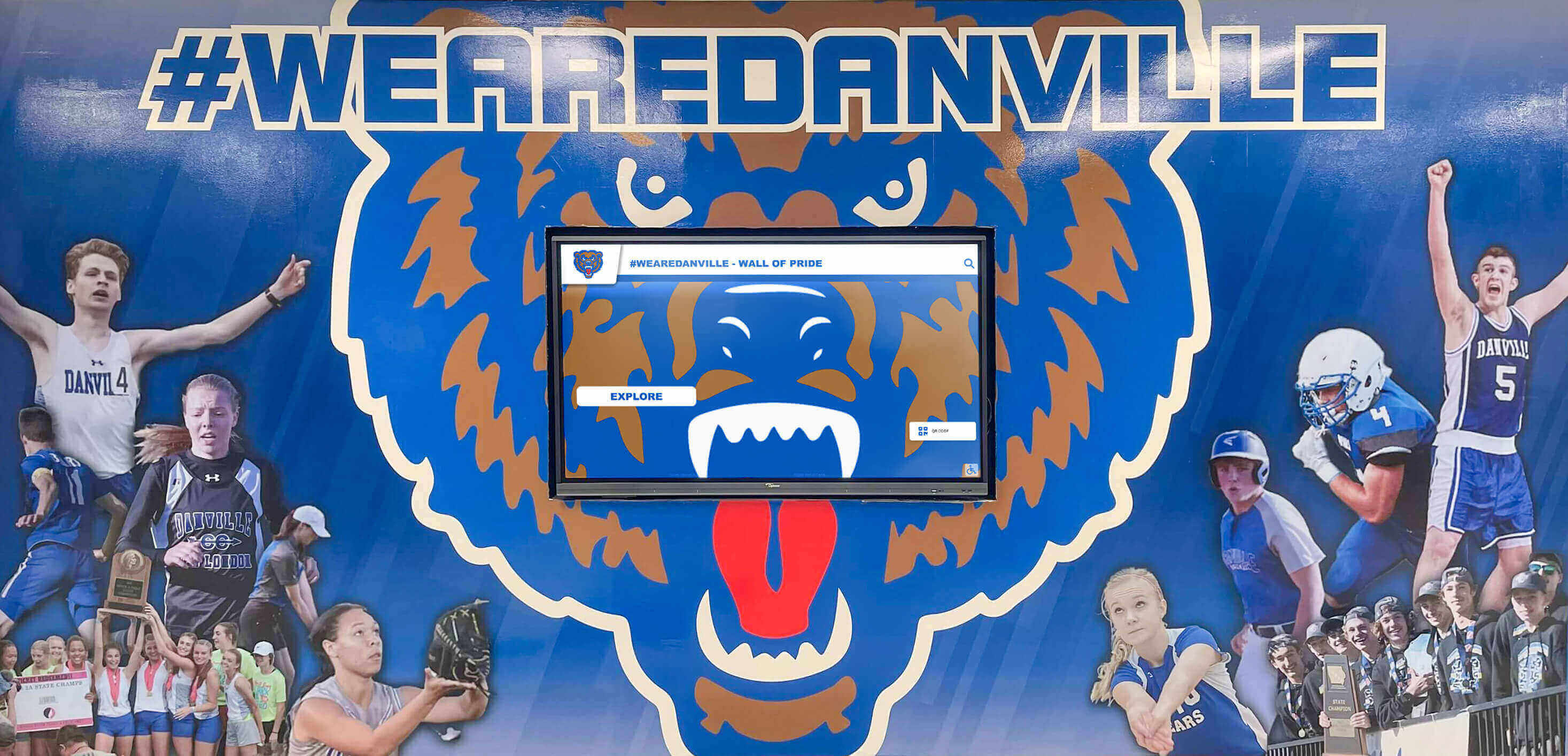
Athletic programs building excellence through fundamental mastery deserve recognition systems preserving achievement and inspiring future generations
Snap Count in Modern Football Strategy
Contemporary offensive schemes integrate snap count as essential strategic component.
No-Huddle and Hurry-Up Offenses
Tempo-Based Attack Philosophy
Modern spread offenses weaponize pace:
Quick Snap Advantages
- Prevents defensive substitution forcing base personnel
- Exploits mismatches created by forced personnel groups
- Physically exhausting for defenses maintaining intensity
- Reduces complex defensive adjustments and communication
- Creates mental fatigue over game duration
Implementation Requirements
- Quarterback mastery of play-calling systems
- Offensive line conditioning for sustained tempo
- Signal systems replacing verbal cadence
- Practice repetition building smooth execution
- Coaching commitment to up-tempo philosophy
Programs like Oregon, Auburn, and numerous high schools have built championship systems on tempo control through snap count mastery. Research on high-tempo offenses demonstrates 12-18% increase in offensive efficiency when pace prevents defensive substitution and coordination.
RPO Integration with Snap Count
Run-Pass Option Concepts
Modern RPO offenses combine with cadence strategy:
Pre-Snap Read Emphasis
- Extended cadence allows defensive front evaluation
- Quarterback identifies leverage advantages
- Quick snaps execute before defense adjusts
- Hard count creates defensive movement revealing intentions
- Cadence control maximizes RPO decision-making window
Teaching Point RPO success requires quarterbacks reading defenses during cadence, then executing split-second decisions post-snap—making snap count control essential for play success.
Analytics and Snap Count Data
Modern Statistical Analysis
Teams track snap count effectiveness:
Measurable Metrics
- Offside penalties drawn per game through hard count
- False start rate by snap count variation
- Offensive efficiency by tempo and snap timing
- Conversion rates in key situations by cadence type
- Defensive preparation time before snap
Advanced programs use this data optimizing snap count strategy, identifying which variations work best in specific situations, and teaching quarterbacks data-informed cadence decisions.
Preserving Football Excellence: Recognition Beyond the Field
Quarterbacks who master snap count fundamentals join teammates across all athletics deserving comprehensive recognition celebrating their contributions to program success.
Celebrating Student-Athlete Leadership
Programs committed to recognizing athletic achievement understand that quarterback development—from snap count basics through advanced pre-snap strategy—represents the leadership growth that defines successful programs.
Modern recognition systems preserve these achievements beyond single seasons:
Comprehensive Athletic Recognition
- Individual athlete profiles showcasing career progression
- Season highlights and milestone achievements
- Leadership development documentation
- Quarterback statistical accomplishments
- Team success and championship recognition
- Multi-year career tracking and legacy building
Schools implementing digital athletic recognition displays create visible appreciation for student-athletes mastering their craft while building program tradition and pride.
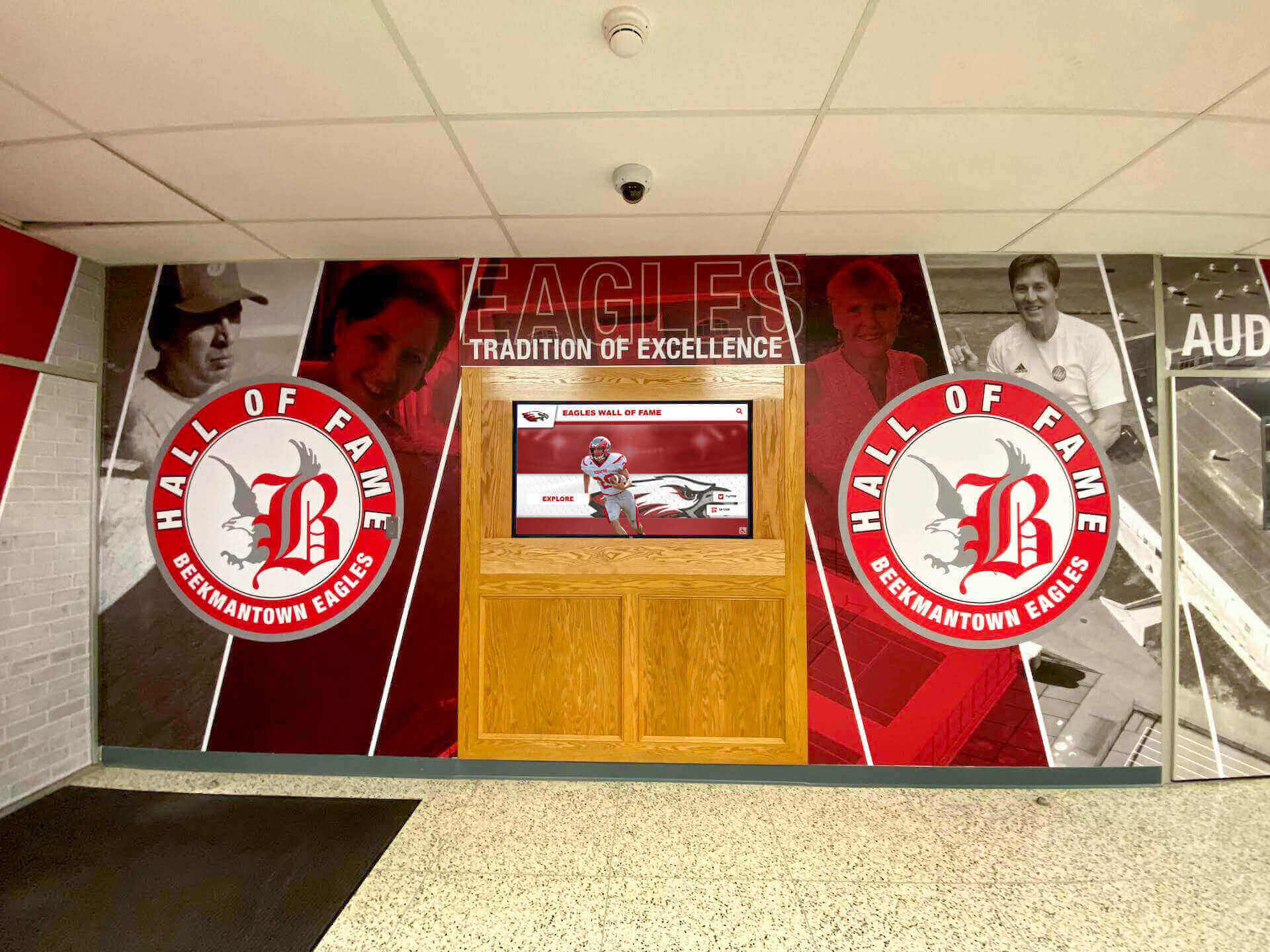
Athletic programs preserve quarterback legacies alongside teammates through comprehensive recognition systems honoring every contributor to team success
Building Program Culture Through Recognition
Championship football programs understand that celebrating fundamental mastery—like snap count excellence—builds culture emphasizing process over just outcomes.
Recognition System Benefits
- Current players see alumni who mastered fundamentals
- Visible standards establish program expectations
- Multi-generational continuity preserving traditions
- Inspiration for youth players aspiring to excel
- Community pride in comprehensive program development
- Recruiting differentiation through visible tradition
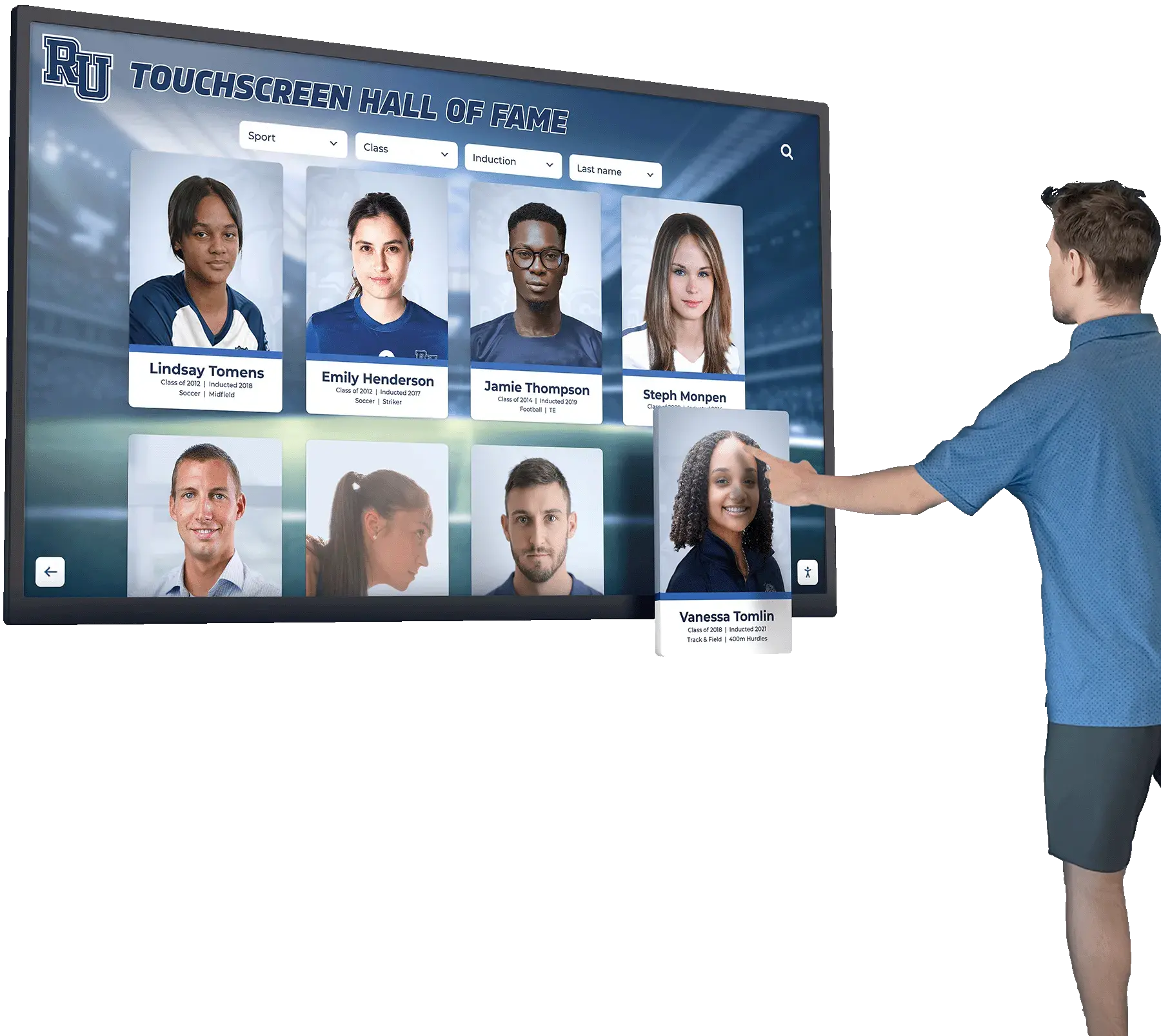
Rocket Alumni Solutions provides comprehensive digital recognition systems enabling schools to preserve and showcase athletic excellence across all sports and achievement dimensions. Touchscreen displays in athletic facilities, lobbies, and hallways create accessible archives celebrating quarterbacks who commanded the line through snap count mastery alongside teammates excelling in every program area.
These modern platforms combine unlimited digital storage with intuitive interfaces, allowing programs to build comprehensive athlete profiles including statistics, highlights, career progression, and leadership development. Unlike physical plaques with space constraints, digital systems scale infinitely while remaining easily updated and accessible to current students, alumni, families, and community members.
Conclusion: Snap Count Mastery as Leadership Development
Understanding football snap count fundamentals—from basic cadence mechanics through advanced hard count strategy—represents essential quarterback development that extends beyond play initiation into comprehensive leadership growth.
High school quarterbacks learning to command the line through vocal cadence, manipulate defenses with strategic variation, and maintain composure under pressure develop skills transcending football. The confidence to project voice clearly, the strategic thinking to vary patterns keeping opponents guessing, and the discipline to execute under pressure prepare young leaders for success in athletics, academics, and life beyond sports.
For coaches teaching these concepts, systematic progression from basic repetition through advanced situational application builds quarterback competence and confidence. Practice drills focusing on volume, consistency, variation, and pressure-situation execution create mastery enabling game-day success.
Parents and fans watching Friday night games now understand that the quarterback’s cadence represents far more than simple play initiation—it’s strategic warfare, leadership demonstration, and competitive advantage creation happening before every snap. The hard count drawing offside penalties, the silent count executing in hostile environments, and the tempo control dictating game pace all showcase quarterback command elevating team performance.
Programs celebrating these achievements through comprehensive recognition systems honor the complete student-athlete journey from fundamental learning through mastery application. Digital displays preserving quarterback legacies alongside teammates across all activities create inspiring examples for future generations while building program culture emphasizing excellence in every detail.
Celebrate Football Excellence Through Comprehensive Recognition
Discover how Rocket Alumni Solutions helps schools preserve quarterback legacies and football program achievements through engaging digital displays that honor every contributor to team success, from snap count commanders to championship teams.
Explore Recognition SolutionsMaster snap count fundamentals, develop quarterback leadership, and preserve athletic excellence through systems recognizing every dimension of championship program building. The cadence commanding the line today deserves recognition inspiring tomorrow’s student-athletes to pursue their own fundamental mastery and leadership growth.