The quarterback crouches behind center, surveys the defense, and begins his cadence—a rhythmic sequence of words and signals that seems simple on the surface but represents one of football’s most sophisticated psychological battlegrounds. In those critical seconds before the ball is snapped, elite quarterbacks weaponize their snap count to draw opponents offside, disguise play timing, and seize control of the line of scrimmage before a single yard is gained.
Yet many developing quarterbacks treat the snap count as a mundane formality—mechanically repeating “hut, hut” without understanding how cadence manipulation creates strategic advantages that separate championship offenses from predictable attacks. The difference between a quarterback who merely calls plays and one who truly commands the line lies in mastering the nuanced art of snap count variation.
This comprehensive guide explains the football snap count system from fundamental mechanics through advanced cadence strategies used by elite quarterbacks at every competitive level. Whether you’re a high school quarterback developing pre-snap skills, a coach teaching cadence techniques, or a football enthusiast seeking deeper strategic understanding, these insights reveal how the snap count functions as a powerful offensive weapon.
The football snap count represents far more than a simple countdown to play initiation—it’s a communication system, a defensive manipulation tool, a timing mechanism, and a competitive advantage that elite quarterbacks develop into signature weapons. Teams excelling at cadence variation create systematic pre-snap advantages that compound throughout four quarters, generating free plays from defensive penalties and keeping opponents perpetually off-balance.

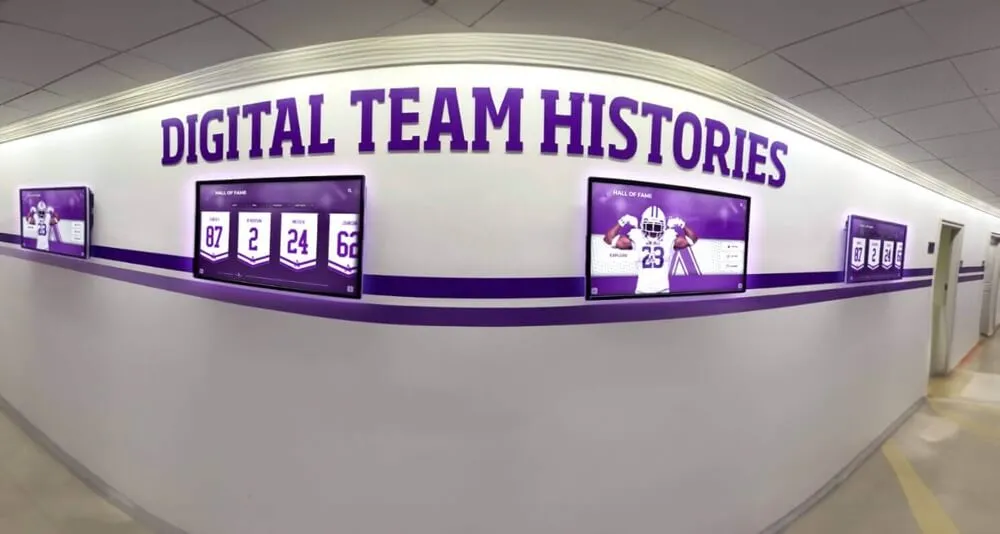
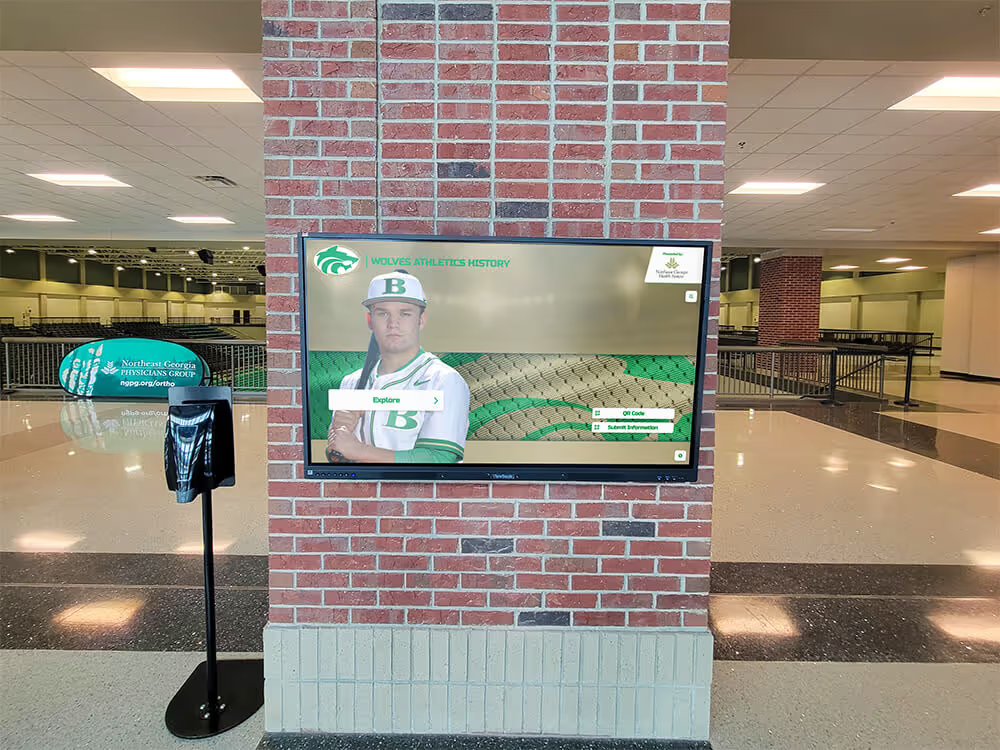
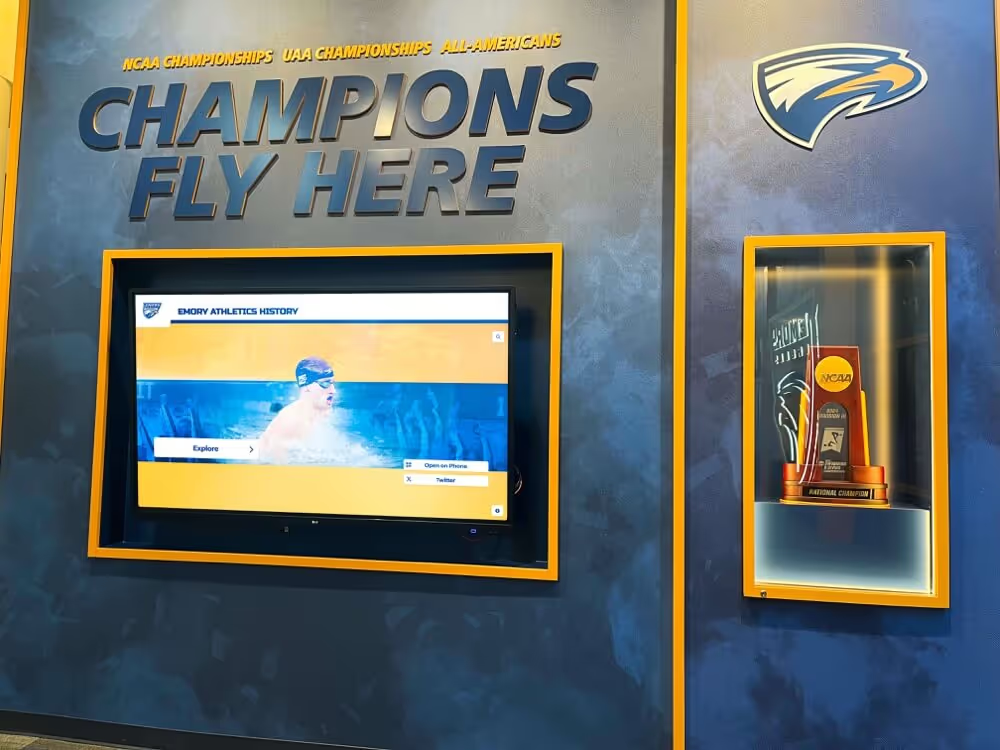
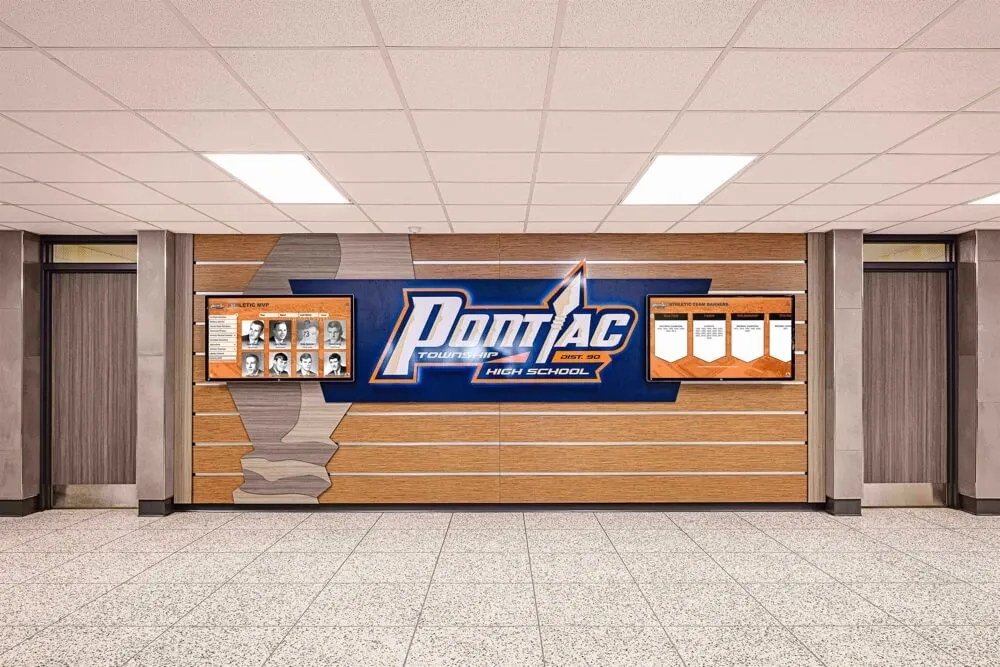
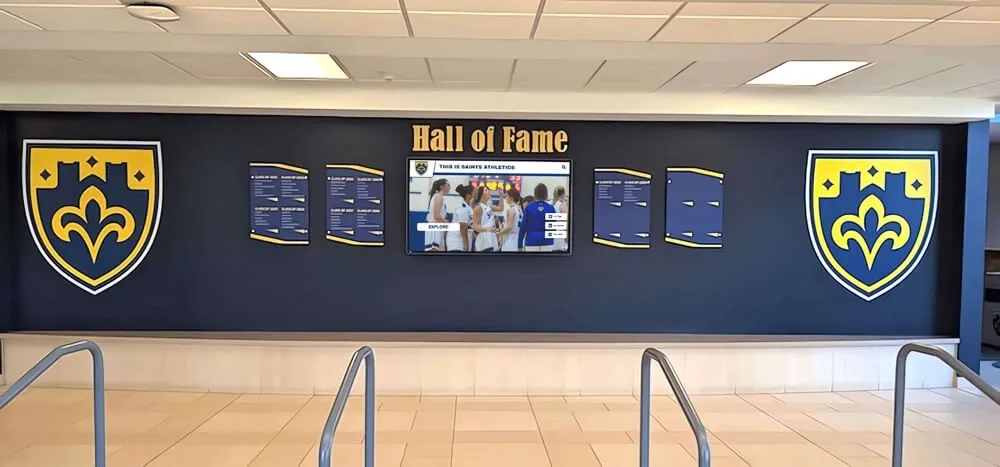
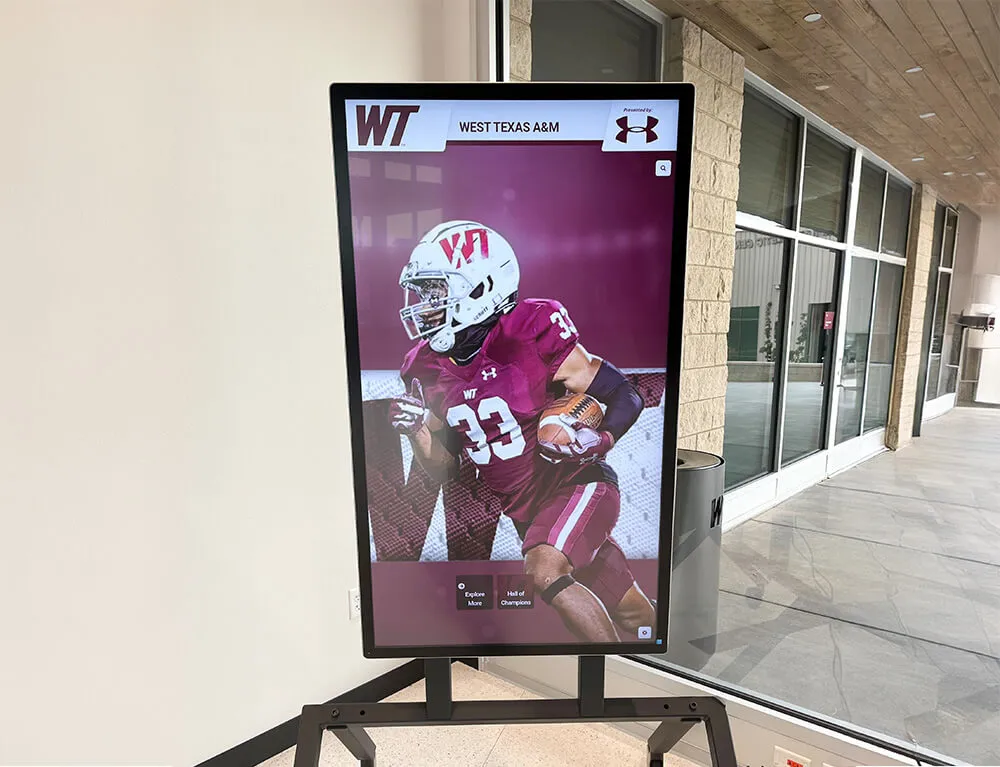
Modern digital displays celebrate quarterback achievements and offensive excellence, preserving football program history for future generations
Understanding the Basic Football Snap Count System
Before exploring advanced cadence strategies, establishing foundational knowledge of how snap counts function provides essential context for strategic applications.
What Is a Football Snap Count?
The Communication Mechanism That Initiates Plays
The snap count is the verbal cadence a quarterback uses to signal when the center should snap the football, initiating the play:
- Cadence Structure: Predetermined series of words, numbers, or signals (commonly “hut,” “go,” “set,” or “blue”)
- Count Number: Specific point in the cadence when the ball is snapped (first “hut,” second “hut,” etc.)
- Offensive Synchronization: System ensuring all eleven offensive players move simultaneously at snap
- Strategic Variation: Intentional changes to timing, rhythm, or volume creating defensive uncertainty
- Silent Count Alternative: Non-verbal signals used in extremely loud environments where verbal cadence becomes inaudible
The primary function of any snap count is synchronizing offensive movement so linemen, receivers, running backs, and the quarterback all initiate motion at the precise moment the center snaps the football. Even microsecond timing differences create false start penalties or leave quarterbacks vulnerable to unblocked defenders.
Standard Snap Count Components
Elements of Quarterback Cadence
Most football snap counts incorporate several consistent components:
Pre-Snap Communication
- Down and distance call (“first down!”)
- Formation adjustment if needed
- Protection identification for offensive line
- Motion calls sending receivers or backs in motion
- Audibles changing the play entirely at the line
The Cadence Itself
- Rhythm words establishing timing pattern
- Color calls (“blue 42, blue 42”)
- The snap trigger word or number
- Volume and tone variation
- Hard count variations to draw offsides
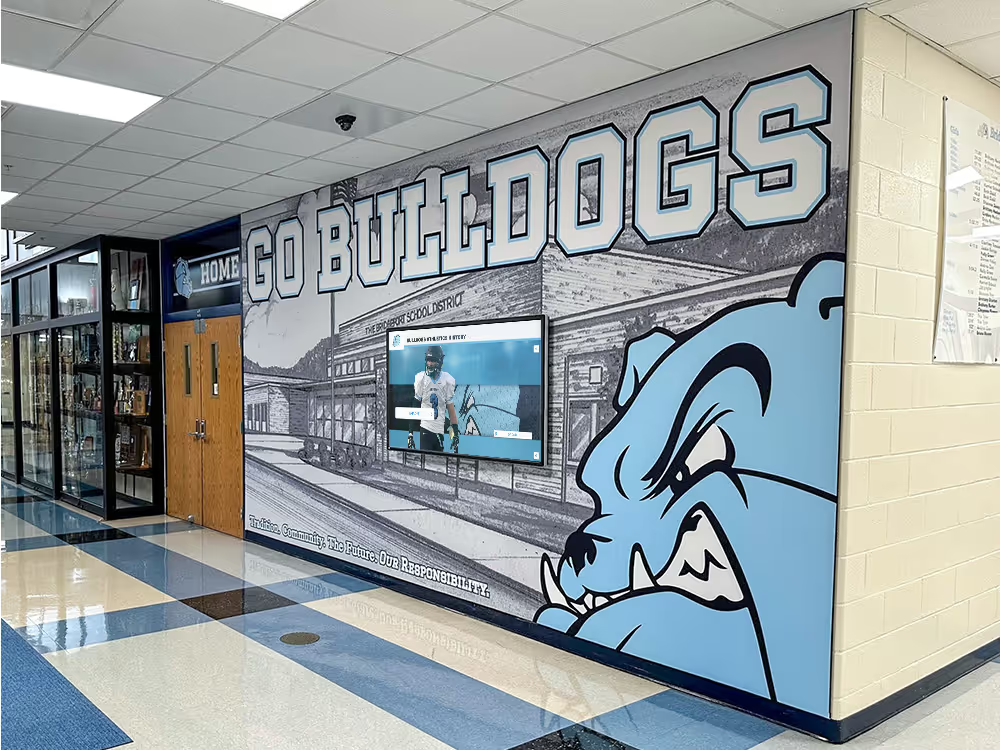
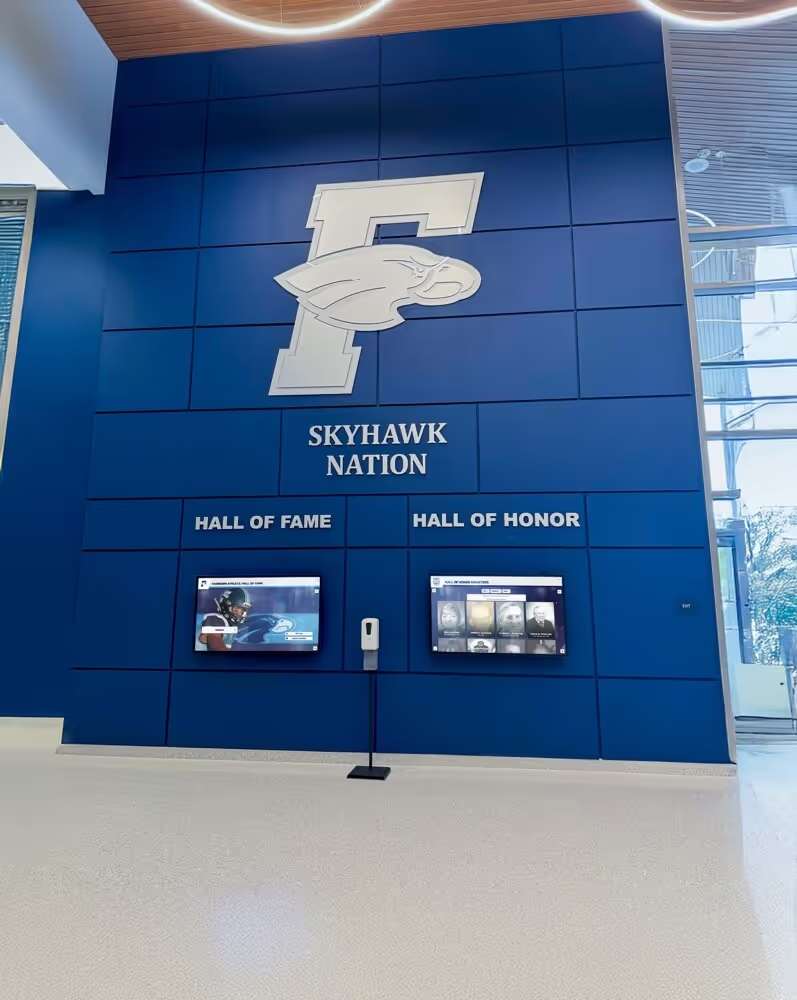
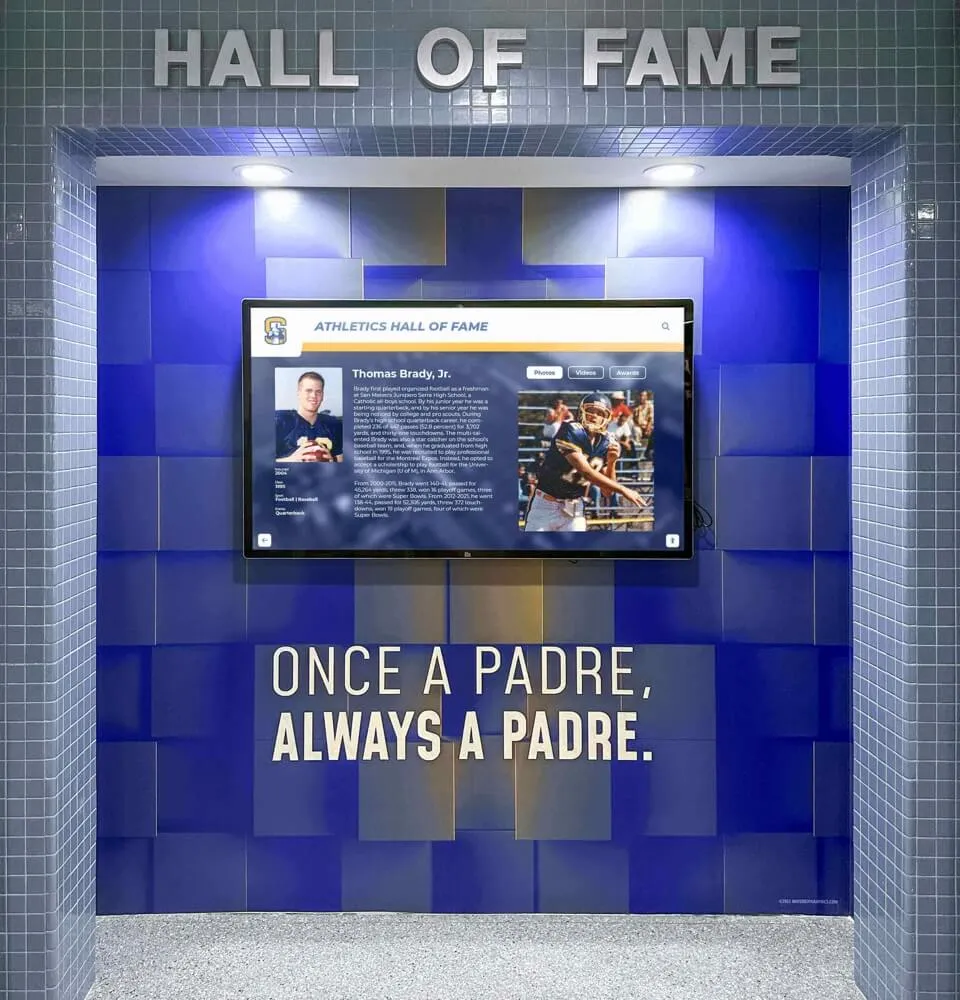
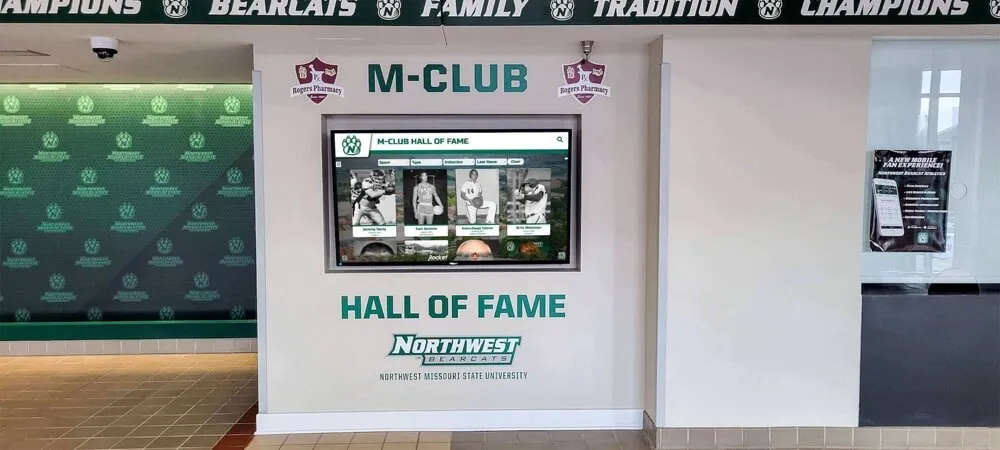
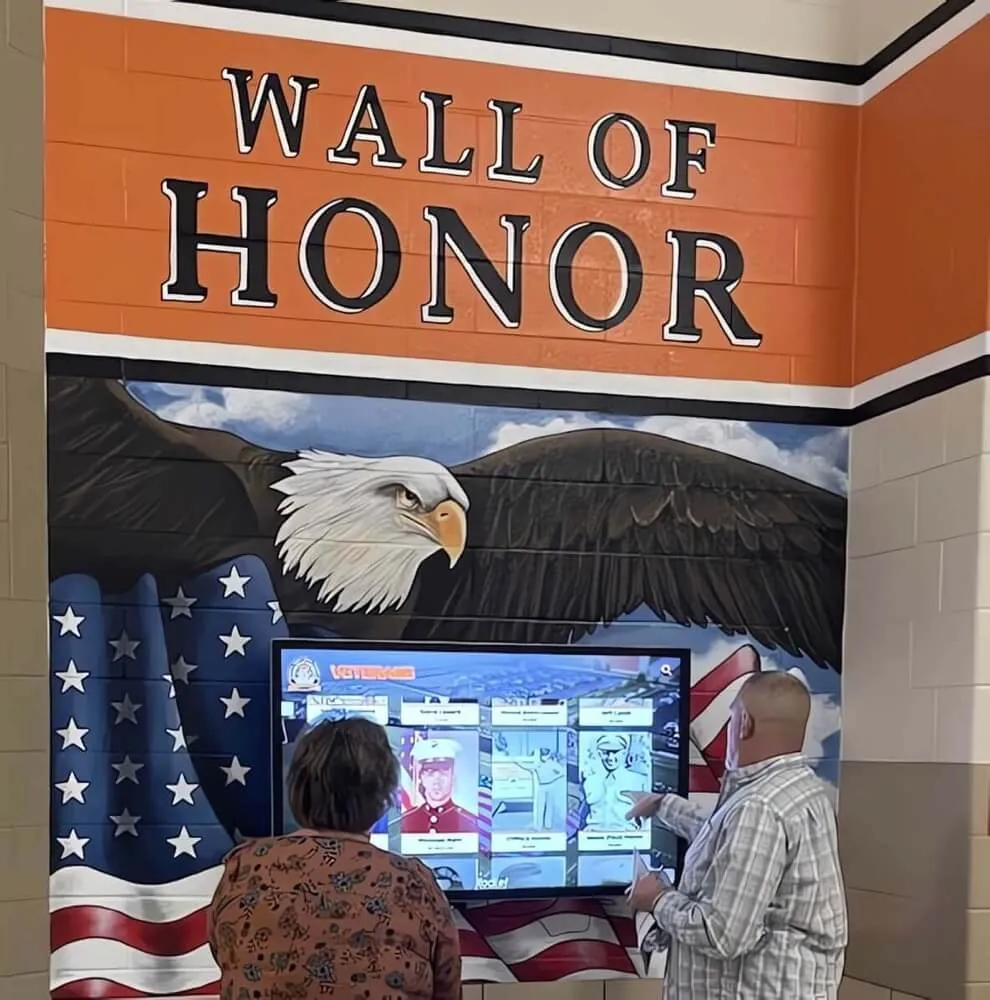
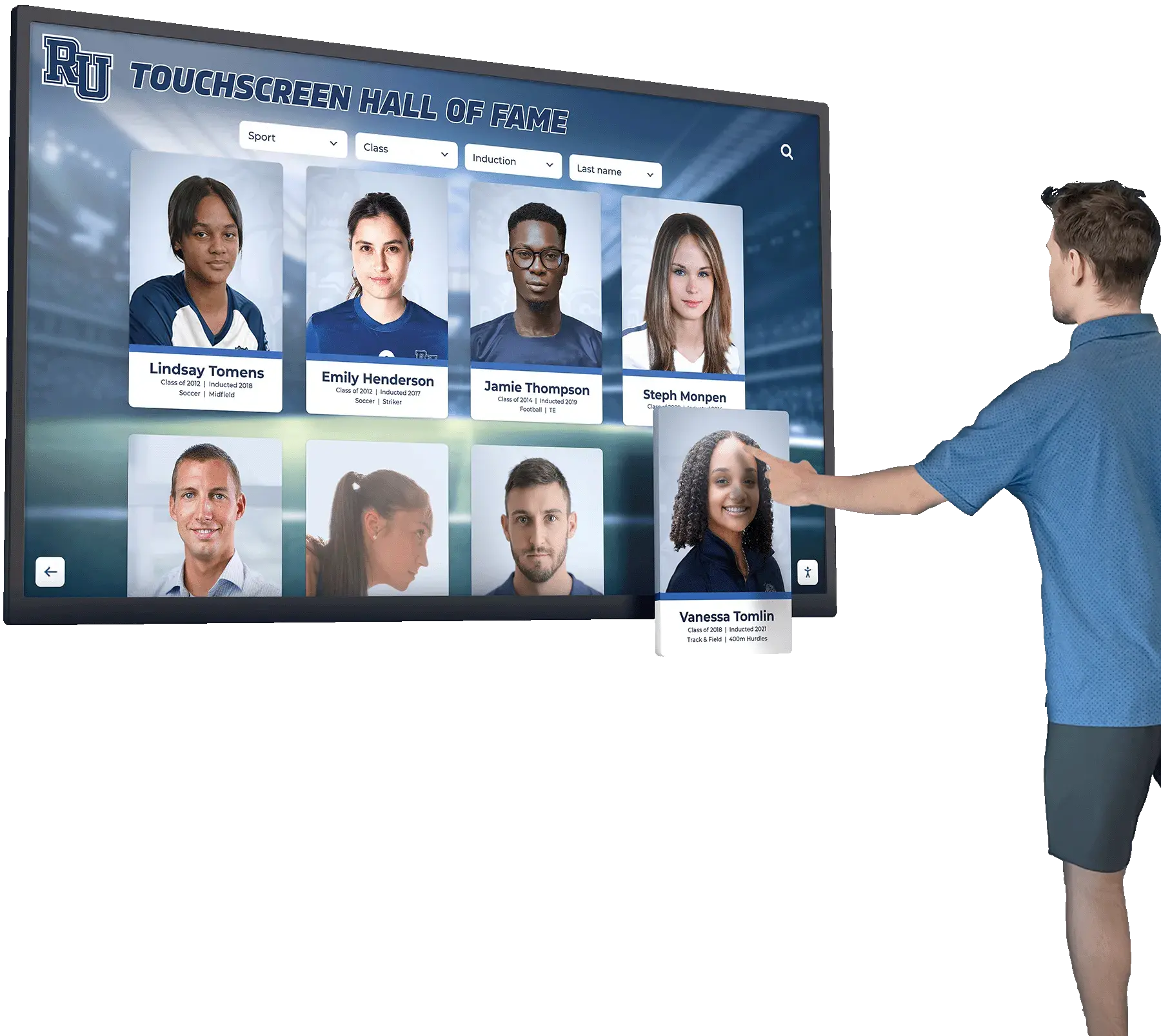
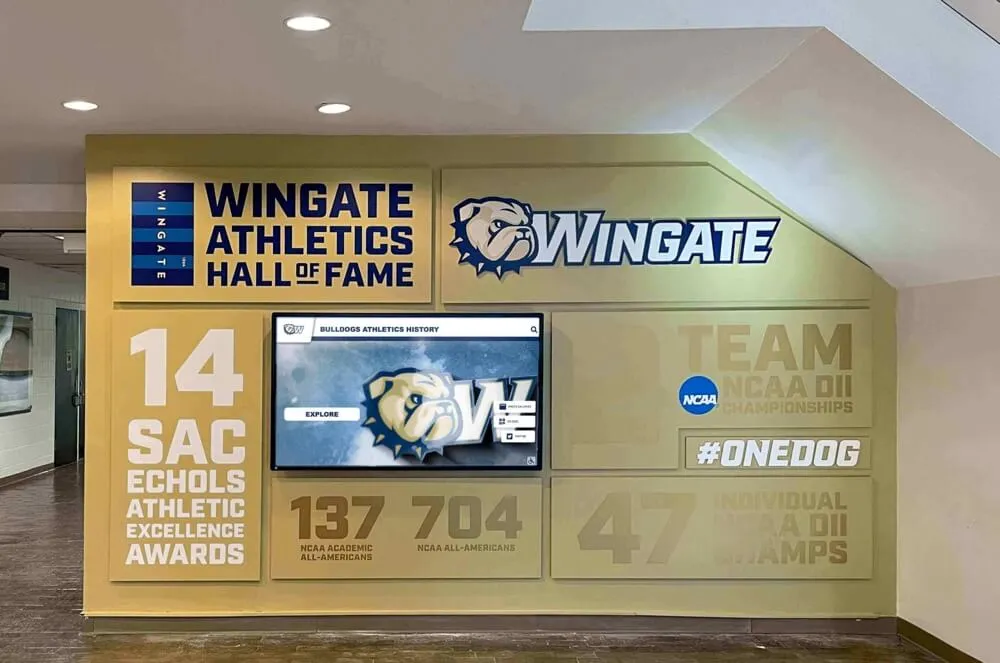
Digital recognition displays showcase individual quarterback excellence and leadership contributions to program success
The specific words matter less than consistency and variation strategy. Some programs use military-style numbered counts (“Omaha, Omaha, set, hut!”), while others employ simple rhythmic patterns (“ready, set, go!”). What matters is that offensive players know exactly when the ball will be snapped while defensive players remain uncertain.
How Offensive Players Learn the Count
Teaching Snap Count Recognition
Quarterbacks must ensure every offensive player executes perfect timing:
- Practice Repetition: Hundreds of practice snaps establishing muscle memory for each count variation
- Count Communication: Specifying the count in the huddle (“on two” means snap on the second “hut”)
- Audible System: Pre-determined words that change the snap count at the line
- Individual Timing: Each position requires slightly different timing based on assignment (linemen fire out, receivers release, backs begin motion)
- False Start Prevention: Discipline ensuring players move only on the snap, not prematurely on cadence rhythm
The challenge increases when quarterbacks vary cadence—moving from predominantly “on one” snaps to “on two” counts, or inserting long pauses that test offensive discipline. Programs investing significant practice time in cadence variation develop strategic advantages unavailable to teams running predictable timing patterns.
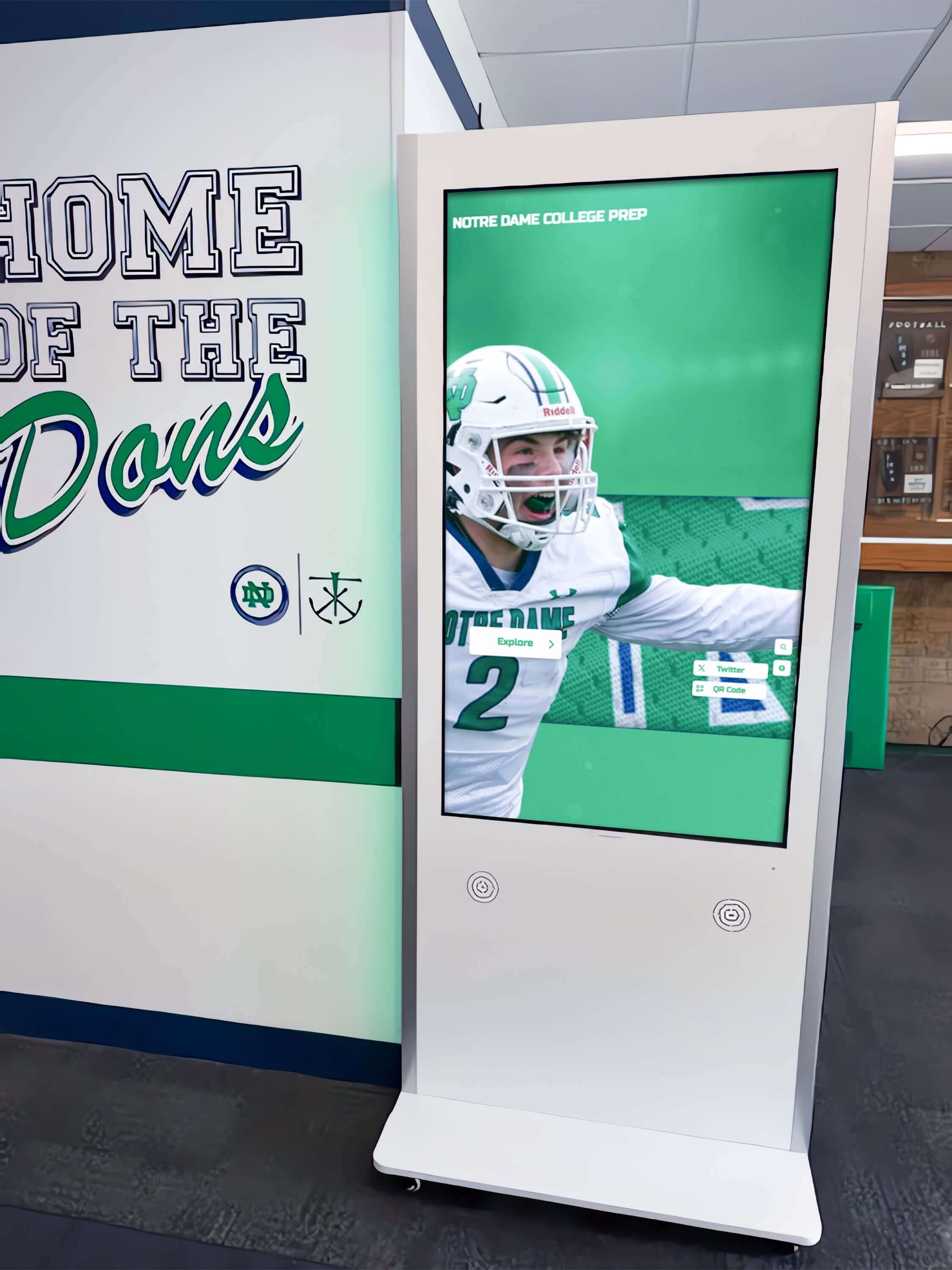
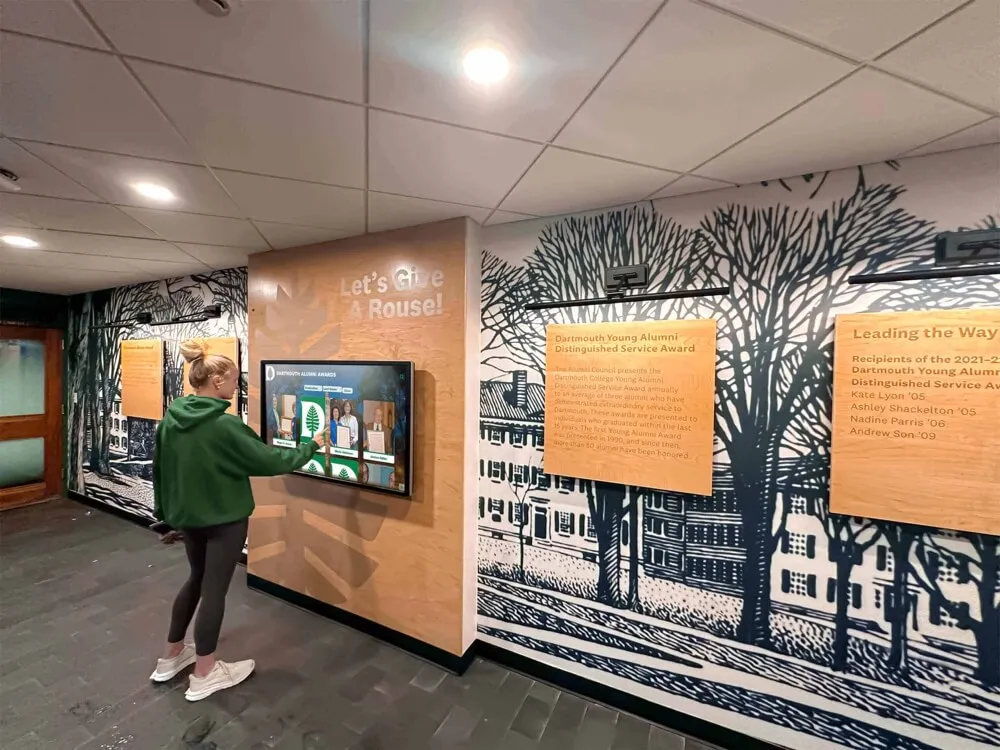
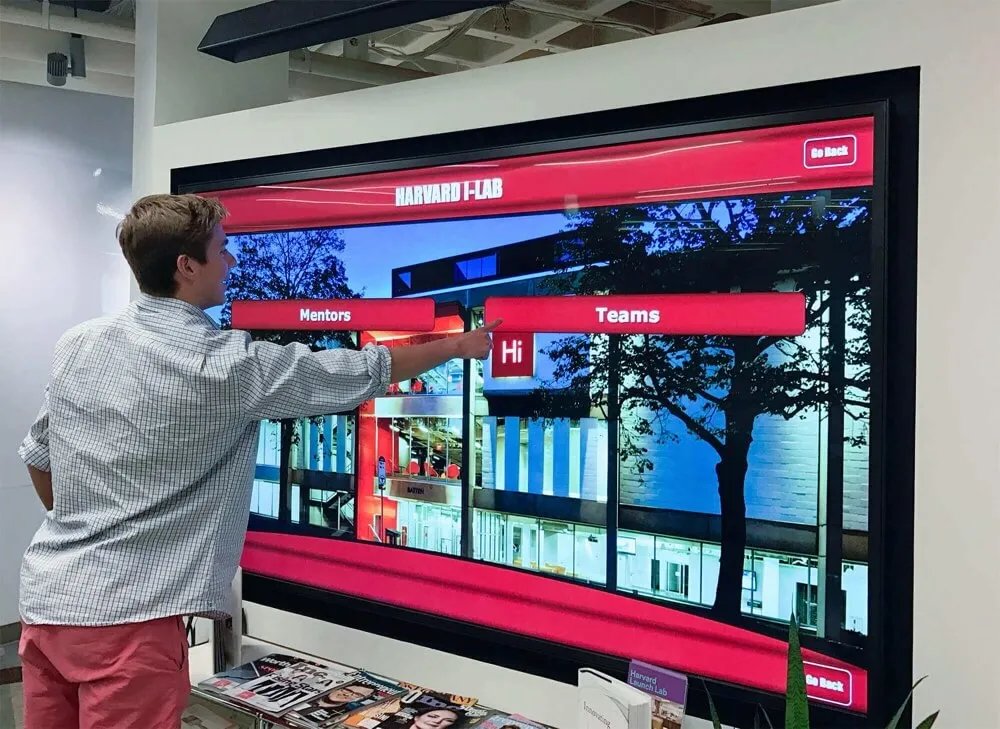
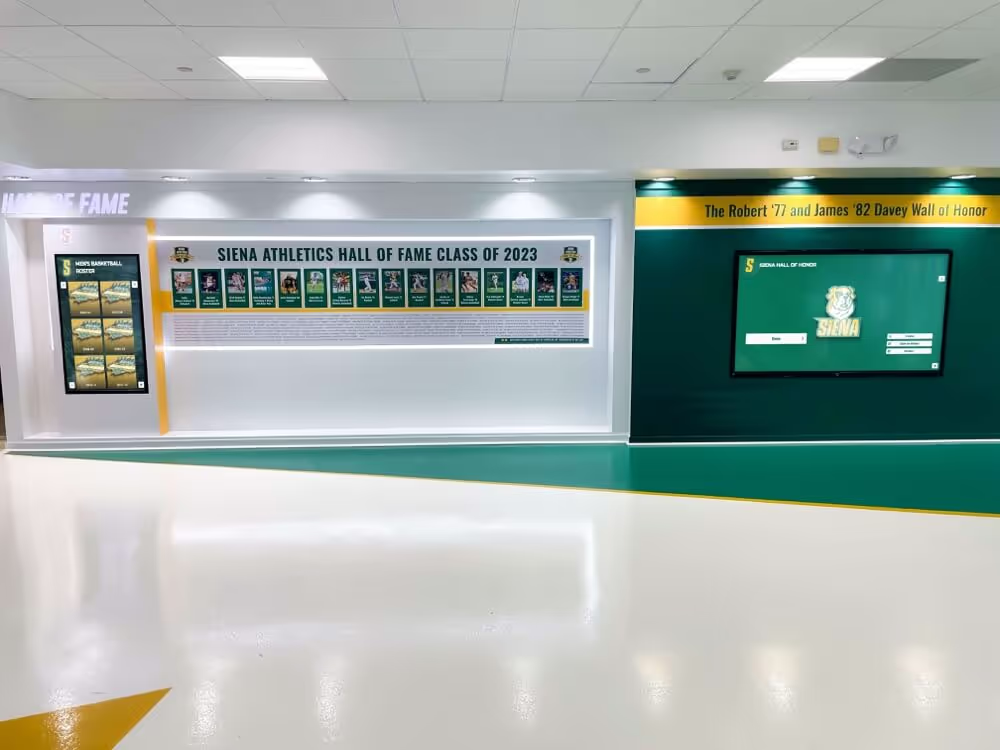
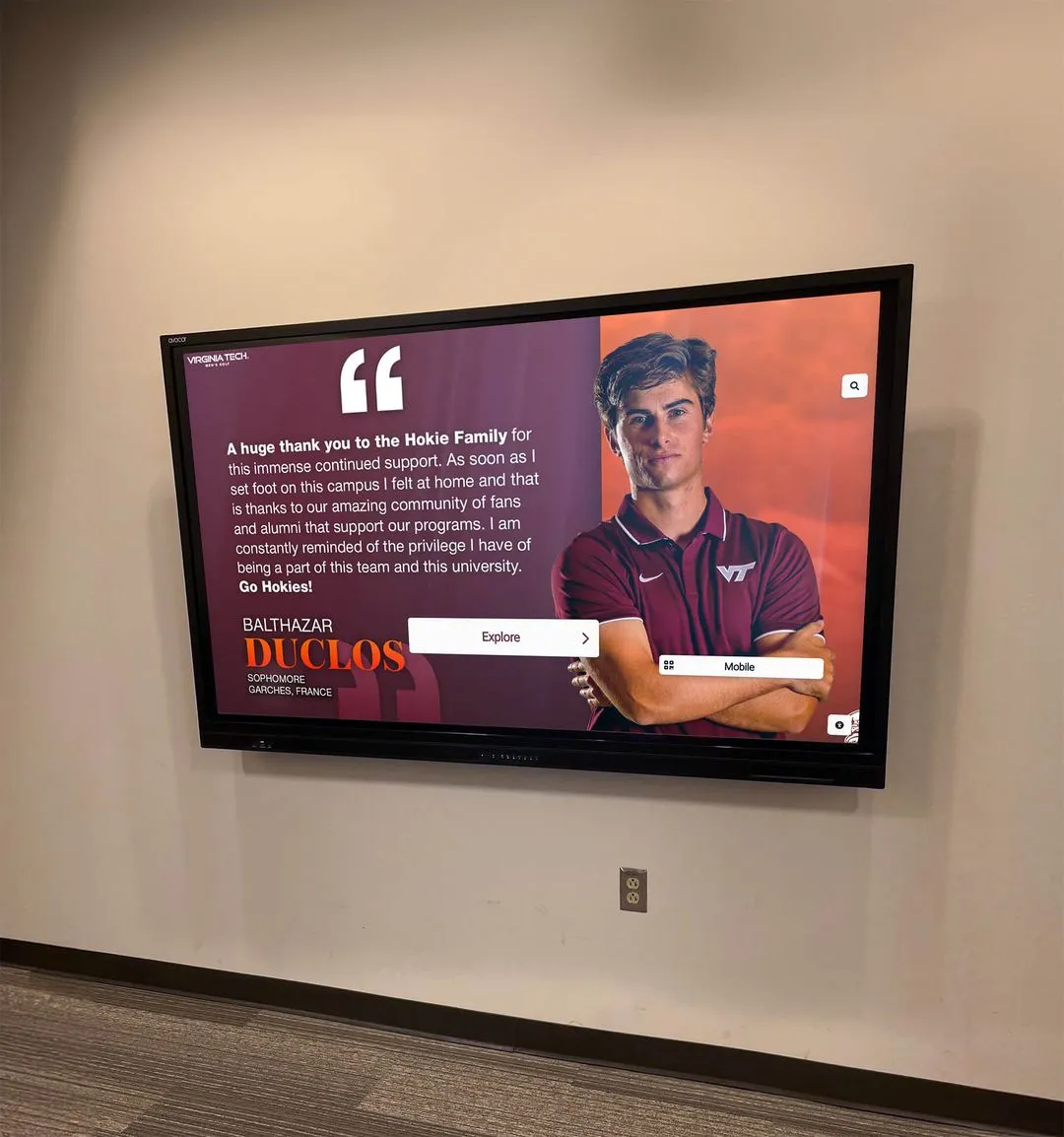
Interactive kiosks preserve football program history, highlighting quarterback achievements and offensive records throughout program history
Strategic Purposes of Snap Count Variation
Elite quarterbacks don’t simply call plays—they manipulate defensive timing, expose aggressive tendencies, and create pre-snap advantages through sophisticated cadence techniques.
Drawing Defensive Penalties
The Hard Count as an Offensive Weapon
Perhaps the most visible snap count application involves drawing defensive players offside through deceptive cadence:
Hard Count Techniques
- Volume Spike: Sudden loud emphasis on a cadence word mimicking snap timing
- Rhythm Disruption: Changing speed or pattern of cadence delivery
- Body Language Manipulation: Quarterback movements suggesting imminent snap
- Decoy Calls: Using actual snap trigger words without initiating play
- Third-and-Short Specialty: Particularly effective when defense anticipates snap
When defensive linemen or linebackers jump offside before the snap, offenses gain five yards and a fresh set of downs—essentially a free play that can convert third downs without running an actual offensive play. Quarterbacks who develop reputations for effective hard counts force defensive coordinators to coach more disciplined, less aggressive techniques that reduce pass rush effectiveness.
Creating Free Play Opportunities
Exploiting Unabated to the Quarterback
When defensive players cross into the neutral zone, offenses gain strategic opportunities:
- Free Shot Downfield: If defense jumps offside, quarterbacks can throw deep without risk
- Unabated to the Quarterback: When defenders have clear path to QB, play stops immediately for five-yard penalty
- Encroachment vs. Offsides: Understanding which defensive violations create dead ball situations versus live plays
- Communication to Receivers: Hand signals or call systems telling receivers to run full routes when defense jumps
- Risk-Free Aggression: Taking shots at explosive plays knowing penalty provides safety net
Experienced quarterbacks recognize the instant defensive players cross the neutral zone, immediately alerting receivers to continue their routes while launching aggressive throws. Even if the pass falls incomplete, the offside penalty provides the yardage—but completed passes gain additional yards beyond the penalty distance.
Disrupting Defensive Timing
Keeping Opponents Off-Balance
Beyond drawing penalties, cadence variation disrupts defensive execution:
Defensive Disruption Effects
- Pass Rush Timing: Varied counts prevent defenders from timing jump perfectly
- Blitz Coordination: Delayed snaps disrupt complex blitz timing between multiple rushers
- Secondary Coordination: Coverage defenders struggle with assignment timing
- Mental Fatigue: Constant adjustment requirement increases defensive mental errors
- Recognition for quarterbacks who master this skill celebrates their pre-snap leadership
Teams facing quarterbacks with sophisticated cadence variation report increased difficulty maintaining assignment discipline, particularly in high-pressure situations where mental processing demands already strain defensive focus.
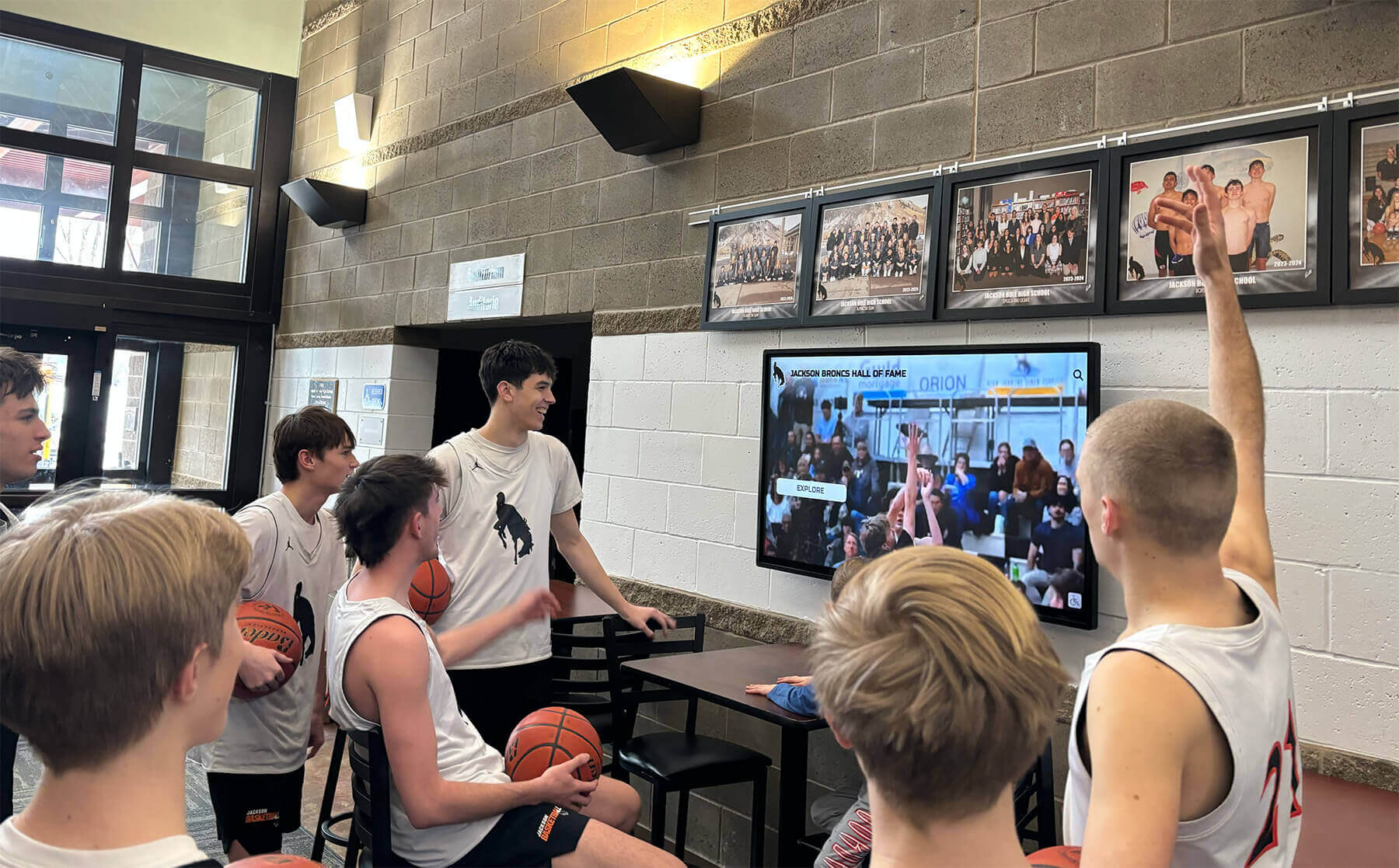
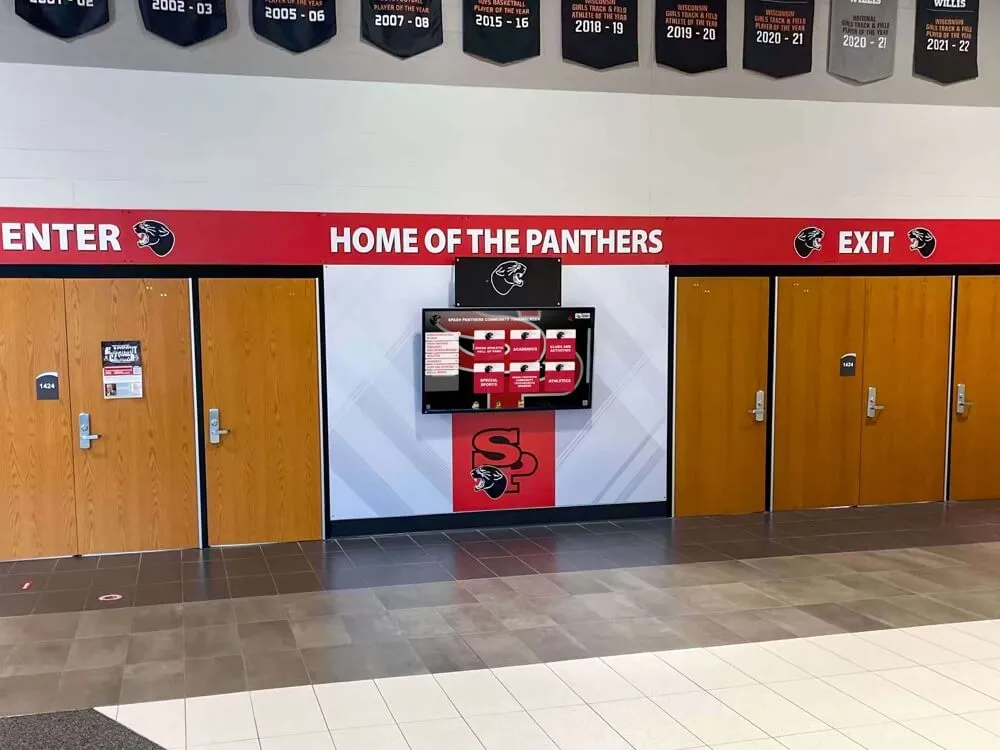
Digital displays showcase game footage and quarterback highlights, allowing programs to analyze cadence effectiveness and celebrate offensive achievements
Controlling Game Tempo
Using Snap Count to Manipulate Pace
The snap count directly impacts offensive tempo and game rhythm:
- Fast Tempo: Minimal cadence before quick snaps preventing defensive substitution and adjustment
- Slow Tempo: Extended pre-snap period allowing quarterback time for reads and adjustments
- Tempo Changes: Strategic variation between hurry-up and deliberate pacing confusing defensive preparation
- Clock Management: Precise snap timing controlling when plays consume or preserve time
- Fatigue Factor: Fast-paced snap counts exhausting defensive units unable to substitute
Championship programs develop multiple tempo systems, each with corresponding snap count approaches that support strategic objectives—whether accelerating pace to exploit exhausted defenders or slowing tempo to control possession and game flow.
Advanced Cadence Techniques
As quarterbacks mature, they develop sophisticated cadence approaches that transcend basic snap count mechanics.
Silent Count Systems
Communicating Without Verbal Cadence
In extremely loud environments—particularly road games against hostile crowds—verbal cadence becomes impossible, necessitating silent count alternatives:
Silent Count Mechanisms
- Leg Lift: Quarterback raises leg as snap trigger signal
- Head Bob: Quick head movement signaling snap timing
- Hand Clap: Visual signal visible to all offensive players
- Center-Quarterback System: Center determines snap timing after set period
- Guard-Initiated: Guard taps center to trigger snap after predetermined delay
The primary disadvantage of silent counts is the elimination of hard count capability—since no verbal cadence exists, quarterbacks cannot manipulate defensive timing through voice inflection or rhythm variation. This typically reduces offside penalties drawn while potentially increasing offensive false starts from players struggling with visual timing.
Many programs practice silent count scenarios regularly, even if they never anticipate needing the system, ensuring readiness for unexpectedly loud environments or last-minute venue changes that create challenging acoustic conditions.
The Audible System
Changing Plays at the Line
Sophisticated quarterbacks use pre-snap reads to identify defensive vulnerabilities, then audible to better-suited plays:
- Kill Calls: Code words that completely change the play called in huddle
- Alert Systems: Pre-determined alternate plays activated by specific words
- Check-With-Me: Quarterback selects between two plays based on defensive alignment
- Protection Adjustments: Changes to blocking schemes without altering skill position assignments
- Route Adjustments: Modifying receiver routes based on coverage recognition
The snap count becomes more complex when incorporating audibles—quarterbacks must clearly communicate the new play, ensure all eleven players understand the change, then execute normal cadence without confusion about snap timing. Programs with sophisticated quarterback development programs invest heavily in audible system training, recognizing pre-snap adjustment capability as a competitive separator.
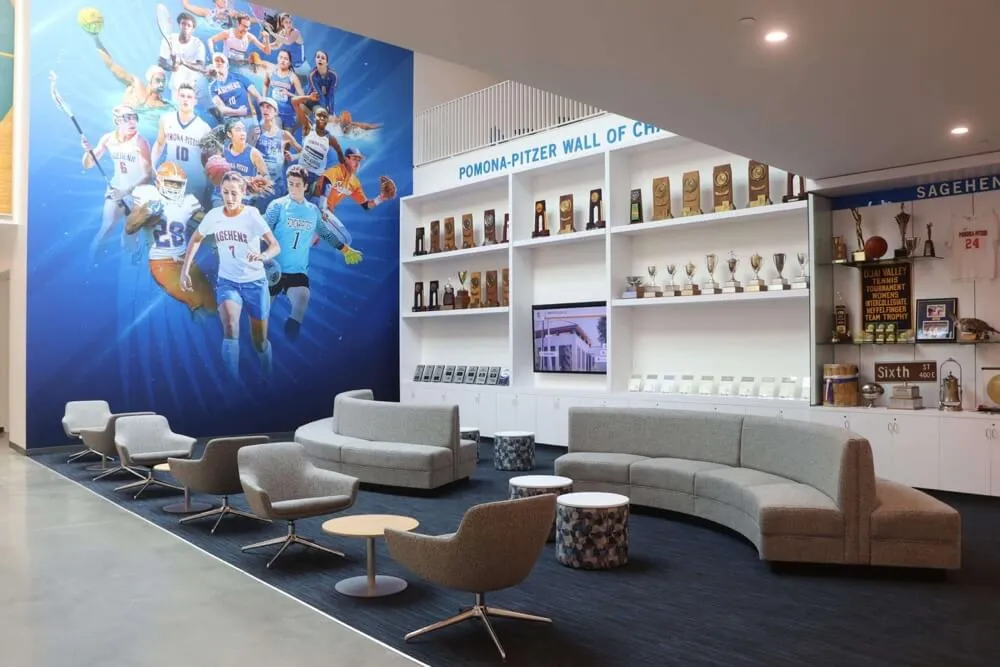
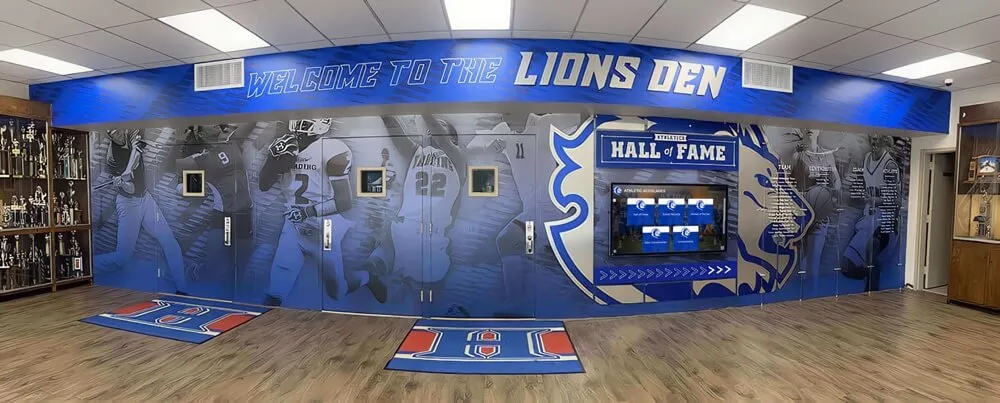
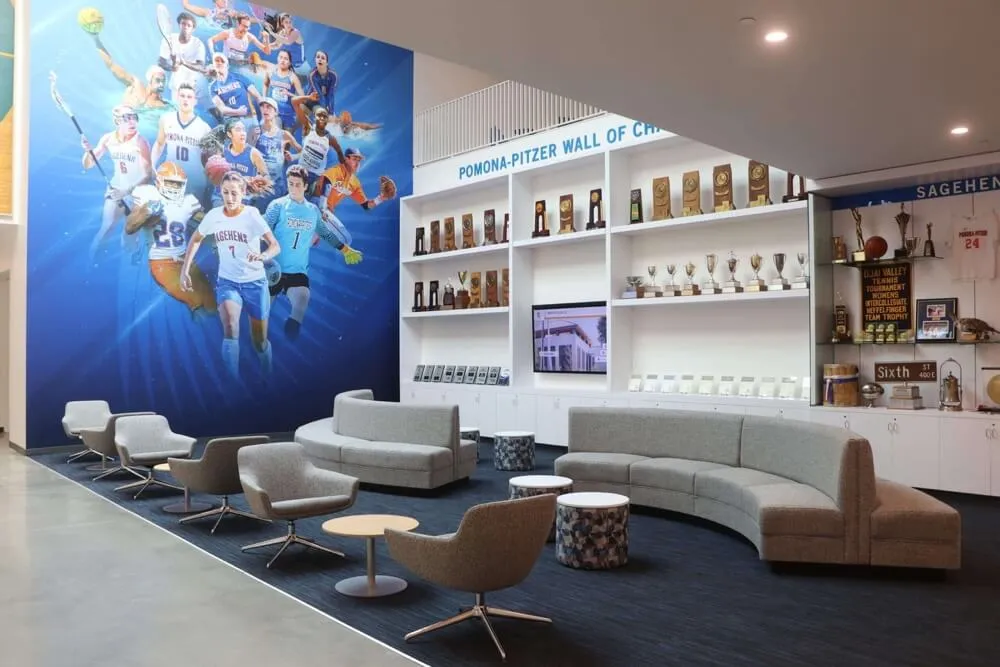
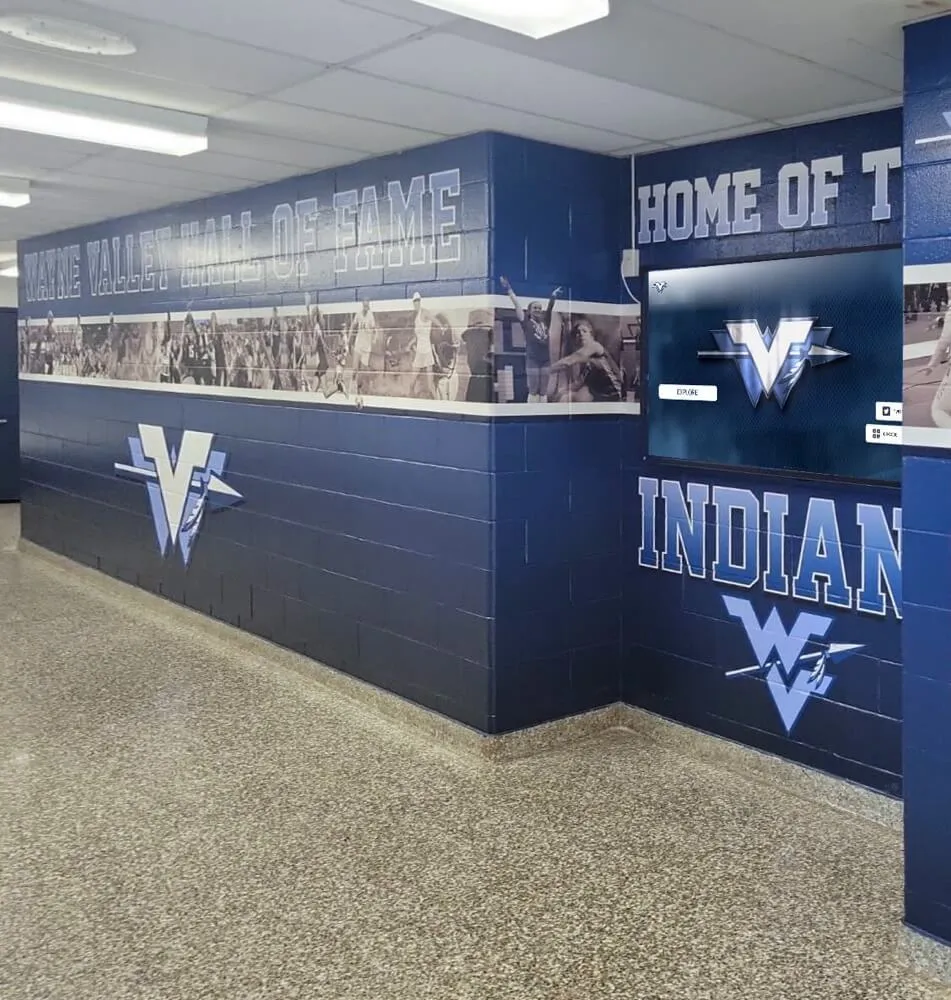
Trophy displays and athletic recognition walls celebrate quarterback leadership, preserving the legacy of signal-callers who mastered pre-snap command
Color and Number Systems
Dummy Calls and Live Calls
Elite offenses employ sophisticated color and number systems disguising actual play information from defensive eavesdropping:
Code System Components
- Live Color: Predetermined color (e.g., “blue”) that indicates subsequent call is actual play
- Dummy Colors: Any other color represents decoy information
- Number Codes: Numbers signifying formations, protections, or route concepts
- Directional Indicators: Calls specifying play-side or strength orientation
- Snap Count Integration: Color calls that simultaneously communicate play and snap timing
For example, a quarterback might call “Red 22, Red 22, Blue 80, Blue 80, set, hut!” where only “Blue” calls represent actual play information (formation “80”), while “Red 22” serves purely as deception. Defensive players attempting to diagnose plays from sideline signals or audible calls face increased difficulty when offenses employ sophisticated dummy call systems.
Teaching Snap Count to Developing Quarterbacks
Youth and high school quarterbacks require structured approaches to develop effective cadence skills.
Fundamental Skill Progression
Building Cadence Competency
Effective snap count teaching follows a logical developmental sequence:
Beginning Quarterbacks
- Single count consistency (always snap “on two”)
- Clear, loud voice projection
- Proper cadence rhythm and pace
- Basic pre-snap communication
- Confidence under center
Intermediate Development
- Multiple count variation (on one, on two, on three)
- Volume and tone manipulation
- Basic hard count techniques
- Simple audible systems
- Silent count fundamentals
Advanced Quarterbacks
- Sophisticated cadence variation
- Strategic hard count deployment
- Complex audible systems
- Game situation awareness
- Tempo control mastery
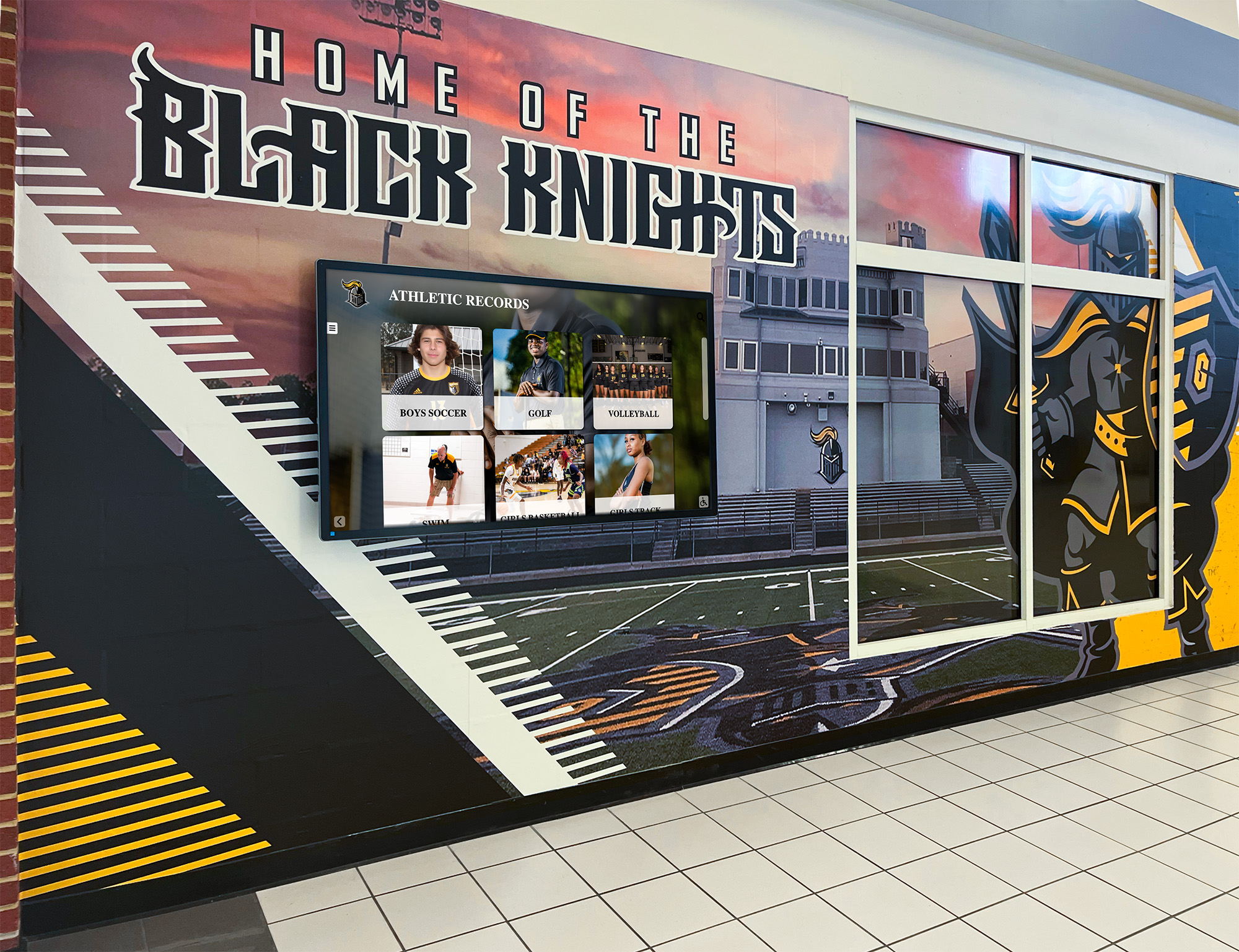
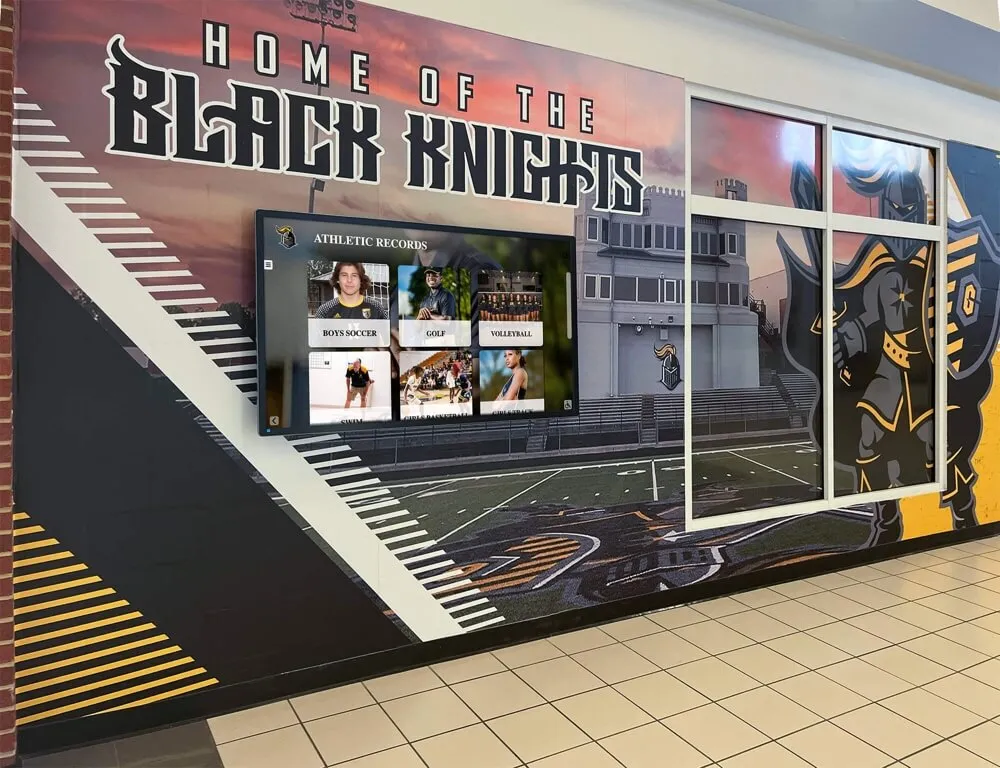
Athletic record displays showcase quarterback statistical achievements alongside team honors, creating comprehensive program recognition
The most common developmental mistake involves pushing quarterbacks toward cadence complexity before establishing fundamental consistency. Young signal-callers struggling with basic rhythm and timing inevitably fail when asked to incorporate strategic variation—building strong foundational skills enables later sophistication.
Common Mistakes and Corrections
Addressing Snap Count Problems
Coaches frequently encounter predictable snap count challenges:
Predictable Rhythm Issues
- Problem: Quarterback always snaps on same count, allowing defensive timing
- Solution: Practice scripts requiring random count variation preventing pattern development
- Drill: “Count roulette” where coaches call different counts before each practice snap
Weak Voice Projection
- Problem: Linemen and skill players cannot hear cadence in game noise
- Solution: Practice with artificial crowd noise, emphasizing diaphragm projection
- Drill: Cadence competition measuring who hears quarterback from greatest distance
Hard Count Transparency
- Problem: Hard count sounds obviously different from actual snap cadence
- Solution: Video review showing tells that reveal deception attempts
- Drill: Defensive scout team identifying which hard counts would fool them
Audible Confusion
- Problem: Offensive players confused about actual play after audible sequences
- Solution: Simplified audible system with clear, unmistakable call words
- Drill: No-huddle sessions requiring rapid audibles with immediate execution
Programs that dedicate practice time specifically to snap count development—beyond simply running plays—develop quarterbacks with sophisticated pre-snap capabilities that create tangible competitive advantages. This investment pays particular dividends in recruiting contexts, where college coaches evaluate quarterback command and maturity through pre-snap performance.
Game Situation Snap Count Strategy
Different game situations demand specific cadence approaches that support broader strategic objectives.
Third-Down Situations
Critical Down Cadence Tactics
Third down represents the premium opportunity for hard count effectiveness:
- Defensive Aggression: Opponents typically rush aggressively, increasing offside susceptibility
- Blitz Tendency: Complex stunts and blitzes require precise timing that hard counts disrupt
- Penalty Value: Five-yard penalty on third-and-three converts the first down entirely
- Free Play Opportunity: Deep shots if defense jumps with minimal risk
- Clock Awareness: Using cadence to optimize snap timing relative to play clock
Elite quarterbacks develop reputations for exceptional third-down hard counts that force defensive coordinators to coach conservative gap discipline, potentially reducing pass rush effectiveness throughout critical downs. The psychological advantage compounds—even when hard counts don’t draw penalties, the threat forces defensive hesitation.
Red Zone Applications
Short-Field Cadence Considerations
Inside the opponent’s twenty-yard line, snap count dynamics change:
Red Zone Cadence Factors
- Compressed Field: Less space means defensive reactions happen faster
- Quick Count Value: Fast snaps prevent defensive adjustment to formation or motion
- Hard Count Risk: Less field to gain from free plays, though touchdowns still available
- Goal Line Specialty: Specific cadence for goal-line situations with QB sneak or power packages
- Timeout Avoidance: Clear communication preventing delay penalties in high-stress situations
Some quarterbacks deliberately quicken cadence tempo in red zone situations, capitalizing on reduced field dimensions that amplify defensive mistakes and confusion. The quarterbacks who master this skill often earn recognition for clutch red zone performance that elevates offensive efficiency in critical scoring situations.
Two-Minute Drill Cadence
End-of-Half Hurry-Up Operations
Two-minute situations require specialized snap count approaches:
- No Huddle Communication: Cadence that incorporates play-calling without huddle breaks
- Clock Management: Precise timing to maximize plays while preserving timeouts
- Tempo Variation: Strategic fast-then-slow pacing confusing defensive substitution
- Spike Protocol: Immediate “clock” call and snap when intentionally grounding to stop time
- Sideline Communication: Integration with coach signals and wristband play sheets
Championship quarterbacks develop comfort with multiple tempo modes—sprinting to the line for rapid snaps, then deliberately slowing to let play clock wind, then accelerating again—all while maintaining offensive synchronization and executing complex plays under extreme time pressure.
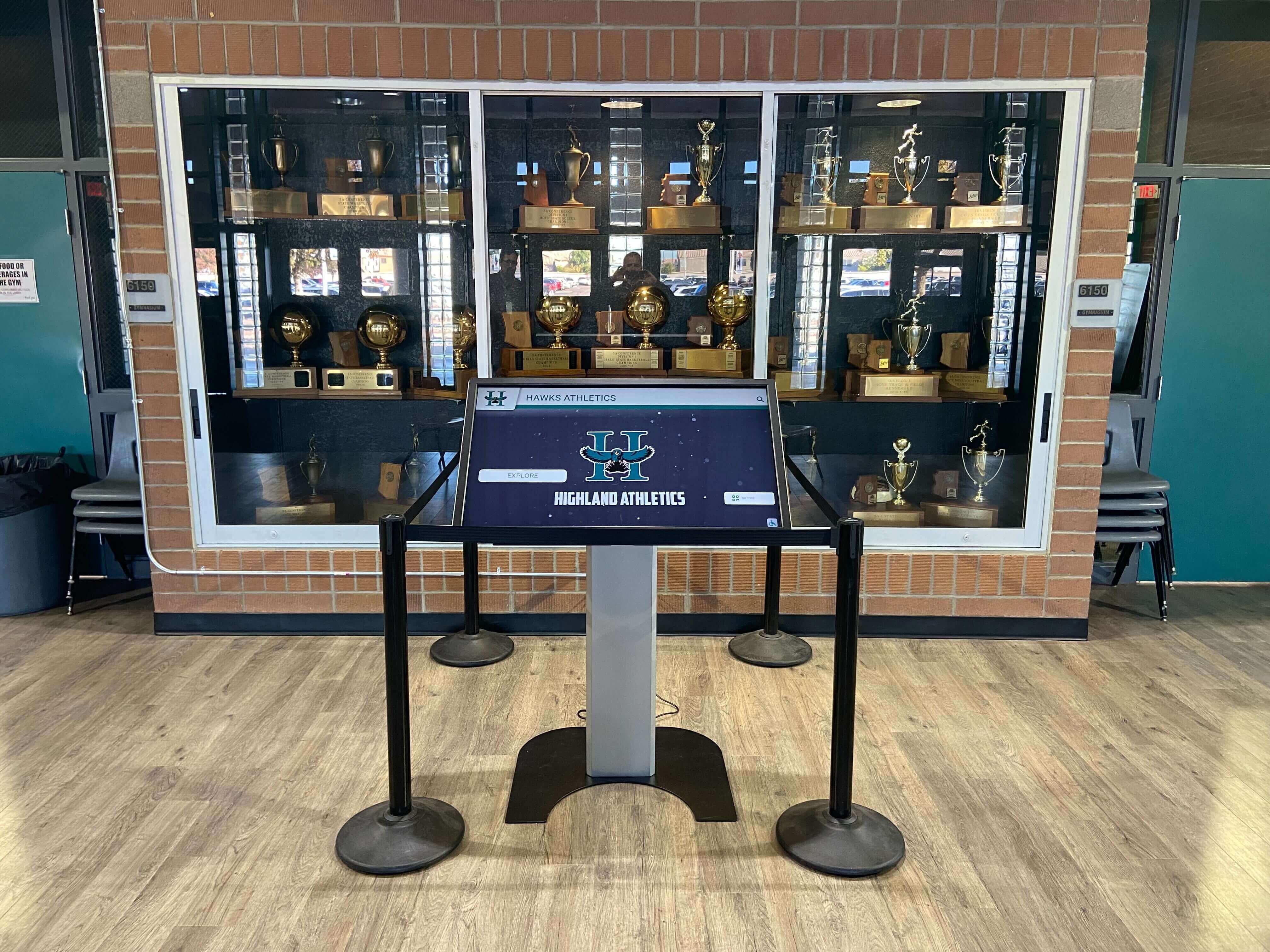
Interactive displays in trophy cases showcase quarterback achievements and offensive records, preserving program excellence for future student-athletes
Cadence in Different Offensive Systems
Offensive philosophy significantly influences snap count approach and strategic priorities.
Spread Offense Cadence
Up-Tempo, No-Huddle Systems
Spread offenses built on pace and tempo employ distinctive cadence characteristics:
Spread System Elements
- Minimal Pre-Snap Talk: Quick, efficient communication maximizing plays per possession
- Sideline Signaling: Hand signals and visual cues replacing verbal play-calling
- Rhythm Snaps: Consistent timing creating offensive flow and defensive fatigue
- Hard Count Sacrifice: Less emphasis on drawing offsides, more on execution pace
- Silent Count Readiness: Preparation for hostile road environments disrupting fast tempo
Programs running true up-tempo spread systems often reduce snap count complexity in favor of execution speed, accepting the trade-off between cadence manipulation and plays-per-possession volume. The strategic bet assumes that running seventy-five plays versus sixty plays creates more value than sophisticated hard count tactics on fewer total snaps.
Pro-Style Offense Cadence
Traditional Systems with Complex Pre-Snap
Pro-style offenses typically incorporate more elaborate snap count systems:
- Multiple Formation Calls: Complex terminology requiring clear communication
- Protection Adjustments: Line calls identifying blitzers and assigning responsibilities
- Audible Systems: Sophisticated check-with-me approaches based on defensive alignment
- Hard Count Integration: Deliberate use of cadence variation as strategic weapon
- Veteran Quarterback Requirement: System complexity demanding experienced signal-callers
The trade-off involves lower tempo but potentially higher efficiency per play, with quarterbacks given authority to optimize play-calling against specific defensive looks. This approach places premium value on quarterback intelligence, pre-snap recognition, and communication skills—exactly the attributes that NFL Hall of Fame quarterbacks demonstrate throughout their careers.
Option Offense Cadence
Triple Option and Run-Heavy Systems
Option-based offenses employ unique cadence considerations:
Option System Cadence
- Quick Count Emphasis: Fast snaps preventing defensive adjustment to option keys
- Reduced Complexity: Simpler communication supporting execution speed
- Hard Count Minimal: Less value in drawing offsides when running power schemes
- Line of Scrimmage Reads: Quarterback focus on defensive alignment versus cadence manipulation
- Silent Count Value: Triple option particularly effective with silent count disrupting defensive reads
Teams committed to option football often develop the most streamlined snap count systems, recognizing that execution precision and decision-making at the mesh point matter more than pre-snap cadence sophistication.
Practice Drills for Snap Count Mastery
Deliberate practice separates competent cadence from elite pre-snap command.
Individual Quarterback Drills
Building Cadence Fundamentals
Position-specific drills develop snap count skills:
Voice Projection Drill
- Stand at goal line, center at opposite 25-yard line
- Project cadence ensuring center hears clearly
- Add artificial crowd noise progressively
- Measure maximum effective distance
- Build diaphragm strength and projection technique
Hard Count Variation Drill
- Ten consecutive snaps with random counts
- Defensive players attempt to diagnose snap timing
- Review video identifying quarterback tells
- Refine deceptive techniques eliminating patterns
- Score effectiveness by defensive success rate
Cadence Under Pressure
- Run full plays with 10-second play clock only
- Include formation calls, protection, cadence
- Simulate crowd noise and distraction
- Prevent delay of game penalties
- Build mental processing speed
Audible Integration Drill
- Pre-snap defensive looks triggering audibles
- Execute full cadence with play change
- Ensure offensive understanding
- Time entire sequence against play clock
- Graduate complexity as proficiency develops
Silent Count Practice
- Entire practice period in no-verbal mode
- Build team comfort with visual signals
- Reduce false start frequency
- Prepare for hostile road environments
- Develop backup system confidence
Individual drill work builds foundational skills that quarterbacks then deploy in team settings, progressively integrating complexity as competency develops.
Team Snap Count Drills
Building Offensive Synchronization
Full offensive unit drills develop collective timing:
- Count Variation Scripts: Practice plans requiring different counts throughout drills preventing rhythm prediction
- False Start Elimination: Emphasis on discipline moving only on snap regardless of hard count temptation
- Offensive Line Coordination: Ensuring all five linemen fire simultaneously on varied counts
- Skill Position Timing: Receivers and backs synchronizing release and motion with unpredictable cadence
- Penalty Simulation: Intentional offsides allowing practice of free play protocols
Teams that script deliberate cadence variation throughout normal practice—rather than defaulting to consistent timing—develop game-ready capability for strategic count manipulation. The investment prevents the common scenario where offenses practice all week on “one” count then struggle executing “two” counts in critical game moments.
Common Defensive Counters to Snap Count Manipulation
Understanding how defenses combat cadence tactics helps quarterbacks stay ahead strategically.
Defensive Gap Discipline
Coaching Against Hard Counts
Defensive coordinators employ specific techniques preventing offside penalties:
Defensive Discipline Methods
- Ball Watch Coaching: Teaching defenders to watch the football movement rather than responding to cadence
- Conservative Set Points: Deeper alignment creating margin against jumping early
- Veteran Leadership: Experienced defenders coaching younger players to ignore cadence manipulation
- Film Study Emphasis: Identifying opponent’s hard count tendencies and trigger words
- Penalty Awareness: Understanding that five yards hurts less than explosive plays from aggressive mistakes
Elite defensive units develop reputations for exceptional discipline that reduces hard count effectiveness, forcing quarterbacks to rely more heavily on execution than pre-snap manipulation. This creates interesting strategic chess matches where quarterback reputation for hard counts forces conservative defensive techniques that reduce pass rush effectiveness even when penalties don’t occur.
Disguise and Late Movement
Defensive Adjustments After Cadence
Sophisticated defenses employ their own pre-snap tactics:
- Post-Cadence Rotation: Secondary rotating coverage after quarterback begins cadence
- Late Blitz Shows: Linebackers creeping toward line after cadence starts
- Simulated Pressure: Showing blitz then dropping into coverage
- Personnel Disguise: Alignment ambiguity preventing accurate pre-snap reads
- Timeout Forcing: Defensive complexity requiring offensive timeout preventing preferred cadence execution
The arms race between offensive cadence sophistication and defensive disguise complexity drives continuous innovation on both sides, with the most successful programs investing in both offensive pre-snap command and defensive post-cadence adjustment capability.
Celebrating Quarterback Excellence and Leadership
Quarterbacks who master the snap count demonstrate the leadership, intelligence, and communication skills that define championship programs.
Programs honoring quarterback development and pre-snap excellence preserve this often-overlooked aspect of the position. While touchdown passes and completion percentages dominate statistics, elite quarterbacks understand that games are won in the seconds before the snap through cadence mastery, defensive manipulation, and strategic communication.
Modern digital recognition systems allow programs to showcase quarterback achievements comprehensively—highlighting not just statistical accomplishments but leadership qualities, pre-snap expertise, and the intangible command that separates good signal-callers from great ones. Interactive displays can feature game footage demonstrating effective hard counts, audible successes, and situational mastery that defines quarterback excellence beyond traditional box score metrics.
Schools investing in comprehensive quarterback development programs—teaching snap count variation, audible systems, and pre-snap reads alongside throwing mechanics—develop leaders who elevate entire offensive units. This systematic approach to the position creates sustained competitive advantages that transcend individual talent levels, as technically sound systems allow good athletes to execute like great ones.
The quarterbacks who master these skills earn recognition not just for their statistical production but for their complete command of the position. Digital walls of fame showcasing quarterback leadership preserve their legacy while inspiring future signal-callers to develop the same comprehensive skill sets that define position excellence.
Interactive football displays celebrate quarterback excellence and preserve the legacy of signal-callers who mastered pre-snap command
Integrating Snap Count Mastery Into Your Program
For coaches and programs seeking to develop sophisticated snap count capabilities, systematic implementation creates measurable results.
Building a Comprehensive Cadence System
Program-Wide Implementation
Effective snap count development requires coordinated program approach:
Implementation Framework
- Install Phase: Teaching fundamental cadence system to entire offensive unit
- Variation Development: Progressive complexity addition as basic competency develops
- Game Plan Integration: Situational cadence strategies incorporated into weekly preparation
- Opponent-Specific Adjustments: Tailoring hard count emphasis to defensive tendencies
- Continuous Refinement: Year-round development through offseason work and in-season adjustment
Programs treating snap count as a deliberate skill requiring dedicated development—rather than an afterthought practiced incidentally during normal team periods—build systematic advantages that compound throughout seasons. Young quarterbacks entering systems with established cadence cultures inherit technical frameworks accelerating their development beyond what isolated individual talent could achieve.
Measuring Snap Count Effectiveness
Performance Metrics and Evaluation
Quantifying cadence success helps programs optimize approaches:
- Offside Penalties Drawn: Tracking defensive penalties created by hard count effectiveness
- False Start Frequency: Monitoring offensive discipline with varied counts
- Third-Down Hard Count Success: Measuring conversion rate on free plays and penalty conversions
- Tempo Efficiency: Plays per possession and time of possession metrics
- Pre-Snap Penalty Differential: Net penalty advantage from snap count execution
Data-driven programs analyze these metrics weekly, identifying opportunities for emphasis and adjustment. Quarterbacks demonstrating exceptional metrics in these categories warrant recognition for skills that significantly impact winning but often receive less attention than traditional statistical categories like passing yards or touchdowns.
Championship programs understand that football excellence demands mastery of every competitive dimension—from fourth-quarter conditioning to special teams execution to pre-snap communication command. The snap count represents one of many details separating good programs from great ones, where incremental advantages in multiple areas combine into decisive competitive superiority.
Athletic recognition programs celebrating comprehensive quarterback excellence—including leadership, communication, and pre-snap command alongside traditional statistics—develop more complete players while honoring the full dimension of position mastery that creates championship offenses.
Conclusion: The Snap Count as Competitive Advantage
The football snap count represents far more than a mechanical formality preceding play execution—it functions as a sophisticated weapon in the hands of quarterbacks who develop mastery over cadence variation, defensive manipulation, and strategic communication. Elite signal-callers understand that the seconds before the snap offer opportunities to create advantages, expose defensive weaknesses, and seize control of the line of scrimmage before a single yard is contested.
For developing quarterbacks, systematic snap count training builds essential leadership and communication skills that elevate not just individual performance but entire offensive units. Programs investing in comprehensive cadence development—teaching hard count techniques, audible systems, tempo variation, and situational awareness—create sustainable competitive advantages independent of talent disparities.
As you develop these skills within your program, consider how you recognize and celebrate quarterback excellence comprehensively. Modern digital recognition solutions from Rocket Alumni Solutions allow schools to showcase quarterback achievements beyond traditional statistics, highlighting the leadership, pre-snap command, and intangible qualities that define position mastery. Interactive touchscreen displays featuring game footage, achievement timelines, and comprehensive player profiles preserve the legacy of signal-callers who elevated their programs through complete mastery of the quarterback position—from the snap count through the final whistle.
The quarterbacks who invest in mastering every dimension of their position—including the often-overlooked art of snap count manipulation—separate themselves as complete players worthy of recognition for their comprehensive excellence and leadership that defines championship football programs.