Every successful high school football season begins with a foundation built during countless hours of practice. The difference between teams that compete for championships and those that struggle often comes down to the quality, structure, and consistency of their practice drills. While game-day strategy matters, the work done between Monday and Friday determines which teams execute under pressure when it counts.
Many high school football programs fall into familiar patterns—running the same drills year after year without evaluating effectiveness or adapting to their specific roster needs. Coaches inherit practice plans from predecessors, repeat drills they remember from their playing days, or simply fill practice time without clear developmental objectives. This approach misses opportunities to address specific weaknesses, develop individual player skills, and create the muscle memory that separates prepared teams from unprepared ones.
This comprehensive guide presents 40+ essential football practice drills designed specifically for high school programs. Whether you’re a first-year head coach building a program from scratch, an experienced coordinator looking to refresh your practice structure, or a position coach seeking position-specific exercises, these drills provide the foundation for developing physically prepared, technically skilled, and mentally sharp football teams ready to compete at the highest level.
Effective football practice extends beyond simply keeping players busy—it creates structured developmental systems that build fundamental skills, improve conditioning, develop position-specific techniques, and establish the team chemistry and communication patterns that translate directly to Friday night success. Programs excelling at practice organization create environments where every repetition serves a clear purpose and athletes understand how daily work connects to game performance.

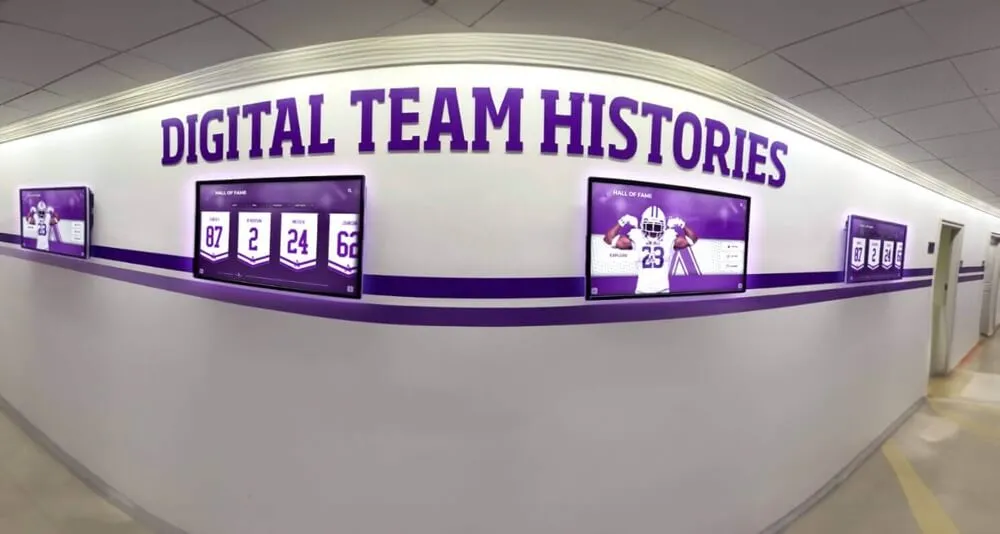
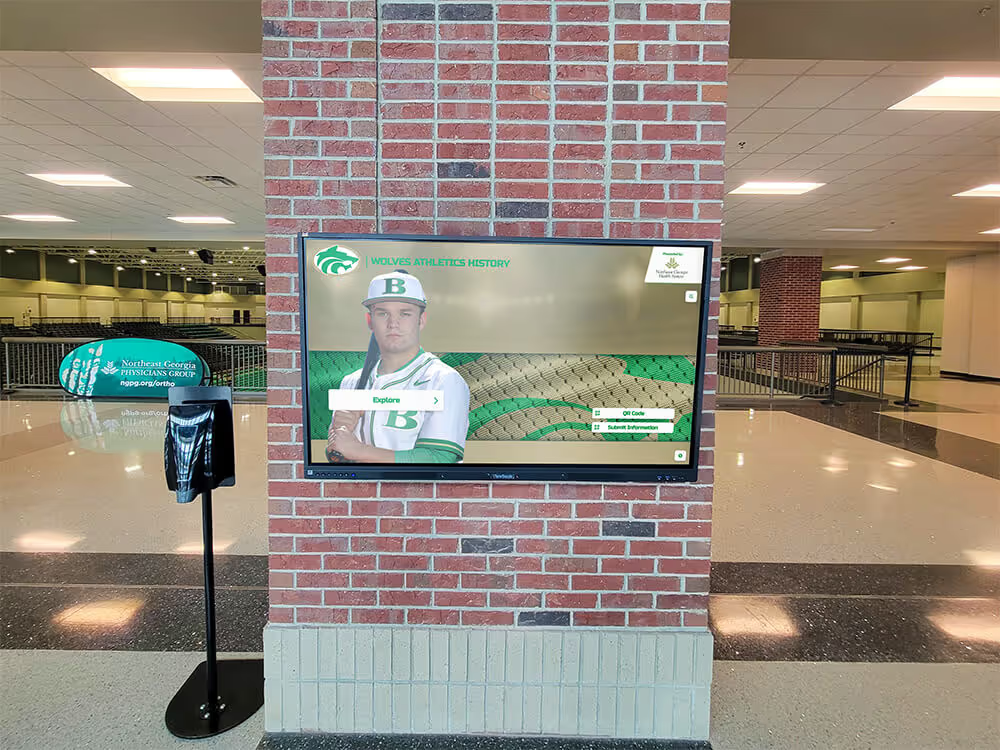
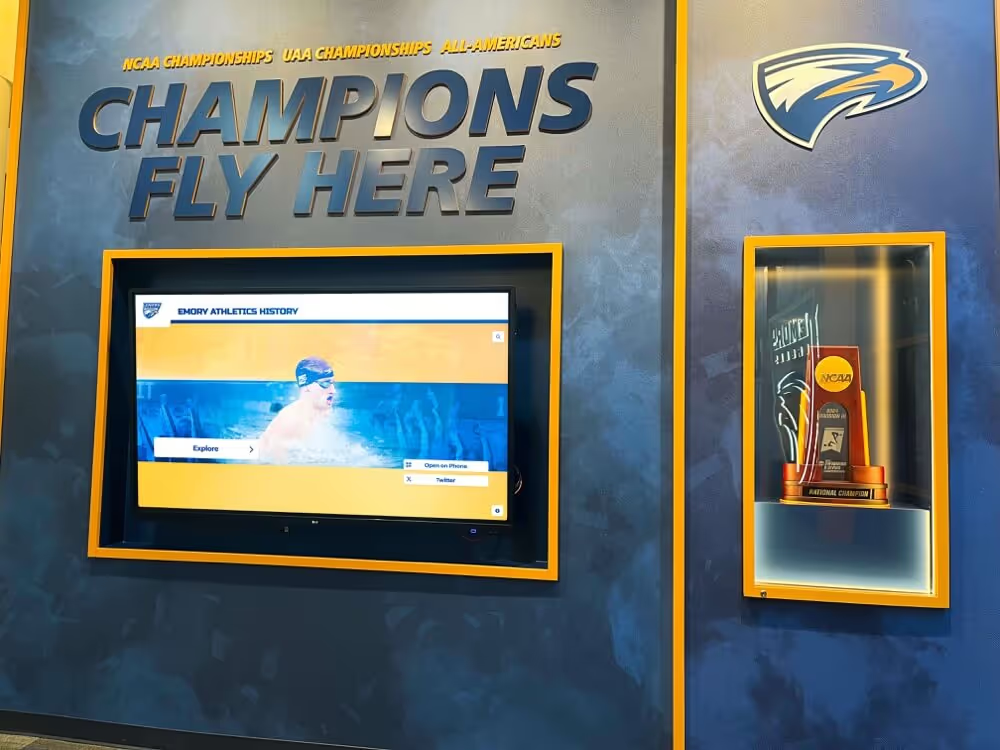
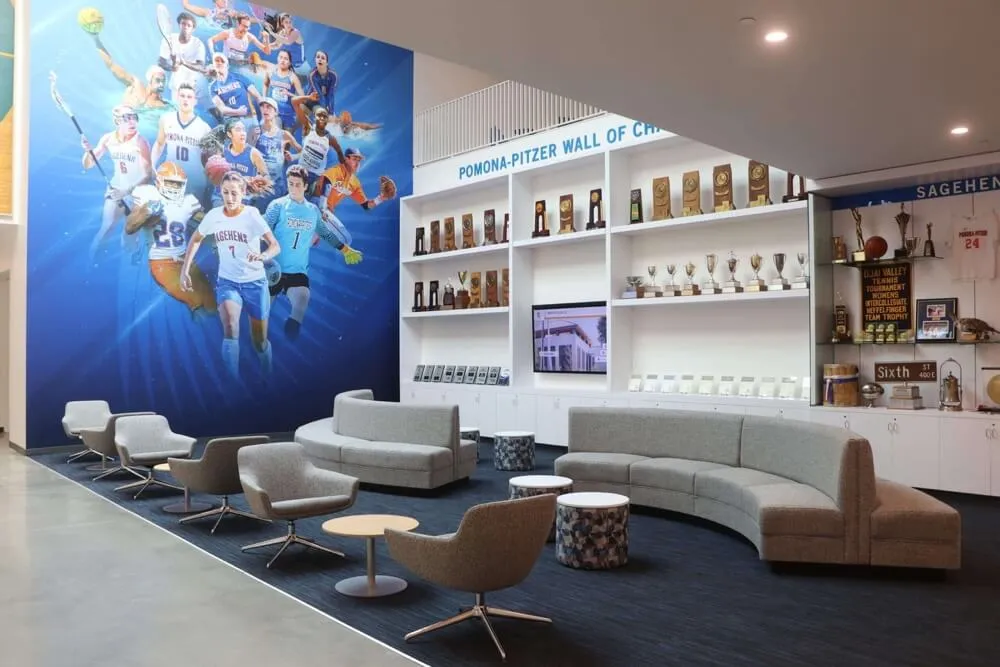
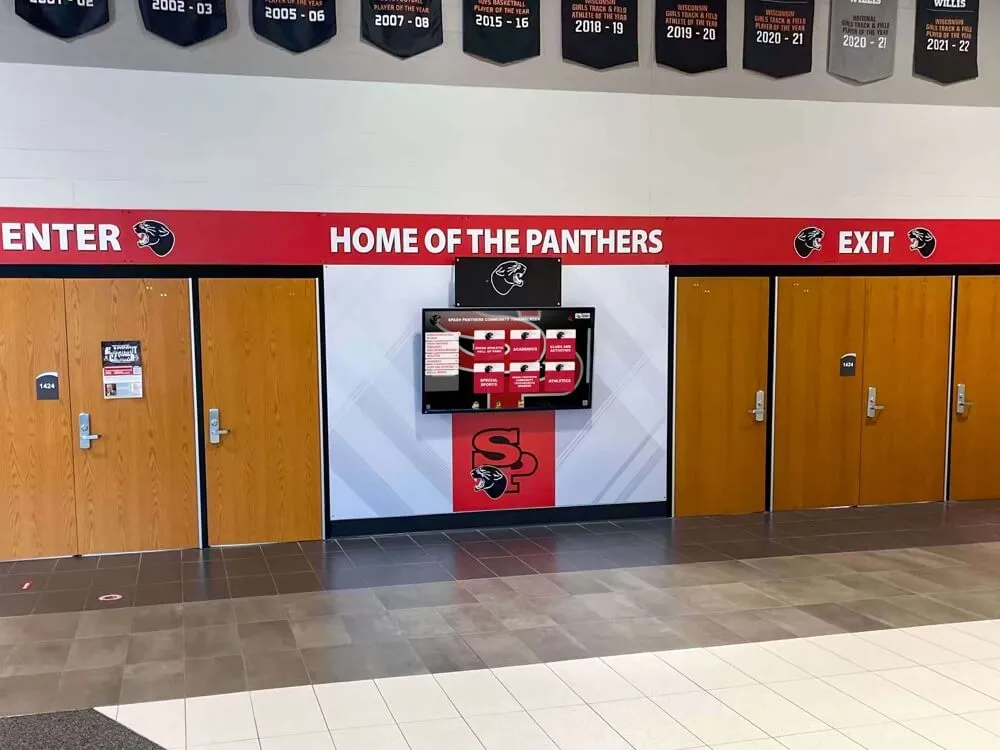
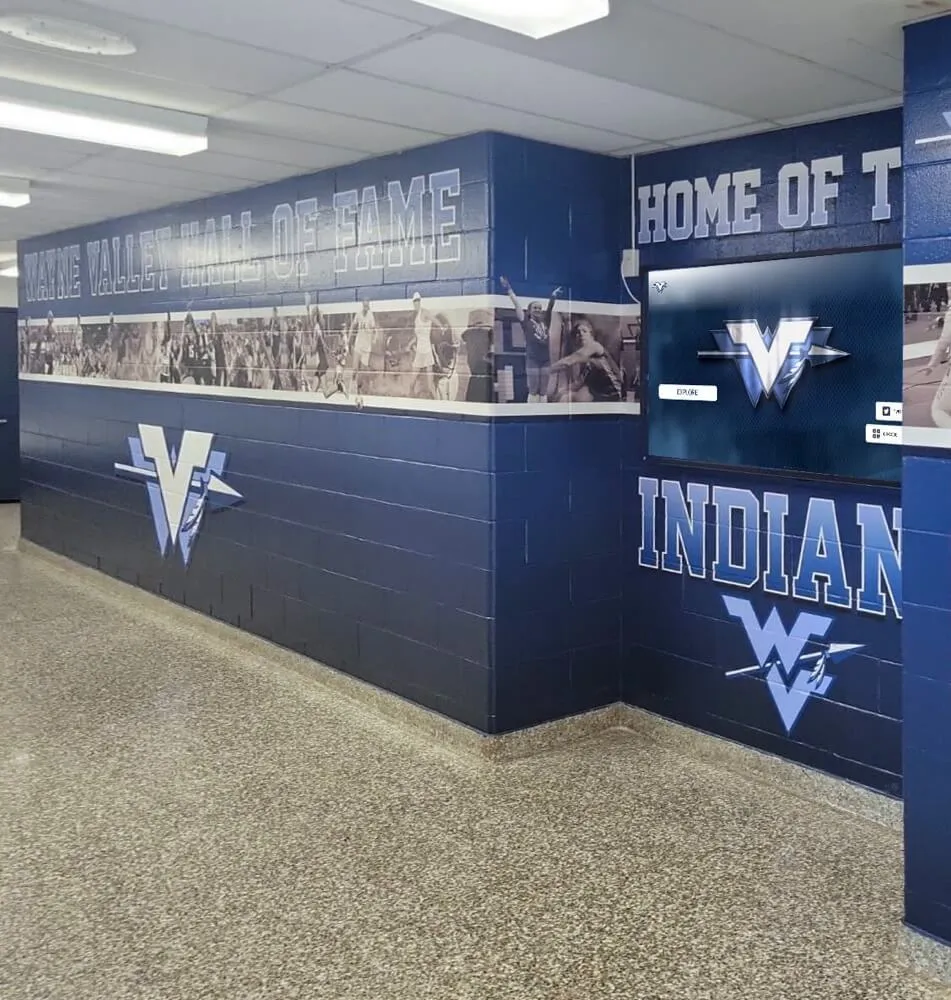
Modern athletic programs combine rigorous practice preparation with comprehensive recognition systems that honor player development and achievement
Understanding Football Practice Structure
Successful high school football practices follow deliberate organizational patterns that maximize productive repetitions while maintaining player safety and engagement throughout extended practice sessions.
Practice Time Allocation
High school football teams typically work within 2-3 hour practice windows during the season, requiring strategic time management across competing priorities:
Essential Practice Components
- Team warm-up and dynamic stretching (15-20 minutes)
- Individual position skill development (20-30 minutes)
- Group work and position-specific drills (25-35 minutes)
- Team periods and scheme installation (30-40 minutes)
- Special teams practice (15-20 minutes)
- Conditioning and cool-down (10-15 minutes)
The specific allocation varies based on the point in the season, upcoming opponent preparation, and individual team needs. Early season practices emphasize fundamental skill development and conditioning, while mid-season work shifts toward opponent-specific preparation and scheme refinement.
Weekly Practice Progression
- Monday: Installation, film review, fundamental emphasis
- Tuesday: Tempo practice, full-speed team periods
- Wednesday: Game-speed situational work, special teams focus
- Thursday: Walk-through, mental preparation, reduced contact
- Friday: Game day
- Saturday/Sunday: Recovery, film study (if applicable)
Safety Considerations for Practice Drills
Modern football practice prioritizes player safety while maintaining competitive intensity necessary for game preparation:
Contact Management
- Gradual progression from non-contact to full-speed work
- Limited full-contact periods during the week
- Thud tempo for most team drills (wrap without taking to ground)
- Proper progression in tackling and blocking technique
- Monitoring cumulative contact exposure across the season
Environmental Awareness
- Heat acclimatization protocols for summer practices
- Hydration breaks and access to fluids
- Lightning and severe weather procedures
- Field condition assessment before contact drills
- Appropriate rest between high-intensity periods
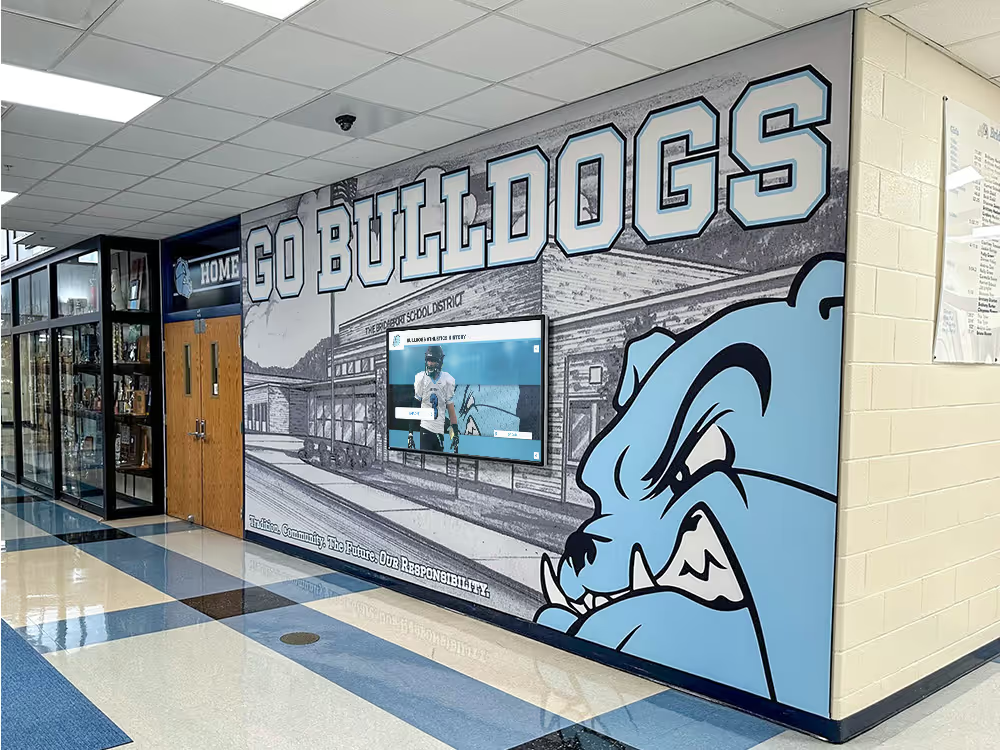
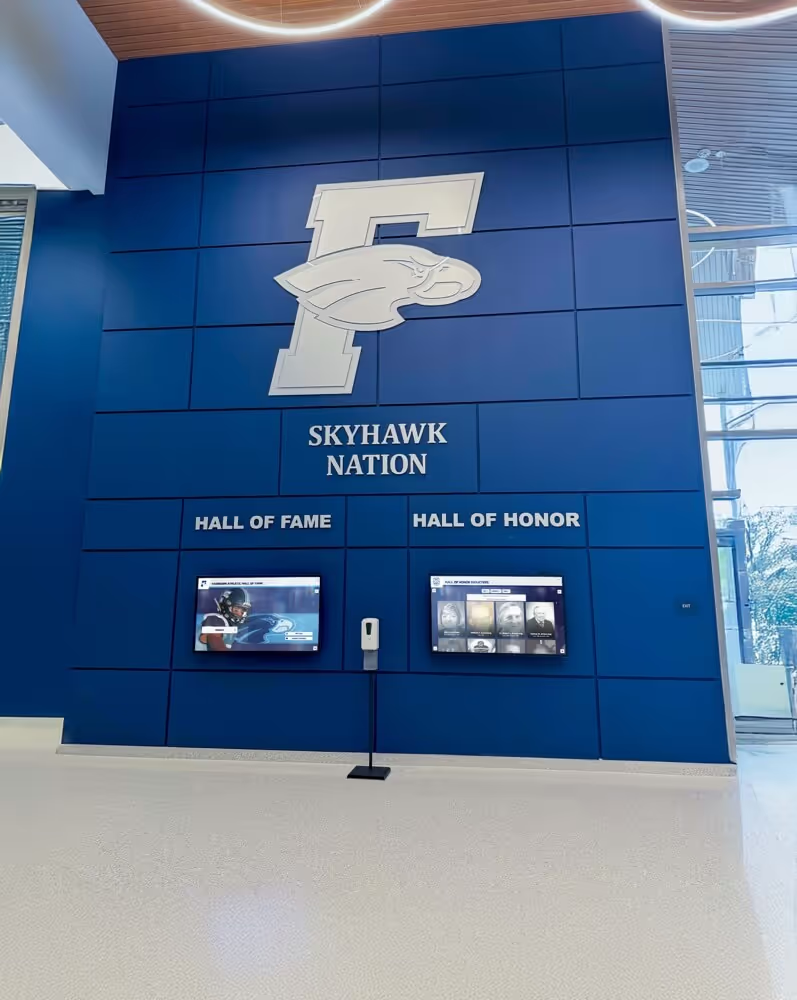
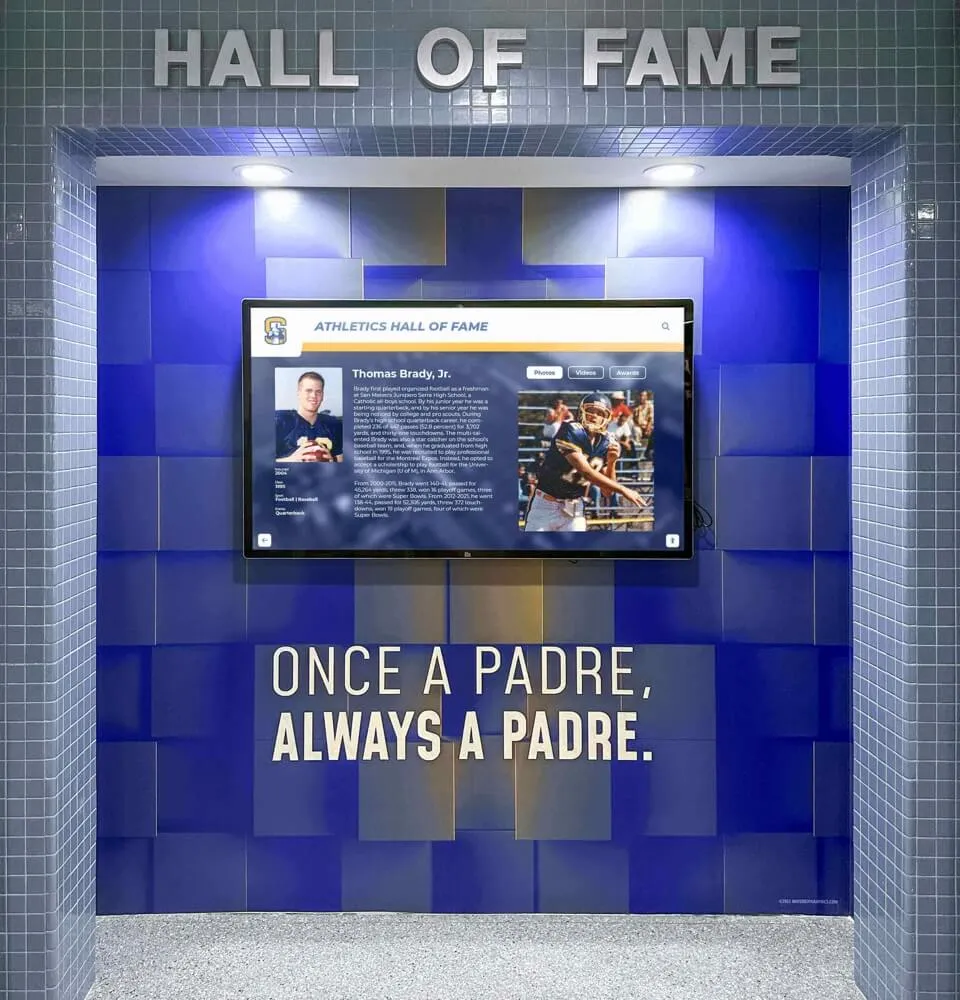
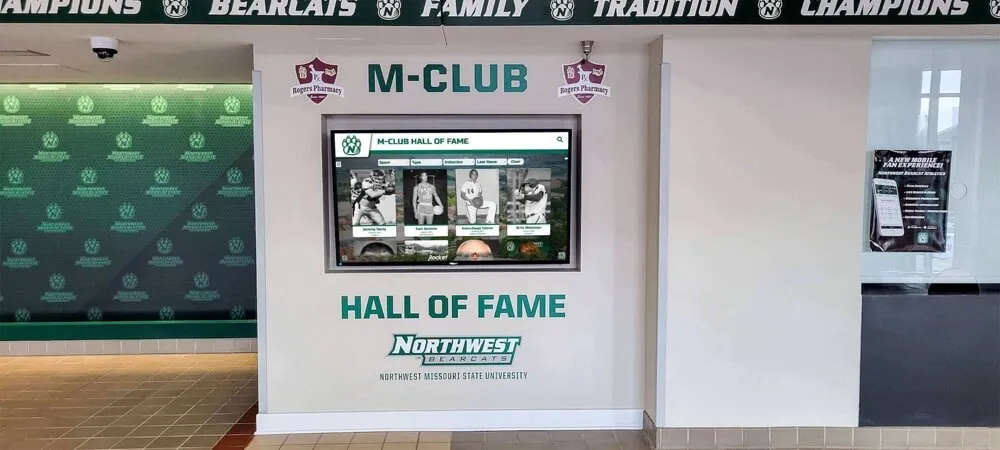
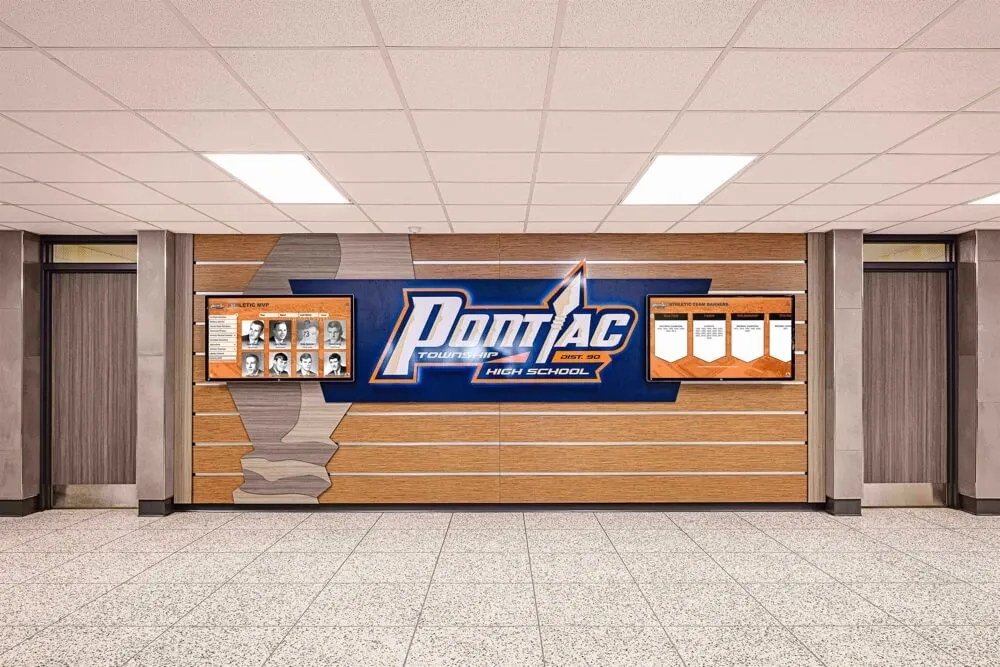
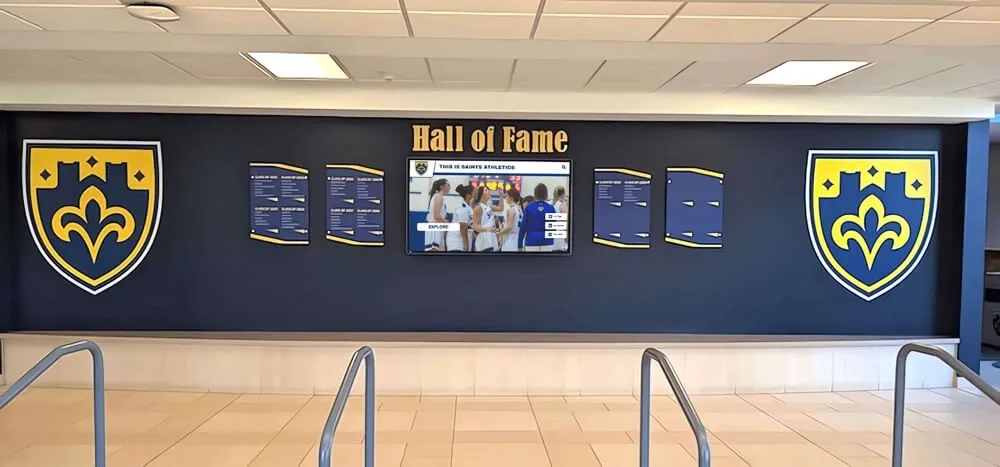
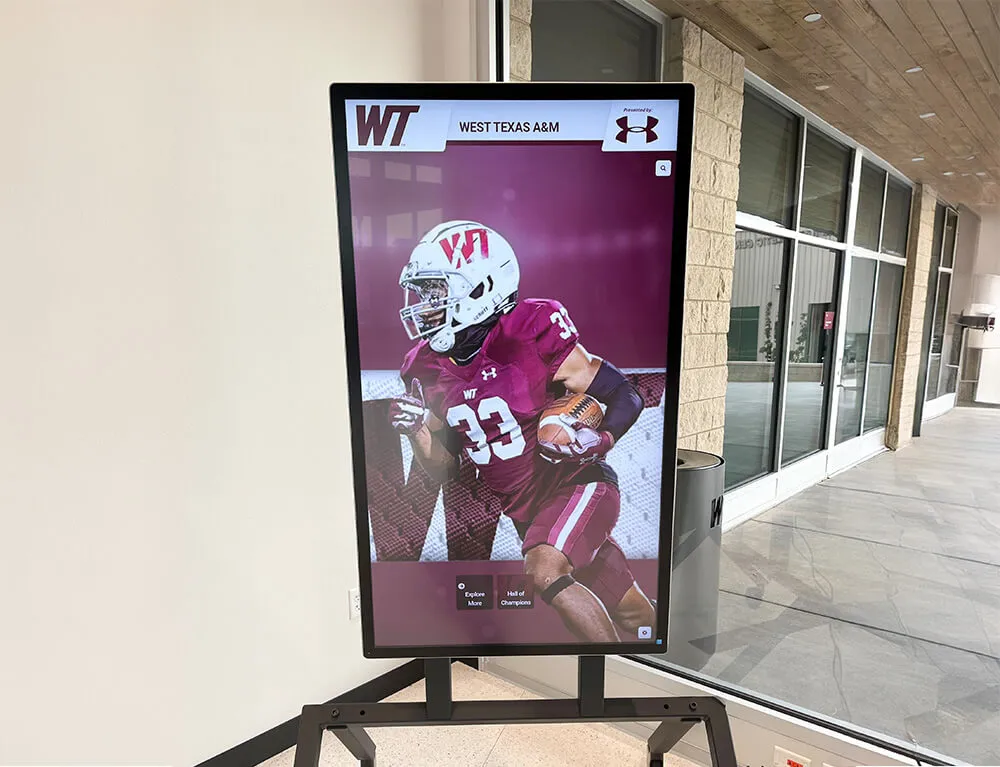
Programs that emphasize both rigorous training and achievement recognition create comprehensive athletic cultures
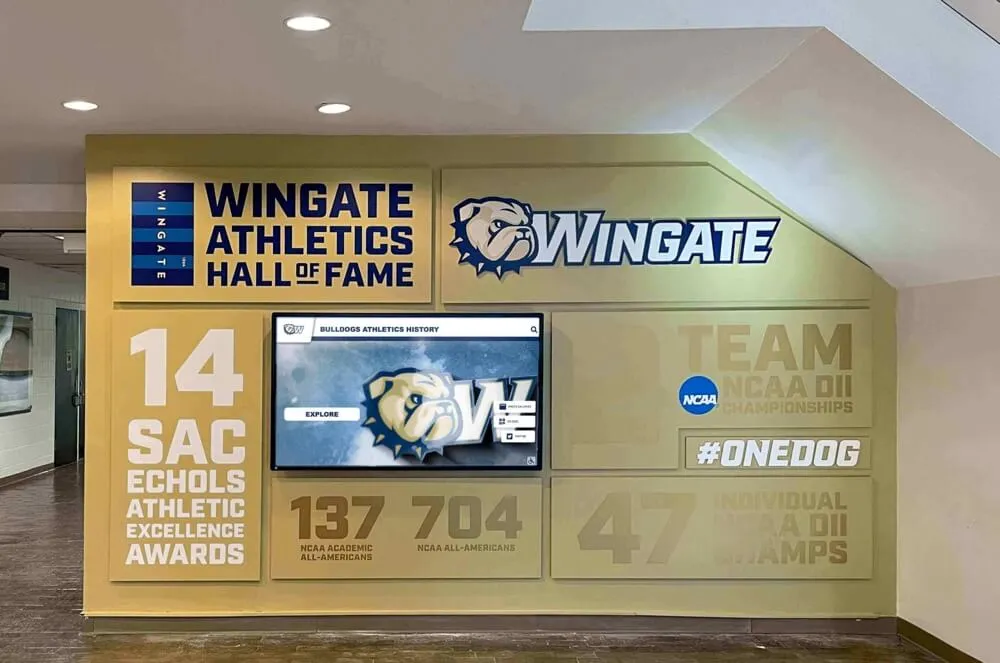
Programs implementing structured practice approaches benefit from tracking player development metrics throughout the season, allowing coaches to evaluate drill effectiveness and individual improvement over time. Many schools use digital record boards to showcase athletic progress, connecting practice preparation to recognized achievement.
Fundamental Football Practice Drills
Core fundamental drills develop the essential skills every football player needs regardless of position, creating the baseline competency that allows position-specific technique to flourish.
Agility and Footwork Drills
Quick, precise footwork separates effective football players from those who struggle with positioning and reaction speed. These drills build the foundational movement patterns that apply across all eleven positions.
Cone and Ladder Drills
- Five-cone shuffle: Lateral movement and change of direction
- W-drill: Multi-directional movement patterns
- Ladder quick feet: Foot speed and coordination
- Pro agility shuttle: Acceleration, deceleration, and change of direction
- T-drill: Pattern recognition and directional changes
- Figure-8 cone drill: Hip flexibility and body control
Position-Based Movement Work
- Backpedal and break: Defensive backs and linebackers
- Get-off and rip: Defensive line explosion
- Kick slide: Offensive line pass protection footwork
- Open-field running: Ball carriers reading blocks
- Route running: Receiver precision and cuts
- Drop mechanics: Quarterback footwork patterns
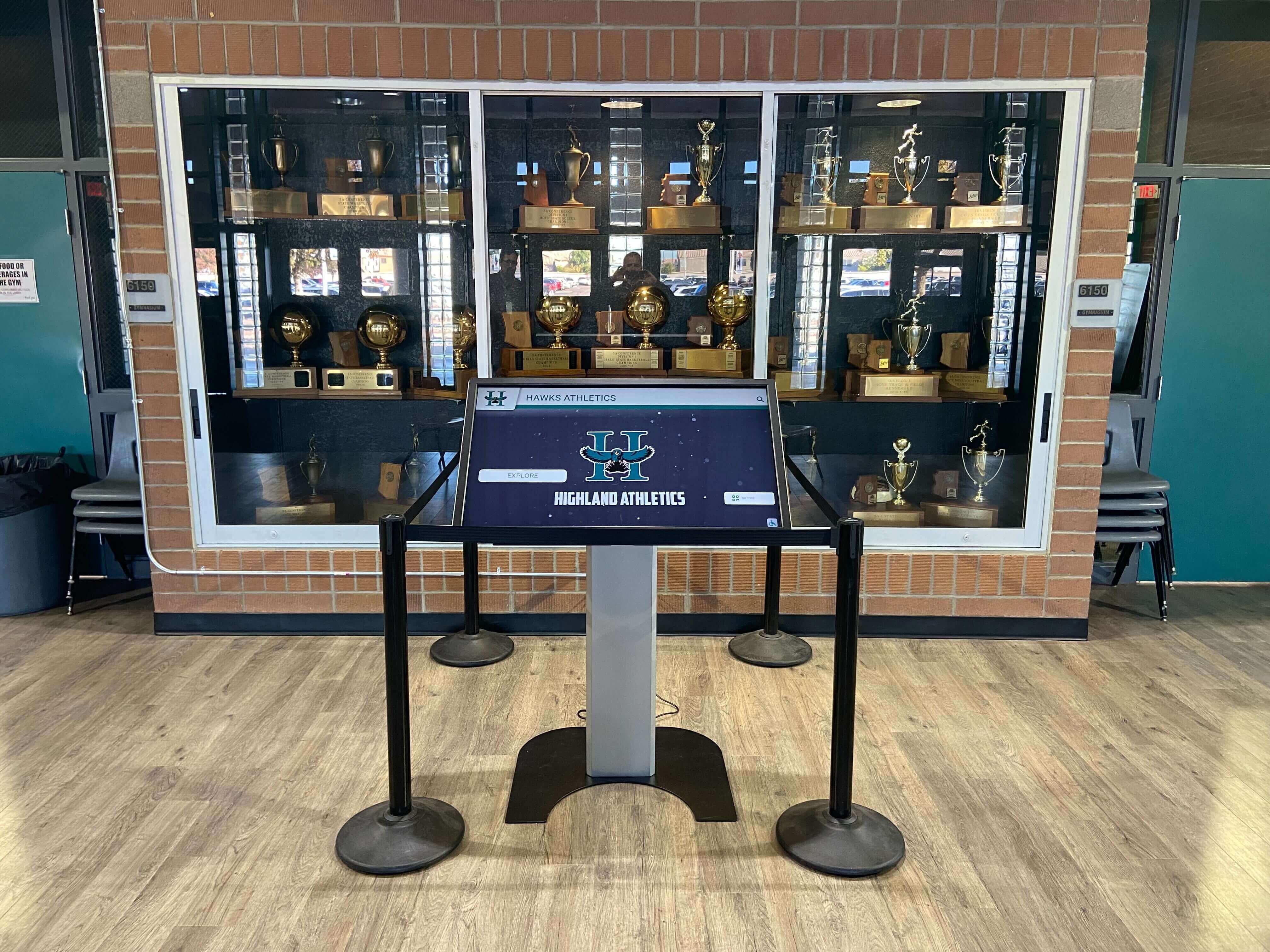
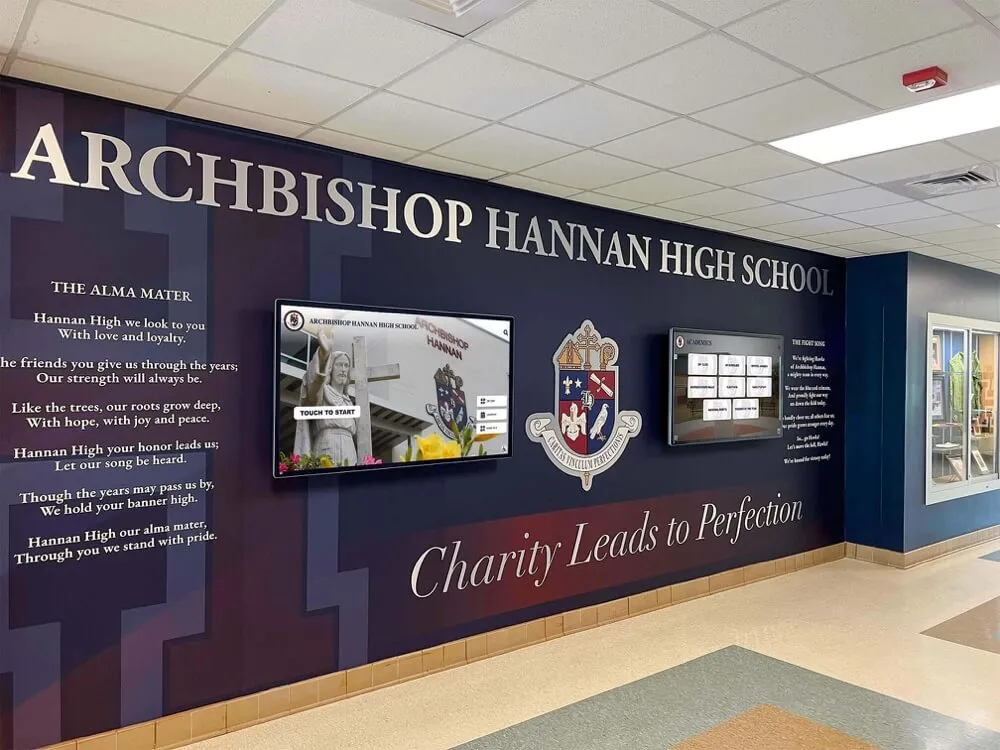
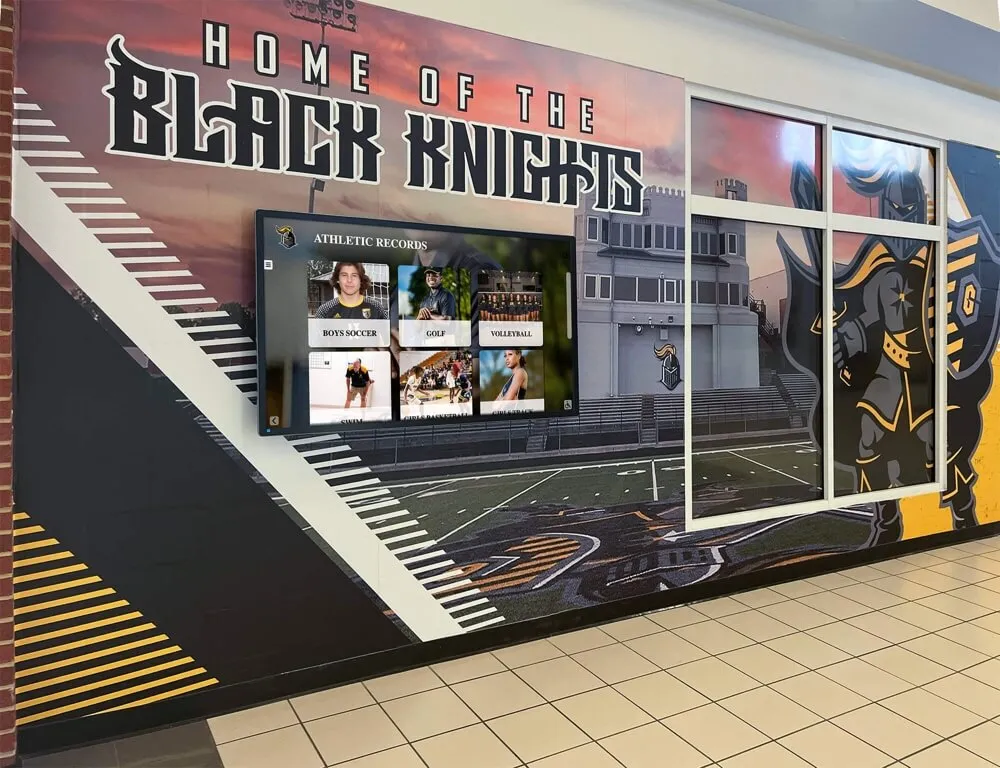
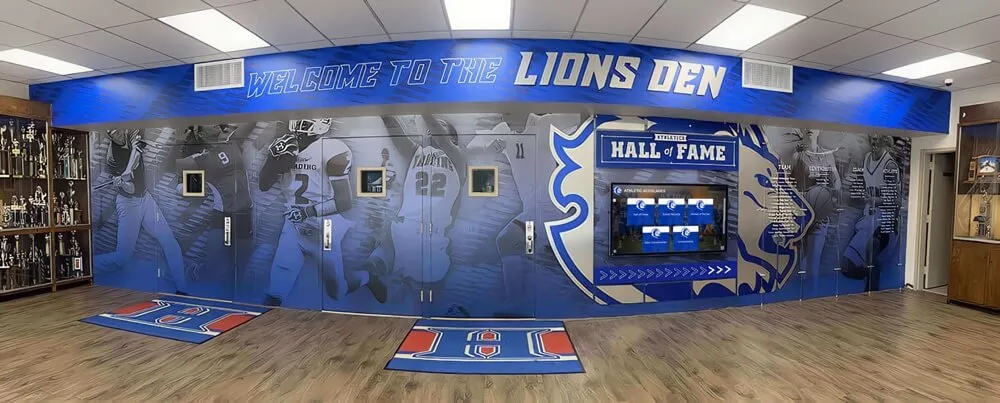
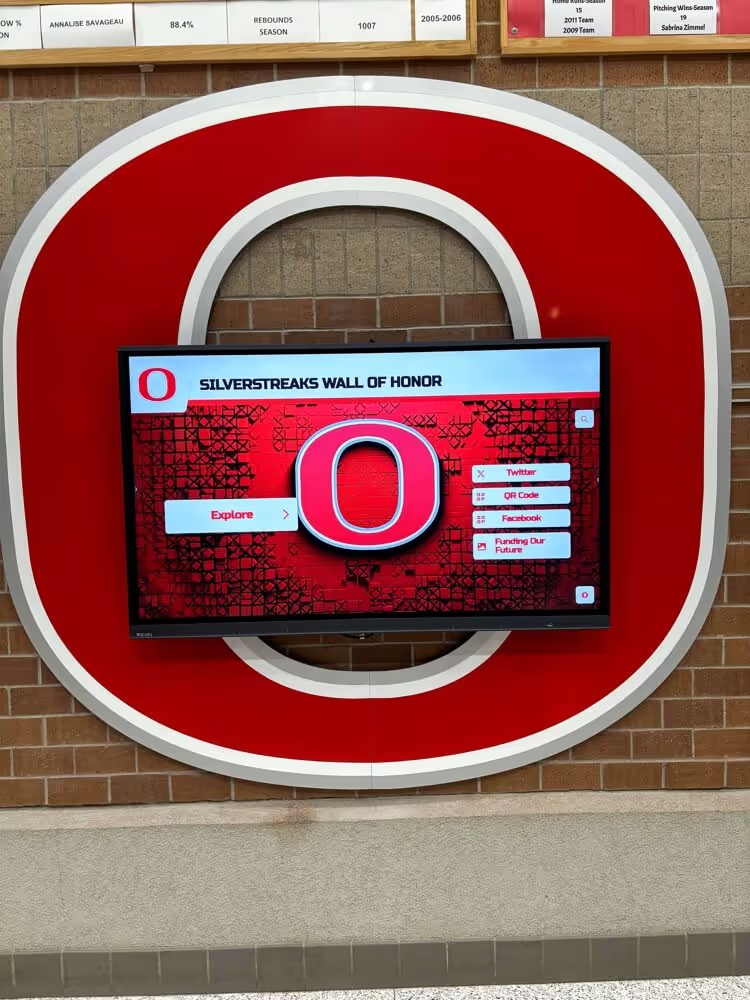
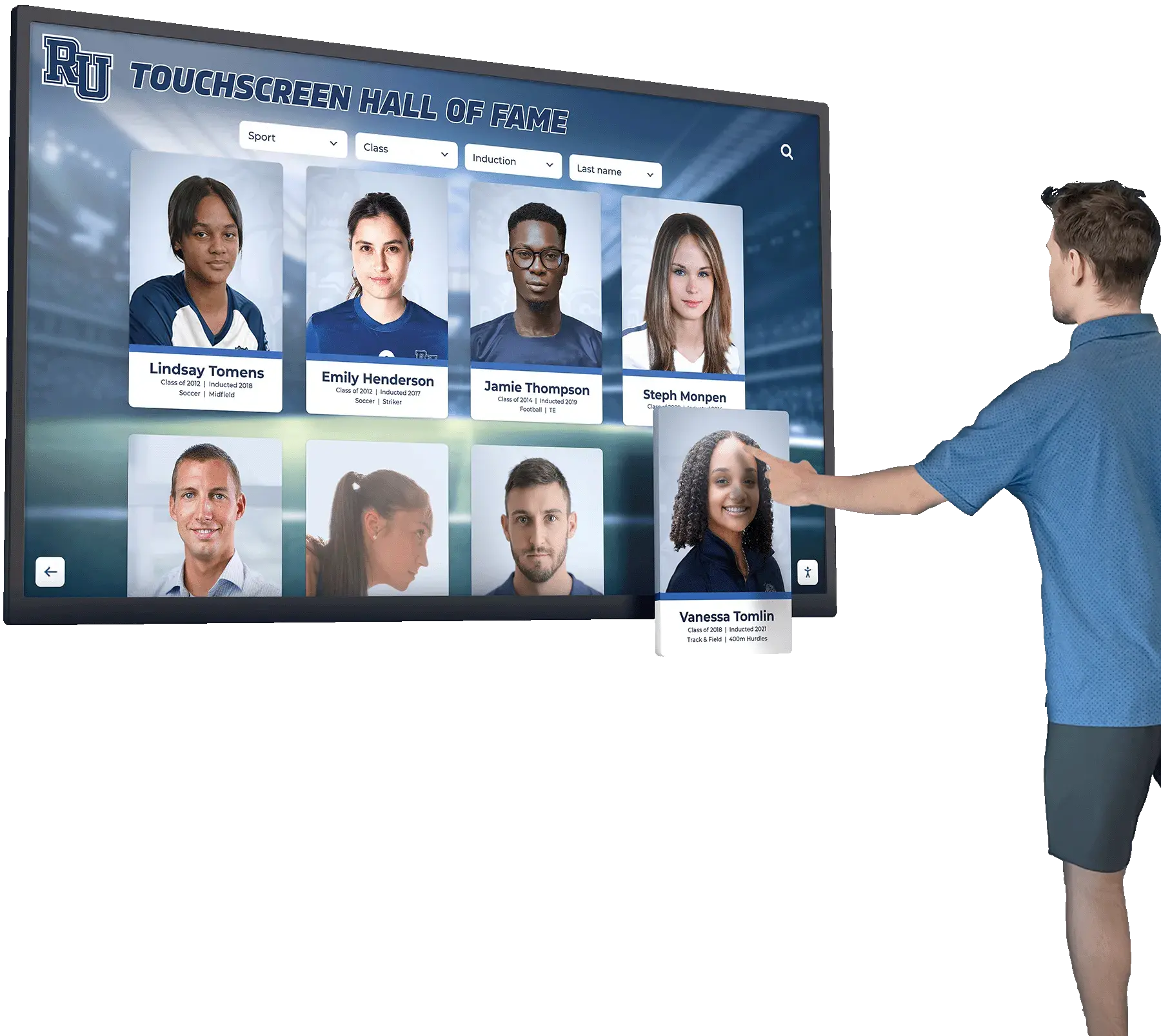
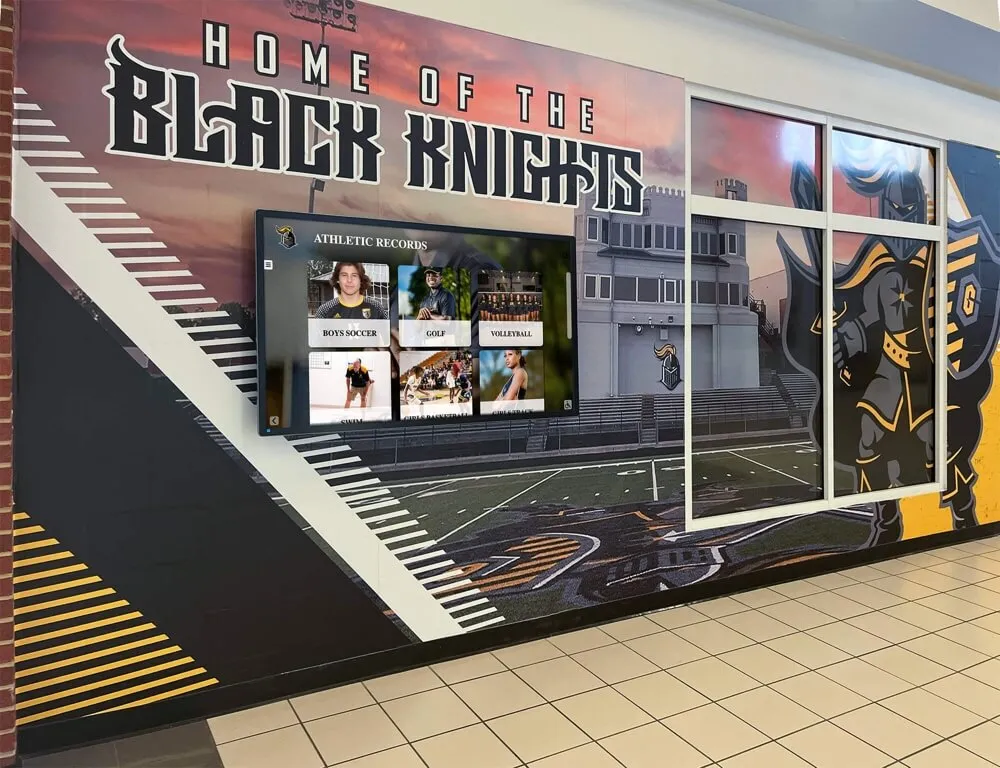
Recognition systems that showcase individual skill development complement structured practice programs
Tackling Technique Drills
Proper tackling technique prevents injuries while ensuring defensive effectiveness. Modern tackling drills emphasize form, targeting, and player safety.
Progressive Tackling Development
- Form tackle circuits: Knee, thigh, waist-level progression
- Angle tackling: Pursuit angles and leverage positioning
- Open-field tackling: One-on-one space tackling situations
- Wrap and drive: Finishing tackles through contact
- Gang tackling: Multiple defenders to ball carrier
- Sideline tackling: Boundary awareness and angles
Start with controlled environments where players execute proper technique at walking speed, then progress to half-speed, three-quarter speed, and eventually full-speed execution as form becomes consistent and automatic.
Tackling Fundamentals Emphasized
- Eyes up, head placement to the side
- Shoulder pad contact, not helmet
- Wrap technique and secure contact
- Drive through the tackle with legs
- Proper pursuit angles and leverage
- Tackle to both shoulders (not favoring one side)
Offensive Position-Specific Drills
Position-specific drill work develops the specialized techniques that allow players to execute their roles within the offensive system effectively and consistently.
Offensive Line Drills
Offensive linemen require exceptional technique, as they’re the only position on the field that cannot use their hands to defend themselves. These drills build the fundamental skills that protect quarterbacks and create rushing lanes.
Pass Protection Drills
- Kick slide technique: Vertical set and lateral movement
- Mirror drill: Tracking defender movement
- Punch and reset: Hand placement and extension
- Inside move counters: Dealing with interior rush moves
- Edge protection: Setting the arc against outside rushers
- Twist and stunt recognition: Communication and exchanges
Run Blocking Drills
- Drive blocking: Base blocking technique and pad level
- Reach and cut-off blocks: Zone scheme execution
- Combo blocks: Double-teams and second-level work
- Pull and trap: Gap scheme technique
- Down blocks: Covered and uncovered alignments
- Second-level releases: Getting to linebackers
High school programs building championship-level offensive line play emphasize consistent technique repetition across thousands of practice snaps, developing the automatic responses that allow linemen to execute without thinking during game situations.
Quarterback Drills
Quarterback development requires specialized attention to footwork, mechanics, decision-making, and leadership. Practice drills must address both physical technique and mental processing.
Mechanical Development
- Three-step drop timing and rhythm
- Five-step and seven-step drops
- Play-action footwork and ball fakes
- Pocket movement and climbing
- Throwing on the run
- Quick game and timing routes
- Red zone and goal-line footwork
Decision-Making and Reads
- Progression reads against air
- Coverage recognition on film
- Hot route identification
- Blitz pickup and adjustments
- Two-minute and hurry-up operation
- Cadence and snap count variation
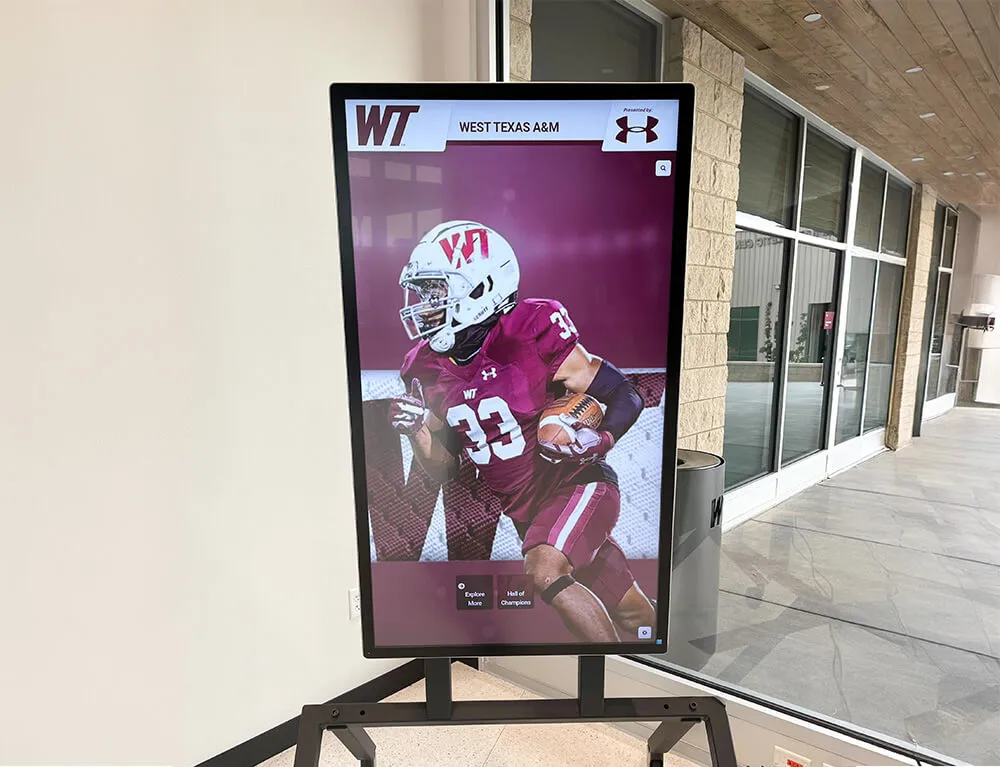
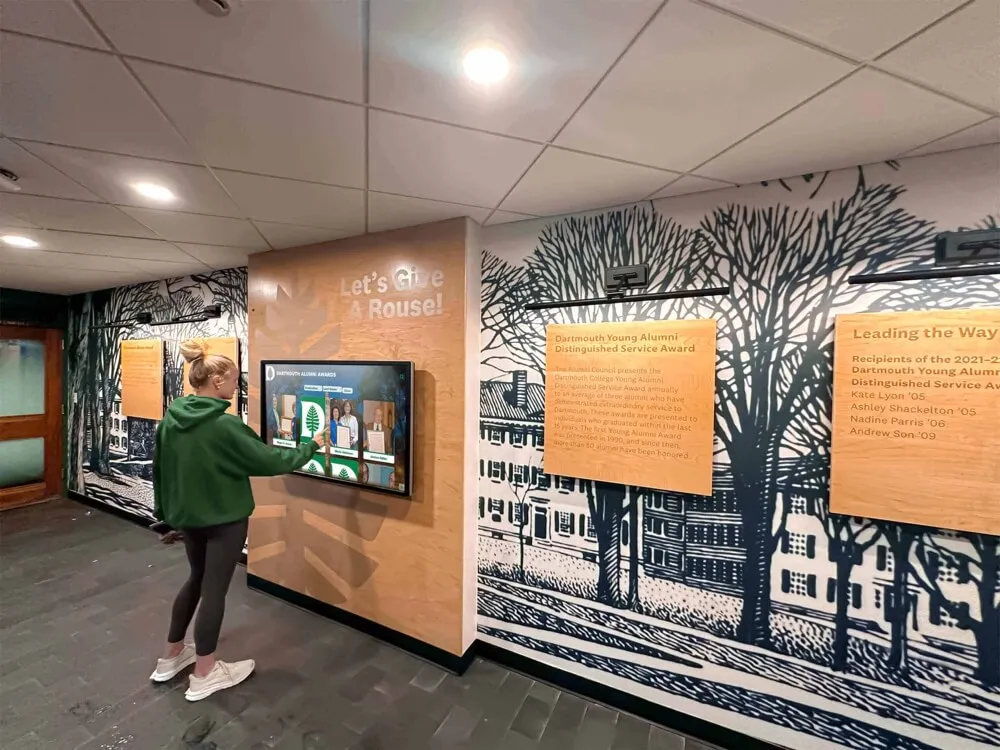
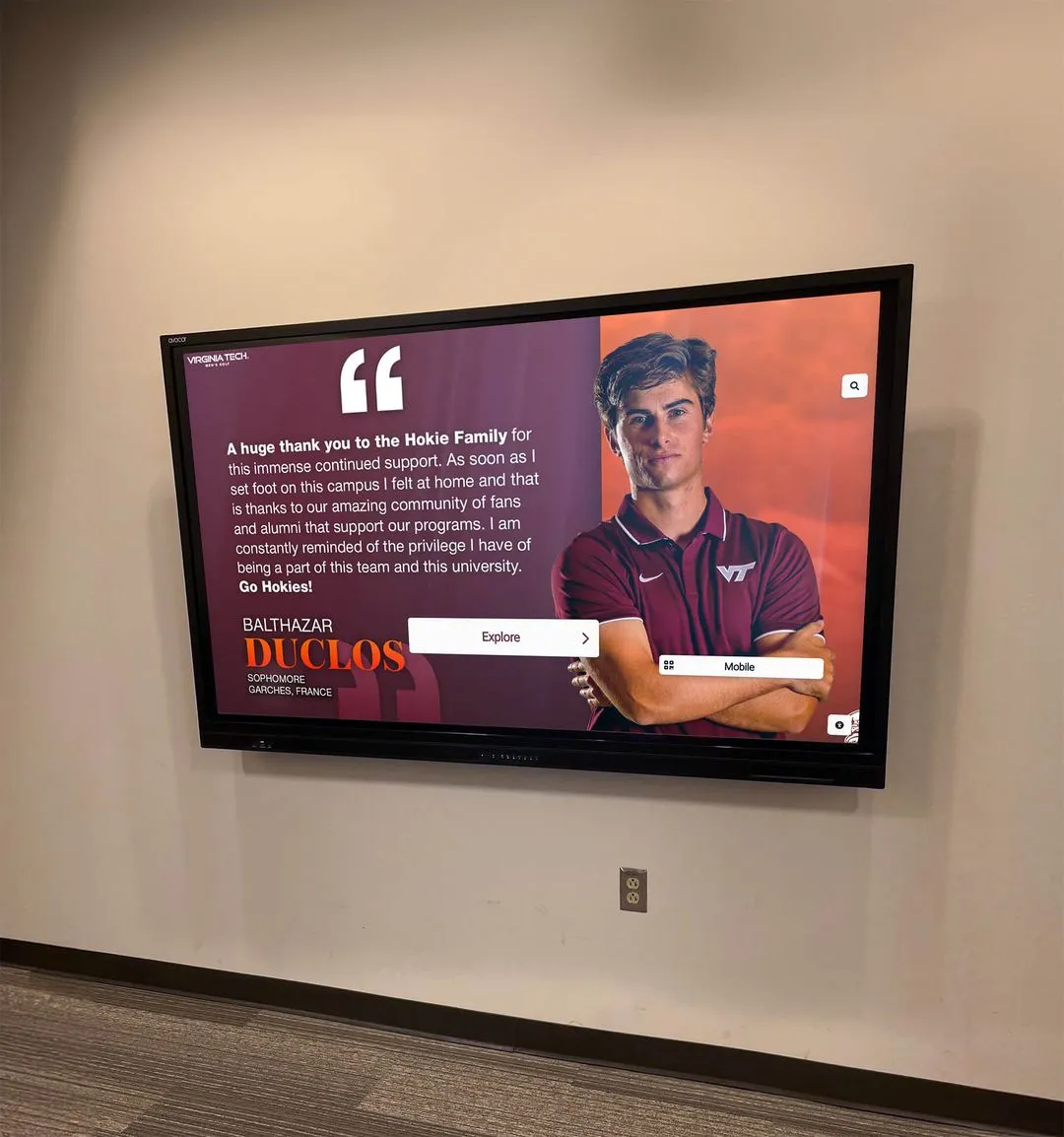
Individual player achievements celebrated through modern displays motivate continued development during demanding practice schedules
Running Back and Receiver Drills
Skill position players combine athletic ability with technical precision. Practice drills develop the ball-handling security, route running, and space skills that create explosive offensive plays.
Running Back Technique Work
- Ball security and high-and-tight carry
- Mesh point and handoff timing
- Pass protection blitz pickup
- Route running from backfield
- Vision and cutback reads
- Stiff arm and leverage in space
- Receiving fundamentals and check-downs
Wide Receiver Development
- Release techniques against press coverage
- Route precision and stem work
- Tracking and catching at all levels
- Yards after catch and run skills
- Blocking for perimeter runs
- Back-shoulder and contested catches
- Sideline awareness and toe-tap technique
Programs that combine intensive skill development with recognition for achievement create motivating environments where players see direct connections between practice work and celebrated accomplishments.
Defensive Position-Specific Drills
Defensive excellence requires position-specific technique combined with communication, assignment discipline, and relentless pursuit to the football.
Defensive Line Drills
Defensive linemen win individual battles through a combination of explosion, technique, and relentless motor. Practice drills build the hand usage, pad level, and pass rush moves that disrupt offensive execution.
Pass Rush Development
- Get-off and first-step explosion
- Hand placement and punch technique
- Rip and swim moves
- Spin and counter techniques
- Bull rush and power moves
- Dip and bend around the edge
- Combo moves and counters
Run Defense Drills
- Staying square and gap integrity
- Shedding blocks and penetration
- Two-gap technique and control
- Tackling in traffic
- Pursuit angles and backside chase
- Reading and reacting to offensive line
- Playing blocks at the point of attack
Gap Integrity and Assignment
- Gap responsibility in various fronts
- Slanting and movement stunts
- Reading offensive line blocking schemes
- Communicating line calls and stunts
- Containing the quarterback on options
- Edge setting versus outside runs
Linebacker Drills
Linebackers serve as the defensive quarterback position, requiring physical tackling ability combined with coverage skills, blitz execution, and assignment understanding.
Run Fit and Tackling
- Reading offensive line flow and keys
- Gap fill and downhill leverage
- Shedding blocks from blockers
- Open-field tackling on ball carriers
- Sideline pursuit and angles
- Gang tackling and rallying to ball
Coverage and Pass Defense
- Man coverage on running backs and tight ends
- Zone drops and pattern matching
- Hook and curl zone responsibility
- Middle-of-field safety and range
- Route recognition and anticipation
- Transitioning from run to pass responsibilities
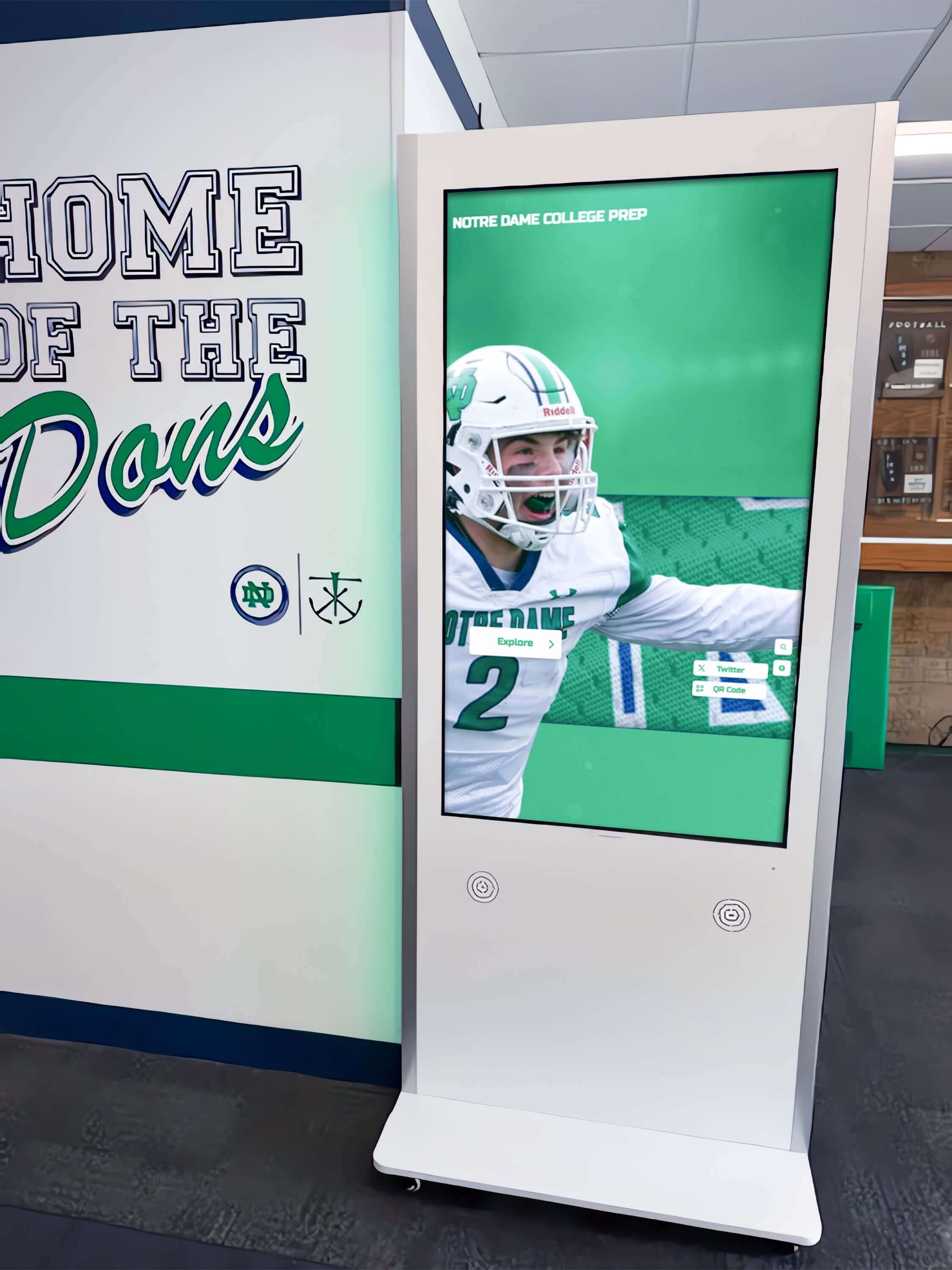
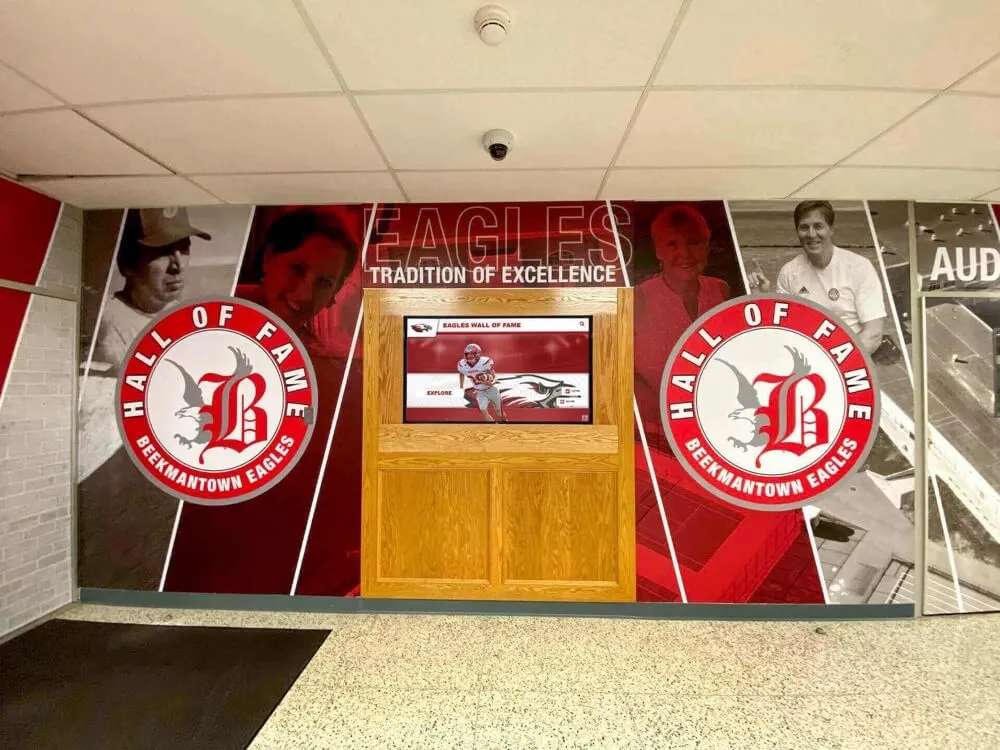
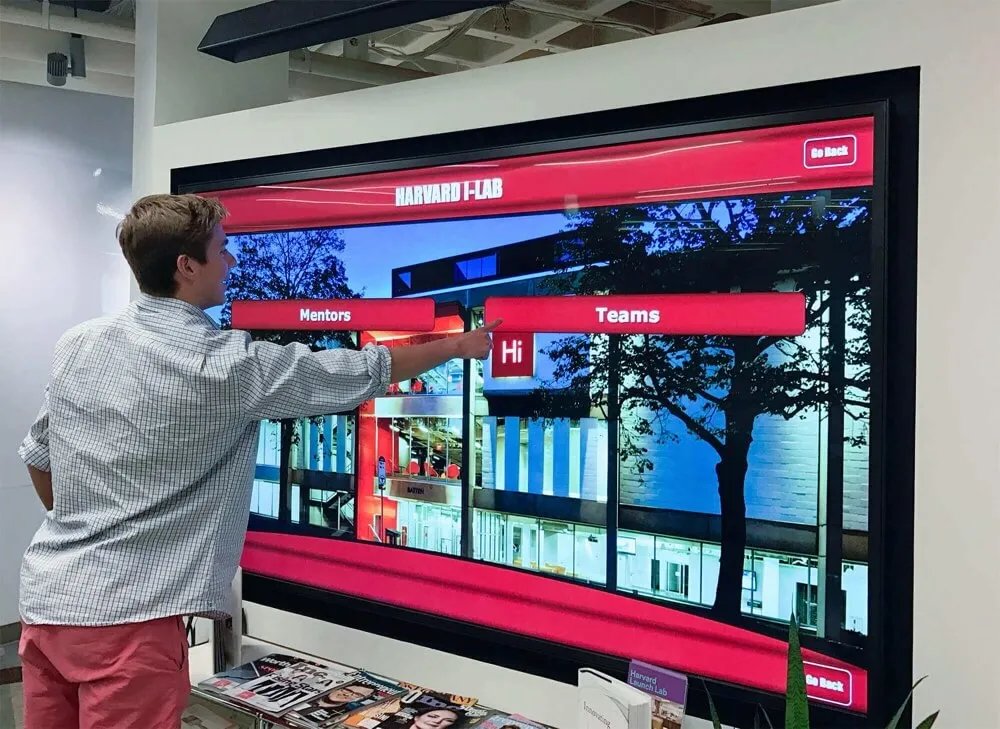
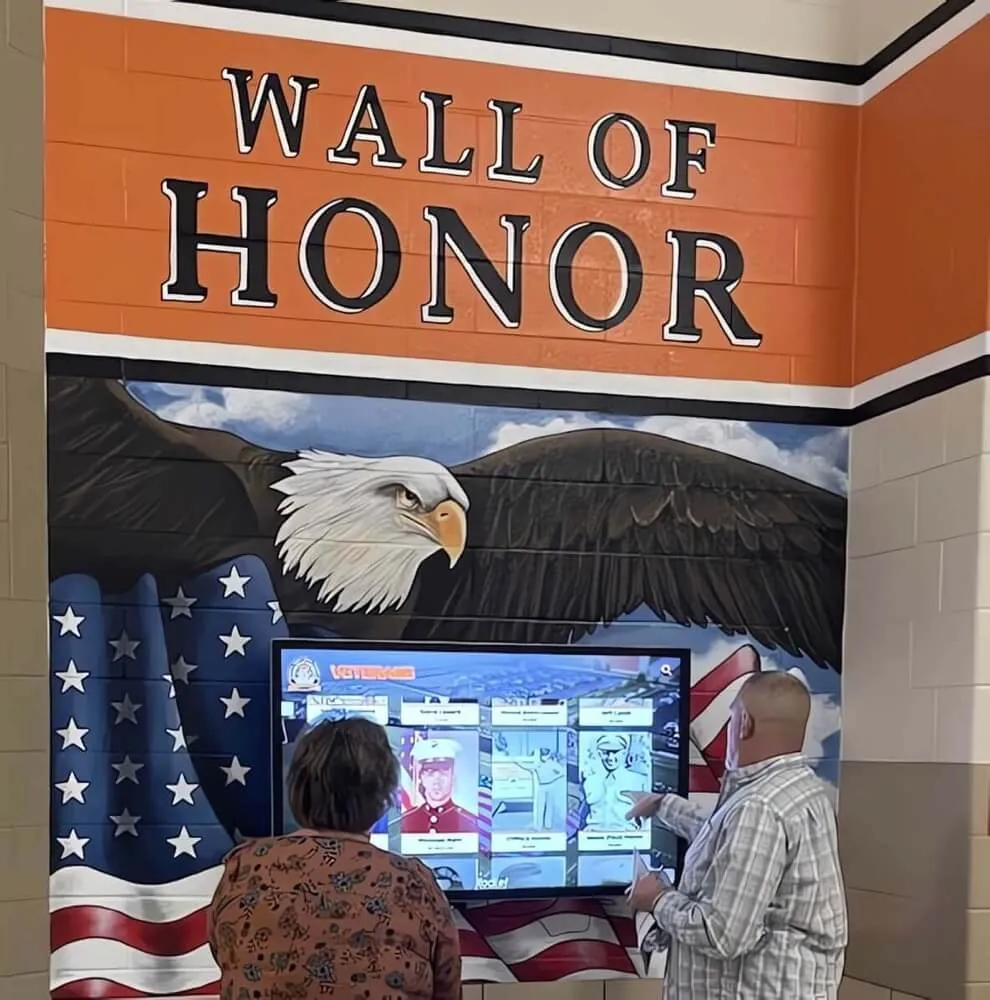
Interactive displays in school hallways remind players daily that their practice dedication leads to recognized achievement
Defensive Back Drills
Secondary players must combine exceptional athleticism with technical precision in coverage, as even small mistakes result in explosive offensive plays.
Coverage Technique Development
- Backpedal mechanics and transitions
- Press coverage and jam technique
- Man coverage footwork and hip turns
- Zone drops and pattern matching
- Breaking on throws and ball skills
- Playing receivers at the catch point
- Deep-ball tracking and over-shoulder technique
Ball Skills and Playmaking
- High-pointing and intercepting throws
- Ripping ball from receivers in traffic
- Proper targeting without interference
- Stripping ball from ball carriers
- Recovery and return after interception
- Communication and pattern alerts
Defensive backs combine individual coverage ability with comprehensive understanding of defensive concepts, requiring extensive mental preparation alongside physical technique work. Programs investing in both practice development and recognition of defensive achievement create cultures where players embrace the demanding nature of secondary play.
Team Drills and Situational Work
Individual skill development reaches full value only when players execute within the context of team schemes and game situations. Team periods translate isolated technique into coordinated execution.
Team Offense vs. Team Defense
Full eleven-on-eleven work represents the culmination of individual and position group practice, allowing players to execute against realistic defensive structures and coordination.
Installation and Scheme Work
- Base offensive concepts versus base defense
- Specific game plan installation
- Tempo variation and communication
- Cadence and snap timing under pressure
- Substitution packages and personnel groups
- Formation variations and motion
Thud and Live Team Periods
- Controlled contact to evaluate execution
- Full-speed work within contact limitations
- Situational down-and-distance work
- Field position and hash awareness
- Play-calling communication chains
- Mental error elimination and assignment clarity
Special Teams Drills
Special teams determine field position, create scoring opportunities, and often decide close games. Dedicated practice time ensures execution when critical moments arise.
Kicking Game Work
- Punt coverage and return schemes
- Kickoff coverage and return
- Field goal and point-after attempts
- Field goal block attempts
- Hands team for onside kick defense
- Emergency situations and fake awareness
Special Teams Emphasis Points
- Assignment discipline and lane integrity
- Effort and pursuit to the ball
- Blocking and protecting returners
- Ball security for returners
- Identifying and exploiting opponent weaknesses
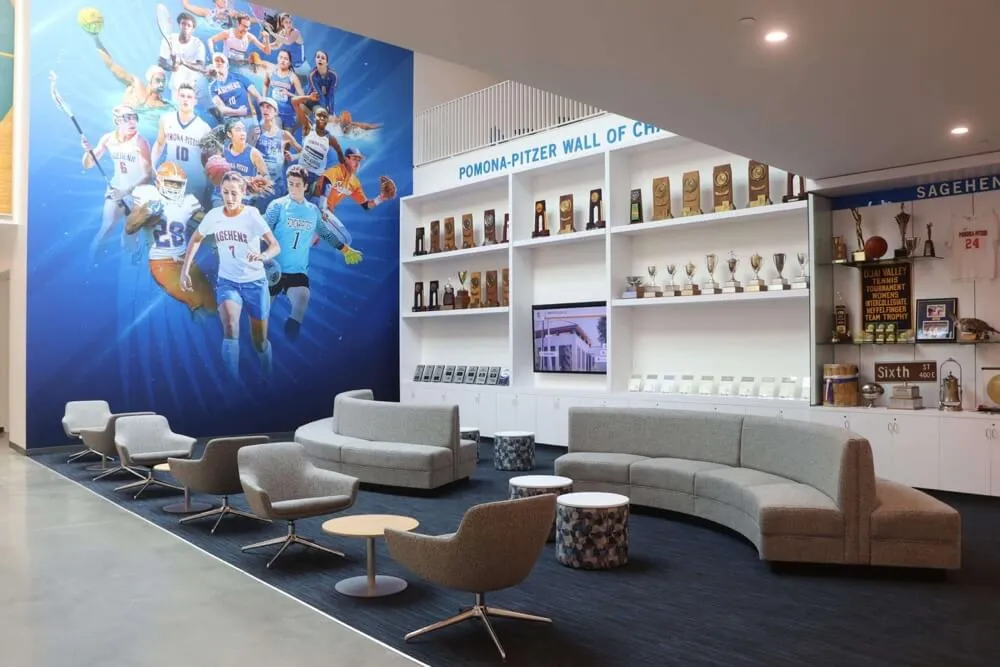
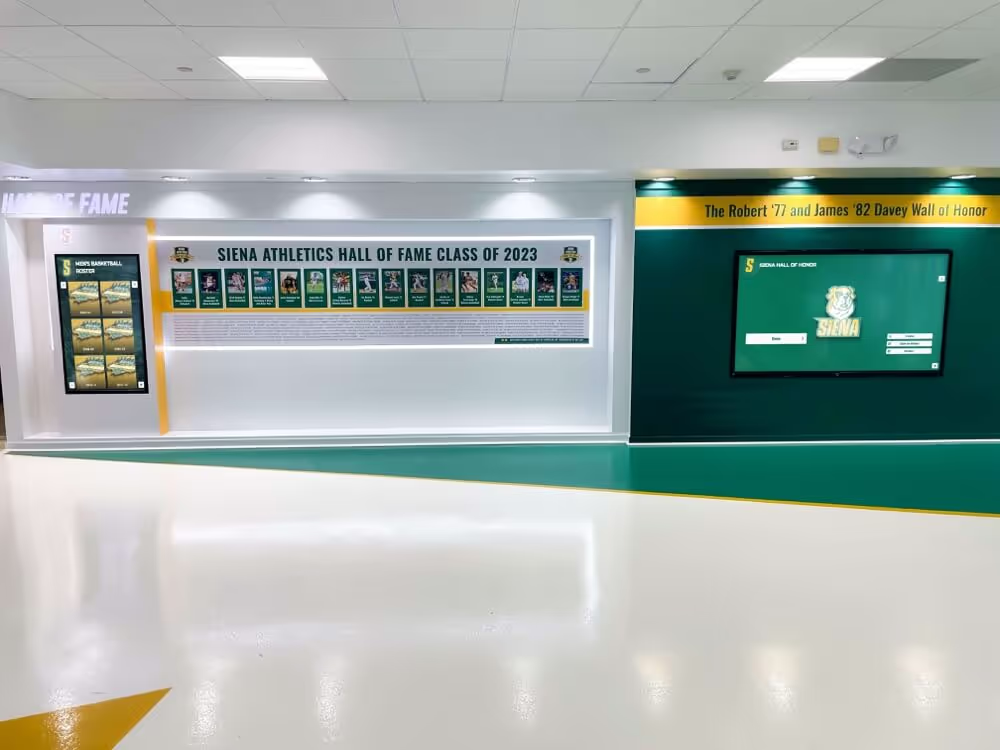
Recognition spaces celebrating team achievements reinforce the value of disciplined preparation and execution
Situational Football Practice
Championship teams distinguish themselves through consistent execution in high-leverage situations that decide games. Structured situational practice builds the repetition needed for clutch performance.
Critical Game Situations
- Red zone offense and defense (inside 20-yard line)
- Goal line situations (inside 5-yard line)
- Two-minute offense before half and end of game
- Fourth-down decision making and execution
- Short-yardage conversions (3rd/4th and short)
- Long-yardage situations (2nd/3rd and long)
- Protect-the-lead scenarios with time management
Communication and Adjustment Work
- Sideline-to-field signal systems
- Substitution communication and efficiency
- Offensive audibles and defensive checks
- Timeout usage and clock management
- Personnel package communication
- Formation and motion adjustments
Programs emphasizing situational mastery through dedicated practice repetitions develop the confidence and execution that produces victories in games decided by a single possession.
Conditioning and Strength Development
Physical preparation provides the foundation that allows technical skill to translate to four-quarter performance. Structured conditioning programs build the stamina, strength, and explosion necessary for competitive football.
Football-Specific Conditioning
Unlike distance running or general fitness, football conditioning must prepare athletes for the sport’s unique demands—short bursts of maximum effort followed by brief recovery periods repeated throughout extended contests.
Anaerobic Conditioning Drills
- Gassers (sideline-to-sideline sprints)
- 40-yard shuttle repeats
- Position-specific conditioning (linemen vs. skill players)
- Up-downs and sprawl drills
- Oklahoma drill variations
- Four-corner conditioning circuits
Sport-Specific Fitness Development
- Interval training matching football play patterns
- Position-appropriate work-to-rest ratios
- Progressive overload throughout season
- Recovery protocols between intense sessions
- Individual conditioning for players returning from injury
High school programs benefit from adapting conditioning intensity to the maturity and physical development of their athletes, avoiding adult training protocols that can lead to overuse injuries in developing bodies.
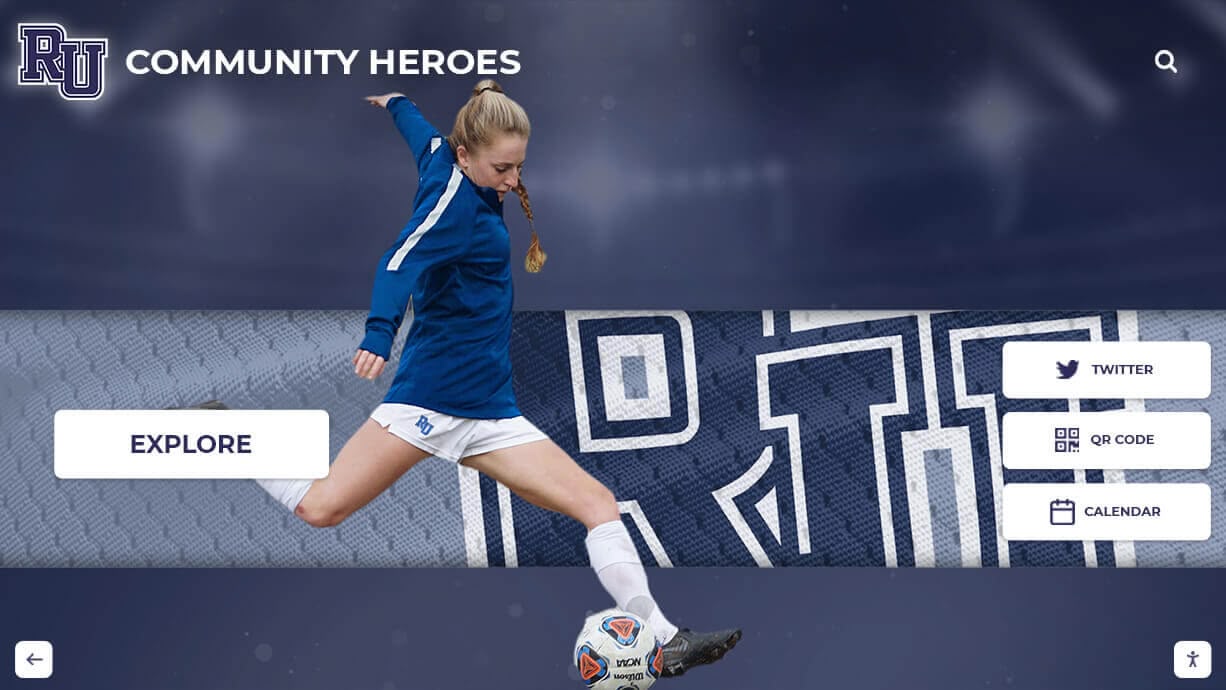
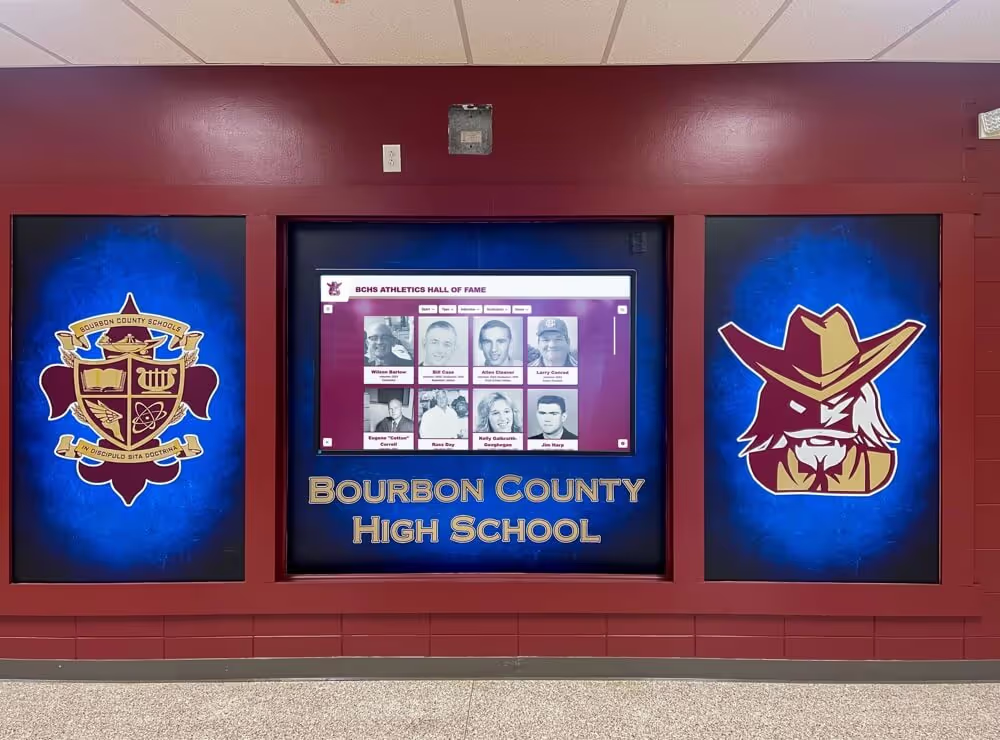
Comprehensive athletic programs recognize achievements across all sports, creating school-wide cultures of excellence
Position-Specific Physical Development
Different positions require different physical attributes. Training programs should reflect position-specific demands while building overall athletic ability.
Position Group Training Emphasis
- Offensive/Defensive Line: Lower body strength, core stability, short-area explosion
- Linebackers: Total-body power, change of direction, endurance
- Skill Positions: Speed development, agility, acceleration mechanics
- Quarterbacks: Arm strength, core stability, footwork quickness
- Special Teams: Varied based on specific roles and responsibilities
Schools integrating strength development with skill work create comprehensive programs where physical preparation supports technical execution. Programs that also maintain updated records of athletic progress help athletes visualize improvement and stay motivated through demanding training cycles.
Practice Planning and Organization
Effective practice doesn’t happen by accident—it requires deliberate planning, clear communication, and efficient transitions that maximize productive repetitions within limited time.
Creating Weekly Practice Plans
Strategic weekly planning ensures comprehensive preparation while managing player fatigue and maintaining competitive intensity throughout the season.
Practice Plan Development Process
- Identify weekly objectives: Opponent-specific and developmental goals
- Allocate time appropriately: Balance between different practice components
- Script specific situations: Pre-planned scenarios and teaching points
- Communicate expectations: Players and coaches understand daily focus
- Prepare necessary equipment: Minimize downtime between drills
- Build in assessment points: Evaluate execution and adjust as needed
Practice Intensity Variation
- Monday: Teaching-focused, moderate intensity
- Tuesday: High-intensity, full-speed team periods
- Wednesday: Competitive tempo, situational emphasis
- Thursday: Mental preparation, walk-through speed
- Friday: Game day execution
Maximizing Practice Efficiency
High school football teams face significant time constraints from academic schedules, facility availability, and regulatory limitations. Efficient practice organization maximizes development within available time.
Time Management Strategies
- Rapid transitions between drills (under 30 seconds)
- Pre-practice equipment setup and organization
- Multiple stations for position group work
- Clear coaching assignments and responsibilities
- Scripted practice with time allocations
- Simultaneous special teams and position work where possible
Communication Systems
- Whistle and air horn signals
- Visual cards for plays and situations
- Consistent terminology across position coaches
- Player leadership in organizing groups
- Posted practice schedules in advance
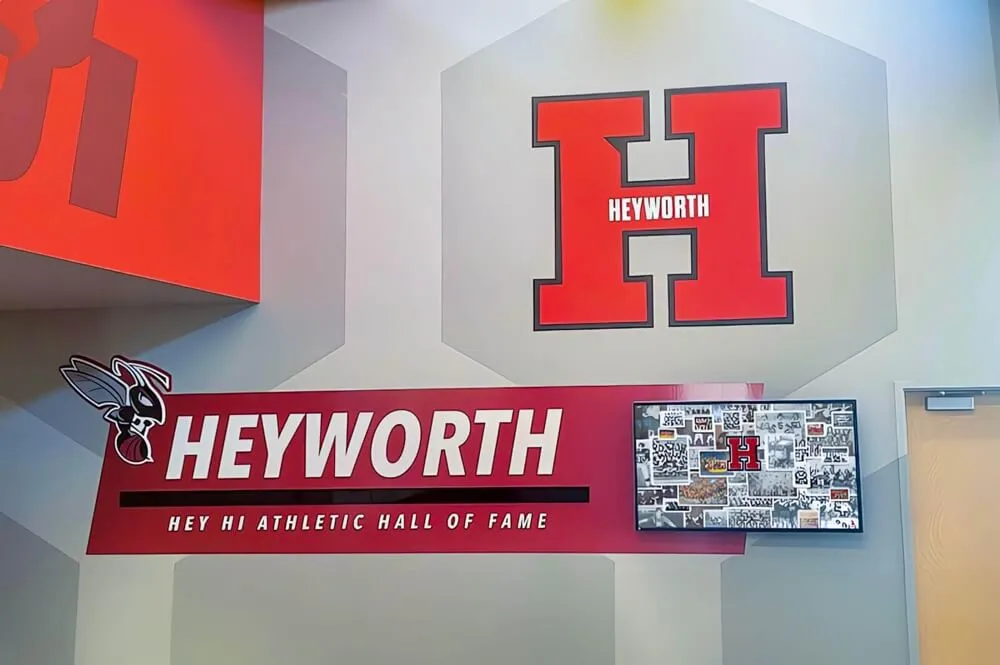
Athletic recognition programs celebrate the results of countless hours of dedicated practice and preparation
Tracking Player Development
Systematic evaluation allows coaches to identify improvement areas, celebrate progress, and make personnel decisions based on objective performance data rather than subjective impressions.
Performance Metrics to Track
- Drill-specific performance standards (times, reps, technique grades)
- Weight room strength progression
- Position-specific skill development milestones
- Game performance statistics and snap counts
- Mental error frequency and assignment accuracy
- Leadership and intangible contribution growth
Programs implementing comprehensive tracking systems can provide athletes with concrete evidence of improvement, maintaining motivation through challenging portions of the season. Schools using digital displays to showcase player development create visible reminders of how consistent effort produces measurable results.
Building Practice Culture and Accountability
Technical drill execution matters, but the culture surrounding practice preparation determines whether teams maximize their potential or underachieve relative to talent level.
Establishing Practice Standards
Championship programs distinguish themselves through unwavering standards applied consistently from the first August practice through potential playoff runs in November.
Non-Negotiable Practice Expectations
- On-time arrival and mental preparation
- Maximum effort on every repetition
- Assignment understanding before execution
- Vocal communication and encouragement
- Zero tolerance for mental errors from lack of focus
- Immediate correction of technical mistakes
- Competitive enthusiasm combined with emotional control
Accountability Systems
- Peer accountability among position groups
- Player leadership council oversight
- Immediate consequences for standard violations
- Public recognition for exemplary practice performance
- Film review highlighting both positives and corrections
- Connection between practice performance and playing time
Programs where coaches model the intensity and attention to detail they expect from players create cultures where excellence becomes the norm rather than the exception. When combined with meaningful recognition of achievement, these standards produce environments where athletes push themselves and their teammates toward continuous improvement.
Mental Preparation and Focus
Physical readiness means little without mental preparation. Championship teams train the mind as deliberately as they train the body.
Mental Skills Development
- Visualization of successful execution before practice
- Focus on process rather than outcomes
- Mistake recovery and next-play mentality
- Competitive mindset without emotional peaks and valleys
- Film study and mental rehearsal between practices
- Understanding the “why” behind every drill and technique
Concentration Exercises
- Silent drill periods with only coach communication
- Extended competitive periods testing mental fatigue resistance
- Pressure situations with consequence for poor execution
- Noise and distraction introduction during concentration periods
- Memory-based play calling and assignment recall
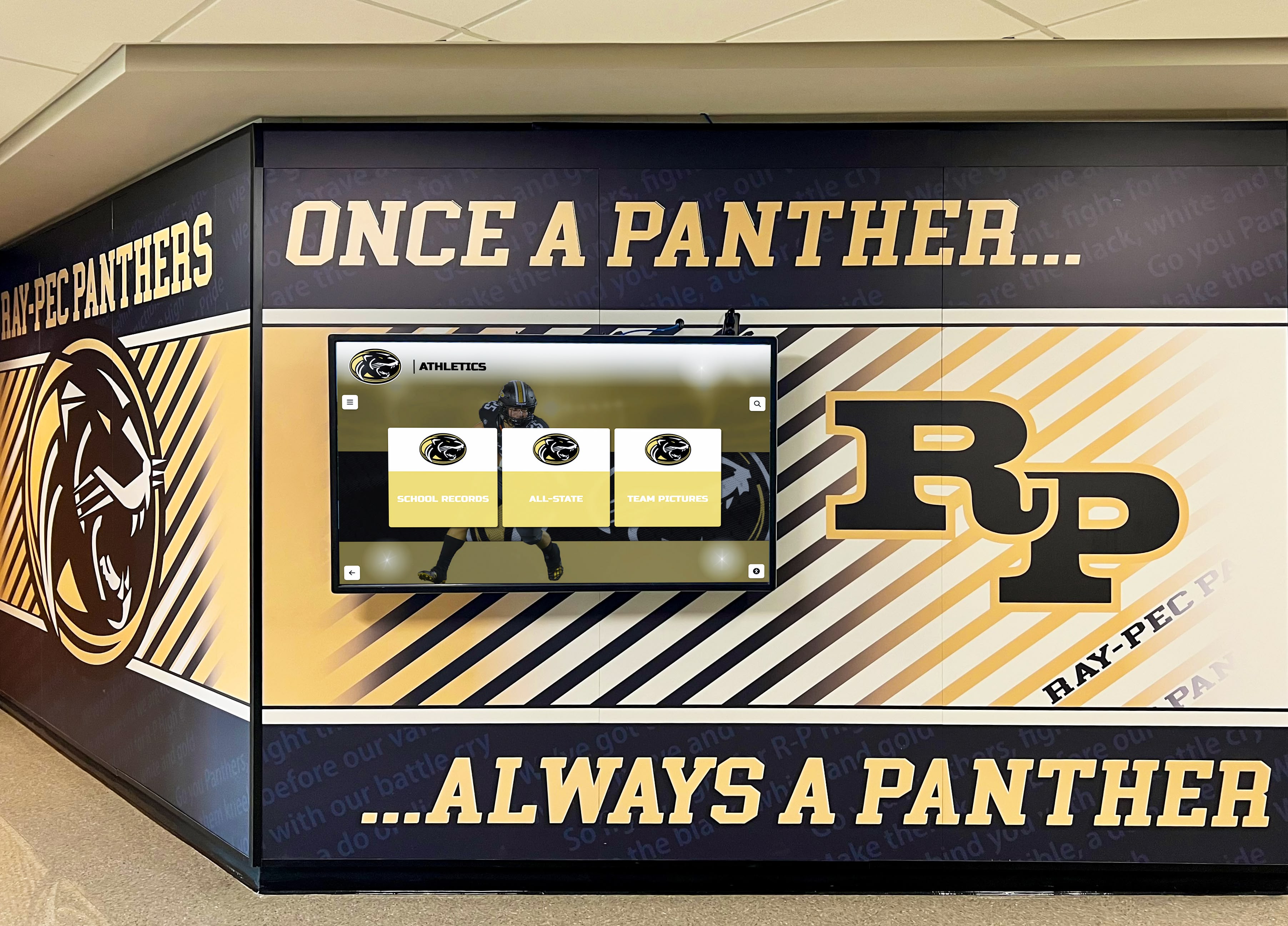
Modern schools integrate practice preparation with visible recognition, creating comprehensive athletic cultures
Advanced Practice Strategies
Beyond fundamental drill execution, successful programs implement advanced organizational strategies that accelerate development and maximize limited practice time.
Position Group Rotations
Strategic rotation systems ensure all players receive appropriate developmental attention regardless of depth chart position while maintaining competitive team period work.
Rotation Strategies
- Scout team recognition and competitive opportunities
- Developmental periods for younger players
- Position flexibility training for versatile athletes
- Situational specialists (goal line, short yardage, etc.)
- Special teams role development
- Managing practice repetitions for injury prevention
High school programs with significant roster depth benefit from structured approaches ensuring all athletes develop rather than creating wide gaps between starters and reserves. This depth development creates internal competition that pushes starters while building capable replacements for injuries.
Competitive Practice Elements
Strategic competition introduction during practice maintains intensity while providing objective evaluation of relative performance among position groups and individual players.
Practice Competition Structures
- One-on-one pass rush vs. pass protection competitions
- Receiver vs. defensive back route-running battles
- Running back vs. linebacker gap fill competitions
- Offensive line vs. defensive line winning percentage tracking
- Team period success rate measurements
- Situational success tracking (red zone, third down, etc.)
Competition Incentives
- Recognition in front of team for daily winners
- Practice jersey or helmet sticker awards
- Depth chart implications from competition results
- Player-selected music or practice perks for winning groups
- Championship culture where competition drives improvement
Programs implementing competitive elements must balance healthy competition with team unity, ensuring individual battles enhance rather than undermine collective preparation.
Film Review and Self-Scouting
Modern high school programs leverage video analysis to accelerate learning and provide objective feedback that supplements coaching instruction.
Practice Film Utilization
- Immediate playback during practice when possible
- Nightly film review sessions for players
- Self-scouting of tendencies and technical issues
- Position group film sessions with specific focus areas
- Player-led film breakdown and teaching
- Comparison of practice film to game performance
Film review creates accountability while providing visual evidence of technical improvements, helping athletes understand connections between practice execution and game outcomes. Many programs share highlight moments through digital recognition displays, celebrating exceptional practice performances alongside game achievements.
Connecting Practice to Recognition
The most effective high school football programs create visible connections between daily practice dedication and celebrated achievement, building cultures where athletes understand how preparation produces results.
Celebrating Practice Excellence
While game performance receives natural attention, championship programs also recognize the practice preparation that makes game success possible.
Practice Recognition Opportunities
- Daily practice player awards for exceptional effort
- Practice performance tracking toward season honors
- Scout team player of the week recognition
- Hardest worker awards based on practice film review
- Improvement-based recognition for technical development
- Leadership awards for practice organization and accountability
Schools implementing comprehensive recognition systems through interactive digital displays can showcase both practice dedication and game achievements, creating holistic pictures of player contributions that extend beyond traditional statistics.
Building Program Legacy
Championship football programs create legacies that transcend individual seasons, establishing traditions of excellence that current players work to uphold and extend.
Legacy-Building Elements
- Historical achievement displays in locker rooms and hallways
- Record boards tracking program milestones
- Alumni connection to current team standards
- Tradition-based motivational elements
- Documentation of program history and championships
- Connection between current practice and historical success
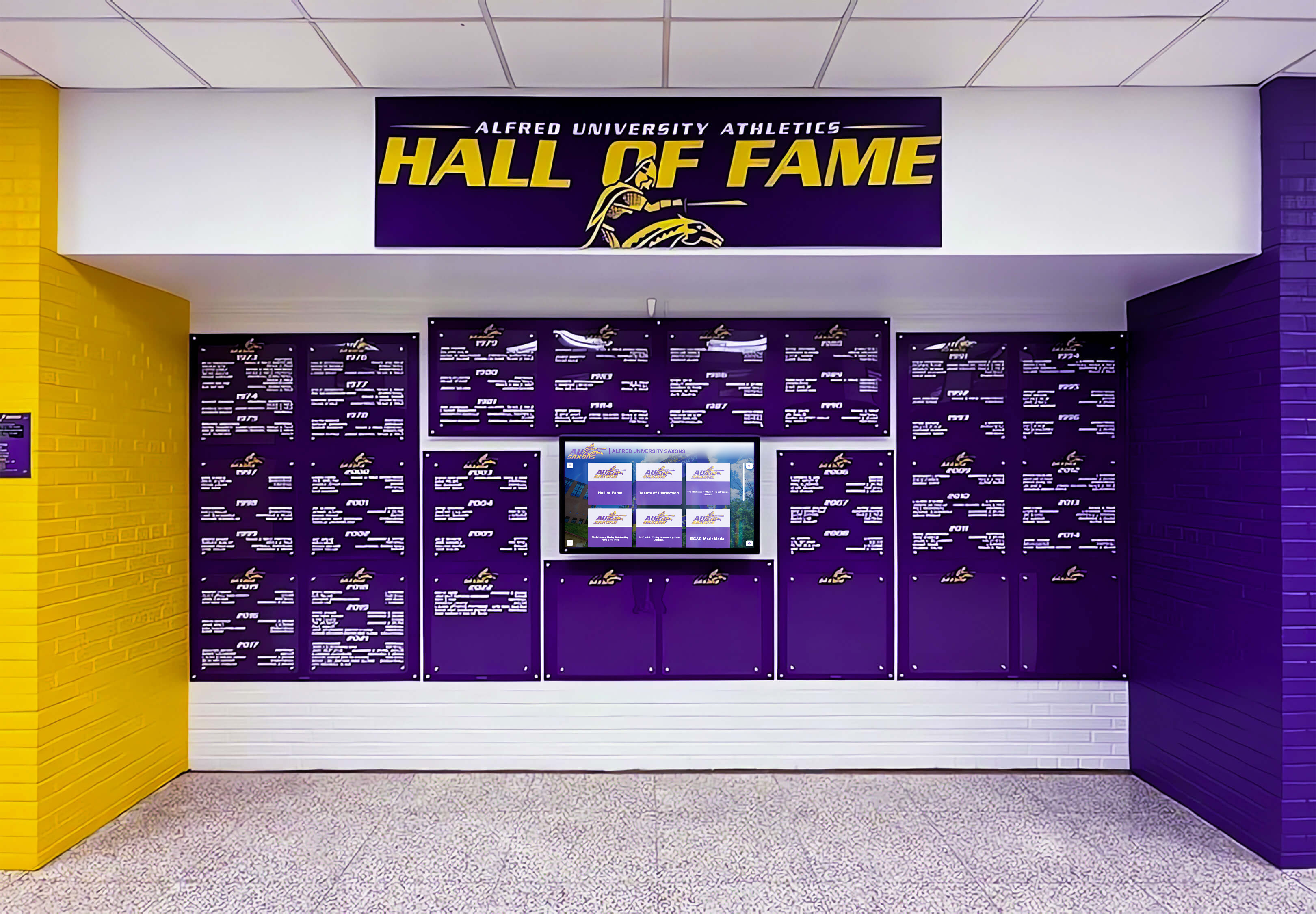
Comprehensive athletic recognition systems honor both individual achievements and team success across program history
Programs maintaining visible connections to their history create powerful motivation for current athletes while preserving institutional knowledge across coaching changes and player graduation. Modern digital recognition systems allow unlimited capacity for honoring achievements without physical space constraints of traditional trophy cases.
Conclusion: From Practice to Championship Performance
Exceptional football practice drills form the foundation of successful high school programs, but their value depends on consistent application within comprehensive developmental systems. The difference between good teams and championship teams rarely comes down to knowing different drills—it comes down to executing fundamental drills with unwavering standards, competitive intensity, and clear connections to game situations.
As you implement these practice structures with your program, remember that drill selection matters less than drill execution. A limited set of drills performed with precision, competitive enthusiasm, and clear developmental objectives produces better results than extensive drill libraries executed without focus or purpose. Start with fundamental excellence, build position-specific competency on that foundation, and integrate individual skills into coordinated team execution.
The hours your team invests between Monday and Thursday determine what becomes possible on Friday nights. By combining structured practice planning, position-specific skill development, competitive team periods, and comprehensive recognition of both practice dedication and game achievement, you create an environment where players understand exactly how their daily work translates to celebrated success. That understanding—the visible connection between preparation and performance—transforms ordinary practice into the foundation of championship programs.
Ready to create a comprehensive athletic recognition program that celebrates both the practice dedication and game achievements that define your football program? Rocket Alumni Solutions’ interactive digital displays provide unlimited capacity to honor player development, showcase team accomplishments, and build the visible legacy that motivates current and future athletes. Discover how modern recognition technology connects daily preparation to celebrated achievement, creating the motivating environment where championship cultures flourish.