



Field day represents one of the most anticipated events in the school calendar—a celebration where academic pressure gives way to outdoor fun, students of all athletic abilities find activities they enjoy, and entire school communities gather to celebrate participation and effort. Yet many schools struggle with field day planning, defaulting to the same tired activities year after year while searching for fresh ideas that engage diverse student populations.
The challenge intensifies when schools try to balance competitive elements that motivate athletic students with inclusive activities ensuring everyone participates enthusiastically. Traditional relay races and tug-of-war have their place, but modern field days require expanded activity options reflecting diverse student interests, abilities, and what makes events genuinely memorable rather than obligatory.
This comprehensive guide explores 30+ engaging field day games and activities perfect for elementary and middle school events—from classic favorites to creative new challenges that build school spirit, celebrate participation, and create lasting positive memories for students across all grade levels.
Successful field days require thoughtful planning that goes beyond simply filling time with random games. When schools design field day events strategically—considering age-appropriate activities, inclusive participation structures, and recognition systems celebrating diverse contributions—they create signature school traditions students remember for years while building community spirit extending far beyond a single day.
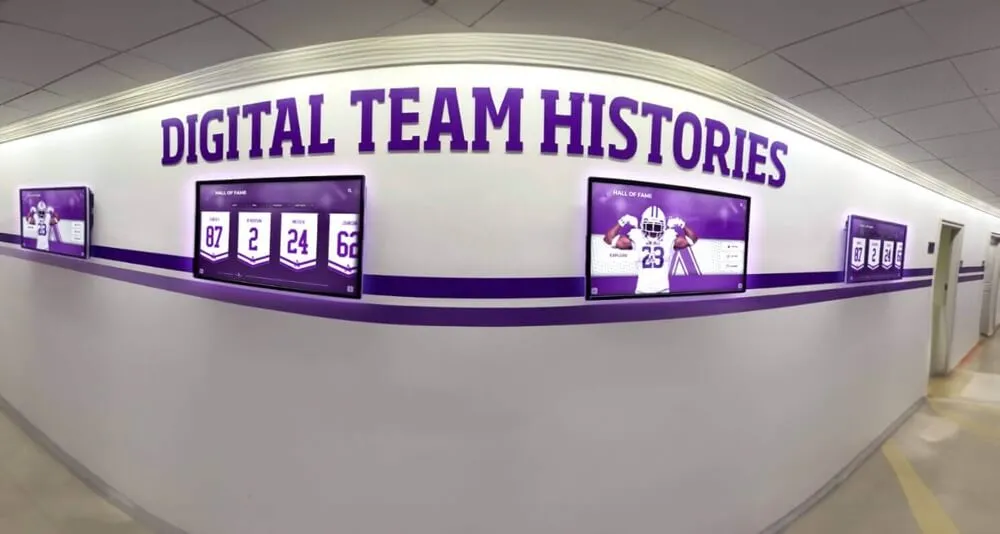
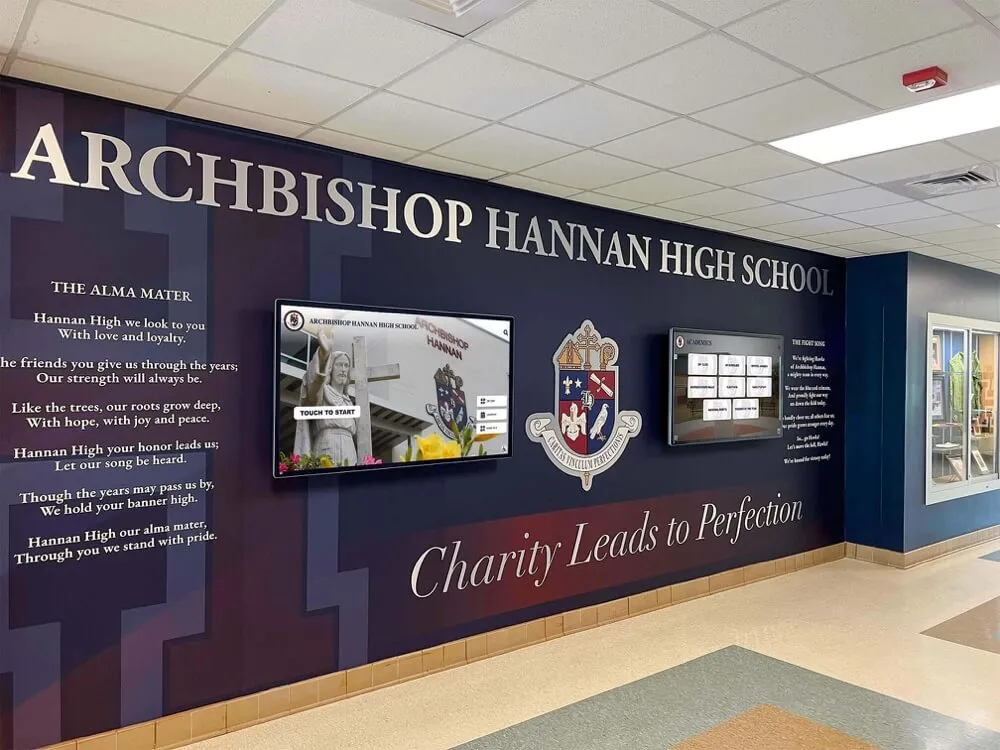
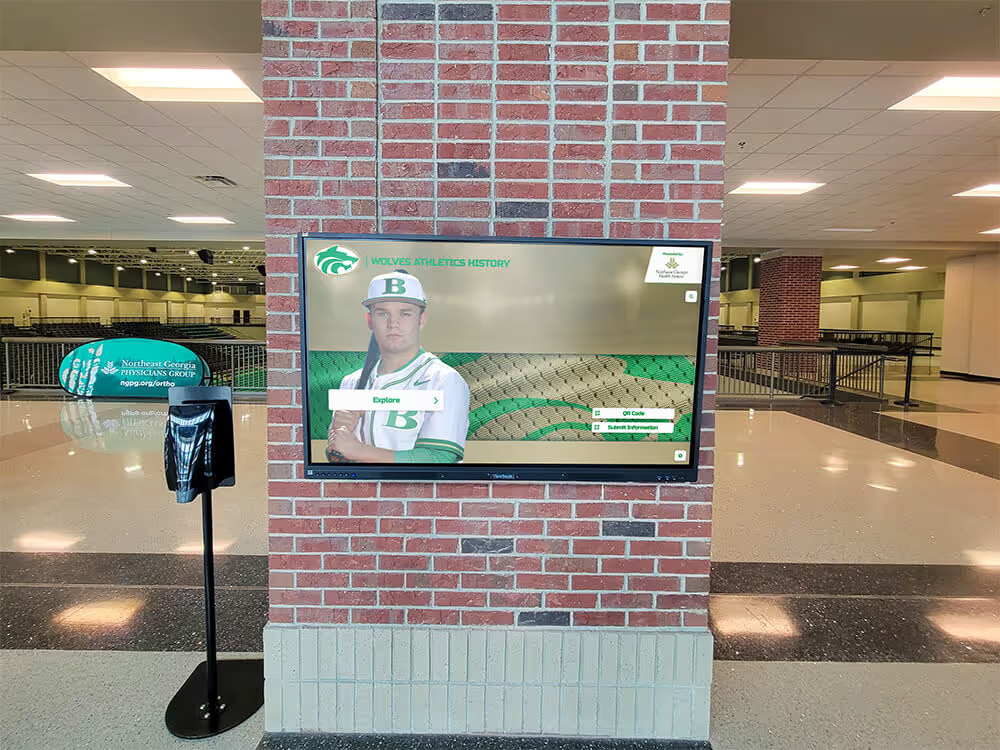
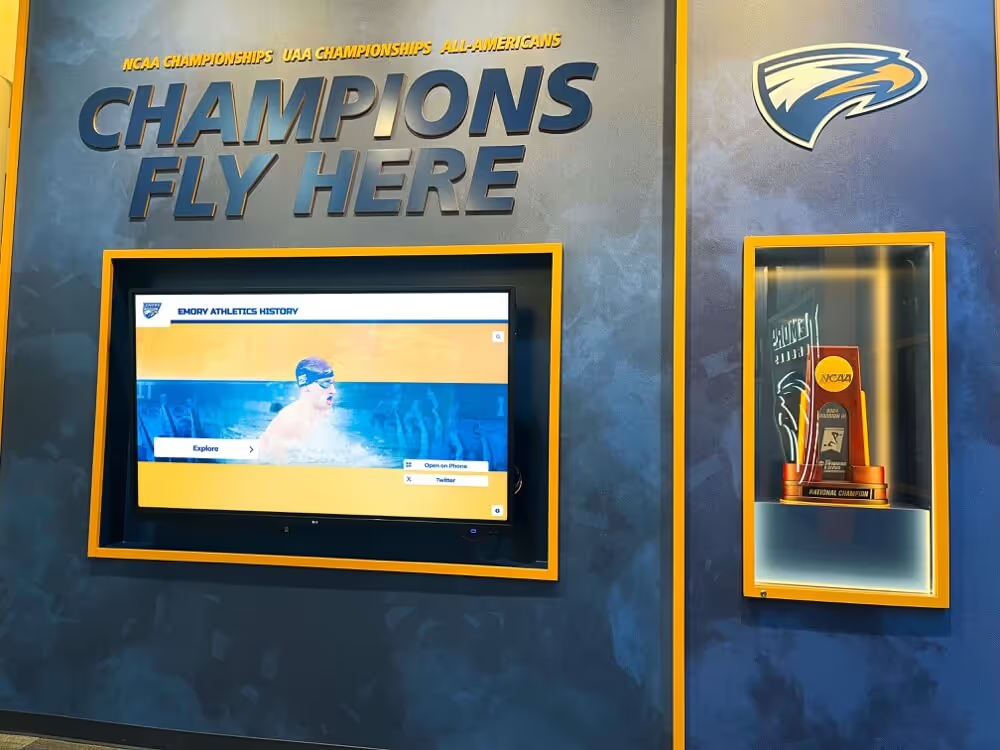
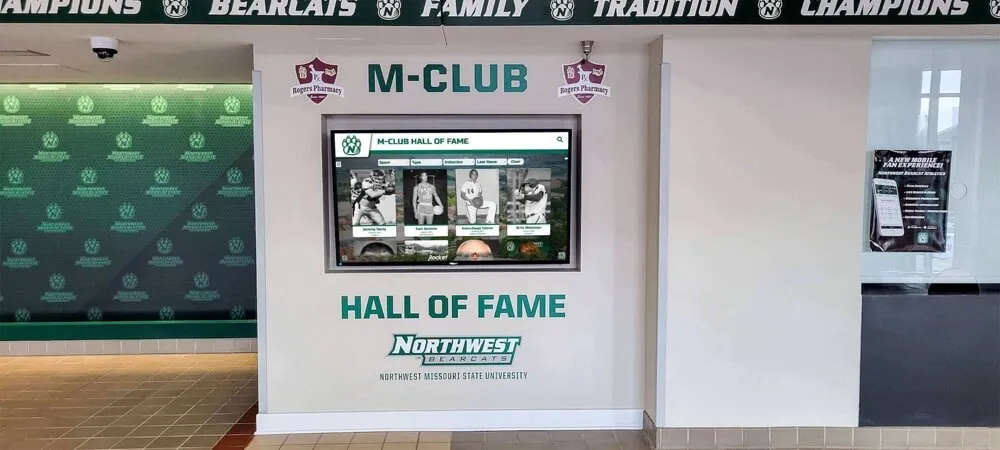
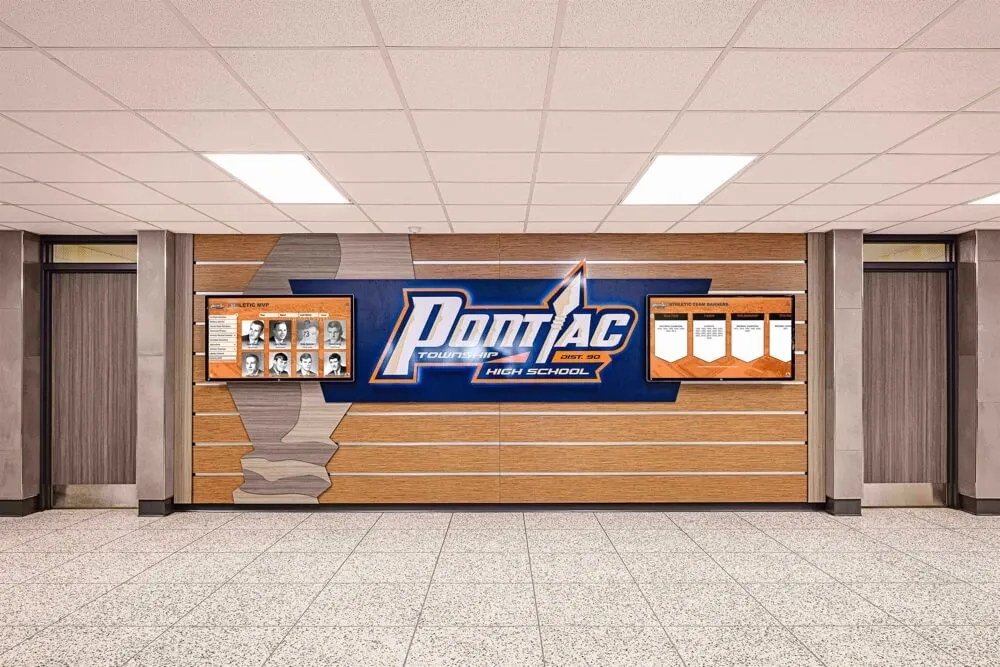
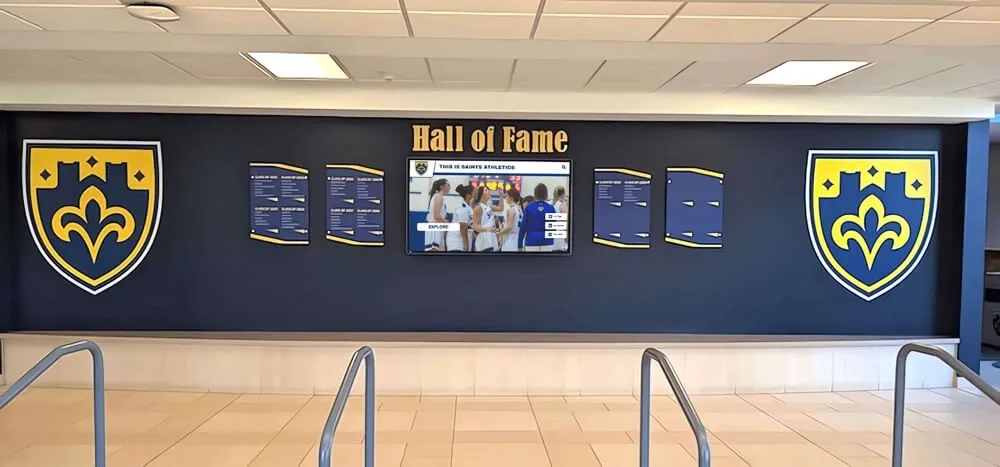
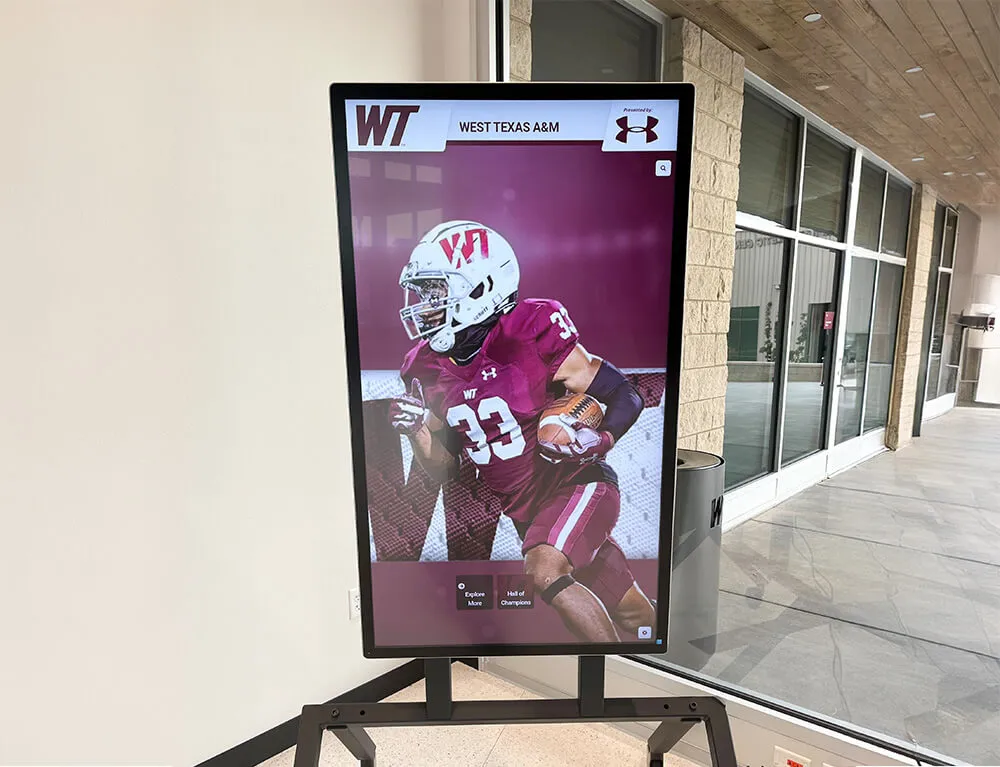
Schools increasingly use digital displays to celebrate field day achievements and preserve memories of these beloved community traditions
Understanding Field Day: Purpose and Planning Essentials
Before diving into specific games, schools benefit from understanding what makes field days successful and how to structure events for maximum participation and enjoyment.
The Educational Value of Field Day Events
Field days serve purposes extending well beyond just “fun day” at school’s end:
Physical Activity and Wellness Promotion
- Encouraging physical movement and active lifestyles during increasingly sedentary childhoods
- Exposing students to diverse physical activities beyond traditional sports
- Building positive associations between physical activity and enjoyment
- Demonstrating that fitness can be fun rather than competitive pressure
- Creating inclusive movement opportunities for students avoiding traditional athletics
Social and Emotional Development
- Teamwork and cooperation skills developed through group challenges
- Sportsmanship and character building through competition and participation
- Confidence development as students discover activities where they excel
- Social connection across grade levels and friend groups
- Sense of belonging to school community through shared experience
School Culture Building
- Creating positive school memories and traditions
- Celebrating year’s accomplishments and student growth
- Building school spirit and institutional pride
- Strengthening student-teacher relationships in informal settings
- Providing reward and recognition for academic year efforts
Research consistently shows that schools investing in quality field day programming report stronger school culture, improved student engagement, and enhanced community cohesion extending throughout the following academic year.
Essential Field Day Planning Considerations
Successful field days require advance planning addressing key logistics:
Timeline and Scheduling
- Early planning (2-3 months advance) ensuring adequate preparation
- Weather contingency plans including rain dates or indoor alternatives
- Duration appropriate to age level (half-day for elementary, full day for middle school)
- Break and hydration schedules preventing exhaustion
- Staggered station rotations maximizing participation
Volunteer Coordination and Staffing
- Parent volunteer recruitment and training
- Staff assignments for activity stations
- Safety monitors and first aid coverage
- Registration and check-in coordination
- Photography and documentation teams
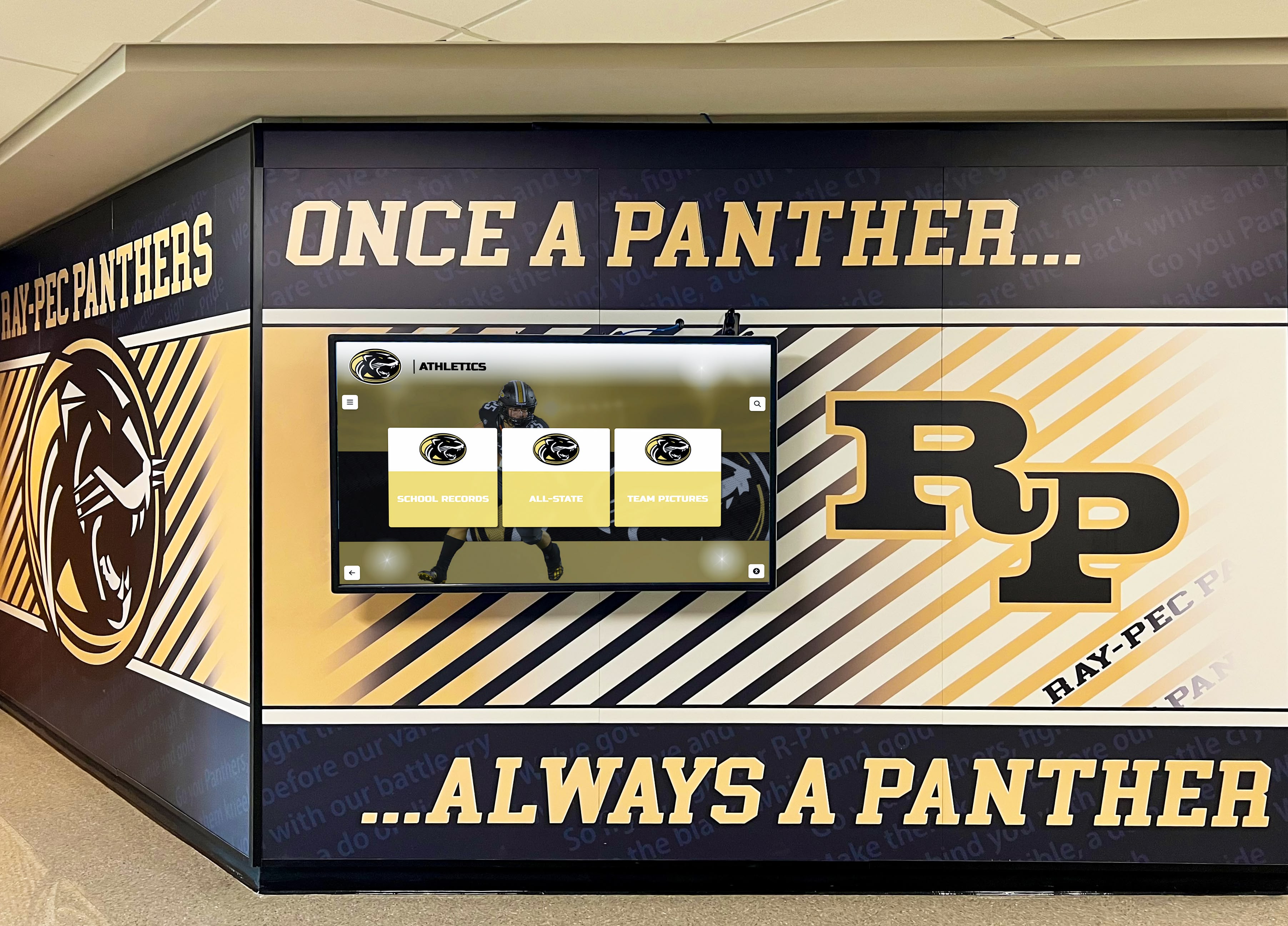
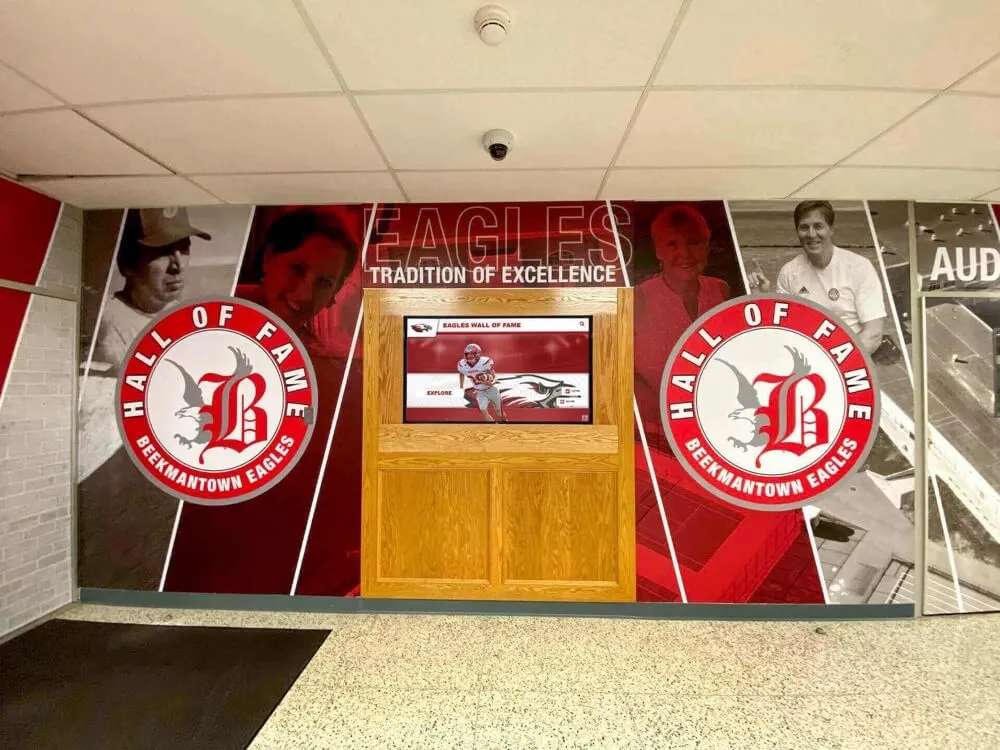
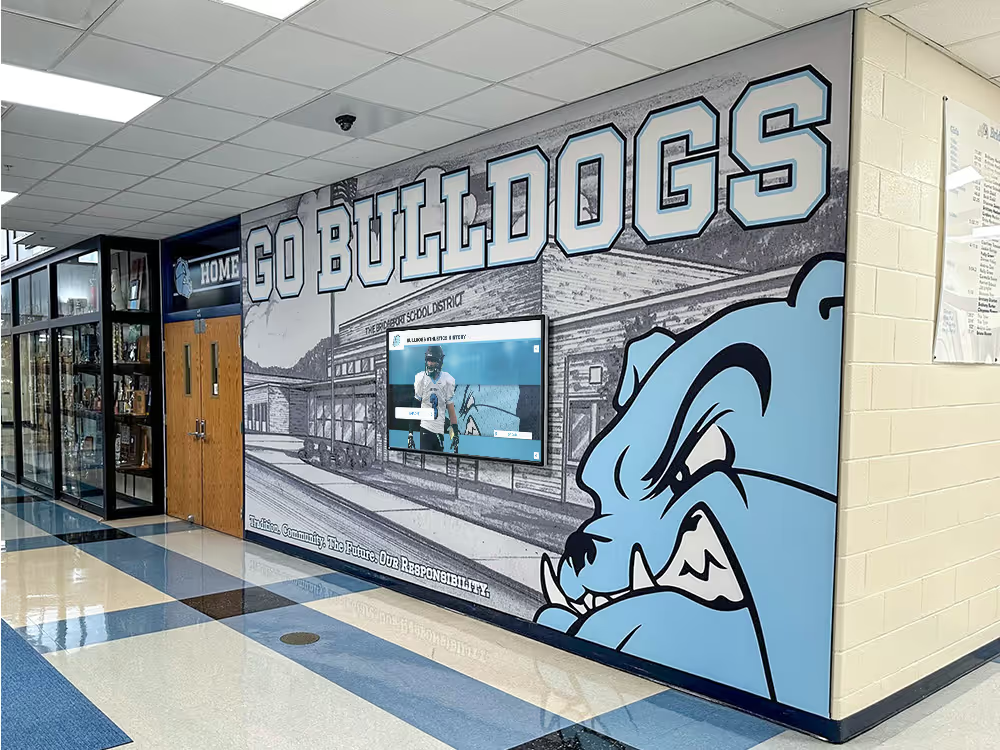
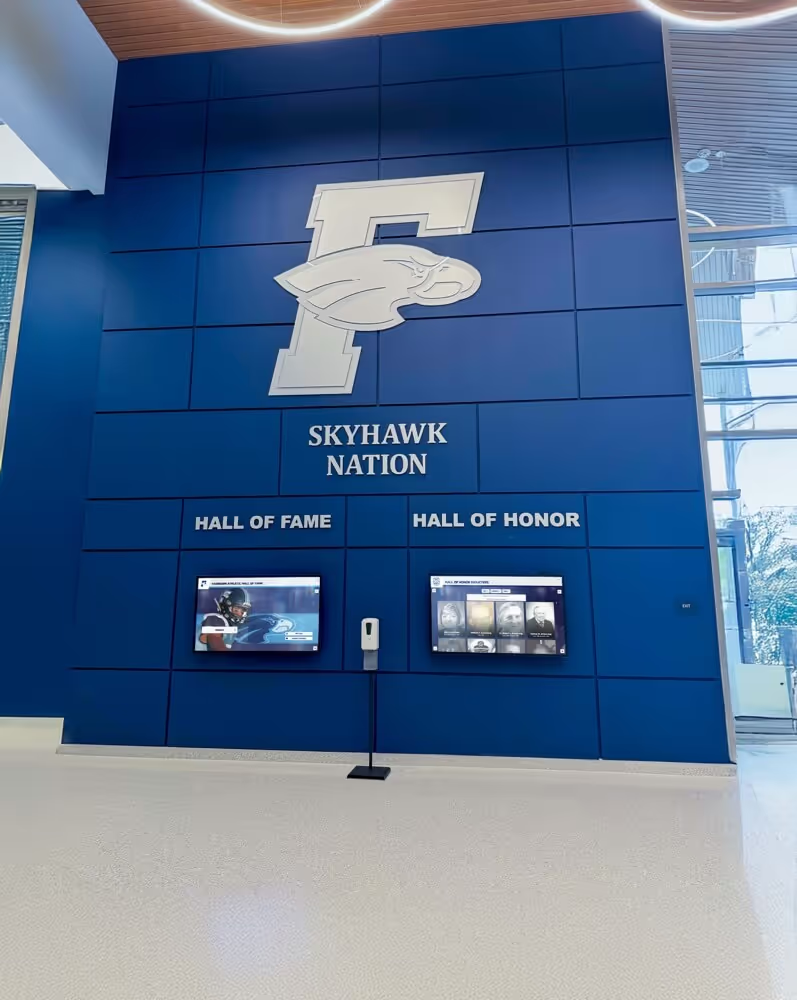
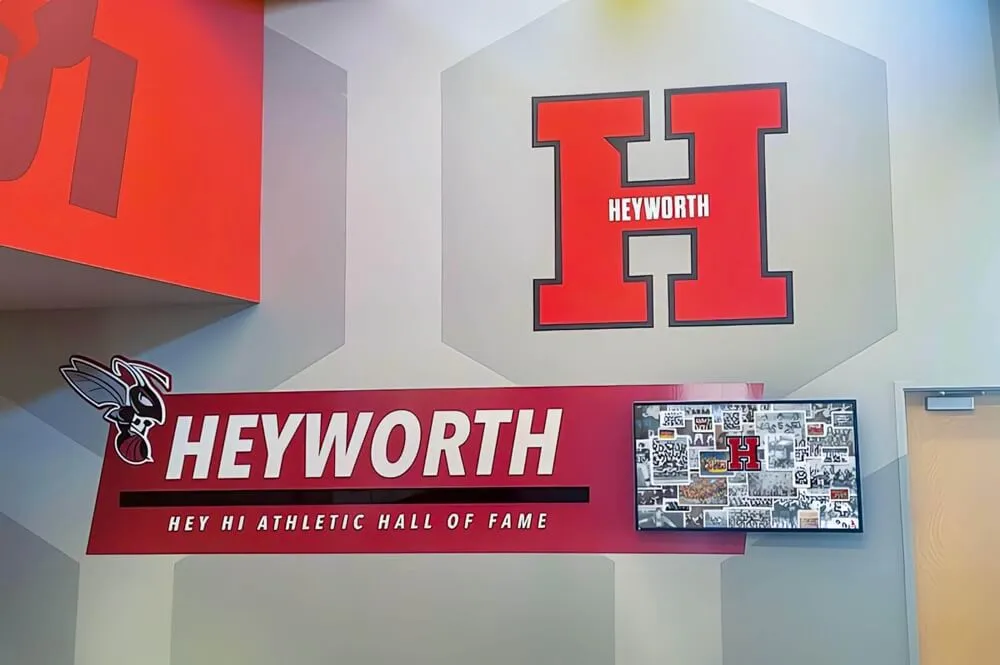
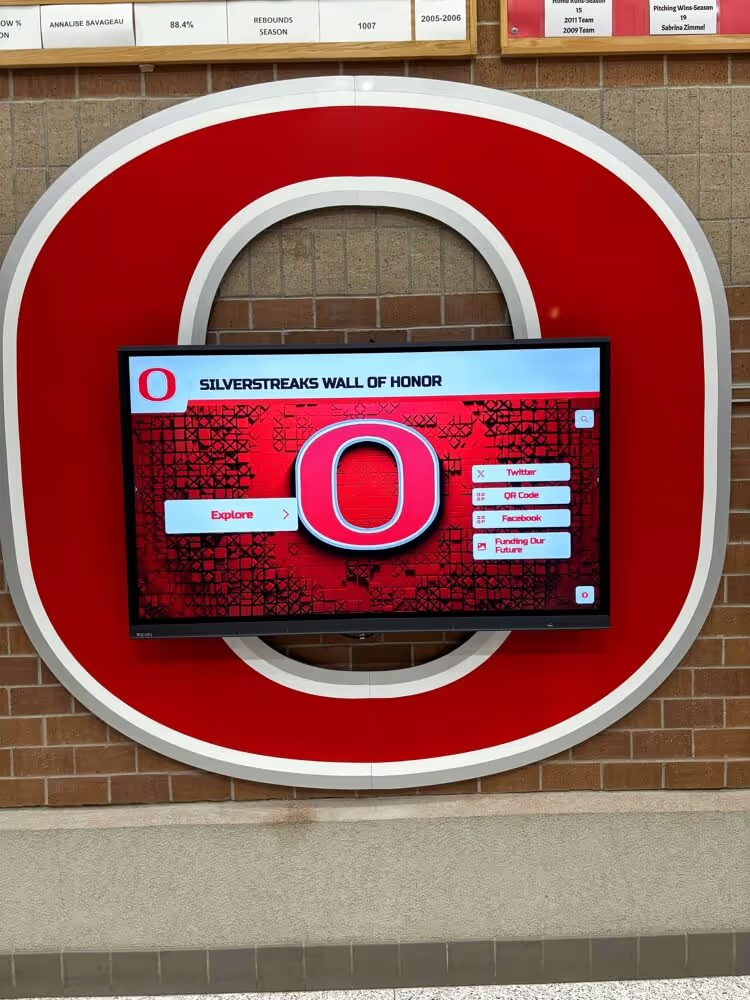
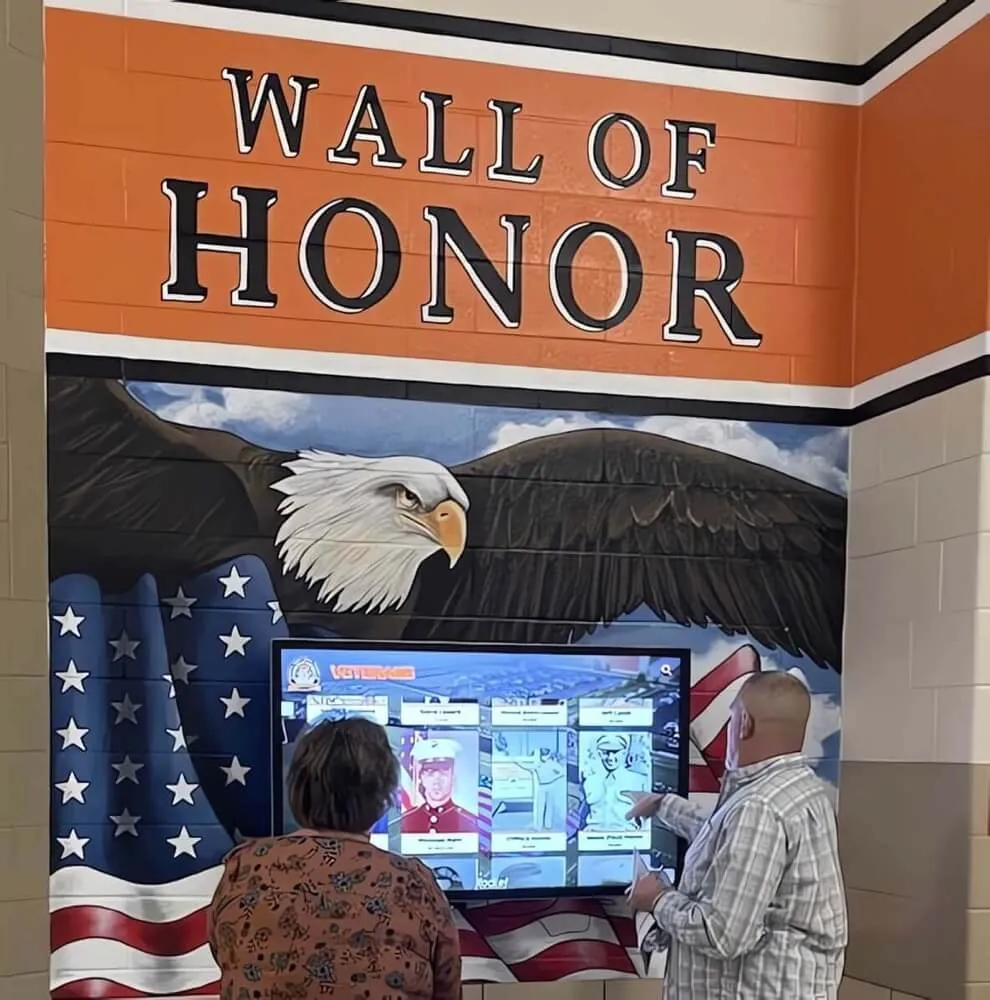
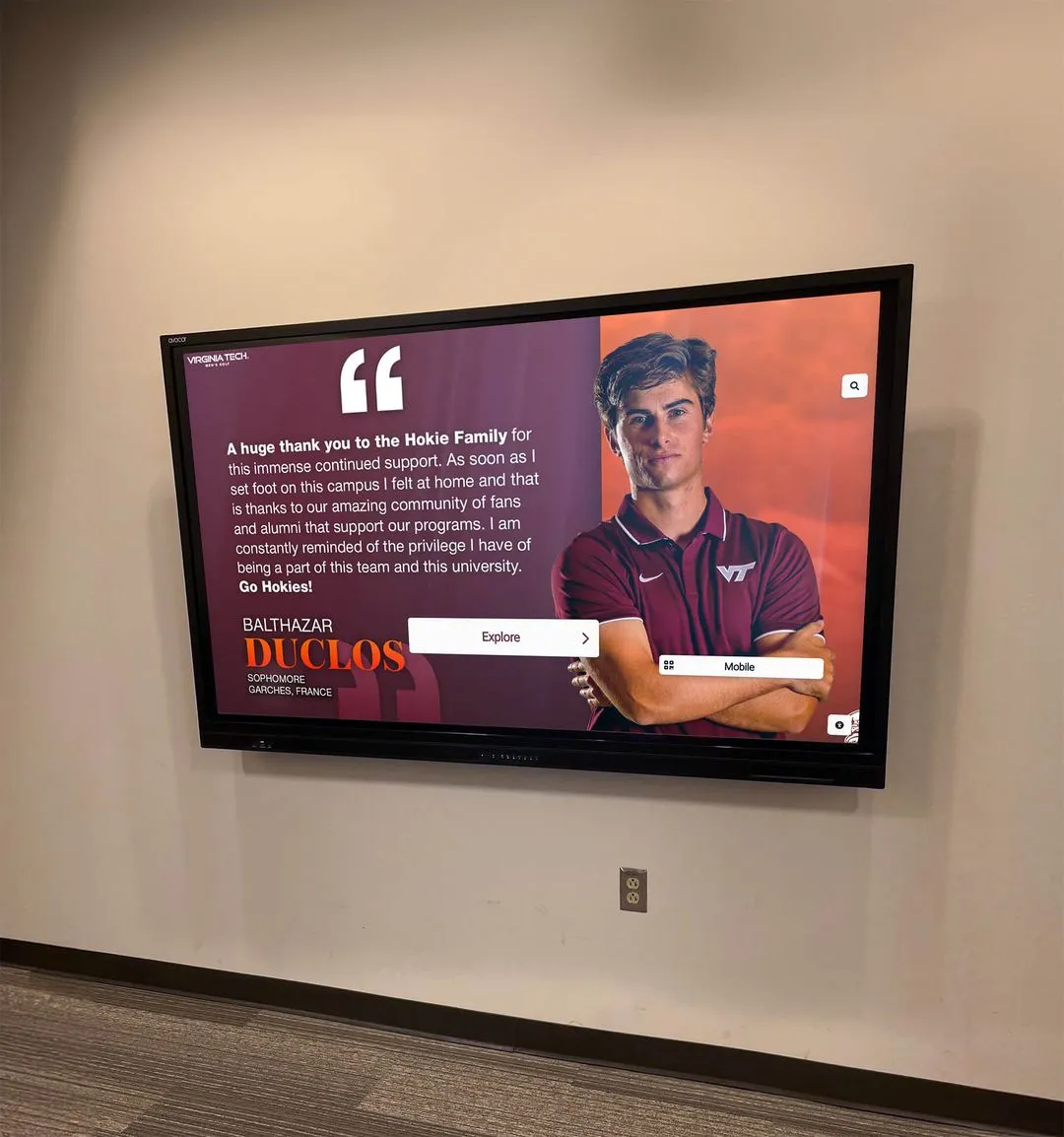
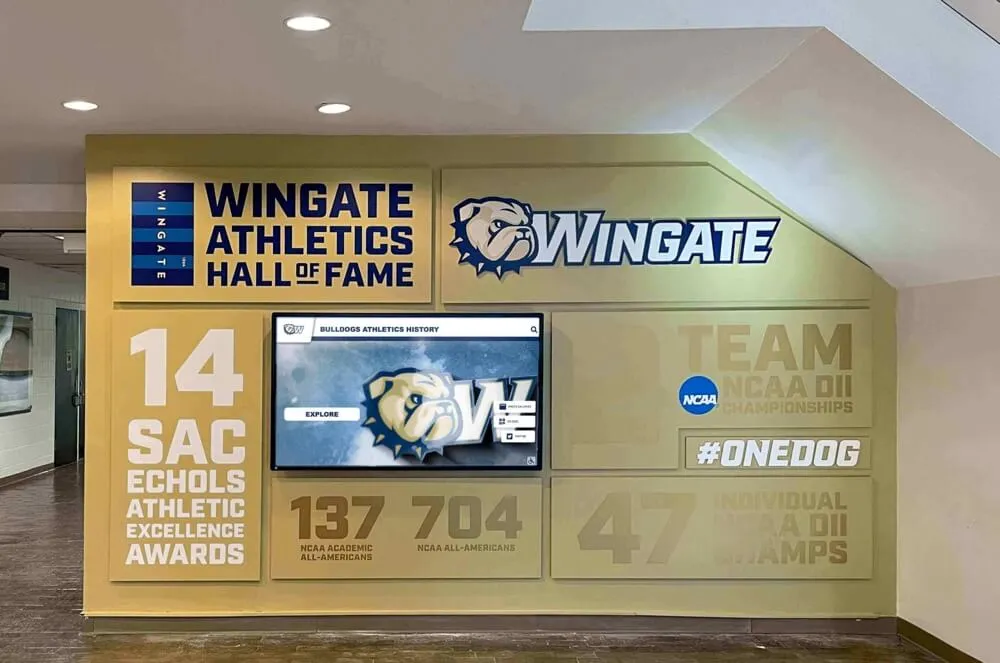
Athletic hallway displays celebrate field day winners and participants, preserving memories while inspiring future participation
Safety and Risk Management
- Medical personnel or trained first aid responders on-site
- Allergy awareness and accommodation (food prizes, sunscreen application)
- Hydration stations throughout activity areas
- Shade and rest areas for breaks
- Age-appropriate activities minimizing injury risk
- Equipment safety inspections and proper use protocols
Inclusive Participation Structures
- Activities accommodating diverse ability levels
- Modifications for students with physical limitations
- Non-competitive options alongside competitive events
- Recognition systems valuing participation and effort
- Buddy systems pairing students supportively
Schools implementing comprehensive student recognition programs find that field day provides ideal opportunity for celebrating diverse student contributions through participation awards and achievement recognition.
Classic Field Day Games: Timeless Favorites
Some activities remain field day staples because they’re engaging, easy to organize, and enjoyed across age groups.
Traditional Race and Speed Events
Sprint Races
- 50-meter and 100-meter dashes by grade level
- Fun costume or theme races (backwards running, silly walks)
- Three-legged races pairing students
- Sack races using potato or burlap sacks
- Wheelbarrow races with partner teams
Relay Race Variations Standard relay races gain excitement through creative twists:
- Baton relay races with grade-level teams
- Water balloon relay (carrying without dropping)
- Ball balance relay (tennis ball on spoon)
- Dress-up relay (putting on oversized clothes before running)
- Backwards running relay adding difficulty
Obstacle Course Challenges Create age-appropriate obstacle courses combining multiple skills:
- Crawl under obstacles (tarps, ropes, tunnels)
- Jump over hurdles or cones
- Weave through marker cones
- Balance beam or rope walk sections
- Tire or hula hoop step-throughs
- Finish with sprint to completion
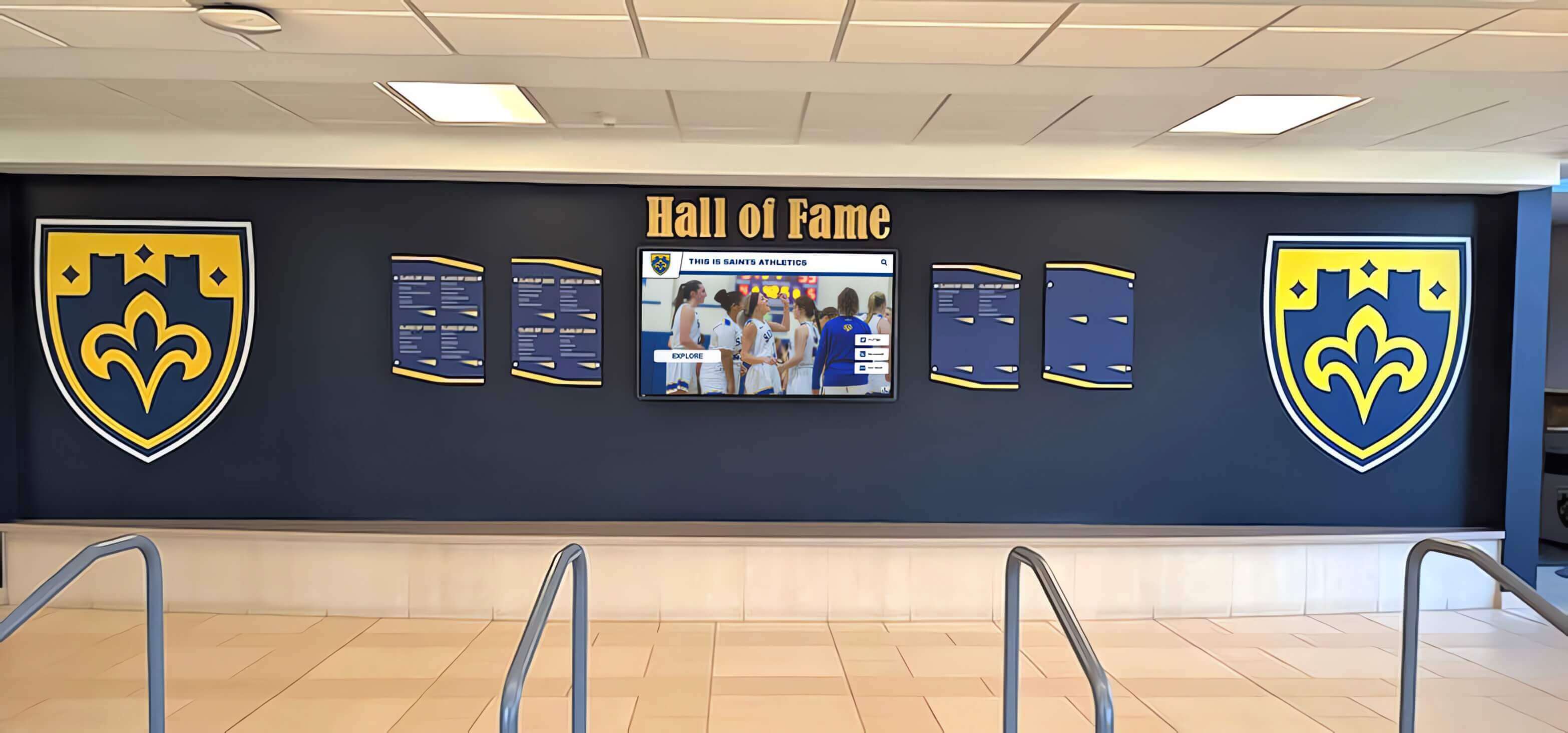
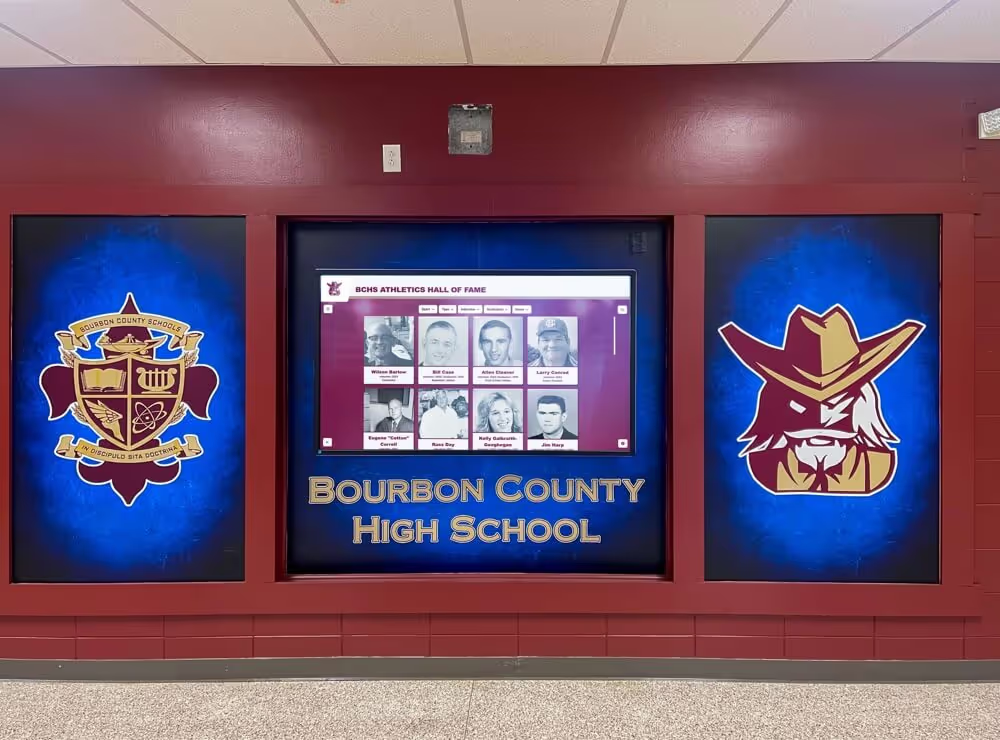
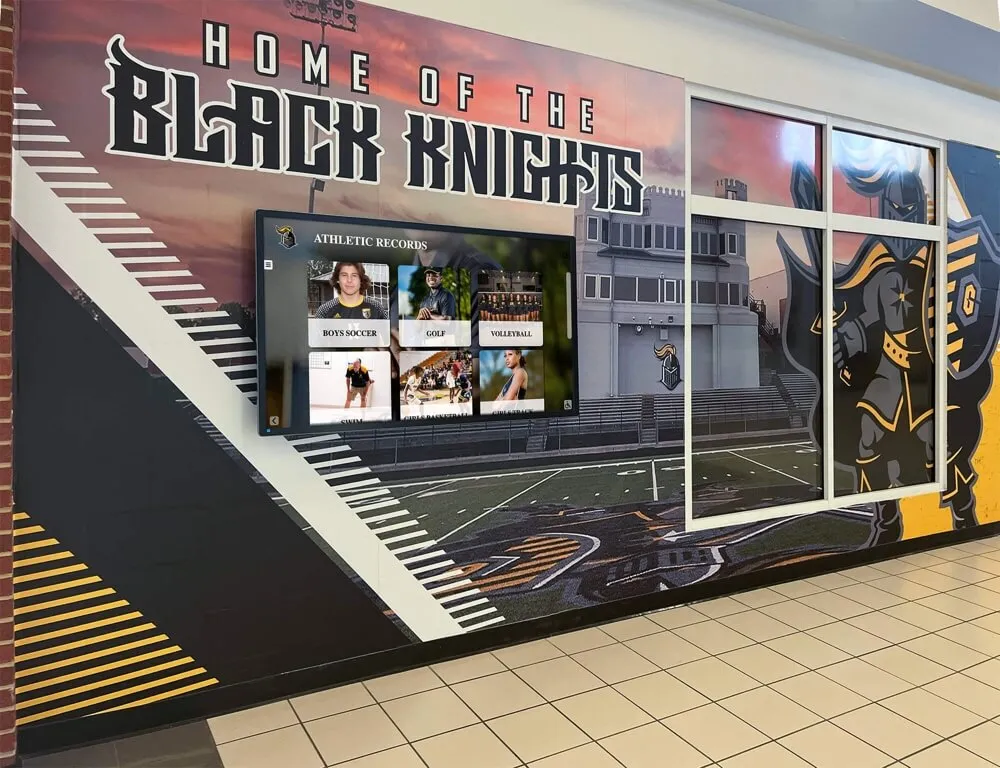
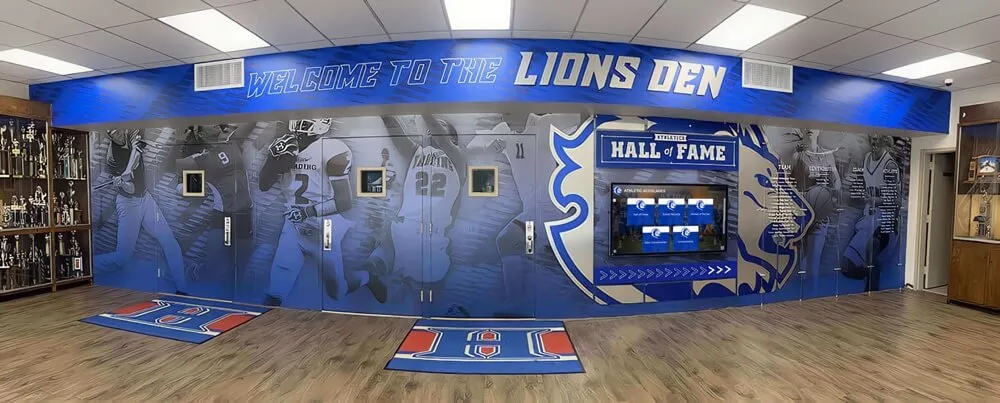
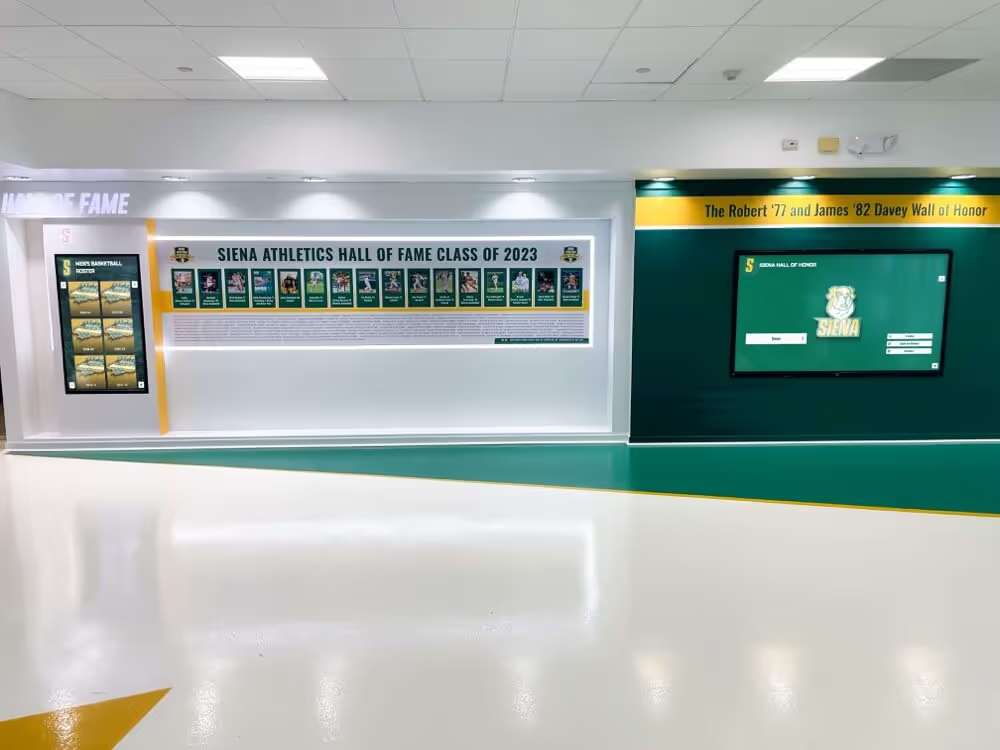
Recognition displays showcase field day champions and participation achievements, creating traditions that strengthen school pride
Strength and Skill Challenges
Tug-of-War Tournaments This classic team activity builds collaboration:
- Grade level competitions with equal team sizes
- Staff versus students matches
- Multi-team round-robin tournaments
- Safety protocols including proper grip instruction
- Designated pulling zones and stopping procedures
Standing Long Jump Individual skill measurement with improvement focus:
- Measured jumping area with distance markers
- Personal best tracking and encouragement
- Grade-level competitions or self-improvement goals
- Technique instruction before attempts
- Multiple attempts allowing skill development
Bean Bag Toss Accuracy Games Accessible skill activities for diverse ability levels:
- Cornhole or target board setups
- Distance-based scoring systems
- Team competitions or individual challenges
- Varying difficulty levels by target size or distance
- Modified rules accommodating different abilities
Creative Team Challenge Activities
Beyond traditional races, innovative team challenges create memorable field day experiences.
Cooperative Group Games
Parachute Games Using large colorful parachutes creates exciting group activities:
- Mushroom (lifting parachute high and bringing down)
- Popcorn (bouncing balls on parachute surface)
- Cat and mouse (student running under as others lift)
- Tent making (everyone underneath billowing parachute)
- Wave making (coordinated up-and-down motions)
Human Knot Challenge Problem-solving activity building communication:
- Groups of 8-12 students form circles
- Everyone reaches across to grab two different hands
- Working together to untangle without releasing hands
- Emphasizes teamwork over speed
- Facilitator guidance ensuring appropriate difficulty
Group Juggle Coordination activity teaching focus and teamwork:
- Circle formation passing balls in patterns
- Adding multiple balls increasing difficulty
- Speed variations challenging coordination
- Calling names before passing
- Competition between different groups
Relay and Transport Challenges
Water Relay Variations Engaging activities perfect for warm weather:
- Sponge relay (transporting water via squeezed sponges)
- Cup filling relay (carrying water without spilling)
- Water balloon pass (gentle tossing between teammates)
- Bucket brigade lines transporting water
- Spray bottle relay races
Ball Transport Challenges Creative carrying methods beyond traditional balls:
- Beach ball transport without hands (between heads or bodies)
- Medicine ball pass (heavy ball collaboration)
- Multiple ball carrying (juggling several at once)
- Ball roll relay (rolling through legs or around circle)
- Balance challenges (ball on pool noodle or racket)
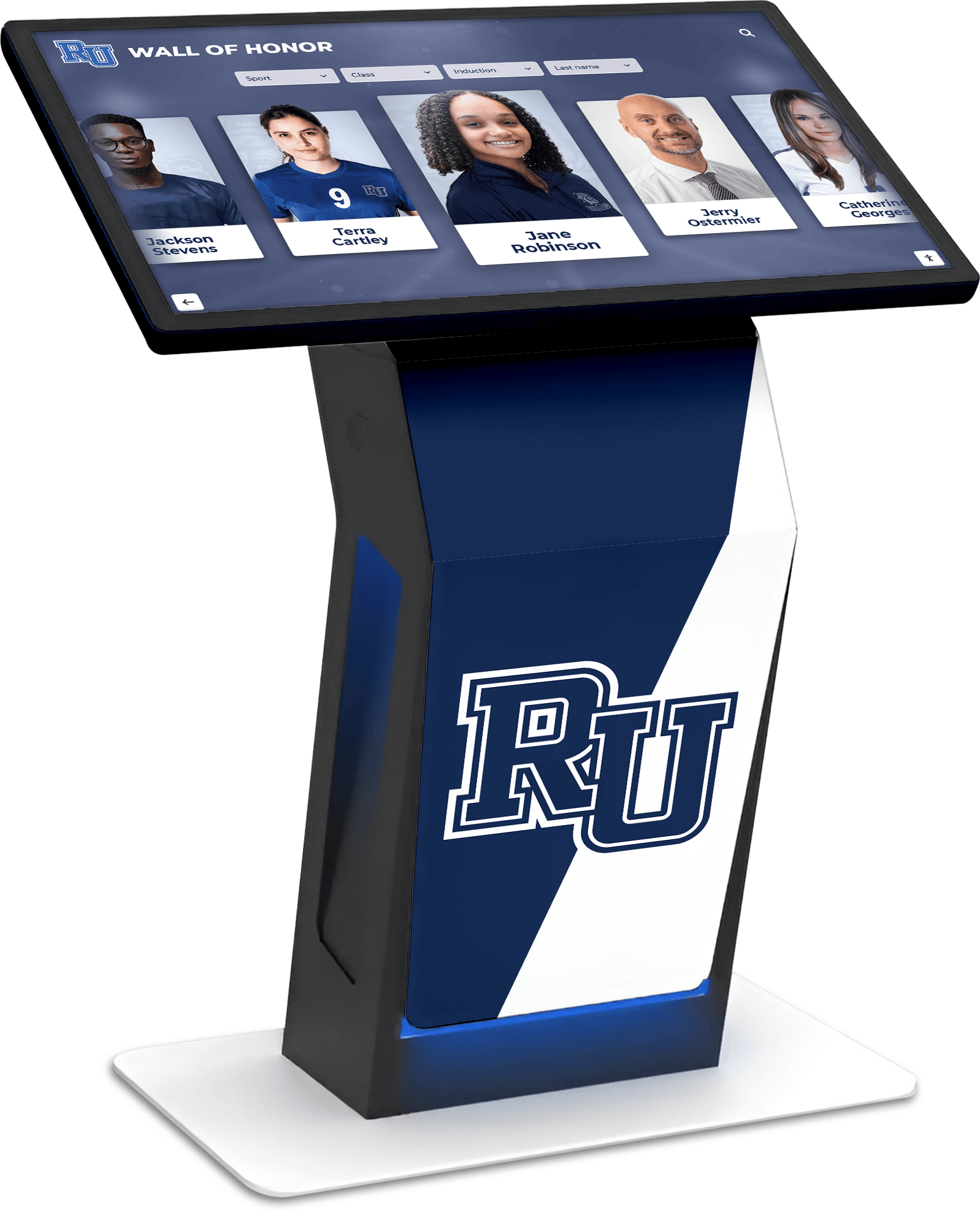
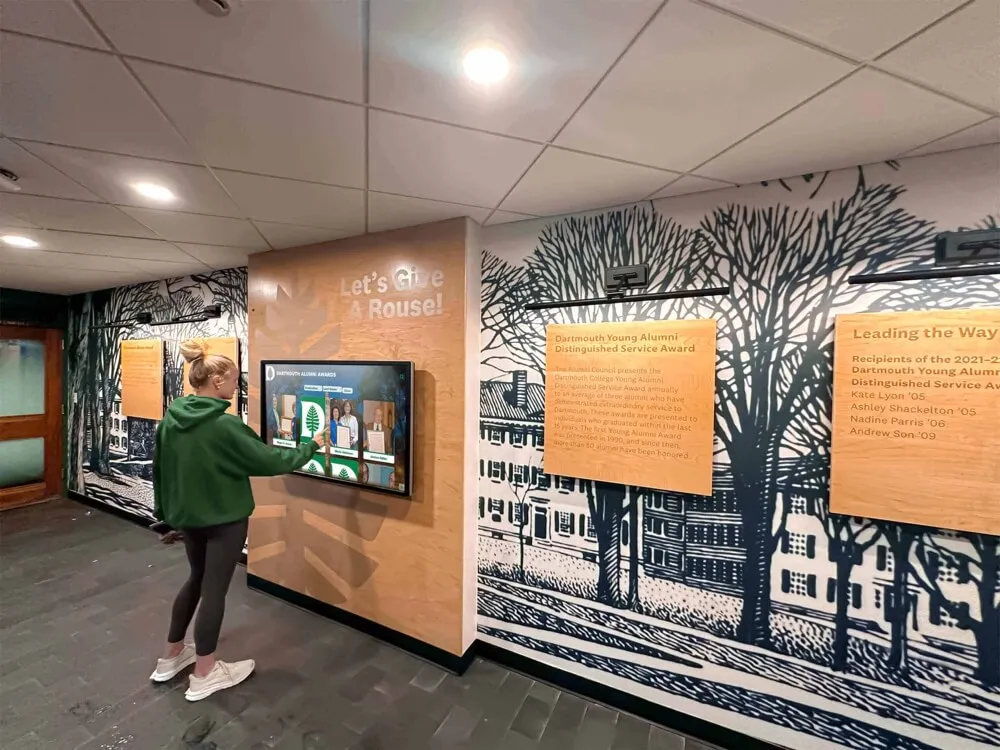
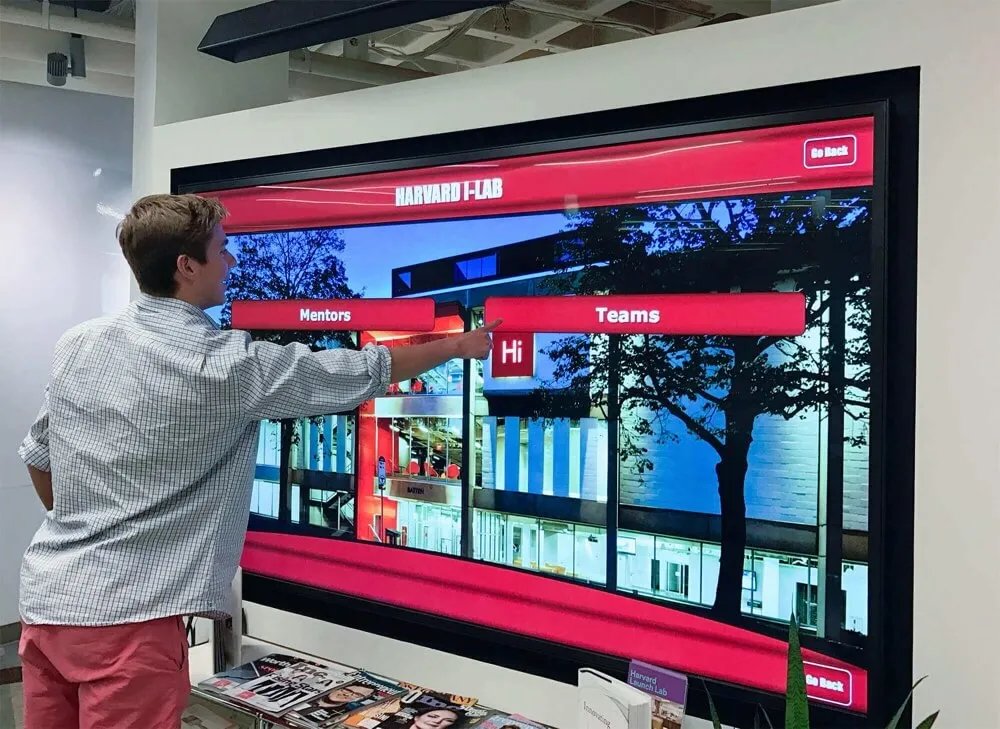
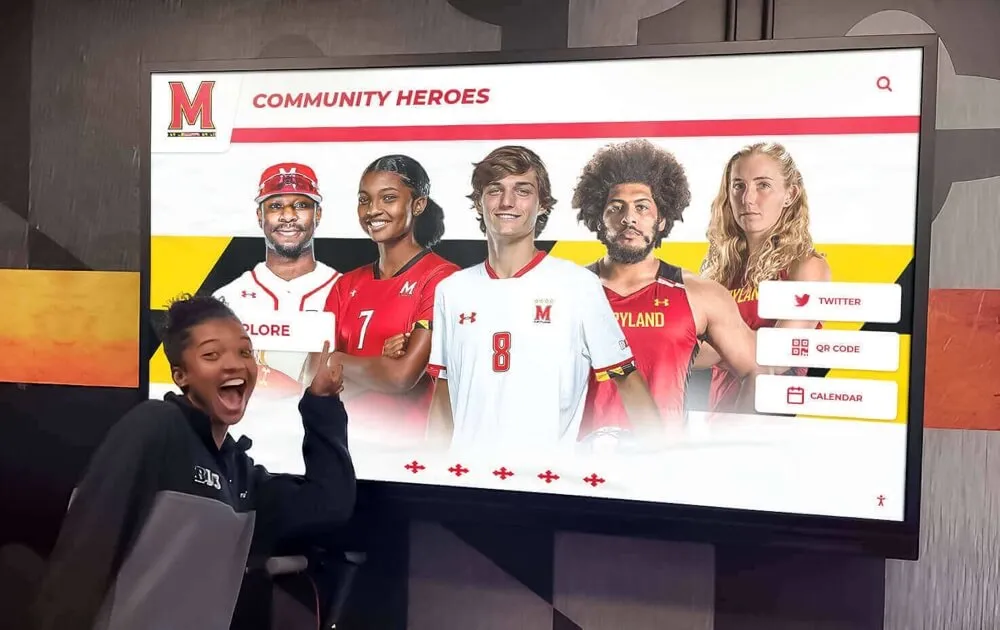
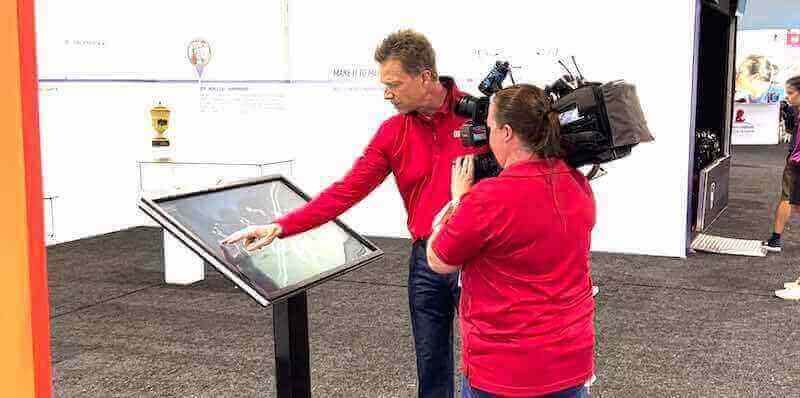
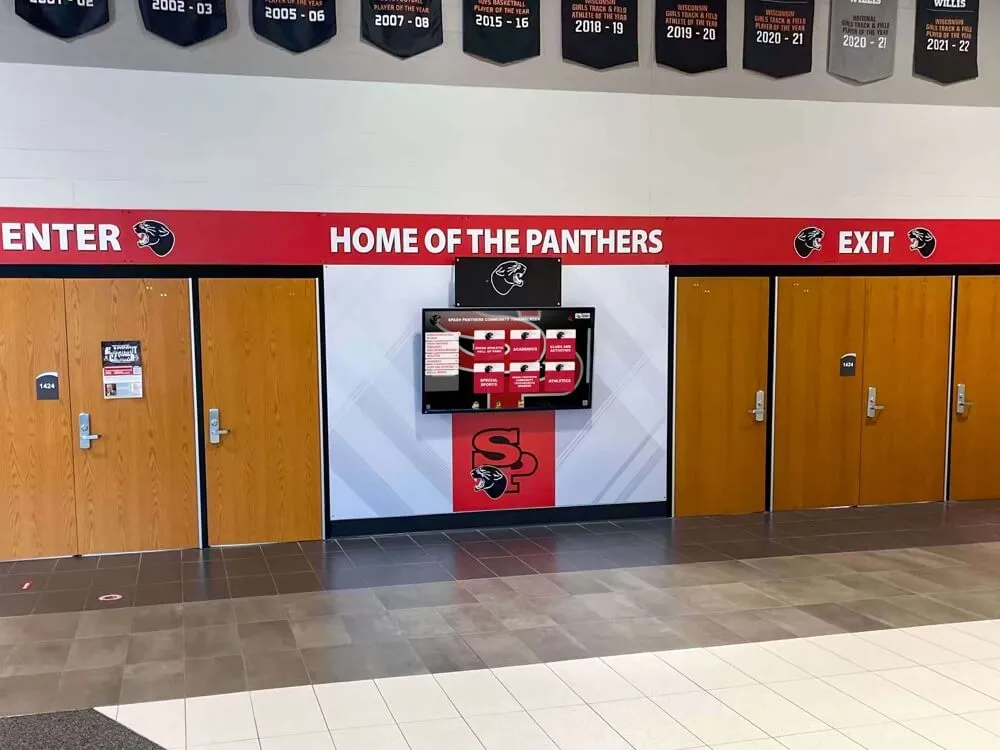
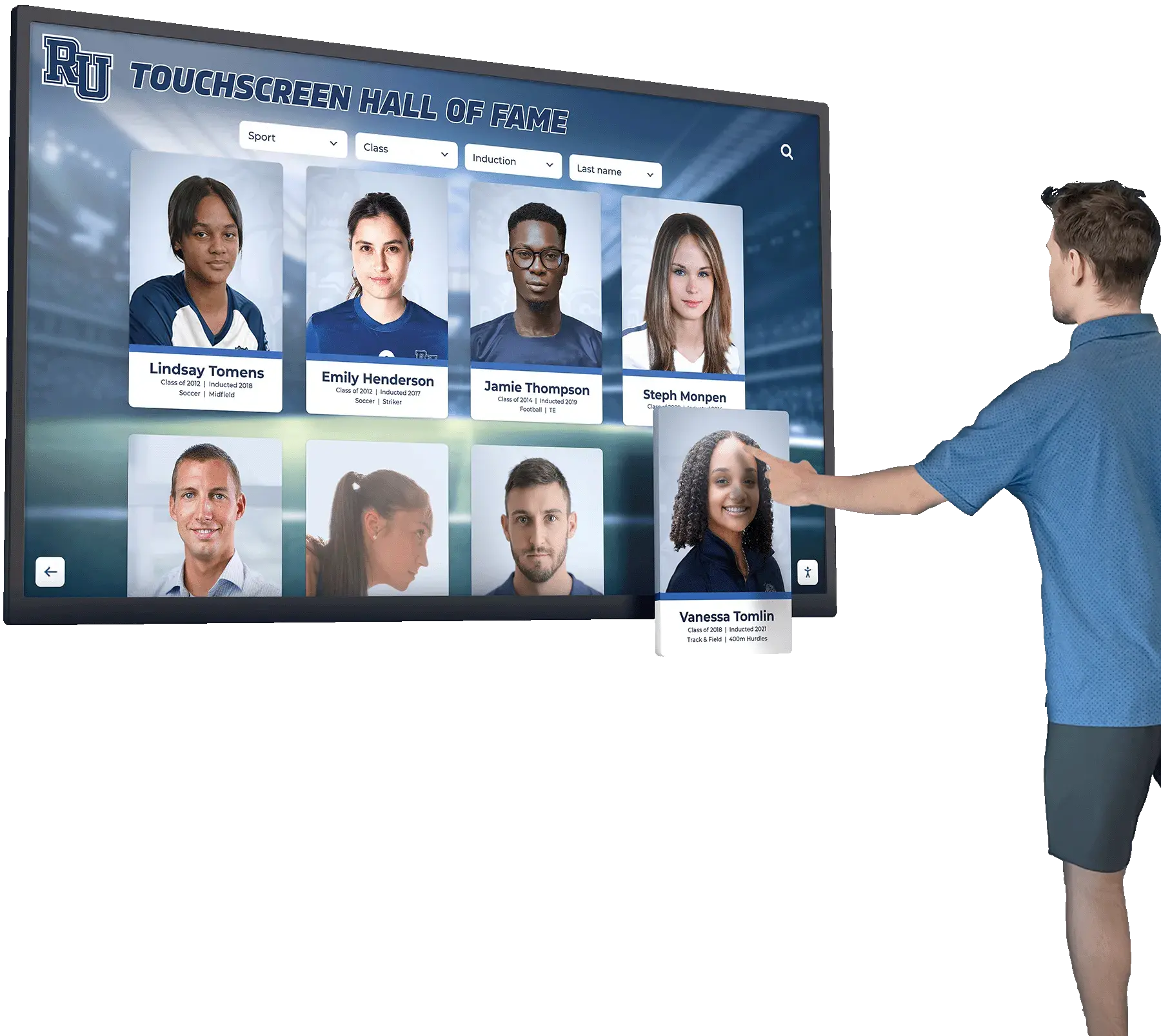
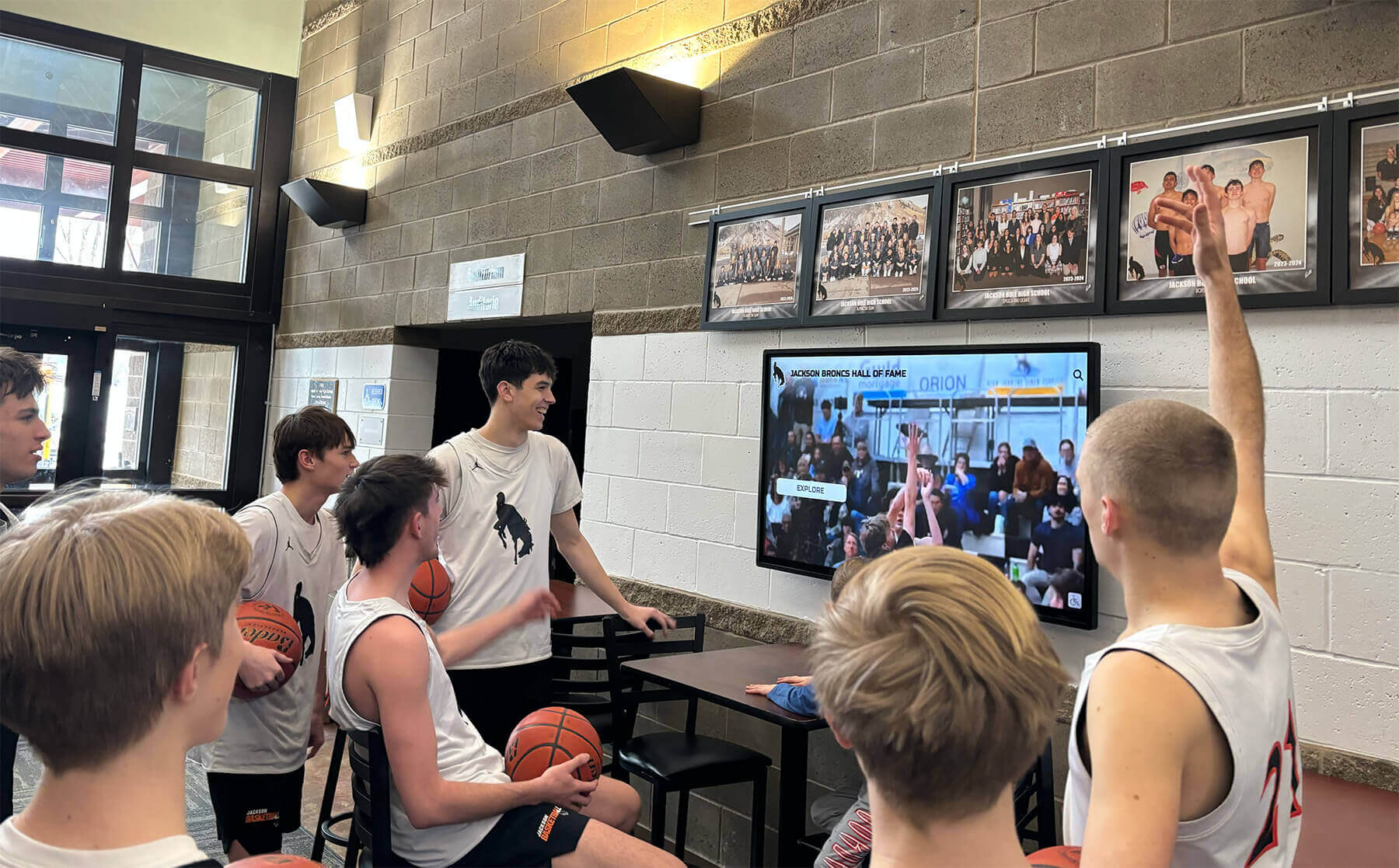
Modern touchscreen displays enable schools to showcase field day highlights and create searchable archives of participation
Crazy Transport Relay Silly carrying methods adding humor:
- Balloon between knees relay
- Orange under chin pass
- Frisbee on head balance
- Pool noodle jousting while walking
- Egg on spoon (real or plastic eggs)
Skill Station Rotations for Large Groups
Rotation systems allow all students to experience multiple activities while managing large participant numbers.
Individual Skill Assessment Stations
Throwing for Distance and Accuracy Multiple throwing stations test different skills:
- Football or frisbee distance throws
- Baseball accuracy throw at targets
- Basketball free throw challenges
- Softball throw for distance
- Soccer ball accuracy kicks
Jump and Leap Stations Various jumping activities accommodating space:
- Jump rope individual or long rope
- Vertical jump measurement (reaching high marks)
- Hop scotch variations
- Hula hoop jumping (in and out patterns)
- Standing triple jump for distance
Balance and Coordination Challenges Stations testing different balance skills:
- Balance beam walks with increasing difficulty
- One-foot balance contests
- Yoga pose holds and transitions
- Stilts or balance boards (with spotters)
- Ladder agility drills
Schools implementing comprehensive athletic recognition programs find that station-based field days provide perfect opportunities to identify and celebrate diverse athletic talents beyond traditional competitive sports.
Creative Activity Stations
Sidewalk Chalk Art Station Artistic expression adding variety:
- Designated pavement areas for drawing
- Theme suggestions (school spirit, favorite activities)
- Chalk supply organization
- Photo documentation preserving artwork
- Display period before cleaning
Face Painting and Temporary Tattoos Fun cosmetic stations managed by volunteers:
- School color face paint designs
- Mascot or spirit themed options
- Temporary tattoo sheets
- Allergy-aware paint selection
- Hand washing stations nearby
Photo Booth with Props Memory creation and social engagement:
- Themed backdrop (school colors, field day signs)
- Prop box (silly hats, oversized sunglasses, signs)
- Instant photo printing or digital gallery
- Social media sharing opportunities
- Digital display integration for later viewing

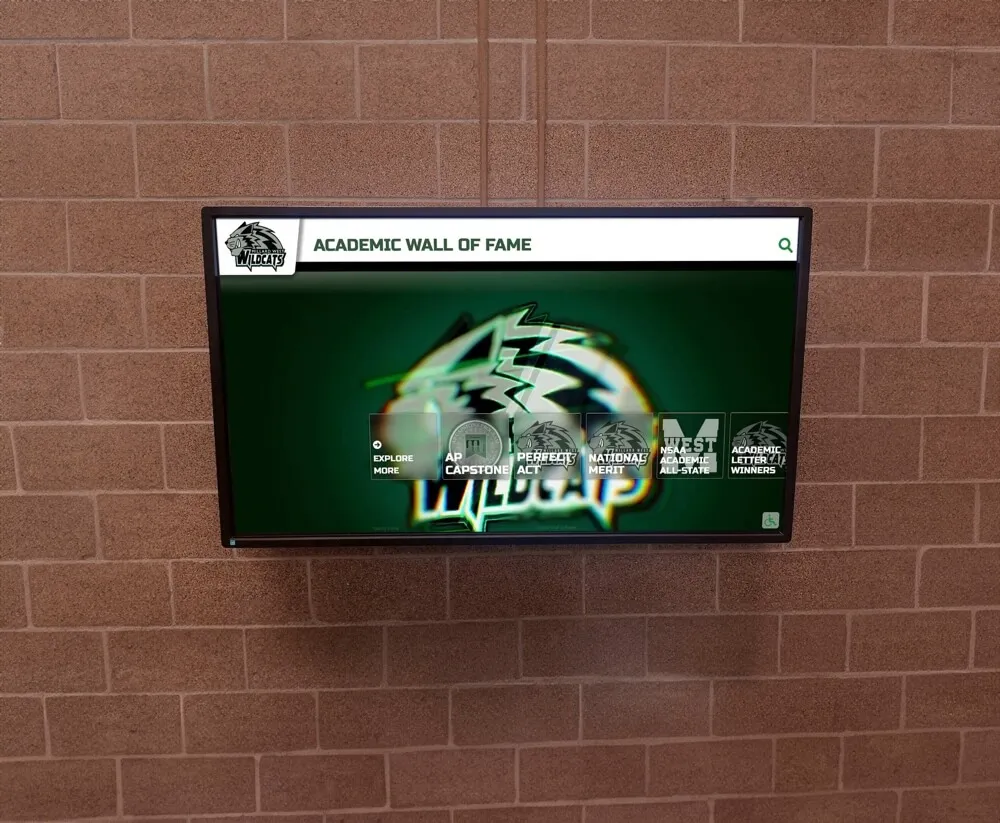
Digital recognition displays in athletic facilities celebrate field day achievements alongside competitive sports accomplishments
Age-Appropriate Activity Modifications
Field day games should match developmental stages and physical capabilities.
Elementary School Adaptations (K-5)
Primary Grades (K-2) Considerations Younger students require simplified activities with clear instructions:
Shorter Distances and Durations
- 25-meter races instead of 50-meter
- 5-10 minute station rotations maintaining attention
- Frequent breaks preventing exhaustion
- Simple two-step instructions rather than complex rules
- Visual demonstrations before each activity
Safety-Focused Activities
- Lower obstacle heights (12 inches maximum)
- Soft equipment (foam balls, cloth bean bags)
- Larger target areas for throwing
- Wider balance beams or ground-level options
- Close adult supervision ratios
Non-Elimination Games Primary students benefit from inclusive participation:
- Everyone continues playing regardless of performance
- Celebration of participation over winning
- Cooperative rather than competitive emphasis
- Multiple “winners” or everyone succeeds approaches
- Encouragement and praise from volunteers
Upper Elementary (3-5) Progressions Older elementary students handle more complex challenges:
- Increased distances and difficulty
- Multi-step obstacle courses
- Team strategy activities
- Competitive elements with good sportsmanship emphasis
- Skills requiring practice and technique
Middle School Activity Enhancements
Age-Appropriate Challenge Levels Middle school students appreciate increased difficulty:
Physical Intensity Options
- Longer race distances (100-200 meters)
- More challenging obstacle course elements
- Strength-based activities (medicine ball throws)
- Endurance challenges (sustained activity)
- Higher skill ceilings allowing excellence demonstration
Competitive Structure Options Middle schoolers often enjoy competition when properly framed:
- Point systems creating team rivalries
- Tournament brackets for elimination events
- Timed challenges encouraging personal bests
- Grade-level competitions maintaining fairness
- Recognition for improvement and effort alongside winning
Social Elements Middle school field days should accommodate social dynamics:
- Team selection processes preventing exclusion
- Mixed-gender activity options
- Cool factor considerations (avoiding “babyish” activities)
- Social interaction opportunities between activities
- Music and atmosphere creating event energy
Schools implementing spirit week activities find that field day provides ideal capstone celebration combining school pride with physical activity and community building.
Inclusive Activities for Diverse Abilities
Successful field days ensure every student finds activities where they can participate fully and succeed.
Universal Design Principles
Multiple Means of Participation Offer varied activity types ensuring inclusivity:
- Physical activities at varying intensity levels
- Creative stations requiring no athletic ability
- Social activities emphasizing interaction over performance
- Skill-based challenges allowing practice and improvement
- Team activities where diverse contributions matter
Adaptive Equipment and Modifications Provide accommodations enabling full participation:
- Larger, lighter, or softer balls for handling differences
- Wheelchair-accessible activities and modifications
- Visual and auditory cues for different learning styles
- Shorter distances or longer time limits when appropriate
- Partner support systems pairing students helpfully
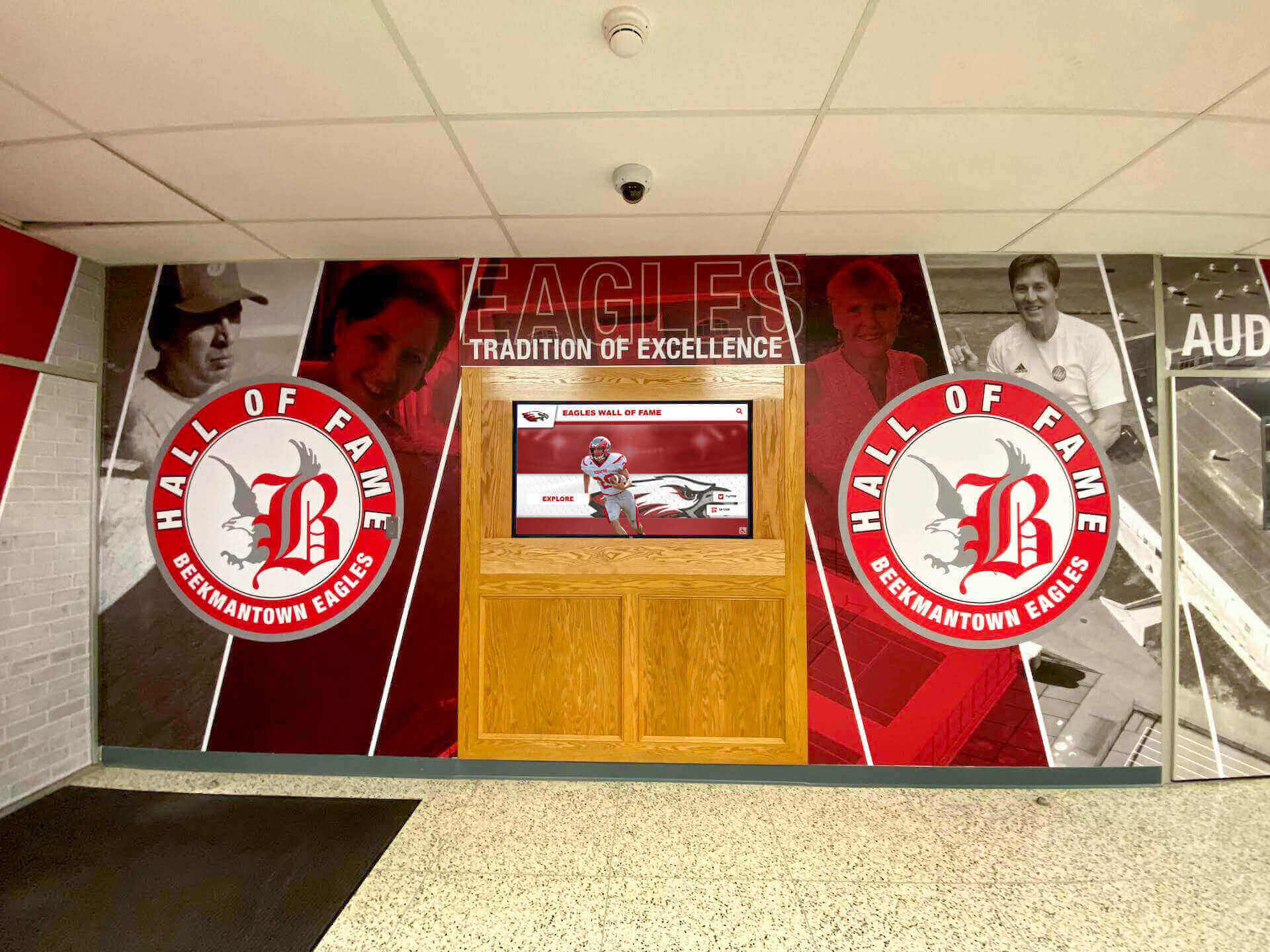
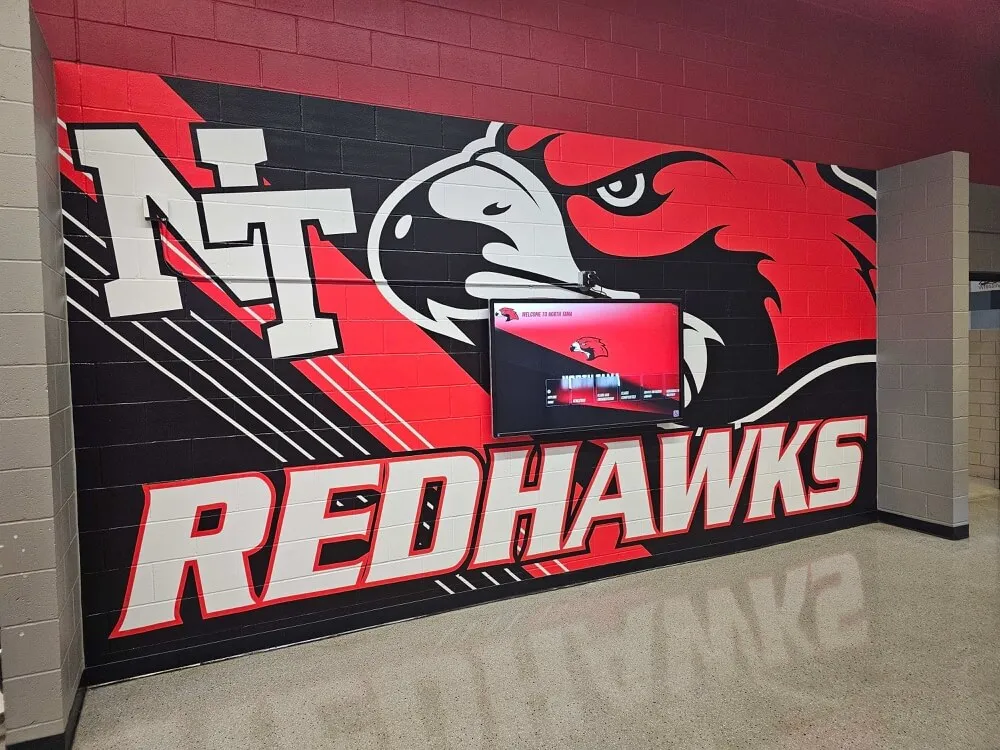
Lobby murals celebrate field day traditions and winners, creating visual connections between current events and school history
Non-Athletic Participation Options
Academic and Creative Stations Balance physical activities with alternatives:
- Trivia or puzzle stations testing knowledge
- Arts and crafts areas allowing creative expression
- Music and rhythm activities
- Strategy games (chess, checkers, card games)
- Reading or storytelling stations
Support Roles Creating Belonging Students struggling with physical activities contribute through:
- Scorekeeping and statistics recording
- Photography and documentation
- Water and snack distribution
- Cheering squads and spirit support
- Equipment management and setup assistance
Buddy Systems and Peer Support Pair students creating inclusive participation:
- Trained peer buddies supporting students with disabilities
- Team captains ensuring everyone participates
- Older students mentoring younger participants
- Friendship groups staying together across stations
- Adult volunteer one-on-one support when needed
Recognition and Awards Systems
How schools celebrate field day participation significantly impacts student experience and motivation.
Participation-Based Recognition
Everyone Receives Recognition Modern field day philosophy emphasizes universal celebration:
Participation Certificates
- Every student receives field day participation certificate
- Personalized with student name and date
- School branding and design quality
- Distributed at closing ceremony
- Keepsake value for families
Class or Team Recognition
- Spirit awards for enthusiasm and sportsmanship
- Teamwork recognition for cooperation
- Improvement celebrations for effort growth
- Participation percentage awards (whole class participated)
- Creative team name or chant competitions
Digital Recognition Extensions Solutions like Rocket Alumni Solutions enable permanent field day documentation:
- Photo galleries preserving field day memories
- Participation rosters by year and grade
- Historical field day traditions and achievements
- Searchable archives families explore
- Connection between current and historical participants

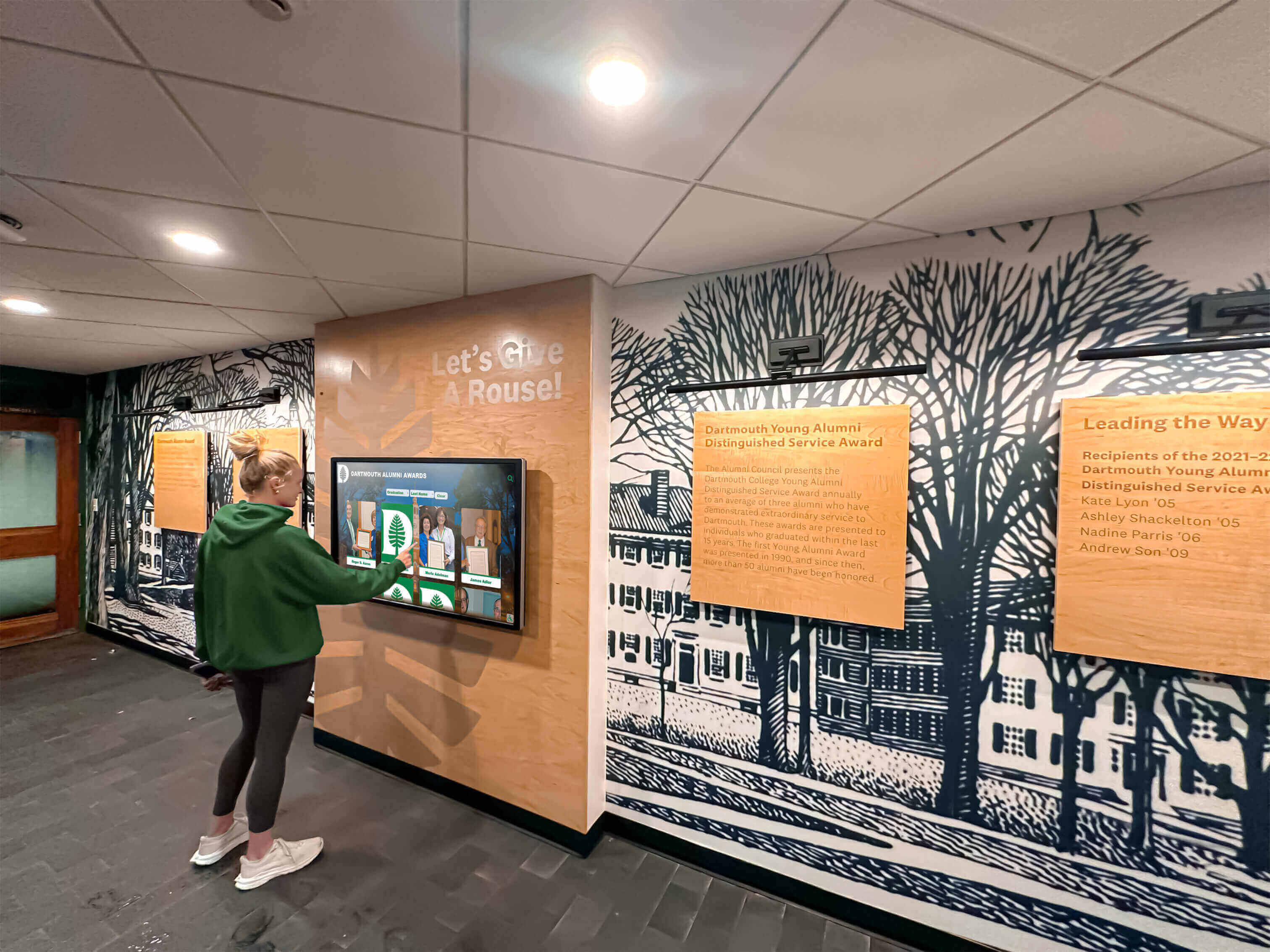
Interactive displays allow students to explore field day highlights and achievements, building anticipation for upcoming events
Competitive Recognition Approaches
Individual Achievement Awards When recognizing top performances, consider:
Multiple Award Categories Expand beyond just first place:
- First, second, third place recognition per event
- Age or grade-level subdivisions ensuring fairness
- Personal best improvement awards
- Participation milestone recognition (attended all years)
- Sportsmanship and character awards
Character and Effort Recognition Balance competitive awards with values-based celebration:
- Most improved participant awards
- Best sportsmanship recognition per event
- Encouragement awards for supporting peers
- Perseverance recognition for continuing despite difficulty
- Leadership awards for positive influence
Team Competition Structures Team-based recognition spreads success:
- House or color team point systems
- Grade level competitions keeping playing field level
- Cumulative scoring across multiple events
- Bonus points for participation rates
- Spirit and enthusiasm scoring components
Schools implementing comprehensive academic recognition programs find that field day provides balance by celebrating physical and social strengths alongside academic excellence.
Planning Timeline and Logistics
Successful field days require organized advance planning addressing key logistical elements.
Three-Month Planning Timeline
8-12 Weeks Before Field Day
- Form planning committee (PE teachers, administrators, parent volunteers)
- Set date and secure location (field, gym, outdoor spaces)
- Determine field day structure (rotation, grade-level waves, all-school)
- Budget development and fundraising if needed
- Initial volunteer recruitment announcements
6-8 Weeks Before
- Finalize activity list and station locations
- Order equipment, supplies, and materials
- Create volunteer job descriptions and assignments
- Develop rain date or indoor contingency plans
- Begin specific volunteer recruitment and training scheduling
4-6 Weeks Before
- Create detailed schedule including station rotations
- Print station instruction signs and scorecards
- Conduct volunteer training sessions
- Confirm medical coverage and emergency procedures
- Communicate details to families and community
2-4 Weeks Before
- Purchase food, drinks, and supplies
- Organize equipment and station materials
- Create student group assignments and rotation schedules
- Prepare recognition certificates and awards
- Conduct student education about expectations
Week Before
- Weather monitoring and decision communication
- Final volunteer confirmations and replacements
- Equipment inspection and setup preparation
- Student reminder assemblies or announcements
- Field preparation and marking if needed
Day Before and Day Of
- Setup including stations, signage, tables, tents
- Volunteer check-in and last-minute training
- Equipment distribution to stations
- Opening ceremony planning and execution
- Post-event cleanup and equipment storage
Resource and Equipment Planning
Essential Equipment Needs Basic field day supplies include:
Sports Equipment
- Balls (various sizes, types: soccer, basketball, football, softballs)
- Bean bags and soft throwing objects
- Cones and markers for boundaries and courses
- Jump ropes (individual and long ropes)
- Parachutes for group games
- Hula hoops various sizes
- Frisbees and flying discs
- Relay batons or alternatives
Station Infrastructure
- Pop-up tents or canopies for shade
- Tables and chairs for registration and activities
- Coolers for water and drinks
- First aid kits and ice packs
- Sound system for announcements
- Signage and station markers
- Clipboards and recording materials
- Whistles and timers
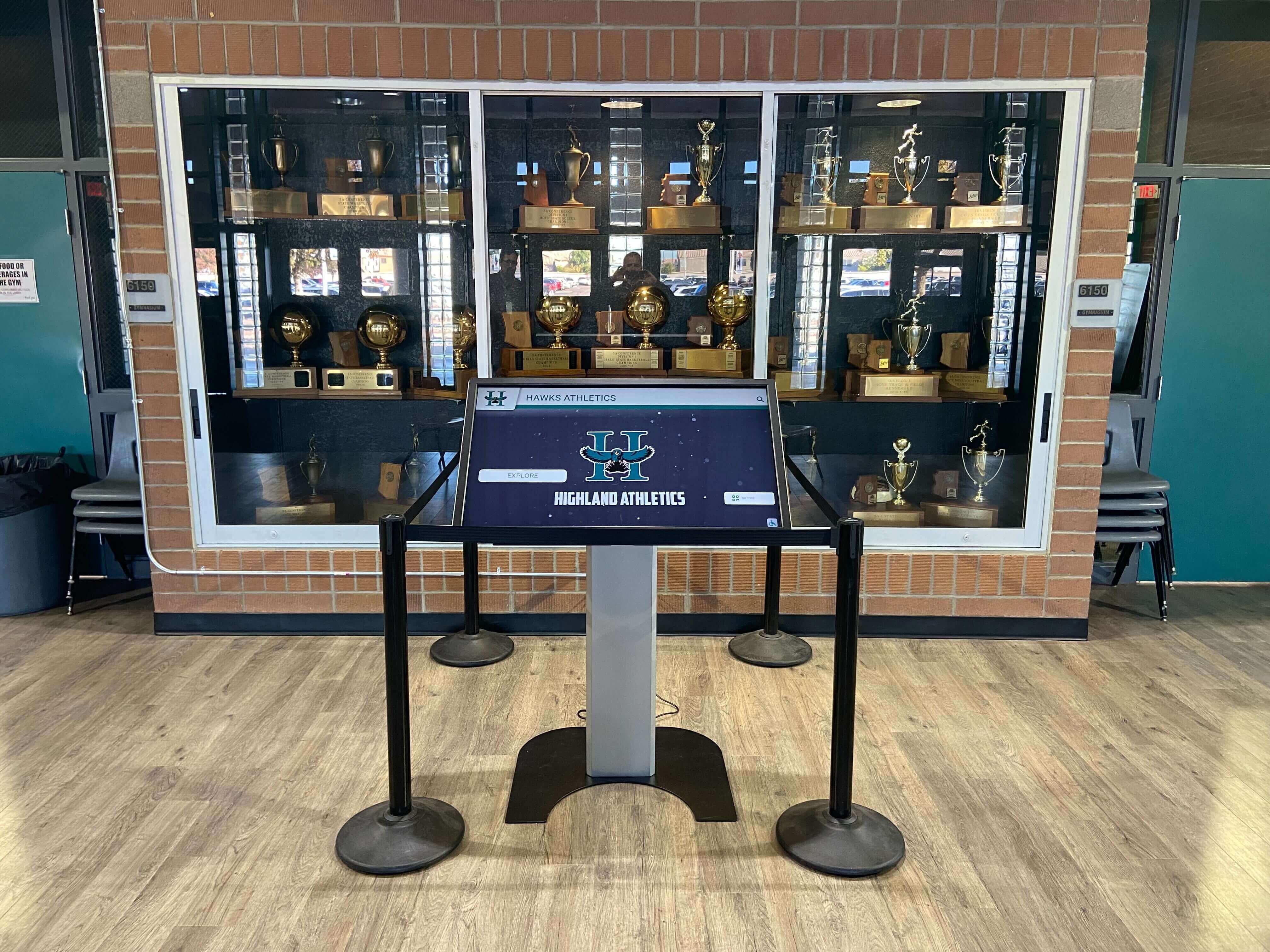
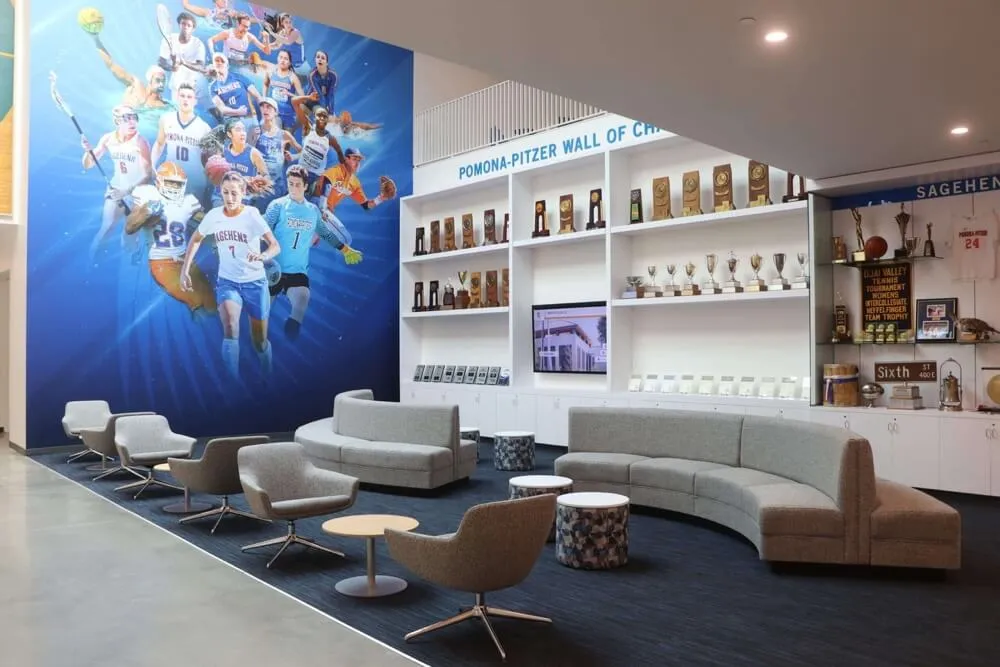
Digital kiosks integrate with traditional trophy displays, providing unlimited capacity to celebrate field day achievements
Safety and Medical Supplies
- Sunscreen (various SPF levels)
- First aid supplies (bandages, antiseptic, ice)
- Allergy medication access protocols
- Emergency contact information
- Walkie-talkies for staff communication
- Shaded rest areas with seating
- Water station supplies (cups, bottles, dispensers)
- Extra clothing for incidents
Optional Enhancement Items
- Face paint and temporary tattoos
- Music and speaker system
- Photo booth props and backdrop
- Prizes and giveaway items
- Spirit items (bandanas, wristbands)
- Decorations in school colors
- Digital displays showing schedules
Budget Considerations and Funding
Typical Field Day Costs Budget planning should account for:
Equipment and Supplies ($200-800)
- New equipment purchases replacing damaged items
- Consumables (water, sunscreen, medical supplies)
- Certificates and awards
- Signage and printing costs
- Decorations and spirit items
Food and Refreshments ($300-1500)
- Student water and healthy snacks
- Volunteer appreciation meals
- Ice for cooling stations
- Allergy-aware food options
- Adequate quantities for full attendance
Enhancement Expenses (Variable)
- DJ or music entertainment
- Photo booth or photography services
- Inflatable obstacle courses or rentals
- T-shirts or spirit items
- Professional first aid coverage
- Portable toilets if needed
Funding Sources
- School general fund allocations
- PTA or booster club support
- Local business sponsorships
- Fundraising events earlier in year
- Parent contributions for enhancements
- Grant funding for wellness programs
Creating Memorable Field Day Traditions
Long-lasting field day traditions strengthen school culture and create anticipation.
Signature School-Specific Activities
Unique Traditional Events Develop activities unique to your school:
School History Connections
- Events honoring school founders or significant figures
- Competitions named after beloved former teachers
- Activities reflecting school’s geographic location or community
- Traditions dating back decades preserved and celebrated
- Alumni involvement in special activities
Mascot Integration
- Mascot appearance and photo opportunities
- Mascot-themed activities and stations
- Color team assignments matching school colors
- Chants and cheers featuring mascot
- Costumes and spirit wear encouraged
Staff Participation Traditions
- Principal challenges (race against principal, dunk principal)
- Staff versus student competitions
- Teacher team participation in events
- Staff performing entertaining activities
- Administrators serving food or running stations
Schools implementing pep rally and spirit activities find that field day provides culminating celebration combining physical activity with school spirit and community pride.
Documentation and Memory Preservation
Creating Lasting Memories Preserve field day experiences for years:
Photography and Videography
- Designated photographers at each station
- Student volunteers with cameras or phones
- Professional photographer services
- Drone footage for comprehensive view
- Action shots and candid moments
Digital Memory Systems Modern technology preserves field day traditions permanently:
- Photo galleries accessible to families
- Video highlight reels edited post-event
- Social media albums and posts
- School website field day archives
- Year-to-year comparison galleries
Physical Memory Displays Traditional documentation remains valuable:
- Hallway display boards with photos
- Yearbook dedicated field day section
- Scrapbooks in library or commons
- Photo collages in gymnasium
- Historical display showing field day evolution
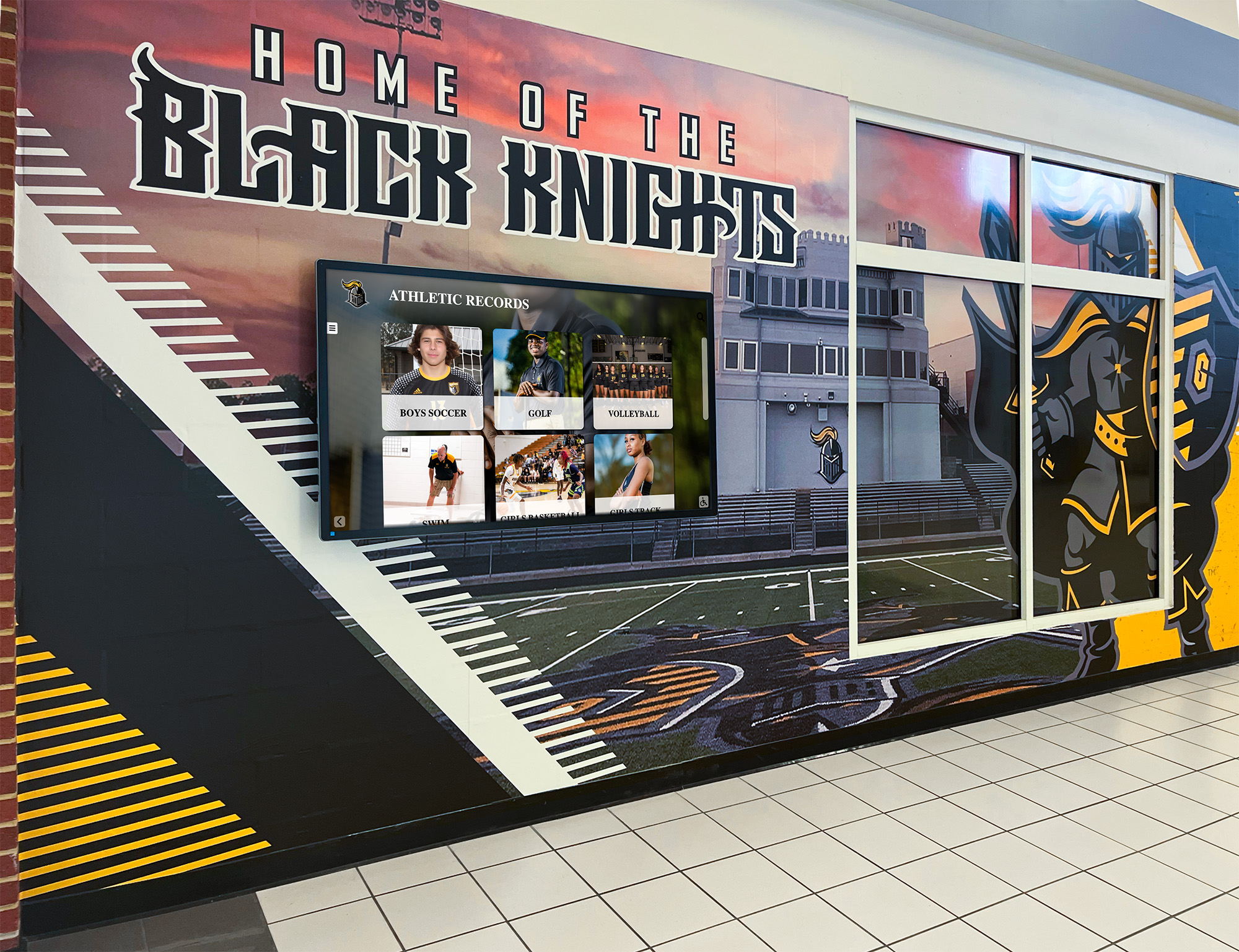
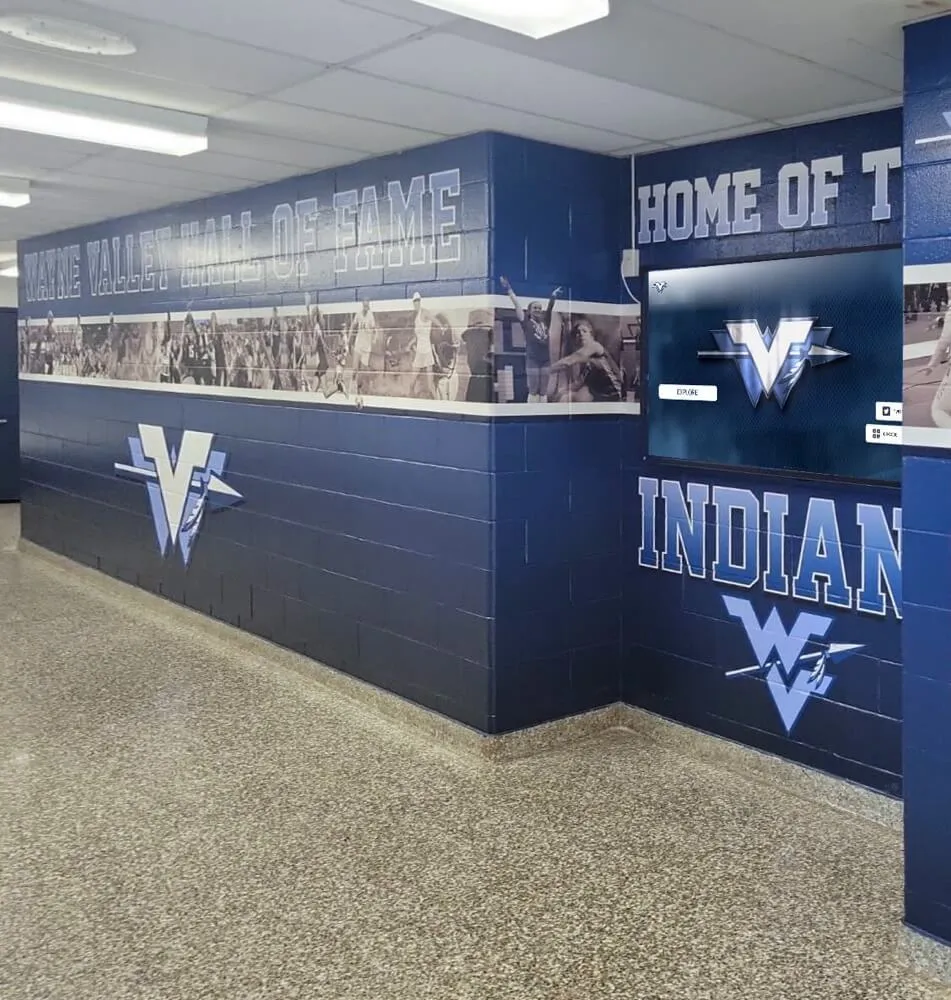
Hallway displays showcase field day records and memorable moments, creating visual traditions connecting current students to school history
Year-Over-Year Evolution
Continuous Improvement Processes Learn and enhance each year:
Post-Event Evaluation
- Staff debriefing identifying successes and challenges
- Volunteer feedback surveys
- Student and family input collection
- Attendance and participation data analysis
- Budget reconciliation and financial review
Documentation for Future Planning
- Detailed planning documents preservation
- Volunteer job descriptions and training materials
- Activity instructions and modification notes
- Equipment inventory and replacement needs
- “Lessons learned” documentation
Innovation and Freshness Balance tradition with new elements:
- Add 1-2 new activities annually
- Rotate out less popular stations
- Update based on student interest surveys
- Incorporate trending activities or themes
- Maintain core traditions while refreshing presentation
Connecting Field Day to Broader School Recognition
Field day provides opportunities for systematic recognition within comprehensive school culture.
Integration with Recognition Programs
Year-Round Athletic Recognition Field day participation fits within broader athletic celebration:
Digital Recognition Display Integration Solutions like Rocket Alumni Solutions connect field day to comprehensive recognition:
- Field day records and achievements showcased
- Historical field day documentation preserved
- Photo galleries from each year’s event
- Participation tracking across student careers
- Connection between field day and competitive athletics
Recognition System Components
- Participation certificates displayed digitally
- Individual achievement records maintained
- Team competition results archived
- Spirit and character award recipients featured
- Year-to-year comparison capabilities
Schools implementing sports end-of-year awards programs find that field day provides perfect opportunity to recognize students who might not participate in competitive athletics but contribute to physical education and wellness culture.
Building School Pride Through Celebration
Field Day as Pride Builder Strategic field day planning strengthens institutional culture:
Visual Pride Elements
- School color decorations throughout venues
- Banners and signage celebrating school identity
- Team assignments using school houses or traditions
- Photo displays showing field day history
- Recognition of past field day champions
Community Building Impact
- Families attending creating school community gathering
- Alumni returning to participate or volunteer
- Local community member involvement
- Media coverage showcasing school positively
- Social media engagement extending reach
Connection to School Values Frame field day within institutional mission:
- Sportsmanship demonstrating school character values
- Inclusion reflecting equity commitments
- Participation emphasis over pure competition
- Physical wellness and health promotion
- Joy and positive memory creation
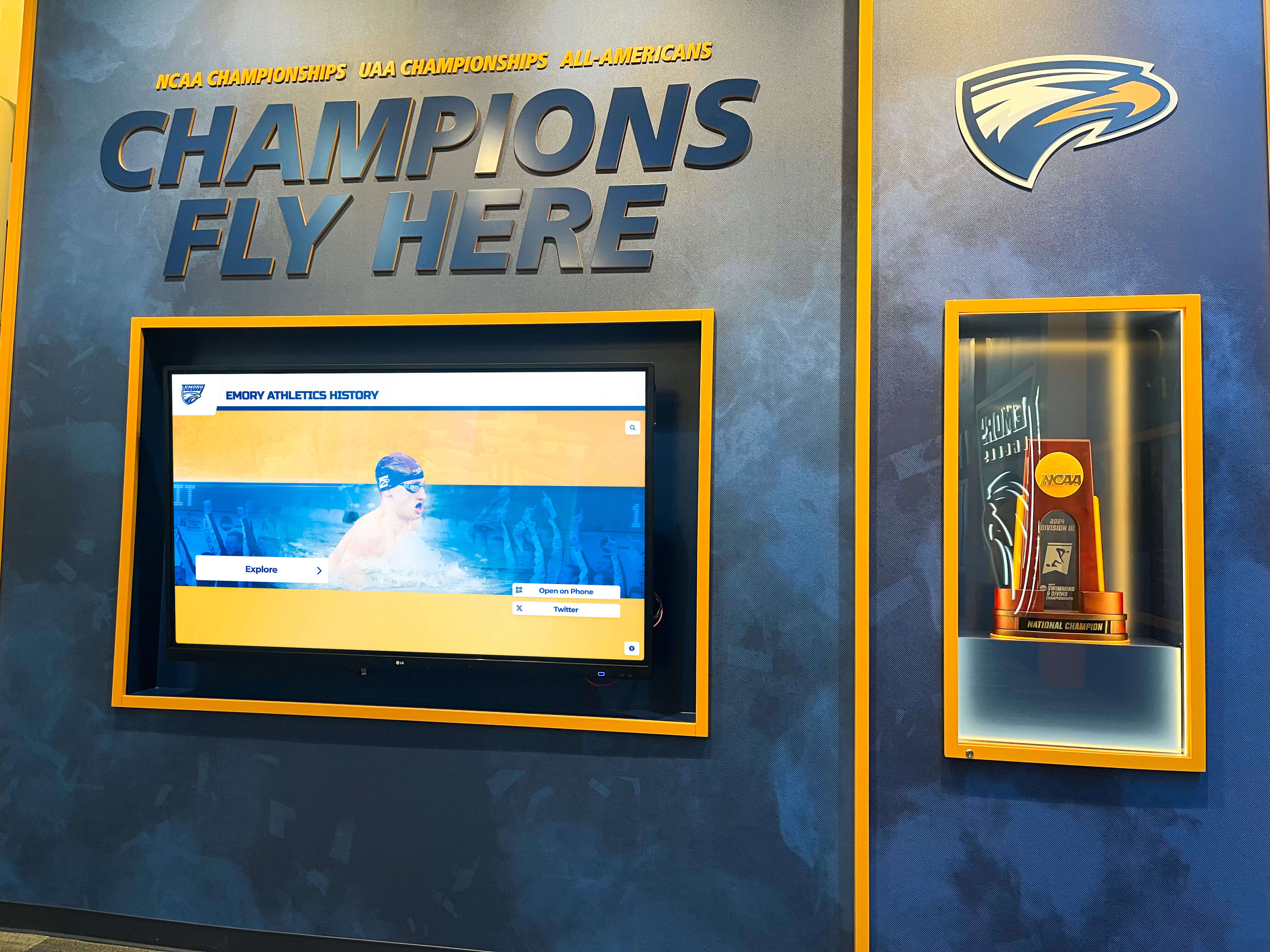
Championship displays honor field day team winners alongside competitive sports achievements, creating comprehensive athletic recognition
Weather Contingencies and Problem-Solving
Every field day plan requires backup options addressing potential challenges.
Rain Date and Indoor Alternatives
Weather Decision Protocols Establish clear weather decision processes:
Advance Planning
- Rain date selected during initial planning
- Weather monitoring 5-7 days before event
- Decision timeline (make call 24 hours advance)
- Communication plan notifying all stakeholders
- Postponement versus cancellation criteria
Indoor Field Day Modifications Adapt activities for gymnasium or cafeteria:
- Station-based rotations in available spaces
- Activities requiring less running room
- Modified rules for limited space
- Increased supervision for confined areas
- Emphasis on skill challenges over races
Partial Outdoor Options When weather is uncertain:
- Split schedule between indoor and covered outdoor areas
- Tent coverage for critical stations
- Quick-moving activities minimizing exposure
- Shortened event timeline completing earlier
- Ready retreat to indoor spaces if needed
Common Challenges and Solutions
Student Behavior and Participation Issues
Challenge: Students refusing to participate
- Solutions: Offer alternative roles (scorer, photographer, cheerleader), provide less physically demanding stations, pair with supportive buddy, focus on fun over competition
Challenge: Overly competitive behavior or poor sportsmanship
- Solutions: Clear expectations set beforehand, immediate positive reinforcement of good sportsmanship, sportsmanship awards, adult monitoring and intervention, refocus on fun and participation
Challenge: Exclusion or teasing
- Solutions: Adult supervision at all stations, pre-teaching inclusion expectations, assigned teams preventing exclusion, intervention protocols, celebration of diverse contributions
Logistical Issues
Challenge: Insufficient volunteers
- Solutions: Recruit high school students for community service hours, combine stations reducing coverage needs, paid substitute coverage for critical roles, simplified activities requiring less supervision
Challenge: Equipment shortages or failures
- Solutions: Equipment inventory and backup supplies, emergency fund for replacements, simplified rules using available equipment, alternative activities requiring minimal equipment
Challenge: Medical or safety incidents
- Solutions: Trained first aid responders, shaded rest areas, proactive hydration breaks, emergency protocols practiced in advance, clear communication systems
Field Day Best Practices from Successful Schools
Learn from schools consistently implementing excellent field day events.
Elementary School Success Models
Station Rotation System Many successful elementary field days use:
- 8-12 activity stations around campus
- 15-minute rotations with 5-minute transitions
- Color-coded maps helping students find locations
- Adult volunteers stationed at each activity
- Staggered start times by grade level
All-Grade Buddy System Some schools pair grade levels:
- Older students (4-5) paired with younger (K-1)
- Responsibility and leadership for older students
- Support and encouragement for younger students
- Cross-age community building
- Upper grade investment in younger success
Theme Integration Annual themes create coherence and excitement:
- Olympiad (international games theme)
- Superhero training (stations as powers development)
- Space exploration (stations as planets)
- Carnival or circus themes
- Environmental or nature themes
Middle School Excellence Examples
House System Competition Middle school field days often employ:
- School divided into 4-6 houses or color teams
- Points accumulated across all activities
- Team pride and identity development
- Leadership roles for team captains
- Culminating ceremony announcing winning house
Student Leadership Teams Older students plan and execute:
- Student committee planning activities
- Peer leaders running stations
- Student DJ or announcer roles
- Photography and media team
- Recognition ceremony student hosts
Community Service Integration Some schools connect field day to giving back:
- Food drive competition (donations for points)
- Service project stations alongside games
- Fundraising for chosen cause
- Alumni fundraiser sponsoring field day
- Community partnerships providing support
Schools implementing comprehensive school culture programs find that field day provides culminating celebration reinforcing positive culture built throughout the year.
Conclusion: Creating Memorable Celebrations of Participation
Field day represents far more than random games filling end-of-year time—when planned thoughtfully, it becomes signature school tradition celebrating participation, building community, and creating positive memories students carry for years. The most successful field days balance competitive elements motivating athletic students with inclusive activities ensuring everyone finds joy and success, systematic recognition celebrating diverse contributions rather than just championship performance.
By implementing the 30+ activity ideas explored in this guide—from classic relay races to creative team challenges, from individual skill stations to cooperative group games—schools create comprehensive field day experiences engaging students across all interests and ability levels. Strategic planning addressing logistics, safety, inclusion, and recognition transforms field day from obligatory event to beloved tradition strengthening school culture and community pride.
The recognition systems schools implement for field day matter tremendously. Moving beyond simple participation ribbons toward comprehensive celebration of achievement, improvement, character, and contribution creates environments where all students feel valued. Digital recognition displays preserve field day memories permanently while connecting current events to school traditions spanning decades.
Your students deserve field day celebrations reflecting the effort, planning, and enthusiasm that makes these events genuinely memorable rather than perfunctory. With appropriate activity selection, inclusive participation structures, and recognition systems celebrating diverse contributions, you create field day traditions that students anticipate eagerly, remember fondly, and eventually return to share with their own children.
Ready to enhance how your school celebrates field day achievements and preserves these important traditions? Explore how digital recognition displays provide unlimited capacity to showcase field day winners, participants, and memorable moments while building school pride through systematic visibility of what your community celebrates most.
Preserve Your Field Day Traditions Digitally
Discover how digital recognition displays transform field day celebration from single-day events to year-round pride builders. Showcase unlimited field day achievements, preserve photo galleries from each year's event, and create searchable archives connecting current students to decades of school traditions. See how schools nationwide use modern recognition technology to honor participation while building authentic school pride.
Book A Demo