



The final weeks of the school year bring a special opportunity to celebrate student growth, recognize achievements, and send young people into summer with renewed confidence and pride. End of the year awards for students represent more than ceremonial gestures—these recognition moments validate effort, acknowledge progress, and create positive memories that influence how students view themselves as learners long after the school year ends.
Yet many teachers struggle with award selections that feel both meaningful and inclusive. Generic “participation” certificates ring hollow, while overly competitive awards can inadvertently discourage students who worked hard but didn’t finish first. The most effective end-of-year recognition systems balance celebrating exceptional achievement with acknowledging diverse strengths, ensuring every student receives meaningful recognition for their unique contributions and growth.
This comprehensive guide explores recognition ideas that teachers consistently find valuable—awards that students genuinely treasure, approaches that build confidence across all achievement levels, and creative presentation methods that maximize the impact of year-end celebration. Whether you’re planning classroom recognition or school-wide award ceremonies, these strategies help create memorable moments that inspire continued growth and achievement.
End-of-year recognition done thoughtfully strengthens student motivation, reinforces positive behaviors and academic habits, builds classroom community, and creates closure that helps students transition into summer feeling accomplished and valued. The key lies in designing award systems that celebrate both absolute achievement and individual growth, ensuring recognition reaches students across all performance levels.

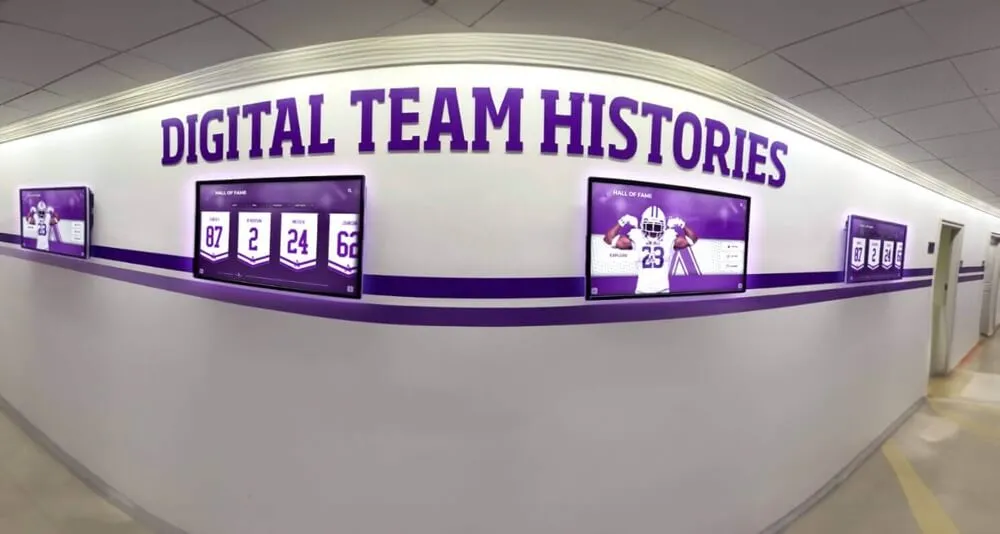
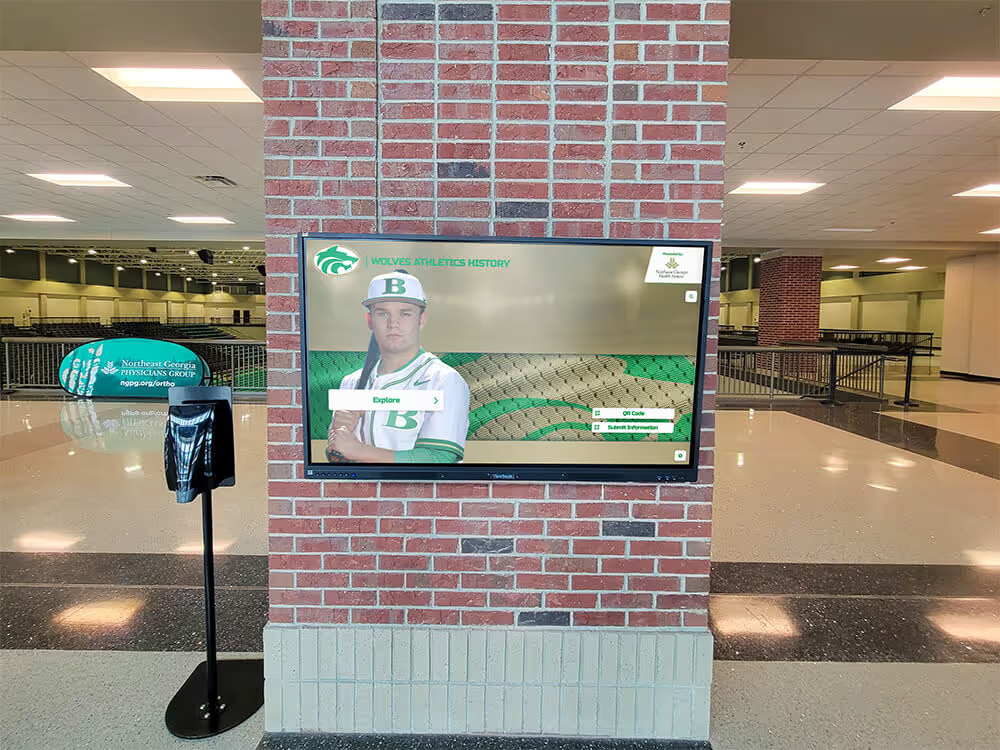
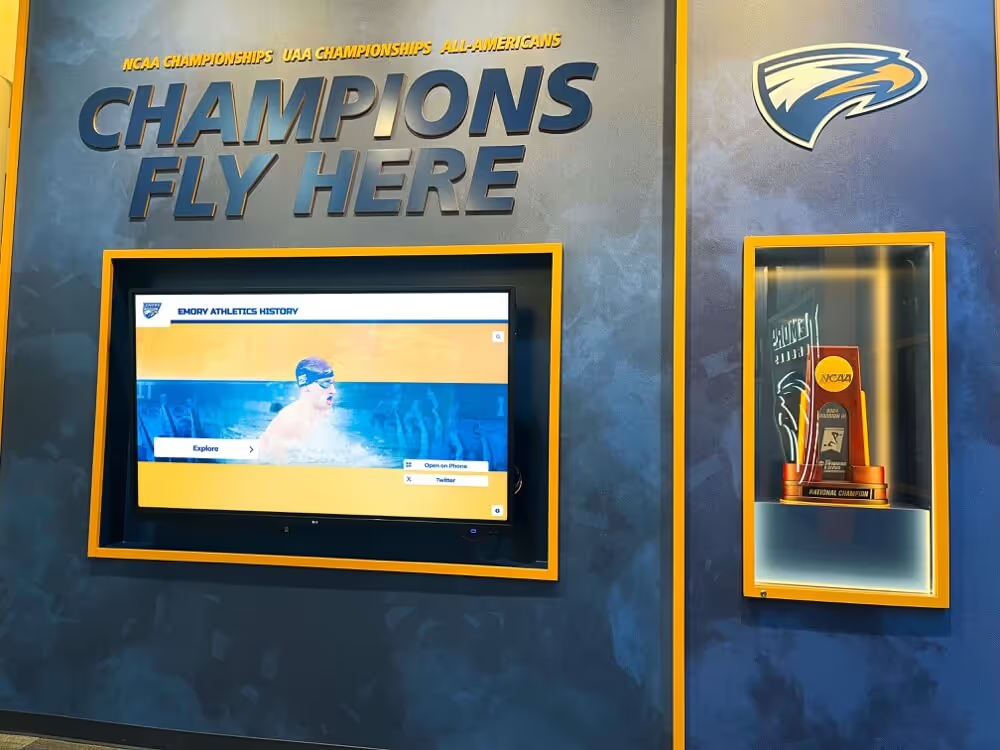
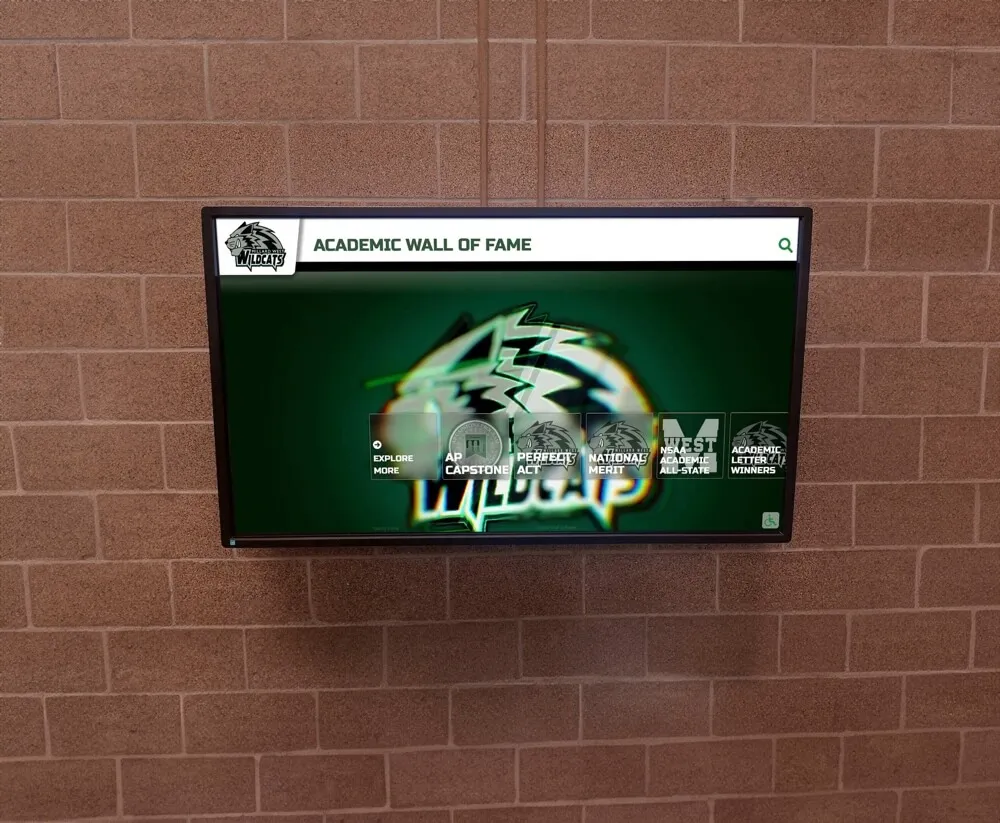
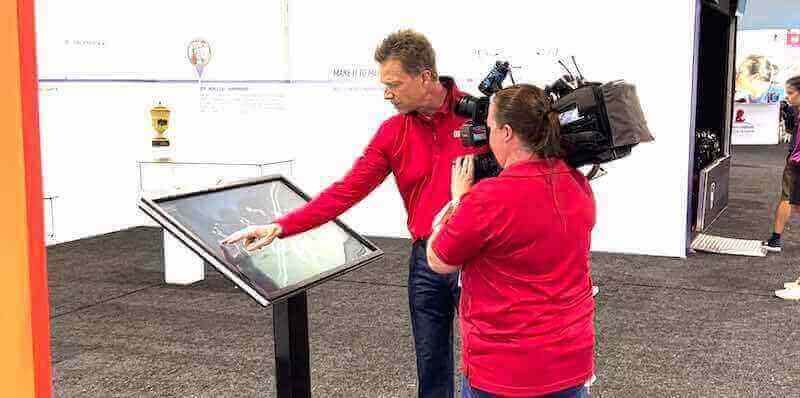
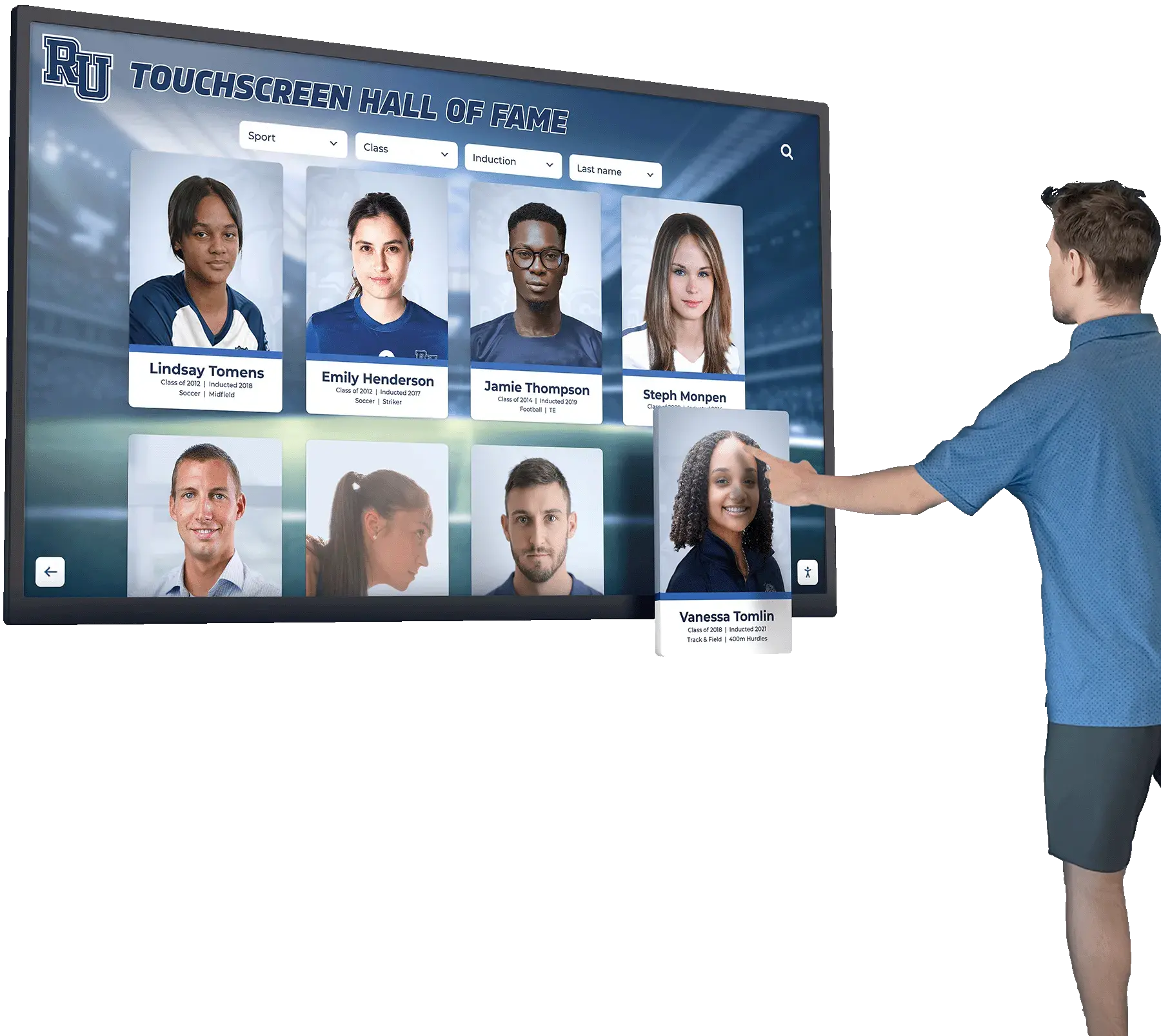
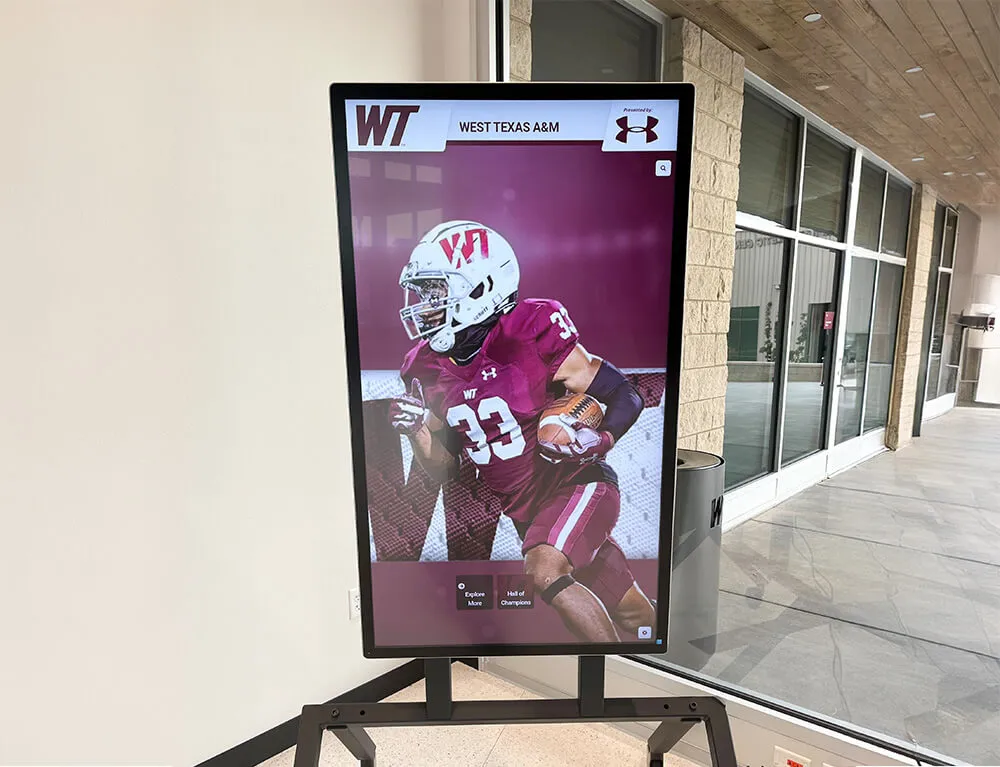
Modern recognition displays celebrate individual student achievements with detailed profiles and accomplishment documentation
Why End of Year Awards Matter for Students
Before exploring specific award ideas, understanding the developmental and motivational importance of recognition helps teachers design systems that genuinely impact students.
The Psychology of Student Recognition
Research in educational psychology consistently demonstrates that recognition influences student motivation, self-concept, and future achievement orientation when implemented thoughtfully:
Building Academic Self-Efficacy
Students who receive specific, meaningful recognition for their efforts develop stronger beliefs in their capability to succeed academically. Awards that acknowledge particular strengths or improvements help students identify areas where their efforts produced results, reinforcing the connection between work and achievement that drives continued motivation.
Unlike generic praise that students sometimes discount as insincere, concrete recognition through formal awards carries weight that students internalize more deeply. The public nature of award ceremonies signals to students that their school community values and notices their contributions.
Creating Positive Year-End Closure
The final days of school often feel rushed and chaotic, with students distracted by upcoming summer plans. Structured recognition ceremonies provide meaningful closure to the academic year, helping students reflect on growth rather than simply racing toward the exit.
Students who leave school feeling recognized and valued maintain more positive associations with learning and school community throughout summer, influencing their mindset and readiness when the next school year begins.
Influencing Future Goal-Setting
Awards that specifically identify student strengths give young people concrete information about areas where they excel, influencing how they think about themselves and set future goals. A student who receives recognition for creative writing may pursue additional writing opportunities, while one acknowledged for collaborative leadership might seek team-based activities.

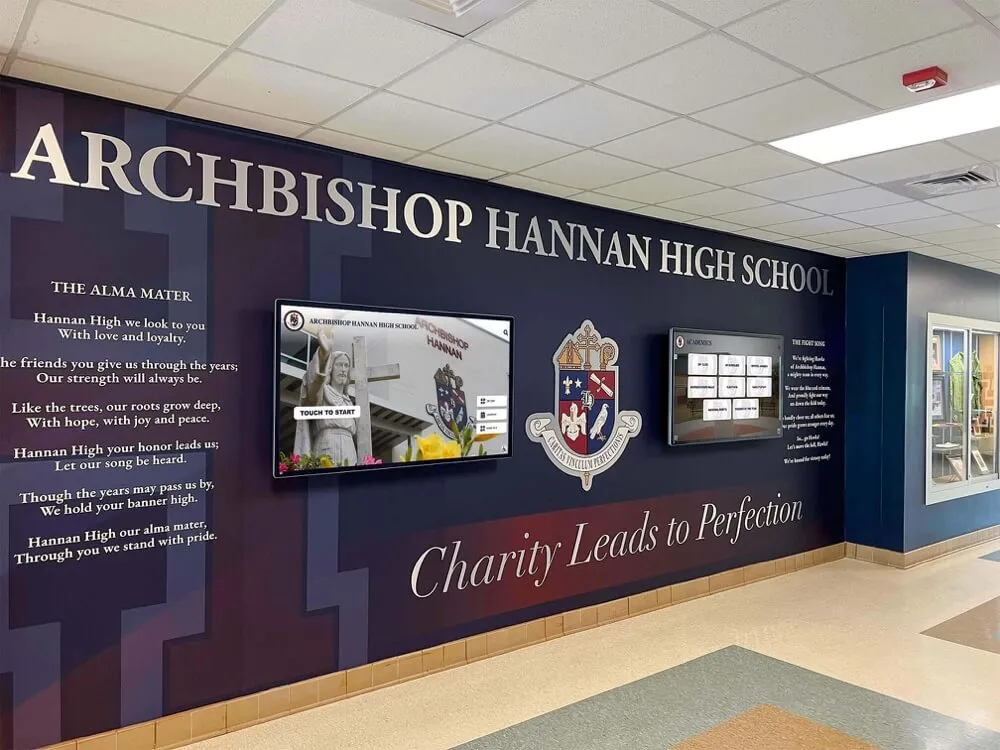
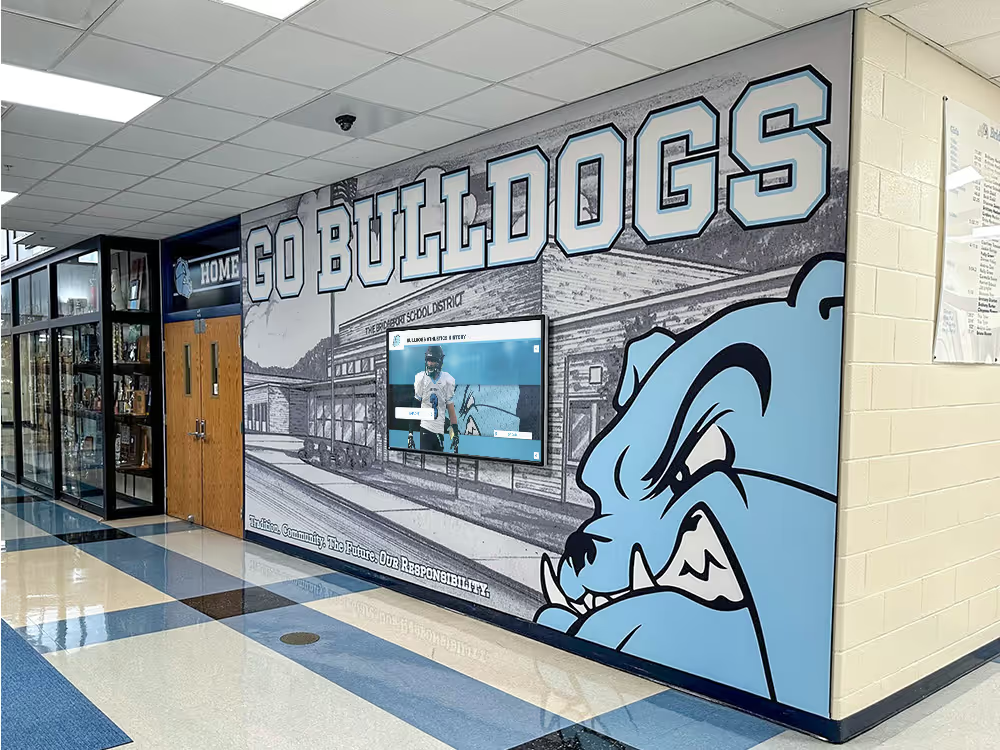
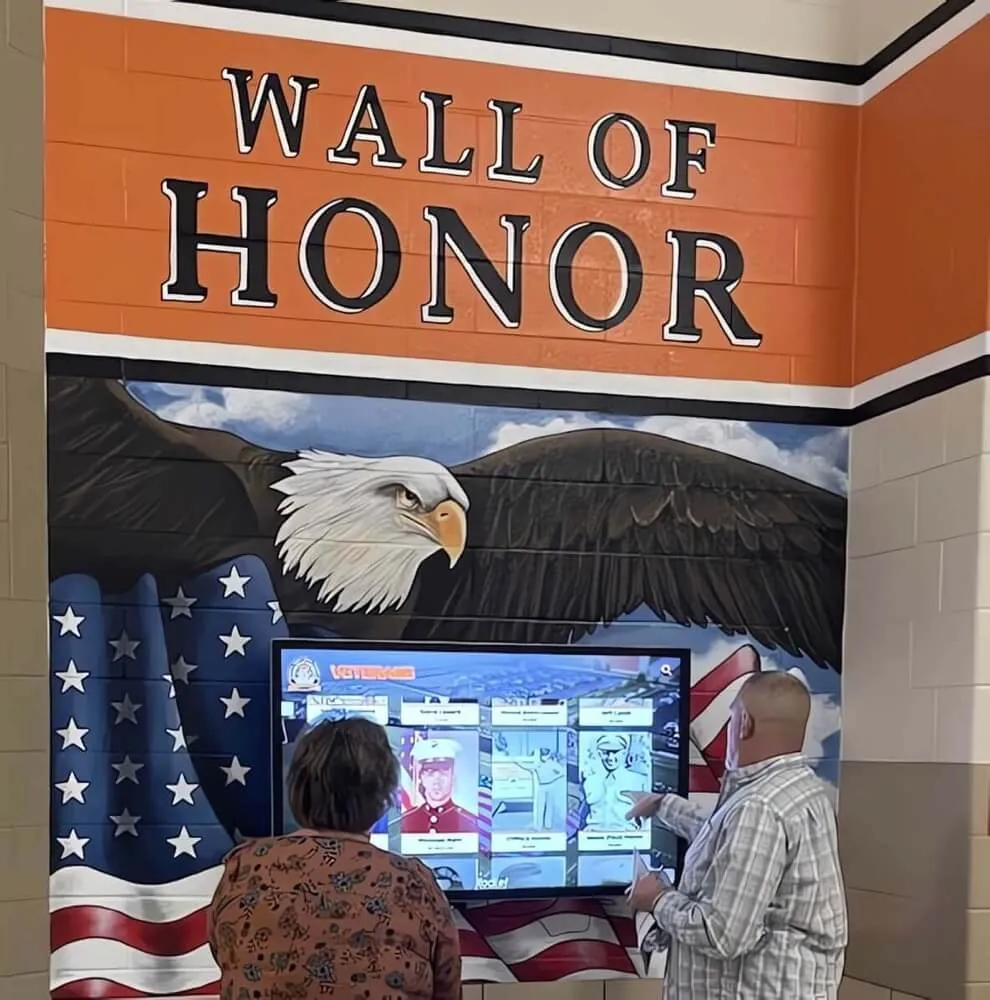
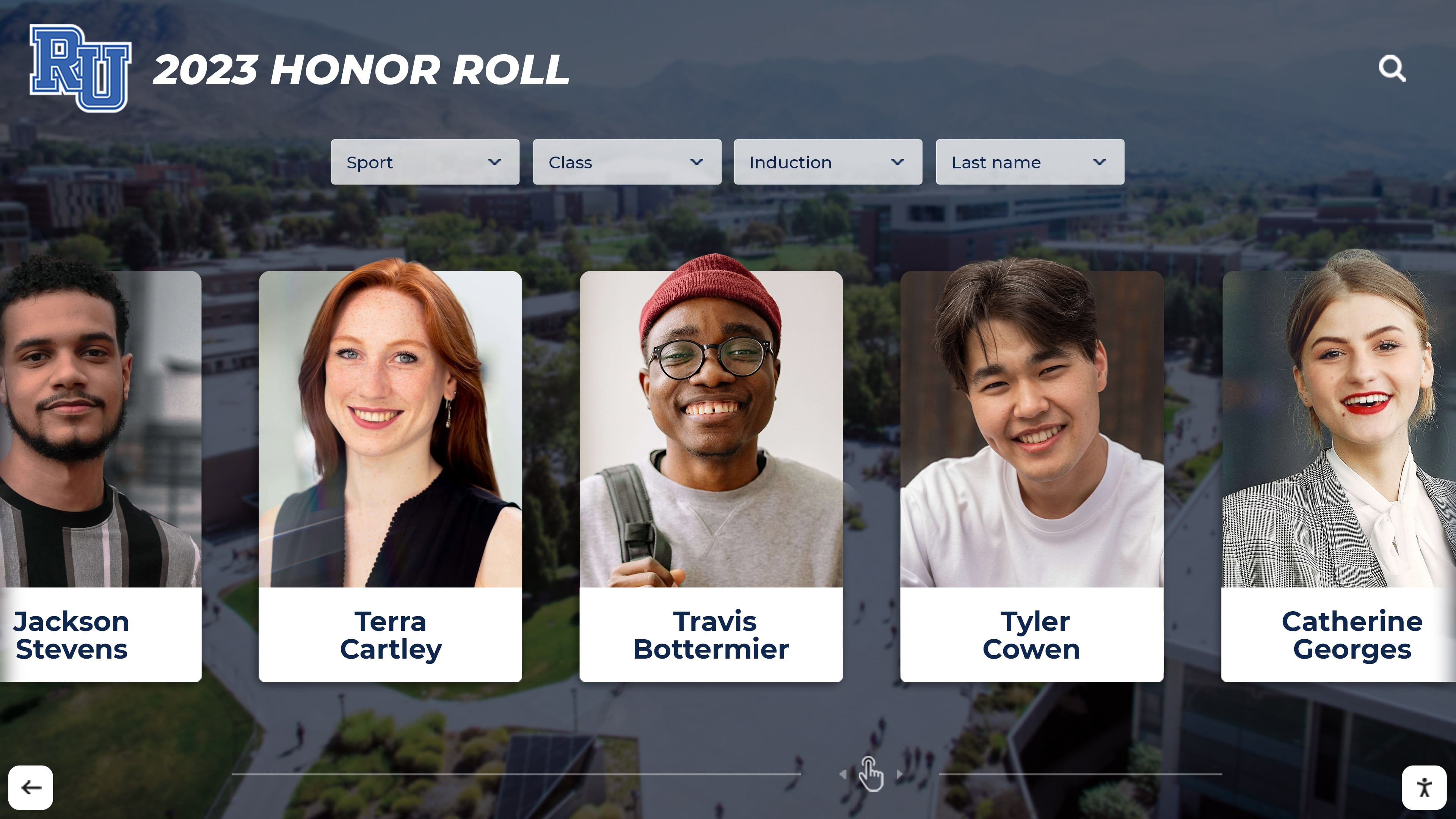
Recognition displays enable students to explore and share their achievements with peers and families
Balancing Competition with Inclusion
One of the most challenging aspects of end-of-year recognition involves celebrating excellence without making students who struggled feel excluded or diminished:
The Problem with “Only Top Performer” Models
Traditional approaches that exclusively recognize highest achievers—top GPA, best test scores, most books read—motivate students already positioned to succeed while potentially discouraging others. Students who worked incredibly hard to improve from failing to passing receive no recognition in systems that only acknowledge those who achieved the highest results.
Multi-Dimensional Recognition Frameworks
Effective academic recognition programs create multiple recognition pathways celebrating different types of achievement:
- Absolute achievement awards for students reaching highest performance levels
- Growth and improvement recognition for students showing significant progress from baseline
- Character and citizenship awards acknowledging positive behavior and community contribution
- Subject-specific excellence recognizing strength in particular academic areas
- Effort and persistence honors celebrating consistent work ethic regardless of outcome
- Creative and unique strength acknowledgment for distinctive talents and contributions
This multi-dimensional approach ensures that recognition opportunities exist for students across all achievement levels while maintaining meaningful distinctions that validate exceptional performance.
Categories of End-of-Year Awards That Work
Successful recognition systems typically include awards across several categories, ensuring diverse student strengths receive acknowledgment.
Academic Achievement Awards
Academic recognition remains central to school-based award systems, though implementation approaches significantly affect impact:
Subject Excellence Awards
Recognizing outstanding achievement in specific academic areas:
- Mathematics excellence and problem-solving achievement
- Reading comprehension and literacy growth
- Science inquiry and experimental design
- Writing excellence across genres
- Social studies research and critical thinking
- Foreign language proficiency and cultural understanding
Most Improved Academic Recognition
Growth-focused awards that motivate students at all starting points:
- Most improved reading level (measured by standardized assessments)
- Greatest mathematics advancement (demonstrating grade-level progress)
- Writing development from beginning to end of year
- Subject-specific improvement in previously challenging areas
These improvement awards prove particularly powerful for students who began the year significantly behind grade level. A student who progressed from second-grade reading level to fourth-grade level in a single year accomplished remarkable growth deserving celebration—even though they may not yet be performing at grade level.
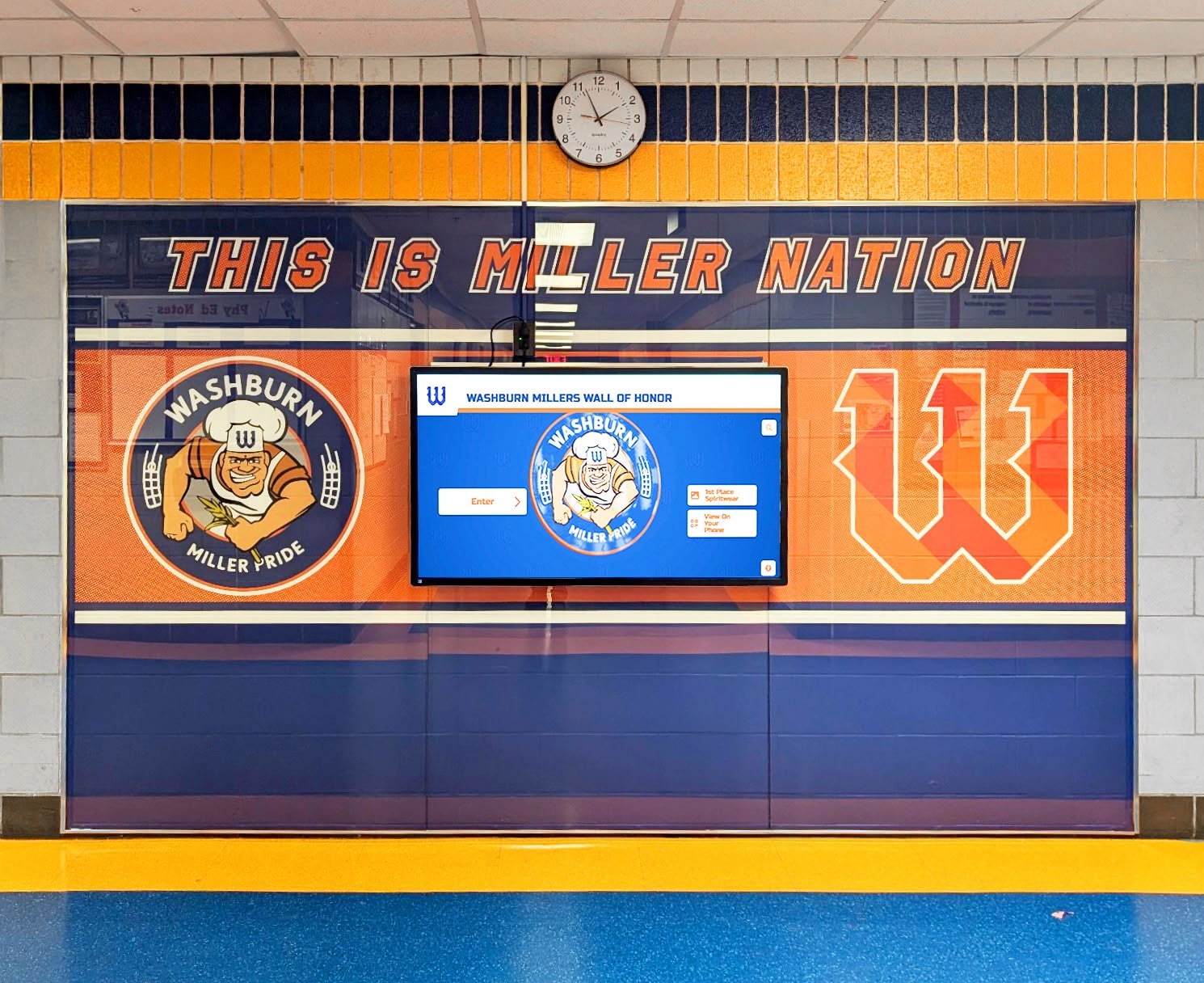
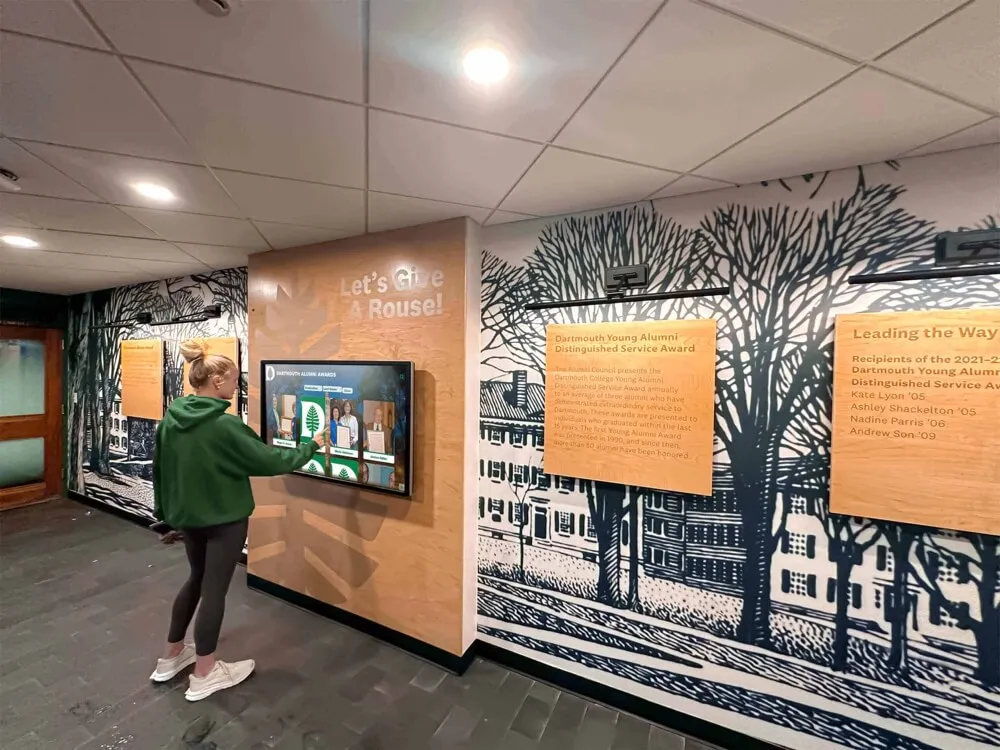
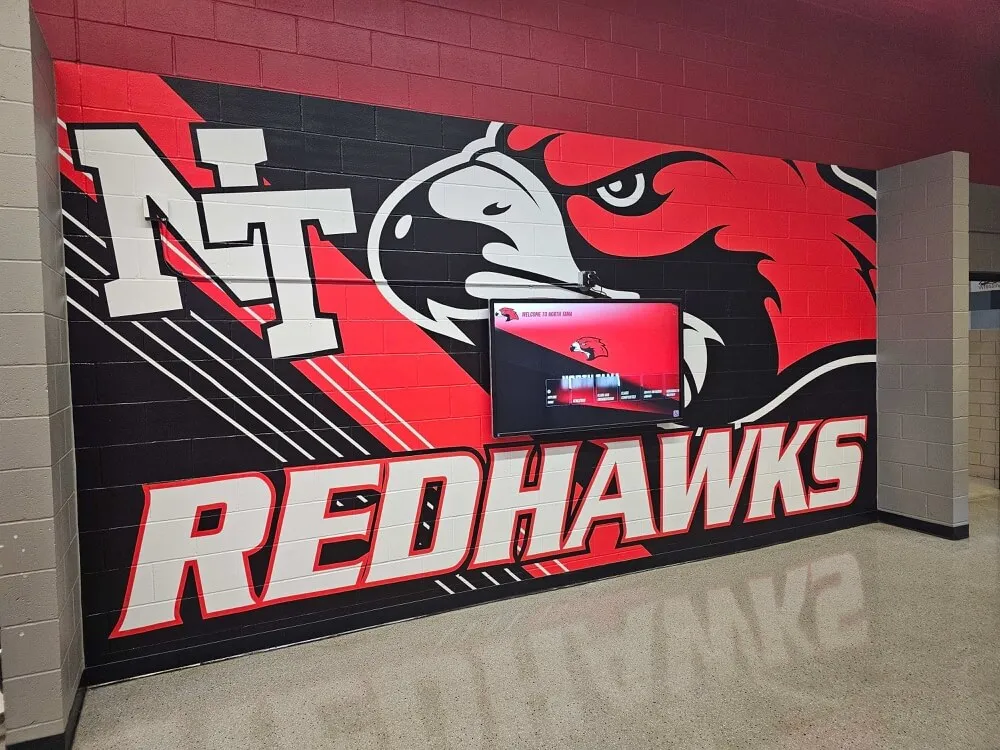
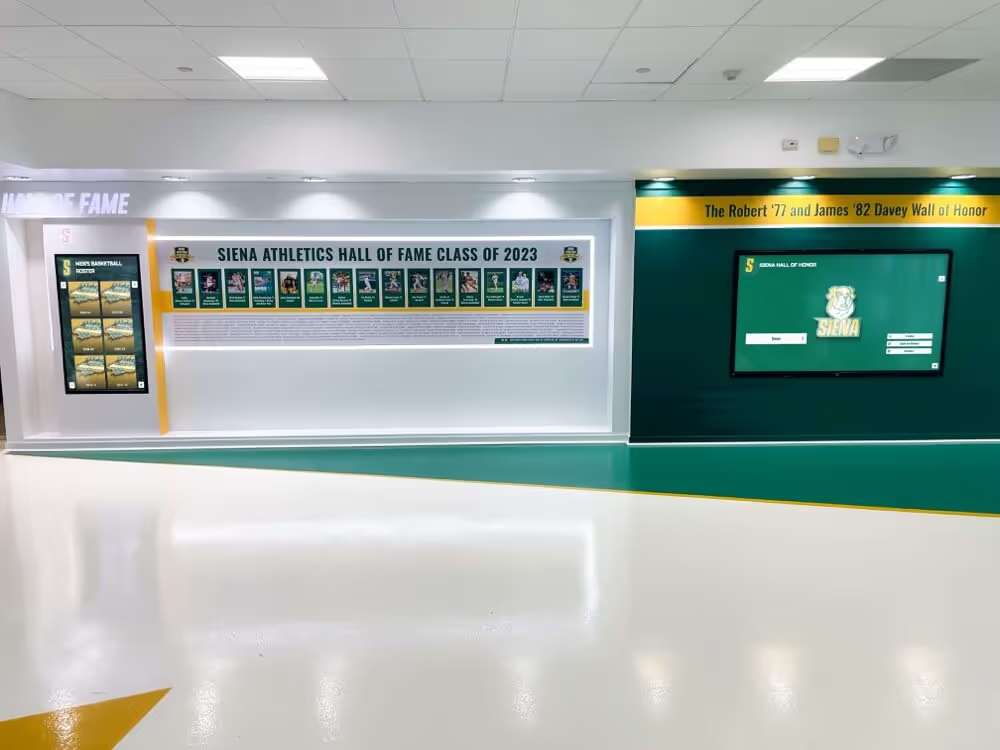
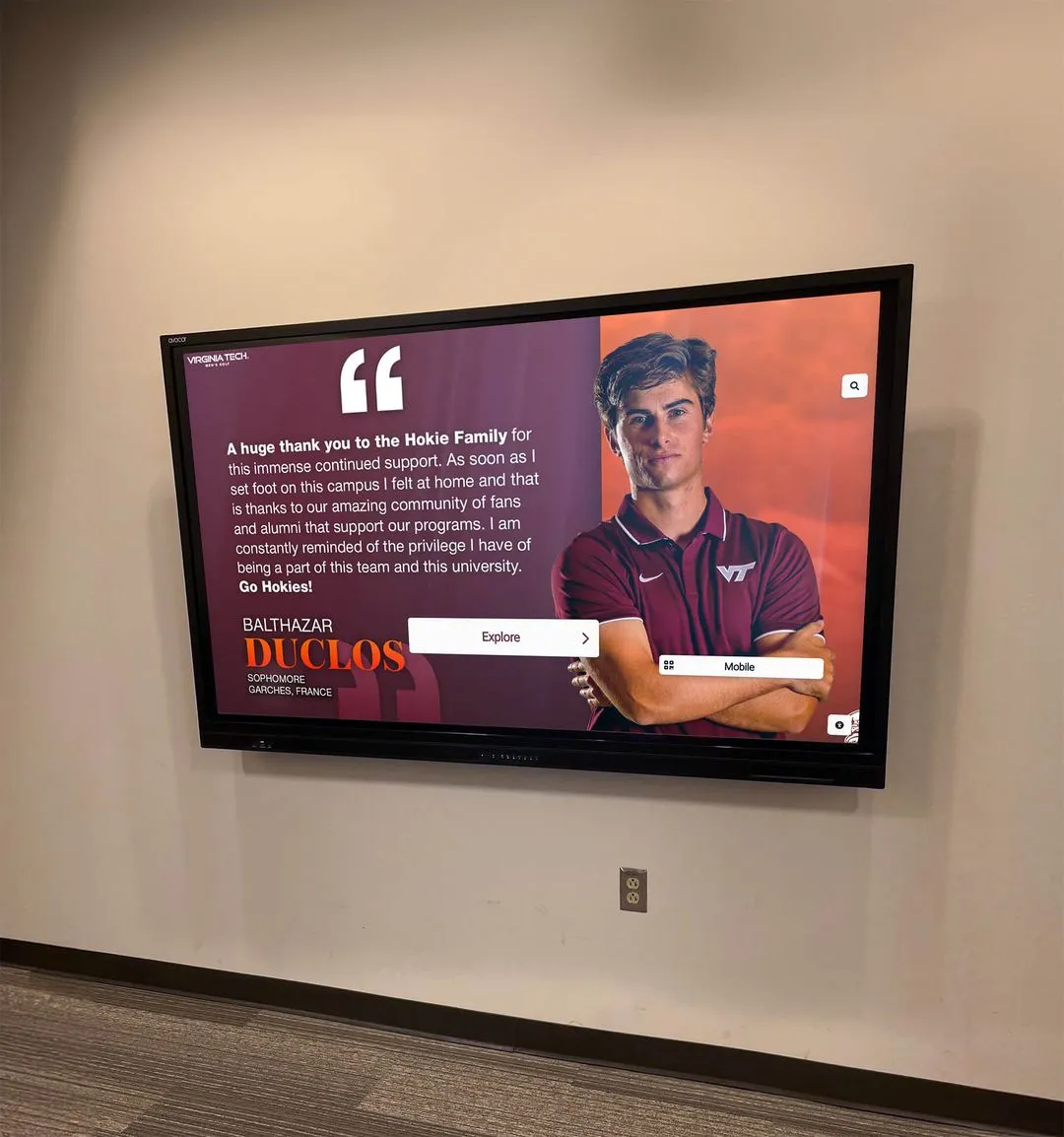
Hallway displays ensure award recipients receive ongoing visibility and recognition beyond ceremony day
Honor Roll and GPA Recognition
Grade-point recognition provides standardized acknowledgment across multiple subjects. Schools implementing comprehensive honor roll display systems find that public recognition motivates consistent academic effort while creating school-wide culture valuing achievement.
Common honor roll structures include:
- Principal’s Honor Roll (4.0 GPA)
- Honor Roll (3.5+ GPA)
- Merit Roll (3.0+ GPA)
Perfect Attendance Academic Recognition
While controversial due to equity concerns around student health and family circumstances, attendance awards remain common in many schools. When implemented, these should acknowledge consistent presence that demonstrates commitment to learning rather than penalizing students for occasional illness or necessary absences.
Character and Citizenship Awards
Non-academic recognition celebrates personal qualities that contribute to positive classroom and school culture:
Citizenship and Community Contribution
- Outstanding classroom citizenship
- Peer helper and collaborative spirit
- Positive attitude and encouragement of others
- Community service and volunteer leadership
- Respect and inclusion champion
Character Trait Recognition
Awards aligned with school values:
- Integrity and honesty
- Perseverance through challenges
- Responsibility and reliability
- Kindness and compassion
- Leadership and initiative
Anti-Bullying and Inclusivity Champions
Recognizing students who actively create welcoming, safe environments:
- Upstander recognition for intervening in bullying situations
- Inclusion awards for students who ensure no one is left out
- Peer mediation and conflict resolution excellence
These character awards often mean more to families than academic recognition, as they validate the values parents work to instill at home.
Creative and Specialized Talent Awards
Celebrating strengths in areas beyond traditional academics:
Arts Achievement Recognition
- Visual arts creativity and technical excellence
- Musical performance and growth
- Dramatic arts and theater participation
- Creative writing and storytelling
- Dance and movement expression
Athletic and Physical Education Excellence
- Sportsmanship and team spirit
- Most improved athletic skills
- Physical fitness achievement
- Dedication to team sports or individual athletics
- Coaching and peer instruction in PE
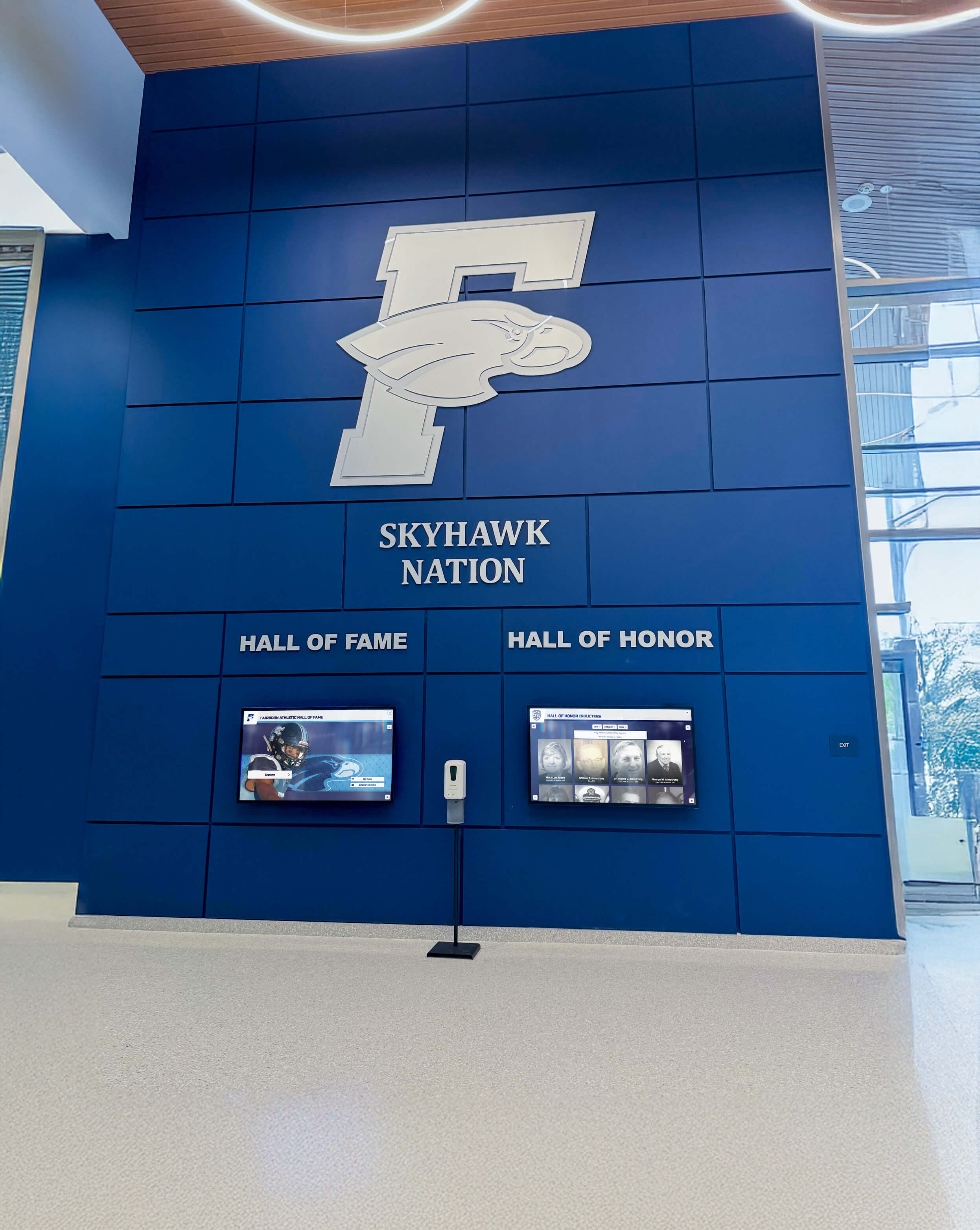
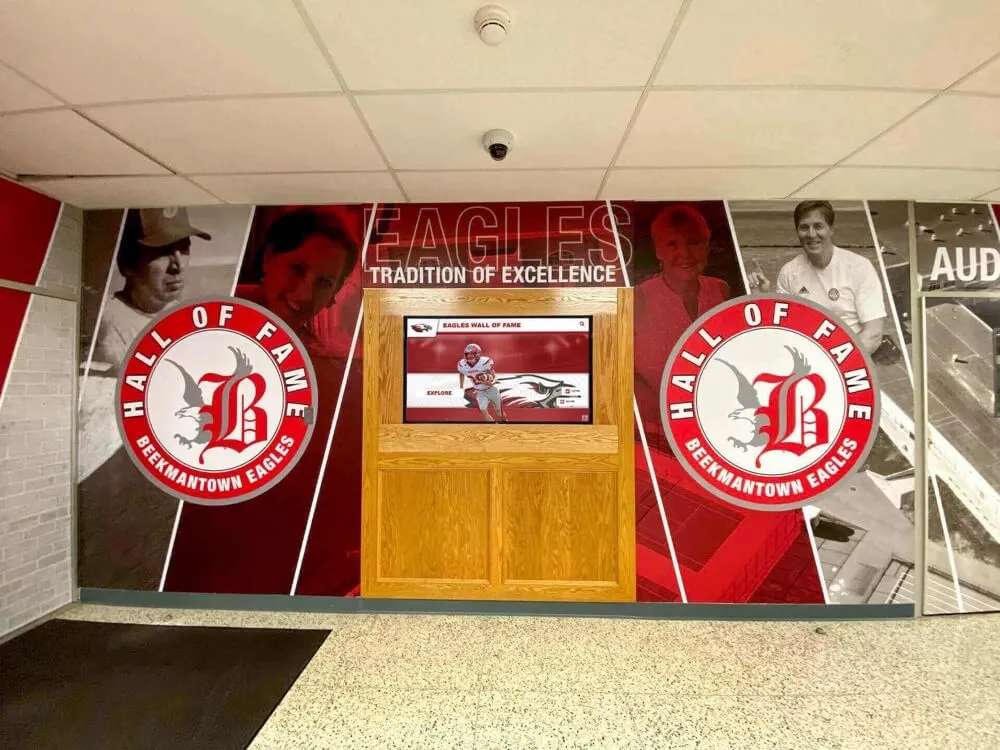
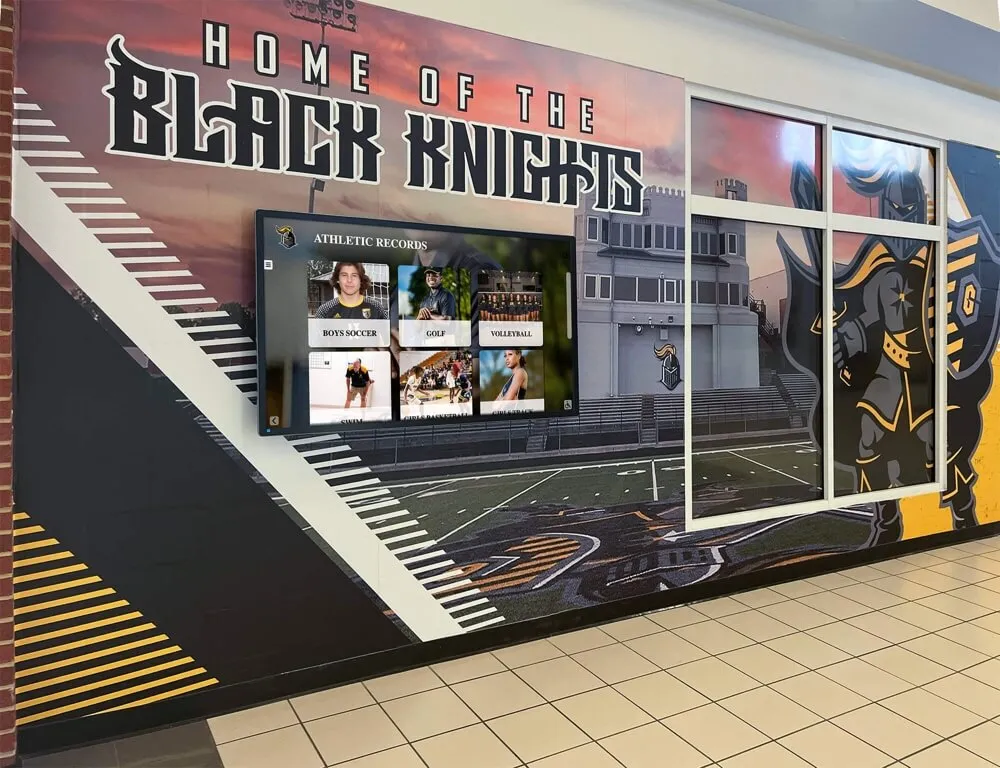
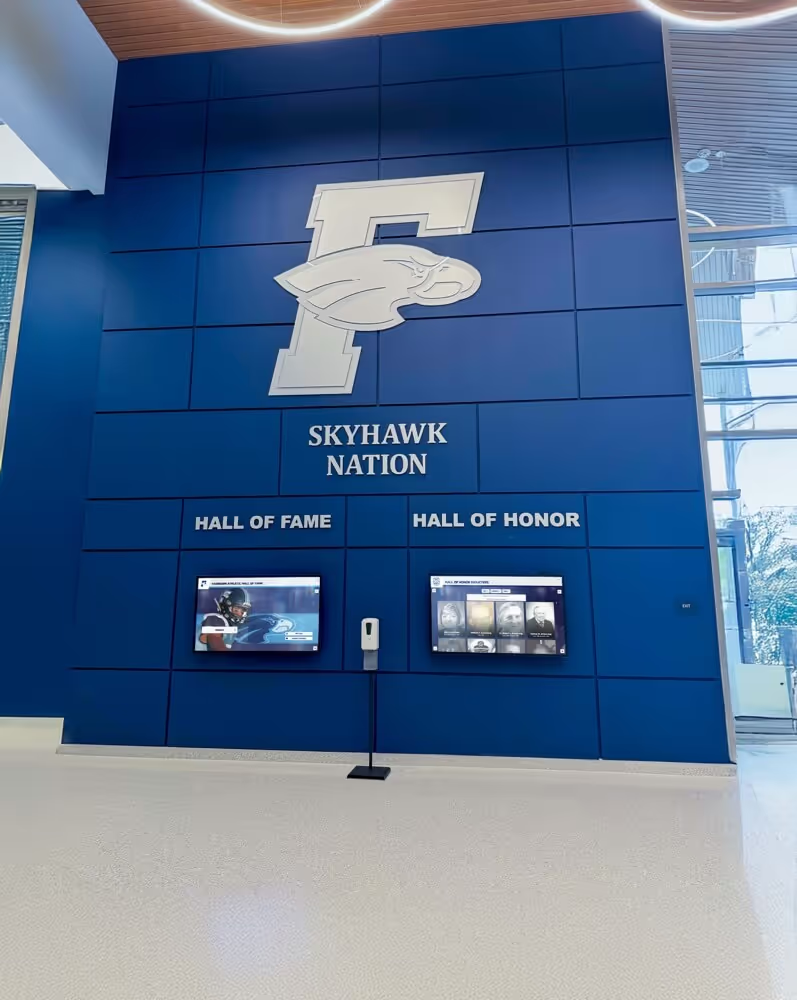
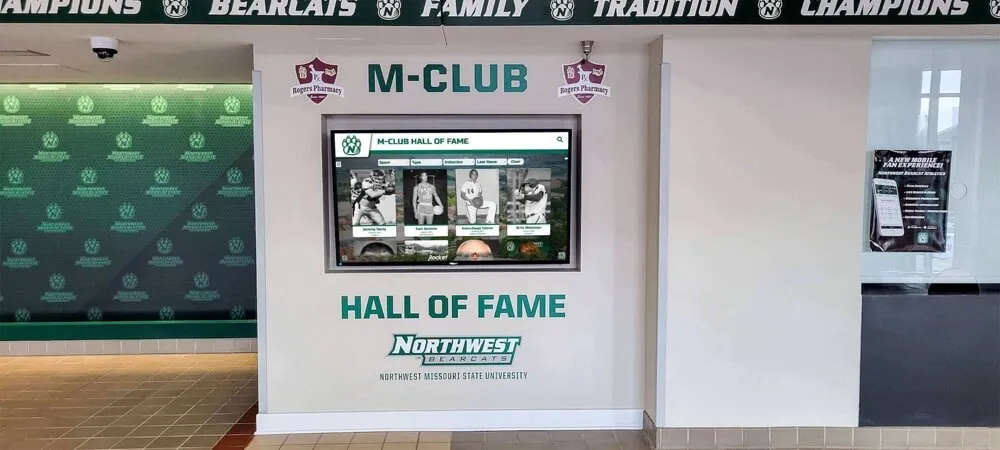
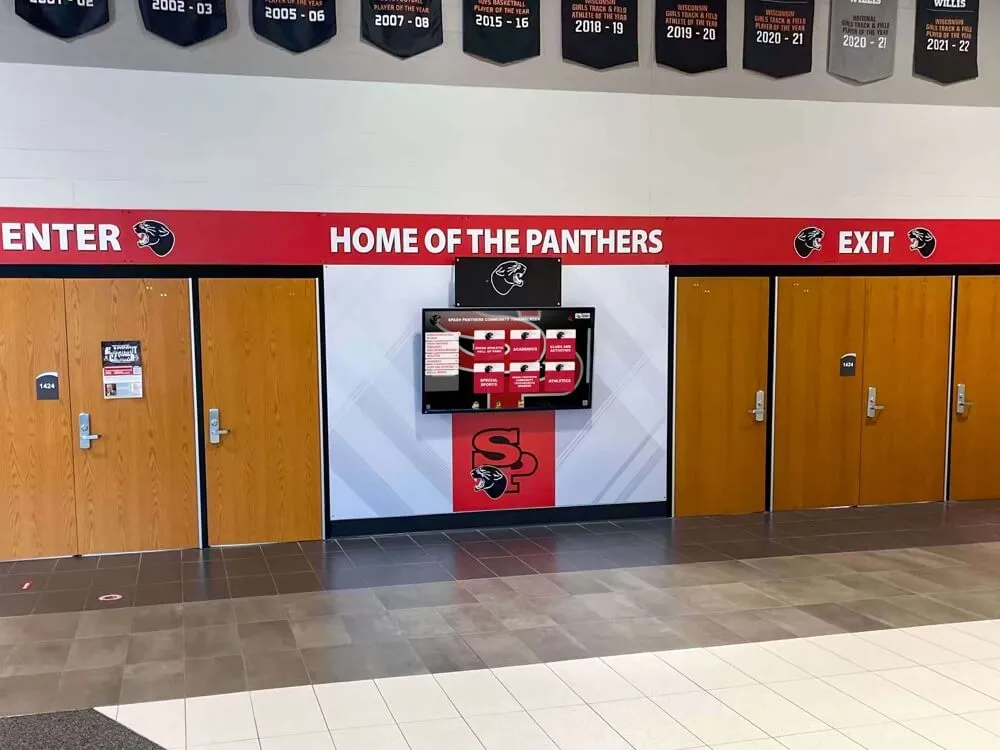
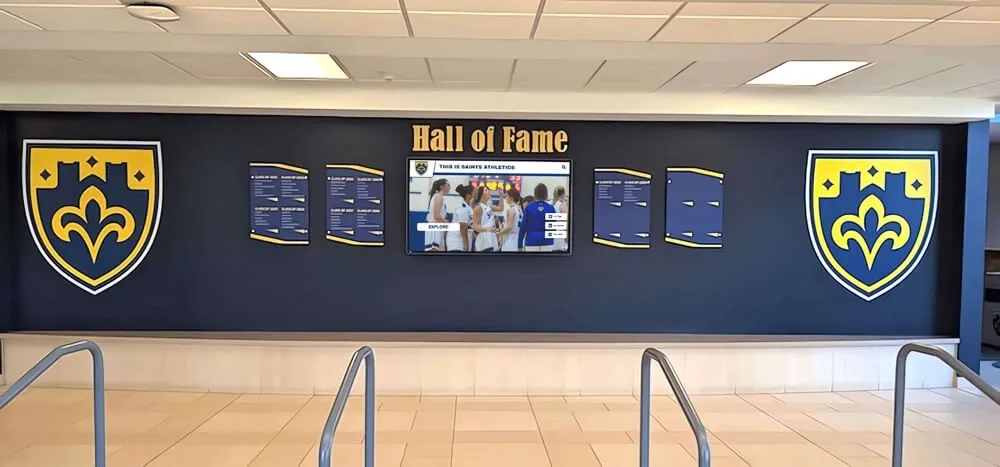
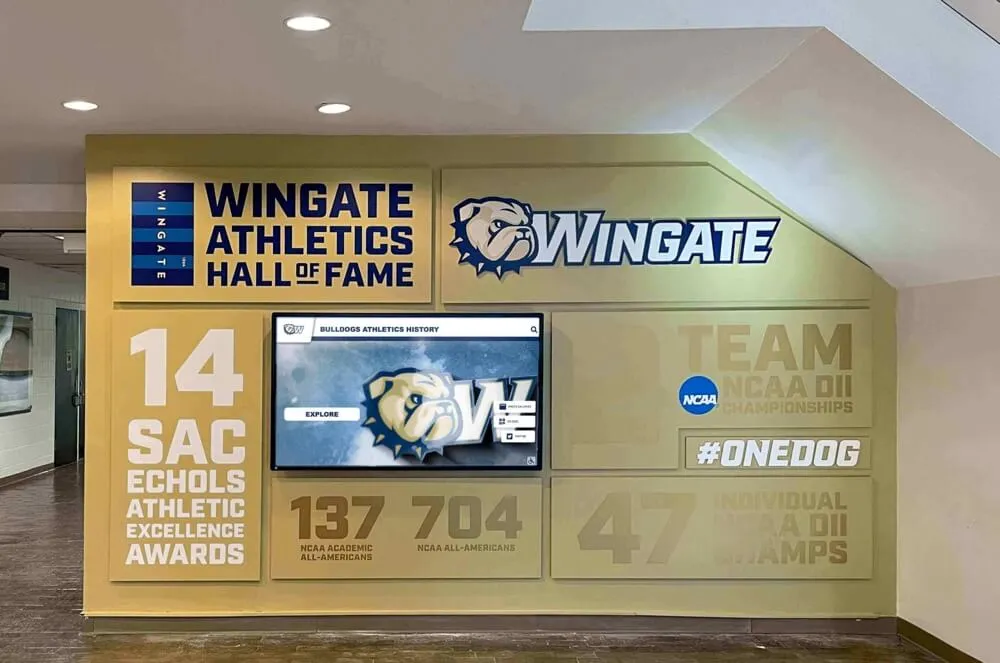
Entrance lobby displays welcome visitors with immediate visibility of student achievement and school pride
Technology and Innovation Recognition
- Coding and programming achievement
- Digital creation and multimedia excellence
- Technology troubleshooting and peer support
- Innovation and creative problem-solving
Leadership and Service Awards
- Student government and class leadership
- Peer mentoring and tutoring contributions
- Service learning project impact
- Volunteer hours and community engagement
Making Awards Meaningful Rather Than Generic
The difference between recognition that genuinely impacts students and certificates that end up crumpled in backpacks lies in thoughtfulness and specificity.
Writing Specific Award Citations
Generic certificates with student names inserted into templates carry minimal meaning. Awards become memorable when they include specific details about what the student accomplished:
Generic vs. Specific Examples
❌ Generic: “Emma Smith - Most Improved Student”
✅ Specific: “Emma Smith - Most Improved Reader: Advanced from Level K to Level P through consistent independent reading practice and participation in book clubs. Read 47 books this year!”
❌ Generic: “Marcus Johnson - Good Citizenship Award”
✅ Specific: “Marcus Johnson - Outstanding Peer Helper: Consistently welcomed new students to our classroom, volunteered to work with classmates who needed extra help, and organized the successful food drive that collected 847 items for our community.”
The specific version tells a story that students remember and families can share. It also provides concrete evidence of achievement rather than vague praise.
Personalizing Award Presentations
How awards are presented matters as much as what they say:
Individual Recognition Moments
Rather than distributing awards in rapid succession, create brief individual moments:
- Share 1-2 sentences about why each student received their award
- Invite applause between recipients rather than holding until the end
- Make eye contact and shake hands or offer appropriate celebratory gesture
- Provide time for photos with award certificate or trophy
Family Involvement in Recognition
When possible, involve families in award ceremonies:
- Schedule ceremonies at times when working families can attend
- Provide advance notice so families can arrange attendance
- Offer livestreaming or recording for families unable to attend in person
- Send certificates home with personal notes to families
Planning effective awards ceremony presentations ensures recognition moments create maximum impact for students and their families.
Physical Award Quality Matters
The tangible award that students take home carries symbolic weight. While budget constraints are real, some investment in quality recognition materials proves worthwhile:
Upgrade Options Within Reason
- Certificates: Heavyweight paper or cardstock rather than standard printer paper
- Frames: Inexpensive frames transform certificates into displayable items
- Medals and ribbons: Small medals add ceremonial significance for younger students
- Trophies: Even small trophies prove meaningful for major awards
- Custom items: Bookmarks, pencils, or small school-branded items accompanying certificates
The goal isn’t expensive recognition but thoughtful presentation that signals “this matters and we value your achievement.”

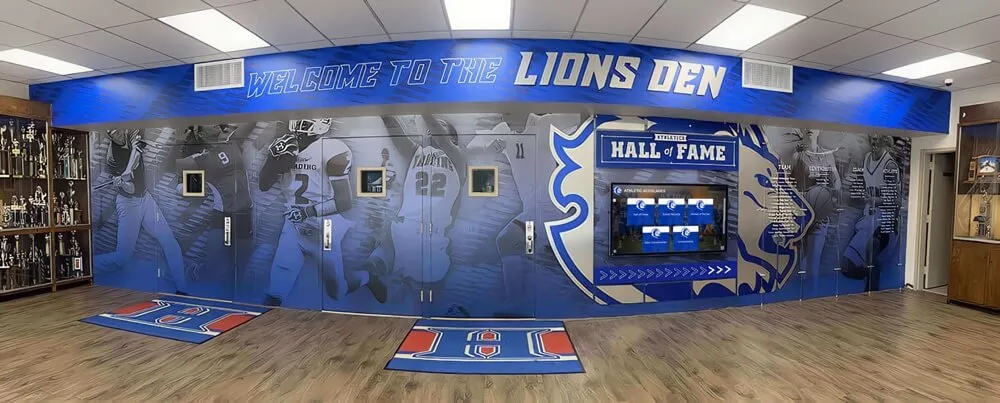
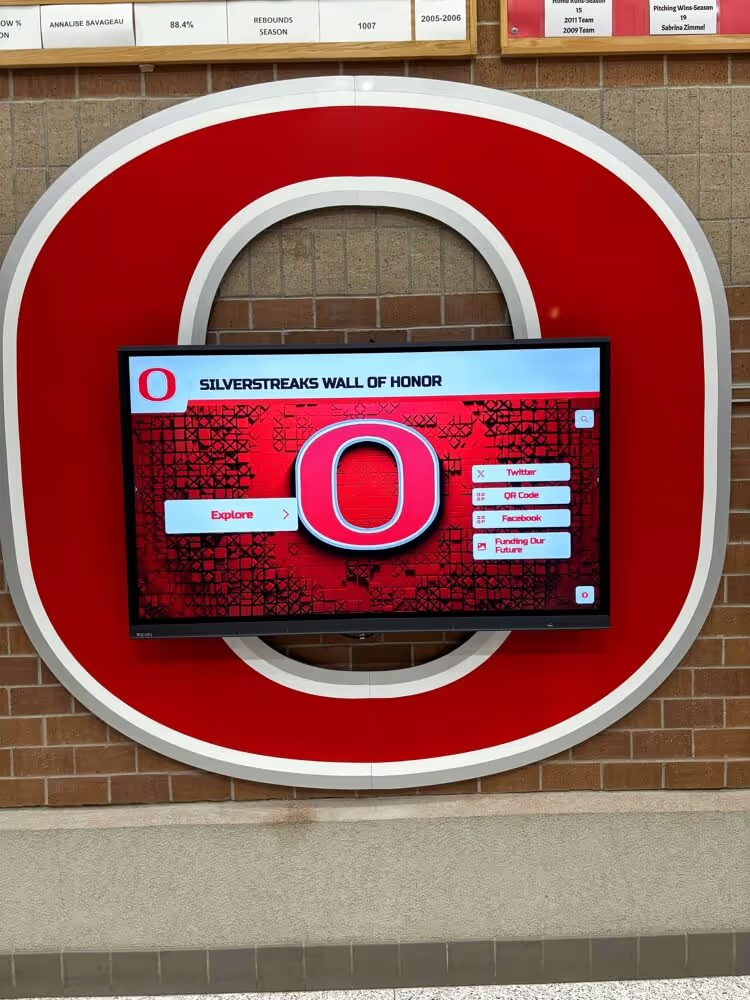
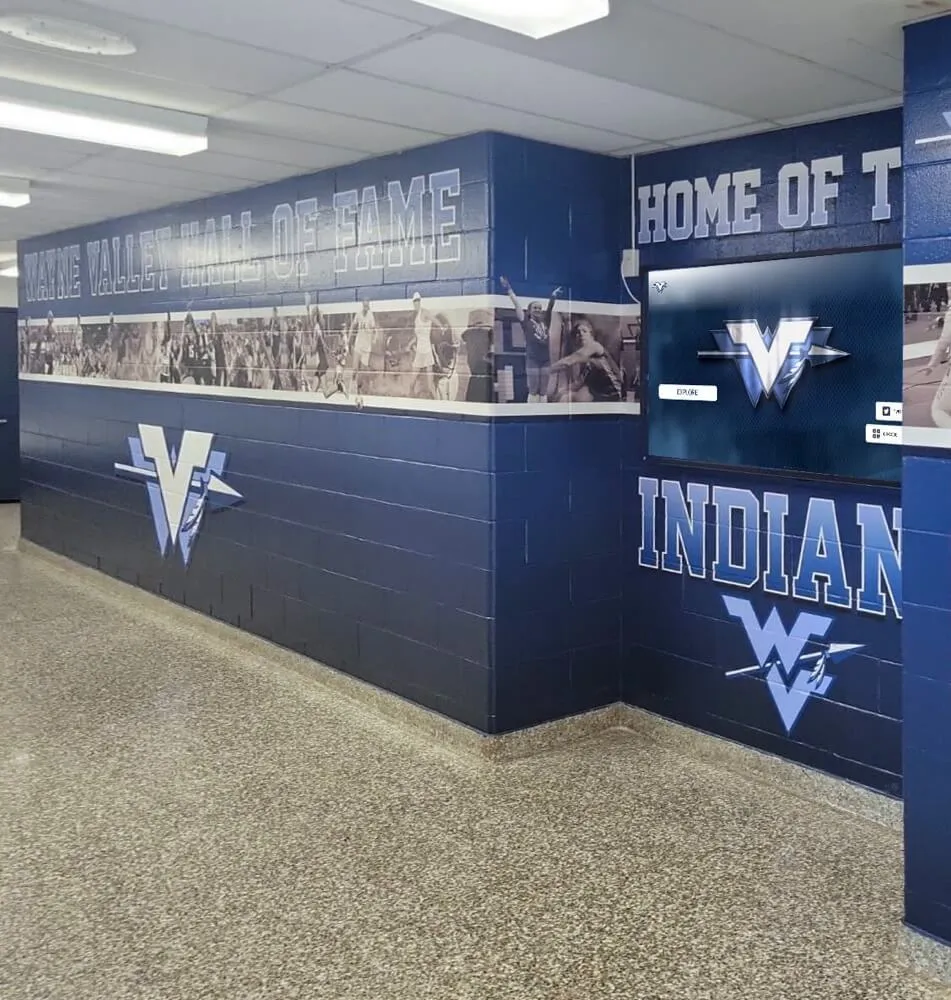
Recognition displays integrated throughout school facilities normalize achievement celebration as central to school culture
Creative End-of-Year Recognition Ideas Teachers Love
Beyond traditional awards, creative recognition approaches engage students and create memorable year-end experiences:
Personalized Superlatives That Celebrate Every Student
Rather than competitive awards where only one student wins, create personalized superlatives ensuring every student receives recognition for something distinctive:
Examples of Inclusive Superlatives
- Most Likely to Brighten Your Day (always cheerful and positive)
- Future Bestselling Author (loves creative writing)
- Master Problem Solver (approaches challenges strategically)
- Tech Support Extraordinaire (helps classmates with technology)
- Kindness Champion (consistently shows compassion)
- Most Improved Mathematician (significant growth in math skills)
- Bookworm Award (enthusiastic independent reader)
- Science Experimenter (curiosity about how things work)
- Artistic Vision (creative expression in visual arts)
- Athletic Spirit (enthusiastic PE participation)
The key is ensuring superlatives feel genuinely earned rather than forced, recognizing real strengths each student demonstrated throughout the year.
Student-Nominated Peer Recognition
Involving students in recognizing each other creates peer validation that often means more than teacher acknowledgment:
Structured Peer Recognition Approaches
- Each student nominates classmates for different award categories with brief explanations
- Compile nominations to identify students most frequently recognized by peers
- Present peer-nominated awards separately, explaining they came from classmate votes
- Ensure every student receives at least one peer nomination through facilitated process
“Caught Being Kind” Year-End Compilation
If you maintained a “caught being kind” recognition system throughout the year, compile each student’s kindness moments into a personalized year-end certificate listing specific kind acts classmates or teachers observed.
Growth Portfolios and Achievement Reflections
Academic growth becomes tangible when students can see concrete evidence:
Portfolio-Based Recognition
- Compile samples of student work from beginning, middle, and end of year
- Create visual displays showing growth (early writing samples vs. current work)
- Present portfolios during student-led conferences or recognition events
- Include teacher comments highlighting specific growth areas
Student Self-Reflection Awards
Have students identify their own proudest accomplishments through guided reflection:
- What was your biggest challenge this year, and how did you overcome it?
- What skill or subject did you improve the most in?
- What accomplishment are you most proud of?
- How did you contribute to our classroom community?
Award presentations can incorporate student voices by having them briefly share their reflections before receiving recognition.
Virtual Recognition Displays
Modern technology enables recognition that extends beyond physical awards:
Digital Recognition Platforms
Schools implementing digital recognition systems provide:
- Searchable databases of award recipients across multiple years
- Individual student achievement profiles with awards and accomplishments
- Photo galleries from recognition ceremonies
- Ability for extended family to view recognition remotely
- Permanent record that doesn’t get lost in summer cleaning
Solutions like Rocket Alumni Solutions enable schools to showcase student achievements through professional touchscreen displays in school lobbies and hallways, ensuring recognition extends far beyond the single ceremony day.
Planning Your End-of-Year Awards Timeline
Successful recognition doesn’t happen spontaneously—it requires systematic planning throughout the final marking period:
6-8 Weeks Before Year End
Establish Award Categories and Criteria
- Finalize award categories for your classroom or grade level
- Document clear criteria for each award
- Identify any student vote/nomination processes to implement
- Plan how many awards each student will receive to ensure inclusion
Begin Observation and Documentation
- Start noting specific examples of student achievement and behavior
- Collect student work samples showing growth if creating portfolios
- Document improvement for growth-focused awards
- Maintain notes about unique student contributions and strengths
3-4 Weeks Before Year End
Finalize Award Recipients
- Make final decisions about award recipients based on criteria and observations
- Write specific citations explaining why each student earned their recognition
- Confirm that every student will receive meaningful recognition
- Identify any gaps where students haven’t received adequate acknowledgment
Order or Create Award Materials
- Order certificates, medals, trophies, or other recognition materials
- Create custom certificates with specific citations
- Prepare any displays, slideshows, or visual recognition
- Test any technology being used for presentations
2 Weeks Before Year End
Communicate with Families
- Send invitations to recognition ceremonies with specific dates and times
- Provide details about what students will receive
- Request family attendance if possible
- Offer virtual attendance options for families unable to come in person
Prepare Students
- Explain the recognition ceremony process so students know what to expect
- Practice ceremony procedures if using student presenters or speakers
- Build excitement without revealing specific award recipients if maintaining suspense
- Address any student anxiety about public recognition
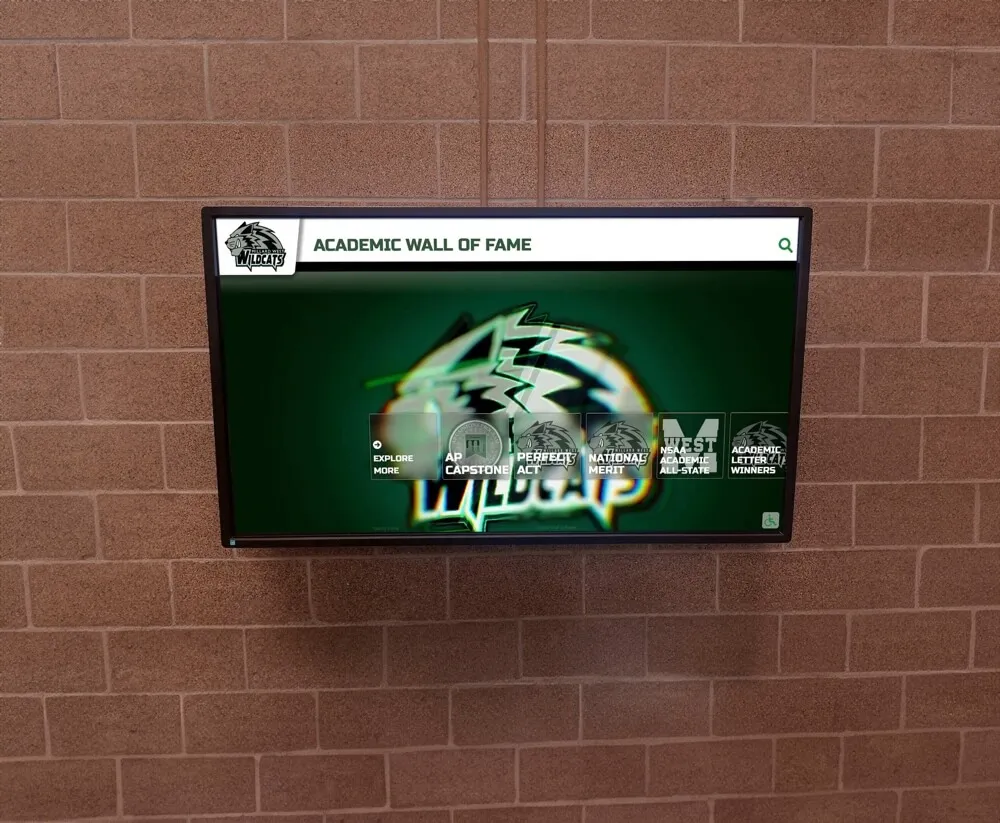
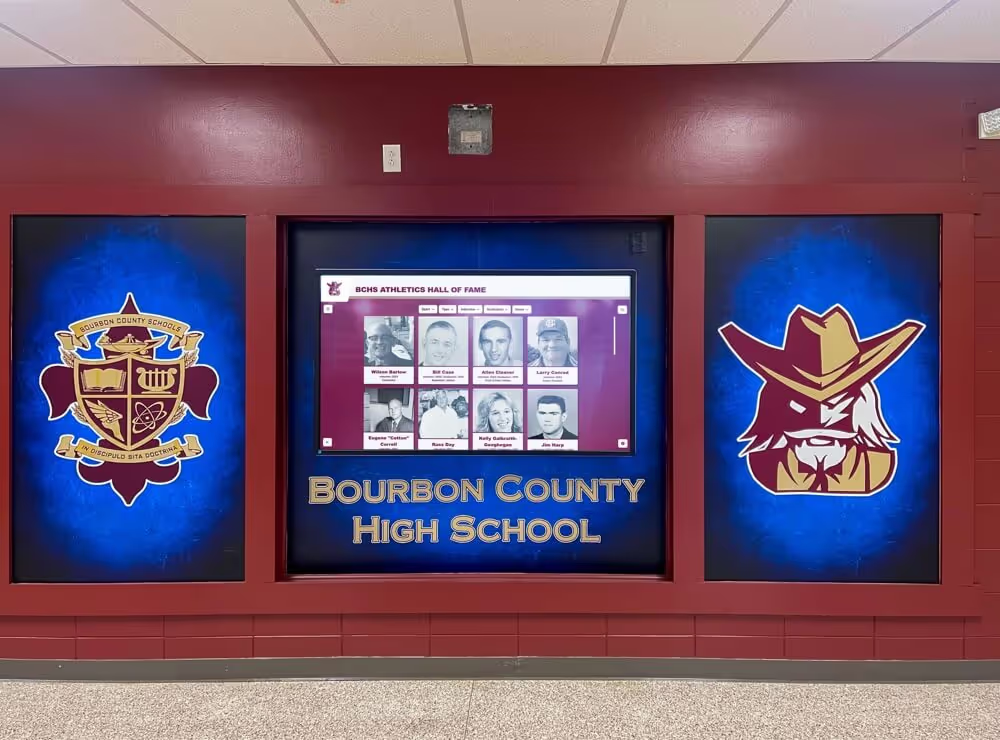
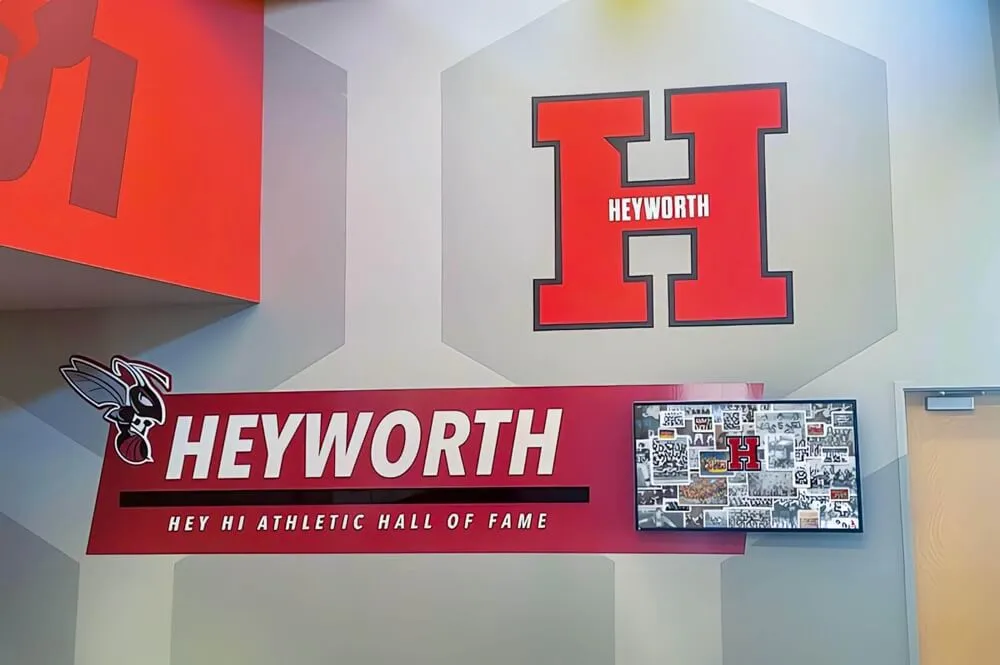
Exterior recognition displays make achievement visible to entire school community and visitors
Final Week: Recognition Events
Host Thoughtful Ceremonies
- Create appropriate ceremony atmosphere with decorations or special setup
- Maintain reasonable ceremony length (30-45 minutes maximum for elementary, 45-60 for secondary)
- Provide specific recognition for each student rather than batch presentations
- Capture photos and videos for families and school records
- Celebrate with refreshments or treats if appropriate
Following comprehensive graduation ceremony planning principles helps ensure events run smoothly and create memorable experiences.
Beyond the Ceremony: Making Recognition Last
The most impactful recognition extends beyond a single ceremony, creating lasting visibility that influences school culture and continues motivating students:
Creating Permanent Recognition Displays
Physical awards go home with students, but school-based recognition displays ensure achievements receive ongoing visibility:
Traditional Recognition Approaches
- Hallway bulletin boards with award recipient photos and citations
- Trophy cases displaying academic and achievement awards
- Honor roll plaques listing recipients by term or year
- Entrance displays welcoming visitors with student achievement celebration
Limitations of Traditional Recognition
Traditional approaches face practical constraints:
- Limited space restricts how many students can be recognized
- Bulletin boards require regular updates and maintenance
- Physical displays don’t adapt when new achievements occur
- Information is static, providing minimal detail beyond names and dates
Digital Recognition Systems That Solve Space Constraints
Modern schools increasingly implement digital recognition displays that eliminate traditional limitations:
Unlimited Recognition Capacity
Digital platforms showcase every award recipient without space constraints. Rather than choosing which achievements to display, schools can celebrate:
- Every honor roll student from multiple years
- All departmental award recipients across subjects
- Specialized achievement in arts, athletics, leadership, and service
- Academic competition results and special recognition
- Character and citizenship awards
Rich Achievement Profiles
Instead of simply listing names, digital systems enable detailed student profiles including:
- Photos and achievement descriptions
- Multiple awards and recognitions each student earned
- Growth narratives and accomplishment stories
- Searchable databases allowing students to find their profiles
Easy Updates and Additions
End-of-year awards can be added to digital recognition displays immediately after ceremonies through cloud-based management systems, ensuring current achievement receives prompt celebration. Schools implementing solutions like Digital Trophy Case recognition displays manage updates remotely in minutes rather than requiring physical installation or maintenance.
Extended Reach Through QR Codes
Digital recognition extends beyond school walls through QR codes and web access, enabling:
- Students to share achievements with extended family
- Remote viewing by grandparents or relatives unable to visit campus
- Alumni connections showing current students long-term achievement patterns
- College application supplements documenting school recognition
Implementing semester honor roll displays ensures recognition extends beyond ceremony day, providing ongoing motivation and visible celebration of student achievement.
Special Considerations for Different Grade Levels
End-of-year recognition approaches should adapt to student developmental stages:
Elementary School Recognition (K-5)
Inclusive Approaches for Young Students
Young children particularly need recognition systems ensuring everyone feels celebrated:
- Every student receives multiple awards acknowledging different strengths
- Emphasize growth and effort over absolute achievement levels
- Use concrete, visual recognition (medals, ribbons, certificates) that feel tangible
- Involve family members in ceremonies when possible
- Keep language simple and specific about what student accomplished
Age-Appropriate Award Categories
- Subject-specific achievement and growth
- Positive behavior and friendship
- Creativity and curiosity
- Helpfulness and cooperation
- Reading progress and writing development
- Math skills and problem-solving
- Effort and persistence
Middle School Recognition (6-8)
Navigating Self-Consciousness
Middle school students simultaneously crave recognition and feel embarrassed by public attention:
- Balance public ceremony with individual acknowledgment options
- Use peer nominations to increase award credibility
- Focus on specific achievements rather than personality traits
- Offer both academic and non-academic recognition pathways
- Acknowledge challenges overcome and growth achieved
Development-Appropriate Categories
- Academic excellence and significant improvement
- Leadership in extracurriculars
- Service learning and community contribution
- Athletic achievement and sportsmanship
- Arts performance and creativity
- Character demonstration through specific examples
- Peer collaboration and teamwork
High School Recognition (9-12)
College-Relevant Achievement Documentation
High school recognition should acknowledge students will use awards for college applications and scholarships:
- Provide formal documentation of awards for student records
- Include specific achievement details that strengthen applications
- Maintain multi-year recognition records students can reference
- Connect awards to broader achievement patterns
Prestige Through Selectivity
While younger grades benefit from inclusive recognition, high school awards gain meaning through appropriate selectivity:
- Distinguish between high-achievement and growth-focused awards
- Maintain rigorous criteria for academic excellence recognition
- Balance selective competitive awards with broader inclusive recognition
- Clearly communicate selection criteria so awards feel earned and fair
Understanding types of academic honors helps schools design recognition systems that appropriately serve student needs across developmental stages.
Teacher Appreciation Recognition
End-of-year recognition shouldn’t flow only from teachers to students—schools should celebrate educators who make achievement possible:
Faculty and Staff Recognition
- Outstanding teacher awards in various categories
- Years of service milestone celebrations
- Innovation in teaching acknowledgment
- Peer-nominated excellence recognition
- Support staff appreciation
Many schools successfully honor educators through dedicated ceremonies and permanent recognition displays alongside student achievement systems.
Transform Year-End Recognition with Digital Displays
Give end-of-year awards lasting visibility beyond ceremony day. Modern digital recognition displays showcase every student achievement through searchable profiles, rich media, and unlimited capacity—ensuring recognition continues inspiring students throughout their educational journey.
Explore Recognition SolutionsCommon Mistakes to Avoid in End-of-Year Recognition
Understanding pitfalls helps teachers design more effective recognition systems:
Mistake #1: Recognizing the Same Students Repeatedly
When the same high-achieving students receive every award, recognition loses meaning for others:
Solution: Design multi-dimensional award systems with achievement, improvement, character, and specialized talent categories ensuring recognition distributes across entire student population.
Mistake #2: Generic Awards Without Specific Context
Certificates listing only student names and generic award titles provide minimal meaning:
Solution: Write specific citations explaining exactly what the student accomplished to earn recognition, providing concrete details that make awards memorable.
Mistake #3: Last-Minute Planning
Rushing end-of-year recognition results in overlooked students and poorly executed ceremonies:
Solution: Begin planning 6-8 weeks before year end, systematically documenting student achievements and preparing thoughtful recognition for everyone.
Mistake #4: Participation Awards That Minimize Achievement
Giving identical participation awards to every student regardless of effort or accomplishment devalues recognition:
Solution: Ensure every student receives recognition, but differentiate awards based on specific individual achievements rather than identical certificates.
Mistake #5: Forgetting About Permanent Recognition
Awards ceremonies end, certificates go home, and recognition disappears from school visibility:
Solution: Implement permanent displays—whether bulletin boards, trophy cases, or digital systems—that ensure year-end recognition receives ongoing visibility throughout school community.
Funding End-of-Year Recognition Programs
Budget constraints shouldn’t prevent meaningful recognition, but they do require creative approaches:
Low-Cost Recognition Solutions
- Print certificates on quality paper using school resources
- Create custom digital certificates with specific student accomplishments
- Use student-created awards designed in art classes
- Make medals from craft supplies for younger students
- Organize recognition assemblies in classrooms rather than renting venues
Funding Sources for Comprehensive Programs
Schools seeking to enhance recognition systems can explore:
PTO/PTA Support
Parent organizations frequently fund year-end recognition programs including:
- Certificate printing and award materials
- Small trophies or medals
- Refreshments for recognition ceremonies
- Digital display systems for permanent recognition
Educational Foundation Grants
School foundations and education-focused nonprofits often support projects improving school culture and student motivation.
Alumni Association Contributions
Alumni groups sometimes fund recognition programs remembering the impact awards had on their own educational experiences.
Local Business Sponsorships
Community businesses may sponsor specific award categories or provide funding for recognition materials in exchange for appropriate acknowledgment.
Measuring the Impact of Recognition Programs
Effective recognition programs demonstrate measurable benefits:
Student Outcome Indicators
- Increased student motivation and engagement in final weeks
- Positive student feedback about feeling valued and appreciated
- Higher attendance rates during final weeks
- Improved student self-concept and confidence
- Parent satisfaction with recognition programs
Long-Term Impact Assessment
- Do students reference end-of-year recognition during next school year?
- How do recognition programs influence school culture around achievement?
- What role does recognition play in student goal-setting?
- How does public recognition affect peer relationships and mutual respect?
Schools implementing thoughtful recognition systems consistently report cultural shifts where achievement across multiple domains receives celebration and students demonstrate increased motivation to earn future recognition.
Conclusion: Creating Lasting Impact Through Meaningful Recognition
End of the year awards for students represent far more than ceremonial gestures during the final days of school. Thoughtfully designed recognition systems validate student effort, celebrate diverse strengths, build confidence, and create positive closure that influences how young people view themselves as learners and community members. The difference between recognition that genuinely impacts students and certificates that end up forgotten in desk drawers lies in specificity, thoughtfulness, and systems that extend recognition beyond a single ceremony.
Effective recognition balances celebrating exceptional achievement with acknowledging growth at all starting points, ensures every student receives meaningful recognition for genuine accomplishments, provides specific details about what students accomplished rather than generic praise, involves families when possible to multiply recognition impact, and creates permanent visibility that extends recognition beyond ceremony day.
Teachers implementing multi-dimensional award systems find that recognition becomes a powerful tool for motivation, relationship building, and culture creation. Students who experience meaningful recognition develop stronger academic self-concept, increased motivation for future achievement, and positive associations with school community that persist long after the school year ends.
For schools ready to transform how student achievement receives lasting celebration, modern digital recognition displays provide unlimited capacity to showcase every award recipient through searchable profiles, detailed accomplishment narratives, and permanent visibility that ensures recognition continues inspiring students throughout their educational journey and beyond.
Ready to give end-of-year awards the lasting recognition they deserve? Explore comprehensive digital recognition solutions designed specifically for schools that make celebrating student achievement accessible, professional, and permanent without requiring technical expertise or overwhelming staff resources.