



As another school year draws to close, educators face the meaningful challenge of recognizing student accomplishments in ways that feel authentic, inclusive, and memorable. End of year awards represent far more than ceremonial traditions—they create defining moments that validate student effort, reinforce school values, and build momentum that carries into future academic years.
Yet many schools default to predictable recognition approaches that highlight only traditional academic metrics or athletic achievements, leaving substantial portions of the student body feeling invisible. Students who demonstrated exceptional growth, overcame significant obstacles, or contributed meaningfully to school culture often go unrecognized because their accomplishments don’t fit standard award categories.
This comprehensive guide explores 30+ creative end of year awards for students that celebrate diverse achievements across academic, social, creative, and character dimensions. Whether you’re planning awards ceremonies for elementary students or high school seniors, these ideas help you design recognition programs where every student sees pathways to acknowledgment and success.
Effective year-end recognition extends beyond identifying top performers—it creates comprehensive systems that honor different achievement dimensions while ensuring recognition opportunities exist for students with varied strengths, backgrounds, and contributions. Schools that excel at end of year awards create climactic celebrations that make students feel valued and motivated to continue their growth trajectories.

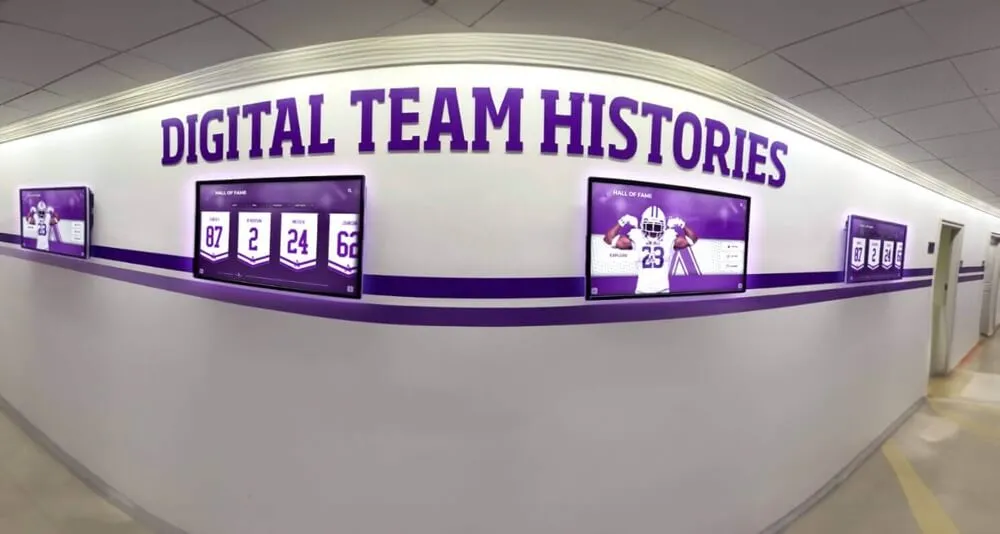
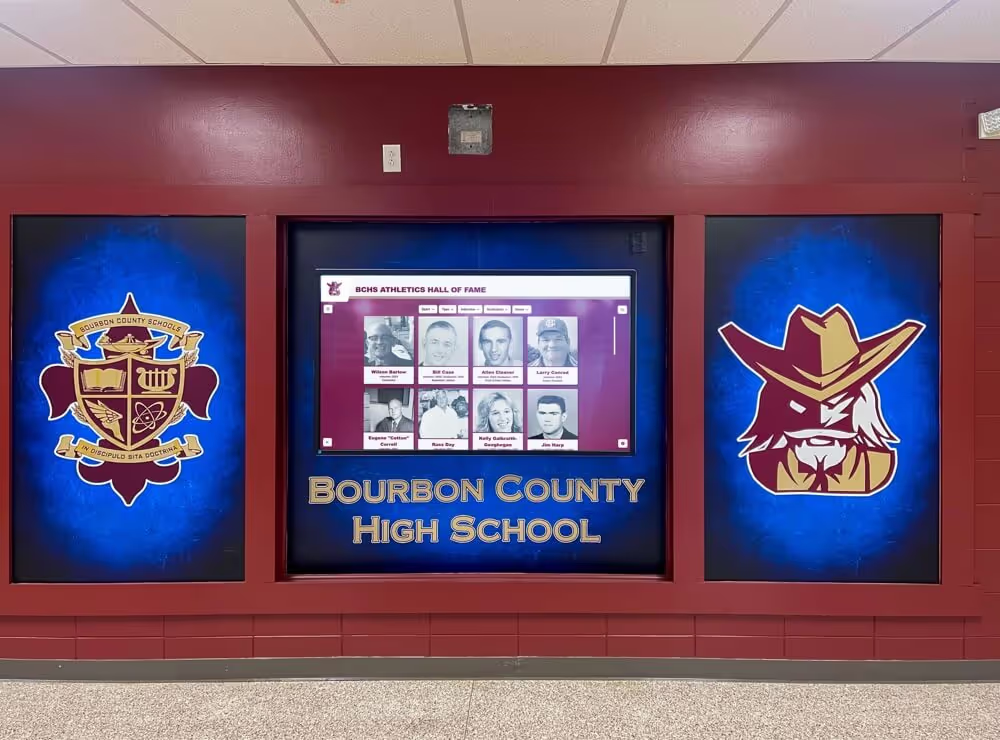
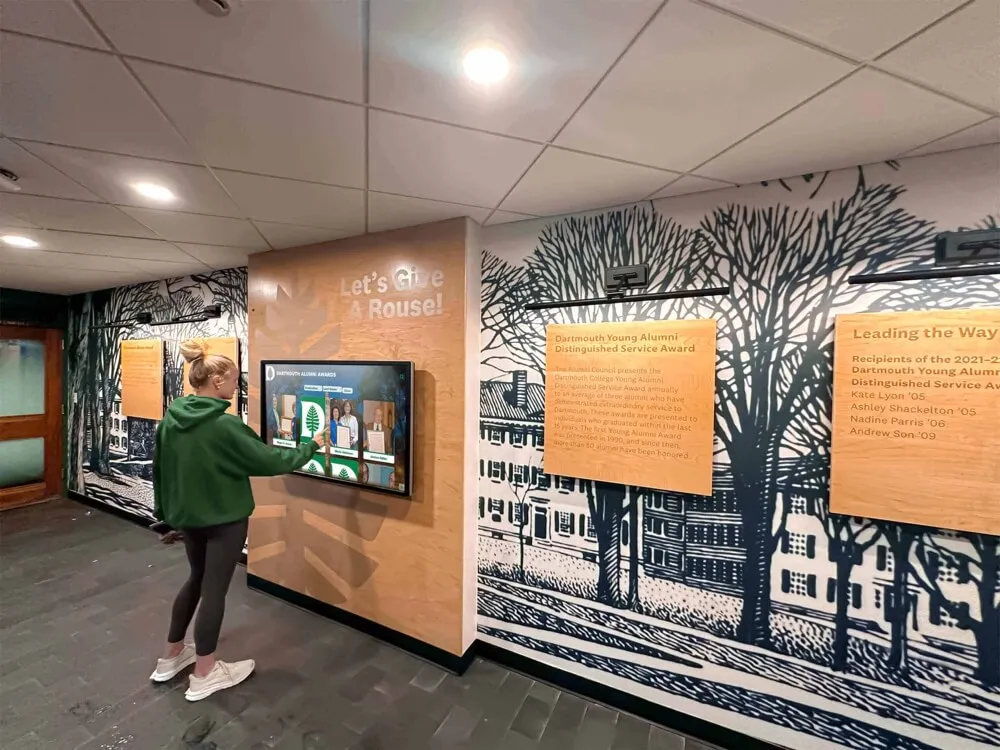
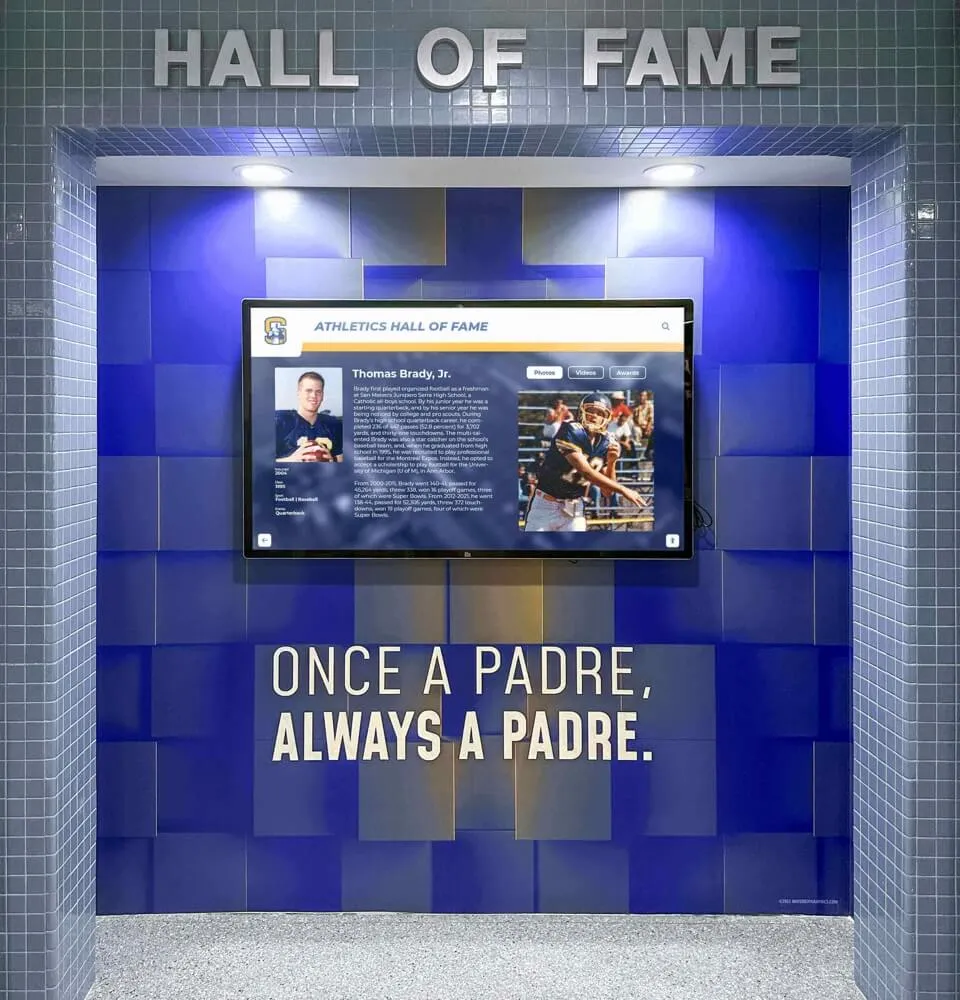
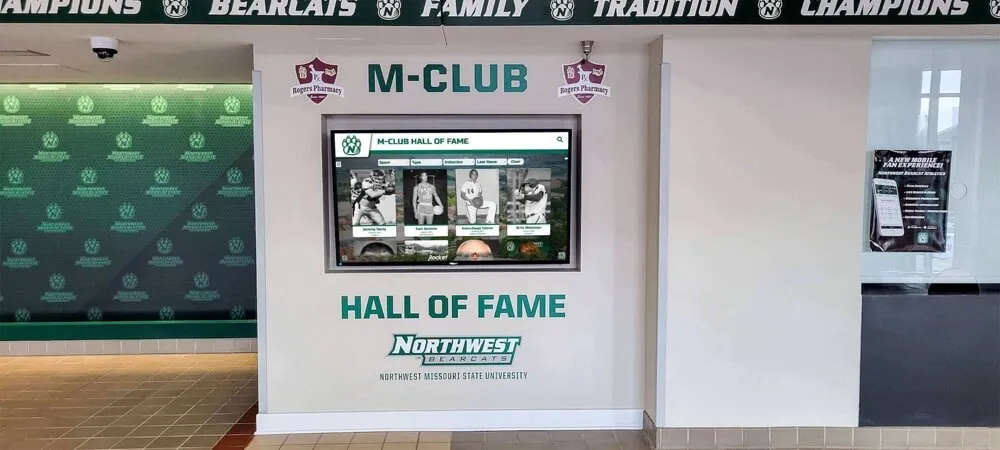
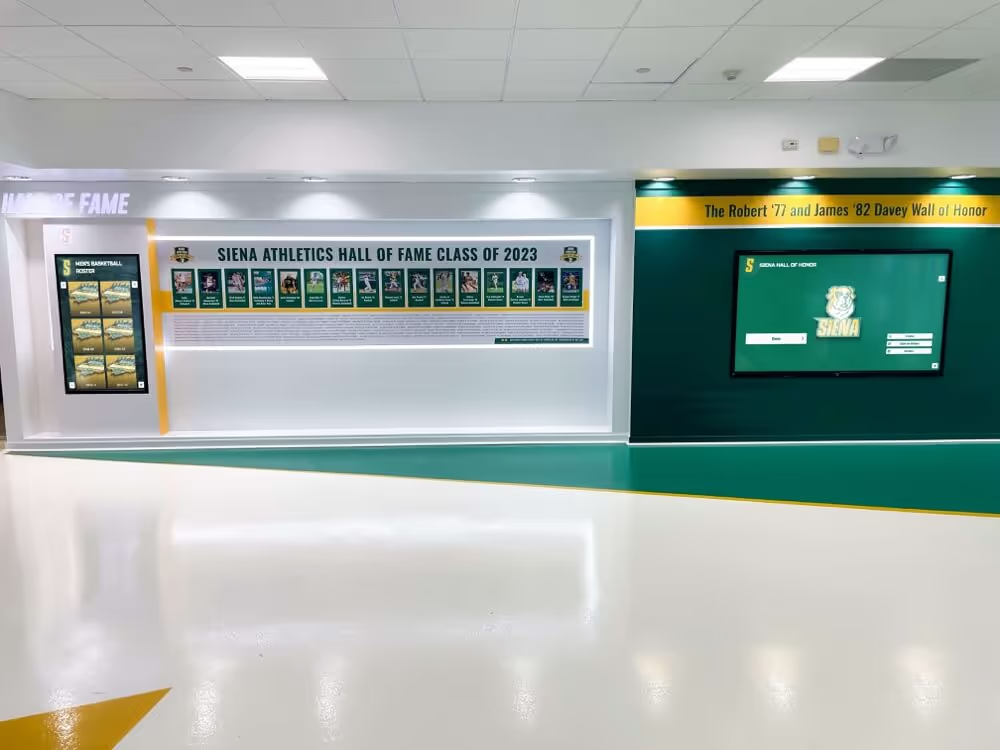
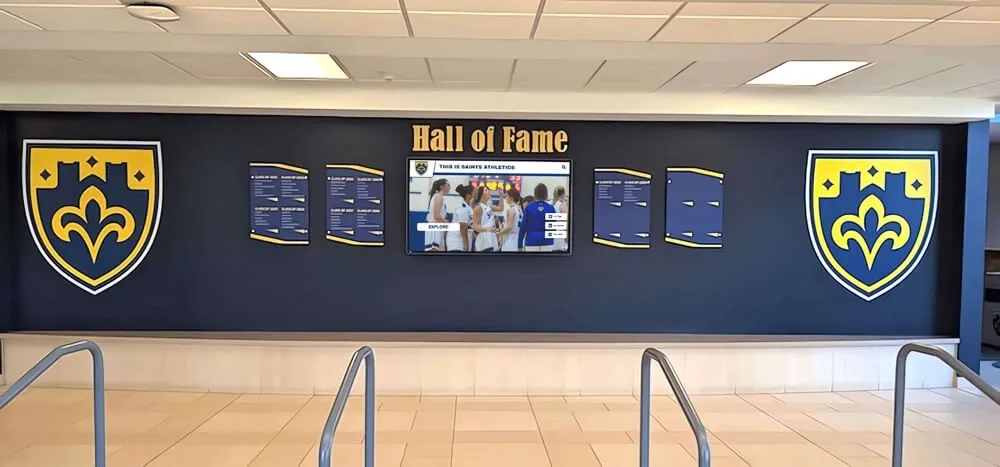
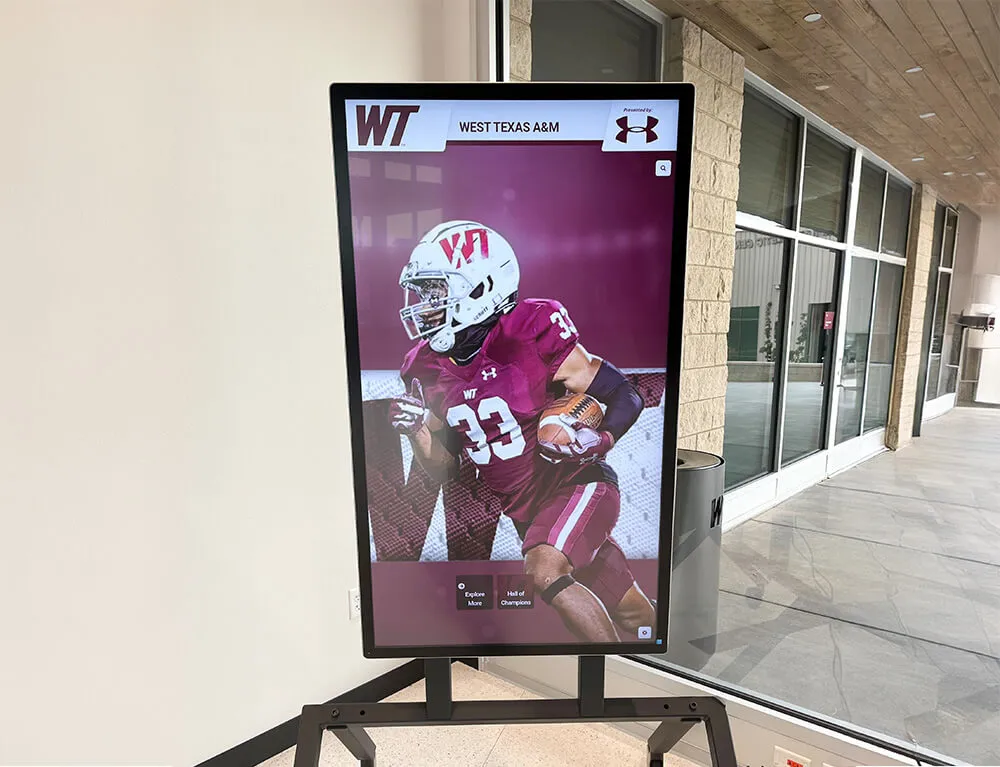
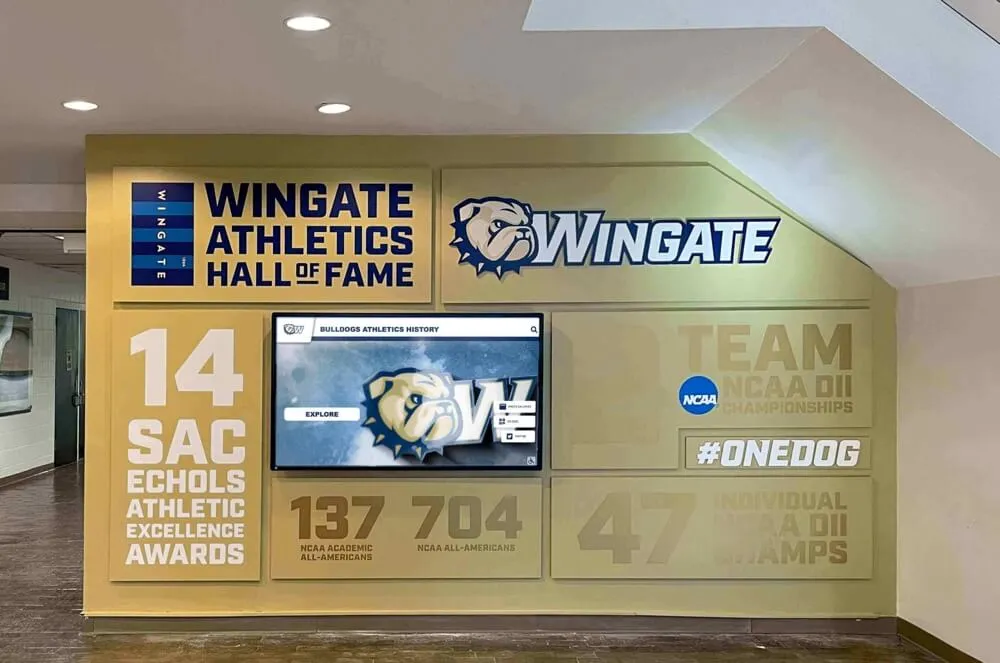
Modern digital displays showcase year-end award recipients with professional presentations that honor student accomplishments prominently
Why End of Year Awards Matter: The Psychology of Recognition
Understanding the impact of year-end recognition helps schools design award programs that maximize positive outcomes for students, families, and school culture.
The Motivational Power of Recognition
Educational research consistently demonstrates that meaningful recognition influences student behavior, engagement, and academic trajectories:
Academic and Behavioral Outcomes
- Students receiving recognition show 15-22% higher engagement in subsequent academic years
- Public acknowledgment creates positive peer influence encouraging achievement
- Year-end awards provide closure and validation for sustained effort
- Recognition ceremonies create memorable milestone moments students retain for years
- Awards signal institutional values and priorities to entire school communities
Social-Emotional Development
- Recognition builds student confidence and self-efficacy
- Awards acknowledging diverse strengths help students identify personal talents
- Public celebration reduces stigma around intellectual and creative achievement
- Inclusive recognition programs improve belonging and school connectedness
- Award ceremonies create positive family engagement opportunities
According to research by the Association for Supervision and Curriculum Development, students who receive meaningful recognition are significantly more likely to maintain achievement trajectories, pursue leadership opportunities, and develop positive relationships with educational institutions—effects that extend well beyond immediate school contexts.
Recognition’s Ripple Effects Throughout School Communities
End of year awards impact extends beyond individual recipients:
Family and Community Engagement
- Award ceremonies create peak family attendance and involvement opportunities
- Recognition provides concrete conversation points strengthening home-school connections
- Awards ceremonies showcase institutional values and accomplishments to broader communities
- Public celebration builds family pride and investment in educational experiences
Institutional Culture Development
- Comprehensive award programs signal schools value diverse forms of excellence
- Recognition ceremonies create aspirational goals for returning students
- Award categories communicate what schools genuinely celebrate and prioritize
- Inclusive recognition approaches improve overall school climate and student morale
The key to maximizing these benefits lies in designing award programs that feel meaningful, attainable across diverse student populations, and authentically aligned with your school’s educational mission.
Academic Excellence Awards
Traditional academic recognition remains foundational, but creative category design ensures broader participation opportunities.
Subject-Specific Academic Awards
Recognizing excellence within individual disciplines provides focused acknowledgment:
Core Subject Recognition
- Outstanding Achievement in Mathematics
- Excellence in English Language Arts
- Superior Performance in Science
- Distinguished Social Studies Scholar
- World Language Proficiency Award
- Computer Science Innovation Award
Specialized Academic Areas
- Library Media Excellence (research and information literacy)
- STEM Problem-Solving Award
- Outstanding Technical Education Student
- Arts Integration Academic Achievement
- Health and Wellness Education Award
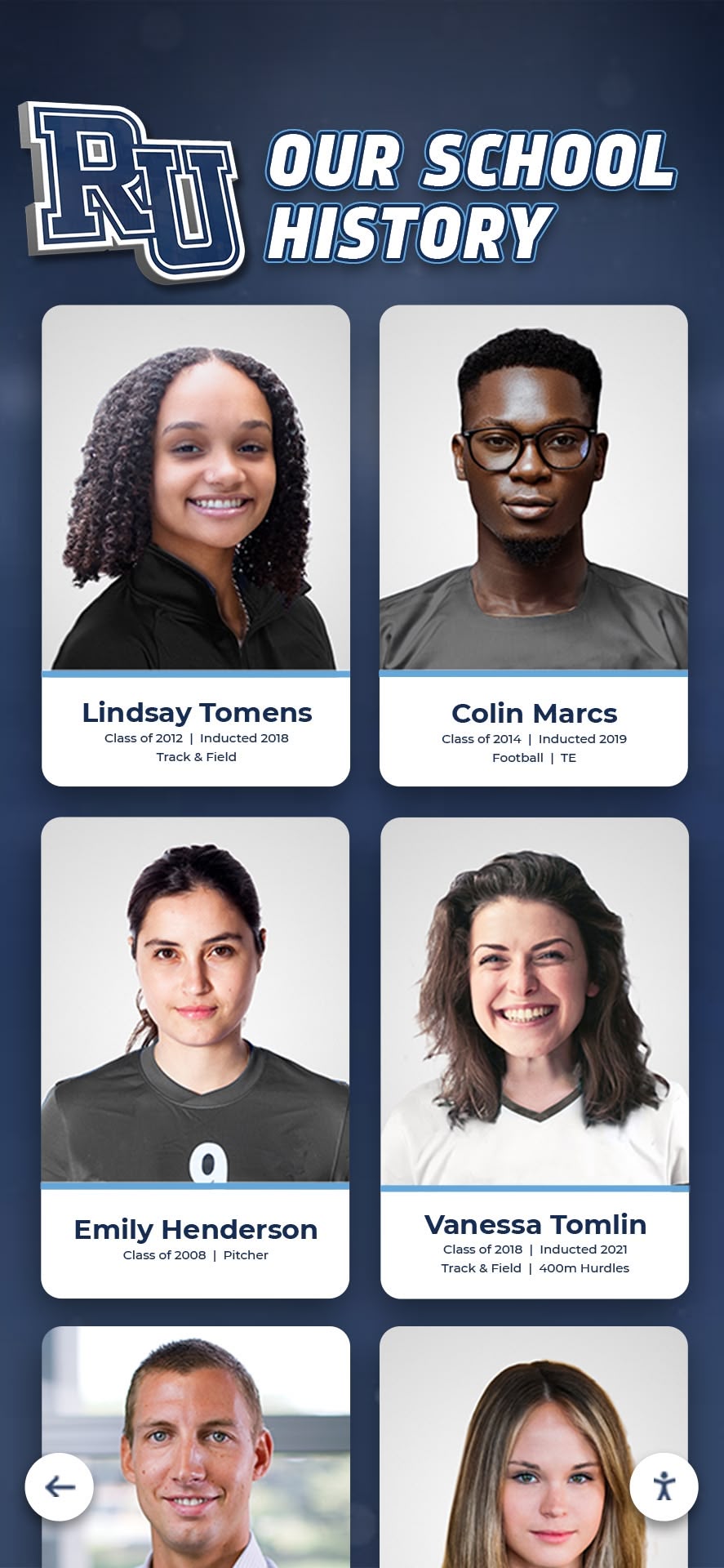
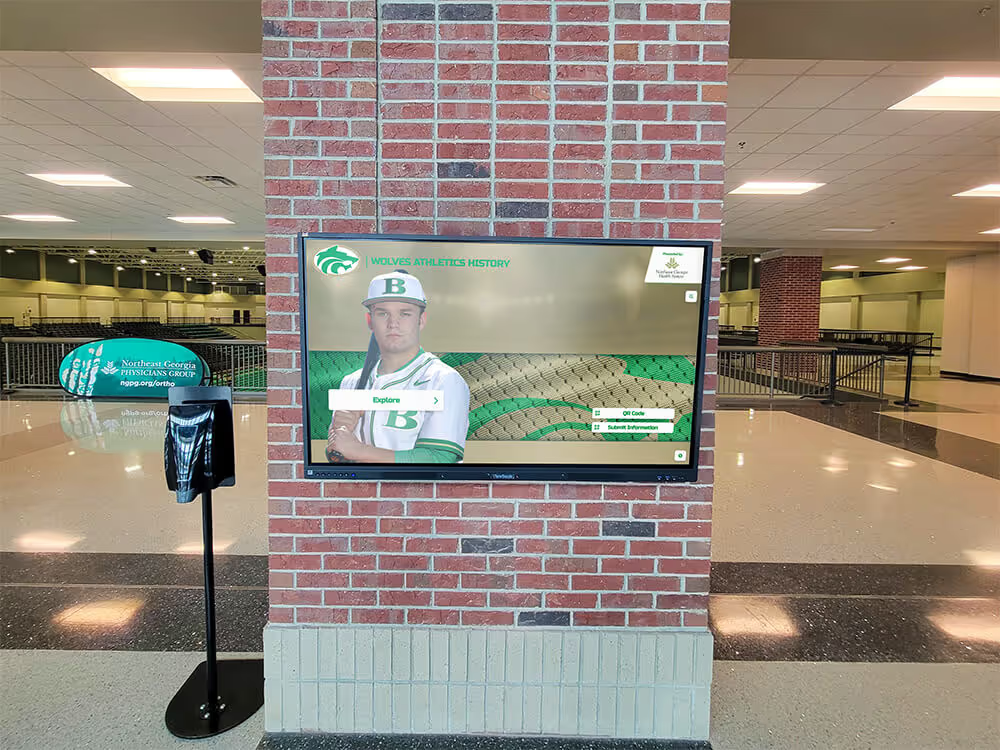
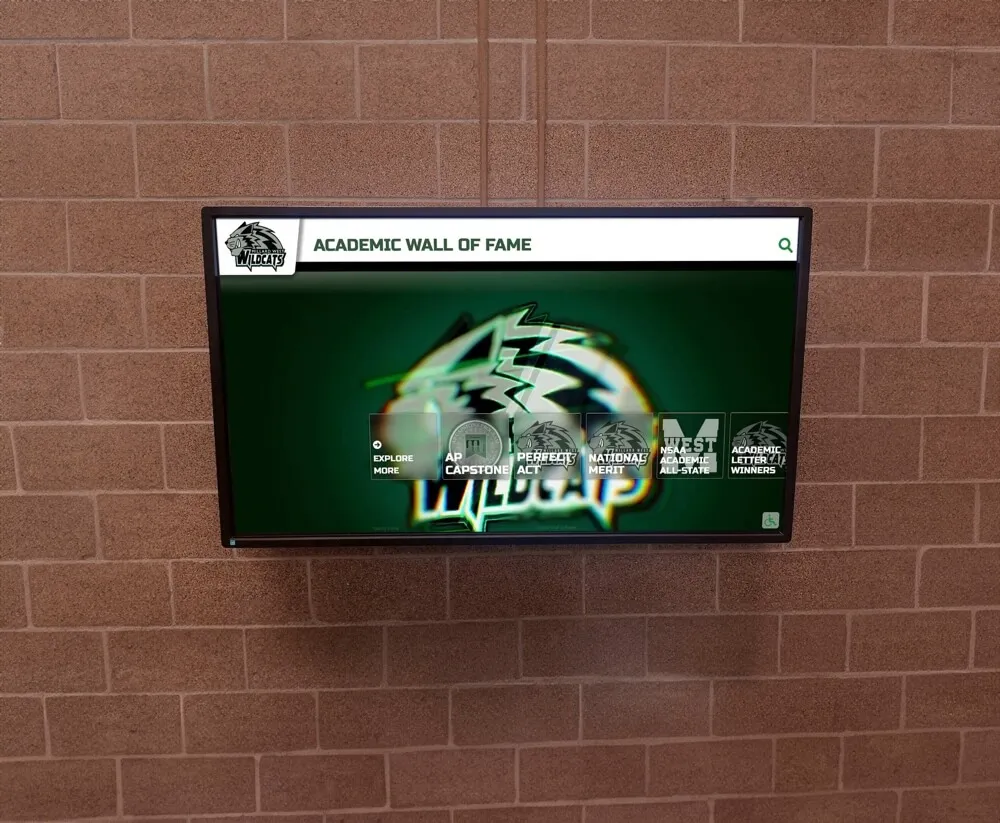
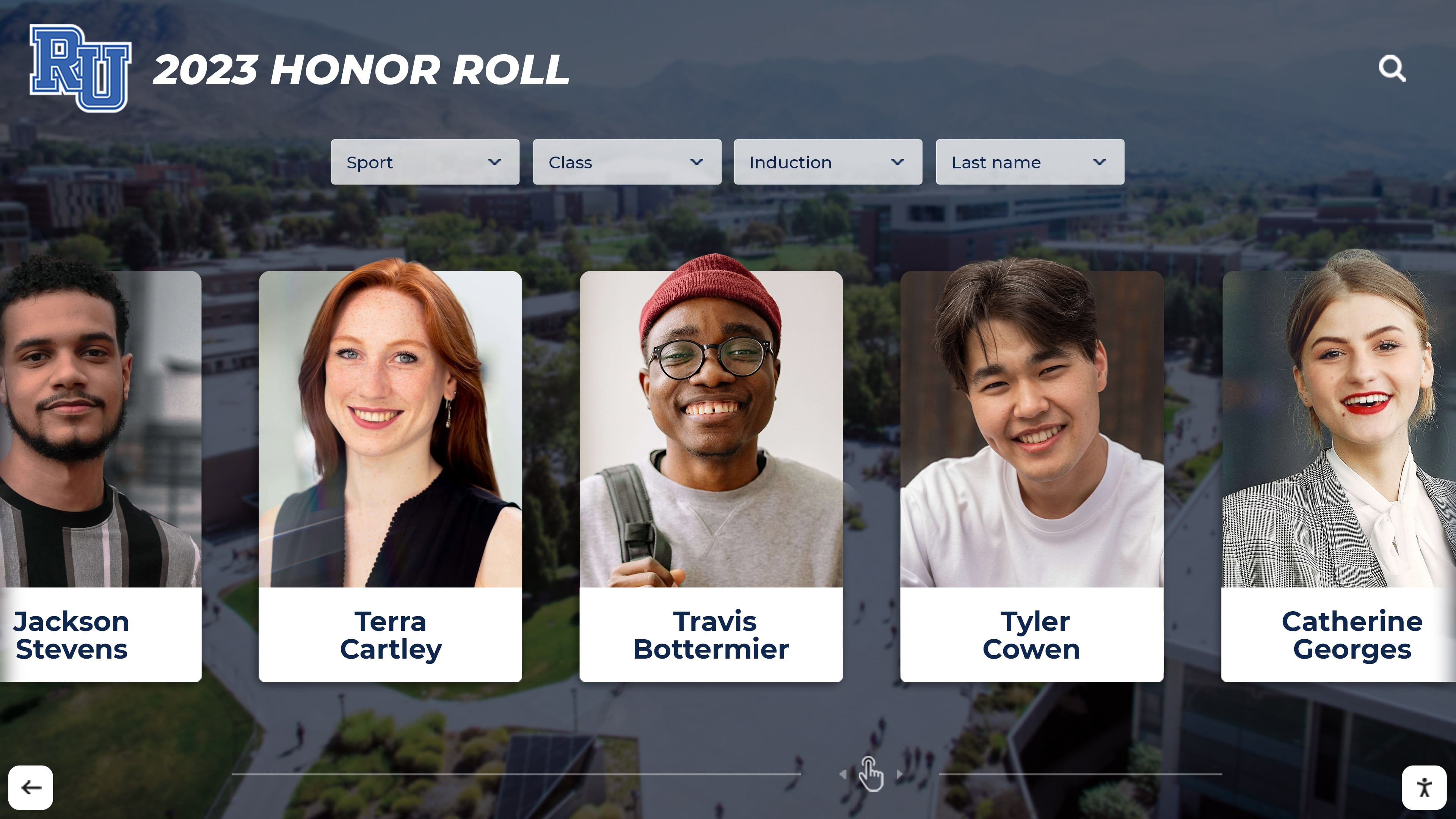
Digital recognition platforms display academic award recipients with details about accomplishments and contributions
Advanced Coursework Recognition
- AP Scholar Awards (by College Board designation levels)
- International Baccalaureate Achievement Recognition
- Dual Enrollment Excellence Award
- Honors Program Distinction
- Advanced Placement Course Completion Certificates
These subject-specific awards allow schools to recognize students excelling in particular areas rather than requiring excellence across all subjects—a more inclusive approach that acknowledges genuine academic strengths.
Growth and Improvement Awards
Recognizing progress creates motivation for students at all achievement levels:
Most Improved Academic Performance
- Greatest GPA Improvement (by semester or full year)
- Most Improved Reading Level
- Mathematics Growth Award
- Writing Development Recognition
- Scientific Reasoning Advancement Award
Skill-Specific Progress
- Research Skills Development Award
- Critical Thinking Growth Recognition
- Public Speaking Improvement Award
- Technical Skills Advancement
- Academic Resilience Award (overcoming specific challenges)
Growth-focused awards acknowledge the reality that students start from different baseline levels. A student raising their GPA from 2.0 to 3.2 demonstrates exceptional effort worthy of recognition even if they’re not the highest overall achiever.
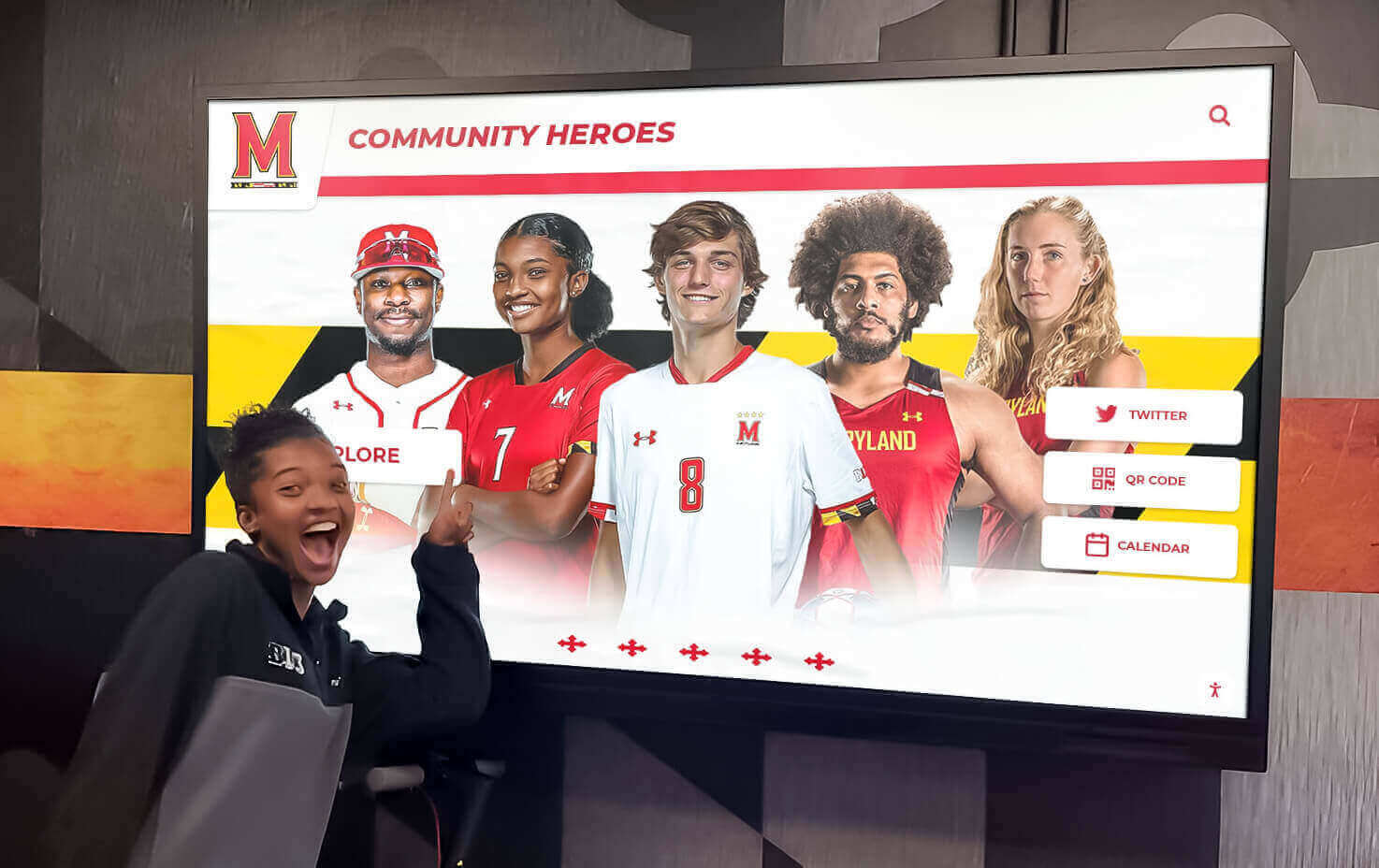
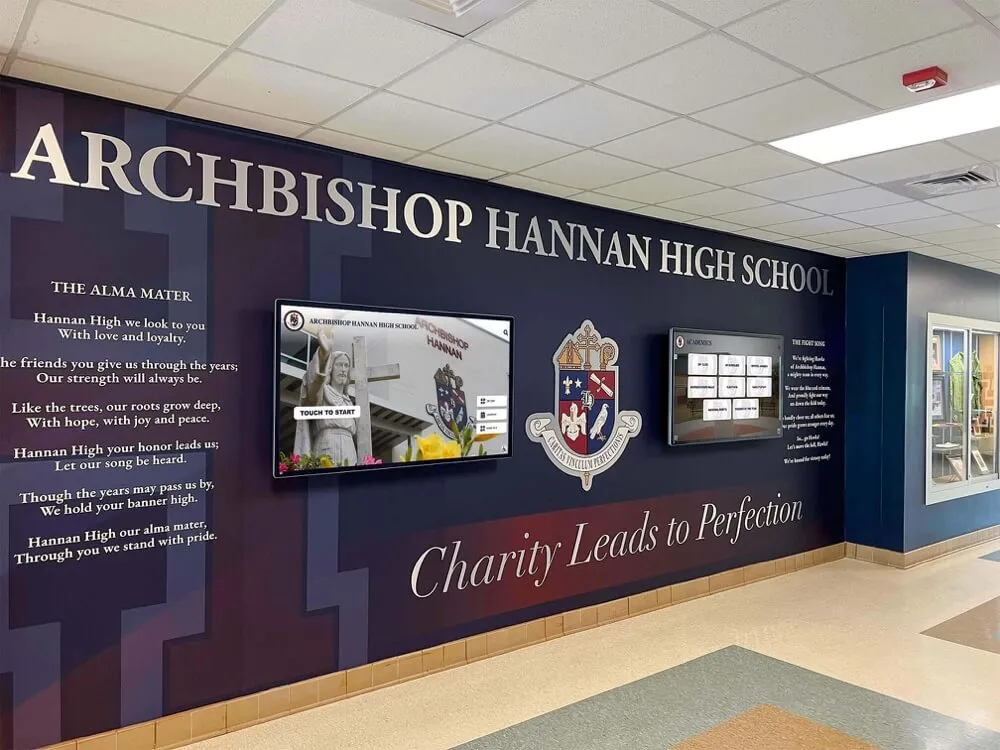
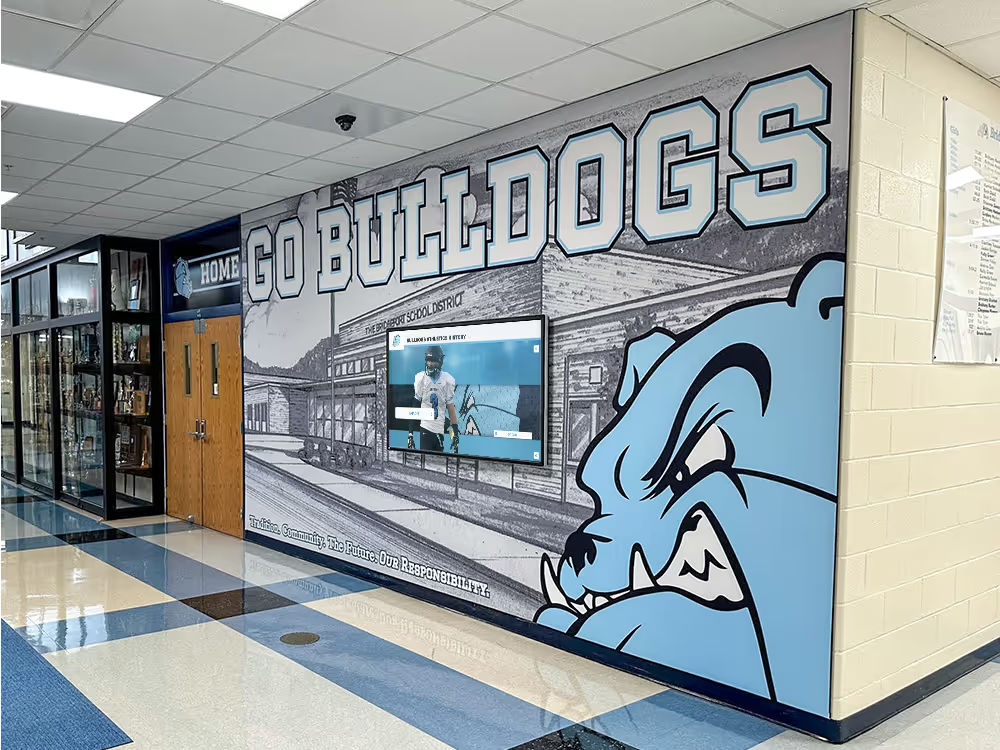
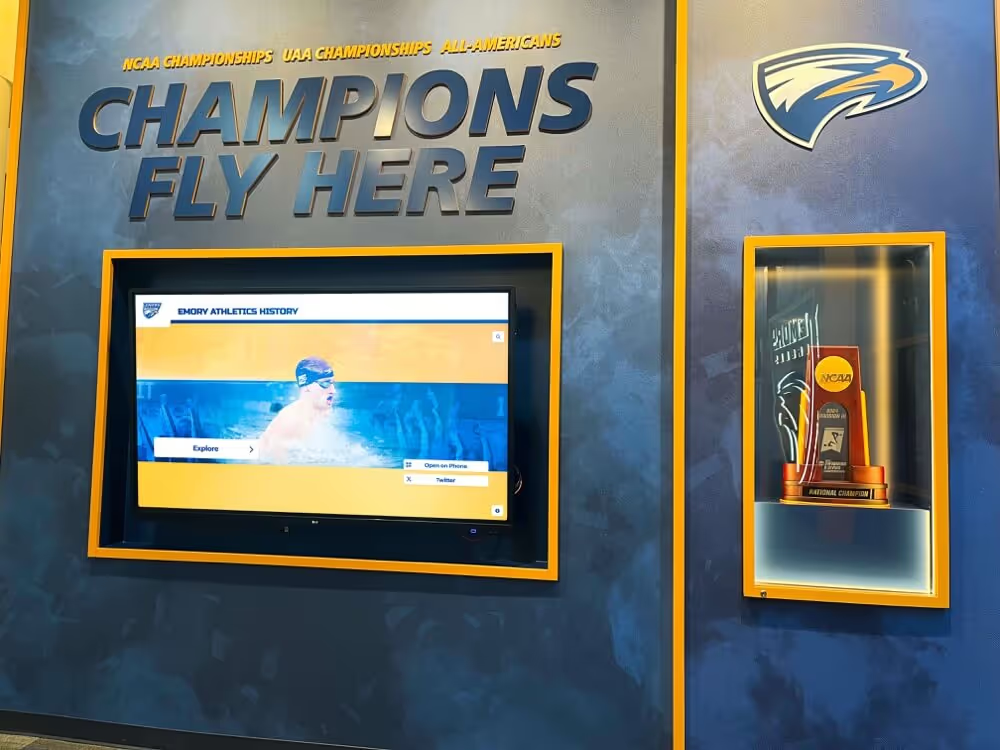
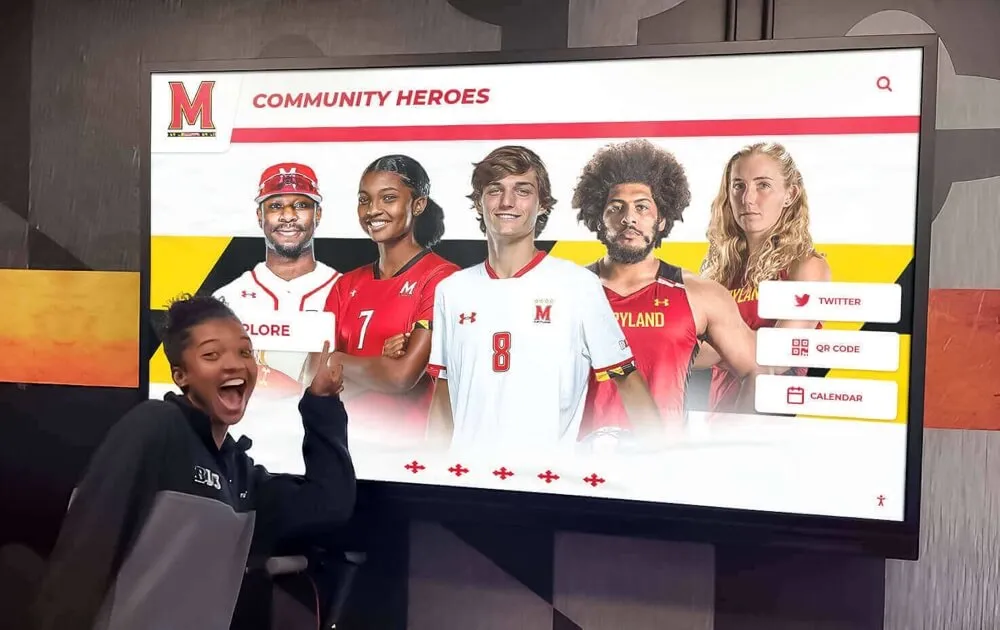
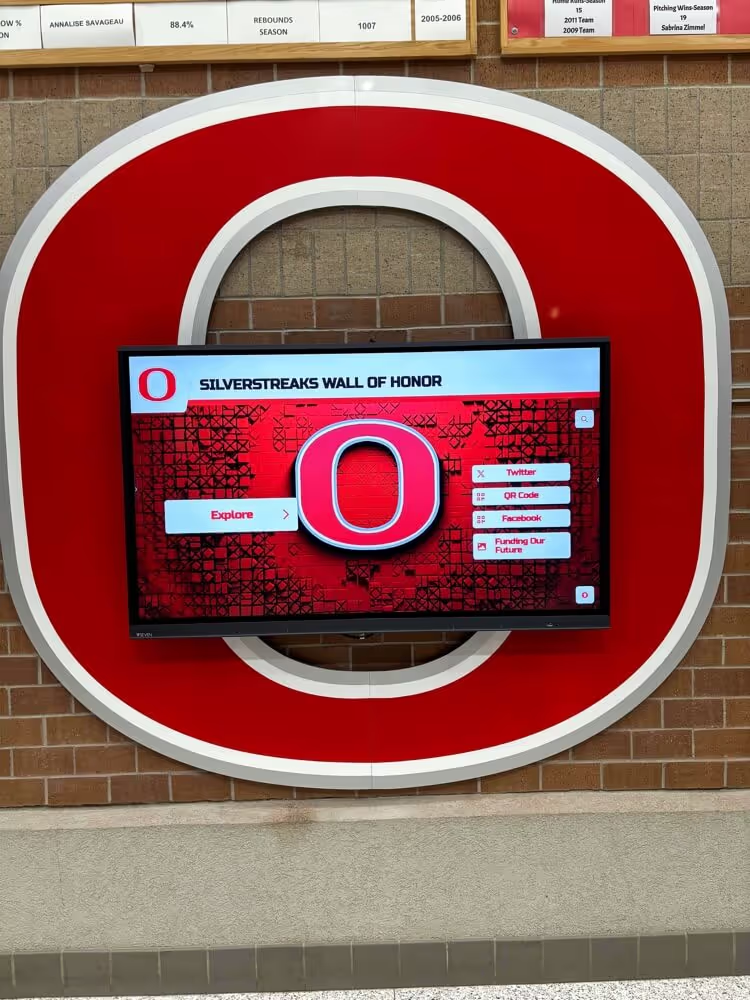
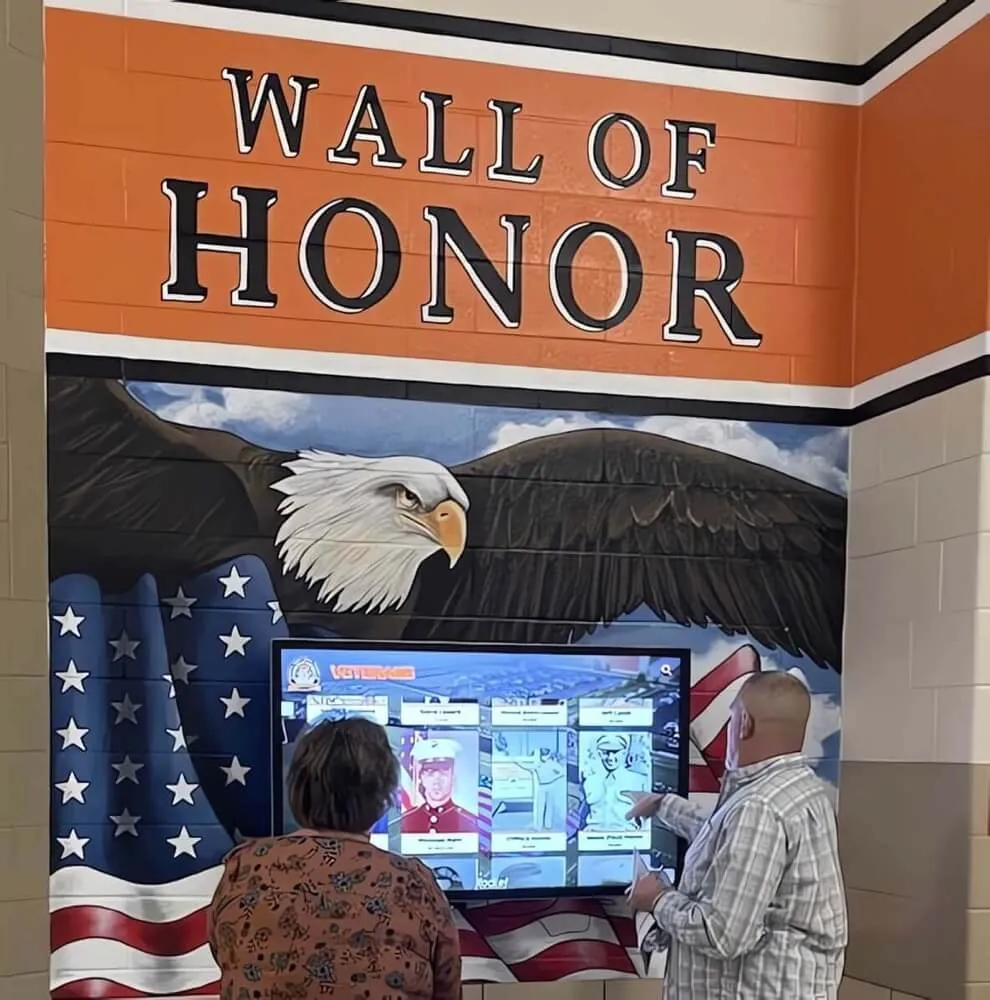
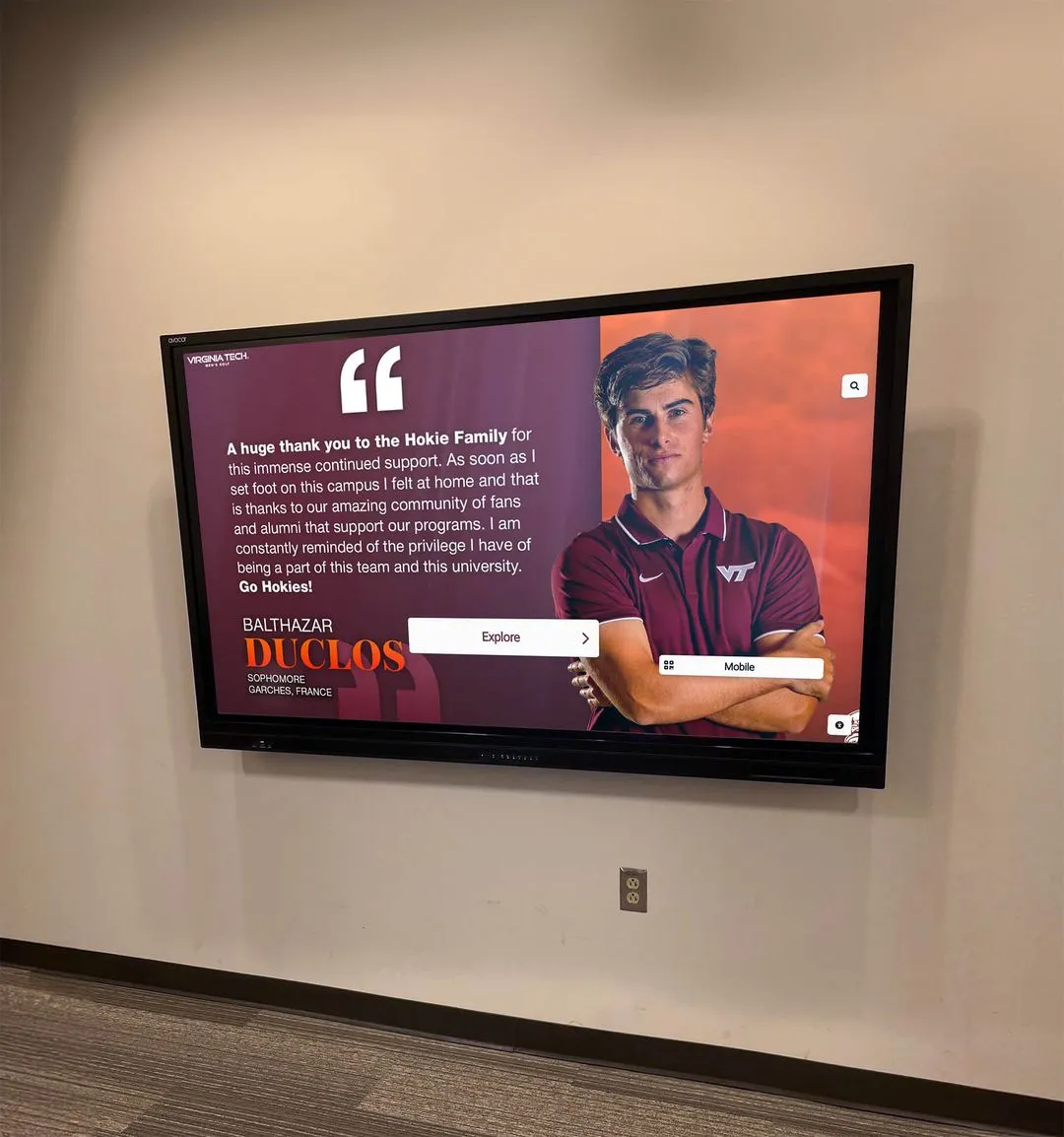
Interactive displays allow students to explore award recipients and accomplishments, extending recognition impact beyond ceremony events
Academic Character and Work Ethic Awards
These awards recognize behaviors and approaches that support academic success:
Academic Character Recognition
- Outstanding Academic Perseverance Award
- Intellectual Curiosity Award
- Academic Integrity Honor
- Excellence in Collaboration and Teamwork
- Exemplary Study Habits Recognition
- Academic Leadership Award
Classroom Contribution Awards
- Outstanding Class Participation
- Peer Tutoring Excellence Award
- Academic Mentorship Recognition
- Classroom Citizenship Award
- Positive Learning Environment Contributor
Schools implementing comprehensive academic recognition programs find that character-focused academic awards motivate behaviors that support achievement across all student ability levels.
Creative and Fine Arts Awards
Arts recognition celebrates students demonstrating excellence in creative and performing disciplines.
Visual Arts Recognition
Media-Specific Awards
- Excellence in Drawing and Illustration
- Outstanding Painting Achievement
- Sculpture and 3D Design Award
- Digital Arts and Graphic Design Recognition
- Photography Excellence Award
- Ceramics and Pottery Achievement
Creative Process Awards
- Artistic Growth and Development Award
- Creative Risk-Taking Recognition
- Artistic Innovation Award
- Portfolio Excellence Recognition
- Art Exhibition Participation Award
Performing Arts Recognition
Music Awards
- Outstanding Instrumental Performance
- Vocal Excellence Award
- Music Theory Achievement
- Jazz Band Excellence
- Marching Band Dedication Award
- Orchestra Leadership Recognition
- All-State Music Recognition
Schools can also recognize students for exceptional musical accomplishments that extend beyond classroom settings.
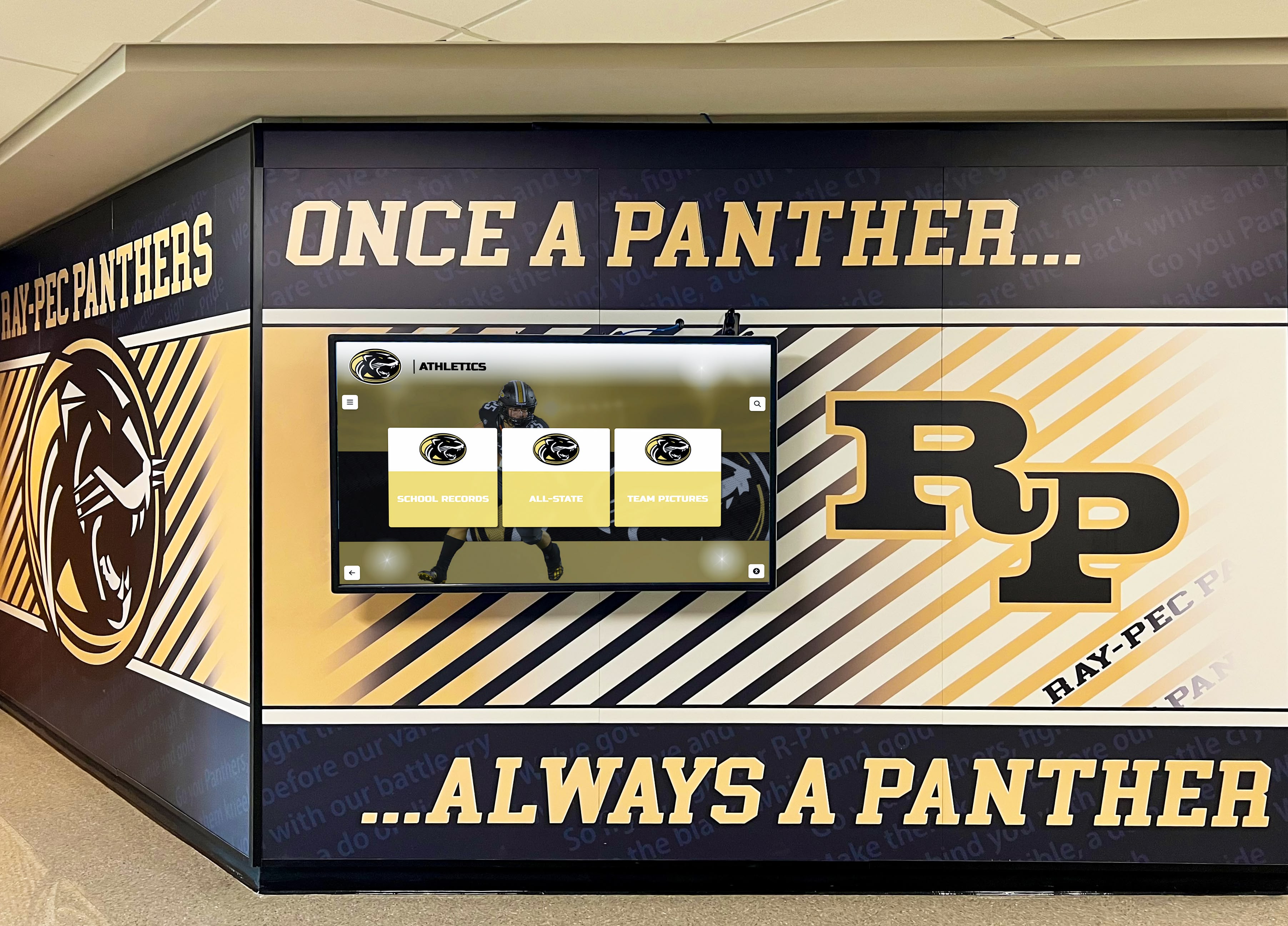
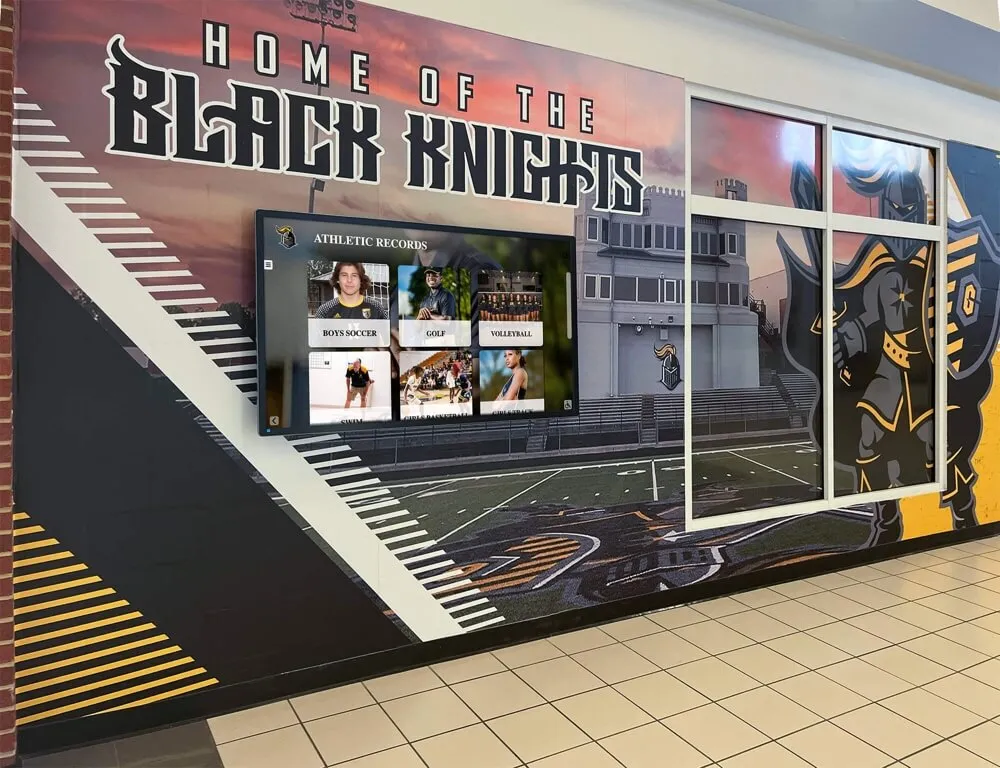
Digital displays complement traditional recognition by showcasing award recipients throughout the school year
Theatre and Drama Awards
- Outstanding Performance in Theatre Production
- Technical Theatre Excellence (lighting, sound, set design)
- Stage Management Recognition
- Improvisation and Comedy Award
- Musical Theatre Achievement
- Drama Department Leadership Award
Dance Recognition
- Choreography Excellence Award
- Outstanding Dance Performance
- Dance Technique Advancement Award
- Dance Ensemble Leadership Recognition
Creative Writing and Media Production
Writing Recognition
- Creative Writing Excellence (poetry, fiction, creative nonfiction)
- Journalism and News Writing Award
- Literary Magazine Contribution Recognition
- Scriptwriting Achievement Award
Digital Media Awards
- Video Production Excellence
- Podcast and Audio Production Award
- Social Media Content Creation Recognition
- Animation and Motion Graphics Achievement
Creative awards validate students whose talents lie outside traditional academic metrics while highlighting the diverse forms of intelligence and expression schools should celebrate.
Character, Leadership, and Service Awards
These awards recognize students who embody school values and contribute positively to school communities.
Character and Values-Based Awards
Core Character Recognition
- Integrity and Honesty Award
- Compassion and Empathy Recognition
- Respect and Kindness Award
- Responsibility and Accountability Recognition
- Courage and Bravery Award
- Outstanding School Citizenship
Personal Growth Awards
- Growth Mindset Award
- Resilience and Perseverance Recognition
- Self-Advocacy Achievement Award
- Positive Attitude Award
- Problem-Solving Mindset Recognition
Leadership Recognition
Student Leadership Awards
- Outstanding Student Council Leadership
- Class Officer Achievement Award
- Club President Recognition
- Peer Mentorship Leadership Award
- Student Ambassador Excellence
- Emerging Leader Recognition (for younger students showing leadership potential)
Leadership awards should recognize both formal leadership positions and informal leadership demonstrated through initiative, influence, and positive impact on peers.
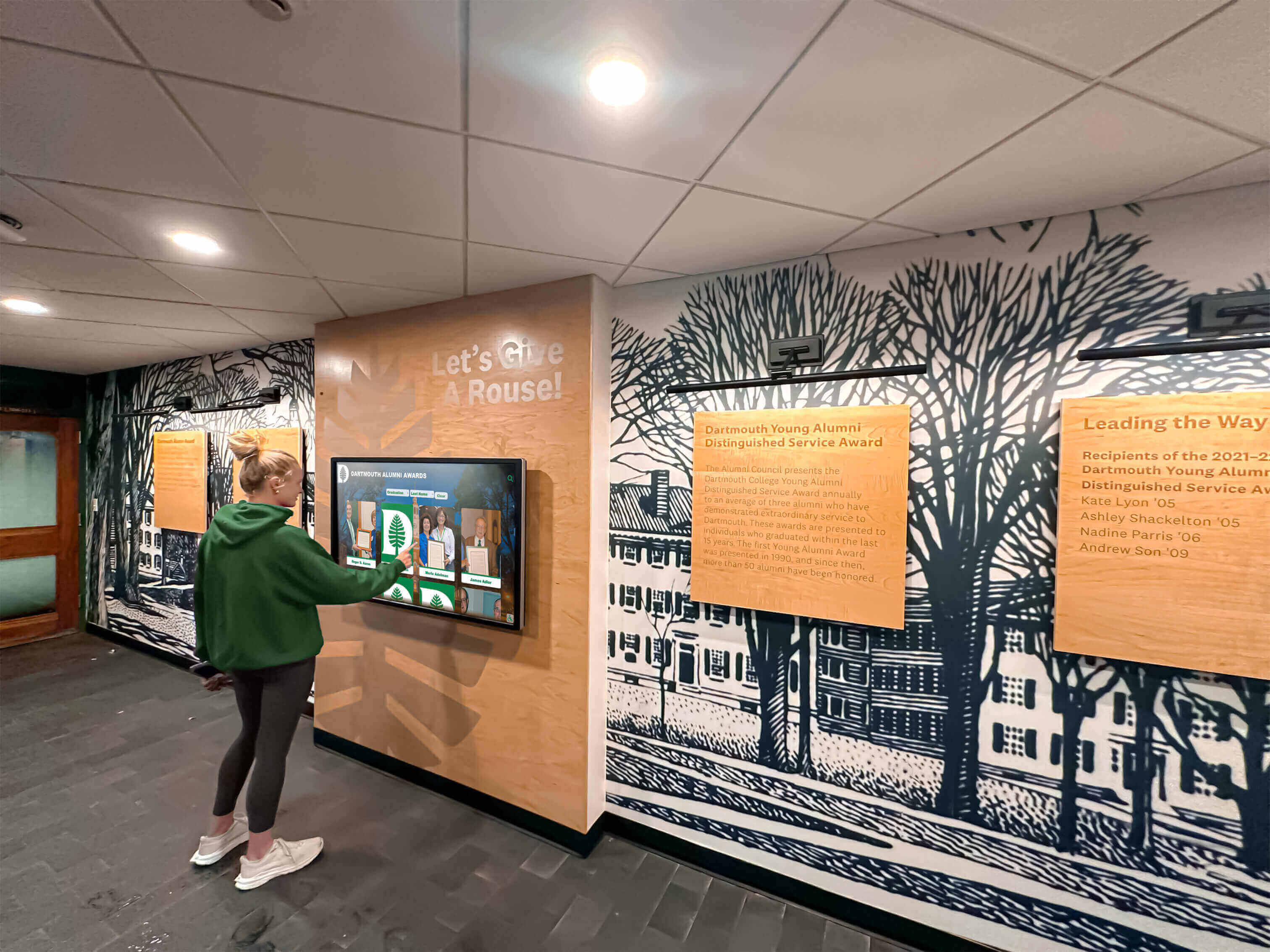
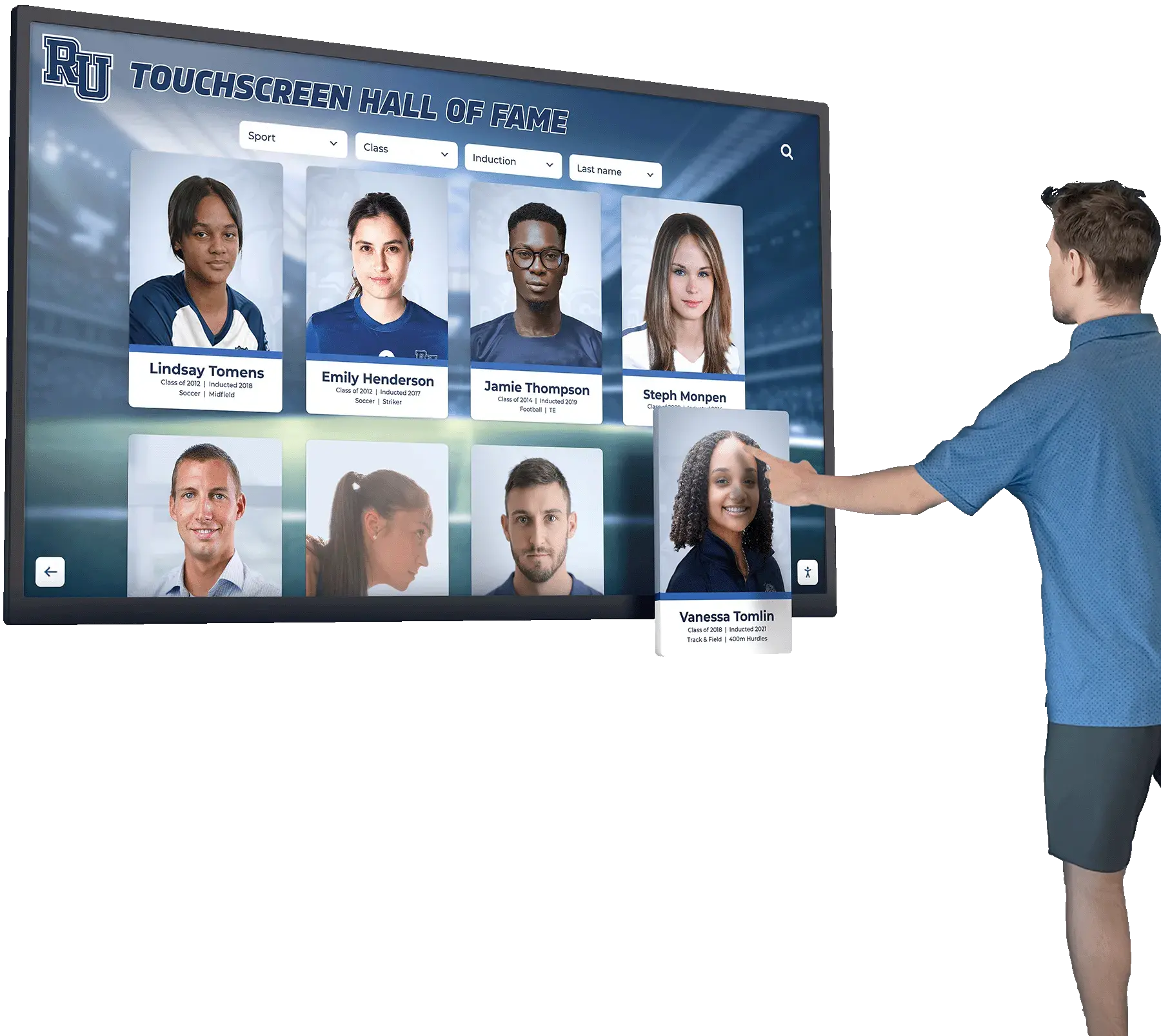
Touchscreen recognition displays engage students with achievements, creating interactive experiences with award programs
Service and Community Contribution Awards
Service Recognition
- Outstanding Community Service Award
- Service Learning Excellence Recognition
- Volunteer Hours Achievement Award (tiered by hours)
- Community Impact Award
- Environmental Stewardship Recognition
- Social Justice Advocacy Award
School Contribution Awards
- Spirit and School Pride Award
- Event Planning and Coordination Recognition
- Fundraising Excellence Award
- School Improvement Initiative Award
Schools implementing comprehensive student recognition displays find that showcasing service award recipients prominently increases student interest in community engagement and volunteer opportunities.
Athletic and Physical Education Awards
Athletic recognition extends beyond varsity letter awards to acknowledge diverse forms of physical achievement.
Sport-Specific Awards
Individual Achievement
- Most Valuable Player (by sport)
- Most Improved Athlete (by sport)
- Offensive Player of the Year
- Defensive Player of the Year
- Rookie of the Year
- All-Conference Recognition
- Team Captain Leadership Award
Character-Based Athletic Awards
- Sportsmanship Award
- Athletic Dedication and Work Ethic Award
- Team Spirit and Enthusiasm Recognition
- Coachability Award
- Scholar-Athlete Recognition
Schools can showcase athletic achievements through digital trophy case displays that provide unlimited space for recognizing athletes across all sports and achievement levels.
Physical Education and Wellness Awards
PE Excellence Recognition
- Outstanding Physical Education Student
- Fitness Improvement Award
- Lifetime Wellness Commitment Award
- Intramural Sports Excellence
- Recreation Program Participation Recognition
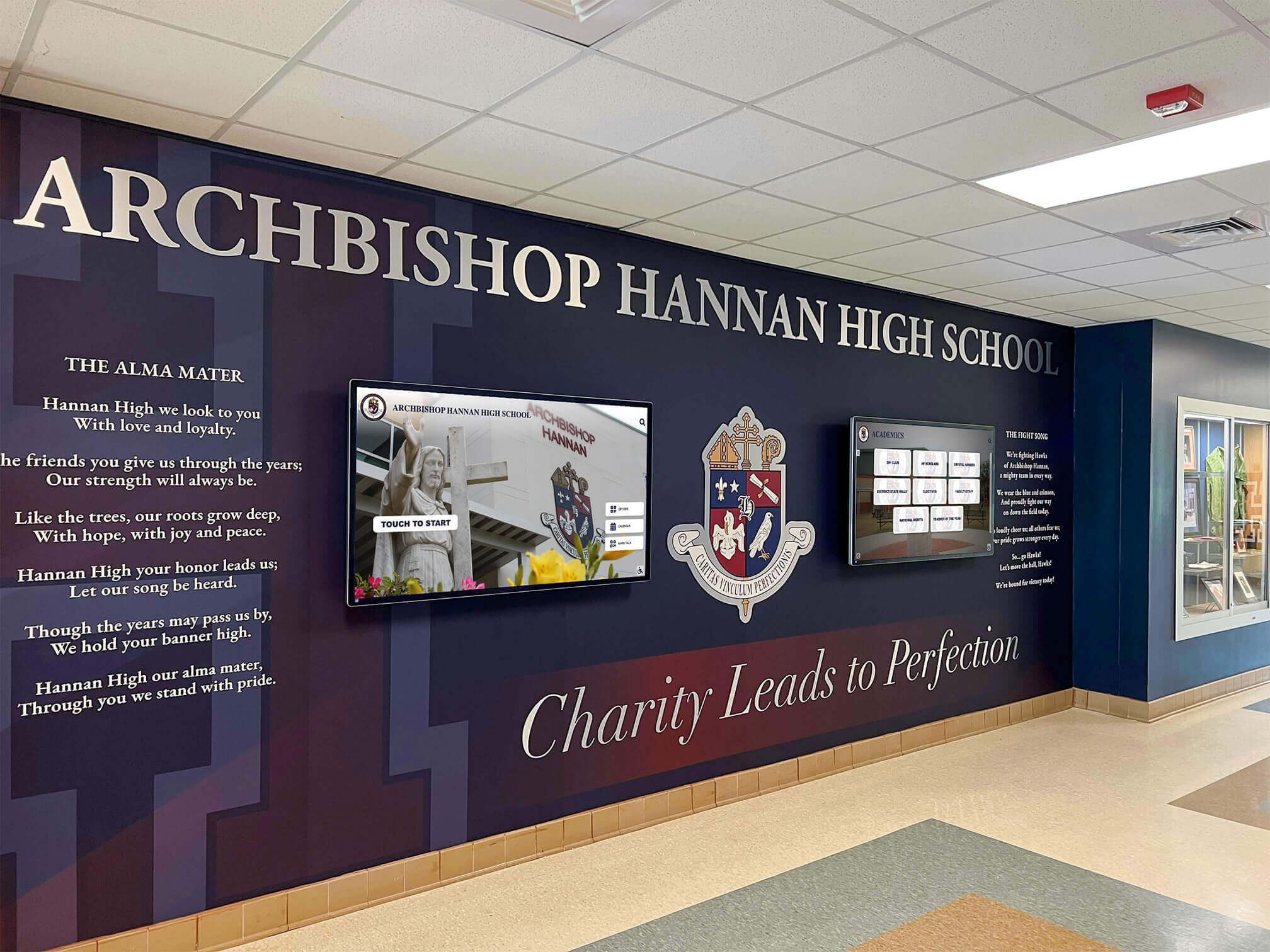
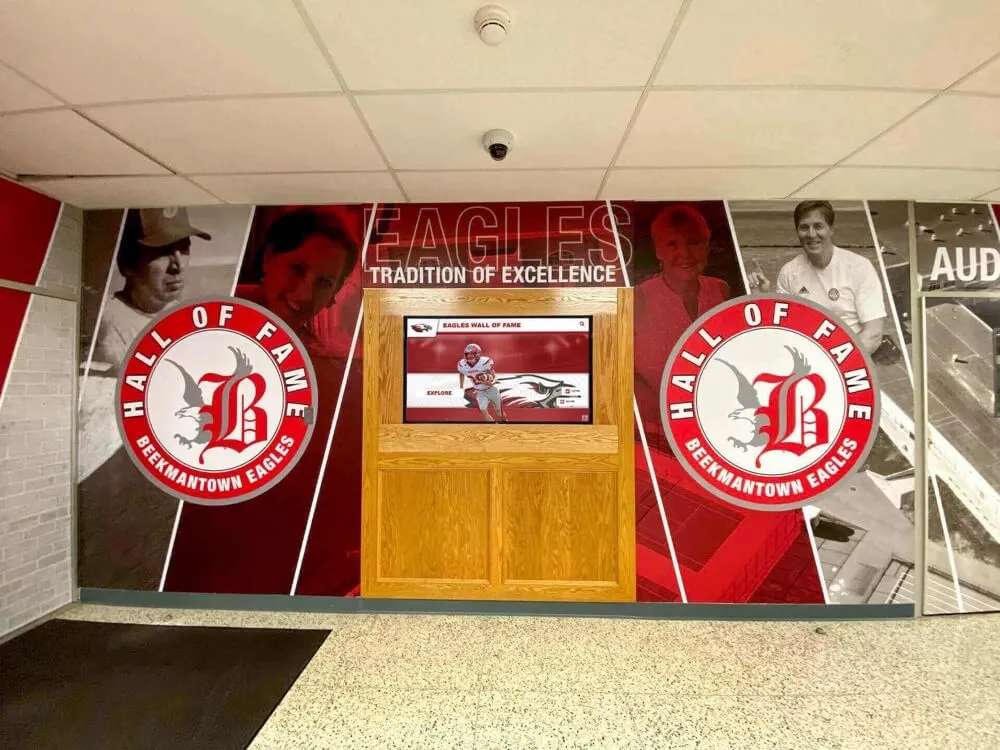
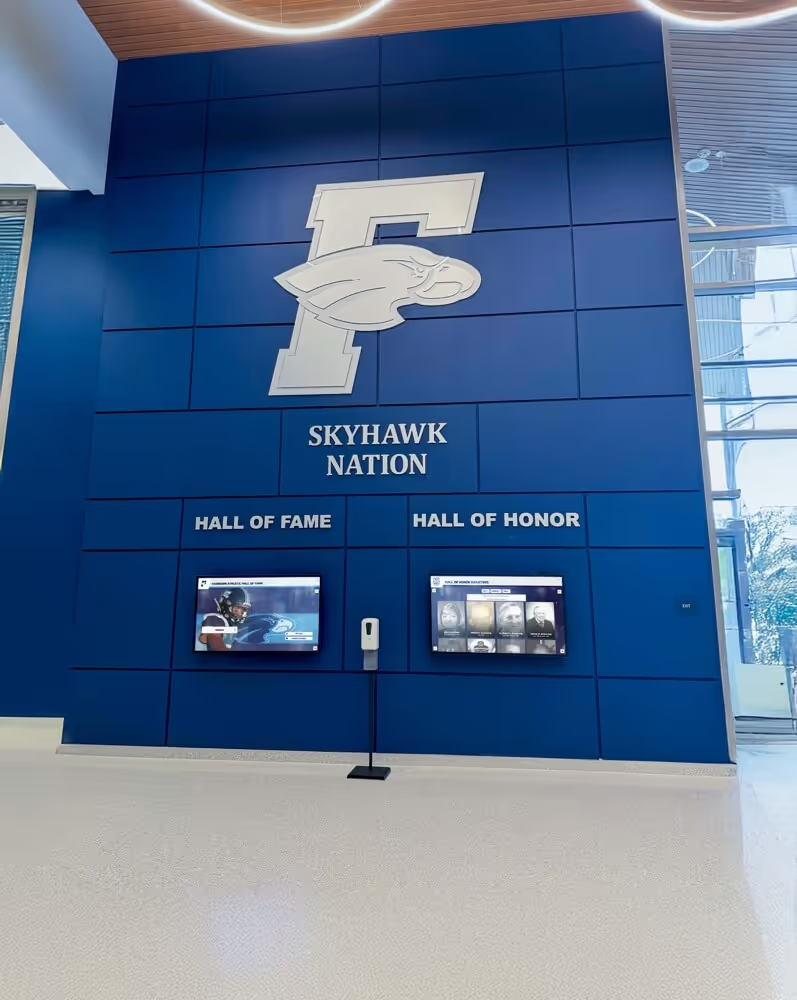
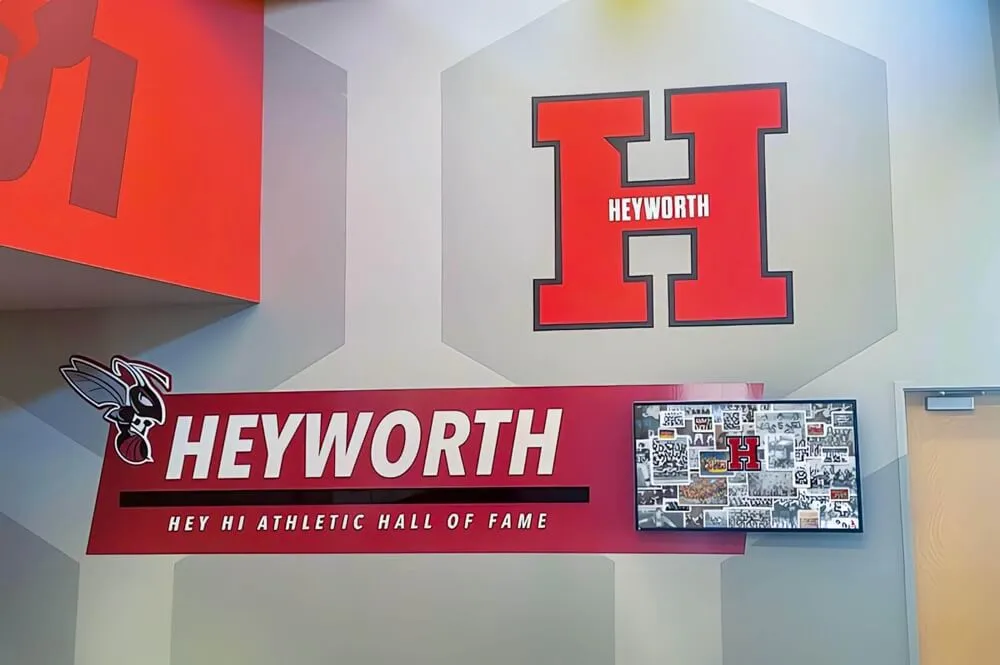
Prominent lobby displays make end of year award recipients visible to entire school communities throughout subsequent years
Special Recognition Categories
These awards acknowledge unique contributions and circumstances worthy of celebration.
Attendance and Punctuality Awards
Attendance Recognition
- Perfect Attendance Award (full year)
- Outstanding Attendance Recognition (missing fewer than specified days)
- Perfect Punctuality Award
- Most Improved Attendance
While some educators debate attendance awards, research suggests they remain motivating for many students and families, particularly when paired with recognition of legitimate obstacles overcome.
Specialized Program Awards
Program-Specific Recognition
- Outstanding Career and Technical Education Student
- STEM Program Excellence Award
- Special Education Achievement Recognition
- English Language Learner Progress Award
- Gifted and Talented Program Achievement
- Alternative Education Success Award
Peer-Nominated Awards
Student-selected recognition creates meaningful peer acknowledgment:
Peer Recognition Awards
- Best Friend and Supportive Peer Award
- Class Comedian (for appropriate, positive humor)
- Most Likely to Help Others
- Brightest Smile and Positive Energy Award
- Best Study Partner
- Future Change-Maker Award
Peer-nominated awards should be carefully structured to ensure nominations remain positive, inclusive, and aligned with school values rather than popularity contests.
Unique and Creative Award Categories
These distinctive awards add personality to recognition programs while celebrating specific student contributions:
Specialized Recognition
- Trivia Master and General Knowledge Award
- Technology Troubleshooter Award (student who helps others with tech)
- Book Lover and Reading Enthusiast Award
- School Historian Award (student who preserves memories and traditions)
- Ambassador of Positivity Award
- Renaissance Student (excellence across multiple unrelated areas)
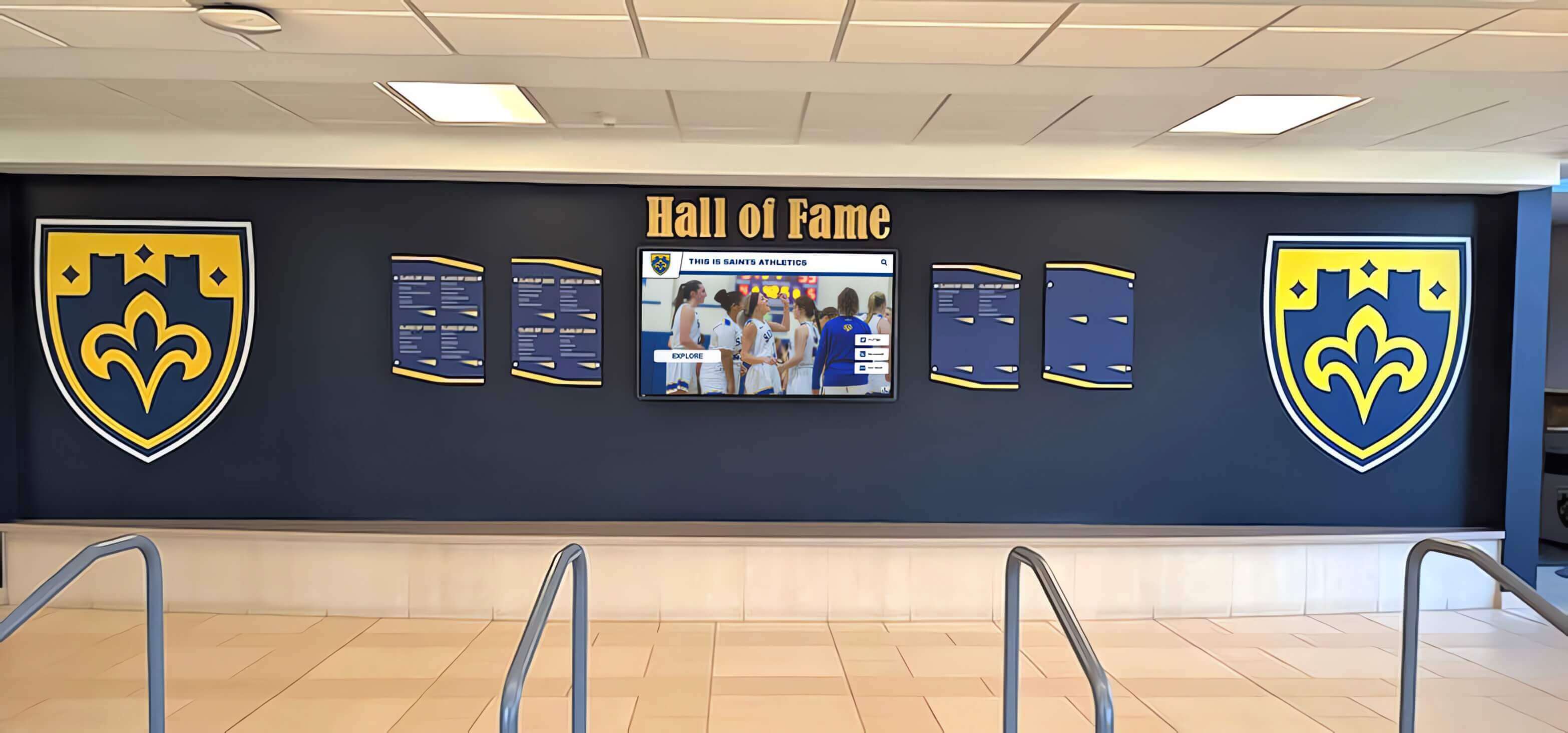
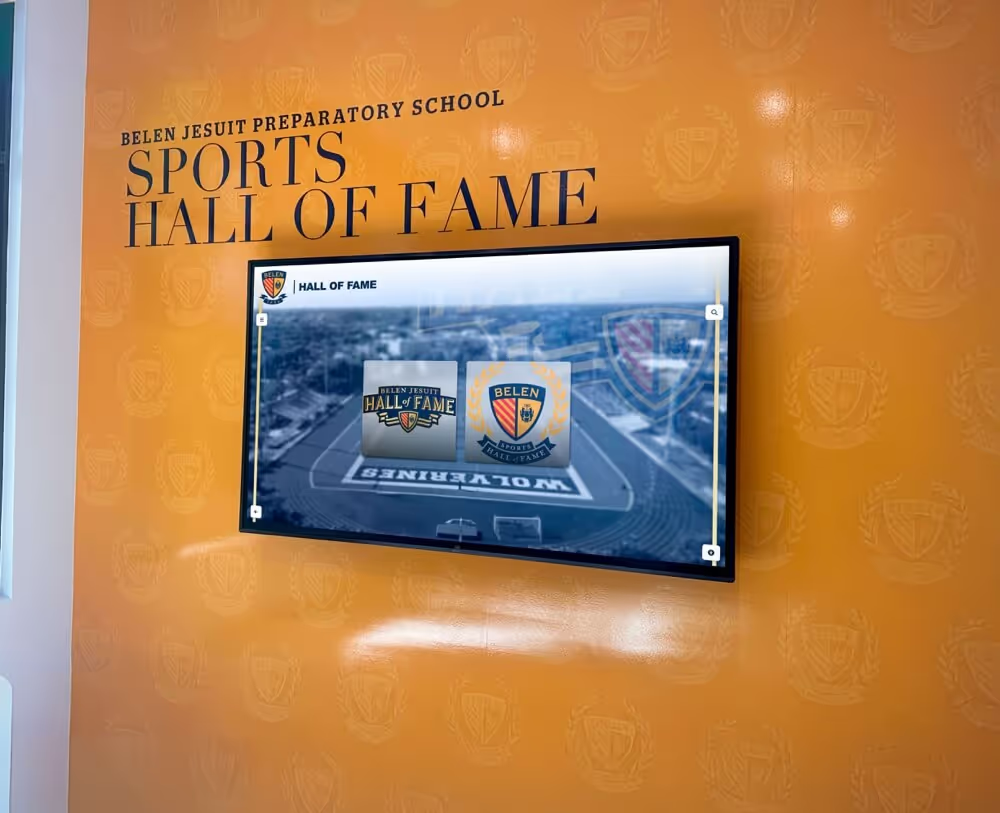
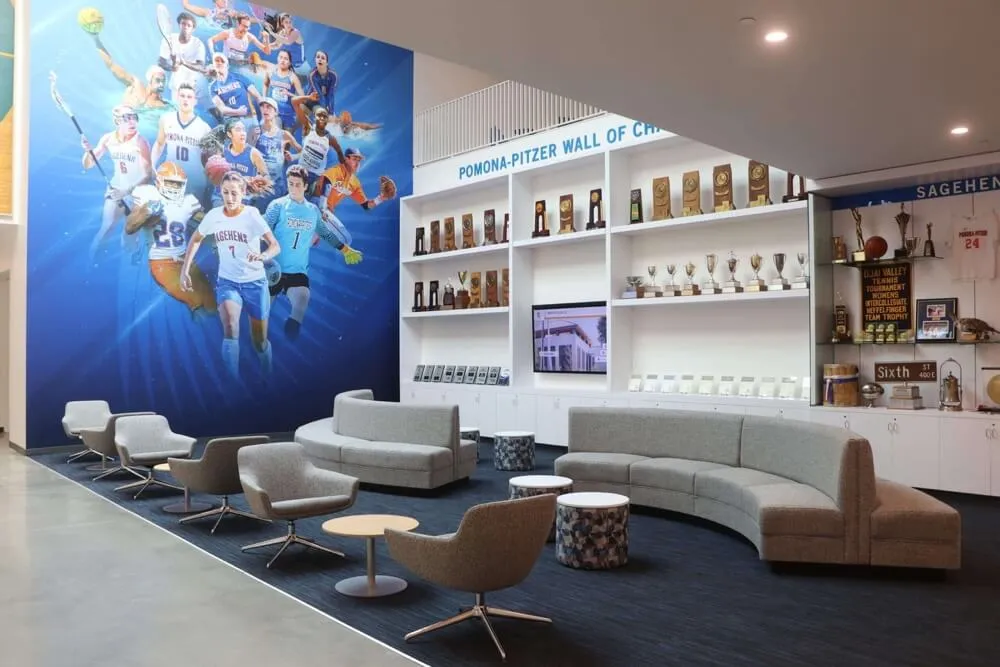
Integrated physical and digital recognition creates prestigious spaces celebrating diverse student achievements
Fun and Memorable Categories
- Most Improved Locker Organization Award
- Best School Spirit Outfit Award
- Future Teacher Award (for students showing teaching aptitude)
- Science Fair Innovation Award
- Debate and Argumentation Excellence (for respectful persuasive skills)
Creative categories demonstrate that schools notice and value diverse student qualities beyond standard metrics.
Grade-Level Specific Award Considerations
Different developmental stages require tailored recognition approaches.
Elementary School Awards (K-5)
Elementary awards should emphasize growth, effort, and character with developmentally appropriate categories:
- Reading Superstar Award
- Math Whiz Recognition
- Kindness Champion Award
- Super Helper Award
- Creative Thinker Recognition
- Best Playground Friend
- Outstanding Classroom Citizen
Elementary programs benefit from ensuring every student receives some form of recognition, whether through universal participation certificates supplemented by specific achievement awards or rotating “spotlight student” approaches throughout the year.
Middle School Awards (6-8)
Middle school recognition addresses students’ developing identities and increased social awareness:
- Academic Excellence by Subject Area
- Leadership Emerging Award
- Positive Peer Influence Recognition
- Creative Expression Award
- Most Improved Academic Performance
- Service Learning Achievement
- Athletic Development Award
Middle school programs should balance aspirational achievement recognition with inclusive categories ensuring all students see pathways to acknowledgment regardless of current achievement levels.
High School Awards (9-12)
High school recognition becomes more specialized and credential-focused while maintaining inclusivity:
- Departmental Academic Awards
- College and Career Readiness Recognition
- Senior Leadership Awards
- Portfolio Excellence Recognition
- Capstone Project Achievement Awards
- Internship and Work-Based Learning Excellence
High schools should also implement National Honor Society recognition displays and similar honor society acknowledgments that provide ongoing visibility throughout students’ high school careers.
Planning and Implementing Effective Award Ceremonies
Successful recognition events require strategic planning ensuring smooth execution and meaningful experiences.
Award Selection and Nomination Processes
Establishing Clear Criteria
- Define specific, measurable criteria for each award category
- Document eligibility requirements (grade levels, participation requirements)
- Establish nomination processes (teacher nomination, student application, committee selection)
- Create rubrics for subjective categories ensuring fair evaluation
- Communicate criteria transparently to students and families
Creating Selection Committees
- Form diverse committees representing multiple stakeholder perspectives
- Include teachers, administrators, and support staff in selection
- Consider student voice in appropriate categories
- Document selection decisions and rationale
- Establish appeals processes for disputed selections when warranted
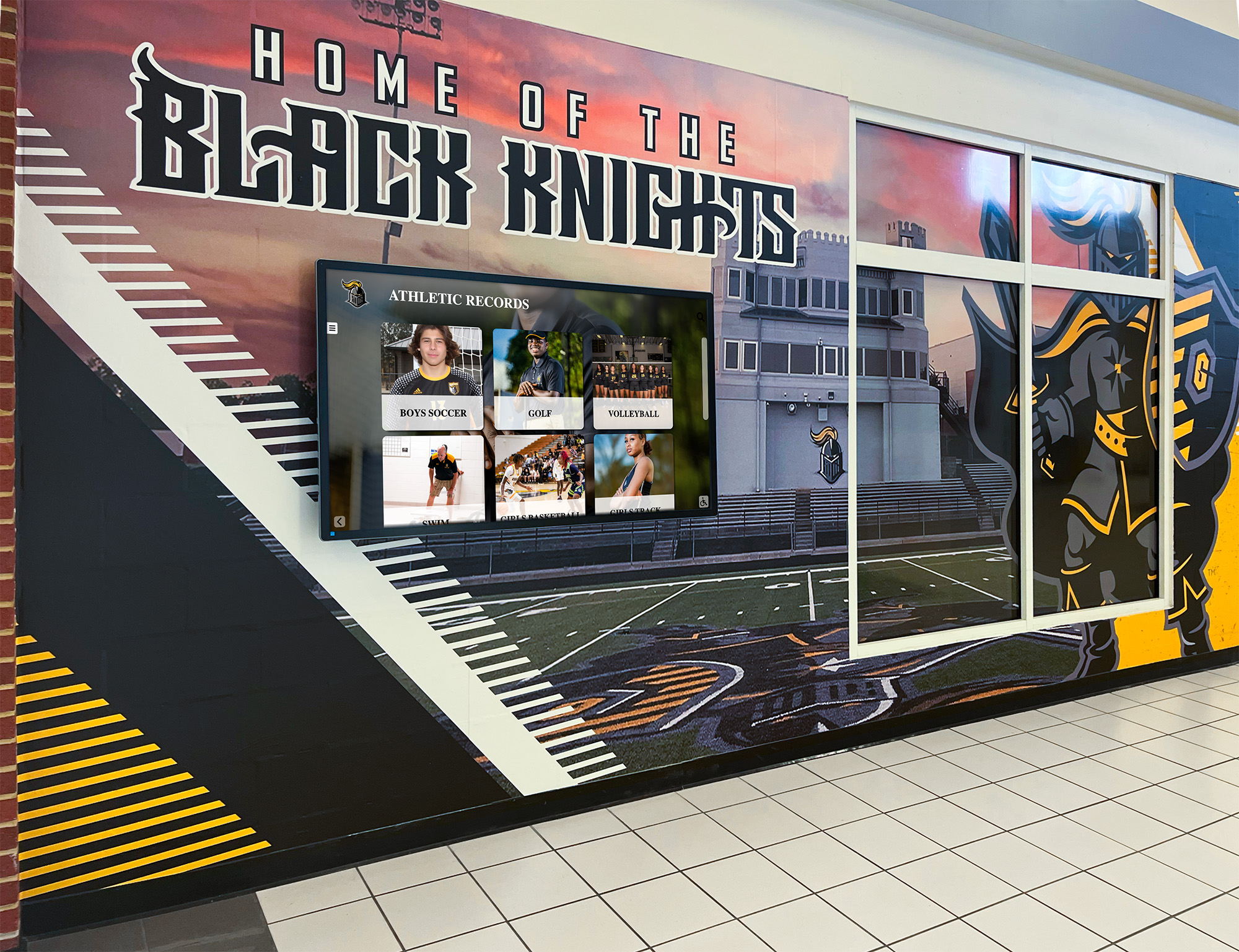
Permanent recognition displays preserve award ceremony moments, allowing recipients to revisit their accomplishments for years
Ceremony Planning and Execution
Event Logistics
- Select appropriate venues accommodating expected attendance
- Schedule ceremonies at times maximizing family participation
- Plan ceremony length appropriate for audience and grade levels
- Arrange seating ensuring award recipients have clear stage access
- Coordinate AV equipment for presentations and music
- Prepare certificates, trophies, or other physical recognition items
Program Design
- Create printed programs listing all award categories and recipients
- Balance ceremony length with meaningful recognition (avoid rushing)
- Include student performances or presentations where appropriate
- Feature opening remarks explaining award program philosophy
- Incorporate inspirational elements (keynote speakers, video presentations)
- Design inclusive experiences where all attending students feel valued
Communication and Promotion
- Notify award recipients in advance ensuring attendance
- Invite families with sufficient notice for scheduling
- Promote ceremonies through multiple channels (email, social media, newsletters)
- Consider livestreaming or recording for absent families
- Prepare photographer or videographer to document ceremony moments
Creating Lasting Recognition Beyond Ceremonies
Award impact extends far beyond single ceremony events when schools implement sustained recognition:
Permanent Recognition Displays Digital trophy cases and recognition walls provide year-round visibility for award recipients. Unlike physical displays limited by space constraints, solutions like Rocket Alumni Solutions enable schools to showcase unlimited award recipients with professional presentations including photos, achievement details, and searchable databases allowing visitors to explore accomplishments interactively.
Social Media and Digital Recognition
- Create social media posts highlighting award recipients with permission
- Feature recipients on school websites and newsletters
- Develop digital year-end recognition compilations
- Share accomplishments with local media for community recognition
- Build alumni networks connecting current and former award recipients
Certificate and Documentation
- Provide professional certificates suitable for portfolio inclusion
- Create recommendation letter templates for teachers referencing awards
- Document awards in student records and transcripts where appropriate
- Develop digital badges for online portfolio and resume inclusion
Schools implementing comprehensive recognition displays find that sustained visibility throughout subsequent years increases award program prestige and student motivation to earn recognition.
Ensuring Inclusive and Equitable Recognition
Thoughtful program design ensures recognition opportunities exist across diverse student populations.
Creating Multiple Pathways to Recognition
Broadening Achievement Definitions
- Include growth-based awards alongside absolute achievement recognition
- Recognize diverse intelligence types (academic, creative, social, physical)
- Acknowledge contributions (service, leadership) alongside accomplishments
- Create tiered recognition levels within categories
- Develop class-specific or grade-level awards ensuring age-appropriate competition
Addressing Potential Barriers
- Ensure students with disabilities have appropriate award access
- Create awards recognizing unique circumstances (newcomer students, English learners)
- Avoid fees or purchases required for award eligibility
- Consider family situations affecting participation (transportation to ceremonies)
- Provide translation services for multilingual families at ceremonies
Balancing Aspiration and Inclusion
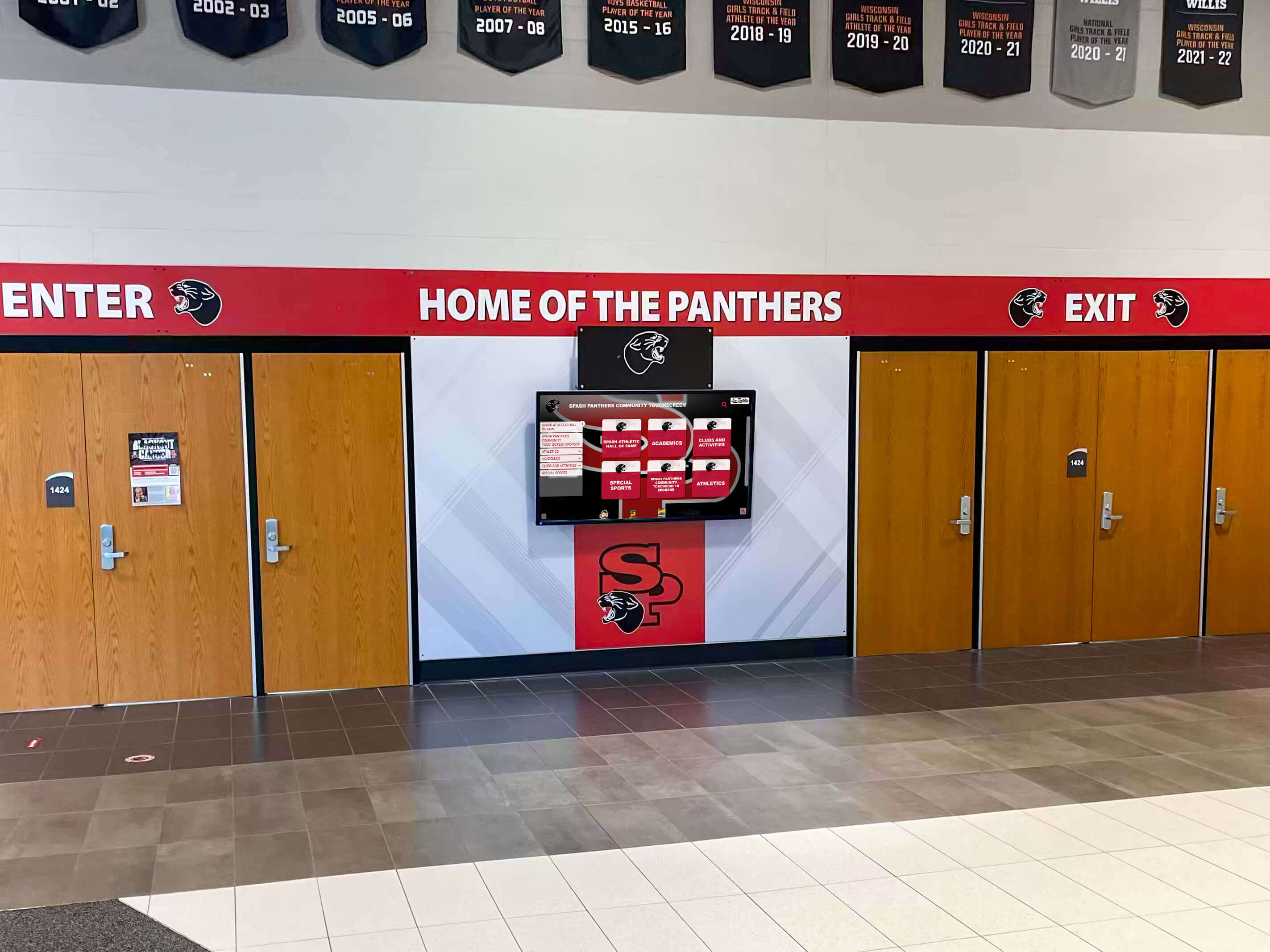
Entrance displays welcome students daily with visible reminders that their school values and celebrates diverse achievements
Effective programs balance aspirational awards motivating exceptional achievement with inclusive categories ensuring broader participation:
High Bar Awards Maintain selective recognition for truly exceptional achievement:
- Valedictorian and salutatorian recognition
- Perfect GPA awards
- State or national competition qualifiers
- Significant research or creative accomplishments
Inclusive Recognition Provide attainable pathways for students across achievement ranges:
- Most improved categories by starting point
- Effort and persistence awards
- Character and contribution recognition
- Grade-level specific achievements
- Participation milestones
Research consistently shows that recognition programs striking this balance maximize both individual achievement motivation and overall school culture benefits.
Measuring Award Program Impact and Continuous Improvement
Effective programs incorporate feedback loops ensuring continued relevance and impact.
Gathering Stakeholder Feedback
Student Perspectives
- Survey students about award category relevance and fairness
- Collect feedback about ceremony experience and meaning
- Ask students which awards they found most motivating
- Identify potential new categories students believe should exist
Family Input
- Survey families about ceremony experience and communication
- Gather feedback about award criteria clarity and fairness
- Collect suggestions for recognition improvements
- Assess family understanding of award program goals
Staff Insights
- Debrief with teachers about nomination and selection processes
- Identify categories generating confusion or concern
- Discuss observed impacts on student motivation and behavior
- Refine criteria based on implementation experience
Tracking Long-Term Outcomes
Quantitative Metrics
- Analyze recognition distribution across demographic groups
- Track percentage of students receiving some form of recognition
- Monitor award recipient academic trajectories in subsequent years
- Measure ceremony attendance and family engagement
Qualitative Indicators
- Document student responses to recognition over time
- Track requests for award information in college applications
- Note cultural shifts around valued achievements
- Collect graduate reflections on meaningful recognition experiences
Award Budget Considerations and Resource Allocation
Strategic resource allocation ensures sustainable, high-quality recognition programs.
Physical Recognition Materials
Certificates and Printed Materials
- Professional certificate printing ($1-3 per certificate)
- Frame options for select awards ($5-15 per frame)
- Program printing for ceremonies ($0.50-2 per program)
- Photography and videography services ($200-500 per ceremony)
Trophies and Medals
- Standard trophies ($5-20 per trophy)
- Custom medals with ribbons ($3-8 per medal)
- Plaques for major awards ($25-75 per plaque)
- Specialty awards (crystal, engraved items) ($50-200)
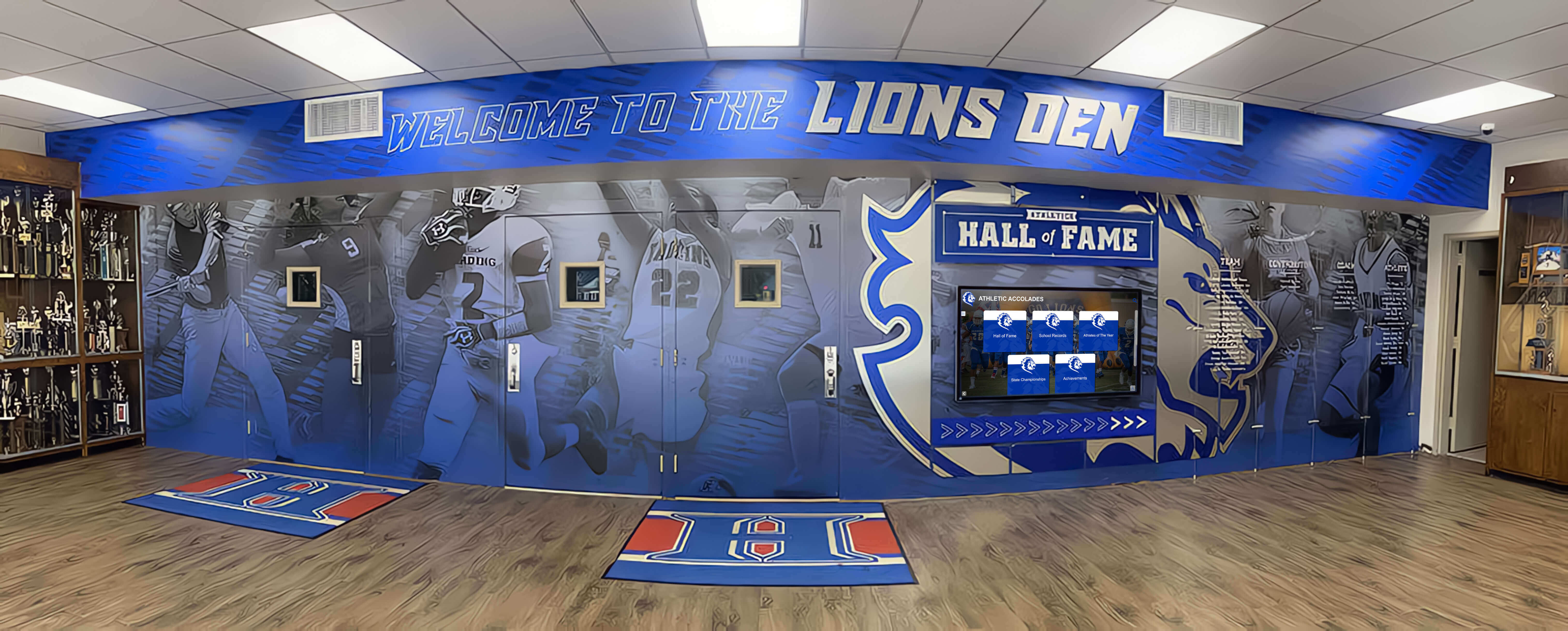
Traditional trophy cases paired with digital displays maximize recognition capacity without constant physical expansion costs
Digital Recognition Investments
Modern schools increasingly invest in permanent digital recognition infrastructure providing unlimited ongoing recognition capacity:
One-Time Infrastructure Costs
- Touchscreen display hardware ($2,000-6,000 per display)
- Installation and mounting services ($300-800)
- Content management platform subscriptions ($100-300 monthly)
- Initial content creation and design ($1,000-3,000)
Ongoing Benefits
- Unlimited award recipient capacity without physical space constraints
- Easy updates for future years without reprinting or physical modification
- Interactive features allowing detailed accomplishment exploration
- Professional presentations enhancing recognition prestige
- QR code access enabling mobile viewing and sharing
Schools implementing digital recognition displays find that initial investments provide years of sustained value while eliminating recurring costs associated with physical recognition updates and expansions.
Adapting Awards for Virtual and Hybrid Environments
Modern schools must plan recognition flexible enough for various participation formats.
Virtual Award Ceremonies
Technology Requirements
- Video conferencing platforms supporting large audiences
- Screen sharing capabilities for presentations
- Breakout room features for grade-level or department-specific recognition
- Recording capabilities for on-demand viewing
- Chat or reaction features for audience engagement
Virtual Ceremony Best Practices
- Send physical awards to recipients in advance for unboxing during ceremony
- Create engaging visual presentations highlighting accomplishments
- Incorporate pre-recorded video messages from teachers or administrators
- Design shorter ceremony segments maintaining virtual audience attention
- Provide interactive elements (polls, Q&A) keeping participants engaged
Hybrid Recognition Approaches
Blended Experiences
- Host in-person ceremonies with livestream options for remote families
- Create pre-recorded award announcement videos supplementing live events
- Develop digital recognition portfolios students access regardless of format
- Use physical ceremonies for major awards with digital recognition for broader categories
Creating Traditions Around Year-End Recognition
Sustainable programs develop recognizable traditions building anticipation and meaning over time.
Building Program Identity
Naming and Branding
- Develop distinctive names for award programs creating identity
- Create visual branding (logos, color schemes) for recognition materials
- Establish signature ceremony elements repeated annually
- Develop hashtags or social media traditions around recognition
Annual Traditions
- Signature opening or closing ceremony elements
- Traditional music or performance selections
- Repeating keynote speaker categories (alumni, community leaders)
- Consistent timing (last week before summer, specific date)
- Traditional reception or celebration following ceremonies

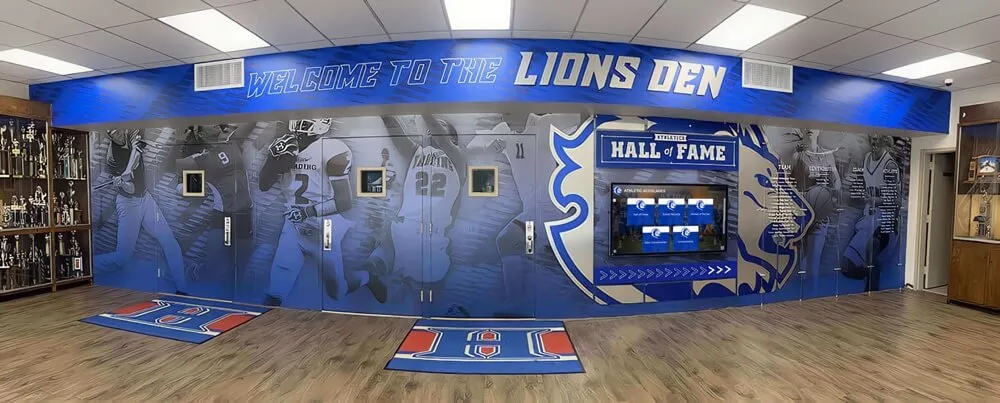
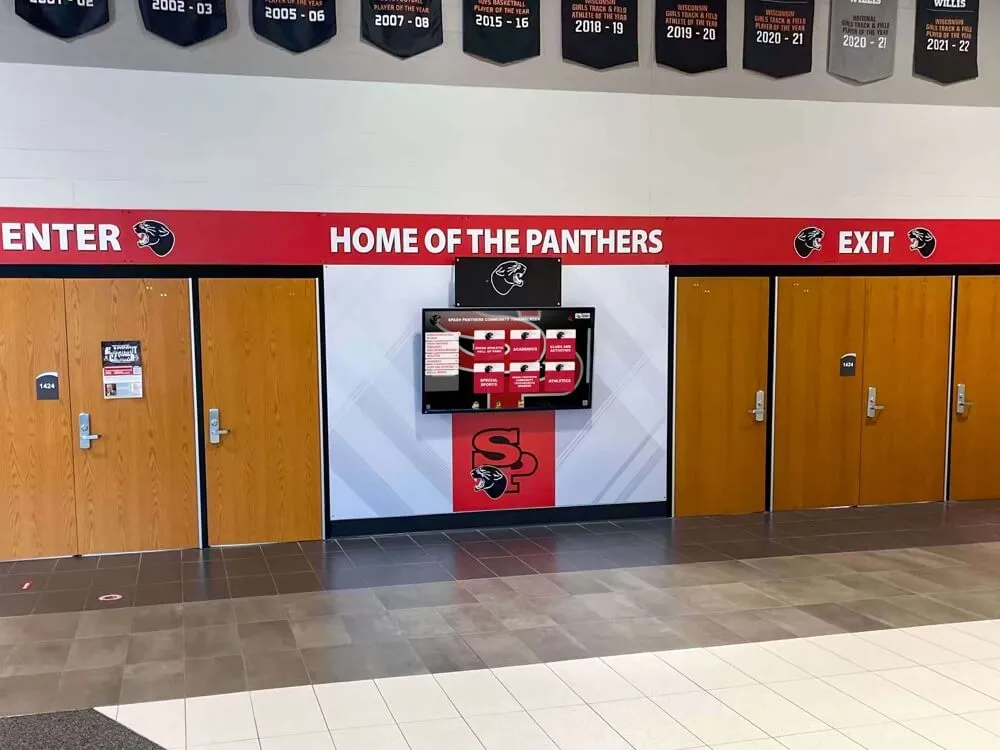
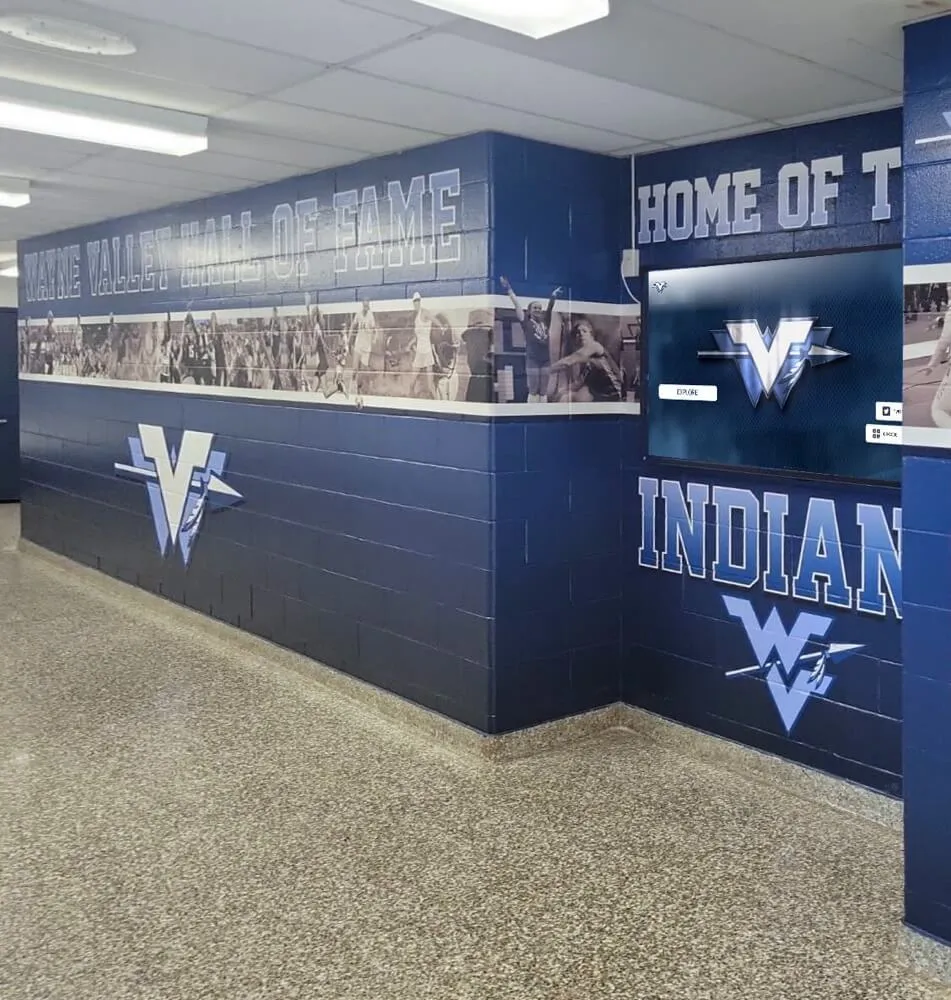
Hallway recognition displays become familiar landmarks where students regularly check for updated award recipients and accomplishments
Connecting Recognition to Alumni Networks
Forward-thinking schools connect current recognition with long-term alumni engagement:
- Create alumni spotlights featuring former award recipients’ achievements
- Invite distinguished alumni back as award presenters
- Develop award recipient networks facilitating mentorship connections
- Track award recipient trajectories for future inspiration and recruitment
- Build digital alumni directories connecting current students with successful graduates
Schools implementing comprehensive digital alumni recognition systems find that connecting current award programs with alumni success stories enhances program prestige while building valuable mentorship networks.
Common Award Program Challenges and Solutions
Even well-planned programs encounter predictable challenges requiring proactive solutions.
Challenge: Award Concentration Among Same Students
Problem: Same students repeatedly winning awards creates perception of favoritism
Solutions:
- Create “first-time recipient” priority for certain competitive awards
- Develop subject-specific rather than general excellence awards
- Implement departmental award limits per student
- Add growth-based categories recognizing different achievement dimensions
- Ensure sufficient award variety allowing excellence across different domains
Challenge: Limited Physical Recognition Space
Problem: Trophy cases and wall space fill quickly, limiting ongoing recognition capacity
Solutions:
- Transition to digital recognition displays eliminating space constraints
- Implement rotating physical displays with digital archives
- Create class-specific recognition areas refreshed annually
- Develop hybrid approaches with select physical awards complemented by comprehensive digital recognition
- Partner with organizations like Rocket Alumni Solutions providing unlimited digital showcase capacity
Challenge: Nomination Burden on Teachers
Problem: Award nomination processes create overwhelming end-of-year workload
Solutions:
- Stagger nomination deadlines throughout spring semester
- Create simple nomination forms requiring minimal narrative
- Develop rubrics converting subjective judgments to quick ratings
- Allow students to self-nominate with teacher endorsements
- Build nomination into existing evaluation and grading processes
Challenge: Family Attendance at Ceremonies
Problem: Work schedules and transportation barriers prevent family participation
Solutions:
- Schedule ceremonies during early evening hours maximizing attendance
- Livestream ceremonies for remote viewing with recordings available
- Host multiple smaller ceremonies by grade level or department
- Provide transportation assistance or carpooling coordination
- Create pre-ceremony reception time allowing flexible arrival
Sample Award Program Timeline
Effective implementation requires advance planning and coordination:
January-February (Spring Semester Start)
- Review previous year’s award program effectiveness
- Incorporate feedback from students, families, and staff
- Finalize award categories and criteria for current year
- Communicate award opportunities to students and families
- Begin identifying potential keynote speakers or special guests
March
- Open nomination periods for teacher-nominated awards
- Distribute student self-nomination forms for applicable categories
- Begin selection committee meetings for initial candidate review
- Reserve ceremony venues and finalize dates
April
- Complete award selection committee deliberations
- Finalize recipient lists across all categories
- Order certificates, trophies, and recognition materials
- Begin recipient notification process
- Send ceremony invitations to families
May (Early)
- Confirm ceremony logistics (AV, seating, programs)
- Print ceremony programs and prepare materials
- Conduct ceremony rehearsals if involving student participants
- Coordinate photography and videography services
- Update digital recognition displays with new recipients
May (Late) or Early June
- Host award ceremonies
- Distribute certificates and awards to recipients
- Share ceremony recordings and photos with families
- Update school recognition displays and websites
- Send follow-up recognition to local media
June-August (Summer Planning)
- Conduct program evaluation and gather stakeholder feedback
- Review recognition distribution data ensuring equity
- Identify improvements for subsequent year
- Begin planning next year’s program based on lessons learned
Making Recognition Last: Permanent Digital Showcases
While ceremony moments create meaningful experiences, lasting recognition requires sustained visibility throughout subsequent years. Physical trophy cases quickly reach capacity, creating difficult decisions about which achievements to display and which to relegate to storage.
Digital recognition displays solve this challenge by providing unlimited showcase capacity where schools can permanently honor every award recipient with professional presentations including photos, accomplishment details, and even video content. Touchscreen functionality allows students, families, and visitors to explore recognition databases, search for specific recipients, and discover the full breadth of achievements your school celebrates.
Solutions like Rocket Alumni Solutions transform award programs from single-event celebrations into permanent institutional assets that build school culture, motivate current students with visible examples of valued achievements, and create prideful connections among alumni who return to campus seeing their accomplishments still prominently displayed years later.
Ready to create a year-end recognition program where every student sees pathways to achievement and celebration? Schedule a demo to see how digital recognition displays can transform your end of year awards into lasting showcases that honor student accomplishments permanently while building powerful school culture that extends well beyond ceremony events.
Conclusion: Creating Recognition That Resonates
End of year awards represent far more than ceremonial obligations—they create defining moments that validate student effort, communicate institutional values, and build momentum carrying into future academic years. Schools investing thoughtfully in comprehensive recognition programs that celebrate diverse achievement dimensions create cultures where all students see pathways to acknowledgment and success.
The most effective programs balance aspirational awards recognizing exceptional achievement with inclusive categories ensuring broad participation, maintain clear and transparent criteria building trust in selection processes, and create sustained visibility for award recipients extending recognition impact far beyond single ceremony events.
By implementing creative award categories addressing diverse student strengths, planning meaningful ceremonies creating memorable celebration experiences, and leveraging modern recognition technology providing unlimited permanent showcase capacity, schools transform end of year recognition from predictable routines into powerful programs that genuinely motivate students, engage families, and strengthen the culture of excellence defining exceptional educational communities.
As you plan this year’s awards, remember: the goal isn’t simply identifying top performers—it’s creating comprehensive systems ensuring every student experiences meaningful recognition for authentic achievements while building school cultures that consistently celebrate the diverse forms of excellence that should define educational success.