



Every organization faces the same challenge: keeping talented employees engaged, motivated, and committed to their work. While competitive compensation matters, research consistently shows that recognition plays an equally critical role in employee satisfaction and retention. Yet many organizations still struggle to implement effective recognition programs that feel genuine rather than perfunctory.
The right employee recognition awards create environments where contributions are noticed, achievements are celebrated, and individuals feel valued for their efforts. These programs extend far beyond annual service pins or generic employee-of-the-month plaques. Effective recognition acknowledges diverse contributions across performance excellence, character development, team collaboration, and the countless ways employees drive organizational success.
This comprehensive guide explores employee recognition awards across traditional approaches, innovative ideas, and best practices for creating recognition programs that genuinely motivate teams while building organizational cultures where employees choose to stay and thrive.
Employee recognition awards represent strategic investments in organizational culture rather than mere ceremonial gestures. When implemented thoughtfully, recognition programs boost morale, improve retention, increase productivity, and create positive workplace environments where employees feel genuinely appreciated for their contributions.

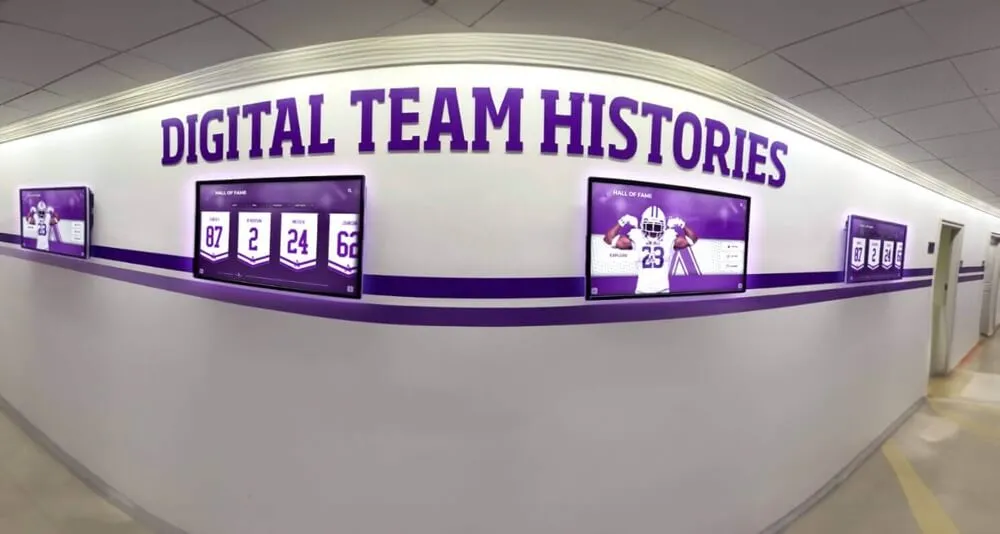
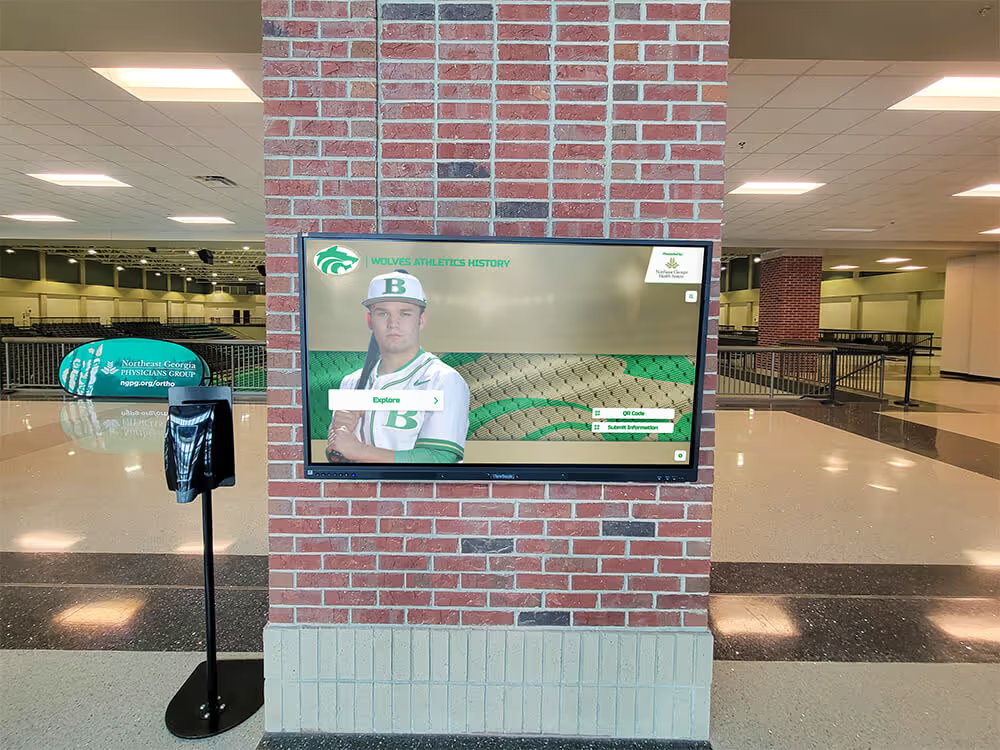
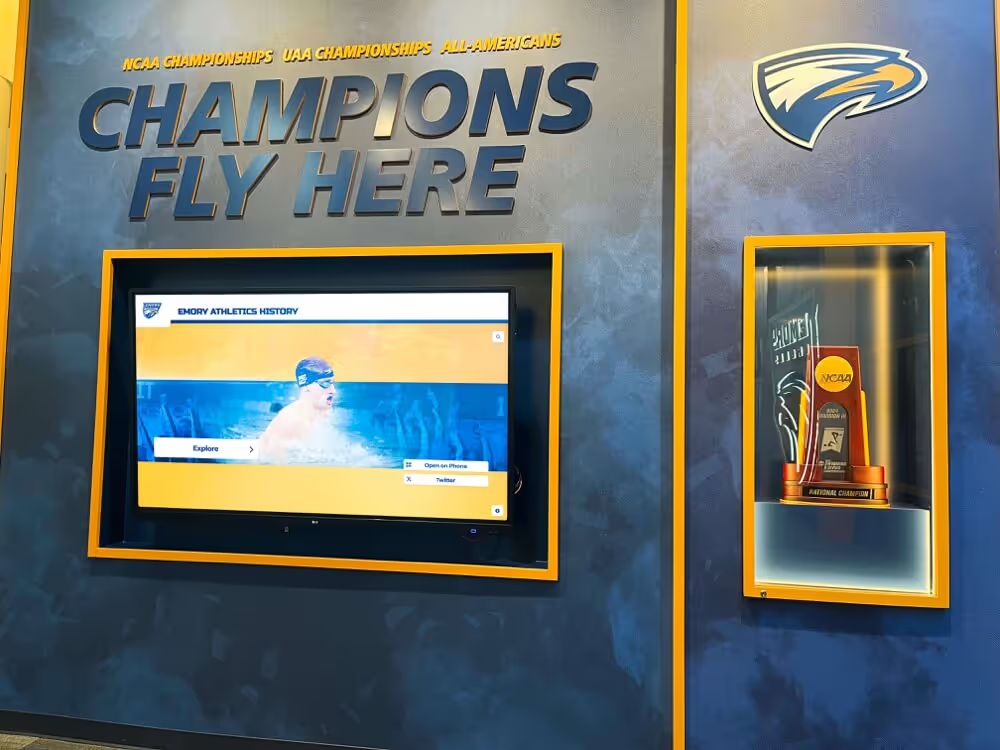
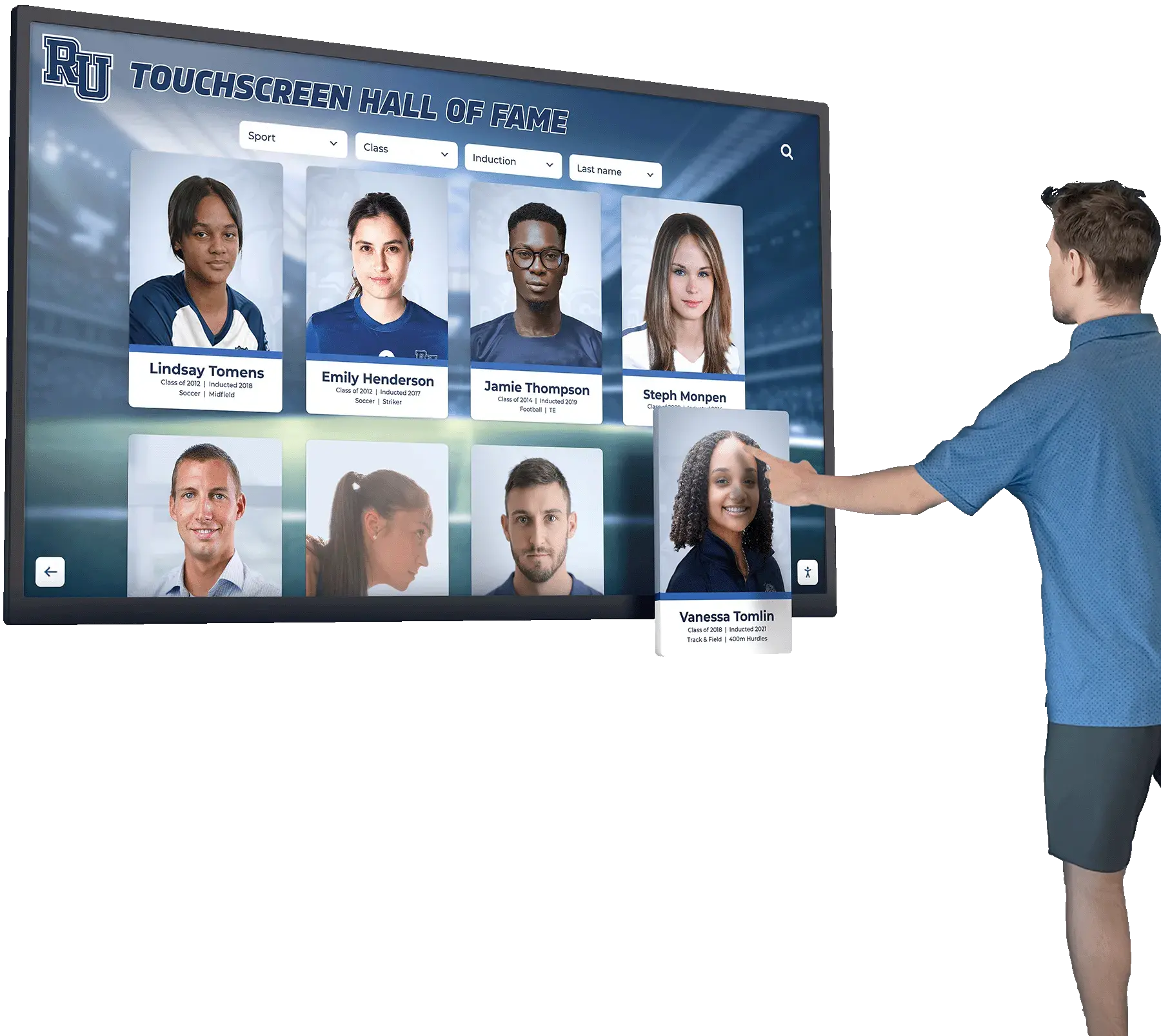
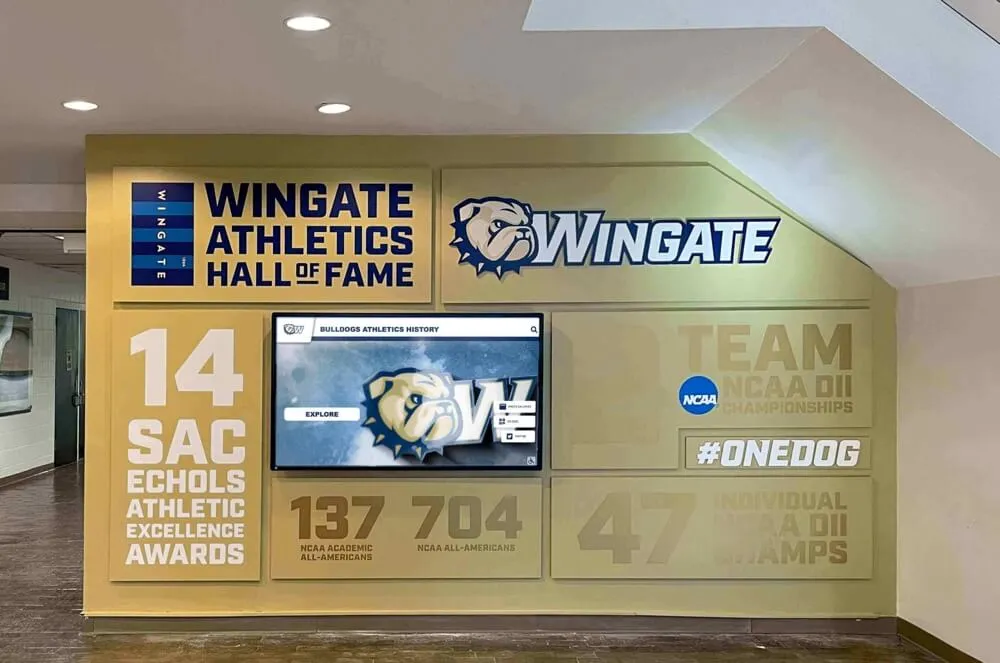
Recognition displays create visible celebrations of employee achievements, reinforcing organizational commitment to acknowledging contributions
Why Employee Recognition Awards Matter
Understanding the business impact of recognition helps organizations prioritize and resource award programs appropriately.
The Business Case for Recognition Programs
Retention and Recruitment Benefits Research demonstrates recognition’s powerful effects on employee retention:
- Organizations with strong recognition cultures experience 31% lower voluntary turnover rates
- 63% of employees who feel recognized report they’re unlikely to seek new employment
- Recognition-rich environments attract higher-quality candidates during recruitment
- Appreciated employees become authentic organizational ambassadors
- Recognition programs reduce recruitment costs through improved retention
According to Gallup research, employees who don’t feel adequately recognized are twice as likely to say they’ll quit within the next year. In competitive talent markets, recognition becomes a strategic retention tool as important as compensation.
Performance and Productivity Impact Recognition directly correlates with improved performance outcomes:
- Recognized employees demonstrate 20% higher productivity levels
- Recognition increases engagement, which correlates with better customer satisfaction
- Appreciated employees show greater discretionary effort
- Recognition reinforces desired behaviors and performance standards
- Positive reinforcement creates upward performance spirals
Employee Engagement and Satisfaction
Workplace Morale Enhancement Recognition creates measurable improvements in workplace culture:
- Regular recognition significantly increases job satisfaction scores
- Appreciated employees exhibit stronger emotional commitment
- Recognition reduces burnout symptoms
- Acknowledgment creates positive workplace relationships
- Recognition programs model organizational values visibly
Organizational Culture Benefits
- Recognition reinforces company values and mission alignment
- Appreciation creates positive feedback loops
- Recognition programs demonstrate leadership priorities
- Celebrated achievements inspire others toward excellence
- Strong recognition cultures attract community support and positive reputation
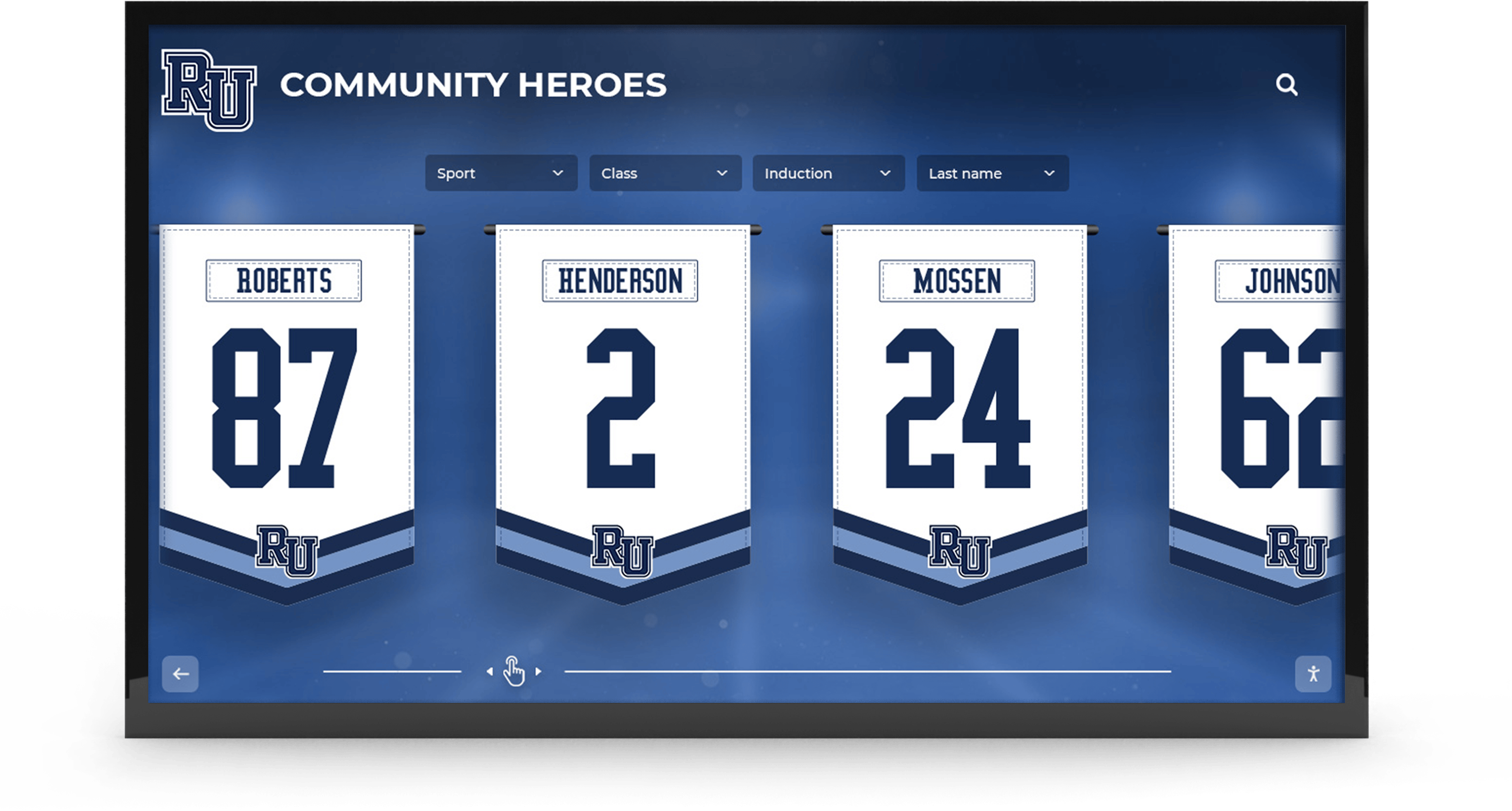
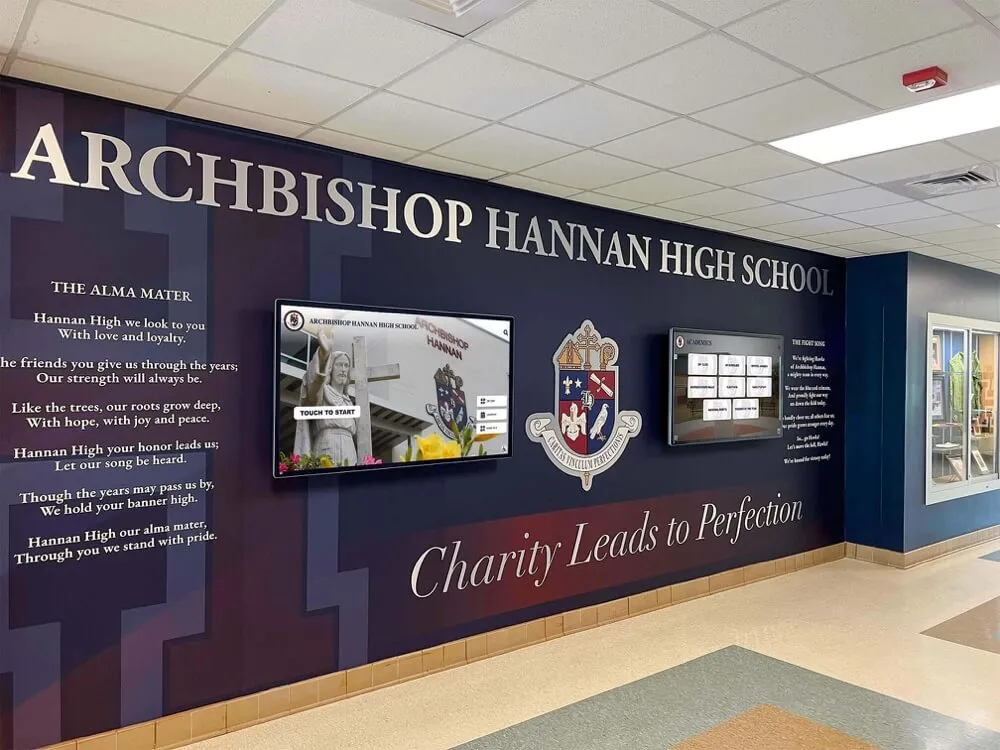
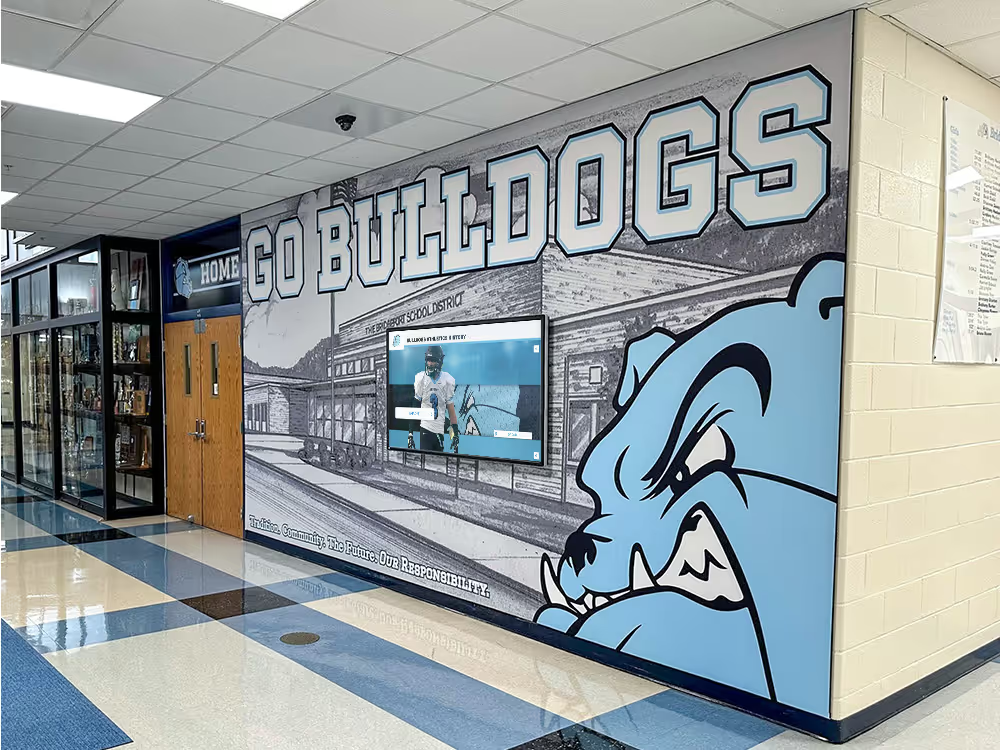
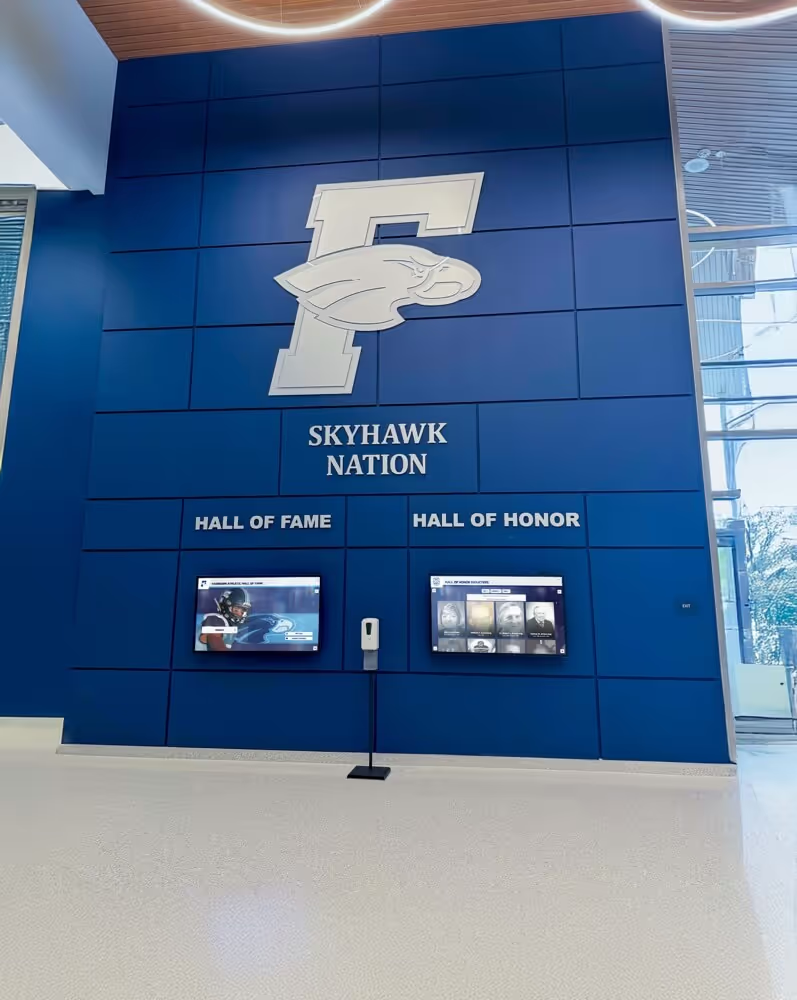
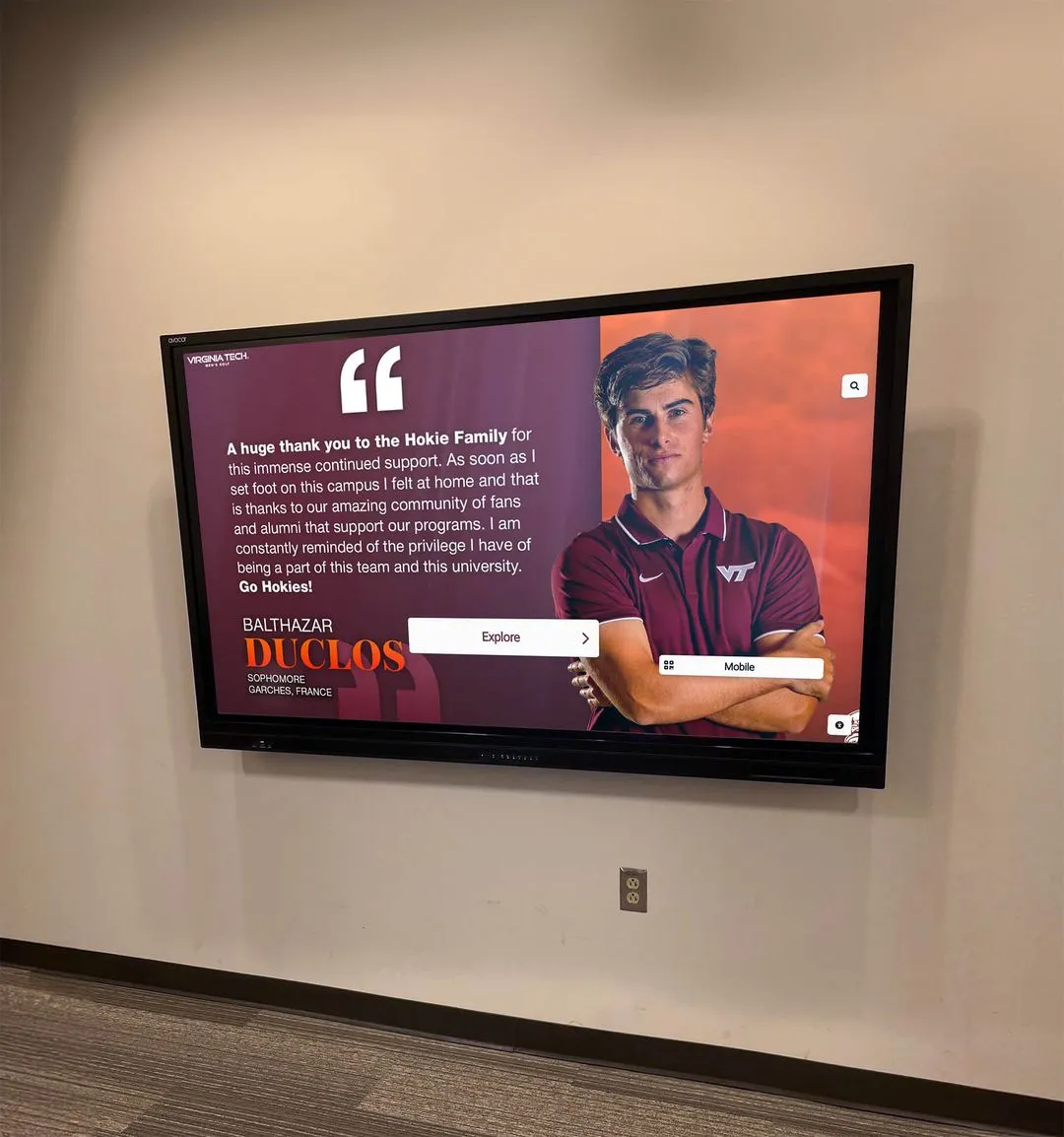
Recognition displays celebrate diverse contributions, from community service to professional achievements
Organizations implementing comprehensive recognition programs report significant improvements in employee satisfaction surveys, reduction in absenteeism, and increased willingness among staff to recommend their workplace to others.
Traditional Employee Recognition Awards
Classic recognition approaches remain meaningful for organizations valuing tangible acknowledgment and ceremonial presentation.
Years of Service Awards
Long-term employment deserves recognition acknowledging sustained commitment:
Service Milestone Recognition
- 5, 10, 15, 20, 25+ year service awards
- Retirement celebration acknowledgments
- Tenure achievement recognition
- Career milestone celebrations
- Anniversary date commemorations
- Legacy employee honors
Traditional service awards typically include physical items like:
- Engraved plaques with name and service dates
- Custom trophies reflecting organizational branding
- Commemorative pins or jewelry
- Crystal or glass awards with personalization
- Framed certificates suitable for display
- High-value gifts for significant milestones
Organizations implementing comprehensive staff recognition approaches find that service awards remain deeply valued when presented with genuine ceremony and leadership acknowledgment.
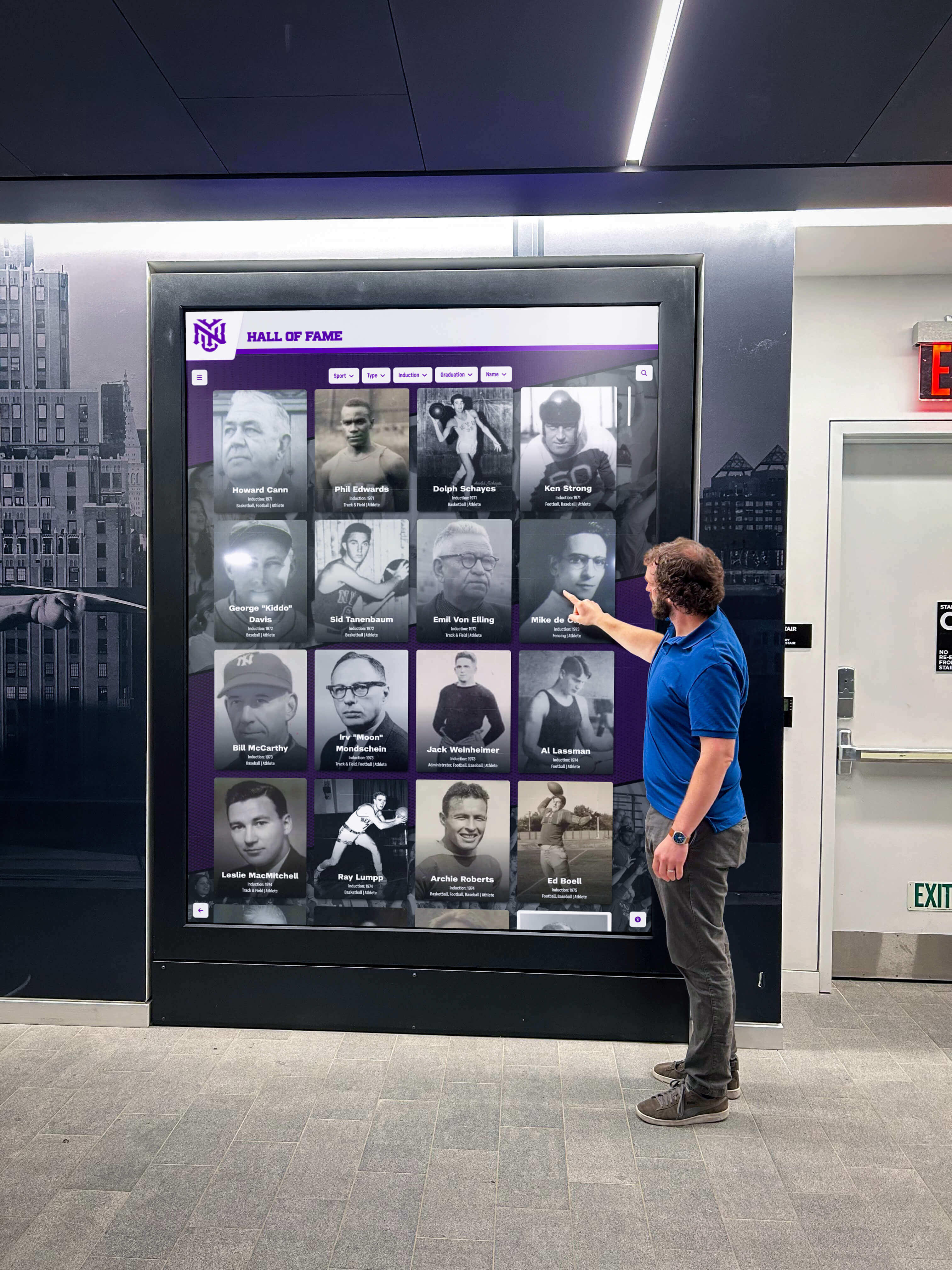
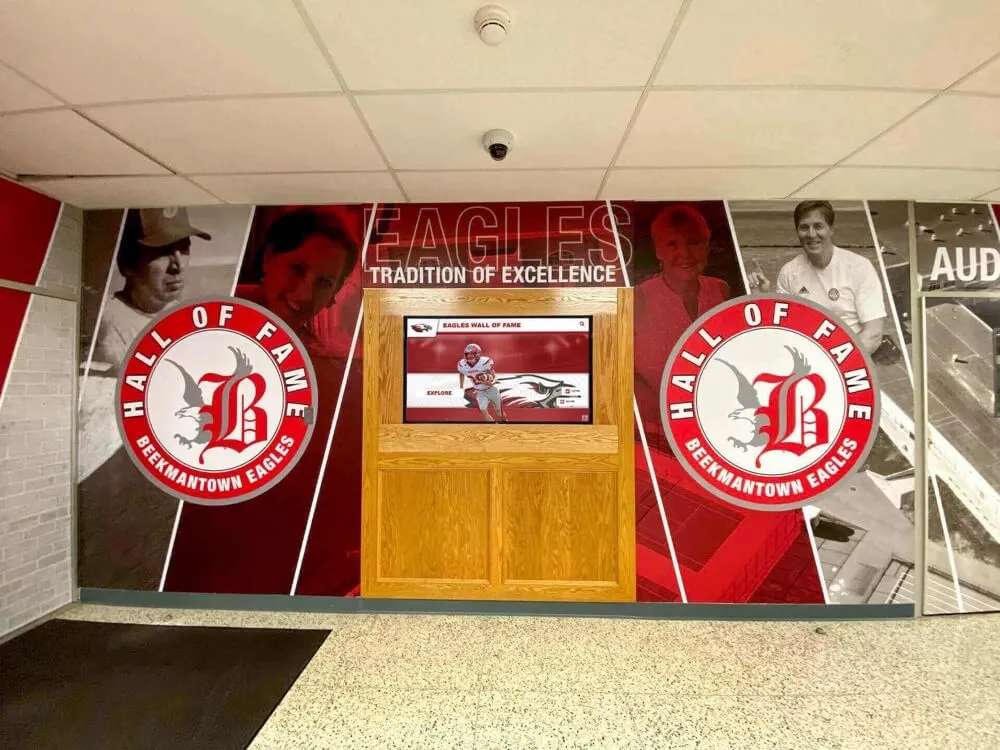
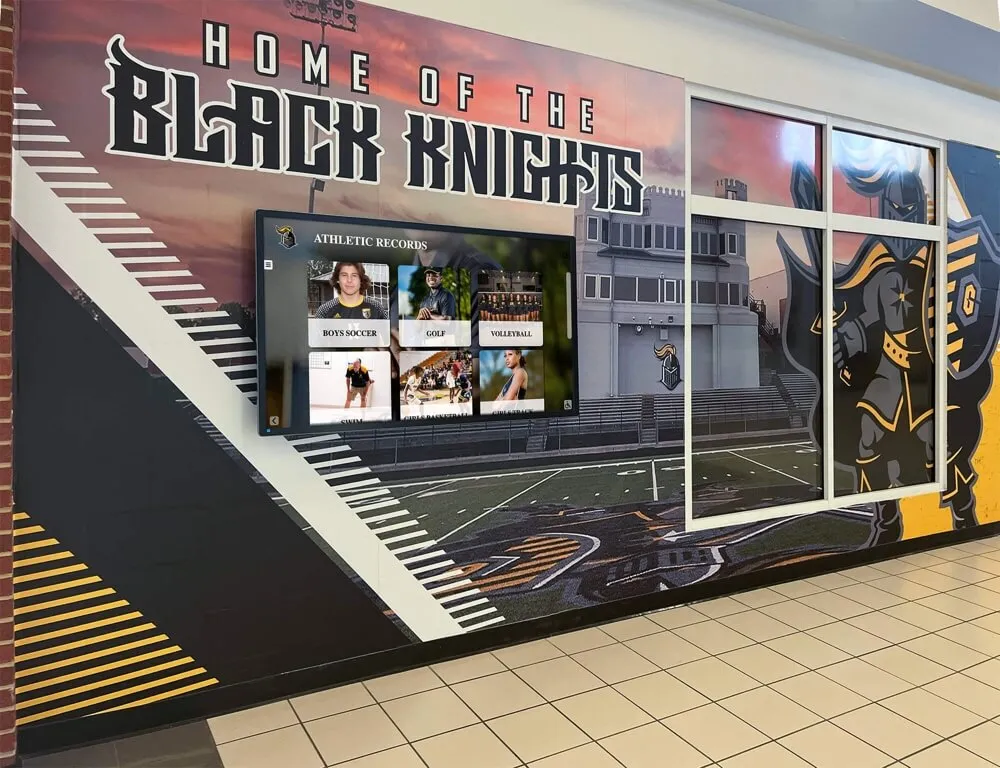
Interactive recognition displays enable employees and visitors to explore organizational achievements and individual contributions
Employee of the Month/Year Awards
Regular recognition programs create ongoing motivation:
Periodic Recognition Programs
- Employee of the Month selections
- Quarterly excellence awards
- Annual employee recognition
- Team of the Month programs
- Department recognition awards
- Role-specific excellence honors
Effective employee-of-the-month programs include:
- Clear selection criteria and nomination processes
- Visible recognition displays showing current honorees
- Tangible awards (trophy, certificate, or gift)
- Reserved parking space or other privileges
- Financial rewards or additional paid time off
- Public ceremony or announcement
Organizations should ensure selection processes feel fair and inclusive, with criteria emphasizing diverse contributions rather than only quantitative performance metrics that favor certain roles.
Performance Excellence Awards
Achievement-based recognition acknowledges exceptional results:
Results-Oriented Recognition
- Sales achievement awards
- Productivity excellence recognition
- Quality performance honors
- Project completion celebrations
- Goal achievement acknowledgments
- Performance milestone awards
Performance awards work best when:
- Criteria are transparently defined and communicated
- Achievements are measured objectively
- Recognition celebrates both outcomes and effort
- Awards acknowledge team and individual contributions
- Programs include diverse roles and achievement types
Leadership and Management Recognition
Leaders deserve acknowledgment too:
Leadership Excellence Awards
- Manager of the Year recognition
- Leadership development acknowledgment
- Team building excellence honors
- Mentorship and coaching awards
- Innovation and change leadership
- Departmental achievement recognition
- Strategic initiative success celebration
Recognition for leaders should emphasize both results achieved and the methods used, reinforcing organizational values around ethical leadership, team development, and creating positive work environments.
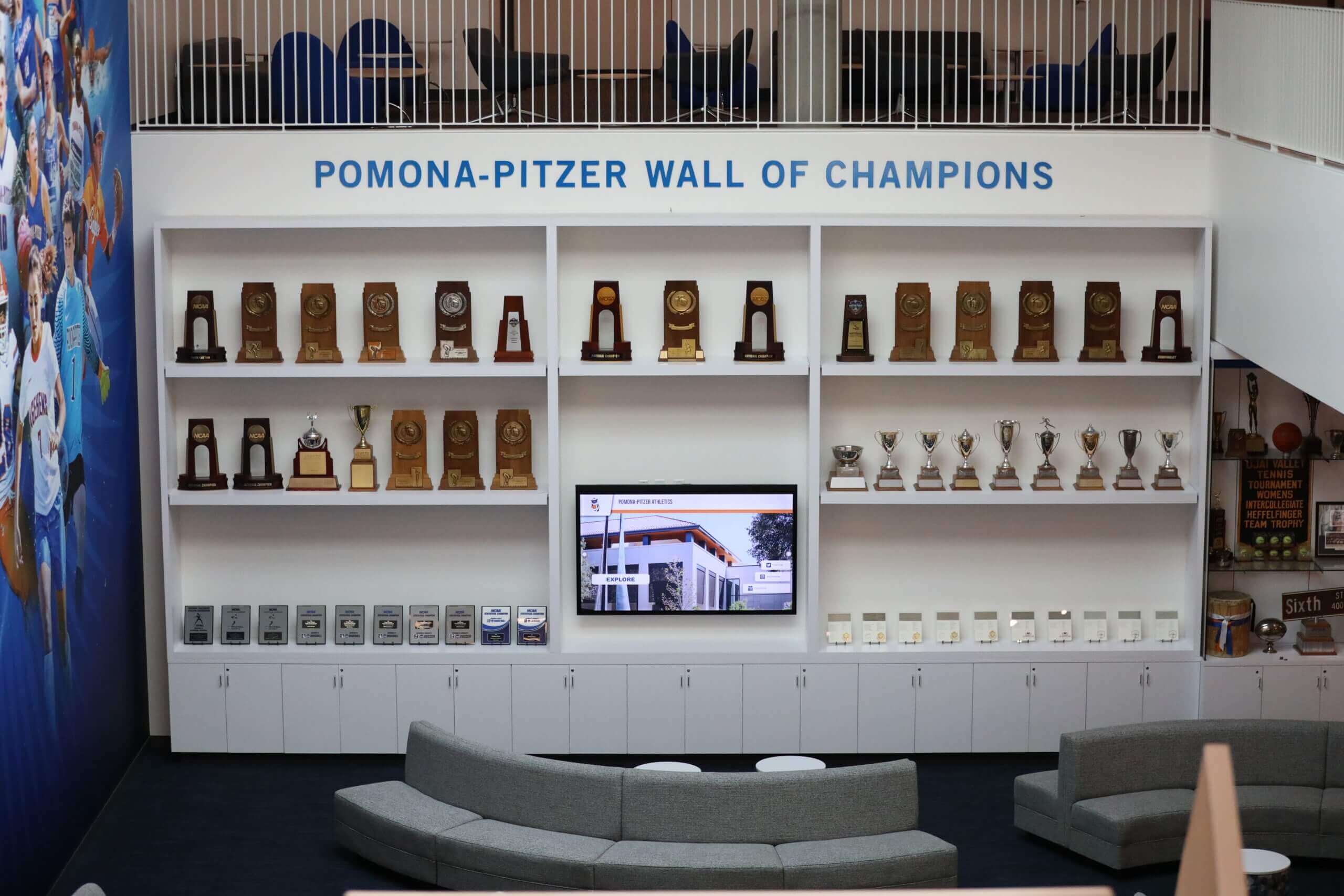
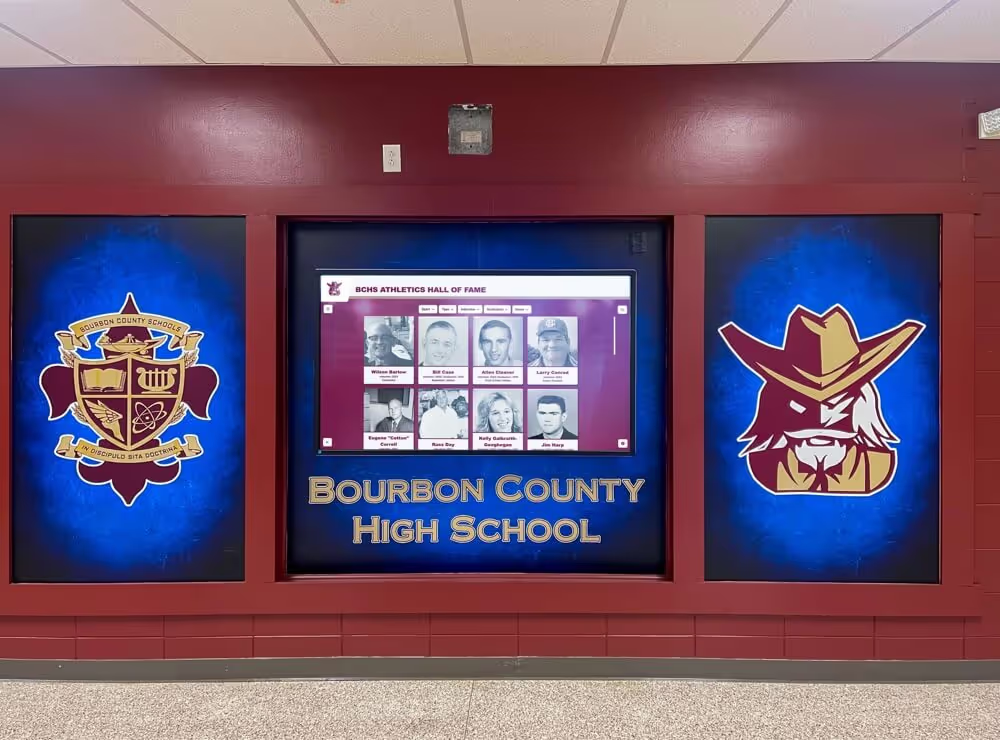
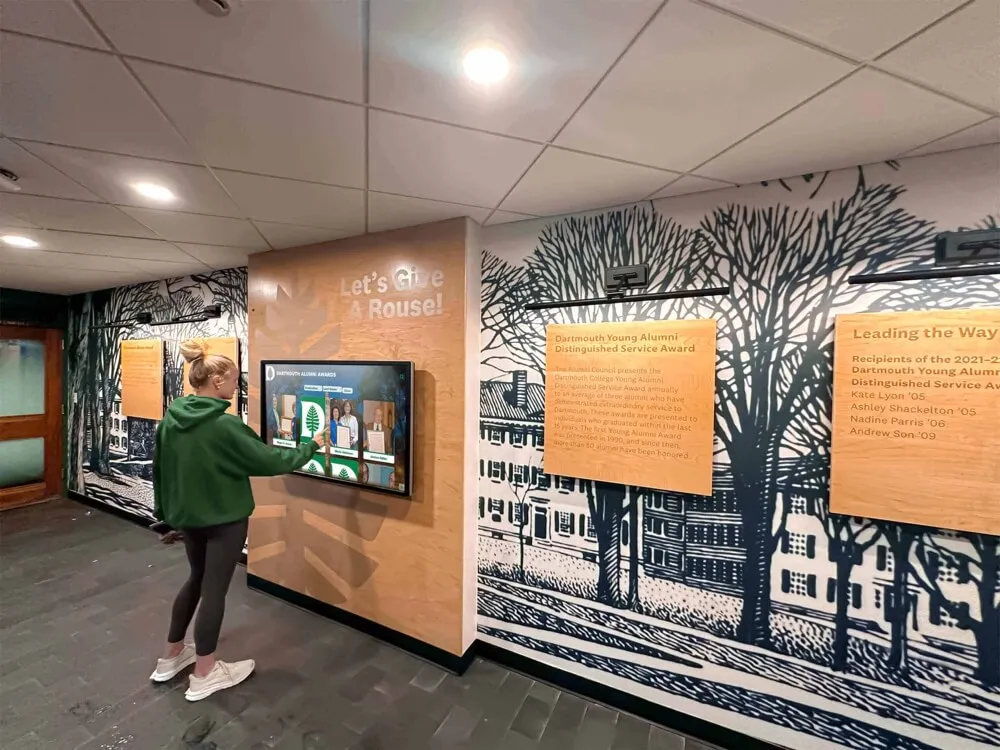
Recognition lounges create dedicated spaces celebrating achievements and providing environments for team gatherings
Character and Values-Based Recognition Awards
Acknowledging behaviors that build organizational culture creates environments aligned with company values and mission.
Teamwork and Collaboration Awards
Collective achievement deserves specific recognition:
Team Excellence Recognition
- Outstanding teamwork award
- Cross-functional collaboration recognition
- Department synergy honors
- Project team achievement awards
- Peer support and assistance acknowledgment
- Team culture builder recognition
Effective teamwork recognition:
- Celebrates collective achievements rather than individual stars
- Acknowledges contributions from all team members
- Reinforces the importance of collaboration
- Creates aspiration for cooperative work approaches
- Demonstrates organizational commitment to team success
Innovation and Creativity Awards
Forward-thinking contributions drive organizational progress:
Innovation Recognition
- Process improvement awards
- Creative problem-solving recognition
- New idea implementation honors
- Cost-saving innovation acknowledgment
- Customer experience enhancement awards
- Technology adoption and digital transformation recognition
Innovation awards should:
- Celebrate both successful implementations and valuable attempts
- Acknowledge risk-taking and creative thinking
- Recognize incremental improvements alongside breakthrough ideas
- Include diverse departments and roles in eligibility
- Provide platforms for sharing innovations with broader organization
Schools and educational institutions implementing comprehensive recognition for educator innovation provide excellent models for acknowledging creative contributions that improve organizational effectiveness.
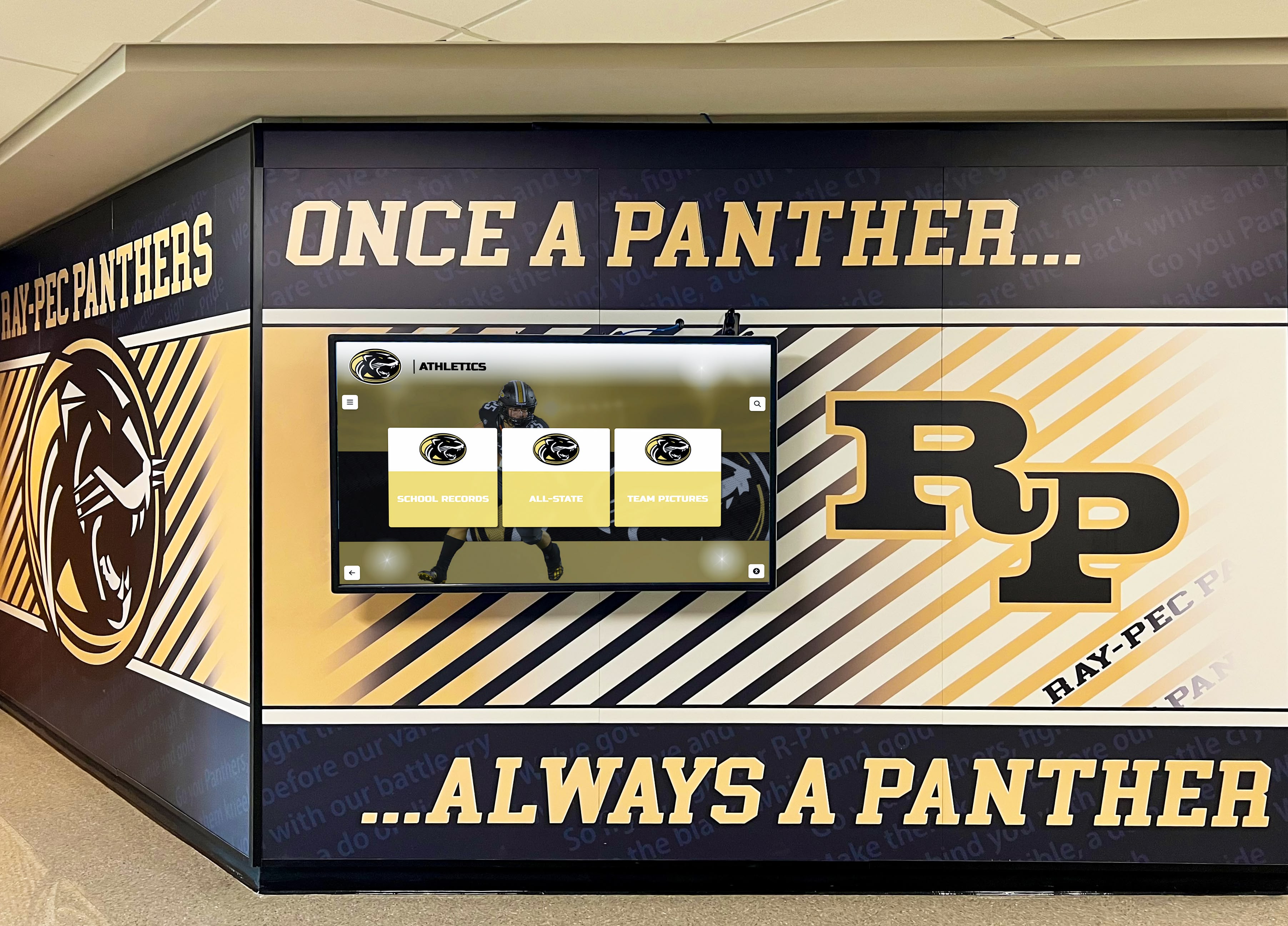
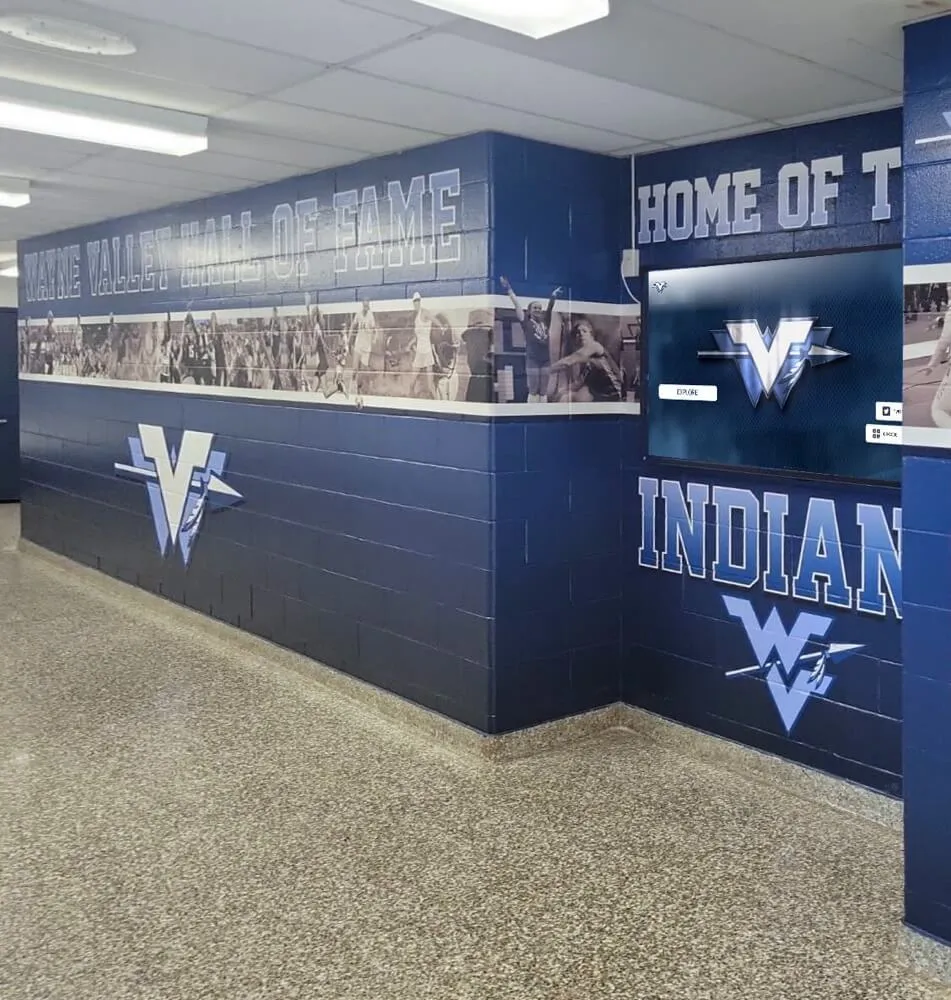
Hallway recognition displays create ongoing visibility for employee achievements throughout organizational spaces
Customer Service Excellence Awards
Client-facing excellence builds organizational reputation:
Service Recognition Categories
- Outstanding customer service award
- Client satisfaction leader recognition
- Customer loyalty builder honors
- Problem resolution excellence acknowledgment
- First-call resolution achievement
- Customer advocate recognition
Customer service awards work effectively when:
- Based on objective metrics (satisfaction scores, testimonials)
- Include both quantitative and qualitative measures
- Recognize consistently excellent service, not just one-time events
- Celebrate service recovery and problem-solving
- Include input from actual customers when possible
Company Values Champion Awards
Recognizing values alignment reinforces organizational culture:
Values-Based Recognition
- Integrity and ethics recognition
- Diversity and inclusion champion awards
- Community service and volunteer acknowledgment
- Environmental responsibility honors
- Safety excellence recognition
- Wellness program participation awards
Values-based recognition demonstrates that organizations genuinely prioritize stated principles beyond rhetoric, creating accountability and cultural reinforcement through visible acknowledgment.
Creative and Unique Recognition Award Ideas
Moving beyond conventional approaches creates memorable recognition experiences that feel personal and meaningful.
Peer-Nominated Recognition Awards
Employee-driven recognition carries special significance:
Peer Recognition Programs
- Teammate appreciation awards
- Behind-the-scenes hero recognition
- Unsung hero acknowledgment
- Peer mentorship awards
- Collaboration excellence nominations
- Supporting player recognition
Peer nomination systems:
- Create multi-directional recognition beyond top-down acknowledgment
- Surface contributions leadership might not observe directly
- Build collegial relationships and team cohesion
- Demonstrate democratic organizational values
- Often identify truly valued contributions overlooked in formal processes
Organizations can implement digital platforms enabling easy peer nominations throughout the year rather than only during formal award cycles.
Impact and Influence Awards
Acknowledging broader organizational impact:
Influence Recognition
- Culture influencer awards
- Positive energy contributor recognition
- Morale booster acknowledgment
- Change catalyst honors
- Knowledge sharing excellence
- Organizational improvement advocate
These awards recognize intangible but critical contributions like:
- Creating positive workplace atmosphere
- Willingly sharing expertise with colleagues
- Maintaining optimism during organizational challenges
- Supporting others through difficult transitions
- Building cross-departmental relationships
- Serving as informal mentors and coaches
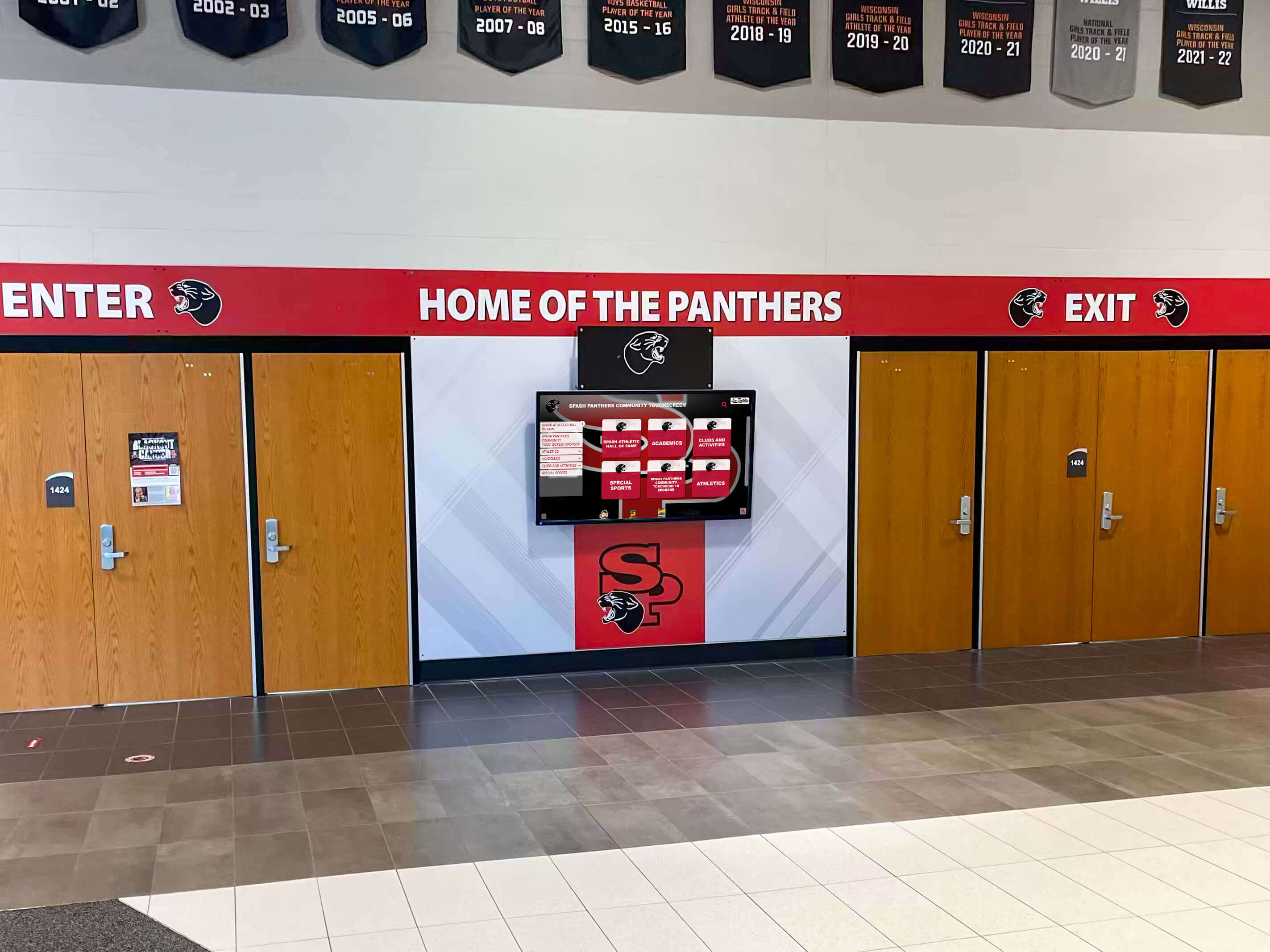
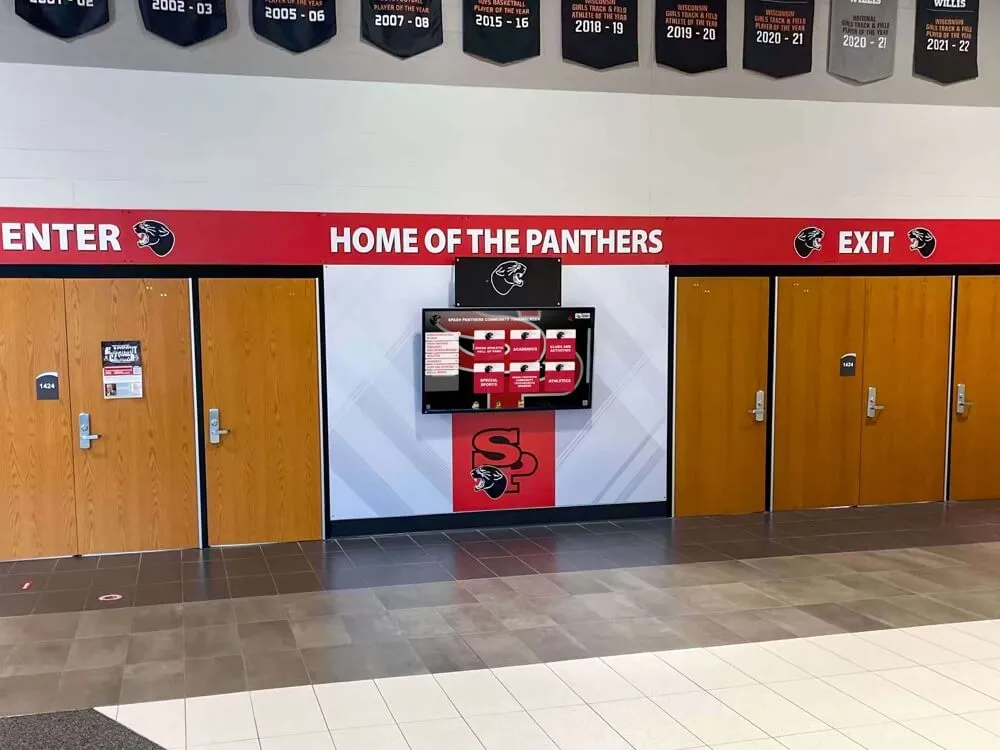
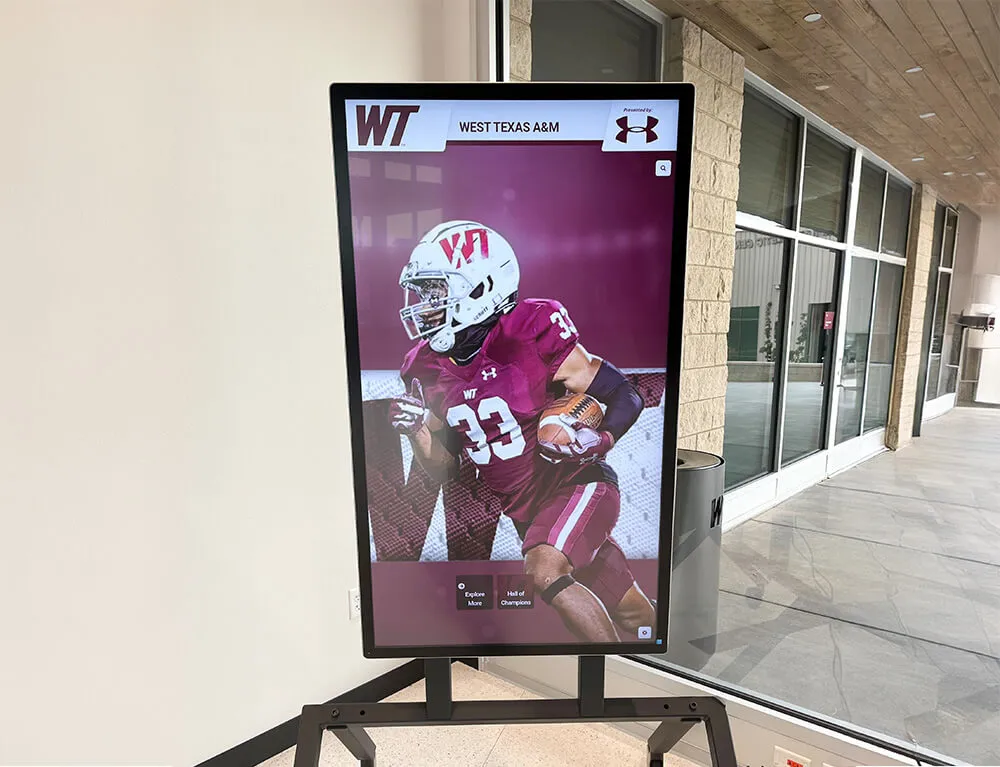
Entrance displays welcome visitors while showcasing organizational pride and recognition culture
Development and Growth Awards
Celebrating personal and professional advancement:
Growth Recognition Categories
- Most improved performance award
- Professional development achievement
- Skill acquisition recognition
- Certification and education completion honors
- Career advancement celebration
- Learning and development commitment
Growth awards democratize recognition by:
- Acknowledging improvement alongside absolute achievement
- Celebrating developmental journeys
- Recognizing investment in skill-building
- Validating continuous learning commitment
- Creating aspirational pathways for others
Similar approaches used in educational recognition for academic improvement demonstrate how growth-focused recognition motivates continued development efforts.
Special Achievement and Milestone Awards
One-time accomplishments deserve celebration:
Milestone Recognition
- Project completion celebrations
- First-year anniversary acknowledgment
- Promotion and advancement recognition
- Certification achievement honors
- Personal milestone celebrations (new home, marriage, birth)
- Overcoming adversity recognition
Milestone awards create memorable moments while demonstrating organizational investment in employees as complete individuals rather than merely workers.
Modern Digital Recognition Solutions
Contemporary technology eliminates space constraints while enhancing accessibility and engagement for employee recognition programs.
Interactive Touchscreen Recognition Displays
Digital recognition platforms provide comprehensive solutions for organizations seeking unlimited acknowledgment capacity:
Digital Recognition Capabilities
- Unlimited employee profiles without physical space limitations
- Searchable databases enabling instant employee lookup
- Award history and achievement documentation
- Photo galleries and video integration
- Career progression tracking across years
- Remote accessibility extending recognition reach
- Real-time updates requiring no construction or engraving
Solutions like Rocket Alumni Solutions offer platforms designed for organizational recognition, providing professional presentation with sophisticated content management enabling HR teams and leaders to update employee recognition instantly without physical display limitations or construction delays.
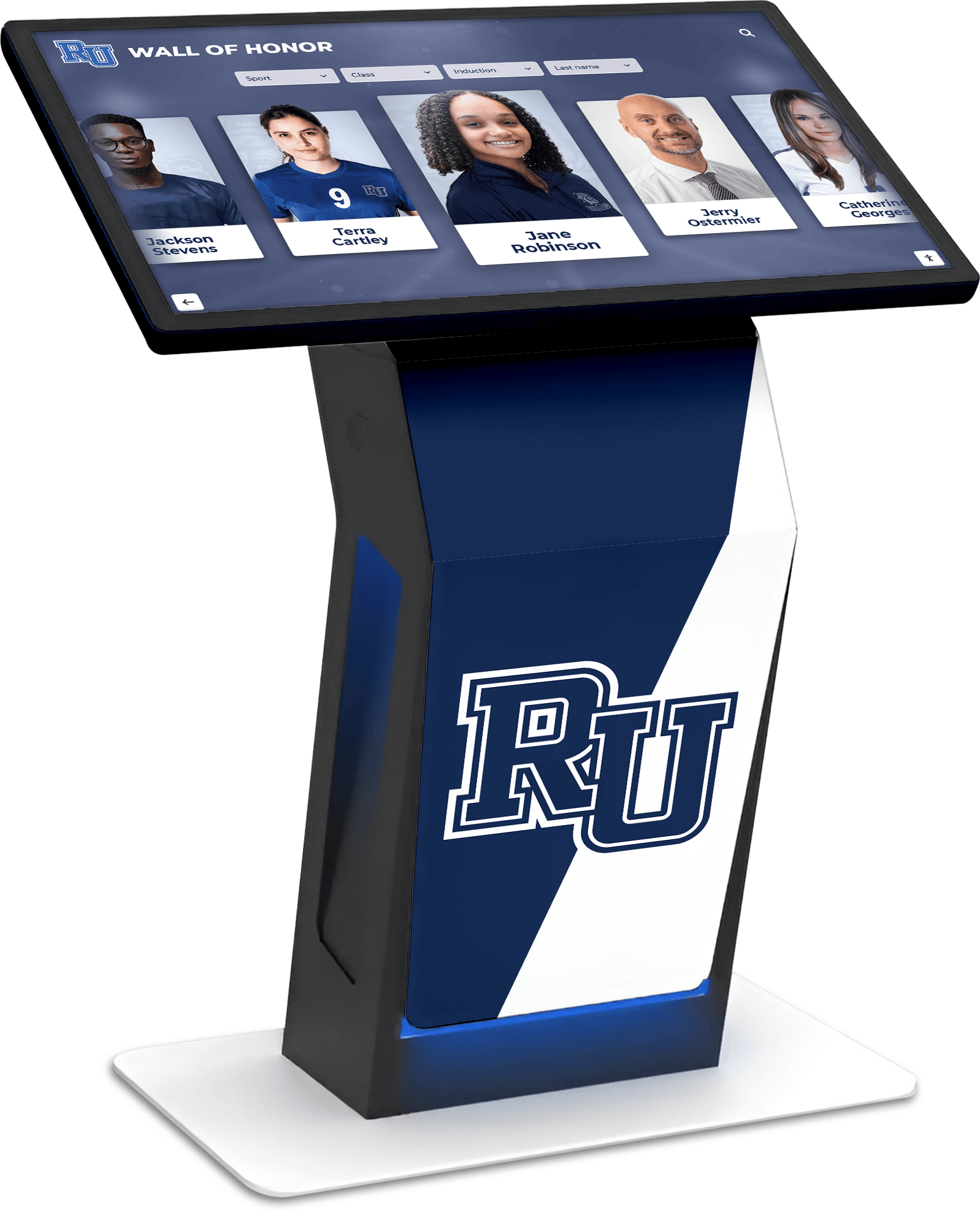
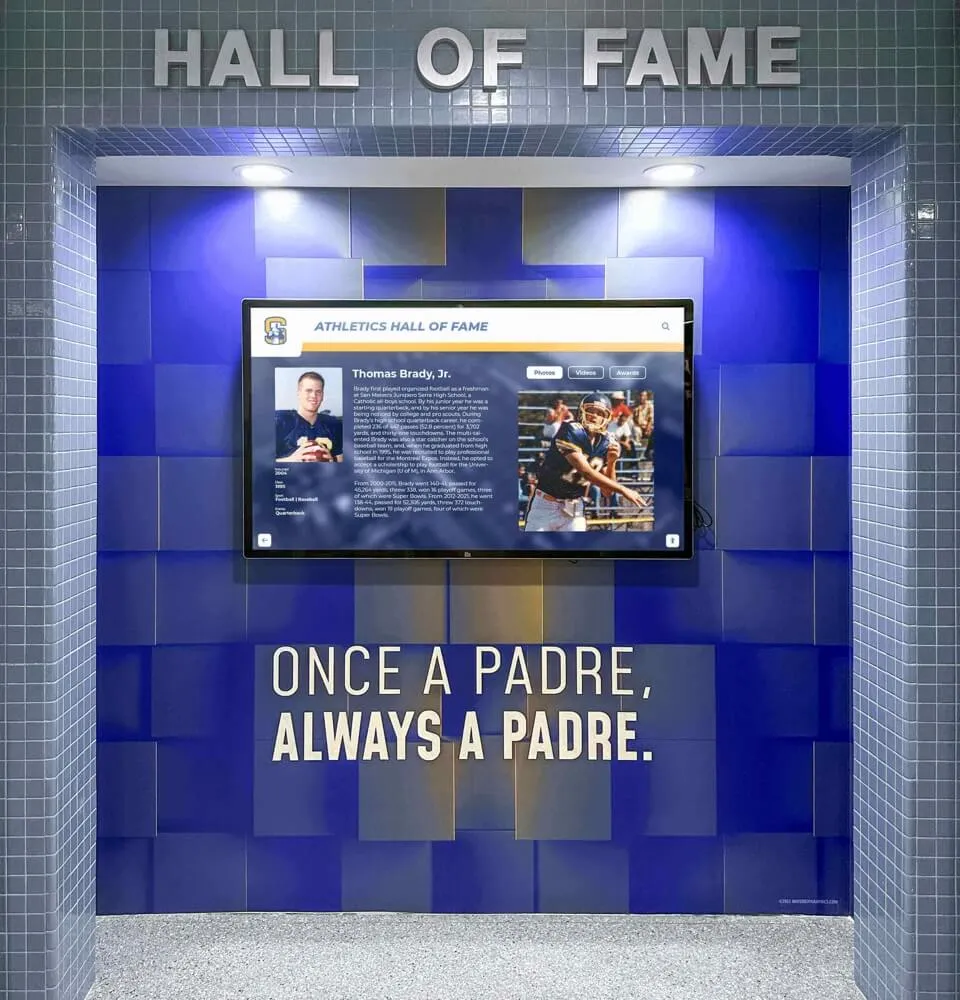
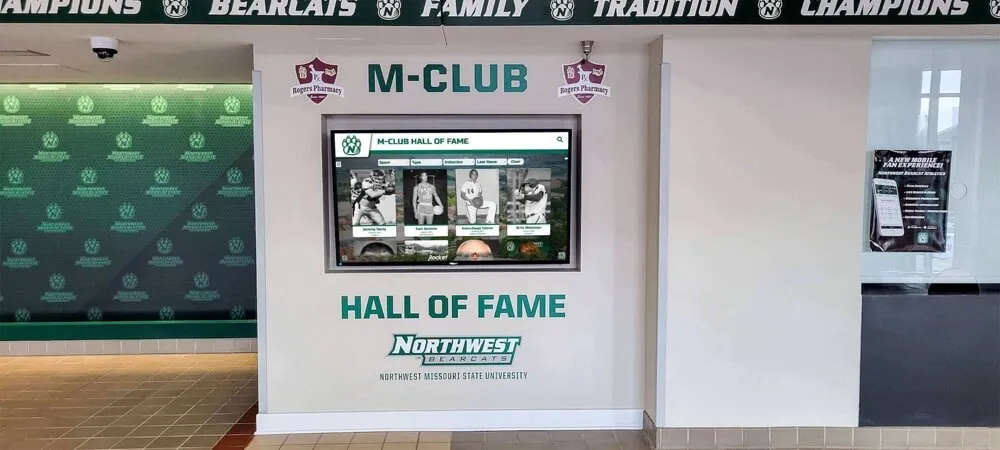
Digital recognition kiosks provide unlimited capacity showcasing employee achievements with professional presentations and simple updates
Cloud-Based Recognition Management
Administrative Efficiency Benefits Modern platforms provide substantial time savings:
- Remote content updates from any internet-connected device
- Scheduled publishing for award announcements and milestones
- Bulk import capabilities for employee data and achievements
- Template systems accelerating profile creation
- No technical expertise required for routine updates
- Automated anniversary and milestone notifications
HR professionals report 75-85% reduction in time spent maintaining recognition displays after implementing digital systems, freeing resources for strategic talent development rather than administrative maintenance.
Extended Recognition Features
- Social media integration enabling easy sharing
- QR codes connecting physical spaces to expanded online content
- Historical archives preserving organizational recognition memory
- Alumni connections linking former and current employees
- Family access enabling relatives to view achievements
- Mobile-responsive design accessible anywhere, anytime
Digital platforms extend employee recognition visibility beyond physical locations, allowing remote team members, distributed offices, and family members to explore achievements regardless of geographic location.
Combining Digital and Traditional Recognition
Most effective approaches integrate technology with conventional appreciation:
Hybrid Recognition Strategies
- Digital displays providing ongoing visibility paired with physical ceremonies
- Online recognition accessible globally combined with in-person celebrations
- Interactive lobby kiosks supplementing traditional plaques
- Web-based employee directories enhancing printed materials
- Digital photo galleries complementing physical displays
Implementation Considerations
- Strategic placement in high-traffic areas like lobbies and break rooms
- Employee training ensuring all personnel understand recognition systems
- Launch events generating awareness and initial engagement
- Regular promotion through multiple communication channels
- Continuous content updates maintaining freshness and relevance
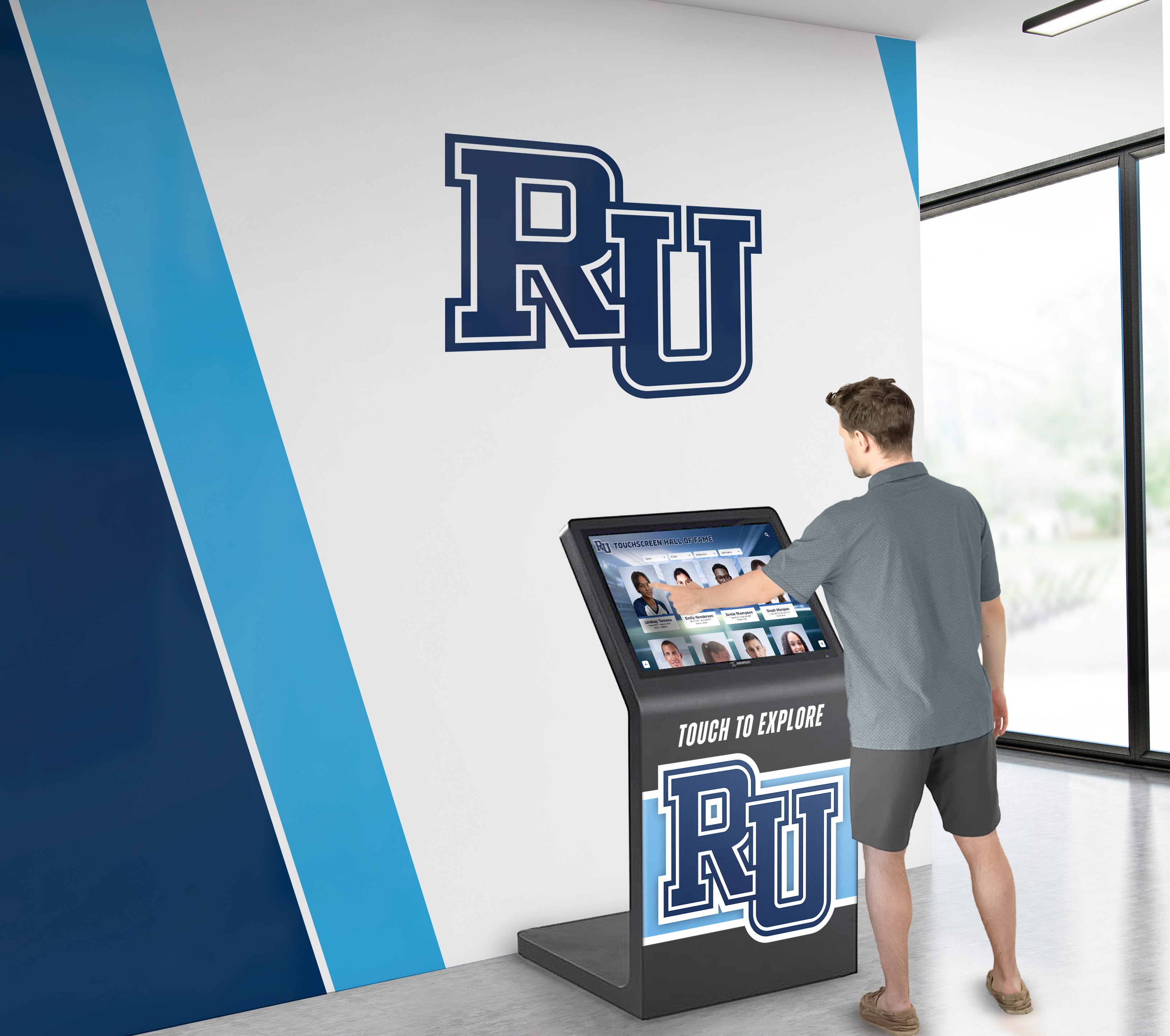
Lobby kiosks create engaging focal points where employees and visitors explore organizational achievements interactively
Organizations implementing donor recognition concepts for nonprofit contexts can adapt similar digital recognition approaches to employee appreciation programs, creating professional presentations that honor diverse contributions.
Best Practices for Employee Recognition Programs
Effective recognition requires systematic approaches rather than sporadic initiatives to create sustained cultural impact.
Designing Comprehensive Recognition Systems
Program Structure Essentials Sustainable recognition programs include:
- Multiple recognition pathways ensuring diverse contributions receive acknowledgment
- Clear criteria and nomination processes employees understand
- Frequent recognition opportunities beyond annual events
- Budget allocation treating recognition as strategic investment
- Executive sponsorship demonstrating leadership commitment
- Designated program ownership for accountability
Timing and Frequency Considerations Recognition impact increases with appropriate timing:
- Immediate acknowledgment when possible (within days of achievement)
- Regular recurring programs (monthly, quarterly, annual)
- Milestone recognition at appropriate career stages
- Spontaneous recognition for unexpected contributions
- Seasonal or event-based acknowledgment opportunities
- Year-end comprehensive recognition reviewing full year
Research shows recognition effectiveness decreases significantly when delayed more than two weeks after the achievement or behavior being acknowledged.
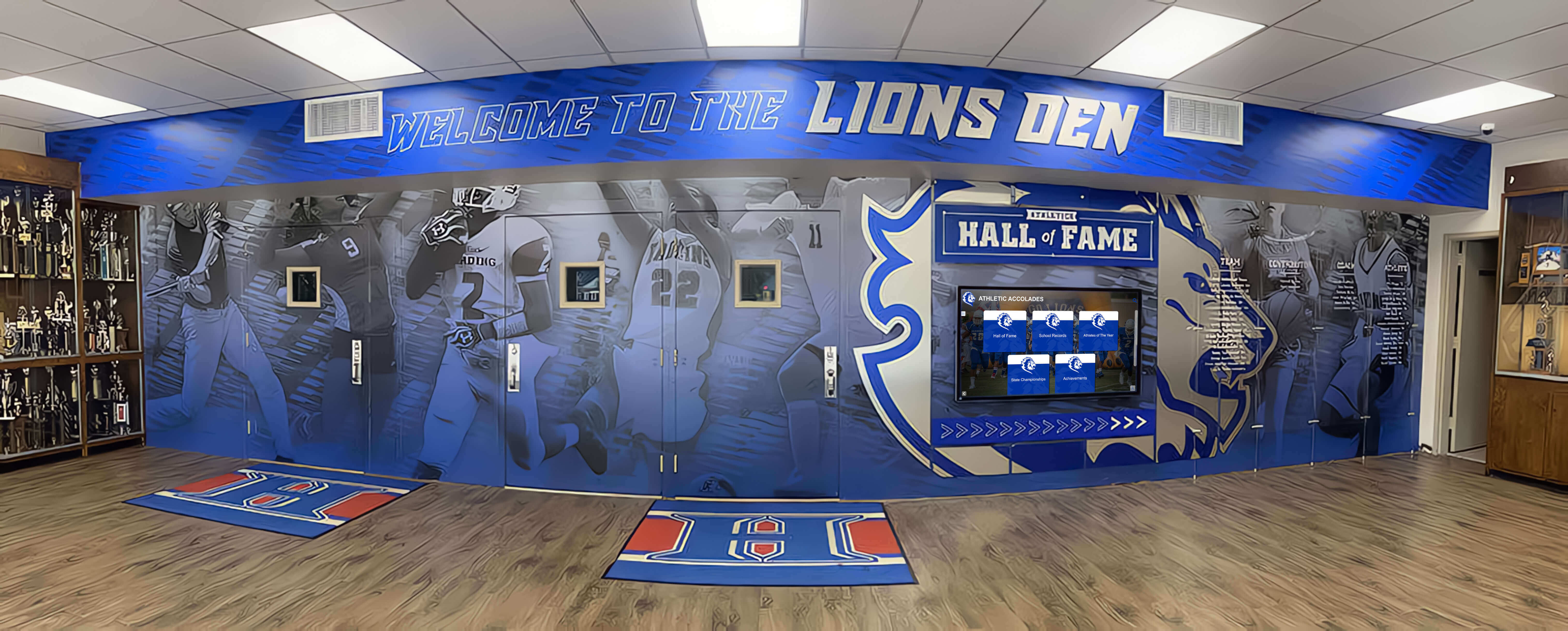
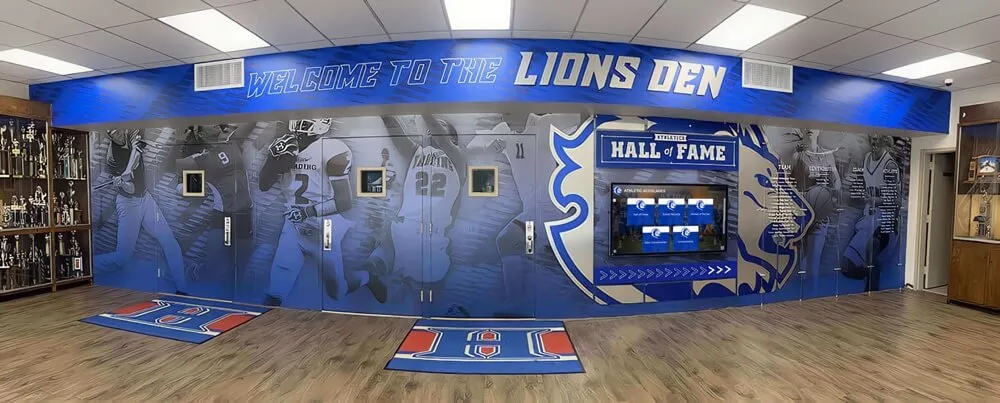
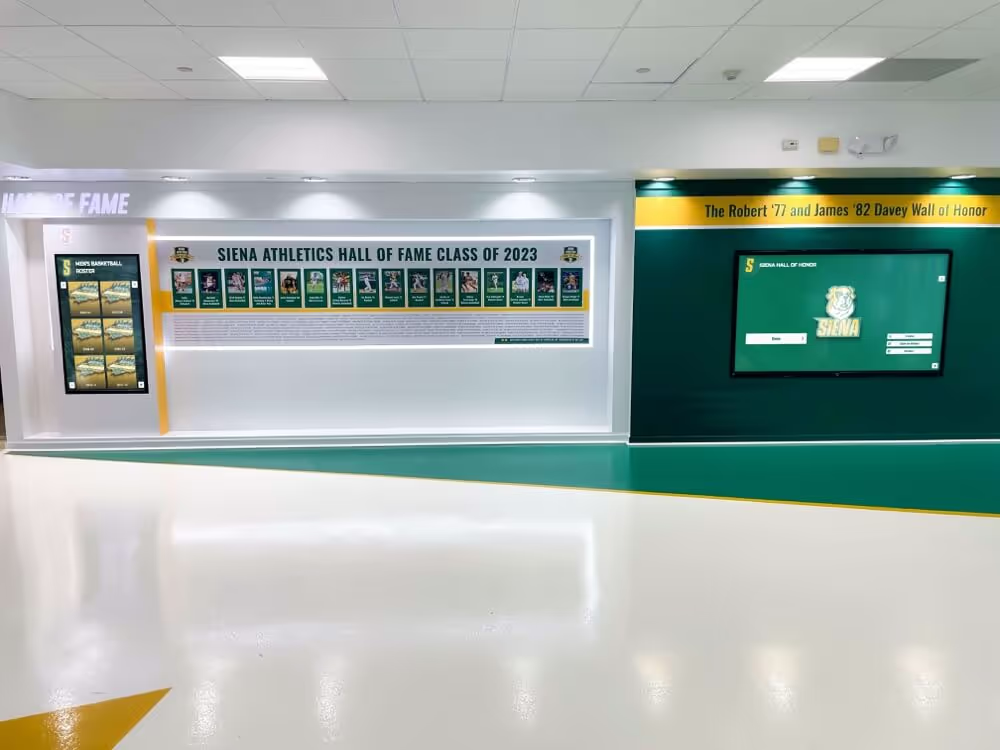
Comprehensive recognition spaces combine murals, trophy cases, and digital displays creating multi-faceted celebration environments
Ensuring Recognition Equity and Inclusion
Inclusive Recognition Approaches Effective programs reach all employee populations:
- Multiple recognition categories accommodating diverse contributions
- Rotation systems ensuring regular recognition across departments
- Nomination processes encouraging diverse candidate identification
- Visibility monitoring ensuring all teams receive attention
- Special focus on typically overlooked positions and roles
- Remote and distributed employee inclusion in all programs
Avoiding Recognition Pitfalls Common mistakes to prevent:
- Same employees receiving repeated recognition while others go unnoticed
- Front-office staff receiving more visibility than behind-the-scenes roles
- Recognition favoring easily quantifiable performance over qualitative contributions
- Perfunctory or obligatory gestures lacking genuine appreciation
- Selection processes perceived as unfair or biased
- Recognition inconsistent with stated organizational values
Programs maintaining recognition logs and tracking distribution across departments, roles, and demographics can identify and correct equity gaps systematically.
Making Recognition Meaningful and Authentic
Personalization Strategies Generic recognition feels perfunctory; meaningful acknowledgment requires specificity:
- Detailed descriptions of specific achievements or behaviors
- Personal notes from leadership rather than form letters
- Recognition aligned with individual preferences (public vs. private)
- Awards reflecting individual interests and values
- Celebration methods appropriate to recipients’ personalities
- Follow-up conversations reinforcing initial recognition
Authenticity Considerations Employees quickly distinguish genuine appreciation from performative gestures:
- Recognition must feel sincere and heartfelt
- Leaders should be specific about why recognition is deserved
- Acknowledge actual contribution rather than generic praise
- Recognition should reflect organizational knowledge of individuals
- Avoid excessive frequency diluting special nature of recognition
- Ensure recognition aligns with actual organizational values
Organizations implementing teacher recognition best practices in educational contexts provide excellent models for authentic, meaningful recognition applicable to all organizational settings.
Budget-Conscious Recognition Strategies
Meaningful recognition doesn’t require large budgets:
Free or Low-Cost Recognition Ideas
- Handwritten thank-you notes requiring only time
- Public acknowledgment in meetings or communications
- Verbal appreciation and specific praise
- Flex scheduling or time off as recognition
- Peer recognition systems leveraging existing relationships
- Social media and internal communication highlights
- Reserved parking spaces or preferred work locations
Resource Optimization
- Strategic allocation prioritizing visible recognition
- Tiered recognition matching achievement significance
- Combination of monetary and non-monetary rewards
- Partnership with vendors for gift donations
- Employee-created recognition (peer awards, testimonials)
- Low-cost high-impact experiences over expensive items
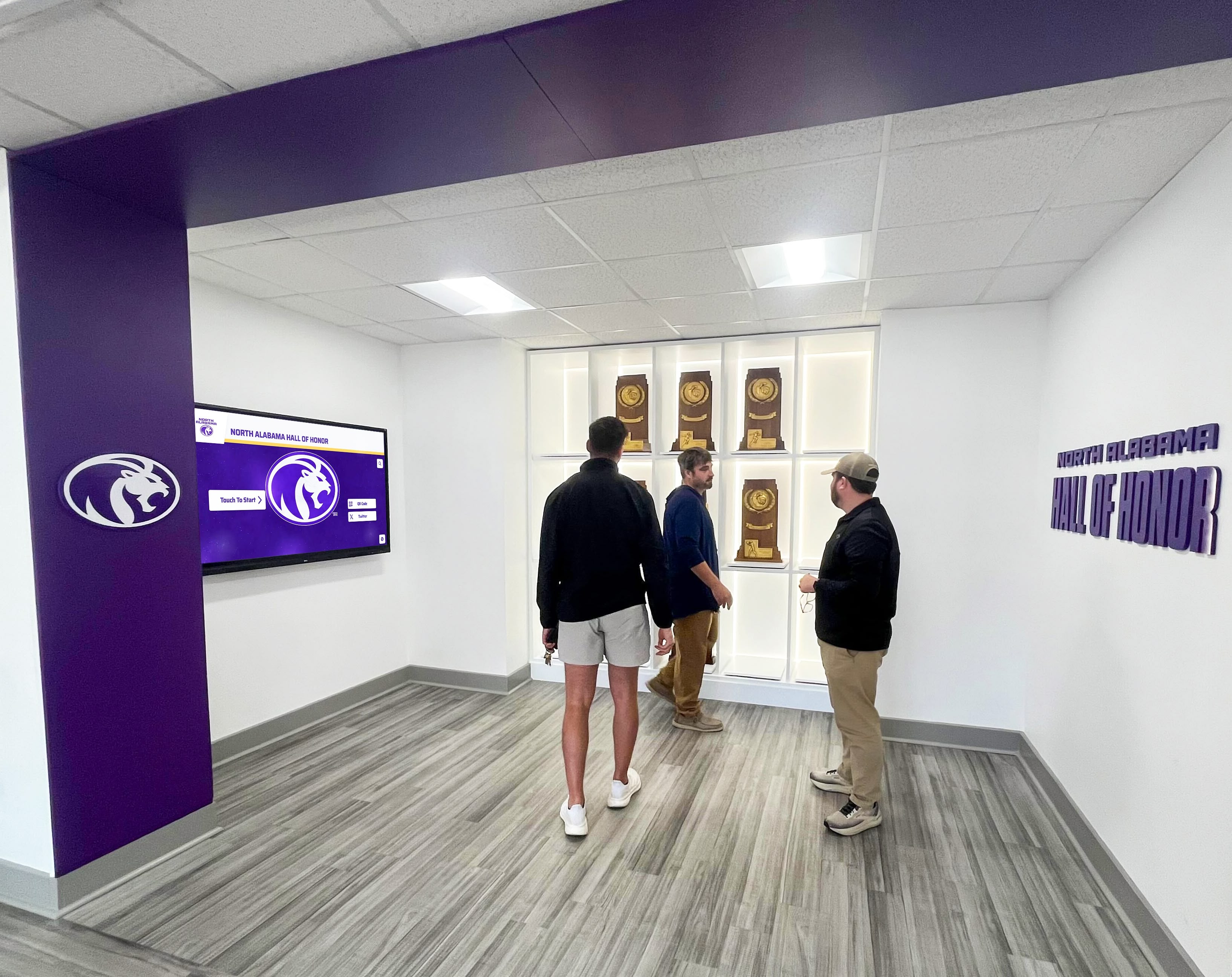
Recognition spaces provide gathering areas for celebrations and create environments honoring organizational achievements
Research consistently demonstrates that thoughtful, specific, timely recognition creates greater impact than expensive but generic or delayed acknowledgment, regardless of monetary value.
Measuring Recognition Program Effectiveness
Assessment ensures recognition initiatives achieve intended outcomes and justify continued investment.
Quantitative Success Metrics
Participation and Engagement Data
- Recognition program participation rates across departments
- Nomination submission frequency and diversity
- Award ceremony attendance levels
- Digital recognition platform usage statistics
- Social media engagement with recognition content
- Recognition-related internal communication open rates
Organizational Impact Indicators
- Employee retention rates before and after program implementation
- Voluntary turnover reduction in recognized vs. unrecognized populations
- Employee satisfaction survey scores related to appreciation
- Engagement metric improvements over time
- Recruitment application volume and quality changes
- Time-to-fill reductions for open positions
Performance Correlations
- Productivity metrics among recognized vs. unrecognized employees
- Customer satisfaction scores related to service recognition
- Quality metrics and error rates
- Safety incident reductions
- Innovation and improvement suggestion submissions
- Cross-departmental collaboration indicators
Organizations should establish baseline metrics before launching or enhancing recognition programs to enable meaningful before-after comparisons demonstrating return on investment.
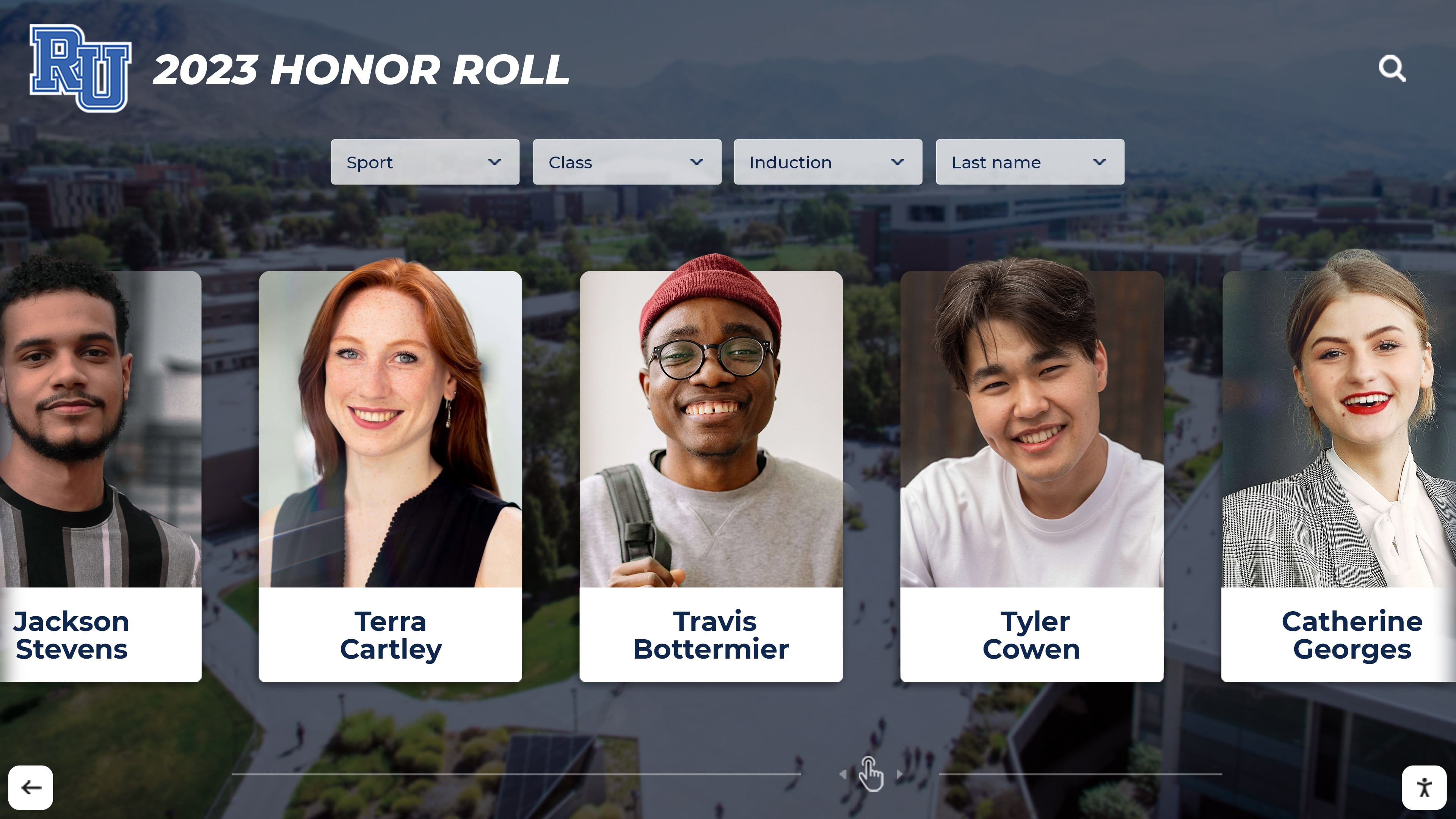
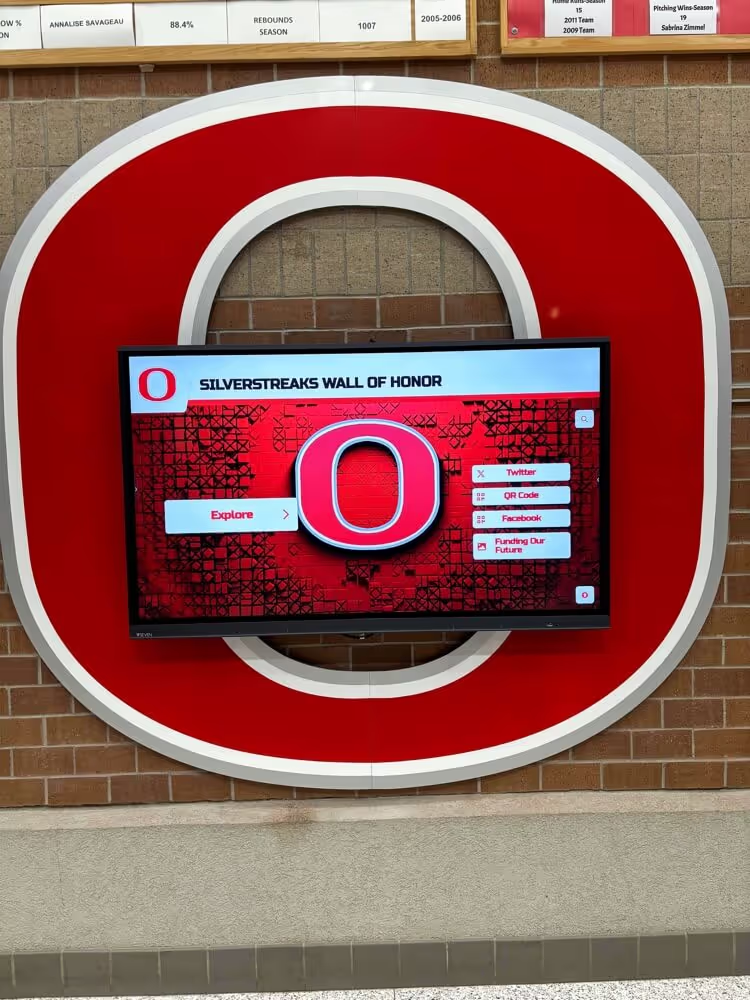
Recognition displays celebrating achievement create aspirational models inspiring continued excellence across organizations
Qualitative Impact Assessment
Employee Feedback and Testimonials
- Open-ended survey responses about recognition experiences
- Focus group discussions about program meaningfulness
- Anecdotal reports of recognition impact on motivation
- Exit interview comments about recognition culture
- New hire feedback about organizational appreciation culture
- Manager observations about recognition effects on teams
Cultural Indicators
- Observable improvements in workplace morale and atmosphere
- Increased collegiality and collaborative behaviors
- Enhanced pride in organizational affiliation
- Greater discretionary effort and initiative-taking
- Positive shifts in break room and informal conversations
- Reduced complaints and grievances
External Recognition
- Employer brand reputation in community and industry
- Best place to work awards and certifications
- Media features about organizational culture
- Social media sentiment and online reviews
- Benchmark status prompting visits from other organizations
- Recruitment marketing effectiveness based on culture reputation
Regular assessment enables continuous improvement, ensuring recognition programs remain effective, meaningful, and aligned with evolving employee preferences and organizational priorities.
Industry-Specific Recognition Considerations
Different sectors face unique recognition opportunities and challenges requiring tailored approaches.
Corporate and Business Recognition
Private Sector Considerations
- Performance-based recognition aligned with business objectives
- Sales achievement and revenue generation acknowledgment
- Client satisfaction and retention recognition
- Innovation and process improvement awards
- Leadership development and succession recognition
- Corporate values champion awards
Corporate recognition often includes:
- Monetary bonuses or profit-sharing elements
- Stock options or equity recognition
- Executive acknowledgment and leadership interaction
- Conference attendance or special development opportunities
- Premium gifts and experiences reflecting achievement significance
Educational Institution Recognition
School and University Employee Recognition Organizations implementing comprehensive educational staff recognition face unique considerations:
- Faculty teaching excellence and research achievement recognition
- Student impact and mentorship acknowledgment
- Curriculum innovation and instructional improvement awards
- Service and committee contribution recognition
- Community engagement and outreach honors
- Support staff appreciation across diverse roles
Educational recognition emphasizes:
- Academic freedom and professional autonomy respect
- Peer recognition carrying special significance
- Student testimonials and impact evidence
- Publication and research achievement celebration
- Conference presentations and professional development
Nonprofit and Mission-Driven Organization Recognition
Values-Aligned Recognition
- Mission advancement and program impact recognition
- Volunteer coordination and community engagement awards
- Fundraising achievement and donor relationship recognition
- Advocacy and awareness-building honors
- Client service excellence acknowledgment
- Resource stewardship and efficiency awards
Nonprofit recognition considerations:
- Budget constraints requiring creative approaches
- Values alignment as primary motivator
- Impact stories demonstrating mission fulfillment
- Volunteer recognition alongside paid staff
- Board and community involvement in recognition
- Transparency about limited monetary rewards
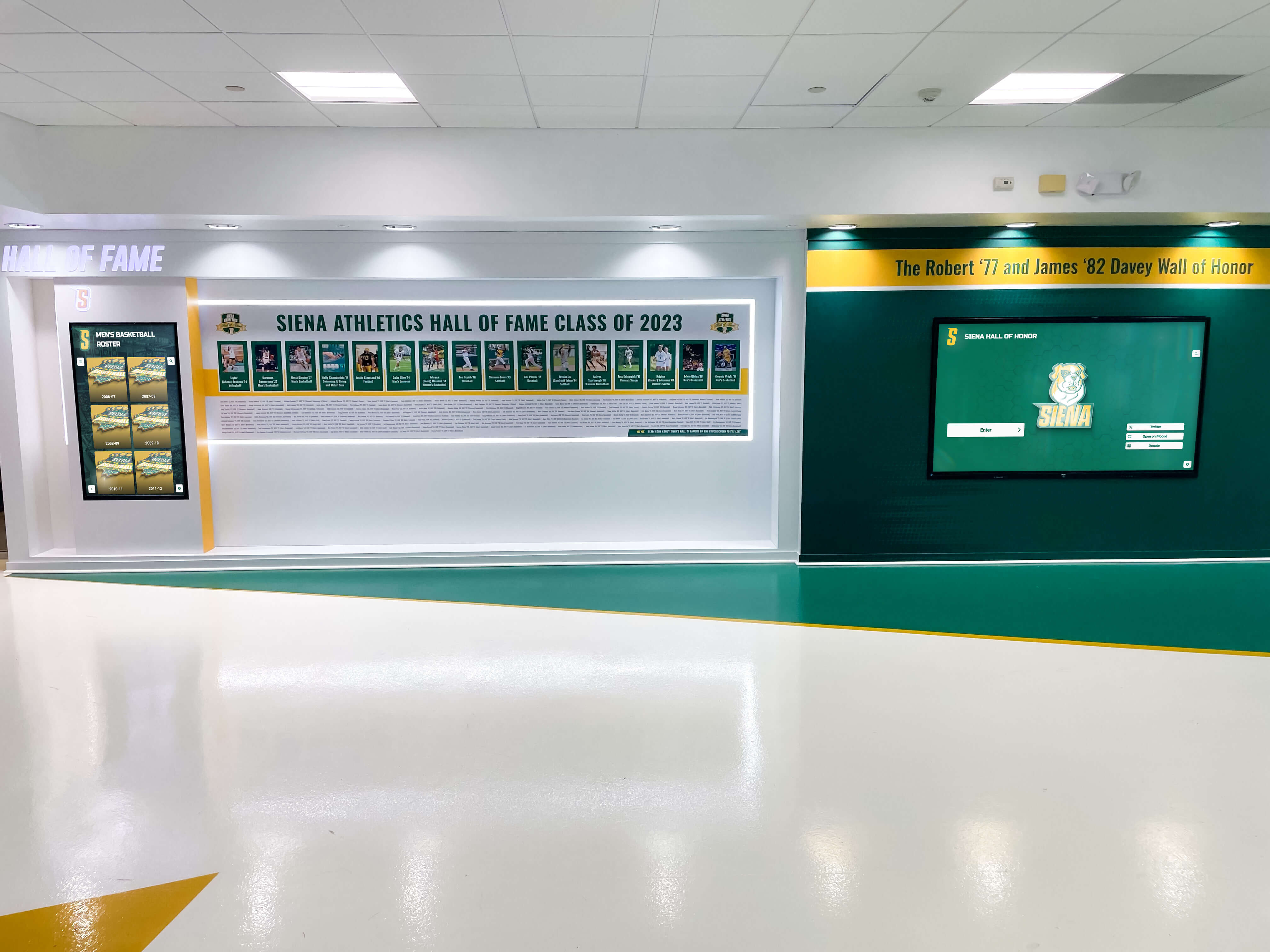
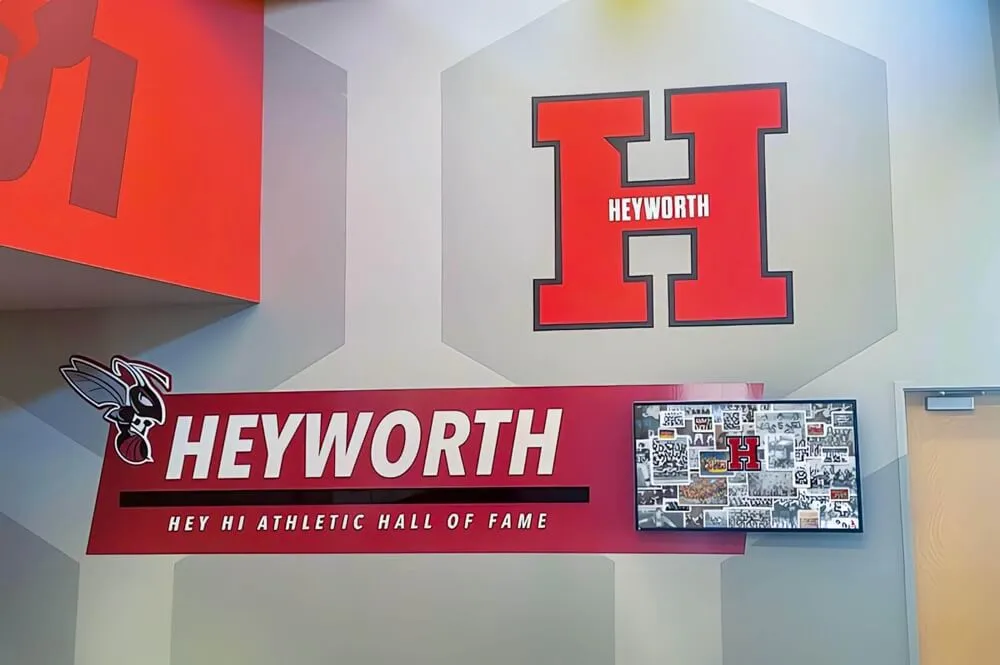
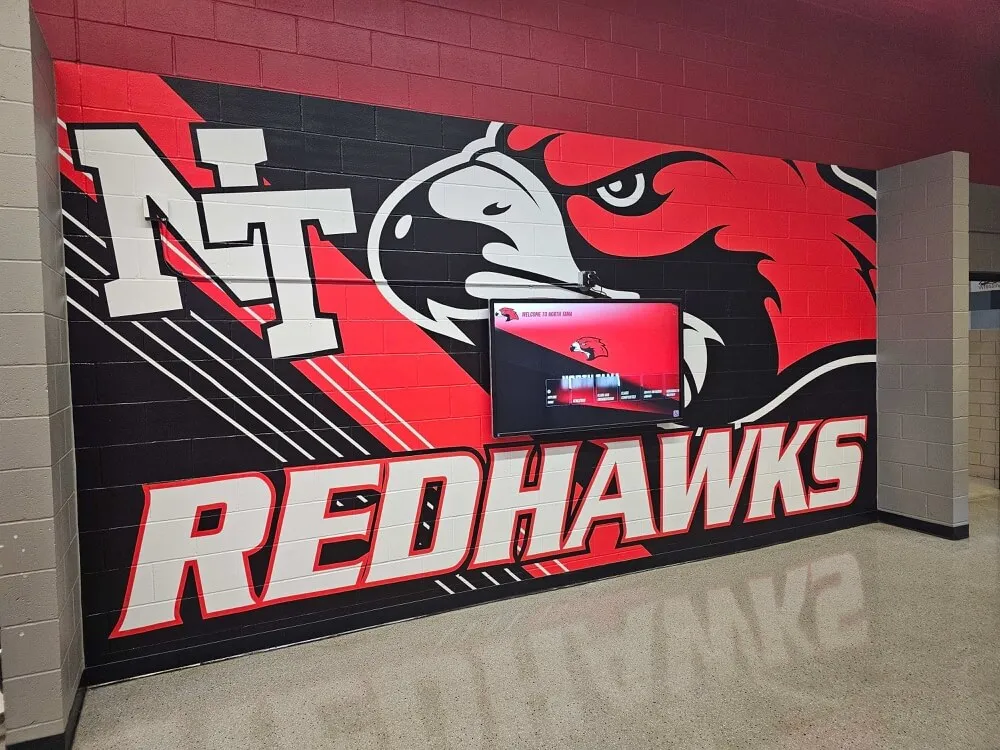
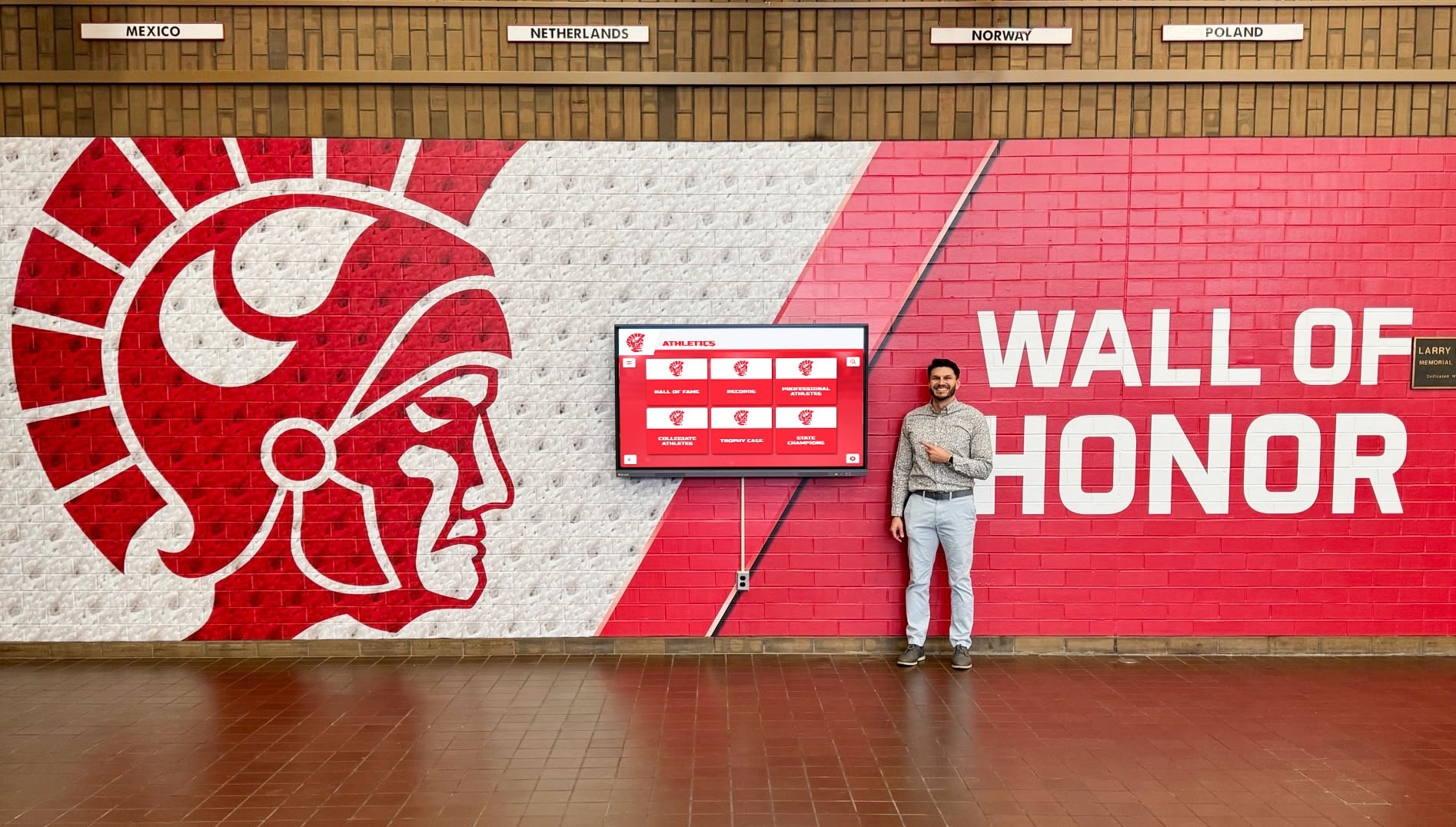
Athletic recognition walls demonstrate how organizations across sectors can celebrate achievement through permanent, visible displays
Healthcare and Service Industry Recognition
High-Stress Environment Recognition
- Patient care excellence and satisfaction awards
- Clinical skill and expertise recognition
- Compassion and empathy acknowledgment
- Emergency response and crisis management honors
- Safety protocol adherence recognition
- Continuing education and professional development awards
Healthcare recognition addresses:
- Shift work challenges requiring flexible celebration timing
- Patient confidentiality limiting specific achievement sharing
- Burnout prevention through regular appreciation
- Life-and-death stakes emphasizing recognition importance
- Team-based care requiring collective acknowledgment
- Emotional labor deserving explicit recognition
Organizations can reference memorial and tribute approaches when developing recognition for healthcare workers honoring those who make life-saving contributions.
Creating Sustainable Recognition Culture
Long-term success requires embedding recognition into organizational DNA rather than treating it as a program or initiative.
Building Recognition Into Operations
Structural Integration Sustainable recognition becomes part of how organizations function:
- Budget line items dedicated to employee recognition
- Designated recognition coordinators or committee ownership
- Regular recognition agenda items in leadership meetings
- Manager evaluation including recognition expectations
- New employee onboarding explaining recognition culture
- Recognition program policies and procedures documentation
Leadership Modeling Leaders must demonstrate recognition commitment:
- Executive participation in recognition events and ceremonies
- Leaders personally delivering recognition when appropriate
- Leadership team modeling regular informal appreciation
- Recognition highlighted in CEO communications and town halls
- Board of directors involvement validating program importance
- Senior leaders sharing personal recognition stories and impact
Continuous Improvement Systems
- Annual recognition program reviews and assessment
- Employee feedback informing program refinements
- Recognition trends analysis identifying gaps and opportunities
- Benchmarking against other organizations and best practices
- Budget adjustments based on demonstrated program value
- Innovation in recognition approaches maintaining freshness
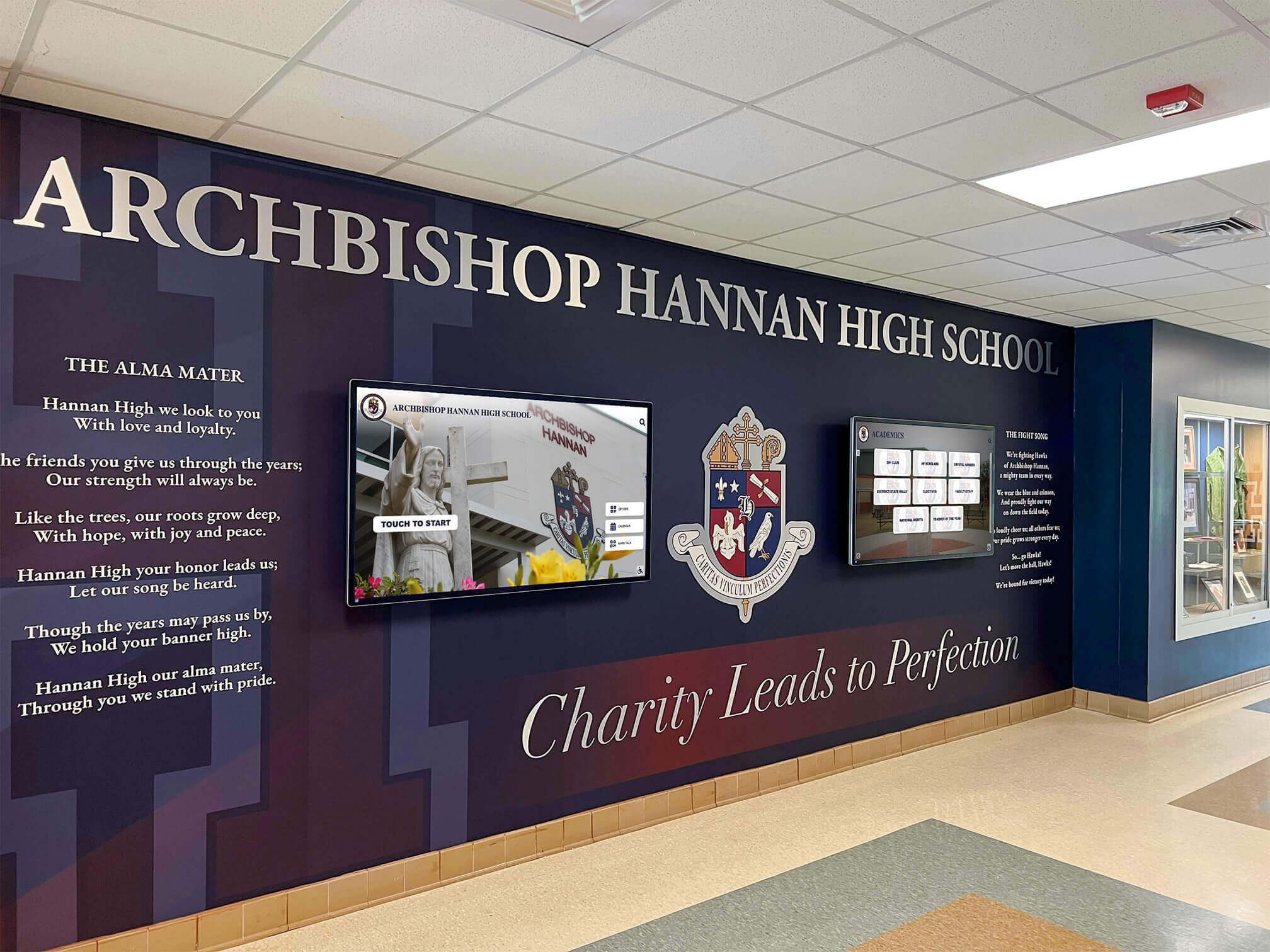
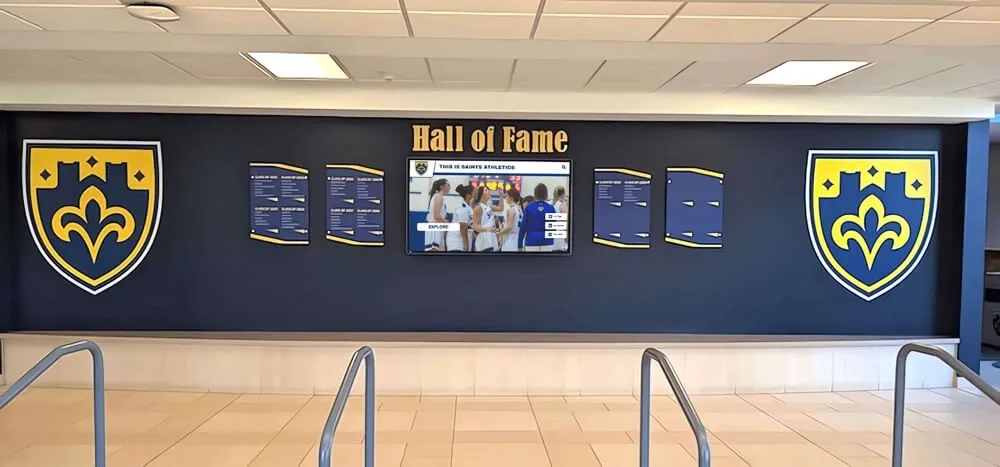
Comprehensive recognition environments combine traditional and digital elements creating permanent celebrations of employee achievements
Manager Training and Development
Effective recognition requires equipping leaders with necessary skills:
Recognition Training Elements
- Identifying recognition-worthy behaviors and achievements
- Delivering specific, authentic appreciation effectively
- Tailoring recognition to individual preferences
- Balancing public and private acknowledgment
- Documentation supporting formal recognition programs
- Avoiding common recognition mistakes and pitfalls
Accountability Mechanisms
- Manager performance evaluations including recognition expectations
- 360-degree feedback assessing recognition effectiveness
- Employee satisfaction scores tied to manager recognition behavior
- Recognition metrics tracked at team and department levels
- Best practice sharing among management team
- Recognition skills included in leadership development programs
Cross-Organizational Recognition Systems
Shared Recognition Platforms Organizations with multiple locations or departments benefit from unified systems:
- Centralized recognition platforms accessible across all locations
- Consistent criteria and nomination processes organization-wide
- Headquarters and field location equity in recognition distribution
- Corporate-level recognition for exceptional achievements
- Location-specific recognition honoring local contributions
- Shared best practices and success stories across organization
Implementing digital recognition platforms enables organizations with distributed workforces to maintain unified recognition cultures while allowing local customization and celebration.
Conclusion: Building Recognition-Rich Organizational Cultures
Employee recognition awards represent far more than ceremonial gestures—they constitute strategic investments in organizational culture creating measurable business outcomes. When organizations systematically acknowledge employee contributions through thoughtful recognition programs, they create virtuous cycles where appreciated employees invest more deeply in organizational success, retention improves, recruitment becomes easier, and entire teams benefit from positive, energized work environments.
This comprehensive guide has explored employee recognition awards across traditional approaches, innovative ideas, digital solutions, and implementation best practices. The recognition strategies that work best for your organization depend on unique factors including industry context, organizational size, budget realities, existing culture, and employee preferences. What matters most isn’t the expense or elaboration of recognition programs, but rather the consistency, authenticity, and thoughtfulness with which appreciation gets expressed.
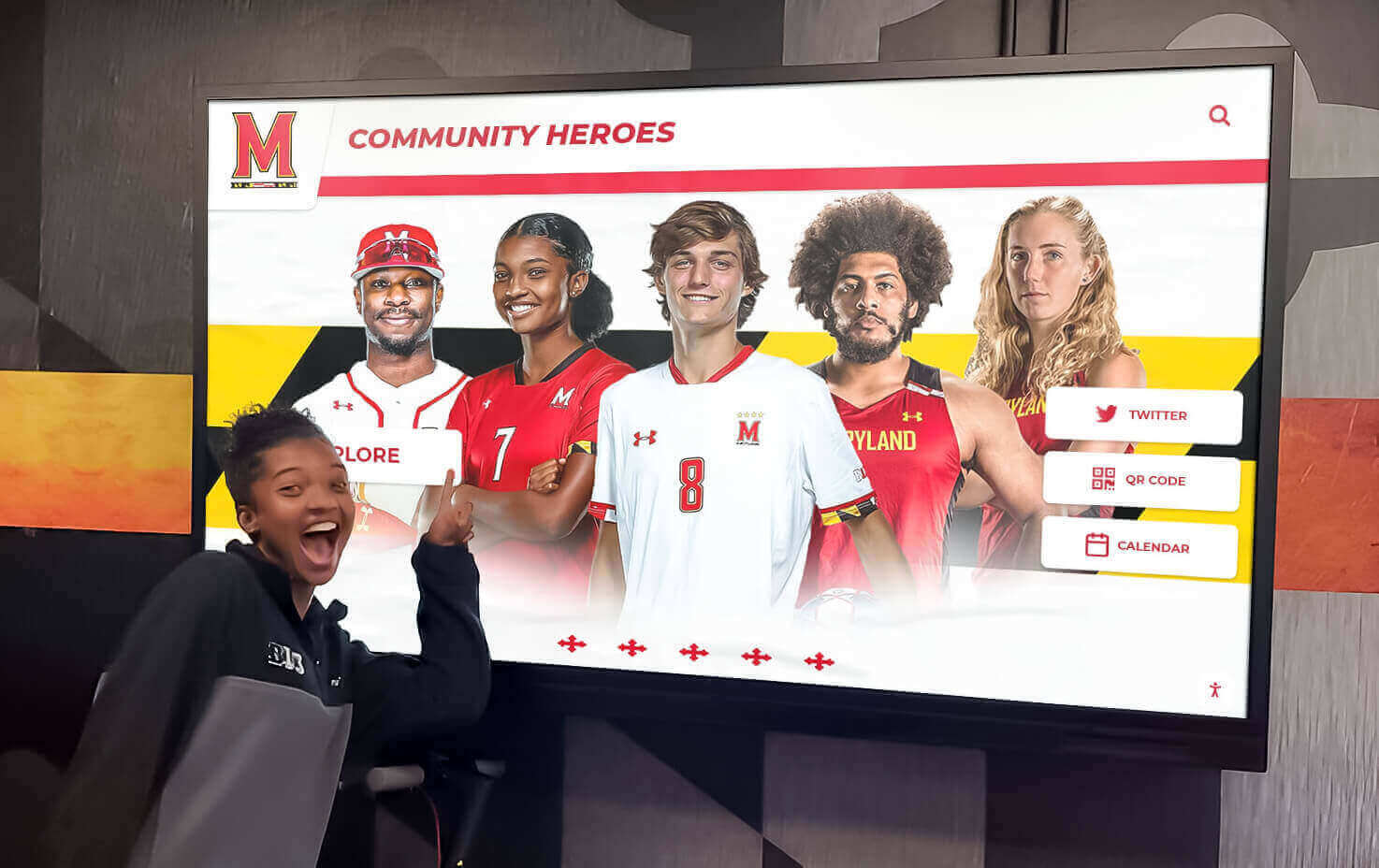
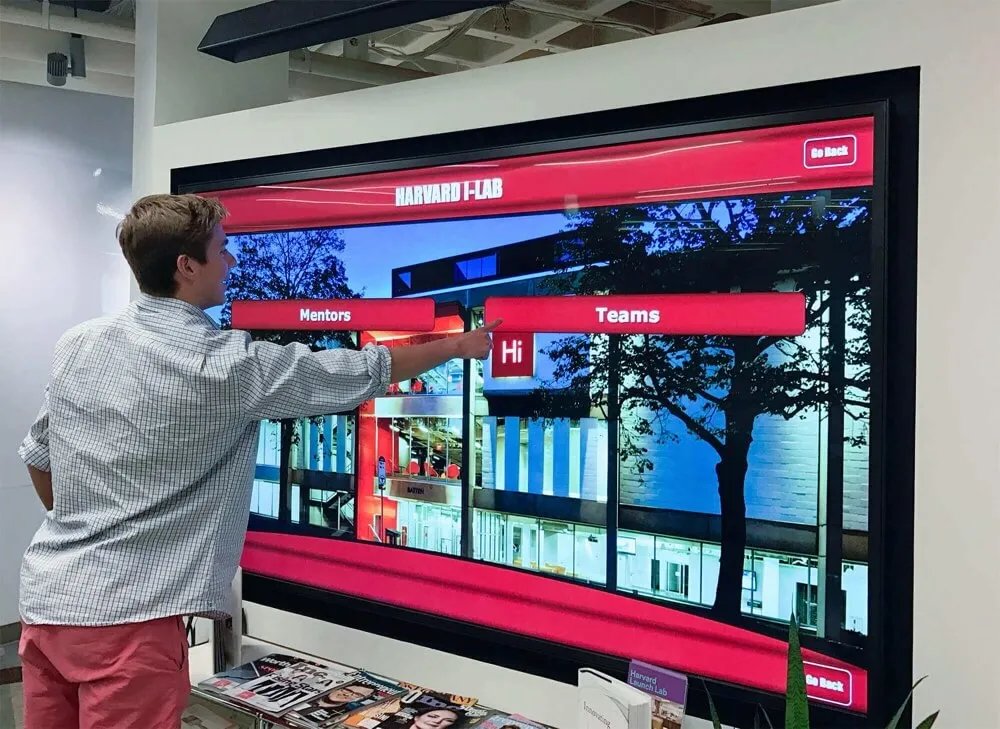
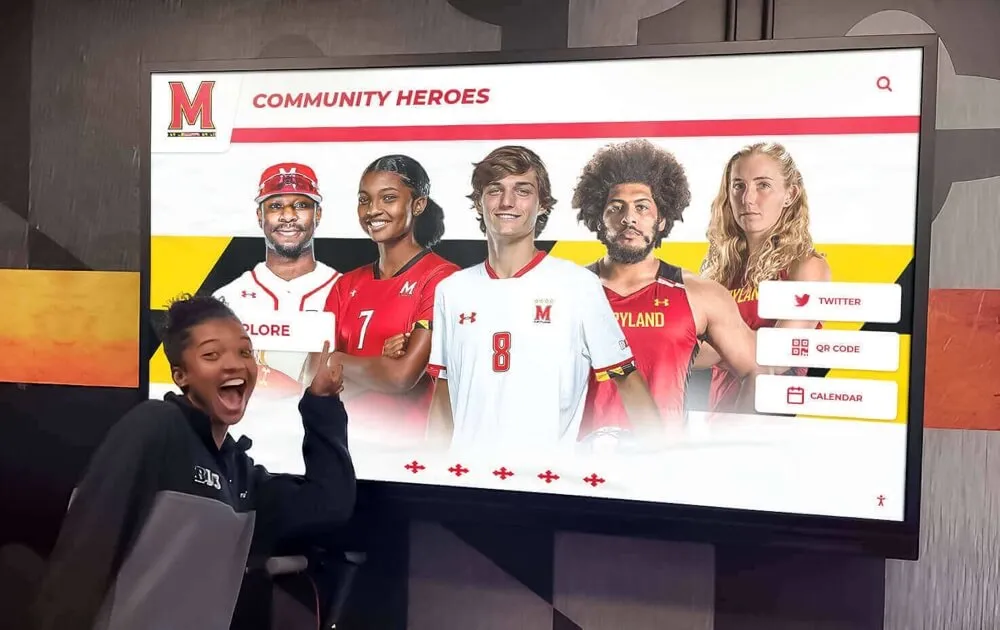
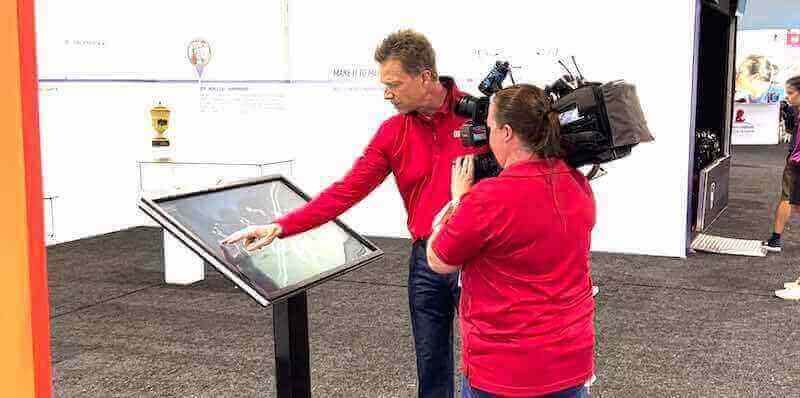
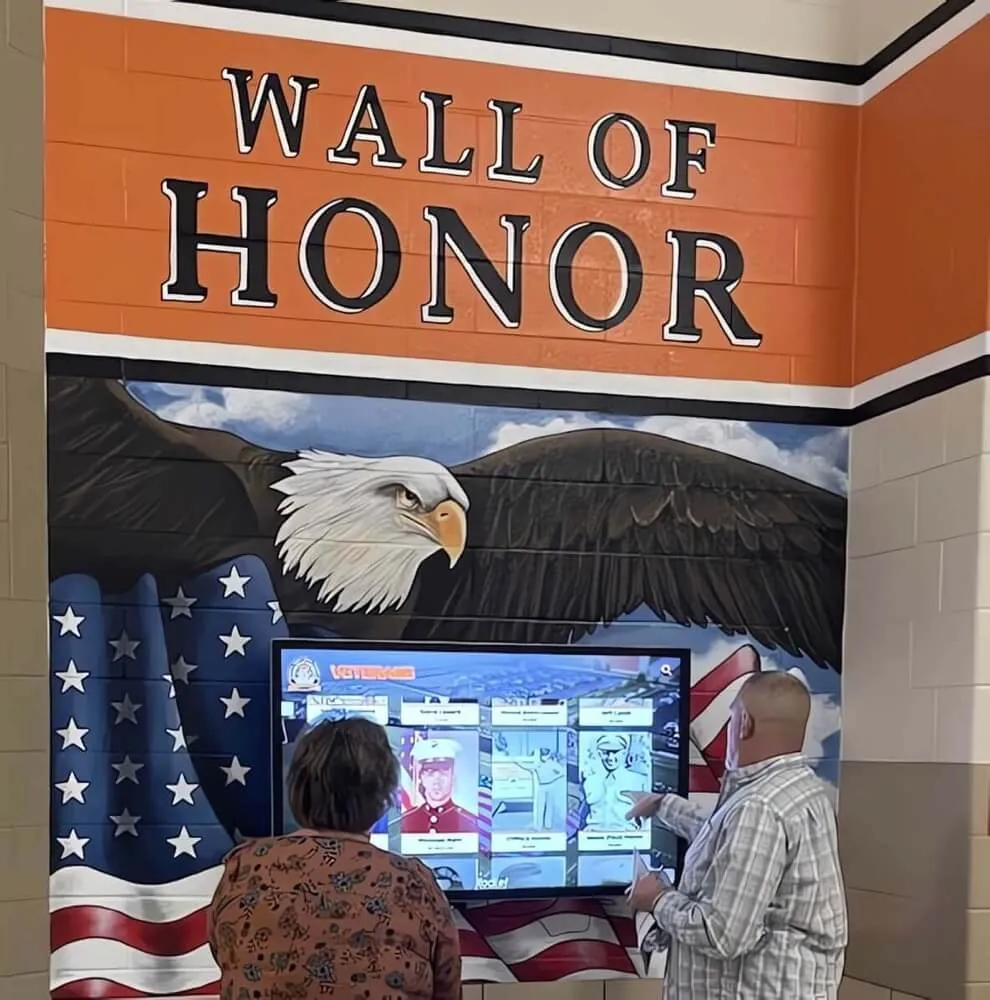
Engaged interaction with recognition displays demonstrates effective implementation, creating sustained interest in organizational achievements
Start where you are with recognition practices you can implement immediately—handwritten notes, verbal appreciation, or simple public acknowledgment cost nothing but create real impact. Then systematically expand your approach, incorporating regular recognition programs, role-specific acknowledgment, and perhaps eventually comprehensive digital platforms that preserve organizational memory while celebrating current contributions.
Every employee who contributes to your organization deserves recognition equal to any sales achievement or project completion. Whether they’re innovating processes, serving customers with excellence, supporting colleagues through challenges, or simply showing up consistently with positive attitudes, employees give organizations their time, talents, and commitment—gifts worthy of genuine appreciation and systematic recognition.
Your commitment to employee recognition creates ripple effects extending far beyond individual recipients. Teams observe leadership treating people with respect and gratitude, learning valuable lessons about appreciation and professionalism. Clients develop confidence in organizations that value their personnel. Communities build pride in employers that honor the people doing meaningful work. And ultimately, organizations building strong recognition cultures create competitive advantages attracting and retaining the talented employees who drive long-term success.
Transform Your Employee Recognition Program
Discover how digital recognition displays can help you celebrate every employee's contributions, preserve organizational history, and create thriving cultures where team members feel genuinely valued. Modern solutions like Rocket Alumni Solutions provide unlimited recognition capacity with professional presentations, simple cloud-based management, and engaging interactive experiences that extend appreciation visibility throughout your organization and beyond.
Explore Recognition Solutions