



Elementary schools nationwide face a persistent challenge: tight budgets that barely cover essential operations while families expect enrichment programs, updated technology, playground improvements, and learning materials that bring education to life. Traditional fundraisers like bake sales and wrapping paper campaigns generate modest revenue but often exhaust volunteer energy and family patience long before meeting funding goals.
What if fundraising could do more than fill short-term budget gaps? The most successful elementary school fundraising programs build sustainable revenue streams that engage entire communities while creating lasting recognition for supporters. From creative events that students genuinely enjoy to modern donor walls showcasing contributions year after year, strategic fundraising transforms one-time givers into invested stakeholders who champion school excellence.
This comprehensive guide explores elementary school fundraising ideas that work—practical, engaging strategies that generate meaningful revenue while strengthening relationships between schools, families, and communities. Whether you’re a PTA president seeking fresh approaches or a principal planning facility improvements, these proven ideas provide actionable pathways toward fundraising success.
Elementary schools that excel at fundraising understand a fundamental principle: the best strategies balance immediate revenue generation with long-term relationship building. Quick wins matter, but sustainable funding requires creating systems where supporters feel valued, students stay engaged, and every contribution receives meaningful recognition.

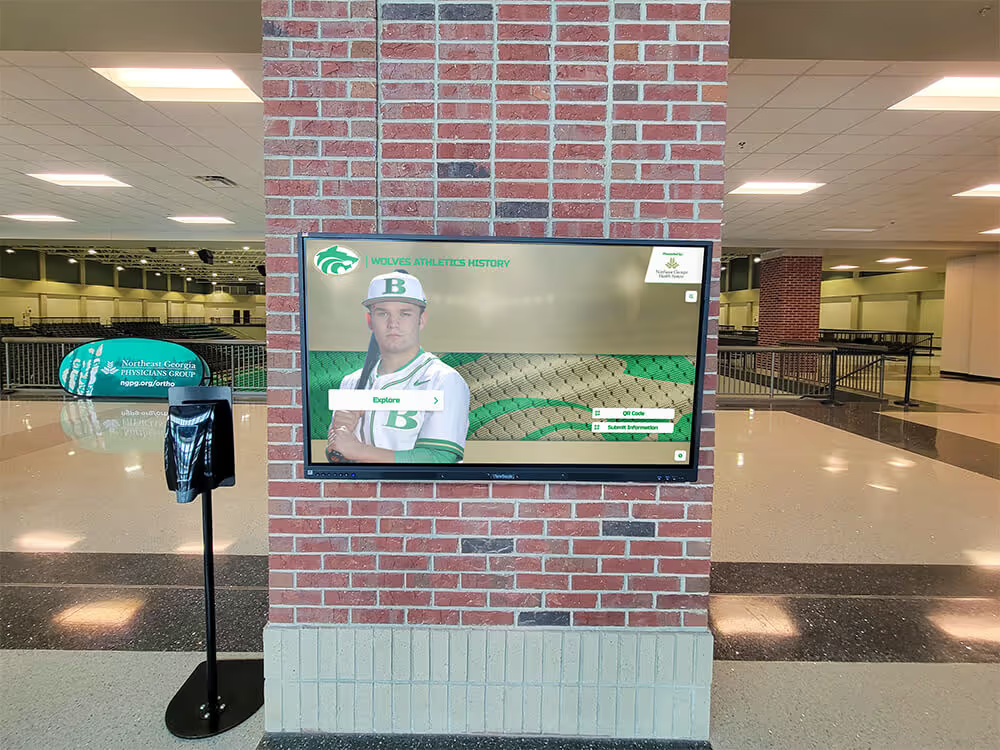
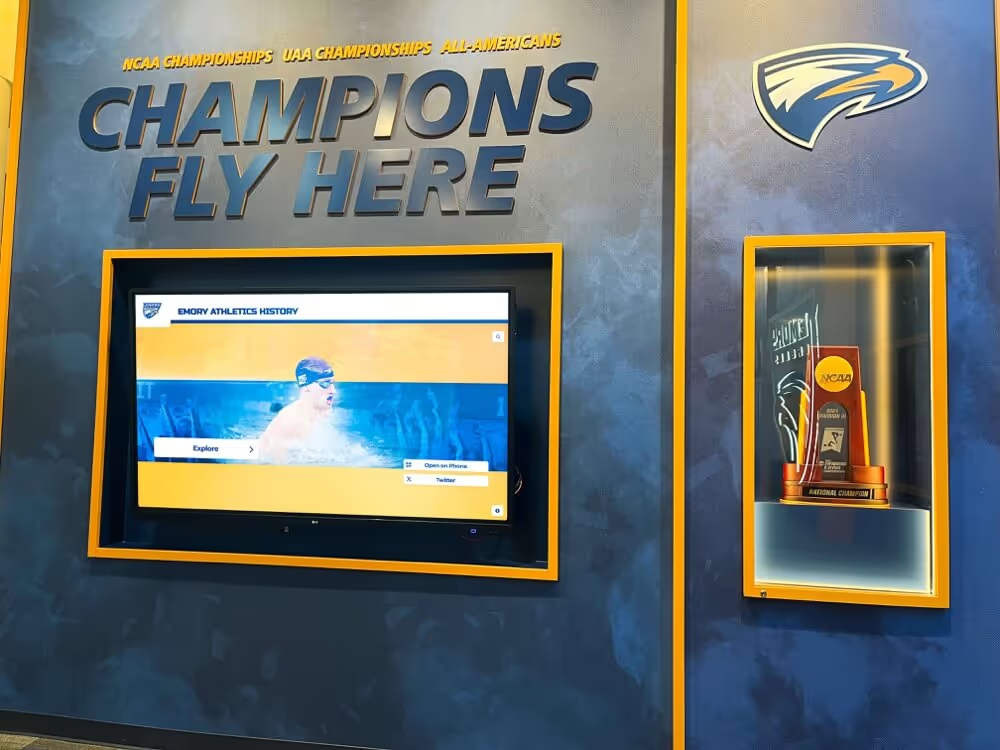
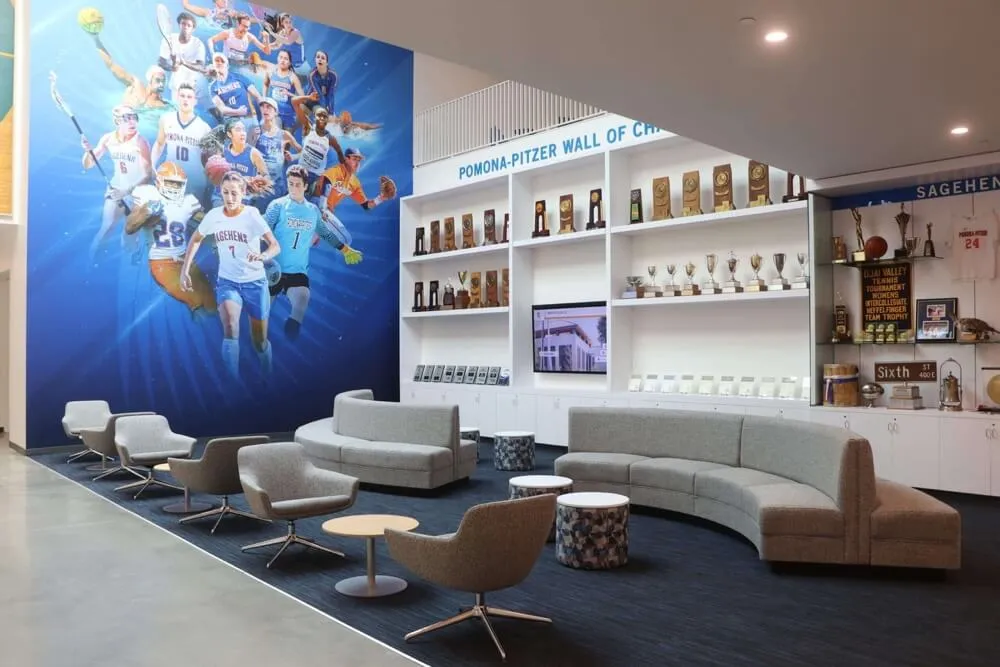
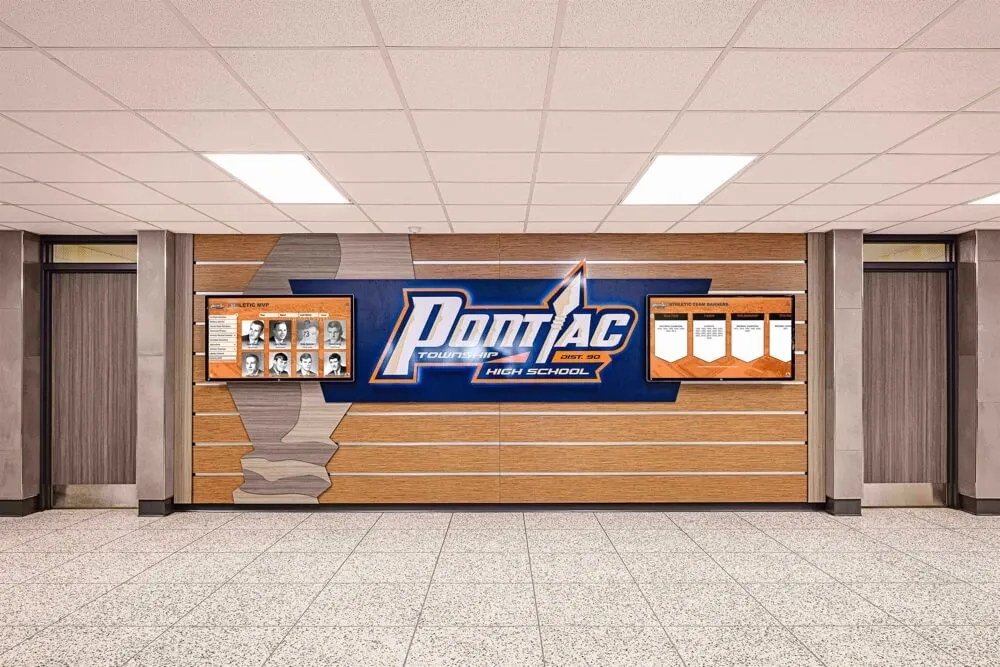
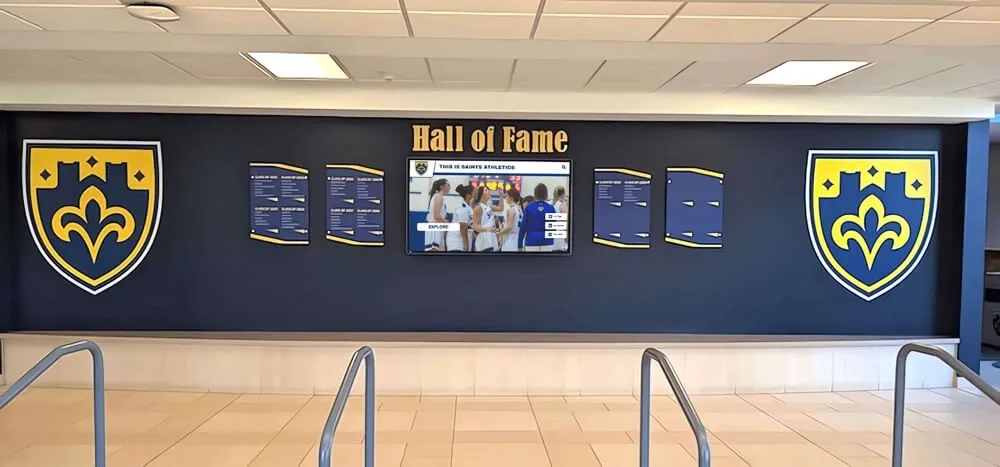
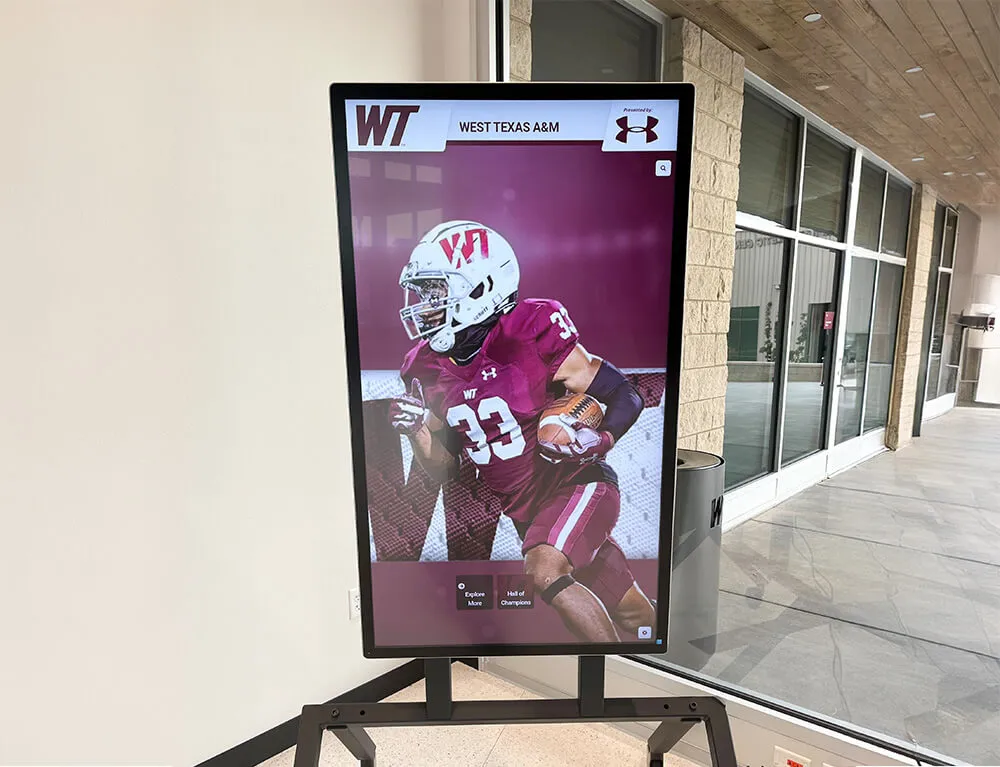
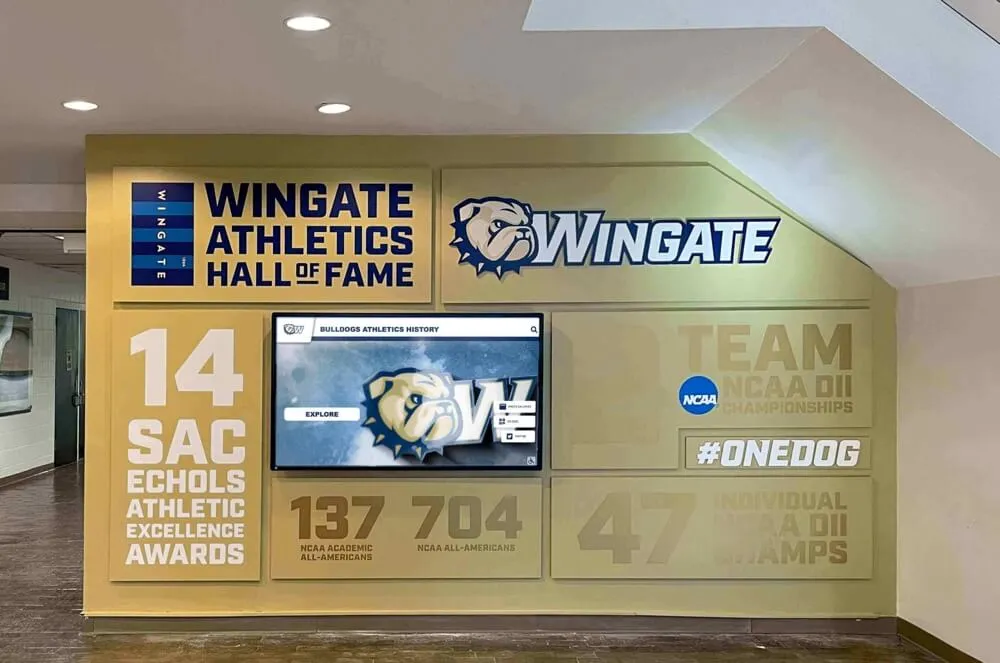
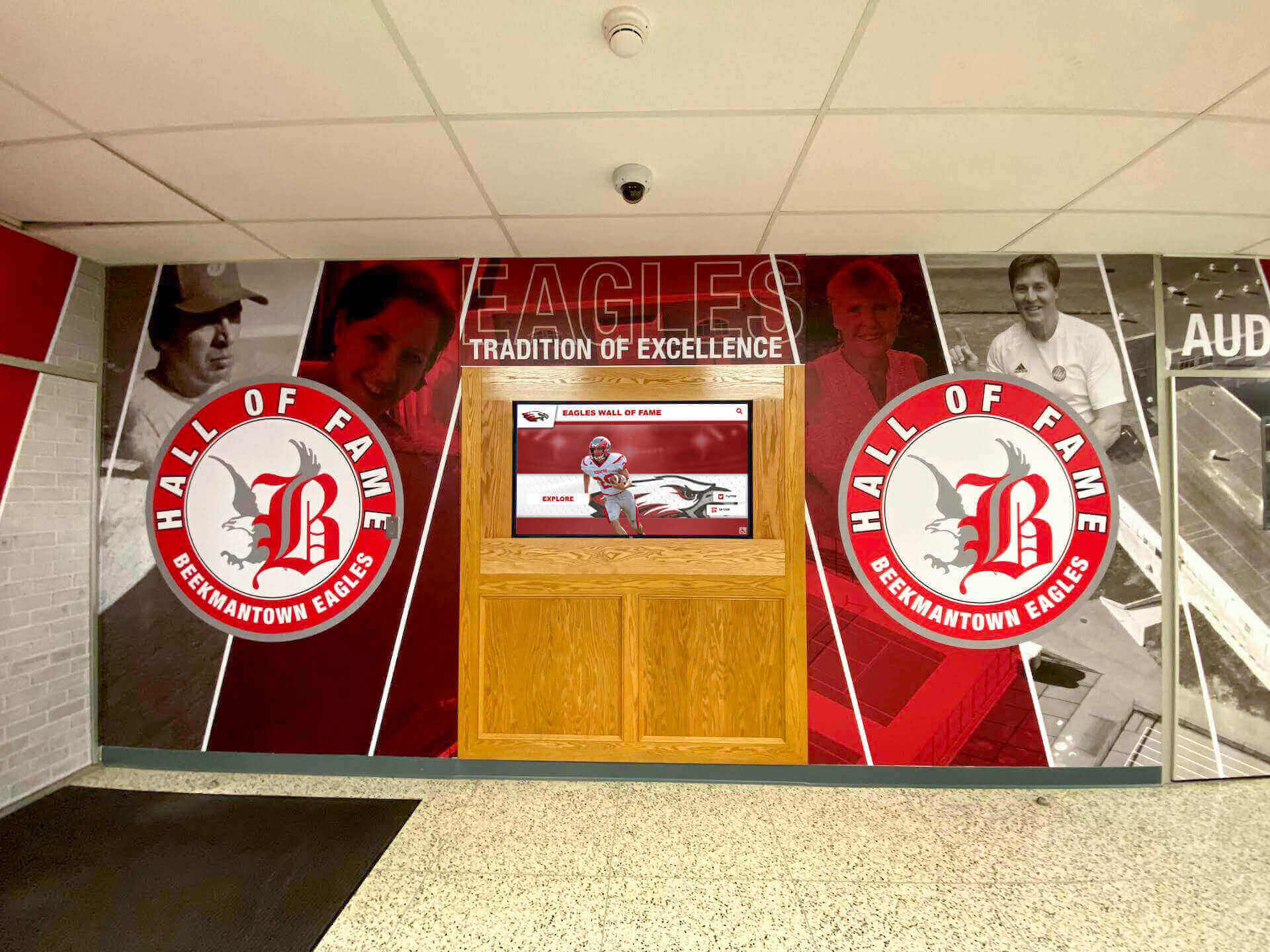
Modern elementary schools create welcoming spaces that celebrate achievement and recognize supporters, building pride that strengthens fundraising efforts
Understanding What Makes Elementary Fundraising Different
Before diving into specific strategies, recognizing how elementary school fundraising differs from secondary education helps organizations design appropriate approaches that resonate with K-8 families.
The Elementary School Donor Landscape
Parent and Family Engagement Patterns
Elementary school fundraising relies heavily on active parent involvement:
- Families feel particularly invested during children’s early education years
- Parents have capacity for hands-on volunteering before work schedules intensify
- Grandparents and extended family members engage more readily with younger students
- Neighborhood connections remain strong with children attending local schools
- Class parent networks facilitate peer-to-peer fundraising conversations
- School events naturally draw family attendance creating fundraising opportunities
This concentrated engagement window creates advantages elementary schools must strategically leverage before families transition to secondary schools where involvement typically decreases.
Budget Priorities That Resonate
Elementary donors respond to specific funding needs:
- Playground equipment and outdoor learning spaces
- Classroom technology including tablets and interactive displays
- Library book collections and reading program materials
- Art supplies, music instruments, and enrichment program resources
- Field trip funding enabling experiential learning opportunities
- Teacher grants supporting innovative classroom projects
- Safety and security improvements providing peace of mind
- Recognition displays celebrating student achievement and donor support
Fundraising campaigns highlighting these tangible improvements generate stronger response than vague general fund appeals. Parents want to see exactly how their contributions impact their children’s daily educational experience.
Age-Appropriate Student Participation
Engaging Young Students Effectively
Elementary fundraising must balance student involvement with age-appropriate expectations:
Direct Participation Strategies
- Fun runs and walk-a-thons students genuinely enjoy
- Talent show performances showcasing diverse abilities
- Art sales featuring student-created work
- Reading challenges combining academic goals with fundraising
- Service projects teaching philanthropy while raising funds
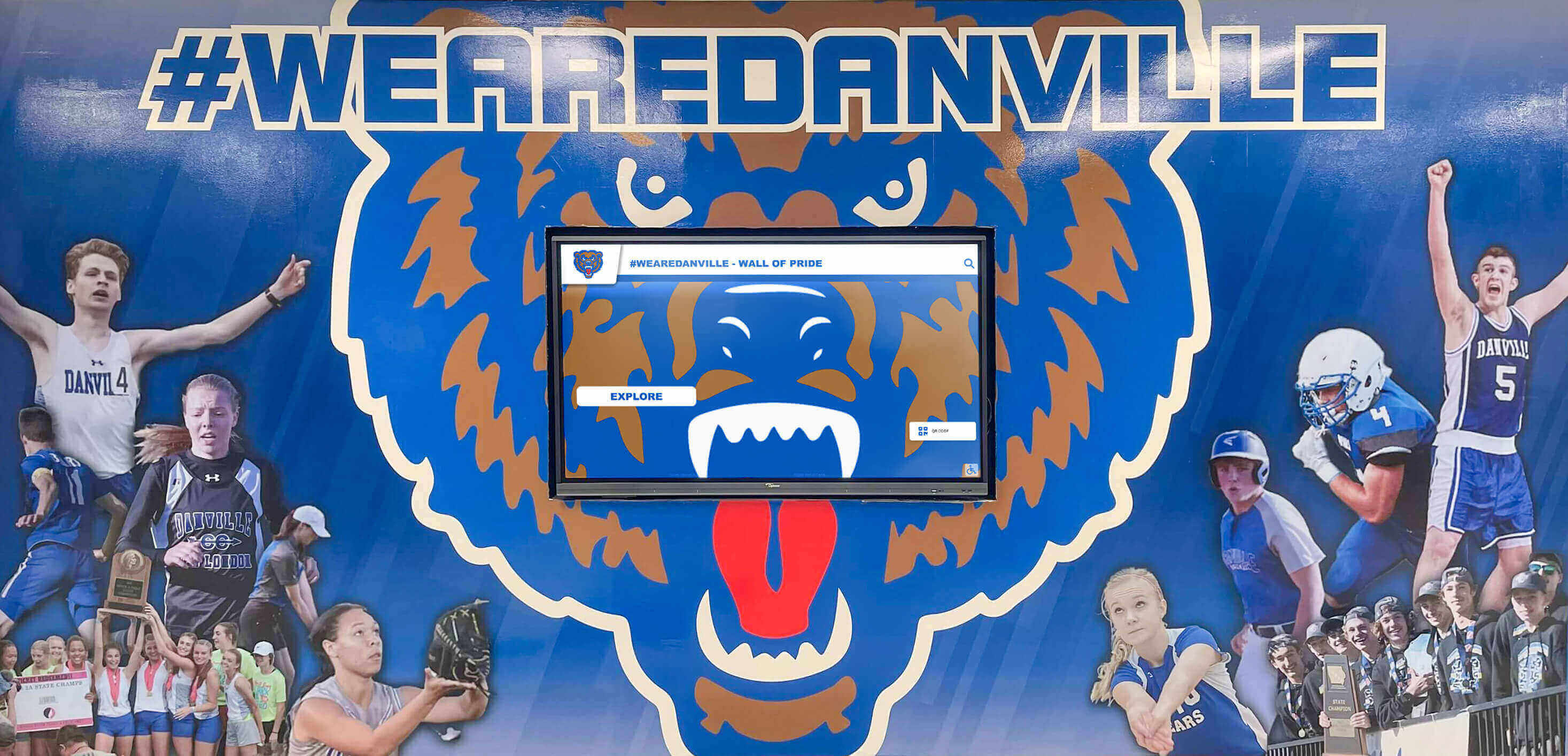
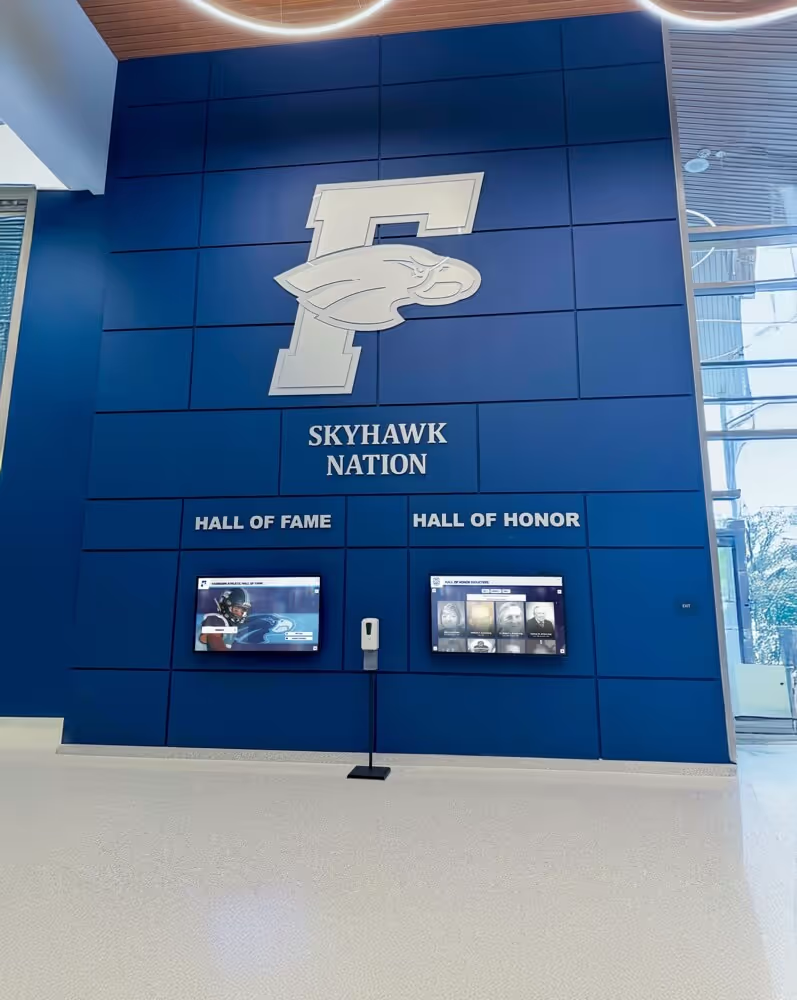
Elementary school lobbies create first impressions that communicate values, celebrate achievements, and recognize community support
Appropriate Expectations
- Avoid door-to-door sales requiring young children to approach strangers
- Minimize pressure on students to sell products through competition
- Focus on fun, participation-based activities rather than high-pressure campaigns
- Ensure all students can participate regardless of family financial capacity
- Create positive associations with giving and community support
Schools implementing comprehensive student recognition programs find that celebrating achievements builds school pride, which strengthens overall fundraising by creating communities families want to support.
Traditional Fundraisers with Modern Enhancements
Proven fundraising approaches remain effective when enhanced with contemporary elements that increase participation and revenue.
Product Sales Campaigns
School Spirit Apparel and Merchandise
Branded items create ongoing visibility while generating profit:
- Custom t-shirts, hoodies, and athletic wear featuring school mascots and colors
- Water bottles, backpacks, and school supplies students use daily
- Car decals, window clings, and yard signs demonstrating school pride
- Seasonal items like blankets for fall sports or summer camp gear
- Online ordering platforms extending sales beyond school hours
Profit margins typically range 30-50% with pre-order models eliminating inventory risk. Modern print-on-demand services enable year-round ordering without minimum quantities, allowing families to purchase items whenever needed rather than only during designated fundraising windows.
Book Fairs and Literacy Fundraisers
Reading-focused campaigns align with educational missions:
- Traditional book fairs with percentage-based profit sharing (typically 20-25%)
- Family reading nights with book sales and literacy activities
- Build-a-library campaigns where specific book needs generate targeted giving
- Author visits combined with book signing sales opportunities
- Used book sales accepting donations and reselling affordably
Beyond revenue, book programs strengthen school libraries and home reading collections, creating educational value alongside fundraising success. Schools can highlight specific book needs—diverse representation, updated science materials, expanded genre collections—making donations feel particularly meaningful.
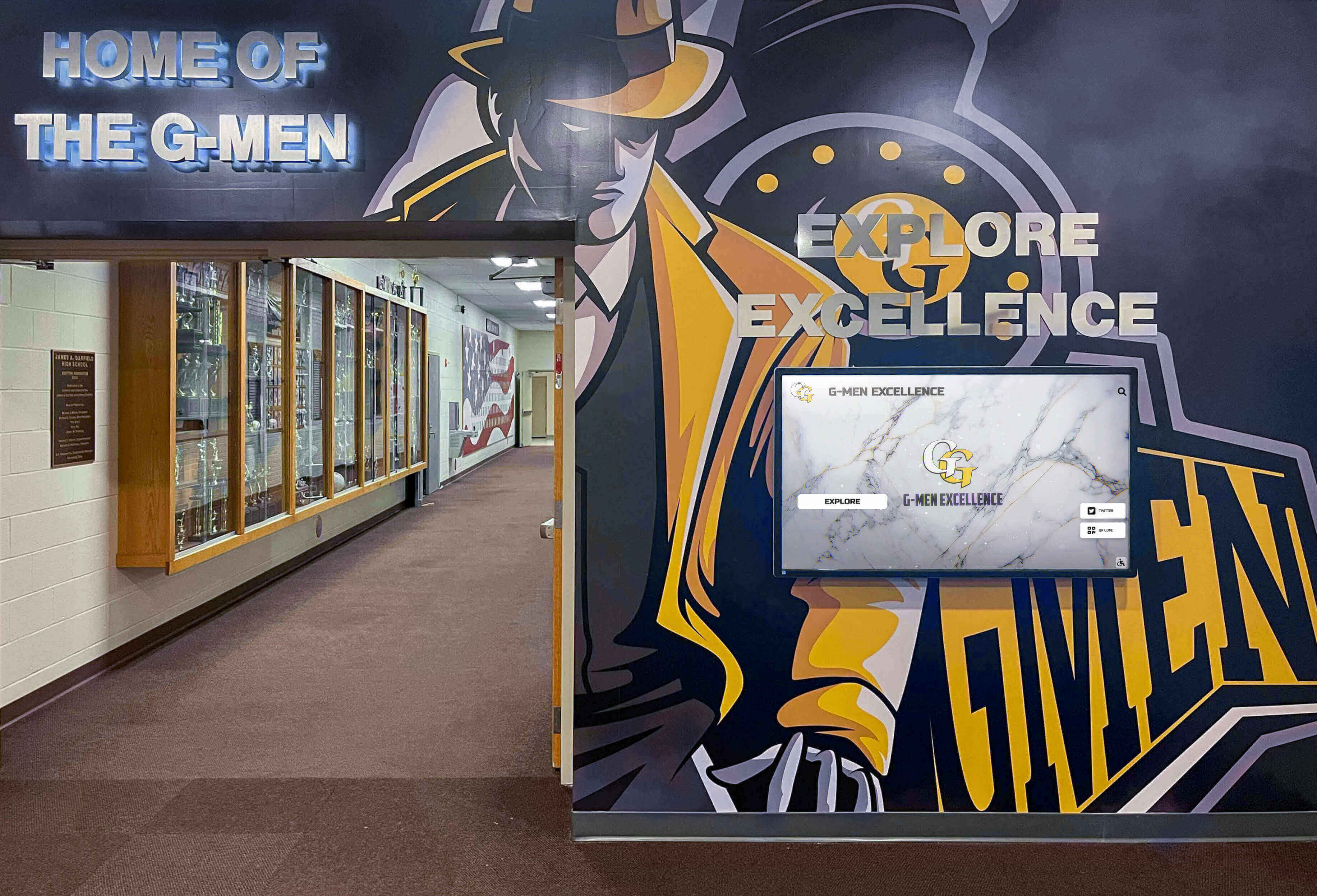
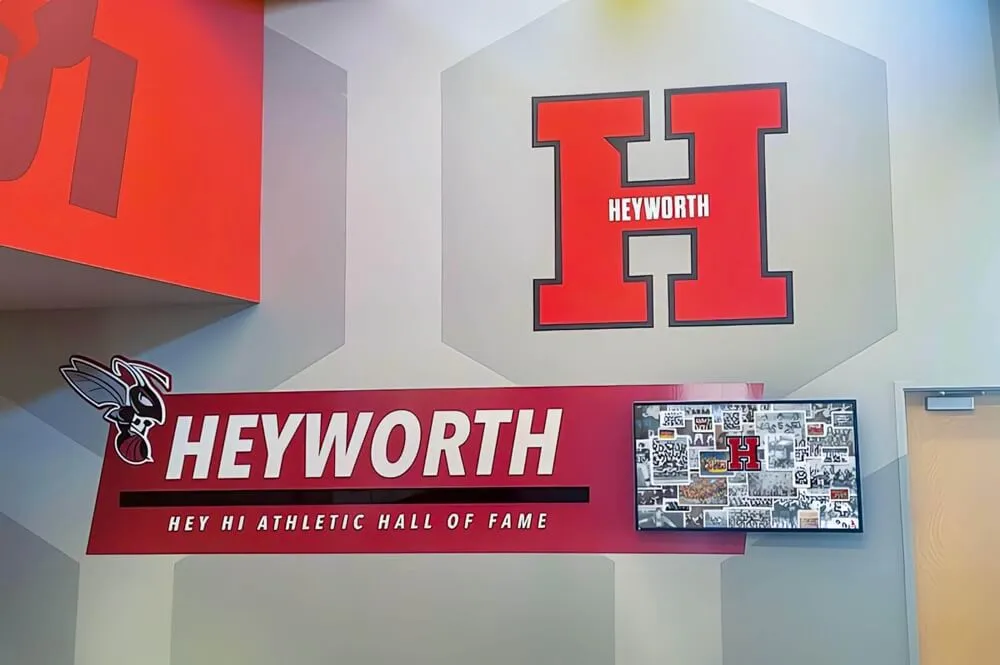
Elementary schools balance traditional trophy displays with modern digital recognition, accommodating unlimited achievements while maintaining beloved traditions
Seasonal Product Campaigns
Timing campaigns to shopping seasons increases revenue potential:
- Fall harvest items: pumpkins, mums, seasonal decorations
- Winter holiday products: poinsettias, wrapping paper, gift items
- Spring plants and garden materials for family landscaping
- Mother’s Day and Father’s Day gift options
- School supplies bundles before academic year begins
Partner with reputable suppliers offering quality products and reasonable profit shares (aim for 40-50%). Pre-order models minimize financial risk while ensuring families receive items they genuinely want rather than products they feel obligated to purchase.
Event-Based Fundraising
Fun Runs and Walk-a-Thons
Participation-based events engage entire school communities:
Planning Essentials
- Flat donation option removes pressure from families unable to secure multiple sponsors
- Per-lap pledges for supporters wanting performance-based giving
- Safe route planning with adequate adult supervision
- Music, decorations, and celebratory atmosphere making participation fun
- Optional team or class competitions building excitement without excessive pressure
- Incentive programs recognizing participation rather than just high fundraising
Successful fun runs generate $15,000-$50,000+ depending on school size and community engagement. Events work best when framed as school-wide celebrations rather than purely transactional fundraisers, with all students receiving recognition for participation regardless of dollars raised.
Implementation Tips
- Schedule during mild weather months (spring or early fall)
- Create t-shirt designs students want to wear beyond event day
- Provide online giving platforms simplifying sponsor donations
- Celebrate participation with finish line ceremonies and certificates
- Document event through photos families can access and share
- Thank sponsors promptly with personalized acknowledgments
Schools implementing comprehensive athletic recognition systems extend fun run recognition beyond single events, featuring top participants and fundraisers on permanent displays that motivate continued excellence.
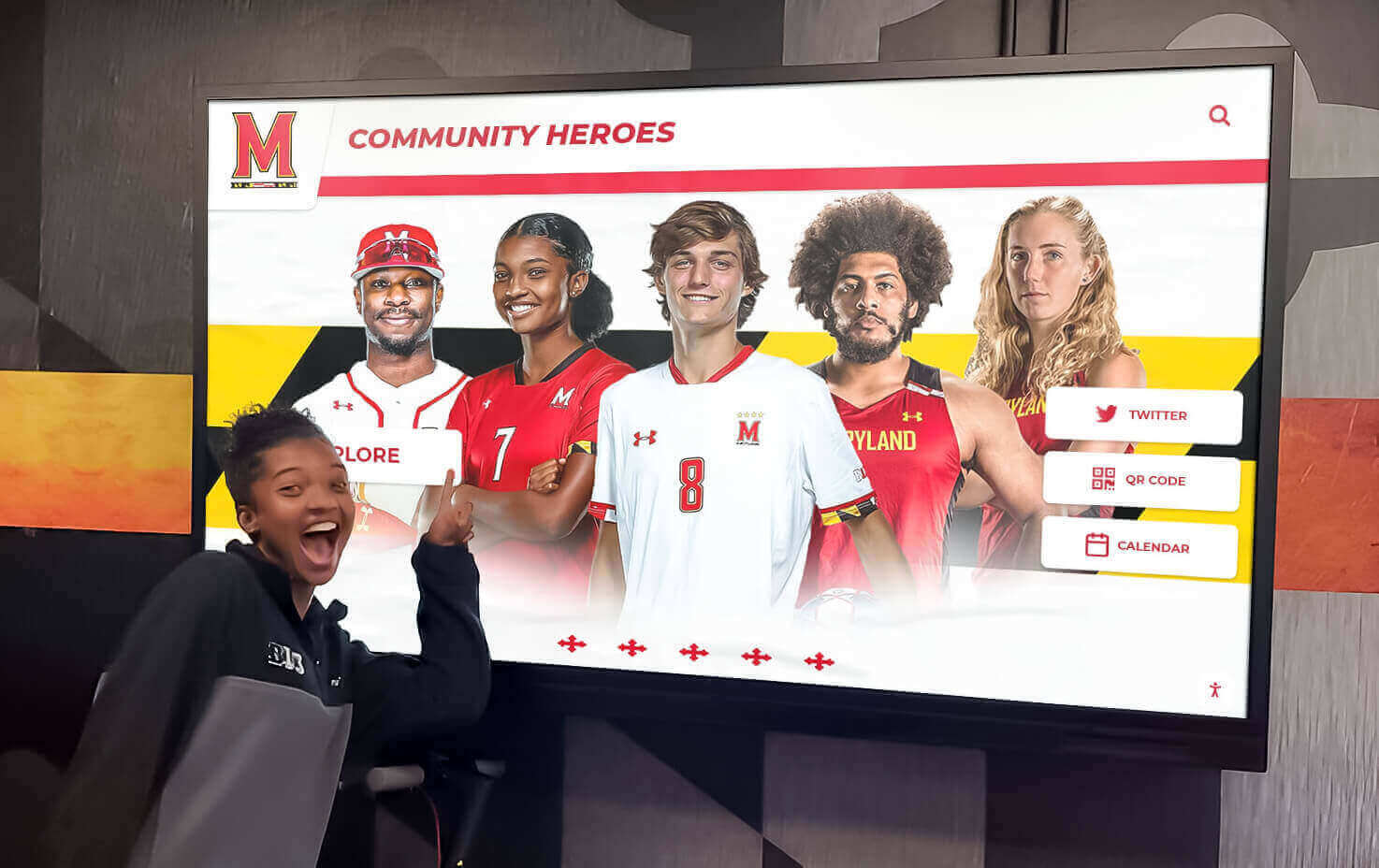
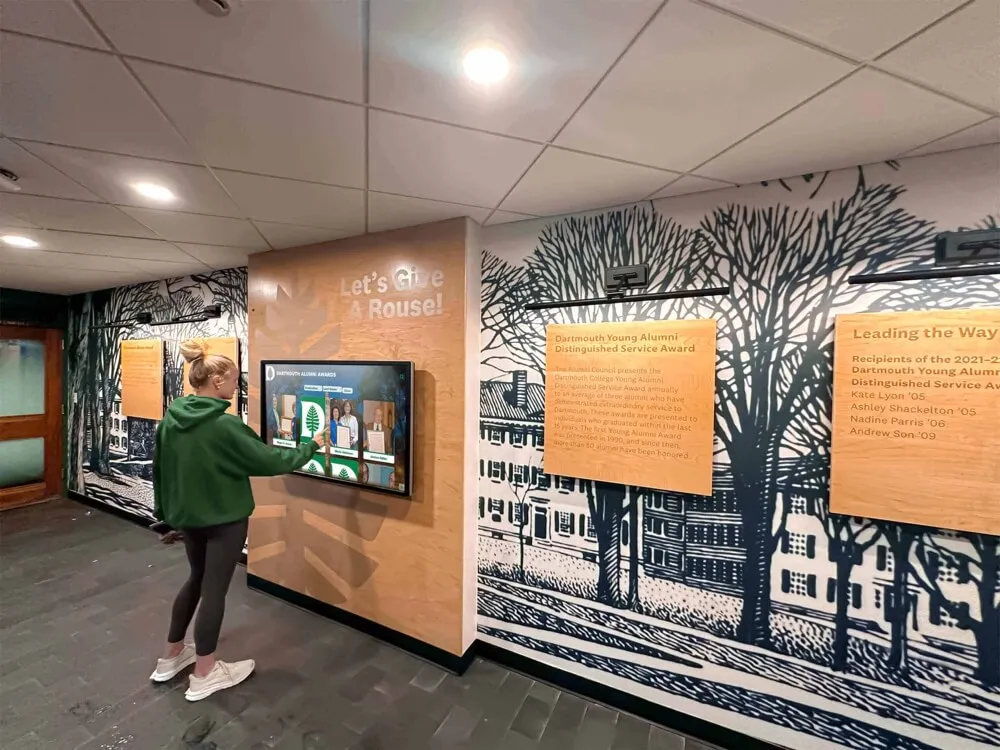
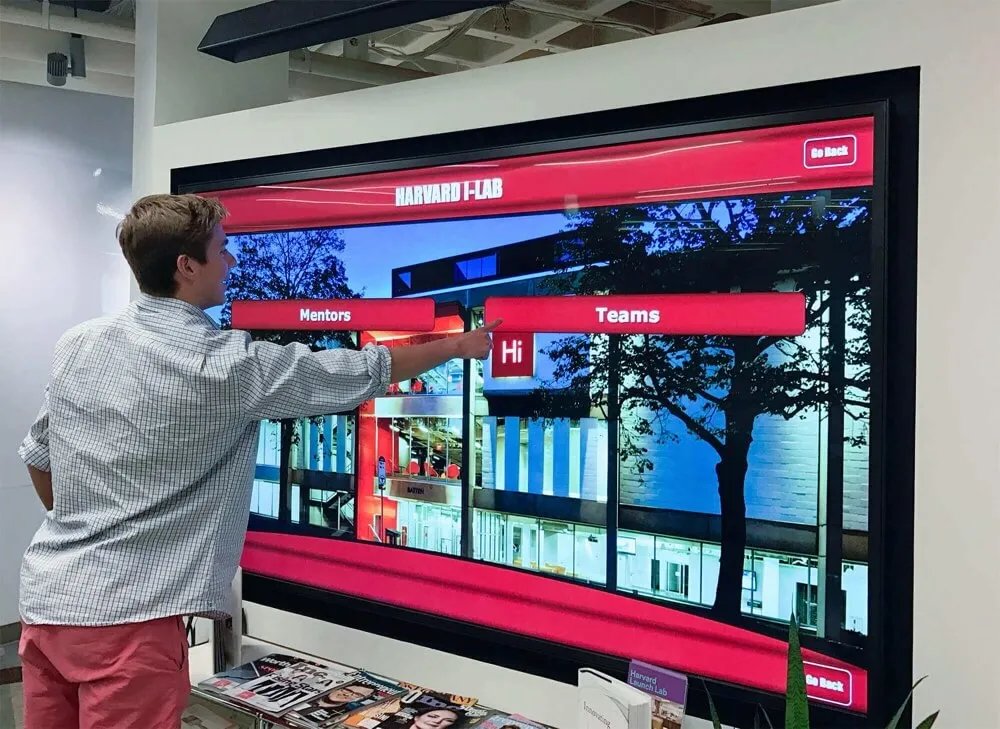
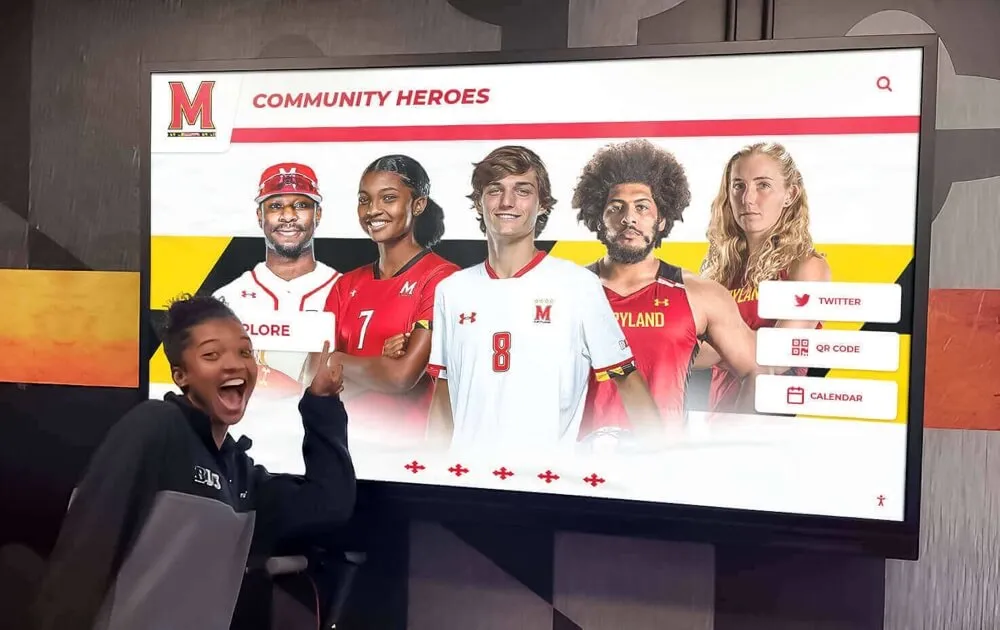
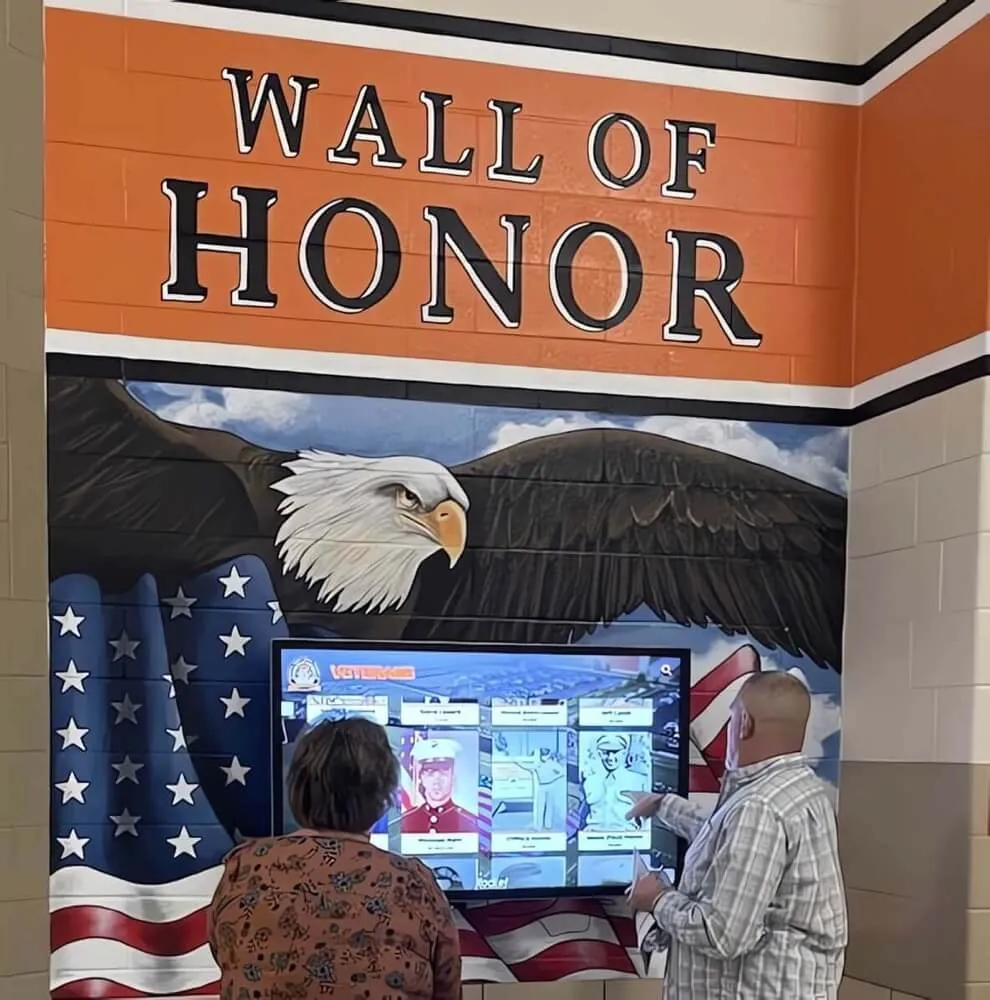
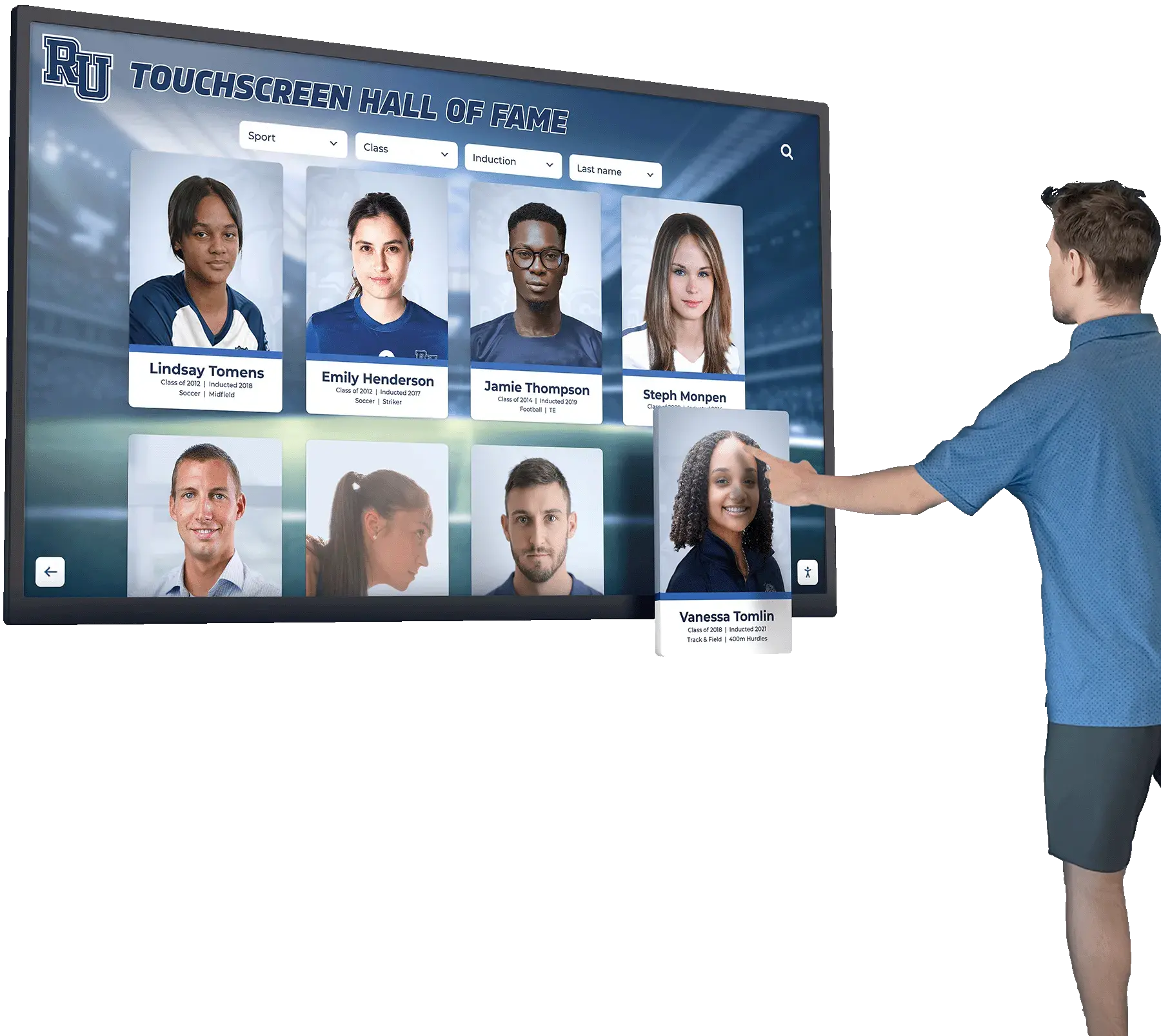
Interactive displays engage students with touchable technology, making recognition meaningful and memorable while showcasing donor support
Family Carnival or Festival
Community events create memorable experiences while generating multiple revenue streams:
Revenue Sources
- Admission tickets or wristbands for unlimited activities
- Food and beverage sales through concession stands
- Game booths charging per play or tickets
- Raffle ticket sales with donated prizes
- Face painting, balloon artists, and entertainment services
- Vendor booth fees from local businesses and community organizations
- Sponsorship opportunities for businesses supporting activities or entertainment
Successful Carnival Elements
- Age-appropriate games from simple ring toss to more challenging activities
- Prize selections appealing to elementary age ranges
- Food options accommodating dietary restrictions and allergies
- Entertainment like DJ, live music, magic show, or inflatable attractions
- Volunteer coordination ensuring adequate staffing throughout event
- Rain date planning or indoor venue securing contingency options
Well-executed carnivals generate $8,000-$25,000+ while building community connections and creating positive school memories families cherish.
Talent Shows and Performances
Student-centered events showcase abilities while raising funds:
- Admission ticket sales for family attendance
- Program advertisements from local businesses
- Concession sales during intermission
- Video recording sales for families wanting permanent memories
- Donations accepted in addition to ticket prices
Talent shows celebrate student creativity while requiring minimal direct fundraising pressure. Schools can combine performances with academic recognition ceremonies, acknowledging diverse achievements during events that already gather community attendance.
Modern Digital Fundraising Strategies
Technology enables fundraising approaches reaching broader audiences while reducing volunteer burden and administrative complexity.
Online Giving Platforms and Crowdfunding
Dedicated School Donation Pages
Digital platforms simplify giving for contemporary donors:
- One-time donation options for immediate needs
- Recurring monthly giving programs creating predictable revenue
- Designated fund options letting donors choose specific purposes
- Tribute and memorial giving honoring loved ones
- Matching gift integration doubling corporate employee donations
- Mobile-optimized interfaces enabling giving from any device
Platforms like DonorsChoose, GoFundMe Charity, and school-specific portals reduce processing complexity while providing tax documentation donors need. Many platforms charge minimal fees (2-5%) but dramatically increase donation accessibility and convenience.
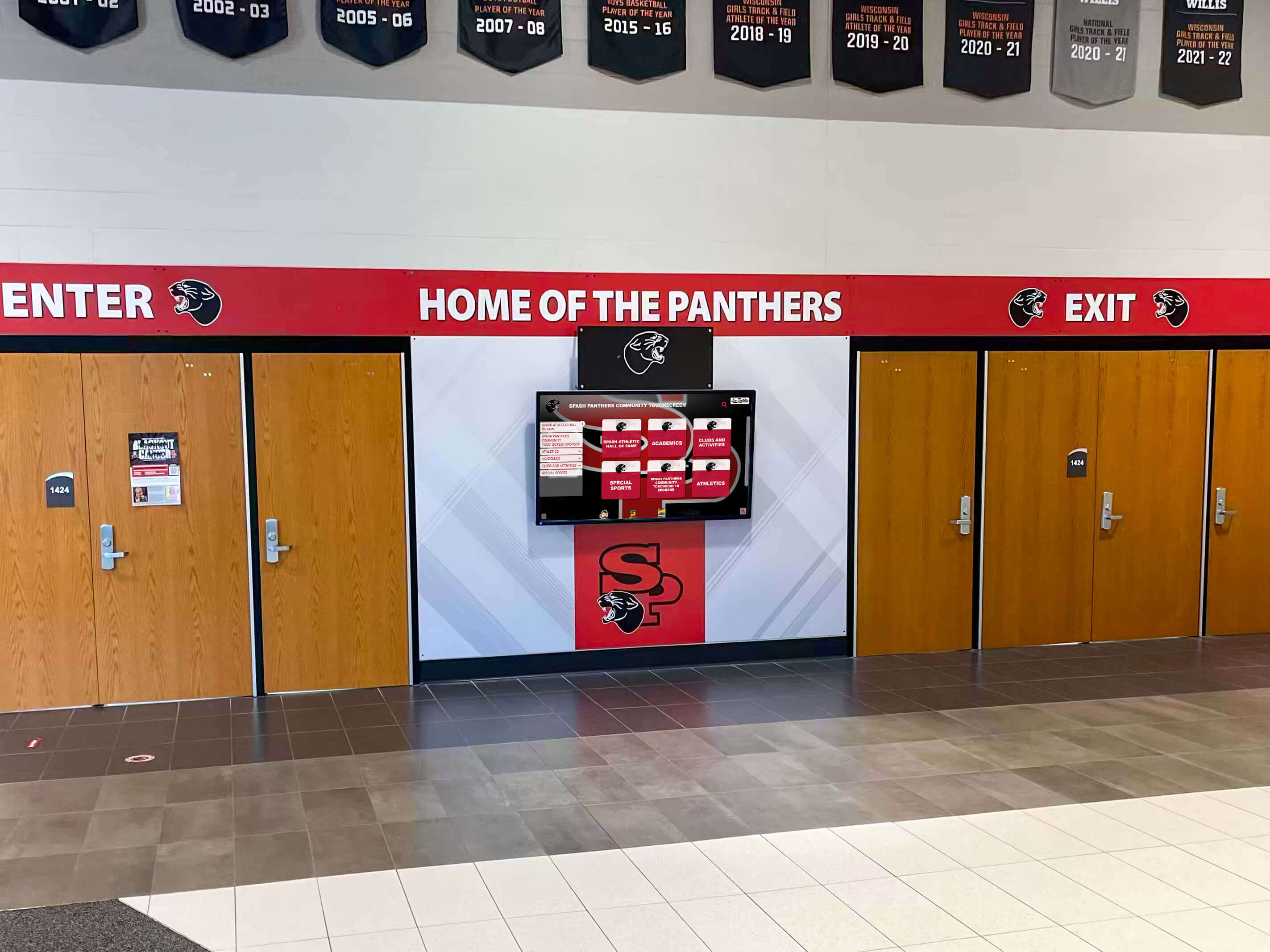
Main entrance displays welcome families while showcasing school pride, creating immediate connection that strengthens fundraising relationships
Project-Specific Crowdfunding
Targeted campaigns generate stronger emotional response:
- New playground equipment campaigns with specific cost goals
- Classroom technology drives specifying exact needs
- Library renovation projects with before/after visualizations
- Outdoor learning space development with clear plans
- Arts program instrument purchases listing specific items
Project campaigns succeed when they include:
- Compelling storytelling explaining why improvements matter
- Visual mockups or plans showing what donations will create
- Transparent budgets breaking down costs and funding gaps
- Progress tracking showing momentum toward goals
- Student testimonials explaining anticipated impact
- Recognition opportunities for contributors at various levels
Campaigns with clear goals, specific timelines, and compelling cases typically outperform vague general fund appeals by 60-80%.
Peer-to-Peer Fundraising
Family Ambassador Programs
Empower supporters to fundraise within their networks:
- Personal fundraising pages parents share with friends and family
- Social media sharing tools amplifying campaign reach
- Email templates simplifying outreach communications
- Leaderboards recognizing top fundraisers (handled sensitively)
- Team or classroom challenges building friendly competition
- Matching gift reminders ensuring corporate match capture
Peer-to-peer approaches work because personal requests from friends carry more weight than institutional appeals. Parents comfortable with technology can leverage Facebook, Instagram, and email networks reaching dozens of potential donors beyond immediate school community.
Implementation Strategies
- Provide clear instructions and support materials
- Create sample posts and messages reducing effort required
- Recognize all participants regardless of amounts raised
- Set reasonable expectations about outcomes
- Celebrate successes publicly while respecting privacy preferences
- Thank network donors who may have no direct school connection
Schools implementing comprehensive volunteer recognition find that celebrating family ambassadors strengthens future participation and creates culture of appreciation supporting ongoing fundraising.
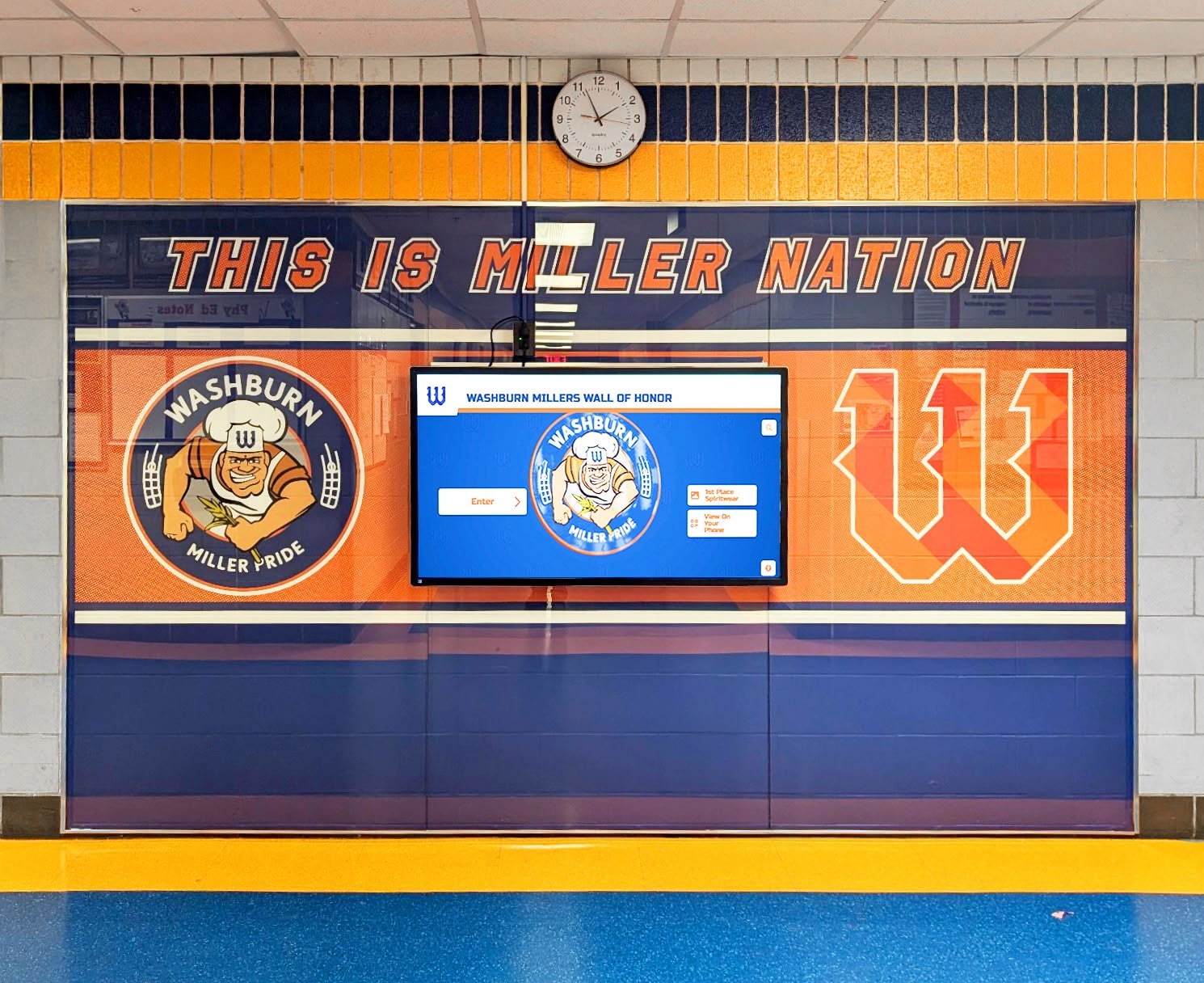
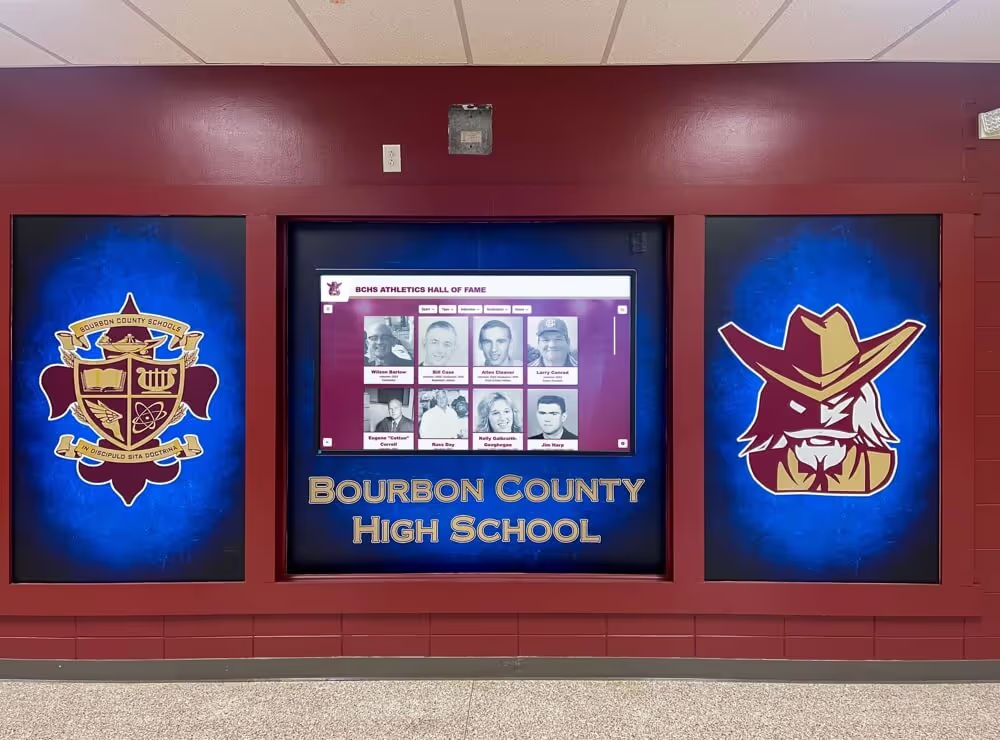
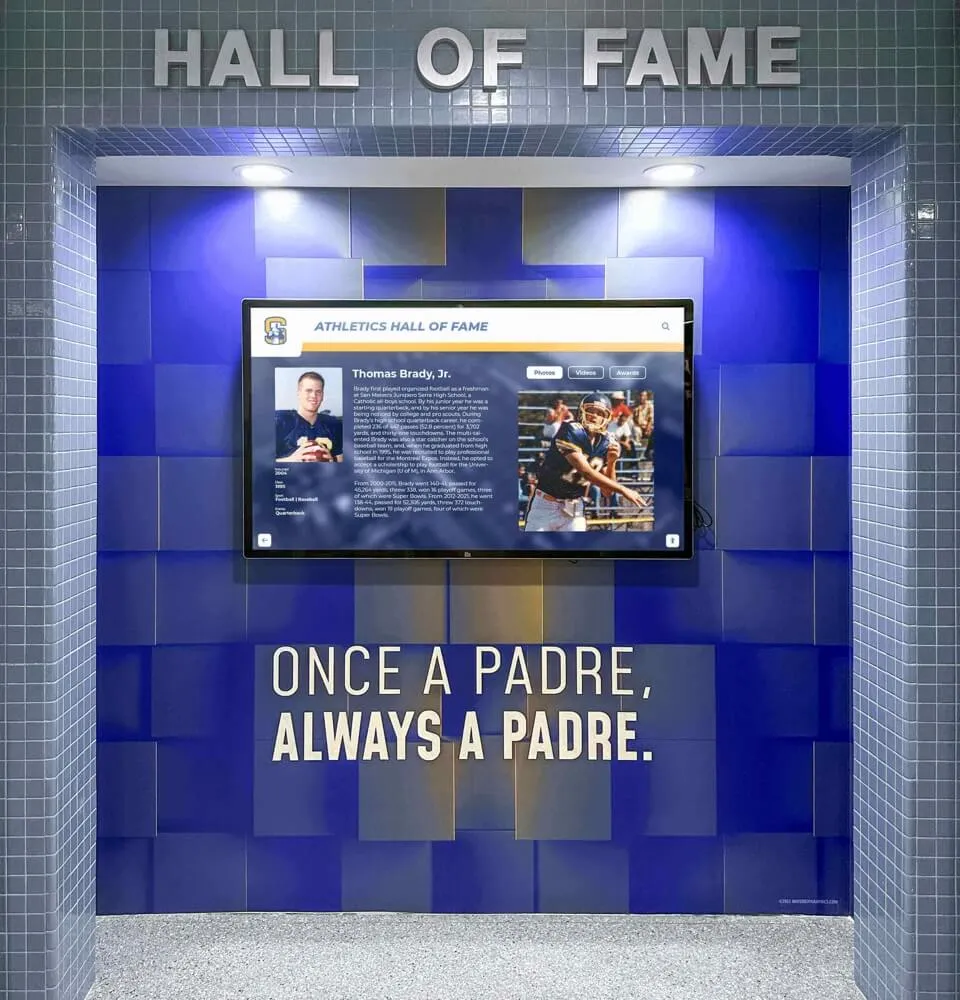
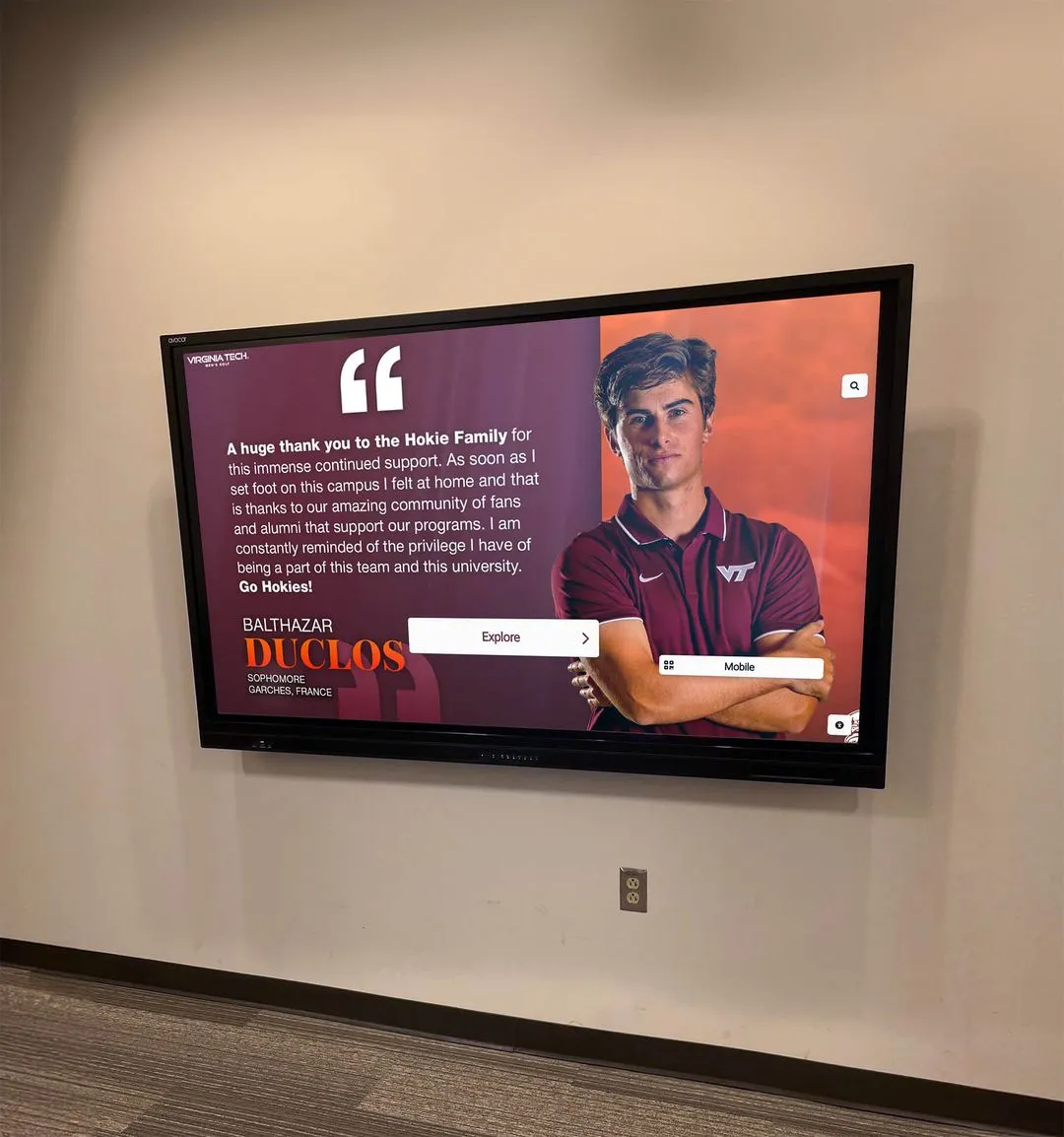
Digital honor walls acknowledge donors and achievers with unlimited capacity, creating permanent recognition that motivates sustained giving
Social Media and Virtual Event Integration
Facebook Fundraising and Social Platforms
Social networks enable informal giving opportunities:
- Facebook Fundraiser campaigns shared within parent networks
- Instagram story fundraising with swipe-up donation links
- LinkedIn campaigns targeting professional communities and alumni
- Virtual event livestreams with real-time giving options
- Challenge campaigns (ice bucket challenge adaptations) going viral
- Birthday fundraisers where community members request donations instead of gifts
Social fundraising succeeds through authenticity and personal connection rather than polished corporate appeals. Encourage sharing student success stories, classroom activities, and heartfelt thank-you messages creating emotional resonance.
Virtual Auction and Online Raffles
Digital platforms extend traditional fundraising to broader audiences:
- Week-long online auctions rather than single-evening events
- Automatic bid increment notifications keeping participants engaged
- Broader participation from community members unable to attend in-person
- Experience auctions including teacher lunch dates, principal parking spots, classroom visits
- Service donations like photography sessions, home repairs, professional services
- Basket themes appealing to parent interests: wine, books, self-care, date nights
Online auctions reduce volunteer requirements compared to traditional events while often generating higher revenue through extended bidding windows and broader participant reach.
Donor Recognition Strategies That Build Long-Term Giving
Strategic recognition transforms one-time donors into sustained supporters by making contributions visible, meaningful, and lasting.
Creating Permanent Donor Recognition
Digital Recognition Walls and Displays
Modern schools implement comprehensive donor recognition systems:
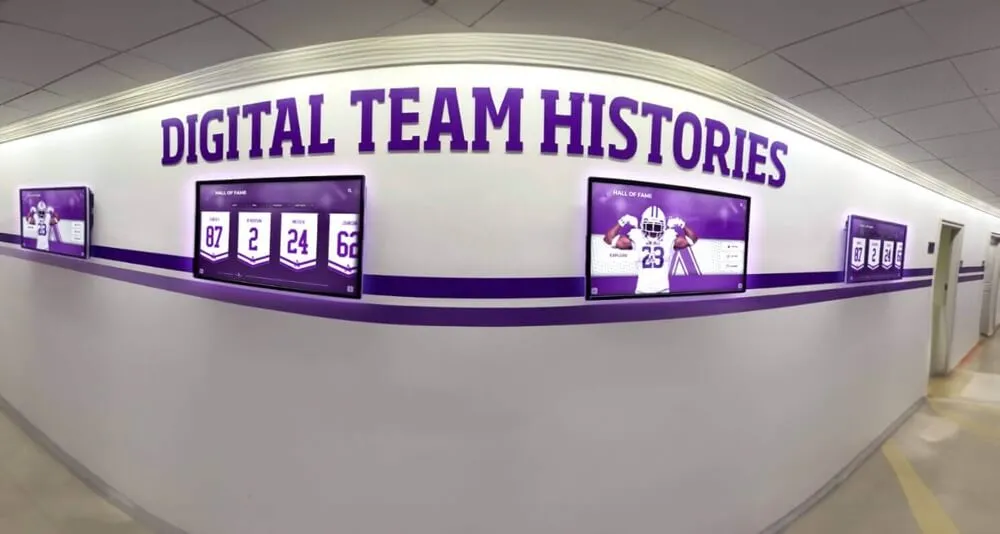
Elementary schools increasingly adopt digital recognition replacing limited physical plaques with unlimited capacity systems showcasing all contributors regardless of gift size. These modern displays feature:
- Searchable donor databases accessible to families and visitors
- Giving level designations from modest contributions to major gifts
- Photo galleries and family testimonials creating personal connections
- Remote content updates adding new donors without construction
- Student achievement displays integrated with donor recognition
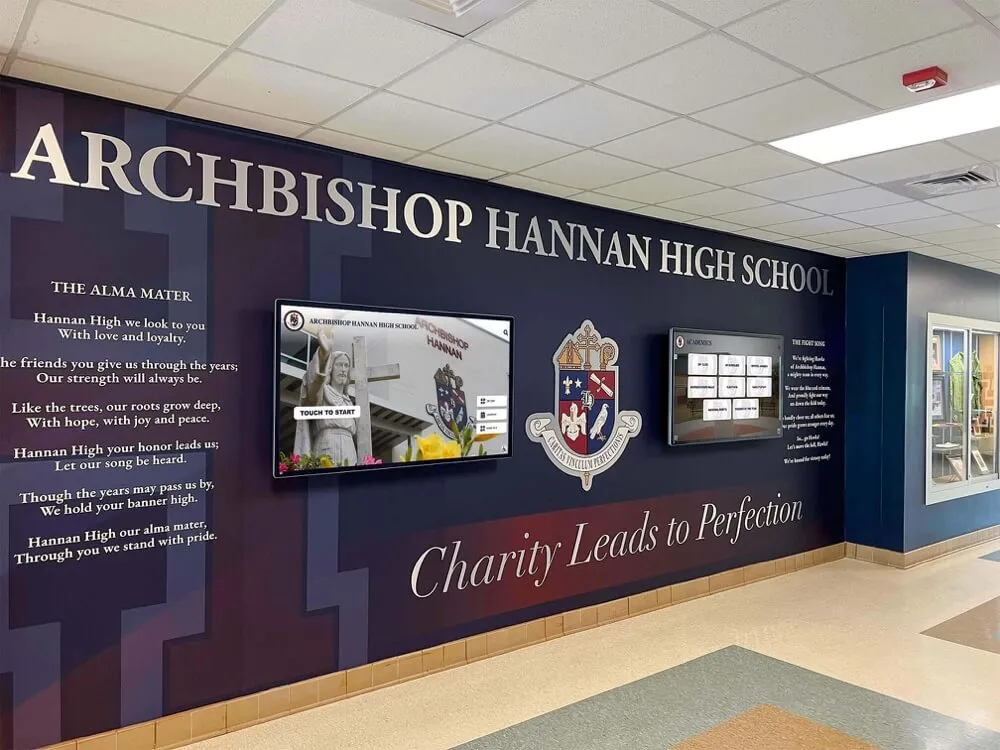
- Interactive touchscreen interfaces engaging visitors of all ages
Solutions like Rocket Alumni Solutions provide digital donor recognition platforms specifically designed for educational institutions. These systems showcase both donor contributions and student achievements, demonstrating direct connections between community support and educational excellence.
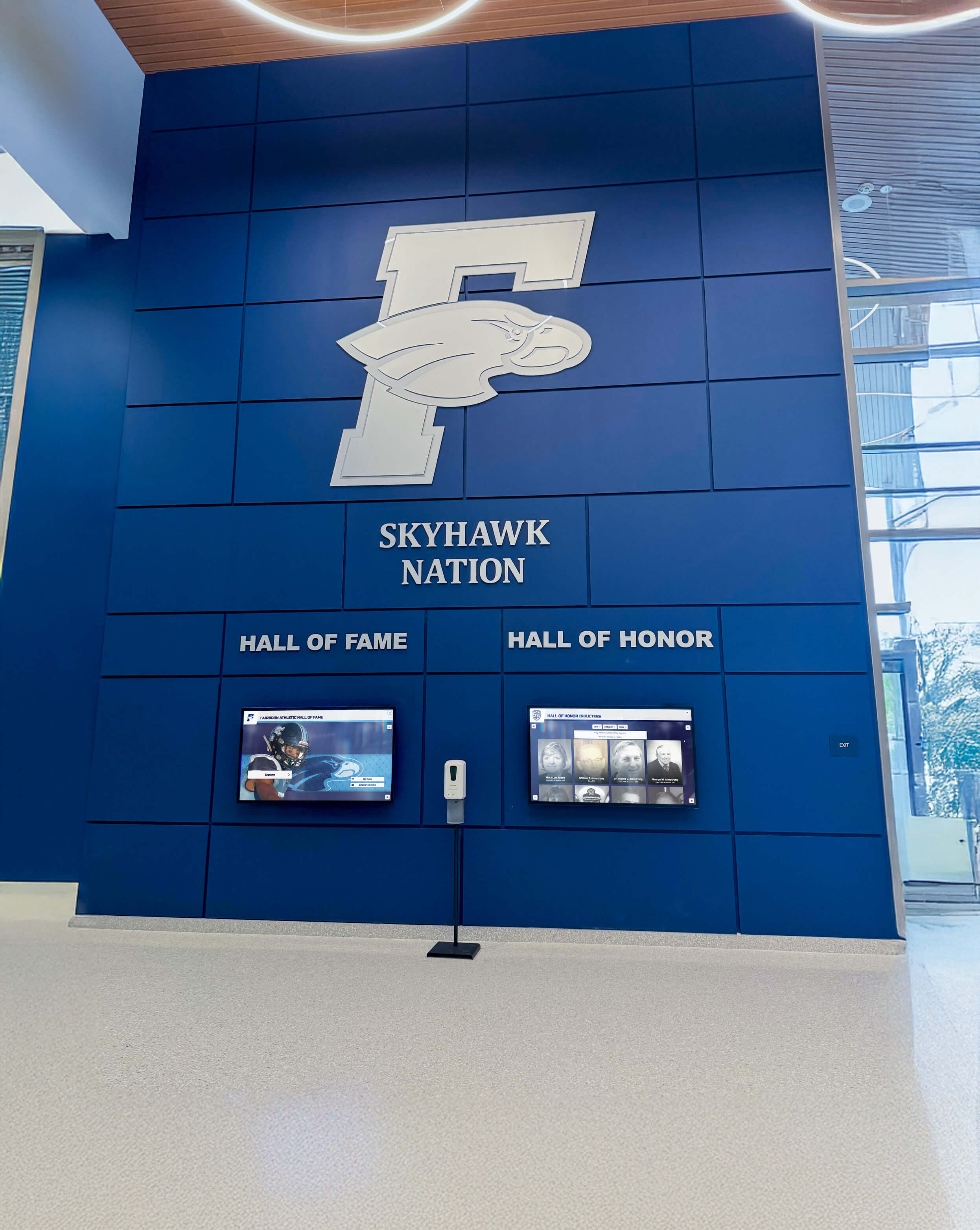
Main lobby recognition walls welcome families daily, reinforcing appreciation for donors while building institutional pride supporting future giving
Benefits of Digital Recognition
Permanent displays offer significant advantages over temporary acknowledgment:
- Unlimited Capacity: Space constraints never limit who receives recognition
- Long-term Visibility: Daily exposure creates sustained appreciation versus single thank-you letter
- Flexible Updates: Add donors throughout year without waiting for annual publications
- Searchable Content: Families find their names easily, creating personal connection
- Multi-purpose Use: Display student achievements, historical moments, and donor support simultaneously
- Remote Access: QR codes enable mobile viewing for alumni and distant community members
Research consistently demonstrates that visible recognition increases giving frequency and amounts. Donors who see their contributions acknowledged prominently give 40-60% more over time compared to those receiving only written thanks.
Naming Opportunities and Legacy Giving
Strategic Recognition Options
Structured naming opportunities create major gift incentives:
Facility and Space Recognition
- Playground equipment dedications honoring individual donors or families
- Classroom naming for significant contributions supporting educational spaces
- Library sections dedicated to donors funding specific collections
- Garden areas or outdoor learning spaces bearing contributor names
- Technology labs recognizing supporters who funded equipment
- Building wings or additions named for transformational gifts
Program and Initiative Recognition
- Scholarship funds bearing donor names supporting student needs
- Artist-in-residence programs funded and named by contributors
- Field trip endowments ensuring annual experiential learning access
- Reading incentive programs sponsored by literacy advocates
- STEM initiatives funded by community members valuing science education
Develop clear naming policies specifying:
- Minimum gift amounts for various naming opportunities
- Duration of recognition (perpetual versus term-limited)
- Physical versus digital recognition components
- Approval processes for names and dedication language
- Naming rights if donors leave community or circumstances change
Tribute and Memorial Giving
Recognize loved ones through meaningful contributions:
- Memorial gifts honoring deceased community members
- Tribute gifts celebrating birthdays, retirements, or special occasions
- Legacy society recognition for planned gifts in estates
- Endowment contributions creating permanent funding streams
- Multi-generational giving where grandparents, parents, and alumni all contribute
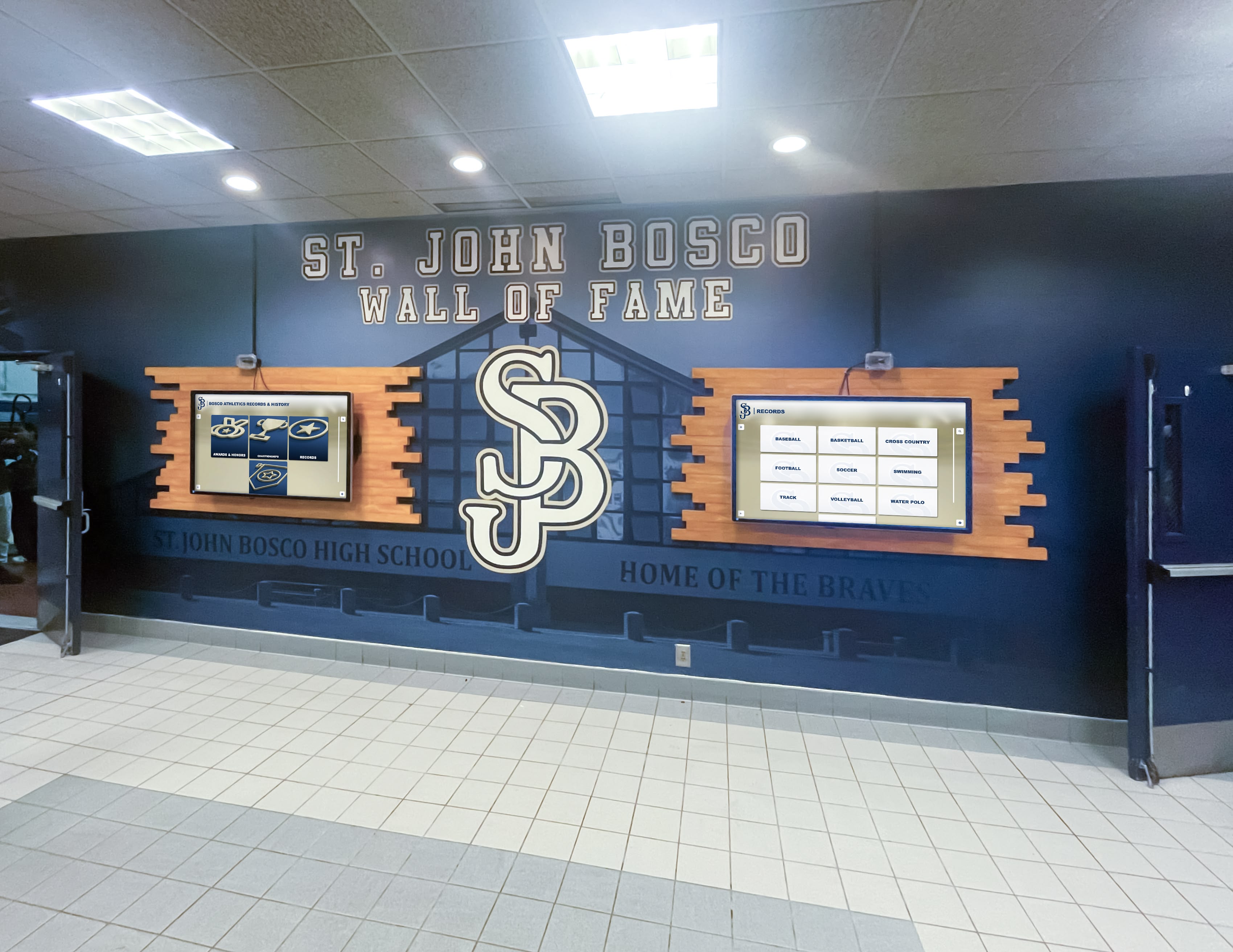
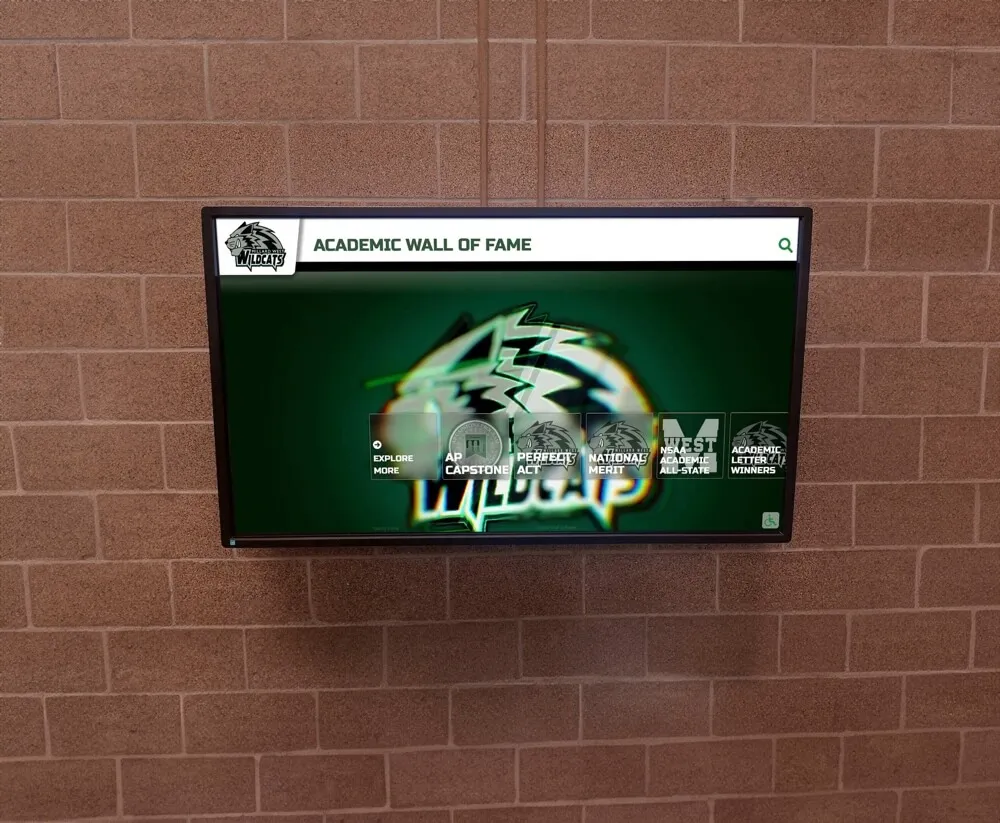
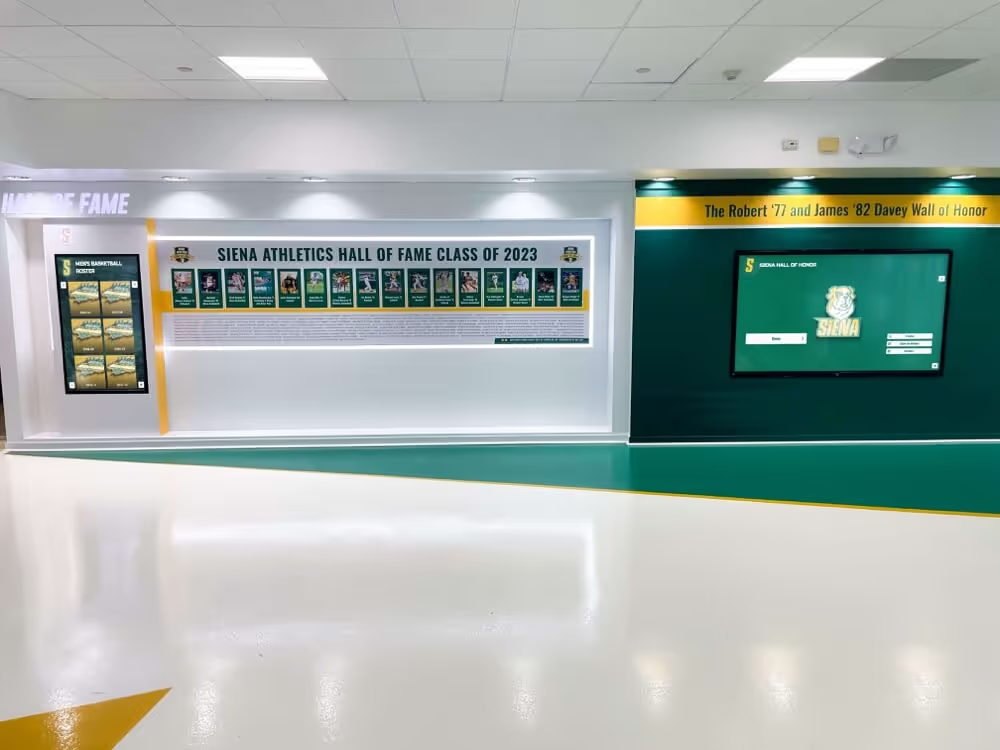
Multiple coordinated displays accommodate diverse recognition needs, celebrating donors, students, and community achievements simultaneously
Memorial and tribute giving provides meaningful ways to honor relationships while supporting causes donors value. Schools implementing comprehensive recognition programs create permanent spaces where community members see loved ones remembered through lasting educational impact.
Partnership and Sponsorship Strategies
Business relationships create recurring revenue while providing valuable marketing opportunities for local companies.
Corporate Sponsorship Programs
Structured Sponsorship Levels
Clear packages simplify business giving decisions:
Bronze Level ($500-$1,000)
- Logo on school website sponsor page
- Social media recognition post
- Mention in school newsletter
- Certificate of appreciation
Silver Level ($1,000-$2,500)
- All bronze benefits plus:
- Logo display at major school events
- Recognition on digital displays in high-traffic areas
- Banner placement at athletic events or performances
- Program book advertisements
Gold Level ($2,500-$5,000)
- All silver benefits plus:
- Premier logo placement on marketing materials
- Naming recognition for specific programs or spaces
- Speaking opportunity at major school events
- Featured profile in school communications
Platinum Level ($5,000+)
- All gold benefits plus:
- Exclusive naming rights for significant programs
- Partnership recognition on permanent displays
- Multi-year agreement securing sustained support
- Custom recognition package tailored to business priorities
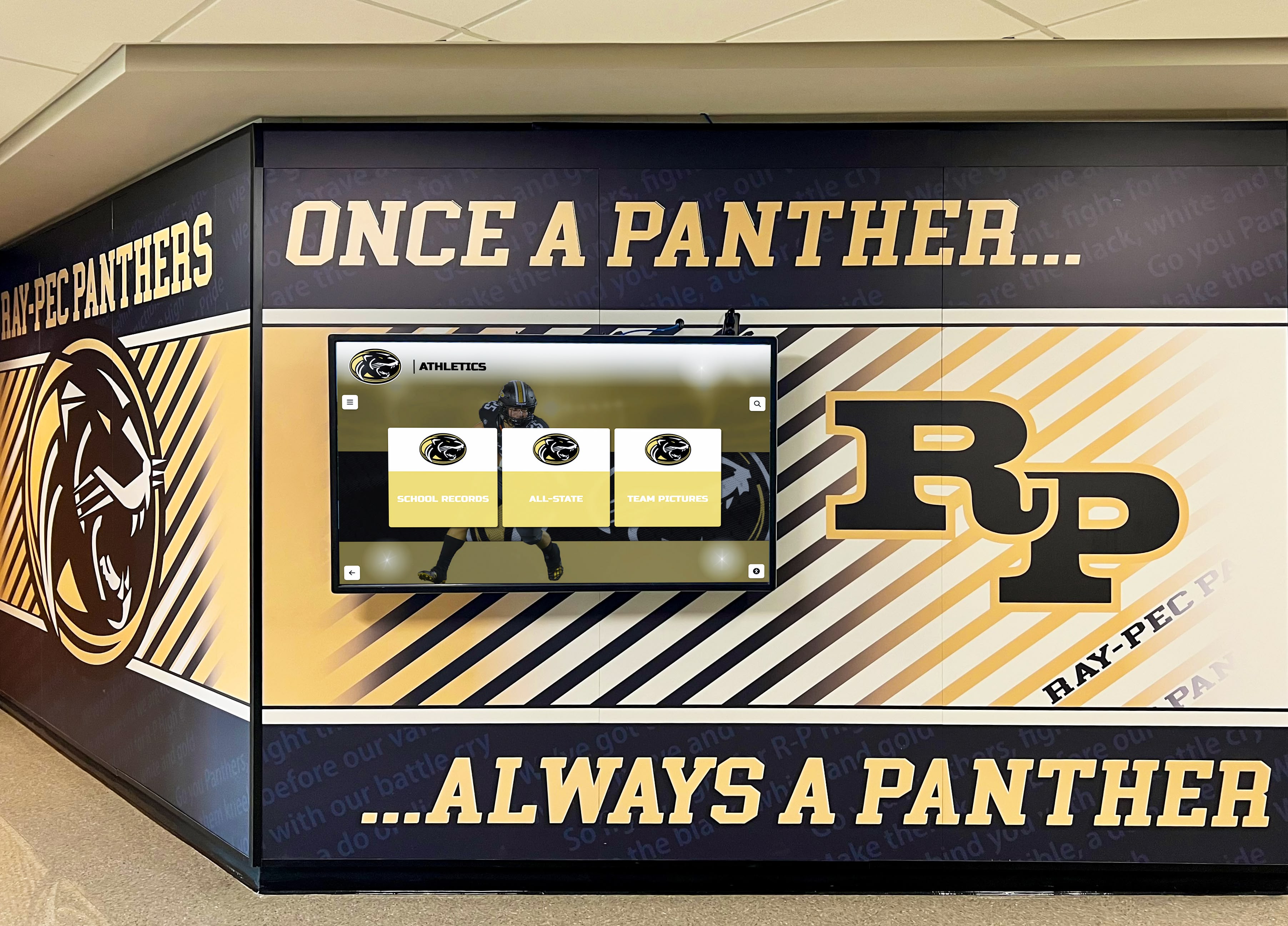
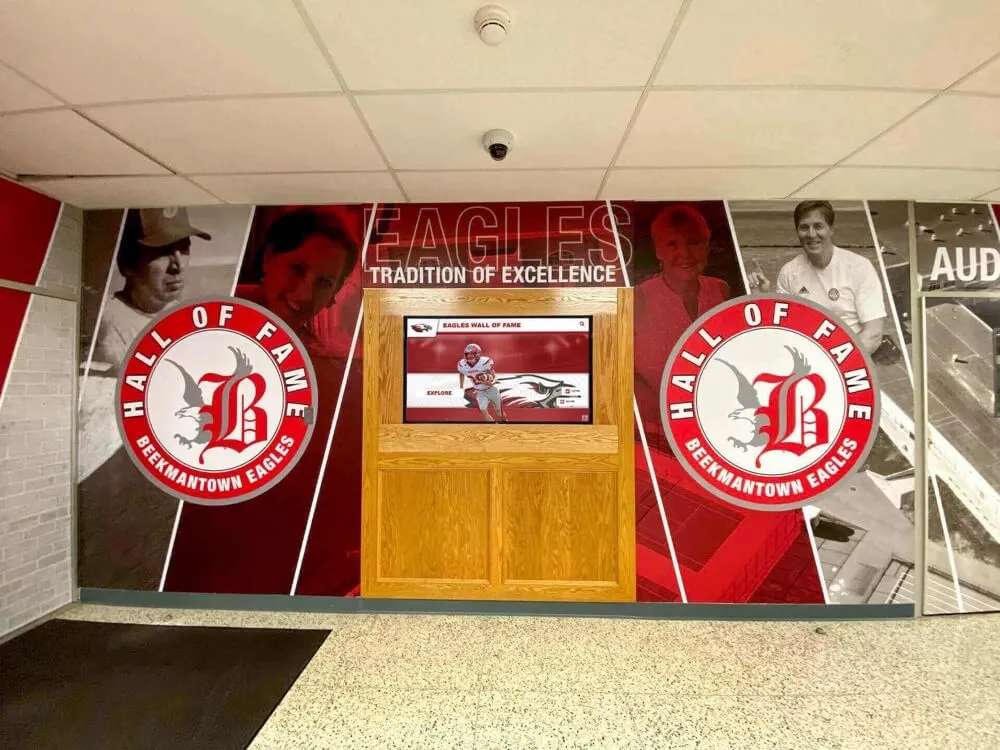
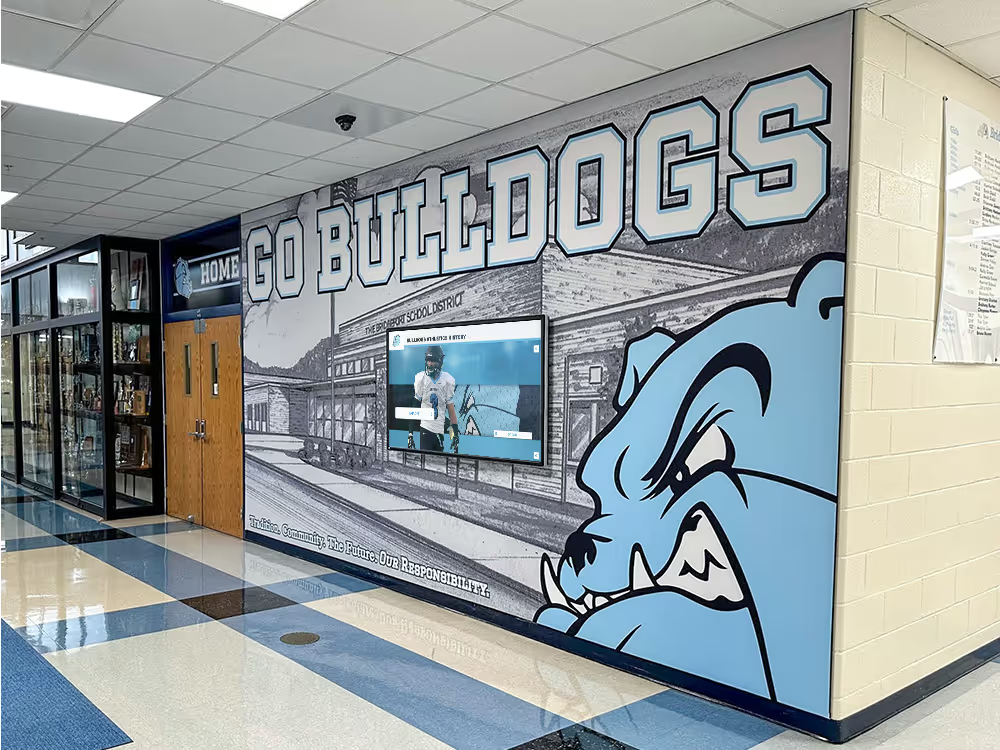
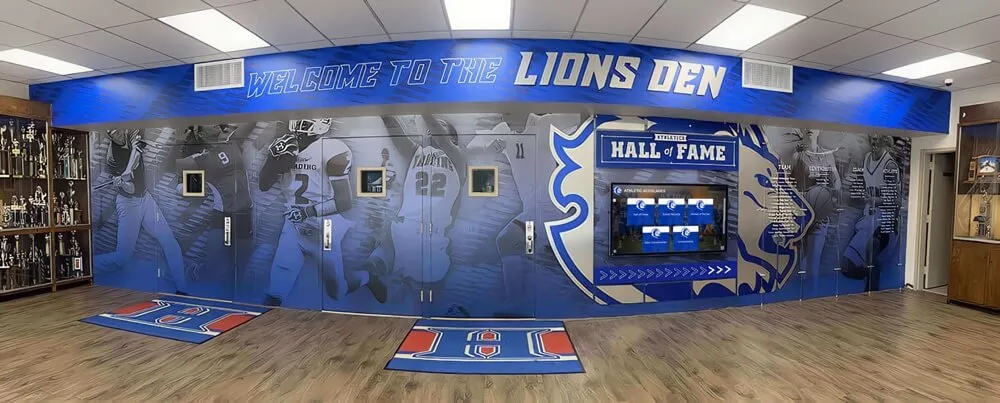
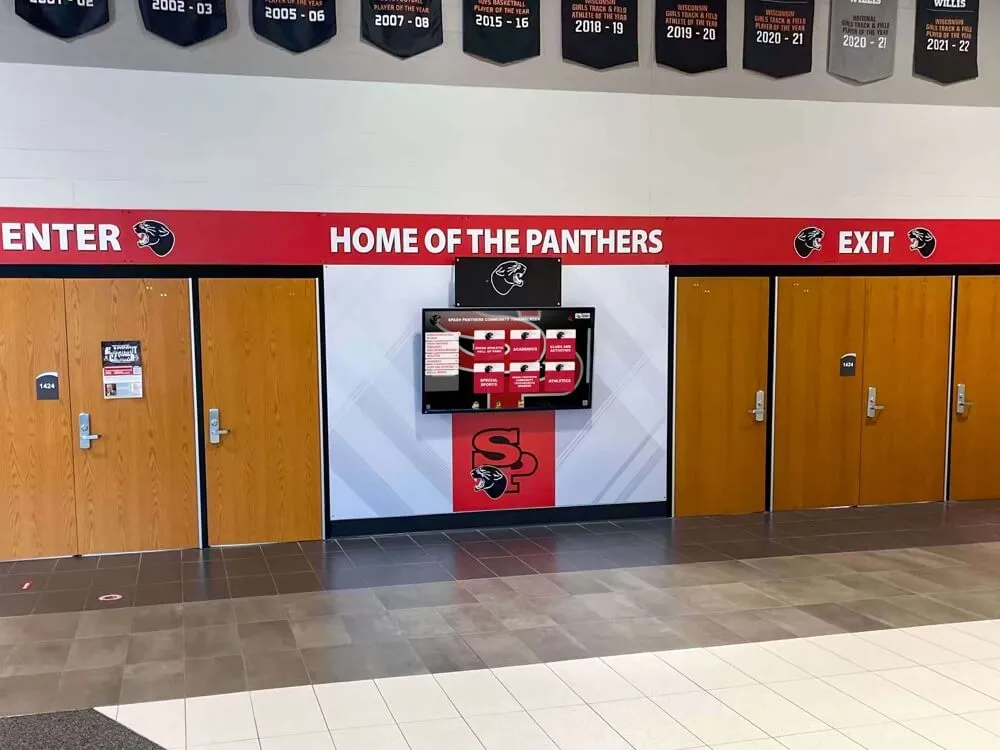
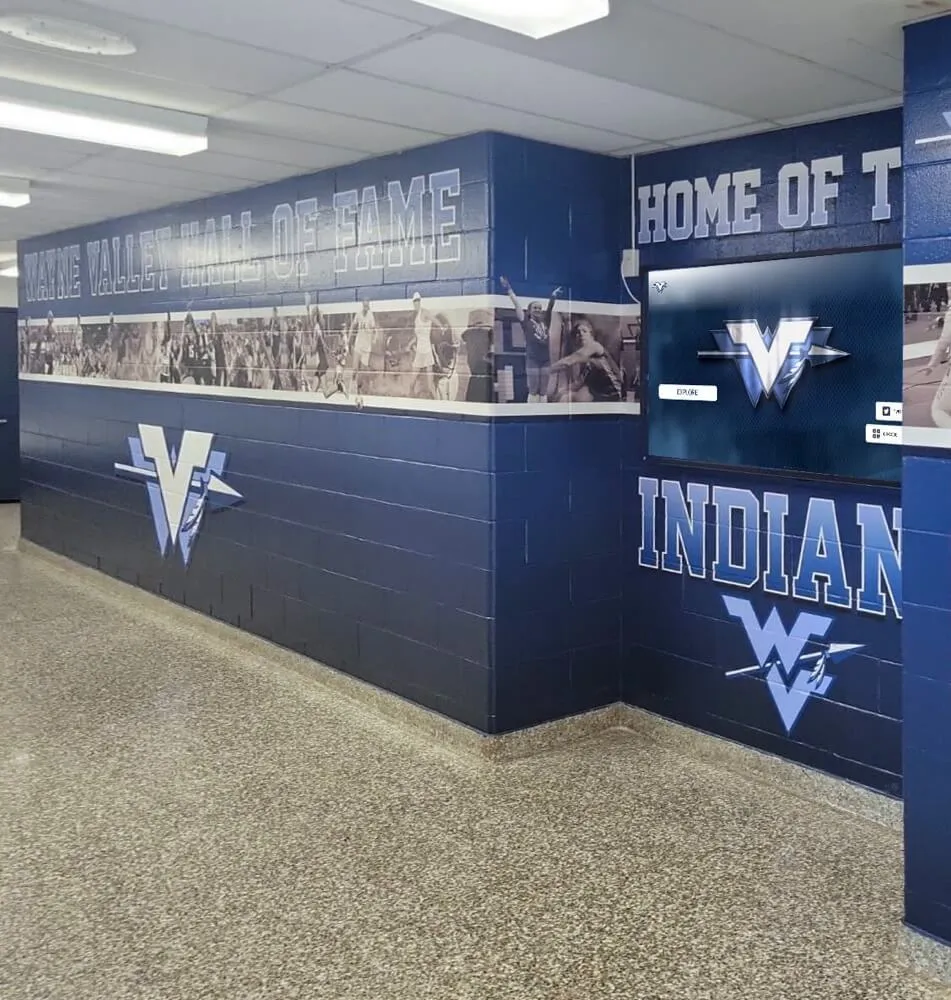
Athletic murals combined with digital displays create immersive recognition environments providing visibility for sponsors supporting school programs
Small Business Partnership Events
Community Benefit Nights
Restaurant and retail partnerships create win-win opportunities:
- Designated evenings where percentage of sales benefit school (typically 10-20%)
- Breakfast, lunch, or dinner events at local restaurants
- Online shopping events with promo codes triggering donations
- Service provider appreciation days donating portions of fees
- Retail shopping nights with exclusive discounts plus donation components
Implementation Best Practices
- Promote events heavily through school communication channels
- Create flyers families can share within their networks
- Coordinate multiple businesses throughout school year
- Recognize participating businesses prominently
- Track attendance and revenue providing data for future partnerships
- Thank businesses publicly through social media and newsletters
Successful partnership events generate $500-$3,000 per event while requiring minimal volunteer effort compared to self-produced fundraisers.
In-Kind Donation Programs
Goods and services support schools beyond financial contributions:
- Printing companies providing materials for programs, flyers, and signage
- Technology businesses donating or discounting equipment
- Food suppliers supporting school events with donated refreshments
- Professional services like legal, accounting, or consulting assistance
- Construction and maintenance companies contributing skilled labor
- Art supply stores providing materials for creative programs
Recognize in-kind donors alongside financial supporters, assigning equivalent dollar values demonstrating total contribution impact. Schools implementing donor recognition displays feature all supporter types, validating that contributions of all kinds receive appreciation.
Creative and Engaging Elementary-Specific Fundraisers
Activities specifically designed for K-8 audiences maximize participation while creating positive school memories.
Student-Centered Activity Fundraisers
Read-a-Thons
Combine literacy goals with fundraising:
- Students secure pledges for books read during designated period
- Flat donation options alongside per-book pledges
- Reading logs tracking progress toward individual goals
- Classroom or grade-level competitions building excitement
- Age-appropriate reading materials for K-8 ranges
- Parent participation encouraged through family reading time
- Recognition for all participants regardless of fundraising totals
Read-a-thons reinforce educational priorities while generating $5,000-$20,000+ depending on school size. Programs work particularly well when integrated with existing reading initiatives and library programming.
Math-a-Thons and Academic Challenges
Academic fundraisers demonstrate school values:
- Students complete math problems over designated timeframe
- Pledges based on problems solved correctly
- Science experiment challenges with sponsor support
- Spelling bee fundraisers with participation-based giving
- Academic achievement celebrations recognizing improvement
Academic fundraisers appeal to families prioritizing education while teaching students that intellectual pursuits deserve celebration and support.
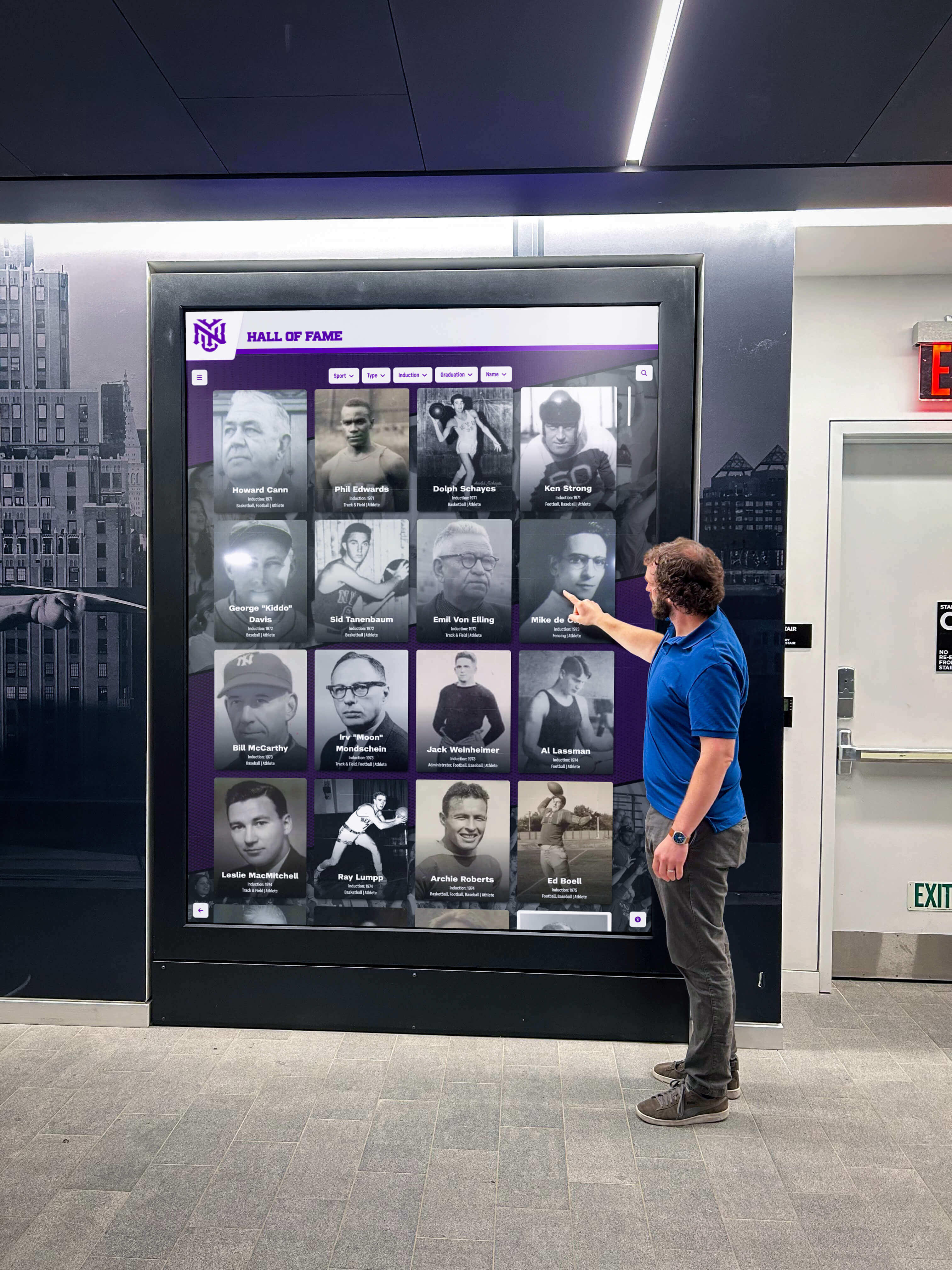
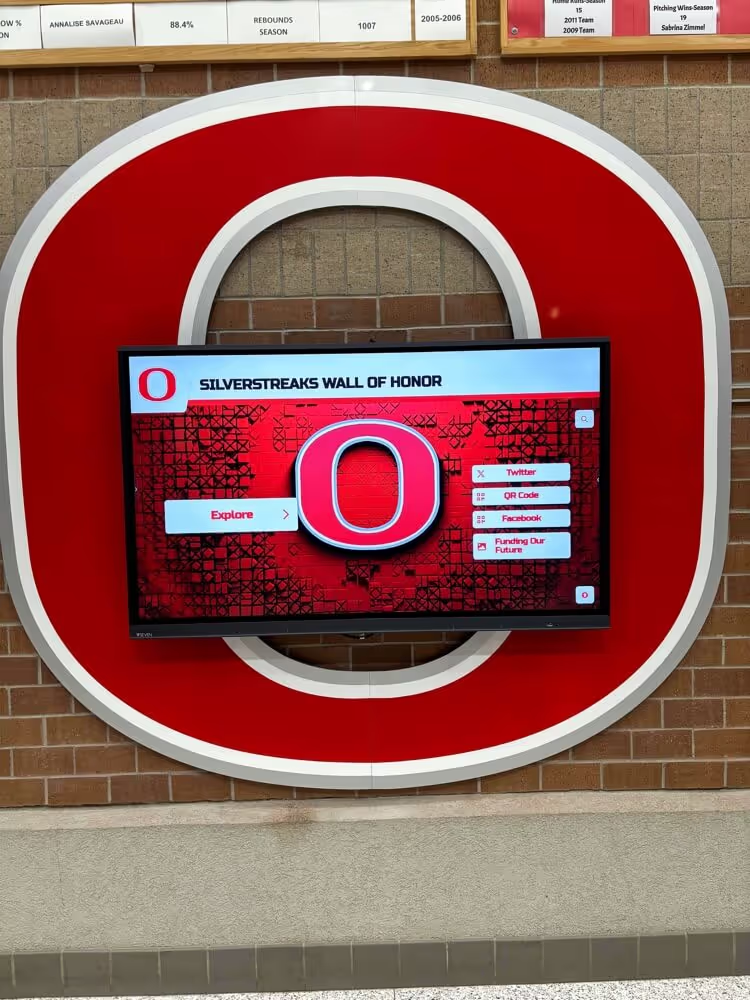
Interactive touchscreens engage students and families with searchable content, creating memorable experiences while showcasing school achievements and donor support
Art and Creativity-Based Fundraising
Student Art Sales
Transform classroom creativity into revenue:
- Art show featuring student work available for purchase
- Canvas prints of original student artwork sold to families
- Customized products featuring student designs (mugs, calendars, notecards)
- Online galleries enabling distant family members to purchase
- Special edition limited prints signed by student artists
- Framing options available for finished presentations
Art sales celebrate student creativity while generating profit margins of 40-60%. Programs work best when all students participate, ensuring every family has purchase opportunities regardless of artistic ability levels.
Drama Productions and Musical Performances
School shows create multiple revenue opportunities:
- Ticket sales for family attendance
- Concession sales during intermission
- Program advertisements from local businesses
- Cast and crew photo packages available for purchase
- Digital recording sales for keepsake memories
- Sponsor recognition in programs and during curtain calls
Productions combine fundraising with arts education, demonstrating school commitment to comprehensive development. Schools can feature performance achievements on recognition displays, celebrating student talent while acknowledging program supporters.
Family Engagement Events
School Dance or Social Events
Age-appropriate social activities generate revenue while building community:
- Father-daughter dances or mother-son events
- Family dance nights for all configurations
- Themed events (decades, seasonal, character-based)
- Photo booth rentals creating keepsake memories
- DJ or entertainment creating festive atmosphere
- Concessions and refreshment sales
Dance events typically generate $3,000-$8,000 through ticket sales and additional revenue streams while creating cherished family memories associated with school.
Outdoor Movie Nights
Simple concepts create memorable experiences:
- Projector and screen setup on athletic fields or playgrounds
- Admission charged per family or individual
- Concession sales featuring movie theater favorites
- Lawn chair and blanket seating creating casual atmosphere
- Seasonal timing (spring or fall) ensuring comfortable weather
- Family-friendly film selections appealing to elementary audiences
Movie nights require minimal volunteer effort while generating $1,500-$4,000 depending on attendance. Events work particularly well as end-of-year celebrations or fall kickoff activities.
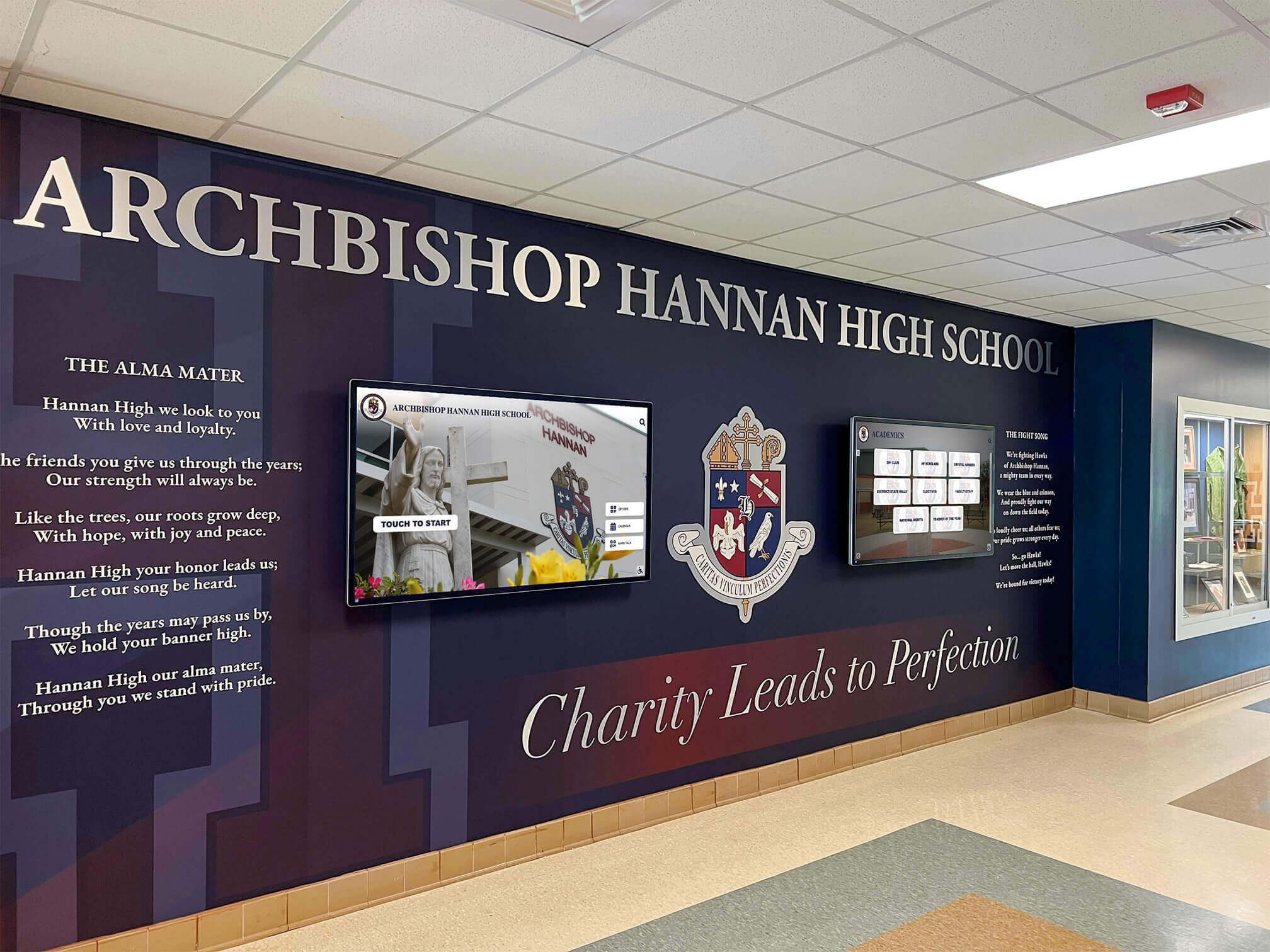
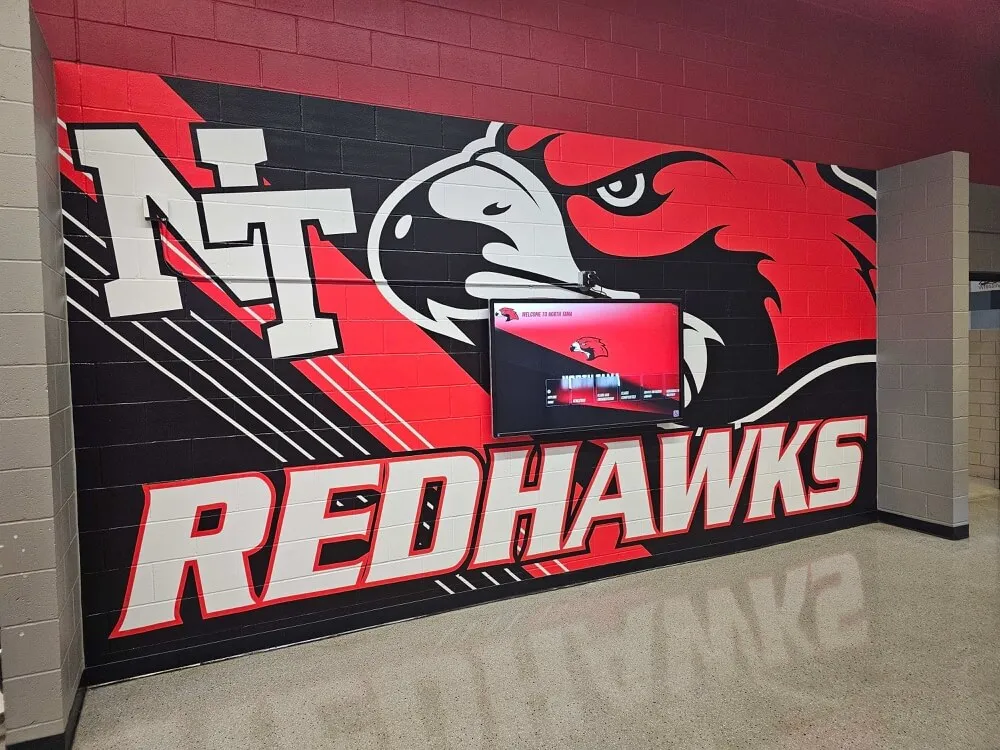
Entrance murals combined with digital displays create immersive school pride environments reinforcing community belonging that supports fundraising success
Grant Writing and Alternative Funding
Beyond direct donations, strategic grant applications and creative funding sources supplement traditional fundraising.
Educational Grants
Foundation and Corporate Grant Programs
Many organizations prioritize educational funding:
- Local community foundations supporting area schools
- National education foundations with specific program focus
- Corporate giving programs from regional or national companies
- Technology grants from companies supporting STEM education
- Arts funding from foundations valuing creative education
- Literacy grants supporting reading programs and libraries
Successful Grant Application Strategies
- Research funders whose priorities align with school needs
- Follow application guidelines precisely
- Provide compelling need statements with supporting data
- Demonstrate clear outcomes and measurement strategies
- Include student voices explaining anticipated impact
- Submit well-written, professionally presented proposals
- Cultivate relationships with program officers before applying
- Report outcomes to funders building future funding relationships
Grant success rates vary tremendously, but schools securing even one $5,000-$25,000 grant can fund significant improvements without direct community appeals.
Alternative Revenue Streams
Facility Rental Programs
School buildings represent underutilized assets:
- Gymnasium rentals for community sports leagues and tournaments
- Cafeteria space for community meetings and private events
- Classroom rentals for tutoring programs or community education
- Athletic field rentals for youth sports organizations
- Auditorium rentals for community theater or performing groups
- Parking lot usage for weekend festivals or farmers markets
Establish clear rental policies addressing insurance, security deposits, cleaning requirements, and usage restrictions. Rental revenue can generate thousands annually with minimal ongoing effort once systems are established.
Passive Fundraising Programs
Ongoing programs generate revenue without active campaigns:
- Box Tops for Education and similar manufacturer programs
- Amazon Smile designations directing purchase percentages to school
- Grocery store loyalty programs linking family purchases to donations
- Recycling programs collecting aluminum, electronics, or ink cartridges
- Scrip programs where gift card purchases generate small percentages
- Used clothing donation bins generating per-pound payments
While individual program revenues remain modest ($500-$2,000 annually), collective passive programs supplement active fundraising without volunteer burnout.
Building Sustainable Fundraising Systems
Long-term success requires organizational infrastructure supporting consistent execution across leadership changes and school years.
Annual Fundraising Calendar Development
Strategic Year-Long Planning
Distribute activities preventing donor fatigue:
Sample Elementary Fundraising Calendar
August/September
- School supply sales
- Back-to-school fundraising kickoff
- Corporate sponsorship solicitations for year
October
- Fall product sales (pumpkins, mums)
- Fun run or walk-a-thon
- Halloween carnival
November/December
- Holiday gift wrap and product campaign
- Giving Tuesday online giving push
- Winter concert with donation opportunities
January/February
- Read-a-thon
- Valentine’s Day dance or social event
- Grant application submissions for spring deadlines
March/April
- Spring carnival or family festival
- Art show and student art sales
- Restaurant benefit nights
May
- Year-end giving campaign
- Talent show or performance fundraiser
- Recognition event celebrating donors and volunteers
Spacing major campaigns 6-8 weeks apart prevents overwhelming families while maintaining consistent funding throughout year.
Volunteer Coordination and Leadership
Sustainable Committee Structure
Distribute responsibilities preventing burnout:
- Fundraising committee chair overseeing strategy
- Event coordinators managing specific activities
- Sponsorship director cultivating business relationships
- Communication leads handling promotions and outreach
- Finance manager tracking revenue and expenses
- Recognition coordinator thanking donors and volunteers
Rotate leadership positions on staggered terms maintaining institutional knowledge while preventing volunteer exhaustion. Document processes ensuring smooth transitions when coordinators change.
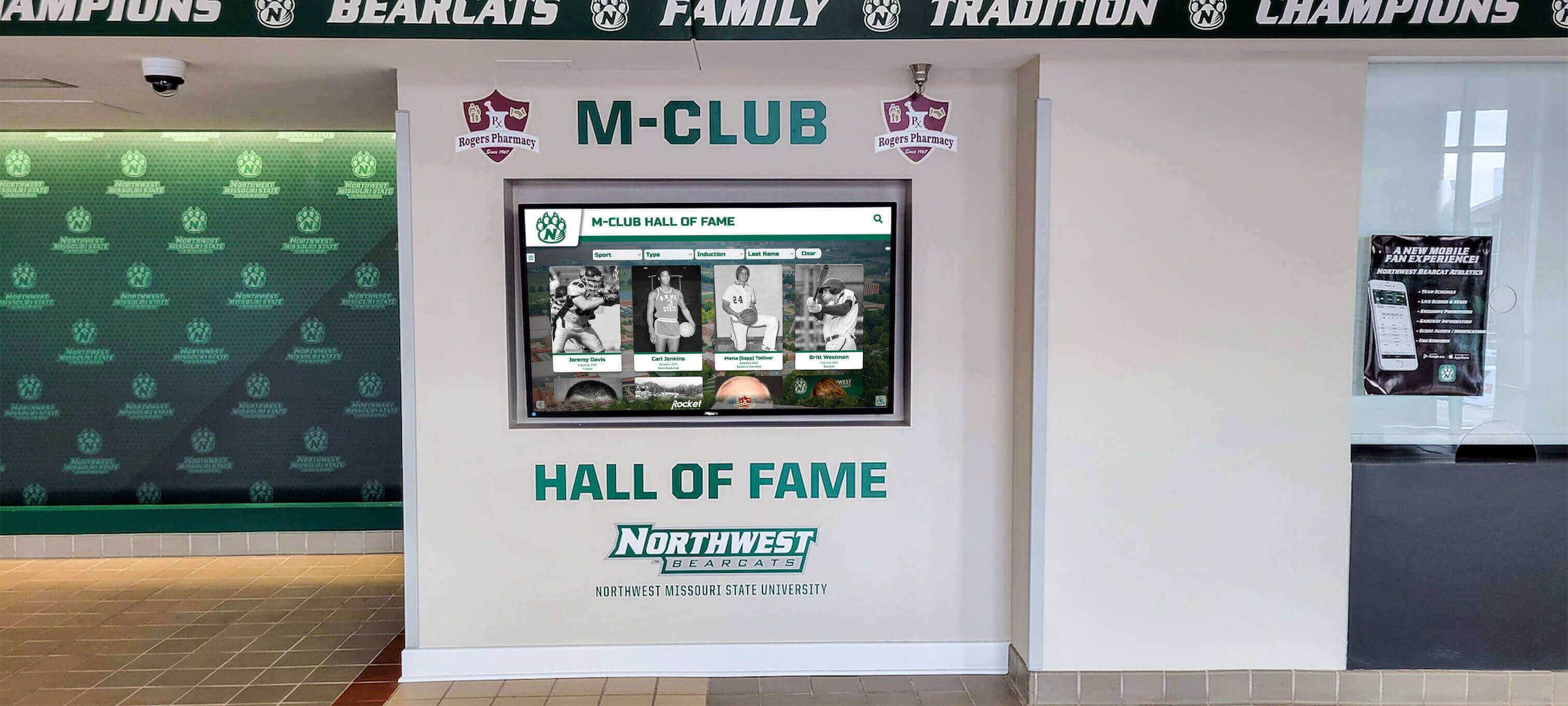
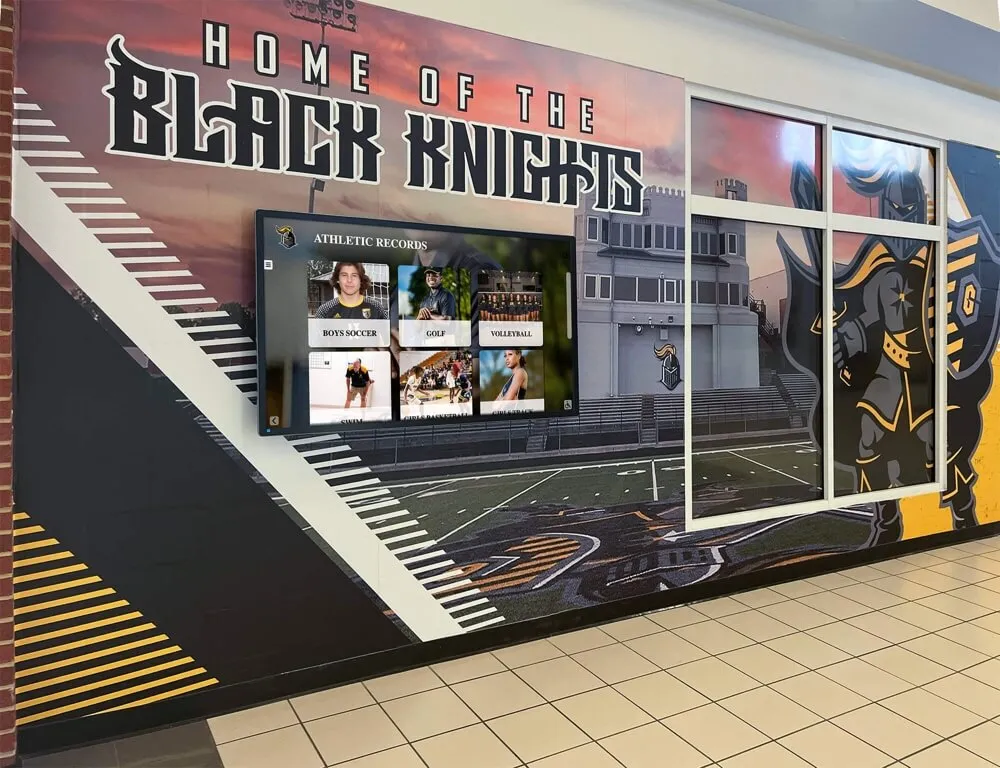
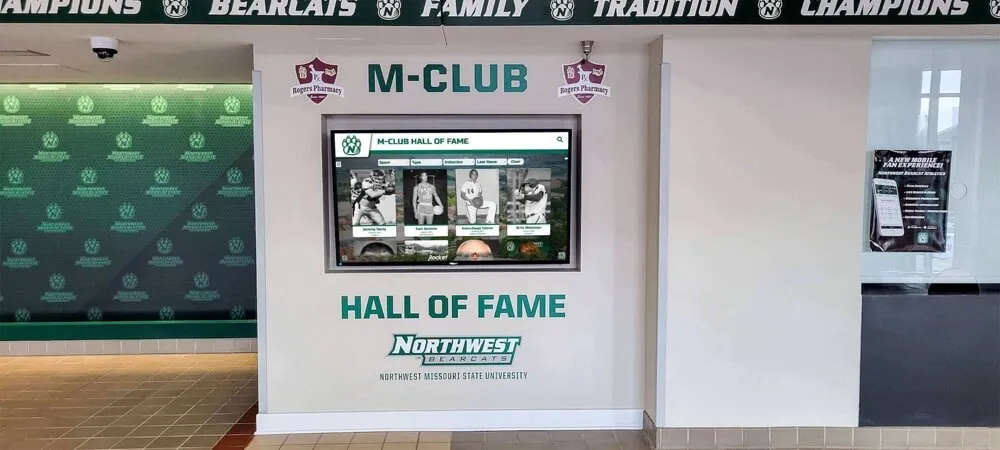
Athletic club recognition displays celebrate program supporters while building pride in school excellence, strengthening overall fundraising culture
Volunteer Recruitment Strategies
Strong volunteer bases enable ambitious fundraising:
- Clear role descriptions with realistic time expectations
- Multiple engagement levels from intensive to minimal commitment
- Task-specific volunteering requiring only short-term participation
- Family volunteer opportunities enabling participation with children
- Remote volunteer options for technology or communication tasks
- Recognition programs celebrating volunteer contributions
- Social components making volunteer work enjoyable
Schools implementing comprehensive volunteer recognition find that celebrating contributions builds culture where community members eagerly participate in fundraising and other school support activities.
Financial Management and Transparency
Revenue Tracking and Reporting
Build stakeholder trust through clear financial communication:
- Detailed event profit/loss statements shared with community
- Regular budget updates showing fundraising progress toward goals
- Clear documentation of how funds are used
- Annual reports detailing revenue sources and spending
- Public acknowledgment when funding goals are achieved
- Transparent processes for spending decisions
Impact Demonstration
Show supporters tangible results from contributions:
- Before/after photos of improvements funded by campaigns
- Student testimonials explaining benefit of new programs or equipment
- Specific examples: “Your donations funded 1,500 new library books”
- Classroom visits showing technology or materials purchased
- Recognition displays featuring funded improvements alongside donor lists
- Celebration events when major projects complete
Transparent impact communication motivates continued support by demonstrating that contributions create meaningful differences.
Maximizing Recognition’s Role in Sustained Fundraising
The most successful elementary schools understand that donor recognition isn’t an afterthought—it’s a core fundraising strategy that motivates ongoing giving year after year.
Digital Recognition as Perpetual Fundraising Tool
Continuous Engagement Through Permanent Displays
Modern recognition technology creates always-visible appreciation:
Digital donor walls positioned in main entrances, libraries, or cafeterias provide daily touchpoints where families see their contributions celebrated. Unlike annual giving lists buried in newsletters or single thank-you letters filed away, permanent displays create sustained visibility reinforcing that support matters.
Solutions like Rocket Alumni Solutions enable elementary schools to:
- Showcase donors at all levels from modest to major gifts
- Feature student achievements alongside community supporters
- Update recognition remotely without physical renovations
- Provide searchable databases families explore with interest
- Include photo galleries and personal testimonials creating connections
- Offer QR code access enabling mobile viewing from anywhere
- Integrate multiple recognition categories in single comprehensive system
Transform Donor Recognition While Building Sustainable Giving
Discover how modern digital recognition platforms create perpetual fundraising opportunities while showcasing student achievements and donor support with unlimited capacity. See how elementary schools nationwide build sustained giving through comprehensive recognition systems that engage families, honor contributions, and strengthen community pride.
Explore Recognition SolutionsRecognition Visibility and Donor Psychology
Strategic Placement Maximizing Impact
Recognition effectiveness depends on visibility and context:
High-Traffic Location Benefits
- Main entrance displays welcome families while celebrating support
- Cafeteria placements ensure daily visibility among students and families
- Library integration connects donors to literacy and learning
- Gymnasium or multipurpose room locations reach event attendees
- Hallway displays create journey through school achievement history
Research demonstrates that visible recognition increases giving frequency 40-60% compared to private acknowledgment alone. When donors see their names prominently displayed alongside peers, social dynamics encourage sustained and increased contributions.
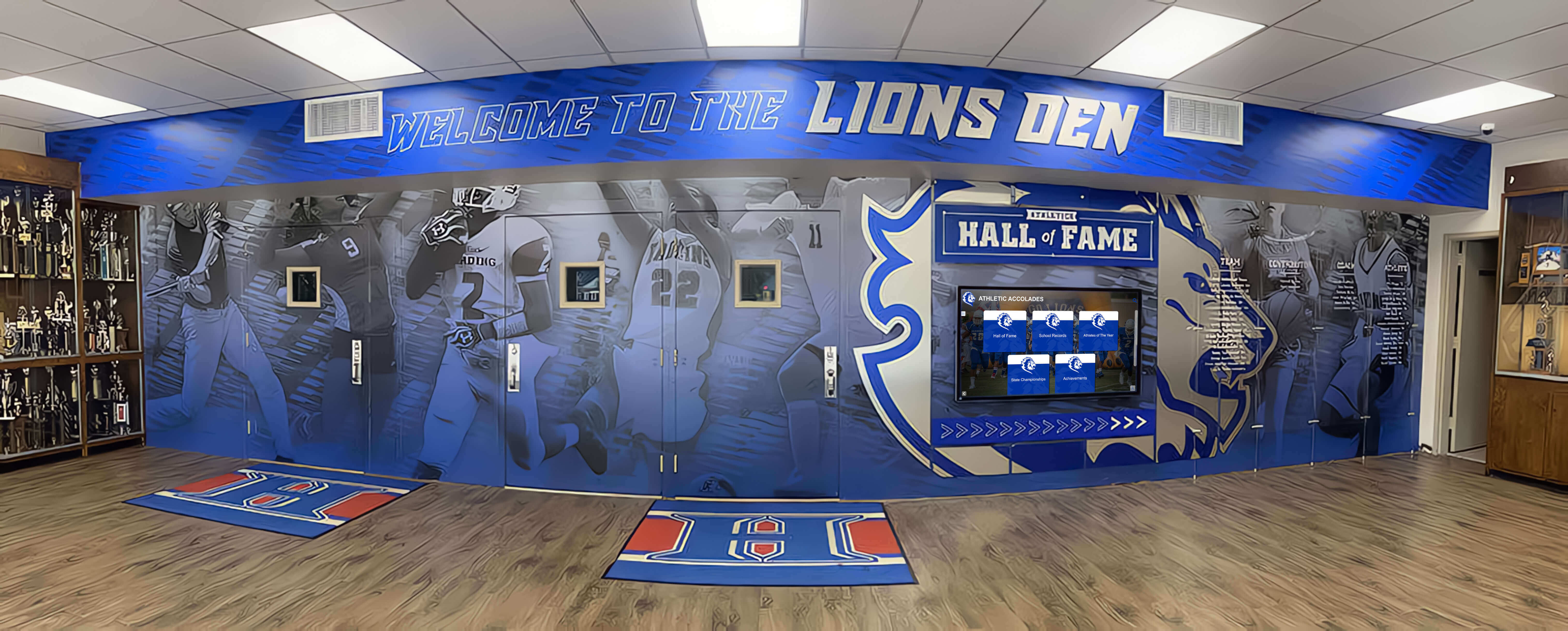
Comprehensive recognition environments celebrate diverse achievements while integrating donor appreciation, creating culture where giving feels natural and valued
Inclusive Recognition Philosophy
Modern approaches celebrate all contributors:
- Every donor receives recognition regardless of gift size
- Giving levels acknowledge differences without creating excessive hierarchy
- In-kind donations receive equivalent value recognition
- Volunteer contributions featured alongside financial gifts
- Memorial and tribute gifts prominently acknowledged
- Multi-year giving tracked and celebrated appropriately
- Family foundation and corporate donors included with individual givers
Inclusive recognition builds broad-based support rather than relying exclusively on major donors. When all families see that modest contributions matter, participation rates increase dramatically.
Connecting Recognition to Future Fundraising
Building Fundraising Culture Through Appreciation
Schools excelling at fundraising understand recognition creates cyclical benefits:
Recognition Benefits Cycle
- Visible appreciation motivates initial giving
- Permanent displays create lasting value perception
- Social recognition encourages peer participation
- Sustained visibility reminds donors of impact
- Pride in contribution leads to renewed giving
- Community culture of philanthropy becomes self-reinforcing
Elementary schools implementing comprehensive recognition systems report that fundraising becomes progressively easier as culture develops where supporting school excellence feels natural, expected, and socially valued.
Schools can enhance this cycle through:
- Annual recognition ceremonies celebrating major donors and volunteers
- Regular communication featuring donor impact stories
- Social media amplification of recognition moments
- Integration of student achievement and donor recognition in unified displays
- QR codes enabling families to share recognition with distant relatives
- Documentation preserving fundraising history for future campaigns
Conclusion: Building Elementary Fundraising That Lasts
Elementary school fundraising succeeds when organizations move beyond transactional campaigns toward relationship-building strategies that create sustained community investment. The most effective programs combine diverse fundraising approaches—traditional events, modern digital campaigns, corporate partnerships, and creative student-centered activities—ensuring multiple pathways for support regardless of family preferences or capacity.
Strategic recognition amplifies every fundraising strategy by transforming contributions from forgettable transactions into lasting acknowledgments families see daily. When donors walk through school entrances and immediately encounter displays celebrating their support alongside student achievements, fundraising becomes part of institutional culture rather than isolated appeals.
From fun runs and read-a-thons engaging young students to permanent donor walls honoring all contributions, successful elementary fundraising creates experiences where families feel genuinely valued. Digital recognition solutions like Rocket Alumni Solutions enable schools to showcase unlimited donors without physical space constraints, ensuring every supporter—from $25 book fair purchases to $25,000 playground funding—receives meaningful appreciation.
Begin by assessing your current fundraising portfolio and recognition practices. Identify gaps where new approaches could reach different demographics or where existing donors deserve better acknowledgment. Consider which strategies align with your community culture and volunteer capacity. Most importantly, invest in recognition systems providing long-term value by continuously celebrating support rather than offering single thank-you acknowledgments quickly forgotten.
Your elementary school deserves resources enabling educational excellence—updated materials, enrichment programs, facility improvements, and learning technologies preparing students for future success. By implementing diverse fundraising strategies combined with recognition systems that honor every contribution, you create sustainable revenue streams while building community pride in shared achievement.
The students in your elementary school benefit from every dollar raised—whether funding library books, playground equipment, technology resources, or artistic programs. Through strategic fundraising and meaningful recognition, you demonstrate that their education matters to the entire community, creating culture where supporting excellence feels natural, rewarding, and essential.
Ready to transform how your elementary school recognizes donors while building sustainable fundraising? Explore digital recognition solutions creating unlimited capacity for donor acknowledgment, discover school lobby design strategies integrating recognition with welcoming environments, learn about naming rights opportunities creating major gift incentives, or see how schools showcase diverse recognition categories celebrating both student excellence and community support through comprehensive display systems that build pride motivating sustained giving.