



Donor walls represent far more than acknowledgment obligations—they serve as powerful fundraising tools that influence retention rates, inspire major gifts, and create lasting legacies that strengthen institutional missions for generations. Organizations investing in donor recognition see measurable returns: studies consistently show that properly recognized donors demonstrate 3-5 times higher retention rates and 15-25% increased giving compared to those receiving minimal acknowledgment.
Yet many organizations struggle with fundamental donor wall challenges: limited physical space restricting how many contributors you can honor, expensive updates requiring months and thousands of dollars each time you add names, and static displays that fail to engage modern audiences expecting interactive experiences. Traditional brass plaques that worked for decades no longer meet the needs of growing donor programs or the expectations of younger philanthropists accustomed to digital engagement.
This comprehensive 2026 guide examines every aspect of donor wall planning, design, and implementation. Whether you’re building your first recognition display, replacing an outdated system that’s run out of space, or exploring how digital technology can transform donor engagement, you’ll find practical strategies, cost comparisons, and proven best practices that leading nonprofits, schools, hospitals, and cultural institutions use to create donor recognition that truly inspires continued generosity.
Effective donor recognition in 2026 requires balancing timeless dignity with modern innovation, honoring legacy supporters while engaging next-generation philanthropists, and creating displays that function as active stewardship tools rather than static archives. The decisions you make about donor wall design, placement, and technology will influence fundraising outcomes for decades.

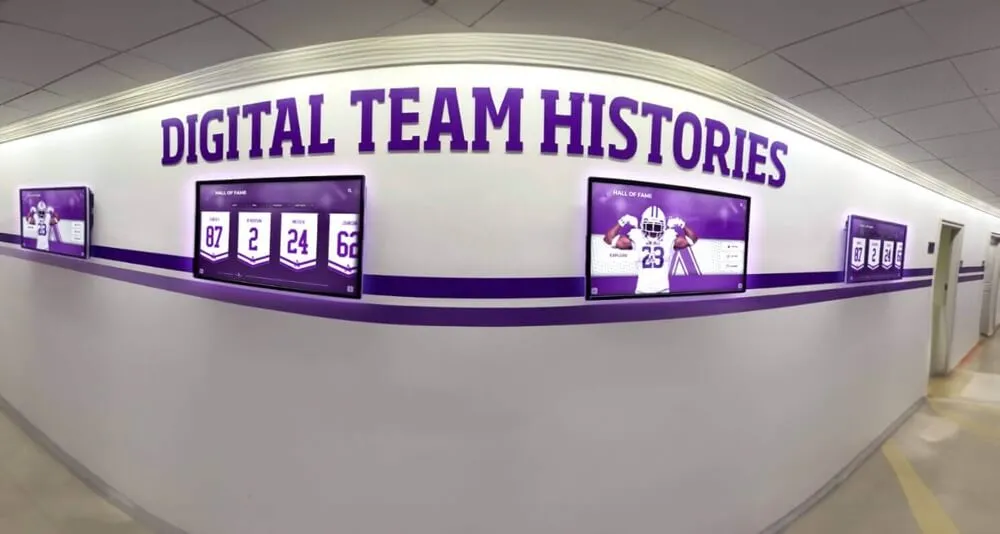
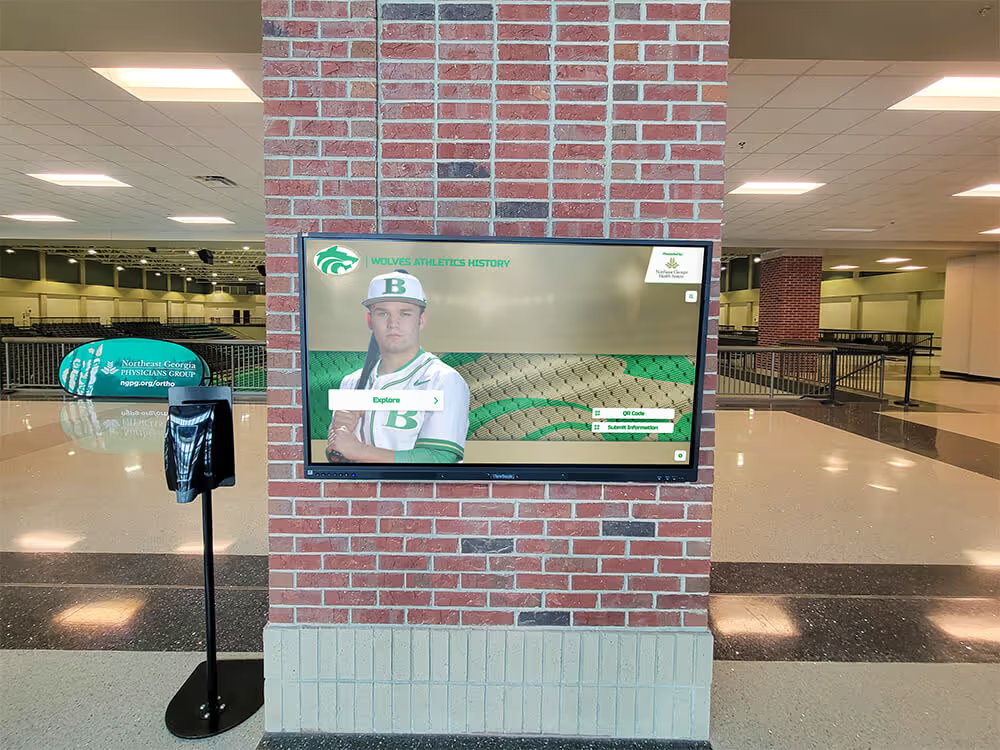
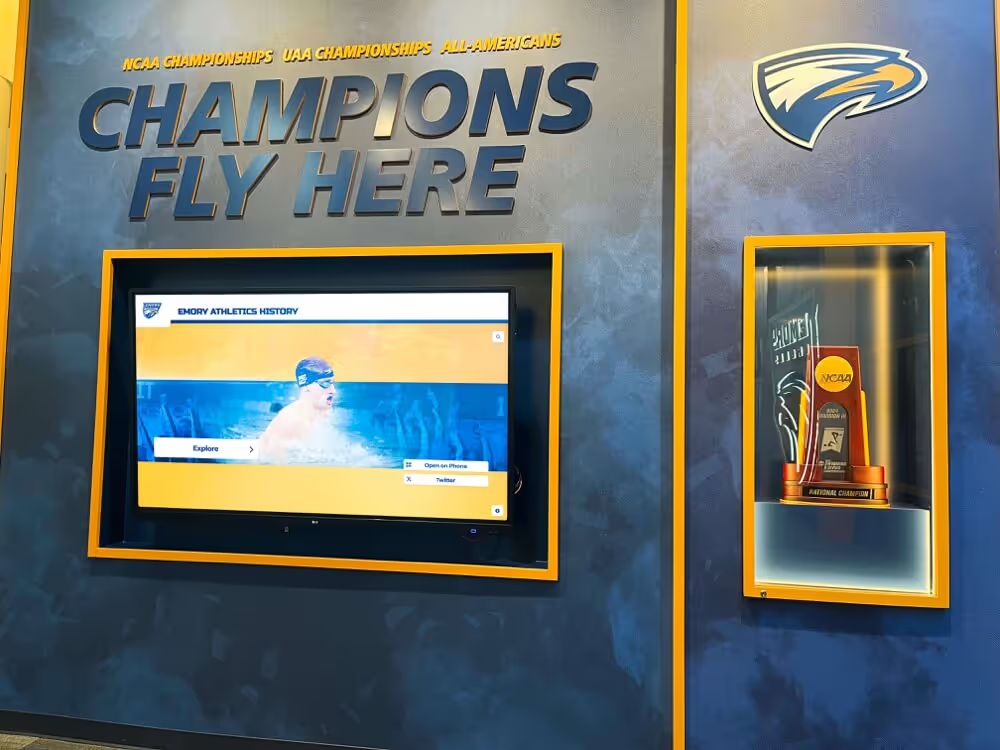
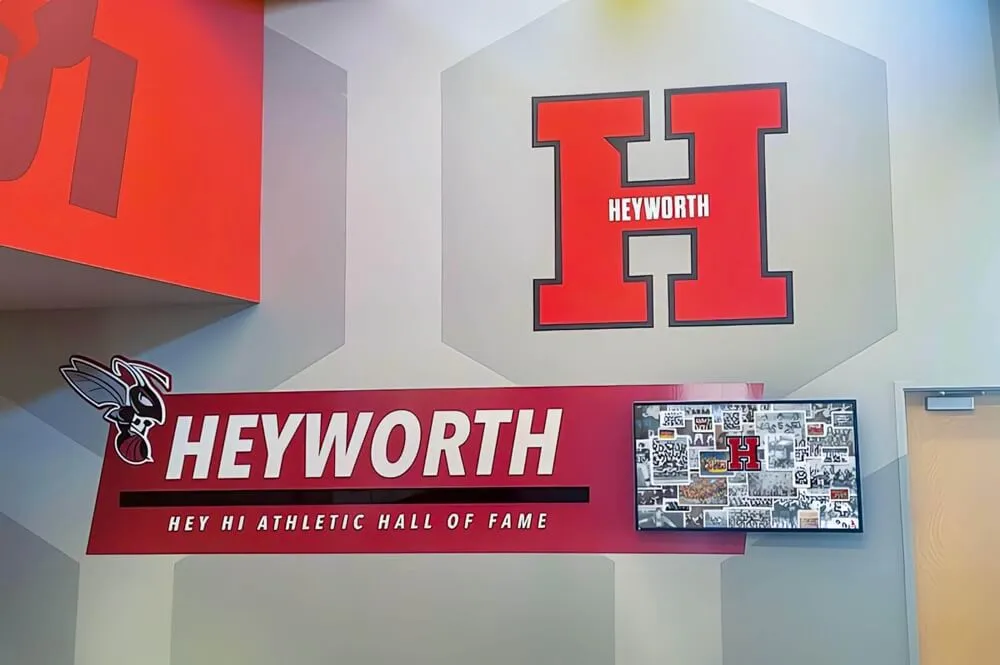
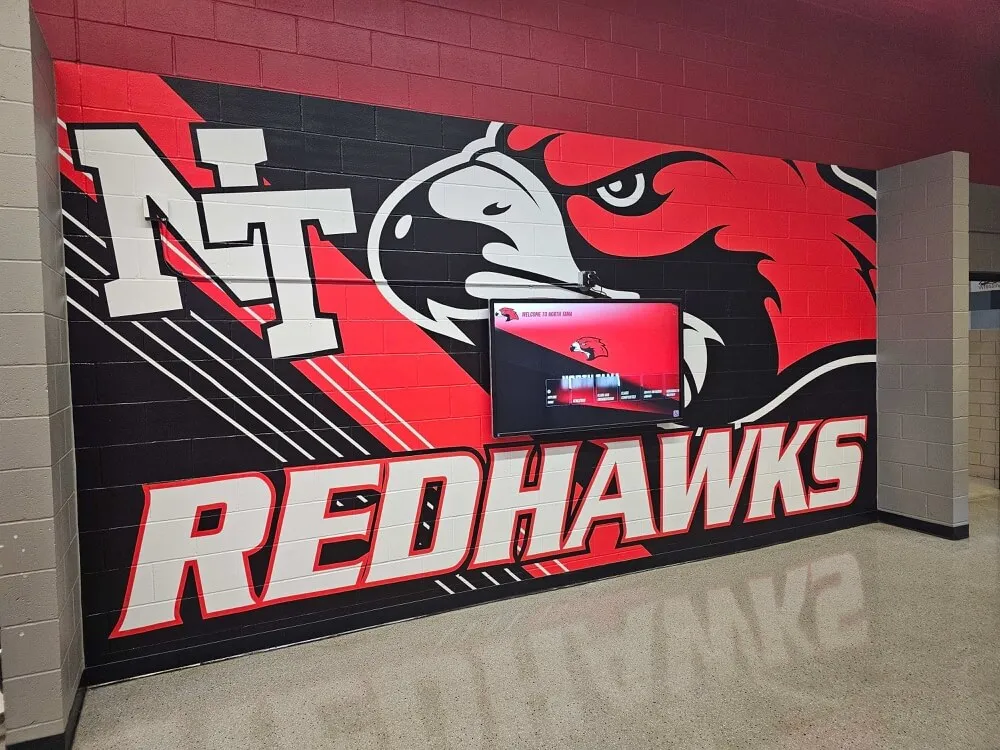
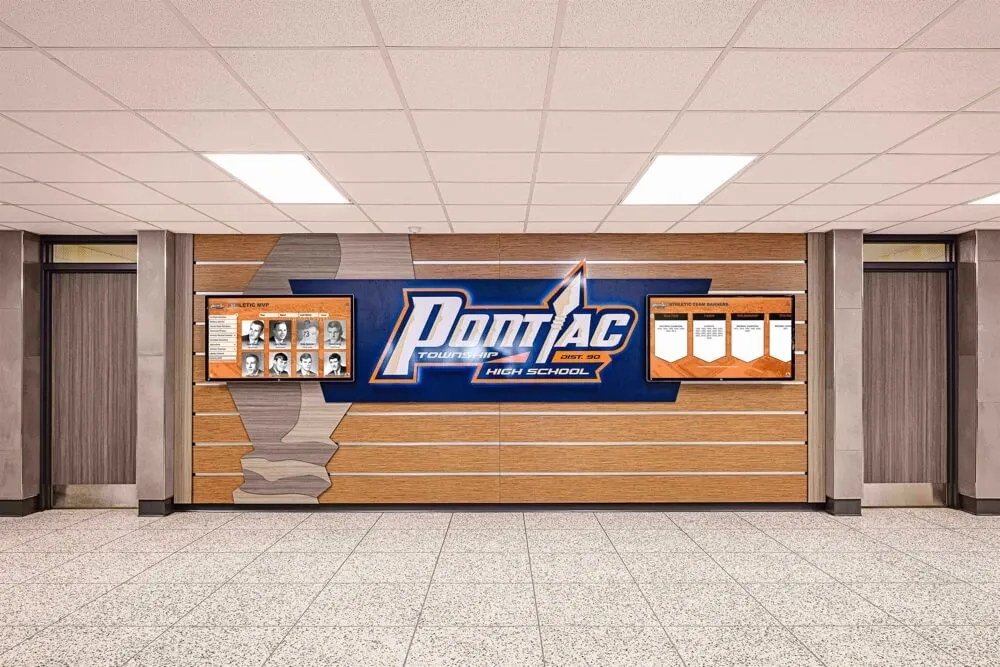
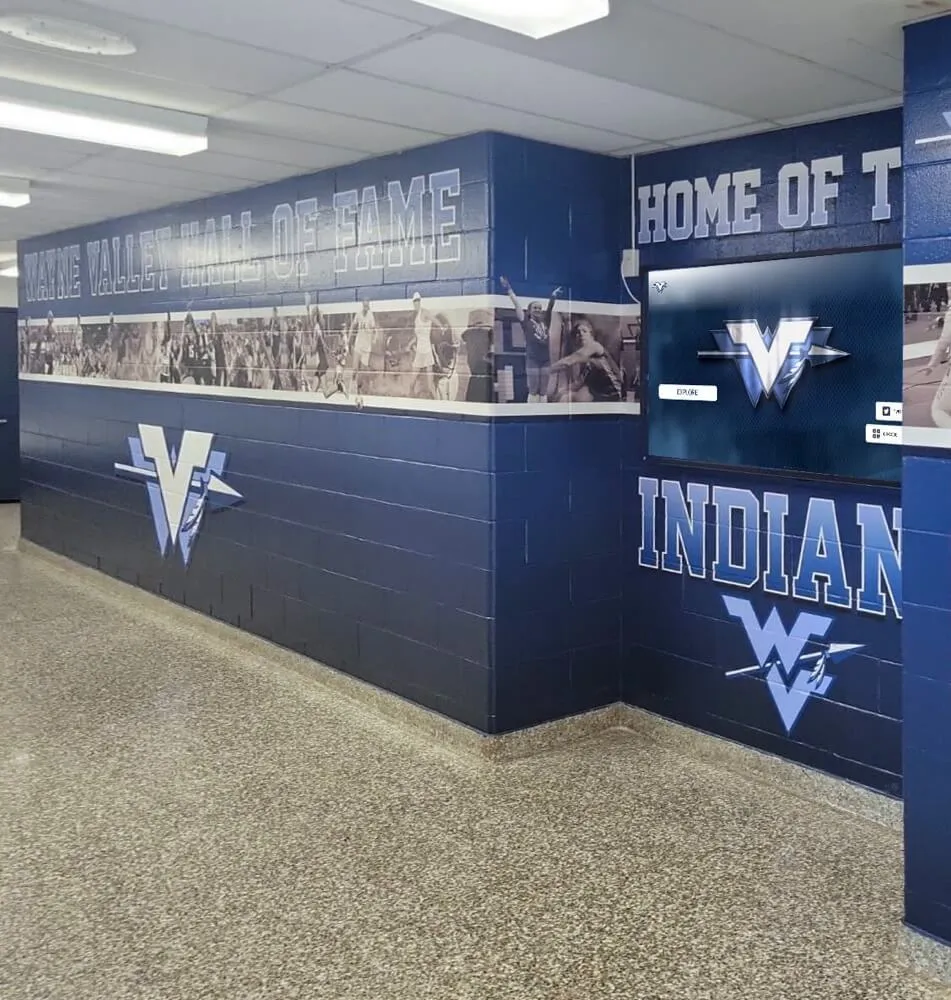
Modern donor walls blend professional design with accessible technology to create recognition experiences that honor every contribution while inspiring future giving
What is a Donor Wall? Understanding Recognition Fundamentals
Before exploring design options and technology choices, development professionals must understand what constitutes effective donor recognition and why certain approaches generate superior fundraising outcomes.
Definition and Purpose
A donor wall is a permanent or semi-permanent display acknowledging individuals, families, corporations, and foundations that have made significant financial contributions to an organization. Unlike simple thank-you letters or annual reports that eventually get discarded, donor walls provide lasting public recognition that:
Demonstrates Organizational Gratitude
- Creates visible proof that contributions receive appropriate acknowledgment
- Shows prospects how the organization treats generous supporters
- Provides tangible evidence that philanthropy receives institutional priority
- Communicates that donor relationships matter beyond transaction completion
Inspires Additional Giving
- Peer influence motivates prospects to contribute at similar levels
- Visible giving patterns establish implicit benchmarks for new donors
- Recognition tier structures create clear pathways for donor progression
- Existing donor visibility encourages upgrade conversations
Strengthens Donor Relationships
- Public acknowledgment fulfills fundamental human needs for recognition and belonging
- Permanent recognition creates lasting connections between donors and missions
- Family members see their philanthropy honored across generations
- Recognition becomes part of donors’ personal legacy stories
According to research from the Association of Fundraising Professionals, organizations implementing comprehensive donor recognition programs report 20-35% higher lifetime donor value compared to those with minimal or inconsistent recognition practices.
Who Benefits from Donor Walls
Recognition displays serve multiple organizational stakeholders:
Nonprofit Organizations
- Hospitals recognizing patient care and research donors
- Educational institutions honoring scholarship and facility donors
- Arts organizations acknowledging program and capital campaign supporters
- Religious organizations recognizing building fund and ministry donors
- Community foundations displaying legacy and endowment contributors
- Social service agencies honoring operational and program support
Educational Institutions
- Universities and colleges recognizing alumni and parent donors
- Independent schools acknowledging annual fund and capital supporters
- Athletic departments honoring booster club and facility donors
- Libraries displaying friends of the library and collection donors

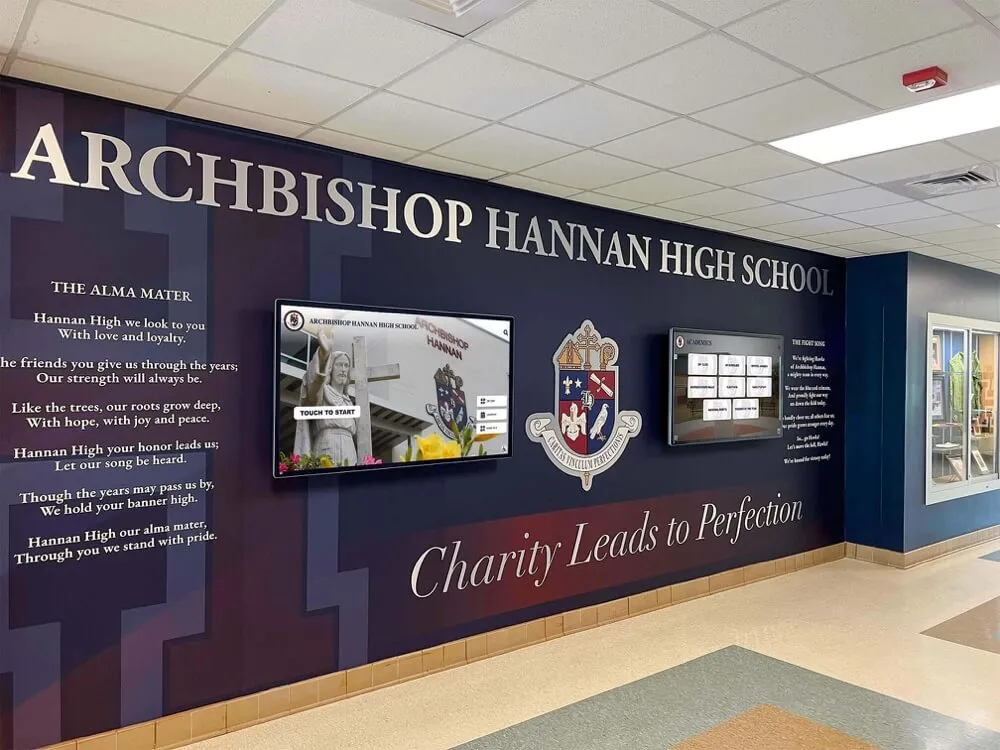
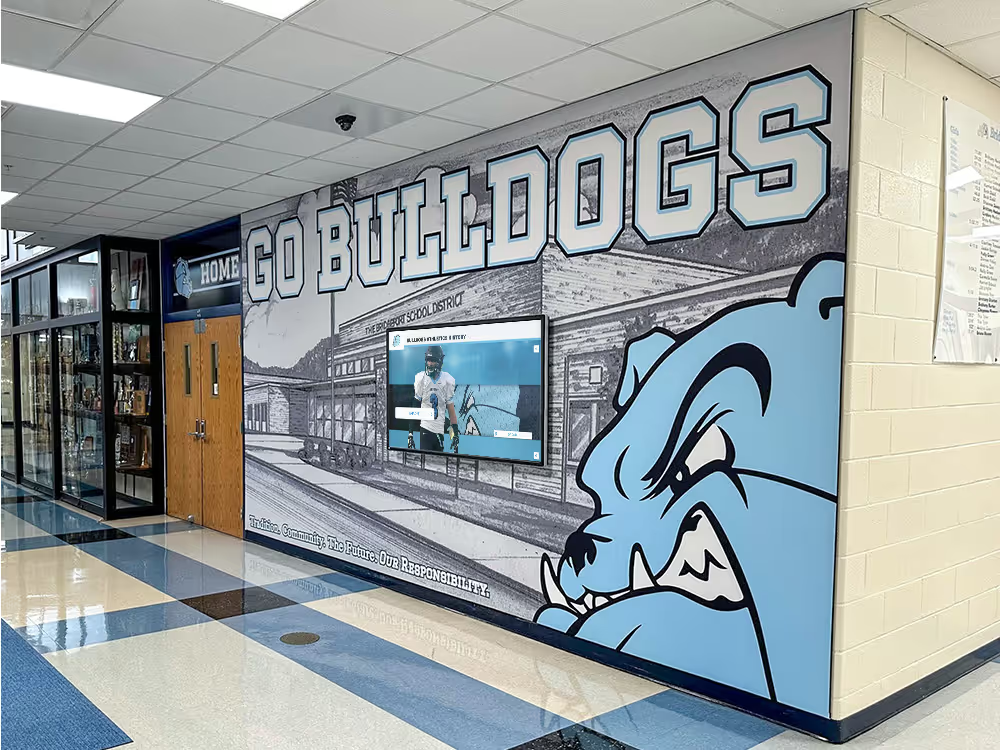
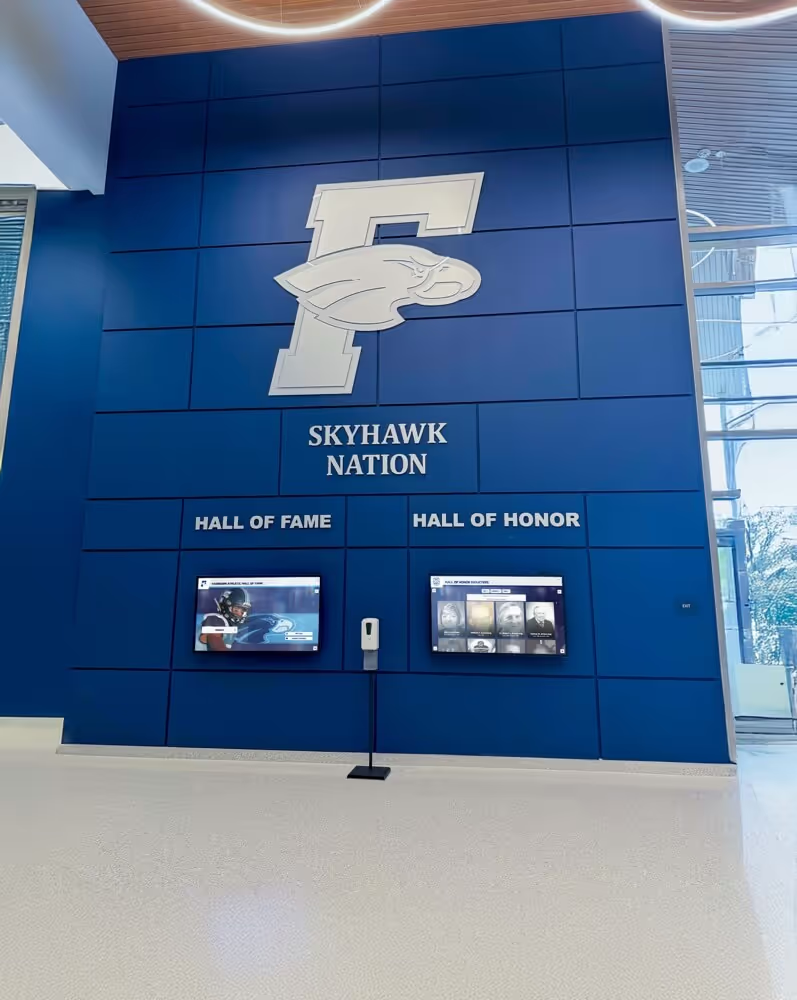
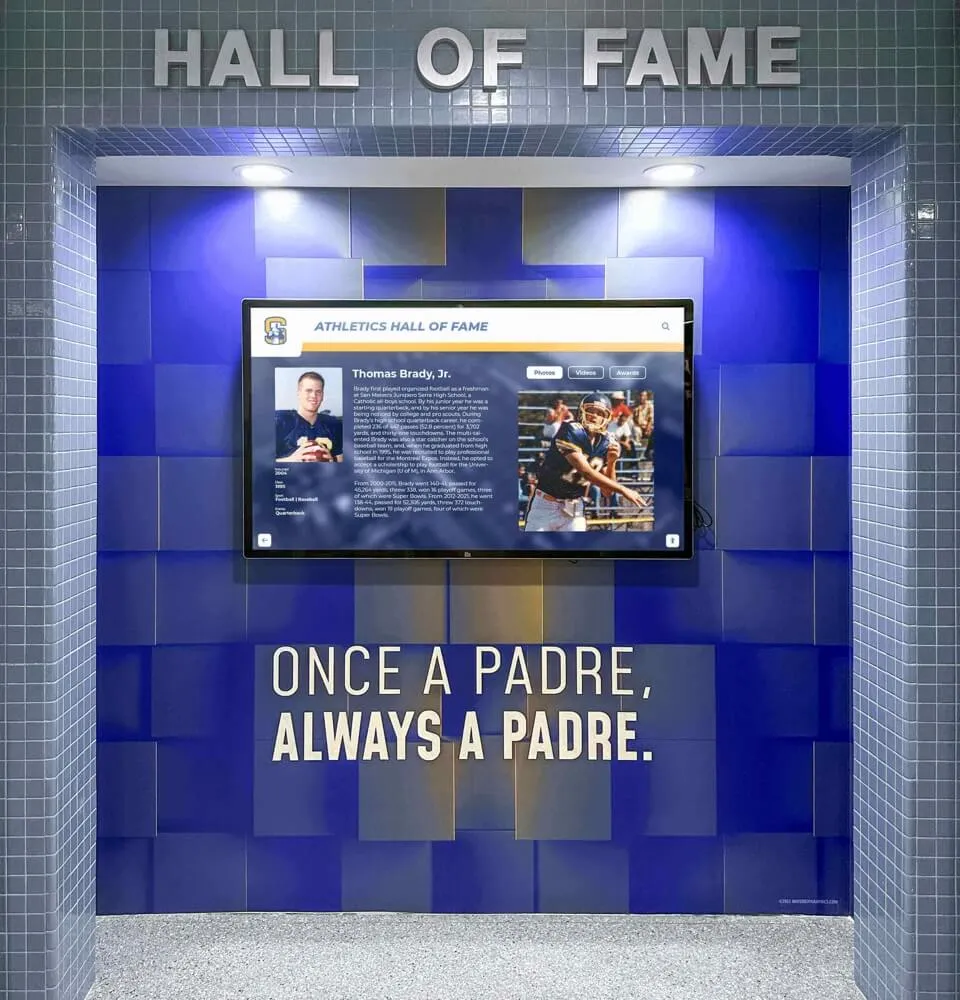
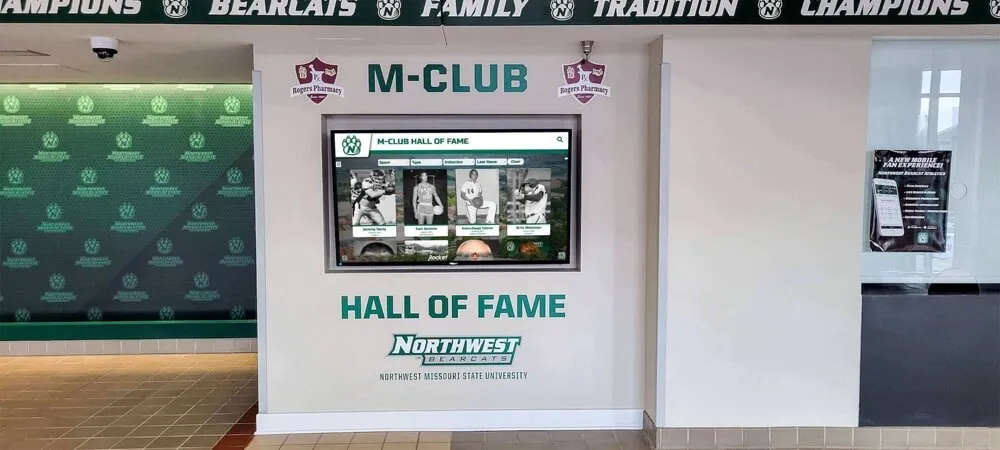
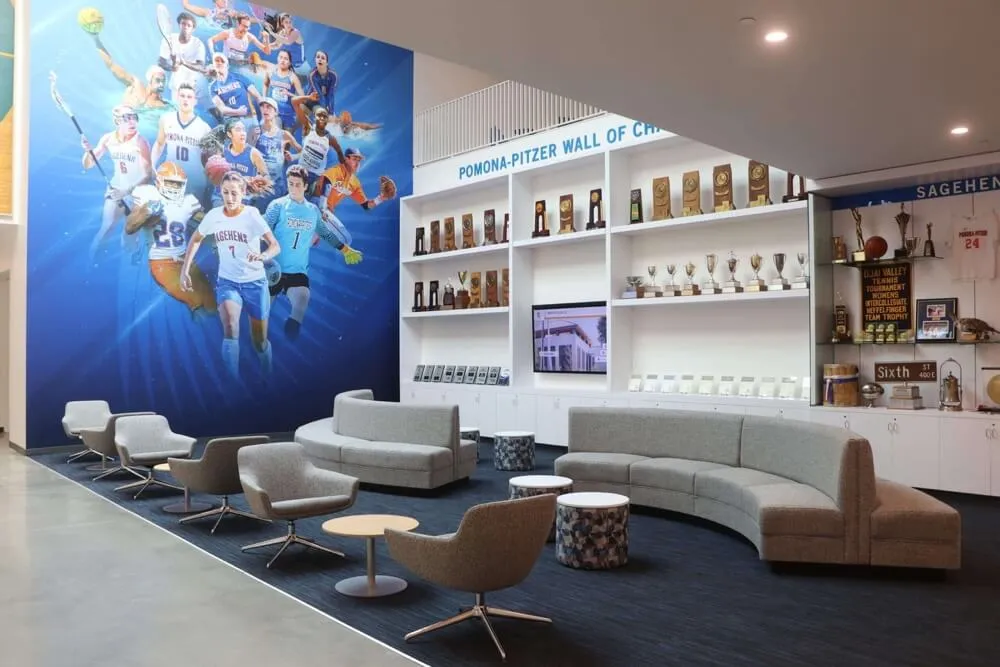
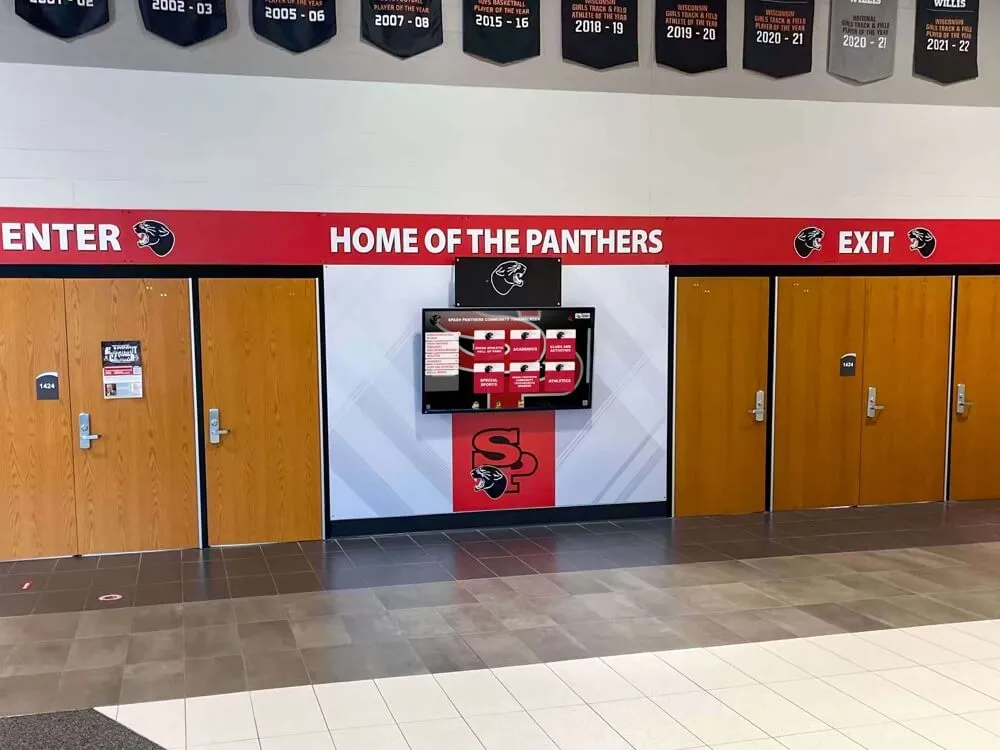
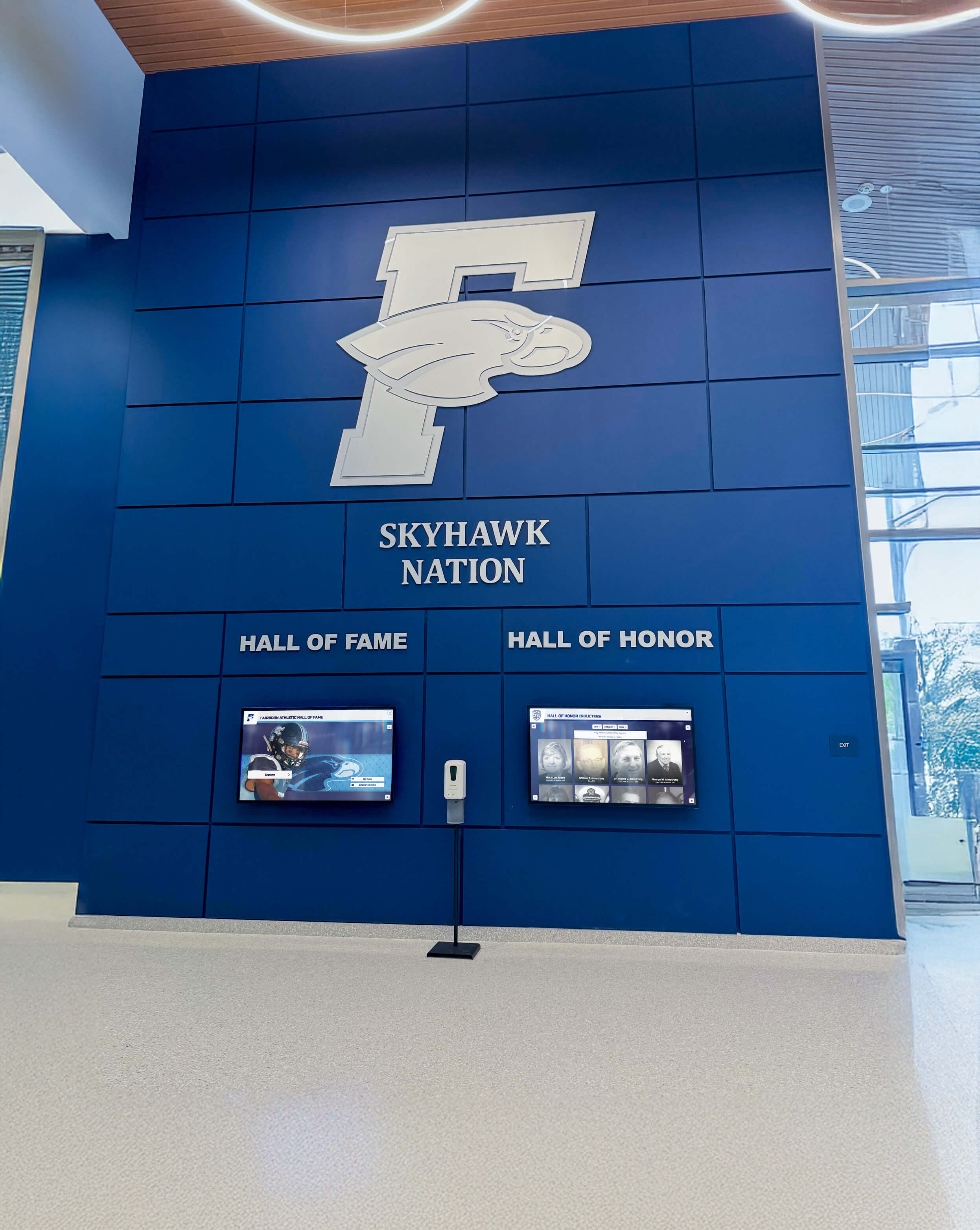
Prominent lobby placement ensures donor recognition receives visibility from every student, visitor, and community member entering the building
Other Recognition Applications
- Corporate recognition of major clients and partners
- Association member honor rolls and leadership acknowledgment
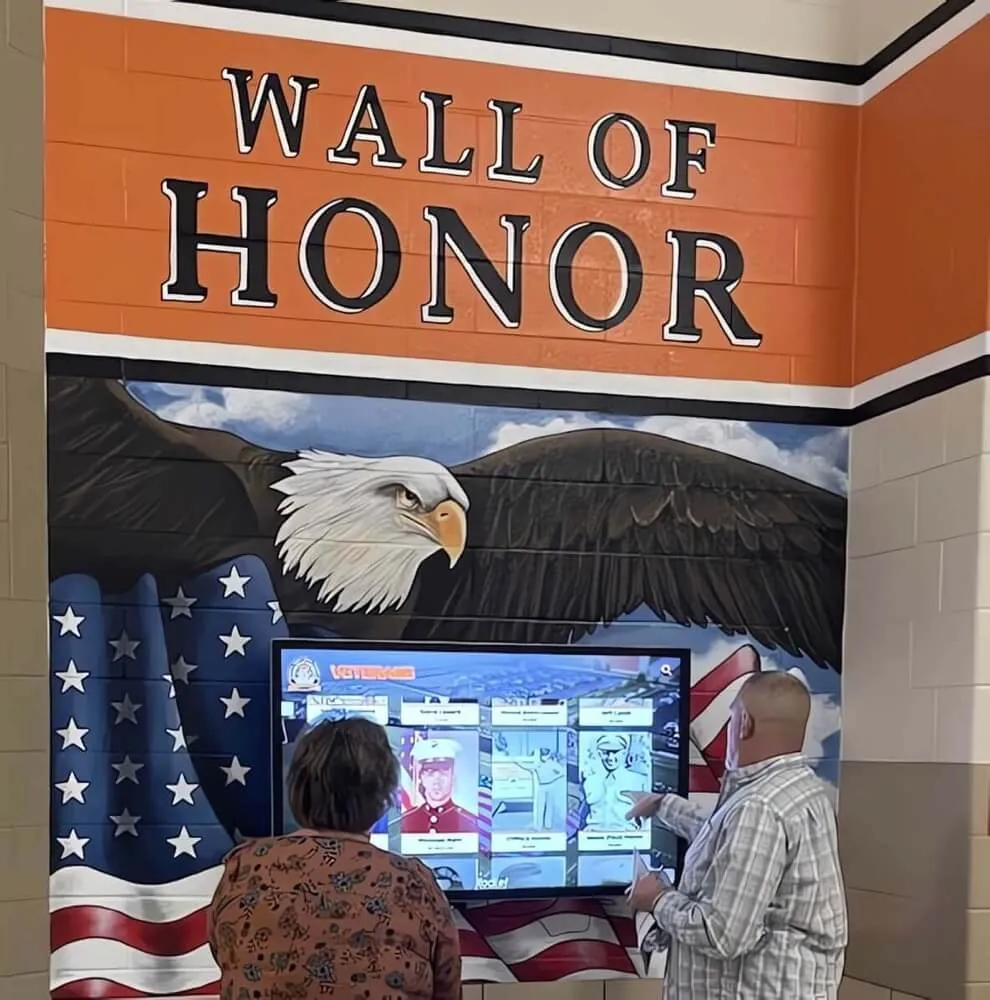
- Military and veteran memorial walls honoring service
- Community organizations recognizing volunteers and supporters
The versatility of donor walls makes them essential tools across virtually every type of organization dependent on philanthropic support or community recognition.
Types of Donor Walls: Traditional vs. Digital Approaches
Organizations face fundamental choices between conventional physical installations and modern digital platforms, each offering distinct advantages and addressing different organizational needs.
Traditional Physical Donor Walls
Conventional recognition approaches have evolved over decades, providing time-tested options many organizations still prefer:
Bronze and Metal Plaque Walls
Classic bronze or aluminum plaques remain the most traditional donor recognition method:
- Individual cast bronze plaques ($200-600 each) mounted on architectural walls
- Donor names, giving levels, and years engraved on permanent metal surfaces
- Grid layouts organizing donors by tier, alphabetically, or chronologically
- Architectural framing in wood, stone, or metal creating unified presentations
- Patina finishes developing distinctive character as bronze ages naturally
Advantages: Timeless elegance, perceived permanence, no power requirements, minimal technical maintenance
Limitations: Fixed capacity constrained by physical wall space, expensive additions ($3,000-15,000 per update cycle), impossible to correct errors without plaque replacement, no storytelling capability beyond basic information, difficult coordination requiring facilities and vendor scheduling
Organizations with 50 major donors might invest $15,000-35,000 initially, then face $3,000-10,000 annually as donor programs grow beyond initial capacity.
Traditional materials communicate institutional permanence while complementing classical architectural design aesthetics
Glass and Acrylic Contemporary Walls
Modern materials offer alternatives to traditional metal while maintaining physical presence:
- Etched or sandblasted glass panels with donor names ($150-300 per square foot)
- Backlit acrylic creating dramatic lighting effects highlighting recognition
- Layered glass installations adding three-dimensional depth
- Color-coordinated panels reinforcing organizational branding
- Modern typography appealing to contemporary design sensibilities
Advantages: Striking visual impact, large recognition surfaces, modern aesthetics, flexible lighting integration
Limitations: Specialized fabrication requirements, panel replacement necessary for additions, material costs often exceeding bronze, breakage concerns in high-traffic areas
Glass and acrylic installations typically cost $20,000-75,000 for medium-scale implementations serving 100-200 donors, with similar update challenges as traditional plaques.
Architectural Integration Methods
Some organizations incorporate donor recognition directly into building elements:
- Engraved floor tiles or paving stones with donor names
- Building spaces and facilities named for major donors with signage
- Structural elements like railings incorporating donor acknowledgment
- Garden and landscape features with integrated recognition
- Functional elements including benches and water features dedicated to donors
Advantages: Seamless integration demonstrating donors fundamentally shape facilities, functional utility beyond recognition, distinctive approaches creating memorable installations
Limitations: Requires construction-phase coordination, retrofitting proves expensive, limited future flexibility, design permanence demands long-term planning
Digital Interactive Donor Walls
Technology platforms overcome fundamental physical limitations while creating engagement opportunities impossible with static displays:
Touchscreen Recognition Systems
Modern digital donor walls provide comprehensive solutions for growing recognition needs:
- Commercial-grade touchscreens (43"-65" typical) displaying unlimited donor profiles
- Cloud-based content management enabling remote updates from any device
- Search functionality allowing visitors instantly locating specific donors
- Detailed profiles including photos, giving histories, and personal motivations
- Impact stories connecting contributions to organizational outcomes
- Video testimonials from donors explaining philanthropic journeys
- Timeline displays showing donor relationships evolving over decades
- QR code integration extending recognition to visitors’ mobile devices
Solutions like Rocket Alumni Solutions specialize in donor recognition platforms providing unlimited capacity, sophisticated content management, ADA WCAG 2.1 AA accessibility compliance, and professional presentation quality matching institutional brand standards.
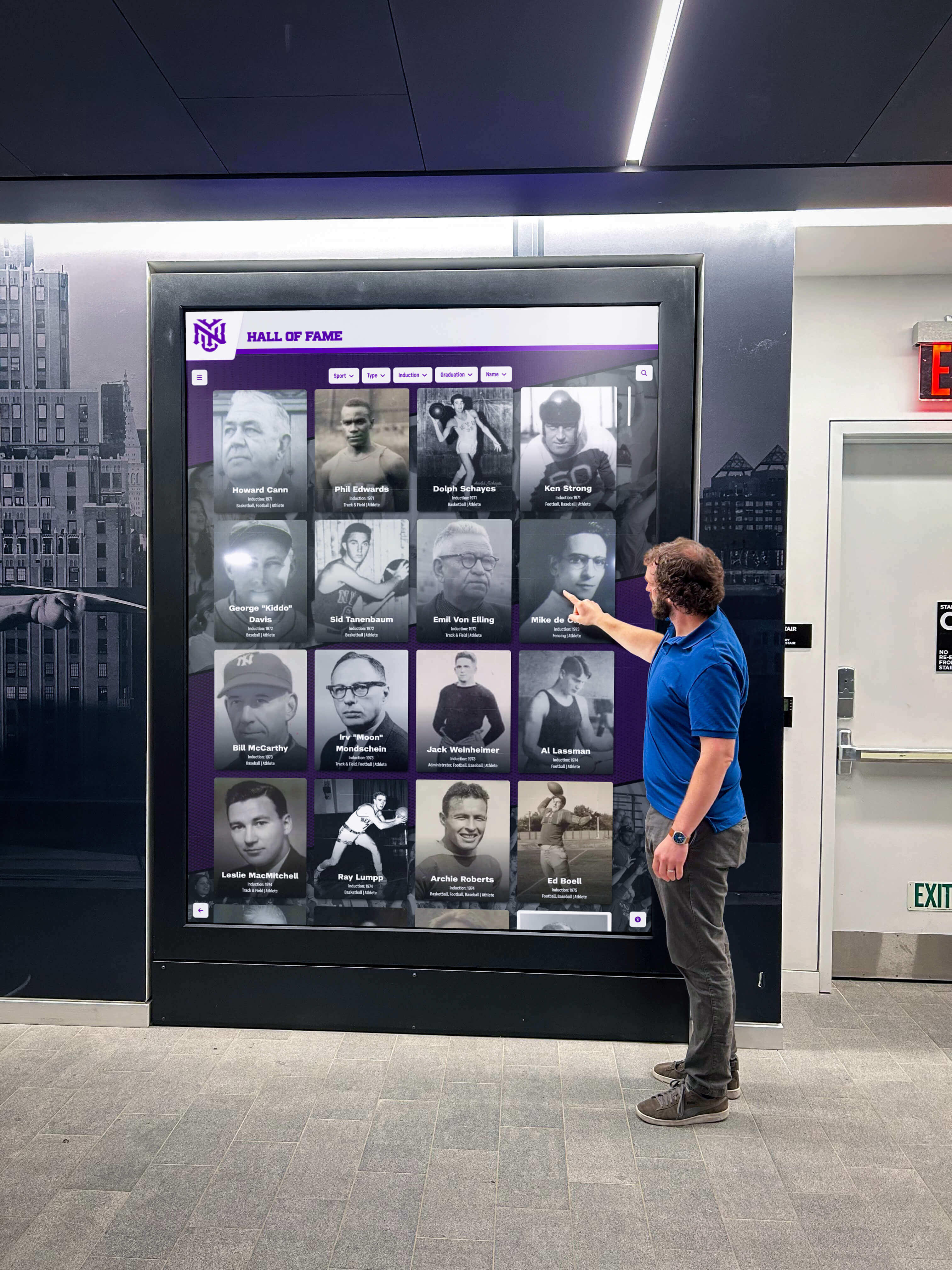
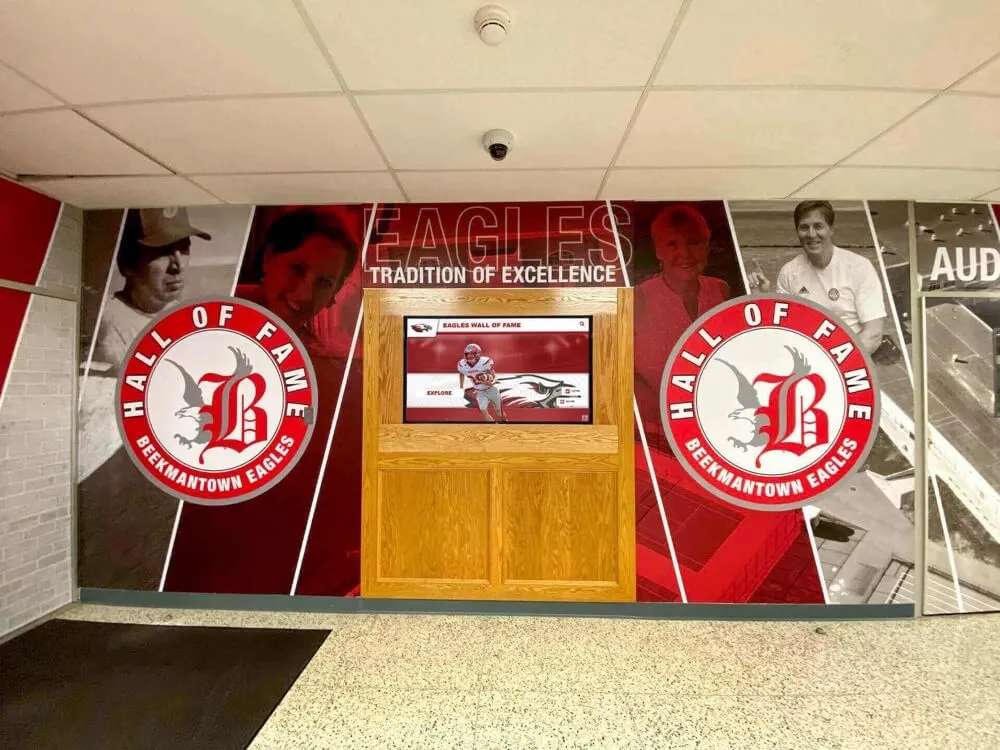
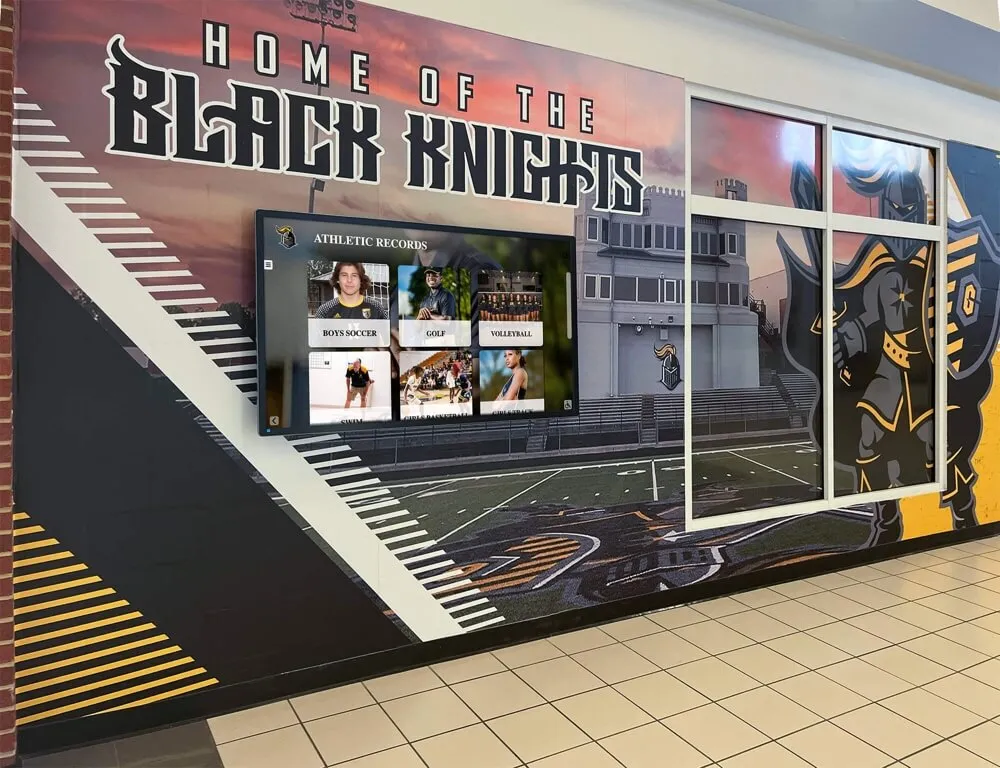
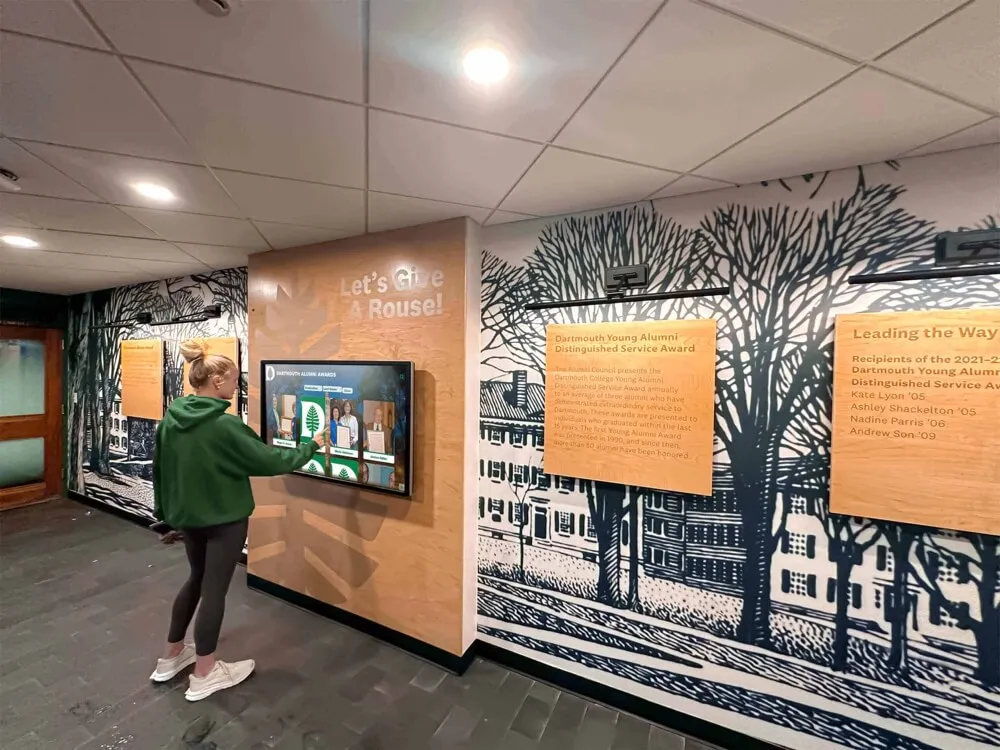
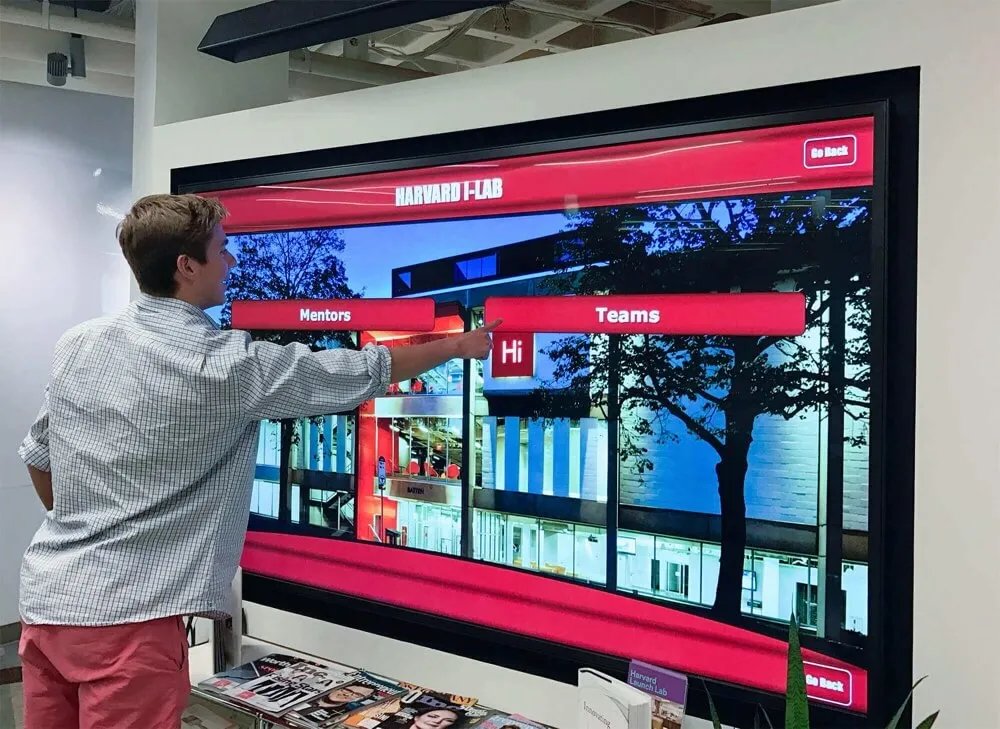
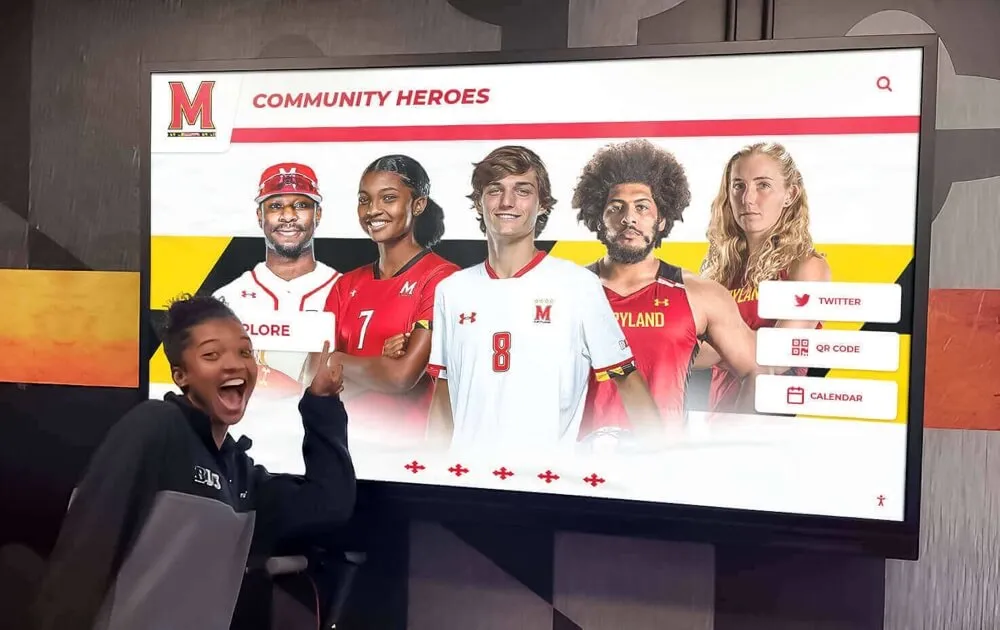
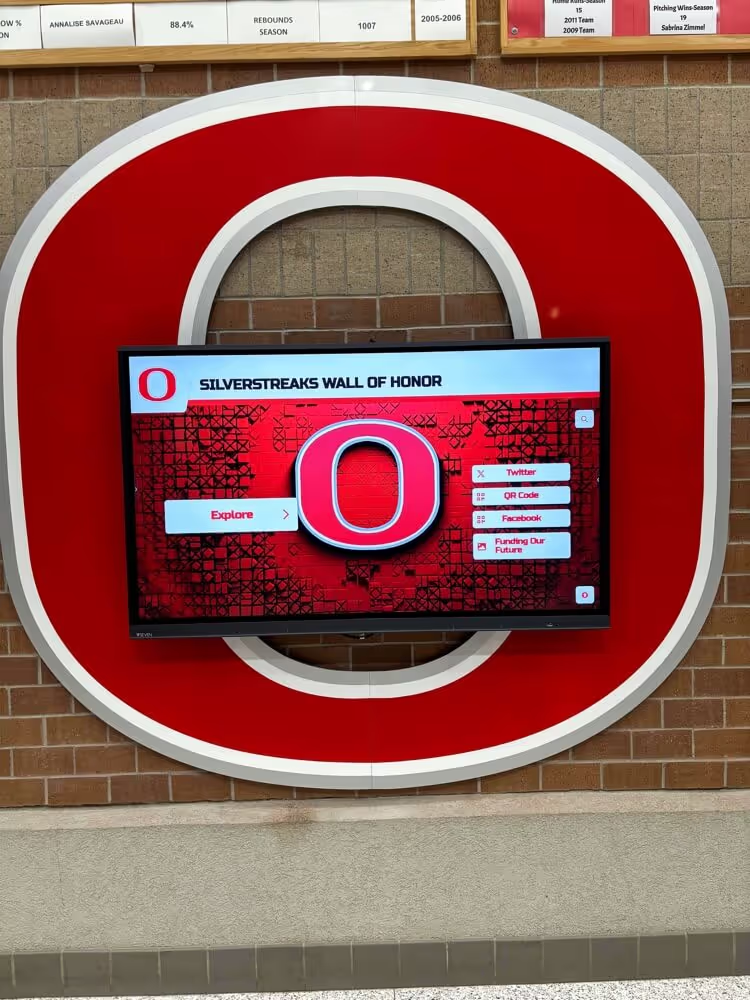
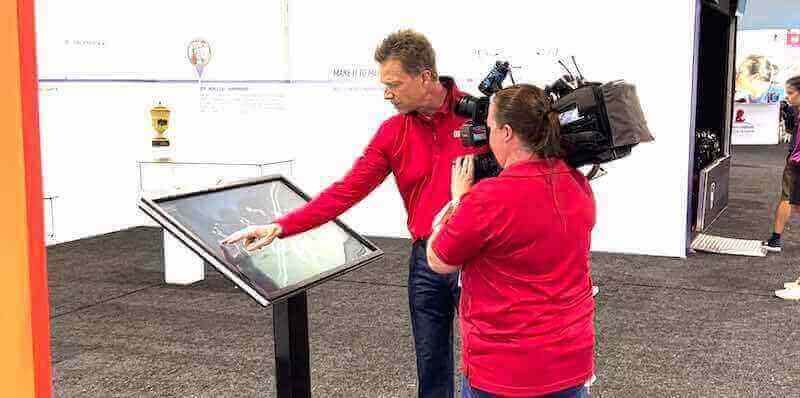
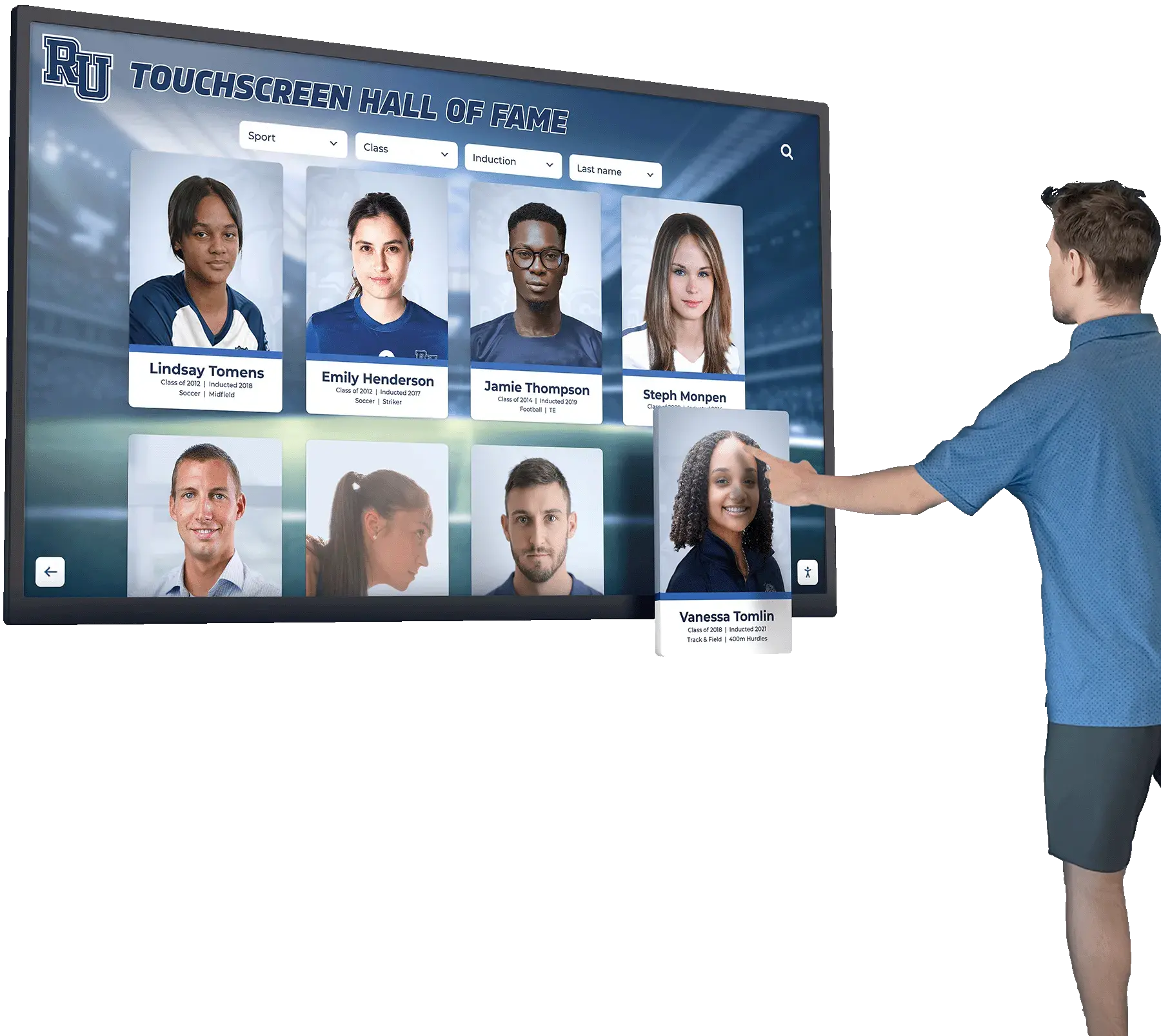
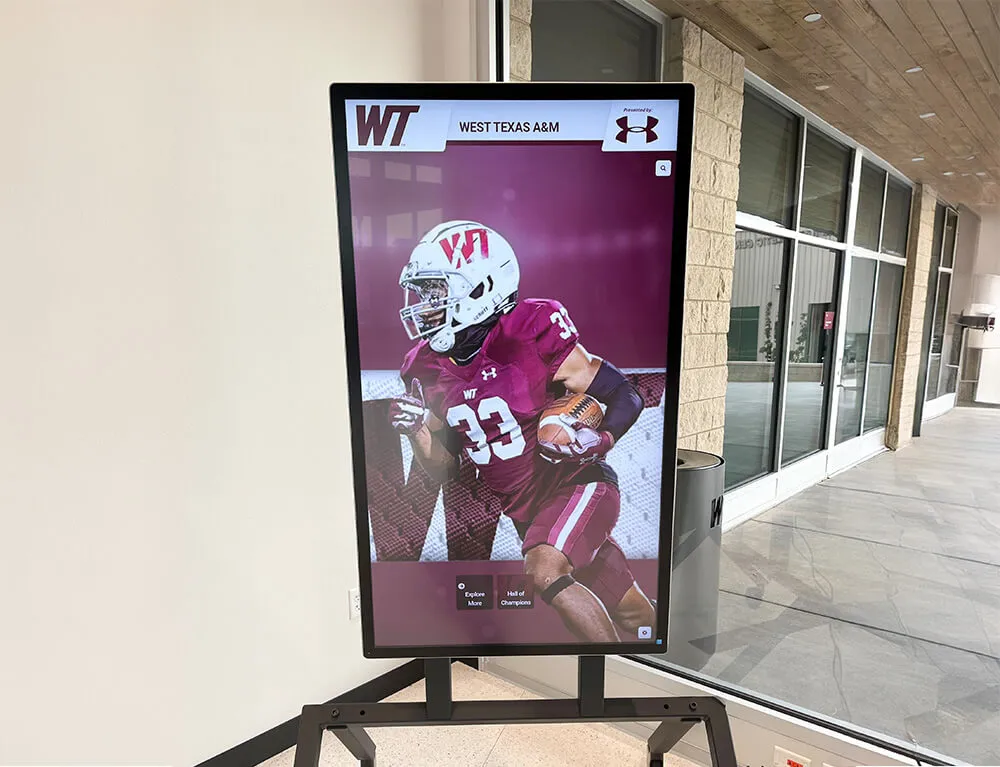
Interactive touchscreen displays invite exploration, enabling visitors to discover detailed donor stories and impact narratives that static plaques cannot communicate
Digital System Advantages
Technology-based recognition provides capabilities transforming donor engagement:
Unlimited Capacity: Add thousands of donors without physical space constraints or difficult decisions about whose names appear. Organizations commonly display 500-5,000+ donor profiles within single systems.
Instant Updates: Add new donors in minutes rather than months. Correct errors immediately rather than ordering replacement plaques. Update information as donor relationships evolve without construction projects.
Rich Storytelling: Share compelling narratives through photos, videos, and detailed biographies creating emotional connections impossible with engraved names. Demonstrate impact through before/after comparisons, beneficiary testimonials, and program documentation.
Enhanced Accessibility: WCAG compliance ensures visitors with disabilities access recognition content. Adjustable text sizing, high contrast modes, and screen reader compatibility create inclusive experiences. QR codes extend recognition to mobile devices for remote viewing.
Engagement Analytics: Track which donors receive most profile views, search patterns revealing visitor interests, average session durations indicating engagement levels, and peak usage times informing content strategy.
Organizations implementing digital donor recognition systems report 8-12 times higher visitor engagement compared to traditional static walls, with average interaction times of 4-8 minutes versus 15-30 seconds for plaque displays.
Digital System Considerations
Technology recognition requires ongoing investment and technical infrastructure:
- Initial hardware costs: $3,000-8,000 for commercial displays
- Annual software subscriptions: $2,000-8,000 depending on features and support
- Network connectivity requirements for cloud-based management
- Content development expertise creating compelling donor profiles
- Occasional hardware replacement (displays typically last 5-10 years)
However, total 10-year cost of ownership frequently proves 30-50% lower than traditional approaches for organizations adding 30+ donors annually, while providing vastly superior capacity, flexibility, and engagement.
Donor Wall Design: Planning for Impact and Longevity
Effective recognition requires strategic planning addressing organizational needs, donor preferences, architectural context, and long-term sustainability.
Location and Placement Strategy
Recognition effectiveness depends substantially on visibility and contextual appropriateness:
High-Traffic Location Selection
Prime donor wall locations balance maximum exposure with dignified presentation:
- Main building entrances where every visitor immediately encounters recognition
- Lobbies and reception areas with extended dwell time for exploration
- Corridors connecting high-traffic destinations ensuring repeated visibility
- Event spaces and auditoriums where stakeholders gather regularly
- Adjacent to named facilities and spaces donors funded
Development professionals should evaluate locations based on daily foot traffic volume (aim for 100+ daily viewers), visitor demographics (ensure donor peer groups see recognition), average dwell time (lobbies superior to hallways), sight line visibility from natural viewing angles, and architectural appropriateness complementing surrounding design.

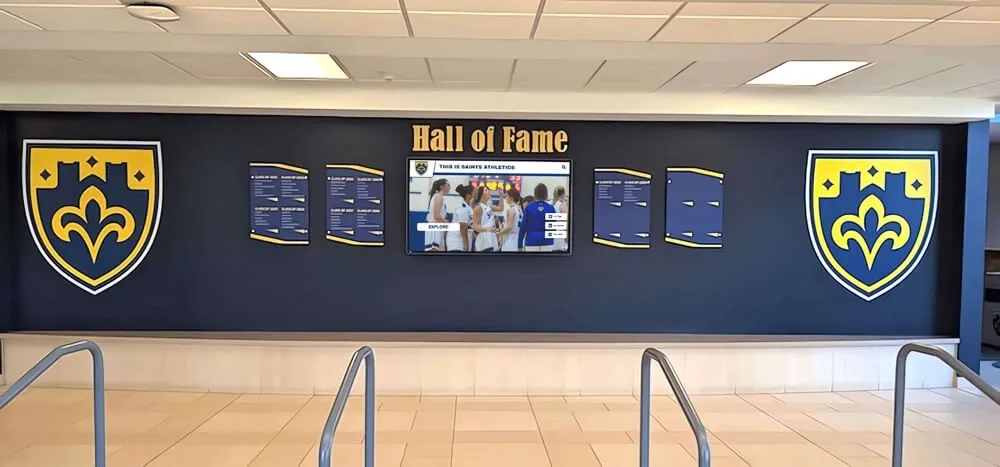
Lobby placement creates natural gathering points where visitors comfortably explore donor recognition while waiting or socializing
Locations to Avoid
Certain placements undermine recognition effectiveness regardless of design quality:
- Remote corridors with minimal daily traffic
- Basement or upper floor locations requiring specific visits
- Areas where visitors cannot comfortably stop without blocking traffic
- Spaces with poor lighting or awkward viewing angles
- Locations competing with other prominent displays or signage
Organizations implementing donor recognition signage report that placement decisions influence recognition effectiveness more than design quality or material costs.
Contextual Integration
The most effective recognition connects acknowledgment to impact:
- Program facility donor walls near spaces philanthropy funded
- Service area recognition adjacent to programs gifts enable
- Research wing acknowledgment showing laboratories and equipment donors provided
- Patient care recognition in treatment areas demonstrating gift utilization
- Athletic facility displays celebrating team and program supporters
Contextual placement strengthens emotional connections between donor generosity and tangible outcomes visible in immediate proximity.
Organizational Structure and Donor Tiers
Recognition systems must fairly acknowledge contributions at varied levels while providing clear progression pathways:
Tiered Recognition Frameworks
Most comprehensive programs employ structured giving levels:
Capital Campaign Tiers (lifetime or campaign-specific):
- Transformational Circle: $1,000,000+ (largest institutional gifts)
- Leadership Society: $250,000-$999,999 (major campaign leadership)
- Cornerstone Level: $100,000-$249,999 (significant campaign support)
- Benefactor Tier: $50,000-$99,999 (major donor recognition)
- Patron Category: $25,000-$49,999 (principal gift acknowledgment)
- Supporter Recognition: $10,000-$24,999 (leadership annual support)
- Friend Acknowledgment: $5,000-$9,999 (committed supporter recognition)
Annual Giving Tiers (fiscal year contributions):
- President’s Circle: $10,000+
- Dean’s Society: $5,000-$9,999
- Founder’s Club: $2,500-$4,999
- Leadership Annual Fund: $1,000-$2,499
- Loyal Supporter: $500-$999
- Friend: $100-$499
Tier structures should reflect organizational giving patterns and donor base characteristics. Universities typically employ different thresholds than community nonprofits, with healthcare systems using yet different frameworks.
Visual Differentiation Strategies
Recognition must balance appropriate prominence for major donors with inclusive acknowledgment for all supporters:
- Size variation with leadership donors receiving larger display elements
- Color coding distinguishing different recognition tiers
- Enhanced profile depth for major donors with expanded biographies
- Position hierarchy placing highest contributors in prime visibility locations
- Dedicated recognition areas or walls for transformational gifts
Organizations should avoid creating environments where modest donors feel undervalued, ensuring that entry-level recognition receives dignified presentation even while major donors receive enhanced visibility.
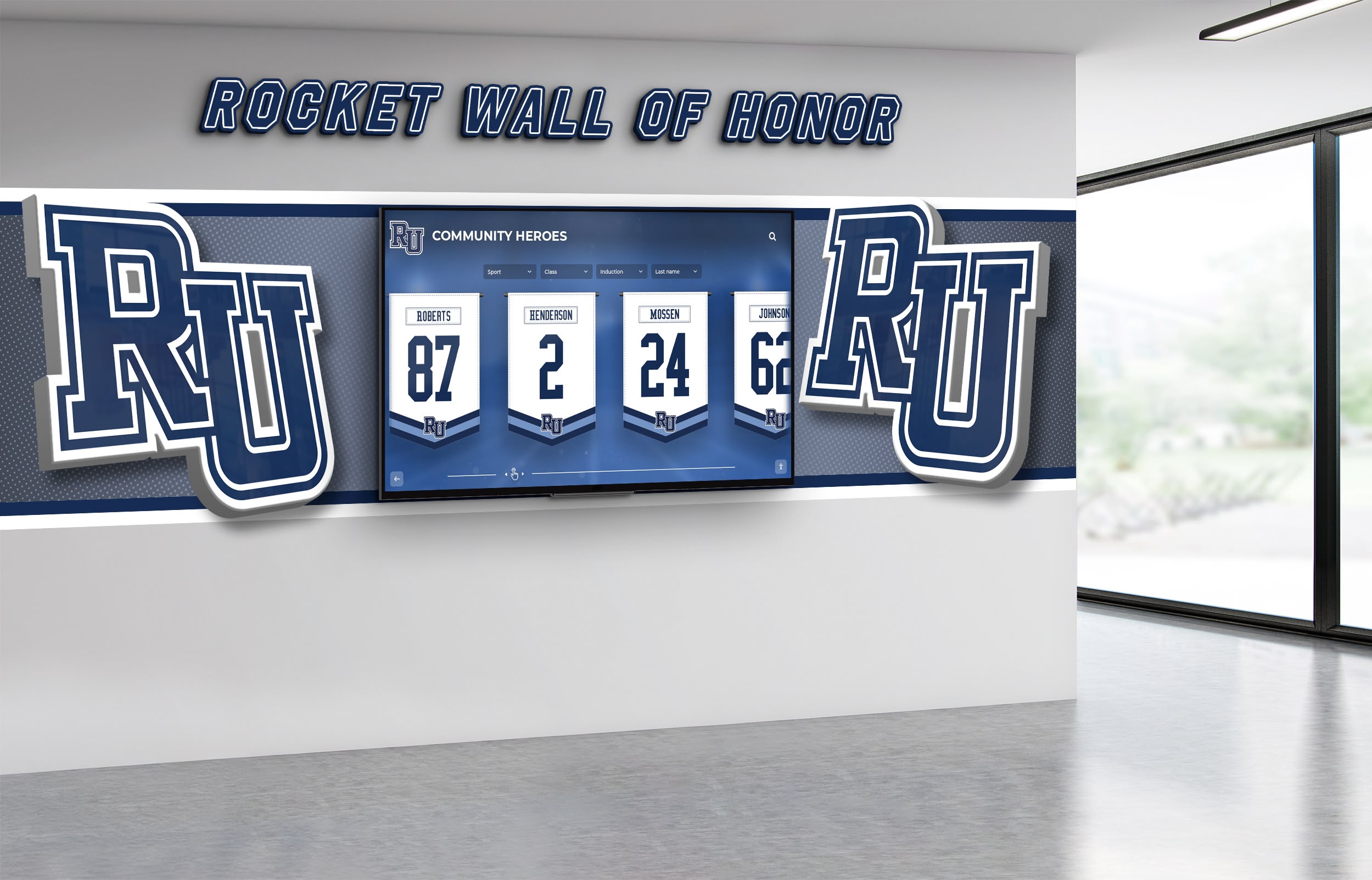
Well-organized tier structures acknowledge diverse contribution levels while maintaining visual coherence and inclusive presentation
Annual vs. Cumulative Recognition
Organizations must decide recognition timeframes and acknowledgment approaches:
Annual Giving Recognition
Current year emphasis creates renewable motivation:
- Encourages sustained participation across multiple years
- Creates rotating recognition as donor involvement varies
- Motivates re-engagement from lapsed supporters
- Requires frequent updates reflecting fiscal year transitions
Advantages: Rewards current engagement, encourages yearly participation, recognizes evolving donor base
Challenges: Higher administrative burden with annual updates, potential donor disappointment during non-participation years, requires platform accommodating frequent changes
Lifetime Cumulative Recognition
Total giving provides stable permanent acknowledgment:
- Reduces update frequency with more predictable administration
- Encourages incremental giving toward higher recognition tiers
- Honors long-term commitment across decades
- Creates permanent legacy acknowledging lifetime relationships
Advantages: Administrative efficiency, stable recognition reducing update frequency, cumulative total motivates continued giving
Challenges: May not reflect current support patterns, doesn’t celebrate renewed annual engagement, requires decades to reach higher tiers
Hybrid Approaches
Many organizations maintain both frameworks within single systems:
- Separate walls or sections for annual and cumulative recognition
- Digital platforms displaying both perspectives through filter options
- Annual giving honor rolls updated yearly alongside permanent cumulative displays
- Special recognition for consecutive years of participation
Digital donor recognition platforms excel at hybrid approaches, enabling simultaneous organization by annual participation, lifetime total, giving tier, program area, or donor type without physical space constraints limiting traditional walls.
Donor Wall Costs: Budgeting for Recognition Investment
Understanding complete cost of ownership across initial investment and ongoing expenses enables informed decision-making:
Traditional Physical Wall Costs
Conventional approaches involve substantial initial investment and ongoing update expenses:
Bronze and Metal Plaque Installations
Initial Investment:
- Individual cast bronze plaques: $200-600 each
- Architectural framing and background wall: $5,000-25,000
- Professional design and layout services: $1,000-5,000
- Installation and facilities coordination: $2,000-10,000
- Dedication ceremony and signage: $1,000-5,000
- Total for 50-100 donors: $15,000-60,000
Ongoing Costs:
- New plaques for additions: $200-600 each
- Installation coordination: $500-2,000 per update cycle
- Design services for layout modifications: $500-2,000
- Annual cleaning and maintenance: $200-1,000
- Annual costs for active programs: $3,000-15,000+
Organizations adding 20-30 donors annually face $6,000-18,000 in ongoing plaque costs alone, with many reporting that update delays frustrate donors waiting months for recognition.
Glass and Acrylic Contemporary Installations
Initial Investment:
- Custom fabricated glass panels: $150-300 per square foot
- Lighting and electrical integration: $3,000-15,000
- Structural mounting systems: $2,000-8,000
- Professional design and mockups: $2,000-8,000
- Installation and project management: $3,000-12,000
- Total for medium-scale installations: $20,000-75,000
Ongoing Costs:
- Panel replacement for additions: $3,000-10,000 per update
- Electrical maintenance: $500-2,000 annually
- Cleaning and preservation: $500-2,000 annually
- Annual costs: $4,000-14,000
Glass installations often prove more expensive than bronze while sharing similar capacity limitations and update challenges.
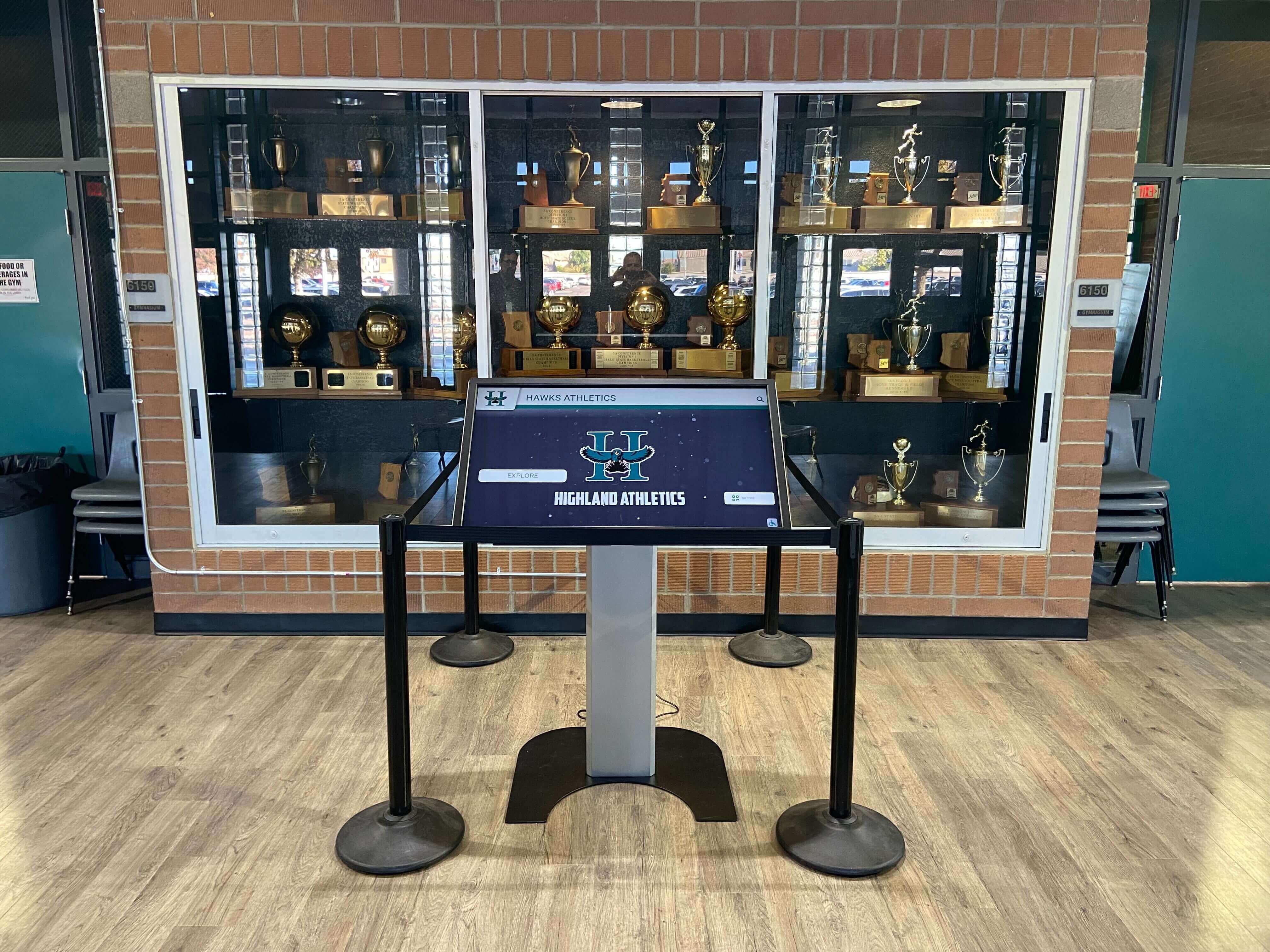
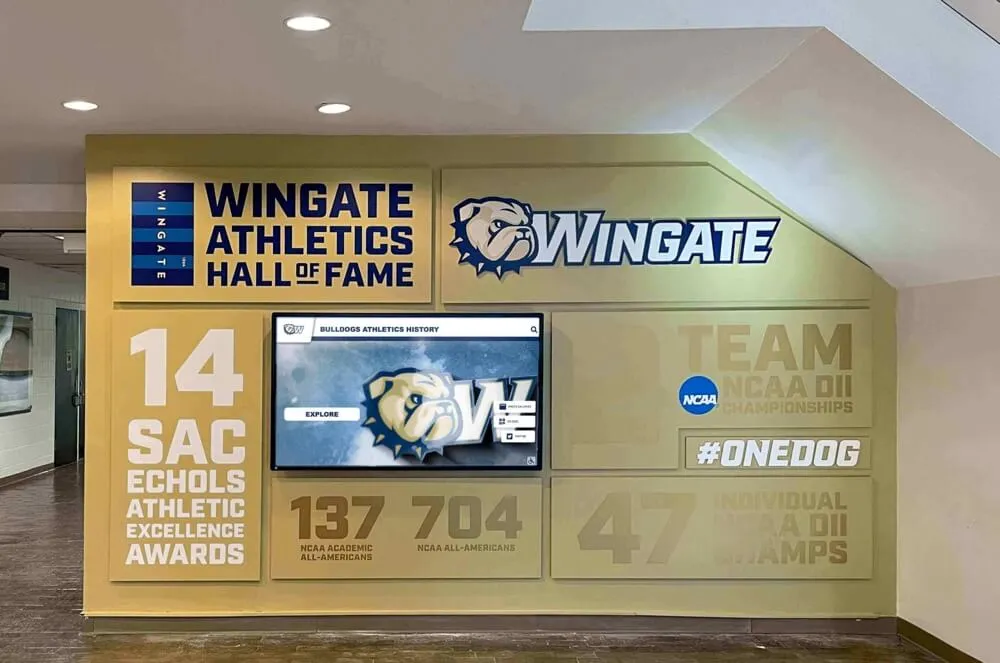
Digital systems can complement existing traditional displays, adding unlimited capacity without replacing architectural investments
Digital Donor Wall Costs
Technology platforms require initial investment and annual subscriptions but typically show lower total ownership costs:
Initial Implementation Costs
Hardware and Installation:
- Commercial-grade touchscreen display (43"-65"): $3,000-8,000
- Commercial computing system: $800-2,000 (some platforms include)
- Professional mounting and installation: $1,000-3,000
- Network connectivity setup: $500-2,000
- Hardware total: $5,300-15,000
Software and Content:
- Platform subscription (often includes first year): $2,000-8,000
- Content migration and initial profiles: $3,000-15,000
- Training and orientation: $500-2,000
- Design customization and branding: $1,000-5,000
- Software and content total: $6,500-30,000
Total initial investment: $12,000-45,000 depending on screen size, donor volume, and content development scope.
Annual Operating Costs
Digital platforms involve recurring expenses replacing traditional update costs:
- Software subscription and support: $2,000-8,000
- Content updates (if outsourced): $0-5,000 (many organizations self-manage)
- Network connectivity: $0-500 (usually existing infrastructure)
- Display warranty or replacement reserve: $300-800
- Annual operating total: $2,300-14,300
Most organizations find digital updates require minimal ongoing expense once initial content development completes, with new donor additions taking 10-15 minutes versus traditional 2-3 month update cycles.
Total Cost of Ownership Comparison
Evaluating 10-year costs reveals digital advantages for growing programs:
Traditional Bronze Wall (50 initial donors, adding 20 annually):
- Initial installation: $25,000
- Year 1-10 additions (200 donors): $60,000
- Annual maintenance: $10,000
- 10-year total: $95,000
- Final capacity: 250 donors
Digital Recognition System (unlimited capacity):
- Initial implementation: $25,000
- Annual subscription (10 years): $50,000
- Hardware replacement (Year 6): $8,000
- Content updates: $10,000
- 10-year total: $93,000
- Final capacity: Unlimited
Digital systems show 30-50% lower costs once donor additions exceed 30-40 annually, while providing vastly superior capacity, engagement, flexibility, and storytelling capabilities.
Organizations can explore digital wall mount display pricing to understand investment requirements for various scales and implementations.
Donor Wall Content: Creating Compelling Recognition
Recognition effectiveness depends substantially on content quality, accuracy, and storytelling:
Essential Information Elements
Effective donor profiles include:
Basic Donor Information:
- Full legal names with preferred formats (Dr., Mr., Mrs., family names, corporate names)
- Giving tier or recognition society membership
- Gift date or campaign year
- Gift purpose when publicly acknowledgeable
- Cumulative giving totals when appropriate
Enhanced Profile Content:
- Professional headshot or family photos
- Brief biographical information (education, career, community involvement)
- Personal statement explaining philanthropic motivations
- Family connections to organization across generations
- Areas of particular interest or program focus
Impact and Storytelling Elements:
- Specific outcomes donor contributions enabled
- Student, patient, or beneficiary testimonials
- Before/after facility comparisons
- Research achievements or program milestones
- Faculty or staff reflections on gift impact
Organizations implementing digital recognition can provide unlimited content depth, while traditional plaques restrict acknowledgment to 30-50 characters limiting information severely.
Data Accuracy and Verification
Recognition errors create embarrassing situations damaging donor relationships:
Verification Workflows
Establish processes preventing errors:
- Development database serves as authoritative source
- Advancement services reviews all donor information
- Family contact for name format preferences and biographical approval
- Legal review for corporate and foundation name accuracy
- Final proofing by multiple staff members before publication
- Donor preview period allowing review before dedication
Common Error Categories
Organizations must address:
- Name misspellings or incorrect formats
- Wrong giving levels or tier assignments
- Inaccurate gift dates or campaign years
- Outdated information after name changes
- Deceased donors listed without memorial notation
- Corporate name changes or mergers not reflected
Digital platforms enable immediate correction when errors surface, while traditional plaques require expensive replacement creating permanent records of mistakes visible for years during reordering delays.
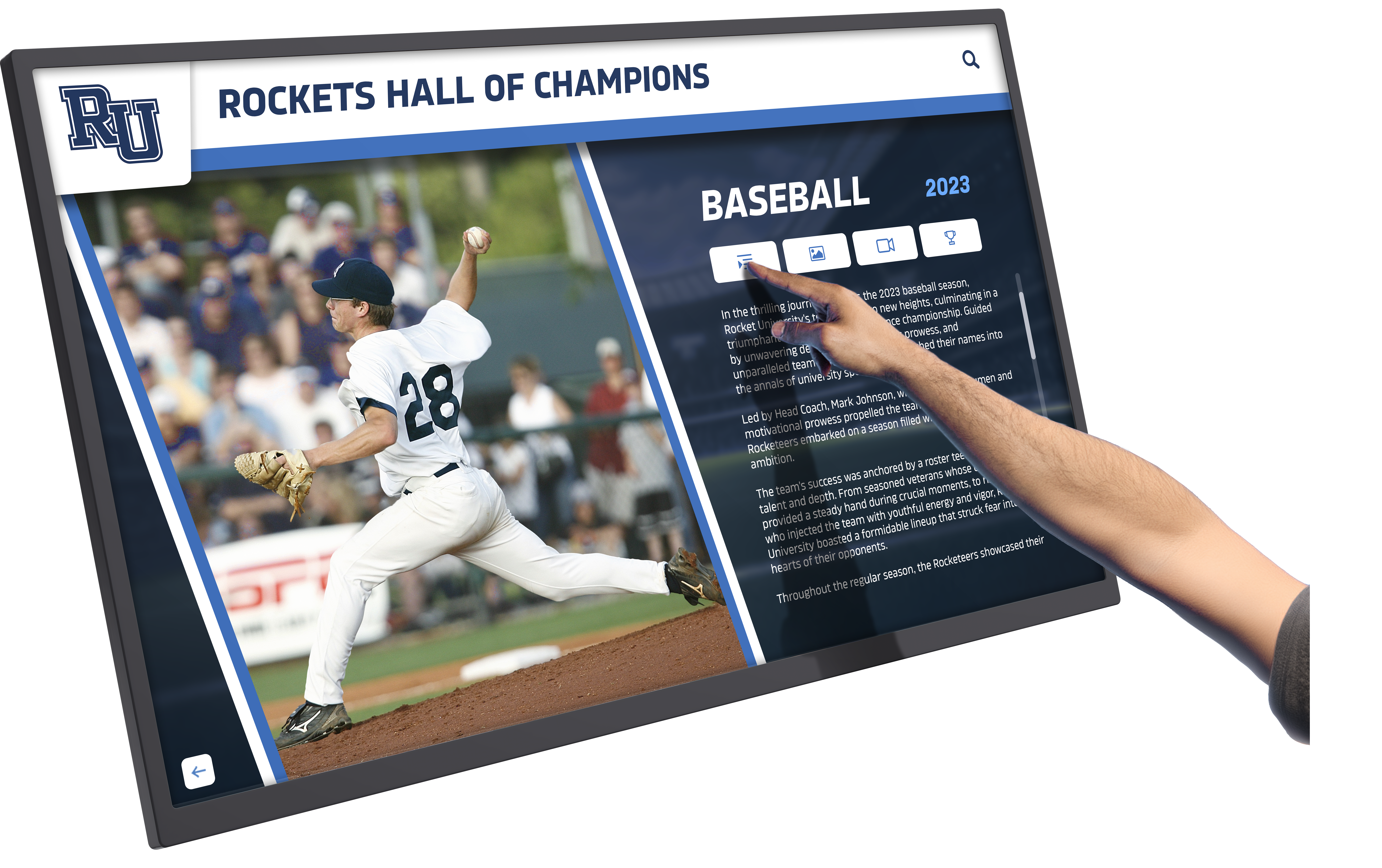
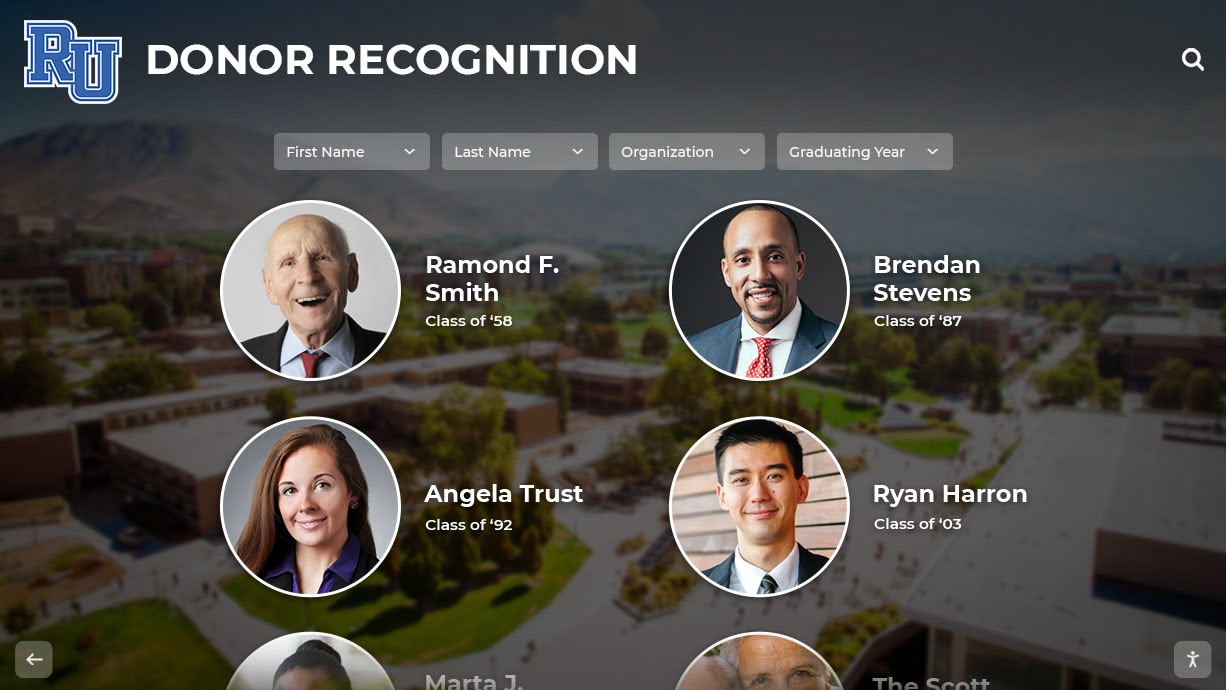
Detailed donor profiles with photos, biographies, and impact stories create emotional connections impossible with name-only plaques
Privacy and Confidentiality Management
Donors express varied preferences regarding recognition visibility:
Privacy Level Options
Recognition systems should accommodate:
- Full public recognition with names, amounts, and details
- Name-only recognition without gift amount disclosure
- Tier-level recognition acknowledging giving range without specific amounts
- Anonymous recognition showing “Anonymous Donor” at appropriate tier
- Complete privacy with no public acknowledgment
- Posthumous recognition after donor lifetime
Research indicates 15-20% of major donors prefer some form of restricted visibility, requiring flexible recognition systems respecting diverse preferences.
Digital Privacy Controls
Modern platforms enable sophisticated privacy management:
- Donors select visibility levels during gift acceptance
- Control what biographical information displays publicly
- Adjust preferences as comfort levels evolve
- Separate acknowledgment for different gift types (annual vs. planned giving)
- Family approval requirements for deceased donors
Traditional plaques offer limited privacy flexibility once engraved, while digital systems accommodate evolving donor preferences throughout relationships.
Installation and Implementation: Bringing Your Donor Wall to Life
Successful recognition requires systematic planning addressing design, technical requirements, and stakeholder engagement:
Traditional Wall Installation Process
Physical recognition involves construction-like project management:
Planning and Design Phase (3-6 months):
- Location selection and architectural assessment
- Budget establishment and funding approval
- Vendor selection through RFP or portfolio review
- Design concepts and mockup development
- Stakeholder review and approval cycles
- Material selection and cost finalization
- Production timeline establishment
Fabrication and Installation (2-4 months):
- Plaque or panel fabrication
- Architectural framing construction
- Site preparation and facilities coordination
- Installation scheduling around organizational activities
- Quality inspection and adjustment
- Final cleaning and preparation
- Dedication ceremony planning
Total traditional timeline: 6-12 months from planning initiation to dedication event.
Digital System Implementation
Technology platforms typically require shorter timelines with simpler processes:
Planning Phase (1-2 months):
- Needs assessment and requirement definition
- Platform selection and vendor partnership
- Hardware specifications and procurement
- Location preparation including power and network
- Content strategy and profile template development
- Brand customization and interface design
Installation and Launch (1-2 months):
- Hardware delivery and installation
- Network connectivity configuration
- Platform setup and customization
- Content migration and profile development
- Staff training on content management
- User testing with diverse stakeholders
- Public launch and communication
Total digital timeline: 2-4 months from planning to launch, with immediate scalability as donor programs grow.
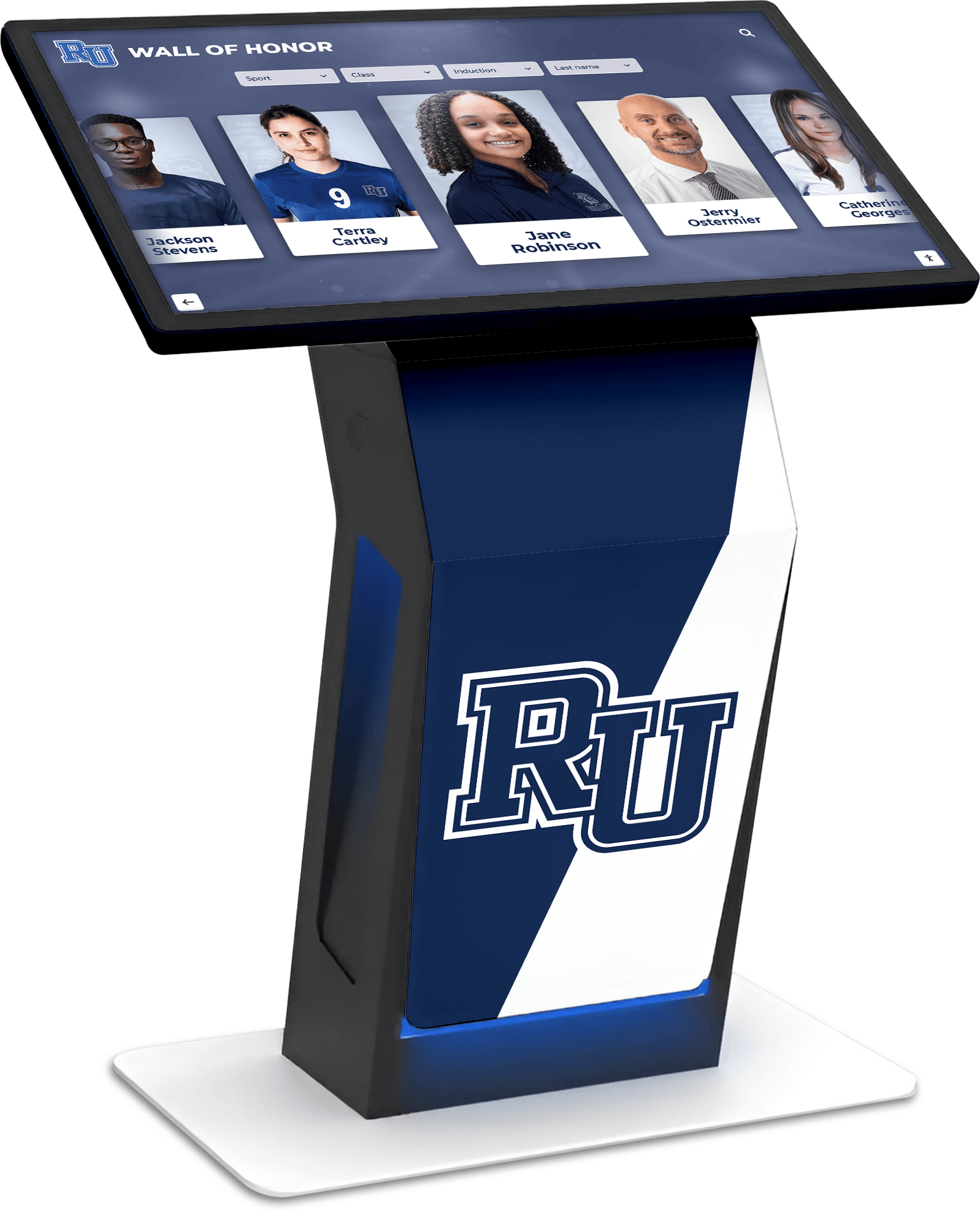
Professional installation ensures donor recognition systems integrate seamlessly with architectural environments while maintaining accessible presentation
Launch and Promotion Strategy
Recognition investment requires visibility ensuring stakeholder awareness:
Dedication Event Planning
Launch celebrations create cultivation opportunities:
- Invitation of recognized donors, prospects, and leadership
- Program featuring donor testimonials and impact stories
- Media coverage in local and trade publications
- Photography and videography documenting event
- Social media promotion extending reach
- Printed materials explaining recognition approach
Ongoing Awareness Campaigns
Sustained promotion maximizes recognition value:
- Email campaigns to all donors announcing recognition
- Website feature with virtual tour or screenshots
- Social media series highlighting featured donors monthly
- Facility tour integration ensuring visitor exposure
- Event utilization during galas and cultivation gatherings
- Annual updates celebrating newly recognized donors
Organizations implementing gala fundraiser recognition strategies find that donor walls provide excellent conversation starters during cultivation events and facility tours.
Maintenance and Updates: Sustaining Recognition Quality
Long-term recognition success requires ongoing stewardship ensuring content remains current and displays maintain professional appearance:
Traditional Wall Maintenance
Physical installations involve periodic upkeep:
Routine Maintenance:
- Annual cleaning removing dust and environmental buildup
- Lighting inspection and bulb replacement
- Mounting hardware inspection ensuring secure attachment
- Surface treatment for bronze preventing excessive oxidation
- Glass or acrylic cleaning maintaining clarity
- Architectural element inspection for damage or wear
Update Management:
- New donor plaque ordering (2-3 month lead time typical)
- Layout redesign as space fills
- Installation coordination requiring facilities scheduling
- Communication management explaining timeline to waiting donors
- Quality control inspection ensuring consistency
Many organizations report that traditional update delays frustrate donors who expect timely recognition, with 4-6 month gaps between gift closure and recognition becoming common.
Digital System Maintenance
Technology platforms involve different maintenance requirements:
Software and Content Updates:
- New donor profile creation (typically 10-15 minutes per donor)
- Biographical information updates as relationships evolve
- Photo and video content additions enhancing profiles
- Impact story development connecting gifts to outcomes
- Featured donor rotation ensuring regular visibility
- Privacy preference adjustments accommodating donor requests
Hardware Maintenance:
- Display cleaning maintaining touchscreen responsiveness
- Software updates managed by platform provider
- Network connectivity monitoring
- Hardware warranty management
- Replacement planning (displays typically last 5-10 years)
Digital platforms enable same-day recognition updates, with many organizations adding donors within 24-48 hours of gift closure rather than waiting months for plaque production.

Regular content updates and professional maintenance ensure donor recognition remains current, accurate, and engaging for years
Measuring Donor Wall Effectiveness
Systematic evaluation ensures recognition investments achieve intended fundraising and stewardship outcomes:
Quantitative Performance Metrics
Development offices should track measurable indicators:
Retention and Giving Metrics:
- Donor retention rates comparing recognized vs. non-recognized donors
- Giving frequency changes after recognition implementation
- Average gift size progression following recognition
- Upgrade conversion rates among recognized donors
- Planned giving inquiry rates correlating with recognition visibility
Engagement Indicators:
- Visitor interaction frequency and duration (digital systems)
- Social media mentions and photo sharing
- Facility tour utilization of donor recognition
- Recognition awareness in donor surveys
- Prospect response during cultivation tours
Digital Analytics (technology platforms):
- Profile view counts identifying most-engaged donors
- Search query patterns revealing visitor interests
- Average session duration indicating engagement depth
- QR code scans measuring mobile extension
- Peak usage times informing content strategy
Organizations implementing digital donor recognition report visitor engagement times of 4-8 minutes compared to 15-30 seconds for traditional plaque walls, representing 15-30x higher engagement.
Qualitative Feedback Assessment
Donor satisfaction provides essential context beyond metrics:
Feedback Collection Methods:
- Donor surveys assessing recognition awareness and satisfaction
- Focus groups exploring recognition preferences and effectiveness
- Exit interviews with departed donors revealing shortcomings
- Prospect feedback during cultivation conversations
- Staff input regarding recognition utility in fundraising activities
- Board member perspectives on institutional stewardship
Success Indicators:
- Donors voluntarily sharing recognition with personal networks
- Unsolicited positive feedback about recognition quality
- Prospects mentioning recognition during gift conversations
- Family members expressing gratitude for honoring loved ones
- Community recognition of institutional commitment to donors
Regular qualitative assessment identifies improvements quantitative data misses while surfacing specific concerns requiring attention.
Donor Wall Best Practices: Proven Strategies for Success
Leading organizations follow established principles maximizing recognition effectiveness:
Design and Presentation Excellence
Professional Quality Standards:
- Materials and finishes reflecting institutional brand standards
- Typography ensuring readability at typical viewing distances
- Color schemes complementing architectural environments
- Lighting providing appropriate visibility without glare
- Scale proportionate to space and viewing patterns
Accessibility Requirements:
- ADA compliance ensuring universal access
- Viewing height accommodating wheelchair users
- Text sizing meeting minimum readability standards
- High contrast for visitors with visual impairments
- Multiple language support for diverse communities
Organizations should treat donor recognition as institutional priority deserving the same design attention as academic, clinical, or programmatic spaces.
Content Strategy and Storytelling
Compelling Narrative Development:
- Impact focus connecting giving to tangible outcomes
- Beneficiary testimonials demonstrating transformation
- Historical context showing organizational evolution
- Donor motivations explaining philanthropic journeys
- Family legacies celebrating multi-generational support
Regular Content Refresh:
- Featured donor rotation ensuring everyone receives visibility
- Seasonal updates maintaining fresh relevant content
- Campaign milestone celebrations
- New program highlights showing gift utilization
- Anniversary recognition honoring long-term relationships
Digital platforms excel at content rotation, enabling weekly or monthly featured donor changes impossible with static traditional displays.
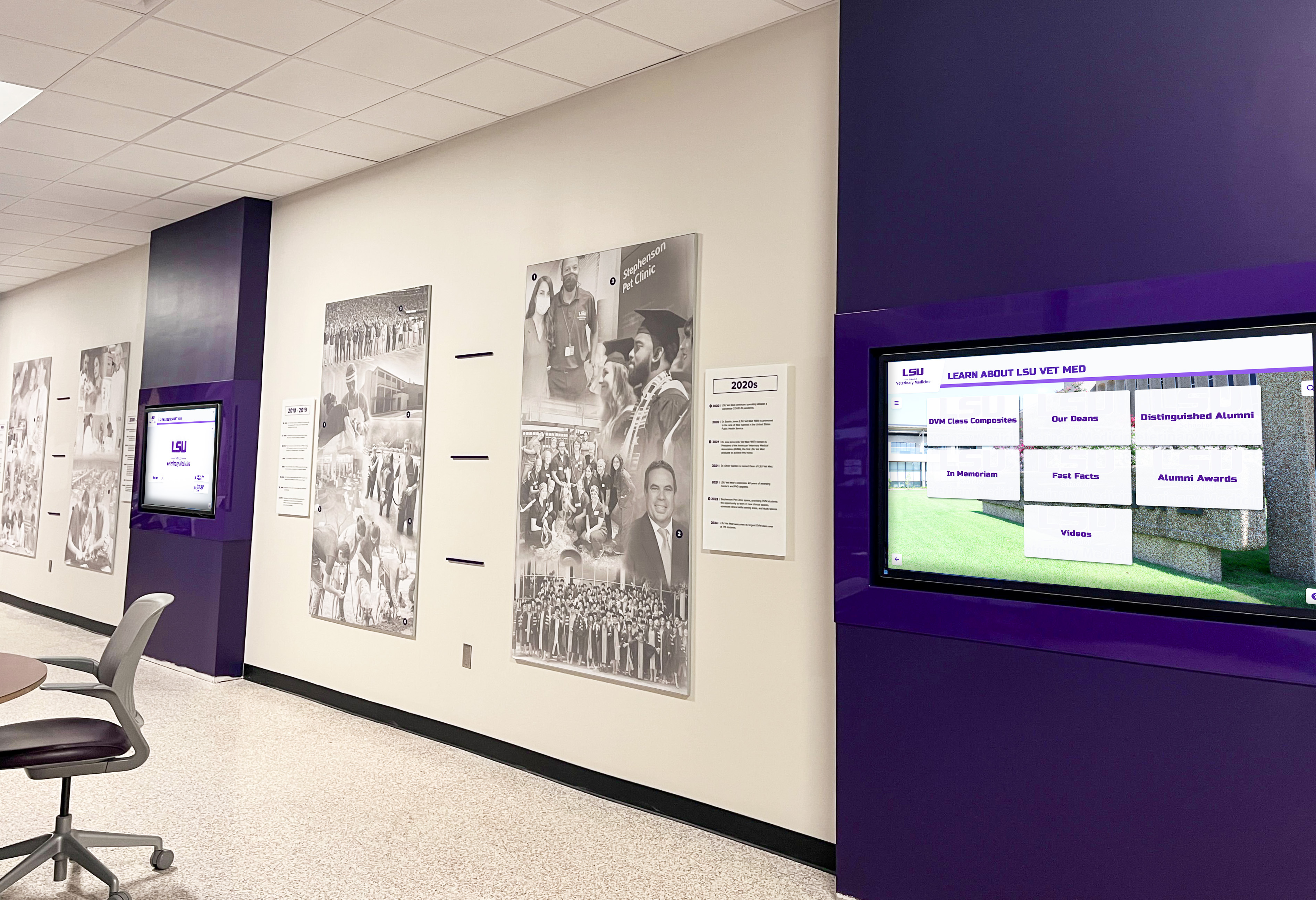
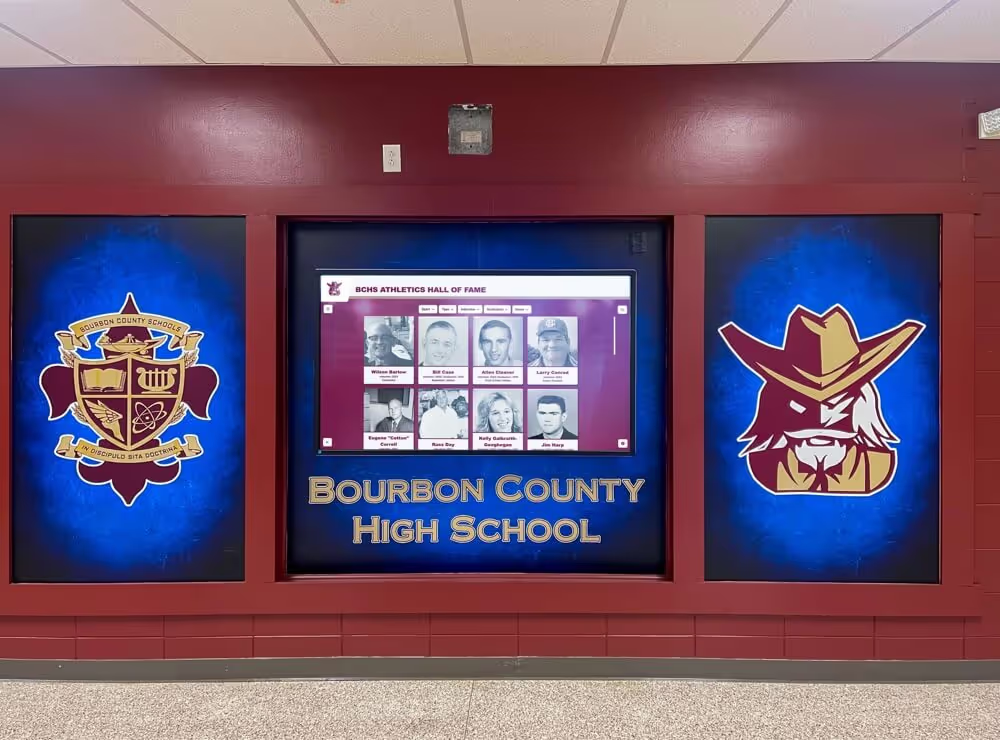
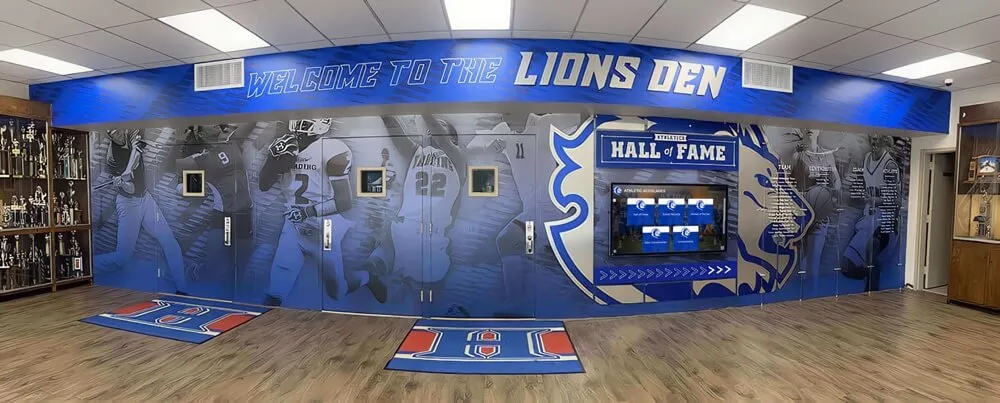
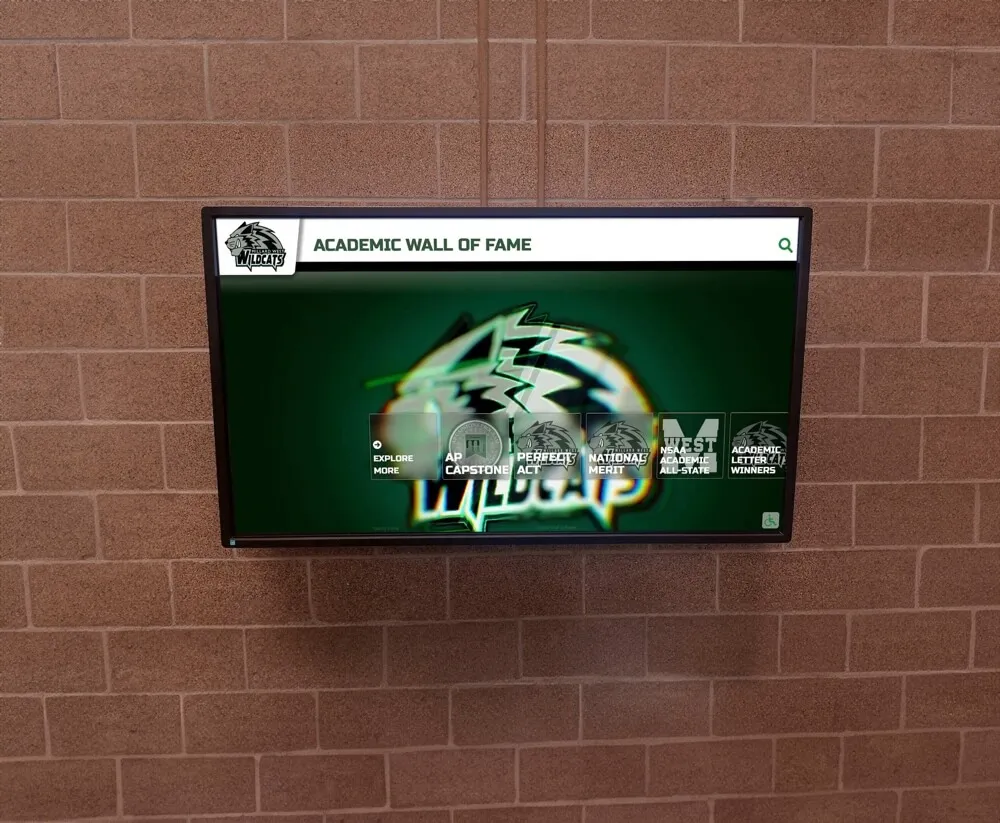
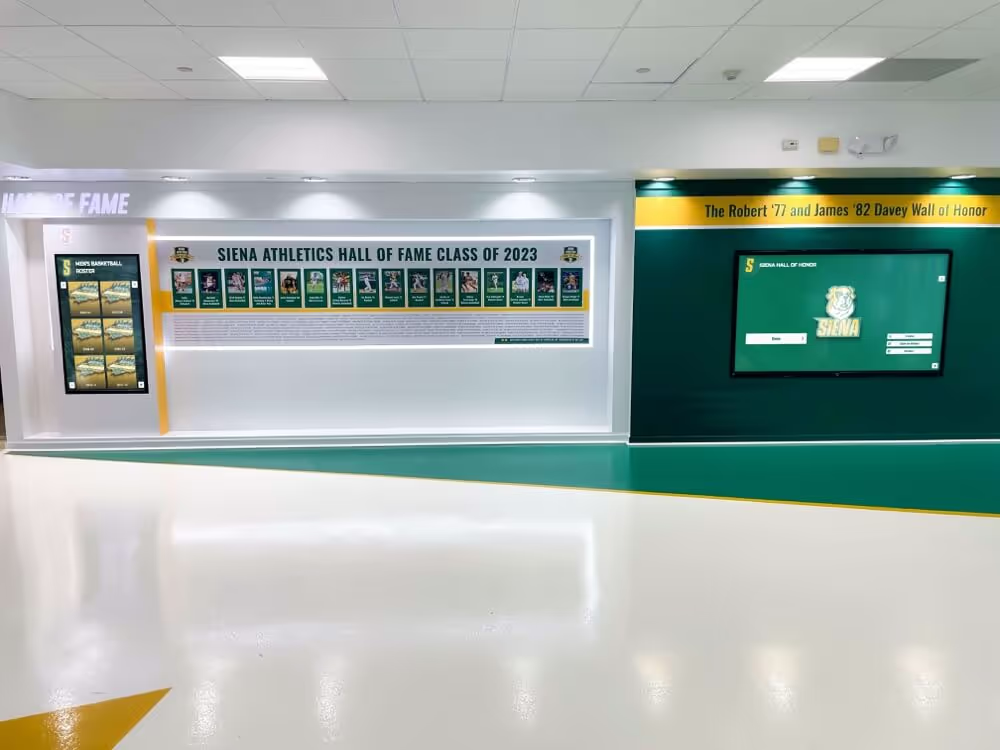
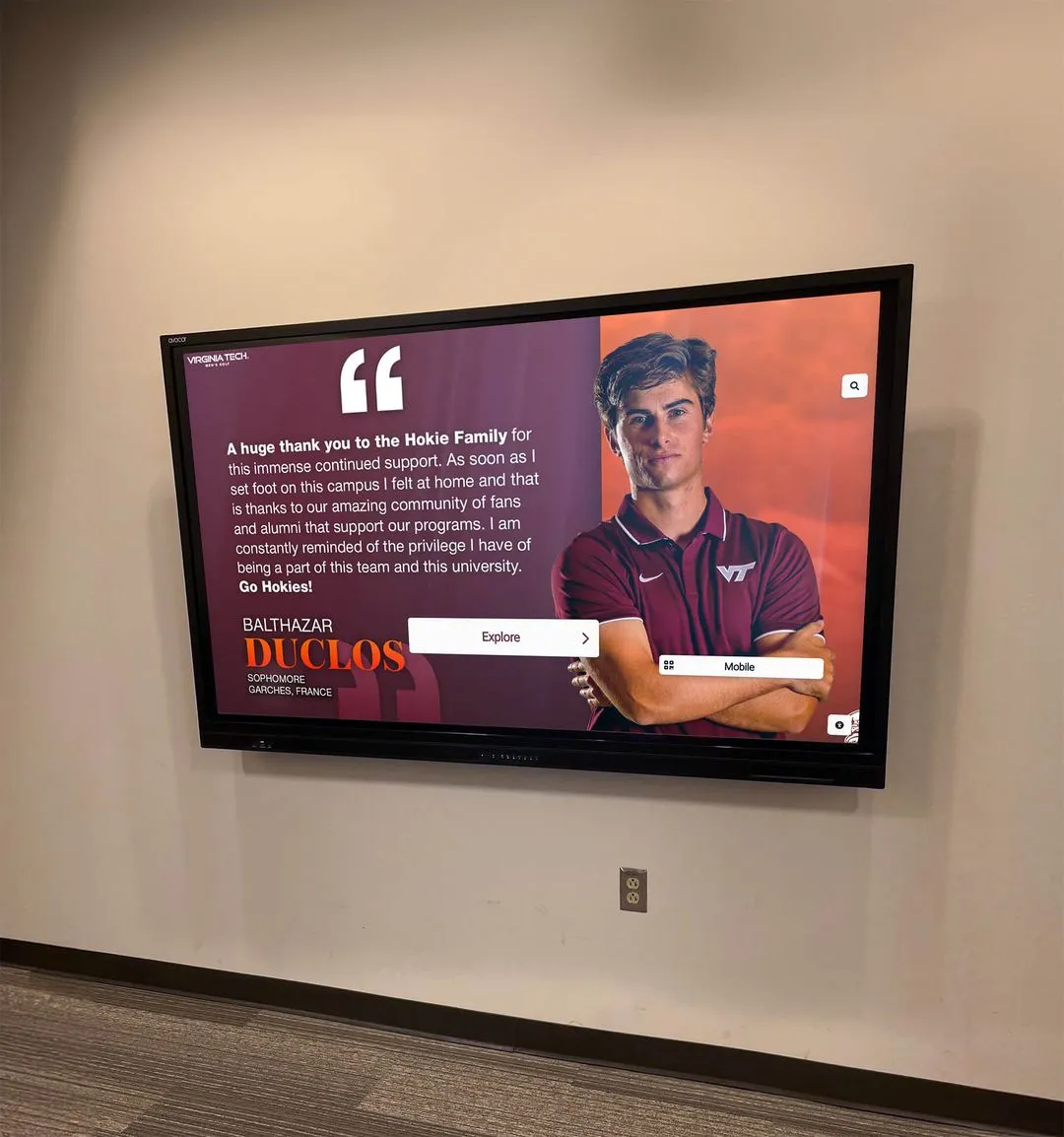
Multiple digital displays enable comprehensive storytelling showcasing diverse donor contributions, impact areas, and organizational programs
Stewardship Integration
Recognition as Cultivation Tool:
- Strategic tour routes incorporating donor wall visits
- Prospect visualization of future recognition
- Peer giving pattern demonstration
- Impact story reinforcement during cultivation
- Donor testimonial opportunities
Relationship Building Applications:
- Recognition updates prompting donor communication
- Anniversary acknowledgment celebrating milestones
- Family engagement showing generational legacy
- Event integration during fundraising gatherings
- Social sharing extending visibility beyond campus
Organizations implementing capital campaign donor recognition find that thoughtful acknowledgment drives 20-35% higher retention and upgrade rates compared to minimal recognition approaches.
Future of Donor Recognition: Emerging Trends for 2026 and Beyond
Recognition continues evolving as technology advances and donor expectations shift:
Technology Innovation
Artificial Intelligence Applications:
- Personalized recognition recommendations based on donor histories
- Automated impact story generation from structured program data
- Predictive analytics identifying donors valuing enhanced recognition
- Natural language search understanding conversational queries
- Content optimization improving engagement effectiveness
Mobile-First Recognition:
- Smartphone apps providing anytime donor wall access
- QR code integration extending physical displays to mobile
- Social sharing features amplifying recognition visibility
- Push notifications celebrating new donor additions
- Remote recognition for geographically dispersed stakeholders
Changing Donor Expectations
Impact-Focused Acknowledgment: Younger donors increasingly prefer:
- Recognition emphasizing gift outcomes over donor celebration
- Storytelling demonstrating measurable impact
- Beneficiary-centered narratives
- Transparency about fund utilization
- Mission achievement over individual acknowledgment
Immediate and Interactive Recognition: Modern philanthropists expect:
- Near-real-time acknowledgment rather than multi-month delays
- Digital-first recognition accessible via devices
- Social sharing capabilities
- Two-way engagement opportunities
- Ongoing relationship rather than one-time acknowledgment
Organizations planning donor walls in 2026 must balance traditional stewardship preferences from older generations with evolving expectations from younger supporters, creating flexible systems accommodating diverse recognition needs.
Conclusion: Creating Donor Recognition That Inspires Continued Giving
Donor walls represent strategic investments in relationships that generate sustained returns through improved retention, increased giving, and expanded philanthropic networks. Organizations implementing thoughtful recognition approaches create environments where generosity receives visibility equal to its importance in fulfilling institutional missions.
Traditional approaches including bronze plaques, glass installations, and architectural integration offer timeless elegance and perceived permanence but impose significant space limitations, expensive update requirements, and minimal engagement capabilities. These constraints force difficult decisions about recognition capacity while creating substantial ongoing costs as donor programs grow.
Modern digital recognition platforms like Rocket Alumni Solutions overcome fundamental physical limitations through unlimited capacity displays, rich multimedia storytelling, simplified remote content management, and accessible mobile experiences extending recognition beyond physical locations. Organizations implementing digital approaches report dramatically higher stakeholder engagement, reduced administrative burden, greater long-term cost efficiency, and superior flexibility accommodating evolving recognition needs.
Transform Your Donor Recognition Strategy
Discover how digital recognition displays enable unlimited donor acknowledgment, compelling impact storytelling, and simplified administration while creating engaging experiences that strengthen relationships and inspire continued giving. See how leading nonprofits, schools, hospitals, and cultural institutions are modernizing donor recognition for growing philanthropic programs.
Book A DemoThe comprehensive donor wall strategies explored in this 2026 guide provide development professionals with proven frameworks for creating recognition serving diverse organizational needs, budget constraints, and stakeholder preferences. From understanding recognition psychology to evaluating traditional versus digital approaches, planning effective installations, and measuring long-term impact, these best practices enable informed decisions advancing donor stewardship objectives.
Recognition investment pays lasting dividends by demonstrating organizational gratitude, creating peer influence motivating expanded giving, providing cultivation tools for prospect engagement, and building proud communities around shared philanthropic values. Organizations excelling at recognition create environments where generosity receives celebration reflecting its transformational impact on institutional missions.
Start by honestly assessing current recognition approaches, identifying limitations and missed opportunities. Engage stakeholders gathering input about recognition priorities and preferences. Evaluate options balancing traditional dignity with modern innovation. Consider how unlimited digital capacity might transform recognition possibilities for growing donor programs. Then implement systematically with attention to content quality, accessibility, stakeholder communication, and ongoing refinement based on feedback and engagement metrics.
Your donors’ generosity deserves recognition reflecting the transformational impact their contributions create. With thoughtful planning, appropriate technology, professional implementation, and consistent stewardship, you can create donor walls that honor every contribution while inspiring the continued philanthropy your organization needs to fulfill its mission for generations to come.
Ready to create donor recognition that truly inspires? Explore how Rocket Alumni Solutions helps organizations nationwide design compelling recognition displays that strengthen donor relationships, simplify administration, and eliminate the space constraints limiting traditional approaches.