



Donor retention research reveals a striking pattern: organizations that send thoughtful, personalized thank you letters within 48 hours of receiving gifts retain donors at rates 3-5 times higher than those that send generic acknowledgments weeks later. Yet despite this clear evidence, many nonprofits and schools struggle with donor acknowledgment—sending templated receipts that feel transactional rather than letters expressing genuine gratitude that strengthen relationships.
The difference between a forgettable receipt and a memorable thank you letter often determines whether donors give again. First-time donors who receive meaningful acknowledgment demonstrate 65% higher likelihood of making second gifts compared to those receiving minimal recognition. For schools and nonprofits operating on tight budgets where donor retention directly impacts mission sustainability, effective thank you letters represent one of the highest-return investments you can make.
This comprehensive guide provides donor thank you letter templates, real-world examples, and strategic approaches that transform routine acknowledgments into relationship-building opportunities. Whether you’re acknowledging a first-time $50 gift or stewarding a major capital campaign donor, these proven frameworks help you express authentic appreciation while encouraging continued partnership.
Why Donor Thank You Letters Matter More Than You Think
The thank you letter serves as the first touchpoint after a gift—the moment when donors form lasting impressions about your organization’s professionalism, gratitude, and stewardship capacity. Research from the Association of Fundraising Professionals consistently shows that donor attrition costs nonprofits billions annually, with the average nonprofit losing 40-60% of first-time donors before they give a second gift.
Proper acknowledgment addresses this retention crisis directly. When donors receive prompt, personalized thank you letters that articulate specific impact their gifts enable, they feel valued as partners rather than treated as transactions. This emotional connection drives retention, increases lifetime giving, and generates referrals to other potential supporters.
Beyond retention metrics, thank you letters fulfill legal and ethical obligations. The IRS requires written acknowledgment for donations exceeding $250, making these letters legally necessary documents. More importantly, thoughtful acknowledgment demonstrates the respect and appreciation that forms the ethical foundation of philanthropic relationships.
Schools face particular opportunities with donor acknowledgment. Alumni who receive meaningful recognition for gifts—whether through thank you letters, digital donor recognition displays, or public celebration—develop stronger institutional connections that extend beyond financial support to mentorship programs, career networking, and advocacy.
Essential Elements of Effective Donor Thank You Letters
Before diving into templates, understanding the core components that make thank you letters effective ensures your acknowledgments resonate regardless of gift size or donor type.
Personalization Beyond First Name
Generic “Dear [First Name]” salutations represent the bare minimum. Effective personalization references specific details demonstrating you know this donor: their giving history, attendance at events, volunteer contributions, family connections, or previous interactions with your mission.
For schools, mention graduation years, student connections, athletic affiliations, or academic departments donors care about. For nonprofits, reference programs donors previously supported, volunteer roles they’ve filled, or specific concerns they’ve expressed.
Prompt Delivery Timing
Send thank you letters within 24-48 hours of receiving gifts when possible, certainly within one week. Prompt acknowledgment signals that you value donors’ time and investment. Late thank you letters—arriving weeks or months after gifts—communicate that donor appreciation is a low priority.
Consider the operational systems needed to achieve quick turnaround. Development directors handling acknowledgments alone create bottlenecks. Establish processes allowing multiple staff members to draft, approve, and send letters quickly.
Specific Impact Articulation
Vague statements like “your gift makes a difference” fail to help donors understand what their specific contribution accomplishes. Instead, connect gift amounts to concrete outcomes: “Your $500 gift provides textbooks for 15 students” or “Your $1,000 contribution funds three weeks of after-school tutoring.”
When exact dollar-to-impact calculations aren’t possible, describe program-level outcomes: “Gifts like yours enable our scholarship program to support 45 first-generation college students this year, removing financial barriers that might otherwise prevent them from pursuing degrees.”
Authentic Gratitude Without Solicitation
Thank you letters should express pure gratitude without mixing in additional asks. Donors who receive acknowledgments that immediately request more money feel manipulated rather than appreciated. Save solicitation for separate communications—your thank you letter’s sole purpose is gratitude expression.
This doesn’t mean you can’t plant seeds for future engagement. Mentioning upcoming events donors might enjoy or expressing hope to see them at future gatherings feels natural. But avoid explicit asks for additional donations, volunteer commitments, or major time investments.
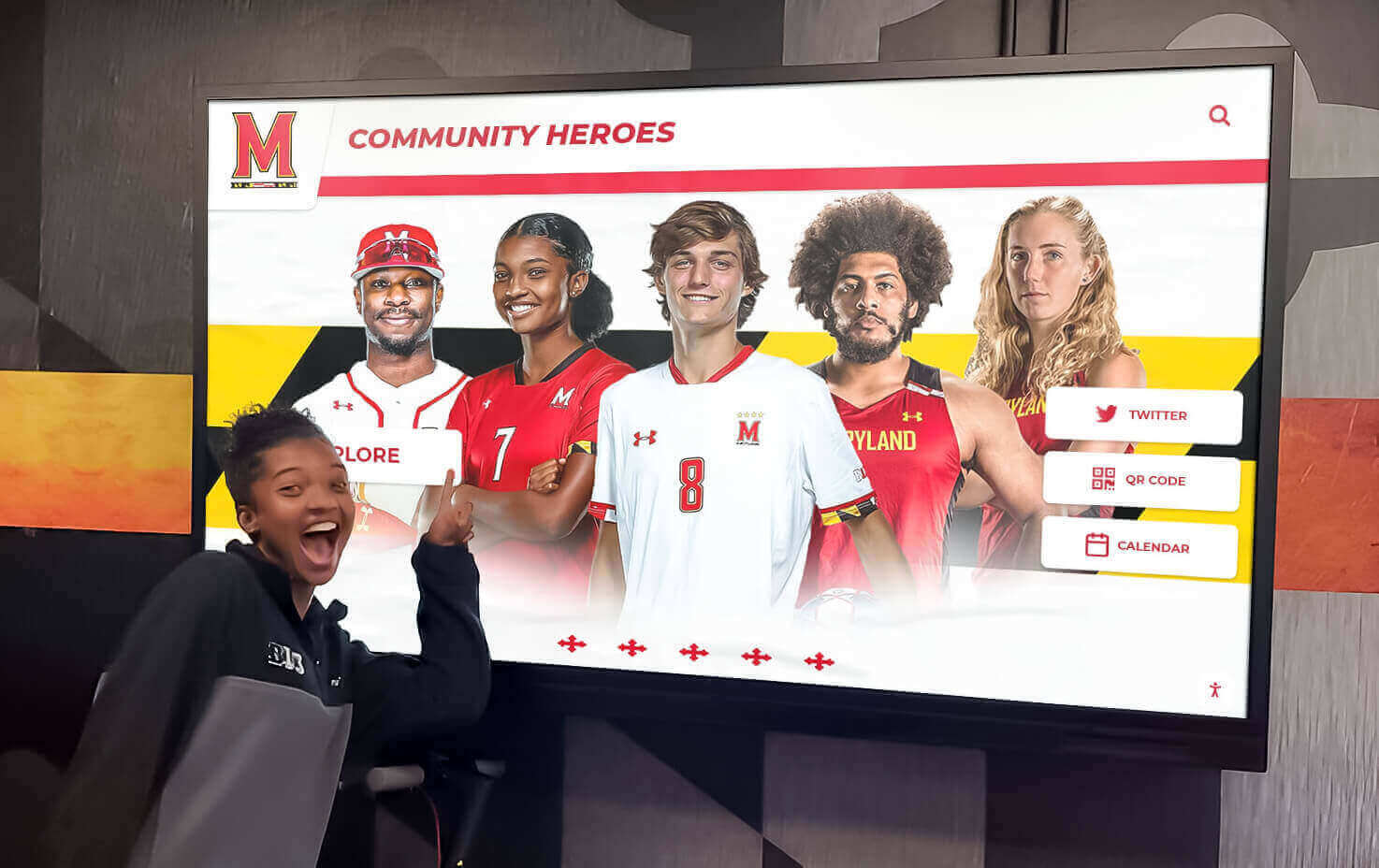
Many organizations integrate thank you letters with broader recognition strategies. Schools using interactive recognition displays alongside written acknowledgments create multi-channel stewardship that reinforces appreciation through both personal letters and public celebration.
Donor Thank You Letter Templates for Different Scenarios
Different donor types and gift contexts require tailored acknowledgment approaches. These templates provide frameworks you can customize to match your organization’s voice and specific situations.
Template 1: First-Time Donor Thank You Letter
Subject: Welcome to [Organization Name] - Thank You for Your First Gift
Dear [First Name],
Thank you for making your first gift to [Organization Name]! Your $[amount] donation marks the beginning of what we hope will be a lasting partnership, and we’re honored you’ve chosen to support [specific mission or program].
Your contribution joins a community of [number] supporters who believe in [mission statement or key value]. Together, we’re [specific outcome or impact statement relevant to the donor’s gift].
[Personal paragraph connecting donor to mission - reference how they discovered you, what they attended, who referred them, or what aspect of your work resonates with their interests]
In the coming weeks, you’ll receive [newsletter/email updates/annual report] keeping you informed about the progress your gift enables. We look forward to sharing the difference you’re making.
With deep appreciation,
[Name] [Title] [Organization Name]
P.S. [Optional: brief personal note, upcoming event invitation, or additional context]
IRS Required Language (for gifts $250+): Thank you for your charitable contribution of $[amount] to [Legal Organization Name, EIN]. No goods or services were provided in exchange for this contribution. Please retain this letter for your tax records.
Template 2: Recurring Donor Appreciation Letter
Subject: Thank You for Your Continued Partnership
Dear [First Name],
Your monthly gift of $[amount] represents more than financial support—it demonstrates sustained commitment to [mission/program]. As we close [time period], I wanted to express personal gratitude for the reliability you provide our organization.
Since you began giving in [month/year], your cumulative support totals $[amount], directly enabling [specific program outcomes or number of people served]. This consistent partnership allows us to plan confidently, knowing supporters like you stand with us month after month.
[Specific story or outcome their recurring gifts helped achieve]
Recurring donors like you form the foundation of our work. While one-time gifts help us respond to immediate needs, your sustained support enables the long-term planning and program stability that creates lasting change.
Thank you for being the kind of partner nonprofits dream about—reliable, committed, and invested in our shared mission.
With gratitude,
[Name] [Title]
Template 3: Major Gift Thank You Letter (Personalized)
Subject: Thank You for Your Extraordinary $[Amount] Gift
Dear [First Name],
Your $[amount] gift to [Organization/Campaign Name] represents one of the most significant contributions we’ve received this year, and I wanted to reach out personally to express profound gratitude for your extraordinary generosity.
[Personal opening paragraph referencing previous conversations, explaining why this donor gave, acknowledging their values/interests, or connecting to their personal story]
Your leadership gift will [specific, detailed impact statement explaining exactly what this amount funds]. Beyond the direct program impact, major gifts like yours inspire other supporters and demonstrate community belief in our mission during critical times.
[Second personal paragraph - could reference tour you gave them, meeting they attended, connection they have to cause, or future engagement opportunities]
I would welcome the opportunity to meet in person to discuss the impact your gift creates and share updates as [project/program] progresses. [Assistant/Coordinator Name] will reach out to schedule a time that works with your calendar.
Thank you again for this transformational gift and for the confidence it represents in our work.
With deepest appreciation,
[Executive Director/President Name] [Title]
P.S. [Handwritten note on printed letter]
Template 4: School Alumni Donor Thank You Letter
Subject: [School Name] Gratitude - Class of [Year]
Dear [First Name],
On behalf of the students, faculty, and staff at [School Name], thank you for your $[amount] gift to [specific fund/scholarship/program]. Your support as a proud member of the Class of [Year] demonstrates the lasting impact [School Name] makes on those who walk these halls.
[Personal reference to their time at school - sports they played, activities they participated in, teachers they might remember, or changes since they graduated]
Your gift directly supports [specific outcome - number of students receiving scholarships, athletic program improvements, facility upgrades, academic program funding]. Current students benefit from the same opportunities that shaped your experience thanks to alumni like you who give back.
Many alumni donors appreciate ongoing recognition of their support. Schools like ours increasingly use digital recognition displays in main lobbies to celebrate contributions from graduates across all class years, creating lasting tributes to those who sustain our mission.
We hope to see you at [upcoming event - homecoming, reunion, athletic event]. Until then, know that your generosity shapes the future for students following in your footsteps.
With Eagle Pride, [customize mascot]
[Name] [Title - Director of Development/Alumni Relations]
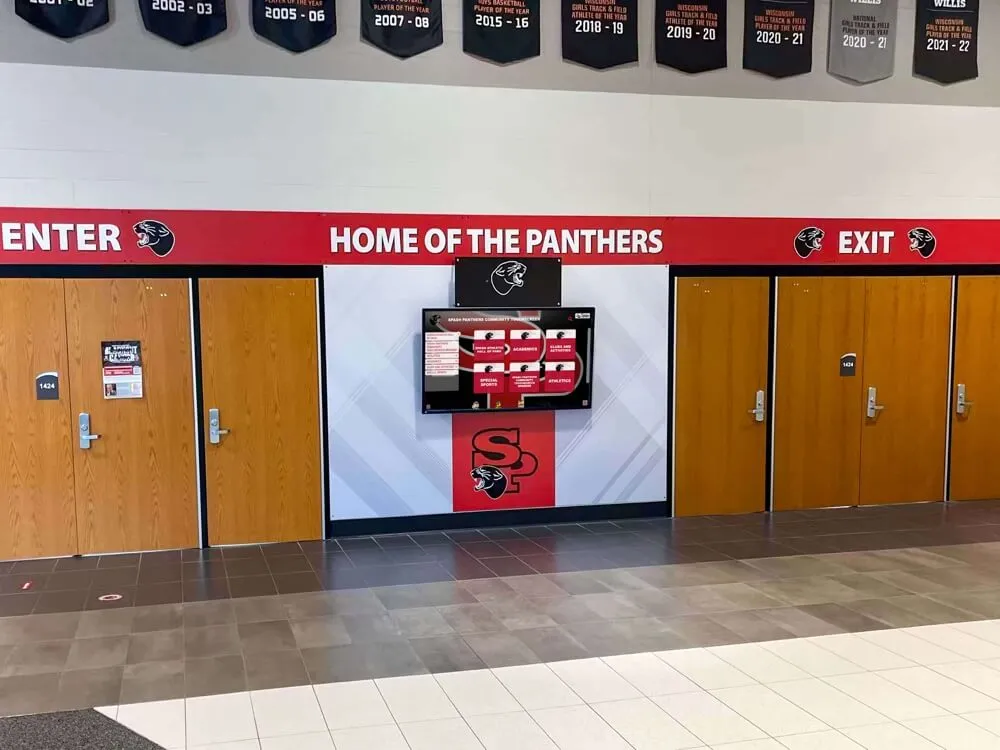
Schools often combine thank you letters with other recognition strategies. Many development offices integrate written acknowledgments with opportunities for donors to be featured in digital alumni recognition programs that celebrate both philanthropic support and career achievements.
Template 5: In-Kind Donation Thank You Letter
Subject: Thank You for Your In-Kind Contribution
Dear [First Name],
Thank you for your generous in-kind donation of [specific items/services] to [Organization Name]. Your contribution of [description] valued at approximately $[amount if applicable] directly supports [program/event/initiative].
[Specific explanation of how items will be used or how services benefit the organization]
While in-kind donations may not receive the same attention as monetary gifts, they’re equally valuable to our mission. [Items/services] you provided [solve specific problem, reduce operational costs, enable program expansion, etc.].
[Personal connection or context about why donor chose to give this specific in-kind gift]
Thank you again for thinking of [Organization Name] and for contributing resources that make real difference in [mission area].
With appreciation,
[Name] [Title]
IRS Required Language: Thank you for your in-kind contribution to [Legal Organization Name, EIN]. [If no goods/services provided in exchange]: No goods or services were provided in exchange for this contribution. [If goods/services were provided]: The estimated fair market value of goods/services provided in exchange for your contribution is $[amount]. Please consult your tax advisor regarding deductibility.
Template 6: Memorial or Tribute Gift Thank You Letter
Subject: In Memory of [Deceased Name] - Thank You
Dear [First Name],
Thank you for your thoughtful gift of $[amount] in memory of [deceased name]. During difficult times, generosity like yours brings comfort and creates meaningful legacy.
Your memorial contribution to [specific program/fund] honors [deceased name]’s [connection to organization - values, interests, involvement, or impact]. We will [how organization honors memorial gifts - send acknowledgment to family, plant tree, add name to memorial list, etc.].
[If appropriate: personal note about deceased’s connection to organization, or general statement about memorial gifts creating lasting impact]
Please know that we’ve sent acknowledgment to [family member name and address] informing them of your thoughtful memorial gift without disclosing the amount.
With sympathy and gratitude,
[Name] [Title]
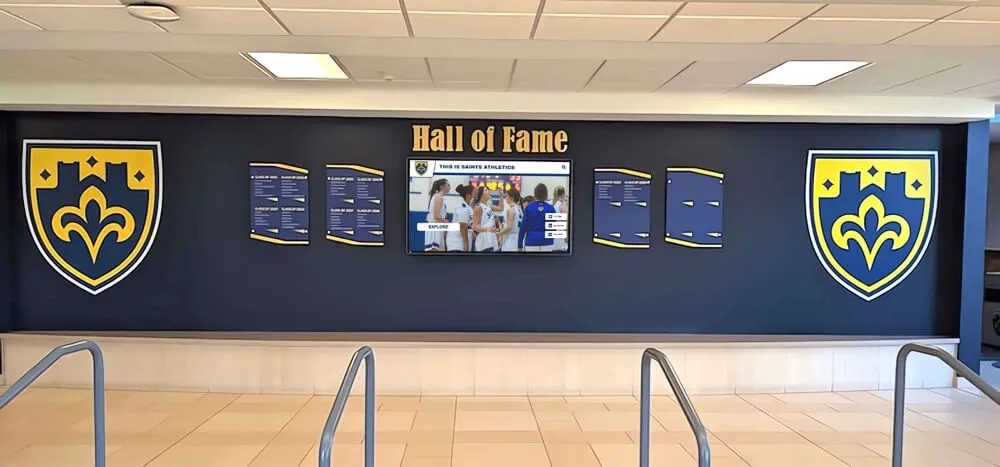
Memorial and tribute gifts create unique opportunities for lasting recognition. Some organizations feature memorial contributors on special recognition displays alongside general donor recognition, creating permanent tributes that honor both the deceased and those who give in their memory.
Best Practices for Writing Compelling Thank You Letters
Beyond following templates, incorporating specific writing strategies elevates acknowledgments from adequate to exceptional.
Use Storytelling to Illustrate Impact
Rather than stating “your gift helps students,” tell the story of one specific student whose life changed because of donor support. Narrative creates emotional connection that statistics alone cannot achieve.
Example: “Maria, a first-generation college student from our mentorship program, recently shared that scholarship support allowed her to accept an unpaid research internship that launched her career in biomedical engineering. Gifts like yours make these life-changing opportunities possible for students who might otherwise need to work full-time rather than pursue their passions.”
Vary Letter Formats for Different Donor Segments
Not all thank you letters should follow identical formats. Consider these variations:
- Video thank you letters for major donors, featuring program beneficiaries or executive director
- Handwritten notes for gifts under $100, especially from first-time donors
- Phone calls supplementing written letters for donors giving above certain thresholds
- Student-written letters for scholarship donors, creating direct connections
- Photo thank you cards featuring program participants or completed projects
Address Donor Motivations
Different donors give for different reasons. Segment your acknowledgment language to speak to varied motivations:
- Values-driven donors: Emphasize mission alignment and shared values
- Impact-focused donors: Provide specific metrics and outcomes
- Community-connected donors: Highlight relationships and collective effort
- Legacy-minded donors: Discuss long-term impact and institutional history
- Recognition-seeking donors: Reference public acknowledgment opportunities
Include Next Steps Without Pressure
While thank you letters shouldn’t include solicitation, they can mention natural next engagement steps:
- “We’d love to see you at our upcoming open house on [date]”
- “Watch for our spring newsletter featuring stories from students your gift supports”
- “If you’re interested in touring our facility and seeing your gift in action, please let us know”
- “We host quarterly donor appreciation events—we hope you can join us”
These gentle invitations maintain relationship momentum without feeling like additional asks.
Common Donor Thank You Letter Mistakes to Avoid
Even well-intentioned organizations make acknowledgment mistakes that damage donor relationships. Avoid these common pitfalls.
Mistake 1: Templated Language Without Personalization
Letters beginning “Dear Donor” or containing only generic “your support matters” language communicate that this donor isn’t important enough for personalized attention. Even simple personalization—mentioning graduation year, previous gifts, or program interests—dramatically improves impact.
Mistake 2: Delayed Acknowledgment
Thank you letters arriving three weeks after gifts signal organizational dysfunction. Donors wonder whether gifts were received, question administrative competence, and feel undervalued. Establish systems ensuring acknowledgment within 48-72 hours.
Mistake 3: Focusing on Organization Needs Rather Than Donor Impact
Letters emphasizing “we need” or “we’re struggling” feel like additional solicitations rather than gratitude expressions. Frame impact around what donors accomplish: “Your gift provides” rather than “Your gift helps us.”
Mistake 4: Omitting Required Tax Language
For gifts $250 and above, IRS regulations require specific acknowledgment language. Failure to include proper tax documentation creates legal liability and donor frustration. Consult with legal or accounting advisors to ensure compliance.
Mistake 5: Inconsistent Thank You Letter Quality Across Gift Levels
Organizations that send thoughtful acknowledgments to major donors while treating smaller donors to generic receipts communicate that only large gifts matter. This approach guarantees donors never increase giving—why give more if you’re not valued at current levels?
Beyond Thank You Letters: Comprehensive Donor Recognition
While thank you letters form the acknowledgment foundation, comprehensive donor recognition creates lasting relationships extending far beyond initial gifts. Organizations that excel at stewardship use multi-channel recognition approaches.

Digital Recognition Displays
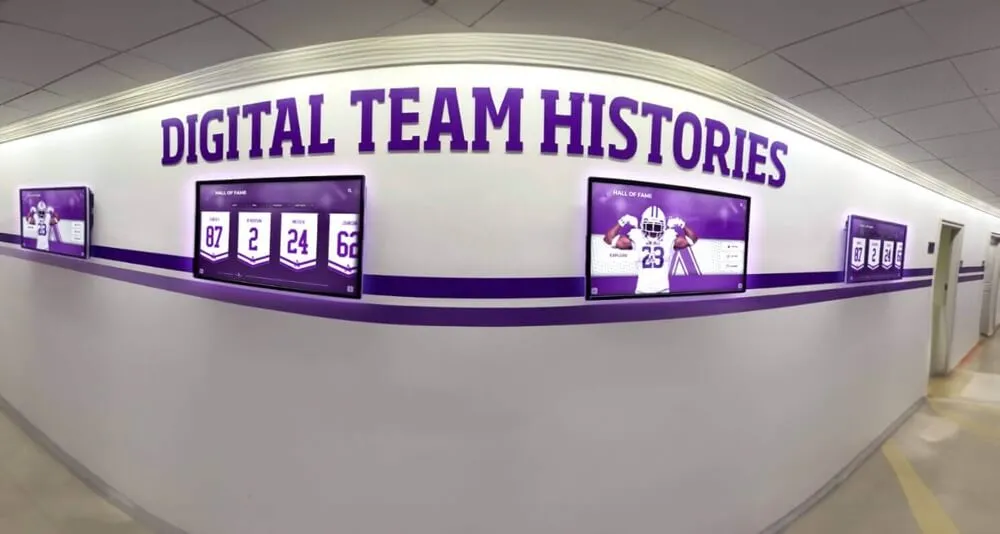
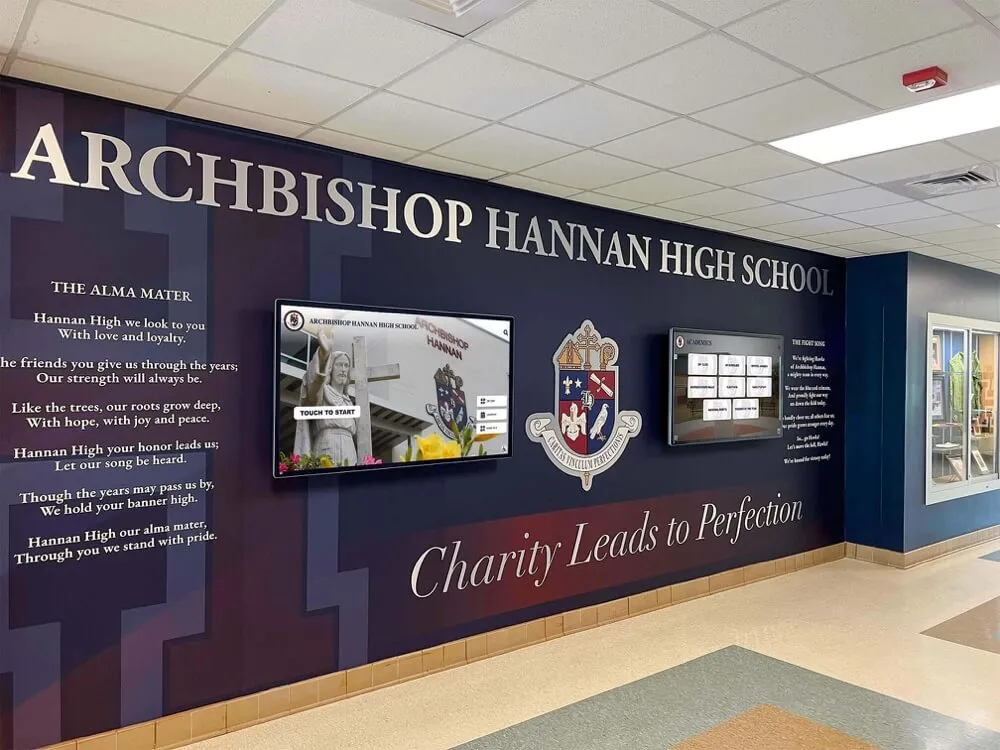
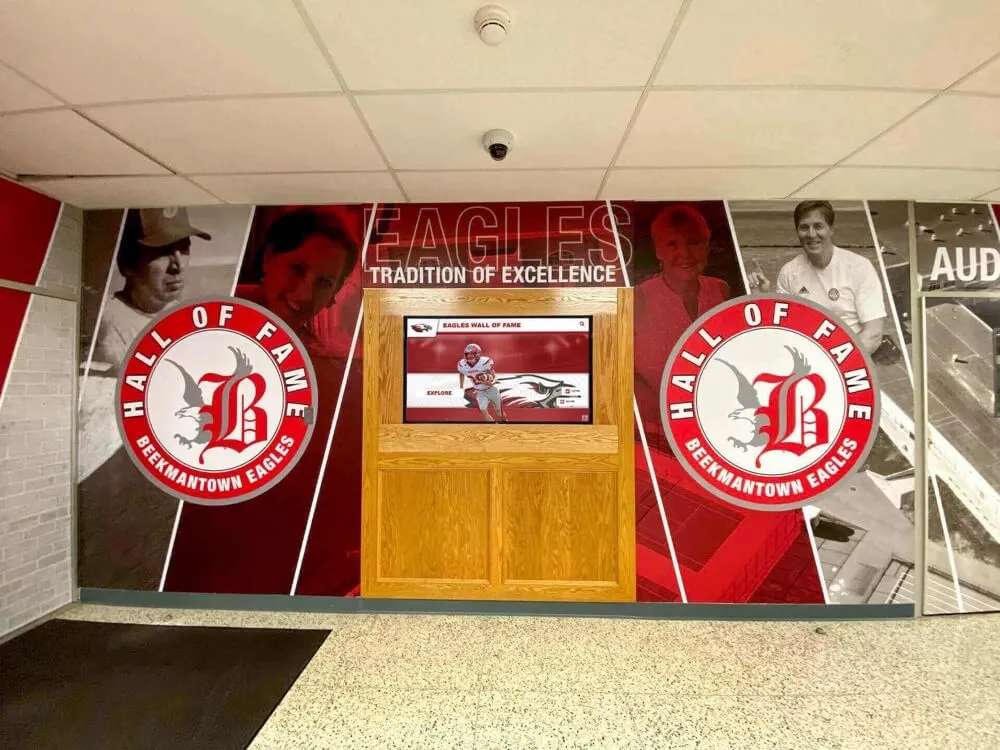
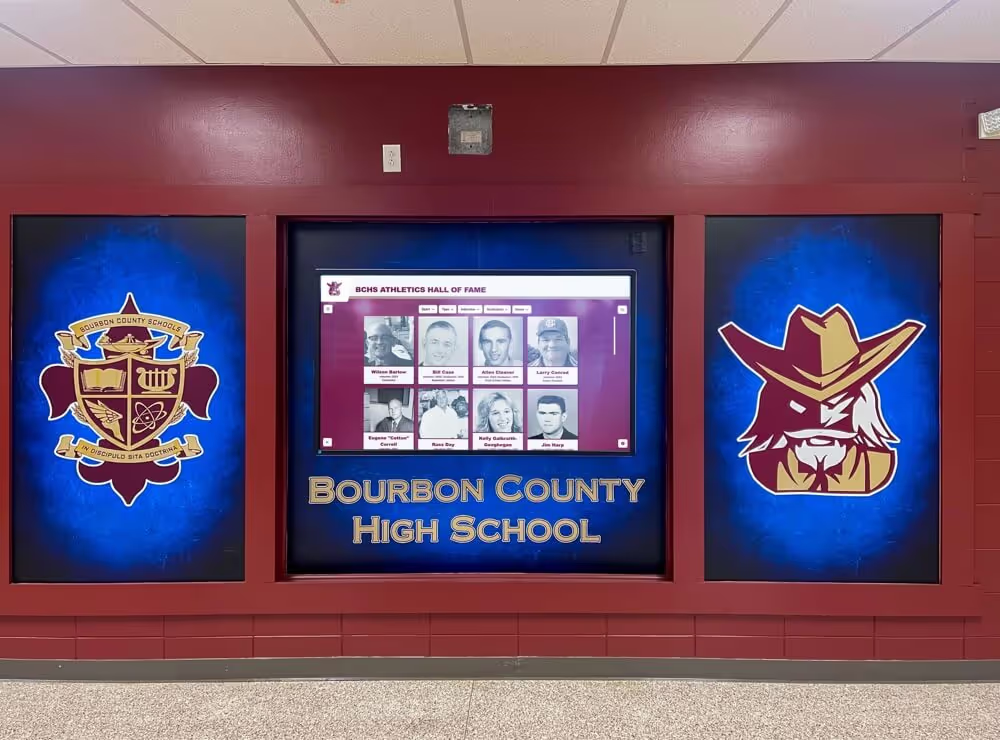
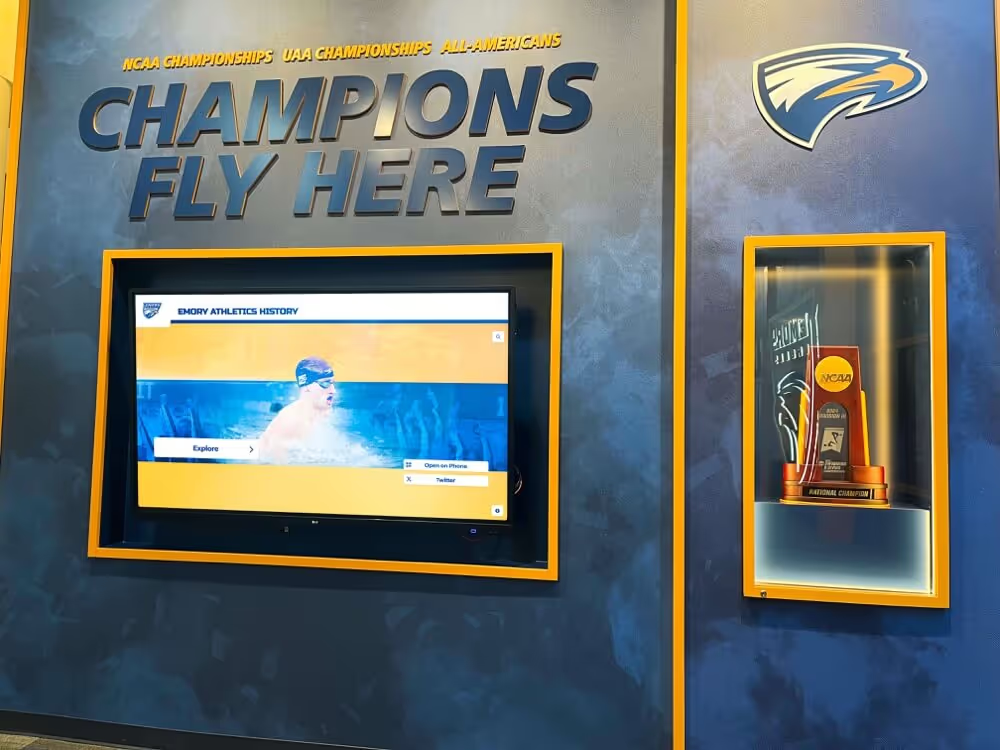
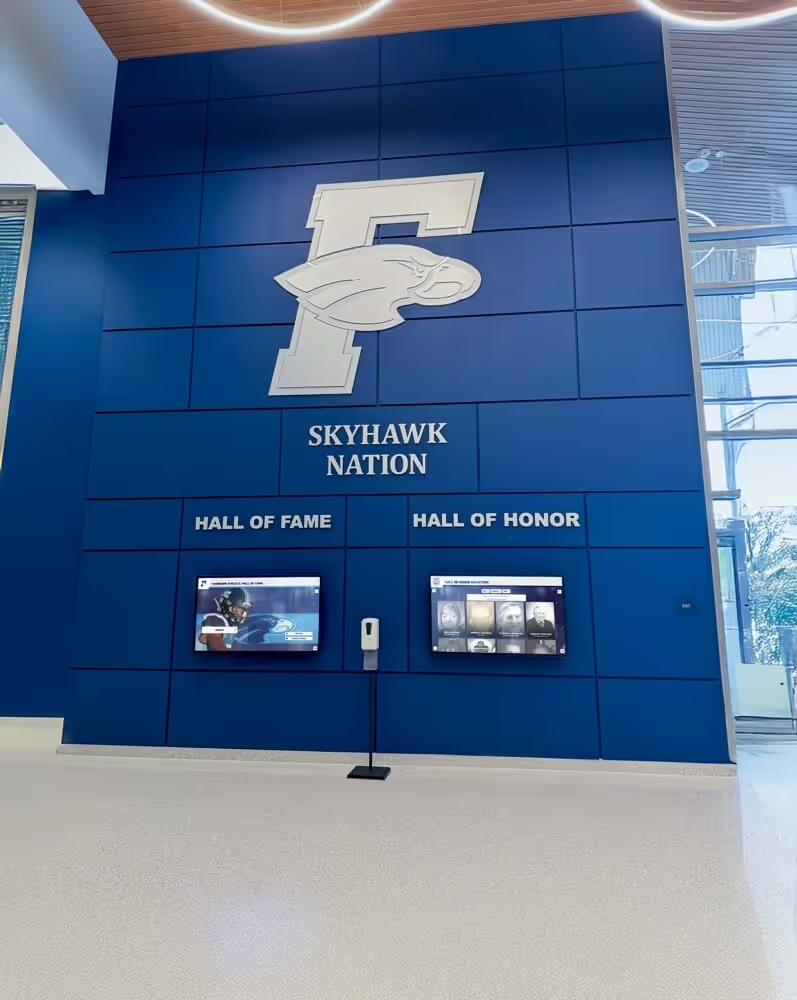
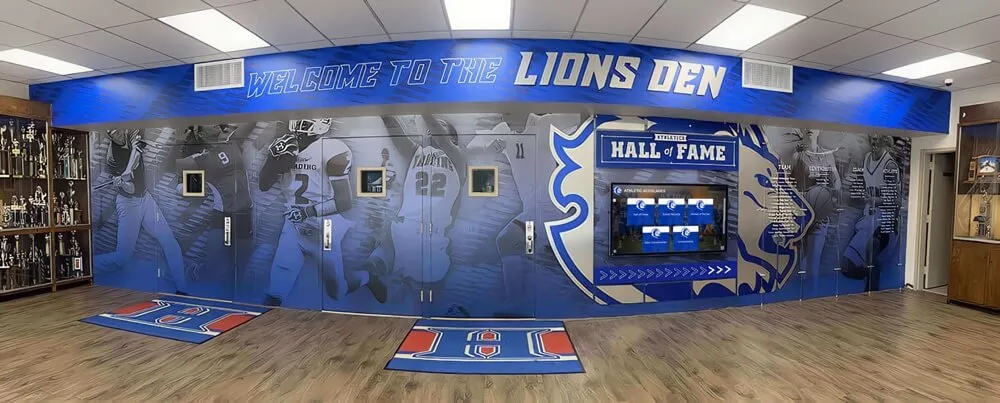
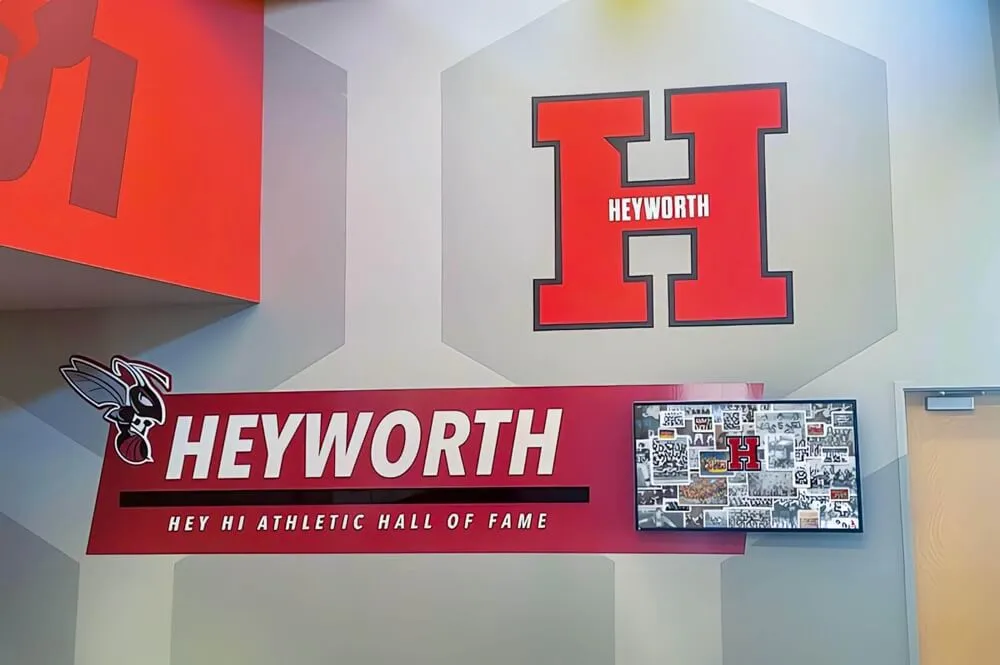
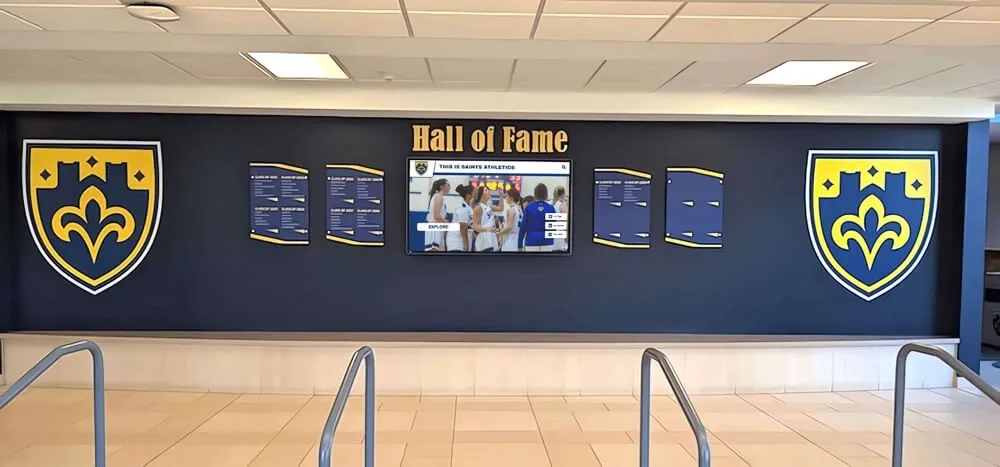
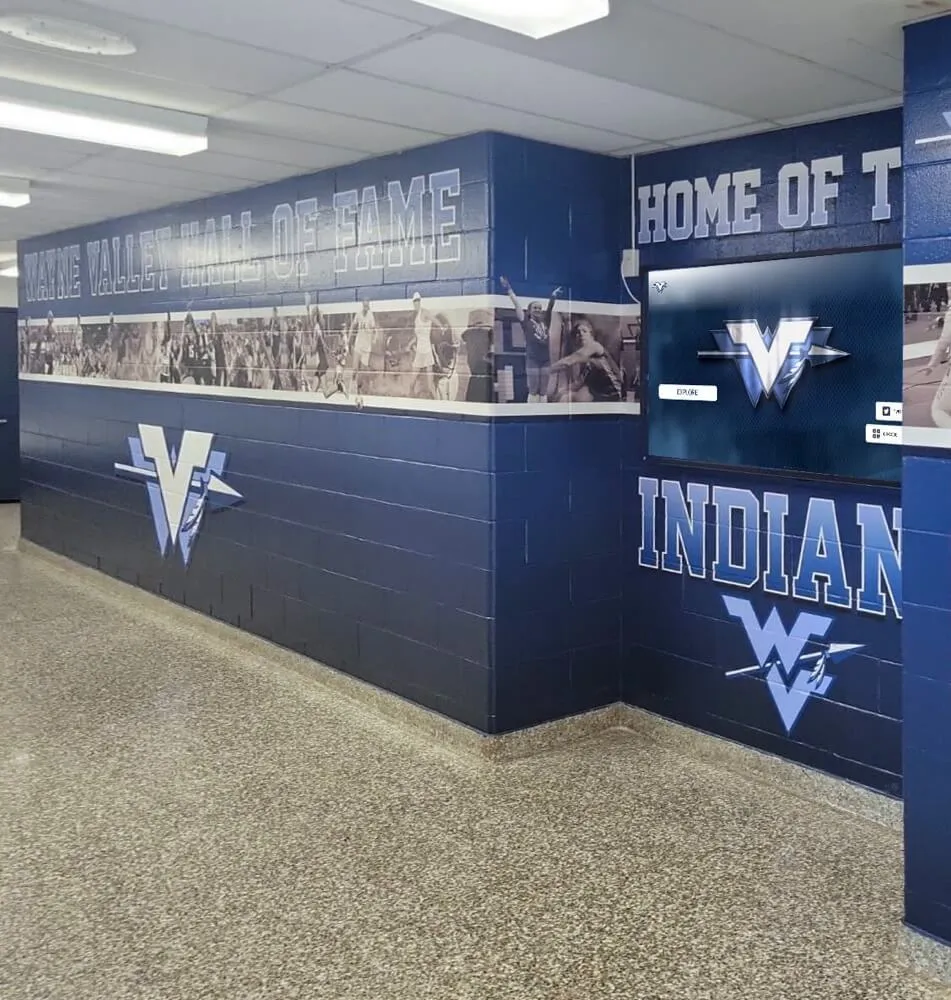
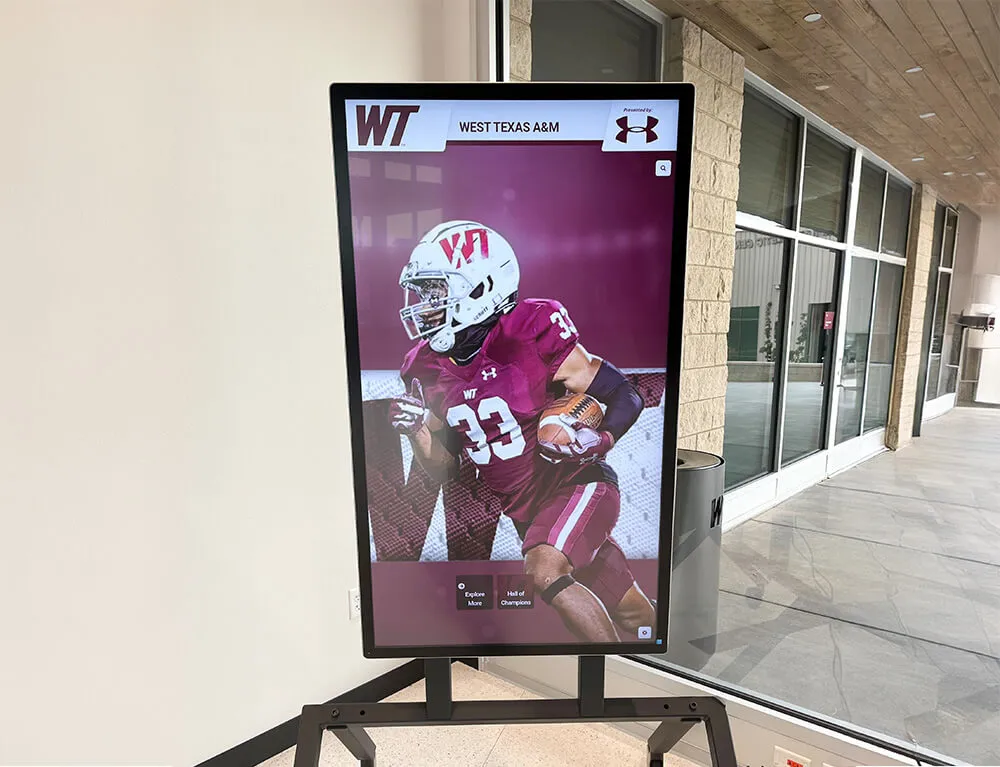
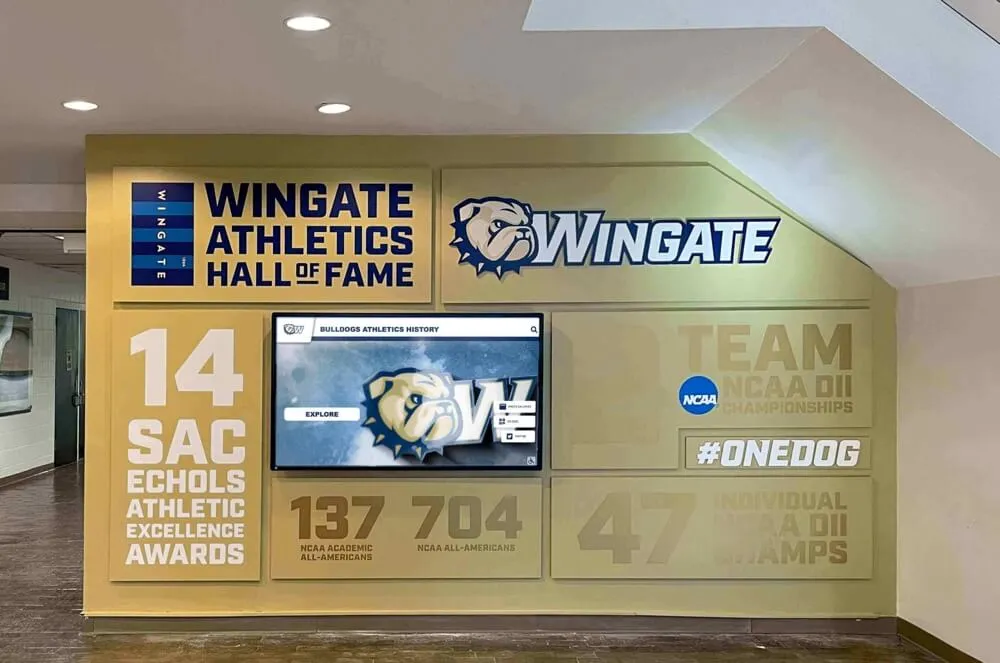
Traditional donor walls faced inherent limitations—physical space constraints, expensive updates whenever adding names, and static presentations failing to engage modern audiences. Schools and nonprofits increasingly adopt digital recognition solutions that overcome these barriers while providing dynamic, interactive donor celebration.
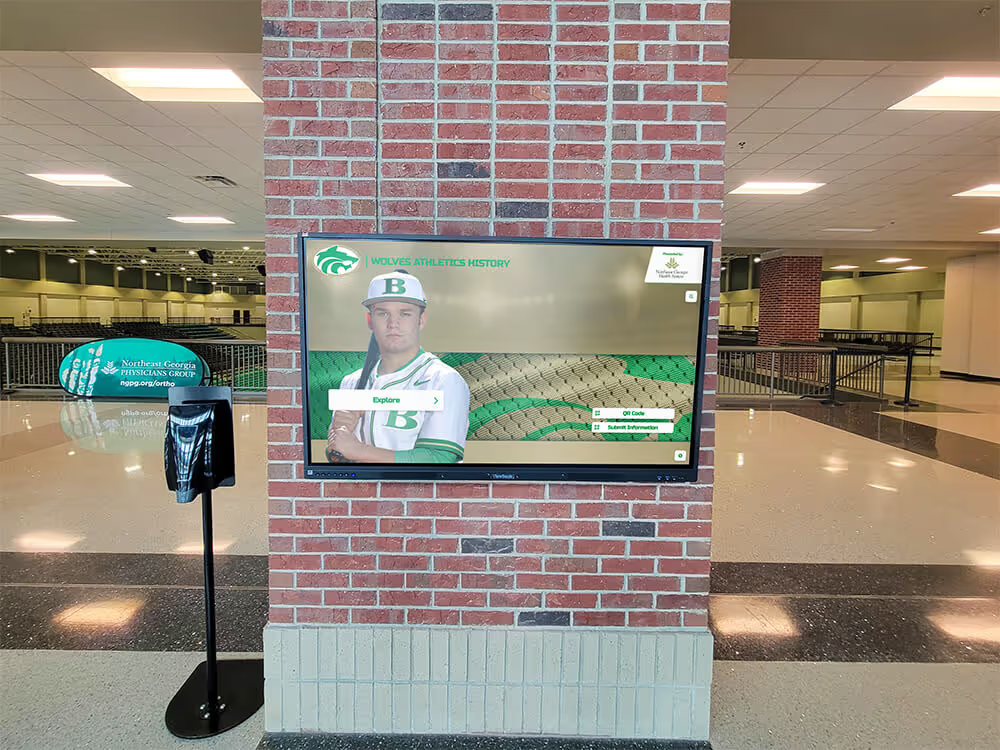
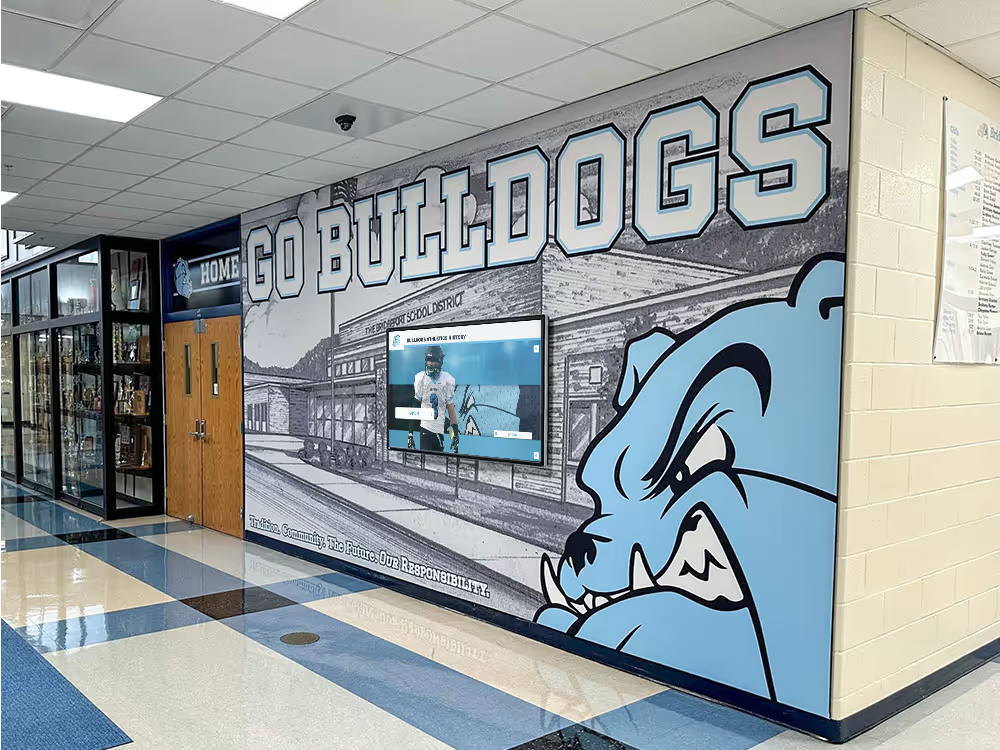
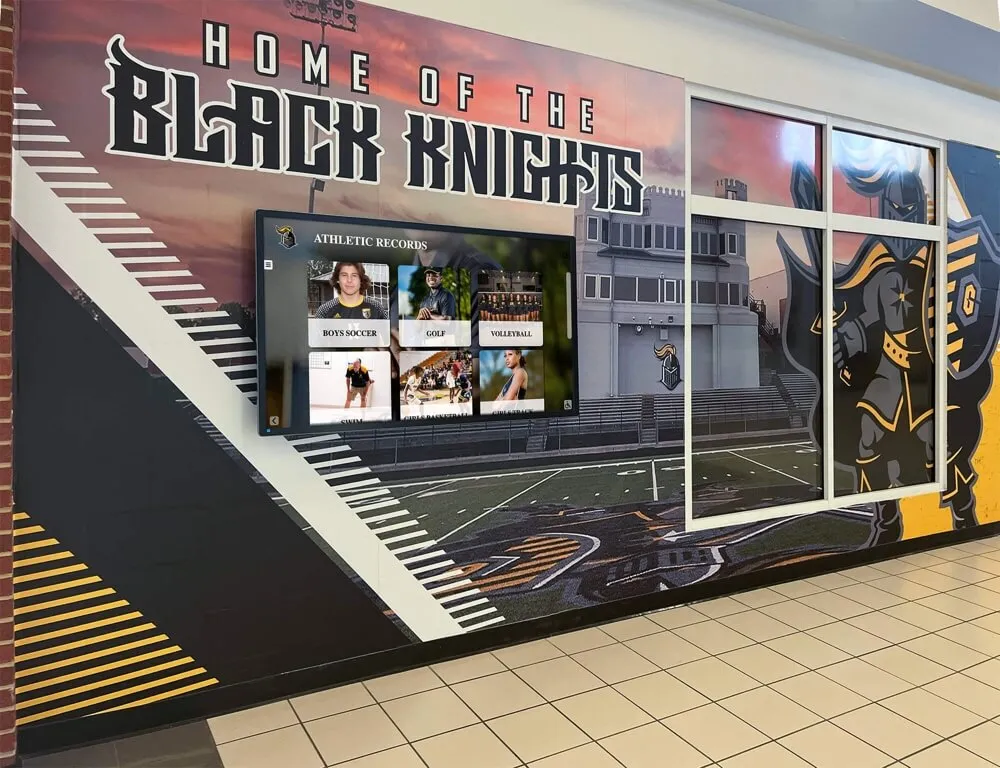
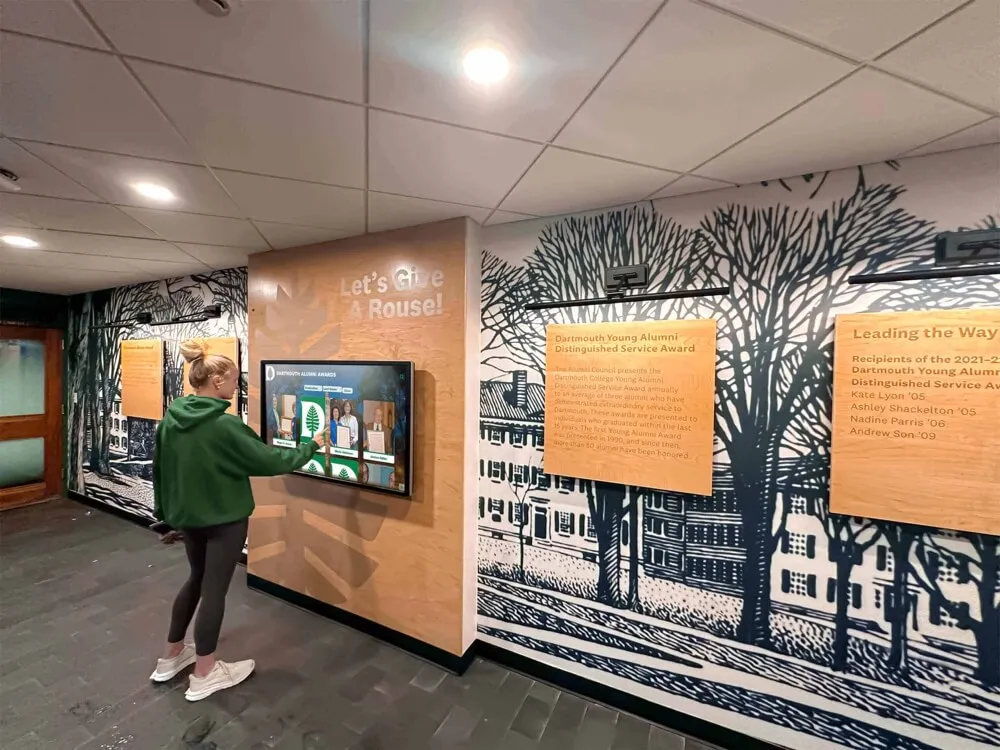
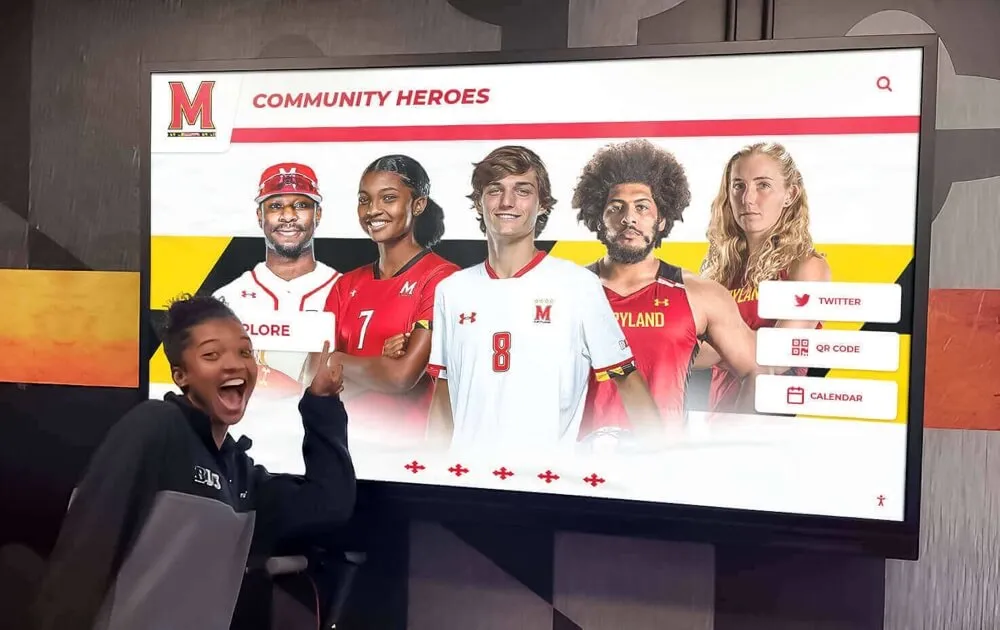
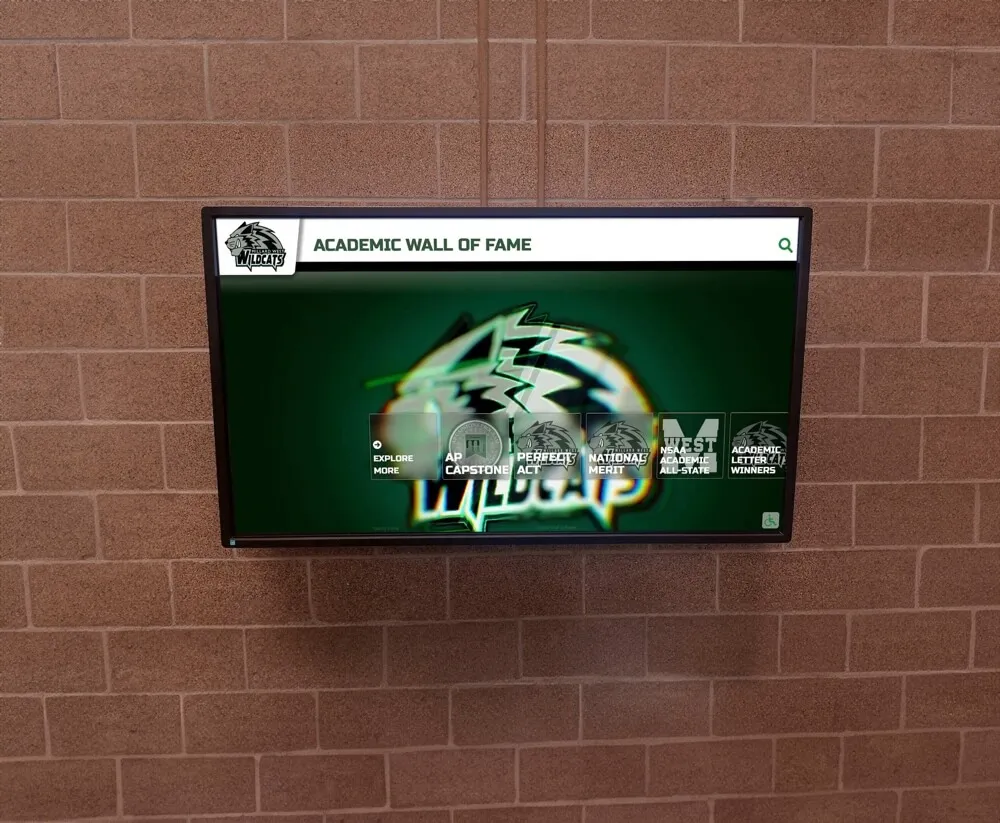
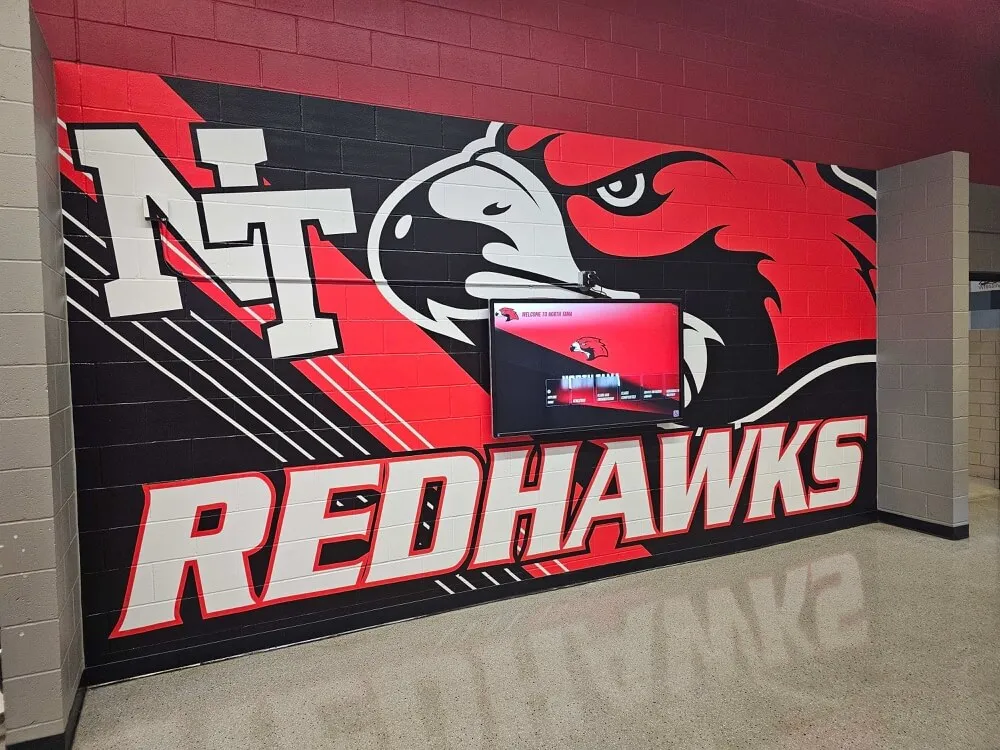
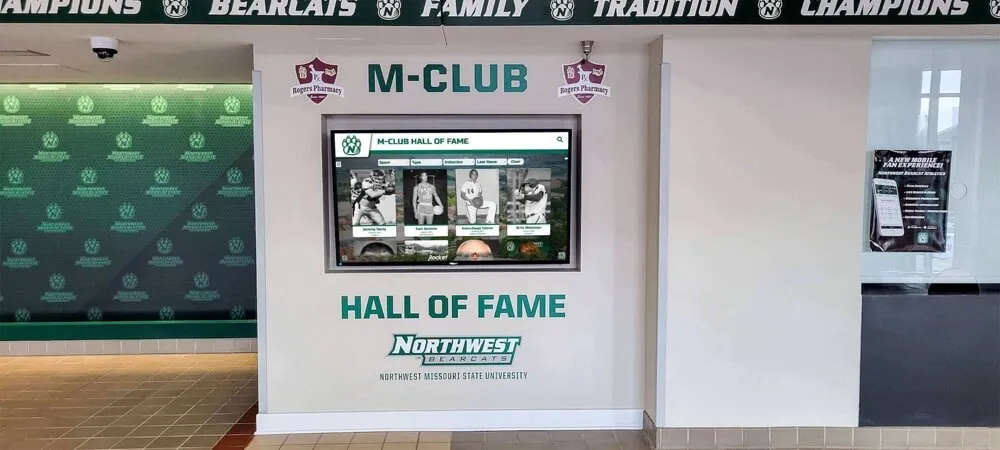
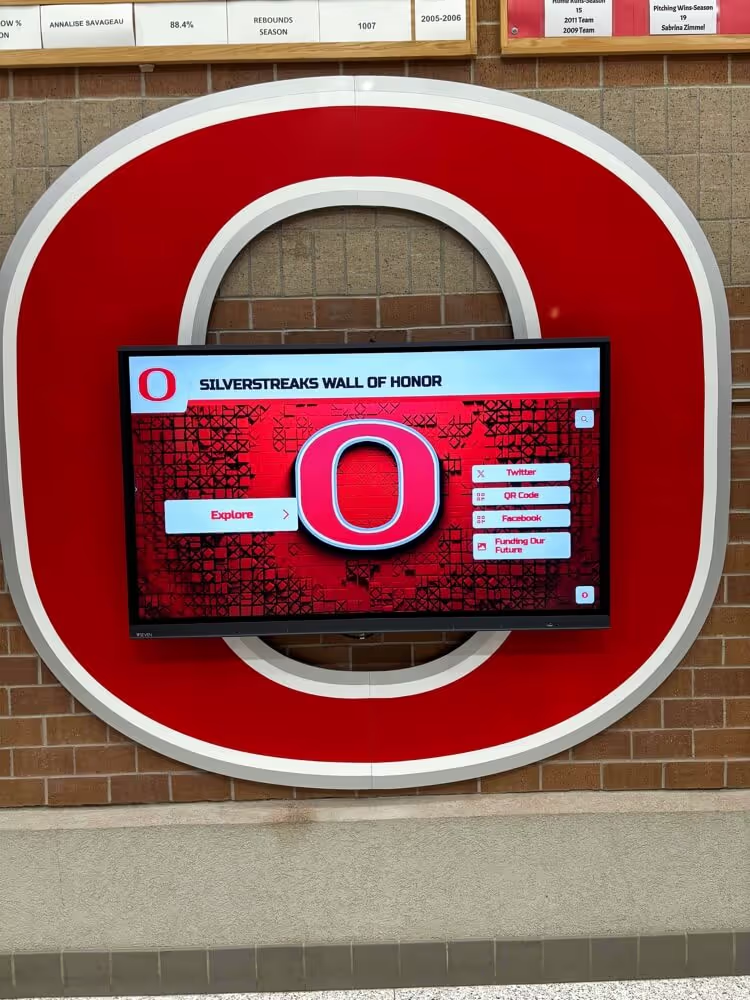
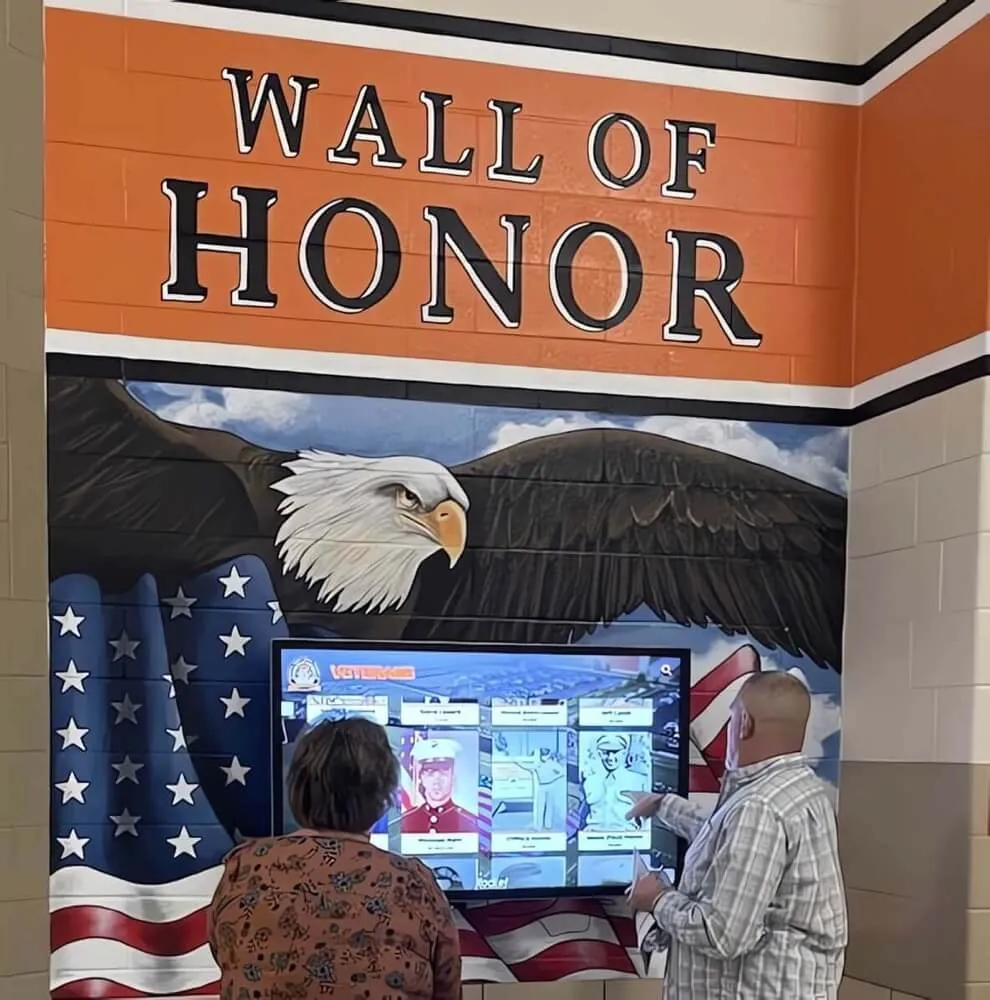
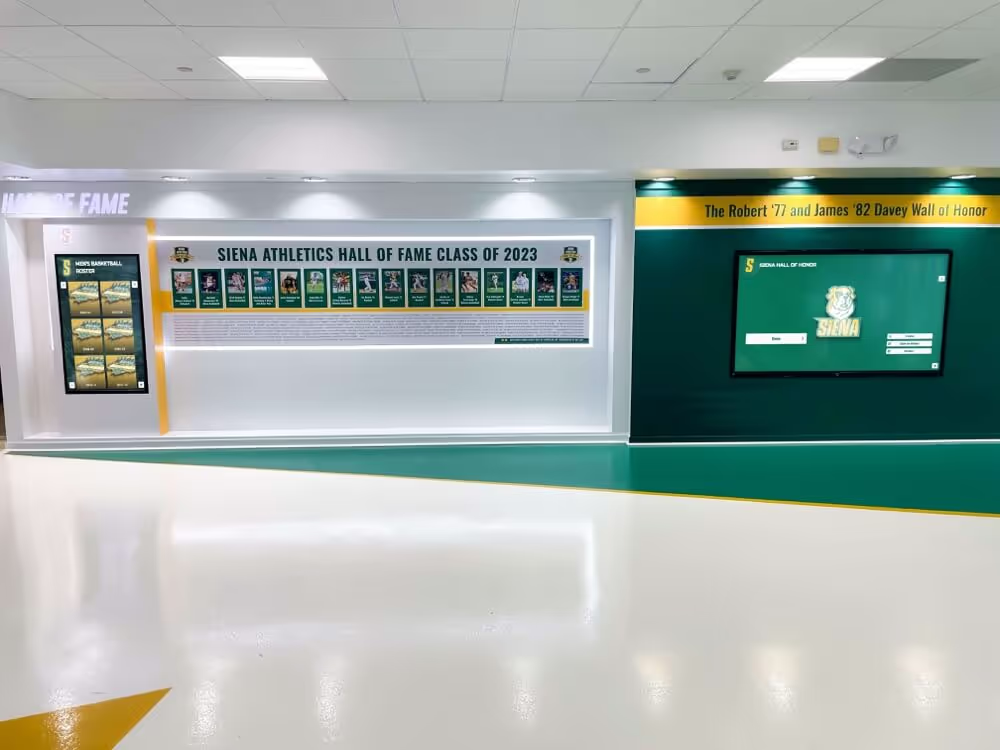
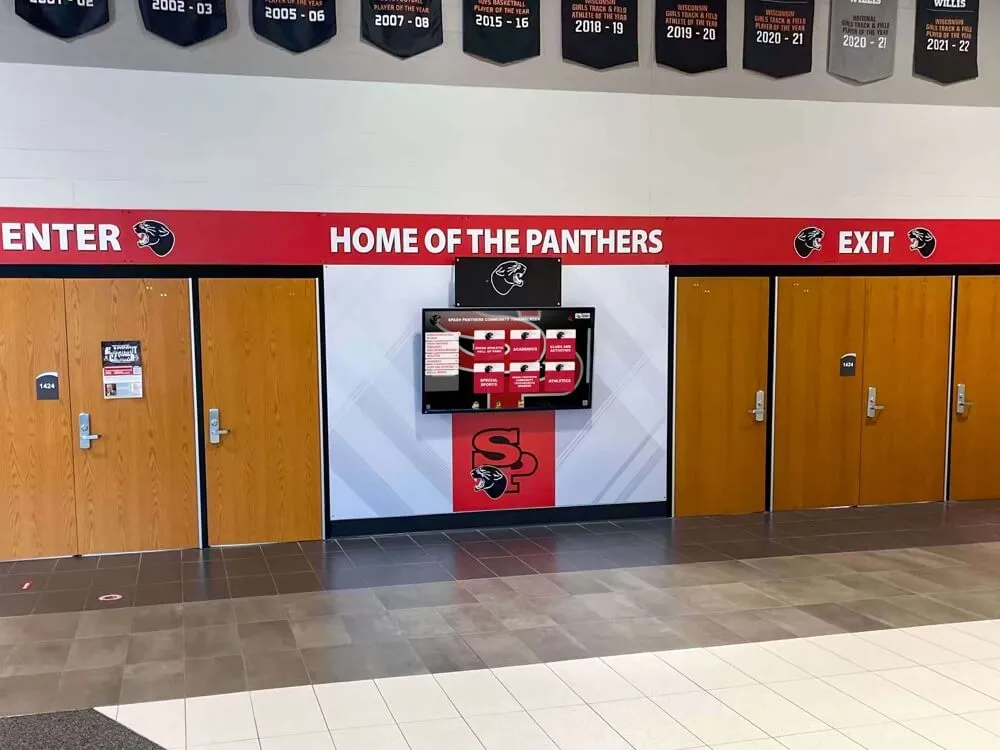
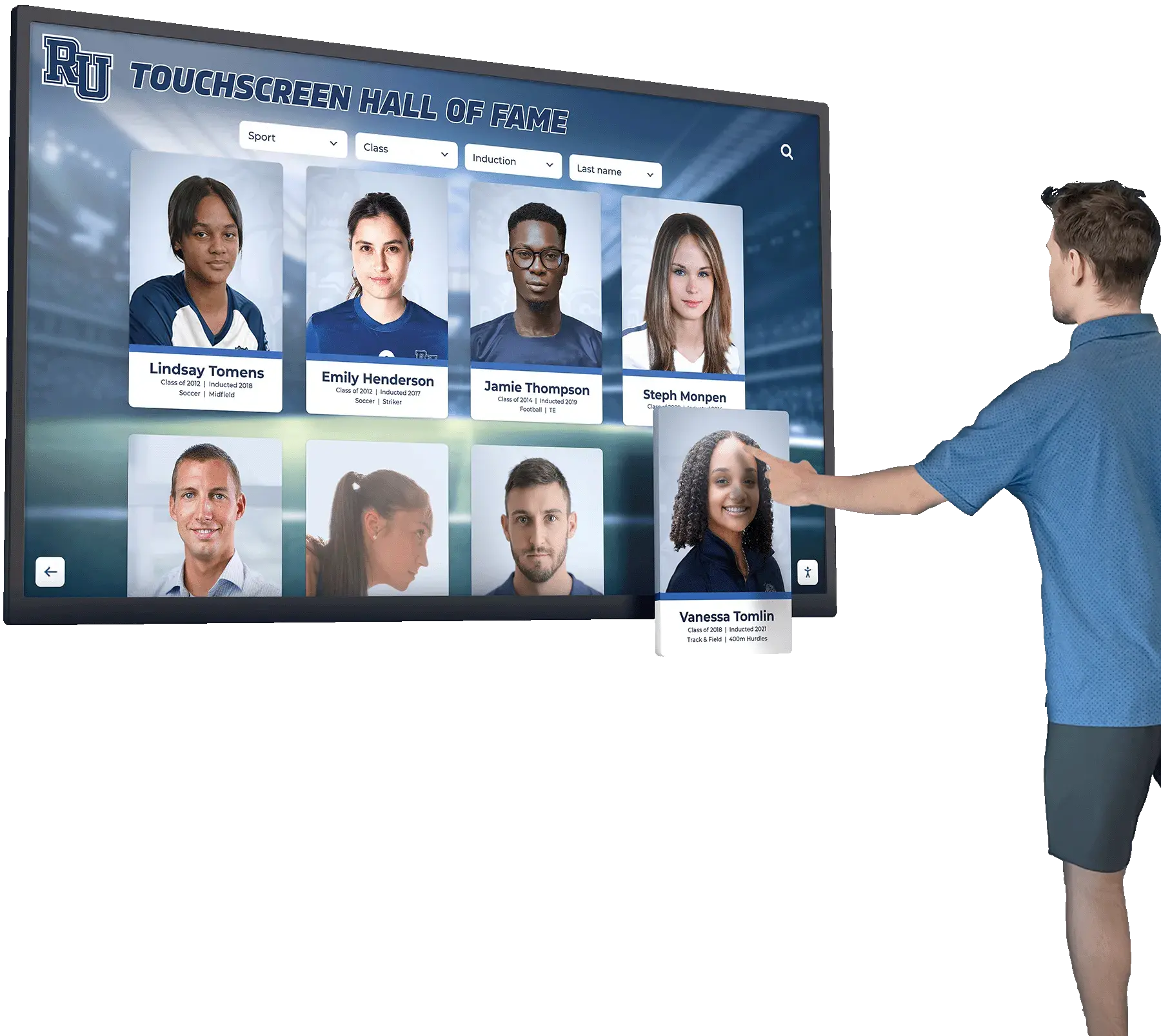
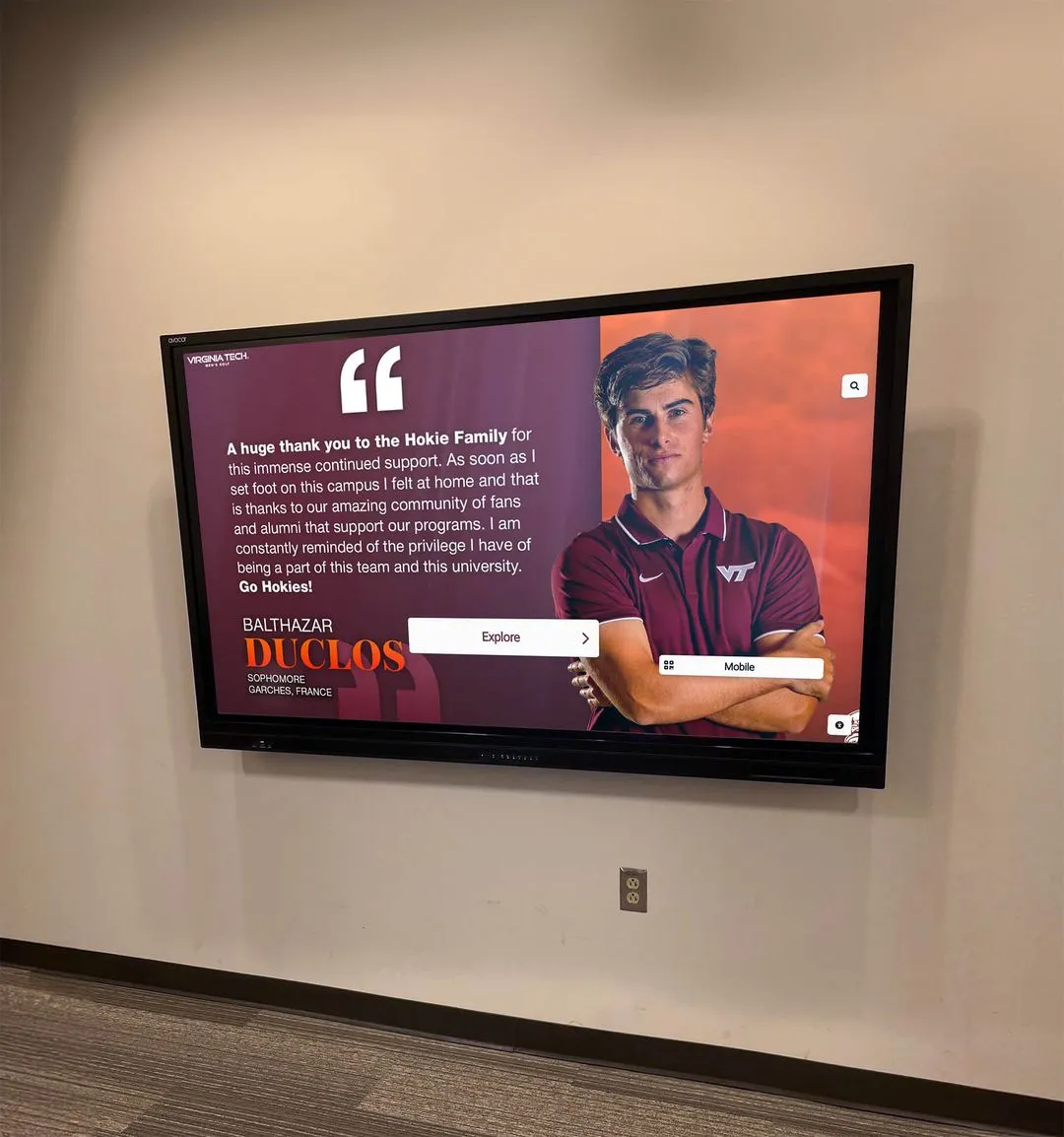
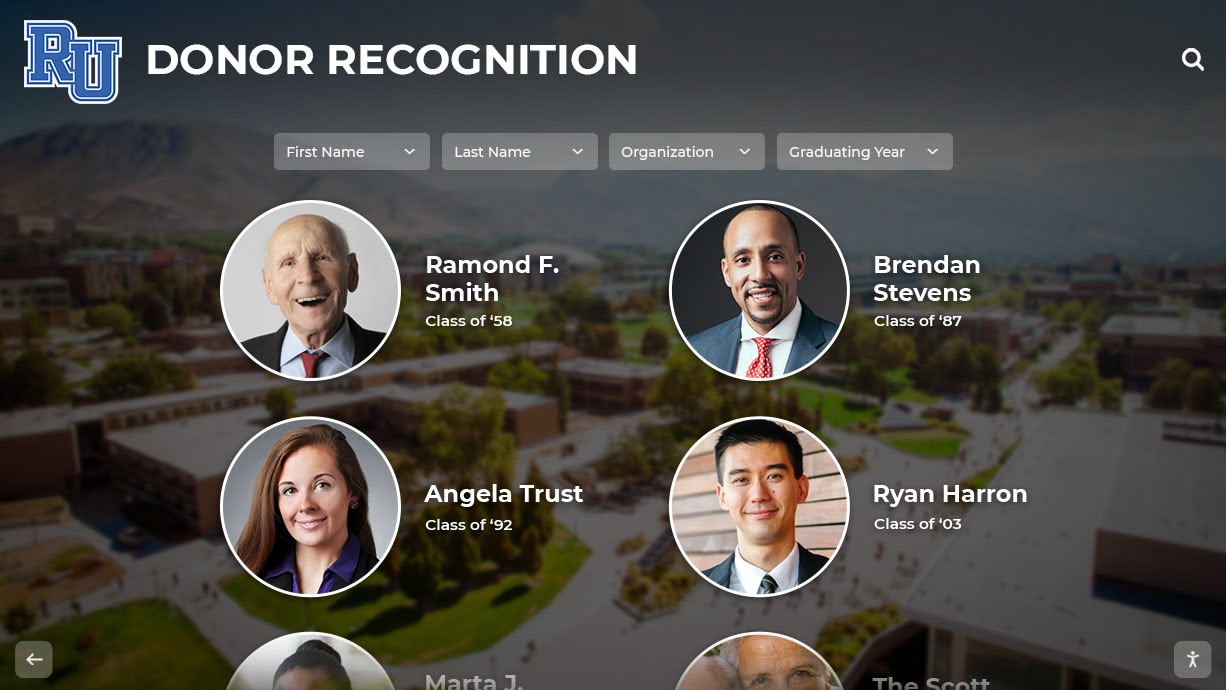
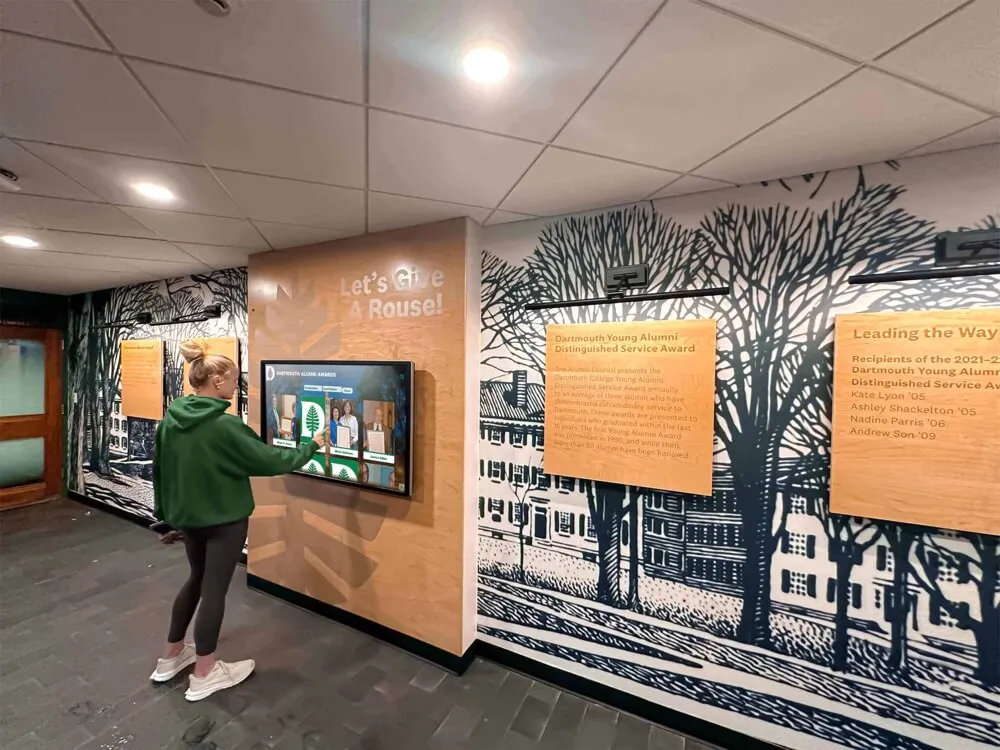
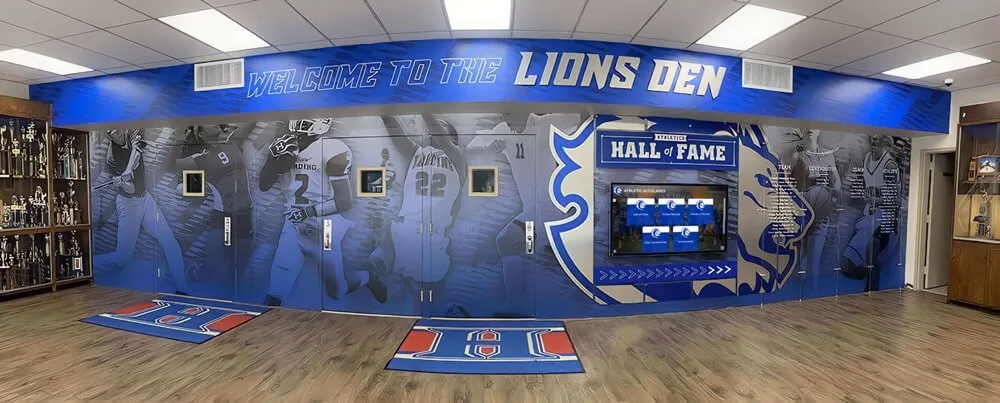
Solutions like Rocket Alumni Solutions enable organizations to showcase unlimited donors through touchscreen displays in lobbies, main hallways, or event spaces. These systems allow instant updates when new donors give—no waiting months for plaque engraving or paying thousands for wall modifications. Donors can be featured with photos, bios, and gift impact stories rather than names alone, creating richer recognition that feels more meaningful.
The accessibility advantage matters too. Digital displays meet ADA WCAG 2.1 AA compliance standards, ensuring all visitors can engage with donor recognition regardless of physical abilities. QR codes enable mobile viewing, allowing donors to share their recognition with family and friends remotely.
For schools, digital recognition naturally combines donor acknowledgment with other institutional celebrations—athletic achievements, academic honors, and notable alumni—creating comprehensive recognition environments where multiple forms of contribution receive equal celebration.
Annual Donor Recognition Events
Events create opportunities for face-to-face gratitude expression that written acknowledgments cannot replicate. Consider hosting:
- Donor appreciation receptions with program tours and beneficiary interactions
- Scholarship donor/recipient meet-and-greets creating direct connections
- Campaign milestone celebrations acknowledging collective progress toward goals
- Legacy society induction ceremonies for planned giving donors
- Volunteer appreciation events recognizing non-financial contributions
Schools often pair these events with existing gatherings—homecoming weekends, athletic competitions, or end-of-year celebrations—creating efficient recognition opportunities that maximize attendance.
Impact Reporting and Ongoing Communication
Thank you letters begin relationships that impact reports sustain. Provide donors with:
- Program updates showing specific outcomes their gifts enabled
- Annual reports documenting organizational progress and financial stewardship
- Beneficiary testimonials sharing first-person accounts of donor impact
- Photo galleries from events, programs, or facilities their gifts support
- Milestone announcements celebrating collective achievements
This ongoing communication reinforces that donor investments create real change, encouraging continued support.
Measuring Thank You Letter Effectiveness
Strategic organizations track acknowledgment quality and assess impact on donor behavior. Consider monitoring these metrics:
Response Time Tracking
Measure average time between gift receipt and thank you letter delivery. Set targets (48 hours for most gifts, 24 hours for major donations) and monitor compliance. Identify bottlenecks preventing prompt acknowledgment.
Donor Retention Rates by Acknowledgment Type
Compare retention rates among donors receiving different acknowledgment levels—prompt vs. delayed, personalized vs. generic, single-channel vs. multi-channel. Use data to justify investment in enhanced acknowledgment systems.
Second-Gift Conversion Rates
Track what percentage of first-time donors make second gifts within 12-18 months. Compare rates across acknowledgment approaches to identify which strategies most effectively convert one-time donors to sustained supporters.
Donor Feedback
Periodically survey donors about their acknowledgment experiences. Ask about communication timeliness, personalization quality, impact clarity, and appreciation adequacy. Use feedback to refine approaches.
Cost-Per-Donor Analysis
Calculate total acknowledgment costs (staff time, printing, postage, systems) divided by donor count. Balance quality with efficiency—enhanced personalization may increase costs but dramatically improve retention, yielding positive return on investment.
Creating Your Donor Acknowledgment System
Effective thank you letters don’t happen accidentally—they result from intentional systems supporting prompt, personalized, compliant acknowledgment at scale.
Step 1: Establish Acknowledgment Timeline Standards
Define specific turnaround times for different gift types:
- Gifts under $250: acknowledge within 48 hours
- Gifts $250-$1,000: acknowledge within 24-48 hours
- Major gifts $1,000+: acknowledge within 24 hours
- Planned gift notifications: acknowledge within 24 hours with executive director letter
Document these standards and train staff on importance of meeting timelines.
Step 2: Create Template Library with Customization Fields
Develop 10-15 base templates covering common scenarios (first-time donor, recurring gift, major gift, memorial gift, scholarship donation, capital campaign contribution, etc.). Within each template, build in required customization fields ensuring personalization.
Use your donor database to auto-populate basic personalization—names, gift amounts, designation, giving history. Require manual addition of specific personal touches before letters send.
Step 3: Assign Clear Responsibilities
Designate who drafts, reviews, approves, and sends acknowledgments for different gift levels. For example:
- Gifts under $500: Development coordinator drafts and sends
- Gifts $500-$5,000: Development director reviews before sending
- Gifts $5,000+: Executive director co-signs and may add personal note
- Planned gifts: Board chair or executive director sends with personal follow-up call
Clear responsibility assignment prevents acknowledgments from falling through cracks or being delayed by approval bottlenecks.
Step 4: Integrate Acknowledgment with Broader Recognition
Thank you letters represent one touchpoint in comprehensive stewardship journeys. Map how written acknowledgments connect to other recognition:
- Thank you letter → donor newsletter inclusion → annual report listing → legacy society invitation → recognition event invitation → capital campaign wall recognition
This systematic approach ensures no donor receives thank you letter alone without strategic follow-up maintaining relationship momentum.
Step 5: Regularly Review and Refine
Quarterly, review acknowledgment performance against standards. Examine:
- Average acknowledgment turnaround time
- Percentage of letters including required personalization elements
- Donor satisfaction feedback about acknowledgments
- Retention rate trends
- Staff challenges or bottlenecks in acknowledgment process
Use these reviews to continuously improve acknowledgment quality and efficiency.
Special Considerations for School Fundraising
Schools face unique donor acknowledgment contexts requiring specialized approaches beyond general nonprofit best practices.
Acknowledging Alumni Across Decades
Alumni donors range from recent graduates to those celebrating 50+ year reunions. Acknowledgment personalization should reference appropriate school memories—current alumni might appreciate mentions of recent campus improvements they remember, while older alumni connect to longstanding traditions and legacy.
Age-appropriate communication channels matter too. Younger alumni might prefer email acknowledgments with video components and social media celebration, while older donors often appreciate formal printed letters and phone calls.
Recognizing Parent Donors
Current parents give differently than alumni—their support directly benefits children currently enrolled. Thank you letters to parents should reference specific student experiences, current school initiatives, and immediate program impact rather than nostalgia and legacy themes.
Consider student-written thank you notes for parent donors, creating direct connections between gifts and student experiences.
Handling Restricted vs. Unrestricted Gifts
Schools receive both restricted gifts designated for specific programs (athletics, scholarships, arts, facilities) and unrestricted gifts supporting general operations. Thank you letters should clearly acknowledge donor restrictions and explain exactly how designated funds will be used.
For unrestricted gifts, help donors understand why flexible support matters: “Your unrestricted gift provides critical flexibility, allowing us to direct resources to areas of greatest need and respond to unexpected opportunities.”
Balancing Academics and Athletics
Many schools receive disproportionate athletic donor support compared to academic program giving. Thank you letters to athletic boosters should acknowledge their passion while subtly connecting athletic success to broader institutional mission—academic achievement, character development, community building, and life skills that sports participation develops.
Making Thank You Letters Work for Your Organization
Donor thank you letters represent more than administrative obligations—they’re strategic relationship-building tools that directly impact retention, lifetime giving, and mission sustainability. Organizations that invest in thoughtful acknowledgment systems demonstrate respect for supporters while building foundations for long-term philanthropic partnerships.
Start by auditing your current acknowledgment practices against the standards outlined in this guide. Identify gaps—delayed turnaround times, insufficient personalization, missing donor segments, or lack of impact articulation—and systematically address weaknesses. Even small improvements in acknowledgment quality generate measurable improvements in donor retention.
Remember that written letters, while essential, represent just one component of comprehensive recognition strategies. Organizations combining prompt thank you letters with ongoing impact communication, public recognition opportunities, and relationship-building events create stewardship experiences that transform one-time donors into lifelong supporters.
The nonprofit organizations and schools that thrive build cultures of gratitude extending beyond development offices to every interaction supporters experience. When donors feel genuinely valued—through timely thank you letters, meaningful recognition, and clear communication about impact—they respond with sustained generosity that enables your mission for years to come.
Create Lasting Donor Recognition Beyond Thank You Letters
Transform how you acknowledge and celebrate supporters with digital recognition displays that complement your thank you letters with permanent, engaging tributes. Discover how schools and nonprofits showcase donors through interactive touchscreen displays that update instantly and never run out of space.
Explore Recognition SolutionsBuilding comprehensive donor stewardship programs? Explore our guides on digital donor recognition walls and donor wall planning strategies for creating multi-channel recognition that strengthens relationships and inspires continued giving.