



Organizations lose 40-60% of first-time donors before they make a second gift. This alarming attrition rate reflects a critical failure in post-gift stewardship—donors who receive generic acknowledgment or inconsistent recognition rarely develop the emotional connection necessary for sustained giving. Yet the solution doesn’t require dramatically increased resources; it demands systematic planning connecting gift amounts to appropriate recognition responses.
A donor stewardship matrix provides the strategic framework development teams need to deliver consistent, meaningful acknowledgment matching every contribution level. By mapping specific stewardship activities to defined gift tiers, organizations eliminate the inconsistency that damages donor relationships while ensuring major contributors receive recognition proportional to their generosity. Nonprofits implementing structured stewardship matrices report 25-35% improvement in donor retention rates and 40-50% increases in upgrade giving as donors progress through clearly defined recognition levels.
The most effective stewardship matrices balance operational feasibility with donor impact expectations—acknowledging that a $100 donor deserves prompt, genuine thanks while a $100,000 contributor requires personalized recognition reflecting transformational gift significance. Getting this calibration right determines whether your donor program builds sustainable revenue or repeatedly replaces lapsed supporters.
Systematic donor stewardship separates organizations achieving sustainable fundraising growth from those perpetually chasing new prospects to replace attriting donors. The framework you establish now shapes retention rates, upgrade patterns, and lifetime donor value for years ahead.

Effective donor stewardship matrices align recognition methods with gift levels, creating consistent acknowledgment that strengthens relationships and inspires continued generosity
What Is a Donor Stewardship Matrix?
Before building your framework, understanding how stewardship matrices function strategically helps development teams design systems producing measurable fundraising outcomes.
Defining the Stewardship Matrix Framework
A donor stewardship matrix is a strategic planning document mapping specific gift level ranges to corresponding recognition activities, communication touchpoints, acknowledgment timelines, and relationship-building initiatives. Unlike ad-hoc stewardship approaches where acknowledgment varies based on staff availability or organizational mood, matrices establish systematic protocols ensuring every donor receives consistent recognition appropriate to their contribution tier.
Core Matrix Components:
- Gift level tiers defining contribution ranges (e.g., $1-249, $250-999, $1,000-4,999)
- Recognition activities assigned to each tier (thank you letters, recognition wall placement, naming opportunities)
- Communication frequency and channel specifications (quarterly newsletters vs. personal calls)
- Timeline commitments establishing when stewardship occurs post-gift
- Responsible party assignments clarifying who executes each stewardship element
- Escalation triggers identifying when donors warrant enhanced recognition
Development professionals creating matrices force critical conversations about resource allocation across donor segments. A $50,000 major gift might warrant executive director involvement and public recognition, while $100 contributions receive prompt digital acknowledgment without personalized touches. The matrix documents these decisions, preventing inconsistency that confuses donors and damages retention.
Organizations implementing structured recognition programs consistently outperform those using informal stewardship approaches by 20-40% across key performance indicators including retention rate, average gift size, and donor lifetime value.
Why Stewardship Matrices Matter for Fundraising Success
Random acts of gratitude don’t build sustainable donor programs. Systematic stewardship matrices address fundamental challenges undermining fundraising effectiveness:
Inconsistency That Erodes Trust
When similar donors receive dramatically different recognition, those receiving minimal acknowledgment feel undervalued regardless of actual organizational gratitude. A donor contributing $500 who sees peers receiving personalized calls while they get form letters questions their importance to the mission. Matrices eliminate this inconsistency by establishing standard recognition protocols ensuring comparable donors receive comparable stewardship.
Resource Inefficiency Wasting Limited Capacity
Without clear frameworks, development staff either over-steward low-level donors (consuming time better invested in major gift cultivation) or under-steward high-capacity contributors (missing critical relationship-building opportunities). Matrices optimize resource allocation by directing personalized attention toward donors where relationship investment generates highest return while maintaining appropriate baseline acknowledgment for all supporters.
Missed Upgrade Opportunities
Donors rarely upgrade giving levels spontaneously—progression requires intentional cultivation demonstrating how increased contributions enable greater impact. Stewardship matrices identify upgrade targets by flagging donors approaching tier thresholds and triggering enhanced engagement encouraging next-level gifts. A donor giving $4,800 annually receives different cultivation than a $1,200 donor because proximity to the $5,000 major gift threshold warrants increased investment.
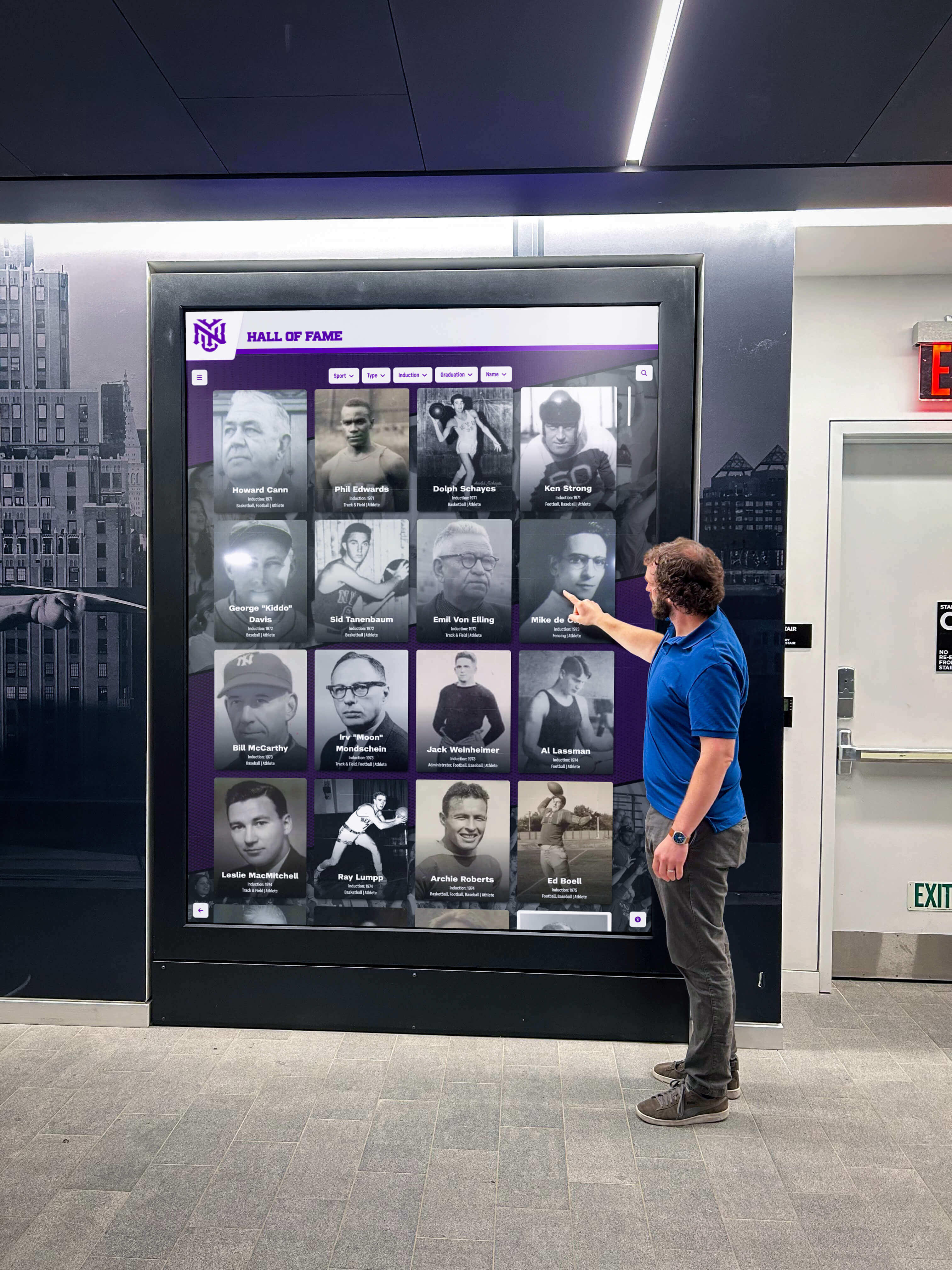
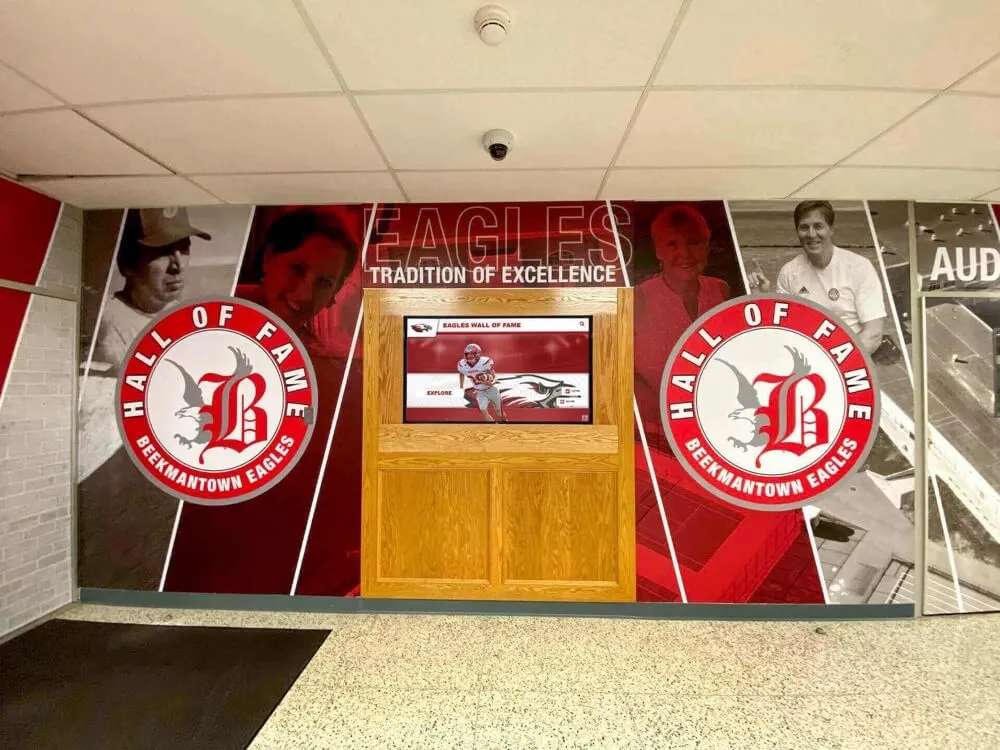
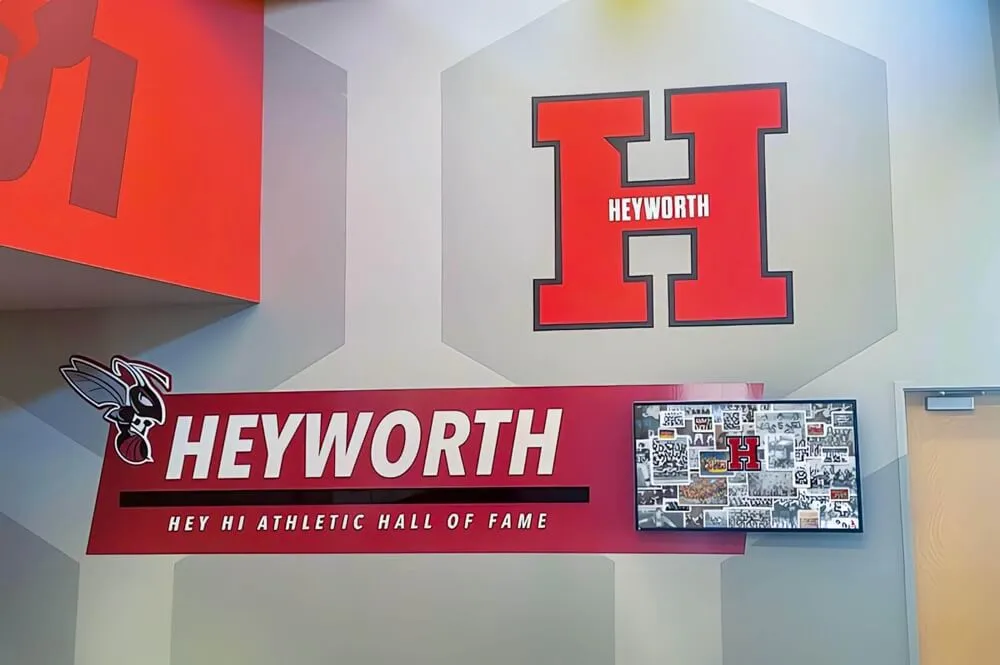
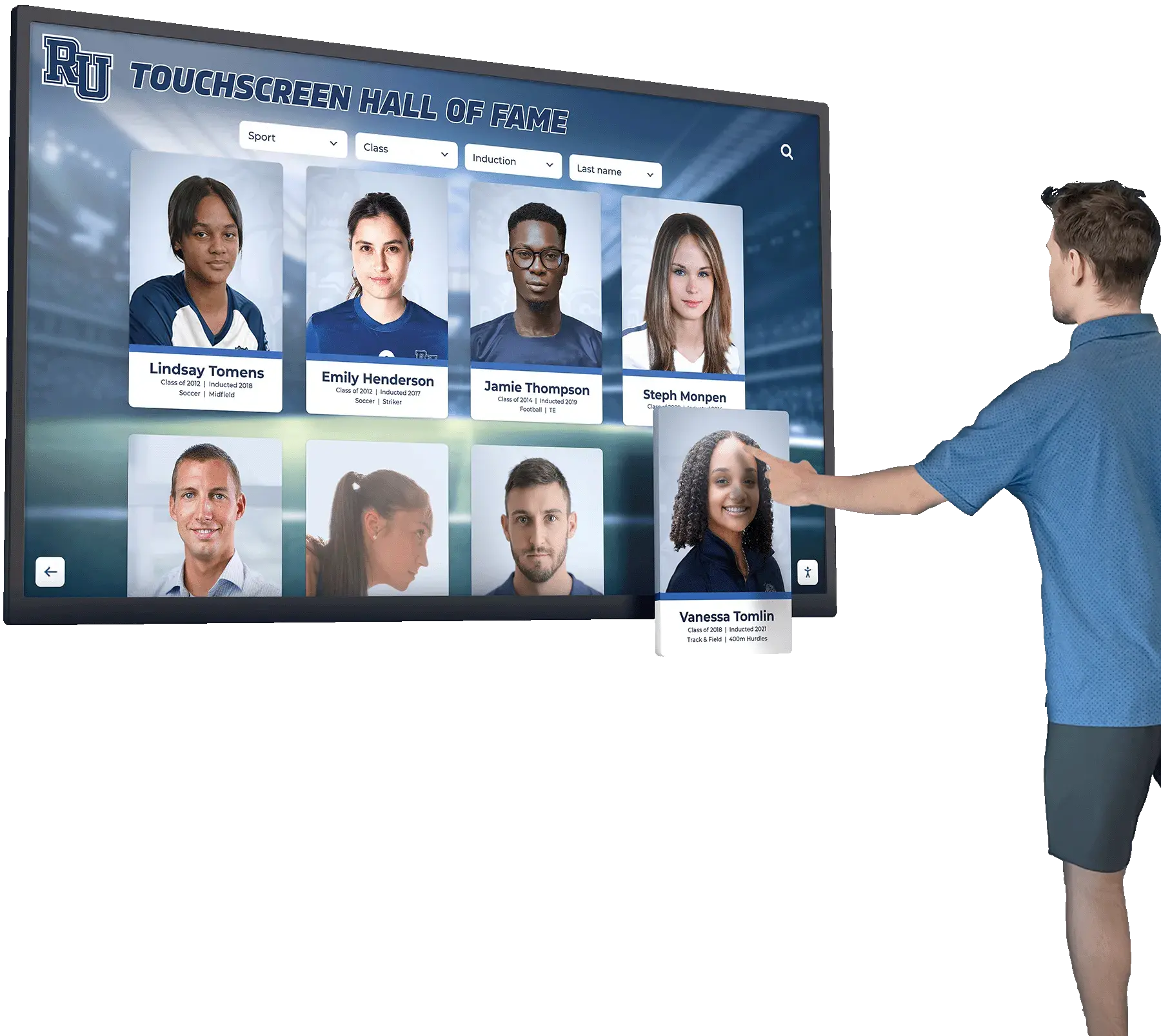
Modern recognition systems enable organizations displaying unlimited donor profiles organized by giving level, making stewardship tier structure visible to all supporters
Accountability Gaps Delaying Acknowledgment
Unassigned stewardship tasks create dangerous acknowledgment delays as team members assume someone else handles recognition. Donors receiving thank-you letters weeks after contributing perceive indifference rather than gratitude. Matrices assign clear responsibility for each stewardship element while establishing timeline expectations creating accountability preventing acknowledgment gaps that damage relationships.
Building Your Donor Stewardship Matrix: Step-by-Step Framework
Effective matrices balance strategic ambition with operational reality—documenting aspirational stewardship that overwhelms limited staff capacity produces impressive planning documents gathering dust rather than improving donor retention.
Step 1: Define Your Gift Level Tiers
Recognition tier structure should reflect your donor distribution, organizational capacity, and natural gift level breakpoints in your donor base.
Analyze Current Donor Segmentation
Review giving data from the past 2-3 years identifying natural clustering patterns:
- What percentage of donors give under $100? Between $100-$500? Over $1,000?
- Where do contribution amounts cluster, suggesting natural tier boundaries?
- How many donors exist at each potential tier level?
- What gift levels trigger IRS documentation requirements or campaign recognition thresholds?
Most organizations establish 5-8 tiers balancing granular segmentation with operational manageability:
Sample Tier Structure for Educational Institutions:
- Friends Circle: $1-$99
- Supporter Level: $100-$249
- Benefactor Level: $250-$499
- Patron Circle: $500-$999
- Leadership Society: $1,000-$2,499
- President’s Circle: $2,500-$4,999
- Founder’s Society: $5,000-$9,999
- Legacy Circle: $10,000+
Sample Tier Structure for Community Nonprofits:
- Contributor: $1-$49
- Friend: $50-$99
- Supporter: $100-$249
- Sustainer: $250-$499
- Champion: $500-$999
- Benefactor: $1,000-$2,499
- Leadership Circle: $2,500+
Tier naming should reflect organizational voice while conveying status progression. Generic labels (Bronze/Silver/Gold) work but lack emotional resonance compared to mission-connected naming (Cornerstone/Pillar/Foundation for building campaigns; Scholar/Mentor/Visionary for education programs).
Step 2: Map Recognition Activities to Each Tier
For every tier, specify exactly what acknowledgment donors receive, avoiding vague commitments like “appropriate recognition” that permit inconsistent implementation.
Universal Baseline Recognition (All Tiers):
- Automated gift receipt email within 24 hours confirming transaction
- IRS-compliant tax acknowledgment letter within 10 business days
- Inclusion in annual donor honor roll publication
- Access to donor-exclusive content or organizational updates
- Invitation to annual donor appreciation event
Tier-Specific Enhancements:
Build progressively richer recognition as gift levels increase:
Entry Level Tiers ($1-$249):
- Personalized thank-you email from development coordinator
- Quarterly donor newsletter with impact stories
- Social media acknowledgment (with permission)
- Digital donor wall recognition
Mid-Level Tiers ($250-$999):
- Handwritten thank-you note from program leadership
- Personal phone call from development director within 30 days
- Prominent digital display recognition with donor profile
- Invitation to behind-the-scenes program tours
- Semi-annual impact reports showing gift utilization
- Name included in lobby recognition display
Major Gift Tiers ($1,000-$4,999):
- Personal thank-you call from executive director within 7 days
- In-person meeting offering program tour or leadership introduction
- Customized impact report demonstrating specific gift outcomes
- Featured recognition in annual report with donor quote/photo
- Priority event invitations with VIP seating
- Naming opportunity consideration for program elements
- Quarterly personalized updates from program beneficiaries
Leadership Tiers ($5,000+):
- Executive director personal visit within 72 hours
- Board member engagement and relationship assignment
- Permanent naming opportunities for facilities, programs, or endowments
- Custom stewardship reports produced quarterly
- Exclusive leadership donor events with organizational executives
- Multi-year pledge recognition and milestone celebrations
- Featured storytelling in external communications
- Advisory committee or board cultivation consideration
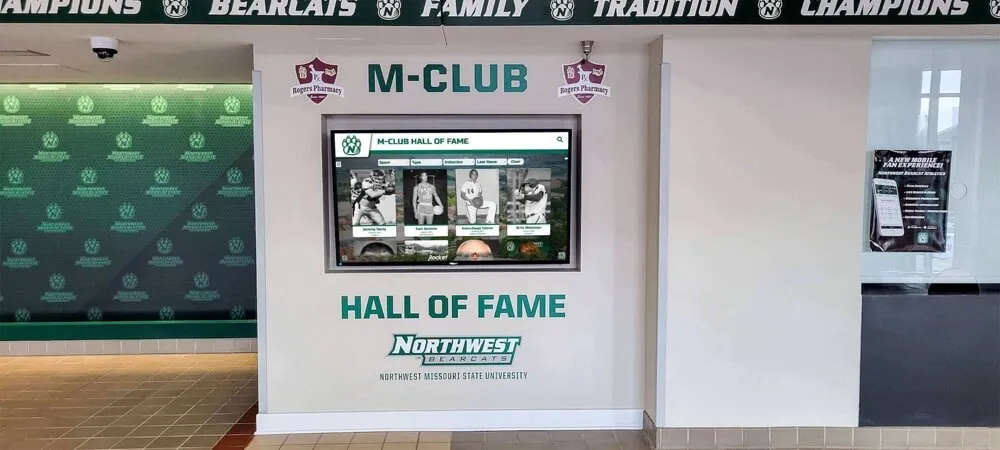
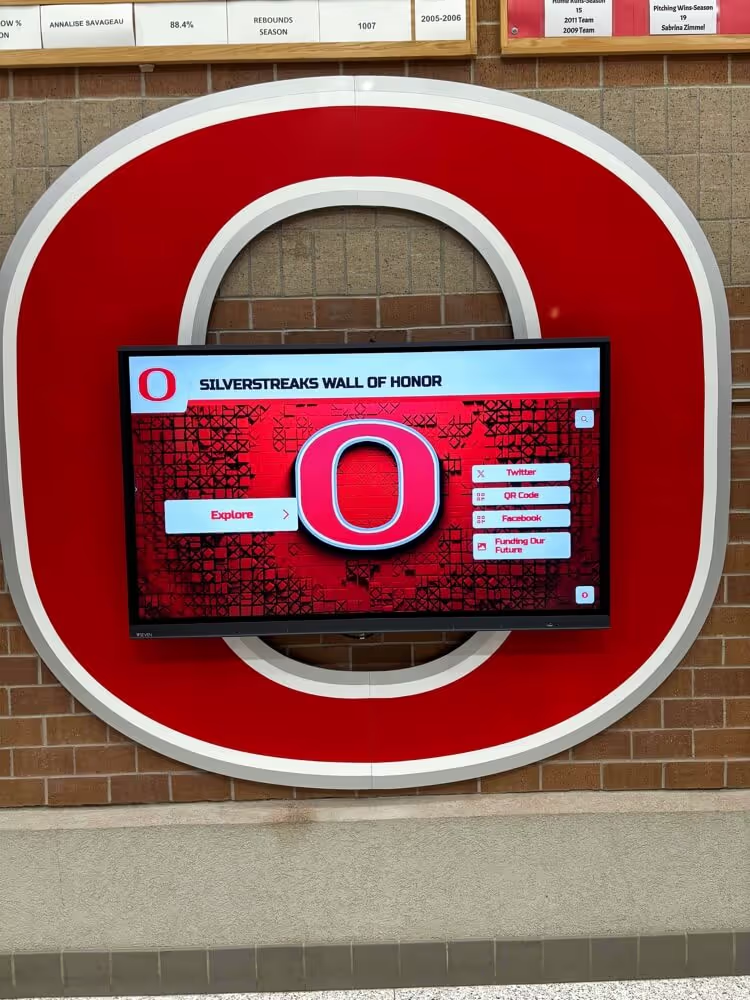
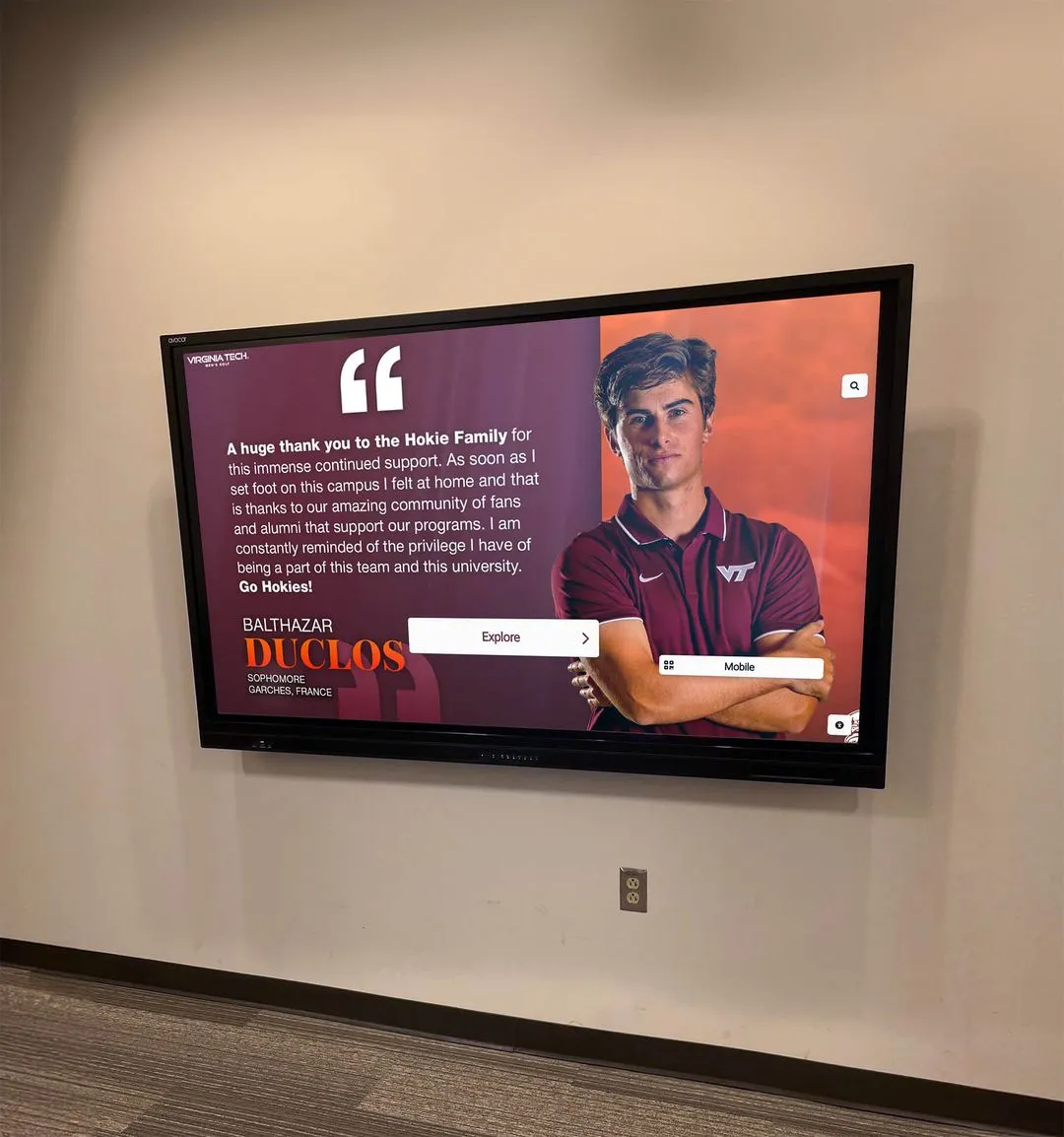
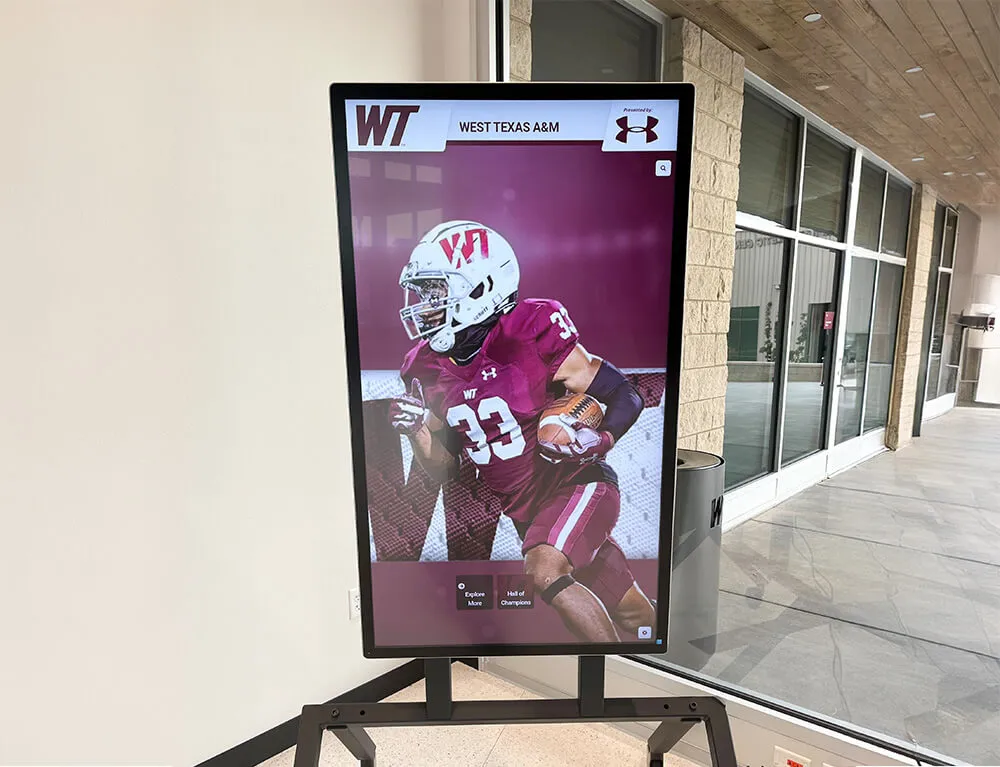
Organizations with physical space constraints increasingly adopt interactive digital recognition displays enabling unlimited donor capacity without construction projects required for traditional plaque walls.

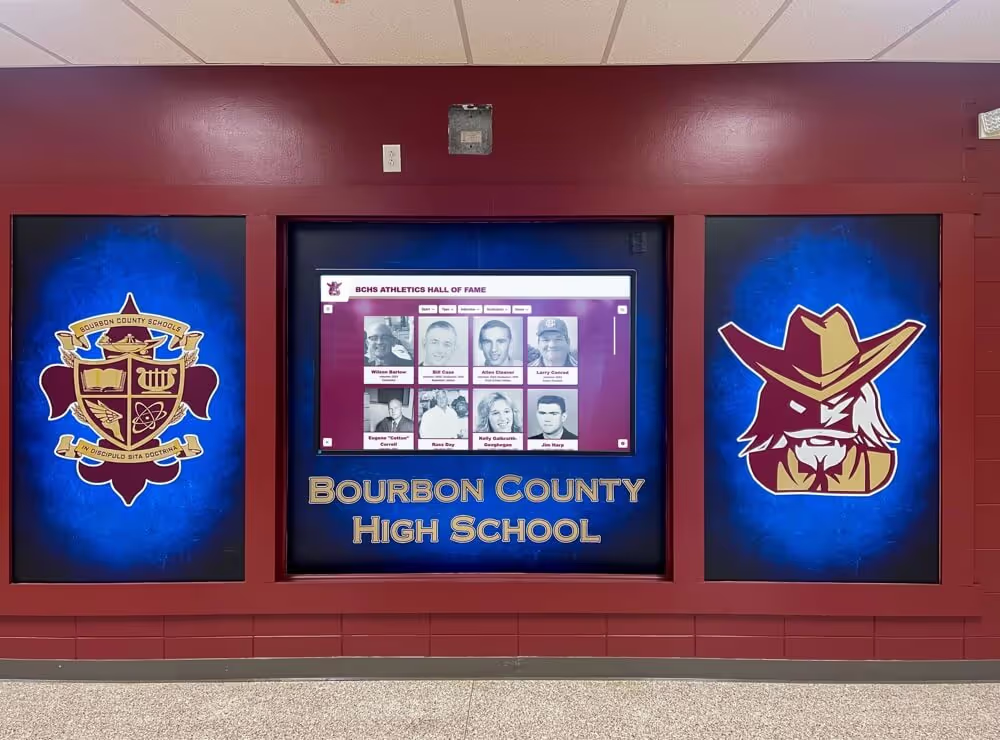
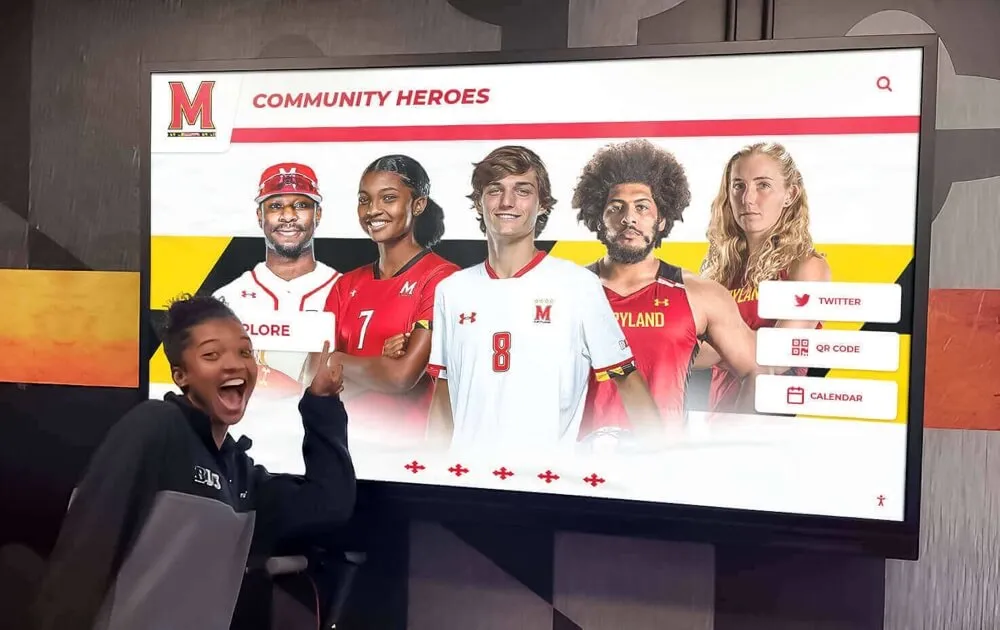
Digital donor recognition eliminates space constraints enabling organizations honoring all contribution levels with appropriate visibility and presentation quality
Step 3: Establish Communication Frequency and Channels
Beyond immediate post-gift acknowledgment, specify ongoing touchpoint schedules maintaining relationships between contributions.
Communication Matrix by Tier:
| Tier Level | Annual Touchpoints | Primary Channels | Content Focus |
|---|---|---|---|
| $1-$99 | 4-6 contacts | Email, social media | Impact stories, general updates |
| $100-$249 | 6-8 contacts | Email, direct mail | Program outcomes, volunteer opportunities |
| $250-$499 | 8-12 contacts | Email, phone, mail | Specific impact, upgrade cultivation |
| $500-$999 | 12-16 contacts | Phone, mail, in-person | Personalized impact, leadership opportunities |
| $1,000-$2,499 | 16-20 contacts | Phone, in-person, mail | Custom reporting, strategic engagement |
| $2,500-$4,999 | 20-24 contacts | In-person, phone, custom | Executive updates, insider access |
| $5,000+ | 24+ contacts | In-person primary | Partnership-level engagement, board cultivation |
Higher giving tiers warrant increased communication frequency and progressively more personalized channel selection. A $50 donor receives quarterly email newsletters; a $50,000 donor expects monthly personalized contact including in-person meetings, phone calls, and custom written updates.
Step 4: Define Timeline Commitments and Responsibility
Vague stewardship intentions like “send thank-you notes promptly” permit interpretation ranging from same-day acknowledgment to three-week delays. Matrices must specify exact timing and assign clear ownership.
Sample Timeline Specifications:
Within 24 Hours:
- Automated gift receipt confirmation (development database)
- Gift entered into CRM with accurate attribution (development coordinator)
- Major gift notification sent to executive team ($5,000+ gifts)
Within 7 Days:
- Personal thank-you call completed for $1,000+ donors (development director)
- Executive director personal call for $5,000+ donors (executive director)
- Handwritten note mailed for $250+ donors (development team)
Within 30 Days:
- Official tax receipt letter mailed (finance team)
- Mid-level donor phone calls completed for $500-$999 (development coordinator)
- Social media acknowledgment posted with donor permission (communications team)
Within 90 Days:
- First impact report delivered to major donors (program staff)
- In-person meeting scheduled with leadership donors (executive director)
- Donor profile added to recognition displays (facilities/communications)
Assigning specific responsibility prevents dangerous assumptions where everyone thinks someone else handles critical stewardship tasks. The matrix becomes a project management tool coordinating cross-departmental acknowledgment efforts.
Advanced Stewardship Matrix Elements
Beyond baseline recognition mapping, sophisticated matrices incorporate elements strengthening donor relationships and driving upgrade cultivation.
Donor Journey Mapping and Upgrade Pathways
Effective stewardship doesn’t just acknowledge current gifts—it creates clear pathways encouraging donors progressing to higher giving levels.
Upgrade Trigger Points:
Identify moments warranting enhanced cultivation targeting donor advancement:
- Donors reaching 80% of next tier threshold ($800 current giving, $1,000 tier threshold)
- Multi-year consecutive donors demonstrating commitment patterns
- Donors with capacity indicators (wealth screening) exceeding current giving level
- Engagement metrics showing high involvement (event attendance, volunteer hours)
- Life events creating giving opportunities (windfalls, retirement, estate planning)
Upgrade Cultivation Activities:
- Personal outreach explaining next tier benefits and impact potential
- Project-specific proposals matching donor interests at higher giving levels
- Multi-year pledge conversations spreading larger commitments across time
- Peer influence through events connecting similar-capacity donors at higher tiers
- Naming opportunity presentations showing legacy possibilities
Organizations implementing systematic upgrade cultivation see 35-50% of identified prospects increasing giving levels within 18-24 months compared to 8-12% upgrade rates from passive stewardship approaches.
Recognition Wall Integration and Public Acknowledgment
Public donor recognition serves dual purposes—honoring current supporters while inspiring prospects toward similar generosity. Your stewardship matrix should specify how giving tiers translate to visible acknowledgment.
Traditional Recognition Wall Constraints:
Physical donor walls face fundamental limitations as programs grow:
- Fixed space capacity restricting how many donors receive recognition
- Expensive updates requiring vendor coordination and construction projects
- Update delays creating 3-6 month gaps between gifts and public acknowledgment
- Rigid layouts limiting storytelling to basic name/tier/year information
These constraints force organizations making difficult decisions about recognition priority, often resulting in newer donors waiting months for acknowledgment while wall space limitations prevent honoring all contributors appropriately.

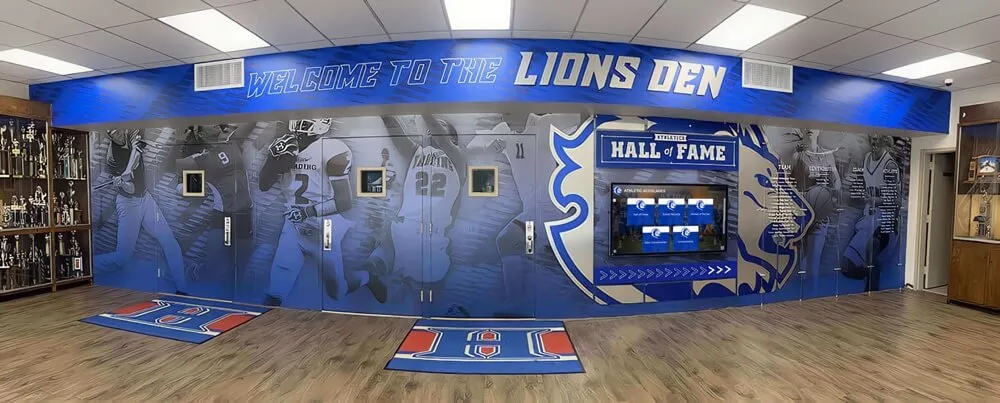
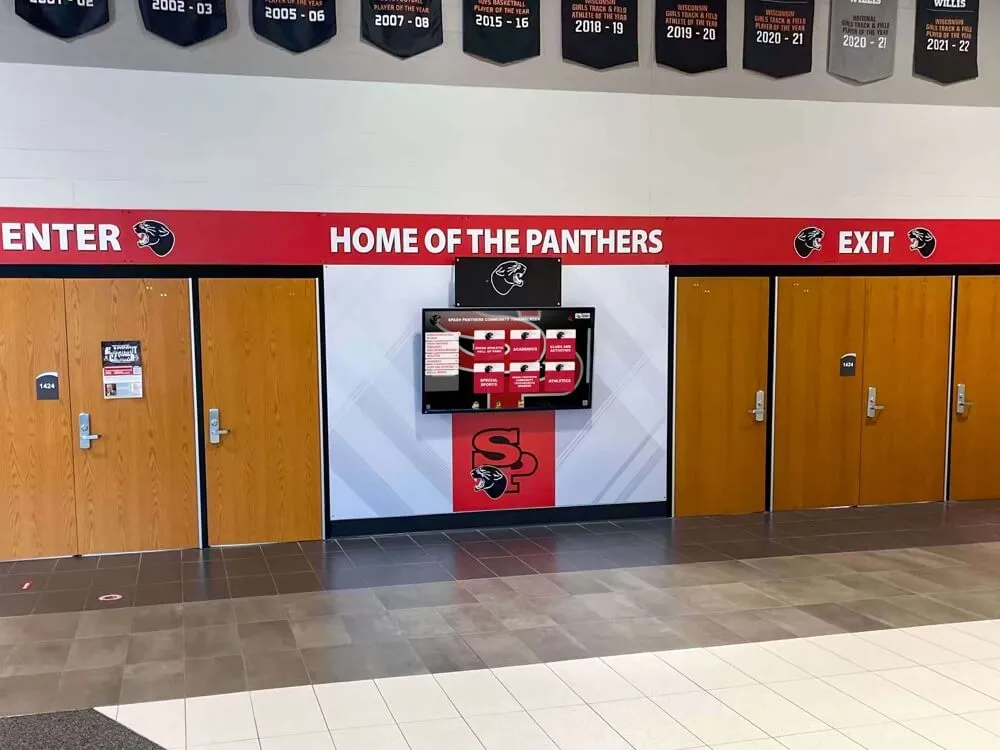
Contemporary recognition approaches combine traditional architectural elements with digital flexibility accommodating unlimited donor capacity and easy content updates
Digital Recognition Solutions:
Modern donor stewardship increasingly leverages interactive touchscreen displays eliminating physical space constraints while enabling richer storytelling:
Unlimited Capacity: Single displays accommodate 5,000+ donor profiles without space limitations Immediate Updates: Add donor recognition within minutes rather than waiting months for plaque installation Tiered Presentation: Visual design differentiating recognition levels through layout, sizing, and prominence Rich Storytelling: Include donor photos, biographical information, giving motivations, and impact documentation Search Functionality: Enable visitors quickly finding specific donors rather than scanning alphabetical lists Remote Management: Update content from anywhere without coordinating facilities teams or vendor installations
Organizations like Rocket Alumni Solutions provide comprehensive digital donor recognition platforms specifically designed for acknowledgment applications rather than generic digital signage adapted to recognition purposes. These specialized solutions include donor-specific features including giving tier visualization, searchable databases, and template-based profile creation streamlining content management for development teams without technical expertise.
Schools implementing digital recognition displays report that unlimited capacity and immediate update capability represent the highest-value benefits, enabling them honoring all donors appropriately without space constraints forcing difficult prioritization decisions.
Impact Measurement and Stewardship ROI Tracking
Stewardship matrices should include measurement frameworks assessing whether recognition investments generate intended fundraising outcomes.
Key Performance Indicators by Tier:
| Metric | Target Range | Measurement Period |
|---|---|---|
| First-to-second gift retention | 50-65% | 12 months |
| Multi-year donor retention | 70-85% | 24 months |
| Average gift increase (returning donors) | 8-15% | Annual |
| Tier upgrade rate | 12-18% | 18 months |
| Major donor retention ($1,000+) | 80-90% | Annual |
| Leadership donor retention ($5,000+) | 90-95% | Annual |
Compare actual performance against matrix targets identifying tiers where stewardship effectiveness lags expectations. A tier showing 40% retention against 55% targets signals inadequate recognition requiring enhanced acknowledgment protocols.
Cost-Benefit Analysis:
Calculate stewardship investment relative to donor value generation:
- Stewardship cost per donor by tier
- Lifetime value by tier
- Return on stewardship investment (donor value / stewardship cost)
- Break-even retention rate justifying stewardship expense
A tier costing $75 per donor in annual stewardship generating $500 average lifetime value produces strong ROI warranting continued investment. Conversely, expensive stewardship activities generating minimal retention improvement or upgrade progression should be reconsidered regardless of theoretical appeal.
Implementing Your Donor Stewardship Matrix
Building a comprehensive matrix means nothing without operational execution translating planning documents into consistent donor experiences.
Staff Training and Matrix Adoption
Development teams must understand not just what the matrix prescribes, but why systematic stewardship matters for fundraising success:
Training Elements:
- Matrix rationale explaining how consistent stewardship improves retention
- Detailed walkthrough of tier-specific recognition protocols
- Timeline and responsibility clarification preventing acknowledgment gaps
- Database and technology training enabling efficient stewardship execution
- Role-playing exercises practicing donor communication scenarios
- Exception handling protocols for unusual circumstances not addressed in standard matrix
Beyond initial training, integrate matrix review into regular team meetings monitoring stewardship completion rates and identifying operational bottlenecks preventing timely acknowledgment.
Technology Systems Supporting Matrix Execution
Manual stewardship tracking through spreadsheets creates dangerous gaps as gift volume increases. Donor database systems should automate matrix implementation:
Essential Technology Capabilities:
- Automated tier assignment based on gift amount or cumulative giving
- Task generation triggering stewardship activities when gifts are entered
- Timeline tracking flagging overdue acknowledgment actions
- Responsibility assignment routing tasks to appropriate team members
- Completion verification ensuring all stewardship elements execute
- Dashboard reporting showing stewardship performance across tiers
Modern fundraising platforms integrate stewardship workflows directly into gift processing—entering a $1,500 contribution automatically generates tasks including executive director call within 7 days, handwritten note within 10 days, and digital recognition wall update within 30 days, with automated reminders ensuring completion.
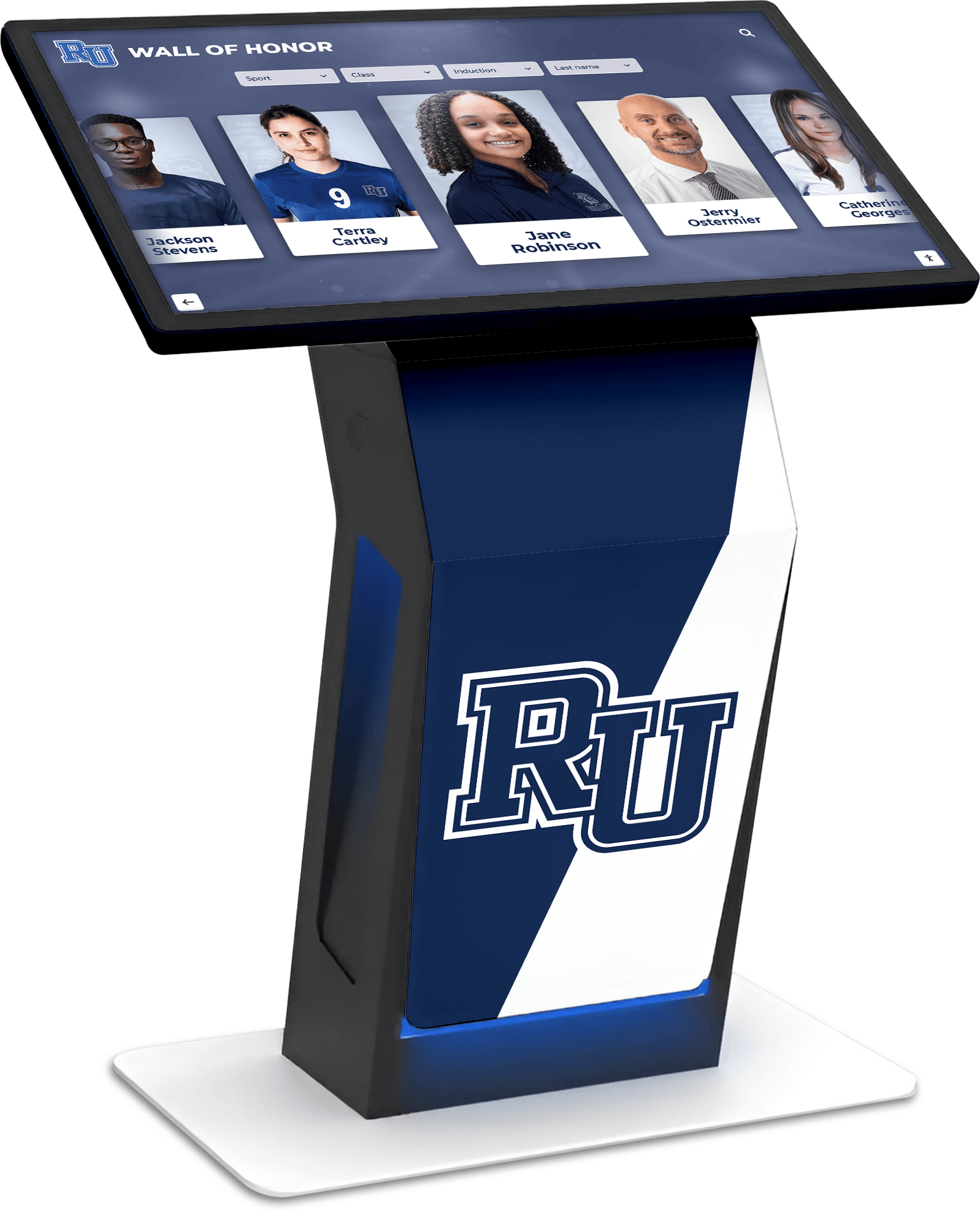
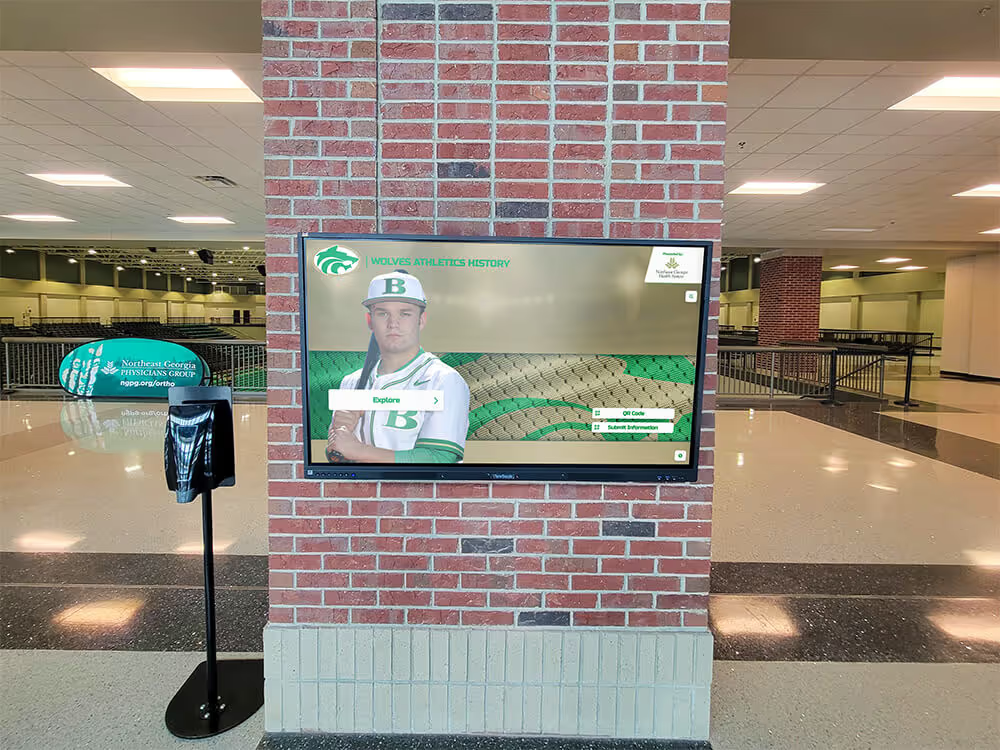
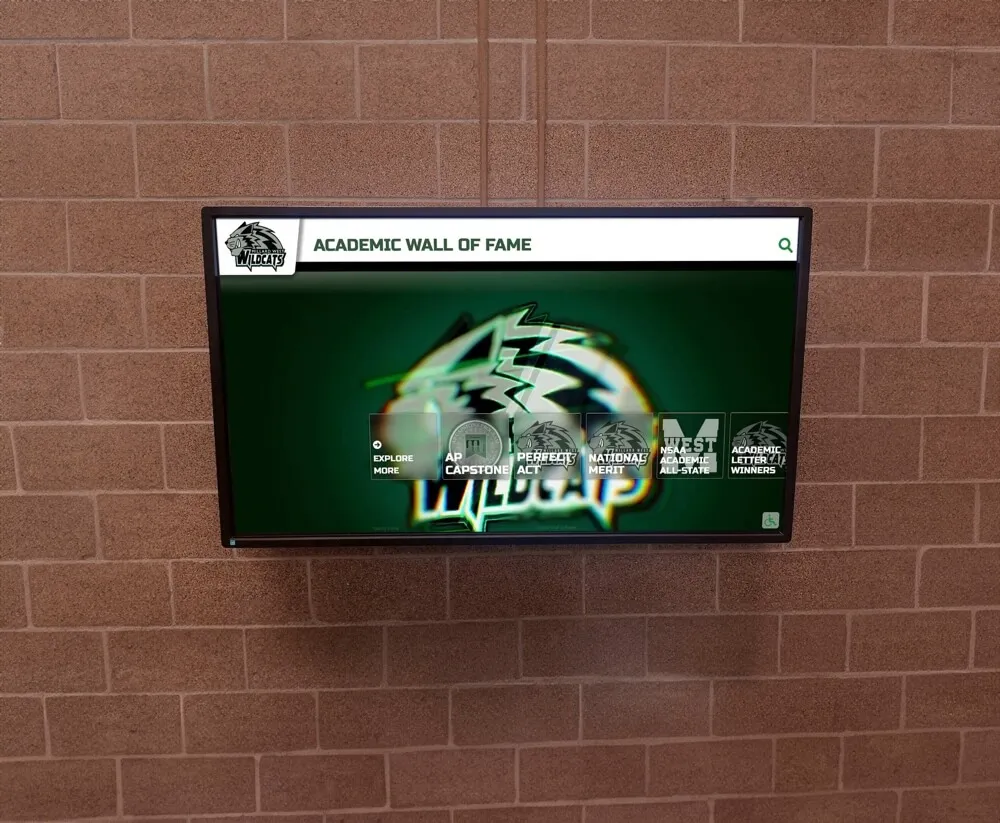
Touchscreen donor recognition systems integrate with fundraising databases enabling automatic profile updates as donors progress through giving tiers
Quality Control and Consistency Monitoring
Matrices establish stewardship standards, but implementation quality determines actual donor experiences.
Monthly Stewardship Audits:
- Random sampling of recent gifts verifying matrix protocol execution
- Timeline compliance checking acknowledgment speed
- Communication quality review assessing personalization and authenticity
- Donor feedback collection identifying stewardship gaps or opportunities
- Cross-tier consistency verification ensuring comparable donors receive comparable recognition
Leadership reviewing 10-15 recent donor experiences monthly catches quality issues before patterns emerge. A handwritten note reading like a form letter violates stewardship intent despite technical compliance with matrix specifications.
Common Stewardship Matrix Mistakes to Avoid
Learning from implementation failures helps organizations building more effective frameworks:
Over-Promising Recognition You Can’t Deliver
Ambitious matrices documenting elaborate stewardship activities exceed organizational capacity resulting in inconsistent execution damaging donor trust more than modest but reliable recognition would.
Prevention Strategy: Build matrices reflecting realistic capacity rather than aspirational ideals. Delivering six touchpoints consistently outperforms promising twelve but executing four sporadically. Start conservative, monitor execution success rates, then enhance protocols as capacity grows.
Neglecting Lower-Tier Donors
Concentrating stewardship resources exclusively on major donors while providing minimal acknowledgment to smaller contributors ignores that today’s $100 donor might become tomorrow’s $10,000 supporter—if cultivation begins early.
Prevention Strategy: Establish baseline recognition standards applying to all donors regardless of gift size, then layer enhanced stewardship for higher tiers. Every donor deserves prompt acknowledgment, genuine gratitude, and appropriate recognition. Tier differentiation should enhance rather than replace universal baseline stewardship.
Static Matrices Ignoring Donor Feedback
Once-built matrices become outdated as donor expectations evolve and organizational capacity changes. Annual matrix review should incorporate donor feedback identifying stewardship gaps or opportunities.
Prevention Strategy: Survey donors across tiers annually asking what recognition they value most, what feels excessive or unnecessary, and what additional acknowledgment would strengthen their connection to mission. Adjust matrix protocols based on actual donor preferences rather than development team assumptions.
Forgetting Recognition Beyond Financial Contributions
Stewardship matrices typically focus exclusively on monetary gifts, ignoring volunteers, advocates, and in-kind donors deserving acknowledgment. Comprehensive frameworks address multiple contribution types.
Prevention Strategy: Develop parallel recognition frameworks for volunteer hours, professional expertise contribution, and in-kind donations. A donor contributing 100 volunteer hours annually might warrant recognition equivalent to $1,000 financial supporters. Many organizations implementing comprehensive recognition programs honor diverse contribution types rather than focusing exclusively on check writers.
Sample Donor Stewardship Matrix Template
Use this framework as a starting point, customizing tier levels, recognition activities, and timelines to match your organizational context:
Tier 1: Friends Circle ($1-$99)
Immediate Acknowledgment (24-48 hours):
- Automated gift receipt email confirmation
- Social media thank-you post (with permission)
Within 30 Days:
- Official IRS tax receipt letter
- Welcome email series introducing organizational programs
Ongoing (Quarterly):
- Impact newsletter via email
- Invitation to annual open house event
Annual Recognition:
- Name listing in digital donor directory
- Donor honor roll in annual report
Responsibility: Development coordinator
Tier 2: Supporter Level ($100-$249)
Immediate Acknowledgment (24-48 hours):
- Automated gift receipt email confirmation
- Personal thank-you email from development team
Within 14 Days:
- Official IRS tax receipt letter
- Handwritten thank-you note from program staff
Within 60 Days:
- Addition to digital donor recognition display
Ongoing (Bi-monthly):
- Email impact updates with stories
- Special event invitations
Annual Recognition:
- Featured listing in annual report
- Digital donor wall profile with gift year
Responsibility: Development coordinator + program staff
Tier 3: Leadership Society ($1,000-$2,499)
Immediate Acknowledgment (24-48 hours):
- Automated gift receipt confirmation
- Personal phone call from development director
Within 7 Days:
- Executive director thank-you call
- Handwritten note from board chair
Within 30 Days:
- In-person meeting or program tour
- Prominent digital recognition display profile
- Featured acknowledgment in external communications
Ongoing (Monthly):
- Personalized impact reports
- Exclusive leadership donor events
- Personal relationship management contact
Annual Recognition:
- Featured donor profile in annual report with photo
- Leadership society reception invitation
- Named recognition opportunities consideration
Responsibility: Development director + executive director
Tier 4: Transformational Circle ($10,000+)
Immediate Acknowledgment (24-72 hours):
- Automated receipt confirmation
- Executive director personal visit
Within 7 Days:
- Board member relationship assignment
- Custom thank-you gift or recognition item
Within 30 Days:
- Permanent naming opportunity presentation
- Major donor celebration event
- Featured storytelling across platforms
Ongoing (Bi-weekly minimum):
- Quarterly in-person meetings
- Custom stewardship reports
- Exclusive experiences and access
- Strategic planning involvement
Annual Recognition:
- Permanent building/program naming
- Featured marketing and communications
- Board cultivation consideration
Responsibility: Executive director + board leadership
Moving Forward: From Template to Donor Retention
Building a stewardship matrix represents the planning phase—consistent execution determines whether frameworks translate to improved retention rates and increased lifetime donor value.
Start implementation by piloting your matrix with one tier level, monitoring execution success rates and donor response before rolling out comprehensive protocols across all tiers. This phased approach identifies operational challenges when stakes are relatively low rather than discovering capacity constraints after committing to stewardship standards you cannot maintain.
Modern donor recognition technology significantly simplifies matrix execution by eliminating manual processes slowing acknowledgment and creating gaps where stewardship tasks fall through administrative cracks. Organizations still managing donor walls through physical plaques installed months after contributions face systematic disadvantages compared to institutions leveraging digital platforms enabling same-day recognition updates.

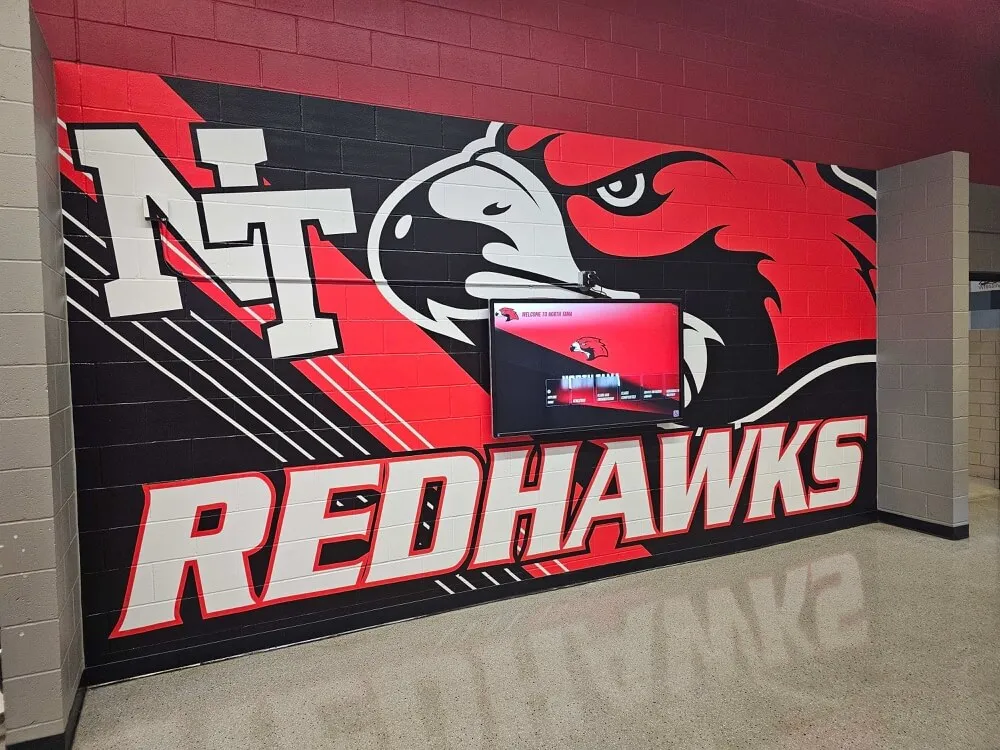
Contemporary donor recognition combines architectural presence with digital flexibility, enabling organizations implementing sophisticated stewardship matrices without physical space constraints
The donor stewardship matrix you implement establishes relationship foundations influencing giving patterns for years ahead. Donors experiencing consistent, meaningful recognition matching their contribution level develop emotional connections inspiring sustained support, while those receiving sporadic or inadequate acknowledgment join the 40-60% who never make second gifts.
Transform Donor Recognition With Purpose-Built Solutions
Implementing sophisticated donor stewardship matrices requires technology supporting unlimited recognition capacity, immediate content updates, and tiered presentation reflecting giving level distinctions. Traditional physical donor walls with space constraints and expensive update cycles create systematic obstacles to effective matrix execution.
Rocket Alumni Solutions provides interactive digital donor recognition platforms specifically designed for development teams managing complex stewardship frameworks. Our cloud-based touchscreen systems enable organizations honoring unlimited donors with tiered presentation quality, searchable directories, rich multimedia profiles, and remote content management eliminating vendor dependencies and update delays.
Schools, universities, hospitals, and nonprofit organizations nationwide rely on our donor recognition solutions to implement stewardship matrices delivering consistent acknowledgment strengthening retention and inspiring continued generosity. Discover how digital recognition technology transforms donor stewardship execution—schedule a demonstration showing how unlimited capacity, immediate updates, and sophisticated tiered presentation enable your organization honoring every contributor appropriately while building sustainable fundraising growth.