



Walk through any high school built before 2010, and you will encounter the same scene: glass-fronted trophy cases lining hallways, packed with tarnished trophies, yellowing plaques, and faded photographs. These traditional displays served schools well for decades, but they share common frustrations that athletic directors and school administrators increasingly recognize as insurmountable limitations rather than minor inconveniences.
Physical trophy cases run out of space. Older achievements get removed to storage when new trophies arrive, creating difficult decisions about which accomplishments deserve visibility and which fade into forgotten boxes. Updating displays requires physical access, key management, and manual labor—discouraging frequent updates and leaving cases displaying outdated information for months or years. Glass cabinets provide no context beyond what fits on small plaques, turning rich stories of championship seasons and individual excellence into static objects that communicate little to viewers unfamiliar with the details.
The solution gaining momentum across educational institutions nationwide involves digital trophy case installations that replace traditional glass cabinets with interactive touchscreen displays. These modern recognition systems eliminate space constraints, enable instant remote updates, provide multimedia storytelling capabilities, and create engaging experiences that traditional cases cannot match. This comprehensive guide explores digital trophy case ideas helping schools transition from outdated physical displays to dynamic recognition platforms that better serve students, alumni, and communities.
Schools implementing digital trophy cases discover transformative benefits extending far beyond simple modernization. These systems fundamentally change how institutions approach achievement recognition—moving from selective displays constrained by physical limitations to comprehensive archives celebrating every accomplishment across athletics, academics, arts, and service programs.

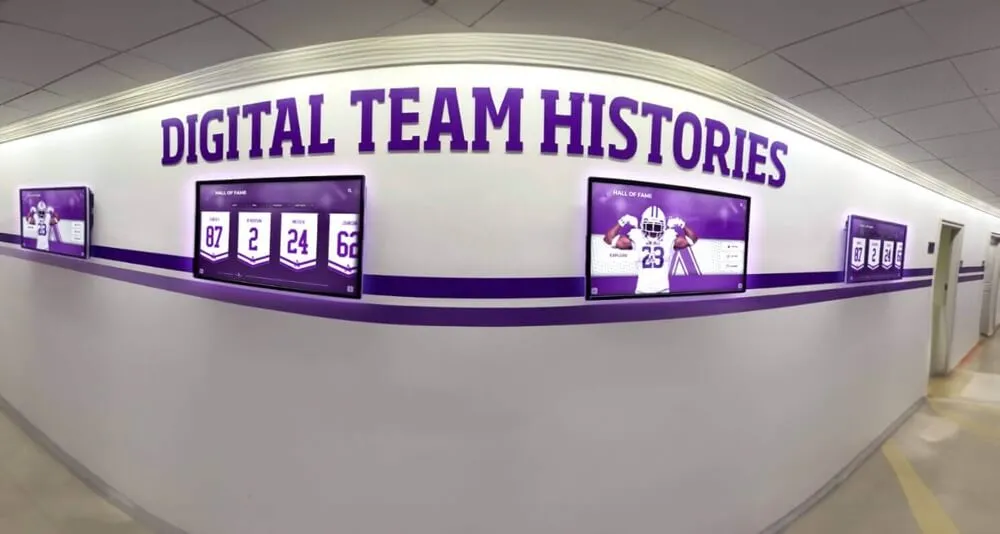
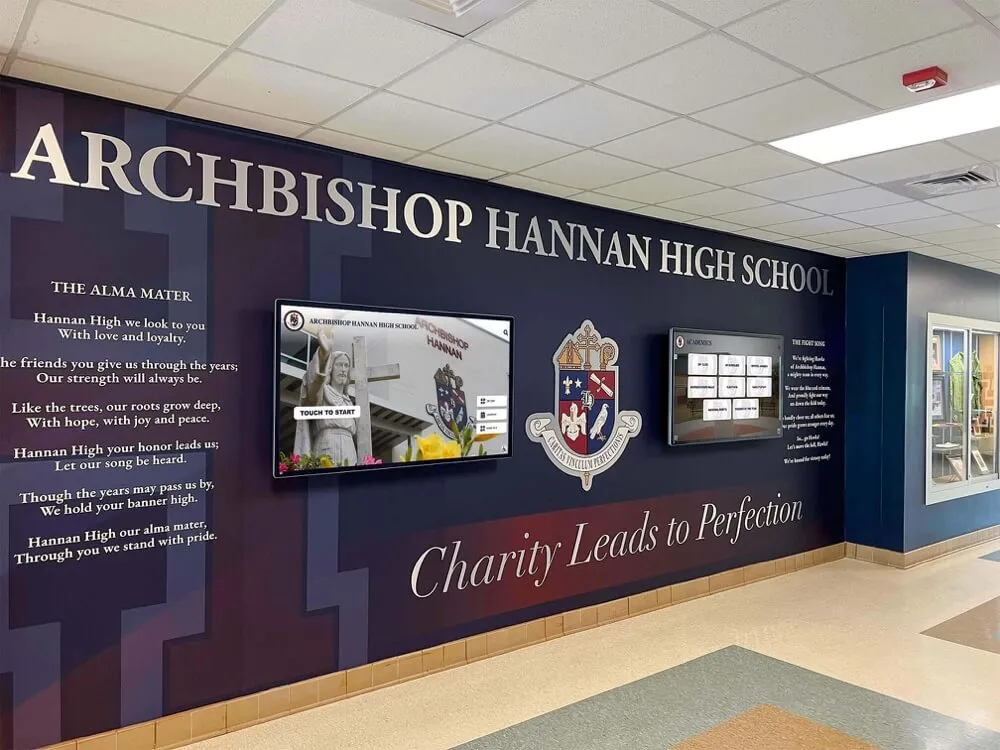
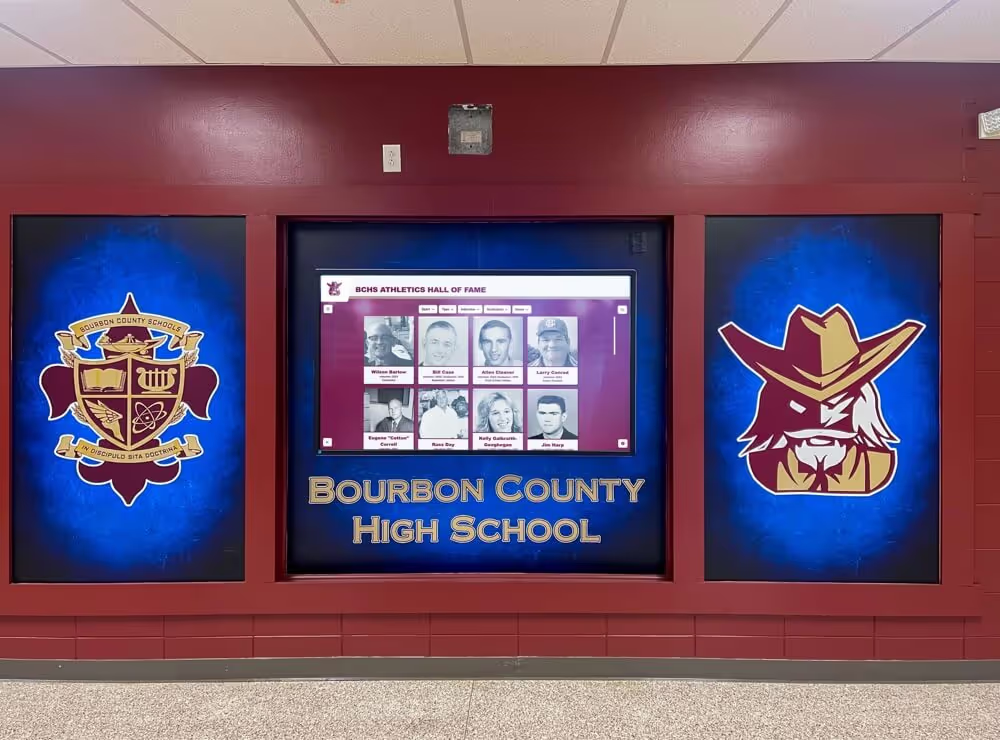
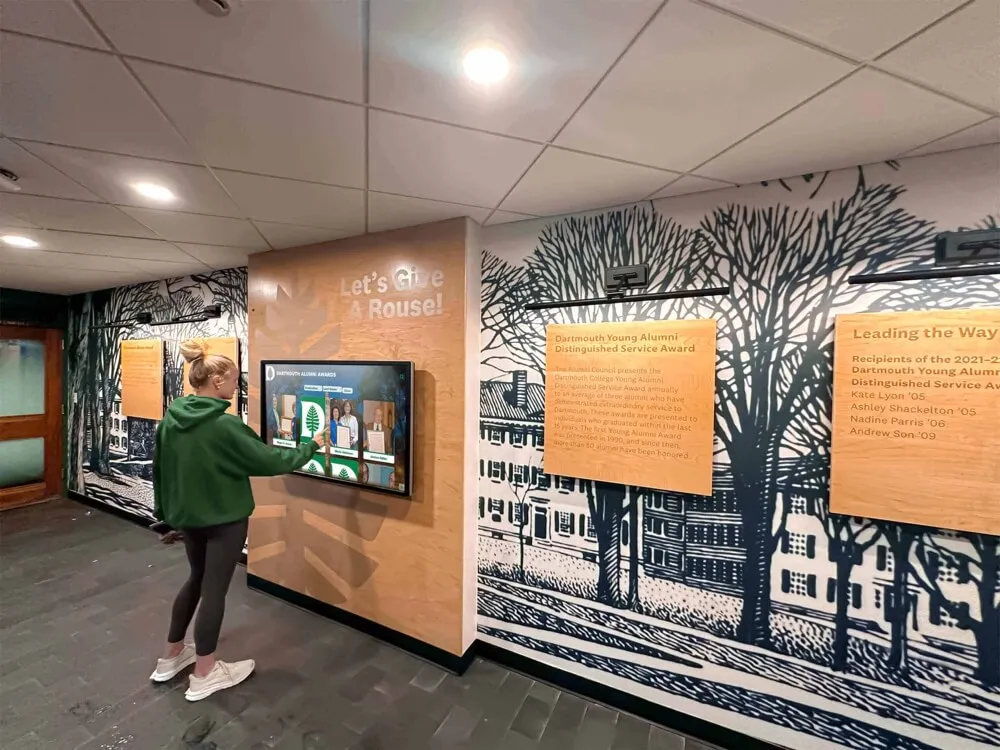
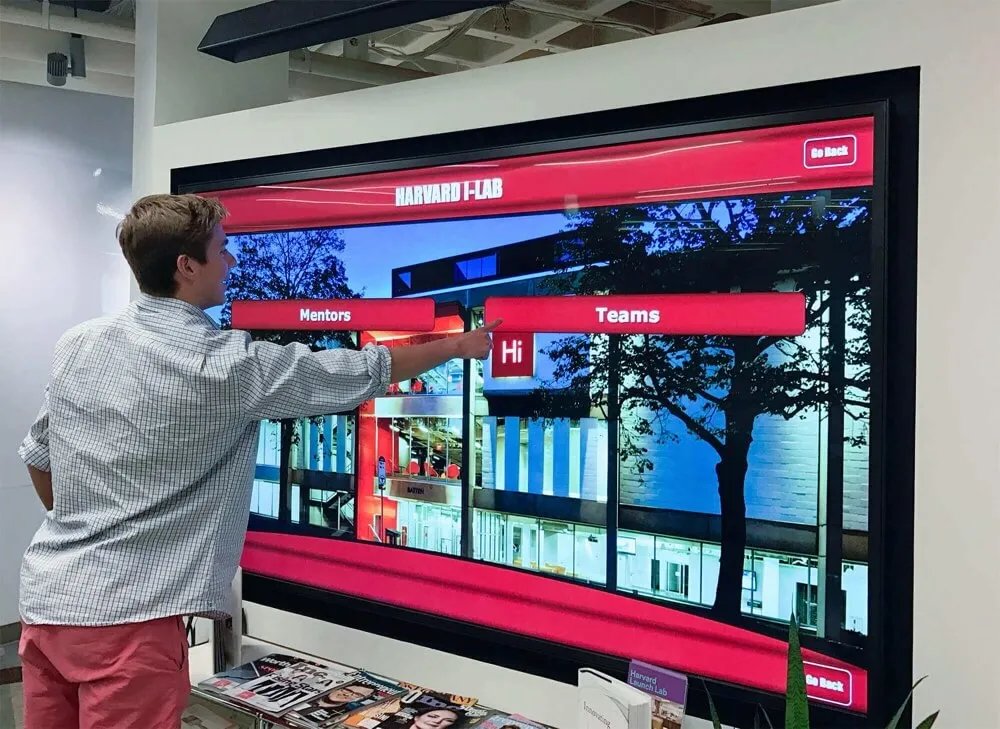
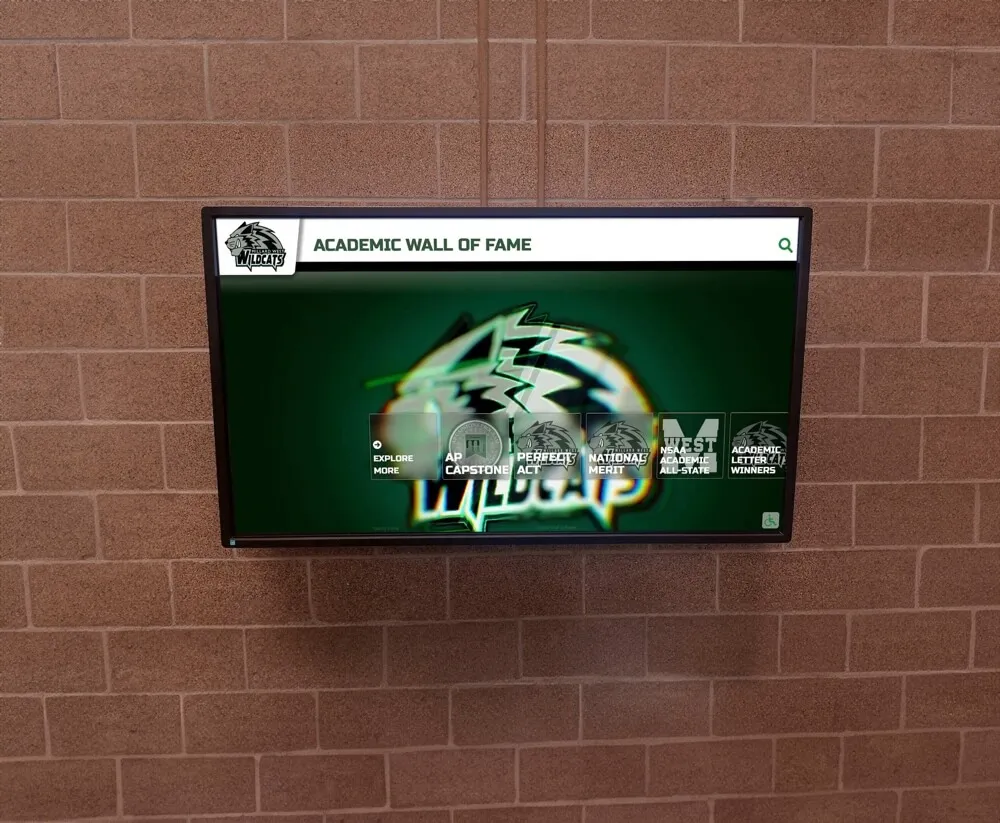
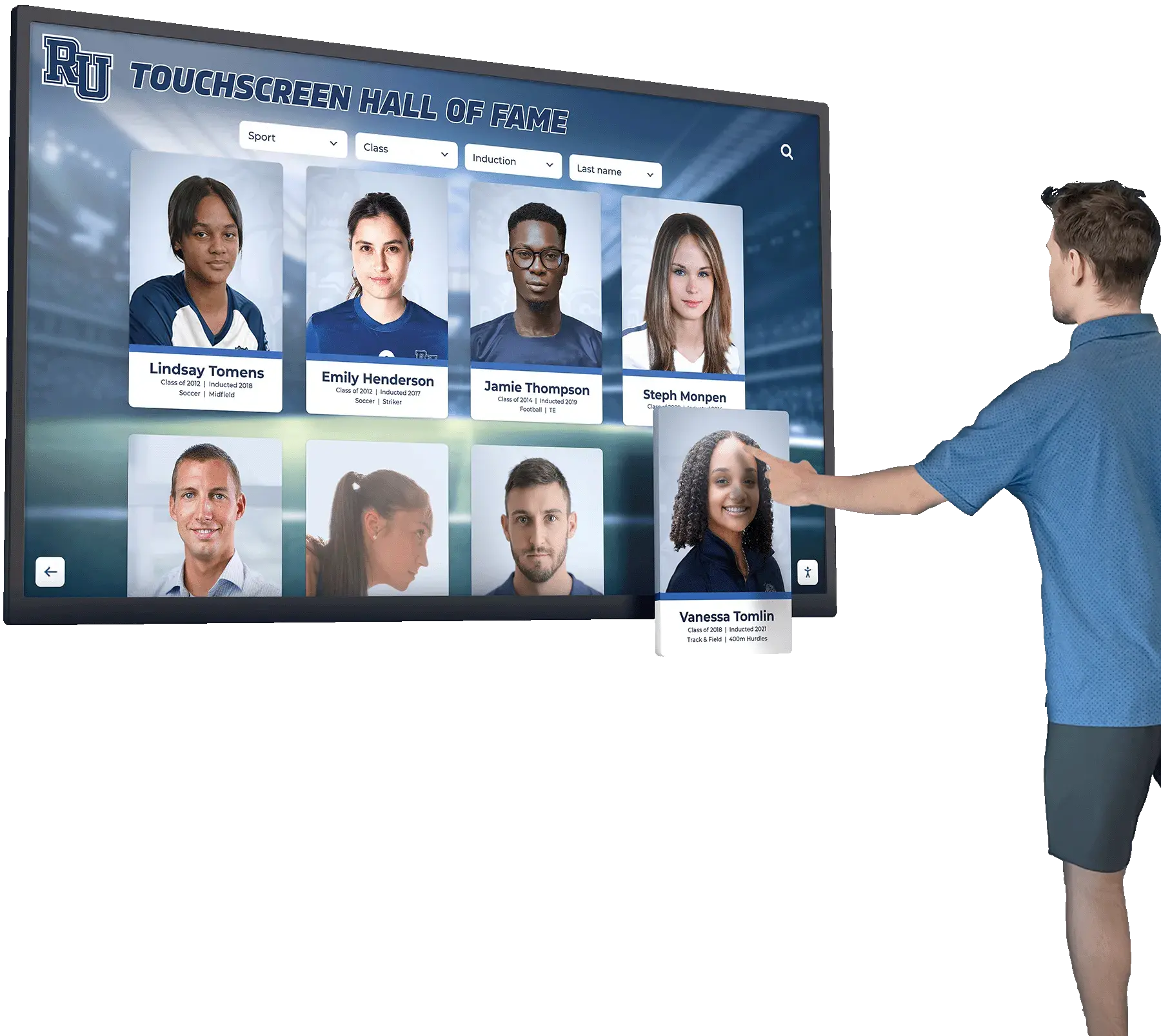
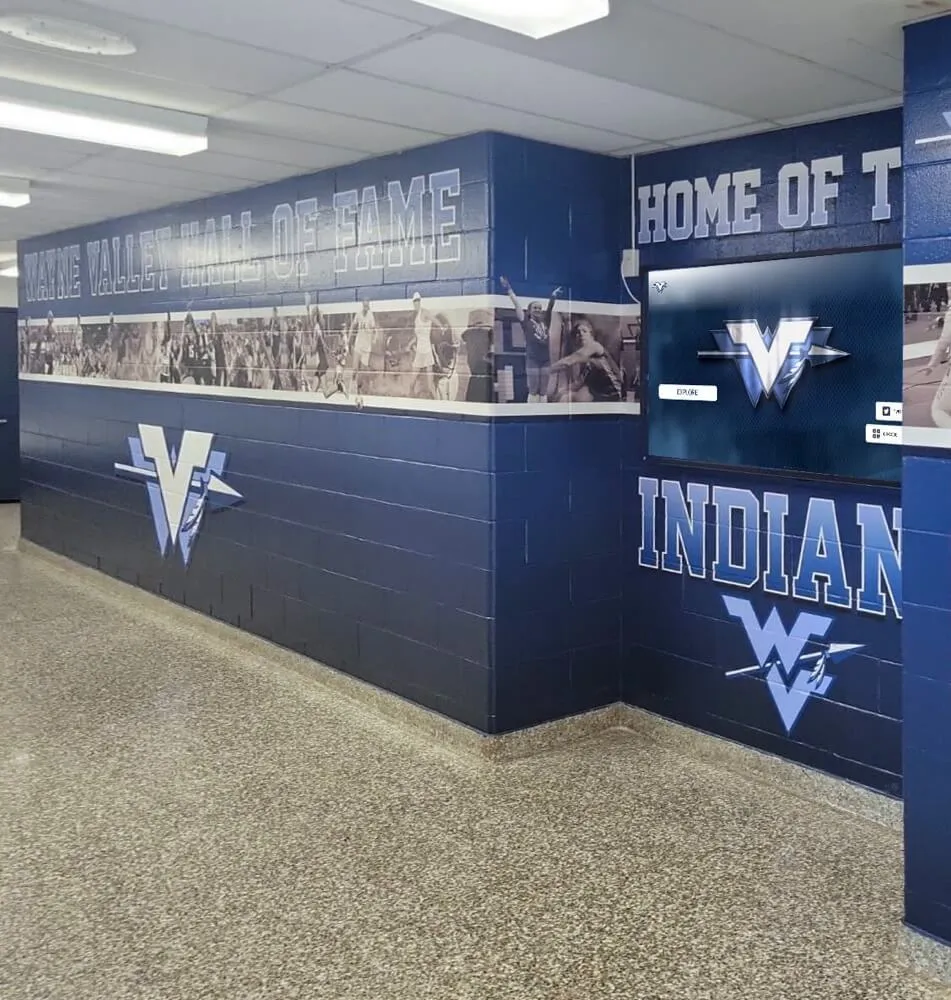
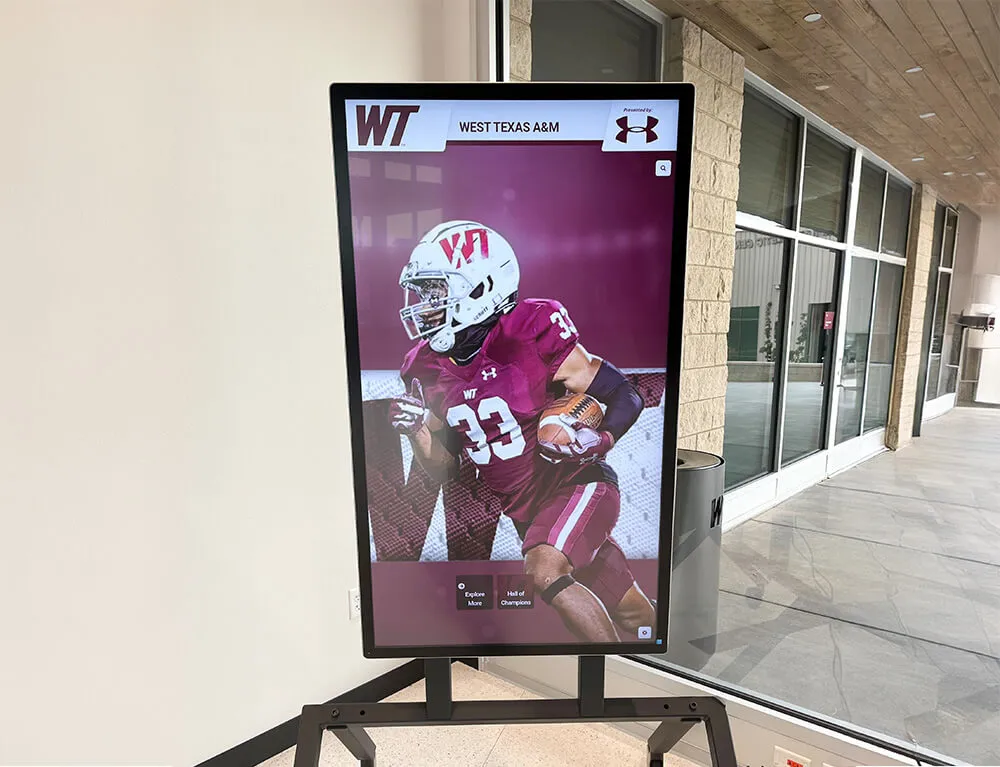
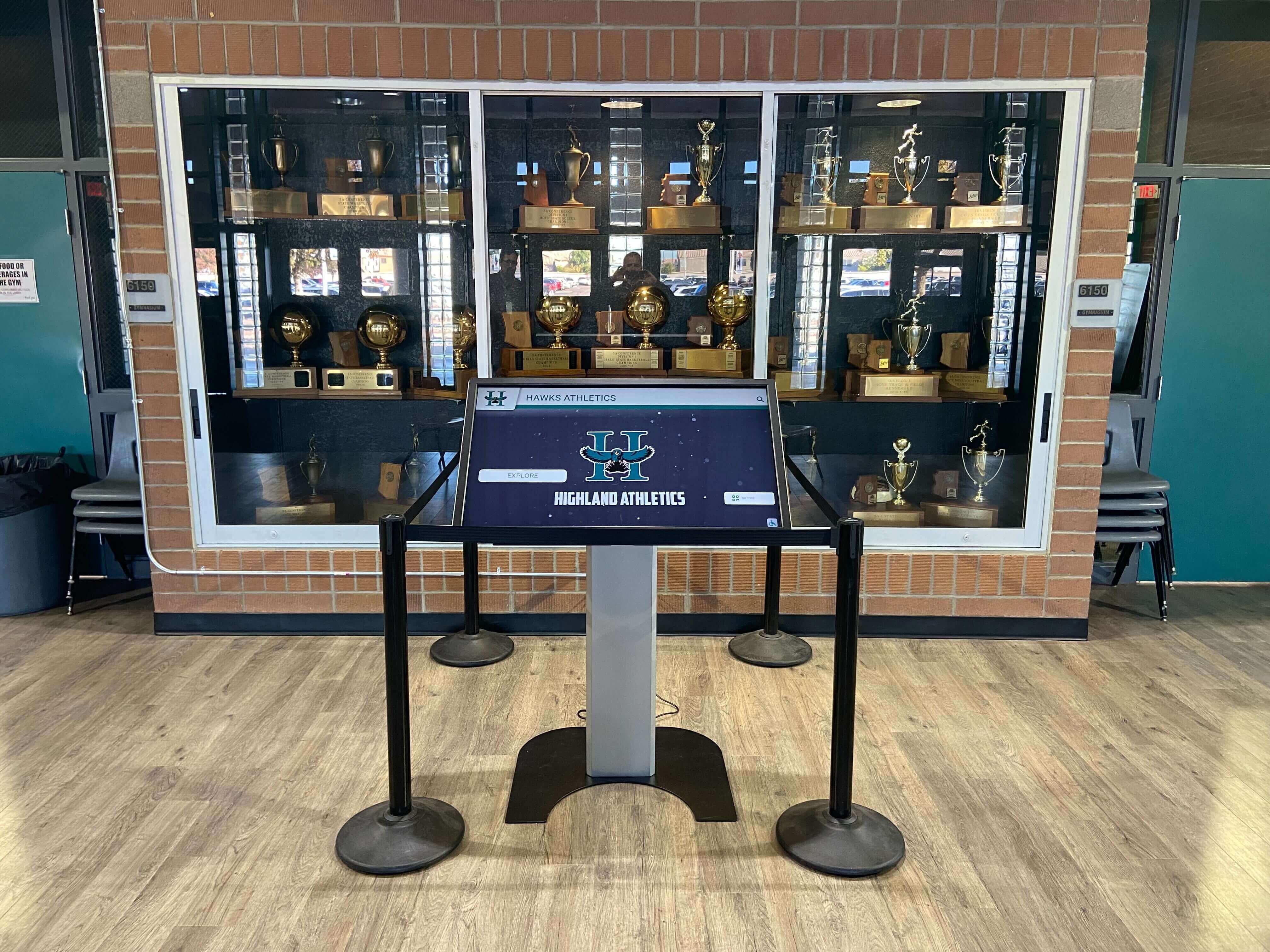
Modern touchscreen kiosks transform traditional trophy case areas into interactive recognition hubs where visitors explore comprehensive achievement histories
The Limitations Driving Schools Away from Glass Trophy Cases
Understanding why schools abandon traditional trophy cases helps administrators recognize whether digital alternatives address their specific challenges.
Space Constraints Create Impossible Decisions
Physical trophy cases have fixed capacity. A six-foot case holds approximately 20-30 trophies depending on size and arrangement. Schools with multiple sports programs, academic competitions, and performing arts achievements quickly exhaust available space.
This capacity limitation forces athletic directors and administrators into uncomfortable decision-making:
- Which sports deserve more display space than others?
- Should recent achievements replace historical accomplishments?
- Do team trophies take precedence over individual awards?
- How do you balance athletic versus academic recognition when space is limited?
Many schools address these questions by simply prioritizing certain programs—typically high-profile sports like football and basketball—while relegating other achievements to storage or secondary locations with less visibility. This selective recognition creates equity concerns and sends unintended messages about which accomplishments the institution values.
The Storage Problem
Schools rarely discard trophies and awards even when removing them from display. These items accumulate in storage closets, athletic offices, and forgotten basement areas. Administrators report boxes of trophies from decades past taking up valuable space while providing no recognition value to current students or visibility to visitors.
Maintenance Burdens and Outdated Information
Traditional trophy cases require ongoing physical maintenance that many schools struggle to sustain consistently:
Access and Security Challenges
Glass trophy cases typically lock to prevent theft or tampering. This necessary security creates maintenance friction. Updating displays requires:
- Locating the correct key (often held by specific individuals)
- Physical access to the case location during available hours
- Tools and materials for mounting new items or creating labels
- Coordination with custodial staff for ladder access or electrical work
These logistical requirements mean updates often get postponed or neglected entirely. Athletic directors report trophy cases displaying information from seasons past simply because updating involves more effort than available time permits.
Cleaning and Deterioration
Dust accumulates inside glass cases. Trophies tarnish. Paper labels fade and curl. Photographs yellow under fluorescent lighting. Maintaining professional appearances requires regular cleaning, polishing, and replacement—tasks that compete with numerous other maintenance priorities across facilities.
Many schools discover their trophy cases become sources of embarrassment rather than pride as aging displays project neglect instead of celebration.
Limited Context and Engagement
A trophy on a shelf communicates that something was won, but provides minimal story or context:
- Who were the team members who earned the championship?
- What made that season special or significant?
- How did the team perform throughout the season leading to victory?
- Where does this achievement rank in program history?
Traditional displays cannot answer these questions within the physical constraints of small plaques and limited space. Visitors see objects representing achievement but miss the human stories and institutional context that make recognition meaningful.
Passive Viewing Only
Glass trophy cases offer no interactivity. Visitors walk past, perhaps pause briefly to glance at contents, and continue. This passive engagement fails to capture attention or create memorable experiences, especially for younger generations accustomed to interactive digital experiences in most aspects of their lives.
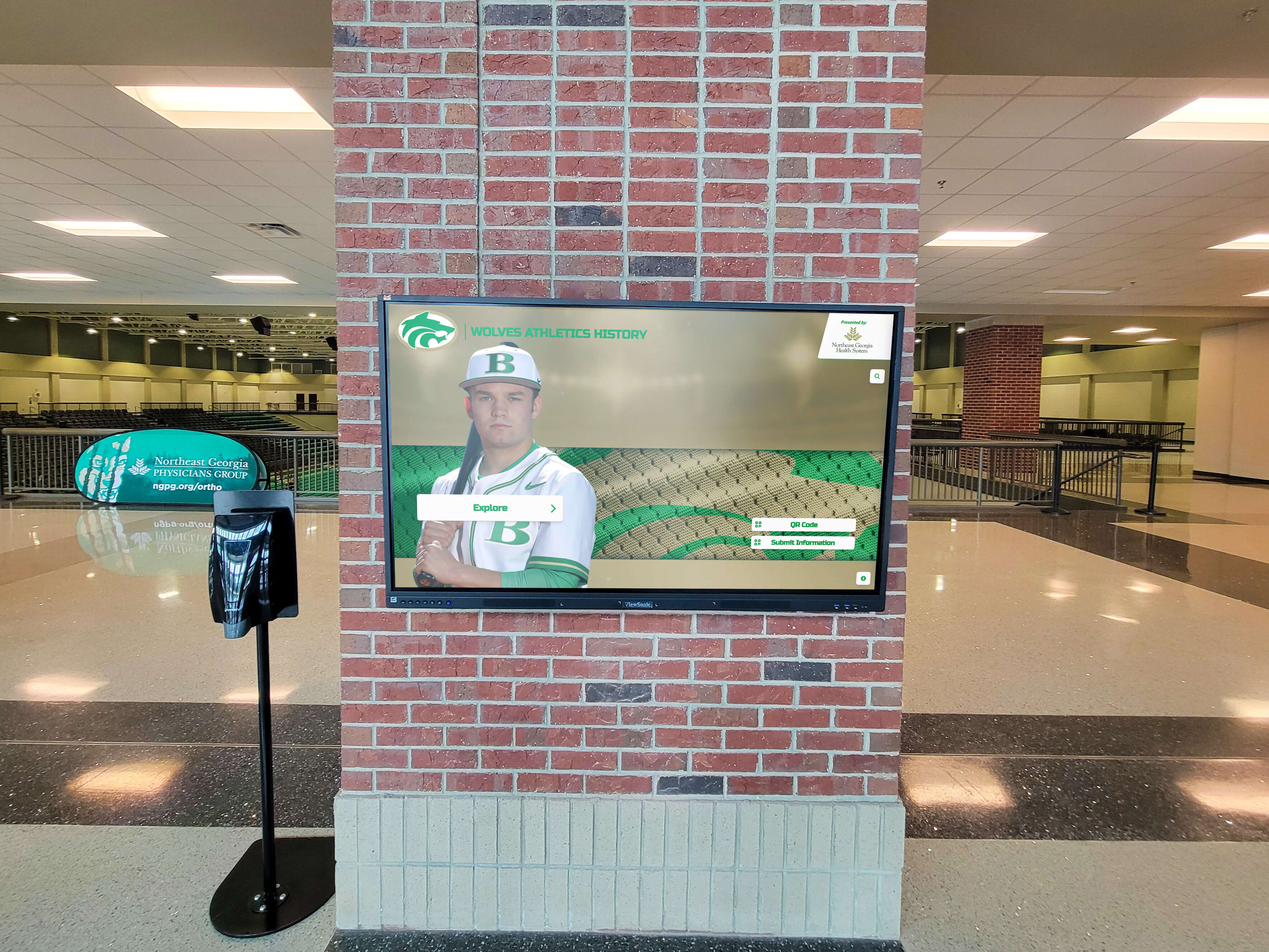
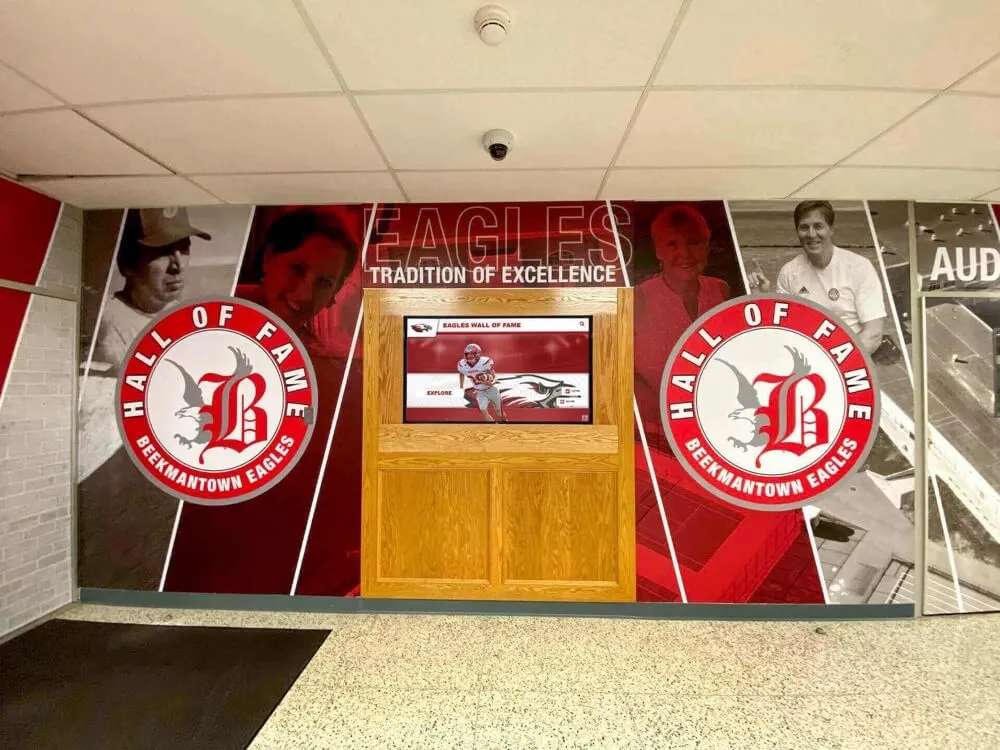
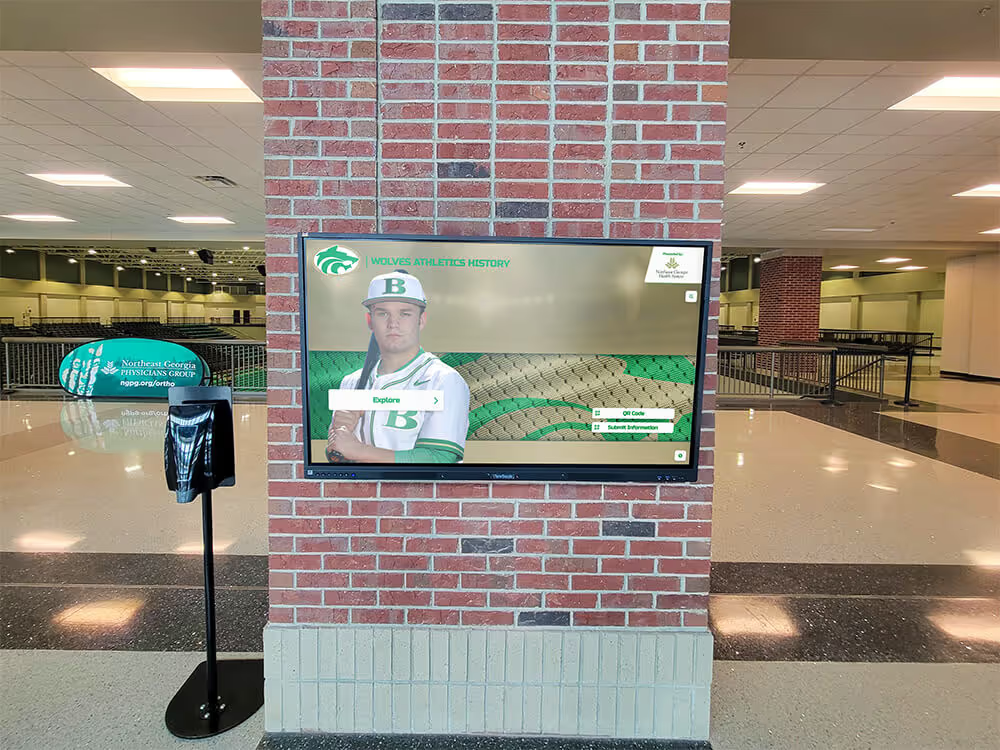
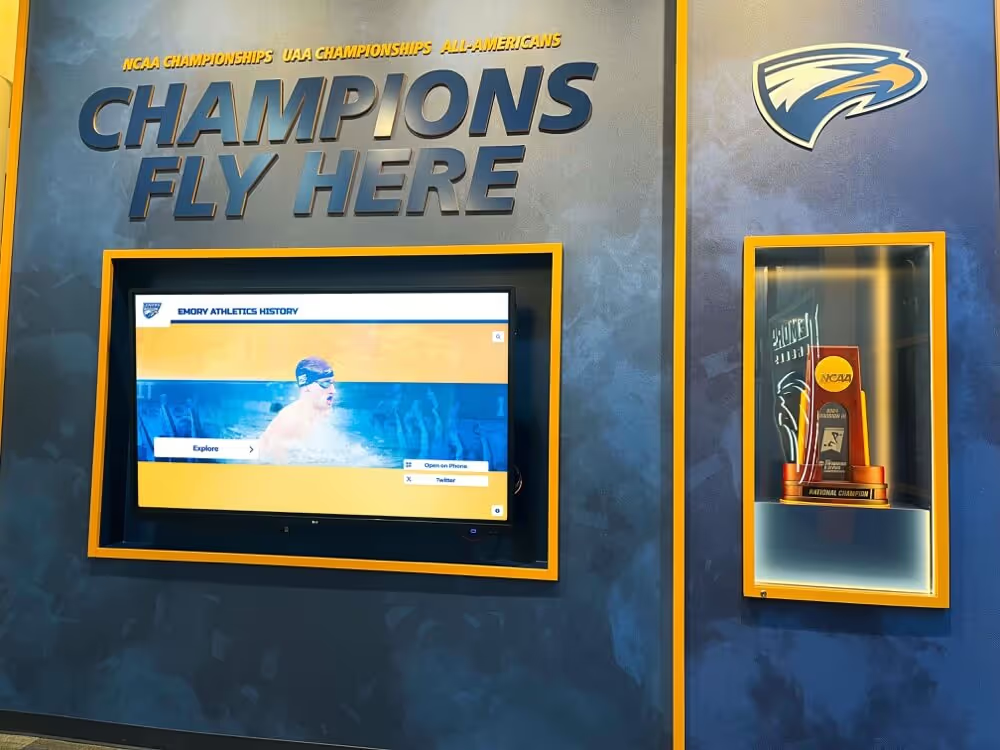
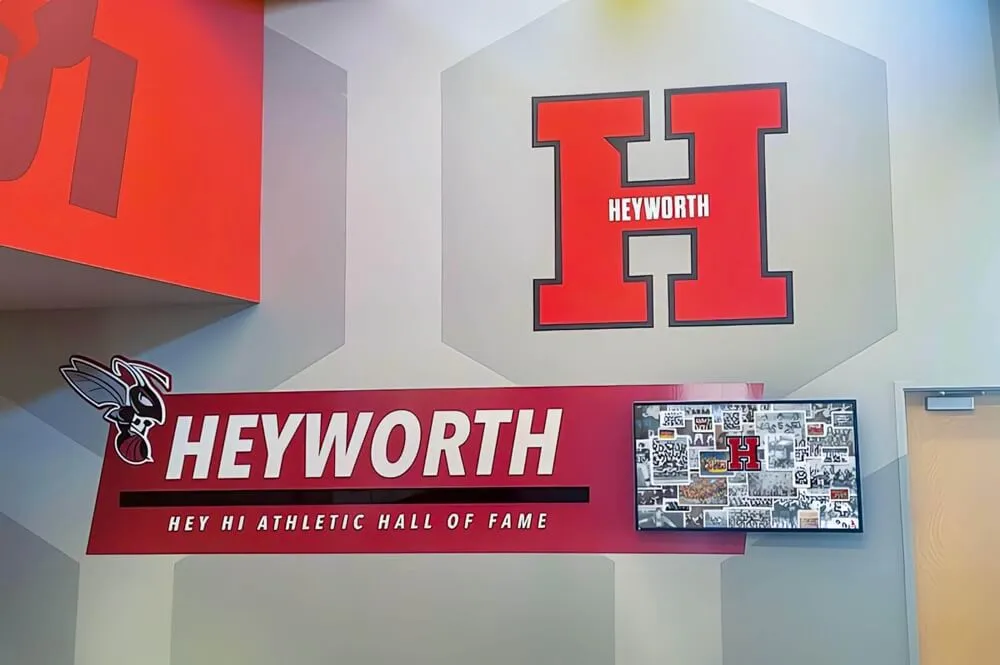
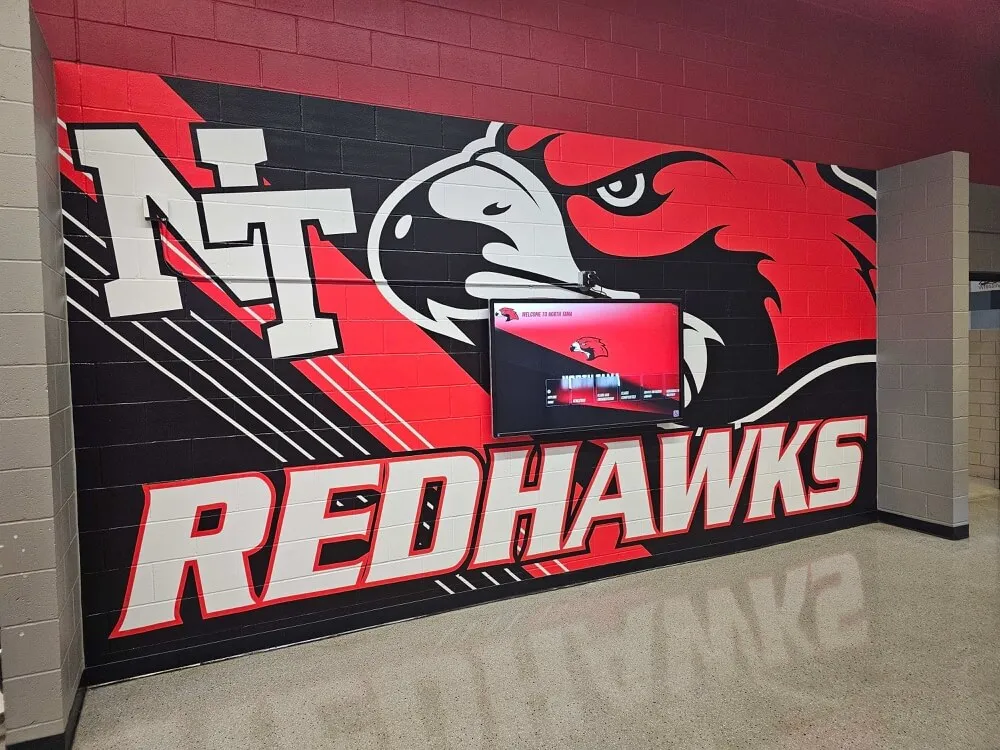
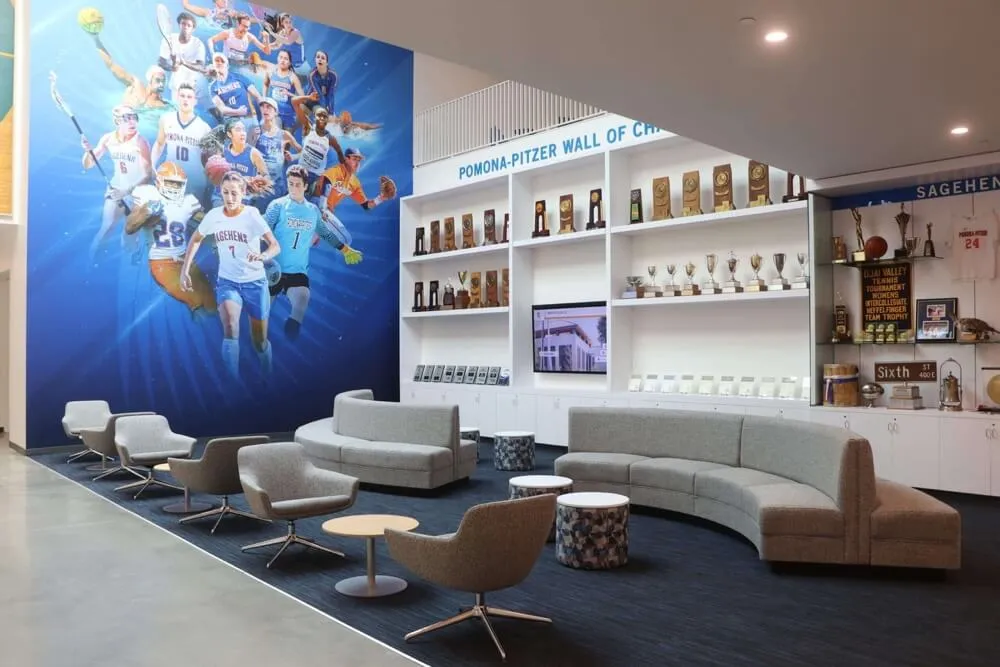
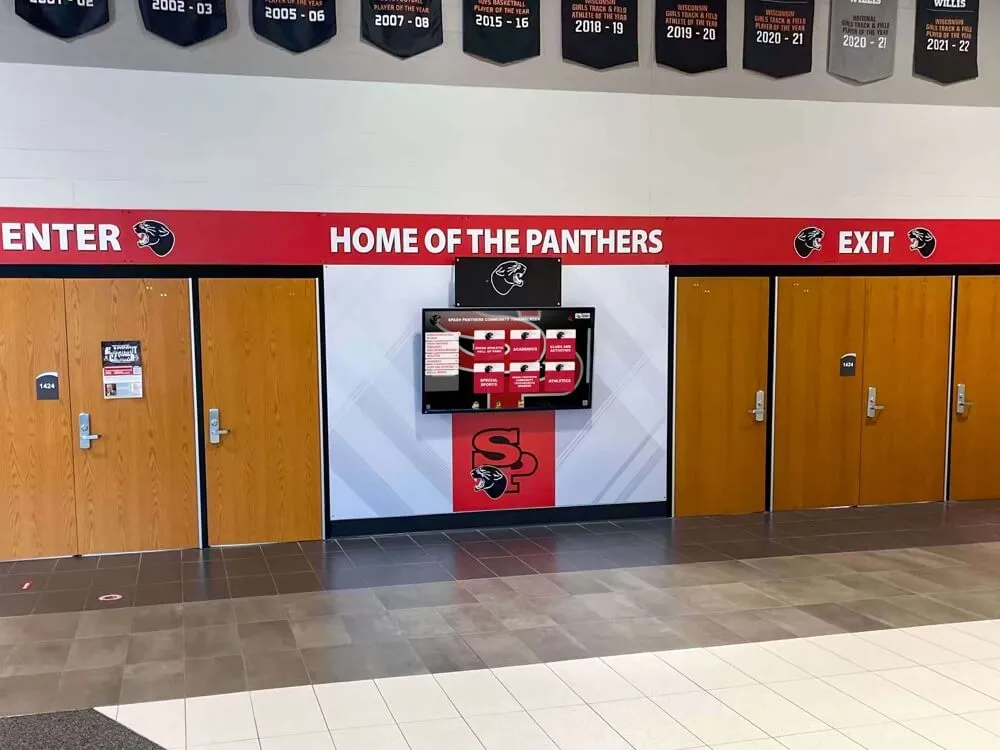
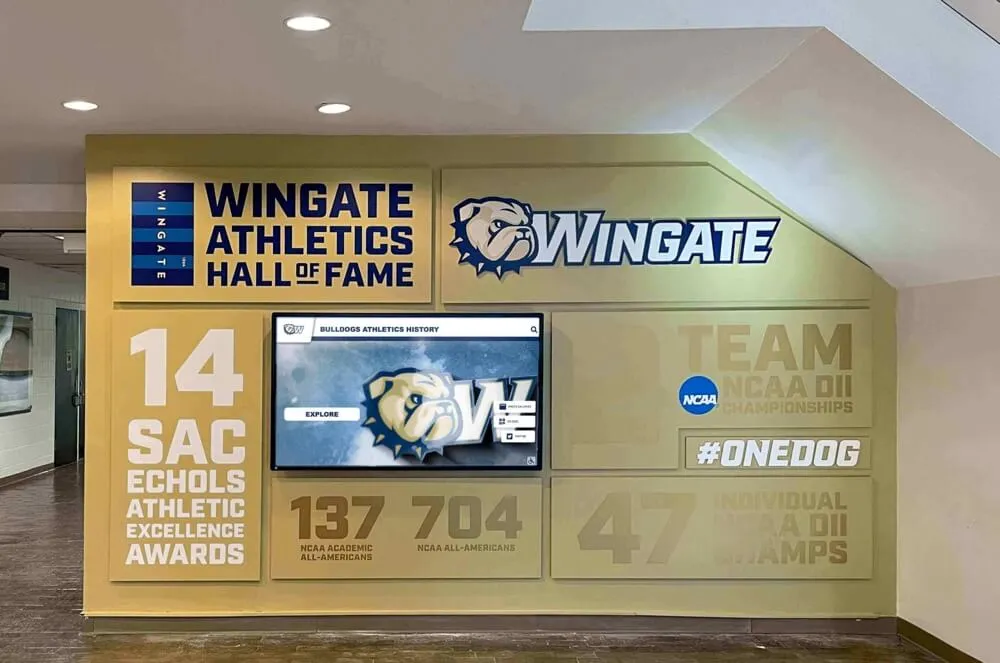
Digital displays in athletic facilities create prominent recognition that engages visitors with dynamic content and professional presentations
Accessibility and Inclusion Concerns
Physical trophy cases present accessibility challenges:
- Items placed on high shelves remain unreadable for wheelchair users or younger students
- Small text on plaques creates visibility problems for those with vision impairments
- Physical locations may not be accessible to all community members
- No alternative formats exist for those who cannot physically visit the school
These limitations mean traditional trophy cases inadvertently exclude portions of the school community from accessing recognition content.
How Digital Trophy Cases Solve Traditional Display Problems
Modern touchscreen recognition systems address the fundamental limitations that frustrate schools maintaining glass trophy cabinets.
Unlimited Recognition Capacity
Digital platforms eliminate physical space constraints entirely. Schools can recognize:
- Every championship team across all sports and decades
- All individual athletic, academic, and arts achievements
- Complete team rosters with individual student profiles
- Historical accomplishments dating back to school founding
- Ongoing additions as new achievements occur
This unlimited capacity transforms recognition from selective editing to comprehensive celebration. No achievement gets excluded due to space limitations. No administrator faces decisions about which accomplishments to remove when new trophies arrive.
Comprehensive Archives vs. Selective Displays
Digital systems enable schools to maintain complete institutional achievement archives accessible through searchable databases. Visitors can explore decades of history, compare achievements across eras, and discover connections between past and present that physical displays cannot accommodate.
This archival capacity proves particularly valuable for alumni who return to campus seeking their own achievements or exploring teammates and classmates from their time at the school.
Instant Remote Updates Without Physical Access
Cloud-based content management systems enable authorized staff to update digital trophy cases from any internet-connected device:
- Add new championship information immediately following victories
- Update season statistics in real-time as competitions progress
- Correct errors or add missing information without physical case access
- Schedule content to publish automatically at future dates
- Manage multiple displays across campus from a single dashboard
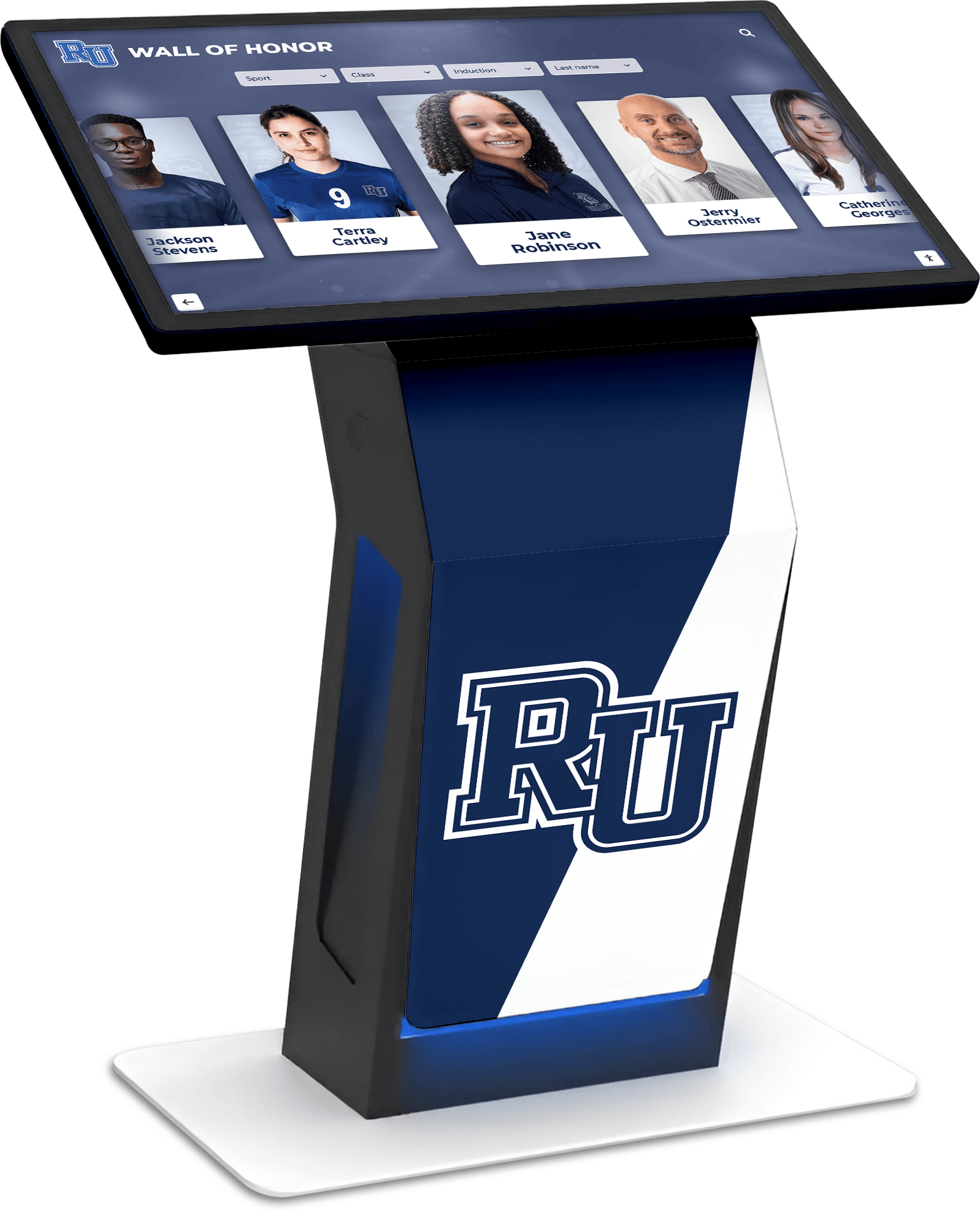
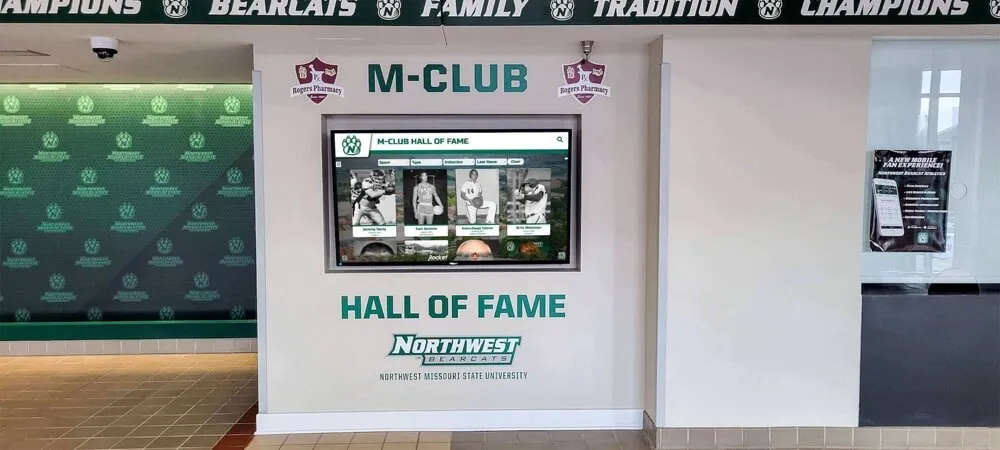
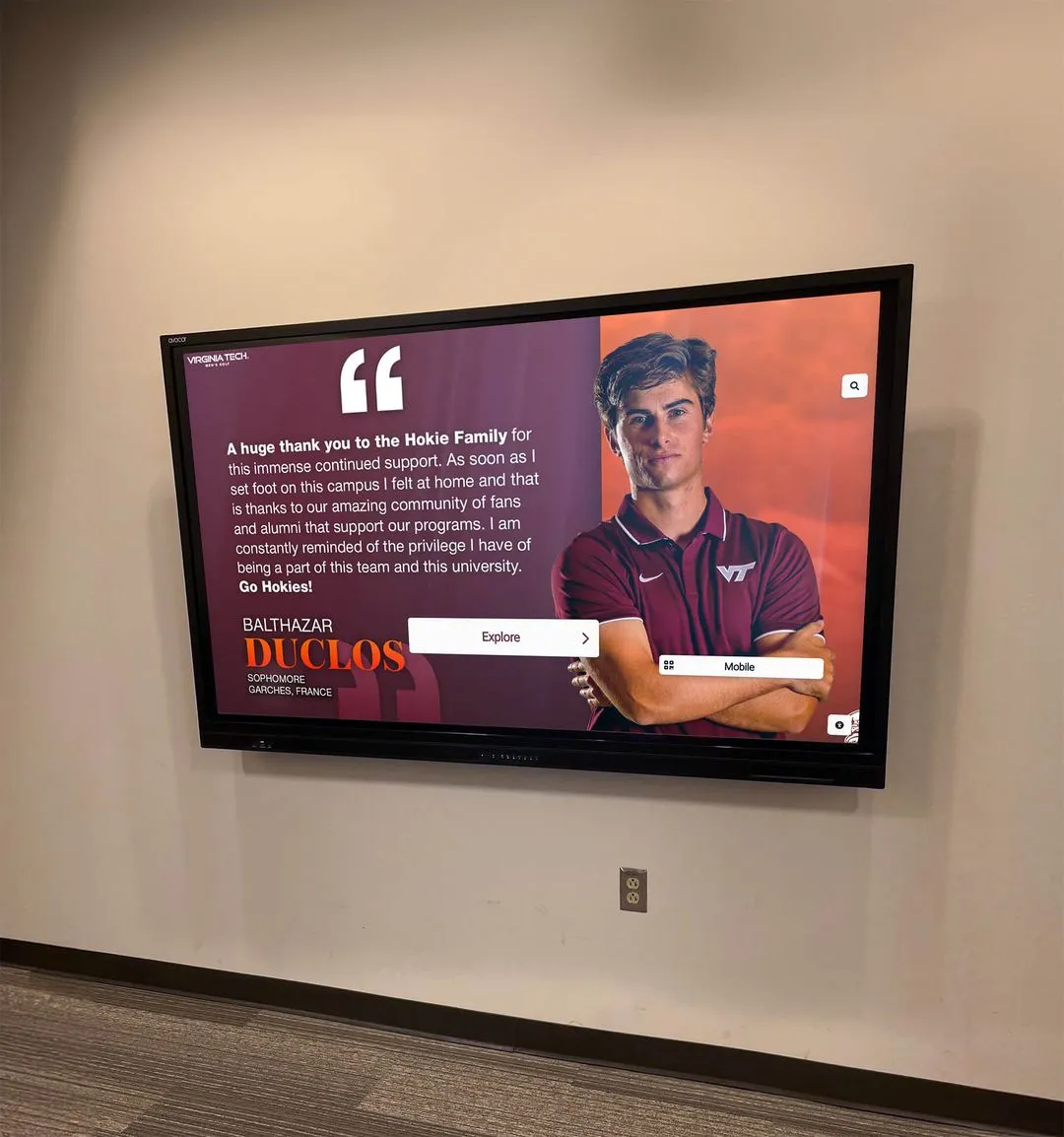
Cloud-managed touchscreen kiosks enable staff to update recognition content remotely without requiring physical access to displays
This remote management capability eliminates the key-hunting, ladder-moving, label-printing processes that discourage frequent updates to traditional cases. Athletic directors can update championship information from their office, home, or even while attending away competitions.
Scheduled Publishing for Future Content
Advanced digital systems support scheduling functionality where administrators can prepare content in advance and set automatic publication dates. Following championship victories, staff can immediately create comprehensive recognition pages scheduled to go live at ceremony dates or other strategic timing—ensuring recognition appears promptly without requiring manual publishing coordination.
Rich Multimedia Storytelling
Digital displays incorporate content types impossible in physical cases:
Video Integration
Championship game highlights, season retrospectives, interview footage, and ceremony recordings bring achievements to life through motion and sound. Visitors can watch pivotal moments, hear from athletes and coaches, and experience emotional contexts that static trophies cannot convey.
Photo Galleries
Comprehensive image collections document seasons, teams, and individual achievements across multiple photographs rather than single static images. Digital record board displays enable visitors to browse through galleries at their own pace, zooming in on details and exploring visual documentation unavailable in physical formats.
Interactive Statistics and Records
Digital platforms present statistical information through sortable tables, filterable views, and comparative visualizations. Visitors can explore questions like:
- Who holds the career scoring record in basketball?
- Which championship team had the best overall record?
- How have program performance trends evolved over decades?
- What individual achievements rank among all-time bests?
This analytical capability transforms recognition from simple acknowledgment to educational exploration.
Audio Narration and Oral Histories
Schools can incorporate recorded interviews with coaches, athletes, and key figures whose voices add personal dimension to achievement recognition. These oral history elements preserve institutional memory in formats that traditional plaques cannot capture.
Searchability and Personalized Exploration
Interactive touchscreens enable visitors to search for specific content rather than passively viewing predetermined arrangements:
- Parents search for their child’s name across multiple years and sports
- Alumni locate their own achievements and explore former teammates
- Students research program history for specific sports or time periods
- Researchers access comprehensive institutional records for historical documentation
This search functionality makes recognition systems genuinely useful rather than merely decorative. Visitors engage with content matching their specific interests instead of viewing only what fits in limited physical space.
Accessibility Improvements
Digital trophy cases can incorporate accessibility features that traditional displays cannot match:
- Text-to-speech functionality for visually impaired users
- Adjustable font sizes accommodating different vision needs
- High-contrast display modes improving readability
- Wheelchair-accessible touchscreen positioning at appropriate heights
- Mobile access through QR codes enabling remote viewing for those unable to visit physical locations
- Translation capabilities supporting multilingual school communities
These inclusive design elements ensure all community members can access and engage with achievement recognition regardless of physical abilities or language backgrounds.
Digital Trophy Case Ideas for Different School Spaces
Strategic placement and design approaches maximize digital trophy case impact across various campus locations.
Main Entrance and Lobby Installations
Front entrance locations receive maximum visibility from all visitors:
Freestanding Touchscreen Kiosks
Large-format vertical touchscreens positioned in main lobbies create impressive focal points communicating institutional priorities. These standalone installations typically feature:
- 43-inch to 55-inch touchscreen displays at comfortable interaction heights
- Branded enclosures matching school colors and design aesthetics
- Robust construction withstanding daily use in high-traffic areas
- Prominent placement visible immediately upon entering buildings
Main entrance installations signal to all visitors—prospective families, community members, visiting teams—that the school values achievement recognition and maintains modern, professional facilities.
Wall-Mounted Display Arrays
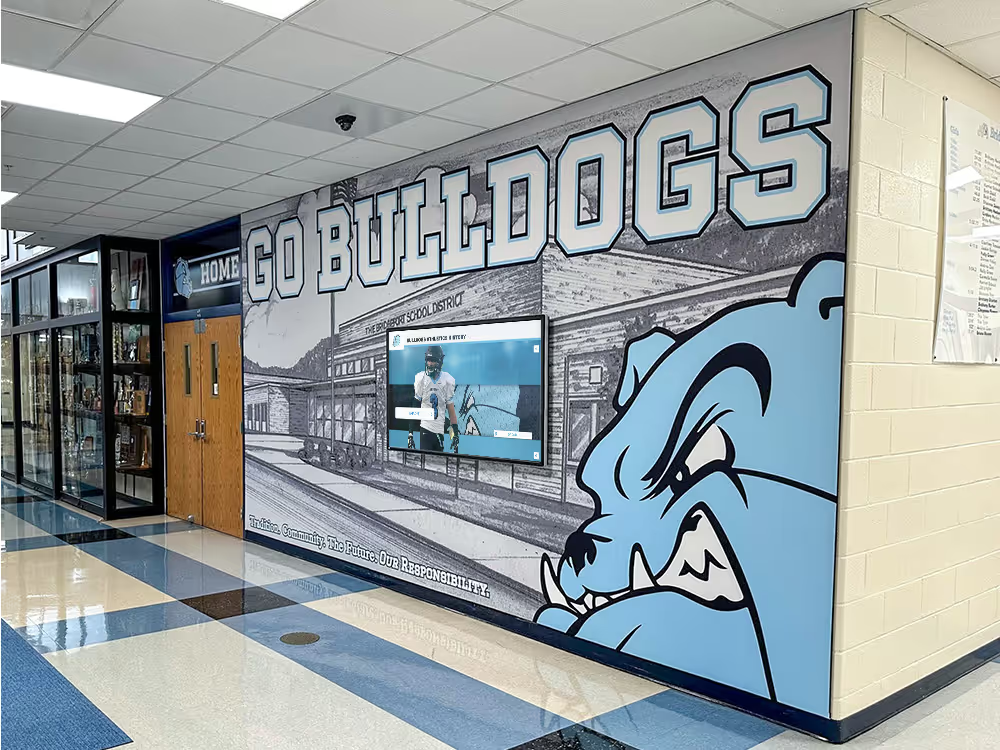
Schools with existing trophy case alcoves or display walls can install flush-mounted touchscreens that replace glass cabinets while maintaining architectural integration. These installations preserve the visual presence of dedicated recognition spaces while upgrading functionality.
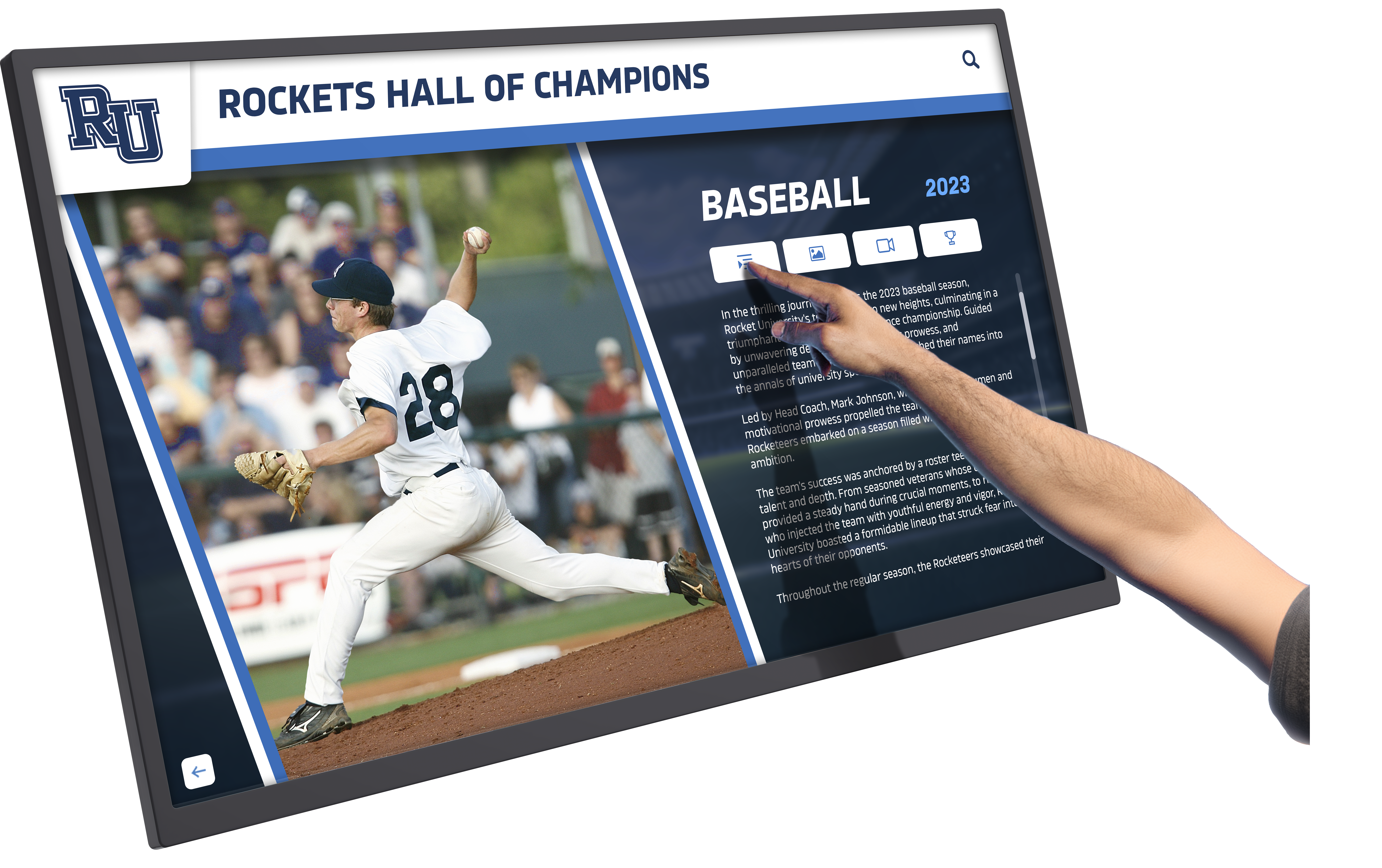
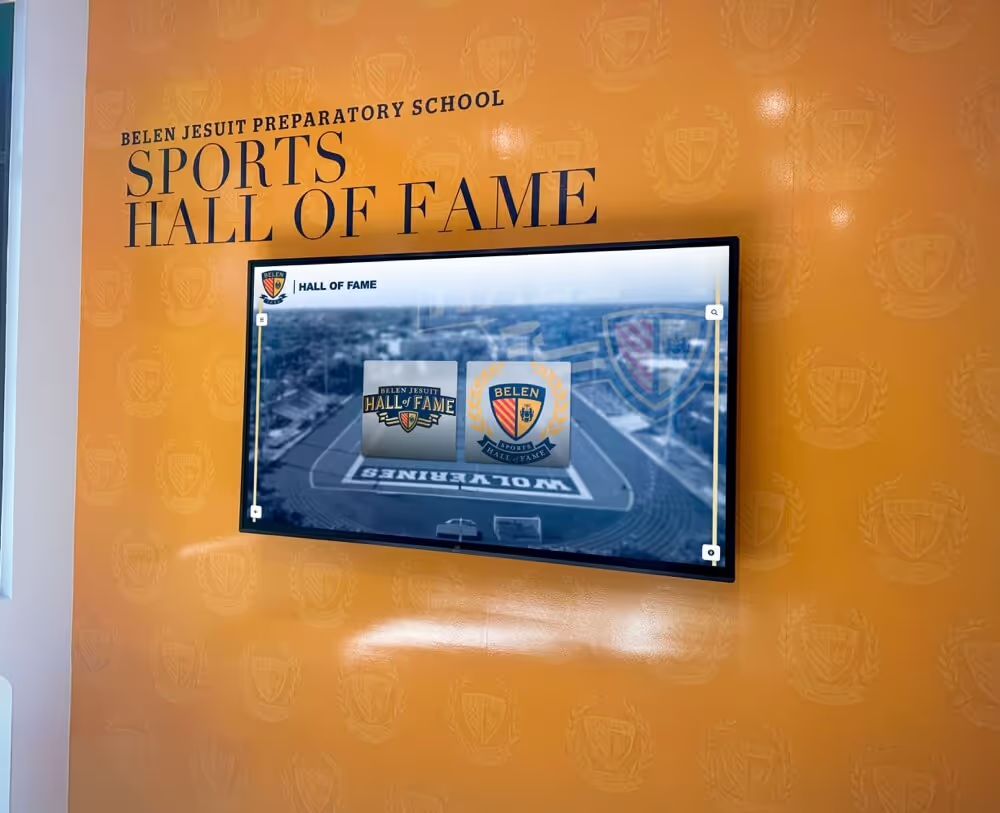
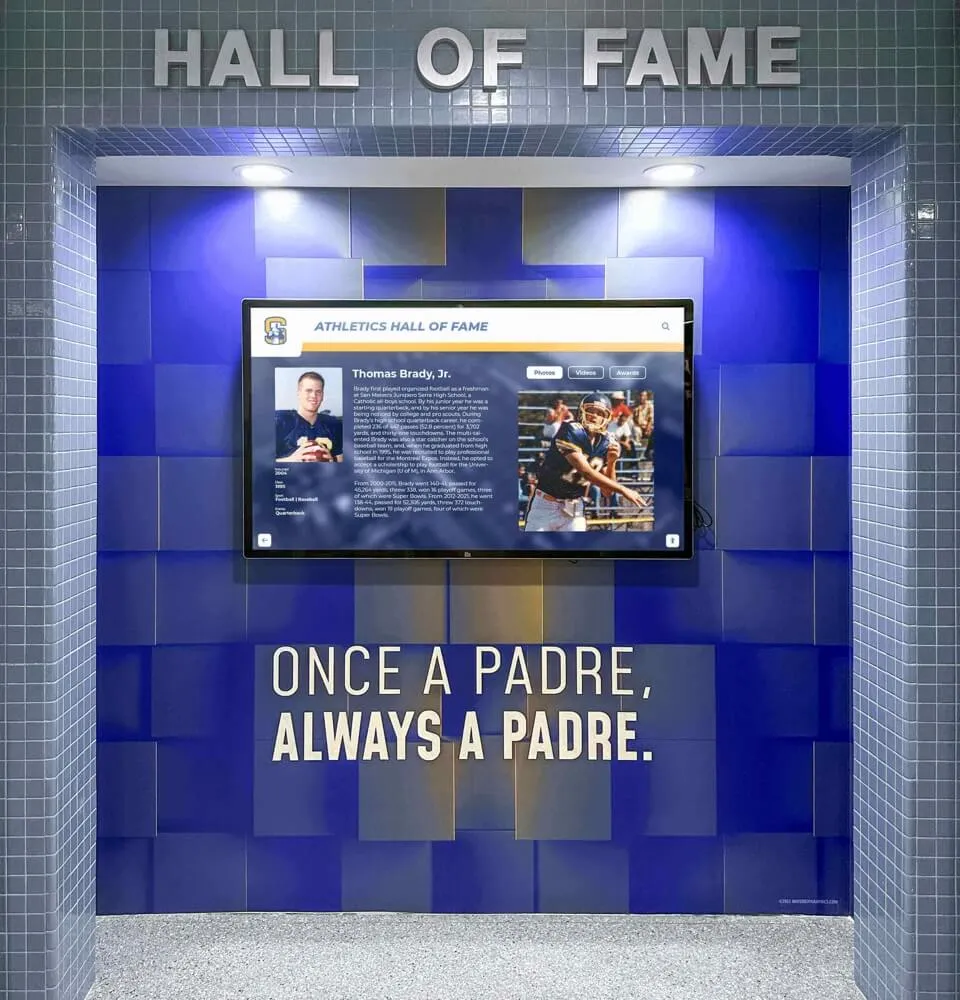
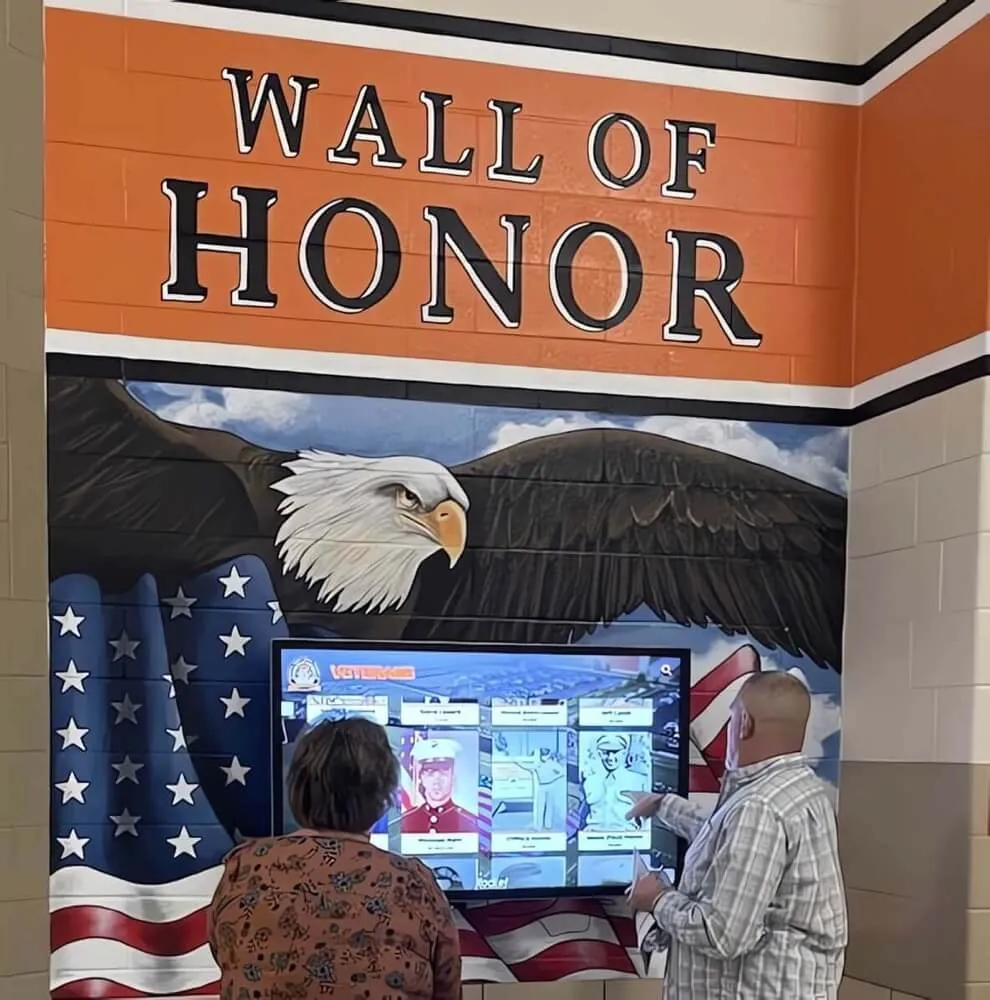
Touchscreen interaction enables visitors to explore detailed achievement information including individual athlete profiles, season statistics, and championship documentation
Athletic Facility Recognition Hubs
Gymnasiums, field houses, and training facilities benefit from dedicated sports recognition displays:
Gymnasium Lobby Installations
Position digital trophy cases in athletic facility entrances where visiting teams, fans, and student athletes encounter them regularly. These locations create:
- Pre-game engagement opportunities for arriving spectators
- Motivational displays inspiring current athletes during practices and competitions
- Professional environments impressing visiting teams and recruits
- Championship context for competitions hosted at the facility
Athletic facility installations often incorporate touchscreen display solutions for gym lobbies that serve dual purposes—recognition and wayfinding.
Locker Room and Training Areas
Internal athletic spaces benefit from recognition displays accessible primarily to team members:
- Locker room installations showcasing program history and tradition
- Training facility displays featuring record progressions and achievement targets
- Team meeting room screens supporting video review and recognition presentations
- Coach office displays enabling easy access to historical information and statistics
These internal applications create championship cultures where athletes constantly encounter evidence of program excellence and tradition.
Academic and Multi-Purpose Recognition Locations
Digital trophy cases need not focus exclusively on athletics:
Library and Academic Commons
Position displays celebrating academic achievements in educational facility locations:
- Scholarship recipients and academic honors
- Academic competition successes and intellectual achievements
- Academic awards for high school students across all disciplines
- Research project showcases and publication recognition
- College acceptance and scholarship award announcements
Academic facility installations communicate that the institution values intellectual achievement equally with athletic success.
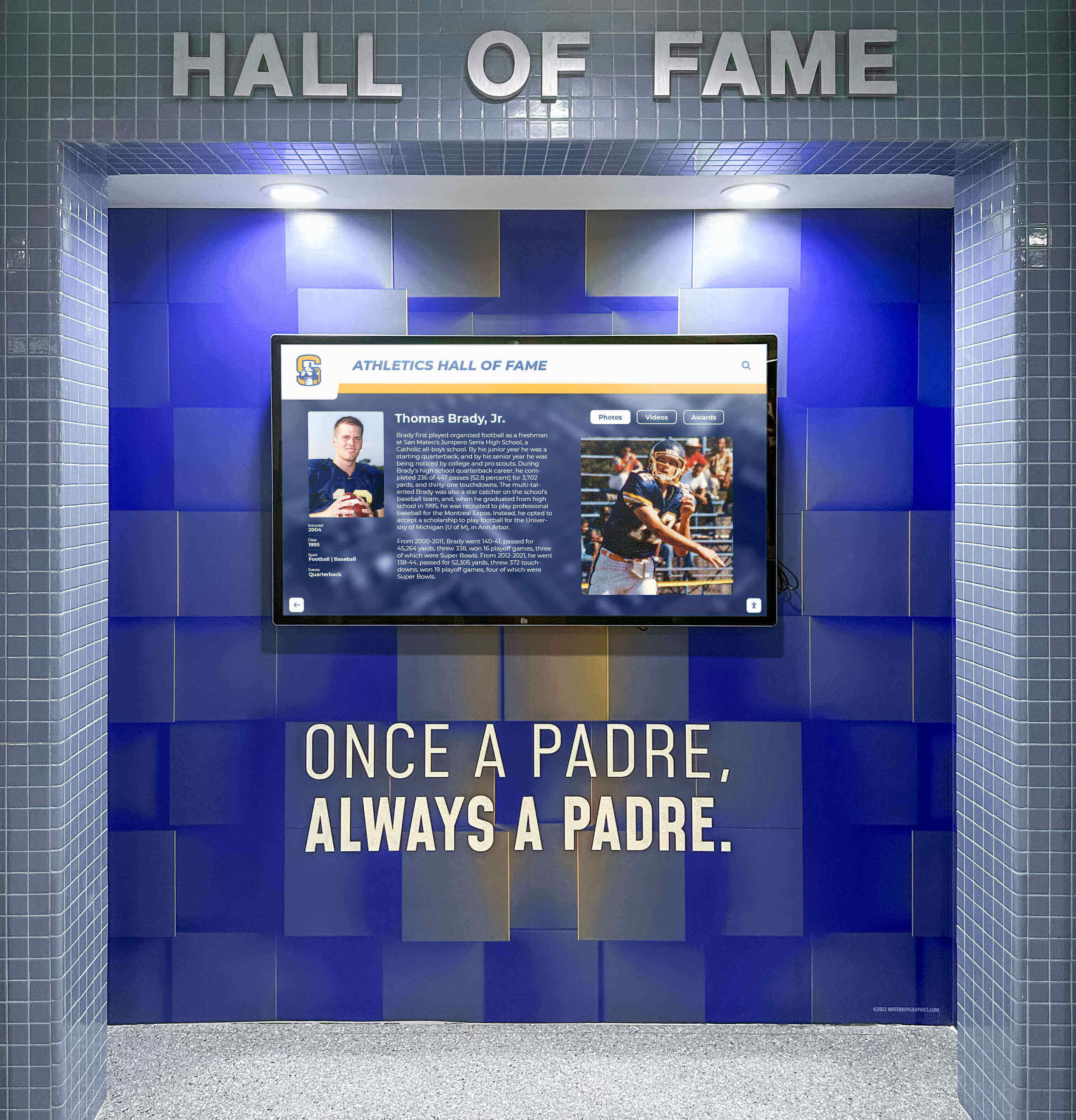
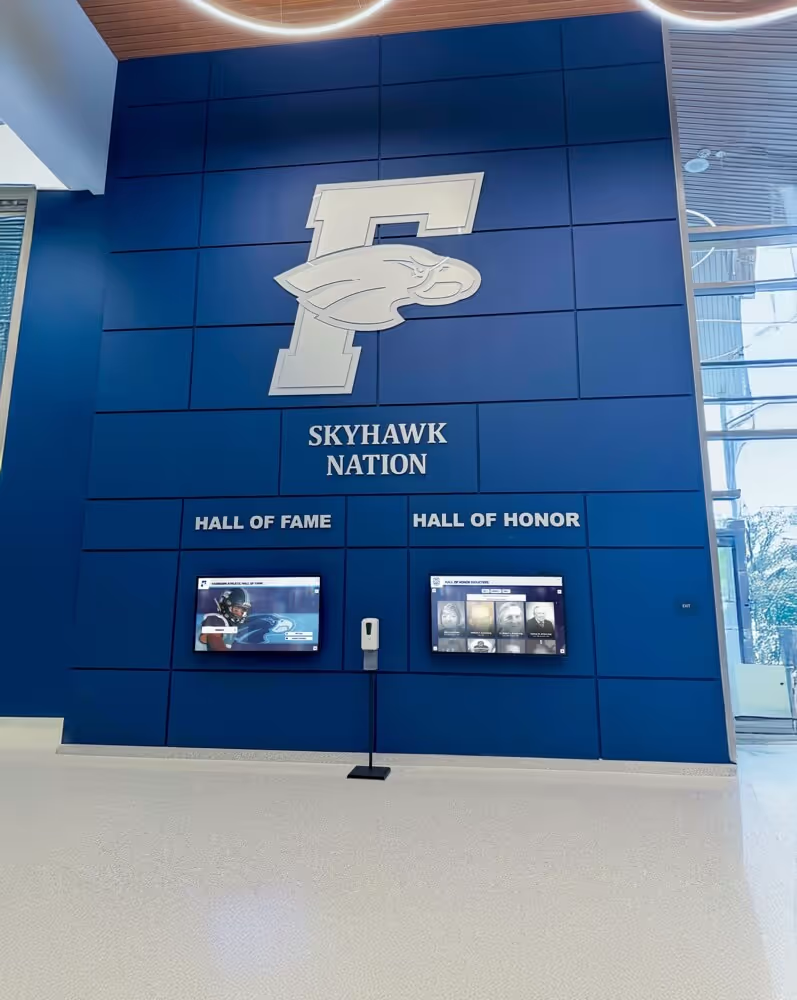
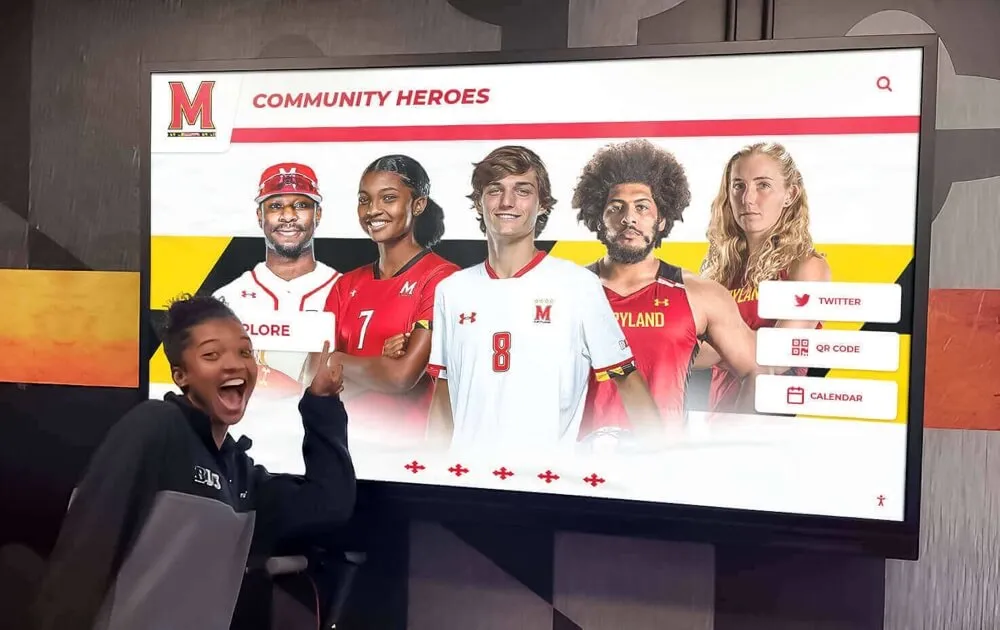
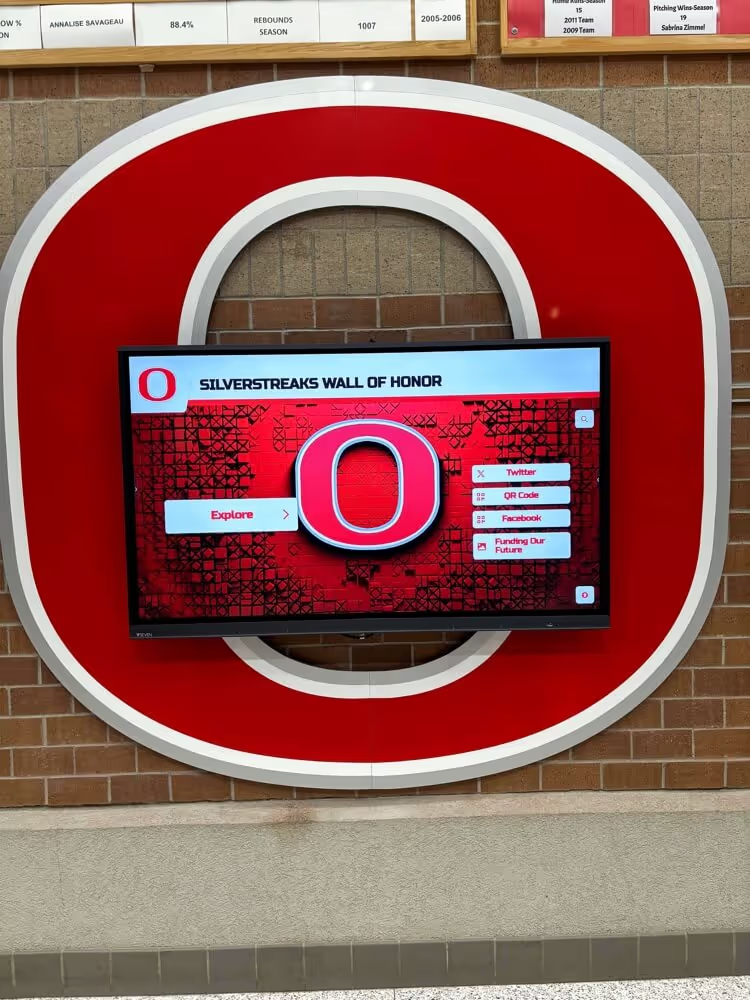
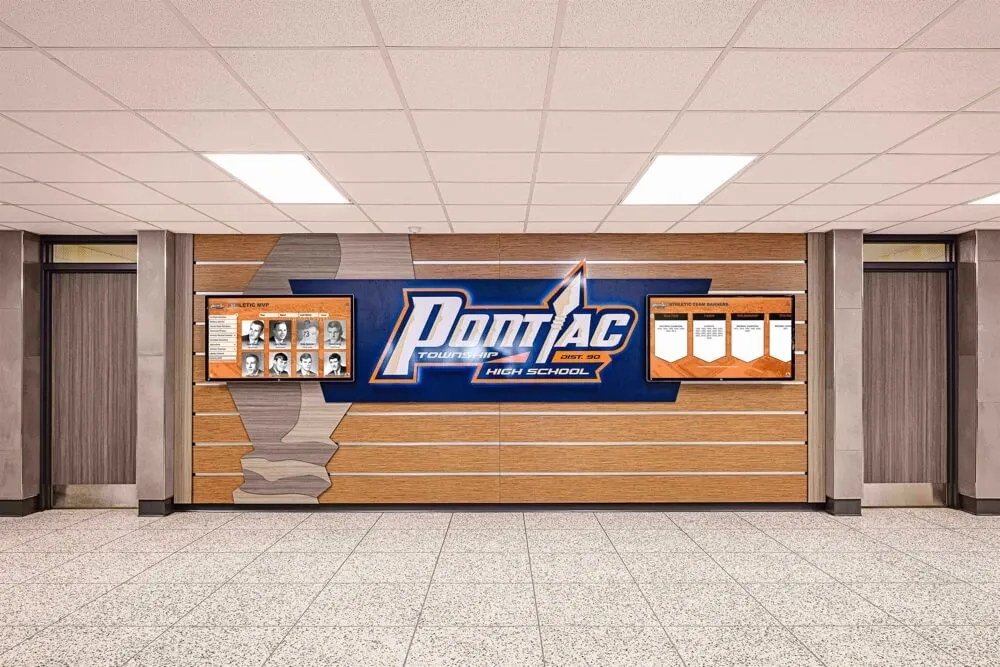
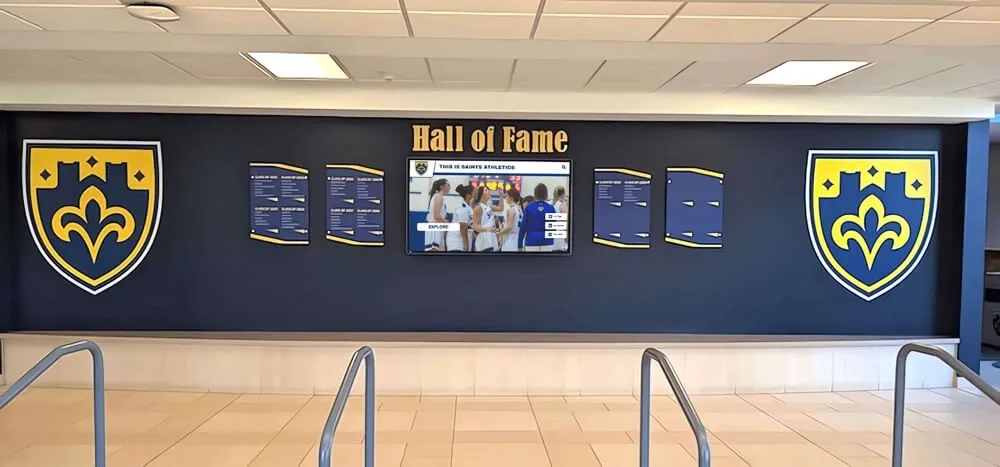
Wall-mounted digital displays integrate seamlessly into school architecture while providing professional recognition platforms
Performing Arts and Fine Arts Areas
Auditorium lobbies and art wings benefit from displays celebrating creative achievements:
- Theater production documentation and competition awards
- Music performance honors and ensemble recognitions
- Visual arts competition successes and exhibition highlights
- Individual artist and performer achievements
These specialized installations ensure comprehensive recognition extending beyond athletics into all achievement domains.
Cafeteria and Student Common Areas
High-traffic gathering spaces where students spend significant time daily:
- Multi-program recognition rotating between athletics, academics, and activities
- Student spotlight features highlighting diverse achievements
- Upcoming event information combined with historical recognition
- Interactive engagement during lunch periods and free time
Common area installations guarantee daily exposure across the entire student body rather than only those visiting specific facilities.
Distributed Recognition Networks
The most comprehensive approach deploys multiple digital displays across campus creating recognition touchpoints throughout the student experience:
- Main entrance: Comprehensive multi-program recognition accessible to all visitors
- Athletic facilities: Sports-specific displays with detailed team and individual athlete information
- Academic buildings: Department-specific achievements and subject area honors
- Fine arts areas: Performance and creative achievement showcases
- Common spaces: Rotating recognition highlighting current accomplishments across all programs
This distributed network ensures all programs receive appropriate visibility while creating multiple engagement opportunities throughout daily campus navigation.
Interactive Features That Transform Trophy Case Engagement
Digital trophy cases offer capabilities that fundamentally change how visitors interact with achievement recognition.
Browse and Search Functionality
Enable visitors to explore content matching their specific interests:
Category Filtering
Organize achievements by logical categories enabling focused exploration:
- Sport or activity type (basketball, academic decathlon, theater, etc.)
- Achievement level (conference, regional, state, national)
- Time period (decade, year, season)
- Achievement type (championship, individual honor, record, award)
- Student name or graduating class
Visitors select relevant filters narrowing content to their areas of interest rather than browsing comprehensive archives chronologically.
Keyword Search
Text search capabilities enable direct access to specific content:
- Student names finding all achievements for individuals
- Coach names locating teams and accomplishments during their tenures
- Years or dates accessing specific seasons or time periods
- Achievement terms searching for specific championships or awards
Search functionality proves particularly valuable for alumni seeking their own recognition or parents tracking their children’s achievements across multiple years.
Individual Athlete and Team Profiles
Move beyond simple trophy displays to comprehensive documentation:
Team Championship Pages
Digital profiles for championship teams can include:
- Complete rosters with individual player information and photos
- Season records, statistics, and game-by-game results
- Championship game or competition details and highlights
- Coaching staff recognition and acknowledgment
- Video highlights from memorable moments and championship victories
- Photo galleries documenting the season journey
These comprehensive team pages preserve championship stories in detail impossible within physical trophy case constraints.
Individual Athlete Achievement Records
Create persistent profiles for athletes achieving significant recognition:
- All career achievements, awards, and honors across multiple years
- Statistical accomplishments and records
- Post-graduation updates tracking college athletics or professional careers
- Photo galleries from their time at the school
- Most improved award recognition and other special honors
Individual profiles ensure significant contributors receive lasting recognition extending beyond team acknowledgments.
Timeline and Historical Comparison Features
Help visitors understand achievement context within program history:
Interactive Timelines
Visual chronological presentations showing program evolution:
- Championship victories marked on timeline spans
- Record progressions showing improvements over decades
- Coaching tenure periods and accomplishments
- Facility developments and program milestones
- Notable individual achievements placed in historical context
Timeline visualizations communicate program development narratives that isolated trophy displays cannot convey.
Record Books and All-Time Leaders
Statistical tracking across program history:
- Career leaders in relevant statistical categories
- Season records and single-game achievements
- Program records by decade or era
- Comparison tools showing current athletes against historical benchmarks
These comparative features motivate current athletes while celebrating historical excellence.
Social Sharing and Mobile Integration
Extend recognition beyond physical display locations:
QR Code Access
Generate QR codes linking to specific achievements, teams, or athlete profiles. Visitors scan codes with smartphones to:
- Access detailed information exceeding what fits on physical displays
- Share achievements directly to social media platforms
- Email recognition pages to family members or friends
- Bookmark content for later viewing on personal devices
QR codes bridge physical and digital experiences, enabling visitors to continue engagement after leaving campus.
Mobile-Responsive Content
Ensure all recognition content displays properly on smartphones and tablets. Alumni, family members, and community supporters can explore achievement archives remotely without visiting physical campus locations.
This mobile accessibility proves particularly valuable for geographically distant alumni maintaining connections to institutional history and current program achievements.
Implementation: Replacing Glass Cabinets with Digital Displays
Strategic planning ensures smooth transitions from traditional trophy cases to digital recognition systems.
Assessment and Planning Phase
Begin with comprehensive evaluation of current recognition systems and needs:
Content Inventory
Document existing recognition content and physical displays:
- Catalog all trophies, plaques, awards, and recognition items currently displayed
- Photograph traditional trophy case contents for archival reference
- Identify items requiring continued physical display versus digital representation
- Assess historical documentation and records requiring digitization
- Evaluate storage areas containing non-displayed achievements worthy of digital recognition
This inventory establishes the scope of content requiring migration to digital systems.
Stakeholder Input
Gather perspectives from various community members affected by recognition displays:
- Athletic directors and coaches regarding sports achievement priorities
- Academic administrators about non-athletic recognition needs
- Students providing input on engagement preferences and content interests
- Alumni sharing perspectives on historical achievement preservation
- Technology staff assessing infrastructure requirements and support capabilities
Comprehensive stakeholder engagement ensures digital systems address genuine needs rather than assumptions about desired functionality.
Space and Location Planning
Determine optimal placement for digital displays:
- Identify high-traffic locations maximizing visibility
- Assess electrical power and network connectivity availability
- Consider architectural integration and aesthetic compatibility
- Evaluate whether existing trophy case spaces can accommodate digital installations
- Plan for multiple display locations if implementing distributed networks
Location decisions significantly impact visibility, usage, and overall recognition system effectiveness.
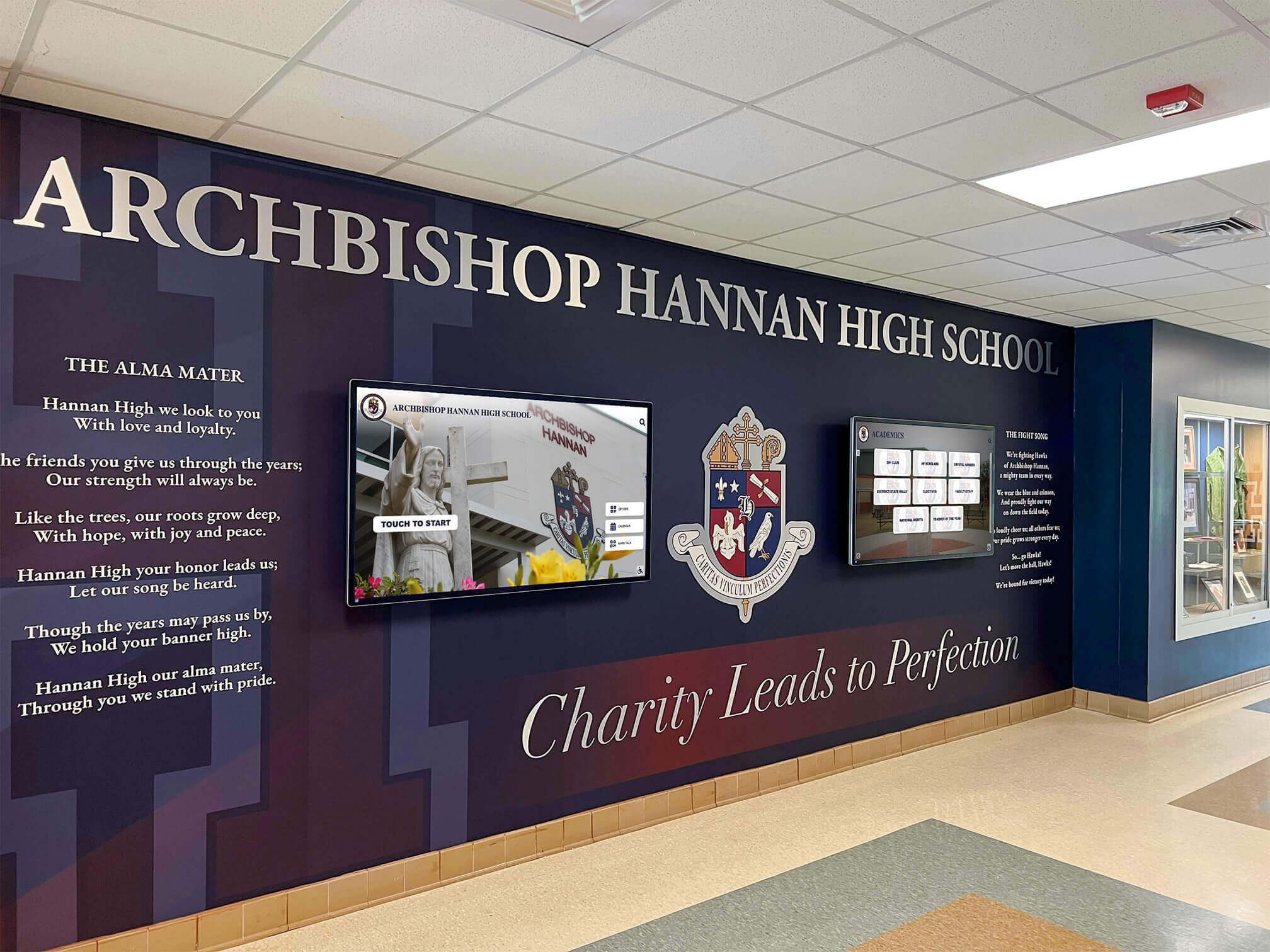
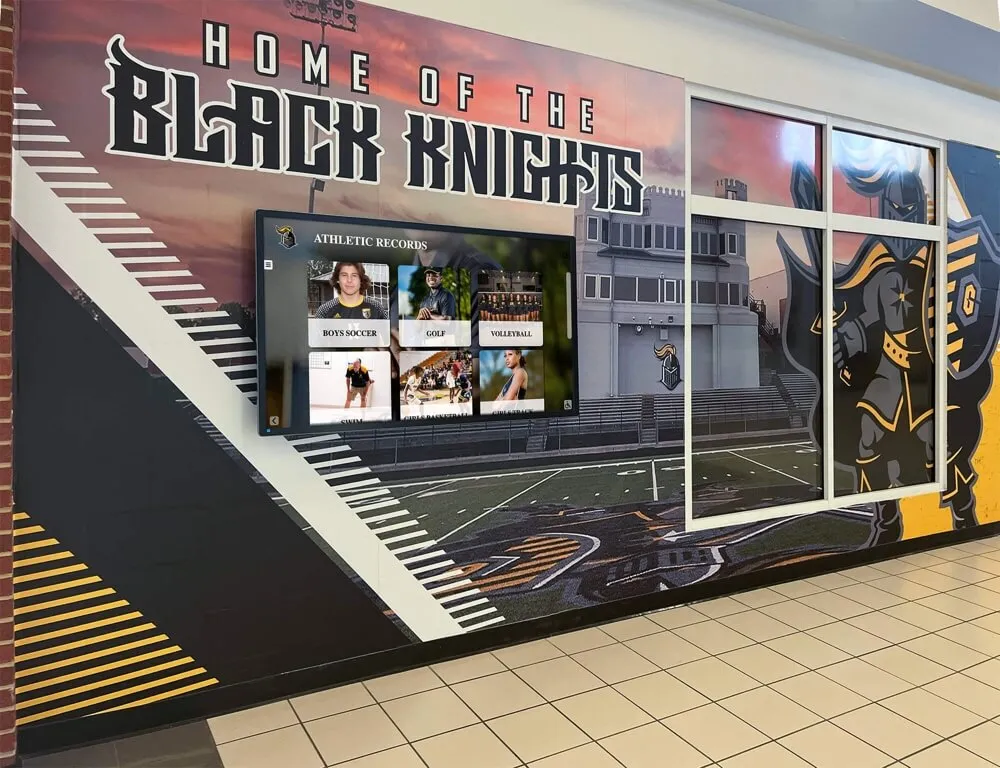
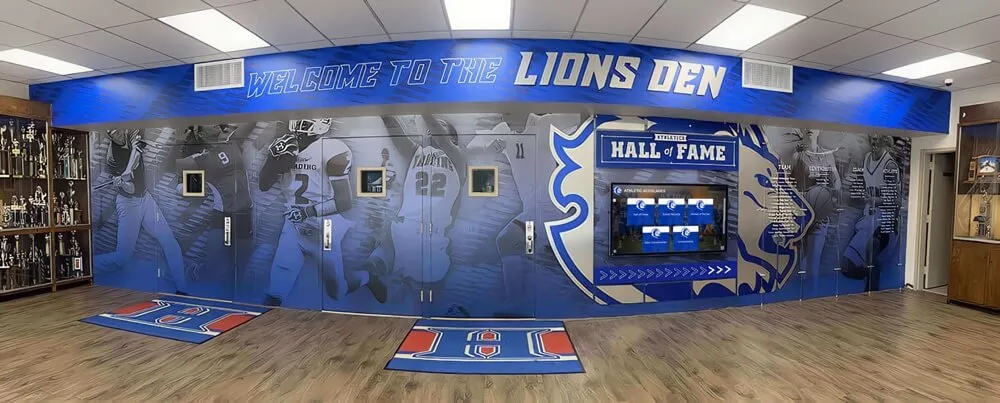
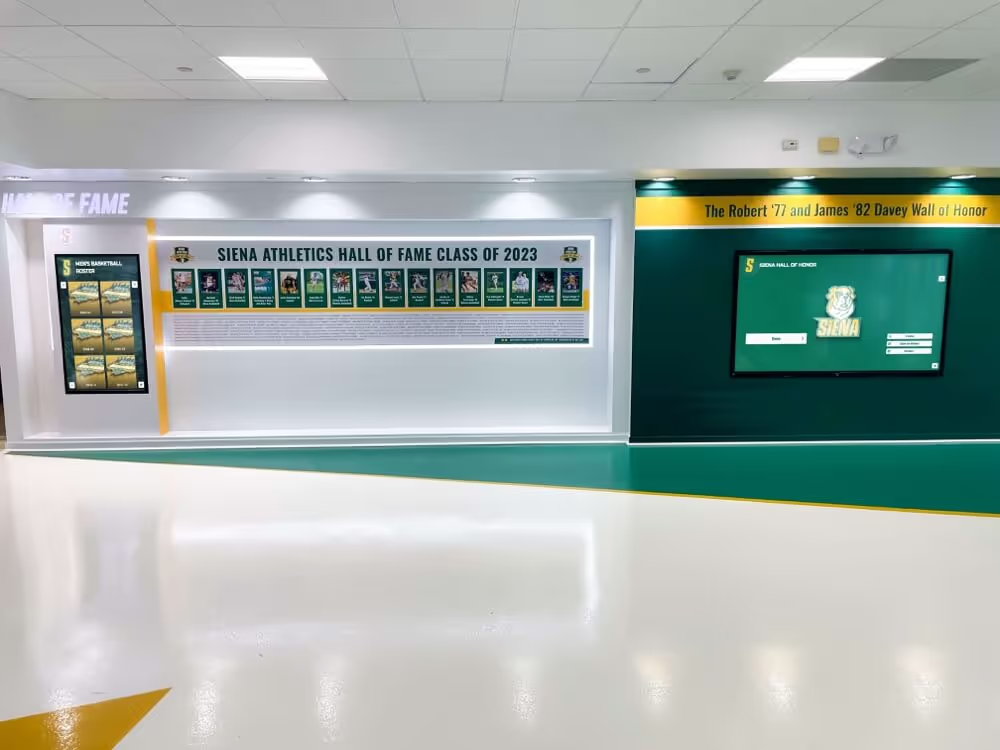
Thoughtful integration of digital displays with existing architectural elements and school branding creates cohesive recognition environments
Content Development and Migration
Transform physical recognition items and institutional knowledge into digital formats:
Digitization Projects
Convert existing recognition materials to digital content:
- Photograph trophies, plaques, and awards for digital representation
- Scan historical documents, programs, and printed materials
- Digitize video recordings from competitions, ceremonies, and events
- Collect team photos and individual athlete images
- Research missing information filling gaps in historical records
Many schools engage student volunteers, history classes, or alumni committees in digitization projects that simultaneously preserve institutional memory while creating meaningful service opportunities.
Content Creation Standards
Establish consistent formats and quality standards:
- Photo resolution and format specifications ensuring professional appearance
- Text style guidelines for descriptions, captions, and athlete profiles
- Video encoding and length recommendations balancing quality and file sizes
- Metadata requirements enabling effective search and filtering
- School history software approaches that organize information systematically
Consistent standards ensure professional presentation and long-term content sustainability as multiple contributors add recognition information over time.
Technical Installation and Training
Deploy hardware and prepare staff for system management:
Hardware Installation
Professional installation ensures reliable operation:
- Touchscreen display mounting and secure installation
- Electrical connections and power management
- Network connectivity configuration for cloud-based systems
- Physical security measures protecting equipment in public spaces
- Accessibility verification ensuring appropriate positioning and interaction heights
Work with experienced installation vendors familiar with educational environments and public-access touchscreen deployments.
Staff Training and Documentation
Prepare administrators and staff for ongoing content management:
- Content management system training for authorized users
- Update workflow documentation and approval processes
- Troubleshooting guidance for common technical issues
- Regular content maintenance schedules and responsibilities
- Contact information for technical support and assistance
Effective training ensures digital systems receive the ongoing attention necessary to maintain currency and effectiveness.
Legacy Trophy Management
Decide how to handle physical trophies and awards being replaced by digital recognition:
Hybrid Display Approaches
Many schools retain select physical trophies while transitioning primary recognition to digital systems:
- Display most significant or historic trophies in complementary physical cases near digital installations
- Create rotating physical displays featuring current season championships
- Preserve trophy traditions for specific high-profile achievements
- Integrate physical and digital recognition through QR codes linking trophies to comprehensive digital content
Hybrid approaches respect tradition while gaining digital advantages.
Trophy Retirement and Preservation
For trophies no longer actively displayed:
- Offer trophies to relevant alumni or team members for personal keeping
- Preserve historically significant items in climate-controlled archival storage
- Create photo documentation before retiring physical items
- Maintain complete digital records ensuring achievements remain recognized
Thoughtful physical trophy management acknowledges the symbolic value these items hold while enabling transition to more sustainable digital systems.
Budget Considerations for Digital Trophy Case Implementation
Understanding investment requirements helps schools plan financially realistic digital recognition projects.
Digital Trophy Case System Costs
Comprehensive digital recognition systems involve several cost components:
Hardware Investments
Physical equipment and installation expenses:
- Touchscreen displays: $3,000-$8,000 per screen depending on size and quality
- Custom enclosures and mounting: $2,000-$5,000 for branded kiosks or wall-mount systems
- Installation labor: $1,000-$3,000 including electrical and network connections
- Total per-location cost: $6,000-$16,000 for single touchscreen installation
Schools implementing multiple displays across campus should budget accordingly, though volume deployments often receive pricing considerations.
Software and Content Management
Ongoing platform and service expenses:
- Content management systems: $1,500-$5,000 annually for cloud-based platforms
- Technical support and maintenance: $500-$2,000 annually depending on service levels
- Software updates and feature enhancements: Often included in annual licensing fees
- Content hosting and data storage: Typically included in comprehensive platforms
These recurring costs ensure reliable operation, regular updates, and ongoing technical support.
Content Development
Initial and ongoing content creation investments:
- Digitization projects: $2,000-$10,000 for comprehensive historical content conversion
- Professional photography: $500-$2,000 for high-quality athlete and team photos
- Video production: $1,000-$5,000 for highlight videos and documentary content
- Ongoing content updates: Often handled by existing staff as regular responsibilities
Content development represents significant initial investment with lower ongoing costs as systems mature.
Return on Investment Considerations
While representing meaningful financial commitments, digital trophy cases deliver value through several mechanisms:
Operational Efficiency
Remote content management eliminates time spent on physical trophy case maintenance:
- No key management or physical access coordination
- Instant updates without custodial support or equipment needs
- Elimination of label printing and mounting expenses
- Reduced cleaning and maintenance requirements for glass cases
Athletic directors and administrators report significant time savings managing digital recognition versus traditional cases.
Comprehensive Recognition Capacity
Unlimited digital capacity enables recognition that physical cases cannot accommodate:
- All achievements receive visibility regardless of space constraints
- No programs get disadvantaged by limited physical display space
- Historical archives remain accessible rather than lost to storage
- Recognition equity across athletics, academics, and activities
The value of comprehensive recognition—though difficult to quantify financially—impacts school culture, program participation, and community engagement.
Recruitment and Development Benefits
Professional digital recognition systems enhance institutional image:
- Prospective students and families impressed by modern facilities and comprehensive achievement celebration
- Alumni donors appreciating preservation of institutional history and their own recognition
- Community members developing stronger connections to school success stories
- Enhanced touchscreen building directory functionality when combining recognition with wayfinding
These benefits support broader enrollment, development, and community engagement objectives.
Funding Strategies
Schools employ various approaches to finance digital trophy case implementations:
Capital Campaign Integration
Include digital recognition systems in comprehensive capital projects:
- Athletic facility renovations incorporating modern recognition technology
- New building construction featuring integrated digital displays
- Technology infrastructure upgrades expanding campus capabilities
- Comprehensive campus modernization initiatives
Bundling digital trophy cases with larger capital projects spreads costs across broader fundraising efforts.
Booster Club and Alumni Support
Engage program supporters in funding recognition modernization:
- Sports-specific booster clubs funding displays for their programs
- Alumni class gifts supporting comprehensive recognition systems
- Dedication plaque opportunities recognizing donors who fund displays
- Memorial giving options honoring deceased alumni or supporters
Supporters often enthusiastically fund initiatives preserving and celebrating institutional achievement history.
Phased Implementation
Spread costs across multiple budget years:
- Begin with single high-visibility installation demonstrating capabilities
- Add locations incrementally as budget permits
- Prioritize high-impact locations first before expanding to secondary spaces
- Grow content comprehensiveness over time rather than requiring complete digitization before launch
Phased approaches make digital recognition financially accessible while demonstrating value before requesting additional investments.
Managing and Maintaining Digital Trophy Cases
Sustainable success requires ongoing content management and technical maintenance.
Content Update Workflows
Establish clear processes ensuring digital recognition remains current:
Role Assignment
Designate specific individuals responsible for content updates:
- Athletic directors: Sports achievement and team recognition
- Academic deans: Scholarship and academic honor additions
- Activities coordinators: Club, organization, and non-athletic achievement updates
- Technology staff: Technical support and troubleshooting assistance
Clear ownership prevents digital systems from languishing when everyone assumes someone else handles updates.
Update Schedules
Define when content additions occur:
- Immediate updates: Championship victories, major achievements, significant honors
- Weekly updates: Season statistics, ongoing competition results, current highlights
- Seasonal updates: End-of-season comprehensive team and individual recognition
- Annual updates: Historical research additions, archive expansions, comprehensive reviews
Regular schedules create habits and expectations ensuring consistent attention to recognition currency.
Quality Assurance Practices
Maintain professional standards and accuracy:
Content Review Processes
Implement approval workflows preventing errors:
- Peer review of achievement information before publishing
- Spell-checking and grammar review for all text content
- Photo quality verification ensuring professional appearance
- Fact-checking statistical information and dates
- Student name accuracy confirmation with registrar records
Review processes catch errors before public display while distributing quality responsibility across multiple reviewers.
Regular Content Audits
Periodically assess recognition system comprehensiveness and accuracy:
- Identify gaps in achievement coverage requiring content development
- Verify information accuracy and correct discovered errors
- Update outdated content or remove time-sensitive information
- Ensure consistent formatting and presentation across all content
- Assess usage analytics identifying popular content and neglected areas
Systematic audits maintain long-term content quality and system value.
Technical Maintenance
Digital displays require ongoing technical support:
Hardware Monitoring
Ensure reliable physical operation:
- Regular touchscreen calibration maintaining interaction accuracy
- Display cleaning preventing fingerprints and smudges from degrading visibility
- Connection verification ensuring network and power reliability
- Physical security inspection protecting public-access equipment
- Component testing identifying failing parts before complete breakdowns
Preventive maintenance prevents visitor frustration with non-functional equipment.
Software Updates
Maintain current and secure systems:
- Operating system updates applying security patches and improvements
- Content management platform upgrades accessing new features
- Network security compliance ensuring data protection
- Backup verification protecting content against data loss
- Performance optimization maintaining responsive interaction
Partner with qualified technology support providers ensuring expertise for both routine maintenance and emergency troubleshooting.
Measuring Digital Trophy Case Success
Evaluate whether digital recognition investments achieve desired outcomes.
Usage and Engagement Metrics
Track how visitors interact with digital displays:
Interaction Analytics
Modern touchscreen systems capture valuable usage data:
- Total interaction sessions and unique visitors
- Average interaction duration indicating engagement depth
- Content categories receiving most views
- Search queries revealing visitor interests
- Peak usage times identifying traffic patterns
- Popular content identifying high-interest achievements
These metrics inform content development priorities and demonstrate return on investment through documented usage.
Comparative Benchmarks
Assess performance against relevant standards:
- Usage trends over time showing growth or decline
- Comparison across multiple display locations identifying high-performing placements
- Content type performance revealing preferred formats (video vs. photos vs. text)
- Seasonal patterns connecting usage to school calendar and athletic seasons
Benchmark analysis helps optimize display performance and identify improvement opportunities.
Stakeholder Satisfaction Assessment
Gather qualitative feedback about recognition effectiveness:
User Surveys
Systematically collect perspectives from various constituencies:
- Student surveys about recognition awareness and perceived fairness
- Alumni feedback regarding historical content accuracy and comprehensiveness
- Family responses about ease of finding student achievements
- Visitor impressions of digital displays versus previous trophy cases
- Staff assessment of content management processes and workload
Survey feedback reveals aspects quantitative metrics miss, such as emotional impact, perceived equity, and user experience quality.
Observation and Feedback Collection
Monitor informal indicators of success:
- Social media mentions and sharing of recognition content
- Spontaneous positive comments from visitors and community members
- Recruiting visit feedback from prospective students and families
- Development office reports about donor responses to recognition systems
- Media coverage featuring or highlighting digital recognition displays
Unsolicited positive feedback often provides the strongest evidence of genuine impact and community appreciation.
Achievement Culture Indicators
Assess broader outcomes suggesting effective recognition:
Participation and Performance Trends
Monitor whether improved recognition correlates with program health:
- Athletic team participation rates across all sports programs
- Academic competition involvement and achievement trends
- Arts program enrollment and performance success
- Service activity participation and community engagement
While recognition represents one factor among many influencing these outcomes, comprehensive celebration of diverse achievements can motivate broader participation.
School Pride Measures
Evaluate connection to institutional identity:
- School climate survey results regarding pride and belonging
- Alumni engagement metrics showing connection to institution
- Community support indicators through attendance and financial contributions
- Student retention and satisfaction data
Digital recognition systems supporting comprehensive achievement celebration can strengthen overall school culture and community connection.
Transform Your School’s Achievement Recognition
Digital trophy case ideas represent far more than simple technology upgrades to outdated display systems. The transition from glass cabinets to interactive touchscreen displays fundamentally transforms how schools approach achievement recognition—moving from selective displays constrained by physical limitations to comprehensive celebration honoring every accomplishment across all programs.
Schools implementing digital recognition discover benefits extending across multiple dimensions. Athletic directors gain tools managing sports recognition efficiently without physical case maintenance burdens. Academic administrators finally achieve equity placing intellectual achievements alongside athletic successes with equal prominence. Technology staff deploy systems requiring minimal ongoing technical support while delivering professional capabilities. Students encounter engaging recognition inspiring excellence while seeing themselves reflected in comprehensive achievement celebration. Alumni maintain connections to institutional history through accessible archives preserving their accomplishments permanently. Communities develop deeper pride in school excellence through professional recognition communications.
The most effective implementations combine thoughtful content with strategic placement, creating recognition networks distributed throughout campus experiences rather than concentrated in single locations. These comprehensive approaches ensure all students—regardless of their participation in athletics, academics, arts, or service—encounter evidence that the institution values and celebrates their contributions.
As traditional glass trophy cases reach capacity and fall into disrepair, forward-thinking schools recognize opportunities to reimagine recognition entirely rather than simply replacing aging physical displays with newer versions carrying the same fundamental limitations. Digital trophy cases eliminate the constraints that frustrated previous generations while creating engagement possibilities that inspire current and future students.
Ready to explore how digital recognition can transform your school’s achievement celebration? Discover comprehensive touchscreen trophy case solutions designed specifically for educational institutions. Modern digital platforms provide unlimited recognition capacity, instant remote updates, engaging multimedia storytelling, and accessible interfaces that traditional glass cabinets cannot match. Schedule a demonstration to see how interactive displays can replace your aging trophy cases with dynamic recognition systems that honor every achievement while building lasting school pride.