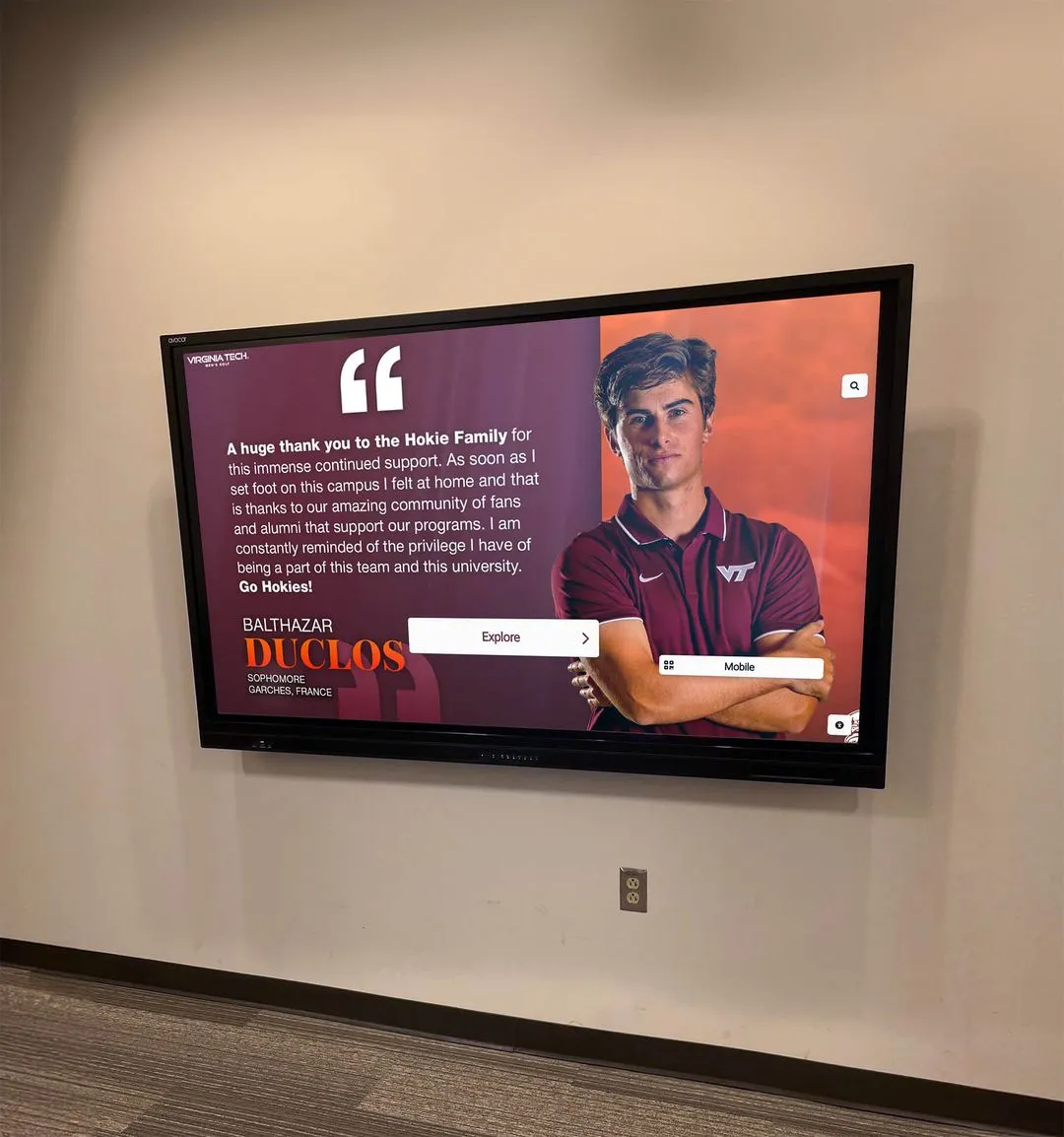




Athletic programs face an ongoing challenge that physical record boards can never fully solve: how to display decades of achievements, individual records, team milestones, and statistical accomplishments within limited display space. Traditional record boards mounted on gymnasium walls become crowded, outdated, and nearly impossible to update as programs add sports, break records, and recognize new achievements year after year.
Every time an athlete breaks a long-standing record or a team achieves a new milestone, athletic directors face the same frustrating choice: which existing recognition gets removed to make room? Physical space constraints force schools to prioritize certain sports over others, recent achievements over historical ones, and team records over individual accomplishments. These decisions undermine the equity and comprehensiveness that strong recognition programs require.
Digital record boards solve this fundamental problem by eliminating physical space limitations entirely. Through interactive touchscreen displays, schools can display unlimited records across all sports, eras, and achievement types while providing engaging exploration experiences that static boards cannot match.
This comprehensive guide explores how digital record boards transform athletic recognition, what features matter most for schools and athletic programs, how implementation works in practice, and why schools nationwide are replacing outdated physical boards with interactive digital solutions that engage students while preserving complete athletic history.

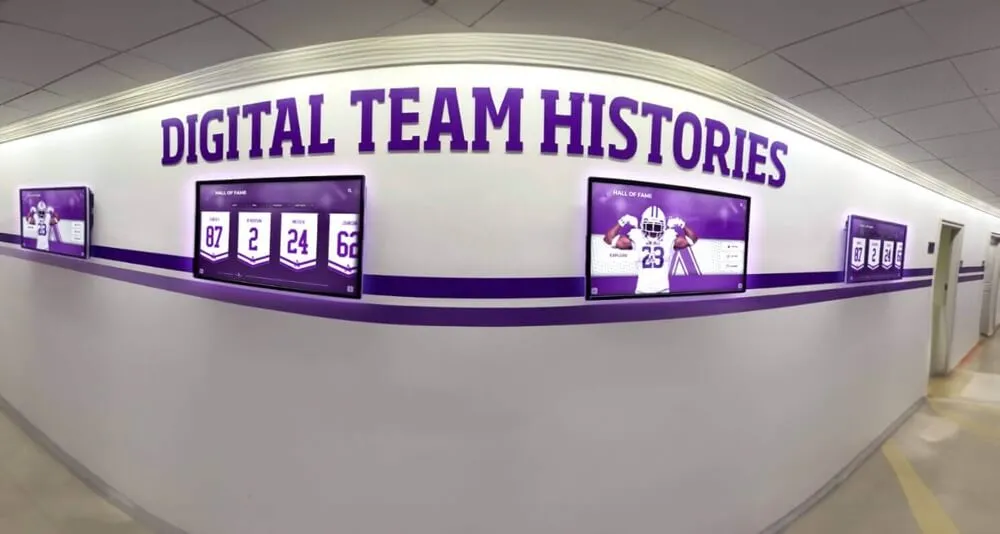
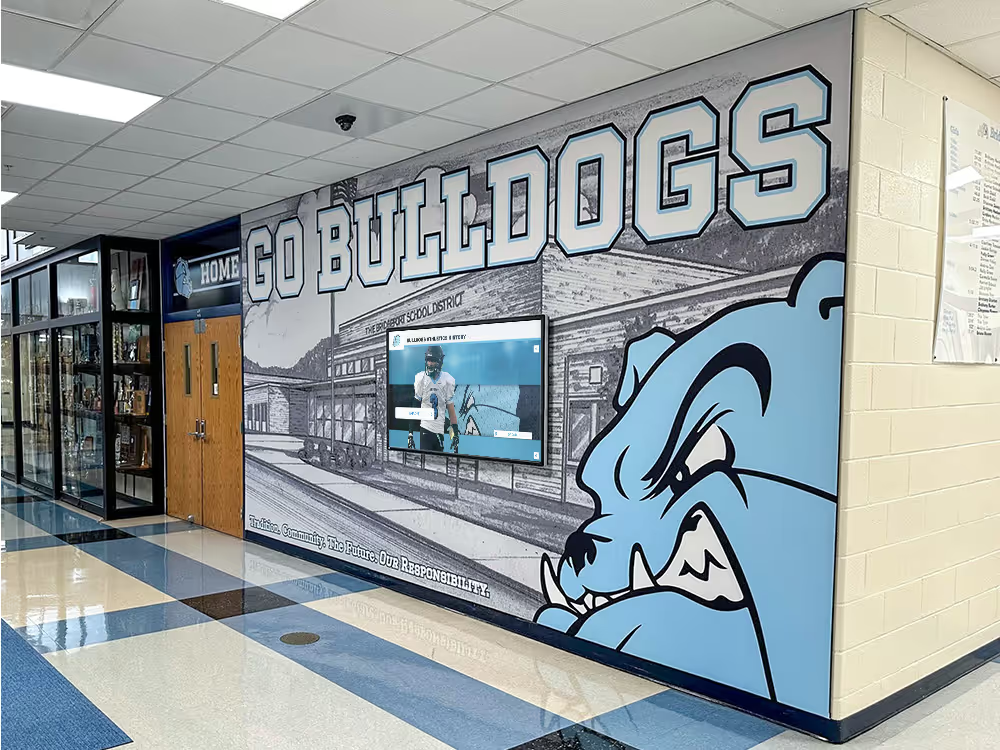
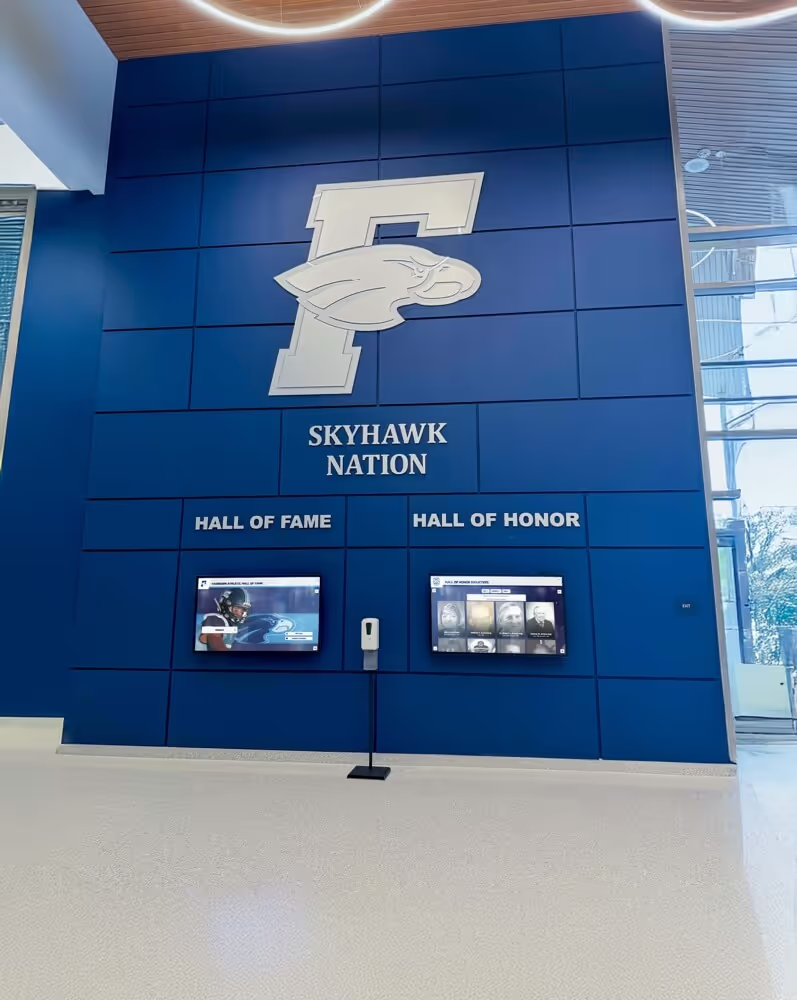
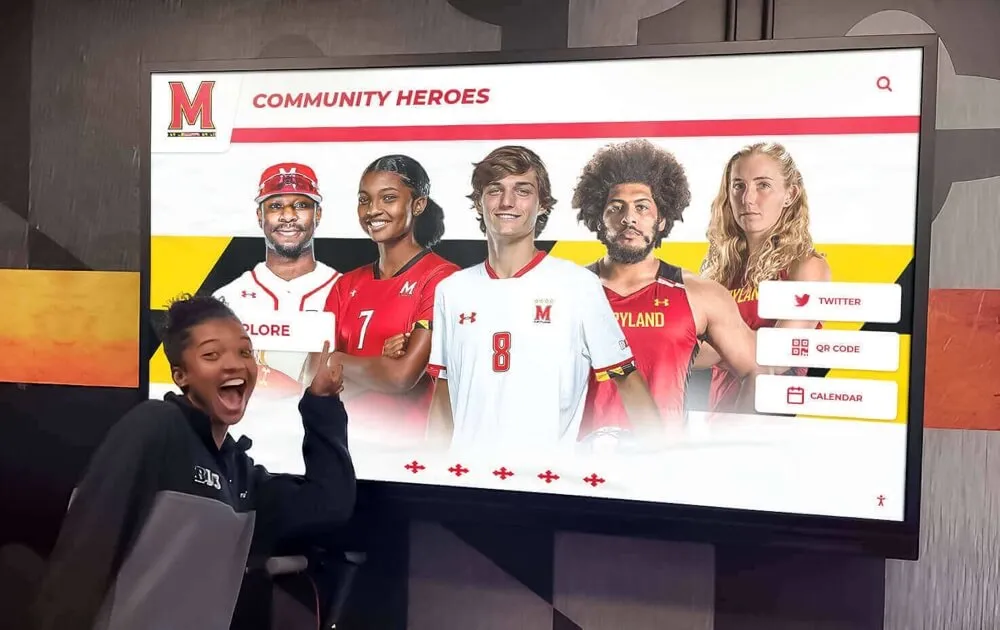
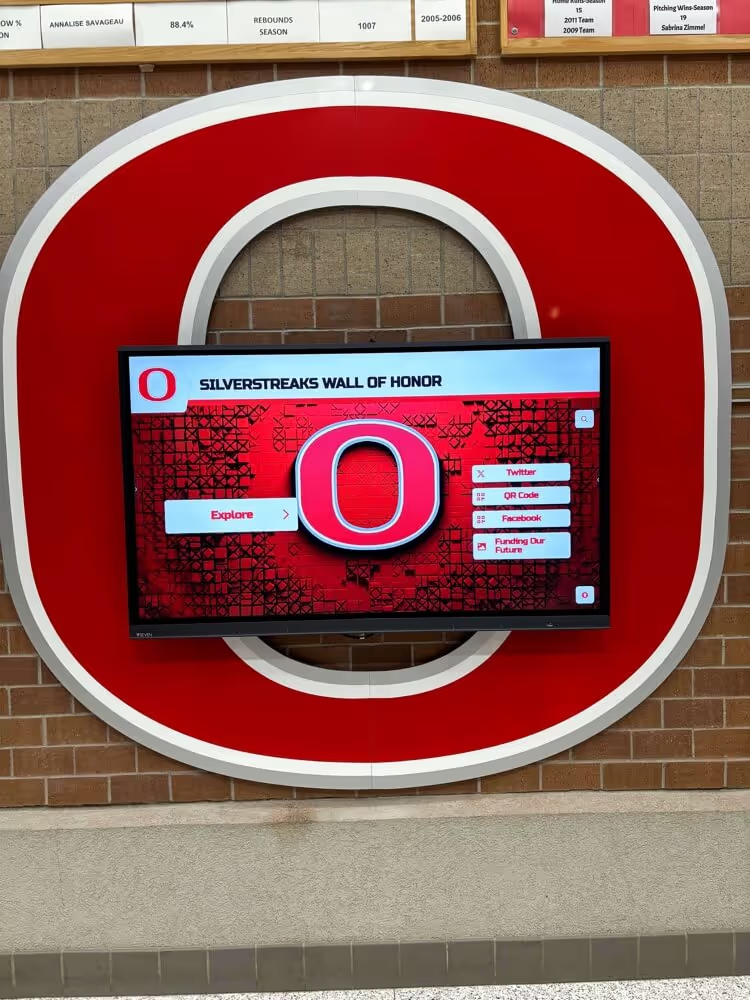
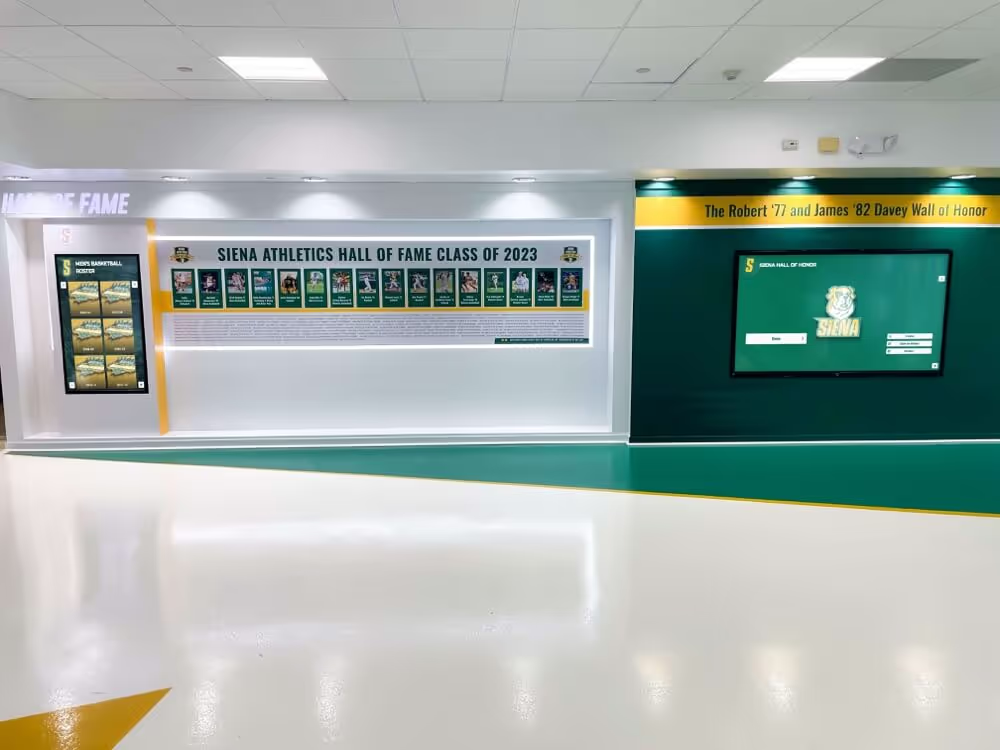
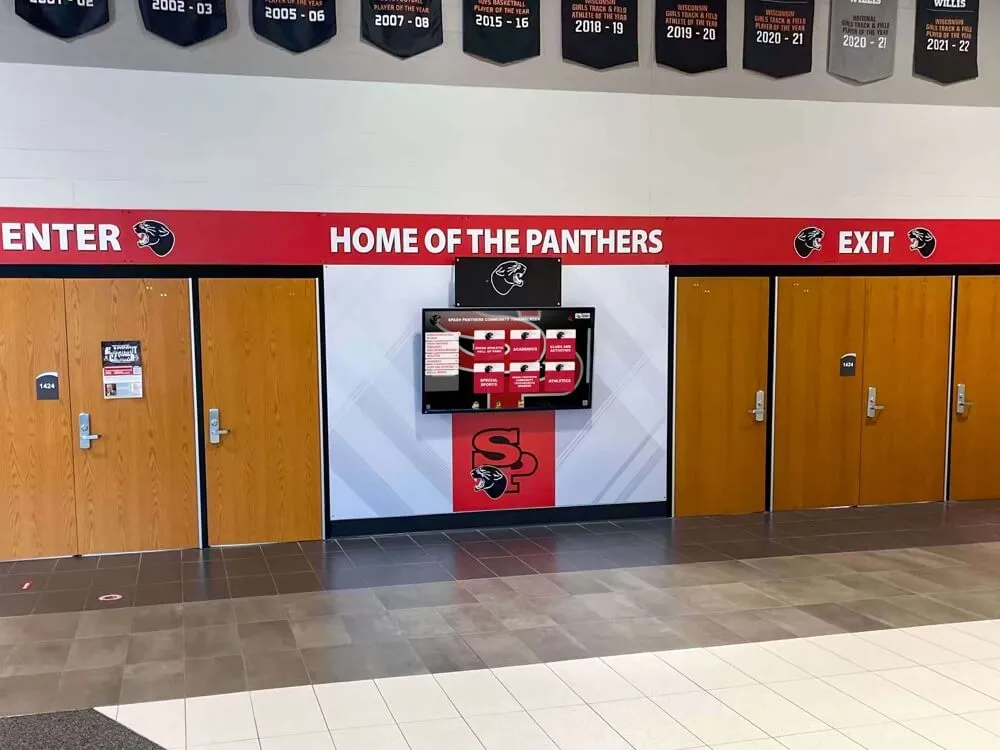
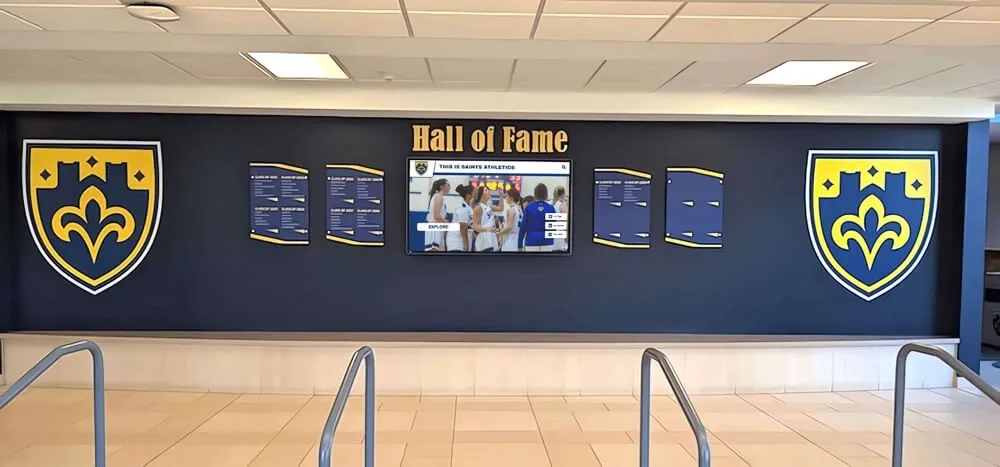
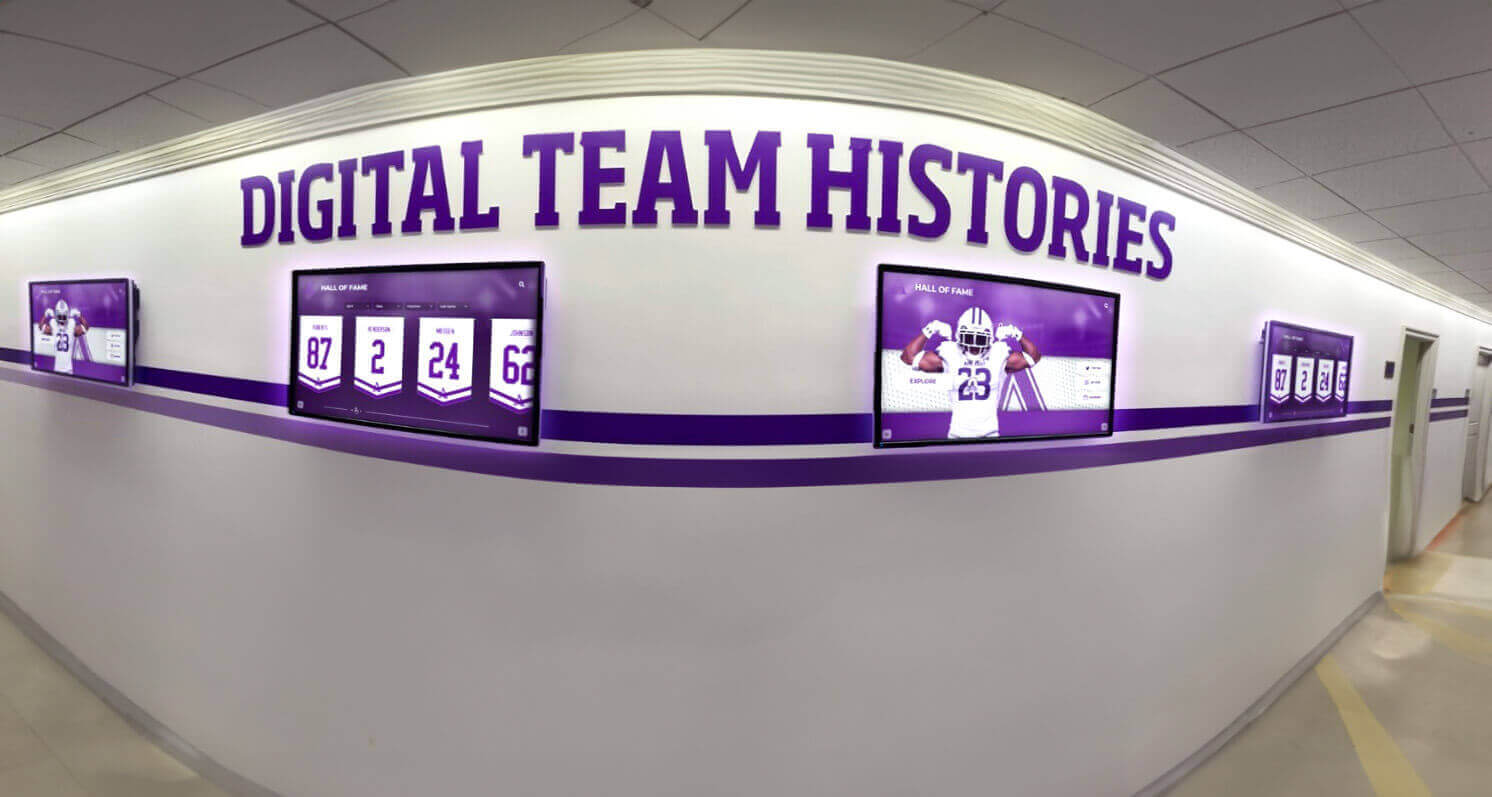
Modern digital record boards display comprehensive athletic achievements in high-traffic areas, creating ongoing student engagement with program history
Understanding the Limitations of Traditional Record Boards
Before exploring digital solutions, recognizing the specific problems with physical record boards helps athletic directors understand why modernization addresses fundamental recognition challenges rather than simply adding technology for its own sake.
Physical Space Constraints Create Recognition Inequity
Traditional record boards impose hard limits that undermine comprehensive recognition:
Fixed Display Capacity Physical boards installed decades ago cannot accommodate program growth:
- Original installations designed for 10-12 sports now serve programs offering 18-25 athletic options
- Girls’ programs added after Title IX compete for display space with established boys’ records
- Emerging sports like lacrosse, soccer, and competitive cheer lack dedicated recognition areas
- Individual record categories multiply as statistical tracking becomes more sophisticated
- Championship banners and special achievements consume available wall space
According to the National Federation of State High School Associations, the average high school athletic program has grown from offering 12 sports in 1990 to 20 sports currently, yet most gymnasium record boards remain unchanged since original construction.
Schools implementing comprehensive athletic recognition programs report that physical space limitations force difficult decisions about which achievements receive visible recognition and which get documented only in storage archives.
Forced Prioritization and Visibility Gaps Limited space creates systematic recognition inequities:
- High-profile sports receive multiple board sections while smaller programs get minimal space
- Recent records displace historical achievements as new marks are established
- Team records receive prominent placement while individual accomplishments get secondary positioning
- Male athlete records often occupy premium locations due to historical installation patterns
- Schools must choose between showcasing current season leaders versus all-time record holders
These allocation decisions send powerful messages about which sports and which athletes the school genuinely values, creating tensions among teams, coaches, and families when recognition appears unequal.
Update Complexity and Maintenance Burdens
Physical record boards demand ongoing manual labor that few schools can sustain:
Labor-Intensive Update Processes Maintaining current information requires substantial effort:
- Removing and replacing vinyl lettering for each record change
- Painting or repainting board backgrounds during facility updates
- Coordinating with facilities staff for ladder access and safety procedures
- Ordering custom lettering matching original fonts and colors
- Waiting weeks or months for materials to arrive before completing updates
Many athletic directors report that physical record boards receive updates only annually or less frequently due to competing time demands, resulting in displays showing outdated information that students notice and question.

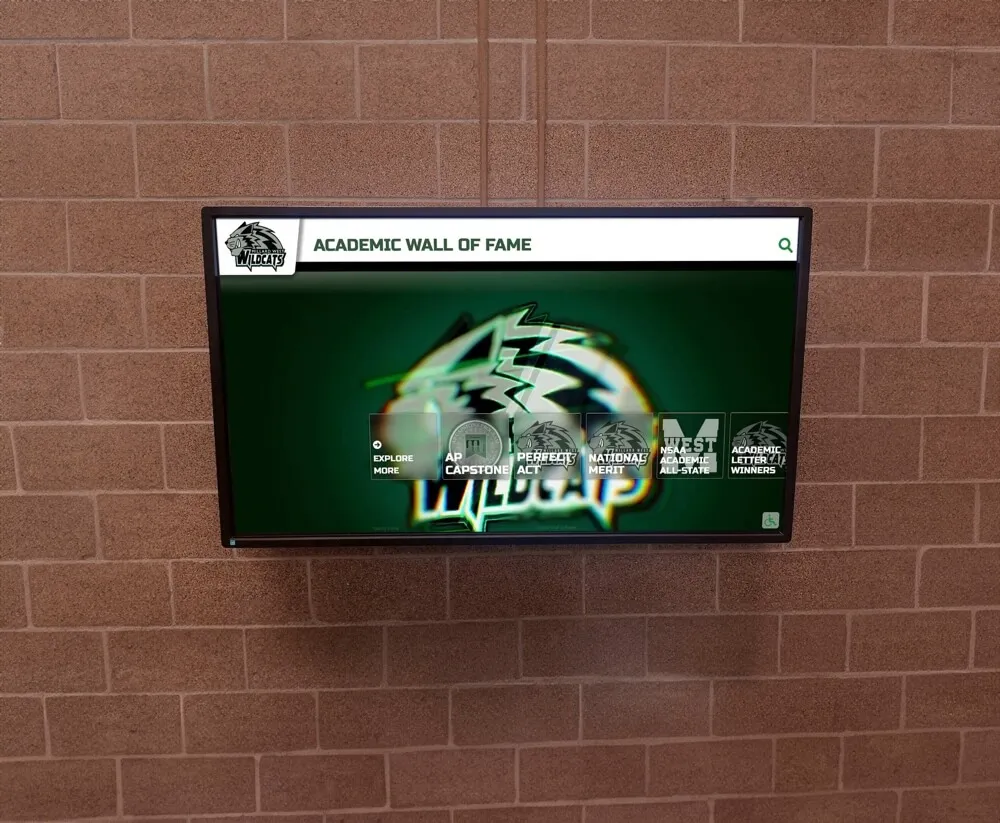
Digital displays in prominent athletic facility locations ensure records receive visibility that motivates current student-athletes
Accuracy and Verification Challenges Manual update processes introduce errors:
- Transcription mistakes when transferring statistical information to boards
- Difficulty verifying whether records listed remain current and accurate
- Conflicting information when different sources document records inconsistently
- Lost institutional knowledge as coaches and staff who remember historical records retire
- No systematic process for athletes or families to report potential errors
Schools often discover that physical record boards contain multiple inaccuracies that went unnoticed for years because verification requires extensive research through historical documents and archives.
Limited Context and Engagement
Static record boards provide minimal information that fails to create meaningful connections:
Information Scarcity Physical space limits restrict how much detail boards can include:
- Record listings typically show only athlete name, achievement, and year
- No context about the competition, opponent, or circumstances of record-setting performances
- Missing information about athlete post-graduation achievements or current activities
- No photos, videos, or multimedia content bringing records to life
- Lack of comparison data showing how current records compare to historical standards
Passive Viewing Without Interaction Traditional boards become background scenery students stop noticing:
- Static displays fade into visual background as students become habituated
- No way for students to explore records by sport, year, or achievement type
- Cannot search for specific athletes or compare records across eras
- No connection to current season statistics or ongoing pursuit of records
- Alumni and families visiting campus cannot easily locate specific athletes or teams
Research on institutional recognition indicates that unchanging displays receive decreasing attention over time, dramatically reducing motivational impact on student-athletes who rarely engage with static information they walk past daily.
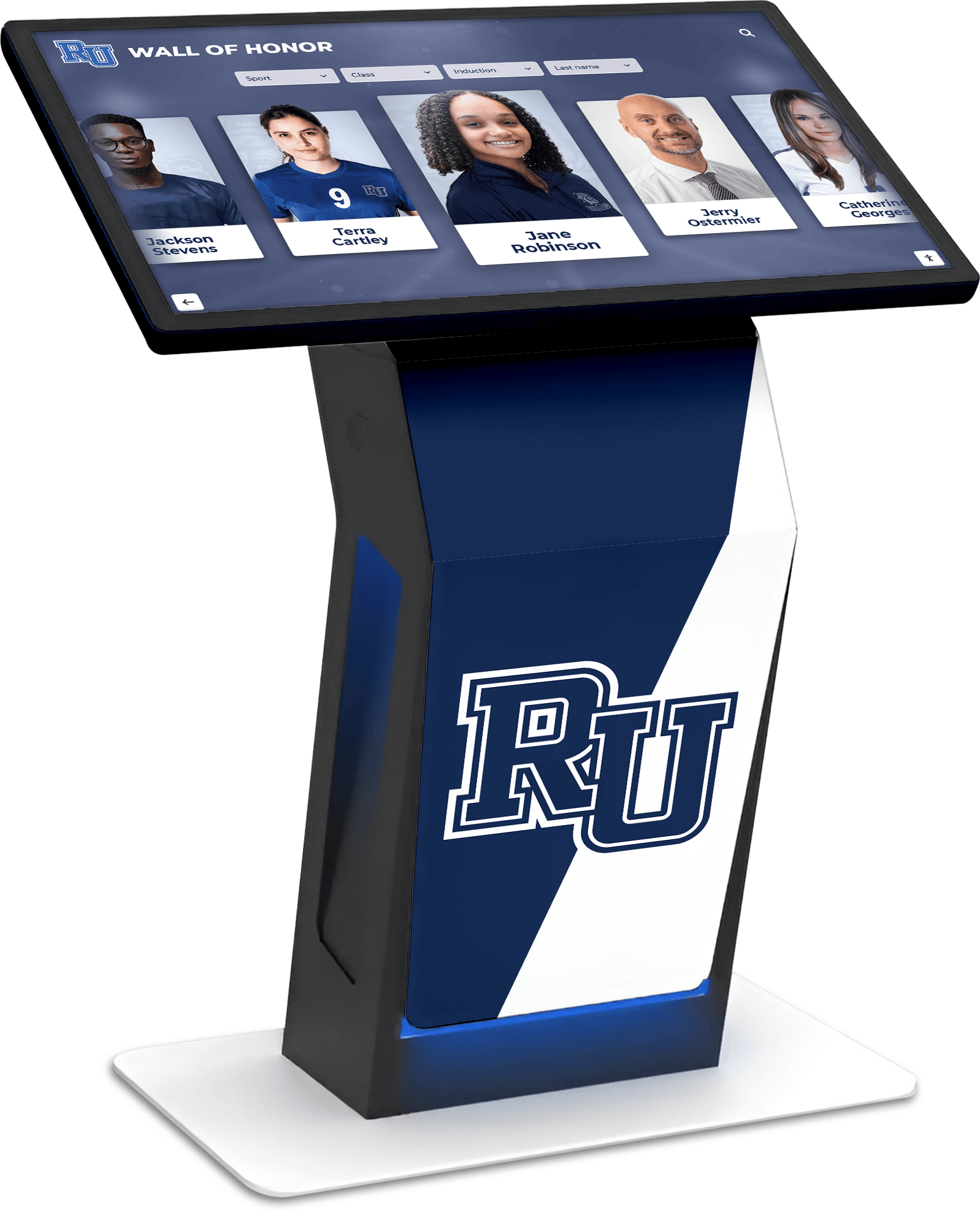
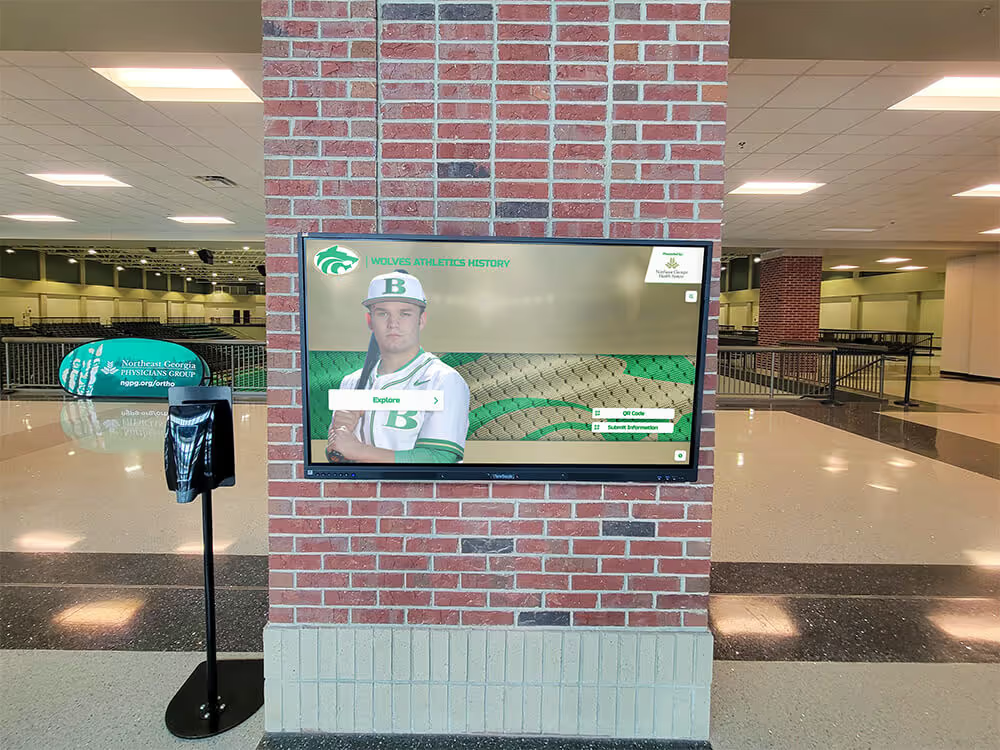
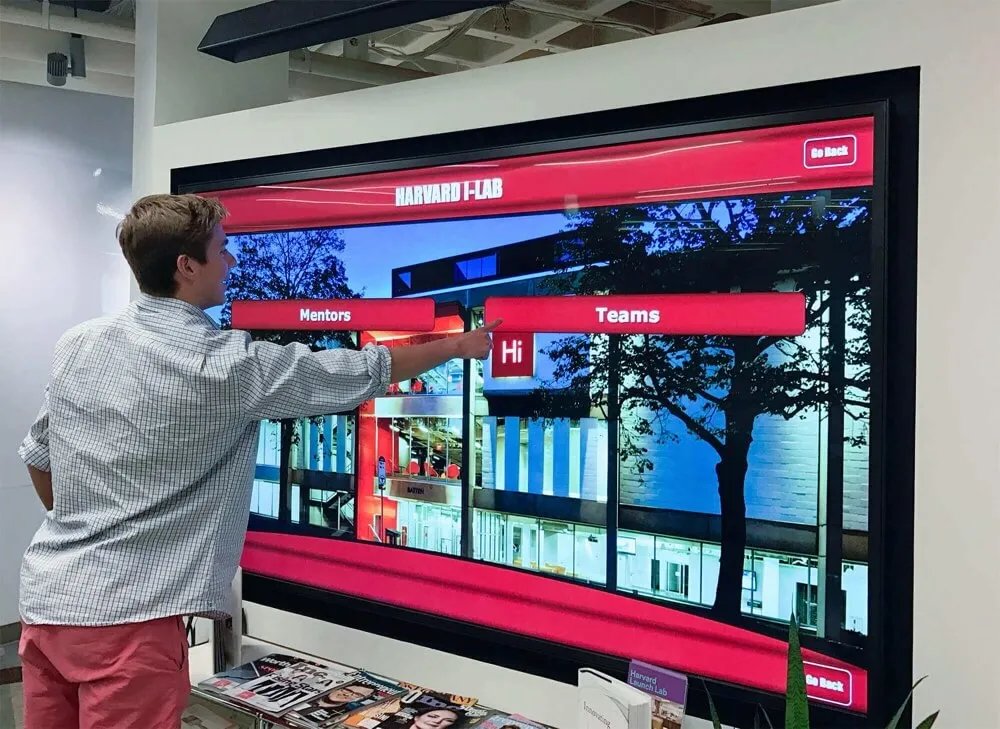
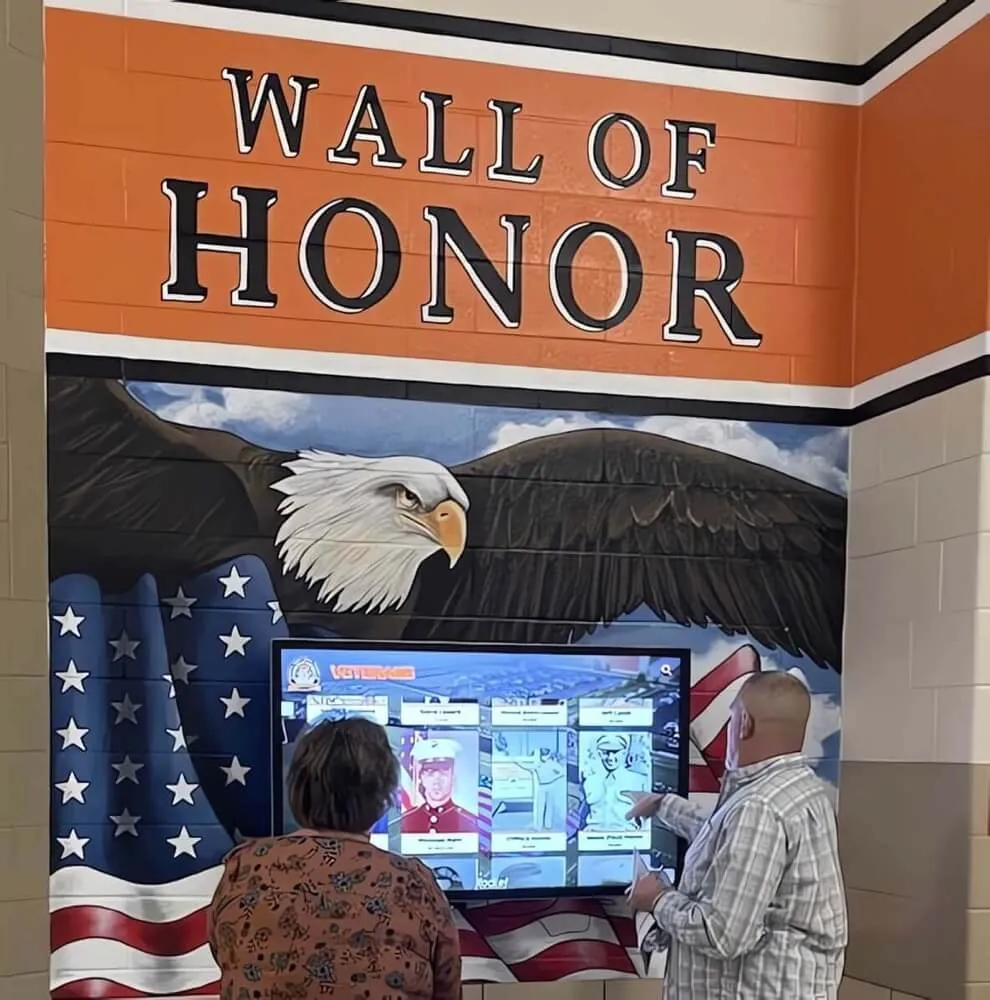
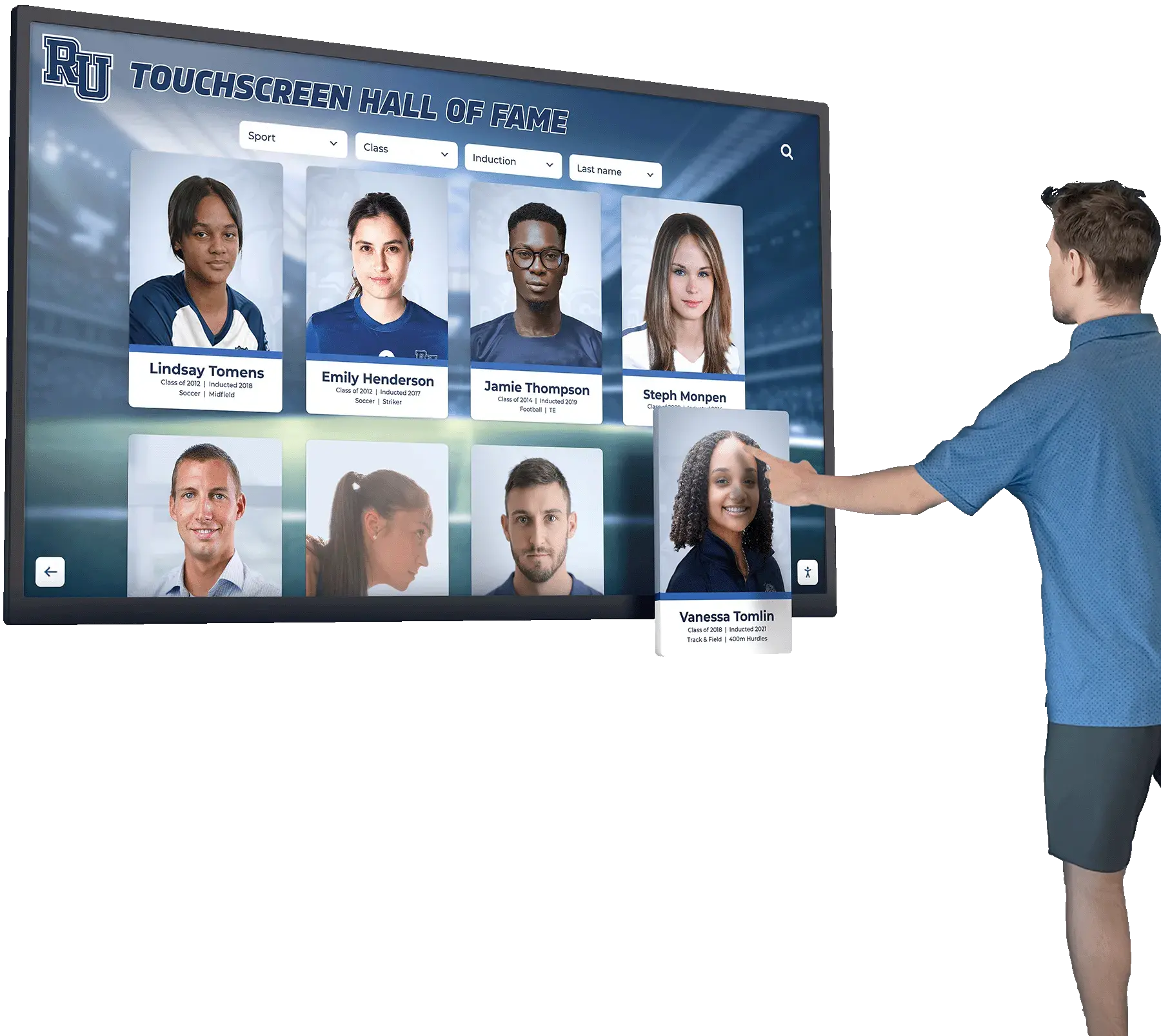
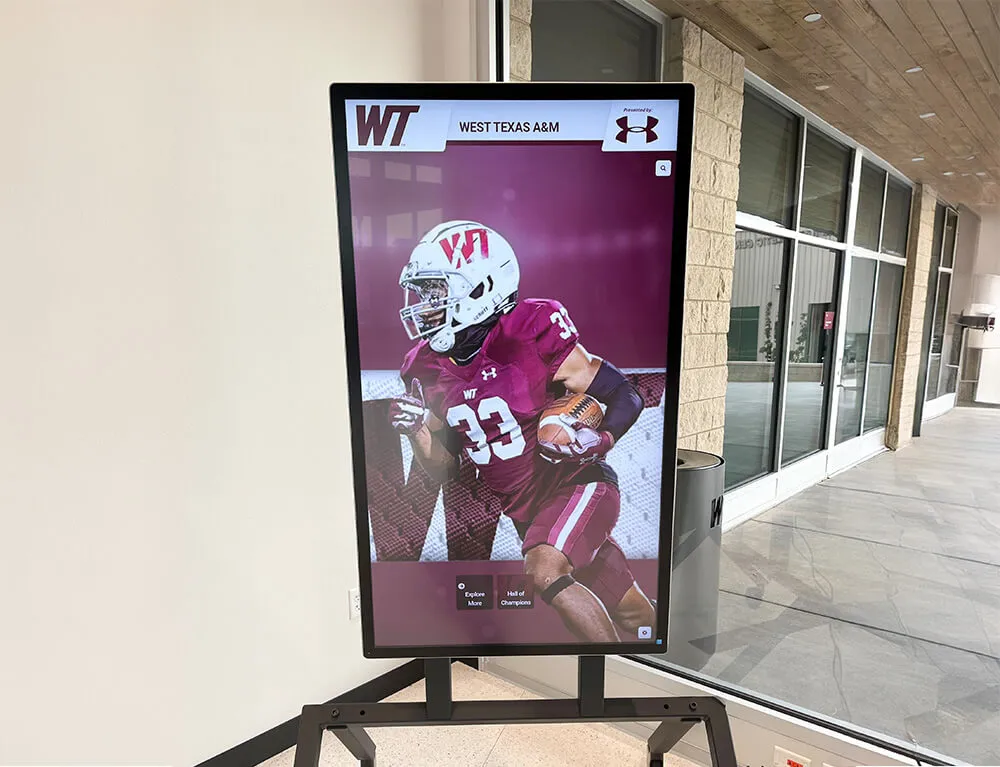
Professional touchscreen kiosks invite exploration and interaction, transforming athletic records from passive viewing to active discovery
How Digital Record Boards Solve Traditional Recognition Problems
Interactive digital displays fundamentally address the space constraints, update complexity, and engagement limitations that make physical record boards inadequate for modern athletic programs.
Unlimited Recognition Capacity
The most immediate benefit of digital record boards is complete elimination of physical space constraints:
Comprehensive Multi-Sport Coverage Digital platforms present every sport without prioritization:
- Display unlimited records across all athletic programs without competition for space
- Present fall, winter, and spring sports with equal visibility and detail
- Include discontinued sports preserving complete institutional athletic history
- Feature emerging programs immediately without construction or board expansion
- Maintain both team and individual records comprehensively across all categories
Solutions like Rocket Alumni Solutions enable schools to display records from program founding through current seasons, creating complete athletic documentation impossible with physical boards constrained by gymnasium wall dimensions.
Detailed Record Categories Digital capacity enables sophisticated statistical recognition:
- Single-season records, career records, and game performance records simultaneously
- Offensive records, defensive records, and special achievement categories
- Individual statistical leaders across multiple performance metrics
- Team season records including wins, championships, and competitive milestones
- Coaching records documenting victories, championships, and tenure achievements
Schools implementing digital athletic recognition systems report immediate relief from allocation decisions about which records receive visibility, as unlimited digital capacity ensures comprehensive coverage without forced choices.
Historical Depth Without Space Compromise Digital systems preserve complete athletic history:
- Document record progression showing how marks evolved across decades
- Display previous record holders maintaining recognition for historical achievements
- Include records from program inception regardless of how far back history extends
- Preserve statistical achievements even after records get broken
- Archive discontinued record categories maintaining institutional memory
Athletic directors can finally display complete record histories rather than just current marks that fit on available board space.

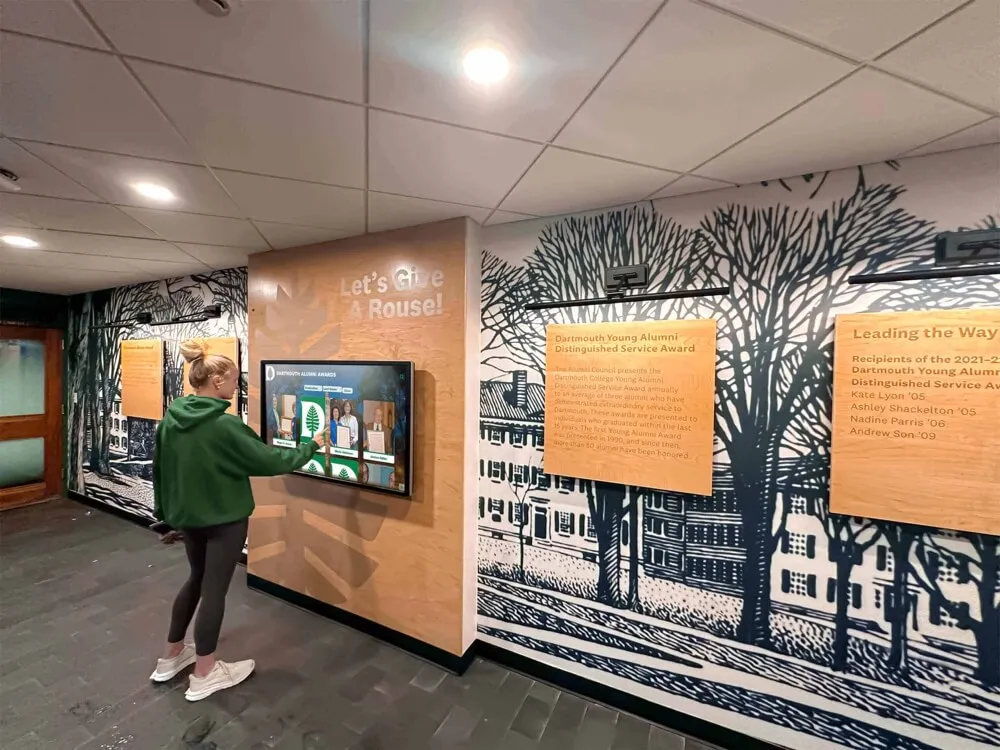
Intuitive touch interfaces enable students to explore athletic records through natural interaction patterns they use daily on personal devices
Instant Updates and Real-Time Accuracy
Cloud-based content management eliminates the update complexity that makes physical record boards burdensome to maintain:
Remote Content Management Update displays from anywhere without gymnasium access:
- Content changes from any internet-connected device without campus visits
- No ladder access, materials ordering, or facilities coordination required
- Multiple authorized staff can contribute updates with role-based permissions
- Template systems accelerate record entry with consistent formatting
- Scheduled publishing enables preparation during off-hours with automatic display
Athletic directors report 85-90% reduction in time spent updating athletic records after implementing digital systems, freeing resources for student-athlete support and program development.
Same-Day Recognition Digital platforms enable immediate acknowledgment:
- Update record boards within hours of record-breaking performances
- Publish achievement recognition coordinating with school announcements
- Feature current statistical leaders updating continuously throughout seasons
- Highlight approaching records creating anticipation as athletes chase marks
- Coordinate major record achievements with social media celebration
This immediacy creates relevance that physical boards updated annually or quarterly cannot match, ensuring student-athletes see their accomplishments recognized promptly when excitement and pride peak.
Automated Accuracy Verification Digital systems reduce errors through structured data management:
- Database-driven content ensuring consistency across multiple displays
- Automated comparisons flagging potential conflicts between records
- Edit histories tracking who changed what information and when
- Review workflows enabling verification before public display
- Bulk import tools reducing manual data entry errors
Schools report significant accuracy improvements after implementing digital record boards, as systematic content management replaces ad hoc manual processes prone to transcription errors.
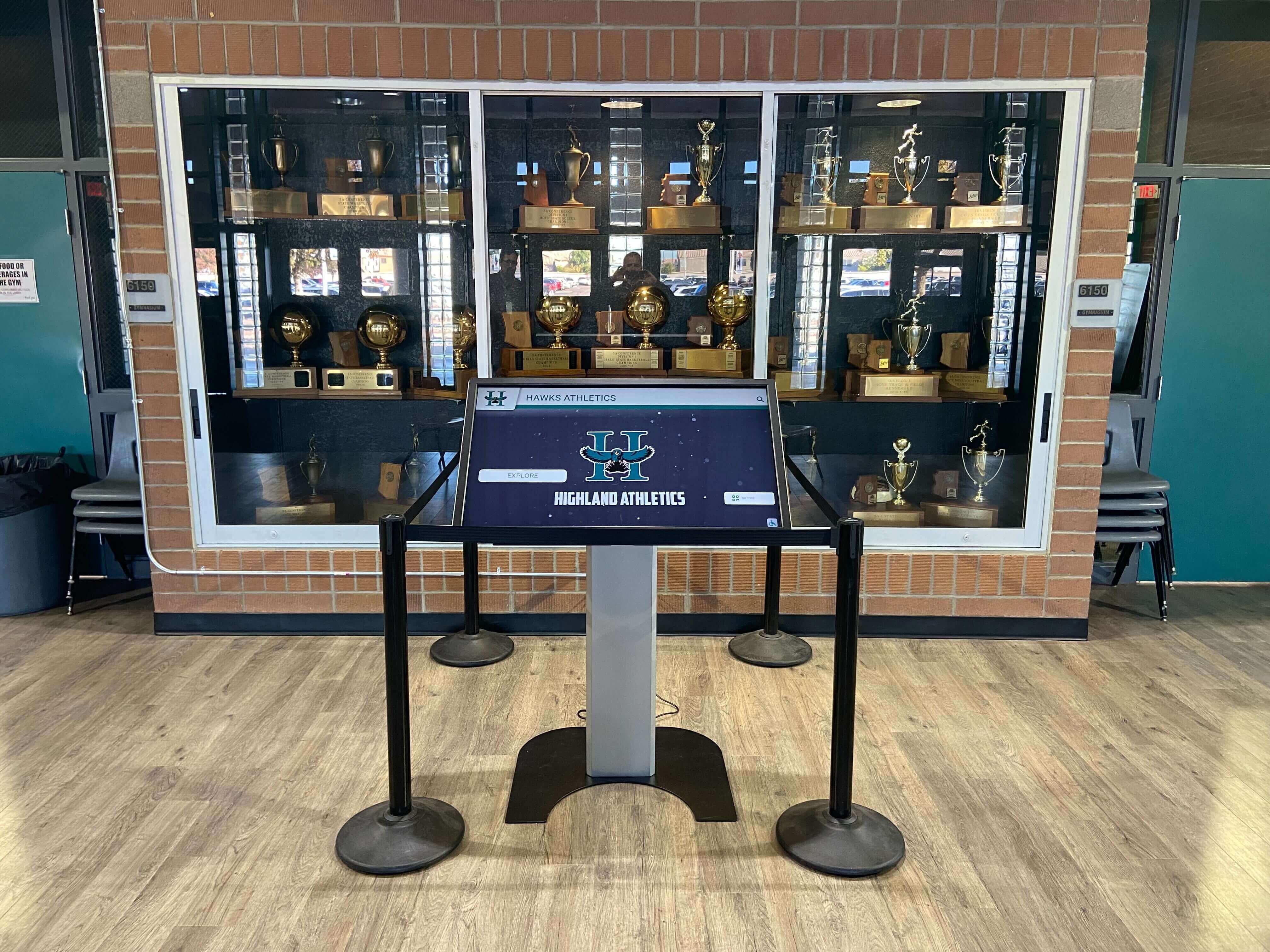
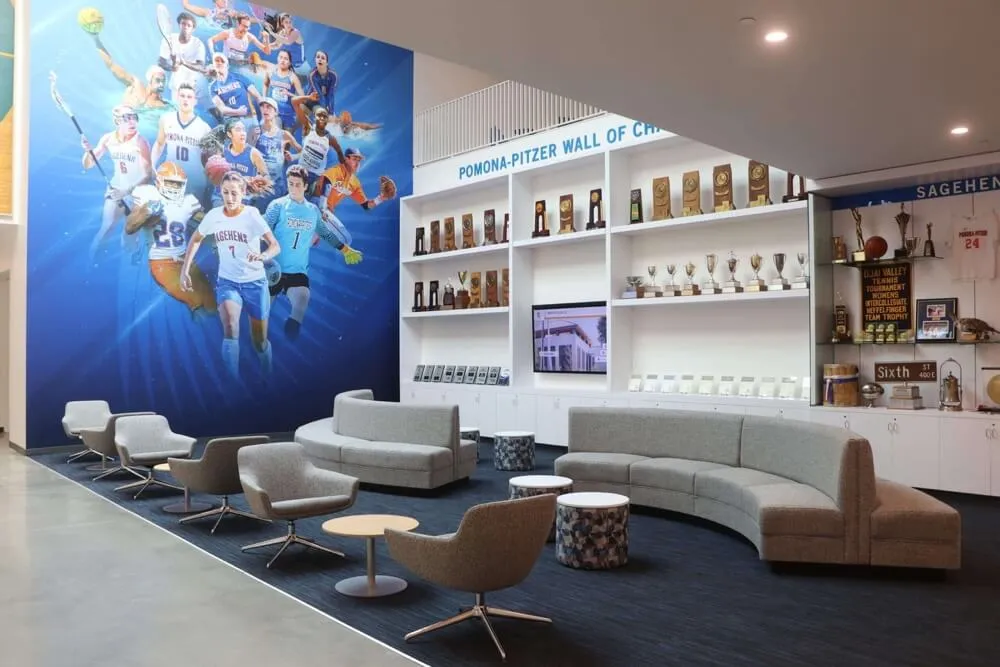
Digital displays integrate seamlessly with existing trophy cases, complementing physical hardware with unlimited statistical recognition
Interactive Engagement and Multimedia Storytelling
Touchscreen technology transforms record recognition from passive viewing to active exploration:
Search and Discovery Features Students interact with athletic history in meaningful ways:
- Search by athlete name finding all records held instantly
- Filter by sport, achievement type, or era exploring specific interests
- Browse chronologically through record progression timelines
- Compare current season leaders to all-time record holders
- Navigate alphabetically through athlete directories
This searchability creates personal connections as students discover family members, teammates, or athletes from their own programs throughout record books that traditional boards make unsearchable.
Schools implementing comprehensive digital trophy displays report that interactive features generate 5-10x more student engagement compared to static physical boards students walk past without noticing.
Multimedia Content Enhancement Digital platforms provide context impossible on physical boards:
- Photo galleries showing record-setting performances and athlete celebrations
- Video clips from games when records were established
- Detailed athlete profiles including background, post-graduation achievements, and current activities
- Season recaps and game summaries documenting context of record performances
- Newspaper articles and media coverage preserving historical perspective
- Statistical graphics visualizing record progression and comparative performance
Mobile and Remote Access Recognition extends beyond gymnasium visits:
- QR codes enabling mobile viewing from personal devices anywhere
- Alumni access athletic records from across the country maintaining program connection
- Families explore current season leaders and career progression from home
- College coaches review program statistical history during recruiting evaluations
- Social media sharing celebrates record achievements beyond campus boundaries
Athletic directors report that mobile access creates ongoing engagement rather than recognition visible only during occasional gymnasium visits for games and events.
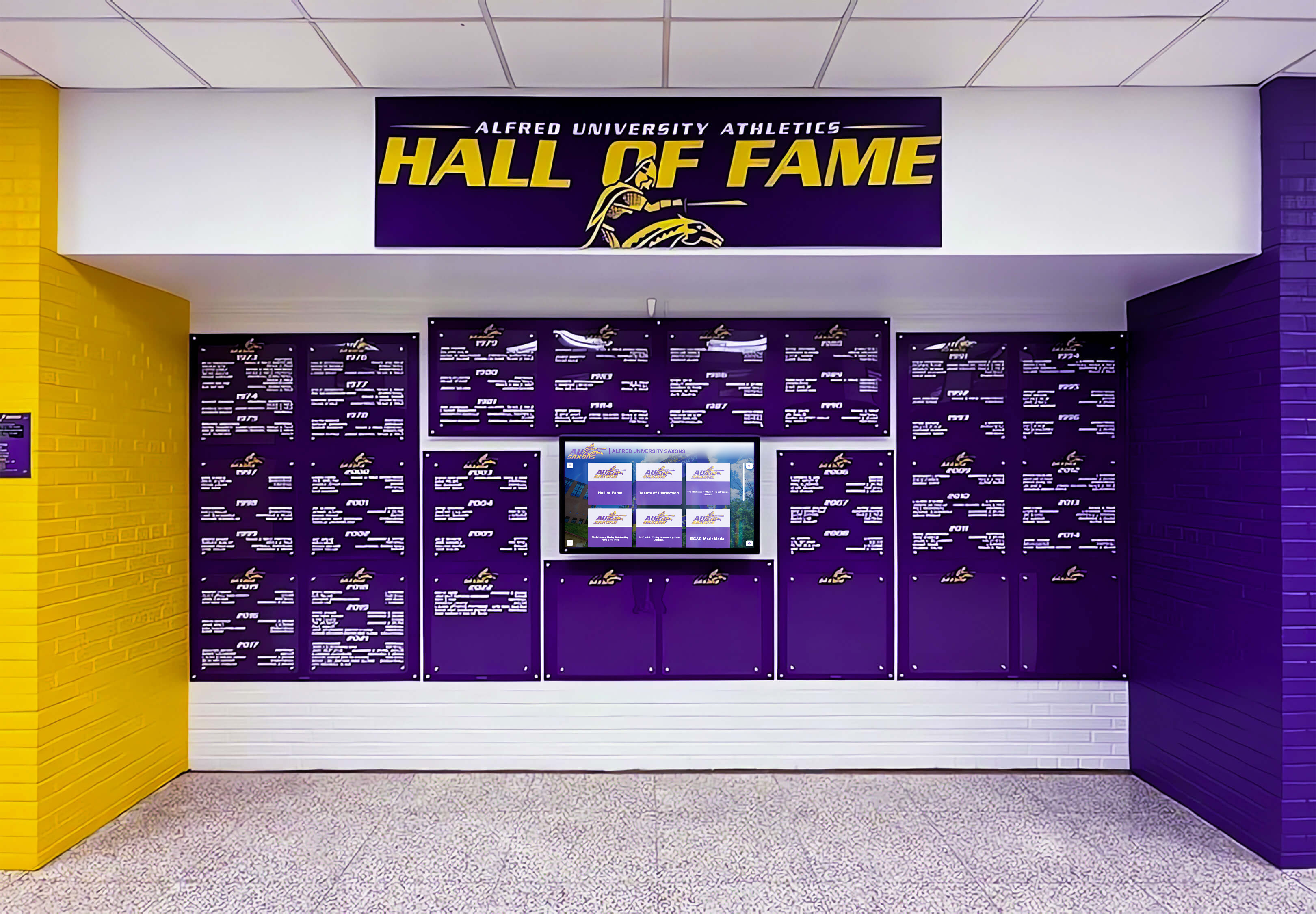
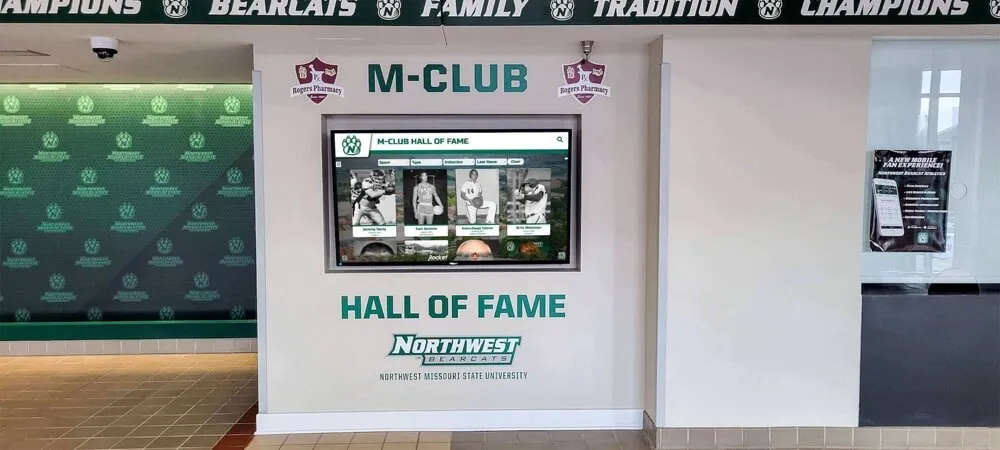
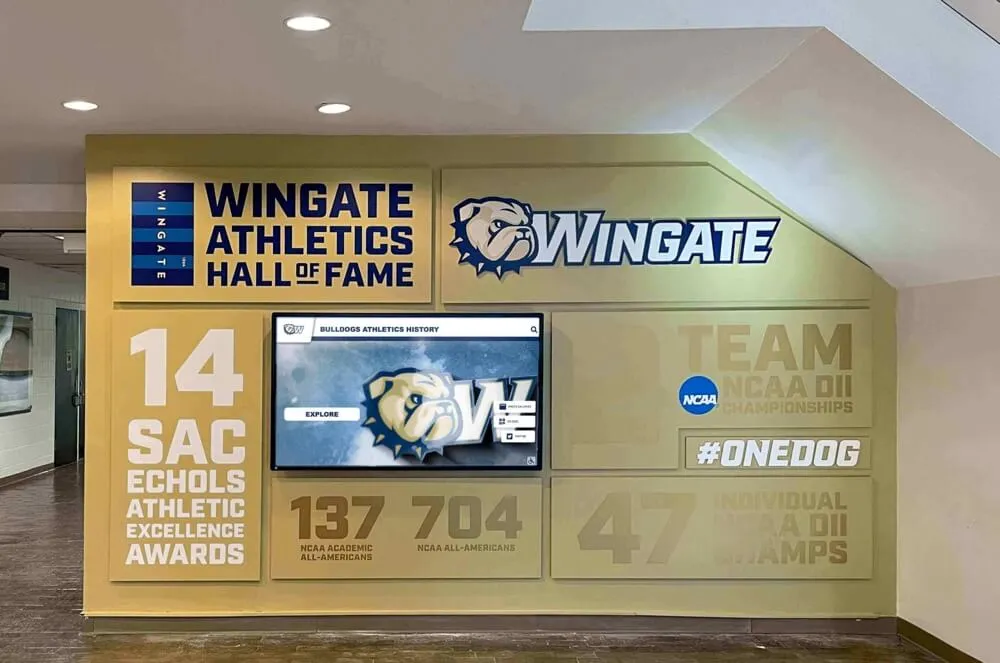
Professional installations create impressive visual focal points while providing comprehensive record documentation across all sports and eras
Essential Features of Effective Digital Record Board Systems
Understanding critical capabilities helps athletic directors evaluate solutions and ensure selected systems address institutional needs effectively.
Content Management and Administration
Intuitive management interfaces determine whether staff will maintain systems long-term:
Cloud-Based Platform Architecture Modern solutions should provide remote access:
- Web-based content management accessible from any internet-connected device
- No software installation requirements enabling access from school, home, or travel
- Automatic updates ensuring latest features and security patches
- Mobile-responsive administration interfaces enabling smartphone updates
- Reliable uptime with enterprise-grade hosting infrastructure
Schools should avoid legacy systems requiring on-site servers or specific workstation access, as cloud platforms provide superior accessibility and reduce IT department burden.
User-Friendly Content Editing Non-technical staff should manage content independently:
- Visual editors similar to familiar social media platforms
- Drag-and-drop functionality for image and content placement
- Template systems providing consistent formatting without design expertise
- Bulk import capabilities for efficient historical data entry
- Undo and revision history enabling error recovery
- Preview functionality showing how changes will appear before publishing
Athletic secretaries, activities coordinators, and coaches with basic computer skills should successfully manage content without IT department involvement for routine operations.
Role-Based Permission Systems Distributed responsibility prevents bottlenecks:
- Athletic director maintains oversight and approval authority
- Individual coaches contribute sport-specific records and updates
- Administrative staff handle routine data entry and maintenance
- Student assistants support content collection and organization
- Controlled access levels preventing unauthorized modifications
Permission systems enable collaboration while maintaining quality control over public-facing recognition content.

Accessible interfaces accommodate diverse users, ensuring students, visitors, and alumni can explore athletic records independently
Display Hardware and Installation Options
Appropriate equipment ensures reliability and longevity in athletic facility environments:
Commercial-Grade Display Specifications Athletic facilities require industrial-quality equipment:
- Commercial display panels rated for continuous operation (16-24 hours daily)
- High brightness levels ensuring visibility in gymnasium lighting (350-700 nits minimum)
- Industrial touchscreen overlays designed for years of public interaction
- Extended warranties reflecting commercial application expectations (3-5 years minimum)
- Projected capacitive touch technology providing reliable responsiveness
Consumer televisions lack durability and operational specifications for public deployment in high-traffic athletic facilities. Commercial displays last 2-3 times longer than consumer alternatives in institutional applications according to industry research.
Installation Format Options Physical implementation varies by space configuration:
- Wall-mounted displays providing clean installations while preserving floor space
- Freestanding floor kiosks enabling placement flexibility when wall mounting proves impractical
- Double-sided displays maximizing visibility in high-traffic circulation areas
- Video wall configurations creating impressive large-format displays from multiple coordinated screens
- Trophy case integration combining digital records with physical championship hardware
Installation requires coordination with facilities management for power supply, network connectivity, and structural mounting support ensuring safe, code-compliant deployment.
Network Connectivity and Technical Infrastructure Reliable internet access enables cloud management:
- Wired Ethernet connections preferred for consistent performance
- Wireless connectivity acceptable when running cable proves impractical
- Adequate bandwidth supporting video content (5-10 Mbps typically sufficient)
- Firewall configuration allowing content management platform access
- Backup power consideration for critical display locations
IT departments should be involved early in planning to ensure appropriate network access and security configuration that enables remote management while maintaining institutional cybersecurity standards.
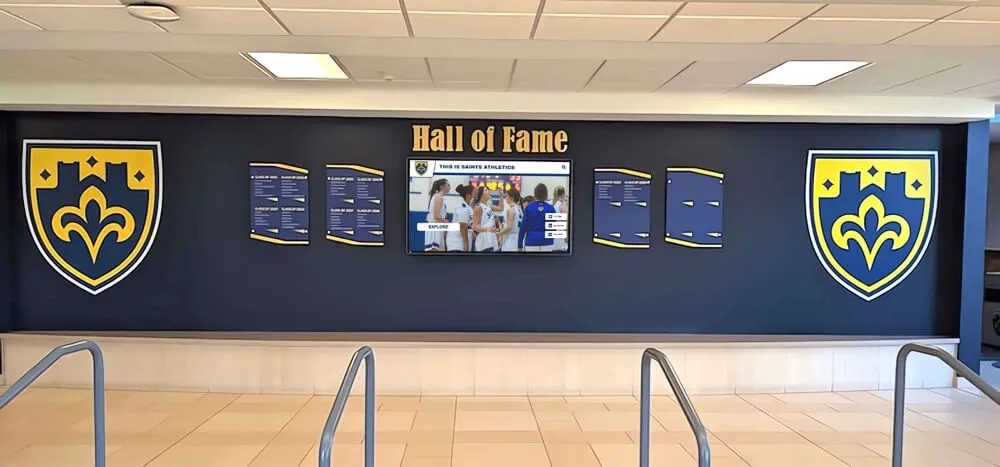
Coordinated installations combining traditional elements with digital displays create impressive multi-modal recognition environments
Accessibility and Inclusive Design
Digital record boards must accommodate diverse abilities and ensure universal access:
ADA Compliance Requirements Federal law mandates accessible design:
- Touchscreen height ensuring wheelchair users reach all interactive elements (48 inches maximum to highest control)
- Clear floor space providing wheelchair approach access (minimum 30x48 inches)
- High-contrast display modes supporting users with vision differences
- Simple navigation accommodating cognitive diversity
- Alternative access methods for users unable to use touchscreens
Systems meeting WCAG 2.1 AA accessibility standards ensure compliance while providing superior usability for all users regardless of ability.
Multi-Language Support Diverse communities benefit from translation capability:
- Spanish language interfaces serving Hispanic families and students
- Additional language options based on local community demographics
- Automatic translation tools enabling efficient multilingual content creation
- Language selection interfaces enabling easy switching between options
Font Size and Readability Visual design should ensure legibility across viewing distances:
- Adjustable text sizes accommodating vision differences
- High-contrast color schemes ensuring visibility in varied lighting
- Clear typography selected for maximum readability
- Appropriate information density avoiding overwhelming visual clutter
- Consistent layout patterns enabling intuitive navigation
Schools implementing interactive kiosk solutions should prioritize accessibility as legal requirement and best practice ensuring all community members benefit from athletic recognition displays.
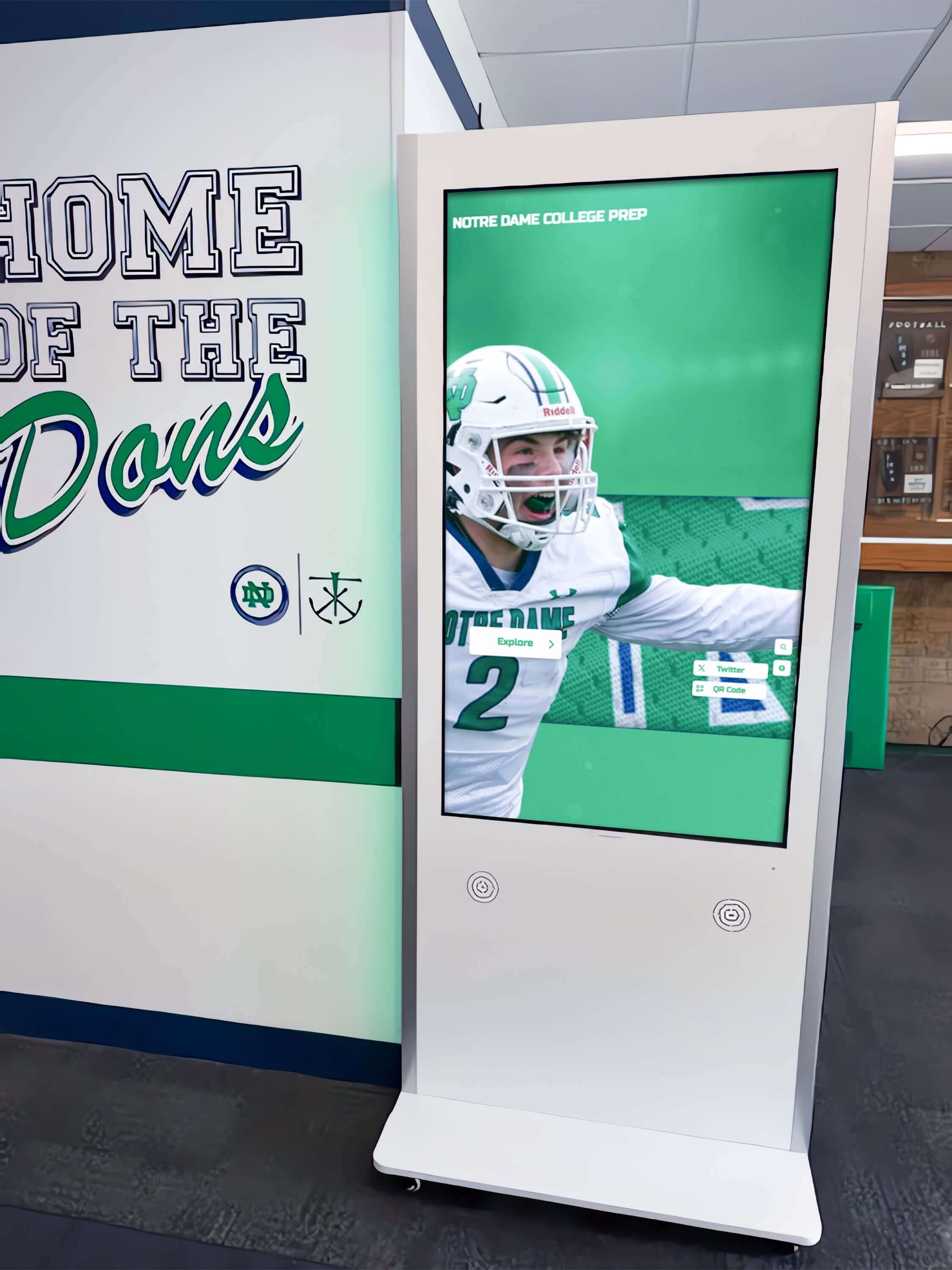
Strategic placement in high-traffic hallways ensures maximum student exposure to athletic records and achievements
Implementation Planning and Best Practices
Successful digital record board installations require systematic planning addressing location selection, content strategy, stakeholder engagement, and budget considerations.
Location Selection and Placement Strategy
Strategic positioning maximizes visibility and engagement:
Primary Athletic Facility Locations High-traffic areas ensure consistent exposure:
- Main gymnasium lobbies where students and spectators enter facilities
- Varsity locker room corridors providing daily exposure to student-athletes
- Athletic hallway connections between gymnasiums and school buildings
- Field house entrances serving multiple sport programs
- Concession stand areas where game spectators gather before events
Research indicates primary lobby placements receive 3-5x more interaction than displays located in secondary hallways or isolated areas that students rarely pass.
Display Size Considerations Screen dimensions should match viewing context:
- 55-65 inch displays suitable for most athletic facility installations with moderate viewing distances
- 65-75 inch displays appropriate for large open lobbies or gymnasiums with significant viewing distances
- 43-55 inch displays effective in smaller hallway areas with closer viewing
- Multiple coordinated displays enable comprehensive content in expansive facility spaces
- Video walls combining 4-9 displays create impressive large-format installations
Most high schools standardize on 55-65 inch commercial displays balancing visibility, budget, and installation requirements for typical athletic facility dimensions.
Viewing Angle and Orientation Physical positioning affects engagement:
- Perpendicular placement to main traffic flow encouraging stopping and interaction
- Adequate clearance preventing congestion during peak facility use
- Multiple display locations serving different sports or athletic areas
- Portrait versus landscape orientation matching content layout preferences
- Height positioning optimizing viewing for both standing and seated visitors
Installation should avoid locations where displays face windows creating glare problems or positions where furniture or equipment blocks viewing access.
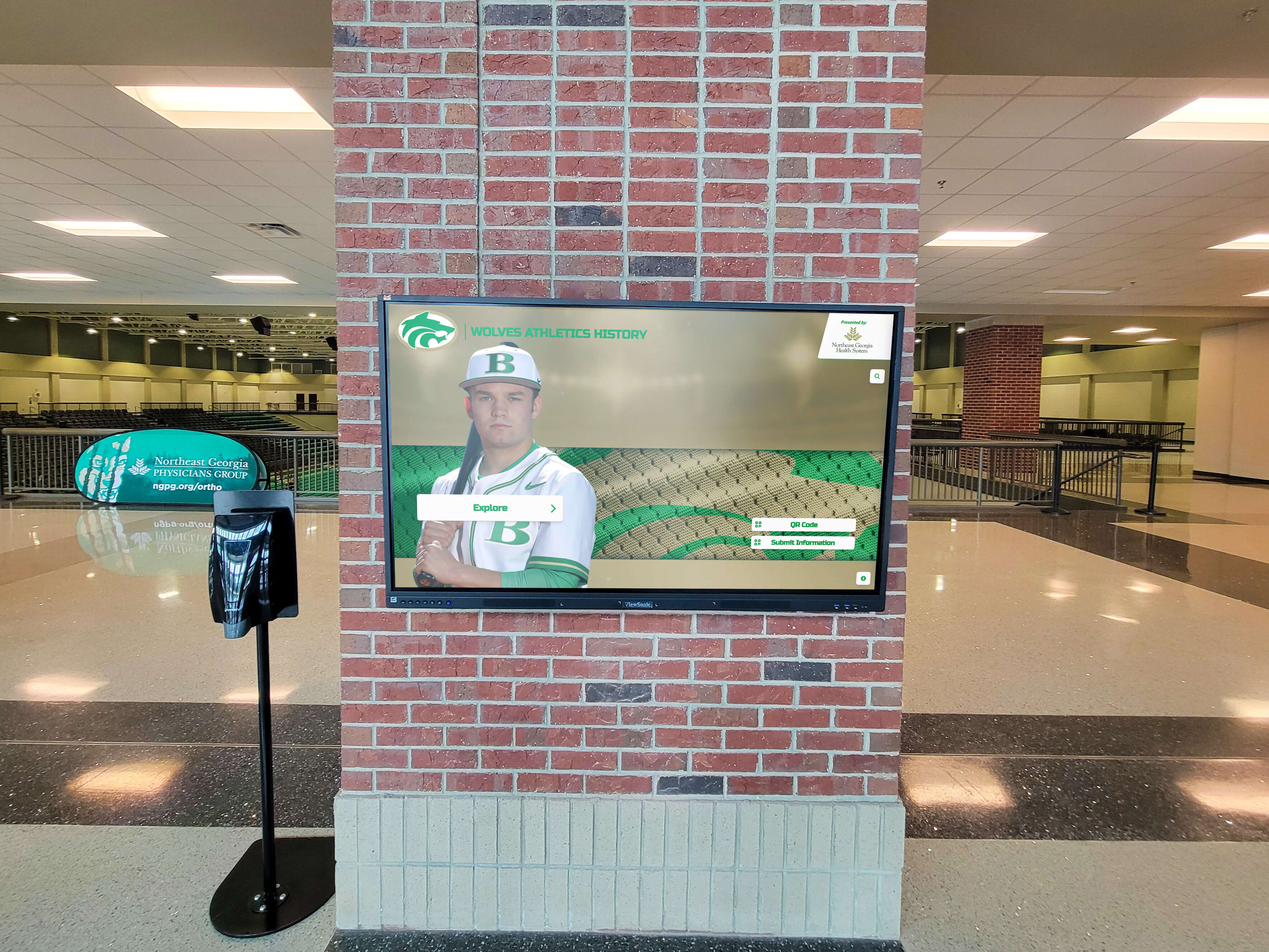
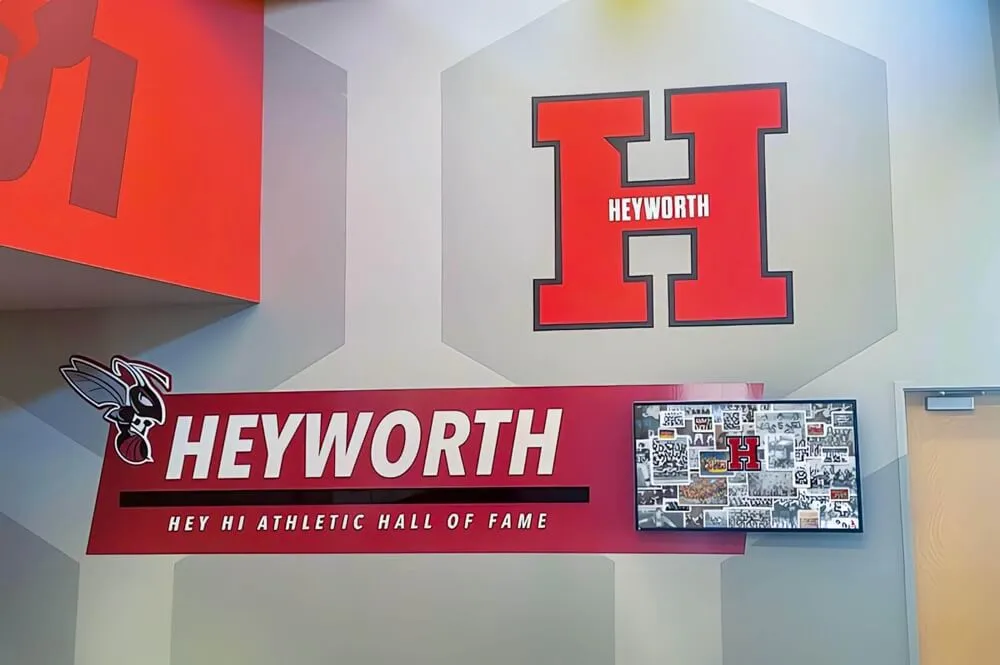
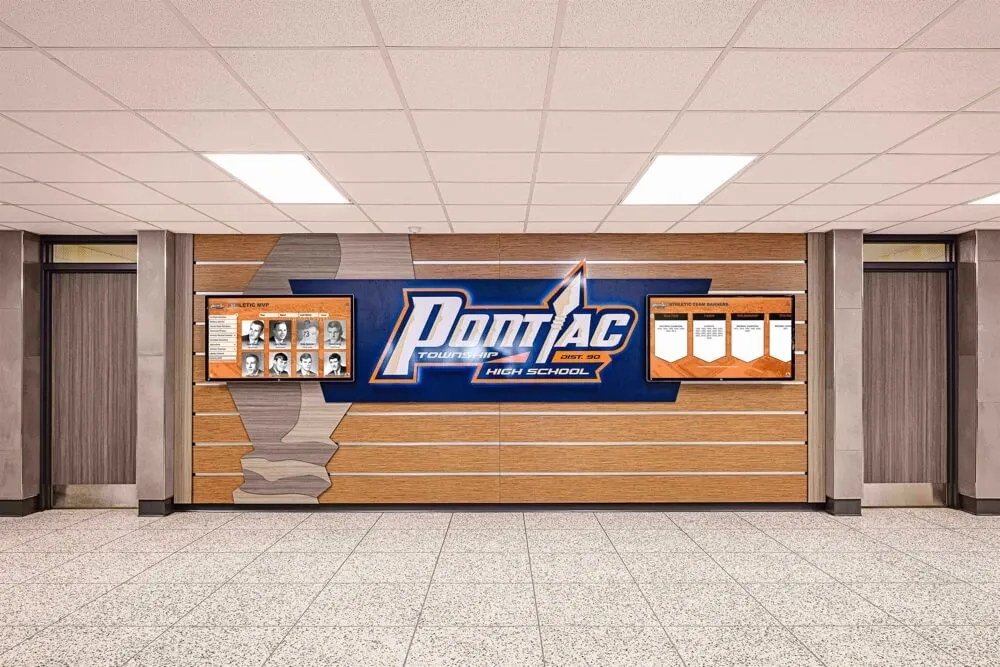
Architectural integration creates polished installations that improve overall facility appearance while displaying athletic excellence
Content Development Strategy
Systematic content planning ensures engaging displays that maintain student interest:
Initial Launch Priorities Begin with high-value recognition categories:
- Current season team rosters, schedules, and statistical leaders
- School record holders across all sports displaying all-time achievements
- Recent championship teams and tournament successes
- Conference and state record holders receiving external recognition
- Coaching tenure and milestone achievements
Starting with current and recent content demonstrates immediate relevance while providing time to develop comprehensive historical archives without delaying launch.
Historical Content Development Systematic expansion builds complete record documentation:
- Decade-by-decade record research working backward from recent to distant eras
- Sport-by-sport comprehensive record compilation ensuring balanced coverage
- Verification through athletic department archives, yearbooks, and newspaper records
- Alumni outreach requesting information about historical achievements and records
- Community engagement involving former coaches and long-time supporters
Schools can reference digital class composite displays for approaches to systematic historical content development maintaining consistent quality across decades of material.
Multimedia Content Integration Rich media creates engagement beyond statistics alone:
- Action photos showing athletes in competition capturing visual excitement
- Victory celebrations and championship team photos
- Video highlights from record-setting performances
- Newspaper clippings and historical media coverage
- Athlete interview clips discussing record achievements and experiences
- Statistical graphics visualizing record progression over time
Athletic directors report that multimedia content creates 3-5x longer viewing sessions compared to text-and-statistics-only recognition displays that resemble printed record books.
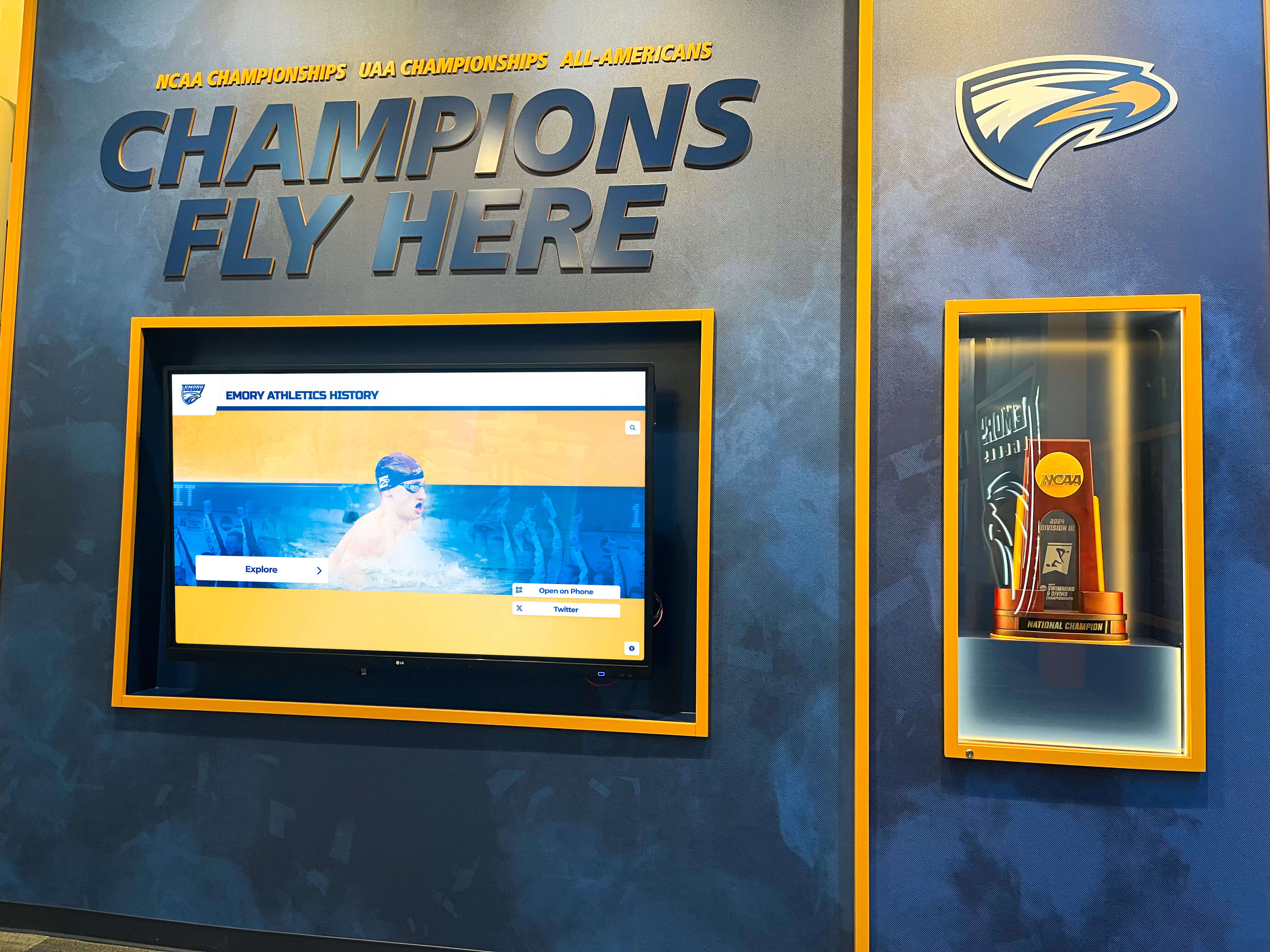
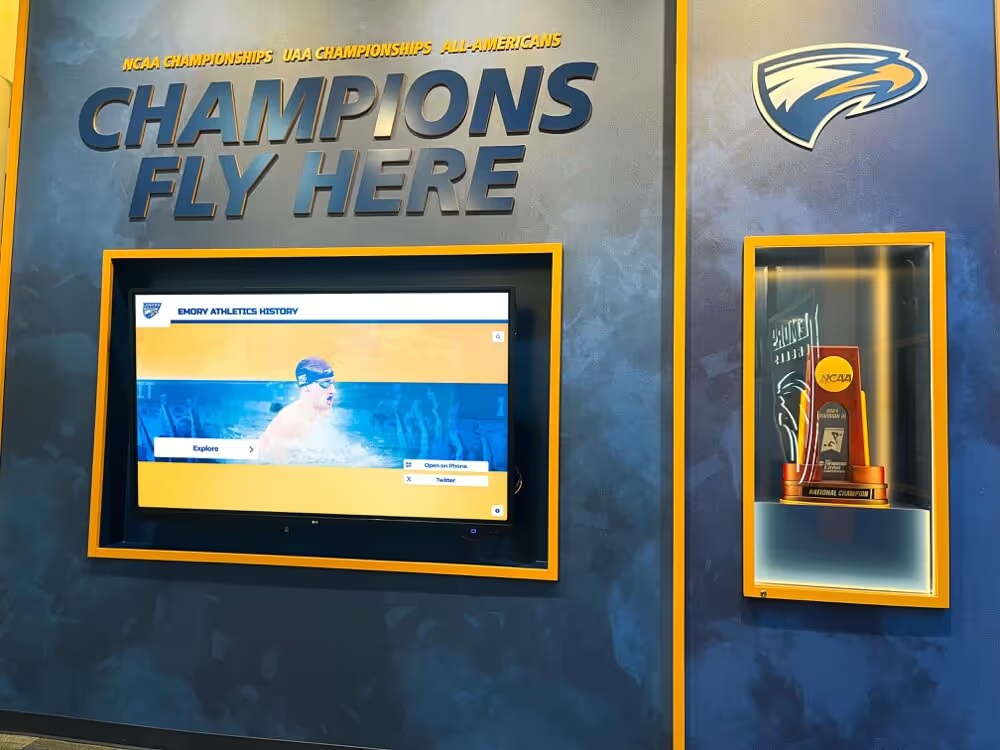
Championship recognition walls celebrate major competitive achievements while digital displays document comprehensive statistical records
Budget Planning and Investment Analysis
Understanding costs and value helps athletic directors secure necessary resources:
Initial Implementation Investment Comprehensive budgets include all necessary components:
- Commercial touchscreen display (55-65 inches): $3,500-$8,000 per unit
- Professional mounting and installation: $1,500-$3,000 including electrical and network
- Enclosure or kiosk housing (if freestanding): $2,000-$4,500 for commercial-grade units
- Content management platform annual subscription: $2,500-$8,000 depending on features
- Initial content development: $3,000-$10,000 for historical research and data entry
Single display implementations typically range from $12,000-$33,000 total investment including first-year software and substantial historical content development.
Phased Implementation Options Budget-conscious schools can implement gradually:
- Begin with single high-visibility gymnasium lobby display
- Launch with current season content and recent records only
- Add historical records progressively over 6-12 months as resources allow
- Expand to additional displays in secondary locations when budget permits
- Eventually integrate comprehensive multimedia content and features
Phased approaches manage cash flow while demonstrating value before requesting additional investment for system expansion.
Ongoing Operational Costs Annual expenses support sustained operation:
- Software platform subscription: $2,500-$8,000 annually
- Content updates: Staff time or contracted services as needed
- Technical support and maintenance: $500-$1,500 annually
- Power consumption: Minimal (commercial displays typically 100-200 watts)
- Hardware replacement reserves: $500-$1,000 annually toward eventual replacement
Schools report ongoing costs typically represent 15-25% of initial investment annually, substantially lower than traditional trophy case expansion requiring construction and permanent facility modification.
Return on Investment Analysis Digital systems provide measurable value:
Quantifiable Benefits
- Administrative time savings: 85-90% reduction in record board maintenance valued at staff hourly rates
- Avoided construction costs: $10,000-$35,000 traditional record board expansion expenses eliminated
- Enhanced college recruitment: Improved program presentation supporting athletic recruiting visibility
- Alumni engagement increase: Stronger graduate connection supporting fundraising and booster participation
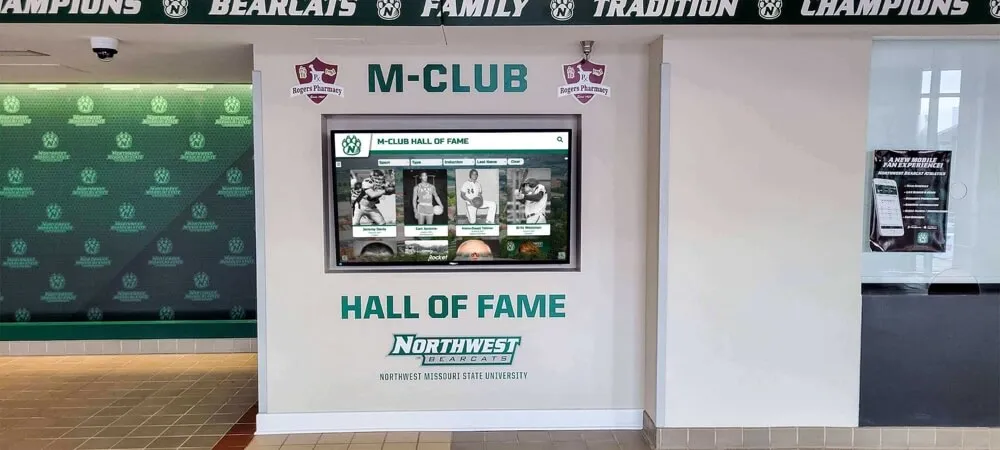
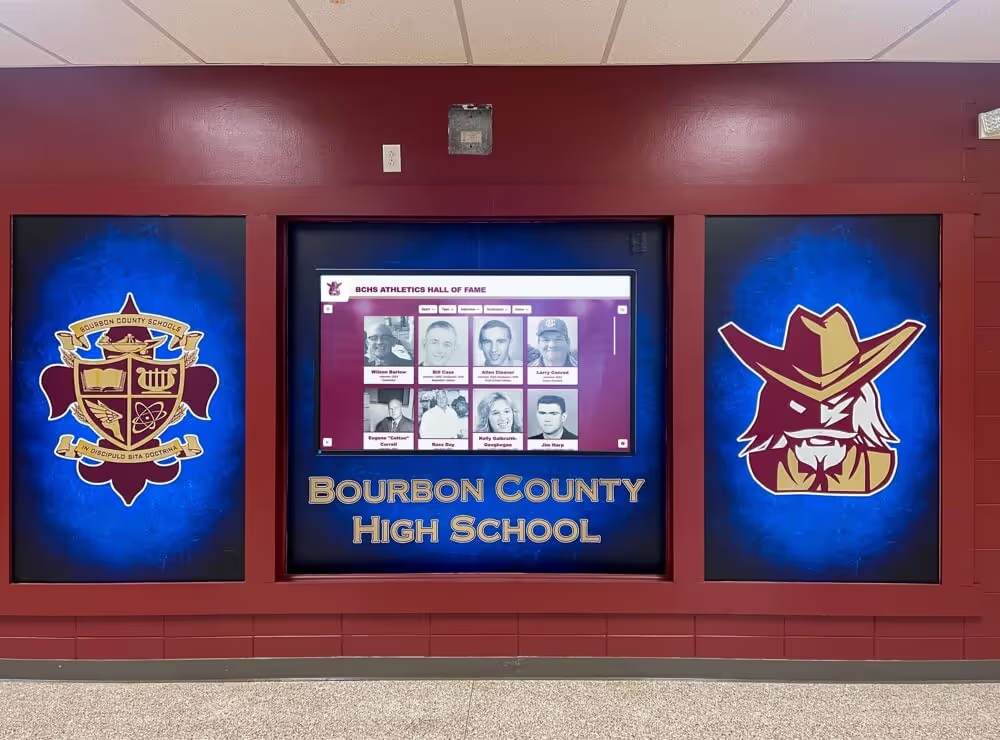
Professional installations demonstrate institutional commitment to athletic excellence while providing practical recognition management
Intangible Value Factors Important benefits resisting precise quantification:
- Student-athlete motivation from visible recognition and program tradition
- Gender and sport equity improvements through equal visibility opportunities
- Community pride and institutional reputation enhancement
- Historical preservation ensuring institutional memory retention
- Family engagement from remote access and mobile sharing capabilities
Schools implementing digital recognition consistently report that engagement and culture benefits justify investment even before considering administrative efficiency gains and avoided construction costs.
Hybrid Approaches: Combining Digital and Physical Record Boards
Most athletic programs implement balanced solutions leveraging strengths of both traditional and digital recognition formats.
Strategic Use of Physical Board Space
Traditional boards retain value for specific recognition types:
Major Record Showcase Reserve limited physical board space for highest-profile achievements:
- State records and national-level performances receiving premium visibility
- Current season statistical leaders creating timely relevance
- School records in marquee statistics receiving traditional recognition
- Championship team recognition celebrating recent success
- Record progression timelines showing historical evolution
Physical boards create immediate visual impact serving casual viewers who may not interact with digital displays, while comprehensive digital systems provide depth for engaged exploration.
Seasonal Rotation Strategy Physical boards can change focus throughout year:
- Fall sports records featured August through November
- Winter sports recognition December through February
- Spring sports highlighted March through May
- Year-round access to all records through digital displays
- Physical board updates coordinating with competitive seasons
Schools implementing touchscreen display solutions report that seasonal physical board rotation maintains fresh visual environments while digital systems provide permanent comprehensive access regardless of physical display content.
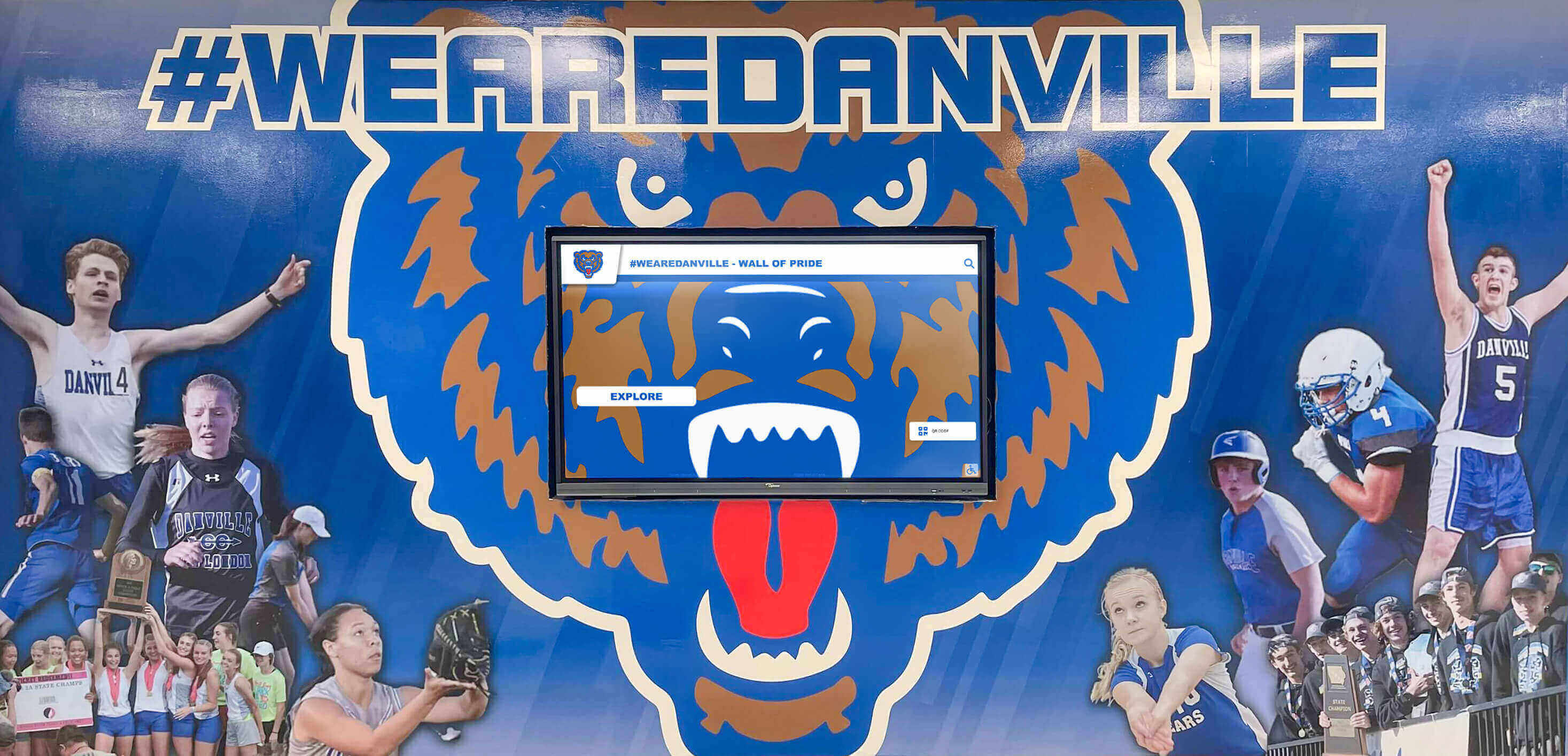
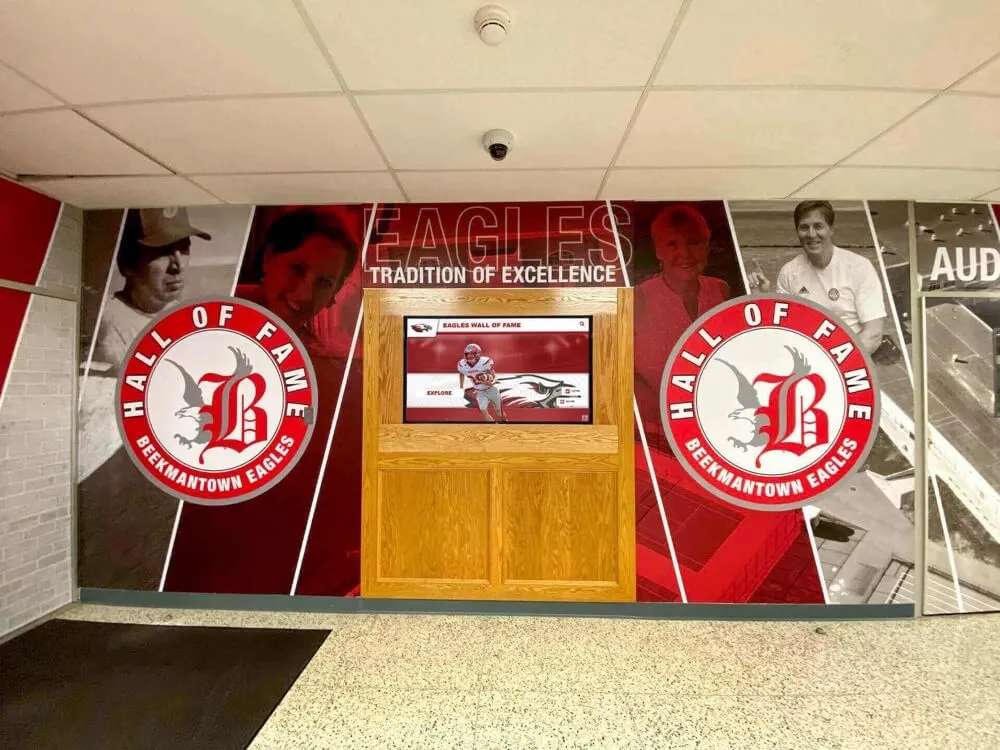
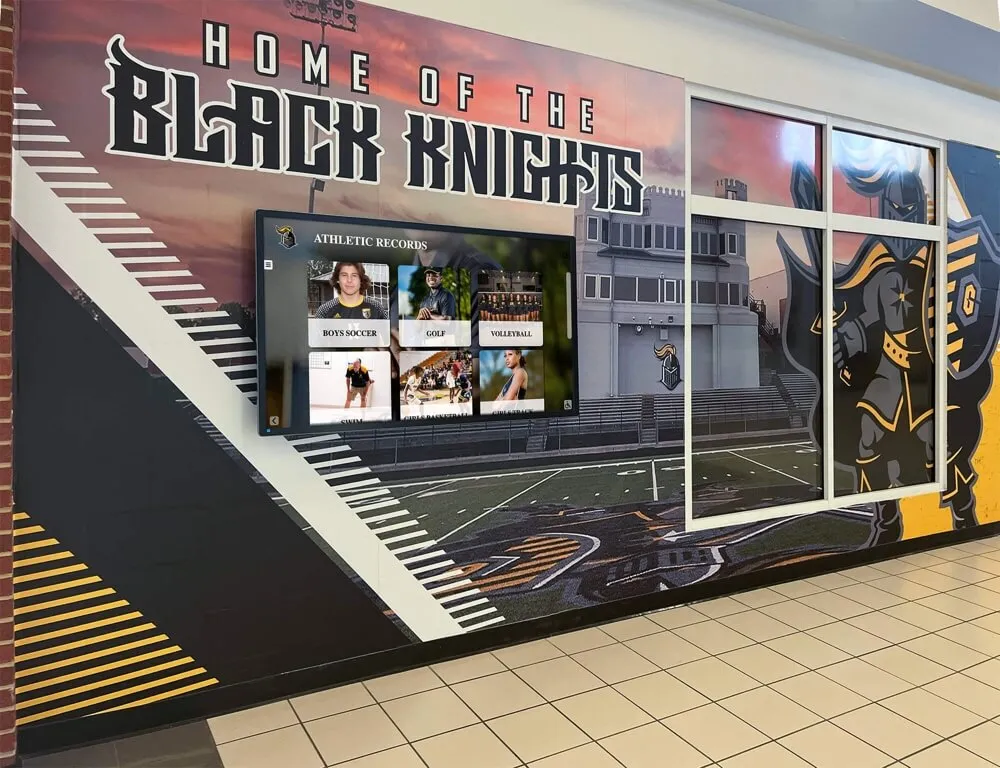
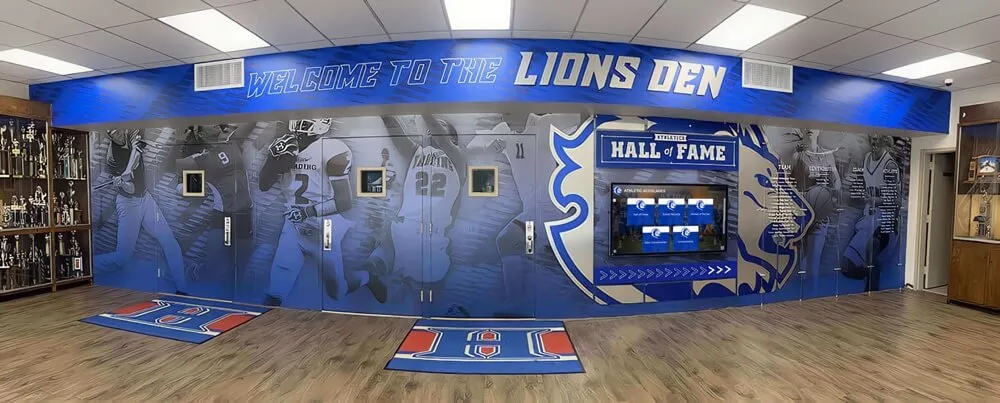
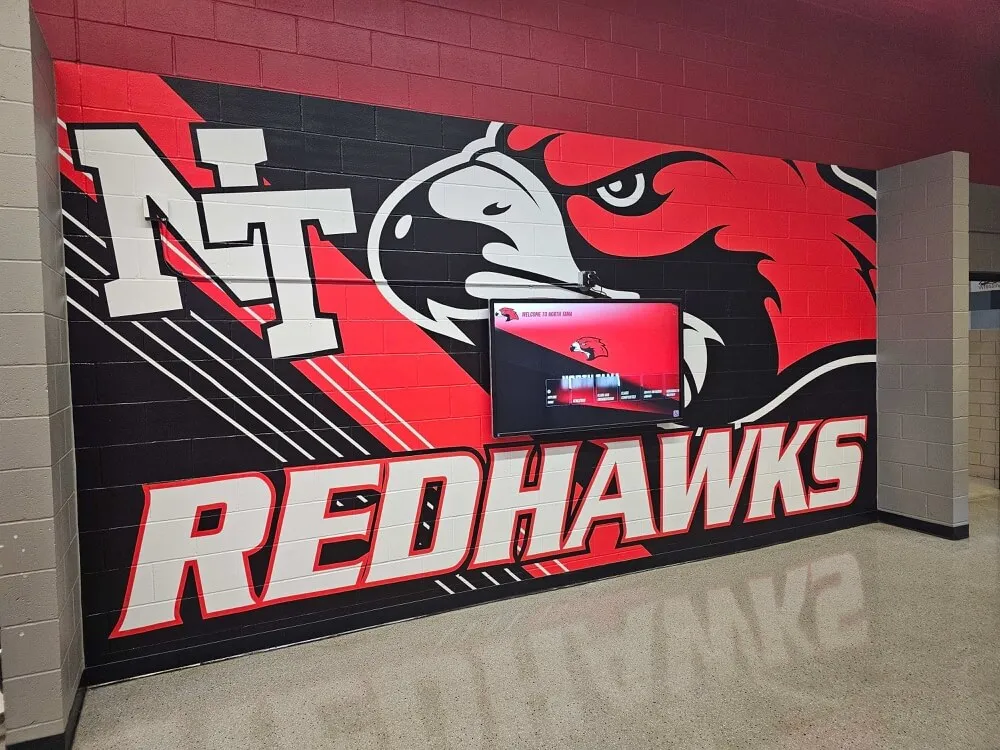
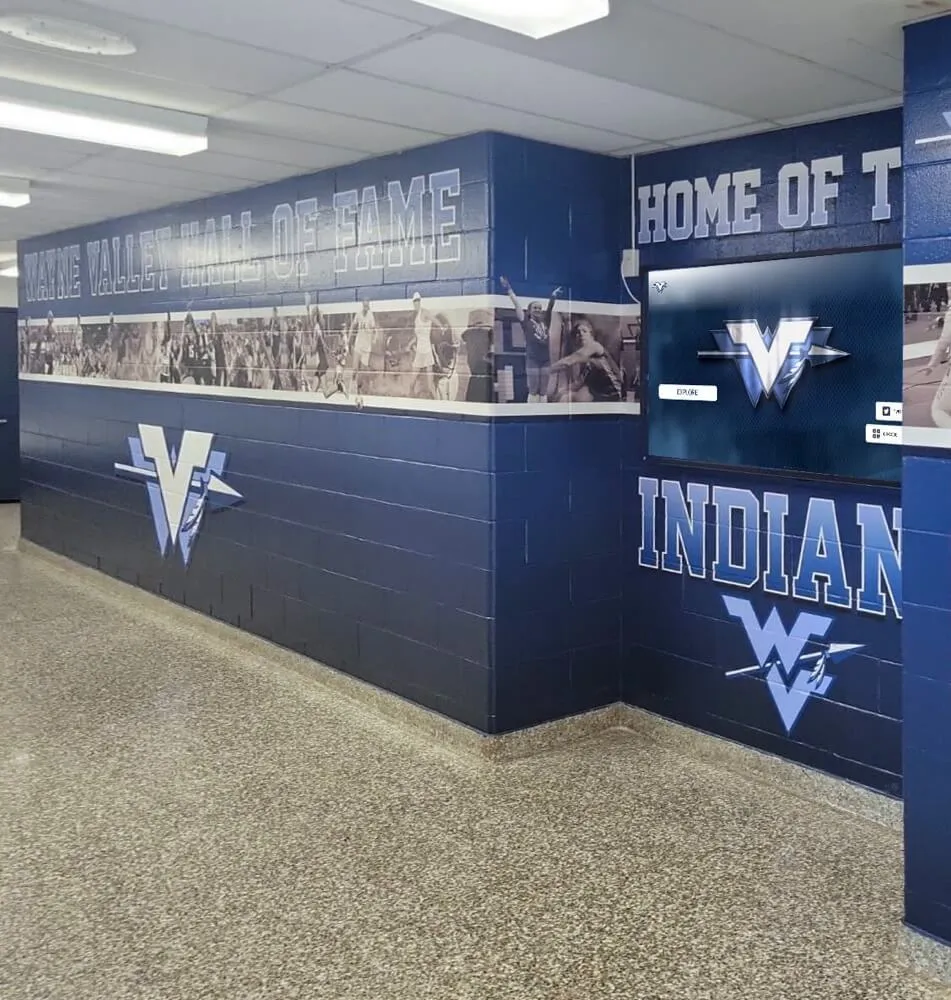
Athletic murals create immersive branded environments where digital displays integrate naturally within comprehensive recognition spaces
Digital System Strategic Advantages
Touchscreen platforms handle recognition categories where physical displays struggle:
Comprehensive Historical Documentation Digital capacity enables complete record preservation:
- Every record category across program history without space limitations
- Record progression showing previous marks before current records
- Discontinued record categories maintaining institutional memory
- Sport-by-sport comprehensive statistics impossible to fit on physical boards
- Individual and team records side-by-side without prioritization
Dynamic Current Content Real-time updates keep recognition relevant:
- Current season statistical leaders updated continuously as performances occur
- Live leaderboards showing pursuit of records creating anticipation
- Recent game results and performance highlights
- Upcoming schedule information and opponent context
- Breaking news about record achievements and external recognition
Enhanced Context and Storytelling Digital platforms provide detail impossible on physical boards:
- Complete athlete profiles including background and post-graduation achievements
- Detailed performance context for record-setting games
- Comparative analysis showing record significance within historical perspective
- Coach commentary and athlete reflections about achievements
- Media coverage and external recognition documentation
Schools implementing hybrid approaches find that physical boards maintain traditional appeal while digital systems address the comprehensive documentation and regular updates that traditional boards cannot sustain.
Common Questions and Implementation Concerns
Athletic directors considering digital record boards typically have predictable questions requiring clear answers:
What happens to existing physical record boards?
Physical boards can remain in place serving complementary roles:
- Continue displaying major records and current season leaders for casual viewing
- Implement seasonal rotation highlighting different sports throughout year
- Repaint or refresh physical boards coordinating visual design with digital installations
- Direct viewers to digital displays for comprehensive record exploration through signage
- Eventually phase out or repurpose as digital systems demonstrate value
Most schools maintain physical record boards while adding digital systems rather than removing traditional displays, creating layered recognition environments serving different audience needs and preferences.
How much technical expertise is required?
Modern platforms are designed for non-technical administrators:
- Cloud-based systems accessible from standard web browsers without software installation
- Intuitive interfaces similar to social media platforms most users know
- Template systems eliminating design expertise requirements
- Drag-and-drop functionality for straightforward content management
- Training typically requires 2-4 hours for basic competency
- Video tutorials and support documentation enable self-service learning
Athletic secretaries, activities coordinators, and coaches with basic computer skills successfully manage content without IT department involvement for routine operations.
Will students actually use touchscreen displays?
Engagement depends on content quality, strategic placement, and regular updates:
- Schools with high-traffic placement and current content report consistent daily interaction
- Multimedia content generates 5-10x more engagement than text-only statistics
- Search features encourage exploration when students seek specific athletes or records
- Regular updates maintain interest while static content becomes ignored over time
- QR codes enabling mobile access extend engagement beyond physical display interaction
Schools implementing displays in main gymnasium lobbies where student-athletes gather regularly report highest engagement levels, as athletes naturally explore record content related to their own sports and teammates.
How does this compare to updating physical record boards?
Digital recognition provides substantial advantages:
- Content updates in minutes from anywhere versus hours of physical labor on ladders
- No materials ordering, facilities coordination, or waiting for vinyl lettering delivery
- Unlimited recognition capacity versus fixed physical space requiring difficult allocation choices
- Instant publication versus waiting for appropriate timing to access facilities with equipment
- Multimedia storytelling capability versus information limited to text on boards
- Mobile accessibility versus gymnasium-only viewing during facility access hours
Athletic directors report 85-90% time savings managing digital recognition compared to traditional physical board maintenance while providing substantially superior recognition capacity and student engagement.
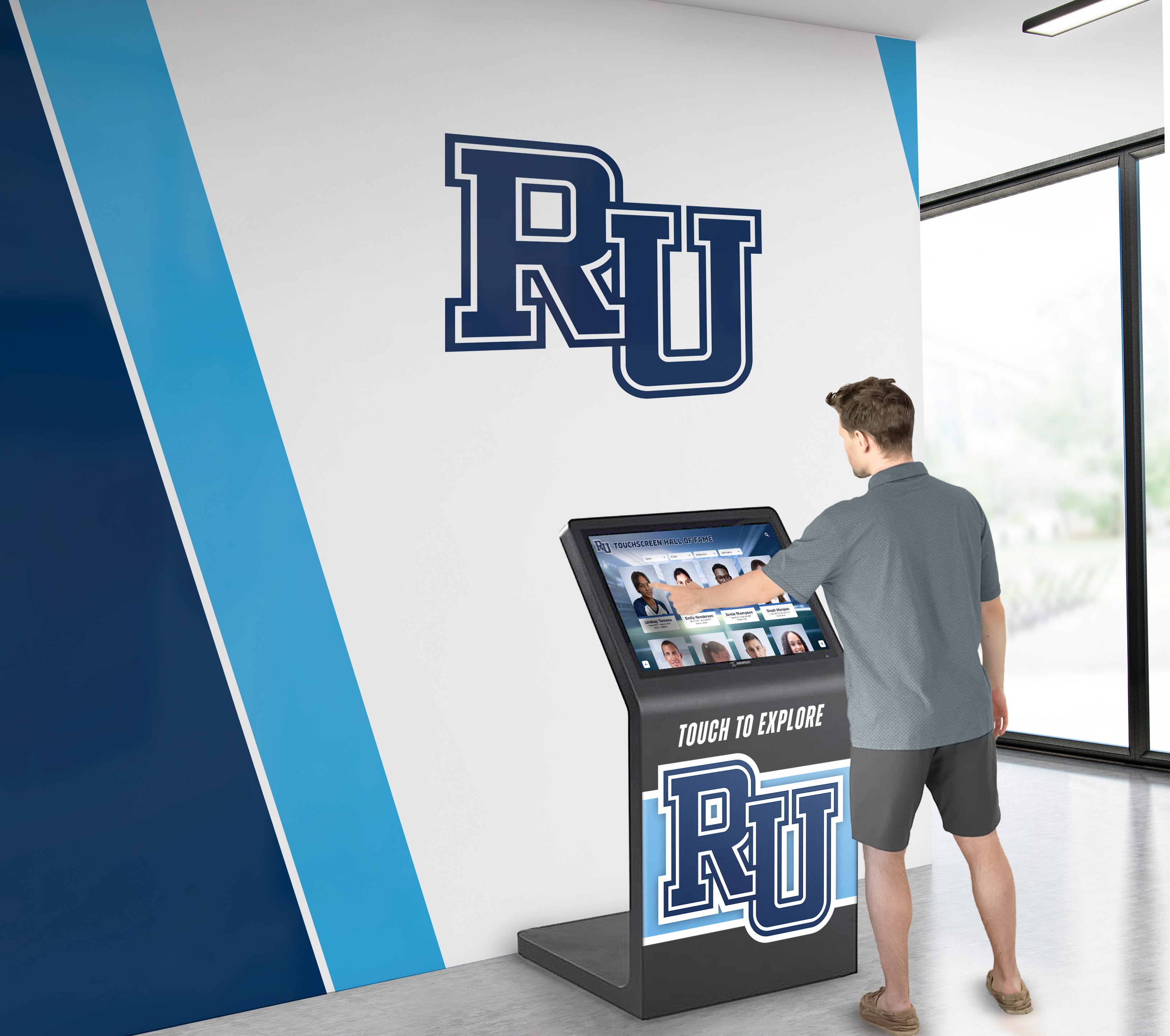
Campus-wide installations extend athletic recognition beyond gymnasium facilities, increasing program visibility and student engagement
Conclusion: Transforming Athletic Recognition Through Digital Record Boards
Digital record boards address the fundamental space constraints and update complexity that make traditional physical boards inadequate for athletic programs generating ongoing achievements across multiple sports and decades. By implementing interactive touchscreen displays, schools gain unlimited recognition capacity while enhancing how they celebrate athletic excellence through searchable exploration, multimedia storytelling, and mobile accessibility that extends engagement beyond occasional gymnasium visits.
The record board overcrowding problem represents an opportunity to modernize athletic recognition rather than simply a facilities challenge requiring more wall space. Digital displays eliminate the impossible allocation decisions created by physical limitations, ensuring every sport, every athlete, and every achievement receives appropriate visibility without displacing others. This comprehensive approach strengthens program culture while supporting gender equity requirements and recognizing diverse achievement types across all competitive seasons.
Transform Your Athletic Record Recognition
Discover how modern digital record boards designed specifically for athletic programs solve space limitations while creating engaging interactive experiences for student-athletes, families, and alumni. See implementations from schools nationwide and explore how cloud-managed platforms make sophisticated displays accessible without requiring technical expertise.
Book a DemoMost athletic programs implement hybrid approaches combining digital record boards with selective physical board usage, leveraging digital capacity for comprehensive documentation while maintaining traditional boards for high-profile recognition that casual viewers notice during games and events. This balanced strategy accommodates diverse stakeholder preferences while addressing the space constraints that make physical-only approaches unsustainable as programs grow and achievements accumulate.
Athletic directors should begin with honest assessment of current record board capacity, engagement with coaches about recognition priorities, and evaluation of solutions designed specifically for athletic record management rather than generic digital signage systems. Implementation typically proves more straightforward than anticipated when working with providers like Rocket Alumni Solutions who specialize in turnkey athletic recognition rather than requiring assembly from multiple vendors managing separate hardware, software, and content development.
Your athletic achievements deserve recognition reflecting the dedication, competition, and excellence they represent. With thoughtful planning, appropriate technology selection, and sustainable content management processes, you can solve record board limitations while creating recognition experiences that engage current student-athletes, honor program tradition, and preserve athletic legacy for future generations.
Ready to explore how digital record boards can transform your athletic recognition while eliminating physical space constraints? Schedule a demo to see how schools nationwide are modernizing record recognition from static wall boards into dynamic interactive systems that students actively explore and value.