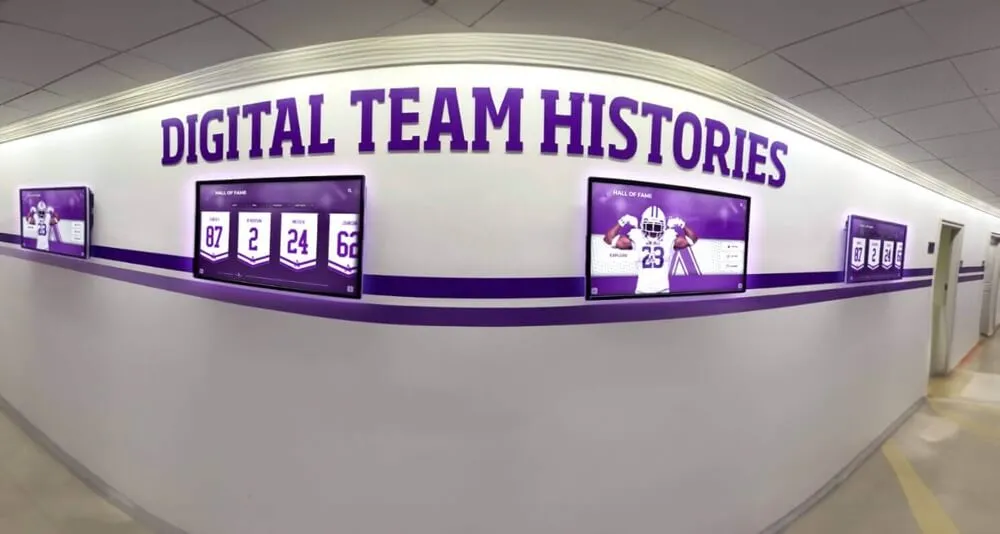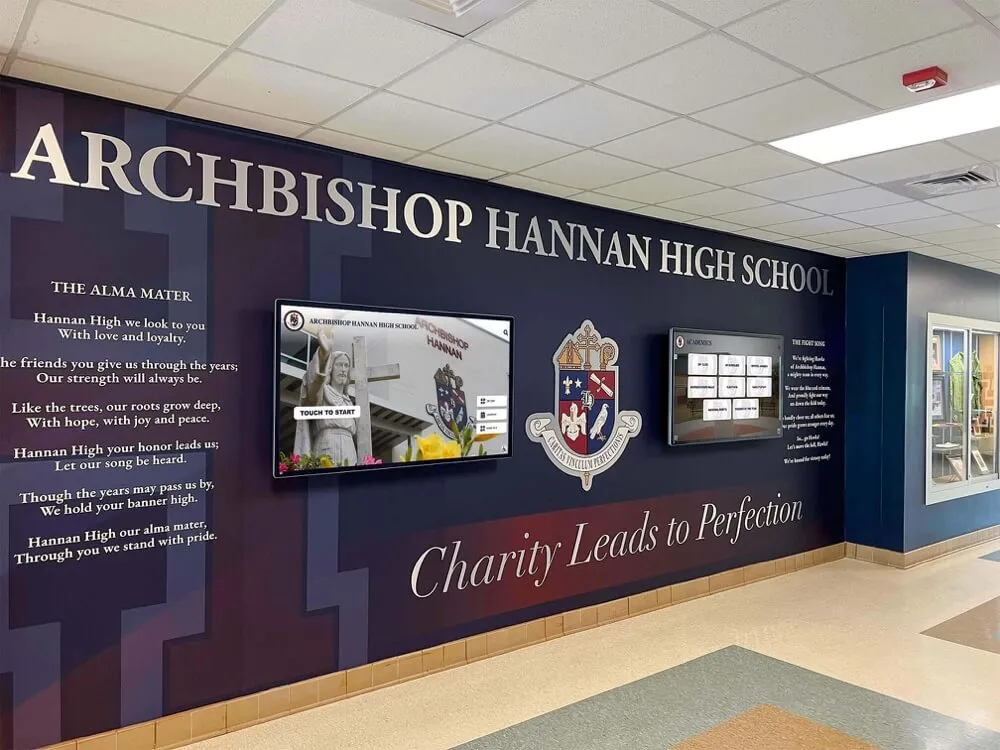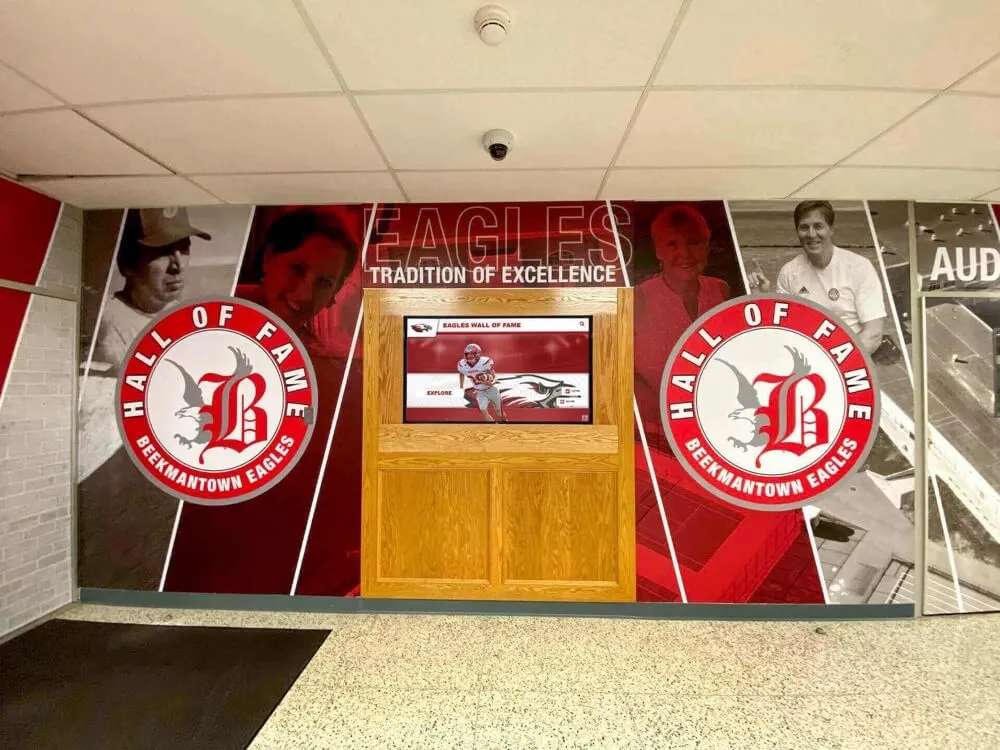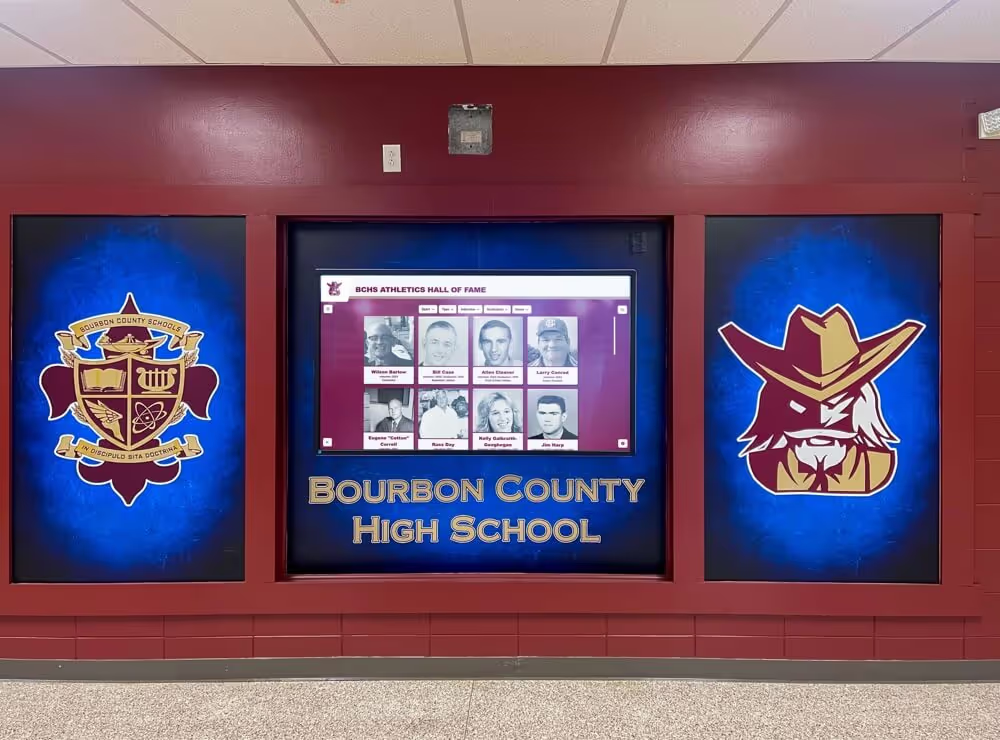




Schools face a persistent challenge: traditional trophy cases and static recognition boards fail to engage modern students who expect interactive, dynamic content. Physical displays gather dust while student achievements go unnoticed, and limited space forces difficult decisions about which accomplishments receive visibility. Meanwhile, valuable stories about student success, school history, and campus traditions remain locked in filing cabinets instead of inspiring current students.
Digital record boards solve this engagement gap by transforming how schools recognize achievement and build community. Unlike static plaques that students walk past without noticing, interactive touchscreen displays invite exploration, enable unlimited recognition capacity, and create daily touchpoints that strengthen school culture. The difference between passive viewing and active engagement determines whether recognition inspires students or simply decorates hallways.
This guide presents 20 practical ideas for using digital record boards to increase campus engagement, strengthen school spirit, and create meaningful connections between students, alumni, and institutional tradition.
Modern schools implementing interactive recognition displays report dramatic increases in student engagement compared to traditional trophy cases. When students can search for teammates, explore school history, and discover their own achievements on touchscreen displays, recognition becomes participatory rather than passive. These 20 implementation ideas provide specific strategies for maximizing the impact of digital record boards across athletic, academic, and community recognition programs.

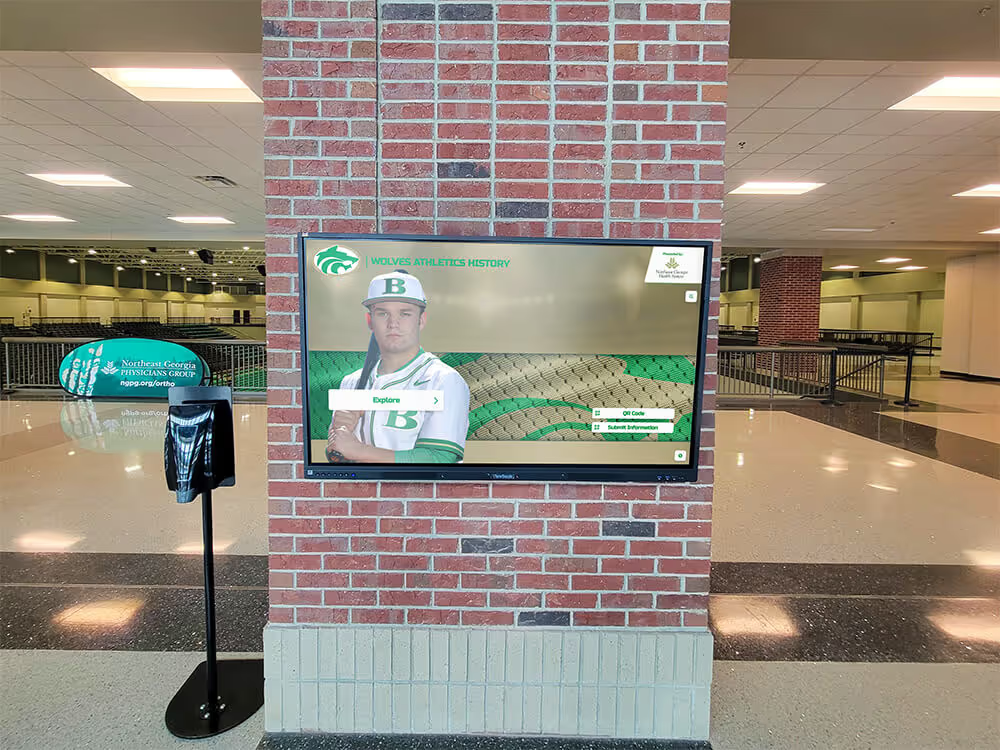
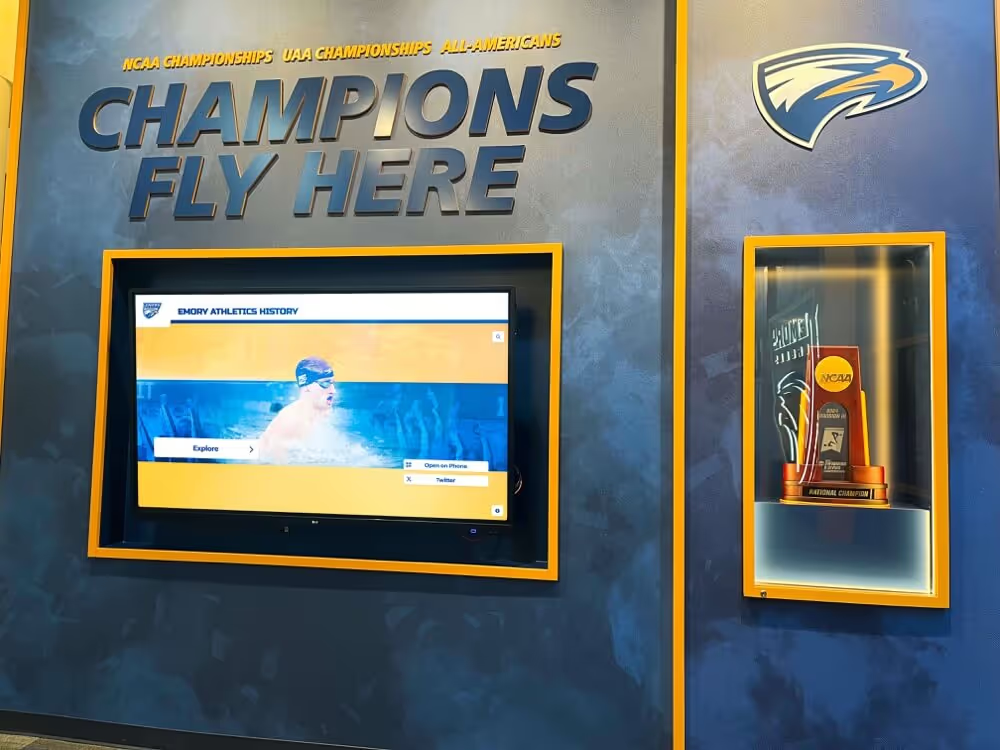
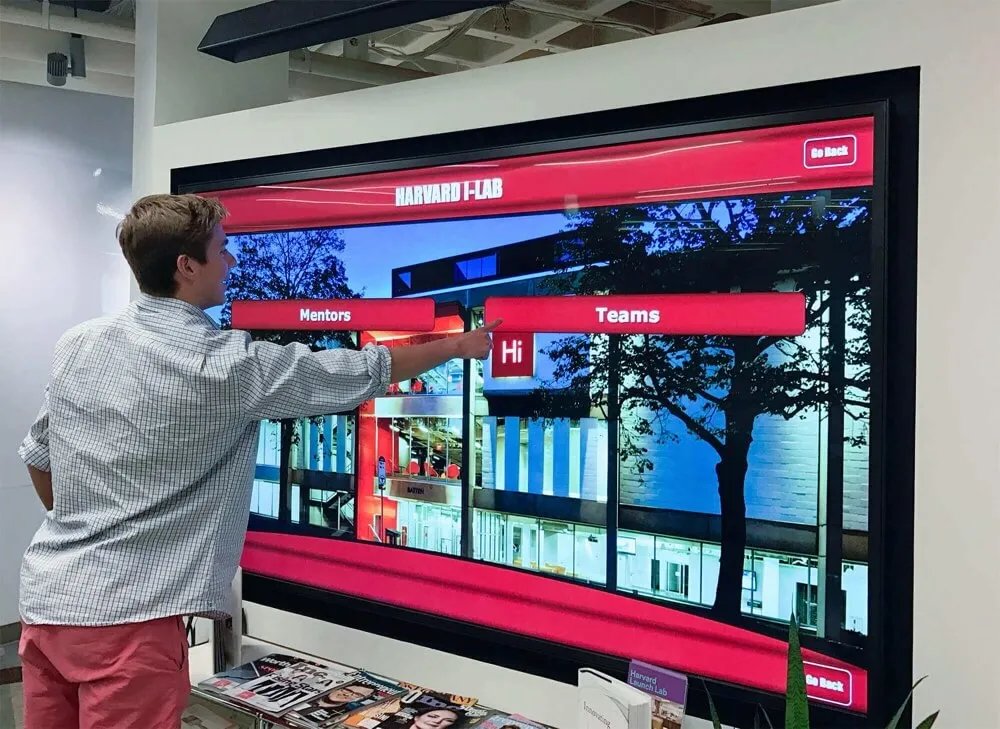
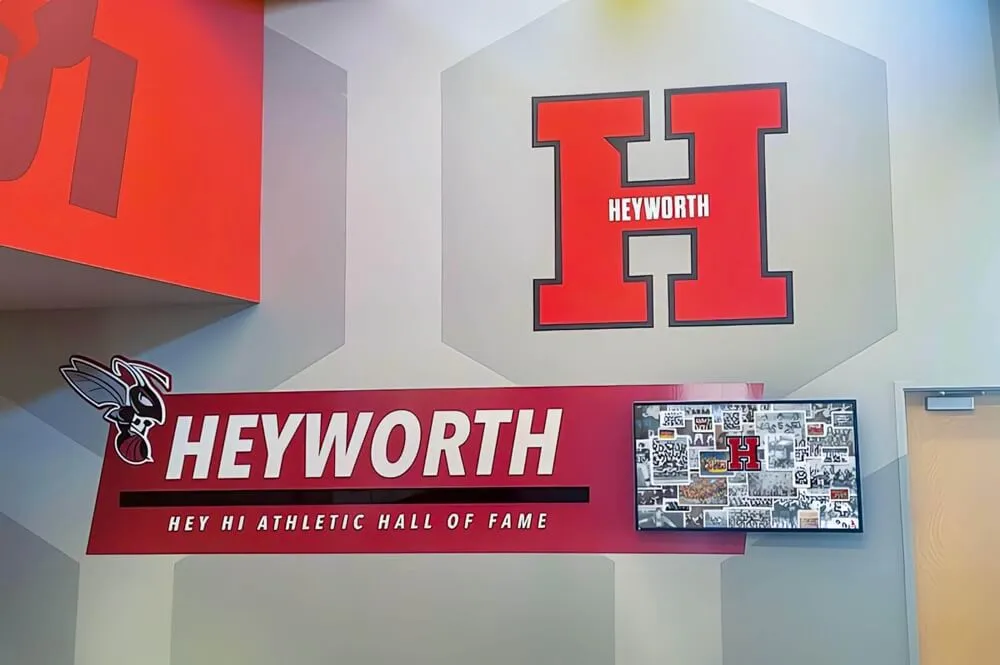
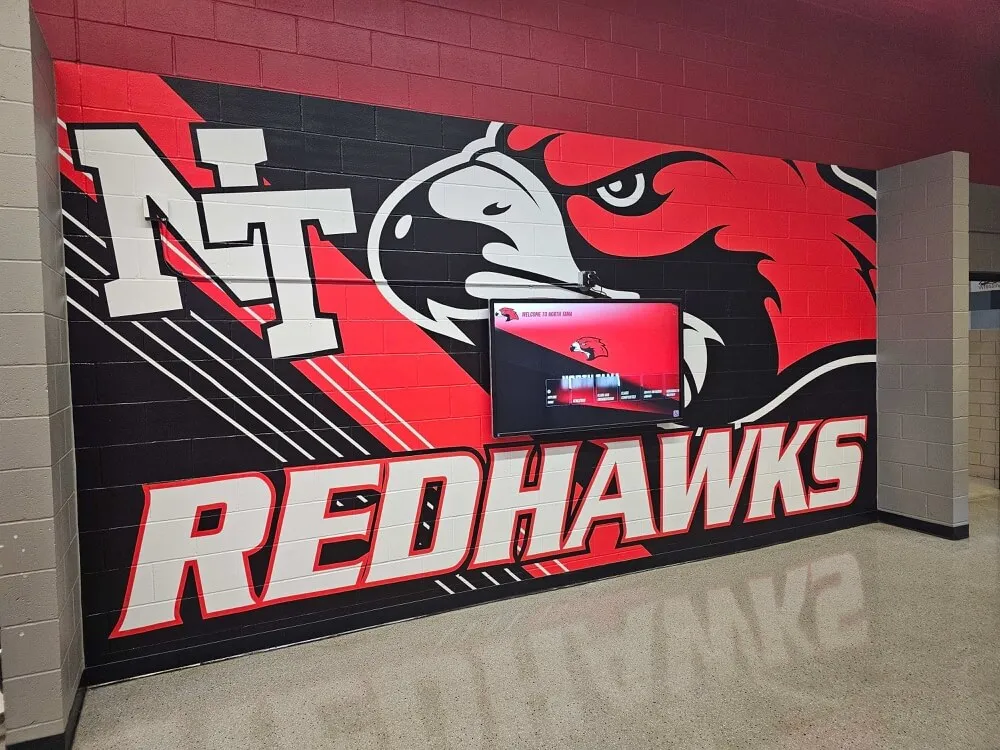
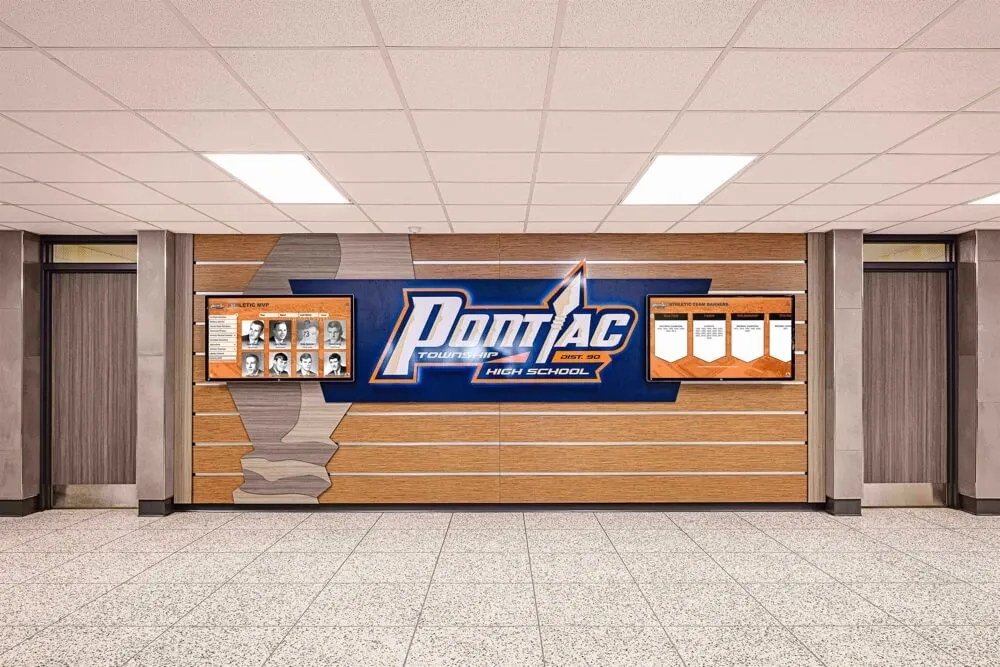
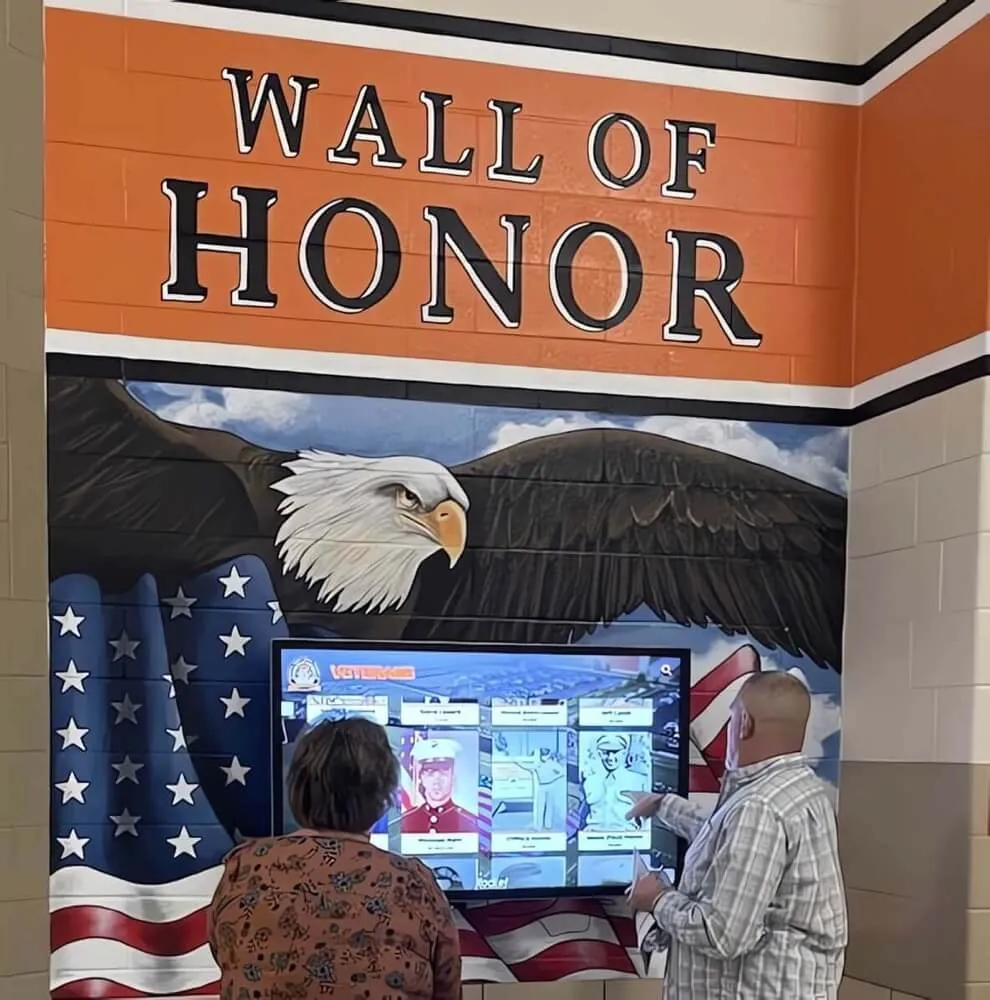
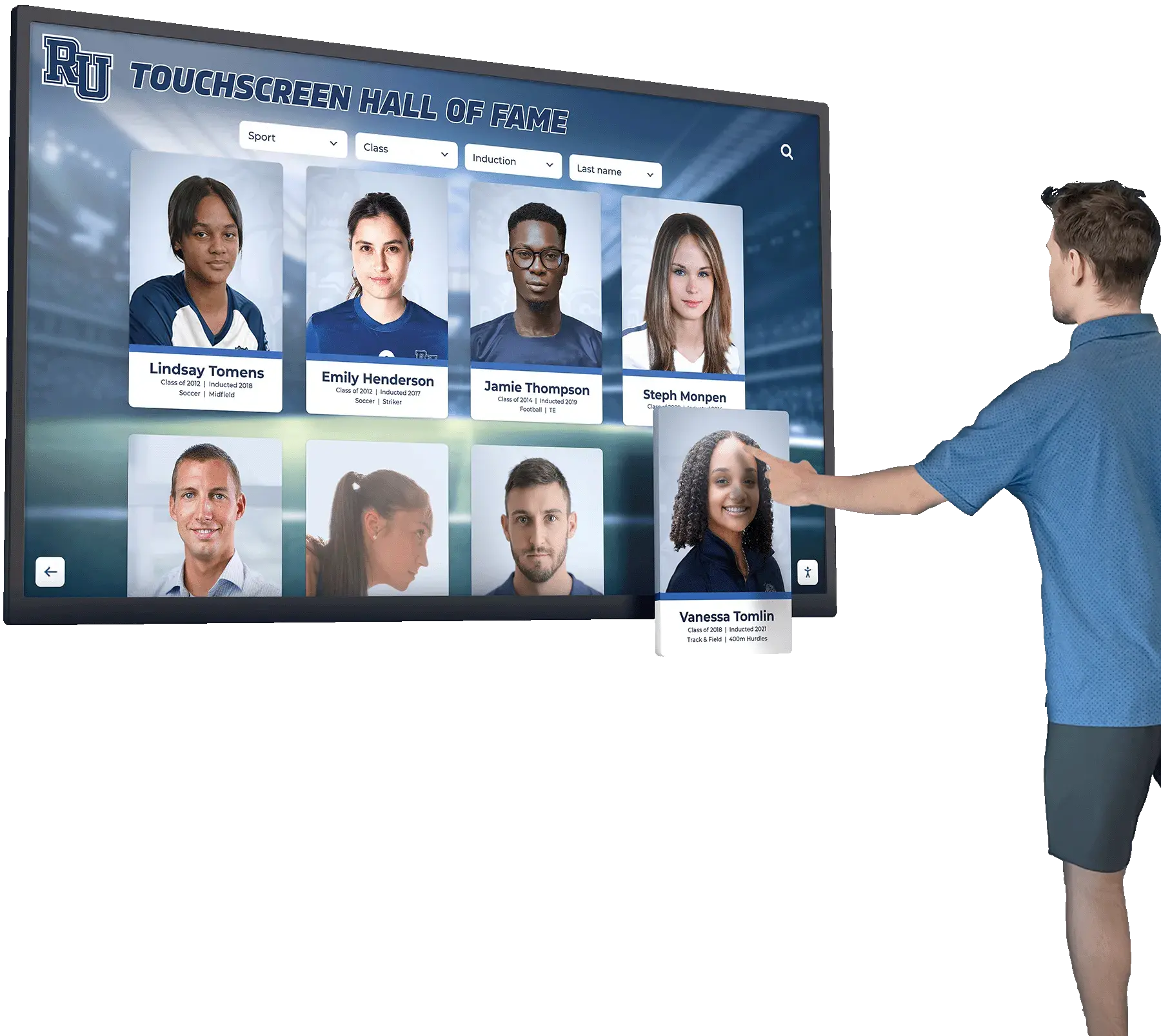
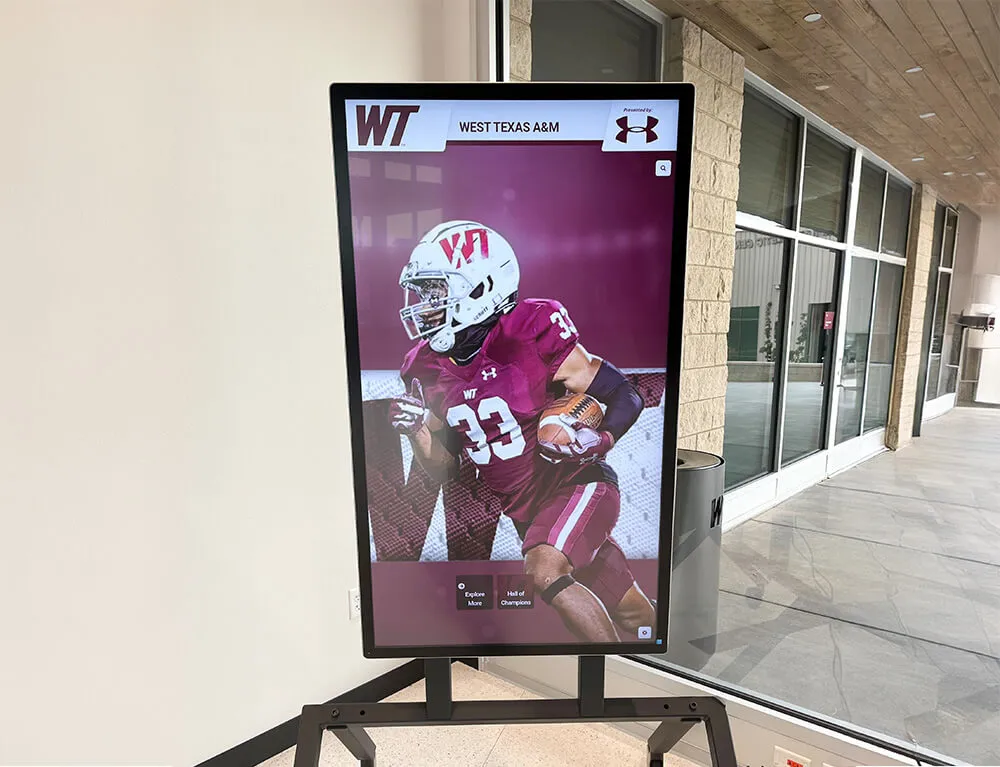
Interactive touchscreen kiosks create engaging recognition experiences that students actively explore rather than passively view
Athletic Recognition Ideas
1. Real-Time Season Leaderboards
Display current season statistics that update continuously as games conclude. Students check displays to see who leads the team in scoring, rebounds, assists, or other performance metrics. This real-time aspect creates ongoing engagement as athletes compete for statistical recognition throughout seasons.
Schools implementing live leaderboards report that student-athletes check displays multiple times weekly to track their progress and compare performance with teammates. Unlike static boards updated annually, dynamic statistics maintain relevance and encourage regular interaction with recognition systems.
2. Record Chase Trackers
Highlight when current athletes approach school records, showing how close they are to breaking long-standing marks. Display the current record holder alongside the athlete pursuing the record, creating anticipation and generating student interest in upcoming competitions.
According to research on student motivation, visible progress tracking toward goals increases engagement substantially. Record chase displays apply this principle to athletic achievement, making statistical pursuits visible schoolwide rather than known only within individual team communities.
3. Multi-Sport Career Statistics
Present comprehensive athletic profiles for multi-sport athletes, displaying their achievements across different seasons and sports. Students discover that the star basketball player also excels in track, or that the volleyball captain leads the softball team in RBIs.
This comprehensive view encourages multi-sport participation by celebrating students who compete year-round rather than specializing in single sports. Schools implementing student recognition awards report that showcasing diverse achievements motivates students to explore multiple athletic opportunities.
4. Historical Championship Retrospectives
Create interactive timelines showing championship teams across decades. Students explore photos, rosters, season summaries, and game highlights from state championship runs, conference titles, and tournament victories dating back to program founding.
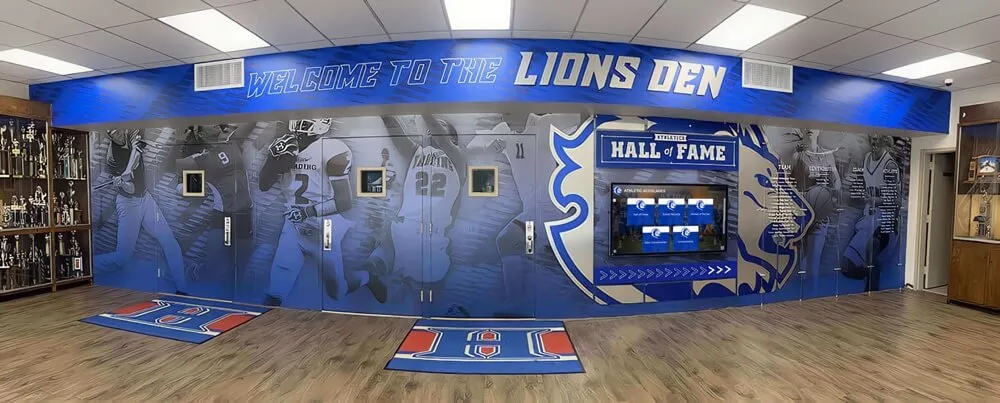
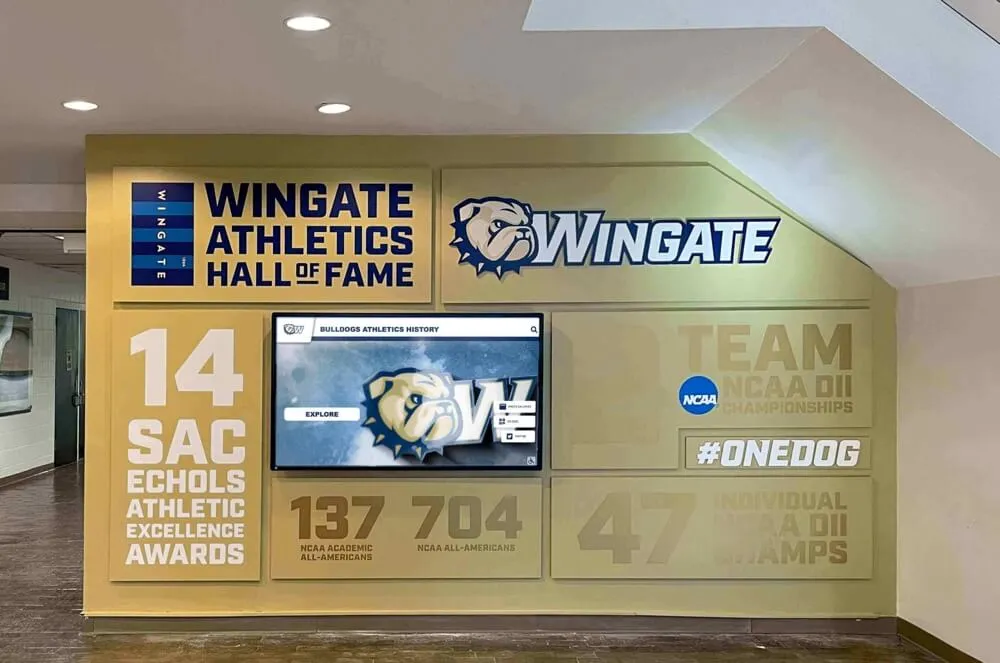
Digital capacity enables comprehensive historical documentation impossible with physical trophy cases constrained by space limitations. Alumni visiting campus connect with their own championship memories while current students gain appreciation for program tradition and institutional excellence.
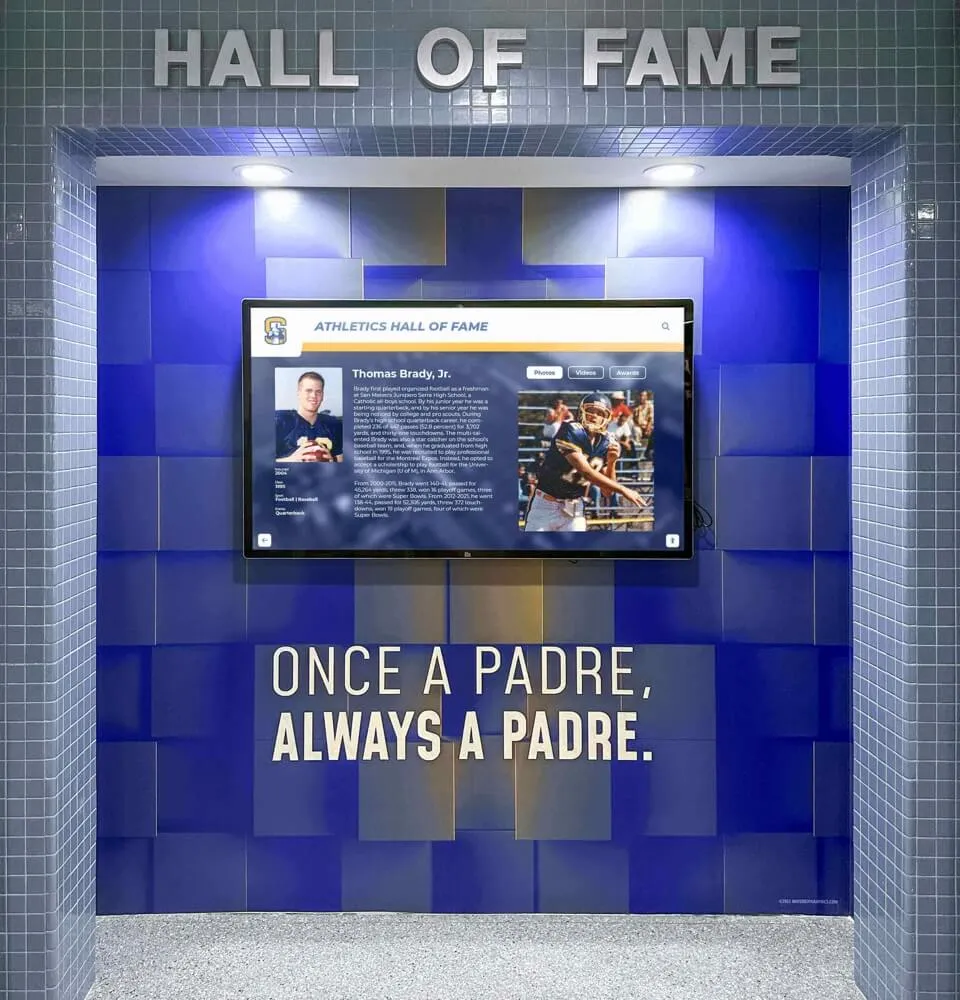
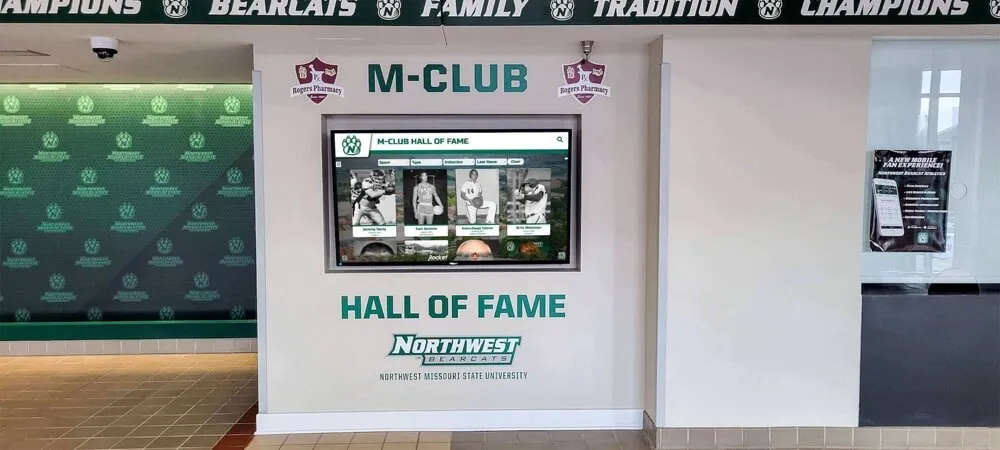
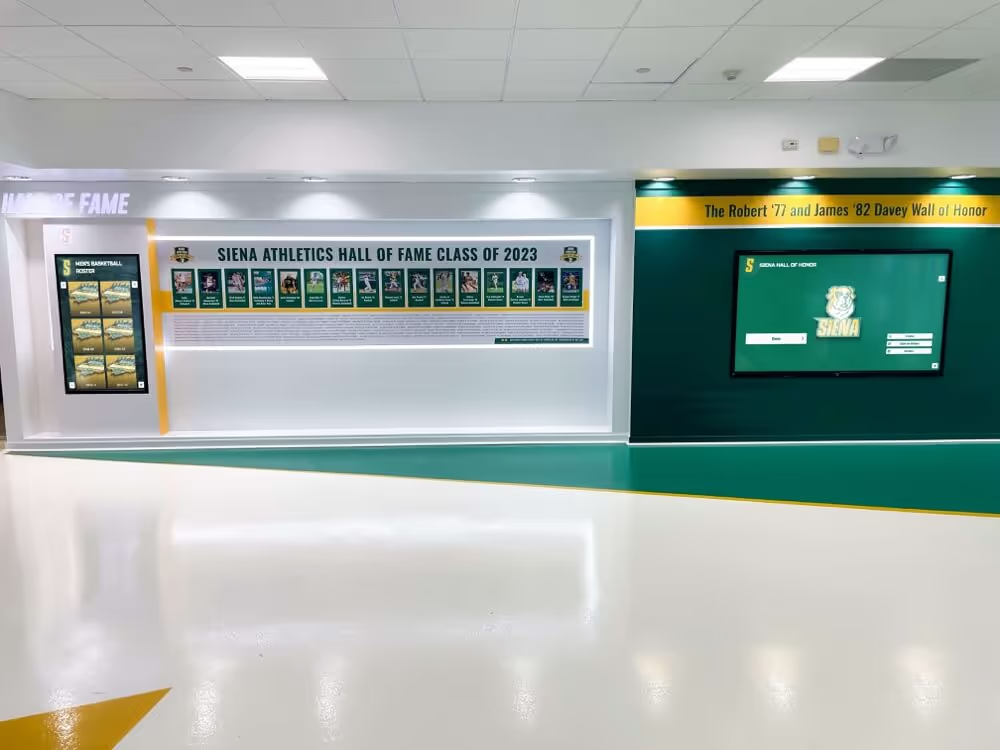
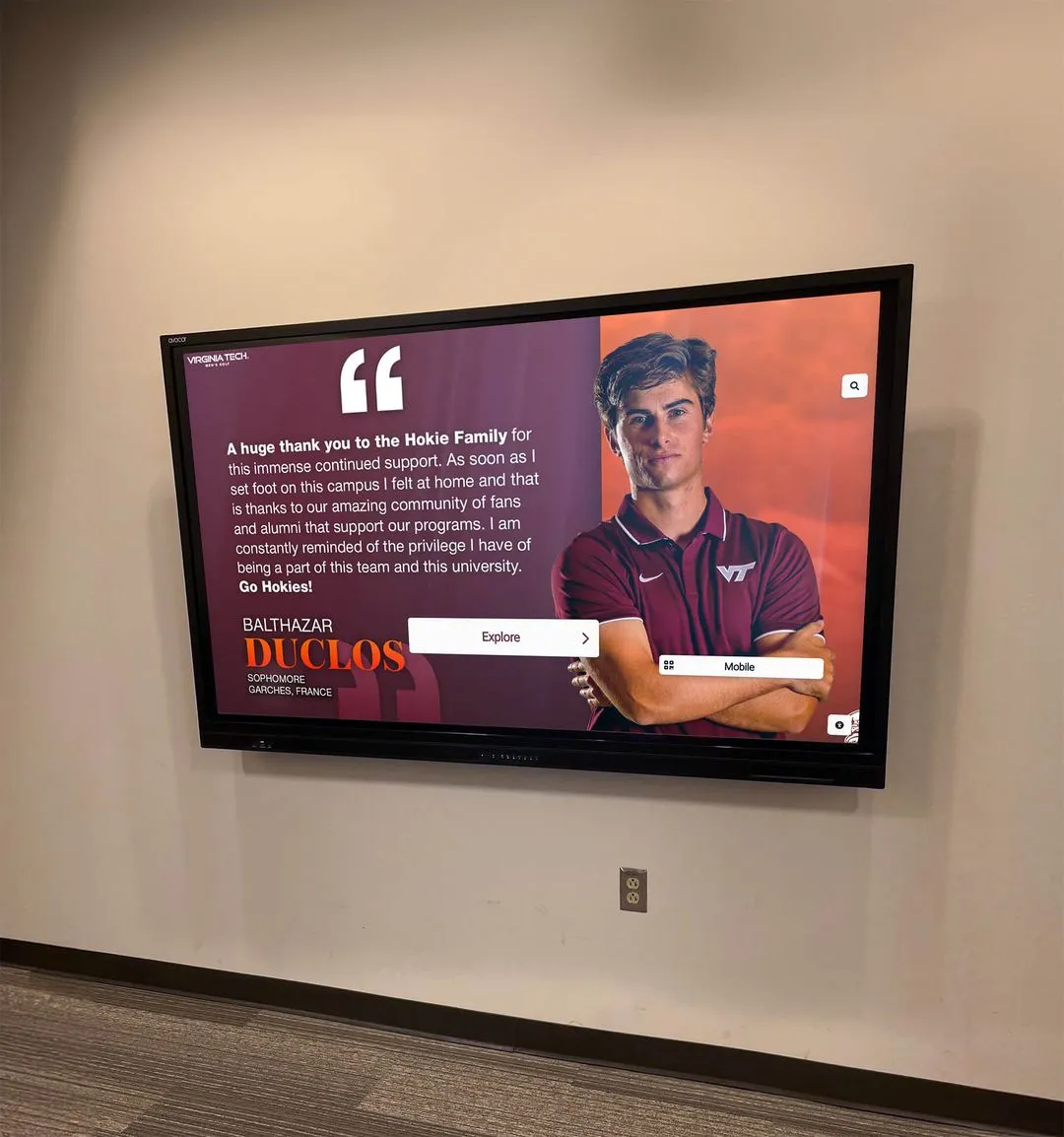
Professional digital displays showcase decades of athletic excellence without physical space constraints
5. Alumni Athletic Achievement Updates
Feature post-graduation accomplishments of former student-athletes who continue competing collegiately or professionally. Current students see that last year’s quarterback now plays Division I football, or that the 2020 track star just qualified for Olympic trials.
These connections between high school and post-graduation success motivate current athletes while maintaining alumni engagement with school programs. Solutions like Rocket Alumni Solutions enable schools to maintain these ongoing alumni updates without requiring constant manual research and content creation.

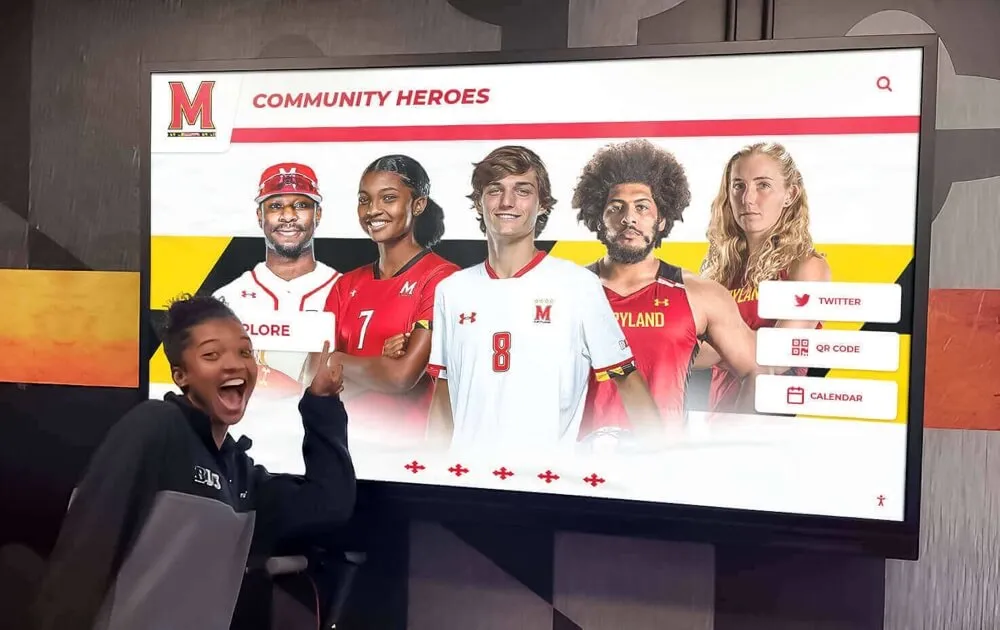
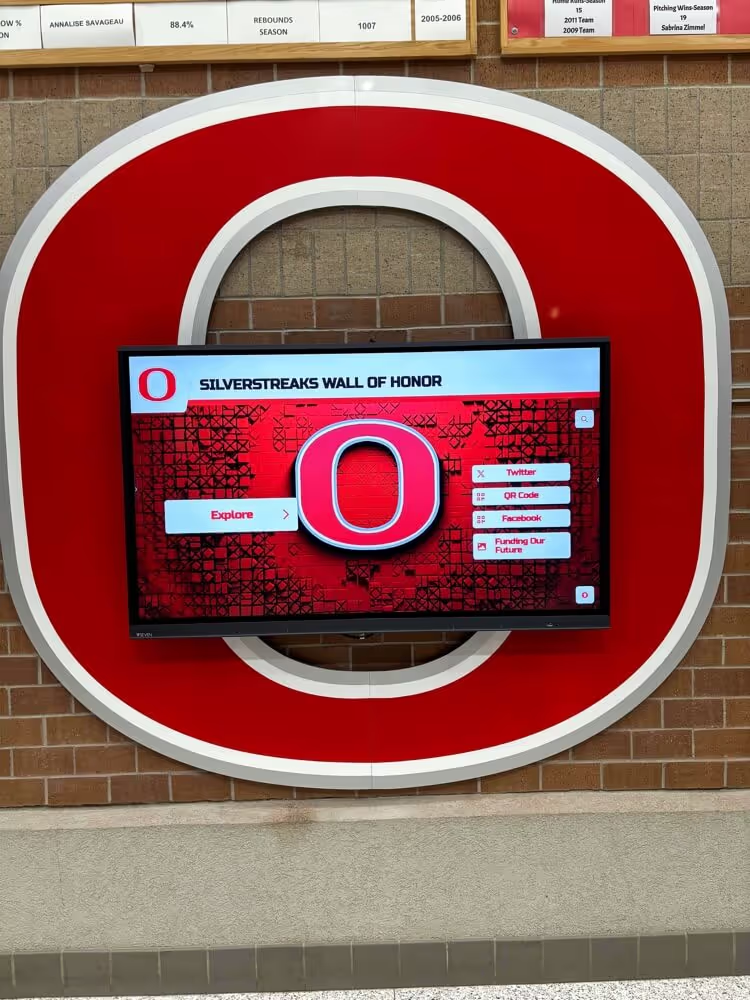
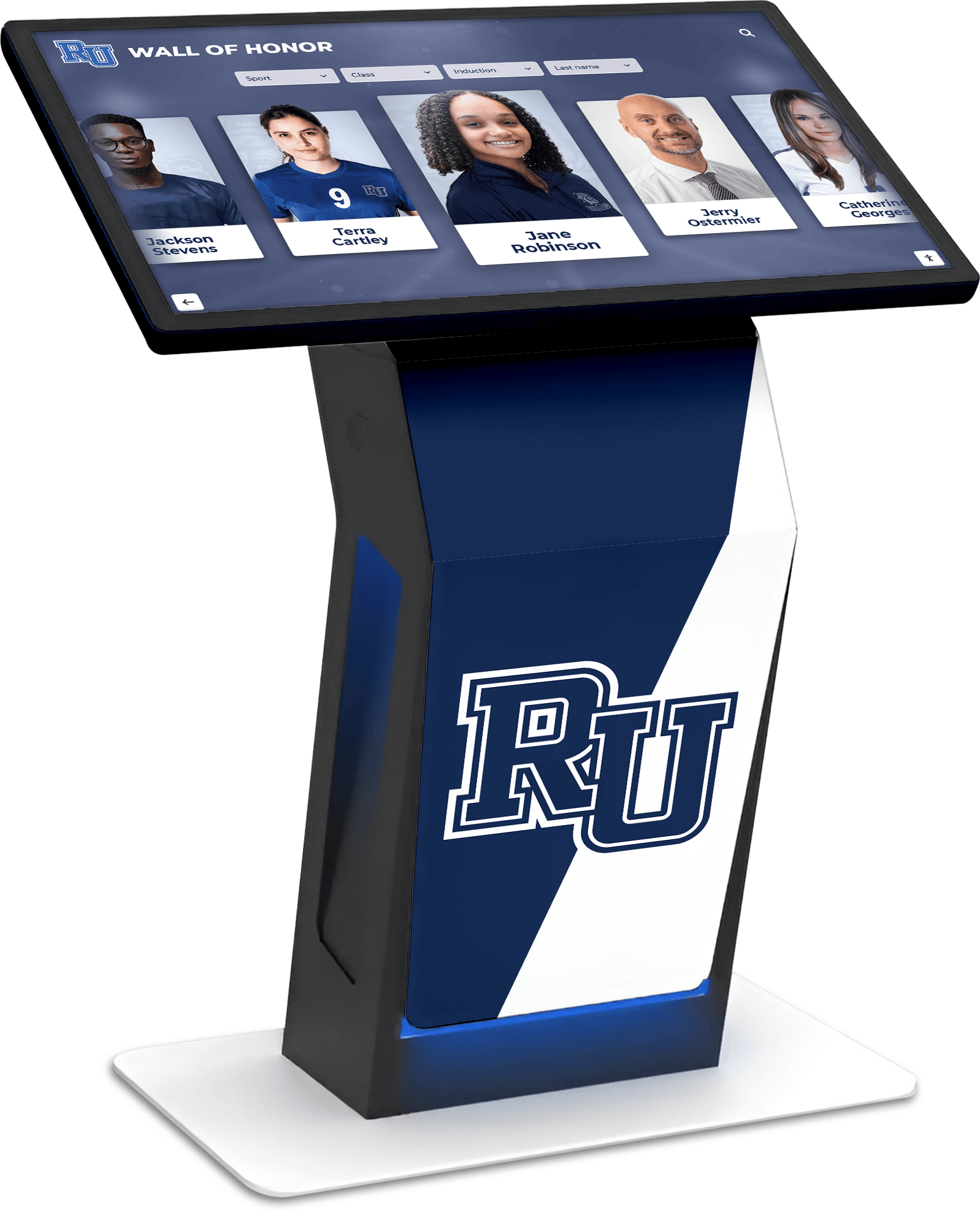
Touch-enabled interfaces invite students to explore athletic achievements through natural interaction
Academic Excellence Recognition
6. Honor Roll Showcases by Semester
Display current honor roll recipients with photos and academic achievements updated each grading period. Students search for their own names, discover which friends made honor roll, and track academic improvement across semesters.
Schools implementing honor roll digital recognition report that prominent visibility increases student motivation to achieve academic recognition. Unlike printed lists posted briefly, digital displays provide ongoing visibility throughout each term.
7. Scholarship Winner Profiles
Celebrate students who earn college scholarships with detailed profiles showing scholarship amounts, receiving institutions, intended majors, and accomplishment summaries. This recognition validates academic achievement while providing practical information helping younger students understand scholarship opportunities and requirements.
Families appreciate permanent documentation of scholarship success that extends beyond brief award ceremony mentions. Digital platforms preserve these achievements as part of institutional history rather than temporary announcements quickly forgotten.
8. Academic Competition Results
Showcase achievements in debate tournaments, math competitions, science olympiads, robotics contests, and other academic competitions. Display team photos, competition results, advancement through regional and state levels, and individual student recognitions.
Many schools prioritize athletic achievement recognition while academic competition success receives minimal visibility. Digital record boards with unlimited capacity enable comprehensive recognition across all achievement categories without forcing allocation decisions between athletics and academics.
9. National Honor Society Member Directories
Create searchable directories of current and historical National Honor Society inductees. Students explore membership by graduation year, search for family members who were NHS members, and understand selection criteria and membership requirements.
Schools can reference National Honor Society recognition programs for implementation approaches that properly honor academic excellence while encouraging younger students to pursue NHS membership.
10. Perfect Attendance Recognition
Celebrate students maintaining perfect attendance across semesters or entire academic years. Include photos, grade levels, and consecutive years of perfect attendance for students who maintain this achievement multiple years.
Research indicates that public recognition of positive behaviors increases their occurrence. Perfect attendance displays create visible reward for consistent school participation, potentially reducing chronic absenteeism through peer influence and personal motivation.
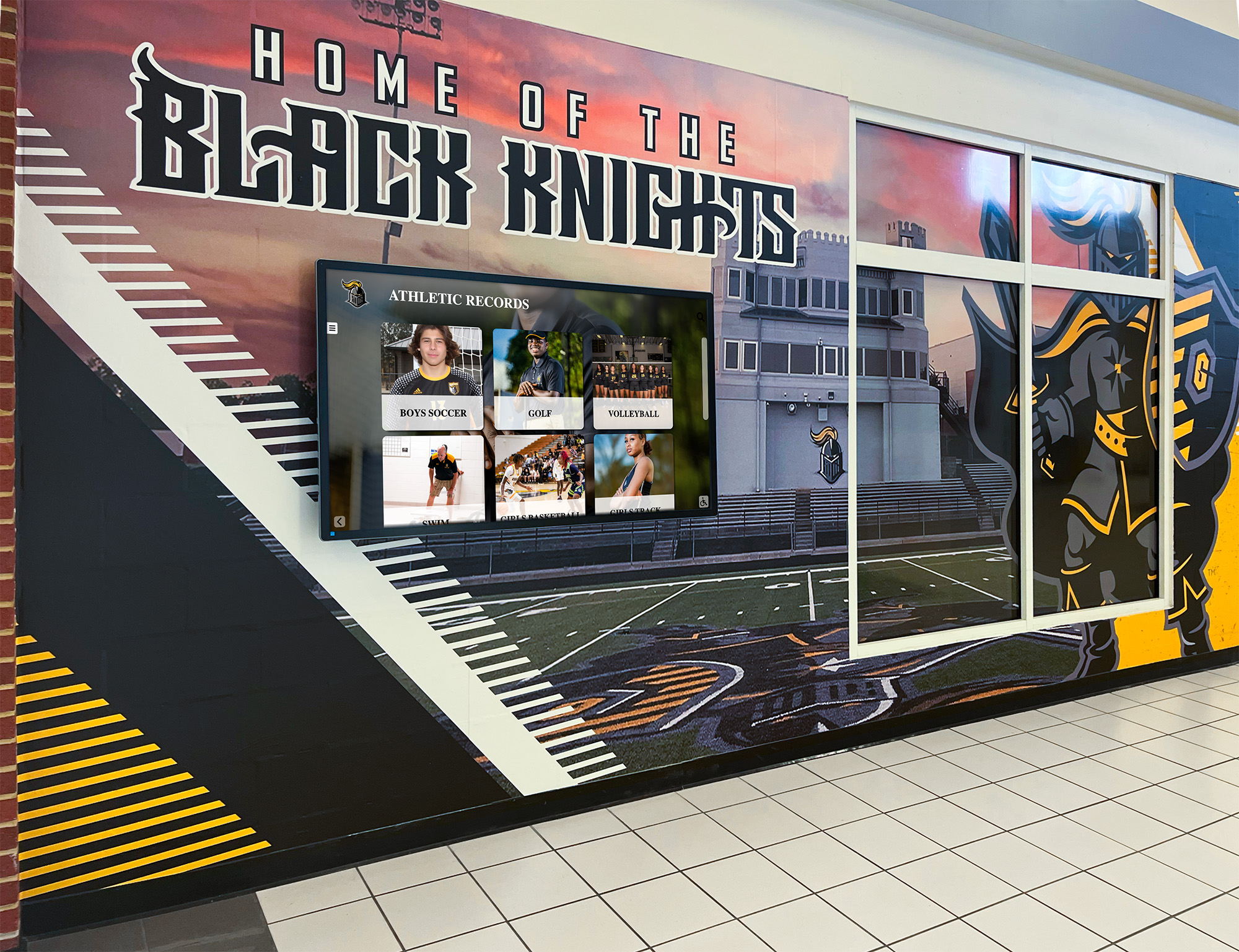
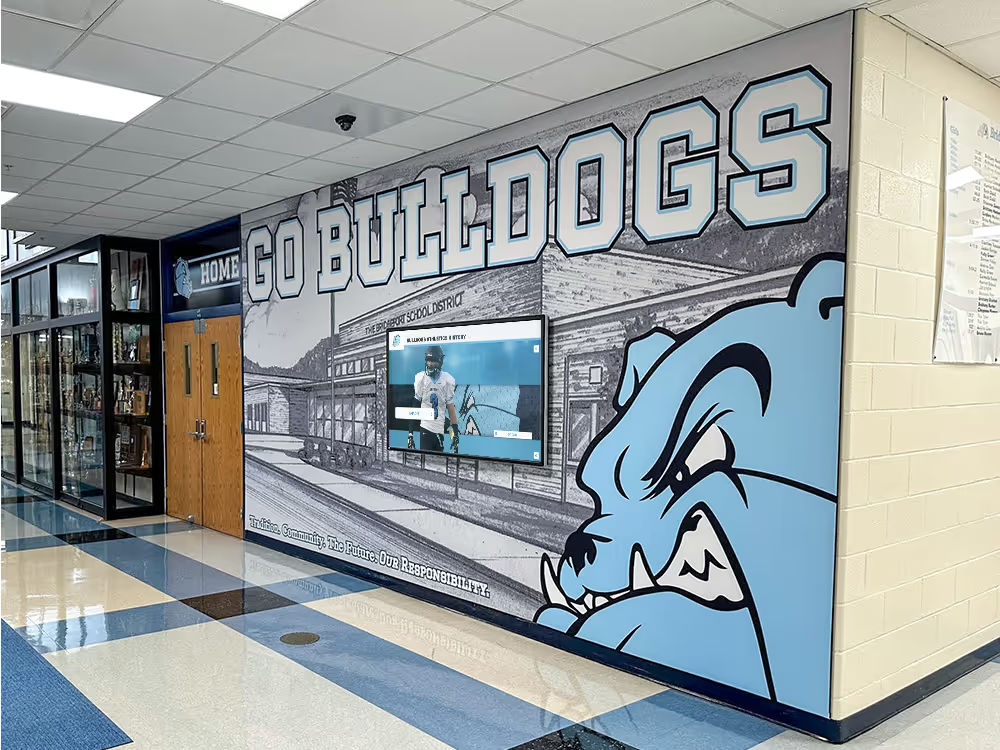
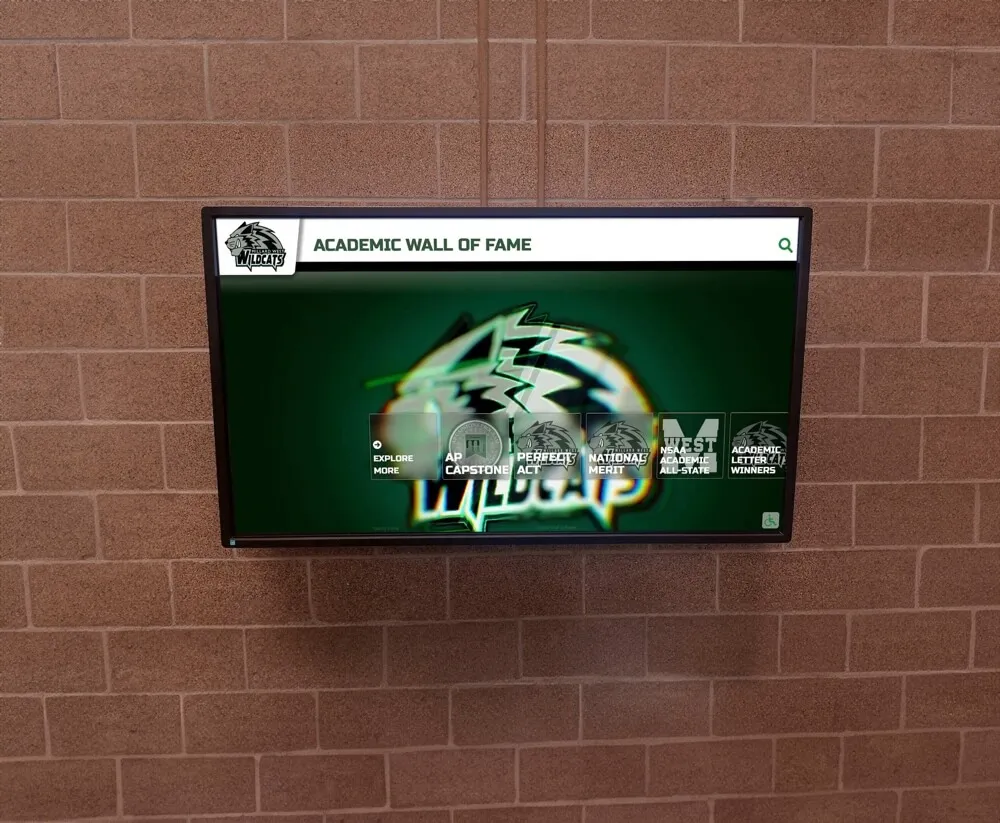
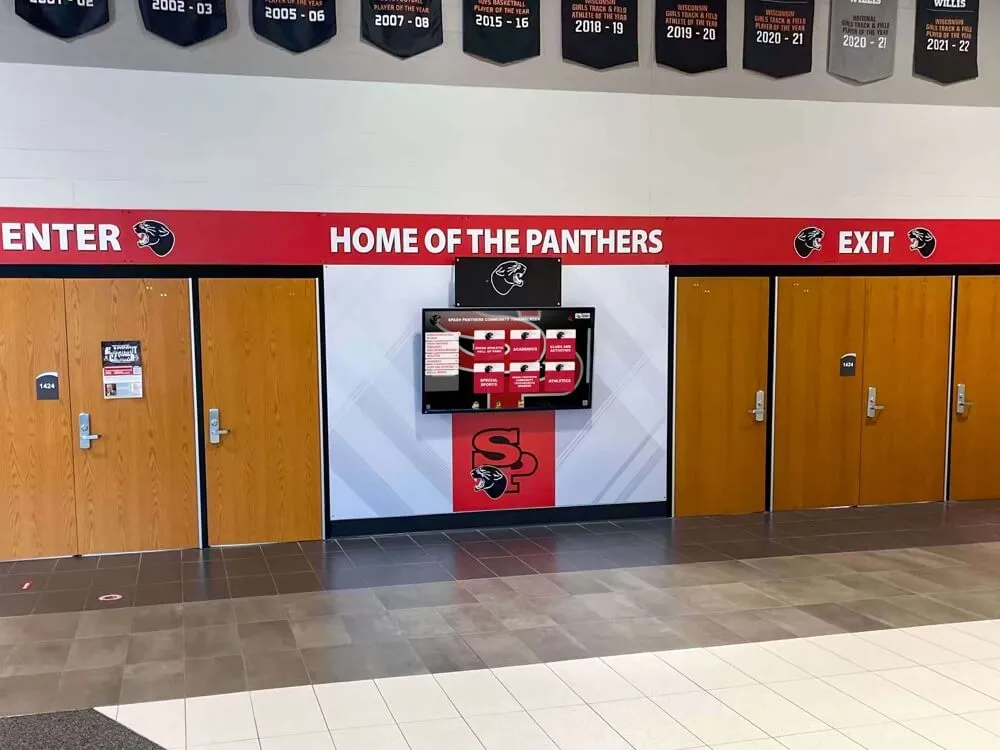
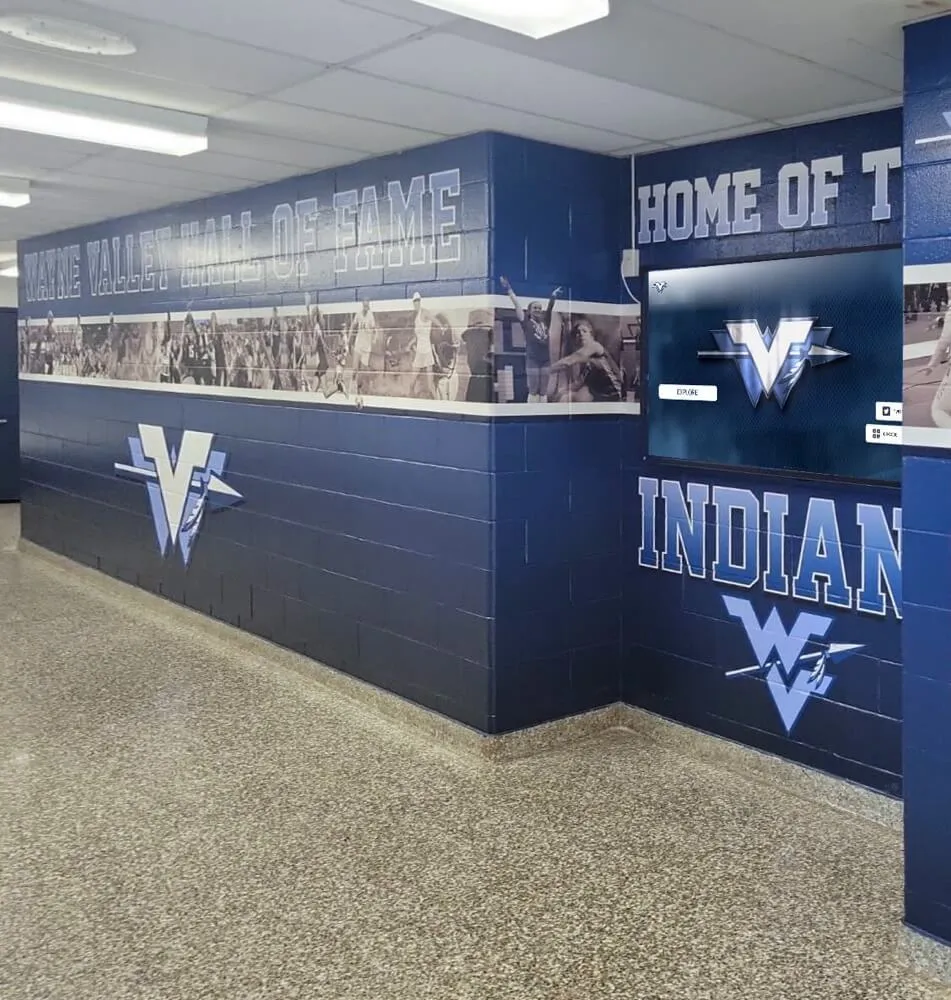
Strategic hallway placement ensures maximum daily exposure to student recognition displays
School Culture and Spirit Building
11. Senior Class Spotlights
Feature graduating seniors with profiles highlighting their activities, achievements, college destinations, and memories. Students browse senior profiles throughout spring semester, creating connections between underclassmen and departing students while celebrating senior accomplishments.
This senior recognition extends beyond brief yearbook mentions to create interactive celebration of the graduating class. Families share profiles on social media, and alumni return years later to view their own senior spotlights preserved in school digital archives.
12. Teacher and Staff Milestones
Recognize faculty and staff anniversaries, retirements, academic achievements, and professional recognitions. Students discover which teachers earned advanced degrees, read about staff members celebrating 20-year employment anniversaries, and learn about educator awards and honors.
Schools implementing employee recognition programs report that public staff recognition improves school culture by demonstrating institutional appreciation for educator dedication and longevity.
13. Spirit Week Daily Winners
Document spirit week participation with daily theme winners, photos from each day’s activities, and final competition results. Students see themselves featured during homecoming week, revisit previous years’ spirit week memories, and understand participation traditions.
This ongoing documentation creates anticipation for annual spirit week events and preserves memories that strengthen institutional culture year after year.
14. Club and Organization Showcases
Provide detailed information about school clubs, organizations, and extracurricular opportunities. Display club photos, meeting schedules, officer rosters, recent activities, and accomplishment highlights. Students discover involvement opportunities and understand the breadth of campus activities beyond athletics and academics.
Digital platforms enable comprehensive club recognition impossible with limited bulletin board space. Every organization receives equal visibility regardless of size or prominence, encouraging diverse student participation across varied interest areas.
15. Community Service Recognition
Highlight students completing significant volunteer hours, community service projects, and service learning initiatives. Feature Presidential Volunteer Service Award recipients, students reaching volunteer hour milestones, and school-organized service events.
Schools can reference Presidential Volunteer Service Award programs for recognition approaches that encourage ongoing service participation through visible celebration of student contributions.
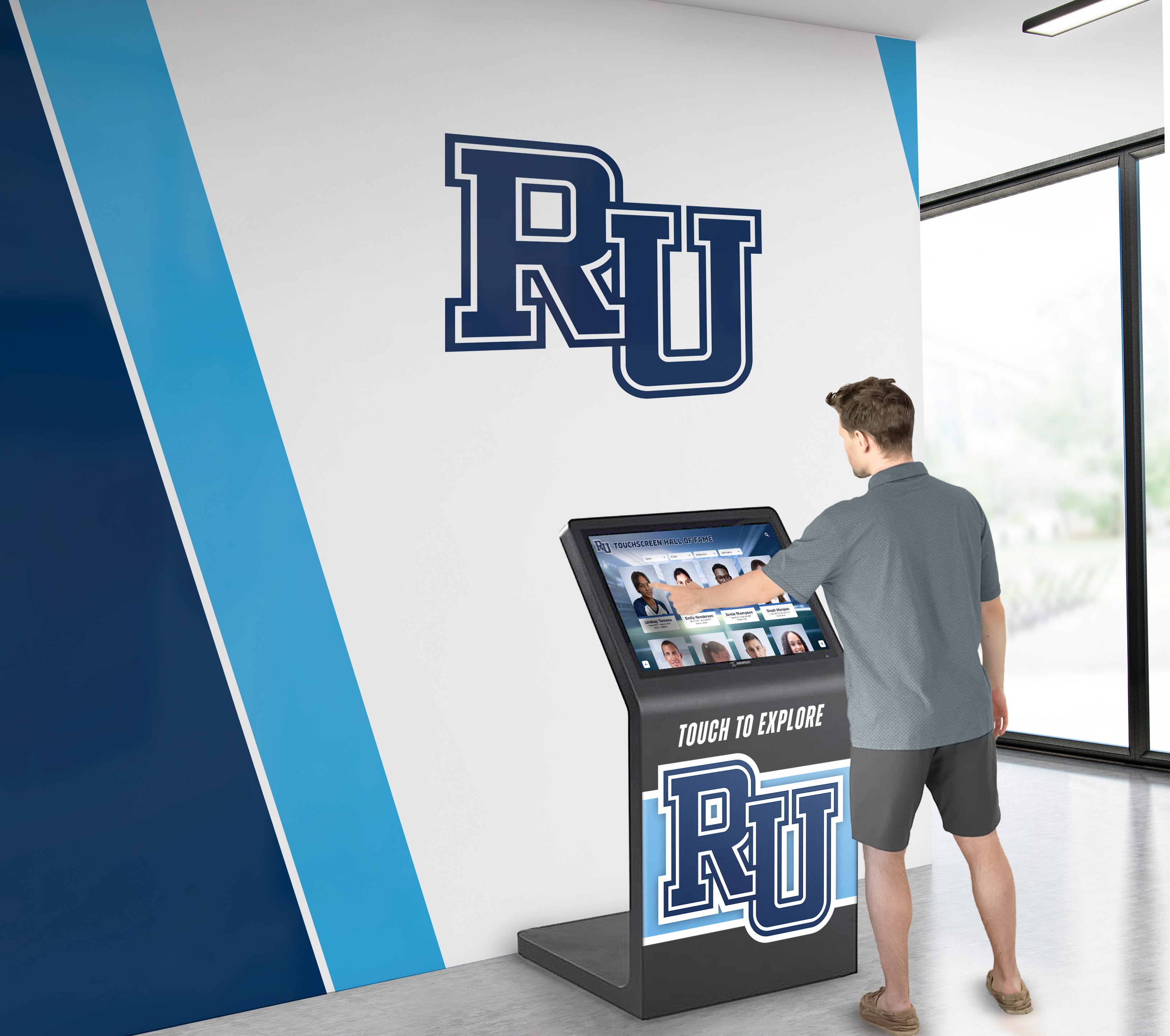
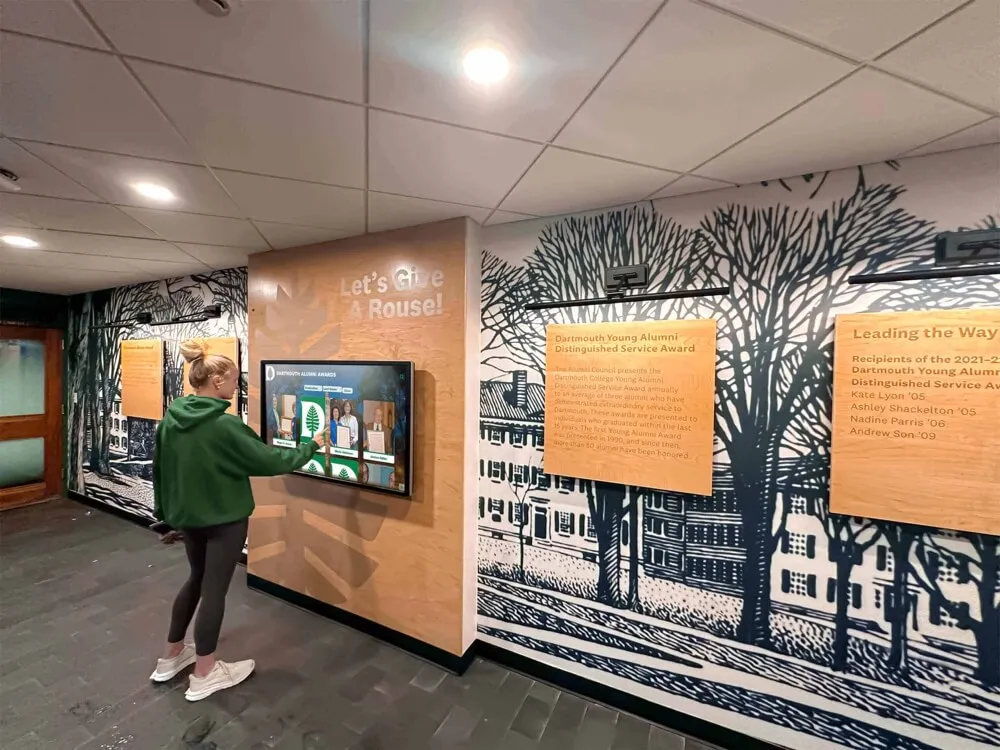
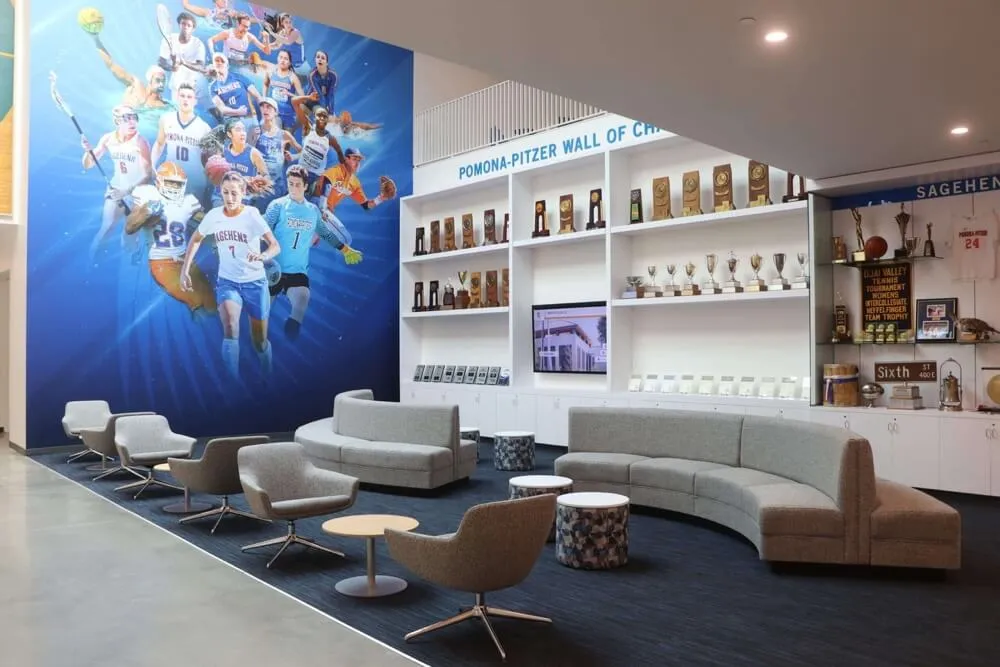
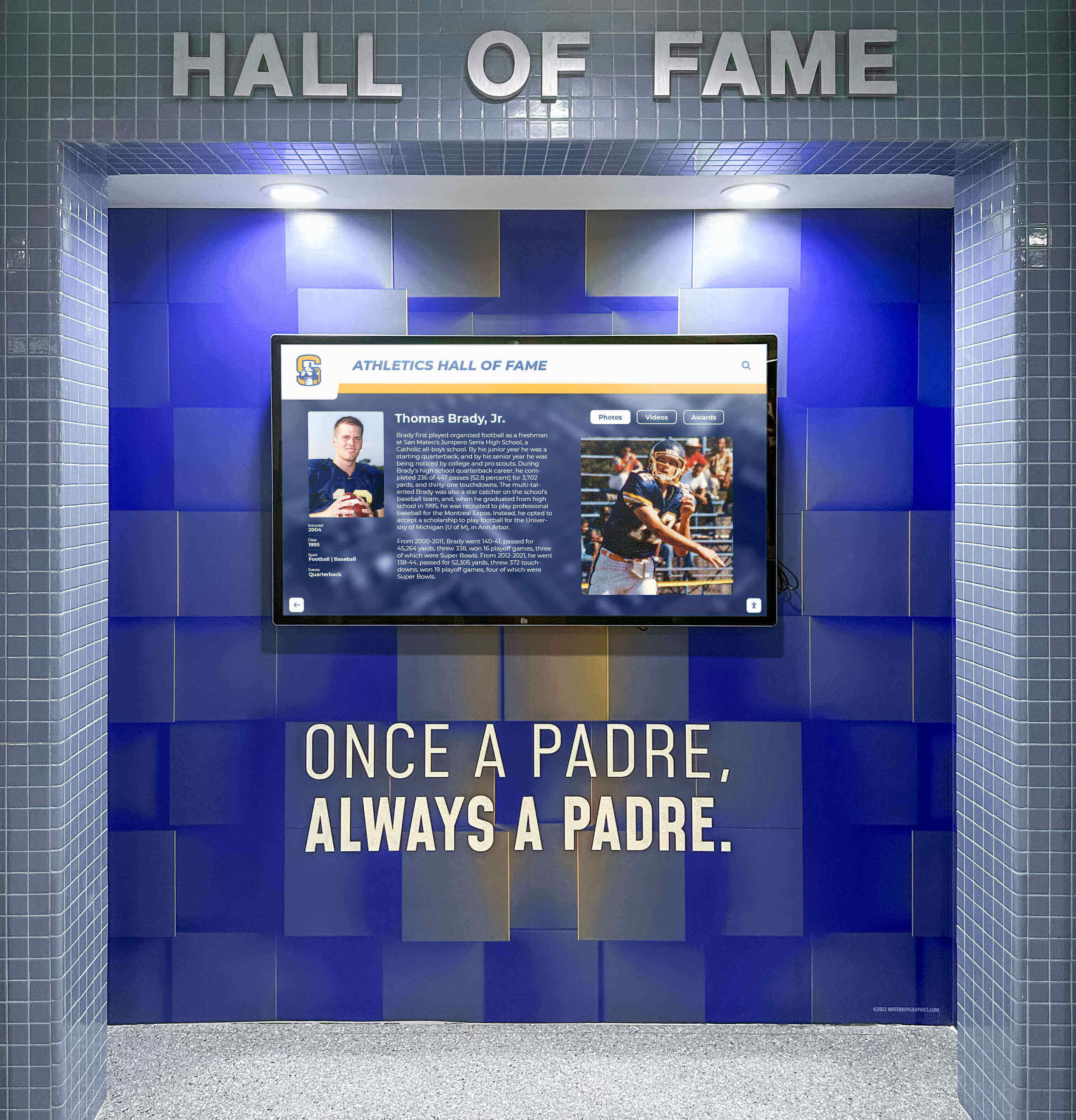
Campus lobby installations provide high-traffic visibility for diverse recognition categories
Historical Preservation and Alumni Connection
16. Decade-by-Decade School History
Create interactive timelines exploring school history through decades. Students browse historical photos, read about significant school events, discover notable alumni, and understand how their institution evolved over generations.
This historical context strengthens student connection to school tradition and institutional identity. Alumni visiting campus explore their own eras while current students gain appreciation for the generations who preceded them.
17. Notable Alumni Achievement Galleries
Showcase accomplished graduates across various fields including business, arts, science, public service, and athletics. Display career accomplishments, current activities, and connections between their high school experiences and later success.
These profiles demonstrate that school education launches diverse successful pathways. Students see themselves reflected in alumni who pursued similar interests, making long-term success feel achievable rather than abstract.
18. Homecoming Royalty Through the Years
Document homecoming kings, queens, and court members across decades. Students search for family members, teachers, or community members who were homecoming royalty during their own high school years, creating intergenerational connections.
Schools implementing homecoming tradition recognition find that historical documentation strengthens annual event participation by demonstrating decades of institutional tradition.
19. Building and Facility Dedication Stories
Share the history behind named buildings, athletic fields, performance spaces, and other campus facilities. Students learn who donated funds for construction, discover why buildings received specific names, and understand the community supporters who made campus facilities possible.
This recognition educates students about philanthropy and community investment while honoring donors and supporters whose contributions created current campus infrastructure.
20. Yearbook Archive Access
Digitize and display historical yearbooks enabling interactive exploration of school history. Students browse photos from past decades, search for relatives and community members, and discover how campus appearance and activities evolved over time.
Schools can reference approaches to digitizing old yearbooks that preserve institutional memory while making historical content accessible and engaging for current students.
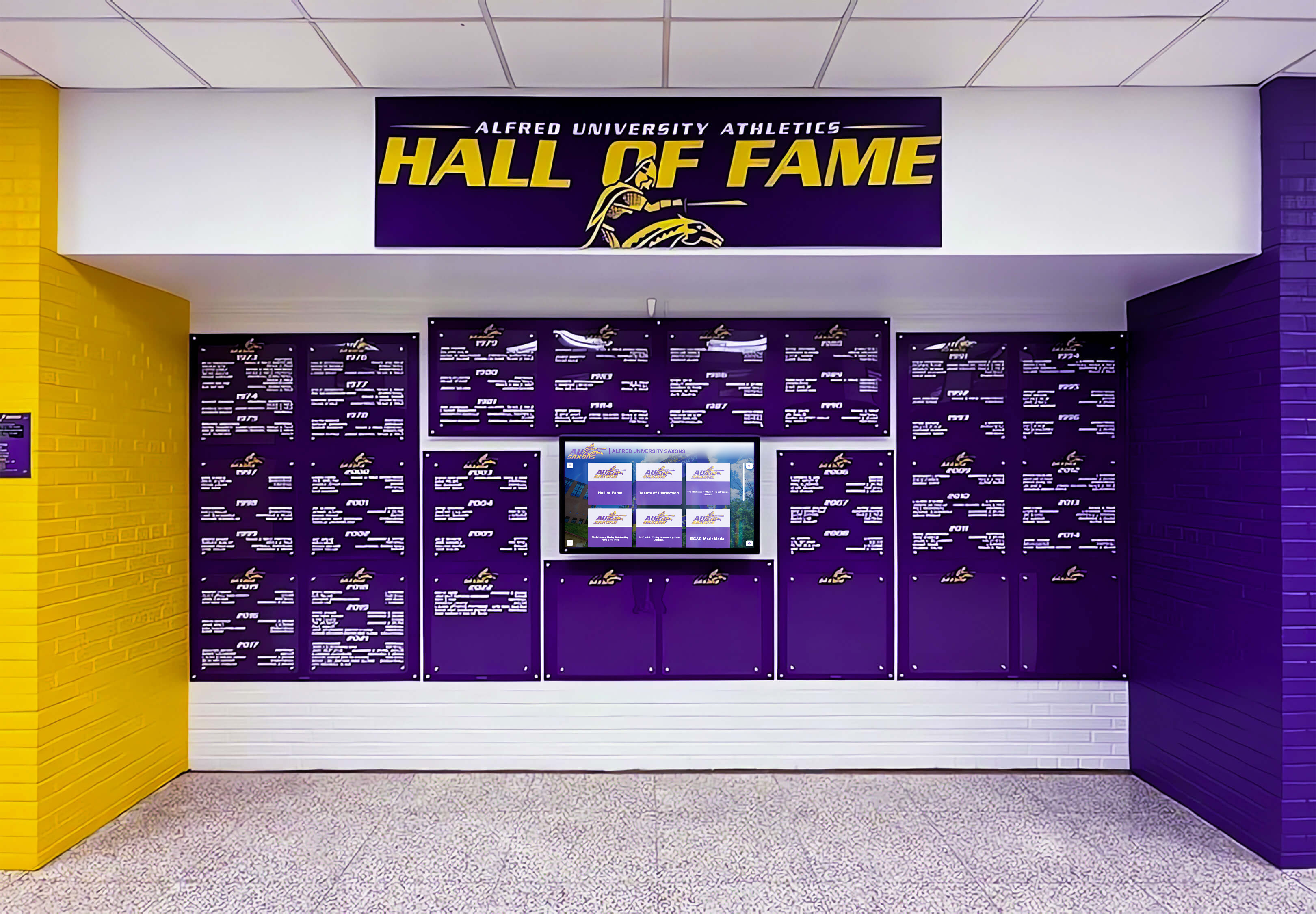
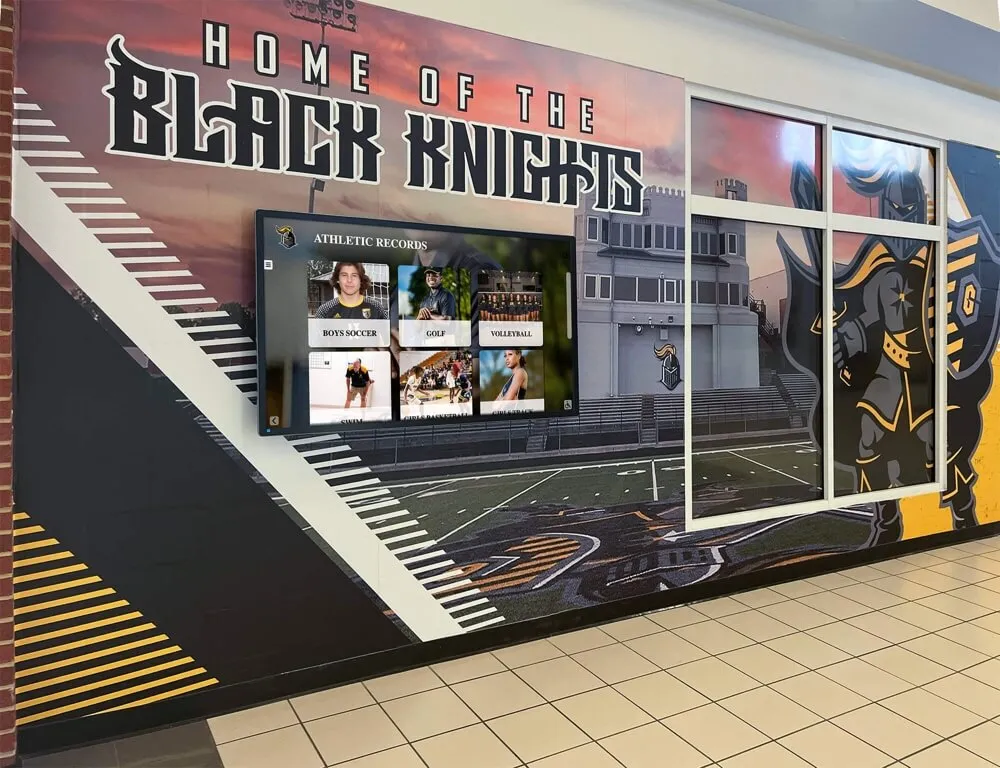
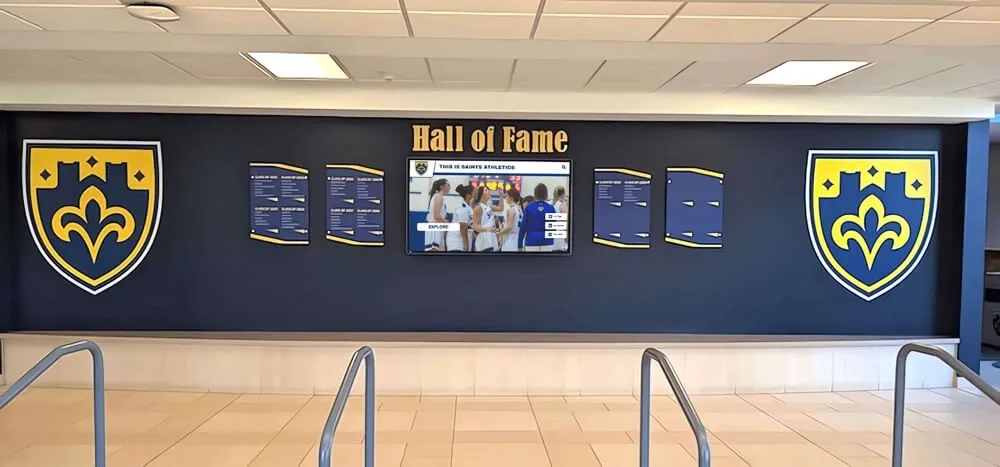
Professional installations create impressive visual focal points that elevate overall facility appearance
Implementation Success Factors
Creating engaging digital record board experiences requires attention to several critical implementation factors beyond simply installing hardware and adding content.
Content Update Frequency
Engagement depends on fresh, current content that changes regularly. Static displays showing outdated information receive decreasing attention as students habituate to unchanged content. Schools should plan for weekly or biweekly content updates minimum, with more frequent changes during competitive seasons or special event periods.
Cloud-managed platforms enable quick updates from any internet-connected device without requiring gymnasium access or facilities coordination. Athletic directors and activities coordinators report that remote management capability dramatically increases update frequency compared to physical boards requiring ladder access and manual labor.
Student Involvement in Content Creation
Engaging students as content contributors creates ownership and increases peer interest in displays. Student photographers, yearbook staff, journalism students, and technology club members can contribute photos, write profiles, and help maintain current content.
This involvement develops student skills while ensuring recognition reflects authentic student perspective rather than only administrative viewpoint. Schools report that student-contributed content generates higher peer engagement than administrator-created material alone.
Strategic Placement for Maximum Visibility
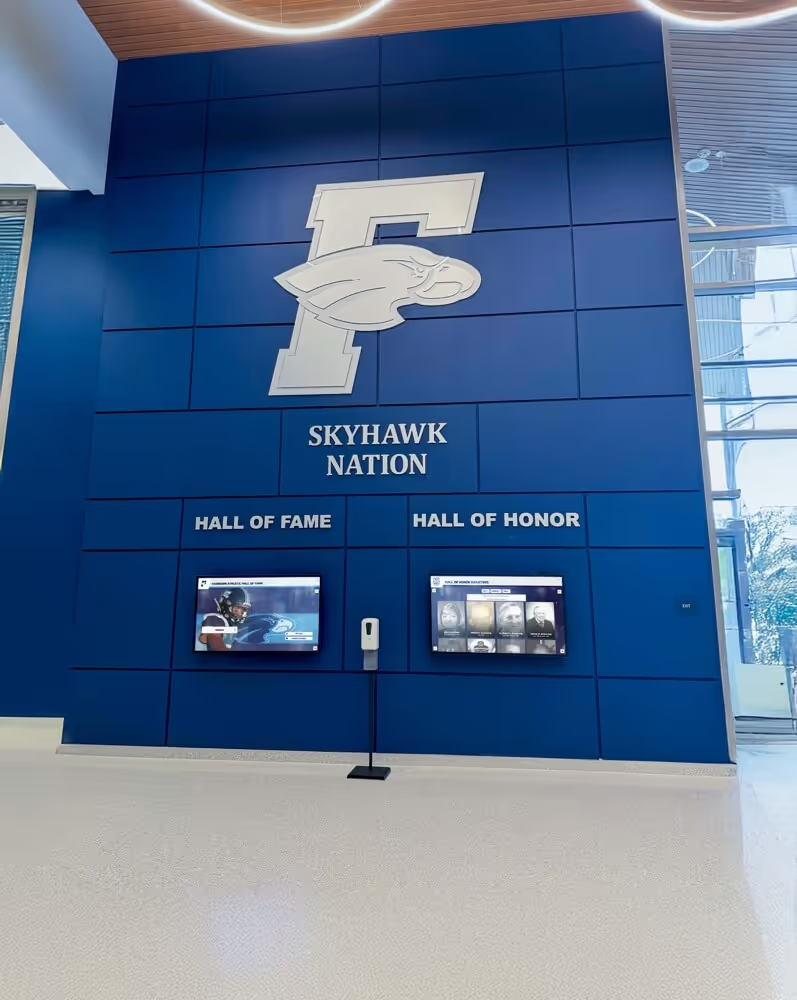
Location determines engagement potential. High-traffic areas including main lobby entrances, cafeteria corridors, gymnasium lobbies, and central hallway intersections ensure maximum daily student exposure. Secondary locations in isolated hallways or rooms students rarely access will see minimal interaction regardless of content quality.
Schools should prioritize single high-visibility installation over multiple displays in low-traffic areas when budget requires choosing between placement options.
Accessibility and Inclusive Design
Digital displays must accommodate diverse student abilities and ensure universal access. This includes appropriate mounting height for wheelchair users, high-contrast display modes supporting vision differences, simple navigation accommodating cognitive diversity, and multilingual content options serving diverse student populations.
Systems meeting WCAG 2.1 AA accessibility standards ensure legal compliance while providing superior usability for all students regardless of ability level.
Mobile Access Integration
QR codes enabling mobile viewing from personal devices extend recognition beyond physical display interaction. Students view content from home, alumni access current recognition from across the country, and families explore achievements remotely rather than requiring campus visits.
This mobile integration creates ongoing engagement rather than recognition limited to occasional hallway encounters during school hours.
Measuring Engagement and Impact
Understanding whether digital record boards achieve engagement goals requires systematic measurement and analysis:
Quantitative Metrics
- Touchscreen interaction frequency tracking user engagement levels
- Average session duration indicating content interest depth
- Search query analysis revealing which content students seek
- QR code scan rates measuring mobile access adoption
- Content view counts identifying most-engaged recognition categories
Qualitative Indicators
- Student survey responses about display awareness and usage
- Observation of student behavior near displays during passing periods
- Social media sharing frequency when students post recognition content
- Parent feedback about family viewing of student achievements
- Alumni engagement comments when visiting campus displays
Schools implementing robust digital recognition systems report interaction rates 5-10x higher than estimated exposure to traditional trophy cases based on hallway traffic counts. The difference between passive viewing during hallway passage and active touchscreen exploration represents the engagement advantage driving digital adoption.
Conclusion: From Static Recognition to Dynamic Engagement
Digital record boards transform campus recognition from static displays students ignore into interactive experiences that build school culture, strengthen student motivation, and preserve institutional history. These 20 implementation ideas demonstrate the breadth of engagement opportunities available when schools move beyond physical space limitations to comprehensive digital recognition platforms.
The fundamental shift from passive viewing to active exploration changes how students relate to institutional recognition. When students can search for their own achievements, discover family members in historical records, and explore diverse accomplishment categories matching their interests, recognition becomes personally relevant rather than background decoration.
Transform Campus Engagement With Digital Recognition
Discover how interactive digital record boards create engaging recognition experiences that strengthen school culture and celebrate student achievement across all categories. See implementations from schools nationwide using cloud-managed platforms designed specifically for educational recognition without requiring technical expertise.
Book a DemoSuccessful implementation requires three critical elements: strategic placement ensuring maximum visibility, current content maintained through efficient cloud management, and comprehensive recognition spanning athletics, academics, and school culture. Schools should begin with high-impact categories generating immediate student interest while systematically expanding recognition breadth over subsequent months.
Athletic directors and administrators should evaluate solutions designed specifically for school recognition rather than generic digital signage systems lacking features essential for achievement displays. Platforms like Rocket Alumni Solutions provide turnkey implementation including hardware selection, professional installation, content management training, and ongoing support ensuring sustainable operation without requiring IT department involvement for routine updates.
Modern students expect interactive, dynamic content reflecting the digital experiences they encounter daily on personal devices. Schools meeting these expectations through professional digital record boards report stronger student engagement, improved school culture, and more effective recognition of the diverse achievements that define successful educational communities.
Ready to explore how these 20 engagement ideas can transform your campus recognition while eliminating physical trophy case limitations? See Rocket in action to discover how schools nationwide are modernizing student recognition from static plaques into engaging interactive experiences that students actively explore and value.