



School hallways across the country face a common dilemma: traditional glass-front trophy cases packed to capacity, dusty plaques that no one reads, and decades of achievements competing for limited shelf space. Meanwhile, current students walk past these static displays daily without a second glance, disconnected from their school’s rich history of excellence.
The choice between digital hall of fame displays and traditional trophy cases represents more than a simple technology upgrade—it fundamentally changes how schools recognize achievement, engage students with institutional history, and manage recognition programs long-term. Traditional trophy cases offer familiar tangibility and the visual impact of championship hardware, while digital displays provide unlimited capacity, interactive exploration, and maintenance-free updating that transforms recognition from static storage into active engagement.
This comprehensive comparison examines the practical differences between these two approaches across every dimension that matters to schools: capacity and space utilization, student engagement and interaction, maintenance requirements, long-term costs, content flexibility, accessibility features, and overall recognition impact. Whether you’re planning a new school building, renovating existing spaces, or simply reevaluating how your school celebrates achievement, understanding these differences enables informed decisions aligned with your specific goals, budget, and community needs.
The recognition technology schools choose sends powerful messages about which achievements matter, who receives visibility, and how seriously the institution values celebrating excellence. Both digital and traditional solutions can serve schools effectively when implemented thoughtfully—but their capabilities, limitations, and ideal use cases differ significantly.

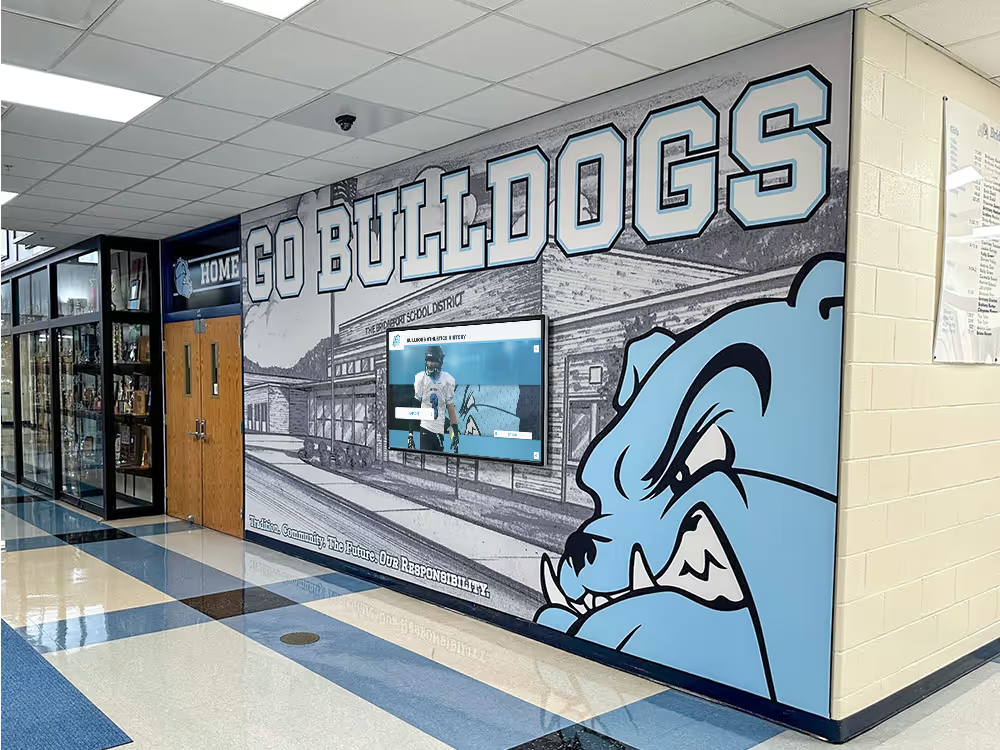
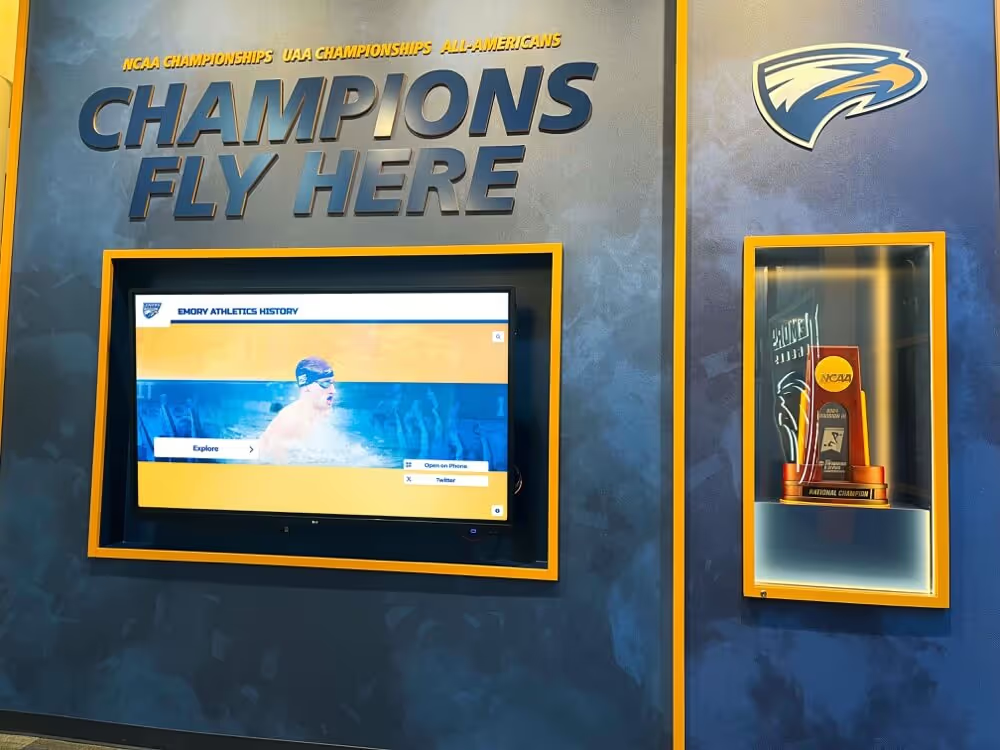
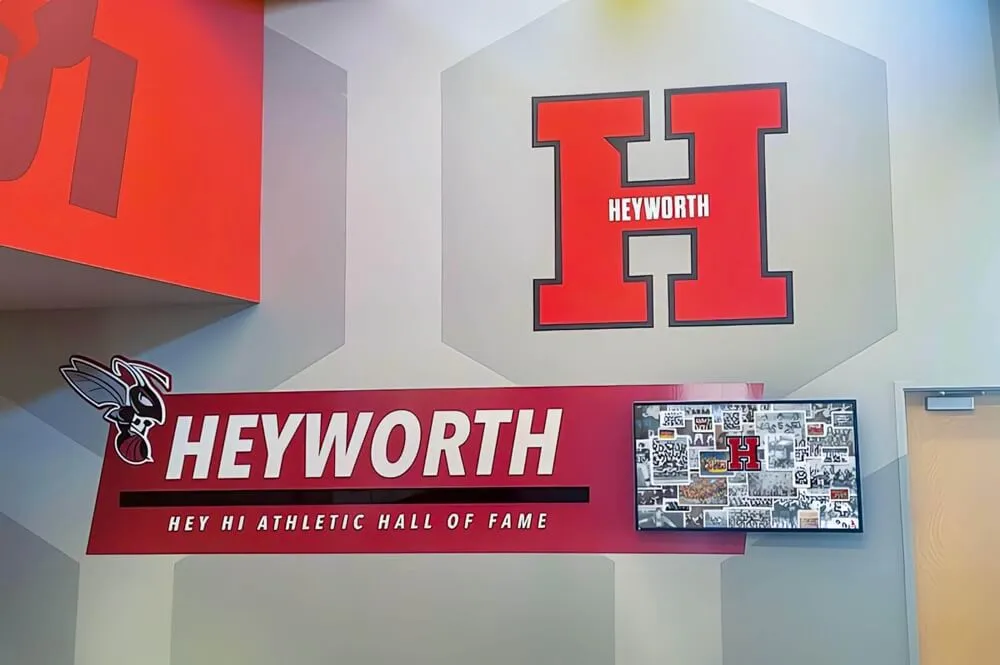
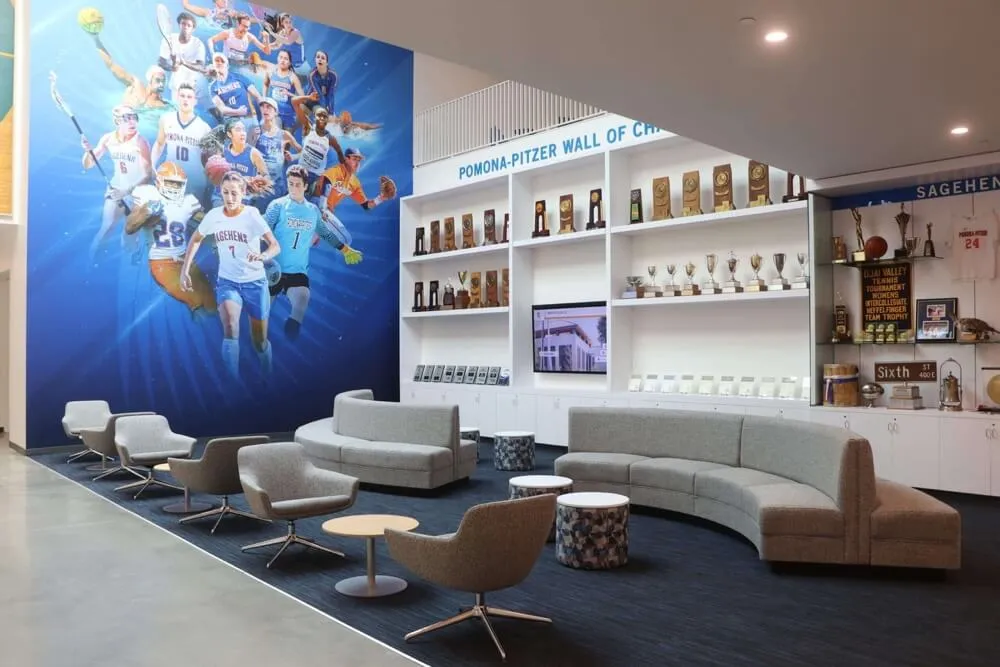
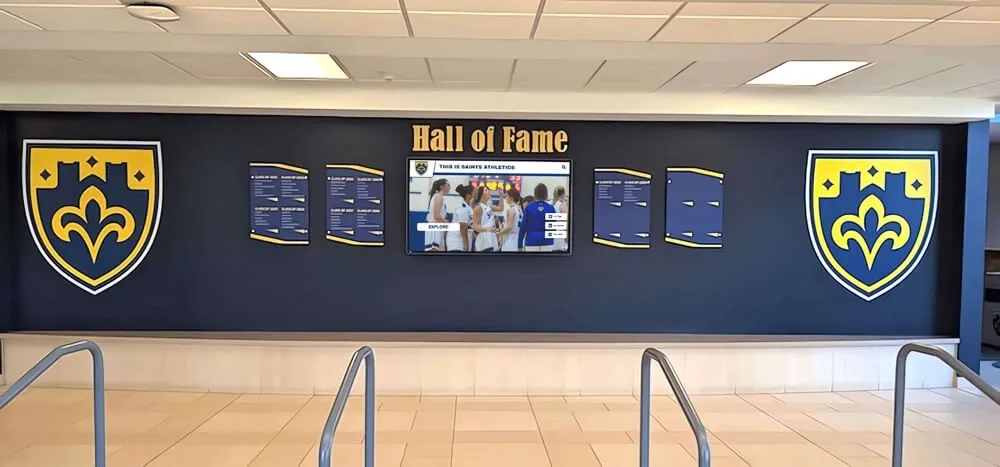
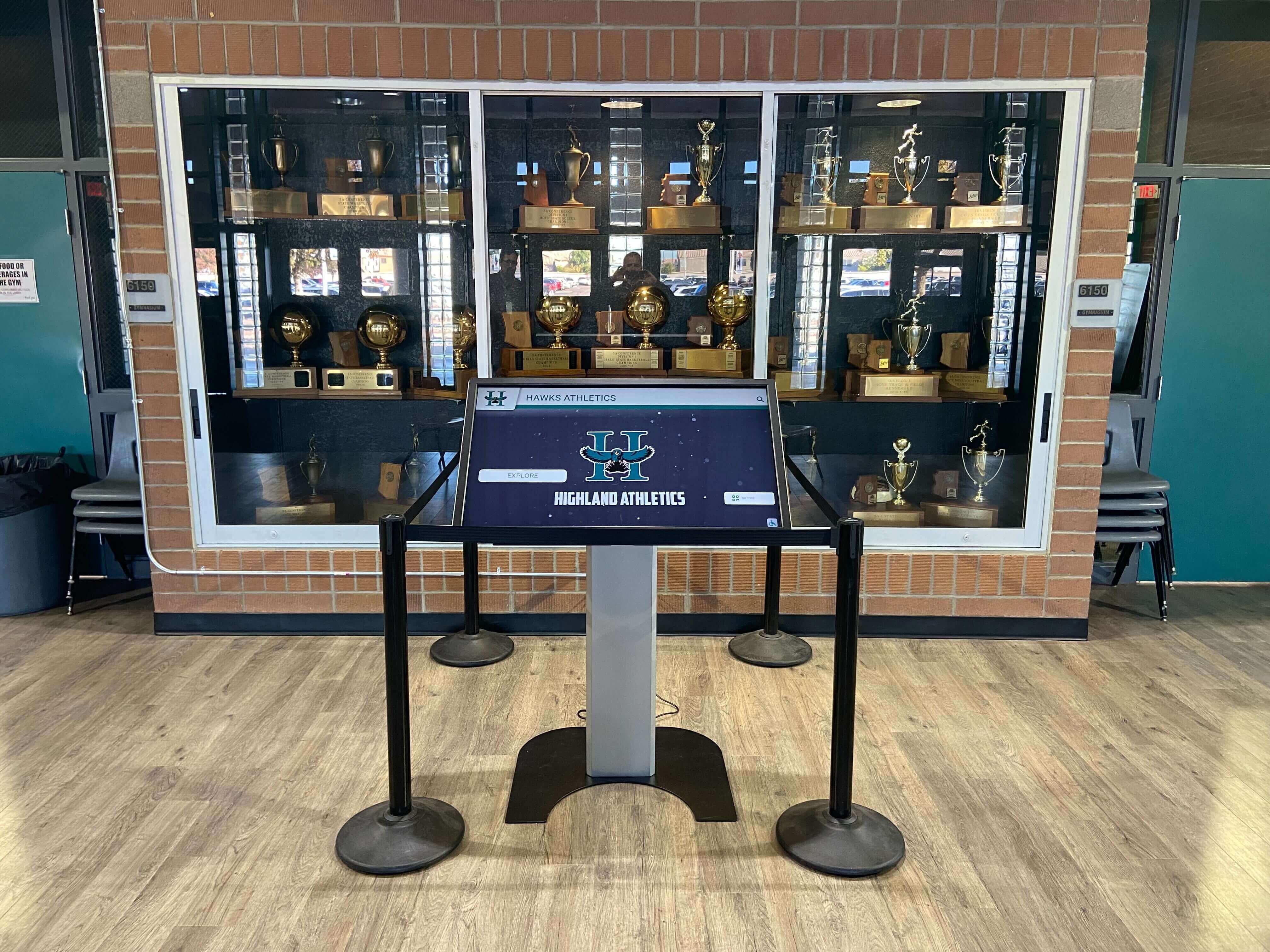
Many schools integrate digital displays alongside traditional trophy cases, combining the visual impact of physical hardware with unlimited digital recognition capacity
Understanding Traditional Trophy Cases
Before comparing options, recognizing what traditional trophy cases do well—and where they struggle—provides essential context for evaluating alternatives.
The Appeal of Physical Trophy Displays
Traditional glass-front trophy cases have anchored school hallways for generations, offering several genuine advantages that explain their enduring popularity:
Tangible Visual Impact
Physical championship trophies create immediate impressions impossible to replicate digitally. Walking into a school lobby and seeing gleaming hardware stacked in illuminated cases communicates achievement in visceral, unmistakable ways. Visitors immediately understand this school values excellence and has history worth celebrating.
The weight, craftsmanship, and three-dimensional presence of championship trophies carry significance that photographs or digital representations cannot fully capture. Athletes remember the physical moment of hoisting trophies, making their display meaningful beyond simple recognition documentation.
Traditional Aesthetic and Familiarity
Trophy cases represent recognized institutional design language that stakeholders understand intuitively. Alumni returning to campus appreciate finding familiar displays preserving achievements they remember. Community members touring facilities during open houses expect trophy showcases as standard school features.
This familiarity creates comfort—no learning curve, no technology concerns, no questions about whether displays will function properly. Traditional cases simply exist, doing what they’ve always done without requiring digital literacy or raising technology adoption barriers.
Ceremonial Trophy Presentation Moments
The physical act of presenting trophies creates meaningful ceremonial moments that teams treasure. Championship celebrations where athletes hold hardware together, passing trophies for photos and celebration, provide tangible artifacts connecting to achievement memories.
Schools hosting trophy presentation ceremonies find physical awards central to these recognition rituals, creating traditions that participants remember throughout their lives.
Traditional Trophy Case Limitations
Despite these advantages, traditional trophy cases present significant challenges that worsen over time:
Severe Space Constraints
The most fundamental limitation is finite physical capacity. Standard 72-inch wall-mounted trophy cases hold approximately 15-25 major trophies comfortably, yet competitive high schools accumulate 10-15 significant achievements annually across fall, winter, and spring sports alone—before counting academic competitions, performing arts recognition, or individual honors.
This arithmetic creates impossible choices within 3-5 years of installation:
- Which championships get removed to make room for recent achievements?
- Do all sports receive equal shelf space regardless of trophy quantity?
- How long do state championships remain displayed before storage?
- Where do growing programs add recognition without expensive case expansion?
These decisions create program tensions when coaches perceive unequal recognition or alumni discover historical achievements relegated to storage rooms.
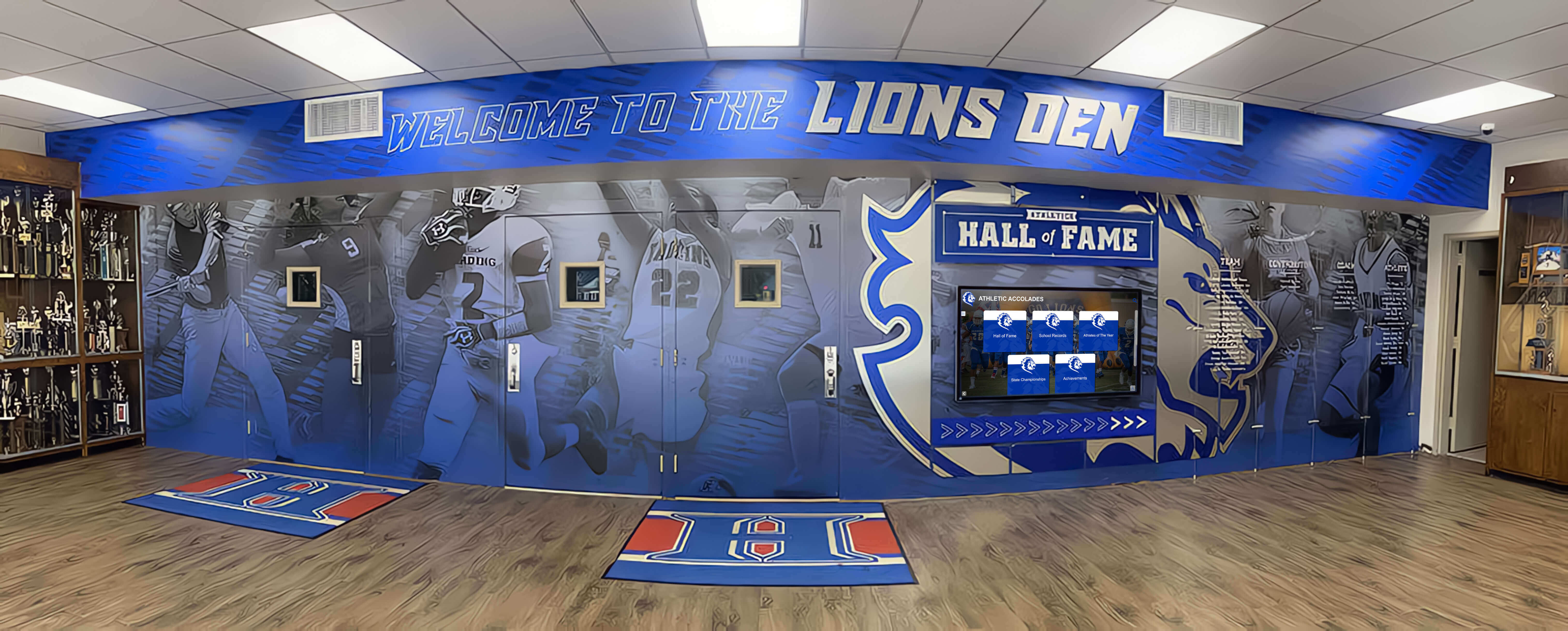
Traditional trophy cases provide impressive displays when new but face capacity limits as achievements accumulate over years and decades
Intensive Maintenance Requirements
Trophy cases demand ongoing physical maintenance consuming substantial staff time:
- Glass surfaces accumulate dust, fingerprints, and smudges requiring weekly cleaning
- Locked cases mean tracking keys and coordinating access for every update
- Trophy polishing maintains appearance but requires removing items for cleaning
- Lighting bulb replacement needs electrical access and coordination
- Rearrangement projects when adding new achievements take hours of careful placement
Many schools report trophy cases receiving attention only quarterly or less frequently due to competing facilities priorities, resulting in dingy displays that undermine rather than celebrate achievement.
Static, Non-Interactive Displays
Traditional cases function as visual backdrops that students pass daily without engagement. No search capabilities help visitors find specific achievements. No detailed information expands on what trophy plaques communicate. No exploration features encourage students to discover program history beyond what’s visible through glass.
Research on institutional spaces confirms that static environmental elements become “invisible” through habituation—people stop consciously noticing unchanging surroundings. Trophy cases fall victim to this phenomenon, particularly affecting students who pass them daily throughout their school careers.
Update Complexity and Delay
Adding recognition to traditional cases requires physical access, rearrangement of existing items, and often custom plaque orders that take weeks for delivery. This creates delays between achievements and recognition—championships won in March may not appear in displays until May or later.
Immediate recognition matters for reinforcing achievement and maintaining program excitement, but traditional case logistics prevent the timely updates that digital systems enable effortlessly.
Understanding Digital Hall of Fame Displays
Digital recognition platforms fundamentally reimagine how schools showcase achievements by eliminating physical constraints while adding engagement capabilities impossible with traditional displays.
Core Digital Display Capabilities
Modern digital hall of fame systems provide capabilities that address every traditional trophy case limitation:
Unlimited Recognition Capacity
Digital platforms eliminate space as a limiting factor entirely. Schools can showcase:
- Every championship trophy across all sports and decades
- Individual achievement profiles for thousands of recipients
- Academic honors, performing arts recognition, and special awards
- Historical achievements dating back to program origins
- Alumni accomplishments and career highlights
- Detailed team rosters with individual player profiles
Solutions like Rocket Alumni Solutions enable comprehensive institutional memory spanning 50+ years without any storage concerns or forced decisions about which achievements receive visibility. Every student-athlete, scholar, and award recipient gets equal recognition opportunity regardless of when achievements occurred.
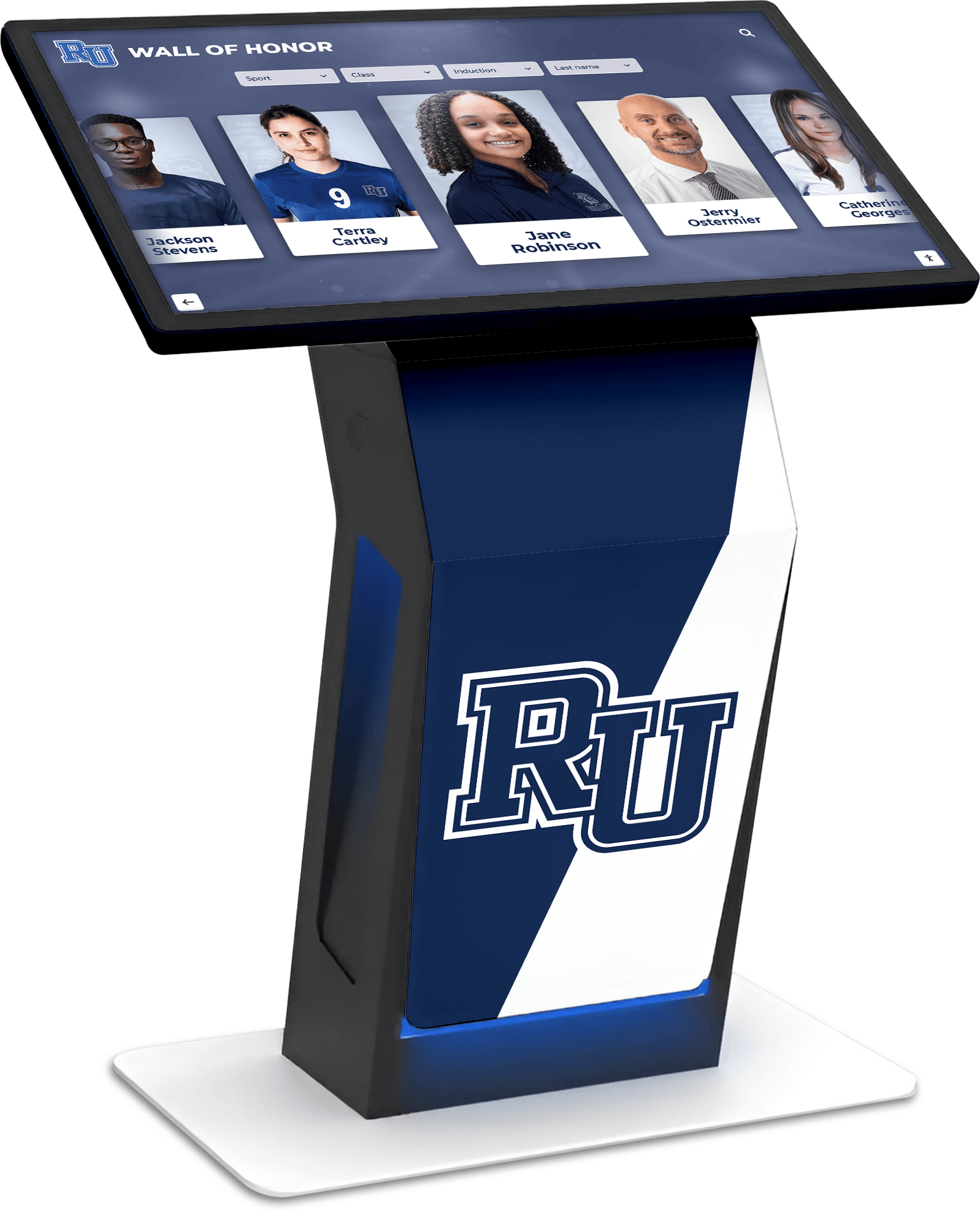
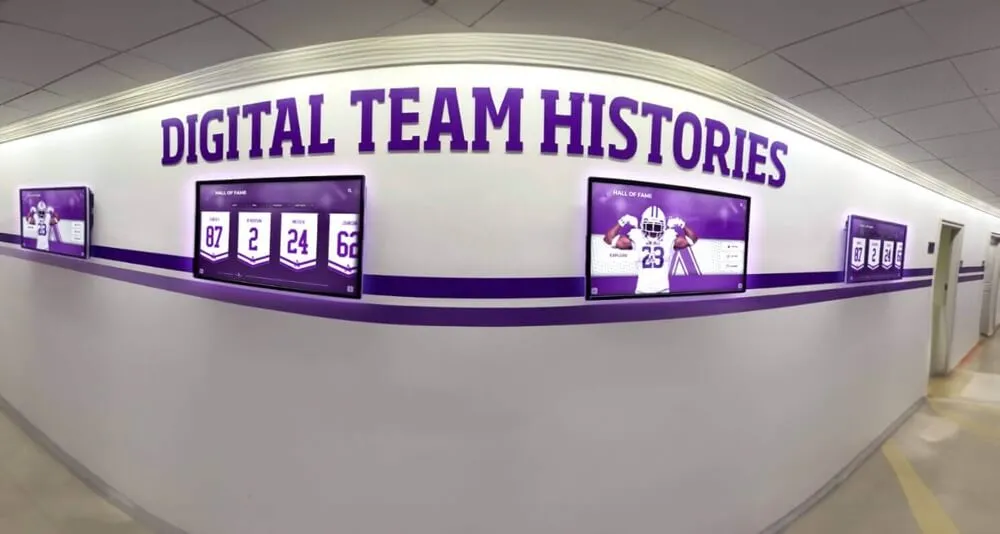
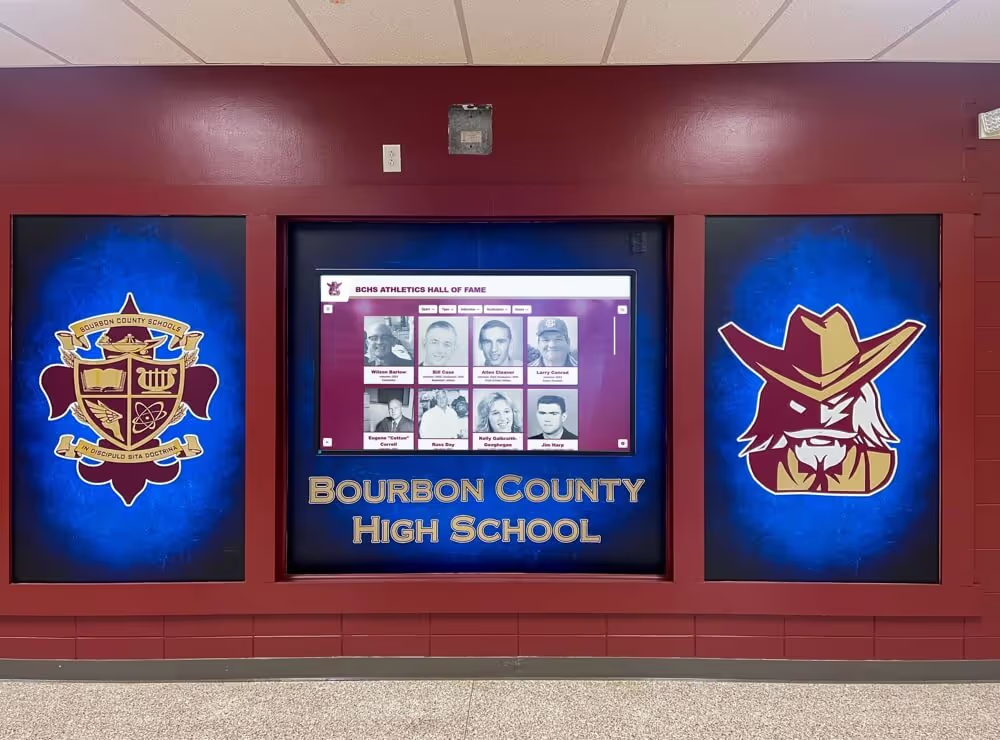
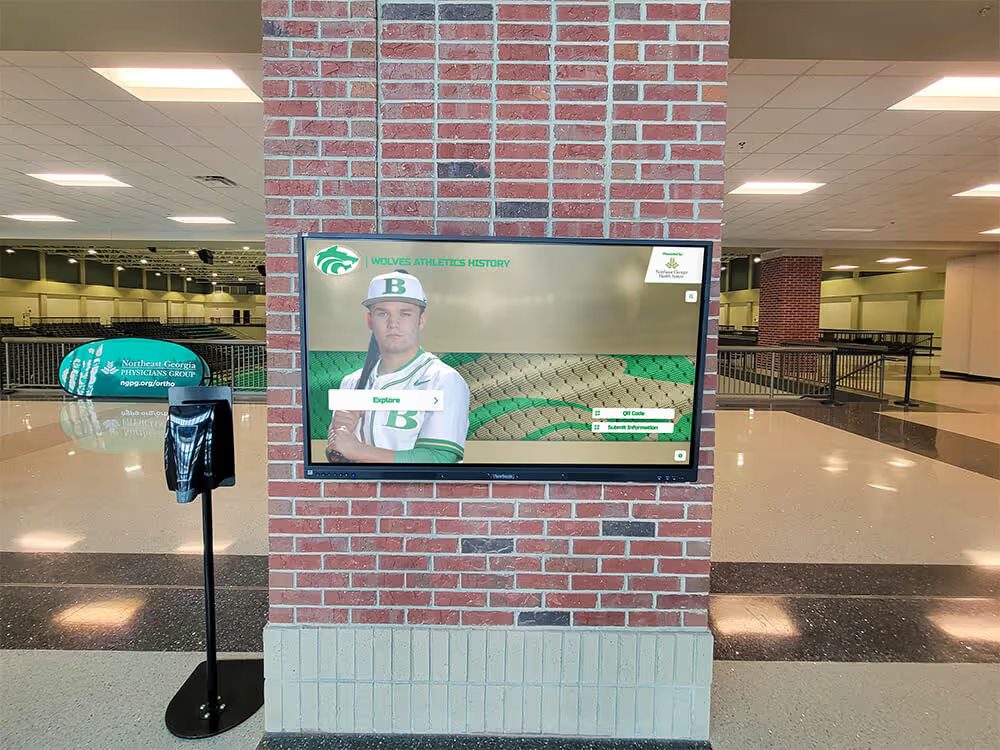
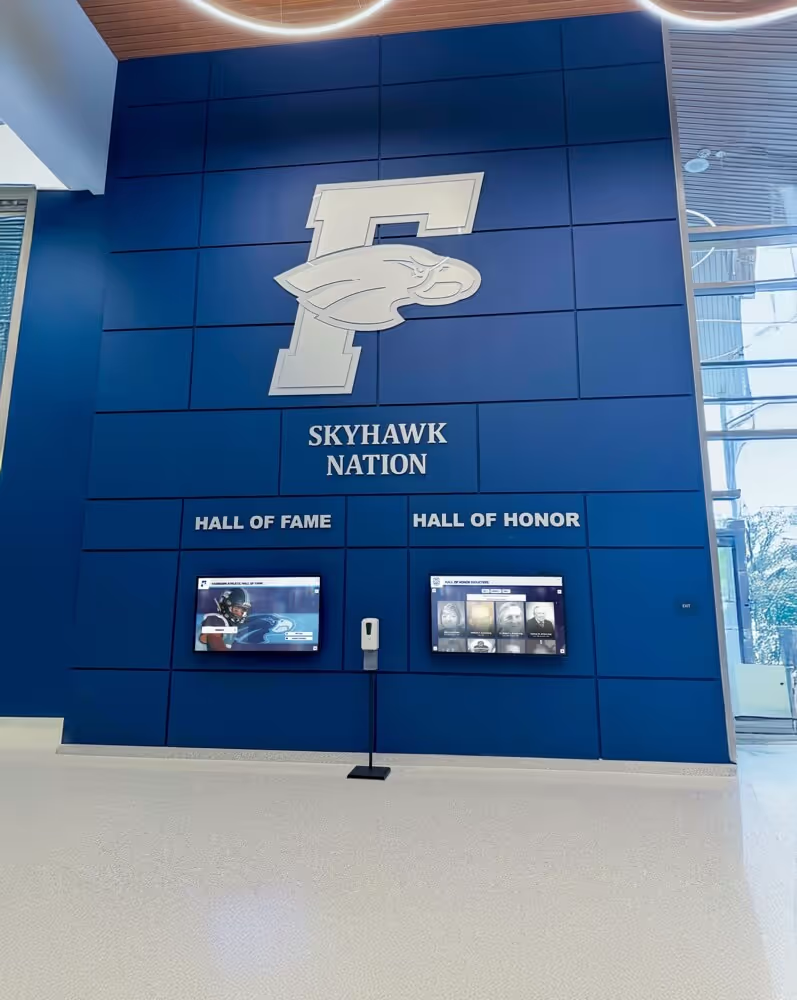
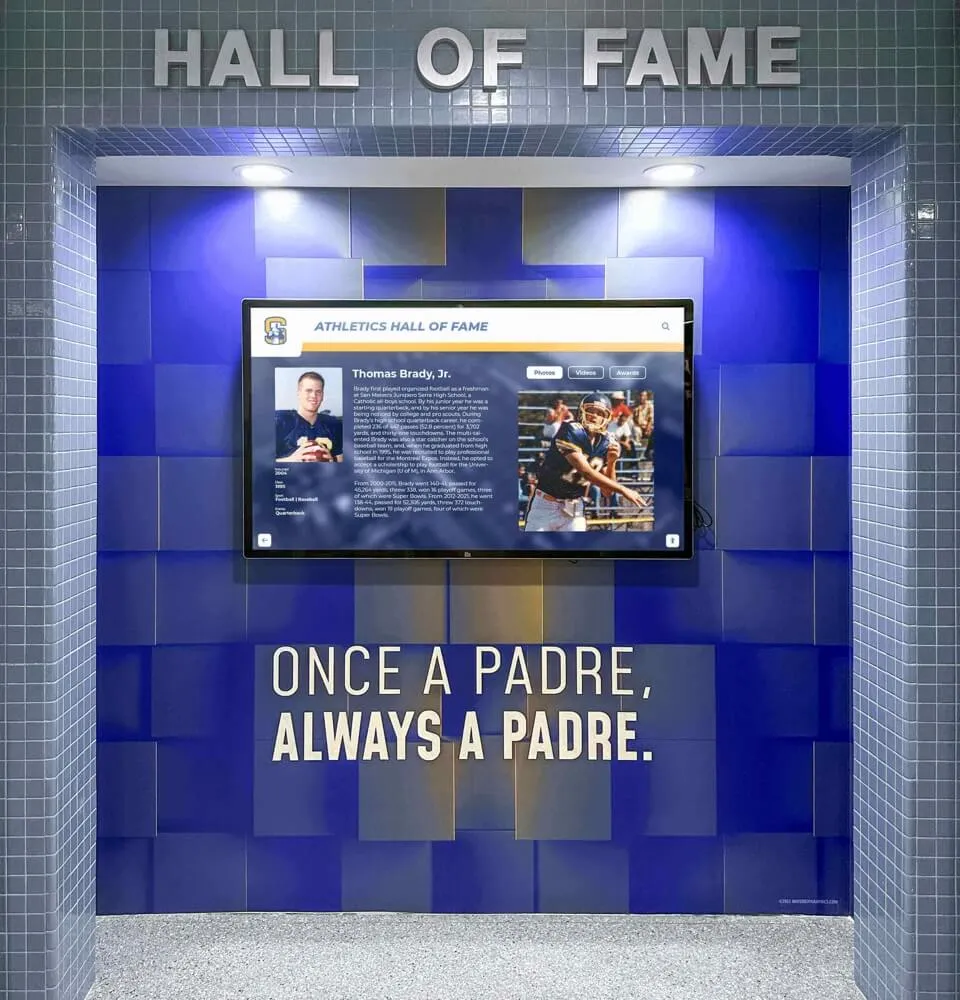
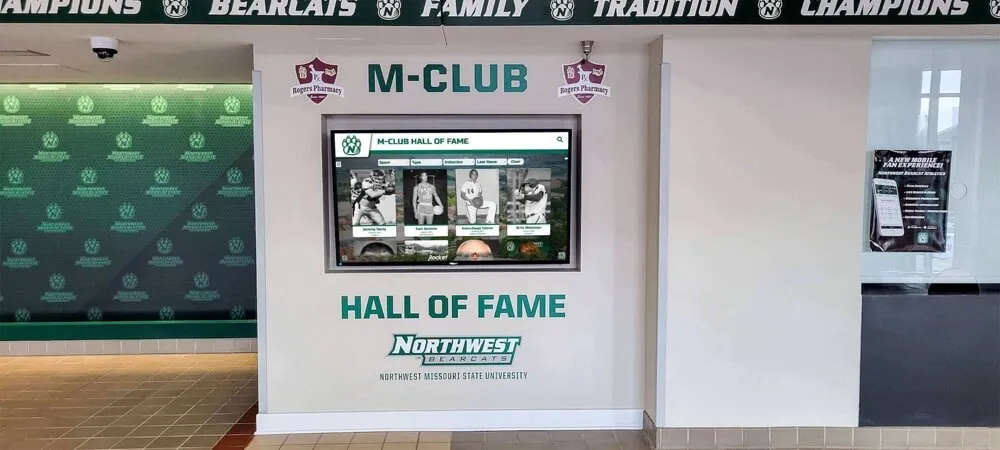
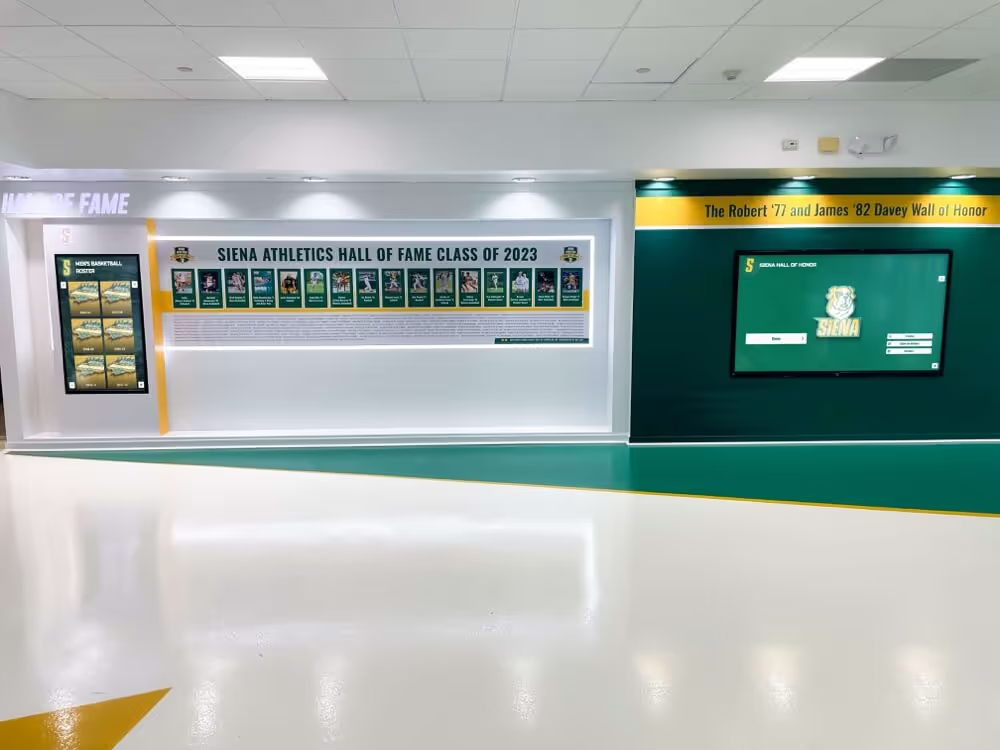
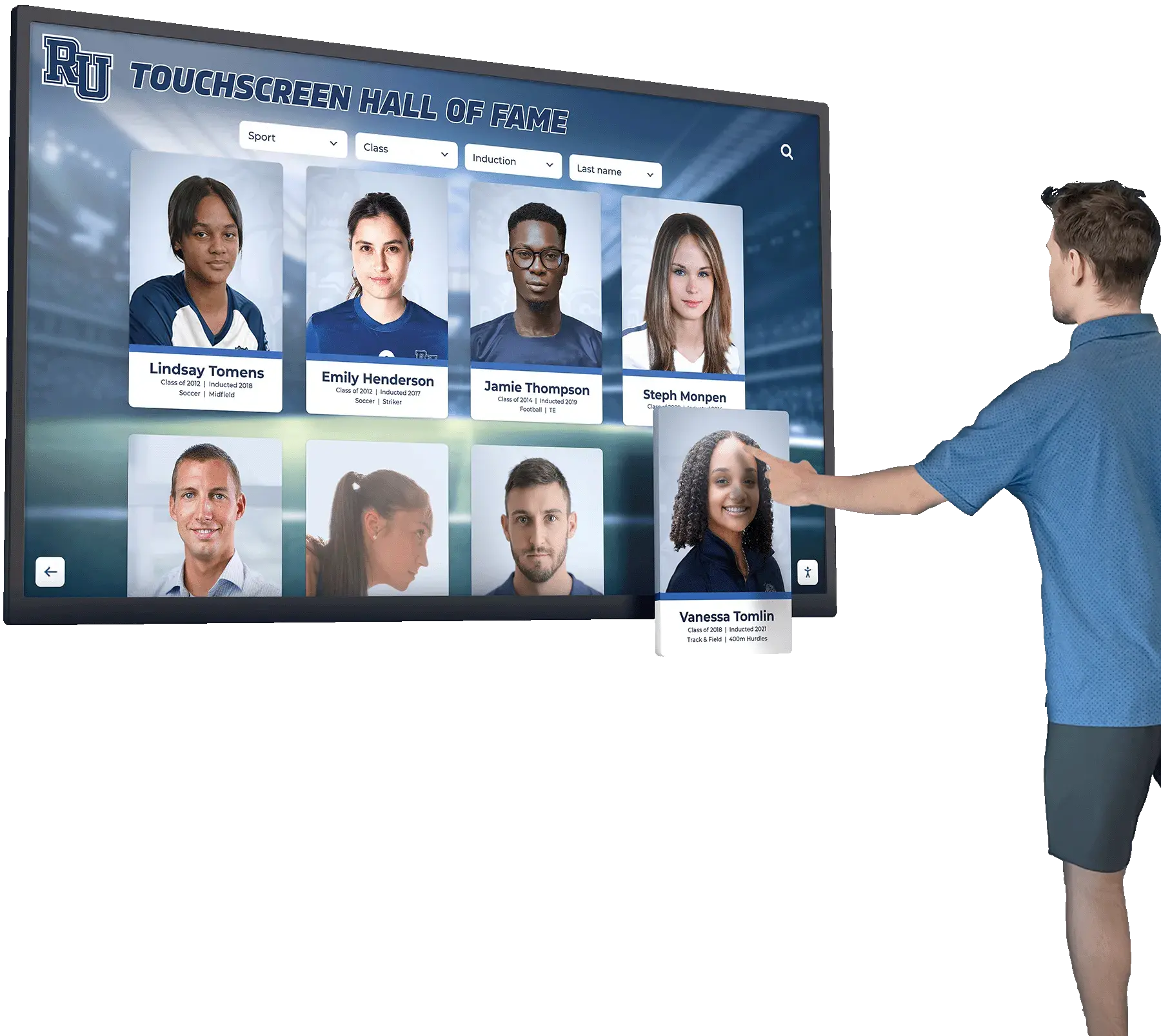
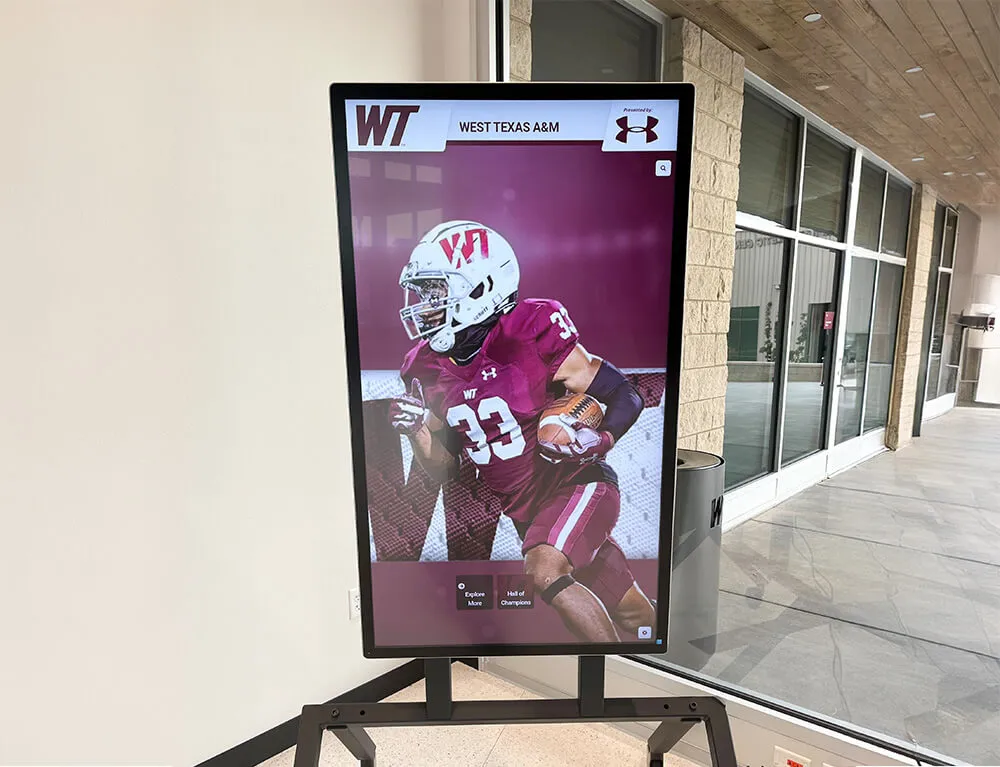
Touchscreen kiosks provide unlimited capacity for recognizing achievements across all programs, sports, and time periods without physical space constraints
Interactive Exploration and Search
Digital displays transform passive viewing into active exploration:
- Students search for specific athletes, teams, or achievements by name
- Filtering by sport, year, achievement type, or other criteria
- Timeline views showing program evolution chronologically
- Statistical leaderboards across categories and eras
- Alphabetical directories enabling quick navigation
- Related content links connecting championships to individual contributors
This interactivity creates engagement that static displays cannot match. Students discovering achievements through active exploration remember information significantly better than passive viewing, according to educational research on active learning principles.
Rich Multimedia Storytelling
Digital platforms add depth impossible with physical plaques:
- Photo galleries showing championship teams celebrating victories
- Video highlights from tournament competitions and record-breaking performances
- Detailed statistics and season summaries
- Athlete and coach profiles with biographical information
- Newspaper articles and media coverage documenting achievements
- Personal stories and interviews with recognition recipients
This multimedia storytelling creates emotional connections with achievements, helping students understand the dedication, obstacles, and circumstances behind visible recognition. Rather than simply seeing a trophy noting “2015 State Champions,” students can explore the tournament journey, view game highlights, read player reflections, and understand what made that season special.
Schools implementing comprehensive digital recognition displays report dramatically higher student engagement compared to traditional static cases.

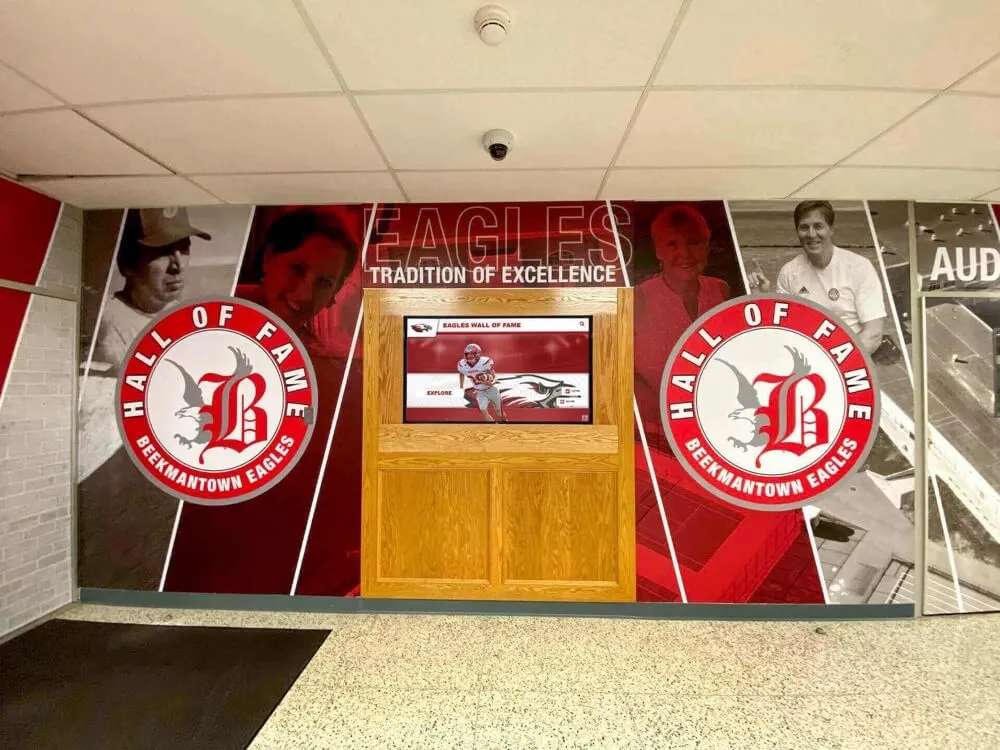
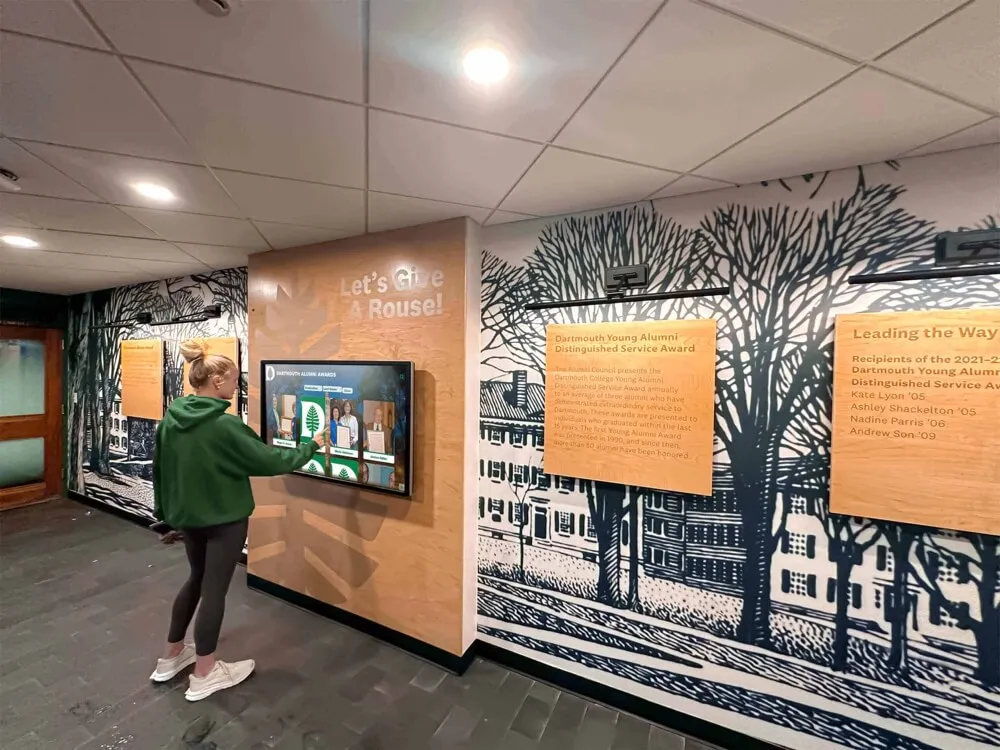
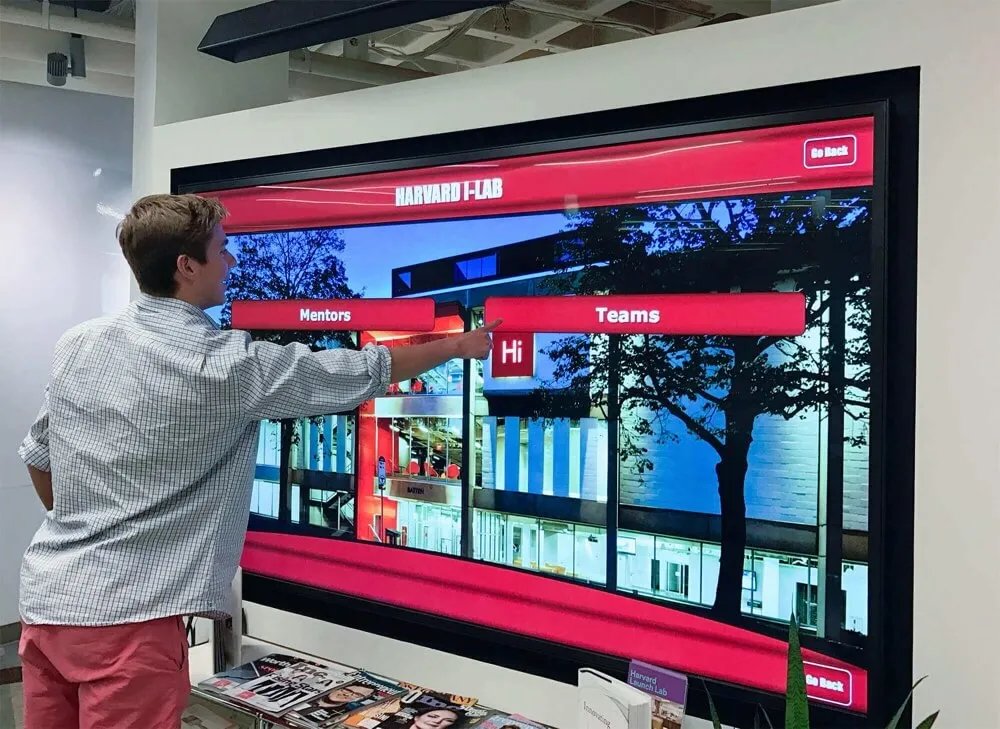
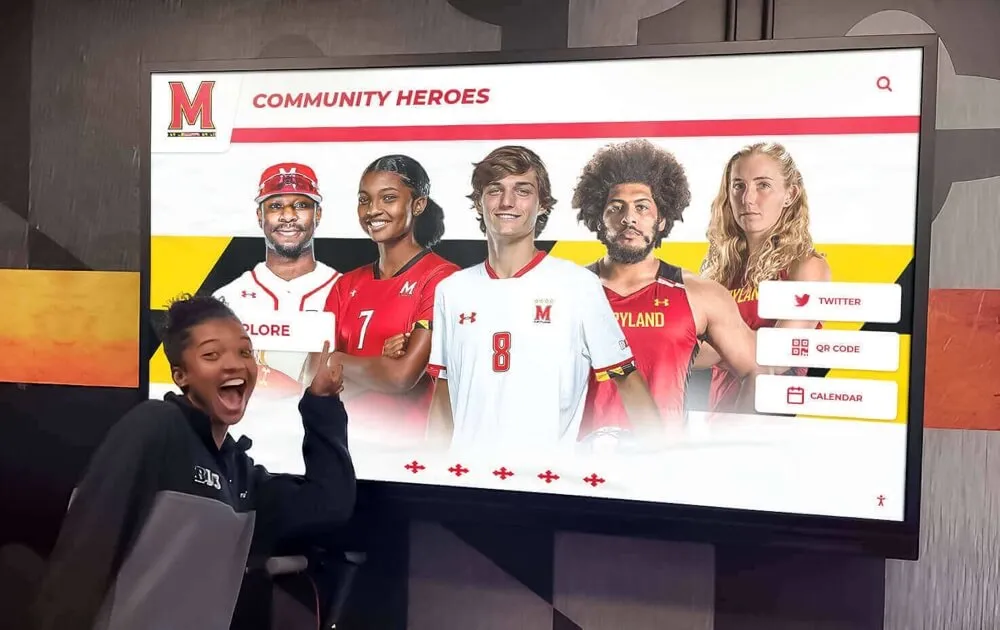
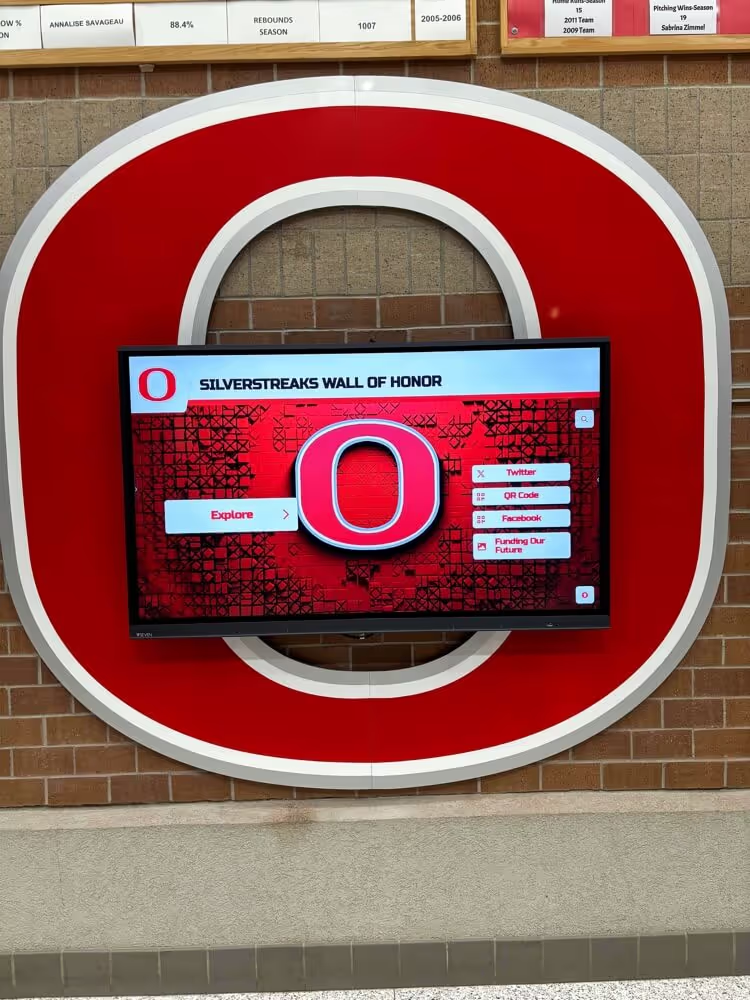
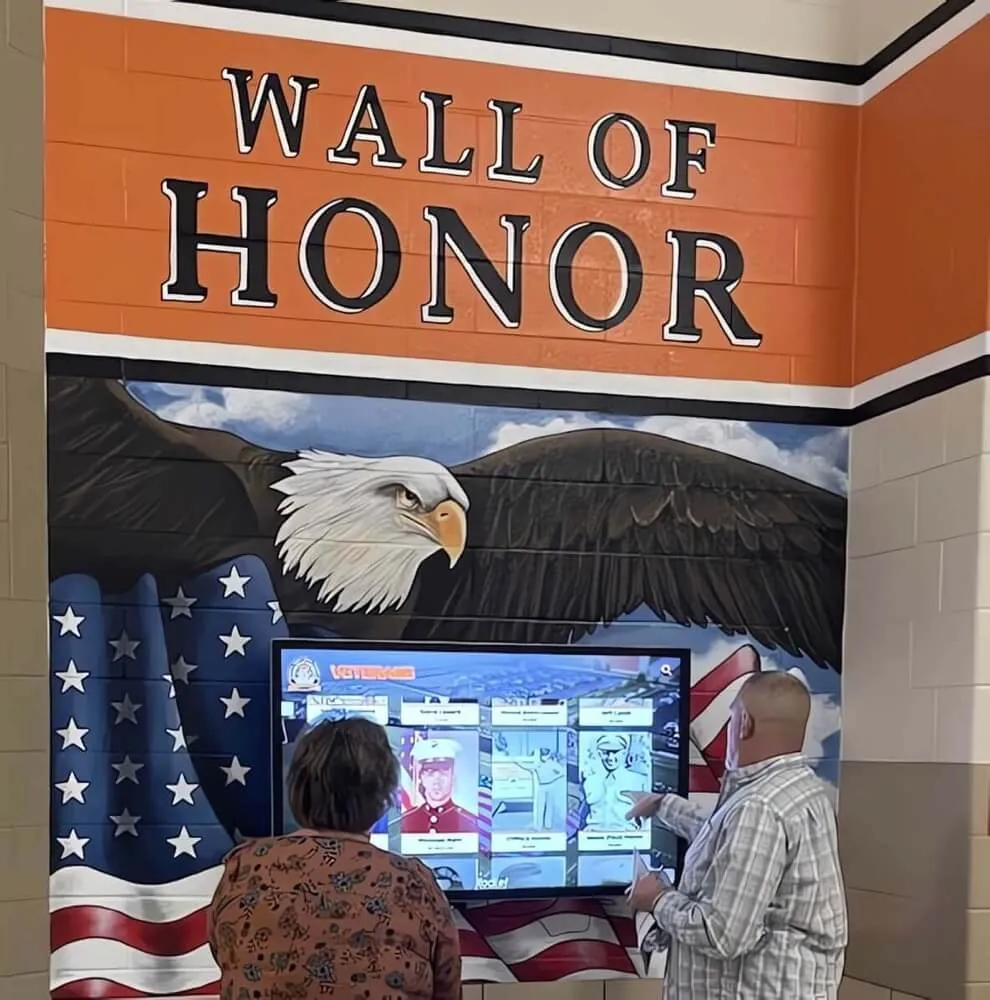
Touch interaction makes exploring achievements intuitive and engaging, encouraging repeated visits and discovery of school history
Cloud-Based Remote Management
Digital displays eliminate traditional case update logistics entirely:
- Update content from any internet-connected device without campus visits
- No keys, glass removal, or physical rearrangement required
- Scheduled publishing for automatic updates coordinating with ceremonies
- Bulk import capabilities for efficient historical data entry
- Role-based permissions enabling appropriate staff access
- Template systems accelerating profile creation
Athletic directors report 75-85% reduction in time spent managing recognition displays after implementing digital systems, freeing resources for student support and program development rather than administrative maintenance.
Digital Display Technology Types
Schools can choose from several digital display formats depending on space, budget, and goals:
Wall-Mounted Touchscreen Displays
Large-format touchscreens (55-75 inches) mounted to hallway or lobby walls provide prominent recognition focal points:
- High visibility creating immediate visual impact
- Intuitive touch interfaces requiring no instruction
- Portrait or landscape orientation options
- Professional integration with school architectural elements
- Typical installations in main lobbies, athletic facilities, or high-traffic hallways
Freestanding Interactive Kiosks
Floor-standing kiosk units offer flexibility for schools unable to commit to permanent wall installations:
- Repositioning capability as needs change
- No wall mounting or construction required
- Integrated stands and enclosures creating finished professional appearance
- Security features preventing theft or tampering
- Ideal for temporary installations, events, or rental scenarios
Multi-Screen Display Arrays
Schools with extensive recognition needs can deploy multiple coordinated displays:
- Sport-specific screens dedicated to individual programs
- Separate displays for academic, athletic, and performing arts recognition
- Coordinated content across multiple locations (main lobby, athletic facility, cafeteria)
- Centralized management enabling consistent updates across all screens
Programs developing strategic recognition display strategies often begin with single displays and expand as budgets allow and community response validates the investment.
Head-to-Head Comparison: Key Differences
Understanding specific capability differences helps schools evaluate which approach best serves their recognition goals.
Capacity and Scalability
Traditional Trophy Cases
- Fixed physical capacity (typically 15-25 major trophies per 6-foot case)
- Expansion requires purchasing additional cases ($2,000-8,000 per case)
- Construction and carpentry needed for built-in case additions
- Eventually hit absolute space limits in hallways and lobbies
- Force ongoing decisions about what receives visibility versus storage
Digital Hall of Fame Displays
- Unlimited recognition capacity for thousands of profiles
- Add achievements instantly without additional hardware costs
- Scalability limited only by content creation time, not physical space
- Never require removal of historical recognition to add current achievements
- Provide equal visibility opportunity for all programs and time periods
Winner for Growing Programs: Digital displays eliminate capacity as a limiting factor, crucial for active schools accumulating achievements continuously.
Student Engagement and Interaction
Traditional Trophy Cases
- Passive viewing only—no interaction capability
- Information limited to trophy plaques and nameplates
- Become “invisible” through daily habituation
- Difficult for visitors to find specific achievements or individuals
- No connection to broader school history or context
Digital Hall of Fame Displays
- Active touch interaction encouraging exploration
- Search and filtering enabling targeted discovery
- Fresh, changing content maintaining interest over time
- Deep dives into achievement details, statistics, and stories
- Social sharing features connecting to family and alumni
Schools implementing interactive recognition systems report 5-10x higher engagement rates compared to traditional static displays, with students actively using touchscreens throughout the school day.
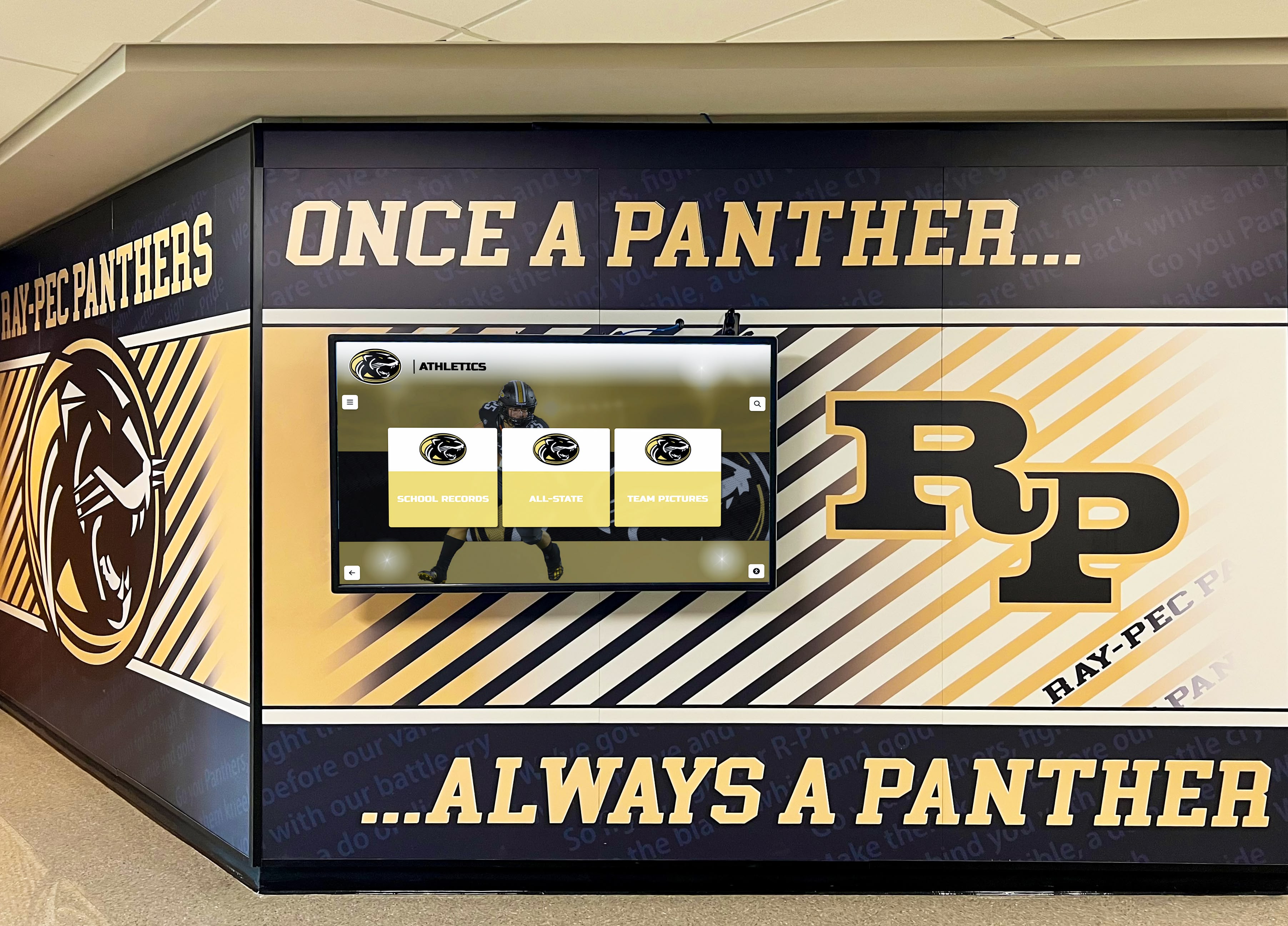
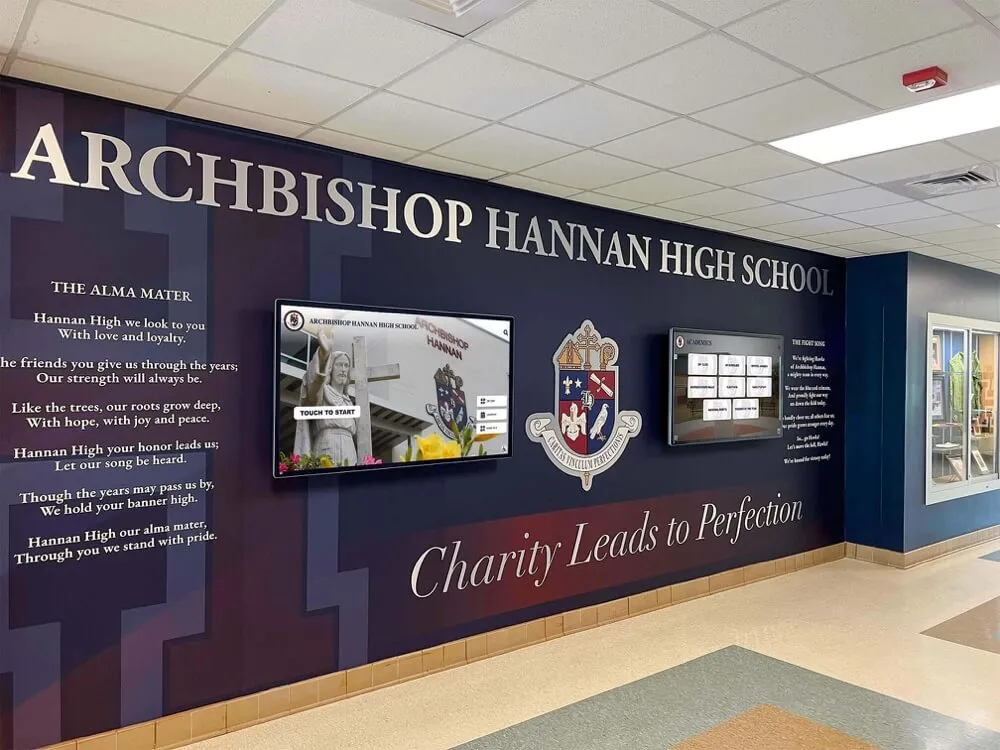
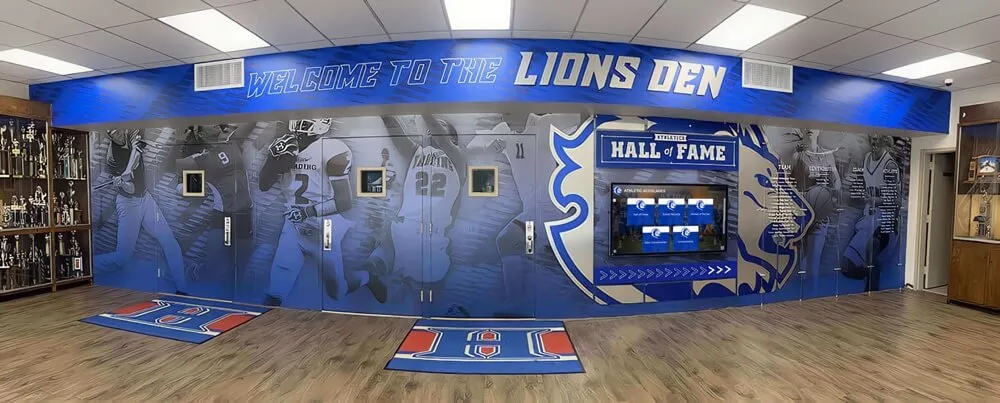
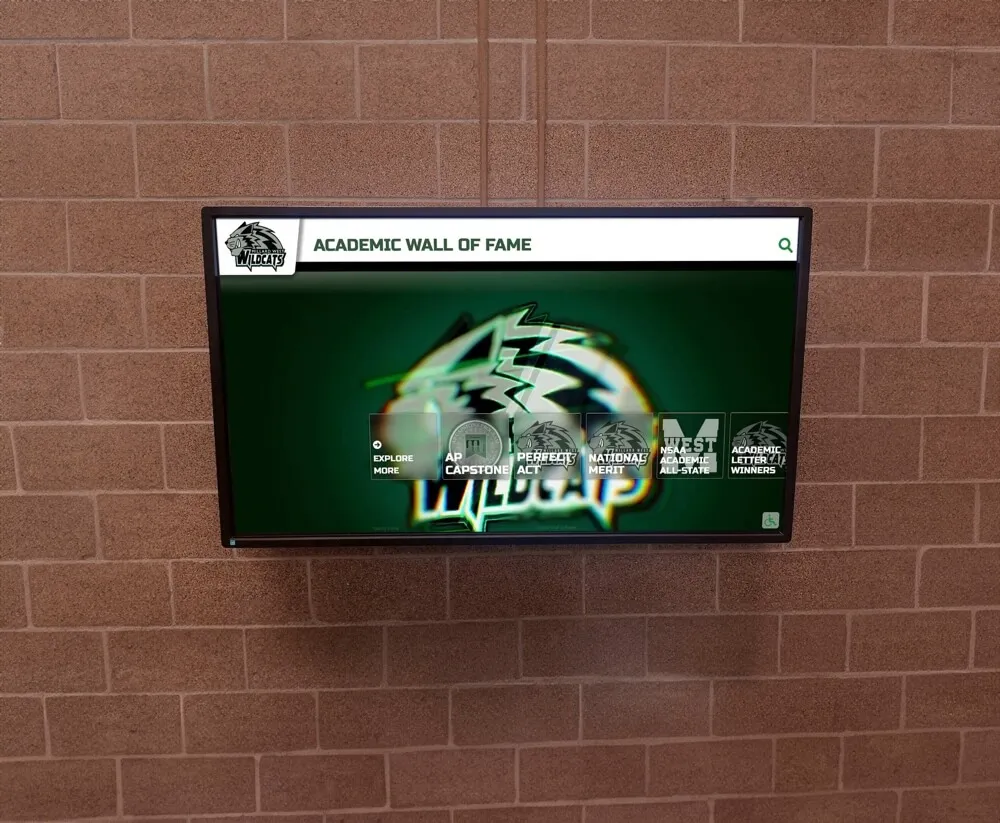
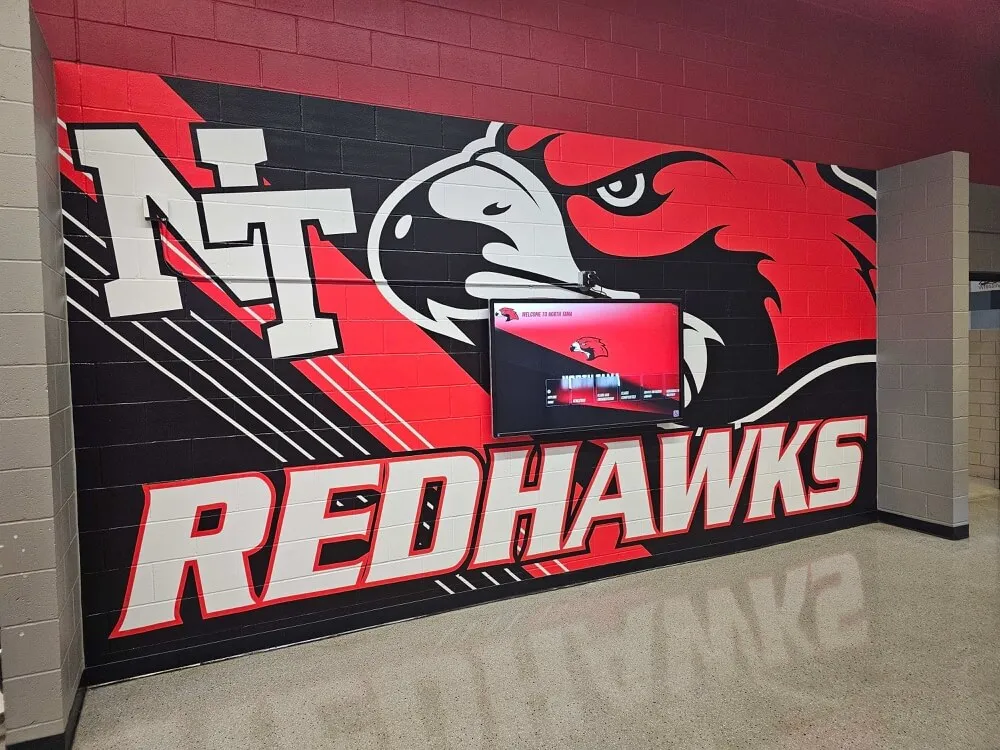
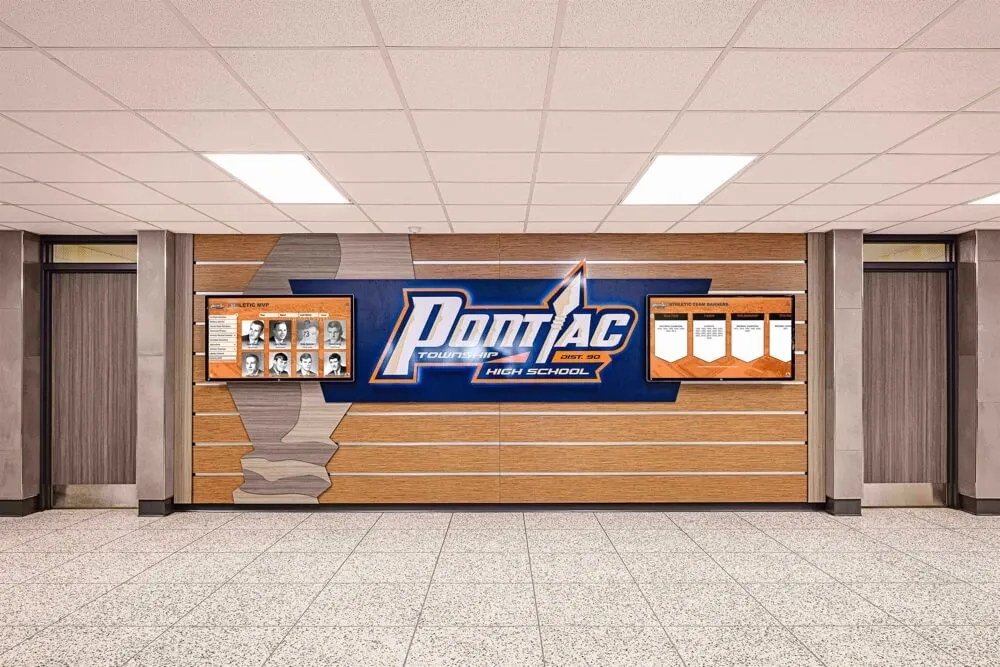
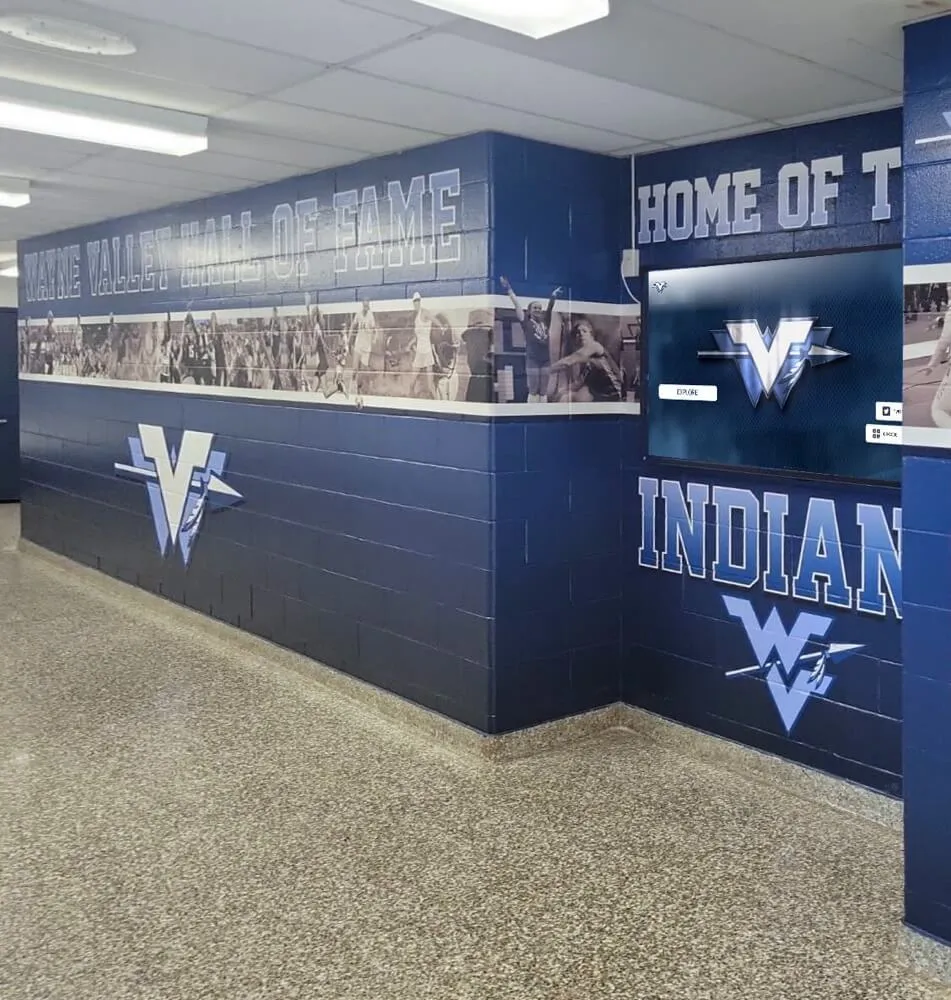
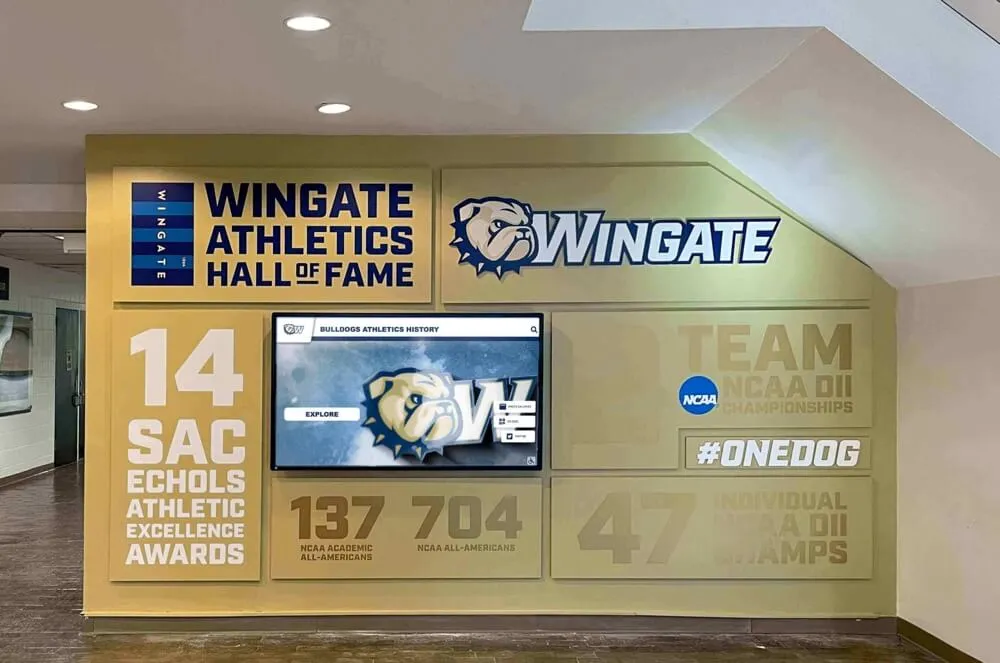
Digital displays integrate with hallway environments while providing dynamic, updatable recognition that maintains student attention and engagement
Maintenance and Administrative Burden
Traditional Trophy Cases
- Weekly glass cleaning (interior and exterior surfaces)
- Monthly trophy polishing and dusting requirements
- Key management and access coordination
- Physical rearrangement when adding new items (2-4 hours per update)
- Lighting maintenance and bulb replacement
- Estimated 3-5 hours monthly ongoing maintenance
Digital Hall of Fame Displays
- No physical cleaning beyond occasional screen surface wipe
- Content updates from any location in 5-15 minutes
- No key management or physical access coordination
- Scheduled publishing for automatic content updates
- Minimal hardware maintenance (displays last 7-10 years)
- Estimated 30-45 minutes weekly content management
Winner for Administrative Efficiency: Digital platforms reduce maintenance time by approximately 80-85%, representing substantial ongoing staff time savings.
Update Speed and Timeliness
Traditional Trophy Cases
- Physical access required for every update
- Custom plaque orders take 2-4 weeks for delivery
- Rearrangement projects need 2-4 hours of careful work
- Typical delay: 3-6 weeks between achievement and recognition display
- Impossible to make corrections without plaque replacement
Digital Hall of Fame Displays
- Updates from any internet-connected device
- New content published in 5-15 minutes
- Corrections and edits made instantly
- Typical timeline: Same-day or next-day recognition
- Scheduled publishing coordinates with award ceremonies
Winner for Timely Recognition: Digital systems enable immediate acknowledgment crucial for reinforcing achievement while excitement remains high.
Cost Considerations
Traditional Trophy Cases: Initial Investment
- Built-in wall cases: $3,000-8,000 per 8-foot section
- Freestanding display cases: $1,500-4,000 per unit
- Professional installation: $400-1,000
- Custom carpentry for recessed installations: $2,000-5,000
- Typical initial investment: $5,000-15,000 for comprehensive display
Traditional Trophy Cases: Ongoing Costs
- Maintenance staff time: 40-60 hours annually ($800-1,500)
- Trophy and plaque purchases: $2,000-5,000 annually
- Case expansion every 5-7 years: $5,000-10,000
- Lighting and hardware repairs: $200-500 annually
- 10-year total cost: $35,000-65,000
Digital Displays: Initial Investment
- Commercial touchscreen display (55-75"): $3,000-7,000
- Professional mounting and installation: $400-1,000
- Recognition software annual subscription: $2,500-7,000
- Initial content development and setup: $2,000-5,000
- Typical initial investment: $8,000-20,000
Digital Displays: Ongoing Costs
- Annual software subscription: $2,500-7,000
- Minimal maintenance: $200-400 annually
- Content management time: 25-40 hours annually ($500-800)
- Display replacement (every 8-10 years): $3,000-7,000
- 10-year total cost: $30,000-75,000
Cost Analysis Conclusion: Initial investment for digital systems runs higher, but schools recognizing 50+ achievements annually typically reach cost parity within 4-6 years when accounting for ongoing trophy purchases, plaque costs, and administrative time savings. Schools with extremely limited budgets may find traditional cases more accessible initially, while those able to make upfront technology investments benefit from superior long-term value.
Programs exploring recognition display budget planning should calculate total cost of ownership over 10-15 years rather than focusing only on initial investment.
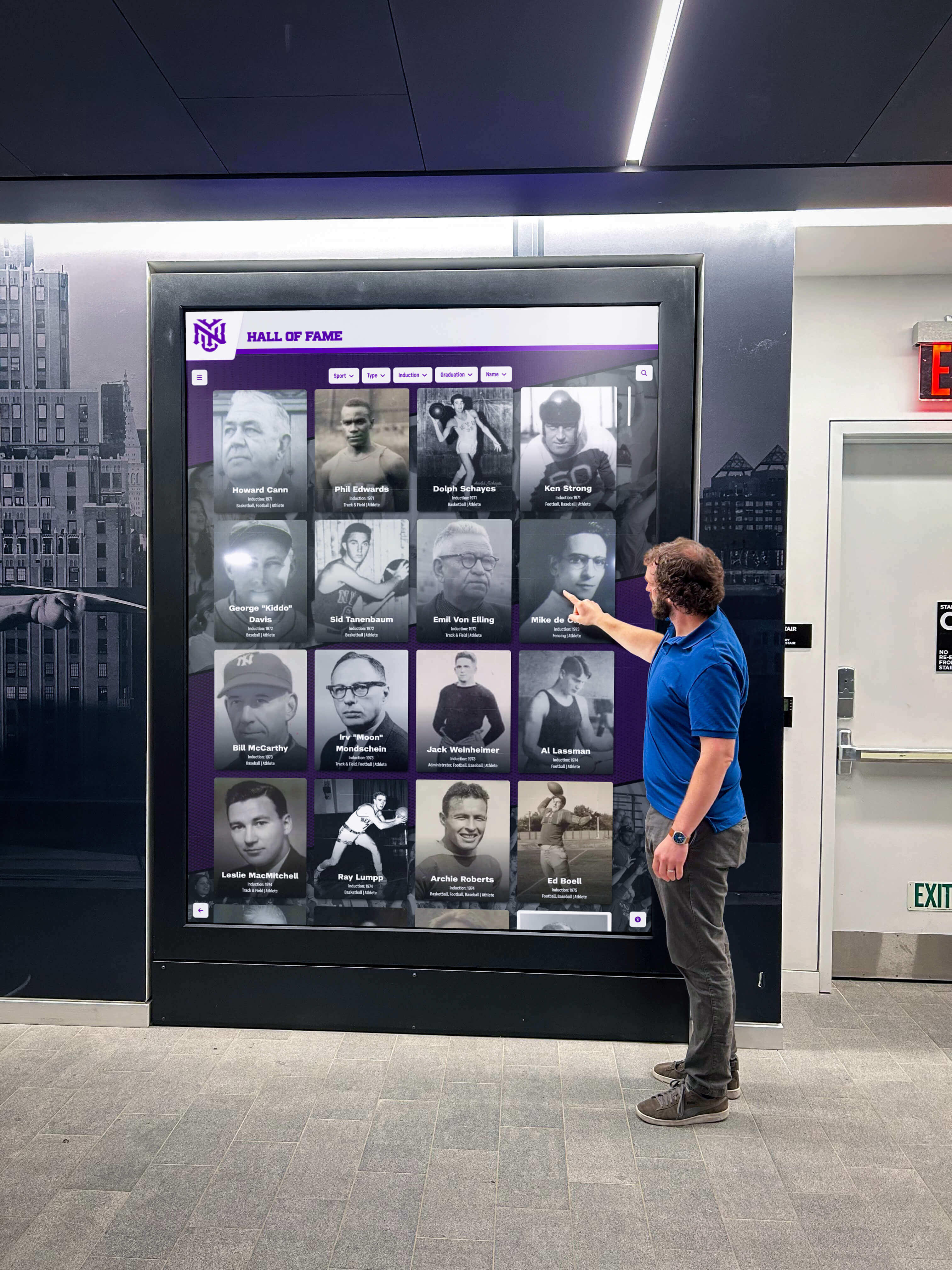
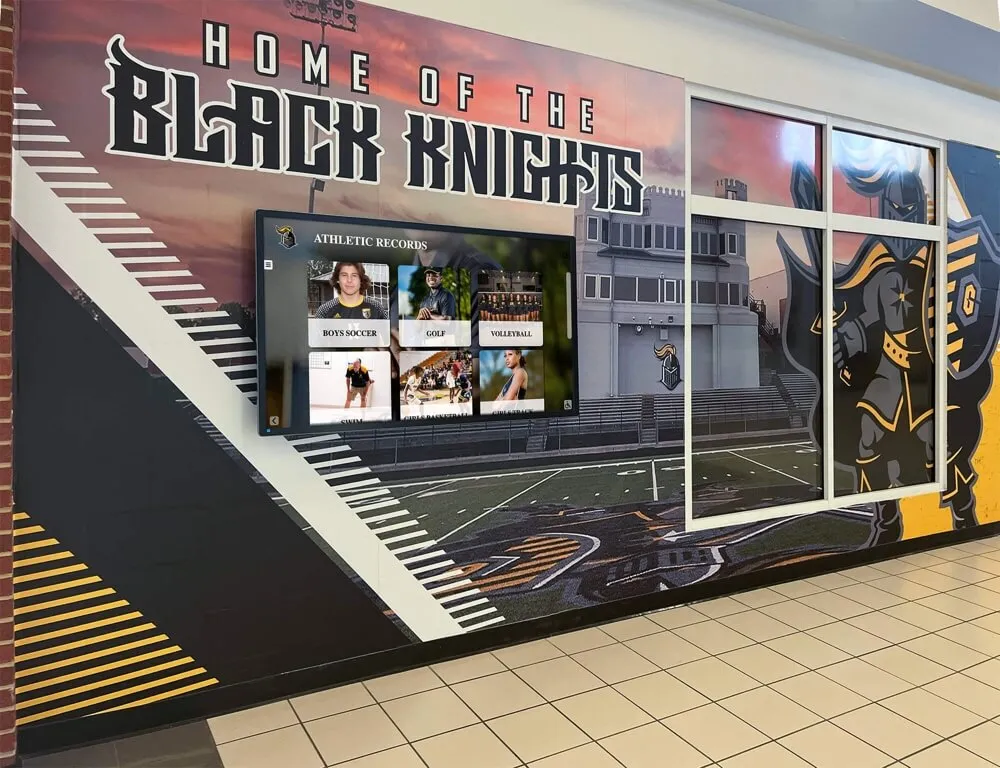
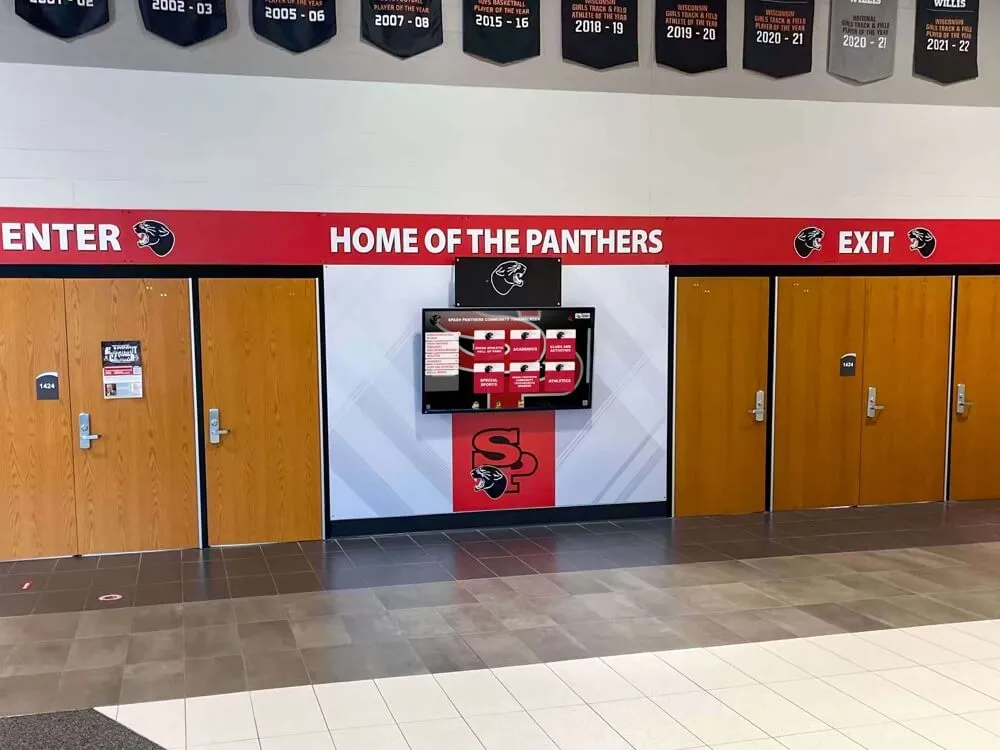
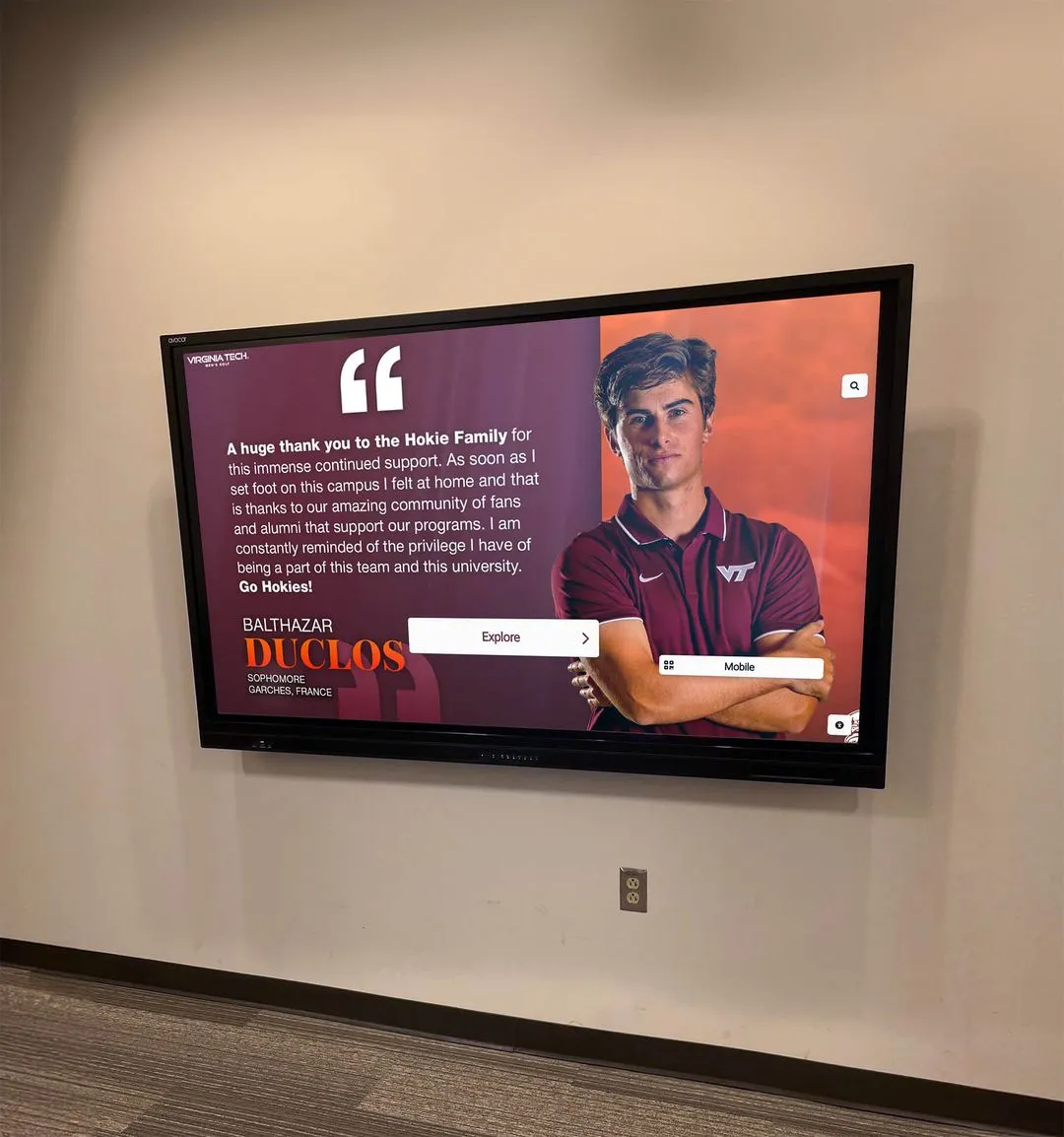
Interactive displays create engaging visitor experiences that traditional cases cannot match, improving school tours and community engagement
Accessibility and Inclusion
Traditional Trophy Cases
- Fixed physical height limits viewing for wheelchair users and shorter students
- No alternative formats for visually impaired visitors
- Physical location barriers for remote viewing
- Language limitations (English-only plaques typically)
- No accommodations for different learning styles
Digital Hall of Fame Displays
- ADA-compliant mounting heights and touch zones
- Screen reader compatibility for visually impaired users
- QR codes enabling mobile viewing at any height or location
- Multi-language content capability
- Video, audio, and text formats accommodating diverse preferences
- Remote access for alumni and families unable to visit campus
Modern digital platforms built to WCAG 2.1 AA accessibility standards ensure all community members can explore recognition regardless of physical abilities, location, or language preference.
Content Flexibility and Depth
Traditional Trophy Cases
- Information limited to trophy plaques (typically 2-4 lines)
- No room for context, stories, or detailed achievement information
- Fixed content once plaques are manufactured
- Difficult to correct errors without plaque replacement
- No connection to related achievements or broader context
Digital Hall of Fame Displays
- Unlimited content depth for comprehensive profiles
- Photo galleries, video highlights, and detailed statistics
- Rich storytelling with achievement context and narratives
- Easy content updates and corrections
- Cross-referencing connecting related achievements, team members, coaches
- Expandable profiles growing with new information over time
Space Efficiency and Facility Planning
Traditional Trophy Cases
- Consume significant linear hallway wall space (6-10 feet per case)
- Require depth clearance for protruding cases (8-15 inches)
- Permanent installations difficult to relocate
- Expansion limited by available wall space
- Compete with other hallway uses (lockers, bulletin boards, drinking fountains)
Digital Hall of Fame Displays
- Single touchscreen (2-3 feet wide) provides unlimited capacity
- Slim wall-mounted profiles (2-4 inches depth)
- Relocatable with standard AV mounting equipment
- Minimal space requirements enable installation in constrained locations
- No expansion needs regardless of achievement growth
Schools planning new construction or renovations should consider space efficiency when allocating hallway square footage to recognition functions.
Hybrid Approaches: Combining Both Solutions
Many schools implement solutions leveraging both traditional and digital strengths:
Strategic Integration Models
Showcase Trophy Display with Digital Archive
This popular approach maintains physical trophy cases for major championships while using digital displays for comprehensive recognition:
- Traditional cases showcase championship hardware and major trophies
- Digital displays provide unlimited individual athlete and achievement recognition
- Physical trophies get expanded digital profiles with full context and multimedia
- Schools satisfy stakeholders valuing physical trophies while solving capacity limitations
Sport-Specific Physical Cases with Digital Overview
Programs with dedicated athletic facilities can dedicate physical cases to specific sports while using digital displays for school-wide overviews:
- Team areas feature traditional cases with their sport’s trophies
- Main lobby digital display provides searchable access to all programs
- Athletes see their sport’s physical hardware while central display ensures equity
- Distributed recognition honors sport traditions while maintaining comprehensive access
Legacy Physical Display with Current Digital Recognition
Some schools use traditional cases for historical achievements while digital displays handle current recognition:
- Historical trophy cases preserve institutional heritage (achievements 10+ years old)
- Digital displays feature recent 5-10 years of recognition
- Clear delineation between history preservation and current celebration
- Honors tradition while embracing modern recognition technology
Benefits of Combined Approaches
Hybrid strategies address stakeholder concerns while maximizing recognition effectiveness:
Satisfies Multiple Constituencies
- Traditional trophy advocates see valued physical hardware maintained
- Technology proponents gain digital capabilities and unlimited capacity
- Alumni appreciate historical preservation in familiar formats
- Current students engage with interactive, contemporary displays
Manages Budget Constraints
- Preserve existing trophy case investments rather than replacement
- Add digital capacity progressively as budget allows
- Avoid unnecessary equipment disposal and waste
- Phase implementation across multiple fiscal years
Provides Implementation Flexibility
- Test digital technology with limited initial deployment
- Build community acceptance before full commitment
- Learn content management through smaller-scale implementation
- Expand based on actual use patterns and feedback
Schools implementing combined recognition strategies report higher satisfaction across stakeholder groups compared to choosing exclusively traditional or digital approaches.
Decision Framework: Choosing the Right Solution
Selecting between digital displays, traditional cases, or hybrid approaches requires evaluating your school’s specific circumstances:
Key Questions for Evaluation
Current Capacity and Growth Projections
- How many achievements do you currently recognize?
- What’s your annual recognition addition rate?
- How much available display space remains in existing cases?
- What’s your timeline before reaching capacity limits?
Budget and Financial Considerations
- What initial investment can you allocate?
- What ongoing maintenance budget is realistic?
- Are there grant opportunities or donor funding available?
- What’s your preference: higher upfront costs or ongoing expenses?
Community Priorities and Stakeholder Preferences
- How important is physical trophy display to your community?
- What’s your administration’s technology adoption stance?
- Do alumni have strong traditional trophy case attachment?
- How do current students respond to digital versus physical recognition?
Administrative Capacity and Resources
- How much staff time is available for display maintenance?
- What’s your facilities department’s capacity for physical case care?
- Do you have staff comfortable managing digital content?
- Are remote management capabilities important?
Recognition Philosophy and Goals
- How important is showcasing unlimited achievements versus selected highlights?
- Do you value detailed storytelling or simple acknowledgment?
- Is student engagement with displays a priority?
- How important is accessibility for all community members?
Recommendation Matrix
Choose Traditional Trophy Cases When:
- Budget constraints limit initial technology investment severely
- Community strongly values physical trophy display tradition
- Recognition volume remains modest (fewer than 10-15 new achievements annually)
- Physical space for expansion remains available
- Staff capacity exists for ongoing maintenance
- Technology adoption faces significant resistance
Choose Digital Hall of Fame Displays When:
- Capacity limitations create recognition challenges or program tensions
- Student engagement with institutional history is a priority
- Administrative efficiency and maintenance reduction matter
- Comprehensive recognition across all programs and time periods is valued
- Accessibility and inclusion requirements drive decisions
- Remote alumni and family access provides value
Choose Hybrid Approaches When:
- Stakeholder preferences divide between traditional and digital
- Budget allows phased implementation over time
- Physical championship trophies carry particular significance
- You want unlimited capacity while maintaining some physical display
- Pilot testing digital technology before full commitment appeals
- Different recognition categories benefit from different formats
Implementation Considerations and Best Practices
Successful recognition display projects require thoughtful planning regardless of chosen approach:
Traditional Trophy Case Implementation
Planning and Design
- Conduct comprehensive trophy inventory before ordering cases
- Plan for 5-10 year growth, not just current needs
- Select quality materials and construction for longevity
- Ensure adequate lighting from project beginning
- Consider multiple smaller cases over single massive installation for flexibility
Placement and Installation
- Position in high-traffic, well-lit areas for maximum visibility
- Ensure secure mounting to wall studs or masonry
- Plan electrical service for lighting during construction phase
- Maintain ADA-compliant clearances in hallways
- Create coherent visual displays grouping related achievements
Ongoing Management
- Assign specific staff responsibility for maintenance
- Establish regular cleaning schedules
- Develop clear policies for what receives display versus storage
- Create documented rotation systems if capacity requires
- Budget annually for new trophies and plaques
Digital Display Implementation
System Selection and Procurement
- Research multiple vendors and request detailed proposals
- Review customer references from similar educational institutions
- Evaluate software usability and content management ease
- Understand pricing models (subscription versus ownership)
- Assess technical support quality and response times
- Consider implementation services and training included
Installation and Setup
- Engage qualified AV integrators for professional mounting
- Ensure adequate network infrastructure and internet connectivity
- Plan display placement for optimal viewing angles and traffic flow
- Consider security measures preventing theft or tampering
- Test systems thoroughly before public launch
Content Development and Management
- Allocate time for initial historical content entry
- Develop templates and standards for consistent profiles
- Assign staff responsibility for ongoing content updates
- Create approval workflows for quality control
- Train multiple staff members ensuring backup coverage
- Schedule regular content refreshes maintaining engagement
Explore Modern Recognition Display Solutions
Whether you're choosing between digital and traditional trophy cases or planning hybrid approaches, understanding your options ensures recognition aligns with your school's specific goals and constraints. Digital hall of fame displays eliminate capacity limitations while providing interactive engagement that static cases cannot match. Discover how schools nationwide showcase unlimited achievements through touchscreen displays offering multimedia storytelling, instant updates, and comprehensive recognition for all programs.
See Recognition OptionsConclusion: Making the Right Choice for Your School
The difference between digital hall of fame displays and traditional trophy cases extends far beyond technology versus physical objects. These recognition approaches represent fundamentally different philosophies: traditional cases emphasize tangible championship hardware and selective showcase capacity, while digital systems prioritize comprehensive inclusion, interactive engagement, and unlimited recognition opportunity.
Neither solution is universally superior—the right choice depends entirely on your school’s specific circumstances, priorities, budget realities, and community values. Schools with modest recognition needs, strong traditional trophy attachment, and limited budgets may find traditional cases serve perfectly well for years. Institutions facing capacity constraints, prioritizing student engagement, or valuing comprehensive recognition increasingly discover digital platforms provide superior long-term value despite higher initial investment.
Many schools discover hybrid approaches offer optimal solutions, satisfying stakeholders valuing physical trophy display while gaining digital capacity and engagement advantages. Strategic integration lets schools honor traditions while embracing modern recognition technology, avoiding false either-or choices when both approaches can coexist effectively.
Whatever path your school chooses, the underlying principle remains constant: recognition matters. Students who see their achievements celebrated feel valued and motivated. Programs receiving equal visibility attract broader participation. Institutional history preserved and made accessible connects current students to the legacy they’re building. Recognition represents strategic investment in student motivation, program development, and school culture—not merely facilities decisions or display choices.
Take honest inventory of your current recognition limitations and effectiveness. Engage stakeholders in defining priorities rather than assuming preferences. Evaluate all options against actual needs rather than familiar defaults. Consider total cost of ownership over 10-15 years instead of focusing solely on upfront investment. Most importantly, commit to maintaining whatever recognition approach you implement, ensuring displays remain effective long-term rather than becoming neglected afterthoughts.
Your school’s achievements deserve recognition reflecting the dedication, talent, and character they represent. With thoughtful evaluation of traditional trophy cases, digital hall of fame displays, and hybrid approaches, you can create recognition environments that truly honor excellence while inspiring the next generation of students toward their own achievements.
Ready to explore how digital recognition displays can transform your school’s approach to celebrating achievement while addressing capacity limitations and engagement challenges? Book a demo to see interactive touchscreen systems in action and discover whether digital, traditional, or hybrid recognition solutions best serve your school community.