



Schools, universities, and organizations constantly face a space dilemma: how do you create distinct recognition for athletic achievements, donor contributions, and sponsor support when wall space is limited and budgets can’t accommodate multiple installations? Traditional approaches force institutions to choose between separate physical displays competing for prime lobby real estate, or inadequate recognition systems that fail to properly honor any category of contributors.
This challenge intensifies as recognition programs grow. Athletic halls of fame need space for decades of championship teams. Development offices require visible donor acknowledgment inspiring continued giving. Advancement departments promise sponsor recognition ensuring continued program support. Each stakeholder group deserves professional, prominent visibility—yet physical constraints and budget limitations make comprehensive separate displays impractical for most organizations.
Modern digital recognition technology solves this fundamental challenge through dual-purpose displays that simultaneously showcase athletic achievements, honor donors, and recognize sponsors within unified systems. Interactive touchscreen platforms eliminate the forced choice between recognition types by providing unlimited capacity, flexible content organization, and sophisticated filtering enabling visitors to explore whichever recognition category interests them most while ensuring every contributor receives appropriate visibility.
The most strategic approach to institutional recognition combines multiple acknowledgment needs into cohesive digital platforms that honor diverse contributions without requiring multiple installations, extensive wall space, or separate administration systems. Organizations implementing unified recognition displays report dramatically improved space efficiency, reduced administrative burden, enhanced stakeholder satisfaction, and greater recognition visibility compared to fragmented traditional approaches.

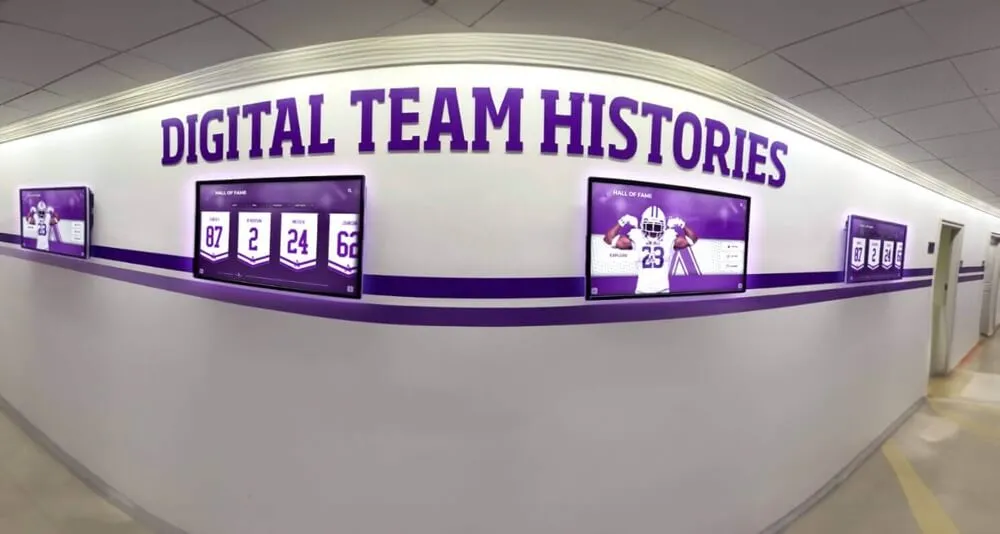
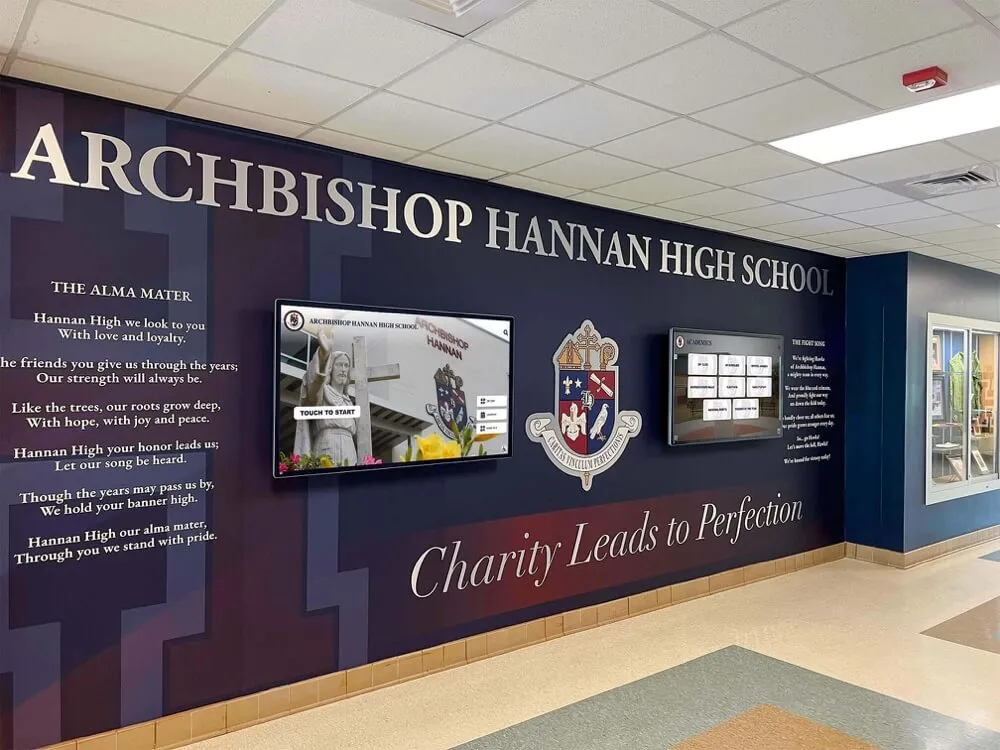
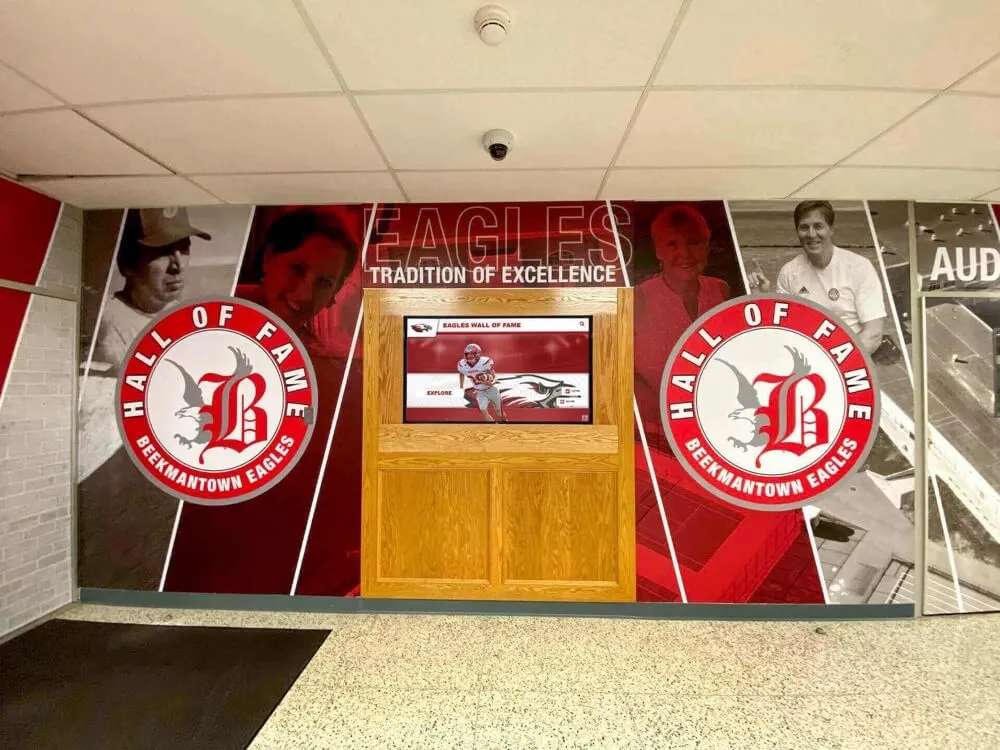
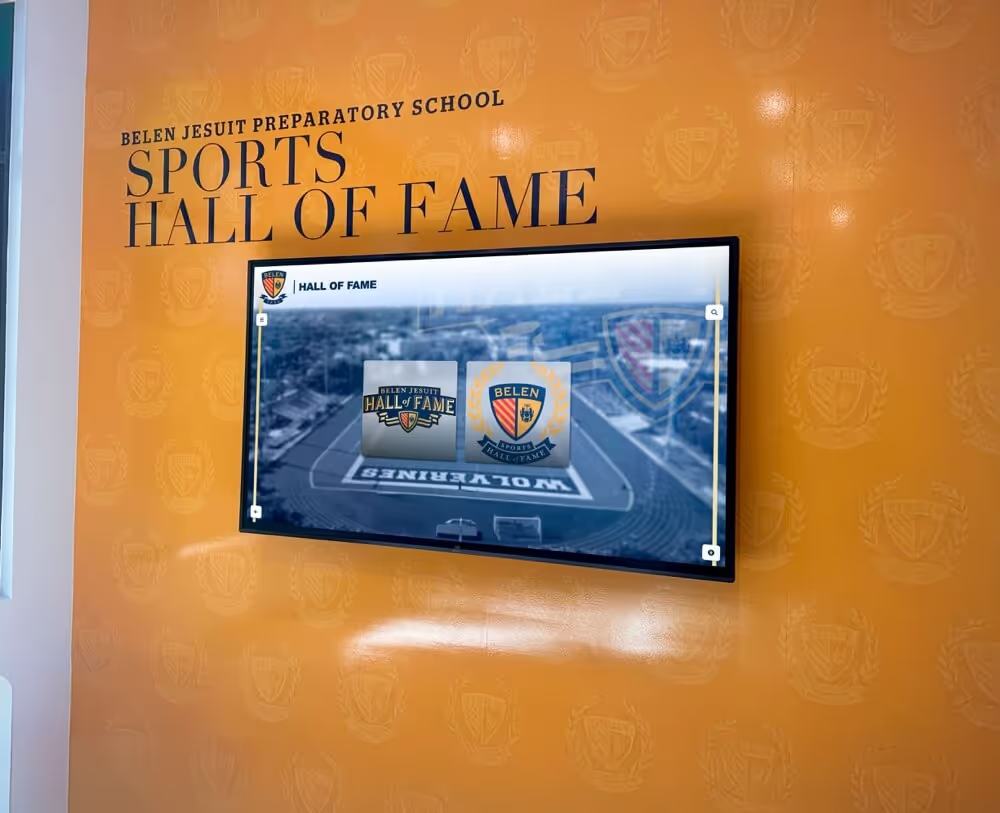
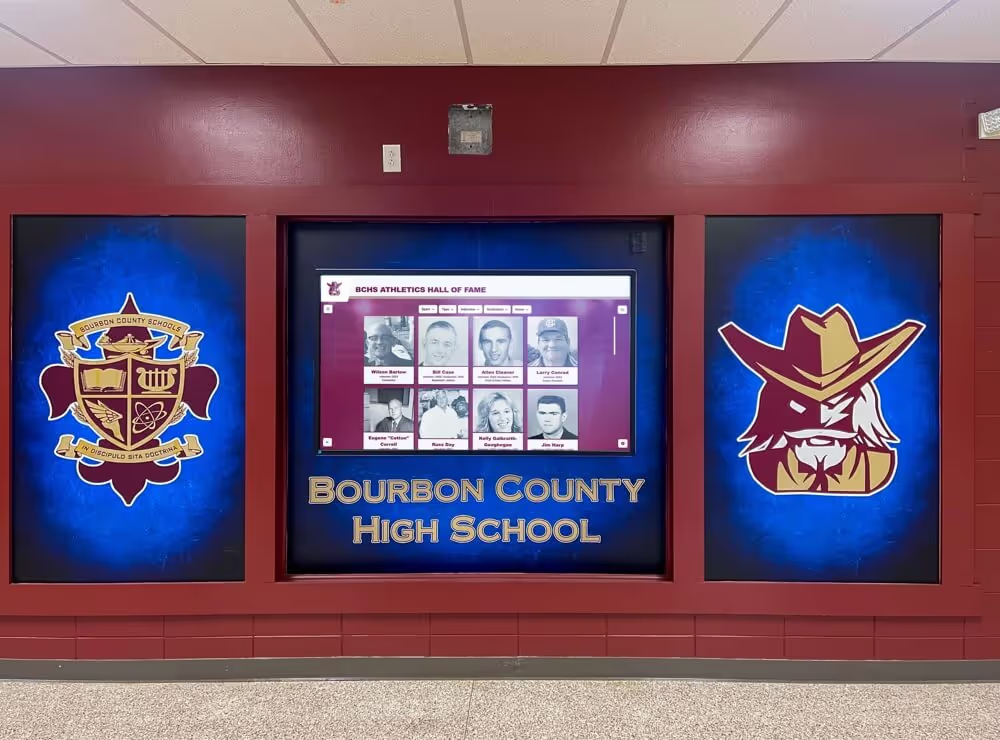
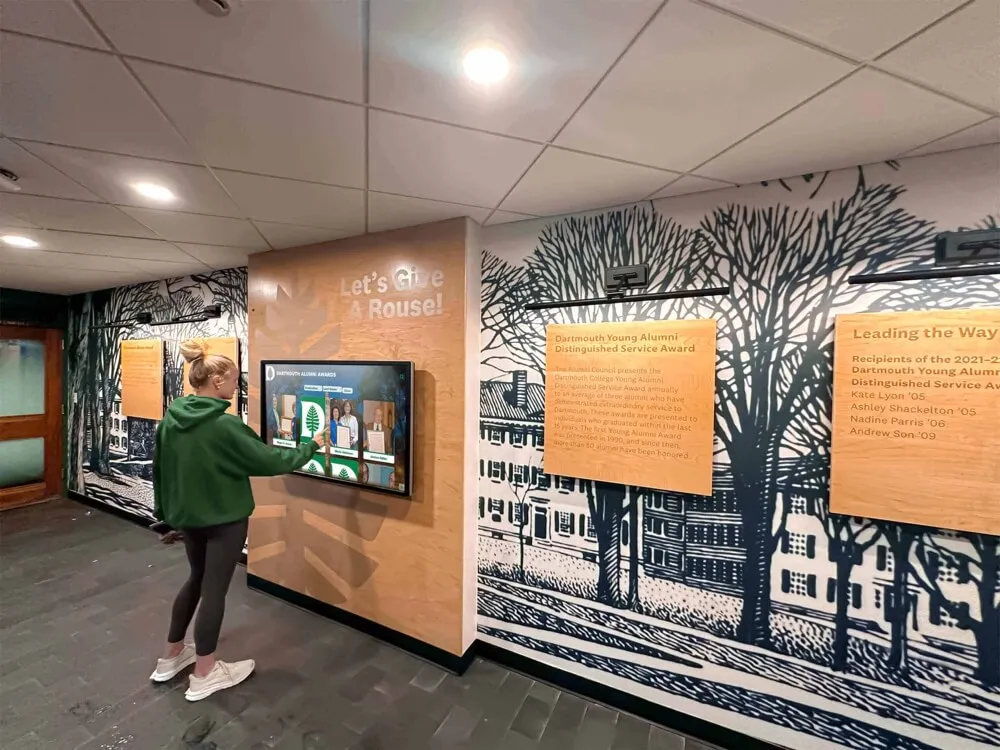
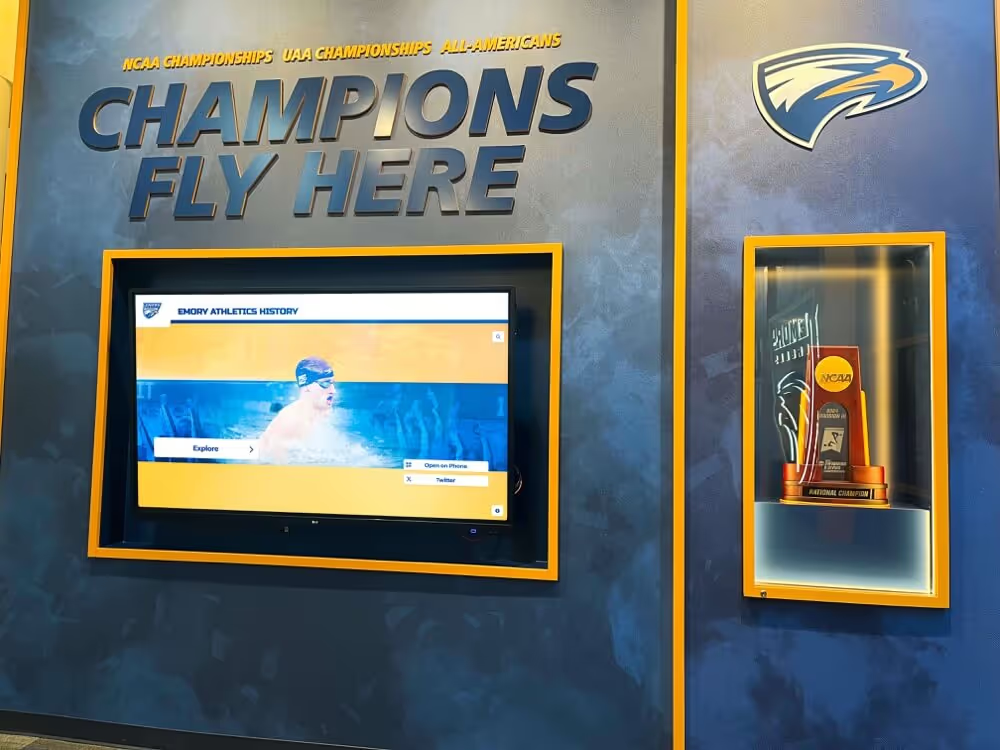
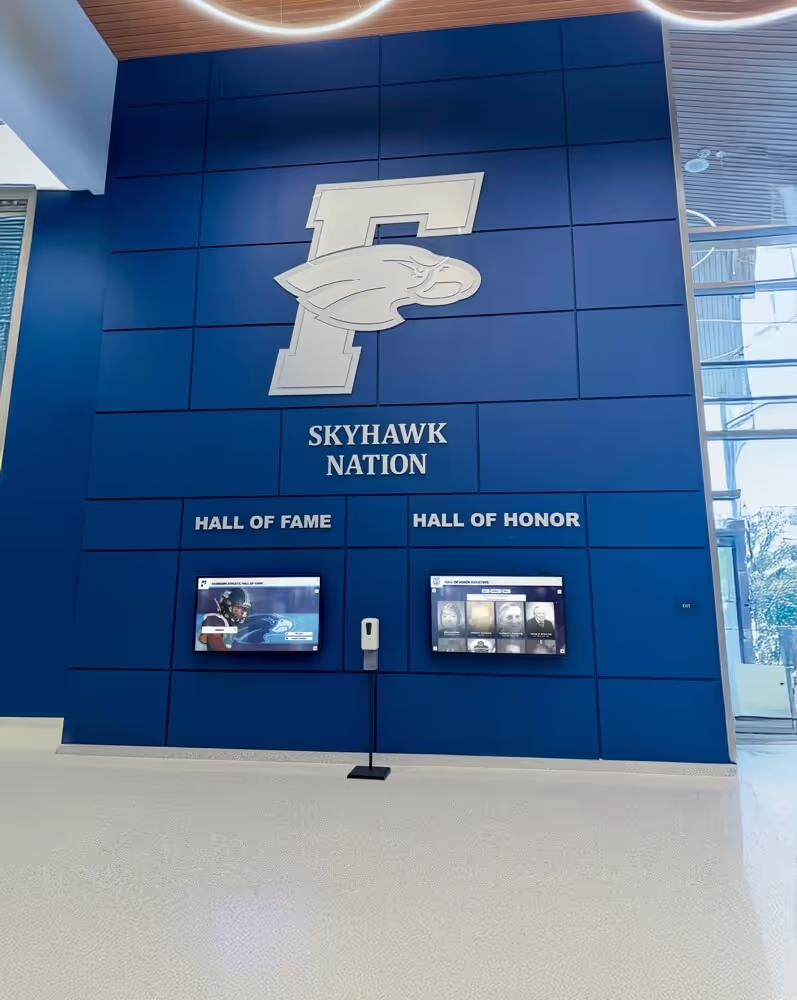
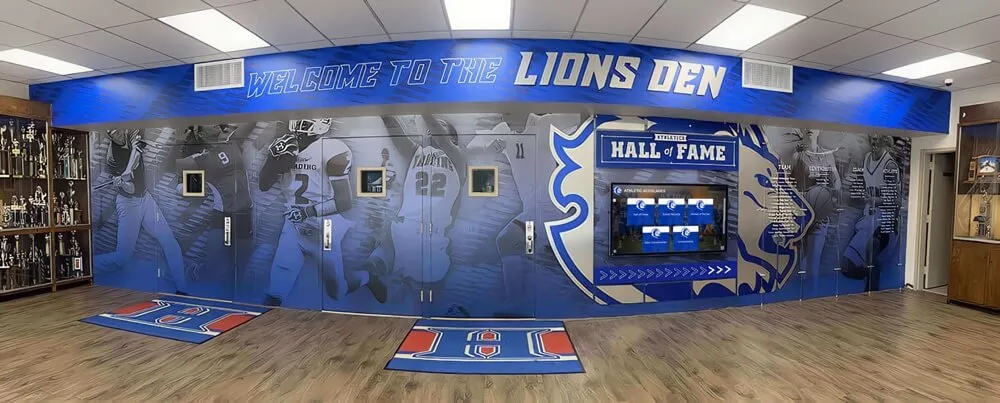
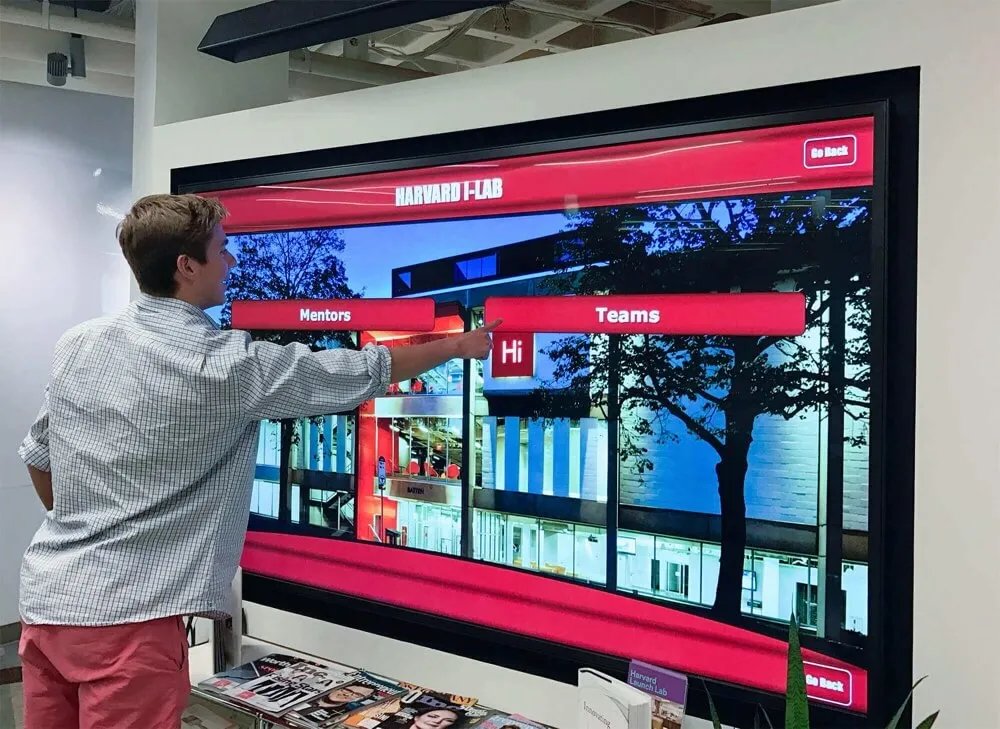
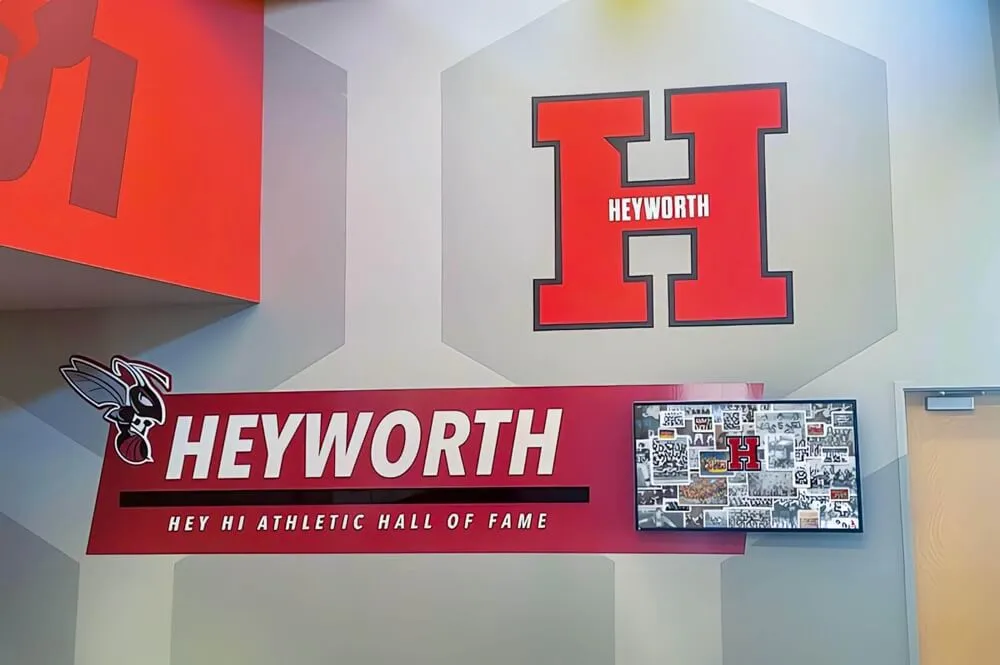
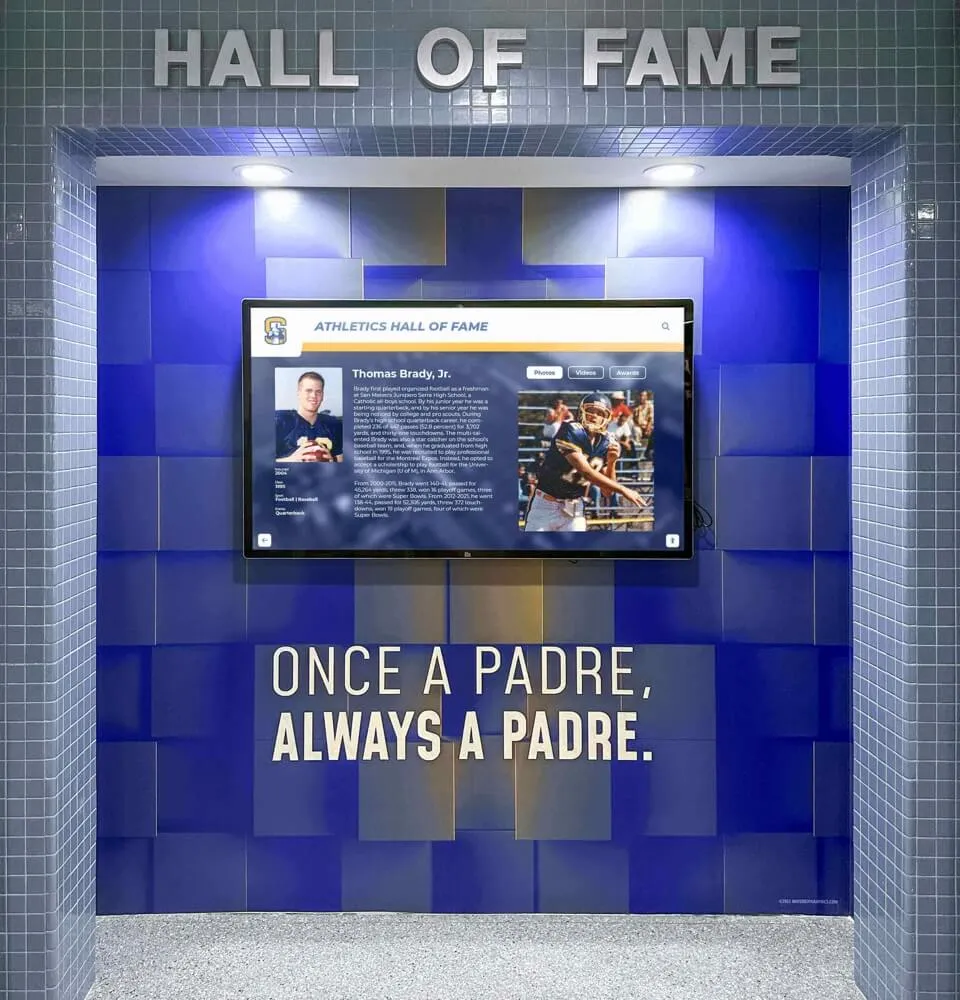
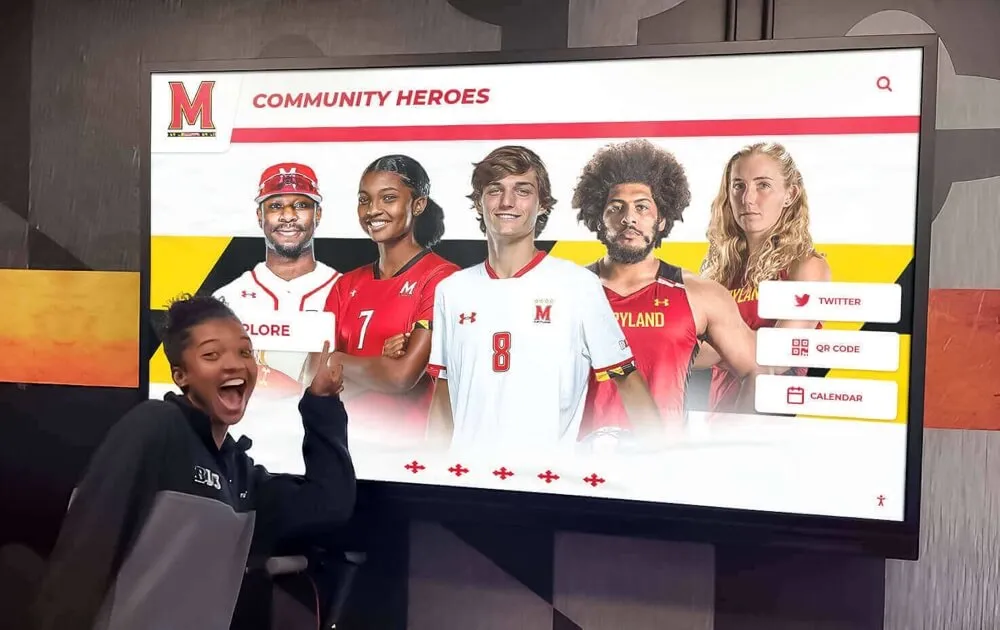
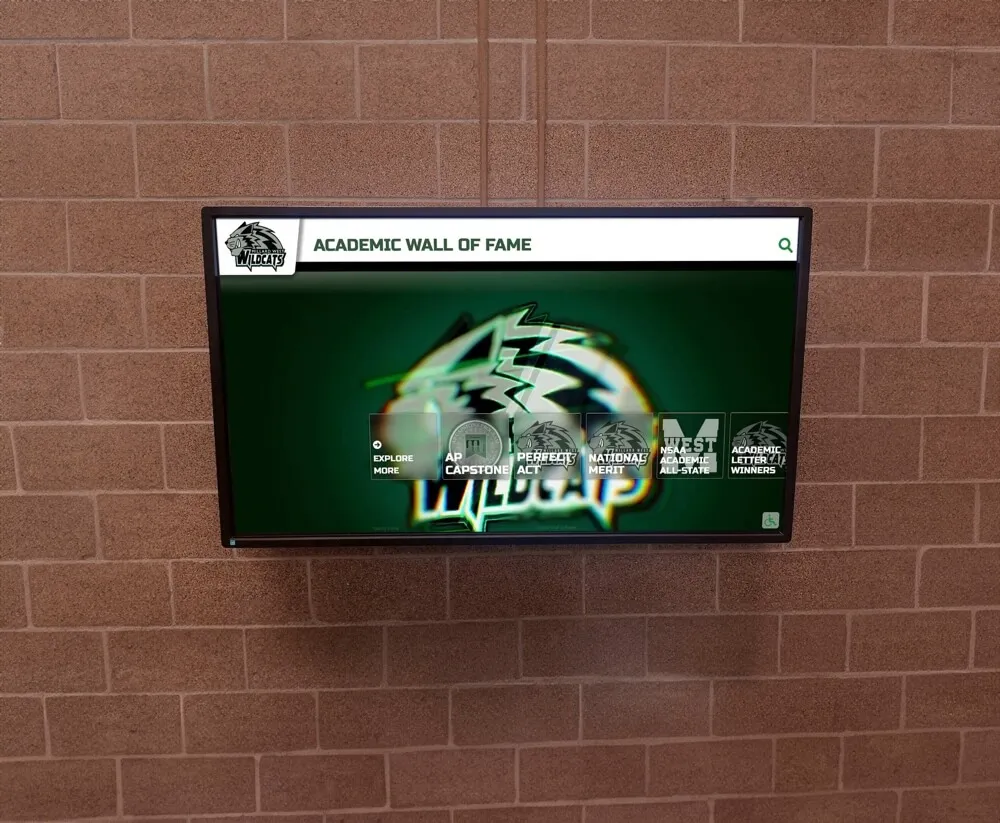
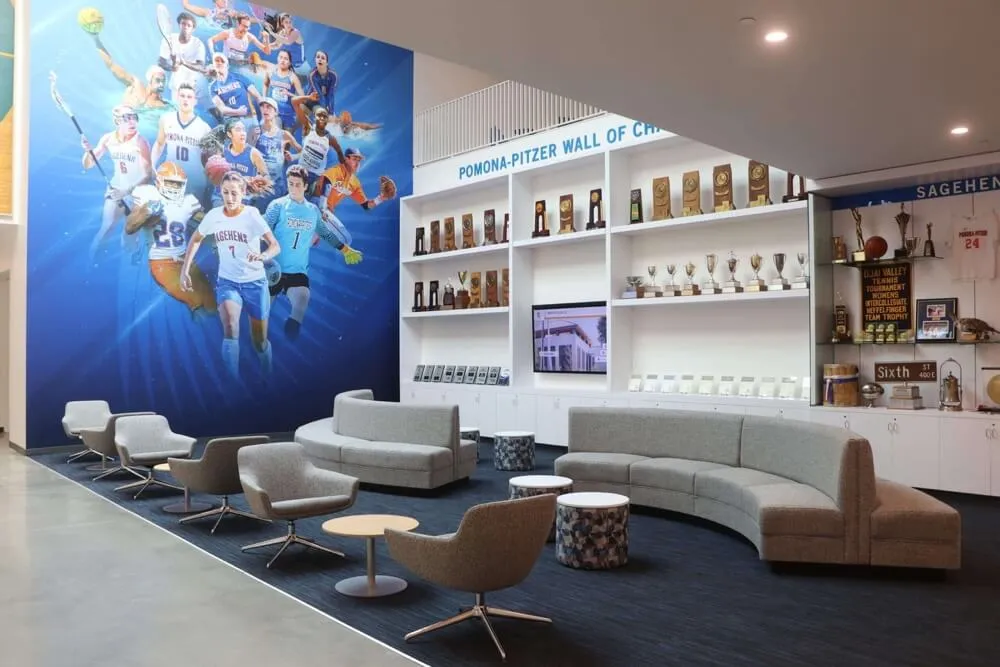
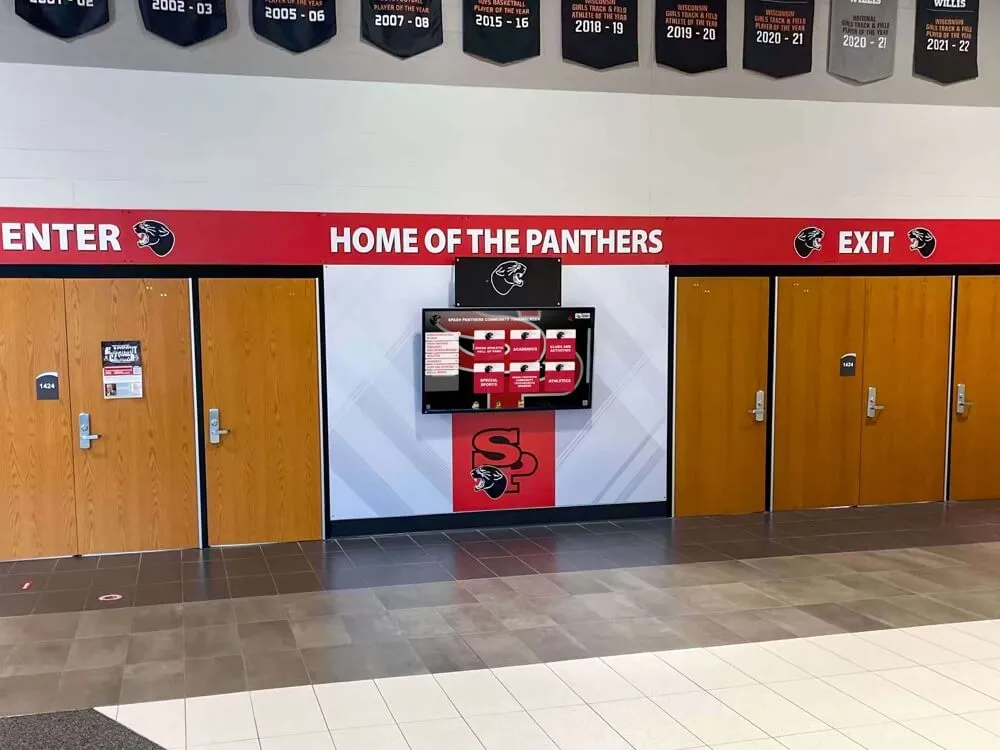
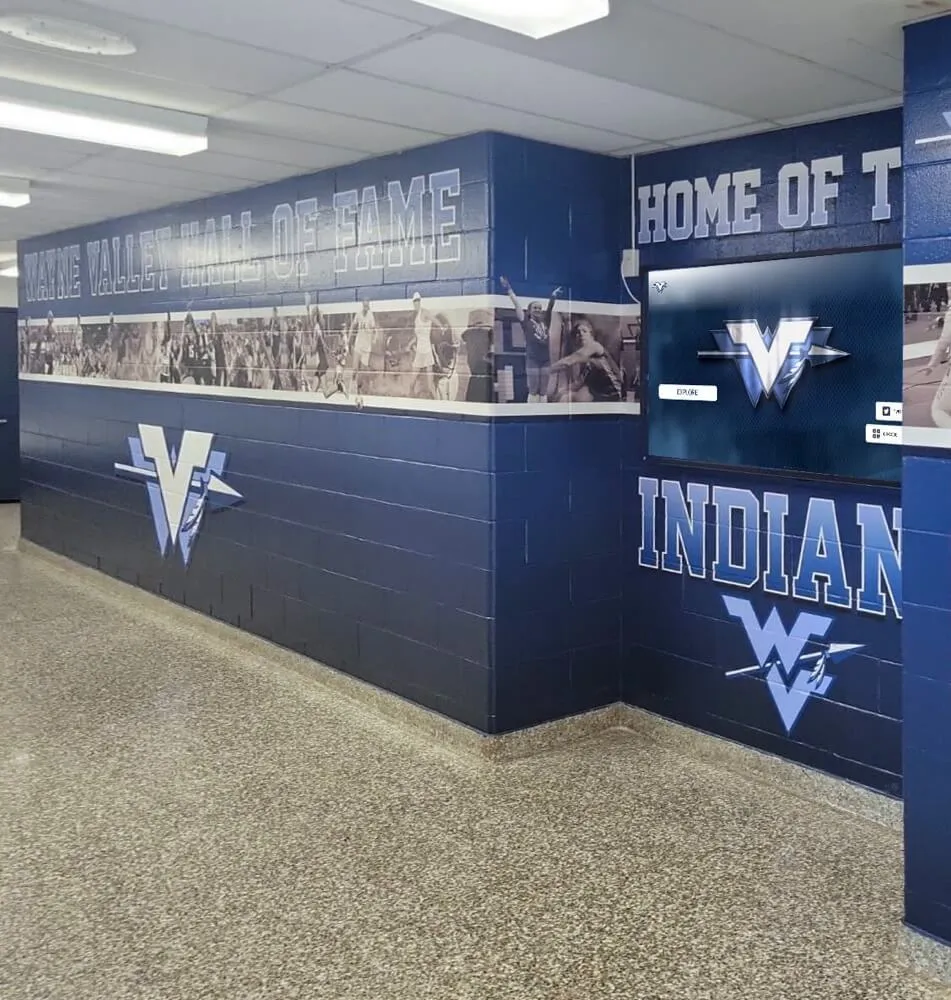
Modern digital displays accommodate unlimited athletic, donor, and sponsor recognition within single professional installations
Why Organizations Need Multi-Purpose Recognition Systems
Before exploring technical capabilities and implementation strategies, understanding what makes combined recognition displays valuable helps institutions evaluate whether unified platforms suit their needs.
The Space Limitation Challenge
Physical recognition displays consume substantial wall space while accommodating limited numbers of honorees. Traditional brass plaque donor walls filling 20-30 feet of lobby space might recognize 100-150 major donors. Separate athletic hall of fame displays require additional extensive wall areas for championship teams, individual athletes, and coaching staff. Sponsor recognition boards add yet more space demands.
Organizations with comprehensive recognition needs quickly exhaust available prime display locations. Lobbies, gymnasiums, athletic facilities, and main entrances offer limited wall space suitable for recognition displays. Once these premier locations fill, additional recognition relegated to secondary hallways or less visible areas receives diminished attention—creating inequitable visibility between early and later honorees.
The Multiplication Problem
Consider a typical high school athletic program with active fundraising:
- Athletic hall of fame recognizing 30+ years of teams, individual athletes, coaches, and championships
- Donor wall acknowledging major contributors to capital campaigns and facilities
- Sponsor recognition for businesses supporting athletic programs, booster clubs, and facilities
- Academic recognition for distinguished alumni and scholarship recipients
Installing separate traditional displays for each category requires:
- 60-100+ feet of combined wall space
- Multiple design projects with separate aesthetics
- Individual update processes requiring coordination with various departments
- Substantial combined installation and maintenance costs
- Fragmented presentation creating inconsistent institutional identity
This multiplication of systems, costs, and administrative processes makes comprehensive recognition impractical for many organizations despite legitimate needs honoring diverse contributor types.
Budget Constraints Limiting Recognition Scope
Separate recognition installations multiply costs substantially:
Traditional Approach Cost Analysis (Separate Systems)
- Athletic hall of fame with custom millwork, trophy displays, and plaques: $35,000-75,000
- Donor wall with bronze plaques and architectural framing: $25,000-50,000
- Sponsor recognition board: $8,000-15,000
- Combined traditional investment: $68,000-140,000
- Annual updates across three systems: $6,000-12,000
These combined costs often exceed organizational budgets, forcing difficult decisions about which recognition types receive priority while others go unacknowledged. Development offices argue donor recognition drives future giving. Athletic directors emphasize championship celebration builds program pride. Advancement staff note that sponsor recognition ensures continued support. Each perspective carries validity—yet budget constraints prevent comprehensive approaches honoring all stakeholders.
Administrative Complexity Managing Multiple Systems
Separate recognition displays create substantial ongoing administrative burden:
Content Management Challenges
- Multiple update processes requiring coordination with different vendors
- Inconsistent timing as various displays receive updates on different schedules
- Duplicated effort when individuals warrant recognition in multiple categories
- Varied information formats across different display types
- Quality control complexity ensuring accuracy across separate systems
Coordination Difficulties
- Athletic director manages hall of fame updates
- Development office coordinates donor wall changes
- Multiple approval chains for different recognition types
- Vendor scheduling conflicts delaying time-sensitive recognition
- Budget allocation disputes between departments competing for update funding
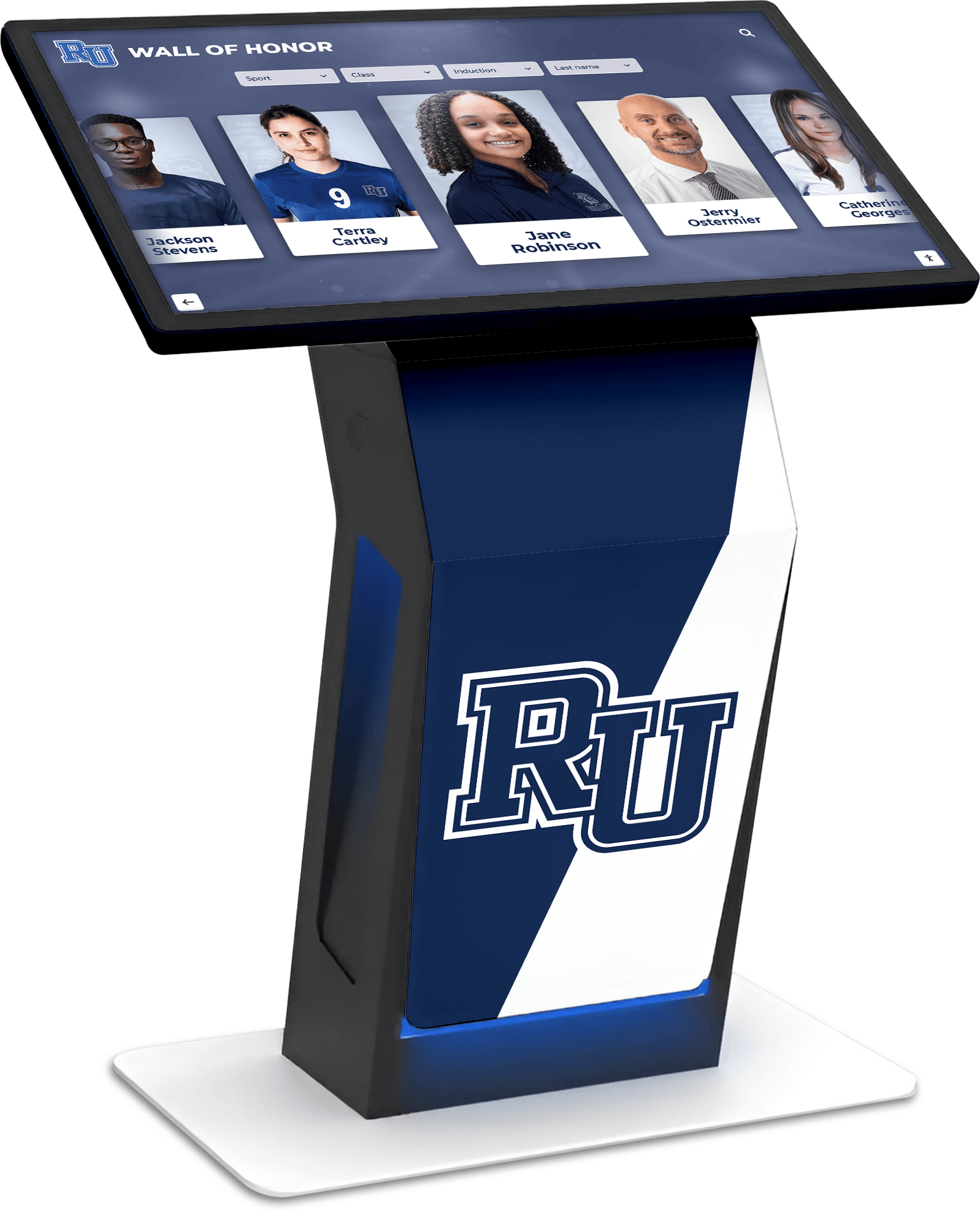
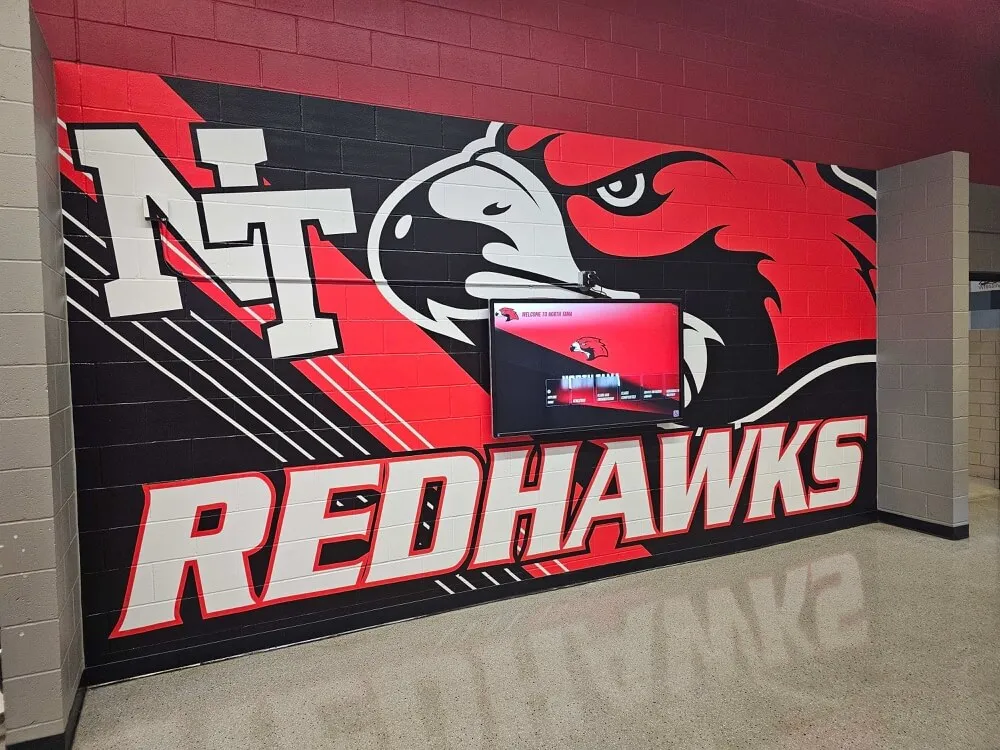
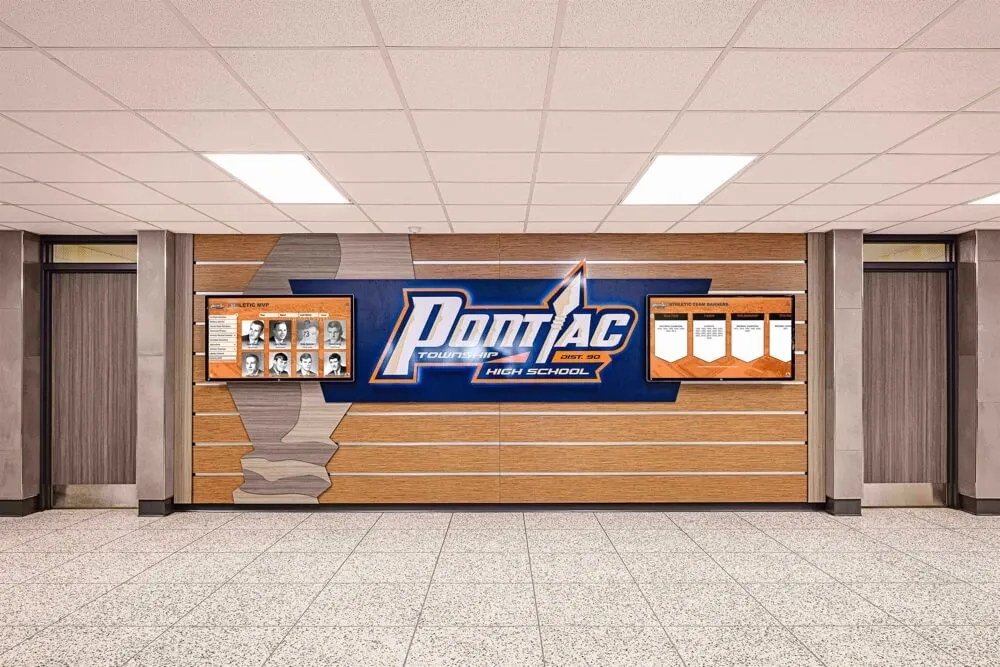
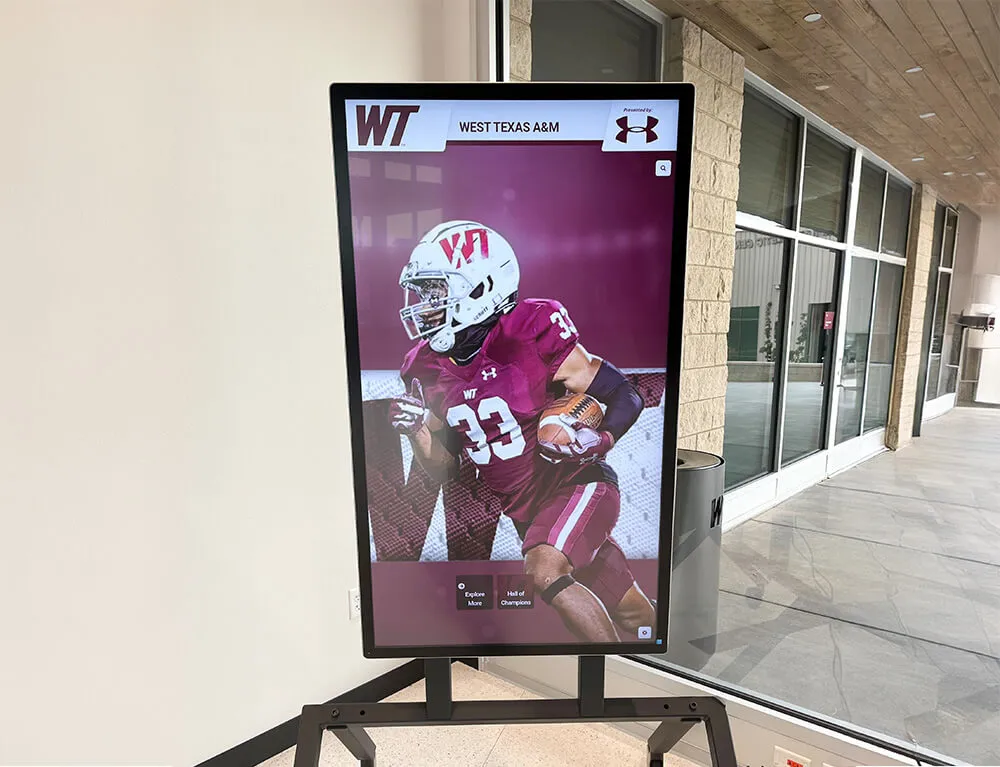
Single touchscreen installations provide access to multiple recognition categories without administrative complexity
Organizations spending substantial staff time coordinating recognition updates across separate systems experience frustration, delays, and errors that undermine recognition quality while consuming resources better directed toward core missions.
How Digital Displays Combine Multiple Recognition Types
Modern touchscreen technology enables sophisticated multi-purpose recognition within unified platforms:
Unified Database With Category Filtering
Digital recognition platforms organize diverse honorees within comprehensive databases enabling visitors to filter content by recognition type:
Category Organization Examples
- Athletic Achievement (Hall of Fame inductees, championship teams, individual records)
- Donor Recognition (by giving level, campaign, or cumulative contribution)
- Sponsor Acknowledgment (corporate supporters, program sponsors, facility naming rights)
- Academic Honors (distinguished alumni, scholarship recipients, academic achievements)
- Faculty/Staff Recognition (years of service, teaching excellence, retirement tributes)
Visitors explore categories matching their interests while all recognition resides within single systems requiring one installation, unified administration, and cohesive presentation standards. This organization eliminates the artificial separation traditional approaches impose while ensuring each recognition type receives appropriate distinct acknowledgment.
Sophisticated Search and Browse Capabilities
Interactive platforms enable multiple discovery methods accommodating different visitor needs:
- Category browsing showing all honorees within specific recognition types
- Alphabetical name search for locating specific individuals
- Year-based filtering showing recognition by decade or specific timeframe
- Achievement-level sorting (championship teams, major donors, platinum sponsors)
- Combined filtering (e.g., “athletic donors” showing individuals recognized in multiple categories)
This flexibility ensures visitors quickly access information they seek while encouraging broader exploration discovering recognition they hadn’t anticipated.
Flexible Content Presentation Formats
Different recognition types benefit from varied presentation approaches—capabilities digital platforms accommodate within single systems:
Athletic Hall of Fame Presentation
- Team photos with rosters and season records
- Individual athlete profiles with career statistics and achievements
- Championship documentation with game details and memorable moments
- Coach biographies with career highlights and program contributions
- Video highlights of historic games or performances
Organizations can explore comprehensive athletic hall of fame implementation strategies that integrate seamlessly with donor recognition within unified displays.
Donor Recognition Presentation
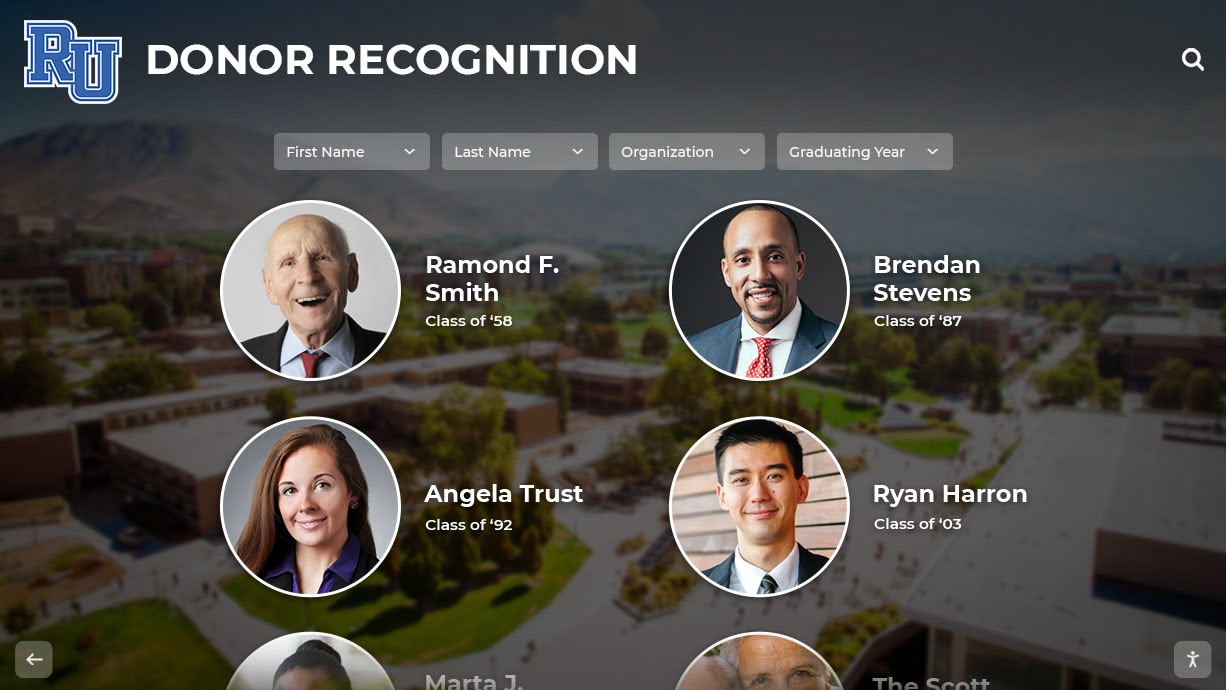
- Professional donor portraits with biographical information
- Giving level tier organization with clear hierarchy
- Impact statements describing what contributions enabled
- Campaign-specific recognition for capital projects
- Multi-generational family giving histories
- Memorial tributes honoring deceased donors
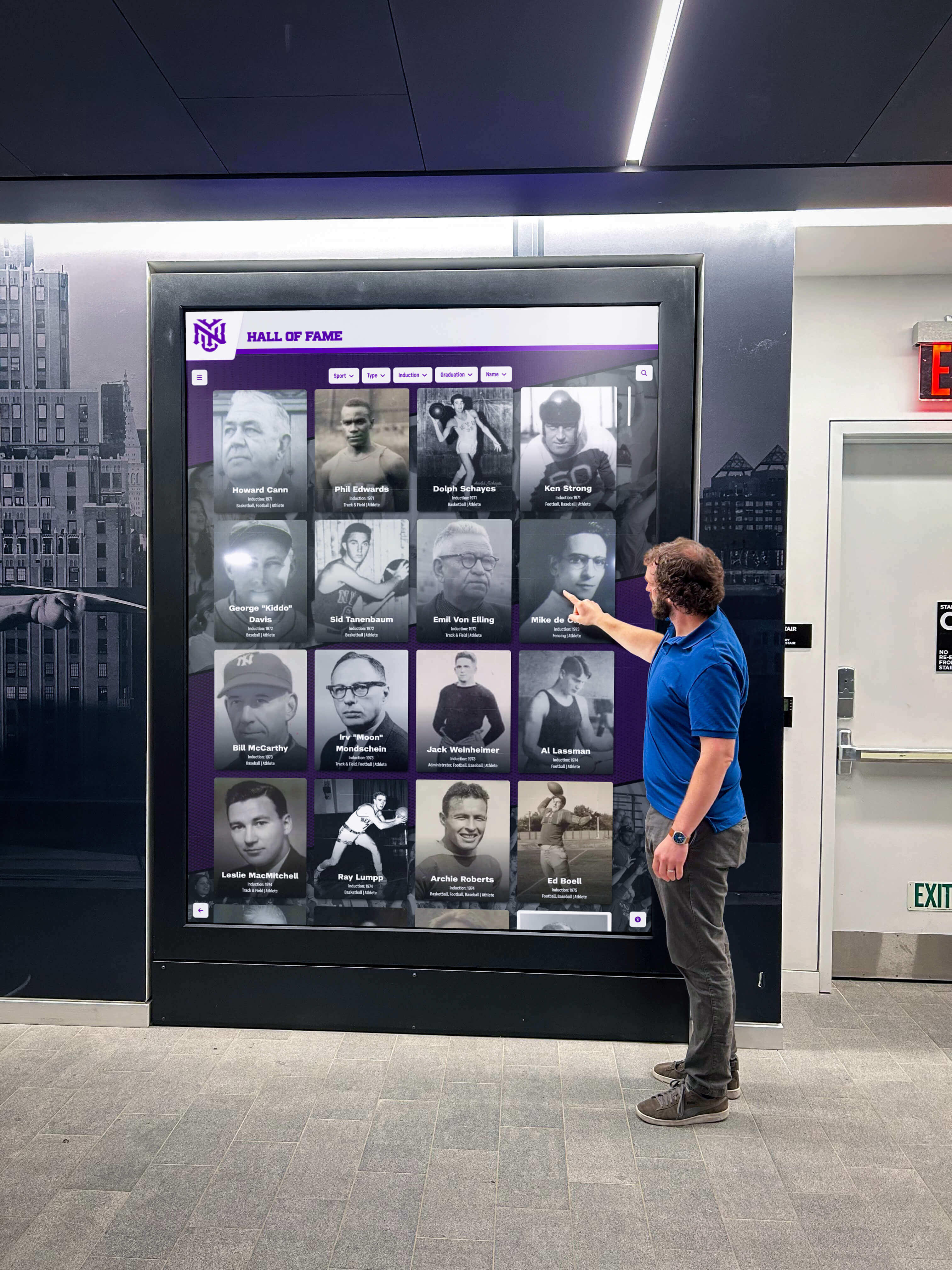
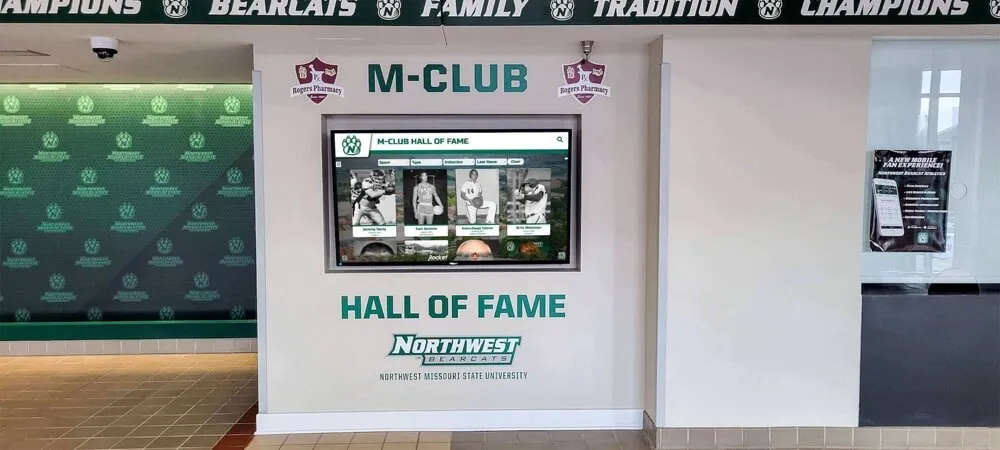
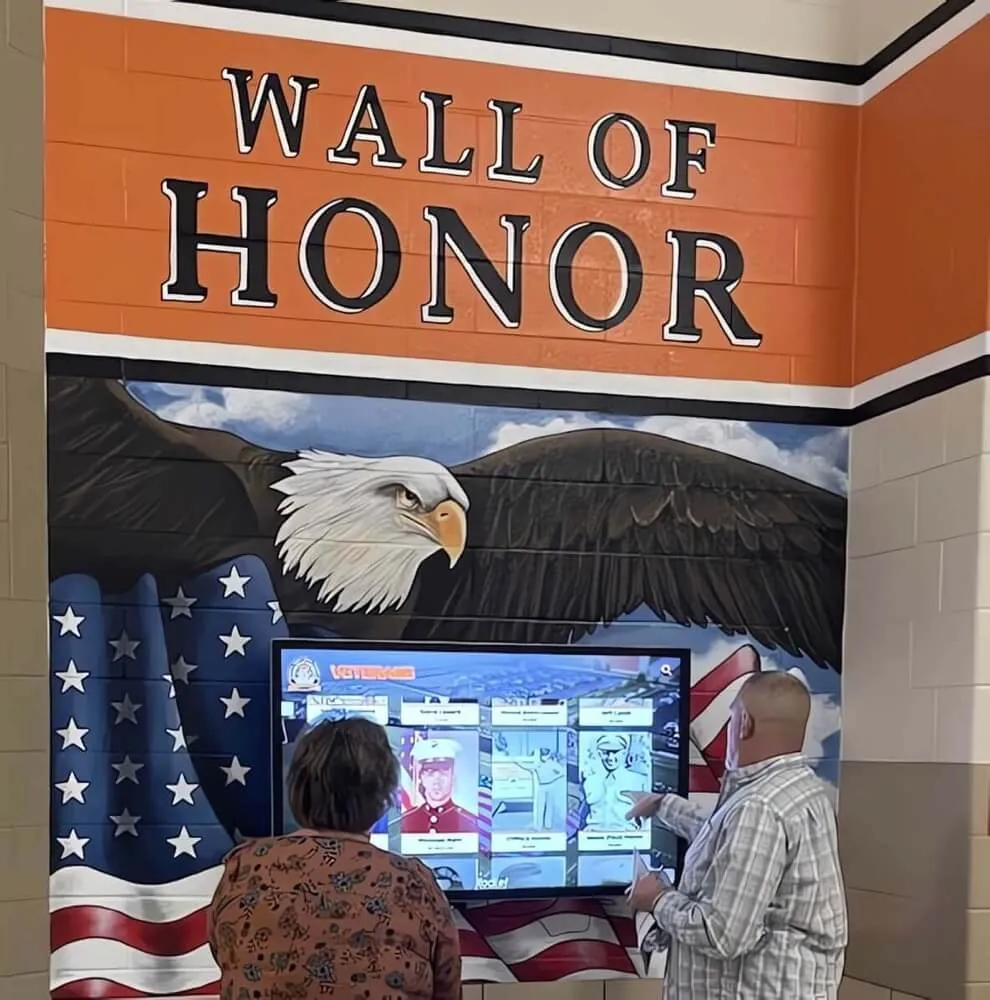
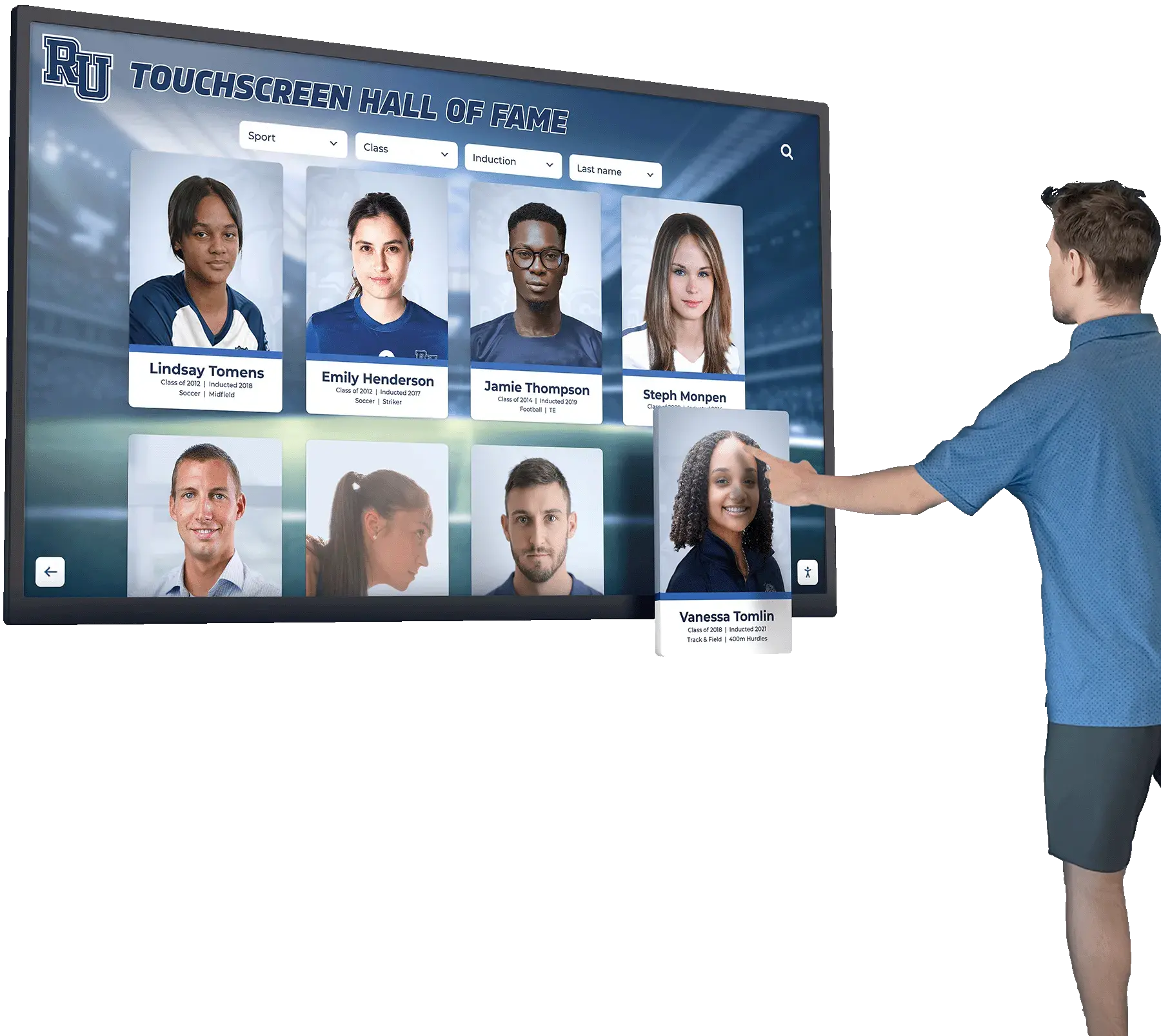
Touchscreen interfaces enable easy navigation between athletic achievements and donor recognition within unified displays
Sponsor Recognition Presentation
- Corporate logos with appropriate branding
- Sponsorship level tiers clearly distinguished
- Years of support history showing sustained partnerships
- Specific programs or teams sponsored
- Contact information for business promotion (when appropriate)
- Renewal acknowledgment celebrating ongoing support
Automated Content Rotation Ensuring Visibility
One significant advantage digital platforms provide involves automatic content rotation ensuring all recognition types receive prominent visibility:
Featured Recognition Rotations
- Home screen alternating between athletic highlights, featured donors, and spotlight sponsors
- Timed rotation ensuring equal visibility across recognition categories
- Special event highlighting (championship seasons, major gifts, new sponsor partnerships)
- Seasonal content adjusting for athletic schedules and fundraising campaigns
- Anniversary recognition celebrating milestone years
This rotating presentation prevents any single recognition type dominating while ensuring visitors encounter diverse honorees even during brief lobby transits. Traditional static displays show identical content until physical updates occur—limiting effectiveness for time-sensitive recognition like recent championships or new major donors deserving immediate visibility.
Technical Capabilities Supporting Dual-Purpose Recognition
Understanding platform capabilities helps organizations evaluate whether digital systems meet their multi-category recognition needs:
Unlimited Capacity Accommodating Growth
Traditional displays face hard limits determined by physical space. Bronze plaques fill walls. Trophy cases run out of shelf space. Name lists exceed readable dimensions.
Digital platforms eliminate these constraints entirely:
- Single 55" touchscreen accommodates 5,000+ individual profiles across all recognition types
- Adding new honorees requires no physical space expansion
- Historical recognition preserved permanently without removal decisions
- Multiple decades of athletic achievements, donor lists, and sponsor acknowledgments coexist without crowding
- Future growth accommodated without additional hardware investment
This unlimited capacity proves particularly valuable for organizations with established programs accumulating decades of recognition across multiple categories. Schools celebrating 50+ year athletic histories, university donor programs recognizing thousands of contributors, and organizations honoring extensive sponsor partnerships all fit within single digital installations impossible to replicate with traditional approaches.
Cloud-Based Administration Simplifying Management
Managing diverse recognition content becomes straightforward through web-based platforms:
Centralized Content Management
- Single administrative dashboard controlling all recognition types
- Category-specific templates streamlining diverse content creation
- Bulk import capabilities accelerating initial content migration
- Consistent formatting ensuring professional presentation quality
- Preview functionality enabling review before publication
- Scheduled publishing coordinating recognition timing with announcements
Multi-User Access With Role-Based Permissions
- Athletic directors managing hall of fame content
- Development staff updating donor recognition
- Advancement coordinators handling sponsor acknowledgment
- Permission controls preventing unauthorized changes
- Activity logs tracking updates and maintaining accountability
- Collaborative workflows enabling content review and approval
This administrative flexibility eliminates bottlenecks where single IT staff or vendor dependence delays time-sensitive recognition. Authorized users update relevant content directly—enabling same-day recognition for new major donors, immediate championship celebration, or prompt sponsor acknowledgment.
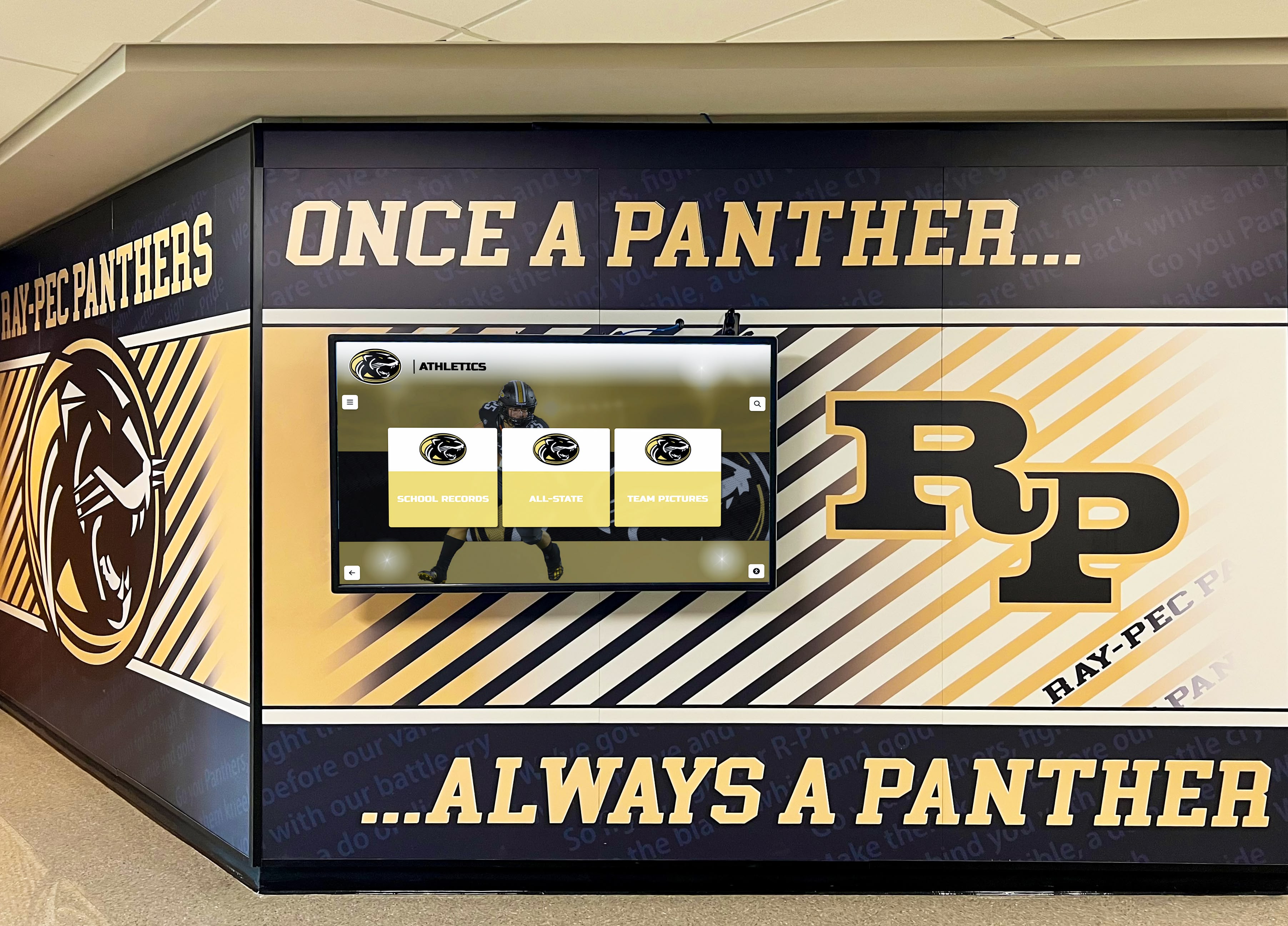
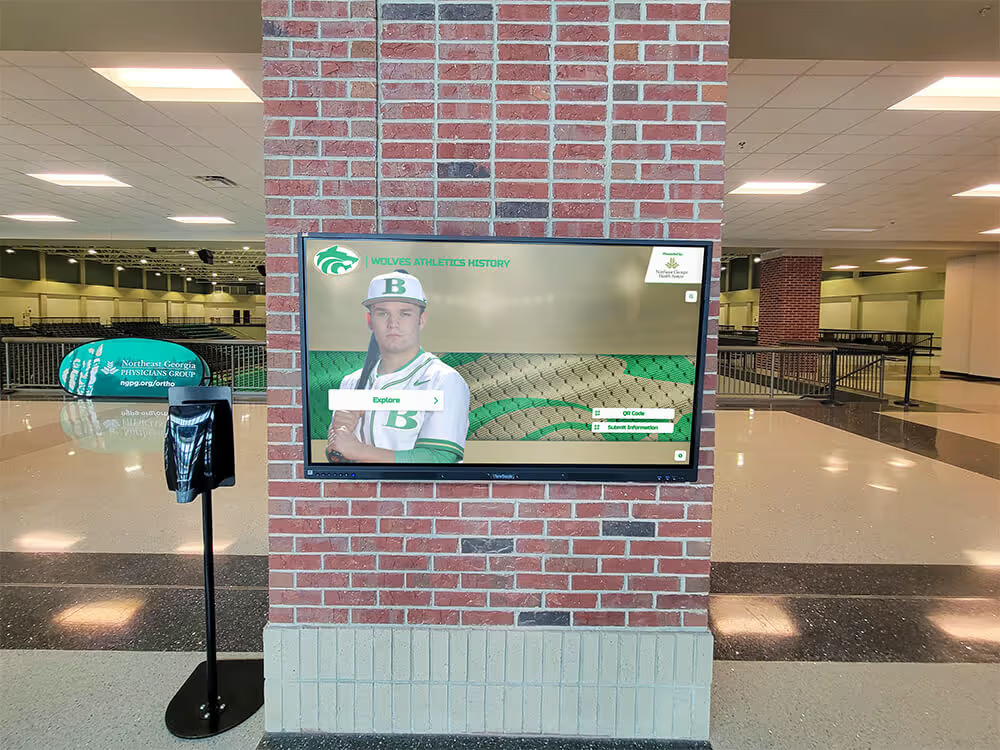
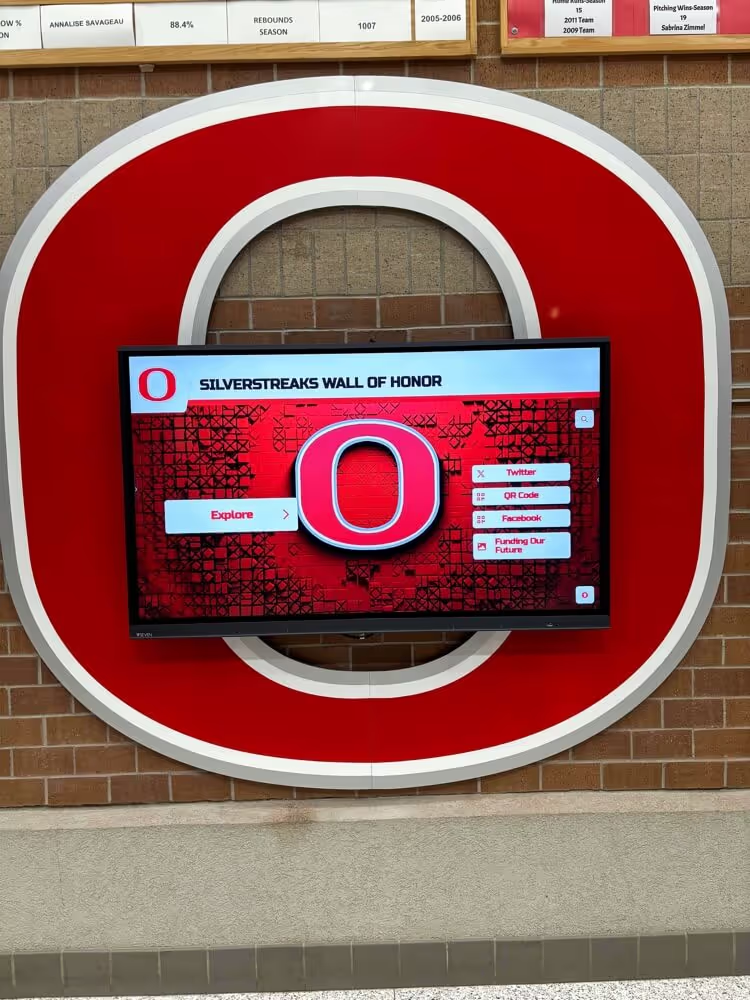
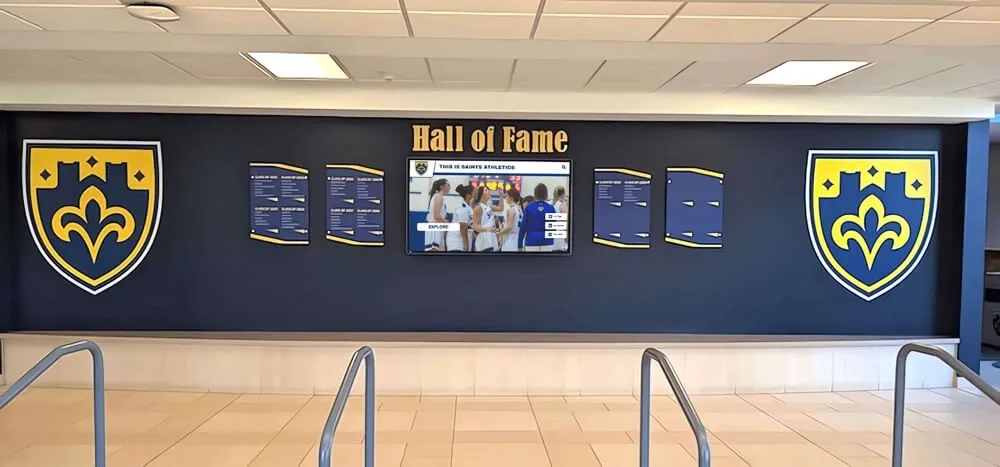
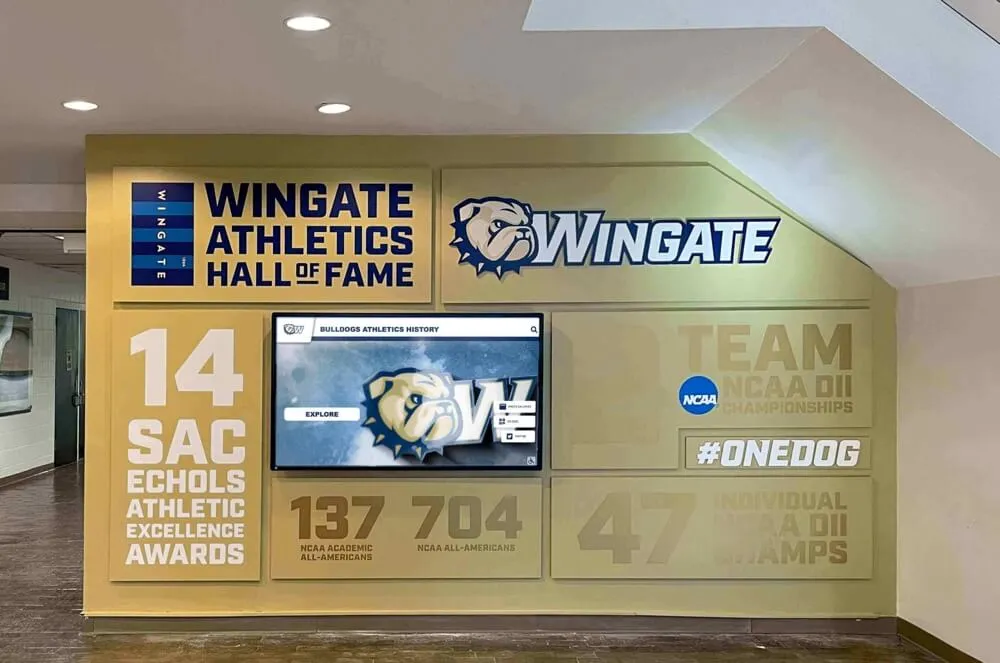
Digital displays integrate seamlessly with existing athletic environments while accommodating donor and sponsor recognition
Accessibility Ensuring Inclusive Recognition
All recognition must serve diverse audiences regardless of ability:
WCAG 2.1 AA Compliance Features
- Adjustable text sizing accommodating visual impairment
- High contrast modes improving readability
- Screen reader compatibility enabling non-visual access
- Keyboard navigation alternatives to touchscreen interaction
- Sufficient color contrast meeting accessibility standards
- Touch target sizing appropriate for varied dexterity
Mobile Extension Through QR Codes
- Physical display QR codes linking to comprehensive online access
- Smartphone viewing enabling detailed exploration impossible at wall-mounted screens
- Remote access for stakeholders unable to visit campus
- Social sharing amplifying recognition visibility
- College application supplements documenting formal recognition
This inclusive approach ensures recognition benefits all stakeholders while extending visibility beyond physical installations—particularly valuable for alumni donors, geographically dispersed sponsors, and community members unable to regularly visit facilities.
Sponsor Recognition Strategies Within Combined Displays
Organizations frequently question whether digital platforms appropriately acknowledge sponsors compared to traditional dedicated sponsor boards. Thoughtful implementation ensures sponsors receive prominent, professional recognition:
Sponsor Visibility Approaches
Integrated Sponsor Recognition
Within combined platforms, sponsors appear as distinct recognition category:
- Dedicated “Program Sponsors” or “Athletic Supporters” section
- Corporate branding presented professionally with logos and business information
- Sponsorship levels clearly distinguished (Platinum, Gold, Silver, Bronze sponsors)
- Specific program or team associations highlighted
- Years of support history celebrating sustained partnerships
- Featured sponsor rotation on home screens ensuring visibility
This integration ensures sponsors receive recognition equal in quality and visibility to other categories while benefiting from sophisticated digital presentation impossible with static sponsor boards.
Contextual Sponsor Acknowledgment
Sophisticated platforms link sponsor recognition to related content:
- Team pages acknowledging specific program sponsors
- Facility recognition crediting naming rights sponsors
- Event-specific sponsorship tied to championship celebrations
- Scholarship recognition noting sponsor-funded awards
- Equipment or uniform sponsorship acknowledged within athletic content
This contextual linking provides sponsors with more meaningful recognition than standalone boards by connecting support to tangible outcomes and specific program elements.
Sponsor Recognition Best Practices
Organizations should consider these approaches maximizing sponsor satisfaction:
Professional Presentation Standards
- High-resolution corporate logos meeting brand guidelines
- Consistent formatting across all sponsor tiers
- Professional descriptions of sponsorship scope
- Contact information enabling business promotion (when contractually appropriate)
- Photo documentation of sponsorship activation (ribbon cuttings, check presentations, community events)
Ongoing Renewal Recognition
- Annual acknowledgment updates celebrating continued support
- Milestone recognition for multi-year partnerships
- “Thank you” messages from coaches, players, or organizational leaders
- Impact documentation showing how sponsorship enabled specific achievements
- Featured rotation timing coordinating with renewal discussions
Comprehensive donor recognition best practices apply equally to sponsor acknowledgment, with similar strategies driving satisfaction and continued support.
Addressing Sponsor Concerns About Visibility
Organizations sometimes worry that sponsors might perceive digital recognition as less prestigious than dedicated physical displays. Experience demonstrates that thoughtful communication addresses these concerns effectively:
Communicating Digital Advantages to Sponsors
- Unlimited capacity ensuring perpetual recognition without removal
- Changeable content enabling more comprehensive acknowledgment than static plaques
- Mobile access extending recognition beyond single physical location
- Regular content updates keeping sponsor information current
- Higher engagement creating more meaningful exposure than static boards
- Professional presentation quality exceeding typical sponsor boards
- Integration with athletic and donor content providing context
Offering Premium Recognition Tiers
Top-tier sponsors can receive enhanced visibility:
- Dedicated profile screens with expanded business information
- Video content featuring sponsor testimonials or community involvement
- Prime home screen rotation placement
- Combined recognition as both sponsor and donor (for individuals supporting through businesses)
- Special event acknowledgment at games, banquets, or ceremonies
Most sponsors appreciate the enhanced capabilities digital platforms provide once they understand the sophisticated presentation quality and ongoing visibility advantages compared to static boards that become invisible through familiarity.
Implementation: Creating Effective Multi-Purpose Recognition
Successful dual-purpose displays require strategic planning addressing content organization, design consistency, and stakeholder engagement:
Content Strategy and Organization
Defining Recognition Categories
Organizations should clearly establish what recognition types their display will accommodate:
Core Categories for Educational Institutions
- Athletic Hall of Fame (teams, individuals, coaches)
- Academic Excellence (honor roll, scholarships, distinguished alumni)
- Donor Recognition (capital campaigns, annual giving, endowments)
- Sponsor Acknowledgment (athletic supporters, program sponsors)
- Faculty/Staff Recognition (years of service, teaching awards)
- Memorial Tributes (deceased alumni, faculty, or supporters)
Core Categories for Nonprofit Organizations
- Donor Recognition by giving level
- Volunteer acknowledgment and service milestones
- Program sponsors and corporate partners
- Board leadership recognition
- Founder and historical leader tributes
- Community impact documentation

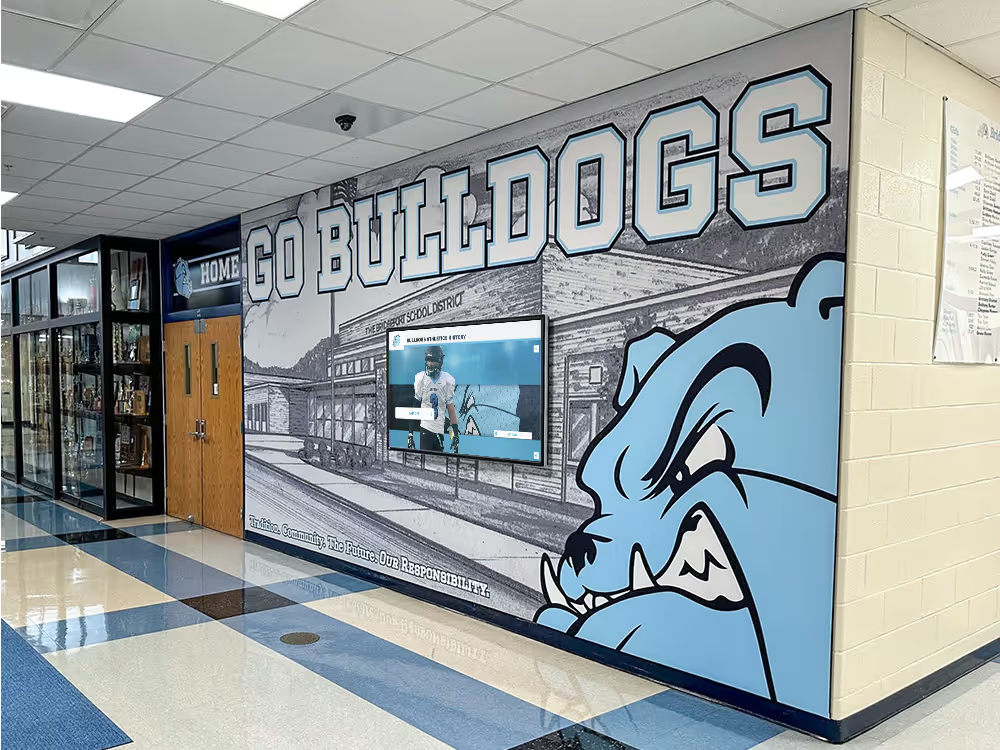
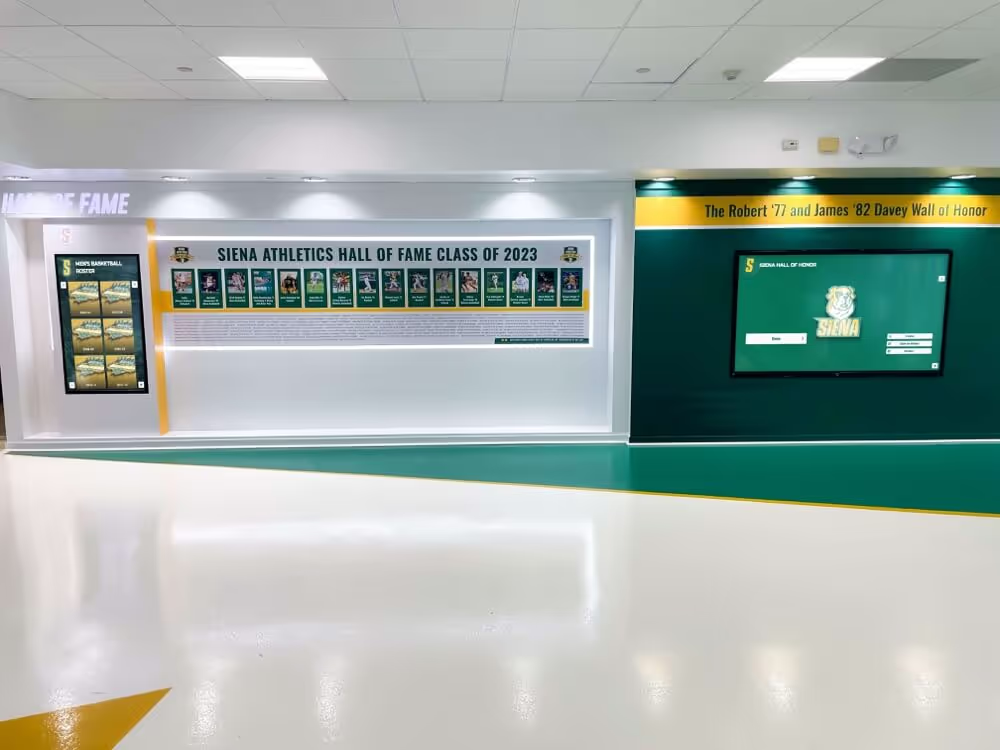
Unified lobby installations provide immediate access to all recognition categories through easy navigation
Clear categorization enables straightforward navigation while ensuring each recognition type receives appropriate distinct acknowledgment despite shared platforms.
Establishing Content Depth Standards
Different recognition types warrant varied information detail:
- Hall of fame inductees: Comprehensive profiles with career statistics, biographical narratives, photos, and video content
- Major donors ($50,000+): Enhanced profiles with professional portraits, giving motivations, and impact statements
- Annual donors: Name recognition with giving year and tier level
- Platinum sponsors: Expanded business profiles with logos, descriptions, and contact information
- Standard sponsors: Professional acknowledgment with logos and support years
This graduated approach ensures top-tier recognition receives depth warranting enhanced visibility while accommodating broader inclusive acknowledgment at appropriate levels.
Design Consistency Creating Cohesive Presentation
While recognition categories differ in content, visual consistency creates professional unified experiences:
Unified Design Elements
- Consistent color schemes reflecting institutional branding
- Standard typography across all recognition types
- Template-based layouts ensuring formatting consistency
- Professional photo standards (resolution, cropping, backgrounds)
- Navigation patterns remaining consistent regardless of category
- Institutional logo and identity maintained throughout
Category-Specific Visual Distinction
Within unified frameworks, subtle visual cues distinguish recognition types:
- Color accent variations (athletic gold, donor blue, sponsor green)
- Category-specific icons in navigation menus
- Background imagery reflecting recognition context (athletic facilities for sports content, campus scenes for academic recognition)
- Tier-specific formatting for recognition levels within categories
This balance between consistency and distinction creates cohesive experiences while ensuring visitors immediately understand which recognition type they’re viewing.
Organizations can reference digital recognition design best practices when developing unified multi-purpose displays.
Stakeholder Communication and Buy-In
Successfully implementing combined recognition requires engaging constituencies who might prefer dedicated displays:
Athletic Department Concerns
Coaches and athletic directors sometimes worry that combined systems diminish athletic achievement prominence. Address concerns by:
- Demonstrating that athletic content receives equal quality presentation
- Showing how unlimited capacity enables more comprehensive athletic recognition than traditional trophy cases
- Highlighting regular rotation ensuring consistent athletic visibility
- Offering athletic-exclusive display modes during games or events
- Providing statistical depth and multimedia capabilities impossible with physical displays
Development Office Priorities
Fundraising professionals emphasize that donor recognition directly influences giving behavior. Show how unified displays serve stewardship objectives:
- Donor visibility equal to or exceeding separate traditional walls
- Sophisticated presentation reflecting donation significance
- Regular content updates enabling timely new donor recognition
- Impact storytelling capabilities strengthening emotional connections
- Cost savings allocating more resources directly to programs rather than recognition infrastructure
Sponsor Relationship Management
Advancement coordinators managing sponsor relationships need confidence that business partners receive appropriate acknowledgment:
- Professional sponsor presentation meeting corporate brand standards
- Prominent visibility through featured rotations
- Flexible content updates accommodating sponsor requests
- Integration with program content providing meaningful context
- Mobile access extending sponsor visibility beyond physical locations
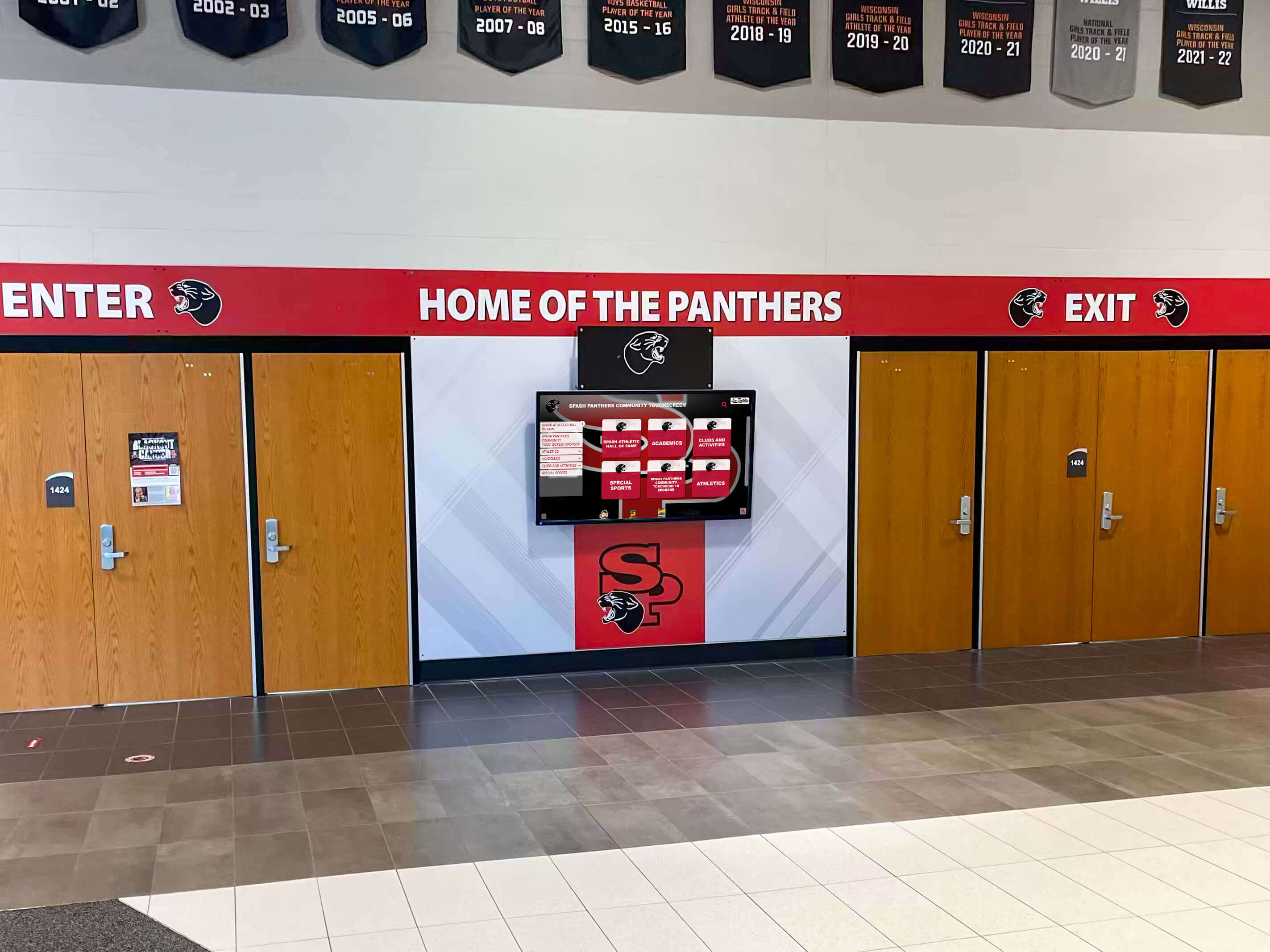
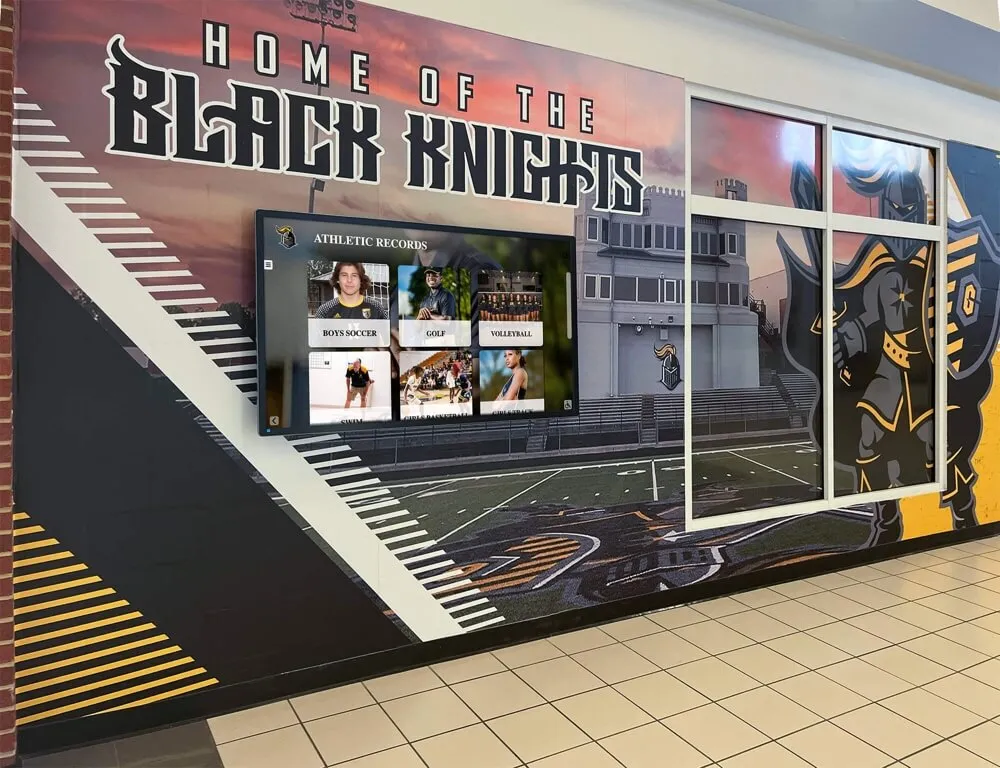
Main entrance displays welcome visitors while showcasing all recognition categories through single professional installations
Real-World Application Scenarios
Understanding specific use cases helps organizations envision how dual-purpose displays serve their unique needs:
High School Athletic Program With Capital Campaign
Recognition Needs
- Athletic hall of fame honoring 40+ years of teams and individual achievements
- Capital campaign donor recognition for new gymnasium and athletic complex
- Corporate sponsors supporting athletic programs and booster club
- Academic all-conference recognition celebrating student-athlete achievement
Traditional Approach Challenges
- New gymnasium lobby offers 30 feet of wall space total
- Separate displays for athletics, donors, and sponsors would require 80+ combined feet
- Budget constraints make multiple custom installations impractical
- Donor recognition needs to match facility quality inspiring capital campaign contributions
Digital Solution
Single 65" touchscreen in main lobby provides:
- Athletic hall of fame with unlimited team and individual profiles
- Capital campaign donor wall organized by giving tiers with impact documentation
- Sponsor recognition for program supporters with business promotion
- Academic achievement section celebrating scholar-athletes
- Total installation cost 60% less than combined traditional displays
- Administrative updates managed by athletic director and development coordinator without vendor dependence
The unified approach maximizes limited lobby space while ensuring comprehensive recognition honoring all stakeholder groups contributing to athletic program success.
University Athletic Department With Multiple Facilities
Recognition Needs
- Comprehensive athletic hall of fame across 30+ sports programs
- Major donor recognition for athletic scholarships and facilities
- Corporate sponsorship acknowledgment for stadium and arena naming rights
- Academic excellence recognition for student-athletes
Traditional Approach Challenges
- Multiple athletic facilities (stadium, arena, recreation center) each need recognition displays
- Updating separate physical displays across locations requires substantial coordination
- Inconsistent presentation quality between facilities creates confusing experiences
- Budget limitations prevent premium displays at all locations
Digital Solution
Multiple 55" touchscreens installed at:
- Main athletic administration building lobby (primary installation)
- Basketball arena concourse
- Football stadium hall of fame room
- Recreation center main entrance
All locations share cloud-based content displaying:
- Comprehensive hall of fame spanning all sports with 1,000+ profiles
- Unified donor recognition celebrating athletic scholarship supporters
- Sponsor acknowledgment coordinated across all facilities
- Regular content updates managed centrally appearing simultaneously across all installations
Organizations with multiple facilities benefit from unified content appearing consistently across locations while administrative efficiency comes from centralized management rather than coordinating separate displays requiring individual updates.
Community Nonprofit With Limited Space and Budget
Recognition Needs
- Donor acknowledgment for operational supporters and capital contributors
- Volunteer recognition celebrating thousands of service hours
- Corporate sponsor appreciation for program funding and event support
- Impact documentation showing program outcomes
Traditional Approach Challenges
- Small reception area offers minimal wall space
- Budget constraints make professional donor walls financially prohibitive
- Volunteer and sponsor recognition often omitted due to space and cost limitations
- Static displays become outdated as new supporters join
Digital Solution
Single 43" touchscreen in reception area provides:
- Comprehensive donor recognition organized by giving societies with unlimited capacity
- Volunteer profiles acknowledging service contributions and years of involvement
- Corporate sponsor acknowledgment with business promotion
- Program impact stories with beneficiary testimonials
- Photo galleries from events and programs
- Total investment under $8,000 compared to $25,000+ for traditional donor wall alone
The platform serves multiple recognition needs within extremely limited space while budget efficiency enables recognition comprehensiveness impossible with traditional approaches.
Learn about donor wall implementation strategies for organizations with varied needs and constraints.
Platform Selection Criteria for Multi-Purpose Recognition
Not all digital recognition systems support sophisticated dual-purpose applications. Organizations should evaluate platforms based on capabilities specifically supporting combined recognition:
Essential Multi-Category Capabilities
Flexible Content Organization
- Unlimited custom categories accommodating diverse recognition types
- Hierarchical organization within categories (donor giving tiers, athletic team divisions)
- Cross-category tagging (individuals recognized as both athletes and donors)
- Multiple filtering and sorting options enabling various content discovery methods
- Custom field capabilities accommodating recognition-specific information needs
Administrative Flexibility
- Multi-user access with role-based permissions for different departments
- Category-specific content templates streamlining diverse information types
- Bulk import tools accelerating initial content migration across categories
- Scheduled publishing coordinating recognition timing with announcements
- Version control and content approval workflows
Visitor Experience Excellence
- Easy navigation requiring no instructions for category switching
- Fast search across all recognition types simultaneously
- Responsive touchscreen interface appropriate for varied user technical comfort
- Mobile access extending recognition beyond physical displays
- Attractive visual design creating professional institutional impression
Vendor Support and Service Quality
Organizations implementing sophisticated multi-purpose recognition should prioritize vendor partnerships providing:
Comprehensive Implementation Support
- Consultation helping define category structure and content organization
- Design services creating custom branded interfaces
- Content migration assistance accelerating initial setup
- Training ensuring staff can manage diverse content types independently
- Installation coordination including hardware placement and configuration
Ongoing Platform Development
- Regular software updates adding capabilities without additional costs
- Feature requests consideration for organization-specific needs
- Security updates maintaining platform protection
- Performance optimization ensuring fast responsive experiences
- Compatibility maintenance as operating systems evolve
Responsive Customer Service
- Technical support accessible when urgent assistance needed
- Content guidance helping improve recognition effectiveness
- Problem resolution commitment meeting organizational timelines
- Proactive communication about platform changes or updates
Solutions like Rocket Alumni Solutions specialize in comprehensive recognition platforms designed specifically for multi-purpose applications rather than generic digital signage adapted to recognition needs. This focus produces systems naturally supporting the sophisticated categorization, flexible administration, and professional presentation quality combined athletic, donor, and sponsor recognition requires.
Transform Recognition With Unified Digital Displays
Discover how modern touchscreen platforms enable comprehensive recognition honoring athletic achievements, donor contributions, and sponsor support within single sophisticated installations. Eliminate space constraints, reduce administrative complexity, and create professional acknowledgment serving all stakeholder groups through unlimited capacity digital displays that grow with your programs while delivering recognition experiences traditional approaches cannot match.
Book A DemoIntegration With Broader Recognition Programs
Digital displays represent one component within comprehensive acknowledgment strategies:
Ceremony and Event Integration
Combined recognition platforms enhance celebration events:
Athletic Award Ceremonies
- Display athletic hall of fame content during pre-ceremony arrivals
- Feature newly recognized athletes on screens during presentations
- Link to donor profiles showing scholarship supporters
- Acknowledge sponsors enabling awards program
- Provide QR codes for families accessing complete athlete profiles
Comprehensive award ceremony planning approaches naturally incorporate permanent digital recognition extending ceremony acknowledgment.
Fundraising Events
- Feature major donors during cultivation events and galas
- Display campaign progress and impact documentation
- Recognize sponsors supporting fundraising activities
- Provide virtual tour access for remote attendees unable to visit campus
- Enable social sharing amplifying donor recognition visibility
Community Celebrations
- Showcase institutional history through hall of fame content
- Celebrate volunteer and community supporter contributions
- Recognize corporate partnerships supporting community programs
- Provide interactive exploration opportunities during open houses and tours
Print and Digital Communications Coordination
Recognition displays complement rather than replace other acknowledgment channels:
Annual Reports and Publications
- Link print donor recognition to comprehensive digital profiles
- QR codes in publications directing to interactive displays
- Recognition hierarchy consistent across print and digital channels
- Photo documentation shared between publications and displays
Social Media Amplification
- Regular social media posts featuring display content
- “Throwback” athletic highlights from hall of fame archives
- Donor spotlight series drawing from recognition profiles
- Sponsor appreciation posts coordinated with business social accounts
- User-generated content encouraging visitors to share display interactions
Website Integration
- Digital recognition content accessible via organizational websites
- Searchable online directories mirroring physical display organization
- Mobile-responsive viewing enabling remote exploration
- SEO benefits as recognition content indexed by search engines
This multi-channel approach ensures recognition visibility extends far beyond single physical installations while maintaining consistent information across all acknowledgment methods.
Measuring Recognition Program Effectiveness
Organizations should evaluate whether combined displays achieve intended outcomes:
Engagement Metrics
Physical Display Interaction
- Average visitor engagement time with touchscreen (target: 2-5 minutes)
- Search query patterns revealing which recognition categories receive most interest
- Peak usage times informing content rotation strategies
- Category switching frequency showing cross-category exploration
- Featured content click-through rates
Extended Digital Engagement
- QR code scan rates measuring mobile extension usage
- Website recognition directory page views
- Social media sharing and engagement with recognition content
- Mobile session duration compared to physical display interactions

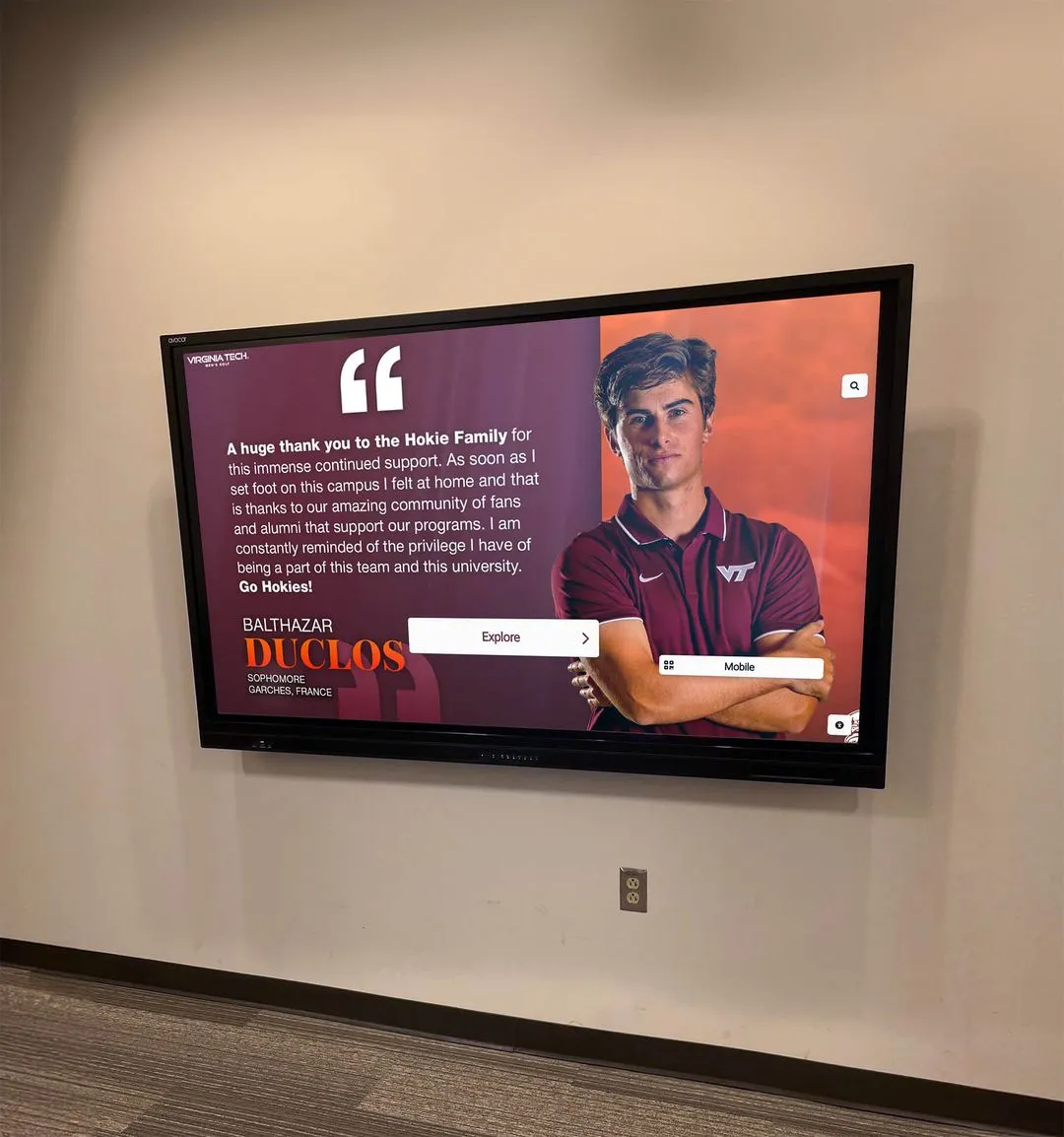
Extended visitor engagement with unified displays indicates effective multi-purpose recognition design
Stakeholder Satisfaction
Donor Feedback
- Recognition satisfaction surveys following major gift acknowledgment
- Retention rates comparing recognized vs. non-recognized donors
- Giving progression following recognition implementation
- Unsolicited positive feedback about recognition quality
- Family member responses regarding legacy recognition
Sponsor Renewal Rates
- Sponsorship retention comparing pre/post digital recognition implementation
- Sponsor satisfaction surveys regarding recognition visibility and quality
- Upgrade rates to higher sponsorship tiers
- New sponsor acquisition influenced by existing recognition quality
Athletic Department Outcomes
- Alumni engagement with hall of fame content
- Reunion attendance coordinating with recognition visibility
- Booster club membership growth
- Athletic program donations including scholarship support
Administrative Efficiency Gains
Time Savings Compared to Traditional Systems
- Hours required for content updates across all recognition types
- Vendor coordination time eliminated through self-service management
- Approval process streamlining with centralized workflows
- Error correction speed when information requires updating
Cost Efficiency Analysis
- Total cost of ownership comparing digital vs. traditional approaches
- Update costs for adding new honorees across categories
- Staff time value savings through administrative simplification
- Avoided costs from not requiring multiple separate installations
Organizations implementing unified digital recognition typically report 60-75% administrative time savings, 40-50% lower total recognition costs over 10 years, and 3-5x higher stakeholder engagement compared to traditional separate display approaches.
Future Trends in Multi-Purpose Recognition
Recognition technology continues evolving with capabilities enhancing dual-purpose applications:
Artificial Intelligence Applications
Personalized Recognition Discovery
- AI-powered recommendations suggesting relevant content based on visitor interests
- Facial recognition enabling personalized greetings for returning visitors and recognized honorees
- Natural language search understanding conversational queries across categories
- Automated content suggestions identifying recognition gaps or opportunities
Impact Documentation Automation
- AI-generated impact stories drawing from program data and outcomes documentation
- Donor contribution analysis linking gifts to specific achievements and milestones
- Sponsor return-on-investment reporting showing program success metrics
- Predictive analytics identifying recognition approaches maximizing engagement
Enhanced Multimedia Integration
Video Content Expansion
- Donor testimonials explaining philanthropic motivations
- Athlete highlight reels celebrating hall of fame careers
- Sponsor profile videos showcasing business community involvement
- Beneficiary stories demonstrating program impact and transformation
- Event footage preserving ceremonies and celebrations
Interactive Features
- Virtual reality tours of facilities donors funded or teams utilized
- 360-degree photo galleries providing immersive experiences
- Live social media feeds showing current program activities
- Real-time campaign progress displays showing fundraising momentum
Mobile-First Recognition
Recognition increasingly extends beyond physical installations:
Comprehensive Mobile Access
- Native mobile apps providing full recognition directory access
- Push notifications celebrating new recognition additions
- Location-aware content highlighting relevant displays when visitors near facilities
- Augmented reality overlays adding digital recognition to physical spaces
- Social sharing features amplifying recognition visibility
These emerging capabilities enhance unified recognition platforms while maintaining the core value proposition: comprehensive acknowledgment honoring diverse contributors through sophisticated digital systems eliminating space constraints, administrative complexity, and budget limitations preventing traditional comprehensive recognition.
Conclusion: Creating Comprehensive Recognition Without Compromise
Organizations no longer face forced choices between athletic hall of fame displays, donor walls, and sponsor recognition boards competing for limited space and budgets. Modern digital recognition platforms eliminate these constraints through unlimited capacity systems accommodating diverse recognition types within unified professional installations.
The strategic advantages extend beyond space efficiency. Combined digital displays provide superior administrative simplicity through centralized content management, enhanced stakeholder engagement via interactive exploration, ongoing cost efficiency eliminating expensive physical updates, and recognition flexibility accommodating organizational growth and evolving needs impossible with traditional static approaches.
Thoughtful implementation ensures each recognition category receives appropriate distinct acknowledgment despite shared platforms. Athletic achievements showcase championship excellence and individual accomplishment. Donor walls honor philanthropic generosity with professional presentation reflecting contribution significance. Sponsor recognition provides business visibility and partnership appreciation warranting continued support. All categories coexist within cohesive experiences serving institutional missions while respecting each stakeholder group’s unique relationship to organizations.
The organizations excelling at recognition no longer view athletic acknowledgment, donor stewardship, and sponsor appreciation as competing priorities requiring separate attention and resources. Instead, they implement unified digital platforms recognizing that comprehensive acknowledgment honoring all contributors strengthens institutional identity, builds sustainable support networks, and creates cultures celebrating diverse forms of excellence and generosity.
For schools facing athletic facility lobbies with 30 feet of wall space yet 50 years of athletic history, 200+ major donors, and 30 corporate sponsors deserving recognition—unified digital displays transform impossible constraints into comprehensive acknowledgment opportunities. For nonprofits operating from small offices yet serving thousands of donors, volunteers, and sponsors—single touchscreen installations provide professional recognition visibility traditional approaches cannot deliver within space and budget realities.
Ready to implement recognition that honors every stakeholder without compromise? Explore how Rocket Alumni Solutions enables organizations nationwide to create comprehensive digital recognition combining athletic halls of fame, donor walls, and sponsor acknowledgment within unified platforms that eliminate space limitations, simplify administration, and deliver professional presentations serving diverse recognition needs through sophisticated touchscreen technology designed specifically for multi-purpose institutional acknowledgment.
Sources: