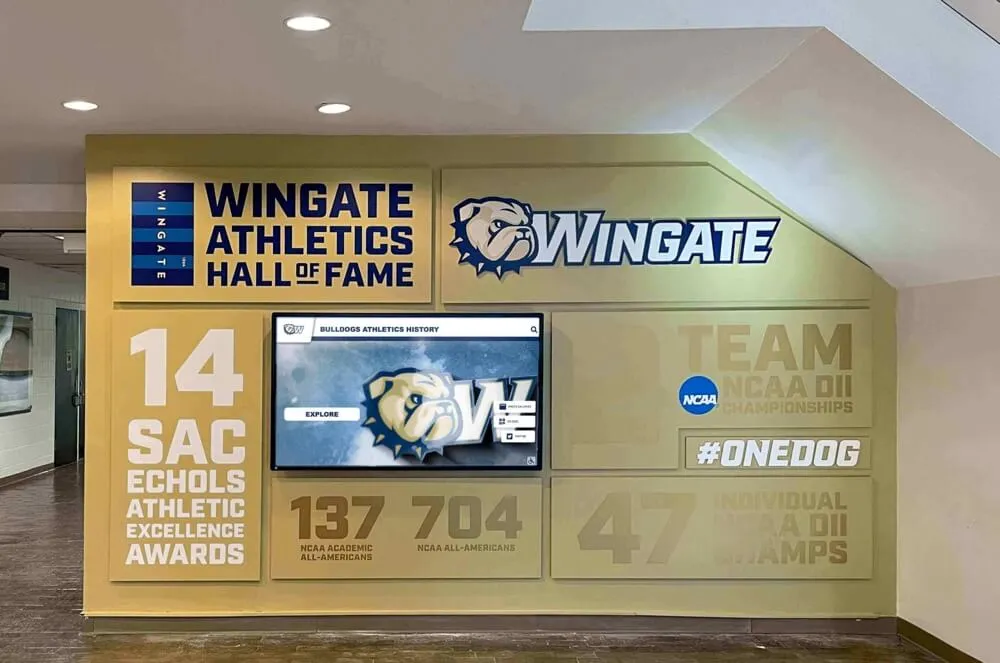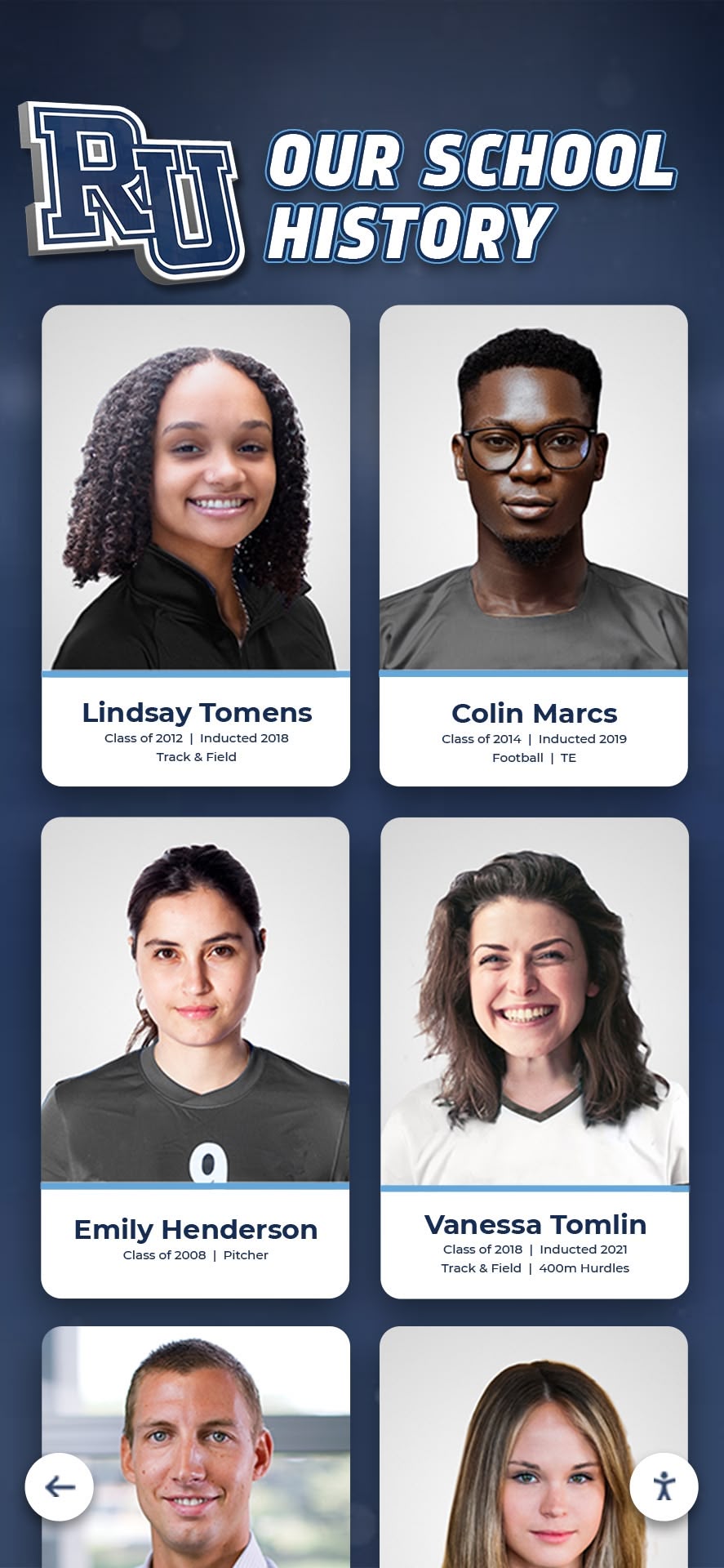




Schools accumulate decades of institutional memory through yearbooks, athletic photos, achievement records, historical documents, and alumni profiles. A high school founded in 1960 has likely produced 60+ yearbooks, thousands of athletic team photos, hundreds of honor roll lists, and countless archived records documenting student life across generations.
Yet most schools store these assets in ways that make them nearly impossible to access. Yearbooks sit in climate-controlled storage rooms requiring manual searches through physical volumes. Historical photos remain trapped in filing cabinets or deteriorating storage boxes. Athletic achievement records exist only as fading bulletin boards. Alumni seeking their graduation photos must visit campus in person and spend hours page-flipping through bound volumes.
Digital Asset Management (DAM) systems solve these problems by transforming scattered, inaccessible school archives into organized, searchable digital libraries. This comprehensive guide explores how educational institutions implement DAM solutions to preserve history, engage alumni, celebrate achievements, and make decades of institutional memory accessible to current and future generations.
Educational institutions face unique asset management challenges. Unlike corporations managing marketing materials or museums cataloging collections, schools manage deeply personal assets spanning multiple generations. The yearbook photo from 1985 matters to the alumnus searching for their graduation portrait, just as this year’s championship team photo matters to current students and families.

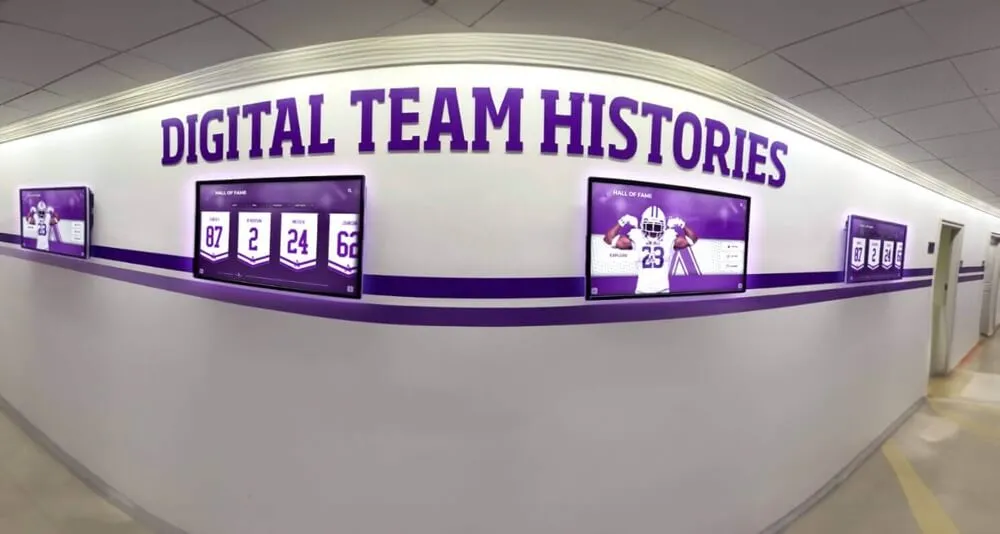
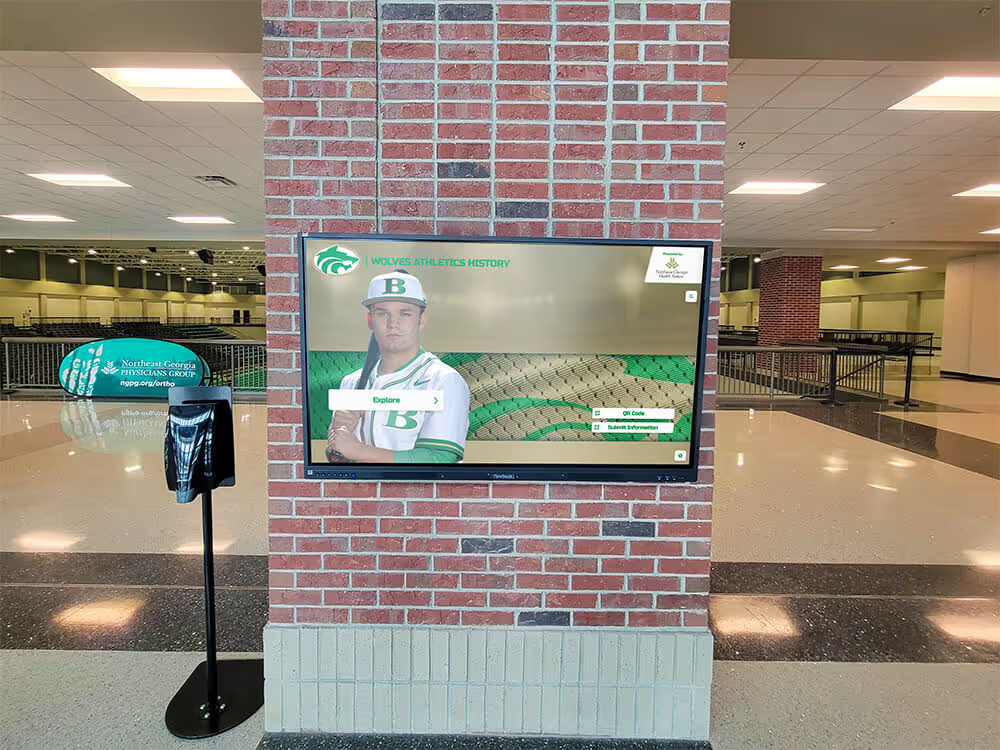
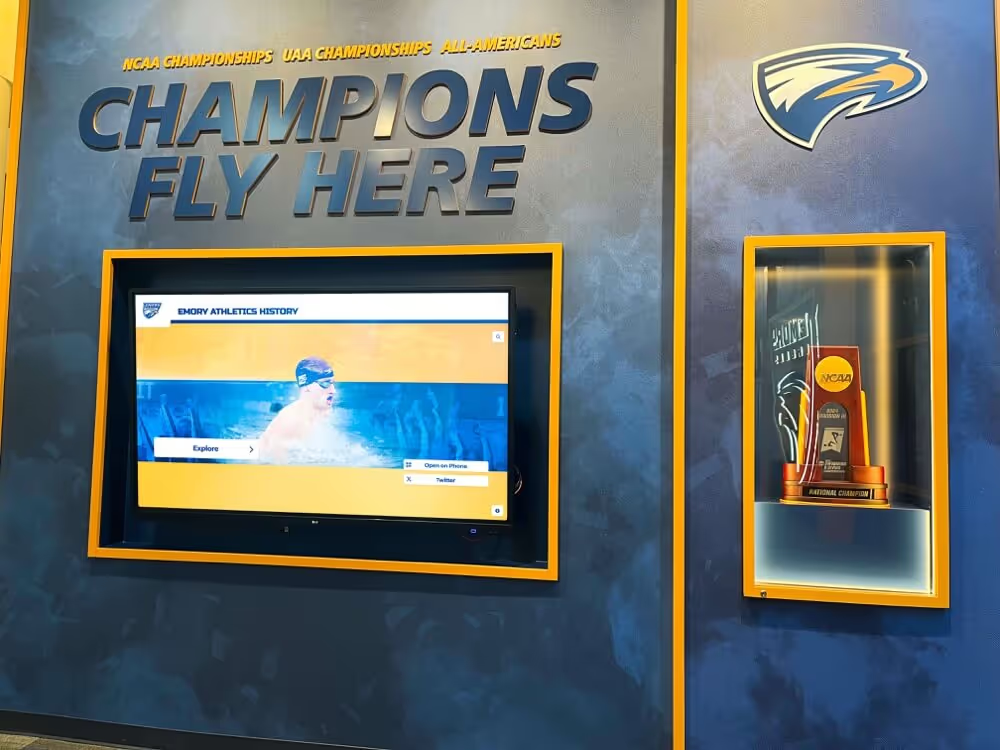
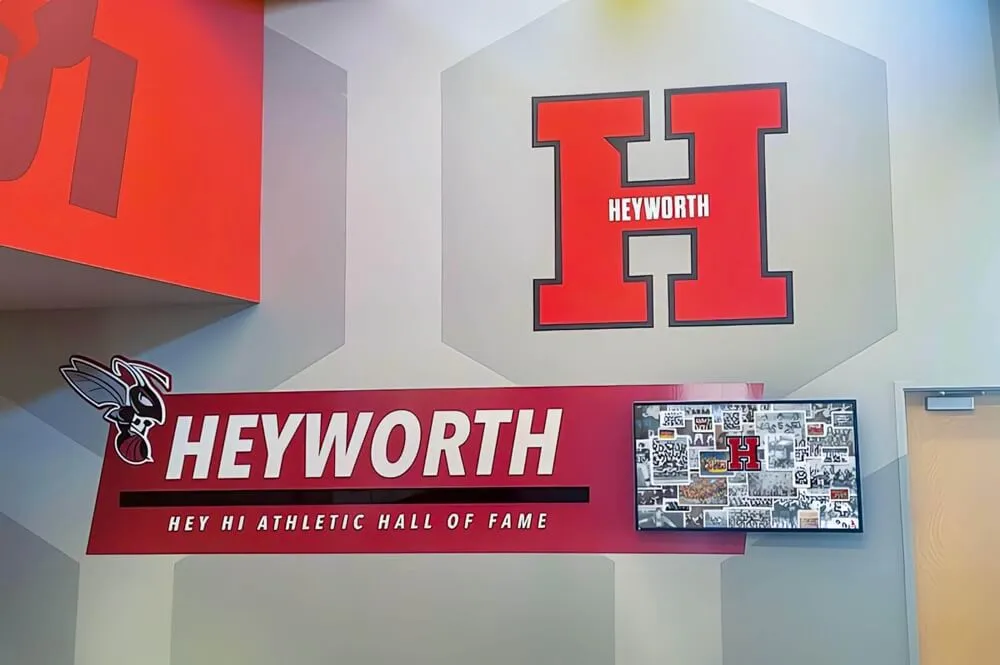
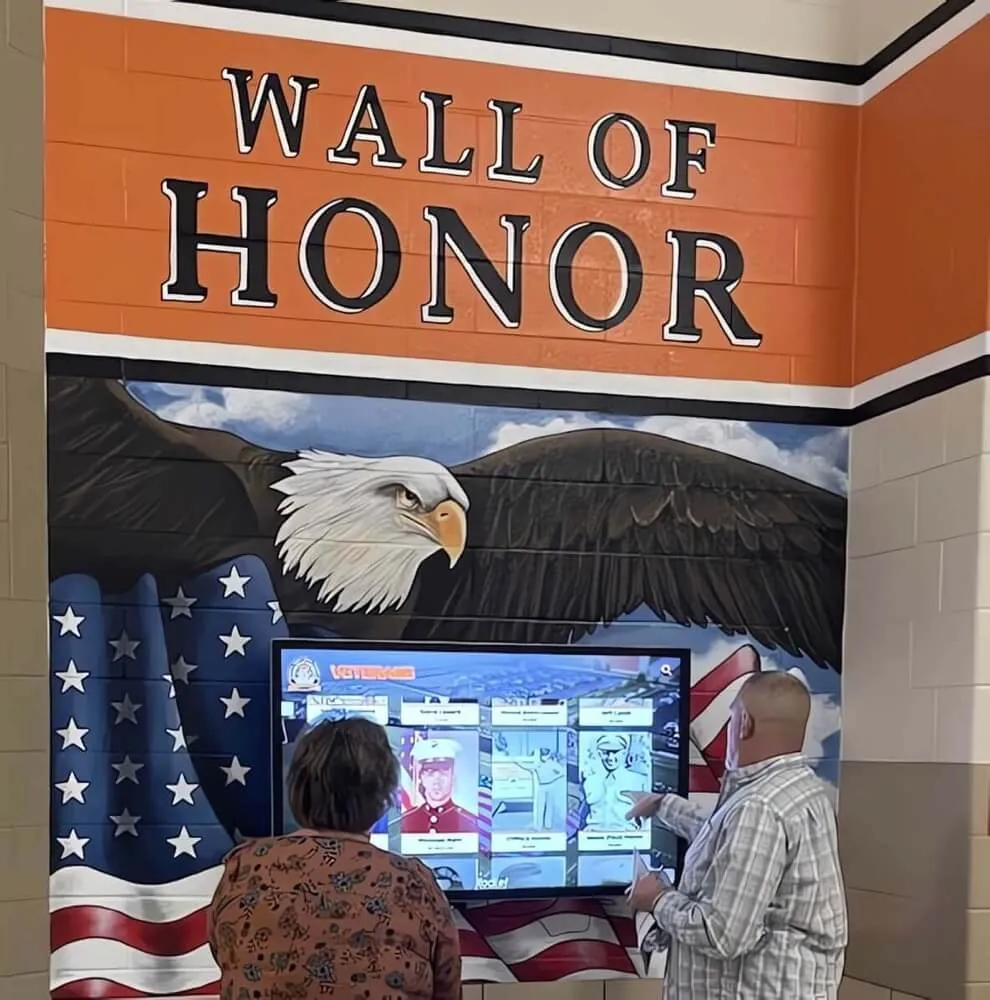
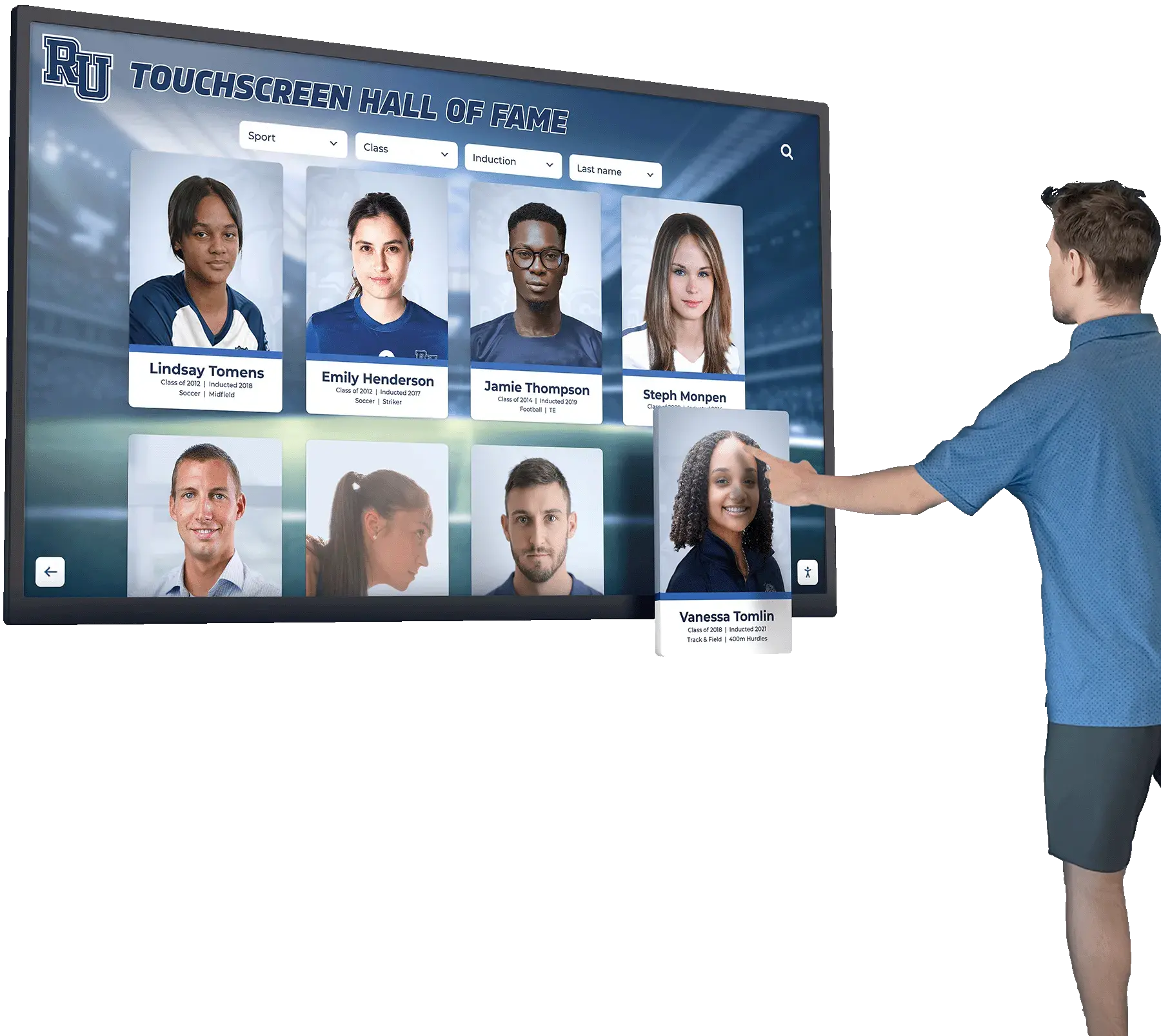
Modern digital asset management transforms scattered historical records into accessible, searchable archives
Understanding Digital Asset Management for Schools
DAM systems provide centralized platforms that organize, store, and deliver searchable access to institutional digital content. For schools, this means moving beyond basic file storage to create purpose-built systems designed for educational archives.
What Qualifies as Digital Assets in Education
Schools manage diverse content types requiring specialized organization:
Historical Yearbook Collections
- Scanned yearbooks dating back to founding years
- Individual student portrait photographs
- Group photos including clubs, teams, and activities
- Candid shots documenting daily school life
- Faculty and staff sections across decades
- Yearbook page layouts preserving original design
Physical yearbooks deteriorate over time. According to conservation research, paper-based yearbooks stored in typical school conditions have 30-40 year lifespans before significant degradation occurs. Schools with yearbooks dating to mid-century often face crumbling bindings, yellowed pages, and fading photographs that make preservation urgent.
Athletic Achievement Documentation
- Team photos organized by sport and season
- Individual athlete portraits and action shots
- Championship recognition and tournament results
- Record holder documentation and statistics
- Hall of fame inductee profiles and career highlights
- Historical coaching staff records
Learn more about displaying athletic achievements through modern recognition systems.
Academic Recognition Records
- Honor roll listings by semester and year
- National Honor Society inductees
- Academic competition results and participants
- Scholarship recipient documentation
- Valedictorian and salutatorian records
- Subject-specific achievement awards
Schools implementing comprehensive academic recognition can reference academic recognition program guides for systematic approaches.
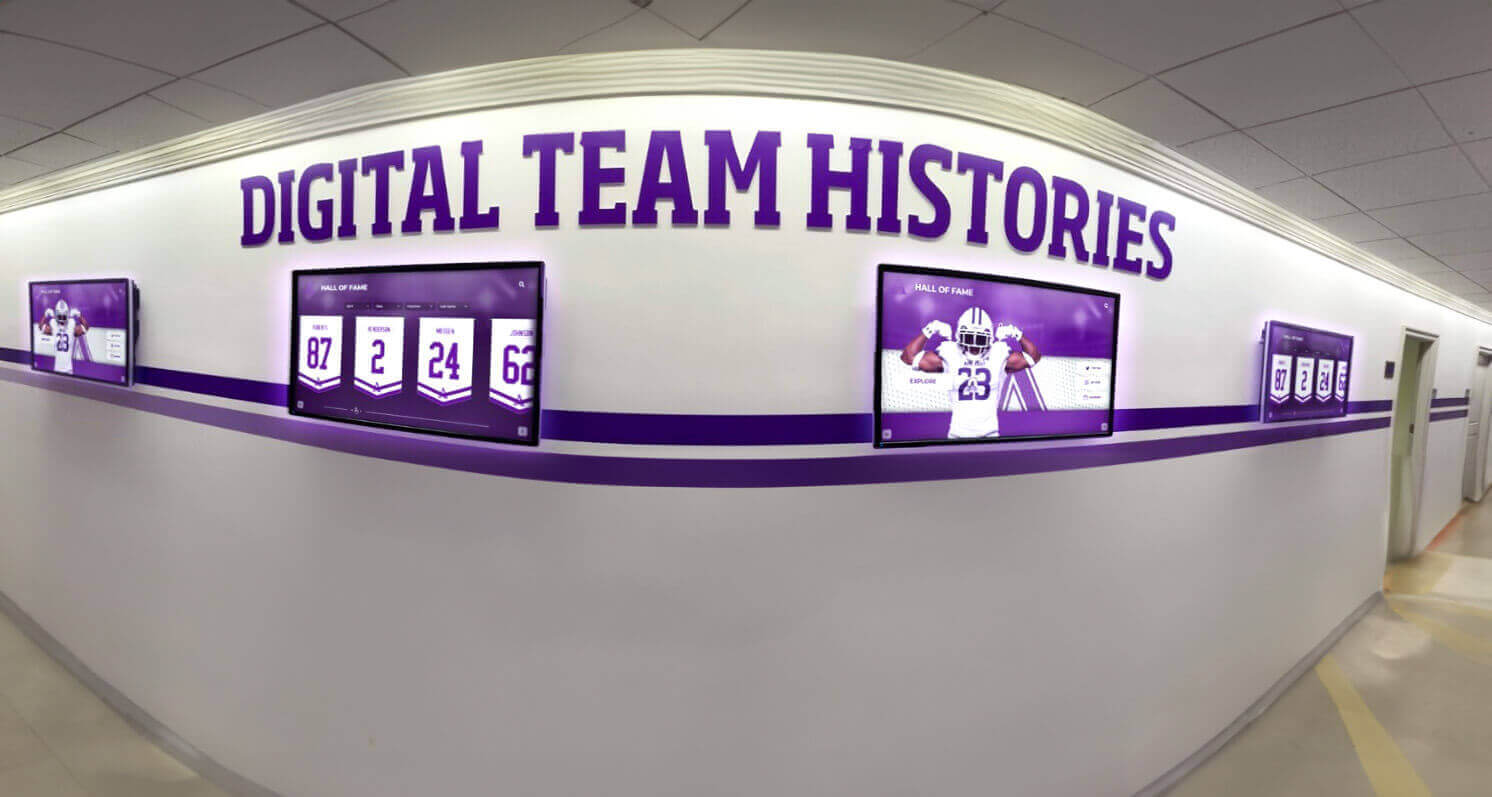
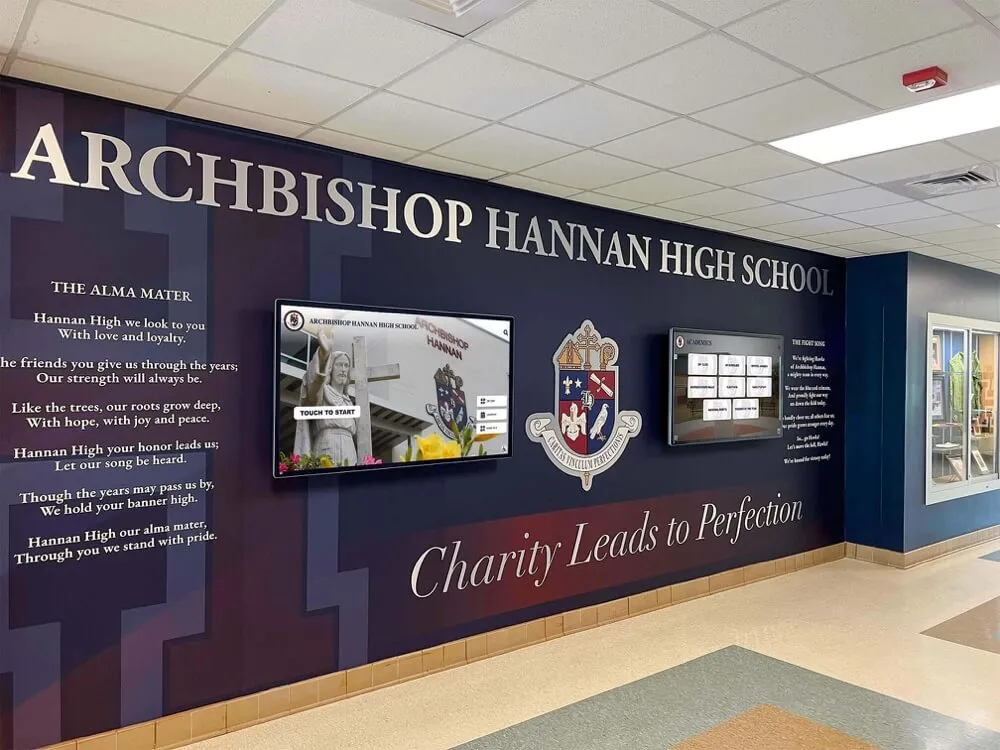
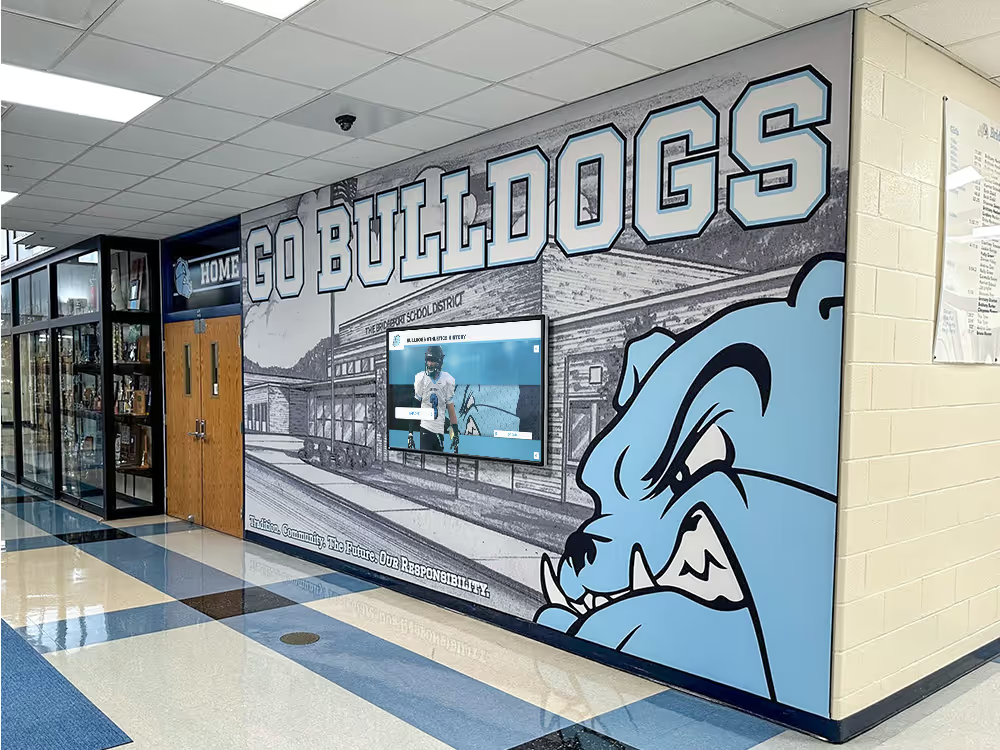
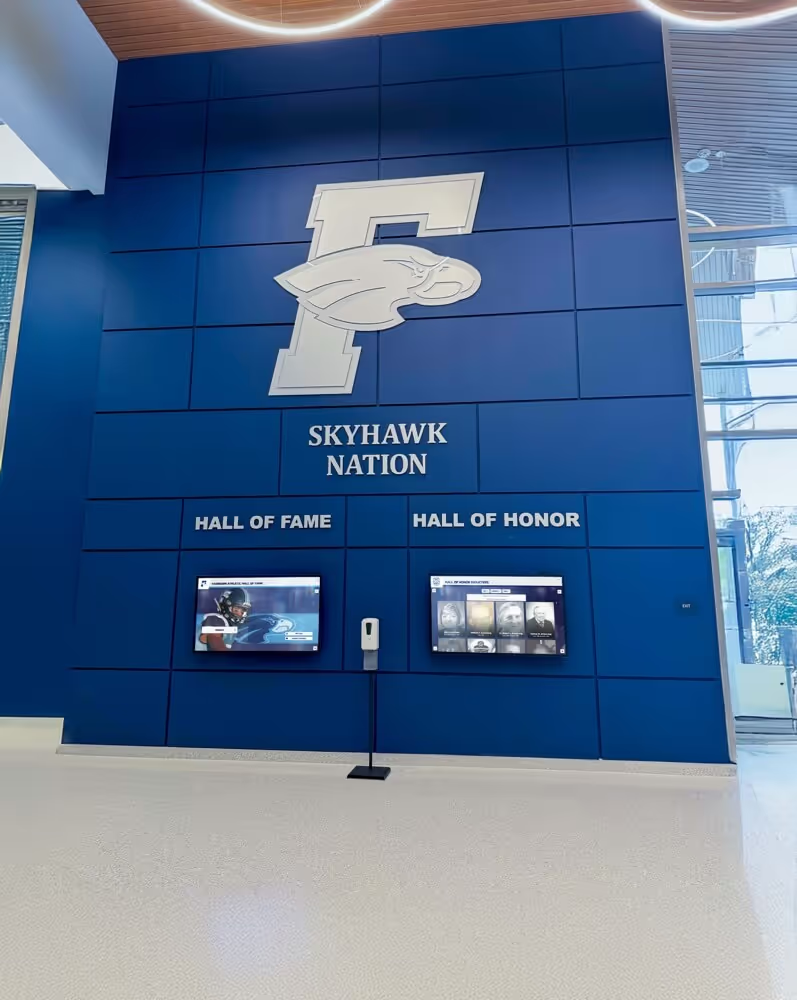
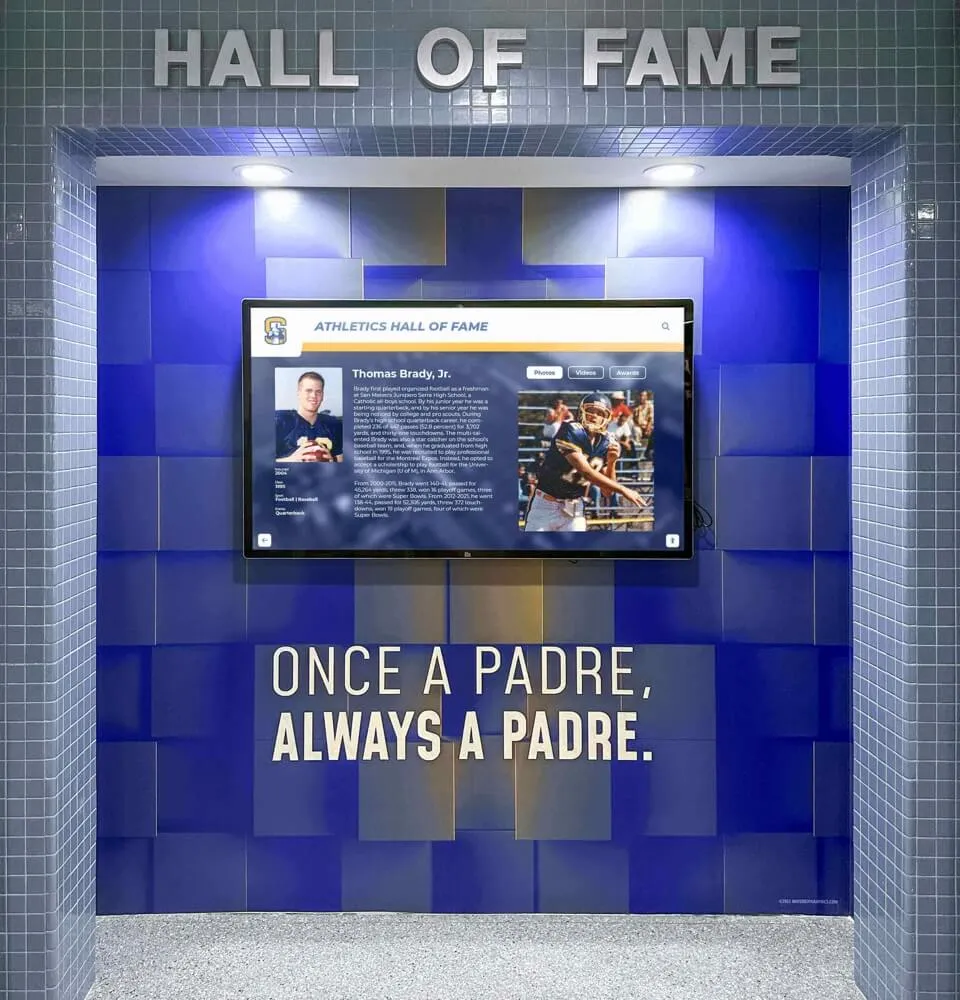
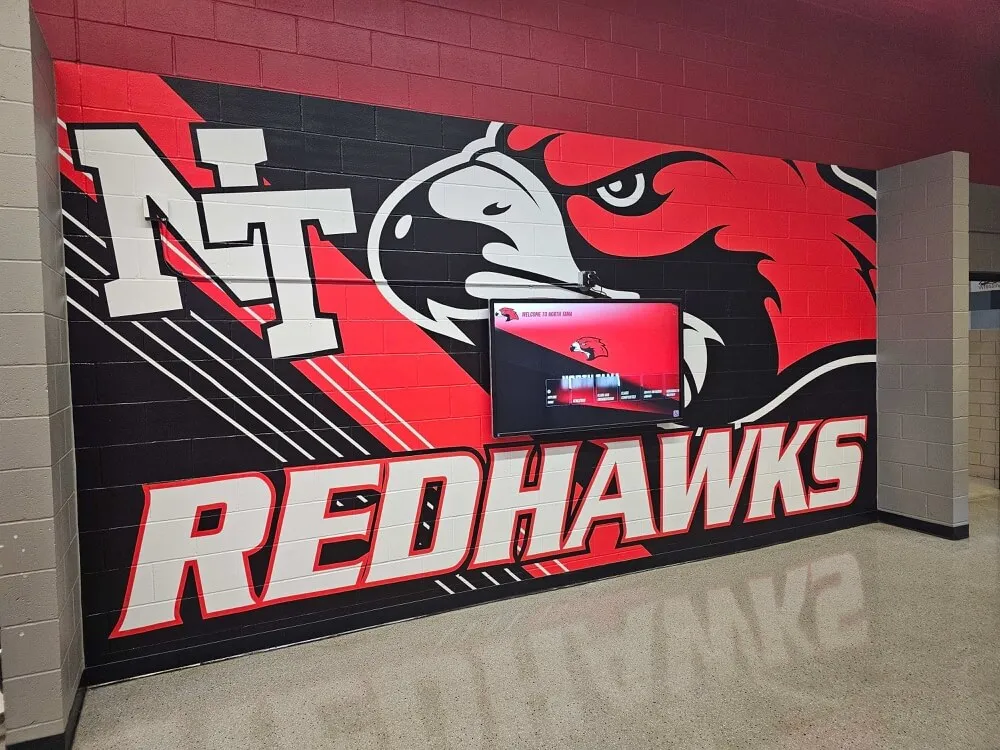
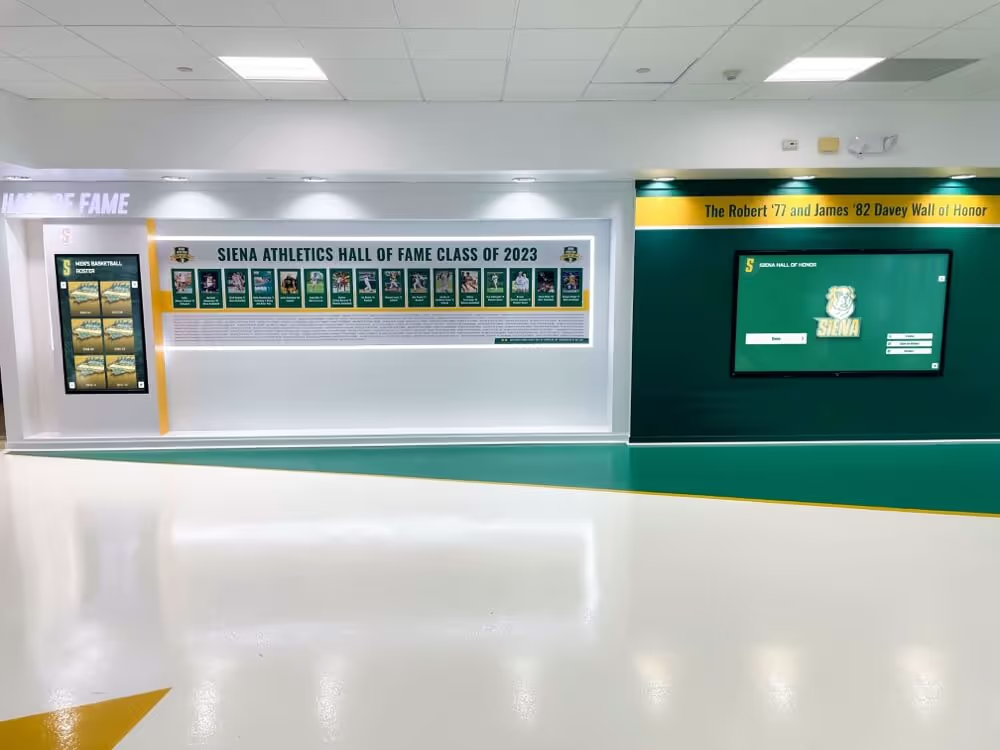
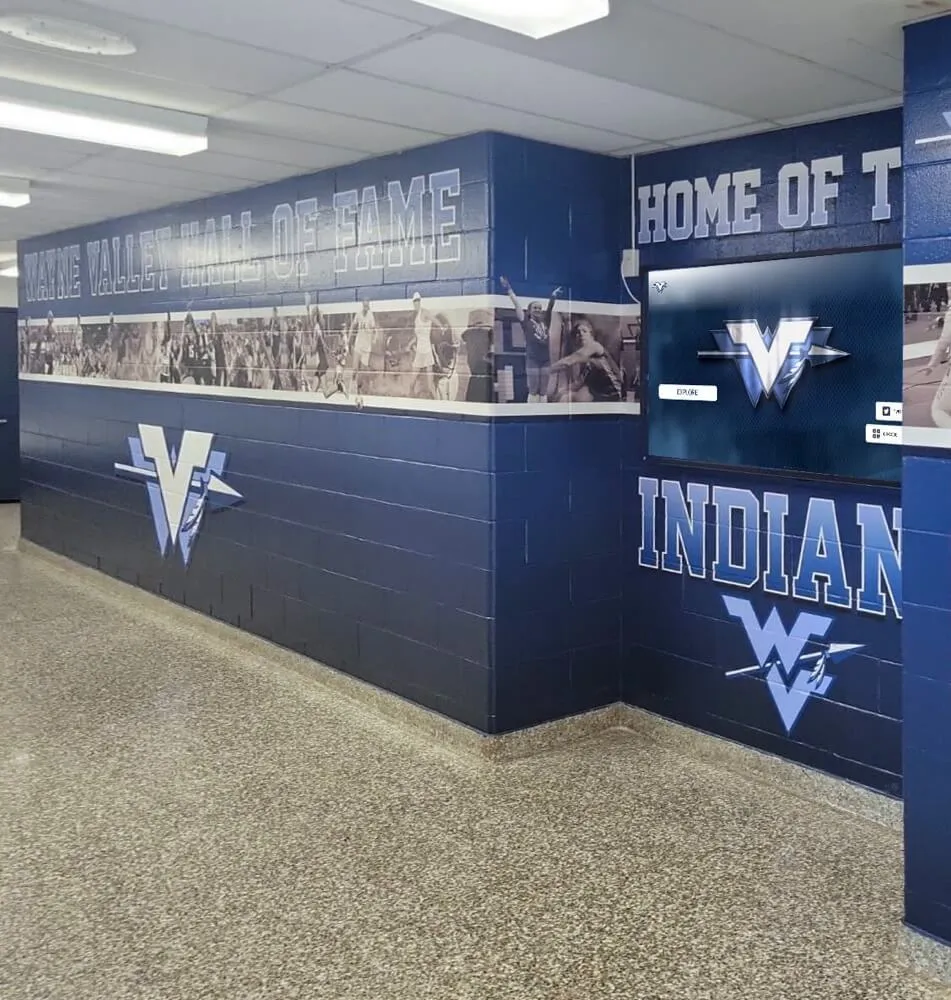
Strategic placement of digital displays creates access points to comprehensive school archives
Event and Activity Documentation
- Graduation ceremony photos and programs
- Performing arts production images and videos
- School spirit events and homecoming documentation
- Community service project records
- School building and facility evolution photos
- Special event commemorations and anniversaries
Alumni Biographical Information
- Graduate profile information and career updates
- Alumni achievement documentation post-graduation
- Reunion event photos and attendance records
- Distinguished alumni recognition
- Alumni professional networking information
- Legacy family connections across generations
The Problem with Traditional School Archives
Before implementing DAM systems, schools face significant operational challenges that limit asset accessibility and preservation.
Physical Space Consumption A comprehensive yearbook collection requires substantial storage:
- Average high school yearbooks consume 1.5-2 linear feet per decade
- 50 years of yearbooks require 75-100 linear feet of shelf space
- Climate-controlled storage necessary for long-term preservation
- Additional space needed for loose photo collections and records
- Competing demands for limited library and storage areas
- Facility costs for maintaining appropriate environmental conditions
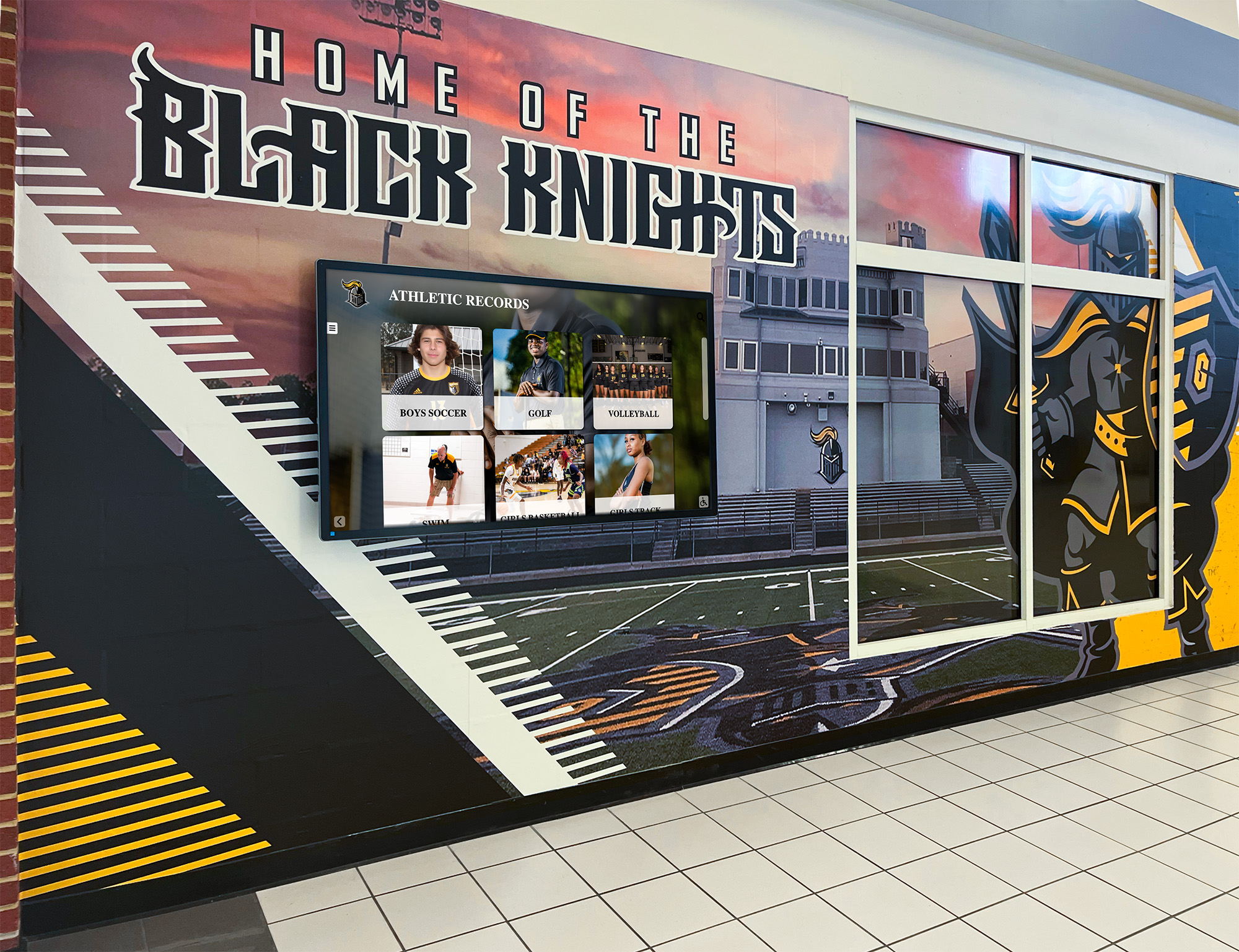
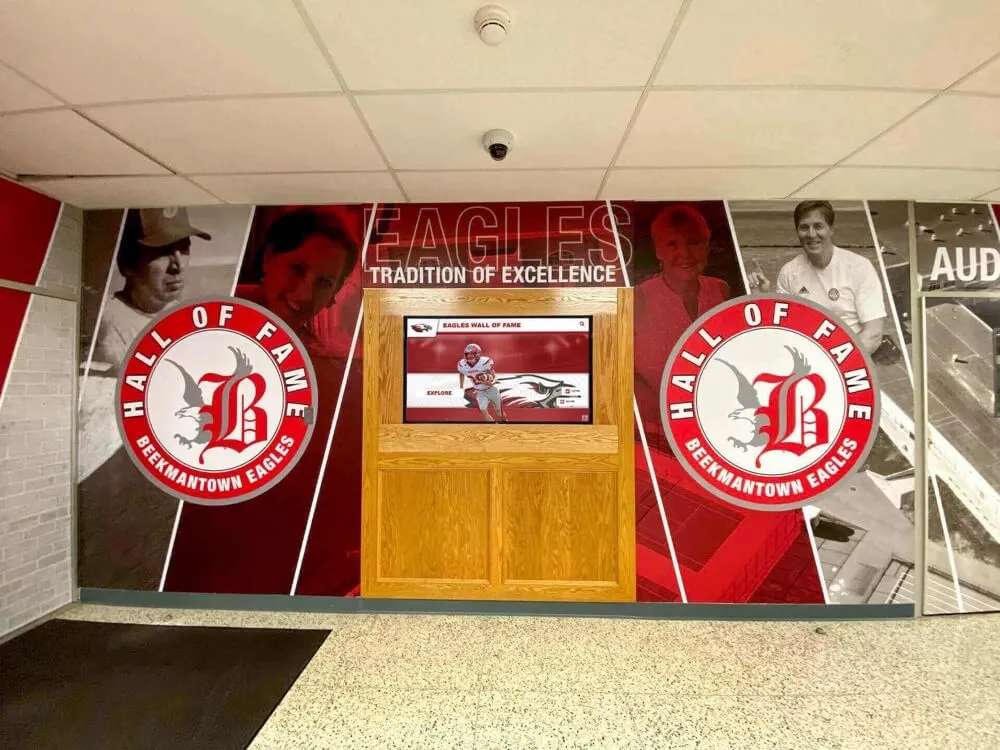
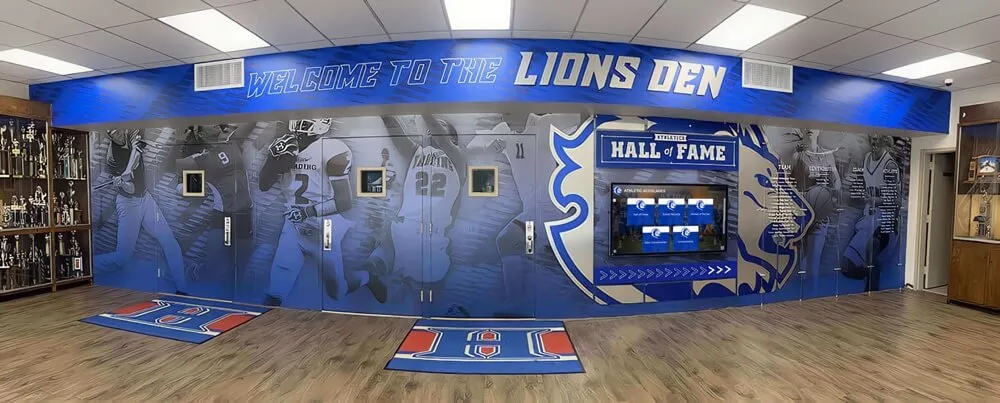
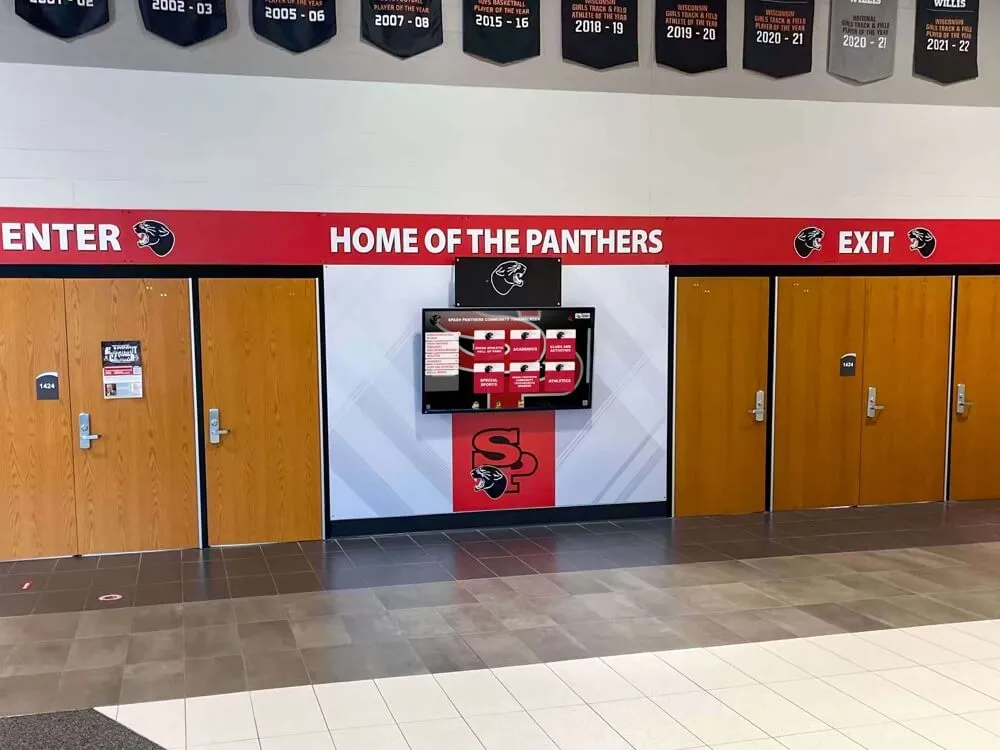
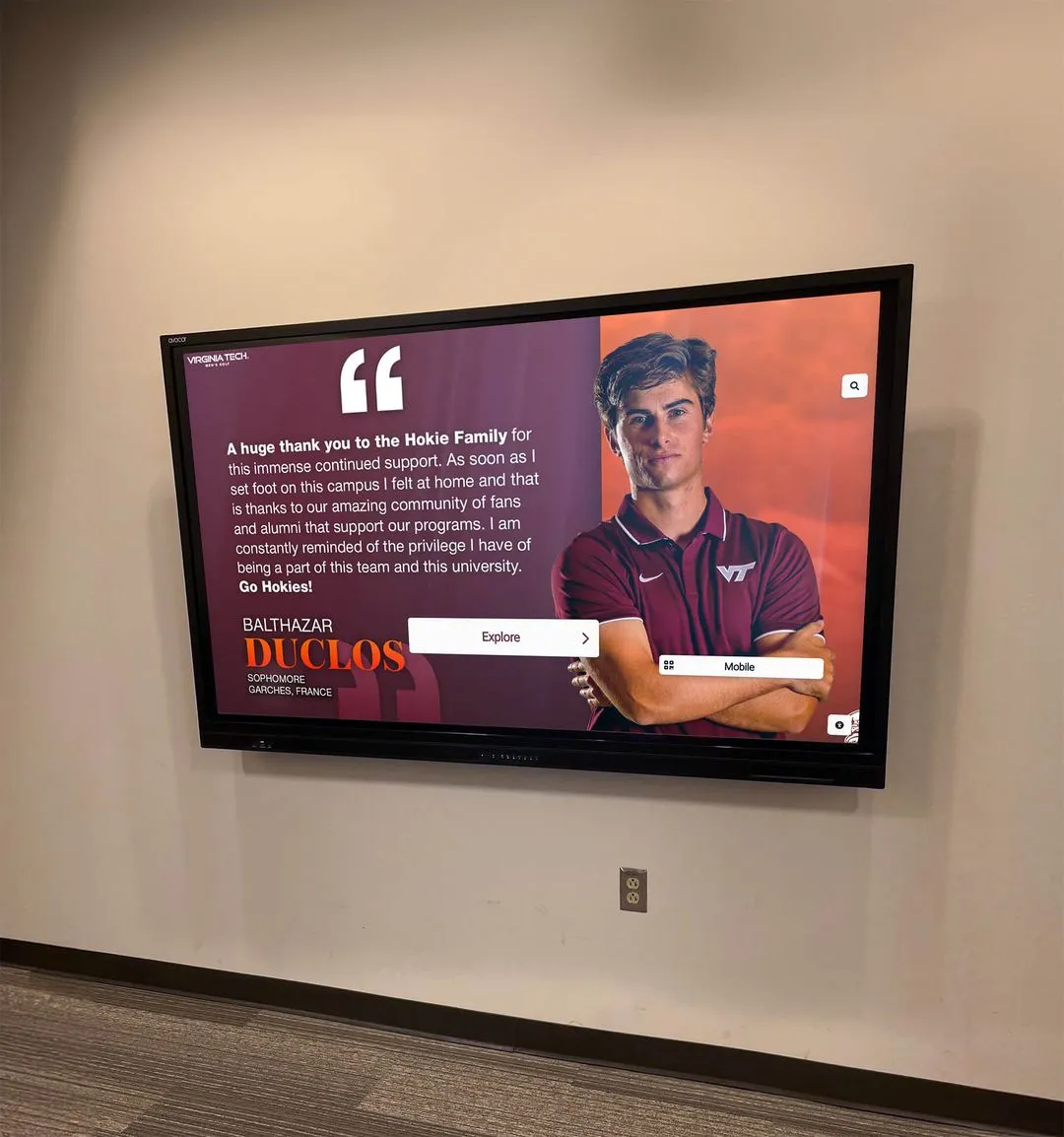
Digital systems eliminate space constraints while making historical records continuously visible
Access and Discovery Limitations Physical archives create significant friction:
- Finding specific individuals requires page-by-page manual searching
- Average search time of 8-15 minutes per person across multiple yearbooks
- No cross-referencing capabilities across years or activities
- Alumni must visit campus in person to access their records
- Remote access completely unavailable for distance alumni
- Limited simultaneous access when multiple people seek information
- Fragile materials restrict handling and accessibility
Preservation and Deterioration Risks Physical materials face inevitable degradation:
- Paper yellowing and brittleness from acid content
- Binding failures causing page loss
- Photographic fading reducing image quality
- Environmental damage from humidity and temperature fluctuations
- Physical damage from handling and accidents
- Single-copy vulnerability with no backup protection
- Replacement costs ranging from hundreds to thousands of dollars
Organizations managing historical records can explore digital history archive approaches for comprehensive preservation strategies.
Engagement and Visibility Challenges Traditional archives limit community connection:
- Archives hidden in storage rooms receive minimal visibility
- Current students never see historical institutional context
- Alumni lose connection to school history after graduation
- Prospective families can’t explore school traditions during tours
- Community members lack access to institutional heritage
- Achievements remain invisible instead of inspiring future students
Core Components of Educational DAM Systems
Effective school DAM platforms share essential features that address educational institutions’ unique requirements.
Organization and Metadata Architecture
Proper organization determines whether assets become findable or remain buried in digital storage.
Year-Based Navigation Structures Educational archives organize chronologically:
- Academic year categorization (1985-1986, 2020-2021, etc.)
- Semester or term subdivisions for achievement tracking
- Decade-level organization for long-term historical browsing
- Class year groupings for alumni searching graduation years
- Chronological timelines showing institutional evolution
- Year comparison capabilities highlighting change over time
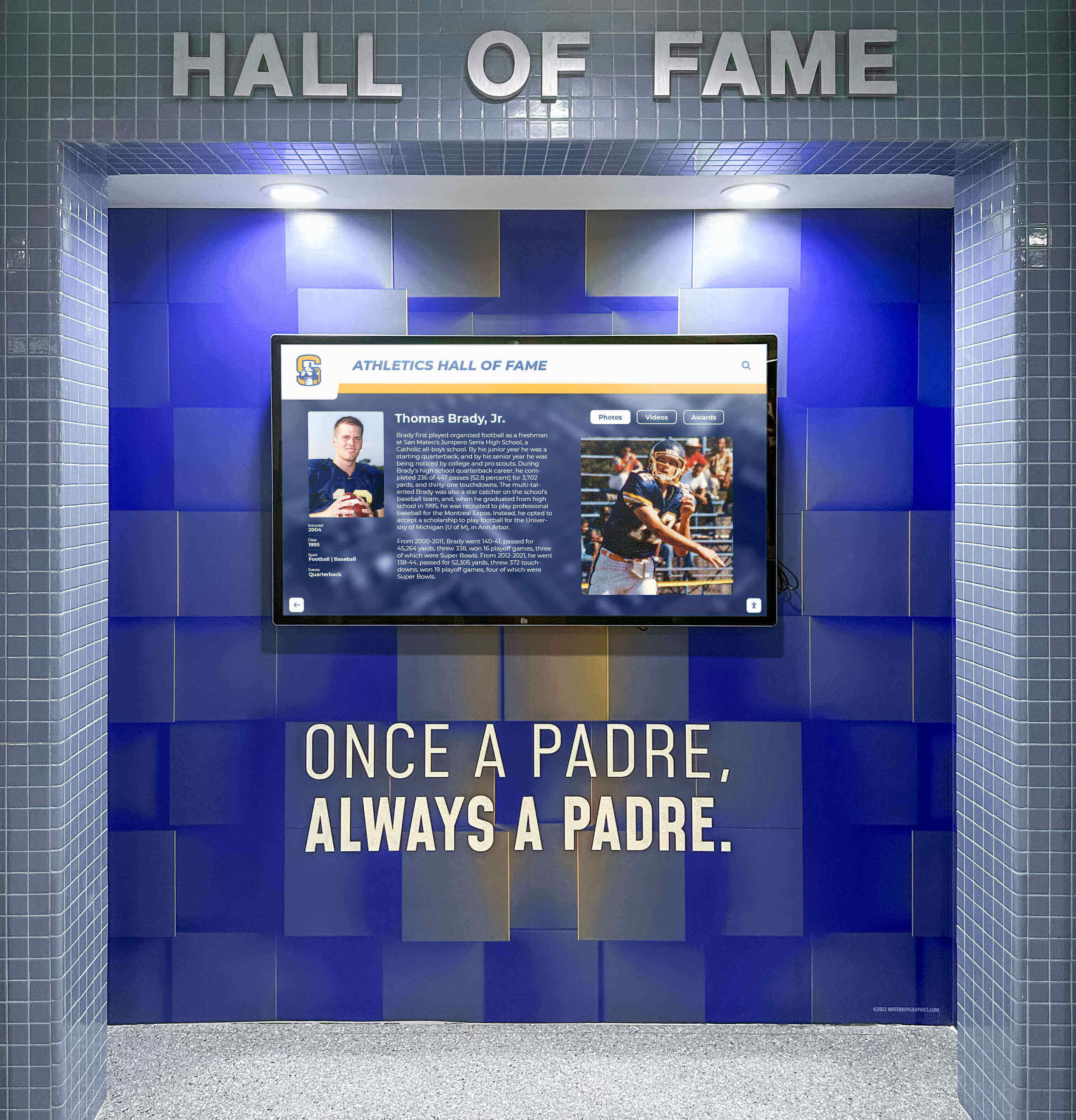
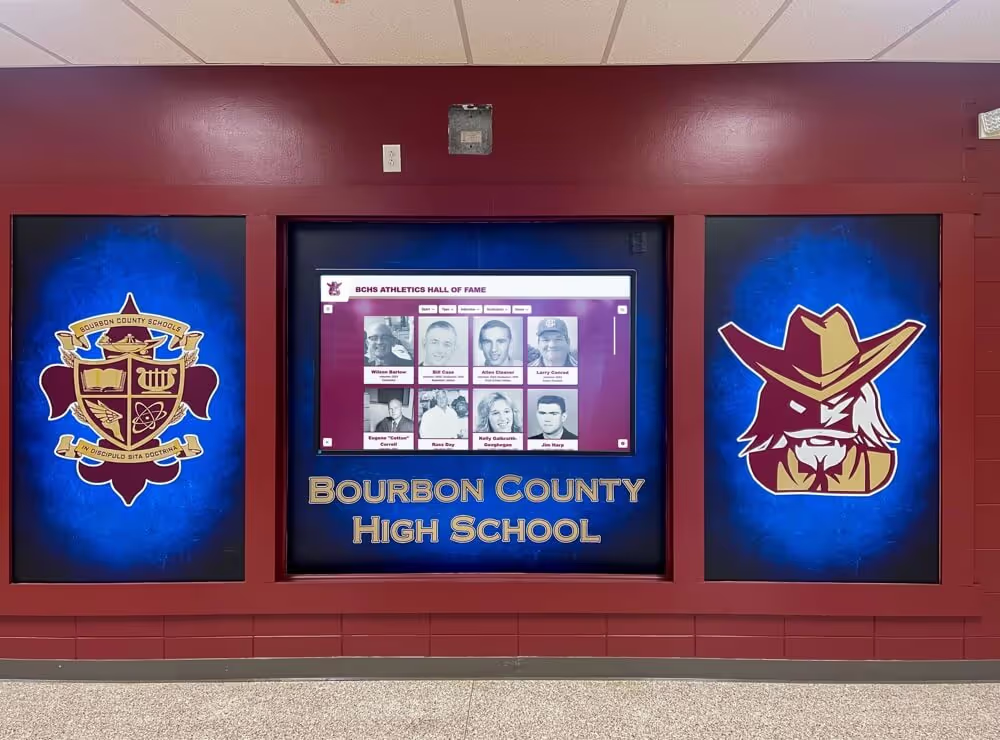
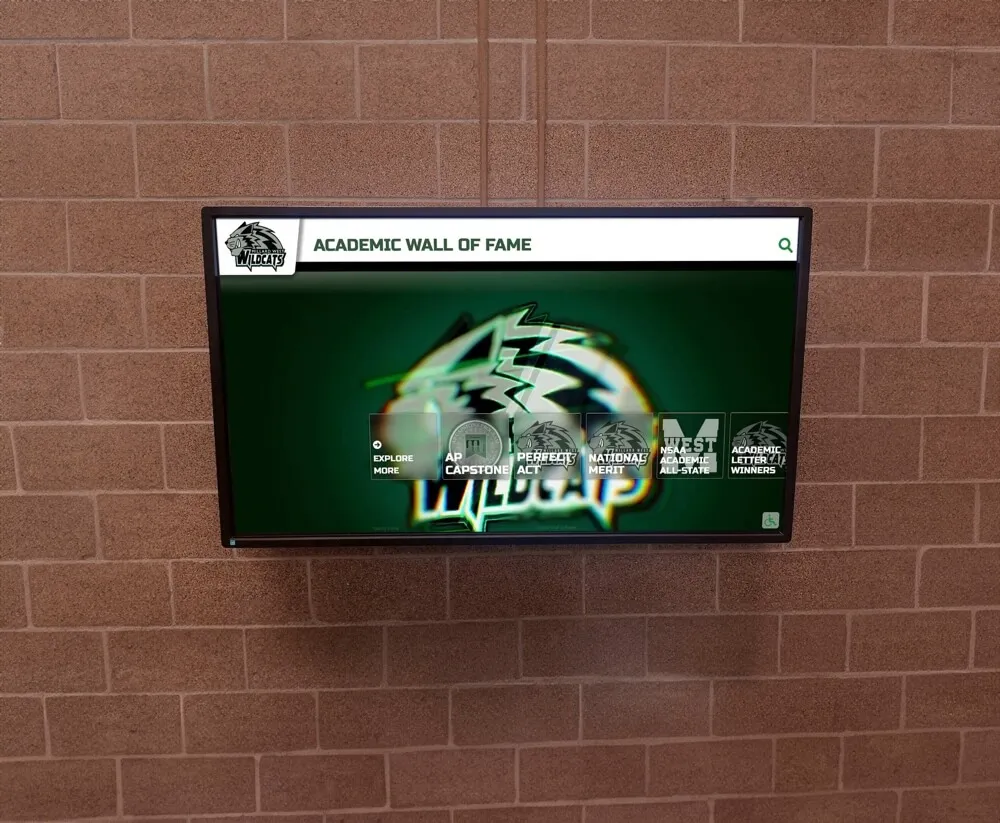
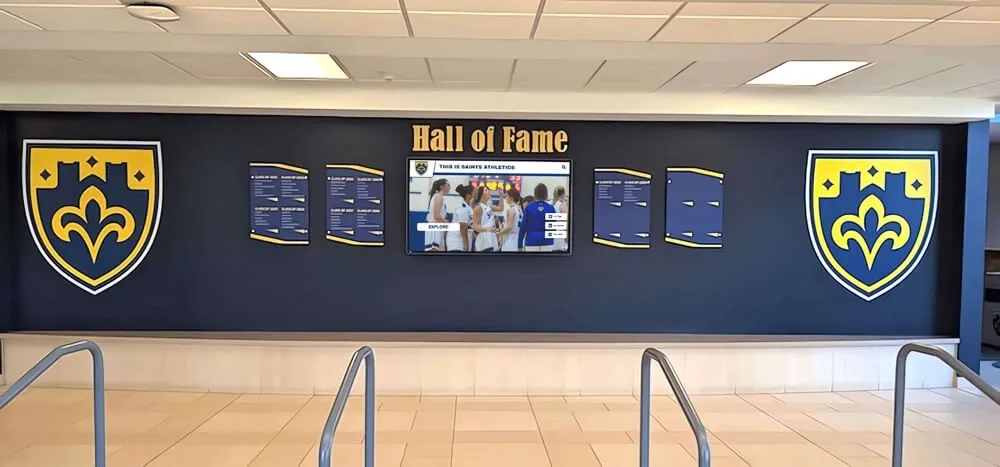
Modern interfaces enable intuitive navigation across decades of institutional history
Activity and Category Taxonomies Content categorization enables precise discovery:
- Sport-specific sections for athletic programs
- Activity directories for clubs and organizations
- Academic department organization for subject-based content
- Event type categorization for ceremonies and celebrations
- Recognition category filtering for awards and honors
- Building and facility sections for infrastructure documentation
Individual Tagging and Identification Personal identification makes content discoverable:
- Student name tagging enabling instant search
- Graduation year associations connecting individuals to cohorts
- Activity participation linking people to programs
- Role identification distinguishing athletes, officers, members
- Multi-year tracking showing individual trajectories
- Relationship mapping connecting siblings, family members
Schools implementing digital yearbook systems benefit from purpose-built educational metadata structures.
Search and Discovery Capabilities
Advanced search transforms archives from static storage into dynamic resources.
Name-Based Instant Search The fundamental educational search requirement:
- Real-time search as users type names
- Fuzzy matching accommodating spelling variations and nicknames
- Maiden name cross-referencing for alumni records
- First name, last name, and full name search options
- Results displaying all appearances across years and activities
- Quick preview showing which years and sections contain matches
Advanced Filter Combinations Multi-dimensional filtering enables targeted discovery:
- Year range selection focusing on specific periods
- Activity or sport filtering showing program participation
- Achievement type selection highlighting specific recognition
- Graduation class filters for reunion planning
- Location-based searches for campus or facility documentation
- Custom tag filtering for specialized categorization
Content Type Specifications Format-specific search and browsing:
- Photo galleries with thumbnail preview
- Video content with duration and description metadata
- Document archives with text content search
- Audio recordings with transcription search
- Publication collections with full-text search
- Mixed media results displaying all relevant formats
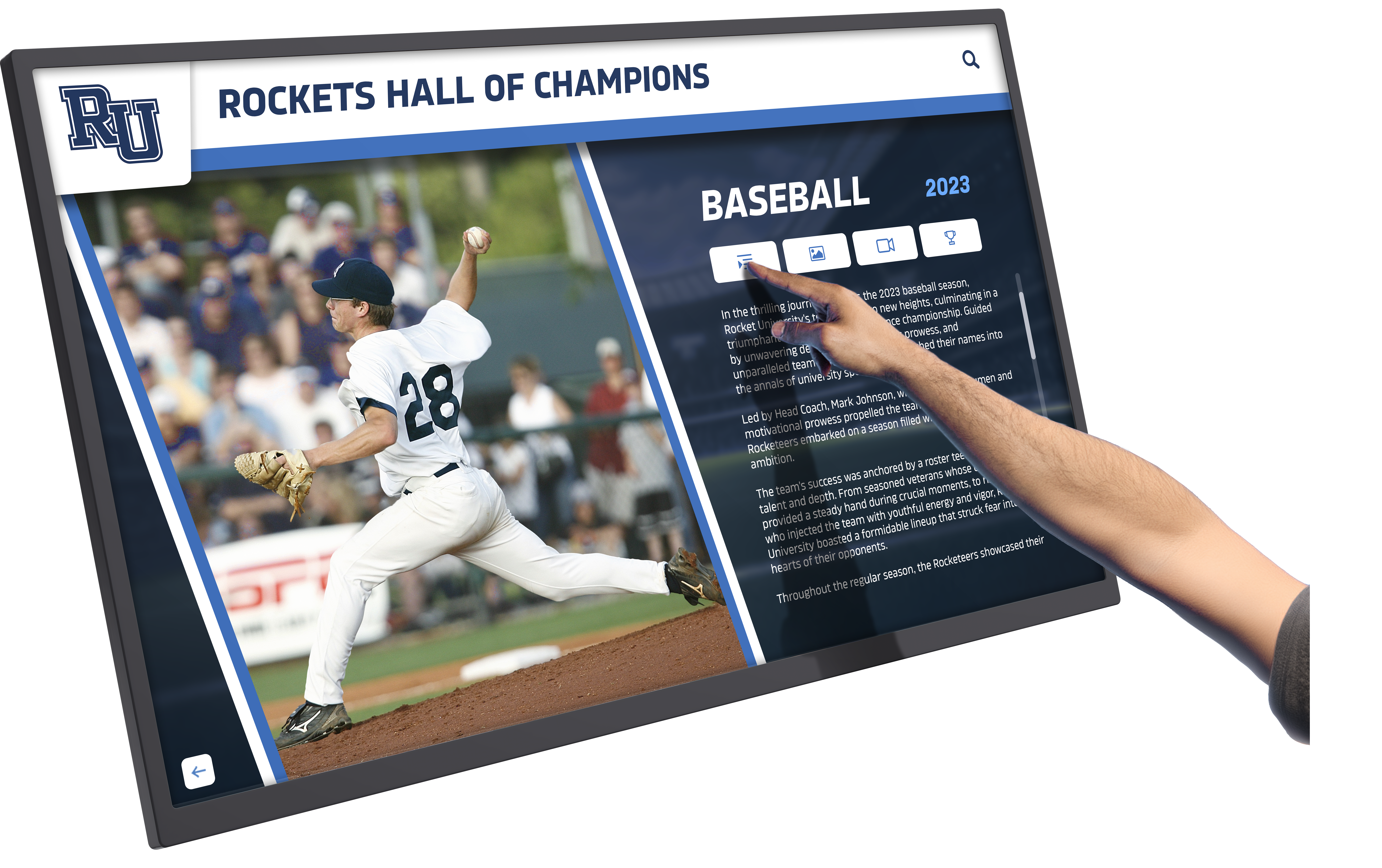
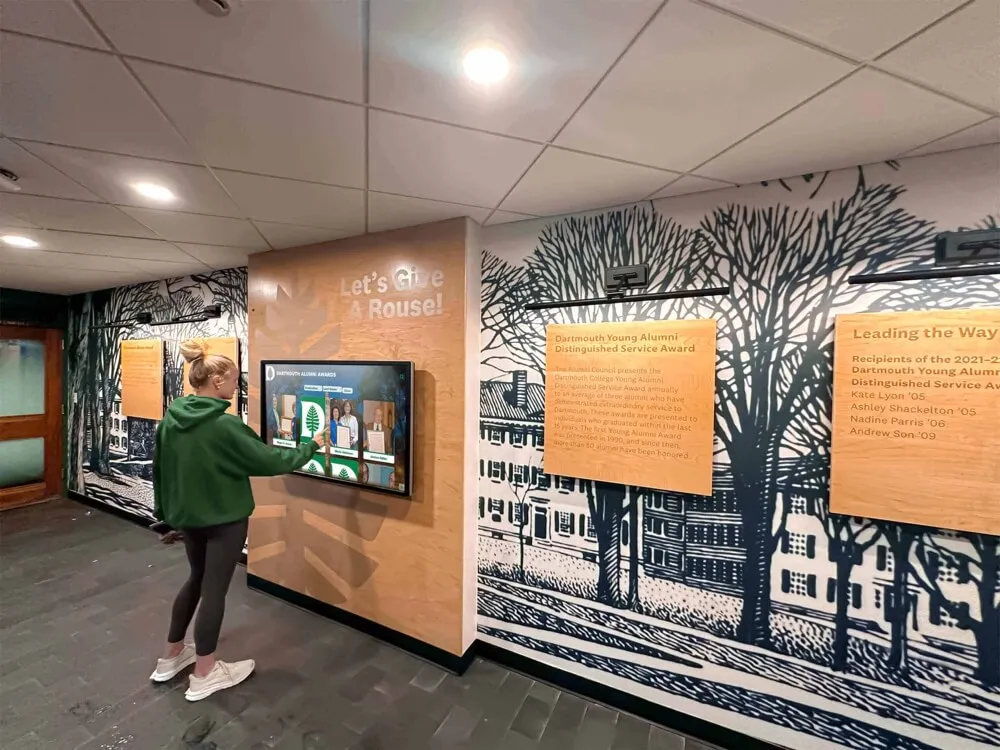
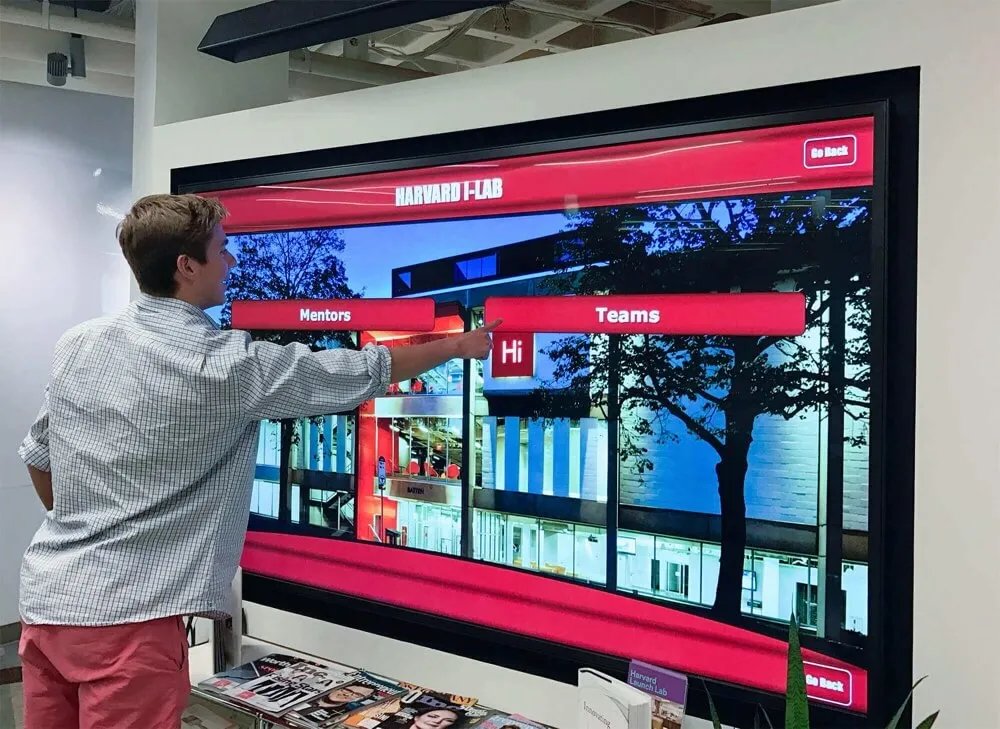
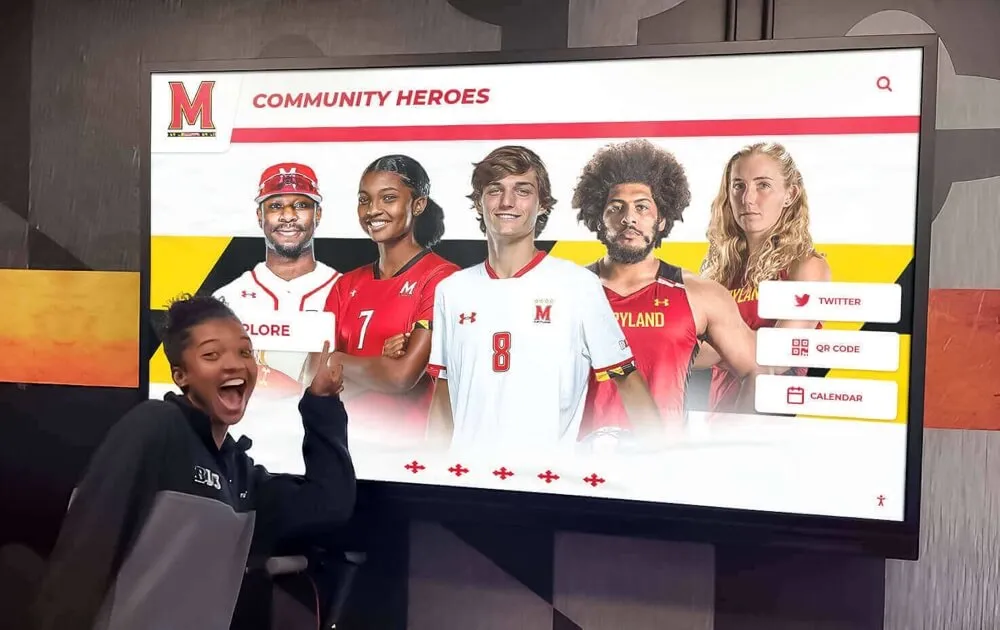
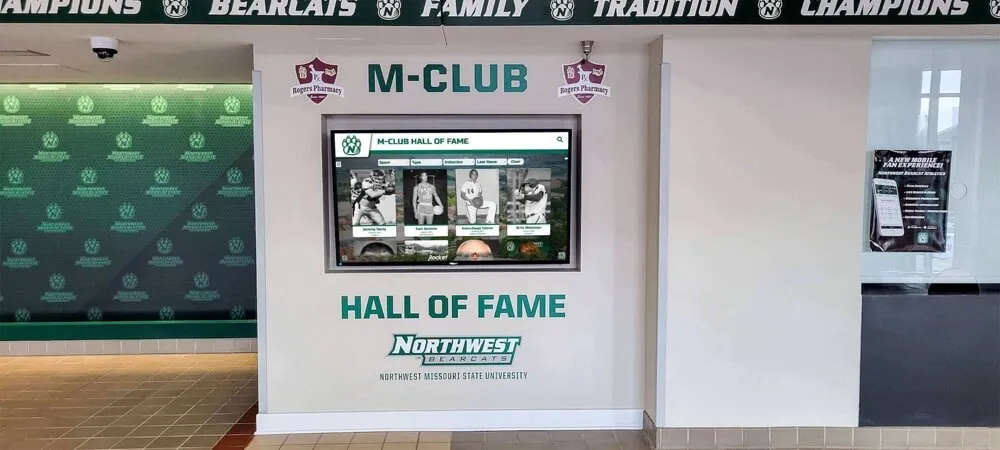
Intuitive touchscreen interfaces make complex archives accessible to all users regardless of technical expertise
Optical Character Recognition (OCR) Text extraction creates searchable content:
- Automated text recognition from scanned yearbook pages
- Caption and description searchability
- Award certificate text extraction
- Document content indexing
- Searchable historical newspaper clippings
- Program and publication full-text search
Access Control and Privacy Compliance
Educational DAM systems must balance accessibility with privacy protection and regulatory compliance.
FERPA Compliance Requirements Federal education privacy law mandates:
- Student record protection for personally identifiable information
- Parental consent for directory information release
- Age-appropriate consent mechanisms (students 18+ control own records)
- Opt-out capabilities for students declining directory information sharing
- Access logging and audit trails documenting who views records
- Secure authentication preventing unauthorized access
Schools must implement systems respecting Family Educational Rights and Privacy Act (FERPA) requirements, according to U.S. Department of Education guidance.
Graduated Permission Levels Role-based access controls appropriate access:
- Public access for general institutional information and current recognition
- Alumni verification for accessing comprehensive historical records
- Staff administrative access for content management
- Department-specific permissions for relevant program materials
- Individual profile ownership enabling personal content control
- Temporary access for reunion planning committees
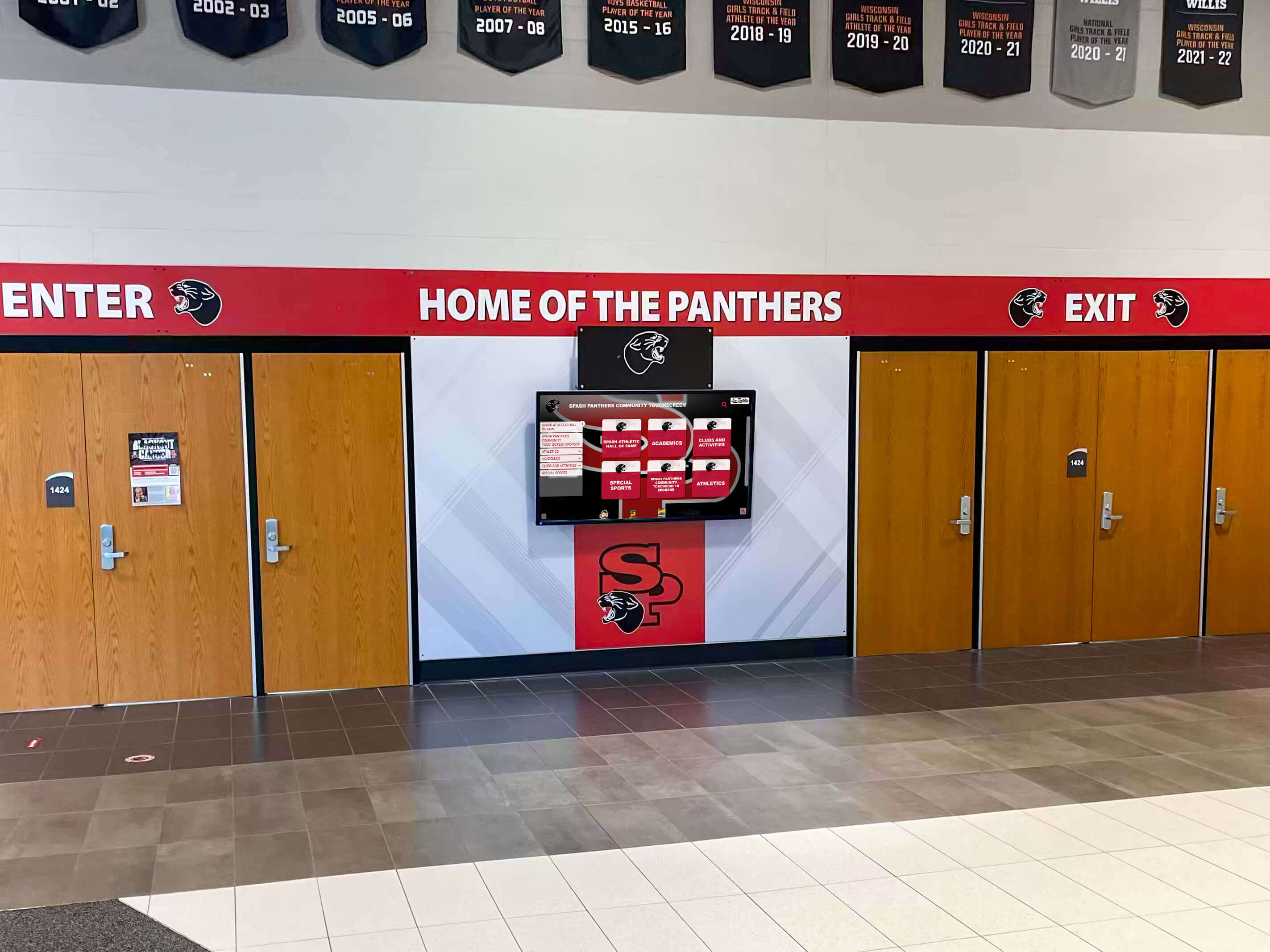
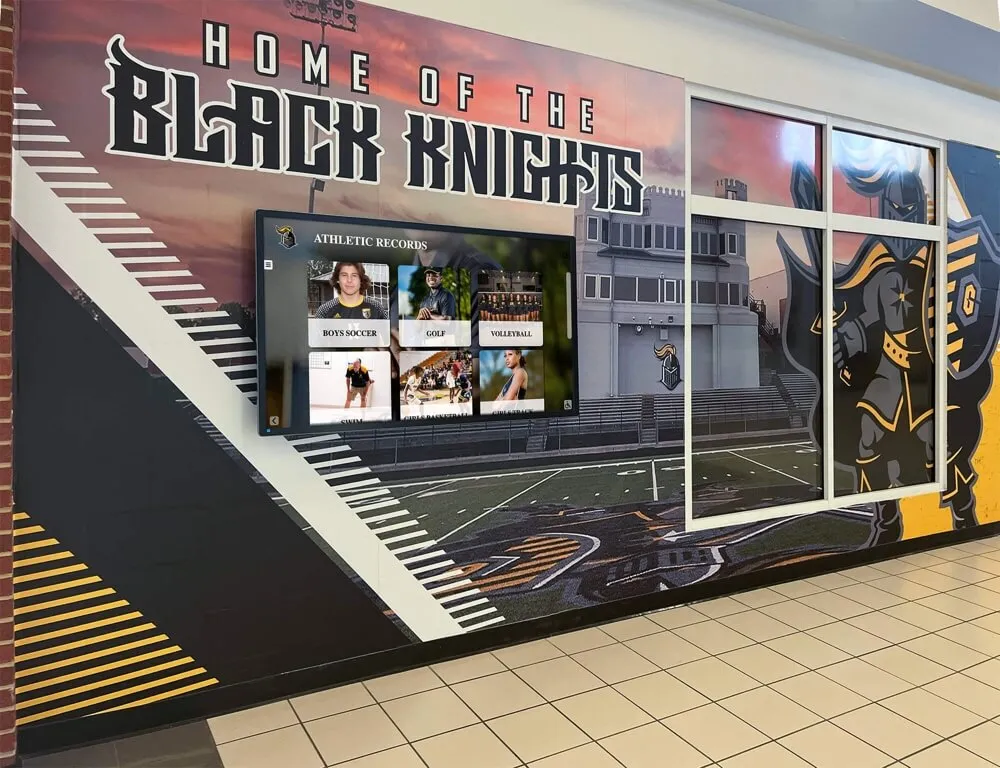
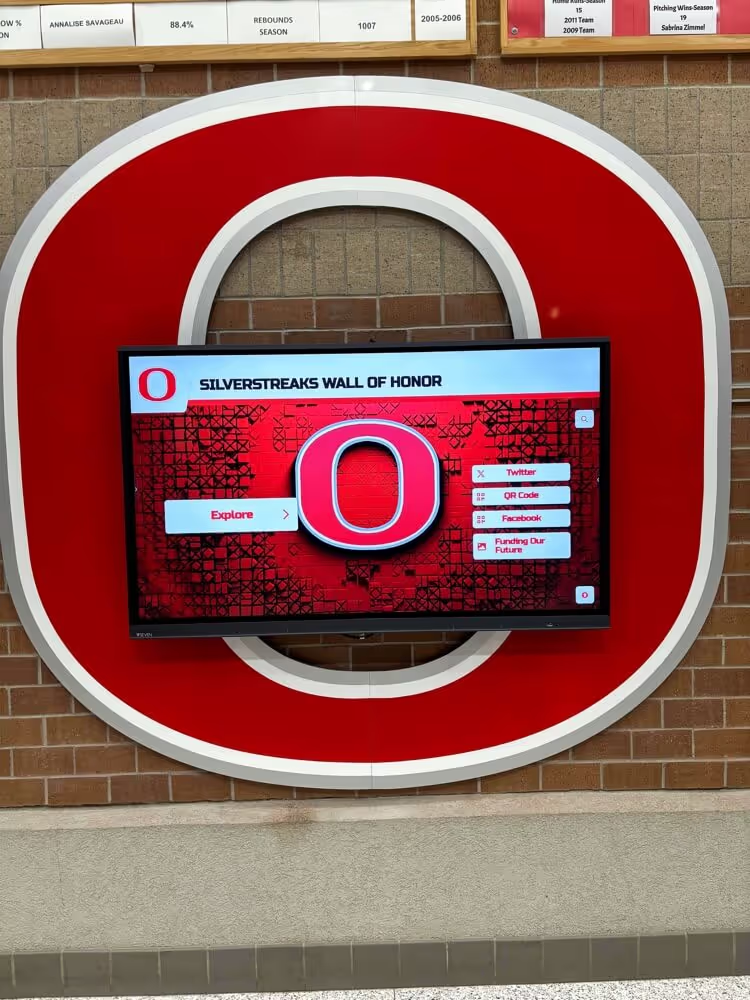
Public-facing displays showcase appropriate institutional content while protecting student privacy
Content Visibility Management Flexible display controls:
- Individual student opt-out for privacy-conscious alumni
- Sensitive content restrictions for limited audiences
- Historical records with contextual warnings when appropriate
- Graduation year-based automatic access rules
- Parent-controlled visibility for minor students
- Scheduled publication for time-sensitive content
Storage, Preservation, and Backup
Long-term digital preservation requires strong infrastructure protecting against data loss.
Cloud-Based Architecture Benefits Modern cloud platforms provide advantages over local storage:
- Unlimited expandable storage accommodating growing collections
- Geographic redundancy protecting against local disasters
- Automatic backup eliminating manual processes
- Professional-grade security exceeding typical school IT capabilities
- Accessibility from any internet-connected device
- Infrastructure maintenance handled by platform providers
High-Resolution Preservation Standards Quality preservation ensures future usability:
- Minimum 300-600 DPI scanning for printed materials
- RAW or lossless format preservation for photographs
- High-definition video archiving (1080p minimum, 4K preferred)
- Original file retention alongside optimized display versions
- Metadata preservation including capture date, source information
- Format migration planning as technology evolves
Disaster Recovery Preparation Comprehensive backup protects institutional memory:
- Multi-region geographic distribution of backups
- Point-in-time recovery enabling restoration to specific dates
- Versioning preserving edit history and enabling reversal
- Automated backup verification confirming integrity
- Documented recovery procedures and testing
- Offline backup copies for catastrophic scenario protection
Schools prioritizing long-term preservation can reference digital archiving best practices for comprehensive approaches.
Implementation Approaches for School DAM Systems
Educational institutions follow systematic processes when implementing digital asset management.
Assessment and Planning Phase
Successful implementations begin with understanding current state and defining goals.
Current Asset Inventory Cataloging existing materials establishes scope:
- Complete count of yearbooks by year and condition
- Athletic program photo collections and organization state
- Achievement records and recognition documentation
- Event archives and special collection materials
- Existing digital files scattered across systems
- Physical archive condition assessment
- Storage location mapping and accessibility evaluation
Stakeholder Need Identification Different audiences have specific requirements:
- Alumni: Finding personal photos, reconnecting with classmates, exploring school history
- Current Students: Discovering institutional traditions, seeing role models, understanding legacy
- Advancement Staff: Donor research, event planning, relationship building
- Admissions Teams: Campus tour demonstrations, prospective family engagement
- Communications: Content for newsletters, social media, publications
- Families: Accessing student achievements, sharing recognitions
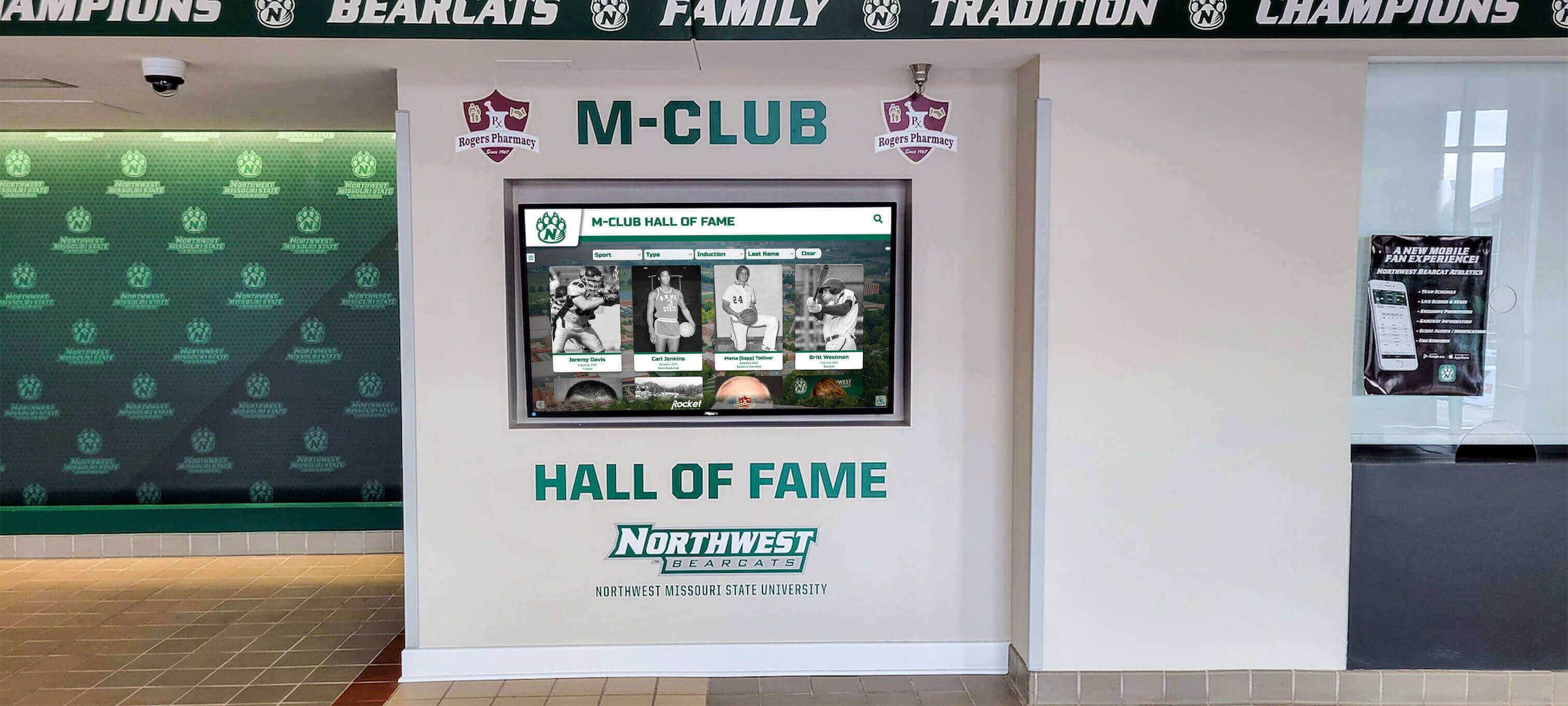
Different stakeholder groups require tailored access to institutional archives
Budget and Resource Planning Implementation requires appropriate investment:
- Digitization costs for historical materials ($0.15-0.50 per yearbook page)
- Platform subscription or licensing fees
- Hardware costs for display kiosks if physical access points desired
- Staff time for project management and content organization
- Training requirements for administrative staff
- Ongoing maintenance and content update resources
- Marketing and communication about new system availability
Digitization and Content Migration
Converting physical archives to digital formats represents significant project scope.
Prioritization Strategy Sequencing digitization maximizes early value:
- Recent years with highest alumni engagement potential
- Most fragile materials requiring urgent preservation
- Most frequently requested content types
- Special collections with unique historical value
- Materials supporting current institutional priorities
- Content needed for upcoming events or anniversaries
Digitization Methods Multiple approaches address different materials:
- Professional yearbook scanning services ($40-150 per book)
- In-house scanning for ongoing current materials
- Bulk photo scanning for loose photograph collections
- Video digitization from legacy formats (VHS, DVD, etc.)
- Document scanning for text-based records
- Audio transfer for historical recordings and interviews
Metadata Creation and Quality Control Organized content requires structured information:
- Minimum required fields: year, type, category, date
- Individual identification and tagging
- Descriptive captions and context information
- Source documentation for provenance tracking
- Rights and permission status
- Quality checking for accuracy and completeness
Schools can explore yearbook digitization services for professional approaches.
Platform Selection and Deployment
Choosing appropriate DAM platforms determines long-term success and usability.
Evaluation Criteria for Educational DAM Schools should assess platforms on:
- Educational-specific features (year navigation, student search, activity organization)
- Ease of use for non-technical staff managing content
- Mobile and touchscreen interface quality for student engagement
- Privacy and access control capabilities meeting FERPA requirements
- Scalability supporting decades of content addition
- Integration with existing school systems (SIS, website, communications)
- Support and training availability
- Total cost of ownership including ongoing fees
Rocket Alumni Solutions as Comprehensive DAM Platforms like Rocket Alumni Solutions function as full-featured digital asset management systems purpose-built for educational institutions:
- Unlimited Storage Capacity: No constraints on yearbooks, photos, or historical records uploaded
- Intuitive Organization: Year-based navigation, activity directories, achievement categorization designed for school structures
- Powerful Search: Instant name search, advanced filtering, cross-year discovery
- Multi-Platform Access: Touchscreen kiosks, web access, mobile optimization, QR code integration
- Simple Management: Cloud-based CMS accessible from anywhere, drag-and-drop interfaces, bulk upload tools
- Complete Privacy Controls: FERPA-compliant access management, individual opt-out capabilities, graduated permissions
- Professional Display: ADA-accessible touchscreen hardware, attractive interface design, customizable branding
- Ongoing Support: Content assistance, technical support, training resources, continuous platform improvements
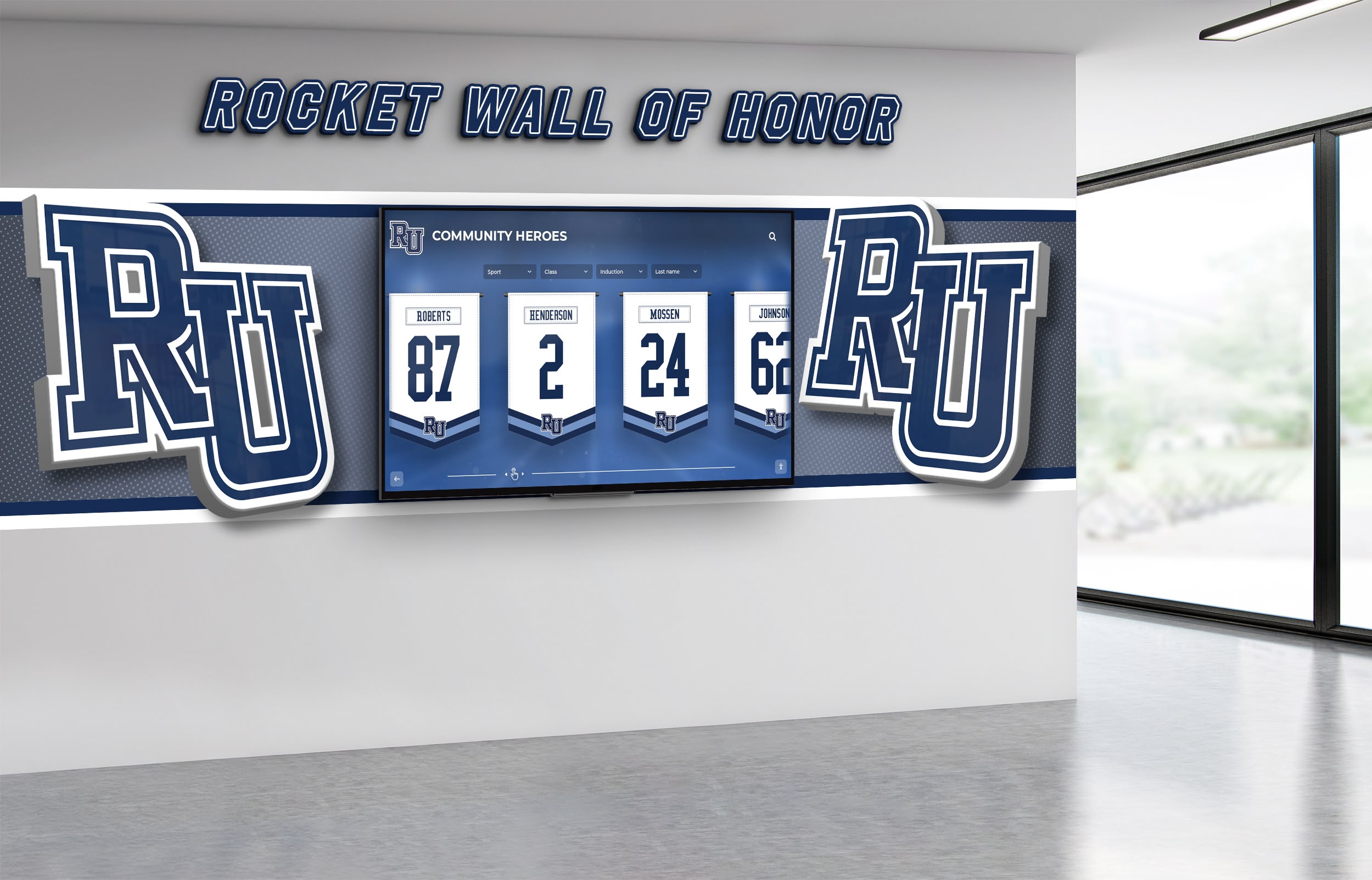
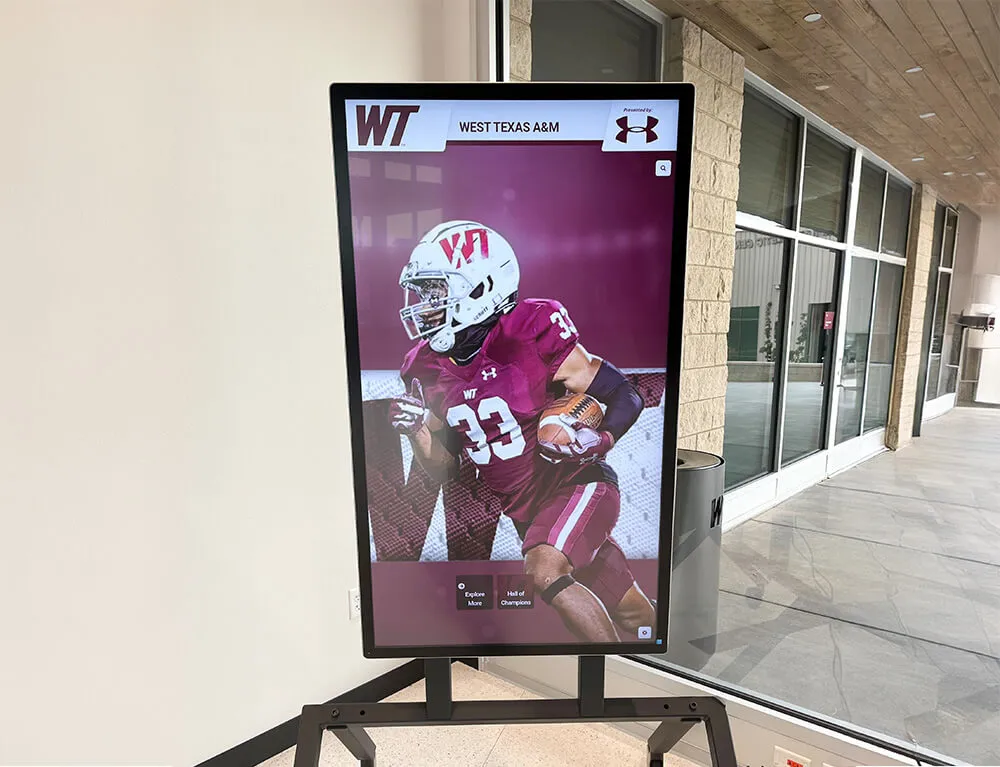
Modern platforms combine comprehensive DAM functionality with engaging display interfaces
Deployment Planning Systematic rollout ensures smooth adoption:
- Initial hardware installation and network configuration
- Staff training on content management interface
- Pilot content upload with limited yearbook years
- Testing and quality verification before full launch
- Communication plan announcing availability to community
- Feedback collection and refinement
- Expansion to complete historical archive
Ongoing DAM Management and Content Strategy
Sustainable operations require clear processes and responsibilities.
Content Addition Workflows
Regular updates keep archives current and growing.
Annual Yearbook Integration Systematic processes for new years:
- Coordination with yearbook staff for digital file transfer
- Metadata creation during yearbook production process
- Post-publication upload and organization
- Individual student tagging and identification
- Quality verification before public release
- Communication to graduating class about availability
Achievement Recognition Updates Regular recognition content additions:
- Quarterly honor roll and academic achievement updates
- Seasonal athletic team photos and championship recognition
- Monthly student achievement highlights
- Weekly recognition additions for ongoing programs
- Real-time updates for time-sensitive accomplishments
Schools implementing student recognition displays benefit from systematic content workflows.
Historical Content Expansion Ongoing digitization of legacy materials:
- Systematic back-catalog scanning by decade
- Alumni-contributed photo additions
- Oral history and interview integration
- Historical document incorporation
- Reunion event photo additions
- Continuous archive completion toward comprehensive coverage
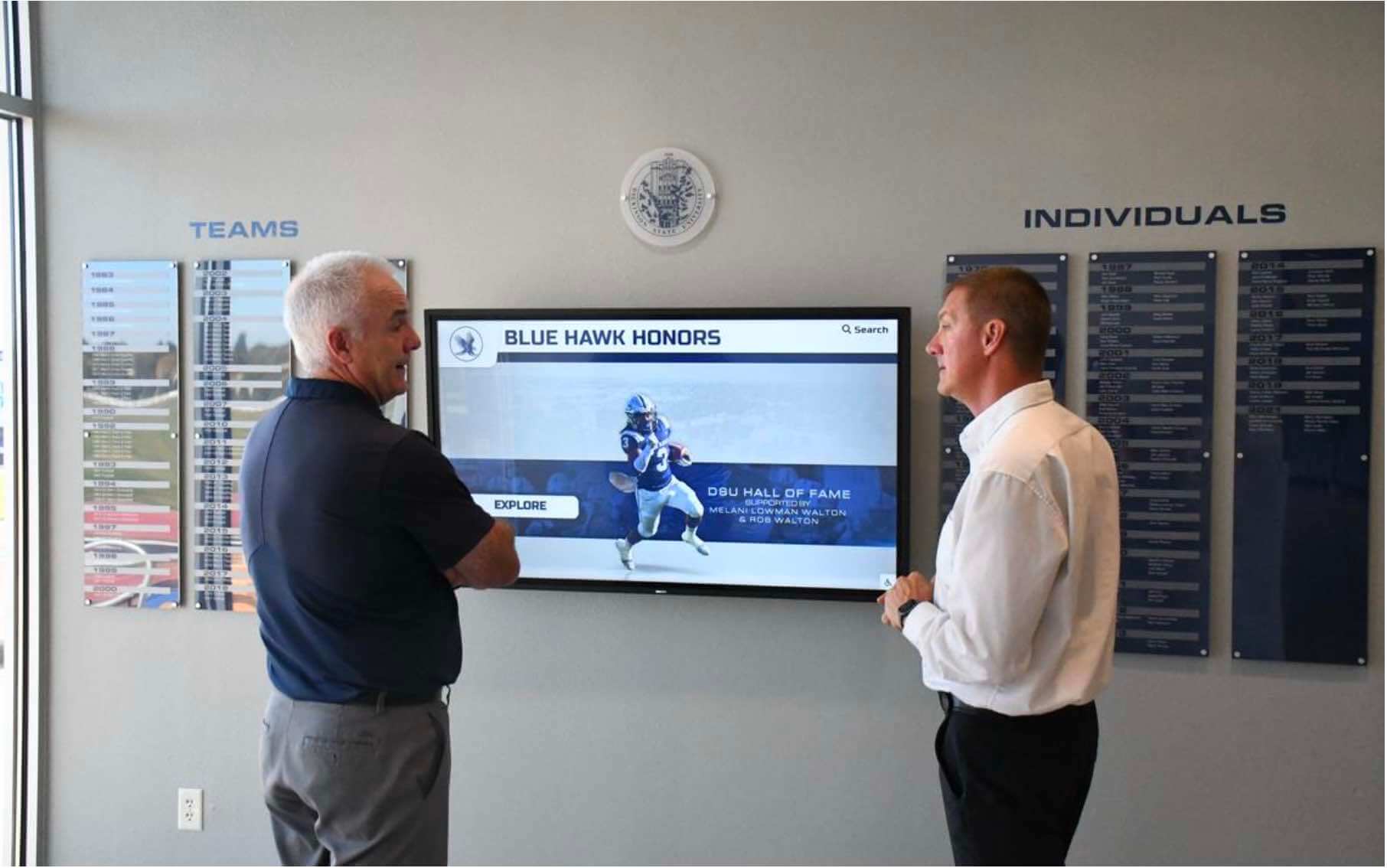
Accessible archives encourage alumni engagement and content contribution
Engagement and Promotion Strategies
Making stakeholders aware of DAM availability maximizes value.
Alumni Communication Regular outreach builds usage:
- Email campaigns announcing new yearbook additions
- Reunion invitations highlighting historical content access
- Alumni newsletter features highlighting archive collections
- Social media posts celebrating throwback content
- Direct outreach to milestone reunion classes
- QR codes in alumni communications enabling instant mobile access
Campus Integration Physical presence drives student engagement:
- Touchscreen kiosks in high-traffic hallways and lobbies
- Lobby displays during campus tours and events
- Athletic facility installations displaying program history
- Library integration connecting to research resources
- Classroom demonstrations linking to curriculum topics
- Morning announcement highlights of historical connections
Community Outreach Broader visibility serves institutional goals:
- Local media features on historical milestones
- Community event participation with historical displays
- Town anniversary celebrations highlighting school role
- Historical society partnerships
- Public library collaborations
- Open house events featuring archives
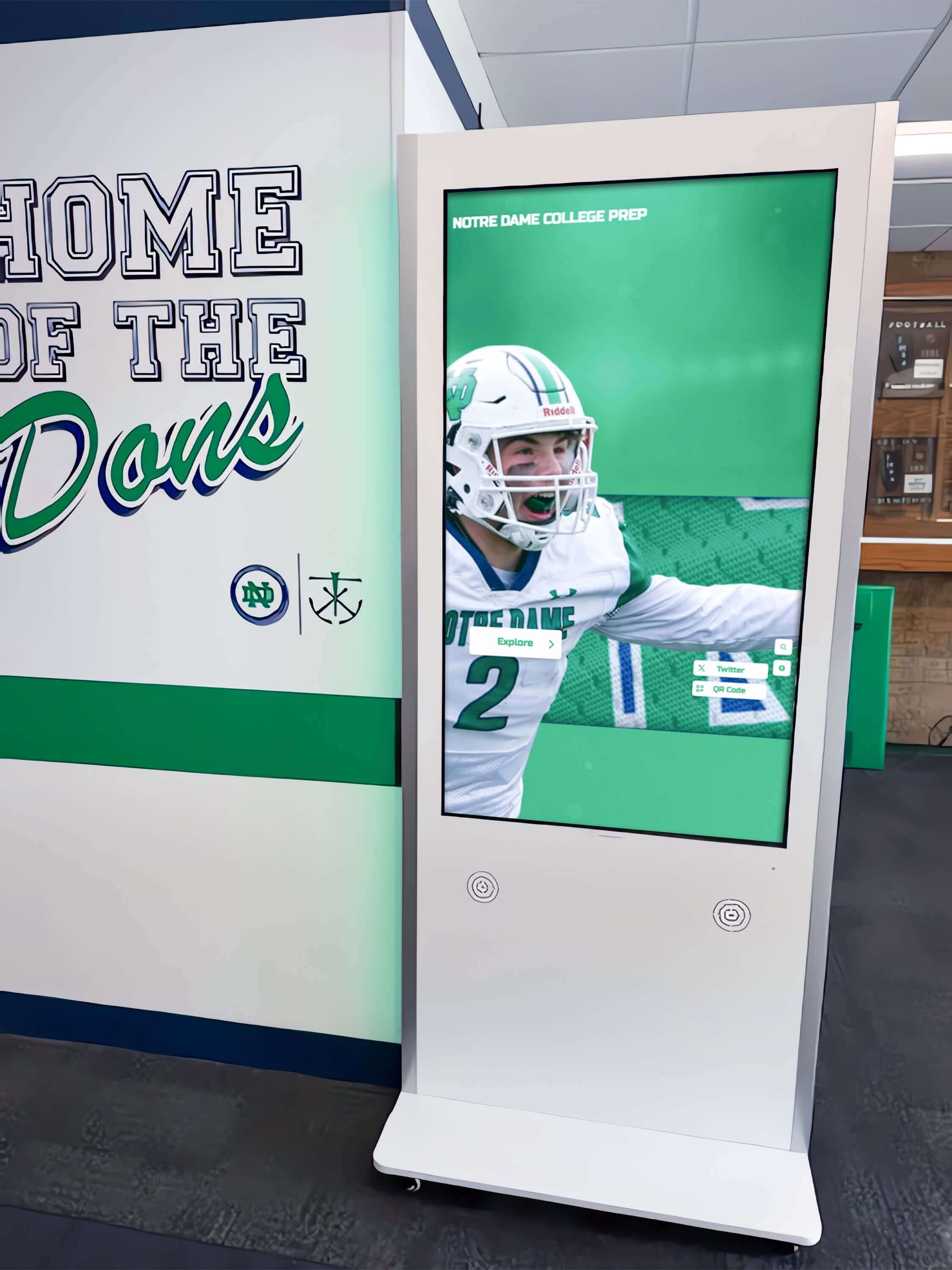
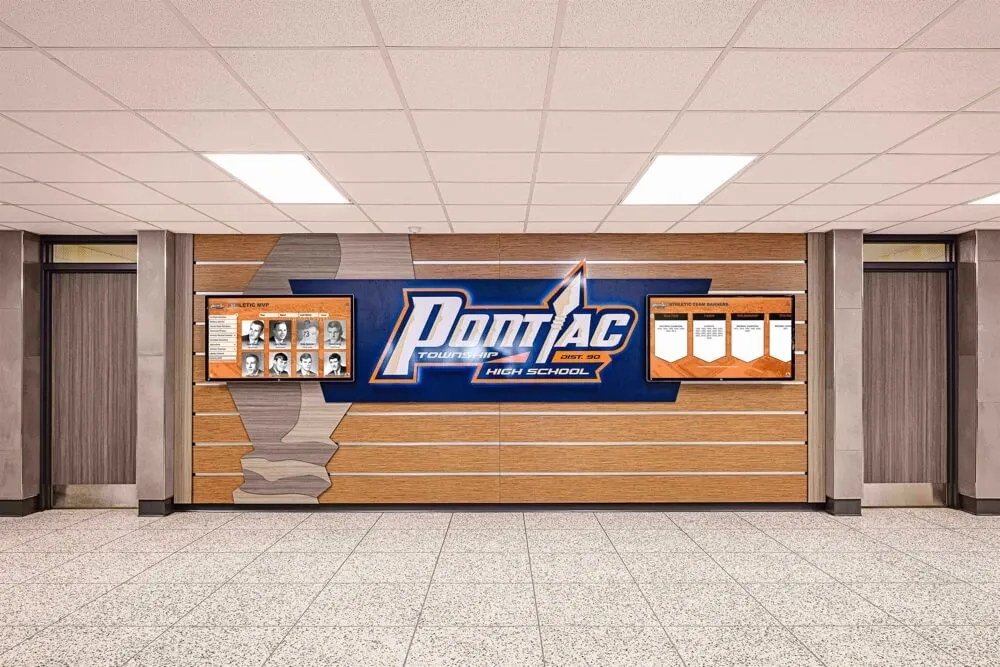
Strategic placement creates organic discovery opportunities throughout campus
Benefits Beyond Basic Asset Management
Comprehensive DAM systems create value extending far beyond digital storage.
Alumni Engagement and Fundraising Impact
Digital archives strengthen relationships with graduates who become donors and volunteers.
Emotional Reconnection Access to personal history builds attachment:
- Rediscovering forgotten memories through yearbook exploration
- Finding teammates, classmates, and friends from decades past
- Reliving formative experiences and significant moments
- Connecting personal narrative to institutional community
- Renewed pride in association with alma mater
- Strengthened identity as part of ongoing tradition
Development research indicates that alumni who regularly engage with institutional historical content demonstrate 40-60% higher giving rates compared to non-engaged graduates.
Donor Research and Cultivation Archives enable sophisticated advancement work:
- Identifying connection points for personalized outreach
- Understanding alumni leadership roles and activities
- Discovering family legacy patterns across generations
- Finding peer group connections for volunteer recruitment
- Researching career trajectories informing ask amounts
- Creating personalized recognition highlighting individual contributions
Schools implementing donor recognition systems benefit from integrated historical context.
Reunion and Event Enhancement Historical content enriches gatherings:
- Reunion slideshows and displays from class years
- Memory stations for exploration and reminiscence
- Conversation starters connecting attendees
- Registration table engagement while checking in
- Take-home QR codes for continued access after events
- Donation opportunities tied to memory preservation
Student Inspiration and Culture Building
Current students benefit from connection to institutional legacy.
Role Model Discovery Historical archives provide aspirational examples:
- Alumni career paths demonstrating possibilities
- Achievement examples from students with similar backgrounds
- Success stories overcoming challenges
- Diverse representation showing multiple paths to excellence
- Geographic reach demonstrating global impact
- Multi-generational attendance patterns validating institutional value
Institutional Pride and Belonging Connection to legacy strengthens identity:
- Understanding place within larger ongoing story
- Appreciating traditions and their origins
- Seeing familiar names among historical achievers
- Connecting current programs to historical roots
- Recognizing family members and community figures
- Building pride in joining distinguished community
Program Continuity and Tradition Archives preserve institutional knowledge:
- Athletic program histories and traditions
- Club and organization evolution over time
- Special event origins and development
- Facilities and campus transformation documentation
- Leadership succession and institutional memory
- Values and mission demonstration through historical examples
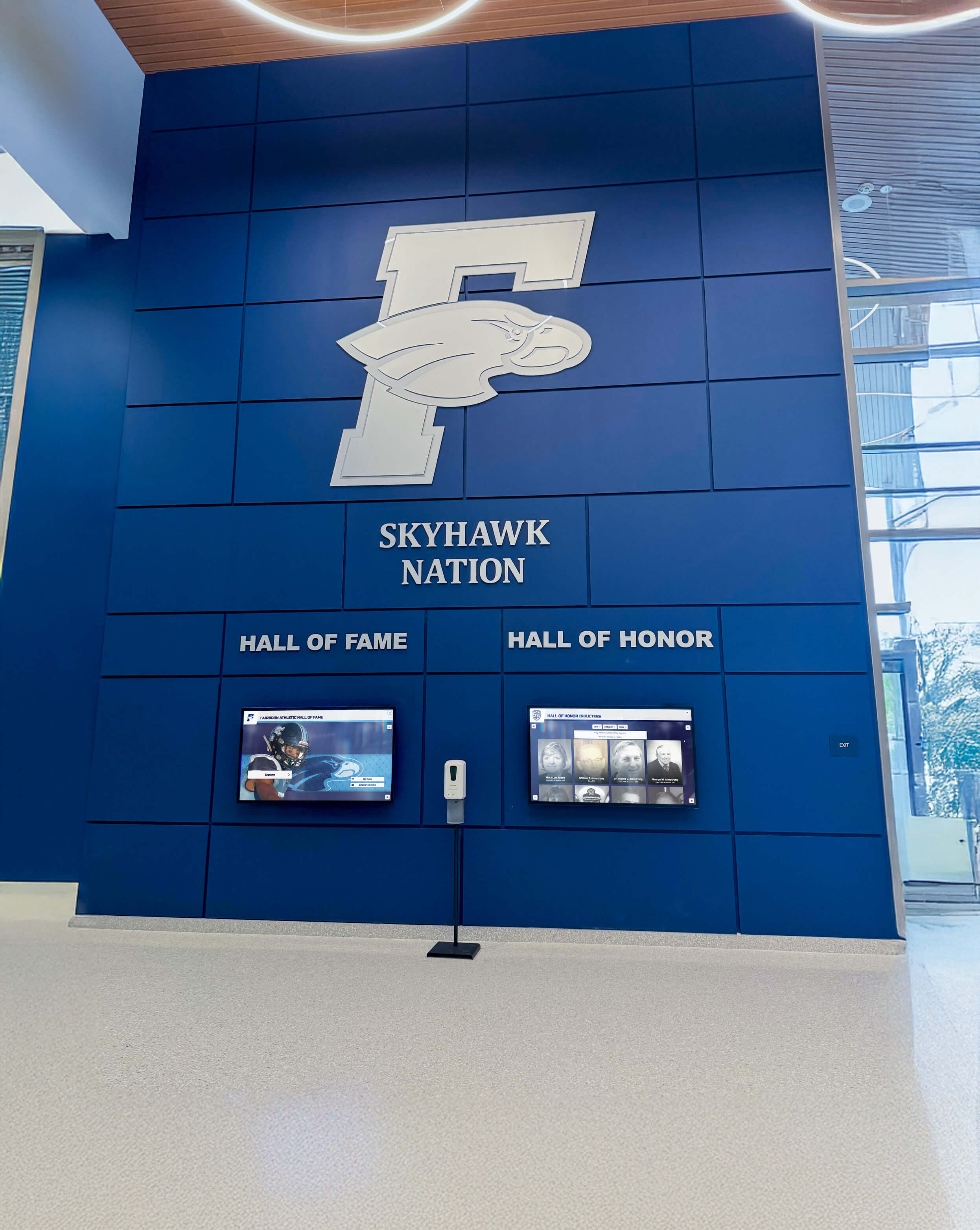
Visible historical context builds current student connection to institutional legacy
Admissions and Marketing Advantages
Digital archives become powerful enrollment and communication tools.
Campus Tour Enhancement Prospective family engagement:
- Interactive displays demonstrating technology integration
- Historical context showing institutional stability and tradition
- Alumni success examples validating educational quality
- Student achievement showcases illustrating opportunities
- Visual proof of institutional values and priorities
- Memorable experiences differentiating from competitor schools
Admission directors consistently rank digital recognition displays among top five factors positively influencing prospective family perceptions during campus visits.
Communications Content Library Ready-made content for multiple channels:
- Social media throwback posts building engagement
- Newsletter historical features
- Website content highlighting tradition
- Video production historical footage
- Publication illustrations and photography
- Anniversary and milestone celebration materials
Institutional Narrative Development Cohesive storytelling across platforms:
- Evidence-based claims about institutional impact
- Specific examples supporting mission and values
- Visual demonstration of community diversity
- Geographic reach and career outcome documentation
- Longitudinal data showing sustained excellence
- Authentic stories connecting emotionally with audiences
Measuring DAM Success and ROI
Quantifiable metrics demonstrate digital asset management value.
Usage and Engagement Metrics
Platform Analytics System data reveals utilization:
- Total searches per month showing active usage
- Unique users indicating community reach
- Session duration demonstrating engagement depth
- Most searched individuals and years revealing interests
- Content type views (yearbooks, athletics, achievements)
- Mobile versus kiosk versus web access patterns
- Geographic distribution of remote users
- Peak usage times and seasonal patterns
Content Interaction Tracking Detailed engagement measurement:
- Individual profile view counts
- Yearbook page views by year
- Photo gallery engagement metrics
- Video content view duration
- Search query analysis revealing discovery patterns
- Share and download frequency
- Favorite or bookmark usage
- User-generated content submissions
Institutional Impact Assessment
Alumni Engagement Correlations Connecting usage to outcomes:
- Giving rates among archive users versus non-users
- Volunteer participation comparing engaged and unengaged alumni
- Event attendance for alumni with high archive interaction
- Alumni survey responses about connection to institution
- Contact information update rates after archive access
- Class ambassador and reunion volunteer recruitment from users
Student and Family Outcomes Educational impact measurement:
- Student surveys about institutional pride and belonging
- Prospective family yield rates after campus tours featuring displays
- Current student retention correlation with recognition visibility
- Parent engagement metrics in recognition-active schools
- Student achievement and motivation trend analysis
- College counseling outcomes for recognized students
Operational Efficiencies Process improvement quantification:
- Staff time savings on yearbook and photo requests
- Physical space reclaimed from archive storage
- Reduction in duplicate photo printing and reproduction
- Event planning time reduction with digital content access
- Communications content creation efficiency gains
- Reduced damage and replacement costs for physical materials
Future-Proofing Your School’s Digital Assets
Long-term planning ensures sustained value and accessibility.
Technology Evolution Planning
Platform Sustainability Ensuring long-term viability:
- Selecting vendors with proven educational sector commitment
- Evaluating financial stability and longevity indicators
- Understanding data ownership and export capabilities
- Planning for platform migrations if necessary
- Maintaining original files alongside platform-specific versions
- Documenting metadata schemas for portability
- Regular backup verification and recovery testing
Format and Standards Compliance Preparing for technological change:
- Storing archival masters in open, non-proprietary formats
- Following Library of Congress digital preservation guidelines
- Planning regular format migration for evolving standards
- Maintaining format diversity reducing single-point-of-failure risk
- Documenting technical specifications for future reference
- Participating in educational archiving communities of practice
Continuous Content Expansion
Systematic Retrospective Digitization Completing historical coverage:
- Multi-year plans for remaining physical archive conversion
- Budget allocation for ongoing scanning projects
- Alumni contribution campaigns for missing materials
- Community partnerships for historical content discovery
- Historical society collaboration for broader context
- Grant funding exploration for significant digitization projects
New Content Type Integration Expanding beyond traditional yearbooks:
- Video content from current events and historical footage
- Audio recordings of significant ceremonies and interviews
- Student journalism and publication archives
- Performing arts programs and production documentation
- Community partnership project records
- Faculty and staff recognition content
- Facility and campus evolution documentation
Transform Your School Archives with Comprehensive DAM
Discover how Rocket Alumni Solutions serves as a complete Digital Asset Management system for educational institutions, organizing decades of yearbooks, photos, and achievements into accessible, engaging displays.
Explore DAM SolutionsConclusion: Digital Asset Management as Strategic Investment
Implementing Digital Asset Management systems represents more than technology adoption—it reflects institutional commitment to preserving history, connecting generations, and making decades of achievements accessible to current and future communities.
Schools that systematically digitize yearbooks, photos, and records create resources serving multiple strategic goals simultaneously. Alumni reconnect with formative experiences, strengthening emotional bonds that translate to increased giving and engagement. Current students discover role models and traditions, building pride and belonging. Advancement staff gain research tools enabling personalized cultivation. Admissions teams showcase institutional excellence to prospective families. Communications departments access ready-made content for multiple channels.
The comprehensive approaches explored in this guide provide frameworks for selecting, implementing, and managing educational DAM systems. From platforms like Rocket Alumni Solutions offering complete recognition and archiving capabilities to systematic digitization workflows ensuring quality preservation, these strategies transform scattered institutional memory into organized, searchable assets accessible across devices and locations.
Starting a DAM initiative requires honest assessment of current state, clear goal definition, and appropriate resource allocation. Yet schools at all stages can begin immediately with achievable first steps—even digitizing a single decade of yearbooks creates value for that cohort of alumni while building momentum for comprehensive coverage.
Your institutional history deserves preservation and accessibility equal to its significance in shaping student lives and community identity. With thoughtful planning, appropriate technology selection, and sustained commitment, you can create digital asset management systems that honor the past while serving present and future generations.
Ready to explore how comprehensive DAM transforms school archives? Learn more about digital history archiving approaches or discover interactive touchscreen platforms designed specifically for educational institutions.