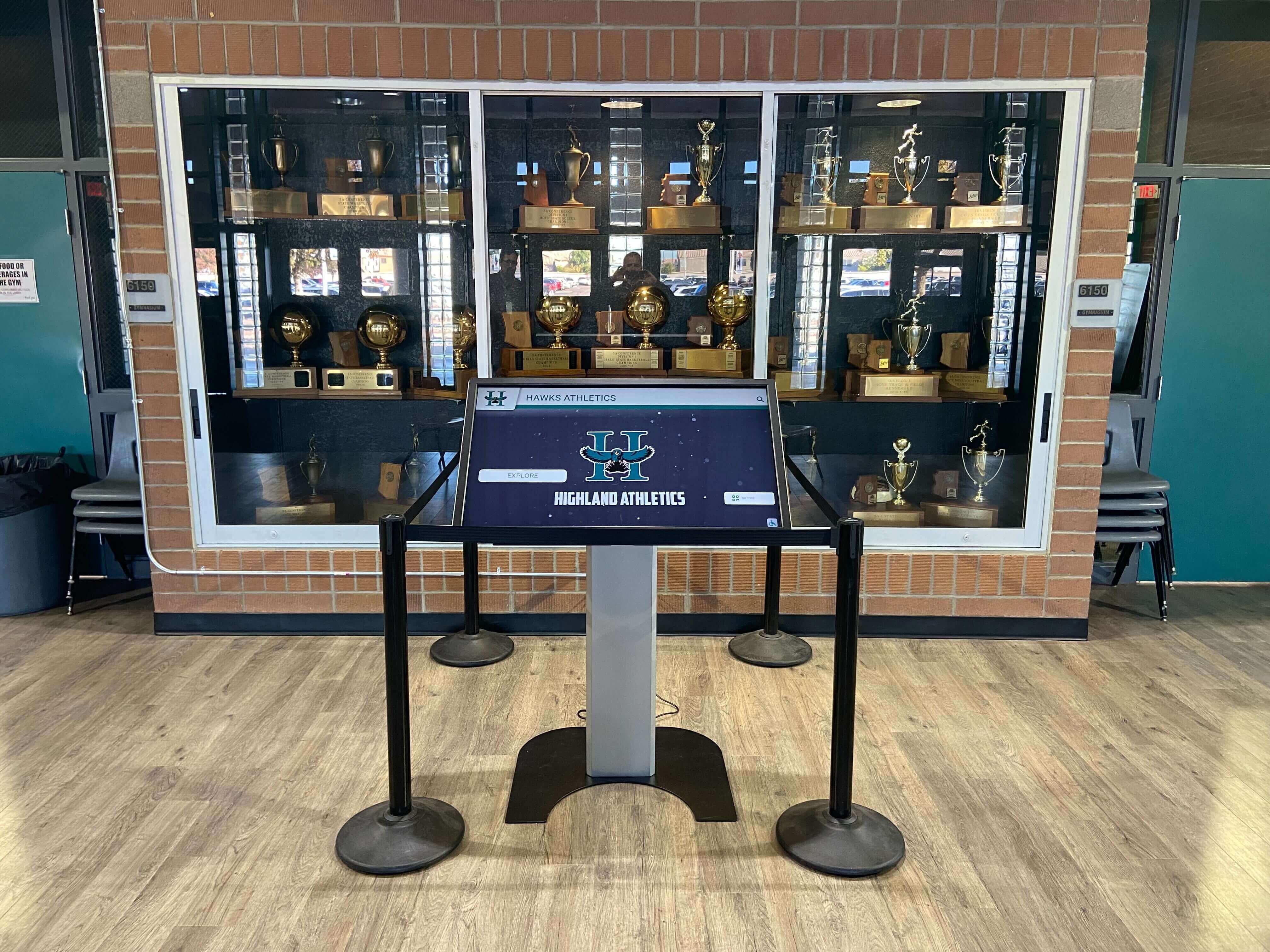




Trophy cases have long served as focal points in school hallways, telling the story of institutional excellence and student accomplishment. Yet many schools struggle with static displays that quickly become outdated, cramped cases that can’t accommodate growing achievements, or recognition systems that inadvertently highlight only athletic success while academic and extracurricular accomplishments receive less prominent placement.
The most effective creative trophy case display ideas transform these recognition spaces from dusty repositories of past glory into dynamic showcases that celebrate current achievements, inspire future excellence, and create genuine pride across your entire school community. Whether you’re redesigning existing trophy cases, planning displays for a new building, or reimagining how your school celebrates student success, thoughtful approaches to recognition displays maximize impact while ensuring diverse achievements receive appropriate visibility.
This comprehensive guide explores innovative display strategies that school administrators, athletic directors, and development officers consistently find valuable—approaches that modernize traditional trophy cases, celebrate achievements across all programs, and create recognition systems that genuinely inspire students while building lasting school pride.
Schools that excel at achievement recognition create display systems extending beyond simple trophy storage. These institutions design intentional recognition environments where academic excellence receives equal billing with athletic championships, where individual student achievements complement team successes, and where current accomplishments inspire future generations rather than gathering dust in forgotten corners.

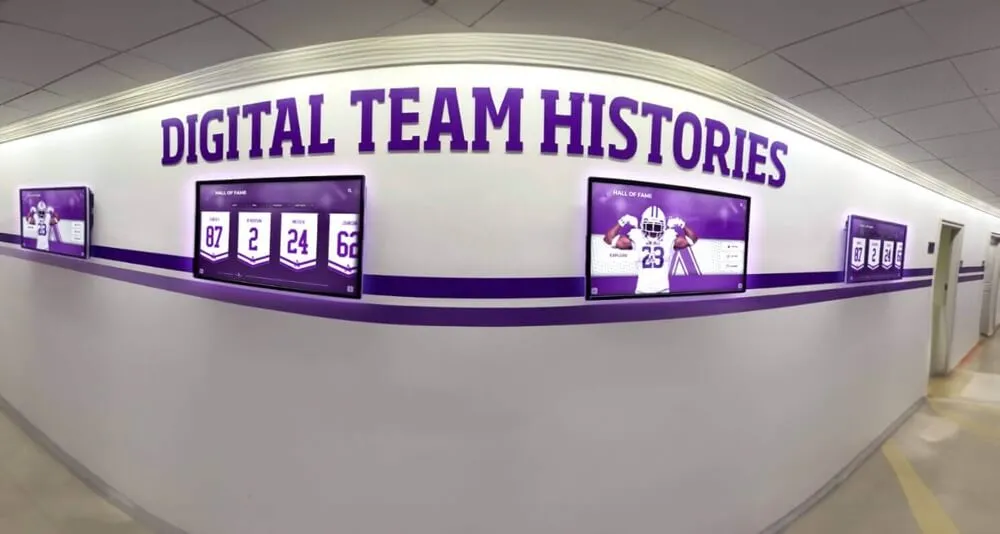
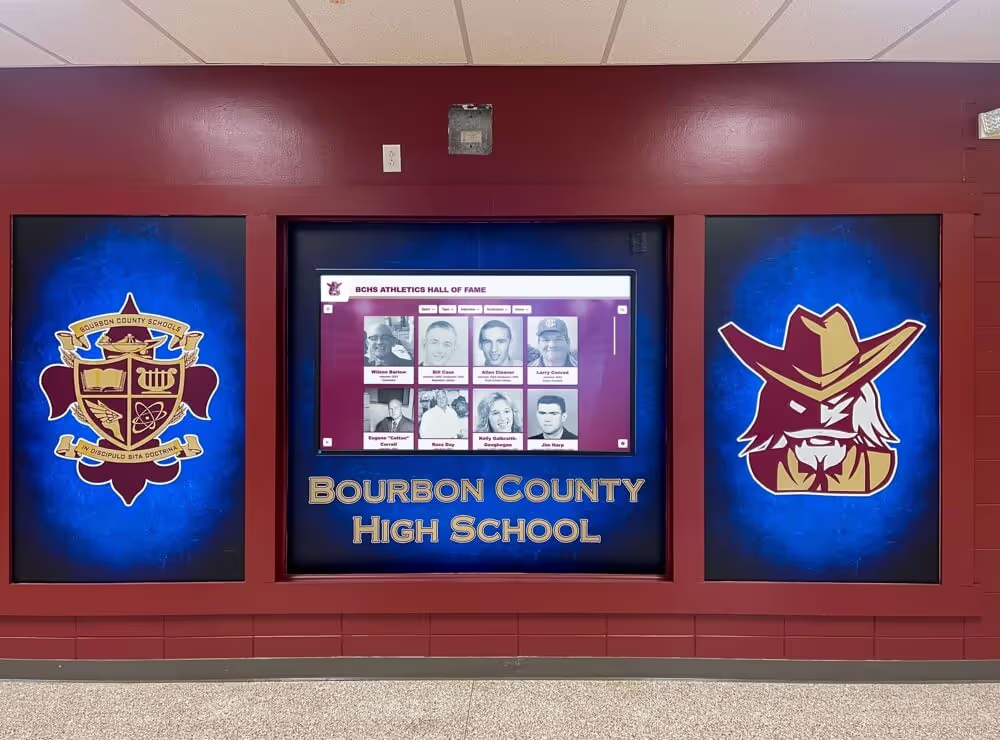
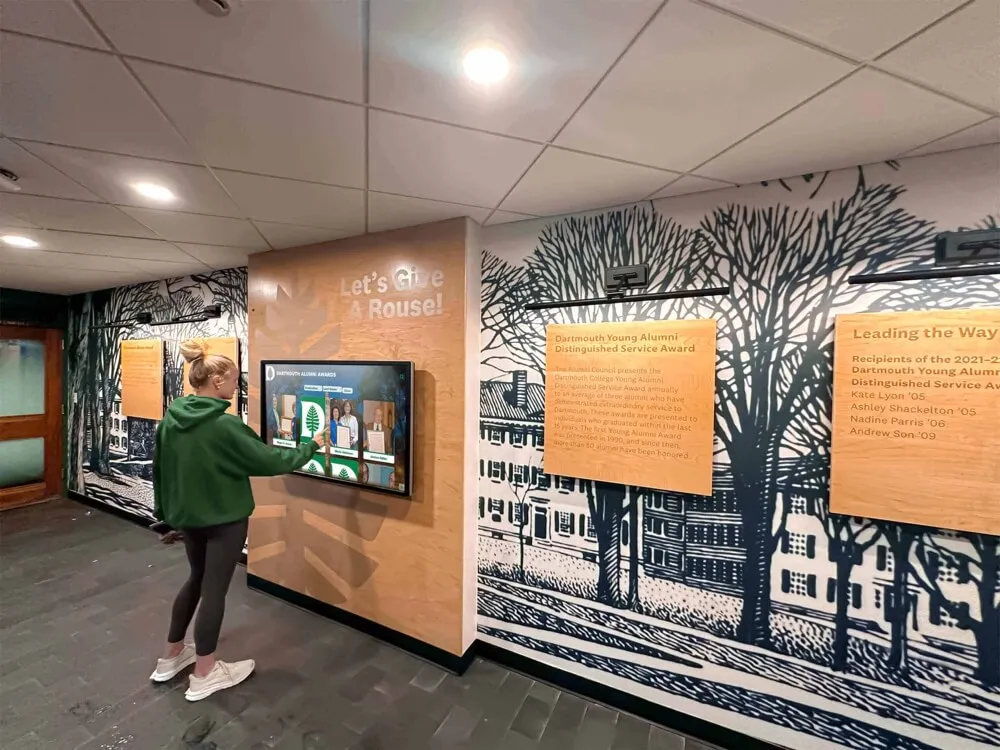
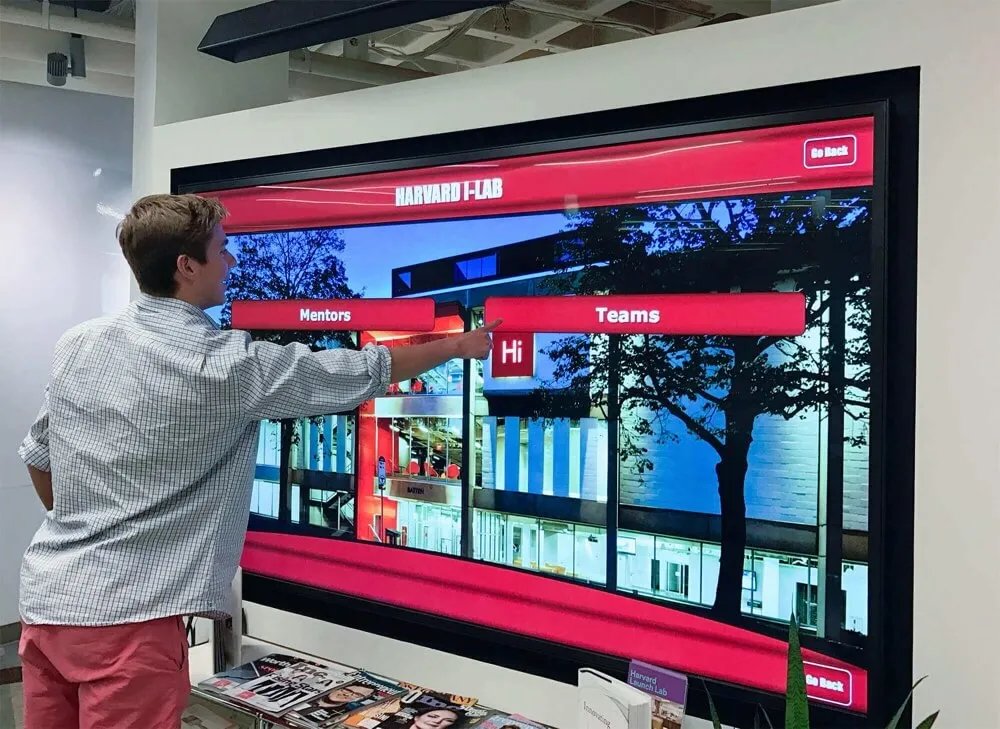
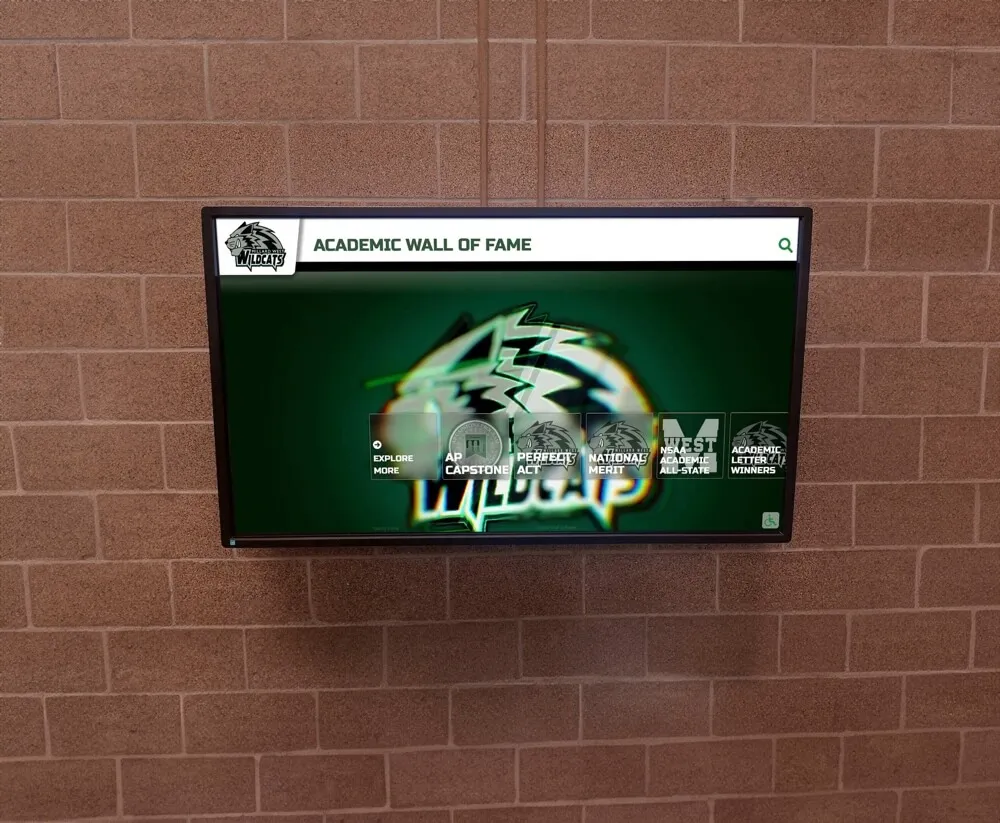
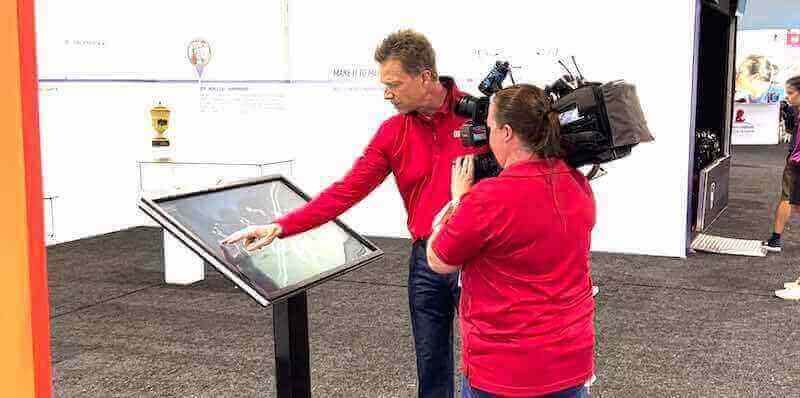
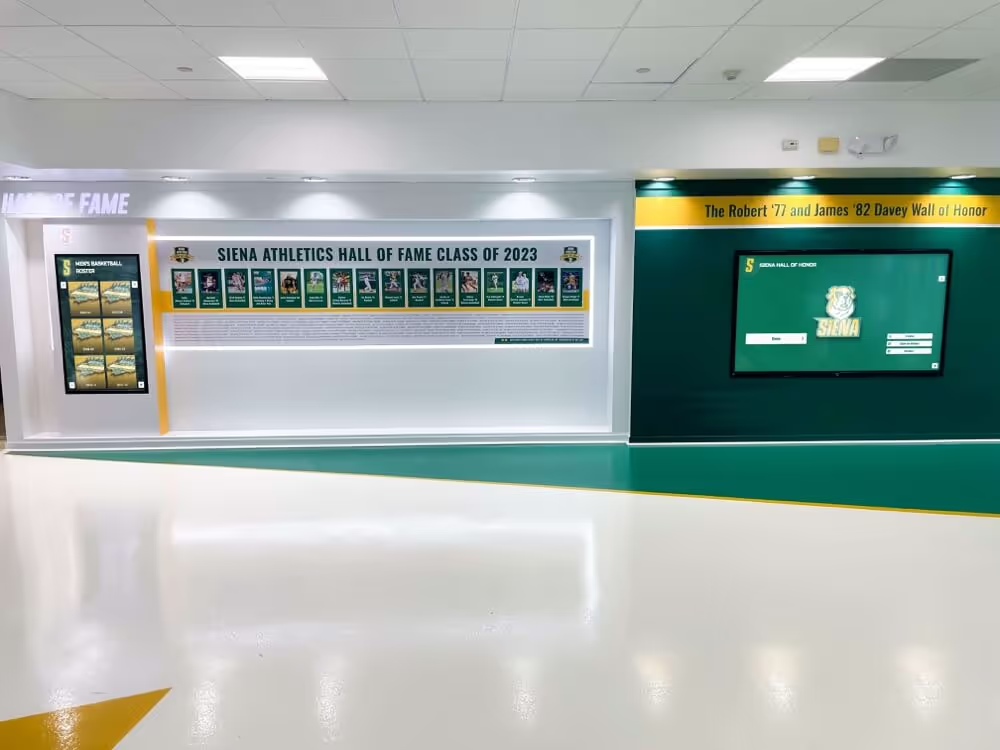
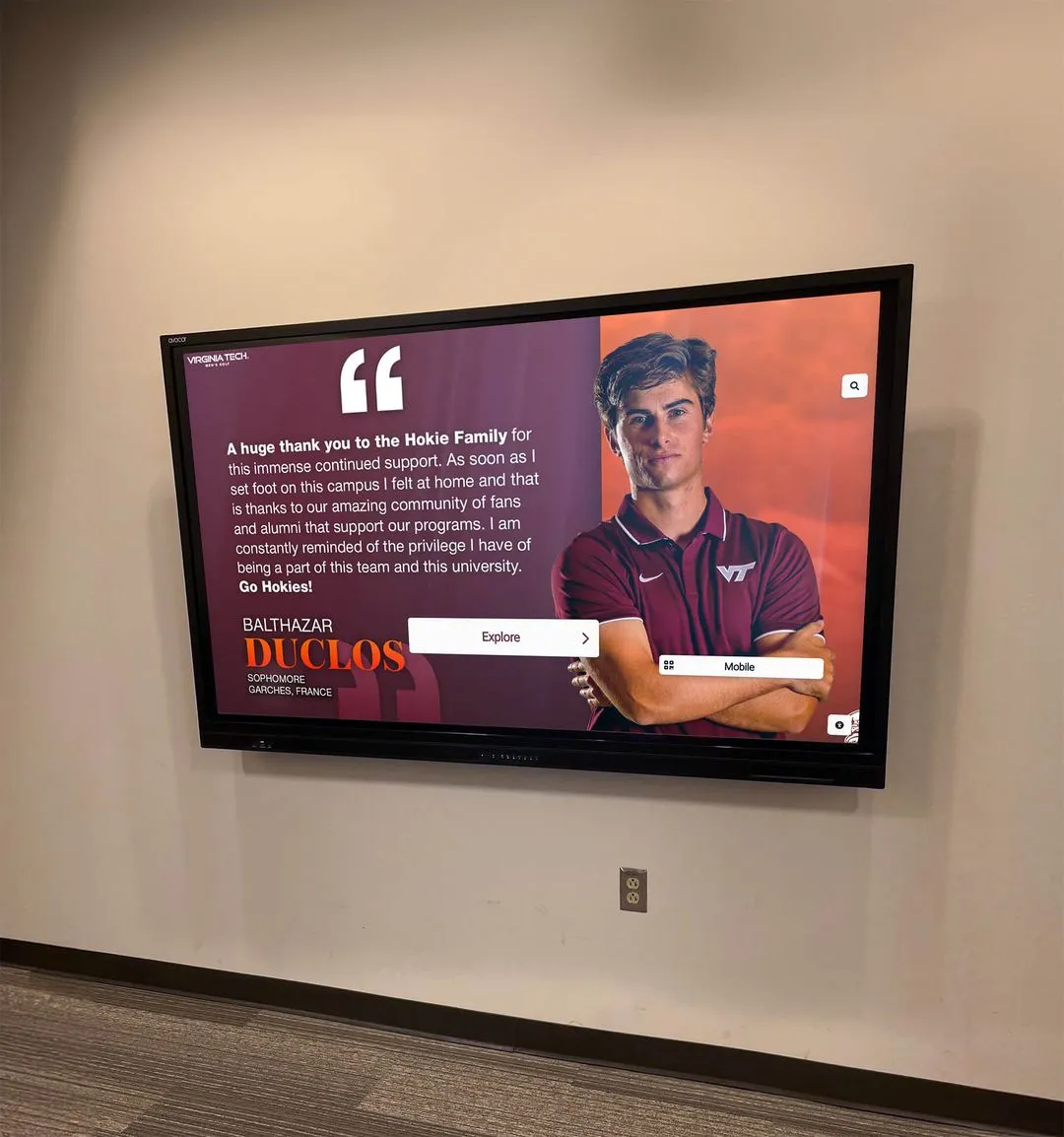
Modern trophy cases combine traditional physical displays with interactive digital components that expand recognition capacity and engagement
The Evolution of School Trophy Displays
Understanding how recognition displays have changed helps schools design systems that meet contemporary needs while honoring tradition.
Beyond the Traditional Glass Case
Traditional trophy cases—glass-fronted cabinets lining school hallways—emerged in an era when physical trophies represented the primary recognition format and athletic achievements dominated school celebration. While these displays served their purpose, schools today face recognition challenges these static systems struggle to address:
Capacity and Space Limitations
Physical trophy cases have finite shelf space. As programs grow and more teams achieve success, schools face difficult decisions about which trophies to display and which to relegate to storage. Many athletic directors report removing older achievements to make room for recent trophies, inadvertently erasing institutional history rather than preserving it.
Championship banners partially solve this problem for team sports, but individual achievements, academic recognitions, and non-athletic accomplishments rarely receive comparable prominent display.
Limited Context and Storytelling
A trophy on a shelf communicates that something was won, but rarely tells the full story. Who were the team members? What made the season special? How did the achievement compare to institutional history? Traditional displays provide minimal context, reducing rich stories of achievement to static objects.
Maintenance and Currency Challenges
Keeping trophy cases current requires regular updating—adding new achievements, refreshing labels, maintaining cleanliness, and ensuring displays remain visually appealing. Many schools struggle with these ongoing maintenance requirements, resulting in dusty cases displaying achievements from years past while recent accomplishments await recognition.
The physical nature of traditional displays also means corrections are difficult. A misspelled name or incorrect date requires reprinting labels and physically accessing the display, discouraging updates and perpetuating errors.
Inequity in Recognition Visibility
Traditional trophy case placement often creates recognition hierarchies, whether intentional or not. Prime locations near main entrances typically showcase athletic achievements, while academic honors, arts accomplishments, and community service recognition receive less prominent placement in side hallways or administrative offices.
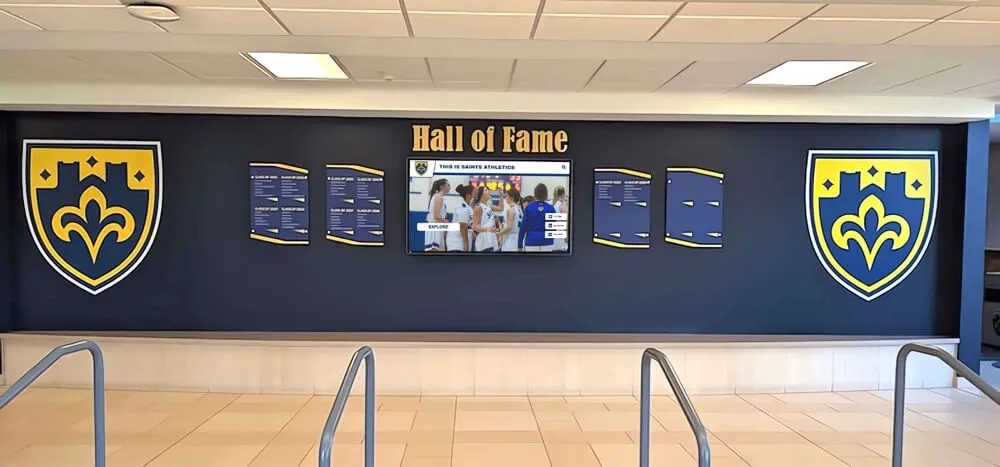
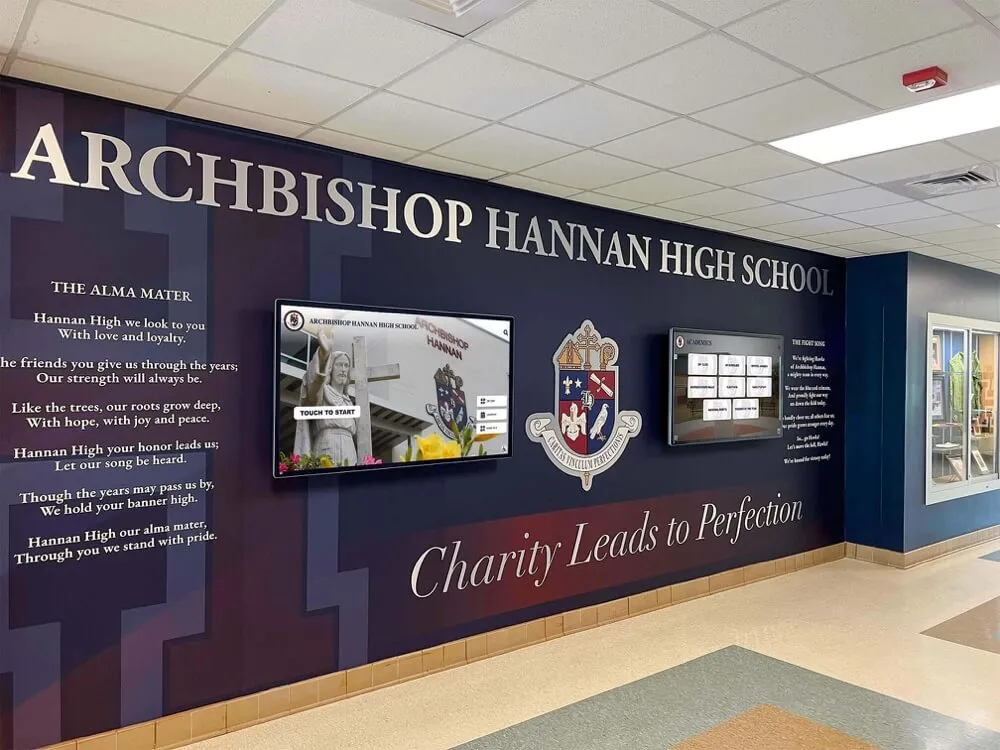
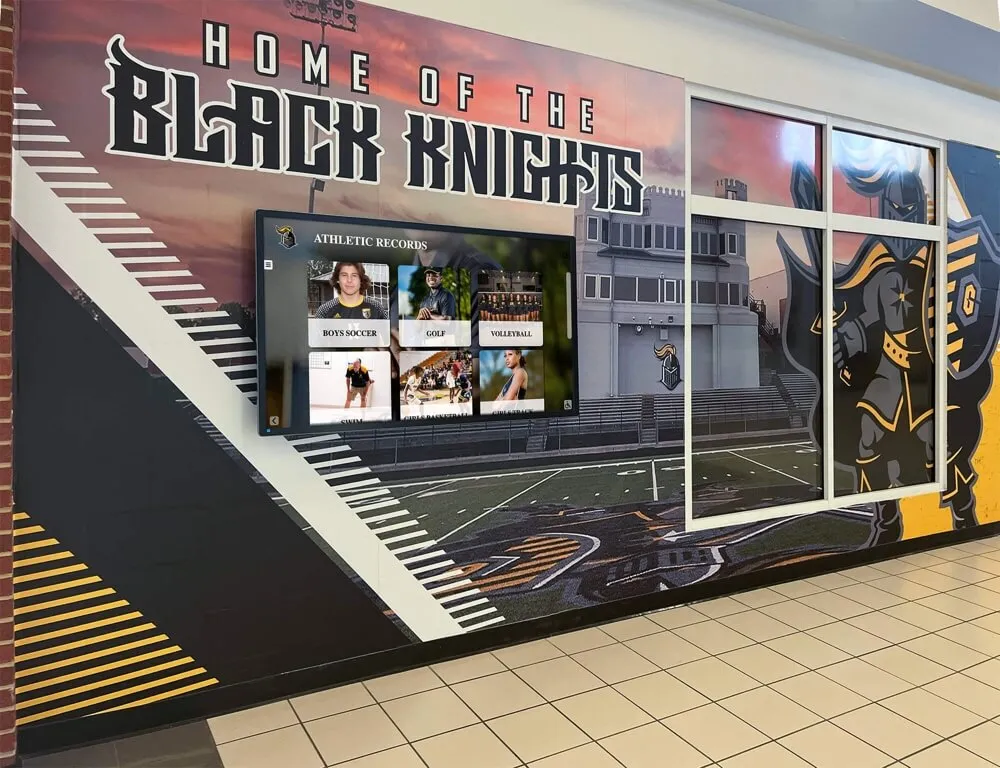
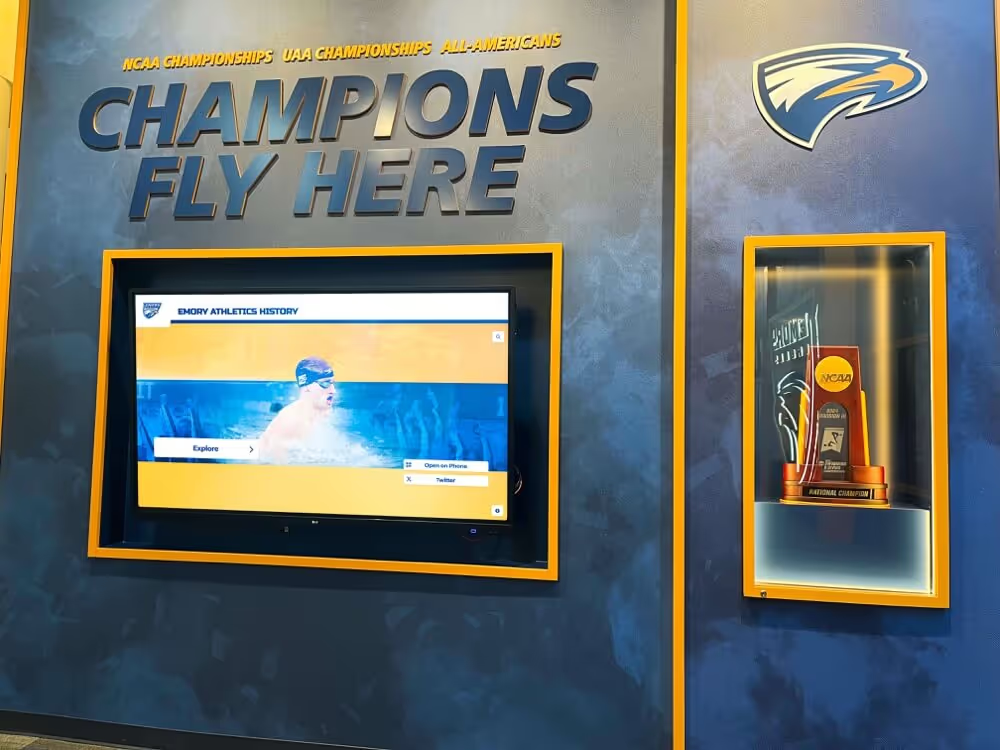
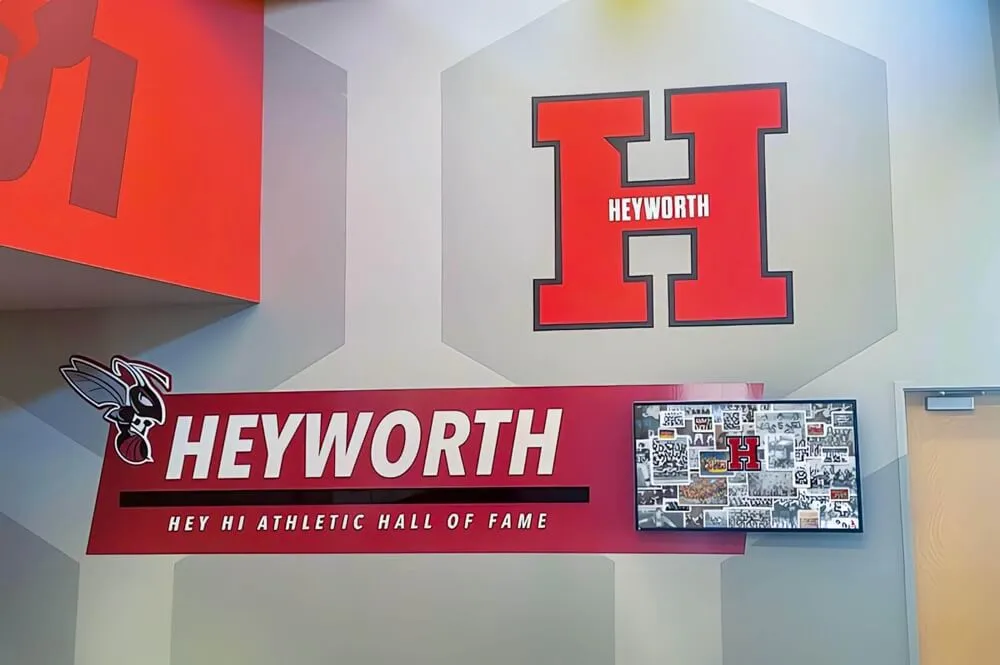
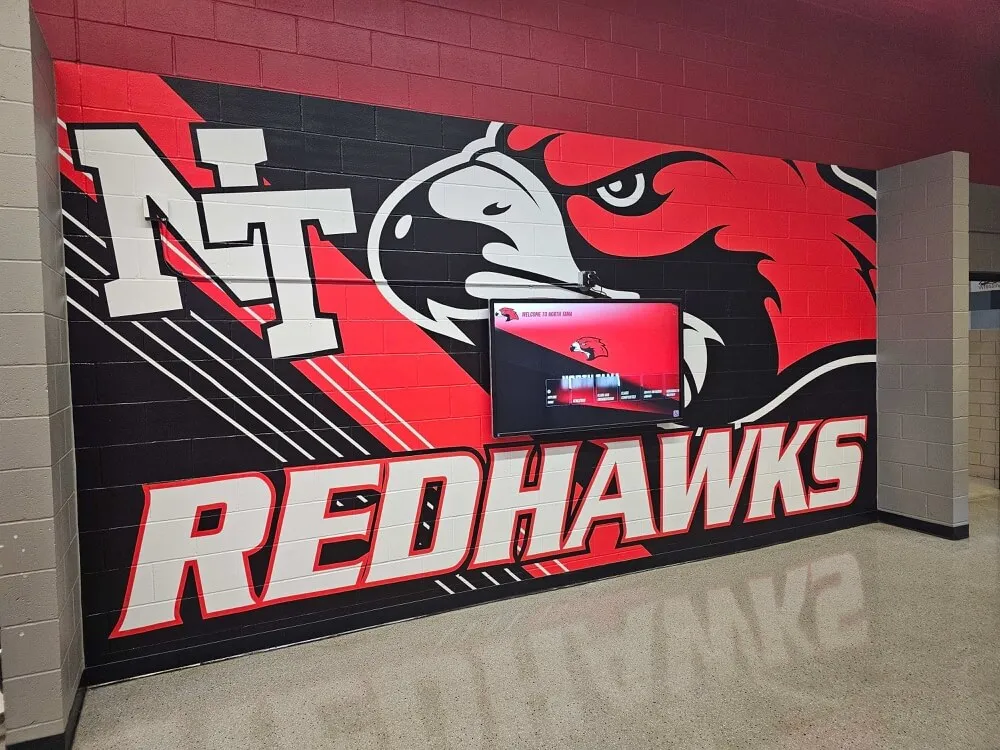
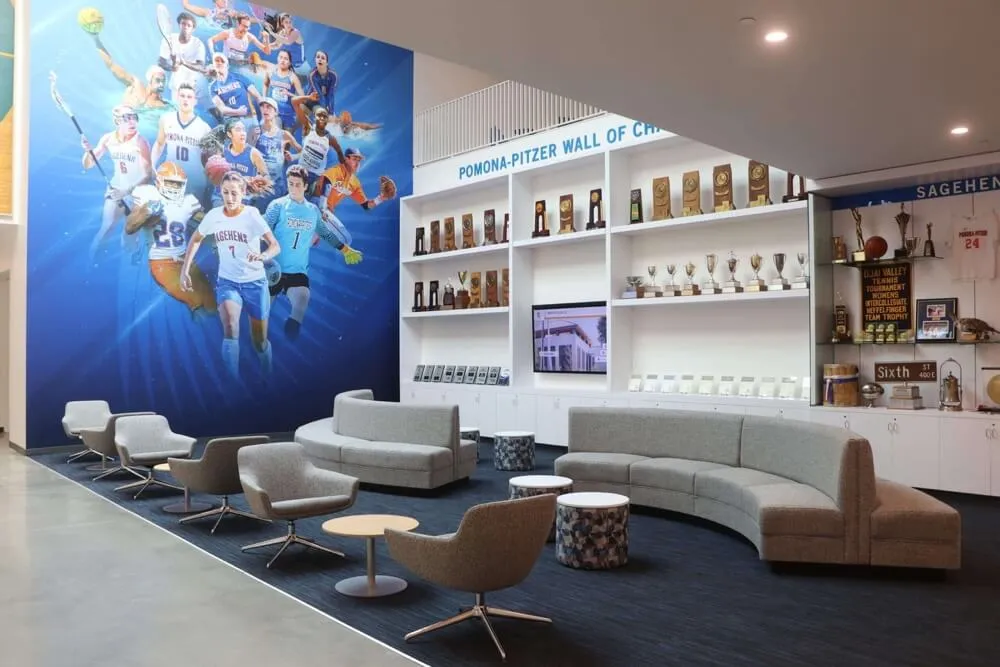
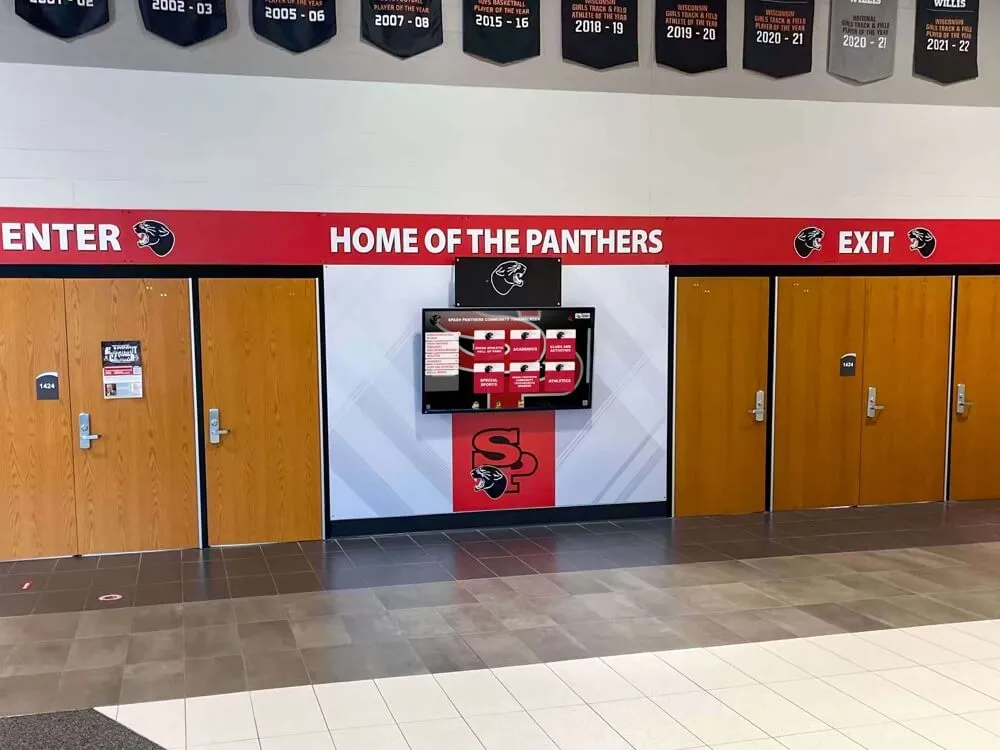
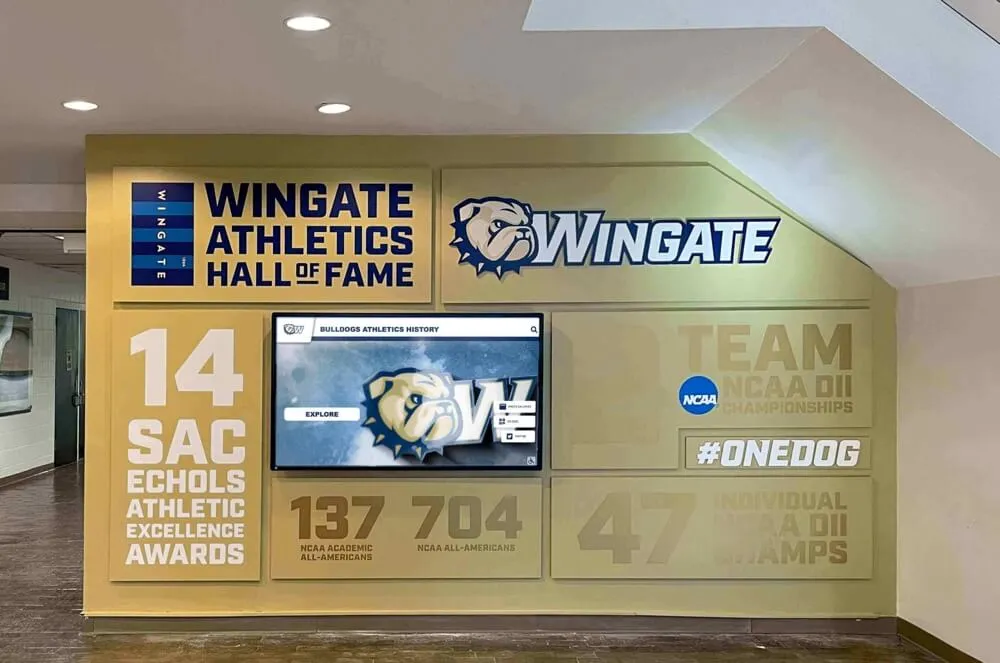
Hybrid displays combine the permanence of traditional recognition with the flexibility of digital components
This visibility gap sends unintended messages about which achievements the institution values most, affecting student motivation and program participation across different areas.
Creative Physical Display Strategies
Even within traditional trophy case frameworks, creative approaches maximize impact and inclusivity.
Themed and Rotational Display Concepts
Rather than permanent static arrangements, many schools create rotating themed displays that bring different achievements to prominence throughout the year:
Seasonal Rotation Systems
Align trophy displays with current activities and seasons:
- Fall: Football championships, cross country achievements, fall academic honors
- Winter: Basketball, wrestling, winter sports, mid-year academic excellence
- Spring: Spring sports, performing arts accomplishments, year-end recognition
- Summer: Alumni achievements, historical milestones, facilities improvements
This rotation keeps displays current and relevant while ensuring all programs receive featured prominence during their active seasons.
Monthly or Quarterly Themes
Create recognition cycles highlighting different achievement dimensions:
- Student Spotlight Month: Individual academic and athletic achievements
- Championship Quarter: Team successes and competition victories
- Community Impact Display: Service projects and community contributions
- Historical Heritage: Milestone anniversaries and legacy achievements
Themed rotations give recognition purpose and narrative structure while preventing displays from becoming cluttered repositories attempting to showcase everything simultaneously.
Multi-Level Display Architecture
Thoughtful physical arrangement maximizes visibility and creates visual interest:
Eye-Level Premium Placement
Position the most significant or current achievements at eye level where visitors naturally focus attention. Reserve this premium space for:
- Current year championships and major accomplishments
- Featured student or team of the month
- Milestone achievements marking institutional firsts
- Traveling trophies and actively competed awards
Upper Level Historical Recognition
Use higher shelving for historical context and legacy achievements:
- Decade-by-decade championship timelines
- Historical comparison displays (“Then and Now”)
- All-time records and longstanding achievements
- Retired jerseys and commemorative items
Lower Level Detailed Documentation
Lower shelves work well for items requiring closer examination:
- Team photos with player identification
- Detailed competition brackets and tournament progressions
- Individual medals and smaller recognition items
- Documentation and archival materials
This vertical organization creates hierarchy while ensuring various achievement types find appropriate placement within the same display space.
Integrated Multimedia Components
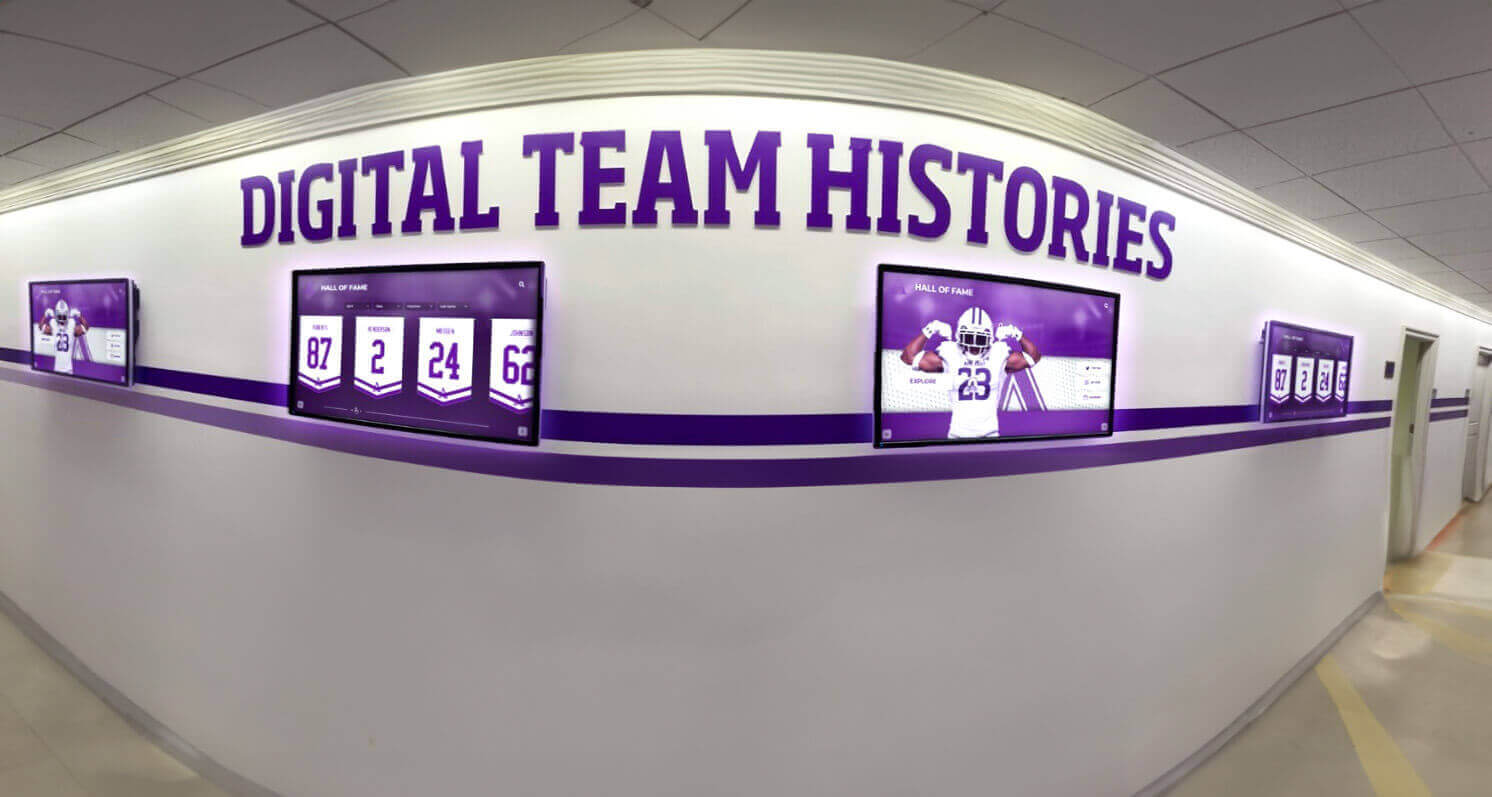
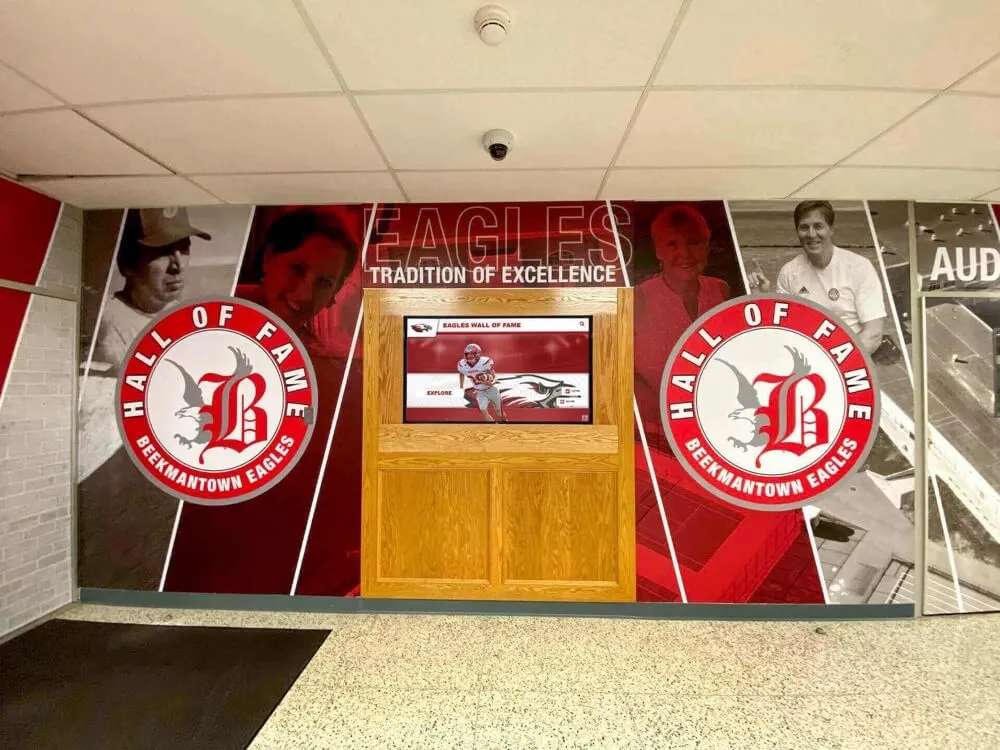
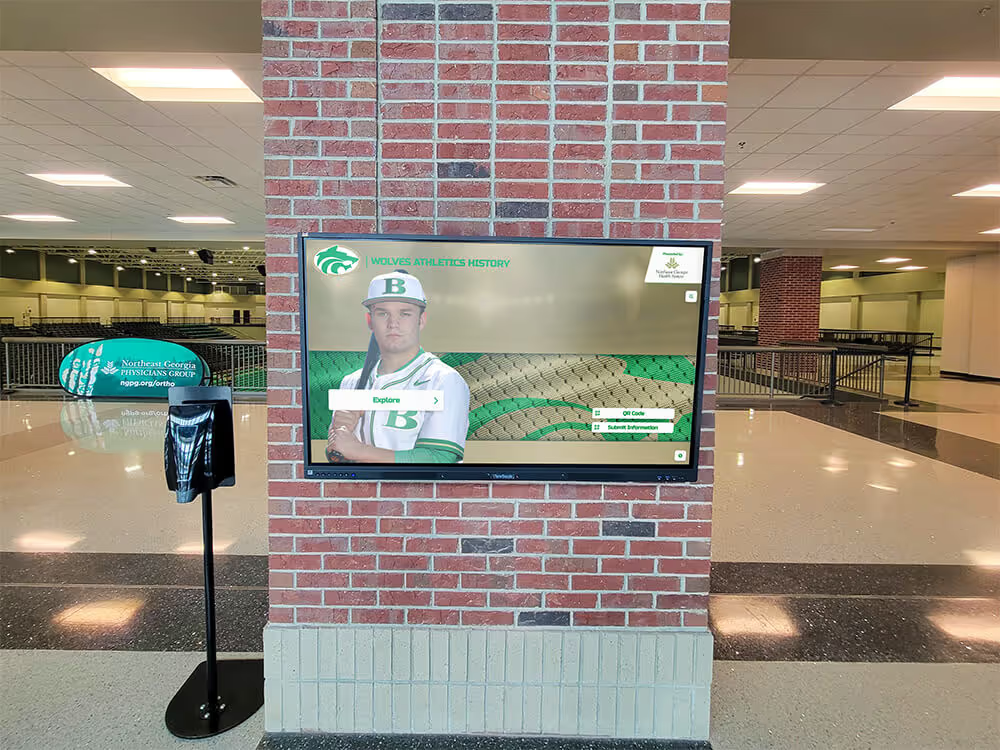
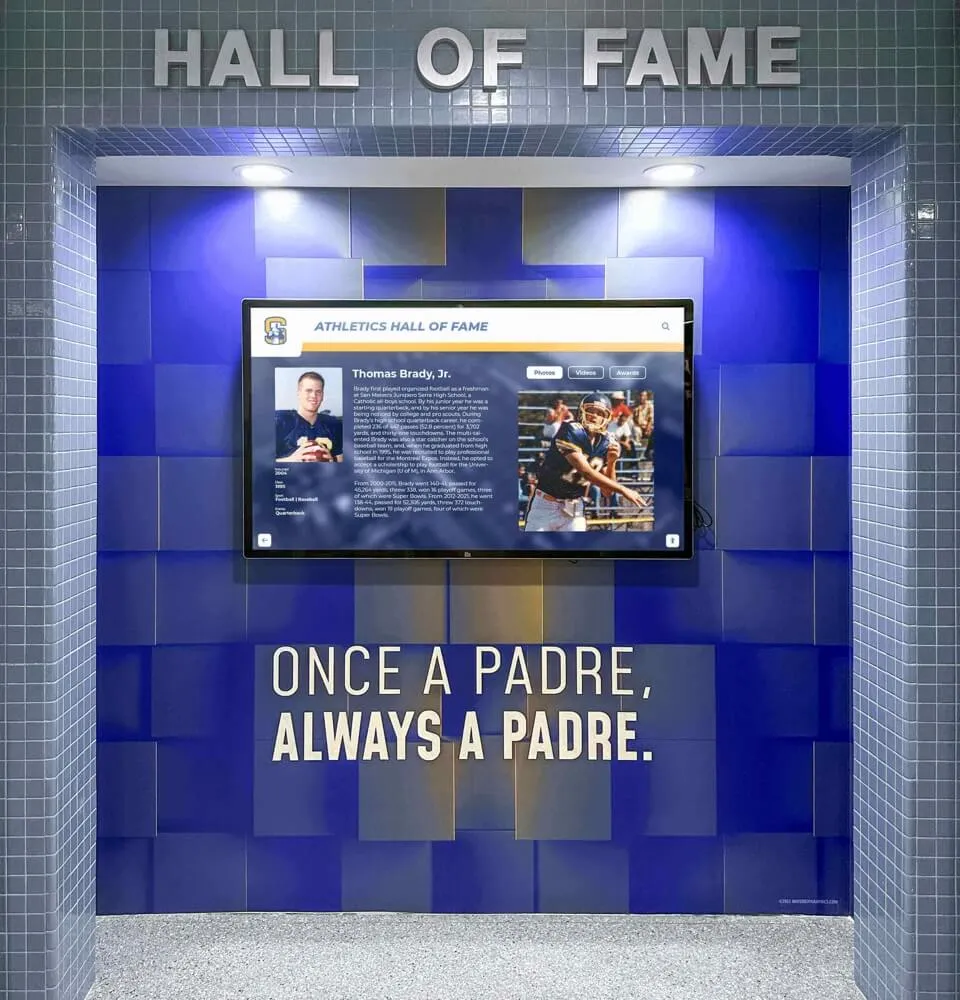
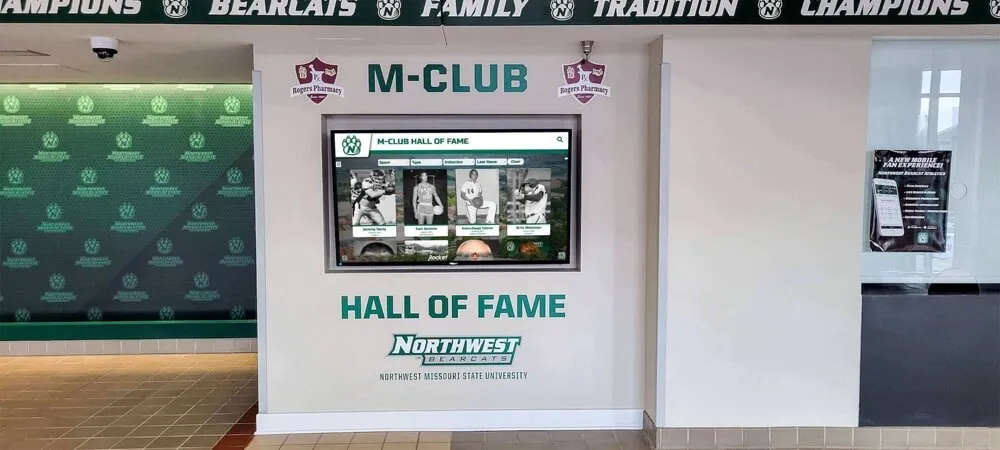
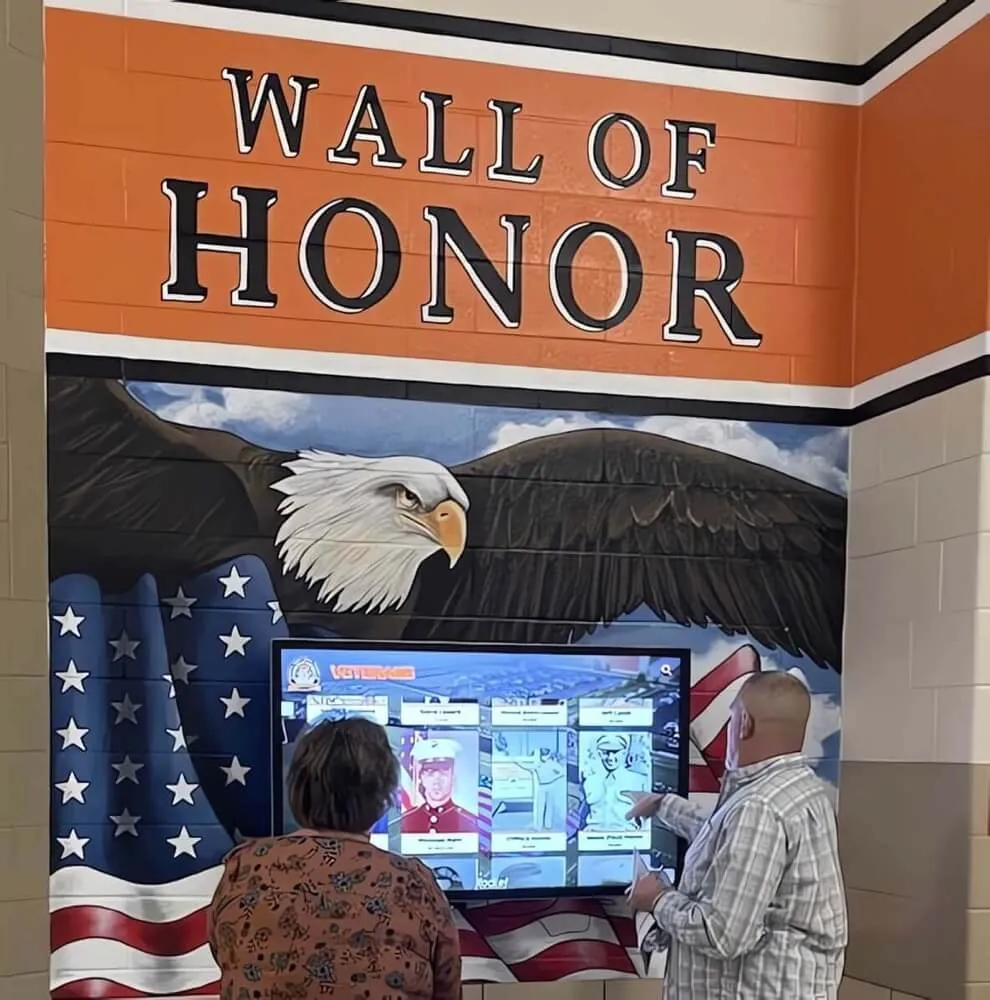
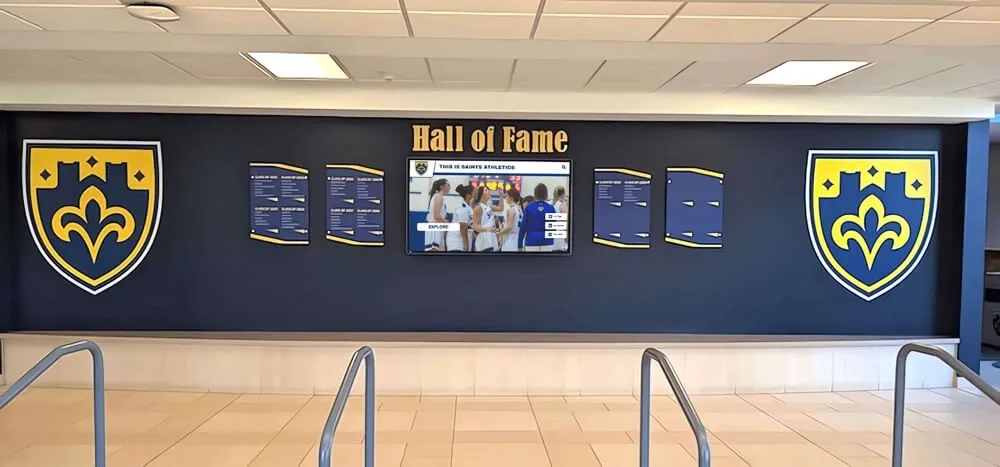
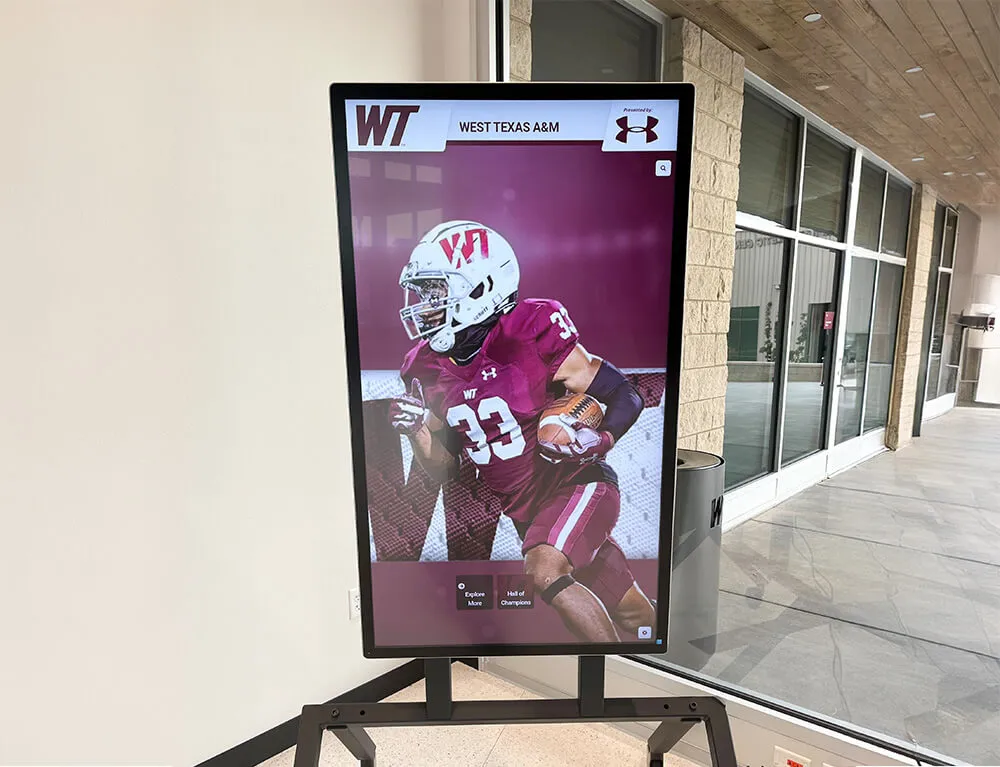
Digital displays complement physical trophies by providing dynamic content and expanded storytelling capacity
Combining physical trophies with digital components creates dynamic displays that tell richer stories:
QR Code Enhancement
Add QR codes to traditional displays linking to:
- Full game footage or competition videos
- Detailed team rosters and statistics
- Historical context and achievement significance
- Photo galleries from championship seasons
- Related digital record boards tracking performance over time
This hybrid approach preserves traditional physical trophies while providing depth and context impossible in static displays.
Adjacent Digital Displays
Position screens near trophy cases showing complementary content:
- Rotating highlight videos from championship seasons
- Current season statistics and upcoming competitions
- Historical achievement timelines and record progressions
- Student achievement profiles with photos and accomplishments
Digital components enable storytelling that static displays cannot match while maintaining the tangible presence of physical trophies that carry symbolic weight in school culture.
Expanding Recognition Beyond Athletics
Comprehensive display strategies ensure achievements across all programs receive appropriate celebration.
Academic Excellence Showcases
Create distinct spaces celebrating intellectual achievement with the same prominence as athletic success:
Honor Roll and Academic Recognition Displays
Design dedicated spaces for academic accomplishment:
- Quarterly honor roll recognition with student photos
- National Merit Scholars and prestigious scholarship recipients
- Academic competition successes (Science Olympiad, Math League, Debate)
- Advanced Placement and dual enrollment achievements
- GPA improvement awards and growth recognition
These displays signal institutional values that extend beyond athletics. When schools devote equal visual prominence to academic recognition programs, they create cultures where intellectual achievement receives deserved celebration.
Subject-Specific Achievement Walls
Create recognition displays in relevant locations:
- Math hallway: Mathematics competition trophies, calculus achievement recognition
- Science wing: Science fair awards, STEM competition successes
- English department: Writing contest victories, literary magazine recognition
- World language corridor: Language competition achievements, cultural program participation
Location-specific displays reinforce subject area identity while ensuring recognition reaches students most interested in those disciplines.
Arts and Performance Recognition
Performing and visual arts achievements deserve celebration matching athletic and academic accomplishments:
Performing Arts Trophy Displays
Theater, music, and performance programs generate significant achievements warranting dedicated recognition:
- Theater competition awards and festival recognitions
- Concert band and choir performance honors
- Individual music competition achievements
- All-state and regional ensemble selections
- Production photos and performance documentation
Many schools position these displays near auditoriums or fine arts facilities, creating visibility for programs that often operate outside mainstream student attention.
Visual Arts and Creative Achievement Showcases
Art programs require different display approaches accommodating visual work:
- Rotating student artwork displays with artist recognition
- Art competition awards and scholarship recognitions
- Portfolio program participation and college acceptance highlights
- Community mural projects and public art documentation
Consider dedicating gallery spaces specifically for visual arts achievement rather than attempting to fit artwork into traditional trophy case formats.
Service, Leadership, and Character Recognition
Non-competitive achievements reflecting institutional values deserve prominent display:
Community Service and Philanthropy Displays
Celebrate student contributions beyond campus:
- Community service hour milestones and recognition
- Fundraising campaign successes and charitable contributions
- Volunteer program participation and impact documentation
- Service organization achievements and project outcomes
These displays communicate that schools value contribution and character alongside achievement and competition.
Leadership and Citizenship Recognition
Create spaces acknowledging student leadership:
- Student government officers and representatives
- Club and organization leadership positions
- Peer mentorship and tutoring program participation
- School spirit and citizenship award recipients
Comprehensive recognition systems ensure students see multiple pathways to visibility and celebration, not just athletic or academic excellence.
Interactive and Digital Display Innovations
Technology enables recognition approaches impossible with traditional physical displays.
Digital Trophy Case Solutions
Modern digital displays address many traditional trophy case limitations while creating new engagement opportunities:
Unlimited Recognition Capacity
Digital systems eliminate physical space constraints. Schools can recognize every achievement, every team member, every award recipient without worrying about shelf space or display capacity. This unlimited capacity ensures recognition equity—no program or achievement gets excluded due to space limitations.
Rich Multimedia Storytelling
Digital displays incorporate elements impossible in physical cases:
- Full video highlights from championship games or competitions
- Animated timelines showing achievement progression over decades
- Interactive team rosters with individual student profiles
- Statistical comparisons and record-tracking visualizations
- Audio interviews with coaches, players, and achievement recipients
This multimedia approach transforms achievement recognition from static acknowledgment to engaging storytelling that brings accomplishments to life.
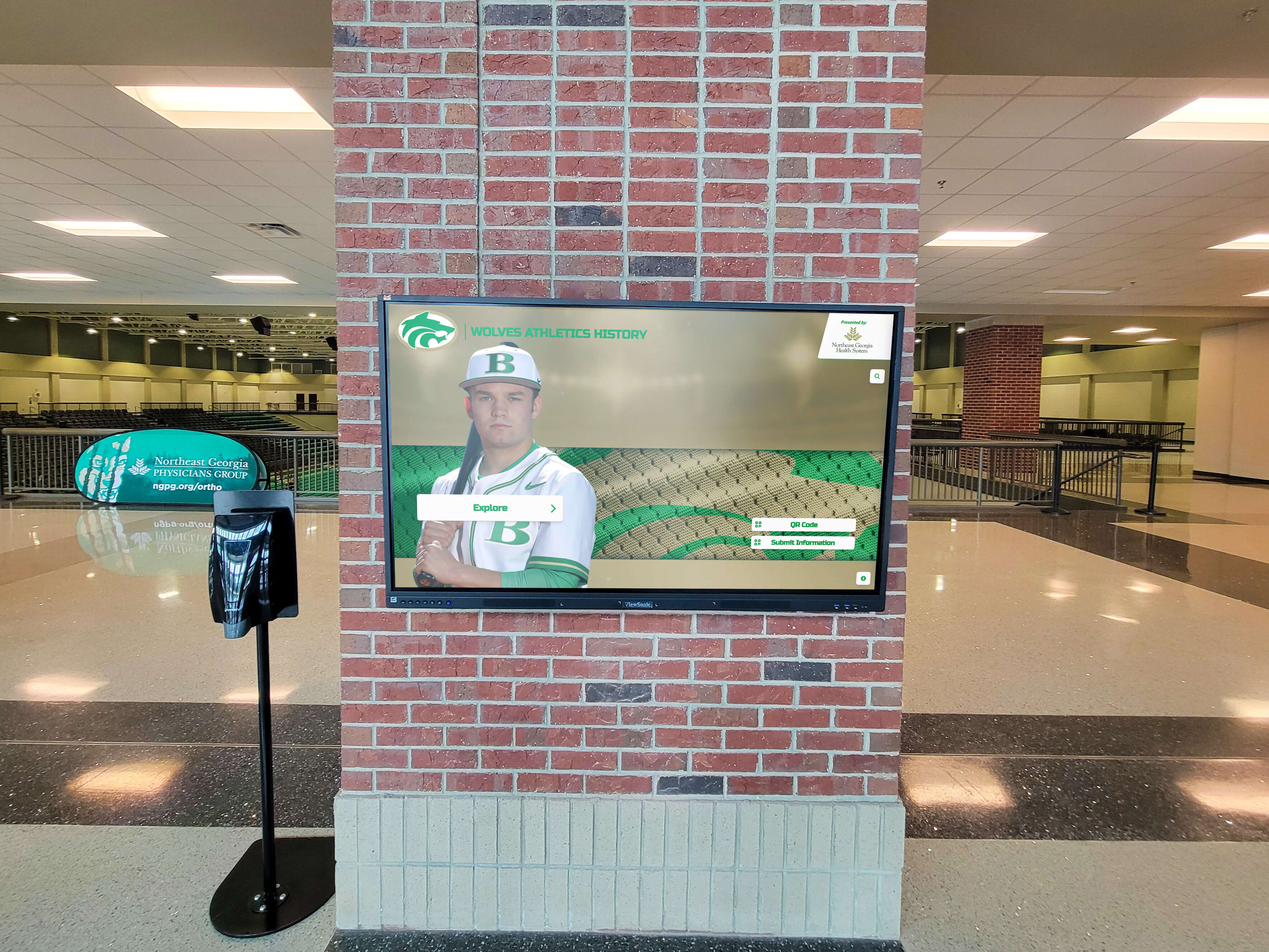
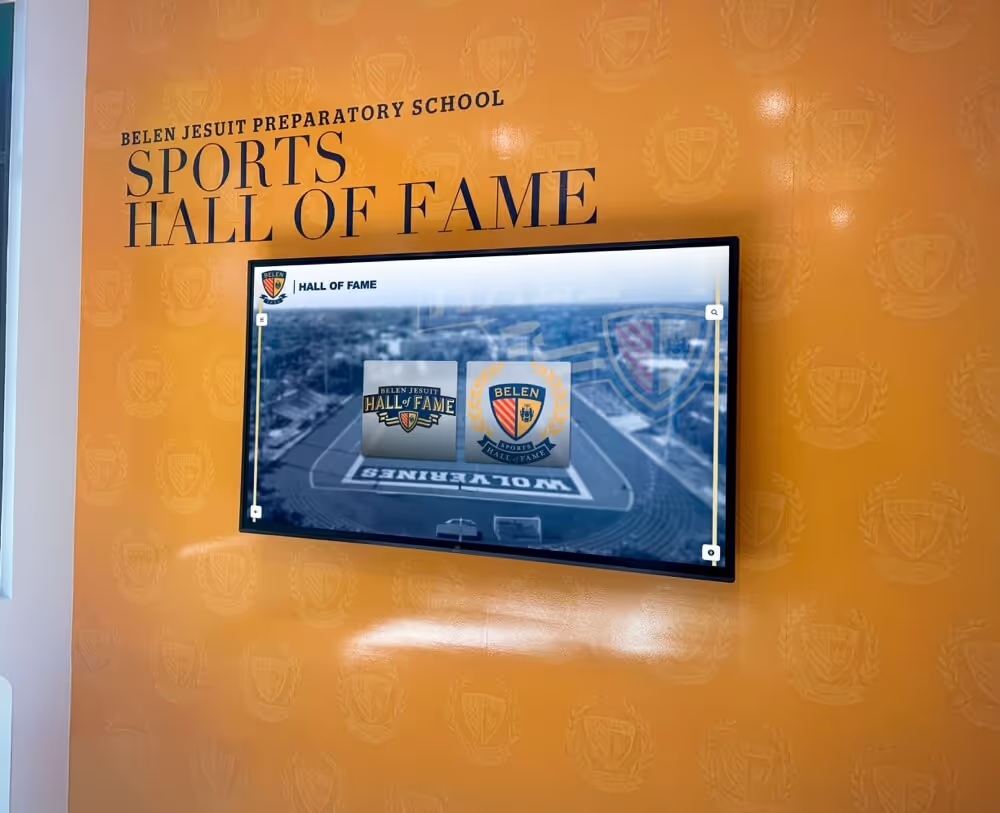
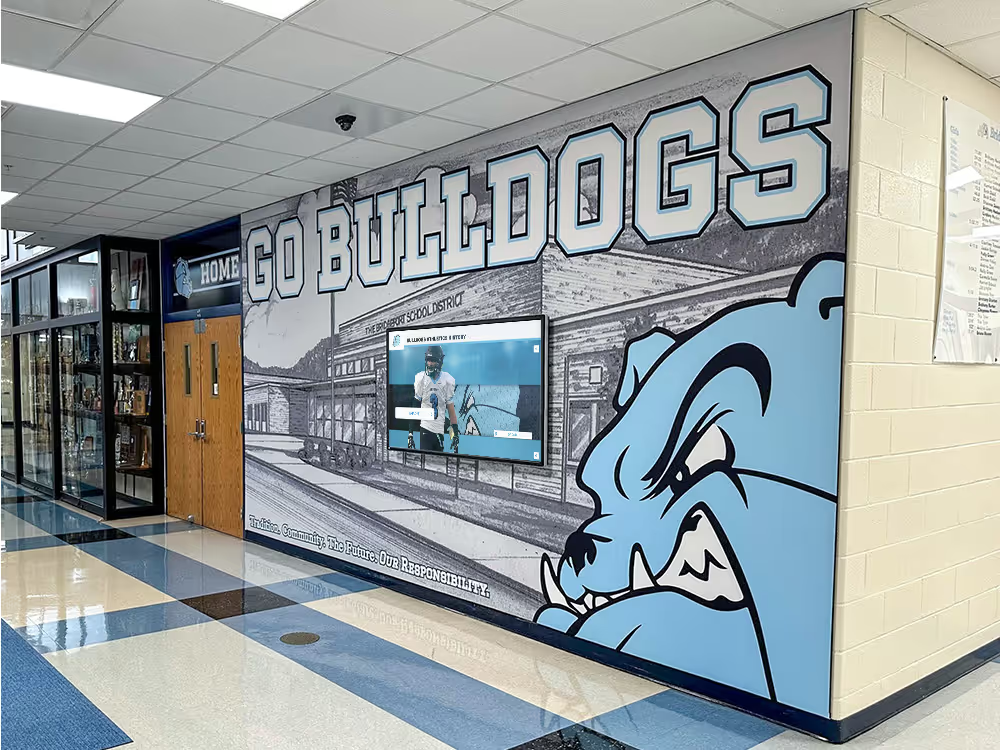
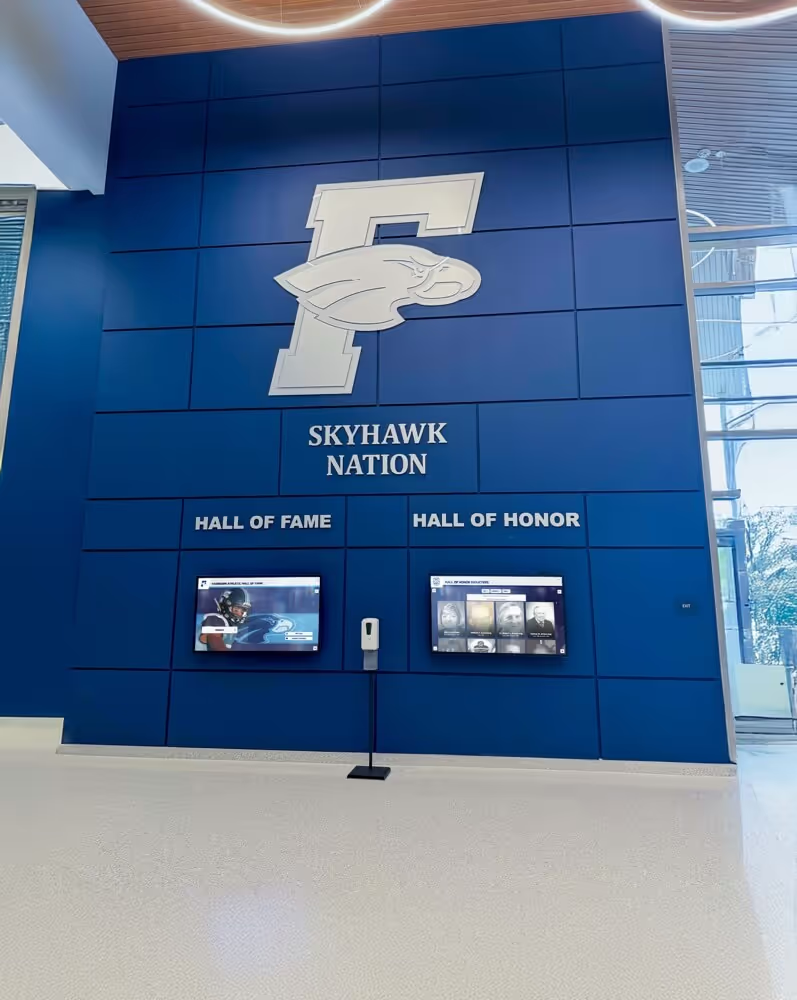
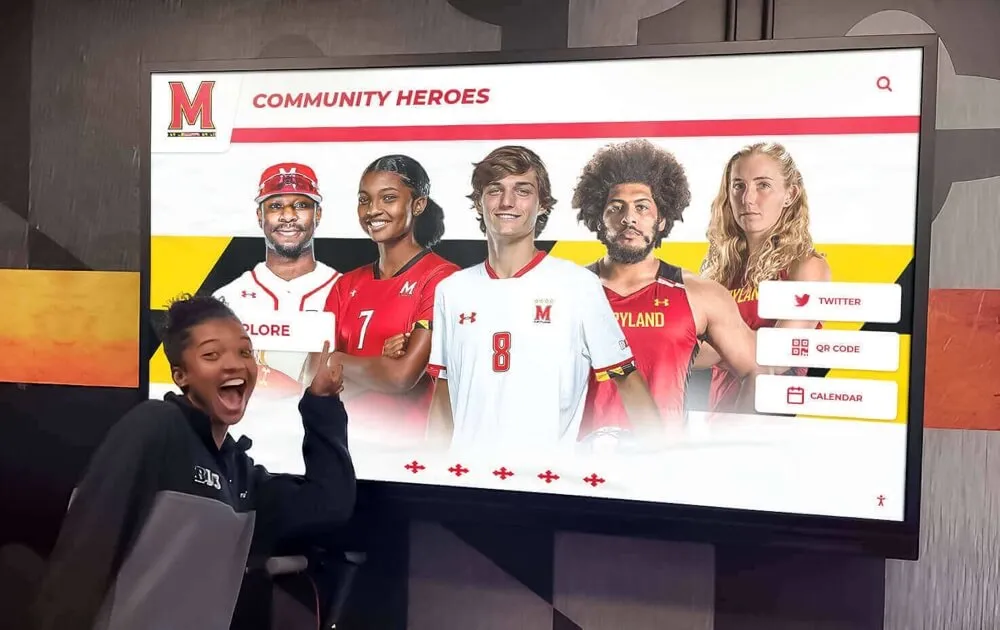
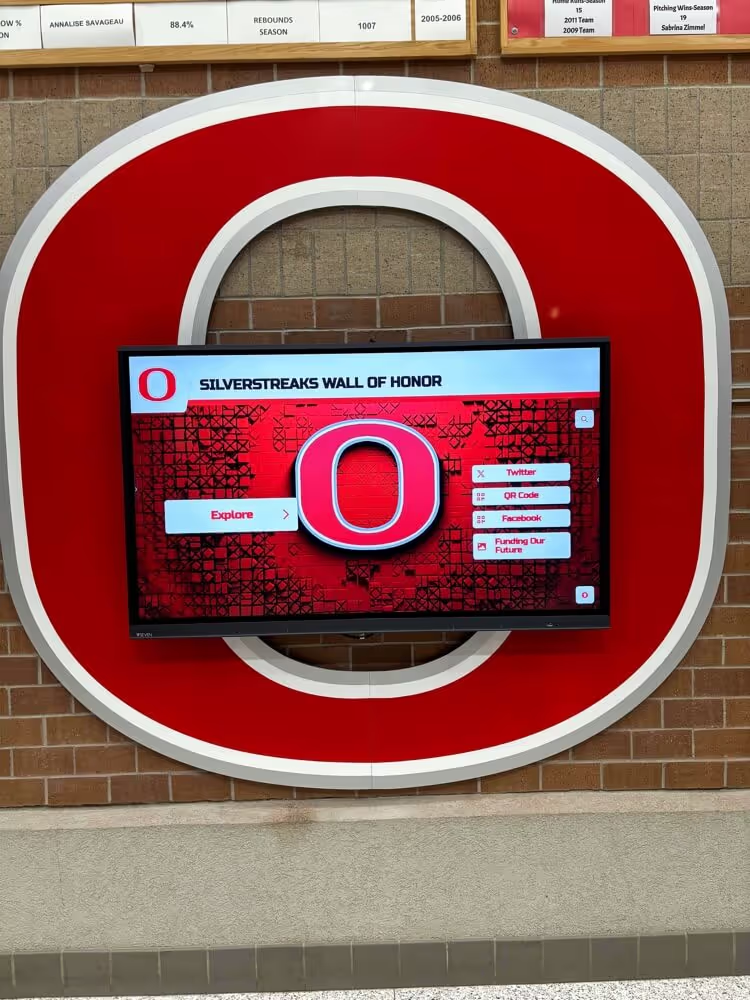
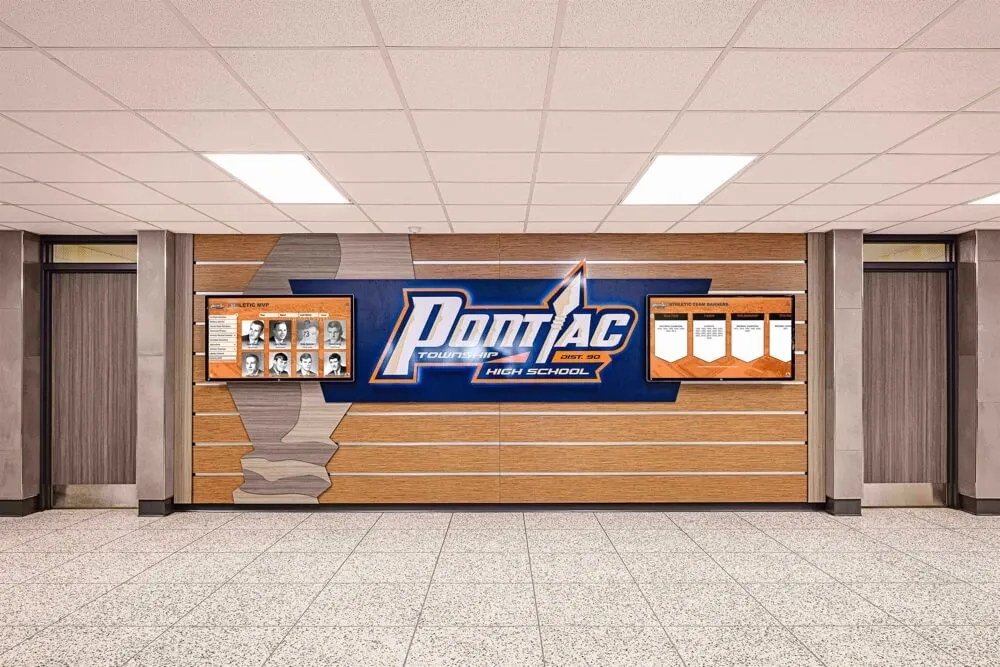
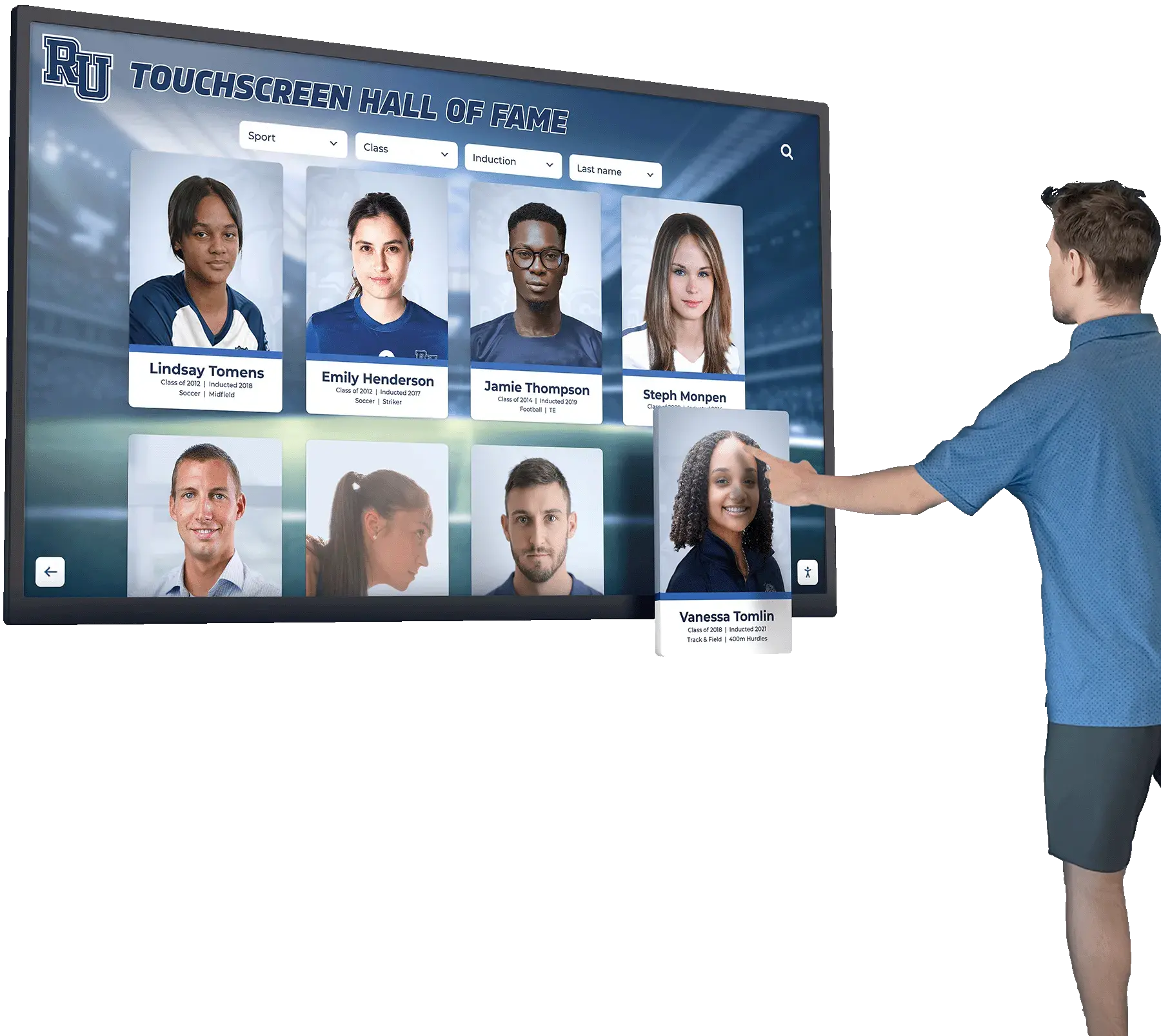
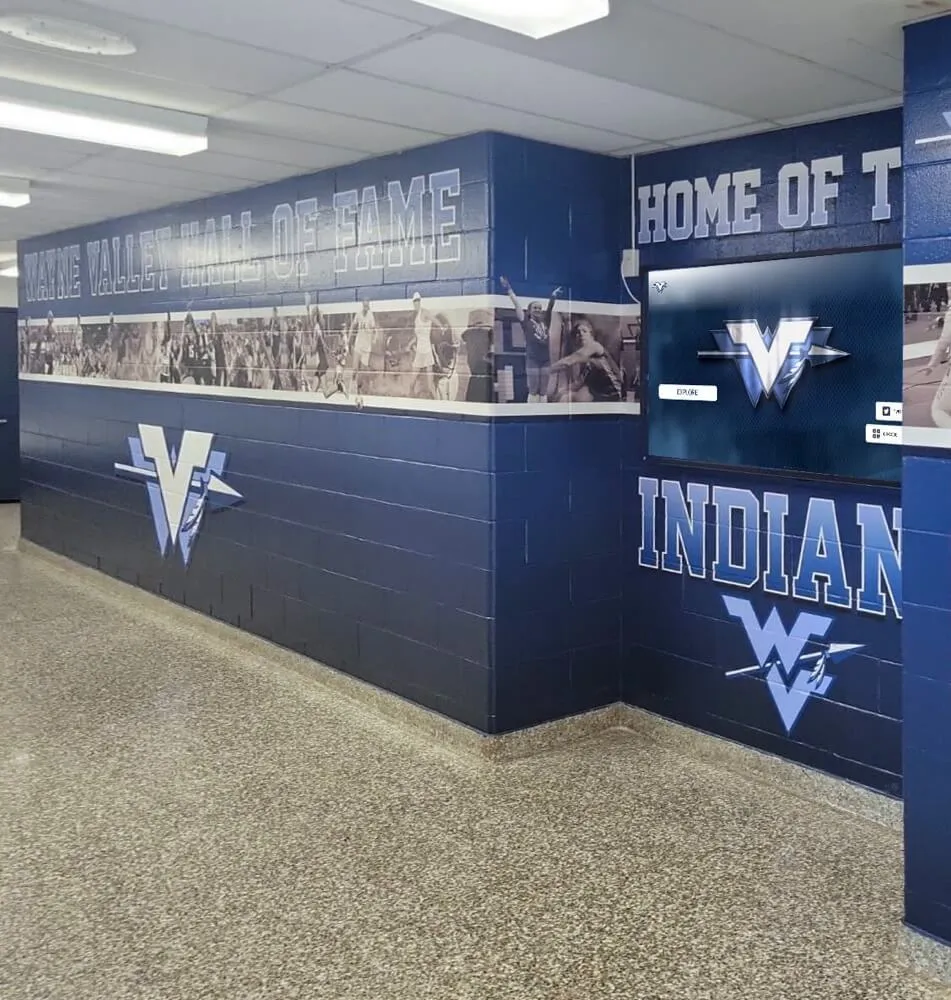
Digital displays in high-traffic areas create prominent recognition spaces that engage students and visitors
Searchability and Accessibility
Touchscreen digital trophy case displays allow visitors to search for specific achievements, teams, or individuals:
- Parents can locate their student’s recognition across multiple years
- Alumni can search for their own achievements and team histories
- Students can explore institutional records and historical accomplishments
- Researchers can access comprehensive achievement documentation
This searchability makes recognition functional and engaging rather than merely decorative.
Real-Time Updates and Currency
Digital systems enable immediate updates as achievements occur:
- Championship victories celebrated the same week they happen
- Season statistics updated in real-time throughout competitions
- Academic honors displayed immediately following grade periods
- End-of-year awards added as soon as ceremonies conclude
This currency keeps recognition relevant and demonstrates institutional responsiveness to achievement.
Touchscreen Engagement Features
Interactive displays create active engagement rather than passive viewing:
Self-Guided Exploration
Students and visitors interact with recognition at their own pace:
- Browse achievement categories and time periods of personal interest
- Explore related achievements and institutional context
- Access deeper information about specific accomplishments
- Share discoveries via social media or email
This self-directed engagement increases time spent with recognition content while enabling personalized exploration based on individual interests.
Comparative and Historical Analysis
Interactive displays facilitate achievement comparison:
- How does this year’s championship team compare to historical squads?
- Track record progressions across decades
- Compare individual achievements to all-time leaders
- Explore achievement patterns and program development over time
These analytical features transform recognition from simple acknowledgment to educational experience, helping students understand institutional history and achievement context.
Location and Placement Strategies
Where you position recognition displays significantly affects visibility and impact.
High-Traffic Visibility Locations
Strategic placement maximizes exposure and engagement:
Main Entrance and Lobby Areas
Front entrance displays communicate institutional priorities to all visitors:
- Trophy cases immediately visible upon entering the building
- Digital displays in main lobbies showcasing rotating achievement content
- Welcome displays integrating achievement recognition with school identity
These prominent placements signal that achievement recognition represents a core institutional value, not an afterthought relegated to back hallways.
Athletic Facility Integration
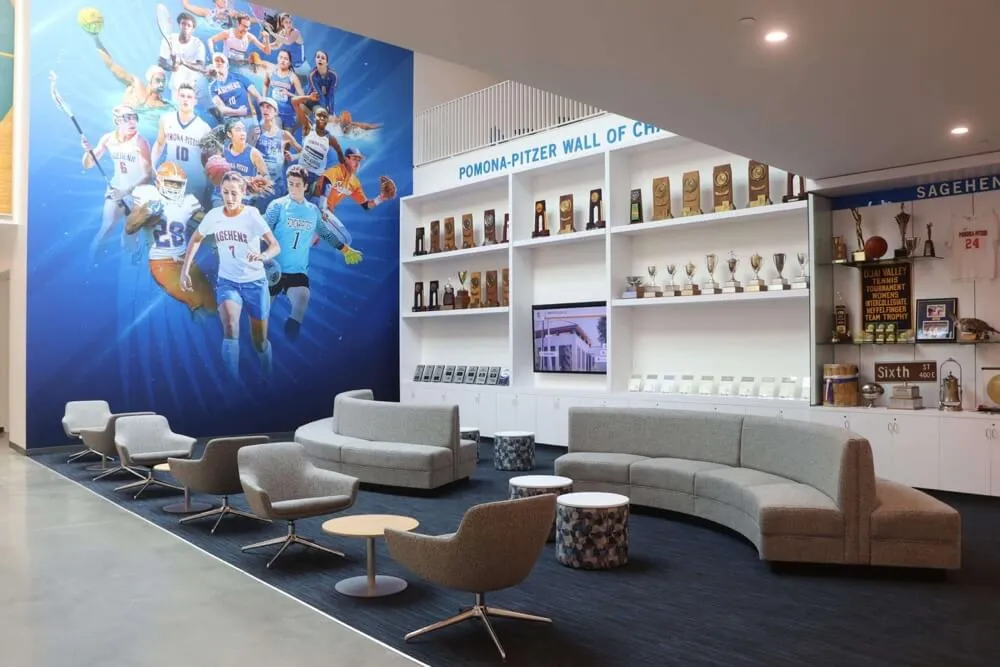
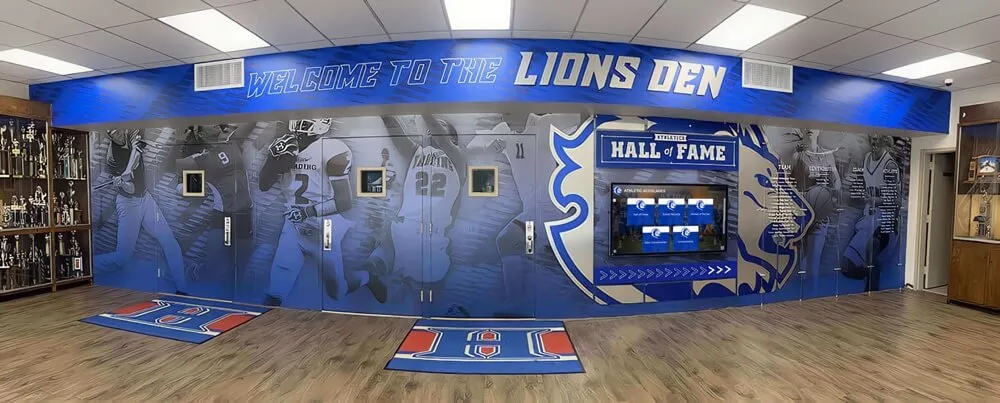
Athletic facilities provide natural settings for sports recognition while creating motivational environments for current athletes
Gymnasiums, field houses, and locker room areas benefit from integrated recognition:
- Entrance trophy displays welcoming visitors to athletic facilities
- Locker room recognition inspiring current athletes
- Concourse displays providing pre-game and halftime engagement
- Training facility displays reinforcing achievement culture
These locations receive heavy traffic during competitions and practices, ensuring consistent visibility to athletes, families, and communities.
Cafeteria and Common Areas
Students spend significant time in dining and common spaces:
- Cafeteria displays visible during lunch periods
- Student union recognition walls in gathering spaces
- Library displays celebrating academic achievement
- Common area digital screens showing rotating recognition content
These locations guarantee daily exposure for the entire student body, not just those involved in specific programs or departments.
Department-Specific Placement
Distribute recognition throughout the building rather than concentrating in single locations:
- Academic departments: Display relevant subject achievements
- Fine arts areas: Showcase performance and creative accomplishments
- Athletic wings: Feature sports-specific recognition
- Administrative offices: Highlight school-wide honors and distinctions
Distributed placement ensures all programs receive appropriate visibility while creating recognition touchpoints throughout the campus experience.
Creating Destination Recognition Spaces
Some schools develop dedicated recognition galleries functioning as destinations rather than incidental hallway displays:
Hall of Fame Galleries
Comprehensive spaces documenting institutional achievement history:
- Chronological displays showing program evolution over decades
- Dedicated sections for different achievement categories
- Interactive elements encouraging exploration and engagement
- Seating areas enabling extended viewing and reflection
These gallery spaces become points of pride, featured on tours and referenced in school marketing and recruitment materials.
Recognition Lounges
Comfortable spaces combining recognition with community function:
- Seating areas where students gather between classes
- Recognition displays surrounding functional common space
- Integration with school history and tradition displays
- Venues for small recognition ceremonies and presentations
This approach positions achievement recognition as central to school culture rather than peripheral decoration.
Inclusive Display Practices
Thoughtful approaches ensure recognition systems celebrate diverse achievements equitably.
Multi-Program Representation
Comprehensive displays showcase achievement across all school programs:
Balanced Space Allocation
Audit current trophy displays to ensure equitable representation:
- Calculate square footage devoted to different program types
- Assess visual prominence and location quality across programs
- Evaluate whether display space reflects program participation levels
- Identify underrepresented achievements and create dedicated recognition
This audit often reveals unintentional disparities where athletic recognition dominates despite significant achievements in academics, arts, and service programs.
Cross-Program Display Design
Create integrated displays celebrating diverse achievements together:
- Monthly achievement roundups featuring successes across all programs
- Thematic displays grouping related accomplishments (excellence, leadership, innovation)
- Student spotlights highlighting individuals’ achievements across multiple domains
- “Renaissance student” recognition for multi-talented individuals
Integrated displays communicate that excellence takes many forms and the institution values diverse pathways to achievement.
Individual and Team Recognition Balance
Comprehensive systems acknowledge both collective success and individual achievement:
Team Achievement Displays
Group accomplishments deserve prominent recognition:
- Championship trophies and team competition successes
- Season records and tournament performances
- Roster displays identifying all contributing team members
- Showcasing championship teams with comprehensive documentation
Team displays build program pride while ensuring all participants receive recognition, not just stars or leading contributors.
Individual Student Recognition
Personal achievements complement team success:
- Academic scholarship and honor recipients
- Individual competition achievements and records
- Leadership position recognition
- All-state, all-conference, and similar individual honors
Individual recognition motivates personal excellence while acknowledging that many significant achievements occur outside team contexts.
Accessibility and Inclusion Considerations
Physical design affects who can engage with recognition displays:
Universal Design Principles
Ensure all students can access and interact with recognition:
- Lower display sections accessible to wheelchair users and younger students
- Digital touchscreens positioned at appropriate heights with accessible interfaces
- High-contrast text and appropriate font sizes for visual accessibility
- Audio description options for digital displays
- Adequate lighting for visibility without glare
Cultural and Language Inclusivity
Recognition systems should reflect diverse school populations:
- Multilingual recognition for international achievements and programs
- Cultural celebration displays acknowledging diverse student traditions
- Inclusive imagery and representation in recognition content
- Sensitive handling of names and identity representation
Maintenance and Sustainability
Effective displays require ongoing care and systematic updating processes.
Establishing Update Protocols
Create clear systems ensuring displays remain current:
Responsibility Assignment
Designate specific individuals or teams responsible for display maintenance:
- Athletic director: Sports achievement updates
- Academic dean: Academic recognition additions
- Fine arts director: Performance and creative achievement displays
- Student council representative: Student-driven recognition components
Clear ownership prevents displays from languishing when “everyone” is responsible but no one actually updates.
Update Schedules and Triggers
Define when updates occur:
- Immediate updates: Major championships, significant achievements
- Seasonal updates: End of sports seasons, academic quarters
- Annual refreshes: Summer comprehensive display reviews
- Event-driven additions: Following award ceremonies, competitions
Scheduled updates ensure regular attention while immediate protocols address time-sensitive recognition.
Physical Display Maintenance
Traditional trophy cases require ongoing care:
Cleaning and Upkeep
Establish maintenance routines:
- Weekly dusting and glass cleaning schedules
- Quarterly comprehensive case cleaning
- Annual trophy polishing and label inspection
- Lighting check and bulb replacement protocols
Well-maintained displays signal that the institution values the achievements they showcase. Dusty, neglected cases communicate the opposite message.
Inventory and Organization Systems
Document display contents systematically:
- Photograph and catalog all trophies and recognition items
- Maintain databases tracking achievement details and locations
- Create storage protocols for rotational displays
- Document decision-making processes for display inclusion and rotation
These systems enable consistent management even as responsible personnel change over time.
Digital Display Content Management
Digital systems require different maintenance approaches:
Content Update Workflows
Establish clear processes for digital content addition:
- Submission forms for achievement information and media
- Approval workflows ensuring accuracy and appropriateness
- Technical upload and publishing procedures
- Archive systems for replaced or rotational content
Streamlined workflows encourage regular updates by making the process straightforward rather than burdensome.
Technical Maintenance
Digital displays require ongoing technical support:
- Software update schedules maintaining security and functionality
- Hardware inspection and cleaning routines
- Network connectivity monitoring and troubleshooting
- Backup systems protecting recognition content and data
Partner with IT departments or technology vendors ensuring reliable operation and prompt issue resolution.
Measuring Recognition Display Impact
Evaluate whether display investments achieve desired outcomes:
Engagement Metrics
For digital displays, track usage and interaction:
- Touchscreen interaction frequency and duration
- Content categories receiving most engagement
- Peak usage times and traffic patterns
- Search queries revealing visitor interests
These metrics help refine content and placement strategies to maximize engagement.
Qualitative Assessment
Gather stakeholder feedback about recognition systems:
- Student surveys about recognition awareness and impact
- Family responses to recognition visibility and inclusivity
- Staff assessment of maintenance and update processes
- Alumni reactions to historical achievement documentation
Qualitative feedback reveals aspects quantitative metrics miss, such as emotional impact and perceived fairness.
Achievement Culture Indicators
Monitor broader outcomes suggesting effective recognition systems:
- Program participation trends across athletics, academics, and activities
- Student pride and school spirit assessment results
- Alumni engagement and connection to institutional identity
- Recruitment and retention indicators potentially influenced by achievement culture
While recognition displays represent one element among many influencing these outcomes, systematic tracking helps assess whether investments produce desired cultural results.
Budget Considerations and Options
Recognition display investments span wide budget ranges depending on approach and scope.
Traditional Trophy Case Options
Physical displays vary significantly in cost:
Basic Trophy Cases
Standard glass-front cases: $1,000-$3,000 per case
- Pre-fabricated units in standard sizes
- Basic lighting and adjustable shelving
- Wall-mounted or free-standing configurations
- Appropriate for smaller schools or specific departments
Custom-Built Trophy Cases
Designed and built for specific spaces: $5,000-$15,000+ per installation
- Custom dimensions matching architectural specifications
- Integrated lighting and specialized display features
- Premium materials and finishes
- Built-in security and environmental controls
Trophy Case Renovations
Updating existing displays: $2,000-$8,000 per case
- Refinishing and modernizing older cases
- Lighting upgrades and electrical improvements
- Interior redesign and shelving reconfiguration
- Glass replacement and security enhancements
Digital Display Investments
Technology-based solutions represent different investment profiles:
Basic Digital Signage
Simple screens showing recognition content: $2,000-$5,000 per display
- Commercial display screens with basic media players
- Template-based content management systems
- Limited interactivity and engagement features
- Appropriate for simple slideshow-style recognition
Interactive Touchscreen Displays
Full-featured digital recognition systems: $8,000-$25,000+ per installation
- Professional-grade touchscreens with robust hardware
- Comprehensive content management platforms
- Search, browse, and multimedia capabilities
- Ongoing content updates and technical support
These systems often include installation, content development, training, and warranty coverage, representing comprehensive solutions rather than equipment-only purchases.
Hybrid Approaches
Many schools combine approaches to balance tradition, innovation, and budget:
- Physical trophy cases for championship trophies and major awards
- Adjacent digital displays providing context and expanded recognition capacity
- Department-specific physical displays supplemented by centralized digital systems
- Phased implementations starting with high-impact locations and expanding over time
Transform Your School’s Recognition Experience
Creative trophy case display ideas extend far beyond simple equipment or arrangement decisions. The most effective recognition systems reflect institutional values, celebrate diverse achievements equitably, and create genuine pride throughout school communities. Whether you’re updating existing displays, planning new recognition spaces, or reimagining how your school celebrates achievement, thoughtful approaches that balance tradition with innovation create lasting impact.
The schools that excel at achievement recognition create comprehensive systems where students see themselves reflected in displays, alumni feel connected to institutional legacy, and visitors immediately understand the breadth of excellence the community cultivates. These institutions recognize that display investments represent more than decoration—they communicate priorities, motivate future excellence, and build cultures where achievement across all domains receives deserved celebration.
Ready to explore how modern recognition solutions can transform your school’s achievement displays? Rocket Alumni Solutions specializes in digital touchscreen displays and interactive recognition systems that celebrate student achievement across athletics, academics, and activities. Our comprehensive platforms provide unlimited recognition capacity, engaging multimedia storytelling, and effortless content management—creating dynamic displays that inspire excellence while honoring your school’s unique traditions and values. Discover how digital recognition solutions can complement your existing trophy cases or provide complete replacement systems that bring achievement celebration into the modern era.