



Every organization struggles with the same fundamental challenge: keeping talented employees engaged, motivated, and committed in an increasingly competitive talent market. While compensation and benefits matter, research consistently demonstrates that meaningful recognition plays an equally critical role in employee satisfaction, performance, and retention. Yet many organizations still rely on outdated, formulaic recognition approaches that feel perfunctory rather than genuine.
Creative employee recognition programs transform routine appreciation into memorable experiences that employees genuinely value. These innovative approaches extend far beyond generic plaques or obligatory employee-of-the-month certificates. Effective programs acknowledge diverse contributions, celebrate character alongside performance, create opportunities for peer appreciation, and leverage technology to make recognition visible, accessible, and lasting.
This comprehensive guide explores creative employee recognition programs that actually work—proven strategies that boost morale, strengthen culture, and demonstrate authentic appreciation. Whether you’re launching your first formal recognition program or revitalizing existing initiatives, you’ll discover practical ideas applicable across industries, organizational sizes, and budget constraints.
Organizations implementing creative recognition programs report measurable improvements in employee retention, engagement scores, and workplace culture. The most successful approaches balance spontaneity with structure, combine traditional elements with innovative formats, and ensure recognition feels personal rather than generic. When employees feel genuinely valued for their unique contributions, they invest more deeply in organizational success.

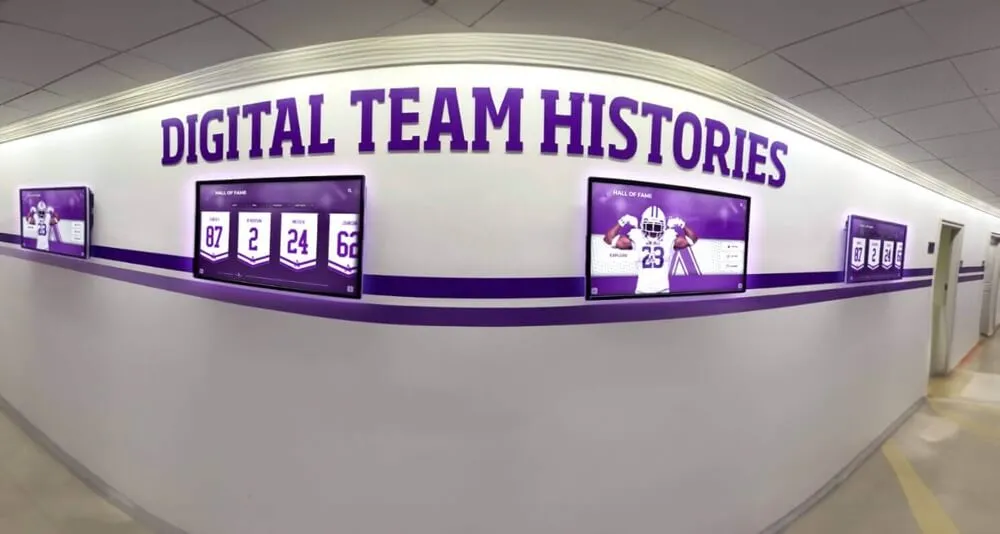
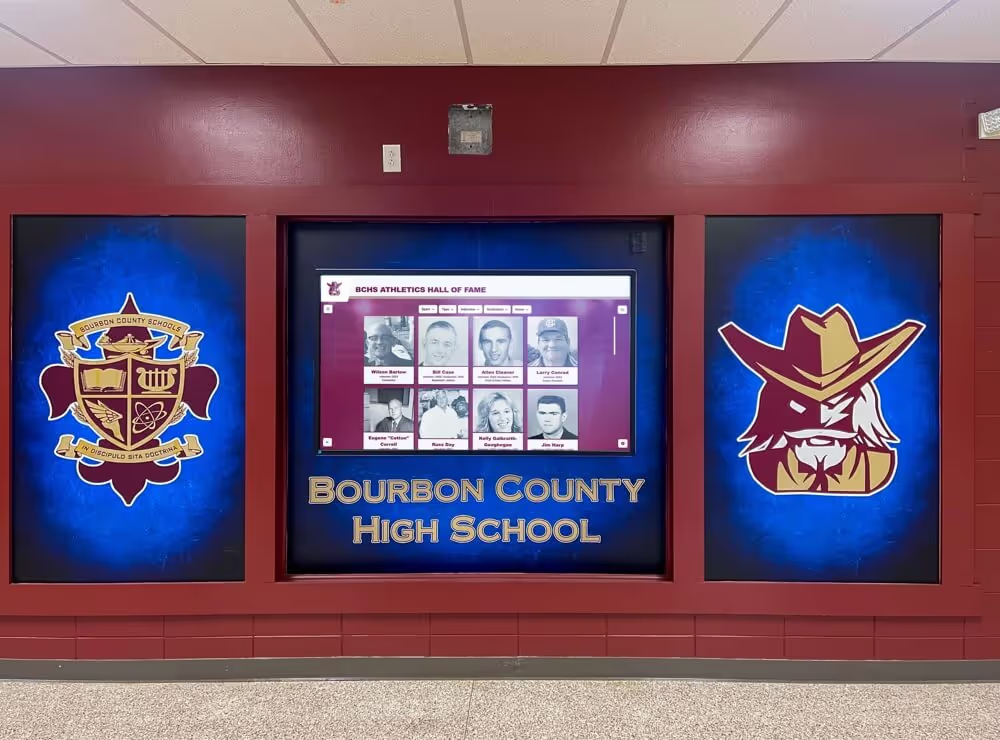
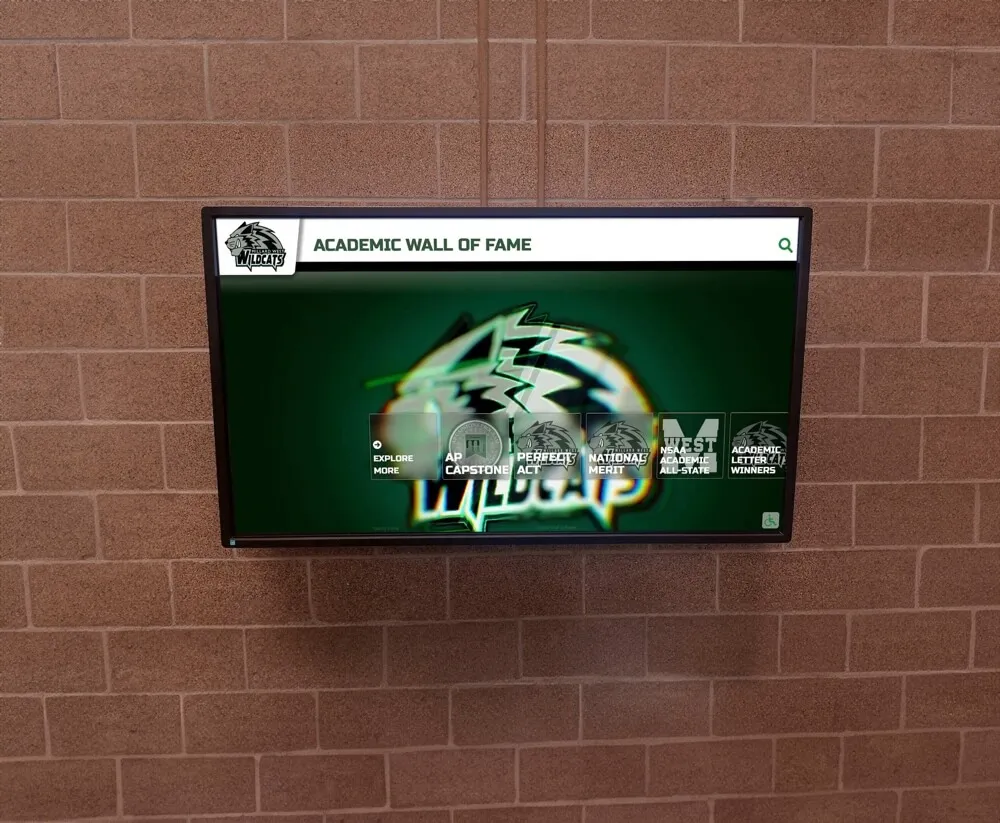
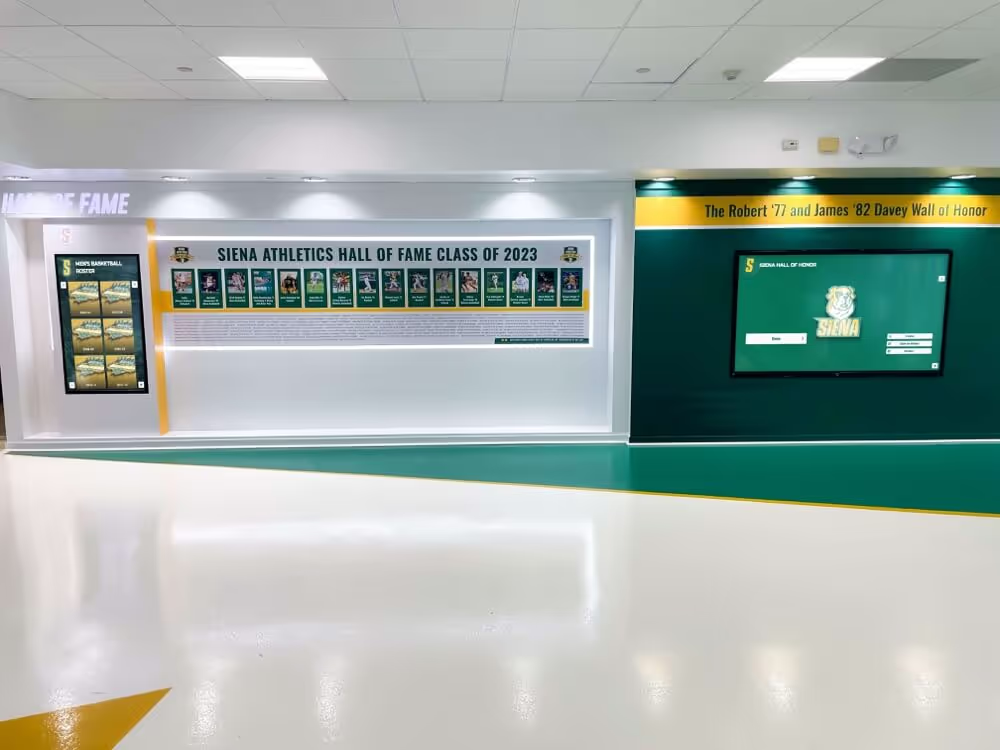
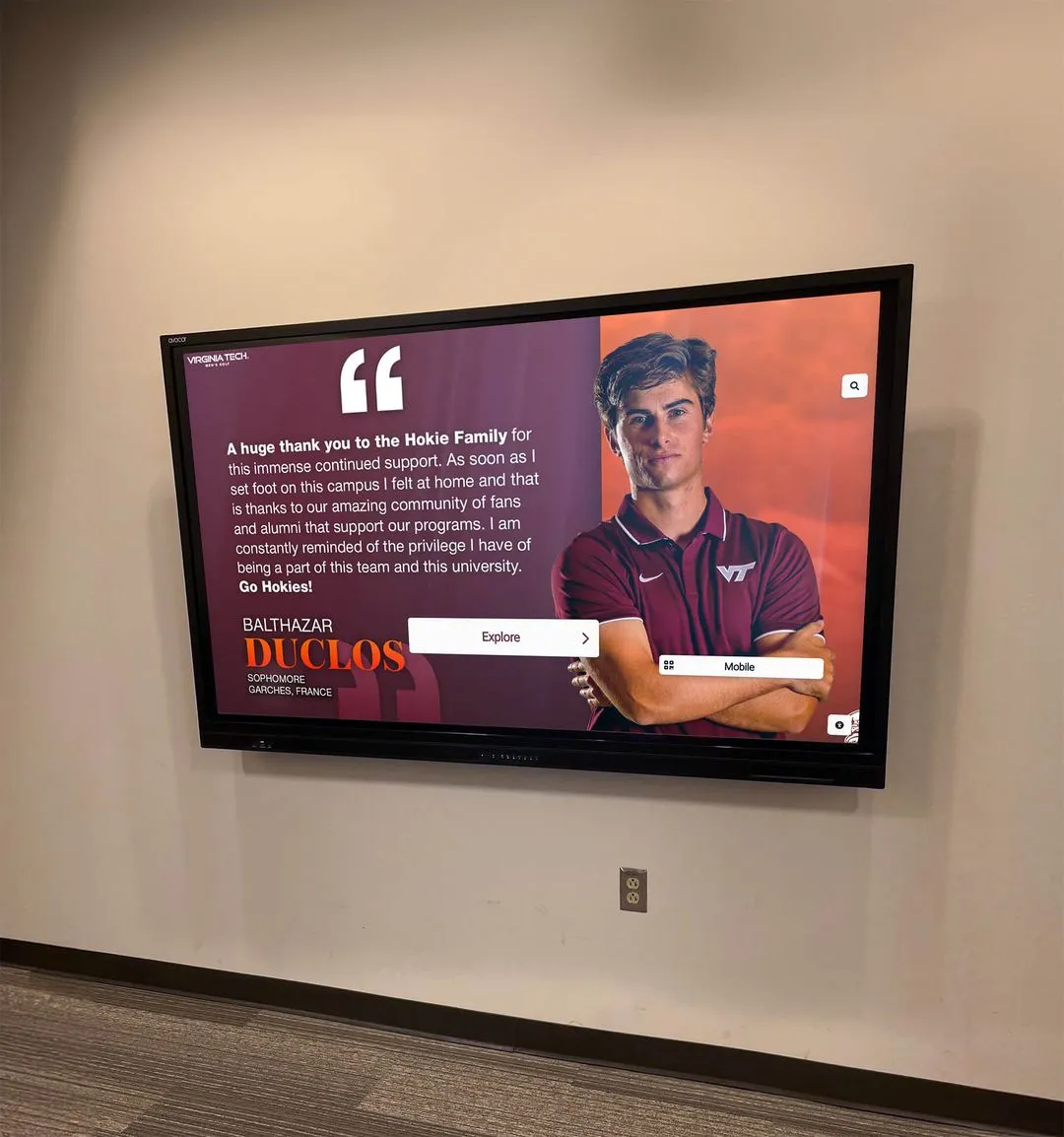
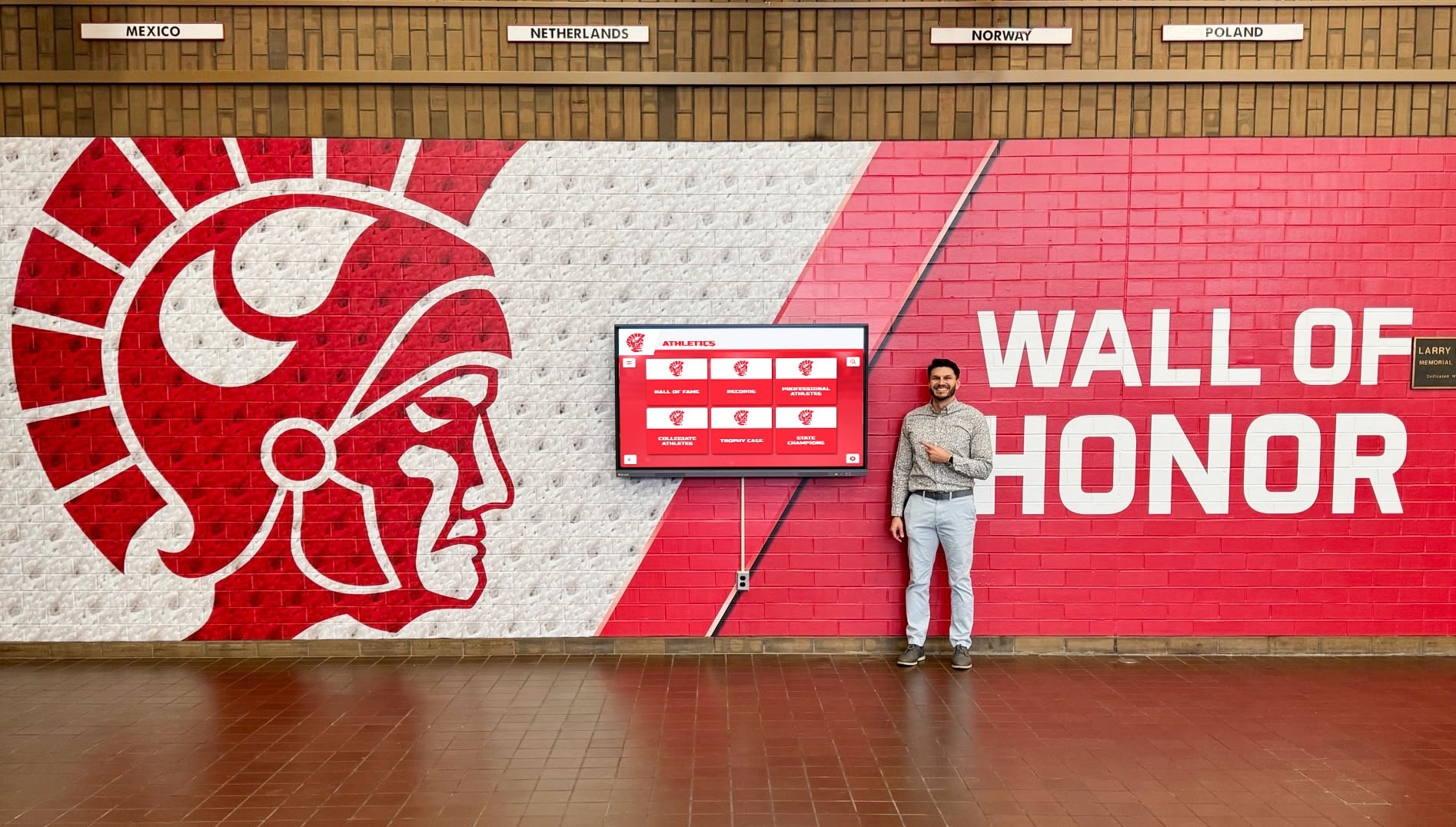
Modern recognition displays create visible celebrations of employee achievements, reinforcing organizational commitment to authentic appreciation
Why Traditional Recognition Programs Fall Short
Understanding the limitations of conventional approaches helps organizations design more effective alternatives.
The Generic Certificate Problem
Most traditional recognition relies heavily on standardized formats that feel impersonal:
Common Recognition Pitfalls
- Identical certificates differing only in employee names and dates
- Formulaic award presentations lacking specific achievement details
- Annual recognition cycles that delay timely appreciation
- Limited capacity forcing difficult choices about who receives acknowledgment
- Static displays that become invisible background fixtures employees ignore
- Recognition restricted to easily quantifiable metrics favoring certain roles
Research from the Society for Human Resource Management reveals that 79% of employees who quit their jobs cite “lack of appreciation” as a key reason for leaving. However, when surveyed separately, 87% of organizations believe they effectively recognize employee contributions—demonstrating a significant perception gap between leadership intentions and employee experiences.
The Problem with Predictable Programs
Recognition that follows rigid, predictable patterns loses impact over time:
Effectiveness Challenges
- Same individuals winning recurring awards creates resentment
- Obligatory monthly selections feel perfunctory rather than earned
- Rotation systems that “take turns” undermine recognition authenticity
- Focus solely on tenure ignores current contributions and innovation
- Limited recognition categories exclude diverse achievement types
- Public ceremonies that embarrass introverted employees
Organizations implementing comprehensive recognition approaches move beyond predictable formats toward diverse, personalized appreciation that resonates with varied employee preferences and achievement types.
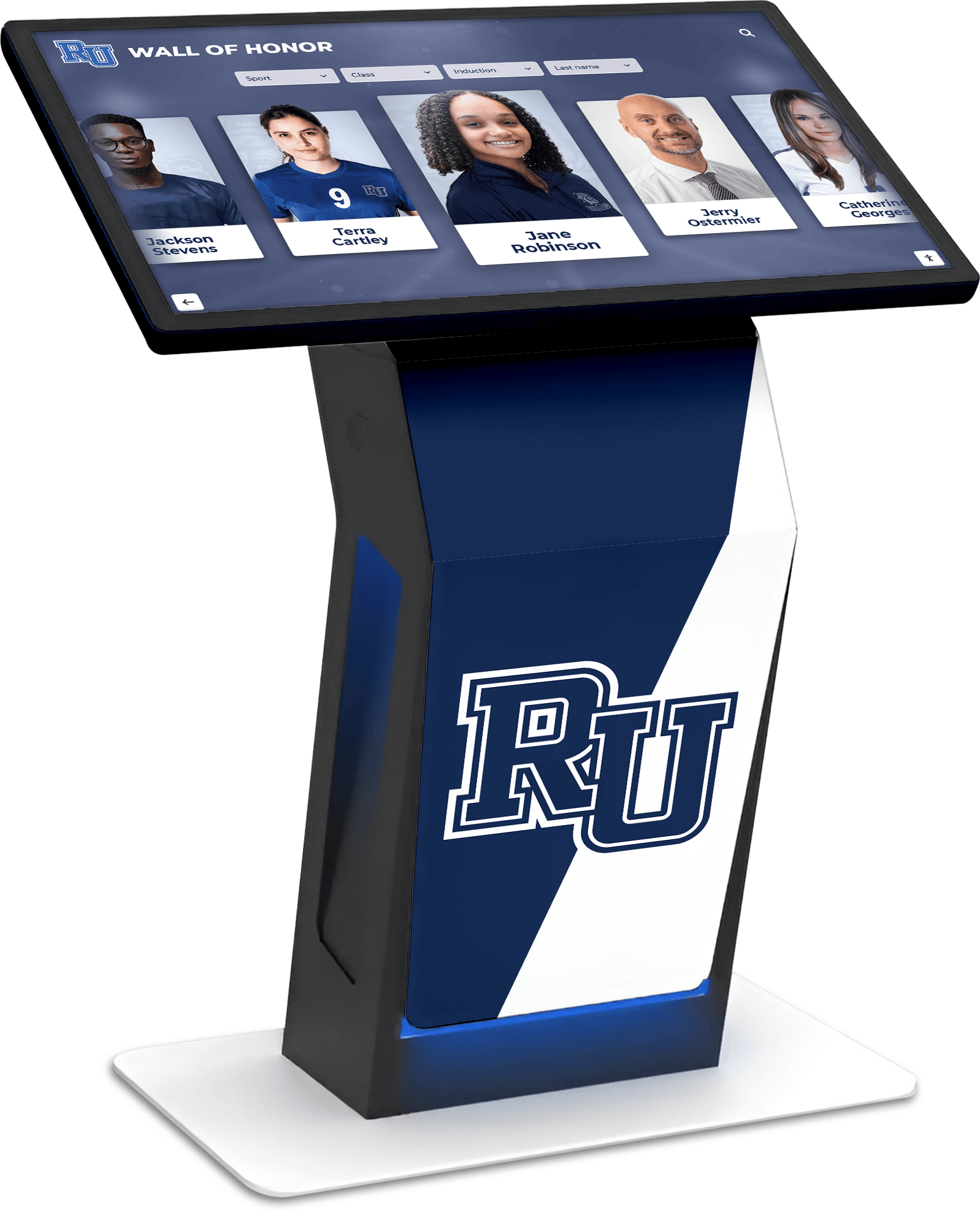
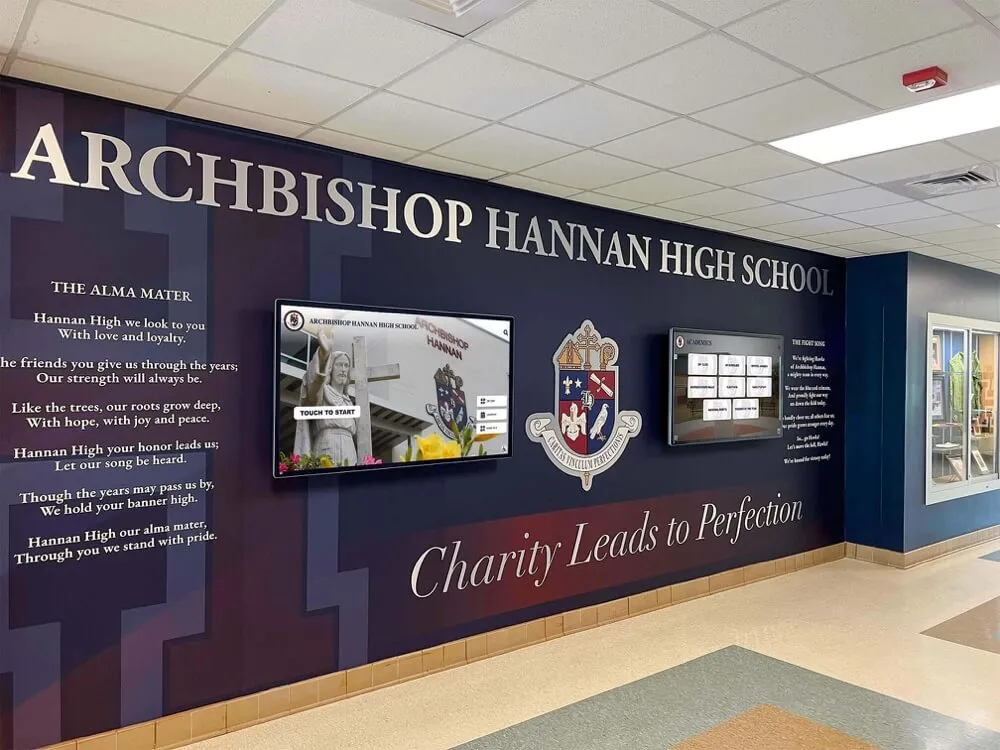
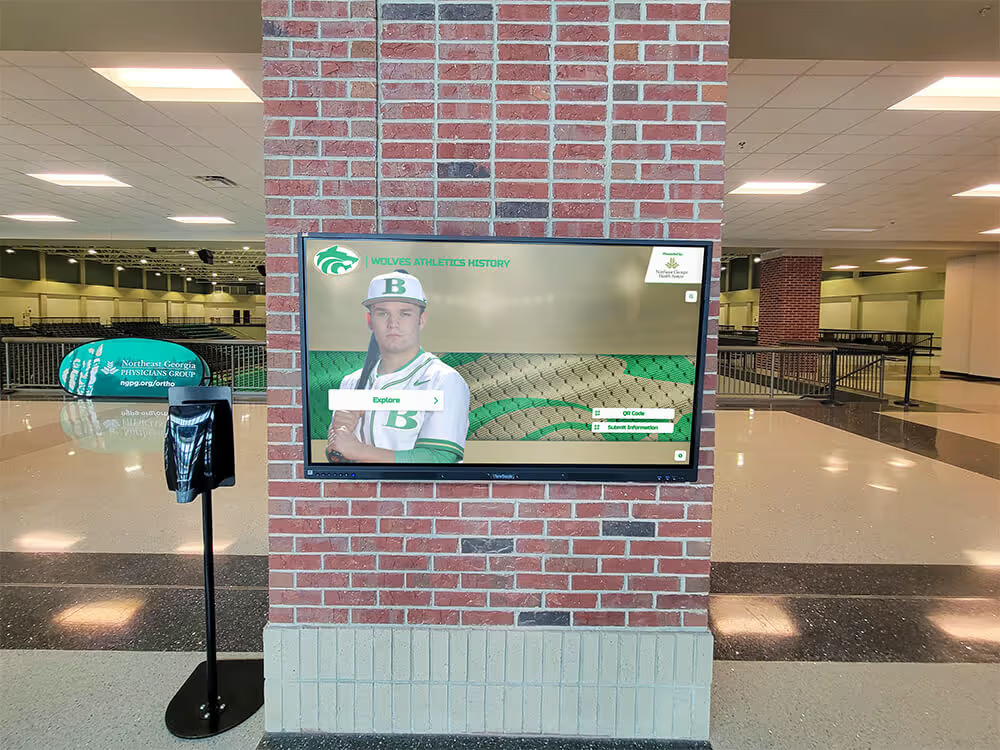
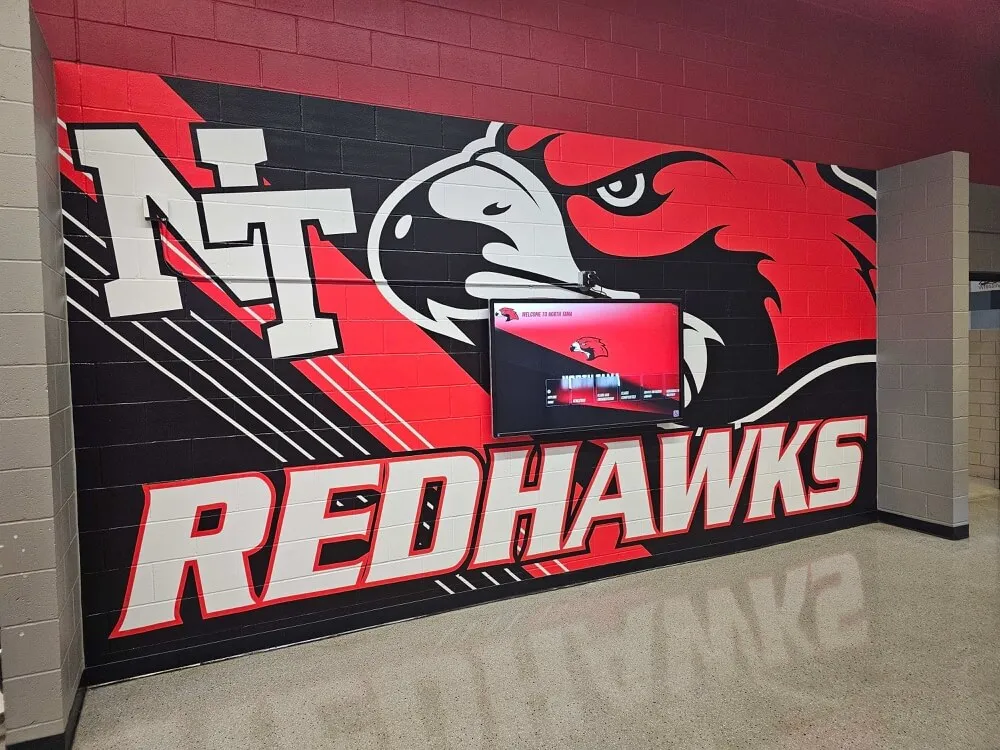
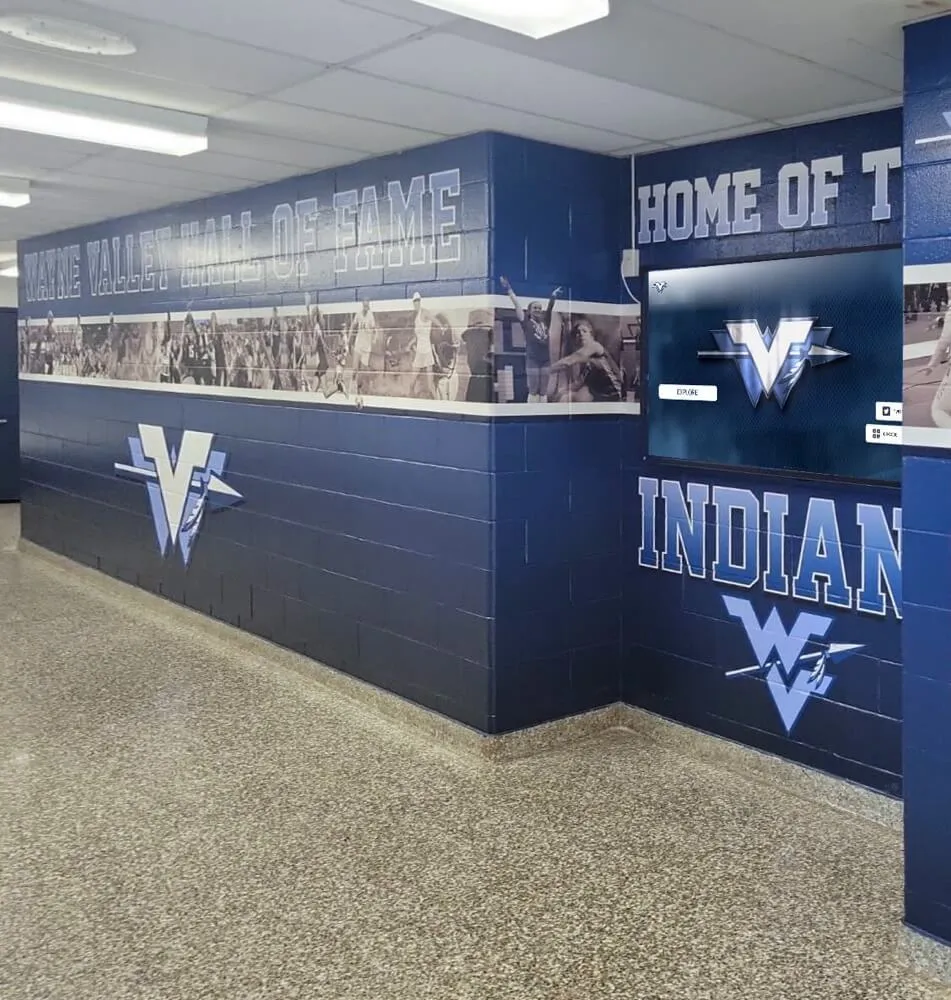
Digital recognition systems provide unlimited capacity and multimedia storytelling capabilities impossible with traditional physical displays
Core Principles of Effective Recognition Programs
Before exploring specific creative ideas, understanding foundational principles ensures recognition initiatives achieve intended outcomes.
Authenticity Over Formality
Recognition must feel genuine rather than obligatory:
Authenticity Markers
- Specific details about individual contributions and achievements
- Leadership personally delivering recognition when appropriate
- Spontaneous appreciation rather than only scheduled ceremonies
- Acknowledgment aligned with actual organizational values
- Recognition reflecting genuine knowledge of individual employees
- Follow-up conversations reinforcing initial appreciation
Employees quickly distinguish between authentic appreciation and performative gestures designed to check HR compliance boxes. Recognition that includes specific examples of valued behaviors or detailed achievement descriptions demonstrates genuine awareness and appreciation.
Timeliness Creates Impact
Delayed recognition loses motivational power:
Timing Best Practices
- Immediate acknowledgment when possible (within days of achievement)
- Real-time recognition during team meetings for recent contributions
- Milestone celebrations on actual anniversary dates rather than annual events
- Spontaneous appreciation following unexpected excellence
- Regular frequency preventing long gaps between recognition moments
Research indicates recognition effectiveness decreases by approximately 50% when delayed more than two weeks after the achievement being acknowledged. Organizations implementing real-time recognition systems report significantly higher employee engagement compared to those relying solely on annual or quarterly programs.
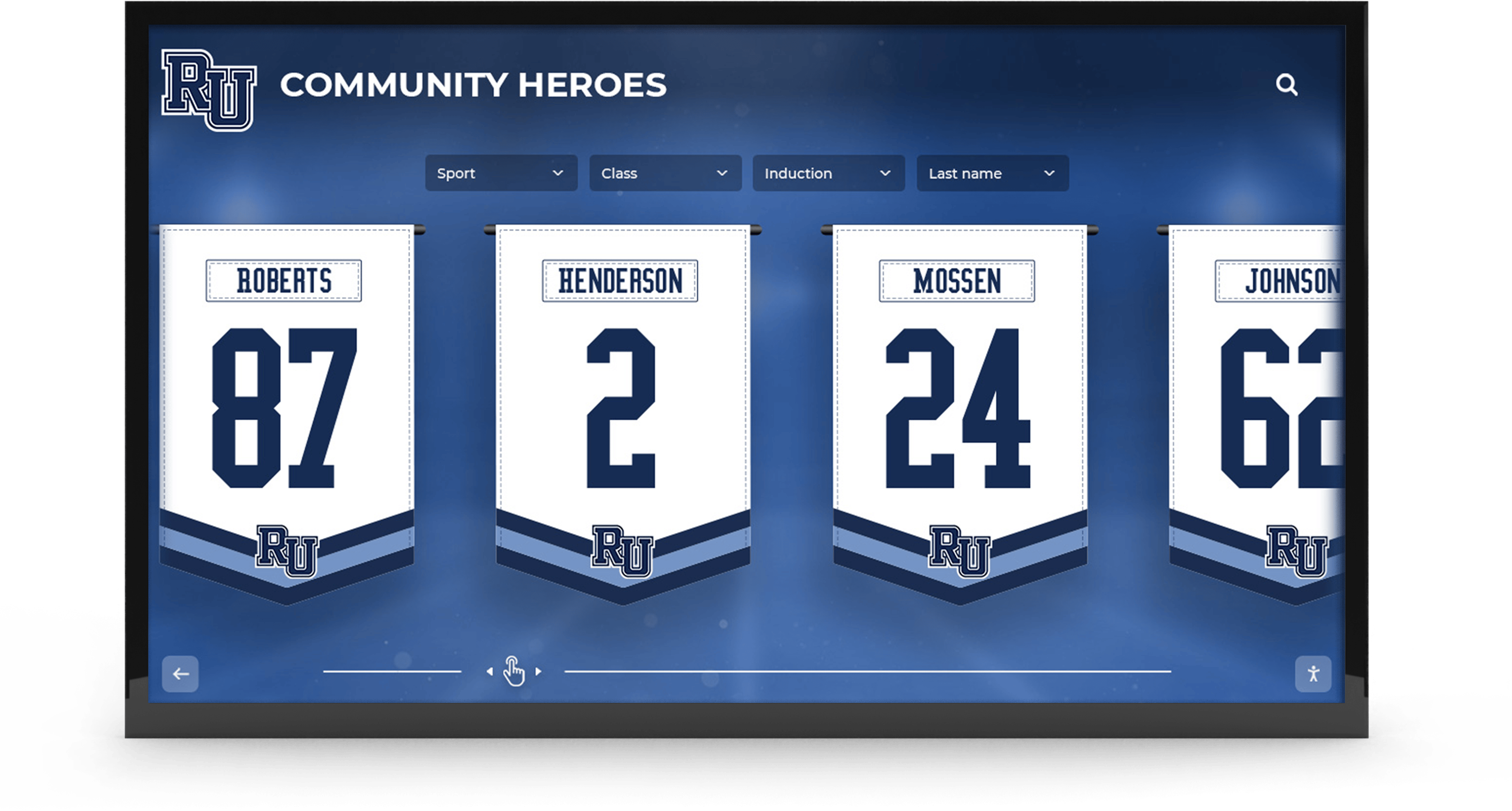
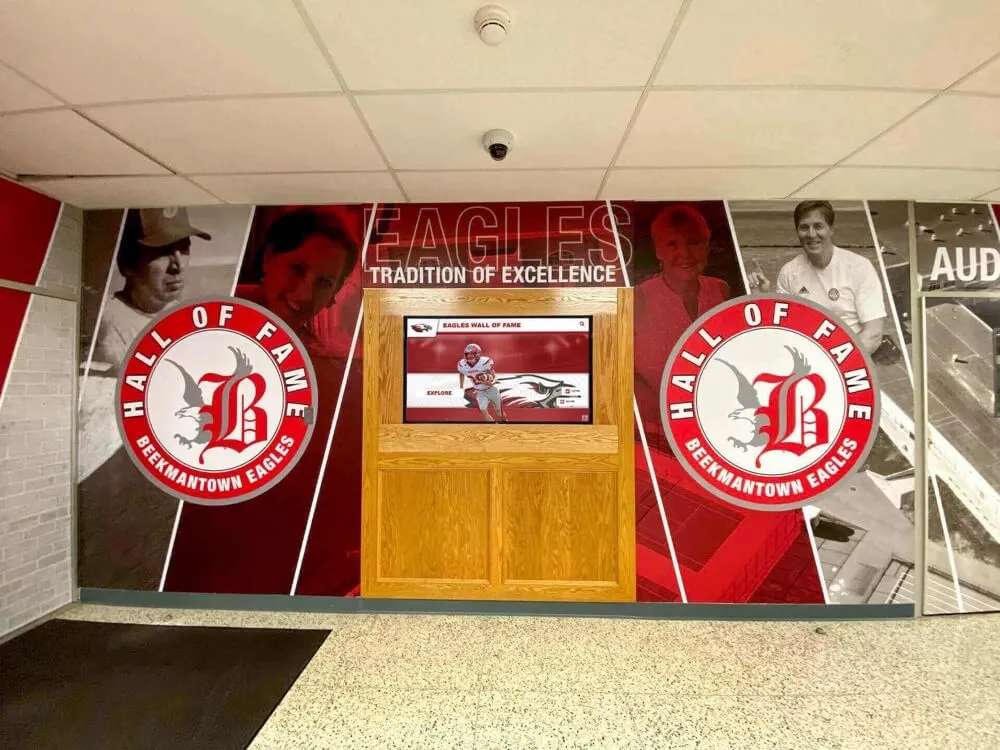
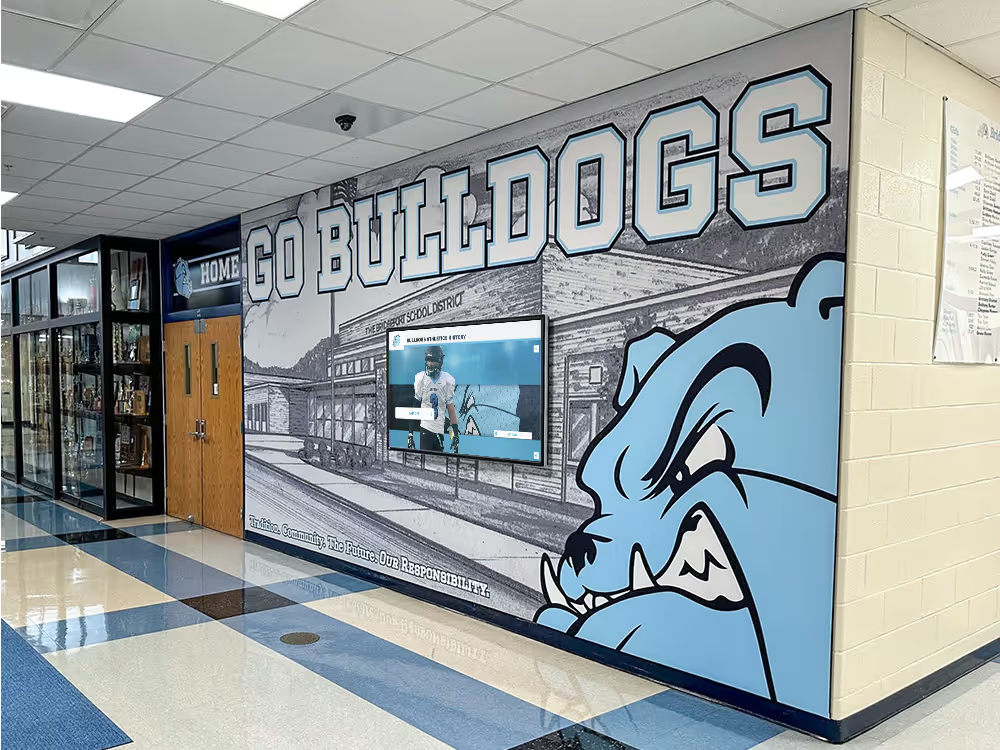
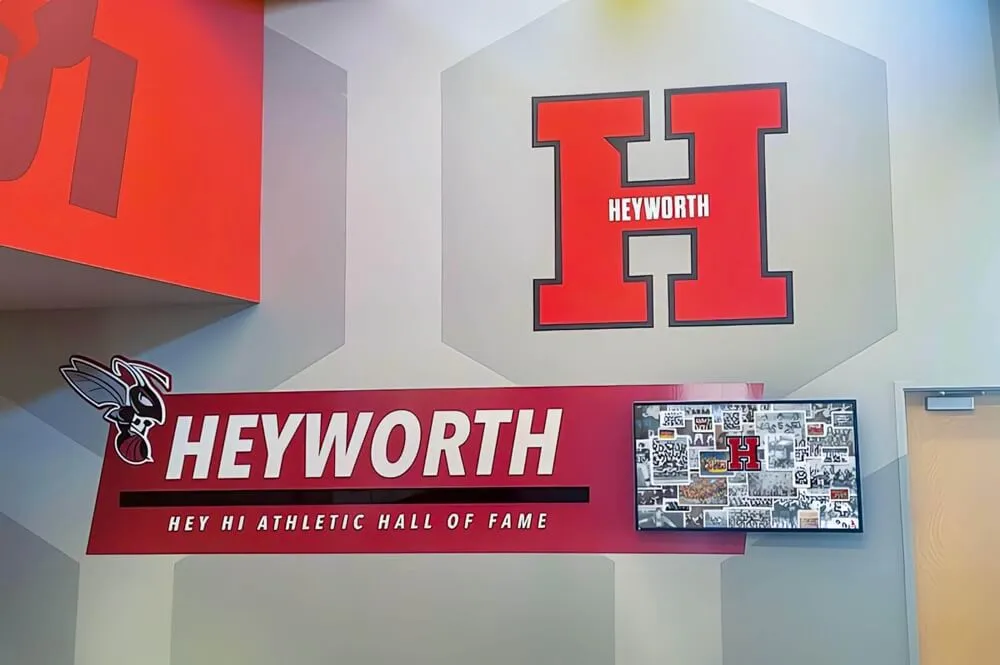
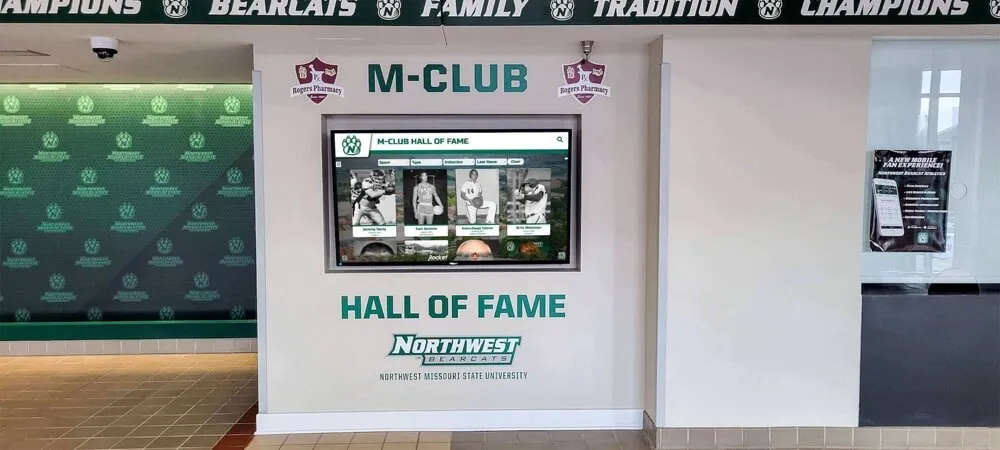
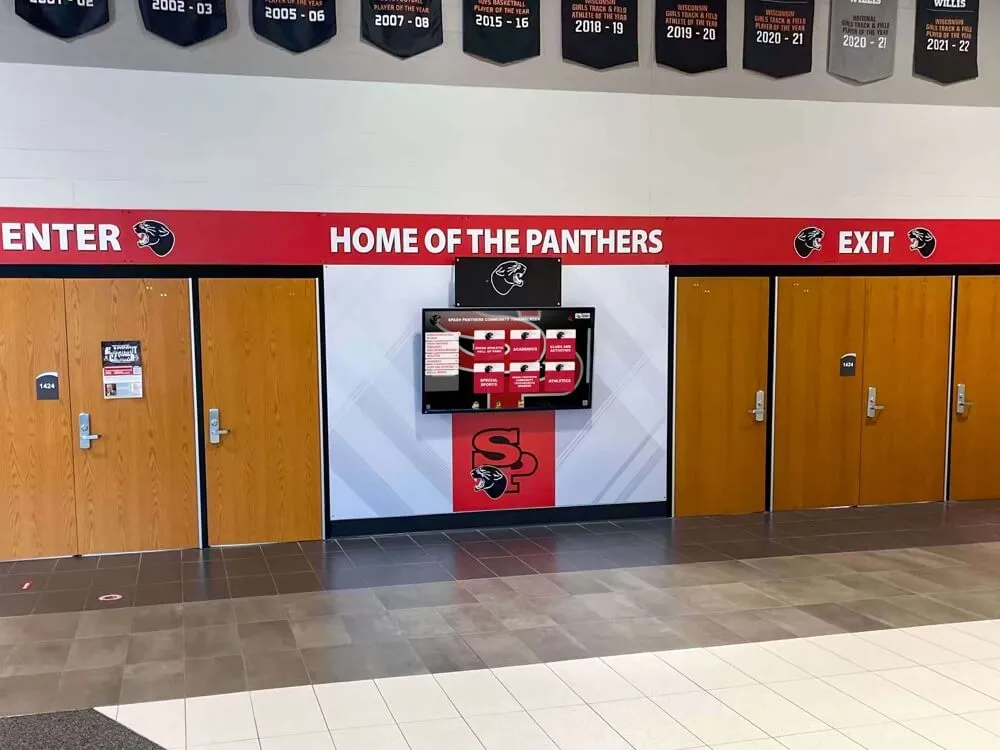
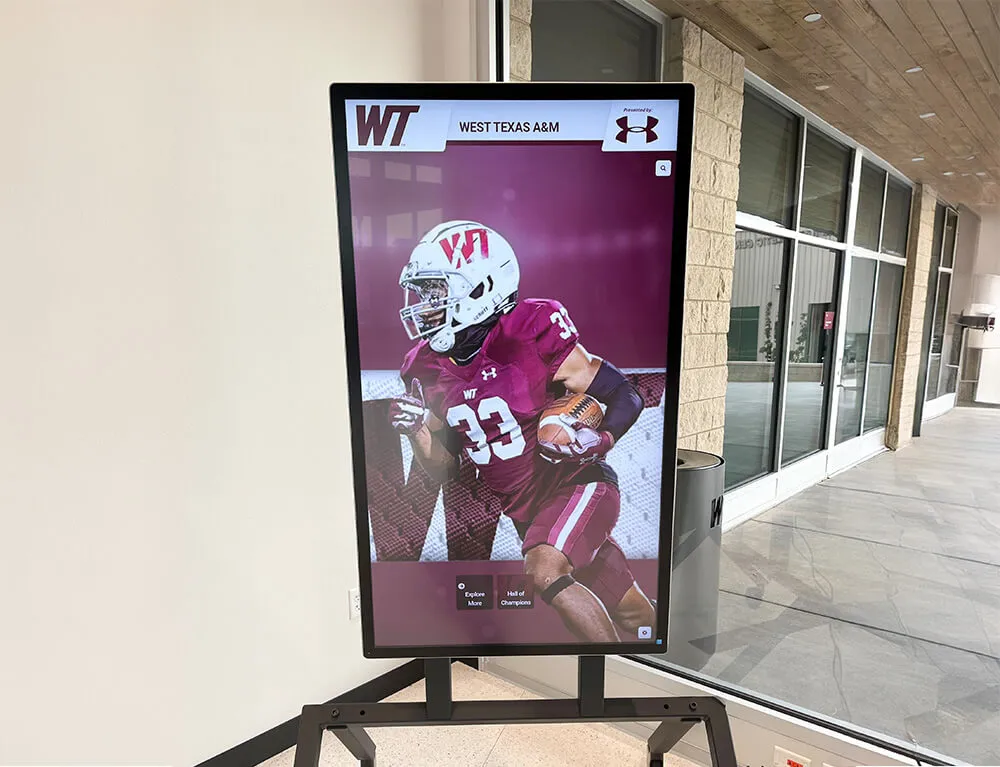
Creative recognition formats add personality and visual interest while celebrating diverse employee contributions across departments and roles
Inclusion and Equity
Effective programs ensure all employees have equal recognition opportunities:
Equity Considerations
- Multiple recognition categories accommodating diverse contribution types
- Visibility monitoring ensuring balanced representation across departments
- Criteria transparent and consistently applied organization-wide
- Special focus on typically overlooked positions and behind-the-scenes roles
- Remote employee inclusion in all recognition programs and ceremonies
- Nomination processes encouraging diverse candidate identification
Organizations maintaining recognition logs tracking distribution by department, role, and demographics can identify and correct equity gaps systematically, ensuring recognition cultures benefit all employees rather than favoring visible positions.
Creative Peer-to-Peer Recognition Programs
Employee-driven appreciation carries special significance and reveals contributions leadership might not observe directly.
Digital Recognition Platforms and Apps
Technology enables easy peer appreciation at scale:
Platform Capabilities
- Mobile apps allowing instant colleague recognition from anywhere
- Point systems where employees award peers redeemable recognition credits
- Social feeds broadcasting appreciation across entire organizations
- Category tags identifying specific values or behaviors being recognized
- Manager visibility into team appreciation patterns and morale indicators
- Integration with existing communication tools and platforms
Organizations implementing digital peer recognition platforms report 35-50% increases in recognition frequency compared to traditional systems requiring formal nomination processes. The reduced friction enables spontaneous appreciation that captures moment-specific excellence.
Physical Recognition Boards and Gratitude Walls
Low-tech alternatives create visible appreciation:
Implementation Ideas
- Lobby gratitude boards where employees post appreciation notes
- Department-specific recognition walls celebrating team contributions
- “Caught in the Act” boards featuring photos of employees helping others
- Value walls where team members add examples of witnessed value demonstrations
- Thank-you trees with leaves containing appreciation messages
- Rotating spotlight areas featuring different departments monthly
Enhancement Strategies
- Professional design creating visual appeal rather than cluttered bulletin boards
- Regular curation preventing outdated content and maintaining freshness
- Strategic placement in high-traffic areas ensuring visibility
- Launch ceremonies building awareness and encouraging participation
- Leadership modeling through regular appreciation note contributions
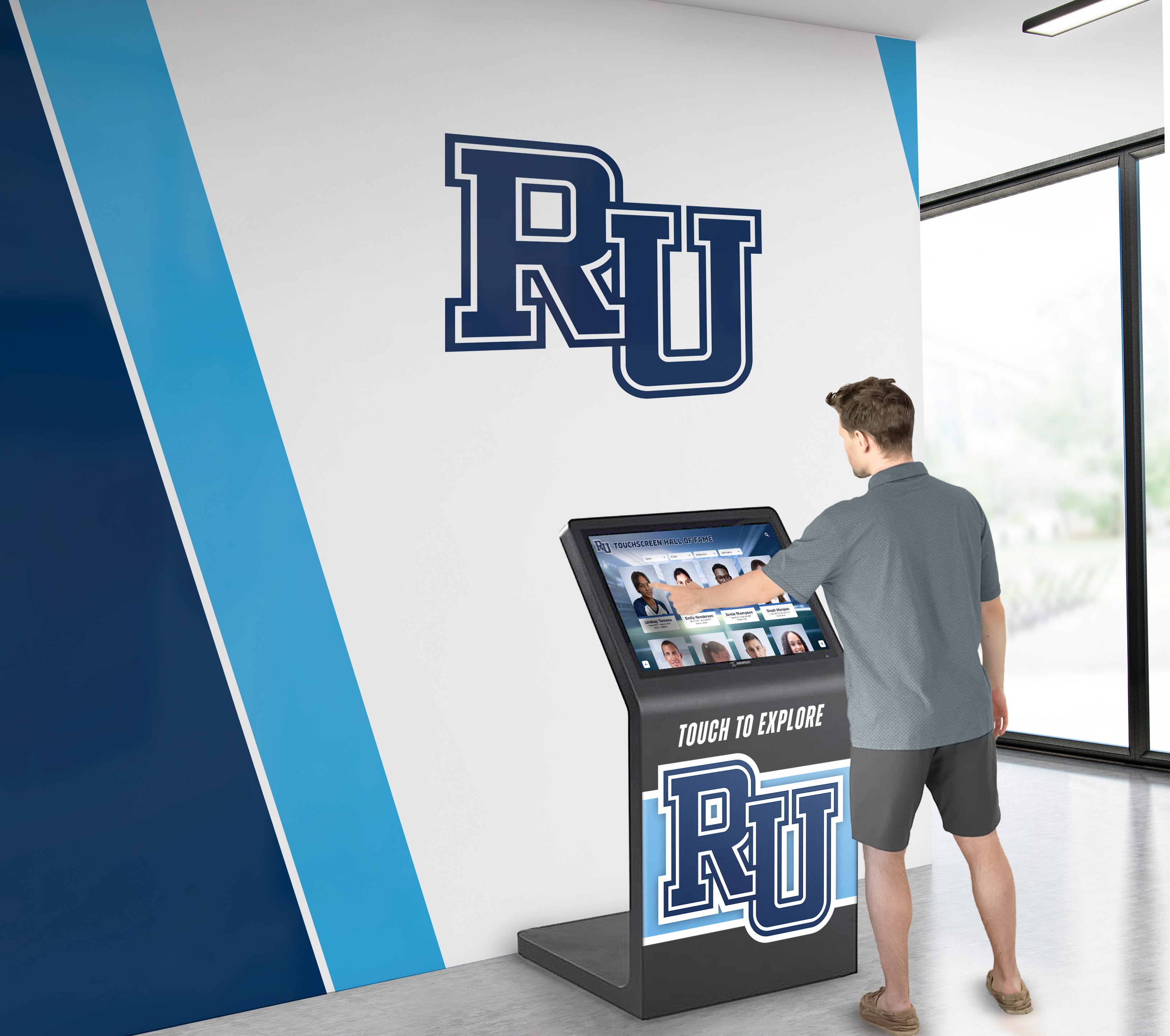
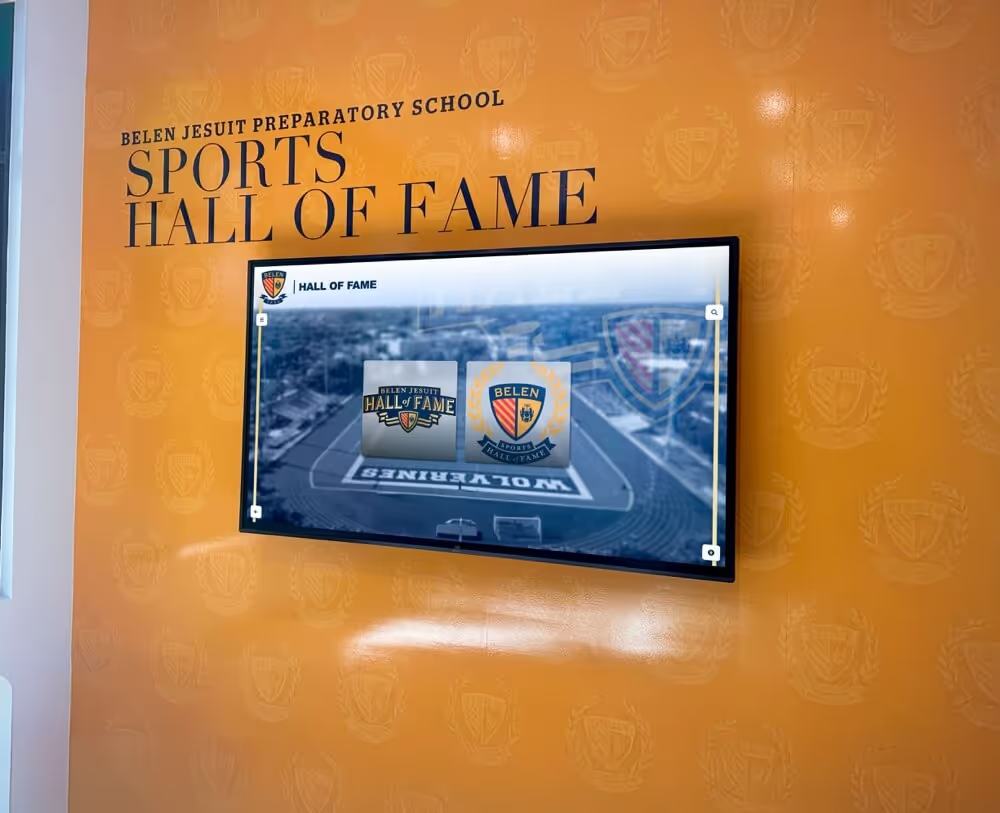
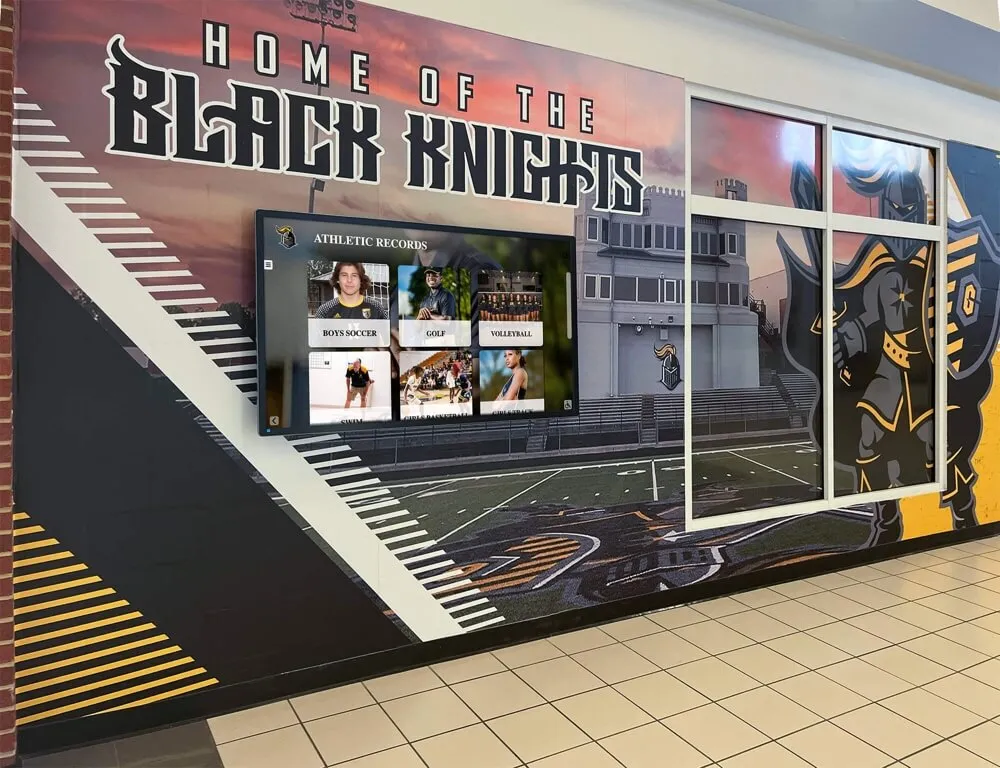
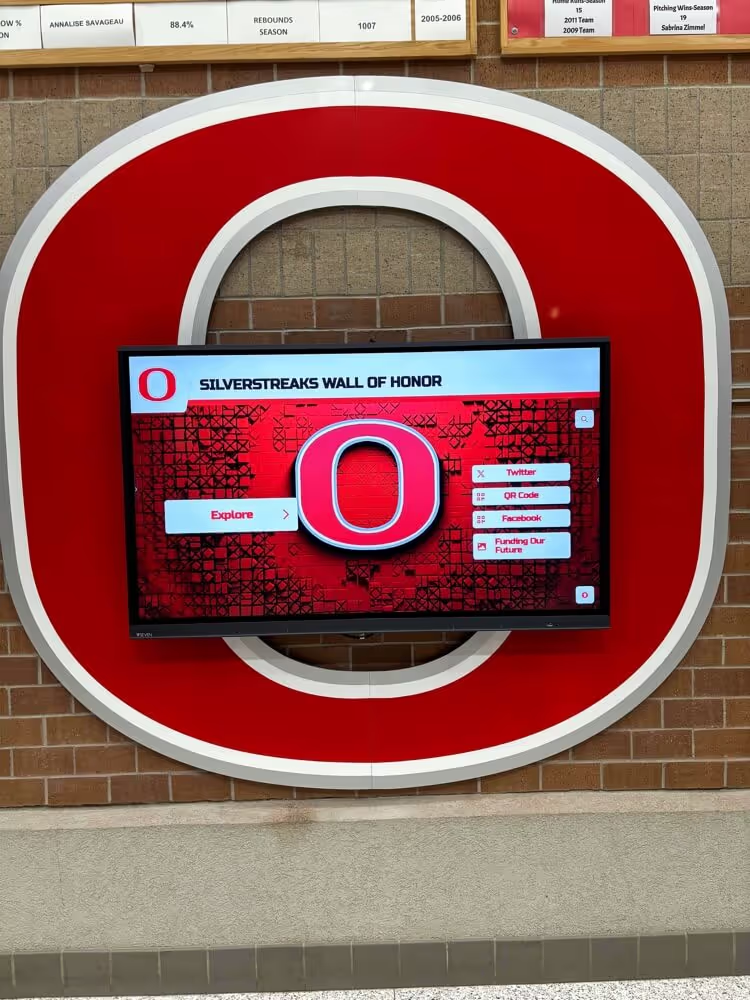
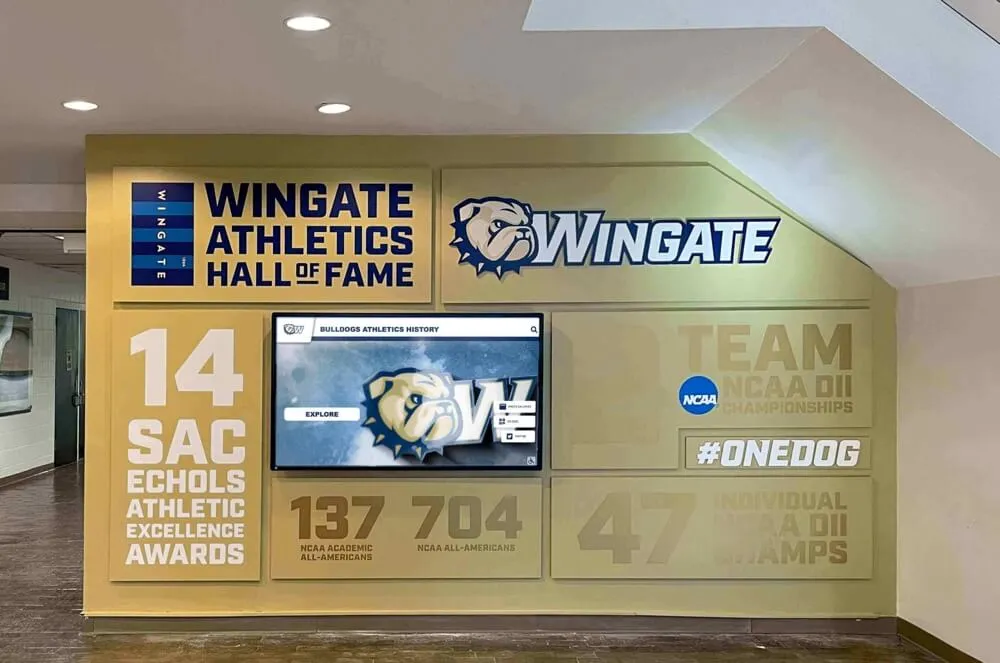
Lobby recognition kiosks create engaging focal points where employees explore colleague achievements and organizational recognition culture
Peer Nomination Awards
Structured programs that formalize colleague appreciation:
Program Structures
- Monthly peer-nominated excellence awards across multiple categories
- Quarterly “unsung hero” recognition surfacing behind-the-scenes contributors
- Annual peer-selected awards carrying special prestige
- Team recognition where entire groups nominate collective achievements
- Cross-departmental collaboration awards highlighting cooperation
Peer-nominated recognition programs create multi-directional appreciation beyond top-down acknowledgment while building team cohesion. Organizations can reference team-based recognition models from educational contexts that translate effectively to workplace environments.
Values-Based Recognition Programs
Connecting appreciation to core organizational principles reinforces desired culture.
Character and Cultural Contribution Awards
Recognition extending beyond performance metrics:
Values Recognition Categories
- Integrity awards highlighting ethical decision-making and honesty
- Innovation recognition celebrating creative problem-solving and risk-taking
- Collaboration honors for cross-functional teamwork and cooperation
- Customer focus acknowledgments for exceptional service and client relationships
- Sustainability champions for environmental consciousness and resource stewardship
- Inclusion leadership recognizing diversity advocacy and equitable practices
Values-based recognition demonstrates that organizations genuinely prioritize stated principles beyond rhetoric, creating cultural accountability through visible acknowledgment. When employees see colleagues recognized for demonstrating core values, they understand these principles represent real priorities rather than marketing statements.
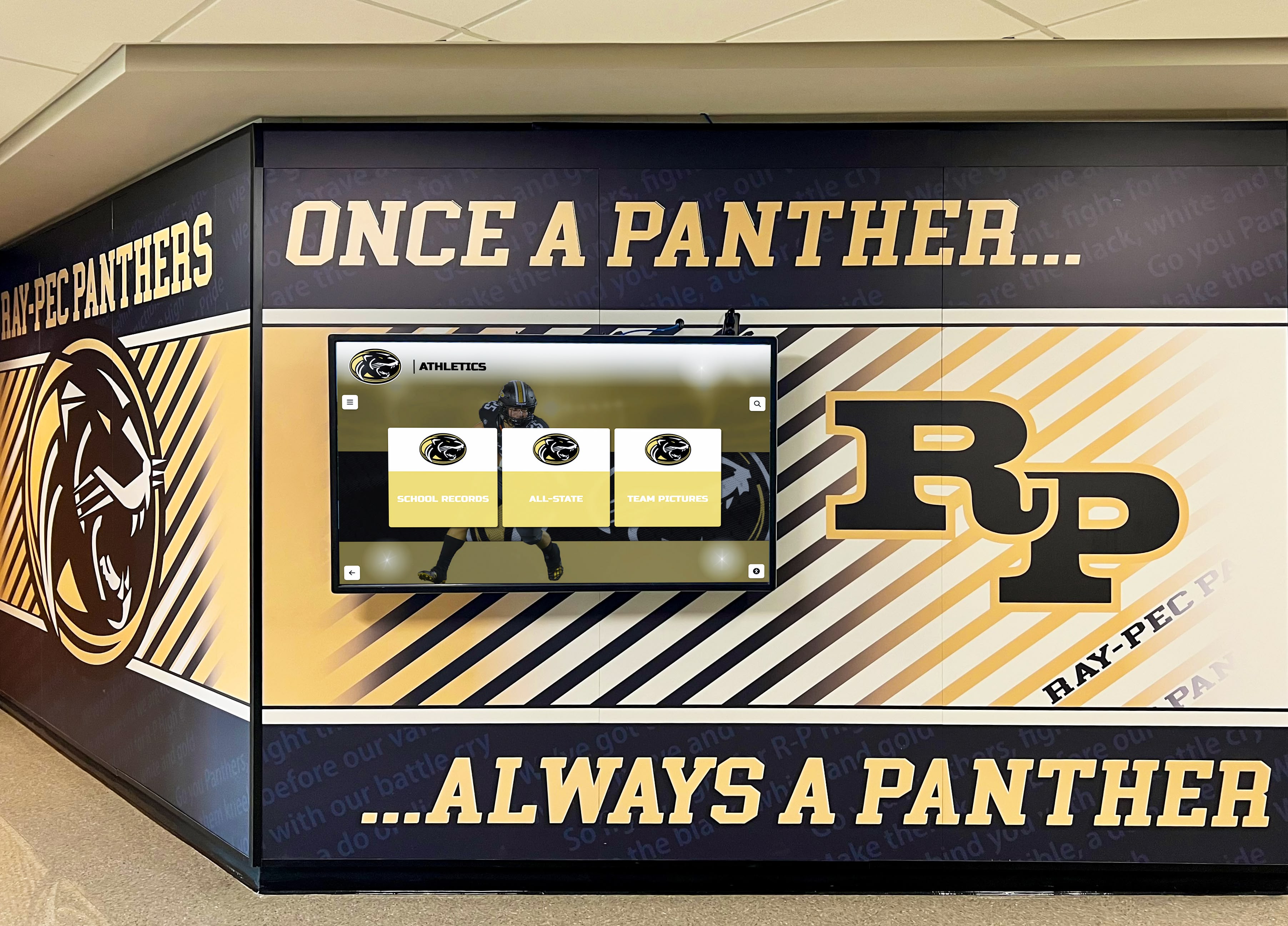
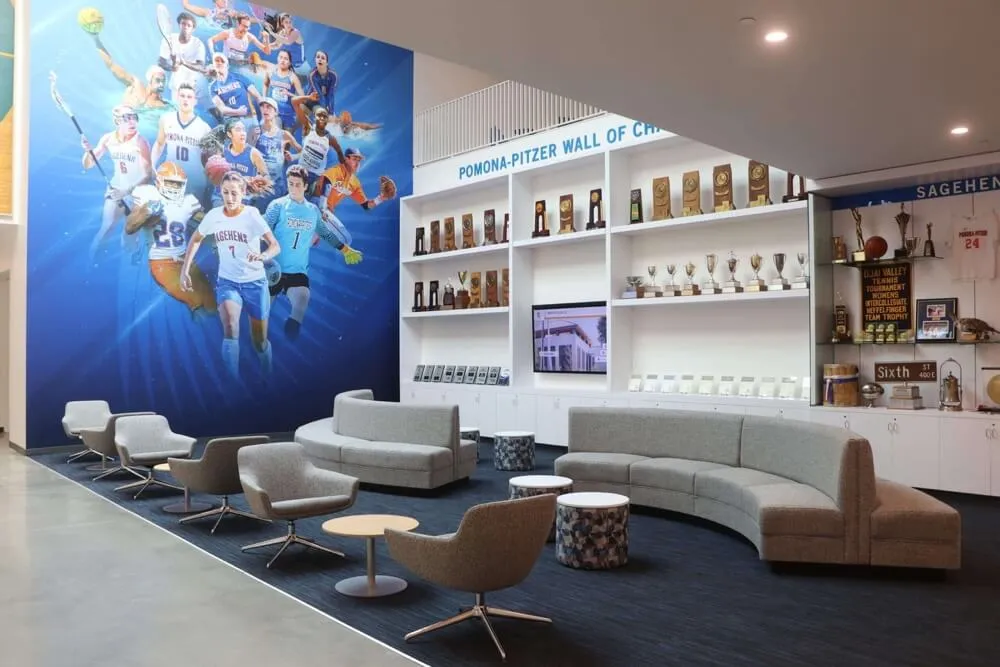
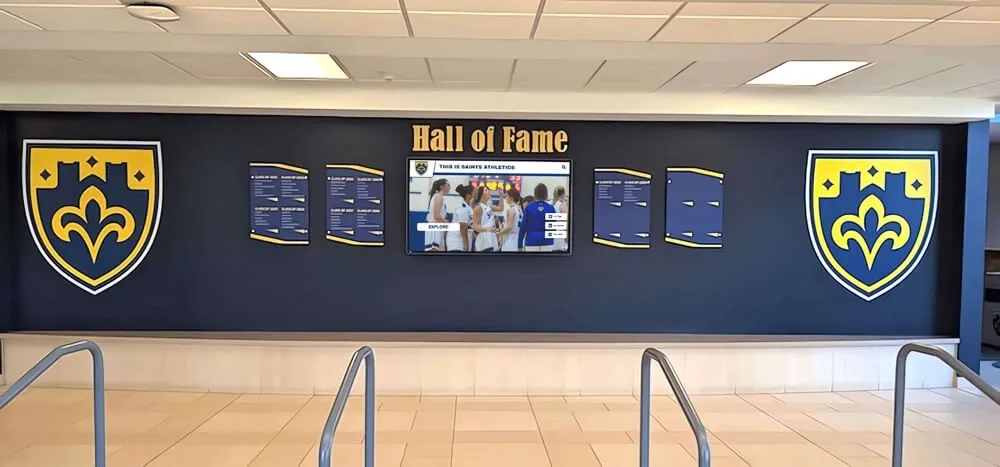
Comprehensive recognition environments combine visual elements with digital technology, creating immersive appreciation spaces throughout facilities
Impact and Influence Awards
Acknowledging intangible but critical contributions:
Influence Recognition
- Culture influencer awards for employees creating positive workplace atmosphere
- Morale booster acknowledgment for maintaining optimism during challenges
- Knowledge sharing excellence recognizing informal mentoring and training
- Change catalyst honors for supporting organizational transitions
- Positive energy contributor recognition for enthusiasm and attitude
- Relationship builder awards for cross-departmental connection development
These awards recognize contributions like creating positive workplace environments, willingly sharing expertise, maintaining team morale, supporting others through difficult transitions, and building relationships that strengthen organizational fabric—all difficult to quantify but enormously valuable.
Organizations implementing student recognition programs in educational contexts provide excellent models for character-based recognition applicable to workplace environments.
Experience-Based Recognition Programs
Moving beyond physical awards to memorable experiences creates lasting appreciation.
Learning and Development Opportunities
Professional growth as recognition:
Development Rewards
- Conference attendance for top performers and emerging leaders
- Specialized training programs in areas of employee interest
- Professional certification funding for skill development
- Mentorship opportunities with senior leadership
- Job shadowing experiences across departments
- Special project assignments building new capabilities
Implementation Considerations
- Individual preference assessment ensuring relevance
- Budget allocation treating development as strategic recognition investment
- Clear connection between recognition and opportunity selection
- Public acknowledgment explaining why specific employees earned opportunities
- Follow-up expectations for knowledge sharing after development experiences
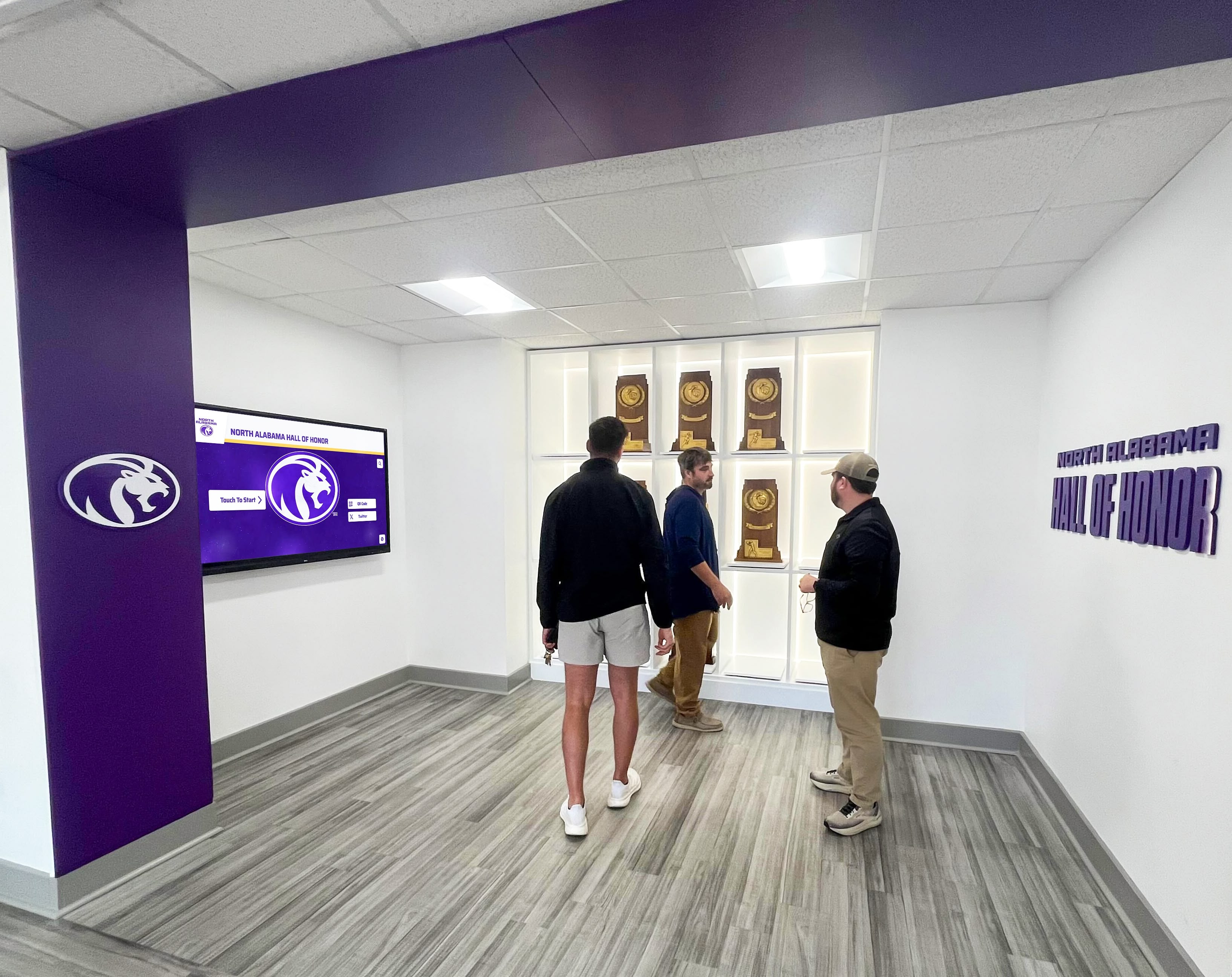
Recognition spaces create gathering areas for celebrations while preserving organizational achievement history through permanent displays
Flexibility and Autonomy Recognition
Time and control as appreciation:
Flexibility Rewards
- Additional paid time off beyond standard benefits
- Flexible scheduling privileges for high performers
- Remote work options as achievement recognition
- Compressed work weeks during slower periods
- Extended lunch breaks or early departure privileges
- Sabbatical opportunities for long-tenured employees
Research demonstrates that autonomy and control over work schedules rank among employees’ most valued benefits, often surpassing equivalent monetary compensation. Organizations offering flexibility as recognition report particularly high satisfaction among employees balancing caregiving responsibilities or pursuing education.
Unique Experiences and Perks
Memorable appreciation moments:
Creative Experience Ideas
- Reserved parking spaces in premium locations
- Executive lunch meetings and leadership access
- Tickets to sporting events, concerts, or entertainment
- Spa days or wellness experiences
- Family-inclusive recognition events and celebrations
- Volunteer time supported by organization during work hours
Experience-based recognition creates memories and stories employees share with family and friends, extending appreciation visibility beyond workplace walls while demonstrating creative thinking about what employees value.
Digital Recognition and Visibility Programs
Technology transforms recognition reach, accessibility, and longevity.
Interactive Recognition Displays and Kiosks
Digital platforms eliminate physical space constraints:
Digital Recognition Advantages
- Unlimited employee profiles without removing previous recognitions
- Multimedia presentations combining photos, videos, and achievement details
- Searchable databases enabling instant employee lookup and exploration
- Remote accessibility extending recognition reach beyond physical locations
- Real-time updates requiring no construction or vendor delays
- QR code integration connecting physical spaces to expanded digital content
Solutions like Rocket Alumni Solutions offer platforms specifically designed for organizational recognition, providing professional presentations with sophisticated content management that enables HR teams and leaders to update employee recognition instantly without physical display limitations or maintenance delays.
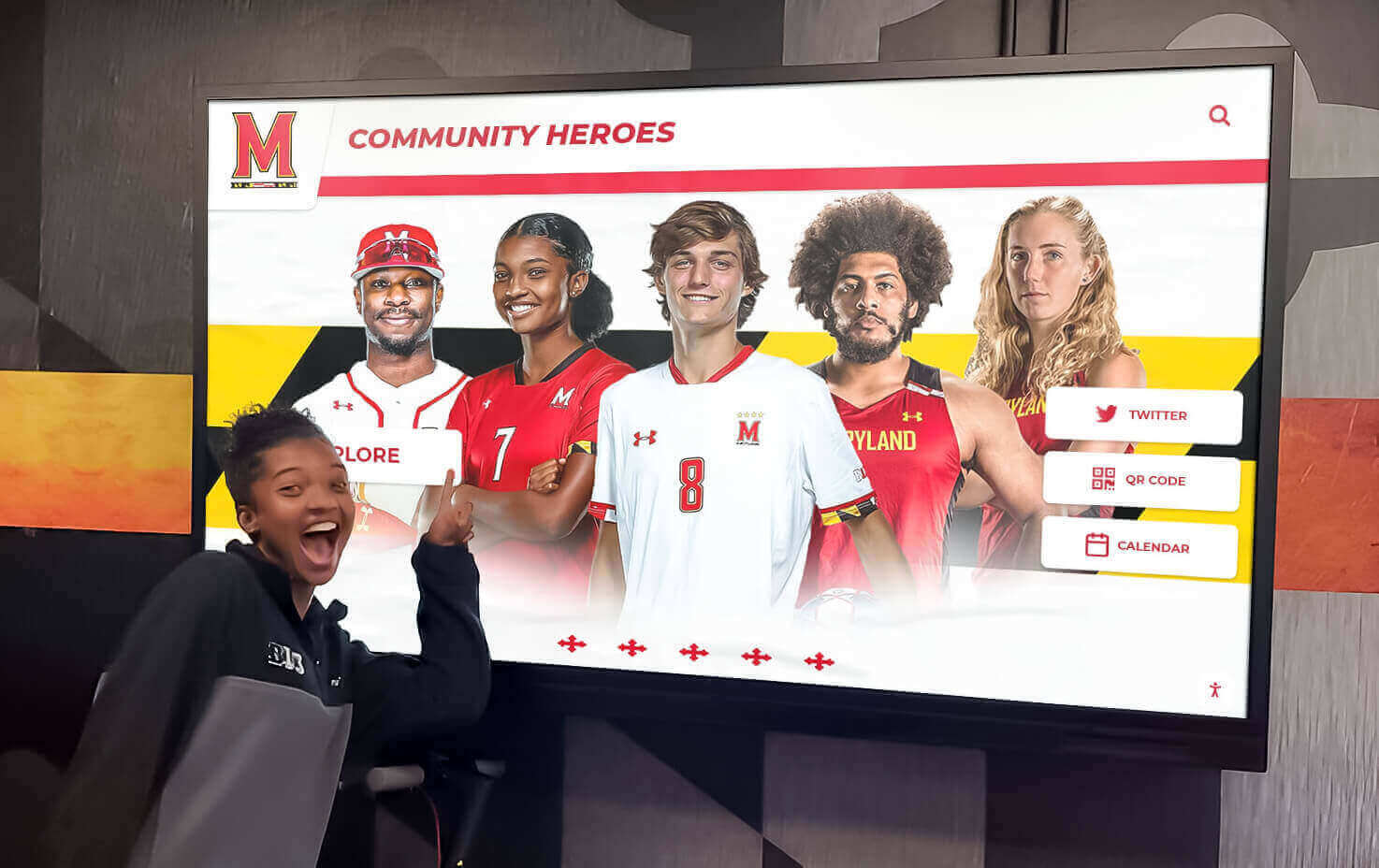
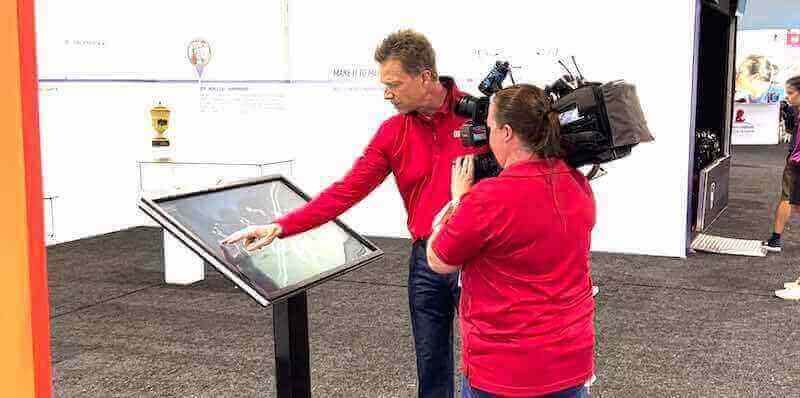
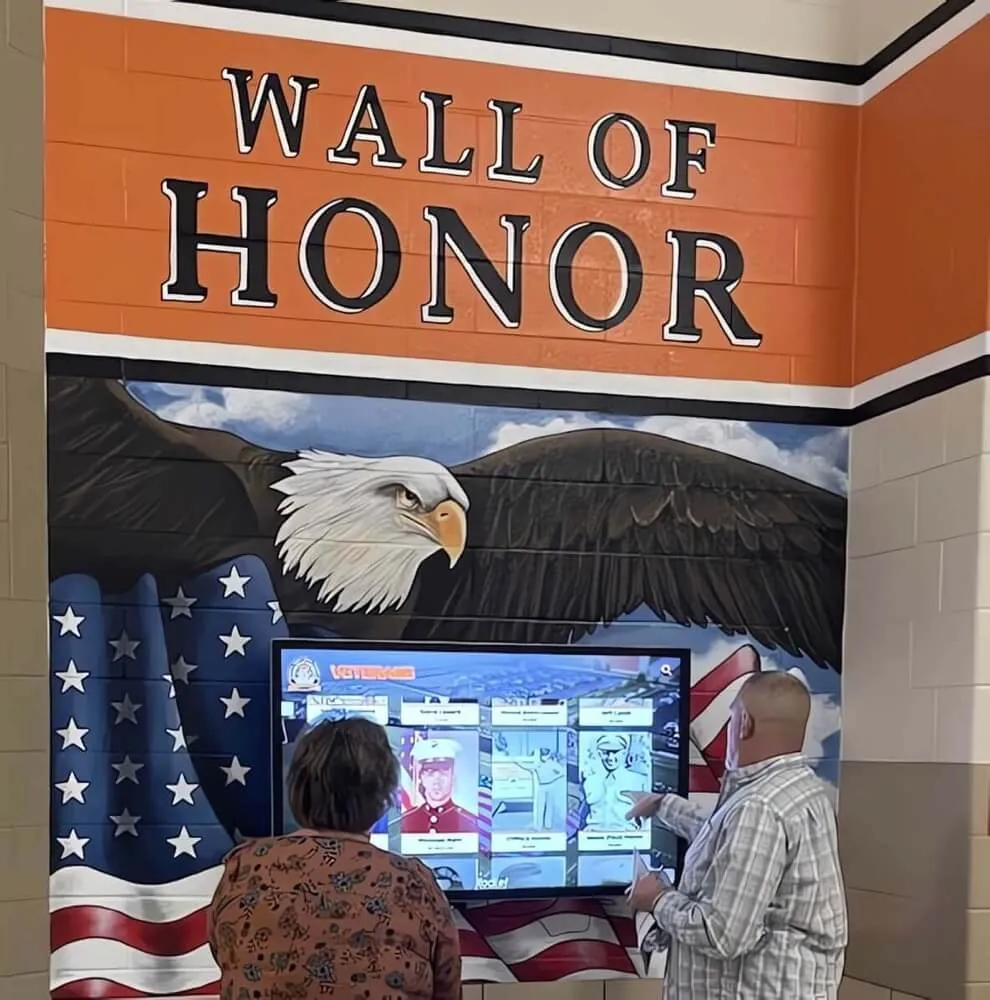
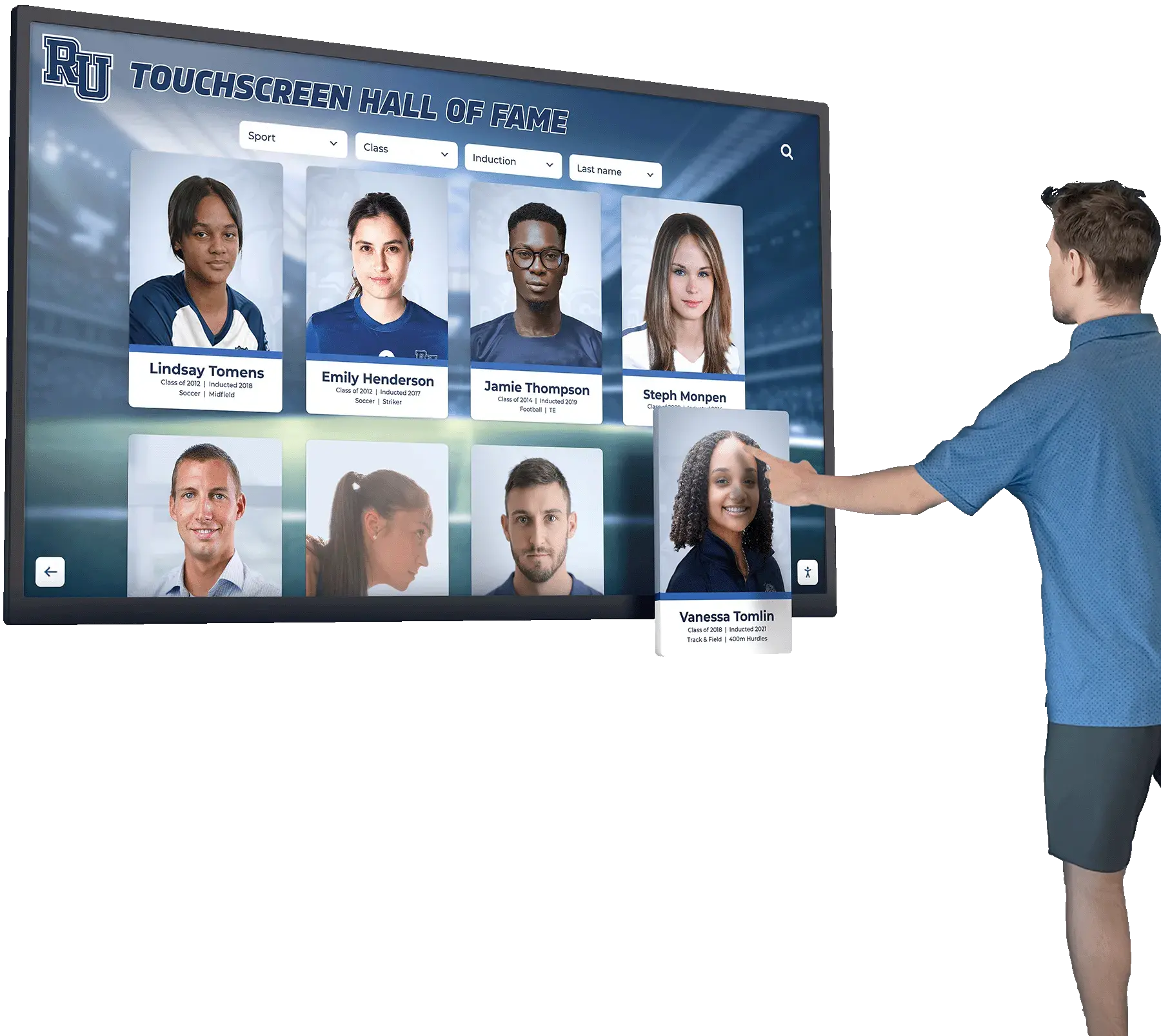
Interactive displays invite exploration and engagement, making recognition visible and accessible to employees, visitors, and families throughout organizations
Cloud-Based Recognition Management
Administrative efficiency through modern platforms:
Management Benefits
- Remote content updates from any internet-connected device
- Scheduled publishing coordinating with announcements and celebrations
- Template systems accelerating profile creation and consistency
- Bulk import capabilities for employee data and historical achievements
- Role-based permissions enabling appropriate team member access
- Automated anniversary and milestone notifications preventing oversights
HR professionals report 75-85% reduction in time spent maintaining recognition displays after implementing digital systems, freeing resources for strategic talent development rather than administrative maintenance of physical displays.
Extended Recognition Features
- Social media integration enabling easy sharing beyond workplace
- Family access allowing relatives to view achievements remotely
- Historical archives preserving complete organizational recognition memory
- Alumni connections maintaining relationships with former employees
- Mobile-responsive design accessible from smartphones and tablets
- Analytics tracking engagement and identifying recognition patterns
Digital platforms extend employee recognition visibility beyond physical office locations, allowing remote team members, distributed offices, family members, and community partners to explore achievements regardless of geographic location. Organizations implementing digital donor recognition concepts for nonprofit contexts can adapt similar approaches to comprehensive employee appreciation programs.
Program-Based Recognition Initiatives
Structured programs creating predictable appreciation opportunities while maintaining creativity.
Milestone and Anniversary Celebrations
Systematic recognition of employment tenure:
Creative Anniversary Approaches
- Personalized gifts reflecting individual interests rather than generic items
- Handwritten letters from leadership detailing specific contributions
- Video montages featuring colleague testimonials and appreciation
- Department celebrations honoring multiple anniversary employees together
- Charitable donations to causes employees support
- Legacy recognition creating lasting organizational acknowledgments
Timeline Recommendations
- First-year anniversary acknowledgment establishing appreciation culture
- Five-year milestones with increasing significance and investment
- Decade anniversaries with substantial celebration and recognition
- Quarter-century recognition with premium acknowledgment
- Retirement celebrations honoring complete career contributions
Organizations moving beyond generic service pins toward personalized milestone recognition report significantly higher employee satisfaction with anniversary programs and stronger perception that tenure receives genuine appreciation.
Spot Recognition and Instant Appreciation
Spontaneous acknowledgment programs:
On-the-Spot Recognition
- Manager discretionary awards for immediate appreciation
- Small gift cards acknowledging specific helpful behaviors
- Handwritten thank-you notes for routine excellence
- Verbal appreciation in team meetings highlighting recent contributions
- Email recognition copying senior leadership and departments
- Social media and intranet highlights featuring employee achievements
Program Structure
- Budget allocation providing managers recognition resources
- Guidance on appropriate recognition timing and messaging
- Tracking ensuring equitable distribution across teams
- Examples and templates supporting manager consistency
- Leadership modeling demonstrating expected recognition frequency
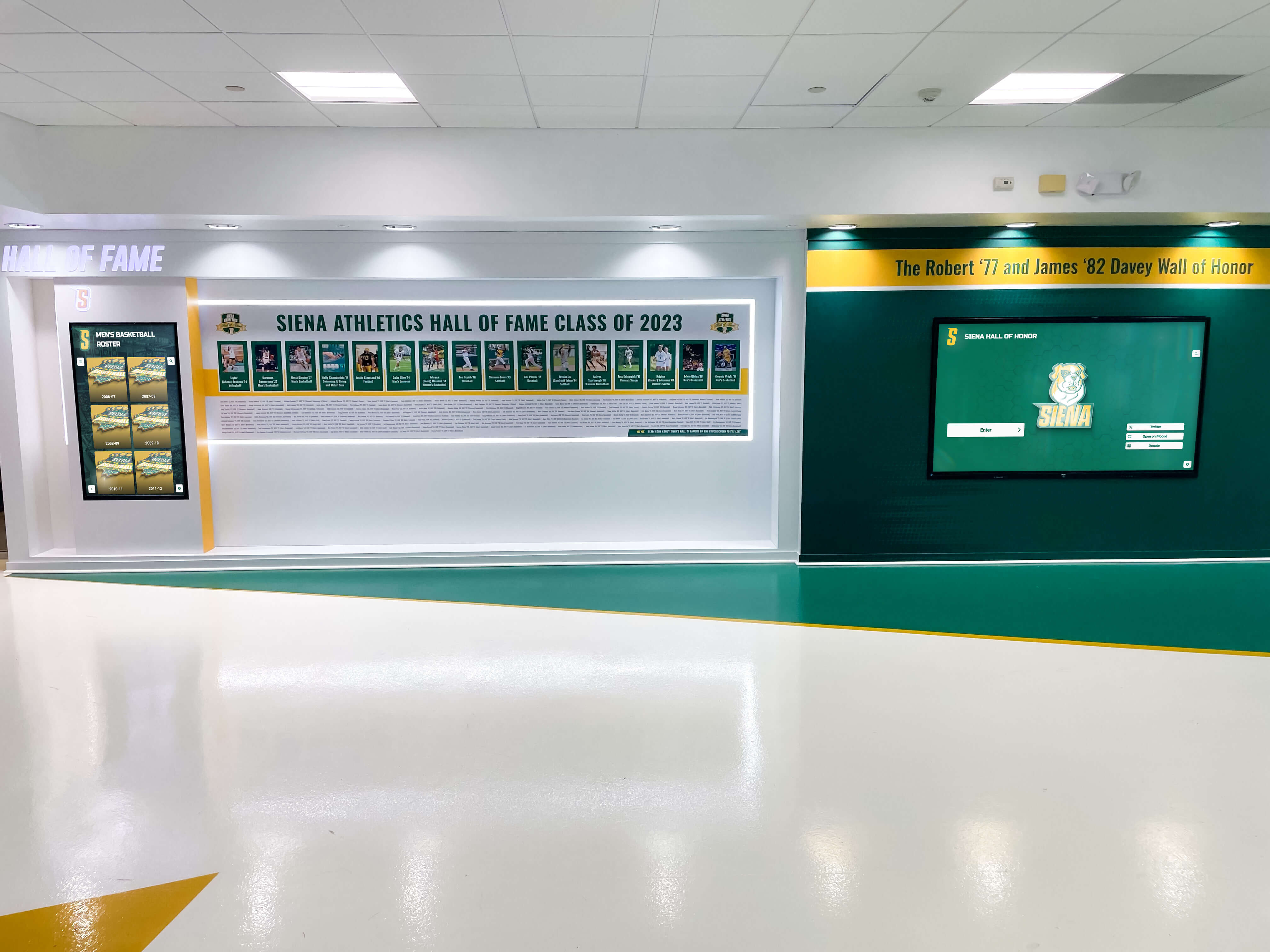
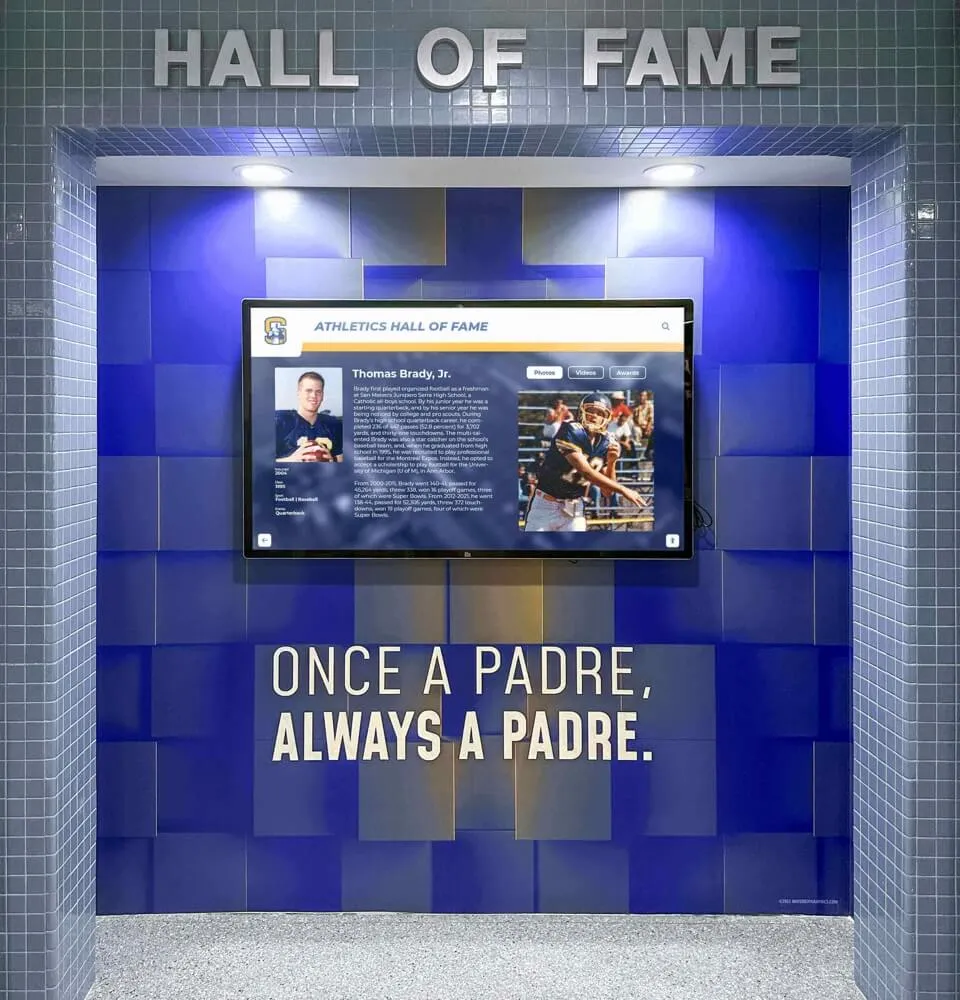
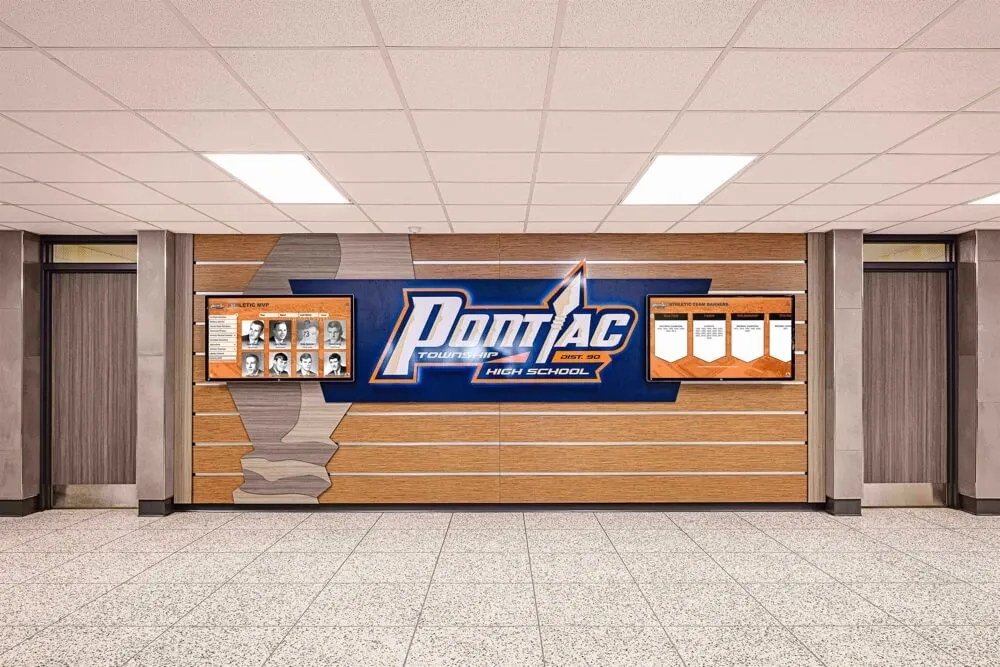
Professional recognition installations demonstrate organizational commitment to employee appreciation through quality design and permanent visibility
Team-Based Recognition Programs
Collective achievement celebration:
Team Recognition Formats
- Department excellence awards for collective achievements
- Project completion celebrations recognizing entire teams
- Cross-functional collaboration honors for partnership success
- Safety milestone recognition for incident-free periods
- Customer satisfaction awards acknowledging team service
- Innovation implementation celebrating group problem-solving
Team recognition reinforces that organizational success requires collaboration rather than individual heroics, strengthening cohesion while acknowledging collective contributions. Organizations can reference athletic team recognition models that translate effectively to workplace team celebrations.
Budget-Conscious Creative Recognition
Meaningful appreciation doesn’t require large budgets when organizations prioritize authenticity and creativity.
Free and Low-Cost Recognition Ideas
High-impact appreciation requiring minimal investment:
Zero-Cost Recognition
- Handwritten thank-you notes requiring only time and sincerity
- Verbal appreciation and specific praise during meetings
- Flexible scheduling or time adjustments as recognition
- Public acknowledgment in company communications and newsletters
- Social media highlights featuring employee achievements
- Leadership visibility through executive lunch meetings or coffee conversations
- Preferred project assignments matching employee interests
Minimal-Investment Recognition
- Department breakfast or lunch celebrations ($50-200)
- Reserved parking spaces with personalized signage ($25-100)
- Small gift cards to coffee shops or restaurants ($10-25)
- Printed certificates with personal messages in quality frames ($15-30)
- Desk plants or small office decorations ($20-40)
- Book selections related to employee interests ($15-30)
Research consistently demonstrates that thoughtful, specific, timely recognition creates greater impact than expensive but generic or delayed acknowledgment, regardless of monetary value. Employees value genuine appreciation and personal attention more than gift value.
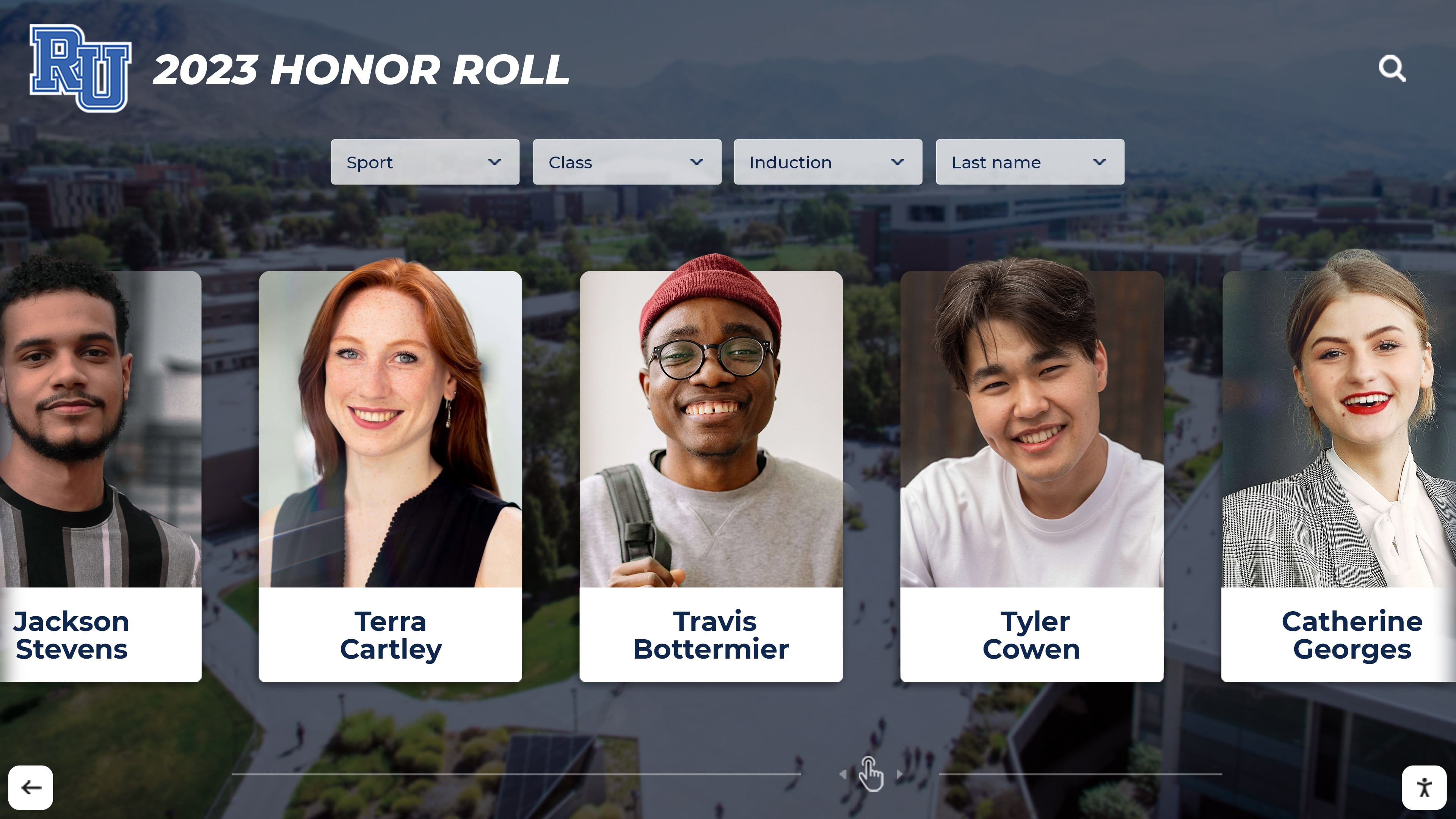
Professional portrait displays create dignified recognition that honors individual achievements with visual impact and lasting visibility
Resource Optimization Strategies
Maximizing recognition impact within budget constraints:
Strategic Allocation
- Tiered recognition matching investment to achievement significance
- Combination of monetary and non-monetary rewards providing variety
- Partnership with local vendors for gift donations and discounts
- Employee-created recognition leveraging peer appreciation
- Digital platforms providing unlimited capacity at fixed subscription costs
- Bulk purchasing negotiating volume discounts on common recognition items
Internal Resources
- Employee testimonial videos created with smartphone cameras
- In-house design capabilities for professional certificates and graphics
- Existing meeting spaces for recognition ceremonies
- Internal communication channels for recognition distribution
- Executive time allocated to recognition activities
- Cross-functional teams coordinating recognition logistics
Organizations prioritizing recognition consistency over individual gift value create more effective appreciation cultures than those providing occasional expensive rewards with long gaps between recognition moments.
Implementation and Launch Strategies
Successful recognition programs require systematic planning and sustained commitment.
Program Design and Planning
Foundational planning ensures recognition initiatives achieve intended outcomes:
Needs Assessment
- Employee surveys identifying preferred recognition types and frequencies
- Current program inventory documenting existing recognition efforts
- Gap analysis revealing underserved departments or achievement categories
- Budget determination establishing available resources
- Stakeholder input gathering perspectives from leaders and employees
- Benchmark research understanding industry best practices
Program Structure Development
- Multiple recognition pathways ensuring diverse contributions receive acknowledgment
- Clear criteria and nomination processes employees understand
- Budget allocation treating recognition as strategic investment
- Executive sponsorship demonstrating leadership commitment
- Designated program ownership for accountability and consistency
- Documentation creating policies and procedures for long-term sustainability
Communication and Awareness
Recognition programs require visibility to succeed:
Launch Communication
- All-hands meetings announcing new recognition initiatives
- Email campaigns explaining program details and nomination processes
- Manager briefings preparing leaders for recognition responsibilities
- Intranet resources providing ongoing program information
- Physical signage promoting recognition opportunities
- FAQ development addressing common questions and concerns
Ongoing Promotion
- Regular features in company newsletters highlighting recipients
- Social media posts celebrating recognized employees
- Digital displays showcasing recognition throughout facilities
- Manager reminders during leadership meetings
- Annual refreshers maintaining awareness and participation
- Success stories demonstrating program impact and value
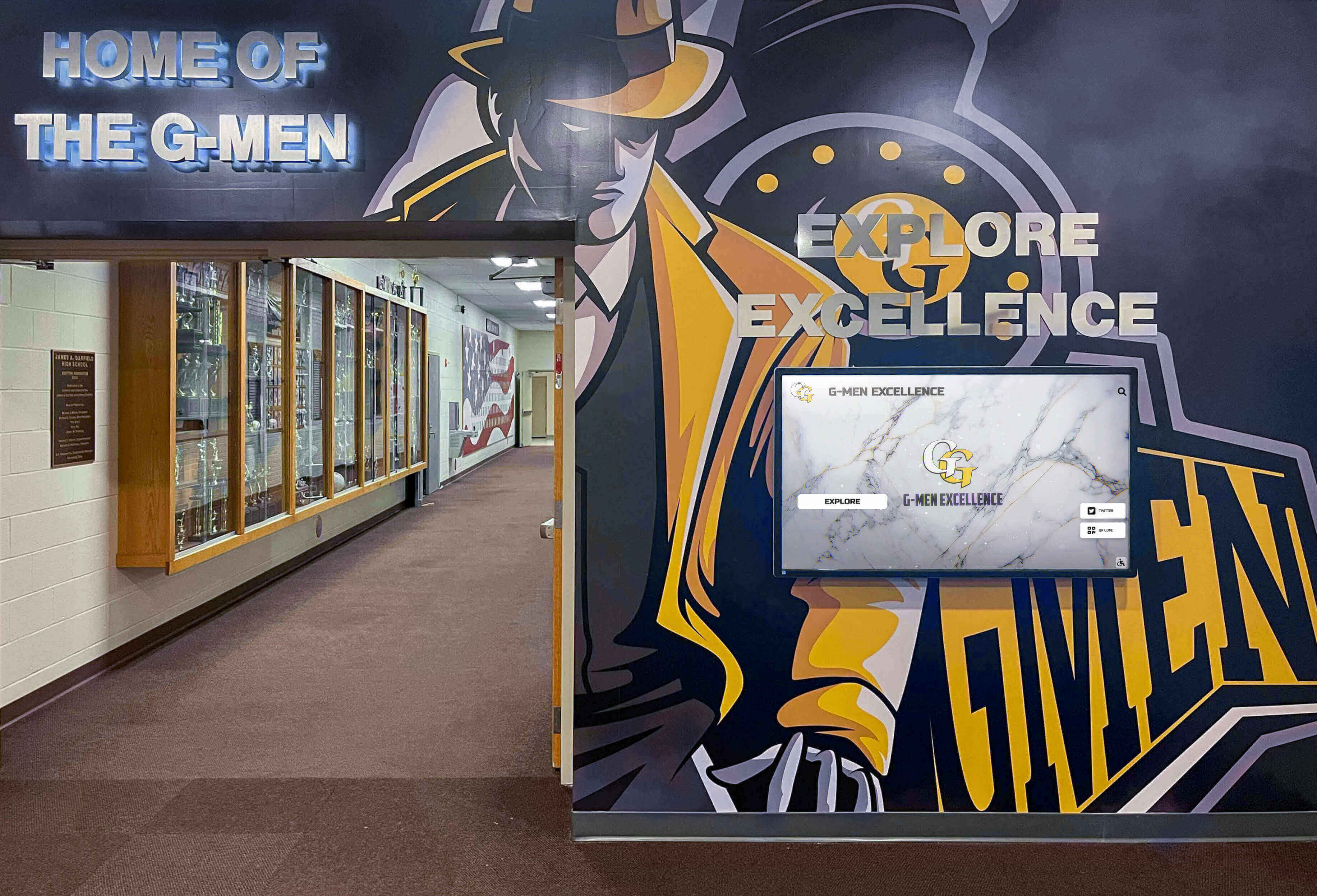
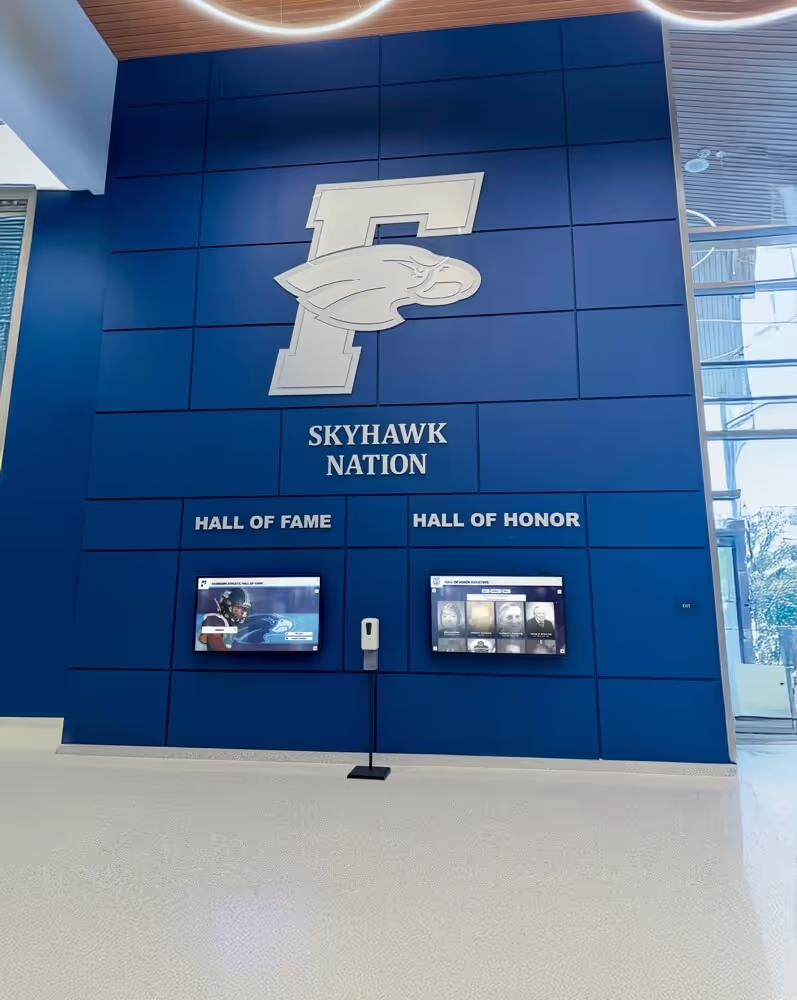
Comprehensive recognition environments integrate traditional design elements with modern digital displays, creating lasting appreciation throughout organizational facilities
Training and Support
Equipping managers and employees for program success:
Manager Training Elements
- Identifying recognition-worthy behaviors and achievements
- Delivering specific, authentic appreciation effectively
- Tailoring recognition to individual preferences
- Documentation supporting formal recognition programs
- Frequency recommendations and recognition timing
- Avoiding common recognition mistakes and equity pitfalls
Employee Education
- Nomination process guidance and submission instructions
- Examples of strong nominations and recognition stories
- Peer recognition platform training and usage tips
- Cultural expectations around giving and receiving appreciation
- Diversity of recognition types encouraging varied participation
Organizations implementing comprehensive workplace recognition systems benefit from systematic training ensuring all stakeholders understand their roles in creating appreciation cultures.
Measuring Recognition Program Effectiveness
Assessment ensures recognition initiatives deliver intended business and cultural outcomes.
Quantitative Success Metrics
Participation and Engagement Data
- Recognition program participation rates across departments
- Nomination submission frequency and diversity
- Award ceremony attendance levels
- Digital platform usage statistics and engagement analytics
- Social media engagement with recognition content
- Recognition-related communication open and click rates
Organizational Impact Indicators
- Employee retention rates before and after program implementation
- Voluntary turnover reduction in recognized versus unrecognized populations
- Employee satisfaction survey scores related to appreciation
- Engagement metric improvements over time
- Recruitment application volume and quality changes
- Time-to-fill reductions for open positions attributable to employer brand
Performance Correlations
- Productivity metrics among recognized versus unrecognized employees
- Customer satisfaction scores related to service recognition programs
- Quality metrics and error rate reductions
- Safety incident decreases correlating with safety recognition
- Innovation suggestion submissions and implementation rates
- Cross-departmental collaboration improvement indicators
Organizations should establish baseline metrics before launching or enhancing recognition programs to enable meaningful before-after comparisons demonstrating return on investment and justifying continued resource allocation.
Qualitative Impact Assessment
Employee Feedback Collection
- Open-ended survey responses about recognition experiences and preferences
- Focus group discussions about program meaningfulness and suggestions
- Exit interview questions about organizational appreciation culture
- New hire feedback during onboarding about cultural perceptions
- Manager observations about recognition effects on team morale
- Anecdotal reports documenting recognition impact stories
Cultural Indicators
- Observable improvements in workplace morale and atmosphere
- Increased collegiality and collaborative behaviors across teams
- Enhanced pride in organizational affiliation and employer brand
- Greater discretionary effort and voluntary initiative-taking
- Positive shifts in break room conversations and informal discussions
- Reduced complaints and grievance submissions
External Recognition
- Employer brand reputation improvements in community and industry
- Best workplace awards and certifications received
- Media features highlighting organizational culture and employee programs
- Social media sentiment and online review improvements
- Benchmark status prompting visits from other organizations
- Recruitment marketing effectiveness based on culture reputation
Regular assessment through both quantitative metrics and qualitative feedback enables continuous improvement, ensuring recognition programs remain effective, meaningful, and aligned with evolving employee preferences and organizational priorities.
Industry-Specific Creative Recognition
Different sectors face unique opportunities requiring tailored recognition approaches.
Healthcare and Medical Facilities
High-stress environments require thoughtful appreciation:
Healthcare Recognition Ideas
- Compassionate care awards based on patient testimonials
- Clinical excellence recognition for skill and expertise
- Team-based recognition acknowledging collaborative patient care
- Safety protocol adherence awards preventing incidents
- Wellness program participation incentives addressing burnout
- Continuing education completion celebration
Healthcare organizations face unique challenges including shift work requiring flexible celebration timing, patient confidentiality limiting specific achievement sharing, and burnout prevention demanding regular appreciation. Organizations can reference retirement recognition for long-serving professionals for models honoring dedication and service excellence.
Retail and Hospitality Organizations
Customer-facing recognition with public visibility:
Service Industry Recognition
- Customer testimonial-based service excellence awards
- Sales performance celebration balancing individual and team achievement
- Mystery shopper recognition for consistent service quality
- Training completion and skill development acknowledgment
- Problem resolution excellence for service recovery
- Team collaboration recognition for supporting colleagues during rushes
Retail recognition benefits from customer visibility, demonstrating to shoppers that organizations value employees. This public acknowledgment creates positive brand perception while motivating staff through visible appreciation.
Manufacturing and Production Environments
Operational excellence and safety focus:
Industrial Recognition Programs
- Safety milestone achievements and incident-free periods
- Production efficiency and quality improvement recognition
- Equipment maintenance excellence acknowledgment
- Continuous improvement suggestion implementation
- Skill certification and training completion celebration
- Team production records and collective achievements
Manufacturing environments emphasize safety and operational metrics while ensuring behind-the-scenes contributors receive equal recognition to front-office staff.
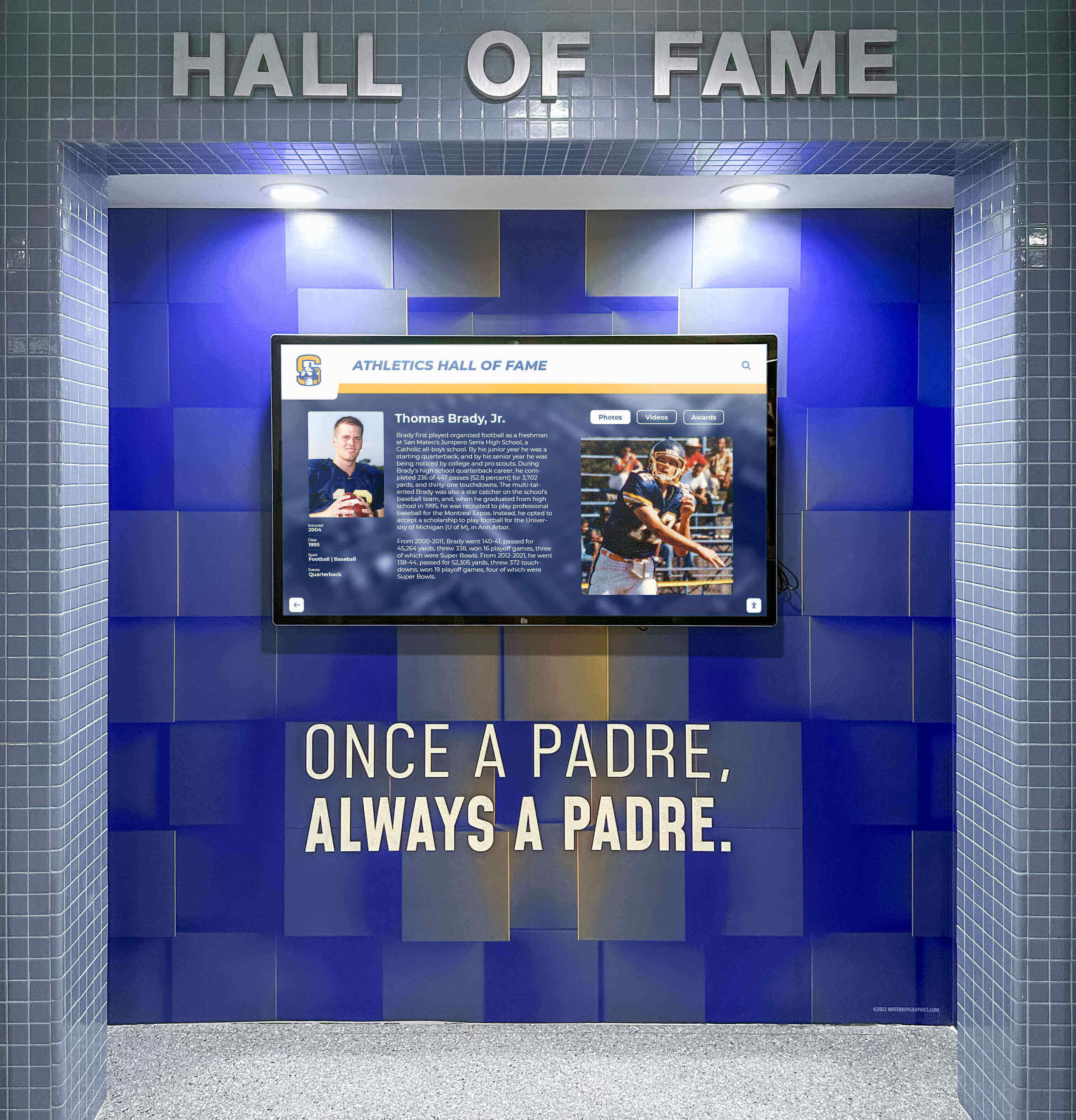
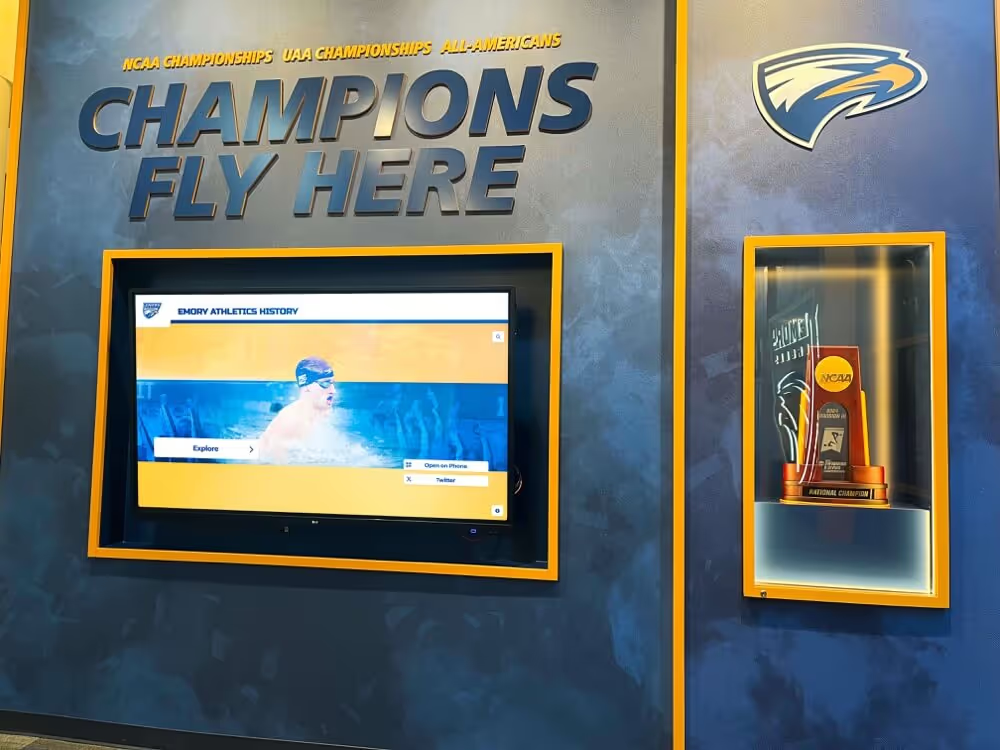
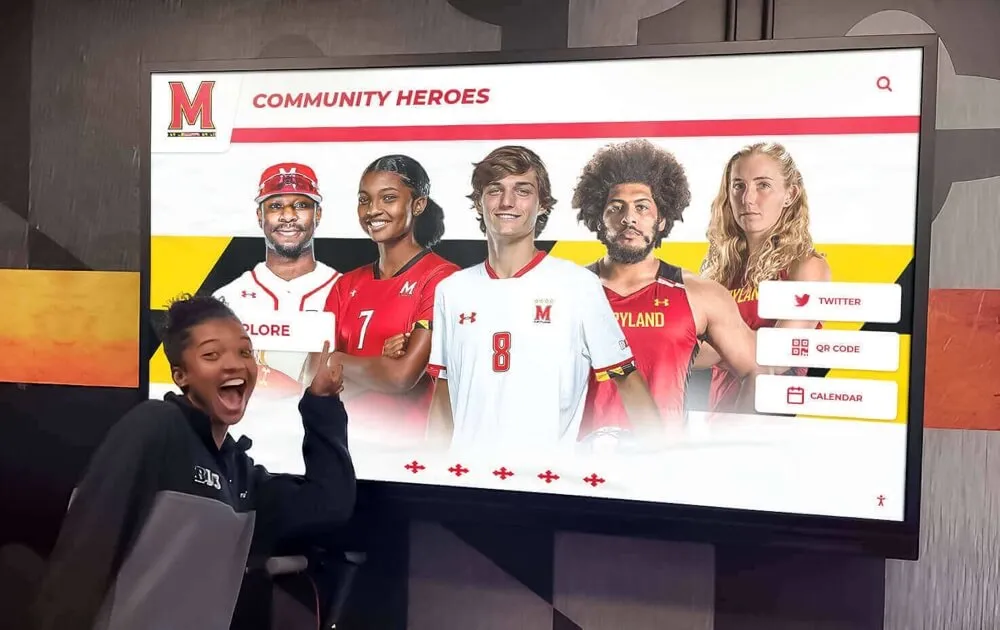
Modern recognition technology adapts to diverse organizational contexts, celebrating excellence across industries from athletics to corporate environments
Educational and Nonprofit Organizations
Mission-driven recognition with limited budgets:
Education and Nonprofit Recognition
- Student impact and mentorship acknowledgment
- Mission advancement and program achievement recognition
- Volunteer coordination and community engagement awards
- Fundraising achievement and donor relationship excellence
- Advocacy and awareness-building honors
- Resource stewardship and creative efficiency recognition
Nonprofit recognition often requires creative approaches given budget constraints, emphasizing values alignment, impact stories, and volunteer recognition alongside paid staff appreciation. Schools implementing comprehensive staff recognition provide excellent models for educational contexts.
Creating Sustainable Recognition Culture
Long-term success requires embedding recognition into organizational DNA rather than treating it as a program or initiative.
Leadership Modeling and Commitment
Leaders must demonstrate recognition commitment consistently:
Executive Behaviors
- Personal participation in recognition events and ceremonies
- Leaders directly delivering recognition when appropriate
- Leadership team modeling regular informal appreciation
- Recognition highlighted in CEO communications and town halls
- Board involvement validating program importance organizationally
- Senior leaders sharing personal recognition impact stories
Structural Integration
- Budget line items dedicated to employee recognition annually
- Designated recognition coordinators or committee ownership
- Regular recognition agenda items in leadership meetings
- Manager evaluations including recognition expectations and performance
- New employee onboarding explaining organizational appreciation culture
- Recognition program policies and procedures documented formally
Sustainable recognition becomes part of organizational operations rather than add-on initiatives requiring continuous advocacy for resources and attention.
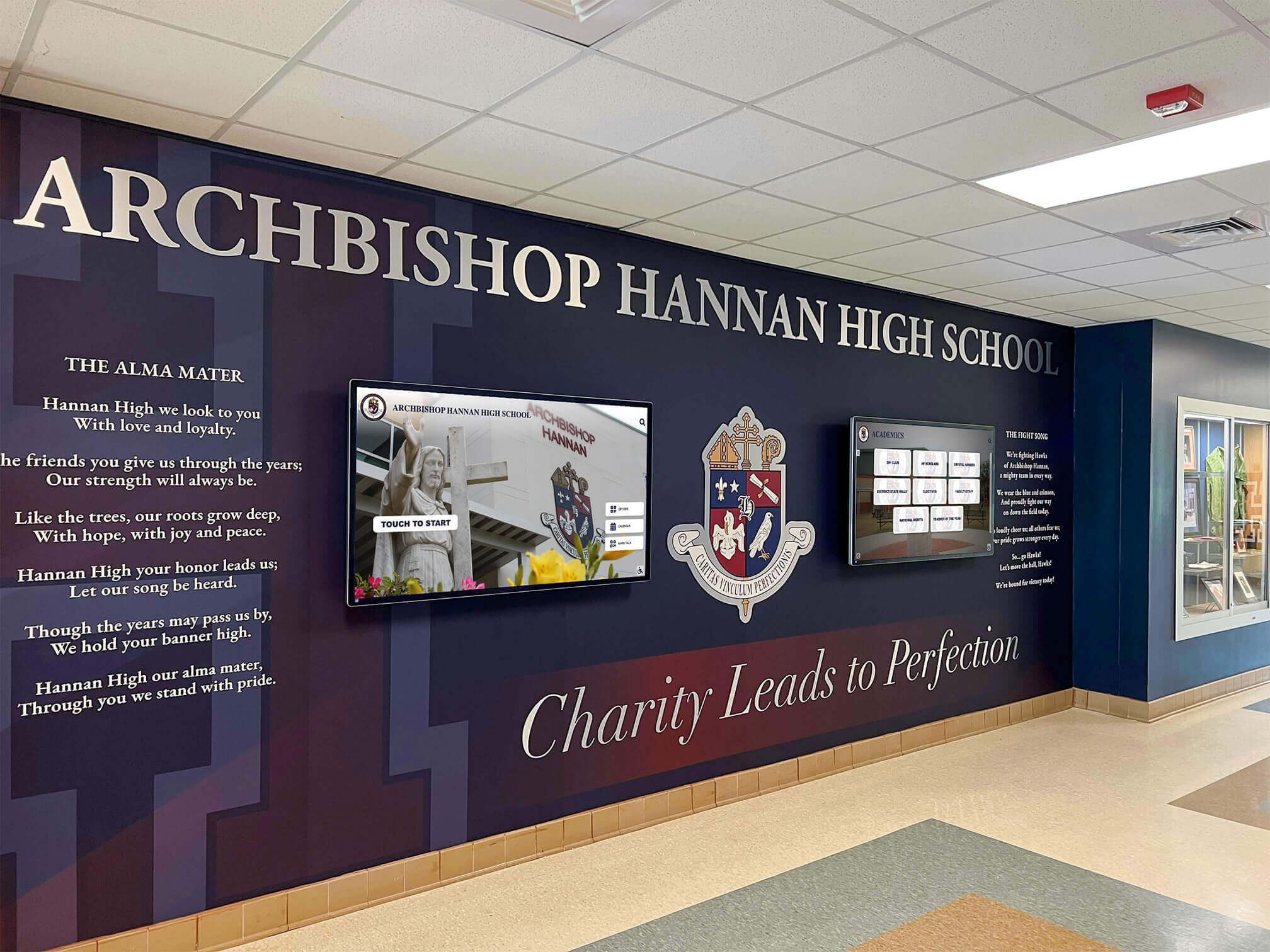
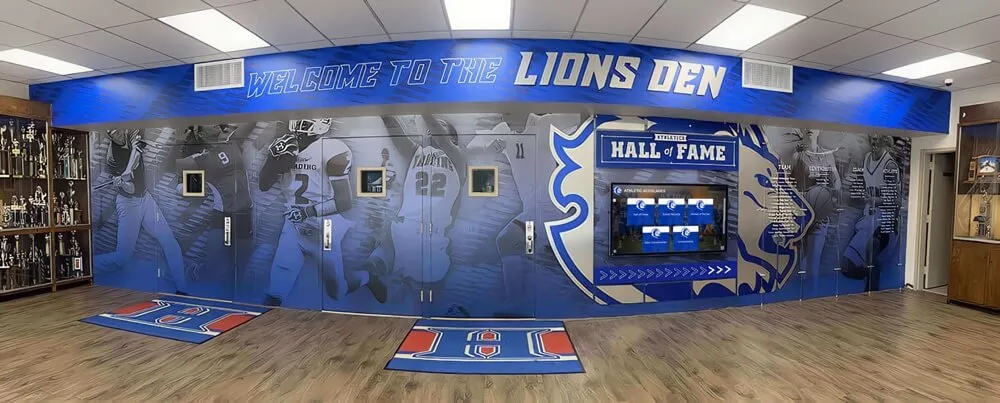
Comprehensive recognition environments combine traditional design elements with modern digital technology, creating permanent celebrations throughout organizational facilities
Continuous Improvement Systems
Recognition programs require ongoing refinement:
Assessment and Evolution
- Annual program reviews and effectiveness assessments
- Employee feedback informing refinements and adjustments
- Recognition trend analysis identifying gaps and opportunities
- Benchmarking against industry best practices and innovations
- Budget adjustments based on demonstrated program value
- Innovation in recognition approaches maintaining freshness and relevance
Manager Accountability
- Performance evaluations including recognition expectations and metrics
- 360-degree feedback assessing recognition effectiveness and consistency
- Employee satisfaction scores tied to manager recognition behaviors
- Recognition metrics tracked at team and department levels
- Best practice sharing among management team
- Recognition skills included in leadership development programs
Organizations treating recognition as dynamic systems requiring continuous attention rather than one-time implementations achieve sustained cultural impact and ongoing employee engagement benefits.
Conclusion: Building Recognition-Rich Organizational Cultures
Creative employee recognition programs represent strategic investments in organizational culture that deliver measurable business outcomes including improved retention, enhanced engagement, increased productivity, and strengthened employer brand. When organizations move beyond generic, perfunctory recognition toward creative, personalized appreciation that feels authentic and meaningful, they create virtuous cycles where appreciated employees invest more deeply in organizational success.
This comprehensive guide has explored creative employee recognition programs spanning peer-to-peer initiatives, values-based appreciation, experience rewards, digital platforms, and budget-conscious strategies. The recognition approaches that work best for your organization depend on unique factors including industry context, organizational size, budget realities, existing culture, and employee preferences.
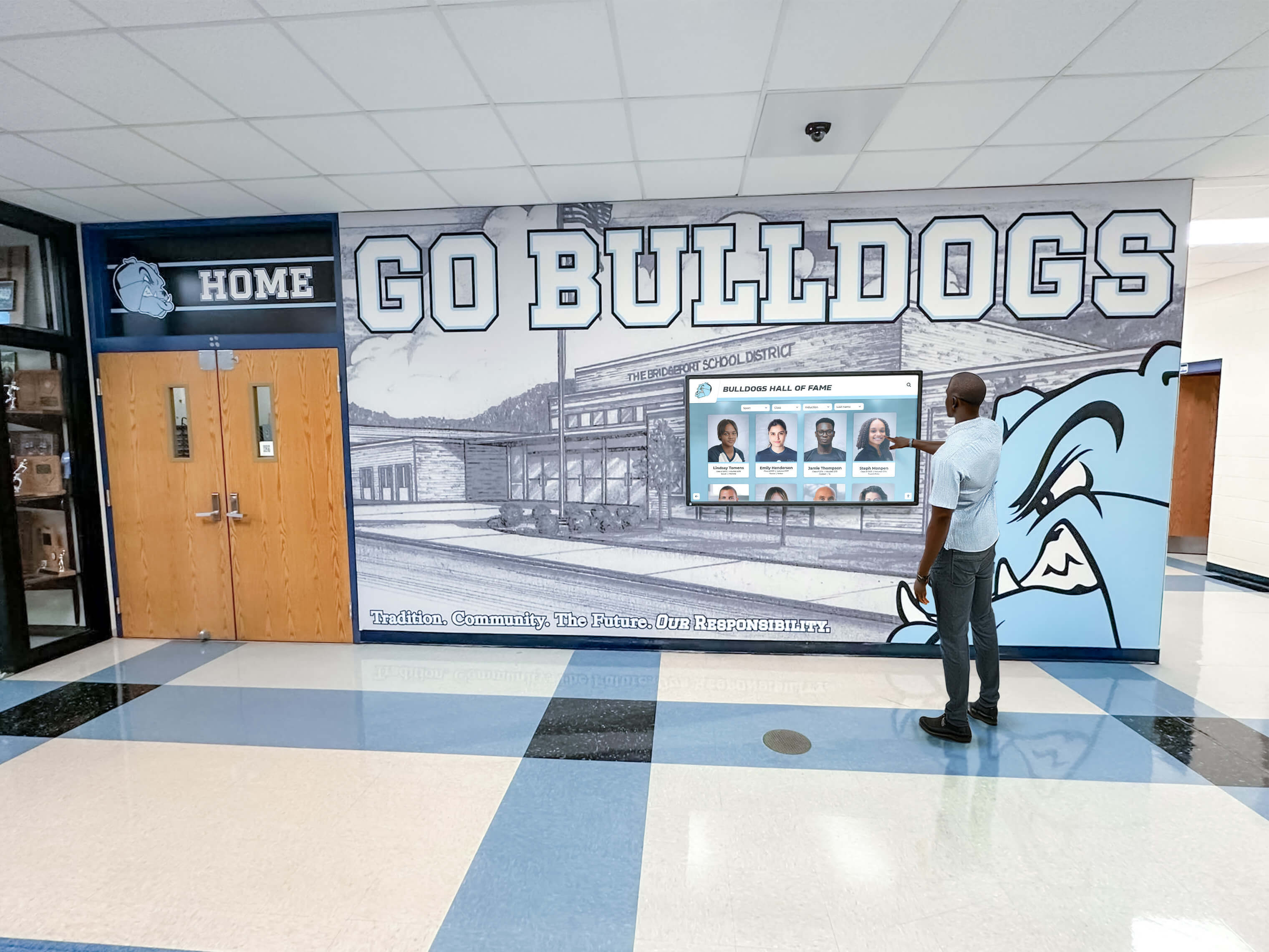
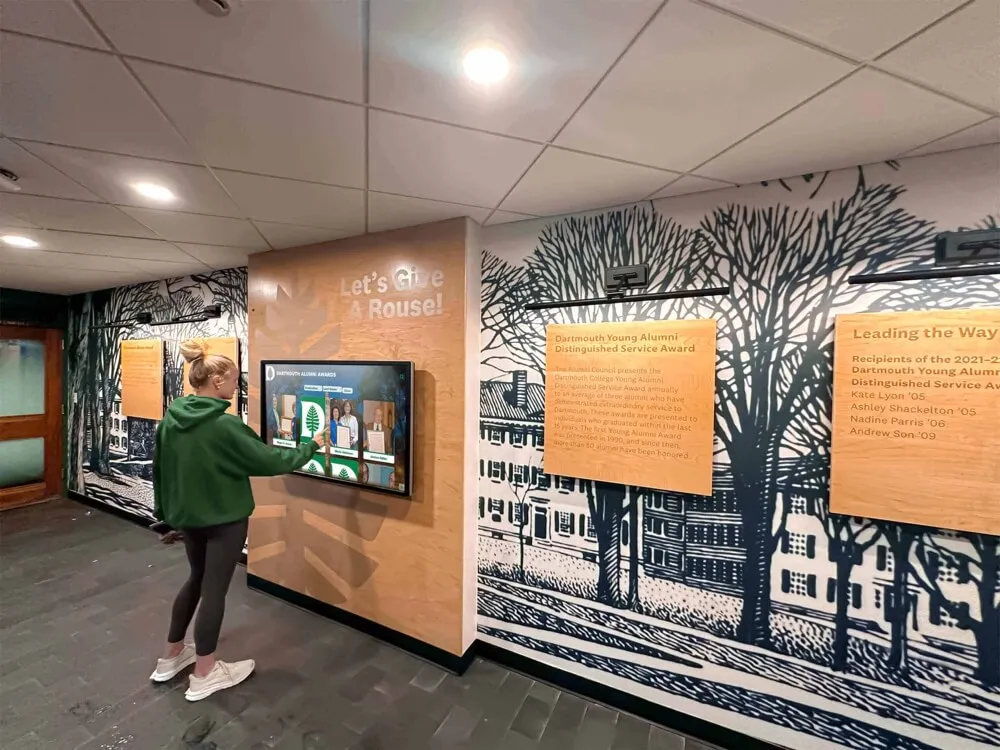
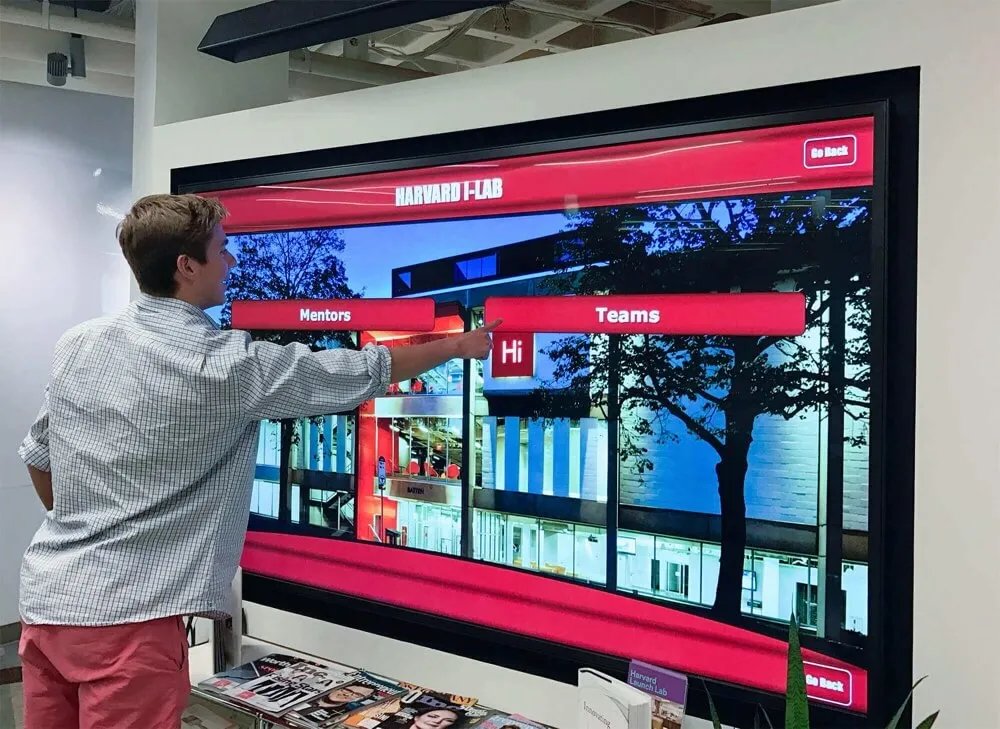
Active engagement with recognition displays demonstrates effective implementation, creating meaningful connections between employees and organizational appreciation culture
What matters most isn’t the expense or sophistication of recognition programs, but rather the consistency, authenticity, and thoughtfulness with which appreciation gets expressed. Recognition that feels perfunctory creates cynicism. Programs limited by outdated technology send messages that some contributions matter more than others. Appreciation delayed loses motivational impact.
Start where you are with recognition practices you can implement immediately—handwritten notes, verbal appreciation, peer nomination boards, or digital platforms enabling instant acknowledgment. Then systematically expand your approach, incorporating diverse recognition categories, strategic visibility, and perhaps eventually comprehensive digital solutions like Rocket Alumni Solutions that preserve organizational memory while celebrating current contributions through unlimited capacity displays.
Every employee who contributes to your organization deserves recognition equal to their effort and impact. Whether they’re exceeding performance targets, demonstrating organizational values, supporting colleagues through challenges, innovating processes, or consistently showing up with positive attitudes, employees give organizations their time, talents, and commitment—gifts worthy of creative, authentic appreciation.
Your commitment to employee recognition creates ripple effects extending far beyond individual recipients. Teams observe leadership treating people with genuine respect and gratitude. Prospective employees notice recognition culture during interviews and facility tours. Communities build pride in employers that visibly honor their people. And ultimately, organizations building strong recognition cultures create competitive advantages attracting and retaining the talented employees who drive long-term success.
Transform Your Employee Recognition Program
Discover how modern digital recognition displays can help you celebrate every employee's contributions, preserve organizational history, and create thriving cultures where team members feel genuinely valued. Solutions like Rocket Alumni Solutions provide unlimited recognition capacity with professional presentations, simple cloud-based management, and engaging interactive experiences that extend appreciation visibility throughout your organization and beyond.
Explore Recognition Solutions