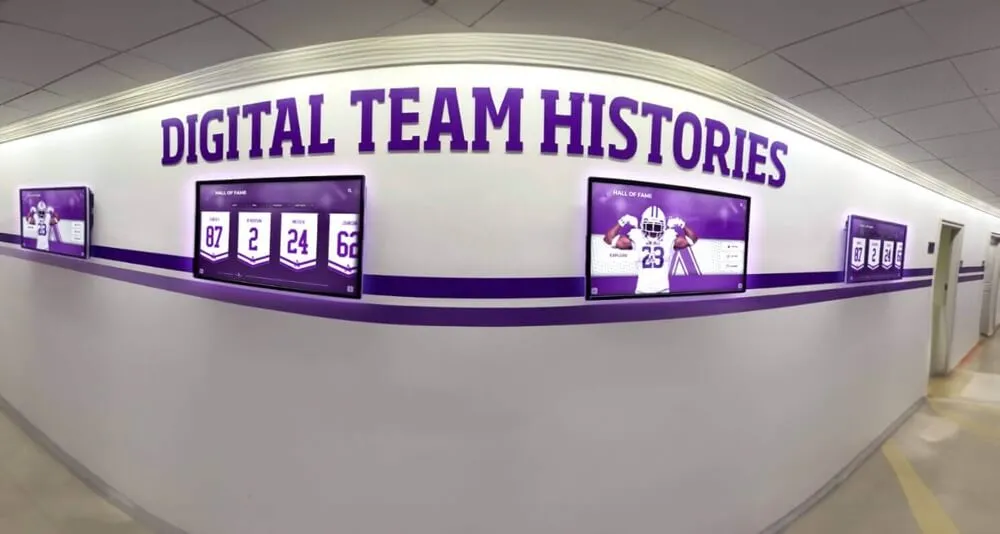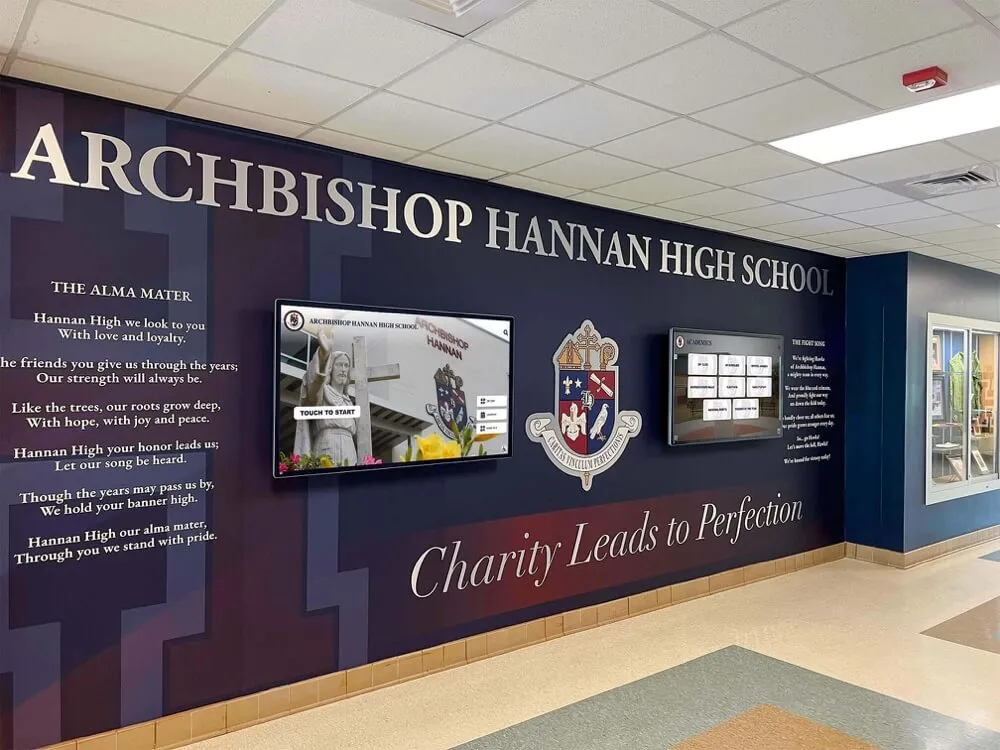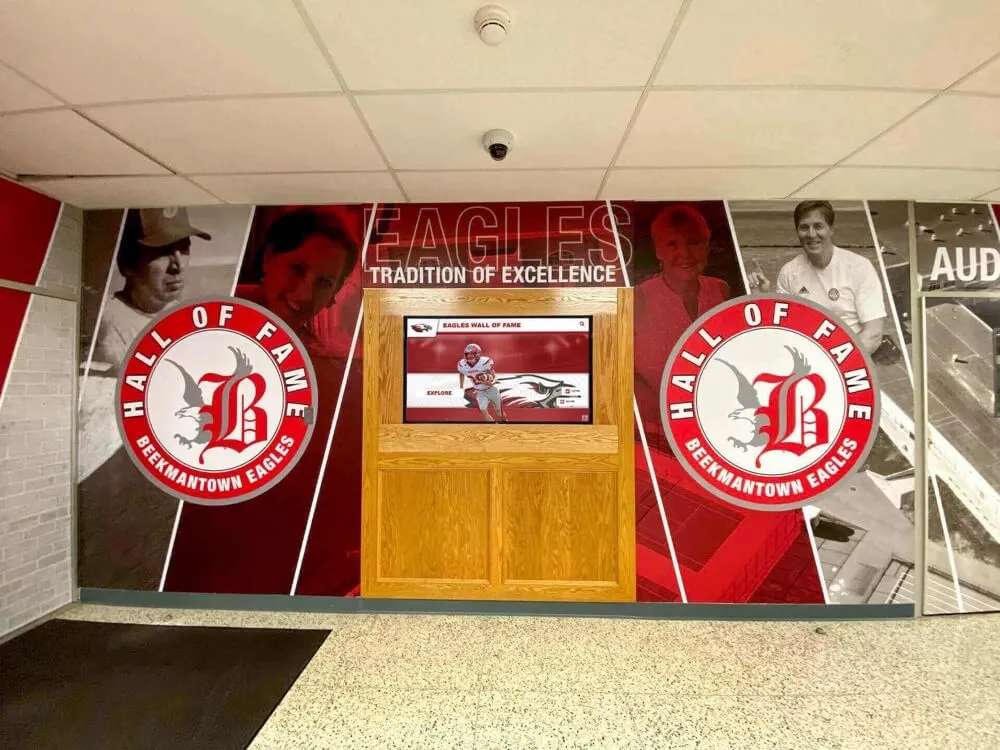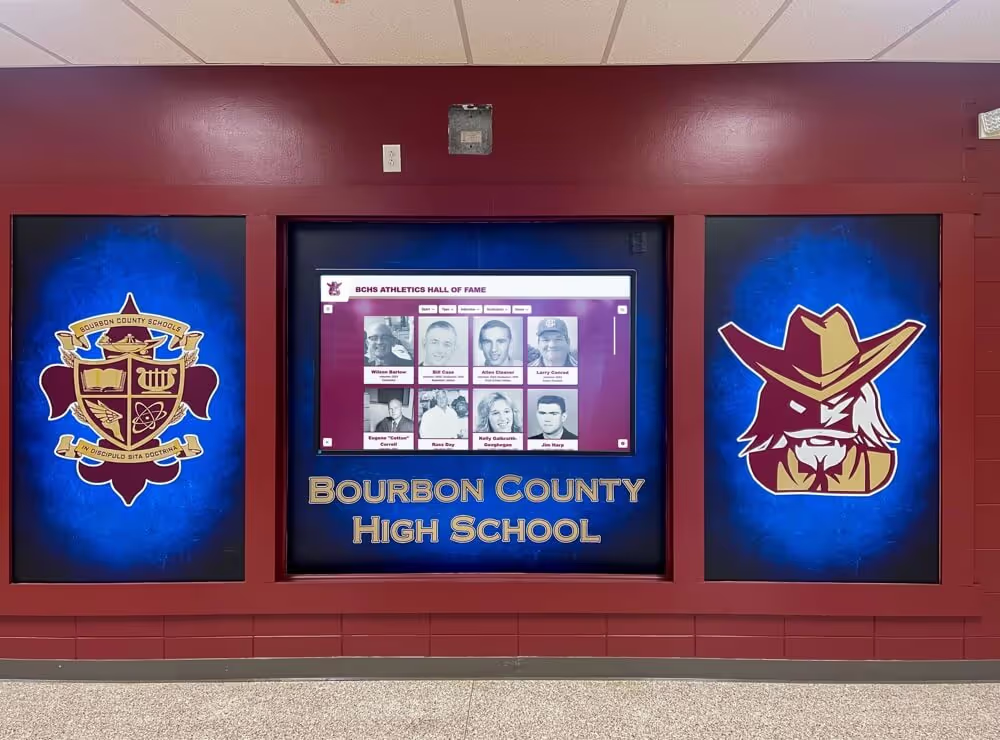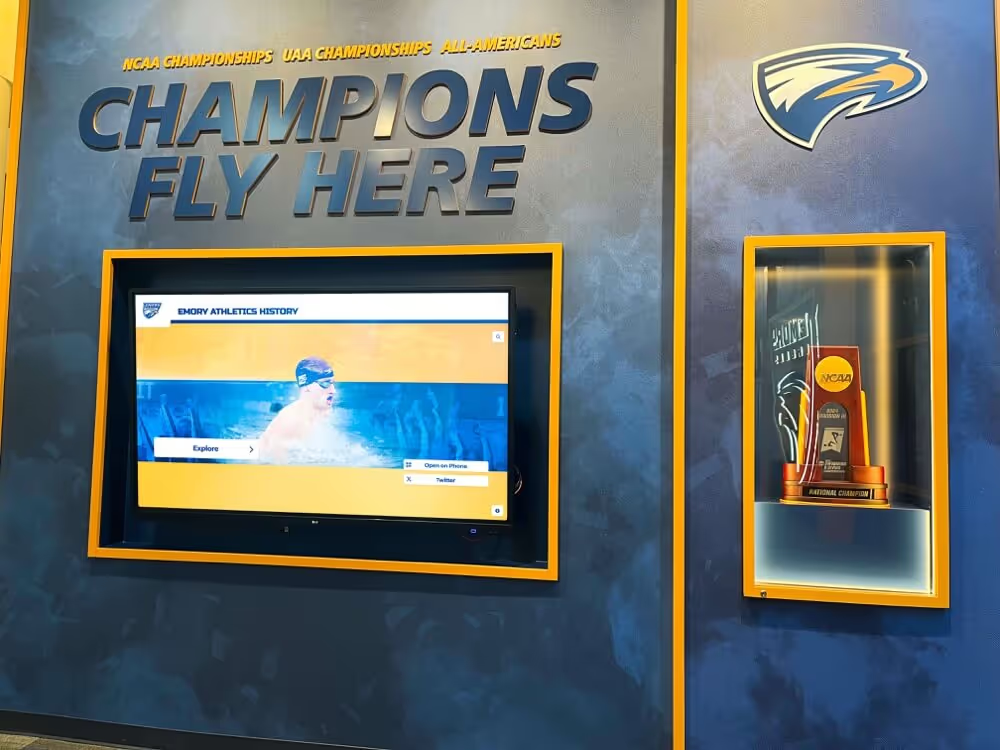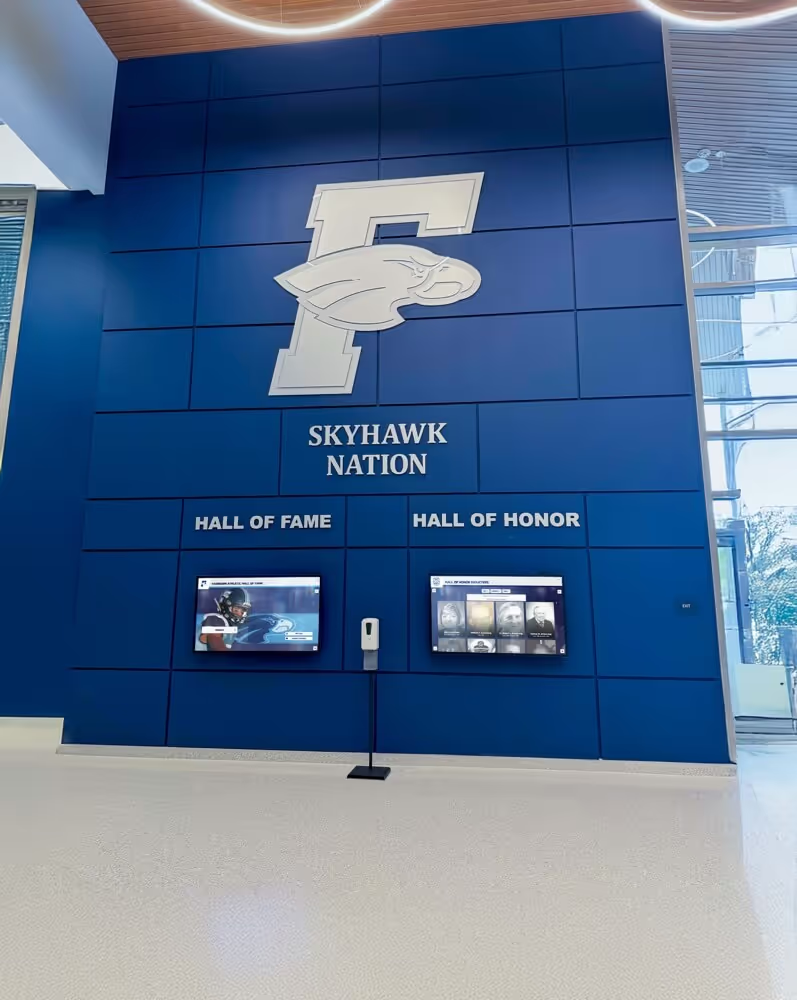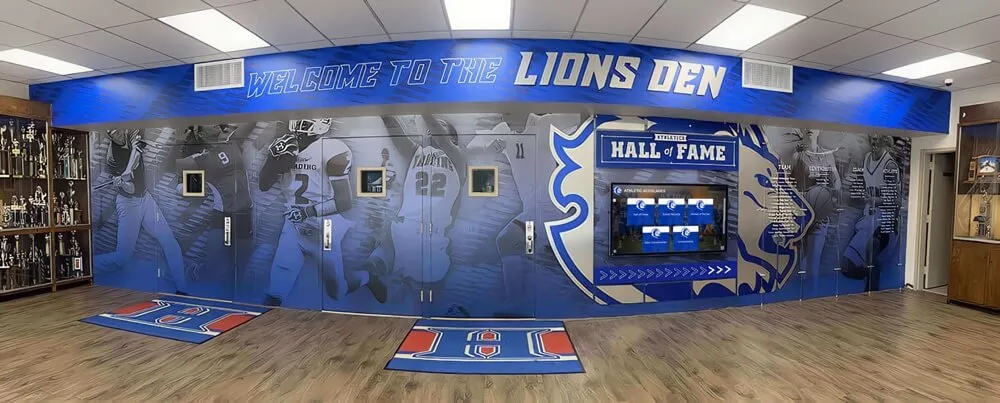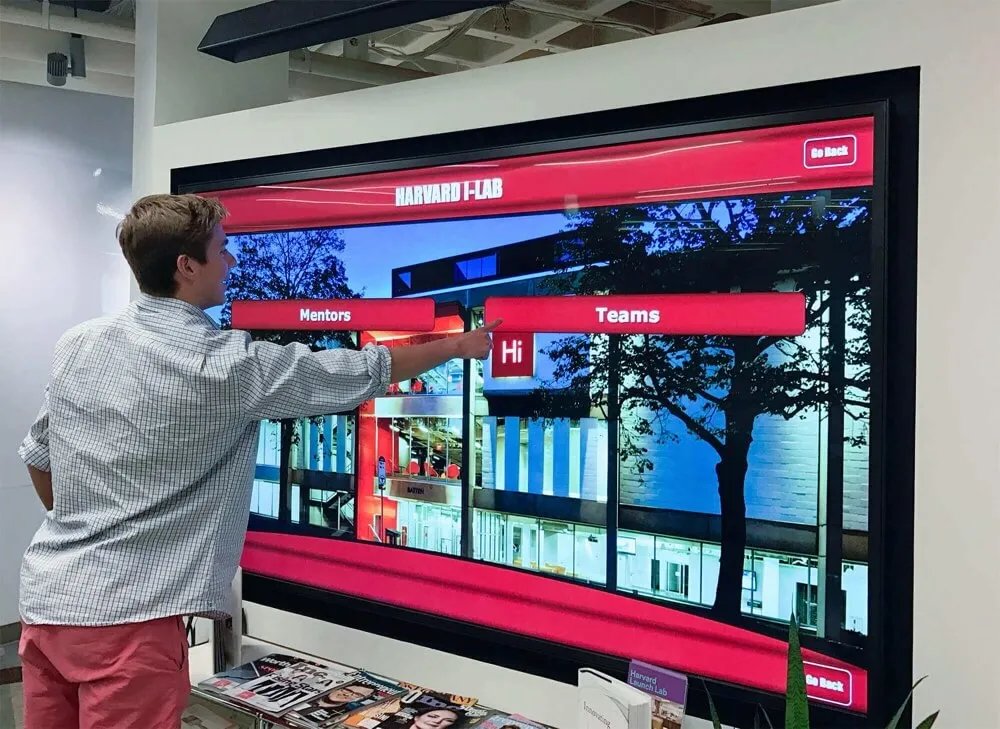




Your donor wall speaks volumes before a single word is read. When prospects and visitors enter your lobby, they immediately assess whether your organization values relationships, embraces innovation, and honors commitments with the dignity generous supporters deserve. Yet too many schools, nonprofits, and institutions settle for predictable brass plaques that blend into architectural backgrounds, communicate minimal information, and fail to inspire the emotional connections that drive continued philanthropy.
Creative donor wall designs transform recognition from obligatory acknowledgment into compelling storytelling experiences that celebrate generosity, demonstrate impact, and inspire future giving. Organizations implementing innovative approaches report 40-60% higher visitor engagement, stronger donor satisfaction scores, and increased conversation during cultivation tours when recognition displays combine artistic vision with thoughtful design principles.
This comprehensive guide explores 20+ creative donor wall design ideas spanning traditional artistic installations, modern digital approaches, hybrid solutions, and unconventional concepts pushing recognition boundaries. Whether you’re planning your first donor wall, replacing outdated systems that no longer serve growing programs, or exploring how design innovation can strengthen stewardship, these inspiring examples provide practical frameworks for creating recognition that truly resonates with diverse stakeholder audiences.
The most effective donor recognition balances aesthetic excellence with functional design serving both donors receiving acknowledgment and organizations leveraging recognition as cultivation tools. Creative approaches need not abandon professionalism—the strongest designs honor both artistic vision and institutional dignity.

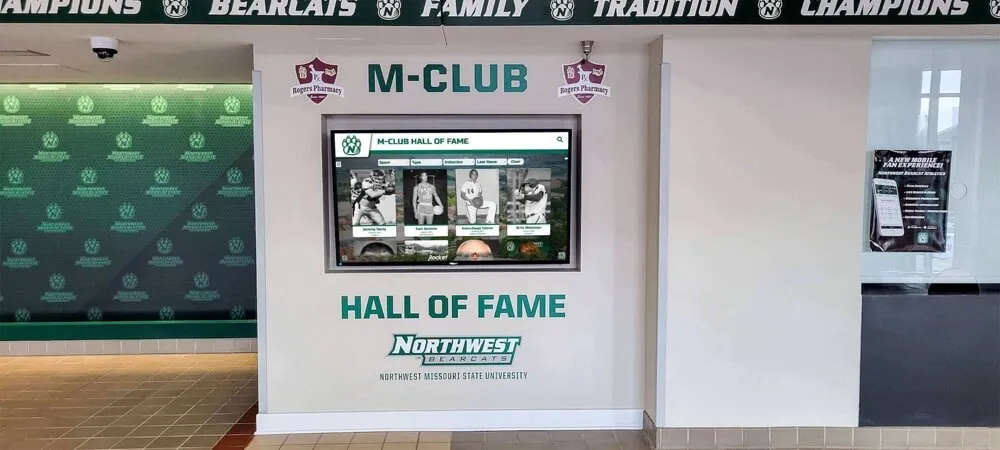
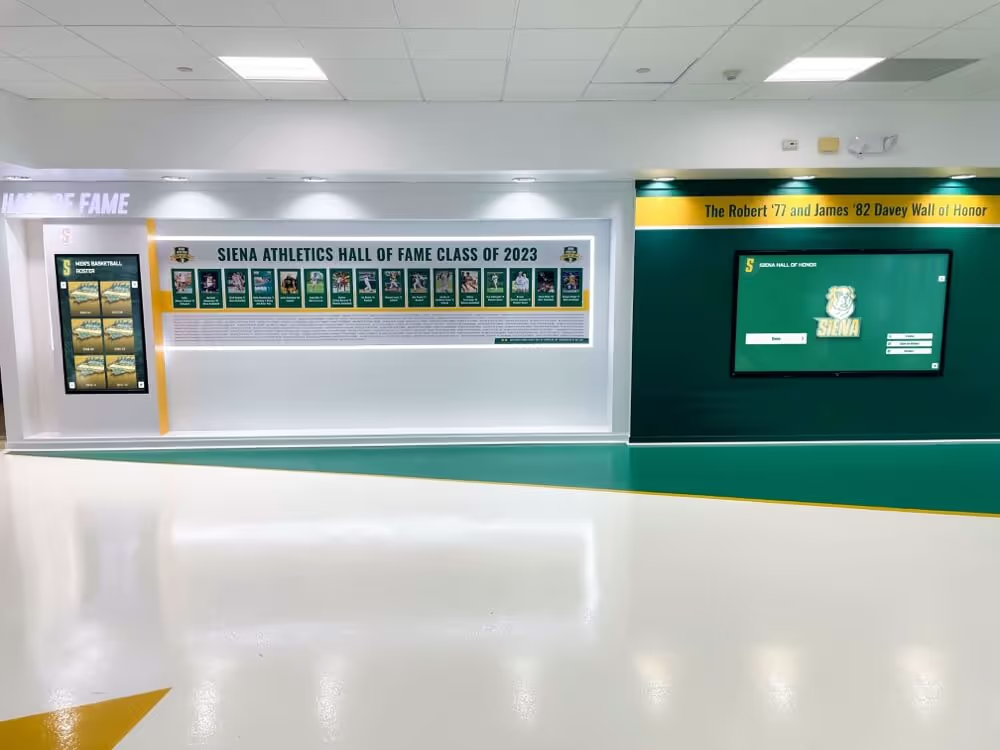
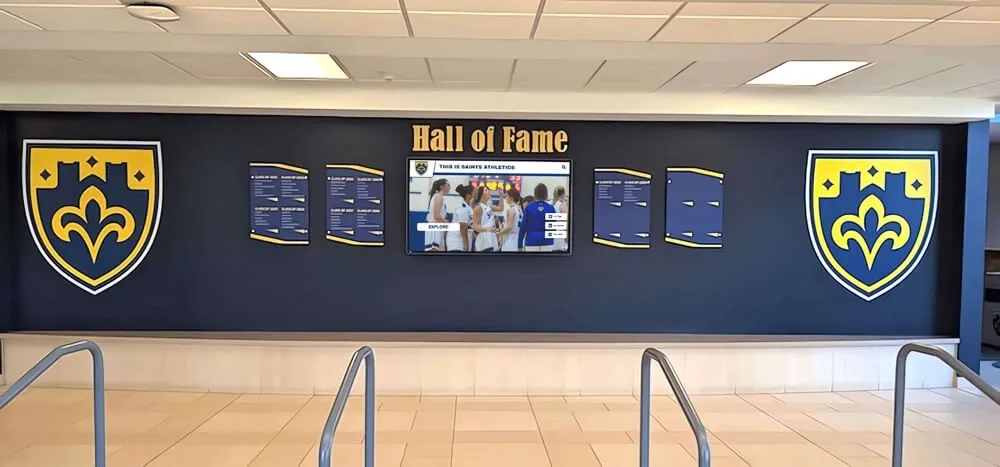
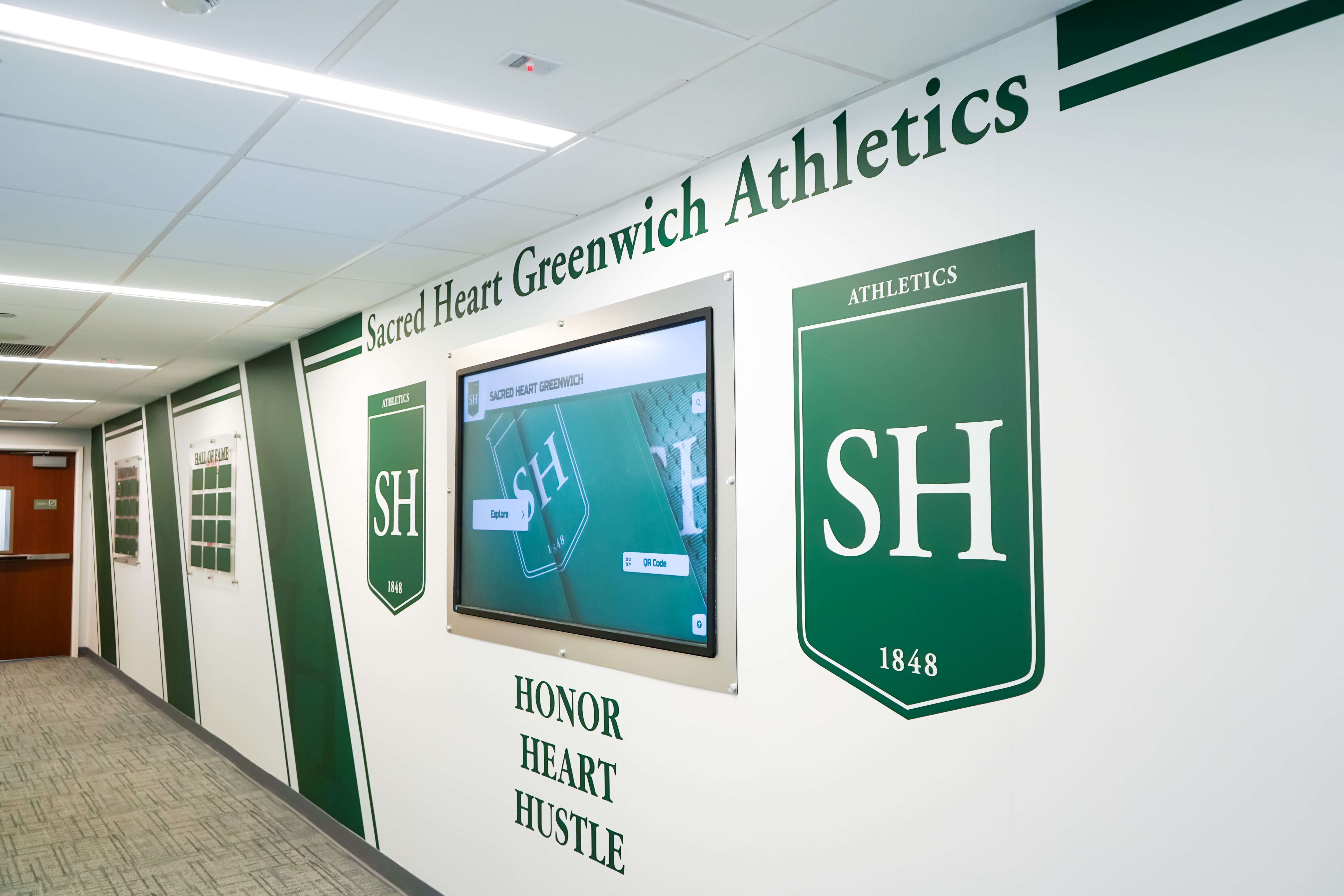
Architectural shield designs create distinctive recognition combining traditional symbolism with contemporary presentation aesthetics
Understanding Creative Donor Wall Design Principles
Before exploring specific design ideas, development professionals and facility planners must understand core principles that differentiate memorable recognition from forgettable installations regardless of specific approaches chosen.
What Makes Donor Wall Design “Creative”?
Creativity in donor recognition doesn’t mean abandoning professionalism for novelty. The most successful creative designs share these characteristics:
Visual Distinction
- Immediately recognizable design language setting your recognition apart from generic plaques
- Architectural integration making donor walls focal points rather than afterthoughts
- Material choices and finishes creating texture, depth, and visual interest
- Color schemes reinforcing organizational branding while maintaining appropriate dignity
- Scale proportions commanding attention without overwhelming surrounding spaces
Storytelling Capability
- Design frameworks accommodating rich narratives beyond name listings
- Visual hierarchy guiding visitors through donor information intuitively
- Space for impact documentation connecting contributions to tangible outcomes
- Integration opportunities for photos, quotes, and biographical context
- Flexibility supporting both individual recognition and collective acknowledgment
Memorable Experience
- Unexpected elements creating “wow moments” visitors remember and discuss
- Interactive components inviting engagement rather than passive viewing
- Photo-worthy aesthetics encouraging social sharing and word-of-mouth promotion
- Emotional resonance connecting visitors to organizational mission through design
- Lasting impressions influencing prospect perceptions during cultivation tours
Organizations implementing donor recognition signage approaches that prioritize creative design report significantly higher stakeholder engagement compared to conventional plaque walls.
Design Investment: Balancing Budget and Impact
Creative recognition requires thoughtful budget allocation:
Traditional Artistic Installations: $30,000-150,000 for custom architectural designs incorporating specialized materials, professional fabrication, and artistic collaboration. Higher upfront costs but potential for distinctive results impossible with standard approaches.
Digital Creative Solutions: $15,000-50,000 for interactive displays with custom interface design, branded content development, and professional installation. Lower initial investment with ongoing subscription costs but unlimited capacity and flexibility.
Hybrid Approaches: $40,000-120,000 combining physical artistic elements with digital components. Highest initial investment but maximizing both aesthetic impact and functional flexibility.
Budget alone doesn’t determine recognition effectiveness. Many modest programs create highly creative recognition through thoughtful design choices, material selection, and strategic placement. Conversely, expensive installations can fail when design lacks coherence or placement limits visibility.
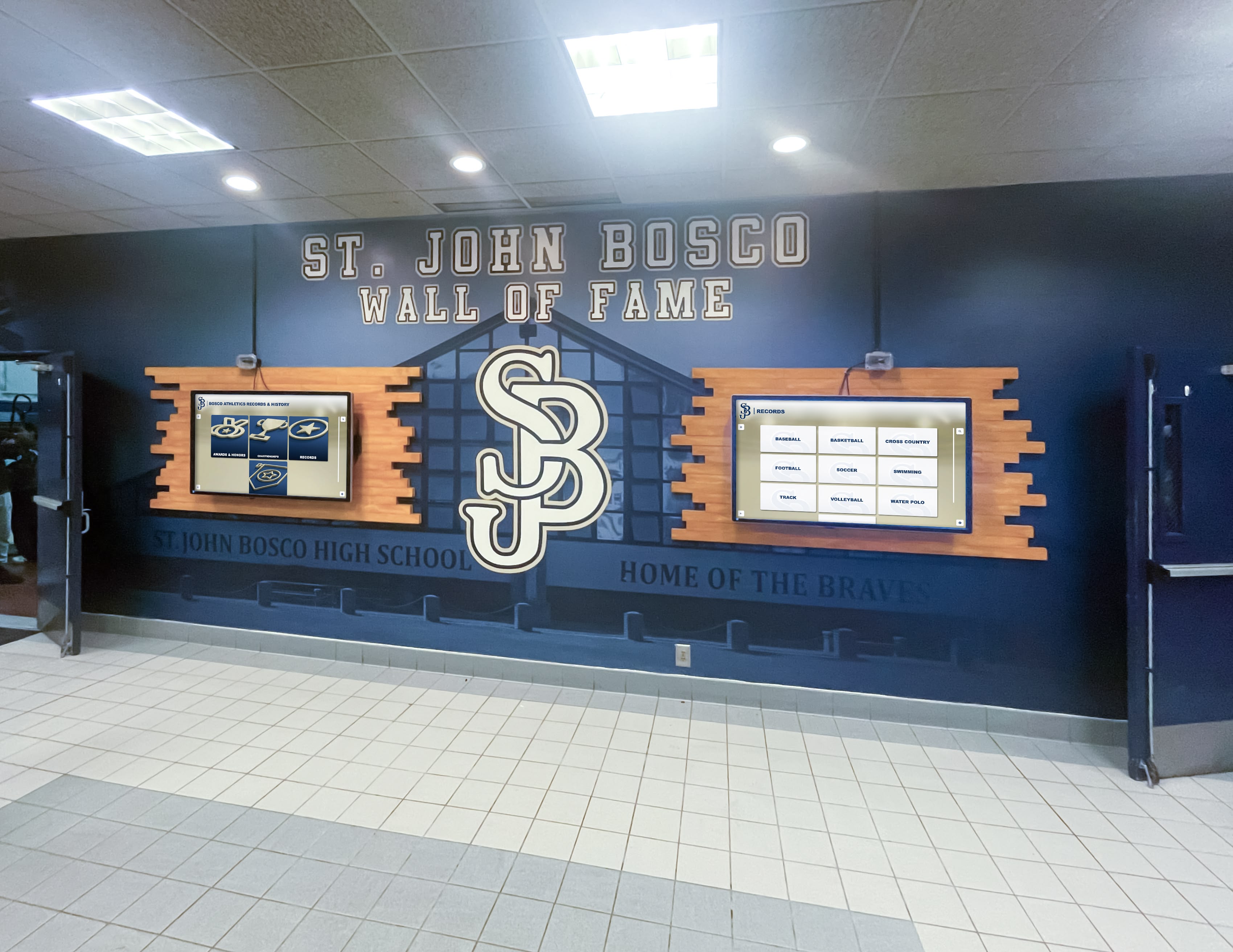
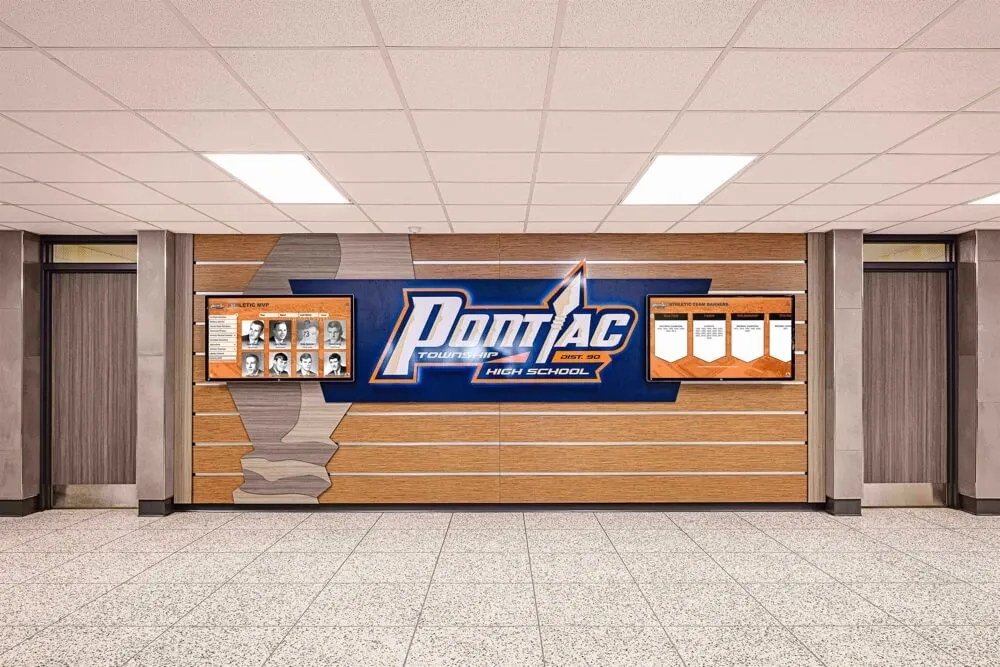
Multiple coordinated displays create comprehensive recognition systems showcasing varied content simultaneously
Creative Traditional Donor Wall Designs
Physical installations offer timeless appeal when executed with creative vision transcending standard plaque arrangements:
1. Architectural Shield and Crest Designs
Heraldic-inspired recognition creates instant visual drama while connecting to institutional heritage:
Design Elements:
- Individual donor shields mounted in grid or asymmetric patterns
- Custom crest designs incorporating organizational symbols and colors
- Varied shield shapes (traditional, modern, abstract) creating dynamic compositions
- Metallic finishes (bronze, copper, brushed aluminum) adding texture and dimension
- Layered mounting creating depth through shadow effects
Best Applications: Universities, private schools, military organizations, and institutions with strong heraldic traditions or coat-of-arms heritage.
Implementation Considerations: Each shield typically costs $300-800 depending on size, material, and finish complexity. Plan for 20-30% space reserve accommodating future additions without disrupting visual balance.
2. Tree of Life and Organic Growth Motifs
Natural imagery provides powerful metaphors for donor community growth and lasting legacy:
Design Approaches:
- Sculpted bronze or metal trees with donor names as “leaves” or incorporated into trunk/branches
- Root systems showing foundational donors supporting organizational growth
- Branching patterns organizing donors by giving level, campaign, or program area
- Seasonal variations (spring growth, autumn abundance) reinforcing community vitality
- Three-dimensional installations creating shadows and depth changes throughout the day
Symbolic Power: Tree imagery communicates continuity, strength, natural growth, interconnected community, and enduring legacy—all powerful stewardship messages resonating with donors seeking meaningful impact.
Cost Range: $25,000-100,000 depending on size, material complexity, and artistic customization. Unique designs created by commissioned artists command premium pricing but deliver distinctive results impossible to replicate.
3. Illuminated Glass and Acrylic Installations
Transparent materials with integrated lighting create stunning contemporary recognition:
Design Features:
- Etched or sandblasted glass panels with donor names and tier graphics
- LED backlighting or edge lighting creating dramatic glow effects
- Color-changing capabilities reinforcing institutional colors or seasonal themes
- Layered glass panels creating depth and dimensional visual interest
- Suspended installations appearing to float within architectural spaces
Visual Impact: Illuminated glass commands attention through light, transparency, and modern aesthetics particularly effective in contemporary architectural settings.
Technical Requirements: Professional electrical integration, specialized glass fabrication, structural engineering for suspended installations, and accessible control systems managing lighting effects. Budget $35,000-90,000 for medium-scale implementations.
4. Timeline and Historical Context Designs
Recognition organized chronologically tells organizational evolution through donor partnerships:
Organization Strategies:
- Horizontal timelines showing donor support across decades
- Milestone markers highlighting campaign completions and program launches
- Historical photos documenting facilities and programs donor gifts enabled
- Era-specific design elements (fonts, graphics, colors) evoking different periods
- Future sections reserving space for next-generation supporters
Storytelling Advantage: Timeline organization demonstrates sustained community support, organizational growth trajectory, and donor partnership evolution more compellingly than alphabetical or tier-based arrangements.
Implementation Note: Timeline designs work best for organizations with 25+ year histories and consistent donor support across multiple eras. Newer organizations may lack sufficient historical depth for effective chronological organization.
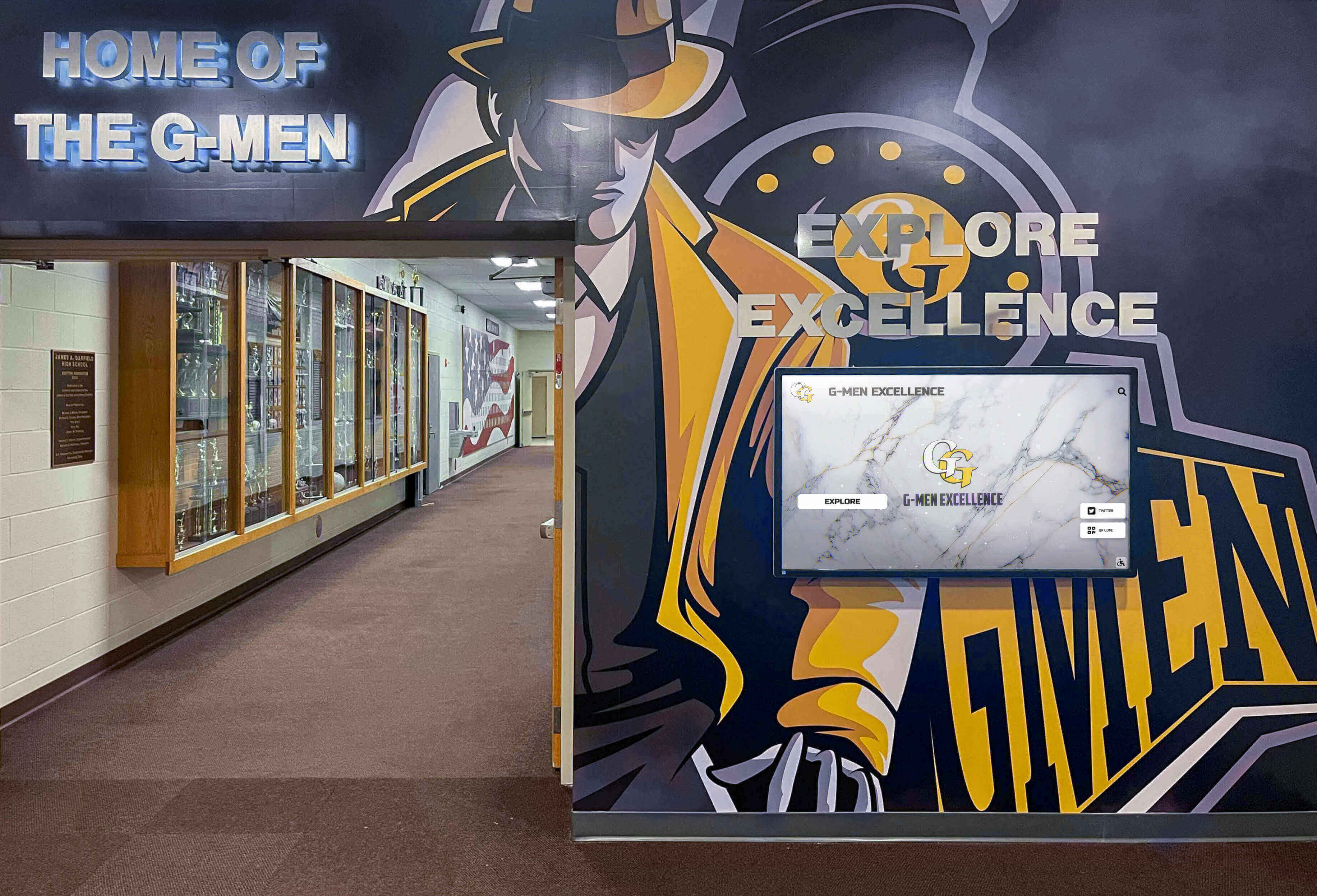
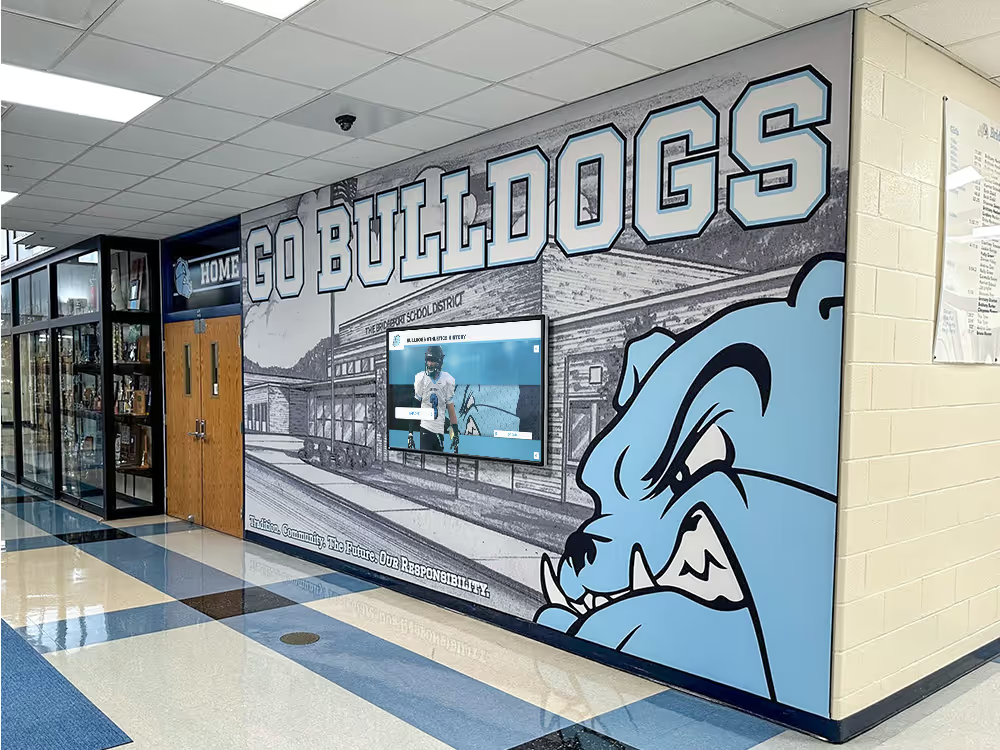
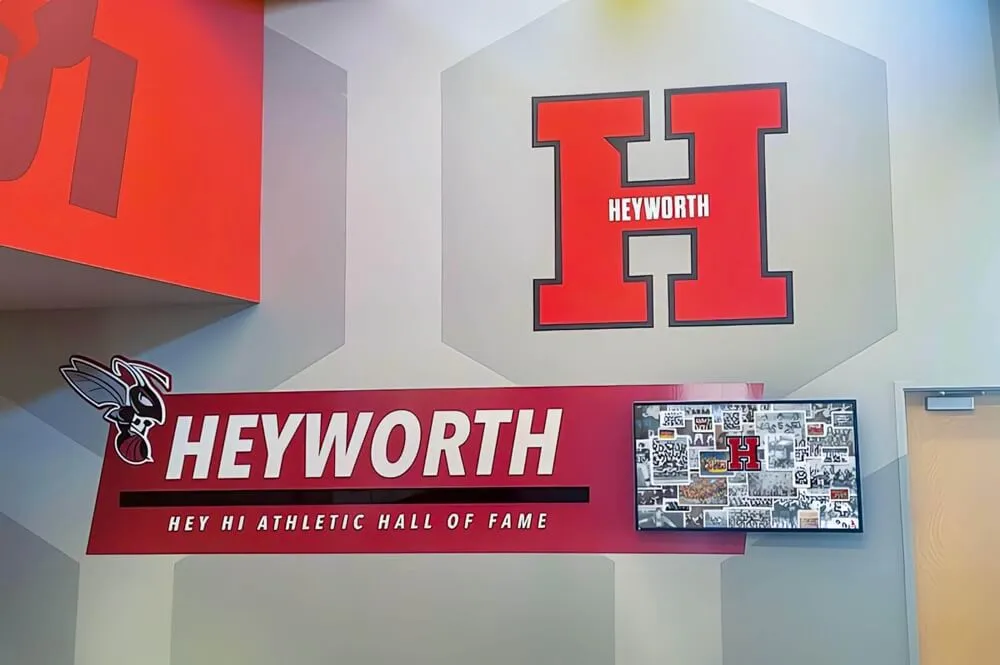
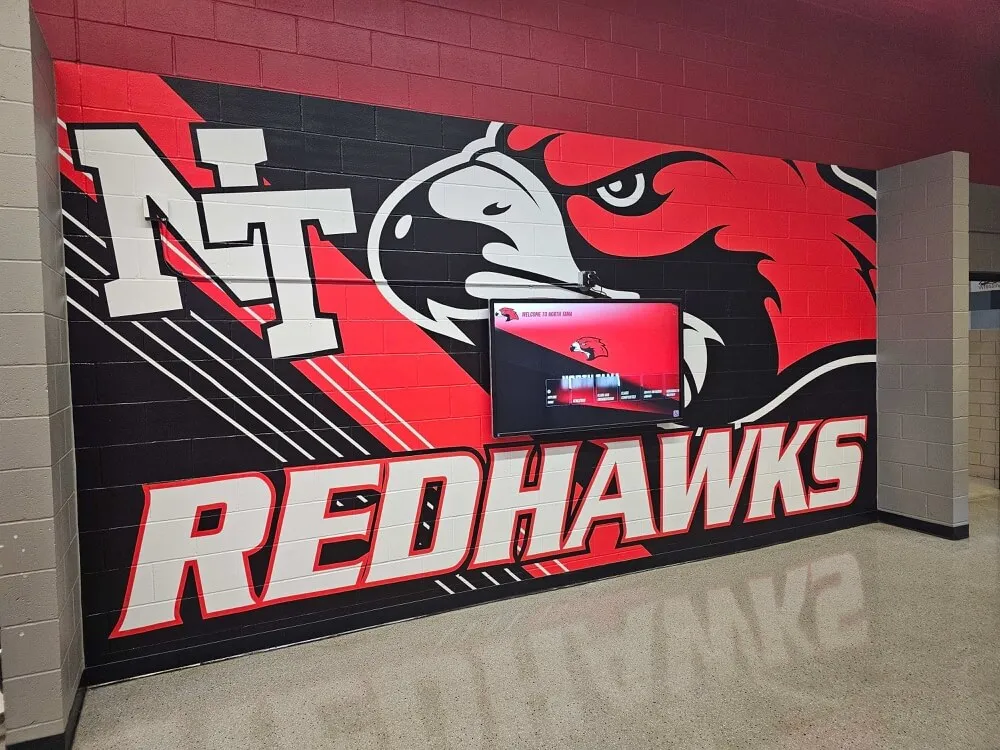
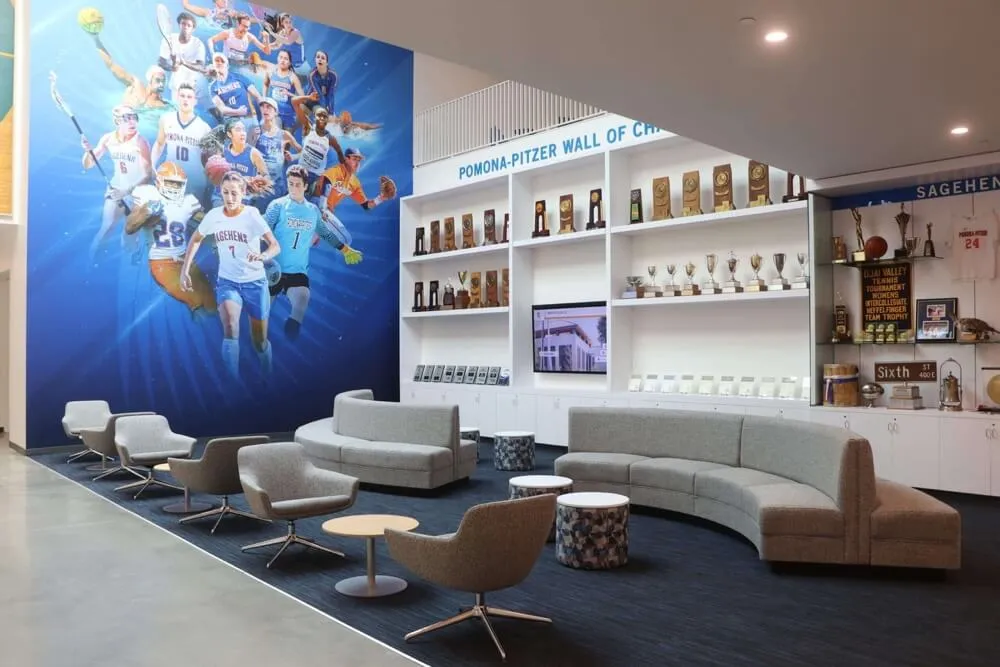
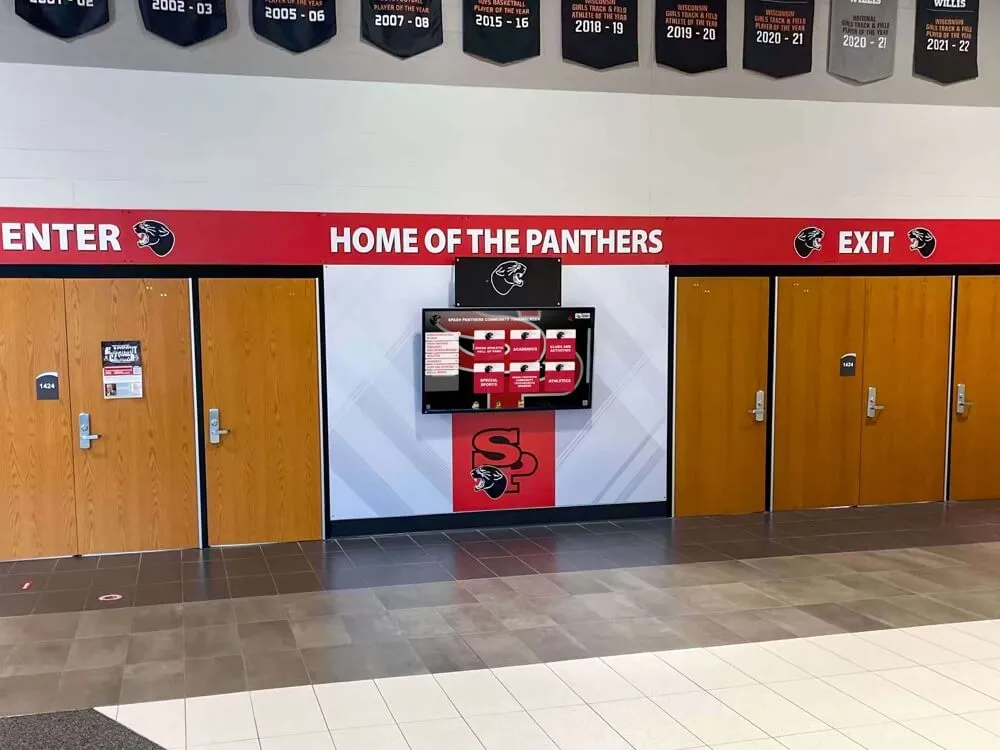
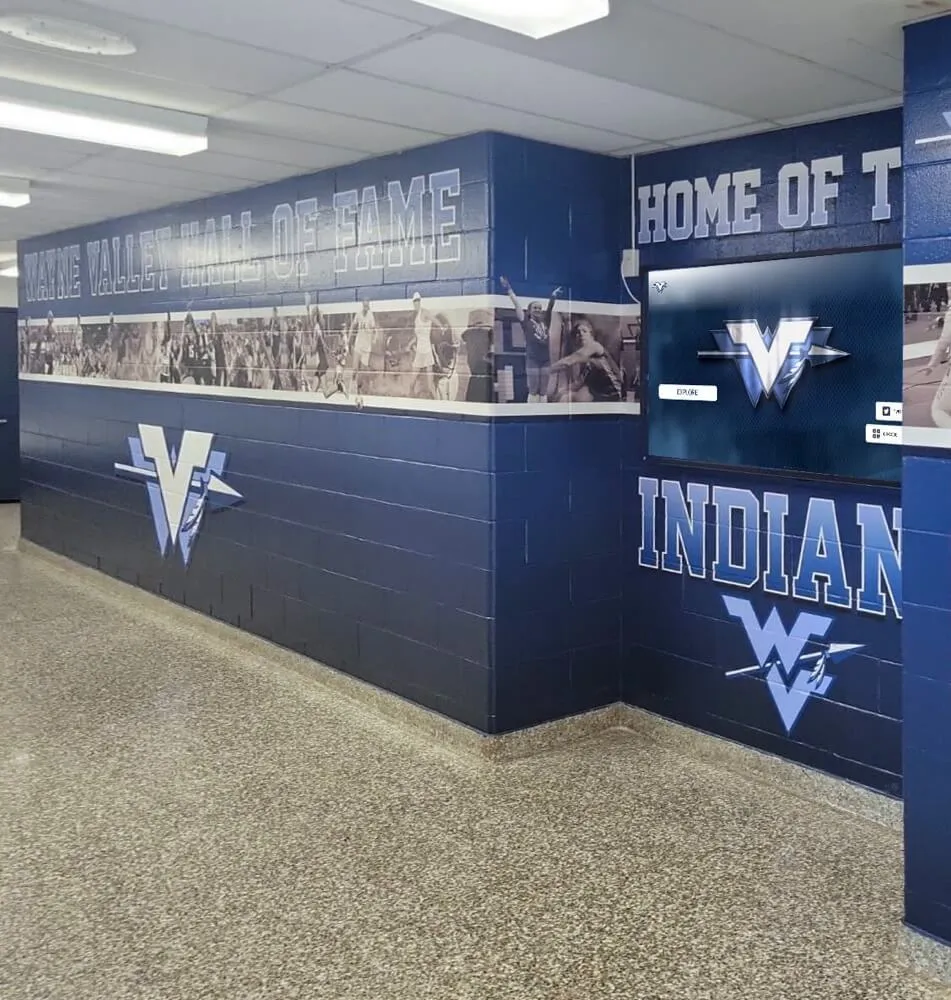
Integrating donor recognition with athletic murals and trophy displays creates cohesive environments celebrating multiple aspects of institutional pride
5. Geographic and Map-Based Recognition
Visualizing donor locations creates community awareness and regional pride:
Design Concepts:
- State, national, or world maps with donor markers showing geographic distribution
- Localized maps highlighting donors from specific regions or neighborhoods
- Interactive elements allowing visitors identifying donors by location
- Regional color coding organizing support by geographic concentration
- Pins, lights, or raised elements marking individual donor locations
Best Applications: Organizations with geographically diverse donor bases, community campaigns with strong local participation, or alumni programs spanning multiple regions.
Engagement Benefit: Geographic visualization helps prospects see themselves within existing donor community while demonstrating breadth of support across various locations.
6. Artistic Mosaic and Tile Installations
Custom mosaics transform donor recognition into permanent art installations:
Artistic Approaches:
- Ceramic tile mosaics incorporating donor names within larger artistic compositions
- Photo mosaics using donor images creating larger organizational symbols
- Abstract patterns with donor information integrated into artistic design
- Floor installations with donor pavers or embedded recognition
- Exterior installations withstanding weather while maintaining visibility
Durability Advantage: Properly installed tile and mosaic work lasts decades with minimal maintenance while providing art-quality aesthetics elevating recognition beyond commercial signage.
Artist Collaboration: Commission local artists creating unique installations reflecting community character. Expect $40,000-150,000 for custom mosaic installations depending on size, complexity, and artist reputation.
7. Dimensional and Sculptural Installations
Three-dimensional recognition creates dramatic focal points within architectural spaces:
Design Possibilities:
- Freestanding sculptural elements incorporating donor plaques
- Architectural columns or pillars with wrap-around recognition
- Suspended installations viewed from multiple angles
- Relief sculptures with donor integration into artistic composition
- Kinetic elements introducing movement and changing perspectives
Spatial Impact: Dimensional recognition commands attention from multiple vantage points while creating gathering spaces encouraging visitor interaction and conversation.
Installation Requirements: Structural engineering ensures proper mounting and weight distribution. Budget additional 15-25% beyond fabrication costs for professional engineering assessment and installation.
Organizations can explore capital campaign recognition strategies incorporating these creative traditional approaches into comprehensive fundraising initiatives.
Innovative Digital Donor Wall Designs
Interactive technology platforms enable creative possibilities impossible with physical materials:
8. Full-Screen Immersive Experiences
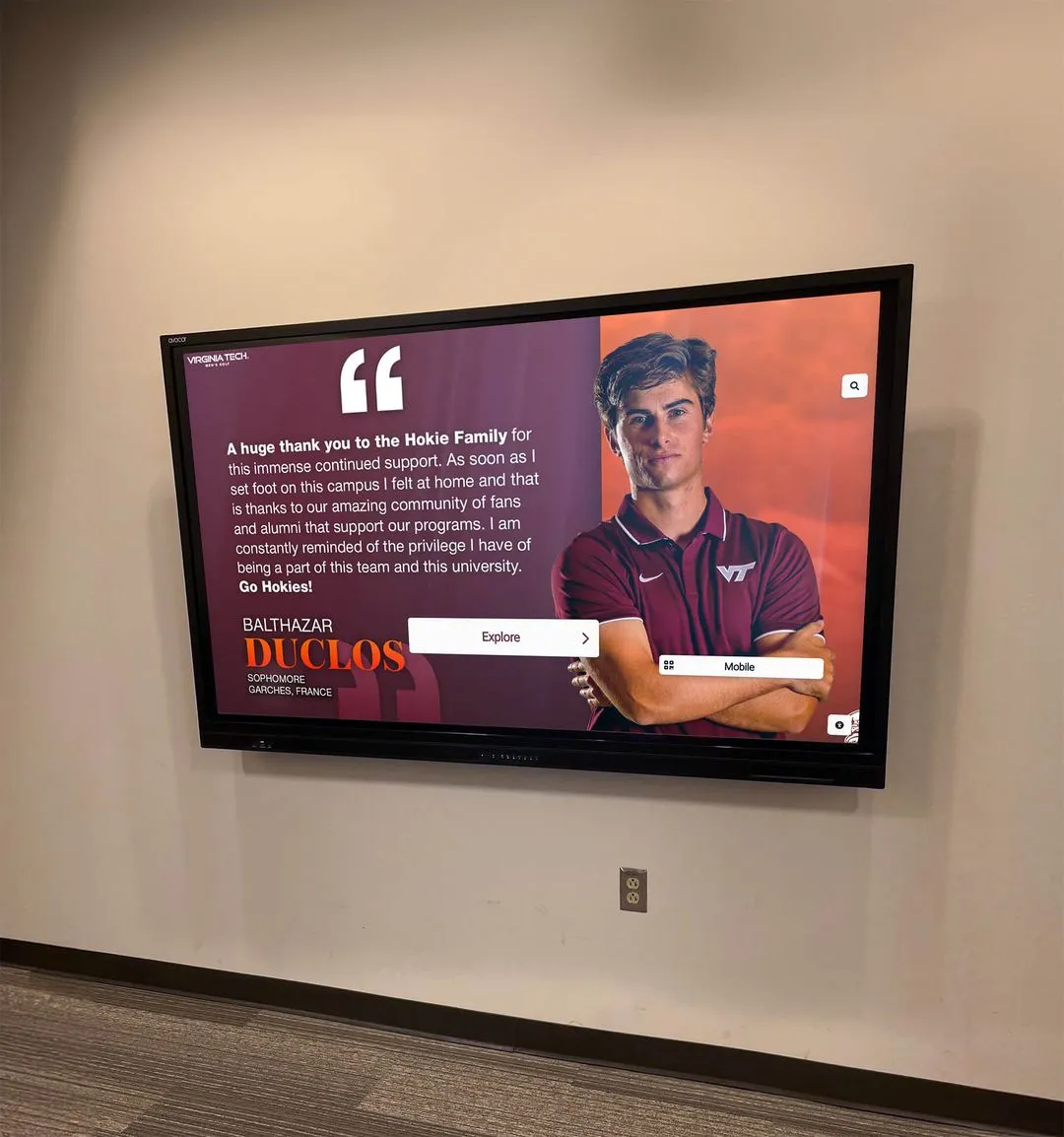
Large-format displays (65"-85") create commanding recognition environments:
Design Features:
- Full-screen donor profile presentations with professional photography
- Animated transitions between featured supporters
- Video testimonials from donors explaining philanthropic motivations
- Impact documentation showing programs and facilities gifts enabled
- Searchable databases accommodating unlimited donor profiles
- QR code integration extending recognition to mobile devices
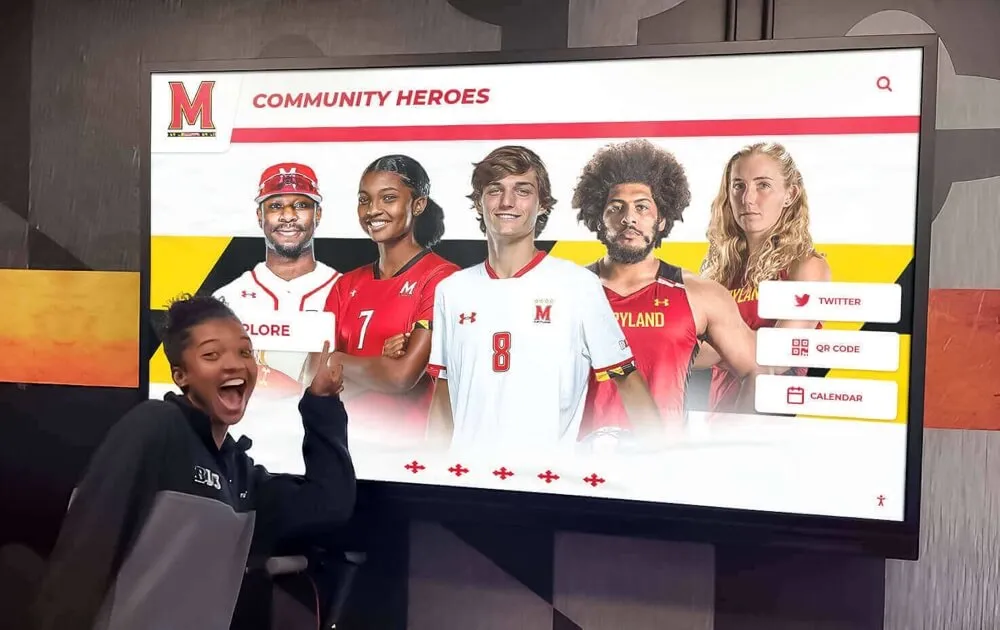
Engagement Advantage: Immersive displays capture attention through motion, scale, and multimedia storytelling impossible with static plaques. Organizations report 6-10 minute average interaction times versus 20-30 seconds for traditional walls.
9. Multi-Screen Video Wall Configurations
Coordinated display arrays create comprehensive recognition systems:
Configuration Options:
- Horizontal arrays showing multiple donor profiles simultaneously
- Vertical stacks displaying different content categories (leadership donors, annual supporters, legacy commitments)
- Asymmetric arrangements creating visual interest through varied screen positioning
- Mixed-size displays emphasizing different recognition tiers through scale
- Synchronized content flowing across multiple screens creating unified presentations
Visual Impact: Video walls command attention through scale and coordinated movement while accommodating significantly more simultaneous content than single displays.
Technical Requirements: Commercial display mounts, video wall processors, network infrastructure supporting multiple displays, and content management systems coordinating synchronized playback. Budget $25,000-75,000 for 4-6 screen installations including hardware, software, and professional setup.
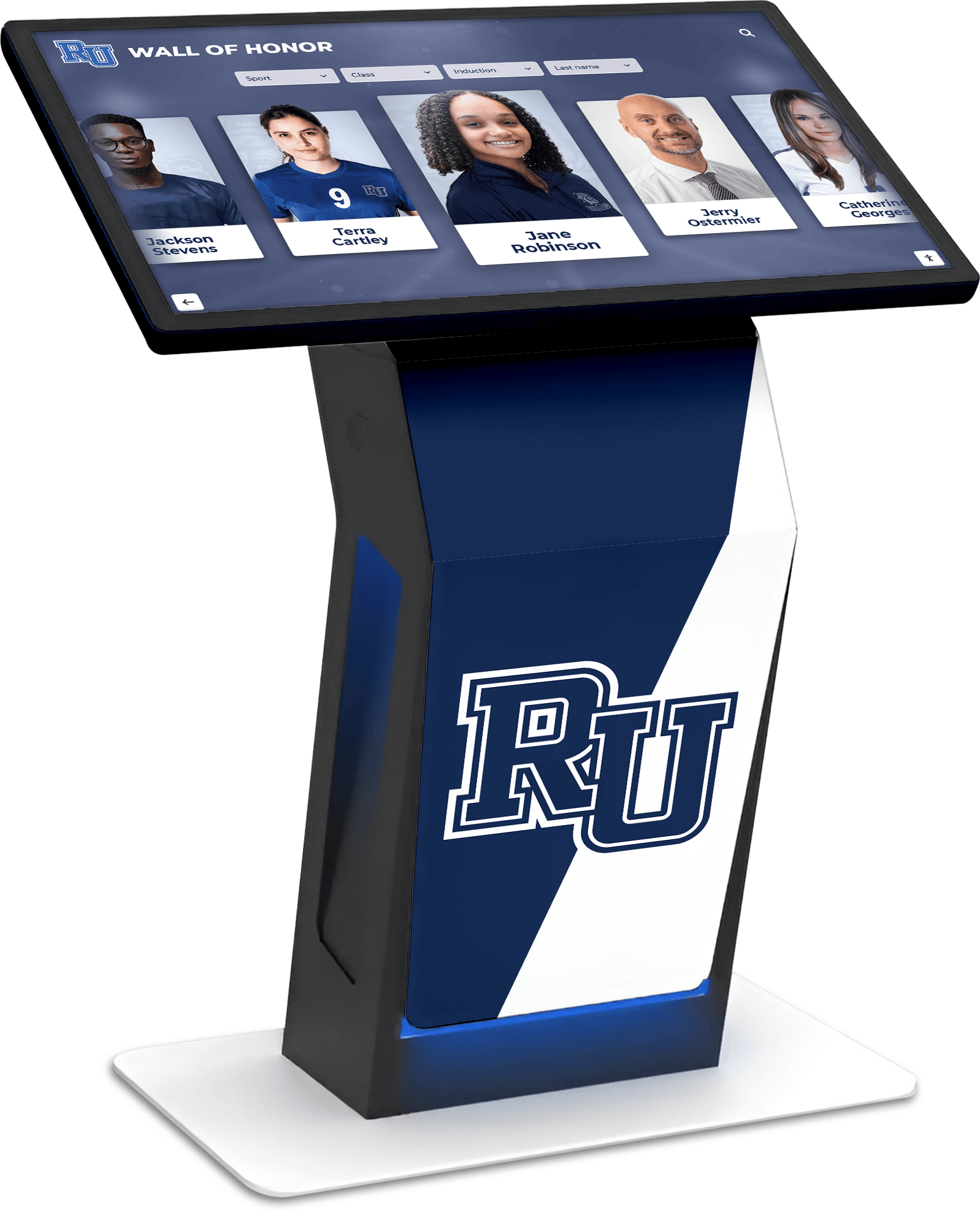
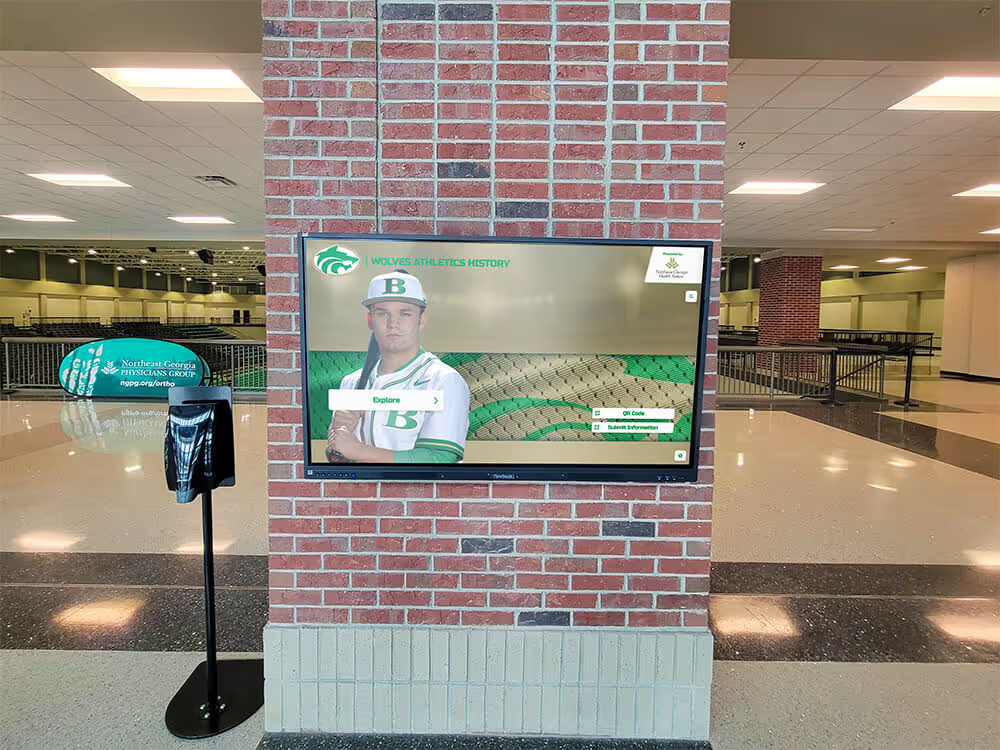
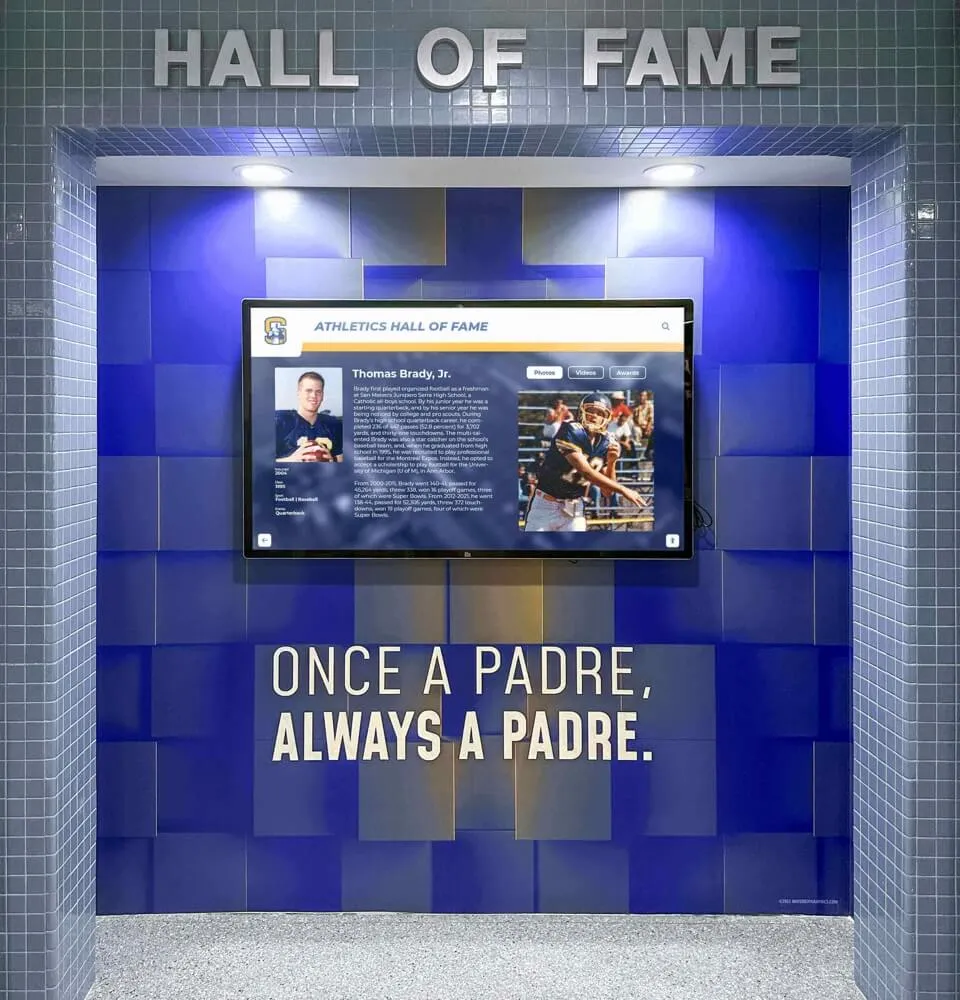
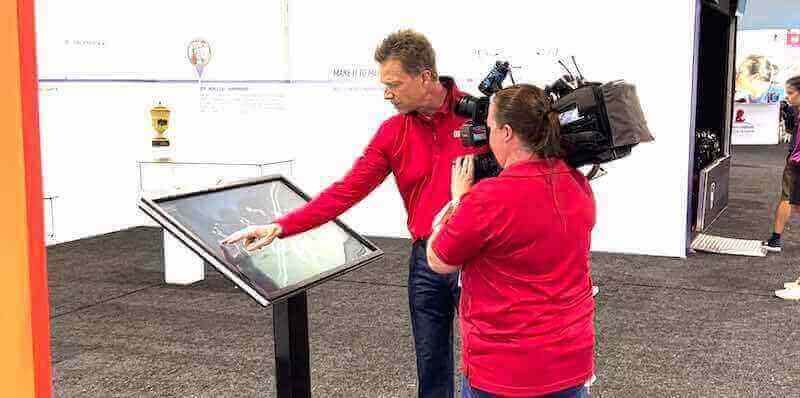
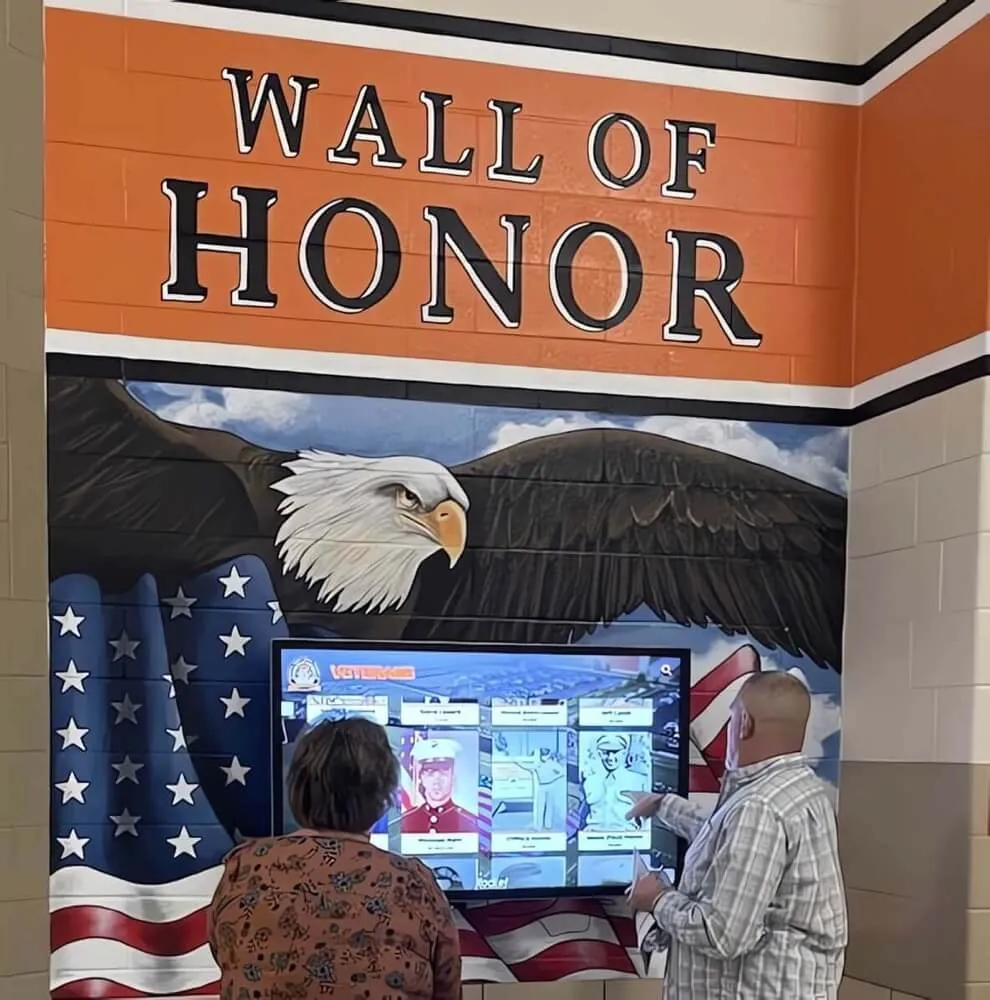
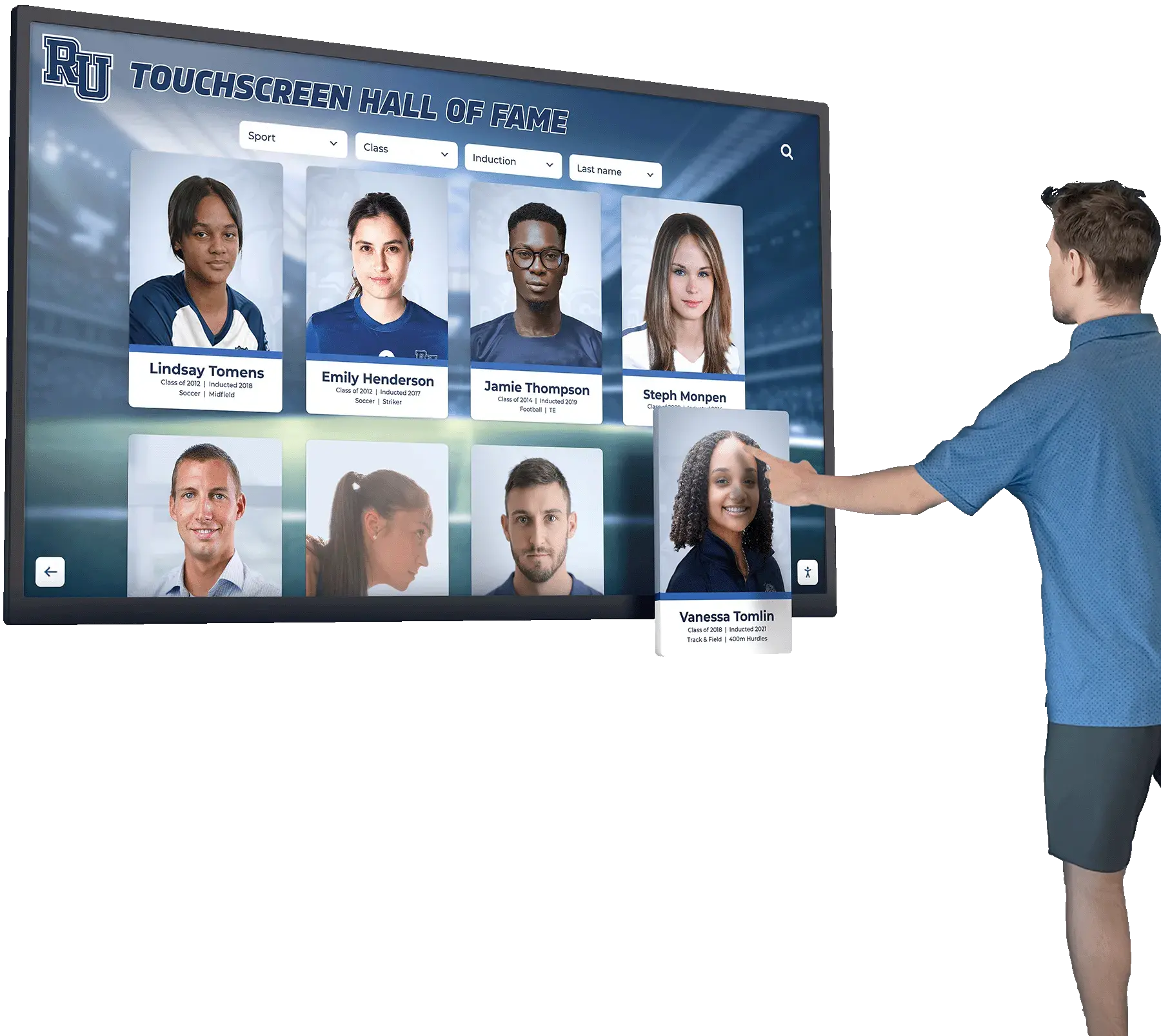
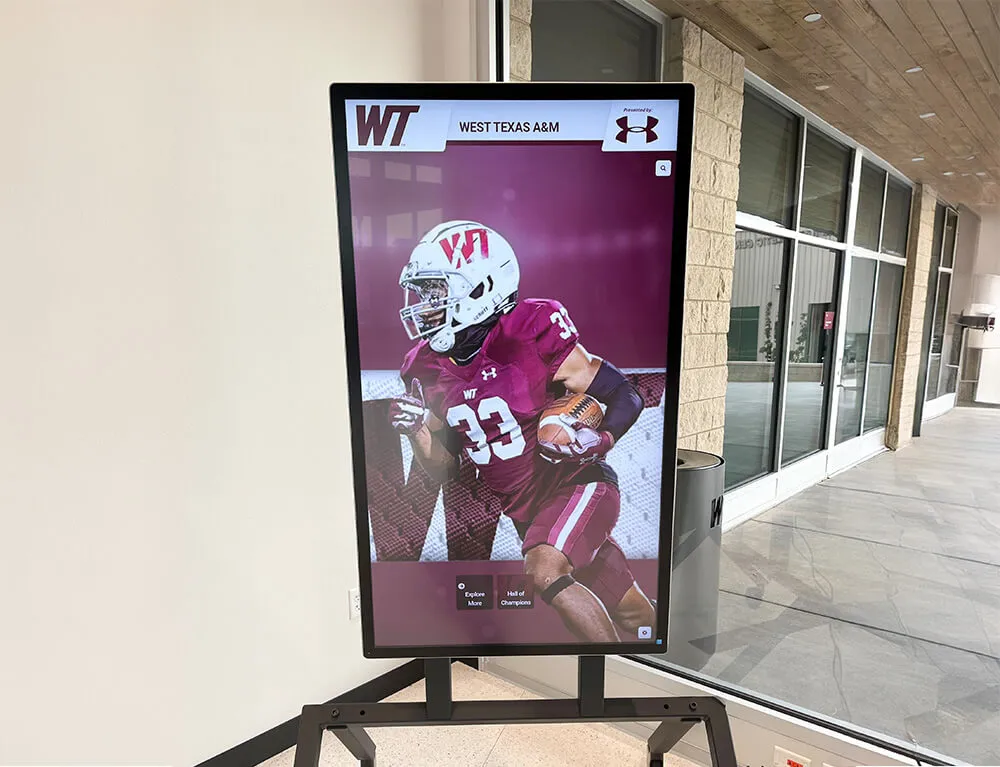
Freestanding touchscreen kiosks create distinctive recognition stations inviting hands-on exploration and extended engagement
10. Touchscreen Kiosk Stations
Interactive exploration centers invite active donor discovery:
Design Components:
- Commercial-grade touchscreens (43"-55") in freestanding kiosks
- Custom enclosures matching institutional aesthetics and branding
- Intuitive touch interfaces requiring no instructions
- Advanced search enabling quick donor location
- Filtering by tier, campaign, giving area, or graduation year
- Featured donor rotations highlighting recent additions
- Impact stories connecting giving to tangible outcomes
Interaction Benefits: Touchscreen interfaces transform passive viewing into active exploration. Visitors search for family members, classmates, and community connections, creating personal engagement strengthening emotional bonds with organizations.
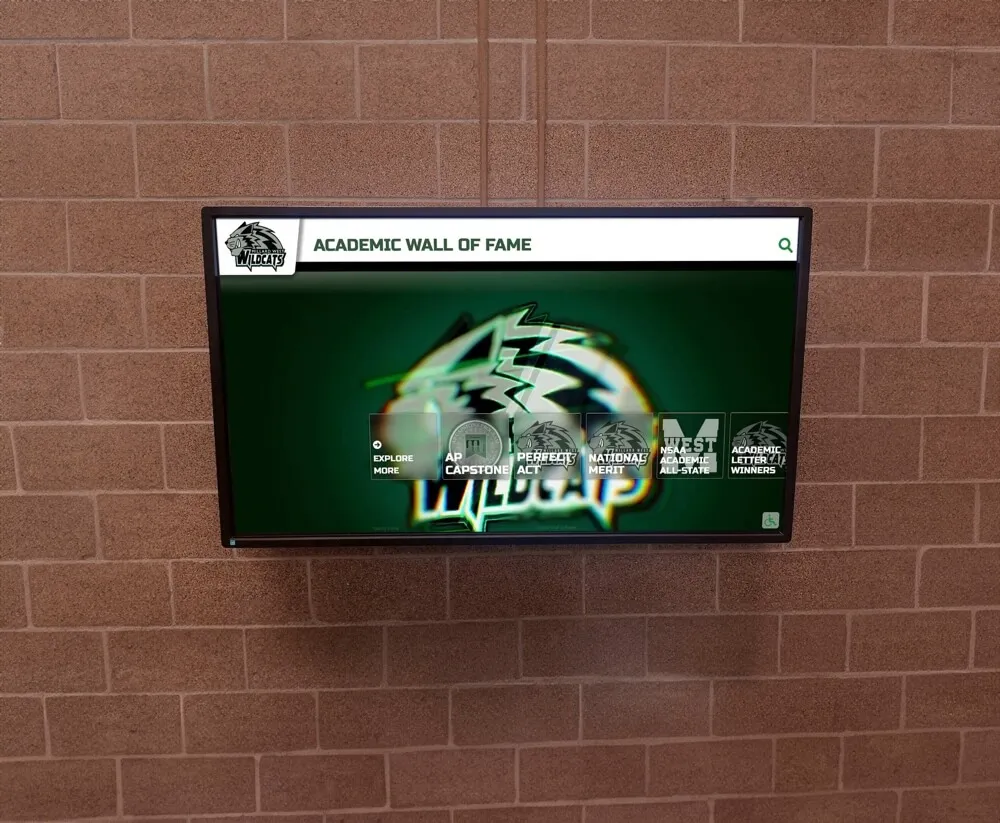
Solutions like Rocket Alumni Solutions provide comprehensive donor recognition screen systems designed specifically for educational and nonprofit recognition applications.
11. Dual-Purpose Recognition and Wayfinding Displays
Integrated systems serve multiple institutional functions:
Multi-Function Design:
- Primary screens showing donor recognition with scheduled rotations
- Secondary functions including campus maps, event calendars, and directory information
- Mode switching based on time of day (recognition during tours, wayfinding during events)
- QR code directories complementing on-screen navigation
- Emergency notification capability leveraging existing display infrastructure
Budget Efficiency: Dual-purpose displays justify technology investment through multiple use cases while ensuring donor recognition receives prominent placement in high-traffic locations.
Implementation Note: Ensure donor content receives minimum 60-70% display time. Recognition should remain primary function with wayfinding and other content serving secondary supplemental roles.
12. Portrait-Oriented Digital Displays
Vertical format creates distinctive aesthetic while optimizing content presentation:
Design Advantages:
- Portrait orientation feels more personal and human-scaled than landscape format
- Full-body or environmental portraits provide more compelling visual impact
- Vertical layout accommodates longer biographical text comfortably
- Distinctive orientation differentiates recognition from typical digital signage
- Space-efficient footprint for narrow hallways or tight locations
Content Optimization: Develop donor profiles specifically for vertical presentation rather than adapting horizontal content. Portrait-optimized design creates more professional, intentional presentation.
13. Transparent OLED and Glass Display Technology
Cutting-edge transparent displays create futuristic recognition:
Technology Features:
- See-through displays showing content while maintaining visibility of background architectural elements
- Glass-embedded screens appearing as standard windows until activated
- Layered content with transparency creating depth effects
- Modern aesthetics reinforcing organizational innovation
- Conversation-starting technology drawing attention and engagement
Investment Consideration: Transparent display technology costs 2-3x standard commercial displays ($10,000-25,000 per screen) but creates unmatched visual impact and technological sophistication.
Best Applications: Organizations emphasizing innovation, technology leadership, or contemporary design aesthetics. Particularly effective in modern architectural settings with clean lines and minimal ornamentation.
Learn about interactive digital display applications extending beyond traditional recognition to comprehensive campus engagement strategies.
Hybrid Recognition: Combining Physical and Digital Elements
The most innovative organizations blend traditional and modern approaches maximizing both aesthetic impact and functional flexibility:
14. Digital Screens with Architectural Framing
Custom surrounds integrate technology within traditional architectural language:
Design Integration:
- Bronze, wood, or stone framing surrounding digital displays
- Architectural moldings and trim matching building period and style
- Material choices complementing existing lobby or hallway aesthetics
- Custom engraving or plaques explaining recognition program
- Coordinated color schemes ensuring technology feels integrated rather than added
Aesthetic Benefit: Architectural framing helps technology displays feel permanent and intentional rather than appearing as afterthought additions. Particularly important in historic buildings or traditionally decorated spaces.
Implementation Cost: Custom framing adds $3,000-15,000 depending on material complexity, size, and fabrication requirements. Investment worthwhile when traditional aesthetics matter to stakeholders.
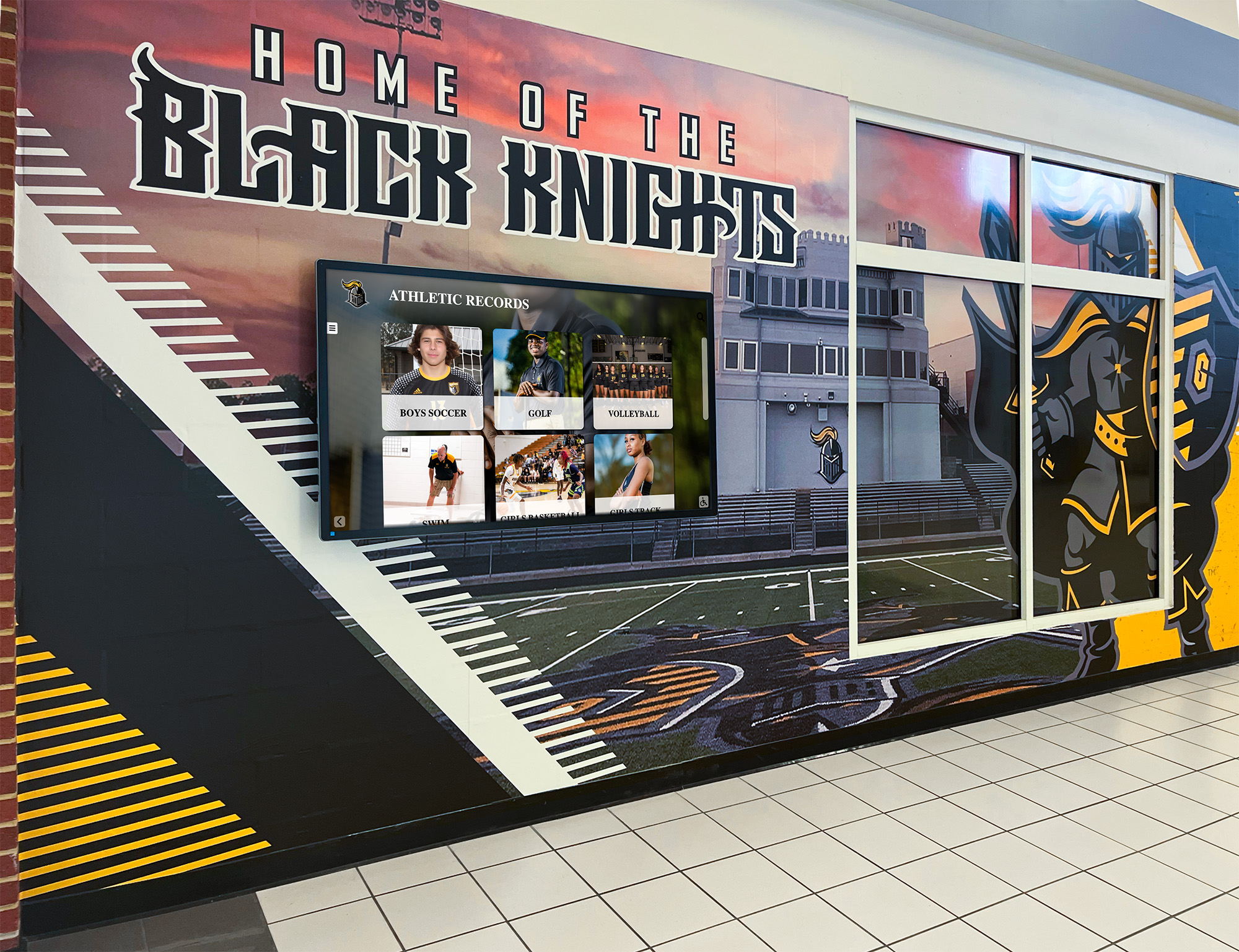
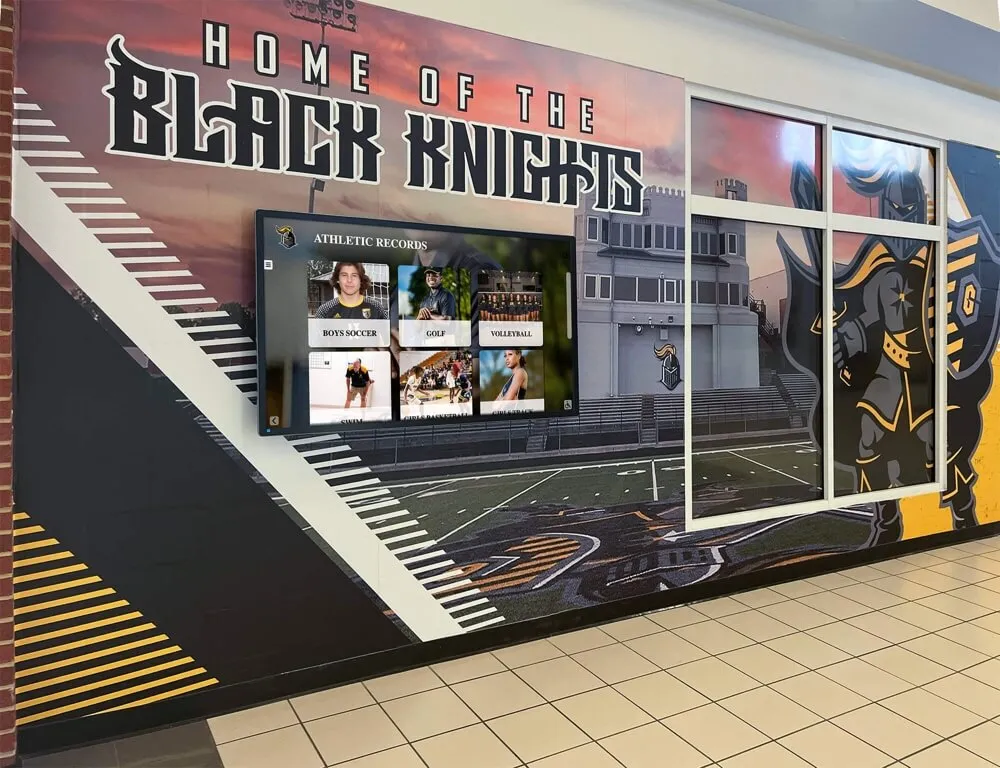
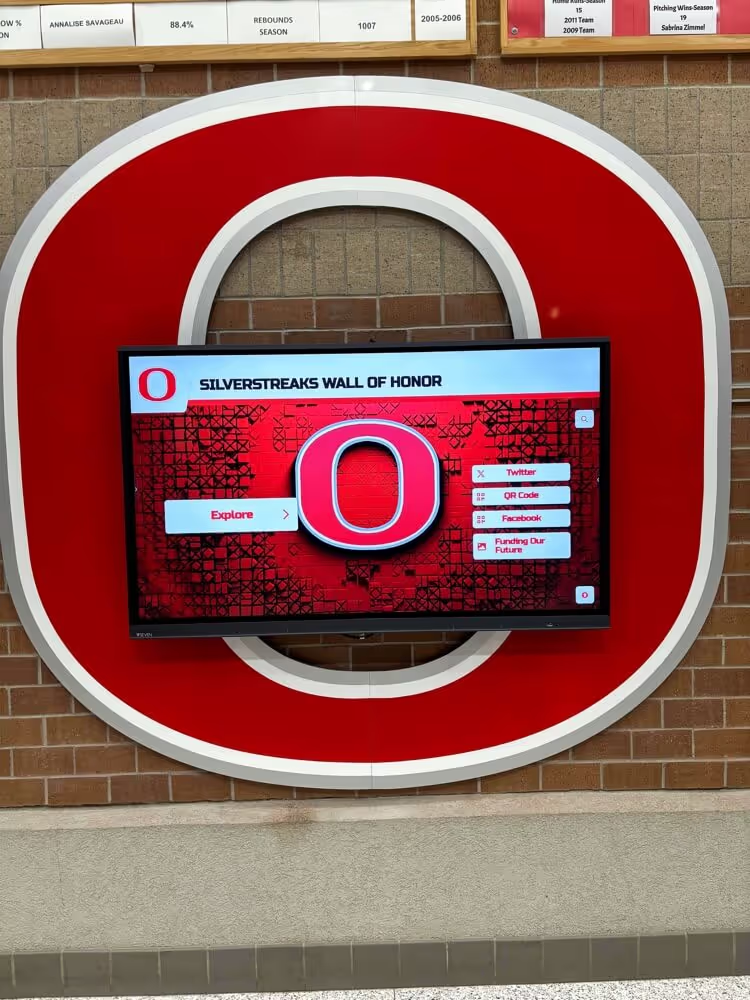
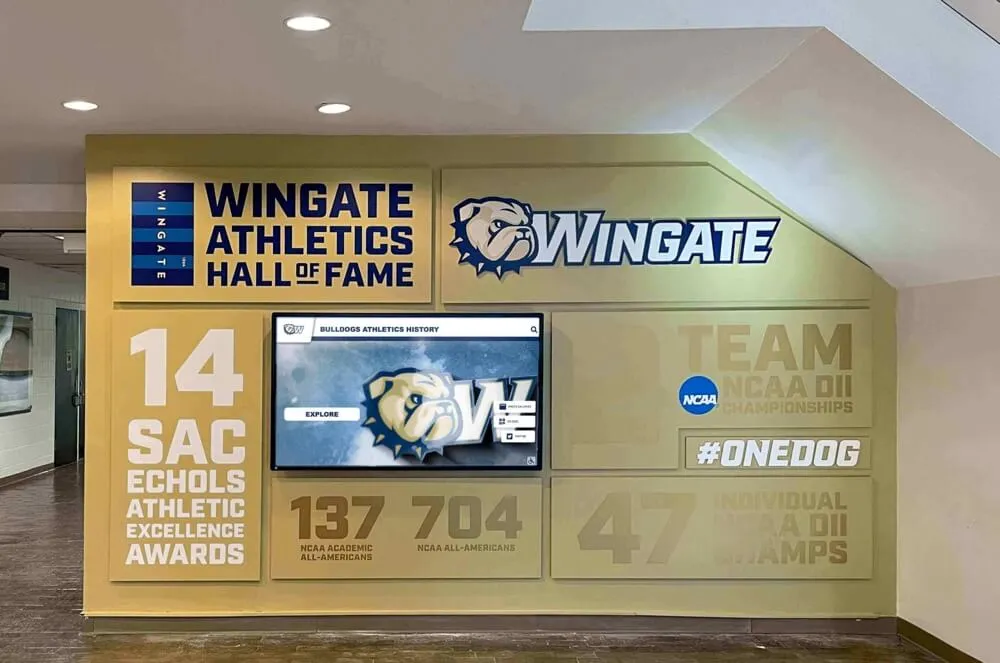
Combining digital technology with traditional murals creates hybrid recognition honoring heritage while embracing modern capabilities
15. Traditional Plaques with Digital Storytelling Companion
Physical name recognition paired with detailed digital profiles:
System Design:
- Bronze or metal plaques acknowledging donors in traditional format
- Adjacent touchscreen displays providing detailed biographical information
- QR codes on physical plaques linking to digital profiles
- Synchronized content ensuring consistency across physical and digital components
- Capacity expansion through digital addition without traditional wall updates
Best of Both Worlds: Traditional plaques satisfy donors preferring permanent physical recognition while digital components provide storytelling depth and unlimited capacity addressing growth constraints.
Implementation Strategy: Install traditional elements first establishing recognition foundation. Add digital components in subsequent phase when budget allows or donor program growth demands additional capacity.
16. Projection Mapping on Architectural Features
Dynamic content projected onto three-dimensional surfaces:
Technology Approach:
- High-lumen projectors creating imagery on walls, columns, or architectural elements
- Mapping software precisely aligning content with surface contours
- Animated donor recognition with movement, transitions, and effects
- Scheduled programming varying content throughout day or week
- Special event capabilities for galas and dedication ceremonies
Flexibility Advantage: Projection enables temporary recognition or rotating displays without permanent physical installation. Content changes instantly through software updates.
Considerations: Requires controlled lighting environment, regular projector maintenance (lamp replacement every 2,000-4,000 hours), and professional calibration. Best for special occasions and scheduled displays rather than permanent 24/7 recognition.
17. Interactive Physical Elements with Digital Connection
Tangible recognition triggering digital storytelling:
Design Examples:
- Physical buttons, knobs, or touch points activating related digital content
- RFID-enabled donor cards or tokens unlocking personalized recognition experiences
- Pressure-sensitive plaques triggering profile displays when touched
- Magnetically activated elements revealing hidden digital information
- Tactile interfaces accommodating visitors with visual impairments
Engagement Innovation: Physical interaction creates memorable experiences combining satisfying tangible feedback with rich digital content delivery.
Technical Complexity: Requires custom hardware development, sensor integration, and specialized programming. Budget $30,000-80,000 for creative interactive installations with professional design and engineering.
Organizations implementing donor recognition walls with dual-purpose functionality maximize technology investment while ensuring recognition remains primary focus.
Unconventional Creative Donor Recognition Concepts
The most memorable recognition sometimes comes from unexpected approaches challenging conventional formats:
18. Living Donor Gardens and Outdoor Recognition
Natural environments create serene contemplative recognition spaces:
Design Elements:
- Engraved pavers, stones, or bricks in courtyard or garden pathways
- Donor-dedicated benches, plantings, or trees with recognition plaques
- Water features with donor acknowledgment integrated into design
- Sculpture gardens with artistic elements honoring supporters
- Outdoor digital displays in weather-protected pavilions
Experiential Benefit: Garden settings create peaceful environments for reflection, conversation, and connection with organizational mission through natural beauty.
Maintenance Requirements: Outdoor recognition requires weather-resistant materials, seasonal upkeep, and long-term maintenance planning. Budget 5-10% of initial installation cost annually for proper care.
19. Donor Recognition Through Functional Building Elements
Everyday architectural features becoming acknowledgment opportunities:
Creative Integration:
- Stairway risers with donor names on each step
- Handrails with embedded recognition plaques
- Window displays with etched glass donor acknowledgment
- Floor medallions at building entrances or prominent locations
- Ceiling treatments incorporating donor recognition into architectural detail
Unique Appeal: Functional recognition surprises visitors discovering acknowledgment in unexpected locations while demonstrating donors fundamentally shape physical facilities.
Practical Consideration: Ensure recognition doesn’t compromise functionality or create safety concerns. Floor installations require slip-resistant surfaces, and high-traffic areas need durable materials resisting wear.
20. Digital Donor Walls in Virtual Spaces
Online recognition extending beyond physical campus:
Virtual Design:
- Website-based donor wall browsing matching physical display design
- Virtual reality experiences touring recognition spaces remotely
- Social media integration amplifying donor acknowledgment
- Email signatures and digital letterhead featuring donor recognition
- Virtual event spaces showcasing donor support during online programs
Remote Engagement: Virtual recognition serves geographically dispersed stakeholders unable to visit campus while providing always-accessible acknowledgment.
Implementation Approach: Develop virtual recognition using same content powering physical displays ensuring consistency and leveraging existing profile development investment.
21. Rotating Featured Donor Spotlights
Highlighting individual stories creates ongoing engagement:
Program Structure:
- Monthly or quarterly featured donor selection
- Prominent display positions dedicated to rotating recognition
- Detailed biographical profiles with photos and impact stories
- Social media campaigns complementing physical recognition
- Email newsletters introducing featured supporters to broader community
- Personal outreach thanking featured donors for participation
Engagement Advantage: Rotating spotlights ensure all donors receive enhanced visibility rather than only leadership supporters garnering attention. Creates ongoing recognition program rather than static installation.
Administrative Requirement: Establish sustainable process for featured donor selection, content development, and regular updates. Assign dedicated staff responsibility preventing program abandonment after initial enthusiasm fades.
22. Donor Recognition Through Impact Visualization
Showing tangible outcomes rather than focusing solely on donors:
Content Focus:
- Students, patients, or beneficiaries served through donor support
- Programs launched and sustained by philanthropic investment
- Facilities built and equipment purchased with donor contributions
- Research breakthroughs and innovations donor funding enabled
- Community impact metrics demonstrating collective donor investment results
Mission Emphasis: Impact-focused recognition appeals to donors motivated by outcomes rather than personal acknowledgment, particularly resonating with younger philanthropists prioritizing mission achievement over individual recognition.
Balance Consideration: Ensure individual donor acknowledgment receives appropriate visibility while impact storytelling demonstrates collective community investment achieving organizational mission.
Organizations exploring comprehensive donor recognition approaches find that creative designs significantly enhance fundraising outcomes beyond basic acknowledgment obligations.
Design Selection: Choosing the Right Creative Approach
With numerous creative possibilities, organizations must thoughtfully evaluate options matching specific contexts:
Factors Influencing Design Choice
Organizational Culture and Heritage
- Traditional institutions may prefer creative evolution of classic designs rather than radical departures
- Contemporary organizations might embrace cutting-edge technology and unconventional materials
- Mission-driven cultures could emphasize impact storytelling over donor-centric recognition
- Community-focused organizations benefit from inclusive designs acknowledging broad support
Architectural Context
- Historic buildings require recognition respecting period architectural character
- Modern facilities welcome contemporary materials and technology integration
- Transitional spaces benefit from hybrid approaches bridging traditional and modern aesthetics
- Outdoor settings demand weather-resistant materials and proper environmental engineering
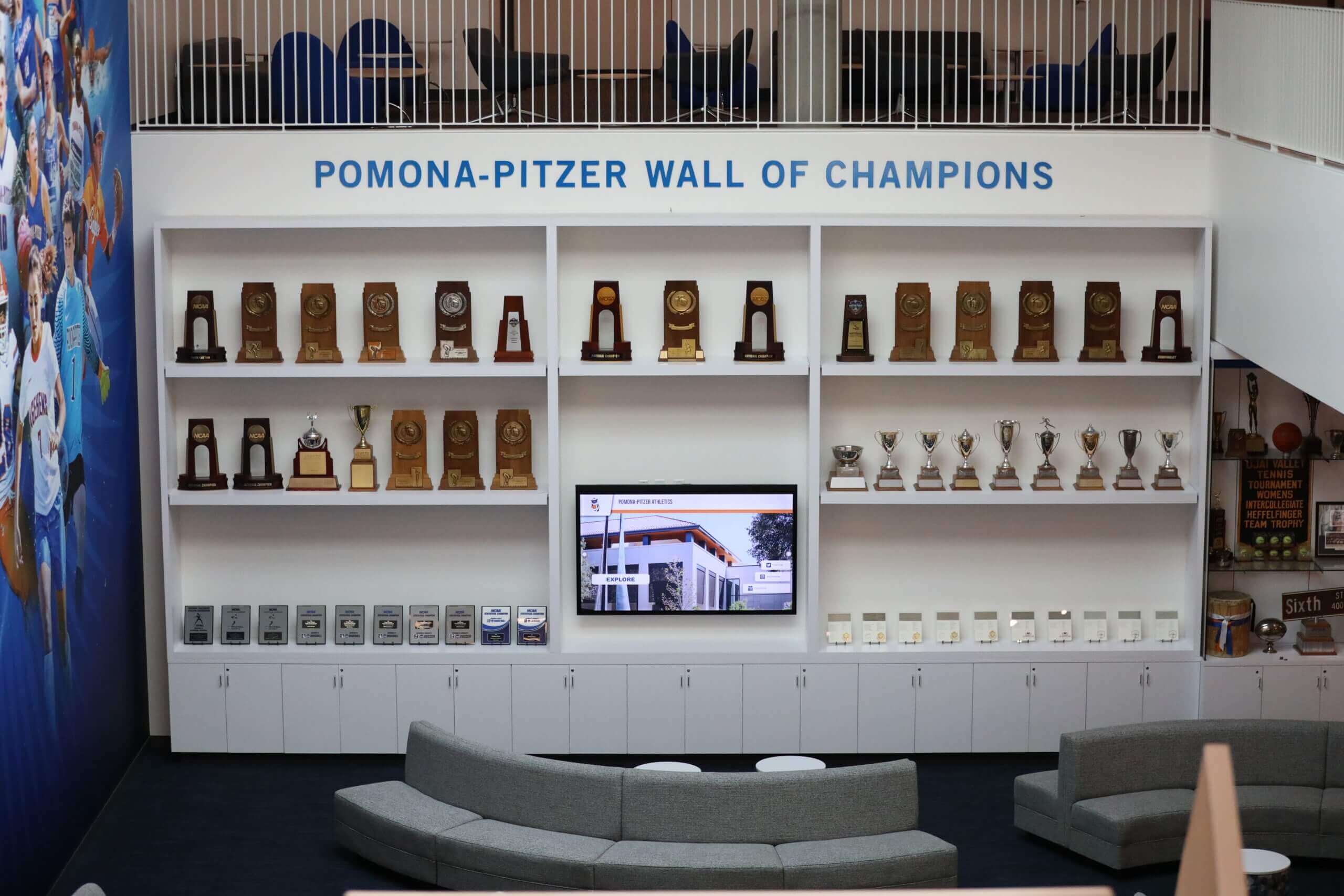
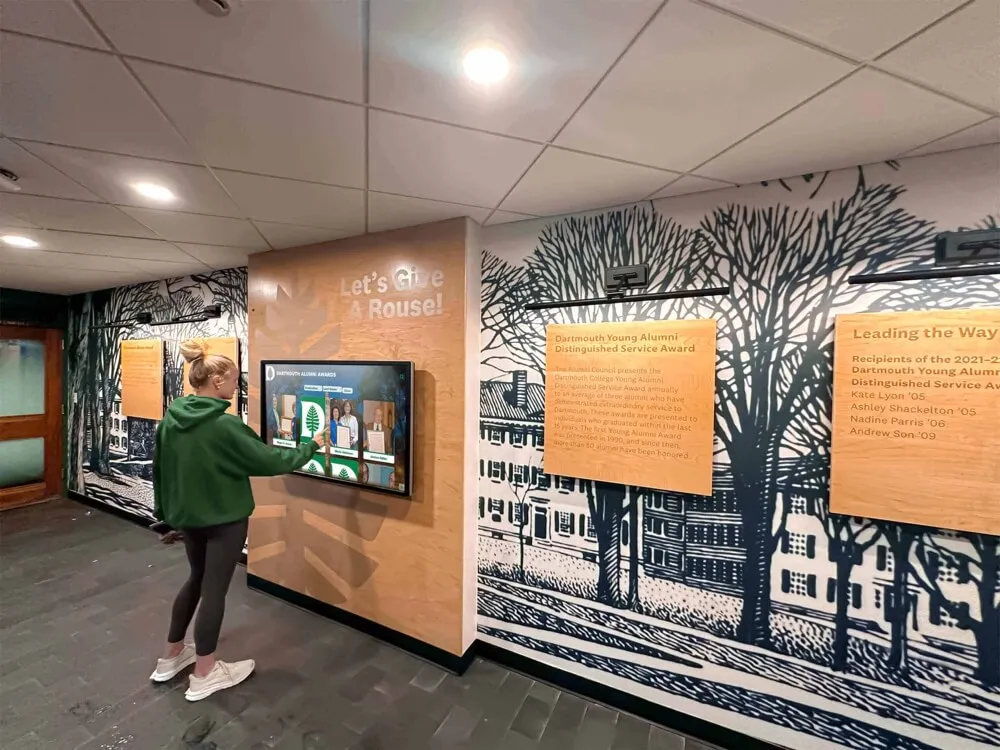
Lounge-style recognition spaces create comfortable environments encouraging extended engagement with donor stories and organizational achievements
Donor Demographics and Preferences
- Older generations often prefer traditional materials and timeless designs
- Younger supporters embrace technology and interactive experiences
- Corporate donors appreciate professional contemporary presentation
- Foundation supporters value impact documentation and measurable outcomes
Budget Parameters
- Limited budgets benefit from focused design excellence in smaller installations rather than mediocre large-scale approaches
- Medium budgets enable quality traditional or digital implementation with professional execution
- Substantial budgets support hybrid approaches, custom artistic collaboration, and cutting-edge technology
Growth Projections
- Rapidly growing programs require unlimited capacity solutions (digital platforms or expandable physical designs)
- Stable donor bases accommodate fixed-capacity traditional installations
- Uncertain growth benefits from flexible systems supporting future expansion
Design Process Best Practices
Stakeholder Engagement
- Include development staff understanding donor preferences and stewardship needs
- Involve facilities professionals assessing technical feasibility and maintenance requirements
- Consult donors providing input on recognition preferences (while maintaining design control)
- Engage leadership ensuring design aligns with institutional vision and brand standards
- Consider visitor experience through user testing before final implementation
Professional Collaboration
- Partner with experienced architects or designers specializing in recognition installations
- Consult fabricators early ensuring design concepts prove technically feasible
- Engage technology vendors for digital components requiring specialized expertise
- Work with lighting designers optimizing visibility and dramatic effect
- Coordinate with facilities teams managing installation and long-term maintenance
Iterative Refinement
- Develop multiple concept directions exploring varied creative approaches
- Create physical or digital mockups enabling stakeholder visualization
- Test designs with representative users gathering feedback
- Refine concepts based on input before final fabrication
- Plan installation in phases if budget requires spreading investment
Organizations benefit from exploring creative recognition wall ideas applicable across various recognition contexts beyond donor acknowledgment.
Installation and Launch: Bringing Creative Designs to Life
Even brilliant designs fail without thoughtful implementation:
Professional Installation Requirements
Traditional Physical Installations
- Structural engineering assessment ensuring proper mounting and weight distribution
- Facilities coordination scheduling work minimizing disruption
- Professional fabricators with portfolio demonstrating quality craftsmanship
- On-site supervision during installation ensuring specification compliance
- Quality inspection before final acceptance and payment
Digital System Implementation
- Network infrastructure assessment ensuring adequate connectivity
- Electrical service evaluation confirming appropriate power supply
- Commercial display mounting by certified installers
- Content migration and testing before public launch
- Staff training on content management and system operation
Hybrid Approaches
- Coordinated installation sequencing physical and digital components
- Integration testing ensuring components function cohesively
- Synchronized content development maintaining consistency across elements
- Unified project management coordinating multiple vendors and timelines
Dedication and Promotion Strategy
Recognition investment deserves visibility maximizing impact:
Launch Event Planning
- Formal dedication ceremonies honoring recognized donors
- Media outreach generating press coverage
- Social media campaigns showcasing design and donor stories
- Virtual tours for remote stakeholders unable to attend
- Photography and videography documenting installation
Ongoing Visibility
- Integration into facility tours and prospect cultivation visits
- Featured content in newsletters and annual reports
- Website prominently featuring recognition installation
- Event utilization as backdrop for galas and fundraising programs
- Regular updates celebrating newly added donors
Organizations implementing donor recognition programs find that creative design significantly enhances recognition’s cultivation and stewardship value.
Maintaining Design Excellence Over Time
Creative recognition requires ongoing stewardship preserving quality and relevance:
Physical Installation Maintenance
Routine Care
- Regular cleaning maintaining material appearance and finish quality
- Lighting inspection and replacement ensuring proper illumination
- Mounting hardware inspection confirming secure attachment
- Surface treatment preventing deterioration, oxidation, or weather damage
- Periodic professional restoration addressing wear and aging
Update Management
- Systematic processes adding new donors maintaining design integrity
- Layout planning accommodating growth without compromising aesthetics
- Quality standards ensuring additions match original installation
- Timeline communication managing donor expectations regarding recognition timing
Digital System Maintenance
Content Management
- Regular featured donor rotations maintaining fresh engagement
- Periodic profile updates reflecting evolving relationships
- New donor additions following standardized quality processes
- Error correction protocols ensuring accuracy
- Seasonal content variations maintaining visitor interest
Technology Care
- Display cleaning maintaining touchscreen responsiveness
- Software updates managed by platform providers
- Network monitoring ensuring reliable connectivity
- Hardware warranty and replacement planning
- Remote monitoring preventing extended downtime
Design Refreshment Planning
Recognition installations require periodic updates maintaining contemporary relevance:
5-Year Assessment: Evaluate whether design remains current, technology functions properly, and recognition serves strategic objectives effectively. Minor updates often suffice maintaining excellence.
10-Year Refresh: Plan significant updates addressing accumulated wear, dated design elements, or changed organizational needs. Budget 30-50% of original installation cost for comprehensive refreshment.
Evolution vs. Replacement: Well-designed systems accommodate gradual evolution through content updates, technology upgrades, and material refreshment without complete replacement.
Creative Donor Wall Design Trends for 2026 and Beyond
Recognition continues evolving as technology advances and donor expectations shift:
Emerging Design Directions
Sustainability Integration
- Eco-friendly materials and energy-efficient technology
- Recognition celebrating environmental stewardship and sustainable giving
- Carbon-neutral installation and operation practices
- Recycled or reclaimed materials creating distinctive artistic elements
Personalization and Customization
- Recognition experiences adapting to individual visitor interests
- Mobile apps enabling personal recognition journey curation
- AI-powered content recommendations based on browsing behavior
- Customizable views organizing donors by various perspectives
Immersive Technology
- Augmented reality layers adding digital content to physical installations
- Virtual reality recognition experiences for remote stakeholders
- Holographic displays creating futuristic presentation
- Spatial audio enhancing storytelling through sound design
Social Integration
- Recognition designs optimized for social media sharing
- User-generated content capabilities featuring donor testimonials
- Real-time social feeds showing donor engagement
- Viral potential through shareable design elements
Organizations planning recognition in 2026 should balance timeless design principles with thoughtful technology integration ensuring installations remain relevant across multiple decades while serving evolving stakeholder expectations.
Conclusion: Designing Recognition That Truly Inspires
Creative donor wall designs transform obligatory acknowledgment into compelling experiences strengthening relationships, demonstrating organizational values, and inspiring continued generosity. Whether implementing traditional artistic installations, modern interactive technology, or innovative hybrid approaches, the most successful recognition combines aesthetic excellence with functional design serving both donors receiving acknowledgment and organizations leveraging recognition as strategic cultivation tools.
The 20+ creative ideas explored in this guide demonstrate vast possibilities extending far beyond conventional brass plaques. From architectural integration and artistic collaboration to cutting-edge digital platforms and unconventional concepts, organizations of every size and budget can create distinctive recognition reflecting unique institutional character while honoring generous supporters with dignity their contributions deserve.
Effective design selection requires understanding organizational culture, architectural context, donor demographics, budget parameters, and growth projections. Stakeholder engagement, professional collaboration, iterative refinement, and thoughtful implementation ensure creative vision translates into reality achieving intended objectives. Ongoing maintenance and periodic refreshment preserve design excellence across decades ensuring recognition investments continue delivering stewardship value long after initial installation.
The organizations excelling at donor recognition create installations that become beloved institutional features—gathering places where stakeholders explore stories, discover connections, and develop pride in shared philanthropic values advancing missions. Creative design doesn’t merely acknowledge past generosity; it inspires future giving by demonstrating how organizations honor commitments, celebrate community, and embrace innovation.
As you plan donor recognition for your school, nonprofit, hospital, or institution, consider how creative design might transform acknowledgment from expected obligation into memorable experience. Explore innovative possibilities while remaining grounded in timeless principles of dignity, clarity, and beauty. Engage professional designers bringing specialized expertise. Involve stakeholders providing diverse perspectives. Then implement systematically with attention to quality, accessibility, and long-term sustainability.
Ready to Create Recognition That Truly Inspires?
Discover how modern digital recognition platforms enable unlimited creative possibilities while simplifying content management and eliminating space constraints. Explore interactive touchscreen solutions designed specifically for donor acknowledgment, featuring compelling storytelling capabilities, professional presentation quality, and flexible design options matching any architectural context or institutional aesthetic. See how leading schools, nonprofits, hospitals, and organizations nationwide are transforming donor recognition through creative digital innovation.
Book A DemoYour donors’ generosity deserves recognition reflecting the transformational impact their contributions create. With creative design thinking, appropriate technology selection, professional implementation, and ongoing stewardship, you can create donor walls that honor every contribution while inspiring the continued philanthropy your organization needs to fulfill its mission for generations to come.
Start by honestly assessing current recognition approaches and exploring creative possibilities aligned with your organizational culture, architectural context, and donor preferences. Whether embracing cutting-edge interactive technology, commissioning custom artistic installations, or developing innovative hybrid solutions, creative design transforms donor acknowledgment from standard practice into strategic advantage strengthening relationships and advancing fundraising success.