



When the opening notes of a college fight song echo through a stadium, something remarkable happens. Thousands of voices join together, alumni spanning decades sing lyrics they memorized years ago, and students who learned the words during orientation belt out the anthem with pride. These musical traditions represent far more than pregame entertainment—they embody institutional identity, connect generations, and create visceral emotional bonds between individuals and their schools.
College fight songs have served as the soundtrack to higher education for over a century, evolving from simple rally tunes into complex cultural artifacts that define campus spirit. The most beloved fight songs become inseparable from institutional identity, instantly recognizable to anyone who’s walked those campus paths, and powerful enough to trigger nostalgia decades after graduation.
This comprehensive guide explores the fascinating history of college fight songs, examines what makes these campus anthems so enduring, and discovers how institutions preserve and celebrate these musical traditions that unite communities across time and distance.
Understanding college fight song traditions helps institutions appreciate the profound role music plays in building school spirit while providing insights into how modern schools can honor these cultural touchstones through innovative recognition and celebration approaches.

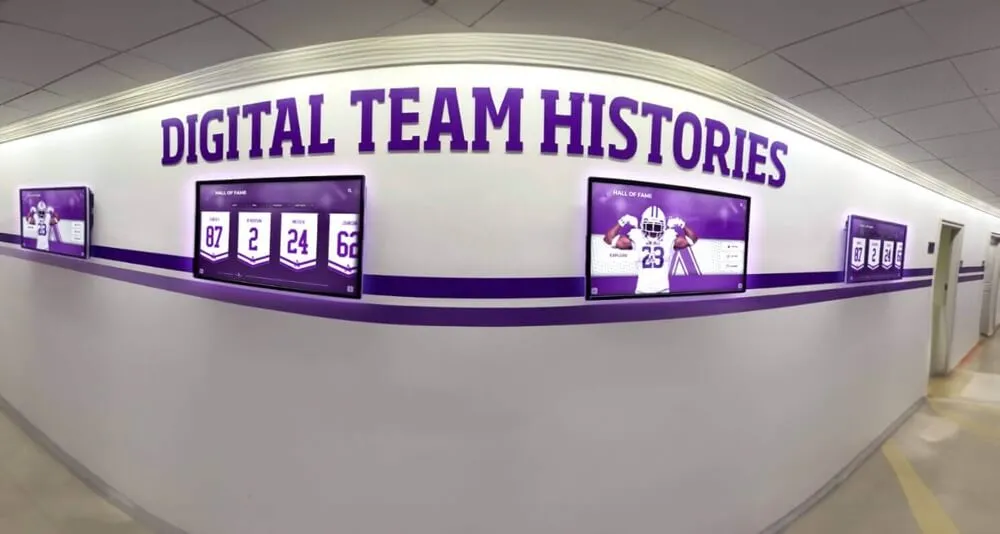
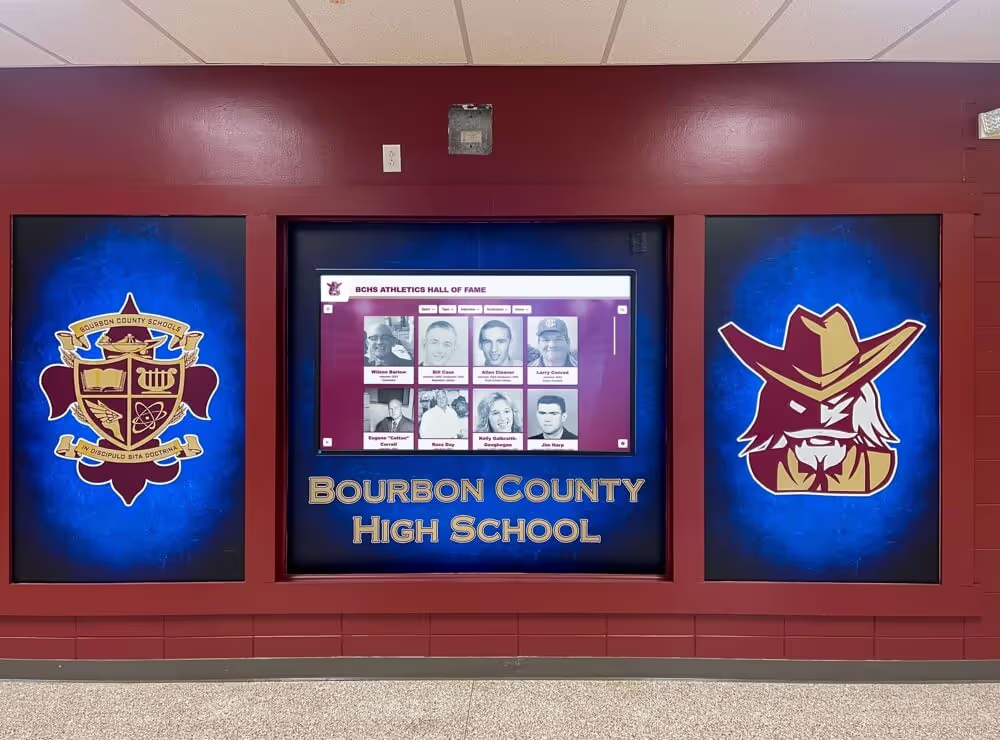
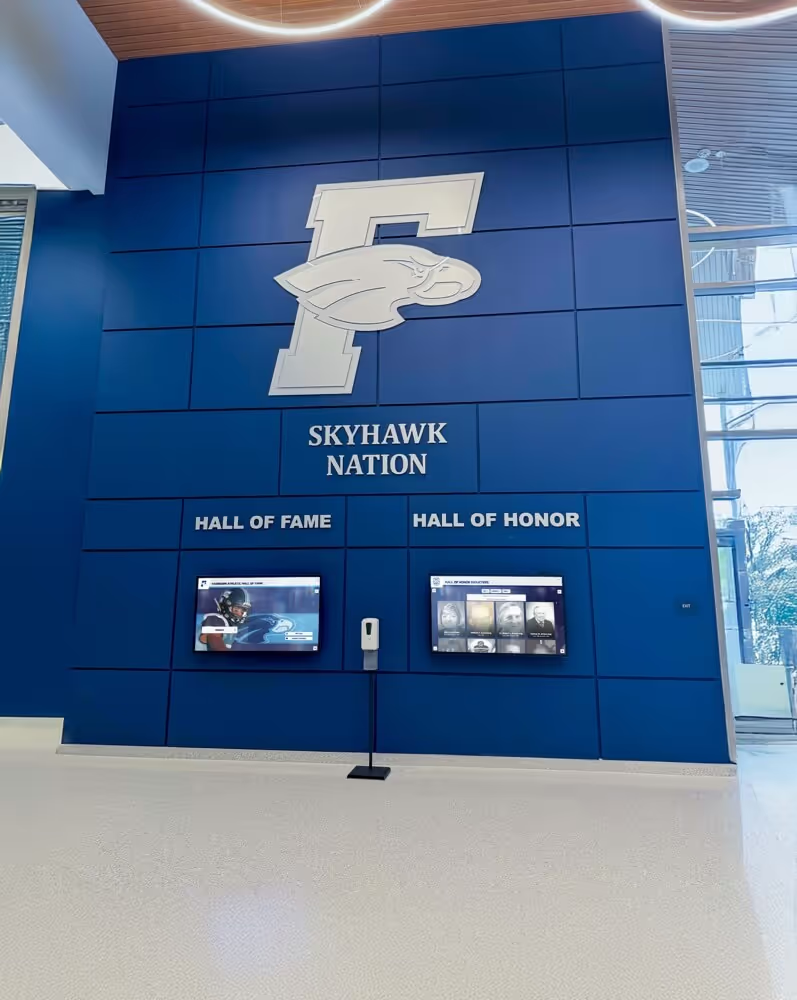
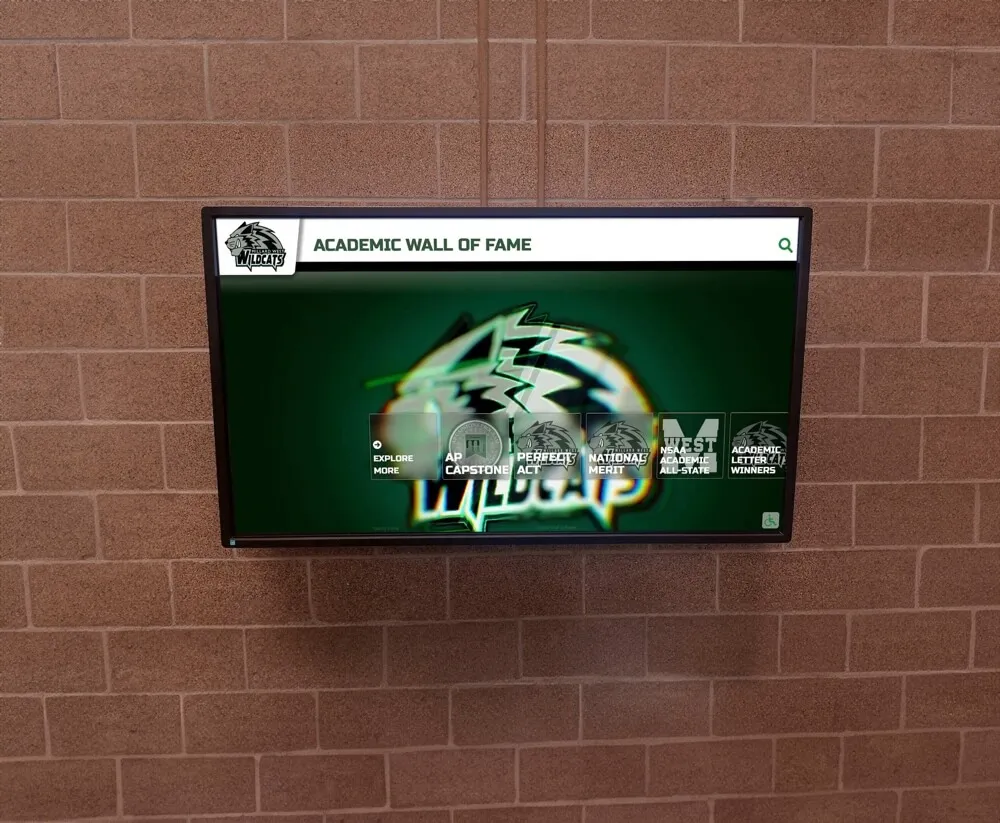
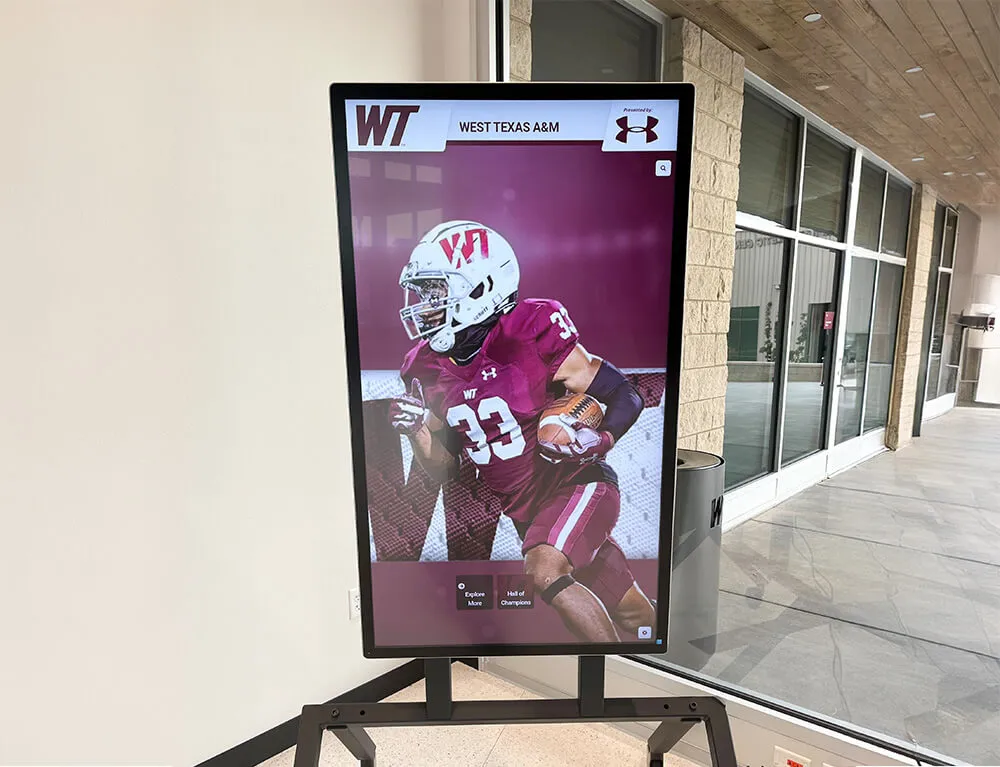
Campus spaces that celebrate institutional traditions—including fight songs and school spirit—create daily reminders of the pride and heritage connecting students to their universities
The Origins of College Fight Songs in American Higher Education
The college fight song tradition emerged during a transformative period in American higher education when athletics became central to campus culture and institutional identity.
Early Development: 1890s-1920s
Birth of the Fight Song Phenomenon
The late 19th century witnessed explosive growth in intercollegiate athletics, particularly football, creating demand for musical expressions of school loyalty and competitive spirit. Unlike earlier academic hymns or alma maters focused on scholarly pursuits, fight songs celebrated athletic prowess and rallied supporters during competition.
Yale University’s “Boola Boola” (1900) and the University of Illinois’s “Illinois Loyalty” (1906) represent early examples of purpose-written fight songs designed specifically for athletic events. These compositions established templates that would influence hundreds of subsequent college anthems across the nation.
Musical Characteristics of Early Fight Songs
Original fight songs shared common features reflecting their era’s musical sensibilities:
- March-tempo compositions borrowing from military band traditions
- Repetitive choruses enabling crowd participation
- References to school colors, mascots, and athletic opponents
- Triumphant melodies conveying confidence and superiority
- Call-and-response structures engaging audiences actively
- Lyrics celebrating victory and institutional excellence
- Musical accessibility allowing untrained singers to participate
These characteristics ensured fight songs could fulfill their primary purpose: energizing crowds during athletic competitions while creating unified vocal displays of school spirit.
The Golden Age: 1920s-1950s
Proliferation Across American Campuses
The interwar period saw fight songs become standard elements of college culture. Virtually every institution with an athletics program commissioned or adopted signature anthems, many written by students, faculty, or local musicians with campus connections.
Notable Fight Songs from This Era
Many compositions from this golden age remain beloved traditions today:
- University of Michigan’s “The Victors” (1898, popularized 1920s)
- Notre Dame’s “Victory March” (1908, national prominence 1920s)
- University of Southern California’s “Fight On” (1922)
- University of Wisconsin’s “On, Wisconsin!” (1909, lyrics added 1919)
- Ohio State’s “Buckeye Battle Cry” (1919)
- University of California’s “Big C” (1913)
- University of Texas’s “Texas Fight” (1923)
These compositions achieved such cultural resonance that they transcended campus boundaries, becoming recognizable to general audiences and establishing their institutions’ national profiles.
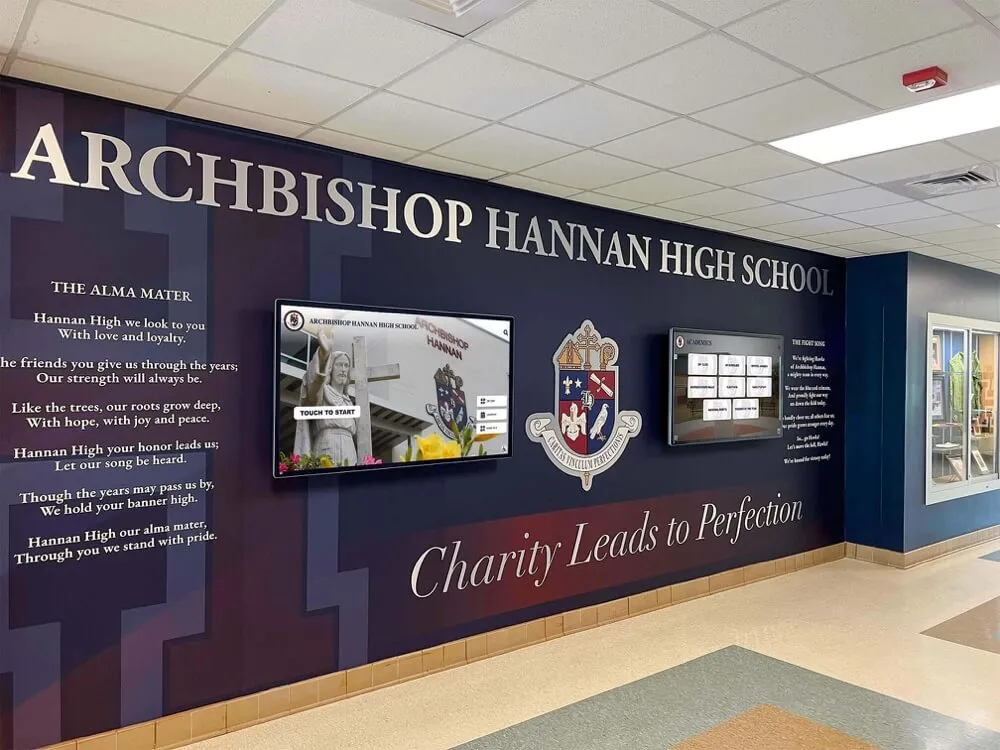
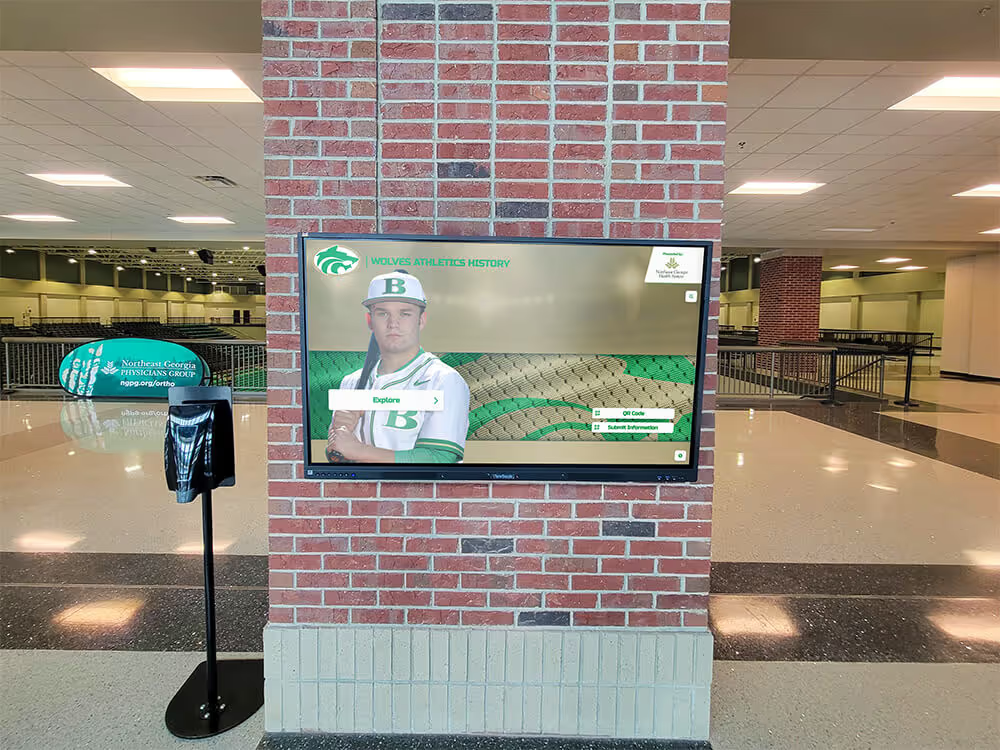
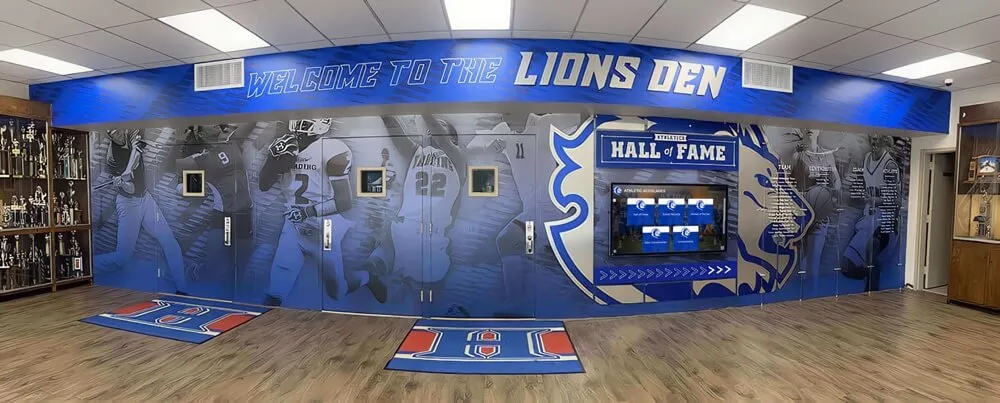
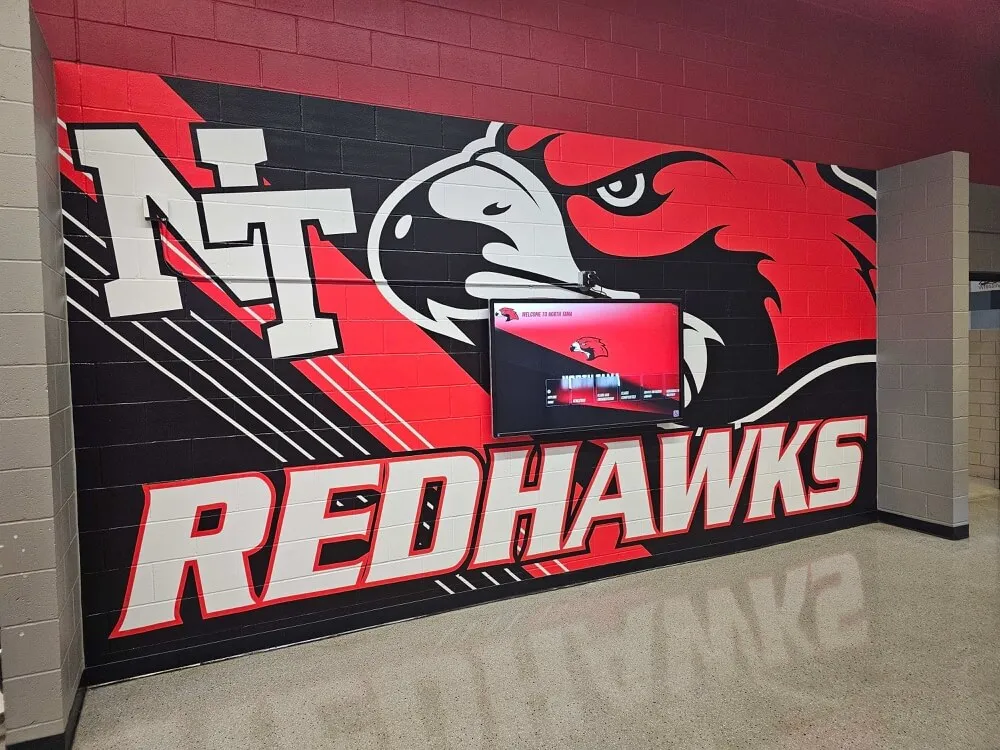
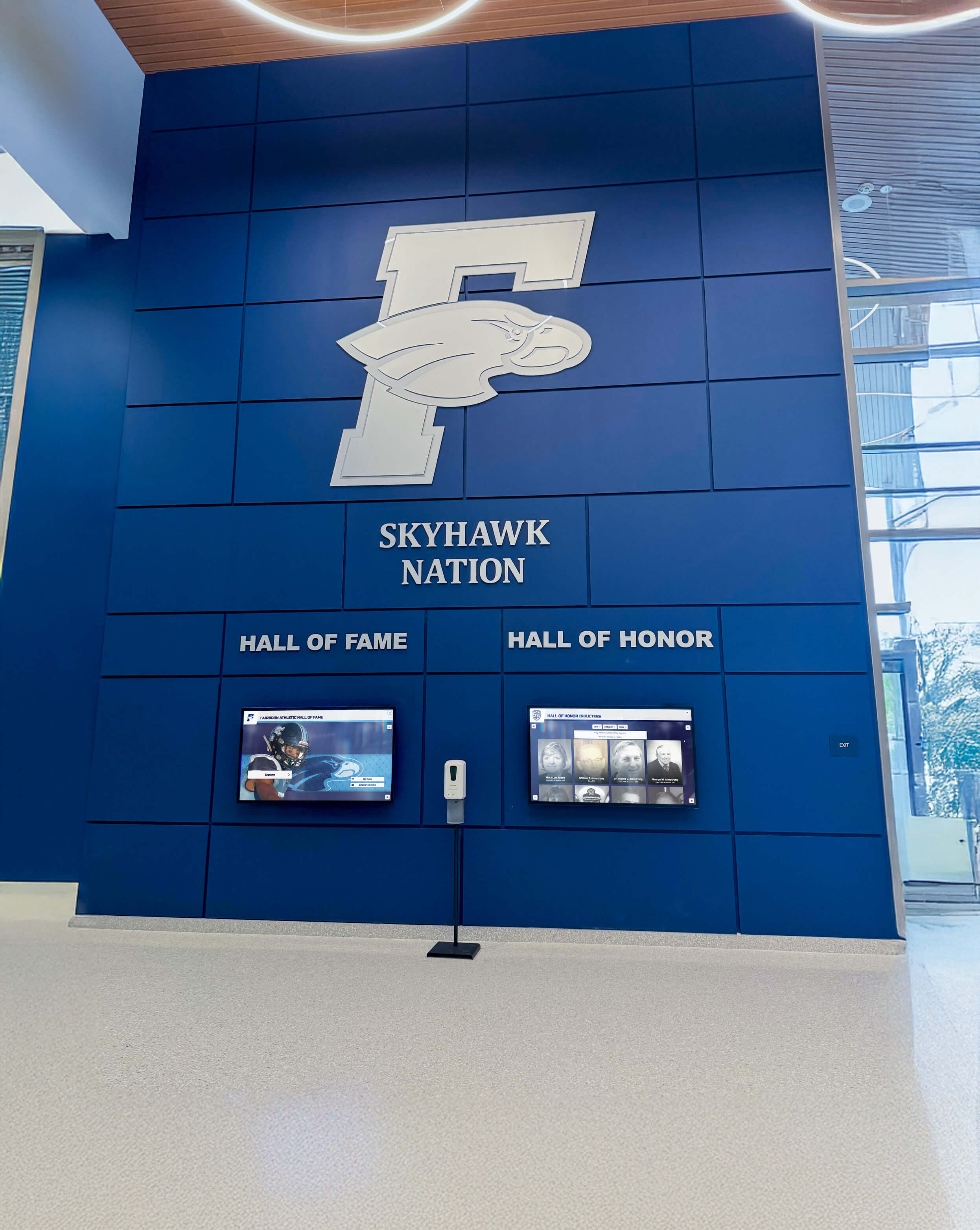
Lobby displays celebrating school traditions and heritage create spaces where fight songs and institutional culture receive permanent recognition
Marching Band Integration
The golden age coincided with the professionalization of college marching bands, which became the primary custodians and performers of fight song traditions. Bands developed elaborate arrangements, choreographed performances, and pregame routines incorporating signature anthems, elevating fight songs from simple crowd chants to sophisticated musical presentations.
Similar to how marching bands participate in major celebrations, college bands transformed campus fight songs into recognizable musical experiences extending beyond stadium performances to parades, ceremonies, and community events.
Anatomy of Iconic College Fight Songs
Examining what makes certain fight songs endure reveals patterns distinguishing forgettable compositions from beloved institutional anthems.
Musical Elements of Successful Fight Songs
Melodic Memorability
The most enduring college fight songs share musical characteristics making them easy to learn, remember, and perform:
Compositional Features
- Simple, singable melodies within comfortable vocal ranges
- Repetitive musical phrases reinforcing memory retention
- Strong rhythmic drive creating energy and momentum
- Limited harmonic complexity enabling mass participation
- Memorable hooks or refrains dominating the composition
- March tempos between 110-140 beats per minute
- Major keys conveying triumphant, optimistic character
These elements ensure fight songs serve their functional purpose: creating unified sonic experiences where thousands can participate regardless of musical training.
Lyrical Content and Themes
Fight song lyrics typically address consistent themes reflecting institutional pride and competitive spirit:
Common Lyrical Elements
- Direct references to school colors identifying institutional affiliation
- Mascot mentions reinforcing symbolic identity
- Geographic or regional pride celebrating location
- Opponent dismissal establishing competitive superiority
- Victory expectations and triumphant declarations
- Alumni connections linking current students to tradition
- Action verbs creating energetic, dynamic character
- Rhyme schemes supporting memorization
The most effective lyrics balance specific institutional references creating uniqueness with universal themes of loyalty, excellence, and community that resonate emotionally across diverse audiences.
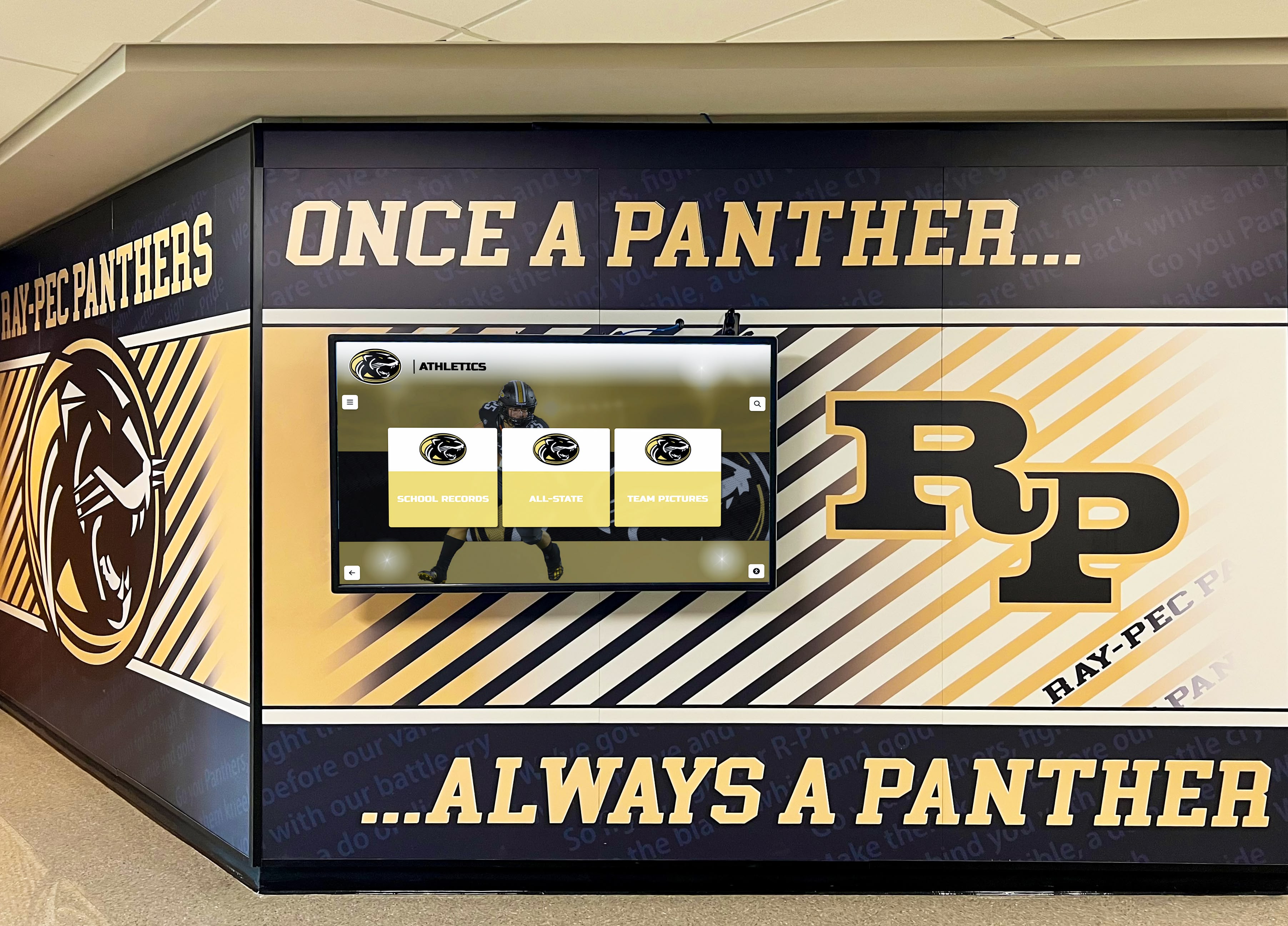
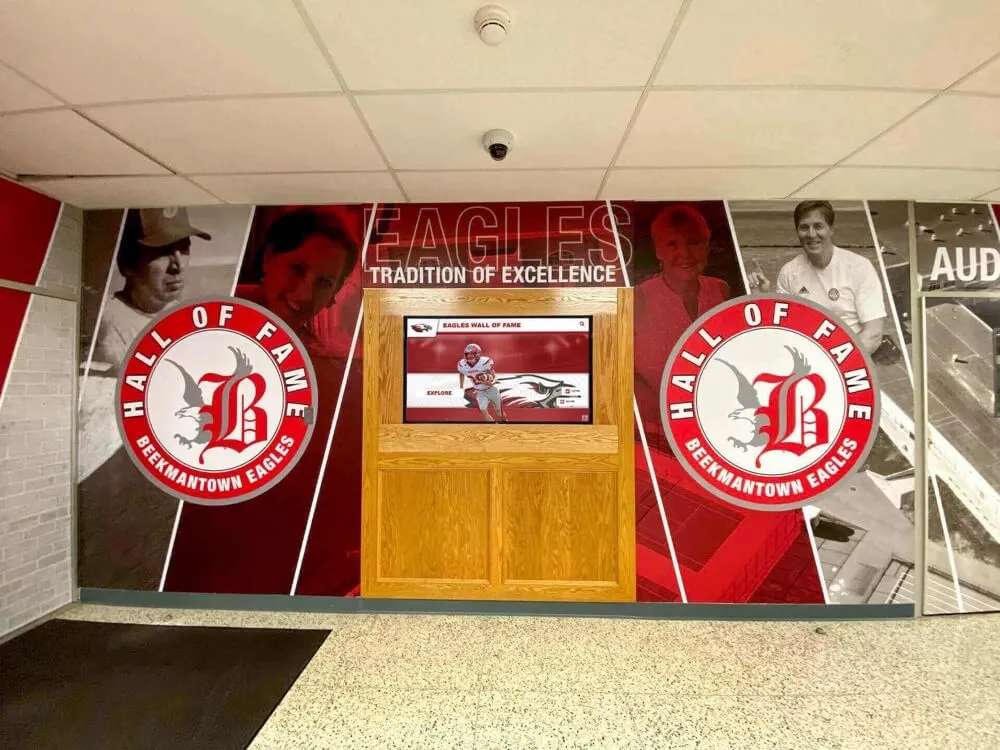
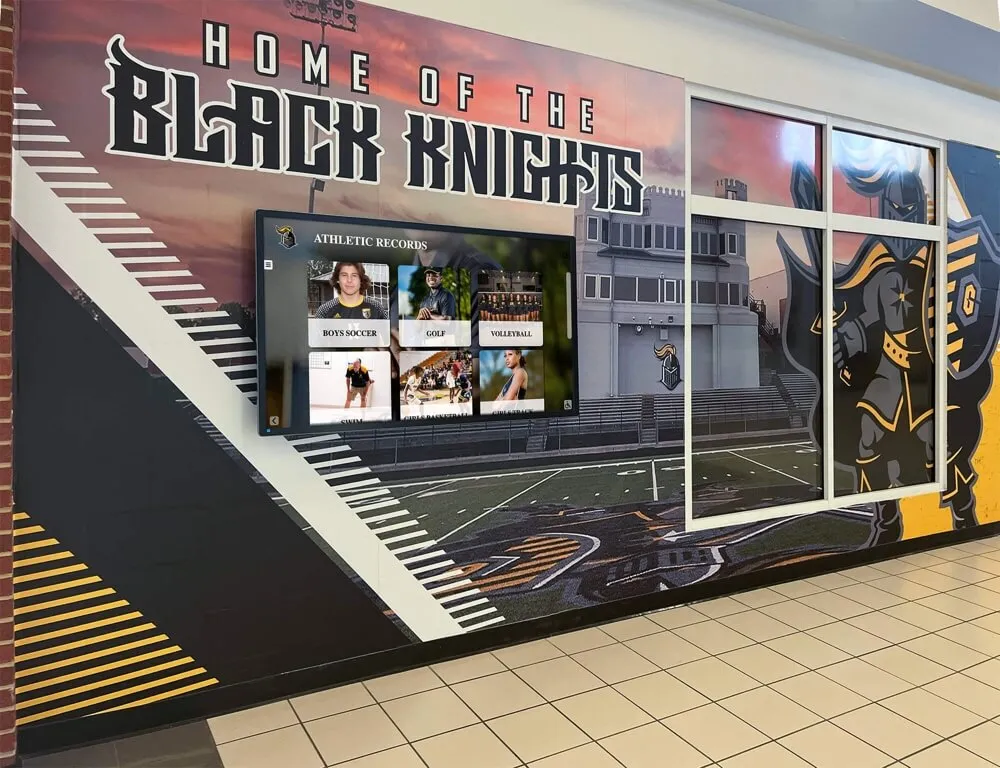
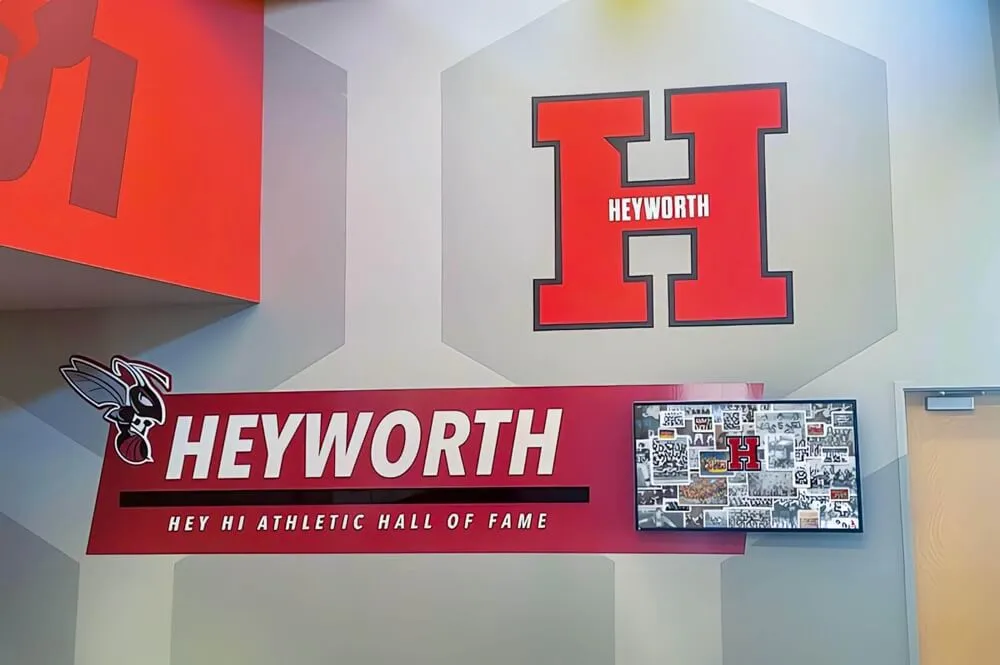
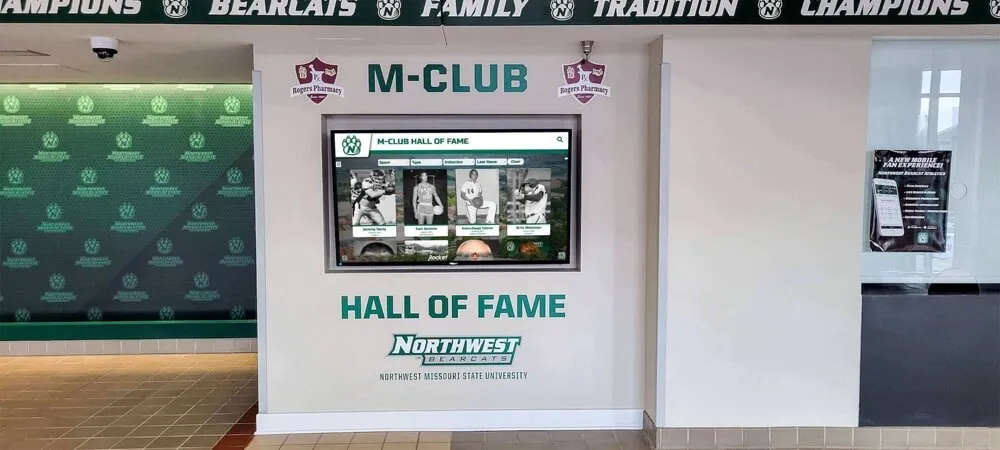
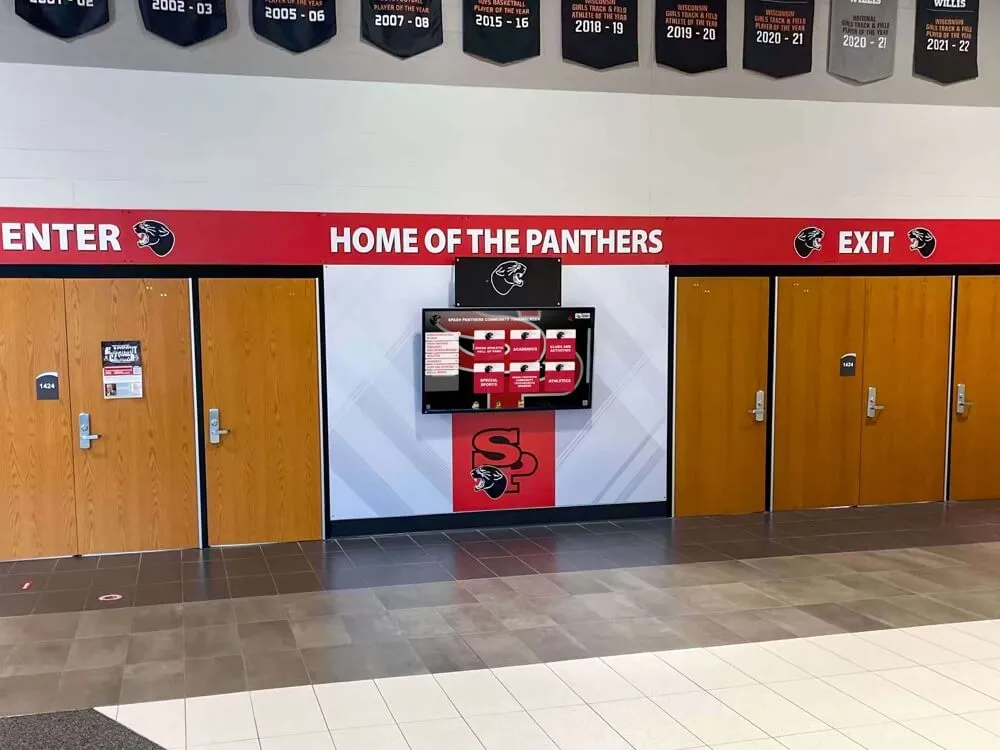
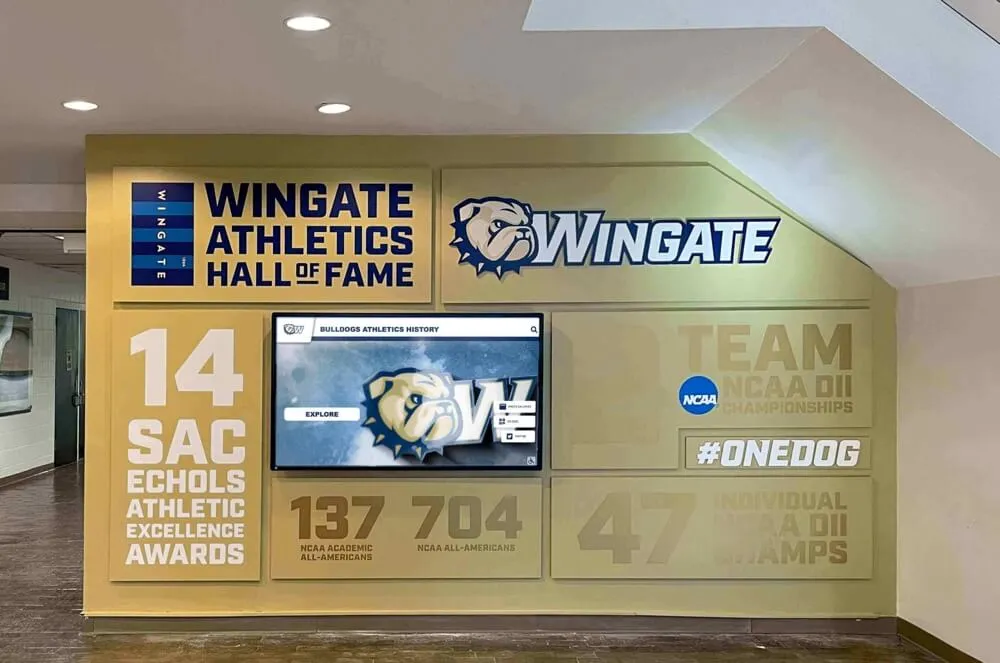
Athletic corridors celebrate competitive traditions including fight songs, creating spaces where musical heritage receives visual recognition alongside team achievements
Performance Traditions and Rituals
When and How Fight Songs Are Performed
College fight songs serve multiple ceremonial functions throughout academic years and athletic seasons:
Athletic Event Performances
- Pregame warm-up creating anticipatory excitement
- Team entrance accompaniment building drama
- Post-touchdown or scoring celebrations acknowledging success
- Halftime performances maintaining energy and engagement
- Victory celebrations after successful competitions
- Rivalry game emphasis with expanded performances
- Senior recognition ceremonies honoring graduating athletes
Non-Athletic Campus Contexts
- Orientation welcoming new students to traditions
- Convocation and commencement ceremonies
- Alumni gatherings and reunion events
- Fundraising campaigns and donor celebrations
- Campus tours showcasing school spirit
- Recognition ceremonies honoring achievements
- Community outreach events building institutional visibility
This multi-context usage transforms fight songs from narrow athletic anthems into broader symbols of institutional identity permeating campus culture.
Physical Traditions Accompanying Fight Songs
Many institutions develop gestures, movements, or rituals performed during fight song renditions:
Common Physical Traditions
- Synchronized arm movements or hand gestures
- Standing or swaying patterns
- Instrument raising by band members
- Keys jingling creating ambient sound
- Stadium-wide choreography like “the wave”
- Mascot performances synchronized to music
- Special sections with unique traditions
- Student section coordination creating visual displays

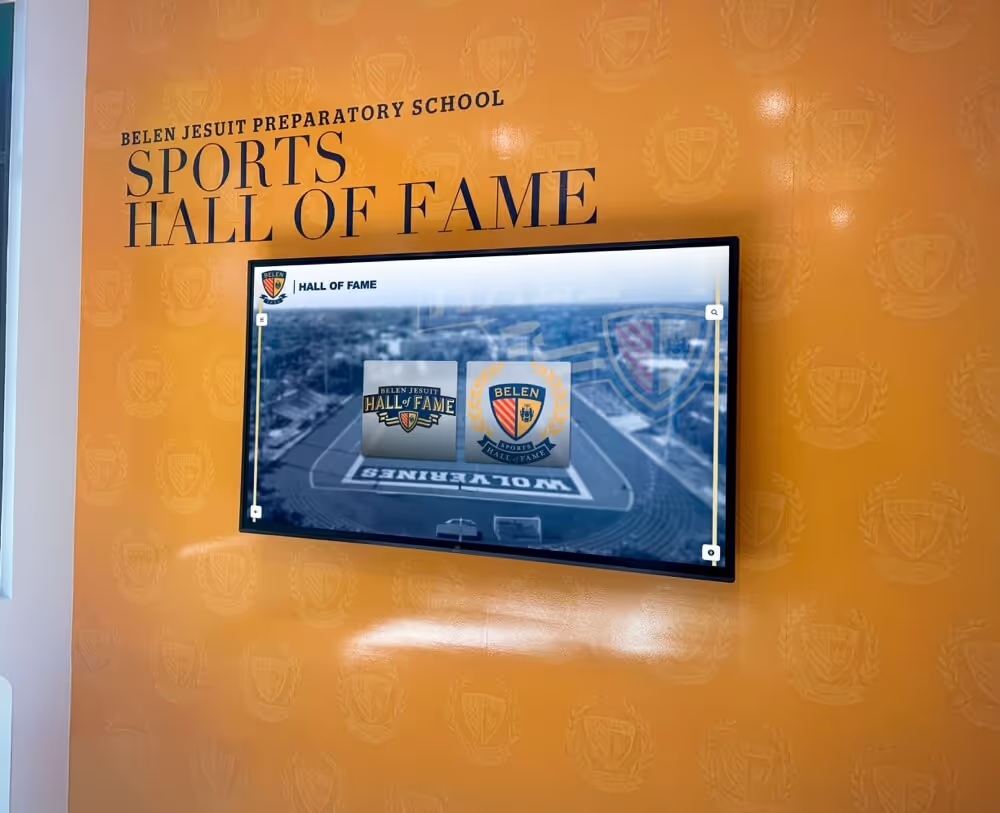
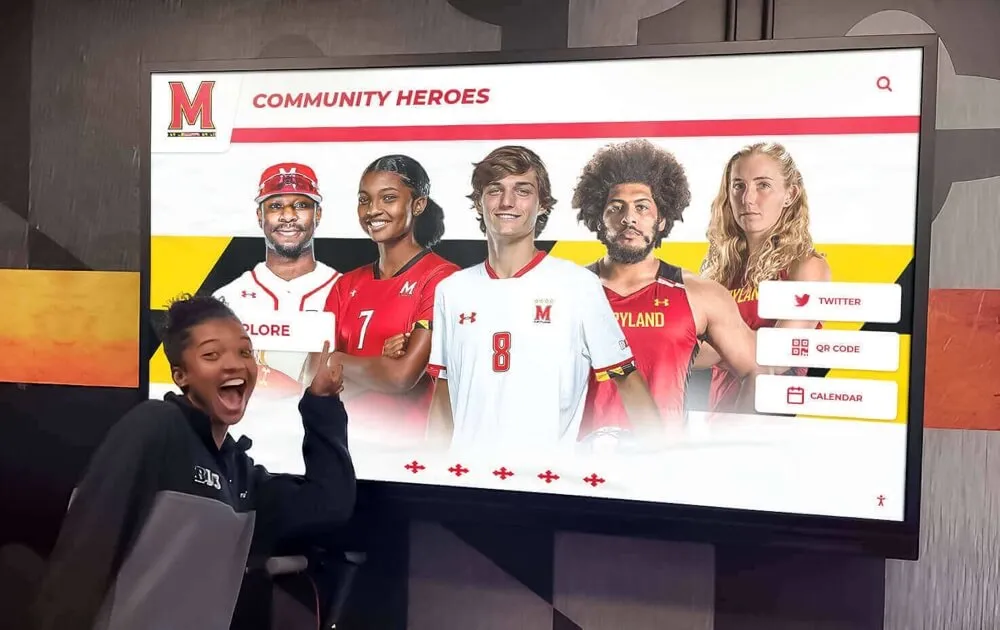
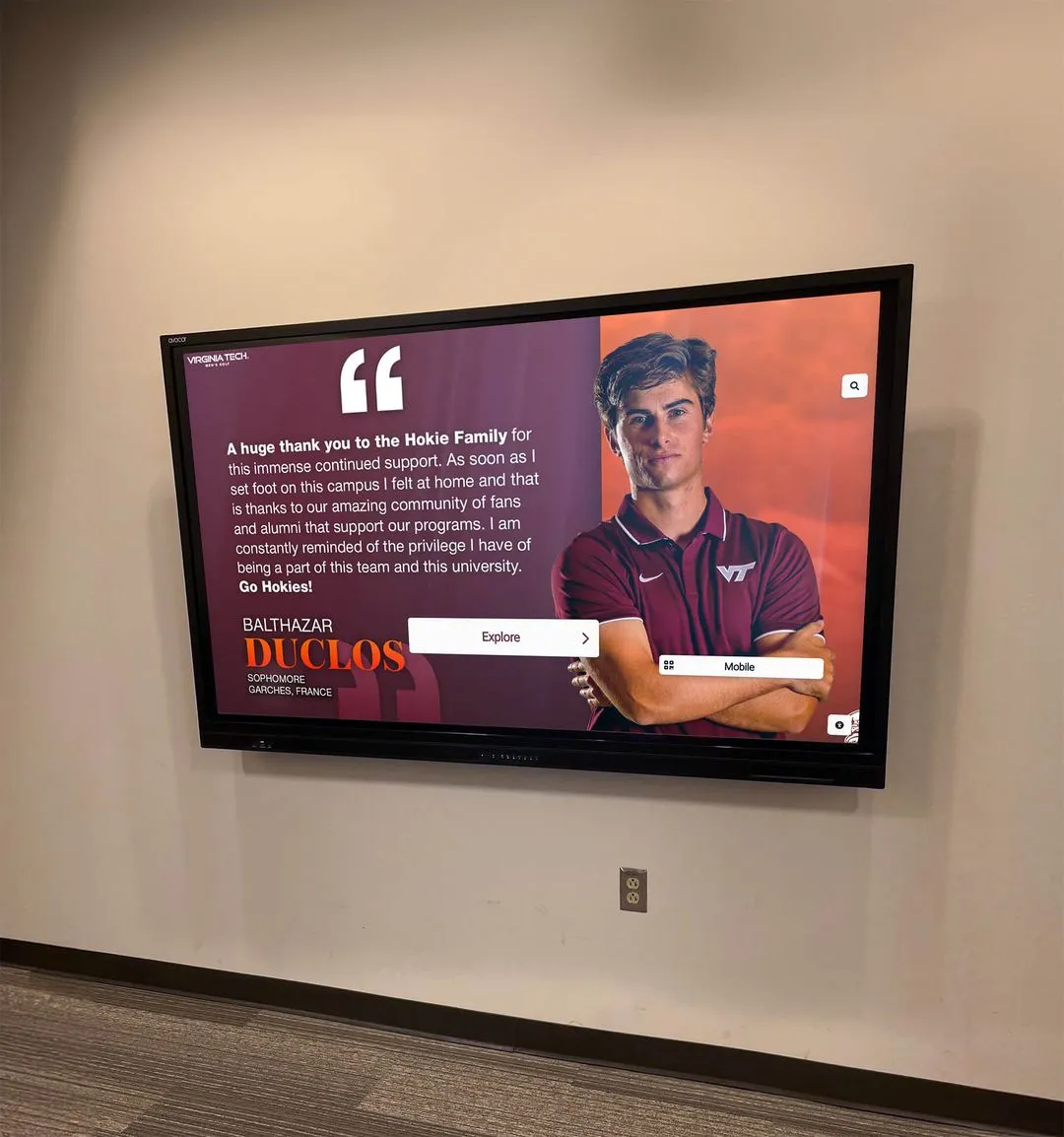
Digital platforms enable students and alumni to access fight songs, school traditions, and institutional history anywhere, extending campus culture beyond physical boundaries
These physical elements create multisensory experiences transforming passive listening into active participation, strengthening the emotional connections between individuals and their institutions.
The Psychology Behind Fight Song Loyalty
Understanding why fight songs generate such profound emotional responses reveals insights about identity formation, community building, and institutional attachment.
Creating Collective Identity Through Music
Neurological and Social Bonding
Research in music psychology demonstrates that communal singing creates powerful neurological and social effects:
Psychological Mechanisms
- Synchronized behavior triggers oxytocin release promoting bonding
- Shared musical experiences create in-group identity markers
- Repetitive participation builds neural pathways strengthening memory
- Emotional arousal during performances enhances retention
- Musical memories prove remarkably durable across lifespan
- Group singing reduces stress and increases wellbeing
- Symbolic association links melodies to institutional values
When thousands sing a fight song together, they’re not merely performing music—they’re engaging in a bonding ritual that reinforces their shared identity as members of a community transcending individual differences.
Memory Formation and Nostalgia
Fight songs become powerful memory anchors connecting individuals to formative experiences:
Memory Association Patterns
- First exposure during orientation creating “firsts” memories
- Repeated performance linking songs to multiple experiences
- Peak emotional moments (victories, graduations) enhancing encoding
- Social context associating melodies with friendships and relationships
- Sensory richness (sound, sight, movement) strengthening recall
- Temporal marking connecting songs to specific life stages
- Identity formation linking music to self-concept development
These associations explain why fight songs can trigger profound nostalgia decades after graduation, instantly transporting alumni back to campus experiences and emotional states from years past.
Transgenerational Tradition and Alumni Connection
Bridging Past and Present
Fight songs serve as cultural continuity mechanisms linking current students to institutional history:
Continuity Functions
- Unchanged melodies connecting generations across decades
- Shared performance traditions creating common experiences
- Alumni passing traditions to children attending same institutions
- Reunion events featuring communal fight song performances
- Historical awareness of composers and origin stories
- Recognition that thousands before sang identical words
- Appreciation for tradition longevity and persistence
This transgenerational quality means fight songs aren’t merely contemporary expressions—they’re living traditions connecting individuals to all who came before and will follow, creating sense of belonging to something larger than any single cohort.
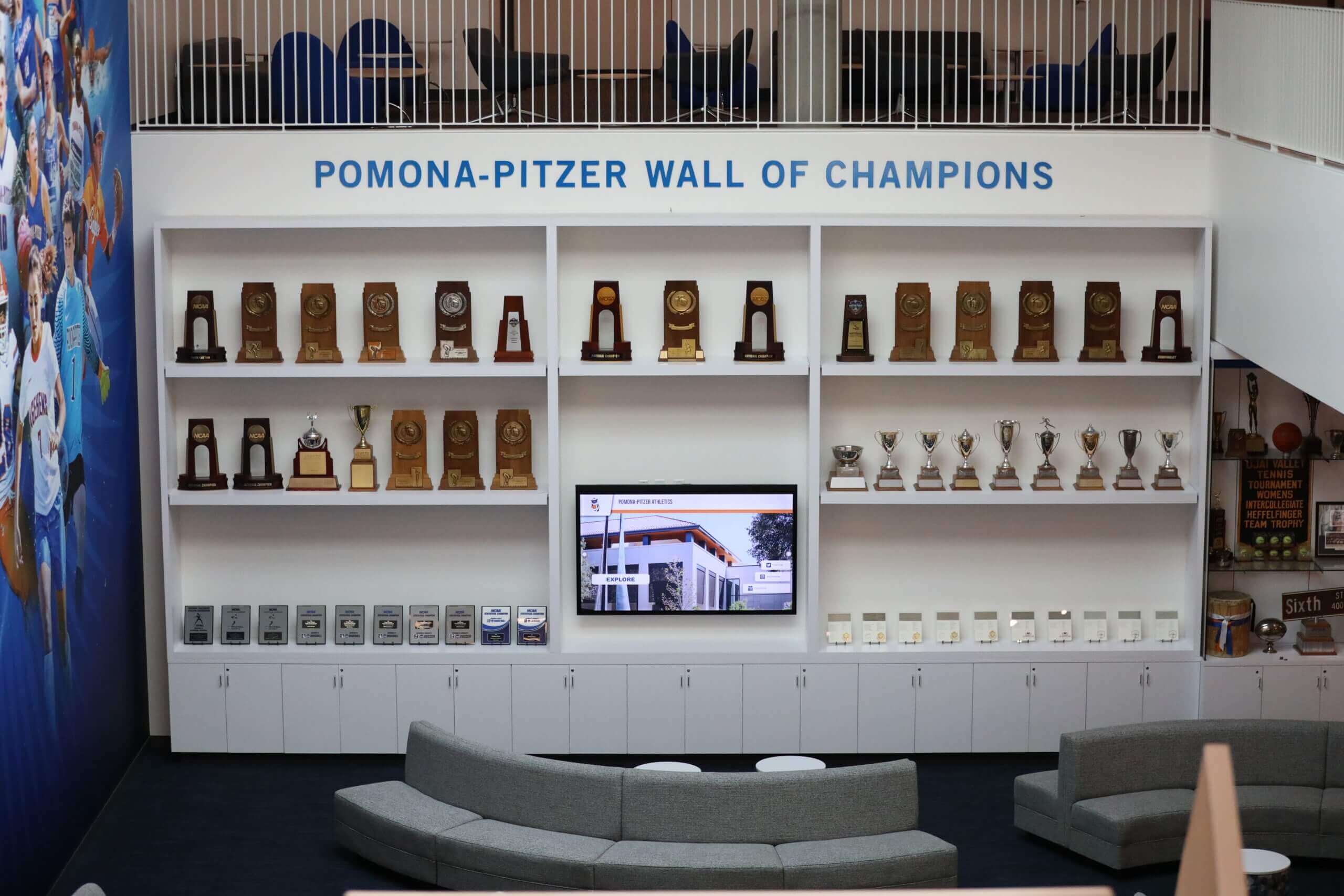
Collegiate recognition displays celebrate the achievements and traditions that inspire fight songs, creating permanent tributes to excellence and school spirit
Alumni Engagement and Institutional Loyalty
Fight song familiarity correlates with stronger alumni engagement and institutional support:
- Alumni who know their fight song demonstrate higher giving rates
- School spirit indicators predict long-term institutional loyalty
- Emotional connections fostered by traditions influence philanthropy
- Shared cultural touchstones facilitate networking and community
- Pride in institutional identity increases advocacy behaviors
- Musical traditions create accessible participation opportunities
- Fight songs serve as recognition signals among alumni
Institutions understanding these connections invest strategically in preserving and celebrating fight song traditions, recognizing their role in building lifelong relationships extending beyond graduation.
Famous College Fight Songs and Their Stories
Examining specific beloved anthems reveals the diverse paths through which fight songs achieve iconic status.
“The Victors” - University of Michigan
America’s Most Recognized College Fight Song
Composed by student Louis Elbel in 1898 following Michigan’s victory over the University of Chicago, “The Victors” has been called “the greatest college fight song ever written” by legendary conductor John Philip Sousa.
Distinctive Characteristics
- Powerful, triumphant melody suggesting military victory
- Lyrics emphasizing champions and conquering
- Instant recognition factor beyond university community
- Professional-quality composition with sophisticated harmonies
- Enduring popularity spanning 125+ years
- Adoption beyond athletics into broader campus culture
- National recognition as symbol of Michigan identity
The song’s success demonstrates how musical quality combined with strategic promotion can elevate a fight song to cultural icon status transcending regional boundaries.
“Victory March” - University of Notre Dame
The Soundtrack of College Football
Written by brothers Michael and John Shea in 1908, Notre Dame’s “Victory March” became synonymous with college football itself through the program’s national prominence and media exposure.
Cultural Impact Factors
- Association with legendary football program success
- National broadcast exposure beginning in radio era
- Distinctive melodic hook instantly recognizable
- Catholic university’s national alumni distribution
- Integration into popular culture and media
- Covered by professional bands and orchestras
- Licensed for commercial use amplifying recognition
Notre Dame’s fight song exemplifies how athletic success combined with media visibility can transform a campus anthem into a nationally recognized cultural artifact.
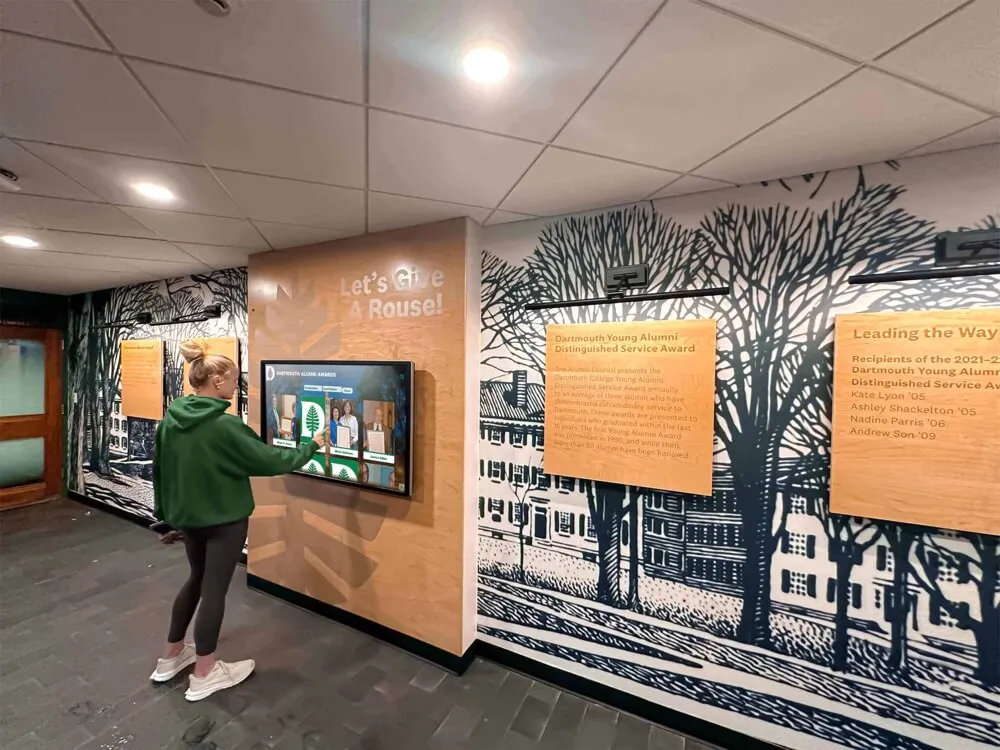
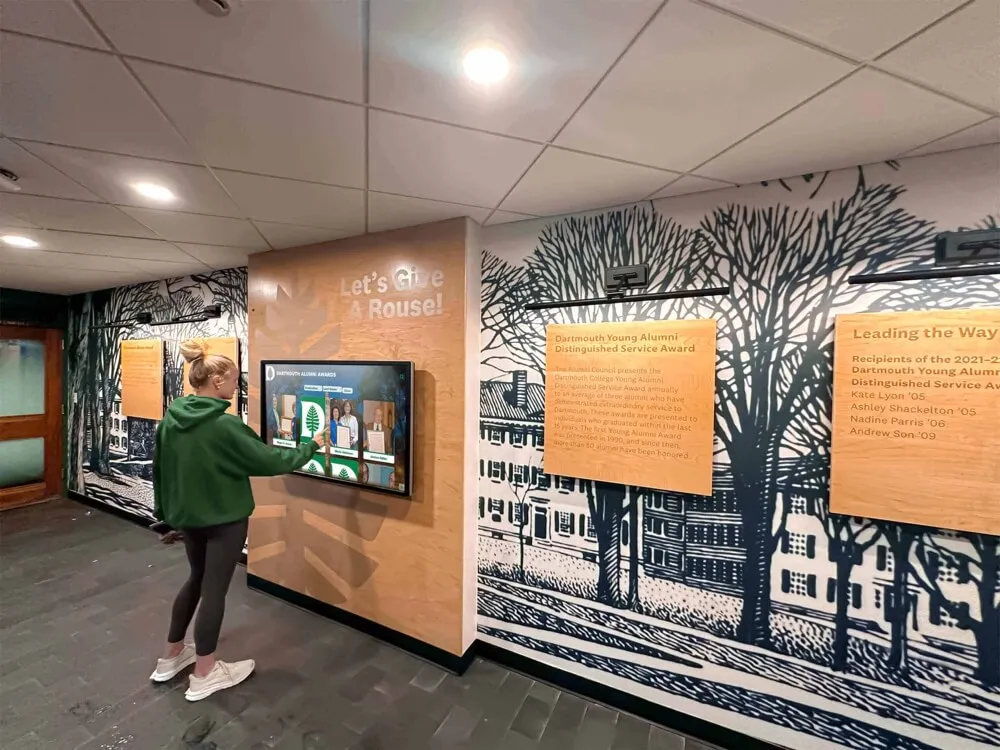
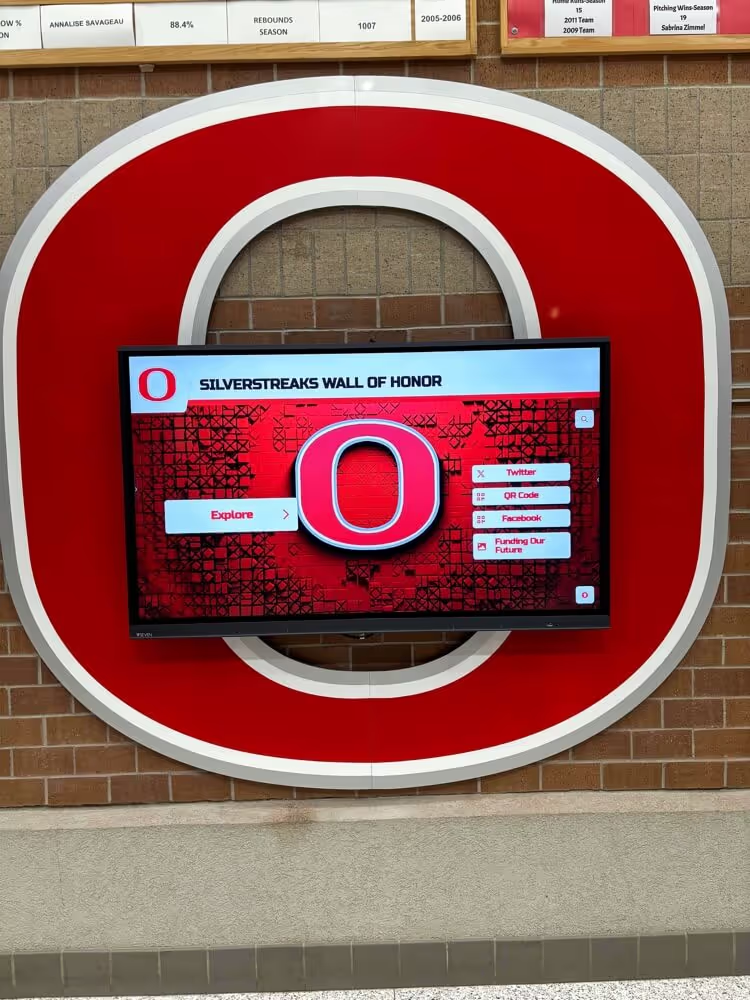
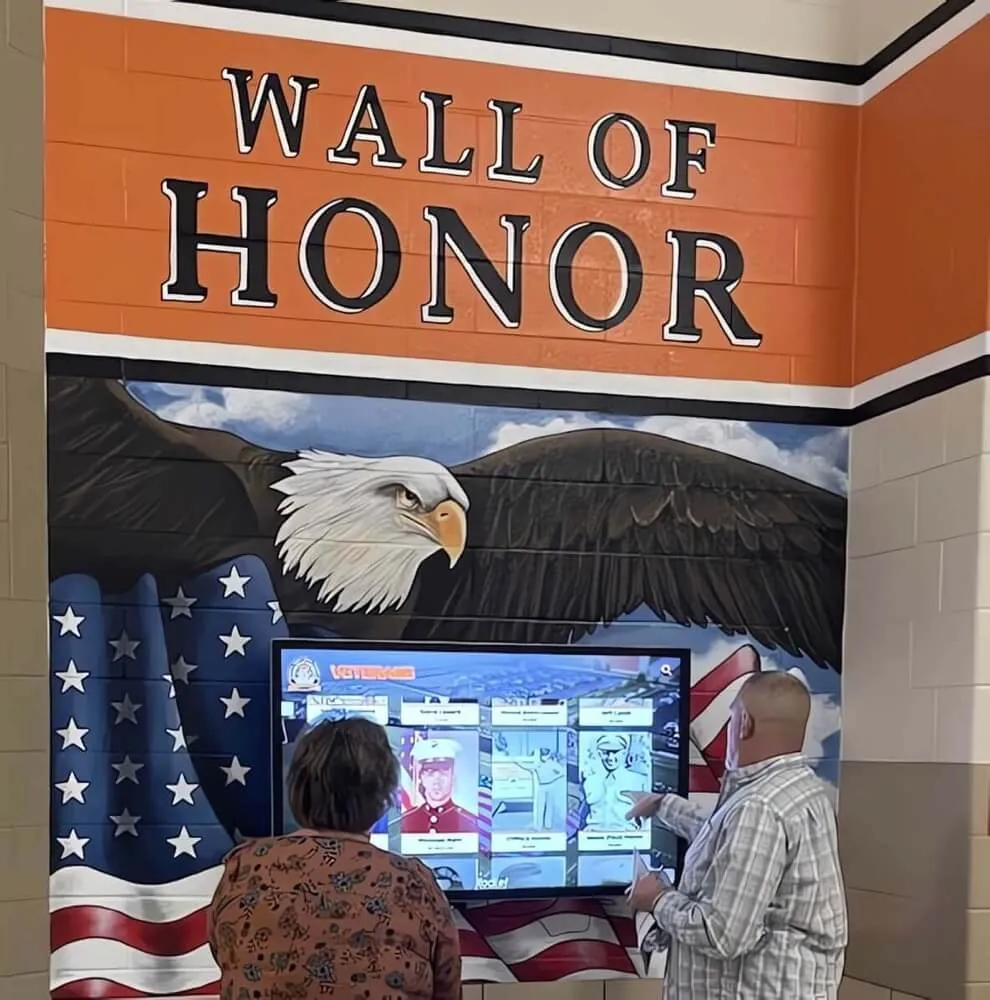
Interactive displays in college hallways enable exploration of institutional traditions including fight song history, connecting students and visitors to the stories behind campus anthems
Regional Variations and Unique Traditions
Distinctive Approaches to Fight Song Culture
Different institutions develop unique relationships with their musical traditions:
University of Wisconsin - Multiple Fight Songs
Wisconsin maintains several fight songs serving different purposes:
- “On, Wisconsin!” as primary athletic anthem
- “Varsity” for specific ceremonial contexts
- “If You Want to Be a Badger” for alternate situations
- Different songs for different sports or contexts
This multi-song approach demonstrates how institutions can maintain rich musical traditions accommodating diverse situations and preferences.
University of Texas - “Texas Fight” and “The Eyes of Texas”
Texas maintains distinct traditions:
- “Texas Fight” as energetic rally song during games
- “The Eyes of Texas” as reflective alma mater post-game
- Different emotional tones serving complementary functions
- Both songs essential to complete Texas tradition
- Institutional identity expressed through multiple musical vehicles
Service Academies - Military Heritage Integration
Army, Navy, and Air Force academies incorporate military musical traditions:
- March-style compositions reflecting military band heritage
- Lyrics emphasizing honor, duty, and service values
- Integration with formal ceremonies and protocols
- Connection to broader military culture beyond campus
- Alumni maintaining tradition in military service worldwide
These variations demonstrate fight song traditions adapting to institutional character while maintaining core functions of building spirit and creating identity.
Fight Songs in Modern Campus Culture
Contemporary higher education presents both challenges and opportunities for traditional fight song culture.
Evolving Student Engagement
Changing Participation Patterns
Modern student bodies engage with fight song traditions differently than historical cohorts:
Contemporary Realities
- Decreased automatic participation in traditional activities
- Competition from digital entertainment and social media
- Diverse student populations with varied cultural backgrounds
- Less automatic deference to established traditions
- Increased questioning of tradition meanings and origins
- Desire for inclusive traditions reflecting all community members
- Technology-mediated experiences supplementing in-person participation
Progressive institutions adapt traditions while maintaining essence, ensuring fight songs remain relevant to contemporary students rather than museum pieces from bygone eras.
Strategies for Sustaining Relevance
Successful programs employ multiple approaches maintaining fight song vitality:
Engagement Tactics
- Orientation integration teaching songs to entering students
- Mobile apps providing lyrics and audio learning tools
- Social media campaigns showcasing fight song performances
- Student organization incorporation into events
- Context education explaining tradition significance
- Visual displays featuring fight song history and lyrics
- Recognition of musical excellence supporting traditions
- Video sharing platforms amplifying reach
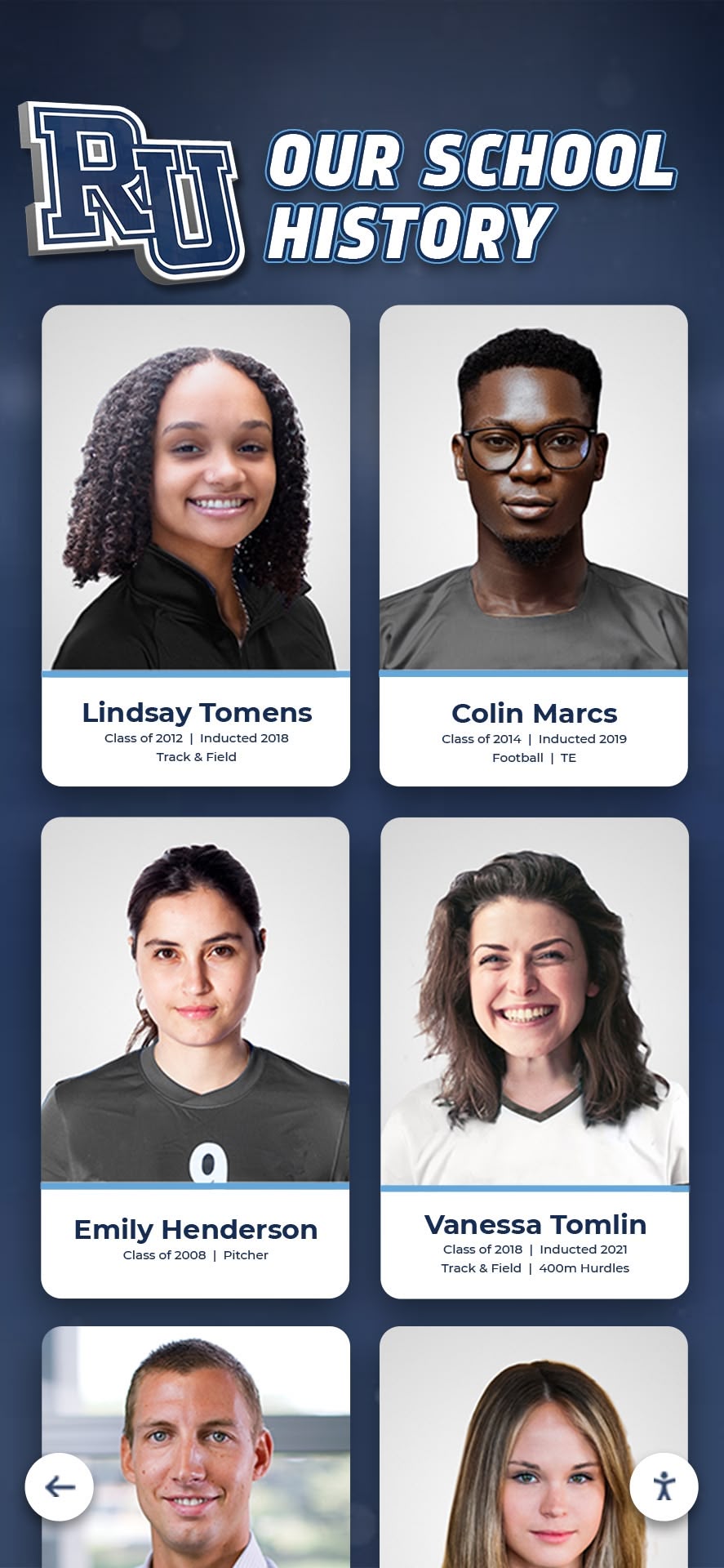
Historical displays documenting athletic achievement and school traditions create context for understanding fight song significance and campus cultural evolution
Balancing Tradition and Evolution
Forward-thinking institutions maintain core traditions while accommodating contemporary values:
- Reviewing lyrics for outdated or problematic language
- Creating inclusive performance opportunities
- Expanding contexts beyond athletics into academics and service
- Celebrating diverse musical traditions alongside fight songs
- Acknowledging tradition complexity and historical evolution
- Maintaining musical integrity while updating presentations
- Similar to how schools approach student engagement strategies, adapting without abandoning
Technology and Digital Preservation
Modern Tools Supporting Traditional Music
Contemporary technology provides unprecedented opportunities for fight song preservation and dissemination:
Digital Applications
- Streaming platforms making fight songs accessible globally
- Official recordings preserving authoritative performances
- Learning apps teaching melodies and lyrics interactively
- Virtual reality experiences recreating stadium atmospheres
- Social media amplifying performances and participation
- Video archives documenting historical performances
- Digital recognition displays featuring fight song heritage
Solutions like Rocket Alumni Solutions enable institutions to create comprehensive displays celebrating fight song traditions alongside other institutional achievements, providing interactive exploration of musical heritage with multimedia presentations accessible to campus visitors and remote alumni alike.
Social Media and Viral Traditions
Modern fight song culture extends beyond stadium walls:
- Student-created performance videos gaining viral attention
- Alumni flash mobs in unexpected locations
- Cross-institutional friendly competitions and tributes
- Meme culture incorporating fight song references
- Global alumni gatherings featuring communal singing
- Recruitment content showcasing school spirit traditions
- Integration with broader school spirit initiatives
This digital expansion creates unprecedented visibility while raising questions about tradition authenticity and control that institutions navigate carefully.
Preserving Fight Song Heritage for Future Generations
Thoughtful institutions implement systematic approaches ensuring fight song traditions endure across generations.
Documentation and Historical Preservation
Creating Comprehensive Archives
Professional documentation preserves fight song heritage:
Archival Elements
- Original composition manuscripts and sheet music
- Historical recordings from various eras
- Photographs and videos documenting performances
- Composer biographies and creation stories
- Evolution documentation tracking arrangement changes
- Newspaper articles and contemporary accounts
- Alumni testimonials about personal significance
- Musical analysis and scholarly research
These materials provide foundations for understanding tradition development while ensuring future generations can access authoritative sources rather than degraded copies or incomplete information.
Physical and Digital Recognition
Institutions celebrate fight song traditions through visible recognition:
Recognition Approaches
- Lobby displays featuring fight song history and significance
- Interactive kiosks allowing exploration of musical heritage
- QR codes linking physical spaces to audio recordings
- Dedication plaques honoring composers and significant performers
- Anniversary celebrations marking fight song milestones
- Integration with broader institutional history presentations
- Digital history archives preserving musical traditions
Modern digital recognition displays enable unlimited documentation capacity, multimedia integration, and interactive exploration impossible with traditional static plaques or trophy cases.
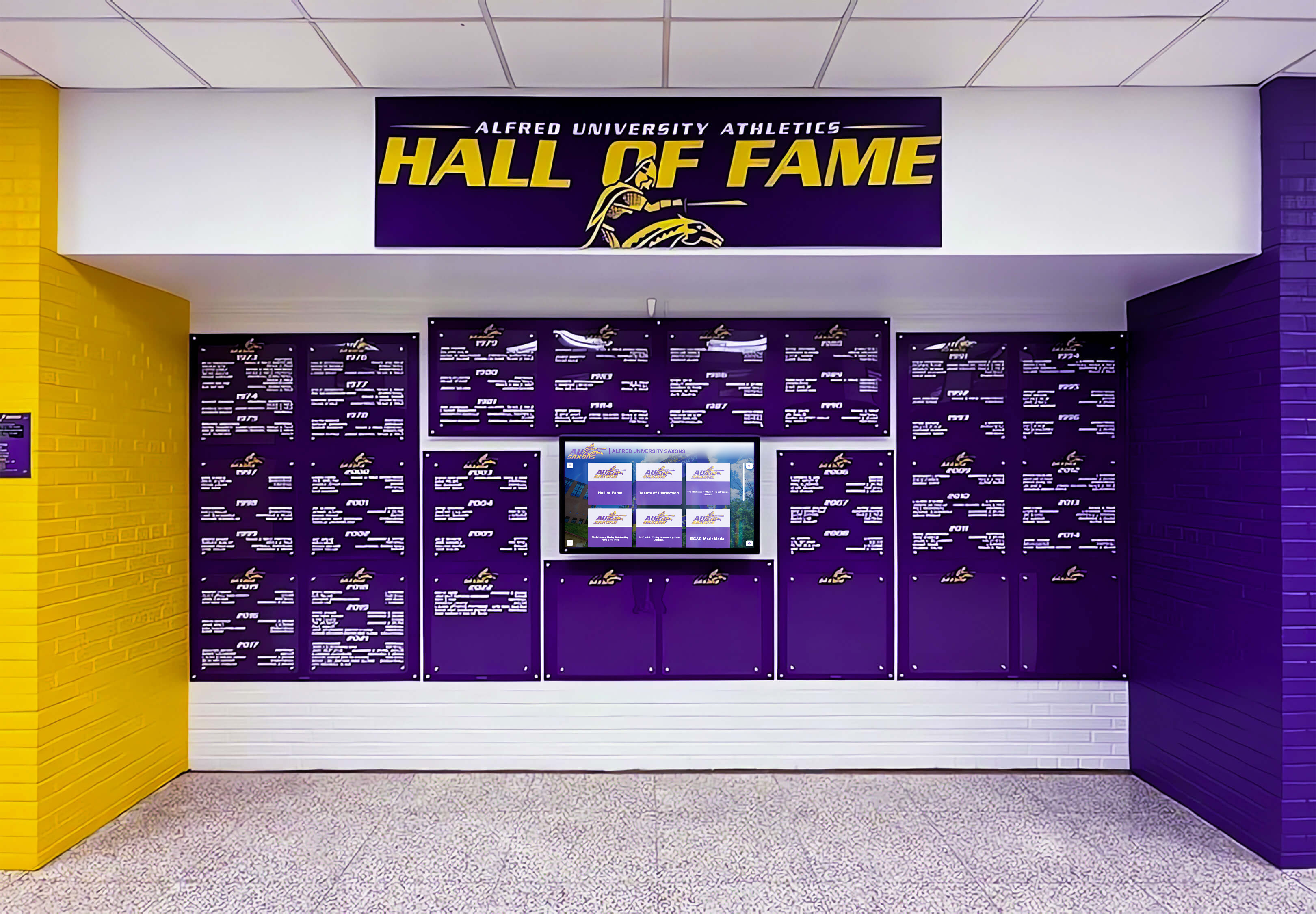
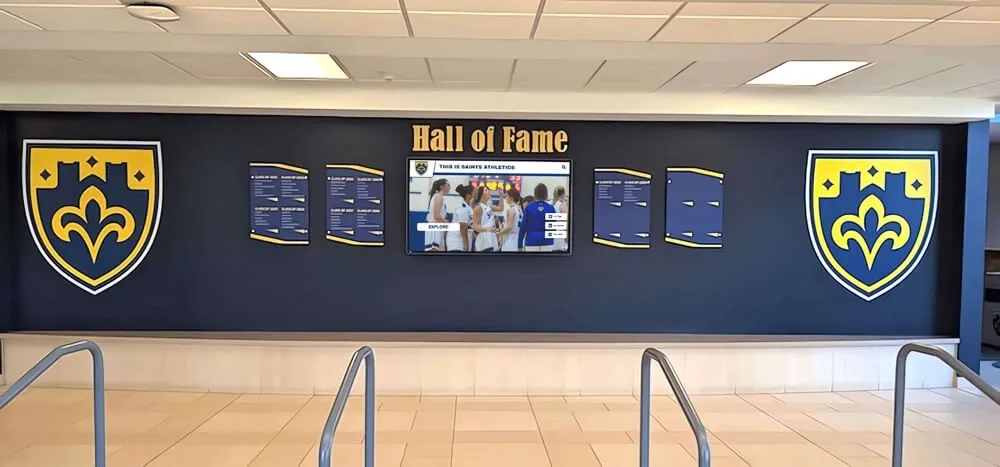
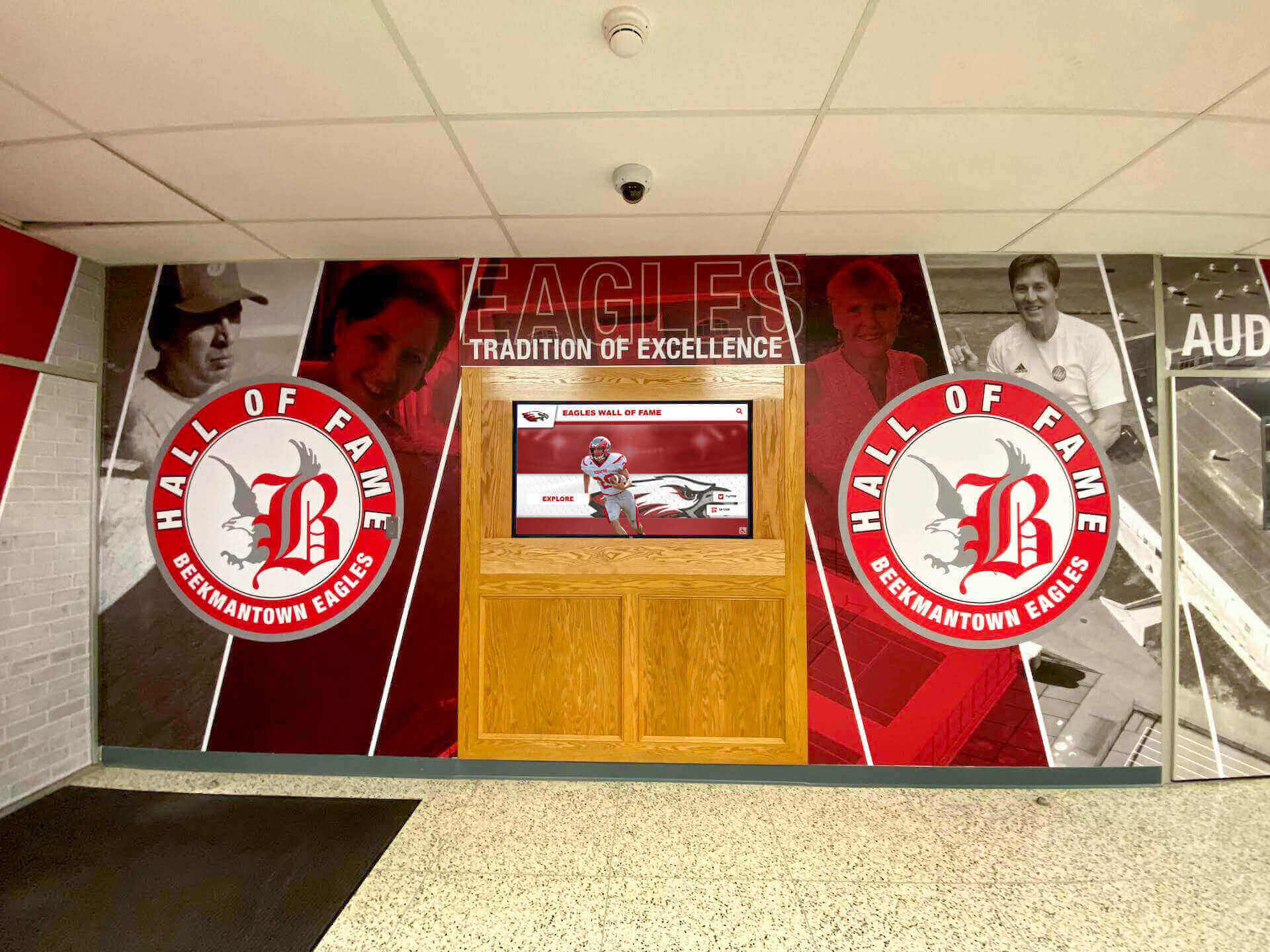
University halls of fame celebrate athletic excellence and institutional traditions including fight songs that unite campus communities across generations
Educational Programming and Tradition Transmission
Teaching New Generations
Systematic education ensures tradition continuity:
Educational Initiatives
- Freshman orientation fight song learning sessions
- Band recruitment and training programs
- Historical presentations during campus tours
- Academic courses examining tradition significance
- Student leadership training on tradition stewardship
- Alumni mentorship connecting generations
- Family weekend celebrations including tradition education
Creating Meaningful Participation
Deep engagement requires understanding beyond rote memorization:
- Explaining historical context and composer stories
- Connecting traditions to institutional values and mission
- Demonstrating how fight songs unite diverse communities
- Creating performance opportunities beyond athletics
- Recognizing student contributions to tradition preservation
- Celebrating musical excellence supporting traditions
- Building alumni gathering spaces featuring musical heritage
Understanding transforms passive participants into active tradition bearers who internalize significance rather than merely going through motions.
Fight Songs Beyond the Stadium
The most successful fight song traditions extend beyond athletic contexts into broader institutional culture.
Academic and Ceremonial Applications
Expanding Traditional Boundaries
Forward-thinking institutions integrate fight songs throughout campus life:
Non-Athletic Contexts
- Commencement processions and celebrations
- Academic convocations and honors ceremonies
- New student welcome events and orientations
- Donor recognition events and fundraising celebrations
- Faculty and staff gatherings building community
- Campus beautification and facility dedication ceremonies
- Research presentations and academic conferences
- Community outreach and partnership events
This expansion reinforces fight songs as symbols of total institutional identity rather than narrow athletic affiliation, creating broader ownership across diverse campus constituencies.
Alumni Engagement and Development
Leveraging Musical Traditions for Institutional Advancement
Fight songs serve strategic functions in alumni relations and fundraising:
Development Applications
- Opening donor events with communal singing
- Campaign kickoffs featuring band performances
- Reunion gatherings organized around fight song performances
- Regional alumni chapters maintaining musical traditions
- Giving campaigns incorporating fight song themes
- Major gift recognition integrated with tradition celebration
- Digital donor recognition featuring musical heritage

Athletic facility displays celebrate competitive excellence and traditions like fight songs that energize student-athletes and unite campus communities in shared purpose
Emotional Connection and Philanthropic Motivation
Research demonstrates that emotional attachment influences giving behavior:
- Alumni who report strong emotional connections give more generously
- Tradition participation predicts long-term institutional loyalty
- Fight song familiarity correlates with higher engagement levels
- Nostalgic triggers like music activate philanthropic impulses
- Shared experiences create obligation feelings motivating support
- Pride in institutional identity increases advocacy and referrals
Institutions systematically leveraging fight song traditions in advancement work recognize these musical touchstones as valuable assets rather than mere entertainment elements.
Creating and Commissioning New Fight Songs
Some institutions lack established fight song traditions or seek to supplement existing anthems with contemporary compositions.
Best Practices for Fight Song Development
Composition Considerations
Creating enduring fight songs requires balancing multiple objectives:
Musical Requirements
- Singable melodies within comfortable vocal ranges
- Memorable hooks supporting quick learning
- Appropriate tempo for intended contexts (marching, cheering)
- Musical sophistication supporting professional performance
- Arrangement flexibility accommodating various instrumentations
- Cultural sensitivity avoiding problematic stereotypes
- Connection to institutional character and values
Lyrical Considerations
- Specific institutional references creating uniqueness
- Universal themes supporting broad appeal
- Inclusive language welcoming all community members
- Action-oriented verbs creating energy
- Rhyme schemes supporting memorization
- Avoidance of dated references limiting longevity
- Balance between tradition respect and contemporary relevance
Implementation and Adoption Strategies
Launching New Fight Songs Successfully
Simply composing new music doesn’t guarantee adoption:
Implementation Steps
- Stakeholder engagement gathering input from students, alumni, and faculty
- Professional composer selection ensuring musical quality
- Pilot testing with focus groups providing feedback
- Band and music department collaboration ensuring performability
- Strategic launch during high-visibility events creating momentum
- Educational campaign teaching melody and lyrics broadly
- Multiple performance contexts building familiarity
- Leadership modeling demonstrating importance
- Recognition of participation encouraging adoption
- Patience allowing organic tradition development
Successful new fight songs typically require 3-5 years before achieving true tradition status, demanding sustained institutional commitment beyond initial enthusiasm.
Conclusion: The Enduring Power of Campus Anthems
College fight songs represent far more than musical entertainment at athletic events—they embody institutional identity, create transgenerational bonds, and provide accessible participation opportunities that unite diverse communities in shared purpose. From their origins in early 20th century collegiate athletics to their contemporary expressions across digital platforms and global alumni networks, these campus anthems demonstrate remarkable durability as cultural touchstones.
The most successful fight song traditions balance preservation with evolution, maintaining core elements that connect generations while adapting to contemporary values and engagement patterns. They extend beyond stadium walls into commencement ceremonies, donor events, academic celebrations, and daily campus life, reinforcing their role as comprehensive symbols of institutional character rather than narrow athletic affiliations.
For institutions seeking to strengthen school spirit and build lasting alumni connections, fight songs offer proven frameworks combining emotional resonance, participatory accessibility, and transgenerational continuity. Whether preserving century-old traditions or commissioning contemporary compositions, thoughtful attention to these musical heritage elements creates cultural foundations supporting institutional identity and community cohesion.
Modern institutions increasingly recognize that celebrating fight song traditions requires more than occasional performances—it demands systematic preservation, visible recognition, and educational programming ensuring each generation understands the significance behind the melodies they sing. Digital recognition displays enable unprecedented opportunities to showcase fight song history through interactive multimedia presentations accessible to campus visitors and global alumni alike.
Every time a fight song echoes through a stadium, campus quad, or alumni gathering, it reinforces bonds connecting individuals to institutions and to each other. These are not merely songs—they are living traditions carrying the weight of history, the energy of present communities, and the promise of continuity extending into future generations. Institutions that honor, preserve, and celebrate these musical traditions invest in cultural assets that strengthen school spirit, build alumni loyalty, and create the distinctive identity that transforms educational institutions into beloved communities worth celebrating forever.
Celebrate Your School's Musical Heritage
Discover how digital recognition displays can help you preserve and celebrate fight song traditions, showcase band excellence, and honor the musical heritage that unites your campus community. Modern solutions enable unlimited capacity for documenting institutional traditions with interactive presentations, multimedia integration, and cloud-based management that keeps your school's cultural touchstones accessible to students, alumni, and visitors worldwide.
Explore Digital Recognition Solutions